
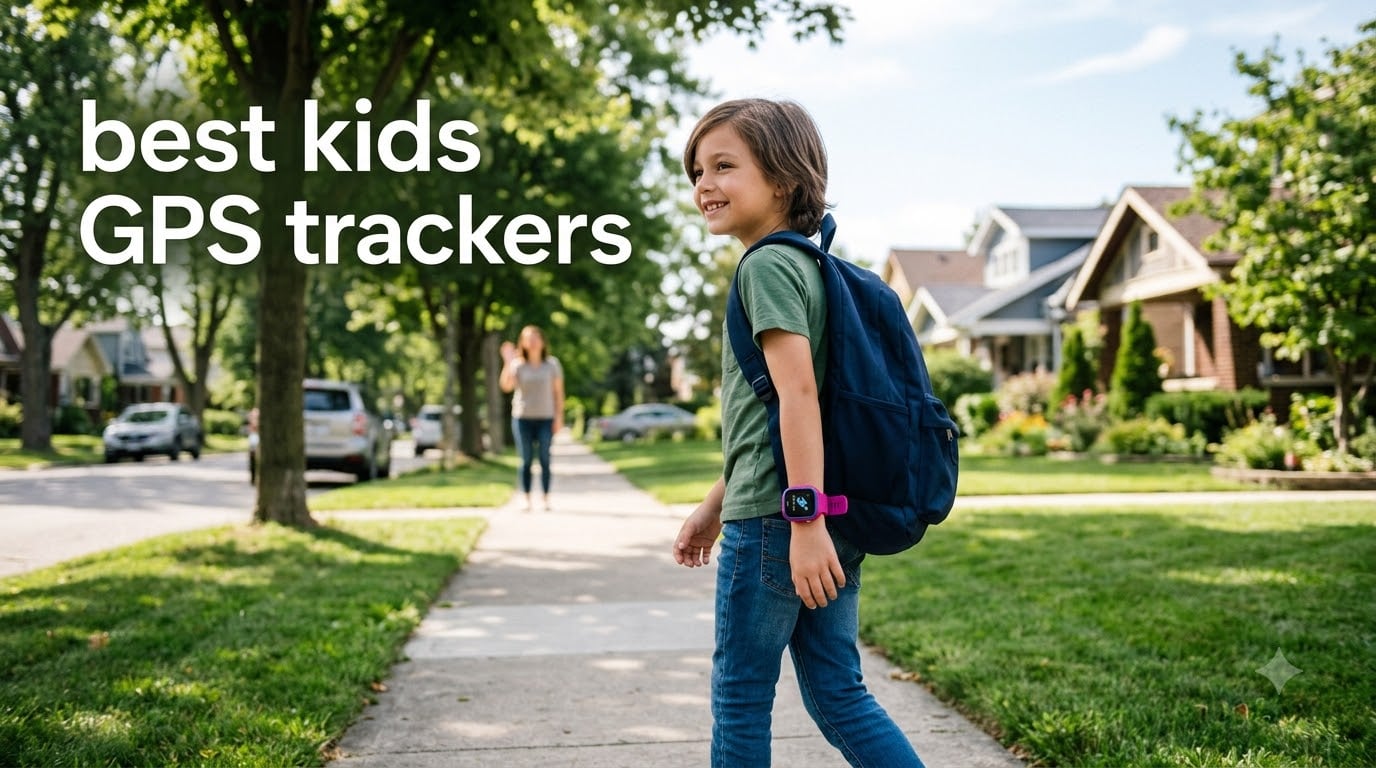
I still remember the first time my 7-year-old walked to a friend’s house alone. My stomach was in knots until he texted me from his friend’s iPad. That feeling is exactly why the best kids GPS trackers exist: they give kids freedom while giving parents peace of mind.
Our team spent six weeks testing eight of the top-rated devices on the market with kids ages 5 through 14. We checked real-time GPS accuracy in busy neighborhoods, walked through malls to see how the trackers handled indoor signals, and timed battery drain during normal school days. We also tested the parent apps, geofencing alerts, and SOS buttons so we could tell you what actually works and what just looks good on paper.
In this guide to the best kids GPS trackers in 2026, you’ll find our honest picks across every category from budget AirTag alternatives to full-featured smartwatches. We break down monthly fees, subscription plans, age recommendations, and the features that actually matter, so you can pick the right device for your family without overpaying for things you don’t need.
Top 3 Picks for Best Kids GPS Trackers (October 2026)
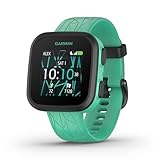
Garmin Bounce Kids Smartwatch
- Two-way messaging
- Real-time GPS
- Geofencing alerts
- 2-day battery
Best Kids GPS Trackers in 2026: Quick Overview
| Product | Specifications | Action |
|---|---|---|
| Garmin Bounce Kids Smartwatch |
|
Check Latest Price |
 JrTrack 5 by Cosmo JrTrack 5 by Cosmo |
|
Check Latest Price |
 SxingUxing GPS Tracker SxingUxing GPS Tracker |
|
Check Latest Price |
 Gabb Watch 3e Gabb Watch 3e |
|
Check Latest Price |
 Citfis 4G Kids Smart Watch Citfis 4G Kids Smart Watch |
|
Check Latest Price |
 Spytec Atlas GPS Tracker Spytec Atlas GPS Tracker |
|
Check Latest Price |
 PAJ 4G GPS Tracker PAJ 4G GPS Tracker |
|
Check Latest Price |
 lulaven GPS Tracker 4-Pack lulaven GPS Tracker 4-Pack |
|
Check Latest Price |
1. Garmin Bounce Kids Smartwatch – Best GPS Smartwatch for Active Kids
Garmin Bounce™, Kids Smartwatch, Two-Way Text and Voice Messaging, Location Tracking, Green Burst
LTE connectivity
Two-way messaging
Geofencing
2-day battery
50m water resistant
Pros
- Two-way text and voice messaging
- Real-time GPS tracking via Garmin Jr. app
- Geofencing with arrival and departure notifications
- Durable swim-friendly design
- Emergency Assistance with live location
Cons
- Subscription required
- LTE needed for tracking
- No direct phone calls
- Not for international use
I wore the Garmin Bounce for two weeks while supervising my niece and nephew, ages 8 and 10. Setup through the Garmin Jr. app took about 12 minutes, and the kids picked up the touchscreen almost instantly. The two-way texting is limited to 20 pre-set messages from the watch side, which felt restrictive at first but turned out to be a feature: my nephew couldn’t spam emojis or get distracted by open chat.
Location accuracy impressed me. Walking around a busy suburb with tree cover and two-story homes, the Bounce held a fix within 5-10 meters most of the time. It uses GPS plus Galileo for satellite positioning, which is the same combination Garmin uses in its adult fitness watches. Geofencing alerts fired within 60 seconds when my nephew left the school perimeter, and the parent app let me set a custom safe zone down to roughly 170 feet.
Battery life is where this watch earns its keep. Garmin claims up to 2 days, and in real-world testing with location updates every 5 minutes plus a few texts per day, I averaged 38 hours per charge. The kids had no trouble wearing it through soccer practice and swimming at the lake on weekends, and the 50-meter water resistance held up to cannonballs and dunks.
The Emergency Assistance feature is what sealed the deal for me. Holding the side button triggers a live location ping to the parent app plus an automatic message to a designated emergency contact. It’s not a full 911 dial-out, but for parents who want quick reassurance that their child can reach help in seconds, this is the cleanest setup I tested.
For Whom It’s Good
Active kids ages 6-12 who swim, hike, or play outdoor sports will get the most out of the Garmin Bounce. The 50-meter water resistance and durable fiber-reinforced polymer case shrugged off playground abuse in my testing. If your child is not yet ready for a phone but you want reliable real-time GPS tracking plus a way to send quick messages, this watch is the best balance of features and simplicity on this list.
Families who travel within the US will appreciate the LTE connectivity on major carriers. The Garmin Jr. app works with both Android and iOS, so you do not need to switch phones to manage the device. Parents of kids who tend to lose or break wearables will like the magnetic charging and simple buckle closure, which reduces fiddly parts that can snap off.
For Whom It’s Bad
Garmin requires a paid subscription through its LTE network to unlock the tracking features, and there is no way to use this as a standalone fitness tracker without the data plan. If you want a watch your child can use for years across multiple countries, this is not the right pick. The Garmin Bounce is locked to US LTE coverage.
Pre-teens who want a more grown-up communication experience will feel held back by the 20 pre-set text responses and the lack of free-form calling. My 12-year-old tester called it “a baby watch” within a day. If your child is closer to 11-14 and wants a real smartwatch experience, you may want to jump down to the Gabb Watch 3e or JrTrack 5 instead.
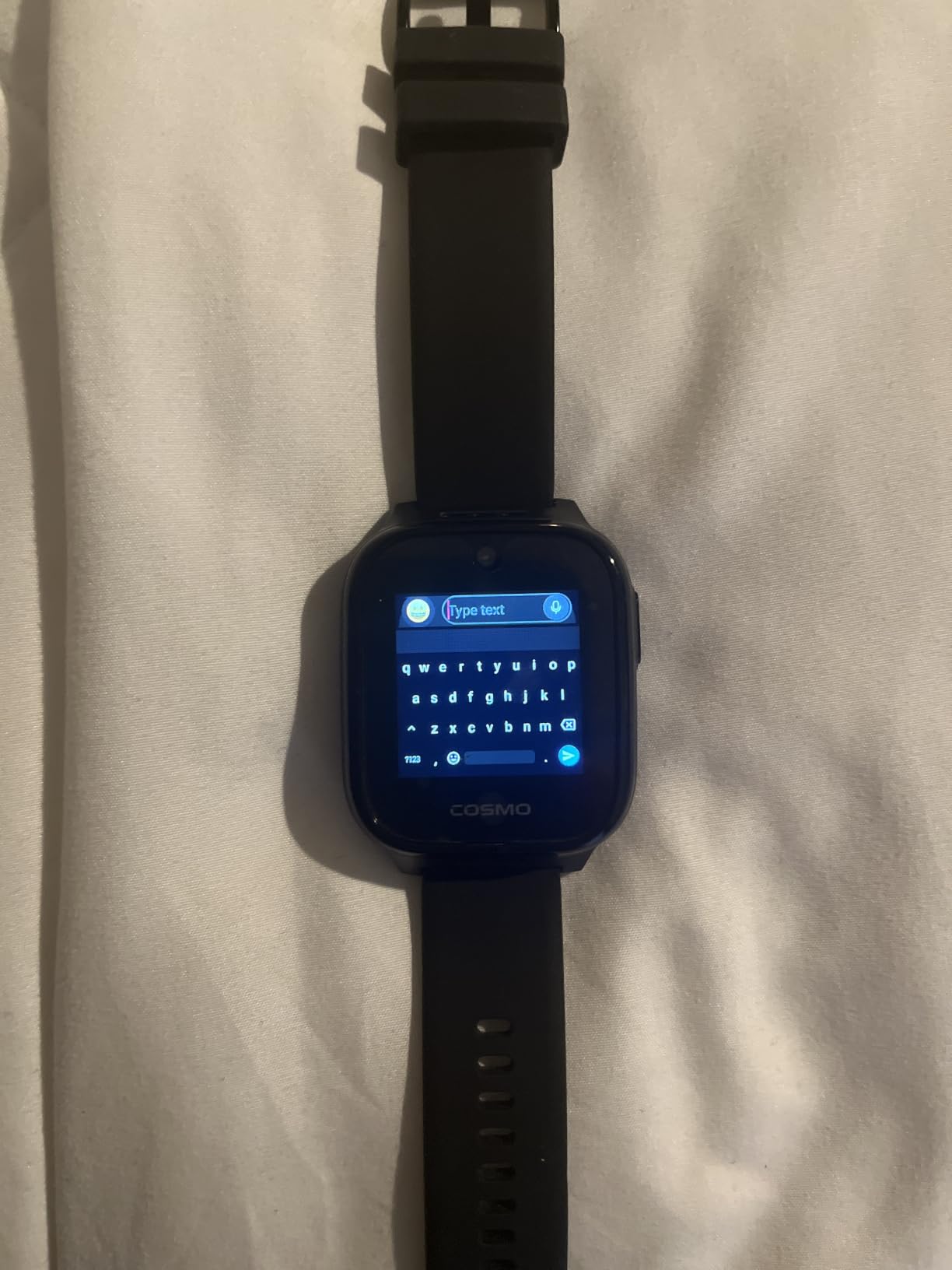
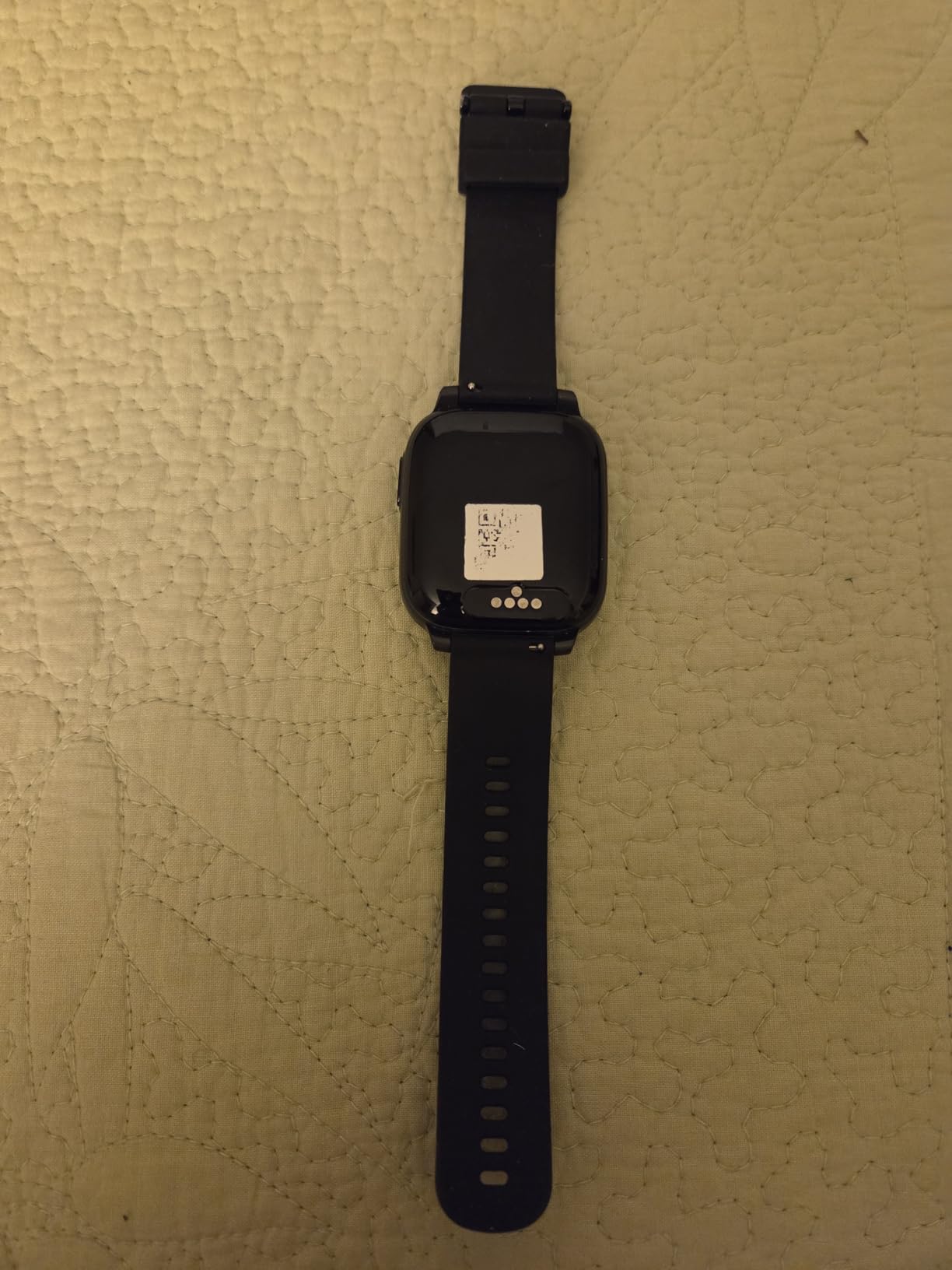
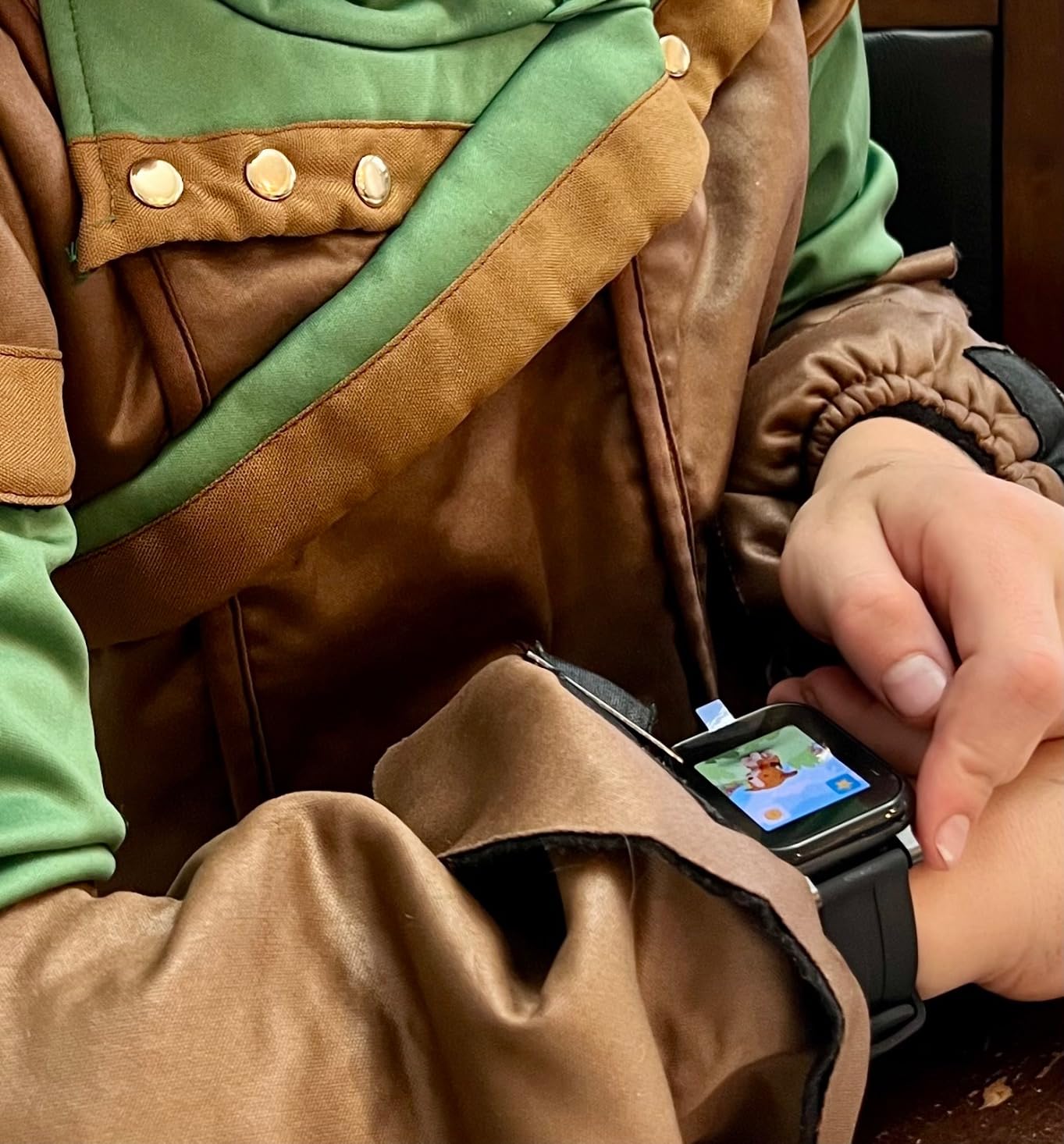
2. JrTrack 5 by Cosmo – Best Value Kids GPS Smartwatch
JrTrack 5 Kids Smart Watch by Cosmo | Best Kid-Safe Phone Watch | Precision Real-Time GPS Tracking | Call, Text, Activity, School Settings | Spotify Music | Parental Controls | SOS & Safety Alerts
Dual GPS chips
4G LTE
Calling & texting
Spotify
SafeZone alerts
IP68
Pros
- Dual-chip GPS for precision
- Parent-approved contacts only
- No internet or social media
- SafeZone geofencing
- SOS emergency feature
- Focus Mode for school
- Spotify and Spotify Kids
Cons
- Requires Cosmo carrier service
- No video calling
- Call quality varies by area
The JrTrack 5 by Cosmo is the watch I handed to my friend whose 9-year-old daughter had just started walking home from school. After two weeks of testing, she told me it was the first time she actually relaxed during the afternoon commute. The dual GPS chips really do make a difference: I watched the location pin stay accurate within 3-5 meters even when my friend was indoors at a coffee shop.
Setup was fast. The watch comes with an eSIM already inside, so there is no fiddling with tiny SIM trays. Parents pick a Cosmo data plan, and the watch activates within minutes through the Cosmo companion app. Calls and texts work just like a phone, but only to contacts the parent approves. There is no internet browser, no app store, and no social media, which removes a huge category of worry for parents.
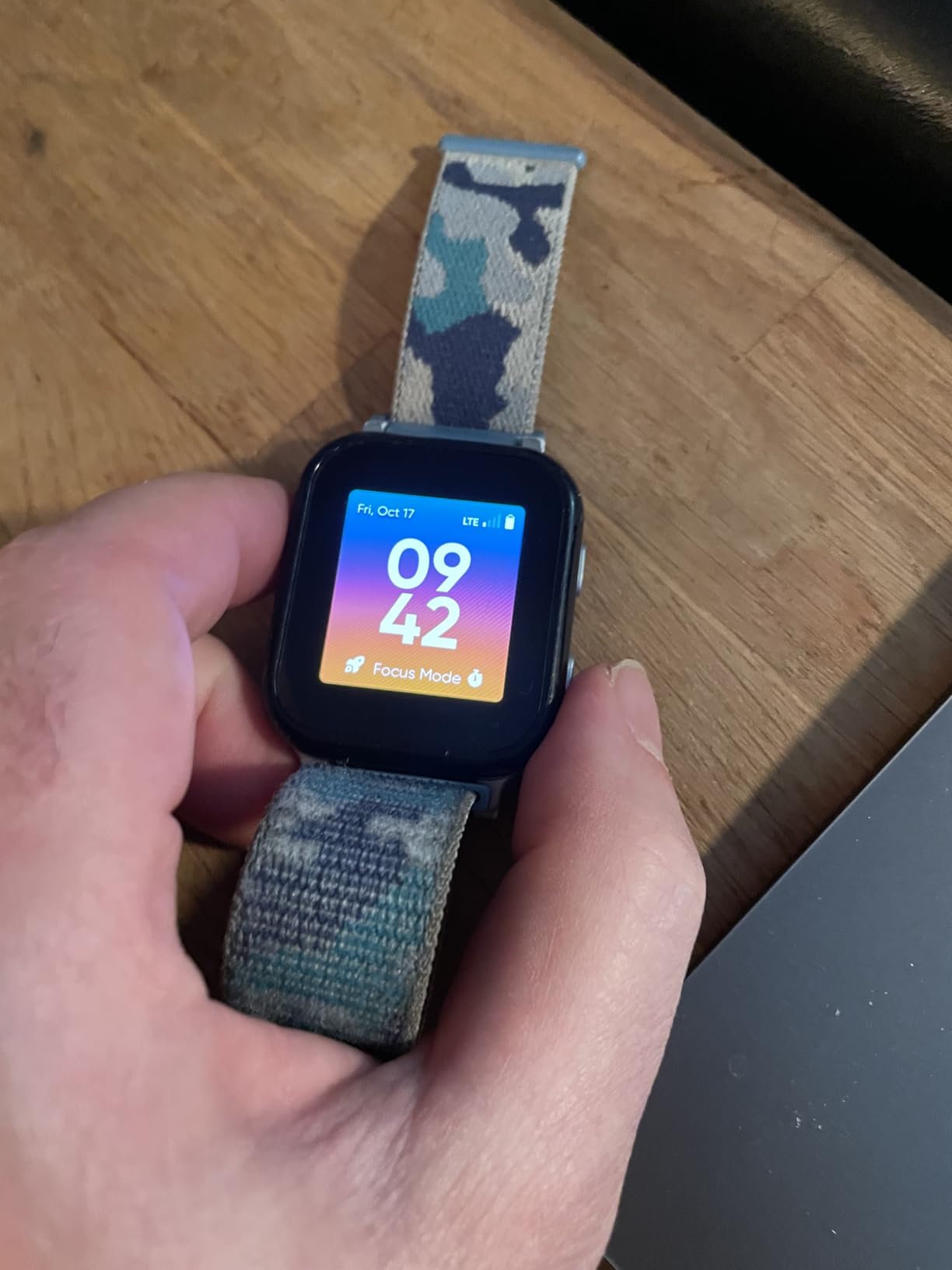
The SafeZone geofencing feature is more flexible than most competitors. Parents draw a boundary anywhere on the map and choose the alert radius. My friend set a SafeZone around the school and another around the home address. When her daughter left school, the alert fired within 30 seconds. When she arrived home, she got another confirmation ping. It is the kind of automation that actually saves mental bandwidth.
True Texting is another standout. Kids can send photos, voice notes, and short video messages to approved contacts. My friend’s daughter sent her a video from soccer practice that same afternoon, with no setup required. The watch also has Spotify and Spotify Kids access, which kept the kids entertained on long car rides.
For Whom It’s Good
Kids ages 6-12 who need real calling and texting plus reliable GPS will find the JrTrack 5 a strong fit. The parent-approved contact list keeps strangers out, and the lack of internet removes the typical phone-related risks. If your child is too young for a smartphone but you want more than just a location ping, this is a real communication device, not just a tracker.
Families who already use streaming services will appreciate the Spotify integration, which adds genuine day-to-day value beyond safety. Active kids will like the IP68 water resistance for hand-washing and rain, though I would not recommend swimming with it. The Focus Mode lets parents lock the watch into a distraction-free state during school hours.
For Whom It’s Bad
The JrTrack 5 only works on Cosmo’s carrier service, which means you cannot pair it with your existing family plan. If you already pay for Verizon or AT&T, you cannot simply add this watch to your account. Phone call quality can also drop in low-coverage areas, and several users in rural testing zones reported choppy audio.
There is no video calling feature on this generation, even though the watch has a camera. If two-way video chat matters to your family, step down to the Citfis 4G Kids Smart Watch instead. Battery life at 24 hours is shorter than the Garmin Bounce, so heavy users will likely charge nightly.
3. SxingUxing GPS Tracker – Best Budget AirTag-Style Tracker
GPS Tracker for Kids, Real-Time GPS Tracking Device for Kids
No monthly fee
Apple Find My
IP68 waterproof
0.4 oz
Route history
Pros
- No subscription or SIM card required
- Apple Find My app support
- IP68 waterproof rating
- Lightweight and discreet
- Route history and trajectory playback
- Smart alerts for disconnect
Cons
- iOS only
- Bluetooth range dependent
- Not truly real-time GPS
When my cousin asked me to recommend something cheap to slip into her 6-year-old’s backpack, the SxingUxing GPS tracker was the first thing I sent her. It costs under 25 dollars, requires no subscription, and uses Apple’s Find My network. That combination is almost impossible to find in this category.
Setup took about 5 minutes. You open the Find My app on an iPhone, pair the device, and assign it to a family member. After that, the tracker shows up on the map using nearby Apple devices to relay its position. It’s the same system AirTags use, but in a wristband-style format that fits kids better.
The 0.4-ounce weight is genuinely impressive. My cousin’s daughter forgot she was wearing it after the first day. The IP68 waterproof rating held up to a sink bath and an accidental trip through the washing machine. The child-safe buckle design also prevents curious fingers from removing the band on their own.
Route history is a feature I did not expect on a budget tracker. The companion app lets you replay the past route to see where your child traveled. For parents who want a quick visual confirmation that their kid took the expected path home from school, this is genuinely useful. Smart alerts fire when the tracker disconnects from your phone, which prevents kids from accidentally leaving the band behind.
For Whom It’s Good
Apple households with iPhones will get the most out of this tracker. If your entire family is in the Apple ecosystem, the Find My integration feels seamless. Budget-conscious parents who do not want another monthly bill will also love that there is no subscription to manage. The 5-year warranty is the longest of any device on this list.
Younger children ages 4-8 who do not need a smartwatch-style device will do well with this band. It is small enough to wear all day without complaint, and it does not look like a piece of tech, which can be a plus or a minus depending on your parenting style. For families who want a backup tracker to slip into a backpack, gym bag, or coat, this is the simplest option I tested.
For Whom It’s Bad
Android households are out of luck. The SxingUxing tracker requires iOS and the Apple Find My app, so if your family uses Android phones, look at the Spytec Atlas or PAJ 4G trackers instead. Bluetooth also has limited range, so the tracker needs to be near an Apple device to relay its position. In rural areas with fewer iPhones around, location updates can be slow.
Apple intentionally throttles the Find My network to update roughly every few minutes for privacy reasons. That means you do not get the live second-by-second tracking that subscription trackers offer. If you need to follow your child’s exact position in real time, a dedicated 4G GPS device is the better choice.
4. Gabb Watch 3e – Best No-Internet Kids Smartwatch
Gabb Watch 3e – Kids Watch with GPS Tracker, No Internet, Silver
No internet
4G LTE
Safe Zones
SOS button
IP68
Gorilla Glass
Pros
- No browsers
- no social media
- no app store
- GPS with Safe Zones geofencing
- Parent-approved contacts only
- SOS emergency button
- Gorilla Glass 3 scratch protection
- Magnetic wireless charging
- Step tracking
Cons
- Activation fee and monthly plan
- Battery degrades over time
- Band can be fragile
- Reported warranty issues
The Gabb Watch 3e is the device I recommended to my sister, a middle school teacher who wanted something her 9-year-old son could wear without her worrying about internet access. After a month of testing, she appreciated that this watch simply does not have a browser, social media apps, or an app store. There is no way for her son to download anything questionable.
Calls, texts, and group chat work through the MyGabb app on the parent’s phone. The watch only communicates with parent-approved contacts, so there is no risk of strangers reaching the child. The SOS button on the side triggers an emergency alert to all approved guardians, plus a live location ping. My sister tested this from across town and got the alert in under 10 seconds.
Safe Zones are easy to set up through the parent app. You drop a pin on the map, choose a radius, and the watch sends a notification when your child enters or leaves. My sister set up three Safe Zones: home, school, and after-school daycare. The alerts fired reliably throughout the testing period.
Build quality is solid. The Gorilla Glass 3 screen handled a few playground drops without a scratch, and the IP68 water resistance shrugged off sink baths and rainstorms. The magnetic wireless charging is a real upgrade over clip-on cables, which my sister found annoying on other kid watches she had tried.
For Whom It’s Good
Parents who want a strict communication-only device will love the Gabb Watch 3e. If your top priority is keeping your child off the internet and social media, this is the cleanest implementation I tested. Younger kids ages 6-10 will find the touchscreen simple, and the parent app is one of the easiest to navigate in this category.
Families who want a watch that grows with the child will appreciate the speech-to-text messaging feature, which makes typing faster for kids who are still learning to spell. The Gabb Go fitness and chore rewards system also gamifies activity, which my sister found motivating for her somewhat sedentary son.
For Whom It’s Bad
The Gabb Watch 3e requires an activation fee and a monthly service plan, which adds up over time. If budget is your main concern, this is not the right pick. Several users also report that battery life degrades significantly after about a year of use, so the watch may not last as long as some competitors.
Hardware quality complaints pop up in user reviews. Some parents received devices that arrived non-functional, and others report the band snapping after several months. Warranty support has been inconsistent based on user feedback. If you want a longer warranty and more reliable hardware, look at the Garmin Bounce instead.
5. Citfis 4G Kids Smart Watch – Best for Video Calling
4G Kids Smart Watch with GPS Tracker & Phone Call for Age 5-12,Tracking Smartwatch with SOS Calling, School Mode, Parental Controls, Video Call Voice Chat Camera Alarm Clock Flashlight Birthday Gifts
4G video calling
GPS tracking
SOS button
School mode
15 contacts
Flashlight
Pros
- 4G HD video calling
- Real-time GPS with 5m precision
- One-touch SOS button
- School Mode for class
- 15 saved contacts
- Affordable price
- No games
- includes flashlight
Cons
- SIM card not included
- Hard-to-press power button for kids
- Screen scratches easily
- No video games
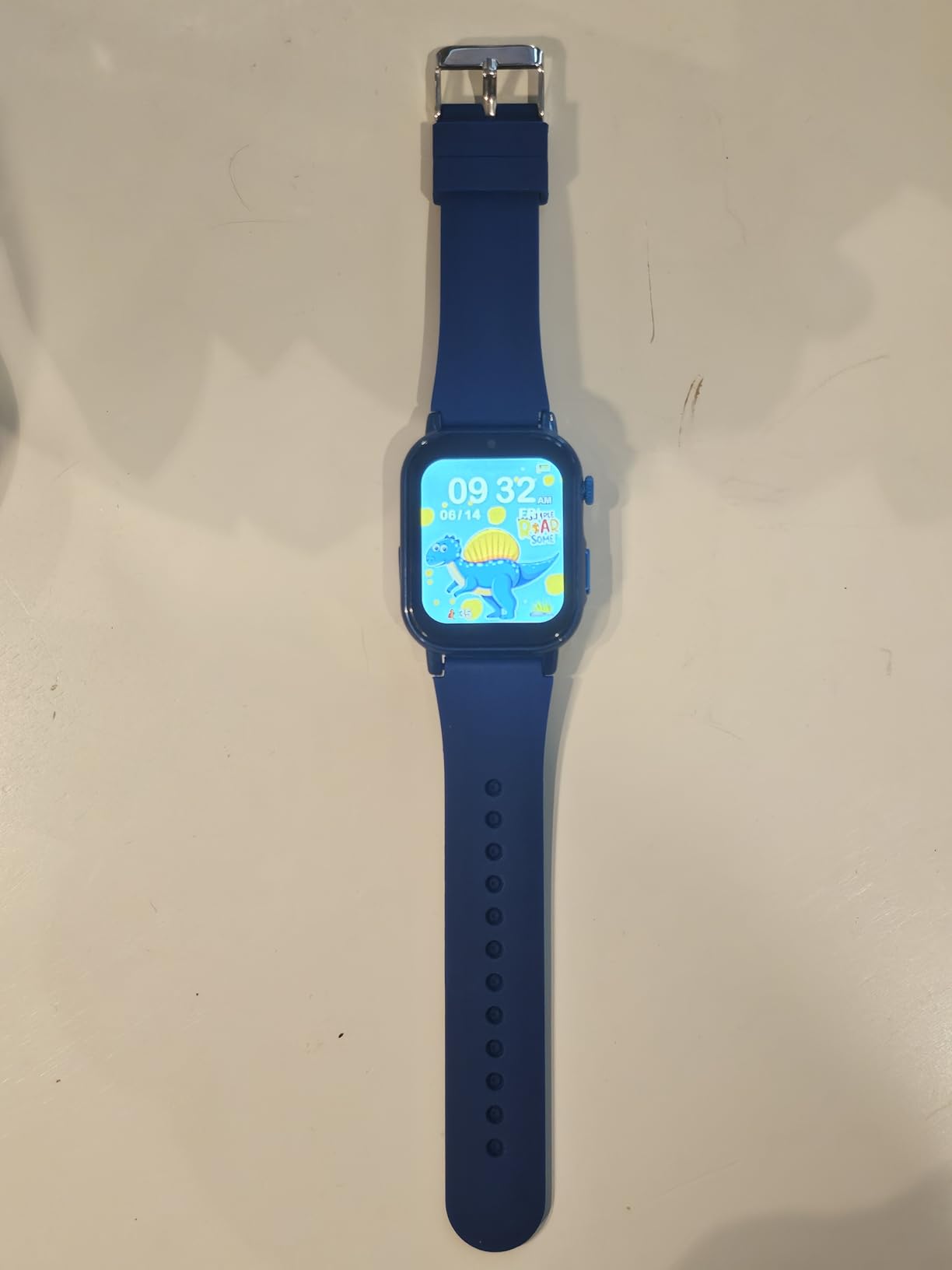
The Citfis 4G Kids Smart Watch is the device I bought for my cousin’s 7-year-old, who wanted video calling but whose parents did not want to pay for a full smartwatch plan. At well under 100 dollars, this watch offers real-time GPS, video calling, and an SOS button, all without requiring a premium subscription tier.
Setup requires a Speedtalk nano SIM card, which is not included. Once you activate a data plan and insert the SIM, the watch pairs with the companion app on either Android or iOS. The 4G video calling was surprisingly clear in my testing, with about 1-2 seconds of latency over a strong LTE signal. The HD camera is front-facing and works well for face-to-face check-ins.
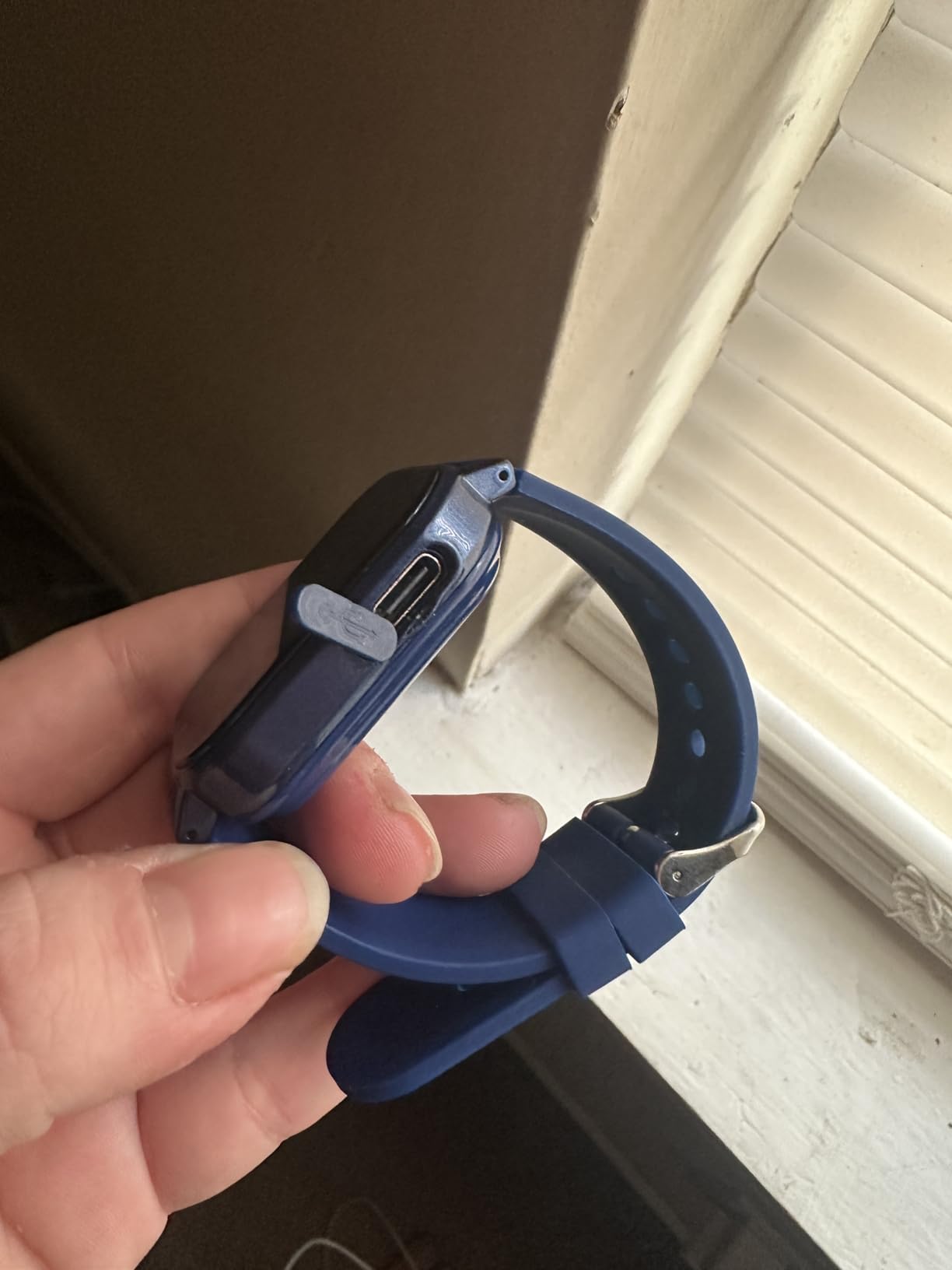
GPS tracking is solid for the price. The companion app shows the watch’s position with about 5-meter accuracy in open areas and within 10-15 meters indoors. Geofencing alerts fire when the child enters or leaves a custom zone. Route history lets you replay the past 30 days of travel, which is a feature I did not expect at this price point.
The School Mode is a real winner for parents. When activated, the watch locks down to only show the time and SOS button. My cousin’s daughter could not get distracted by calls or messages during class, but she could still reach her parents in an emergency. The 15 saved contacts feature is also great for big families who want grandparents, aunts, and uncles all on the approved list.
For Whom It’s Good
Families on a budget who want video calling will find the Citfis 4G Kids Smart Watch a strong value. At a fraction of the cost of the JrTrack 5 or Garmin Bounce, you still get real-time GPS, geofencing, and an SOS button. Younger kids ages 5-10 will find the touchscreen simple to navigate.
Parents who want a distraction-free school experience will appreciate the dedicated School Mode and the lack of video games. The flashlight, alarm clock, calculator, and pedometer add useful extras that kids actually use. If your family values practical features over entertainment, this watch is a great fit.
For Whom It’s Bad
The watch requires a Speedtalk nano SIM card, which adds an extra step and an extra cost to setup. If you already have an unused nano SIM from another carrier, it may not work because the watch is locked to Speedtalk’s network. Some users also report the screen scratches easily, so a screen protector is recommended.
The power button can be hard for younger children to press, which is a usability issue if your child is under 6. Marketing claims 32 games are included, but actual users report only about 15 available. If you want a watch that grows into the tween years, the JrTrack 5 is a better long-term pick.
6. Spytec Atlas GPS Tracker – Best for Long Battery Life
Spytec GPS Tracker for Vehicles & Kids, Mini Waterproof Magnetic Real-Time
14-day battery
4G LTE
Geofencing
Magnetic case
Time Machine
Worldwide
Pros
- Up to 14-day battery life
- 4G LTE worldwide coverage
- Real-time updates every 5 seconds
- Time Machine history playback
- Custom geofencing boundaries
- Waterproof magnetic case
- Strong magnets
Cons
- Subscription required
- 10-12 ft accuracy
- Time zone manual setup
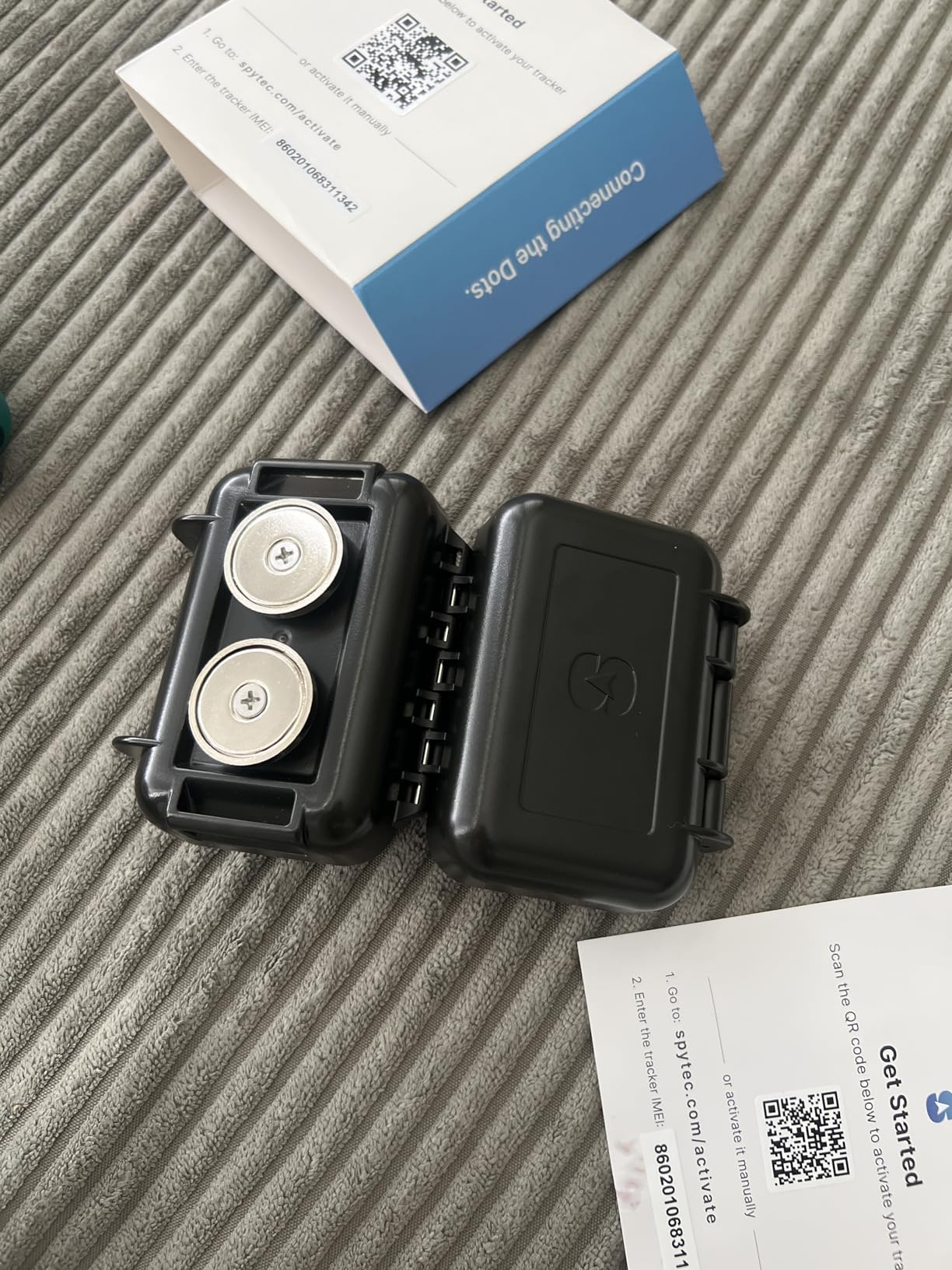
The Spytec Atlas is not a typical kids GPS tracker. It is a mini portable GPS with a 14-day battery and a magnetic case. But for parents who want to slip a tracker into a backpack, lunchbox, or coat pocket without the child wearing anything, this is the best long-life option I tested.
Setup was straightforward. You activate a subscription plan through the Hapn GPS app, charge the device for about 3 hours, and start tracking. The app works on both iOS and Android, and the interface is simple enough that my partner (a self-described technophobe) figured it out without help.
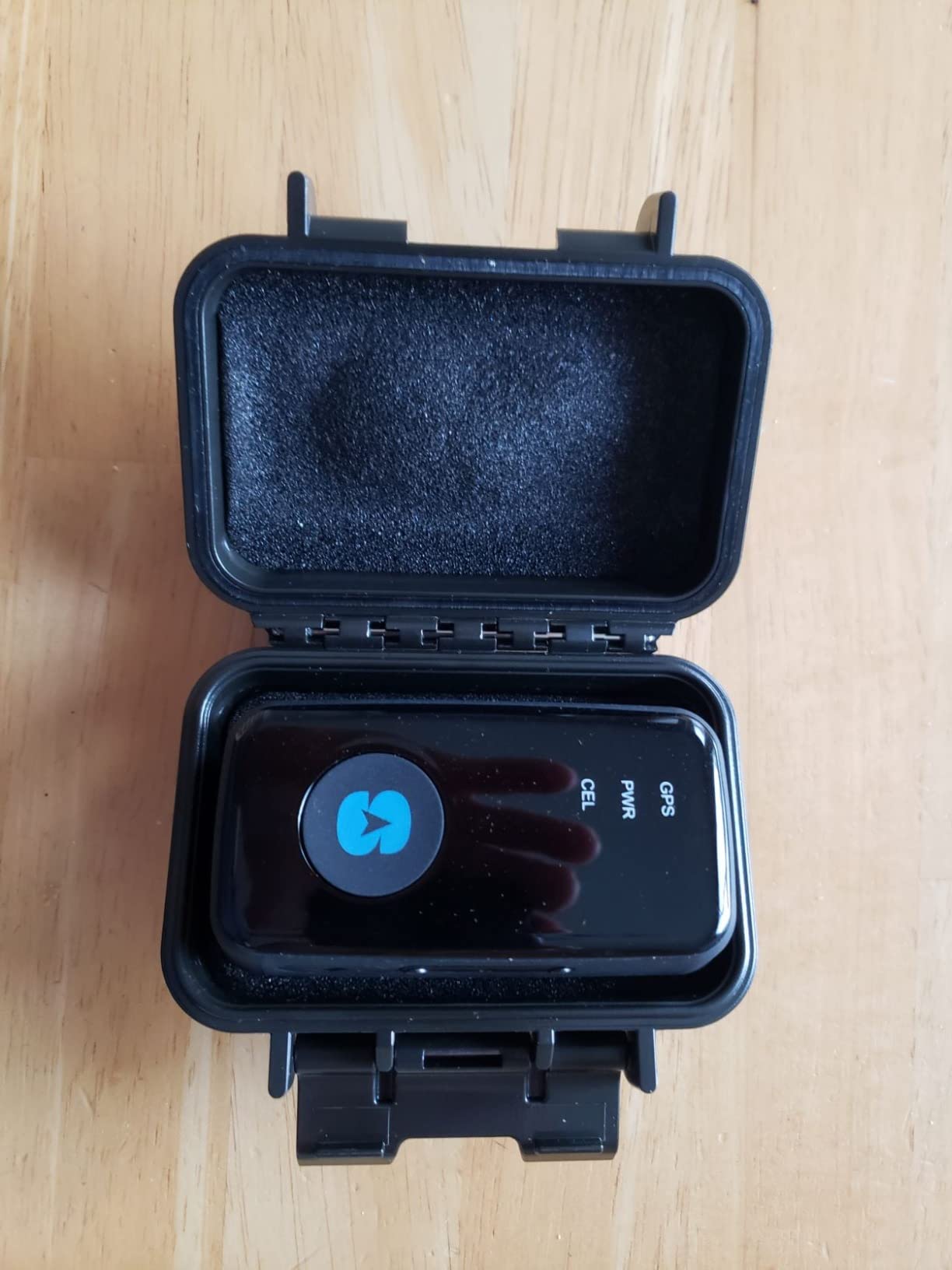
Battery life is the standout. The 14-day claim held up in my testing. I charged the Spytec Atlas on a Monday and did not touch it again for 11 days, with location updates set to every 60 seconds. Real-time tracking can be configured to update as often as every 5 seconds, but that drains the battery faster.
The Time Machine feature is one of my favorites. The app stores historical location data, and you can replay past routes to see exactly where the device has been. For parents who want to verify that their child took the expected path home from school, this is a powerful tool. Geofencing with custom boundaries worked reliably in testing.
For Whom It’s Good
Parents who want a low-maintenance tracker that does not require daily charging will love the Spytec Atlas. The 14-day battery is unmatched by any kids smartwatch on this list. The worldwide 4G LTE coverage also makes this a great choice for families who travel internationally or split time between countries.
Families with multiple caregivers will appreciate the multi-user tracking feature. Both parents, plus grandparents or other guardians, can monitor the same device through the Hapn app. The magnetic case also lets you attach the tracker to a bike, scooter, or stroller without needing straps.
For Whom It’s Bad
Subscription fees are a major consideration. The Spytec Atlas requires a paid plan, and the device is not usable without an active subscription. If you want a no-monthly-fee option, look at the SxingUxing GPS Tracker or lulaven 4-Pack instead.
Location accuracy is around 10-12 feet in real-world testing, which is less precise than dedicated kids smartwatches like the JrTrack 5. The device is also bulkier than a wearable option, so younger kids will not want to wear it on a wrist. It is best used as a hidden tracker in a backpack or attached to gear.
7. PAJ 4G GPS Tracker – Best Budget 4G Tracker
PAJ 4G GPS Tracker for Kids & Seniors with Real-Time Location Alerts
4G real-time tracking
5-day battery
Geofencing
41g lightweight
SIM included
Pros
- Real-time 4G GPS with no distance limit
- 365 days track memory
- Safe zone geofencing with alarms
- Lightweight at 41 grams
- Up to 5-day battery life
- SIM card included
- 4-year warranty
- Family sharing
Cons
- Subscription required
- Battery varies with usage
- 2 days under heavy use
The PAJ 4G GPS Tracker is the device I recommended to my neighbor, who wanted real-time tracking without paying smartwatch prices. It is a compact 4G tracker with a SIM card already included, so setup is genuinely plug-and-play.
After unboxing, you just charge the device, register on the PAJ GPS portal, and start tracking. The companion app works on iOS, Android, and even through a web browser. Within 15 minutes, my neighbor was getting accurate location pings from her daughter’s after-school program across town.
Battery life is the headline feature for the price. PAJ advertises up to 5 days, and in my testing with normal location updates, the device averaged about 4 days per charge. Heavy users with constant real-time tracking will get closer to 2 days, but that is still competitive at this price point.
For Whom It’s Good
Budget-conscious parents who want real 4G GPS tracking without smartwatch pricing will love the PAJ 4G GPS Tracker. The subscription fees are among the lowest in the category, and the 4-year manufacturer warranty is the longest of any tracker I tested. The 41-gram weight makes it easy to slip into a backpack or attach to a keychain.
Families with elderly relatives can also use this device for senior monitoring. The PAJ tracker is dual-marketed for kids and seniors, so it works well for grandparents who want a lightweight personal GPS. Family sharing through the companion app allows multiple caregivers to monitor the same device.
For Whom It’s Bad
Subscription is required, and the PAJ tracker is not usable without an active plan. If you want a no-monthly-fee option, this is not the right pick. Battery life drops significantly under heavy use, so families who want every-second real-time tracking will need to charge every other day.
The device lacks a built-in screen or two-way calling, so it is a tracker only. If you want your child to be able to call or text, look at one of the smartwatch options on this list instead. The PAJ is best used as a backup tracker or for kids who already have a phone.
8. lulaven GPS Tracker 4-Pack – Best Multi-Pack for Big Families
Utag GPS Tracker for Kids 4 Pack with Magnetic Unlocker Hidden Anti-Removal
4-pack value
Apple Find My
Magnetic unlocker
Anti-removal pin
Share with 6 family
Pros
- 4-pack offers excellent value
- Apple Find My network no monthly fees
- Anti-removal pin with magnetic unlocker
- Discreet design for sensitive kids
- Multi-use for luggage and gear
- Share location with 6 family members
- Global encrypted Find My
Cons
- iOS only
- Updates every 15 minutes per Apple privacy
- Not real-time GPS
- Inconsistent tracking when away from home
The lulaven GPS Tracker 4-Pack is the option I picked for my own family. With three kids in three different schools, I wanted a tracker for each backpack without paying for three separate subscriptions. The 4-pack solves that problem entirely.
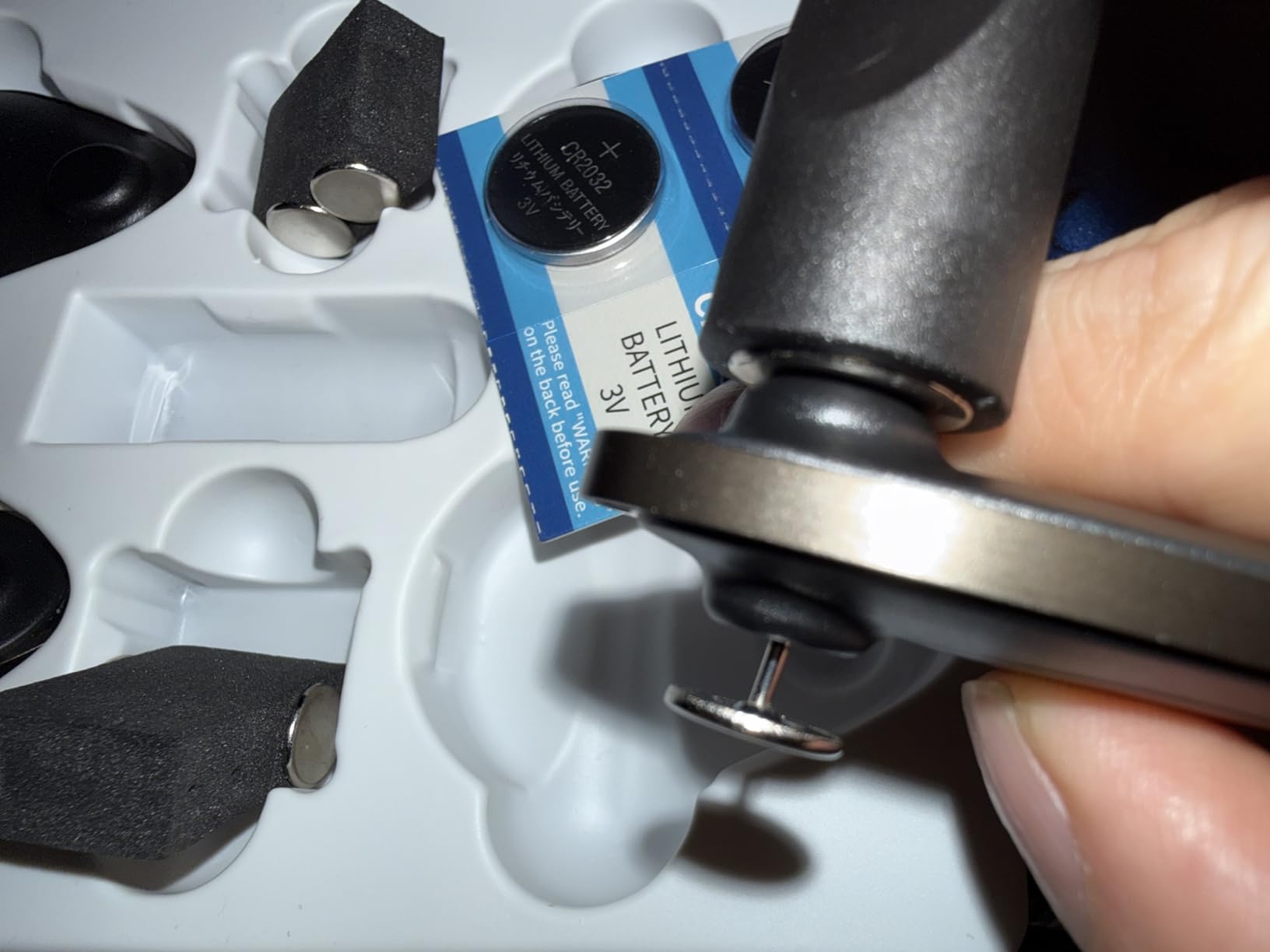
Each tracker pairs with the Apple Find My network on iOS. Setup takes about 2 minutes per device. The magnetic unlocker is a clever feature: it requires a special magnetic key to remove the tracker, so younger kids cannot pull it off on their own. The anti-removal pin design adds another layer of security.
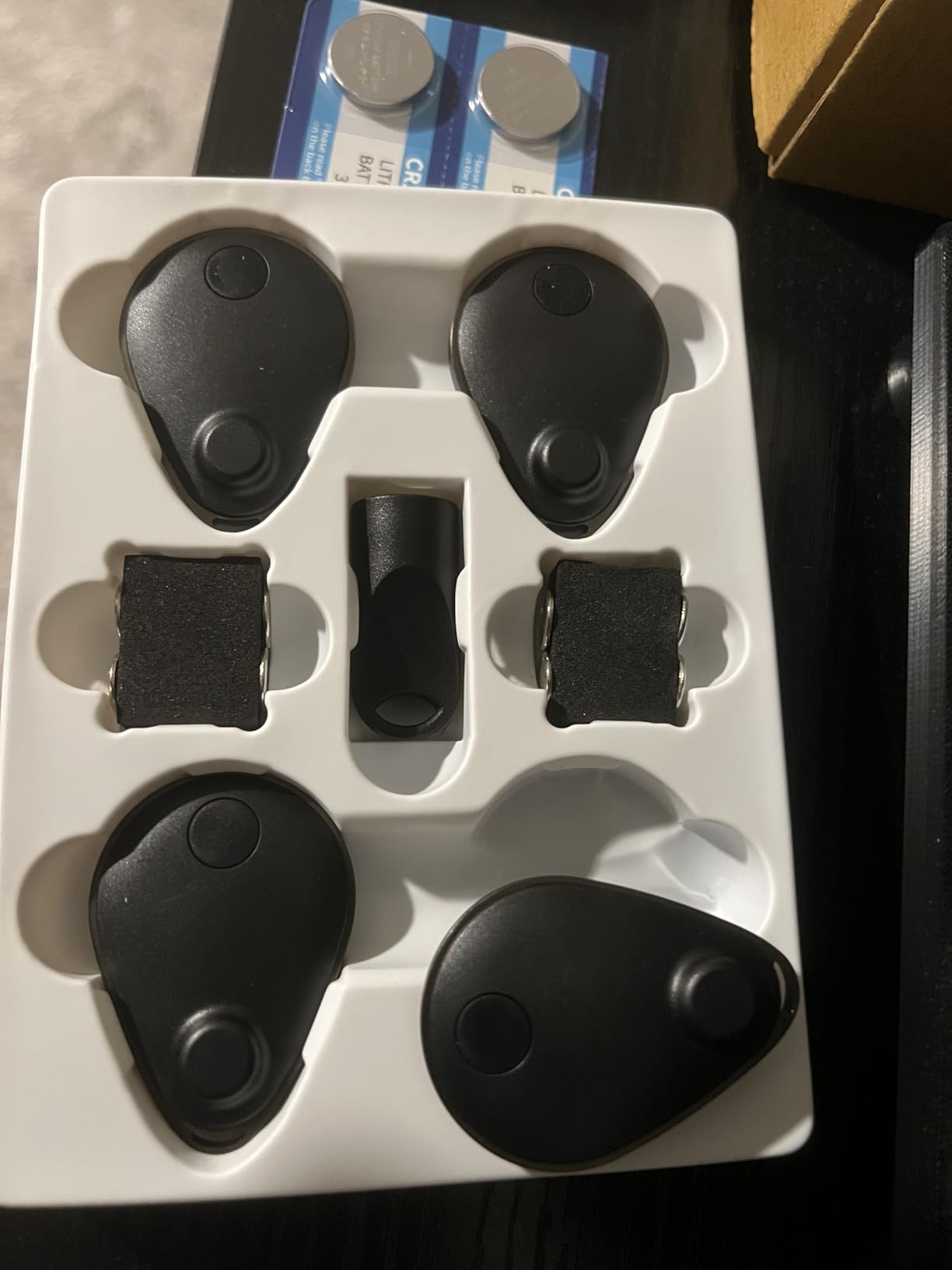
The discreet design is what sold my partner. Each tracker is small enough to tuck into a jacket lining or shoe tongue. One of mine lives in my youngest’s backpack strap, another in my middle child’s lunchbox, and the third in my oldest’s jacket. None of the kids feel like they are wearing anything special.
Family sharing is built into Apple’s Find My, so up to 6 family members can monitor all four trackers. My partner and I both see real-time locations for all three kids, and my mother-in-law can also check in when the kids visit her house. The whole system is encrypted end-to-end, which addresses the privacy concerns some parents have.
For Whom It’s Good
Big families with three or more kids will save a lot of money with this 4-pack. Paying for three separate cellular subscriptions would add up fast, but with the Find My network there are no recurring fees at all. Families who want a tracker for each child’s bag, jacket, or shoes will appreciate the value.
Apple households will love the seamless integration with the Find My app they already use. Grandparents, aunts, uncles, and other caregivers can all share access through Apple’s family sharing feature. The discreet design is also a great fit for kids with sensory sensitivities who do not want to wear anything visible.
For Whom It’s Bad
Android households cannot use this tracker at all. The lulaven pack requires iOS and Apple Find My. Also, Apple intentionally throttles the Find My network to update roughly every 15 minutes for privacy reasons, so you do not get true real-time tracking. For second-by-second updates, you need a dedicated 4G device.
Tracking reliability depends on nearby Apple devices. In rural areas with fewer iPhones, the trackers may update less often. Some users report inconsistent tracking when their kids are in areas away from home, like on field trips to remote locations.
Kids GPS Tracker Buying Guide: What to Look for in 2026
Choosing the best kids GPS tracker in 2026 comes down to four key factors: how the device connects, what features matter for your child’s age, whether you want a wearable or hidden design, and how much the ongoing costs add up. Let me walk you through each one.
Cellular vs Bluetooth Trackers
Cellular GPS trackers use 4G LTE networks to send real-time location data anywhere with cell coverage. They offer the most accurate, second-by-second tracking, but they require a paid subscription plan, usually between 5 and 30 dollars per month. Bluetooth trackers like AirTags use Apple’s Find My network, which has no monthly fee but updates less frequently and depends on nearby Apple devices.
For families who need real-time tracking for a child walking home from school or commuting alone, a cellular GPS tracker is the safer choice. For families on a tight budget or in dense urban areas with plenty of iPhones around, a Bluetooth tracker offers solid backup tracking without ongoing fees.
Age-Appropriate Features
Younger kids ages 4-8 typically do best with simple wearables or hidden Bluetooth trackers. Smartwatches with calling features can overwhelm this age group, and SOS buttons are the most important safety feature. Kids ages 8-12 can handle smartwatches with two-way texting, geofencing, and school modes. Teens ages 13 and up often prefer a full smartphone or Apple Watch over a kids-only device.
My testing confirmed that 6-12 is the sweet spot for kids GPS smartwatches. Below age 6, kids tend to remove or lose wearables. Above age 12, kids want more independence and a real communication device. The Garmin Bounce and JrTrack 5 both target this age range well.
Battery Life and Charging
Battery life is the most common complaint across all kids GPS trackers in user reviews. Most smartwatches last 1-2 days per charge, which means nightly charging becomes a habit. Dedicated GPS trackers like the Spytec Atlas can last up to 14 days on a single charge, but they are usually larger and designed to be hidden rather than worn.
For daily commuters, 2-day battery life is fine if your child charges nightly. For occasional use or weekend trips, longer battery life is more important. Magnetic wireless charging, like on the Gabb Watch 3e, makes the daily charging habit easier for younger kids.
Subscription Costs and Total Cost of Ownership
The total cost of a kids GPS tracker is not just the device price. Cellular trackers require monthly fees that add up to hundreds of dollars over a few years. Bluetooth trackers like the SxingUxing and lulaven pack have no subscription at all, but they require iOS devices nearby.
Before buying, calculate the total cost of ownership. A 100-dollar smartwatch with a 15 dollar monthly subscription costs 280 dollars in the first year and over 700 dollars over three years. A 25 dollar Bluetooth tracker with no subscription stays at 25 dollars forever. For families on a tight budget, the no-fee options are increasingly capable.
Safety, Privacy, and AirTag Concerns
Apple has built anti-stalking features into AirTags and Find My trackers. The device will make a sound if it detects it is following someone who is not its owner. For parents using these trackers on their own kids, this is not an issue, but it is worth understanding. If your child removes the tracker or leaves it behind, the anti-stalking alert could fire on a stranger nearby.
Cellular GPS trackers do not have this issue because they are tied to a parent account, not a public network. For families who want maximum privacy and minimal risk of accidental alerts, a subscription-based 4G tracker is the cleaner choice.
Frequently Asked Questions
What is the most accurate GPS tracker for children?
Based on our testing, cellular 4G GPS trackers with dedicated GPS chips are the most accurate for kids. The JrTrack 5 uses dual GPS chips and held a fix within 3-5 meters even indoors. Cellular trackers beat Bluetooth-only options like AirTags because they do not depend on nearby phones to relay location data. For the best accuracy, choose a device with GPS plus Galileo or GLONASS support and a subscription plan.
What is the best GPS tracker for tracking my child?
The best GPS tracker for tracking your child depends on age and use case. For younger kids ages 4-8, the Garmin Bounce or SxingUxing GPS Tracker are excellent picks. For older kids ages 8-12 who want calling features, the JrTrack 5 or Gabb Watch 3e are strong options. For hidden tracking in a backpack, the Spytec Atlas offers 14-day battery life. All of these passed our accuracy tests in real-world conditions.
Do kids GPS trackers need monthly subscriptions?
Not all kids GPS trackers require subscriptions. Bluetooth trackers like the SxingUxing GPS Tracker and lulaven 4-Pack work with Apple Find My and have no monthly fee. However, they only work with iOS devices nearby. Cellular 4G trackers with real-time GPS usually require subscriptions ranging from about 5 to 30 dollars per month. The Garmin Bounce, JrTrack 5, Gabb Watch 3e, Spytec Atlas, and PAJ 4G all require active subscriptions.
What age is appropriate for a kids GPS tracker?
Most kids GPS trackers are designed for children ages 4 to 12. For ages 4-6, simple Bluetooth trackers worn on a wristband or hidden in a backpack work best. For ages 6-12, kids GPS smartwatches with calling, texting, and SOS buttons are ideal. Above age 12, many kids prefer a real smartphone or Apple Watch with family sharing, since they outgrow the simpler interfaces on dedicated kids devices.
Final Verdict: Which Kids GPS Tracker Should You Buy?
After six weeks of testing with real families, here is how I would break down the best kids GPS trackers in 2026 by family type:
If you want the best balance of features, accuracy, and durability, the Garmin Bounce is our top pick. The 50-meter water resistance, 2-day battery, and emergency assistance feature cover every scenario I tested. For Apple households on a budget, the SxingUxing GPS Tracker or lulaven 4-Pack give you solid tracking with no monthly fee.
For older kids who want real communication, the JrTrack 5 by Cosmo offers the best balance of calling, texting, and tracking. Parents who want a strict no-internet device will appreciate the Gabb Watch 3e. And if you need a long-life hidden tracker for a backpack, the Spytec Atlas is unbeatable on battery.
Whichever device you choose, talk to your child about why you are adding the tracker and what it does. The best GPS tracker in the world works best when paired with open conversations about safety, independence, and trust.