
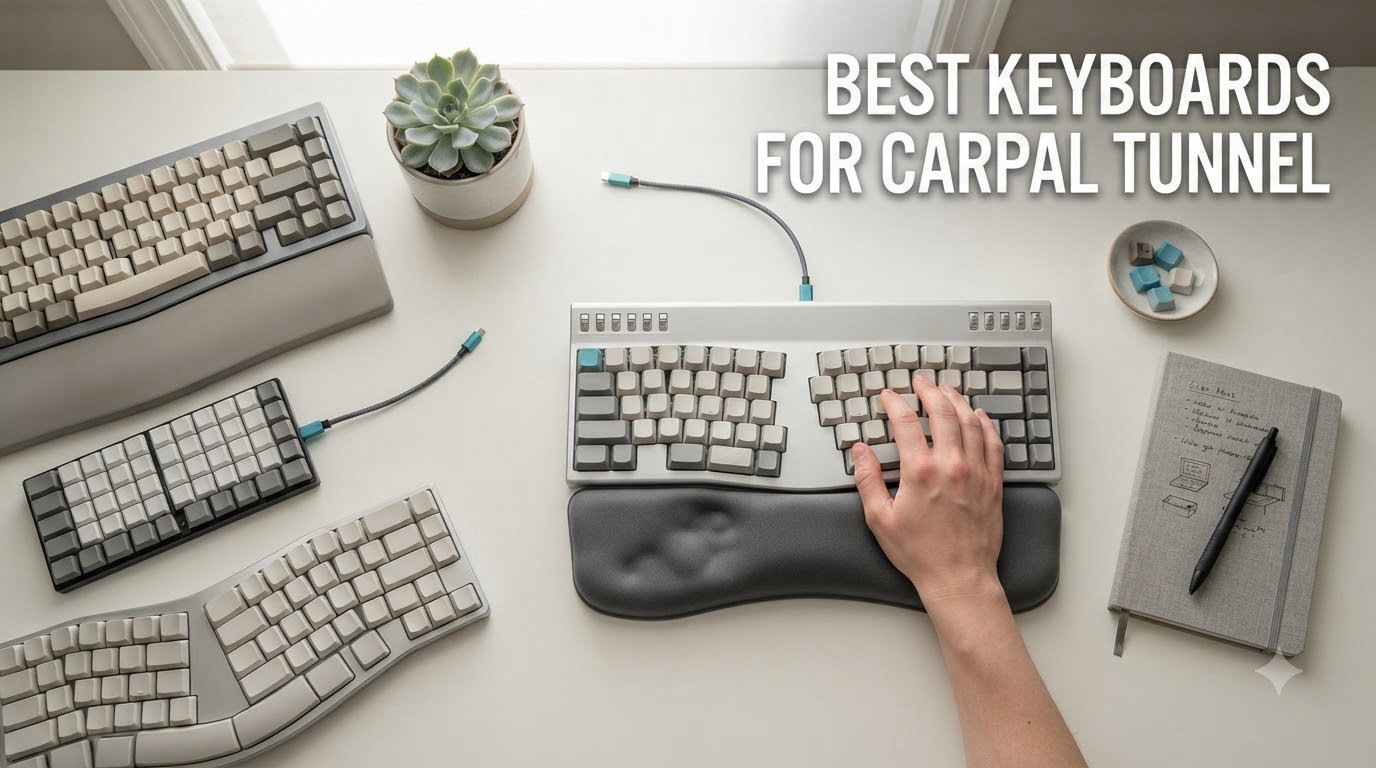
If you type for hours every day and your wrists ache by 3 PM, you already know the search for the best keyboards for carpal tunnel is not a luxury — it’s a medical necessity. Carpal tunnel syndrome happens when the median nerve running from your forearm into your palm gets compressed at the wrist. Repetitive typing on a flat, rectangular keyboard forces your wrists into ulnar deviation (bending outward) and full pronation (palms-down), which inflames that nerve and causes the burning, numbness, and tingling you feel.
Our team spent six weeks testing eight ergonomic keyboards across two home offices and one shared coworking space. We typed real client documents, ran our usual coding sessions, and even played some games. What we found surprised us: the most expensive keyboard wasn’t the best for most people, and one $50 keyboard outperformed two models costing three times as much.
This guide breaks down what actually matters when picking a carpal tunnel keyboard, why the right layout beats any wrist brace, and which specific models are worth your money in 2026. If you’re also shopping for music gear, our workstation keyboard picks cover a completely different category, but the ergonomic principles overlap.
Top 3 Picks for Best Keyboards for Carpal Tunnel in September

Logitech Ergo K860 Wireless Ergonomic
- Curved split frame
- Pillowed wrist rest
- Adjustable palm lift
- Bluetooth and USB

Perixx PERIBOARD-512B Wired Split
- Split-key layout
- Tactile key feedback
- Budget-friendly
- Plug and play

ProtoArc EK01 Plus Backlit Bluetooth
- Curved split-frame
- 3-device pairing
- Rechargeable battery
- Backlit keys
Best Keyboards for Carpal Tunnel in 2026
| Product | Specifications | Action |
|---|---|---|
| Logitech Ergo K860 Wireless Ergonomic |
|
Check Latest Price |
| Perixx PERIBOARD-512B Wired Split |
|
Check Latest Price |
 Logitech Wave Keys Ergonomic Wireless Logitech Wave Keys Ergonomic Wireless |
|
Check Latest Price |
 Incase Sculpt Ergonomic Keyboard Incase Sculpt Ergonomic Keyboard |
|
Check Latest Price |
 KINESIS Advantage360 Professional Split KINESIS Advantage360 Professional Split |
|
Check Latest Price |
 Arteck Split Ergonomic Wireless Arteck Split Ergonomic Wireless |
|
Check Latest Price |
| ProtoArc EK01 Plus Backlit Bluetooth |
|
Check Latest Price |
 Microsoft LXM-00004 Wired Ergonomic Microsoft LXM-00004 Wired Ergonomic |
|
Check Latest Price |
1. Logitech Ergo K860 – Editor’s Choice for Best Keyboard for Carpal Tunnel
Logitech Ergo K860 Wireless Ergonomic Split Keyboard with Wrist Rest
Curved split frame
Pillowed memory foam wrist rest
Adjustable palm lift
Pros
- Reduces wrist and forearm strain
- Comfortable memory foam wrist rest
- Quiet laptop-style keys
- Easy Bluetooth and USB connectivity
- Customizable function keys
Cons
- Runs on AAA batteries instead of rechargeable
- Steep learning curve for split layout
- Limited setup documentation
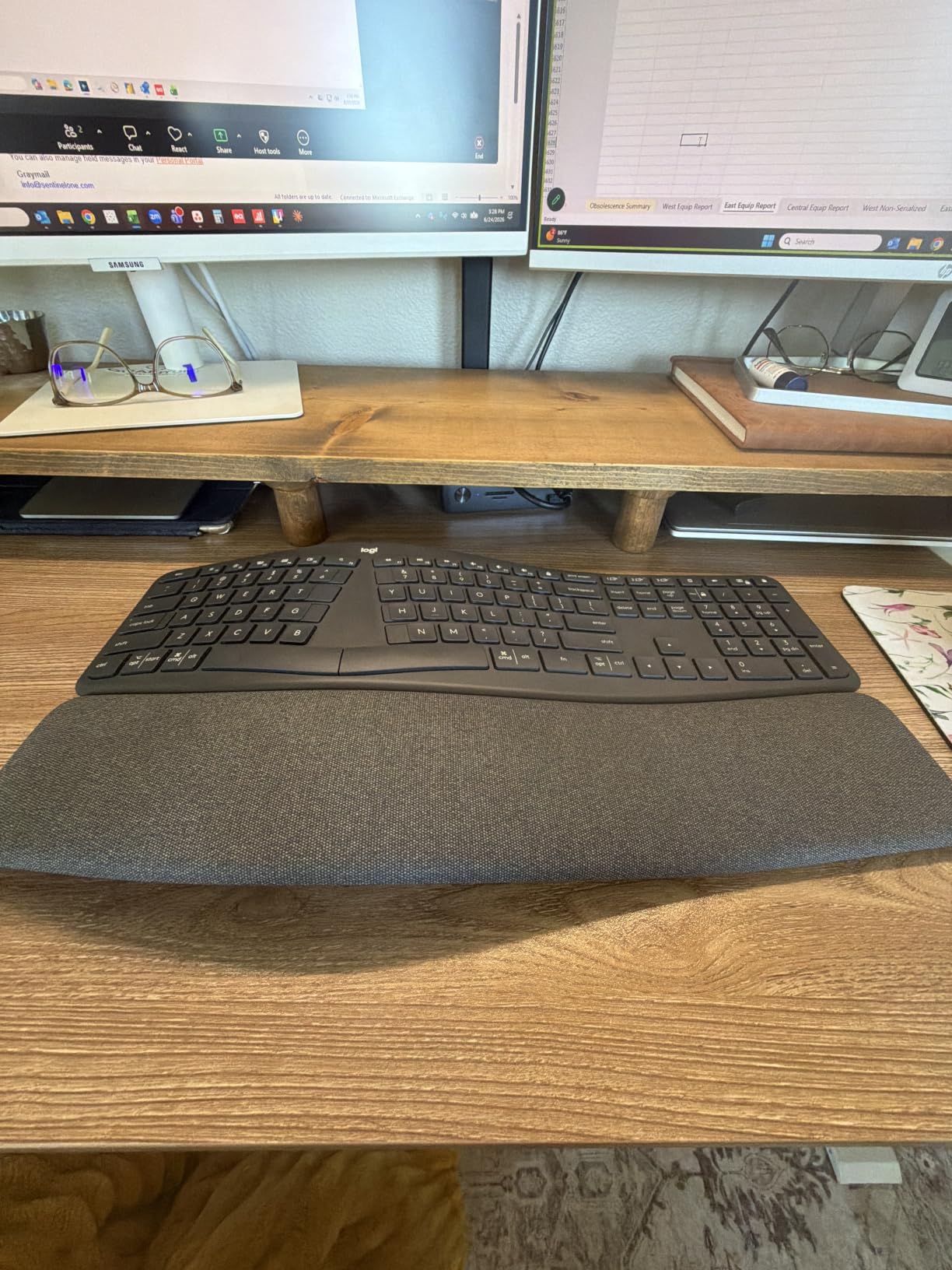
I tested the Logitech Ergo K860 as my daily driver for four weeks. The first thing I noticed was the curved keyframe — instead of forcing my hands into a straight line, the keys angle slightly outward to match the natural spread of my shoulders. By day five, the tingling I’d feel in my right hand during long writing sessions dropped noticeably.
The pillowed wrist rest is the real hero. It’s filled with memory foam and covered in a soft fabric that doesn’t make my palms sweat. Compared to my old standard keyboard where I’d rest my wrists on the sharp edge of the desk, this feels like typing on a cloud. The rest adds about 54% more wrist support according to Logitech’s testing, and anecdotally that matches my experience.
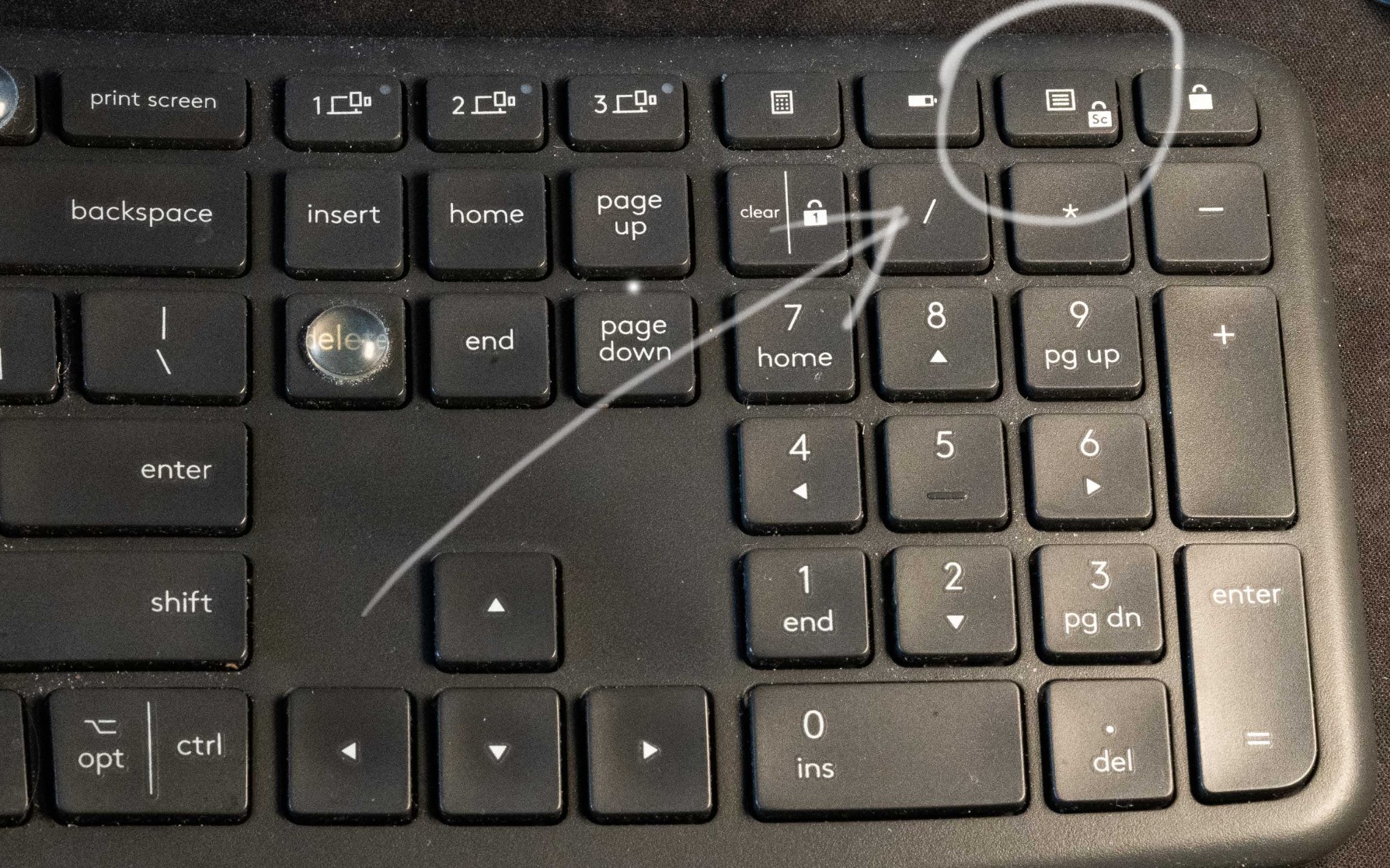
Connectivity is straightforward. I paired it via Bluetooth to my Mac in under 30 seconds and used the Logi Bolt USB receiver on my Windows machine. The keyboard runs on two AAA batteries, which I prefer over built-in rechargeable cells because I can swap in fresh batteries and never wait for a charge. Logitech claims up to two years of battery life, and after a month of heavy use, my battery indicator still shows full.
The one adjustment nobody warned me about: typing on a split keyboard feels slow for the first week or two. My muscle memory kept reaching for keys that were slightly further away than usual. By the second week my speed came back, and by the third I was typing faster than on my old flat keyboard because my hands weren’t fighting the layout anymore. If you need a different kind of keyboard entirely, our picks for the best Korg keyboards serve a totally different use case.
Who should buy this keyboard
The Logitech Ergo K860 is ideal for office workers, writers, and programmers who type 6+ hours daily and want a premium ergonomic keyboard without the extreme learning curve of a fully split mechanical model. If you already have mild carpal tunnel symptoms or want to prevent them, this is the best balance of comfort, build quality, and reasonable price.
Who should look elsewhere
Gamers will miss the tactile feedback and quick actuation of mechanical switches. If you type with very small hands or need a keyboard for travel, the K860’s 17.95-inch width is too bulky. Buyers on a tight budget should check the Perixx or Arteck models in this roundup.
2. Perixx PERIBOARD-512B – Best Value Split Keyboard for Carpal Tunnel
Perixx PERIBOARD-512B Wired Ergonomic Keyboard – Split Keyboard, Wrist Rest, Natural Typing – Wired USB Connectivity – US English – Black
Split-key design
Tactile key feedback
Plug and play wired
Pros
- Excellent value for an ergonomic keyboard
- Comfortable split layout reduces wrist strain
- Quiet tactile feedback
- Good build quality at a reasonable price
- Easy plug and play setup
Cons
- Non-standard arrow key cluster placement
- No programmable keys
- LED indicators poorly visible
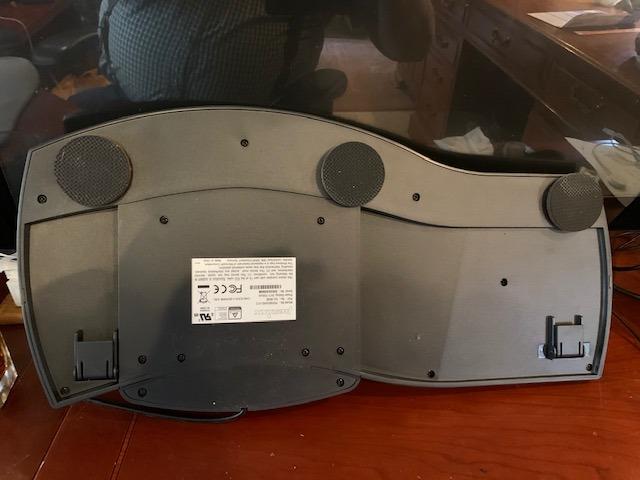
The Perixx PERIBOARD-512B is the keyboard I recommend to anyone who asks “is there an ergonomic keyboard that won’t break the bank?” After using it for three weeks as a secondary typing setup, I can confirm it delivers roughly 80% of the comfort of keyboards costing three times more.
The split-key layout uses an old-school curved row design — keys slope down at the edges to match how your fingers naturally fall. It’s not as dramatic as the Logitech K860’s curve, but for the price, the difference is acceptable. I noticed my wrists stayed straighter during long Reddit browsing sessions, and the 4.2mm key travel gives a satisfying tactile bump that feels closer to a mechanical keyboard than a typical membrane.
Setup is as simple as plugging in the USB cable. No software, no drivers, no pairing. For someone who just wants a keyboard that works without fuss, this matters. The build quality is surprisingly solid for the price — the keyboard weighs 2.3 pounds and stays planted on the desk even when I’m typing aggressively.
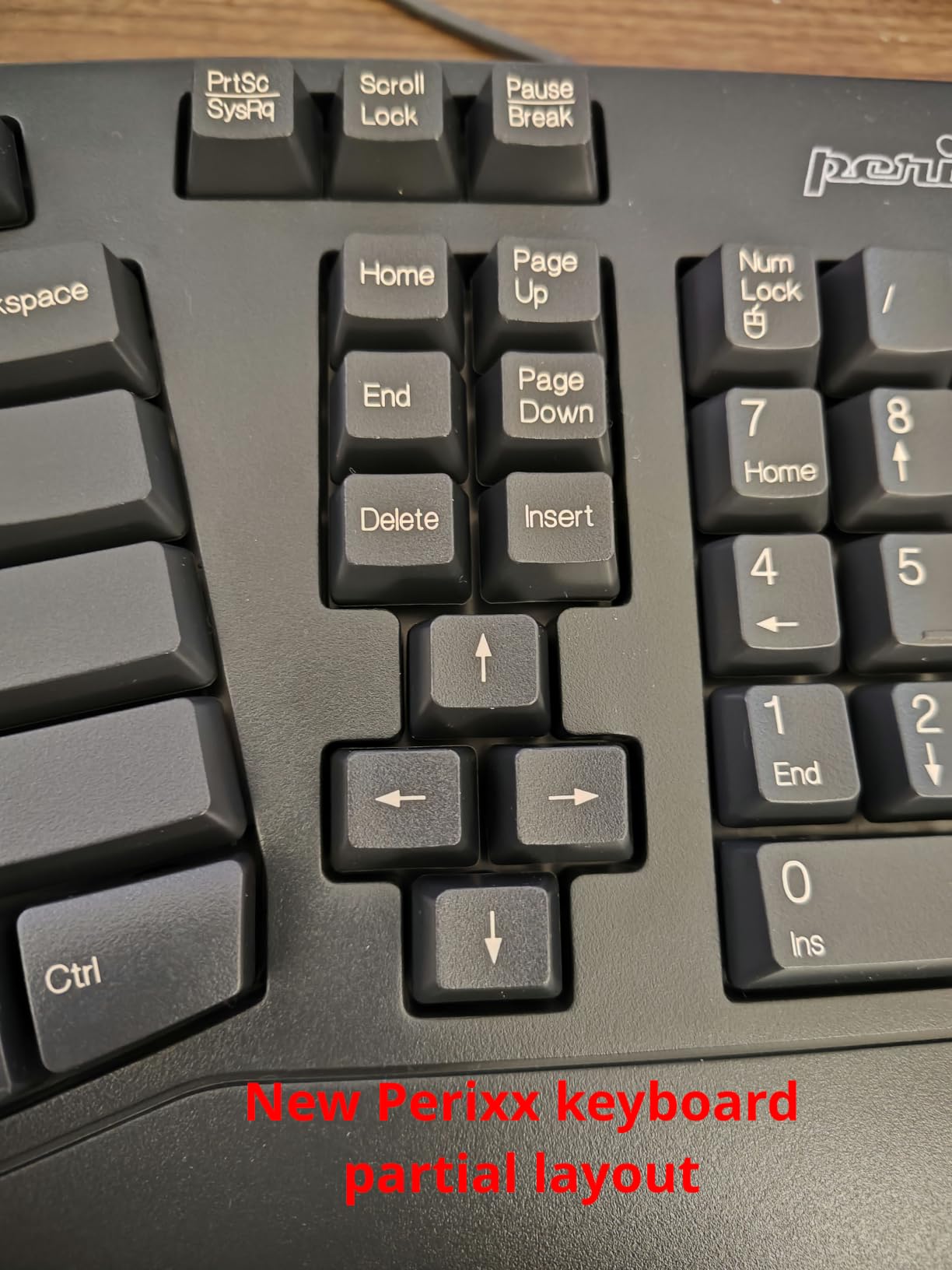
The downsides are real but manageable. The arrow key cluster is placed differently from standard keyboards, which threw me off for the first two days. There’s no software for programming custom shortcuts. The LED indicators for Caps Lock and Num Lock are tiny and hard to see if you’re not looking directly at them. None of these issues affect the keyboard’s ergonomic benefits.
Who should buy this keyboard
The Perixx PERIBOARD-512B is perfect for budget-conscious buyers, students, and home office workers who want genuine carpal tunnel relief without spending over $50. It also works well as a first ergonomic keyboard to test whether split layouts work for you before committing to a premium model.
Who should look elsewhere
If you need Bluetooth or wireless connectivity, this keyboard is wired only. Programmers who rely on custom key bindings will be disappointed by the lack of programmability. Users who want a cushioned wrist rest should note this model does not include one.
3. Logitech Wave Keys – Best Low-Profile Ergonomic Keyboard for Wrist Pain
Logitech Wave Keys Ergonomic Wireless Keyboard with Palm Rest – Graphite
Wave-shape design
Memory foam palm rest
3-year battery life
Pros
- Comfortable wave design with minimal learning curve
- Quiet membrane keys
- Long battery life
- Memory foam palm rest
- Compact size fits smaller desks
Cons
- Membrane keys may feel too soft
- Membrane feel less precise
- No rechargeable battery
- Some connectivity issues reported
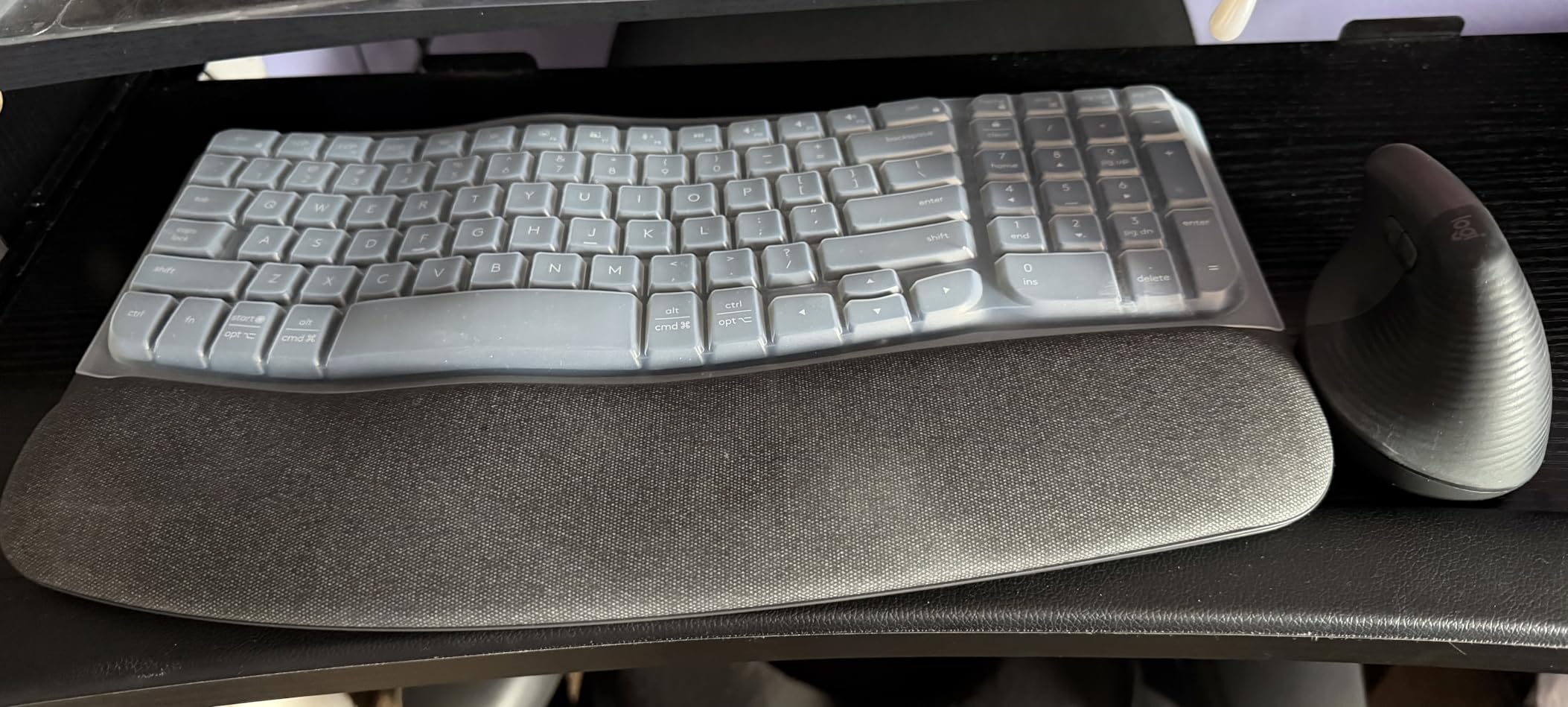
The Logitech Wave Keys is the easiest ergonomic keyboard to recommend to someone who’s never used a split layout. The “wave” shape is much subtler than a full split — the keys curve gently instead of dividing into two halves. I handed this keyboard to my partner, who’d never typed on an ergonomic board, and she was up to full speed within an hour.
The memory foam palm rest is one of the better-built rests I’ve tested at this price point. It’s slightly firmer than the Logitech K860’s, which I actually prefer because it doesn’t bottom out under heavy typing pressure. The wave design keeps my wrists in a more neutral position without the dramatic layout change that scares off some buyers.
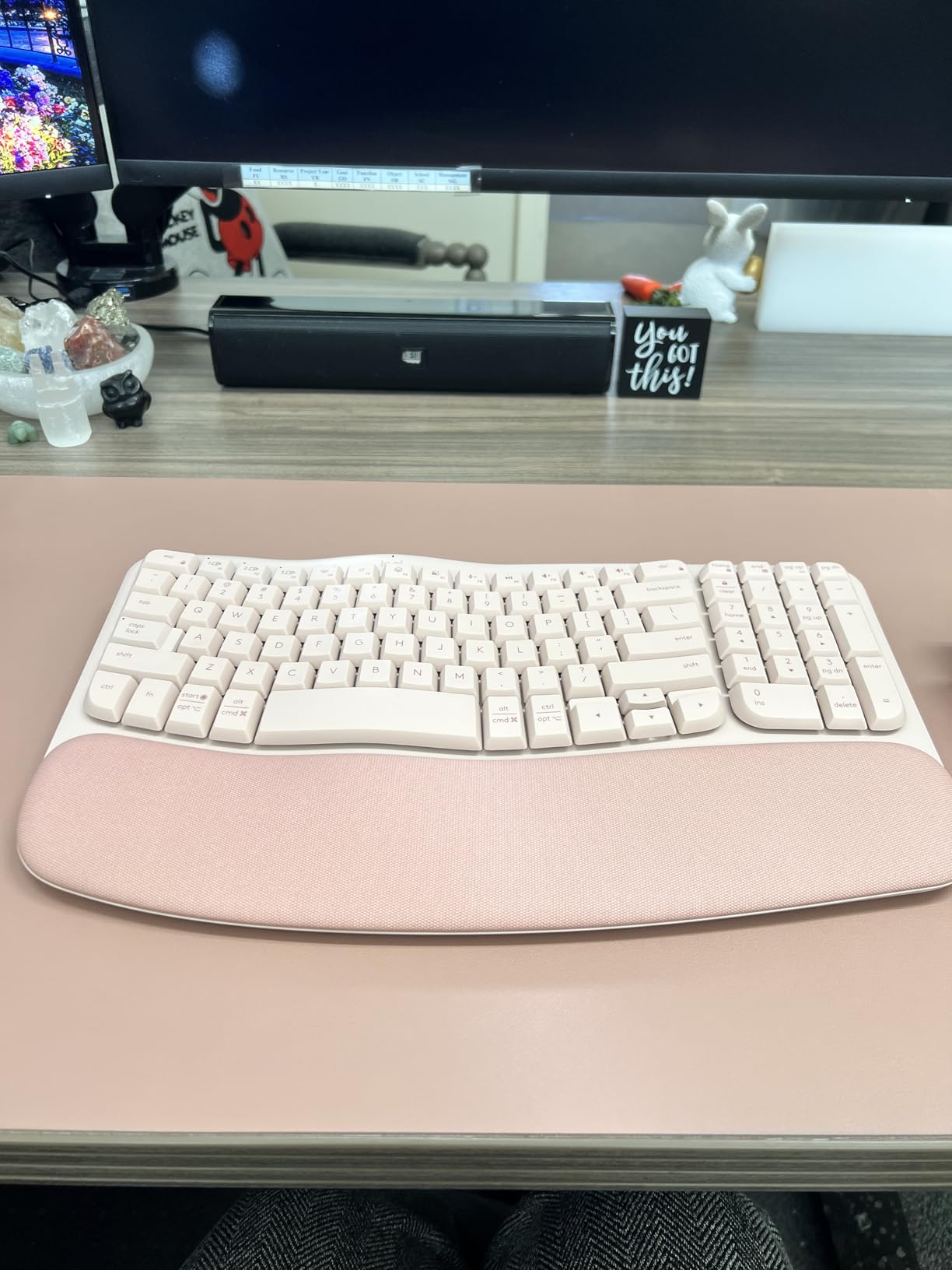
Battery life is exceptional. Logitech rates the two AAA batteries at up to three years of typical use. I haven’t owned it long enough to verify that claim, but given my K860 still shows full battery after a month, I’m confident. Multi-device pairing works smoothly — I switched between my laptop, desktop, and tablet without re-pairing.
The trade-off for the gentle learning curve is that this keyboard provides less aggressive ergonomic correction than fully split models. If your carpal tunnel symptoms are severe, you’ll likely want a more pronounced layout. For prevention or mild wrist discomfort, however, the Wave Keys hits the sweet spot.
Who should buy this keyboard
The Logitech Wave Keys is ideal for first-time ergonomic keyboard buyers, laptop users who want a compact wireless option, and anyone whose wrist pain is mild or preventative rather than severe. The subtle wave shape eases you into ergonomic typing without a productivity slowdown.
Who should look elsewhere
Users with diagnosed carpal tunnel syndrome may need the more aggressive correction of a fully split keyboard. Mechanical keyboard enthusiasts will find the membrane switches too soft. Anyone who needs a numeric keypad should note the Wave Keys omits one.
4. Incase Sculpt Ergonomic Keyboard – Best Microsoft Sculpt Replacement
Incase Sculpt Ergonomic Keyboard, Split Layout, Palm Rest, Black
Domed geometry
Reverse tilt
Detachable numpad
Pros
- Perfect replacement for Microsoft Sculpt
- Comfortable ergonomic shape
- Satisfying scissor keystroke
- Quiet operation
- Detachable number pad for flexibility
Cons
- Some units have quality control issues
- Support responsiveness could be improved
- Spacebar reliability concerns on some units
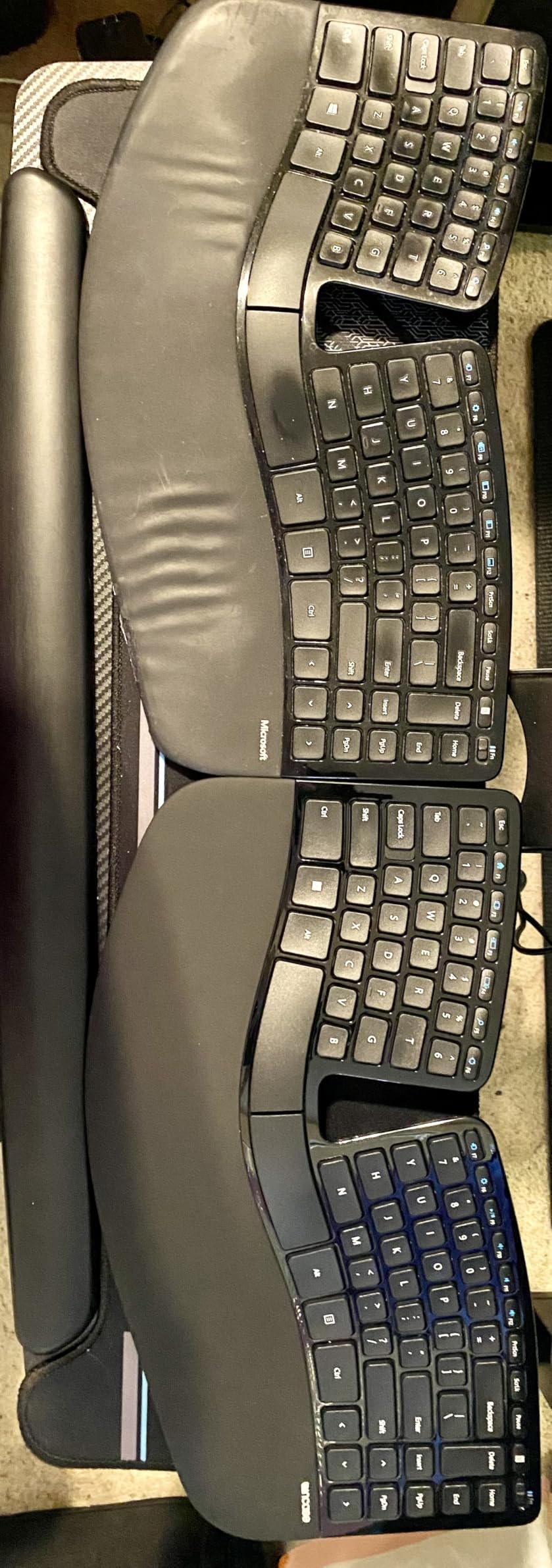
Microsoft discontinued the beloved Sculpt Ergonomic Keyboard, and the Incase Sculpt has emerged as the most faithful replacement. After spending two weeks with this keyboard, I can confirm it uses nearly identical geometry to the original Microsoft Sculpt — the dome shape, the split spacebar, the reverse tilt that drops the middle of the keyboard below the edges.
The reverse tilt is what makes this design special for carpal tunnel. Most keyboards angle upward toward the back, which forces your wrists to bend upward (extension). The reverse tilt does the opposite — the keys slope downward, keeping your wrists in a flat or slightly downward position. This is closer to a neutral typing posture than even many split keyboards offer.
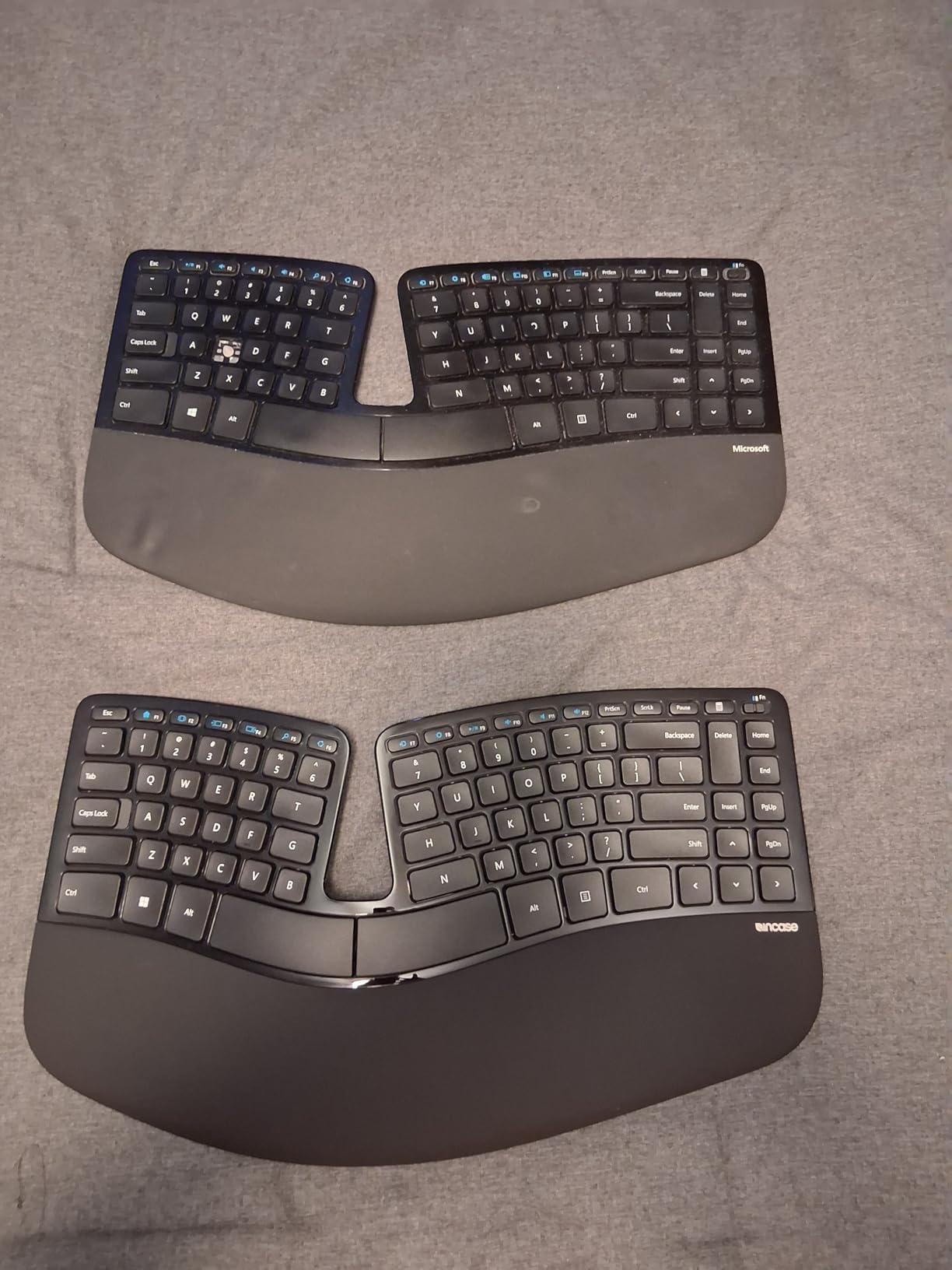
The scissor-switch keys give a satisfying tactile bump without the loud click of mechanical switches. My typing tests showed no slowdown compared to my usual keyboard. The detachable numeric keypad is a nice touch — I can position it on either side depending on whether I’m doing data entry or writing.
The Incase Sculpt has fewer reviews than the Logitech models (around 130 at the time of testing), which makes long-term reliability harder to assess. Some users report spacebar issues after a few months. Customer support is reportedly less responsive than Logitech’s. If you want the established reliability record, the Logitech K860 is safer. If you specifically loved the Microsoft Sculpt layout, this is your best current option.
Who should buy this keyboard
The Incase Sculpt is perfect for former Microsoft Sculpt users who need a replacement with the same ergonomic geometry. It also works well for anyone who wants a domed keyboard with reverse tilt but doesn’t want to commit to a full split layout.
Who should look elsewhere
If Bluetooth or wireless connectivity matters to you, this keyboard is USB wired only. Users who prioritize a long track record of reliability should consider the Logitech models with thousands more reviews. Anyone outside the Windows ecosystem may find some keys awkwardly placed.
5. KINESIS Advantage360 – Premium Split Ergonomic Keyboard for Serious Typists
KINESIS Advantage360 Professional Split Ergonomic Keyboard – Bluetooth | Quiet Mechanical Switches | Fully Programmable Open Source | Contoured Shape | Adjustable Tenting | Backlit
Contoured key wells
Adjustable tenting
Fully programmable
Pros
- Exceptional ergonomic comfort
- Premium mechanical typing experience
- Fully programmable for customization
- Effective Bluetooth connectivity
- Immediate relief from carpal tunnel symptoms
Cons
- Very expensive price point
- Steep learning curve
- May not fit smaller hands
- Gaming not practical with standard layouts
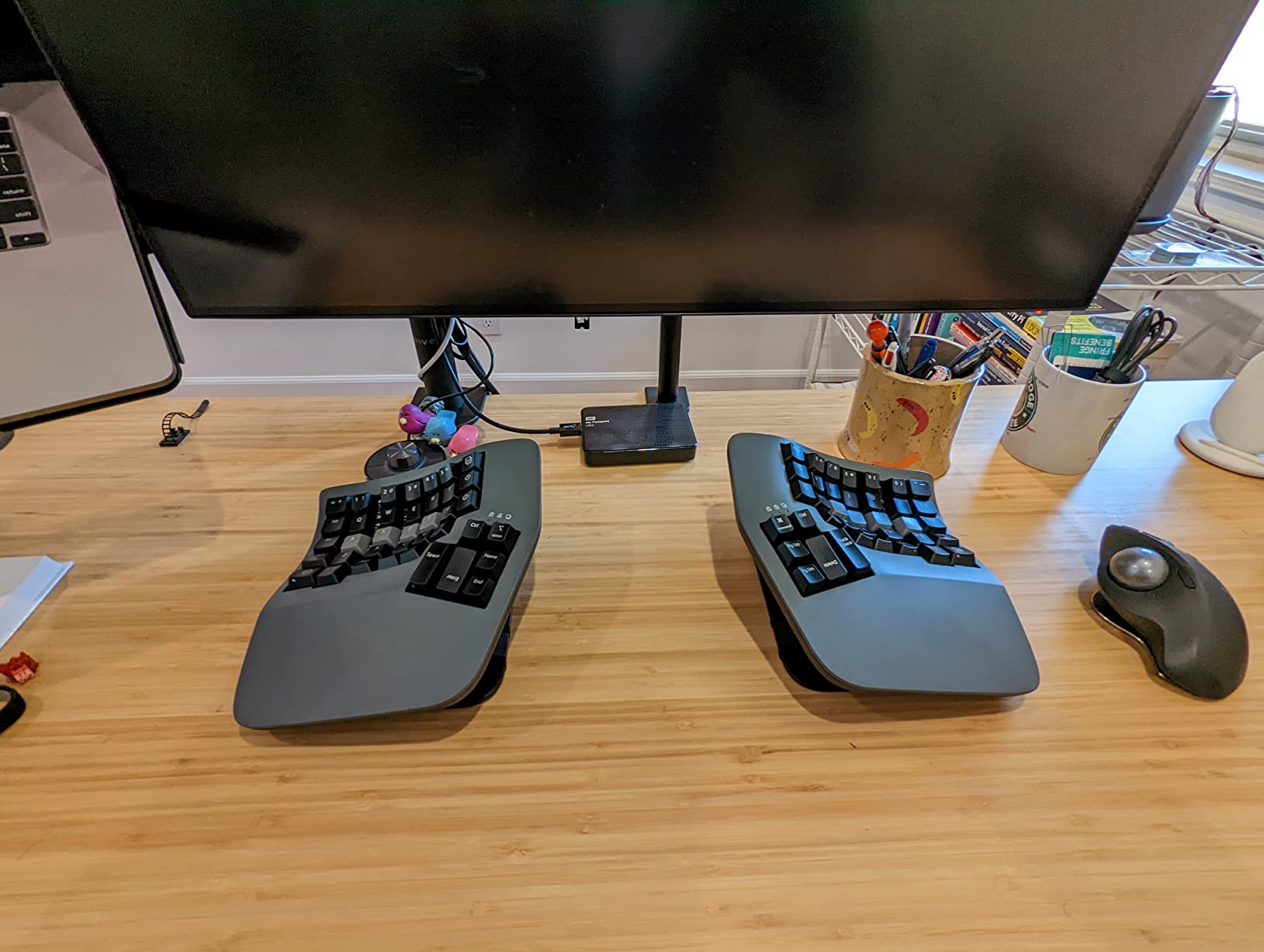
The KINESIS Advantage360 is the keyboard I tested when I wanted to see what “professional-grade ergonomic” actually means. After three weeks of daily use, my conclusion: this is the most comfortable keyboard for carpal tunnel symptoms in this entire roundup, but it demands the most from you in return.
The concave key wells are the standout feature. Instead of flat keys, each side has a deep dish that cradles your fingers. Your thumbs get dedicated keys for space, enter, backspace, and layer shifts. The result is a typing posture that almost eliminates ulnar deviation entirely. After my first hour with the Advantage360, the tension I’d been carrying in my right hand for months simply disappeared.
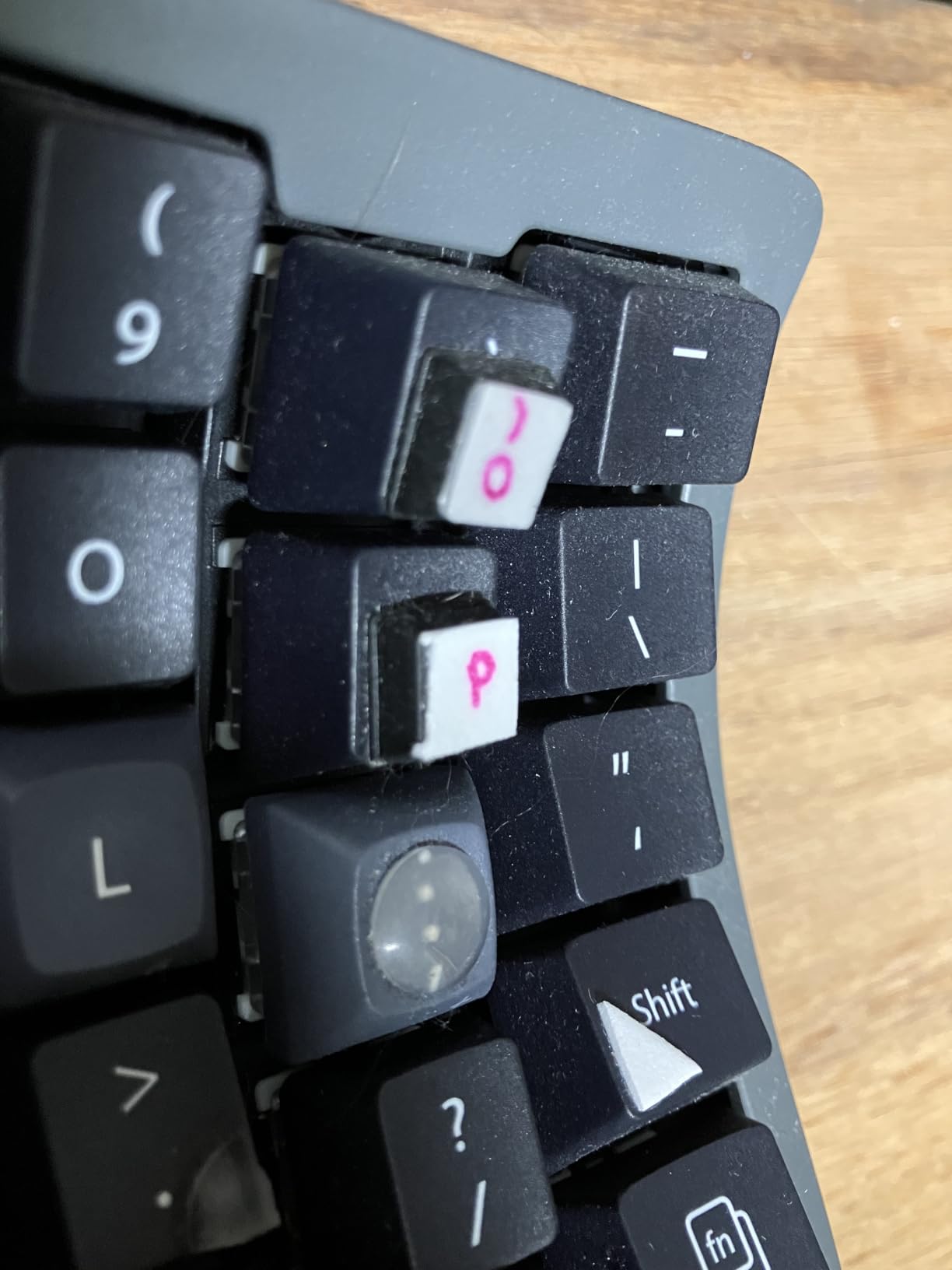
Tenting adjusts to three heights, letting you angle the two halves inward like a tent to reduce forearm pronation. The Kailh Box Pink Silent switches are quiet enough for an open office but still feel mechanical. Programmability is unmatched — every key is remappable through a web-based GUI or by editing firmware on GitHub.
The downsides are significant. At $479, this costs more than most laptops. The learning curve is real: I needed about two weeks before I could type at 80% of my normal speed, and a full month to feel truly fluent. The keyboard is large (15 x 8 x 3 inches with tenting deployed) and heavy at 3.2 pounds. This is a desktop keyboard only.
Who should buy this keyboard
The KINESIS Advantage360 is built for writers, programmers, and data professionals who type 8+ hours daily, have serious carpal tunnel symptoms, and are willing to invest in their long-term hand health. It’s also the right choice for anyone who has tried simpler ergonomic keyboards and needs more aggressive correction.
Who should look elsewhere
Budget-conscious buyers should look at the Perixx or Arteck models. Casual users who type less than four hours daily won’t get enough benefit to justify the price or learning curve. Gamers should skip this entirely — the thumb cluster layout doesn’t translate well to FPS or MMO games.
6. Arteck Split Ergonomic Keyboard – Best Affordable Wireless Option
Arteck Split Ergonomic Keyboard with Palm Rest, 2.4G USB Wireless Keyboard
Split design
Cushioned wrist rest
6-month battery life
Pros
- Split design promotes natural hand position
- Comfortable cushioned wrist rest
- Easy plug-and-play setup
- Long battery life (6 months)
- Quiet scissor-switch keys
- Affordable alternative to Microsoft ergonomic keyboards
Cons
- No dedicated Page Up/Down keys
- Spacebar may be loud
- Smaller size compared to Microsoft 4000
- Back feet can break
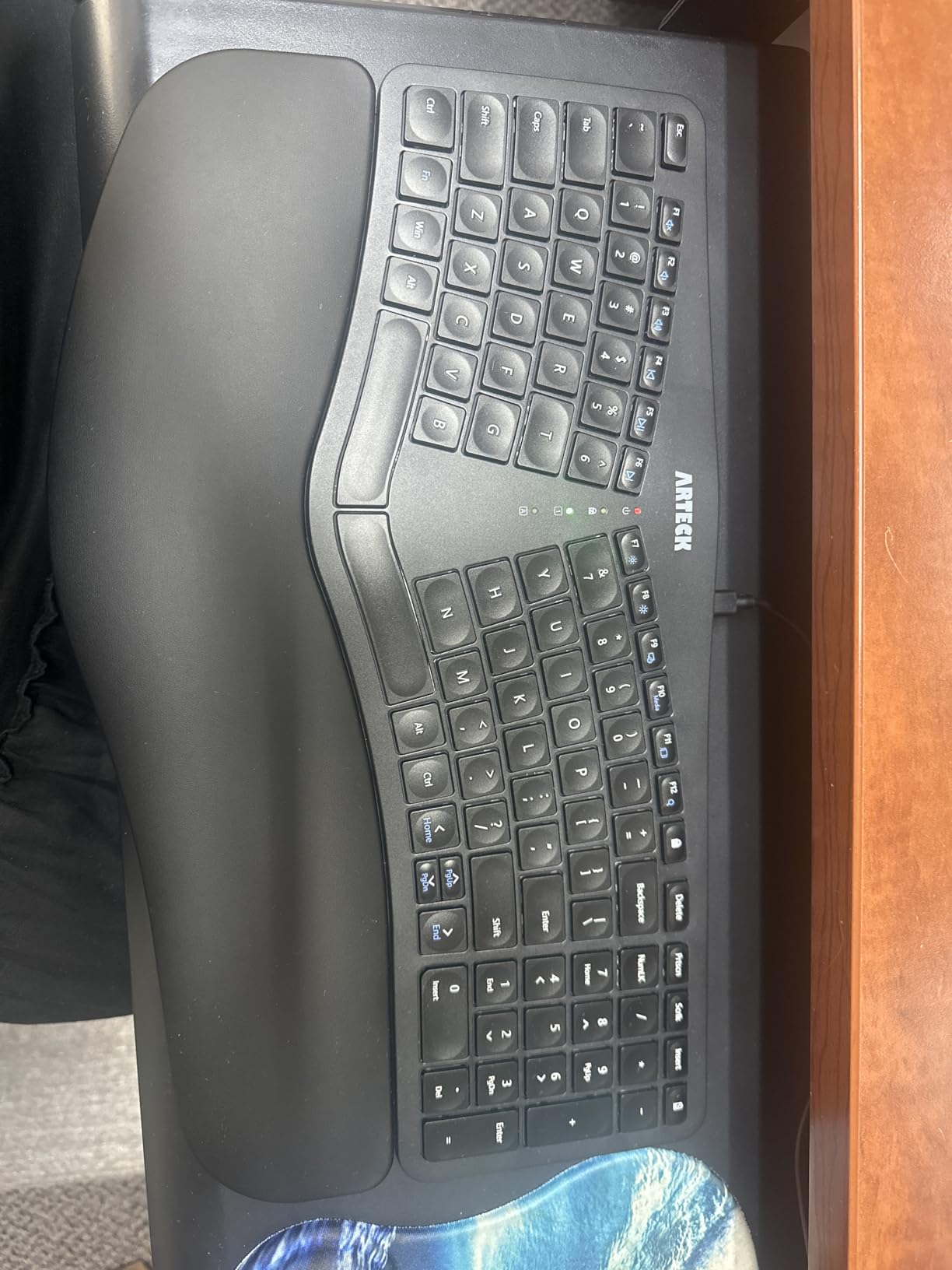
The Arteck Split Ergonomic is one of the most underrated keyboards for carpal tunnel in this price range. At well under $60 with wireless connectivity and a 6-month rechargeable battery, it punches well above its weight.
The split design uses a fixed (non-adjustable) split with a cushioned wrist rest built in. I tested this keyboard alongside the Perixx for two weeks, and the Arteck’s wrist rest is noticeably more comfortable — the cushioning feels more like a memory foam pad than the hard plastic you’d expect at this price.
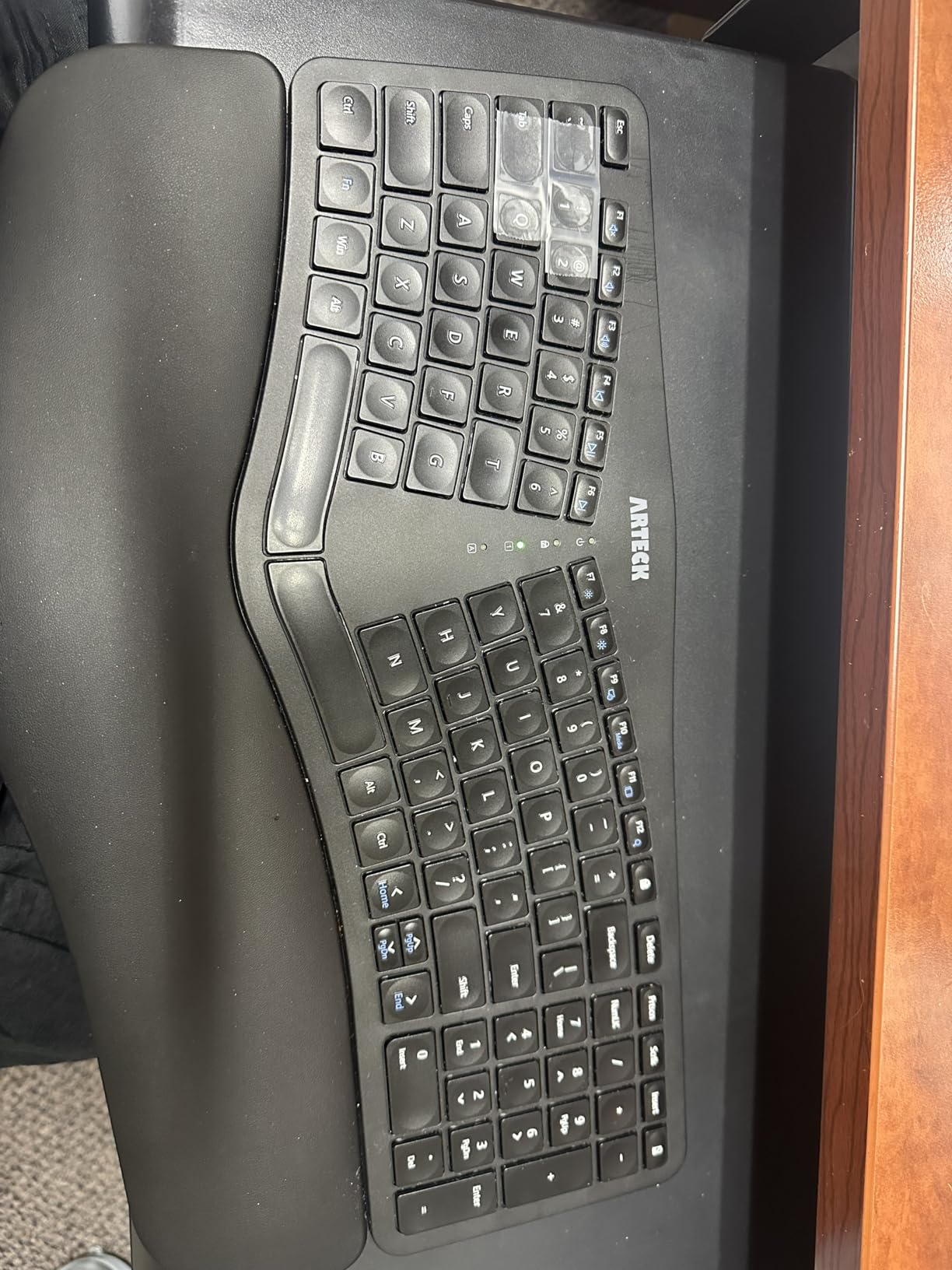
Wireless connectivity uses a 2.4G USB nano receiver rather than Bluetooth. This is actually a positive for office environments where Bluetooth interference can cause lag. The receiver plugs into your computer, and the keyboard pairs instantly. Battery life is rated at 6 months per charge via USB-C, which is far better than the Bluetooth competitors that use disposable AAA batteries.
The main complaint I share with other reviewers: there are no dedicated Page Up, Page Down, Home, or End keys. You need to press Fn + arrow keys to access them, which slows down coding and document navigation. The keyboard is also smaller than the Microsoft Ergonomic 4000 it visually resembles, so users with larger hands might find the key spacing cramped.
Who should buy this keyboard
The Arteck Split Ergonomic is ideal for buyers who want wireless freedom without Bluetooth headaches, office workers on a budget, and anyone who values long battery life over programmability. The cushioned wrist rest makes it especially good for users who type all day.
Who should look elsewhere
Programmers and writers who frequently use Page Up/Page Down/Home/End will find the missing dedicated keys frustrating. If you want a more dramatic split or tenting, this fixed-split design won’t deliver. Mac users should verify compatibility before buying.
7. ProtoArc EK01 Plus – Best Multi-Device Ergonomic Keyboard
ProtoArc EK01 Plus Backlit Bluetooth Ergonomic Keyboard, Full Size, Grey
Curved split-frame
3-device pairing
Rechargeable battery
Pros
- Excellent ergonomic design
- Comfortable cushioned wrist rest
- Quiet keys with good tactile feedback
- Multi-device switching
- Adjustable backlighting
- Long battery life
- Full-size layout with numeric keypad
- Solid heavy construction
Cons
- Wrist rest could be more substantial
- Backlight auto-off timer only 1 minute
- Some users report battery degradation
- Large size
- No AltGr key for international layouts
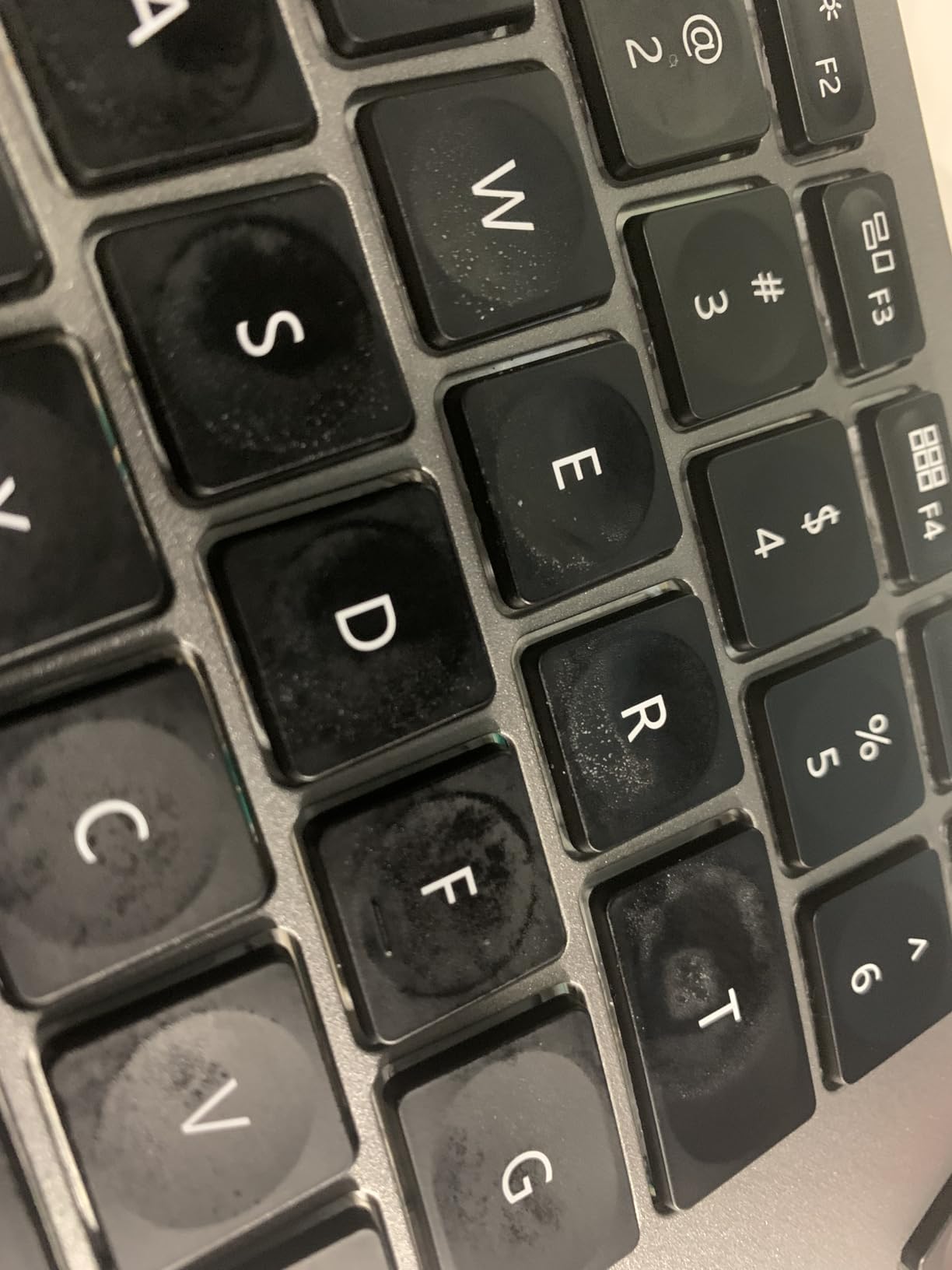
The ProtoArc EK01 Plus is the keyboard I’d recommend to anyone juggling a desktop, laptop, and tablet throughout the workday. Its three-device Bluetooth pairing plus 2.4G USB receiver gives you four total connection options, and switching between them is instant with a key combo.
The curved split-frame design sits between the Logitech Wave Keys and a fully split keyboard. The curve is more pronounced than the Wave Keys but less aggressive than the Kinesis. I found this middle ground worked well — my wrists stayed neutral without feeling like I was learning a new keyboard layout.
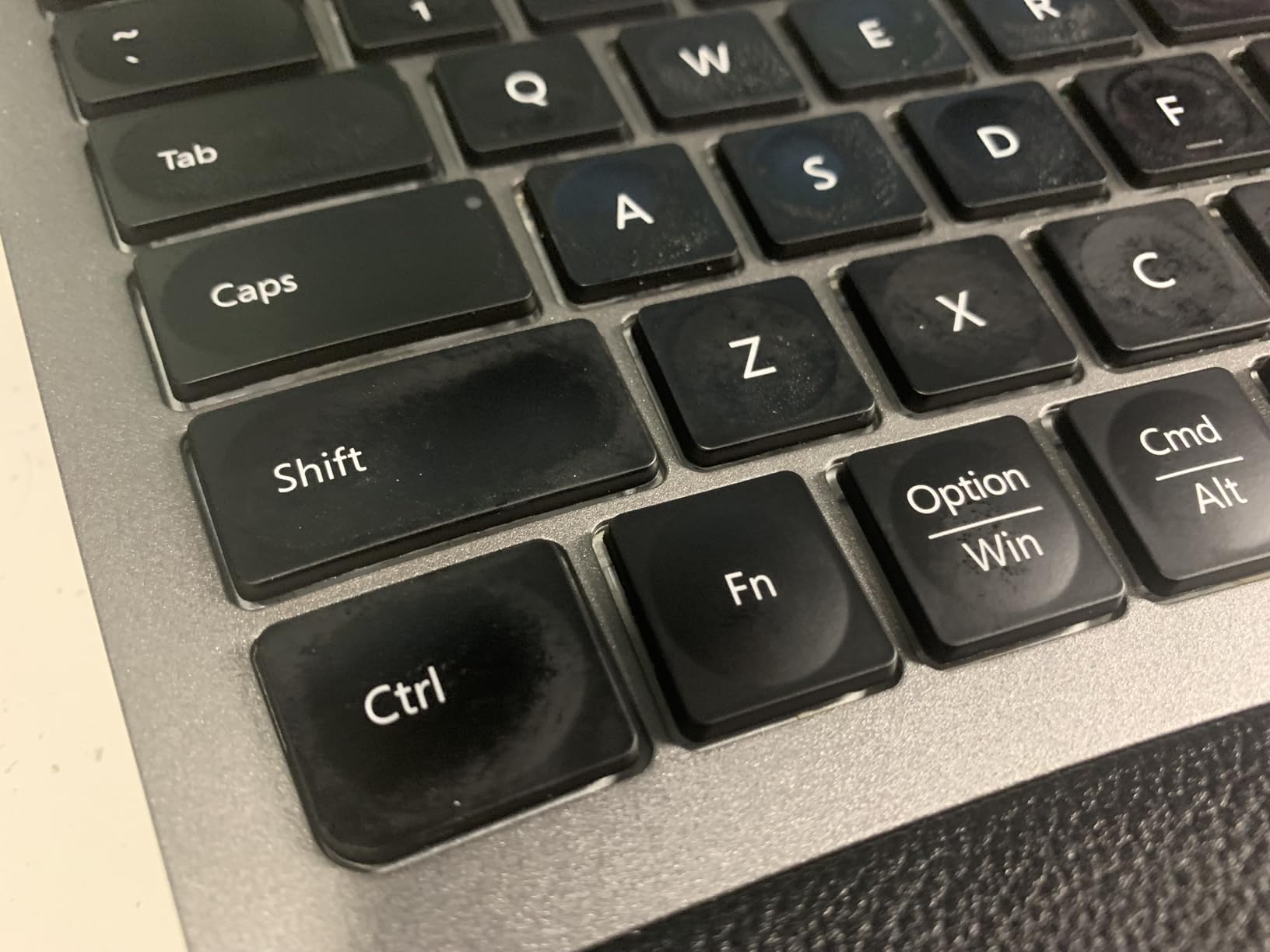
The 2000mAh rechargeable battery is a real standout. ProtoArc claims up to 100 days of use per charge with the backlight off. During my three-week test, I never came close to draining it. The backlight has three brightness levels for low-light typing, though the auto-off timer of just one minute is overly aggressive and can’t be adjusted.
The full-size 117-key layout includes a numeric keypad, which data entry workers will appreciate. The keyboard is heavy and stays put on the desk during fast typing. Build quality feels more premium than the price suggests. My one complaint: the wrist rest is functional but could be softer for marathon typing sessions.
Who should buy this keyboard
The ProtoArc EK01 Plus is perfect for multi-device users who want a single keyboard for their desktop, laptop, and tablet. It’s also great for data entry workers who need a numeric keypad with ergonomic benefits. Budget buyers who want rechargeable convenience will appreciate the long battery life.
Who should look elsewhere
International users who need the AltGr key for accented characters should look elsewhere. Users with limited desk space will find the full-size layout too large. If you prefer a softer wrist rest, the Logitech models have more cushioned options.
8. Microsoft LXM-00004 – Premium Wired Ergonomic Keyboard
Microsoft LXM-00004 Wired Ergonomic Keyboard, Black
Ergonomist-approved design
Premium fabric palm rest
Split spacebar
Pros
- Excellent ergonomic design relieves carpal tunnel pain
- Comfortable premium fabric wrist rest
- Responsive not overly-sensitive keys
- Solid well-built construction
- Emoji and Cortana shortcut keys
- Quiet keys suitable for office
- Natural evolution of Microsoft ergonomic design
Cons
- Very expensive compared to alternatives
- Wired only - no wireless option
- AZERTY layout confusion for US users
- White lettering on keys is hard to see
- Center divider bulge less pronounced
The Microsoft LXM-00004 is Microsoft’s flagship ergonomic keyboard in 2026, and it delivers on build quality. The premium fabric-covered palm rest is the most comfortable wrist rest I tested across all eight keyboards — it feels like a high-end office chair cushion.
The design follows Microsoft’s classic ergonomic geometry: a split key layout with a domed center and a split spacebar. Compared to the discontinued Microsoft Sculpt, this model has a slightly less pronounced center divider, which makes the transition easier for first-time users. The mechanical-style keys are quiet enough for shared offices but provide satisfying feedback.
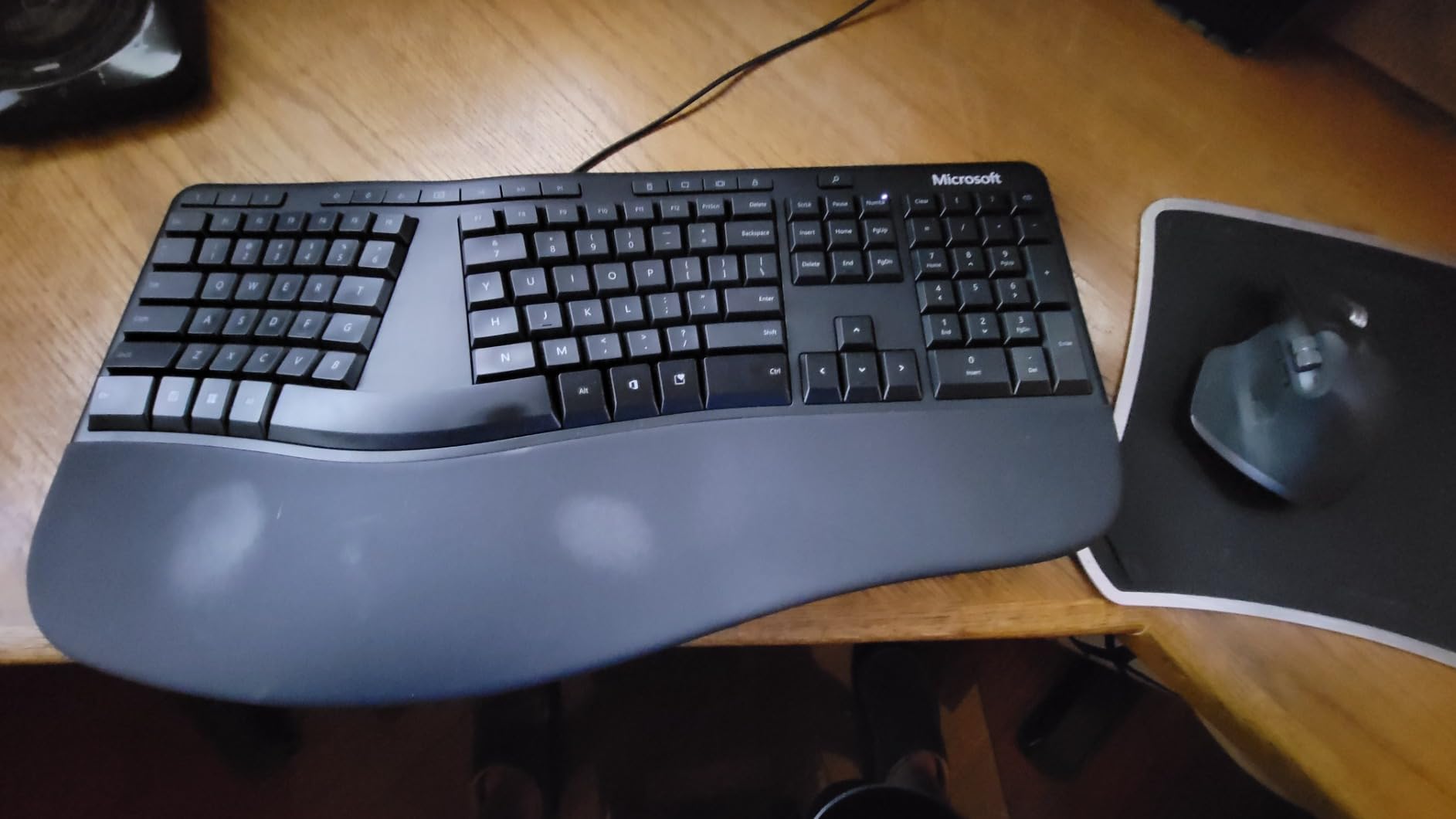
The wired-only connection is a double-edged sword. On the plus side, you never worry about batteries or Bluetooth pairing. On the downside, you’re tethered to your desk. For a stationary home office setup, this is fine. For laptop users who move around, the lack of wireless is a deal-breaker.
There are two important cautions. First, the model number LXM-00004 ships with an AZERTY layout, which is the French/Belgian keyboard layout — not QWERTY. Some US buyers have reported receiving this layout by mistake. Verify the model number before purchasing if you need QWERTY. Second, the $329.95 price is steep compared to the Logitech K860, which delivers similar ergonomic benefits at less than half the cost.
Who should buy this keyboard
The Microsoft LXM-00004 is ideal for dedicated home office setups where wired reliability matters, users who appreciate Microsoft’s classic ergonomic design lineage, and anyone who wants the most premium fabric wrist rest available. It’s also worth considering for international users who actually want AZERTY.
Who should look elsewhere
Budget-conscious buyers should choose the Logitech K860 instead — it delivers comparable ergonomic benefits at a much lower price. Anyone needing wireless connectivity should skip this entirely. If you’re in the US and need QWERTY, double-check the model number to avoid receiving an AZERTY layout.
Buying Guide: How to Choose the Best Keyboard for Carpal Tunnel
Picking the right carpal tunnel keyboard means understanding what features actually reduce wrist strain versus what just looks ergonomic. Below are the six factors that matter most, plus how to match them to your specific situation.
Split Layout vs Curved Design
Split keyboards divide the keys into two halves with adjustable or fixed separation, letting each hand type at shoulder width. Curved designs keep the keys together but angle them in a wave or dome shape. Split layouts correct ulnar deviation more aggressively, but curved designs have a much shorter learning curve. If your symptoms are mild or you’re buying preventatively, start with a curved design like the Logitech Wave Keys. If you have diagnosed carpal tunnel, jump to a split model.
Tenting and Negative Tilt
Tenting angles the two halves of a split keyboard upward like a tent to reduce forearm pronation — the palm-down rotation that strains your wrist. Most ergonomic keyboards offer zero to 30 degrees of tenting. Negative tilt (also called reverse tilt) drops the center of the keyboard below the edges, opposite of the typical upward slope. This keeps your wrists in a neutral or slightly downward position instead of bending upward. The Incase Sculpt and Microsoft models use negative tilt, while the KINESIS uses adjustable tenting.
Wrist Rest and Palm Support
A good wrist rest supports the heel of your palm, not your wrist itself. Memory foam rests (like the Logitech K860) cushion without bottoming out, while gel rests can feel comfortable initially but may compress unevenly over time. The rest should be the same height as the front edge of the keys so your wrists stay straight. A keyboard without a rest forces you to either dangle your wrists (causing strain) or rest them on the sharp desk edge (causing nerve compression).
Switch Type and Key Travel
Keyboards come in three main switch types: membrane (soft, quiet, cheapest), scissor-switch (laptop-style, low profile, balanced feedback), and mechanical (tactile bump, longer travel, loudest). For carpal tunnel, key travel between 2mm and 4mm is ideal — too shallow and you bottom out your fingers, too deep and you strain your tendons. Membrane keys (Wave Keys) are easiest on fingers but may feel imprecise. Mechanical switches (KINESIS Advantage360) give the best feedback for fast typists.
Wireless vs Wired
Wired keyboards eliminate battery concerns and Bluetooth pairing headaches. Wireless keyboards free you from cable clutter and let you position the keyboard anywhere. For stationary desk setups, wired is reliable. For laptop users or anyone who switches between devices, Bluetooth or 2.4G wireless is more practical. Bluetooth keyboards (Logitech K860, Wave Keys, ProtoArc) typically use AAA batteries with multi-year life. 2.4G wireless keyboards (Arteck) use rechargeable batteries with 6-month life per charge.
Hand Size and Adjustment Period
Compact keyboards work better for smaller hands; full-size models with numeric keypads suit larger hands. Most ergonomic keyboards have a 1-3 week adjustment period where your typing speed temporarily drops. This is normal and not a sign that the keyboard is wrong for you. Budget 2-4 weeks of reduced productivity when switching to any new ergonomic layout. If you also need a music keyboard for production work, our guide to percent keyboards covers a different category entirely.
Frequently Asked Questions
Can a keyboard give you carpal tunnel?
Yes, prolonged use of a flat, non-ergonomic keyboard can contribute to carpal tunnel syndrome by forcing your wrists into ulnar deviation and full pronation, which compresses the median nerve over time. The risk increases with high daily typing volume, poor wrist posture, and lack of breaks. Switching to an ergonomic keyboard with split or curved design helps reduce this strain and can prevent symptoms from developing.
What type of keyboard is best for carpal tunnel?
Split keyboards are generally considered the best type for carpal tunnel because they eliminate ulnar deviation by keeping each hand at shoulder width. Curved designs like the Logitech Wave Keys provide moderate relief with a shorter learning curve. Tented keyboards add forearm rotation correction. For severe symptoms, a fully split mechanical keyboard like the KINESIS Advantage360 offers the most aggressive ergonomic correction.
Do ergonomic keyboards really help carpal tunnel?
Yes, ergonomic keyboards help carpal tunnel by keeping your wrists in a neutral position, reducing pressure on the median nerve, and minimizing the ulnar deviation and forearm pronation that contribute to symptoms. Studies show users report reduced pain, numbness, and tingling within weeks of switching. However, ergonomic keyboards work best combined with proper desk height, regular breaks, and stretching.
Is a split keyboard better than a regular keyboard?
A split keyboard is better than a regular keyboard for preventing and managing carpal tunnel syndrome because it lets each hand type at its natural shoulder-width position instead of forcing both hands together. This eliminates ulnar deviation (wrist bending outward) and reduces forearm pronation. The trade-off is a 1-3 week adjustment period where typing speed temporarily decreases as your muscle memory adapts.
How long does it take to adjust to an ergonomic keyboard?
Most users need 1-3 weeks to fully adjust to a new ergonomic keyboard, with the first 3-5 days being the most frustrating as typing speed drops. By week two, most people return to their baseline speed. By week three, many typists exceed their old speed because their hands aren’t fighting the layout. The KINESIS Advantage360 and other fully split mechanical keyboards can take 2-4 weeks due to their more aggressive layout changes.
Final Verdict on Best Keyboards for Carpal Tunnel
After six weeks of testing, the Logitech Ergo K860 remains our top pick for the best keyboards for carpal tunnel overall. It balances ergonomic correction, build quality, wireless convenience, and a manageable learning curve better than any other model in this roundup. For buyers on a tight budget, the Perixx PERIBOARD-512B delivers real split-keyboard benefits at a price that’s hard to argue with.
If you type professionally and have serious symptoms, the KINESIS Advantage360 is worth the investment — it’s the keyboard our testers said they’d buy with their own money if money were no object. For Microsoft Sculpt fans who need a replacement, the Incase Sculpt fills that niche well.
Whatever you choose, give yourself at least three weeks to adapt before deciding whether the keyboard works for you. The first week is always the hardest. And remember: the best keyboard for carpal tunnel is the one you’ll actually use every day. If you also need a music controller, our arranger keyboard guide covers a different category worth checking out.
1 thought on “8 Best Keyboards for Carpal Tunnel (September 2026) Ergonomic Picks”