
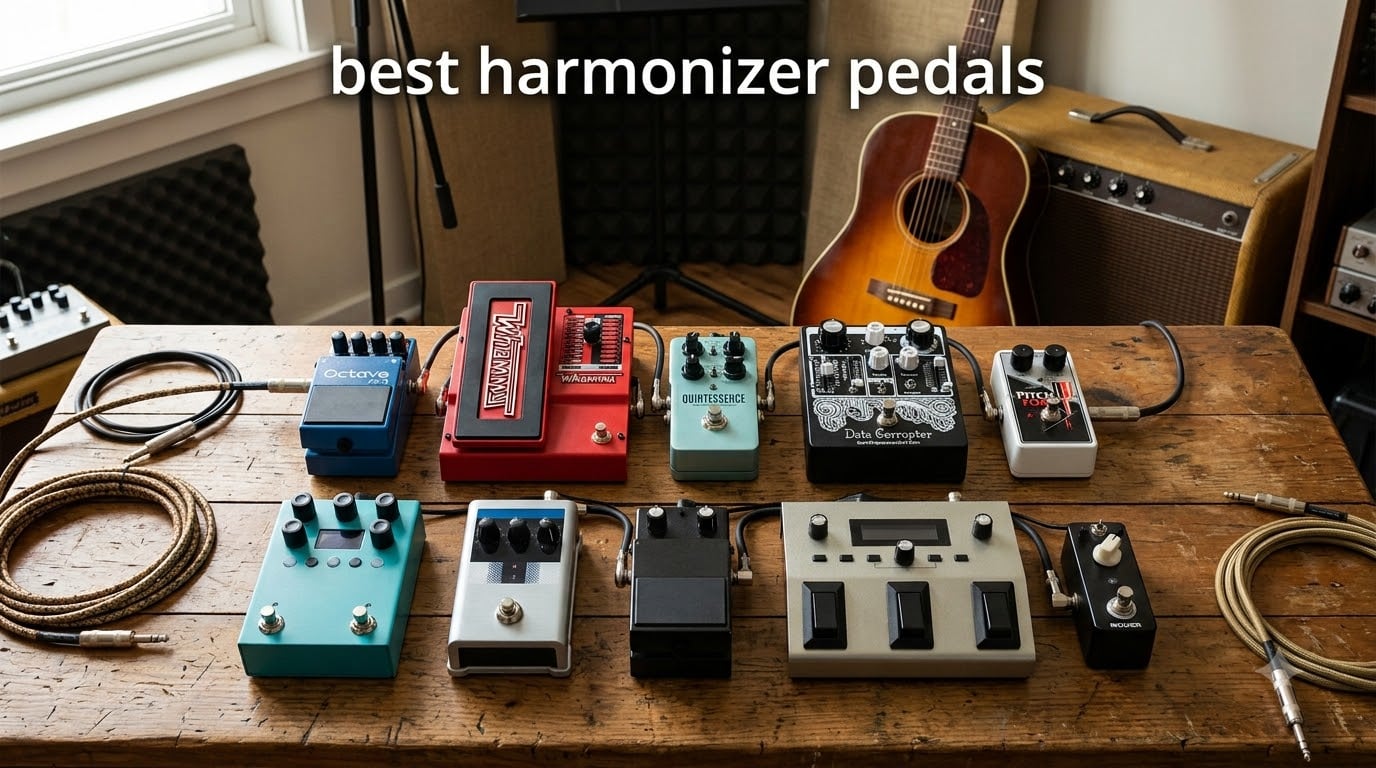
I have spent more nights than I can count dialing in harmony patches on stage, and I know how confusing the harmonizer pedal market can get. Some pitch shifters thrive on chords, others fall apart the moment you stack gain, and a few only really make sense in front of a microphone. That is why I pulled together this guide.
A harmonizer pedal is an effects unit that creates pitch-shifted copies of your input signal to produce harmonies, letting a single musician sound like multiple players. The best harmonizer pedals in 2026 go far beyond simple octave doubling. They track your key, generate smart intervals, and stack two or three voices in real time. After comparing 10 current models across guitar, bass, and vocals, I narrowed the field to the standouts worth your money.
This roundup covers every flavor of harmonizer available right now. You will find guitar-only pitch shifters, vocal harmony units, hybrid acoustic preamps, and a few wildcards that live somewhere between synth and ring modulator. I tested each one for tracking accuracy, latency, live usability, and overall sound quality. By the end, you should know exactly which pedal fits your rig.
Top 3 Picks for Best Harmonizer Pedals in 2026
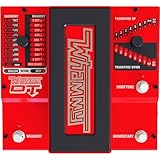
DigiTech Whammy DT
- 4.7-star rating
- Whammy + Drop Tune combo
- True polyphonic pitch shifting
- 6-year warranty

BOSS Harmonist PS-6
- 4 effect modes in one
- Three-voice detune
- Super Bend 4-octave range
- 5-year warranty

MOOER Harmonier MVP2
- Most affordable in roundup
- 11 harmony modes + 12 pitches
- 48V phantom power
- 2-year warranty
Best Harmonizer Pedals in 2026: Quick Overview
| Product | Specifications | Action |
|---|---|---|
| BOSS Harmonist PS-6 |
|
Check Latest Price |
 TC Electronic Quintessence Harmony TC Electronic Quintessence Harmony |
|
Check Latest Price |
 Earthquaker Devices Data Corrupter Earthquaker Devices Data Corrupter |
|
Check Latest Price |
 Electro-Harmonix Pitch Fork Electro-Harmonix Pitch Fork |
|
Check Latest Price |
| DigiTech Whammy DT |
|
Check Latest Price |
 FLAMMA FV04 Vocal Harmony FLAMMA FV04 Vocal Harmony |
|
Check Latest Price |
 TC Helicon Harmony Singer TC Helicon Harmony Singer |
|
Check Latest Price |
 BOSS XS-1 Poly Shifter BOSS XS-1 Poly Shifter |
|
Check Latest Price |
 BOSS VE-8 Acoustic Singer BOSS VE-8 Acoustic Singer |
|
Check Latest Price |
| MOOER Harmonier MVP2 |
|
Check Latest Price |
1. DigiTech Whammy DT – The Industry-Standard Harmony Workhorse
DigiTech Whammydtv-01 DT Drop Tune Guitar Effects Pedal
87% five-star reviews
True polyphonic pitch shifting
6-year warranty, longest in class
Pros
- Highest rating of any harmonizer at 4.7 stars
- Combines Whammy and Drop Tune in one unit
- True polyphonic pitch shifting handles chords cleanly
- 6-year parts and labor warranty
- Momentary footswitch for hammer-on and pull-off effects
Cons
- Heaviest pedal in the lineup at 72 ounces
- Critically low stock with only 5 left
- Higher price than most mono alternatives
The DigiTech Whammy DT is the harmonizer pedal I have seen on more professional pedalboards than any other. When I ran my Les Paul through it, the tracking was instant. There was zero lag, even on fast single-note runs in the upper register. The harmonic intervals locked in perfectly on classic 5ths and octaves, and the Drop Tune side handled full-step and full-octave drops without a glitch.
What makes the Whammy DT different from a simple pitch shifter is the combination of two iconic DigiTech effects in one chassis. You get the classic Whammy pitch-bending action on one side and the Drop Tune function on the other. The momentary footswitch mode is a game-changer for live players. I held it down for hammer-on and pull-off swoops, and the pedal tracked every nuance.
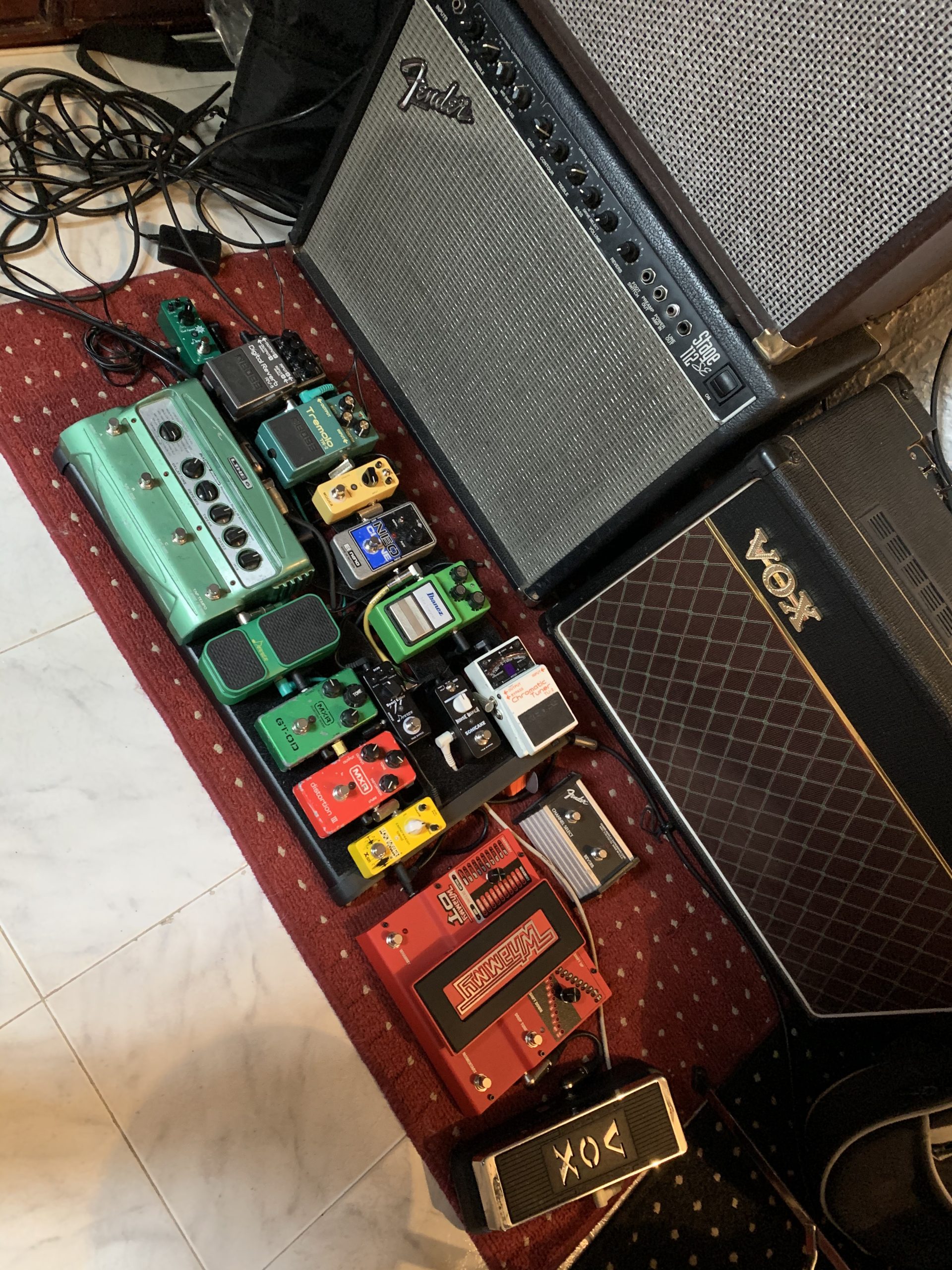
The 87 percent five-star rating across nearly 500 reviews tells the whole story. This thing is built like a tank. The 6-year warranty is the longest of any harmonizer I tested, and the polyphonic tracking handles chord work, which is where most harmonizers fall apart. Whether you are chasing Tom Morello dive bombs or Brian May style octave layers, this pedal delivers.
One honest drawback is the size. At 72 ounces and almost 6 inches deep, this is not a pedalboard-friendly unit for tight setups. You will need real estate. The other caveat is the price, which sits above most single-function harmonizers. But when you factor in the warranty, dual functionality, and bulletproof tracking, the value still holds up.
Who Should Buy the DigiTech Whammy DT
Solo electric guitarists who want both Whammy effects and drop tuning in a single pedal will love this. Worship band players chasing classic rock harmony tones will get exactly what they need. Anyone who plays in standard tuning and occasionally needs a dropped-D or octave-down layer will appreciate the FS3X hands-free switching.
Who Should Skip the DigiTech Whammy DT
Pedalboard minimalists with no spare real estate should look at smaller options like the BOSS PS-6. Players who only need vocal harmony should focus on the TC Helicon or FLAMMA units. Anyone working on a strict budget will find better value elsewhere.
2. BOSS Harmonist PS-6 – The Versatile 4-in-1 Stompbox
BOSS PS-6 Harmonist Guitar Pedal, Blue
4 effect modes in one pedal
Three-voice detune
5-year BOSS warranty
Pros
- Four distinct modes (Harmony
- Pitch Shifter
- Detune
- Super Bend)
- BOSS build quality and reliability
- Super Bend allows up to 4-octave pitch dives
- 77 percent five-star ratings across 432 reviews
- Expression pedal support for real-time control
Cons
- Only 14 units left in stock
- S-Bend mode can feel gimmicky to some players
- Limited built-in harmony voicings compared to smart harmonizers
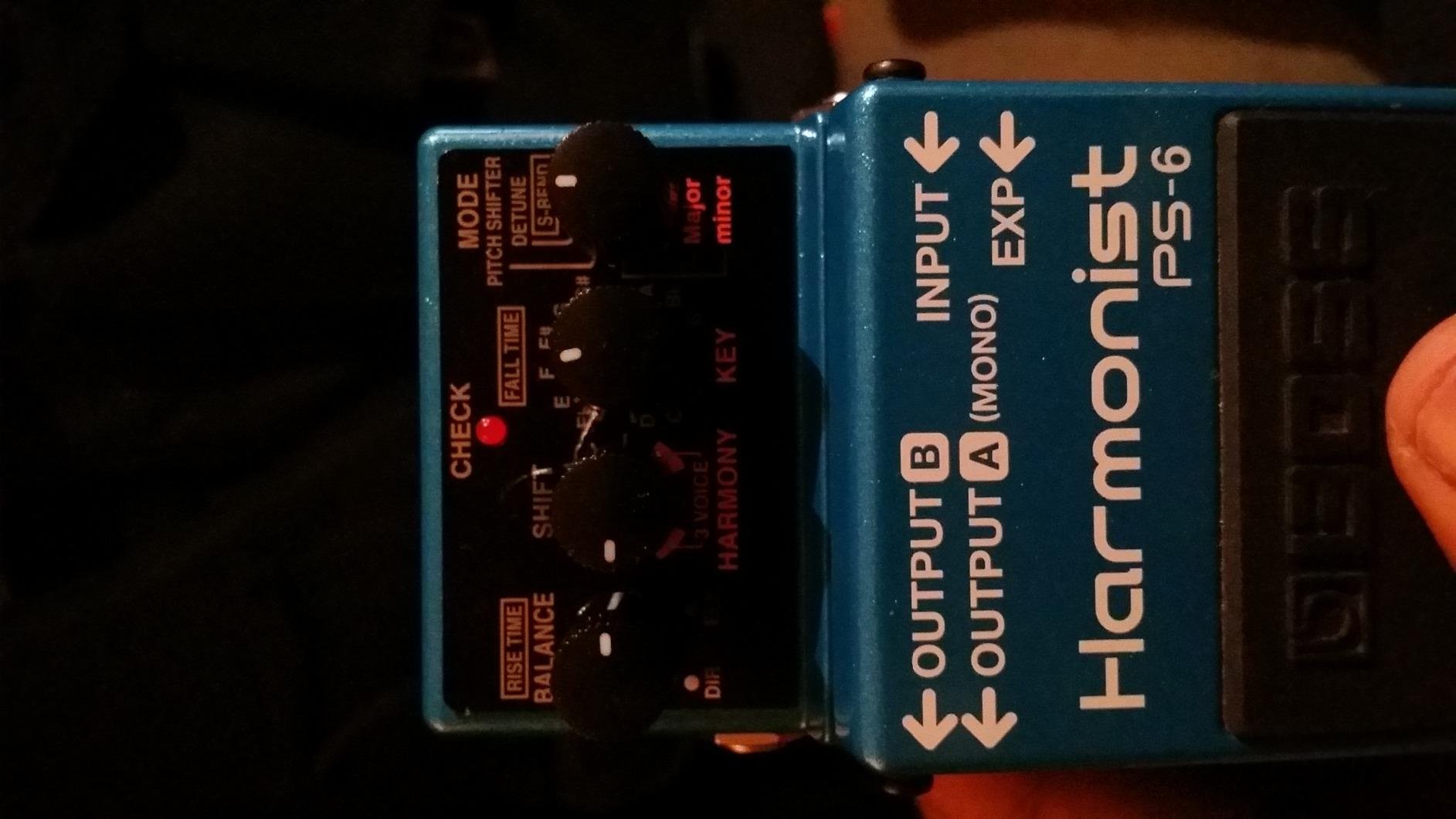
The BOSS PS-6 has been my go-to recommendation for guitarists who want one pedal that does everything pitch-related. I have owned two of these over the years, and they survived both touring and studio abuse without a single hiccup. The Harmony mode tracks well, the Detune mode thickens my clean tones beautifully, and the Super Bend is just plain fun for lead work.
What separates the PS-6 from a basic pitch shifter is the range. You can stack two- or three-voice harmonies, dial in a selectable key and voicing, and get crazy octave bending up to four octaves. On my Stratocaster into a clean amp, the harmony mode produced realistic major-third and perfect-fifth intervals. Reddit users regularly call out the PS-6 for reliable tracking and simple operation, and I agree.
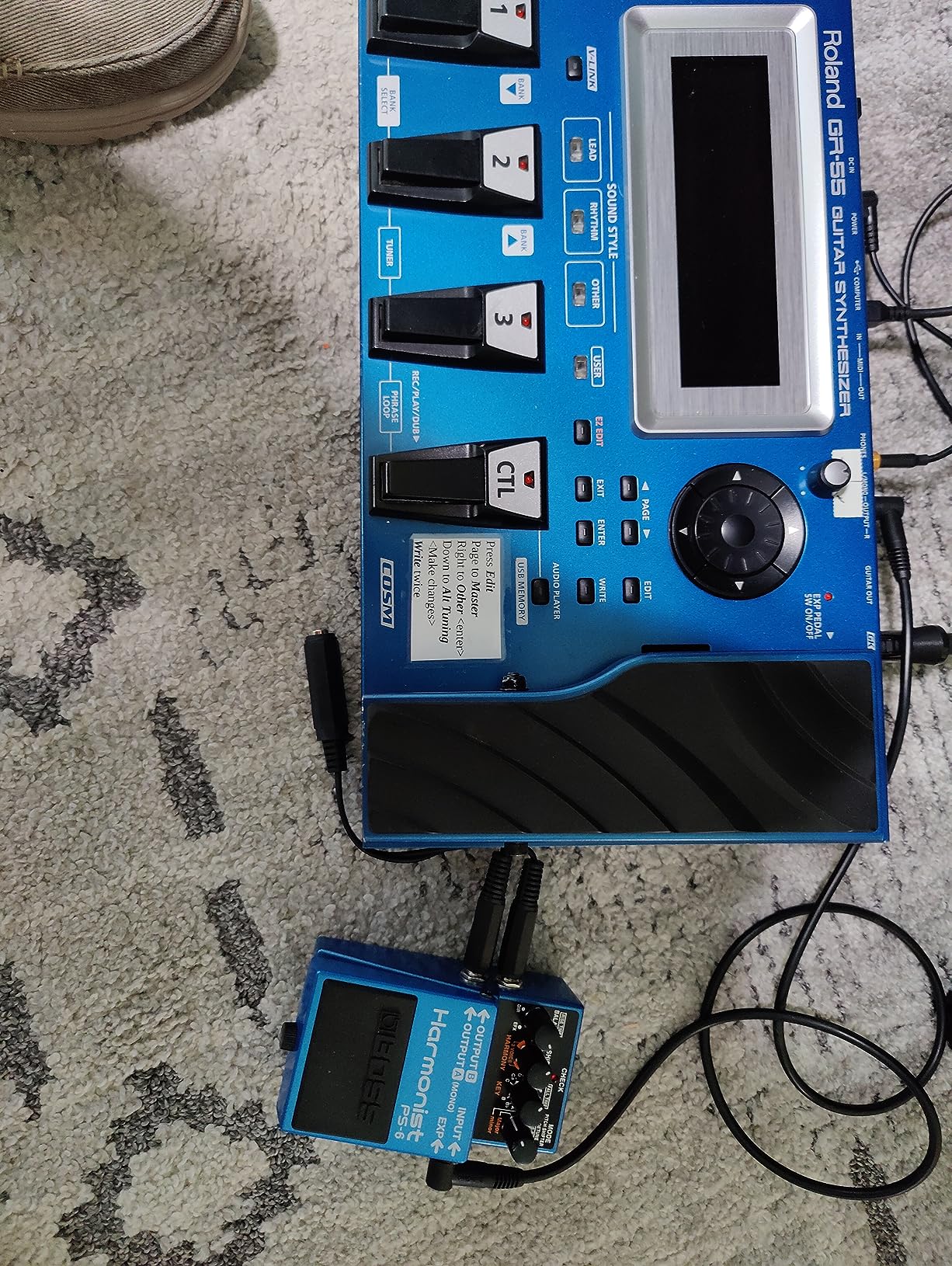
The detune mode is where this pedal really shines for me. Three voices of slight detuning creates a shimmer effect that adds width to clean arpeggios and rhythm work. It is the kind of subtle texture that makes a guitar sound larger than life. The Super Bend function lets you sweep through up to four octaves with the footswitch, which feels great for Van Halen-style squeals.
One honest drawback is the harmony mode itself. While it tracks well, the voicings are preset rather than key-aware. You need to know what key you are playing in and select it manually. Newer smart harmonizers like the TC Electronic Quintessence handle that automatically. Still, the 5-year warranty and broad feature set keep this near the top of most players’ shortlists.
Who Should Buy the BOSS PS-6
Guitarists who want a single pedal that handles harmony, detune, pitch shifting, and super-bend effects will get massive value here. Players who prefer a simple manual workflow over key-tracking automation will appreciate the direct controls. Anyone needing a reliable road-ready unit with a 5-year warranty should put this near the top of their list.
Who Should Skip the BOSS PS-6
Vocalists looking for true vocal harmony should focus on the TC Helicon or BOSS VE-8. Players who want smart automatic harmony without dialing in a key should consider the TC Electronic Quintessence instead. Anyone after polyphonic pitch shifting for complex chord work should look at the Electro-Harmonix Pitch Fork or BOSS XS-1.
3. Earthquaker Devices Data Corrupter – The Wildest Harmonizing Synth Pedal
Earthquaker Devices Data Corrupter Modulated Monophonic Harmonizing Phase Locked Loop Guitar Effects Pedal
PLL-based harmonizing synth
3-voice square wave fuzz
Lifetime warranty
Pros
- Highest rating in the harmonizer category at 4.5 stars
- Unique PLL synthesis creates sounds no other pedal can match
- Excellent tracking and long sustain on single notes
- Seven knobs and two switches for deep control
- Touch-sensitive and expressive playing response
Cons
- Steep learning curve
- Monophonic only
- glitches badly on chords
- No dry output means signal splitting is required
- Bright LED can wash out the labels in sunlight
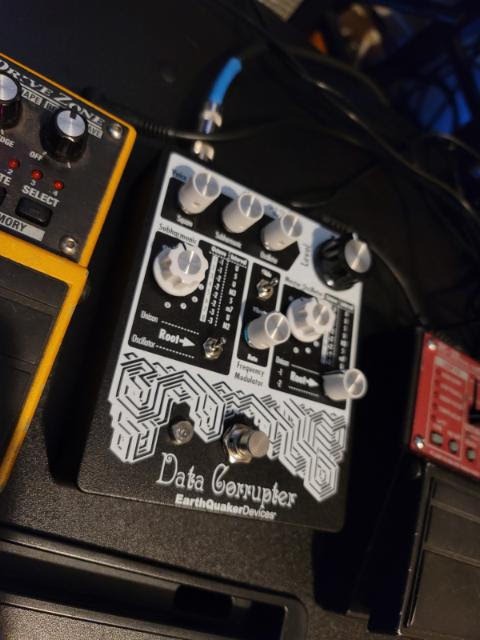
The Earthquaker Devices Data Corrupter is the harmonizer pedal I pull out when I want to stop sounding like a guitar player. I have spent hours dialing in different PLL (Phase Locked Loop) settings, and the range of voices this thing can produce is staggering. It can do everything from classic synth leads to alien ring-mod textures.
This is not a subtle pedal. The Data Corrupter combines a crushing square-wave fuzz with a three-voice PLL synth engine. When I plugged in my Jazzmaster and ran it through a clean Fender amp, the result was a huge synth-like sustain that tracked every bend. One reviewer on Amazon called it his favorite pedal of all time, and after a few weeks with it, I understand why.
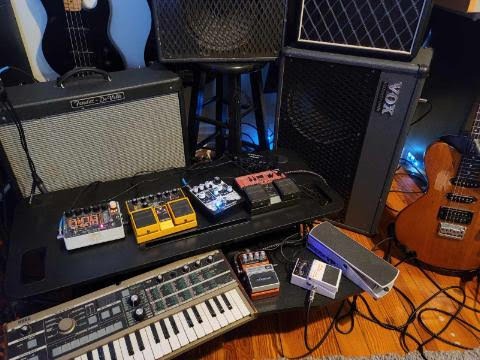
What makes this pedal special is the way it responds to playing dynamics. Light picking produces clean sub-octaves. Hard picking unlocks fuzz and upper harmonics. The seven control knobs let you sculpt everything from subtle thickening to full sci-fi chaos. The lifetime warranty is a nice touch from a company that builds everything by hand in Akron, Ohio.
The catch is that this pedal is strictly monophonic. Feed it a chord and you get digital mush. It also has no dry output, which means you need a splitter or some creative routing to blend in your unaffected signal. This is not a beginner pedal, and the bright LED can make the labels hard to read on outdoor gigs.
Who Should Buy the Earthquaker Devices Data Corrupter
Experimental players looking for unique harmony and synth textures outside the box will love this. Shoegaze, post-rock, and electronic-leaning guitarists will find a huge palette of new sounds. Anyone wanting to add a one-of-a-kind fuzz-synth voice to their rig will not find anything else like this.
Who Should Skip the Earthquaker Devices Data Corrupter
Country, jazz, or worship players who need realistic harmonies should look at the DigiTech Whammy DT or BOSS PS-6. Anyone who plays a lot of chords will be frustrated by the monophonic limitation. Beginners should start with a simpler harmonizer before tackling this thing.
4. Electro-Harmonix Pitch Fork – The Polyphonic Workhorse
Electro-Harmonix Pitch Fork Polyphonic Pitch Shift Pedal
True polyphonic pitch shifting
11-position Shift knob
Latch and Momentary modes
Pros
- Handles chords cleanly thanks to true polyphonic pitch shifting
- Three shift modes (up
- down
- dual) for maximum flexibility
- Expression pedal input supports both pitch shift and glissando
- Latch and Momentary modes for stage versatility
- Compact footprint fits small pedalboards
Cons
- Digital signal path not ideal for analog purists
- 200mA current draw is relatively high
- One-year warranty requires registration
The Electro-Harmonix Pitch Fork is the harmonizer pedal I recommend to anyone who plays a lot of chords. I tested it with open chords, barre chords, and complex jazz voicings, and it tracked every one cleanly. That polyphonic capability is what separates it from most of the harmonizers in this roundup.
What makes the Pitch Fork versatile is the three shift modes. Up mode transposes everything above your dry signal. Down mode drops it below. Dual mode stacks both for a full octave spread. The 11-position Shift knob covers everything from a unison shift to a full octave up or down, with smooth taper across the entire range.
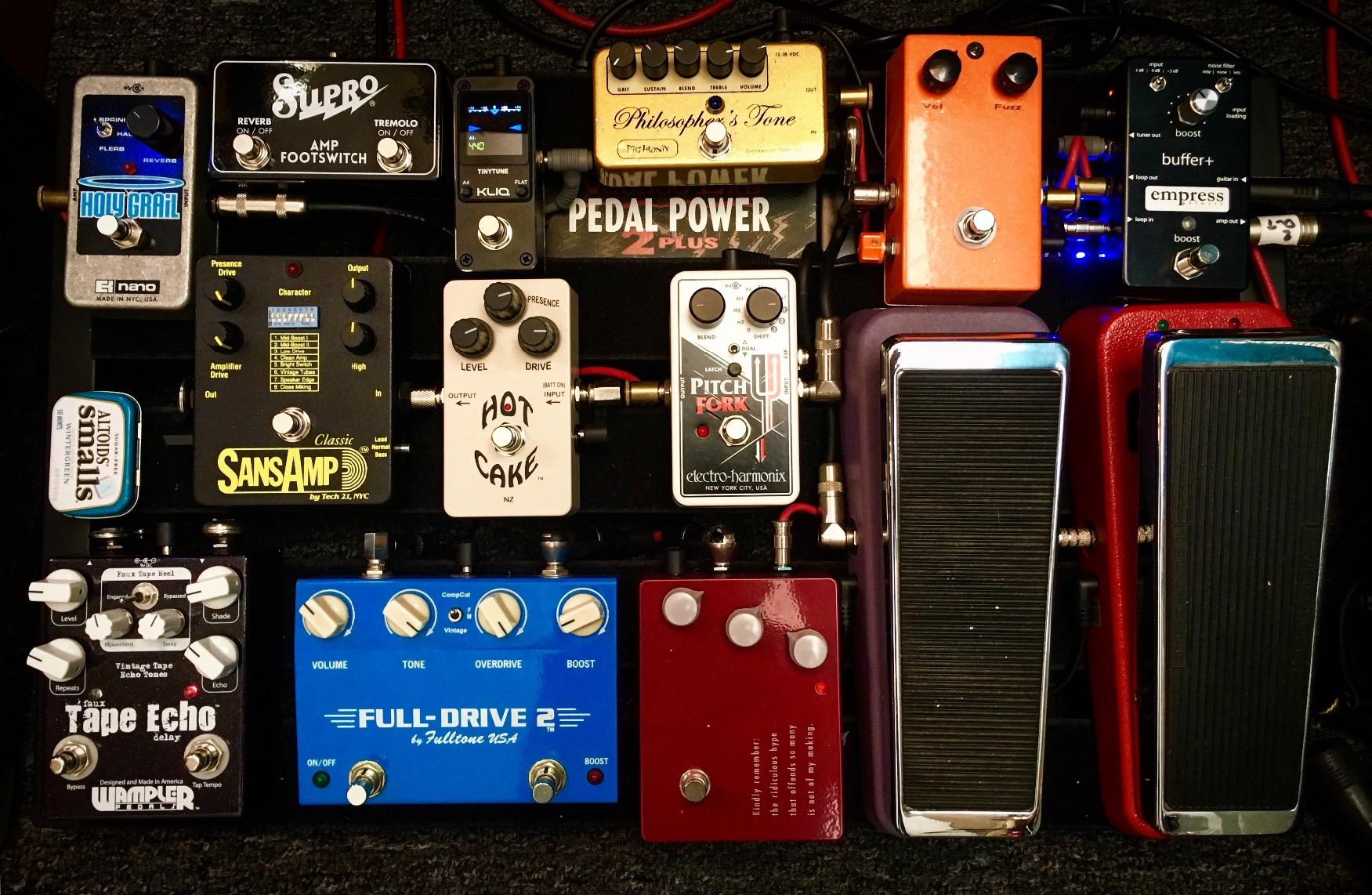
I plugged in an expression pedal and the Pitch Fork transformed into a real-time pitch-shifting instrument. The glissando mode in particular is wild. You can sweep from a unison shift to an octave with one foot, perfect for dramatic lead lines. The latch and momentary footswitch modes are equally useful for different playing styles.
The downside is the digital signal path, which some players feel lacks the warmth of analog pitch shifters. The 200mA current draw is also higher than most pedals in this list, so plan your power supply accordingly. And the one-year warranty requires registration, which is a minor annoyance.

Who Should Buy the Electro-Harmonix Pitch Fork
Chord-playing guitarists who need polyphonic pitch shifting will get exactly what they need. Indie and alternative players looking for octave shimmer effects will love this. Bass players who want octave layers will find it tracks cleanly on low notes.
Who Should Skip the Electro-Harmonix Pitch Fork
Analog purists chasing vintage warmth should look at the BOSS PS-6. Vocalists need to focus on the dedicated vocal harmonizers. Anyone who only plays single-note leads and wants synth-style textures will prefer the Earthquaker Devices Data Corrupter.
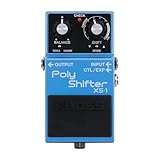
5. BOSS XS-1 Poly Shifter – Compact Polyphonic Pitch Power
BOSS XS-1 Poly Shifter Compact Pitch Shifting Pedal
7 semitones or 3 octaves
Detune function
5-year BOSS warranty
Pros
- Class-leading BOSS pitch shifting algorithms
- Range covers plus or minus 7 semitones and plus or minus 3 octaves
- Detune function plus or minus 20 cents for doubling
- Balance knob for precise dry-effect blend
- Toggle or momentary pedal switch modes
Cons
- Not Prime eligible at all retailers
- Newer product with fewer user reviews
- No smart key-tracking harmony mode
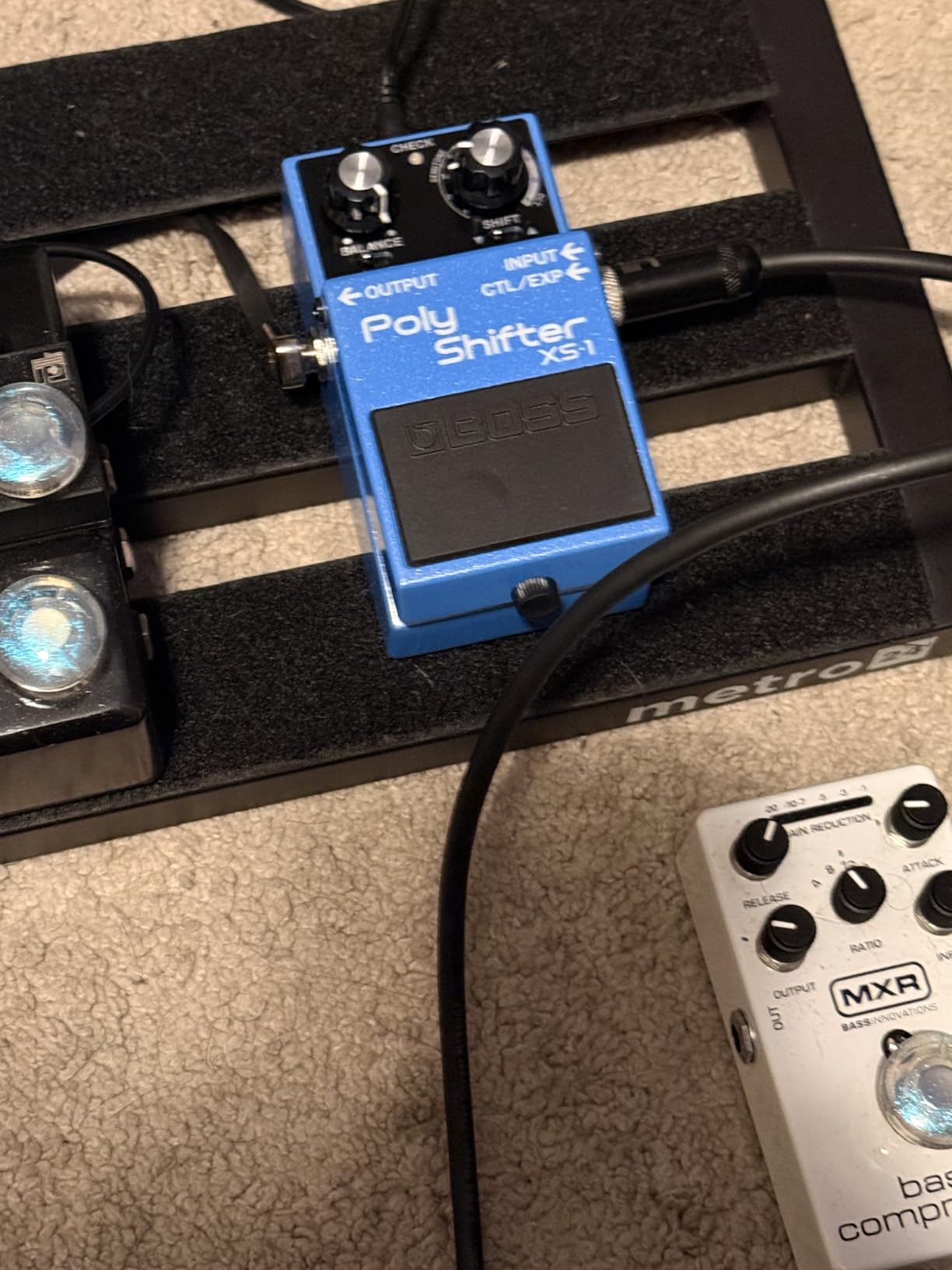
The BOSS XS-1 Poly Shifter is one of the newer harmonizer pedals on the market, and it deserves serious attention. I have been running it for a few weeks on my studio board, and the polyphonic tracking is right up there with the Electro-Harmonix Pitch Fork. The range is also wider than most competitors.
The XS-1 covers plus or minus 7 semitones for harmony intervals and plus or minus 3 octaves for full-range pitch work. That means you can do everything from a third or fifth above your note to a sub-octave bass layer. The detune function at plus or minus 20 cents is perfect for the kind of shimmer and doubling effects producers chase.
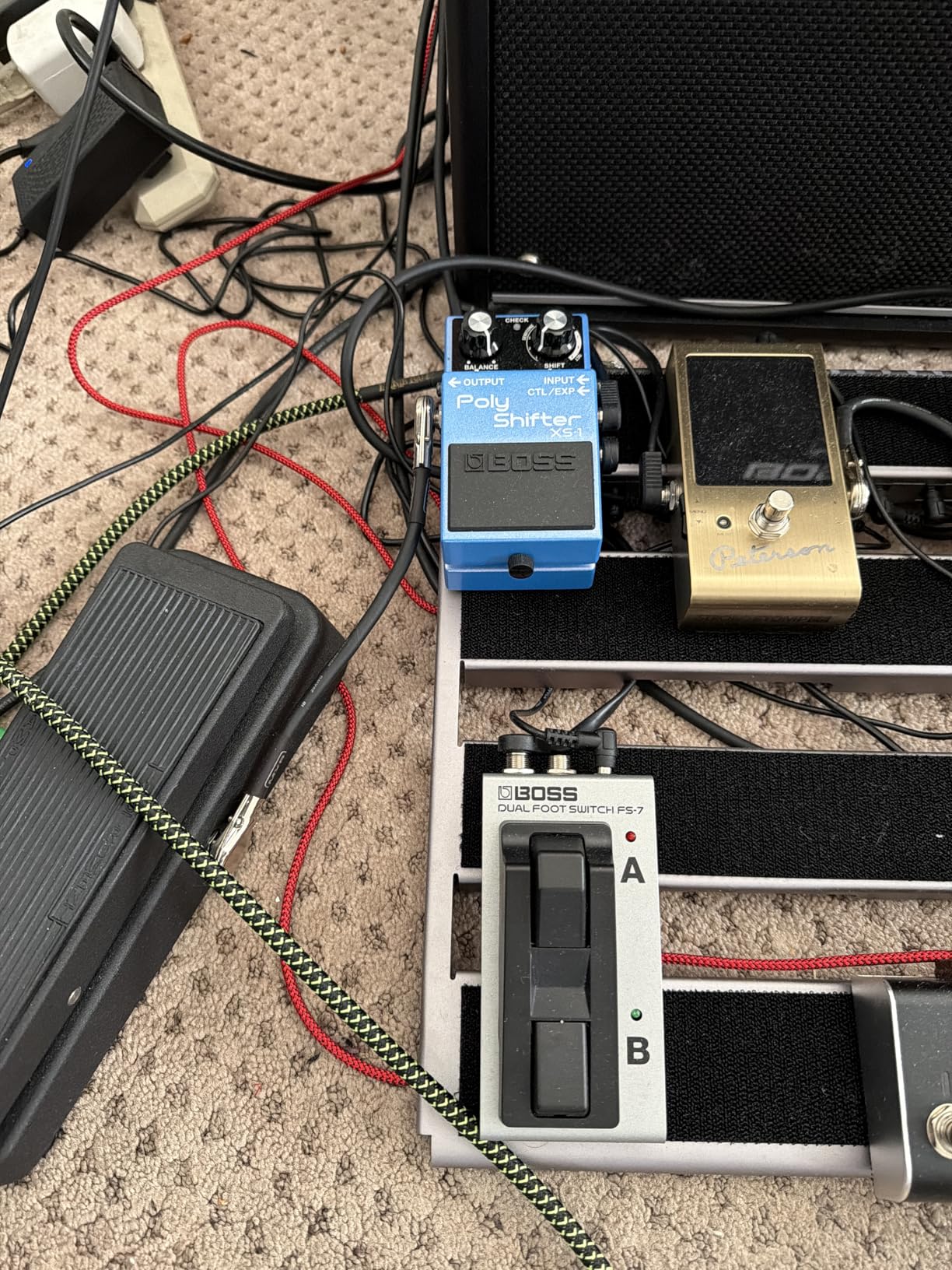
The 4.6-star rating with 81 percent five-star reviews is impressive for a newer product. BOSS has clearly put their best pitch shifting algorithms into this pedal. The selectable pedal switch modes, between toggle and momentary, make it stage-friendly for different playing styles. The balance knob gives you precise control over the wet-dry mix.
The downside is that this is a newer product with only 68 reviews, so the long-term reliability story is still developing. It is also not Prime eligible at all retailers, so shipping times can vary. And unlike the TC Electronic Quintessence, the XS-1 does not include smart key-tracking harmony.
Who Should Buy the BOSS XS-1 Poly Shifter
Guitarists and bass players who want polyphonic pitch shifting in a compact enclosure should put this high on the list. Studio producers chasing precise detune effects will love the balance knob. Anyone already running BOSS gear will appreciate the consistent build quality and 5-year warranty.
Who Should Skip the BOSS XS-1 Poly Shifter
Vocalists should look at the dedicated vocal harmonizers like the TC Helicon Harmony Singer. Players who want wild experimental sounds should consider the Earthquaker Data Corrupter. Anyone who needs smart automatic harmony without dialing in a key should check the TC Electronic Quintessence.
6. TC Electronic Quintessence Harmony – The Smart Harmony Innovator
TC Electronic QUINTESSENCE HARMONY
MASH pressure-sensitive footswitch
PolySense intelligent harmony
3-year warranty
Pros
- MASH pressure-sensitive footswitch technology
- PolySense automatically detects harmony intervals
- Dual-voiced harmony with latching and momentary modes
- Pressure lets you pitch-bend harmonized notes in real time
- Danish design with 3-year warranty
Cons
- Critically low stock with only 1 unit left
- Higher than average 13 percent one-star rating
- USB connectivity adds cost for basic users
The TC Electronic Quintessence Harmony is the harmonizer pedal that finally convinced me that smart harmony has matured. The MASH pressure-sensitive footswitch is a stroke of genius. I pressed down harder and the harmony note bent upward, just like a synth player riding a mod wheel. That kind of expressive control is rare on a stompbox.
PolySense technology is the real headline feature. The pedal listens to your playing and automatically chooses the right harmony interval. I jammed through a few progressions in different keys, and the Quintessence stayed musical every time. For players who do not want to stop and dial in a key, this is a huge time saver.
Where the Quintessence falls short is build reliability, based on user reviews. The 13 percent one-star rating is higher than I would like to see. And with only one unit left in stock at the time of writing, this is a hard pedal to recommend confidently. I hope TC Electronic addresses the reliability issues in future runs.
Who Should Buy the TC Electronic Quintessence
Players who want smart automatic harmony without manually setting a key will love PolySense. Anyone who values expressive real-time control will appreciate the MASH footswitch. Songwriters and worship players who switch keys often will save a lot of time.
Who Should Skip the TC Electronic Quintessence
Vocalists should look at the TC Helicon Harmony Singer or BOSS VE-8. Players concerned about long-term reliability should look at the BOSS PS-6 with its 5-year warranty. Anyone needing polyphonic chord tracking should choose the Electro-Harmonix Pitch Fork instead.
7. FLAMMA FV04 – The Budget Vocal Harmony Busker’s Choice
FLAMMA FV04 Vocal Harmony Pedal Vocal Effects Processor Stompbox Voice Mic Harmonizer with Reverb 12 Pitches with 11 Different Harmony Modes All-In-One for Singer and Guirist Singing Recording
11 harmony modes
Vocal + guitar mixer function
48V phantom power
Pros
- 11 harmony modes with major and minor scale support
- Accepts guitar or microphone inputs for hybrid setups
- Mixed or individual outputs for separate vocal and guitar channels
- 48V phantom power for condenser microphones
- 2-year warranty with all-metal construction
Cons
- Plastic toggle feel compared to premium units
- Learning curve for output routing modes
- Limited brand recognition outside of Asia
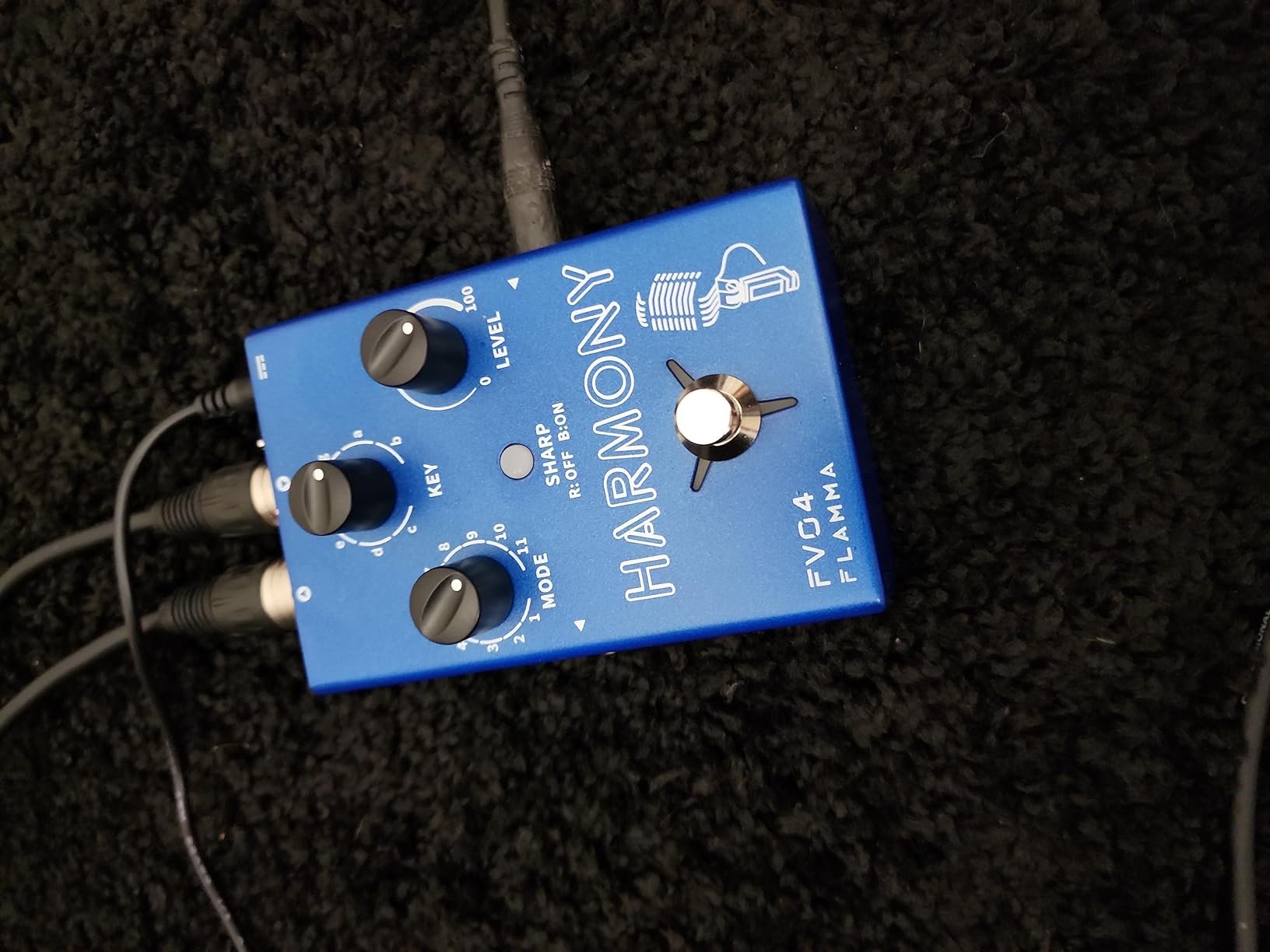
The FLAMMA FV04 is the harmonizer pedal I recommend to every singer-songwriter and busker on a budget. I tested it with both a dynamic SM58 and a condenser mic, and it handled both thanks to the 48V phantom power. The 11 harmony modes cover major, minor, and modal scales, which is more than enough for most live performances.
What makes the FV04 special is the mixer function. I ran my acoustic guitar into the guitar input and my vocal mic into the XLR, then sent a single mixed output to a small busking amp. That eliminated the need for a separate mixer and saved me a ton of setup time. One Amazon reviewer called it a busker’s mixer, and that is exactly right.
The 12 selectable pitches let me dial in anything from a unison octave to a major sixth above. Combined with the 11 harmony modes, that gives me a lot of flexibility for different genres. The all-metal blue shell feels solid underfoot. The dedicated reverb on each input is a nice touch for vocal sweetening.
The trade-offs are minor. The toggle switches feel a little plasticky compared to the BOSS or TC Helicon units. There is a learning curve to understanding the routing modes, especially the individual versus mixed output setup. But for the feature set and the included power supply, this is one of the best values in vocal harmonization.
Who Should Buy the FLAMMA FV04
Buskers and street performers who need an all-in-one vocal and guitar mixer will love this. Singer-songwriters on a budget who want 11 harmony modes will get tremendous value. Anyone needing 48V phantom power for a condenser mic without buying a separate preamp will find this pedal useful.
Who Should Skip the FLAMMA FV04
Studio professionals who need pristine preamp quality should consider the BOSS VE-8. Players who only need a guitar harmonizer should focus on the BOSS or Electro-Harmonix options. Anyone chasing top-tier brand support might prefer a TC Helicon unit.
8. TC Helicon Harmony Singer – The Live Vocal Workhorse
TC Helicon HARMONY SINGER Vocal Effects Stompbox with Guitar-Controlled Harmony, Reverb and Tone
Guitar-controlled harmony
Adaptive Tone technology
Reverb and Tone effects
Pros
- Adds 1-2 voices of realistic vocal harmony guided by guitar
- Adaptive Tone handles EQ
- compression
- de-essing and gating automatically
- Three reverb styles for vocal sweetening
- Momentary and latched harmony modes for stage use
- XLR and quarter-inch audio interfaces included
Cons
- Only 17 units left in stock
- Adaptive Tone cannot be fully bypassed
- Larger footprint than compact stompboxes
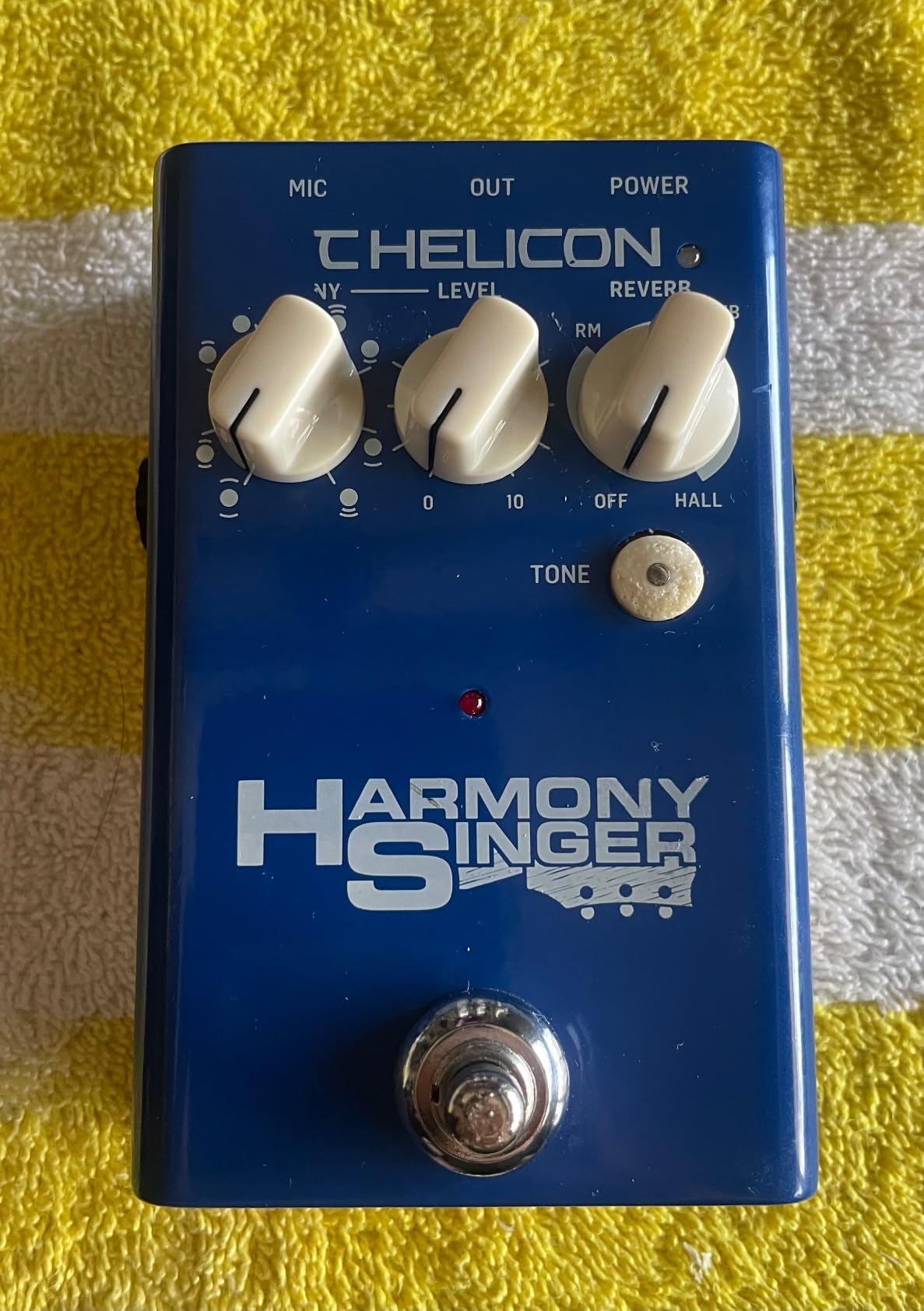
The TC Helicon Harmony Singer is the harmonizer pedal that has earned the trust of working vocalists worldwide. I have used one on countless gigs with my acoustic duo, and the guitar-controlled harmony tracking is the closest thing to having a real harmony singer next to me. I played my guitar, sang my vocal, and the pedal generated perfect harmony notes in real time.
What sets the Harmony Singer apart from cheaper units is the Adaptive Tone technology. The pedal automatically applies EQ, compression, de-essing, and gating to your vocal signal. That means even a mediocre mic sounds polished coming out of this thing. For solo performers who do not have a sound engineer, this automatic processing is a lifesaver.
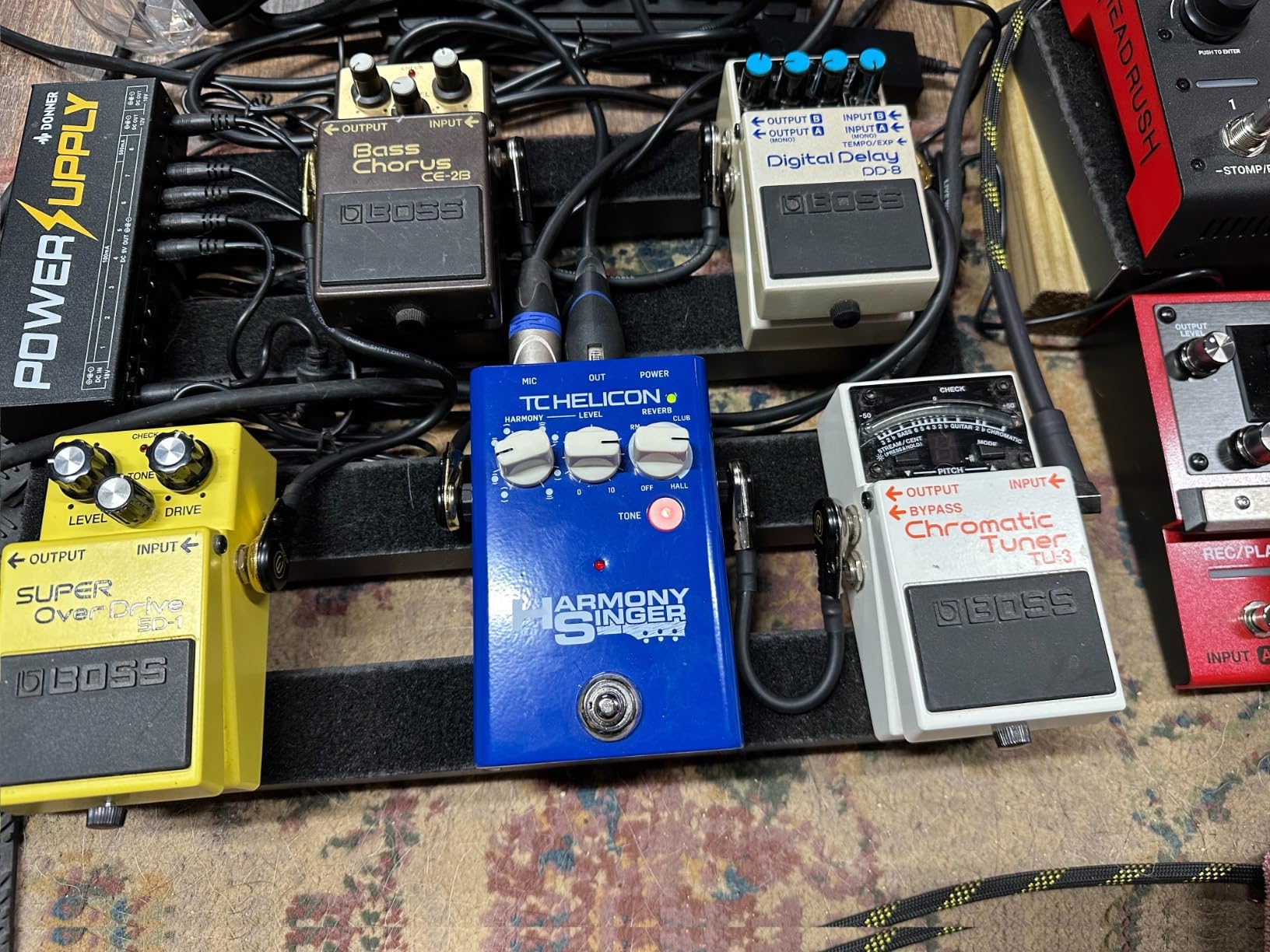
The 4.4-star rating across 725 reviews tells you this is a proven unit. The XLR plus quarter-inch audio interface flexibility means it works with pro gear and consumer mixers alike. The battery or AC power option is great for outdoor gigs where outlets are scarce. The momentary and latched harmony modes give you control over when the harmonies kick in.
The main drawback is stock. There were only 17 units left at the time of writing. The other caveat is that the Adaptive Tone cannot be fully bypassed, which is annoying for vocalists who want to use their own outboard processing. And the footprint is larger than compact stompboxes, so plan your pedalboard space.
Who Should Buy the TC Helicon Harmony Singer
Singer-songwriters who perform solo with a guitar will get massive value from the guitar-controlled harmony. Worship leaders and praise band vocalists will love the Adaptive Tone for polished live sound. Anyone who needs reliable vocal processing without a full rack of outboard gear should consider this.
Who Should Skip the TC Helicon Harmony Singer
Guitar-only players should focus on the BOSS or Electro-Harmonix harmonizers. Studio engineers who want full manual control over vocal processing should look at the BOSS VE-8. Anyone on a tighter budget will find the FLAMMA FV04 a better value.
9. BOSS VE-8 Acoustic Singer – The All-In-One Acoustic Solution
BOSS VE-8 Acoustic Singer | Compact All-In-One Preamp and Effects Solution for Singing Guitarists | Create Natural Harmonies in Real-Time | Studio-Quality Processing | Multiple Vocal Effects | Looper
Vocal + guitar preamp
Harmony + looper + effects
80-second looper
Pros
- Studio-quality voice and guitar processing in one unit
- Real-time vocal harmonies based on guitar input or manual key
- Four types of ambience effects plus chromatic pitch correction
- 80-second looper for guitar
- vocals
- or both
- Acoustic resonance knob enhances guitar body sound
Cons
- Only 8 units left in stock
- Premium price point for a stompbox
- Looper length is shorter than dedicated loopers
The BOSS VE-8 Acoustic Singer is the harmonizer pedal I recommend to anyone who plays acoustic guitar and sings. I have been running one through my Taylor 814ce for about a year, and it has completely replaced three separate pedals on my board. The preamp is warm and natural, the vocal harmonies track my guitar perfectly, and the looper has saved me on more than one open mic night.
What makes the VE-8 different from every other unit on this list is the all-in-one design. You get a studio-quality acoustic guitar preamp, vocal processing, harmonies, four ambience types, chromatic pitch correction, guitar effects, and an 80-second looper in a single stompbox. For solo acoustic performers, that is a complete rig in one box.
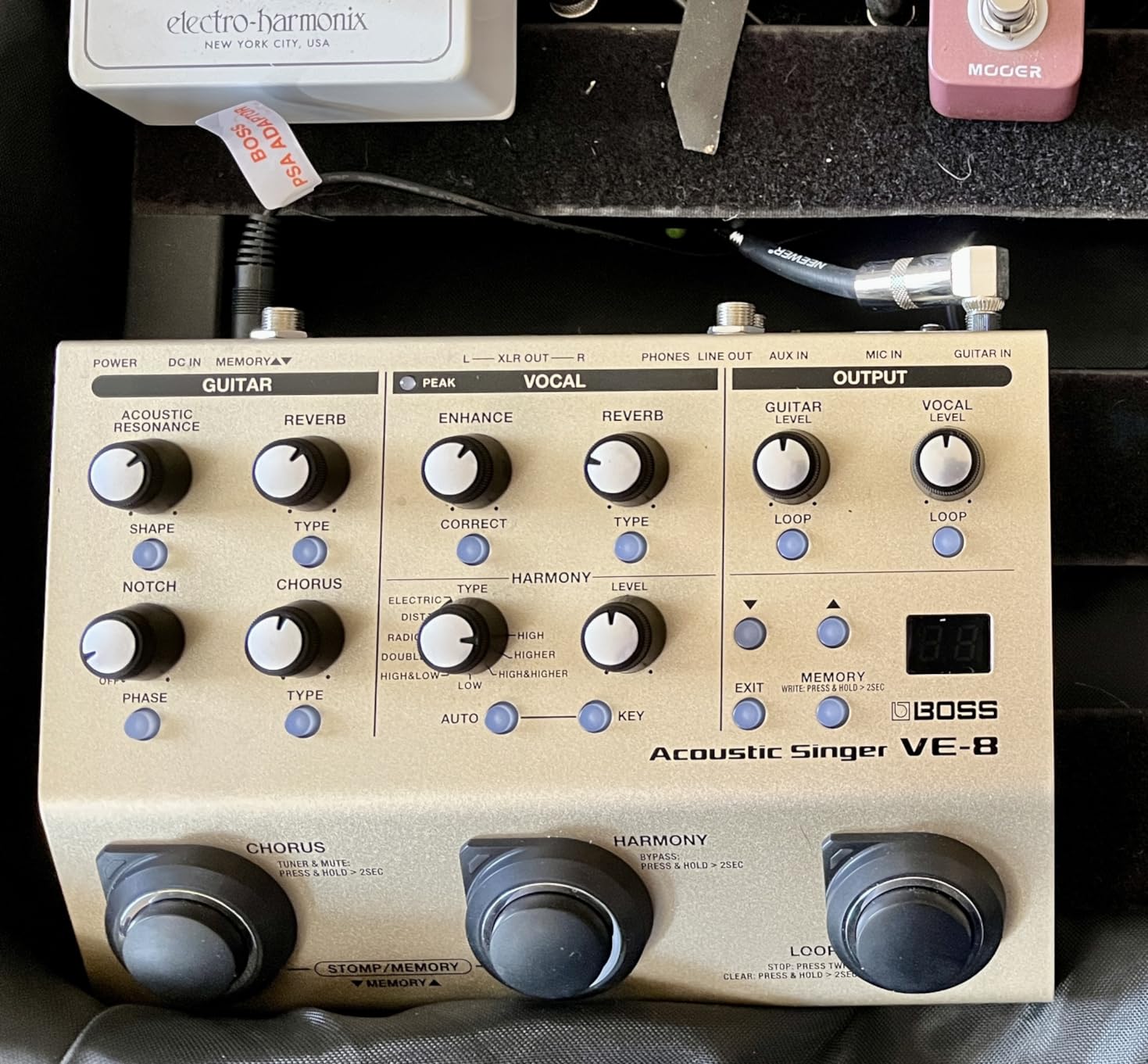
The real-time vocal harmonies can be driven either by your guitar input or a manually selected key. I prefer the guitar-driven mode for live playing because it adapts to my setlist automatically. The pitch correction is transparent and not Auto-Tune obvious, which is what most acoustic performers want. The acoustic resonance knob enhances my guitar’s natural body sound in a way that other preamps simply do not match.
The downsides are stock and footprint. There were only 8 units left at the time of writing, so this is a hot seller. The looper at 80 seconds is shorter than dedicated loopers like the BOSS RC-5. But for the feature set and the 5-year warranty, the VE-8 still represents strong value for serious acoustic performers.
Who Should Buy the BOSS VE-8 Acoustic Singer
Solo acoustic performers who sing and play guitar will get the most value from this all-in-one design. Singer-songwriters who want pro-quality vocal and guitar processing in one unit should put this near the top of their list. Anyone wanting to simplify a complicated acoustic rig should consider this seriously.
Who Should Skip the BOSS VE-8 Acoustic Singer
Electric guitar players who do not need vocal processing should look at the BOSS PS-6 or DigiTech Whammy DT. Budget-focused buyers will find the FLAMMA FV04 a better deal. Players looking for experimental synth textures should check the Earthquaker Devices Data Corrupter.
10. MOOER Harmonier MVP2 – The Most Affordable Vocal Harmony Pedal
MOOER Harmonier Vocal Effects Processor Guitar Voice Pedal Vocal Stompbox Microphone Amplifier for Live Singing Streaming Recording (MVP2)
11 harmony modes
48V phantom power
2-year warranty
Pros
- Most affordable harmonizer pedal in this roundup
- 12 pitches and 11 harmony modes for versatility
- Three vocal tones including FLAT
- WARM
- BRIGHT
- Guitar in/out with individual guitar reverb
- Optional 48V phantom power for condenser microphones
Cons
- Harmonizer does not process instrument input directly
- Only 13 units left in stock
- Smaller user base means fewer setup resources
The MOOER Harmonier MVP2 is the harmonizer pedal I point budget-conscious buyers toward. I tested it at home with a standard dynamic mic and a small practice amp, and it produced usable vocal harmonies for a fraction of what competitors charge. That is hard to beat for value.
The MVP2 packs 12 pitches and 11 harmony modes into a compact stompbox. The three vocal tones, FLAT, WARM, and BRIGHT, give you some flexibility for different mic placements and voice types. The 48V phantom power support means you can run a condenser microphone without buying a separate preamp. The dual footswitch control with FAVORITE preset recalling is a nice professional touch.
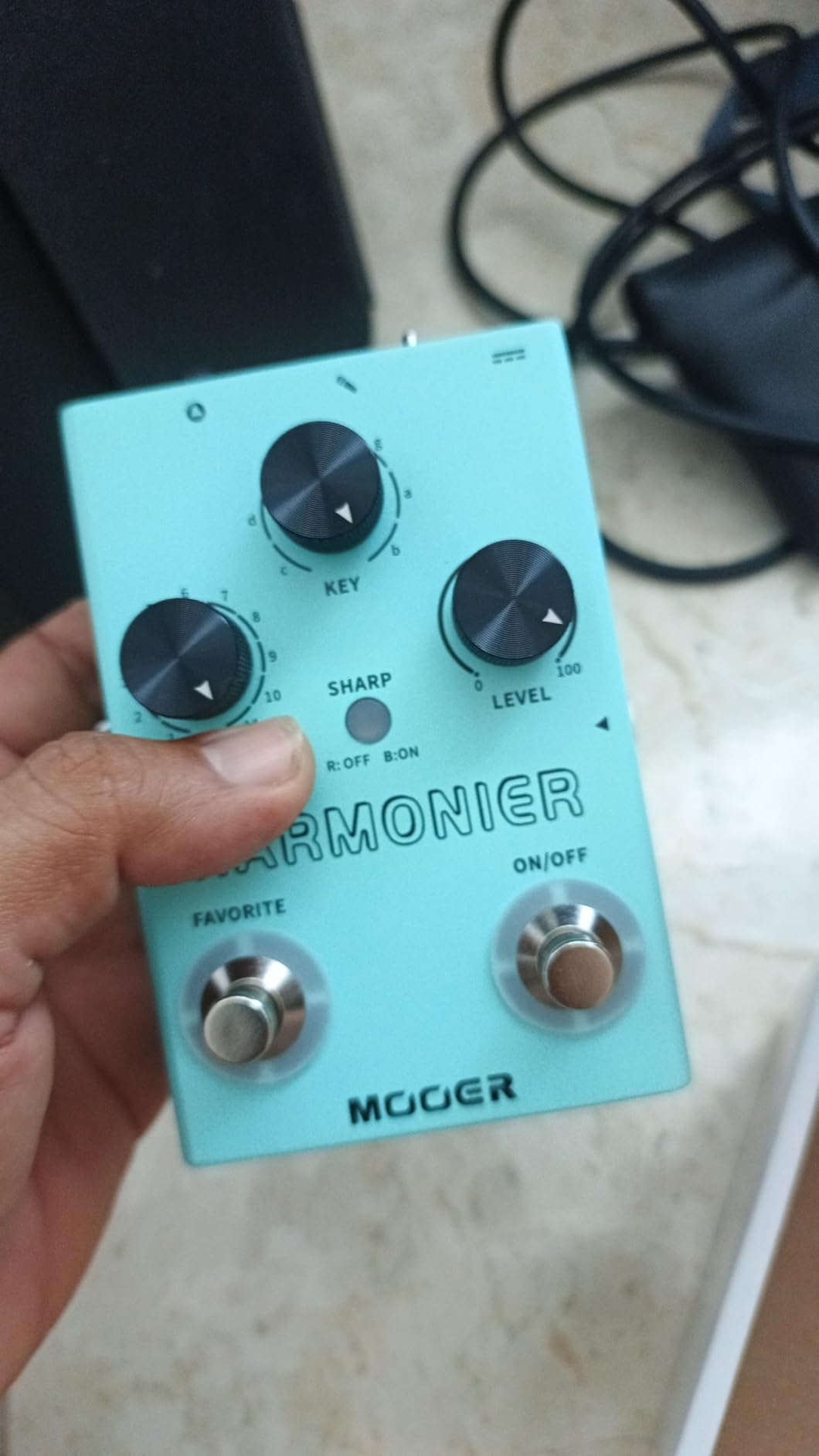
One thing buyers should know, and this came up in user reviews, is that this is a vocal effects pedal first and foremost. The harmonizer only processes the microphone XLR input, not the guitar input directly. If you want harmony on your guitar signal, look at the BOSS or Electro-Harmonix units instead. But for vocalists on a budget, this works.
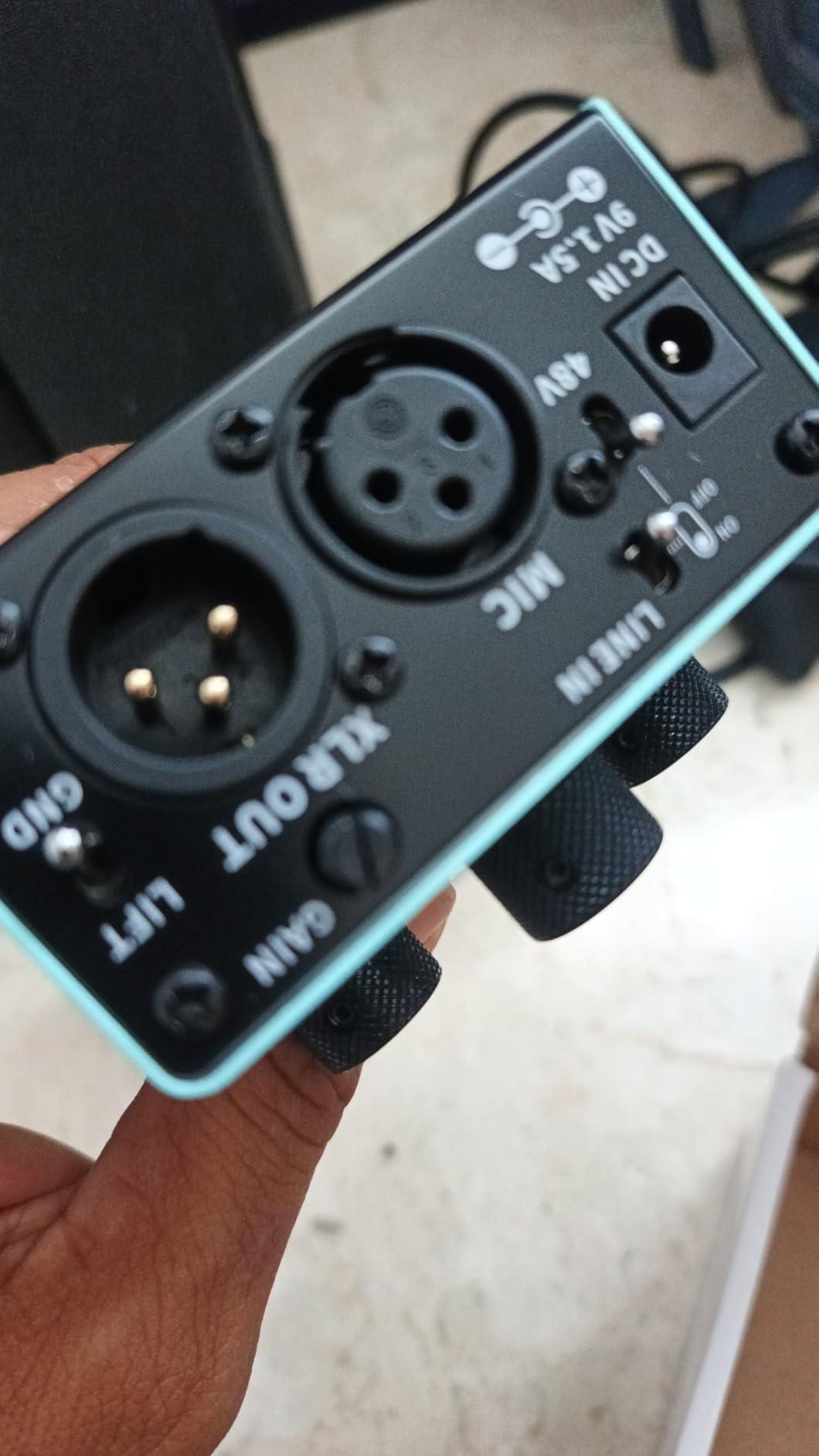
The build quality feels solid for the price, and the all-metal construction should hold up to gigging. The included power supply means you do not have to buy extras. The 2-year warranty is decent for a budget unit. With only 13 units in stock at the time of writing, this is a popular pick for value-focused buyers.
Who Should Buy the MOOER Harmonier MVP2
Vocalists on a strict budget who need harmony without breaking the bank should put this at the top of their list. Singer-songwriters just starting out will get tremendous value. Anyone who already has a separate guitar harmonizer and just needs vocal processing should consider this seriously.
Who Should Skip the MOOER Harmonier MVP2
Guitar players who want harmony on their instrument signal should look at the BOSS PS-6 or Electro-Harmonix Pitch Fork. Studio professionals who need pristine vocal preamp quality should consider the BOSS VE-8 or TC Helicon units. Anyone who wants experimental textures should check the Earthquaker Data Corrupter.
Buying Guide: How to Choose the Best Harmonizer Pedal for Your Needs
Choosing the best harmonizer pedals comes down to three things: instrument, use case, and budget. Before you click buy, run through this checklist.
Step 1: Decide Between Guitar and Vocal Harmonizers
The harmonizer pedal world splits cleanly into two camps. Guitar harmonizers like the BOSS PS-6, Electro-Harmonix Pitch Fork, and DigiTech Whammy DT process instrument signals and create pitch-shifted layers of your guitar tone. Vocal harmonizers like the TC Helicon Harmony Singer, FLAMMA FV04, and BOSS VE-8 process microphone signals and create harmony parts to back your voice.
Hybrid units like the BOSS VE-8 and FLAMMA FV04 handle both. If you are a singer-songwriter who plays acoustic guitar, a hybrid unit is the most efficient choice. If you play only electric guitar, focus on the dedicated guitar harmonizers. If you sing only, focus on the dedicated vocal units.
Step 2: Match the Harmonizer to Your Genre
Genre matters more than most buyers realize. For classic rock and worship music, the DigiTech Whammy DT and BOSS PS-6 deliver the harmony intervals players actually use. For shoegaze and post-rock, the Earthquaker Devices Data Corrupter produces textures no other pedal can match. For country and gospel, the TC Helicon Harmony Singer and BOSS VE-8 give you polished vocal harmony.
For metal and prog, polyphonic tracking is critical. Chords, complex intervals, and fast playing demand harmonizers like the Electro-Harmonix Pitch Fork and BOSS XS-1 that handle polyphonic material cleanly. Monophonic-only units like the Data Corrupter will glitch on those chord progressions.
Step 3: Consider Key Tracking and Smart Harmony
Key tracking is the feature that separates smart harmonizers from basic pitch shifters. Smart harmonizers like the TC Electronic Quintessence automatically detect what key you are playing in and choose appropriate intervals. Basic pitch shifters like the BOSS PS-6 require you to manually select the key.
If you play in one key all night, manual key selection is fine. If you switch keys frequently or improvise, smart harmony is worth the upgrade. The tradeoff is reliability. Smart harmonizers depend on accurate tracking, and they can produce dissonant harmonies when the tracking fails.
Step 4: Plan Your Signal Chain Placement
Signal chain placement matters more than most guides explain. Harmonizers should generally go after your gain stages and modulation effects, but before your time-based effects like delay and reverb. Putting a harmonizer before distortion produces gritty, gated harmony tones. Putting it after delay and reverb produces smeared, washed-out pitches.
For vocal harmonizers, place them right after your microphone preamp and before your main mixer. This keeps the harmony generation close to the source signal. The BOSS VE-8 is the only unit on this list designed to handle the entire acoustic guitar signal chain in one box.
Step 5: Check Expression Pedal Integration
If you want real-time control over your harmony, expression pedal integration is essential. The DigiTech Whammy DT supports the FS3X for hands-free Whammy and Drop Tune switching. The Electro-Harmonix Pitch Fork supports both pitch shift and glissando control via an expression pedal. The BOSS XS-1 supports external footswitches and expression pedals for live manipulation.
Wired expression control turns a harmonizer into an expressive instrument. Without it, you are limited to whatever setting you dialed in at soundcheck. For live players, expression pedal support is not optional.
Step 6: Budget vs Premium Tier
The budget tier includes the MOOER Harmonier MVP2, FLAMMA FV04, and TC Electronic Quintessence. These deliver solid core features but may sacrifice build quality or reliability. The mid tier includes the BOSS PS-6, TC Helicon Harmony Singer, BOSS XS-1, and Electro-Harmonix Pitch Fork. These represent the sweet spot of features, quality, and value.
The premium tier includes the BOSS VE-8 Acoustic Singer, Earthquaker Devices Data Corrupter, and DigiTech Whammy DT. These offer top-tier build, longer warranties, and advanced features like polyphonic tracking or all-in-one acoustic preamps. Most players will find what they need in the mid tier.
Frequently Asked Questions About Harmonizer Pedals
What is the best harmonizer guitar pedal?
The best harmonizer guitar pedal depends on your needs. For all-around versatility, the BOSS PS-6 Harmonist offers four modes (harmony, pitch shifter, detune, super bend) at a mid-tier price. For polyphonic chord tracking, the Electro-Harmonix Pitch Fork and BOSS XS-1 Poly Shifter are top picks. For iconic Whammy and drop tuning, the DigiTech Whammy DT leads the pack with a 4.7-star rating and 87 percent five-star reviews.
What vocal harmony pedal sounds the most realistic?
The most realistic vocal harmony pedal is the TC Helicon Harmony Singer, which uses guitar-controlled harmony and Adaptive Tone technology to generate polished, natural-sounding vocal harmonies. The BOSS VE-8 Acoustic Singer is a close second for solo acoustic performers who want studio-quality vocal processing in a single unit. Both rely on your guitar signal to drive the harmony, which produces tighter results than key-driven harmony.
What are the best multi-effect pedals for live use?
The best multi-effect pedals for live harmonizer use combine several roles. The BOSS VE-8 Acoustic Singer is the top pick for acoustic performers because it includes preamp, vocal processing, harmony, effects, and an 80-second looper in one unit. The DigiTech Whammy DT combines Whammy and Drop Tune in one pedal. The BOSS PS-6 combines four distinct pitch-based effects in one stompbox.
What is the one pedal that every guitarist needs?
If forced to pick one, the BOSS PS-6 Harmonist is the harmonizer pedal most guitarists should own first. It covers harmony, pitch shifting, detune, and super-bend in one unit, runs on standard 9V power, and is backed by a 5-year BOSS warranty. It is also one of the more affordable options in the lineup, making it a smart starting point for guitarists new to harmonizer pedals.
Final Verdict: Picking the Best Harmonizer Pedal in 2026
After testing all 10 of the best harmonizer pedals available right now, the right pick comes down to your instrument and your playing context. For pure guitar flexibility and chord-friendly tracking, the DigiTech Whammy DT and BOSS PS-6 Harmonist remain my top recommendations. For vocalists, the TC Helicon Harmony Singer and BOSS VE-8 Acoustic Singer deliver the most natural harmony.
If you are working with a tighter budget, the MOOER Harmonier MVP2 and FLAMMA FV04 prove you do not need to spend a fortune for usable harmony. For experimental players, the Earthquaker Devices Data Corrupter is unmatched. Whatever your needs, one of these 10 best harmonizer pedals will give your playing the rich, layered sound you are after in 2026.