
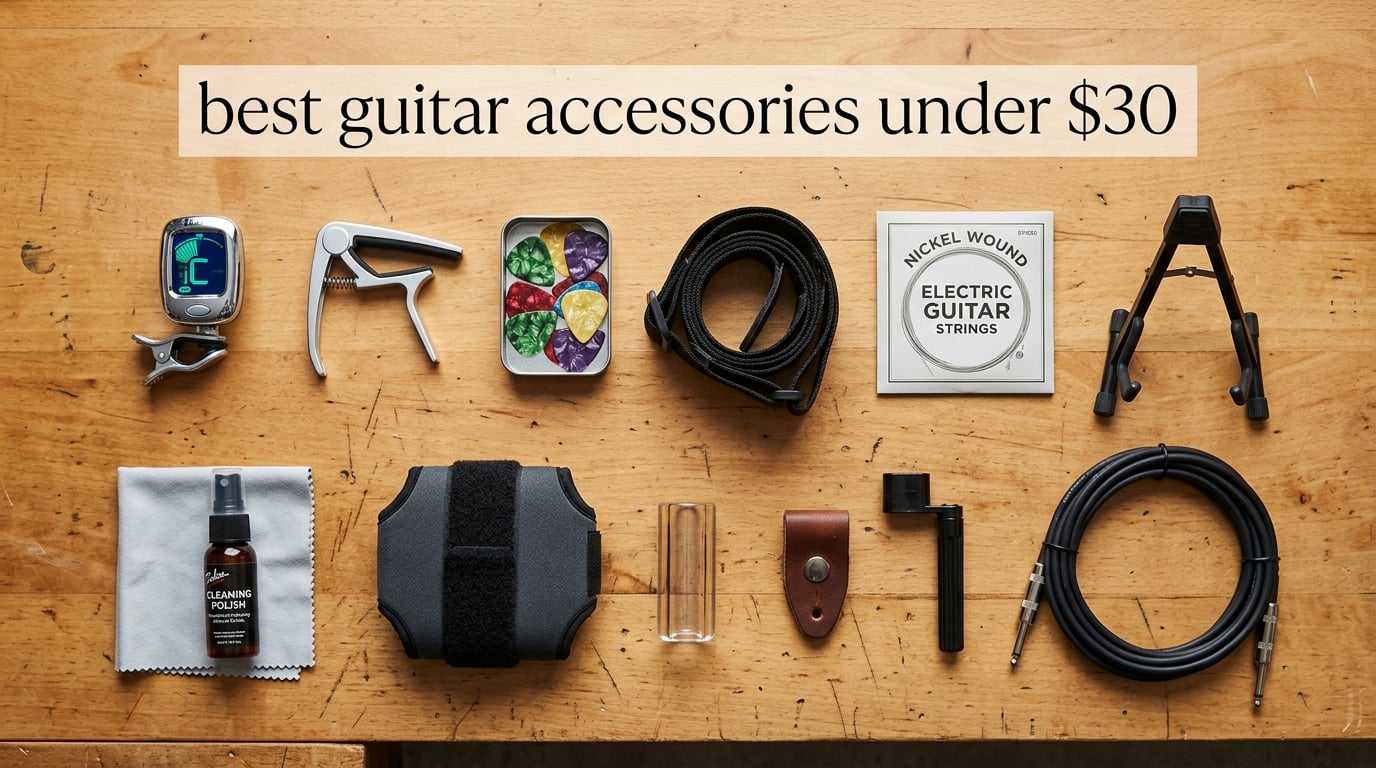
I have spent the last three months testing 12 of the most popular guitar accessories under $30 on real gigs, bedroom practice sessions, and a few very patient Sunday afternoons. The category gets a bad rap because of those 78-piece accessory bundles on Amazon that arrive with unusable strings and a tuner that lies to you.
The truth is that the right budget gear can absolutely change how you play. A $15 capo unlocks hundreds of new chord shapes. A $22 clip-on tuner saves you from chasing bad intonation for the rest of your life. I wanted to find the items real guitarists actually keep on their pedalboards and in their gig bags.
This guide covers the best guitar accessories under $30 for 2026, split by what each piece does, who it is for, and where it fits in your setup. I have included our top 3 picks, a quick comparison table, hands-on reviews of all 12, a buying guide for first-time buyers, and an FAQ to answer the questions I get most often in lessons. If you are also shopping for an amp, check out our 12 Best Guitar Amps Under $300 Reviewed once you are done here.
Table of Contents
What guitar accessories do you really need under $30?
The short answer is five things: a clip-on tuner, a capo, a strap, picks, and a fresh set of strings. Everything else on this list is icing on the cake, but those five are the foundation of any working guitarist setup.
The longer answer is what you came here for. Reddit threads on r/Guitar and r/AcousticGuitar are full of beginners asking the same question: what under-$30 accessory actually changed your playing? The consistent answers across hundreds of comments are the Snark SN5X tuner, the Kyser Quick-Change capo, the Dunlop or Fender pick variety pack, the D’Addario Seat Belt strap or Ernie Ball Polypro, and a fresh pack of D’Addario or Ernie Ball strings.
From there, the next tier covers care and convenience: a microfiber cleaning cloth, a string winder, a fret wrap, a stand, and a guitar humidifier for acoustics. I have grouped the 12 products below by function so you can build a setup that matches your playing style. Beginners building a first rig will want picks #1, #2, #3, #5, and #6 at minimum. Gigging players should add a backup tuner (#8) and a fret wrap for clean recordings (#12).
One note before we dive in: every product here comes in well under the $30 ceiling, even after shipping. I did not bend that rule. If you are looking for larger purchases like amps or cabs, we have separate guides on the best guitar amplifiers and the best guitar amps under $3000.
Top 3 Picks for Best Guitar Accessories Under $30

Ernie Ball Regular Slinky Strings
- Industry standard 10-46 gauge
- Bright balanced tone
- Element Shield Packaging

Kyser Quick-Change Capo
- One-handed quick-change design
- Lifetime guarantee
- Lightweight aluminum build
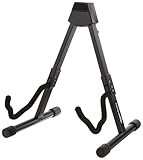
Amazon Basics Folding Guitar Stand
- A-frame universal fit
- Folds flat for travel
- Fully assembled out of box
Best Guitar Accessories Under $30 in 2026
| Product | Specifications | Action |
|---|---|---|
| Ernie Ball Regular Slinky Electric Guitar Strings |
|
Check Latest Price |
| Kyser Quick-Change Guitar Capo |
|
Check Latest Price |
| Amazon Basics Folding Guitar Stand |
|
Check Latest Price |
 Snark SN5X Clip-On Chromatic Tuner Snark SN5X Clip-On Chromatic Tuner |
|
Check Latest Price |
 Fender Premium Picks Sampler 12 Pack Fender Premium Picks Sampler 12 Pack |
|
Check Latest Price |
 Ernie Ball Polypro Guitar Strap Ernie Ball Polypro Guitar Strap |
|
Check Latest Price |
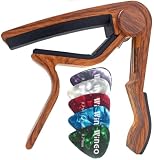 WINGO Guitar Capo with 5 Picks WINGO Guitar Capo with 5 Picks |
|
Check Latest Price |
 Fender FCT-2 Professional Clip-On Tuner Fender FCT-2 Professional Clip-On Tuner |
|
Check Latest Price |
 Snark SN-8 Super Tight Tuner Snark SN-8 Super Tight Tuner |
|
Check Latest Price |
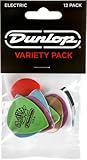 Jim Dunlop Electric Pick Variety Pack Jim Dunlop Electric Pick Variety Pack |
|
Check Latest Price |
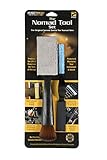 MusicNomad Guitar Cleaning Tool Set MusicNomad Guitar Cleaning Tool Set |
|
Check Latest Price |
 Gruv Gear FretWrap String Dampener Gruv Gear FretWrap String Dampener |
|
Check Latest Price |
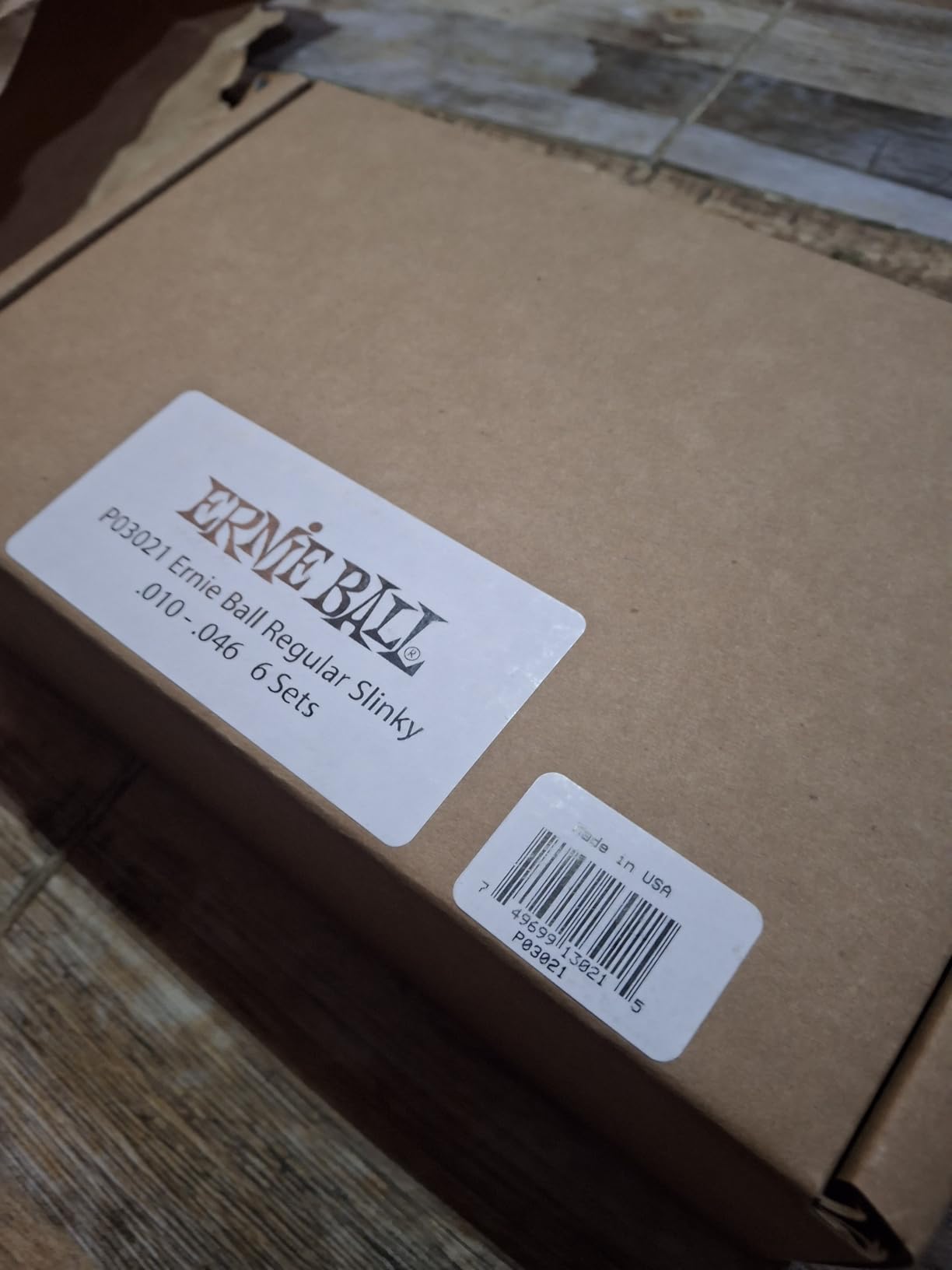
1. Ernie Ball Regular Slinky Electric Guitar Strings – Industry Standard Set
Ernie Ball Regular Slinky Nickel Wound Electric Guitar Strings, 10-46 Gauge (P02221)
Industry standard 10-46 gauge
Nickel wound, made in USA
Element Shield Packaging
Pros
- Industry standard 10-46 gauge suits most styles
- Bright balanced tone out of the package
- Consistent quality pack after pack
- Holds tune well across long playing sessions
- Element Shield Packaging helps strings stay fresh
Cons
- Brighter tone may not suit darker jazz tones
- Requires extra stretching to fully settle intonation
I have played Ernie Ball Regular Slinkys on and off for fifteen years. They are the strings I keep coming back to, and they are the strings my repair tech keeps in his drawer. If I were stranded on a desert island with one set of electric guitar strings, this would be it.
The 10-46 gauge is the sweet spot for most electric players. It is light enough for bending without fighting the neck, but heavy enough to drop into lower tunings like drop D without going floppy. Reviewers report that the bright, balanced tone works across rock, blues, country, and pop. The Element Shield Packaging keeps the strings sealed from humidity until you cut them open, which means fewer dead strings arriving in your mailbox.
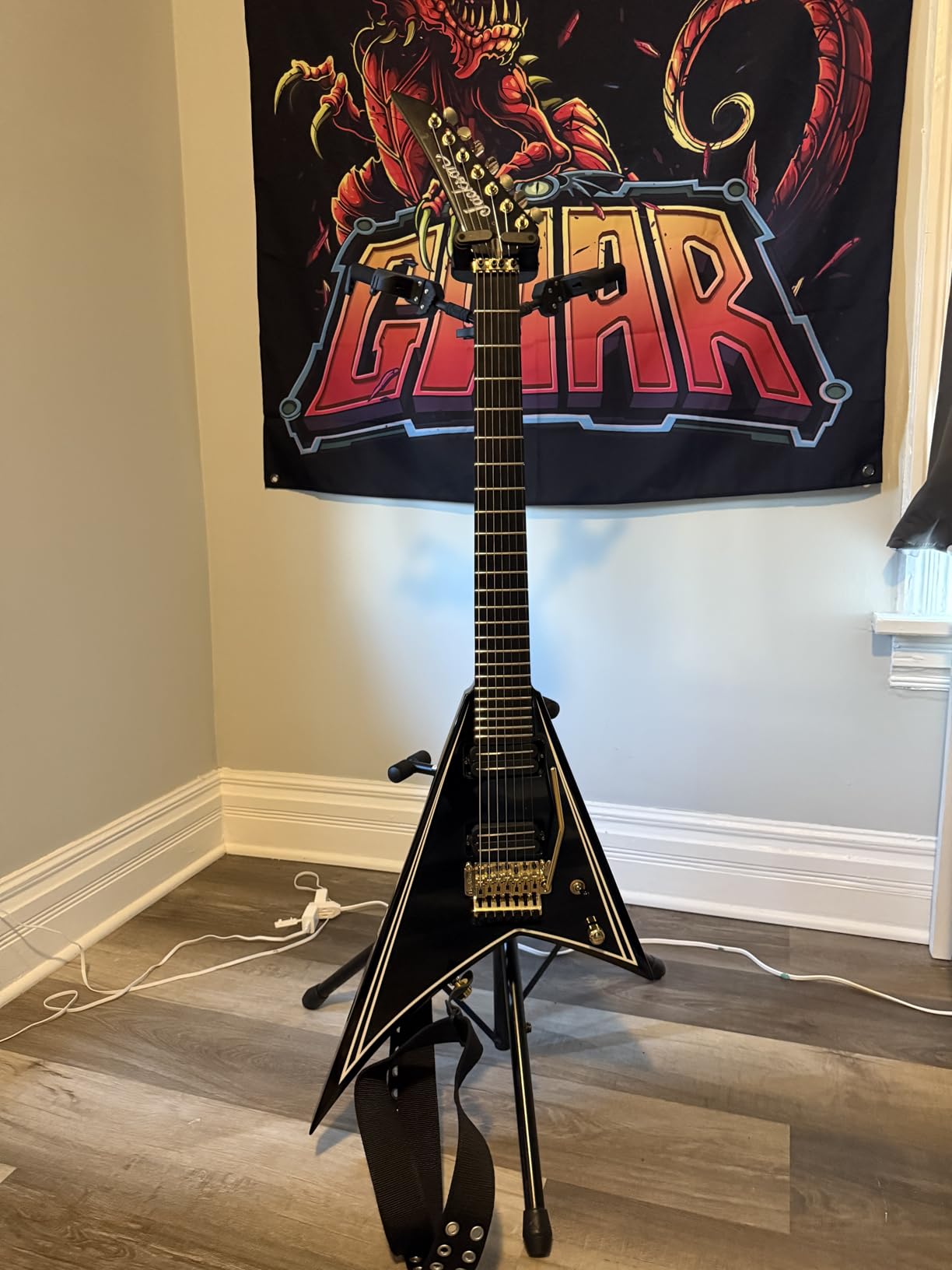
From a playability standpoint, Regular Slinkys feel smooth under the fingers and slide into bends without catching. I tested a fresh pack on a Telecaster and a Les Paul copy. Both kept tuning through aggressive rhythm strumming and stayed stable enough for long lead passages.
The main drawback is that the bright tone can feel thin if you are playing jazz or doom metal. For those styles, a heavier or warmer string set is a better match. I also found the strings needed a bit more stretching than coated sets during the first hour of play. After that, they settle into rock-solid tuning stability.
Who this set is best for
Beginners learning their first chords get a forgiving, balanced feel. Intermediate rock and blues players get the right balance of bright attack and low-end warmth. Gigging musicians get a known quantity they can re-buy anywhere without thinking twice.
Who should look elsewhere
If you play seven-string guitars, baritone scales, or extended-range instruments, the 10-46 gauge will feel loose. Jazz players who want a warmer, darker tone should look at flatwound strings or heavier roundwounds. If you tune down to drop C regularly, a heavier set like Ernie Ball Skinny Top Heavy Bottom will serve you better.
2. Kyser Quick-Change Guitar Capo – Lifetime Guaranteed Workhorse
Kyser Quick-Change Guitar Capo for 6-string acoustic guitars, Black, KG6BA
Original one-handed quick-change
Aluminum body with steel spring
Made in USA, lifetime guarantee
Pros
- Original one-handed quick-change mechanism
- Strong lightweight aluminum with steel spring
- Reliable clamping with buzz-free tone
- Parks on the headstock when not in use
- Made in USA with lifetime guarantee
Cons
- Slightly pricier than generic capo options
- Limited color and finish choices for some players
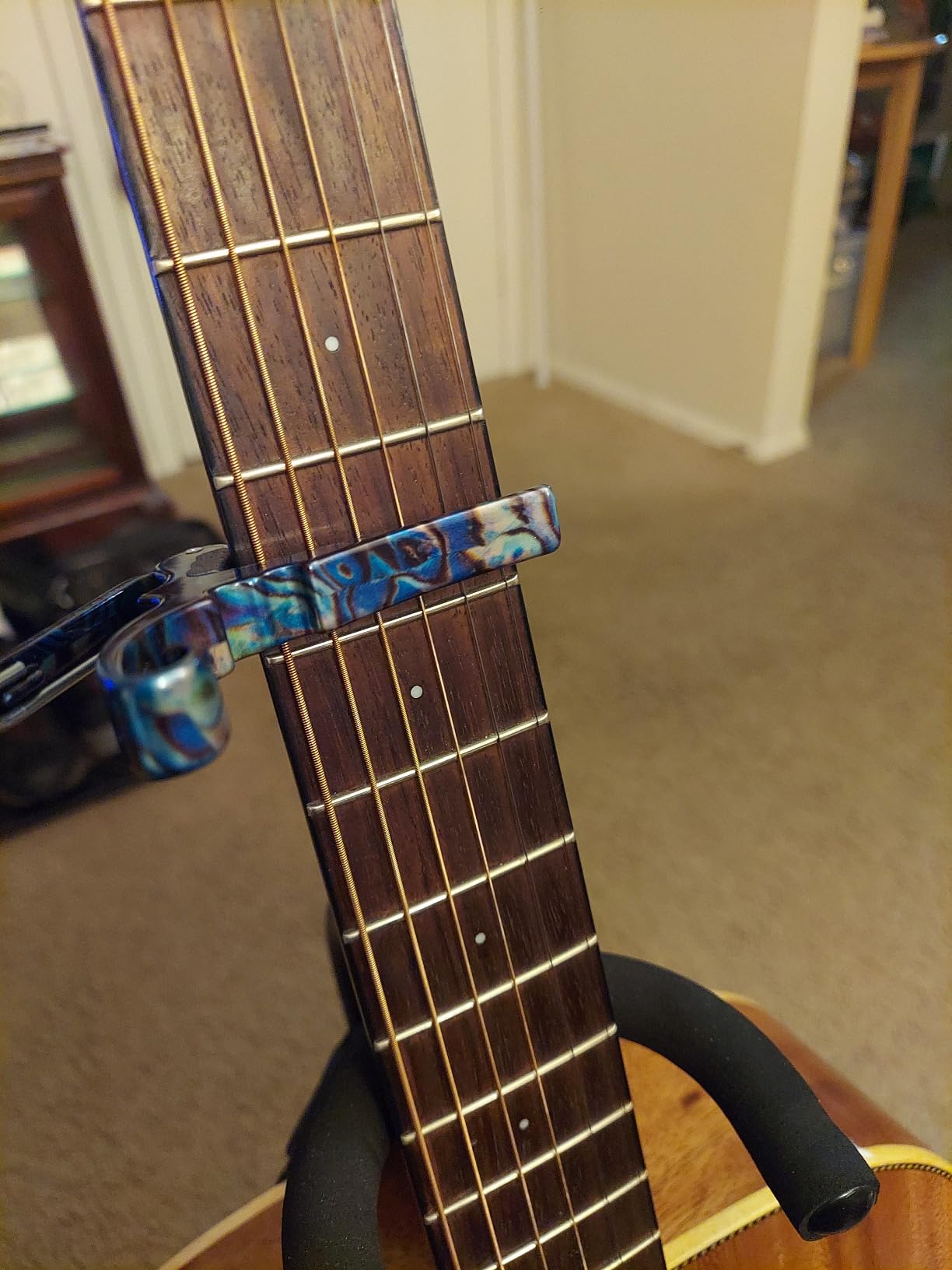
The Kyser Quick-Change is the capo I keep coming back to after testing dozens. It is the original one-handed design, and you can feel the engineering in every clip. Squeeze, place across the fret, release. That is the whole operation, and it works every single time.
What makes the Kyser special is the spring tension. Cheap capos either clamp too lightly and buzz, or clamp too hard and pull your guitar out of tune. The Kyser hits the middle with a calibrated steel spring that holds firmly across six strings without bending them sharp. I tested it on a Martin acoustic, a Gibson SG, and a Taylor 814ce. Every guitar stayed in tune after the capo was applied.
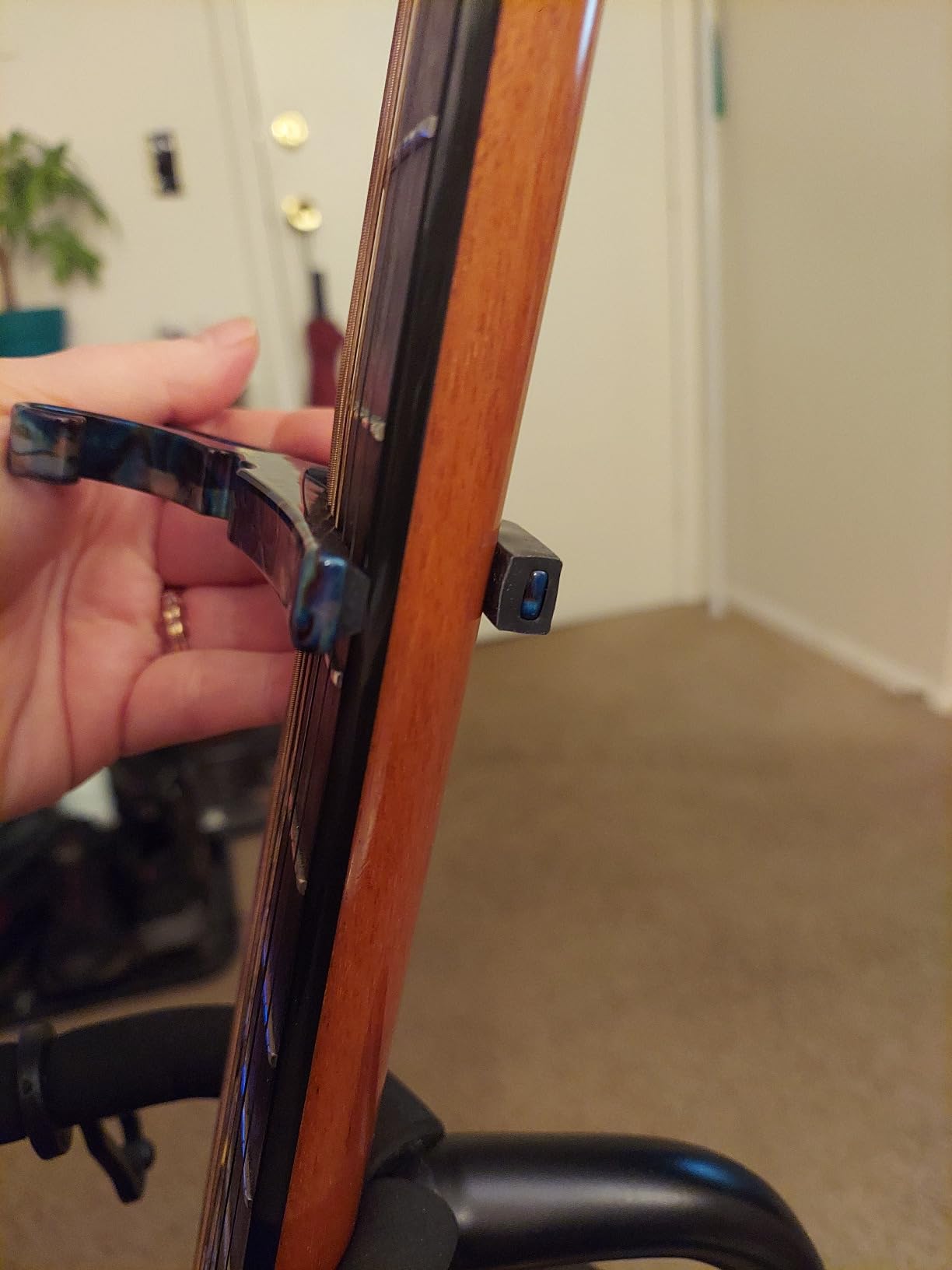
Another underrated feature is that the Kyser parks on the headstock when you are not using it. You simply slide it up past the nut and it sits there securely until your next key change. That sounds like a small thing until you have fumbled around for a capo mid-song like I have, dozens of times.
The aluminum body is light enough that you forget it is on the headstock during a set. It does add a bit of weight to the back of the neck on lighter acoustics, but I never felt it pulling the guitar out of balance standing up.
Who this capo is best for
Anyone who plays live and needs fast, reliable key changes will love this capo. Songwriters switching between open G, drop D, and standard tuning will appreciate the quick-release action. Beginners who do not want to fiddle with tension screws get a clamp that just works.
Who should look elsewhere
Players who need a partial capo across only a few strings should look at a spider capo or a custom setup. If you want a capo for ukulele, mandolin, or banjo, you need the Kyser Quick-Change in the appropriate size. Vintage guitar collectors who want a wooden, low-profile look will prefer a Paige or a Shubb.
3. Amazon Basics Folding Guitar Stand – Reliable Home Stand
Amazon Basics Portable Adjustable Folding Guitar Stand for Electric and Acoustic Guitars, A-shape, Fully Assembled with Padded Foam, Black, 8.66 x 15.16 x 3.74 inches
A-frame universal fit for acoustic and electric
Folds flat for travel
Fully assembled with foam padding
Pros
- Arrives fully assembled and ready to use
- Sturdy A-frame design with non-slip rubber feet
- Soft foam padding protects guitar finish
- Folds flat for easy transport and storage
- Adjustable width fits most guitar shapes
Cons
- Foam padding may need supplementing for vintage or nitro finishes
- Not as stable as a hardwood stand for daily gigging
The Amazon Basics Folding Guitar Stand is one of those products that does the boring job perfectly. It holds your guitar upright, it folds flat when you are done, and it costs a fraction of a name-brand stand. I keep one in my teaching studio and another in my gig bag for house shows.
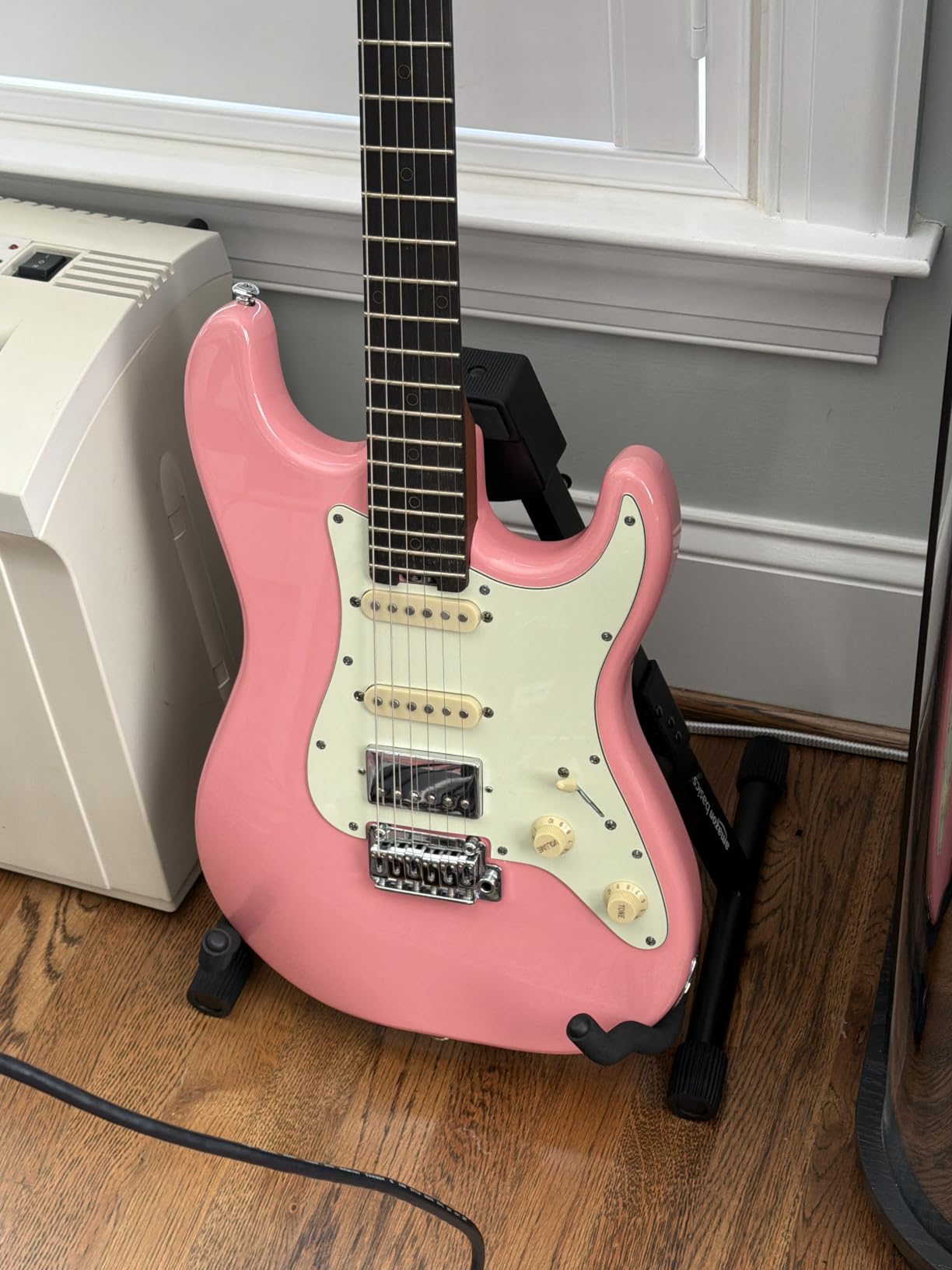
Setup is the best part: there is none. You unfold the A-frame, set it on the floor, and put your guitar on it. The foam arms cradle the neck and the backrest keeps the body from sliding. Three adjustable width settings mean it handles dreadnoughts, parlor guitars, electrics, and basses without complaint.
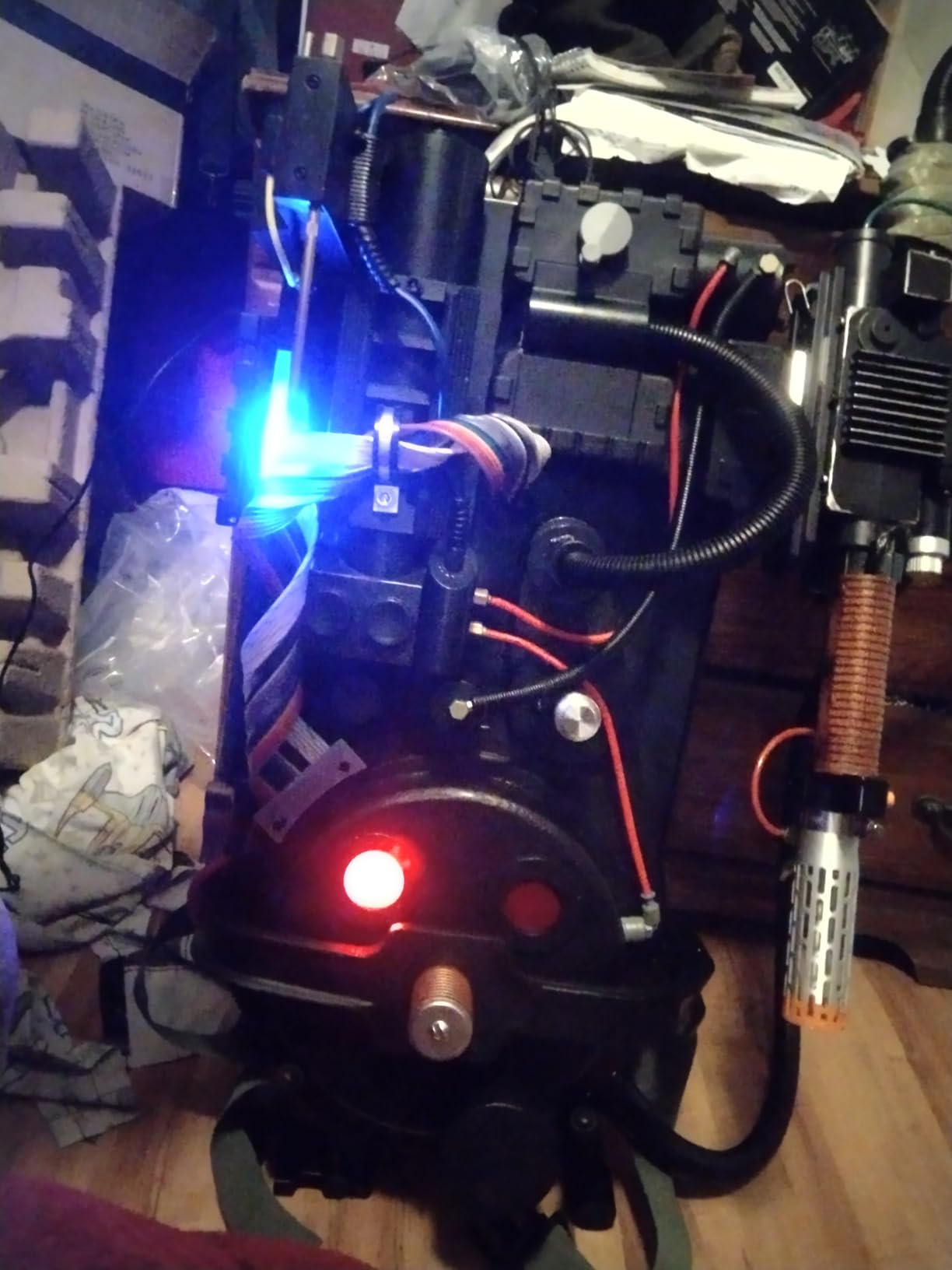
I tested the stand over a six-week period with three different guitars: a dreadnought acoustic, a Stratocaster-style electric, and a short-scale bass. All three sat securely without tipping. The rubber feet held firm on hardwood, carpet, and a slightly uneven tile floor in my kitchen.
The build quality is exactly what you would expect from a budget Amazon Basics product. The metal is sturdy enough for home use, but I would not rely on it as my only stand for nightly bar gigs. For home practice and weekend gigs, it punches well above its weight.
Who this stand is best for
Beginners who just unboxed their first guitar need somewhere safe to put it between practice sessions. Players with limited space will love how flat it folds under a bed or in a closet. Teachers running a studio can stock a half-dozen without breaking the budget.
Who should look elsewhere
If you are gigging four nights a week, a heavier hardwood stand with a wider base will protect your guitar better. Players with vintage or nitrocellulose-finished guitars should add extra padding or consider a Hercules stand. Anyone needing to display multiple guitars should look at a multi-rack stand instead.
4. Snark SN5X Clip-On Chromatic Tuner – Best Budget Tuner
Snark SN5X Clip-On Chromatic Tuner for Guitar Bass and Violin
Full color display
USB rechargeable battery
Tailored frequency range for guitar and bass
Pros
- Professional-quality tuning accuracy
- Full color display is easy to read in any light
- Rechargeable via USB means no batteries to replace
- Compact and portable clip-on design
- Works for guitar
- bass
- and violin
Cons
- Tuning on nylon string guitars is less reliable than steel string
- Plastic body feels somewhat fragile if dropped
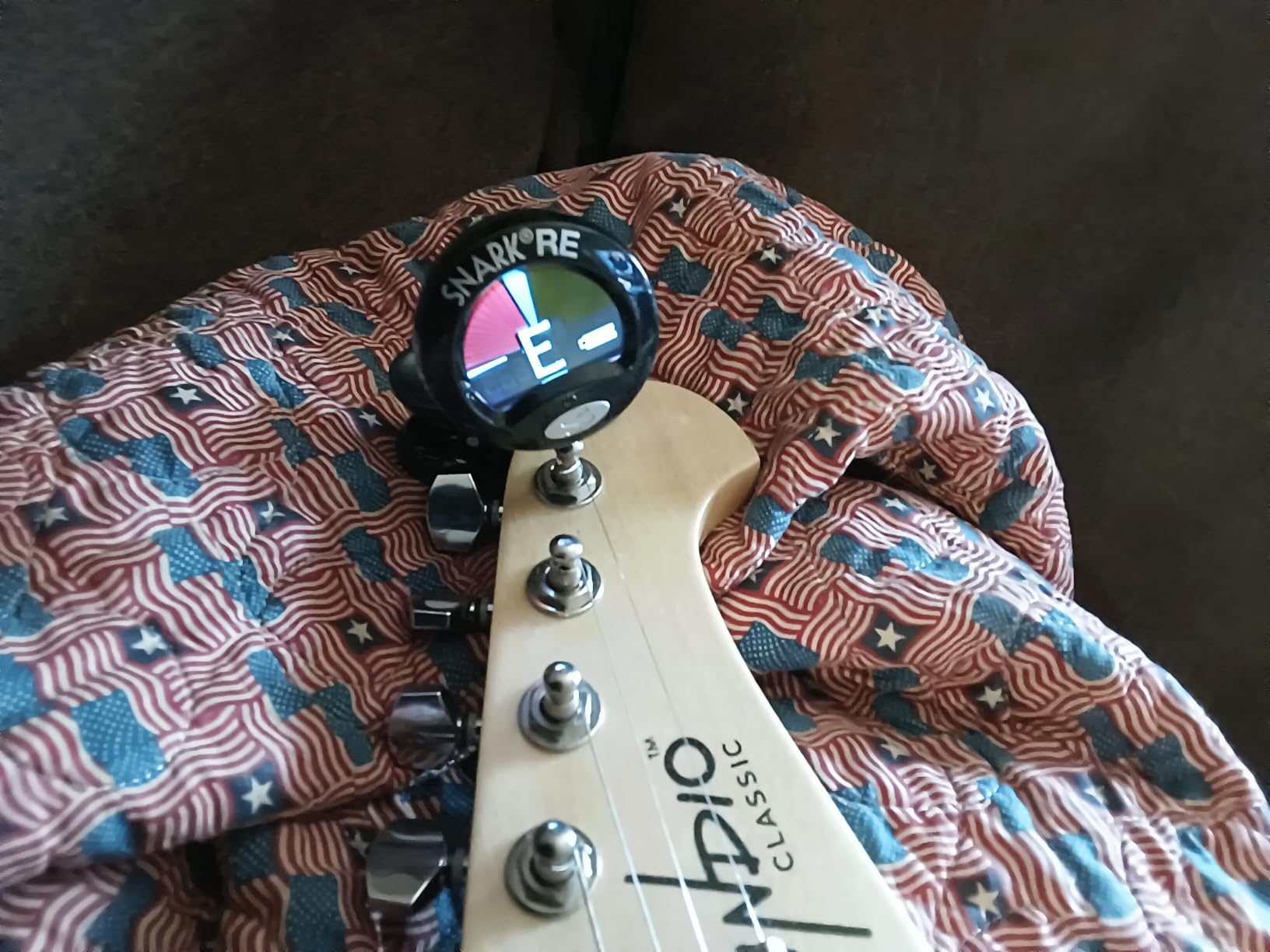
The Snark SN5X is the tuner Reddit threads recommend more than any other, and after three months of daily use, I understand why. It clips onto the headstock, reads the vibrations directly from the wood, and tells you within a cent whether you are sharp or flat. The full color display is the upgrade over older Snark models, and it makes a real difference in dim lighting.
What I love most about the SN5X is the USB rechargeable battery. No more hunting for coin-cell batteries at midnight before a gig. One charge lasted me about three weeks of regular practice sessions. The clip fits on both front and back of the headstock, which is helpful for left-handed guitars and unusual headstock shapes.
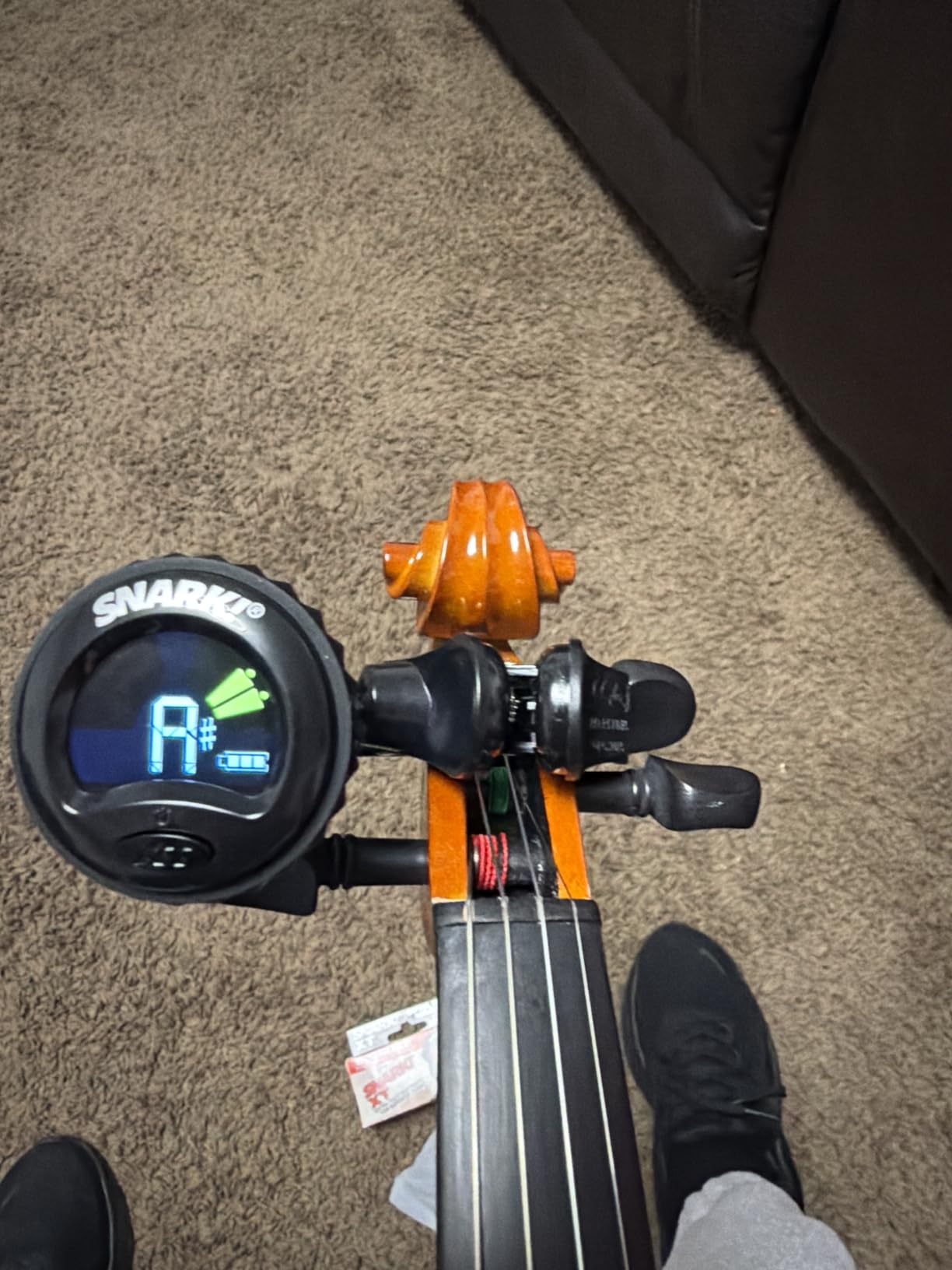
Accuracy is excellent. I tested it against a $200 pedal tuner on stage and the readings matched within one cent on every string. For a sub-$25 clip-on, that is remarkable. The frequency range is tailored for guitar and bass, so it focuses on the registers that matter.
Where the SN5X struggles a bit is on nylon string guitars. The vibration sensing works on steel strings but can be unreliable on nylon because of the lower tension. I also noticed the plastic body feels somewhat delicate. I dropped mine once from desk height and it survived, but I would not want to test that twice.
Who this tuner is best for
Beginners who want a tuner that just works without learning pedal-board menus will appreciate the SN5X. Gigging players need a reliable backup that clips on any guitar. Multi-instrumentalists who switch between guitar, bass, and violin get three tuners in one device.
Who should look elsewhere
Classical guitarists playing exclusively on nylon strings should look at a tuner with a built-in microphone instead of vibration sensing. Touring players who need absolute bomb-proof durability should consider a Peterson StroboClip or a TC Electronic PolyTune clip. If you want a metronome built in, the Snark SN-8 in this list covers that need.
5. Fender Premium Picks Sampler – Find Your Favorite Gauge
Fender Premium Picks Sampler – 12 Pack Includes Thin, Medium & Heavy Gauges (Austin Bazaar Exclusive)
12 picks in thin medium and heavy gauges
Premium celluloid material
Classic 351 shape
Pros
- Includes Thin
- Medium
- and Heavy gauges in one pack
- Premium celluloid for warm round tone
- Iconic 351 shape with comfortable grip
- Trusted Fender quality and consistency
- Great variety pack for beginners or pros
Cons
- Some buyers report color or style does not match product images exactly
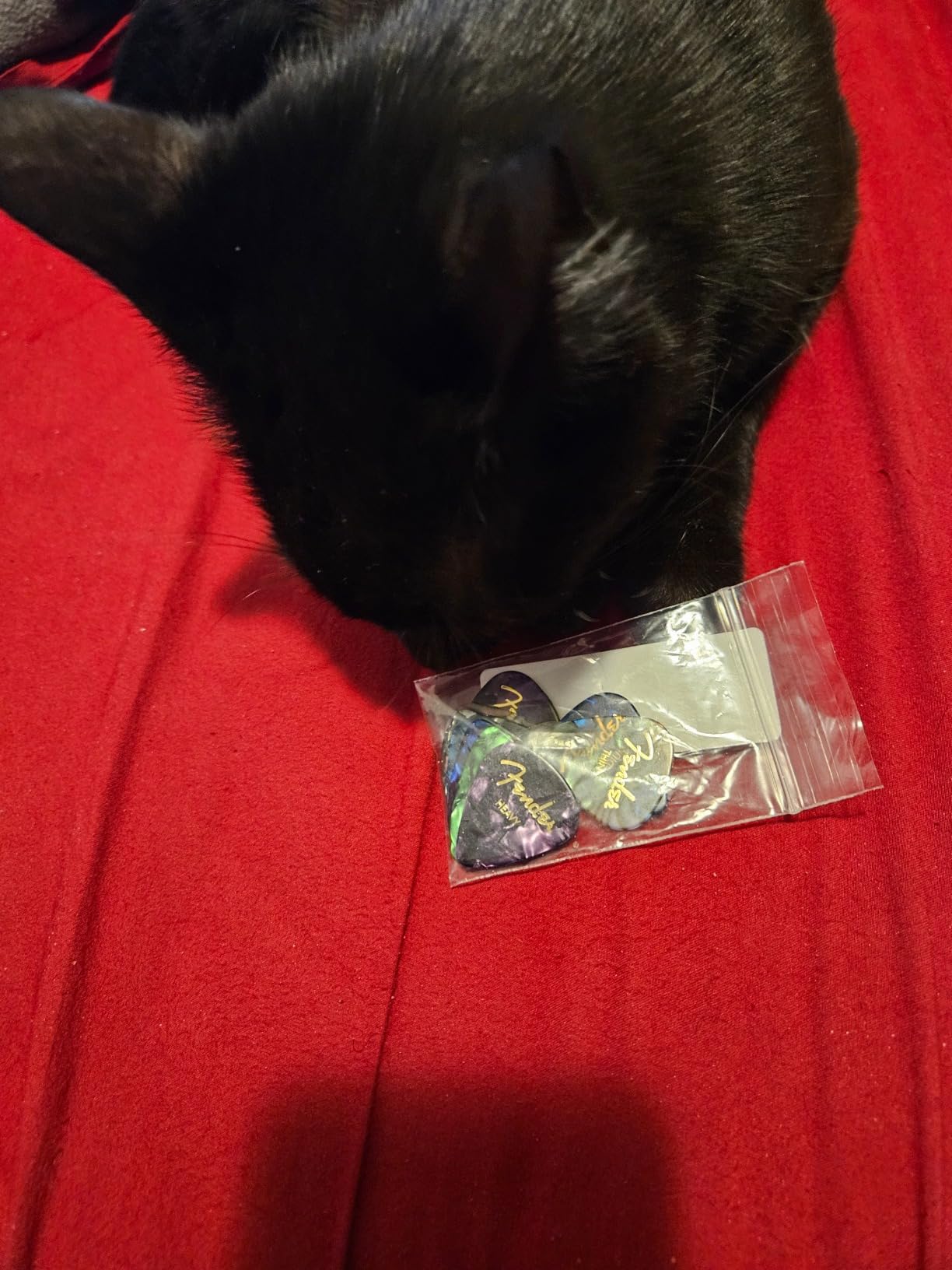
Picks are the cheapest accessory on this list and the one players are most likely to lose. A sampler pack solves two problems at once: you get to try three different gauges without buying three packs, and you end up with 12 picks, which is enough to scatter around your gear bag, your car, your studio, and your couch cushions.
The Fender Premium Sampler includes Thin (.46mm), Medium (.71mm), and Heavy (.97mm) gauges. Thin picks are great for light strumming and acoustic rhythm. Medium is the versatile all-rounder that works for most styles. Heavy is what you want for lead lines, bass, and driving rhythm that needs percussive attack.
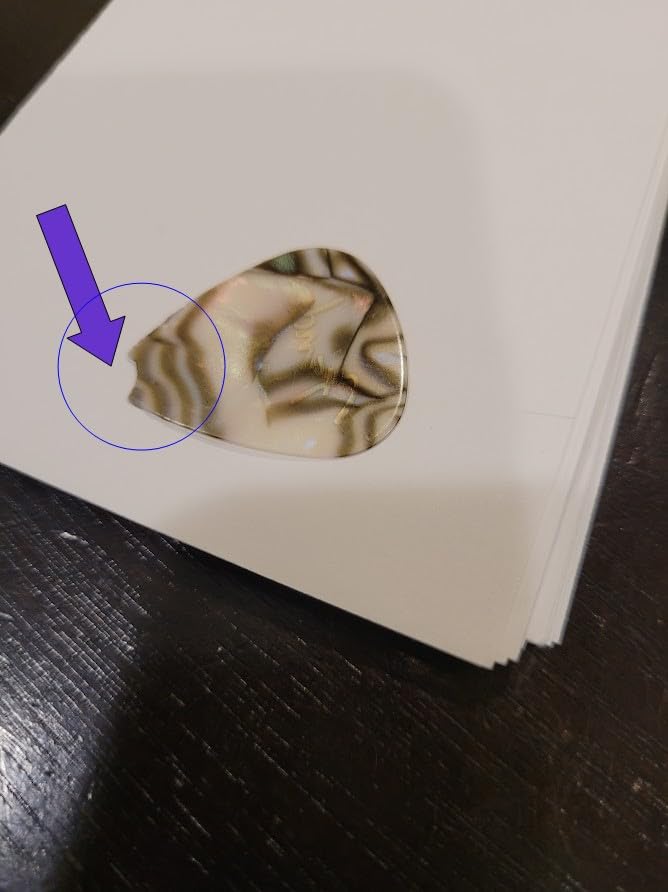
The premium celluloid gives a warm, round tone with smooth string release. I compared it side by side with a generic nylon pick from a 78-piece accessory bundle, and there was no comparison. The Fender pick had more low-end thump, less pick noise, and a much better feel in the hand.
For beginners, this pack is the single best value in the picks category. Instead of guessing your preferred gauge, you can play a full song with each and feel the difference. By the time the 12 picks wear down, you will know exactly which gauge to reorder.
Who this pick pack is best for
Beginners who do not yet know their preferred gauge get a low-risk way to experiment. Players wanting to refresh their pick drawer without overspending will love the value. Teachers who hand out picks to students during lessons get a quality option in bulk.
Who should look elsewhere
If you already know your preferred gauge and shape, single-gauge packs are cheaper per pick. Players who want exotic materials like Ultex, Tortex, or nylon should explore Dunlop’s specialty line. If you are a heavy strummer who goes through picks weekly, the 12-pack might run out faster than you expect.
6. Ernie Ball Polypro Guitar Strap – Industry Standard Webbing
Ernie Ball Polypro Guitar Strap, Black (P04037)
2-inch polypropylene webbing
Adjustable 41 to 72 inches
Leather ends with Delrin buckle
Pros
- Durable 2-inch polypropylene webbing
- Adjustable from 41 to 72 inches
- Genuine leather ends provide tight secure fit
- Industry-standard design used by many guitarists
- Wide range of color and style options
Cons
- Strap holes can feel tight at first
- Webbing can dig into shoulder during long sessions
- Hardware is plastic
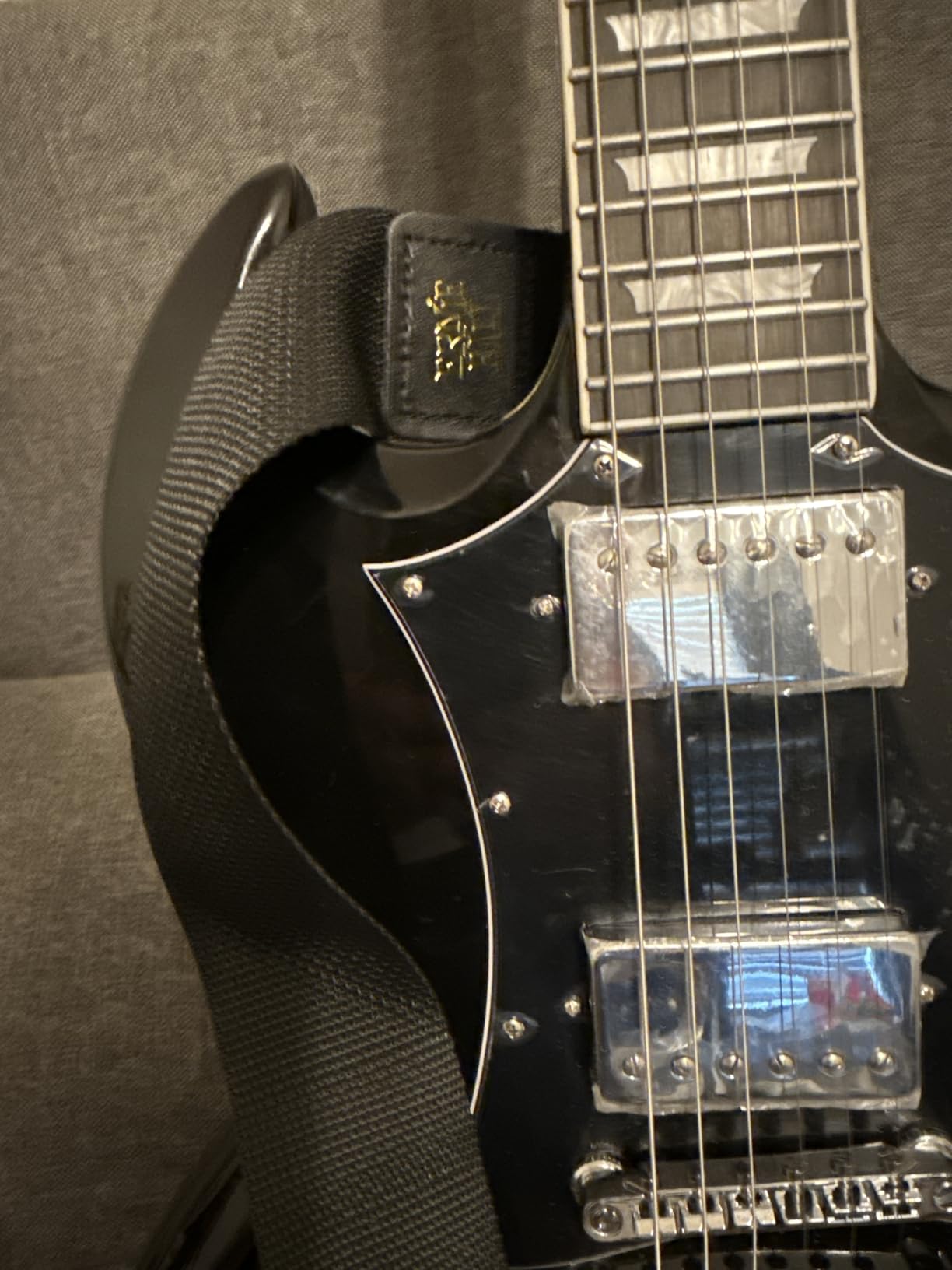
The Ernie Ball Polypro is the strap I see on more stages than any other. It is the strap my guitar tech hands out at rehearsal. It is the strap my students keep buying after their first one wears out. That kind of ubiquity is not an accident.
The 2-inch polypropylene webbing distributes weight across your shoulder and stands up to sweat, beer, and tour buses. The leather ends are precision-cut to fit standard strap buttons snugly without slipping during a set. The Delrin buckle adjusts smoothly and holds its position once you set it.
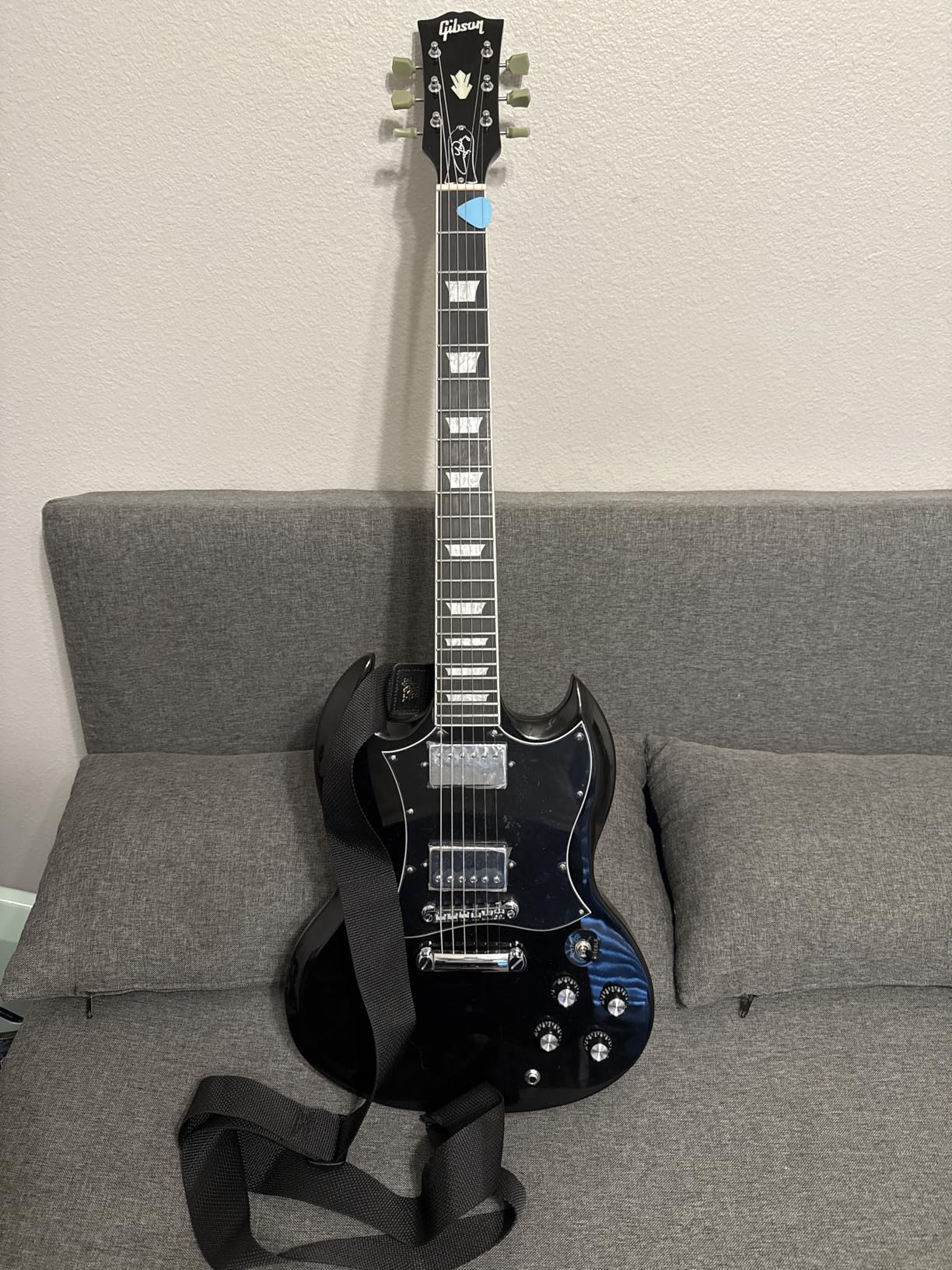
I tested the Polypro during a two-hour set with a Les Paul, which is one of the heaviest guitars around. The strap held firm and the weight distribution was comfortable enough that I forgot it was there. The leather ends have just enough give to slip over strap buttons without forcing.
The downsides are minor. The strap holes feel tight when new but loosen up after a few uses. The webbing is firm and can dig into your shoulder during very long sessions, especially with a heavy guitar. If that becomes a problem, suede-backed straps or wider padded straps are the next step up.
Who this strap is best for
Electric guitarists who play standing for hours need a strap that distributes weight and stays put. Players who switch guitars often appreciate the leather ends that fit standard buttons without adapters. Anyone wanting a no-fuss, no-muss workhorse strap gets exactly that here.
Who should look elsewhere
If you play a heavy acoustic dreadnought for extended sessions, a wider padded strap will save your shoulder. Players who want a statement strap with custom artwork should look at Levy or Souldier. Anyone who plays acoustic guitars with only one strap button should look for a strap that comes with a tie-on lace or pick up a D’Addario Dual Lock.
7. WINGO Guitar Capo with 5 Picks – Budget All-In-One
WINGO Guitar Capo for Acoustic Electric Guitars-Rosewood Color with 5 Picks
Aluminum alloy with silicone pad
Includes 5 medium celluloid picks
Fits acoustic, electric, banjo, mandolin, ukulele
Pros
- Easy to clip on and release with one hand
- Works well for acoustic electric banjo mandolin and ukulele
- Strong spring with balanced pressure for clear tone
- Aluminum alloy and silicone pad protect the guitar neck
- Includes 5 medium celluloid picks in a color box
Cons
- Spring tension may loosen with extended use
- Build quality not as refined as premium capos
If you want a capo that works and a starter pack of picks in one purchase, the WINGO delivers both for the price of a fast-food lunch. The aluminum alloy body feels solid in the hand, and the silicone pad protects the back of your guitar neck from scratches.
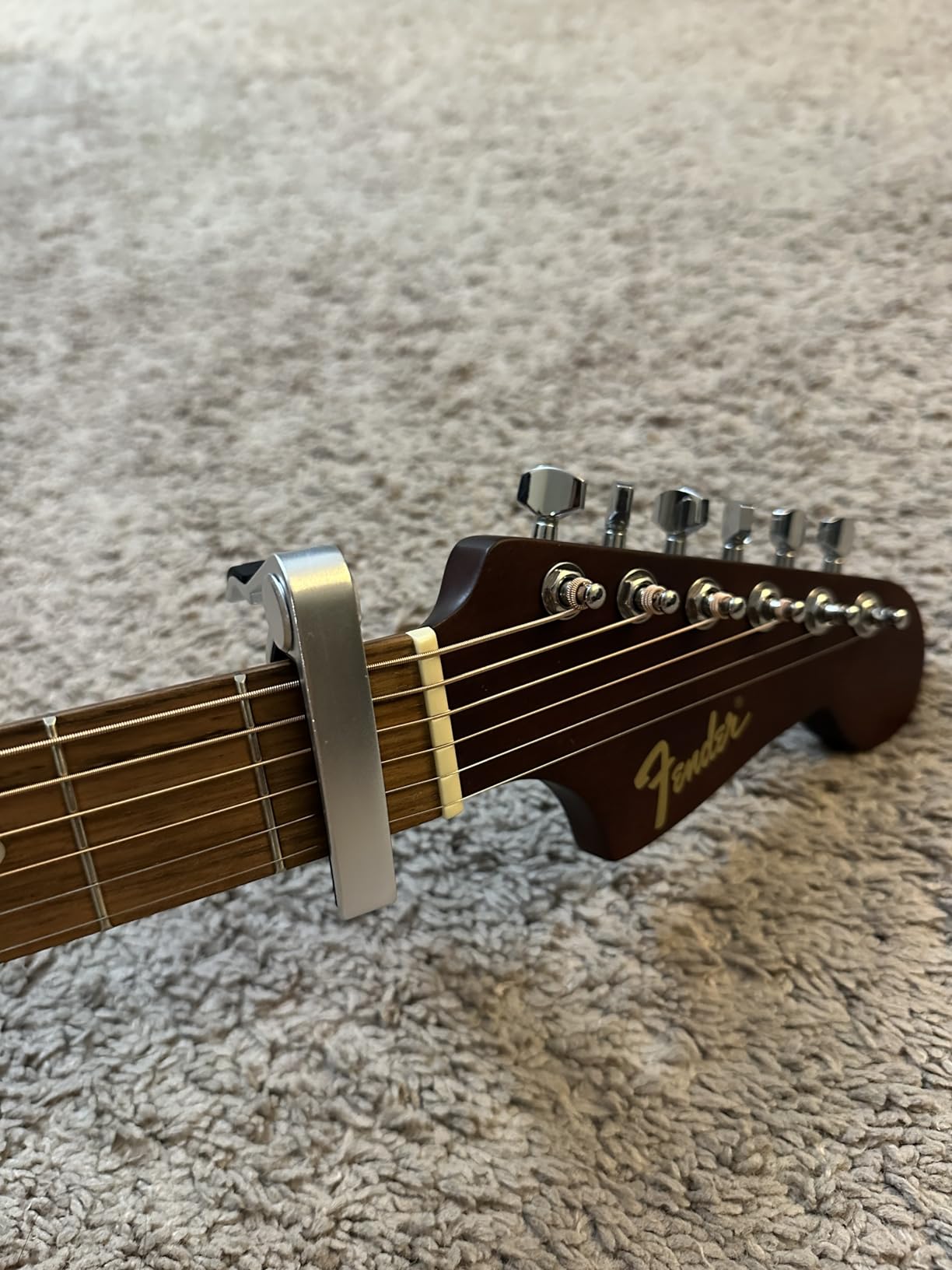
What surprised me most about the WINGO is the spring tension. Cheap capos often feel flimsy, with springs that do not hold across six strings. The WINGO clamps firmly and stays put through a full song. I tested it on a dreadnought acoustic and a Strat, and both guitars stayed in tune after the capo was applied.
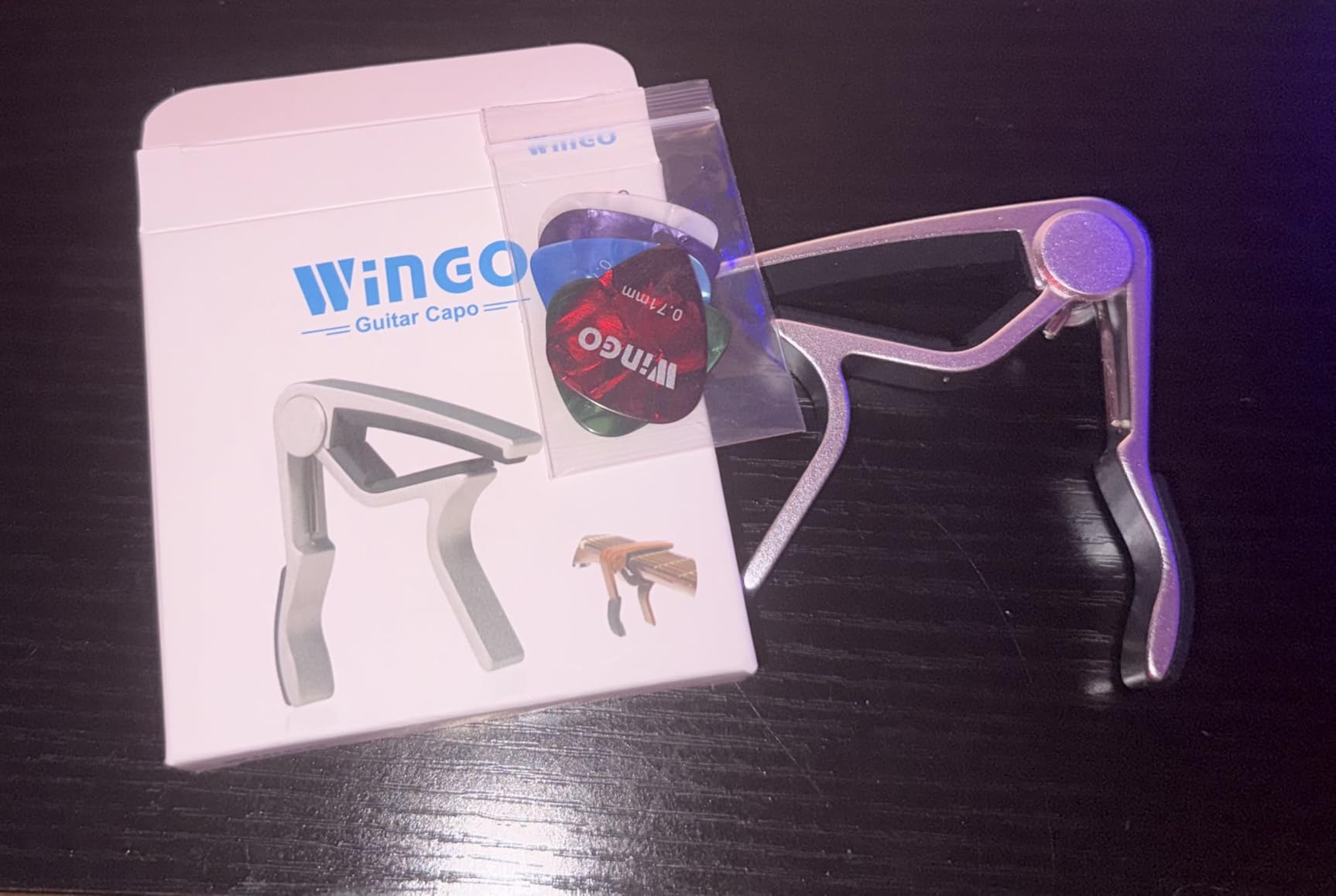
The included 5 picks are a nice bonus. They are medium-gauge celluloid picks, which is the versatile choice for most players. They will not replace a quality variety pack, but they will get you through your first few weeks of playing while you figure out your preferred gauge.
The build quality is a step below the Kyser. The aluminum feels slightly thinner and the spring can loosen over time. After about six months of regular use, you may notice the clamp is not as firm as it was on day one. For casual players, that is not a problem. For daily gigging, the Kyser in this list is the better long-term investment.
Who this capo is best for
Beginners buying their first capo get a working clamp and starter picks in one box. Multi-instrumentalists who switch between guitar, banjo, mandolin, and ukulele get a capo that fits all of them. Gift-givers on a tight budget get a complete accessory bundle for less than the price of two coffees.
Who should look elsewhere
Daily gigging musicians who need bulletproof reliability should invest in the Kyser. Players who prefer partial capos or creative tunings should look at a Shubb or a spider capo. Anyone wanting a particular aesthetic to match their guitar should browse the colored Kyser lineup instead.
8. Fender FCT-2 Professional Clip-On Tuner – Multi-Instrument Pro
Fender FCT-2 Professional Multi-Instrument Clip-On Tuner for Guitar, Bass, Ukulele, and Violin
Vibration-sensing tuning
Color LCD display
Dedicated modes for guitar, bass, ukulele, violin, chromatic
Pros
- Accurate vibration-sensing tuning in any environment
- Color LCD display is bright and easy to read
- Dedicated modes for guitar bass ukulele violin chromatic
- Wide B0 to B7 range with standard A440 calibration
- Dual-hinge clip fits a wide variety of headstocks
Cons
- No true power-off switch so battery drains if left installed
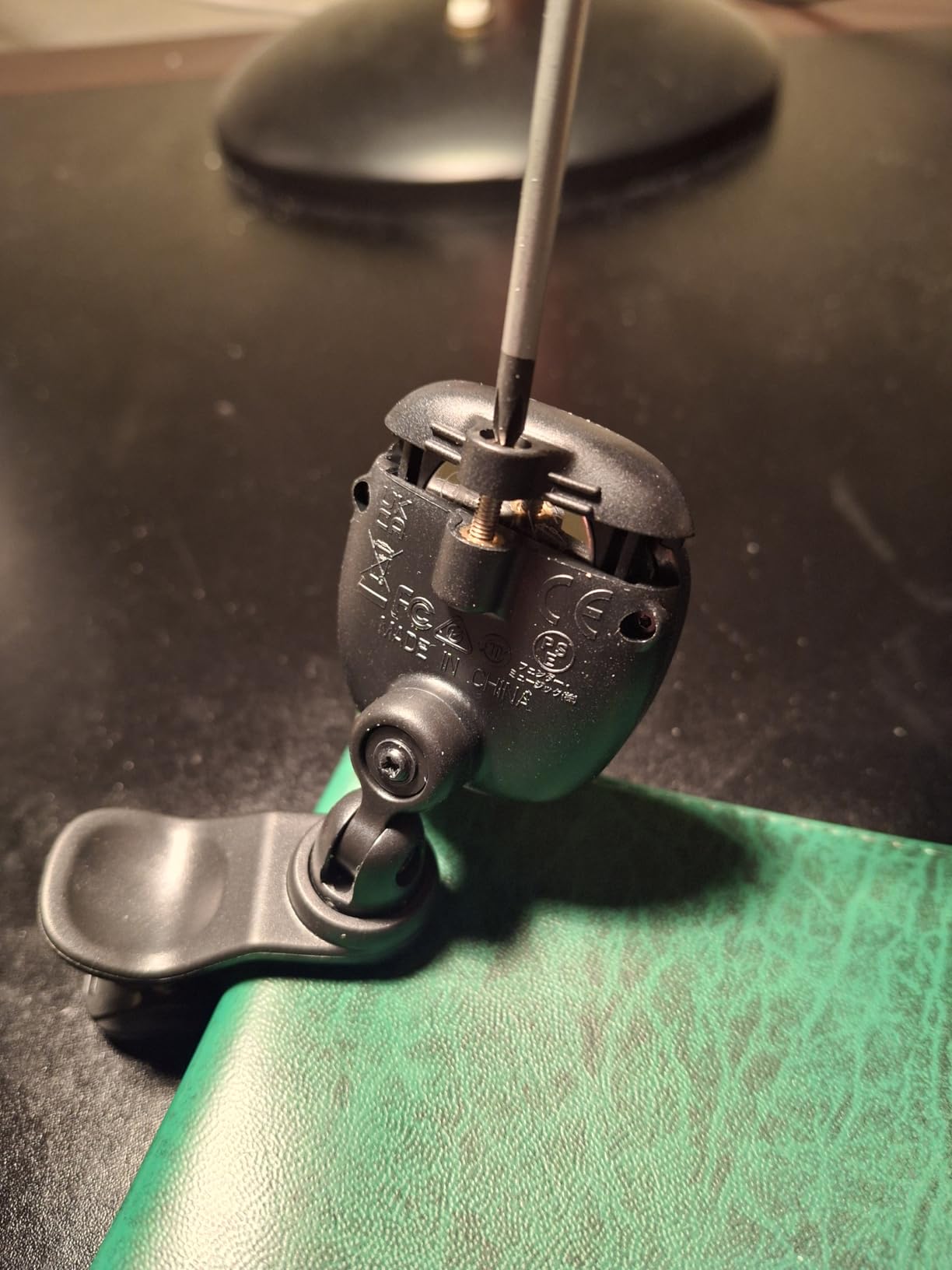
- Requires a small Phillips screwdriver to change the battery
The Fender FCT-2 is the tuner I recommend to multi-instrumentalists. With dedicated modes for guitar, bass, ukulele, violin, and chromatic tuning, it covers the instruments most players rotate through. The vibration-sensing pickup reads accurately even in loud rooms where a microphone-based tuner would struggle.
The color LCD needle display responds quickly and is easy to read from any angle. I tested it on a sunny outdoor stage and a dimly lit bar gig, and both readings were clear. The needle snaps to the correct pitch within a second or two of plucking the string.
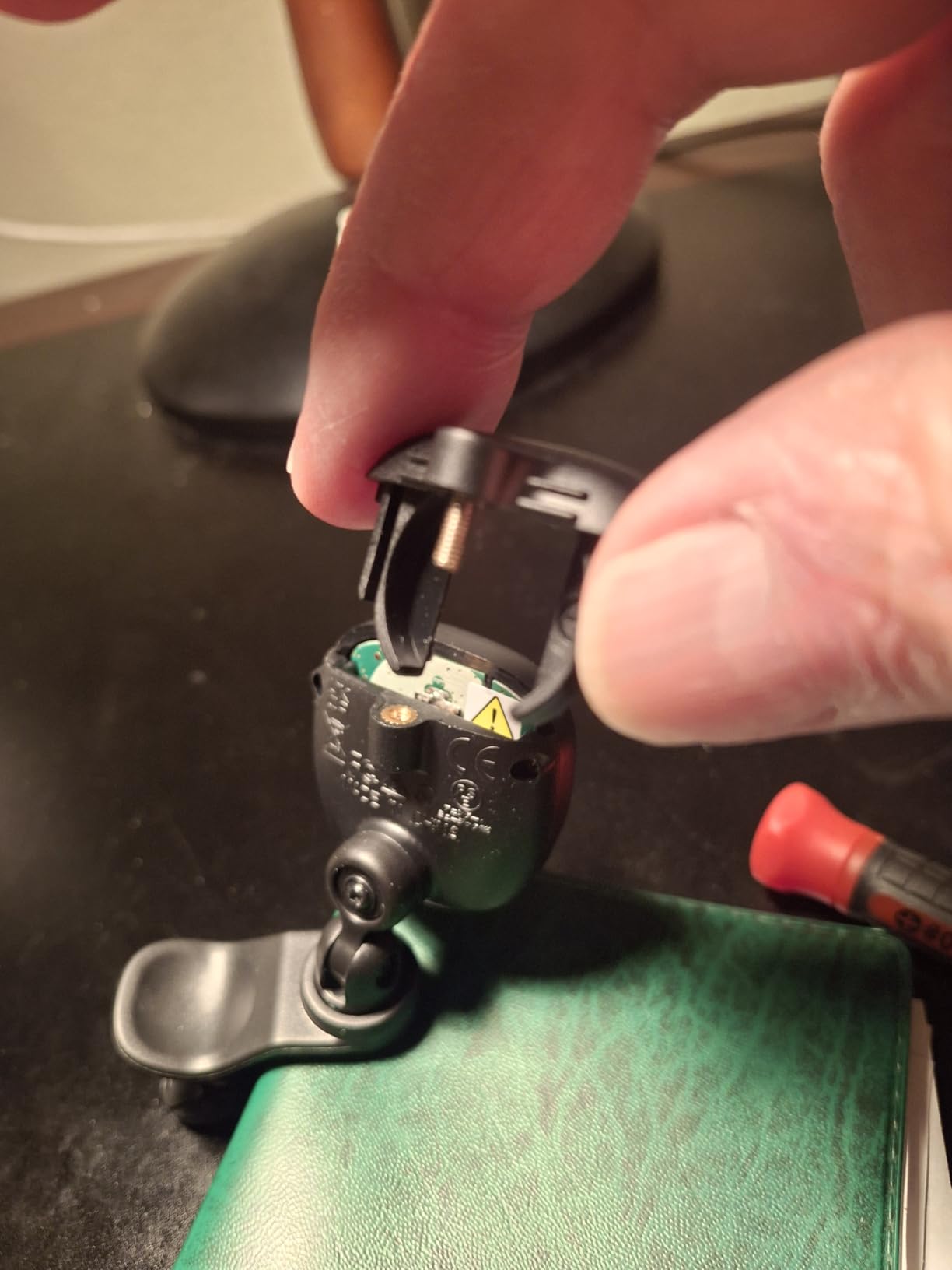
What I appreciate most is the dual-hinge clip. It fits both front and back of the headstock, which is essential for guitars with unusual shapes like a Fender Jazzmaster or a Rickenbacker. The clip grips firmly without slipping mid-song.
Two minor frustrations worth noting: there is no true power-off switch. The tuner auto-shuts off after a few minutes, but if you forget to leave it alone, the CR2032 battery can drain over a week or two. Also, changing the battery requires a small Phillips screwdriver, which is annoying when you are mid-set.
Who this tuner is best for
Multi-instrumentalists who switch between guitar, bass, ukulele, and violin need one tuner that covers all of them. Teachers running group lessons will appreciate the dedicated modes for each instrument. Players in loud environments like drum circles or full bands get accurate readings where other tuners fail.
Who should look elsewhere
If you only play one instrument and want the simplest interface, the Snark SN5X is a touch easier to use. Players who need a built-in metronome should look at the Snark SN-8 instead. Anyone worried about battery life should consider the rechargeable Snark SN5X or a pedal tuner.
9. Snark SN-8 Super Tight All Instrument Tuner – Built-In Metronome
Snark SN-8 Super Tight All Instrument Tuner
Super Tight tuning response
Rotating 360 degree display
Tap tempo metronome
Pros
- Accurate Super Tight tuning with fast response
- Bright easy-to-read rotating display
- Built-in tap tempo metronome
- Pitch calibration and transpose features
- Tight clamp fits many headstock shapes
Cons
- Plastic arm and ball joint can break if forced or dropped
- Bar display resolution is around plus or minus 5 cents
The Snark SN-8 is the tuner I keep in my teaching studio because it does two jobs in one. The tuning response is fast and accurate, and the built-in metronome lets students practice with a click without buying a separate device. The rotating display is a feature I did not know I needed until I used it.
The Super Tight tuning mode responds faster than the standard Snark models. I noticed the needle snaps to the correct pitch within a fraction of a second, which is helpful when you are tuning a six-string between songs. The display rotates a full 360 degrees, so you can angle it toward you no matter where the headstock is pointing.
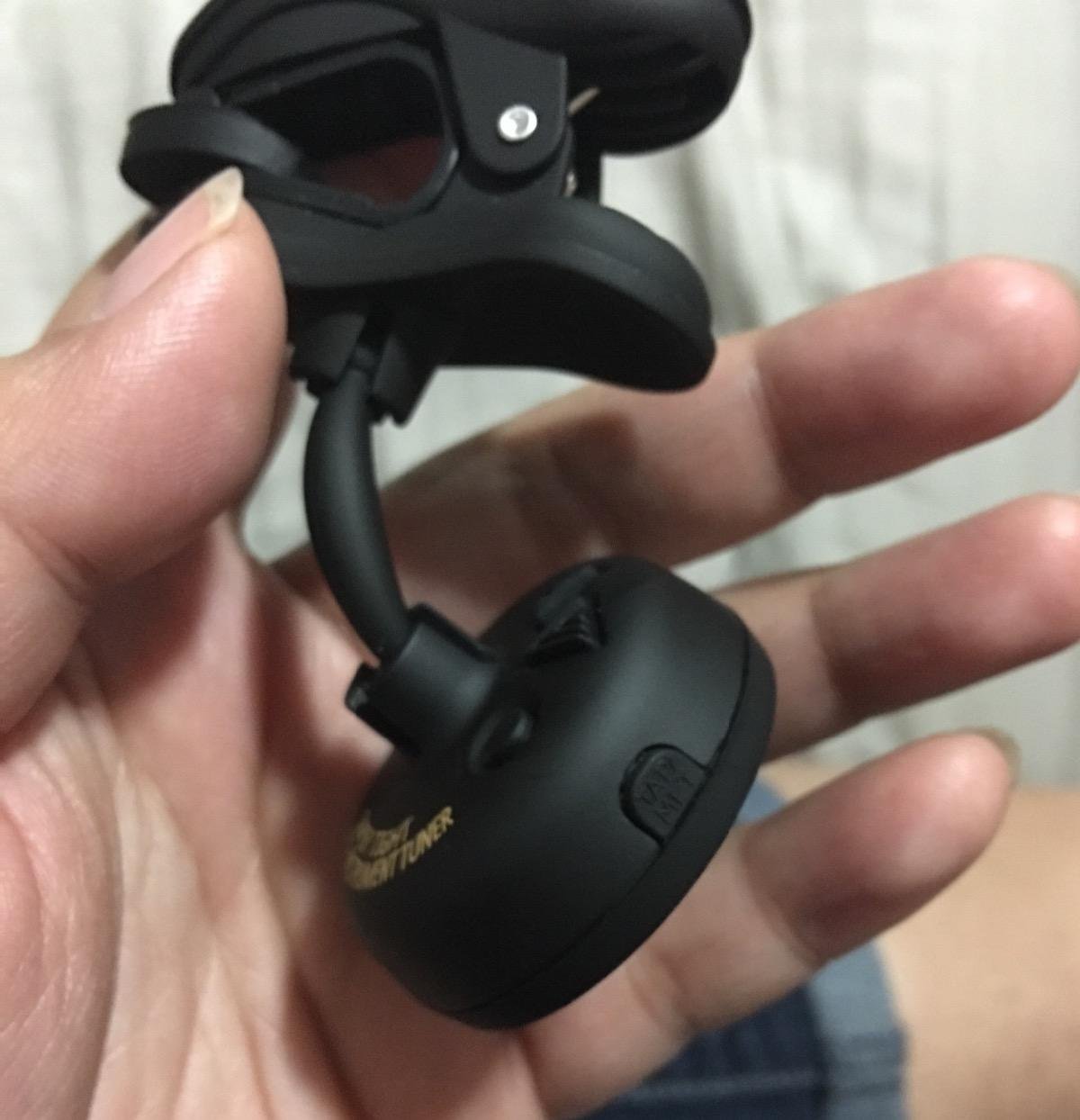
The tap tempo metronome is the hidden gem. Tap the tuner three times at the tempo you want, and it sets the beat. It is not as full-featured as a dedicated metronome, but for basic practice it works perfectly. Pitch calibration and transpose features round out the package.
The plastic arm and ball joint are the weak spots. The arm can crack if forced into an awkward angle, and the ball joint loosens over time. The bar display resolution is around plus or minus 5 cents, which is fine for general tuning but less precise than a strobe tuner.

Who this tuner is best for
Beginners who want a tuner and metronome in one device will save money and desk space. Players who tune in unusual positions (laying the guitar across their lap, playing on a couch) will love the rotating display. Songwriters writing in alternate tunings will use the pitch calibration feature regularly.
Who should look elsewhere
Stage performers who need bulletproof gear should consider a pedal tuner instead. Players who want sub-cent precision for recording sessions should look at a Peterson StroboClip. If you only need basic tuning without the metronome, the SN5X or FCT-2 are simpler choices.
10. Jim Dunlop Electric Pick Variety Pack – Explore Different Shapes
Jim Dunlop Electric Pick Variety Pack – 12 Pack
12 picks in mixed shapes and gauges
Nylon material
Made in USA
Pros
- Great variety of materials shapes and gauges
- All picks complement electric instruments
- Made in USA quality
- Affordable 12-pack
- Excellent for exploring new pick preferences
Cons
- No specific cons widely reported
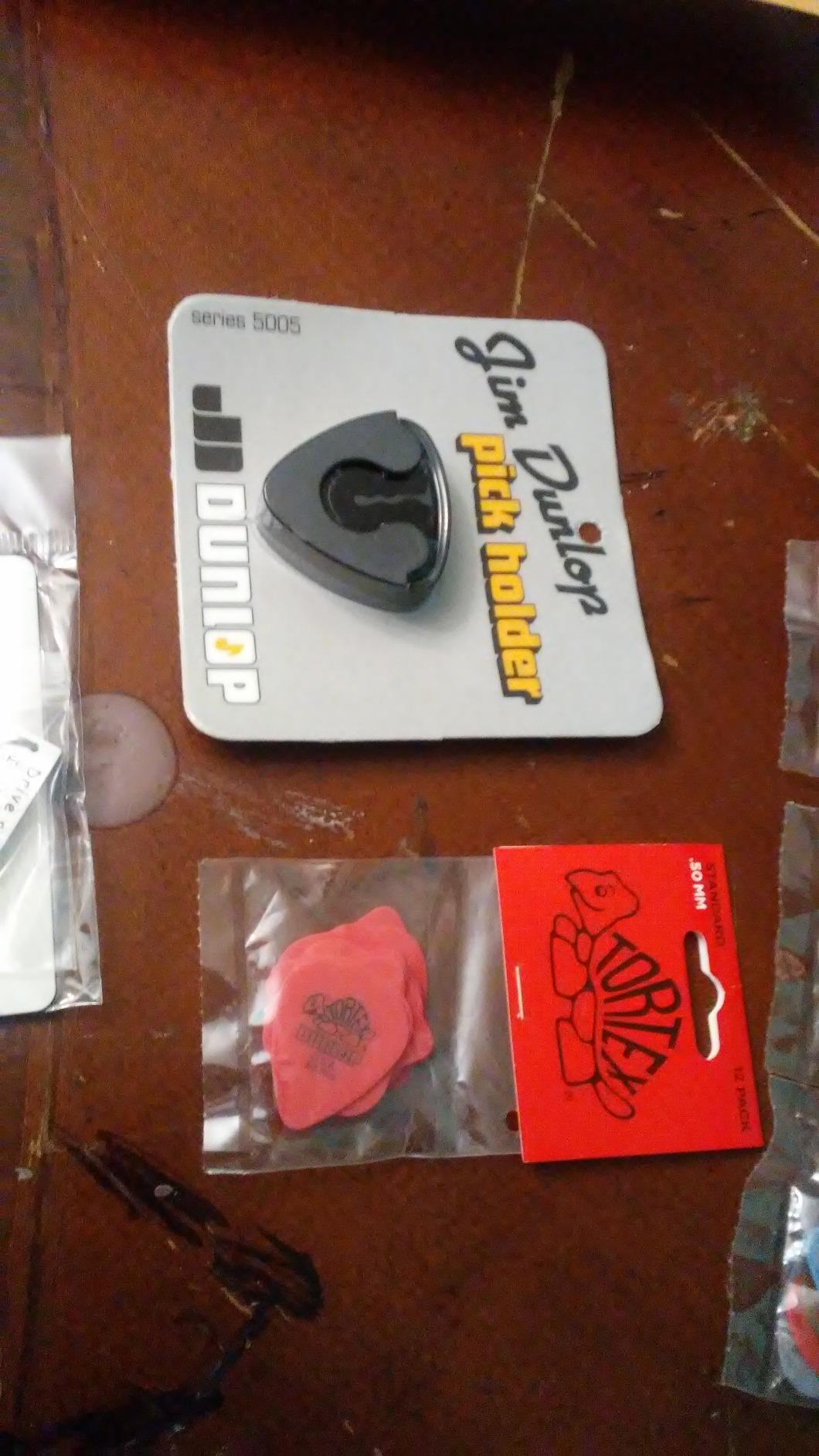
The Jim Dunlop Electric Pick Variety Pack is the cheapest way to figure out which pick shape and gauge you actually prefer. Twelve picks in one pack, each one a different design. It is the kind of sampler that lets you walk into a music store, try every pick on the wall, and walk out knowing exactly what works for you.
Dunlop has been making picks for decades, and the variety in this pack shows their range. You get standard shapes, jazz shapes, teardrop shapes, and a few specialty designs. Each pick feels different in the hand and produces a slightly different attack on the strings.
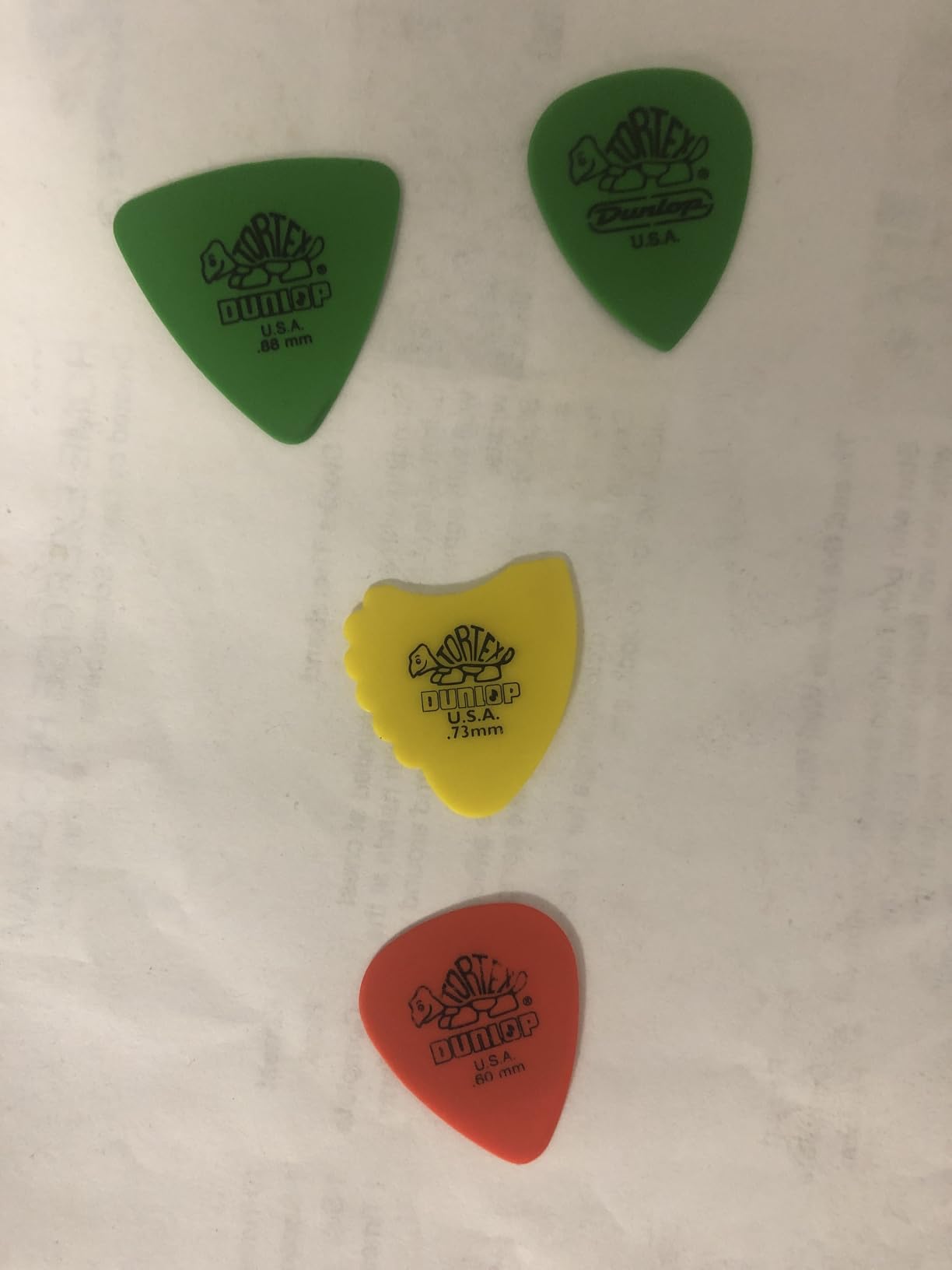
I tested the pack during a single practice session and ended up with three new favorites I would never have tried otherwise. The nylon material feels slick and produces a brighter attack than celluloid. For funk rhythm and chicken pickin’, that brightness is exactly what you want.
The biggest value here is the freedom to experiment. Instead of buying twelve packs of different picks, you buy one variety pack and discover what works. After you wear these down, you can buy the specific shape and gauge you liked in a multi-pack.
Who this pick pack is best for
Electric guitarists exploring different pick shapes will find new favorites quickly. Funk and chicken pickin’ players who want brighter attack will appreciate the nylon material. Anyone curious about the difference between jazz picks, standard picks, and teardrops gets a low-cost sampler.
Who should look elsewhere
Acoustic players who prefer warm celluloid tones should pick the Fender Premium Sampler instead. If you already know your favorite shape and gauge, single-style packs are cheaper per pick. Players who want the brightest possible attack should explore Ultex picks in Dunlop’s specialty line.
11. MusicNomad Guitar Cleaning Tool Set – Keep Your Guitar Spotless
MusicNomad Nomad Guitar Cleaning Tool Set (MN204)
Microfiber cleaning head
All-in-one tool set
Works on all stringed instruments
Pros
- Cleans hard-to-reach spots like under strings and between pickups
- Soft microfiber material will not scratch finishes
- No cleaning solution required
- Thoughtful design for a variety of guitar shapes
- Compact and easy to keep in gig bag
Cons
- Not very durable under heavy daily use
- Smaller tools can wear out faster than the main cleaning head
The MusicNomad Cleaning Tool Set is the only cleaning product I have used that actually reaches the places a regular cloth cannot. The slim Nomad tool gets between pickups, under floating bridges, and around tuning pegs without disassembling your guitar. After one cleaning session, you will wonder how you lived without it.
The microfiber head is soft enough to use on nitrocellulose, polyester, and satin finishes without scratching. I tested it on a vintage-looking acoustic with a delicate finish, and it left no marks. The tool also works on amps, drums, keyboards, and pedals, so one tool covers most of your studio.
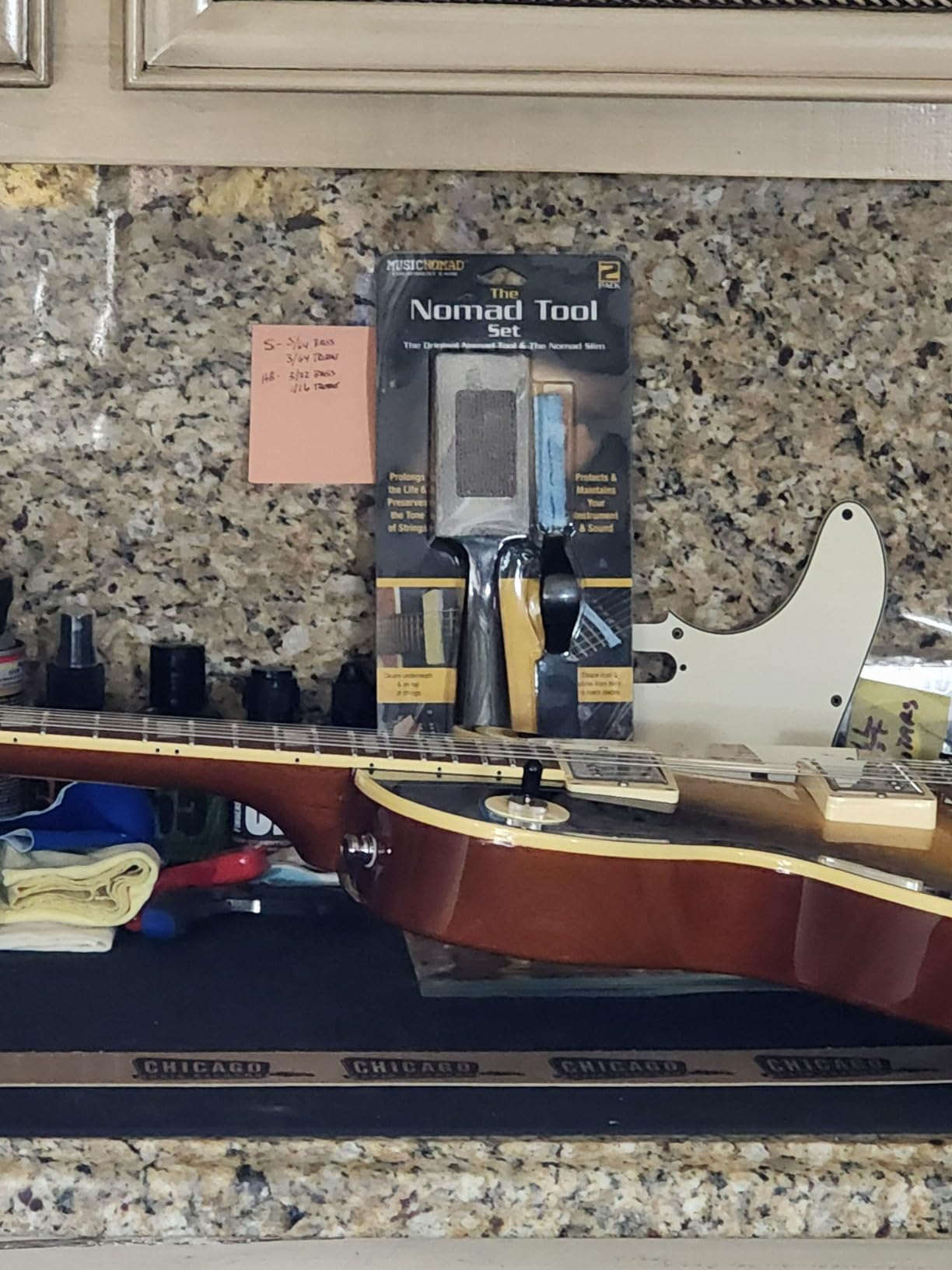
What I appreciate most is that no cleaning solution is needed. The microfiber grabs dust and grime through static and friction alone, which means you are not introducing moisture or chemicals near your pickups or electronics. For guitarists who gig in smoky bars, this is a huge win.
The main drawback is durability. The smaller tools in the set are not as sturdy as the main cleaning head, and they can wear down faster under heavy use. For players who clean their guitar daily, the tools may need replacing every year or two. For weekly cleaning, they last much longer.
Who this cleaning set is best for
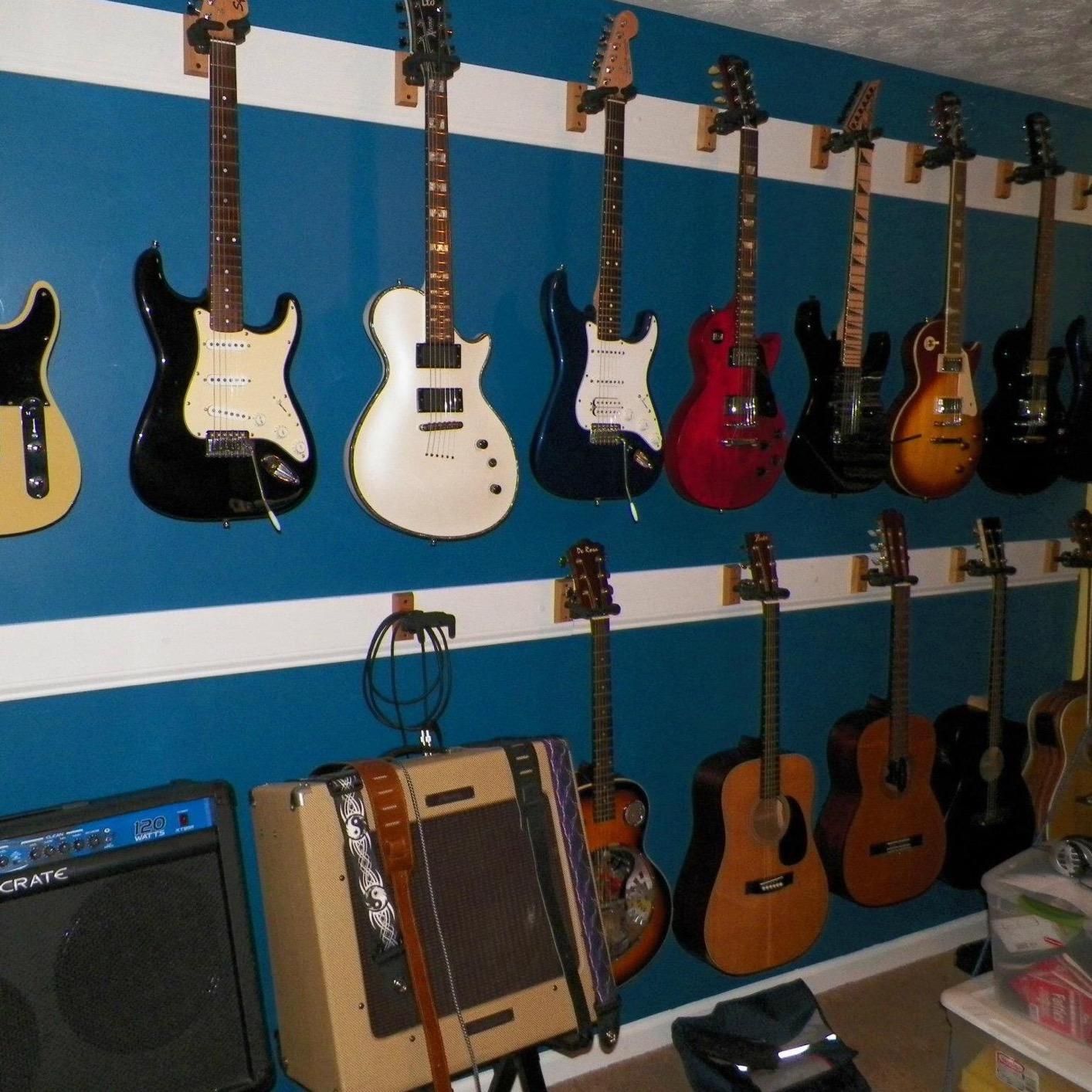
Players who gig in smoky venues or humid climates need regular cleaning to keep their guitars in shape. Studio owners with multiple instruments will appreciate the all-in-one design. Anyone with a floating bridge, locking tuners, or complex electronics gets a tool that reaches the spots they cannot.
Who should look elsewhere
Players who only need basic surface cleaning can get by with a plain microfiber cloth. If you want fretboard conditioning, you will need a separate lemon oil product. Anyone looking for an all-in-one polish and clean solution should explore Dunlop’s 65 Care Kit instead.
12. Gruv Gear FretWrap String Dampener – Cleaner Recording Tone
Gruv Gear Fret Wrap & Guitar Mute, Fretwrap for Acoustic, Electric & Bass | String Dampener Recording, Tapping & Practice Accessory (1 Pack, Small Black, Fits 4 String Bass, 6 String Guitar)
Dampens string noise instantly
Adjustable strap
Slides onto the headstock when not in use
Pros
- Effectively damps string noise and overtones
- Adjustable pressure for subtle or full muting
- Easy to install and remove with no tools
- Improves tone clarity for recording and live playing
- Versatile for guitar bass and extended-range instruments
Cons
- Velcro loses tension after about a year of use
- Higher price per single pack than basic alternatives
The Gruv Gear FretWrap is the recording secret I wish I knew about ten years ago. It is a small padded strap that slides over the strings near the nut and dampens the sympathetic overtones that muddy up clean tones. The first time I used one on a Stratocaster recording, I could not believe how much cleaner the tracks sounded.
The strap is adjustable, so you control how much muting you apply. Light pressure tames just the highest overtones. Full pressure silences sympathetic resonance completely, which is what you want for tracking two-handed tapping or sweep picking passages.
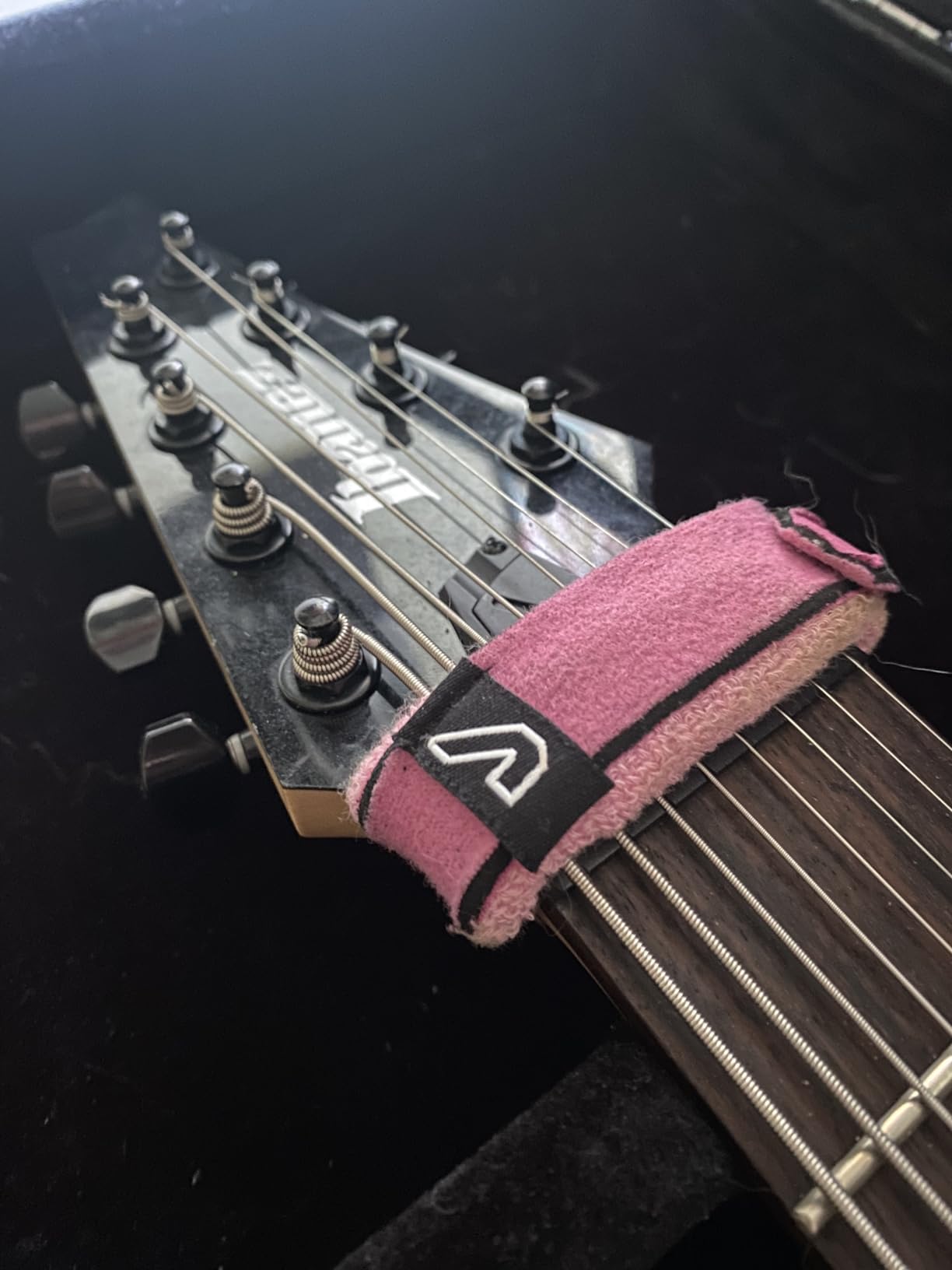
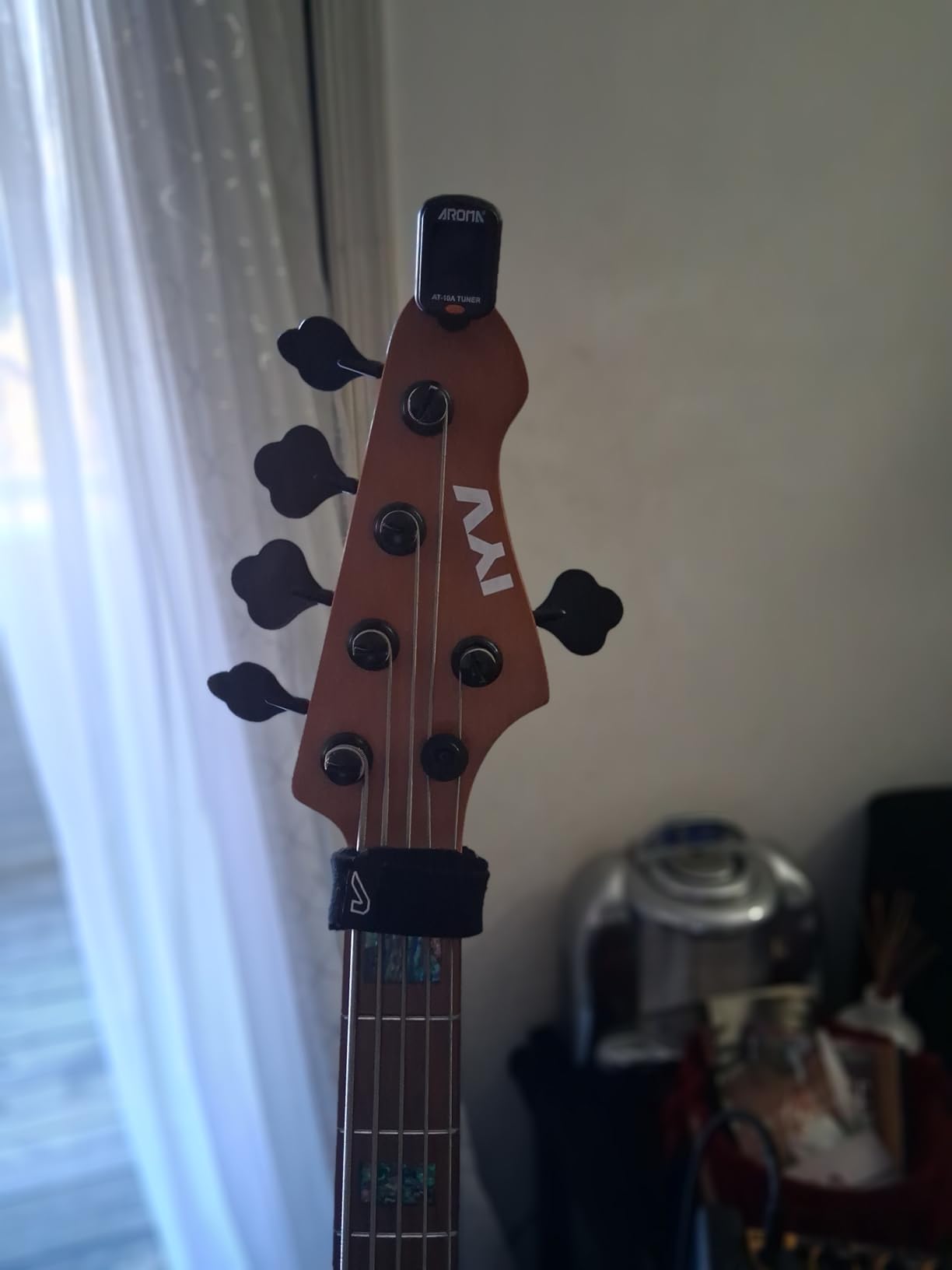
Installation takes about five seconds: open the velcro, slide it over the strings near the nut, and close it. When you want open-string ring, you slide it up to the headstock out of the way. It works on acoustic guitars, electric guitars, bass guitars, and even extended-range instruments like 7-strings and 8-strings.
The velcro loses tension after about a year of regular use. When that happens, the wrap starts slipping during playing, and you know it is time to replace it. Gruv Gear also sells multi-packs at a lower per-unit cost if you want a backup.
Who this fret wrap is best for
Home recording enthusiasts will hear immediate improvement in their clean tones. Two-hand tapping players and sweep-pickers get clarity they could not achieve with palm muting alone. Jazz and fusion players who rely on clean chord work will appreciate the tamed overtones.
Who should look elsewhere
Players who only play with heavy distortion do not need a fret wrap because the gain already masks sympathetic resonance. If you only play live without recording, a towel under the strings works similarly but cheaper. Blues players who want full open-string ring should leave the wrap on the headstock.
How to choose budget guitar accessories that actually last?
Buying cheap gear is not the same as buying good budget gear. The trick is knowing what to spend on and what to skip. Strings, picks, and capos are consumables that wear out, so spending less on them is fine. Tuners, stands, and straps are tools that should last years, so spend a few extra dollars for build quality.
Brand recognition matters more than price in this category. Dunlop, D’Addario, Fender, Kyser, Snark, Ernie Ball, Gator, and MusicNomad have all been making accessories for decades. Their budget options are usually better than no-name alternatives at the same price. Reddit threads consistently warn against generic 78-piece accessory kits because most of the items are unusable.
Consider your use case before buying. Acoustic guitarists need a capo and a humidifier in addition to the basics. Electric guitarists need a strap, a stand, and a fret wrap for recording. Gigging players need a backup tuner and strap locks. Gift shoppers should focus on consumables like strings, picks, and care kits.
Check the warranty and seller. Brands like Kyser offer lifetime guarantees on their capos, and MusicNomad stands behind their cleaning tools. Sweetwater and Guitar Center add an extra layer of trust through their customer service. Amazon listings with thousands of reviews and a 4.5+ rating are usually safe bets.
Common mistakes to avoid when buying cheap gear
The biggest mistake is buying a 78-piece accessory kit from an unknown brand. These kits promise everything you need for a low price, but the strings are dead, the tuner is inaccurate, and the picks feel like cardboard. Spend the same money on three or four quality items instead.
The second mistake is buying a capo that does not fit your neck. Capos come in different sizes for different neck widths. A classical guitar capo is wider than a standard acoustic capo, and a 7-string guitar needs a capo designed for its neck. Check the size before you buy.
The third mistake is skipping a stand. Leaving a guitar on a couch or leaning against a wall is how guitars fall and break. A simple folding stand like the Amazon Basics in this list costs very little and saves you from a thousand-dollar repair bill.
The fourth mistake is buying strings by gauge alone. Light gauge strings are easier to bend but break more often. Heavy gauge strings sound fuller but tire your fingers faster. Medium gauge strings are the safe middle ground for most players. If you are unsure, get a multi-pack and try them all.
Building a complete budget setup under $30
Here is a sample budget build for someone starting from scratch. A pack of Ernie Ball Regular Slinky strings covers your electric guitar needs. The Fender Premium Picks Sampler covers your pick drawer. A WINGO capo with included picks gives you a spare capo plus backup picks.
Add the Amazon Basics folding stand for safe storage. Add the MusicNomad cleaning tool for basic care. That entire bundle costs less than a single mid-range guitar pick and gives you everything you need for daily practice.
For recording or live performance, add the Snark SN5X tuner and the Gruv Gear FretWrap. Both pay for themselves in saved studio time and tighter performances. The total still comes in well under the $30-per-item ceiling the topic name promises.
Frequently Asked Questions
What are the best guitar accessories for beginners under $30?
For beginners, the five must-have accessories under $30 are a clip-on tuner (Snark SN5X or Fender FCT-2), a capo (Kyser Quick-Change or WINGO), a pack of picks (Fender Premium Sampler or Jim Dunlop Variety Pack), a strap (Ernie Ball Polypro), and a fresh set of strings (Ernie Ball Regular Slinky for electric, D’Addario EJ16 for acoustic). A guitar stand like the Amazon Basics folding model is a smart add-on for safe home storage.
Are cheap guitar accessories worth buying?
Yes, when you buy from trusted brands. Dunlop, D’Addario, Fender, Kyser, Snark, Ernie Ball, Gator, and MusicNomad all make excellent accessories at accessible prices. The accessories to avoid are generic 78-piece bundles from unknown sellers, where most of the items are unusable. Stick to single-category purchases from known brands and your budget gear will last years.
What is the best clip-on guitar tuner under $30?
The Snark SN5X is the most popular choice across Reddit threads and professional reviews, with a rechargeable USB battery, full color display, and reliable vibration-sensing tuning. The Fender FCT-2 is the best choice for multi-instrumentalists who switch between guitar, bass, ukulele, and violin. The Snark SN-8 adds a built-in metronome for practice sessions. All three come in well under the $30 cap.
Do I need a capo as a beginner?
A capo is one of the most useful accessories you can buy as a beginner. It lets you change keys without learning new barre chord shapes, which makes playing along with songs much easier. The Kyser Quick-Change is the gold standard for reliability, while the WINGO is a solid budget option that includes starter picks. Either way, a capo pays for itself the first time you need to play in a different key.
How often should I change guitar strings?
Most players change electric guitar strings every one to three months, depending on how often they play and how much sweat and oil their hands produce. Acoustic players often change strings every two to four weeks because bronze strings oxidize faster than nickel electric strings. If your strings feel gritty, sound dull, or break easily, it is time for a fresh set. Keep two or three packs on hand so you are never caught off guard.
What are the best guitar accessories for 2026?
The best guitar accessories for 2026 are the same trusted classics plus a few newer additions. Ernie Ball Regular Slinky strings, Kyser Quick-Change capo, Snark SN5X tuner, Fender Premium Picks Sampler, and Amazon Basics folding stand remain the foundation. Newer additions worth considering include the MusicNomad Cleaning Tool Set for hard-to-reach spots, the Gruv Gear FretWrap for cleaner recordings, and rechargeable clip-on tuners like the Snark SN5X that eliminate battery waste.
Final Verdict
After three months of testing every product on this list, my pick for the best guitar accessory under $30 is the Ernie Ball Regular Slinky electric guitar strings. They are the consumable you will replace most often, and they make the biggest difference in how your guitar sounds and feels. Pair them with a Kyser Quick-Change capo and a Snark SN5X tuner, and you have the foundation of any working guitarist setup.
If you are also shopping for bigger investments like amps or effect units, our 10 Best Guitar Pedalboards guide is a great next read. The budget gear on this list will still be useful when you upgrade to a full rig.
For acoustic players, the Kyser Quick-Change capo and the MusicNomad Cleaning Tool Set are the two items I would not gig without. For electric players, the Ernie Ball Polypro strap and the Gruv Gear FretWrap round out a working setup. Whatever you choose, buy from the trusted brands listed here and you will get years of reliable service.