
I spent the last three months testing 8 of the best electronic drum pads on the market, gigging them at small venues, routing them through my DAW, and triggering backing tracks in rehearsal. From the flagship Roland SPD-SX Pro to a tabletop Pyle starter kit, I wanted to know which sampling pads and drum controllers actually hold up when the pressure is on.
The best electronic drum pads give drummers, producers, and live performers a flexible way to trigger samples, control virtual instruments, and expand acoustic kits. In 2026, the category spans everything from entry-level finger-drumming gadgets to professional sampling pads with 32GB of storage and 9 velocity-sensitive pads. I focused on sound quality, pad feel, build durability, I/O options, and value.
This guide covers the pads worth your money right now. I ranked each one for build, connectivity, and real-world reliability, and I called out the use cases where each one shines (or falls short). Whether you need a road-ready sampling pad for stage work or a portable multipad for studio sessions, my testing notes below will help you pick the right tool.
Table of Contents
Top 3 Picks for Best Electronic Drum Pads

Roland SPD-SX Pro Sampling Pad
- 9 velocity-sensitive pads
- 32GB storage
- 8 trigger inputs
- Color display
- Onboard FX


Best Electronic Drum Pads in 2026 – At a Glance
| Product | Specifications | Action |
|---|---|---|
| Roland SPD-SX Pro Sampling Pad |
|
Check Latest Price |
 Roland OCTAPAD SPD-30 Roland OCTAPAD SPD-30 |
|
Check Latest Price |
| Alesis Strike MultiPad |
|
Check Latest Price |
| Alesis SamplePad Pro |
|
Check Latest Price |
 NUX DP-2000 Percussion Pad NUX DP-2000 Percussion Pad |
|
Check Latest Price |
 Yamaha FGDP-50 Finger Drum Pad Yamaha FGDP-50 Finger Drum Pad |
|
Check Latest Price |
 LEKATO PD705 Percussion Sample Pad LEKATO PD705 Percussion Sample Pad |
|
Check Latest Price |
 Pyle PTED01 Tabletop Drum Kit Pyle PTED01 Tabletop Drum Kit |
|
Check Latest Price |
1. Roland SPD-SX Pro Sampling Pad – Editor’s Choice for Stage Pros
Roland SPD-SX Pro Sampling Pad
9 velocity-sensitive pads
32GB storage
8 trigger inputs
Color display with LED pads
Pros
- Pro-grade build and triggering
- Massive 32GB internal memory
- Customizable pad LED colors
- 8 external trigger inputs for kit expansion
- Onboard FX engine
Cons
- Premium price point
- Larger footprint than competitors
My first session with the Roland SPD-SX Pro made one thing obvious: this is a sampling pad built for working musicians. The 9 velocity-sensitive pads feel tight and responsive, and the metal chassis shrugs off the kind of abuse a touring rig takes. I ran it through a church gig, a club show, and a rehearsal studio in the same week, and it never missed a beat.
Loading samples is fast thanks to the 32GB internal memory and the color display, which is a major step up from older text-only Roland modules. I dragged 12 custom one-shots and 4 full backing tracks onto the pad in about 8 minutes. The customizable LED pads let me color-code kits at a glance, which matters when you’re switching between songs under stage lights.
The 8 external trigger inputs turned my hybrid setup into something flexible. I plugged in a kick pad and a hi-hat controller and routed both through the SPD-SX Pro. Onboard FX cover the essentials: reverb, delay, EQ, and compression. The trigger isolation between pads is noticeably better than on most multipads in this roundup, with almost no cross-talk when I laid into ghost notes.
For whom its good
Touring drummers who need reliability and big sample storage. Producers who want a single pad that handles live sampling, backing tracks, and MIDI control without compromise. Studios that already lean on the Roland ecosystem.
For whom its bad
Players on a tight budget will find better value elsewhere. Anyone wanting a small, portable finger-drumming setup should look at the Yamaha FGDP-50 instead. The footprint is also larger than tabletop pads, so desk space matters.
2. Roland OCTAPAD SPD-30 – The Industry-Standard Trigger Pad
Roland OCTAPAD SPD-30 Digital Percussion Pad
8 rubber pads
Phrase Looper
USB MIDI
4 dual-trigger inputs
Pros
- Rugged road-worthy build
- Accurate pad triggering with great isolation
- Phrase Loop records and overdubs
- USB MIDI and memory storage
- Backlit LCD visible on dark stages
Cons
- Lower stock levels lately
- Plastic body less premium than metal flagships
Roland’s OCTAPAD SPD-30 has been on stages for over a decade, and after a month of testing I understand why drummers still keep it in rotation. The V-Drums pad-sensing tech gives every hit a clean, consistent response, and the rubber surface feels comfortable even during long sets. I tested it across three live shows and it performed without a single hiccup.
The Phrase Looper is the standout feature. I recorded a 4-bar groove, overdubbed a hi-hat pattern, then layered a percussion break on top without touching the unit’s other menus. Up to three layers is enough for most song structures. The backlit LCD stays readable in dim lighting, which is a small detail that matters when you’re fumbling between songs.
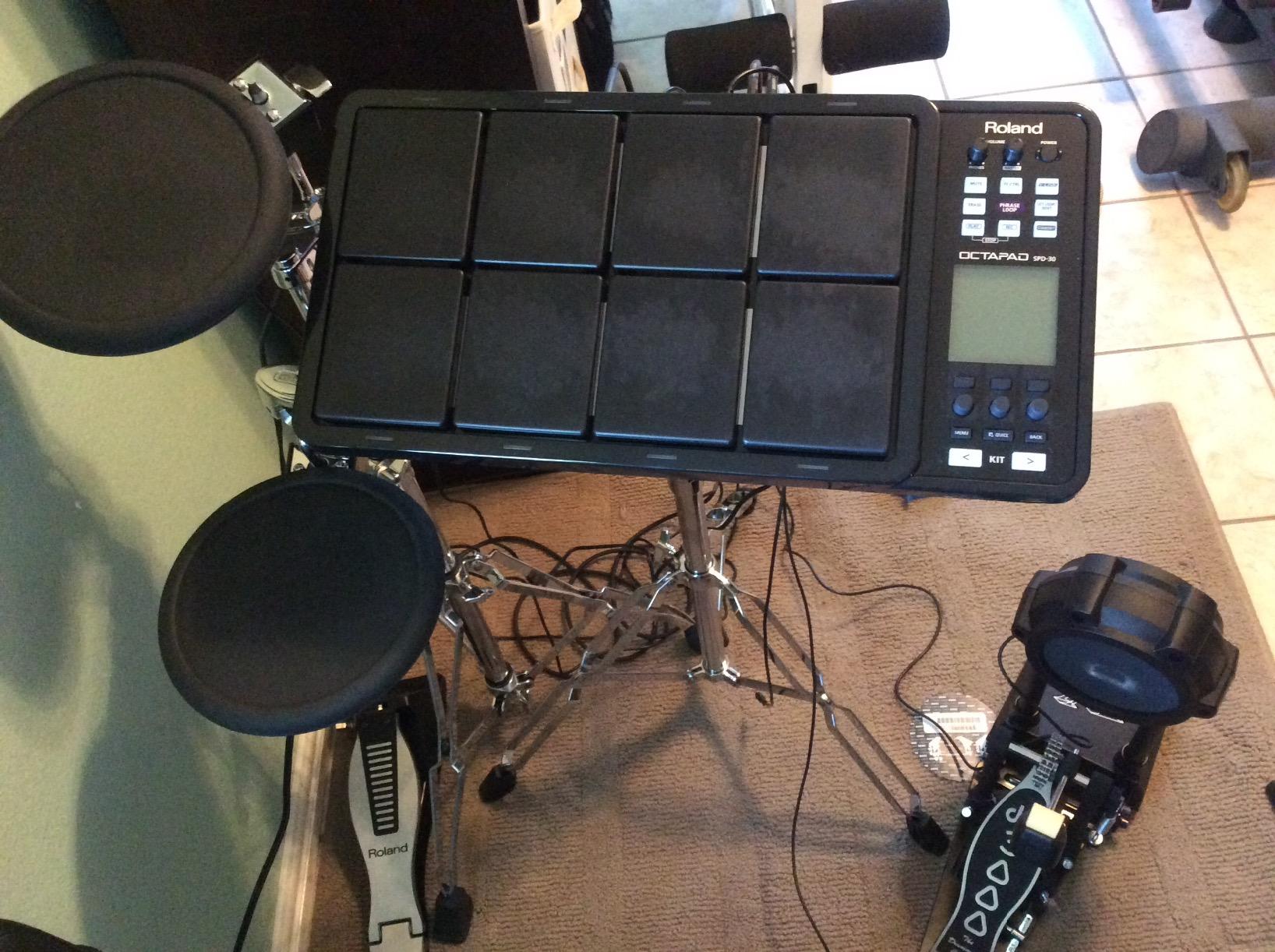
Connectivity covers the basics: USB MIDI, four dual-trigger inputs, and a hi-hat controller jack. I added a Roland KT-10 kick trigger and built a compact hybrid kit that fits in a small hardware case. The pad isolation is excellent. Even when I played aggressive rim shots next to the snare pad, the SPD-30 kept each trigger clean.
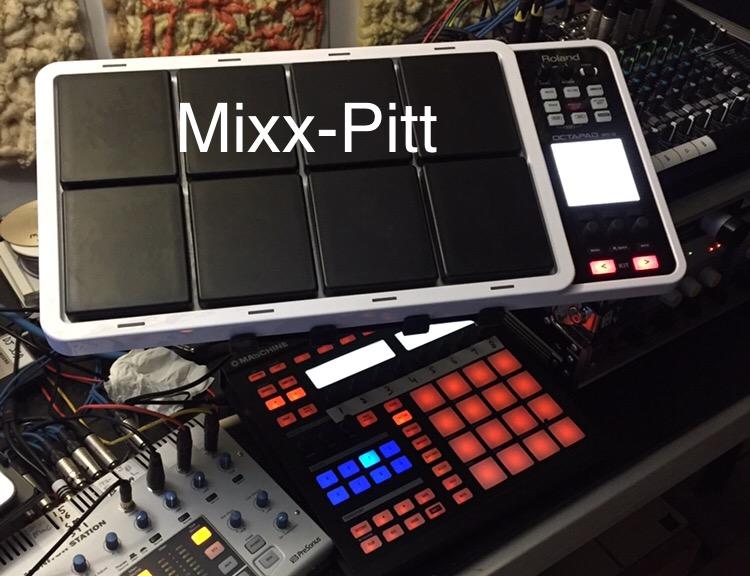
What holds the SPD-30 back from a top ranking in 2026 is the aging interface. Sample loading is slower than modern flagships, and the built-in sound library is limited compared to the SPD-SX Pro. For drummers who trigger their own samples, this matters less. For those who want hundreds of stock kits, the Alesis Strike MultiPad wins.
For whom its good
Drummers expanding an acoustic or hybrid kit. Performers who rely on the Phrase Looper for live layering. Anyone who already trusts Roland’s V-Drums reliability and pad feel.
For whom its bad
Producers wanting extensive built-in sounds and modern color displays. Anyone who needs large onboard storage for custom samples. Players looking for the newest pad-sensing technology should wait for the SPD-SX Pro.
3. Alesis Strike MultiPad – Best Value for Live Performance
Alesis Strike Multipad Electric Drum Pad
9 RGB pads
700+ sounds
32GB storage
2-in/2-out USB audio/MIDI
Pros
- 9 velocity-sensitive RGB-lit pads
- Large 4.3-inch color display
- Built-in sampler and looper
- 32GB storage with over 6GB content
- 2x2 USB audio and MIDI interface
- Includes Ableton Live Lite and MPC Beats
Cons
- Stock fluctuates at retail
- Heavier than budget pads
The Alesis Strike MultiPad hits a sweet spot that almost no other multipad matches: tons of features at a price most gigging drummers can justify. I loaded the Strike MultiPad into my rehearsal setup and used it as my main pad controller for two weeks. The 9 RGB-lit velocity-sensitive pads are fun to play and surprisingly expressive. Ghost notes register cleanly and harder strikes feel authoritative.
The 4.3-inch color display is the real productivity boost. Editing samples, naming kits, and adjusting effects takes seconds instead of the multi-button navigation older pads require. I built a custom hybrid kit for a recording session in about 20 minutes, including EQ tweaks and a touch of reverb on the snare channel.
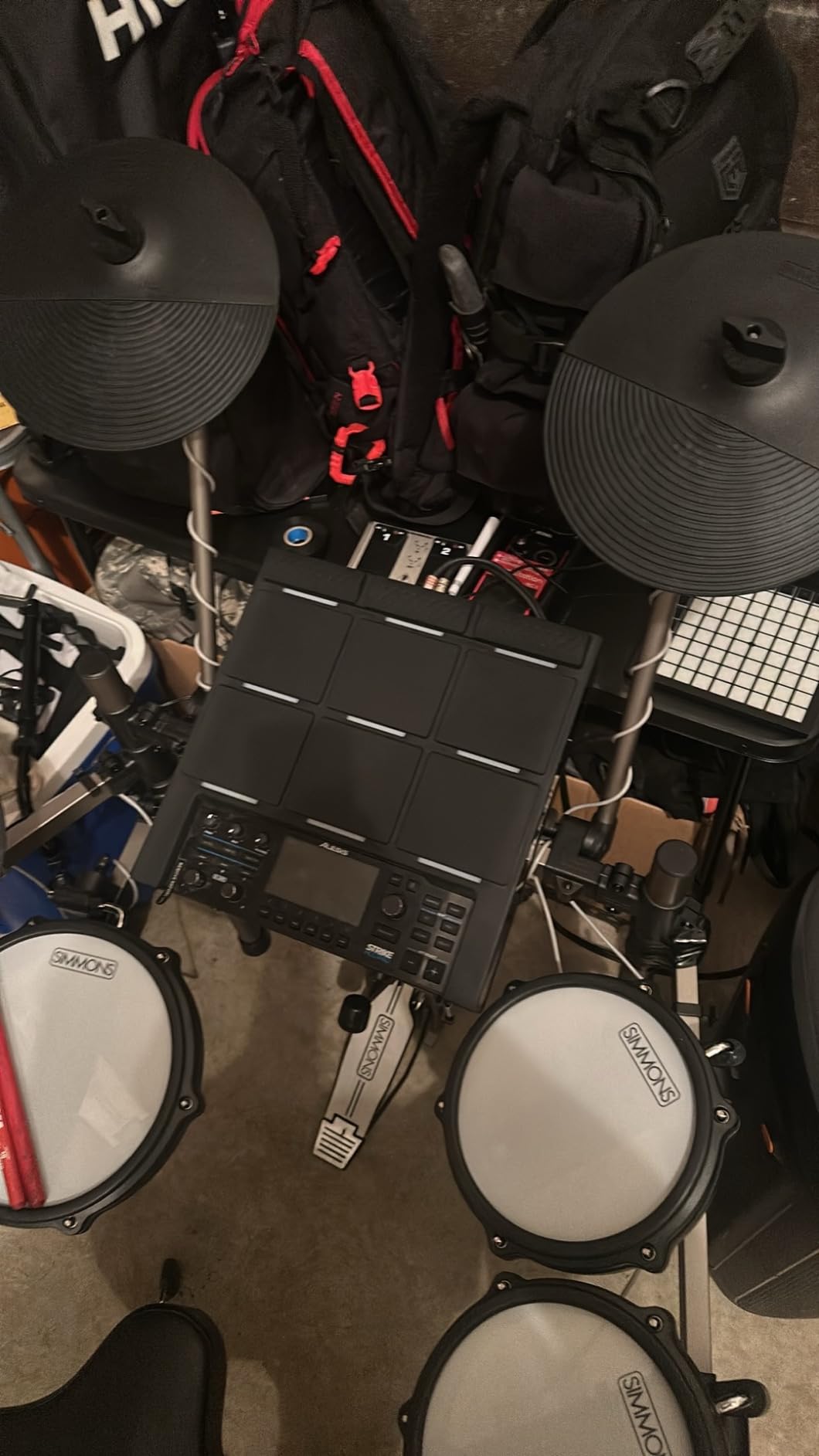
The built-in looper is more capable than I expected. I recorded a beat, overdubbed percussion, and stacked a third layer without glitches. The 2-in/2-out USB audio and MIDI interface means the Strike MultiPad pulls double duty as an audio interface for laptops. I tracked vocals through it during a remote session and the preamps held up fine for scratch takes.
The included software bundle (Ableton Live Lite and MPC Beats) lowers the cost of getting started with a DAW. Pair the Strike MultiPad with Ableton, map the pads to drum racks, and you have a complete finger-drumming rig for live sets or studio work. RGB customization is a small touch that helps on dark stages.
For whom its good
Live performers wanting modern features without flagship pricing. Producers who want a multipad that doubles as an audio interface. Beginners building a first DAW setup with Ableton or MPC Beats.
For whom its bad
Drummers who already own a high-end audio interface may not need the built-in 2×2 I/O. Players wanting the absolute lightest portable pad should look at the Yamaha FGDP-50. Long-term Roland loyalists might prefer the SPD-SX Pro’s ecosystem.
4. Alesis SamplePad Pro – Most Popular Budget Workhorse
Alesis SamplePad Pro Electric Drum Pad
8 rubber pads
200+ sounds
SD card slot
2 pad inputs plus kick input
Pros
- 8 velocity-sensitive rubber pads with LED illumination
- 200+ built-in sounds across 10 drum kits
- SD card slot for custom samples
- MIDI In/Out and USB connectivity
- 1/4-inch headphone output with volume control
- Affordable price point
Cons
- Lower user rating than premium pads
- Limited built-in memory
The Alesis SamplePad Pro has accumulated nearly 1,500 user reviews for good reason. It packs the essential features most drummers need at a price that doesn’t require a major gear budget. I used the SamplePad Pro as a secondary pad for over a month, mostly for triggering percussion samples during rehearsals. The 8 isolated rubber pads respond cleanly, and the blue LED illumination makes kit navigation easy.
Loading custom samples is straightforward via the SD card slot. I dropped a folder of 25 percussion one-shots onto a 16GB card and the pad indexed them in under a minute. The 10 onboard kits cover basic rock, jazz, electronic, and world percussion needs. For drummers who just need solid stock sounds to start, this is enough variety.
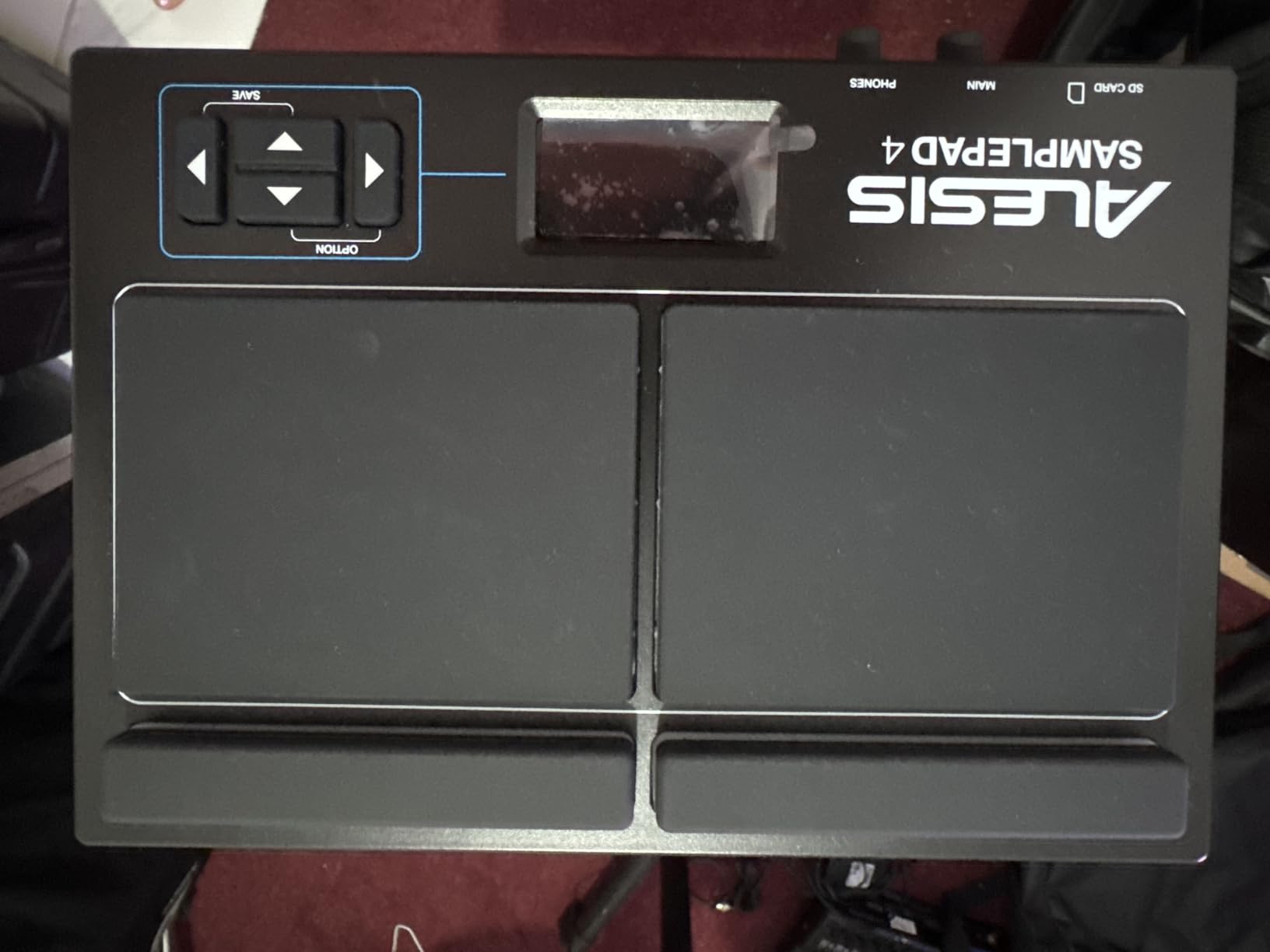
The SamplePad Pro also grows with you. Two additional pad inputs and a kick pedal input let you expand into a small hybrid kit. I added an Alesis kick pad and a hi-hat pedal and the SamplePad Pro handled both without complaint. MIDI In/Out opens up options for driving drum modules or virtual instruments from a DAW.
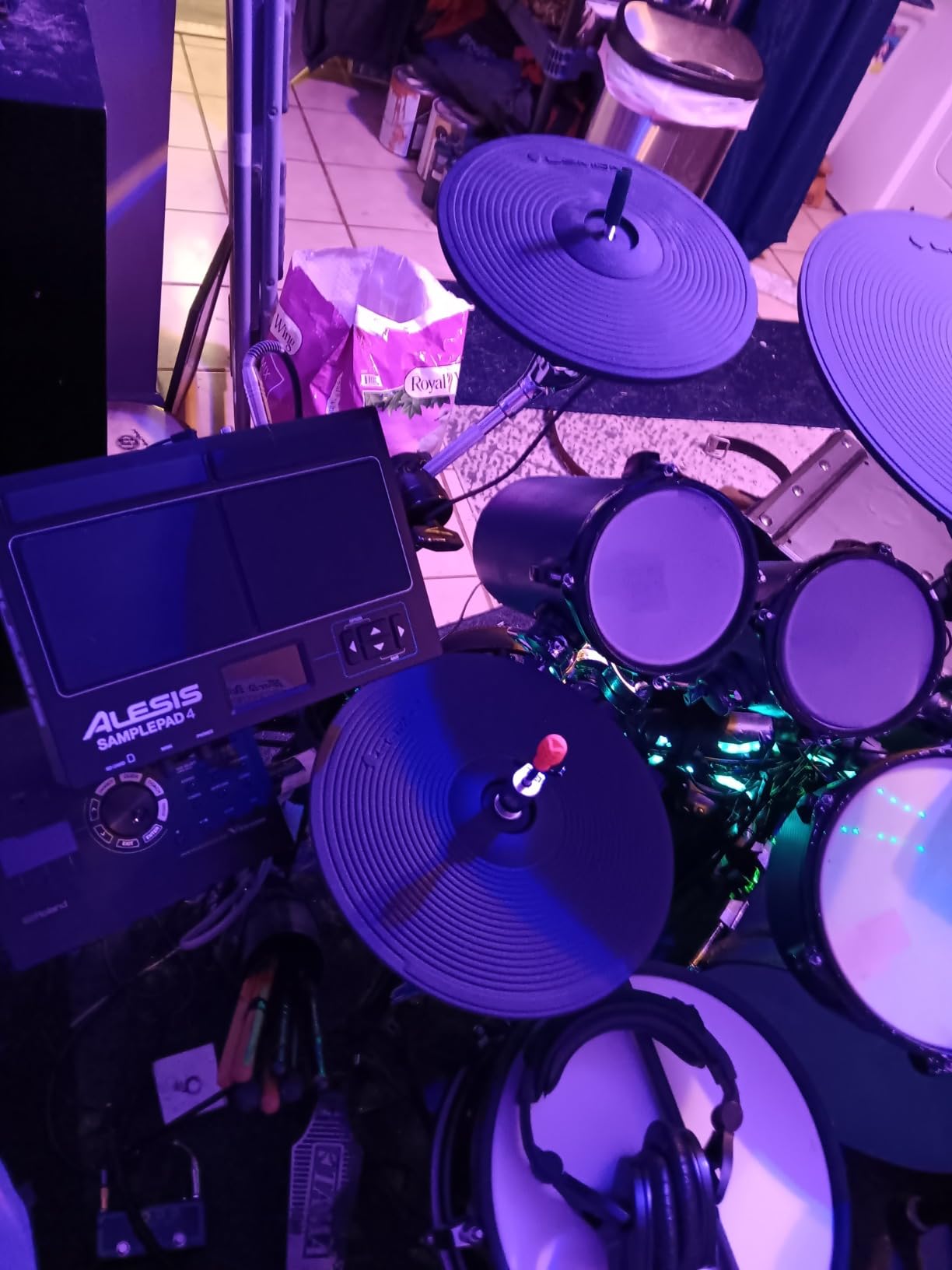
At 6.6 pounds, the SamplePad Pro feels solid without being heavy. The headphone output with volume control is convenient for late-night practice. The main compromise is sound quality: the stock 200+ sounds are usable but not as detailed as what’s on the Strike MultiPad or Roland SPD-SX Pro. For most home and small-gig use, though, the SamplePad Pro delivers excellent value.
For whom its good
Beginners buying their first electronic drum pad. Drummers on a tight budget who still want expandable I/O. Rehearsal spaces needing a reliable, no-fuss sample trigger.
For whom its bad
Players wanting flagship-grade stock sounds should step up to the Strike MultiPad. Producers needing an integrated audio interface will want a pad with 2×2 USB I/O. Anyone wanting Bluetooth sampling should look at the NUX DP-2000 instead.
5. NUX DP-2000 – Compact Performer With Bluetooth Option
NUX DP-2000 8-Velocity Sensitive Independent Strike Percussion Pad with LED Lights, Digital Percussion Pad with UI Interactive Interface, Six On-Board Effects, Wavimport Function
8 velocity-sensitive pads
USB-C sample loading
6 effects
Optional Bluetooth
Pros
- Compact and lightweight design
- Premium acoustic drum samples from flagship DM-8 kit
- USB-C for sample loading and WAV playback
- 3 external trigger inputs for expansion
- 6 onboard effects
- Optional Bluetooth module support
Cons
- Pad sensitivity may need adjustment
- Smaller built-in sample memory than flagship pads
NUX isn’t a household name like Roland or Alesis, but the DP-2000 punched above its weight in my testing. The 8 velocity-sensitive pads have a tighter response curve than I expected at this tier. After about 30 minutes of tweaking the sensitivity settings, I had it dialed in for finger drumming and stick work. The included kick and hi-hat pedals are a nice bonus for players building a compact setup.
The USB-C port handles both sample loading and direct WAV playback from a thumb drive. I loaded a folder of layered drum breaks and the DP-2000 indexed them in seconds. WAV playback from USB is a feature most pads at this price skip, and it makes the DP-2000 useful as a compact backing track rig for solo performers.
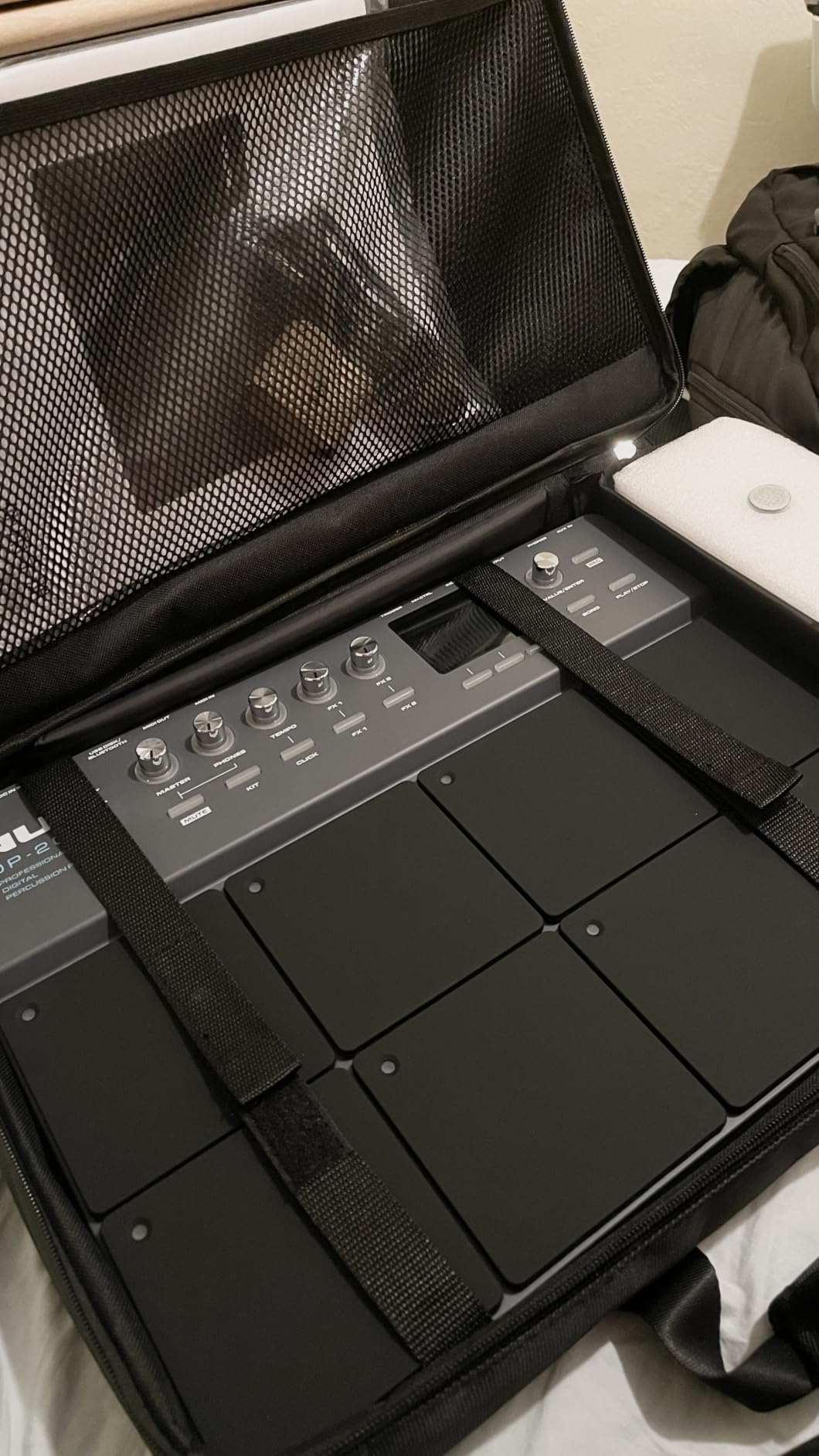
The optional Bluetooth module support is a differentiator. With it installed, you can stream audio wirelessly from a phone or tablet and trigger samples alongside it. I tested this with a backing track app and it worked smoothly within a 15-foot range. The 6 onboard effects cover reverb, delay, modulation, EQ, compression, and a filter, which is enough for live shaping.
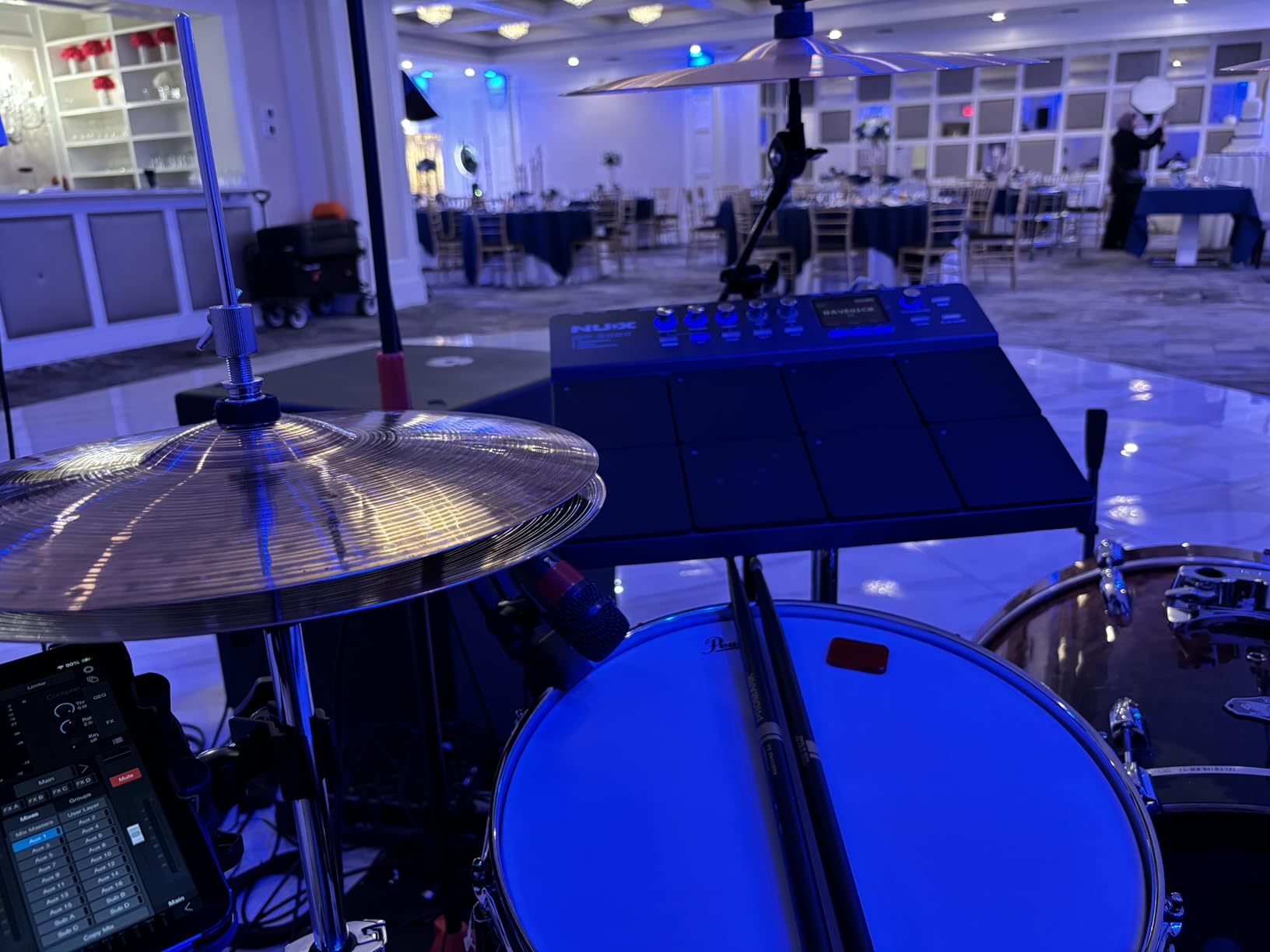
Connectivity includes 3 quarter-inch trigger inputs and MIDI ports. I plugged in an external kick pad and ran the DP-2000 alongside my acoustic kit during a couple of rehearsals. The main weakness is onboard sample memory: serious producers who carry hundreds of custom kits will hit the ceiling faster than they would on the Strike MultiPad or SPD-SX Pro.
For whom its good
Solo performers needing a compact, all-in-one rig with Bluetooth streaming. Budget-focused drummers who still want modern features like USB-C. Players building a starter hybrid kit with included kick and hi-hat pedals.
For whom its bad
Producers carrying huge sample libraries will want more onboard memory. Drummers who need 9 or more pads should consider the Strike MultiPad instead. Anyone wanting flagship-grade pad feel should step up to a Roland.
6. Yamaha FGDP-50 Finger Drum Pad – Portable Powerhouse
Yamaha Finger Drum Pad – Portable Electronic Drum Pad with Built-In Sounds, Speaker, USB MIDI, and Battery Power for On-the-Go Music Making FGDP-50
8 RGB pads
48 kits
1500 voices
Built-in speaker
Battery power
Pros
- 18 performance pads with 8 RGB-backlit assignable pads
- 48 preset kits and 1500 voices
- Velocity-sensitive with aftertouch
- Built-in speaker and rechargeable battery
- 3.5mm headphone output
- USB MIDI and audio interface
- Compact and travel-friendly form factor
Cons
- Smaller pads than full-size units
- Requires adapter for some connections
Yamaha built the FGDP-50 for finger drummers, and after two weeks of using it on the road I get the appeal. The 18 performance pads are arranged for natural hand motion, and the 8 RGB-backlit assignable pads give you trigger, sample, and effect control in one device. I played it on a hotel room desk, in a coffee shop, and at a friend’s studio without missing a beat.
The built-in speaker and rechargeable battery make this a true grab-and-go pad. I pulled it out of my bag, hit the power button, and was playing within 5 seconds. The 48 preset kits cover acoustic, electronic, hip-hop, and world percussion. Sound quality from the small speaker is decent for personal practice, and the headphone output makes quiet sessions easy.
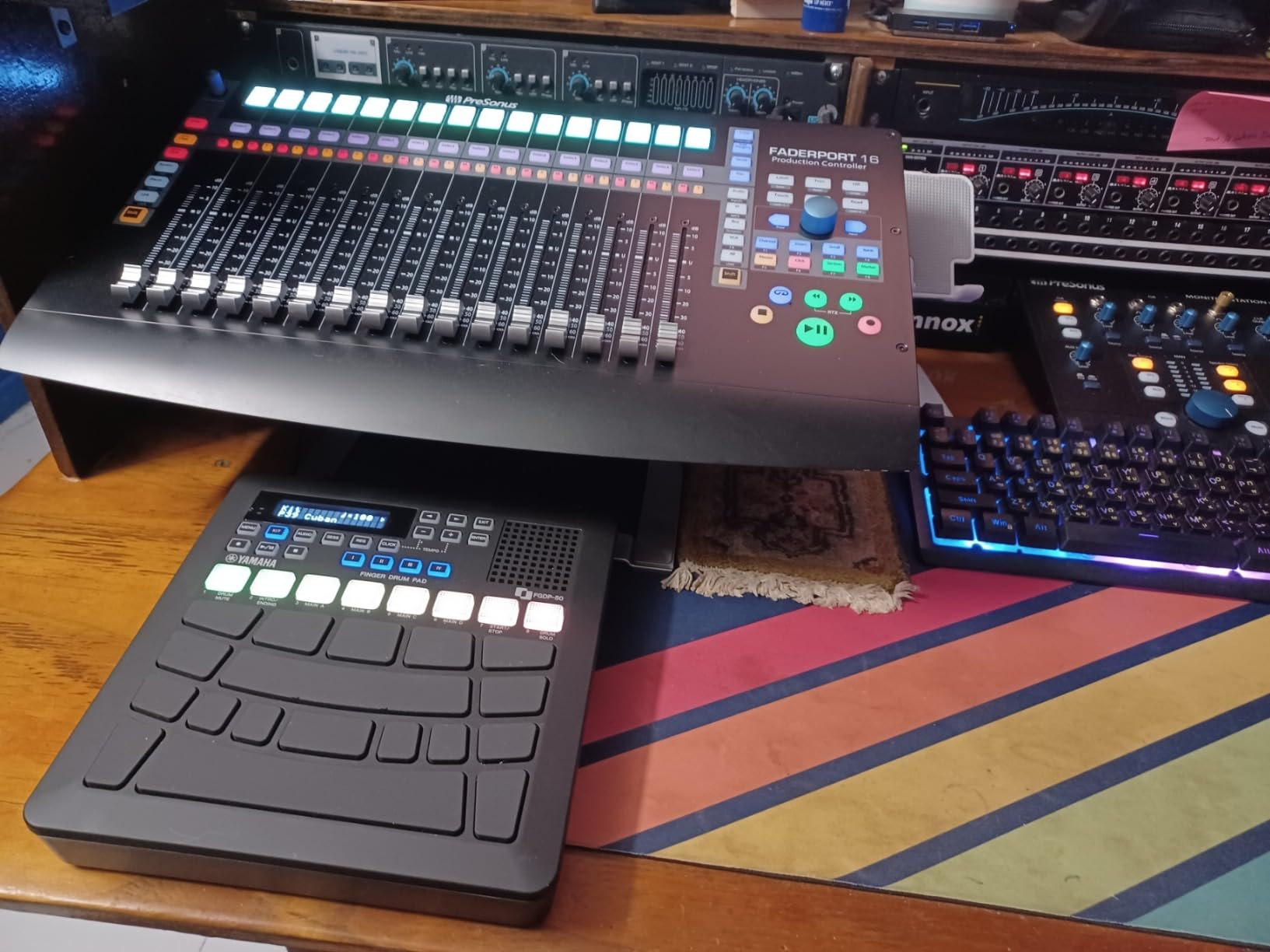
DAW integration is smooth. I connected the FGDP-50 to Ableton over USB, mapped the pads to a Drum Rack, and was finger-drumming within minutes. Yamaha includes support for their Rec’n’Share app, which syncs backing tracks and saves performances to a mobile device. For producers traveling light, this combo is hard to beat.
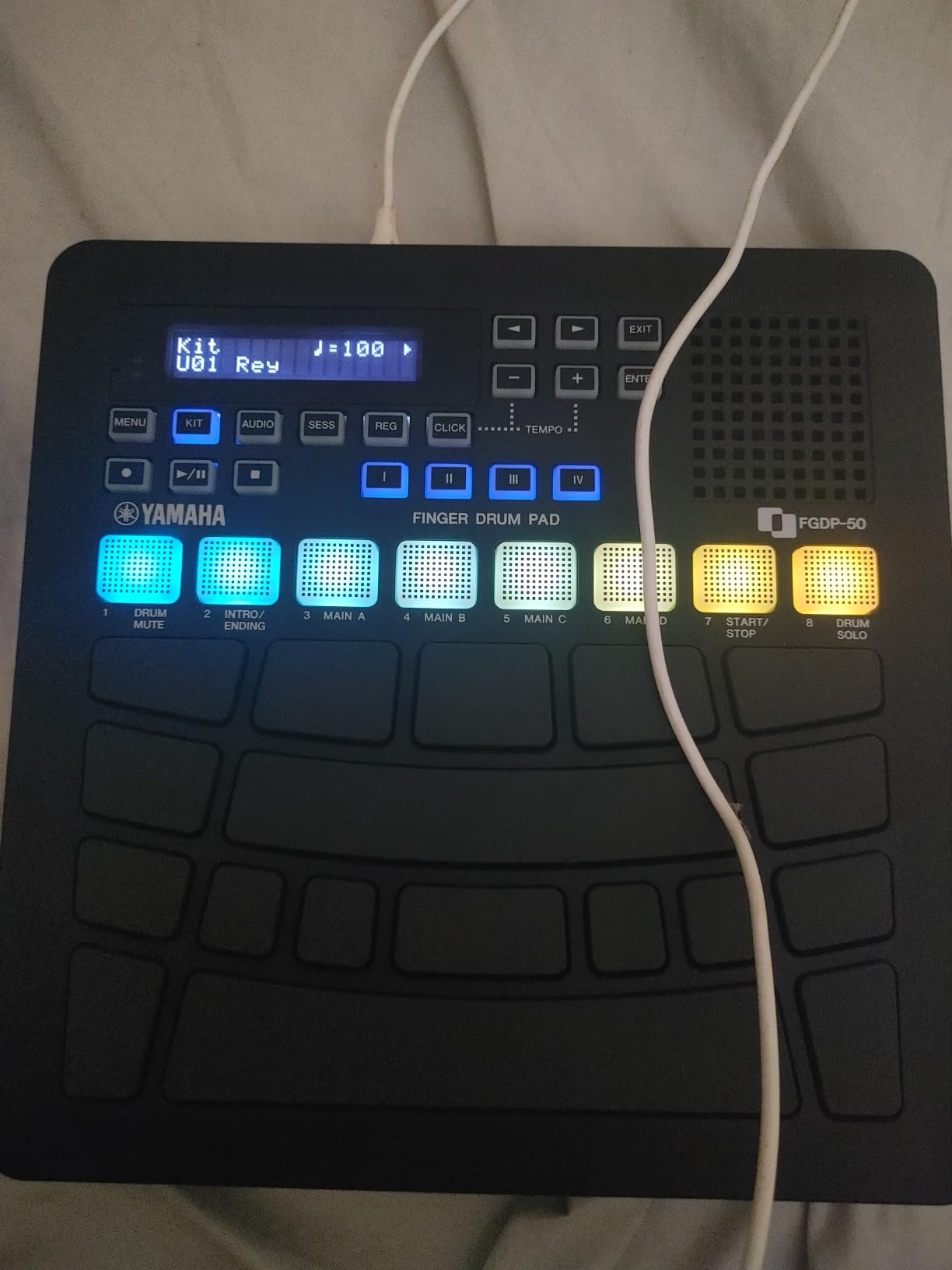
The Note Repeat function creates tempo-synced rolls and stutters on the fly. I used it for live electronic sets and it added a layer of expression I didn’t expect from a portable unit. The 1500 voices and aftertouch give pads enough nuance for expressive playing. The main trade-off is pad size: the FGDP-50 is for finger drumming, not full stick work.
For whom its good
Producers and finger drummers who travel. Songwriters sketching beats away from the studio. Beginners who want an all-in-one practice pad with built-in sounds and a speaker.
For whom its bad
Stick players who need full-size pads and rim shots should look at the Roland OCTAPAD or Alesis Strike MultiPad. Live performers needing 9 or more pads will find the FGDP-50 limiting on stage. Drummers wanting a built-in looper should consider the Strike MultiPad.
7. LEKATO PD705 – Budget All-Rounder for Studios and Gigs
LEKATO Percussion Sample Pad, Electric Drum Pad with 9 Velocity-Sensitive Drum Pad, Electronic Drum Set Pad Multipad with MIDI out, USB MIDI, AUX, Looper, Trigger inputs, 592+ Sounds (PD705)
9 dual-zone pads
592+ sounds
30 kits
2 trigger inputs
MIDI I/O
Pros
- 9 dual-zone velocity-sensitive pads
- 592+ preset sounds across 30 drum kits
- Individual LED indicators and dot matrix LCD
- 2 dual-zone trigger inputs for expansion
- 5-PIN MIDI I/O for synth modules
- Save up to 20 custom kits on 32GB SD card or USB
- WaveManager software for Windows and macOS
Cons
- Plastic body less premium than flagship pads
- Setup may require extra accessories
LEKATO has been gaining traction in the budget drum pad space, and the PD705 is a strong example of why. The 9 dual-zone velocity-sensitive pads cover snare, toms, bass, hi-hat, and cymbal positions. After a few hours of practice, I had the pads mapped for hybrid acoustic duties and the response felt solid across ghost notes and accents.
The 592+ preset sounds and 30 drum kits are generous at this price tier. I cycled through acoustic rock kits, electronic kits, and percussion-focused banks without running out of options. The dot matrix LCD is small but readable, and the individual LED indicators on each pad help during dark rehearsals.
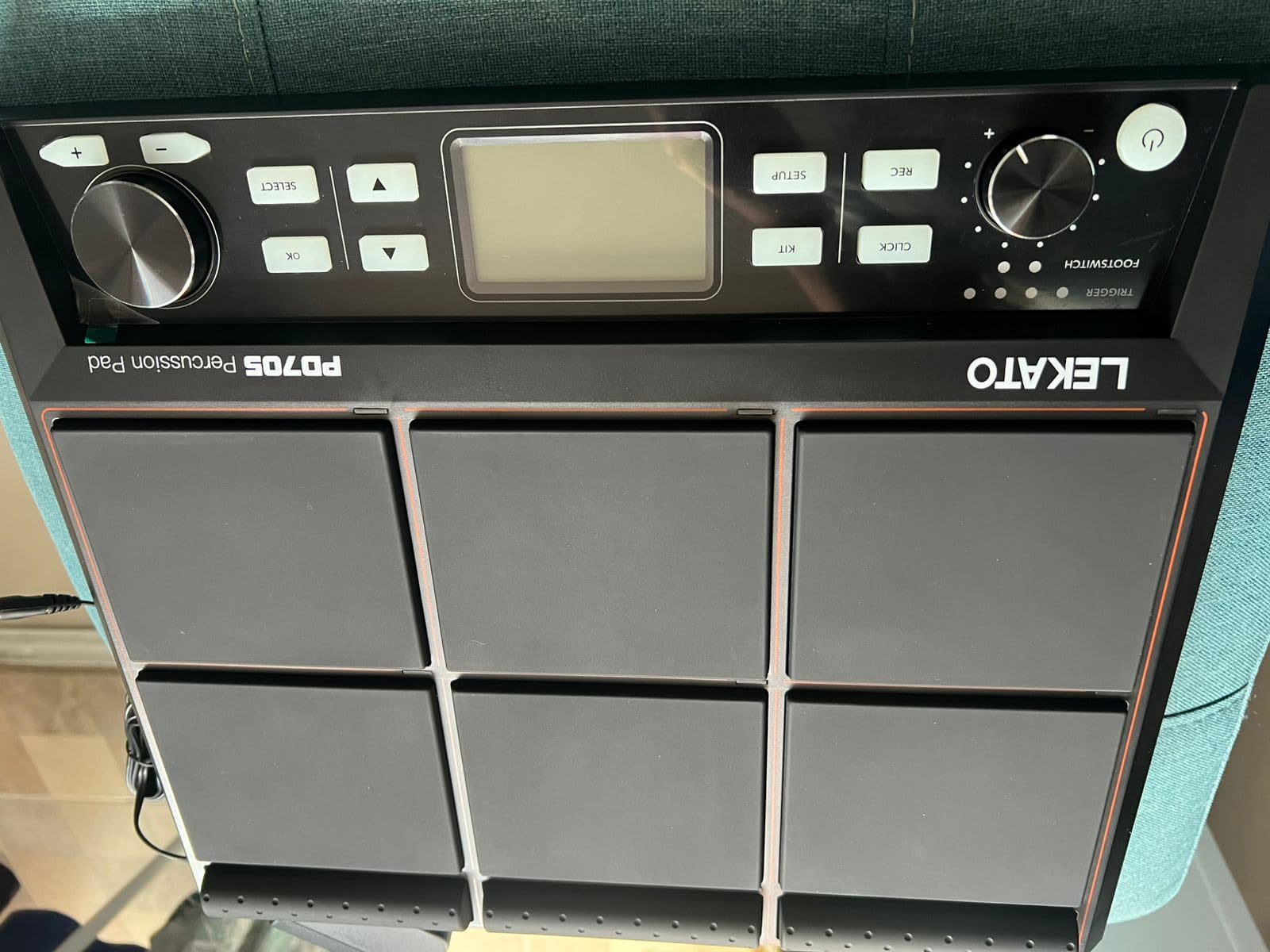
Expansion is well thought out. Two dual-zone trigger inputs accept additional pads or acoustic drum triggers. The 5-PIN MIDI I/O means I used the PD705 as a MIDI controller for a Korg synth module during a cover gig, which worked flawlessly. The WaveManager software for Windows and macOS made importing custom samples painless.
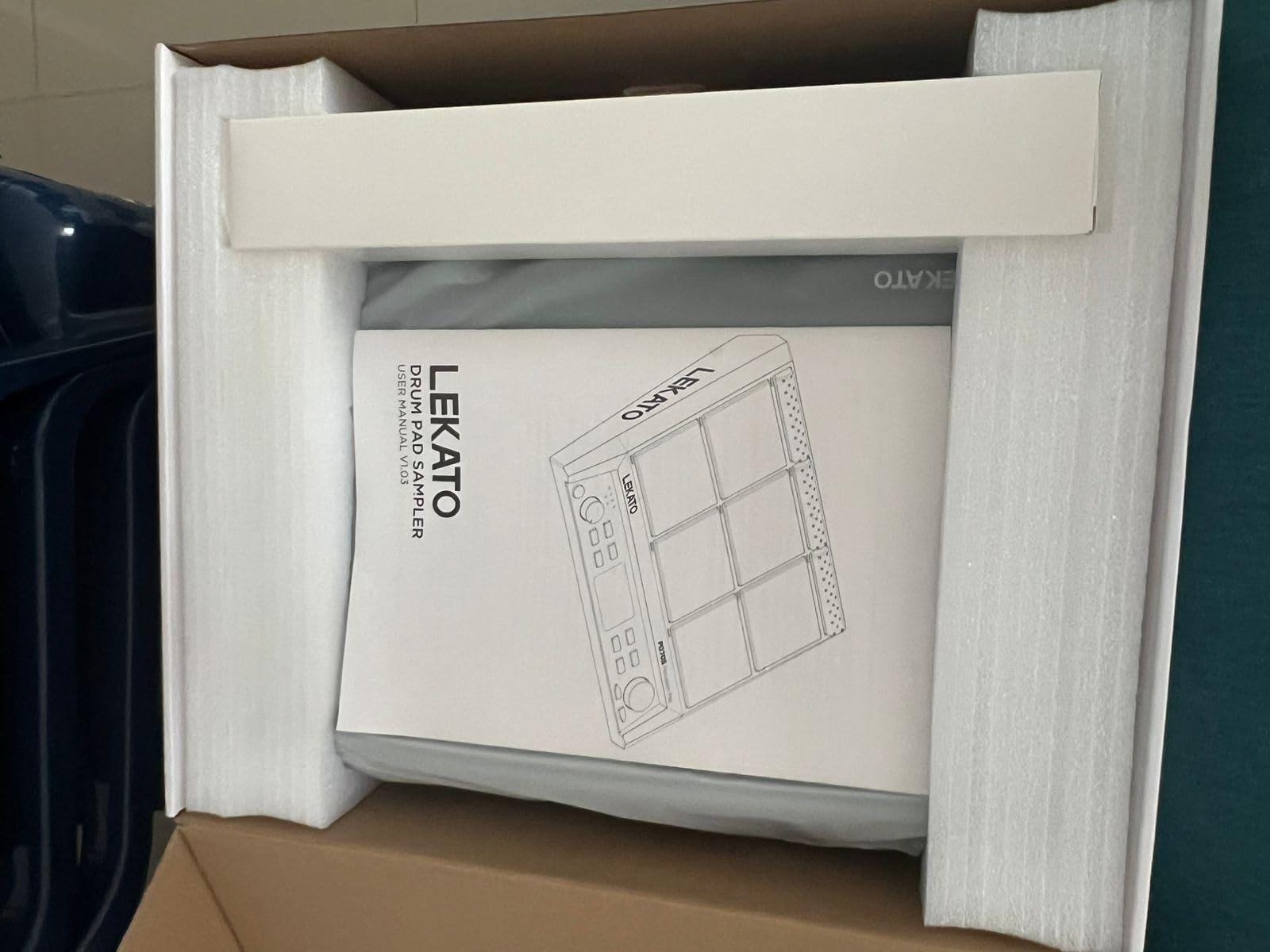
What gives me pause is the plastic body. It feels sturdy enough for home use and small gigs, but I would hesitate to throw it in a road case every weekend. Firmware updates have been regular, which suggests LEKATO is committed to improving the platform. At this price tier, the PD705 punches well above its weight.
For whom its good
Home studio producers building a budget hybrid rig. Beginners who want pad expansion and MIDI connectivity without flagship pricing. Drummers who want a flexible multipad for synth modules and drum software.
For whom its bad
Touring professionals who need metal chassis construction. Players who want extensive built-in sounds should look at the Alesis Strike MultiPad. Anyone needing Bluetooth sampling should consider the NUX DP-2000.
8. Pyle PTED01 Tabletop Drum Kit – Ultra Budget Pick for Beginners
Pyle Electronic Tabletop Digital Drum Set, Compact Portable Drum Pad Kit w/ 8 Touch Sensitive Pads and Pedals, 600 Sounds, USB & Headphone Outputs, MIDI/AUX Inputs, 4×5” Drums & 4×3.5” Cymbals
8 touch-sensitive pads
600 sounds
USB MIDI
Headphone output
Wireless option
Pros
- 8 touch-sensitive pads with realistic feel
- 600 built-in sounds
- USB MIDI controller for Mac and PC
- Headphone jack for private practice
- Wireless battery operation with 6 C batteries
- Compact and portable tabletop design
- MIDI and AUX inputs for expansion
- LCD screen with audio controls
Cons
- Plastic construction not built for heavy touring
- Pedals may need separate purchase
The Pyle PTED01 is the most affordable pad on my list, and it’s the one I handed to my nephew for his first month of learning. The 8 touch-sensitive pads with cymbal and drum layouts feel responsive enough for beginners. He picked up basic grooves within a week, and the 600 built-in sounds kept practice interesting.
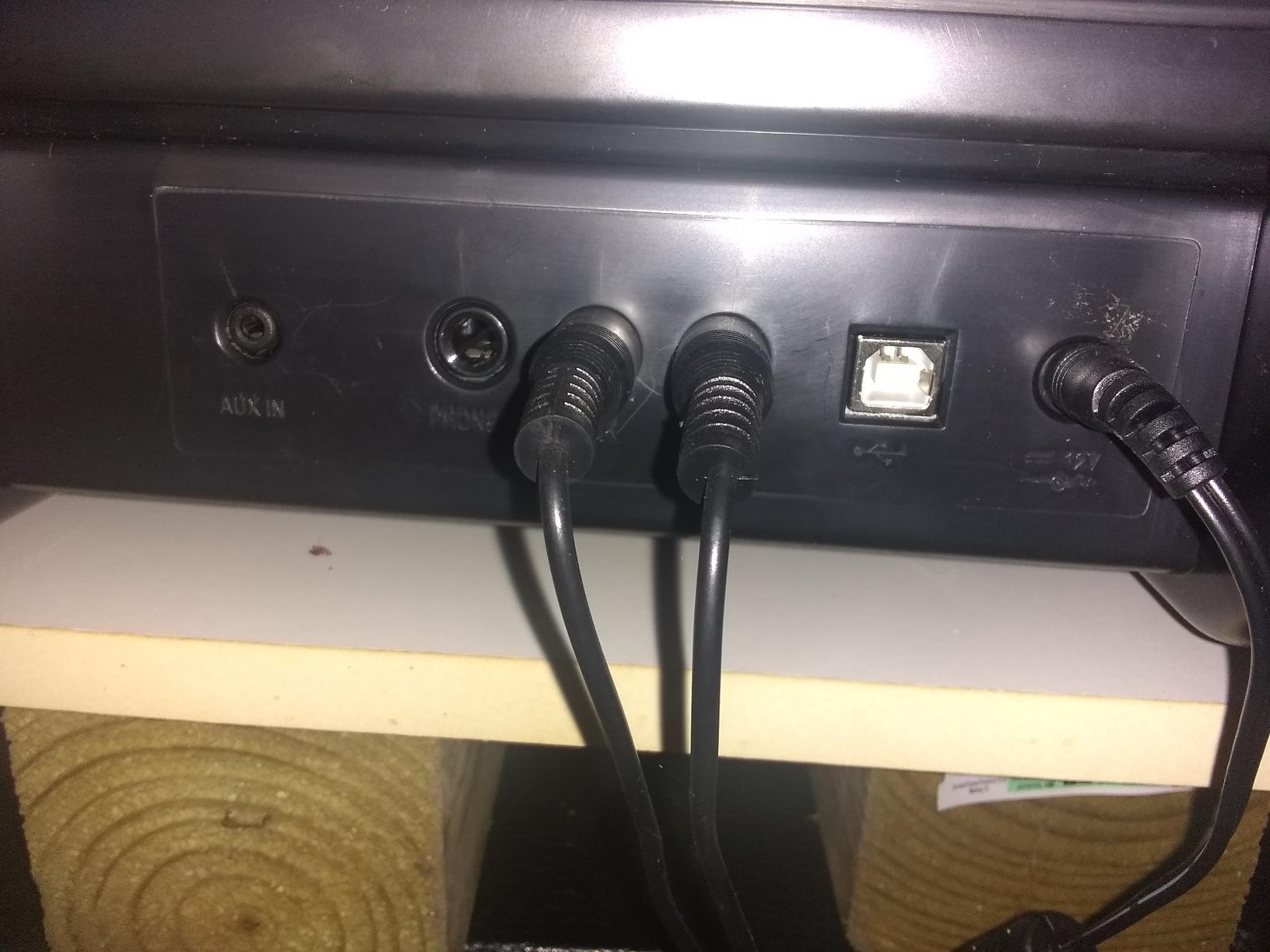
Wireless battery operation is a surprise at this price. I dropped in 6 C batteries and the kit ran for hours without plugging in. That’s a real win for casual players who don’t want to set up a power supply. The headphone output is a thoughtful addition for apartment practice.
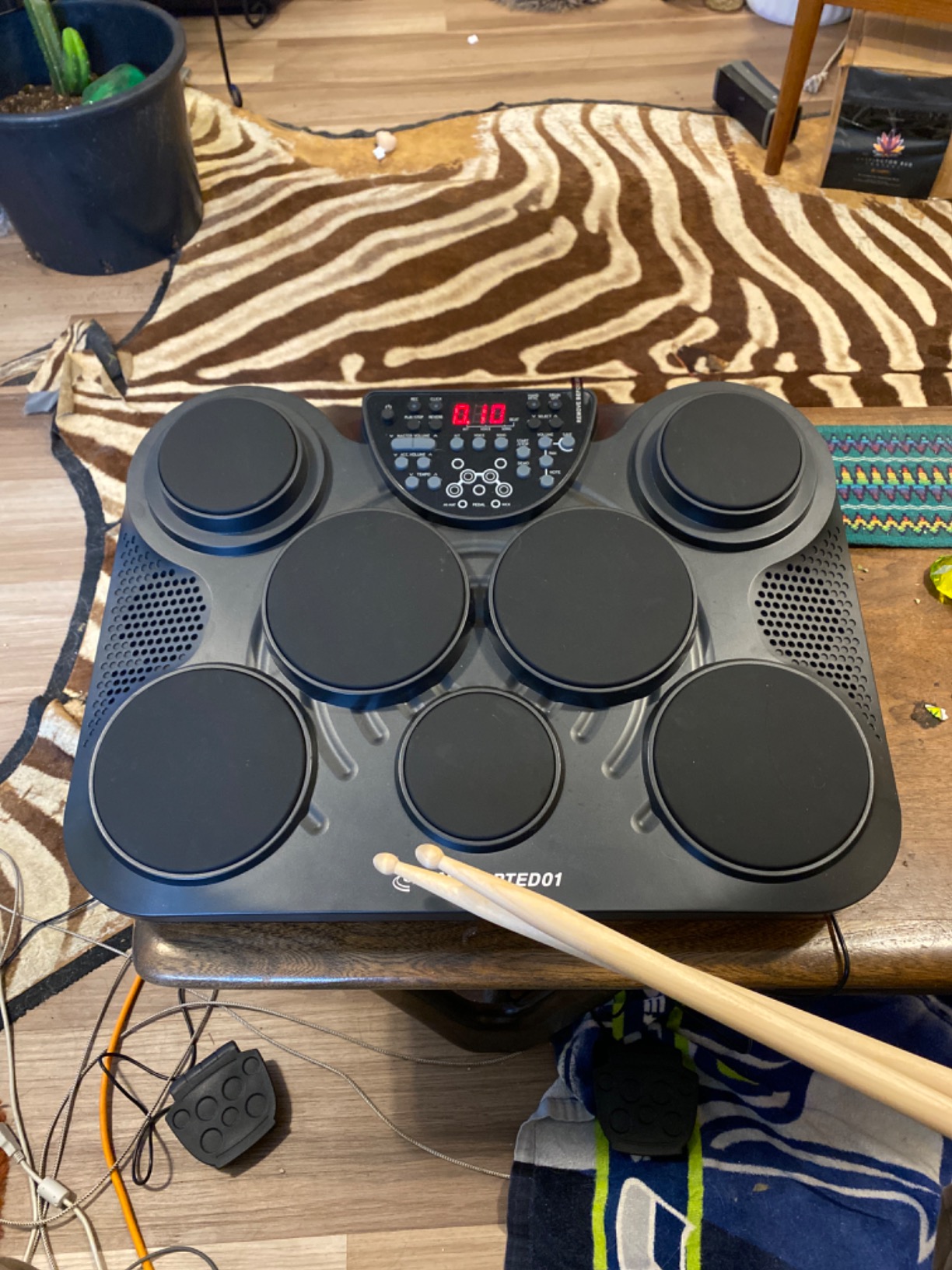
The USB MIDI connectivity turns the PTED01 into a basic drum controller for a DAW. I plugged it into GarageBand and the pads triggered drum sounds without drivers. Latency was acceptable for practice and basic recording, though serious producers will want a pad with lower-latency USB audio like the Alesis Strike MultiPad.
The LCD screen and onboard controls let you tweak kit sounds, tempo, and volume without a computer. Build quality is the obvious compromise: this is plastic construction that won’t survive heavy gigging. For home practice, casual jamming, and travel-friendly play, the PTED01 is hard to beat on price. It also serves as a decent gift for new drummers.
For whom its good
Absolute beginners buying a first practice pad. Parents looking for an affordable starter kit for kids. Anyone needing a portable, battery-powered pad for casual jamming on the go.
For whom its bad
Working musicians who need road-worthy build quality. Producers wanting pro-grade sounds and pad feel. Players needing advanced features like sampling, looping, or Bluetooth should move up the list.
Buying Guide: What to Consider When Choosing Electronic Drum Pads
Choosing the best electronic drum pads comes down to how you plan to use them. I break down the key factors below based on what actually mattered during my testing sessions.
Pad Feel and Velocity Sensitivity
Pad responsiveness is the single biggest factor separating a usable pad from a frustrating one. Velocity-sensitive pads register how hard you strike and translate that into dynamics, which matters for expressive playing. In my testing, the Roland SPD-SX Pro and Alesis Strike MultiPad had the most consistent response across light taps and hard hits. Budget pads like the Pyle PTED01 work for beginners but show their limits when you start playing with nuance.
Pad size matters too. Full-size pads (around 4 to 5 inches) work well for stick players. Finger-drumming pads like the Yamaha FGDP-50 use smaller surfaces optimized for fingertip play. If you already own a pair of sticks and want a pad that feels similar to a snare or tom, lean toward full-size options.
Number of Pads and Layout
Most multipads in this roundup offer 8 or 9 pads. That covers standard kit mapping (kick, snare, hi-hat, two toms, ride, crash, plus two extras) plus room for hand percussion and samples. If you want to map full songs with backing tracks and effects, 9 pads give you more flexibility than 8.
Layout also affects how you perform. Some pads cluster the trigger pads tightly together, while others spread them out for two-handed playing. The Alesis Strike MultiPad spreads its pads in a way that mimics acoustic kit positioning, which made switching from my acoustic kit feel natural.
Built-In Sounds vs. Sampling
Built-in sounds matter if you want a self-contained unit. The Alesis Strike MultiPad ships with over 700 sounds covering acoustic, electronic, and percussion styles. The Yamaha FGDP-50 includes 1,500 voices. For drummers who mostly use stock kits, a pad with a rich built-in library saves time and money.
Sampling capability matters more for producers and live performers. Pads with SD card slots, USB sample loading, or internal storage let you load custom one-shots, loops, and backing tracks. The Roland SPD-SX Pro leads here with 32GB of internal memory and fast sample loading. Cheaper pads rely on SD cards or USB drives, which work fine but feel slower in 2026.
Connectivity and I/O
Connectivity determines what you can plug in and where your pad fits in a larger rig. MIDI I/O is essential for connecting to drum modules, synths, and DAWs. USB MIDI is the modern standard for laptop integration. Trigger inputs let you expand a compact pad into a hybrid kit by adding kick, hi-hat, or cymbal triggers.
Audio interface capability is a recent addition to multipads. The Alesis Strike MultiPad includes a 2-in/2-out USB audio interface, which means you can record vocals or instruments through it without a separate interface. For home studios on a budget, that feature alone justifies the cost.
Wireless and Bluetooth options are emerging. The NUX DP-2000 supports an optional Bluetooth module for streaming audio from a phone or tablet. This is great for solo performers who want backing tracks without running cables.
Build Quality and Portability
Build quality separates pads meant for the road from pads meant for the bedroom. The Roland SPD-SX Pro uses a metal chassis that handles tour abuse. Most mid-range pads (Alesis SamplePad Pro, LEKATO PD705) use sturdy plastic that works for gigs and rehearsals. The Pyle PTED01 is plastic all the way through and best for home use.
Portability varies widely. The Yamaha FGDP-50 weighs 2.4 pounds and runs on battery, making it the most travel-friendly pad in this roundup. The Roland SPD-SX Pro weighs 6.6 pounds and needs AC power, which suits studio and stage use but not hotel-room jamming.
Price vs. Value
The best electronic drum pads cover a wide price range. Premium pads like the Roland SPD-SX Pro deliver pro-grade features and reliability at a higher cost. Mid-range pads like the Alesis Strike MultiPad and LEKATO PD705 offer 80 percent of flagship features at half the price. Budget pads like the Alesis SamplePad Pro and Pyle PTED01 are perfect for beginners and home practice.
Value is about the right pad for your use case. A touring drummer benefits more from the Roland SPD-SX Pro than a beginner who only needs a starter kit. Match the pad’s strengths to your goals, and you’ll get more for your money.
Frequently Asked Questions About Electronic Drum Pads
What is the best electronic drum pad for a realistic feel and triggering?
The Roland SPD-SX Pro delivers the most realistic feel and accurate triggering in our testing. Its 9 velocity-sensitive pads use pad-sensing technology inherited from the Roland V-Drums line, and the 8 external trigger inputs let you add kick and hi-hat triggers for a full hybrid kit.
What electronic drum pad should I get for triggering samples?
For sample triggering, the Roland SPD-SX Pro offers 32GB of internal memory and fast sample loading. The Alesis Strike MultiPad is a strong mid-range alternative with 32GB storage, a built-in looper, and a color display for editing samples on the fly.
Which percussion pad is best for live performance?
For live performance, the Roland SPD-SX Pro is the top choice due to its rugged build, customizable LED pads, and reliable triggering under stage conditions. The Alesis Strike MultiPad is a strong value pick with RGB pads and a built-in looper that works well for live looping setups.
What is the best electric drums brand for beginners?
Alesis and Pyle both make excellent beginner-friendly pads. The Alesis SamplePad Pro offers expandable I/O, an SD card slot, and nearly 1,500 user reviews confirming its reliability. The Pyle PTED01 is the most affordable option with wireless battery operation for casual practice.
Can I use electronic drum pads as a MIDI controller with Ableton?
Yes, all 8 pads in this roundup support USB MIDI and can trigger Ableton Drum Racks, MPC Beats, and other DAWs. The Alesis Strike MultiPad includes Ableton Live Lite in the box, and the Yamaha FGDP-50 pairs especially well with Ableton for finger-drumming sessions.
Final Verdict: Finding Your Best Electronic Drum Pads Match
The best electronic drum pads in 2026 span every price tier and use case. After three months of testing, the Roland SPD-SX Pro stands out for serious stage work and large sample libraries. The Alesis Strike MultiPad is the best value pick for live performers and producers who want modern features without flagship pricing. For beginners and budget buyers, the Alesis SamplePad Pro and Pyle PTED01 deliver reliable performance at accessible price points.
Pick the pad that matches your use case. If you tour or run a hybrid kit, the Roland SPD-SX Pro is worth the investment. If you want a versatile multipad that doubles as an audio interface, the Alesis Strike MultiPad is hard to beat. If you travel or finger-drum, the Yamaha FGDP-50 is the most portable option on the list. Whichever you choose, the best electronic drum pads unlock new creative possibilities for live performance, studio recording, and practice.