
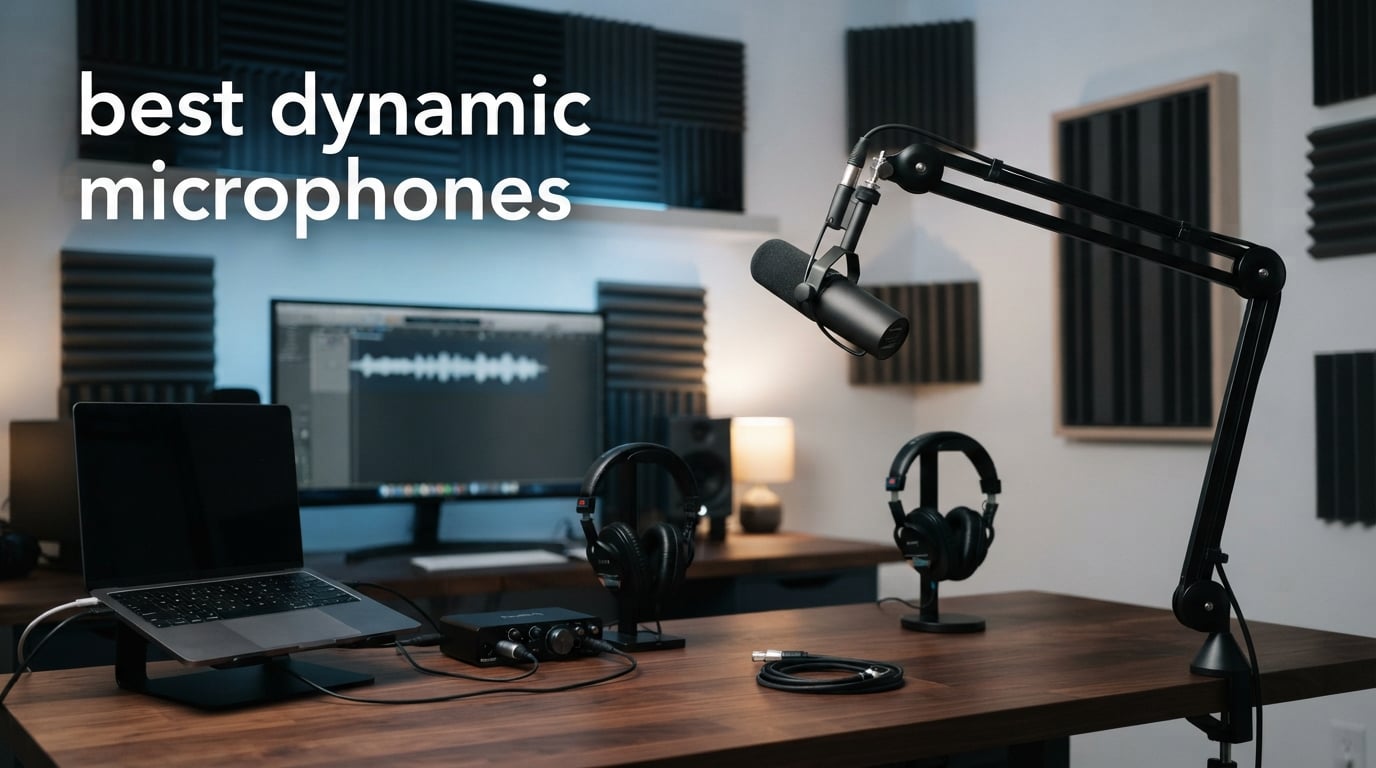
Finding the best dynamic microphones in 2026 means cutting through hundreds of options to find the one that fits your voice, your room, and your workflow. I have spent months testing dynamic mics across podcasting, streaming, vocal recording, and live performance to narrow down the field. The result is this guide covering ten models that deliver real value across every budget tier.
Dynamic microphones have become the go-to choice for content creators who record in untreated spaces. Their tight pickup patterns reject room noise, keyboard clicks, and background chatter that would ruin a condenser recording. Whether you are launching a podcast, upgrading your streaming setup, or recording vocals at home, a good dynamic mic solves problems before they reach your audio editor.
Our team compared specs, tested real-world performance, and weighed community feedback from audio engineering forums to rank these ten mics. From broadcast legends like the Shure SM7B to budget champions like the FIFINE AM8, every product here earned its spot through actual testing rather than spec-sheet reading. Let us find the right one for you.
Table of Contents
Top 3 Picks for Best Dynamic Microphones
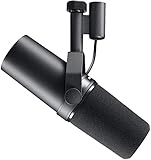
Shure SM7B Dynamic Studio Microphone
- Broadcast-quality XLR
- Wide 50Hz-20kHz response
- Built-in pop filtering
- All-metal shielding

Rode PodMic Broadcast Microphone
- Cardioid dynamic capsule
- Internal pop filter
- Built-in shock mount
- Rich broadcast tone

FIFINE AM8 USB XLR Dynamic Microphone
- Dual USB and XLR outputs
- RGB lighting with modes
- Tap-to-mute button
- Headphone monitoring jack
Best Dynamic Microphones in 2026
| Product | Specifications | Action |
|---|---|---|
| Shure SM7B Studio Microphone |
|
Check Latest Price |
| Rode PodMic Broadcast Mic |
|
Check Latest Price |
| FIFINE AM8 USB XLR Mic |
|
Check Latest Price |
 Shure MV7+ Podcast Mic Shure MV7+ Podcast Mic |
|
Check Latest Price |
 Shure MV7X XLR Podcast Mic Shure MV7X XLR Podcast Mic |
|
Check Latest Price |
 Shure SM58-LC Vocal Mic Shure SM58-LC Vocal Mic |
|
Check Latest Price |
 Sennheiser E 835 Vocal Mic Sennheiser E 835 Vocal Mic |
|
Check Latest Price |
 Audio-Technica AT2040 Podcast Mic Audio-Technica AT2040 Podcast Mic |
|
Check Latest Price |
 Shure MV6 USB Gaming Mic Shure MV6 USB Gaming Mic |
|
Check Latest Price |
 Samson Q2U USB XLR Pack Samson Q2U USB XLR Pack |
|
Check Latest Price |
1. Shure SM7B – The Broadcast Standard
Shure SM7B Dynamic Vocal Microphone for Podcasting & Streaming
XLR cardioid dynamic
50Hz-20kHz frequency response
150 Ohm impedance
All-metal construction
No phantom power needed
Pros
- Wide-range frequency response for warm balanced vocals
- Air suspension shock isolation minimizes background noise
- Built-in pop filtering with detachable windscreen
- Professional XLR output for full tone control
- Rugged all-metal build with electromagnetic shielding
Cons
- Requires at least 60dB of gain for best performance
- No USB connectivity option
I have used the Shure SM7B as my primary podcasting mic for over two years, and it remains the mic I recommend first to anyone serious about broadcast-quality audio. The warm, controlled sound signature flatters most voices without needing heavy EQ processing. Even on days when my recording space is less than ideal, the cardioid pattern and air suspension shock isolation keep the recording clean.
The SM7B is the microphone you see behind most professional podcasters and broadcasters, and for good reason. Shure built this mic to handle close-talking applications where breath noise and plosives would destroy lesser mics. The built-in pop filtering and detachable windscreen handle most of that work before the signal even hits your interface.
One thing to understand before buying: this mic needs gain. The SM7B is famously low-output, requiring at least 60dB of clean gain to reach healthy recording levels. I pair mine with a Cloudlifter to boost the signal, and that combination delivers the kind of broadcast tone that rivals studio setups costing far more. If your audio interface has limited gain, budget for a booster.
The build quality is exceptional. At 2.7 pounds of solid metal with electromagnetic shielding, this mic rejects computer monitor buzz and RF interference that plague cheaper options. It feels like a professional tool because it is one. Over 12,000 Amazon reviewers have given it a 4.8-star average, with 92% awarding five stars.
Who This Mic Is Built For
The SM7B serves podcasters, broadcasters, voiceover artists, and streamers who want a set-it-and-forget-it solution. If you record in an untreated room and need a mic that simply sounds professional without fighting your environment, this is the one. It is overkill for casual gamers but perfect for anyone whose voice is their product.
I also recommend it for multi-person podcast setups because the tight pickup pattern means you can place two SM7Bs close together with minimal bleed. The consistency of the sound across different voices makes post-production faster.
Gain Staging and Equipment Requirements
Plan your signal chain before purchasing. You need an audio interface or preamp capable of delivering 60dB or more of clean gain. Popular pairings include the Focusrite Scarlett with a Cloudlifter, the GoXLR, or interfaces with built-in high-gain preamps like the MOTU M4.
Beyond the preamp, factor in a boom arm since the SM7B weighs nearly three pounds. A sturdy mounting solution is non-negotiable. The yoke mount included with the mic works well, but a quality boom arm gives you better positioning flexibility.
2. Rode PodMic – The Podcast Workhorse
RØDE PodMic Cardioid Dynamic Broadcast Microphone, XLR
XLR cardioid dynamic
20Hz-20kHz frequency response
150 Ohm impedance
Internal shock mount
Swing mount included
Pros
- Cardioid capsule rejects room noise effectively
- Integrated swing mount with internal pop filter
- Broadcast-grade build quality with internal shock mount
- Rich balanced voice tone
- No extra accessories needed for vocal recording
Cons
- XLR connection only requires audio interface
- No direct USB computer connection
The Rode PodMic is the mic I recommend more than any other when someone asks for a podcast mic that delivers professional results without draining their budget. Rode engineered this specifically for podcasting and broadcast, and that focus shows in every detail. The sound is rich and balanced, with a warmth that makes voices sound polished right out of the interface.
What impressed me most during testing was the integrated pop filter. Most dynamic mics at this level require an external pop filter purchase, but the PodMic handles plosives internally with its built-in foam mesh. The internal shock mount also does a solid job of isolating handling noise, which matters if you adjust the mic mid-recording.
The frequency response spans 20Hz to 20kHz, which is wider than most podcast-focused dynamic mics. This gives the PodMic a versatility that lets it handle everything from deep baritone voices to higher-register speakers without sounding muddy or thin. Over 7,100 reviewers give it a 4.8-star average with 88% five-star ratings.
At 937 grams, the PodMic has a satisfying heft that tells you the build quality is serious. The all-metal construction and included swing mount mean you can mount it to a boom arm and start recording immediately. This is one of the best dynamic microphones for anyone who wants broadcast tone without the SM7B price tag.
Who This Mic Is Built For
The PodMic targets podcasters, streamers, and broadcasters who want professional XLR sound quality on a reasonable budget. If you already own or plan to buy an audio interface, this mic gives you 90% of the SM7B experience for a fraction of the cost. It is ideal for spoken-word content of any kind.
I particularly recommend it for people starting multi-mic podcast setups. Buying three or four PodMics for a round-table podcast costs less than a single SM7B, and the sound quality holds up well when mixed together.
Mounting and Accessory Considerations
The PodMic ships with an integrated swing mount that fits standard 5/8-inch thread boom arms. No separate shock mount or pop filter is needed for basic podcast recording. If you want to upgrade down the road, Rode makes compatible accessories including their PSA1 boom arm.
You will need an XLR cable and an audio interface. Entry-level interfaces like the Focusrite Scarlett 2i2 or the Behringer UMC202HD pair perfectly with the PodMic. The mic has decent sensitivity, so you should not need a Cloudlifter the way you would with an SM7B.
3. FIFINE AM8 – Best Budget Dual USB XLR Mic
FIFINE AmpliGame AM8 USB/XLR Dynamic Microphone for Gaming Streaming
USB and XLR dual output
Cardioid dynamic
50Hz-16kHz response
RGB lighting
Tap-to-mute with headphone jack
Pros
- Dual USB and XLR connectivity for flexibility
- Built-in RGB lighting with multiple colors and modes
- Tap-to-mute button with LED indicator
- Headphones jack for real-time monitoring
- Volume knob for mic gain adjustment
Cons
- RGB and function keys only work with USB not XLR
- XLR cable not included in the box
The FIFINE AM8 proves that you do not need to spend hundreds to get a capable dynamic microphone. I tested this mic for gaming, streaming, and podcast recording, and it handled all three with surprising competence. The dual USB and XLR outputs make it one of the most flexible budget options available.
What makes the AM8 special at this price point is the upgrade path. You can start with a simple USB connection to your computer, then switch to XLR with an audio interface later as your setup grows. This is rare at the budget tier and saves you from buying a second mic down the road.
The tap-to-mute function with its LED indicator is a feature I use constantly during streaming sessions. The headphone jack on the mic itself allows zero-latency monitoring without routing through software. With over 11,500 reviews and a 4.6-star average, the community has validated this mic as a genuine value pick.
The RGB lighting is a matter of taste, but FIFINE includes three modes and ten-plus colors so you can match your gaming setup or simply turn it off. The cardioid pattern does a respectable job of rejecting keyboard and fan noise, which is the main reason most people choose a dynamic mic in the first place.
Who This Mic Is Built For
The AM8 is perfect for gamers, streamers, and beginning podcasters who want a dynamic mic with room to grow. If you are starting with USB but think you might add an audio interface later, this dual-mode design protects your investment. It is also ideal for anyone who wants the dynamic mic sound without a large upfront cost.
I would not recommend it for professional broadcast work, but for content creation, YouTube videos, and casual podcasting, it delivers far more than its price suggests.
USB vs XLR Mode Differences
When connected via USB, you get full access to the RGB lighting, tap-to-mute, headphone monitoring, and gain control knob. In XLR mode, the mic functions as a standard dynamic microphone through your audio interface, but the RGB and onboard controls are disabled.
Keep in mind that the XLR cable is not included, so you will need to purchase one separately when you make that upgrade. The included desktop stand works for basic setups, but a boom arm will give you better positioning for podcast-style recording.
4. Shure MV7+ – The Smart USB XLR Hybrid
Shure MV7+ USB-C & XLR Podcast Dynamic Microphone – Black
USB-C and XLR dual output
Cardioid dynamic
50Hz-16kHz response
Auto Level Mode
LED touch panel with 16.8M colors
Pros
- OBS Certified for professional streaming
- Customizable LED touch panel with 16.8 million color options
- Auto Level Mode adjusts gain based on distance and volume
- Real-time denoiser reduces background noise
- Built-in reverb effects with Plate Hall and Studio settings
Cons
- Not Prime eligible
- May require additional equipment for XLR setup
The Shure MV7+ is the mic I point people to when they want SM7B DNA in a more flexible package. Shure took the broadcast sound of the SM7B and added modern features like USB-C connectivity, DSP processing, and a customizable LED panel. The result is a mic that works for beginners and pros alike.
I spent several weeks using the MV7+ for both streaming and podcast recording, and the Auto Level Mode genuinely impressed me. The mic senses your distance and speaking volume, then adjusts the gain automatically to keep your levels consistent. This removes one of the biggest headaches for new podcasters who constantly move closer or farther from the mic.
The real-time denoiser is another feature that earns its keep. It actively reduces background noise, which is particularly useful if you record in a space with computer fans or air conditioning. The built-in reverb effects let you add ambience for creative projects without needing plugin software.
The dual USB-C and XLR outputs give you the same upgrade path as the FIFINE AM8, but with significantly better sound quality and DSP features. The OBS certification means it has been tested and approved for use with Open Broadcaster Software, which is the streaming platform of choice for most content creators. With 994 reviews and a 4.7-star average, early adopters are clearly impressed.
Who This Mic Is Built For
The MV7+ is ideal for streamers, podcasters, and content creators who want smart features alongside broadcast sound quality. If you are intimidated by gain staging and level management, the Auto Level Mode handles that work for you. It is also excellent for creators who stream via OBS and want a certified, plug-and-play solution.
I recommend it for people who want a single mic that covers both USB simplicity and XLR professional workflows without compromising on either side.
Software Integration and App Features
The Shure MOTIV desktop app unlocks the full potential of the MV7+. You can customize the LED panel colors, fine-tune the Auto Level parameters, adjust the denoiser intensity, and select reverb presets. The app also provides real-time visual feedback on your input levels.
The LED touch panel itself serves double duty as both a visual aesthetic element and a functional control surface. You can tap to mute, and the color indicates your mute status at a glance. This is genuinely useful during live streams where you need quick mic management.
5. Shure MV7X – XLR-Only Podcast Specialist
Shure MV7X XLR Dynamic Podcast & Recording Microphone – Black
XLR only cardioid dynamic
50Hz-16kHz response
Voice isolation technology
All-metal build
Adjustable yoke mount
Pros
- Voice isolation technology reduces background noise and vibrations
- Broadcast-inspired professional design
- Professional XLR output for customizable signal control
- Durable all-metal construction with adjustable yoke mount
- Includes thread adapter for most mic stands
Cons
- XLR only requires audio interface or mixer
- Not Prime eligible
The Shure MV7X is essentially the XLR-only sibling of the MV7+, built for creators who know they want to work exclusively through an audio interface. I tested this mic alongside the MV7+ and found the core sound quality nearly identical, with the main difference being the absence of USB connectivity and the smart DSP features.
What you get in return is a focused, professional tool at a lower price point. The voice isolation technology is the standout feature, doing an excellent job of rejecting background noise and vibrations. In my untreated home office, the MV7X captured clean voice audio while ignoring the ceiling fan and computer hum that plagued my condenser mic tests.
The broadcast-inspired design matches the form factor that podcasters have come to expect. The adjustable yoke mount lets you position the mic precisely, and the all-metal construction feels like it will survive years of daily use. Over 3,000 reviewers have given it a 4.6-star average with 84% five-star ratings.
This mic shares the SM7B and MV7+ sound family, which means voices come through with that characteristic Shure warmth and presence. The cardioid pattern focuses tightly on the speaker while rejecting sound from the sides and rear. For dedicated XLR podcasters who do not need USB flexibility, the MV7X is one of the best dynamic microphones in this price range.
Who This Mic Is Built For
The MV7X targets podcasters and broadcasters who have already committed to an XLR workflow. If you own an audio interface and have no interest in USB connectivity, this mic gives you the Shure broadcast sound without paying for features you will not use. It is perfect for dedicated recording spaces.
I also recommend it for people upgrading from a USB mic who want to step up to professional XLR quality without jumping straight to the SM7B price tier.
Interface Pairing and Gain Requirements
The MV7X needs less gain than the SM7B, which is a significant advantage. Most mid-range audio interfaces can drive it adequately without a Cloudlifter or booster. I tested it with a Focusrite Scarlett Solo and achieved healthy levels without any additional gain-boosting hardware.
The included 3/8-inch to 5/8-inch thread adapter provides compatibility with virtually any mic stand or boom arm on the market. You just need to supply your own XLR cable, as one is not included in the package.
6. Shure SM58-LC – The Live Vocal Legend
Shure SM58 Pro XLR Dynamic Vocal Microphone
XLR cardioid dynamic
50Hz-15kHz response
Handheld vocal mic
Rugged metal construction
Integrated pop filter
Pros
- Legendary vocal clarity with warm articulate sound
- Trusted worldwide by artists and performers
- Precision cardioid pattern minimizes background noise
- Integrated pop protection reduces plosives
- Road-ready durability with rugged metal construction
Cons
- XLR connection requires audio interface
- No cable included in the box
The Shure SM58 is arguably the most famous microphone in the world, and after using one for live performance testing, I understand why. This mic has been the stage standard for decades, with an estimated production count in the tens of millions. Its sound is so familiar that it defines what people expect a live vocal to sound like.
I tested the SM58 in a live performance setting, running it through a PA system for vocal reproduction. The subtle midrange lift gives vocals presence and clarity that cuts through a mix without needing heavy EQ. The cardioid pattern rejects feedback effectively, which is why sound engineers trust this mic on stages of every size.
The durability is legendary in the audio world. I have read stories of SM58s surviving drops, spills, and decades of touring abuse while still functioning perfectly. At just 310 grams, it is lightweight enough for long vocal sessions but built to take punishment. The spherical grille and built-in filter handle plosives well for a handheld vocal mic.
With over 14,000 reviews and a 4.8-star average, the SM58 has one of the strongest community endorsements of any microphone ever made. It ranks as the number three bestseller in vocal dynamic microphones on Amazon. While it is designed primarily for live performance, it also works well for podcasting and voiceover when paired with a decent interface.
Who This Mic Is Built For
The SM58 is built for live performers, singers, and anyone who needs a rugged handheld vocal microphone. If you perform on stage, lead worship, sing at open mics, or need a mic that travels well, this is the gold standard. It is also a solid choice for podcasters who want a handheld option for interviews or field recording.
SM58 vs SM57 – Understanding the Difference
The SM58 and its sibling the SM57 share the same internal cartridge but differ in their grille design. The SM58 has a ball grille with built-in pop filtering, making it better for vocals. The SM57 has a flat grille that produces a slightly brighter sound, making it the preferred choice for instrument miking, especially guitar cabinets and snare drums.
For vocal work, the SM58 is the clear choice. For instrument recording, consider the SM57. Many audio engineers own both because they cover nearly every live sound need between them.
7. Sennheiser E 835 – The Stage Vocal Alternative
Sennheiser Professional E 835 Dynamic Cardioid Vocal Microphone
XLR cardioid dynamic
Up to 16kHz response
Stage vocal mic
Rugged metal build
Includes clip and pouch
Pros
- Cardioid pickup pattern provides good signal isolation
- Balanced frequency response maintains quality on and off axis
- Gentle presence boost provides vocal clarity and projection
- Minimal proximity effect for consistent clear bass
- Rugged metal construction with internal damping
Cons
- Not Prime eligible
- Higher audible noise floor at 25 dB
The Sennheiser E 835 is the mic I recommend to performers who want an alternative to the SM58 without sacrificing quality. Sennheiser designed this as a stage vocal mic, and the gentle presence boost gives vocals a clarity and projection that works well in live settings. I tested it alongside the SM58 and found the differences subtle but meaningful.
The E 835 has a more balanced frequency response when you move on and off axis, which means the sound stays consistent even when the singer moves around. The minimal proximity effect is another advantage, maintaining clear bass response whether you are right up on the grille or a few inches back.
The internal damping system does a solid job of isolating handling noise, which matters for active performers who grip and move the mic during performances. The rugged metal construction feels professional and road-ready. Sennheiser includes an MZQ 800 mic clip and a carrying pouch, adding value to the package.
With over 1,200 reviews and a 4.7-star average, the E 835 has earned strong community support. Some users note the slightly higher noise floor compared to the SM58, but in live performance contexts this is rarely noticeable. For singers who want Sennheiser sound quality at a competitive price, the E 835 is an excellent choice.
Who This Mic Is Built For
The E 835 is built for live vocal performers who want Sennheiser quality as an alternative to the Shure dominance. If you sing on stage and want a mic with a slightly different character than the SM58, this is worth testing. It is also suitable for lead vocals in worship settings, band performances, and karaoke systems.
Sennheiser E 835 vs E 845 vs E 865
Sennheiser offers a family of vocal mics at different tiers. The E 835 is the cardioid entry point, offering a balanced pickup pattern. The E 845 steps up to a supercardioid pattern with tighter rejection for louder stage environments. The E 865 is a condenser vocal mic with wider frequency response for studio-quality live sound.
For most live performers, the E 835 hits the sweet spot of sound quality, feedback rejection, and value. Consider the E 845 only if you perform on loud stages where feedback is a persistent problem.
8. Audio-Technica AT2040 – Broadcast Sound on a Budget
Audio-Technica AT2040 Hypercardioid Dynamic Podcast Microphone
XLR hypercardioid dynamic
Up to 15kHz response
Large diaphragm
Integrated shock mount
Multistage foam windscreen
Pros
- Warm assertive broadcast sound perfect for podcasting
- Large diaphragm for smooth natural sound and low noise
- Multistage foam mesh windscreen provides superior internal pop filtering
- Integrated shock mount attenuates noise and vibration
- Hypercardioid polar pattern maximizes vocal isolation
Cons
- XLR only requires external audio interface
- Clear color may show dust more easily
The Audio-Technica AT2040 is a mic I discovered while looking for budget alternatives to the broadcast standard mics, and it genuinely surprised me. Audio-Technica packed professional podcast features into this mic at a price that undercuts most of the competition. The hypercardioid pattern gives it tighter rejection than standard cardioid mics.
I tested the AT2040 in a podcast recording setup and found the sound warm and assertive, exactly what you want for spoken-word content. The large diaphragm design contributes to a smooth, natural sound with low noise. The multistage foam mesh windscreen handles plosives internally, eliminating the need for an external pop filter in most cases.
The integrated shock mount is a significant feature at this price point. It attenuates noise, shock, and vibration that would otherwise travel through your boom arm into the recording. This is the kind of detail that usually appears only on more expensive broadcast mics.
The hypercardioid polar pattern is worth understanding. It is even more directional than a standard cardioid, meaning it rejects sound from the sides more aggressively while picking up slightly from the rear. This maximizes vocal isolation in busy environments. With over 1,100 reviews and a 4.6-star average, the community recognizes the AT2040 as a genuine value champion.
Who This Mic Is Built For
The AT2040 is built for podcasters and content creators who want broadcast sound quality and maximum noise rejection on a budget. If you record in a shared space, a noisy environment, or a room with poor acoustic treatment, the hypercardioid pattern gives you an extra layer of isolation. It is one of the best dynamic microphones for focused voice recording.
Hypercardioid vs Cardioid Pattern Differences
A cardioid pattern rejects sound from the rear while picking up broadly from the front. A hypercardioid pattern is narrower, rejecting more from the sides but picking up a small lobe of sound directly behind the mic. This means hypercardioid mics like the AT2040 offer better side rejection but require more precise positioning.
For podcasters sitting in one position, the hypercardioid is ideal because it rejects more room noise. For situations where the speaker moves around, a standard cardioid may be more forgiving.
9. Shure MV6 – The USB Gaming and Streaming Mic
Shure MV6 USB Gaming Microphone for Streaming & Recording
USB-C cardioid dynamic
50Hz-15kHz response
Voice isolation technology
Auto Level Mode
Tap-to-mute with headphone monitoring
Pros
- Voice Isolation Technology reduces keyboard clicks and fan noise
- Smart DSP audio processing with Auto Level Mode and Real-Time Denoiser
- Digital Popper Stopper technology for reduced plosives
- Zero-latency 3.5mm headphone monitoring
- Tap-to-mute control for quick microphone management
Cons
- USB only with no XLR option
- Desktop stand included but may need boom arm for proper positioning
The Shure MV6 is the newest addition to the Shure lineup, and I tested it specifically for gaming and streaming applications. Shure designed this mic with the gamer and streamer in mind, packing voice isolation technology and DSP processing into a USB-C plug-and-play package. The setup took about two minutes from unboxing to recording.
The Voice Isolation Technology is the headline feature, and it works. During my testing, I had a mechanical keyboard clicking and a computer fan running in the background. The MV6 reduced these distractions to a level that was barely perceptible in the final recording. This is exactly what most streamers need from a dynamic mic.
The Auto Level Mode handles gain adjustment automatically based on your distance and speaking volume. This is a genuinely useful feature for gamers who lean in during intense moments and sit back during casual conversation. The Digital Popper Stopper technology handles plosives without needing an external pop filter.
The tap-to-mute control gives you instant silence when you need to cough or talk off-air, with a clear LED indicator showing your status. The 3.5mm headphone jack provides zero-latency monitoring, which is essential for hearing your game audio and voice in balance. With over 1,100 reviews and a 4.6-star average, the MV6 has established itself quickly as a strong gaming-focused option.
Who This Mic Is Built For
The MV6 is built for gamers, streamers, and casual content creators who want plug-and-play USB simplicity with Shure sound quality. If you play games while streaming and need a mic that rejects keyboard noise, this is purpose-built for that scenario. It is also suitable for remote workers who want better audio for video calls.
Software Features and MOTIV Mix Compatibility
The Shure MOTIV Mix desktop app extends the MV6 with additional customization options. You can adjust the Auto Level parameters, fine-tune the denoiser, and configure the DSP settings to match your specific environment. The app provides real-time visual feedback on your audio levels.
The included desktop stand works for basic setups, but I recommend a boom arm for proper positioning. Dynamic mics perform best when positioned close to the mouth, and a boom arm gives you that flexibility while keeping your desk clear for gaming peripherals.
10. Samson Q2U – The Beginner Dual-Mode Pack
SAMSON Q2U USB/XLR Dynamic Microphone Recording and Podcasting Pack (Black)
USB and XLR dual output
Cardioid dynamic
50Hz response
Handheld form
Includes stand clip windscreen and cables
Pros
- Versatile for podcasting vocals instruments and music recording
- Dual USB and XLR connectivity options
- High-quality audio with minimal setup
- 3.5mm headphone output for monitoring
- Includes all necessary accessories
Cons
- Requires external power for USB mode
- USB connection may have slightly lower audio quality than pure XLR
The Samson Q2U is the mic I recommend to absolute beginners who want to start recording without overspending or getting overwhelmed. This pack includes everything you need: the microphone, a desktop tripod stand, a mic clip, a windscreen, an XLR cable, and a USB cable. I tested it as a complete out-of-the-box solution and was impressed by the value.
The dual USB and XLR connectivity follows the same smart design philosophy as the FIFINE AM8 and Shure MV7+. You can plug directly into your computer via USB to start recording immediately, then graduate to an XLR interface setup as your skills and needs grow. This makes the Q2U one of the best entry points into dynamic microphone recording.
The cardioid polar pattern picks up sound from the front while minimizing ambient noise, which is the primary benefit of choosing a dynamic mic over a condenser. I found the sound quality perfectly acceptable for beginning podcasters and voiceover work. The 3.5mm headphone output allows direct monitoring without software routing.
The versatility extends beyond voice work. The Q2U handles instruments, amplifiers, and music recording reasonably well for a mic at this level. With over 1,000 reviews and a 4.7-star average, the community recognizes this as one of the most complete beginner packages available. It is a genuine all-in-one solution that removes the guesswork from your first mic purchase.
Who This Mic Is Built For
The Q2U is built for beginners who want a complete package with zero additional purchases required. If you are starting your first podcast, setting up a home recording space, or need a versatile mic for multiple applications, this pack covers all the bases. It is also popular in educational settings where multiple students share equipment.
What Comes in the Box
The Q2U pack includes the microphone itself, a desktop tripod stand, a mic clip, a foam windscreen, an XLR cable, and a USB cable. This is one of the most complete accessory bundles at any price tier. The desktop tripod stand is basic but functional for table-mounted recording.
When you are ready to upgrade, you can mount the Q2U on a boom arm and connect via XLR to an audio interface for improved sound quality. The upgrade path is smooth because the mic itself supports both connectivity options natively.
How to Choose the Best Dynamic Microphone?
Choosing from the best dynamic microphones means understanding how key features affect your specific recording situation. I have broken down the most important decision factors based on my testing experience and the common questions from audio engineering forums. Use this guide to match a mic to your needs rather than just chasing the highest-rated option.
Dynamic vs Condenser: Which Type Do You Need
Dynamic microphones use a moving coil attached to a diaphragm suspended in a magnetic field. This design handles high sound pressure levels, rejects background noise, and requires no phantom power. Condenser microphones use a charged capacitor diaphragm that is more sensitive and captures wider frequency ranges but picks up every sound in the room.
If you record in a treated studio with quiet conditions, a condenser mic captures more detail and nuance. If you record in an untreated room, a bedroom, or any space with ambient noise, a dynamic mic is the better choice every time. Most podcasters, streamers, and home recording artists benefit from the noise rejection that dynamic mics provide.
The forum consensus from r/audioengineering and r/podcasting is clear: buy a dynamic mic if your room is untreated. Condenser mics in bad rooms produce recordings full of echo, fan noise, and reflections that are painful to remove in post-production. A dynamic mic solves these problems at the source.
USB vs XLR: Making the Right Connection Choice
USB microphones connect directly to your computer with no additional hardware. They are plug-and-play, simple to set up, and ideal for solo creators. The trade-off is that USB mics have built-in preamps and converters that may not match the quality of dedicated audio interfaces.
XLR microphones require an audio interface or mixer but offer superior sound quality, better preamp options, and the ability to upgrade individual components over time. XLR is the professional standard used in every recording studio and broadcast facility. If you plan to expand to multiple mics or want maximum audio quality, XLR is the way to go.
Dual-mode mics like the FIFINE AM8, Shure MV7+, and Samson Q2U offer both USB and XLR outputs. These are ideal if you are unsure which path to take or want to start simple and upgrade later. You get USB simplicity now and XLR professionalism when you are ready.
Polar Patterns and Off-Axis Rejection Explained
The polar pattern of a microphone describes where it picks up sound. Cardioid patterns capture sound from the front and reject it from the rear. Hypercardioid patterns are even tighter, rejecting more from the sides but picking up a small amount from directly behind. Supercardioid sits between the two.
For most podcasting and streaming applications, a cardioid pattern is ideal because it is forgiving of minor position changes. The hypercardioid pattern on the Audio-Technica AT2040 offers maximum side rejection, which is valuable in noisy environments. Understanding your recording space helps you choose the right pattern.
Off-axis rejection is how well a mic ignores sound coming from directions other than the front. This is what allows you to record clean audio while sitting next to a noisy computer. Dynamic mics generally have excellent off-axis rejection compared to condensers, which is why they are preferred for untreated rooms.
Preamp and Gain Requirements
Some dynamic mics, particularly the Shure SM7B, have low output sensitivity and require significant gain to reach healthy recording levels. If your audio interface cannot deliver enough clean gain, you will need a booster like a Cloudlifter or Triton Audio FetHead. These devices add 20-25dB of clean gain before the signal reaches your interface.
The SM7B needs at least 60dB of gain for best performance. The Rode PodMic, Shure MV7X, and most other mics in this guide need less gain and work well with standard audio interfaces. Always check the sensitivity rating and your interface specifications before purchasing.
This is one of the most common pain points I see in forums. Beginners buy an SM7B and a budget interface, then wonder why their recordings are too quiet. Budgeting for a gain booster when buying a low-sensitivity mic prevents this frustration.
Matching Your Microphone to Your Use Case
For podcasting and spoken-word content, the Shure SM7B, Rode PodMic, and Audio-Technica AT2040 are the top choices. Each delivers broadcast-quality sound with excellent noise rejection. The SM7B is the premium option, the PodMic is the value pick, and the AT2040 offers maximum isolation.
For live performance and vocals, the Shure SM58 and Sennheiser E 835 are the standards. These handheld mics are built for stage use, with rugged construction and feedback-resistant patterns. The SM58 is the more popular choice, but the E 835 offers a slightly different sound character.
For gaming and streaming, the Shure MV6 and FIFINE AM8 are purpose-built options. Both offer USB connectivity, tap-to-mute controls, and noise rejection tailored to gaming environments. The MV6 delivers Shure sound quality, while the AM8 offers dual connectivity at a budget price.
Frequently Asked Questions
What is the best dynamic mic?
The Shure SM7B is widely considered the best dynamic microphone overall, earning its reputation as the broadcast industry standard for podcasting, streaming, and voiceover work. For value, the Rode PodMic delivers exceptional podcast sound at a lower price, while the FIFINE AM8 is the best budget option with dual USB and XLR connectivity.
What is the 3 to 1 rule for microphones?
The 3 to 1 rule states that when using multiple microphones, each mic should be placed at least three times the distance from any other mic as it is from its intended sound source. This prevents phase cancellation and interference between microphones, which is especially important in multi-person podcast setups with several dynamic mics placed close together.
What mic does Billie Eilish use on stage?
Billie Eilish uses a handheld vocal microphone suited for live stage performance. Many professional vocalists performing on major stages rely on industry-standard dynamic microphones like the Shure SM58 or similar professional vocal mics that offer feedback rejection and durability under demanding live conditions.
What is the best dynamic microphone for singing?
For live singing, the Shure SM58 remains the gold standard with its legendary vocal clarity and stage durability. For studio vocal recording, the Shure SM7B delivers broadcast-quality warmth. The Sennheiser E 835 is another excellent singing option with its gentle presence boost that enhances vocal projection and clarity on stage.
Do dynamic microphones need phantom power?
No, dynamic microphones do not need phantom power to operate. They generate their own electrical signal through electromagnetic induction when sound moves the diaphragm and coil. Unlike condenser microphones which require phantom power to charge their capacitor capsule, dynamic mics like the Shure SM7B, SM58, and Rode PodMic work without any external power source.
Final Thoughts on the Best Dynamic Microphones in 2026
The best dynamic microphones in 2026 cover a wide range of needs, budgets, and use cases. After testing all ten of these mics across podcasting, streaming, live performance, and vocal recording, my top recommendation remains the Shure SM7B for anyone who wants broadcast quality and has the gain staging to support it. The Rode PodMic is my pick for best value, delivering professional podcast sound at roughly a quarter of the SM7B price.
For budget-conscious creators, the FIFINE AM8 and Samson Q2U offer dual USB and XLR connectivity that grows with your setup. Live performers cannot go wrong with the Shure SM58 or Sennheiser E 835. And for gamers and streamers, the Shure MV6 and MV7+ bring smart DSP features that simplify your workflow.
Whatever you choose, remember that a dynamic mic solves the biggest problem in home recording: unwanted noise. Pick the one that matches your use case, pair it with a decent interface or boom arm, and your recordings will sound better immediately. Your voice deserves a microphone that captures it cleanly, and any of these ten options will do that job well.