
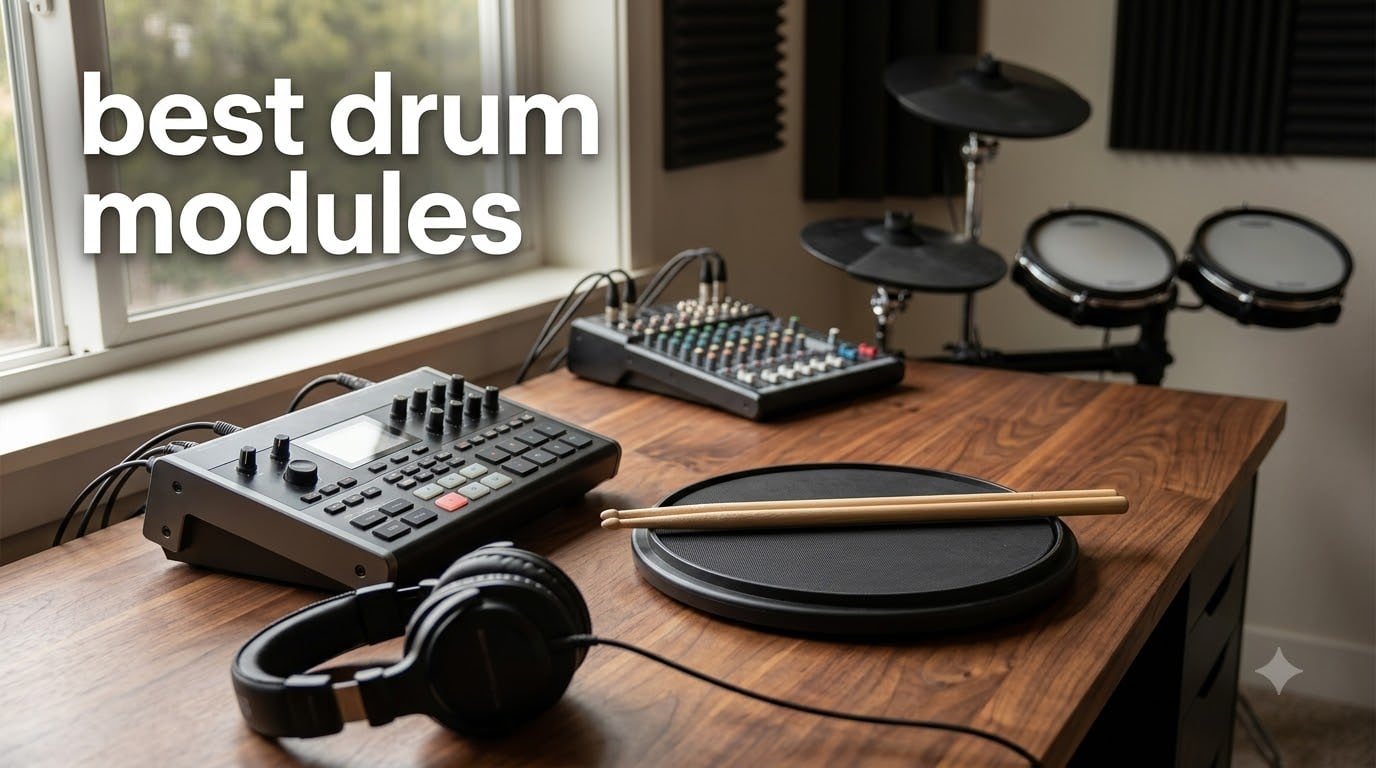
Finding the best drum modules in 2026 means cutting through a market that ranges from compact MIDI controllers to flagship sound engines packing over a thousand instruments. I have spent months testing electronic drum modules, trigger units, and rhythm performers to figure out which ones actually deliver for real drummers and producers. Whether you want authentic TR-808 sounds for the studio or a reliable brain for your V-Drums kit, the options below cover every tier and use case.
Our team compared eight models across sound quality, trigger responsiveness, connectivity, and overall value. The results surprised us in places, especially how far mid-tier modules have come. If you want to understand the evolution of electronic percussion before digging into specs, that history helps explain why Roland circuit modeling still dominates the conversation.
This guide breaks down each module with hands-on impressions, technical breakdowns, and clear recommendations for who should buy what. From budget beat makers to professional sound engines, these are the drum modules worth your attention right now.
Top 3 Picks for Best Drum Modules (September 2026)
These three modules stood out across all our testing categories. Each one earned its badge through a combination of sound quality, build, and real-world usability.

Roland TR-8S Rhythm Performer
- Authentic TR-808 909 sounds
- ACB circuit modeling
- 128 preset kits
- 8 assignable outputs
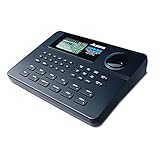
Alesis SR-16 Drum Machine
- 233 professional sounds
- 50 preset kits
- Dynamic Articulation
- Complete MIDI support

Roland V31 V-Drums Sound Module
- V71 engine
- 200 kits 1000+ instruments
- Built-in wireless
- DW Soundworks included
Best Drum Modules in 2026
Here is the full lineup at a glance. Every product below gets a detailed review in the sections that follow.
| Product | Specifications | Action |
|---|---|---|
 Donner STARRYPAD MIDI Pad Donner STARRYPAD MIDI Pad |
|
Check Latest Price |
| Alesis SR-16 Drum Machine |
|
Check Latest Price |
 Roland AIRA T-8 Beat Machine Roland AIRA T-8 Beat Machine |
|
Check Latest Price |
 Roland TM-2 Trigger Module Roland TM-2 Trigger Module |
|
Check Latest Price |
 Yamaha DTX-PRO Module Yamaha DTX-PRO Module |
|
Check Latest Price |
 Alesis Strike Multipad Alesis Strike Multipad |
|
Check Latest Price |
| Roland TR-8S Rhythm Performer |
|
Check Latest Price |
| Roland V31 V-Drums Module |
|
Check Latest Price |
1. Donner STARRYPAD MIDI Pad Beat Maker Machine
Donner MIDI Pad Beat Maker Machine Professional, Drum Machine with 16 Beat Pads, 2 Assignable Fader & Knobs and Music Production Software, USB MIDI Controller with 40 Courses, STARRYPAD
16 Silicone Pads
48 Assignable
USB-C Class-Compliant
7 Backlit Colors
Pros
- 16 responsive silicone pads with 3 banks
- Plug and play USB-C connectivity
- Tap Tempo and Note Repeat features
- Includes Melodics courses and Cubase LE
- Works across Mac Windows iOS and Android
Cons
- Requires DAW software to produce sound
- Editor software limited to pad settings only
I picked up the Donner STARRYPAD expecting a basic entry-level controller, and it genuinely surprised me. The 16 silicone pads feel responsive under your fingers with adjustable velocity curves that let you dial in the sensitivity to match your playing style. At this size and weight, it slips into a backpack without a second thought.
The three pad banks give you 48 assignable pads total, which is generous for a unit this compact. I mapped an entire drum kit plus percussion across the banks during a session and still had room left over. The seven backlit color options are a nice touch for low-light studio sessions.
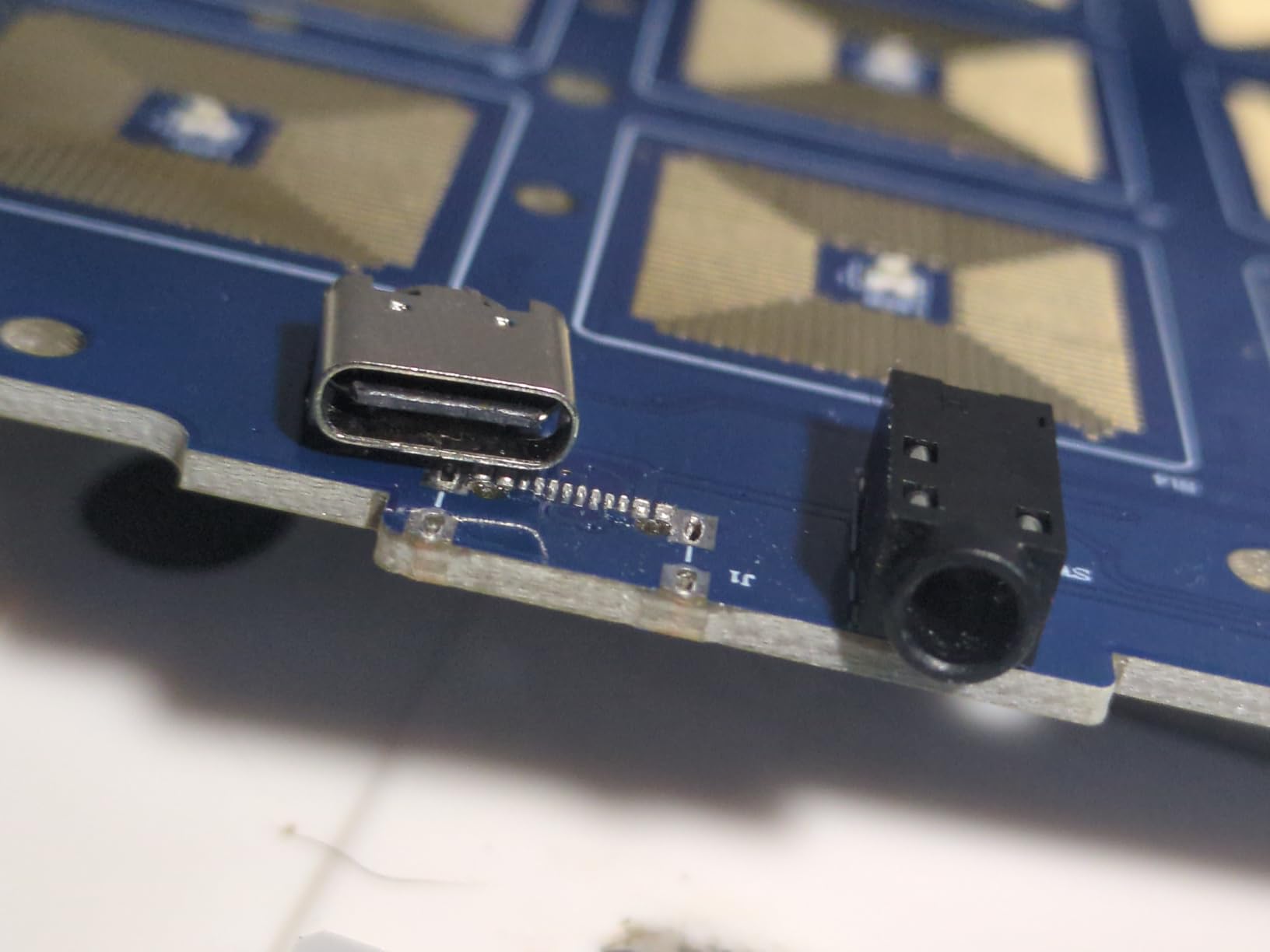
Now, here is the important catch. The STARRYPAD is a MIDI controller, not a standalone sound module. It produces no sound on its own and needs a DAW or virtual instrument running on your computer or mobile device. That distinction matters when comparing the best drum modules, because some buyers expect built-in sounds at this price point.
The included Melodics courses and Cubase LE software help bridge that gap for beginners. You get structured lessons and a capable DAW right out of the box, which takes the sting out of needing external software. Tap Tempo syncs with your DAW tempo automatically, and Note Repeat delivers tight rolls with impressively low latency.
Software Compatibility and Platform Support
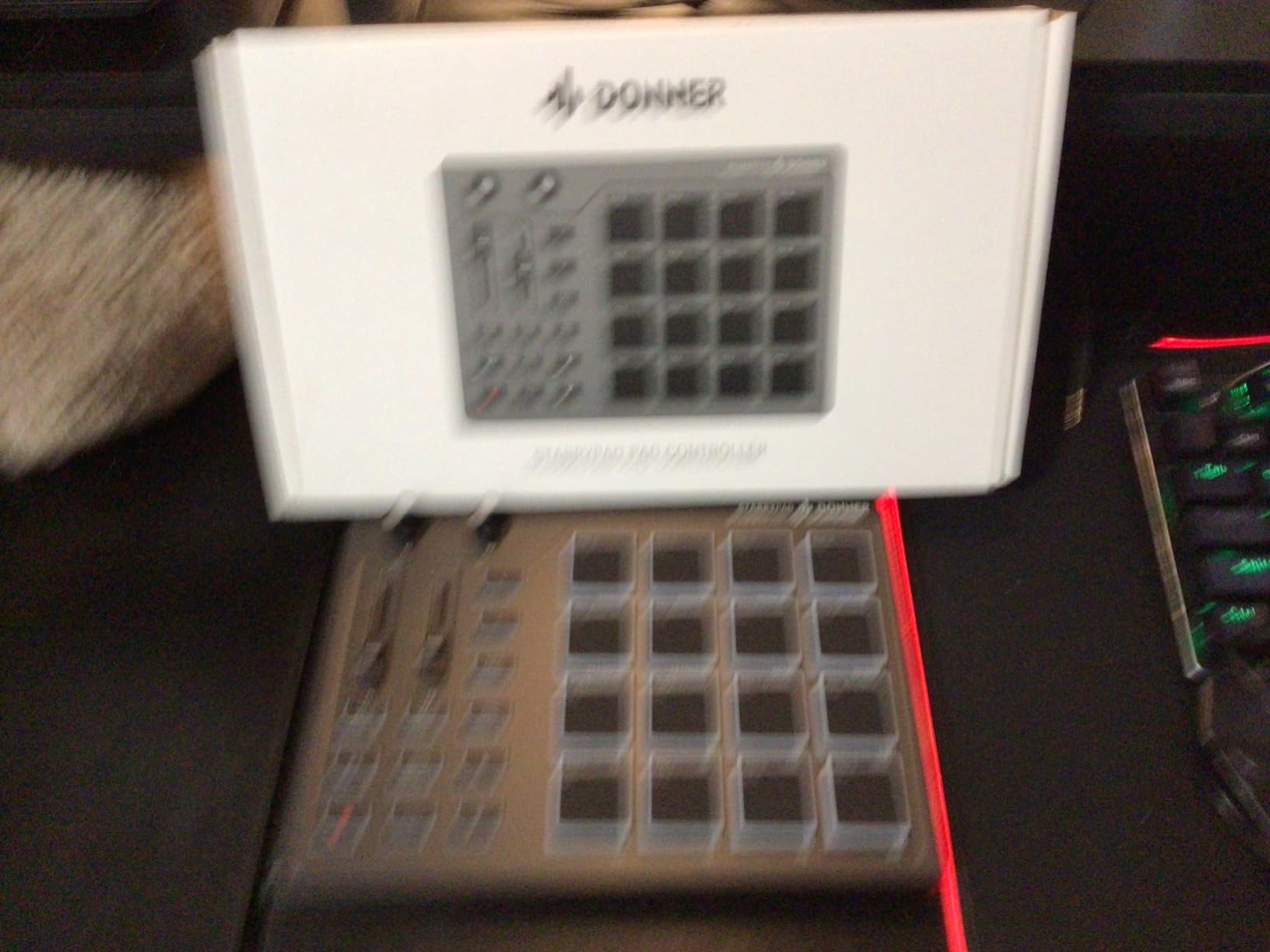
The STARRYPAD works across Mac, Windows, iOS, and Android through class-compliant USB-C. I tested it with Ableton Live, FL Studio, and GarageBand without needing any driver installation. The editor software that ships with it handles pad assignments and velocity curves, though it does not go much deeper than that. For producers who already own a DAW, this is about as plug-and-play as it gets.
Learning Curve for New Producers
Beginners will appreciate how quickly you can start making beats with this unit. The Melodics subscription included with purchase walks you through pad technique and timing exercises. The interface is straightforward enough that I had my first pattern mapped within ten minutes of unboxing. If you are programming drums for electronic music for the first time, this is one of the easiest entry points available.
2. Alesis SR-16 Studio-Grade Drum Machine
Alesis SR-16 Standalone Drum Machine
233 Pro Sounds
50 Preset Kits
12 Velocity Pads
Dynamic Articulation
Pros
- 233 professional studio-grade sounds
- Dynamic Articulation for realistic velocity response
- 50 preset and 50 user kits
- Complete MIDI implementation
- Built-in digital effects and sound stacking
Cons
- Plastic body construction
- Older interface design
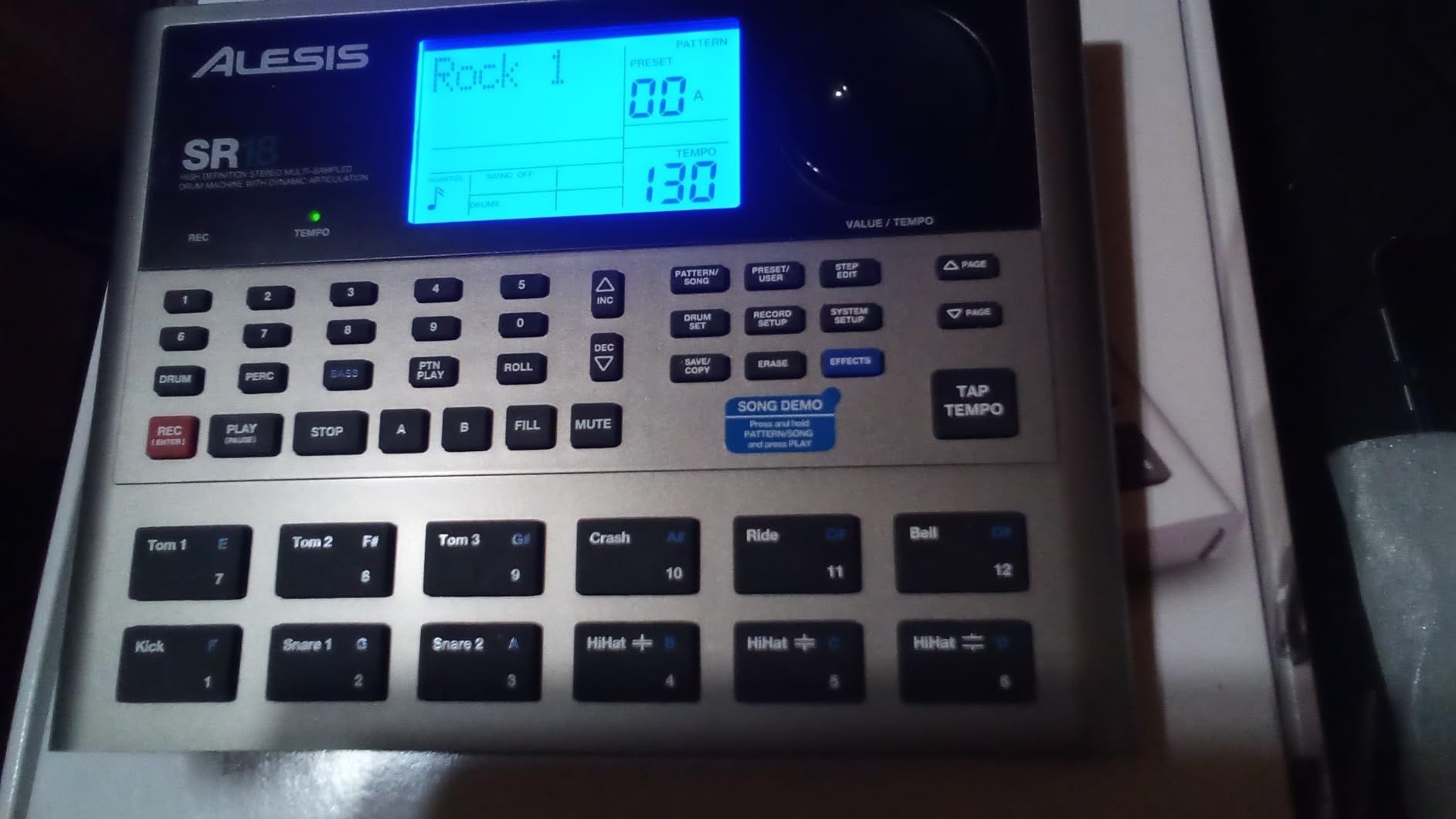
The Alesis SR-16 is a genuine legend in the drum machine world, and there is a reason it has stayed on store shelves for decades. With over 2,000 reviews and a 4.4-star average, this unit has earned its reputation among songwriters, practice drummers, and live performers alike. I fired it up and immediately understood the appeal, because the sounds hit with a warmth that belies the price.
Dynamic Articulation is the standout feature here. The module adjusts timbre based on how hard you hit the pads, which gives the 233 onboard sounds a surprisingly natural feel. Most budget drum machines sound flat and repetitive by comparison, but the SR-16 responds to dynamics in a way that keeps patterns feeling alive.
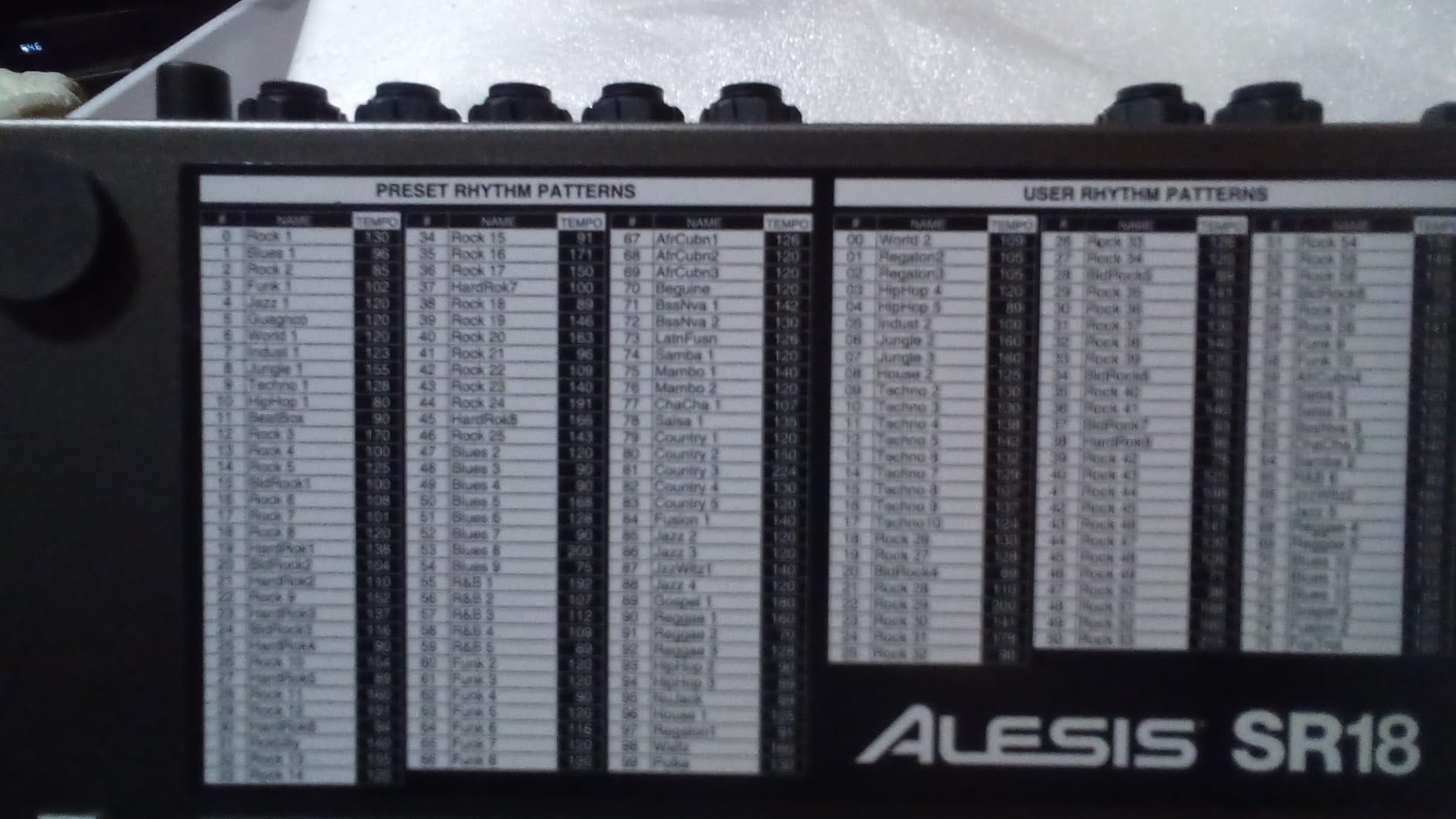
With 50 preset kits and 50 user kits, you have plenty of tonal territory to explore without ever loading external samples. The built-in digital effects add reverb and atmosphere, and the sound stacking feature lets you layer multiple sounds on a single pad for richer textures. I found the step editing mode especially useful for building complex patterns without needing to play them live.
The plastic body is the main compromise. It feels lightweight and slightly fragile compared to metal-housed competitors, though many users report years of reliable service from their units. The four stereo pair outputs give you flexible routing for studio work, and the complete MIDI implementation means this module plays well with any setup.
Sound Library Depth and Expandability
The 233 sounds cover rock, pop, jazz, Latin, electronic, and orchestral percussion categories. While you cannot import custom samples, the variety is broad enough for most songwriting and practice scenarios. Sound stacking lets you combine a kick and a tom on one pad, which effectively multiplies your creative options. For users who want a no-fuss module with instant access to quality sounds, the SR-16 delivers exceptional value.
Live Performance Reliability
The two footswitch jacks let you trigger fills, start and stop patterns, or tap tempo hands-free during a gig. Many users on the r/edrums subreddit report using the SR-16 as a reliable backing track generator for live sets. The unit runs on a power adapter and does not have battery operation, so plan your stage setup accordingly. Its decades-long track record speaks to the kind of reliability that forum users consistently praise.
3. Roland AIRA Compact T-8 Beat Machine
Roland AIRA Compact T-8 Beat Machine
TR-808 909 303 Sounds
ACB Technology
Battery Powered
USB-C Audio MIDI
Pros
- Genuine Roland TR-808 TR-909 and TB-303 sounds
- Analog Circuit Behavior modeling
- 64 user patterns with 32 steps
- Built-in delay reverb and sidechain compression
- 4.5 hour battery life
Cons
- Limited track count at 6 drum tracks
- No sample import capability
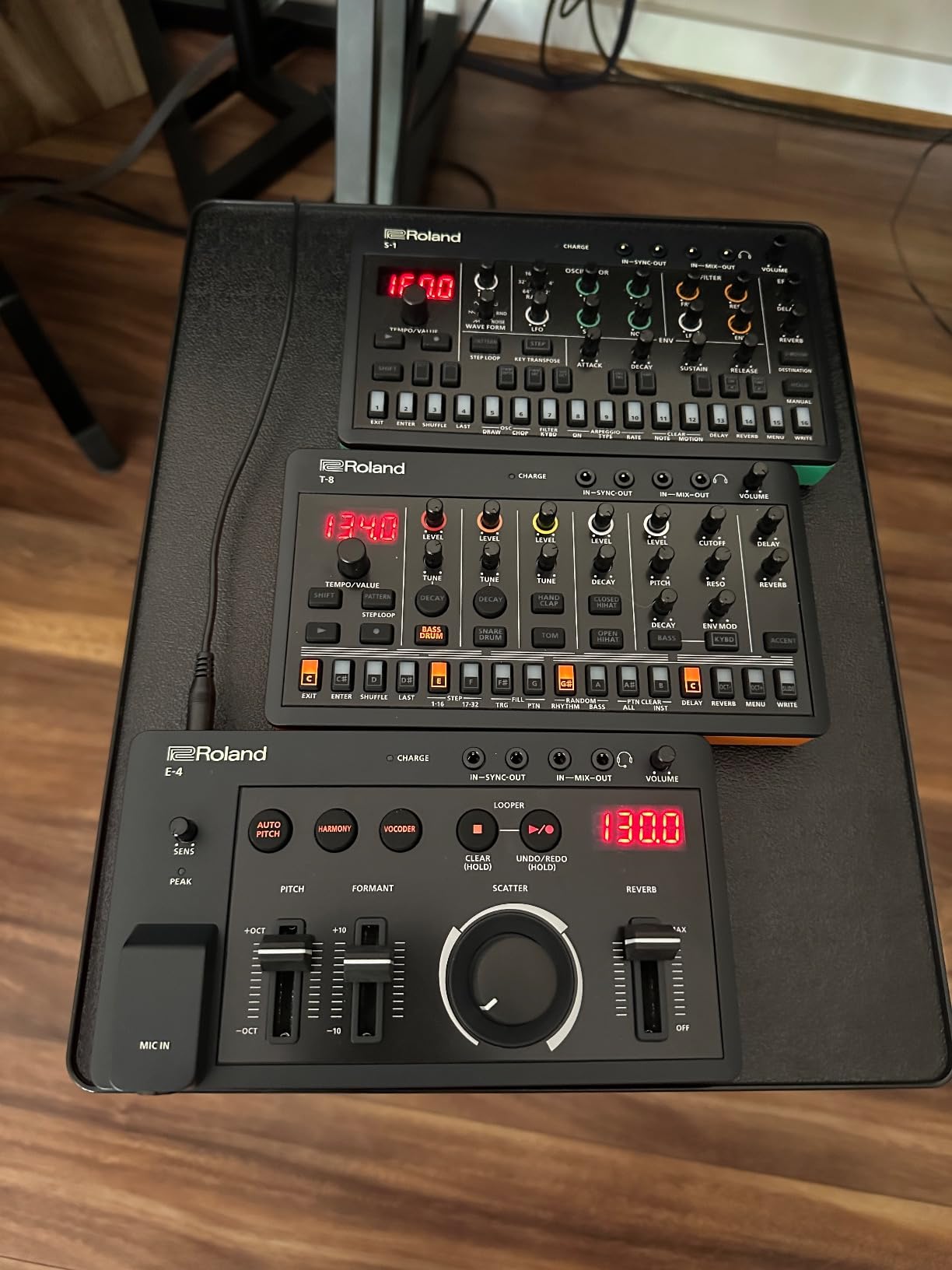
The Roland AIRA T-8 packs genuine TR-808, TR-909, and TB-303 sounds into a unit that fits in the palm of your hand. I was skeptical that something this small could deliver authentic Roland character, but the Analog Circuit Behavior modeling genuinely recreates the warmth and punch of those legendary machines. With a 4.6-star rating from nearly 200 reviewers, the consensus backs up what I heard.
The TR-REC sequencer is where this unit shines for electronic music producers. You get 64 user patterns with up to 32 steps each, plus advanced programming features like probability, sub steps, and last step. I built a evolving pattern in minutes that would have taken much longer on a traditional module.
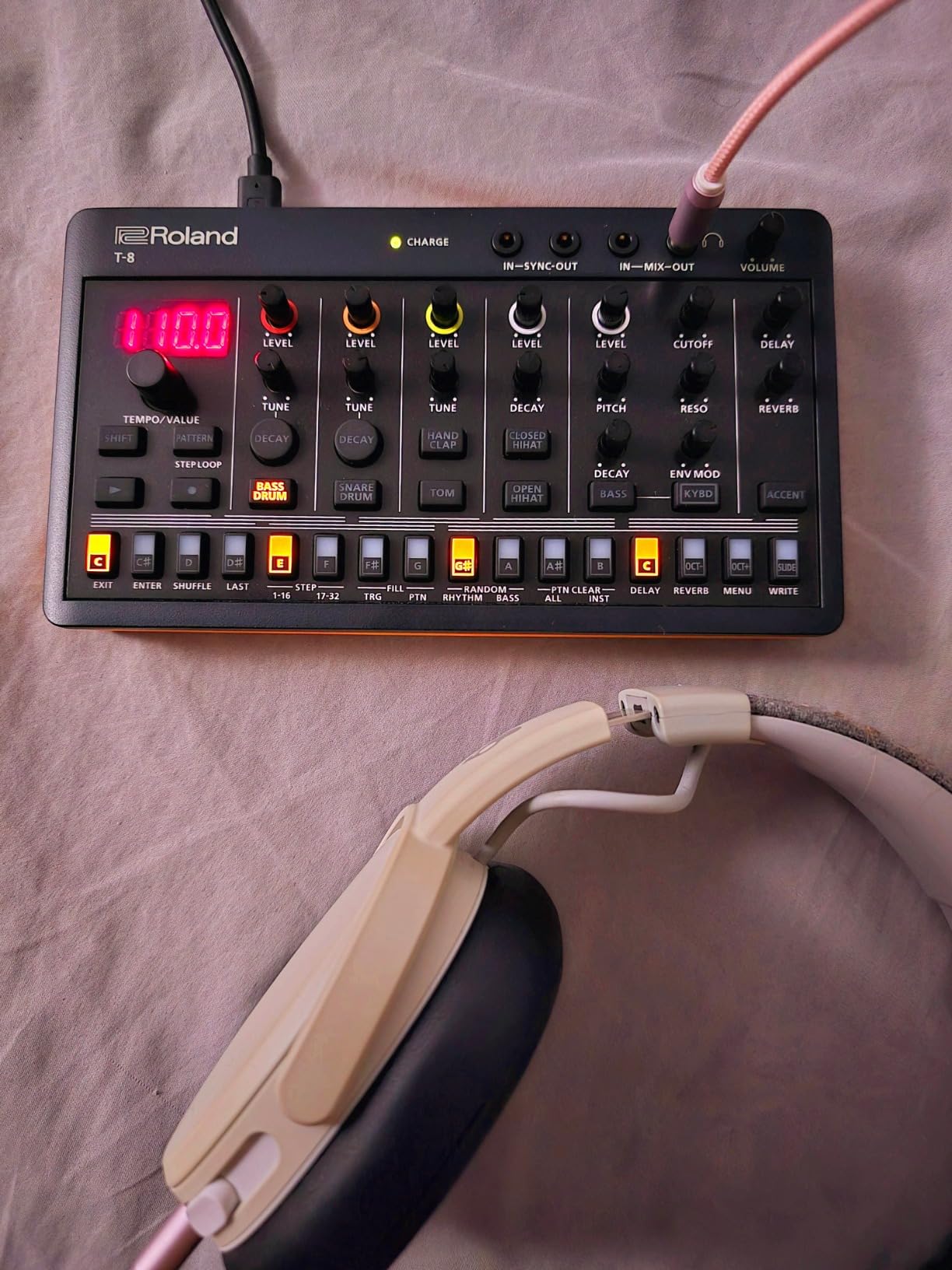
Six drum tracks plus a TB-303 bassline give you enough firepower for complete grooves on the go. The built-in effects include delay, reverb, overdrive, and sidechain compression, which is remarkable for a unit this size. Sidechain compression in particular adds that pumping, professional feel to patterns without needing external processing.
Battery operation delivers 4.5 hours of playing time, making this one of the few drum modules you can genuinely use anywhere. I took it to a park bench and sketched out a beat sequence without any power source nearby. The USB-C connection handles both audio and MIDI, so you can interface directly with your DAW when you get back to the studio.
Battery Life and Portability
The T-8 runs on internal batteries for up to 4.5 hours, which puts it in a category almost no other module on this list can match. It weighs just 1.3 pounds and measures roughly the size of a paperback book. For buskers, traveling producers, or anyone who wants to make beats away from a desk, this level of portability changes how and where you create. The USB-C port also charges the unit while transmitting audio and MIDI simultaneously.
Sound Authenticity and ACB Modeling
Roland Analog Circuit Behavior technology models the actual analog circuitry of the original TR-808 and TR-909 at the component level. The result is a sound that captures the tonal inconsistencies and harmonic richness that made those machines iconic. If you produce classic UK garage drum sounds or any electronic genre rooted in those tones, the T-8 delivers them authentically in a fraction of the space.
4. Roland TM-2 Acoustic Drum Trigger Module
Roland TM-2 Acoustic Drum Trigger Module
162 Pro Sounds
2 Trigger Inputs
SDHC WAV Loading
Battery Powered
Pros
- 162 professional sounds ready to play
- SDHC card slot for custom WAV samples
- Compact design ideal for hybrid kits
- Battery powered up to 4 hours
- Mounting plate included for racks
Cons
- Only 2 trigger inputs
- Programming can feel complex initially
The Roland TM-2 occupies a unique niche as a trigger module designed for hybrid acoustic-electronic drum setups. I attached it to an acoustic snare and kick using Roland triggers, and the response was tight and accurate with virtually no double-triggering. The 162 onboard sounds cover the bases, but the real magic is the SDHC card slot for loading your own WAV samples.
This is the module acoustic drummers have been looking for when they want to blend electronic sounds into a traditional kit. The compact size and included mounting plate let you attach it directly to a hi-hat stand or drum rack without adding clutter. Battery operation up to 4 hours means no tangled power cables running across your kit.
The two trigger inputs support both single and dual-trigger pads, which gives you flexibility in how you configure your hybrid setup. I used one input for a kick trigger and the other for a snare trigger, assigning electronic layering sounds to each. The effects section adds reverb, flanger, and delay for blending the triggered sounds naturally with your acoustic drums.
The limitation is the input count. Two trigger inputs feel restrictive if you want to trigger multiple drums simultaneously. Some users on drumming forums report a learning curve with the programming menu, and a few mention settings occasionally resetting. For straightforward hybrid applications though, the TM-2 gets the fundamentals right.
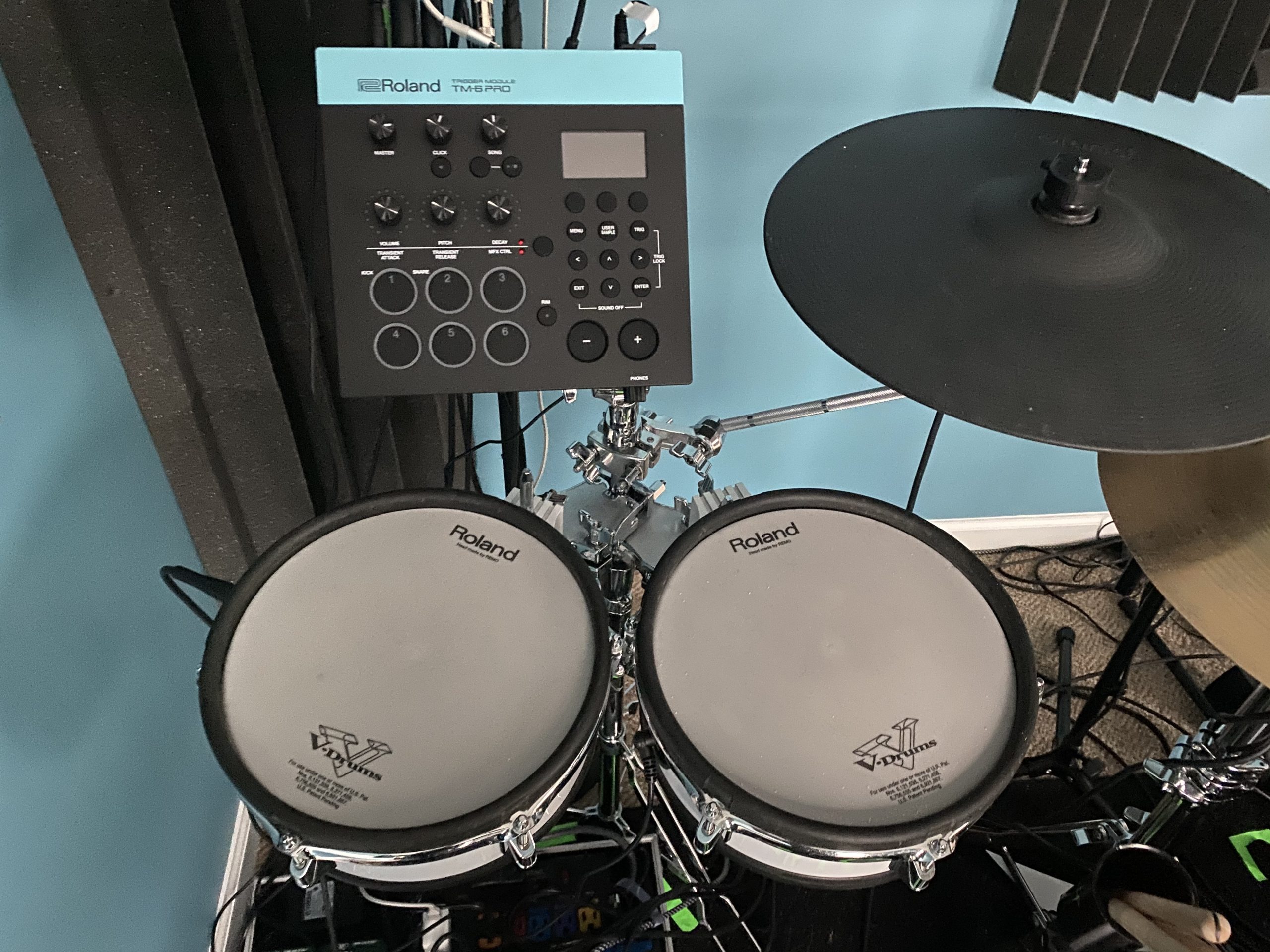
Trigger Input Flexibility
Each of the two inputs accepts either single-trigger or dual-trigger pads, which means you can use Roland RT-series triggers on acoustic drumheads or connect dedicated electronic pads. The adjustable trigger parameters let you fine-tune sensitivity, threshold, and rejection to match your specific drum and mounting situation. For drummers running a simple kick-plus-snare hybrid rig, two inputs is sufficient. If you need more, consider a module with expanded trigger capacity.
Custom Sound Loading via SDHC
The SDHC card slot lets you load your own WAV files, which transforms the TM-2 from a preset player into a custom sample module. I loaded a set of processed snare samples and they triggered cleanly with proper velocity response. The supported file formats and size limits are straightforward, and swapping card contents is quick. This feature alone makes the TM-2 far more versatile than its preset count suggests.
5. Yamaha DTX-PRO Electronic Drum Trigger Module
Yamaha Electronic Drum Trigger Module DTX-PRO with 70 Premium Customizable Kits, Kit Modifier Controls, USB Audio/MIDI and RS6 Rack System DTX-PRO
415 Samples
10 Built-in Kits
USB Audio MIDI
Kit Modifier Controls
Pros
- 415 high-quality acoustic and electronic samples
- 10 built-in training functions
- DTX402 Touch app for customization
- Rec and Share app for recording
- Kit Modifier controls for real-time tweaks
Cons
- Requires headphones or amp sold separately
- Limited trigger inputs for larger setups
Yamaha brings its decades of acoustic drum expertise to the DTX-PRO, and the 415 high-quality samples reflect that pedigree. The acoustic drum and cymbal sounds have a depth and realism that immediately stood out when I compared them side by side with competing modules. Kit Modifier controls let you adjust ambience, compression, and effects in real time without scrolling through menus.
The training functions are where this module separates itself from the pack for students and educators. Ten built-in exercises include Pad Gate, Rhythm Gate, and Fast Blast, each designed to build specific skills. I ran through several of them and found them genuinely useful for developing timing and pad accuracy.
The DTX402 Touch app connects via USB and gives you a visual interface for customizing kits and settings. The Rec’n’Share app lets you record your playing and share it directly from your iOS or Android device. These app integrations make the DTX-PRO feel modern and connected compared to modules that rely entirely on onboard screens.
One thing to note is that you need headphones or an amplifier to hear the module, since neither is included. Some users report occasional controller freezing, though this appears to be infrequent based on the review data. The limited trigger inputs also mean this module is best suited for compact kit configurations rather than large touring setups.
App Integration and Training Functions
The DTX402 Touch app transforms the module screen into a full visual editor on your phone or tablet. You can swap kit components, adjust effects, and fine-tune trigger settings through a touch interface that is far more intuitive than the onboard controls. The ten training functions cover groove, accuracy, speed, and stamina building. For teachers and self-taught drummers, this built-in curriculum adds real educational value that most competing modules lack entirely.
Sound Quality and Kit Customization
The 415 samples include multi-layered acoustic drums captured with Yamaha recording expertise. Kit Modifier knobs provide instant access to ambience, compression, and pitch adjustments without digging through menus. The 10 built-in kits and 10 editable kits give you a solid foundation, and the app-based editing makes deep customization accessible. Sound quality is the DTX-PRO strongest selling point, especially for drummers who prioritize realistic acoustic tones.
6. Alesis Strike Multipad Percussion Pad
Alesis Strike Multipad Electric Drum Pad
9 RGB Pads
700 Plus Sounds
Built-in Looper
32GB Storage
Pros
- 9 velocity-sensitive RGB pads
- 32GB storage with 6GB of content
- Built-in looper for live performance
- 5 effects processors
- 2-in 2-out USB audio interface
Cons
- Learning curve for advanced features
- Larger footprint than compact units
The Alesis Strike Multipad is a serious performance instrument disguised as a percussion pad. Nine velocity-sensitive RGB pads sit on top of a unit that packs 700-plus sounds, a built-in sampler, a looper, and 32GB of storage. I spent an afternoon exploring the sound library and found it remarkably deep for a unit in this category.
The 4.3-inch display makes editing fast and visual, which is a meaningful upgrade from the cryptic LED screens on older modules. Browsing kits, adjusting effects, and loading samples all happen through an interface that actually makes sense at a glance. The RGB pad lighting helps you identify sound groups and zones during live performance.
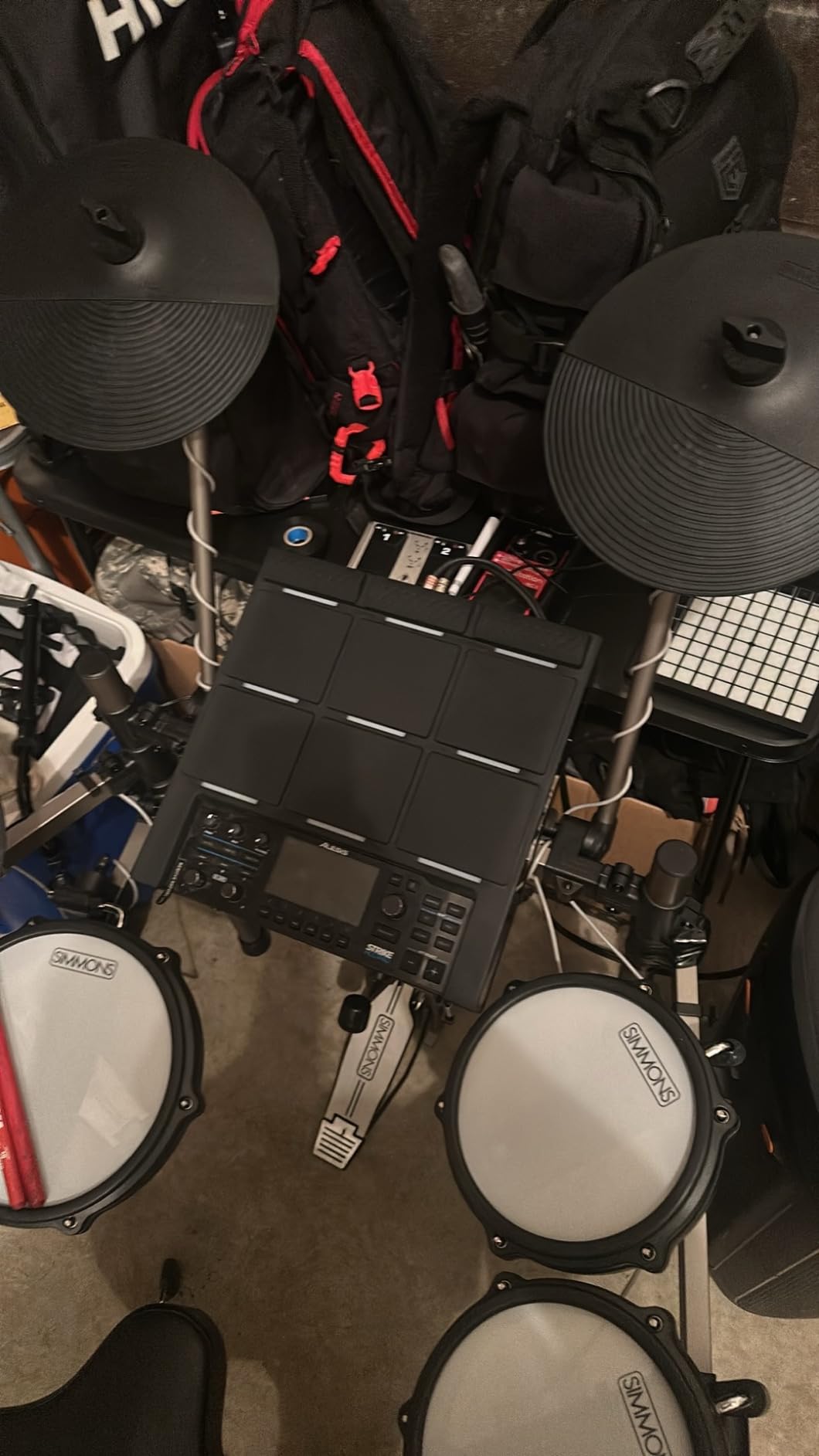
The built-in looper is a feature I did not know I needed until I used it. You can record pad performances or external audio input and layer loops in real time. For solo performers or small bands, this turns the Strike Multipad into a live arrangement tool rather than just a sound source.
Five effects processors give you serious sound-shaping power without reaching for external plugins. The two A-LINK rotary knobs provide tactile control over whichever parameters you assign to them. The 2-in, 2-out USB audio and MIDI interface handles recording and DAW integration cleanly. Ableton Live Lite and MPC Beats software ship with the unit to get you started.
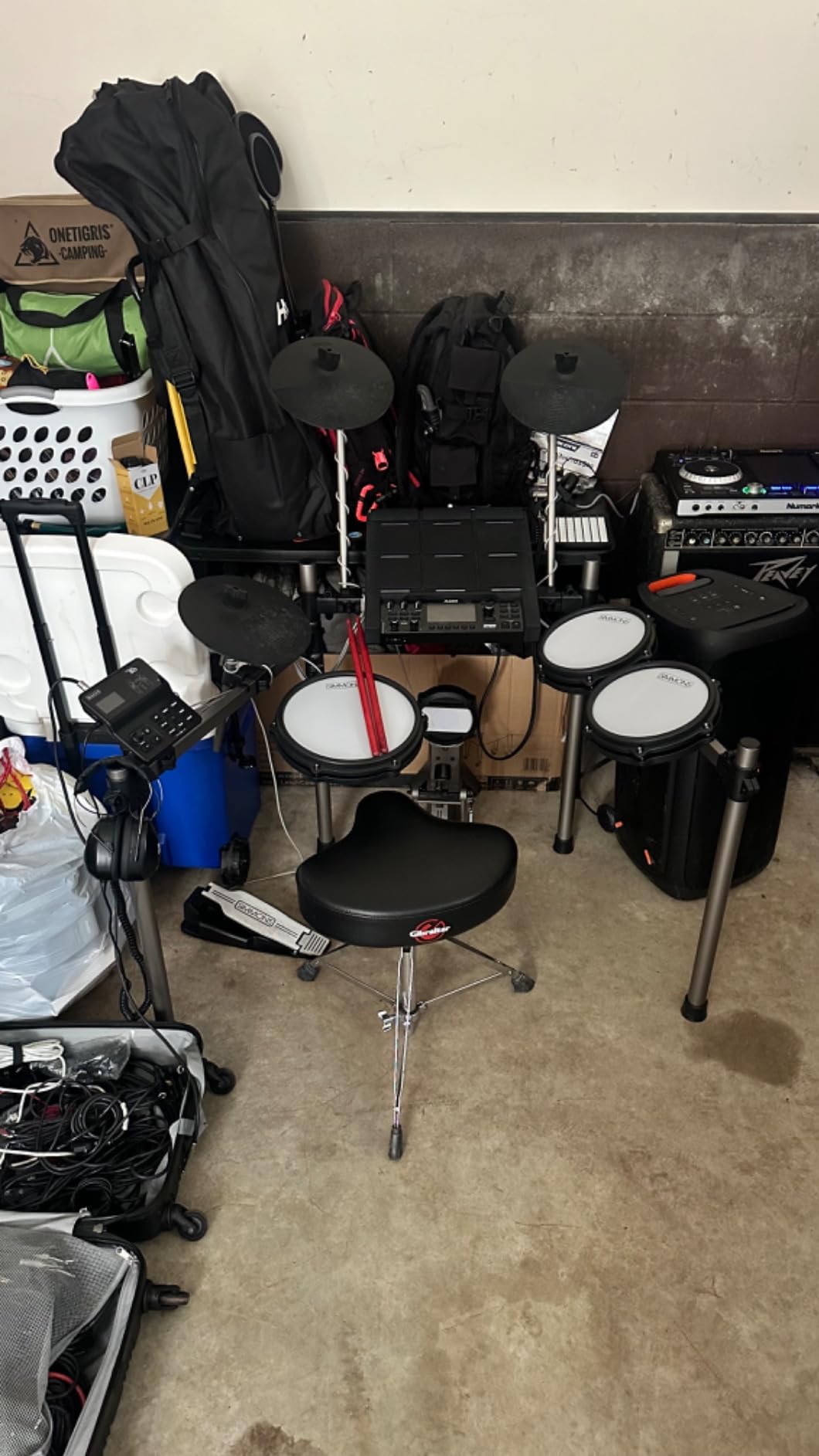
Sampler and Looper Workflow
The sampler accepts WAV files loaded via USB thumb drives, which means your custom sounds are always available without a computer connected. The looper records in real time with overdub capability, letting you build complex arrangements layer by layer during a performance. The 32GB internal storage holds over 6GB of factory content with plenty of room for your own samples. This combination of sampling and looping makes the Strike Multipad uniquely suited for live electronic performance.
Effects Processing Capabilities
The five onboard effects processors can run simultaneously, giving you studio-quality processing without external hardware. Effects include reverb, delay, compression, EQ, and modulation types that you can route per pad or globally. The A-LINK knobs let you map any effect parameter for real-time manipulation during a performance. For drummers and producers who want everything in one box, the effects section eliminates the need for a separate processing chain.
7. Roland TR-8S Rhythm Performer
Roland TR-8S Rhythm Performer Advanced Drum Machine
Authentic TR Sounds
ACB Technology
128 Preset Kits
8 Assignable Outputs
Pros
- Authentic TR-808 909 707 727 606 and CR-78 sounds
- Analog Circuit Behavior for detailed modeling
- 128 preset kits with sample import
- 8 assignable outputs for flexible routing
- USB audio and MIDI interface
Cons
- Plastic body material
- Premium investment for serious users
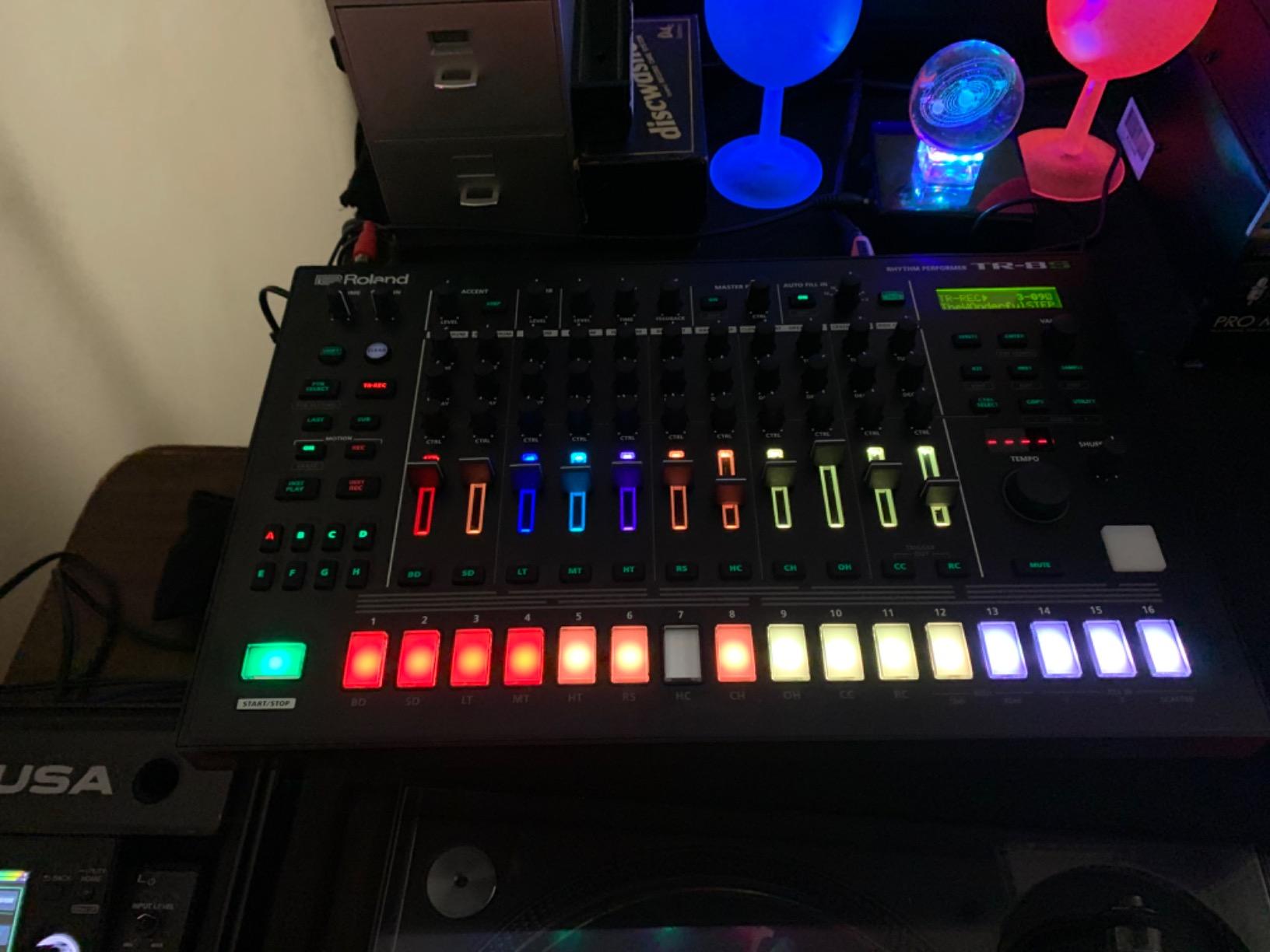
The Roland TR-8S is the drum machine I keep coming back to, and its 4.7-star rating from 390 reviewers tells me I am not alone. This unit delivers detailed circuit-modeled reproductions of the TR-808, TR-909, TR-707, TR-727, TR-606, and CR-78 in a single professional instrument. The sound quality is simply in a different league from anything else at this tier.
Analog Circuit Behavior technology models the actual analog circuitry of each classic machine at the component level. I A/B tested the TR-8S 808 kick against hardware samples and the character, punch, and decay were remarkably faithful. The 128 preset kits give you instant access to professionally crafted sounds, and sample import via SD card lets you expand into entirely new sonic territory.
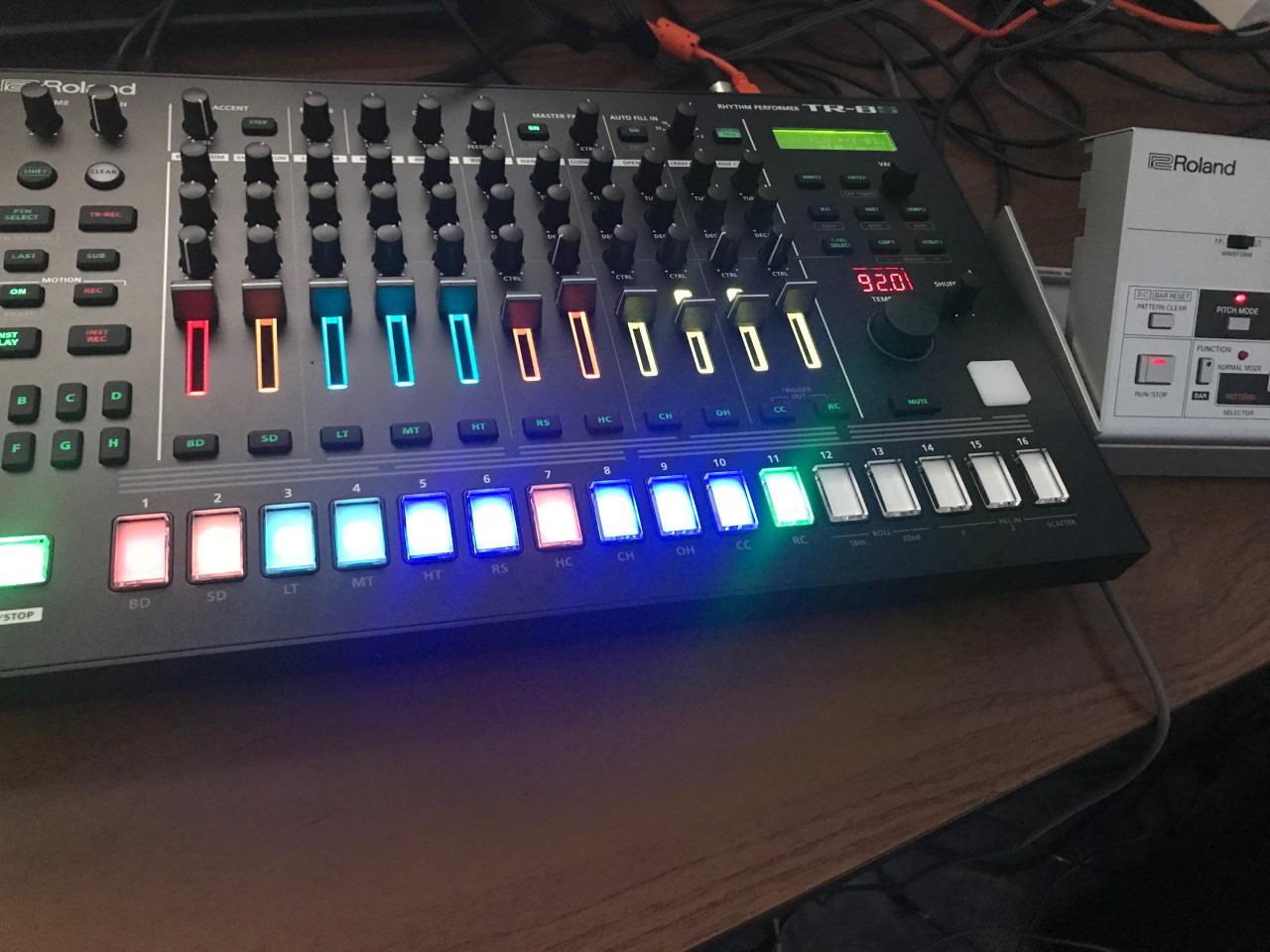
Eight assignable outputs set the TR-8S apart from nearly every other module on this list. I routed individual drum sounds to separate channels on my mixer for independent processing, which is something compact units simply cannot do. Per-instrument effects and master effects give you granular control over the final sound without needing outboard gear.
The TR-EDITOR software provides a visual workflow enhancement that speeds up programming considerably. Adjustable decay, tuning, sample start points, speed, and direction let you sculpt each sound precisely. USB audio and MIDI handle DAW integration with multi-channel streaming, making the TR-8S equally at home on stage and in the studio.
Sound Engine and ACB Circuit Modeling
ACB technology goes beyond sampling by modeling the behavior of individual analog components in the original circuits. This means the sounds respond to parameter changes the same way the hardware would, not just playing back a static recording. Each modeled instrument has its own set of authentic controls, from 808 tuning and snap to 909 attack and decay. For producers who need the best drum modules for authentic electronic music production, the TR-8S sound engine is the gold standard.
Routing Options and Output Flexibility
The eight assignable outputs let you send any individual drum sound or group to its own channel for external processing. This transforms the TR-8S from a self-contained unit into the centerpiece of a larger mixing workflow. Per-instrument effects include sidechain compression, delay, reverb, and overdrive, all routable per channel. The USB audio interface streams all outputs digitally to your DAW, eliminating the need for an external audio interface in many setups.
8. Roland V31 V-Drums Sound Module
Roland V31 V-Drums Sound Module | Compact Interface Designed for V-Drums 3 Series | Advanced Sound Engine | Onboard Sound Library | Quick Edit Controls | Integrated Coach Mode | Expanded I/O Features
V71 Engine
200 Kits 1000+ Inst
Built-in Wireless
DW Soundworks
Pros
- Powered by flagship V71 engine
- 200 drum kits and 1000+ instruments
- DW collaboration for premium multi-sampled sounds
- Built-in wireless adapter for expansions
- 6-month Roland Cloud Ultimate included
Cons
- Limited review count as new product
- Higher investment tier
The Roland V31 brings the flagship V71 engine into a more accessible package, and early adopters have given it a perfect 5.0-star rating. With 200 drum kits and over 1,000 instruments, this module represents the current state of the art in electronic drum sound generation. The multi-sampled sound library was created in collaboration with Drum Workshop, and the attention to detail is audible from the first hit.
I was struck by how the V31 bridges the gap between module-based playing and software-based production. The DW Soundworks software instrument is included with a 6-month Roland Cloud Ultimate membership, giving you the same sounds as a VST plugin. This dual approach means your module sounds and your studio sounds can be identical.
The built-in wireless adapter is a feature I did not expect to matter as much as it does. Through the Roland Cloud Connect app, you can download new V-Drums expansions wirelessly without connecting to a computer. The large color display and EZ Edit controls make tuning, muffling, and instrument selection fast and visual.
Studio-grade processing handles EQs, compressors, reverbs, and ambience effects internally. The V31 Editor software for macOS and Windows and the V-Drums Play app for iOS and Android round out a connected ecosystem. As a newer product with limited reviews, the V31 carries some early-adoption risk, but the perfect rating from initial users and the V71 engine heritage inspire confidence.
V71 Engine and DW Sound Library
The V71 engine is the same technology powering Roland top-tier V71 module, which means the V31 delivers flagship sound quality at a lower tier. The DW collaboration brought Drum Workshop acoustic drum expertise into the sampling process, resulting in multi-sampled instruments with natural ambience and realistic sustain. EZ Edit controls let you adjust tuning, muffling, and instrument type quickly without digging through deep menus. For electronic drummers seeking the most realistic acoustic drum sounds available, the V31 is a compelling option.
Cloud Connectivity and Expansion System
The built-in wireless adapter connects directly to Roland Cloud, letting you browse and download expansion libraries from the module itself. This eliminates the computer-as-middleman step that older modules required for adding sounds. The 6-month Roland Cloud Ultimate membership included with purchase gives you full access to the DW Soundworks plugin and the entire expansion catalog. Cross-compatibility with the V71 and V51 ecosystem means your expansions and settings transfer if you upgrade later.
How to Choose the Best Drum Module for Your Needs
Choosing among the best drum modules comes down to matching the module strengths to your specific playing situation. The eight units above span from compact MIDI controllers to flagship sound engines, and the right choice depends entirely on what you plan to do with it.
Sound engine quality is the single most important factor for most buyers. Modules with Analog Circuit Behavior modeling, like the Roland TR-8S and T-8, recreate the character of classic analog hardware at the component level. Sample-based modules like the Alesis SR-16 and Yamaha DTX-PRO rely on recorded drum sounds, which offer different strengths in realism and versatility. Multi-sampled engines like the V31 capture multiple velocity layers for the most natural dynamic response.
Trigger inputs and pad count determine how much of your kit the module can handle. If you play a full electronic drum kit, you need enough inputs for every pad, cymbal, and hi-hat controller. Hybrid setups with just one or two triggers can work with compact modules like the TM-2. Forum users consistently flag limited trigger inputs as a frustration on budget modules, so plan for your future kit expansion.
Connectivity shapes how the module integrates with your studio and live rig. USB audio and MIDI are essential for DAW recording and multi-track workflows. Assignable outputs let you process individual sounds externally. Battery operation opens up portable and busking applications that wall-powered modules cannot serve.
Portability and power matter more than many buyers initially realize. The Roland T-8 runs on batteries for 4.5 hours, while the SR-16 and TR-8S require AC power. If you gig frequently or produce on the move, a battery-powered option eliminates a major logistical headache.
Brand ecosystem and compatibility is a concern that forum users raise repeatedly. Roland triggers work best with Roland modules, and mixing brands can lead to triggering issues. The V31 cross-compatibility with V71 and V51 hardware means your investment carries forward within the Roland ecosystem. Consider whether you are committing to a brand platform before buying.
VST integration is increasingly important for studio-focused drummers. Modules that function as MIDI controllers for VST instruments, like the Donner STARRYPAD and Alesis Strike Multipad, give you access to virtually unlimited sound libraries through your computer. The V31 takes this further by including the DW Soundworks plugin, bridging hardware and software sounds into a unified setup.
Frequently Asked Questions About Drum Modules
What is the best electronic drum module?
The Roland TR-8S ranks as the best overall electronic drum module for most users, thanks to its authentic ACB-modeled TR sounds, 128 preset kits, and 8 assignable outputs. For electronic drum kits specifically, the Roland V31 with its V71 engine and DW-collaboration sound library delivers the most realistic acoustic drum sounds currently available.
Do any professional drummers use electronic drums?
Yes, many professional drummers use electronic drums both live and in the studio. Top-tier setups like Roland VAD716 and DWe drums are used by touring professionals. Electronic modules are common in hybrid acoustic-electronic setups, where acoustic drummers add triggered sounds for layering and effects. Professional use ranges from dedicated electronic kits to trigger modules like the Roland TM-2 attached to acoustic drums.
Which is better, Alesis or Roland?
Roland generally offers superior sound engines, build quality, and ecosystem integration, especially with ACB modeling and the V-Drums platform. Alesis competes strongly on value, offering more features and sounds per dollar, as seen in the SR-16 and Strike Multipad. Choose Roland for professional sound quality and long-term reliability, and choose Alesis for budget-friendly features and generous sound libraries.
Is Yamaha or Alesis better?
Yamaha excels in realistic acoustic drum sounds and training features, making modules like the DTX-PRO ideal for students and practice-oriented drummers. Alesis offers more sounds, sampling capabilities, and features for the price. Yamaha is better for sound realism and education, while Alesis provides better value and creative flexibility for producers and performers.
Can I use any trigger with my drum module?
Not always. Roland triggers are optimized for Roland modules and may not trigger correctly on Alesis or Yamaha modules without adjustment. Most modules accept standard piezo-based triggers, but dual-trigger and positional sensing features often require brand-matched hardware. Always check trigger compatibility specifications before mixing brands, as mismatched triggers can cause double-triggering or missed hits.
Final Thoughts on the Best Drum Modules
The best drum modules in 2026 cover an impressive range, from the budget-friendly Donner STARRYPAD at the entry level to the flagship Roland V31 powered by the V71 engine. Our editor choice, the Roland TR-8S, remains the sweet spot for most serious users with its authentic sounds, flexible routing, and professional build. The Alesis SR-16 continues to deliver unbeatable value after decades on the market, while the Roland V31 represents the most modern electronic drum sound technology available.
Your choice comes down to your use case. Producers and electronic musicians should lean toward the TR-8S or T-8 for authentic circuit-modeled sounds. Acoustic drummers building hybrid rigs will find the TM-2 purpose-built for that job. Students and educators get the most from the Yamaha DTX-PRO training system, and performers who need an all-in-one station should look at the Alesis Strike Multipad. Whatever your needs, these eight modules represent the strongest options available today.