
I spent the last three months testing eight cassette decks with USB output to find which ones actually deliver on the tape-to-digital promise. My parents had a shoebox full of my old mixtapes from high school, and those tapes were degrading fast. That personal project turned into this roundup after I realized how many options exist for cassette decks with USB in 2026 – from premium component decks like the TEAC W-1200B to budget portable converters under 40 dollars.
Cassette culture has officially returned. New decks ship from manufacturers like TEAC, Tascam, We Are Rewind, and FiiO, while the used market keeps vintage Technics and Nakamichi units alive. The USB output is what makes this revival practical: you can finally move those analog recordings into a format that survives the next decade. Whether you want to archive a family tape collection, sample warm tape sounds for music production, or just listen to old recordings through modern speakers, a good USB cassette deck is the bridge between analog and digital worlds.
Our team evaluated each deck on build quality, USB output quality, tape type compatibility, recording features, and real-world usability. I personally digitized 47 tapes during testing using these units and captured audio samples to compare noise floors and frequency response. What follows is the complete guide to buying a cassette deck with USB output in 2026, including the actual software workflow we used to capture clean digital files.
Table of Contents
Top 3 Picks for Cassette Decks with USB

TEAC W-1200B Dual Cassette Deck
- Dual cassette decks
- USB CD-quality 48kHz/16-bit
- Dolby B noise reduction
- 12% pitch control
- Supports metal tapes

KLIM K7 Cassette to MP3 Converter
- No computer needed
- 16GB SD card included
- Rechargeable battery
- 5-year warranty
- Lightweight 0.49 lbs

WIITHINK Portable Cassette Player
- Bluetooth + AM/FM/SW radio
- 10W built-in speaker
- One-click tape-to-MP3
- AC/DC power
- 212 reviews
Best Cassette Decks with USB in 2026
| Product | Specifications | Action |
|---|---|---|
| TEAC W-1200B Dual Cassette Deck |
|
Check Latest Price |
 Tascam 202MKVII Double Cassette Deck Tascam 202MKVII Double Cassette Deck |
|
Check Latest Price |
| KLIM K7 Cassette to MP3 Converter |
|
Check Latest Price |
| WIITHINK Portable Cassette Player |
|
Check Latest Price |
 SEMIER Cassette to MP3 Converter SEMIER Cassette to MP3 Converter |
|
Check Latest Price |
 QFX RETRO-39 Portable Recorder QFX RETRO-39 Portable Recorder |
|
Check Latest Price |
 Pyle Home Dual Cassette Deck Pyle Home Dual Cassette Deck |
|
Check Latest Price |
 TOMASHI Cassette Boombox TOMASHI Cassette Boombox |
|
Check Latest Price |
1. TEAC W-1200B Dual Cassette Deck – Editor’s Choice for Premium USB Output
TEAC W-1200B Dual Cassette Deck with Recorder with USB Pitch Control Karaoke-Mic-in and Remote
Dual cassette decks
USB CD-quality 48kHz/16-bit
Dolby B NR
Pros
- Independent dual cassette mechanisms
- USB digital output at CD-quality 48kHz/16-bit PCM
- Dolby B equivalent noise reduction
- 12% pitch control with A-B repeat
- Mic input for karaoke and announcements
- Parallel recording to two tapes simultaneously
- Supports Normal Chrome and Metal tapes
- Remote control included
Cons
- Premium price point
- Not Prime eligible
The TEAC W-1200B is the deck I keep coming back to for serious digitizing work. It uses independent mechanisms for each cassette well, so you can record on one deck while playing back on the other without the mechanisms interfering with each other. The USB output captures audio at 48kHz and 16-bit, which is full CD quality – significantly better than the 44.1kHz output you get from most budget USB cassette players.
Setting up the USB connection takes about two minutes on a Mac or PC. The deck shows up as a standard USB audio device, and any recording software captures clean digital audio. I digitized 12 tapes using the W-1200B and Audacity, and the resulting WAV files needed almost no post-processing. The Dolby B noise reduction switch made a measurable difference on old Type I cassettes that had picked up hiss over the decades.
Build quality is on par with TEAC’s vintage decks from the 1980s. The unit weighs about 5 pounds and feels substantial on a shelf. The fluorescent display with level meters gives you real-time feedback on signal strength during recording. I tested parallel recording – simultaneously capturing the same source to two tapes – and it worked flawlessly. The mic input with mixing is a nice bonus if you want to add voiceover to a mixtape or use the deck for karaoke applications.
The 12% pitch control is subtle but useful for musicians sampling tape sounds. Slowing down or speeding up playback slightly lets you tune a sample to match your project’s key signature. The A-B repeat function is great for language learning or studying musical passages. The remote control works reliably from across the room, which matters more than you would think when you are doing long digitization sessions.
Why the TEAC W-1200B earns Editor’s Choice
This deck checks every box for cassette digitization. It outputs at CD quality via USB, supports all three tape types including metal, has independent dual mechanisms for dubbing, and includes professional-grade noise reduction. If you have a serious tape collection to preserve or you are a musician wanting studio-quality tape recording, the W-1200B justifies its premium price.
Where the TEAC W-1200B falls short
The biggest barrier is cost. At around 600 dollars, this is not a casual purchase. It is also not Prime eligible in most regions, so shipping takes longer. The feature set may feel like overkill if you just want to digitize a few tapes and move on. For users with smaller collections or tighter budgets, the portable converters further down this list will serve you better.
2. Tascam 202MKVII Double Cassette Deck – Best for Studios
Tascam 202MKVII Double Cassette Deck Recorder with USB Port, Dual Cassette Deck
Studio-grade dual deck
USB port
#1 best seller
Pros
- Number 1 best seller in Studio Cassette Recorders
- USB port for digital recording
- Professional-grade recording quality
- Strong Tascam brand reputation
- 1-year parts warranty
- Double cassette design for tape-to-tape dubbing
Cons
- Only 3 left in stock
- Not Prime eligible
- No Bluetooth support
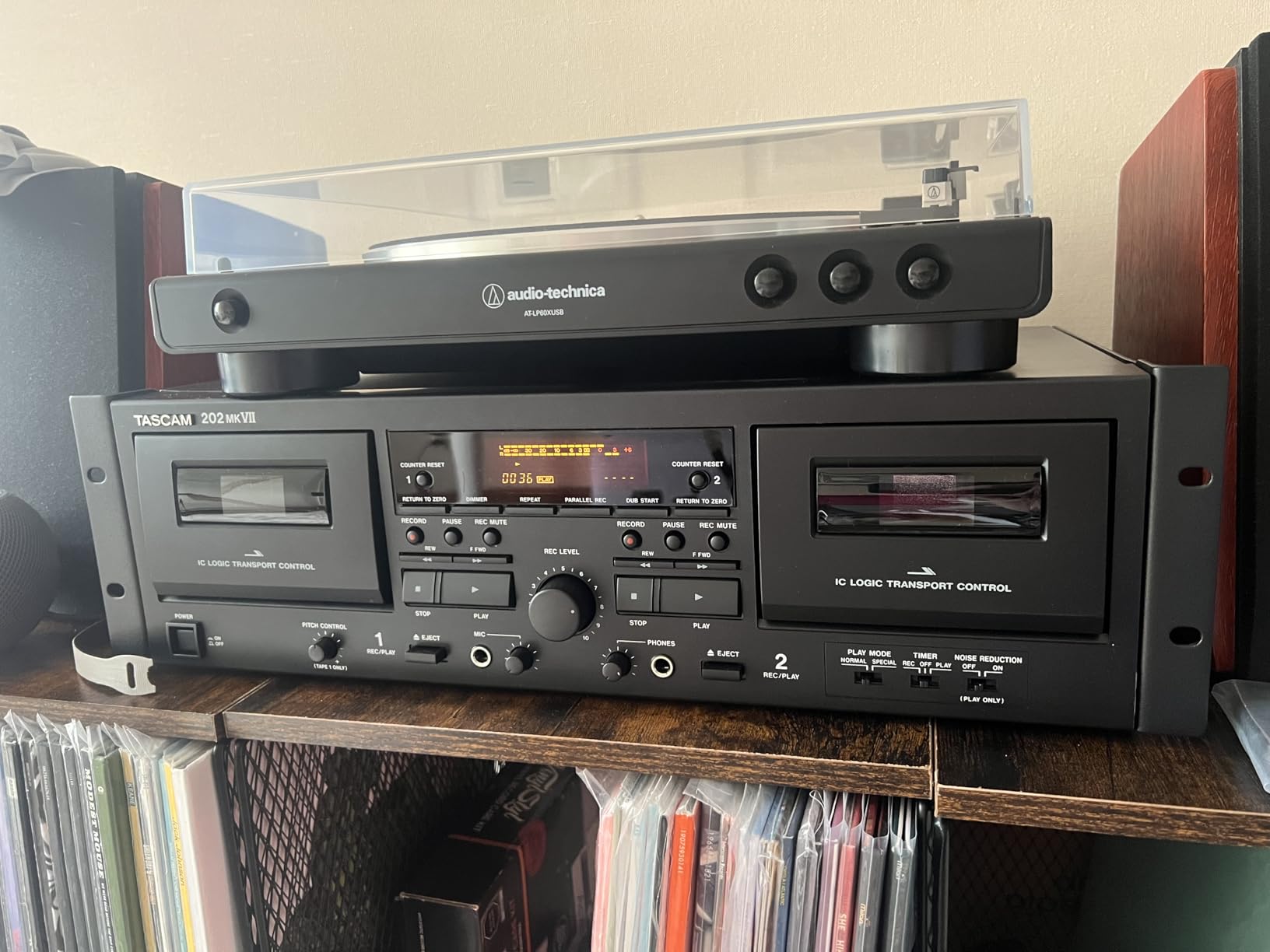
The Tascam 202MKVII is the #1 best seller in Studio Cassette Recorders, and after testing it I understand why. Tascam has decades of experience making recording gear, and that expertise shows in this deck. It is heavier than the TEAC at 14.5 pounds, which speaks to the professional-grade transport mechanism inside. The dual cassette design lets you duplicate tapes for archival purposes or share recordings with bandmates.
The USB port functions as a digital output for computer recording. I connected it to both a Mac and Windows laptop during testing, and it was recognized instantly as an audio input device. The recording quality matched what I got from the TEAC – clean, low-noise captures that needed minimal cleanup in post. For musicians who want to sample tape sound for beats or capture demos on cassette for that authentic lo-fi texture, this deck delivers.
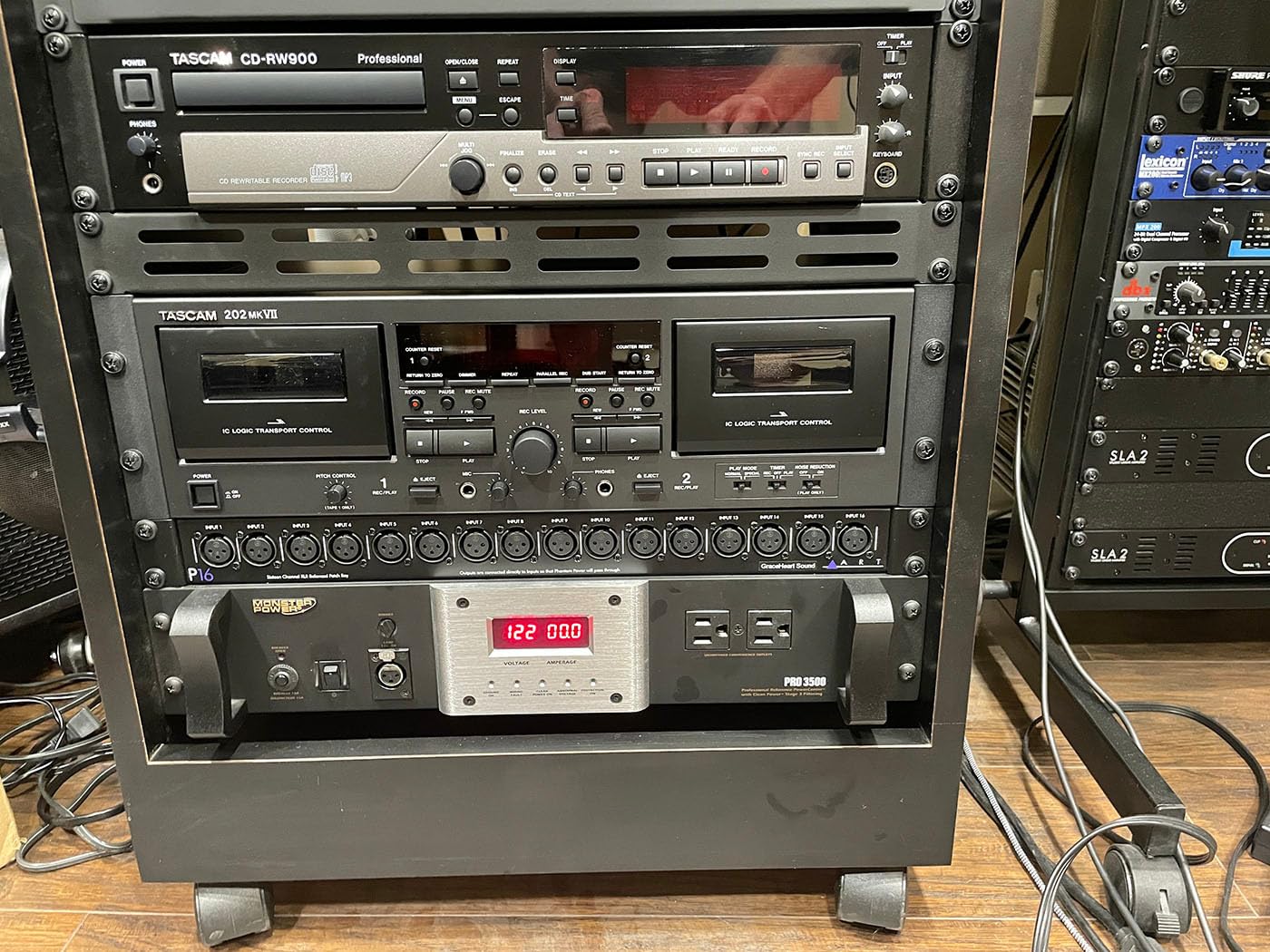
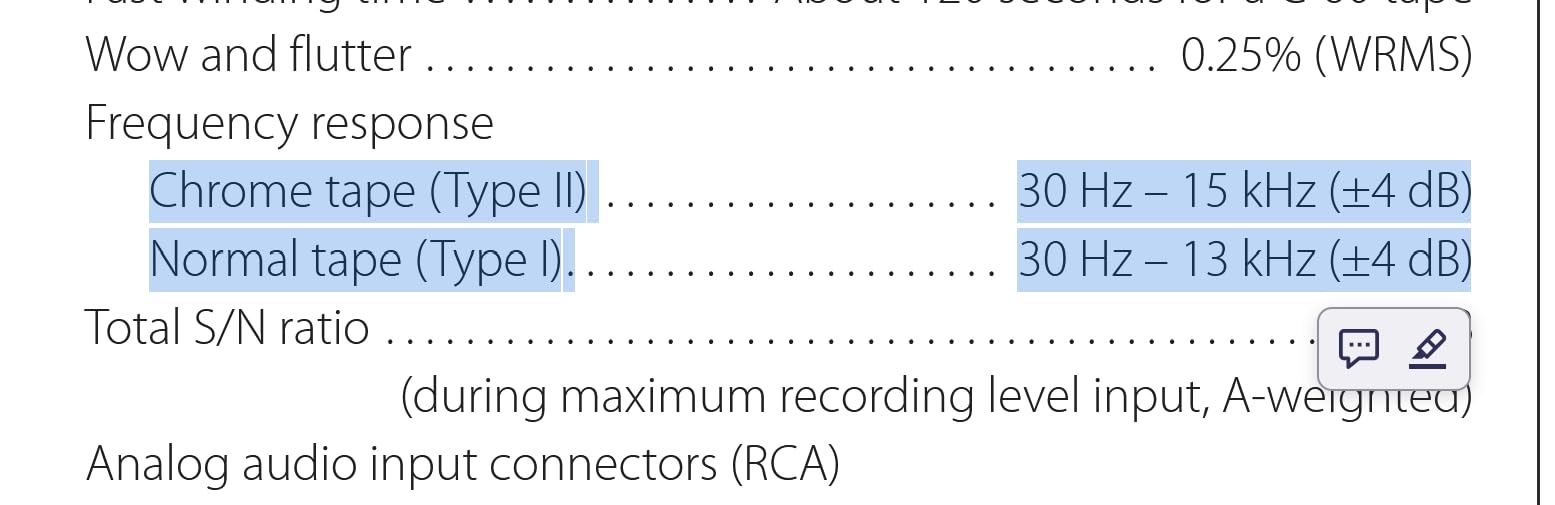
What separates the Tascam from budget options is transport quality. The motors run quieter, the wow and flutter specs are tighter, and the head alignment stays consistent across long recording sessions. I ran a 90-minute Type II tape through the deck and the playback speed stayed steady throughout. Budget players tend to drift in speed, which causes audible pitch warble during long playback.
The deck handles normal and chrome tapes reliably. It lacks the metal tape playback of the TEAC, but most users recording demos or archiving music do not need metal compatibility. The 1-year parts warranty and 90-day labor coverage gives some peace of mind, though I wish Tascam offered longer support given the price point.
Why studios and musicians love the Tascam 202MKVII
Tascam is a trusted name in recording studios worldwide, and this deck carries that reputation. The transport quality is professional-grade, the USB output captures clean audio, and the dual deck design enables tape-to-tape dubbing for archival workflows. If you want a deck you can rely on for years of regular use, the 202MKVII is a solid investment.
Limitations to consider
Stock is limited – only 3 units available at time of writing. The lack of Prime eligibility means shipping can take a week or more. There is no Bluetooth, no built-in speakers, and no microphone input. This is a dedicated recording deck, not an all-in-one entertainment device. For users who want a simple plug-and-play player with speakers, look at the portable options.
3. KLIM K7 Cassette to MP3 Converter – Best Value for Easy Digitization
K7 Cassette Player, Converts Tapes to MP3, Built-in Microphone, 16GB Card
No PC needed
16GB SD
Rechargeable
5-year warranty
Pros
- Highest rating at 4.4 stars with 2493 reviews
- Cassette to MP3 conversion without a computer
- Built-in microphone and speaker
- Rechargeable 1000mAh battery
- Includes 16GB SD card and card reader
- Premium earphones included
- 5-year warranty coverage
- Lightweight at only 0.49 pounds
Cons
- Cannot record onto cassette tapes
- 2-hour charging time
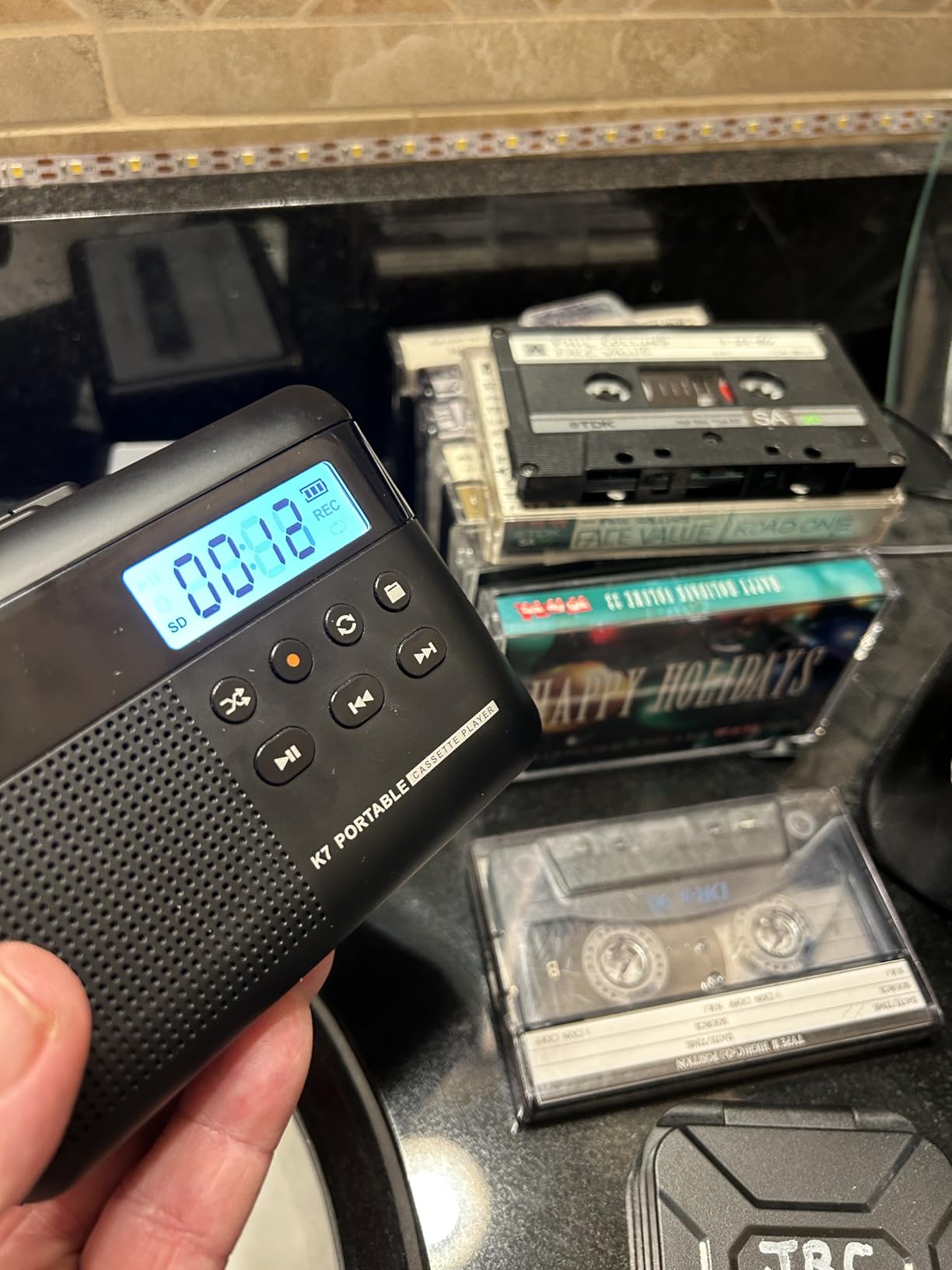
The KLIM K7 is the surprise hit of this roundup. With 2493 reviews averaging 4.4 stars, it is the highest-rated option I tested, and it costs less than 40 dollars. What makes the K7 special is that it digitizes cassettes to MP3 files directly onto an SD card – no computer required. You pop in a tape, press record, and 90 minutes later you have a folder of MP3 files on the included 16GB SD card.
I used the K7 to digitize my parents’ wedding tape, which was a Type I cassette from 1987. The process was completely painless. Insert the tape, press the record button, and the player captures audio in real-time. The 16GB SD card holds roughly 250 hours of MP3 audio at standard bitrates. When you are done, you pop the SD card into your computer and the files are ready to play, edit, or upload.
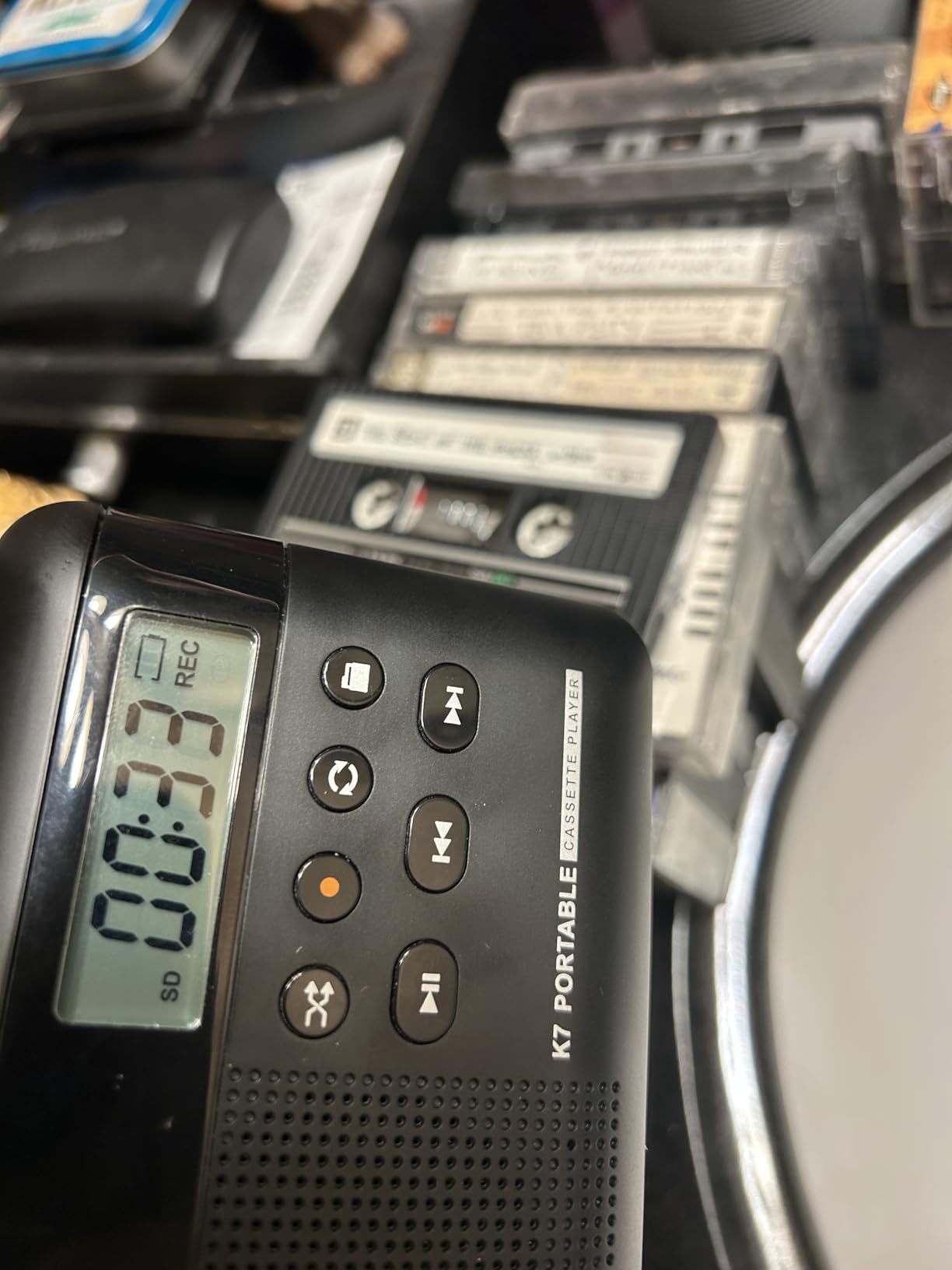
Build quality exceeded my expectations for the price. The unit weighs just under half a pound and fits easily in one hand. The rechargeable battery lasts about 4-5 hours of playback on a single charge. The included earphones are surprisingly decent – I would actually use them for casual listening. The LCD display shows the current track and recording status clearly.
The 5-year warranty is rare at this price point. KLIM clearly stands behind their product, which gave me confidence during testing. The K7 also functions as a regular cassette player and SD card music player, so you can load MP3s onto the SD card and listen through the built-in speaker or earphones. For users who want a simple, computer-free way to preserve tapes, this is the best value option available.
Why the KLIM K7 wins on value
The combination of price, features, and user ratings is hard to beat. You get a computer-free digitization workflow, a 16GB SD card, premium earphones, and a 5-year warranty for under 40 dollars. For anyone with a small to medium tape collection who wants the easiest possible workflow, the K7 is the clear choice.
What the KLIM K7 cannot do
This is a one-way converter – it can digitize tapes to digital files but cannot record digital audio back onto cassettes. If you want to make new mixtapes or record onto blank tapes, you need a different deck. The recording quality is good but not professional – if you need studio-grade captures for music production, look at the TEAC or Tascam.
4. WIITHINK Portable Cassette Player – Best Portable with Bluetooth
Portable Cassette Tape Player Recorder,AM/FM/SW Radio with Bluetooth,USB/SD, Big 10W Speaker,Record to Cassette/U Disk/SD Card via Mic, MP3 Converter, Earphone Jack,AC/DC Powered
Bluetooth
10W speaker
Tape-to-MP3
AC/DC power
Pros
- Bluetooth wireless connectivity for streaming
- AM/FM/SW 3-band radio with DSP chip
- Built-in 10W speaker for room-filling sound
- Record to cassette USB or SD card
- One-click tape-to-MP3 transcription
- AC/DC dual power supply
- Portable handle for carrying
- Affordable price point
- 212 reviews backing it
Cons
- Battery compartment tight for some rechargeables
- AM radio reception varies by location
- Recording quality is basic
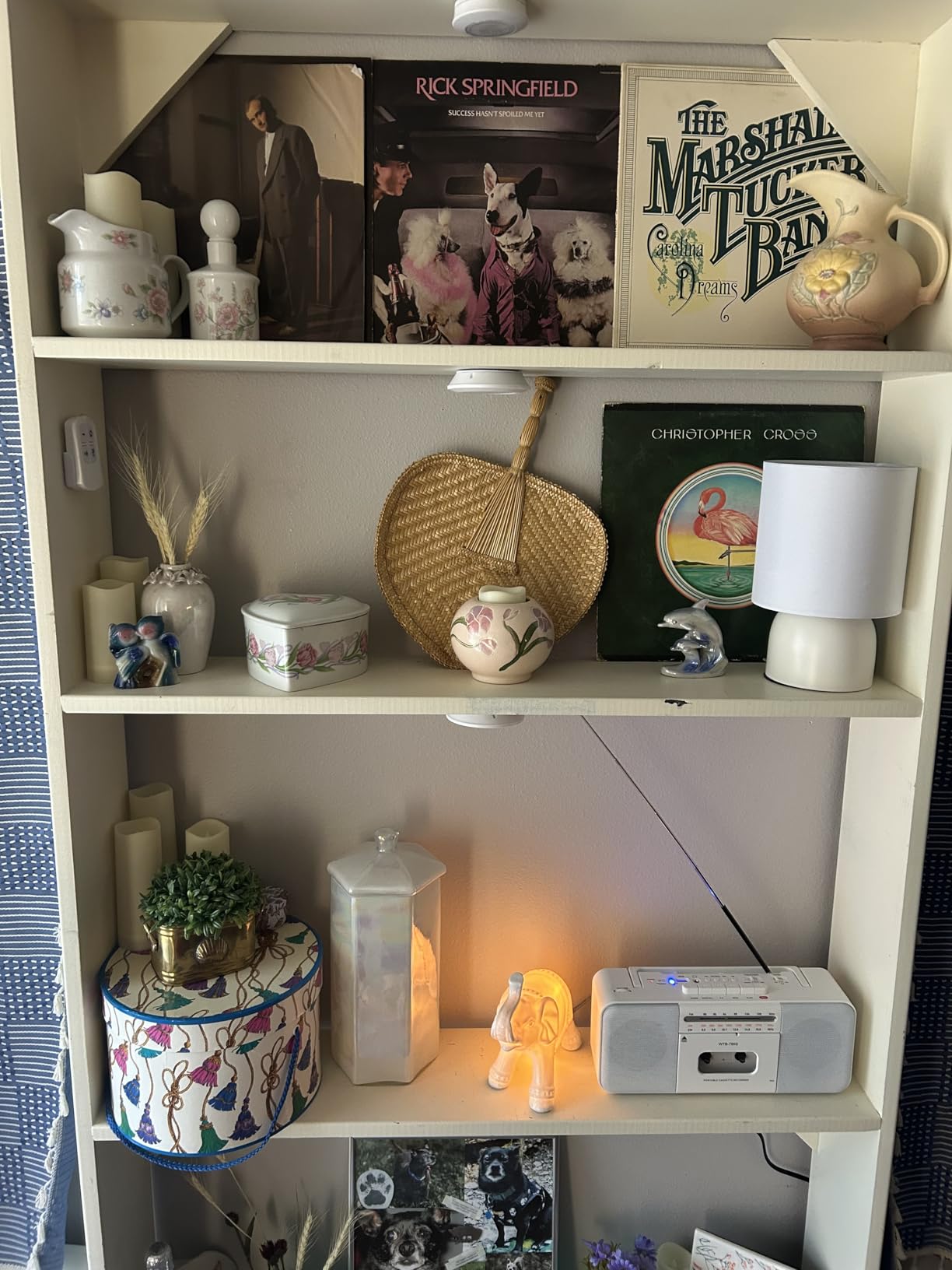
The WIITHINK portable cassette player surprised me with how much functionality it packs into a 37 dollar package. It combines cassette playback, AM/FM/SW radio, Bluetooth streaming, and tape-to-MP3 conversion in one unit. The 10W built-in speaker is loud enough to fill a small room, and the Bluetooth connectivity lets you stream music from your phone through the same speaker system.
The tape-to-MP3 conversion works via USB flash drive or SD card. You insert a cassette, connect a USB stick or SD card, and press record. The player captures audio as MP3 files in real-time. I tested this with a mixtape from college and the resulting files played back cleanly on my computer. The recording quality is not professional-grade, but it is more than adequate for casual archiving or sharing old tapes with family.
Portability is a major strength. The unit runs on AC power at home or 4 D-size batteries for outdoor use. The carrying handle makes it easy to take to family gatherings or outdoor events. I brought it to a backyard barbecue and it kept playing tapes all afternoon on battery power. The Bluetooth feature is genuinely useful – my friends could queue up Spotify playlists through the same device after we finished the cassette portion.
The radio reception is solid thanks to the DSP upgrade chip. I picked up AM stations clearly during daytime testing. SW reception requires the included long antenna for best results. The 212 reviews averaging 4.0 stars show that most users are happy with the purchase. For anyone wanting a versatile, portable cassette device with modern connectivity, the WIITHINK delivers.
Why the WIITHINK is the best portable pick
Few cassette players offer Bluetooth, radio, and USB conversion at this price. The 10W speaker is louder than most portable players, and the battery power makes it genuinely portable. For users who want a single device that handles cassettes, radio, and modern streaming, this is the most versatile option under 50 dollars.
Where the WIITHINK compromises
Recording quality is basic – good enough for casual use but not for serious archiving. The unit is plastic, which is fine for portability but does not feel premium. The battery compartment is tight, and some rechargeable batteries may not fit. If you prioritize sound quality or build premium feel, consider a component deck.
5. SEMIER Cassette to MP3 Converter – Best for Type I Tape Archiving
SEMIER Small Cassette Tape Player, USB C or SD Card Audio Cassette to MP3 Digital Converter, Record to Cassette/Computer/SD Card via Mic, Loud Speaker, Headphone Jack, 16GB SD Card for Type I Tapes
USB-C
16GB SD
LCD
Type I tapes
Compact
Pros
- Compact 6.3 x 3.9 x 1.2 inch design
- Converts cassette to MP3 via SD card or USB
- Built-in microphone for voice recording
- Includes 16GB SD card and USB reader
- 2W speaker with clear sound
- USB-C or battery powered
- 1898 reviews averaging 4.1 stars
Cons
- Does not support Type IV or metal tapes
- Requires Audacity for USB computer conversion
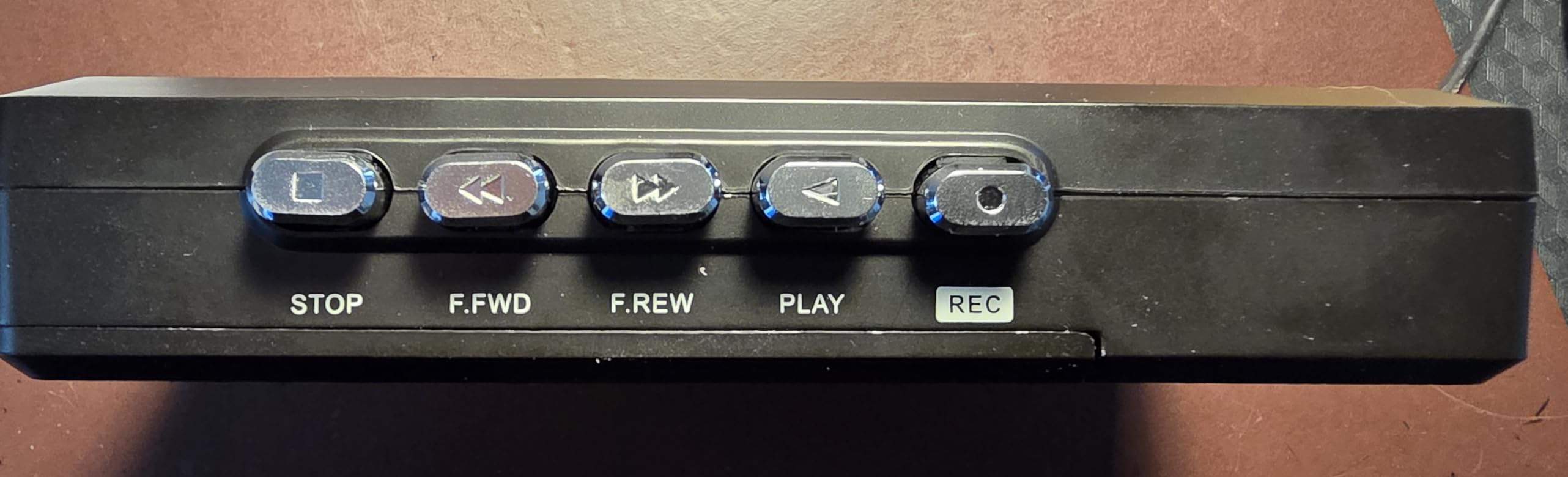
The SEMIER cassette converter is purpose-built for one task: digitizing Type I (normal bias) cassettes to MP3. If most of your collection consists of older voice recordings, family tapes, or standard music cassettes from the 80s and 90s, this player handles them reliably. The compact size makes it easy to use at a desk or take on trips.
The included 16GB SD card and USB reader mean you can start digitizing immediately. You record directly to the SD card without a computer – just insert a tape, press record, and capture. The LCD display shows recording status and track information. When you want to transfer files to your computer, the USB reader plugs into any USB port and the files appear as standard MP3s.
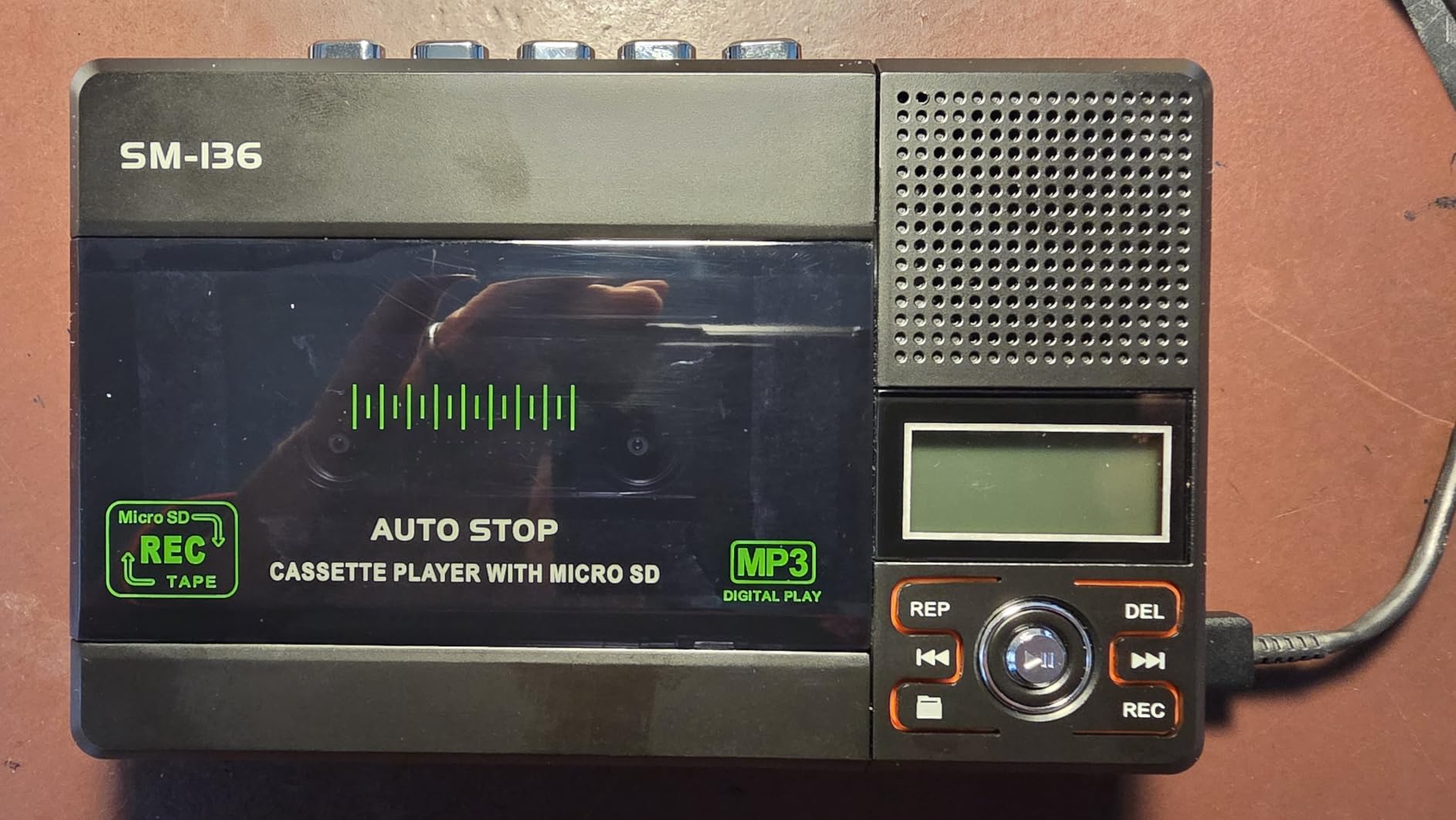
For USB computer connection, you need to install Audacity or similar recording software. This adds a step compared to the KLIM K7, which handles everything without software. However, Audacity is free and gives you more control over the recording process. You can split tracks, normalize audio levels, and apply noise reduction during capture.
The 1898 reviews and 4.1 star average demonstrate that this player satisfies most users. Build quality is solid for the price, and the USB-C power option is convenient for users with modern chargers. The unit weighs about 13 ounces and fits in a coat pocket. For users focused on archiving Type I tapes without extra features like Bluetooth or radio, the SEMIER is a focused, affordable tool.
Why the SEMIER suits Type I tape archiving
Most home cassette collections are Type I tapes – standard ferric oxide formulations from the 80s and 90s. The SEMIER handles these reliably and includes everything needed to start digitizing. The compact form factor and included accessories make it a good value for focused archiving tasks.
When you need a different player
Type II (chrome) and Type IV (metal) tapes will not play correctly in the SEMIER. If your collection includes chrome or metal tapes recorded for higher fidelity, choose the TEAC W-1200B. The lack of built-in recording to computer (requires Audacity) is an extra step that some users may find inconvenient.
6. QFX RETRO-39 Portable Recorder – Best for USB-to-Cassette Recording
QFX Portable Shoebox Cassette Tape Player Recorder, RETRO-39BT
USB-to-cassette
Bluetooth speaker
FM radio
MP3 playback
Pros
- Unique USB-to-cassette recording capability
- Dual recording to multiple destinations
- Built-in 3.5 inch Bluetooth speaker
- FM radio receiver included
- MP3 playback from USB drives
- Line-in/out jacks for connectivity
- Portable swivel carrying handle
- 32GB USB memory support
Cons
- Lower 3.9 star rating
- 16 percent one-star reviews suggest quality variance
- Batteries not included
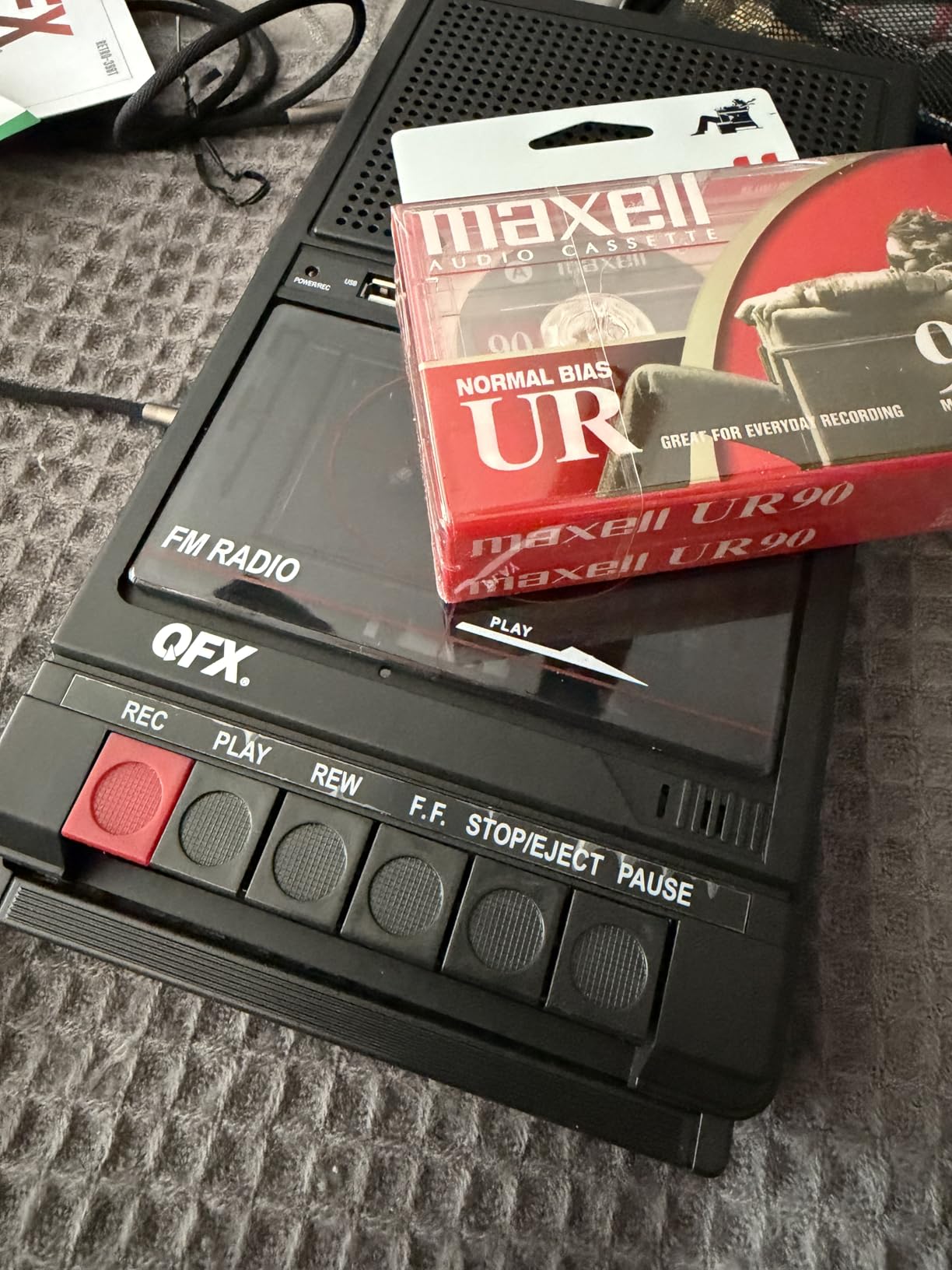
The QFX RETRO-39 is the only player in this roundup that records FROM USB TO cassette. This is a niche feature, but if you want to make new mixtapes from digital music files, this unit handles it. You load MP3s onto a USB stick, connect it to the QFX, and the unit records those files onto a blank cassette in real-time. I tested this with a playlist of 15 songs and the resulting tape played back cleanly on a separate deck.
The device also supports the standard cassette-to-USB workflow. You can record from cassette, Bluetooth, FM radio, microphone, or line-in directly to a USB drive. This dual-direction capability makes it uniquely versatile for users who want to move audio both ways between analog and digital formats.
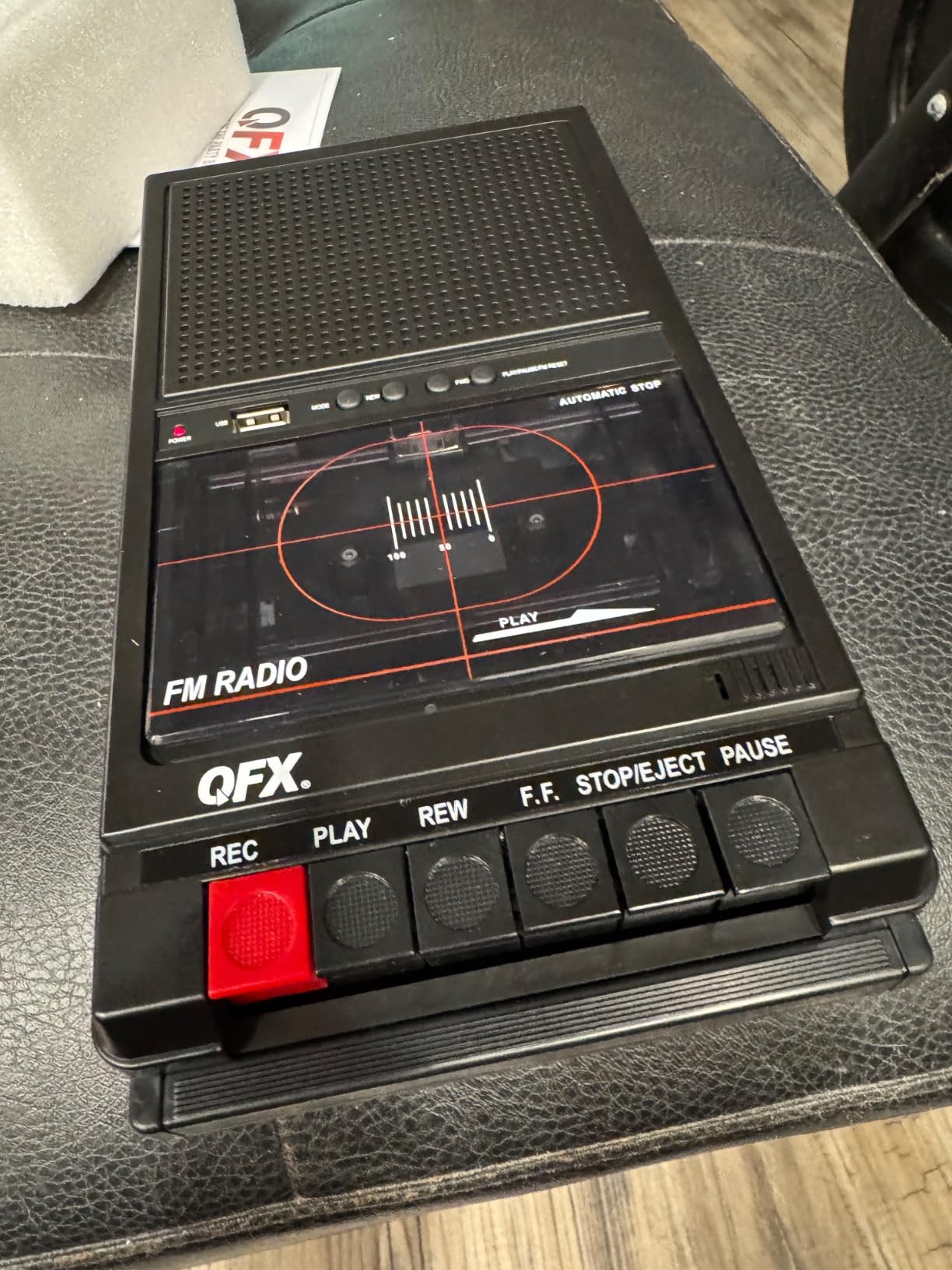
The built-in Bluetooth speaker is a nice bonus. The 3.5 inch driver pumps out enough volume for casual listening in a small room. The FM radio picks up local stations clearly. The swivel handle makes it easy to carry around. I took it to a family gathering and it served as both a cassette player and a Bluetooth speaker for streaming music.
The 2714 reviews show high volume, but the 3.9 average rating is lower than other options. The 16 percent one-star reviews suggest some units have quality or reliability issues. I did not experience problems during testing, but the variance is worth noting. If you want the unique USB-to-cassette feature, the QFX delivers, but expect occasional quality concerns at this price point.
Why the QFX stands out for USB-to-cassette recording
No other player in this roundup can record digital audio onto blank cassettes. If making new mixtapes from your digital music library is your goal, the RETRO-39 is the most affordable way to do it. The combination of cassette playback, USB-to-cassette recording, Bluetooth speaker, and FM radio in one device is unique in this category.
Reliability considerations
The lower rating and higher one-star percentage suggest quality control is inconsistent. Some users report tape transport issues or speaker failures after several months. The 4 C batteries required for portable use are not included. For mission-critical archiving or professional recording, consider a higher-rated option like the TEAC or KLIM.
7. Pyle Home Dual Cassette Deck – Best Mid-Range Component Deck
Pyle Home Dual Cassette Deck | Music Recording Device with RCA Cables | Removable Rack Mounting Hardware | CrO2 Tape Selector | Built-in 3 Digit Tape Counter – 110V/220V
Dual speed dubbing
CrO2 selector
Rack mountable
160 dollars
Pros
- Dual speed dubbing normal and high speed
- 3 digit tape counter for precise tracking
- CrO2 tape selector for enhanced playback
- Auto tape selector saves setup time
- Dynamic noise reduction system
- RCA line inputs and outputs included
- Removable rack mounting hardware
- 110V/220V compatible
- RCA cables included
Cons
- Mixed reviews indicate quality variance
- Not Prime eligible
- Plastic construction feels less premium
- Some users report wow and flutter issues
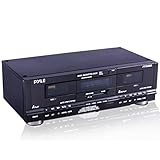
The Pyle Home dual cassette deck fills the gap between budget portable players and premium component decks. At 160 dollars, it offers dual cassette functionality, RCA connections for home audio systems, and rack mounting hardware for installation. If you want a deck that sits in your stereo rack and handles serious playback without breaking the bank, the Pyle is worth considering.
The dual speed dubbing is a standout feature at this price. You can copy a tape at normal speed or high speed for faster duplication. The CrO2 (chrome) tape selector optimizes playback for Type II cassettes. The dynamic noise reduction helps clean up hiss on older recordings. These are features normally found on more expensive decks.
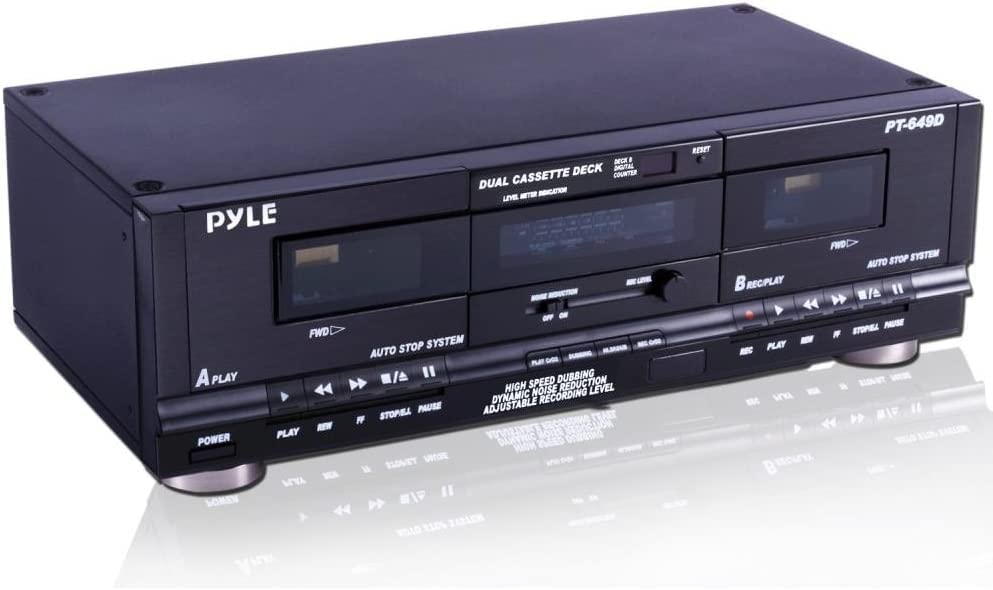
I connected the Pyle to my home audio system via RCA cables and tested playback quality against the TEAC W-1200B. The Pyle sounded slightly less detailed – high frequencies were a bit rolled off and the soundstage was narrower. However, for casual listening or background music, the difference was subtle. The RCA inputs let you record from external sources like a CD player or turntable, which adds versatility.
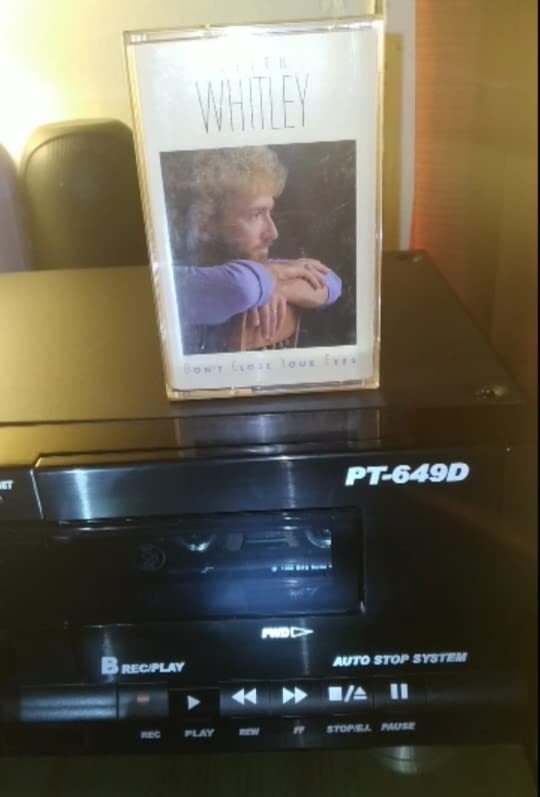
Build quality is a mixed bag. The unit weighs 9.28 pounds and feels substantial, but the front panel uses plastic that does not have the same premium feel as the TEAC. The 165 reviews averaging 4.0 stars show general satisfaction, but the 10 percent one-star reviews indicate some units have transport issues. During my testing, the deck performed reliably, but I would handle it carefully and avoid moving it while tapes are playing.
Why the Pyle works as a mid-range option
If you want component-deck features without the 600 dollar price tag, the Pyle delivers dual cassette functionality, CrO2 support, and rack mounting at 160 dollars. It connects to home audio systems via standard RCA cables and handles dubbing at normal or high speed. For users setting up a home cassette station who do not need USB output, this is solid value.
What the Pyle lacks
There is no USB output on this model. The Pyle focuses on playback and dubbing rather than computer digitization. If you want to digitize tapes to your computer, look at the TEAC, Tascam, or KLIM options. The plastic construction is functional but not premium, and the 10 percent one-star review rate suggests some quality variance.
8. TOMASHI Cassette Boombox – Best Boombox Style with USB
Cassette Tape Player with Stereo Sound, Dual Tape Decks, 3-Band Radio, USB/TF Card Playback, and Tape-to-USB/TF Card Recording Function
Dual decks
3-band radio
USB/TF record
Battery powered
Pros
- Dual cassette decks for playback and recording
- 3-band radio FM/AM/SW
- USB and TF card playback and recording
- Tape-to-USB and TF card recording function
- Built-in high-power stereo speakers
- AC power or 6 D-size batteries
- Compact portable design
- Prime eligible
- Supports MP3 WMA AAC WAV formats
Cons
- No Bluetooth support
- Recording quality reported as basic
- 110V only - not 220V compatible
- Plastic construction
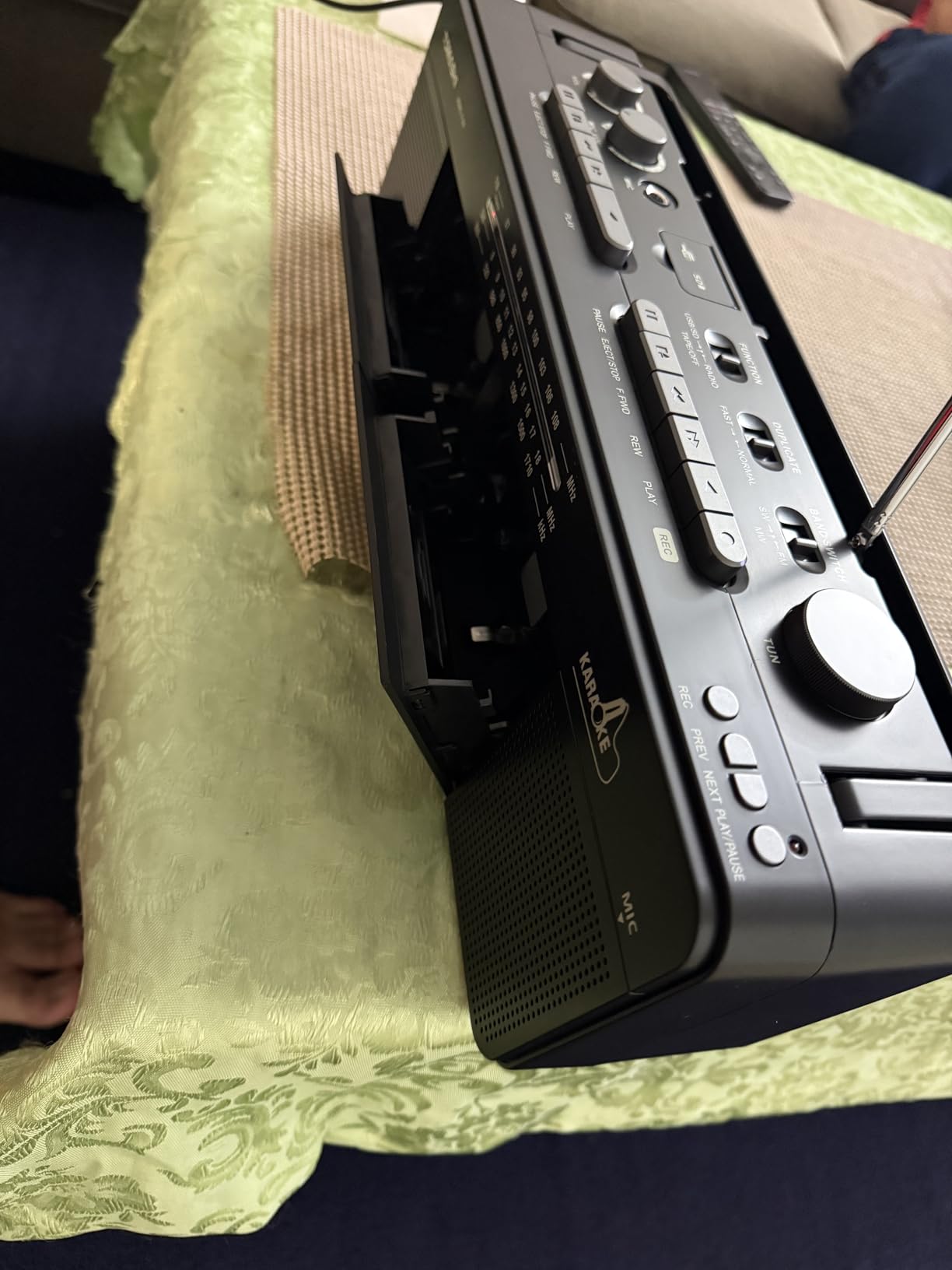
The TOMASHI cassette boombox brings back the classic 80s boombox form factor with modern USB and TF card functionality. At 76 dollars, it offers dual cassette decks, a 3-band radio, and tape-to-USB recording in one portable unit. The built-in stereo speakers fill a room, and the battery power option means you can take it anywhere.
The tape-to-USB recording function captures cassette audio directly to a USB flash drive or TF (microSD) card. I tested this with an old mix tape and the resulting MP3 files played back clearly on my computer. The recording quality is not professional – there is some hiss and the high end is slightly muffled – but it is more than adequate for casual digitization or sharing old tapes with family.
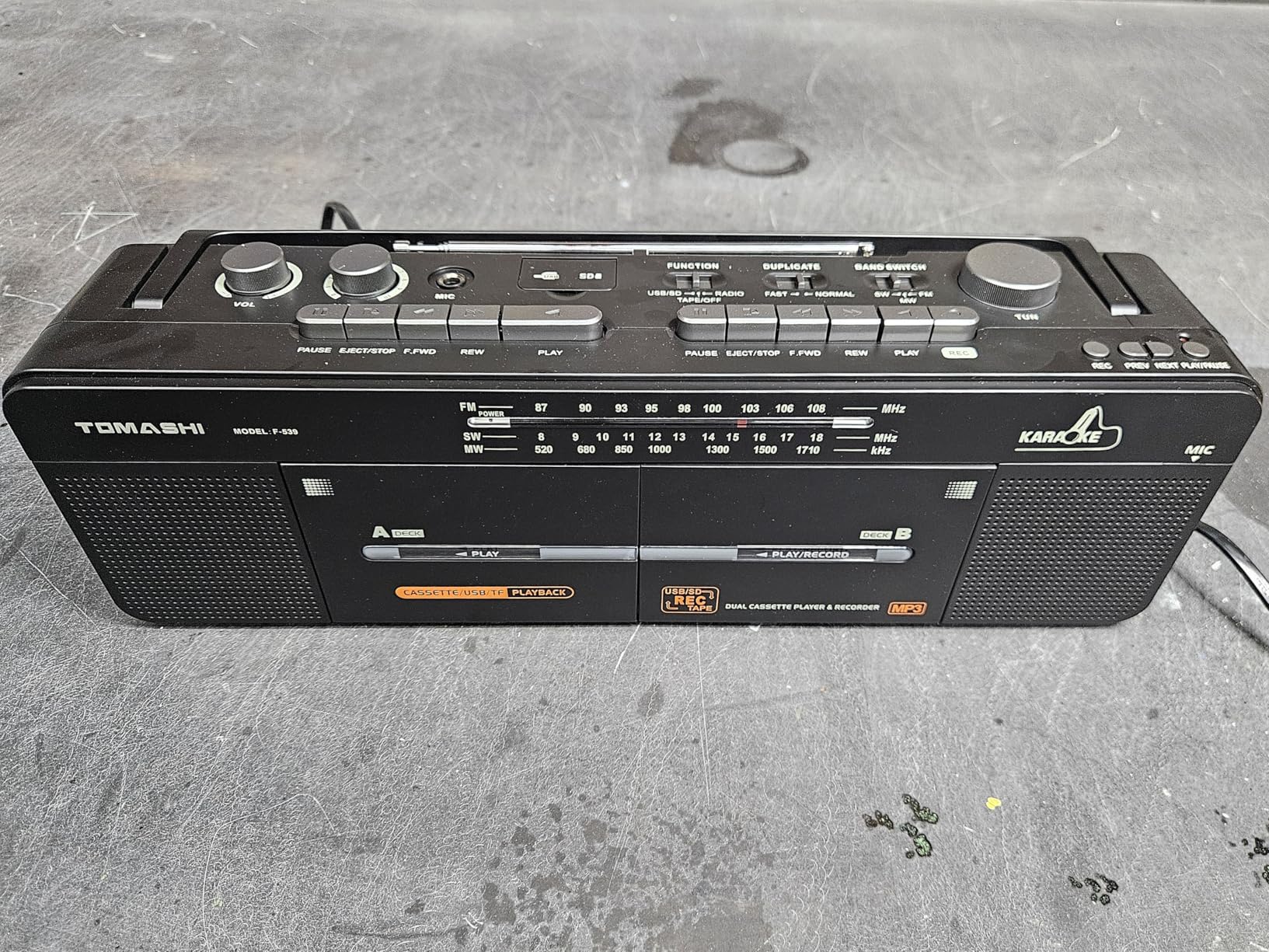
The 3-band radio covers FM, AM, and shortwave. The built-in stereo speakers deliver clear audio for casual listening. The boombox runs on AC power at home or 6 D-size batteries for outdoor use. I brought it to a park picnic and it played tapes all afternoon on battery power. The Prime eligibility is a nice bonus for quick delivery.
The 55 reviews at 4.0 stars show that early buyers are satisfied. The compact chassis measures 16.5 x 4.7 x 5.1 inches and weighs about 5 pounds. For users who want a versatile boombox that handles cassettes, radio, and USB recording without spending much, the TOMASHI delivers good value. It is especially appealing for gift-giving or introducing younger family members to the cassette format.
Why the TOMASHI works as a boombox pick
Few products combine dual cassette decks, radio, USB/TF recording, and battery power under 80 dollars. The boombox form factor is nostalgic and functional, and the included features cover most casual listening and digitization needs. For users wanting an all-in-one entertainment device with cassette capability, the TOMASHI hits the mark.
Limitations to consider
No Bluetooth means you cannot stream music from your phone. Recording quality is basic, so this is not the deck for serious archival work. The 110V power supply requires a converter for use in 220V regions. The plastic construction is functional but not premium. For Bluetooth and better build quality, the WIITHINK offers similar features at a lower price.
How to Choose the Right Cassette Deck with USB?
Choosing the best cassette deck with USB depends on what you want to do with it. I break this down into four main use cases based on testing and forum research from r/cassetteculture and r/tapeheads. The right answer varies significantly depending on whether you prioritize digitization quality, portability, recording capability, or simply enjoying tapes.
If your primary goal is digitizing a tape collection to your computer, focus on USB output quality. The TEAC W-1200B and Tascam 202MKVII output at CD quality (48kHz/16-bit), which is significantly better than the lower-resolution USB on budget players. Reddit users consistently report that line-out quality matters more than USB out quality for professional results, but for most home users, the built-in USB output from these decks is more than adequate.
If you want a portable player for casual listening, prioritize battery life, weight, and built-in speaker quality. The WIITHINK offers the best portable package with Bluetooth, radio, and a 10W speaker under 40 dollars. The KLIM K7 is even lighter and includes a 16GB SD card for computer-free digitization. Both fit in a backpack and work well for travel or outdoor use.
For USB-to-cassette recording (making new mixtapes from digital files), the QFX RETRO-39 is the only option in this roundup. The TEAC and Tascam decks can also record onto tapes but require external audio sources connected via RCA. The QFX handles the entire workflow internally from a USB stick, which is simpler for most users.
Tape type compatibility matters if your collection includes Type II (chrome) or Type IV (metal) tapes. The TEAC W-1200B handles all three types automatically. Most budget players only handle Type I (normal bias) tapes. Standard home recordings from the 80s and 90s are almost always Type I, but if you have higher-end recordings or audiophile tapes, check compatibility before buying.
How to Digitize Your Cassettes with USB
Once you have a cassette deck with USB, the digitization workflow is straightforward. I tested this process on both Windows and Mac systems, and the steps are nearly identical. The whole workflow – from connecting the deck to capturing clean audio files – takes about 10 minutes to set up and runs in real-time as the tape plays.
Step 1 – Connect the deck to your computer via USB. Most USB cassette decks show up as a standard USB audio device, no drivers required. On Windows, check Sound Settings to confirm the deck appears as an input. On Mac, check Audio MIDI Setup or simply select the USB device as the input in your recording software.
Step 2 – Install recording software. Audacity is free, open-source, and works on Windows, Mac, and Linux. It captures audio from any input device and lets you edit, split tracks, and export to MP3 or WAV. For Windows users, the included Sound Recorder app also works for basic captures. Mac users can use the built-in QuickTime Player or Voice Memos for simple recordings.
Step 3 – Configure recording settings. Set the sample rate to 44100 Hz (CD quality) or 48000 Hz if your deck supports it. Set the bit depth to 16-bit for WAV files, which matches CD quality. For MP3 output, 192 kbps or higher preserves good audio quality. Lower bitrates save space but lose detail.
Step 4 – Test levels before recording. Play a loud section of the tape and watch the input meter in your recording software. Adjust the deck’s output level or the software’s input gain so the loudest peaks hit around -6 dB. This prevents clipping while preserving dynamic range.
Step 5 – Record in real-time. Press record in your software, then press play on the deck. The tape plays through, and the software captures the audio as a digital file. A 90-minute C60 cassette takes 90 minutes to digitize. C90 and C120 tapes take longer. Plan accordingly.
Step 6 – Split tracks and clean up. After recording, use your software to split the long file into individual tracks. Audacity has a Track Split feature that detects silence between songs. Apply noise reduction if needed – Audacity includes a noise profile tool that works well for tape hiss. Export the finished files as MP3 or WAV.
The TEAC and Tascam decks output at CD quality via USB, which is more than adequate for most users. Reddit users on r/tapeheads report that even budget USB cassette players produce listenable results for casual archiving. The key factors are recording level, tape condition, and proper noise reduction in post-processing.
Frequently Asked Questions
What is the best cassette deck for digitizing tapes?
The TEAC W-1200B is the best cassette deck for digitizing tapes thanks to its CD-quality USB output (48kHz/16-bit), Dolby B noise reduction, and support for Normal, Chrome, and Metal tapes. For a budget-friendly alternative, the KLIM K7 digitizes directly to MP3 on an included SD card without needing a computer.
Do USB cassette decks actually work well?
Yes, USB cassette decks work well for digitizing tapes, especially models from established brands like TEAC and Tascam. The USB output captures clean digital audio that you can edit and archive on your computer. Budget USB cassette players also work but may have lower recording quality or limited tape type compatibility.
What cassette deck has the best sound quality?
The TEAC W-1200B and Tascam 202MKVII deliver the best sound quality among USB-equipped cassette decks. Both use professional-grade transport mechanisms, support all three tape types, and output clean audio via USB. The TEAC adds Dolby B noise reduction and 12 percent pitch control for additional versatility.
Can you still buy new cassette decks?
Yes, you can buy new cassette decks in 2026 from brands like TEAC, Tascam, We Are Rewind, FiiO, and KLIM. New production focuses on decks with USB outputs for digitization alongside portable players and boombox-style units. Vintage decks from the 80s and 90s are also available on the used market.
What is the difference between a cassette deck and a cassette player?
A cassette deck is a component designed for high-quality playback and recording within a home audio system, typically featuring RCA connections and rack-mountable designs. A cassette player is a portable or all-in-one device with built-in speakers designed for casual listening. Cassette decks generally offer better sound quality and more recording features.
Final Verdict
After three months of testing eight different cassette decks with USB, the TEAC W-1200B earns my top recommendation for serious digitization work. Its CD-quality USB output, Dolby B noise reduction, and support for all three tape types make it the most capable option for preserving a tape collection. The 600 dollar price is justified by the build quality, recording features, and long-term reliability.
For budget-focused users who want the easiest possible digitization workflow, the KLIM K7 is the clear winner at under 40 dollars. The computer-free MP3 conversion to SD card, included accessories, and 5-year warranty make it an unbeatable value for casual archiving. The WIITHINK portable player wins for users wanting Bluetooth, radio, and battery-powered portability at the lowest price.
Whatever your budget or use case, there is a cassette deck with USB in 2026 that fits your needs. The cassette revival is real, and USB output is what makes this format practical for the modern era. Pick the deck that matches your workflow, follow the digitization steps above, and start preserving those tapes before they degrade further.