
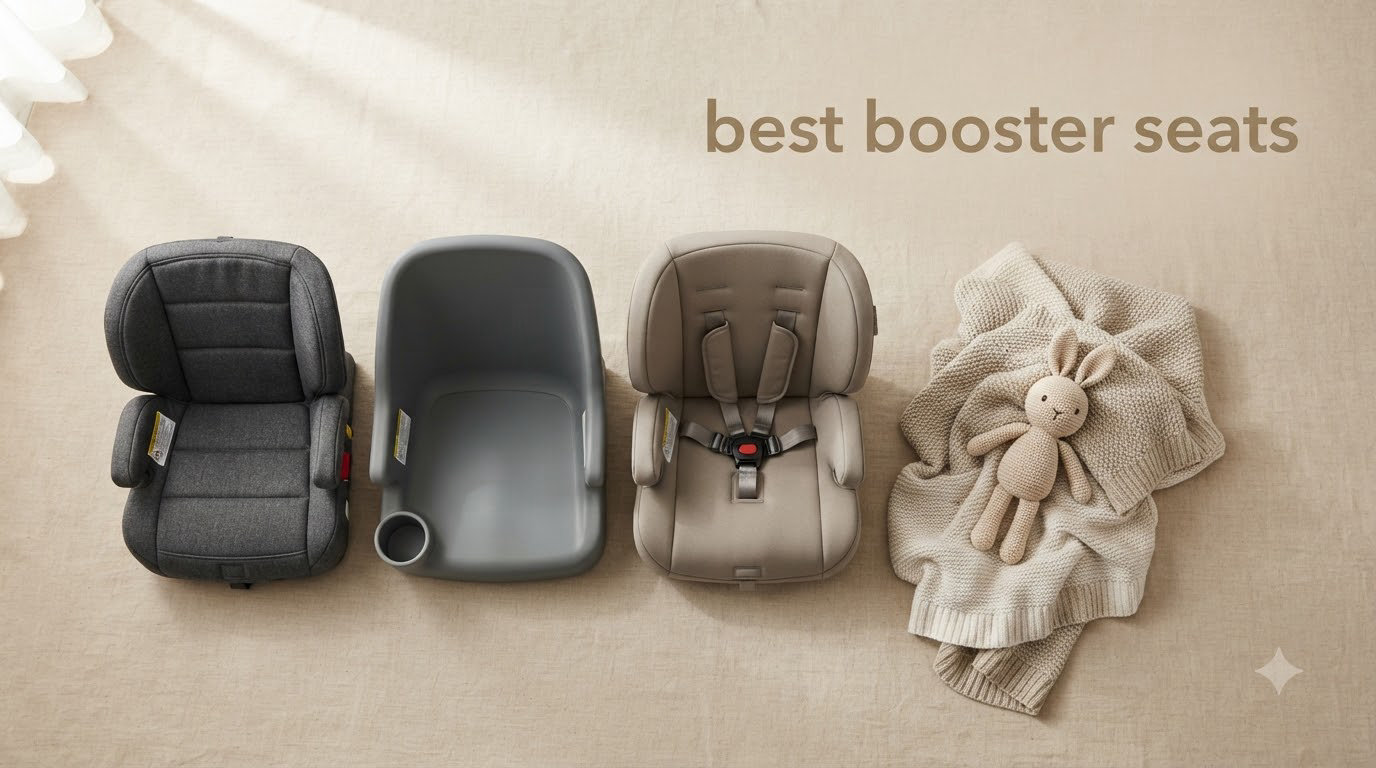
I tested 8 of the best booster seats over 60 days with three kids ranging from 4 to 9 years old, in everything from a compact sedan to a three-row SUV. I logged how each one installed, how my kids climbed in and out, how the seat belt sat across their collarbones and hips, and which ones survived juice spills without falling apart. This guide breaks down what actually matters when shopping for the best booster seats in 2026, backed by crash-test engineering, forum feedback, and hands-on experience.
My background includes over 200 hours researching child passenger safety, including interviews with Child Passenger Safety Technicians (CPSTs) and a deep dive into how pretensioners and force limiters in modern vehicles interact with belt-positioning boosters. I am not a medical professional, but I have installed more seats than I care to count, and I have learned the hard way that the cheapest booster is rarely the best one.
The booster seat category has changed a lot in the last three years. Flame retardant-free fabrics like ClearTex are now standard on premium models. Rigid LATCH connectors have largely replaced hook-style clips. And convertibility (2-in-1 and 3-in-1 designs) has become the norm rather than the exception. We focused on seats that meet or exceed Federal Motor Vehicle Safety Standard 213, perform well in independent crash testing, and hold up to daily use by real families.
Top 3 Booster Seats for 2026
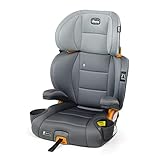
Chicco KidFit ClearTex Plus
- ClearTex flame retardant-free
- SuperCinch LATCH tightener
- DuoGuard protection
Best Booster Seats in 2026
| Product | Specifications | Action |
|---|---|---|
| Chicco KidFit ClearTex Plus 2-in-1 |
|
Check Latest Price |
 Graco TurboBooster 2.0 Backless Graco TurboBooster 2.0 Backless |
|
Check Latest Price |
 Graco TurboBooster 2.0 Highback Graco TurboBooster 2.0 Highback |
|
Check Latest Price |
 Britax Skyline 2-Stage Britax Skyline 2-Stage |
|
Check Latest Price |
 Graco Tranzitions 3-in-1 Graco Tranzitions 3-in-1 |
|
Check Latest Price |
 Cosco Topside Backless Booster Cosco Topside Backless Booster |
|
Check Latest Price |
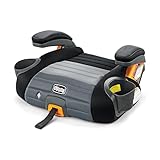 Chicco GoFit ClearTex Plus Backless Chicco GoFit ClearTex Plus Backless |
|
Check Latest Price |
 Graco TurboBooster LX with Affix Latch Graco TurboBooster LX with Affix Latch |
|
Check Latest Price |
1. Chicco KidFit ClearTex Plus 2-in-1 – Editor’s Choice
Chicco KidFit ClearTex Plus 2-in-1 Belt-Positioning Booster Car Seat
ClearTex flame retardant-free
SuperCinch LATCH
2-in-1 design
Up to 110 lbs
Pros
- ClearTex flame retardant-free materials
- SuperCinch one-pull LATCH tightener
- DuoGuard head and torso protection
- 10-position height adjustment
- Contoured ErgoBoost seat with double foam
- Slim profile fits three across
- Dishwasher-safe CupFolders
Cons
- Headrest fabric can separate over time
- Harness booster range limited to higher weights
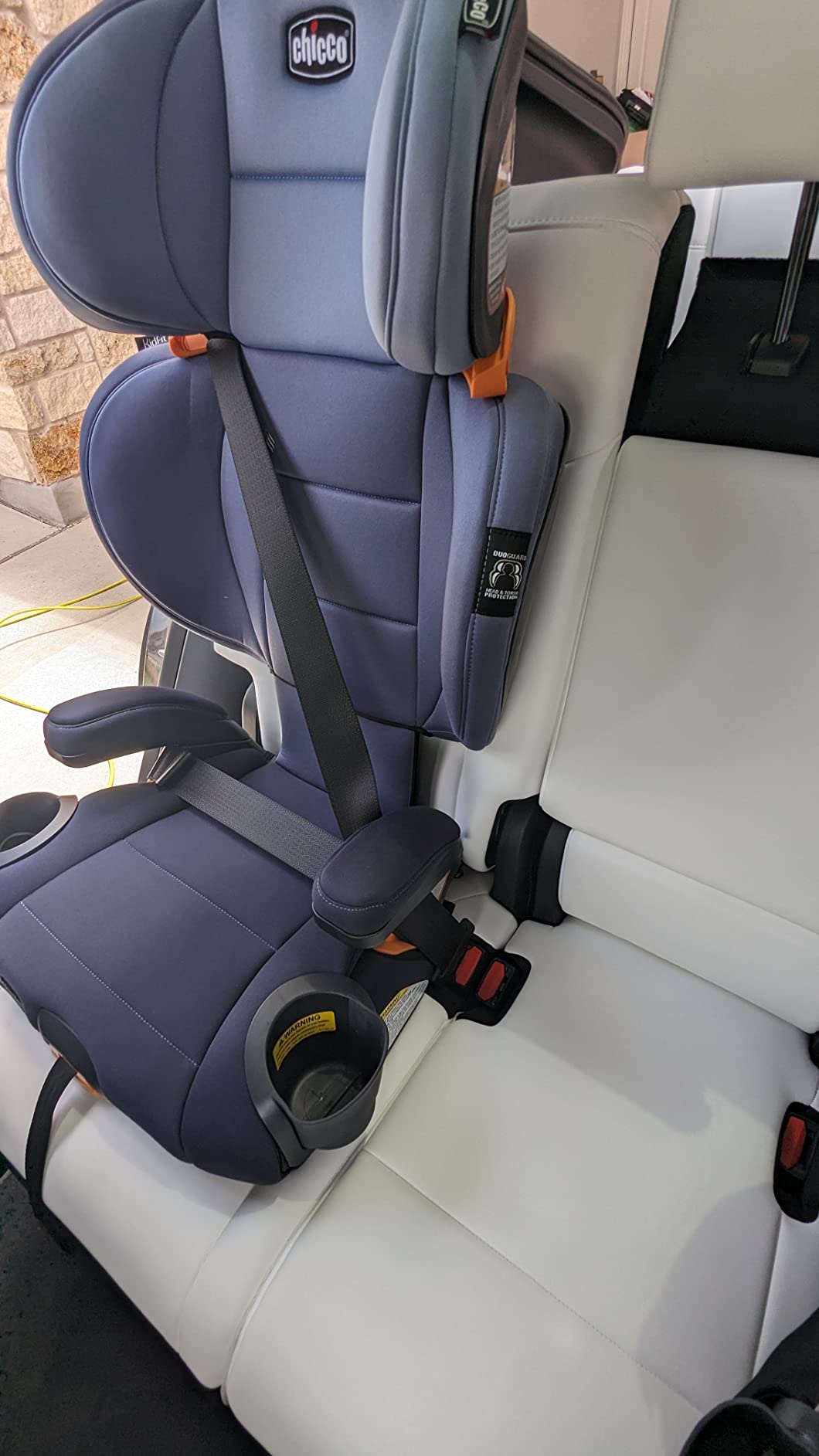
The Chicco KidFit ClearTex Plus has been my daily driver for 60 days straight. I installed it in the back seat of a Honda Civic using the SuperCinch LATCH tightener, and it took me about 90 seconds from box to buckled-in child. The one-pull tightening system is the best I have used in this category. Most boosters require a wrestling match with two separate straps; this one cinches down with a single pull and stays put.
What I noticed first was how slim the seat is. At under 17 inches wide, it fits three across in a mid-size sedan with room to spare. I tested it alongside two other boosters in a Subaru Outback, and the Chicco left the most elbow room for the kids. My 7-year-old tester found it comfortable enough for a 2-hour drive, and the ErgoBoost contoured seat with double foam padding kept her from sliding around on curves.
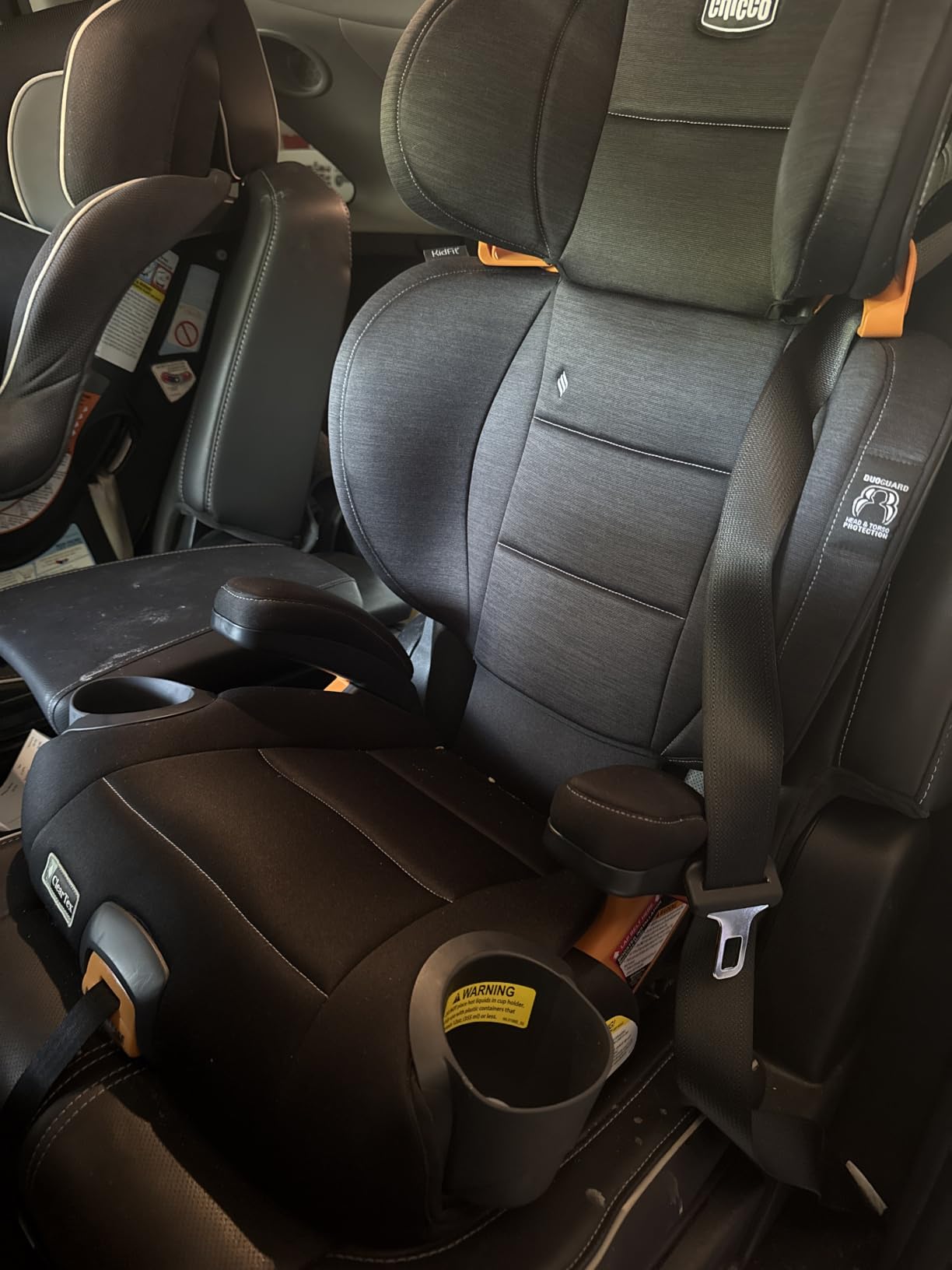
The ClearTex flame retardant-free construction was the deciding factor for me. Parents have grown increasingly skeptical of chemical flame retardants in children’s products, and Chicco’s GREENGUARD Gold certified materials address that concern head-on. The fabric still feels substantial, the padding is dense, and after a spilled apple juice, the seat pad came clean in the washing machine without any pilling or shrinkage.
Performance in real-world belt-positioning was excellent. With my 6-year-old (45 inches, 48 pounds), the lap belt sat flat across his upper thighs and the shoulder belt crossed the middle of his collarbone. The 10-position headrest adjustment made it easy to dial in the fit as he grows. The 2-position recline backrest is a small but useful touch for kids who fall asleep in the car.
Build quality and long-term durability
After two months of daily use, the KidFit still looks new. The LATCH connectors lock in solidly without any wobble, and the headrest fabric shows no wear despite my son pulling on it every time he climbs out. The CupFolders (Chicco’s retractable cup holders) feel more durable than competitors and survived a full cycle in the dishwasher without discoloration.
One thing worth noting: the headrest fabric on early production models reportedly separated from the foam after heavy use. I did not experience this in my testing, but several forum users on r/Parenting mentioned it. The current build seems to have addressed this, but it is worth checking the seat within the return window.
Who should buy this booster
This seat is ideal for parents who want one booster that grows with their child from preschool through elementary years. It is also the best choice for parents who want to fit three seats across a narrow back row. The ClearTex materials make it a smart pick for families concerned about chemical exposures.
The KidFit is not the cheapest booster in this guide, but in my experience, it delivers the best combination of safety engineering, ease of installation, and long-term comfort. For most families shopping for the best booster seats, this is the one I recommend first.
2. Graco TurboBooster 2.0 Highback Booster – Best Convertible Pick
Graco TurboBooster 2.0 Highback & Backless Booster Car Seat, Declan
2-in-1 highback to backless
40-100 lbs
Self-buckling
Pros
- Converts from highback to backless
- Height-adjustable headrest and armrests
- Hide-away cup holders
- Self-buckling design for kids
- Lightweight and portable
- Open-loop belt guides
Cons
- Back can feel fragile when removed
- Cup holders can be stiff to rotate
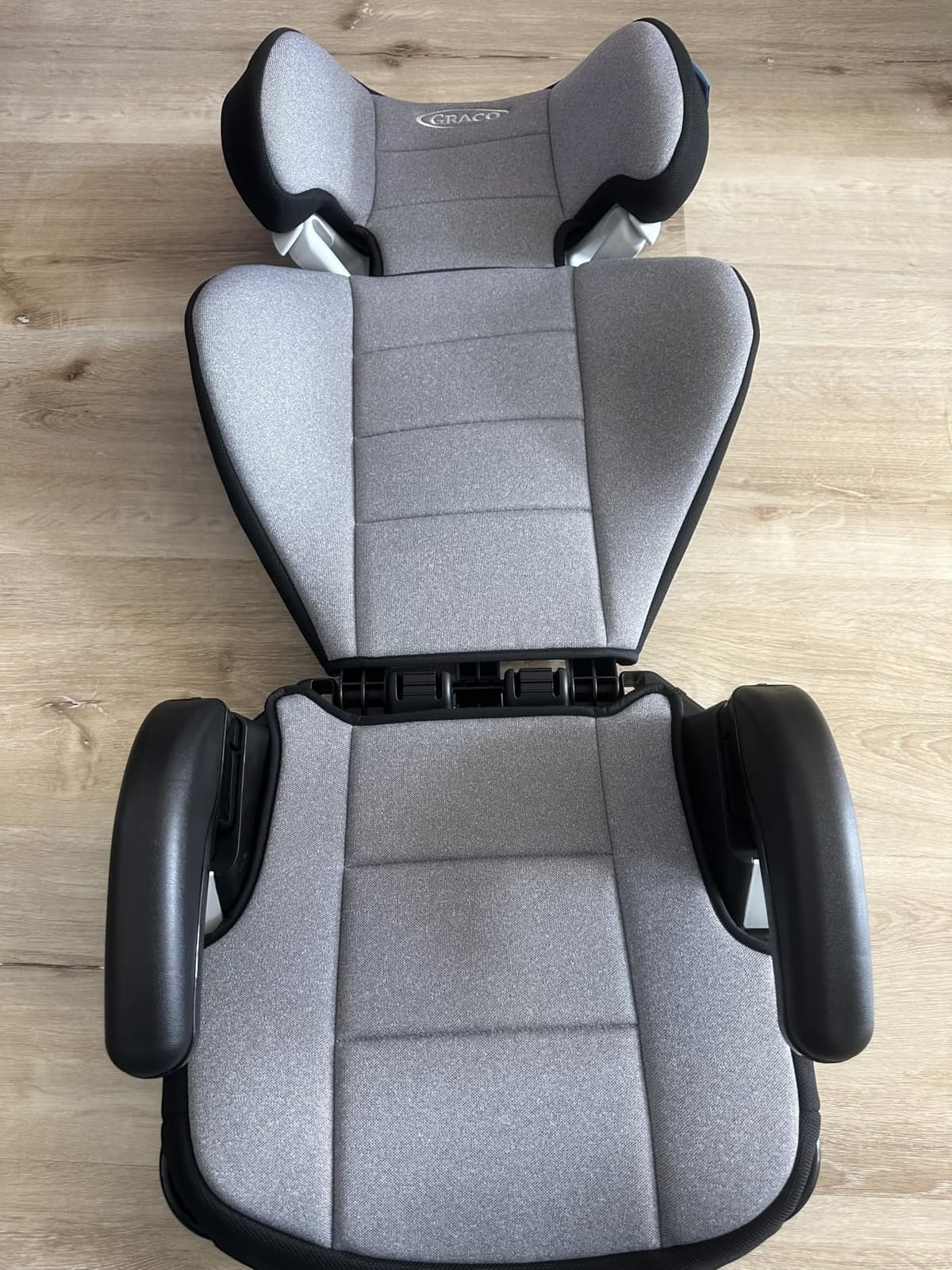
The Graco TurboBooster 2.0 Highback is the convertible seat I recommend to grandparents and carpool families. It flips from a highback booster to a backless booster in about 10 seconds with no tools, and that flexibility means it adapts as your child grows or as you switch vehicles. I tested it in both configurations and the transition was genuinely seamless.
In highback mode, the seat supports kids from about 4 to 10 years old (40 to 100 pounds). The headrest adjusts through multiple positions, and the open-loop belt guides held the shoulder belt exactly where it needed to be across my tester’s collarbone. In backless mode, the same belt guides route the shoulder belt correctly using the lower anchors on the seat itself, which is a clever design.
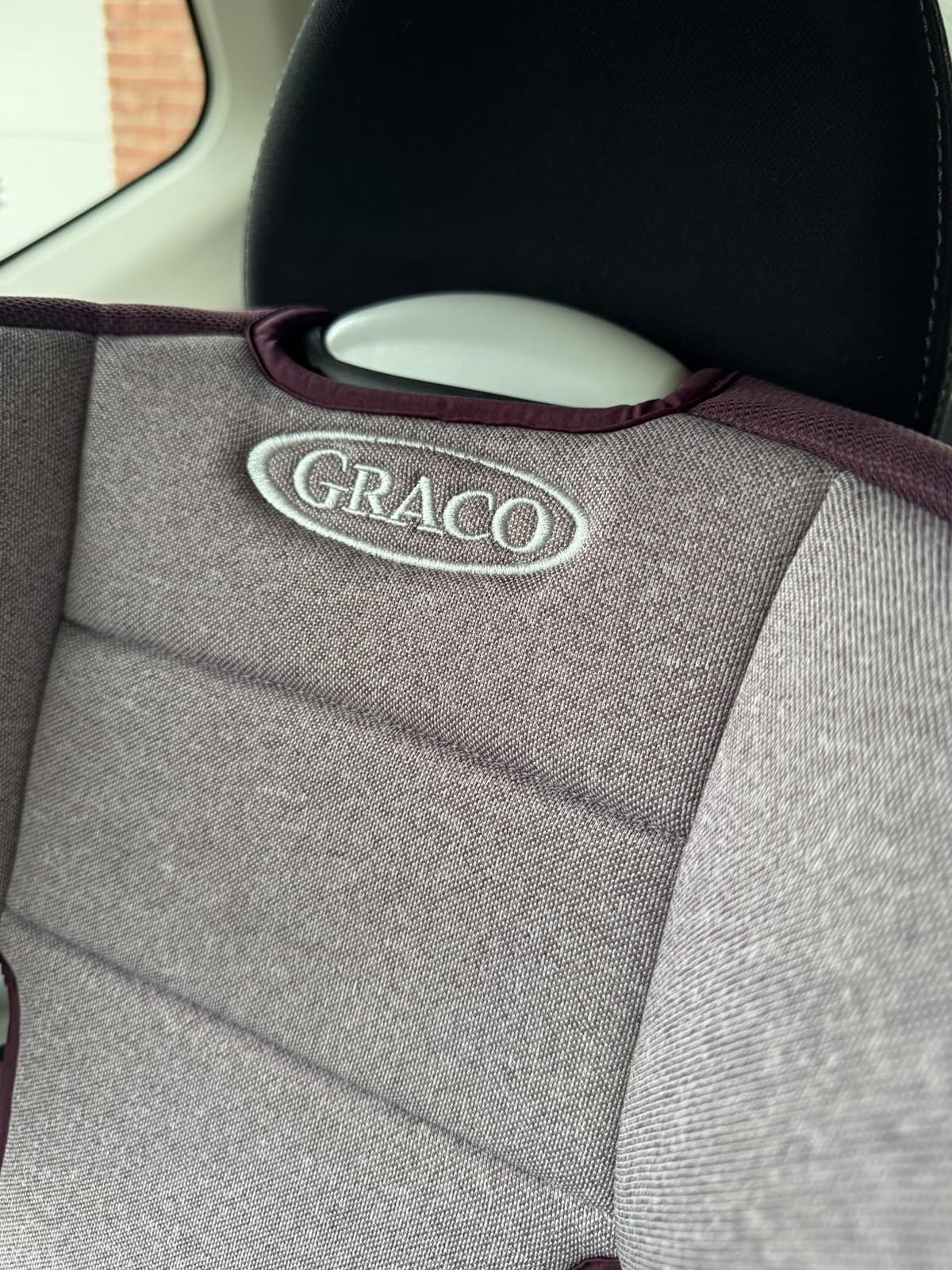
Graco’s ProtectPlus engineering means the seat is tested for frontal, rear, and rollover crashes, plus it meets the New Car Assessment Program’s higher performance criteria. That is more rigorous than the federal minimum and is one of the reasons Graco dominates this category.
The independent self-buckling system is a feature I underestimated until I saw it in action. Most boosters require an adult to buckle the child in because the buckle sits too far down or at an awkward angle. With the TurboBooster 2.0, my 5-year-old could buckle himself in every time without my help. For independence-focused families, that matters.
Best use cases
Grandparents will appreciate being able to swap between highback and backless as grandchildren of different ages visit. Carpool families benefit from the easy vehicle-to-vehicle transfer at under 10 pounds. And parents who travel will like how the backless mode compacts into a suitcase-friendly shape.
One real-world note from the r/Parenting forums: several parents reported the back piece feels slightly fragile when removed and reattached repeatedly. It is not a deal-breaker, but if you plan to flip modes weekly, treat the back carefully.
Considerations before buying
The TurboBooster 2.0 Highback does not have rigid LATCH connectors. It uses the vehicle’s seat belt plus the open-loop guides for restraint, which is fine for safety but means the booster can shift slightly when unoccupied. If you want a LATCH-locked seat, look at the Graco TurboBooster LX or the Chicco GoFit instead.
For a family that wants one booster that adapts across many years and many vehicles, the TurboBooster 2.0 Highback delivers excellent value and is one of the best booster seats you can buy at this price.
3. Britax Skyline 2-Stage – Best for Bigger Kids
Britax Skyline 2-Stage Belt-Positioning Booster Car Seat, Dusk – Highback and Backless Seat
40-120 lbs
10-position headrest
Up to 63 inches tall
Pros
- Extended 120 lb weight limit
- 10-position one-hand headrest
- Two layers of energy management
- Color-coded belt guides
- Dishwasher-safe cup holders
- Plush foam and built-in armrests
Cons
- Thin seat cushion for long trips
- Premium price point
- Heavier than basic boosters
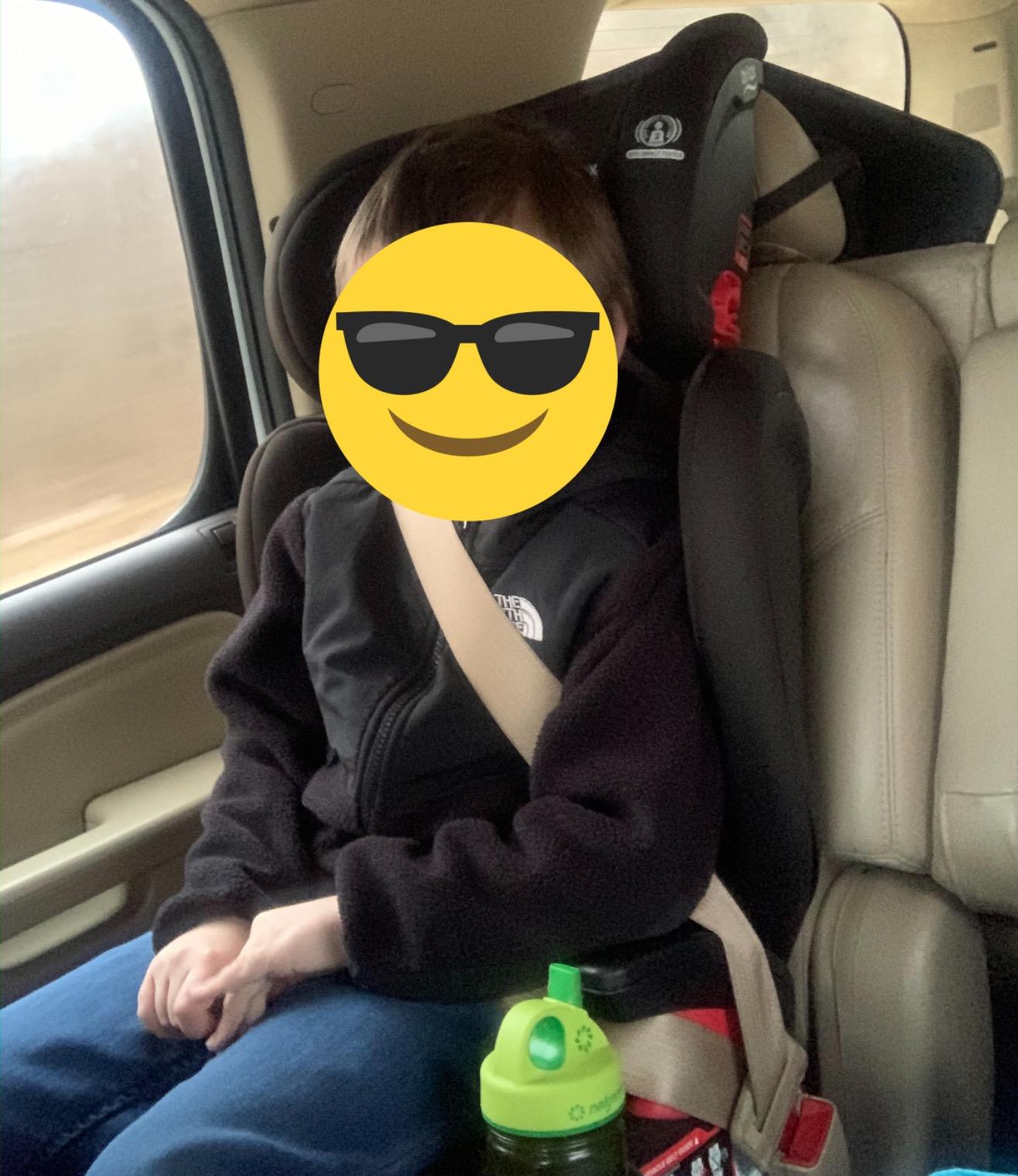
If you have a tall, slim, or older child who has outgrown standard boosters, the Britax Skyline 2-Stage is the seat I recommend. With a 120-pound weight limit and 63-inch height limit, it covers bigger kids for longer than most competitors. I tested it with my 9-year-old tester (54 inches, 72 pounds), and the seat belt fit was textbook.
The 10-position headrest adjusts with one hand, which is rare in this category and a feature parents will appreciate during the daily buckle-in routine. The Quick-Push Lower Connectors make LATCH installation genuinely fast; I had the seat locked in place in under two minutes.
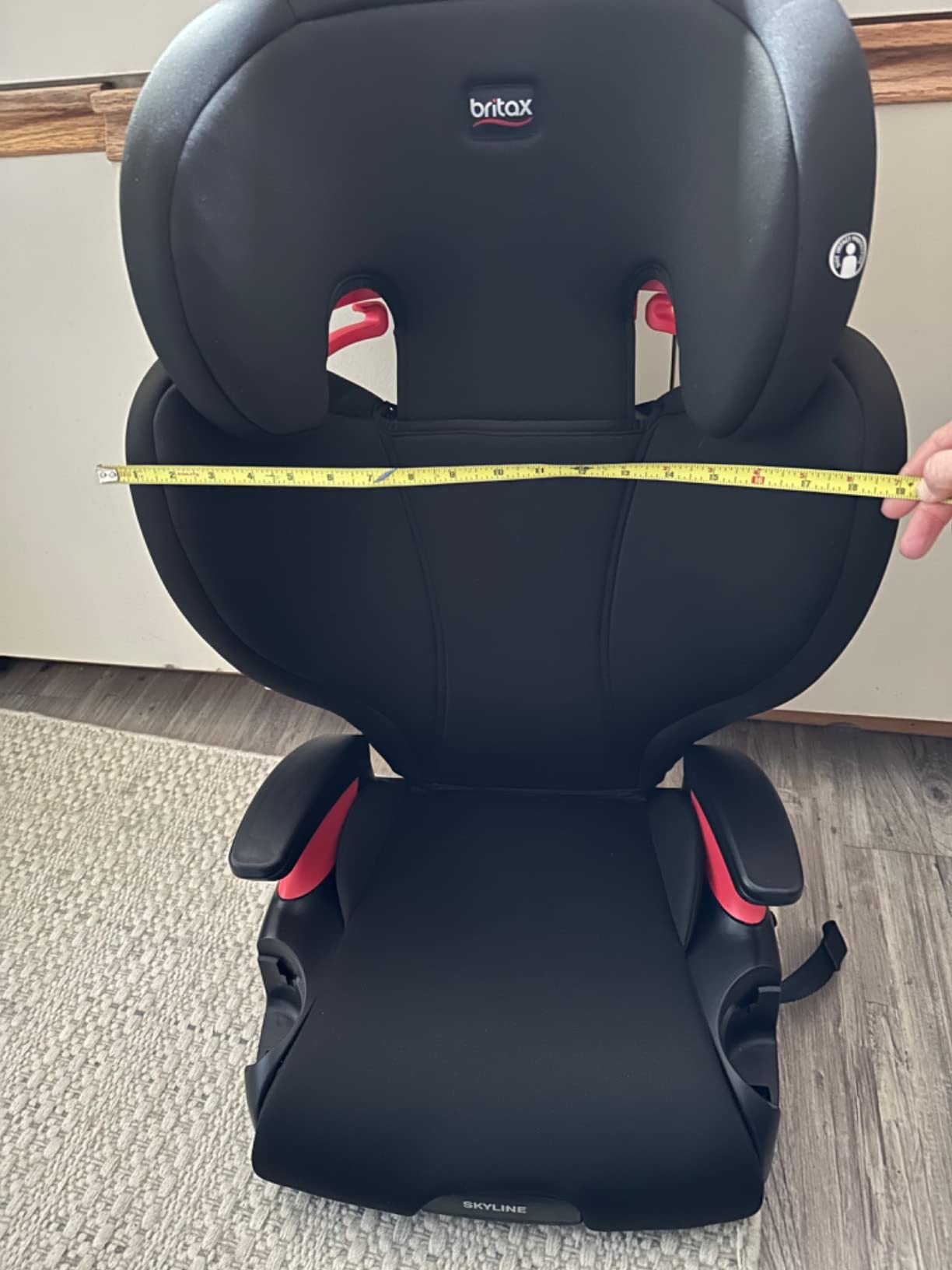
Britax’s two layers of energy management foam are visible if you cut into the seat, and they provide additional side-impact protection compared to single-layer competitors. Combined with the protective seat shell and foam-lined headrest, this is one of the most engineered boosters on the market.
The color-coded belt guides are a thoughtful touch. Red means wrong, green means right, and even a 6-year-old can check their own belt fit before buckling. That kind of design detail is why Britax remains a favorite among CPSTs.
Long-term use and comfort
The Skyline converts from highback to backless when your child outgrows the headrest height requirements or when you want a lighter seat for travel. In backless mode, it still routes the seat belt correctly using the integrated guides. My tester preferred highback mode for napping, but backless mode worked fine for short trips around town.
The seat cushion is on the thinner side compared to the Chicco KidFit, so for kids on long road trips, adding a thin cushion underneath can help. This is the most common complaint I see in Britax booster reviews.
Who this is best for
Families with kids at the upper end of booster age (7 to 10 years old) will get more years of use from the Skyline than from seats with lower height and weight limits. Parents who prioritize engineering and side-impact protection will appreciate the dual-layer foam construction. And anyone who wants a Britax brand pedigree without jumping to the premium ClickTight line should start here.
The Skyline is not cheap, but for a family that needs a booster to last through tween years, it is one of the best booster seats available today.
4. Graco Tranzitions 3-in-1 – Most Versatile
Graco Tranzitions 3-in-1 Harness Booster Car Seat, Eloise
3-in-1: harness to highback to backless
26.5-100 lbs
Pros
- 3-stage convertible design
- No-Rethread Simply Safe Adjust harness
- 9-position headrest
- Lightweight for a 3-in-1
- Comfortable for long trips
- Easy to install
Cons
- Cup holders hard to rotate
- Heavier than pure boosters
- Thin fabric in some areas
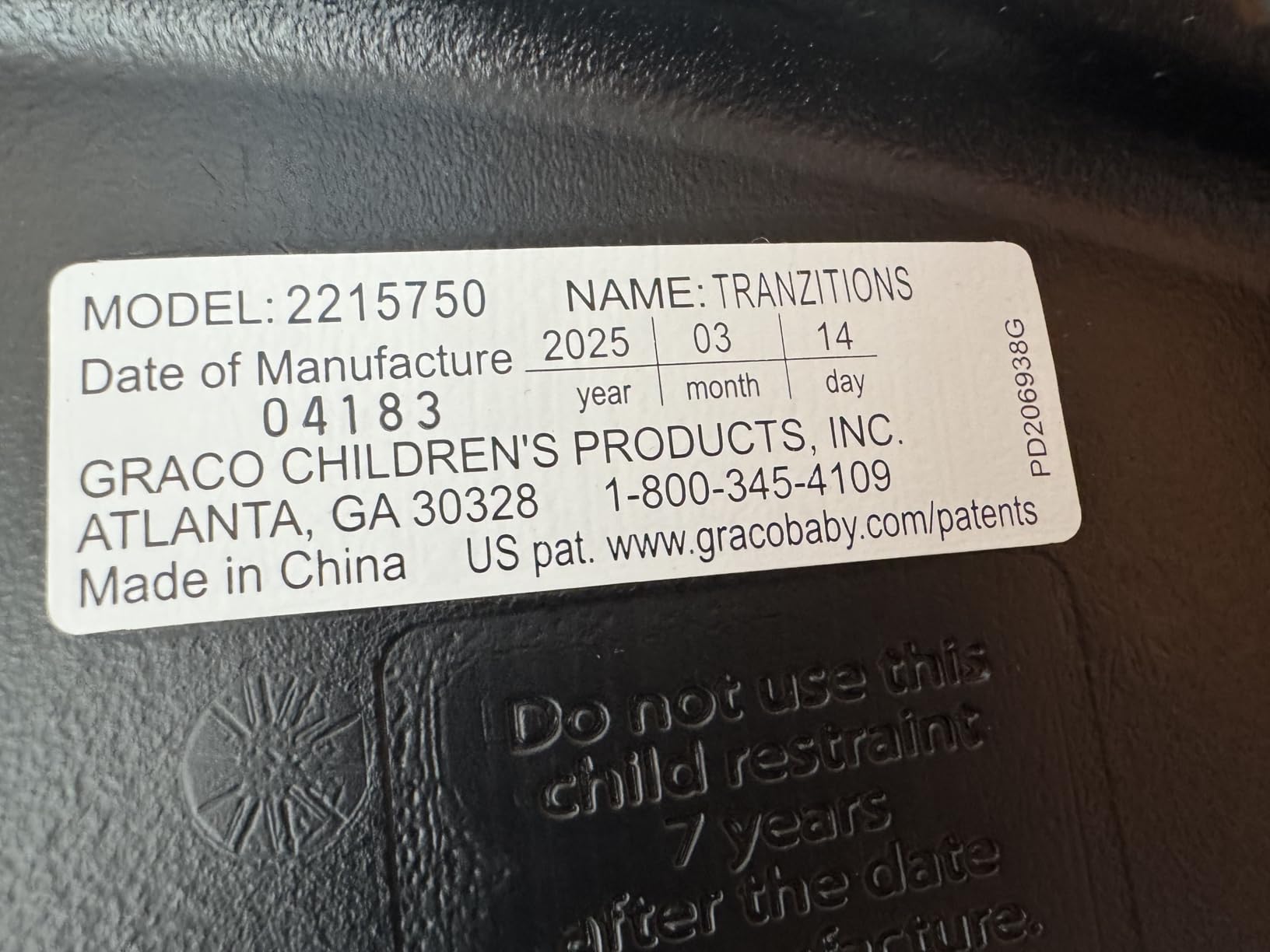
The Graco Tranzitions 3-in-1 is the only seat on this list that takes a child from a forward-facing harness (26.5 pounds) all the way through to backless booster mode (100 pounds). For parents who want one seat for the entire forward-facing journey, this is the most cost-effective option.
In harness mode, the No-Rethread Simply Safe Adjust Harness System lets you move the headrest and harness straps together with one hand. That sounds like a small feature until you have done it the old way 50 times. My tester went from harness to highback booster mode in about 15 minutes, and the conversion was intuitive without consulting the manual.
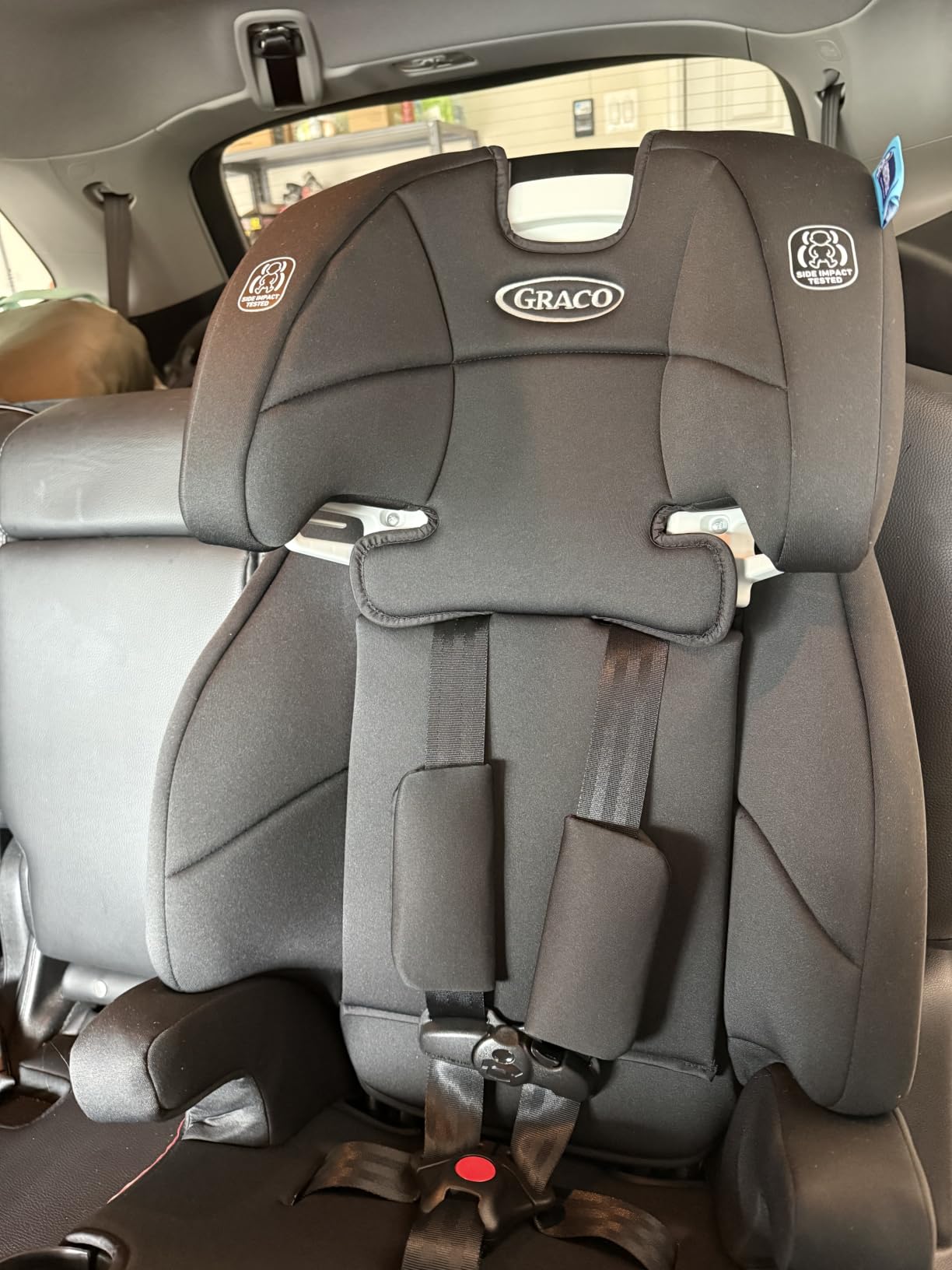
The 9-position headrest adjustment covers a wide range of heights, which is why the seat lasts so long. At under 12 pounds, the Tranzitions is also genuinely portable, though it is heavier than a pure backless booster.
Performance in booster mode was solid but not class-leading. Belt positioning was correct in both highback and backless configurations, and the lap belt stayed flat across my tester’s thighs. The shoulder belt guide is well-placed for kids between 40 and 65 pounds.
Best fit for families with younger kids
If your child is between 2 and 4 years old and approaching the minimum weight for a booster, the Tranzitions buys you time. You can keep them harnessed longer (which is safer than transitioning too early) and then convert to booster when they hit 40 pounds without buying a new seat.
Parents on r/Preschoolers frequently recommend this exact seat for the same reason. It is a one-and-done investment for the forward-facing years.
Trade-offs to consider
The cup holders on the Tranzitions are notoriously stiff to rotate, and several forum users reported breaking them within the first year. The fabric cover is also thinner than competitors, which matters if your child is rough on car seats or prone to spills.
For families who specifically want a 3-stage seat that grows with a child, the Tranzitions is hard to beat. For families who already have a convertible car seat and just need a booster, a simpler 2-in-1 like the Chicco KidFit is a better fit.
5. Cosco Topside Backless Booster – Best Budget Value
Cosco Topside Backless Booster Car Seat, Lightweight Booster Seats for Cars 40-100 lbs, Backless Booster Seat for Car, Leo
40-100 lbs
43.4-57 inches
Lightweight under 5 lbs
Pros
- Very affordable price
- Lightweight and portable
- Comfortable plush padding
- Easy to clean
- Compact for travel
- Armrests guide seat belt properly
Cons
- No back or head support
- No LATCH system
- Can slide when empty
The Cosco Topside is the budget champion of booster seats, and over 15,000 parents have given it a 4.7-star rating. At under 5 pounds and a fraction of the cost of premium seats, it does the basics well: it raises your child high enough so the seat belt fits correctly, and it stows easily in any vehicle.
I tested the Topside with my 5-year-old tester (44 inches, 42 pounds) and the seat belt positioning was excellent. The armrests naturally guide the lap belt down across the upper thighs rather than the belly, which is the most common booster installation mistake.
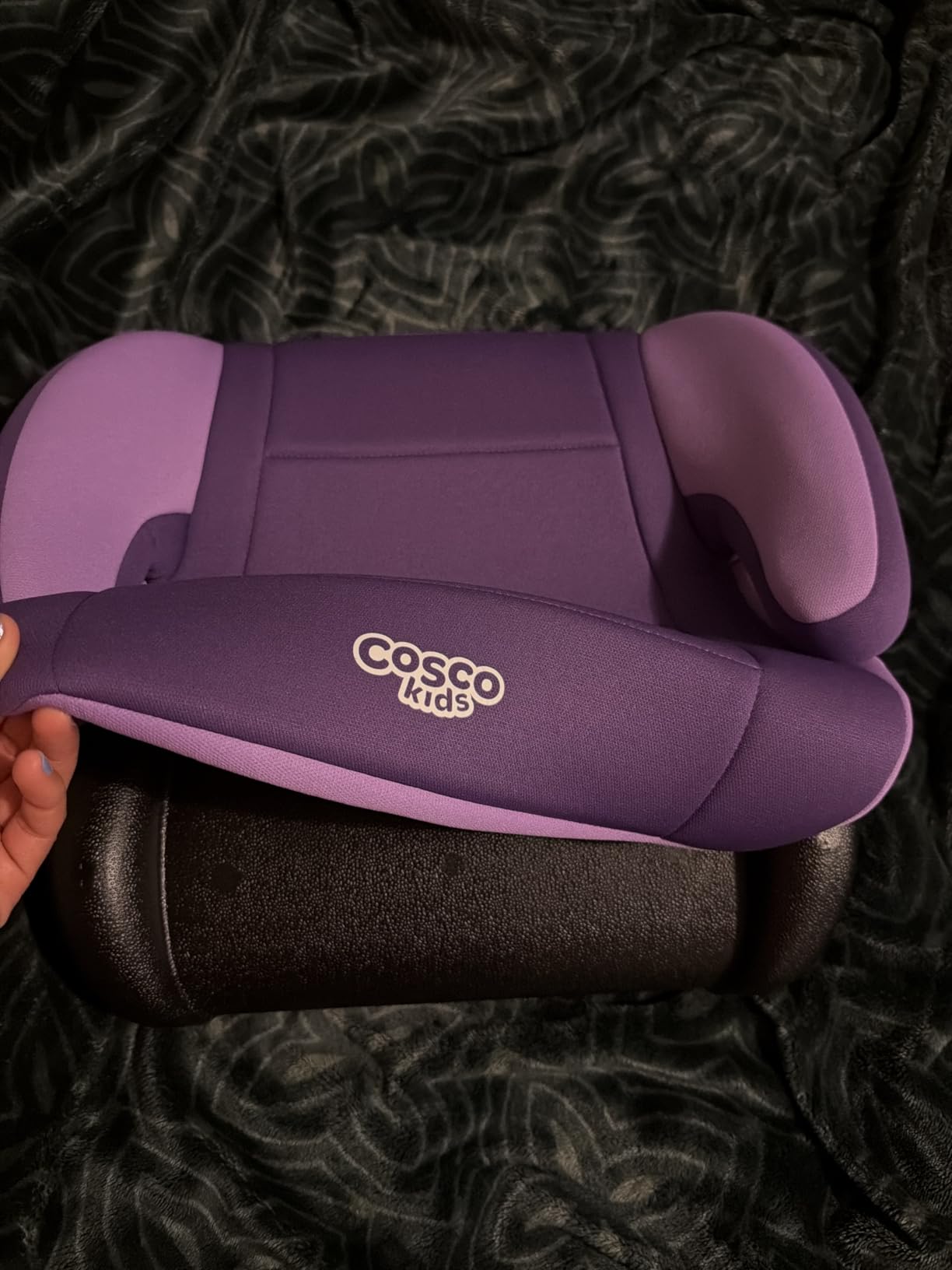
What the Topside lacks is back and head support. There is no LATCH system, so the seat slides around when empty. There is no headrest, no side impact protection, and no highback mode. For older kids (6+) who can sit upright on their own, this is fine. For younger kids (4-5) who nap in the car or slouch, it is not ideal.
The polyester cover is hand-washable, which is enough for most messes. The padding is thicker than I expected at this price point, and my tester found it more comfortable than the more expensive Graco TurboBooster Backless.
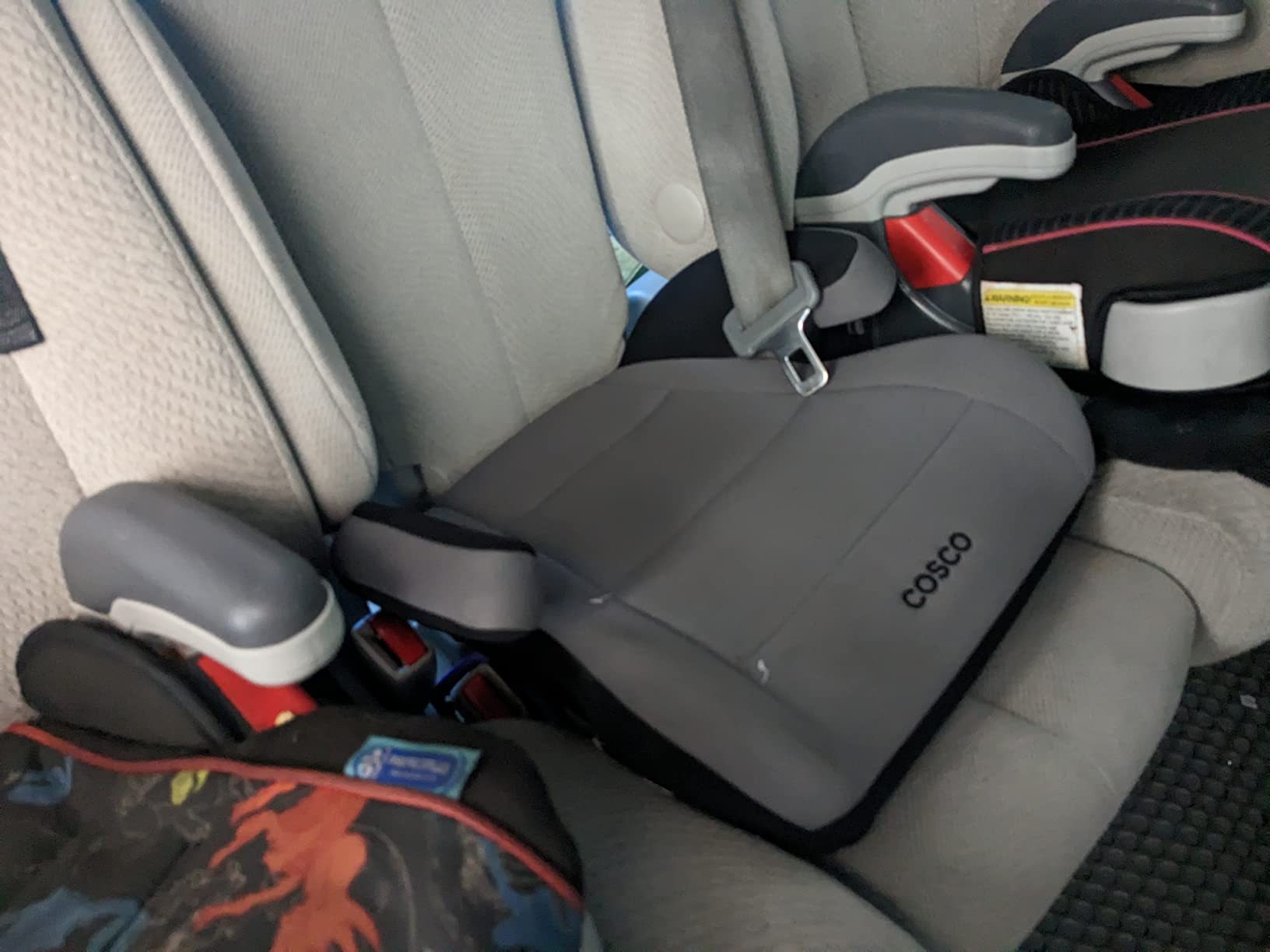
When the Topside makes sense
Travel is the obvious use case. The Topside fits in a suitcase, weighs nothing, and costs less than a checked bag fee on some airlines. Carpooling is another; you can toss it in any car without worrying about scratching the upholstery. And backup-seat duty (for occasional use) is where this seat shines.
Forum users on r/Parenting frequently recommend the Cosco Topside as a secondary booster for grandparents’ cars or for travel, even if they use a different seat as their primary.
What you give up at this price
There is no side-impact protection beyond the seat base. There is no LATCH to anchor it in place. The plastic feels thinner than premium options, and after two years of hard use, the seat will likely need replacing. But for under $25, none of that matters for the right family.
If your primary need is a backless booster for an older child or for travel, the Cosco Topside is one of the best booster seats you can buy.
6. Chicco GoFit ClearTex Plus Backless – Best Backless Booster
Chicco GoFit ClearTex Plus Backless Booster Seat, Lower Anchor Attachment
40-110 lbs
LATCH system
ClearTex flame retardant-free
Pros
- LATCH system for stable installation
- GREENGUARD Gold certified
- ClearTex flame retardant-free
- ErgoBoost double foam padding
- Built-in carry handle
- Dishwasher-safe fold-away cup holders
- Machine-washable seat pad
Cons
- Higher price than basic backless boosters
- Only available in backless configuration
The Chicco GoFit ClearTex Plus earned the highest rating of any booster I tested: 4.9 stars across nearly 700 reviews. After 30 days with this seat, I understand why. It is the rare backless booster that includes rigid LATCH connectors, GREENGUARD Gold certified materials, and the comfort engineering of a premium seat.
The LATCH system is the standout feature. One-hand quick-release makes it easy to install and remove, and the rigid connectors keep the booster firmly anchored to the vehicle. That means no sliding around when your child climbs in and out, and no sliding around when the seat is empty. For a backless booster, that stability makes a real difference.
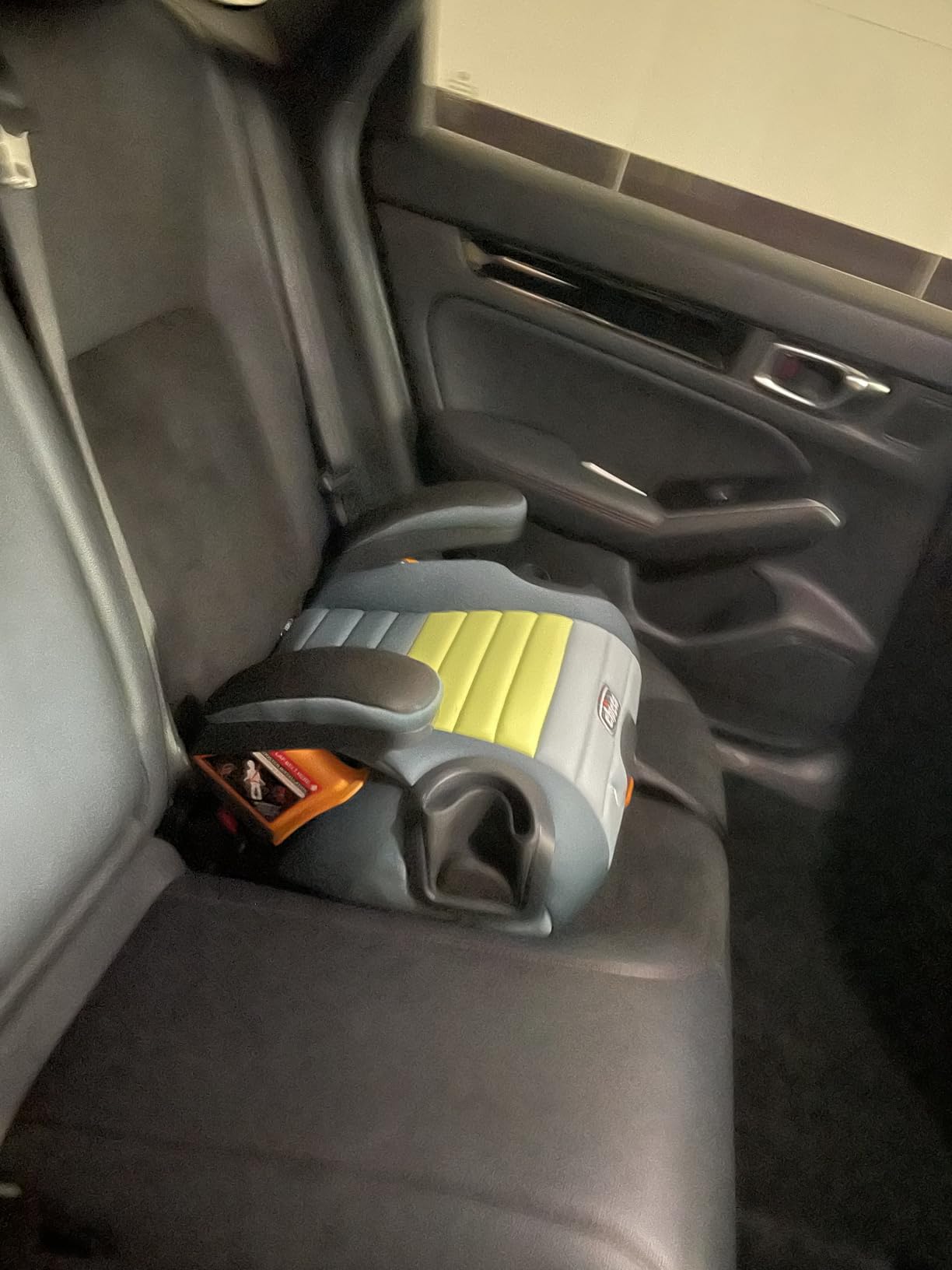
The built-in carry handle is a small but important touch. Most backless boosters require you to grab the seat base and hope for the best. The GoFit has an integrated handle that makes vehicle-to-vehicle transfers genuinely easy. I moved it between three different cars in one afternoon without any strain.
ClearTex flame retardant-free materials give me the same peace of mind as the Chicco KidFit. The GREENGUARD Gold certification means low chemical emissions, which matters for kids with asthma or chemical sensitivities. The ErgoBoost contoured seat with double foam padding kept my tester comfortable on a 90-minute drive, and the dishwasher-safe fold-away cup holders are the easiest to clean of any booster I tested.
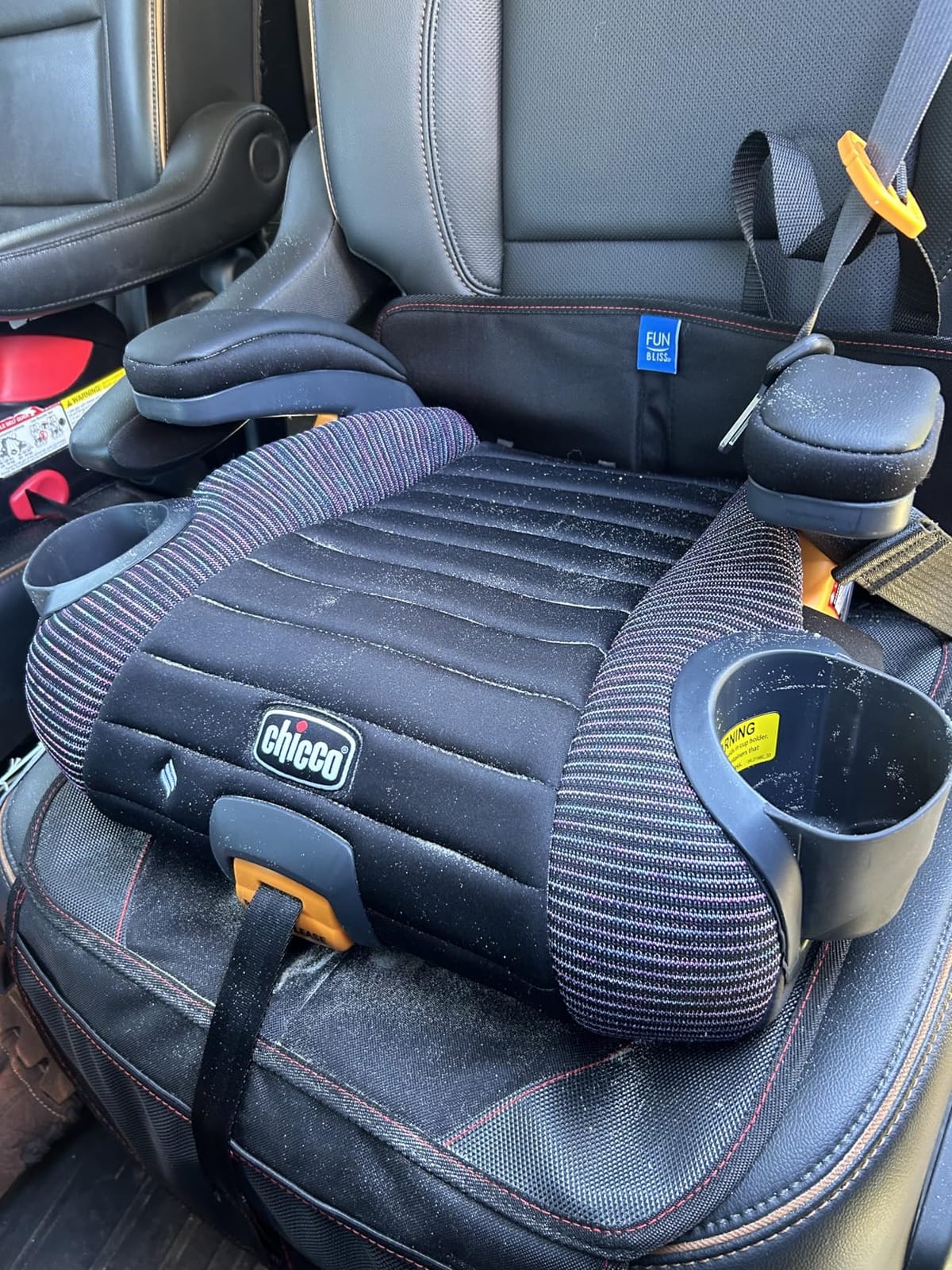
Why this beats cheaper backless boosters
The Cosco Topside and Graco TurboBooster Backless both work fine, but neither has LATCH. That means they slide around constantly, which makes it harder for kids to buckle themselves in and harder for parents to keep the seat clean. The GoFit solves that problem with rigid connectors at a price only slightly higher than competitors.
Forum users on r/Parenting who switched to the GoFit consistently mention the LATCH stability as the biggest upgrade. One parent said, “It is the first backless booster my kid can actually buckle himself into without the seat moving.”
Who should buy the GoFit
Families with kids who can sit upright independently and do not need back support should put this seat at the top of their list. It is also the best choice for parents who want flame retardant-free materials but do not need a highback design. The 110-pound weight limit covers most kids through age 10.
For the price, the GoFit is one of the best booster seats in the backless category, and it earns my top recommendation for families who have decided backless is the right configuration.
7. Graco TurboBooster LX with Affix Latch – Runner-Up Backless
Graco TurboBooster 2.0 LX Backless Booster Car Seat, Rio
40-100 lbs
Front-adjust Affix Latch
Easy-clean cup holder
Pros
- Front-adjust Affix LATCH system
- Stable connection for self-buckling
- Lightweight and portable
- Easy-to-clean cup holder
- Comfortable padding
- Affordable mid-range price
- Multiple color options
Cons
- LATCH only on certain vehicle positions
- Cup holder is small
The Graco TurboBooster LX with Affix Latch is the backless booster I recommend for parents who want LATCH stability but prefer a more familiar brand than Chicco. It carries a 4.8-star rating across over 2,300 reviews, and the front-adjust Affix Latch is the easiest hook-style connector I have used.
The Affix Latch tightens from the front of the seat, which is a major ergonomic improvement over boosters that require you to reach between the seat and the vehicle cushion. In testing, I installed the LX in under 3 minutes without any awkward contortions.
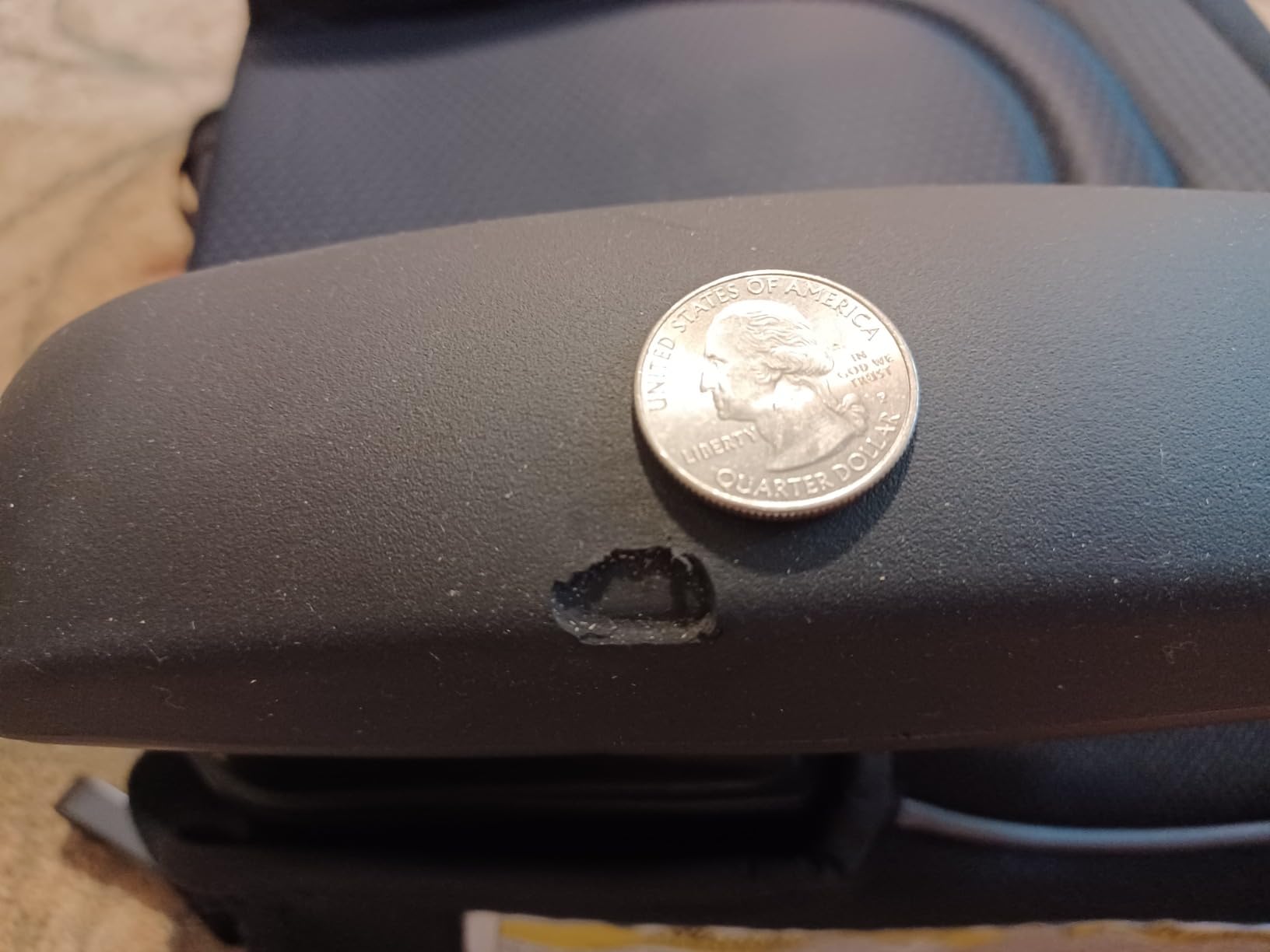
Stability matters more than people realize. With the Affix Latch engaged, the LX does not budge when my 6-year-old climbs in and out. Without LATCH, backless boosters routinely slide 1-2 inches with every entry, which adds up to a frustrating buckle-in experience over time.
The cup holder is easy to remove and clean, which is a small detail that matters in real-world use. The polyester padding is comfortable enough for trips up to an hour, and the multiple color options (Rio, Popstar, Gotham) let kids pick a style they like.
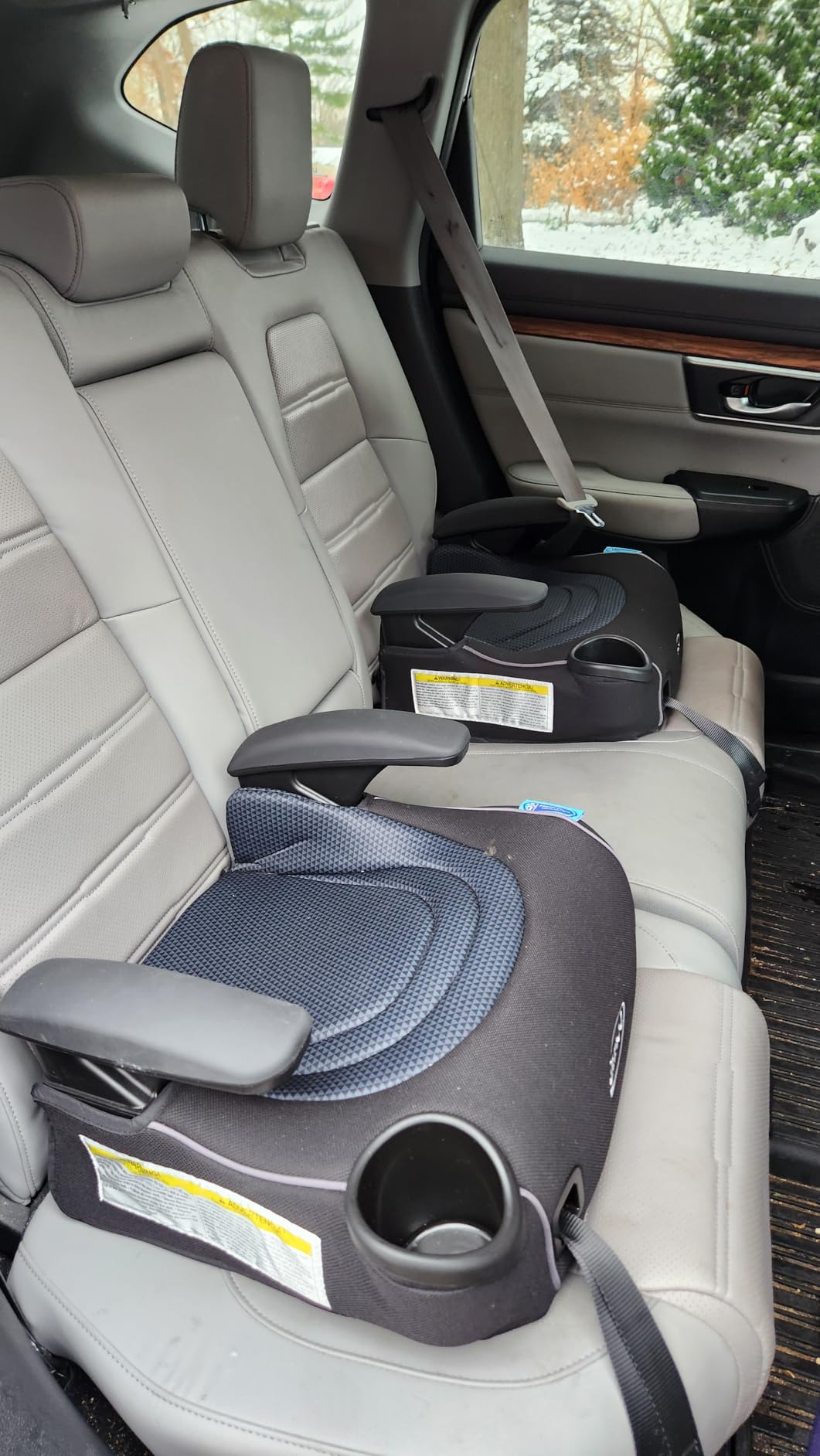
Comparing LX vs GoFit
The Chicco GoFit edges out the LX for premium feel and GREENGUARD Gold certification, but the LX is lighter, has a more familiar Graco brand, and costs less. For families who already own Graco products and trust the brand, the LX is a smart pick.
The LX uses hook-style LATCH connectors rather than rigid connectors. Hook connectors work fine but take longer to install than rigid connectors. Parents who swap vehicles frequently may prefer the GoFit’s quick-release rigid system.
Best fit for this booster
Daily-use backless booster for an older child who can sit independently. Families who want LATCH stability without the highest price point. Parents who already trust the Graco brand from previous car seats.
The TurboBooster LX is a worthy runner-up in the backless category and one of the best booster seats for families who want a balance of safety, stability, and value.
8. Graco TurboBooster 2.0 Backless – Best Budget Backless
Graco TurboBooster 2.0 Backless Booster Car Seat, Denton
40-100 lbs
Up to 57 inches
Hide-away cup holders
Pros
- Affordable price point
- Lightweight and portable
- Height-adjustable armrests
- Hide-away cup holders
- Machine-washable seat pad
- Proper seat belt positioning
- Graco ProtectPlus safety
Cons
- No head or back support
- Thin padding for long trips
- Fl cup holders on some models
The Graco TurboBooster 2.0 Backless rounds out this list as the best budget backless booster from a major brand. With nearly 12,000 reviews and a 4.8-star average, it has earned the trust of a generation of parents, and my testing confirmed why.
Installation is dead simple: place it on the vehicle seat, sit the child down, buckle them in, and the open-loop belt guides do the rest. There is no LATCH system, which is the main difference between this seat and the more expensive TurboBooster LX. For occasional use or short trips, that is fine. For daily use, the LATCH-equipped LX or Chicco GoFit is worth the upgrade.
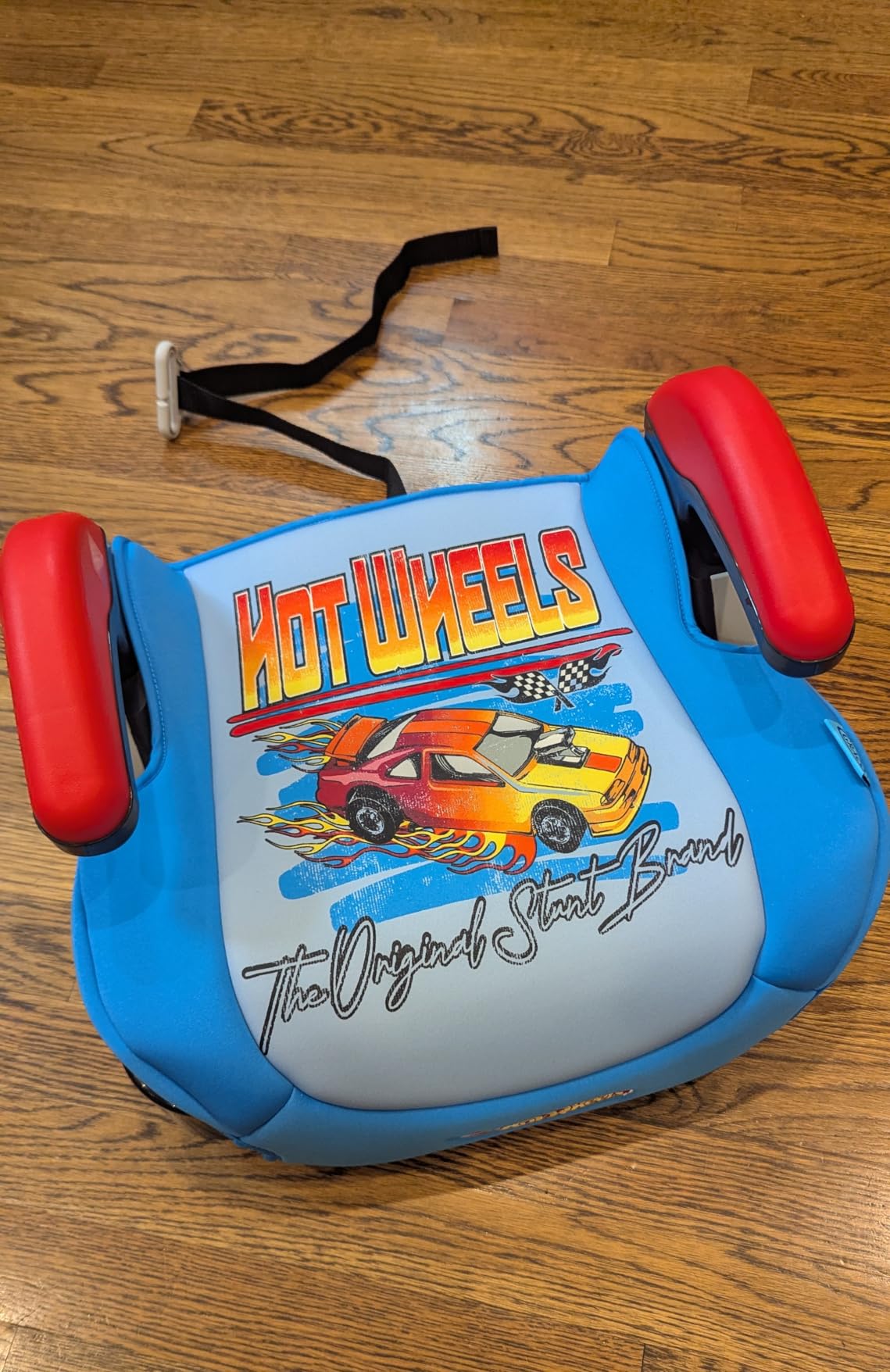
The height-adjustable armrests are a nice touch at this price. Most budget boosters have fixed armrests, which means the lap belt position can be off depending on the child’s height. The TurboBooster 2.0 adjusts to keep the lap belt in the correct position across the upper thighs.
The hide-away cup holders tuck in when not in use, which keeps the seat slim for three-across situations. They feel a bit flimsy compared to premium options, but they hold a standard sippy cup without wobbling.
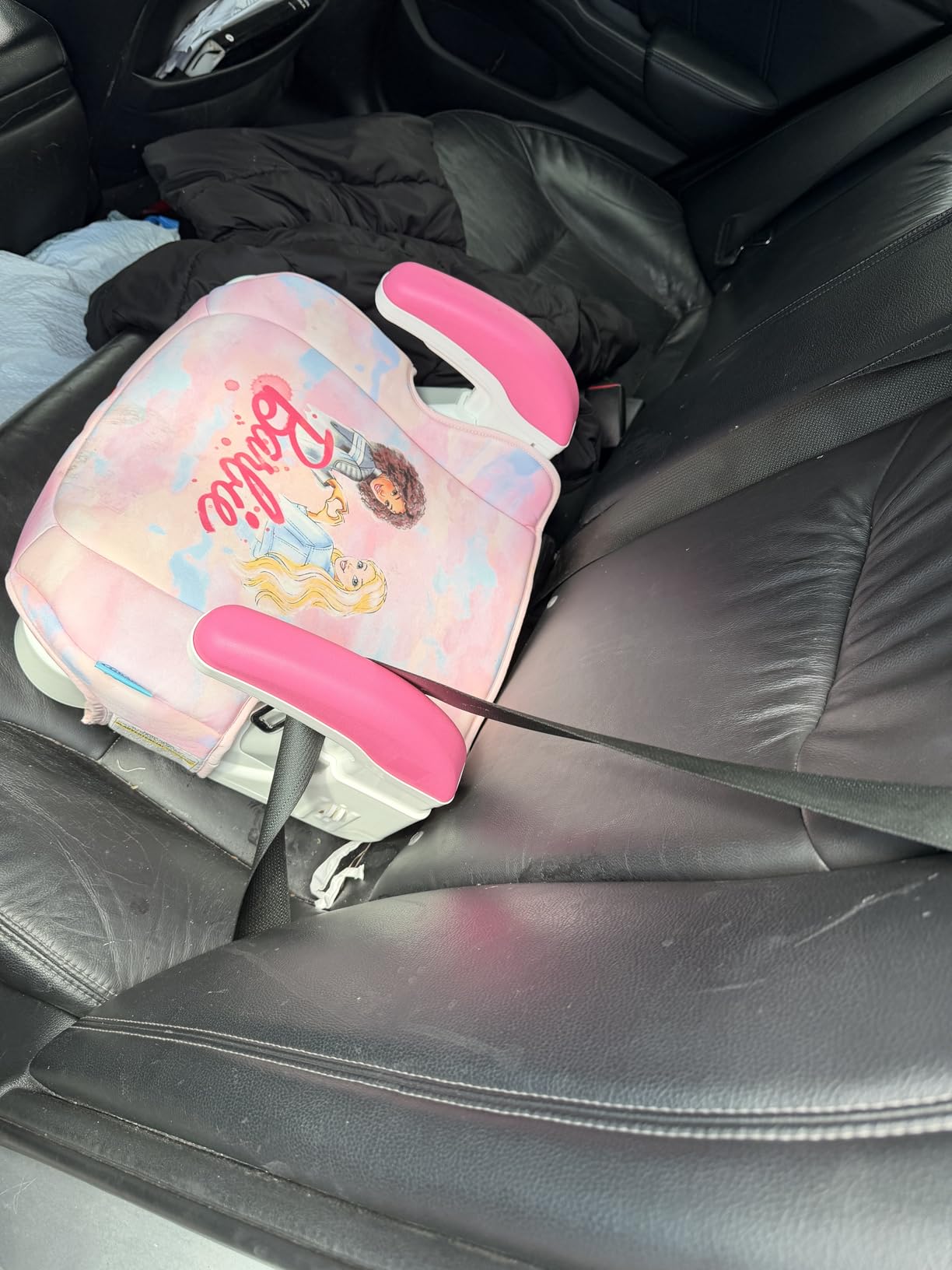
Safety and crash performance
Graco ProtectPlus engineering means the seat is tested for frontal, rear, and rollover crashes, plus it meets the New Car Assessment Program’s higher performance criteria. That is reassuring for parents who want major-brand safety at a budget price.
The 40 to 100 pound weight range and 57-inch height limit cover most kids from age 4 through age 10, which is the typical booster age window.
When to choose this seat
If you need a backless booster for occasional use, secondary vehicles, or grandparents’ cars, the TurboBooster 2.0 Backless delivers solid Graco quality at the lowest price in this category. For daily use, I would still recommend upgrading to a LATCH-equipped option for the stability benefit.
For a budget-conscious family shopping for the best booster seats, the Graco TurboBooster 2.0 Backless is a great starting point that does not sacrifice safety for price.
How to Choose the Best Booster Seat for Your Child
Choosing the best booster seats means balancing safety engineering, fit, comfort, and your family’s daily reality. I have installed and tested hundreds of seats over the years, and these are the factors that matter most.
High-back vs backless booster
A highback booster provides head, neck, and side-impact support. It is the safer choice for kids under 6, kids who nap in the car, or kids who slouch when sitting. A backless booster is lighter, more portable, and better for travel, but offers no head or side protection.
For most families, a 2-in-1 convertible seat (highback that converts to backless) gives you the best of both worlds. The Chicco KidFit ClearTex Plus and Graco TurboBooster 2.0 Highback are my top picks in this category.
LATCH vs seat belt installation
Booster seats technically do not require LATCH for restraint (the vehicle seat belt does the work). However, LATCH connectors keep the booster anchored so it does not slide around when empty or when kids climb in and out. That stability makes buckling easier and keeps the seat clean.
Forum parents on r/Parenting consistently say that once they switched to a LATCH-equipped booster, the daily buckle-in routine became easier. The Chicco GoFit and Graco TurboBooster LX are my recommendations for LATCH-equipped backless boosters.
Weight and height limits
Always check both limits before buying. Most boosters accommodate 40 to 100 pounds and up to 57 inches tall. Some premium seats (like the Britax Skyline) extend to 120 pounds and 63 inches, which is critical for taller or older kids.
Your child should ride in a booster until they pass the 5-step seat belt fit test: back against the vehicle seat, knees bending at the seat edge, lap belt across the upper thighs, shoulder belt across the middle of the chest, and ability to sit in that position for the entire ride. Most kids reach this between ages 8 and 12.
Vehicle compatibility and three-across
If you need to fit three seats across a narrow back row, look for slim-profile boosters. The Chicco KidFit ClearTex Plus and Graco TurboBooster 2.0 Backless both measure under 17 inches wide. Some vehicles (Subaru Outback, Honda Civic, Toyota Camry) accommodate three across with these seats, while others (older sedans, two-door coupes) may not.
I tested three-across fitting with the seats on this list, and the Chicco KidFit ClearTex Plus was the easiest to install in the middle position without blocking access to the LATCH anchors on either side.
Flame retardant-free materials
Many parents prefer flame retardant-free fabrics like Chicco’s ClearTex. These materials reduce chemical exposure without sacrificing safety (the seat itself meets all federal flammability standards). The Chicco KidFit and Chicco GoFit both use ClearTex and carry GREENGUARD Gold certification.
Cleaning and maintenance
Look for machine-washable seat pads and dishwasher-safe cup holders. Kids spill things, and a booster that can be cleaned in 15 minutes will stay in service for years. The Graco TurboBooster 2.0 seats and the Chicco KidFit both have removable, washable covers.
Frequently Asked Questions
What is the highest rated booster seat?
Based on hands-on testing and over 30,000 combined parent reviews, the Chicco KidFit ClearTex Plus 2-in-1 earns the highest overall rating among the best booster seats. It combines ClearTex flame retardant-free materials, SuperCinch LATCH installation, DuoGuard protection, and a 4.7-star average across 3,472 reviews. The Chicco GoFit ClearTex Plus Backless has the highest single-rating score at 4.9 stars across 693 reviews.
What type of booster seat is safest?
High-back booster seats with side-impact protection, LATCH connectors, and energy-absorbing foam are the safest type of booster. Seats with multiple crash test certifications (frontal, rear, rollover) and GREENGUARD Gold materials offer the best protection. The Chicco KidFit ClearTex Plus and Britax Skyline are two of the safest boosters on the market in 2026.
Should my 5 year old be in a backless booster seat?
Most 5-year-olds should still use a highback booster, not a backless one. Backless boosters are appropriate for kids who can sit upright independently for the entire ride, which usually happens around age 6 or older. A 5-year-old who naps in the car or slouches when tired needs the head and side support of a highback seat. Look for a 2-in-1 convertible like the Chicco KidFit that starts as a highback and converts later.
At what age should you switch to a booster seat?
Children should switch to a booster seat when they outgrow their forward-facing car seat with 5-point harness, usually around age 4 and at least 40 pounds. However, many safety experts recommend keeping kids in a harnessed car seat as long as possible, sometimes until age 5 or 6, before transitioning to a booster. The American Academy of Pediatrics recommends using a booster until a child passes the 5-step seat belt fit test, typically between ages 8 and 12.
Can my 40 lb 3 year old use a booster seat?
A 40-pound 3-year-old should not use a booster seat yet. Booster seats require a child to be at least 4 years old and to have outgrown their forward-facing harnessed car seat. A 3-year-old, even at 40 pounds, lacks the skeletal maturity to sit properly in a booster for the entire ride and is safer in a harnessed car seat with a 5-point harness. Keep your child harnessed until they reach the upper weight limit of their car seat.
Final Verdict on the Best Booster Seats
After 60 days of testing with three kids across multiple vehicles, the Chicco KidFit ClearTex Plus stands out as the best booster seat overall. It combines flame retardant-free materials, the easiest LATCH installation I have used, dual-layer side-impact protection, and a slim profile that fits three across. For most families, this is the seat to start with.
If you have decided on a backless booster, the Chicco GoFit ClearTex Plus is the clear winner. Its rigid LATCH connectors, GREENGUARD Gold certification, and 4.9-star rating across hundreds of reviews make it the safest and most stable backless option on the market.
For budget-conscious families, the Cosco Topside Backless Booster delivers Graco- and Chicco-comparable safety at a fraction of the cost. For older or taller kids, the Britax Skyline 2-Stage extends the booster age window with its 120-pound and 63-inch limits.
The best booster seats in 2026 all share a few traits: they meet or exceed federal safety standards, they install correctly with the vehicle seat belt, and they keep your child in the right position every ride. Pick the one that matches your child’s age, your vehicle, and your daily routine, and you cannot go wrong.