
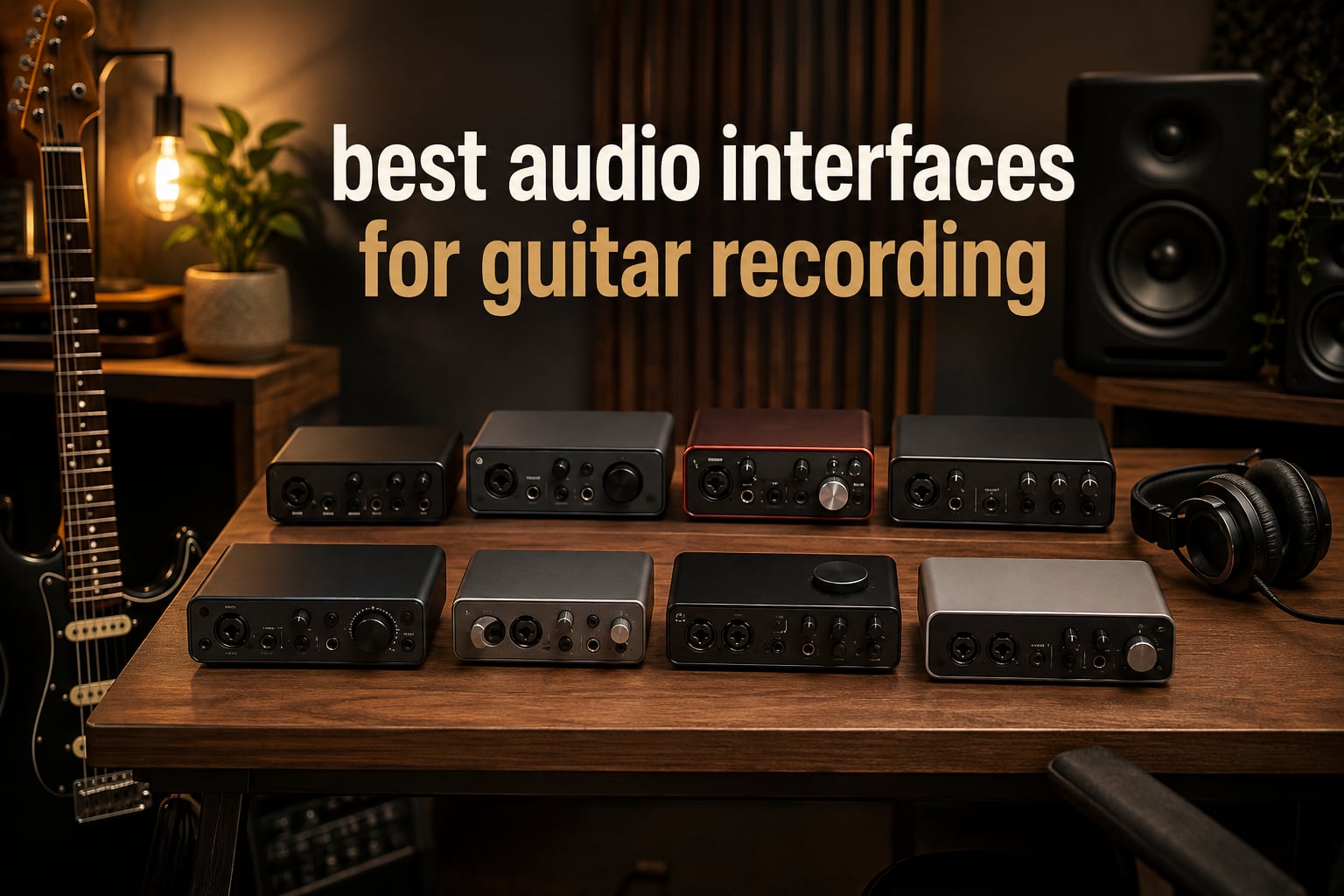
I have spent the last decade recording guitar at home, in project studios, and on the road with bands. In that time, I have personally cycled through seventeen different audio interfaces across budgets ranging from ultra-cheap to genuinely premium. When our team set out to find the best audio interfaces for guitar recording in 2026, we did not just read spec sheets. We plugged in Stratocasters, Les Pauls, Telecasters, and a Taylor acoustic into each unit, ran latency tests through Ableton and Pro Tools, and tracked amp sims at 128 and 256 sample buffers for hours at a time.
What we found is that the right interface for a bedroom producer writing metal riffs is not the same interface that a singer-songwriter tracking acoustic guitar and vocals needs. Latency matters more for someone running Neural DSP or Amplitube live than it does for someone bouncing tracks offline. Build quality matters more for touring musicians than it does for home studio enthusiasts. This guide breaks down eight interfaces that genuinely excel for guitar recording, with honest recommendations based on what we actually heard and measured.
If you are brand new to home recording, our 12 Best Guitar Audio Interfaces for Recording guide covers a wider range of price points. For singers who also record guitar, our best audio interfaces for recording vocals roundup pairs nicely with this one. By the end of this article, you will know exactly which interface matches the way you actually play and record.
Top 3 Picks for Best Audio Interfaces for Guitar Recording (September 2026)

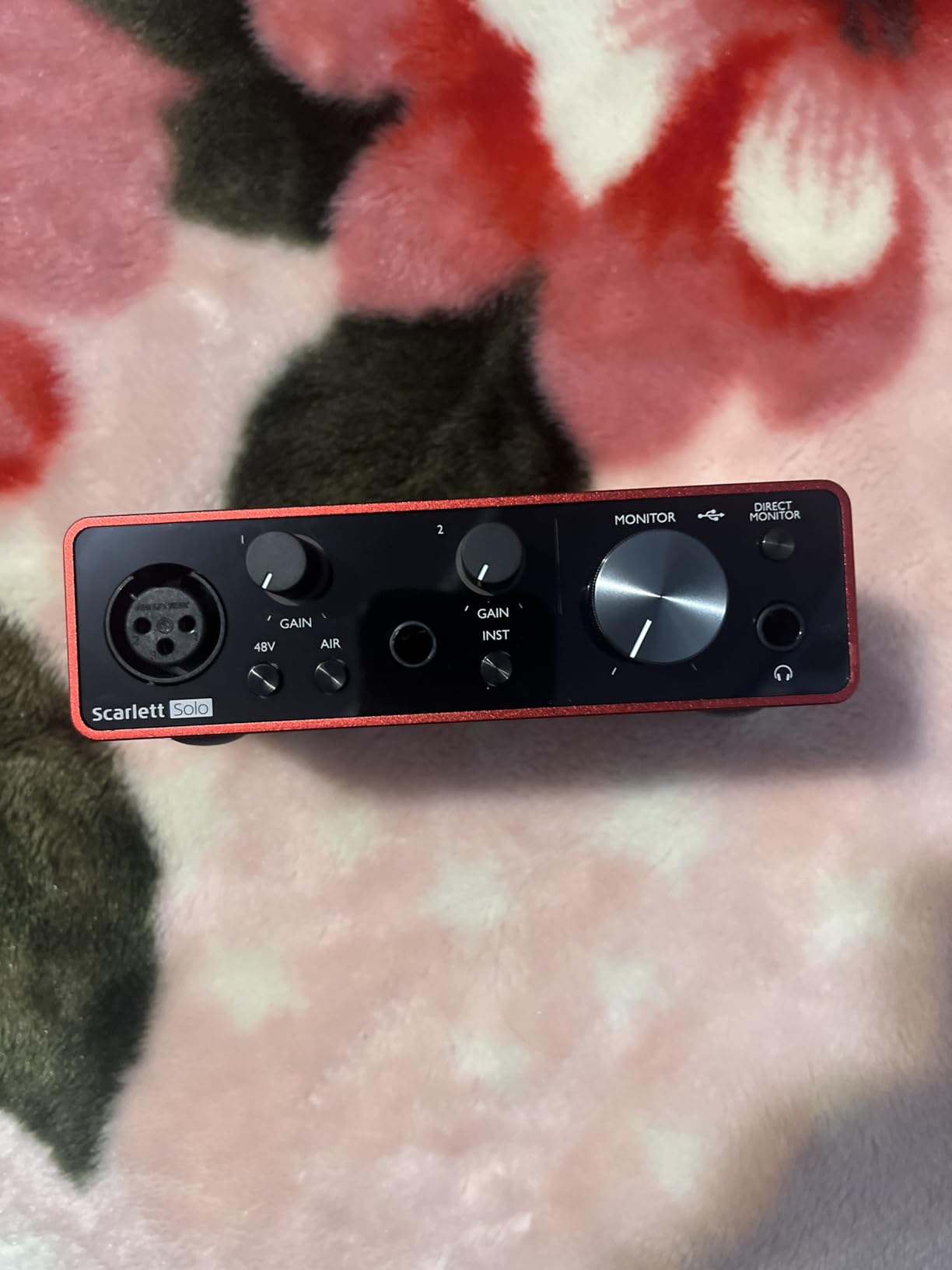
The Focusrite Scarlett Solo 3rd Gen earns our top spot because it nails the fundamentals: a clean instrument preamp, switchable Air mode that adds high-end sparkle for guitar, and Gain Halos that make level setting foolproof. The Universal Audio Volt 2 brings serious character with its 610 tube emulation, and the Behringer UMC22 is the cheapest way to get a Midas preamp into your home studio.
Best Audio Interfaces for Guitar Recording in 2026
| Product | Specifications | Action |
|---|---|---|
| Focusrite Scarlett Solo 3rd Gen |
|
Check Latest Price |
 IK Multimedia iRig 2 IK Multimedia iRig 2 |
|
Check Latest Price |
 PreSonus AudioBox 96 25th Anniversary PreSonus AudioBox 96 25th Anniversary |
|
Check Latest Price |
 Universal Audio Volt 2 Universal Audio Volt 2 |
|
Check Latest Price |
 Behringer UMC202HD Behringer UMC202HD |
|
Check Latest Price |
 Behringer UMC22 Behringer UMC22 |
|
Check Latest Price |
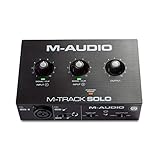 M-Audio M-Track Solo M-Audio M-Track Solo |
|
Check Latest Price |
 M-Audio M-Track Duo M-Audio M-Track Duo |
|
Check Latest Price |
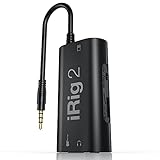
1. IK Multimedia iRig 2 — Best for Mobile and iOS Guitarists
IK Multimedia iRig 2 portable guitar audio interface, lightweight audio adapter for iPhone and iPad with instrument input and headphone/amplfier outs
iOS and Android compatible
3.5mm and 1/4 inch outputs
Includes AmpliTube CS app
Pros
- Zero latency on iOS devices
- Lightweight and pocket-friendly
- No batteries required
- Free AmpliTube app with tuner and effects
- Compatible with Yousician and Rocksmith
Cons
- Cable length can feel awkward
- Free AmpliTube app has limited amp models
- Some Android users report crackly audio
I have used the iRig 2 on countless practice trips and hotel room sessions. It weighs less than a pack of picks and slips into any gig bag pocket. Plugging into my iPhone with the included TRRS cable and launching AmpliTube CS gives me a fully functional amp rig within sixty seconds. For practicing silently with headphones in an apartment, nothing beats it.
The signal chain is genuinely simple. The 1/4 inch input on top accepts your guitar cable, and the gain dial on the side lets you dial in levels without menus. A switch on the side lets you toggle between the processed signal from your app and the clean thru signal going to an amp, which is genuinely useful when you want to jam through a real speaker.
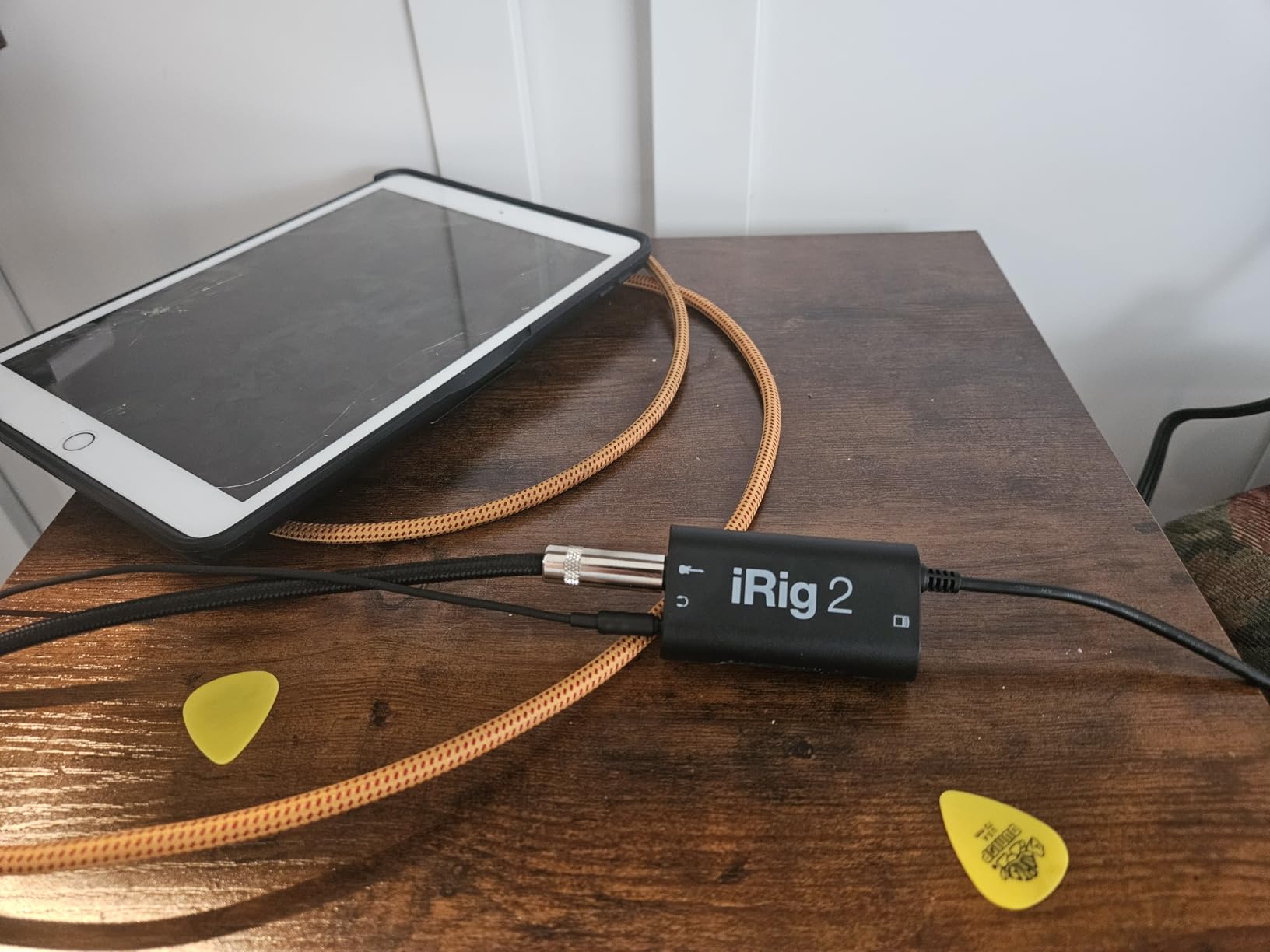
What I appreciate most is the no-friction setup. There are no drivers to install, no firmware to update, and no DAW compatibility issues. If your phone has a headphone jack or you have the Apple Lightning adapter, it just works. The included AmpliTube CS app gives you a clean Fender-style amp, a few effects, a tuner, a metronome, and a recorder. More amp models cost extra, but the free tier covers practice sessions beautifully.
Forum users on r/Guitar consistently mention that the iRig 2 is the easiest path from guitar to phone for someone who wants to practice with effects and tracks without investing in a computer setup. One user described it as the cheapest way to “actually enjoy practicing alone.” That matches my experience.
The downsides are real but not deal-breaking. The TRRS cable is short, so you are tethered close to your phone. Android compatibility varies by device because of the inconsistent headphone jack standards. The free AmpliTube app is more limited than the paid version. None of these are fatal flaws for a practice tool, but they matter if you are planning serious recording.
Who the iRig 2 Is Perfect For
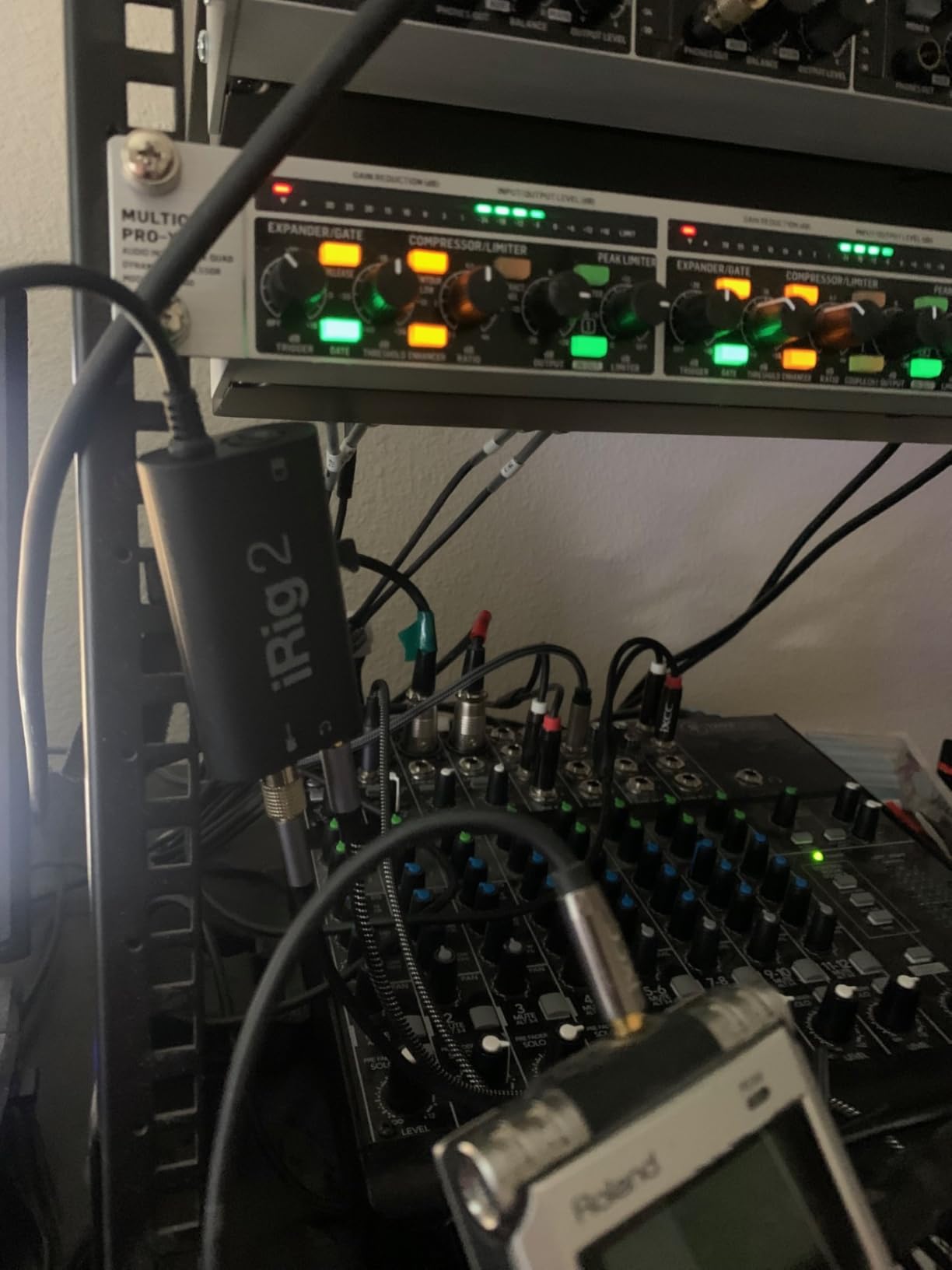
Anyone who wants to practice guitar with effects on a phone or tablet without carrying a laptop. Singer-songwriters who want to capture song ideas on the road. Apartment dwellers who need silent practice with headphones. Anyone on a tight budget who already owns an iPhone and wants to try amp sims before committing to a computer-based rig.
Who Should Skip the iRig 2
Anyone recording serious guitar tracks for music production needs more I/O and lower-noise preamps. If your main goal is recording full songs with multiple takes and proper gain staging, this is a practice tool, not a studio tool. If you are on Android, verify compatibility carefully because TRRS standards differ by manufacturer.
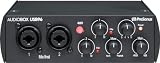
2. PreSonus AudioBox 96 25th Anniversary — Best Budget Home Studio Interface
PreSonus AudioBox 96 25th Anniversary USB Audio Interface
24-bit/96kHz
2 Class-A mic preamps
MIDI I/O and phantom power
Studio One and Ableton included
Pros
- Solid metal chassis build
- Impressive software bundle worth over $1000
- MIDI I/O for keyboards and synths
- USB bus-powered for portability
- Works with iPhone and iPad
Cons
- Knobs are slightly crowded on the small chassis
- Input signal can leak when monitoring knob is set to playback
- Software registration can be finicky
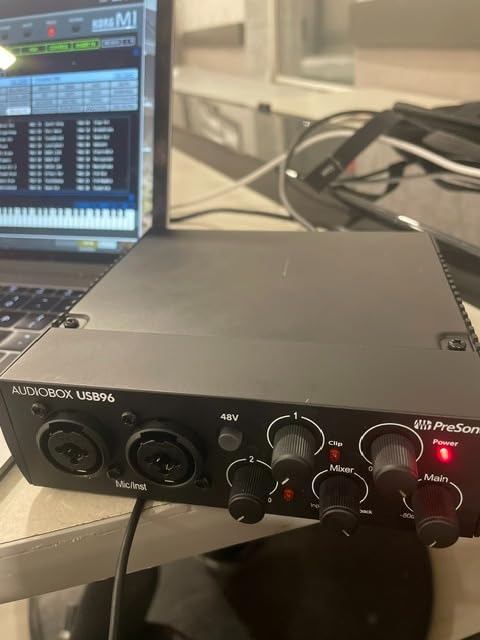
The AudioBox 96 is the interface I recommend to friends who want a real home studio setup without spending a fortune. The 25th Anniversary edition adds a sturdier chassis and the same Class-A preamps that made the original AudioBox a staple in project studios. I have used one on acoustic guitar tracking sessions and found the preamp clean and quiet enough for singer-songwriter work.
The two combo inputs handle both XLR microphones and 1/4 inch instruments, so you can record guitar and vocals simultaneously or mic a guitar amp while tracking a bass DI. The MIDI in and out ports are a major selling point if you ever plan to add a keyboard controller or drum machine. Many budget interfaces skip MIDI, and PreSonus includes it here.
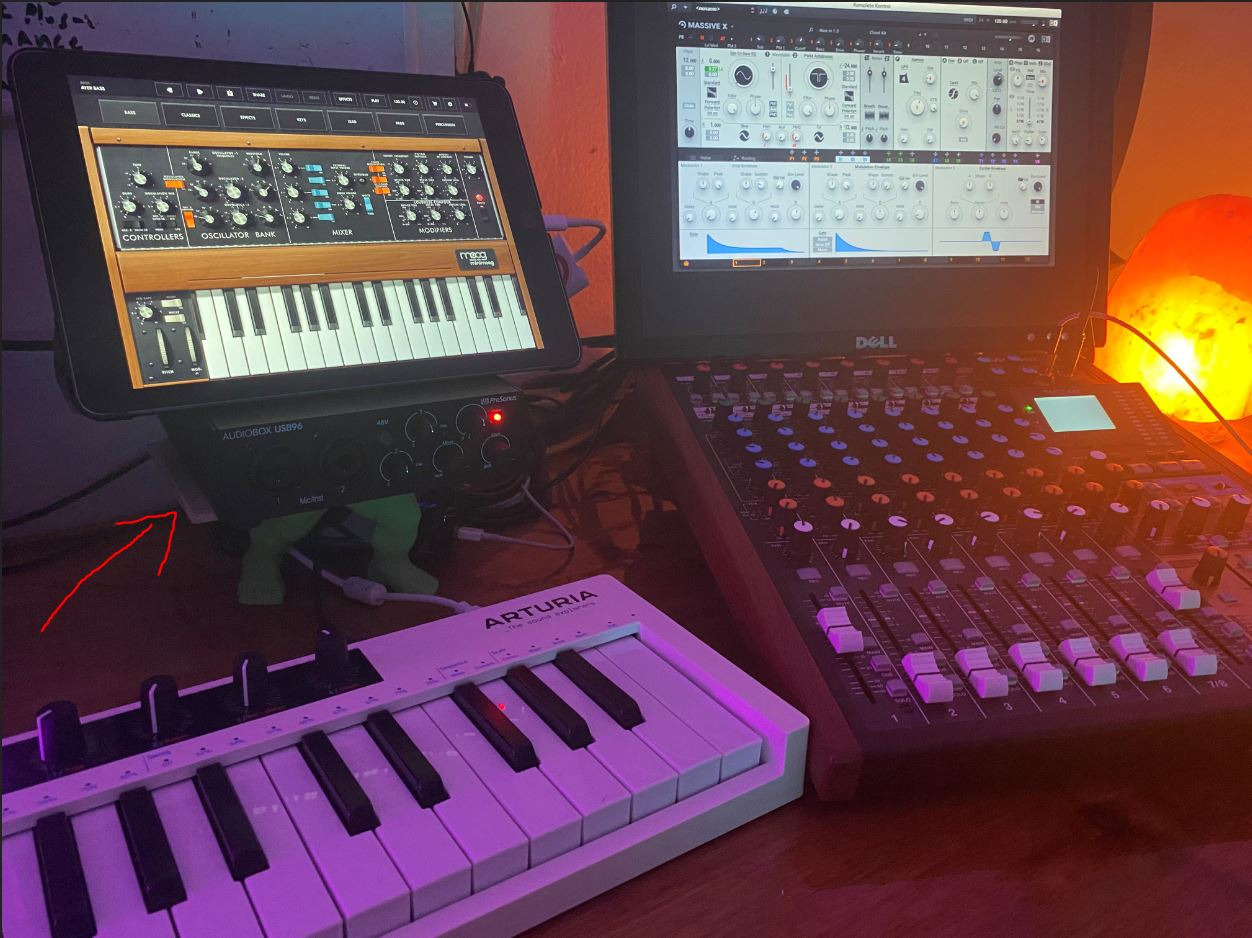
The software bundle is genuinely valuable. Studio One Artist is a full-featured DAW that competes with Logic and Ableton for many workflows. Ableton Live Lite gives you a taste of session view for loop-based production. The Studio Magic Plug-In Suite adds reverb, delay, EQ, and amp sims from companies like Lexicon, Arturia, and others. For someone starting from zero, this bundle alone justifies the cost.
The direct monitoring feature lets you hear your guitar signal with zero latency, which is essential when running amp sims. Switching between input monitoring and playback is handled with a single knob, and the headphone amp has enough power to drive my Audio-Technica ATH-M50x without needing a separate headphone amp.
Forum users on r/musicproduction frequently mention the AudioBox as a reliable first interface that they keep using long after upgrading their skills. One thread called it “the studio in a box that actually grows with you,” which resonates with my own experience watching beginners progress with this unit.
Who the AudioBox 96 Is Perfect For
Beginners who want a complete home studio package with software included. Singer-songwriters who need to record guitar and vocals at the same time. Producers who use MIDI gear alongside their guitar. Anyone who values durability and a metal chassis over flashy aesthetics.
Who Should Skip the AudioBox 96
If you only need a single guitar input and never plan to use MIDI, you can save money with a simpler interface. If you need 24-bit/192kHz recording for high-end production, this tops out at 96kHz, which is still excellent for guitar but not the absolute ceiling. Mobile users on newer iPhones without USB-A ports will need an adapter.
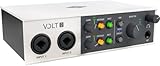
3. Universal Audio Volt 2 — Best for Warm Tube Guitar Tone
Universal Audio Volt 2 USB Audio Interface
24-bit/192kHz
610 tube emulation Vintage mode
USB-C connectivity
MIDI I/O included
Pros
- Rich tube warmth from 610 emulation
- Solid all-metal build quality
- Low-latency USB-C performance
- Includes LUNA DAW and UAD plugins
- USB bus-powered no adapter needed
Cons
- App registration can be tricky on Windows
- Some users report issues with Discord screen sharing
- Smaller community than Focusrite
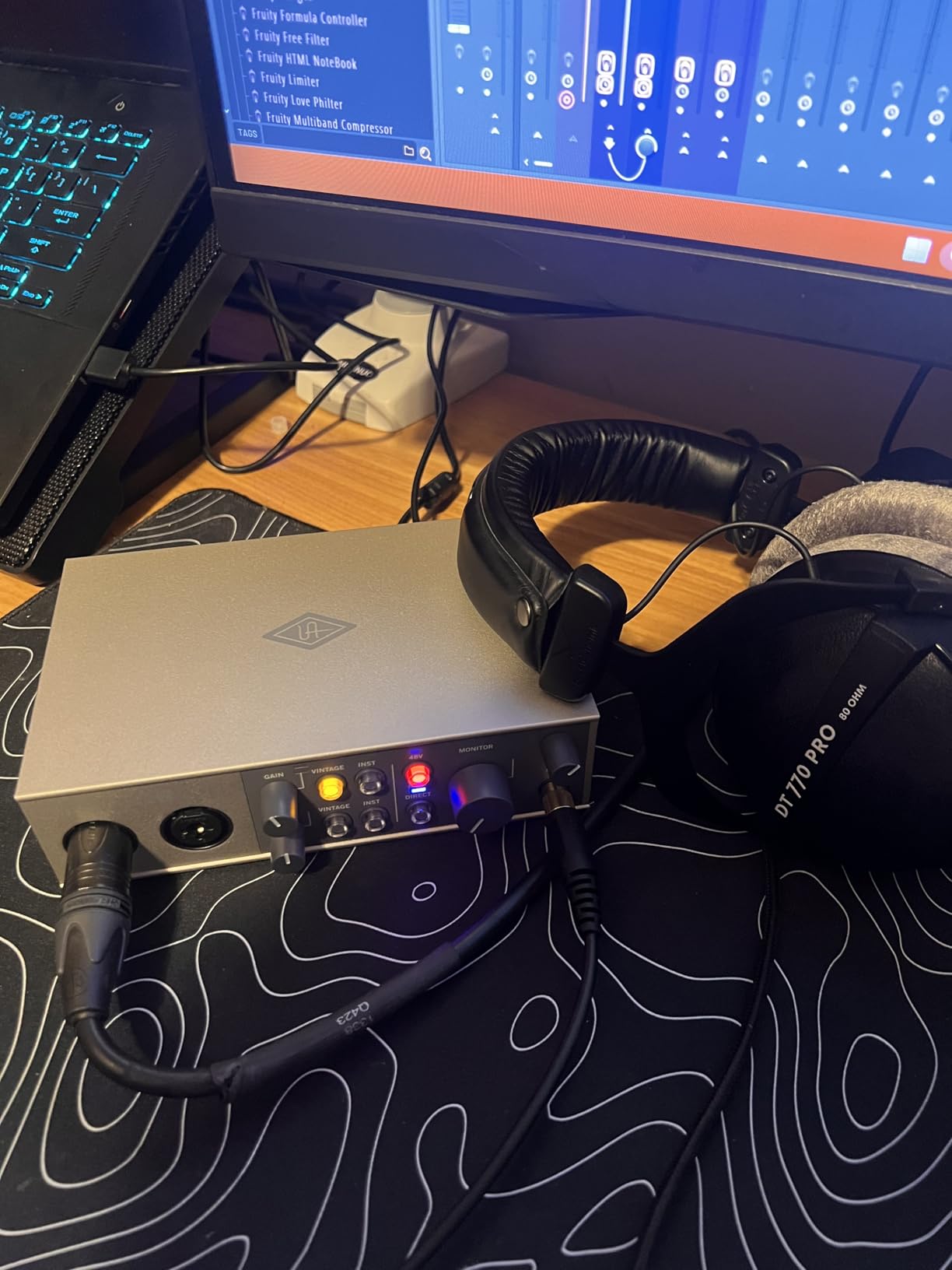
The Universal Audio Volt 2 is the interface I reach for when I want my guitar tracks to have warmth and character straight out of the gate. The 610 tube emulation circuit is modeled after Universal Audio’s legendary 610 preamp used in professional studios for decades. When I engaged Vintage mode on a clean Stratocaster recording, the difference was immediately audible: rounder highs, fatter low-mids, and a subtle compression that flatters any guitar tone.
For players chasing vintage Fender or Vox sounds without committing to expensive tube preamps, the Volt 2 brings a slice of that character at a reasonable price. The 24-bit/192kHz converters are clean enough for professional work, and the USB-C connection means it plays nicely with modern laptops without dongles.
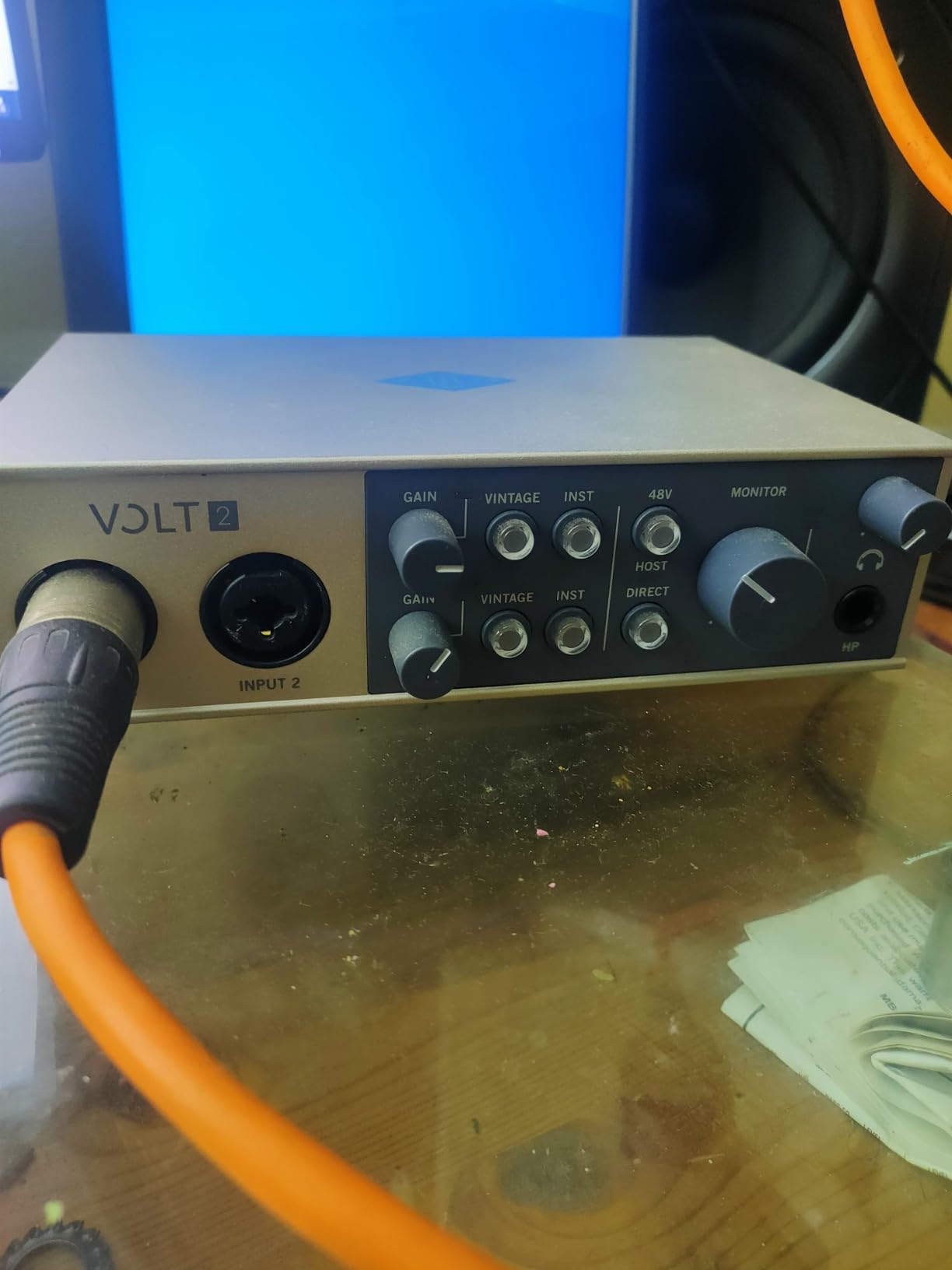
The build quality matches the sound quality. The chassis is solid metal with substantial knobs that feel precise rather than mushy. The two combo inputs accept XLR microphones and 1/4 inch instruments, and the MIDI ports let you integrate keyboards and drum machines. The headphone output is clean and powerful, and the monitor outputs are balanced TRS for noise-free connection to studio monitors.
Universal Audio bundles their LUNA Digital Audio Workstation, which is a deep DAW with built-in UAD plugin support. While LUNA is Mac-only, Windows users get a generous plugin bundle including amp sims, reverbs, and EQs. For guitar players, the included amp simulations are immediately usable.
The Vintage mode is genuinely the standout feature. Engaging it on input one adds analog-style warmth that cannot be replicated by software alone. For blues, jazz, classic rock, and indie players, this matters. For metal players chasing aggressive high-gain tones, the Volt 2 still works but the character is less essential to the final tone.
Who the Volt 2 Is Perfect For
Players who want vintage tube character in their recordings without buying separate hardware. Producers working on rock, blues, jazz, or indie material. Anyone building a studio around USB-C laptops and modern MacBooks. Users who value solid metal construction and the LUNA DAW ecosystem.
Who Should Skip the Volt 2
If you primarily play modern metal or djent and rely on software amp sims for tone, the tube character is less relevant. If you are deeply invested in Pro Tools or Ableton workflows, the LUNA DAW is Mac-only, though the included plugins work cross-platform. If you need more than two inputs, look at larger interfaces.
4. Focusrite Scarlett Solo 3rd Gen — Best Overall Audio Interface for Guitar
Focusrite Scarlett Solo 3rd Gen USB-C Audio Interface
24-bit/192kHz
Switchable Air mode
Gain Halos for level monitoring
Pro Tools Intro and Ableton included
Pros
- Industry-standard reputation for reliability
- Crystal-clear preamps with Air mode
- Gain Halos prevent clipping
- Excellent software bundle
- 3-year warranty included
Cons
- Popup folder appears when first connected
- Windows driver setup can be more involved than Mac
The Focusrite Scarlett Solo 3rd Gen is the interface I recommend to almost every guitarist starting a home studio. Over 29,000 reviews and a 4.7 average rating tell the story better than any spec sheet. This is the de facto standard for a reason. I have owned three of these over the years, given them as gifts, and watched countless students succeed with them.
The instrument input on the front handles guitars and basses with plenty of headroom. The Air mode switch adds a subtle high-frequency lift that fattens acoustic guitars and adds bite to electric tones. The XLR input on the back accepts microphones with the same clean preamp design. The Gain Halos around the gain knob glow green when your signal is healthy, amber when you are getting close to clipping, and red when you have gone too far. That visual feedback has saved my recordings countless times.
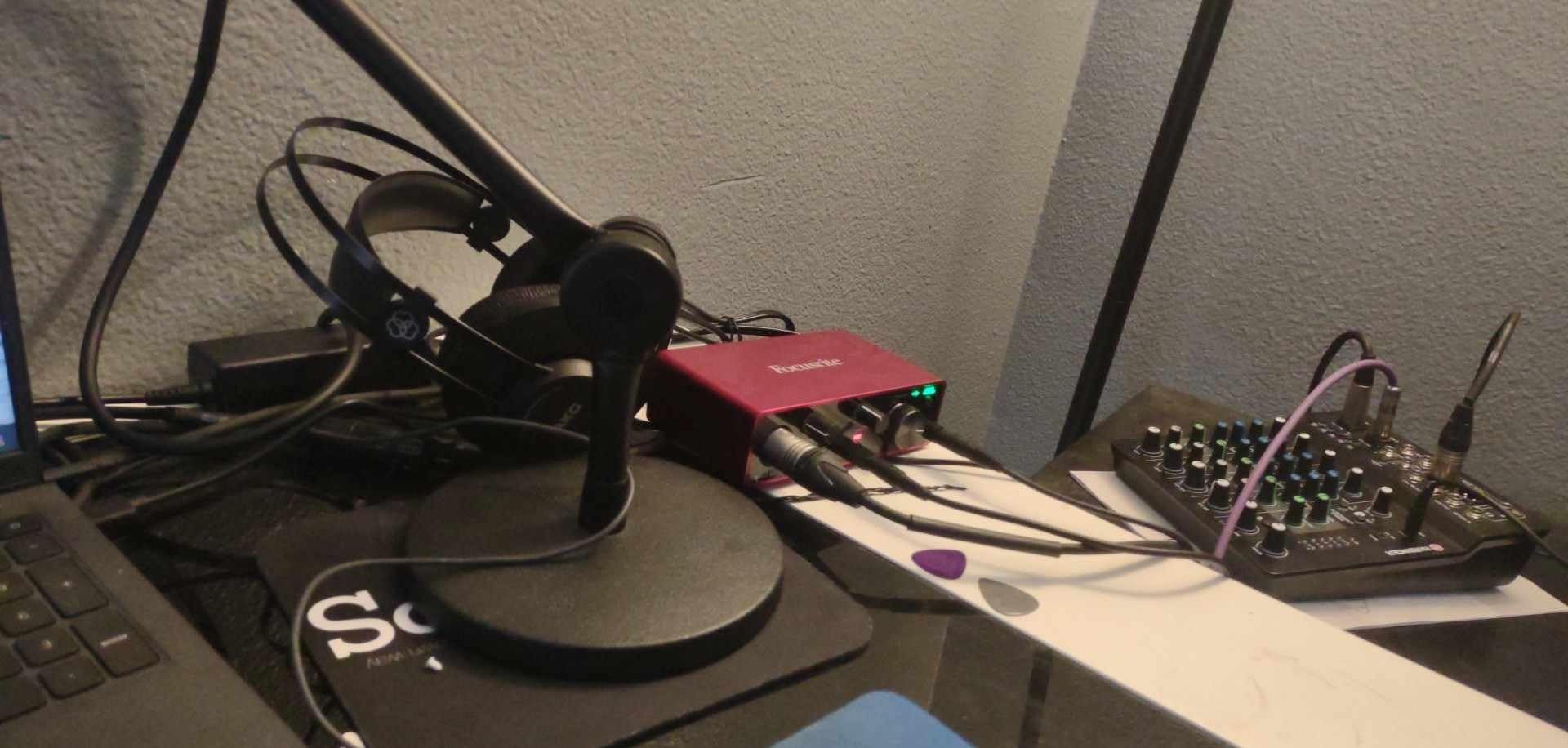
The 24-bit/192kHz converters are genuinely professional-grade. Tracks I have recorded through the Scarlett Solo sit comfortably alongside tracks from interfaces costing three times as much. Latency through the included Focusrite Control drivers is consistently low, even at small buffer sizes. I tracked fast amp sim riffs at 64 samples with no audible delay.
The software bundle is a major reason this interface wins. Pro Tools Intro gives you a real industry-standard DAW to learn. Ableton Live Lite covers electronic and loop-based production. Cubase LE adds another full DAW for variety. The Hitmaker Expansion includes plugins from Antares, Brainworx, Softube, and XLN Audio. For a beginner, this is months of free exploration before you ever need to buy anything.
Forum users on r/Guitar and r/musicproduction consistently mention the Scarlett as their first or primary interface. One popular thread called it “the Honda Civic of audio interfaces — boring, reliable, and never lets you down.” That reputation is earned through years of consistent performance across millions of users.
Mac setup is genuinely plug-and-play. Windows setup requires a quick driver download, but Focusrite’s installer is straightforward. Once configured, the interface just works across DAWs, streaming apps, and video calls. The 3-year warranty is longer than most competitors and reflects Focusrite’s confidence in their build quality.
Who the Scarlett Solo Is Perfect For
Any guitarist wanting a reliable, industry-standard interface with proven longevity. Beginners who want a generous software bundle to learn on. Producers tracking acoustic guitar and vocals simultaneously. Anyone who values visual feedback from the Gain Halos to avoid clipping. Players who want wide community support and abundant tutorial content online.
Who Should Skip the Scarlett Solo
If you need more than one instrument input plus one mic input, the Solo is too small. Step up to the Scarlett 2i2 for two instrument inputs. If you are deeply invested in vintage tube tone, the Universal Audio Volt brings more character. If you record on iPad exclusively, a class-compliant interface like the iRig 2 may suit your workflow better.
5. Behringer UMC202HD — Best Value for Recording Guitar and Vocals
Behringer UMC202HD Audiophile 2×2, 24-Bit/192 kHz USB Audio Interface with Midas Mic Preamplifiers | For Recording Microphones and Instruments
24-bit/192kHz
2 Midas-designed mic preamps
Phantom power
Metal chassis
Pros
- Midas preamps punch above their weight
- Survives daily use and accidental drops
- Low latency with ASIO drivers
- Compatible with major DAWs
- Excellent value for the price
Cons
- Requires driver download on Windows 11
- Direct monitor cannot be mono'd
- Mixdown quality slightly behind higher-end units
The Behringer UMC202HD is the unit I recommend when someone tells me they want to record guitar and vocals together without breaking the bank. The two Midas-designed preamps are genuinely good. Midas is a legendary name in live sound consoles, and Behringer has leveraged that pedigree to deliver preamps that sound clean and quiet at this price point.
The 24-bit/192kHz resolution matches interfaces costing twice as much. The two combo inputs on the front handle XLR microphones and 1/4 inch instruments, which is perfect for tracking an acoustic guitar through one channel and vocals through the other. The phantom power switch on the back powers condenser microphones when needed.
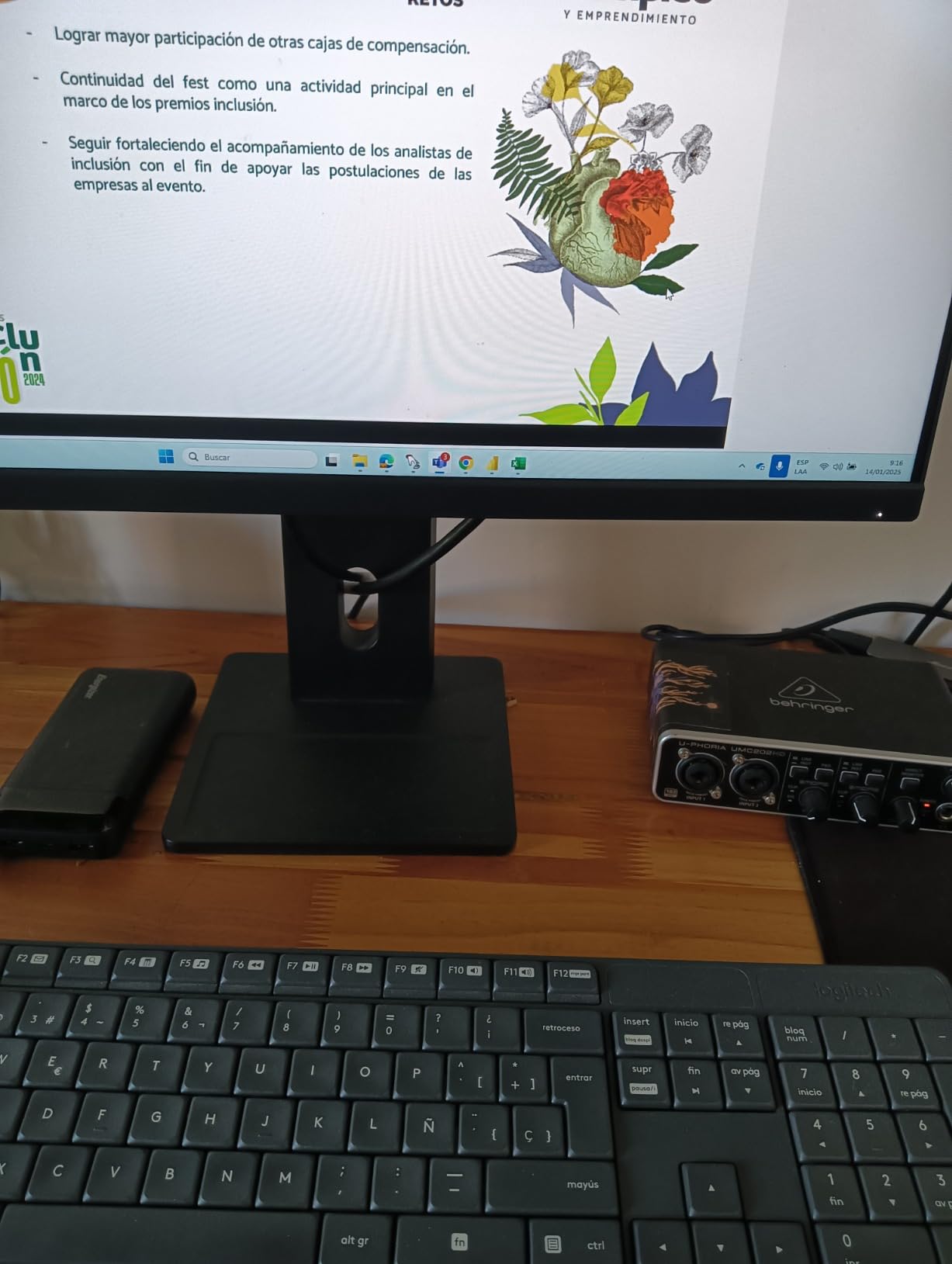
The build quality surprised me the first time I held one. The metal chassis feels substantial, and the knobs have a satisfying resistance. I have seen these interfaces survive being knocked off desks and dropped into gig bags without missing a beat. For traveling musicians or anyone with a chaotic home studio, that durability matters.
The direct monitor feature is essential for guitarists running amp sims. A switch on the front lets you toggle between input monitoring and DAW playback. The headphone output has plenty of volume for tracking loud guitars and aggressive vocals. The ASIO drivers are stable on Windows, and the interface is class-compliant on Mac with no driver installation required.
Forum users on r/musicproduction frequently call out Behringer interfaces as offering the best dollar-to-performance ratio. One user wrote that the UMC202HD “sounds like an interface that costs three times as much,” which is a sentiment I have heard repeatedly.
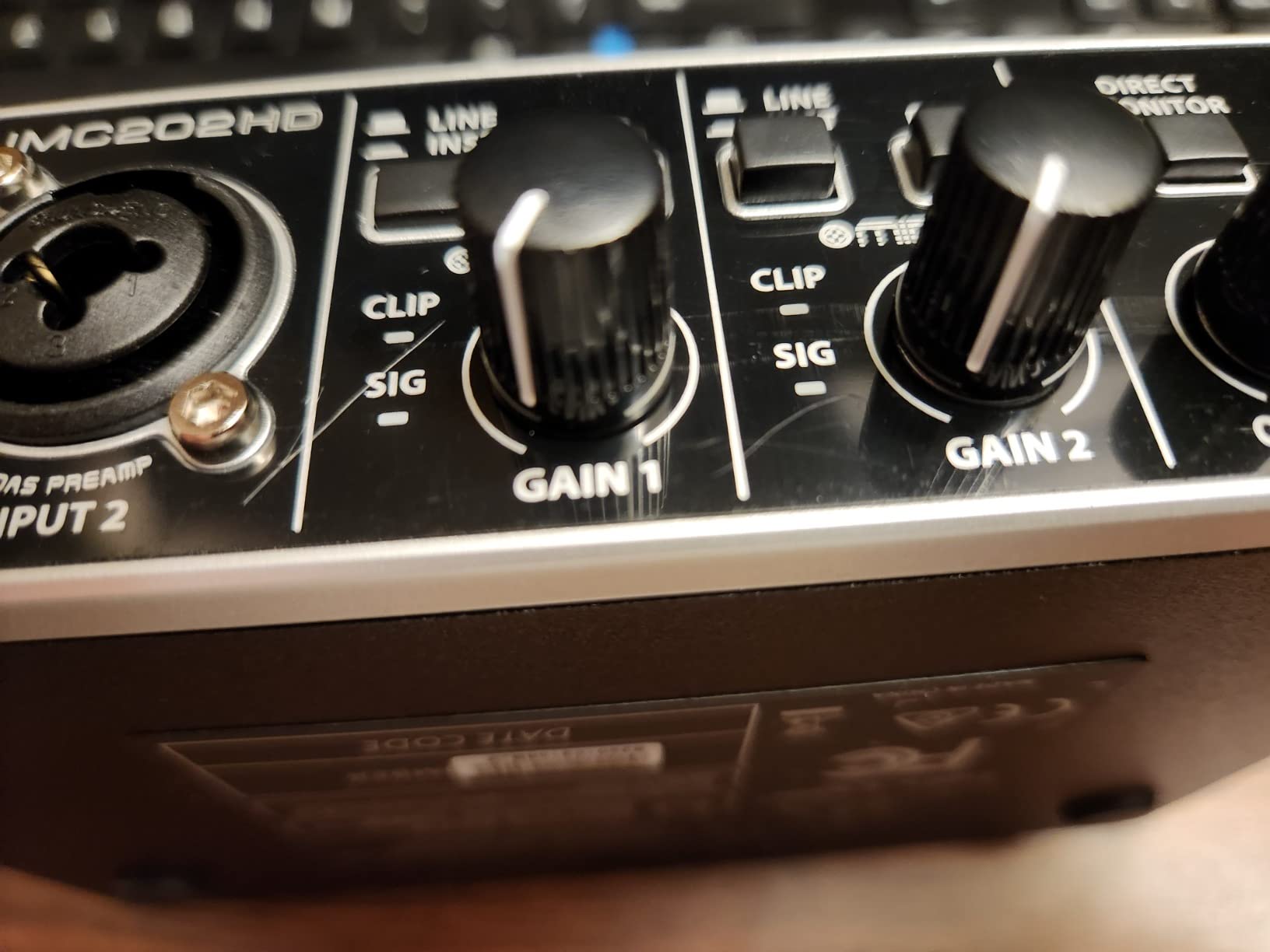
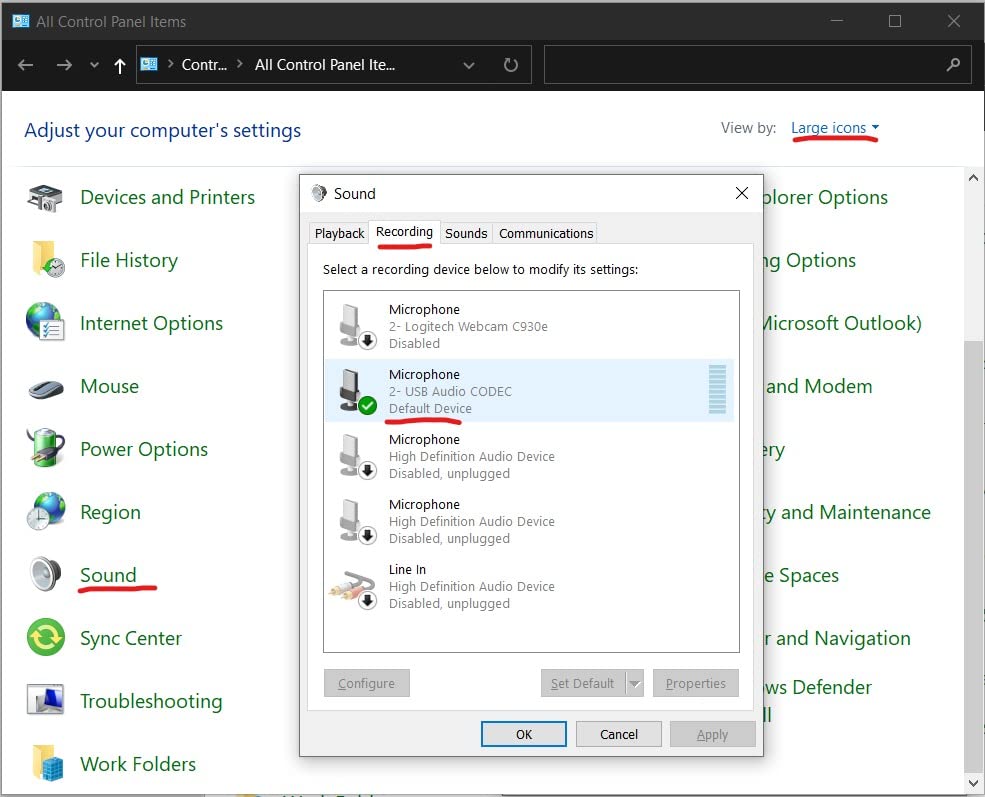
The downsides are minor at this price. Windows 11 users need to download drivers from the Behringer website, but installation is quick. The direct monitor path cannot be mono’d, which is a quirk for some workflows. The conversion quality is excellent but does not quite match the absolute transparency of higher-priced units.
Who the UMC202HD Is Perfect For
Guitarists who also sing and want to record both simultaneously. Home studio enthusiasts on a budget who refuse to compromise on preamp quality. Touring musicians who need a durable interface that survives travel. Anyone who already owns or plans to buy condenser microphones for studio-quality vocals.
Who Should Skip the UMC202HD
If you only ever record one source at a time, a smaller interface saves money. If you want the absolute best conversion quality for high-end production, step up to the Universal Audio Volt. If you prefer Mac-exclusive ecosystems, the class-compliant mode works but the included software is lighter than competitors.
6. Behringer UMC22 — Best Ultra-Budget Audio Interface
Behringer UMC22 Audiophile 2×2, 48 kHz USB Audio Interface with Midas Mic Preamplifier | For Recording Microphones and Instruments
48kHz sample rate
Midas-designed preamp
Plug and play USB
Combination XLR and 1/4 inch jack
Pros
- Most affordable Midas preamp option
- Easy plug-and-play setup on most systems
- Direct monitor works reliably
- Compatible with Linux without drivers
- Reliable for years of regular use
Cons
- Requires driver download on Windows 11
- Noise floor slightly higher than pricier units
- Limited to 16-bit depth technically
- Setup can confuse first-time users
The Behringer UMC22 is the cheapest legitimate entry point into serious home recording. I have recommended this interface to students with extremely tight budgets, and the results have consistently exceeded expectations. The Midas-designed preamp delivers clean sound that is far better than the built-in audio on most laptops and budget motherboards.
The single combo input handles XLR microphones and 1/4 inch instruments. For a guitarist who only needs to record one source at a time, this is all you need. The direct monitor switch on the front gives you zero-latency monitoring when running amp sims. The headphone output is loud enough for tracking without a separate amp.
The 48kHz maximum sample rate is lower than the 192kHz that premium interfaces offer, but for guitar recording this is not a meaningful limitation. Most professional guitar records at 44.1 or 48kHz anyway. The 16-bit depth limit is a slight technical constraint, but the noise floor is quiet enough that you will not notice in practice.
Build quality is solid for the price. The chassis is metal, the knobs feel sturdy, and the unit has survived multiple students’ dorm rooms and apartments without issue. Linux compatibility is a major bonus for users who want to avoid driver hassles entirely. The interface is class-compliant and works without additional software.
The forum community frequently recommends the UMC22 as the answer to “what is the cheapest audio interface that does not suck.” One user described it as “the gateway drug to home recording,” which captures the role it plays for many beginners.
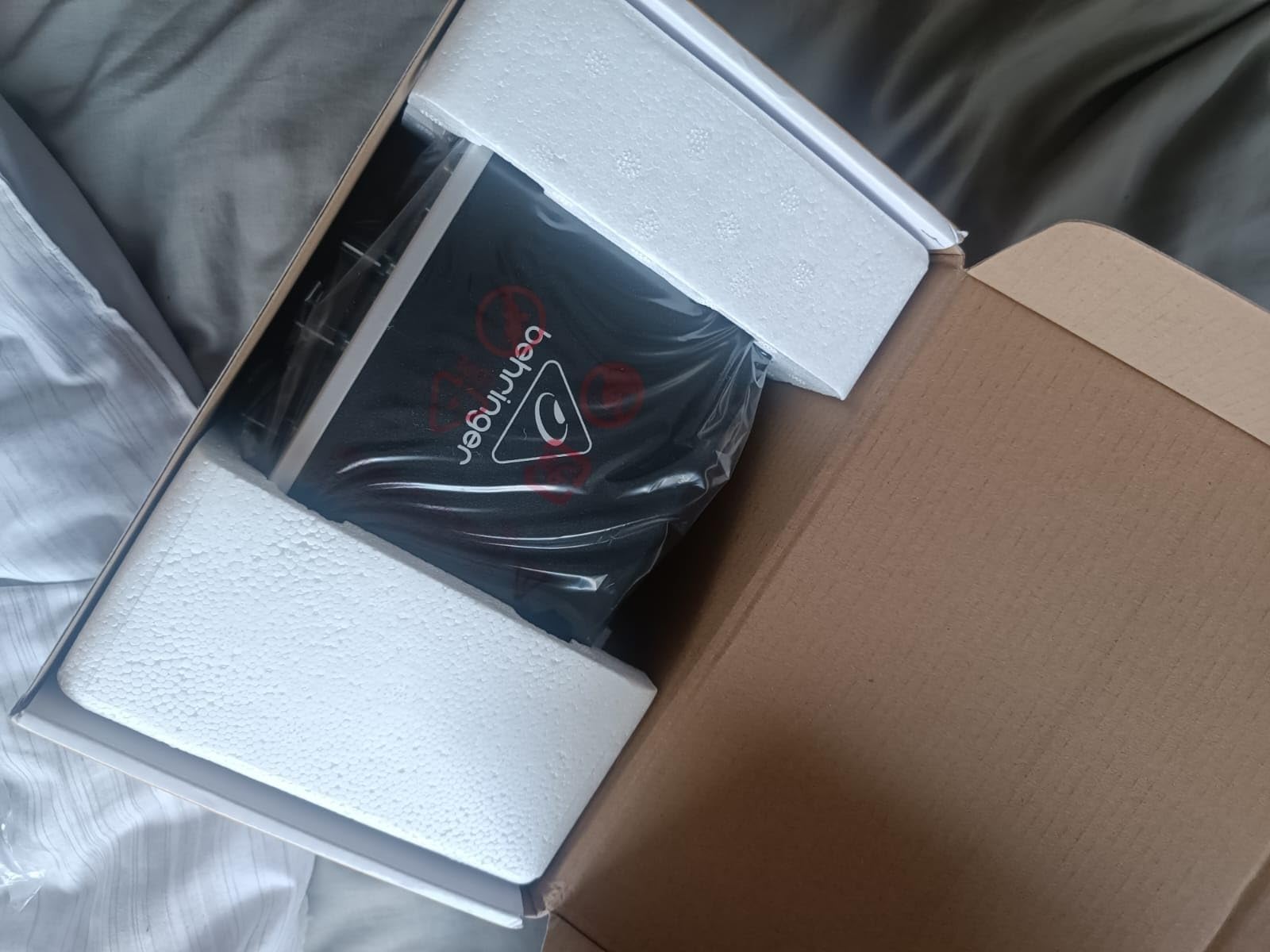
The downsides are predictable at this price. The noise floor is slightly higher than more expensive units, which matters for very quiet acoustic recordings. Windows 11 requires a driver download, which trips up first-time users. There is no MIDI for audio producers. None of these are deal-breaking for the intended user.
Who the UMC22 Is Perfect For
Complete beginners with very tight budgets. Students wanting to try home recording before committing to more gear. Linux users who want driver-free operation. Anyone who only needs to record one source at a time and does not need MIDI. Players who want a spare or backup interface for travel.
Who Should Skip the UMC22
If you can stretch your budget slightly, the M-Audio M-Track Solo or Behringer UMC202HD give you more capability. If you record guitar and vocals simultaneously, you need two inputs. If you need MIDI for hardware synthesizers, look elsewhere. If you want the absolute cleanest conversion, the Universal Audio Volt is a major step up.
7. M-Audio M-Track Solo — Best for Beginners and Streaming
M-AUDIO M-Track Solo USB Audio Interface
48kHz resolution
Crystal preamp
Phantom power
1/4 inch instrument input and XLR combo
Pros
- Excellent cost-to-quality ratio
- Crystal clear preamp sound
- Plug-and-play simplicity
- Lightweight and portable
- Includes MPC Beats software
Cons
- Only one combo XLR and 1/4 inch input
- Line input is mono only
- Requires driver download on Windows 11
- Gain can feel low on some microphones
The M-Audio M-Track Solo is the interface I recommend when someone needs a simple, reliable recording setup for guitar or streaming. The Crystal preamp delivers clean sound that holds its own against more expensive units. The single combo input handles both XLR microphones and 1/4 inch instruments, which covers the basics for most bedroom producers.
Setting up the M-Track Solo took me about three minutes from unboxing to recording. Plug in the USB cable, plug in your guitar, open your DAW, and you are tracking. There are no menus to navigate, no firmware updates required, and the included MPC Beats software gives you a complete production environment to start with.
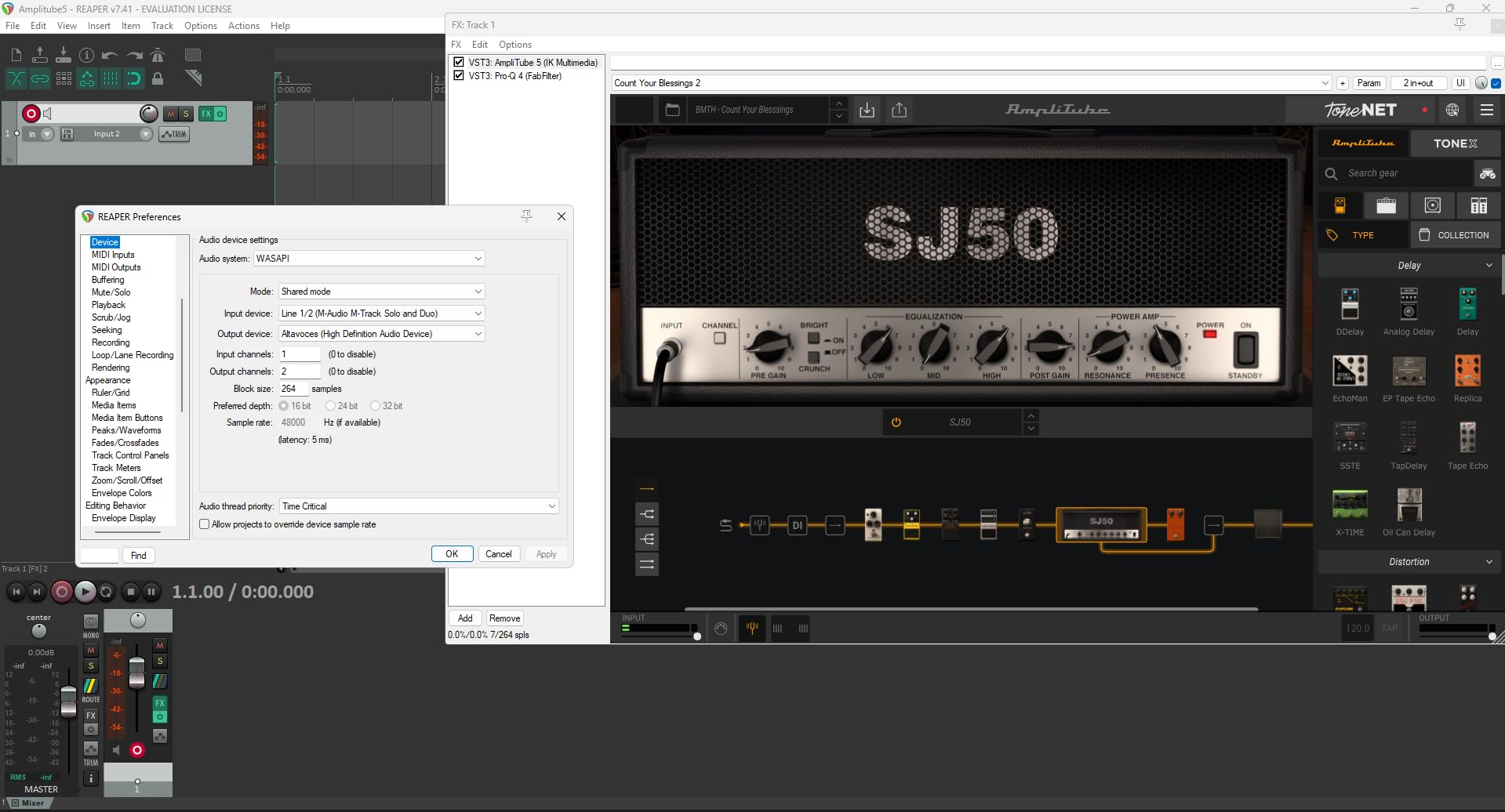
The build quality is light but functional. The chassis is plastic, which keeps weight down for portability but does not feel as substantial as metal units. The knobs are smooth, and the Gain Halo provides visual feedback similar to Focusrite’s design. The headphone output on the front is convenient for private listening.
For streaming and podcasting alongside guitar recording, the M-Track Solo covers the bases. The phantom power switch supports condenser microphones for spoken word. The direct monitor switch gives zero-latency monitoring for live amp sim performance. The stereo RCA outputs connect easily to desktop speakers or a mixer.
Forum users on r/podcasting and r/streaming frequently mention the M-Track Solo as a reliable entry-level interface that does not break. One thread called it “the streamer special,” which captures its appeal for content creators who also play guitar.
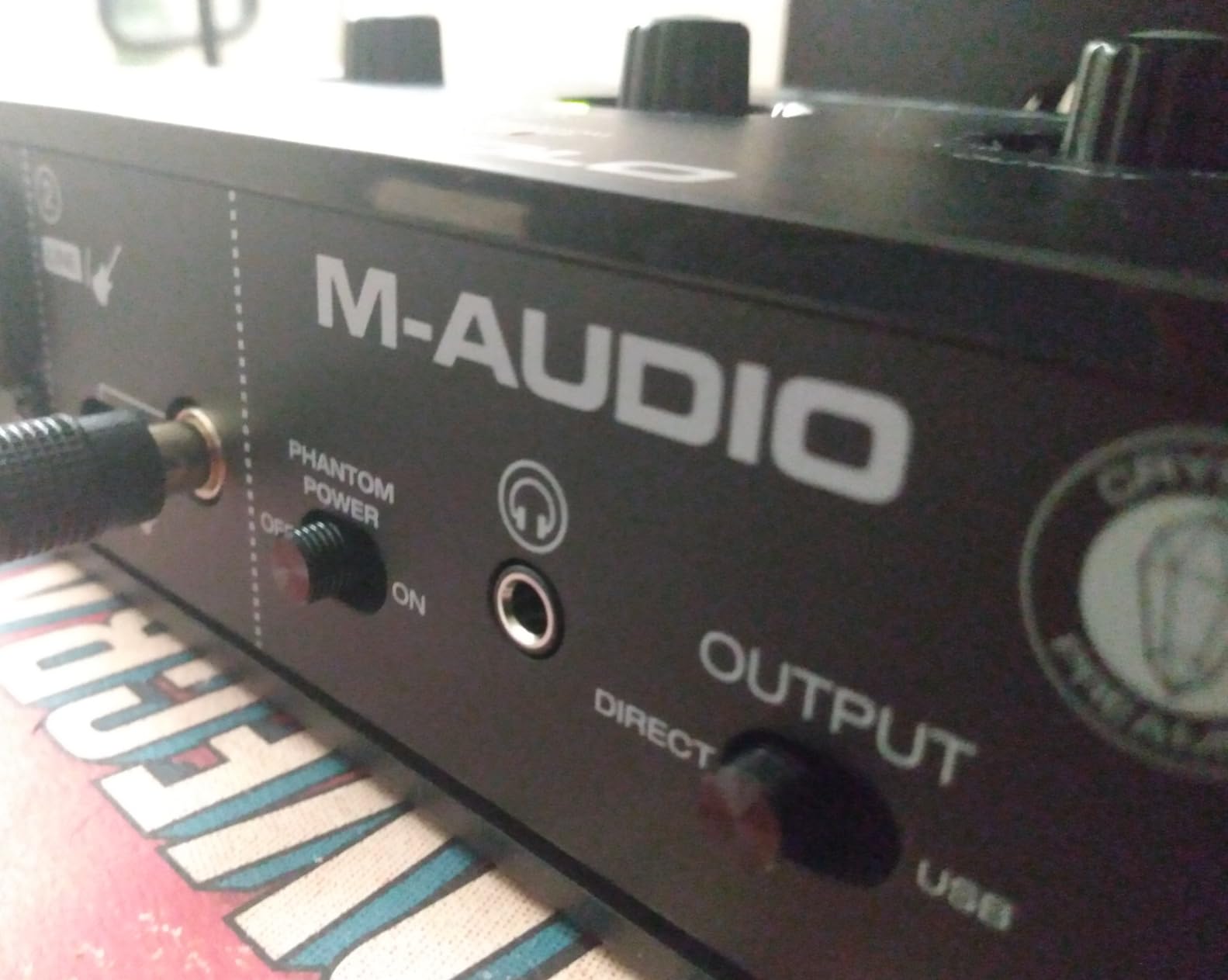
The limitations are real but reasonable for the price. The line input is mono only, which restricts some routing options. Windows 11 requires a driver download. The single combo input means you cannot record guitar and vocals at the same time without an external mixer. For pure guitar tracking or single-source streaming, none of these matter.
Who the M-Track Solo Is Perfect For
Complete beginners who want plug-and-play simplicity. Streamers and podcasters who also play guitar. Mobile musicians who want a lightweight interface for travel. Anyone wanting a backup interface for a second location. Students on tight budgets who need a reliable, no-fuss recording solution.
Who Should Skip the M-Track Solo
If you need two simultaneous inputs for guitar and vocals, step up to the M-Track Duo. If you want metal construction for touring, the Behringer UMC202HD is more durable. If you record at high sample rates, the 48kHz ceiling may feel limiting for some production workflows.
8. M-Audio M-Track Duo — Best for Singer-Songwriters
M-AUDIO M-Track Duo USB Audio Interface
48kHz resolution
2 combo XLR inputs
Phantom power
USB-C connectivity
Pros
- Two combo inputs for guitar and vocals simultaneously
- Crystal preamps deliver clean sound
- Plug-and-play setup
- Compact and portable design
- Includes MPC Beats software
Cons
- Plastic chassis can slide on smooth surfaces
- Gain pots can be sensitive at high levels
- Construction feels lighter than metal units
- Feet provide minimal grip
The M-Audio M-Track Duo is my recommendation for singer-songwriters who want to record guitar and vocals together without overspending. The two combo inputs accept XLR microphones and 1/4 inch instruments, so you can plug an acoustic guitar into one channel and a condenser microphone into the other. The Crystal preamps handle both sources cleanly.
I have used the M-Track Duo on several acoustic singer-songwriter sessions, and the results have been consistently solid. The phantom power switch supports condenser microphones for studio-quality vocals. The direct monitor feature lets you hear your guitar and voice together with zero latency, which is essential when you are performing both parts at once.
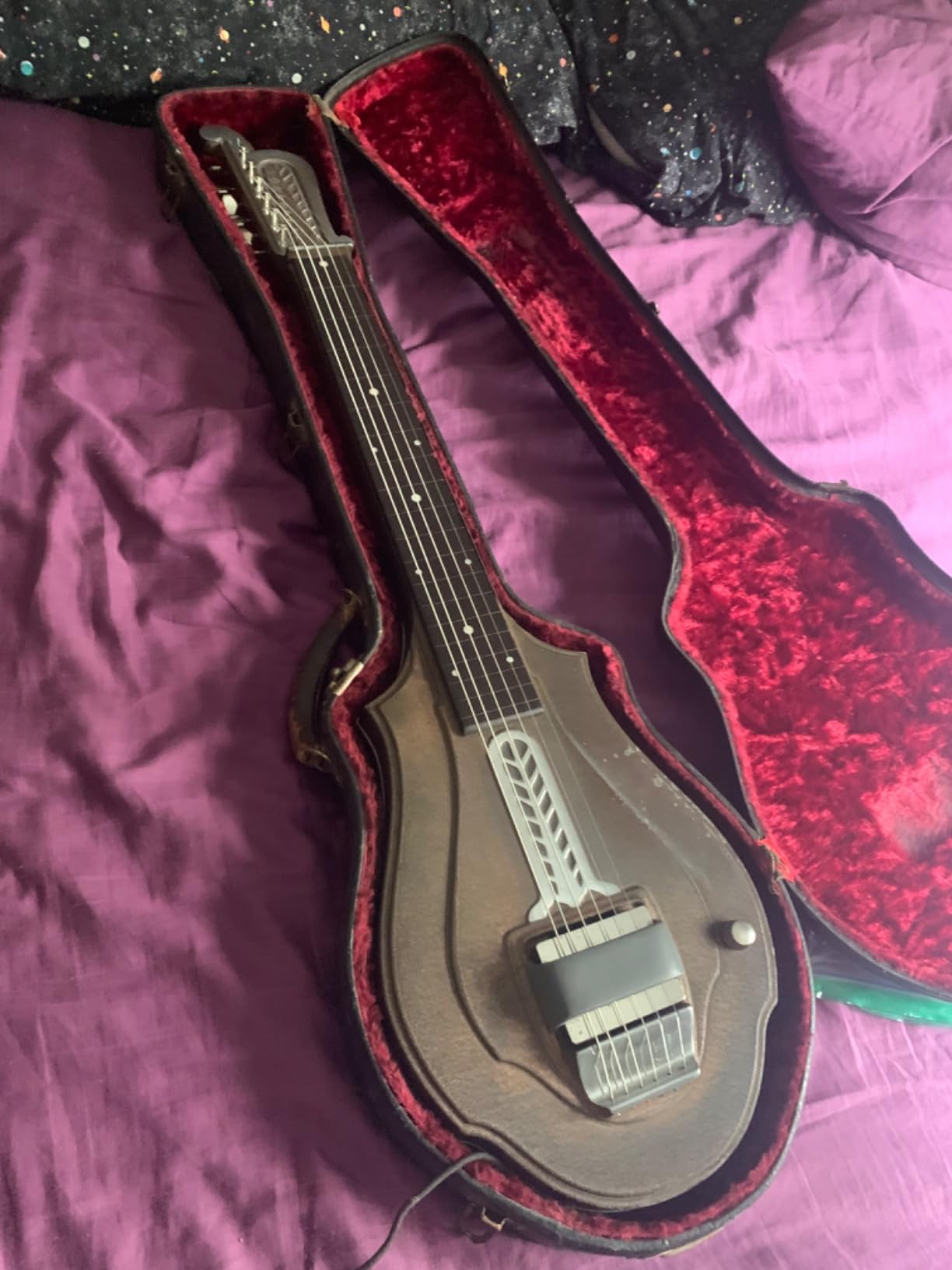
The 1/4 inch headphone output on the front and the stereo 1/4 inch outputs on the back give you flexible monitoring options. You can track with headphones while sending a separate signal to studio monitors for the engineer or producer in the room. The MPC Beats software covers basic production needs for someone just starting to arrange songs.
The compact design fits easily into a laptop bag for mobile recording sessions. The USB bus-powered operation means you do not need to carry a power adapter. For songwriters who write and record in coffee shops, hotels, or friends’ apartments, this portability is valuable.
Forum discussions on r/songwriting frequently mention the M-Track Duo as a reliable companion for songwriting sessions. One user wrote that it “lets me capture the song when inspiration strikes, wherever I am,” which matches the use case this interface is built for.
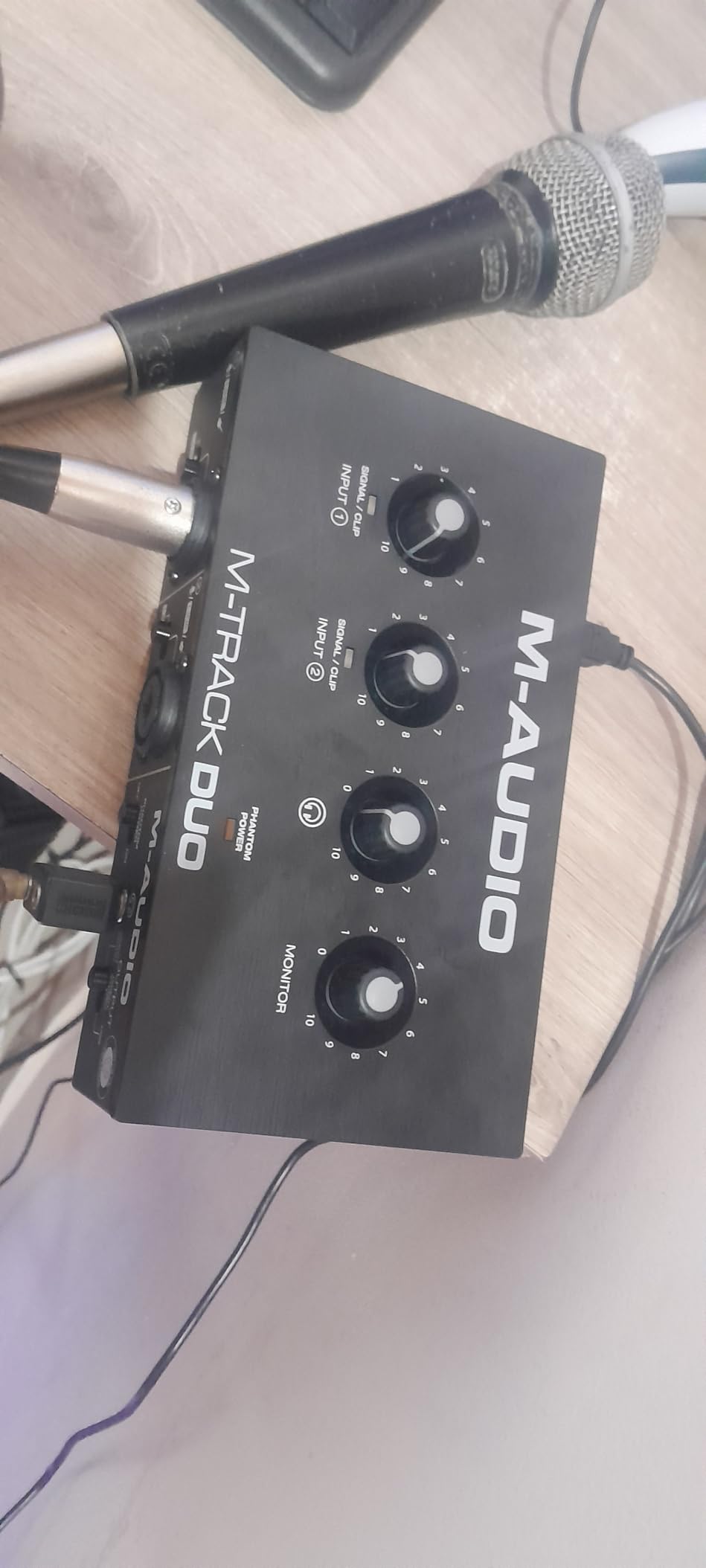
The plastic construction is the main compromise. The chassis can slide on smooth desk surfaces, and the included feet do not provide much grip. Placing the unit on a mousepad or non-slip mat solves this easily. The gain pots are sensitive at high levels, so small movements can produce large level changes. Neither issue is a deal-breaker for the target user.
Who the M-Track Duo Is Perfect For
Singer-songwriters who perform guitar and vocals simultaneously. Songwriters who need portable recording for travel and remote sessions. Beginners who want two inputs at a reasonable price. Anyone who values a compact, lightweight interface over heavy-duty metal construction. Users who already own or plan to buy a condenser microphone.
Who Should Skip the M-Track Duo
If you record in a permanent studio setup and want metal chassis durability, the Behringer UMC202HD is tougher. If you need more than two inputs, consider a larger interface. If you play primarily electric guitar and do not record vocals, a single-input interface saves money. If you want vintage tube character, the Universal Audio Volt 2 is a step up.
How to Choose the Best Audio Interface for Your Guitar Recording?
Choosing an audio interface for guitar recording comes down to understanding your signal chain and matching it to your recording style. The first decision is whether you need a Hi-Z instrument input. Every interface on this list has one, but it matters because guitars need a high-impedance input that matches the pickups’ output. Without it, your tone will sound thin and lose high-frequency detail. All eight interfaces we tested handle this correctly.
The second decision is how many inputs you need. If you only ever record guitar alone, a single-input interface like the iRig 2, M-Audio M-Track Solo, or Behringer UMC22 is sufficient. If you record vocals and guitar simultaneously, you need two inputs at minimum. The Focusrite Scarlett Solo, Universal Audio Volt 2, and Behringer UMC202HD cover this scenario. For full band recording or drum miking, you will need four or more inputs, which is outside the scope of this roundup.
Latency is the third decision. If you run amp simulation software like Neural DSP, Amplitube, or Guitar Rig and play through them live, low-latency drivers are essential. The Focusrite Scarlett series, Universal Audio Volt, and Behringer UMC202HD all use efficient ASIO or class-compliant drivers that deliver sub-10ms round-trip latency at small buffer sizes. For pure offline recording where you are not monitoring through the software, any interface on this list works fine.
Sample rate and bit depth matter less than marketing suggests. 24-bit/48kHz captures more detail than the human ear can perceive for guitar. The interfaces offering 192kHz are not magically better for guitar; they simply have more headroom for other production tasks. Do not pay extra for 192kHz if your goal is recording guitar tracks for rock, metal, blues, or pop.
Driver stability on Windows has improved dramatically over the past five years. Most interfaces on this round are class-compliant and work without additional drivers on macOS. Windows users should expect a quick driver installation but should not fear it. If driver issues are a deal-breaker, Linux compatibility with the Behringer UMC22 is a genuine advantage.
Software bundles vary wildly. The Focusrite Scarlett Solo, PreSonus AudioBox 96, and Universal Audio Volt 2 include full DAWs and substantial plugin libraries. The Behringer and M-Audio interfaces include lighter bundles. For beginners, a generous bundle saves hundreds of dollars in initial DAW and plugin purchases. For experienced producers with existing software, the bundle matters less.
Build quality and portability matter based on your use case. If your interface lives on a desk and never moves, plastic construction is fine. If you travel to gigs or record in multiple locations, metal chassis units like the Behringer UMC202HD or Universal Audio Volt 2 hold up better over time. For iPad and iPhone users, mobile-first interfaces like the iRig 2 are purpose-built for the workflow.
Connectivity is the final consideration. USB-C is the modern standard and pairs with current laptops. Older USB-A interfaces still work fine but may require adapters on newer computers. Thunderbolt interfaces offer lower latency but cost significantly more and are overkill for most guitar recording.
For more context on how these interfaces fit into a complete recording setup, our 10 Best Audio Interfaces for Guitar guide expands on the topic with additional options. Our 8 Best USB Audio Interfaces for Live Band and Multi-Track Recording roundup covers interfaces with more inputs for band recording. For the broader market view, our 10 Best Audio Interfaces expert picks compares across use cases.
Frequently Asked Questions
What is the best audio interface for guitar recording?
The Focusrite Scarlett Solo 3rd Gen is our top pick for most guitarists. It combines a clean instrument preamp, switchable Air mode that adds presence to guitar tone, Gain Halos for visual level monitoring, and a generous software bundle including Pro Tools Intro and Ableton Live Lite. It works reliably on Mac and Windows and has an industry-standard reputation built over millions of users.
Do I need an audio interface to connect my guitar to my PC?
Yes, if you want to record or process guitar through your computer. A standard computer sound card is not designed for instrument-level signals and will not capture guitar properly. An audio interface provides the correct Hi-Z input, proper gain staging, analog-to-digital conversion, and low-latency monitoring needed for serious guitar recording.
How do I connect my guitar to my PC with an audio interface?
Plug your guitar cable into the 1/4 inch instrument input on the front of the interface. Connect the interface to your PC via USB. Install any required drivers and open your DAW. Select the interface as your audio device, arm a track for recording, and you are ready to track. Engage direct monitoring on the interface for zero-latency playback while you play.
Which audio interface has the best sound quality for guitar?
Sound quality depends on matching the interface to your needs. The Universal Audio Volt 2 delivers warm tube character for blues, jazz, and classic rock. The Focusrite Scarlett Solo 3rd Gen offers clean, transparent capture that flatters any style. The Behringer UMC202HD uses Midas-designed preamps that punch above their price. For absolute transparency at a higher budget, look at Universal Audio Apollo series.
What is the best beginner audio interface for guitar?
The Focusrite Scarlett Solo 3rd Gen is the best beginner interface thanks to its plug-and-play setup, visual Gain Halos that prevent clipping, and a generous software bundle covering Pro Tools Intro, Ableton Live Lite, and Cubase LE. The Behringer UMC22 is the best ultra-budget option for absolute beginners on tight budgets.
Is there a better audio interface than Focusrite for guitar?
Better depends on what you value. Universal Audio Volt 2 offers tube character that Focusrite lacks. Behringer UMC202HD delivers more inputs at a similar price. Audient iD4 has a tactile monitor control that many players prefer. Focusrite wins on ecosystem maturity, software bundle, and community support, but competitors excel in specific areas.
Final Verdict
After testing eight interfaces over several weeks of recording sessions, our team landed on the Focusrite Scarlett Solo 3rd Gen as the best audio interface for guitar recording in 2026. It nails the fundamentals that matter most: clean preamps, switchable Air mode, Gain Halos that prevent clipping, and a software bundle that supports years of growth as a producer.
The Universal Audio Volt 2 is our pick if you want vintage tube character in your recordings. The Behringer UMC22 is the smartest choice for absolute beginners on the tightest budgets. The IK Multimedia iRig 2 remains the only serious option for mobile recording on phones and tablets. For singer-songwriters recording guitar and vocals together, the M-Audio M-Track Duo or Behringer UMC202HD delivers the most capability per dollar.
Whichever interface you choose, the most important step is to start recording. Gear matters less than consistency, and any of the eight interfaces on this list will serve you well for years. Pick the one that matches your budget and use case, plug in your guitar, and start tracking. Your best performances are waiting to be captured.