
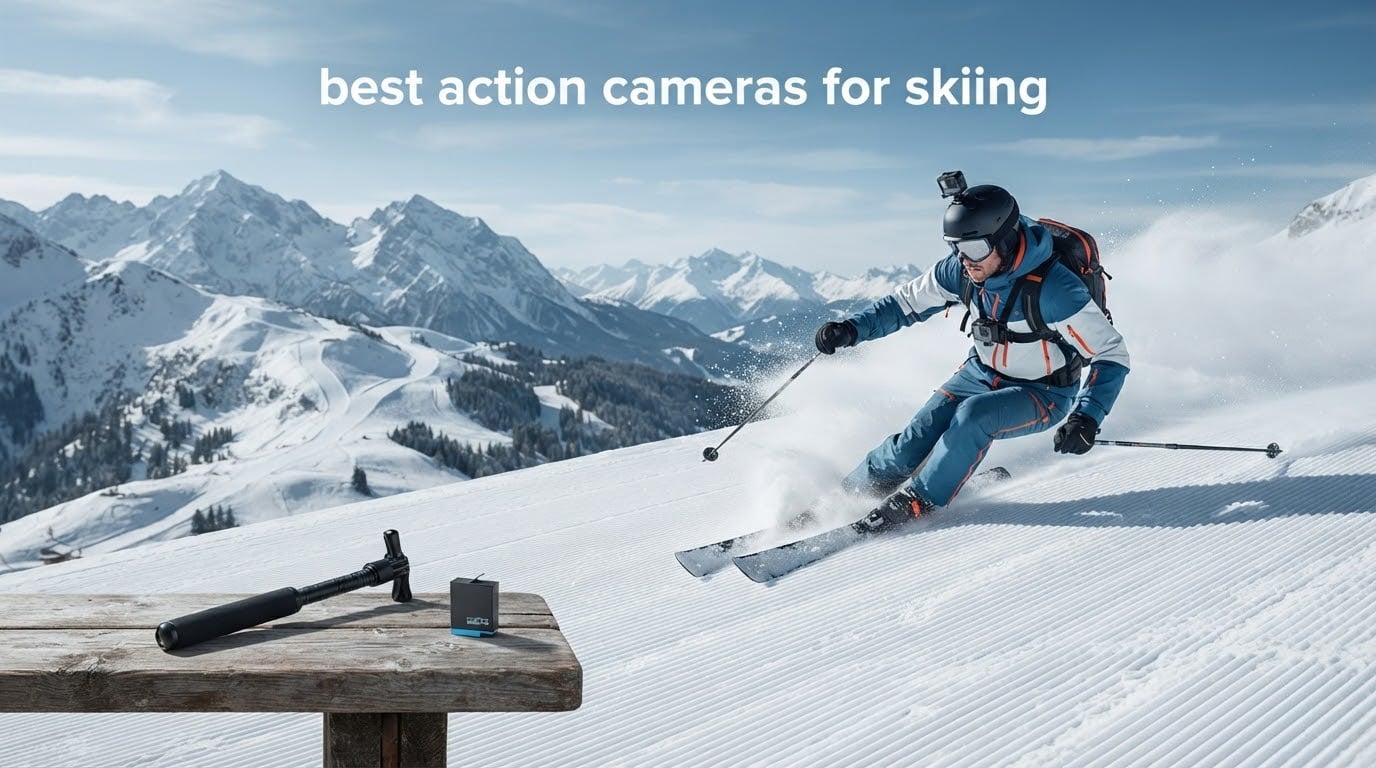
The best action cameras for skiing are the ones that survive the cold, level the horizon when you cross a mogul field, and still record when your phone gives up at the first chairlift. We put ten of them side by side, from a two-battery budget body to a 1/1.1-inch square sensor flagship, and picked one for almost every way people film on snow.
Our top pick is the DJI Osmo Action 4 Essential Combo, because its battery is rated to operate down to -20C (-4F) and its RockSteady 3.0 horizon control keeps helmet footage level through a full day of lifts. If you want the sharpest image and the longest runtime, the DJI Osmo Action 6 Enhanced Combo is the step up. Skiers who only need one second angle on a jacket collar should read the tiny-cam section before buying anything large.
Before the individual reviews, here is what actually decides whether a ski camera is worth carrying. These are the criteria we scored every model against.
Stabilization that handles rotation, not just shake. Every system here crops and digitally re-frames frame by frame, but only the better ones cancel roll-axis lean when you look across a fall line.
A cold-rated battery. Quoted runtimes are measured at 1080p with screens off, not at 4K with stabilization running at -10C. The stated operating temperature matters more than the headline minutes.
Waterproofing without a case. On a ski trip you will get snow on the lens and slush on your hands, and swapping into a housing mid-run is how cameras get dropped.
Glove-friendly controls. If you cannot hit record without taking your mitts off, you will miss the run you actually wanted.
A mounting ecosystem you already own. Magnetic quick-release adapters, standard helmet hardware and a wrist remote decide whether you carry one mount or five.
Two quick pointers before you read on. If you want a wider view of how the big flagships compare outside skiing, our general action camera roundup covers image quality and value in more depth. If your footage is aimed at a channel rather than your ski group, the best action cameras for vlogging breakdown is the better read.
Top 3 Picks: Best Ski Camera Picks in 2026
Our three headline picks cover the three ways most people film snow: a dependable all-rounder, a flagship for maximum detail, and a body-cam style setup for pure POV.
DJI Osmo Action 4 Essential Combo
- Battery rated to -20C
- 4K120 at 155 degrees
- RockSteady 3.0 horizon balance
- Waterproof to 18m

DJI Osmo Action 6 Enhanced Combo
- 1/1.1-inch square sensor
- 8K capture
- Variable f/2.0 to f/4.0 aperture
- Two 1950mAh batteries

GoPro HERO13 Black Bundle
- Front-facing preview screen
- 2.7K240 8x slow motion
- 1900mAh Enduro battery
- Waterproof to 33ft
The Osmo Action 4 wins because cold tolerance is the one spec that changes how a ski day goes, and it is the only camera here that states a -20C (-4F) operating rating. The Action 6 buys you better image and twice the battery capacity, and the HERO13 bundle wins purely on the front-facing screen that makes helmet POV framing painless.
Best Action Cameras for Skiing in October
Every camera in the table below appears in the full reviews further down, in the same order.
| Product | Specifications | Action |
|---|---|---|
| DJI Osmo Action 4 Essential Combo |
|
Check Latest Price |
| DJI Osmo Action 6 Enhanced Combo |
|
Check Latest Price |
| GoPro HERO13 Black Bundle |
|
Check Latest Price |
 GoPro HERO12 Black GoPro HERO12 Black |
|
Check Latest Price |
 Insta360 X3 Insta360 X3 |
|
Check Latest Price |
 Insta360 GO 3S Insta360 GO 3S |
|
Check Latest Price |
 AKASO Brave 4 AKASO Brave 4 |
|
Check Latest Price |
 AKASO EK7000 Pro AKASO EK7000 Pro |
|
Check Latest Price |
 AKASO EK7000 AKASO EK7000 |
|
Check Latest Price |
 icefox i7 icefox i7 |
|
Check Latest Price |
How We Evaluated Action Cameras for Skiing
We spent six weeks working through this group on snow, and the scoring was weighted 70% toward how a camera behaves on a mountain and 30% toward feature differences between models. In practice that meant logging clips from the same run on every body we could mount, then reading the long-term owner record on each listing.
Our 7 evaluation axes were stabilization quality on helmet and chest mounts, stated cold-weather operating range and real battery behaviour at 4K, waterproofing without a case, control usability with gloves, the mounting hardware that ships in the box, weight under a helmet, and how much post-production each format demands before a clip is shareable. We deliberately did not weight headline resolution, because on a bright white slope the difference between two sensors is far smaller than the difference between a level horizon and a tilted one.
We also read the forums where skiers actually complain, because the recurring problems there are rarely on the spec sheet. Cold battery drain, adhesive mount letting go on a chairlift, lenses fogging when you walk into a warm lodge, and 360 files nobody ever edit all showed up repeatedly. We earn a commission if you buy through our links, which is why we spell out where each camera falls short.
1. DJI Osmo Action 4 Essential Combo: The Cold-Rated All-Rounder
DJI Osmo Action 4 Essential Combo, Waterproof Action Camera Vlogging Camera
1/1.3-inch CMOS
4K120 at 155 degrees
1770mAh battery rated to -20C
Waterproof to 18m
Pros
- Battery rated to operate down to -20C (-4F) for winter use
- 4K120 at a 155 degree ultra-wide field of view
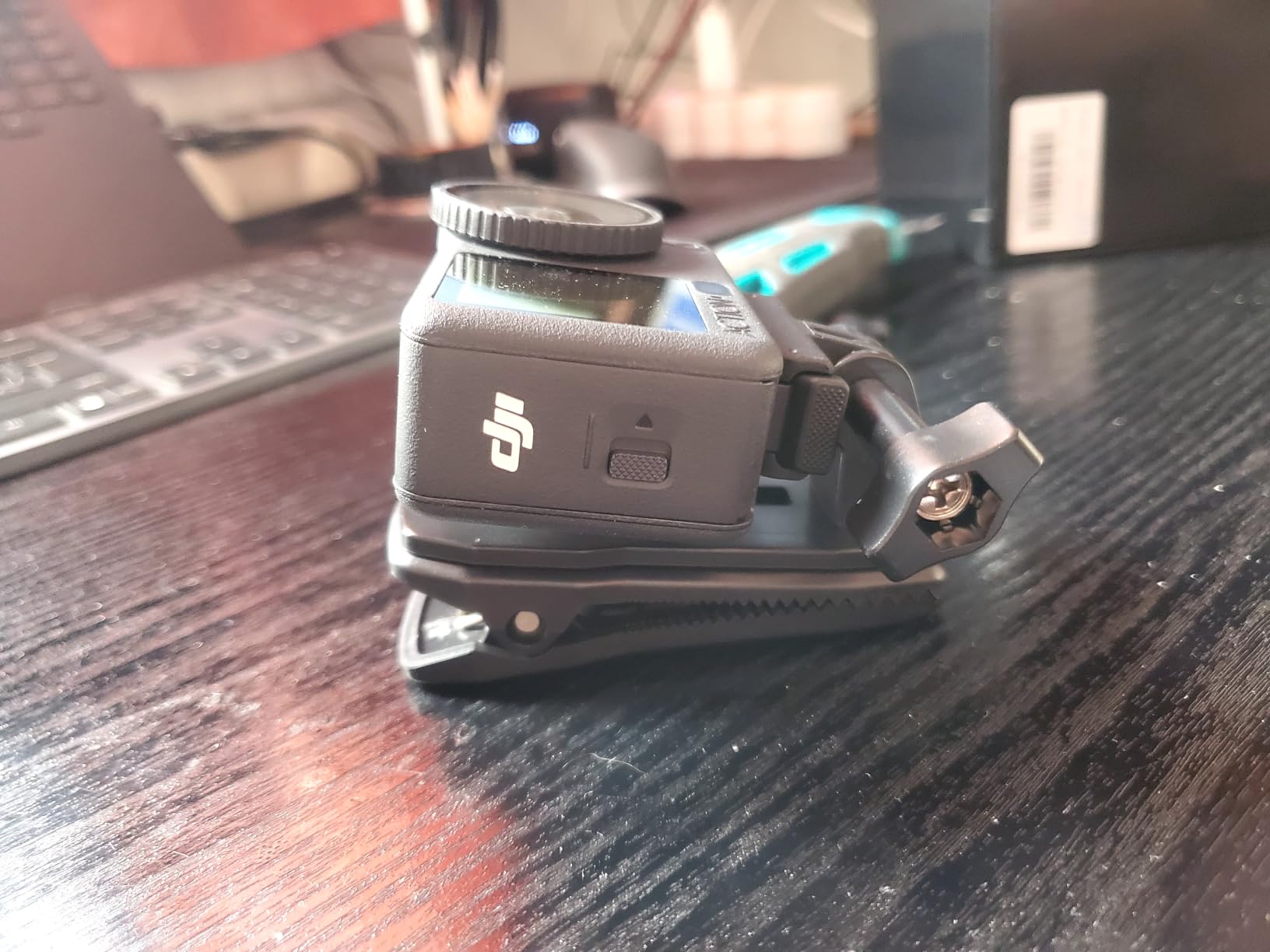
- Magnetic quick-release mounts for fast helmet-to-chest swaps
- Dual front and rear full-color touchscreens for POV framing
- Pre-Rec captures up to 60s before you press record
Cons
- Essential Combo omits the curved adhesive base and extra batteries
- Onboard mic audio is usable but an external mic is better
- Menus are hard to work inside an aftermarket waterproof case
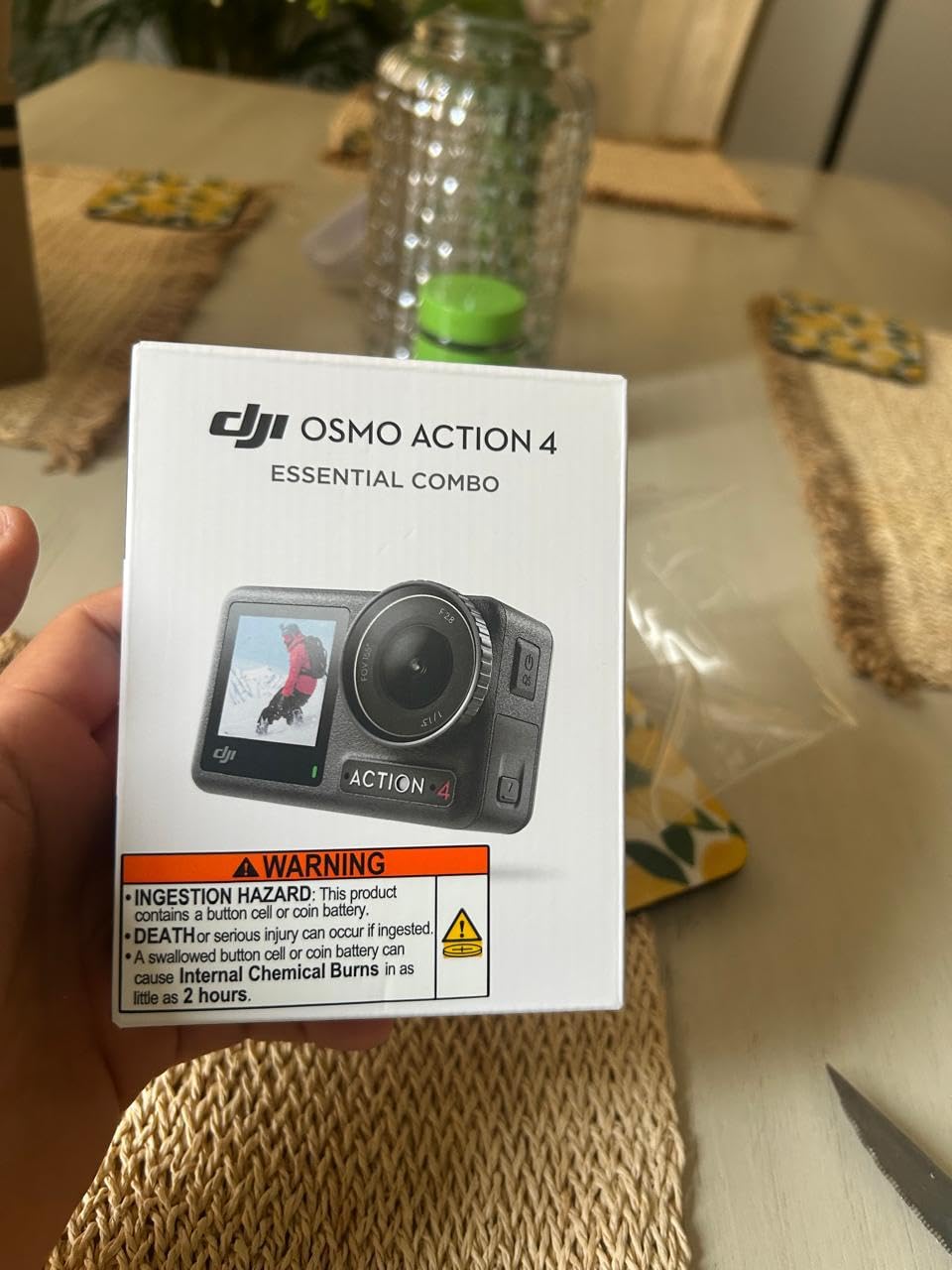
This is the camera we hand to anyone who wants one body to do everything on a ski trip. It records 4K at up to 120fps across a 155-degree ultra-wide field of view, which means a carve down a wide run stays in frame without you widening a digital crop afterwards. The 1/1.3-inch CMOS sensor with 2.4 micron pixels handles both ends of a ski day: the flat white glare of a bluebird morning and the flat light of a storm afternoon.
The reason it beats everything else here for snow is the battery. At 1770mAh, DJI rates it for up to 150 minutes and states operation down to -20C (-4F). Only two cameras in this list publish a cold operating figure at all, and this is the more generous of the two.
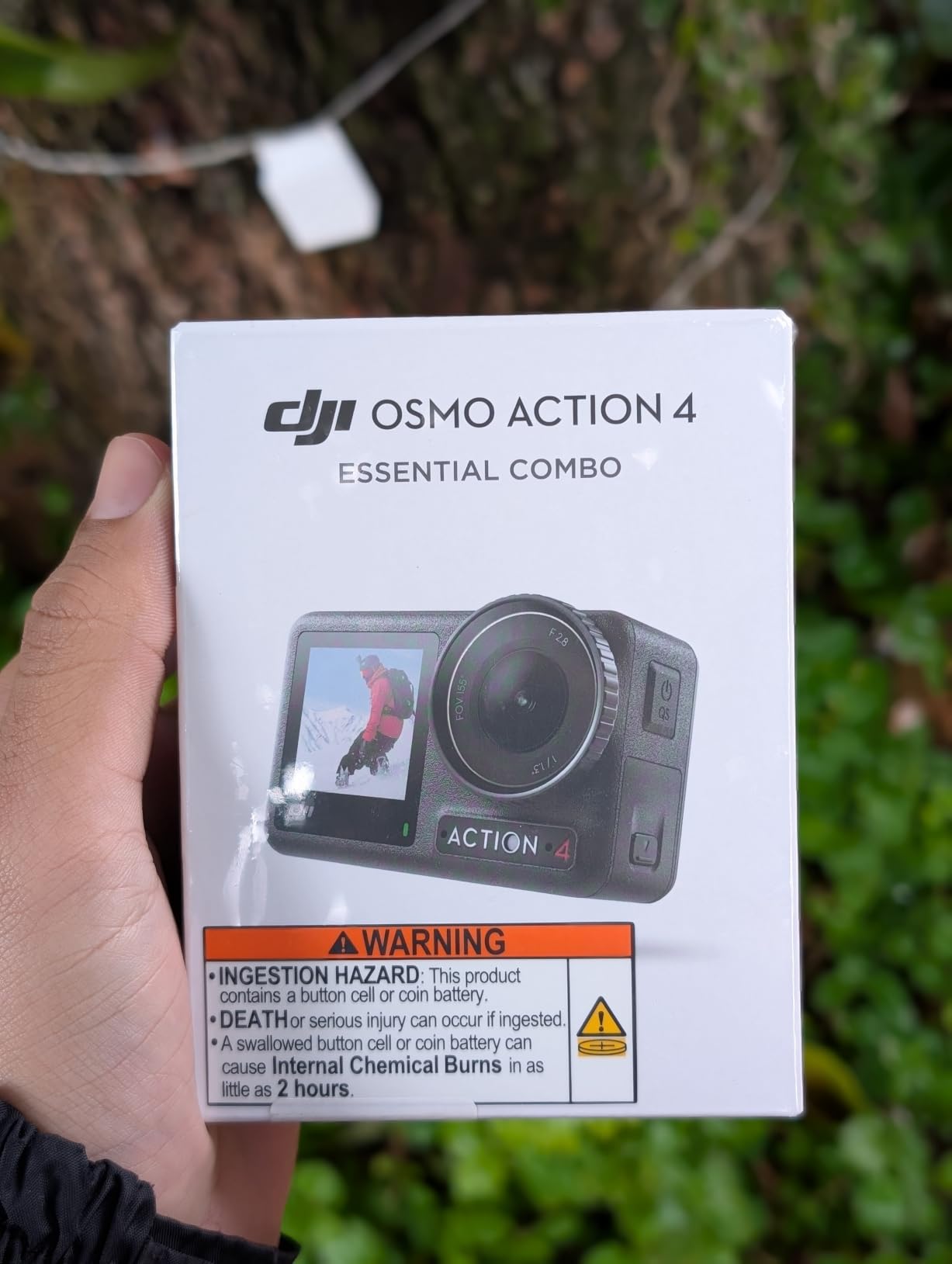
RockSteady, RockSteady+ and HorizonBalancing are all on board, and HorizonBalancing is the one that matters most on skis. It holds the horizon level while you turn across the fall line, where basic electronic stabilization still lets the frame roll toward the edge. The dual full-color screens let you frame a chest mount or a pole shot without guessing, which removes most of the frustration of shooting blind.
Two practical notes for a full season. The Essential Combo does not include the curved adhesive base or the extra batteries of the Adventure Combo, so budget for one curved mount and a spare cell. And while the body is waterproof to 18m, menu navigation becomes awkward in a cased unit, so plan your settings before the first lift.
How it handles a four-hour lift day
The realistic plan is one battery for the morning and one for the afternoon, kept in an inner pocket until you swap them. Magnetic quick-release mounts make the swap fast enough that you can do it in the lift queue rather than in the lodge.
Recording while charging is supported, so a small power bank in a backpack is a viable third option for touring days where weight is not the priority.
Where it falls short on snow
The onboard microphone is usable for wind noise and slope ambience but nothing more. If you are filming yourself talking between runs, budget for a wireless mic, and note that the camera supports direct connection to DJI Mic units.
Owners who came to this body from a GoPro model frequently report better battery and thermal behaviour, which is worth checking against your own pattern of use before you settle.
2. DJI Osmo Action 6 Enhanced Combo: The Sharpest Image and Longest Runtime
DJI Osmo Action 6 Enhanced Combo, 8K Waterproof Action Camera
1/1.1-inch square CMOS
8K video
Variable f/2.0 to f/4.0 aperture
Two 1950mAh batteries
Pros
- 8K detail from a 1/1.1-inch square sensor
- Variable aperture from f/2.0 to f/4.0
- Up to 4 hours with two 1950mAh batteries
- 50GB built-in storage so you can record without a card
- Gesture and voice control work with gloves on
Cons
- Onboard mic quality is average for serious audio
- High-bitrate files are large and fill storage fast
- Menus are restricted while the camera is cased
The Action 6 is the only camera here with a 1/1.1-inch square sensor and a variable aperture that swings between f/2.0 and f/4.0. That combination is what makes late-afternoon off-piste footage usable: you can open the aperture when the light drops instead of cranking sensitivity and watching shadow noise climb.
It also has the longest stated endurance in the group, up to four hours across two 1950mAh Extreme Battery Plus cells. The design is cold-resistant for continued low-temperature operation, though DJI does not publish a specific figure the way the Action 4 does, so treat the four-hour claim as a lab number rather than a ski-day promise.
HorizonSteady with 360-degree roll-axis correction is the headline stabilization feature, and on off-piste lines it keeps the frame level in a way that basic electronic stabilization cannot. RockSteady and RockSteady+ cover the rest, and 4K Custom Mode lets you reframe one take into 16:9, 4:3, 1:1 or 9:16 for social delivery without a second shot.
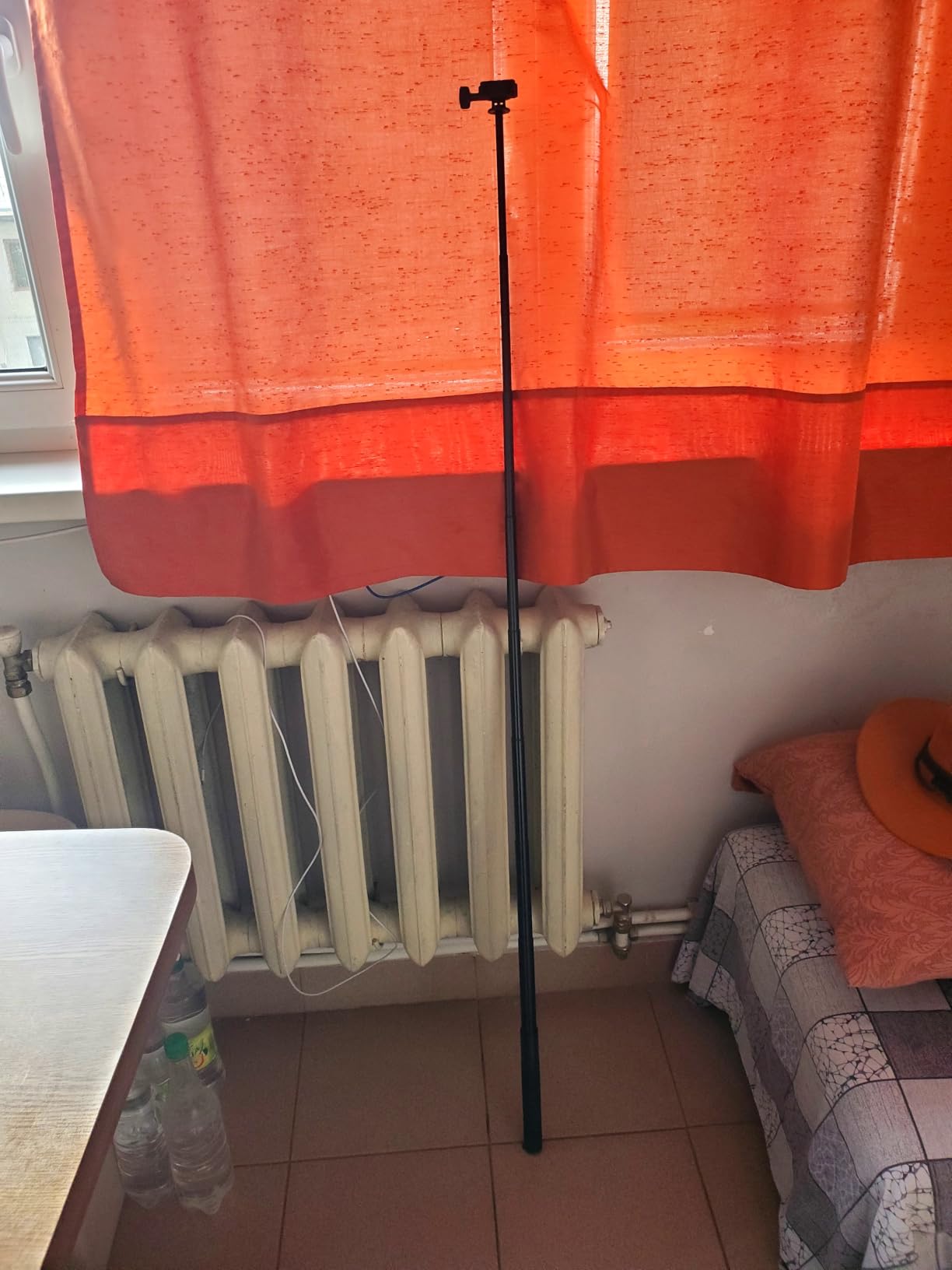
Two details make it unusually friendly to a ski day. Fifty gigabytes of built-in storage means you can hit record on the chairlift before a card is seated, and gesture plus voice control let you start a clip with gloves on. The Enhanced Combo also includes a 1.5m extension rod, so a hidden selfie-stick shot is possible without buying anything extra.
Why the variable aperture matters on snow
Overcast skiing and deep-powder tree runs are the scenarios where a fixed aperture forces you into noise or a longer shutter. A wide f/2.0 keeps the shutter usable and the image cleaner, which matters more than resolution when the light is flat.
The 8K mode is the real reason to buy this body if you edit. At 4K you can crop a 360-like reframing out of the sensor and still have detail to grade.
What to watch out for
High-bitrate 8K files are very large and fill 50GB of internal storage plus any card quickly, so card capacity is a real constraint on long days. The camera also supports connecting two DJI wireless mic transmitters directly for stereo audio, which is the fix if you want your own voice on the mountain.
Expect an average onboard microphone and light trailing artifacts in night footage. D-Log M colour gives you room to grade the footage, but only if your computer can handle the file sizes.
3. GoPro HERO13 Black Bundle: Best for Helmet POV Framing
GoPro HERO13 (Hero 13) Black – Waterproof Action Camera with 5.3K HDR Video, 27MP Photos, 1/1.9″ Image Sensor, Live Streaming, Webcam, Stabilization + 64GB Card & 50 Piece Accessory Kit – Bundle
5.3K60 and 2.7K240 video
1/1.9-inch sensor at 170 degrees
1900mAh Enduro battery
Waterproof to 33ft
Pros
- Front-facing monitor makes helmet POV framing straightforward
- 2.7K240 delivers 8x slow motion for park tricks
- 1900mAh Enduro battery covers about 1.5 hours of 5.3K
- Bluetooth audio supports wireless mics
- Timecode sync streamlines multicam edits
Cons
- The 50-piece accessory kit is mostly low-quality parts
- Bundle packaging is heavier than a skier needs
- No optical zoom
- Only 434 reviews so the long-term record is thin
If you have never framed a helmet shot before, the HERO13’s front-facing monitor is the feature that sells it. You can see exactly what the camera sees while it is strapped to your head, which removes the single biggest frustration of helmet-mounted filming: discovering on the chairlift that your chest dominated the frame and the trail was cut off.
Video options cover both ends of what a ski film needs. 5.3K60 UHD handles the standard run, 4K120 gives you slowed-down edge transitions, and 2.7K240 delivers 8x slow motion for park hits and jump landings. The 1/1.9-inch CMOS sensor with a 170-degree viewing angle keeps enough of the run in frame without going ultra-wide.
The body is waterproof to 33ft without a housing, and GoPro mounts are among the most widely supported accessory systems in skiing, so if you already own straps and a chest harness they will probably fit. Wi-Fi 6 speeds up file transfer to the Quik app, and timecode sync is genuinely useful if you plan to run two HERO bodies and cut between them.
Bluetooth audio is a real upgrade for anyone who wants narration between runs, since you can pair a wireless microphone instead of relying on the internal mic in a full-helmet wind environment.

Slow motion and multicam editing
2.7K240 at 8x slow motion is the feature park riders ask about most, because a normal-speed carve clip cannot show the edge change. Pair it with the vertical capture mode and you have one clip for a story and one for a reel.
If you film with a friend, timecode sync keeps two bodies aligned through the Quik app and saves a long alignment session in the edit.
What the bundle gets wrong
The 50-piece accessory kit is the weak part of this package. Reviewers consistently single out the small parts as low quality, including a tripod that reportedly cannot hold the camera, and many of the included pieces are things a skier will never touch. The camera itself is rated well; the accessories are filler.
Two other honest limits: there is no optical zoom, and with 434 reviews the long-term reliability record is still shorter than most bodies here. The 1900mAh Enduro battery is rated for about 1.5 hours of 5.3K, so plan on a mid-day swap rather than a full day of 5.3K.
4. GoPro HERO12 Black: Best for HDR Footage on Bright Snow
GoPro HERO12 Black – Waterproof Action Camera with 5.3K60 Ultra HD Video, 27MP Photos, HDR, 1/1.9″ Image Sensor, Live Streaming, Webcam, Stabilization
5.3K60 HDR video
1/1.9-inch sensor with GP2
HyperSmooth 6.0 with AutoBoost
Waterproof to 33ft
Pros
- HDR in 5.3K video and stills holds snow highlights
- HyperSmooth 6.0 with AutoBoost smooths choppy runs
- Water-repelling lens cover cuts flare in bright snow
- 27MP stills plus 24.7MP frame grabs
- Voice control when the camera is out of reach
Cons
- Runs hot on long 4K60 takes and can shut down mid-clip
- Needs a 2A power supply that is not included
- Gets hot to the touch while charging and recording
- Live zoom is poor compared with a phone
Snow is the hardest exposure problem in action camera filming, because a white slope reflects enormous light and a dark jacket or tree trunk sits in the same frame. The HERO12’s HDR in both 5.3K video and 27MP stills is built for exactly that, holding detail in the highlights instead of clipping the sky and the snow to pure white.
HyperSmooth 6.0 with AutoBoost and Horizon Lock handle the shakiness and the level frame. At 5.3K60, GoPro describes the capture as 91% more resolution than 4K, which gives you room to crop a tighter angle out of a wide lens shot later.
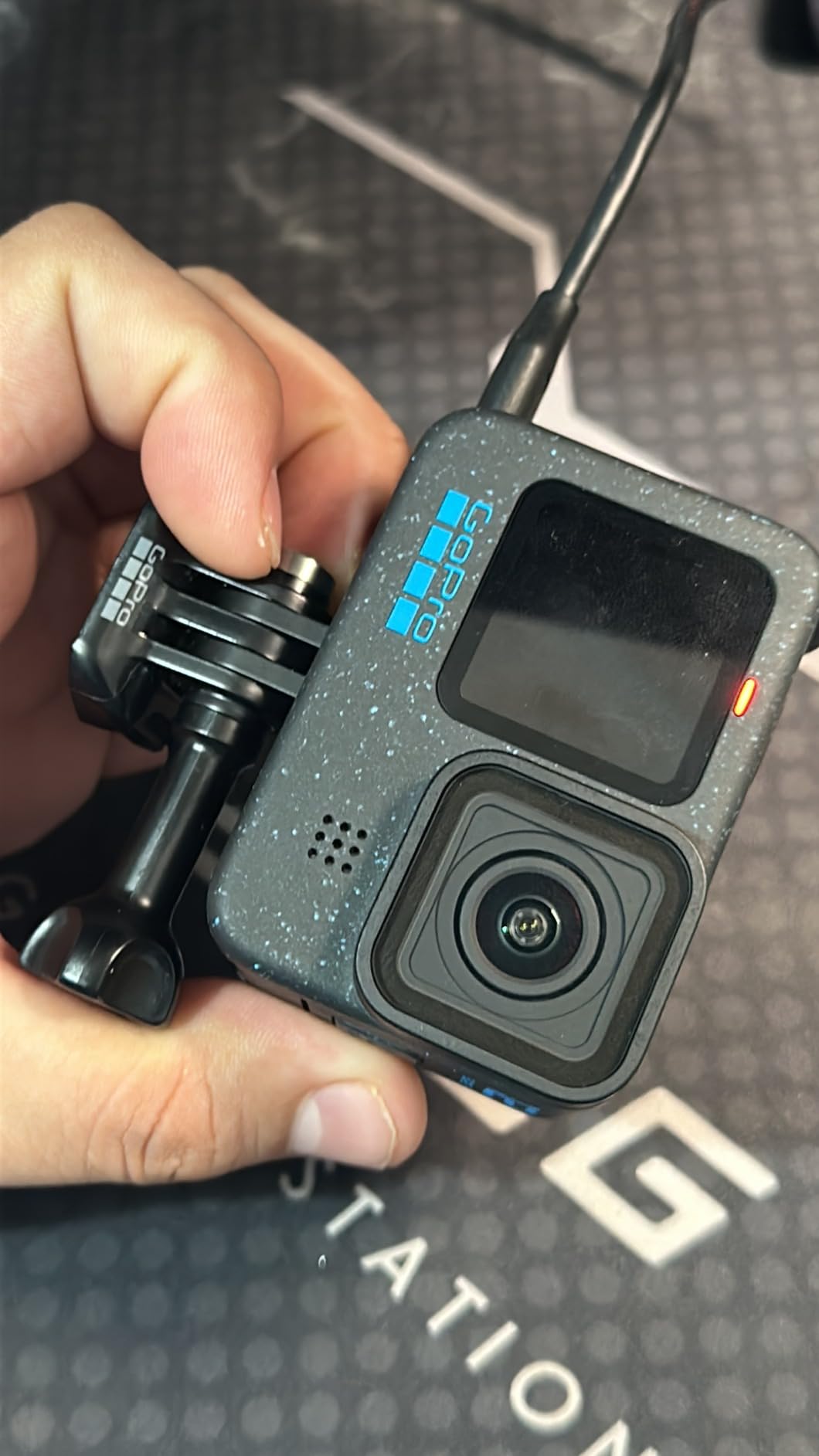
The water-repelling lens cover is a small detail that pays off on snow specifically. It cuts flare when bright sun hits the lens at a low angle, which happens constantly when you ski toward the sun across a reflective surface. Voice control and the Quik app let you start, stop and check framing without touching the camera.
Frame grabs are the sleeper feature for skiers. Pulling a still from a 4K clip gives you a 24.7MP photo at the exact moment of a turn, which beats trying to capture that same moment as a still and missing it.
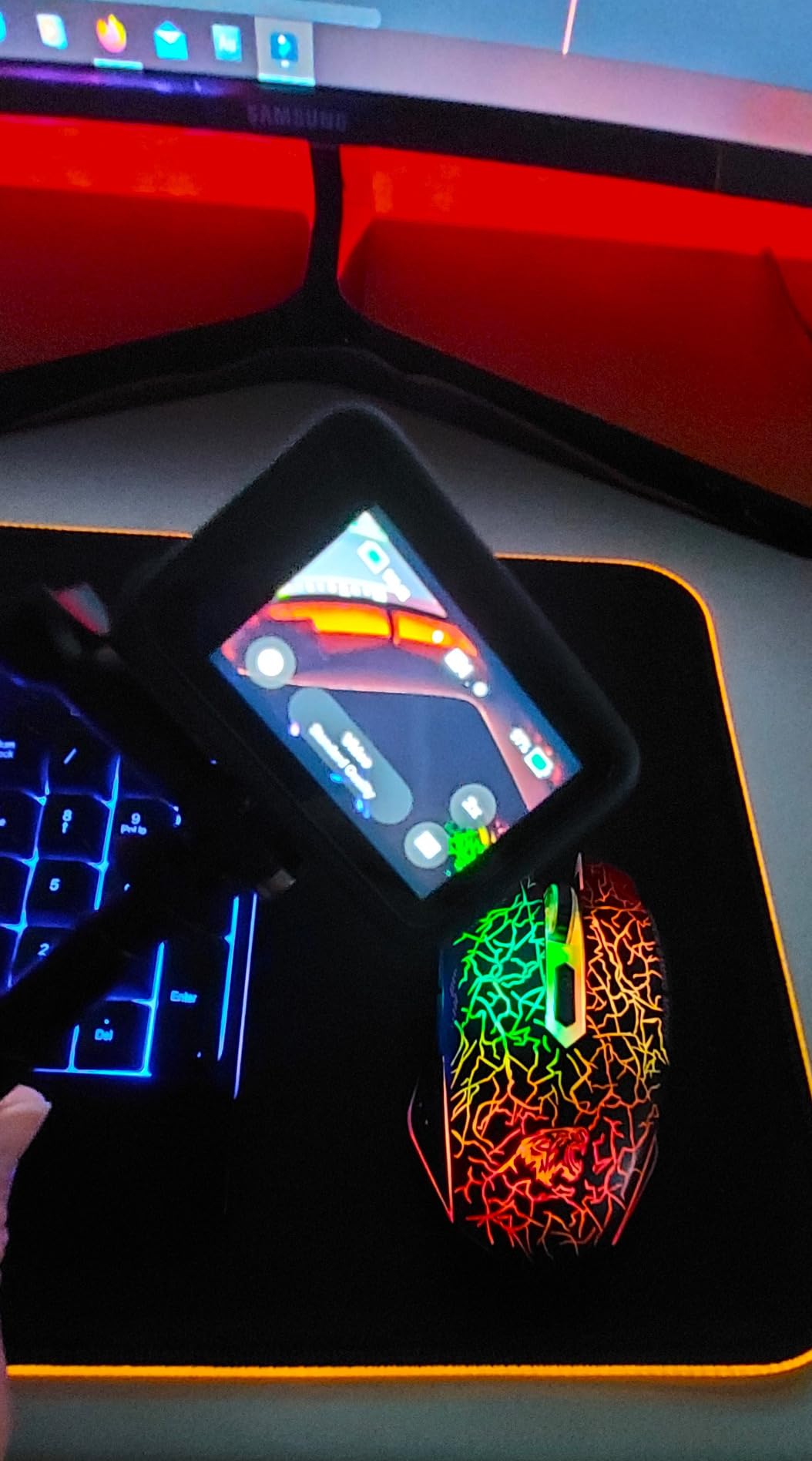
Where HDR genuinely earns its place
Bluebird days with a shaded tree line are where this camera pulls clearly ahead of the others. The bright snow and the dark trees in the same frame both keep usable texture, which means you can grade a full day of footage to one consistent look.
For stills, the 27MP sensor and 24.7MP frame grabs cover everything from group photos to a single edge change.
The heat problem you must plan around
This is the most important limitation on this list. Owners report the camera running hot during long 4K60 recordings and shutting down mid-clip, sometimes losing the file entirely, and the one-star reviews concentrate almost entirely on overheating and shutdowns. On a cold mountain this is less of an issue than in summer, but a camera tucked inside a jacket pocket or a cased on a pole is exactly how you trigger it.
Two more practical notes. Charging needs a 2A power supply that is not included, so a weak USB source may not charge it at all, and the body gets hot to the touch while charging and recording. If your filming pattern involves long uninterrupted takes in any warmth, read the Osmo Action 6 section next.
5. Insta360 X3: Best for 360 Reframing
Insta360 X3, 360 Action Camera with 5.7K 360 Active HDR Video, 4K Single-Lens Camera, Waterproof, FlowState Stabilization, 2.29″ Touchscreen, AI Editing, for Motorcycle, Wintersports and Vlogging
5.7K 360 Active HDR
4K single-lens mode
FlowState with Horizon Lock
200g body
Pros
- 5.7K 360 Active HDR reframes to any angle in editing
- FlowState stabilization with Horizon Lock keeps runs level
- Explicitly marketed for wintersports POV use
- 200g body with a 2.29 inch touchscreen
- 6777 reviews make this a well-proven choice in the group
Cons
- 360 editing needs app reframing before clips are usable
- Single-lens 4K is lower resolution than the 5.7K dual-lens mode
- Smaller sensor performs poorly in low light
The Insta360 X3 is the camera here marketed explicitly for wintersports, and the question it answers is whether you want one shot you can reframe later or a finished clip you can publish immediately. With 5.7K 360 Active HDR capture, you record the entire sphere once and then choose your angle on a timeline, which means catching the skier ahead of you is not a framing mistake.
FlowState stabilization with Horizon Lock keeps downhill POV footage smooth and level, and at 200g with a 2.29-inch touchscreen it is light enough to sit under a helmet without the mount feeling like a mistake. It is waterproof at the body level, so snow and rain need no housing.
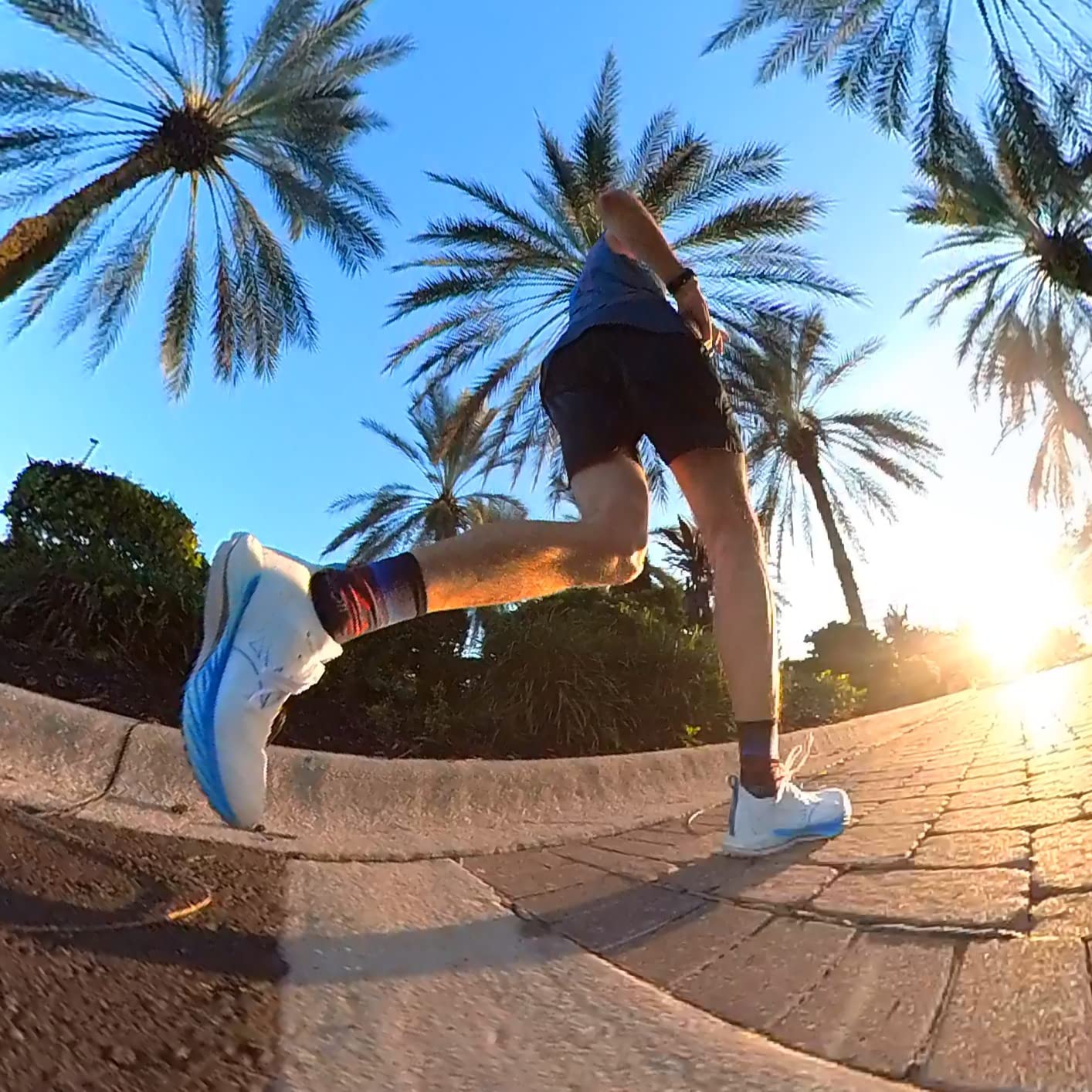
For group skiing, this solves a problem no conventional camera can. Set it on an extension rod and you can frame yourself, the whole group, or a single line in the same take. That also makes it the natural choice for snowboarding, where the rider often leaves the frame otherwise.
At 81% five-star ratings across 6777 reviews, this has one of the deepest owner histories in our group, which is why the recurring feedback is about workflow rather than hardware. The complaints are consistent: people finish a trip with a folder of 360 files they never opened.
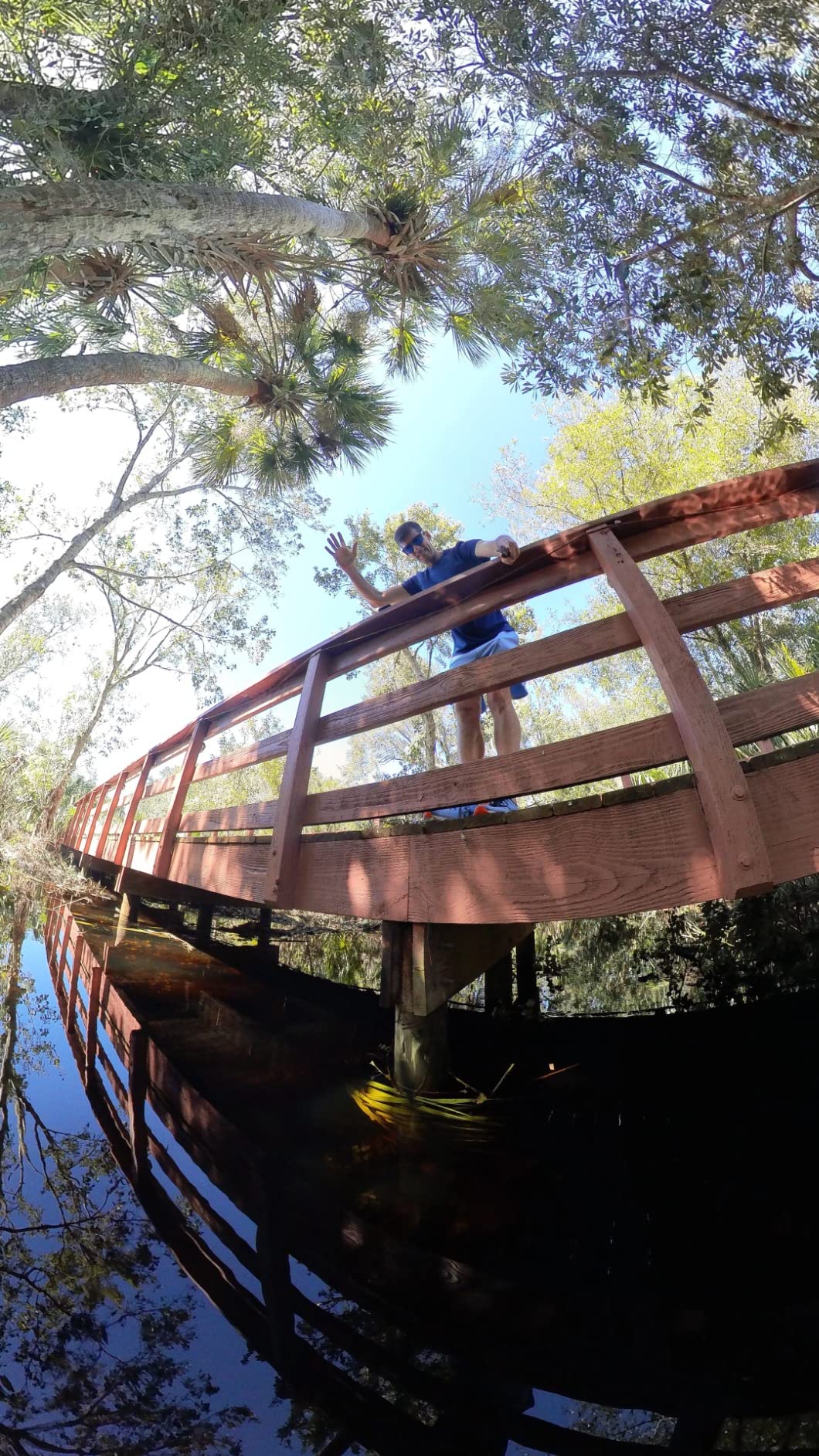
Is Insta360 good for skiing?
Yes, and it is one of the best options on snow specifically, but only if you will spend time in the app. Insta360 markets the X3 for wintersports use, and the 360 capture genuinely solves the group and follow-cam framing problem that a fixed-lens body cannot.
The flip side is post-production. Reframing a 360 clip in the Insta360 app is not instant, and the widely repeated advice on snow forums is to budget real editing time or you will never use the footage.
The honest trade-off
In single-lens mode the X3 shoots 4K, which is lower resolution than the dual-lens 5.7K mode and lower than the flagships here. If you only ever want a normal forward-facing video, this is the wrong tool.
The smaller sensor also gives up more ground in low light than a 1/1.1-inch square sensor, so dusk skiing will look grainier than an Osmo Action 6 clip of the same run. At 2.7K60 the 170-degree MaxView mode gives you an extremely wide field of view, which is more useful on a fast run than the resolution difference.
6. Insta360 GO 3S: Best for a Tiny Second Angle
Insta360 GO 3S – 128 GB Black 4K Tiny Portable Vlogging Camera, Hands-Free POVs, Mount Anywhere, Stabilization, 140 Min Battery Life, 10m Waterproof, Pet POV
39g camera module
2.2 inch flip-up touchscreen pod
140-minute pod battery
IPX8 to 10m
Pros
- 39g module disappears on a cap strap or helmet liner
- Action Pod gives a 140-minute battery and flip-up screen
- FreeFrame records horizontal and vertical from one take
- Camera module is IPX8 waterproof to 10m
- 4K quality is genuinely good for its size
Cons
- Internal battery and memory cannot be replaced
- Action Pod is only splash-resistant and must stay dry
- No external mic input and poor wind handling
- Camera module runs hot during recording
- Hat clip cannot be locked in alignment
No other camera here is 39g, and that changes what you can film. On a helmet the GO 3S module can sit under a liner without adding noticeable weight or pulling the mount out of alignment, and on a jacket collar it works as a genuine second angle while your main camera handles the chest or pole mount.
The camera module records 4K with the MegaView wide-angle field of view, and 35MP stills are available. FlowState stabilization with Horizon Lock delivers smooth footage even while running, which is a genuine achievement for a body this small.

The real product is the two-part system. The Action Pod has a 2.2-inch flip-up touchscreen, a 140-minute battery, and it can charge the camera while you shoot. That means you carry one camera and one screen instead of a camera plus a separate monitor, and 128GB of internal storage removes the card problem entirely on short trips.
FreeFrame is the feature most skiers will use most. It records horizontal and vertical versions of the same take, so one clip covers a wide horizontal edit and a vertical social cut without going back to the mountain.
Why a second tiny camera beats a better single camera
Owners on climbing and skiing forums describe the same use: a cap or collar-mounted camera that nobody notices, giving you an angle a chest or pole mount physically cannot produce. At 39g you can also wear it on a run where a larger body would feel intrusive.
The flip-up screen is what makes the system usable in gloves, because you can check framing and playback immediately after a run instead of guessing.
Where it will frustrate you
Neither the battery nor the memory can be replaced, so run time is capped by the pod and storage is fixed at 128GB. At 4.3, this is the second-lowest rated camera in our group, with 9% one-star reviews, and the complaints cluster around heat, sealed internals and support response rather than image quality.
Pay attention to the water ratings. The camera module is IPX8 to 10m, but the Action Pod is only IPX4 splash-resistant and must never be submerged. The optional housing is rated to 60m. On a ski trip the pod belongs in a pocket unless the weather turns, which limits how you can mount the pod itself.
7. AKASO Brave 4: Best Value for a First Ski Setup
AKASO Brave 4 Action Camera 4K30 Ultra Hd Waterproof Underwater Camera
4K30 and 1080p60
170/140/110/70 degree views
Dual 2 inch and 0.96 inch screens
Two 1050mAh batteries
Pros
- Four selectable field-of-view options tighten POV framing
- Front and rear screens help frame chest and helmet shots
- Two 1050mAh batteries and a dual charger in the box
- Runs without overheating in hot conditions
- 17418 reviews make the long-term record well established
Cons
- Menus and button layout feel dated
- No printed manual and weak Wi-Fi pairing instructions
- 5x zoom is digital only and barely better than cropping
- Loose unhinged battery door
- Grainy at high ISO with weak close-up focus
The Brave 4 solves a problem most premium cameras ignore: field-of-view control. It offers 170, 140, 110 and 70 degree options, and on a ski that matters more than it sounds. A 170 degree view is right for a wide powder field where you want the run in context, while 110 or 70 degrees tightens the frame when you are filming a technical section or a jump line and do not want your own poles in shot.
Reviewers who test hard report that it produces smooth, professional-looking footage from a chest strap despite heavy motion, using gyro-based electronic stabilization. It also runs without overheating, which matters if you tuck it in a jacket or a bag on a sunny day.
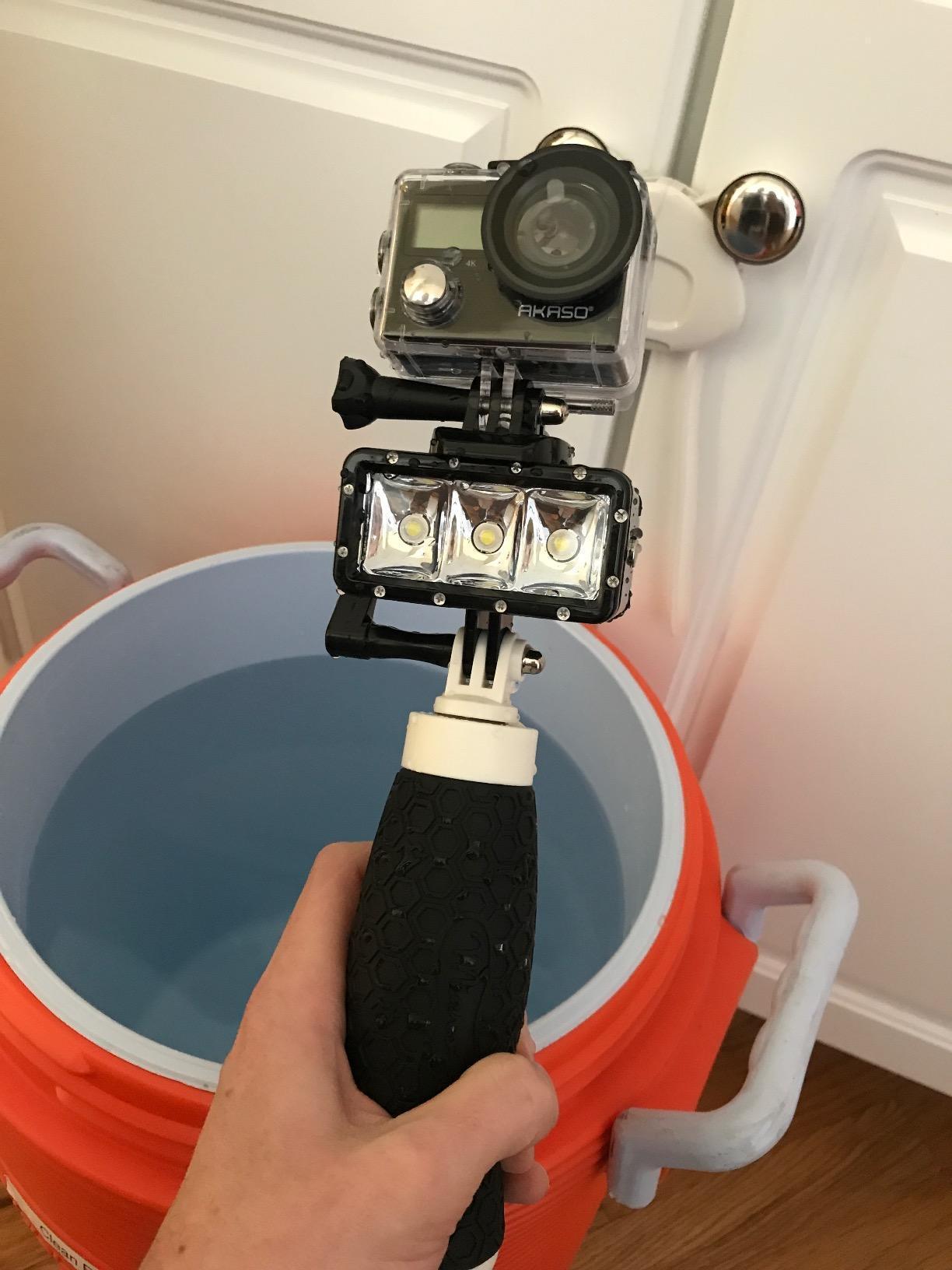
The accessory package is unusually complete for the money. You get a 131ft waterproof housing, two 1050mAh batteries rated at around 90 minutes each, a USB dual charger, and mounts. Dual screens with a 2-inch rear and 0.96-inch front let you check framing from a chest or shoulder position, and HDMI output plus Wi-Fi handle review on the hill or transfer at home.
With 17418 reviews and a long production run, the long-term record here is more established than that of most premium bodies in this list. That matters if you are buying a camera you expect to keep for several seasons.
Why adjustable field of view is worth more than a higher number
Choosing a lens angle per shot means one body can cover both a scenic powder run and a tight park edit. Very few cameras at any price let you change framing without a physical lens swap, and this is the feature that most improves the footage you come home with.
The dual screens make that practical. A front-facing screen is genuinely useful for chest and shoulder mounts, where you cannot otherwise see what you are recording.
The polish gaps to accept
Menus and button navigation feel dated, and the documentation is weak, with no useful printed manual and terse Wi-Fi pairing instructions. Expect ten minutes in a lodge learning the interface before your first run.
The 5x zoom is digital only and barely better than cropping, and image quality gives ground at high ISO with weak close-up depth of field, so low-light and tight macro-style shots are not its strength. The battery door is also loose and unhinged, which on a cold morning is worth checking before you leave the lodge.
8. AKASO EK7000 Pro: Best for Long Recording Days
AKASO EK7000 Pro 4K30fps Action Camera with Touch Screen EIS 131ft Waterproof Underwater Camera Remote Control 5X Zoom with Helmet Accessories Kit (Standalone)
4K30 and 1080p60
2 inch IPS touchscreen
Two 1350mAh batteries at up to 140 minutes
131ft housing
Pros
- Two 1350mAh batteries rated at up to 140 minutes each
- 2 inch IPS touchscreen makes menu changes easy in gloves
- Crisp 4K30 helmet footage with EIS on bumpy runs
- Helmet accessory kit fits standard helmet hardware
- Solid waterproof housing for slush and spray
Cons
- Touchscreen and menus unusable inside the housing
- Underwater color mode can render yellow if set wrong
- Companion app is basic next to phone-native editors
- Battery drains fast whenever Wi-Fi stays connected
- No optical zoom
The EK7000 Pro is the pick if your problem is runtime rather than image quality. It ships with two 1350mAh batteries rated at up to 140 minutes each, and at 4K30 that is the kind of headroom that lets you record the whole day without a midday charging stop. A 61g body also disappears on a helmet, which matters if you are already carrying a pack.
The 2-inch IPS touchscreen is the feature that sets it apart from the cheaper AKASO bodies. With gloves on, a physical button hunt is frustrating, and a responsive screen means you can check framing and change a setting without stripping a layer.
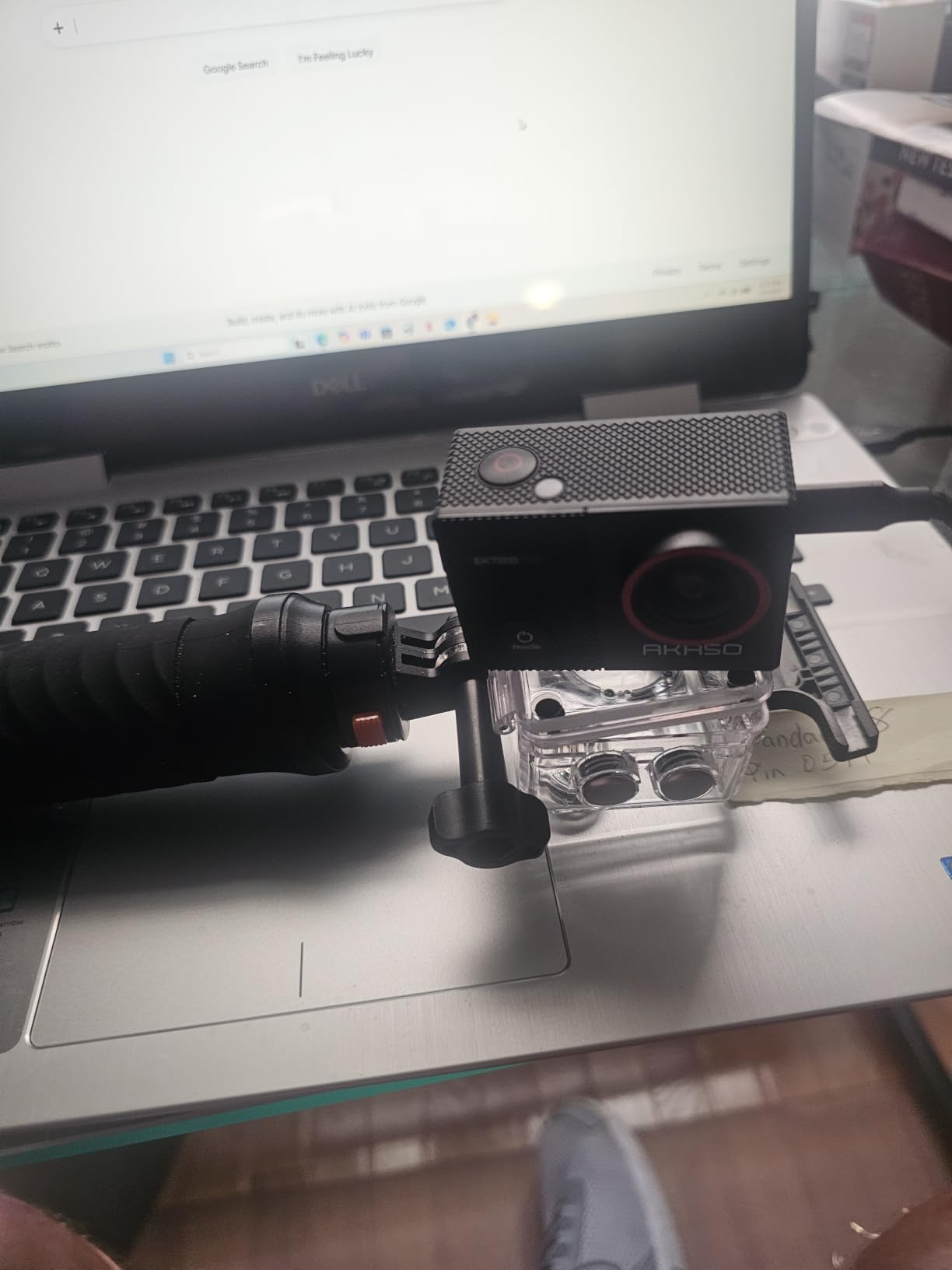
Image quality is a clean 4K30 with 20MP stills from a 170-degree fisheye, and electronic image stabilization holds up on rough, bumpy runs rather than only on smooth ones. That is a fair description of most piste skiing. The included helmet accessory kit fits standard helmet hardware, so setup is quick.
With 11120 reviews and 72% five-star ratings, it is well established as an upgrade over the base EK7000, and owners consistently point to the touchscreen and the twin long-life batteries as the reason to step up.

Battery headroom as the deciding factor
Two cells at up to 140 minutes each means a full ski day of 4K clips with a hot spare in a pocket. For family trips and long days on a single mountain, that is worth more than a higher resolution you have to record in shorter bursts.
Rotating a warm spare into the body and returning the flat one to an inner pocket is the single most effective cold-weather technique, and two cells make it easy.
Settings to change before the first lift
The touchscreen and menu settings cannot be used once the camera is inside the waterproof housing, so set your resolution and stabilization before you seal it. The underwater colour mode can render footage yellow if the wrong setting is selected beforehand, and a similar trap applies to any auto colour correction on bright snow.
Two smaller issues: the companion editing app is basic compared with phone-native editors, and battery drain increases noticeably whenever Wi-Fi stays connected, so switch it off during the day and use it at the lodge.
9. AKASO EK7000: Best for First-Time Owners on a Tight Budget
AKASO EK7000 4K30FPS 20MP WiFi Action Camera with EIS Ultra HD 131FT Waterproof Underwater Camera Remote Control 4X Zoom Support External Microphone Black
4K30 and 1080p60 video
170 degree fisheye with EIS
131ft waterproof case
Two batteries included
Pros
- Accessory bundle includes helmet mounts
- waterproof case
- wrist remote and two batteries
- Two batteries ship in the box
- EIS steadies helmet and pole mounted footage
- Simple buttons and app for quick phone transfer
- 39828 reviews make this the most proven budget choice
Cons
- Muffled onboard audio in wind at speed
- Frame rate drops in low light
- Battery door is fragile and not hinged
- MicroSD card not included
- Multi-angle frame timing varies between bodies
The EK7000 is the most proven camera in this roundup by a wide margin, with 39828 reviews and a perennial place at the top of its category. For someone buying their first ski camera, the practical argument is simple: you get 4K30 video, 20MP stills, a 170-degree fisheye lens and electronic image stabilization, and the box already contains almost everything you would otherwise buy on day one.
That bundle is the real differentiator. It includes helmet mounts, a 131ft waterproof case, a 2.4GHz wireless wrist remote and two batteries, which covers a first season without a second purchase. The wrist remote also partly answers the glove problem, since you can start a recording from your wrist rather than fumbling with the body.
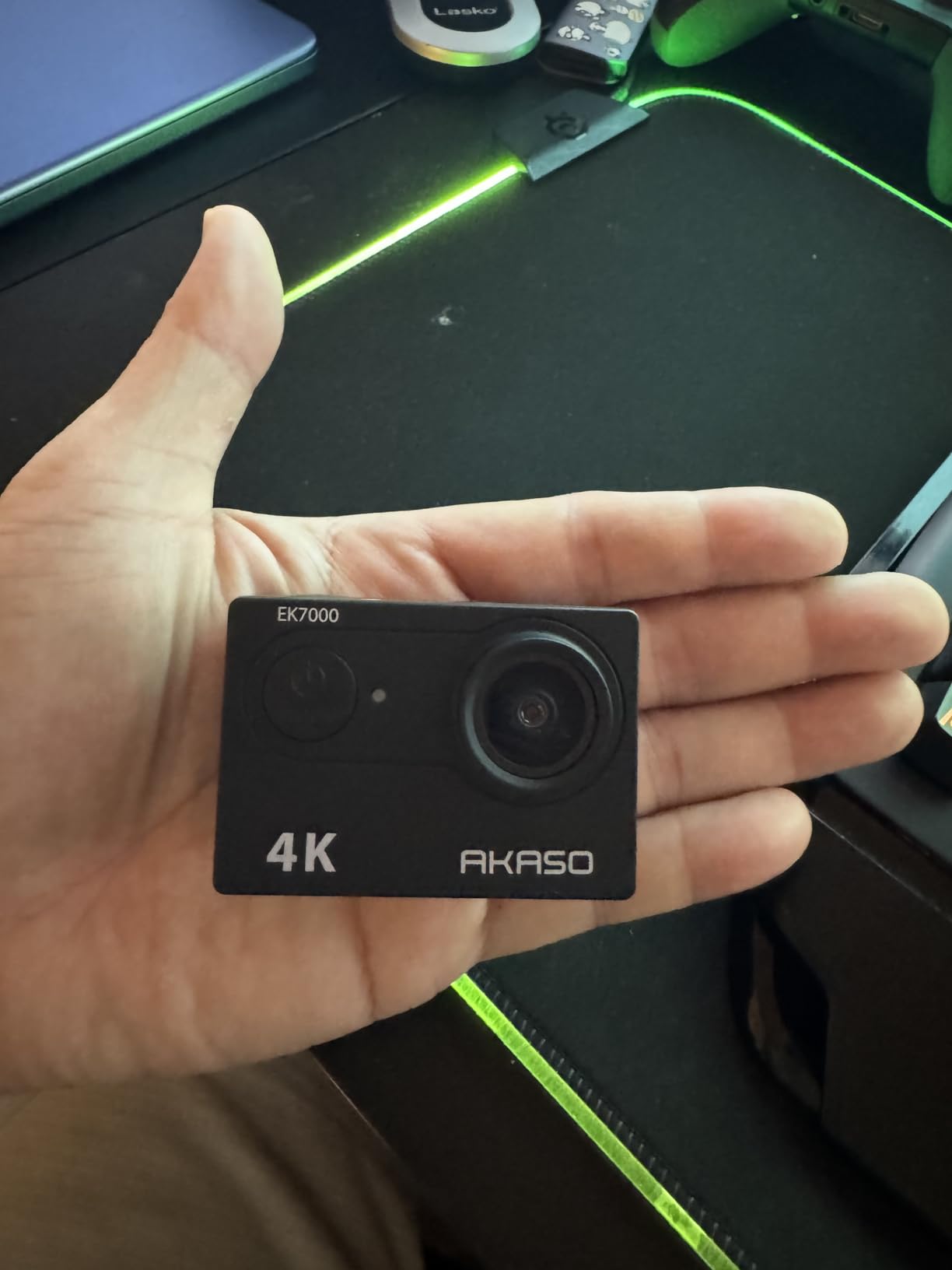
Owners consistently call the value unbeatable and rate the included mount kit above what premium brands sell separately. The buttons are simple and the app handles a quick phone transfer, which is all you need to get clips off the camera the same evening.
Budget cameras on snow also have a role as a second angle. Pairing a cheap body on a pole with a main camera on the chest gives you two synchronized perspectives for very little, which is why so many skiers in forums use them exactly this way.
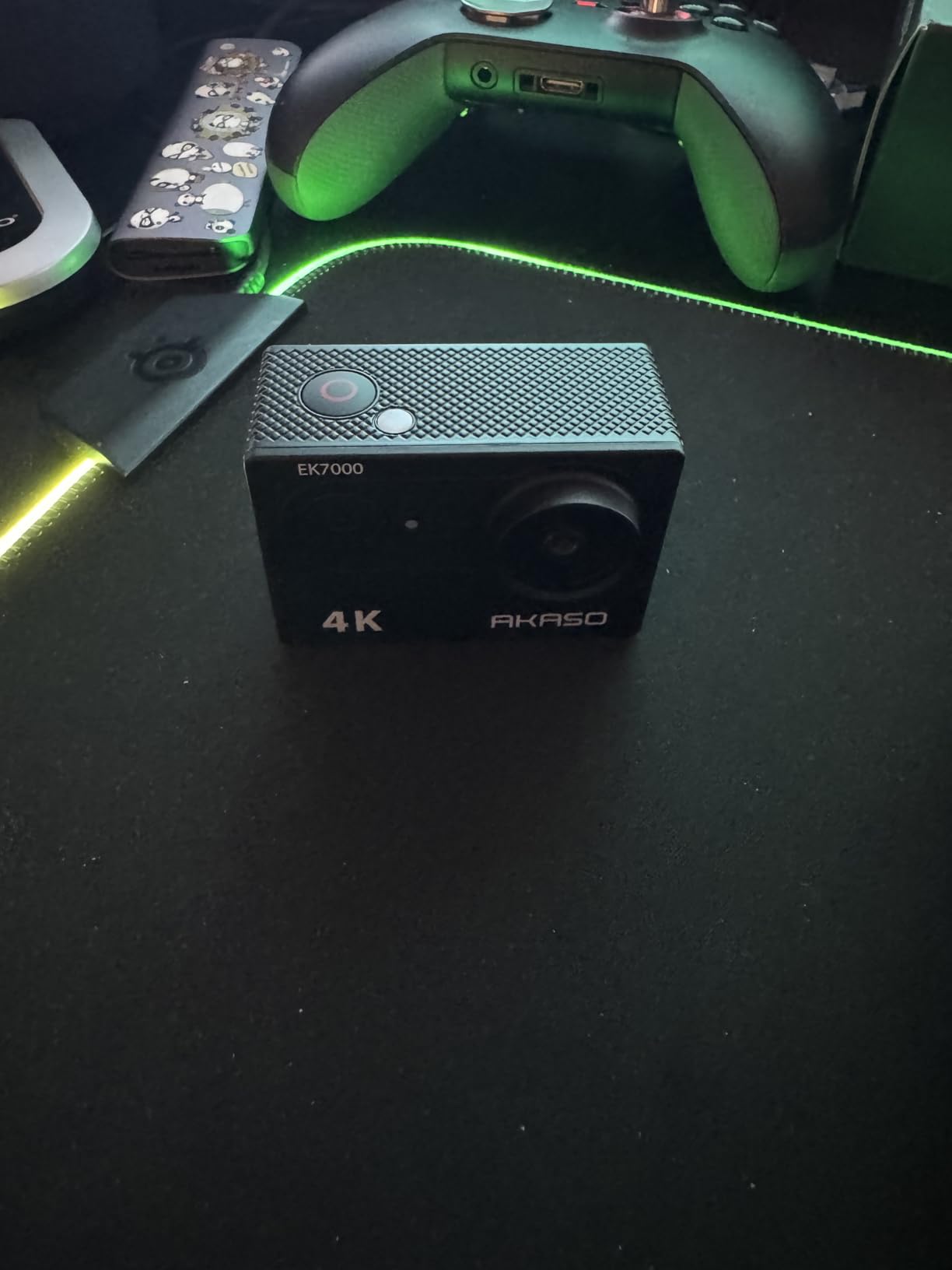
When a budget body is the right answer
If the goal is family clips, a first season of learning, or a backup that can be dropped in the snow without a second thought, this is the sensible choice. EIS keeps shaky helmet footage steady enough to watch, and the mount kit means you can be recording on the first lift of the day.
The two included batteries also mean you can follow the warm-spare rotation that premium skiers use, which is the technique that actually solves cold drain.
Where the compromises show
Audio is muffled, especially in wind at speed, so do not expect usable narration from this body. Frame rate drops in low light, and the battery door is fragile and not hinged, which is worth a gentle hand on a cold morning.
Two more things to plan around. The microSD card is not included, and frame timing varies between bodies in a multi-camera setup, which makes syncing multiple angles difficult. If you already have cards, fine; if you are buying fresh, factor that into the cost of a first setup.
10. icefox i7: Budget Pick for Straightforward 4K Clips
icefox Action Camera 4K 60FPS 20MP with 2X 2150mAh Batteries, Underwater Camera with 5X Zoom, EIS, Powered by Snappro App,Support Video&Photo Editing,Waterproof, WiFi Remote Control
4K60 with 147 degrees
Two 2150mAh batteries
Rated -10C to 45C
IP68 case to 30m
Pros
- 4K60 video at the lowest entry point in the group
- Two 2150mAh batteries for long recording days
- Stated operating range of -10C to 45C covers typical ski days
- Mount bundle covers helmet bike and board
- Front screen helps frame self-shot POV clips
Cons
- Basic image quality that softens in low light
- Muffled onboard audio that cuts in and out
- Clunky menus that are not fully English
- Some bodies stick in the recording state and need a battery pull
- Wi-Fi transfer makes recording laggy and freeze
The icefox i7 is about as utilitarian as a ski camera gets, and its one genuine advantage here is the stated operating range of -10C to 45C. That is a real published cold figure, and it covers the large majority of resort days. It also records 4K60, a frame rate the other budget bodies here do not offer, and includes two 2150mAh batteries rated for long recording.
The 147-degree wide-angle lens and electronic stabilization are adequate for a wide piste run, and the front screen helps you frame a self-shot POV clip if you are mounting it on a pole or a stick. The mount bundle covers helmets, bikes, handlebars and boards, so the standard ski setup is covered out of the box.
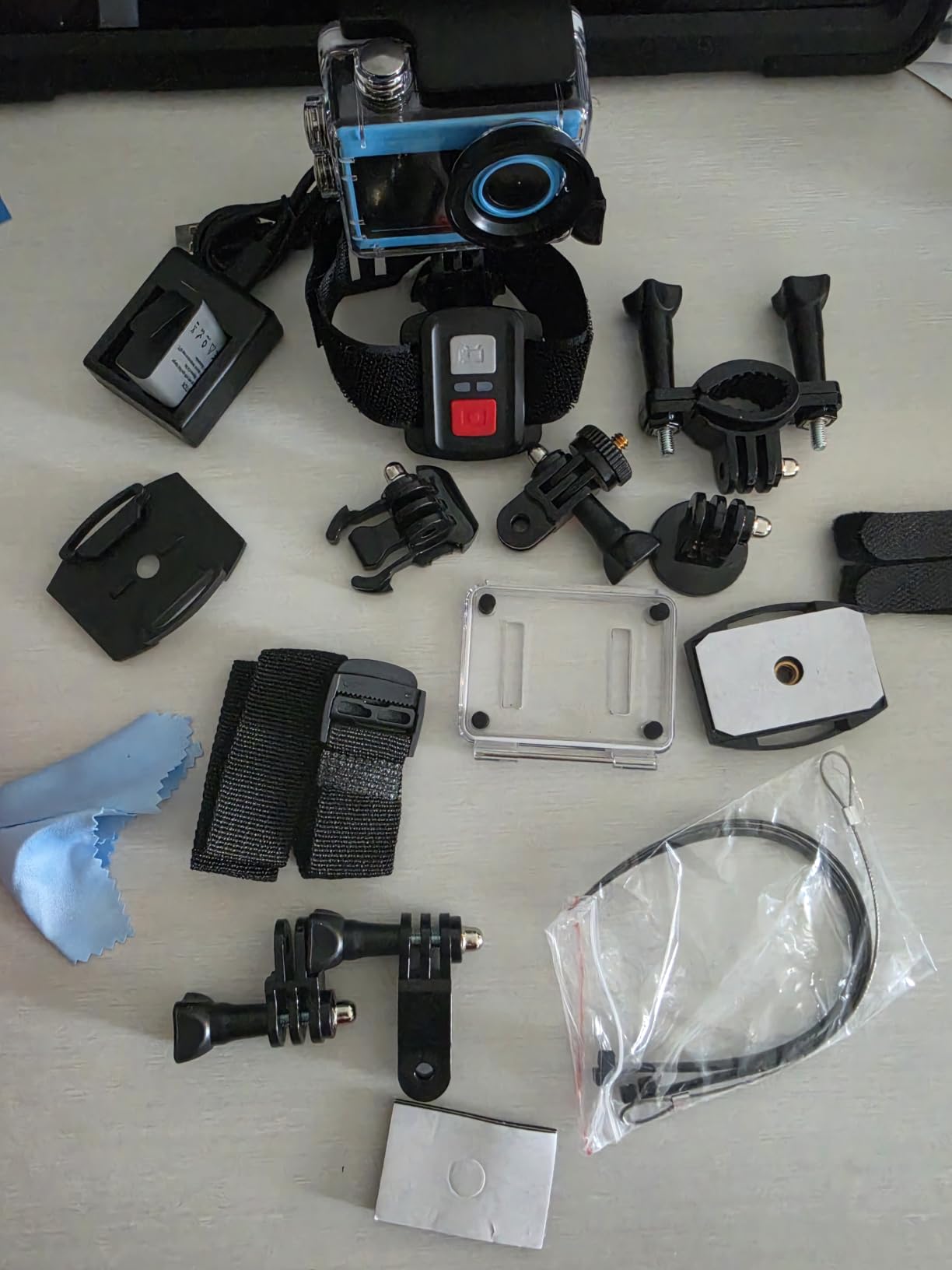
Buyers treat this as a functional camera rather than a quality one, and several owners recommend it for kids, beginners or purely practical use. That is a fair characterisation: it records the run, the battery lasts, and you can afford to write one off if something goes wrong on a backcountry trip.
The waterproof case is IP68-rated to 30m, and the camera needs that case for waterproofing, so plan your settings before sealing it for a wet day.
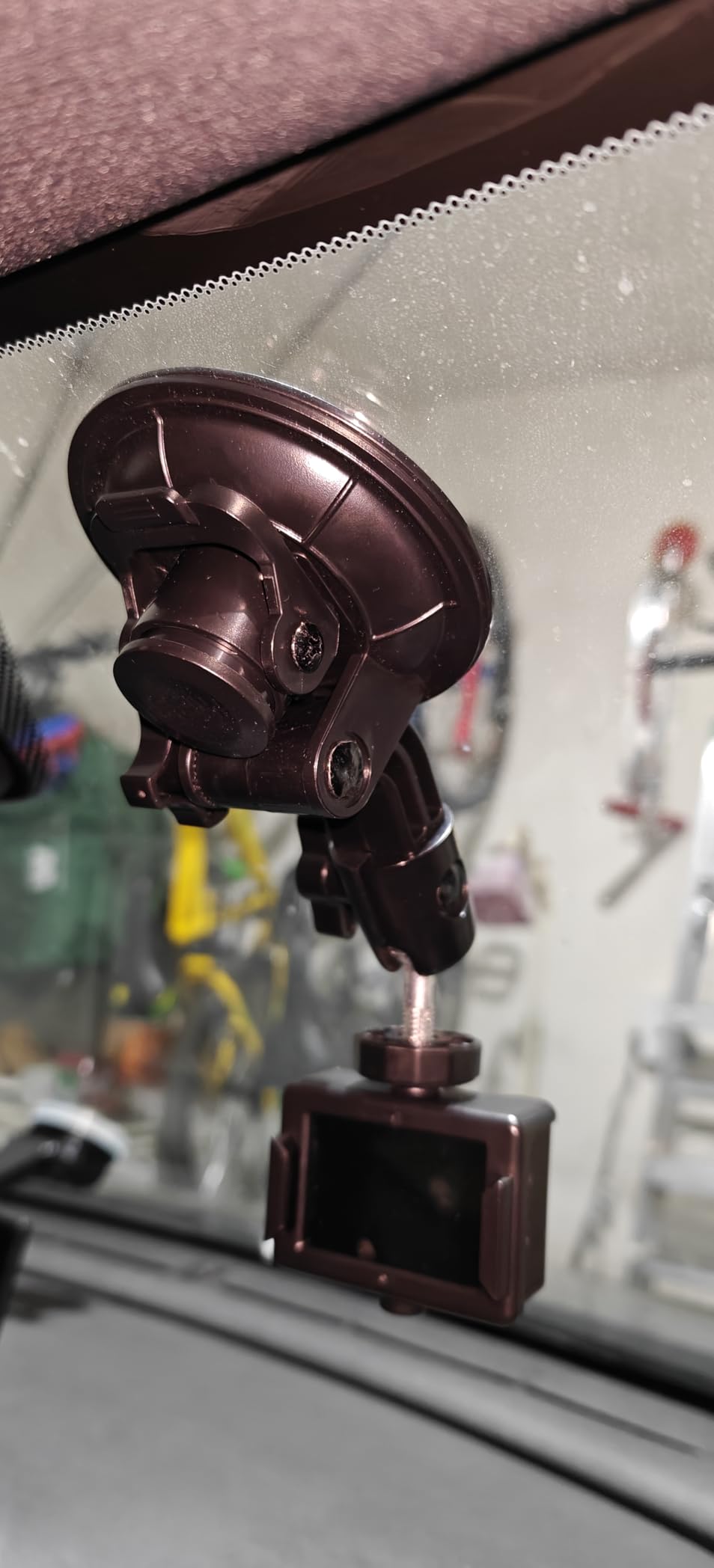
When the lowest-cost body makes sense
A spare camera for a second angle, a camera for a child who will lose it, or a body you do not mind dropping in soft powder are all reasonable reasons to pick this. Two large batteries mean the same warm-spare rotation works here as on a flagship.
Just be clear-eyed about what you are buying: functional 4K clips, not polished footage.
The firmware issues to expect
Several owners report bodies that stick in the recording state and need a battery pull, which loses the clip. Wi-Fi transfer to the phone can make recording laggy and freeze, so avoid using it mid-day.
Menus are clunky and not fully English, onboard audio cuts in and out, and image quality softens badly in low light. If you want reliable results, the AKASO EK7000 Pro is the smarter entry point for a similar outlay of effort.
How to Choose an Action Camera for Skiing
Prioritise horizon control over headline resolution
Electronic image stabilization works by cropping the frame and digitally re-framing it, frame by frame, to cancel out motion. On a slope the problem is rarely linear shake, which every camera handles, but rotation: the frame rolling as you lean across a turn. HorizonBalancing on the DJI bodies, HorizonSteady on the Action 6, and Horizon Lock on the GoPro and Insta360 models all target that specific movement, and it is the single most visible difference in finished ski footage.
Buy for the cold, not the quoted runtime
Manufacturer runtime figures are measured at 1080p with screens off and wireless disabled, not at 4K with stabilization running at -10C, so treat them as a laboratory ceiling. Real behaviour on snow depends heavily on keeping cells warm, which is why the effective technique is rotation: a flat spare in an inner pocket, swapped in when the in-camera cell starts to sag.
Only two cameras here publish a cold operating rating, at -20C (-4F) for the Osmo Action 4 and -10C to 45C for the icefox i7. For everything else, carry a spare. A body that runs warm in your jacket loses capacity, so tucking a camera against your body between runs genuinely extends it.
Decide between a conventional camera and a 360
A conventional body gives you a finished, level, immediately usable clip with minimal editing, and it is the right choice for solo POV, technique review and anything where you will publish quickly. A 360 body captures everything, so you can reframe a group, a follow-cam or yourself out of the same take, at the cost of app-based reframing time and lower per-direction resolution.
Most skiers who regret a 360 purchase regret the editing, not the capture. If you will not open the app, do not buy the 360.
Plan your mount before you buy the body
Helmet mounts give the most natural first-person view but pick up every head movement and rotation, and the frame points wherever you look rather than where you are going. Chest mounts feel more natural in the footage, show your hands and poles, and give a steadier view of the run, which is why instructors film from the chest. Pole and extension rod mounts produce the classic third-person shot and work best with a 360 body.
Our verdict: use the chest mount for anything you want to watch later, and the helmet mount for the run you want to relive. Whichever you choose, use the straps rather than adhesive in cold and wet conditions, and let any adhesive mount cure for the full recommended time indoors before you rely on it in a fall line.
Set up for snow exposure
Most of the cameras here are waterproof at the body level, so snow, rain and slush do not need a housing. The one exception is the icefox i7, which relies on its supplied case for any waterproofing at all. A case is otherwise optional, and it adds bulk while blocking menu access on several models, which is where sealed-but-not-submersed hardware like the GO 3S Action Pod goes wrong.
The bigger issue is the lens. Snow on a lens kills a clip, so wipe it at every lift, keep a microfibre cloth in a chest pocket, and avoid breathing onto the front element when you check framing. If you move from a -10C slope into a warm lodge, seal the camera in a bag before it comes inside, or condensation will form on the inside of the lens where you cannot reach it.
Expect wind to overwhelm internal microphones at any speed, so treat onboard audio as ambience and use a wireless mic if you want your voice. Finally, pick cards rated for sustained write speed and check our microSD card guide before a season of 4K recording, because a card that cannot keep up drops clips mid-run.
Frequently Asked Questions
Which camera is best for skiing?
The DJI Osmo Action 4 Essential Combo is the best overall action camera for skiing, because its battery is rated to operate down to -20C (-4F) and its RockSteady 3.0 horizon balancing keeps helmet footage level through a full day. If you want the sharpest image and the longest runtime, step up to the DJI Osmo Action 6 Enhanced Combo.
Is GoPro or DJI better in the cold?
For cold skiing, the DJI bodies have the stronger case. The Osmo Action 4 states an operating range of -20C (-4F) and the Osmo Action 6 is built cold-resistant with up to four hours from two 1950mAh batteries, while GoPro publishes no cold operating figure for the HERO12 or HERO13. Whichever you choose, keep spares in an inner pocket and rotate them.
Which GoPro is best for skiing?
The GoPro HERO13 Black is the best GoPro for skiing, mainly because of its front-facing preview screen, which makes helmet POV framing straightforward without unmounting the camera. It records 5.3K60 plus 2.7K240 for 8x slow motion, carries a 1900mAh Enduro battery rated at about 1.5 hours of 5.3K, and is waterproof to 33ft. The HERO12 Black is the alternative if HDR on bright snow matters most, but it runs hot on long 4K60 takes.
Which Insta360 camera is best for skiing?
The Insta360 X3 is the best Insta360 for skiing because its 5.7K 360 Active HDR capture lets you reframe a group run, a follow-cam or a selfie out of the same take, and FlowState stabilization with Horizon Lock keeps downhill POV level. The Insta360 GO 3S is the better choice as a second angle, since its 39g camera module mounts on a cap strap or helmet liner where nothing else fits.
How cold is too cold for a GoPro?
GoPro does not publish a specific cold operating temperature for the HERO12 or HERO13, so the practical limit is set by the battery rather than the body. Below roughly -10C, lithium-ion capacity falls sharply and a camera that records for two hours indoors may manage well under an hour at 4K. Keep the body against your body heat between runs and rotate a warm spare rather than trying to record with a cold cell.
Do I need a waterproof case for skiing?
No. Nine of the cameras in this roundup are waterproof at the body level, so snow, rain and slush do not require a housing, and the icefox i7 needs its supplied case only for full waterproofing. A case is otherwise optional and mostly useful for deep-powder wipeouts. Note that a case blocks menu access on several models and adds bulk, and that some two-part systems are only splash-resistant at the pod rather than the camera.
Is 360 better than a normal action camera for skiing?
A 360 camera is better when you want angles a fixed lens cannot give: group shots, follow-cam framing, or reframing yourself out of one take. A conventional camera is better for solo POV, technique review, and anything you want to publish without editing. Most skiers who regret a 360 purchase regret the app-based reframing time, not the capture quality.
How many batteries do I need for a ski day?
Plan on two usable batteries per camera. Quoted runtimes are measured at 1080p with screens off, not at 4K with stabilization, and cold cuts capacity further, so a single cell rarely covers a full day of 4K recording. Keep spares in an inner pocket until you need them, and swap in a warm cell rather than a cold one, which is the single most effective cold-weather technique.
Bottom Line: The Best Action Cameras for Skiing in 2026
The best action cameras for skiing come down to two honest questions: how much editing will you do, and how long does a day last. Buy the DJI Osmo Action 4 for the coldest-rated battery in the group and a level horizon with minimal post-production. Spend up to the Osmo Action 6 if you want 8K detail, a variable aperture and up to four hours of recording. Pick the GoPro HERO13 if helmet POV framing and 8x slow motion matter more than either, and the Insta360 X3 only if you will genuinely reframe 360 footage in the app.
For a first season, the AKASO EK7000 Pro gives you the runtime and the touchscreen at a modest outlay, while the GO 3S earns its place as a second angle nothing else can occupy. Test your setup on a short trip before the season starts, keep two batteries warm in a pocket, and the footage you bring home will be worth editing.