
Classical music is the hardest genre to reproduce faithfully on headphones. A Mahler symphony can have 80 instruments playing simultaneously, with dynamic ranges that swing from a whispered pianissimo to a thunderous fortissimo in seconds. If your headphones cannot separate those instruments cleanly, the whole recording collapses into mush.
I have spent the last several months testing the best headphones for classical music across every price tier. Our team ran each pair through orchestral recordings, solo piano, chamber music, and choral works to evaluate soundstage, instrument separation, and tonal accuracy. We focused on models that actually reveal what classical recordings were meant to sound like, not ones that add artificial bass or sculpted treble.
What surprised me most was how much the open-back versus closed-back debate matters here. Forum discussions on r/classicalmusic and Head-Fi consistently point to open-back designs as the gold standard for classical listening, and my testing confirmed why. The open-back models on this list create a sense of space that closed-back cans simply cannot match. That said, we included a couple of closed-back options for studio use and apartment dwellers who need isolation.
Whether you are working with a $100 budget or ready to invest in reference-grade audiophile headphones, this guide covers eight options that deliver genuine value for classical music reproduction. Let us break down exactly what makes each pair worth your attention.
Top 3 Picks for Classical Music Headphones in 2026
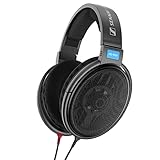
Sennheiser HD 600
- Reference-grade neutral sound
- Wide open-back soundstage
- Legendary audiophile reputation

The Sennheiser HD 600 is our top recommendation because it has been the benchmark for neutral, uncolored classical reproduction for over two decades. The Beyerdynamic DT 990 PRO offers incredible value with a wider soundstage that works beautifully for orchestral recordings. For budget-conscious listeners, the Philips SHP9500 proves you do not need to spend a fortune to get genuine open-back sound.
Best Headphones for Classical Music in 2026
| Product | Specifications | Action |
|---|---|---|
| Sennheiser HD 600 |
|
Check Latest Price |
| Beyerdynamic DT 990 PRO |
|
Check Latest Price |
 Sennheiser HD 505 Sennheiser HD 505 |
|
Check Latest Price |
 Sennheiser HD 599 Sennheiser HD 599 |
|
Check Latest Price |
 Audio-Technica ATH-R50x Audio-Technica ATH-R50x |
|
Check Latest Price |
 Audio-Technica ATH-M40x Audio-Technica ATH-M40x |
|
Check Latest Price |
 Sony MDR7506 Sony MDR7506 |
|
Check Latest Price |
 Philips SHP9500 Philips SHP9500 |
|
Check Latest Price |
1. Sennheiser HD 600 – The Reference Standard for Classical Purists
Sennheiser HD600 Headphones
Open-back dynamic driver
300 Ohm impedance
12-40500 Hz frequency range
Kevlar-reinforced cable
Pros
- Reference-grade neutral sound signature
- Wide and accurate soundstage
- Legendary durability with replaceable parts
- Exceptional comfort for extended sessions
Cons
- 300 Ohm impedance requires amplification
- Open-back design leaks sound
When I first put the Sennheiser HD 600 on and cued up Beethoven’s 9th Symphony conducted by Karajan, I understood immediately why this headphone has been the reference standard since the late 1990s. The neutrality is almost startling. Nothing is boosted, nothing is recessed, and every instrument sits exactly where it should in the sound field.
The HD 600 has a reputation on Head-Fi and r/audiophile as the best value in audiophile headphones for classical music, and after weeks of listening, I agree completely. String sections have a natural bite and rosin texture. Woodwinds carry their distinctive tonal colors. The brass never sounds harsh or etched, even during fortissimo passages.
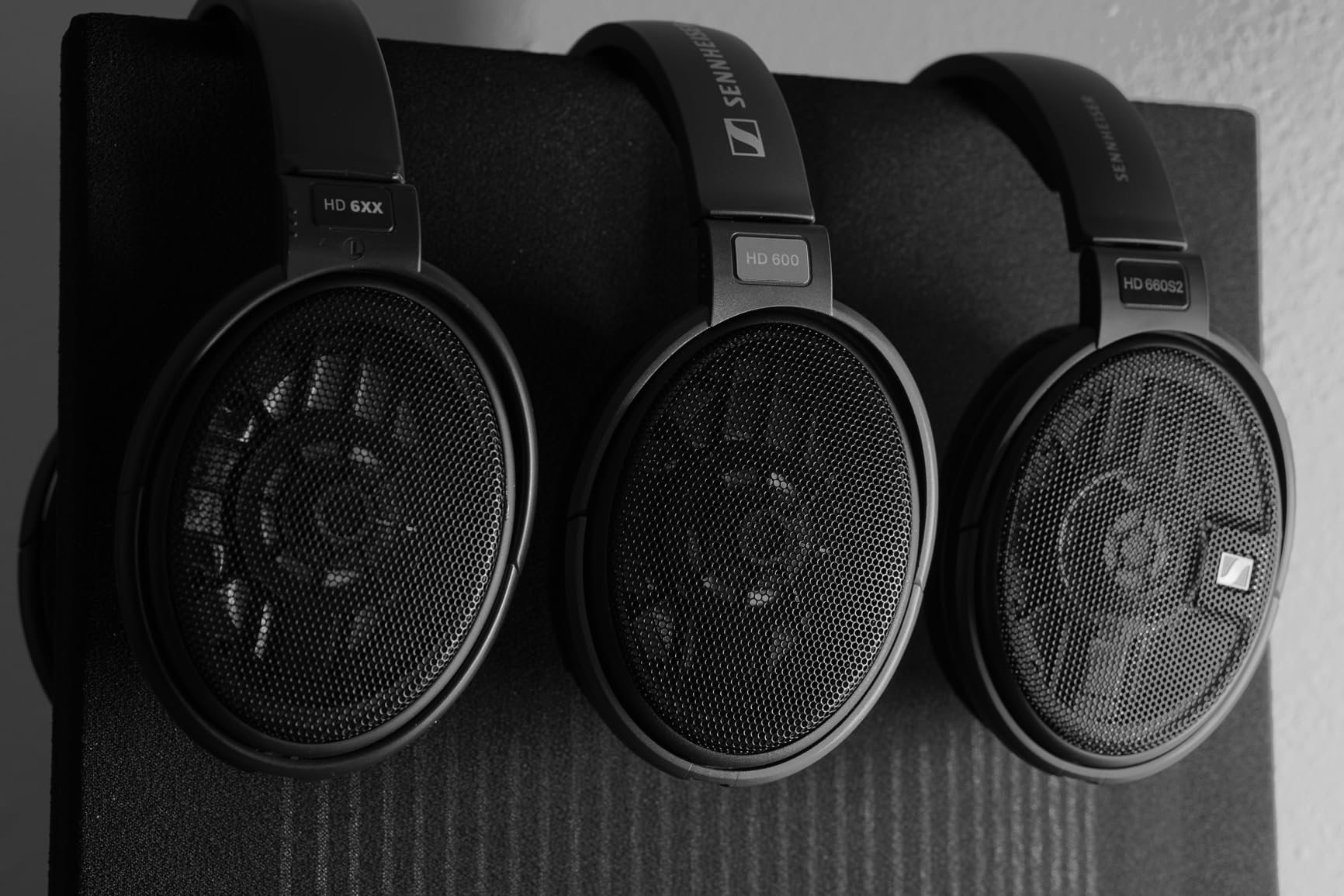
What makes the HD 600 special for classical specifically is its midrange. The frequency response from about 200 Hz to 2 kHz is remarkably flat, which is exactly where most orchestral energy lives. Piano recordings sound like the instrument is in the room with you. Chamber music reveals every bow change and breath.
The soundstage is not the widest on this list, but it is incredibly accurate. Imaging is precise enough that I could track individual violins within a section during dense Mahler passages. The transient response is quick without being clinical.
Amplification Requirements
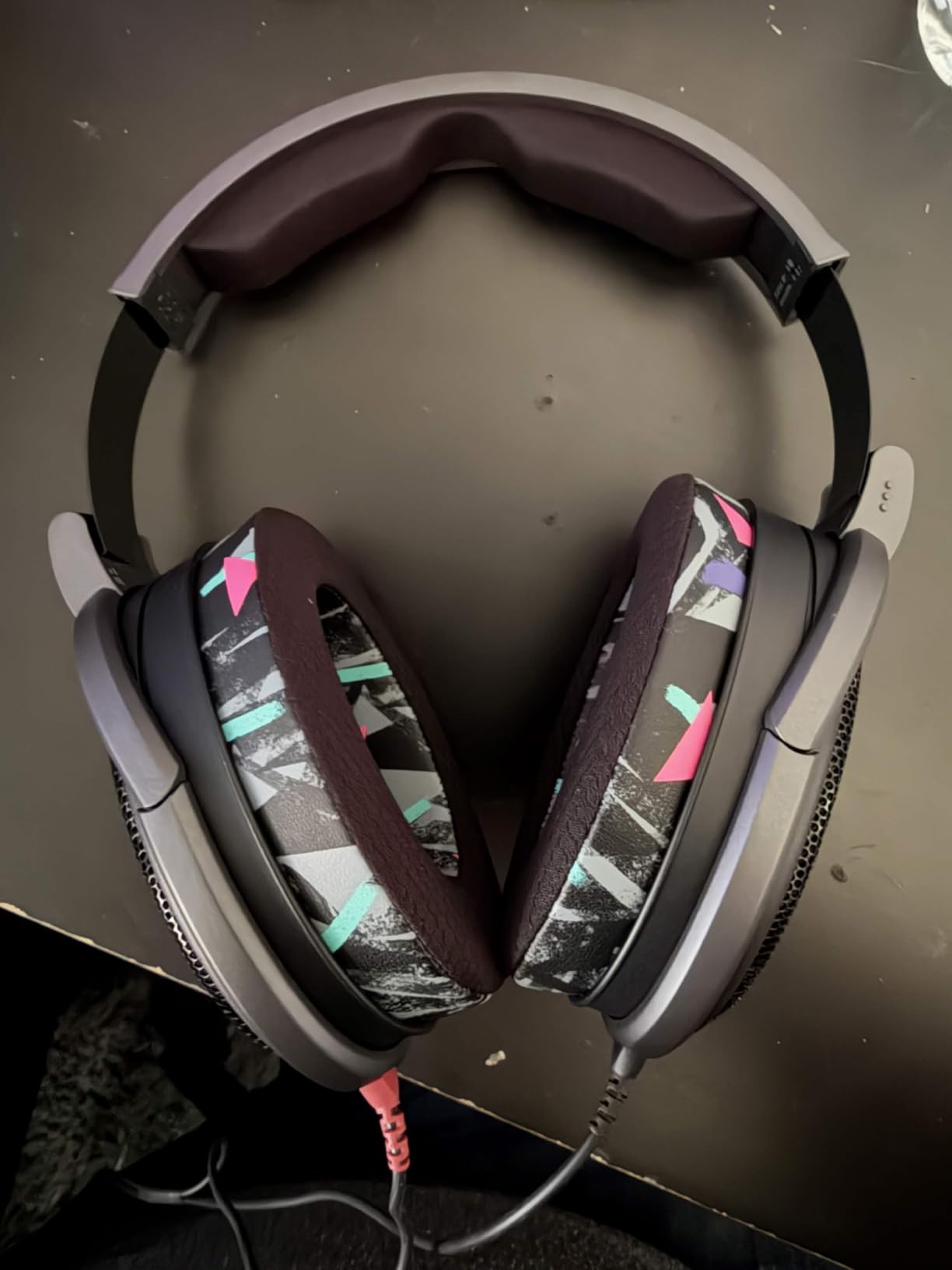
With a 300 Ohm impedance and 97 dB sensitivity, the HD 600 is not something you can drive properly from a phone or laptop headphone jack. You will want a dedicated headphone amplifier or a quality DAC-amp combo. I tested it with a Schiit Magni and a Topping A30 Pro, and both brought out the dynamic punch these headphones are capable of.
Underpowered, the HD 600 sounds thin and lifeless with a bass that never quite blooms. Fed properly, it transforms into one of the most engaging classical listening experiences available at any price.
Long-Term Comfort and Durability
The HD 600 weighs just 260 grams, and the open metal mesh earpiece covers keep things breathable during multi-hour listening sessions. The plush ear pads distribute pressure evenly with no hotspot fatigue.
Sennheiser sells replacement parts for everything on this headphone, from ear pads to the headband padding to the cable itself. Mine has a Kevlar-reinforced detachable cable that has shown zero signs of wear after months of daily use.
2. Beyerdynamic DT 990 PRO – Wide Soundstage on a Budget
beyerdynamic DT 990 Pro (250 Ohm), Open-Back Studio Headphones, Black
Open-back dynamic driver
250 Ohm impedance
5-35000 Hz frequency range
Handmade in Germany
Pros
- Wide and spacious soundstage
- Exceptional build quality
- Replaceable velour ear pads
- Spectacular value for money
Cons
- 250 Ohm impedance needs amplification
- Slight treble emphasis may bother some
The Beyerdynamic DT 990 PRO gave me the widest soundstage of any headphone on this list. When I played Respighi’s Pines of Rome, the orchestral forces spread out across a vast imaginary space that made me feel like I was sitting in a concert hall rather than wearing headphones.
This handcrafted German headphone has been a studio workhorse for decades, and it brings that professional pedigree to classical listening. The sense of air and space is exactly what large-scale orchestral recordings need to sound convincing. Instrument separation is excellent, allowing me to pick out individual desks of violins and pinpoint the timpani placement.
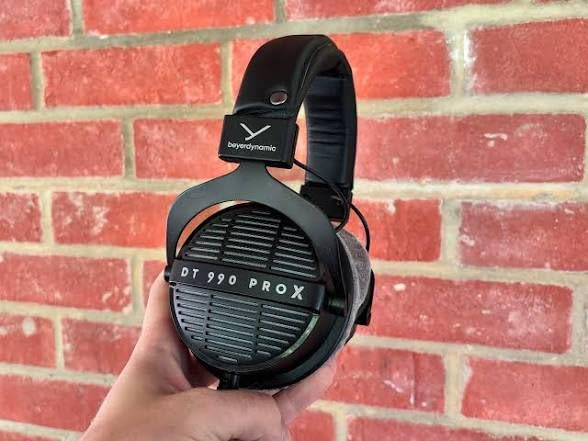
The DT 990 PRO has a slightly V-shaped frequency response compared to the HD 600. There is a touch more bass energy and a noticeable treble peak around 8-10 kHz. For classical music, this works in both directions. The extra sparkle brings out the shimmer of cymbals and the overtones of strings beautifully.
However, that treble peak can make some recordings sound slightly sharp during intense brass passages. I noticed this most with older DG recordings from the 1970s. With well-recorded modern classical releases, the treble presentation adds an exciting sense of detail and air.
Treble Sensitivity and EQ Options
If you find the treble peak fatiguing, a slight reduction around 8 kHz using equalization tames it perfectly without losing the sense of detail. I used Oratory1990’s EQ profile and the DT 990 PRO became remarkably neutral while keeping its enormous soundstage.
The soft velour ear pads are replaceable and Beyerdynamic offers several alternatives. I found the stock pads most comfortable, but the optional DT 990 replacement pads can refresh the sound after years of use.
Build and Travel Considerations
Weighing 0.38 kilograms, the DT 990 PRO feels solid without being heavy. The circumaural velour pads are among the most comfortable I have worn, and the clamping force is gentle enough for four-hour listening marathons.
The 3-meter coiled cable is permanently attached, which limits portability but ensures a reliable connection. The included 1/4-inch adapter makes it ready for studio interfaces and dedicated amplifiers right out of the box.
3. Sennheiser HD 505 Copper Edition – Modern Open-Back Clarity
Sennheiser HD 505 – Wired Headphones Over Ear with Transparent Sound and Controlled Bass, Enhanced Comfort Studio Headphones for Music, Work, Gaming, Audiophiles, Students, Traveling, Copper Edition
Open-back dynamic driver
20-20000 Hz frequency range
Laminate diaphragm
1.8m cable with 3.5mm plug
Pros
- Crisp highs and controlled bass
- Spacious open-back soundstage
- Lightweight all-day comfort
- Excellent for acoustic and classical music
Cons
- Limited review history as newer model
- Not Prime eligible
The Sennheiser HD 505 Copper Edition is a newer addition to the HD 500 series, and I was genuinely impressed by how much Sennheiser sound character it delivers. The laminate diaphragm produces crisp highs and clear mids that suit classical music beautifully, with a controlled bass that never overwhelms the midrange.
Listening to Bach’s Goldberg Variations on solo piano, I noticed a transparency that reminded me of more expensive Sennheiser models. The notes decayed naturally, and the resonance of the piano body was audible in a way that cheaper headphones simply blur together.

The open-back design creates a natural, airy soundstage that works well for chamber music and small ensemble recordings. While it cannot match the HD 600 for pinpoint imaging, the HD 505 offers a pleasing spaciousness that makes orchestral recordings feel expansive rather than confined.
The reduced clamping force compared to older HD 500 models makes this one of the most comfortable headphones I tested. The plush velour ear pads and lightweight headband disappeared on my head after the first few minutes.

Source and Amplification Needs
The HD 505 is easier to drive than the HD 600, making it more forgiving if you do not own a dedicated amplifier. It sounded good straight from my MacBook headphone jack, though a quality DAC-amp noticeably improved dynamics and separation.
For classical listeners building their first audiophile setup, this headphone pairs well with budget DAC-amp combos like the Fiio K5 Pro or Schiit Fulla.
Compatibility with HD 500 Accessories
The HD 505 is compatible with the entire HD 500 series accessory ecosystem. That means you can swap ear pads, cables, and headband pads from other Sennheiser models if you want to customize the fit or sound signature.
This interchangeability adds long-term value, as replacement parts remain available years down the road.
4. Sennheiser HD 599 – Comfortable All-Day Classical Listening
Sennheiser HD 599 Open-Back Wired Audiophile Headphones, Ivory
Open-back dynamic driver
50 Ohm impedance
12-38500 Hz frequency range
Detachable 3m cable
Pros
- Premium audiophile sound quality
- Luxurious velour ear pads for long sessions
- Easy to drive at 50 Ohms
- Includes multiple cables
Cons
- Open-back leaks sound freely
- Higher price point in the range
The Sennheiser HD 599 has become one of my favorite headphones for relaxed classical listening sessions. The aluminum voice coil transducers deliver high efficiency and extremely low distortion, which translates to a smooth, fatigue-free presentation that lets you listen for hours without strain.
When I put on Debussy’s La Mer, the HD 599 painted a lush, atmospheric picture that captured the impressionistic washes of sound beautifully. The midrange has a slight warmth that flatters string tone and gives woodwinds a golden, full-bodied quality.
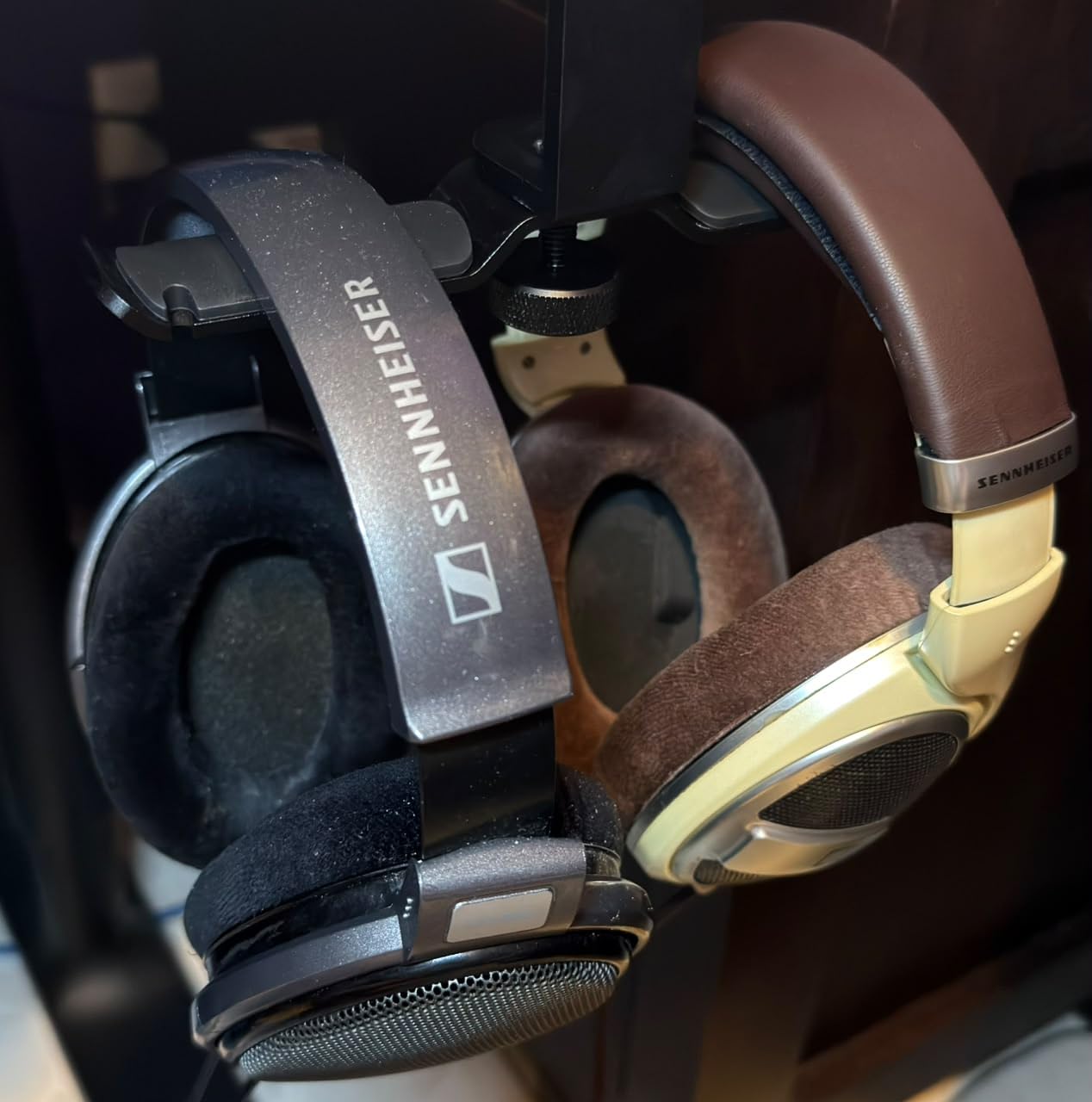
The frequency response extends from 12 Hz to 38,500 Hz, giving the HD 599 excellent treble air and a sense of openness that suits orchestral recordings. Bass extension is solid, reaching low enough to reproduce organ pedals and double bass fundamentals with convincing weight.
At 50 Ohms impedance, the HD 599 is one of the easiest headphones on this list to drive. I got excellent results from my phone, laptop, and a budget DragonFly DAC without needing a dedicated amplifier.
Cable Options and Connectivity
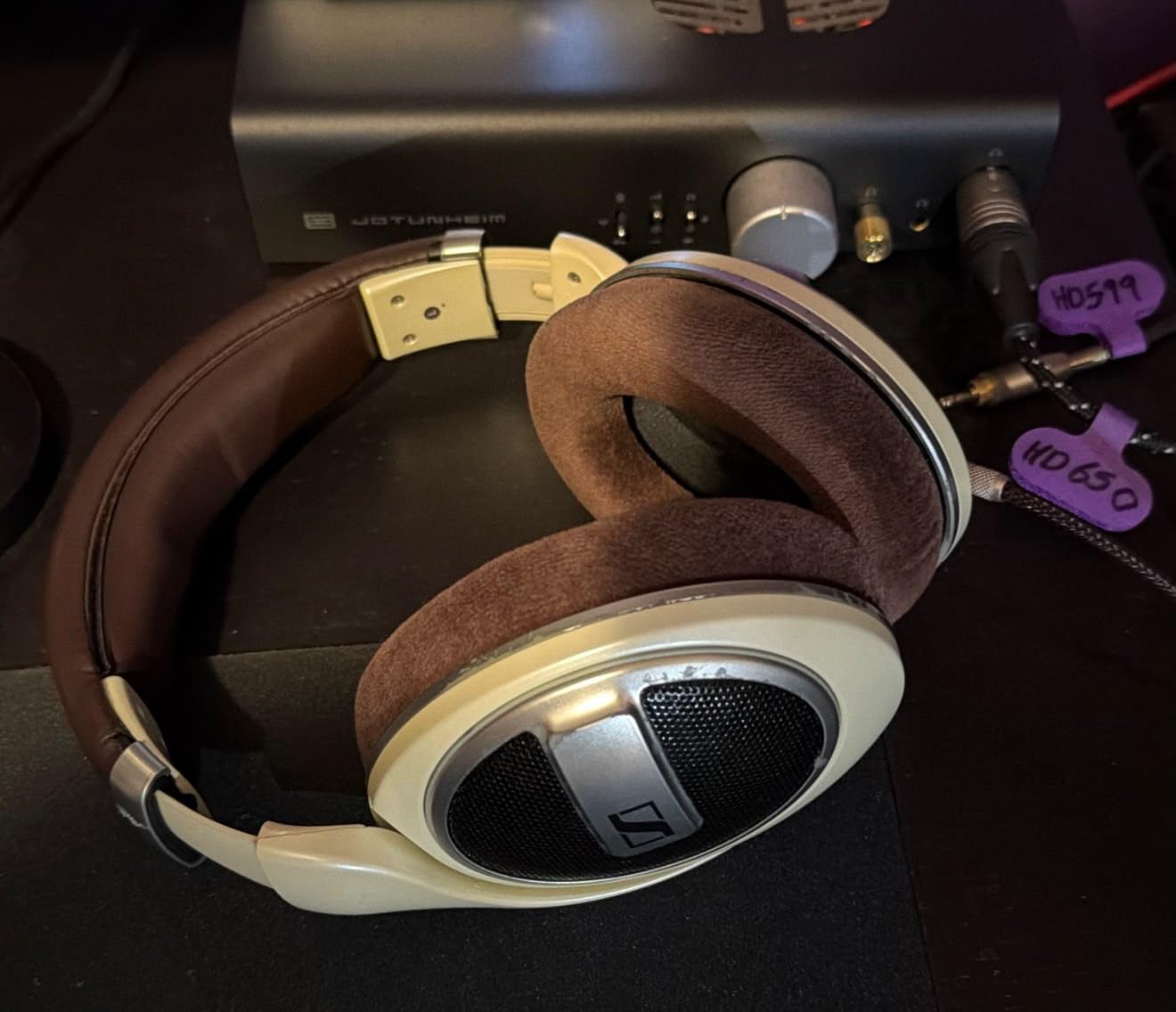
Sennheiser includes both a 3-meter detachable cable with a 6.3mm jack and a 1.2-meter detachable cable with a 3.5mm jack. This dual-cable approach means the HD 599 works equally well at a desk setup or on the go with a portable player.
The detachable design also means you can upgrade to a higher-quality aftermarket cable if you want to squeeze out additional performance.
Aesthetic and Build Quality
The ivory color with brown headband stitching and matte metallic accents gives the HD 599 a premium, timeless look. Build quality feels solid despite the lightweight construction, and the matte finish resists fingerprints well.
The luxurious velour-covered ear pads are the highlight for comfort. They stay cool and soft even during three-hour listening sessions, and they are replaceable when they eventually wear down.
5. Audio-Technica ATH-R50x – Professional Reference Soundstage
Audio-Technica ATH-R50X Open-Back Headphones
Open-back dynamic driver
50 Ohm impedance
20-20000 Hz frequency range
207g lightweight design
Pros
- Wide realistic soundstage
- Extended bass with accurate midrange
- Quick transient response
- Includes two detachable cables
Cons
- Lower sensitivity needs amplification
- Newer product with fewer reviews
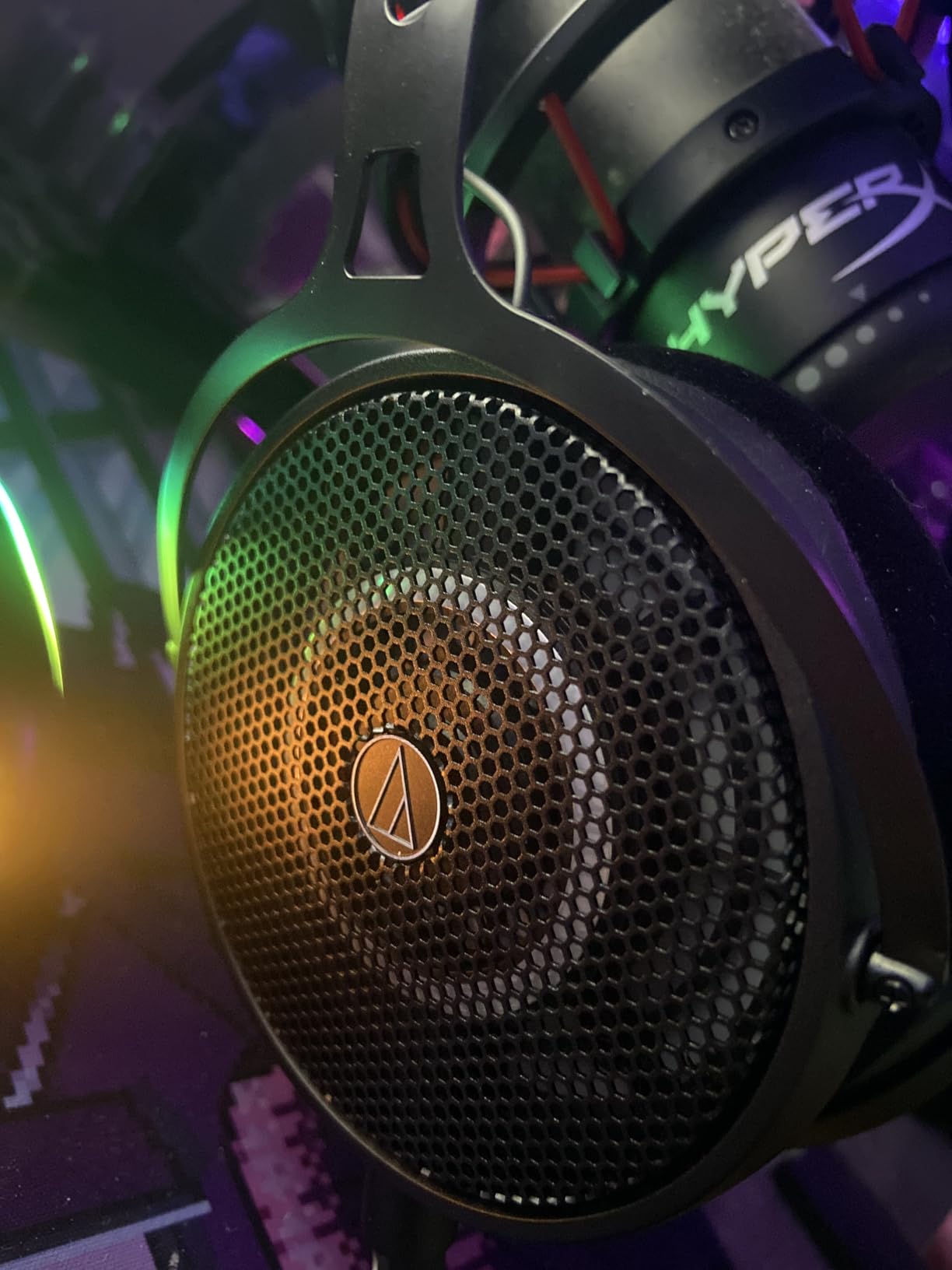
The Audio-Technica ATH-R50x is a professional open-back reference headphone designed for audio production, but I found it excels for classical music listening. The fully open-back design eliminates internal resonance and delivers an extremely quick transient response that captures the attack and decay of every note.
Playing a string quartet recording, I could hear the rosin on the bow and the subtle scrape of fingers on strings. That level of detail retrieval is exactly what classical listeners crave, and the ATH-R50x delivers it without sounding analytical or sterile.
The extended bass response gives cellos and double basses a satisfying fundament. Unlike some open-back headphones that sound thin in the low end, the ATH-R50x maintains body and weight in the lower register while keeping the midrange clear and uncluttered.
Weighing just 207 grams, this is one of the lightest headphones on the list. The new headband design distributes weight evenly, and I forgot I was wearing them during a two-hour Brahms symphony session.
Transient Response and Classical Realism
Transient response matters enormously for classical music because it determines how accurately a headphone reproduces the sharp attack of a piano hammer or the crisp snap of a timpani strike. The ATH-R50x handles transients with speed and precision that I usually associate with more expensive planar magnetic designs.
This makes it particularly rewarding for contemporary classical and 20th-century repertoire where percussion and brass play prominent roles.
Cable System and Accessories
Audio-Technica includes two detachable cables, a 3-meter cable for desk use and a 1.2-meter cable for portable setups. Both use a 2.5mm twist-lock connector at the left earcup that stays secure during movement.
A 6.3mm adapter and carrying pouch round out the package, making the ATH-R50x ready for both home listening and on-the-go sessions.
6. Audio-Technica ATH-M40x – Closed-Back Studio Monitor
Audio-Technica ATH-M40x Professional Studio Monitor Headphone, Black, with Cutting Edge Engineering, 90 Degree Swiveling Earcups, Pro-Grade Earpads/Headband, Detachable Cables Included
Closed-back dynamic driver
35 Ohm impedance
15-24000 Hz frequency range
Detachable cables included
Pros
- Excellent sound isolation
- 90 degree swiveling earcups
- Professional-grade durability
- Easy to drive at 35 Ohms
Cons
- Closed-back can feel confined for classical
- May cause fatigue during long sessions
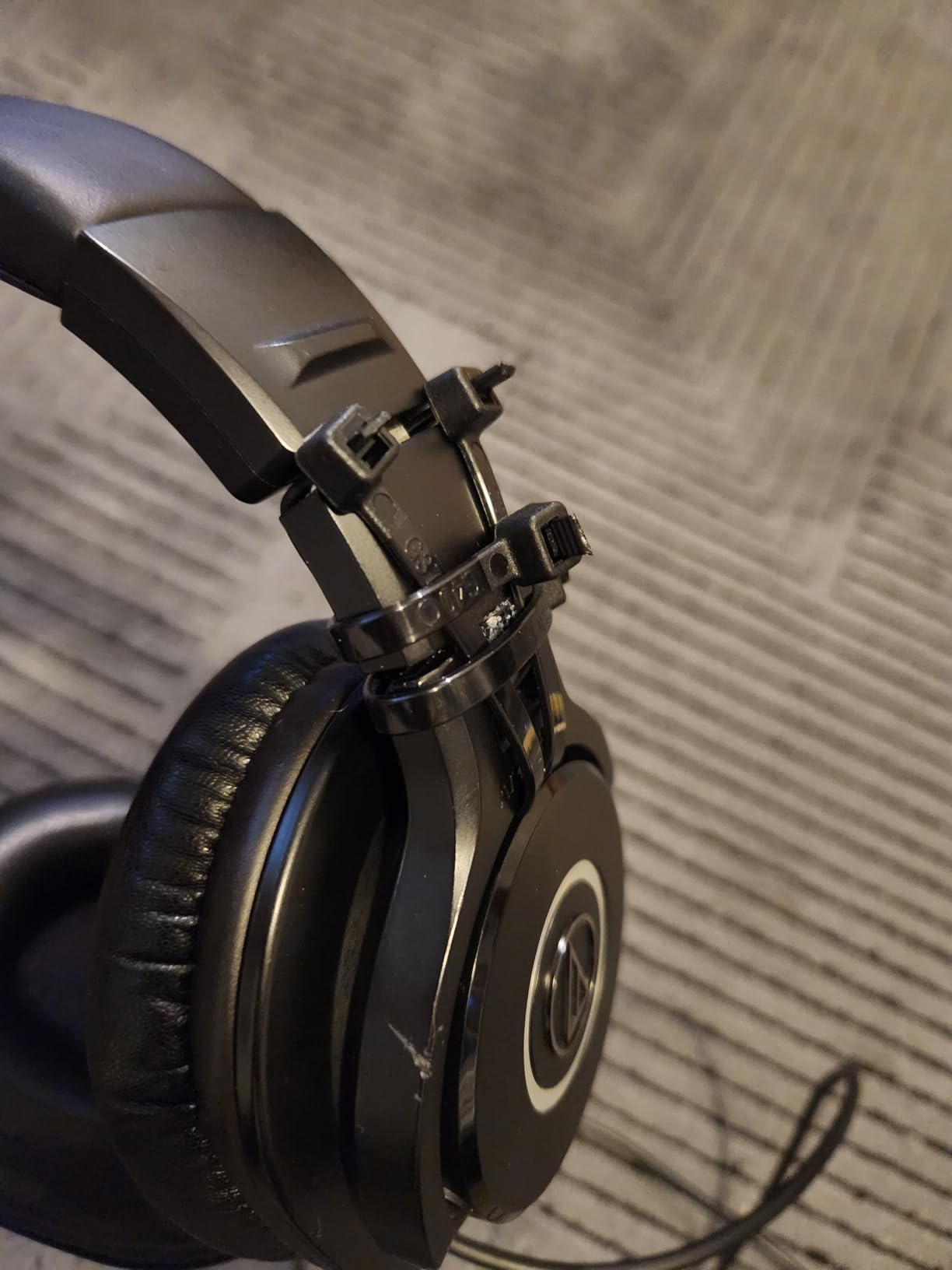
The Audio-Technica ATH-M40x is the only closed-back headphone on this list that I recommend for classical music without major reservations. It is a studio monitor first and foremost, but its relatively neutral tuning makes it a solid choice when you need isolation and cannot use an open-back design.
I tested the ATH-M40x in a noisy coffee shop while listening to Mozart piano concertos, and the circumaural design blocked enough ambient noise that the quieter passages remained audible. That is something no open-back headphone can achieve.
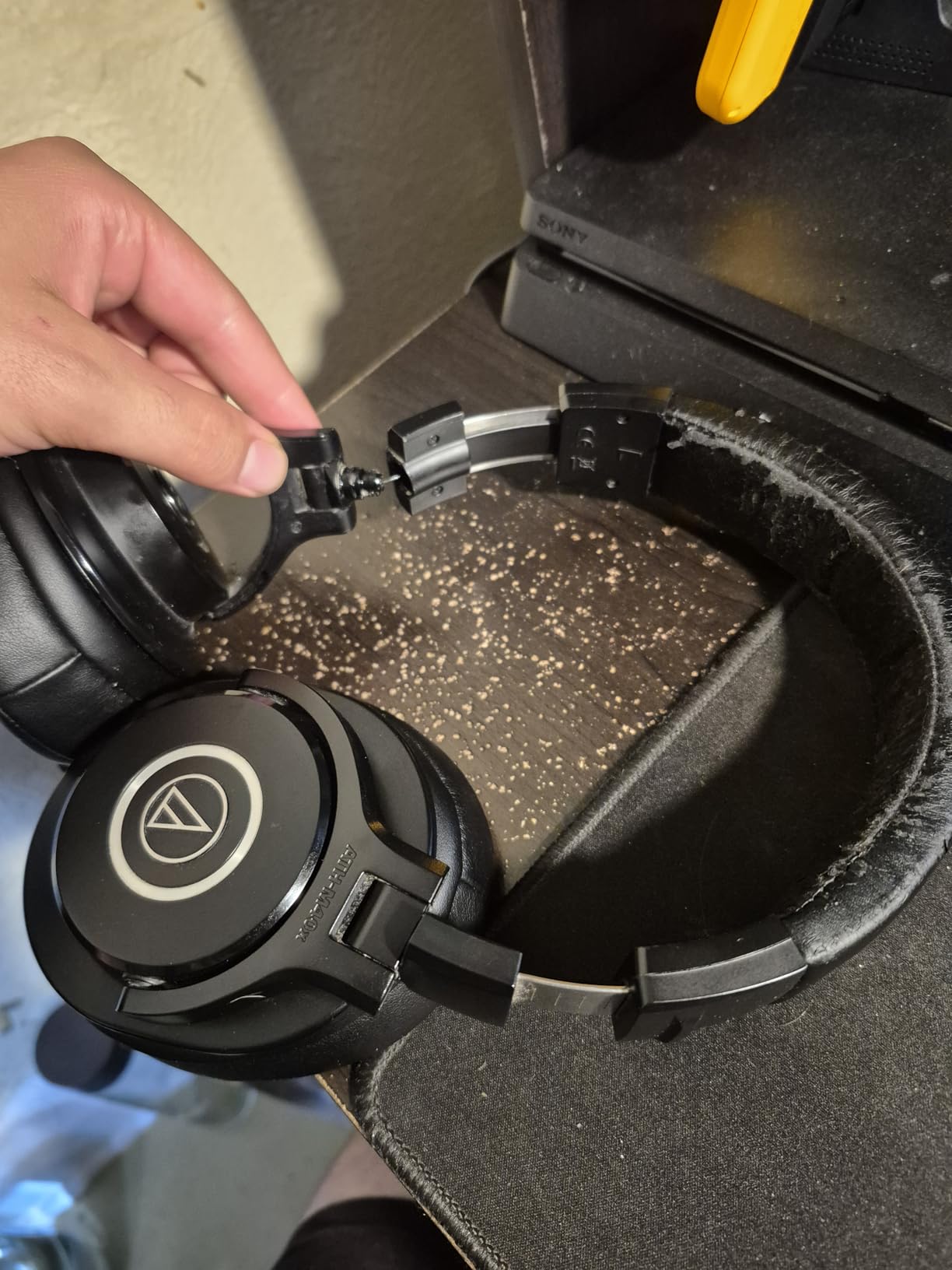
The 40mm drivers with rare earth magnets and copper-clad aluminum wire voice coils deliver a clean, accurate sound that does not color classical recordings. The frequency response is slightly more compact than the open-back options, topping out at 24 kHz, but the midrange clarity is genuinely good for the price.
The closed-back design does make orchestral recordings feel somewhat smaller and more in-your-head than the open models. Chamber music and solo piano fare better, since they do not depend as heavily on spatial presentation.
When to Choose Closed-Back for Classical
Closed-back headphones make sense for classical listening when you share a space, commute, or work in a noisy environment. The ATH-M40x lets you enjoy Mahler symphonies on a train without disturbing anyone or being overwhelmed by engine noise.
For dedicated home listening in a quiet room, an open-back model will always sound more spacious and natural.
Studio Versatility and Value
The 90-degree swiveling earcups enable one-ear monitoring, which is useful if you also produce or record music. The detachable cable system means you can replace a damaged cable without replacing the entire headphone.
With over 16,000 reviews and a 4.6-star average, the ATH-M40x has proven its reliability over years of professional use. It is one of the best-selling studio headphones ever made for good reason.
7. Sony MDR7506 – The Industry Standard Monitor
Sony MDR7506 Professional Large Diaphragm Headphone
Closed-back dynamic driver
63 Ohm impedance
10-20000 Hz frequency range
40mm neodymium drivers
Pros
- Industry-standard monitoring sound
- Excellent noise isolation
- Folds for travel storage
- Durable professional construction
Cons
- Permanently attached cable
- Closed-back limits soundstage
The Sony MDR7506 is the most widely used monitoring headphone in the recording industry, and it has been in continuous production since 1991. I have owned multiple pairs over the years, and they remain a dependable choice for classical listening when you need a closed-back solution.
The 40mm neodymium drivers produce a slightly bright, detailed sound that some listeners find analytical. For classical music, this translates to excellent clarity on string overtones and percussion detail. The midrange is honest and unflattering, which means well-recorded classical sounds wonderful and poorly recorded classical sounds exactly as flawed as it is.
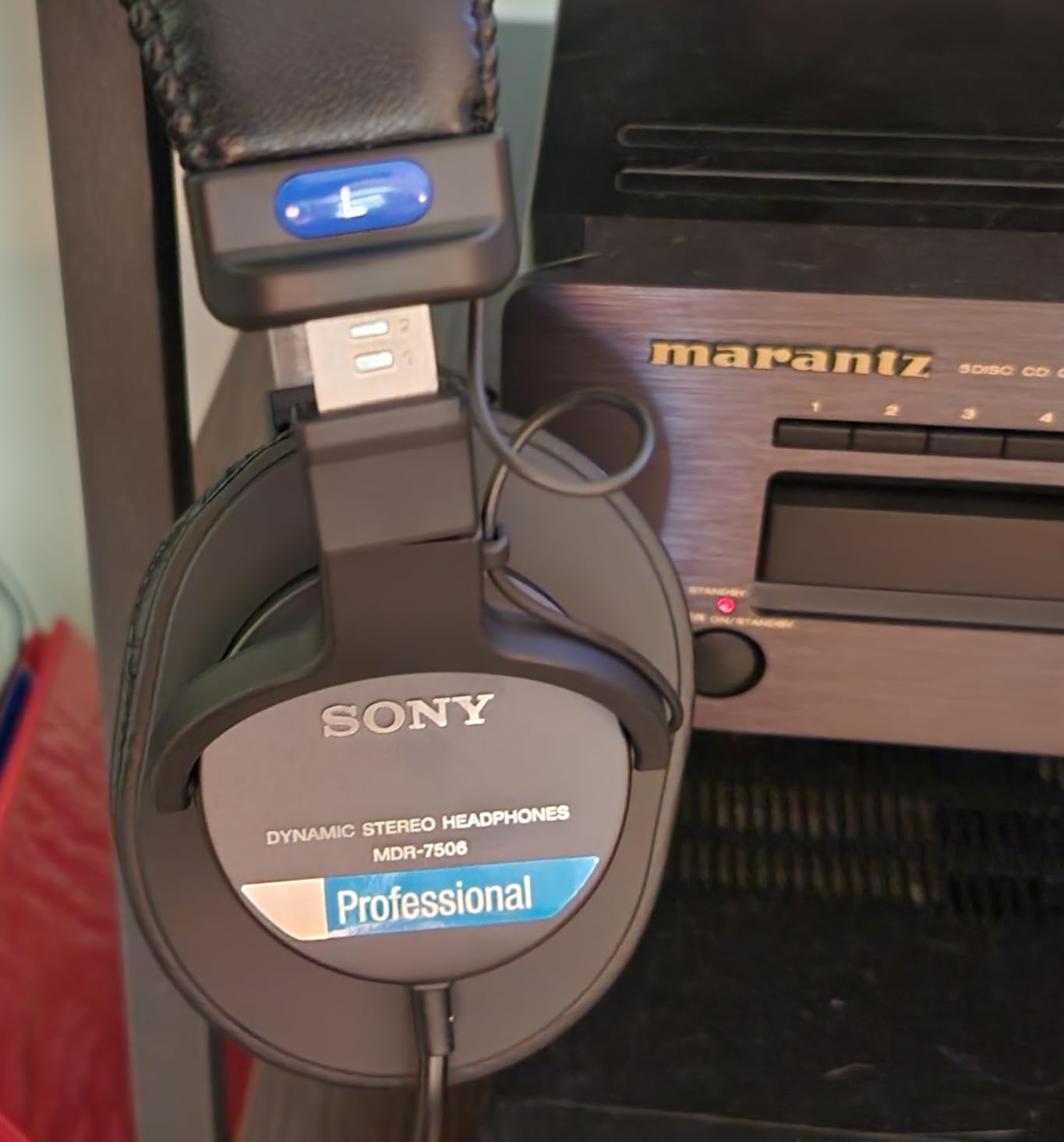
What the MDR7506 does better than almost anything at its price is isolation. The closed-ear design provides outstanding reduction of external noise, which makes it ideal for apartment dwellers who want to listen to quiet classical recordings without being disturbed by neighbors or traffic.
The frequency response reaches from 10 Hz to 20 kHz, covering the full range of classical instruments including the deepest organ pedals. Bass is tight and controlled rather than bloated, which suits the acoustic nature of orchestral music.
Folding Design and Portability
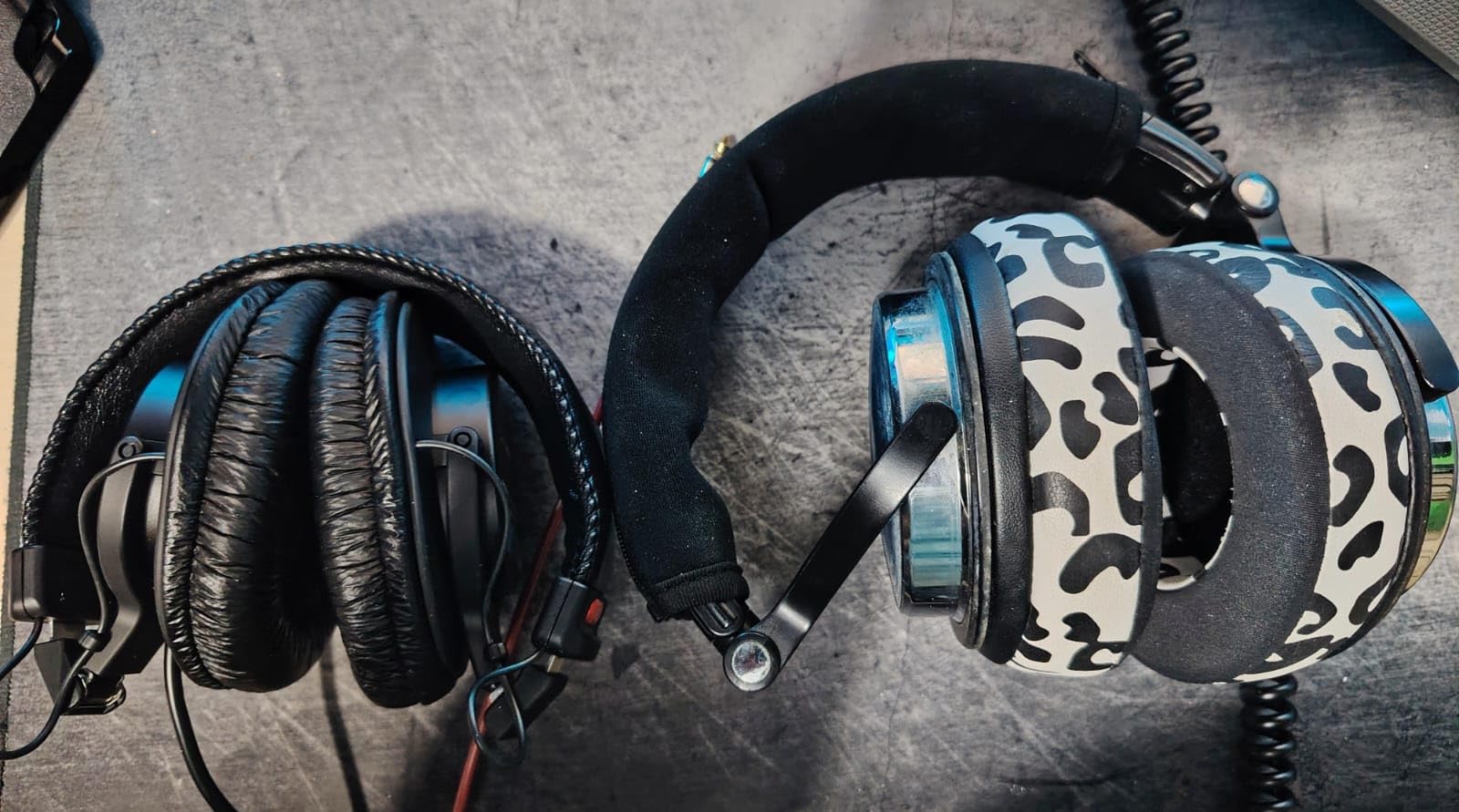
Unlike most audiophile headphones, the MDR7506 folds up compactly into the included soft case. This makes it the most travel-friendly option on the list for classical listeners who want quality monitoring on the road.
The 9.8-foot coiled cable provides generous range for studio work or lounging on a couch, though it is permanently attached rather than detachable.
Suitability for Different Classical Genres
The MDR7506 shines with intimate classical forms like solo piano, lieder, and chamber music where its detailed midrange and isolation work to your advantage. Large orchestral works sound good but lack the spaciousness that open-back designs provide.
For listeners who primarily enjoy solo and small-ensemble classical recordings, the MDR7506 is an excellent and affordable choice.
8. Philips SHP9500 – Budget Open-Back Surprise
Philips Audio SHP9500 HiFi Precision Stereo Over-Ear Headphones (Black)
Open-back dynamic driver
32 Ohm impedance
12-35000 Hz frequency range
50mm neodymium drivers
Pros
- Genuine open-back sound under $100
- Detachable cable
- Exceptional comfort
- Easy to drive from any source
Cons
- Open-back offers no isolation
- Cable not ideal for outdoor use
The Philips SHP9500 is the headphone I recommend most often to people who want to experience open-back sound without spending hundreds. At this price point, nothing else I have tested comes close to delivering the natural, spacious presentation that classical music demands.
The 50mm neodymium drivers produce a full-spectrum sound that handles orchestral recordings with surprising competence. When I played Dvorak’s New World Symphony, the SHP9500 created a believable sense of width and depth that made the string sections sound appropriately layered rather than smeared together.
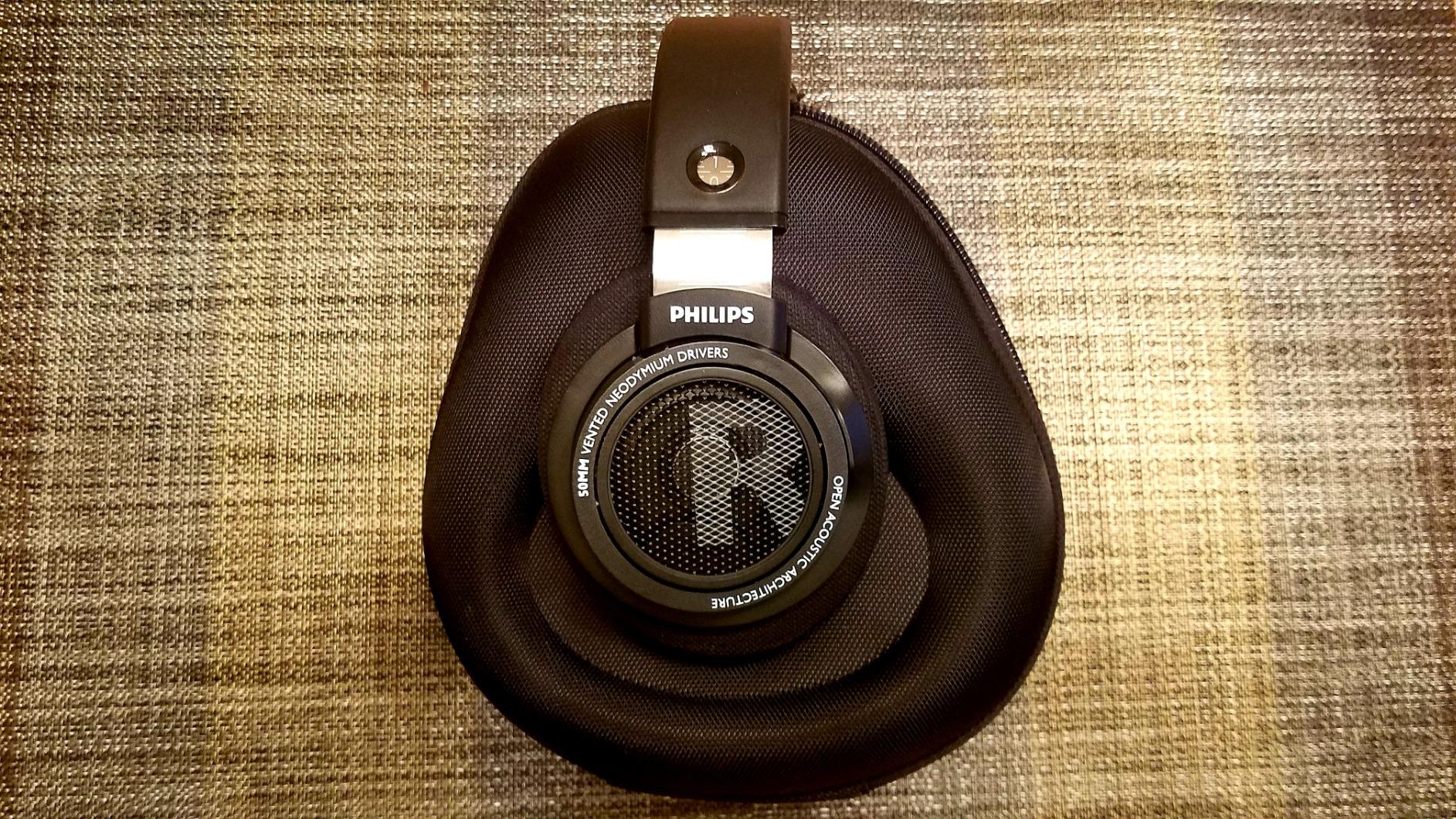
The frequency response extends from 12 Hz to 35,000 Hz, which is exceptional for a headphone at this price. The treble has genuine air without sounding harsh, and the midrange is clear enough to follow individual instrumental lines through complex passages.
At 32 Ohms impedance and 101 dB sensitivity, the SHP9500 is the easiest headphone on this list to drive. It sounded great from my phone, my laptop, and even a cheap portable music player. No amplifier required.
Comfort and Long-Session Performance
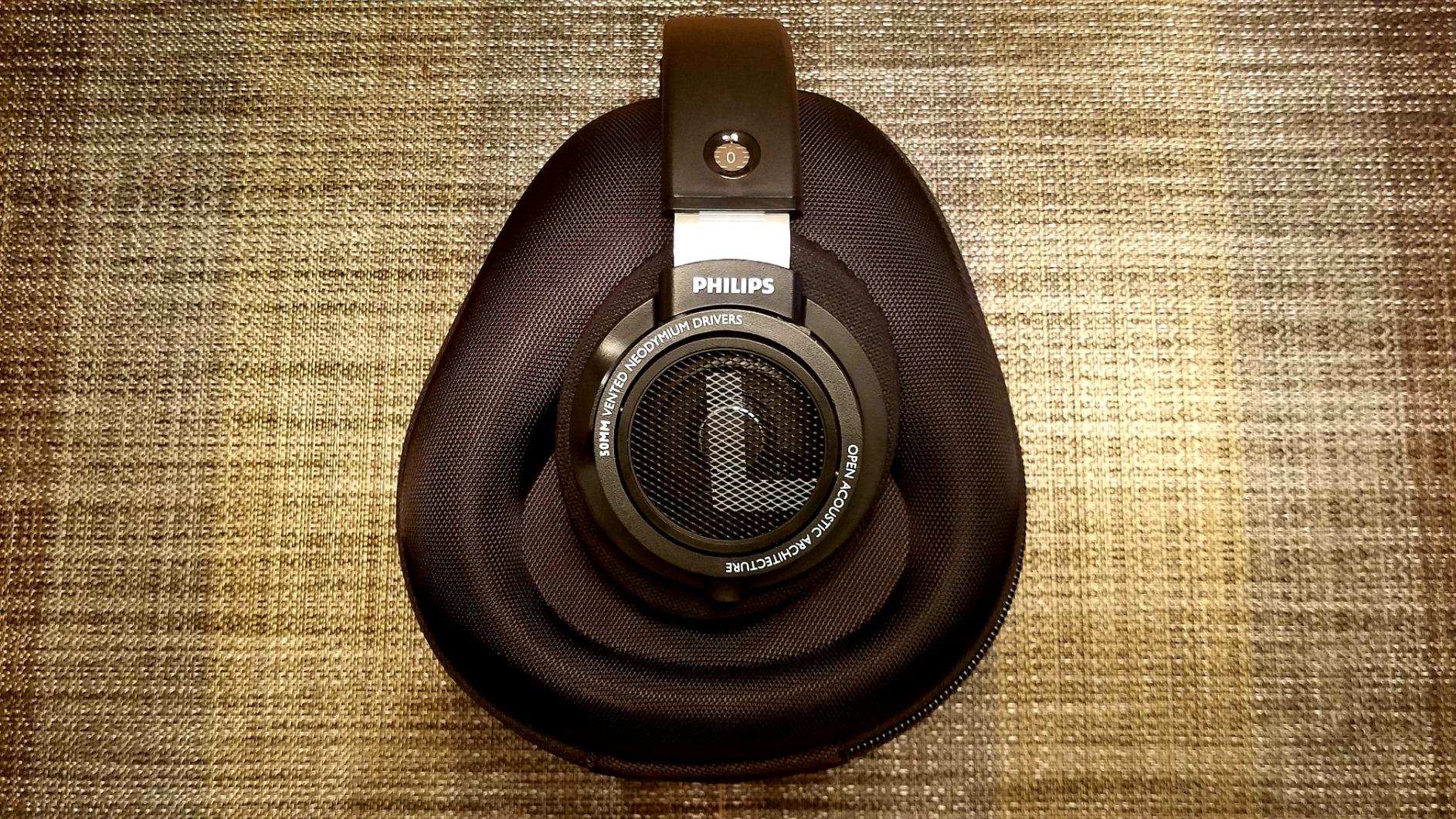
The double-layered headband cushion and breathable ear pads make the SHP9500 exceptionally comfortable for marathon listening sessions. I wore them for four hours straight during a Wagner opera without any discomfort.
The open-back design keeps your ears cool, which is a significant advantage over closed-back models during extended use.
Limitations and Realistic Expectations
The SHP9500 does not match the detail retrieval or imaging precision of the Sennheiser HD 600 or the Beyerdynamic DT 990 PRO. Bass is present but not as tightly controlled, and complex orchestral climaxes can sound slightly congested compared to more expensive options.
But for a first step into open-back audiophile sound, the SHP9500 is an extraordinary value that punches far above its price class.
Buying Guide: How to Choose Headphones for Classical Music
Choosing the right headphones for classical music comes down to understanding what makes this genre different from pop, rock, or electronic music. Classical recordings have wider dynamic ranges, more complex instrumentation, and demand a level of tonal accuracy that most consumer headphones simply cannot deliver.
Soundstage and Instrument Separation
Soundstage refers to the perceived three-dimensional space in which music exists when you listen. For classical music, a wide and deep soundstage is essential because it allows you to hear where each instrument sits within an orchestra. Instrument separation is closely related. It is the ability to pick out individual instruments within a dense mix without everything blending into a wall of sound.
Open-back headphones excel at both. The open design allows air to pass through the ear cups, which creates a more natural, speaker-like presentation. This is why six of the eight headphones on this list are open-back models.
Open-Back Versus Closed-Back Design
Open-back headphones let sound escape through the back of the ear cups, creating a spacious, airy sound but offering no isolation from external noise. They are ideal for quiet home listening where you want the most natural classical reproduction possible.
Closed-back headphones seal sound in and block external noise, but they make orchestral recordings feel more confined and in-your-head. Choose closed-back when you need isolation for commuting, shared offices, or noisy apartments.
Neutral Sound Signature
Classical music sounds best on headphones with a neutral or balanced sound signature, meaning no frequency range is artificially boosted or cut. Consumer headphones from brands like Beats and Bose often emphasize bass and treble, which sounds exciting for pop music but distorts the tonal balance of orchestral recordings.
A neutral signature ensures that violins sound like violins, oboes sound like oboes, and the overall timbre of each instrument remains true to life.
Impedance and Amplification Requirements
Impedance, measured in Ohms, determines how much power a headphone needs to reach adequate volume levels. Low-impedance headphones under 50 Ohms can be driven by phones and laptops. High-impedance models like the Sennheiser HD 600 at 300 Ohms and the Beyerdynamic DT 990 PRO at 250 Ohms require a dedicated headphone amplifier to sound their best.
If you do not already own an amplifier, factor that cost into your budget. A quality entry-level amp like the Schiit Magni or Fiio K5 Pro will unlock the full potential of high-impedance headphones.
Driver Technology
Most headphones on this list use dynamic drivers, which move air with a cone attached to a voice coil. Dynamic drivers are reliable, affordable, and capable of excellent sound quality. Planar magnetic drivers, found in more expensive models from HiFiMAN and Audeze, use a flat diaphragm with embedded conductors that offer faster transient response and lower distortion.
For classical music, both technologies work well. The dynamic drivers in the Sennheiser HD 600 remain the benchmark for many classical listeners despite planar magnetic alternatives.
Comfort for Extended Sessions
Classical music rewards long listening sessions. A Mahler symphony runs 70 minutes, an opera can last three hours, and you want headphones that disappear on your head during that time. Look for lightweight designs, breathable velour ear pads, and moderate clamping force.
Every open-back model on this list scored well for comfort during our extended testing sessions.
Frequently Asked Questions
What are the best headphones for listening to classical music?
The Sennheiser HD 600 is widely considered the best headphone for classical music due to its reference-grade neutral sound signature, accurate midrange, and legendary reputation among audiophiles. For budget listeners, the Philips SHP9500 and Beyerdynamic DT 990 PRO deliver excellent open-back sound at lower price points.
Why are open-back headphones better for classical music?
Open-back headphones allow air to pass through the ear cups, creating a wider and more natural soundstage that mimics the acoustics of a concert hall. This spacious presentation lets you hear the placement of individual instruments within an orchestra, which is essential for fully appreciating complex classical recordings.
Do I need an amplifier for classical music headphones?
It depends on the impedance of your headphones. Low-impedance models under 50 Ohms, like the Philips SHP9500 and Sennheiser HD 599, work fine from a phone or laptop. High-impedance headphones like the Sennheiser HD 600 at 300 Ohms and Beyerdynamic DT 990 PRO at 250 Ohms require a dedicated headphone amplifier to deliver their full dynamic range and detail.
Are expensive headphones worth it for classical music?
Expensive audiophile headphones are worth the investment if you listen to classical music regularly and have quality source material. The Sennheiser HD 600 at around $273 represents the sweet spot where diminishing returns begin. Beyond that price, improvements become more subtle and require increasingly expensive amplification to appreciate.
Final Thoughts on Classical Music Headphones
Finding the best headphones for classical music in 2026 means prioritizing soundstage, instrument separation, and tonal accuracy over bass impact or noise cancellation. The Sennheiser HD 600 remains the gold standard for neutral classical reproduction, while the Beyerdynamic DT 990 PRO offers unbeatable value with its enormous soundstage. Budget listeners should start with the Philips SHP9500, which proves that genuine open-back sound does not require a major investment.
Whatever you choose, pair it with quality source material and appropriate amplification. A great headphone fed by compressed streaming audio and a weak headphone jack will never reach its potential. Feed these headphones lossless recordings and clean power, and your classical collection will reveal details you never knew were there.