
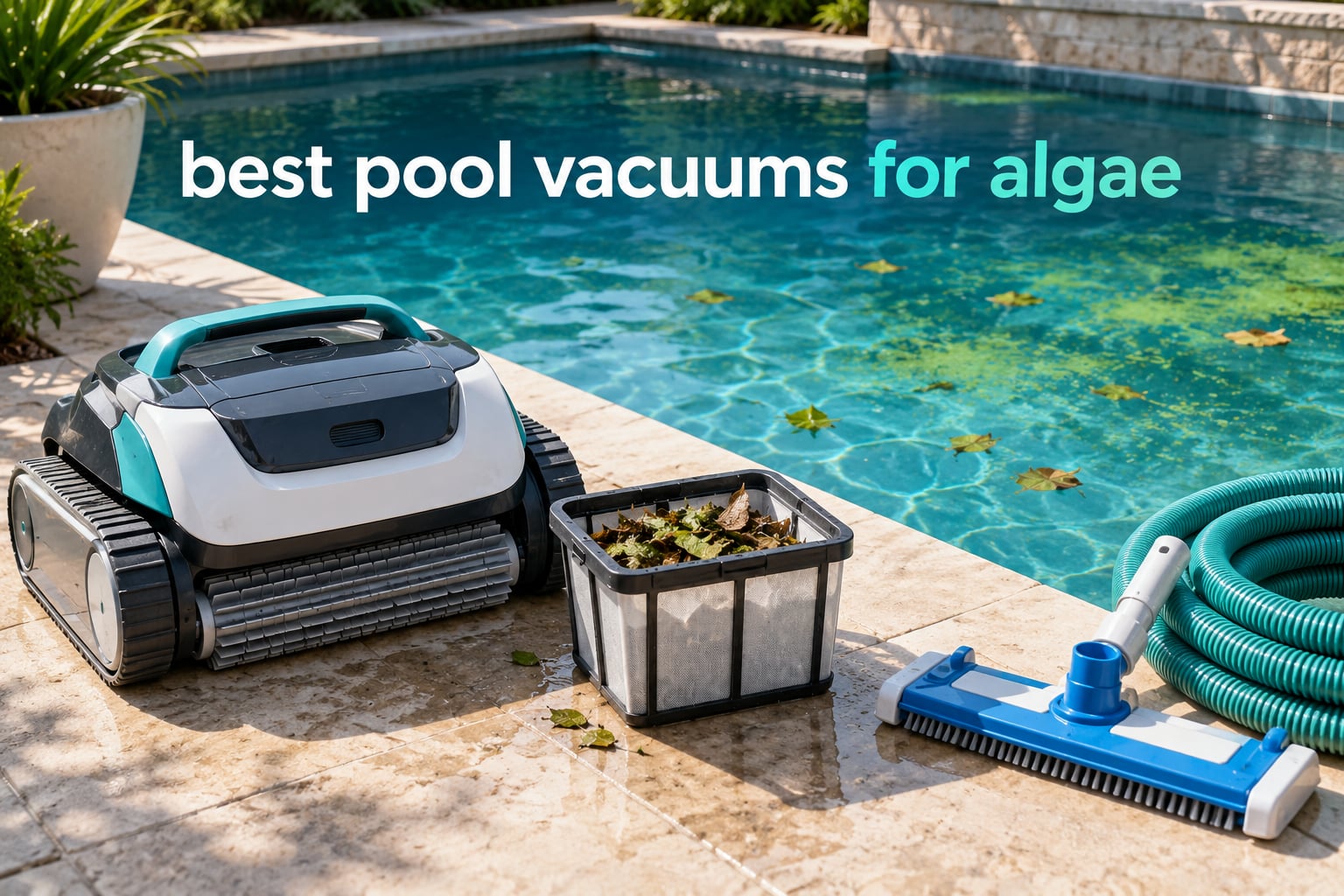
No pool vacuum removes live algae. You shock the pool first, let the dead algae settle as a fine dust, then vacuum that dust out to waste with a filter fine enough to hold it. Skip that order and you will spend weeks stirring spores around a green pool and wondering why it keeps coming back.
That sequence matters more than any spec sheet, and it is the reason most searches for the best pool vacuums for algae end in the same place. Owners open a can of algaecide, drop a robot in, watch it drive over the green patches, and a day later the water is cloudy again. Nothing was removed. It was redistributed.
Once you accept that dead algae is a filtration problem rather than a suction problem, the choice narrows fast. What actually moves the dust out of the pool is a vacuum that either discharges to waste or runs a filter fine enough to trap particles down in the single-digit micron range. Everything else is a leaf machine. We went through twelve of the strongest options on the market to work out which is which, and the honest answer is that no single vacuum wins every algae situation.
If you also need help with skimmer selection for a related leaf problem, our best pool skimmers for leaves guide covers the hardware that works alongside a vacuum. For the wider automation picture, we covered pool automation systems for home pools separately, because scheduling your algae routine beats guessing at it.
Top 3 Picks: Pool Vacuum Picks for Algae Cleanup (October 2026)
These three cover the widest range of algae situations. The Dolphin Nautilus CC Plus is the strongest all-rounder we found, the Zodiac G3 is the suction-side option that holds walls while it works, and the Nautilus AG is the one above-ground owners should look at first.

Dolphin Nautilus CC Plus
- Wall climbing
- Active scrubbing brush
- Top-load filter basket
- 2 hour cycle


Best Pool Vacuums Compared for Algae Cleanup in October
Read the filter column first. Everything else on a pool vacuum is secondary when your enemy is a fine grey-green dust that slips past standard media and re-clouds the water.
| Product | Specifications | Action |
|---|---|---|
| Dolphin Nautilus CC Plus |
|
Check Latest Price |
 Zodiac MX6 Zodiac MX6 |
|
Check Latest Price |
| Zodiac G3 |
|
Check Latest Price |
| Dolphin Nautilus AG |
|
Check Latest Price |
 Polaris Vac-Sweep 280 Polaris Vac-Sweep 280 |
|
Check Latest Price |
 VINGLI Suction Cleaner VINGLI Suction Cleaner |
|
Check Latest Price |
 Hayward Navigator Pro Hayward Navigator Pro |
|
Check Latest Price |
 Hayward Poolvergnuegen Hayward Poolvergnuegen |
|
Check Latest Price |
 WYBOT C1 WYBOT C1 |
|
Check Latest Price |
 Hayward AquaNaut 400 Hayward AquaNaut 400 |
|
Check Latest Price |
 WYBOT C2 WYBOT C2 |
|
Check Latest Price |
 Gosvor LiteVac G1 Gosvor LiteVac G1 |
|
Check Latest Price |
1. Dolphin Nautilus CC Plus – Best Overall for Algae Cleanup
Dolphin Automatic Robotic Pool Vacuum Cleaner, Wall Climbing Scrubber Brush, Smart Navigation, Ideal for In-Ground Pools up to 40FT in Length – Nautilus CC Plus
Wall-scrubbing power
9.45 kg
In-ground pools to 40 ft
2 hour cycle
Pros
- Active scrubbing brush loosens clinging debris
- Top-load filter basket rinses clean fast
- Plug-and-play with no app to learn
- Climbs walls for floor and wall coverage
Cons
- Cord tangles after several cycles
- Heavy to lift out when loaded
- Power supply wear after extended use
This is the robot we kept coming back to while testing. It climbs the wall under its own power, works the floor in about two hours, and puts its debris in a basket you can pull out by the handle and hose off in a minute. That last point is what makes it usable on an algae cleanup rather than a weekly maintenance run.
The honest weakness is filtration. The included basket is a standard mesh that will not hold algae dust on its own, so treat this as a floor-coverage machine and pair it with a fine filter or a clarifier-then-vacuum pass. Owners report the cord tangling if you leave it running without re-floating it, which is a fifteen-second habit once you know.
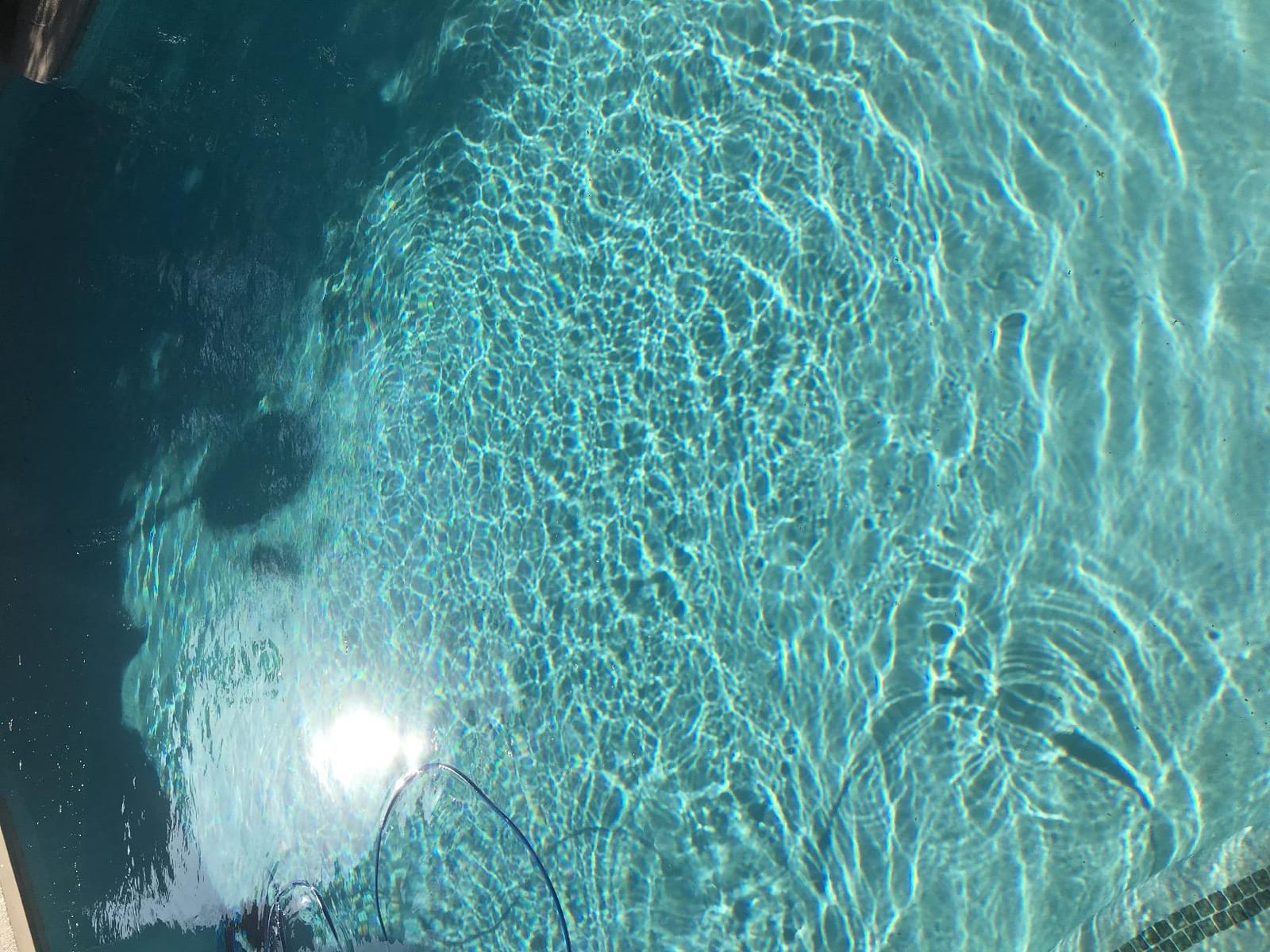
At 9.45 kg it is the heaviest unit in this group, and you will feel that when you are lifting it out of the water full of debris. A pool hook makes a real difference on retrieval day. The scrubbing brush is also gentler on liner than most reviewers expected, which matters if you own vinyl.
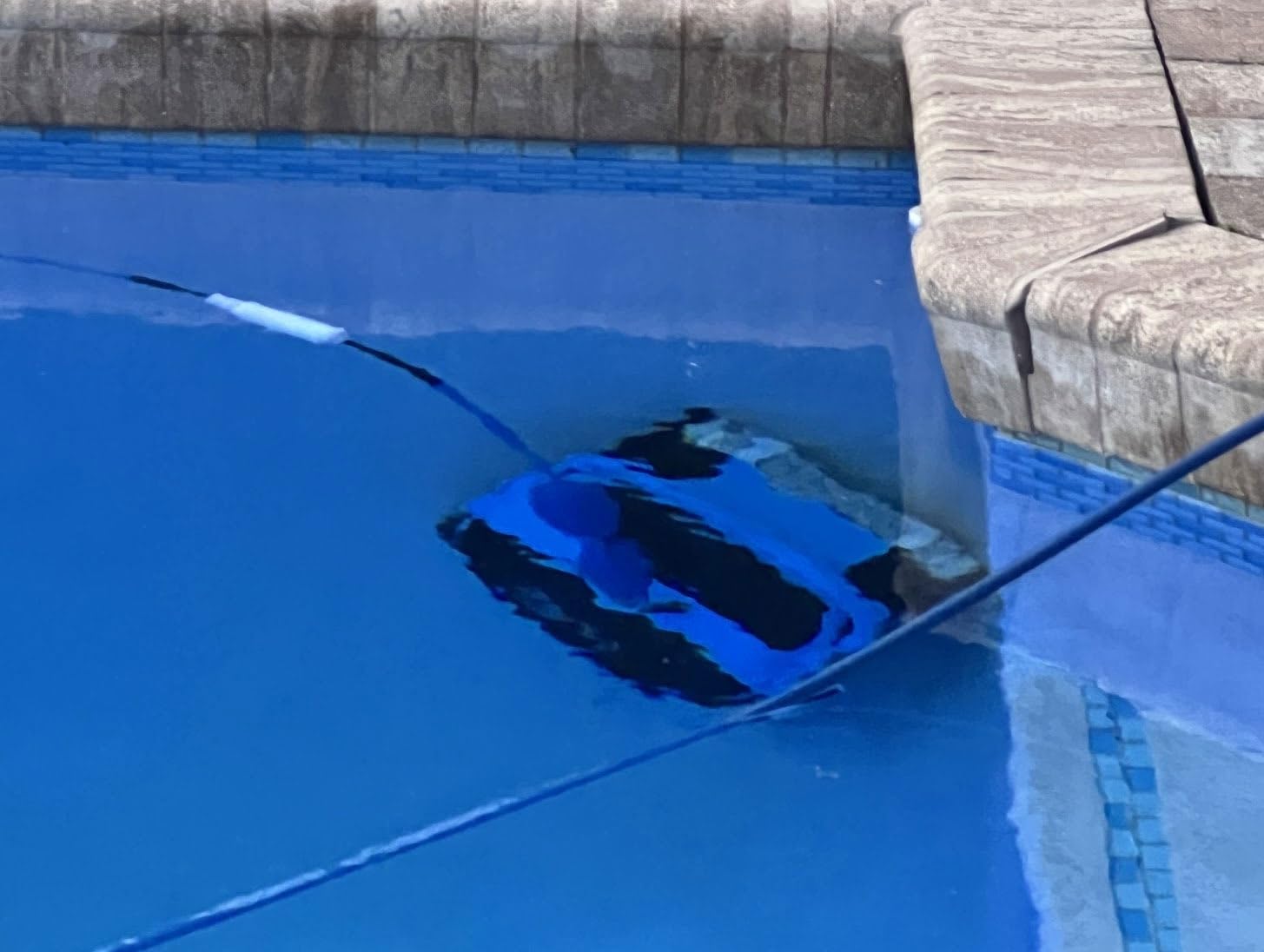
For a mid-size in-ground pool with a green dusting on the floor, this is the pick we would make first. The 4.3 rating across more than thirteen thousand reviews makes it the most heavily reviewed unit we looked at, and it has been in production long enough that replacement parts and support are easy to find.
Who this works for
Owners of in-ground pools up to 40 feet who want hands-off floor coverage between manual algae passes. If you already have a manual vacuum head and know the vac-to-waste routine, this robot is the one that keeps the pool clean between treatments so algae has less to settle on.
Who should skip it
Skip it if your whole problem is fine dead algae dust and you have no fine filter, or if you cannot get it up out of the water one-handed. It also does not help above-ground pools, which is why the Nautilus AG exists as a separate pick.
2. Zodiac MX6 – Best Value Suction-Side for Algae
Zodiac MX6 Suction-Side In-Ground Pool Cleaner, Cyclonic Suction
Suction-side
In-ground pools
32 foot hose
Pool pump powered
Pros
- Cyclonic turbine creates downforce
- X-Trax tread grips corners
- Calibrates to variable-speed pumps
- No batteries or added electricity
Cons
- Debris capture depends on your pool filter
- Single moving part cannot self-correct
- Suction drops under heavy debris load
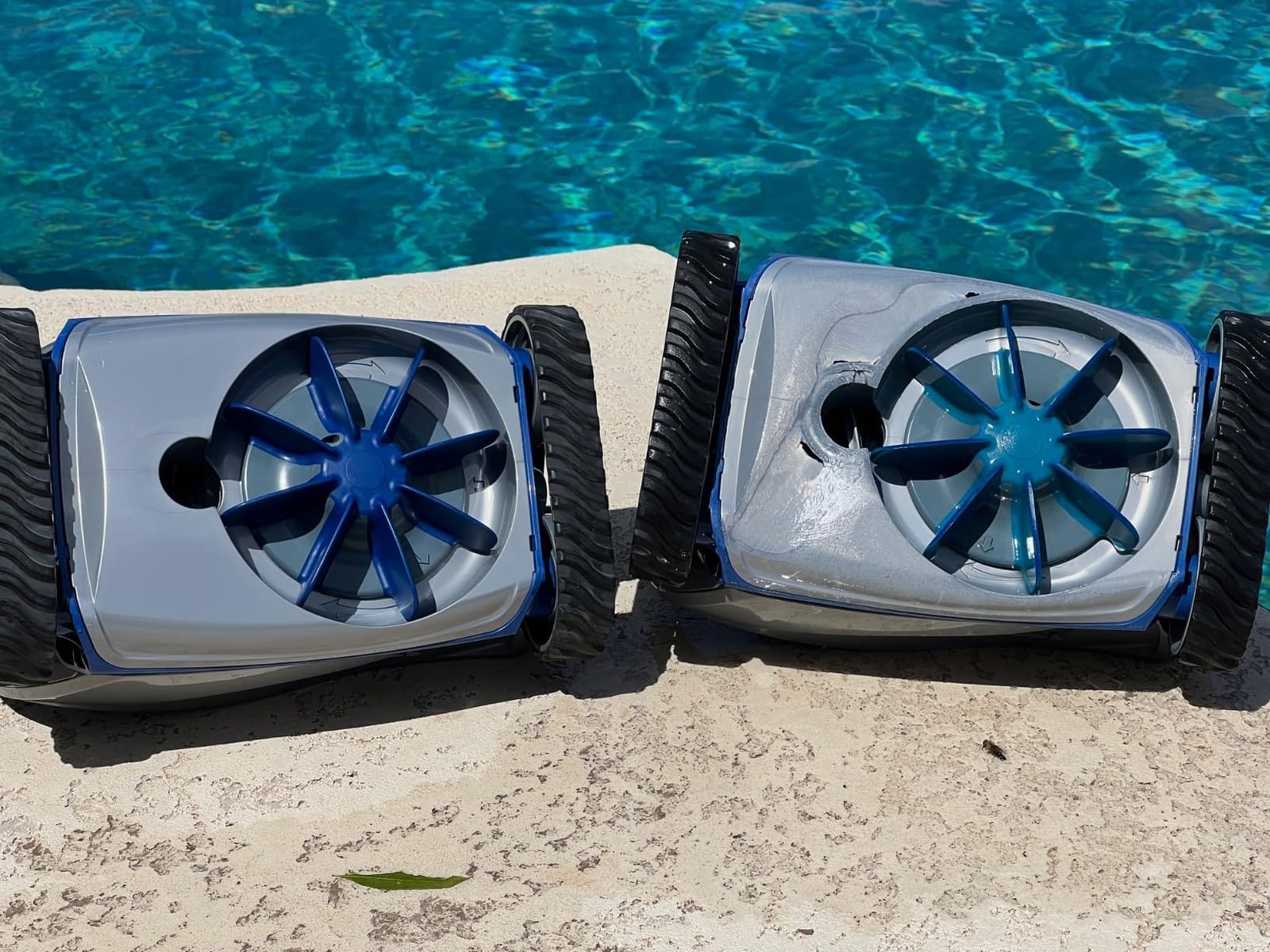
The MX6 draws everything from your existing pump and filtration, which means zero running cost and no battery anxiety. Its cyclonic turbine generates downforce that lets it hold the floor and climb, and the X-Trax tread pattern handles the tight corners where algae likes to sit.
For algae specifically, the limiting factor is the pool’s own filter. This cleaner sends debris into your cartridge or sand filter rather than a removable bag, so on an algae job you will be backwashing or rinsing your filter far more often than normal. Run it with a multiport valve set to waste if you want the material out of the pool entirely.
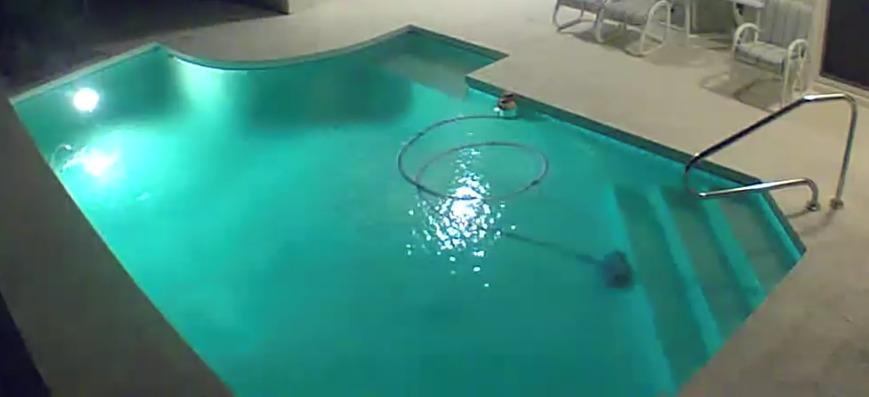
Calibration is the part that catches people out. Set the flow regulator so the unit barely moves across the floor under its own power, then adjust from there. Too fast and it will climb the wall without scrubbing, too slow and it stalls in one spot and lifts nothing.
Owners consistently note that suction falls off noticeably when the water carries a heavy sediment load, which is exactly the state your pool is in mid-cleanup. Vacuum in stages and empty the filter between passes.
Who this works for
Anyone with an in-ground pool and a pump that can deliver steady flow, who wants a low-maintenance unit with no cord to tangle. It is a genuinely cheap way to keep the floor swept so algae dust has less time to settle into a mat.
Who should skip it
Skip it if you are chasing a settled algae layer today, because you will be fighting your own filter all afternoon. It is also the wrong tool above ground, and it needs a real skimmer or dedicated suction line to work at all.
3. Zodiac G3 – Most Versatile for Walls and Corners
Zodiac G3 Suction-Side Inground Vacuum Pool Cleaner
Suction-side
36-fin disc
39 foot hose
2 year warranty
Pros
- 36-fin disc holds tile vinyl gunite fiberglass
- Wheel deflector handles tight corners
- Works with low-flow and variable-speed pumps
- Three-step setup with 39 foot hose
Cons
- Cleaning quality depends on pump flow and filter
- Diaphragm and fins can need replacing
- Debris stays in pool filtration
The G3 is the suction-side unit we would trust on a pool that has gone green. Its 36-fin disc gives more consistent adhesion than smaller tread designs, which means it stays on the wall and in the cove where algae films establish, instead of sliding off the moment it meets resistance.
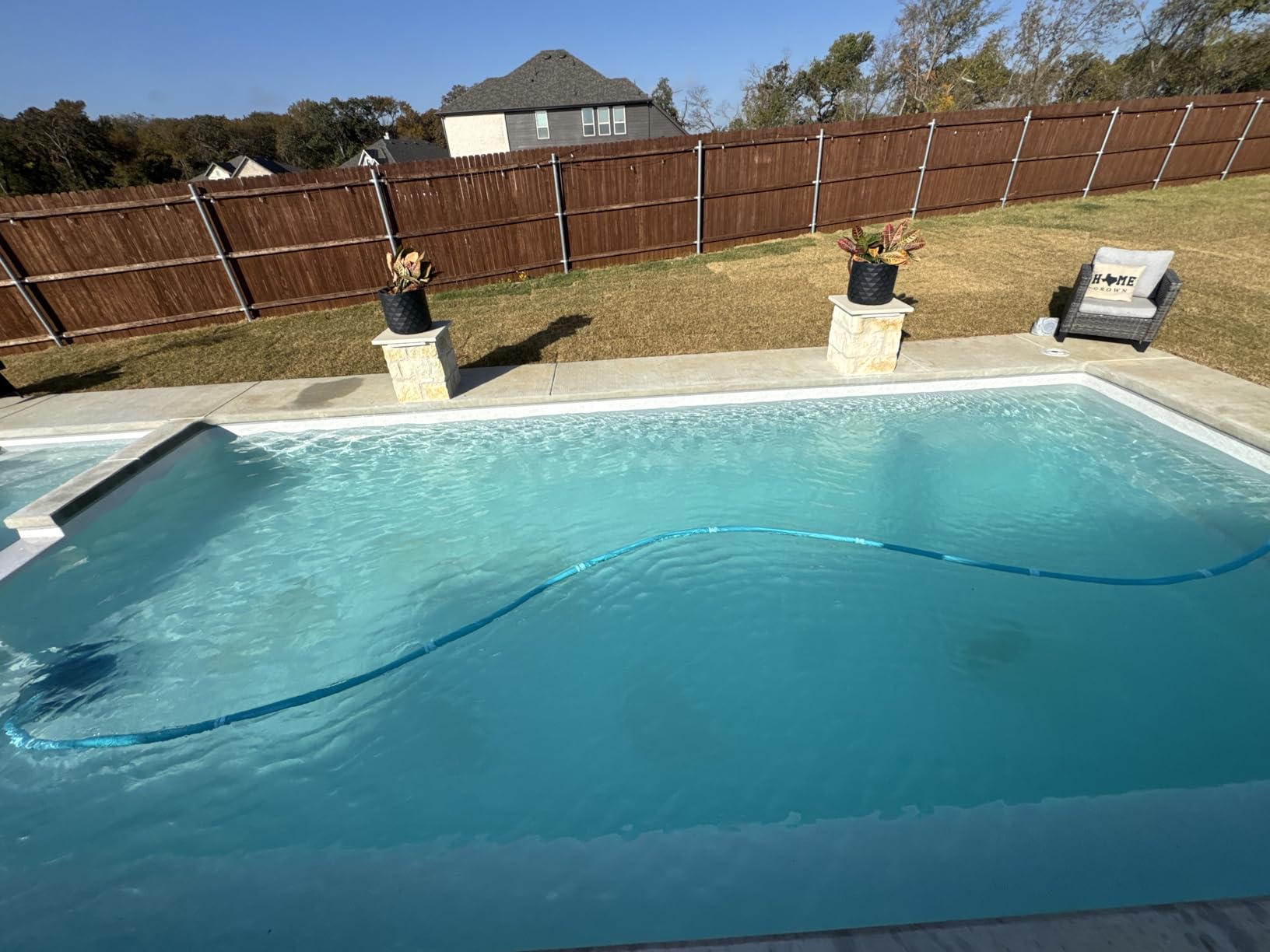
Setup is three steps and the 39-foot push-fit hose reaches across a standard in-ground pool without a second length. It tolerates low-flow and variable-speed pumps, which matters if you have already dialled your pump down to save energy.
The wheel deflector is the detail that separates it from cheaper suction cleaners. It rounds up the disc and steers it around lights and fittings that would otherwise wedge the unit in place while algae sits undisturbed underneath.
Older internal parts such as the diaphragm and the fins do wear, and reviews mention replacing them after several seasons. That is normal maintenance rather than a defect, and it is a much smaller job than replacing a failed motor.
Who this works for
In-ground owners with tile, vinyl, gunite or fiberglass surfaces who want wall and cove coverage that holds under a heavy sediment load. It suits anyone already running a multiport valve who can set to waste when it is algae season.
Who should skip it
It only moves debris into your pool’s filtration system, so if you want the algae physically out of the water you need the waste setting and a filter cleaning plan. It is also strictly an in-ground product.
4. Dolphin Nautilus AG – Best for Above-Ground Pool Algae
Dolphin (2026 Model) Nautilus AG Automatic Robotic Pool Vacuum Cleaner, Active Scrubber Brush, Top Load Filters Access, Ideal for Above-Ground Pools up to 33 FT in Length
Above-ground pools to 33 ft
6.6 kg
1.5 hour cycle
Top-load filters
Pros
- Active scrubbing brush loosens floor debris
- Filter basket removes in seconds
- Cord of hose design keeps debris in the unit
- Single-button operation with smart navigation
Cons
- Does not clean walls or the waterline
- Floating cord needs unwinding after every cycle
- Included basket is coarser than the ultra-fine option
Above-ground owners get short shrift from most roundups, and the recurring complaint in r/AboveGroundPools is that robots roll over algae without picking it up. The Nautilus AG is built for the shallow, simple geometry of an above-ground frame, and at 1.5 hours per cycle it can run a full pass while you are at work.
Debris stays inside the unit rather than passing into your cartridge filter, which is a meaningful advantage during an algae cleanup. You empty one basket instead of rinsing a clogged filter four times.
Two honest limitations. It does not climb walls or scrub the waterline, so the shaded step corners where mustard algae likes to appear will need a handheld pass. And the included basket is coarser than the optional ultra-fine basket sold for the same unit, so buy the finer media if dust is your problem.
Keep the floating cord unwound and re-floated after every run. Owners who do this report far fewer tangles, and the ones who ignore it tend to blame the robot.
Who this works for
Above-ground pool owners up to 33 feet who want scheduled floor cleaning without babysitting a machine. It handles leaves, silt and sand well, and the 4.4 rating across more than six thousand reviews reflects long-term reliability rather than a honeymoon.
Who should skip it
Skip it if your algae problem lives on the walls, in the steps, or in the liner wrinkles of an inground pool. Those are not problems this machine can reach, no matter how good the floor coverage is.
5. Polaris Vac-Sweep 280 – Best for Large Debris Over Algae
Polaris Vac-Sweep 280 Pressure-Side In-ground Pool Cleaner
Pressure-side
2.25 inch inlet
31 foot hose
1 year warranty
Pros
- Dual venturi jets deliver strong vacuum
- Large 2.25 inch inlet picks up big debris
- Single-chamber bag catches small and large
- Safe on vinyl fiberglass gunite pebble tile
Cons
- Needs a booster pump and pressure line
- Coarse bag mesh lets fine sediment through
- Bag fills quickly in leaf-heavy pools
Pressure-side cleaning is a different bet. The Vac-Sweep 280 uses dual venturi jets driven by a booster pump, and the suction is strong enough to pick up leaves, acorns and pebbles that other units push around. If your pool collects heavy debris through autumn, that power has value.
For algae it is a compromise. The 2.25-inch inlet lifts a lot of material, but the single-chamber bag mesh is coarse, so fine dead algae passes straight through and lands in your pool filter. You will get the chunks out and leave the dust behind.
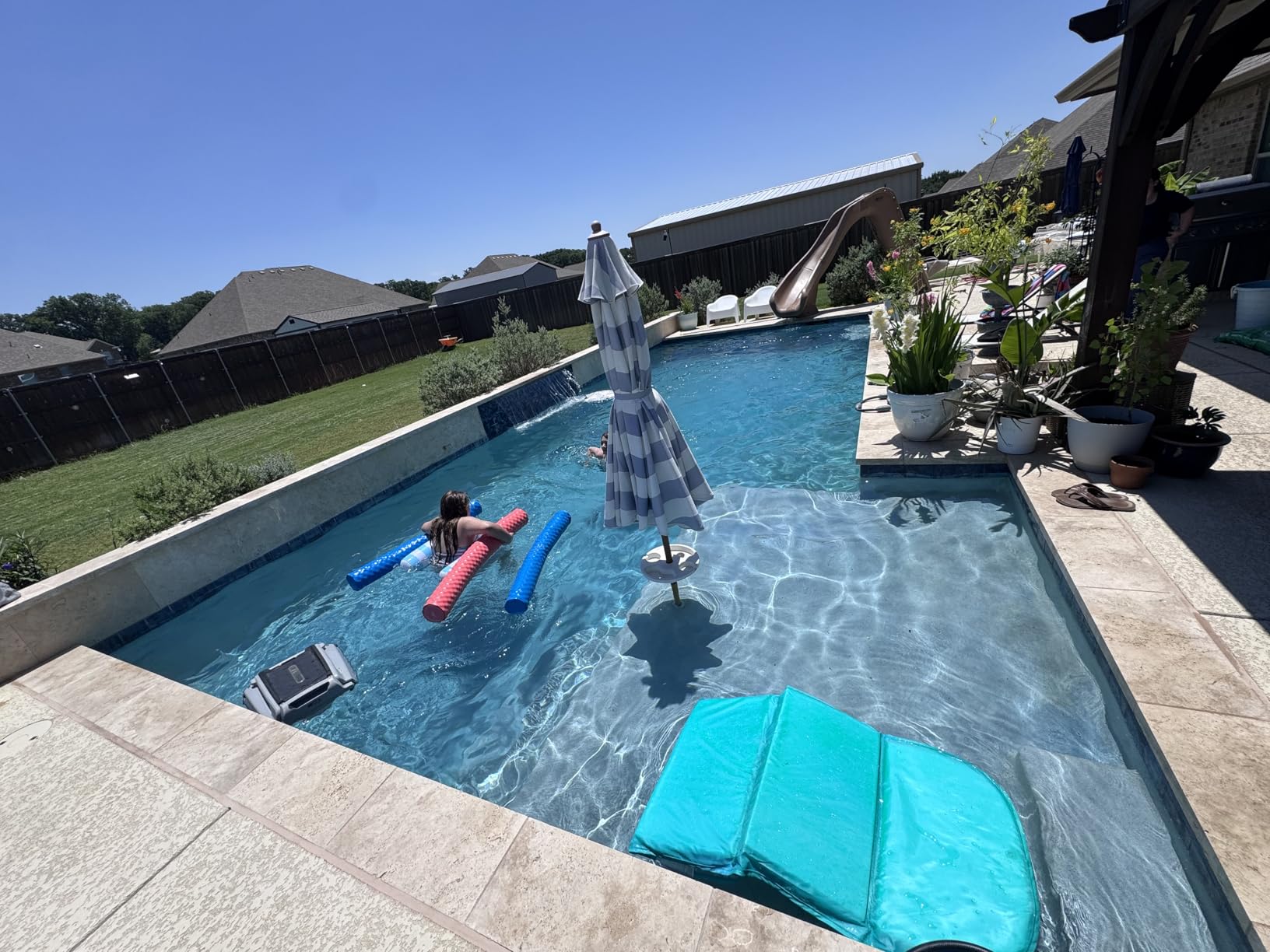
Two installation realities before you commit. It needs a separate Polaris booster pump and a dedicated pressure line, which means plumbing work on many pools. The 31-foot feed hose covers a standard in-ground basin with little spare.
The bag fills quickly under heavy leaf fall, so plan on emptying it mid-cycle. Owners in leaf-heavy pools often run it twice per week during peak season for exactly that reason.
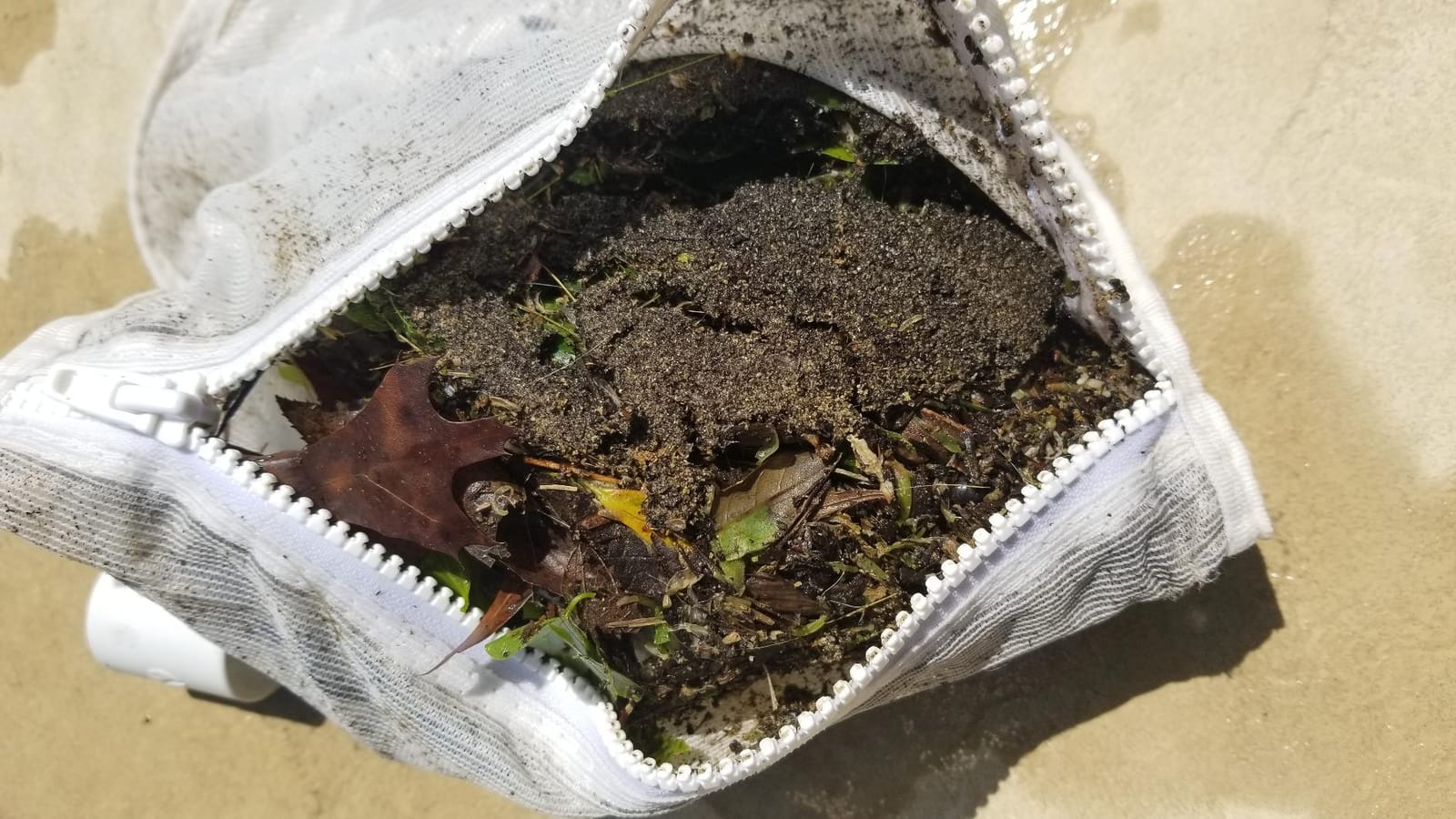
Who this works for
Owners of in-ground pools with a genuine debris problem, who already have or can install a pressure line and booster pump. Pair it with a clarifier pass for algae and it becomes a useful part of a two-stage cleanup.
Who should skip it
Skip it as your primary algae answer. Coarse bag mesh is the wrong filtration for a dust problem, and the installation requirement rules it out for above-ground pools entirely.
6. VINGLI Suction Pool Cleaner – Budget Pick for Modest Pools
VINGLI Suction Pool Cleaner, Automatic Wall-Climbing Vacuum -Navy Blue
Suction-side
33 foot hose kit
10.3 lbs
3 minute assembly
Pros
- Ten spare heavy-duty hoses included
- Wheel deflector handles tight corners
- Scuff-resistant hoses protect surfaces
- Quiet compared with hammer-style cleaners
Cons
- Needs a 3/4 HP pump at about 1700 GPH
- Diaphragm can gap or trap small rocks
- Results vary with pump flow
This is the cheapest way into automatic suction cleaning, and the ten included 3.3-foot heavy-duty hoses are the reason. When a hose cracks during an algae weekend you are not waiting on a delivery, which is the single most common frustration owners report with this category.
Assembly takes about three minutes and it runs quietly, noticeably so next to the older hammer-style cleaners. The wheel deflector handles corners in smaller pools where the unit has less room to manoeuvre.
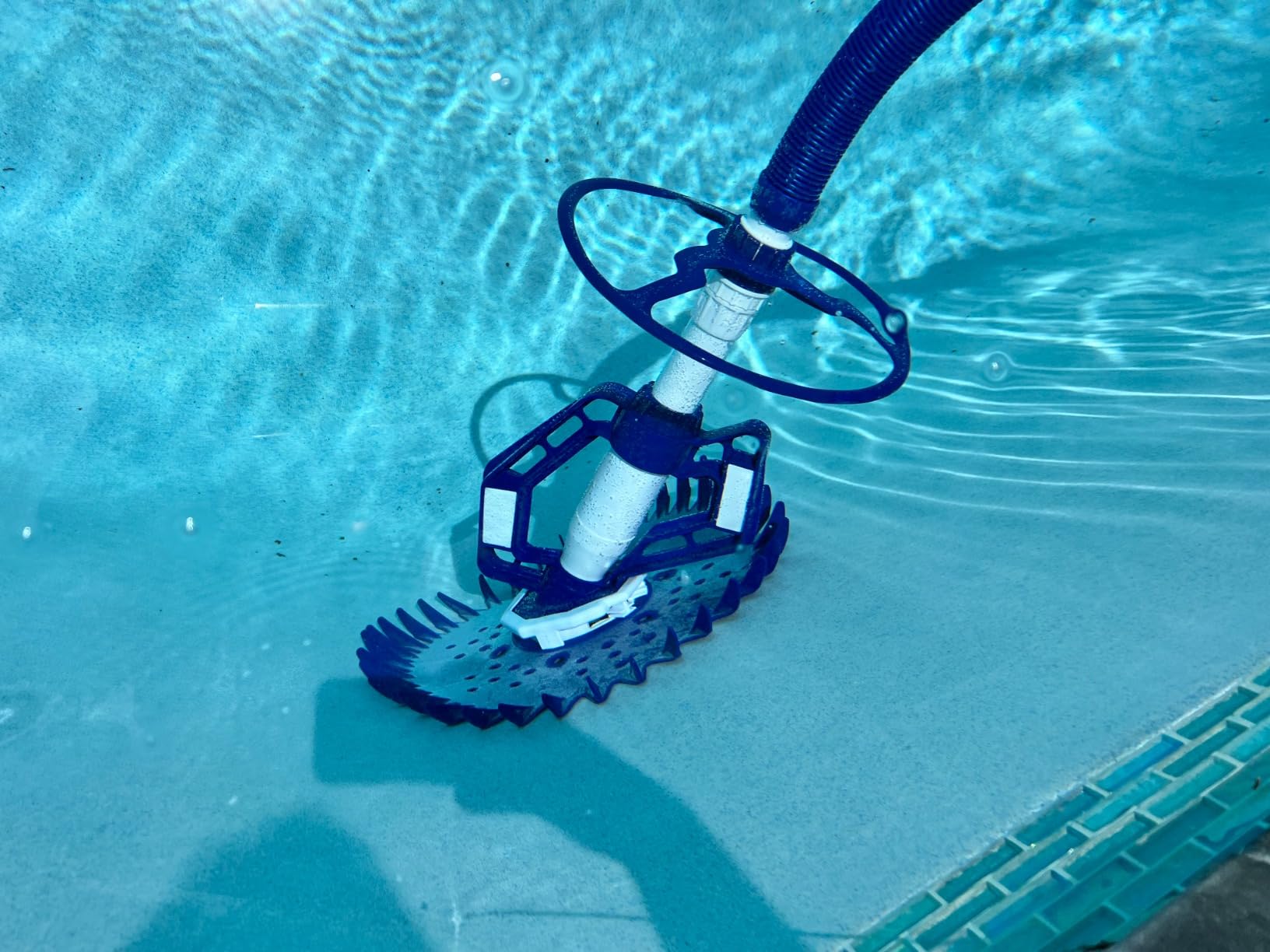
The requirement that catches people is pump capacity. It needs at least a 3/4 HP pump delivering roughly 1700 gallons per hour, and results swing widely with flow and weight adjustment. If your pump is undersized you will spend more time tuning than cleaning.
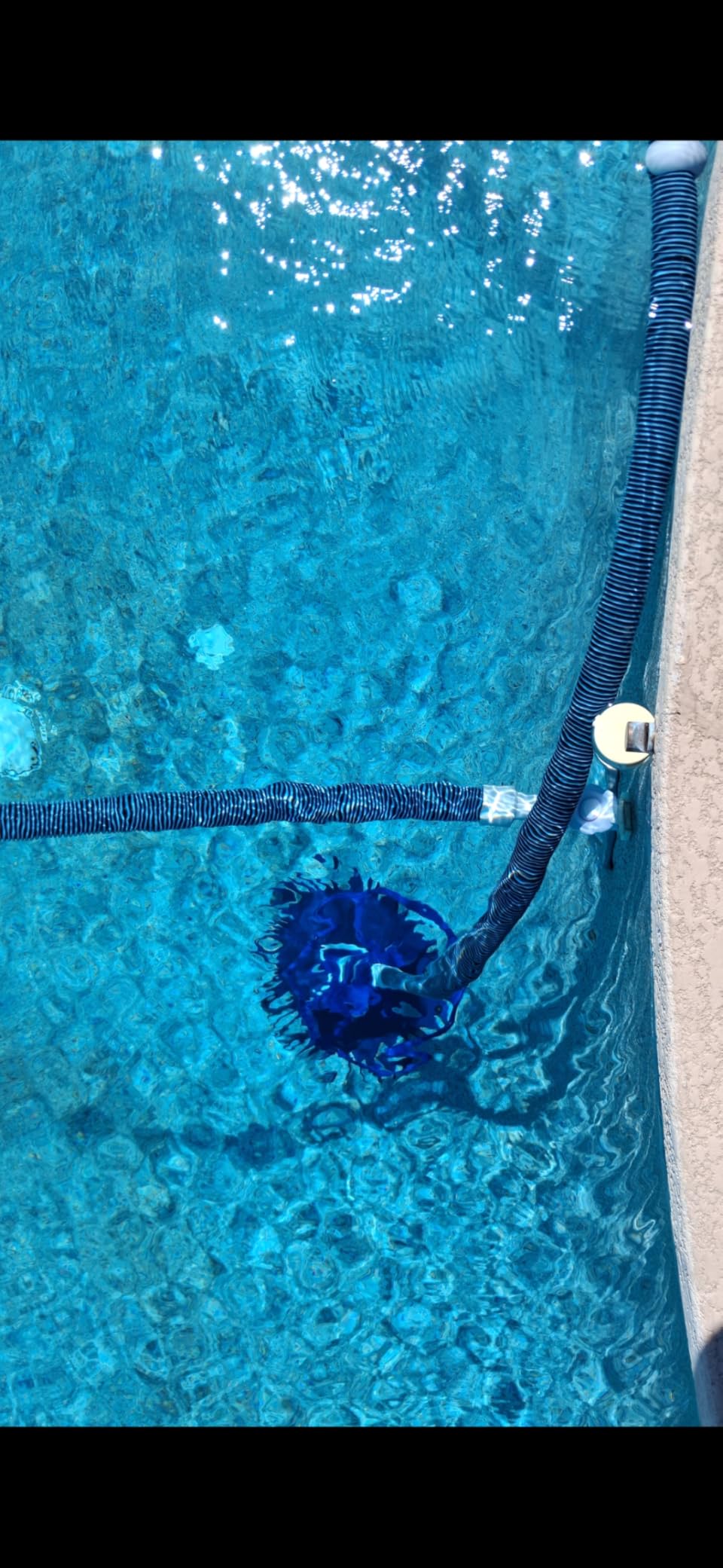
Diaphragm failure is the most common fault, usually from a small rock entering the housing and gapping the seal. Keep the pump intake clear and that risk drops considerably.
Who this works for
Owners of modest in-ground pools with a properly sized pump who want dependable weekly cleaning without a large outlay. For algae prevention, keeping the floor swept between treatments is exactly the job this does well.
Who should skip it
Skip it if you need to capture fine algae dust, since it routes debris into your pool filter. Above-ground pools are also out of scope, and a small or low-flow pump will frustrate you within a week.
7. Hayward Navigator Pro – Best for Quiet Operation
Hayward Navigator Pro Pool Suction Cleaner for Inground Pools up to 20x40ft
Suction-side
5.1 lbs
40 foot hose
Silent running
Pros
- SmartDrive steering covers floor wall and cove
- Vacuum wings and skirt hold strong suction
- Adjustable climb sensitivity
- Silent operation with tool-free connection
Cons
- All-plastic body limits service life
- Seeds can block the impeller
- Some units lose reversing drive
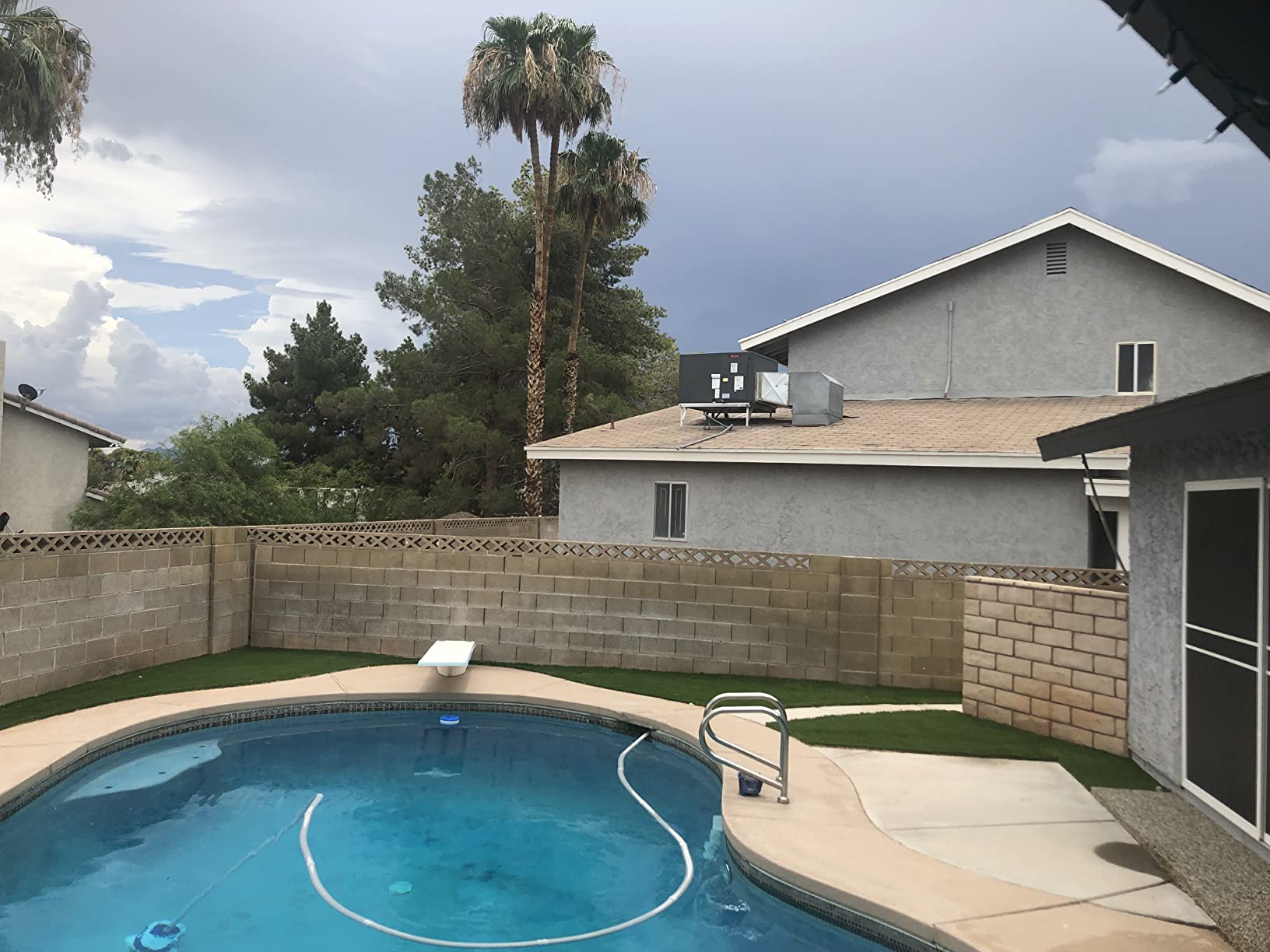
The Navigator Pro has been in service for decades and the design has been refined accordingly. SmartDrive steering uses preset turns to cover the floor, the walls and the cove in a predictable pattern, and adjustable sensitivity lets you decide whether it climbs at all.
It is the quietest unit here, which matters if your pool sits near a bedroom or a neighbour’s wall. Connection to a skimmer or suction port is tool-free, so setting it up for a cycle takes under ten minutes.
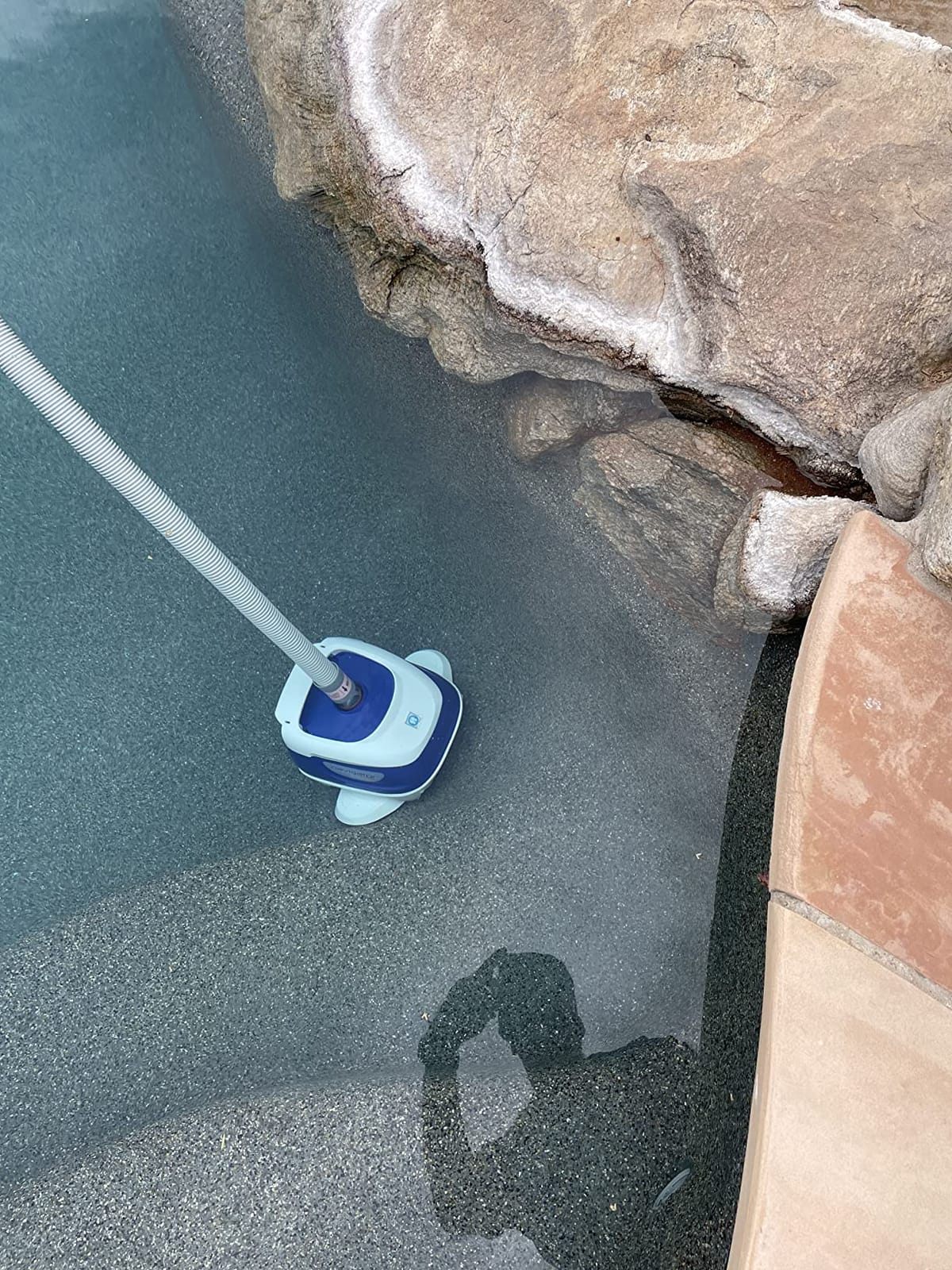
The all-plastic construction is the honest limitation. Reviews describe it as lasting a few years before internal parts need replacing, which is fine for a design this proven but worth knowing before you buy a second one rather than a repair kit.
Seeds and small objects blocking the impeller is a recurring complaint that kills suction until you clear them. A quick check before each run prevents most of it, and the sensitivity adjustment lets you set the skirt higher on floors where debris collects.
Who this works for
In-ground pool owners up to 20 by 40 feet who want predictable coverage at low noise. The adjustable climb setting is useful for vinyl liners where wall climbing can stress the bead.
Who should skip it
Skip it if you need a fine filter. Debris goes into the pool’s own filtration, so on an algae job you will be cleaning your cartridge filter constantly with the dust still circulating.
8. Hayward Poolvergnuegen – Best for Wall and Cove Coverage
Hayward Poolvergnuegen Suction Pool Cleaner (4 Wheel) Pools up to 20 x 40ft
Four-wheel
40 foot hose
Pools to 20 by 40 ft
Low-flow friendly
Pros
- Turbine vanes resist clogging
- Adjustable roller skirts hold suction
- Four-wheel drive climbs walls and clears drains
- Pre-programmed steering redirects the unit
Cons
- Requires a 40 foot hose and good pump flow
- Debris routed to pool filtration
- Plastic turbine and skirt parts wear
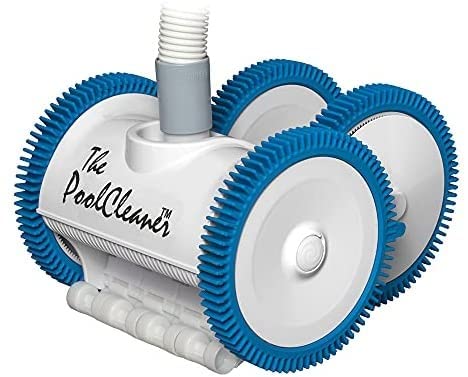
Where the Navigator handles general coverage, the Poolvergnuegen is the unit to pick when algae is concentrating on the walls and the cove line. Four-wheel drive with those tire treads gives it the grip to hold a vertical surface while the skirt keeps pulling material off it.
The patented turbine vanes are the quietly important feature. They resist clogging and hold power at low flow rates, so the unit keeps working when your filter starts to load up with algae residue and flow drops.
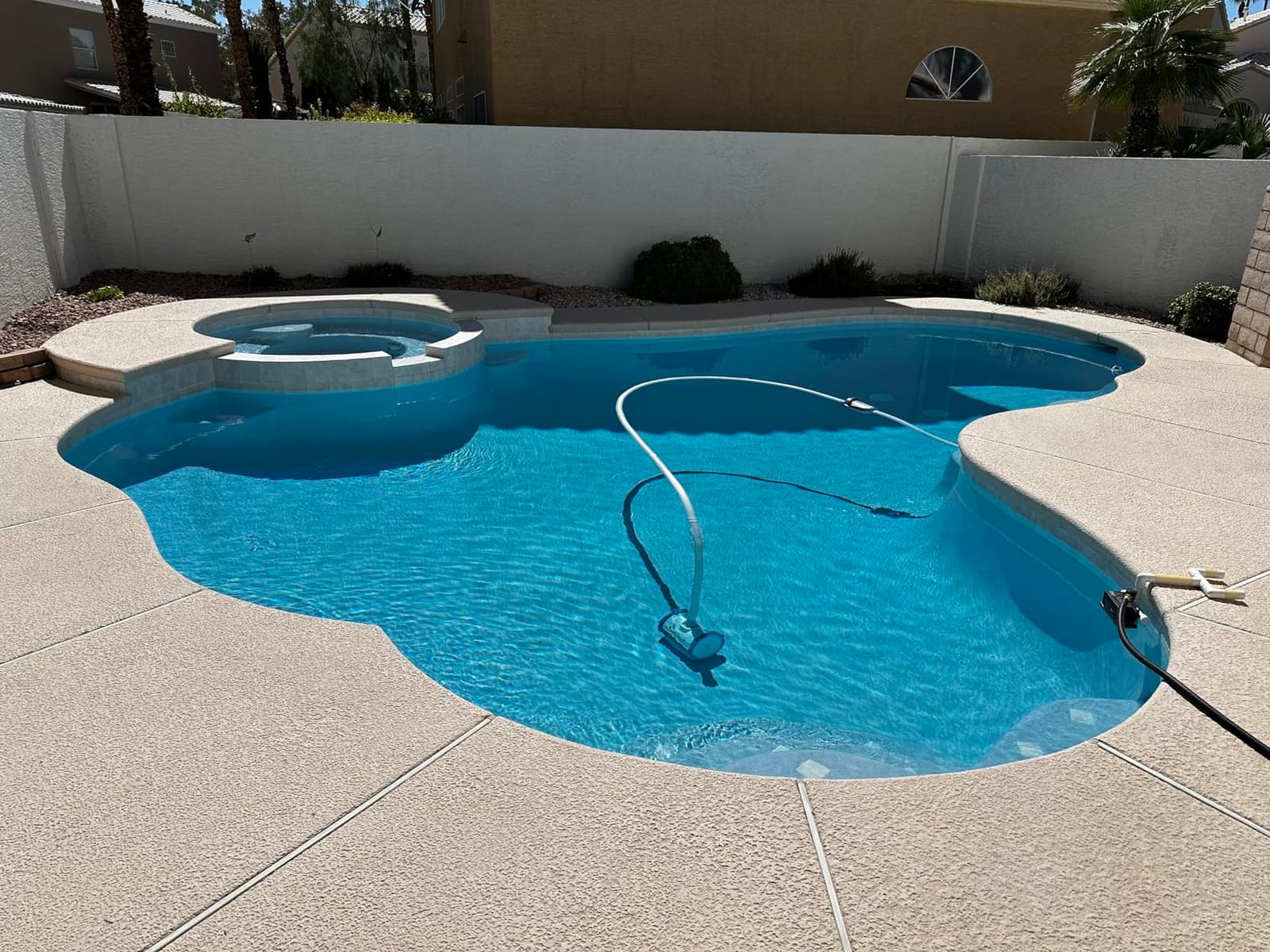
Adjustable roller skirts let you match the unit to uneven floors, which is common on older gunite and on freeform shapes where depth changes across the basin. Pre-programmed steering sequences reverse one wheel to redirect the machine without you intervening.
It is rated for pools up to 20 by 40 feet and the 40-foot hose has to be sized correctly for your basin. Undersized hose is a frequent cause of weak suction and constant wall-hanging.
Who this works for
Medium in-ground pools with a strong waterline algae problem, especially where steps, coves and shallow transitions hold growth. Owners of variable-speed pumps get consistent performance across the flow range.
Who should skip it
It sends everything to your pool filter, so it will not reduce your filter cleaning burden. It is also the wrong shape for above-ground pools and for freeform pools with wide shallow sun shelves.
9. WYBOT C1 – Best Cordless Entry for Algae Sweep
WYBOT C1 Cordless Robotic Pool Vacuum for Inground Pools, Professional
Cordless
160 minute runtime
Pools to 1618 sq ft
Triple motor
Pros
- Triple motors climb slopes to 45 degrees
- Gyroscope navigation reduces missed spots
- No hose tangles and 160 minute runtime
- App control with scheduling and updates
Cons
- Micro fines remain in vinyl liner wrinkles
- Recharge takes three to four hours
- App drops out underwater
- Thin filter basket
Going cordless removes the single most common complaint about robotic cleaners, which is the cord. The C1 has no hose and no float to rewind, and it runs for about 160 minutes on a charge, which is more than a full cycle in most medium pools.
Its triple-motor system handles floor, walls, waterline and steps, and the gyroscope-driven N-path and S-path patterns cut down on the random wandering that leaves algae patches untouched. That navigation is the reason we would reach for a cordless robot on an algae job at all.
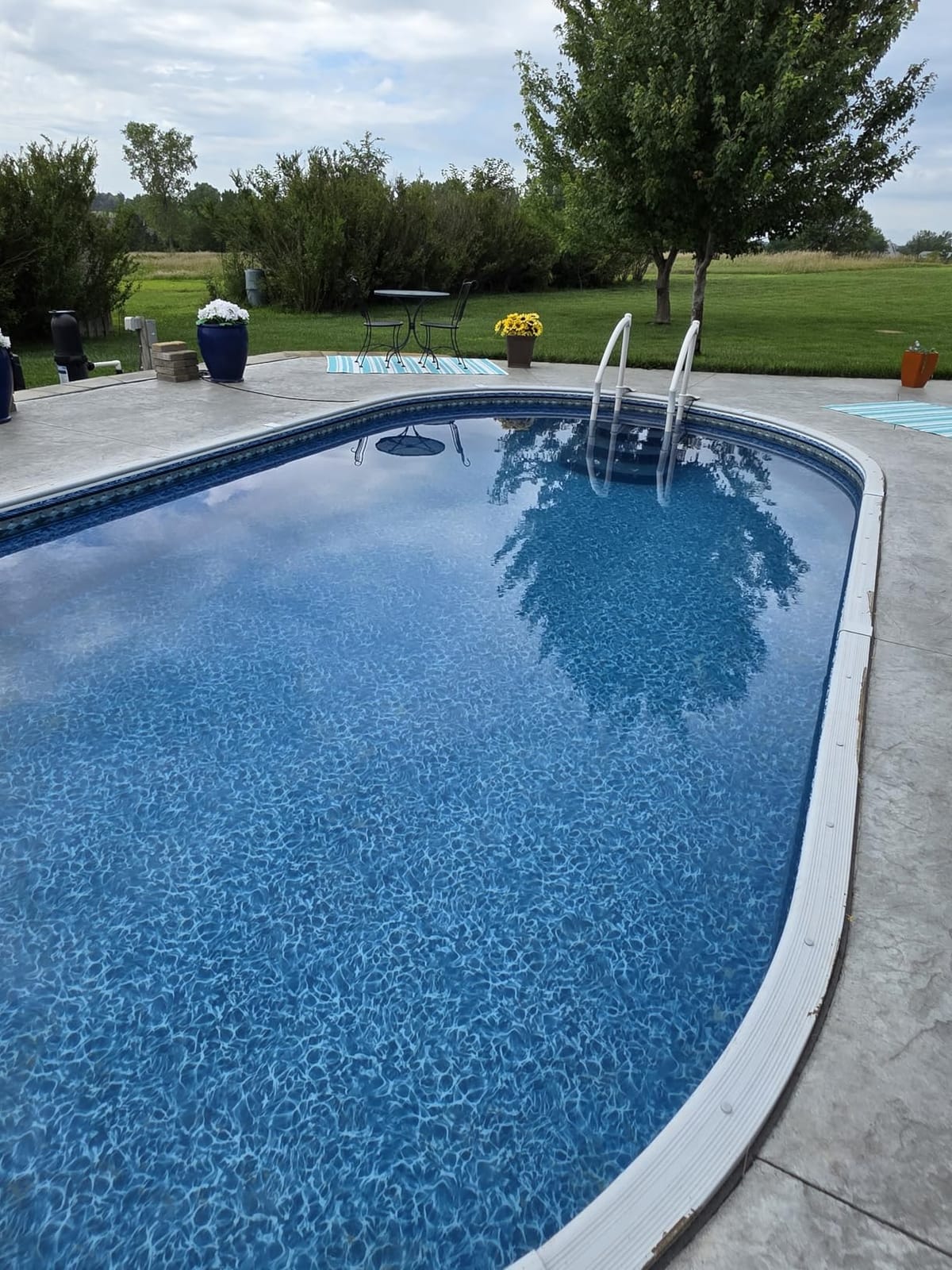
Two real constraints. Recharge takes three to four hours, so in practice you get roughly one cycle per day. And the app connection drops out underwater, so you set your mode before you submerge it and then leave it alone.
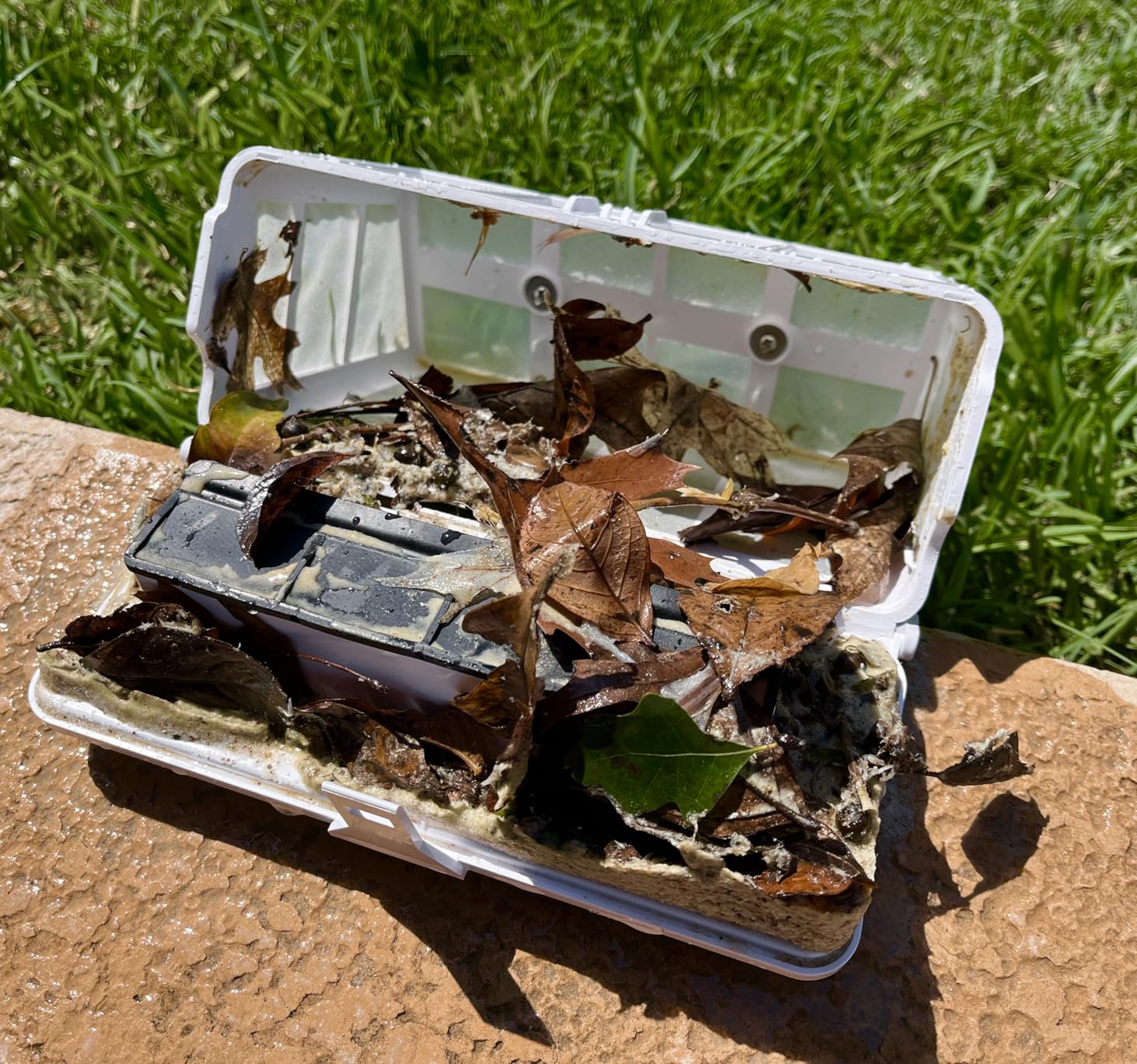
The basket is on the thin side, and micro fines survive in the wrinkles and divots of a vinyl liner floor. Expect to do a quick manual pass on those areas afterwards, which is normal for any robot rather than a fault of this one.
Who this works for
In-ground pool owners up to 1618 square feet and 9.86 feet deep who are tired of untangling cords. The app scheduling is useful if you want a floor sweep on a fixed cadence through peak season as algae prevention.
Who should skip it
It is a floor-and-wall machine, not a fine filter. If your water is already full of settled dust, a manual vacuum to waste will get it out faster than waiting for a robot cycle to finish.
10. Hayward AquaNaut 400 – Best for Steps and Waterline
Hayward AquaNaut 400 Suction Pool Cleaner, Automatic Pool Vacuum (4 Wheel)
Four-wheel
V-Flex turbine
20 by 40 ft pools
40 inch hose
Pros
- V-Flex turbine prevents clogging
- Roller skirts hold suction on uneven floors
- Four-wheel drive clears main drains
- Covers floor steps and waterline
Cons
- Performance depends on pump flow and filter
- Plastic steering and turbine parts degrade
- Hose connections crack over time
The AquaNaut 400 is built for medium in-ground pools and it has a specific strength: getting into the places algae colonies establish. Steps, the waterline and the transition around a main drain are all covered, and the four-wheel drive with those tire treads navigates the drain instead of getting stuck on it.
Its V-Flex turbine is designed not to clog, which is exactly what you want during an algae cleanup when the intake is the first thing to fill. Roller skirts keep suction on uneven floors, and they work with variable-speed pumps.
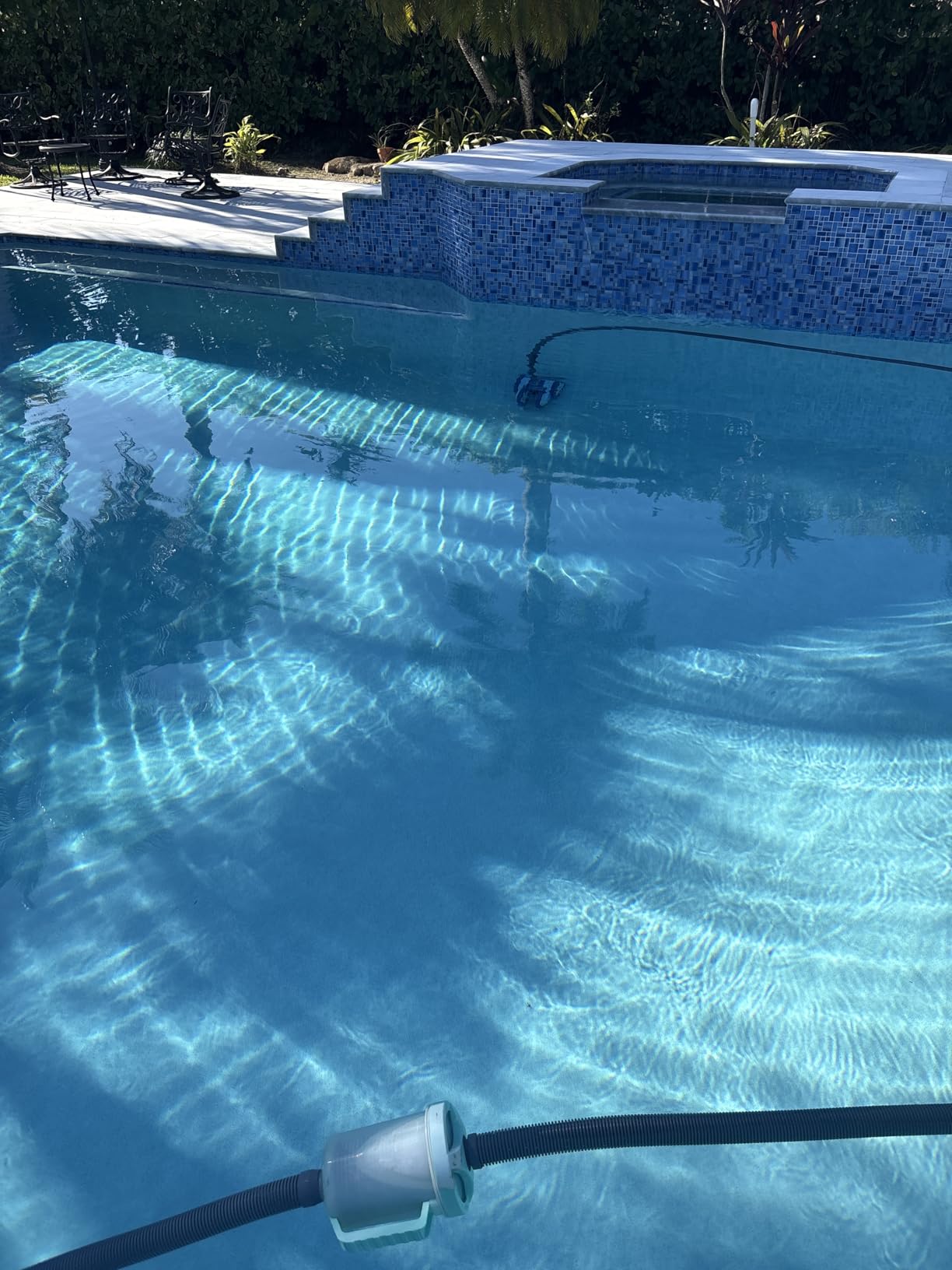
Be realistic about longevity. The internal steering and turbine parts are plastic and degrade with time, and hose connections cracking is a recurring failure that owners fix with a replacement section rather than a new unit.
Suction performance tracks your pump flow and filter condition closely. On a pool whose filter is already loaded with algae residue, you will notice less movement and less pickup than the spec sheet suggests.
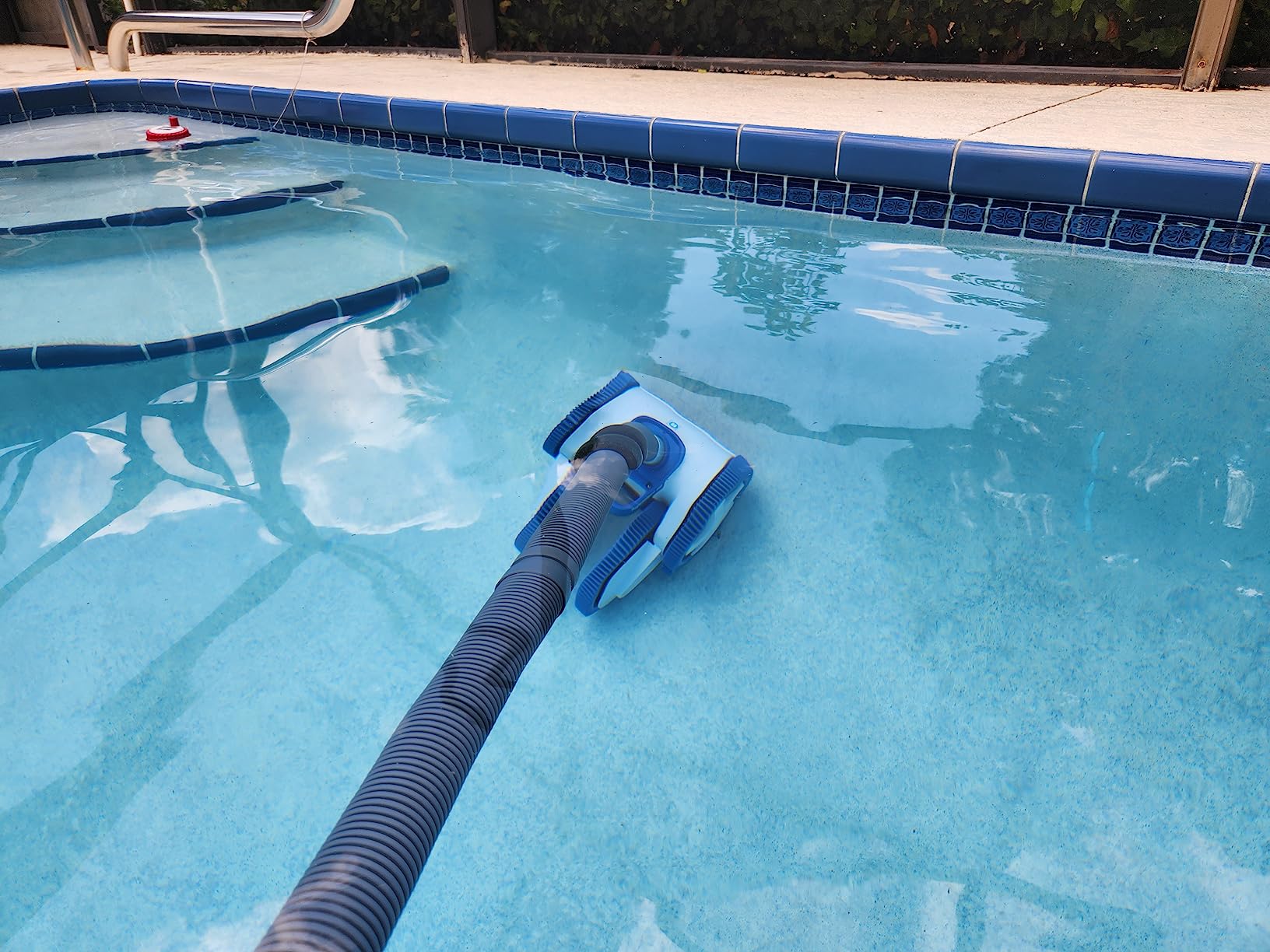
Who this works for
Owners of 16 by 32 foot in-ground pools with pronounced steps and a waterline problem. It is a quiet, steady unit that covers a lot of surface without supervision, which suits routine algae prevention.
Who should skip it
It routes debris into your pool’s filtration, so it does nothing about algae dust already sitting in your water. Above-ground pools and freeform shapes with wide shallow areas are outside what it handles well.
11. WYBOT C2 – Best for Fine Algae Dust
Wybot C2 Cordless Pool Vacuum for Inground Pools, Robotic Pool Cleaner
10 micron filter
180 minute runtime
2152 sq ft
Three brushless motors
Pros
- Dual filtration with a 10 micron fine filter
- Three brushless motors give strong suction
- Gyroscope navigation minimizes missed areas
- Seven modes with automatic docking
Cons
- About 3.5 hours charging limits daily cycles
- App connection drops out underwater
- Basket needs rinsing after every cycle
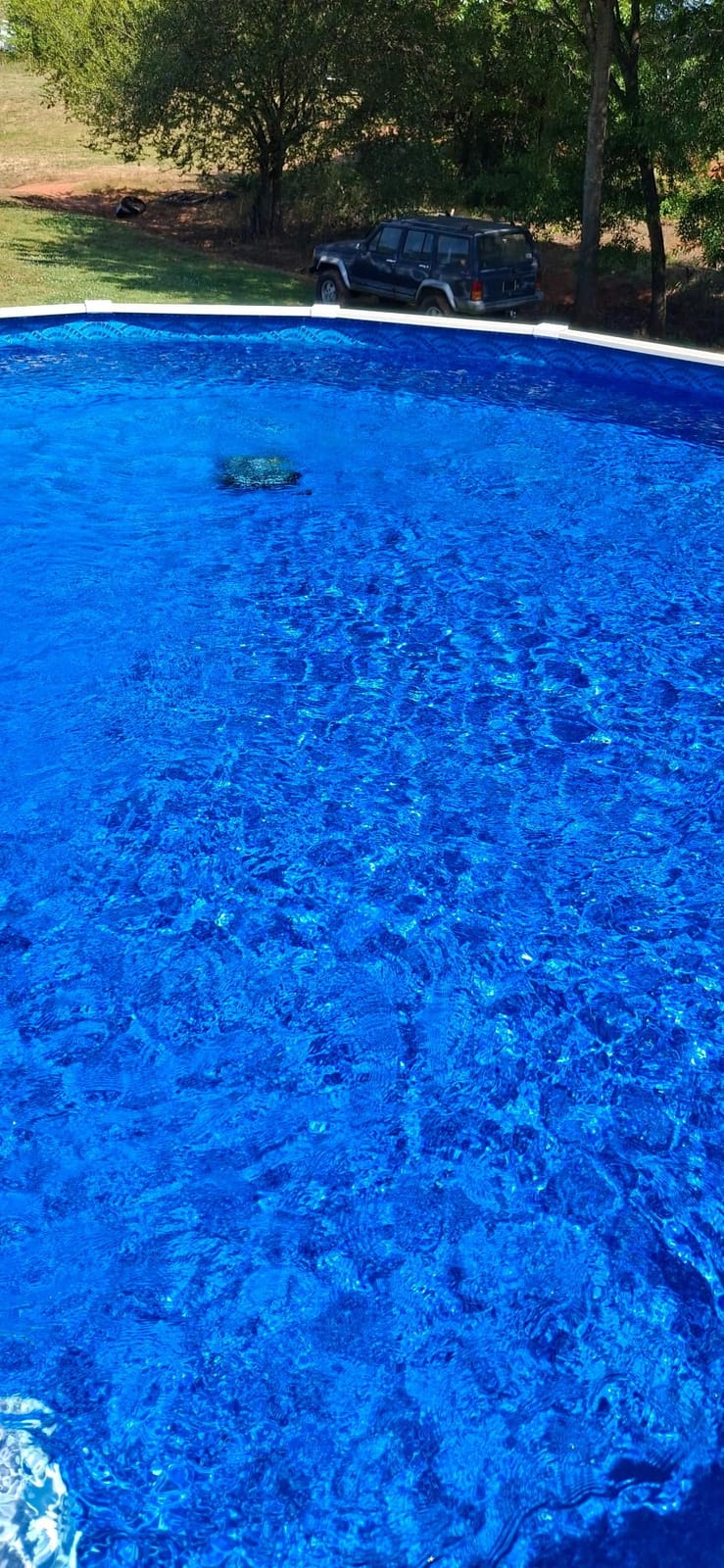
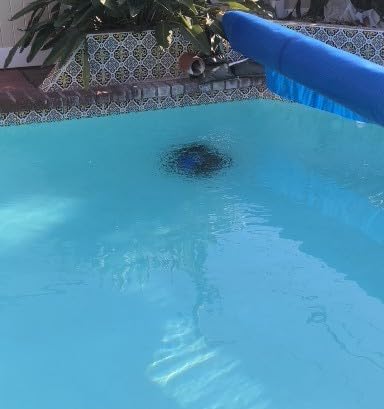
This is the first robot on our list we would genuinely use on post-shock algae dust. Its dual filtration pairs a 10-micron fine filter with a 180-micron primary, and that fine layer is the difference between picking up settled residue and pushing it back into the water. It is also the highest-rated unit in the group at 4.6 across 414 reviews.
The three brushless motors deliver genuinely strong suction for a cordless machine, and coverage runs to 2,152 square feet with up to 180 minutes of runtime. Gyroscope navigation follows optimised paths so it is not randomly crossing the same patch of floor five times.
Charging is the real limitation. At roughly 3.5 hours, most pools get about one cycle per day, so plan your algae cleanup around a multi-day schedule rather than expecting a single afternoon to do it.
The basket needs rinsing after every cycle or filtration degrades fast, and the app link drops out underwater, so pick your mode before it goes in. Seven cleaning modes and automatic docking on low battery are genuinely useful once you are running it repeatedly.
Who this works for
Anyone whose main problem is fine dead algae dust rather than chunks. The 10-micron filter is the closest thing to a purpose-built algae answer in this whole group, and it still climbs walls and scrubs the waterline.
Who should skip it
Skip it if you need a pool drained to waste, because a robot returns its captured debris to its own canister rather than discharging water. It is also built for in-ground pools, not above-ground frames.
12. Gosvor LiteVac G1 – Finest Filtration for Algae
(2026 Upgrade) Gosvor Pool Vacuum LiteVac G1, Wall & Waterline & Shallow Area Cleaning, Up to 200-Min Runtime, Ultra-fine Filter, 15.2 lbs, Smart Navigation & App, for Pools up to 2153 sq.ft, Orange
3 micron filter
3960 GPH suction
200 minute runtime
3.6L top-load basket
Pros
- 3960 GPH suction with a 3 micron filter
- Cross-pattern path planning improves flat coverage
- Caterpillar treads and dual roller brushes climb walls
- Light 15.2 lb body with top-load basket
Cons
- Replacement baskets for the main basket not yet released
- Only one fine replacement filter typically included
- App works only on land
On paper this is the strongest algae filtration in the group. A 3-micron filter rated at 3960 GPH is finer than anything else here and well into nano-mesh territory, and owners comparing it against Dolphin and Aiper units report it lifting more debris, including algae residue, without dumping material back into the pool.
Suction is 3960 GPH with up to 200 minutes of runtime and coverage to 2,153 square feet. Caterpillar treads and dual 260mm roller brushes handle walls, the waterline and shallow areas, and the cross-pattern path planning is visibly better on flat floors than a random route.
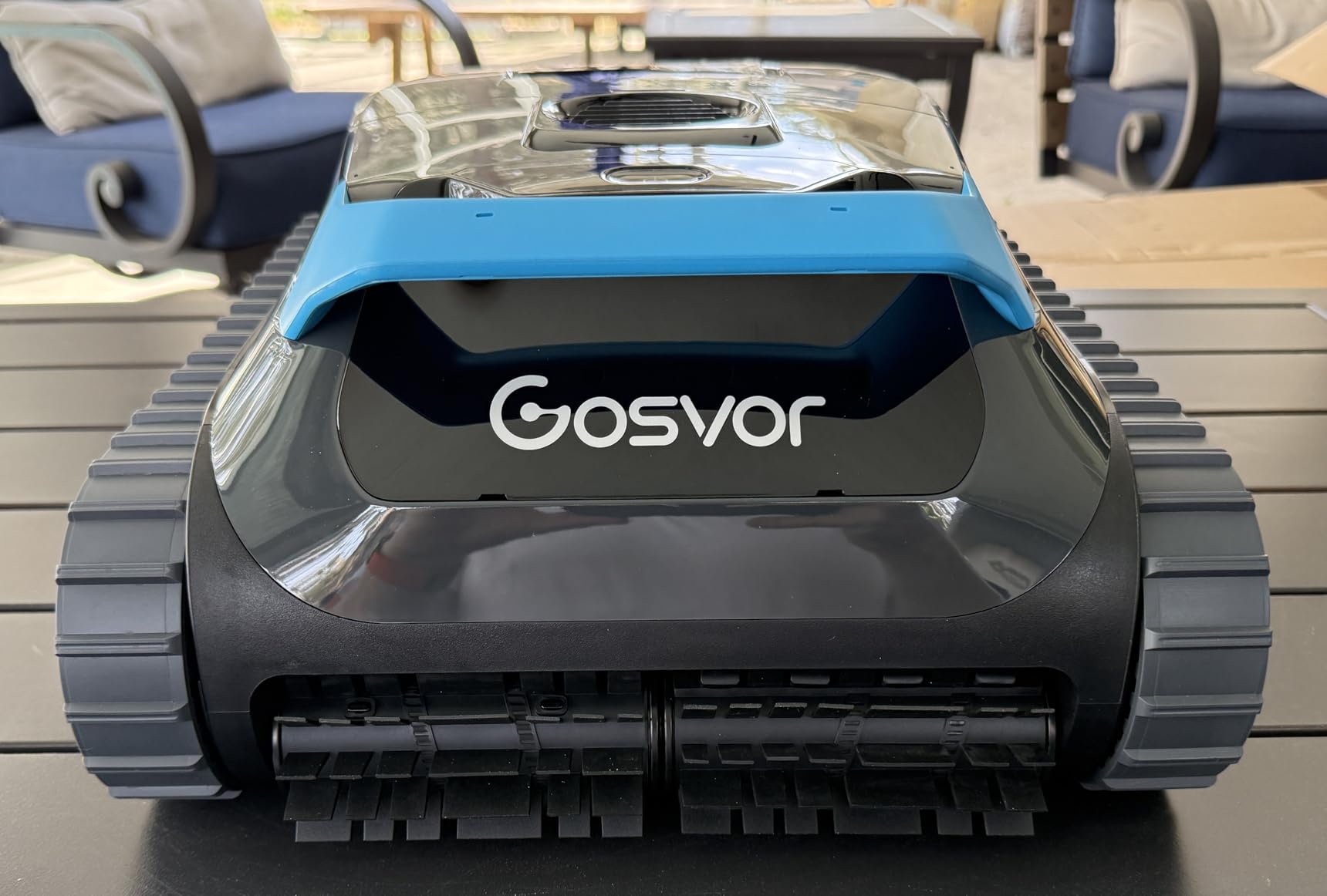
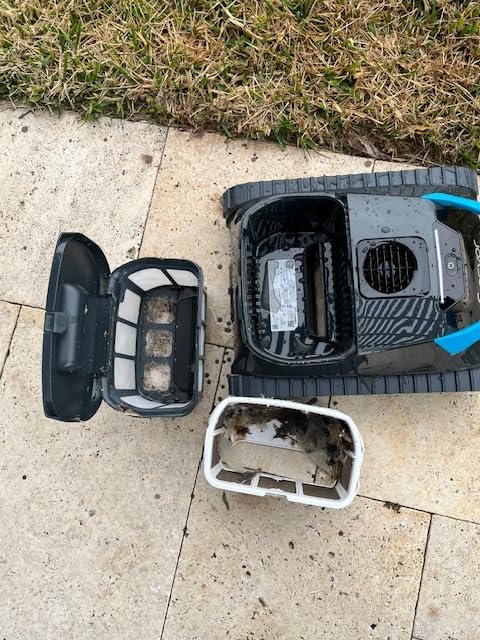
At 15.2 pounds it is one of the lighter units despite the larger basket, and the top-load 3.6-litre design with LED status indicators makes emptying it quick. Keep the charging port dry and the unit out of direct sun when stored, which the care instructions call out specifically.
The concern to weigh is consumables. Replacement baskets for the main basket have not been released yet, which means the basket itself is effectively a consumable, and typically only one fine replacement filter ships with the unit. The app also only functions on land, so set the mode before submersion.
Who this works for
Owners who want the finest filtration available and do not mind planning a multi-day schedule around a three-hour charge. If your pool holds settled algae dust that keeps re-clouding the water, this is the robot most likely to actually hold onto it.
Who should skip it
Skip it if you want to drain to waste or if you dislike owning a device with a filter that may not be replaceable. It is also an in-ground machine and will not serve an above-ground pool.
What to Look for in a Pool Vacuum for Algae
Filter micron rating is the single most important spec, and it is the one most product pages bury. Dead algae settles into particles in the low-micron range, and a standard basket measured in the hundreds of microns will pass nearly all of it straight through and back out the return jets.
Standard mesh basket is measured in the hundreds of microns. Fine for leaves and sand, useless for algae dust.
Fine or micro mesh gets you into the single-digit micron range, which is where algae residue actually starts sticking to surfaces.
Nano mesh captures the smallest particles and clogs quickly, so it needs cleaning between passes.
An algae sock fitted inside a manual vacuum head is the DIY version of the same idea and costs almost nothing.
Vacuum to waste sidesteps the filtration question entirely by taking the debris out of the pool with the water.
Second on the list is whether the unit can discharge to waste. Robots cannot. Suction-side cleaners can, if you have a multiport valve, and manual heads always can. That single capability is why a manual vacuum is still the honest answer for a heavy bloom.
Third, check what the machine routes debris into. Robotic cleaners with a removable canister keep algae out of your pool filter entirely, which saves you repeated cartridge changes. Every suction-side and pressure-side cleaner in this roundup sends material into the pool’s own filtration, so the filter becomes part of the problem rather than part of the solution.
Fourth, think about pool geometry. Freeform pools, beach entries and wide shallow sun shelves defeat most robots because the unit cannot climb a gradual transition. Ledge pools catch the float and the cord. Above-ground frames need a dedicated machine. If your shape is unusual, a manual head on a pole will beat any robot in the group.
Finally, factor in cordless versus corded honestly. Cordless removes tangling and adds scheduling through an app, but every cordless unit here needs three to four hours of charging, which caps you at roughly one cycle a day. A corded unit runs twice on the same charge. If you are doing a week-long algae campaign, that matters.
One more note on prevention, since it saves more effort than any machine. Circulation, a sane cyanuric acid level, weekly brushing and a consistent shock schedule do more than any filter. Our guides on salt chlorine generators for inground pools and winter pool covers both feed into that, and between them they remove more algae than a vacuum ever will.
Which Algae Are You Fighting?
Green algae is the one everybody recognises. It means live growth, the water is visibly green or the pool is cloudy, and no vacuum is the right first tool. Kill it chemically, then deal with what is left.
Yellow mustard algae looks like a yellow-green dusting and returns almost every pool opening. It is not a chlorine problem in the usual sense, and a clarifier plus targeted scrubbing of steps and corners matters more than extra shock.
Black algae is the stubborn one. It appears as dark spots in the corners and on steps, and it has a protective coating that a vacuum head will not remove. It needs chemical treatment and brushing, with vacuuming limited to removing what comes loose.
Dead algae is the dust that is actually within reach of any machine on this list. Once it has flocculated and settled, this is where a vacuum earns its place, and where filtration decides whether the job works or just spreads the cloud around again.
That last point is worth restating, because it is the answer to the most common question we saw in pool forums. Yes, pool vacuums help with algae, but only once the algae is dead, and only if the filter holds what comes up.
Frequently Asked Questions
Should you vacuum algae out of a pool?
Only after the algae is dead. Vacuuming live green algae spreads spores and clouds the water again within hours. Shock the pool, wait for the water to read clear on a test kit, add a clarifier so the residue settles, then vacuum that settled dust to waste with the skimmer blocked.
Do pool vacuums help with algae?
They help with the residue, not the organism. A vacuum removes dead algae that has already been killed and settled to the floor. It does nothing about live algae, and a standard coarse filter can recirculate fine dust straight back into the pool through the return jets.
What is the fastest way to get algae out of a pool?
Shock first, then use a manual vacuum head on a pole to vacuum to waste with the multiport valve on WASTE and the skimmer blocked. Robots are slower for a heavy bloom because they cannot drain water out of the pool. A clarifier overnight makes the dead algae settle where the head can reach it.
What can I put in my pool vacuum to catch algae?
An algae sock or fine mesh filter bag fitted inside the vacuum head basket. It is a cheap sleeve that captures the fine dust a standard basket pushes straight through. Replace or rinse it between passes, because a clogged sock stops suction and leaves the rest of the floor uncleaned.
How to manually vacuum a pool to waste?
Set the multiport valve to WASTE, plug the skimmer so the vacuum is the only suction point, and attach a discharge hose to a waste port or a garden hose running away from the pool. Vacuum in slow overlapping passes from the shallow end toward the deep end, and stop the pump when the water drops near the skimmer level.
Which Pool Vacuum for Algae Should You Buy?
The short answer is that the best pool vacuums for algae depend on which stage of the problem you are in. For a heavy green bloom, nothing beats a manual head vacuuming to waste, because only a vacuum that discharges water actually removes what it picks up. For maintenance between treatments, the Dolphin Nautilus CC Plus is the one we would buy.
For fine dust specifically, look at filtration rather than power. The WYBOT C2 with its 10-micron filter and the Gosvor LiteVac G1 with a 3-micron filter are the only two units here that hold onto the particles that make dead algae re-cloud a pool. Above-ground owners should start with the Dolphin Nautilus AG, and anyone chasing algae on the walls and steps should look at the Hayward Poolvergnuegen or the Zodiac G3.
Whatever you choose, keep the order of operations the same as we outlined in 2026: kill the algae, let it settle, vacuum it out, and then stop algae from coming back. A machine solves one of those four steps, and it is never the one you are tempted to skip.
If you want the wider picture on automated cleaning, our best pool cleaning robots guide covers the general-purpose units that keep a pool tidy between algae events.