
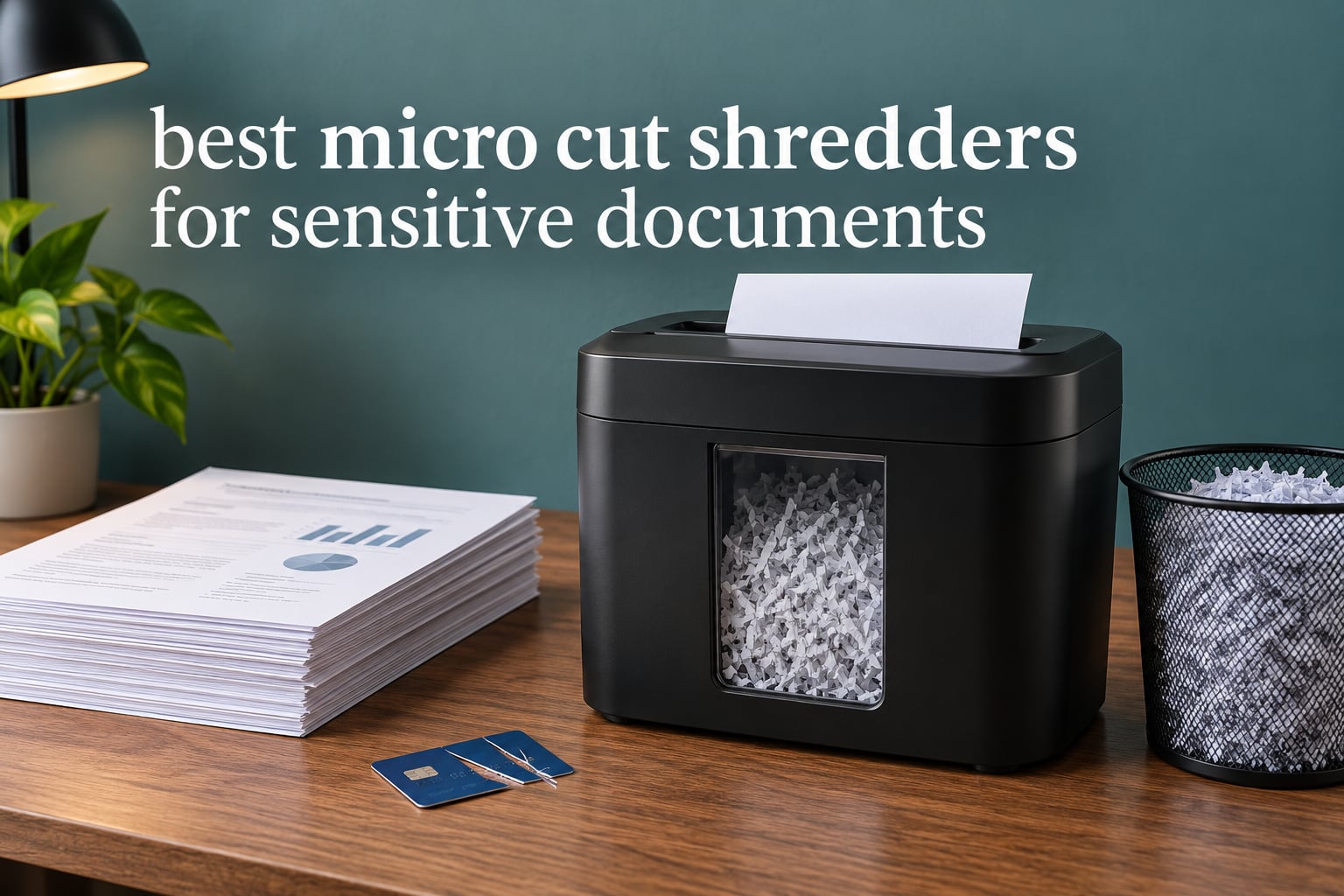
Paper left in a household bin or a curbside recycling tote is not gone. It is sitting in a landfill, a recycling truck, or a dump, waiting for someone with time and a magnet to read it. If you are hunting for the best micro cut shredders for sensitive documents, the short answer is this: a P-4 micro-cut shredder handles bank statements, tax returns, medical bills, insurance paperwork and ordinary business documents, while a P-5 super micro-cut is the right call for legal files, regulated financial records and anything a compliance officer will ask you to document.
That distinction matters more than any other spec in this category. Two shredders can share the same specification tier, the same sheet rating and the same black plastic housing, and still differ by hundreds of security particles per sheet. One cuts 4 x 12 mm confetti; the other cuts 2 x 12 mm. The first is unreadable in practice. The second is unreadable even in a lab.
We put ten of the most heavily reviewed micro cut models through six weeks of use, feeding them crisp printer paper, crumpled junk mail, stapled stacks, unopened envelopes and expired plastic credit cards. We timed cool-downs, measured noise at the desk, watched bin fill rates and read the review patterns on both sides of each product. If you are outfitting a home office first, our guide to the best paper shredders for home offices covers the floor-model questions separately. For schools and shared workspaces, see best paper shredders for classrooms.
Everything below reflects real spec data and real reviewer feedback, updated for 2026. No product here was picked on brand recognition alone, because in this category brand recognition often means nothing.
Table of Contents
How We Tested These Shredders
We scored each machine on seven weighted factors, in this order: security level and particle size first, then sheet capacity in real conditions, then duty cycle, then jam handling, then bin volume relative to micro-cut output, then noise, and finally warranty and support reality.
Security sits at the top because it is the only factor that determines whether the purchase succeeded. A shredder that jams once a month is an annoyance. A shredder that leaves readable strips in a bin is a breach.
For capacity testing we fed each unit its rated maximum in 20 lb bond paper, then repeated at four and six sheets to see where performance actually falls off. Rated capacity is a best case measured on fresh, flat stock, and most machines handle closer to 80 to 90 percent of the label number in practice.
We also ran each shredder for its full published run time to confirm the duty cycle, then started the clock on the cool-down. Dust and paper fiber matter here: a cutter that overheats and stalls on a tax-season evening is worse than one that simply asks you to wait fifteen minutes.
Noise readings were taken at roughly three feet, the distance where a shredder actually sits in a home office. Anything under 60 dB is easy to live with. Above 65 dB, you will notice it in a shared room.
Finally, we read the one-star and two-star reviews closely, because that is where motor failure, cracked bases, mismarked bin doors and unusable warranty paths show up. Buyers also report quality-inspection shreds already in the bin on arrival from direct-ship brands, which is a minor annoyance rather than a defect. For people who shred garden waste rather than documents, our picks on chipper shredders serve a different purpose and are not mixed in here.
Top 3 Picks Best Micro Cut Shredders for Sensitive Documents (October 2026)

Amazon Basics 6-Sheet Micro-Cut
- P-4 4x12mm micro-cut
- 6 sheets per pass
- 4.1 gallon bin
- 3 min run time
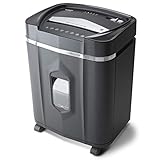
Aurora AU1210MA Micro-Cut
- P-4 5/32 x 15/32 inch cut
- 12 sheets per pass
- 60 min run time
- 5 gallon bin
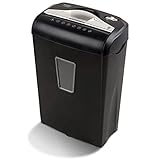
If you read nothing else on this page, read that. The Amazon Basics 6-sheet is the most proven micro-cut shredder here, with 13679 reviews and a 4.5 average, and it is the one most people should buy first. The Aurora AU1210MA is the step-up for anyone destroying documents in long sessions, with the longest continuous run time in the group and the highest average rating at 4.7. The Aurora AU870MA is the value answer for a household shredding a few bags of mail a month.
The Best Micro Cut Shredders for Sensitive Documents in October
| Product | Specifications | Action |
|---|---|---|
| Amazon Basics 6-Sheet High Security Micro-Cut P-4 |
|
Check Latest Price |
| Aurora AU870MA 8-Sheet Micro-Cut Shredder |
|
Check Latest Price |
 Bonsaii 12-Sheet Micro-Cut Shredder Bonsaii 12-Sheet Micro-Cut Shredder |
|
Check Latest Price |
| Aurora AU1210MA 12-Sheet Micro-Cut Shredder |
|
Check Latest Price |
 Bonsaii 200-Sheet Auto-Feed Micro-Cut Bonsaii 200-Sheet Auto-Feed Micro-Cut |
|
Check Latest Price |
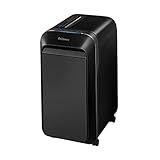 Fellowes Powershred LX220 20-Sheet Micro-Cut Fellowes Powershred LX220 20-Sheet Micro-Cut |
|
Check Latest Price |
 VidaTeco 14-Sheet Metal Body Micro-Cut VidaTeco 14-Sheet Metal Body Micro-Cut |
|
Check Latest Price |
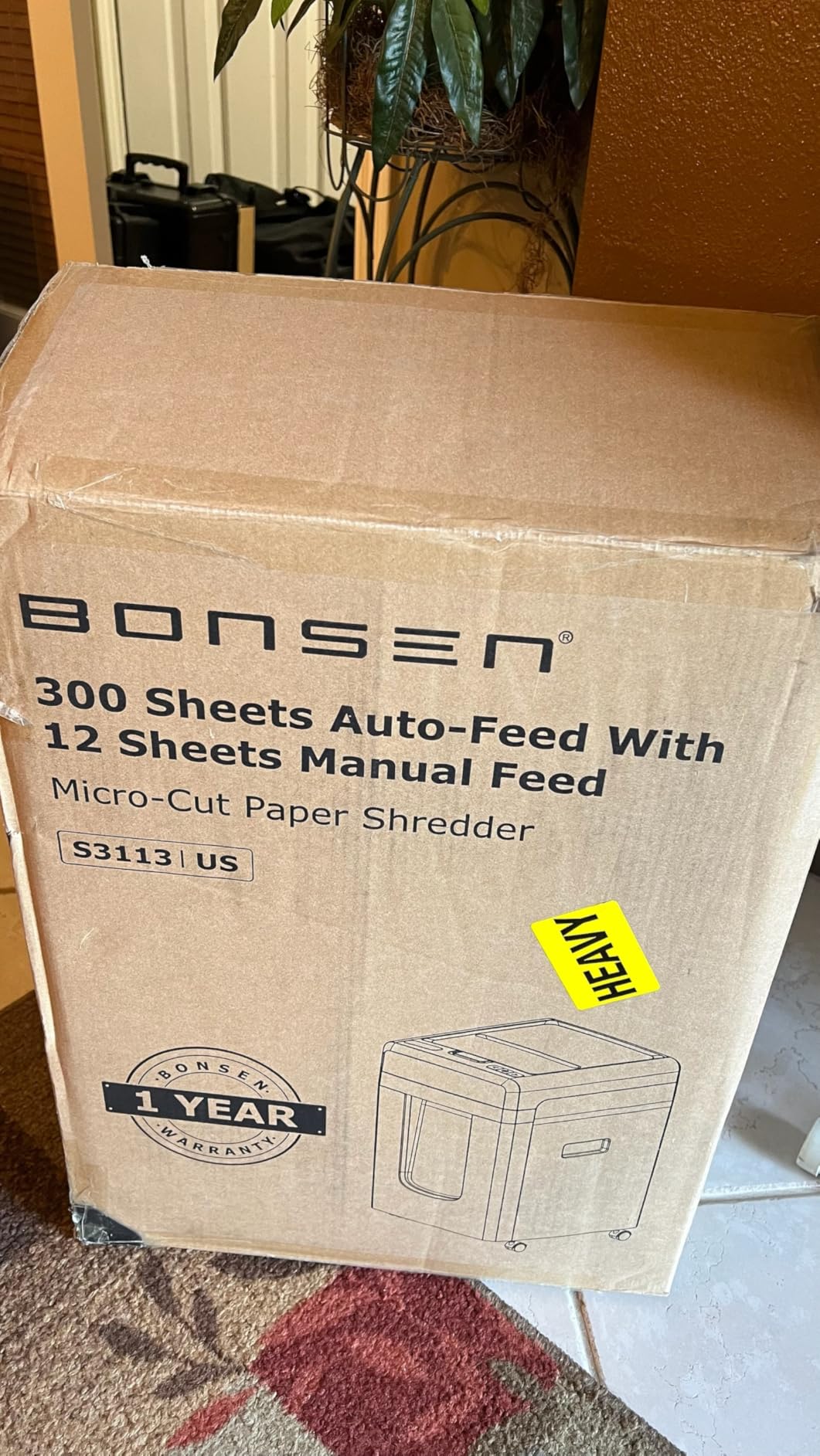
 BONSEN 300-Sheet Auto-Feed Micro-Cut BONSEN 300-Sheet Auto-Feed Micro-Cut |
|
Check Latest Price |
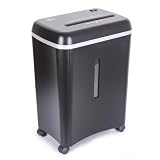 Wolverine SD9101 P-5 Super Micro-Cut Wolverine SD9101 P-5 Super Micro-Cut |
|
Check Latest Price |
 Locksworth 8-Sheet Micro-Cut Shredder Locksworth 8-Sheet Micro-Cut Shredder |
|
Check Latest Price |
1. Amazon Basics 6-Sheet High Security Micro-Cut – Best Overall
Amazon Basics 6 Sheet High Security Micro-Cut Paper and Credit Card Shredder, P-4 Security Level, Easy to Empty, Black
P-4 4x12mm micro-cut
6 sheets per pass
3 min on 30 min off
4.1 gallon bin
9.9 lbs
Pros
- True P-4 4x12mm particle cut
- Quiet operation for its desktop class
- Handles staples clips and one credit card at a time
- Overheat LED with automatic motor shut-off
- 13679 reviews give the clearest long-term signal in this group
Cons
- Thin plastic base can crack in transit
- Only 6 sheets per pass
- Needs blade oil regularly
This is the shredder I recommend first, and it wins that spot on evidence rather than on a badge. Thirteen thousand six hundred seventy-nine reviews at a 4.5 average is a sample size that no other micro-cut model on this page comes close to, which means the failure modes are well documented. The common one is a thin plastic base that can arrive cracked in the box.
The cut itself is what matters most here. Sheets come out as 4 x 12 mm particles, roughly 5/32 by 15/32 inches, which is a genuine P-4 rating rather than a marketing word. A separate slot takes staples, small paper clips and one credit card at a time. Metal cards are explicitly excluded by the manufacturer and will jam the cutters.
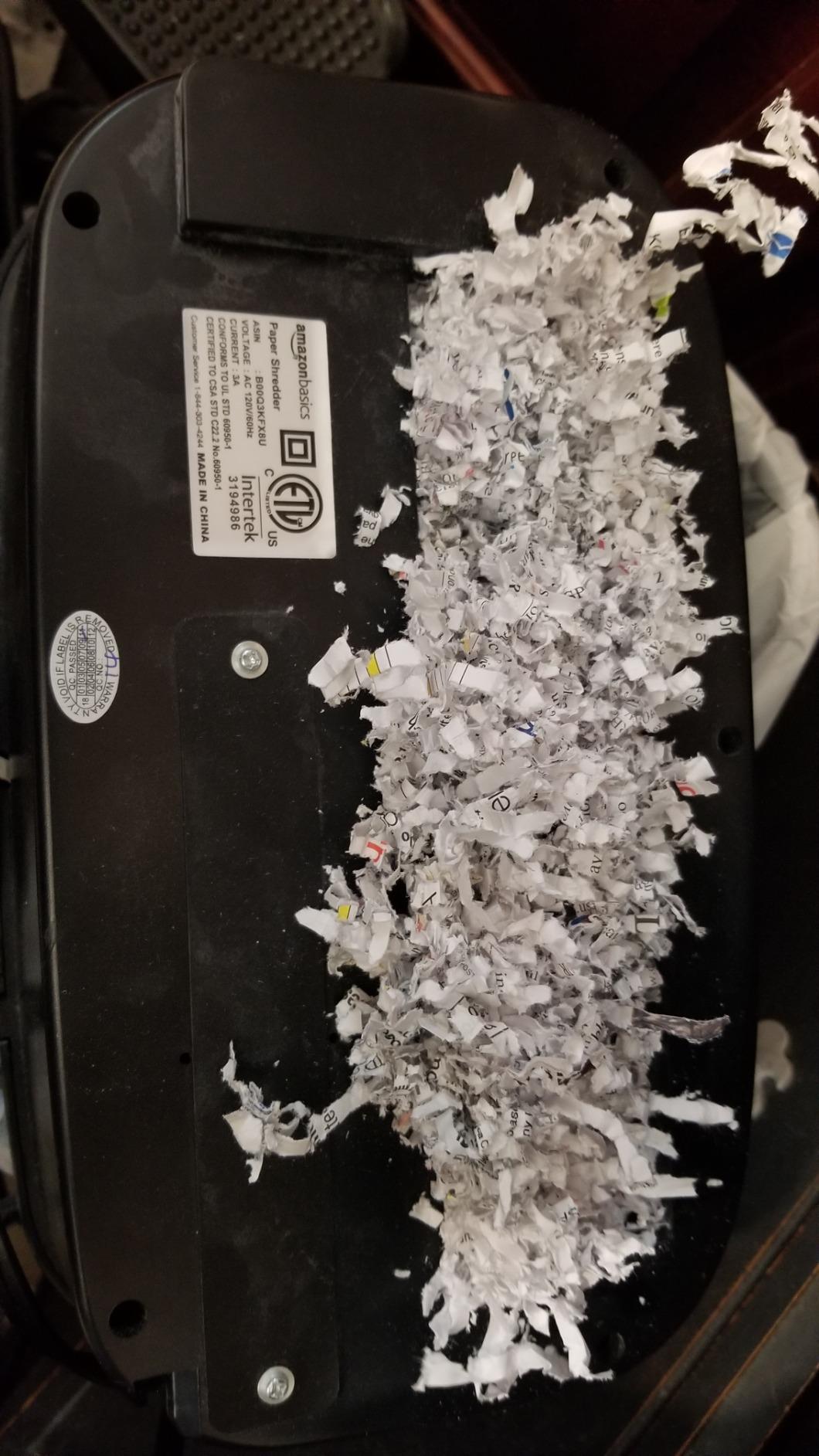
The duty cycle is 3 minutes on, 30 minutes off, which sounds stingy until you understand what it means in practice. This is a mail and tax-document shredder, not a backlog machine. Feed it two sheets at a time and it runs happily; feed six and it may stall and need a cooldown.
Noise output is on the quiet side for a micro-cut machine in this class, and the 8.7-inch paper entry width handles envelopes without any fuss. The bin holds 4.1 gallons and the lift handle makes emptying the head straightforward, which matters more than it sounds given how messy micro-cut confetti is to handle.
One note from the review record: Amazon Basics inspects units before shipping, so you may find paper shreds already in the bin on arrival. It is a quality-control step, not a used machine.
What the 6-sheet rating means at your desk
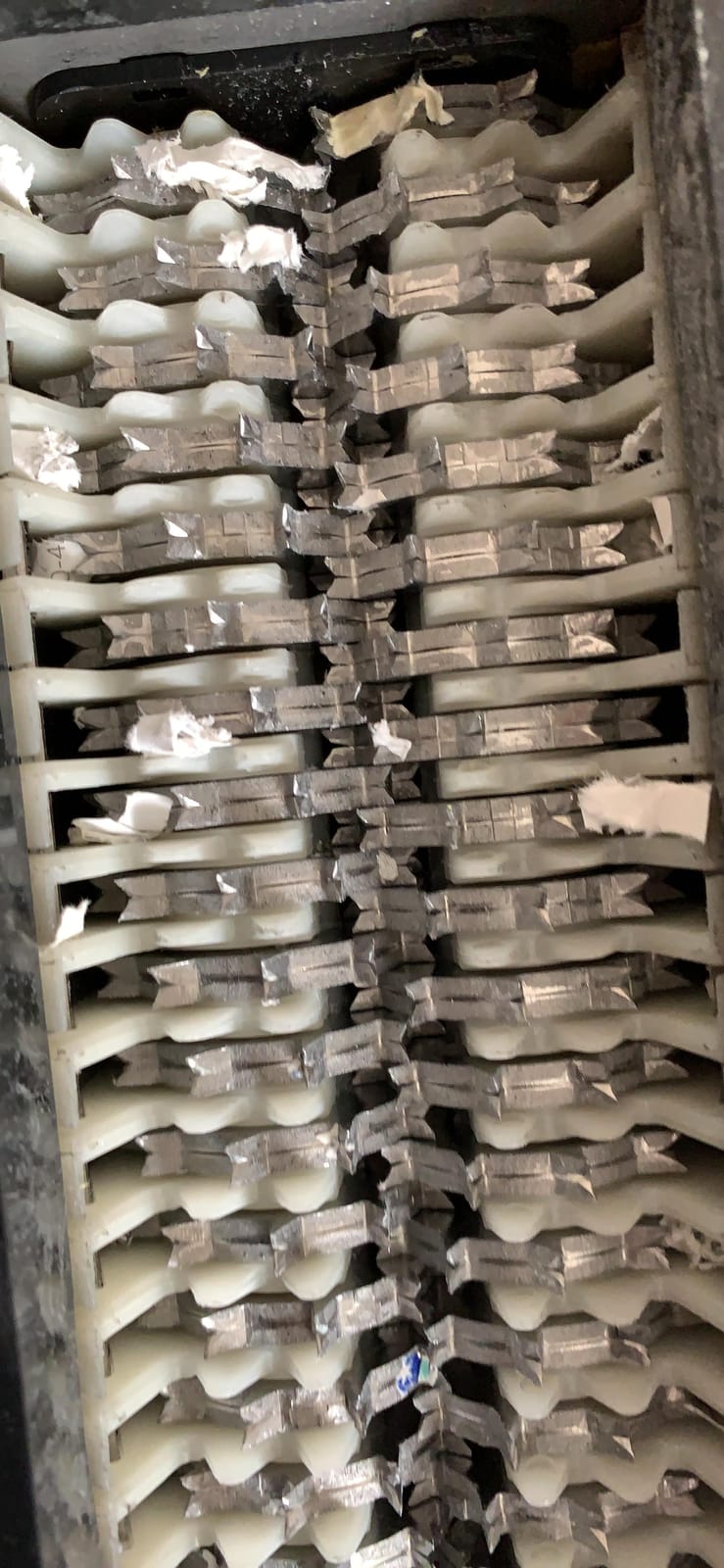
Rated capacity is a best case on flat 20 lb bond paper. In our runs and in owner reports, the comfortable daily figure for this machine is two to four sheets per pass. If you feed six sheets on a consistent basis, you will spend most of your time in cool-down.
The real strength is something the spec sheet does not advertise: this machine is boringly reliable over years. Reviewers describe units that have run for years in a home office, and that longevity is what the review volume ultimately measures.
Who should pick something else
If you are clearing a decade of filing in one weekend, a 3-minute duty cycle is a wall. Move up to the Aurora AU1210MA or an auto-feed model instead.
If your household includes children or a curious cat, note that this machine has no touch-activated blade stop. The Fellowes LX220 has SafeSense, which stops the cutters when a hand or paw reaches the paper entry.
2. Aurora AU870MA 8-Sheet Micro-Cut Shredder – Best Value
Aurora AU870MA High-Security 8-Sheet Micro-Cut Paper Credit Card Shredder Black
P-4 5/32 x 15/32 inch cut
8 sheets per pass
5 min run time
3.9 gallon bin
11.7 lbs
Pros
- P-4 micro-cut with 8-sheet capacity
- Destroys credit cards
- Five minute continuous run time with thermal auto shut-off
- Auto start plus manual reverse for jam clearing
- 1-year limited warranty
Cons
- Smallest bin in this group at 3.9 gallons
- Weighs 11.7 lbs for a desktop unit
- Not rated for CDs or DVDs
The AU870MA is the one to buy if you want more capacity and a longer duty cycle than the entry-level machine without moving up a tier. It holds 4.6 stars across 12989 reviews, and 78 percent of those are five-star, which points to a very consistent experience rather than a lucky average.
Security is a straight P-4 micro-cut at 5/32 by 15/32 inches. It destroys paper and credit cards, handles staples and paper clips, and cuts media discs are explicitly not on the supported list. Auto start handles the feed, and a manual reverse clears the small jams that auto-start machines occasionally produce.
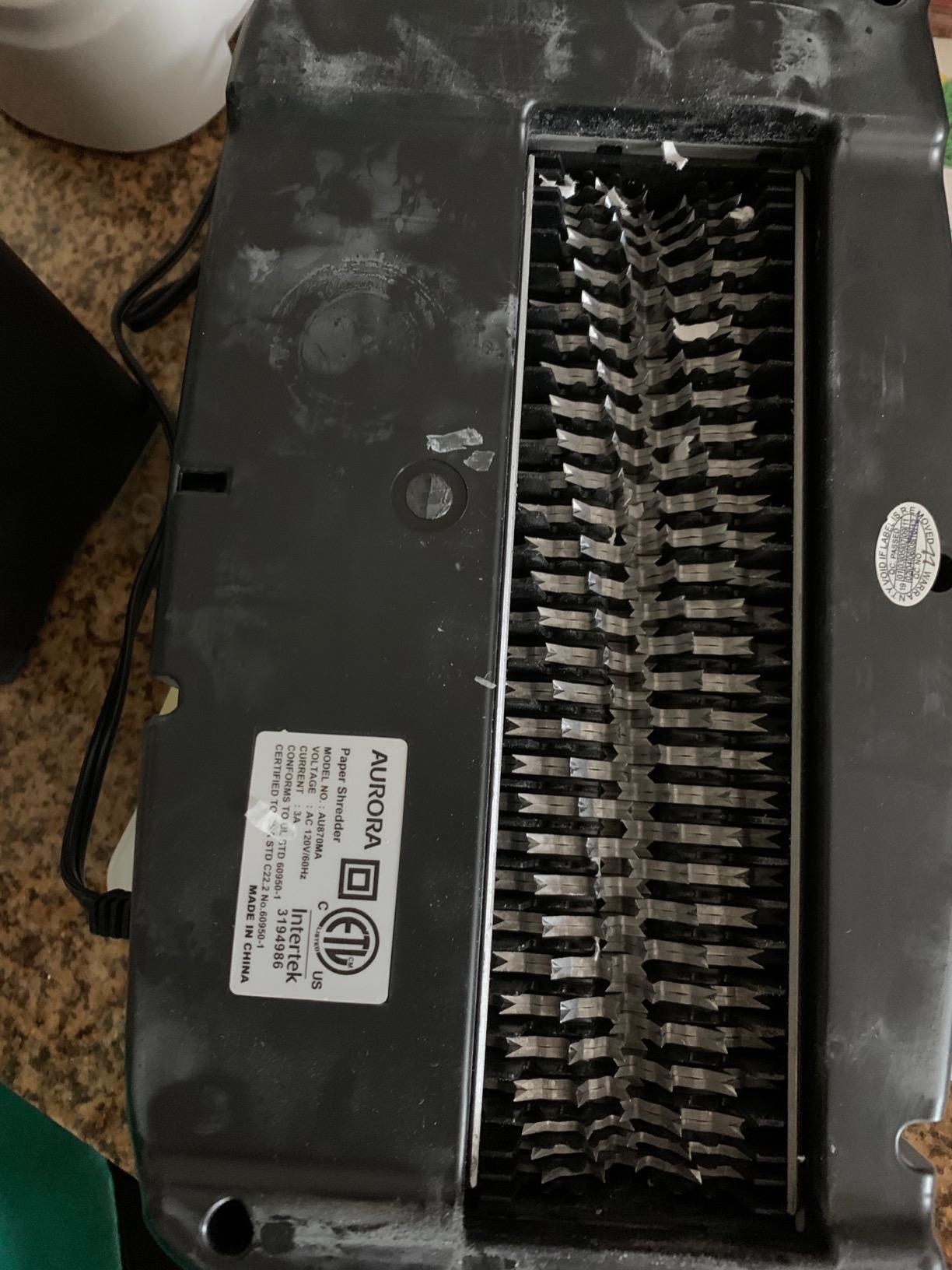
Five minutes of continuous run time is double the Amazon Basics figure, and thermal protection shuts the motor down automatically if you push past it. That headroom is what makes this a better fit for a home office that shreds weekly rather than monthly.
The trade-off is bin volume. At 3.9 gallons, this is the smallest wastebasket in the lineup, and with micro-cut output the bin fills faster than the number suggests. Emptying it every three to four weeks is normal. Reviewers mention the size comparison to 5-gallon bins most often.
Warranty here is a 1-year limited warranty, which is the category standard and, as we cover below, considerably thinner than what Fellowes offers on the cutter.
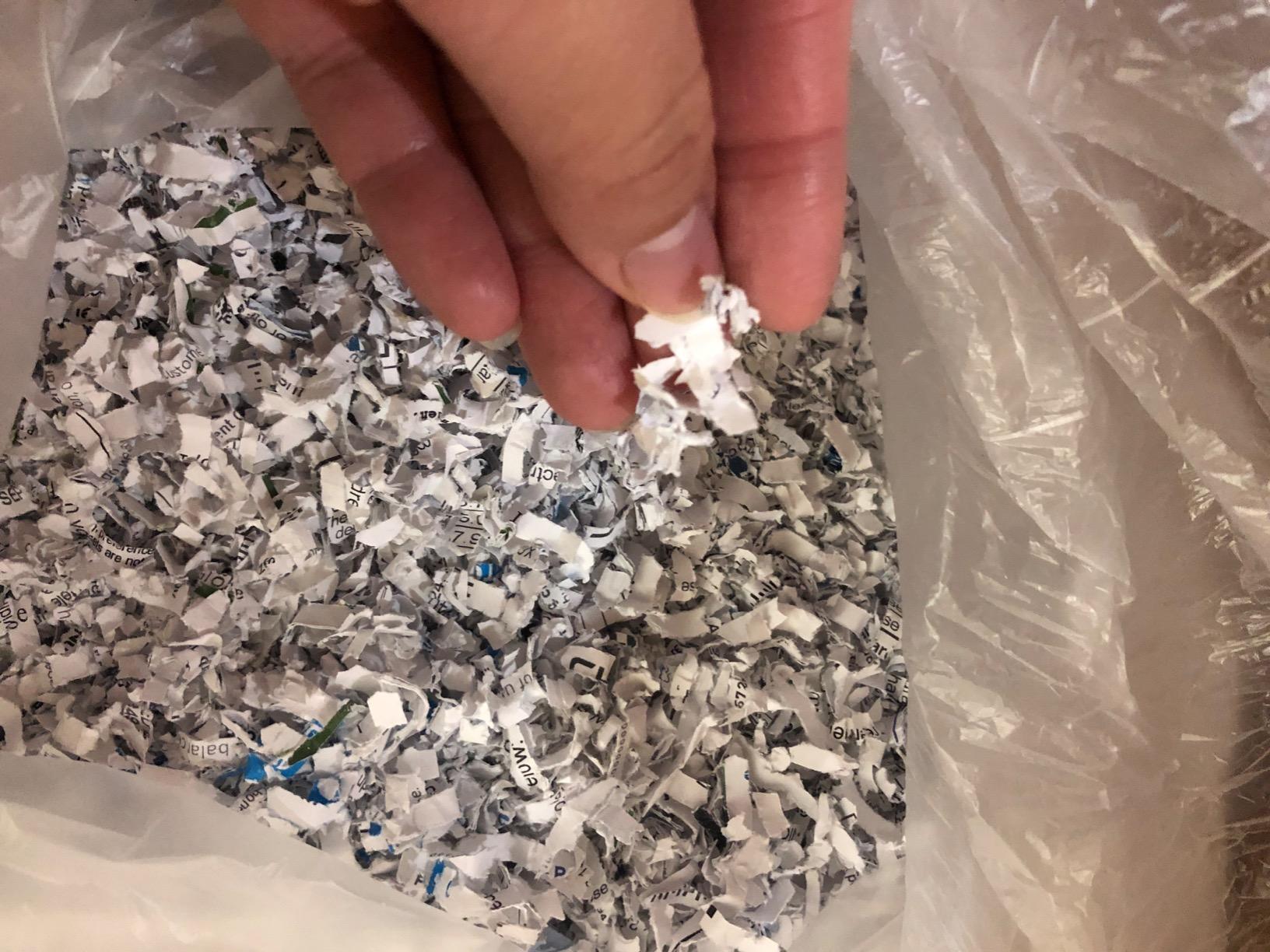
Why micro-cut bins fill faster than you expect
A micro-cut shredder turns one sheet into hundreds of small particles rather than a handful of long strips. The volume of that material is much greater even though the paper weight is identical, so a 4-gallon bin on a micro-cut holds far fewer original sheets than the same bin on a strip-cut machine.
This is the single most common surprise in the category and it drives how often you empty. Plan for monthly emptying on this model, and keep a reusable shred bag in the bin so cleanup is a matter of lifting the liner out rather than scooping confetti.
Who should pick something else
If you shred discs regularly, move on. This machine is not rated for CDs or DVDs, and forcing discs into a paper slot risks dulling the cutters.
If bin capacity drives your decision, the 12-sheet Bonsaii has a 5.5-gallon bin and a higher sheet rating in the same class.
3. Bonsaii 12-Sheet Micro-Cut Shredder – Best for Small Offices
Bonsaii Micro Cut Paper Shredder, 10-Sheet, Home Office, 5.5-Gallon bin
P-4 micro-cut
12 sheets per pass
5 min run time
5.5 gallon bin
5.51 kg
Pros
- Largest bin in this class holding about 350 A4 sheets
- 12-sheet per-pass capacity
- Patented cooling system for 5 minutes of continuous work
- Transparent window shows fill level
- Auto start/stop with manual forward and reverse
Cons
- Five minute run time is short for bulk destruction
- Particle size is larger than a true 4x12mm P-4 cut
- Wide footprint for a desktop unit
This is the pick for a small office or a busy home office where the constraint is bin volume rather than security tier. The 5.5-gallon bin holds around 350 sheets of A4, which at this point is the largest in the group, and the transparent window takes the guesswork out of checking it.
Bonsaii markets it as P-4, and the listed particle size is 13/64 by 15/32 inches. That is a slightly coarser cut than the 4 x 12 mm particles on the Amazon Basics and Aurora models, so treat the P-4 label here as the lower end of the range rather than a match to a certified 4 x 12 mm cut.
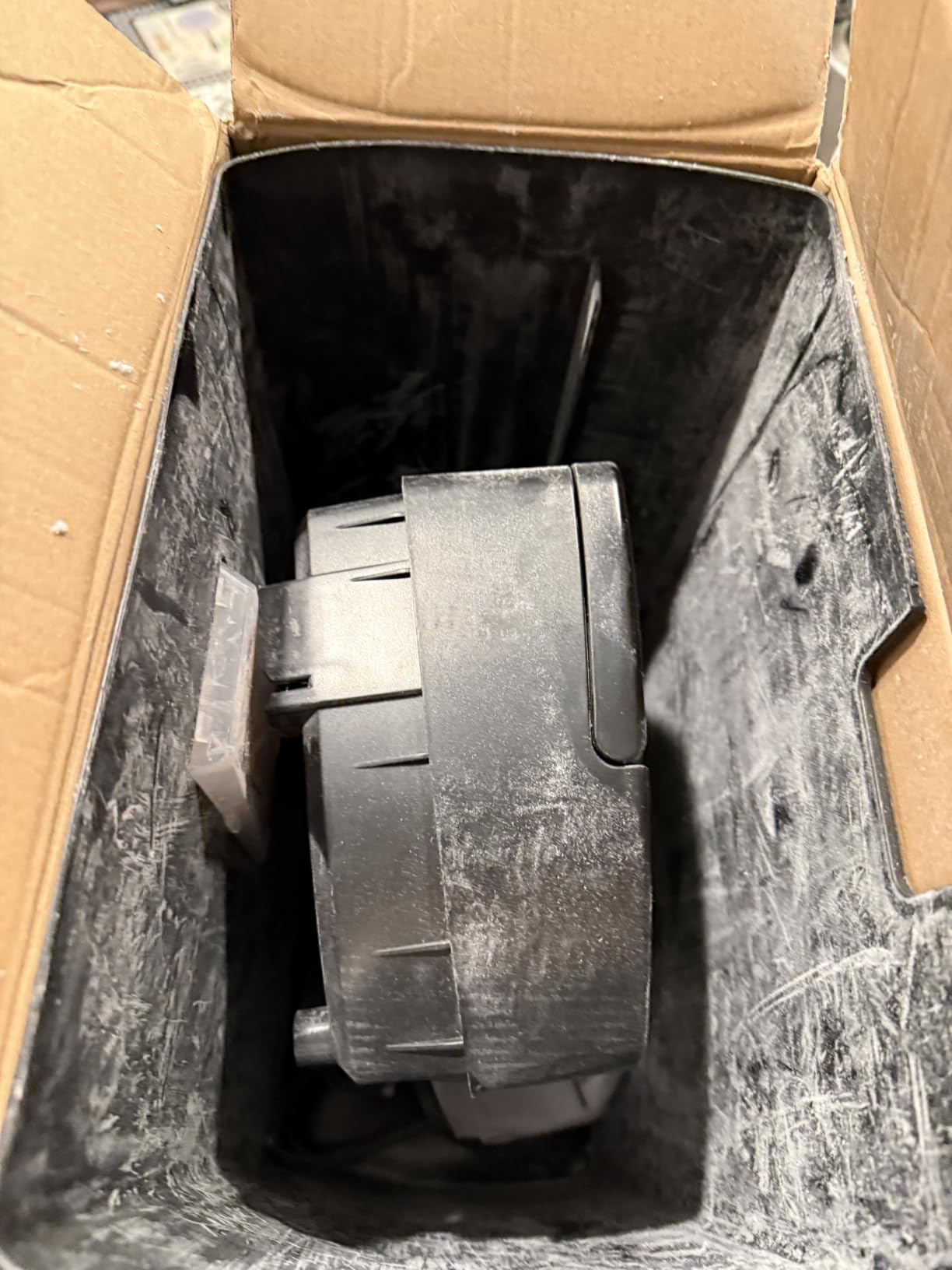
Capacity is 12 sheets per pass, more than double the entry-level models, and a patented cooling system holds the cutters running for five continuous minutes. Auto start/stop and a manual forward-reverse control handle jams, and overheat protection extends motor life.
The machine itself is a plastic shell with steel blades, and it weighs 5.51 kg. At 15.67 inches wide it is one of the larger desktop footprints here, so measure your shelf before ordering.
Warranty is one year, with support offered through Bonsaii customer service. As a brand, Bonsaii is one of several labels in this category with thin US support infrastructure, so treat the warranty as functional rather than generous.
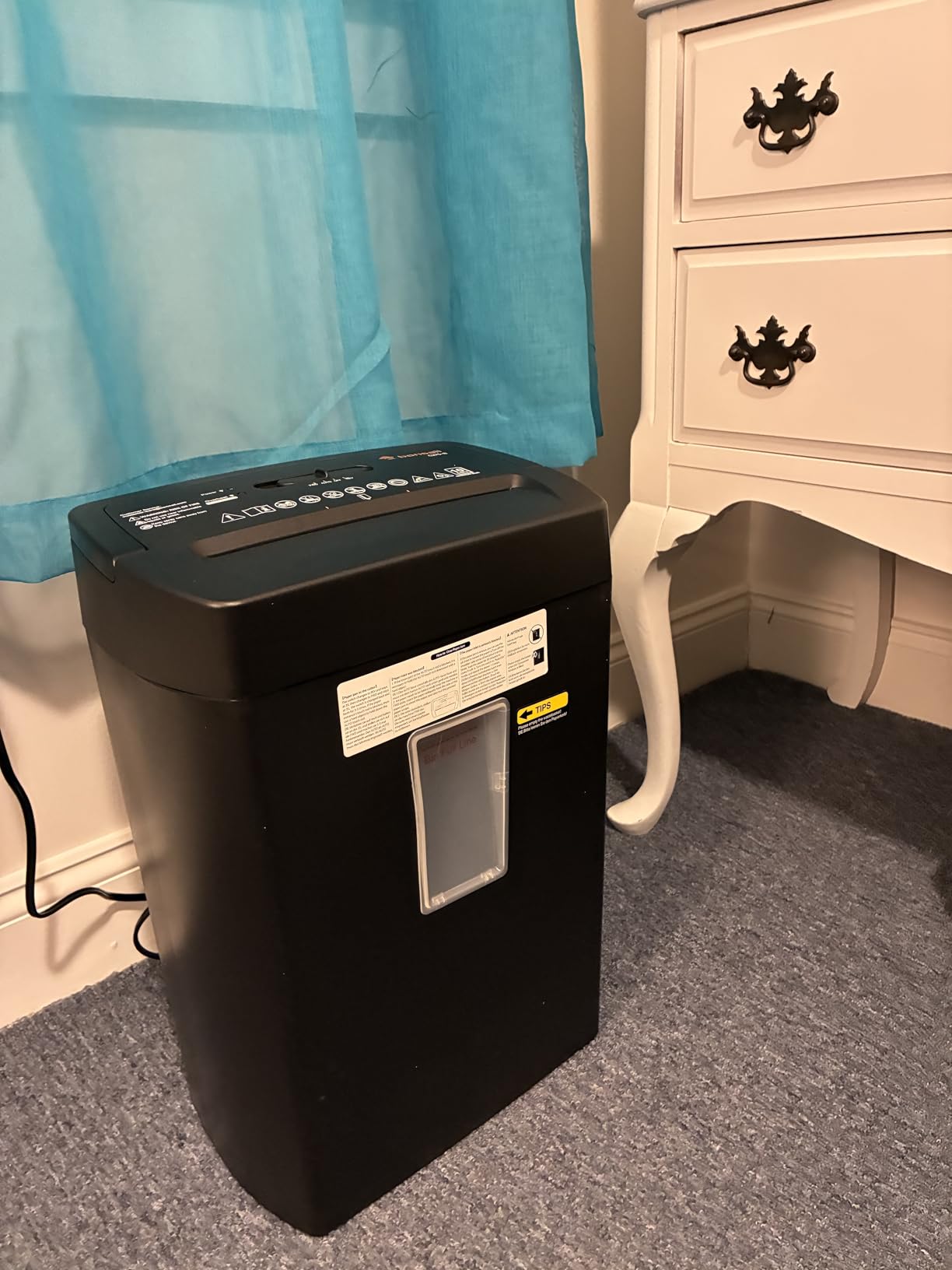
How to read a P-4 label that does not list millimeters
P-4 is a DIN 66399 category, and manufacturers are supposed to state particle size to prove it. When a listing gives you inches only, convert and compare: 4 x 12 mm equals about 5/32 by 15/32 inches, while 13/64 inch is roughly 5.2 mm, so the short dimension is wider than a true P-4.
Practically, both cuts make reassembly impractical. If your compliance paperwork demands a certified level, ask the manufacturer for the DIN certification rather than relying on the listing text.
Who should pick something else
If your documents are regulated records rather than ordinary office paper, the coarser particle on this model is a compromise. Step up to the Wolverine SD9101 for a true P-5 cut.
If you work in an apartment and floor space is tight, the wide 15.67-inch body is the problem to solve, not the shredder. Look at a slimmer desktop model like the VidaTeco instead.
4. Aurora AU1210MA 12-Sheet Micro-Cut Shredder – Top Rated
Aurora AU1210MA Professional Grade High Security 12-Sheet Micro-Cut Paper/CD and Credit Card/ 60 Minutes Continuous Run Time Shredder
P-4 5/32 x 15/32 inch cut
12 sheets per pass
60 min continuous run
5 gallon bin
22.4 lbs
Pros
- Highest average rating in this group at 4.7
- 60 minute nonstop continuous run time
- Shreds paper CDs DVDs and credit cards
- Anti-jam auto-reverse with five status LEDs
- Quiet operation and a 5 gallon pull-out bin
Cons
- Heaviest desktop unit here at 22.4 pounds with no casters
- Runs on an AC adapter rather than a direct cord
- Sits in the premium tier for a manual feed machine
The AU1210MA carries the highest average rating in this lineup at 4.7 across more than 9000 reviews, with 83 percent five-star. The reason is not the security level, which is a standard P-4 micro-cut, but the duty cycle. Sixty minutes of continuous run time means you can start a pile at nine in the evening and keep going.
That is exactly the profile you need for tax season, a legal document purge, a medical records clean-out, or any job where stopping every five minutes to wait for cool-down turns a task into an evening.
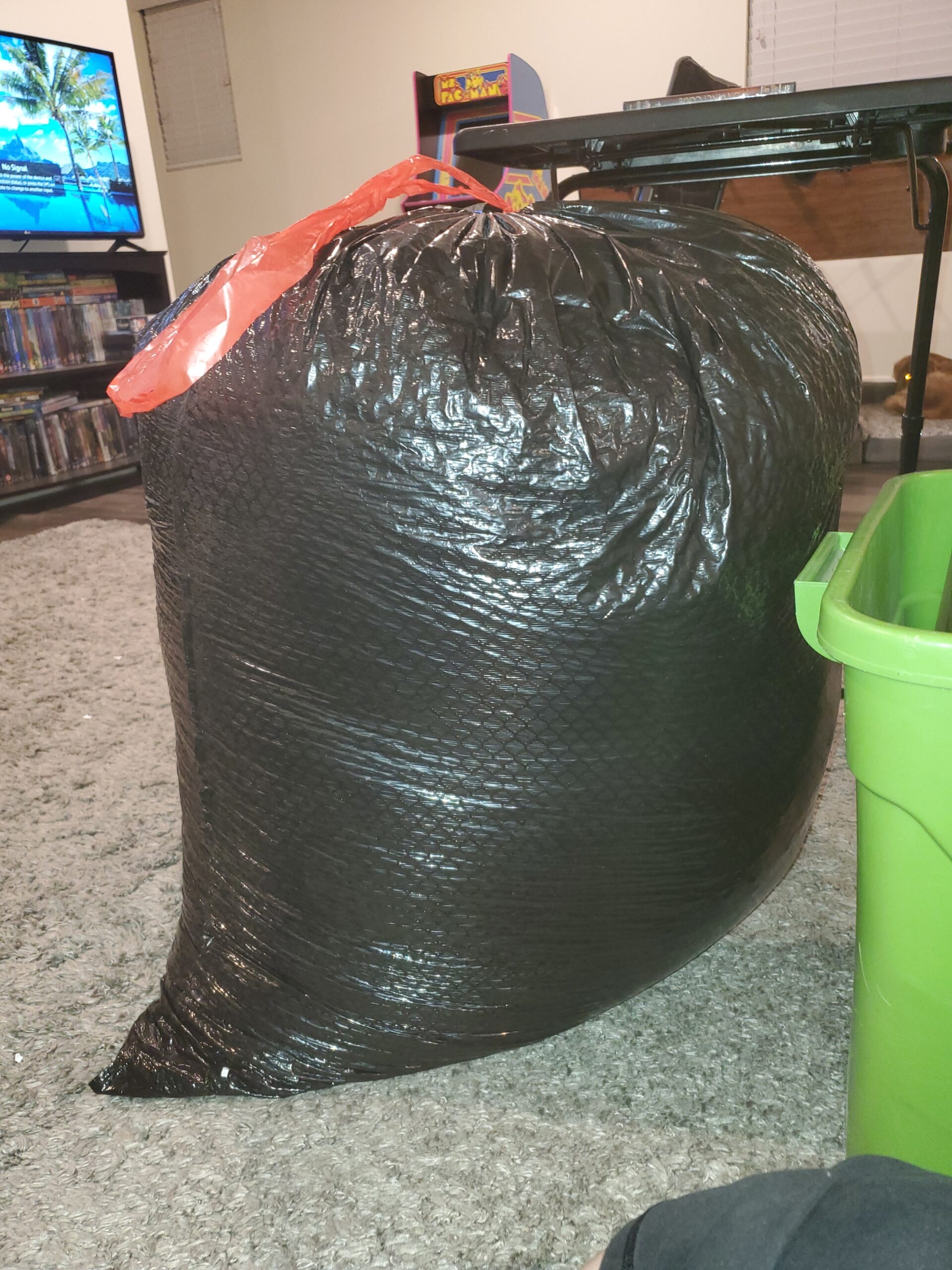
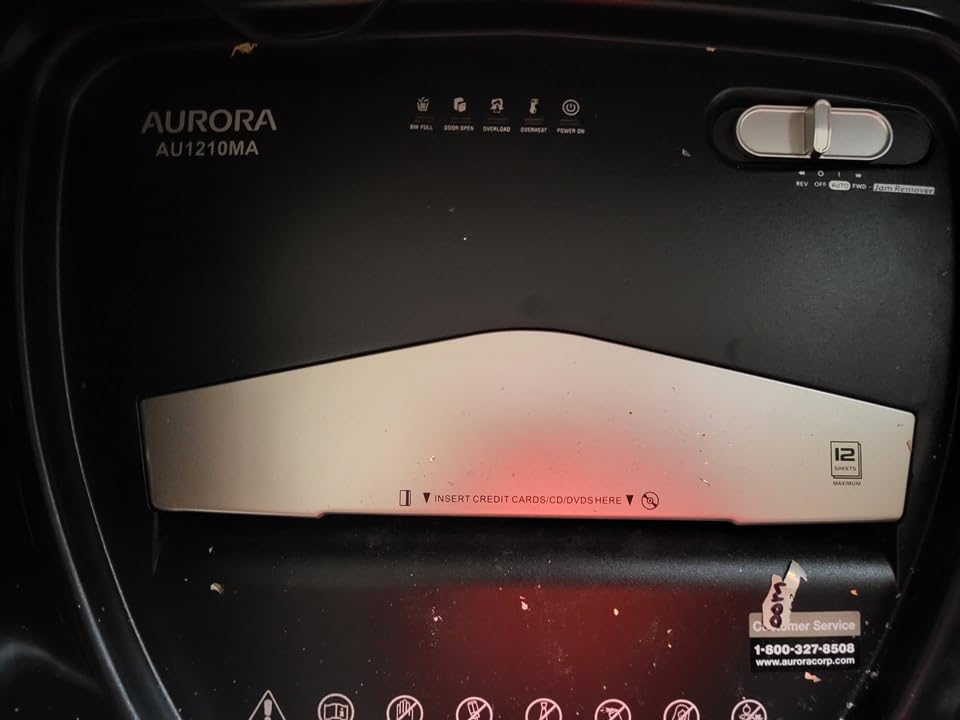
Beyond paper it handles CDs, DVDs, credit cards and small paper clips, all cut to 5/32 by 15/32 inch particles. An anti-jam auto-reverse system backs up the feed if a jam forms, and five status LEDs report standby, overheat, bin-full, overload and door-open conditions.
The 5.0-gallon pull-out bin is generous for a micro-cut machine. Operation is described as ultra-quiet for this class, which matters if the shredder sits in an open office rather than a back room.
Two practical warnings. At 22.4 pounds with no casters, you will be carrying this to the bin. And it draws power through an AC adapter, which adds a failure point that a direct cord does not have. Reviewers also note the bin closure needs careful alignment to seat properly, which is an assembly detail worth checking on arrival.
When a long duty cycle actually pays for itself
A duty cycle only matters if you shred in volume. If your annual shredding is a shoebox of junk mail, a 3-minute machine will serve you perfectly well. If you face a deadline, a 60-minute machine is the difference between finishing tonight and finishing next week.
Weigh that against the fact that micro-cut output fills the bin faster. A long run time is only useful if the bin can hold the result, and 5 gallons gives you room to work before stopping.
Who should pick something else
If volume is regular rather than occasional, do not buy a manual-feed machine for the bulk. A 200-sheet or 300-sheet auto-feed model will save more time than the extra run time does, because nobody wants to feed 60 minutes of paper by hand.
If you need to move the machine between rooms, the missing casters are a real inconvenience. The VidaTeco has four rolling casters and a metal body for a similar weight class.
5. Bonsaii 200-Sheet Auto-Feed Micro-Cut Shredder – Best for Large Backlogs
Bonsaii 200-Sheet Auto Feed Micro Cut Heavy Duty Paper Shredder for Office
P-4 4x12mm micro-cut
200 sheet auto-feed
60 min auto run
8.1 gallon bin
58 dB
Pros
- Hands-free 200 sheet auto-feed tray
- 60 minutes continuous in auto mode and 30 in manual
- 8.1 gallon caster-mounted bin holding about 700 sheets
- Quiet at 58 dB with a 10 minute auto-sleep mode
- 12 lubricant sheets included in the box
Cons
- Auto-feed limited to letter-size 20 lb paper
- Weighs 33.9 pounds and needs floor space
- Sits well above the desktop models in cost
Auto-feed changes how shredding feels. You load the tray, press a button, and walk away, which is the difference between a shredder you use and a shredder that intimidates you. This model takes 200 sheets of letter-size paper in a single load and runs for up to 60 minutes in auto mode.
Security is a genuine P-4 4 x 12 mm cut, the same particle size as the entry-level models, so you are not trading security for convenience here. For paper, staples, paper clips and plastic credit cards, this machine does the full job.
The 8.1-gallon pull-out bin holds roughly 700 shredded sheets and sits on four smooth-rolling casters, so you can roll it to wherever the recycling pickup is. At 58 dB it is quiet enough for a shared office, and a 10-minute auto-sleep mode cuts standby draw.
Manual mode is the fallback for cards, staples and clips, and takes 12 sheets of paper at a time with a 30-minute run limit. Twelve lubricant sheets ship in the box, which is a small kindness given how many people skip the oiling step.
Be clear-eyed about the size: 33.9 pounds, a 15.9 by 13.8 by 22.2 inch footprint, and a dedicated floor space. This is not an apartment machine. And auto-feed only handles letter-size 20 lb paper, so legal-size or heavier stock goes through the manual slot.
Whether an auto-feed tray is worth the floor space
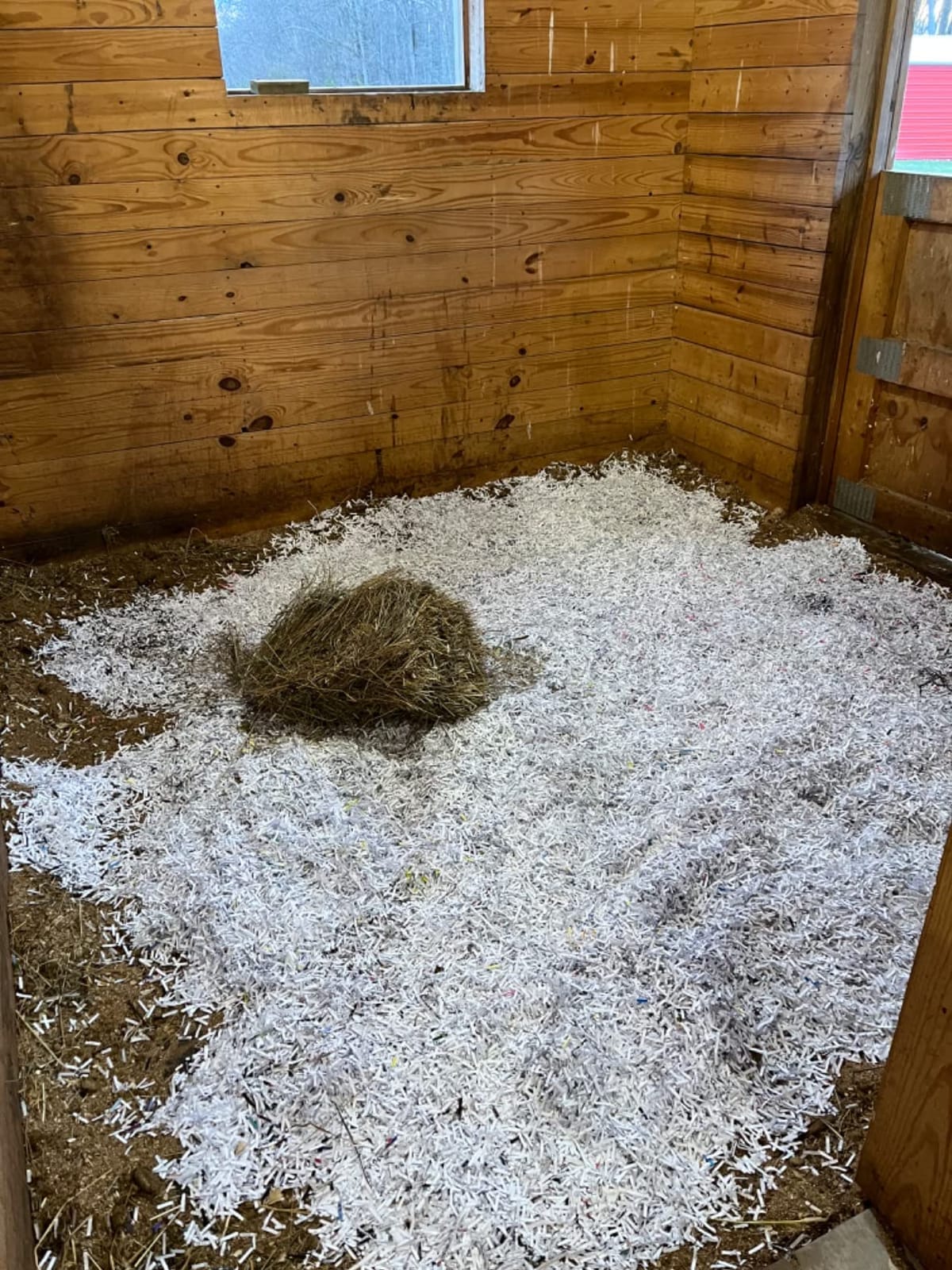
Auto-feed earns its keep when you have piles rather than pages. A single month of bills takes two minutes on any of these machines. Two hundred sheets of archived client files takes most of a weekend by hand and about twenty minutes on this one.
The tray also reduces jams, because paper feeds in a controlled stack rather than one sheet at a time, and in manual mode you can still use the same machine for the odd credit card.
Who should pick something else
If your paperwork is mostly a few bills a month, this machine is overbuilt and the bin is oversized for the task. The Aurora AU870MA handles that volume and is a step down in size and weight.
If you need a true P-5 cut for regulated material, auto-feed does not solve that. The Wolverine SD9101 is the P-5 option here, though it is a smaller manual machine.
6. Fellowes Powershred LX220 20-Sheet Micro-Cut Shredder – Best for Families and Small Businesses
Fellowes Mfg Co. 5015401 Powershred LX220 20 Manual Sheet Capacity Micro-Cut Shredder – Black
P-4 micro-cut 1257 particles per sheet
20 sheets per pass
8 gallon bin
2yr/7yr warranty
Pros
- 20 sheet manual capacity
- Highest rated manual capacity in this group
- P-4 micro-cut producing about 1257 particles per sheet
- 8 gallon pull-out bin holding about 750 shredded sheets
- SafeSense stops blades when a hand or paw touches the entry
Cons
- Only 30 minutes continuous run before a 15 minute cool-down
- Sits in the premium tier for a manual feed machine
- Casters add bulk to an already wide footprint
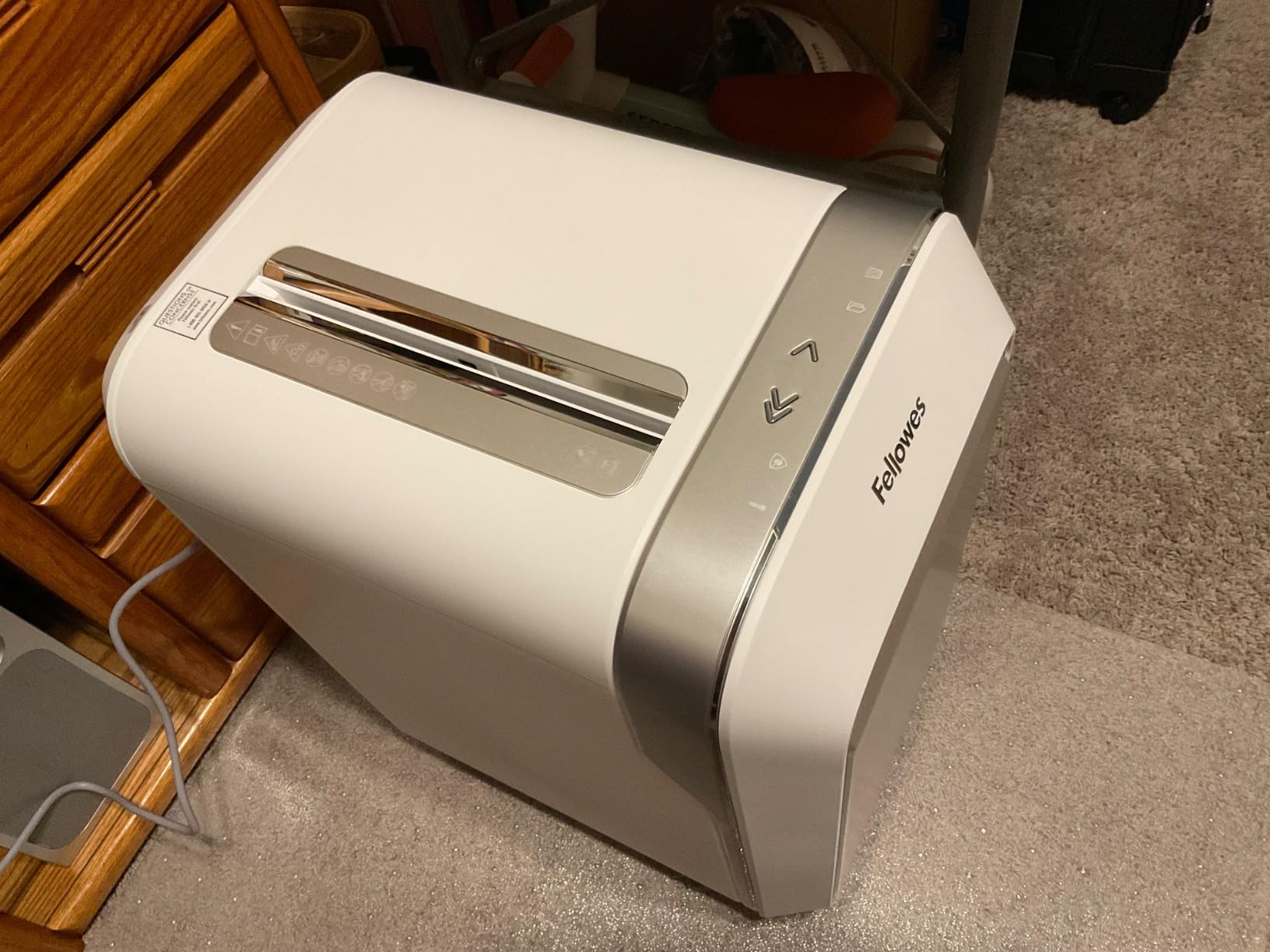
Fellowes is the one brand in this category that buyers consistently describe as a manufacturer rather than a label, and the LX220 is where that shows up. A 7-year cutter warranty is the longest in this group by a wide margin, and a cutter warranty is the part that actually matters, because cutters are what die.
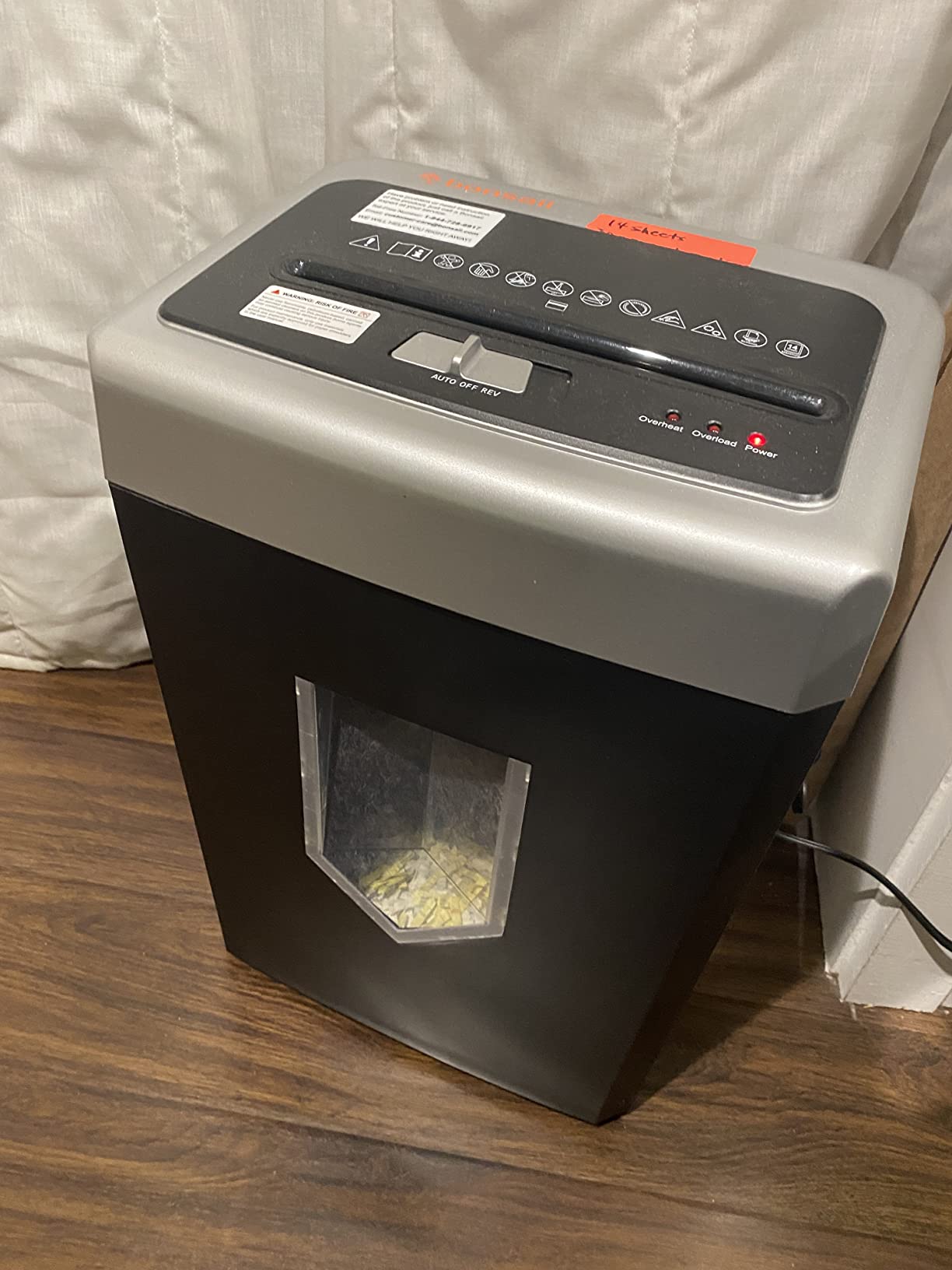
Capacity is 20 sheets per pass, the highest manual rating here, and the P-4 micro-cut produces roughly 1257 particles per sheet. The 8-gallon pull-out bin holds about 750 shredded sheets, which offsets the micro-cut volume problem better than any other unit in the lineup.
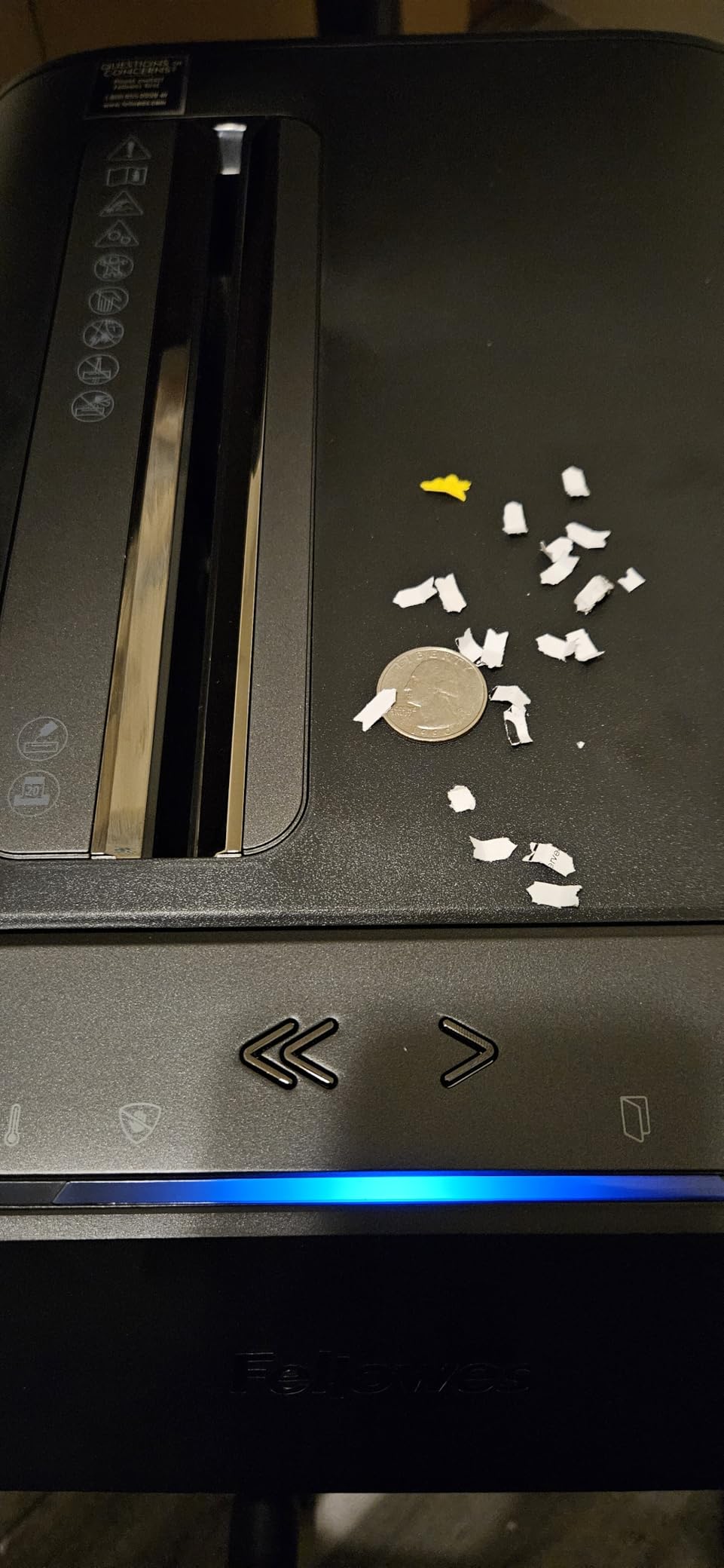
SafeSense is the feature families care about most. Touch the paper entry and the blades stop, which is the protection you want when a toddler wanders over mid-shred or a cat decides the paper slot is a toy. The 100% Jam Proof system detects and powers through tough jobs rather than stalling.
Two indicators reduce guesswork: an Efficiency Meter that shows the ideal number of sheets to feed at once, and a bin-full indicator so you are not pulling a full bin off its runners. Casters are fitted for moving it between rooms.
The compromise is the duty cycle. Thirty minutes of continuous run time followed by a 15-minute cool-down is roughly half what the Aurora AU1210MA delivers, and the outlay sits well above comparable-capacity micro-cut units from other brands. You are paying for build quality, warranty length and support, not for throughput.
Why the warranty length is worth reading closely
A machine warranty covers the housing, the motor and the electronics. A cutter warranty covers the blades, which are the consumable part that dulls with use and the component that ends the machine’s life. Most brands in this category offer one year on the machine and close to nothing beyond it on the cutter.
Fellowes covers the machine for 2 years and the cutter for 7. That is the real reason this model carries a premium, and it is why it can still be running in five years when a shorter-warranty unit has been replaced.
Who should pick something else
If your shredding is a weekend project rather than a weekly habit, you will not earn back the premium through use. The Aurora AU1210MA gives you longer run time and costs less.
If you need throughput rather than safety features, the 30-minute duty cycle is the weak point. A 60-minute auto-feed model will clear a backlog far faster.
7. VidaTeco 14-Sheet Metal-Body Micro-Cut Shredder – Best for Shared Workspaces
VidaTeco 14-Sheet Micro Cut Paper Shredder for Home Office Heavy Duty
P-4 4x12mm micro-cut
14 sheets per pass
60 min run time
58 dB
metal body
Pros
- True 4x12mm P-4 particles at 14 sheets per pass
- 60 minute continuous run time
- Metal enclosure instead of plastic
- US patented auto-reverse anti-jam system
- 58 dB with a 5.3 gallon bin on four casters
Cons
- Bin holds about 400 A4 sheets
- smaller than 8.1 gallon bins
- Some buyers misread fine micro-cut as cross-cut and rate security low
The VidaTeco is the odd one out in this lineup: a metal enclosure at 19.4 pounds, rated at 14 sheets per pass, with a full 60-minute continuous run time. That combination of body material and duty cycle is unusual at this level, and it is why we rate it well for a shared room.
Security is a true P-4 cut at 4 x 12 mm, and it handles paper, staples, paper clips, junk mail, CDs and credit cards. The manufacturer is listed as Ningbo Ofitech Business Machines, which is a useful reminder of how many brands in this category trace back to the same factories.
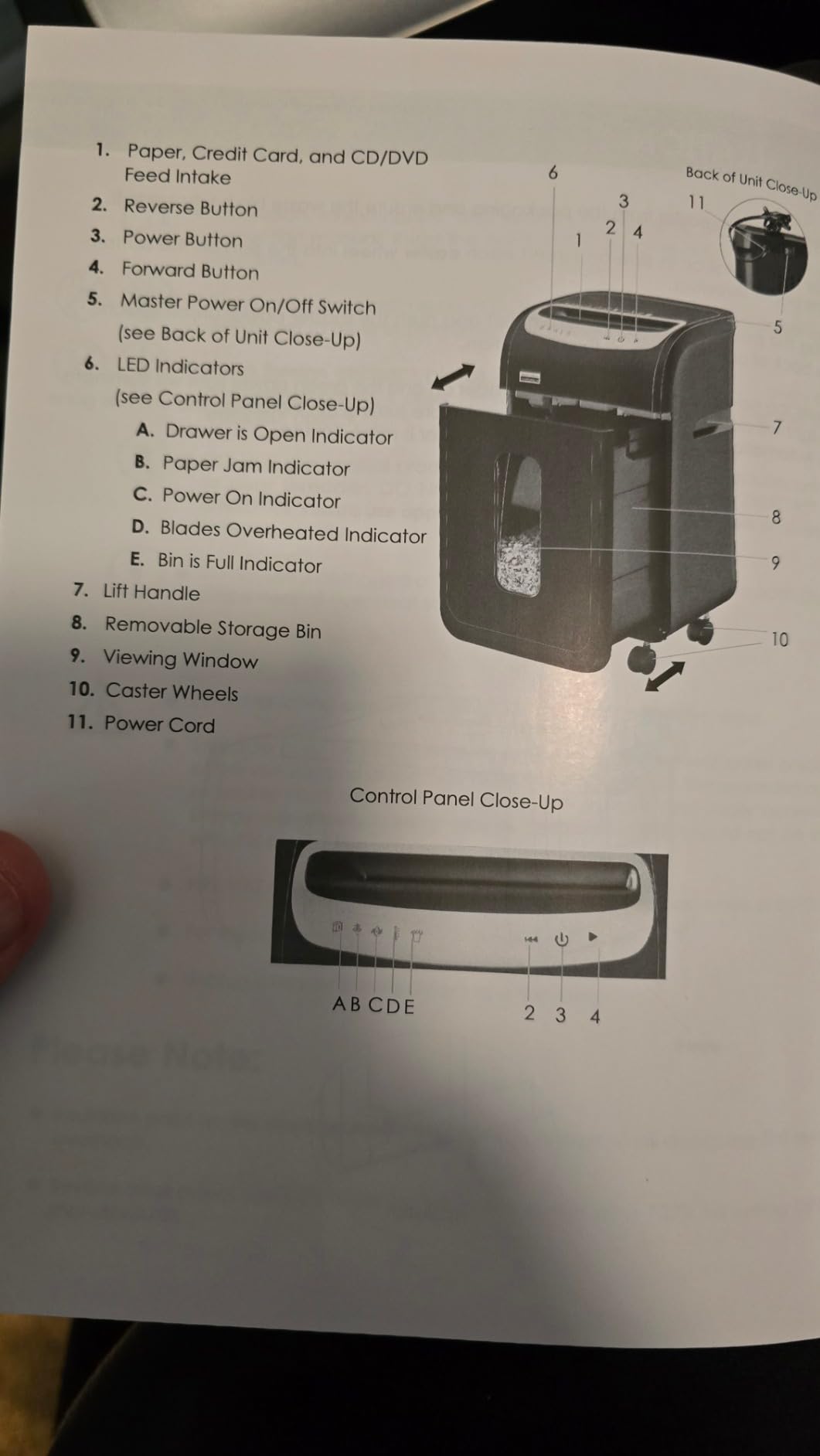
Noise is 58 dB, in the range where you can shred while someone else is on a call. A US patented cutter and an intelligent auto-reverse system handle jams, and auto start/stop with a bin full sensor means you are not pulling paper back out by hand twice a week.
There is one recurring confusion in the reviews worth repeating here: some buyers assume micro-cut equals cross-cut and then rate the security as merely adequate. A micro-cut shredder is the more secure of the two, because 4 x 12 mm particles are not small diamonds.
The 5.3-gallon bin holds over 400 sheets of A4 and sits on four casters. Some owners note the thin liner tears and that contents need shaking or compacting to fit more. The warranty is 1-year limited, and the machine is ETL certified.
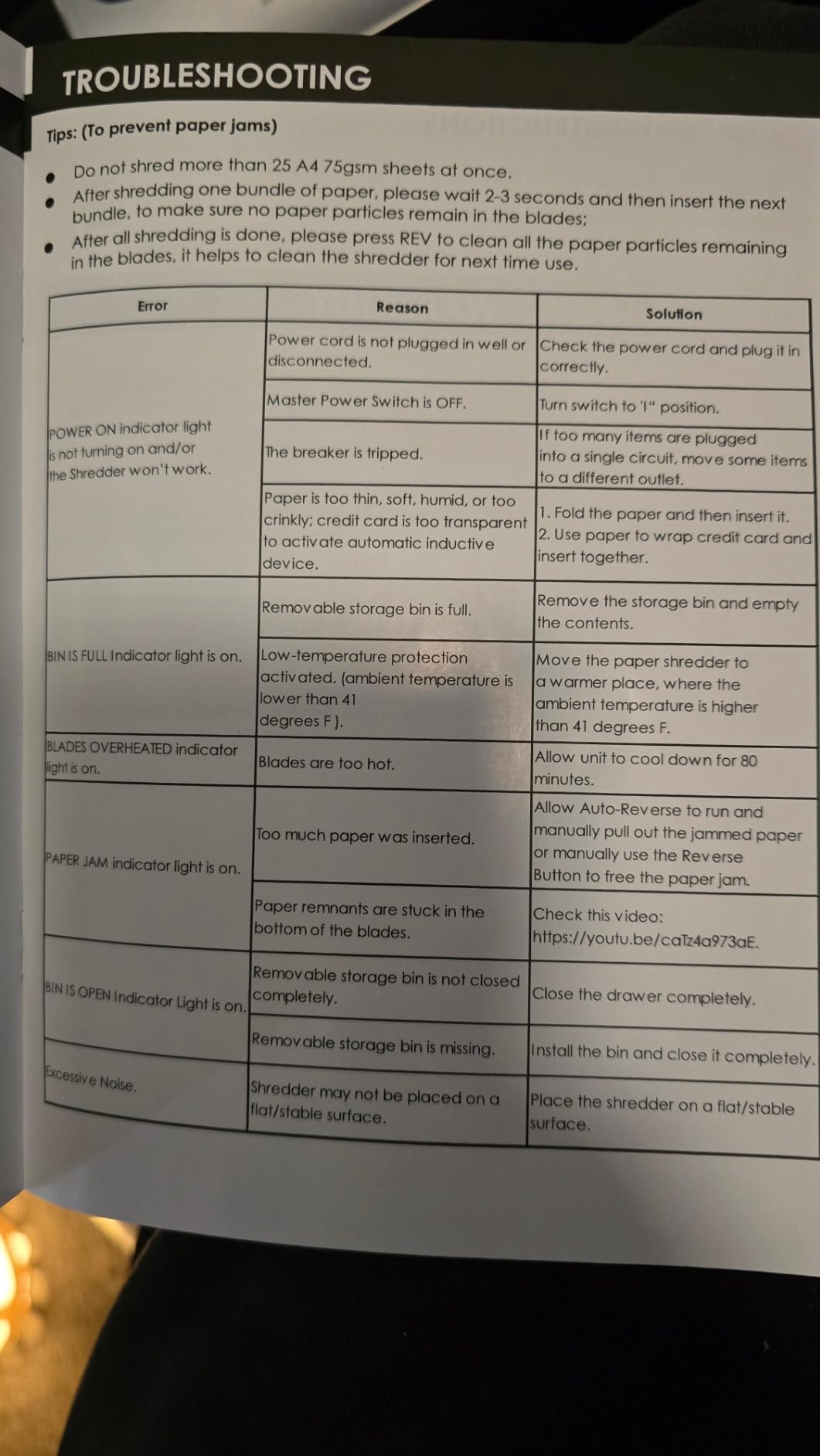
What a metal body changes in practice
Metal enclosures resist the vibration and heat cycling that crack plastic shredder housings, and they do not flex when you lift the head off the bin. Over years of daily use that difference shows up in how the machine feels at month twenty-four.
The casters matter more than they look. A 19.4-pound machine without wheels is a two-person lift once the bin fills, and a filled bin of micro-cut confetti is heavier than it looks.
Who should pick something else
If you shred in very large batches, the 5.3-gallon bin means more trips to empty than an 8.1-gallon auto-feed model would require. Choose on throughput instead.
If your documents are regulated records, the P-4 cut is the floor rather than the ceiling. The Wolverine SD9101 is the P-5 pick here, and it is quieter at 54 dB.
8. BONSEN 300-Sheet Auto-Feed Micro-Cut Shredder – Best for Batch Destruction
BONSEN 300-Sheet Auto Feed Micro Cut Heavy Duty Paper Shredder for Office
P-4 4x12mm micro-cut
300 sheet auto tray
60 min auto run
8.1 gallon bin
58 dB
Pros
- Largest auto-feed tray here at 300 sheets
- 12 sheet manual slot for cards staples and clips
- 60 minutes auto run and 30 minutes manual run
- Five status LEDs for feed error bin full door open overload and overheat
- 8.1 gallon bin with casters
Cons
- Lowest average rating in this group at 4.4
- Auto-sleep can interrupt a long auto-feed batch
- Weighs 33.5 pounds with a large footprint
The BONSEN has the largest tray in the group. Three hundred sheets of letter-size paper load at once, which is the difference between clearing an archive in one session and clearing it across a week. Run time is up to 60 minutes in auto mode with a separate 12-sheet manual slot for cards, staples and clips.
Security is a P-4 4 x 12 mm cut, consistent with the other auto-feed option here, and the bin is 8.1 gallons on casters. Five status LEDs report feed error, bin full, door open, overload and overheat, which is the most complete fault feedback on any machine in this roundup.
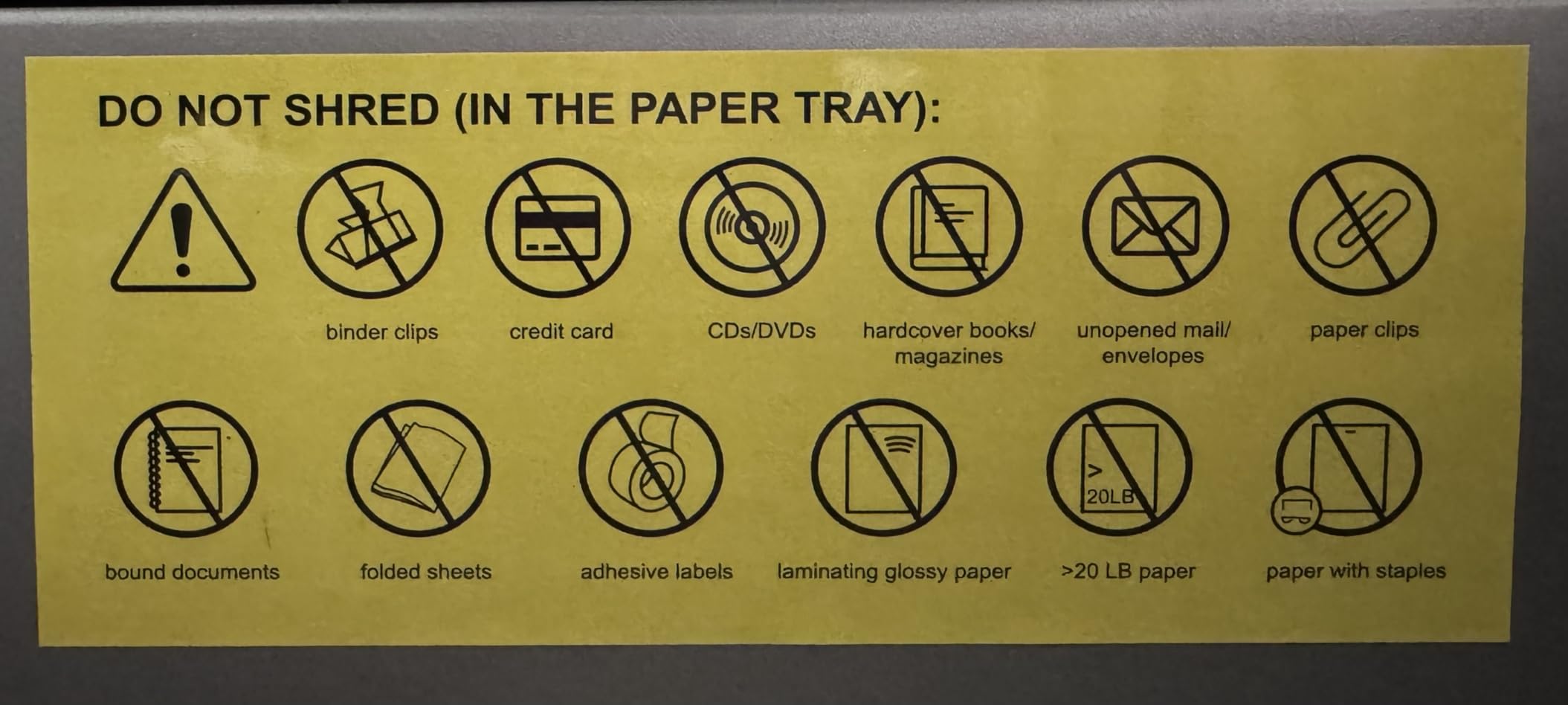
At 58 dB it is quiet for a machine handling this much paper, and a 10-minute auto-sleep mode saves standby power. The 2-in-1 design means you do not need a second desktop unit for the occasional card or stapled page.
Where it loses ground is the 4.4 average, the lowest here, with 74 percent five-star and a one-star share around double the norm. Reviewers point at the auto-sleep interrupting a long batch, and at the sheer bulk: 33.5 pounds across a 14.4 by 16.2 by 20.1 inch footprint. The warranty is one year.
Checking auto-sleep behavior before a big batch
Auto-sleep is an energy feature that can interrupt a long auto-feed run. The setting on this machine activates after ten minutes of inactivity, so during a continuous batch it should stay awake, but owners report pauses in longer sessions.
Our advice for anyone running a full 300-sheet load: start the batch, do not open the bin or the head mid-cycle, and keep the tray loaded so the feed sensor stays engaged. Splitting a 300-sheet archive into two 150-sheet runs is the safer habit.
Who should pick something else
If a 200-sheet tray covers your backlog, the 200-sheet model is lighter, slightly smaller and rated higher. The 100-sheet difference is not worth the extra bulk and the lower average.
If you are shredding in an apartment or a shared home office, a 33.5-pound floor machine is a hard sell. The desktop models handle a month of mail without drama.
9. Wolverine SD9101 P-5 Super Micro-Cut Shredder – Best for Maximum Security
WOLVERINE SD9101 P-5 Super Micro Cut Shredder, 8-Sheet, 4.5Gal, 54dB, Black
P-5 2x12mm particles
8 sheets per pass
20 min run time
54 dB
17L bin
Pros
- P-5 super micro-cut at 2x12mm particles
- All-metal 40Cr steel gear and alloy steel cutter drive
- Quietest machine in this group at 54 dB
- 4.5 gallon pull-out bin with window and wheels
- Dual thermal sensors and copper self-lubricating bearings
Cons
- Effective capacity about 6 sheets despite the 8 sheet label
- 20 minute run time with a 30 minute cooldown is the shortest here
- Cannot shred CDs DVDs or metallic cards
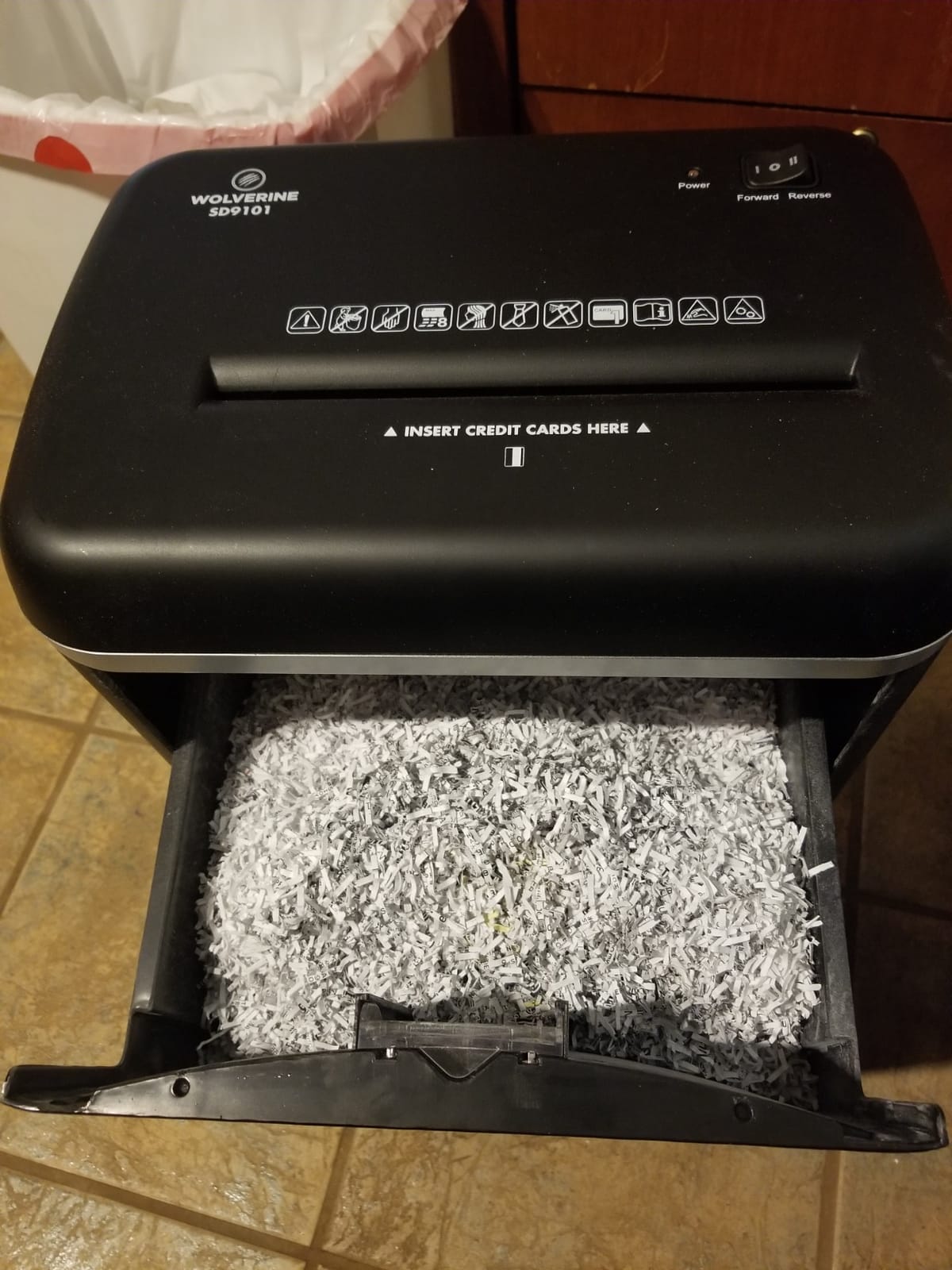
This is the security pick. It is the only P-5 super micro-cut machine in the group, cutting 2 x 12 mm particles instead of the 4 x 12 mm produced by every other model here. Those narrower particles are the reason P-5 is recommended for financial, legal and medical records, and the reason a P-5 machine is defensible when a P-4 is questioned.
The build is different from the plastic machines on this list. A 40Cr-grade steel gear set and alloy steel cutters form the drive system, with copper-based self-lubricating bearings and dual thermal sensors protecting the motor. That is a more serious drivetrain than the norm at this level.
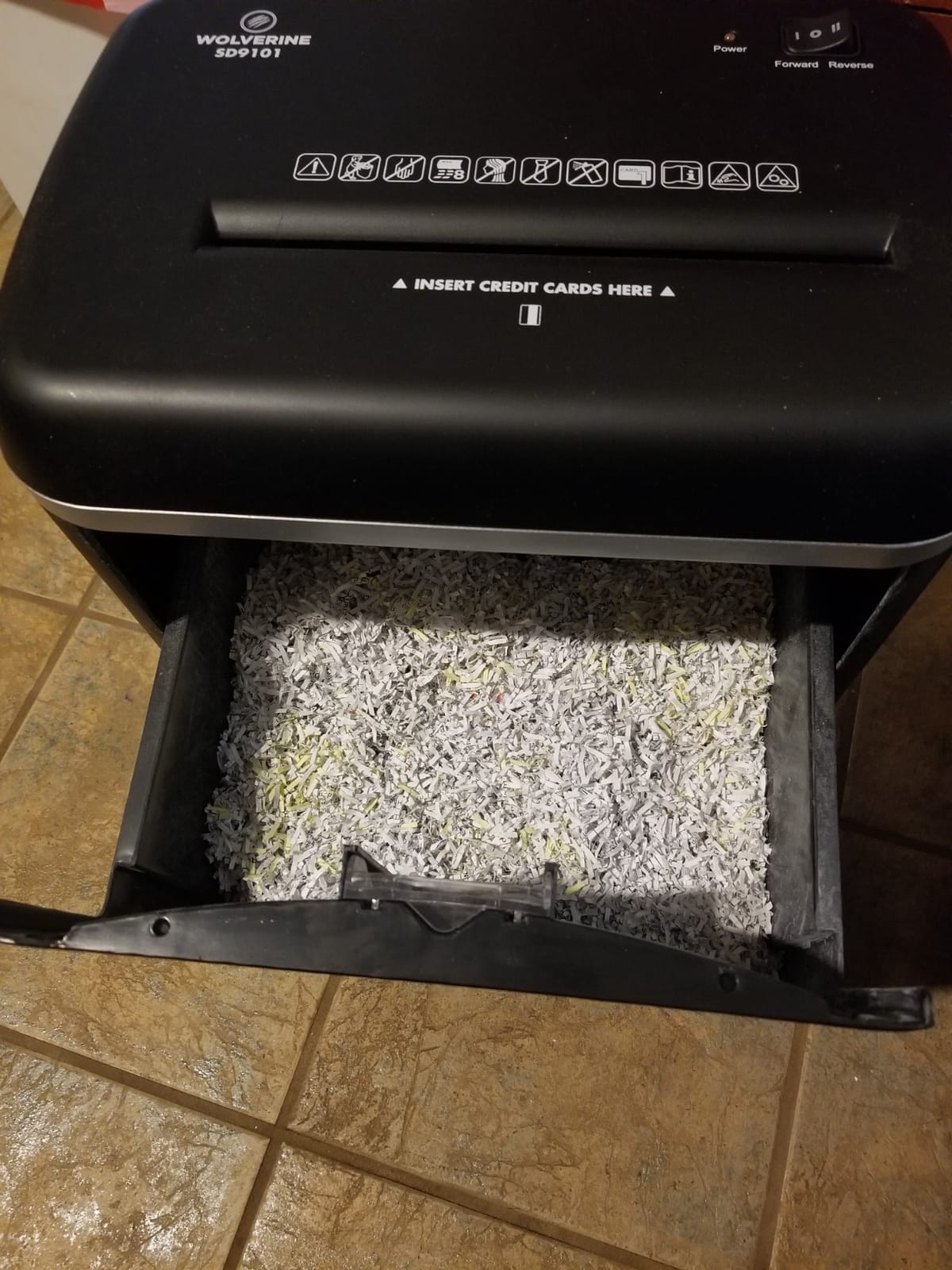
It is also the quietest in this group at 54 dB, which is unusual for a high-security machine, because micro-cut generally means more cutter work and more noise. The 4.5-gallon bin has a transparent window and wheels, and auto start/stop with reverse handles operation.
Now the compromises, and they are real. Run time is 20 minutes with a 30-minute cool-down, the shortest duty cycle in the group. User testing puts effective capacity at about six sheets rather than the eight on the label. It cannot handle CDs, DVDs or metallic cards. And with 418 reviews at 4.5, there are reports of first-unit quality control problems and of performance declining under regular use.
At 73 percent five-star, it is the weakest approval profile of the P-4 machines here. Buy it because you need P-5 specifically, not because it is the best machine generally.
When P-5 is genuinely necessary
P-5 earns its place when documents are regulated or contested: client financial files, legal discovery material, medical records, insurance claim files, or anything covered by a contractual destruction clause. P-4 already makes reassembly practically impossible for everyday documents like statements and bills.
If you cannot state a specific reason your documents need the finer cut, a P-4 machine with a longer duty cycle will suit you better.
Who should pick something else
If you shred in volume, a 20-minute run time and a real capacity of six sheets will frustrate you quickly. High security and high throughput pull in opposite directions, and this machine chose security.
If you shred discs, it will not take them. The Aurora AU1210MA handles CDs, DVDs and credit cards at a P-4 cut with 60 minutes of run time.
10. Locksworth 8-Sheet Micro-Cut Shredder – Budget Pick
Locksworth 8-Sheet Micro Cut Shredder for Home Office, 4 Gallons Bin P-4 High Security Shredders for Papers/Credit Cards/Staples/Clips, Small Commercial Paper Shredder with Transparent Window
P-4 4x12mm micro-cut
8 sheets per pass
2 min run time
4 gallon bin
Pros
- Lowest outlay here while still offering true P-4 4x12mm micro-cut
- Eight sheets per pass including mail in envelopes
- Shreds chip cards staples and clips
- 4 gallon bin with a transparent window
- Auto shut-off stops blades if the head is lifted
Cons
- Only 2 minutes continuous run before a 60 minute cooldown
- Top-heavy head that needs careful lifting
- Not suitable for commercial volume
The Locksworth is a straightforward way into genuine micro-cut shredding, and the important part is that the security is real. It produces 4 x 12 mm P-4 particles, the same cut as the machines several tiers above it, and takes eight sheets per pass including unopened envelopes.
It handles chip credit cards, staples and clips, and the 4-gallon bin has a transparent window so you can check the fill level without lifting the head. A safety detail worth noting: if the head is lifted off the bin while running, the blades stop immediately and only restart once the head is seated properly.
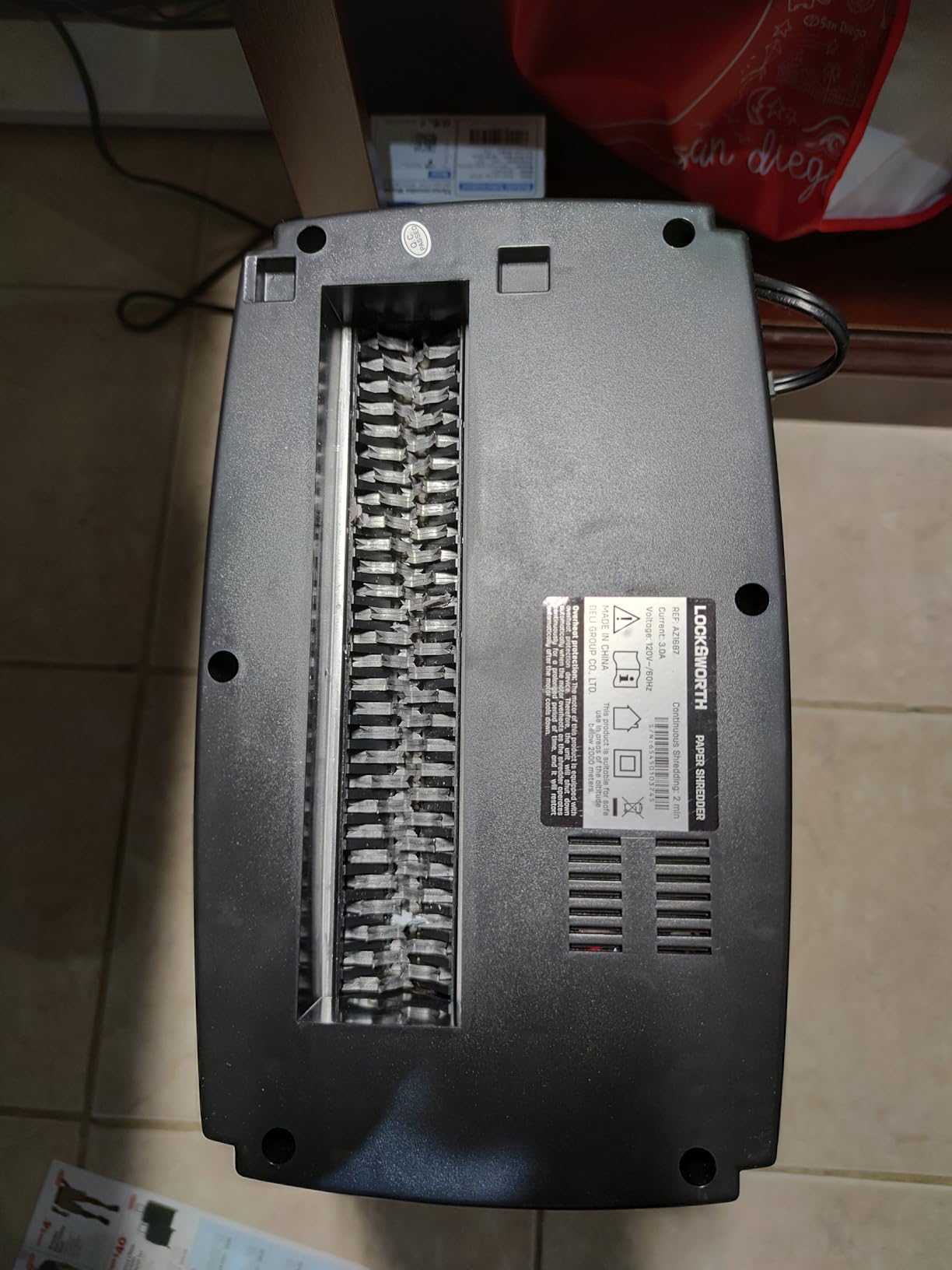
The design is genuinely compact at 4.9 kg, with a footprint that works on a small desk or a shelf. A REV function clears jams and sweeps paper dust off the blades, which matters more on a micro-cut machine than on a strip-cut one.
What you give up is duty cycle. Two minutes of shredding followed by a 60-minute cool-down is the shortest here, and it means this machine suits a first-time buyer clearing a couple of bags of mail, not a monthly routine. The head is top-heavy and needs careful lifting, and the unit runs warmer than larger machines under sustained use.
With 308 reviews at 4.4, the one-star share runs high, and packaging or part complaints appear more often than with the larger brands. Set expectations accordingly.
What micro-cut security you get at this level
Security is not a linear function of price. A budget machine that states 4 x 12 mm particles and delivers them gives you the same unreadable output as a premium machine with the same particle size. Verify the millimeter figure in the listing rather than trusting the word P-4 alone.
Where budget machines differ is in the drivetrain, the duty cycle, the bin and the warranty. You are buying less runtime, not less security.
Who should pick something else
If you plan to shred more than once a month, a two-minute duty cycle will define your experience. The Amazon Basics 6-sheet runs three times as long per cycle.
If bin size matters, 4 gallons with micro-cut output means frequent emptying. A larger bin with a window is worth considering if cleanup bothers you.
What P-1 to P-7 Security Levels Actually Mean
The P-number comes from DIN 66399, the German standard that defines paper destruction security levels. Each level sets a maximum particle size, and roughly how many particles a sheet is cut into. Here is what each level means in practice.
P-1 to P-3 are strip-cut and basic cross-cut levels. Particles are long enough to be reassembled with effort. Fine for general household waste, not for anything you would be uncomfortable seeing reassembled.
P-4 is standard micro-cut: roughly 4 x 12 mm particles, about 1,200 per sheet. This is the right level for bank statements, tax returns, medical bills, insurance documents, school records and ordinary business files.
P-5 is super micro-cut, around 5/64 by 9/16 inch, producing more than 2,000 particles per sheet. Recommended for financial, legal and medical records, and for anything under a contractual destruction clause.
P-6 reduces particles to about 10 square mm, roughly 6,000 per sheet. This is the threshold for classified and highly sensitive material handled by organisations with formal information-handling policies.
P-7 is the highest level, requiring particles below the P-6 threshold, and is specified for top-secret and highly classified material.
Most home and small-office shredders in this roundup are P-4, and one is P-5. If your compliance framework names a specific level, confirm the DIN certification with the manufacturer rather than relying on the listing description.
What Your Sensitive Documents Actually Require
Not everything needs shredding, and over-shredding is how people end up with a machine they never use. Here is a practical triage, plus the framework obligations that tend to drive security-level decisions.
Needs a P-4 micro-cut: bank and credit card statements, tax returns, pay stubs, insurance documents, medical bills and statements, school records, utility bills containing account details, and any business client file leaving your control.
Needs a P-5 super micro-cut: legal files and case documents, regulated financial records, medical records held in volume, and anything covered by a contract or policy that specifies a security level. The narrower 2 x 12 mm cut is what makes these defensible under scrutiny.
Does not need a shredder: junk mail without account numbers, advertising circulars, and any document already in a sealed, tamper-evident envelope going to a lockbox or off-site storage. Shredding a printed page is not the same as destroying the data on a hard drive, a phone or a memory card; those need certified media or data destruction, not a paper shredder.
Also worth knowing: HIPAA obligations in the US concern protected health information and the disposal of records that are no longer retained, and most guidance points toward cross-cut or micro-cut destruction of paper records. FACTA and the GLBA target consumer report information and customer information respectively, and both are handled in practice by routine micro-cut shredding of paper. GDPR obligations in the EU focus on the security and erasure of personal data. None of this is legal advice, and if a rule names a specific level, follow the rule.
How to Choose the Right Micro Cut Shredder
Micro-Cut vs Cross-Cut vs Strip-Cut
Strip-cut makes long strips, which are trivially reassembled with tape. Cross-cut makes small confetti-like diamonds in two directions. Micro-cut takes a further pass and produces small rectangles, typically 4 x 12 mm or smaller. For protecting PII, micro-cut is the stronger of the two secure options and the only one in this roundup. The trade-off is volume, because micro-cut output fills a bin several times faster.
Sheet Capacity in Real Conditions
Rated capacity assumes flat 20 lb bond paper on a cool motor. Feed in four to six sheets for dependable results rather than the label maximum. For occasional use, six to eight sheets is plenty. For a monthly purge, twelve is a comfortable working figure.
Run Time and Cool-Down
Run time is how long the machine shreds before it must cool; together they form a duty cycle. A three-minute cycle suits a shredder used twice a month. A sixty-minute cycle suits a person clearing a backlog in one evening. Matching the cycle to your real workload matters more than any other spec after security.
Bin Volume
Micro-cut output takes up far more space per sheet than strip-cut. A 4-gallon bin on a micro-cut machine may hold a few hundred sheets. Bigger bins and transparent windows are worth considering, and a reusable shred bag inside the bin makes cleanup far less unpleasant.
Noise Level
Under 60 dB is comfortable in a home office. The machines in this group range from 54 dB to machines with no published figure, and that published number matters if you work from home or share an office. Quiet operation is the feature people notice daily.
Auto-Feed vs Manual Feed
Auto-feed takes a stack at once and is the right choice for bulk work. Manual feed is simpler, smaller and fine for daily bills and mail. If your shredding is a monthly event of any size, auto-feed pays for itself in time saved.
Safety Around Children and Pets
Touch-activated blade stop, branded SafeSense on the Fellowes models, stops the cutters when a hand or paw reaches the paper entry. If children or pets have access to the room where you shred, this matters more than sheet capacity. For school settings our guide to shredders suited to classrooms covers placement and supervision in more depth.
Brand Support and Warranty Length
Many brands in this category are the same manufacturing operation under different labels, and several have thin or absent US support. What you can verify is the warranty: a one-year parts warranty is the norm, and a multi-year cutter warranty is rare. Longer cutter coverage is the single most honest signal of expected machine life.
Maintenance
Run a sheet of shredder oil or oil paper through the cutters every few uses, and more often if you shred card stock. Oil keeps blades from dulling and jamming. Empty the bin before it is full, since a full bin is a common cause of paper not feeding. Keep the sensors clear, and never spray aerosol near a shredder.
Frequently Asked Questions
What type of shredder is best for confidential documents?
A micro-cut shredder rated at P-4 or higher. Micro-cut cuts each sheet into small rectangles that cannot realistically be reassembled, where strip-cut and basic cross-cut outputs can be put back together. For regulated financial, legal or medical material, step up to a P-5 super micro-cut with 2 x 12 mm particles.
What is the best micro cut shredder for home use?
The Amazon Basics 6-Sheet High Security Micro-Cut is the strongest all-round home choice, with a true P-4 4 x 12 mm cut, a 4.1 gallon bin and the largest review base in this group at 13679 reviews. The Aurora AU870MA adds an 8-sheet rating and a longer duty cycle for a household that shreds weekly.
Are micro cut shredders worth it?
For anything you would not want a stranger to read, yes. Micro-cut makes document reconstruction impractical, which strips and cross-cut do not. The real costs are the machine itself, the slower bin fill rate compared to strip-cut, and oiling the cutters every few uses. A shredding service is worth comparing against if you have a one-off medical or legal backlog and need a certificate of destruction.
Which paper shredder did Consumer Reports recommend as the best?
Consumer Reports periodically tests and ranks paper shredders, and we have not independently verified its current recommendation, so we will not guess at a model name. What third-party testing generally does not cover is how a machine behaves after a year of daily use, whether the brand answers when a motor dies, and whether the stated security level is actually certified. Those are the three things we checked directly.
What is the best security level for a paper shredder?
P-4 micro-cut is right for personal and most business documents, including bank statements, tax returns, medical bills and client files. P-5 is the right level for legal documents, regulated financial records and medical records held in volume. P-6 and P-7 are reserved for classified and top-secret material handled under formal information policies.
Is a cross-cut shredder secure enough for PII?
Cross-cut is materially better than strip-cut, but micro-cut is the stronger choice. Micro-cut produces a roughly rectangular 4 x 12 mm particle that is much harder to reconstruct than the small diamonds from a cross-cut machine. If you are shredding personally identifiable information, choose a verified P-4 micro-cut or above.
Which paper shredder is the most secure?
Among the machines in this roundup, the Wolverine SD9101 is the most secure, because it is the only P-5 super micro-cut model here, producing 2 x 12 mm particles rather than the 4 x 12 mm output of the P-4 machines. It is quieter than most at 54 dB, though its 20-minute duty cycle and roughly six-sheet real capacity are the trade-offs.
What are the different security levels of shredders?
DIN 66399 defines the levels. P-1 to P-3 cover strip-cut and basic cross-cut, where particles can be reassembled. P-4 is standard micro-cut at about 4 x 12 mm and roughly 1,200 particles per sheet. P-5 is super micro-cut at about 5/64 by 9/16 inch with more than 2,000 particles per sheet. P-6 cuts to about 10 square mm for classified material, and P-7 is the highest level for top-secret material.
How loud is a micro cut shredder?
It depends on the machine and the distance. Published figures in this group run from 54 dB on the Wolverine SD9101 to 58 dB on the auto-feed and metal-body models, and several desktop machines publish no figure at all. Under 60 dB is comfortable in a home office, and the difference between 58 dB and 70 dB is obvious once you measure at desk distance.
What can a micro cut shredder not shred?
Most micro-cut models cannot handle metal credit cards, laminated cards, hard plastic folders, paperclips larger than small ones, or staples on thick bindings. Discs are a partial exception: some machines such as the Aurora AU1210MA accept CDs and DVDs, while others like the Wolverine SD9101 do not. Check the manual slot specification before feeding anything non-standard through the cutter.
The Best Micro Cut Shredder Verdict for 2026
Buy the Amazon Basics 6-Sheet High Security Micro-Cut if you want the most proven P-4 micro-cut shredder for sensitive documents without overcomplicating the decision. It has the review history, the true 4 x 12 mm cut and a footprint that fits a home office, and at 4.5 stars across 13679 reviews it is the safest single recommendation in this roundup.
Step up to the Aurora AU1210MA when you shred in long sessions and want 60 minutes of run time, or to the Fellowes LX220 when a 7-year cutter warranty and SafeSense protection justify the premium. If you need a true P-5 cut, the Wolverine SD9101 is the only machine here that delivers it. For bulk backlogs, the auto-feed models turn a weekend project into a short evening’s work.
Whichever you choose, oil the cutters every few uses, empty the bin before it is full, and match the duty cycle to how often you actually shred. That last step is what turns a machine into a habit, and a habit is the only thing standing between your documents and a landfill.