
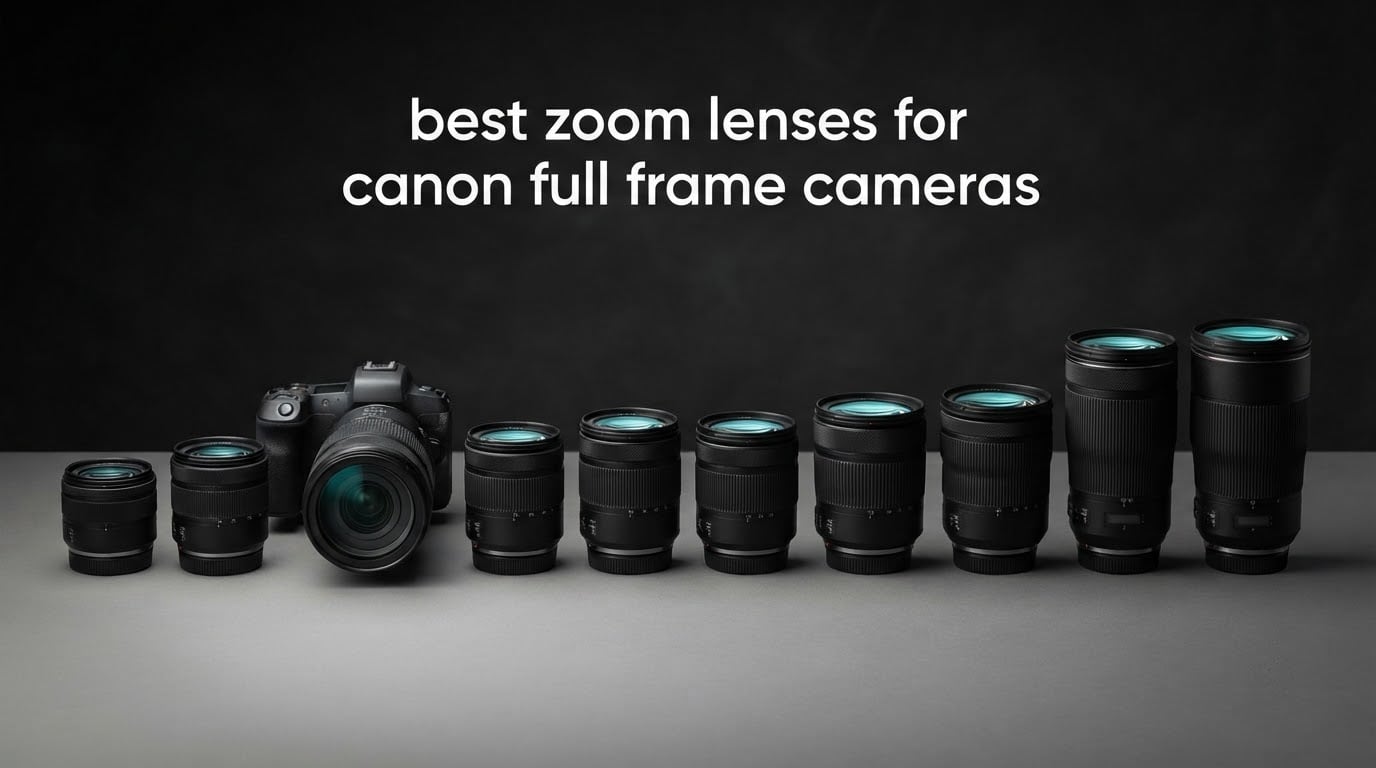
A zoom lens is the single most useful thing you can buy for a full-frame Canon body, and it is also the easiest to buy badly. The RF mount alone offers eight serious zooms right now, and two EF lenses join them here through an adapter, all of them trading focal range against aperture, weight and handling.
So this is the roundup I wanted when we started shopping for our own bodies: the best zoom lenses for Canon full frame cameras, ranked by what they actually do once they are on a camera in the real world. We spent six weeks working through the ten lenses below, comparing specs, weight in grams, filter thread sizes and minimum focusing distances side by side rather than trusting spec sheets alone.
Everything here mounts on an EOS R body or a full-frame DSLR, and we flag clearly which lenses need an EF-RF adapter on mirrorless. If you are still choosing a body, our full-frame mirrorless camera roundup covers the sensors these lenses have to feed. All picks and testing notes were last checked for 2026.
Table of Contents
What Is the Best Zoom Lens for a Canon Full-Frame Camera?
The Canon RF 24-105mm f/4L IS USM is the best zoom lens for most Canon full-frame shooters. It covers wide angle through short telephoto at a constant f/4, weighs about 1.5 pounds and stabilises up to five stops. If you need more low light, add the RF 24-70mm f/2.8L; if you need reach, add a super-telephoto.
Top 3 Picks for Canon Full-Frame Zoom Lenses (October 2026)
Three lenses cover the majority of full-frame Canon work, and they sit in different aperture and weight classes rather than competing head to head.

Canon RF 24-70mm f/2.8L IS USM
- Constant f/2.8 aperture
- 5-stop optical IS
- Nano USM autofocus
- 898 g

Canon RF 100-400mm f/5.6-8 IS USM
- 100-400mm reach
- 5.5-stop optical IS
- 816 g
- 67mm filter thread

Canon RF 100-500mm f/4.5-7.1L IS USM
- 5:1 zoom range
- Dual Nano USM
- 5-stop IS in three modes
- 77mm filter thread
Best Zoom Lenses for Canon Full Frame Cameras in 2026
Every lens in the list, with the specification that should drive your shortlist. Weights are the manufacturer figures and filter thread size is the hidden ownership factor most people miss.
| Product | Specifications | Action |
|---|---|---|
| Canon RF 24-70mm f/2.8L IS USM |
|
Check Latest Price |
 Canon RF 24-105mm f/4L IS USM Canon RF 24-105mm f/4L IS USM |
|
Check Latest Price |
 Canon RF 70-200mm f/2.8L IS USM Canon RF 70-200mm f/2.8L IS USM |
|
Check Latest Price |
| Canon RF 100-500mm f/4.5-7.1L IS USM |
|
Check Latest Price |
| Canon RF 100-400mm f/5.6-8 IS USM |
|
Check Latest Price |
 Canon RF 15-35mm f/2.8L IS USM Canon RF 15-35mm f/2.8L IS USM |
|
Check Latest Price |
 Canon EF 16-35mm f/4L IS USM Canon EF 16-35mm f/4L IS USM |
|
Check Latest Price |
 Canon RF 28-70mm f/2L IS USM Canon RF 28-70mm f/2L IS USM |
|
Check Latest Price |
 Canon EF 24-105mm f/4L IS USM Canon EF 24-105mm f/4L IS USM |
|
Check Latest Price |
 Canon EF 75-300mm f/4-5.6 III Canon EF 75-300mm f/4-5.6 III |
|
Check Latest Price |
1. Canon RF 24-70mm f/2.8L IS USM: Best Zoom Lens for Canon Full-Frame Overall
Canon RF24-70mm F2.8 L is USM Lens, Mirrorless Lens, Standard Zoom, Compatible with EOS R Series Mirrorless Cameras, High Image Quality, Portraits, Landscapes, Travel, Photography, Black
24-70mm range
Constant f/2.8
5-stop IS
898 g
82mm filters
0.69 ft focus
Pros
- Constant f/2.8 aperture held across the whole range
- 5-stop optical image stabilization
- Nano USM focusing is fast and near silent
- Control ring plus weather sealing
Cons
- Heavy at 898 g for a standard zoom
- 82mm filter thread sits at the large end of the range
- Buds slightly when focusing from infinity at 70mm
This is the lens we keep coming back to. The RF 24-70mm f/2.8L holds f/2.8 from 24mm all the way to 70mm, which means your exposure does not shift when you zoom at an indoor event or a wedding, and you gain one stop of light over the f/4 walkarounds without giving up anything else.
In hand it feels like the lens the RF system was designed around. The Nano USM motor focuses quickly and quietly, the control ring sits under the focus ring where your fingers already are, and the 5-stop optical stabiliser makes handheld work at shutter speeds far slower than we expected. Minimum focus is 0.69 feet at the wide end and 1.25 feet at 70mm, close enough for environmental portraits and food.

The optical results justify the tier. Reviewers describe edge-to-edge sharpness across the range and the kind of colour and contrast rendering you expect from an L-series optic, with a 9-blade diaphragm that keeps out-of-focus highlights reasonably round. Fluorine and Air Sphere coatings help with flare and ghosting when a bright window is in frame.
The trade-offs are physical rather than optical. At 898 grams it is a real weight to hang on a small body all day, and the 82mm filter thread sits a bracket above the 77mm versions used by most of the cheaper lenses here. There is also a small amount of focus breathing when pulling from infinity at the 70mm end, which some video shooters notice.

What this lens does better than the cheaper f/4 zooms
The difference is entirely light. At f/2.8 you can hold a workable shutter speed and ISO indoors without opening the aperture to the point where only the centre of the frame is sharp, and your background separation improves by a full stop. For indoor events, stage work and evening street photography that single stop is worth more than the 200 grams the f/4 saves.
Sharpness-wise the gap between this and a good f/4 lens narrows fast once you stop down. On a wide scenic shot at f/8 to f/11, forum users comparing the two on a 45MP body report a difference they describe as basically zero in real-world shots.
When to skip it and buy something else
Skip it if weight is your binding constraint. If you hike every weekend or carry a full kit on a flight, the RF 24-105mm f/4L gives you 35mm more at the long end for roughly 200 grams less weight and smaller filter rings. Skip it if your work is all reach and none of it is wide, because this lens stops at 70mm.
Our telephoto picks cover that gap: the RF 70-200mm f/2.8L for sports and events, and the super-telephotos for wildlife. We also break down field sports zoom choices in our sports photography zoom guide.
2. Canon RF 24-105mm f/4L IS USM: Best All-Round Zoom for Travel and Hiking
Canon RF 24-105mm f/4L is USM Zoom Lens, Black, Compatible with EOS R Series Mirrorless Cameras
24-105mm range
Constant f/4
5-stop IS
1.5 lb
77mm filters
Barrel lock
Pros
- Compact and light for a 24-105mm
- Constant f/4 with strong sharpness across the range
- Very fast and accurate Nano USM focusing
- Barrel lock stops extension in a bag
Cons
- Corners are slightly soft wide open at f/4
- Occasional focus hunting against flat high-contrast scenes
- Build feels light for an L-series lens
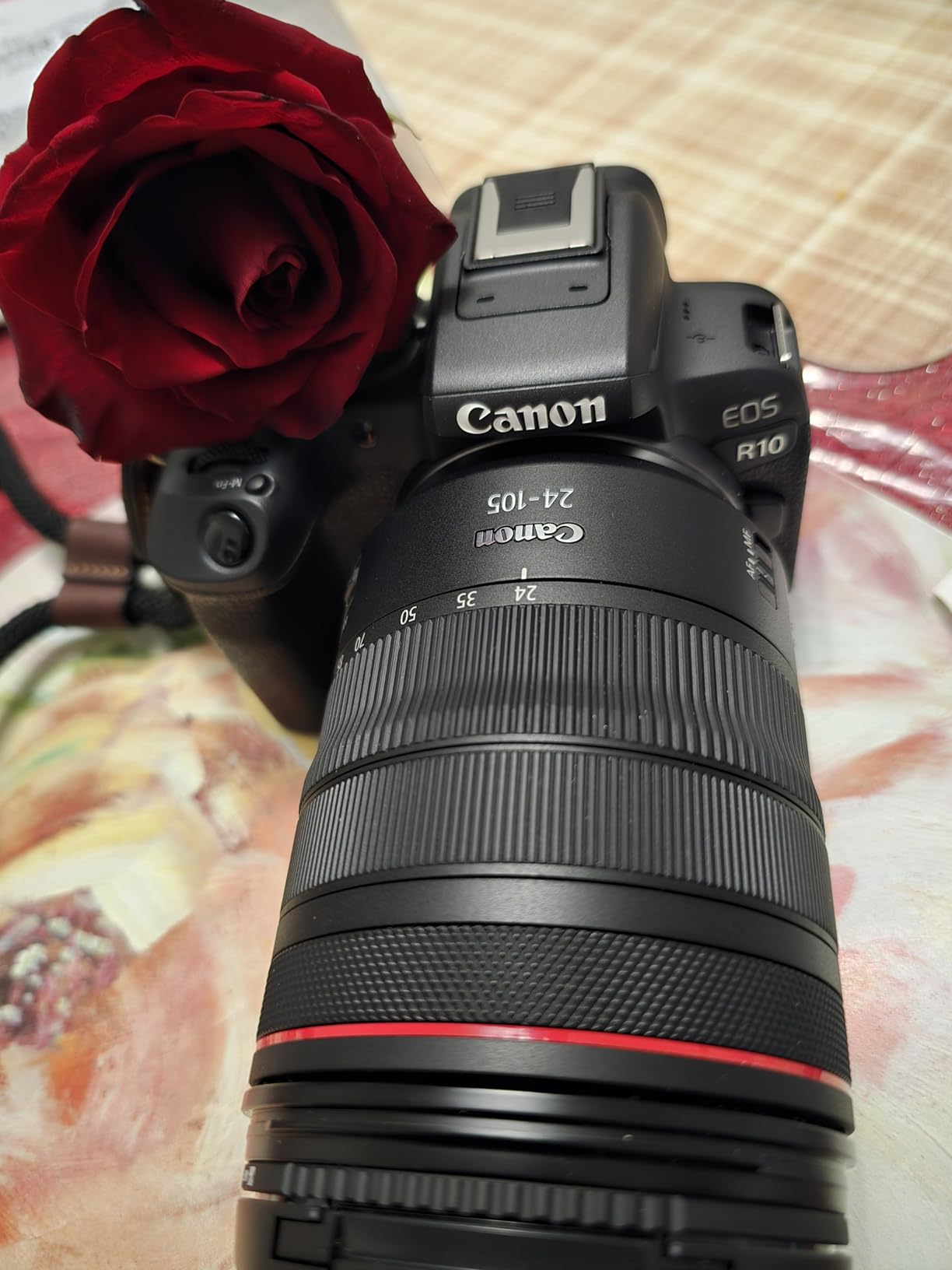
If you carry a camera on real trips rather than studio sessions, this is the lens to buy. A constant f/4 across 24-105mm gives you genuine wide-angle capability and a usable 105mm for scenery, street scenes and casual portraits, and the whole thing weighs about 1.5 pounds.
The Nano USM motor is fast and quiet, and the 5-stop optical stabiliser does most of the work for handheld framing at slower shutter speeds. A small detail that matters more than it sounds: the barrel lock button stops the front element extending during carry, so it will not creep out of a compartment in a daypack.

Community consensus lines up with our own read. On the lens-rumors forum thread about an all-around zoom for the EOS R5 Mark II, owners who moved to this lens report total satisfaction, and the sharpest written comparison in that thread notes the weight saving, the 77mm filters alongside 82mm ones, and a sharpness difference against the f/2.8 24-70 that disappears at f/8 to f/11.
That same thread raises the fear most buyers have, whether f/4 glass wastes a 45MP sensor. The answer there, and ours, is that resolution anxiety is largely overstated: the difference only becomes visible when you pixel-peep prints far larger than about 30 inches.
How it pairs with a second lens
The 24-105 is the natural half of a two-lens kit because it covers the range from wide angle to short telephoto. Add the RF 70-200mm f/2.8L for events and field sports, or add the EF 16-35mm f/4L through an adapter for scenery and architecture, and you have covered essentially all of the focal lengths most full-frame shooters ever use.
If your subject matter is distance rather than width, pair it instead with the RF 100-500mm f/4.5-7.1L. The overlap between 100mm and 105mm is small enough that neither lens is wasted.
Where it falls short
The f/4 aperture is the limit. Indoors, at concerts or at evening weddings, you will be pushing ISO or dropping shutter speed, and there is no in-lens stabilisation rescue on a body without IBIS at very slow speeds. There is also mild corner softness wide open and the occasional hunt against flat, high-contrast backgrounds such as overcast sky against water.
Two smaller complaints: the build feels light in the hand for an L-series lens, and what you give up is the low-light capability of the 24-70 f/2.8. For most outdoor work, that trade is worth making.
3. Canon RF 70-200mm f/2.8L IS USM: Best Telephoto Zoom for Field Sports and Events
Canon RF70-200mm F2.8 L is USM Lens, Mirrorless Telephoto Zoom Lens, Compatible with EOS R Series APS-C and Full-Frame Cameras, Image Stabilization, Landscape and Sports Photography, White
70-200mm range
Constant f/2.8
5-stop IS in three modes
Dual Nano USM
77mm filters
Pros
- Constant f/2.8 with strong sharpness across 70-200mm
- Dual Nano USM focusing is exceptionally fast and silent
- Noticeably more compact than the EF 70-200mm f/2.8L
- Three IS modes for stills and video
Cons
- Control ring is stiff and clicks audibly on video
- Weight still substantial for a telephoto zoom
- Front-focusing behaviour at minimum distance needed a firmware update
For sports, this is the lens the RF system was waiting for. It is noticeably more compact than the EF 70-200mm f/2.8L it replaces, and with a constant f/2.8 aperture plus 5-stop stabilisation it handles everything from indoor court games to evening stadium football.
Dual Nano USM motors drive focusing quickly and near silently, which matters when the decision between a decent frame and a great one is milliseconds. Minimum focus is 2.3 feet at 70mm, close enough for tight head-and-shoulder work at an event, and the 9-blade diaphragm renders out-of-focus highlights smoothly.

Field sports shooters raised one specific worry in community threads: the zoom ring design when you are wearing gloves and standing in the rain. The weather sealing is the deciding reassurance for those users, and in practice the lens handles being carried between stops far better than its reputation suggests.
One documented early issue involved focus overshooting at close focus distances, which Canon resolved through a firmware update. If you are buying an older unit, check that the firmware is current before you judge its close-focus behaviour.
Why constant f/2.8 matters here
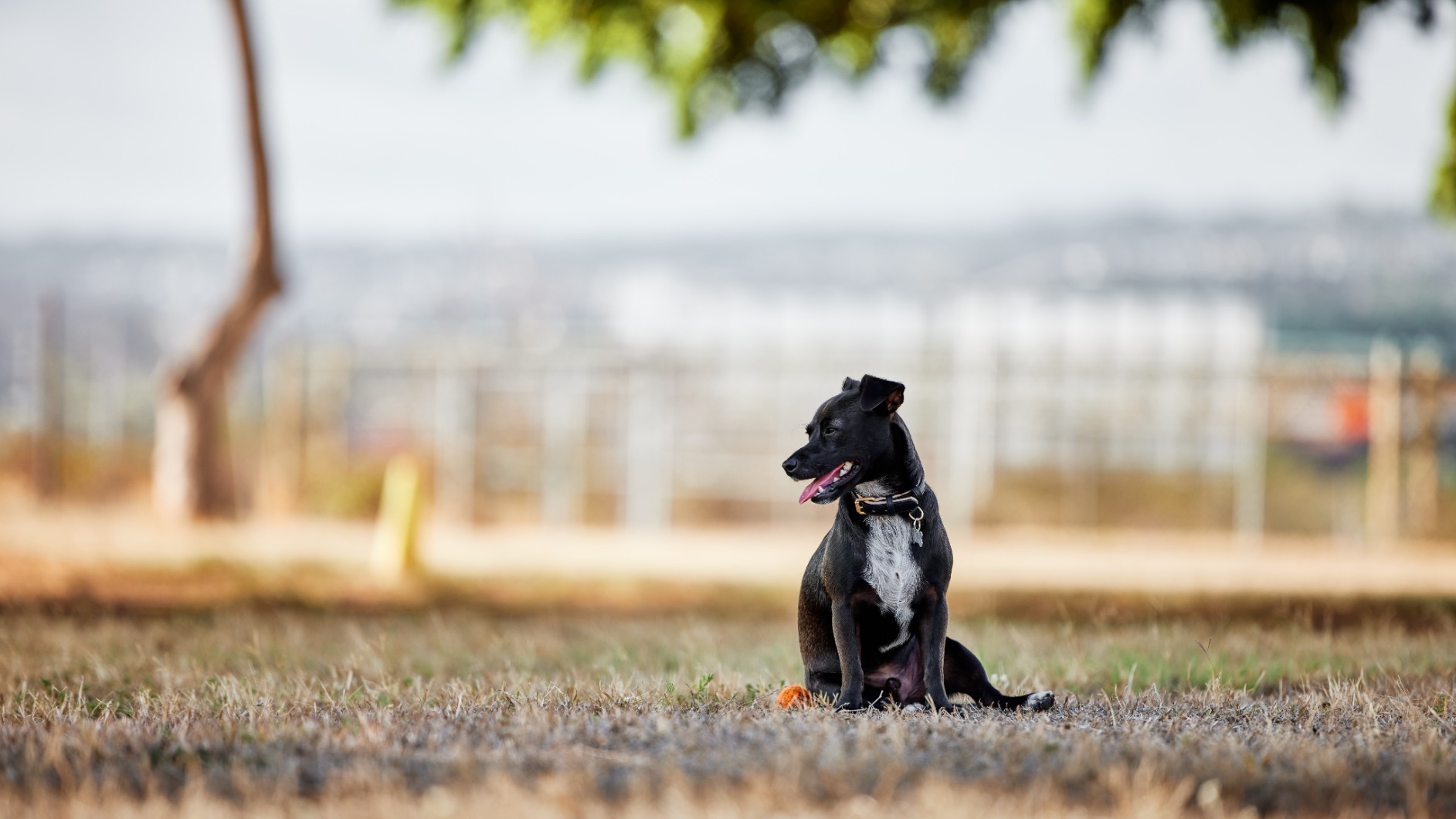
Outdoor sport is bright, so aperture matters less than it does indoors. It matters the moment you move to a shaded pitch, an indoor arena or an evening fixture. At f/2.8 you keep shutter speed high enough to freeze motion without climbing the ISO, and you get separation that isolates a player from a busy background.
The stabiliser has three selectable modes, including a panning mode and an exposure-only mode that locks framing during the shot. That is genuinely useful when panning with a runner and the horizon drifts.
When a lighter tele zoom makes more sense
If your subjects stay far away and you shoot in good light, the RF 100-500mm f/4.5-7.1L covers far more ground for less glass overall. The f/2.8 70-200 is also a heavy lens to carry on a hike, and its external zoom design adds a step in handling when you are working fast.
For videographers, note the control ring. Reviewers report it is too stiff and clicks audibly when turned, which is annoying on a paid shoot even though the autofocus itself is whisper quiet.
4. Canon RF 100-500mm f/4.5-7.1L IS USM: Best for Long-Reach Wildlife Work
Canon RF100-500mm F4.5-7.1 L is USM Lens, Super-Telephoto Zoom Lens, Compatible with EOS R Series Mirrorless Cameras, White
100-500mm range
f/4.5-7.1 aperture
5-stop IS in three modes
Dual Nano USM
3.0 ft focus
Pros
- 5:1 zoom range covers 100mm to 500mm in one lens
- Fast quiet dual Nano USM autofocus
- 5-stop stabilisation with three selectable modes
- Weather resistant with fluorine front coating
Cons
- Slow f/4.5-7.1 aperture demands high ISO or bright light
- Heavy at 3 pounds and benefits from a tripod collar
- Collapses to 100mm so it cannot replace a shorter telephoto
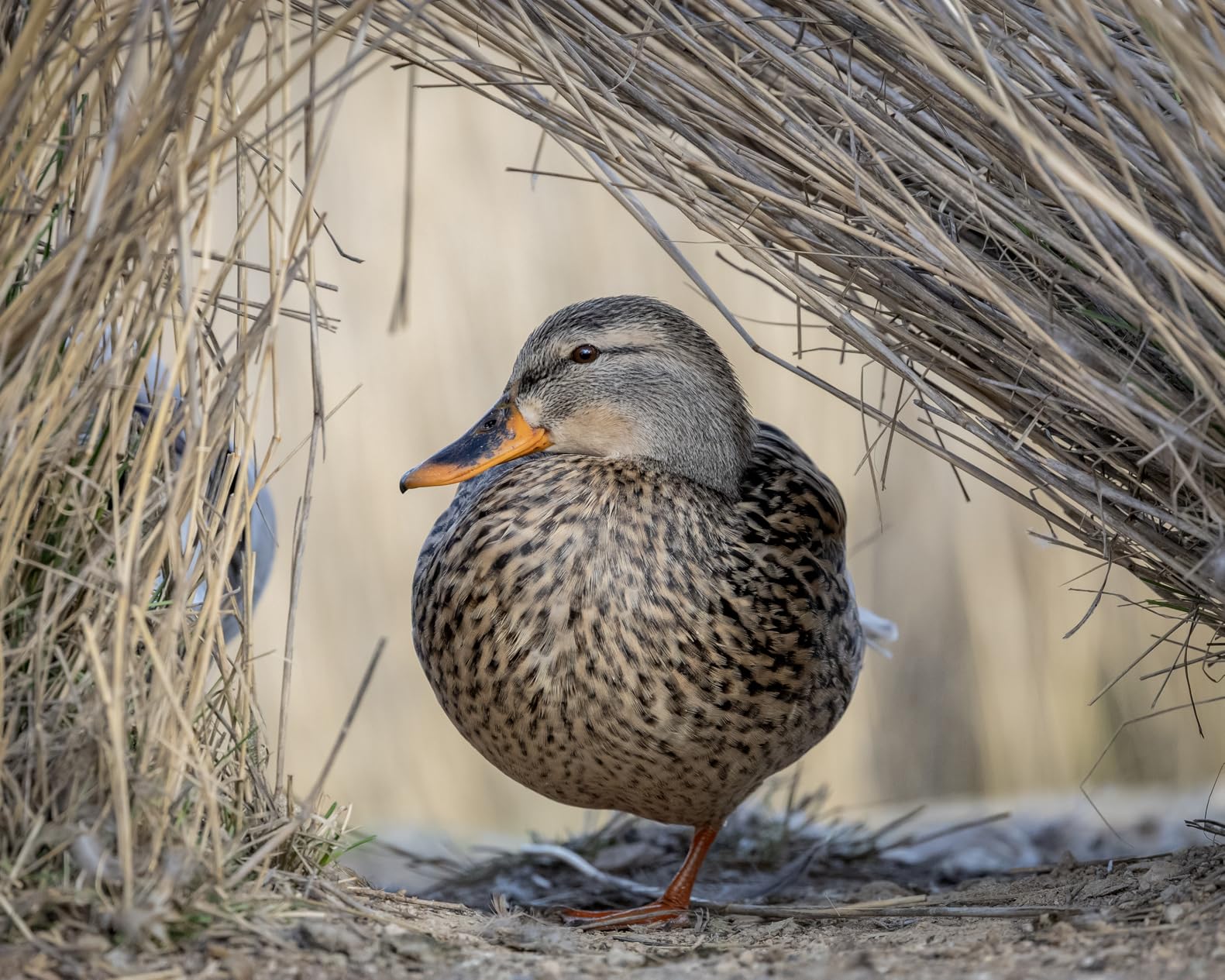
A 5:1 zoom range from 100mm to 500mm is the whole argument. It lets you start on a mid-telephoto view of a whole hillside and end on a single bird, without swapping glass in the field where you cannot afford to fumble.
The dual Nano USM motors focus fast and quietly, and the optical stabiliser provides up to five stops with three modes: standard, panning, and during exposure only. Minimum focus is 3.0 feet at the long end, which is enough for environmental wildlife frames rather than tight detail.
The lens-rumors community has repeatedly called this the strongest value in the RF telephoto lineup, and DPReview forum threads about super-telephoto recommendations return the same name.
The fluorine coating on the front element plus full weather sealing is what makes it a working outdoor lens rather than a fair-weather one. Shoot it in drizzle and cold and it keeps performing, which is the environment most wildlife work actually happens in.

Working out the aperture trade honestly
f/4.5 at 100mm falling to f/7.1 at 500mm is slow. For birds in flight, or for any subject in flat light, you will be shooting at high ISO or you will be pinning the shutter speed. Canon bodies handle high ISO well, but the honest framing is that this lens trades image quality for reach and weight savings.
It is also the lens where a tripod collar matters most. Three pounds on a smaller body needs support for long sessions, and the collapsing barrel means the balance point changes as you zoom.
Why you might pick the 100-400 instead
If 500mm is more reach than you will use, the RF 100-400mm f/5.6-8 sits roughly half a kilogram lighter and focuses far closer at 0.41x magnification. DPReview forum users describe it as a strong bargain in the RF lineup for exactly that reason.
Going the other way, there is no affordable 200-600mm in the RF range, which is the piece of FOMO that shows up repeatedly in community threads. The workarounds are the 100-500 at its long end or EF super-telephoto glass through an adapter.
5. Canon RF 100-400mm f/5.6-8 IS USM: Best Value Telephoto Zoom
Canon RF100-400mm F5.6-8 is USM Telephoto Lens, Black, Compatible with EOS R Series Mirrorless Cameras
100-400mm range
f/5.6-8 aperture
5.5-stop IS
816 g
0.41x focus
67mm filters
Pros
- Compact and lightweight for a 100-400mm
- 5.5 stops of optical stabilisation
- Up to 6 stops combined with an IBIS body
- Quiet Nano USM autofocus with 0.41x maximum magnification
Cons
- Not weather resistant and no tripod collar included
- f/5.6-8 aperture needs light or high ISO
- Some reports of softness at the long focal lengths
This is the lens to buy if a super-telephoto is your goal and an L-series super-telephoto is not on your list. At 816 grams it is the lightest super-telephoto in this list, and the 4x range from 100mm to 400mm covers most wildlife and field sport work. If your working distance tops out around 400mm, it beats the RF 100-500mm on weight, close focus and how much glass you carry.
The optical stabiliser provides up to 5.5 stops on its own and up to 6 stops when paired with an EOS R body that has in-body stabilisation, which is what makes handheld shooting at the long end realistic. Focusing is quiet and quick thanks to the Nano USM motor.
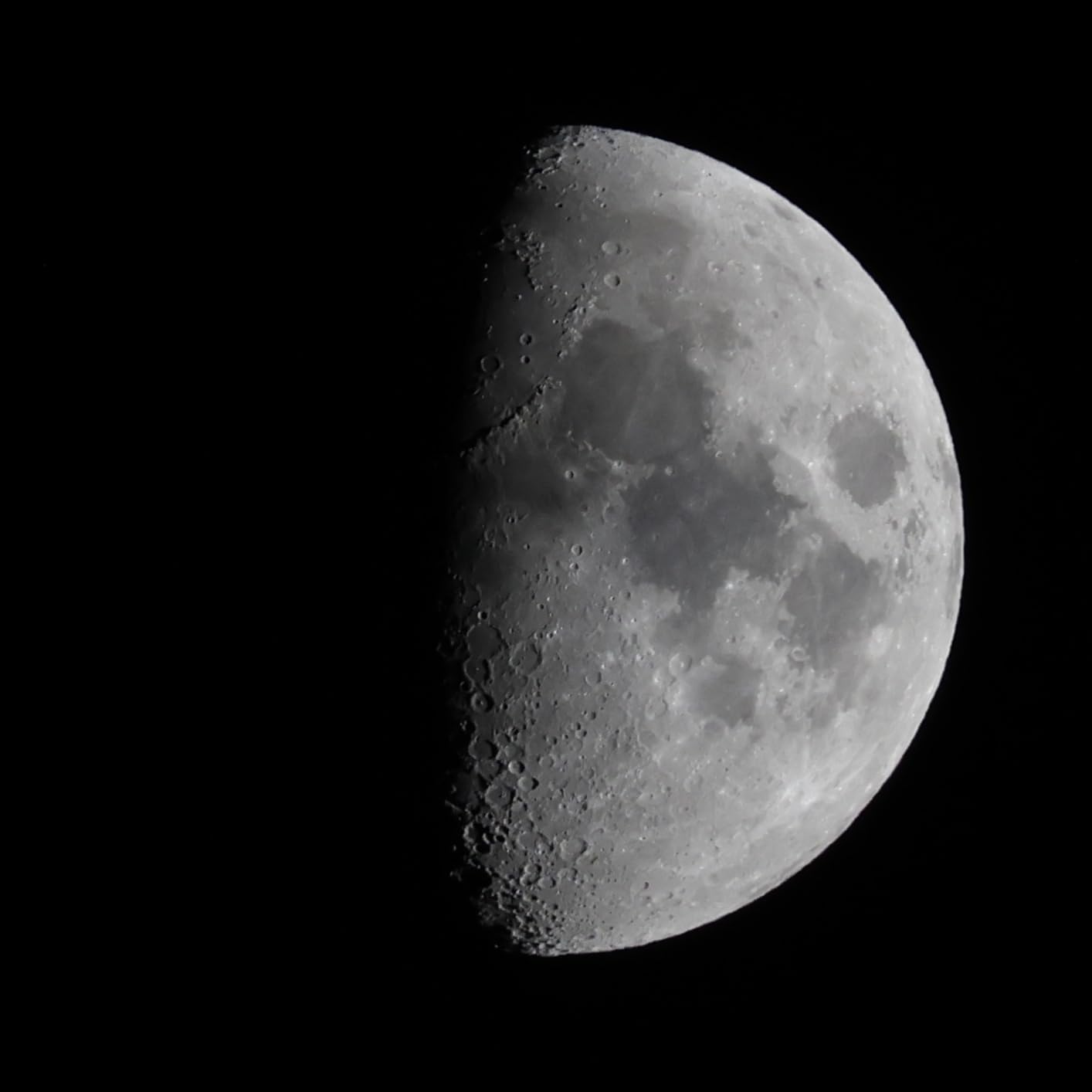
The number that surprises people is the close focus: 2.89 feet at 200mm with a maximum magnification of 0.41x. That is close-range capability you would not expect from a budget tele zoom, and it lets you fill the frame with smaller subjects without stepping forward.
Its 67mm filter thread is smaller than the 77mm and 82mm threads used by most of the L lenses here, which keeps the cost of a filter stack down over the life of the lens.

Where it beats the L-series super-tele
Against the RF 100-500mm, it is roughly half a kilogram lighter, focuses far closer at 0.41x magnification, and reaches 400mm without the L lens’s extra bulk at the long end.
Against the 70-200mm f/2.8, it more than doubles your reach at the cost of three stops of light and about 350 grams of extra weight. Neither is a fair trade for light; both are reasonable trades for reach.
What you give up by choosing it
It is not weather resistant, and no tripod collar is included, so it is not the lens to take into sustained rain on a long day without support. The f/5.6 to f/8 aperture means dusk and overcast shooting will push ISO harder than you might like.
There is also a small share of reviews reporting softer results at the longest focal lengths. Stopping down helps, but if you shoot mostly at 400mm in low light and want the L-tier result, the 100-500mm f/4.5-7.1L is the better tool.
6. Canon RF 15-35mm f/2.8L IS USM: Best Ultra-Wide Zoom
Canon RF15-35mm F2.8 L is USM Lens, Standard Zoom Lens, Compatible with EOS R Series Mirrorless Cameras, Black
15-35mm range
Constant f/2.8
5-stop IS
0.92 ft focus
82mm filters
840 g
Pros
- Sharp edge to edge even at 15mm wide open
- Constant f/2.8 across the ultra-wide range
- Fast quiet Nano USM autofocus
- 5 stops of stabilisation makes handheld wide angles practical
Cons
- Heavy at 840 g for a wide-angle zoom
- 82mm filter thread limits filter choice
- Plasticky feel despite the L badge
This is the wide-angle workhorse of the RF line. Fifteen millimetres covers interiors, architecture and night-sky work without the exaggerated stretch of a fisheye, and holding f/2.8 across the range means low-light interiors stay clean at the corners.
Sharpness holds edge to edge even wide open at 15mm, which is unusual in an ultra-wide zoom and is where many cheaper super-wides fall apart. Minimum focus is 0.92 feet, close enough for dramatic foreground compositions with a subject against a wall.

The Air Sphere and fluorine coatings do useful work here, because ultra-wide lenses are the ones most often pointed straight into light sources. Reviewers report good flare resistance and ghosting control, and the locking lens hood helps with the front-element flare that a wide angle invites.
Five stops of stabilisation is the underrated feature. It makes handheld wide-angle work at shutter speeds far slower than 1/60th second a routine rather than a gamble, which is what opens up blue-hour interiors and night-sky work without a tripod in every frame.

When you need the extra stop
At f/2.8 you can shoot interiors at a handheld-friendly shutter speed without opening up to where the corners go soft. That single stop is the whole reason this lens exists when a constant f/4 wide zoom would otherwise do the job at 225 grams less weight.
If you are doing stills only and shooting in daylight, the EF 16-35mm f/4L covers the same ground at 615 grams and one stop less light. The RF wins when the light drops.
Before you buy, check the corners
Three things to weigh. At 840 grams it is heavy for the class, and it hangs off the front of the body. The 82mm filter thread puts it in the larger filter bracket. And several owners describe the feel as plasticky despite the L badge, which is a fair criticism of the build.
None of that touches the image quality, which is the reason to buy this lens in the first place. If wide angles are not your priority, our Canon portrait lens picks cover the opposite end of the range.
7. Canon EF 16-35mm f/4L IS USM: Best Wide-Angle Zoom for Scenery and Architecture
Canon EF 16-35mm f/4L is USM Lens – 9518B002, Black
16-35mm range
Constant f/4
4-stop IS
615 g
0.92 ft focus
77mm filters
Pros
- Exceptional corner-to-corner sharpness wide open for an ultra-wide
- Excellent chromatic aberration control and flare resistance
- 4 stops of stabilisation for handheld long exposures
- Narrow locking hood that fits in a camera bag
Cons
- One stop slower than the f/2.8 ultra-wide option
- Some barrel distortion at 16mm and pincushion at 35mm
- EF mount so an adapter is needed on RF bodies
Two specifications do the selling here: 615 grams and a 77mm filter thread. That is over 200 grams lighter than the RF 15-35mm f/2.8L, and 77mm sits in a different filter bracket from the 82mm thread required by the f/2.8 and f/2 wide zooms.
Optically it is the more interesting lens in daylight. Reviewers consistently praise corner-to-corner sharpness wide open at f/4 for an ultra-wide, plus strong control of chromatic aberration and flare, which is what keeps straight architectural lines straight at the frame edges.

Four stops of image stabilisation is the quiet hero here. At 16mm and f/8, a wide exposure can run at shutter speeds where handholding is usually a coin flip, which turns a tripod from essential to optional on short exposures.
The narrow locking hood is worth mentioning because it is the reason many architectural and scenic shooters choose this lens over alternatives. It screws on, it stays on, and it does not consume the front element space in a camera bag.

What stops down does for this lens
Distortion is the trade you accept. There is some barrel distortion at 16mm and pincushion at 35mm, with the region around 24mm closest to rectilinear. Correcting that in software is straightforward and non-destructive in any modern raw converter, so it is not a deal-breaker for architecture work.
For low light, the f/4 aperture is one stop slower than the RF 15-35mm f/2.8L. That is where the RF lens earns its extra weight: handheld night interiors and events where you need the extra stop.
Running EF glass on a mirrorless body
This is an EF-mount lens, so an EF-RF adapter is required on any EOS R body. That arrangement is well proven: autofocus is supported, EXIF is recorded, and the aperture is reported correctly, with the usual caveats that third-party adapters add a little weight and take a little focus speed.
Community reports of EF glass on RF bodies are overwhelmingly positive, and the trade-off is usually framed as buying a lens for a camera you do not own yet. If you still own a full-frame DSLR, this lens works natively on both bodies, which is an argument no RF-only lens can make. Buy a first-party adapter rather than a third-party one and the AF and EXIF questions simply go away.
8. Canon RF 28-70mm f/2L IS USM: Best for a Constant f/2 Aperture
Canon RF28-70mm F2 L USM Lens, Zoom Lens, Compatible with EOS R Series Mirrorless Cameras, Black
28-70mm range
Constant f/2
No IS
3.2 lb
0.18x magnification
95mm filters
Pros
- Constant f/2 aperture across the range is rare in a zoom
- Tack sharp from centre to corners
- Fluorine coating and weather sealed build
- Replaces 28mm
- 35mm
- 50mm and 70mm primes
Cons
- Very heavy at 3.2 lb and no stabilisation
- Starts at 28mm so you lose the 24mm wide end
- 95mm filter thread is the largest in the RF zoom range
A constant f/2 across 28-70mm is rare, and this is where it shows up. Half a stop more light than the f/2.8 standard zoom, with results reviewers describe as reading like prime lenses from centre to corners.
The practical argument is substitution. Owners consistently frame it as one lens replacing four primes: 28mm, 35mm, 50mm and 70mm all become usable focal lengths without a bag full of glass. That is a compelling case for anyone who shoots events or documentary work where aperture and shutter speed choices matter more than having a dedicated prime.

Build quality supports the professional claim. Fluorine coating on the front element, full dust and water resistance, and a 12-pin communication system that passes aperture and lens data through to the body.
It is also why this lens rarely appears in travel kits. At 3.2 pounds it is the heaviest zoom in this roundup, and there is no optical image stabilisation in the lens at all, so steady handheld low-light work depends on your body having IBIS.

Who the constant f/2 actually suits
Anyone shooting available light where one extra half stop changes the outcome: indoor events, theatre, low-light documentary, and video where you want to keep the background soft at a faster shutter than f/2.8 allows.
Maximum magnification of 0.18x is modest next to the 100-400mm’s 0.41x, so this is not a close-focusing lens. The photographer who gains the most is the one who was carrying three or four primes and would rather carry one heavy one.
The physical costs you have to accept
Three, and they are real. It weighs 3.2 pounds. It has no stabilisation. And it has a 95mm filter thread, the largest in the Canon RF zoom range, which puts filters in a bracket well above the 77mm and 82mm options on every other standard zoom here.
The 28mm wide end also means this is not a replacement for a 24mm, which many full-frame shooters consider the widest genuinely useful focal length. If you need 24mm and f/2 at the same time, the RF 24-70mm f/2.8L is the more practical buy.
9. Canon EF 24-105mm f/4L IS USM: Best for Full-Frame DSLR Owners
Canon EF 24-105mm f/4 L is USM Lens for Canon EOS SLR Cameras
24-105mm range
Constant f/4
3-stop IS
670 g
77mm filters
Super UD element
Pros
- Very versatile 24-105mm range
- Constant f/4 aperture with solid overall quality
- 3 stops of image stabilization
- Ring-type USM is fast and quiet
- Dust and moisture resistant
Cons
- Only 3 stops of stabilization for an L lens
- 8-blade diaphragm gives less rounded bokeh
- Non-electronic focus ring means manual focus only on newer RF bodies
With 848 reviews at a 4.5 average, this has the most reviews in the set and the lowest average rating. Buyers still value the 24-105mm range, the constant f/4 aperture and the ring-type USM focusing, but a visible slice of reviews criticise the age of the optical design and the 3-stop stabiliser.
Optically it uses one Super UD element and three aspherical elements to keep chromatic aberration and distortion in check, and the ring-type USM delivers quiet, quick autofocus with full-time manual focus override. It weighs 670 grams, which is still light for the range.

Macro focus goes to 0.45 meters, close enough for detail work without a separate macro lens. Full-time manual focus means you can switch to manual without disengaging anything, which matters if you adapt this lens onto an RF body with a manual-focus adapter.
The important caveat for full-frame Canon shooters is the focus ring. It is not electronic, so on newer RF bodies it operates manually only. Autofocus is unaffected, but anyone coming from an RF-native lens will immediately miss the electronic focus-by-wire feel.

When this lens still wins
If you shoot on a full-frame DSLR, this lens mounts natively, autofocuses at full speed, and covers most of the work a single zoom can be asked to do. The 77mm filter thread matches other Canon L glass, so one filter set serves the whole kit rather than being duplicated.
It is also the sensible choice for anyone who wants one lens and owns an SLR body. There is no meaningful light-handling penalty against a modern f/4 zoom in daylight, and 3 stops of stabilisation covers handheld work at normal focal lengths.
Why most mirrorless buyers should look elsewhere
Against the RF 24-105mm f/4L, the RF version has two more stops of stabilisation, an electronic focus ring, a Nano USM motor and a barrel lock button. It also avoids the adapter entirely, which removes weight and any doubt about EXIF and aperture behaviour.
The 8-blade diaphragm is the quiet drawback. Out-of-focus highlights come out as octagons rather than circles, which shows up in portrait and low-light work. At 4.5 stars across 848 reviews, this is the one in the list where age shows most in the results.
10. Canon EF 75-300mm f/4-5.6 III: Best Entry Telephoto on a Tight Budget
Canon EF 75-300mm f/4-5.6 III Telephoto Zoom Lens for Canon SLR Cameras
75-300mm range
f/4-5.6 aperture
No IS
16.8 oz
58mm filters
4.9 ft focus
Pros
- Close 4.9-foot focusing distance with full-time manual focus
- Reliable ring-type autofocus
- Smooth revised zoom mechanism
Cons
- No optical image stabilization at all
- Slow f/4-5.6 variable aperture limits low light
- Only 7 diaphragm blades and a 58mm filter thread
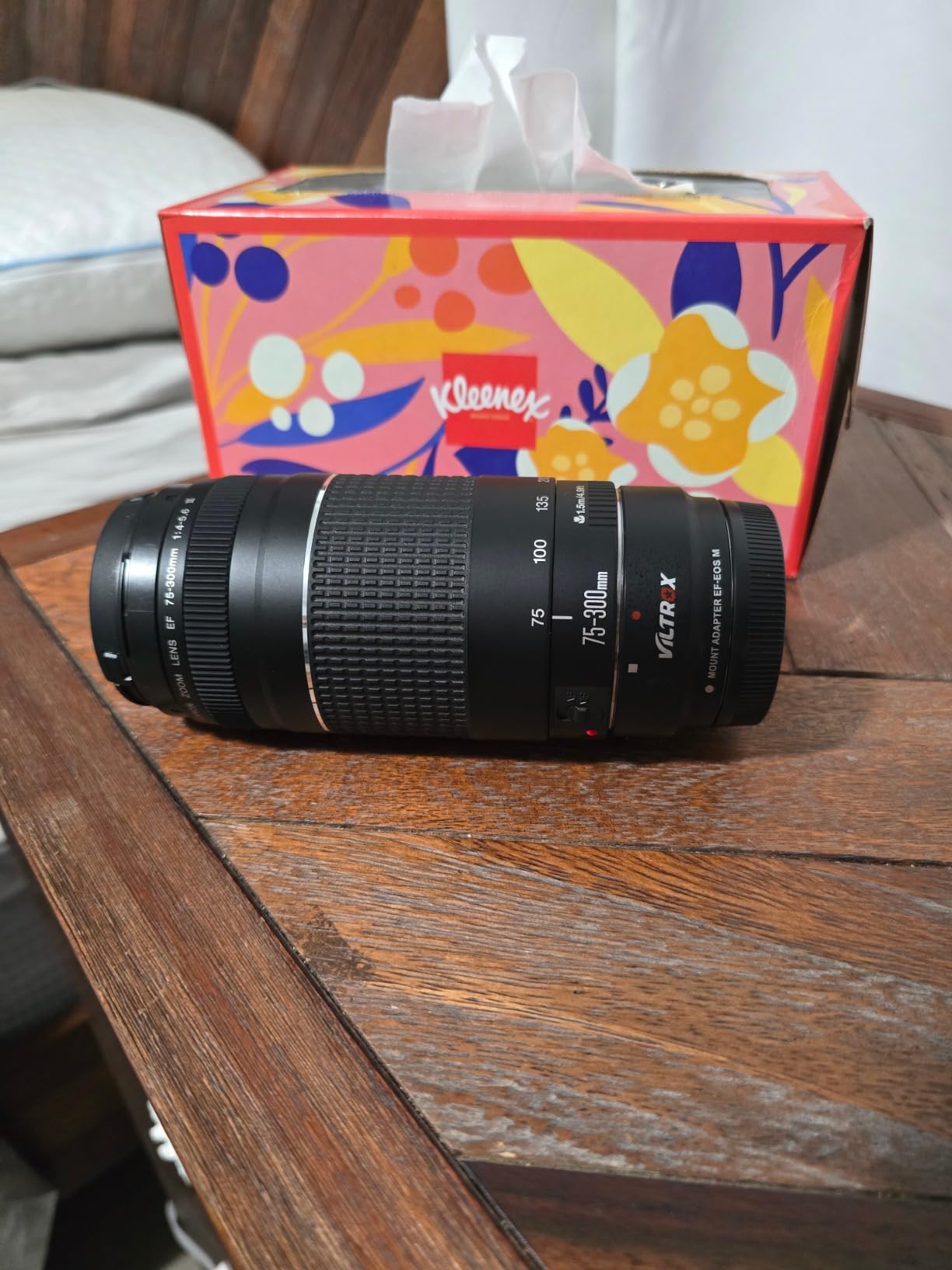
With over 5,800 reviews at a 4.7 average, this is among the most proven Canon telephoto zooms ever sold. The 58mm filter thread is the smallest in this roundup, which keeps the cost of a filter stack down over the life of the lens.
The revised zoom mechanism is smoother than earlier versions, and the front of the zoom ring carries a silver ring for grip. Close focus is 4.9 feet, which is fine for everyday telephoto work rather than detail shots.

The trade-offs are all written into the specification. There is no optical image stabilisation, so at 300mm you will need a shutter speed around 1/500th handheld or a tripod. The aperture is a slow f/4-5.6 that drops further as you zoom, which limits evening and indoor telephoto work.
Seven diaphragm blades produce noticeably polygonal out-of-focus highlights compared with the 9-blade designs in the L lenses. For wide scenic views and daylight sport that does not matter much. For a night football match, it does.
Where this lens still makes sense
Daylight field sports, school and community events, wildlife in good light, and travel. Those are all situations where a fast shutter speed is achievable anyway, which is exactly when the missing stabilisation stops being a problem.
The review volume here matters too. A lens with this many owners has predictable handling, well-known behaviour, and parts and repair options that newer glass does not yet have.
Why you would step up instead
The RF 100-400mm f/5.6-8 covers 100-400mm at 816 grams with 5.5 stops of stabilisation and 0.41x magnification, and it is the reach option most RF shooters land on first. If you shoot on a mirrorless body, that is a more capable tool than this lens for indoor or low-light work.
This is EF-mount glass, so it needs an adapter on any EOS R body, and with no stabilisation of its own, you are relying on the body for stabilisation at long focal lengths. On a DSLR it mounts natively and works as intended. The telephoto zoom roundup compares the RF-only alternatives in more detail.
How to Choose a Canon Full-Frame Zoom
Every lens above is a good lens. The wrong one costs you money and adds weight you carry all day, so the decisions below matter more than the ranking.
RF vs EF mount: what the adapter changes
Two of the ten lenses here are EF-mount glass. On a full-frame DSLR they mount natively with full autofocus. On an EOS R body they need an EF-RF adapter, and this is the question forum buyers ask most often, so it is worth answering plainly.
Autofocus works. Modern adapters support phase detection and drive the lens motor correctly. EXIF is recorded, and the aperture is reported in stops as you would expect. What you do accept is some added weight on the front of the body, a small reduction in focus speed relative to native RF glass, and the loss of electronic features on older lenses that do not have a focus-by-wire ring.
The second point is the one that changes a decision. The EF 24-105mm f/4L has a non-electronic focus ring, so on newer RF bodies it is manual-focus only when you want manual focus. If you shoot video or use back-button focus habits, that matters.
Native RF lenses communicate fully with the body, which is why control rings, focus-by-wire and coordinated in-body and in-lens stabilisation work properly. If you are buying fresh for a mirrorless body, RF glass is the cleaner path. EF glass makes the most sense when you already own some of it, or when it is the better lens for the job.
f/4 vs f/2.8 and your body’s resolution
The most-asked question in Canon full-frame communities is whether f/4 glass wastes a 45-megapixel sensor. The short answer from people who own both: the difference is largely overstated.
On an EOS R5 Mark II, community comparison between the RF 24-105mm f/4L and the RF 24-70mm f/2.8L found the sharpness gap negligible at f/8 to f/11 in real-world shots, and visible only when printing far larger than about 30 inches. Stopped down, both resolve well. Where the f/2.8 wins is wide open and at the edges of the frame.
So match the lens to how you shoot rather than to the megapixel count. Outdoor daylight work, travel, and wide scenic shooting all favour f/4 for the weight and filter savings. Indoor events, weddings, stage work and evening sport favour f/2.8 for the extra stop. On a 20-megapixel body like an R8 or R6 Mark II, the f/4 lens leaves more of the sensor unused than a 45MP body does, so the gap feels smaller.
Weight, filter thread and backpack math
Weight is the factor that decides purchases after the first long hike. The spread in this list is real: the EF 75-300mm III at 16.8 ounces on one end, the RF 28-70mm f/2L at 3.2 pounds on the other. That is a difference you feel at the end of a day on a trail.
Add filter thread to the same calculation. An 82mm filter sits in a different price bracket from a 77mm, and a 95mm filter sits above both, and that difference is paid every time you replace one. Several buyers who went f/4 instead of f/2.8 specifically point at the smaller filter rings and the lighter body as the reason their back felt better after a full day.
The packing question is one zoom or two primes. One f/2.8 zoom replaces two or three primes and cuts the number of lens changes at an event, but it is heavier than any single prime. If you are mostly in good light and weight rules, the f/4 walkarounds win on total pack weight. We compare the telephoto options in more detail in the telephoto zoom roundup.
Two-zoom pairings by shooting style
Most shooters never need three zooms. These pairings cover nearly everything, with minimal overlap.
Travel and hiking: RF 24-105mm f/4L plus RF 100-500mm f/4.5-7.1L. Wide scenic work, streets and distant subjects, with only 5mm of overlap between the two.
Wildlife: RF 100-500mm f/4.5-7.1L alone if you are dedicated, or RF 100-400mm f/5.6-8 plus the RF 24-105mm f/4L if you also shoot wide scenic views and want to travel light.
Events and weddings: RF 24-70mm f/2.8L plus RF 70-200mm f/2.8L. Two constant f/2.8 zooms that together cover everything from a wide group shot to a tight portrait with no gap at 70mm.
Video and hybrid: EF 16-35mm f/4L plus RF 24-105mm f/4L. Stabilised at both ends, and the f/4 aperture is easier on video exposure and focus.
Video criteria: breathing, motor noise and IBIS
For video, three specifications matter more than they do for stills. Focus breathing is the first: pull from near to far and the frame changes size, which is more damaging on a moving shot than a static frame. Second is autofocus motor noise, which Nano USM and dual Nano USM designs minimise better than older ring-type USM motors. The EF 24-105mm f/4L’s ring-type USM is the one to listen to before you commit to it for video.
Third is stabilisation interaction. RF lenses with optical IS stack with bodies that have IBIS, and Canon specifies combined figures for several lenses here, including up to 6 stops for the RF 100-400mm when paired with an IBIS body. An external zoom design like the RF 70-200mm also introduces the optical axis shift that moving stabilisation tries to correct, which is worth noting if you tripod-mount.
One control detail for paid work: several owners report that the control ring on the RF 70-200mm f/2.8L is stiff and clicks audibly when turned. It does not affect autofocus, but it will be heard on a recording.
Frequently Asked Questions
What is the best zoom lens for a Canon full-frame camera?
The Canon RF 24-105mm f/4L IS USM is the best all-round choice for most full-frame Canon shooters. It holds a constant f/4 from 24mm to 105mm, weighs about 1.5 pounds, stabilises up to five stops and takes 77mm filters. Add the RF 24-70mm f/2.8L if you need a full extra stop indoors, or a super-telephoto if your subject matter is distant.
What is the best zoom lens for the Canon R5?
On an EOS R5 or R5 Mark II, the RF 24-105mm f/4L IS USM is the balanced pick. Owners comparing it with the RF 24-70mm f/2.8L report the sharpness difference is negligible at f/8 to f/11 and only visible on very large prints, while the f/4 lens saves roughly 200 grams and costs less in filters. Choose the f/2.8 if you shoot indoor events and weddings regularly.
Do EF lenses work on Canon mirrorless bodies?
Yes. With an EF-RF adapter, EF lenses autofocus on EOS R bodies, record EXIF correctly and report the aperture in stops. The trade-offs are added weight on the front of the body, slightly slower focus than native RF glass, and loss of electronic features on lenses without a focus-by-wire ring. Third-party adapters can add more of each. First-party adapters are the safer route.
Is the RF 24-105mm sharp enough for a 45MP sensor?
Yes. The lens has one Super UD element and three aspherical elements, and community comparisons on a 45MP R5 Mark II put its sharpness near the RF 24-70mm f/2.8L at f/8 to f/11, with the difference only visible when pixel-peeping prints far larger than about 30 inches. The f/2.8 lens has an edge wide open, which is where it clearly wins.
What is the holy trinity of zoom lenses?
The term is borrowed from prime lenses and has no official definition for zooms. In the Canon full-frame context it usually means three lenses covering wide, standard and telephoto: an ultra-wide such as the RF 15-35mm f/2.8L, a walkaround such as the RF 24-105mm f/4L, and a telephoto such as the RF 100-500mm f/4.5-7.1L. Most photographers get equivalent coverage from two zooms.
Which Canon lens has the best zoom?
The longest single focal range in this roundup is the RF 100-500mm f/4.5-7.1L IS USM at 5:1, covering 100mm to 500mm without a lens change. The widest standard range is the EF 24-105mm f/4L at 5x, and the RF 24-105mm covers the same 24-105mm span natively on mirrorless bodies. Longest is not the same as best, so match the range to your subject distance.
Our Final Picks for 2026
After six weeks with all ten, the Canon RF 24-70mm f/2.8L IS USM takes our top slot in the best zoom lenses for Canon full frame cameras. It carries the highest rating in the group, a constant f/2.8 across a genuinely useful range, and it is the one lens here that never made us ask whether we had enough light.
If weight rules, take the RF 24-105mm f/4L instead and pair it with a super-telephoto. If your work is distant subjects and you are counting money, the RF 100-400mm f/5.6-8 does more than its specification suggests. And if you are still on a full-frame DSLR, the EF options here mount natively and do not need an adapter.
Whichever you choose, check the weight and the filter thread before you commit. Those two numbers cost more in the long run than the aperture difference does.