
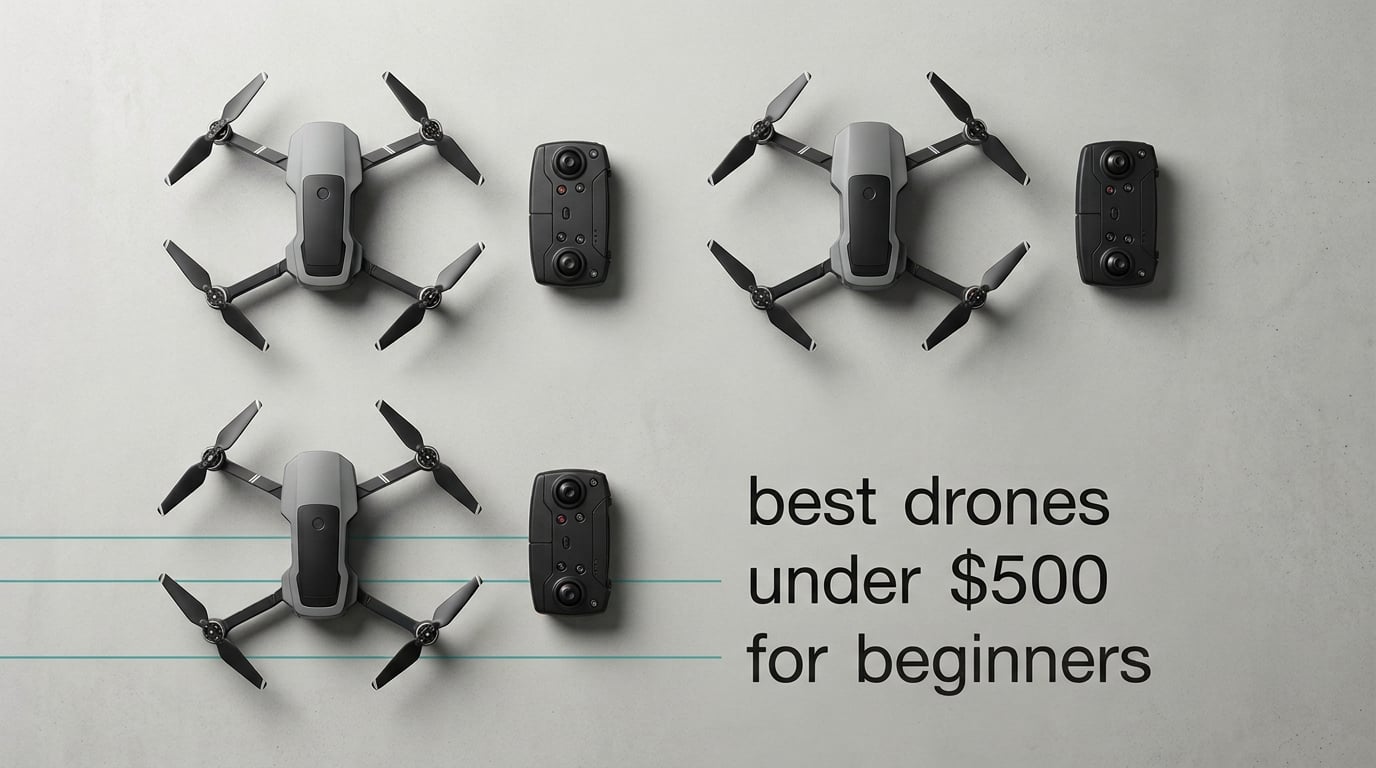
The first drone you buy is the one you will crash most often. That is not a criticism of your flying; it is just how the first twenty battery cycles go, and the reason a beginner who buys the wrong machine ends up paying for the same drone twice. After comparing eight sub-500 models on specs, owner reports, and what actually survives beginner handling, the DJI Mini 4K came out ahead as the best drone under 500 for beginners.
That is the short answer to the question that dominates the weekly buying-advice megathreads on r/drones. The Mini 4K weighs 240 g, so recreational flying in the US skips FAA registration, and it pairs a genuine three-axis mechanical gimbal with the largest battery capacity in this bracket and 10 km of transmission range. Below it sit seven alternatives that each win a different argument, from night photography to indoor flying, and we will tell you plainly where each one falls short.
Pricing and spec research for this roundup was carried out on September 29, 2026. Drone prices move constantly and bundle contents change with the season, so treat the ranking as a guide to which model fits which pilot and confirm the current price at the retailer before you commit. If you want a wider look at camera-first machines, our guide to the best camera drones under 500 covers the same tier from a photography angle.
Top 3 Picks for the Best Drones Under $500 in 2026
These three cover the widest range of beginner needs. The Mini 4K is the one to buy if you can only buy one drone, the Mini 3 is the upgrade for anyone shooting vertical social clips, and the Potensic ATOM 2 is the pick if you mostly shoot at dusk or indoors after dark.

Best Drones Under $500 for Beginners in 2026
Every drone below sits under the US 249-gram registration line and under the 500 price ceiling. Flight times are the manufacturer’s maximum per battery; real flights in wind with 4K recording running usually land noticeably lower, and we flag that gap in each section below.
| Product | Specifications | Action |
|---|---|---|
 DJI Mini 4K DJI Mini 4K |
|
Check Latest Price |
 DJI Mini 3 DJI Mini 3 |
|
Check Latest Price |
| Potensic ATOM 2 |
|
Check Latest Price |
 Potensic ATOM SE Potensic ATOM SE |
|
Check Latest Price |
 DJI Neo DJI Neo |
|
Check Latest Price |
 Holy Stone HS360S Holy Stone HS360S |
|
Check Latest Price |
 Holy Stone HS175D Holy Stone HS175D |
|
Check Latest Price |
 Potensic ATOM 4K Potensic ATOM 4K |
|
Check Latest Price |
1. DJI Mini 4K – Best Drone Under 500 for Beginners Overall
DJI Mini 4K, Drone With 4K UHD Camera, Under 249 g
240 g
4K Ultra HD on a 3-axis gimbal
31 minutes per battery
RC-N1C controller
Pros
- Most reviews of any drone in this roundup
- 3-axis gimbal in a sub-250g body
- Controls are quick to learn
- GPS return-to-home and one-tap takeoff
- Handles light to moderate wind
Cons
- Real battery life runs under the stated figure
- No follow-me or subject tracking
- No vertical shooting mode
The Mini 4K is the drone I hand to a pilot who has never flown before. It keeps a genuine mechanical 3-axis gimbal and a sub-250g weight at 240 g, and it pairs them with a 5200 mAh battery that carries noticeably further than most of this class. With more than 4,000 owner reviews behind it, it is also the most thoroughly tested drone in this roundup, and owners describe it as feeling like a professional-grade machine at a starter price.
Endurance is where it wins the argument. The manufacturer quotes 31 minutes per battery, and bundles are available with 1, 2 or 3 batteries for 31, 62 or 93 minutes of total flight. Brushless motors and level-5 wind resistance at 38kph help it hold its own when the air moves, and QuickShots covering Helix, Dronie, Rocket, Circle and Boomerang automate a move for a hand that is still learning the sticks.

The one limitation reviewers raise most often is that real battery life typically lands in the 25 to 31 minute range rather than the printed 31, and falls further in wind with 4K recording active. Second on the complaint list is the feature set: there is no follow-me, no subject tracking, and no obstacle avoidance.
There is no vertical shooting mode either, so short-form social clips mean cropping in the app. Owners also flag that the DJI Fly app has been removed from Google Play, so Android users download it from DJI’s site instead. Genuine replacement propellers can be awkward to source, which is worth factoring in before your first hard landing.
Why this is the easiest first drone to learn on
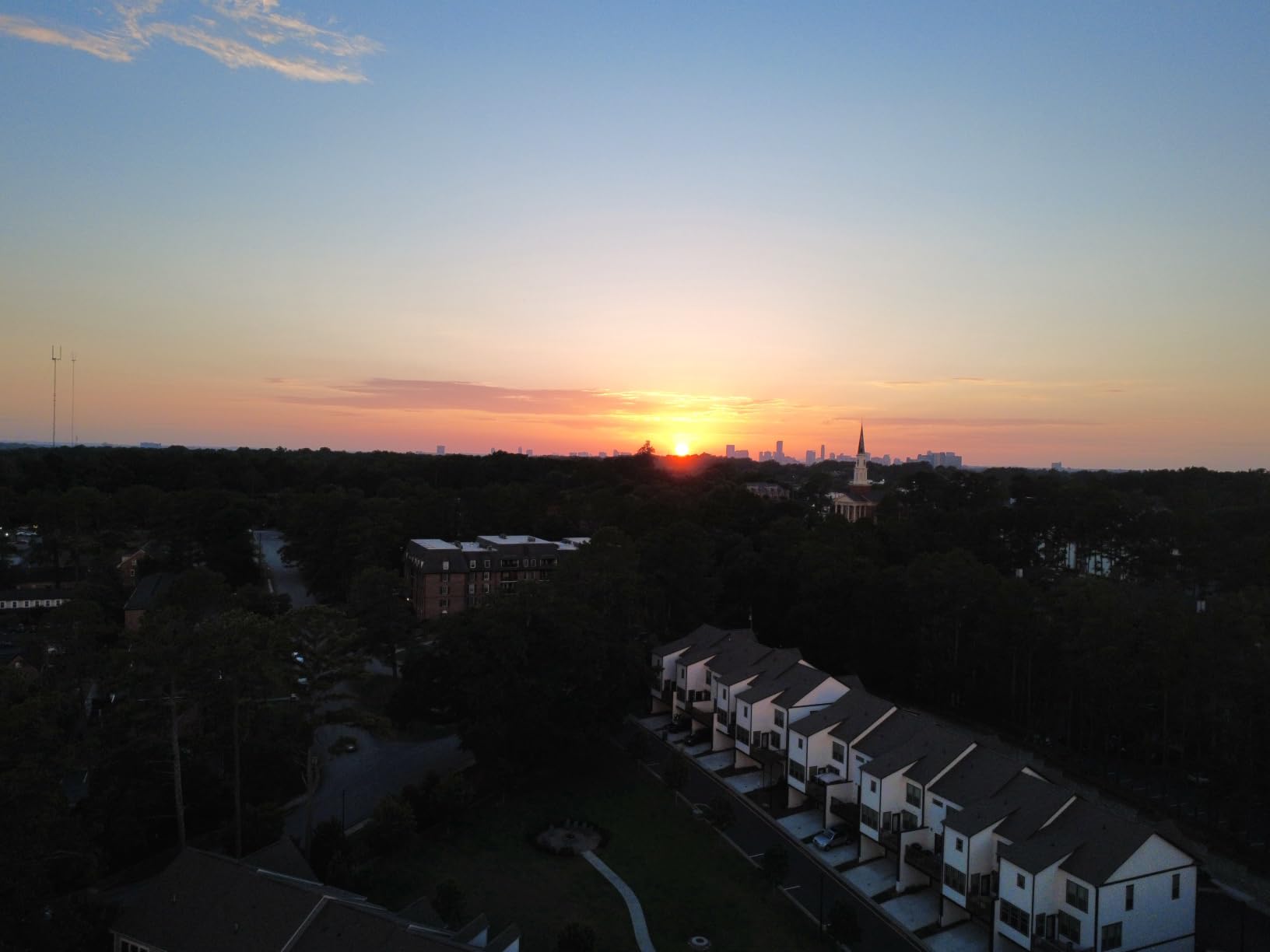
It is stable in the hover and honest in the controls, and that combination is what makes a new pilot relax within a few flights. GPS return-to-home plus one-tap takeoff and landing removes the two moments beginners find hardest, and the 4K output is genuinely good for a drone this light.
If you want a wider camera comparison rather than a flying one, we covered this tier in our best camera drones under 500 guide.
Where the Mini 4K falls short
If you want a drone that films you while you walk a trail without touching the controller, this is not it. The lack of follow-me and tracking modes is the most common regret reported.
It is also a single-battery experience out of the box, and the flight-time claim is optimistic. Budget for a second pack and plan around roughly 25 minutes of usable flight in good conditions.
2. DJI Mini 3 – Best Gimbal for Social Video and Vertical Clips
DJI Mini 3, 3-Axis Mechanical Gimbal Mini Camera Drone
248 g
4K HDR on a 3-axis gimbal
10 km transmission
Single battery in the box
Pros
- 4K HDR on a true mechanical gimbal at 248 g
- True Vertical Shooting for social-ready clips
- 10 km video transmission
- GPS return-to-home plus auto takeoff and landing
- Level 5 wind resistance with brushless motors
Cons
- Fly More bundles and extended batteries cost extra
- No obstacle avoidance sensors
- Base package includes one battery only
The Mini 3 is the pick when you shoot for a phone screen rather than a television. Its 3-axis mechanical gimbal physically holds the camera level against wind and pilot input, and 4K HDR recording with Dual Native ISO Fusion handles bright midday scenes and dusk without a manual profile change. The feature no other drone in this roundup has is True Vertical Shooting, which records in the tall format natively instead of cropping a landscape clip down.
At 248 g it stays under the US registration line, so recreational flying needs no FAA registration and no Remote ID broadcasting. Wind resistance is rated level 5 at 38kph, which matters because wind is the most common reason a lightweight sub-250g drone disappoints a new pilot, and the 10 km transmission gives you room to fly without watching the signal bar. QuickShots and panorama modes automate a slow orbit or climb so a shaky hand cannot ruin the shot.
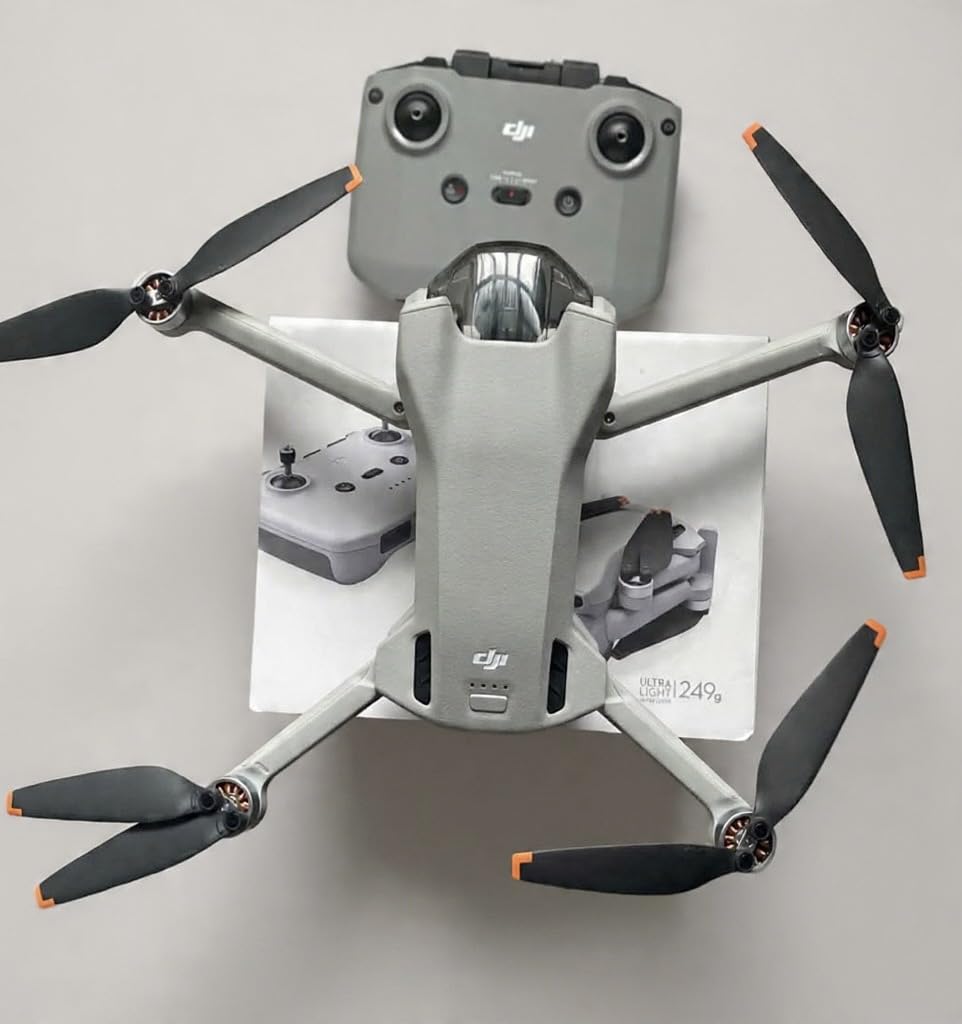
Two things to know before you buy. The base package includes a single battery, and the Fly More bundle and the extended Intelligent Flight Battery Plus are sold separately, so the real cost of longer flights lands above the sticker figure. There are also no obstacle avoidance sensors, so this is an open-field drone rather than one for tight environments.
Owner reviews consistently single out the camera quality, stability in wind, and the in-app learning resources. It carries a higher average rating than any other drone here, and True Vertical Shooting is what turns a landscape clip into a ready-to-post reel without cropping.

Where the Mini 3 beats the Mini 4K
The camera is the reason. The Mini 3 records 4K HDR with Dual Native ISO Fusion and adds True Vertical Shooting, which the cheaper model simply cannot do. For anyone making short-form content, that is worth more than the Mini 4K’s extra battery minutes.
It also carries a higher star rating than the Mini 4K, and the 3-axis gimbal holds steadier in sport mode. The two share the same 10 km transmission rating, so reach is not the deciding factor.
Where you should still pick the Mini 4K
Battery economics. The Mini 4K’s larger cell and multi-battery bundles give 62 or 93 minutes of total flight in one sitting, while the Mini 3 ships with one pack and sells replacements separately.
If you do not shoot vertical at all and you care more about time in the air, the Mini 4K is the better buy.
3. Potensic ATOM 2 Fly More – Best for Low-Light and Night Shooting
Potensic ATOM 2 Drone with Camera for Adults 4K, 10KM Range, Fly More Combo
1/2 inch Sony CMOS
Three batteries included
AI Track and night shot
10 km PixSync 4.0 range
Pros
- Largest sensor in this roundup
- Three batteries plus a parallel charging hub
- Feature list far exceeds the price class
- Usable AI night shot mode
- Strong real-world transmission range
Cons
- No obstacle avoidance sensors
- Waypoint navigation promised but not delivered
- Gimbal steadiness drops in high wind and sport mode
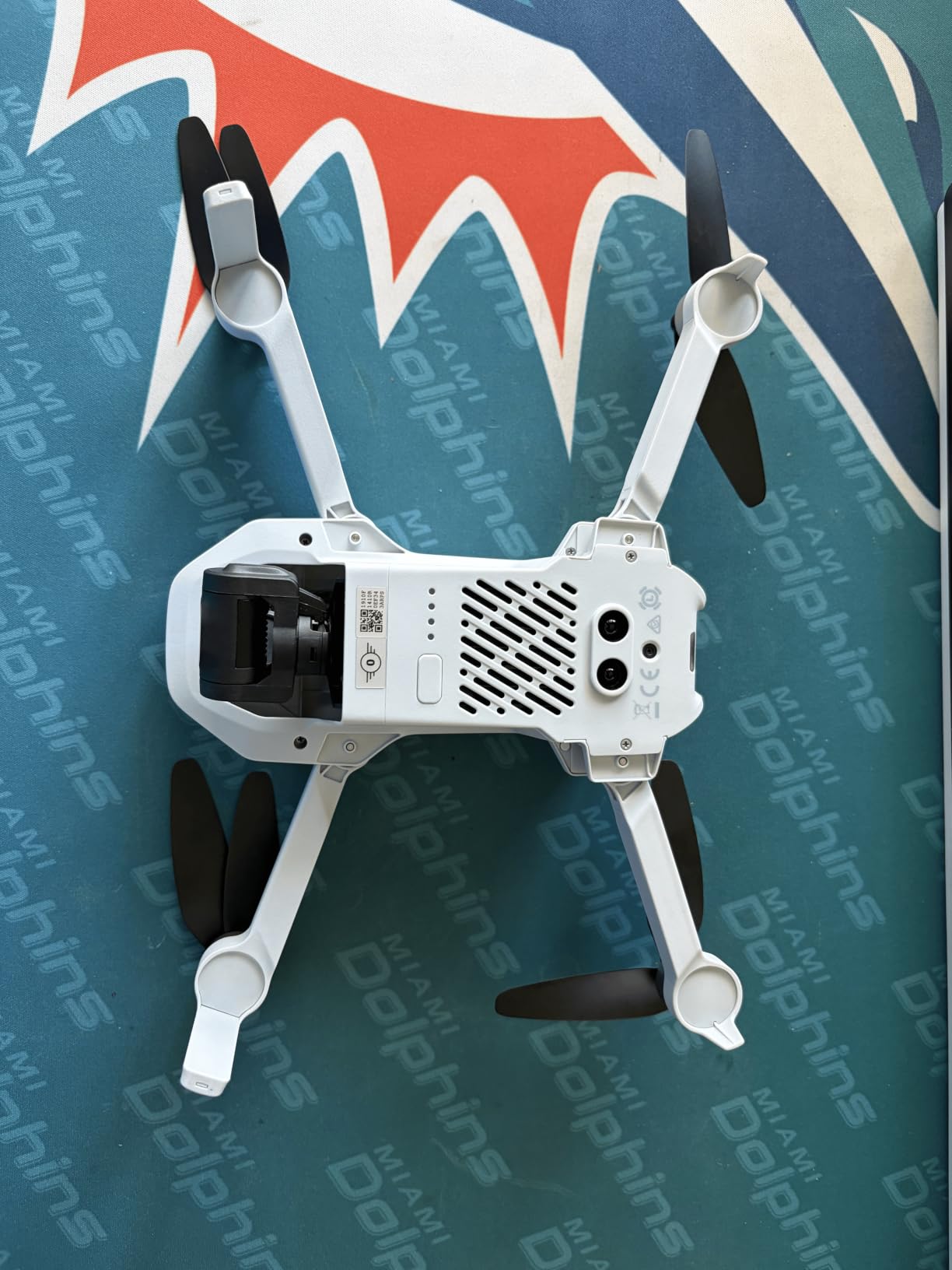
The ATOM 2 is the pick for a pilot who shoots wide open scenes and travel footage and keeps noticing that every sub-250g drone gives up when the light drops. Its 1/2 inch Sony CMOS sensor with an F1.8 aperture and 3-axis gimbal captures 4K HDR at 30fps plus 8K stills, which owners regularly rank above the DJI Mini 4K for photo and night quality.
The bundle is the quiet winner. Three 5200 mAh batteries charge together on the parallel hub in roughly 1.3 hours, so you fly all day without planning around a single pack. At 249 g it still sits under the registration line, and the new controller with directional antenna and PixSync 4.0 gives a 1080p/30fps live view at up to 10 km.

Feature-wise this is the most generous machine here. AI Track covers SpotLight, Follow and Parallel modes, and the creative list includes 2.7K vertical shooting, 4x digital zoom, panoramic, Dolly Zoom, Slow Motion, CineRoll and QuickShots, plus P-Log for grading. GNSS positioning, a custom home point, Cruise Control, auto takeoff and landing and Smart Return-to-Home round out the flight side. Potensic Care in the Potensic Eve app handles support.
The gaps are worth naming. There are no obstacle avoidance sensors, and waypoint navigation was promised but has not arrived. The gimbal is less steady in high wind or at sport-mode speed than a DJI gimbal of the same class, and the top speed is lower. Battery sourcing outside China, the US and the EU is patchy, and no ND filters are included.
Where the ATOM 2 wins
Dusk and overcast shooting is the clear case for this drone. The larger sensor and F1.8 aperture hold detail and stay usable in low light in a way the 1/3 inch sensors in this roundup cannot match, and the AI Stunning Night Shot mode does most of the work for a first-timer.
The three-battery kit also removes the single most common beginner complaint about starter drones, which is running dry after one outing. For learning, that is worth more than any extra flight mode.
Where the ATOM 2 loses
Gimbal steadiness is the honest trade-off. If you shoot fast-moving subjects in windy locations, the steadier DJI gimbal produces cleaner files, and the slower sport-mode top speed shows up when you are chasing motion.
Support response times get criticised even when warranty replacements are honoured, and spare batteries are harder to find in some regions. If you fly far from home, plan your battery count carefully.
4. Potensic ATOM SE – Best for Long Battery Life on a Smaller Budget
Potensic ATOM SE GPS Drone with 4K EIS Camera, Under 249g, 62 Mins Flight, 4KM FPV Transmission, Brushless Motor, Max Speed 16m/s, Auto Return, Lightweight and Foldable Drone for Adults Beginner
Under 249 g
4K EIS camera
Two batteries for 62 minutes total
4 km PixSync 2.0 range
Pros
- Two batteries plus a carry bag in the kit
- Very stable hover for complete beginners
- Brushless motors handle wind well
- Follow Me and Circle Flight both work
- Potensic support praised for warranty replacements
Cons
- No mechanical gimbal
- so video shakes and pans artifact
- No camera zoom at all
- Real range is well under the advertised figure
The ATOM SE is the answer for a beginner who wants the longest flying time per dollar and does not care about cinematic stabilisation. Two 2500 mAh batteries give a claimed 62 minutes of total flight, 31 per pack, and the whole thing folds small enough for a jacket pocket. With more than 6,700 reviews it is the most-owned drone in this roundup, and owners frame it as the budget entry point again and again.
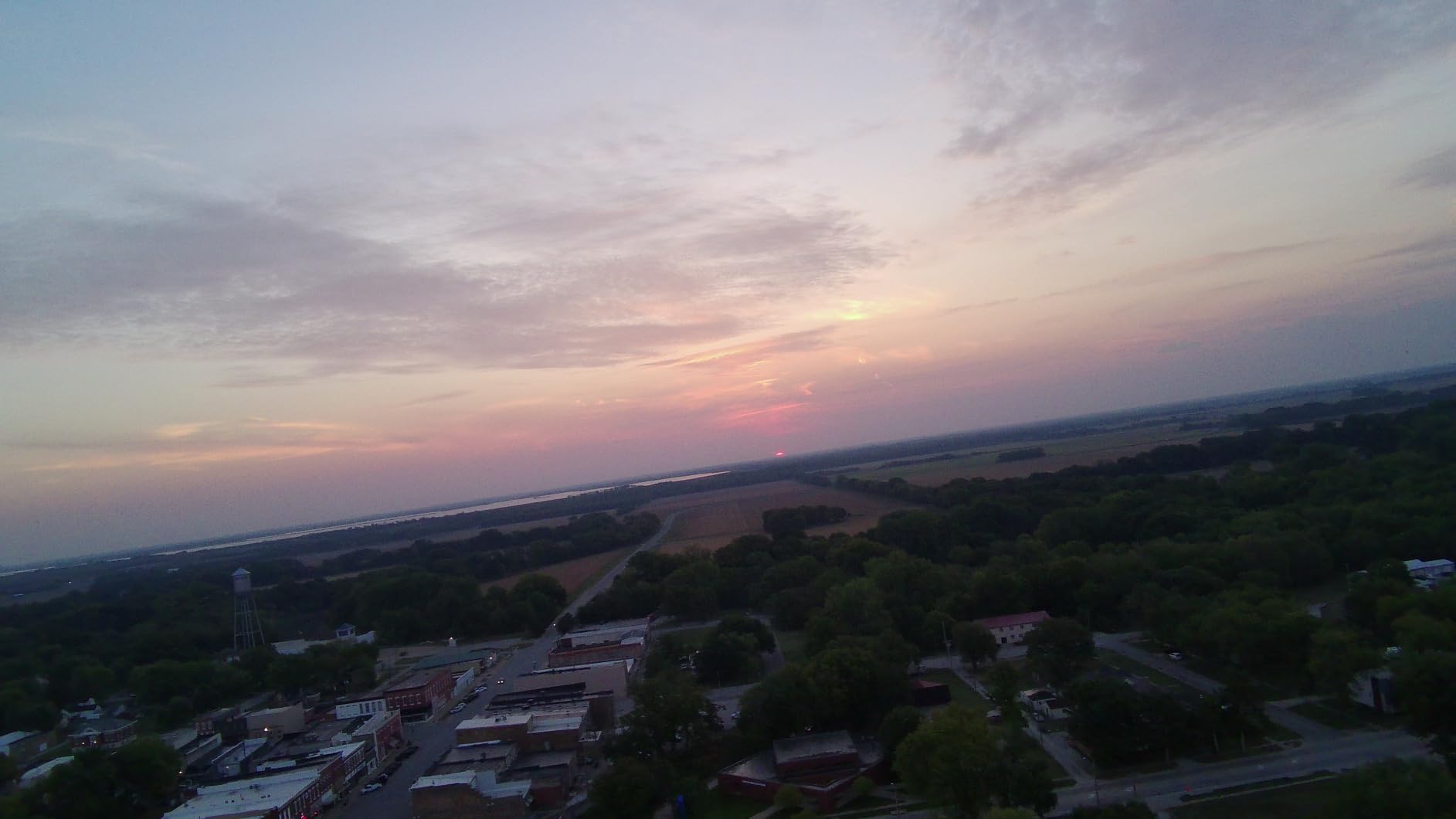
The camera is a 1/3 inch Sony CMOS sensor producing 12MP stills and 4K at 30fps through ShakeVanish electronic image stabilisation across a 118 degree field of view. That is a real 4K file, but the image is held steady electronically rather than mechanically, and the difference shows in fast pans and fast descents.
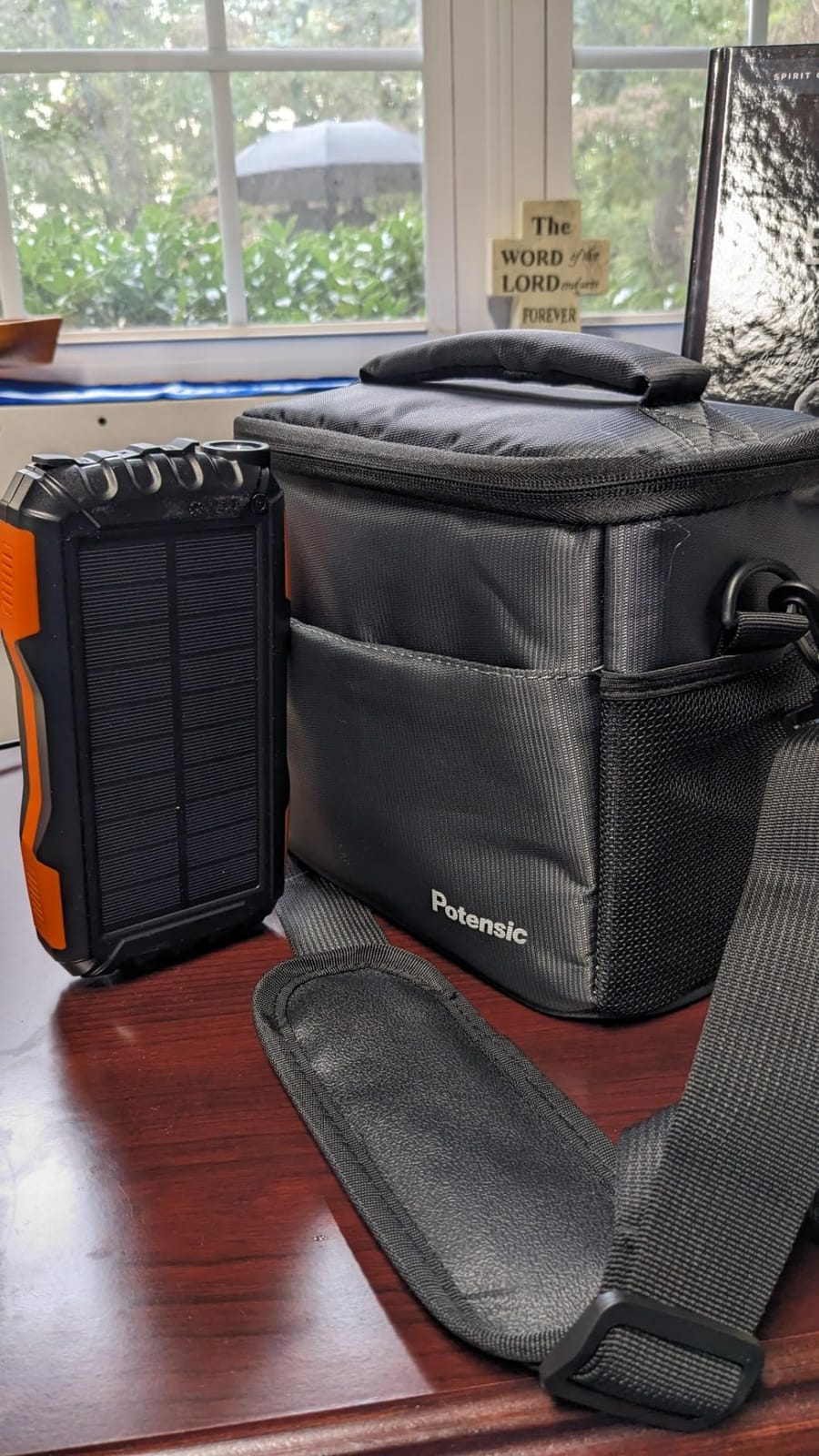
Flight behaviour is where it shines. The SurgeFly system includes a Beginner Mode alongside Video, Normal and Sport modes, topping out at 16 m/s in 2.8 seconds. GPS auto return plus Follow Me, Waypoint Flight and Circle Flight all work as described, and the return lands within a few feet of the take-off point. Brushless motors help it hold position better than the weight suggests.
Two honest limits. There is no mechanical gimbal, so video shakes and panning artifacts appear where a three-axis model would hold clean, and there is no zoom at all, meaning you descend to fill the frame. Real control range is closer to 1,200 to 2,000 feet than the advertised 13,123 feet, and idle batteries can lose a meaningful charge while they sit.
Why a first-timer likes this one
It is stable, it is quiet, and the Beginner Mode plus optical flow positioning means you spend your first flights learning the joy of flying instead of fighting drift. Two batteries also mean a second attempt at the shot without waiting on a charge.
It is the cheapest route into a GPS drone with return-to-home and automated flight modes. If you later want smoother video, our best camera drones under 500 guide covers the three-axis models worth upgrading to.
Where it is not the right tool
Do not buy it for video. Electronic stabilisation cannot match a physical gimbal, and a long lens-less camera forces you to fly closer than beginners safely should.
Range claims matter here more than usual. If you plan to fly large open landscapes, the honest real-world figure is a fraction of the printed maximum, and the thin 4 km link can drop out at low altitude.
5. DJI Neo – Best for Travel, Indoor Flying and Palm Launches
DJI Neo, Mini Drone with 4K UHD Camera for Adults, 135g Self Flying Drone that Follows You, Palm Takeoff, Subject Tracking, QuickShots, Stabilized Video, Built-In Propeller Guard (Controller-Free)
135 g
Palm takeoff and landing
Full propeller guards
4K stabilised video
Pros
- Pocketable at 135 g and airborne in seconds
- Full-coverage propeller guards make it safe indoors
- Subject tracking and eight QuickShots modes
- Extremely stable hover using vision positioning
- Built-in storage means no memory card needed
Cons
- Flight time is only about 15 to 18 minutes
- No microSD slot and roughly 22 GB internal storage
- Phone-only flight limits range to about a city block
The Neo is the smallest and most unusual drone here, and the only one you can launch from your hand. At 135 g it fits in a jacket pocket, needs no FAA registration or Remote ID anywhere, and full-coverage propeller guards enclose the rotors completely, so it is the one drone in this roundup I would fly indoors or near people.
It launches with a palm takeoff and lands the same way, with no controller needed. You can fly it controller-free, by voice control in English or Chinese, through the mobile app, or with an RC controller if you add one. Subject tracking and eight QuickShots modes work better than most pilots expect from a drone this size.
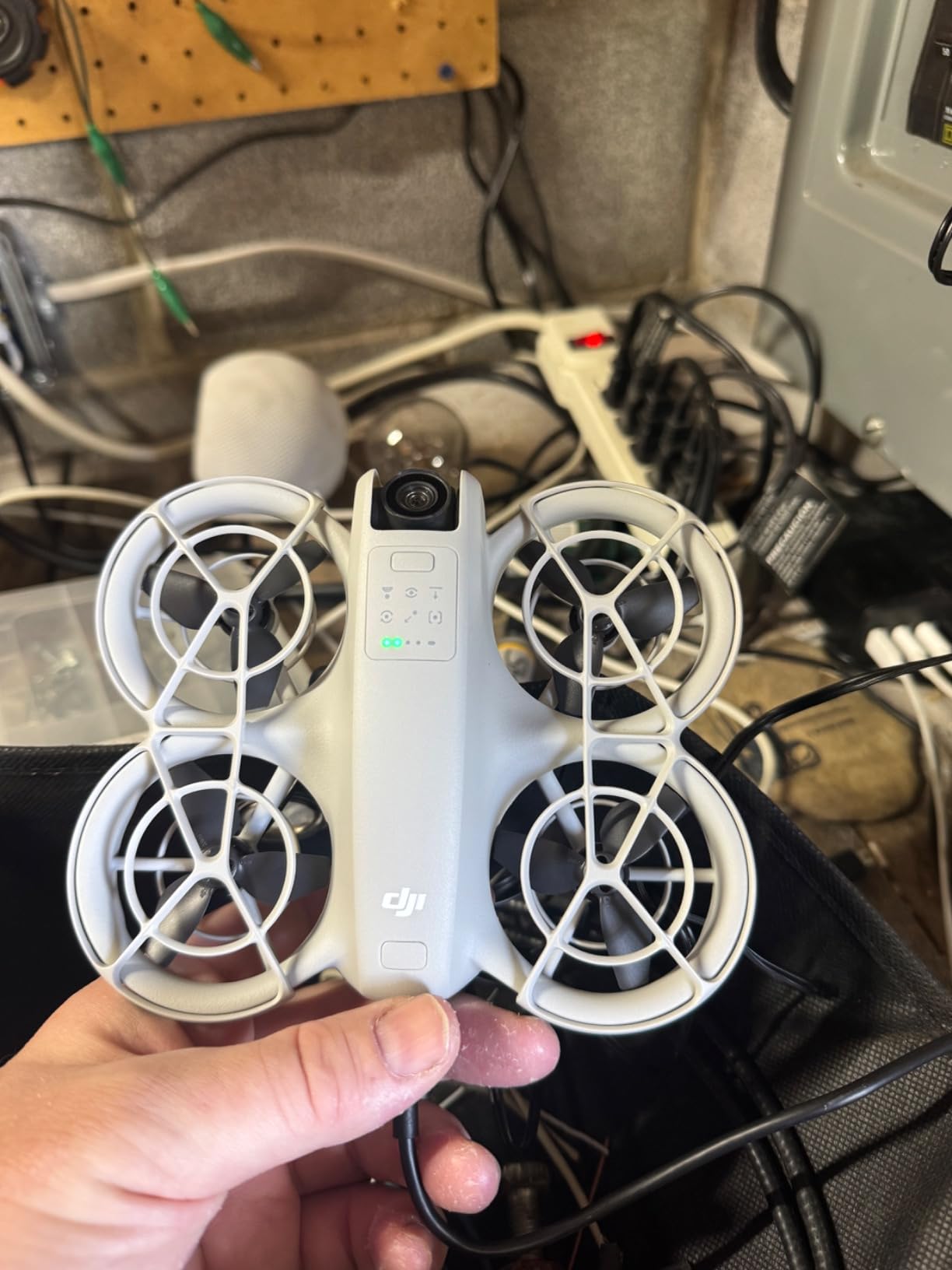
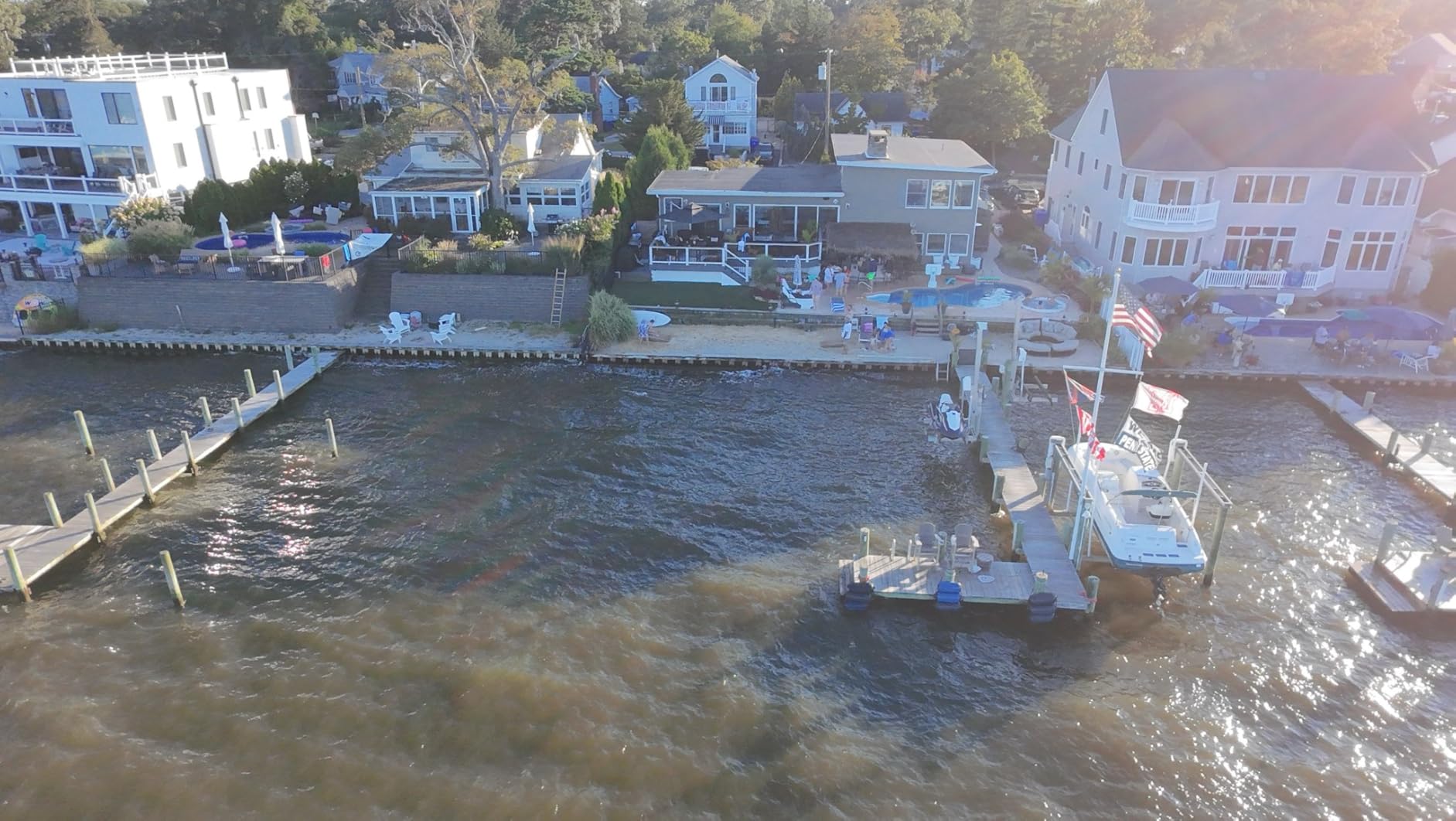
The compromises are substantial and mostly about the camera. There is no multi-axis gimbal, image quality is roughly entry-level smartphone class with no zoom, and there is no vertical video mode even though the drone is clearly aimed at social content. Storage is internal, limited to roughly 22 GB, with no microSD slot.
Flight time is about 15 to 18 minutes and the recharge takes longer than that, which caps how much you can get done in one sitting. Flying from a phone alone limits range to about a city block, so add an RC controller if you want distance. On Android the DJI Fly app is not on Google Play and needs security settings changed, which trips up first-time owners.
Where the Neo is the right tool
Travel, birthdays, and indoor footage. It is airborne in seconds, it hovers astonishingly still using vision positioning even without GPS, and the guards make a small living room workable as a flying space.
It is also the safest first drone for a gift. There is no registration to think about, no memory card to buy, and a hard landing against a wall costs far less than a bigger airframe.
Where it falls short
It is not a camera drone. No gimbal, no zoom, no vertical mode, and internal-only storage means you are grading phone-class footage.
Anyone who wants to walk a trail and let the drone follow will be disappointed without the RC controller. If you want real gimbal footage at a similar weight, the Mini 3 is the step up.
6. Holy Stone HS360S – Best Durable First Drone With a Big Control Range
Holy Stone GPS Drone with 4K UHD Camera for Adults Beginner; HS360S 249g Foldable FPV RC Quadcopter with 10000 Feet Control Range, Brushless Motor, Follow Me, Smart Return Home, 5G Transmission
213 g
4K UHD with 1/3 inch CMOS
Control range up to 10000 feet
5GHz dual-band transmission
Pros
- Strong cost-to-performance ratio for a first drone
- Durable build and solid controller that survives crashes
- GPS return-home works reliably
- Beginner mode plus optical flow positioning
- Replacement parts and repair guides are easy to find
Cons
- No gimbal or image stabilisation
- Only one battery included and it charges slowly
- Some units develop a drifting hover over time
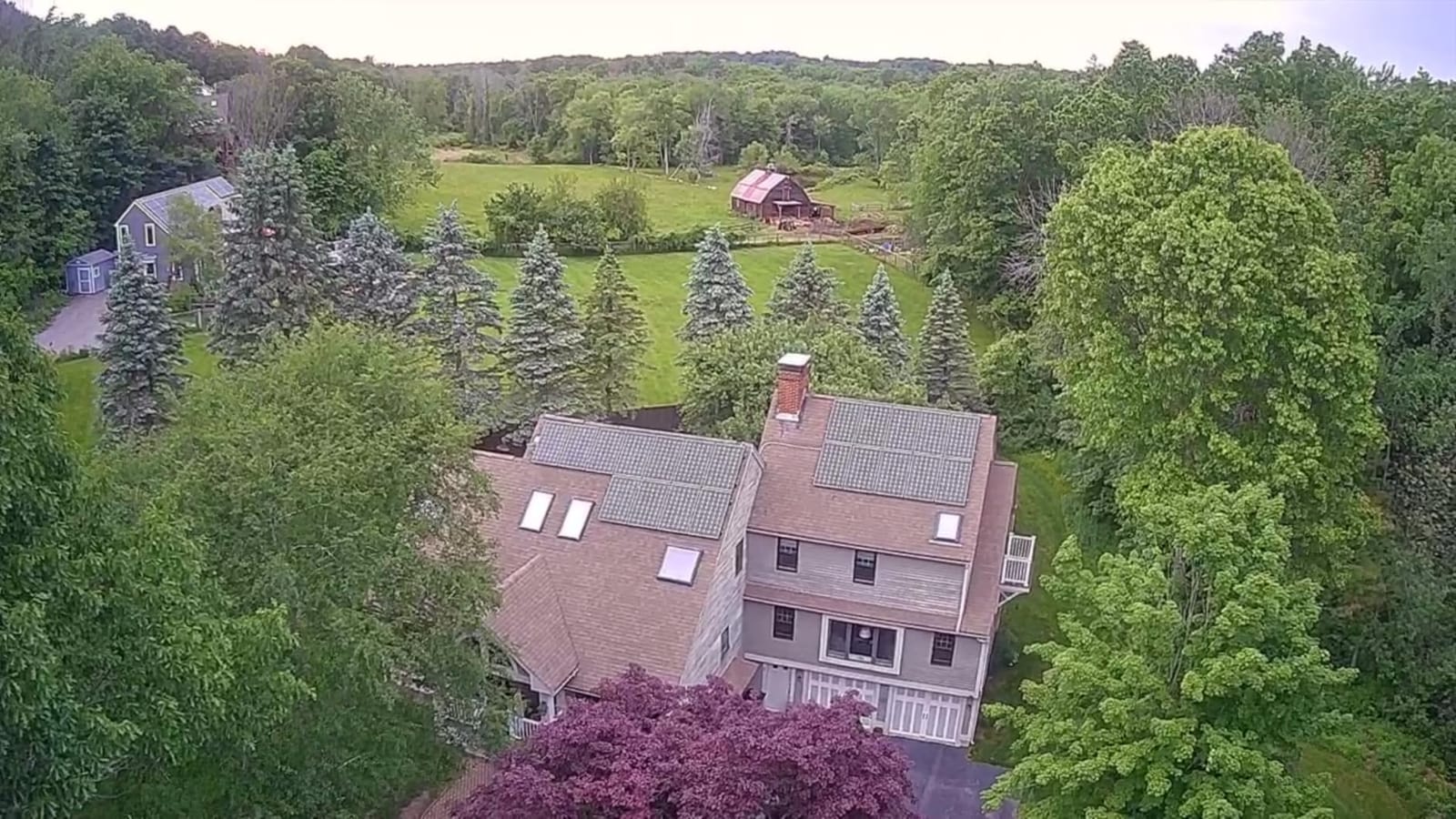
The HS360S is the one to buy if your priority is learning to fly rather than making film, and if you want a machine that can be thrown into the air roughly as often as you like. At 213 g with brushless motors, a solid controller, and a build reviewers describe as durable, it is the most forgiving first drone on this list.
The camera is a 1/3 inch GalaxyCore CMOS sensor shooting 4K UHD through an 85 degree lens that tilts within a 90 degree range. You connect your phone to the controller with a single data cable for real-time streaming without needing Wi-Fi, which removes one of the most common first-day frustrations. Transmission is 5GHz dual-band with a claimed 10,000 feet control range.
Flight assist is thorough for the money. GPS positioning triggers a safe return-home on low battery or signal loss, and it genuinely helps you locate a downed aircraft. Beginner mode, optical flow positioning, Follow Me, Waypoint Flight, Point of Interest, and recording modes such as Spiral Up, Catapult and 1-Tap Ascension are all present. Flight time is around 20 minutes per battery.
Reviewers are blunt about the camera: there is no gimbal and no image stabilisation, so footage is noticeably shaky and choppy, and this is closer to an adult toy than a video platform. Only one battery is included and it charges slowly. A minority of owners also report a drifting or toilet-bowl hover developing after a few weeks, and the stick control offers few usable slow-speed settings.
Why it suits a rough first pilot
Nothing here is delicate, the return-home works, and Holy Stone ships replacement parts with actual repair guides, which is a genuine advantage after your first tree. A new pilot gets 20 usable minutes of flight and a clear picture of what the stick inputs do.
It is also the pick if you want to fly near the ground for roof inspection or property walkarounds, where the long control range matters more than image quality.
Where it is the wrong choice
If you want smooth video at all, pick anything with a mechanical gimbal. No stabilisation means you will discard most of what you shoot.
The single slow-charging battery and the reported hover drift on some units are real drawbacks. Test the hover indoors as soon as it arrives so you can address it early.
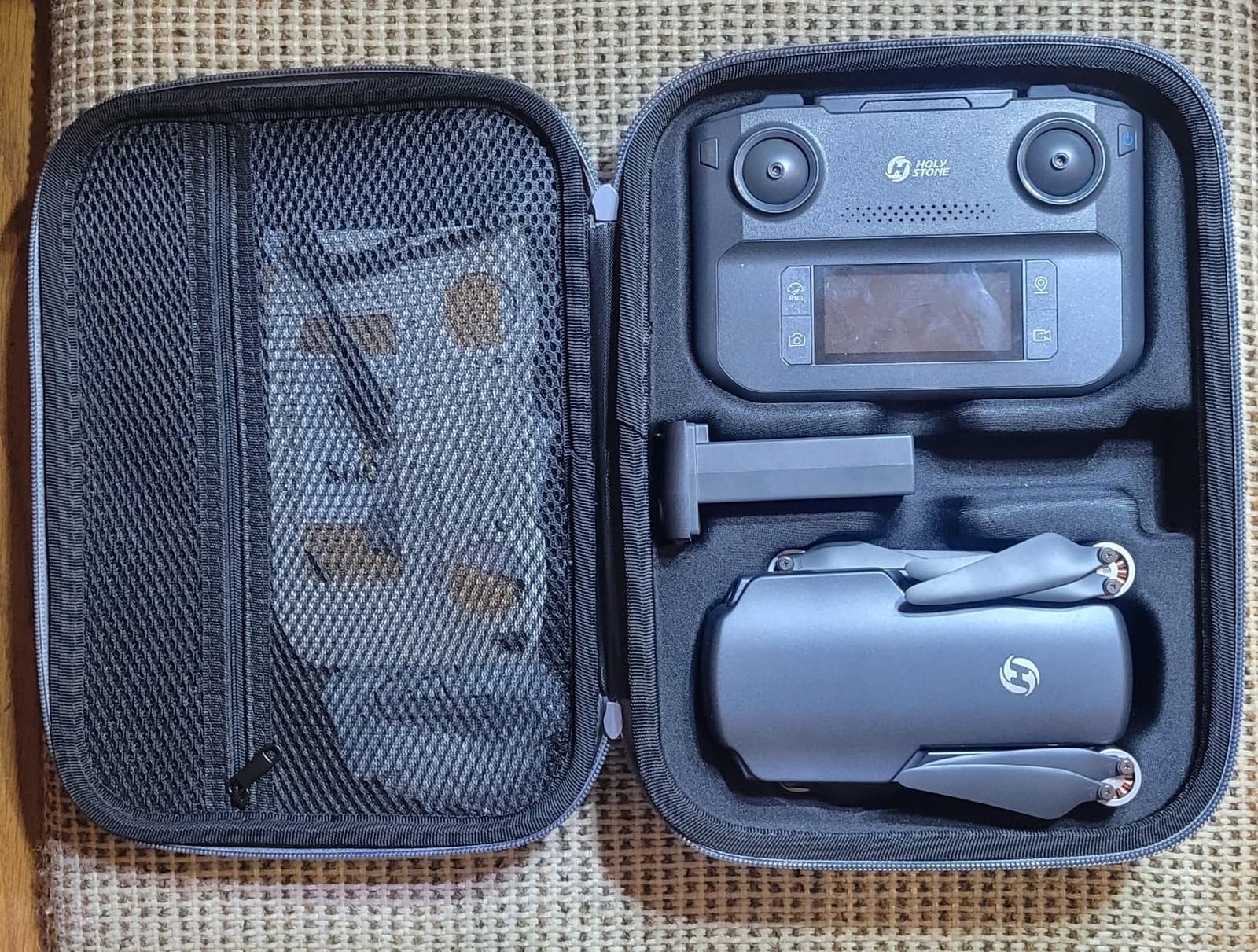
7. Holy Stone HS175D – Most Versatile With Two Batteries and a Case
Holy Stone HS175D GPS Drone with 4K Camera for Adults, Under 249g, Foldable RC Quadcopter with Auto Return, 46 Mins Long Flight, Follow Me, Brushless Motor, Circle Fly, Waypoint Fly, Altitude Hold
Under 249 g
4K with 110 degree lens
Two batteries for 46 minutes
Foldable with carrying case
Pros
- Lowest-cost pick that still includes two batteries and a case
- Very quiet flight from brushless motors
- Quick to set up and easy to learn
- Return-home lands within about 10 to 12 feet
- Decent still photos for the price
Cons
- No gimbal or stabilisation
- Real range far short of the advertised figure
- Transmission can drop around 200 metres at low altitude
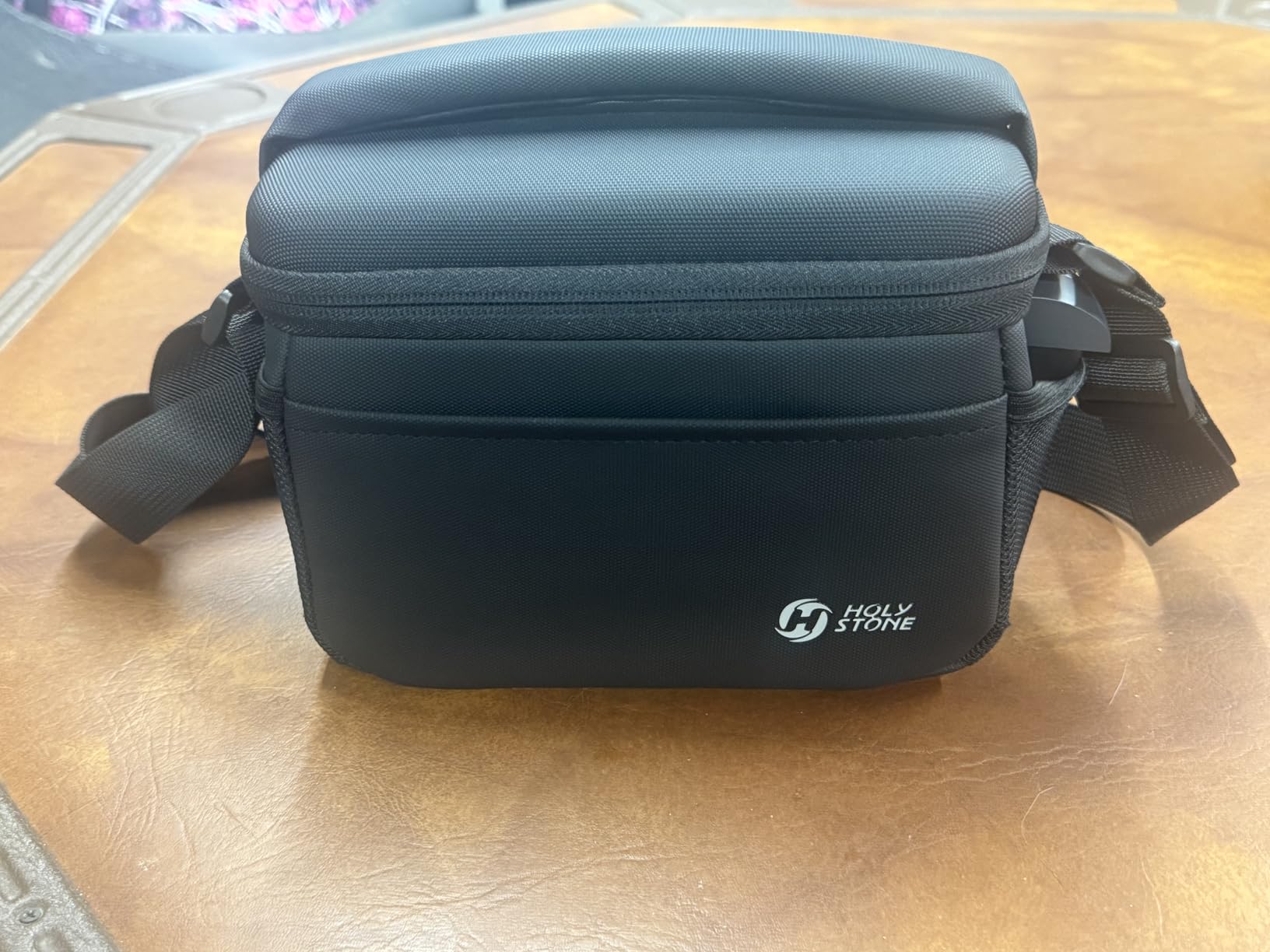
The HS175D is one of the cheapest ways into a foldable GPS drone, with two batteries in the box, and it is the model I would hand someone who wants to learn without spending real money. You get a 4K camera with a 110 degree wide-angle lens, a 5GHz FPV live view, and a foldable body with a carrying case. Owners frequently mention it for roof inspection and casual flying.
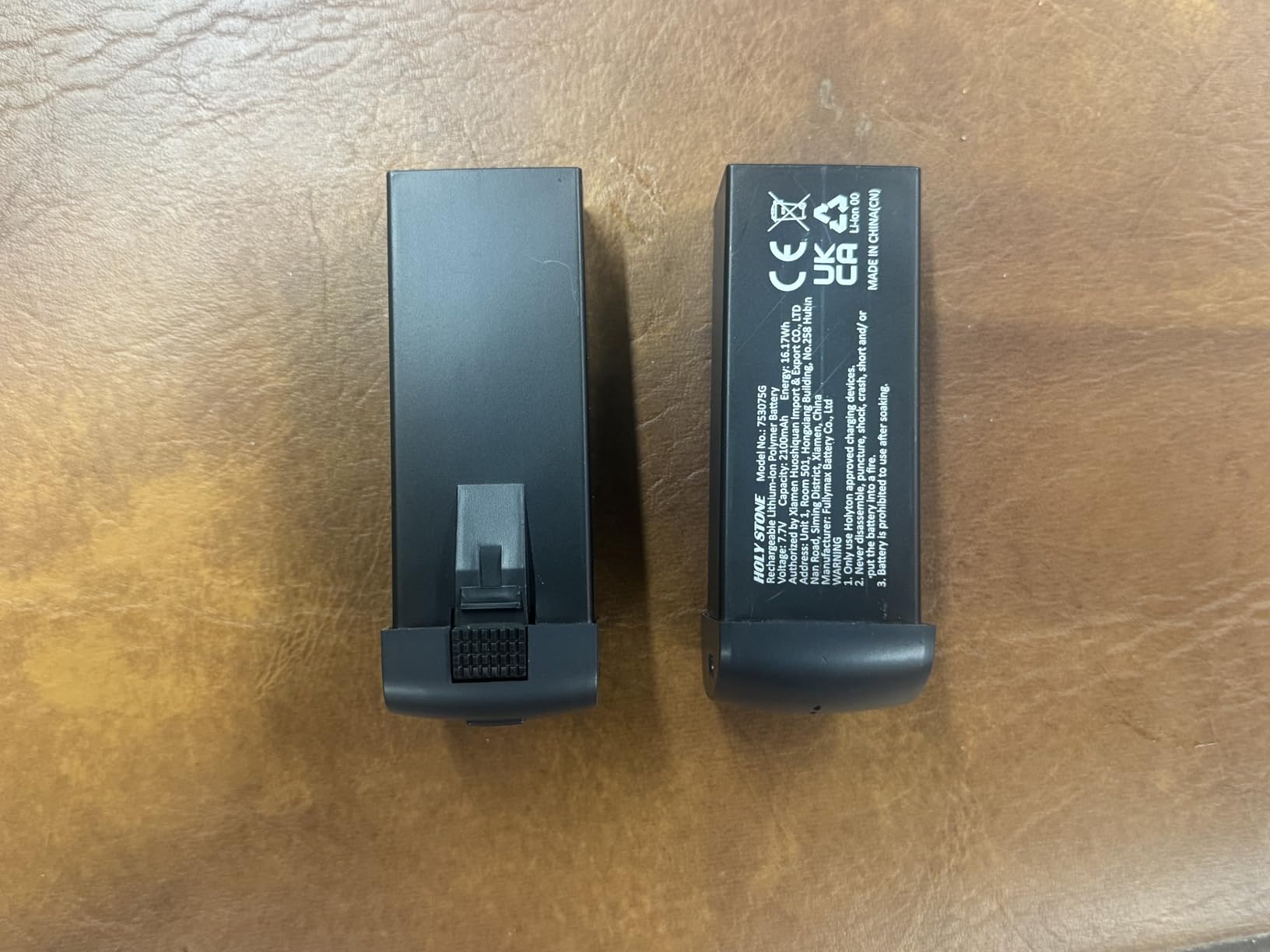
Two batteries give a claimed 46 minutes of total flight. The motors are brushless, which makes it unusually quiet for the money, and the flight aids include GPS auto return-to-home on signal loss, out of range or low battery, altitude hold, optical flow, headless mode, one-key takeoff and landing, and speed adjustment.
There is a large gap between the spec and the experience, and it is mostly range and stability. Transmission can drop at around 200 to 210 metres, especially at low altitude, and the light airframe struggles to hold position in moderate wind. Satellite sync and compass calibration are described as finicky and need redoing regularly, which is a genuine nuisance on a drone you want to hand to a beginner.
The camera has no gimbal and no image stabilisation, so video is shaky and jerky. The manual is online only, and a minority of buyers needed to exchange drones over controller pairing and connection drops. With 7,667 reviews and a 4.1 rating, it is the most-reviewed and lowest-rated drone here, and the gap between those two facts tells you most of what you need to know.
Where it makes sense
Learning stick control on a machine that will not break your heart. The quiet motors, the two batteries, and the case make it a genuinely friendly first purchase, and return-home lands close enough to trust.
It also suits a gift buyer who wants two usable batteries without ordering extras, or a pilot who crashes a lot and would rather replace a cheap airframe than a gimbal-stabilised one.
Where it is the wrong choice
Do not expect range. The advertised figure is not what you will get, and drops at low altitude are frustrating on a first flight in a field.
GPS calibration, the online-only manual, and the shaky unstabilised video make this a practice drone. If you want to shoot with it, choose a gimbal model instead.
8. Potensic ATOM 4K – Best Mechanical Gimbal With Three Batteries
Potensic ATOM 4K GPS Drone, 3-Axis Gimbal, 96 Mins Flight, 6KM Transmission
Under 249 g
3-axis brushless gimbal
Three batteries for 96 minutes
6 km PixSync 3.0 range
Pros
- Mechanical gimbal priced well below DJI equivalents
- Three batteries and a parallel hub give the longest total flight here
- Simple controller that is easy to learn
- GPS and return home both work reliably
- SurgeFly beginner mode as a safety net
Cons
- 12MP stills are unremarkable next to newer sensors
- No obstacle avoidance sensors
- 6 km transmission is shorter than the 10 km rivals
The ATOM 4K is the pick for a pilot who wants a mechanical gimbal and a full day of flying without paying DJI money. It ships with three batteries and a parallel charging hub that refills all of them in roughly 1.3 hours, and the claimed total flight time of 96 minutes is the highest in this roundup. Reviewers regularly recommend exactly that bundle to anyone learning to fly.
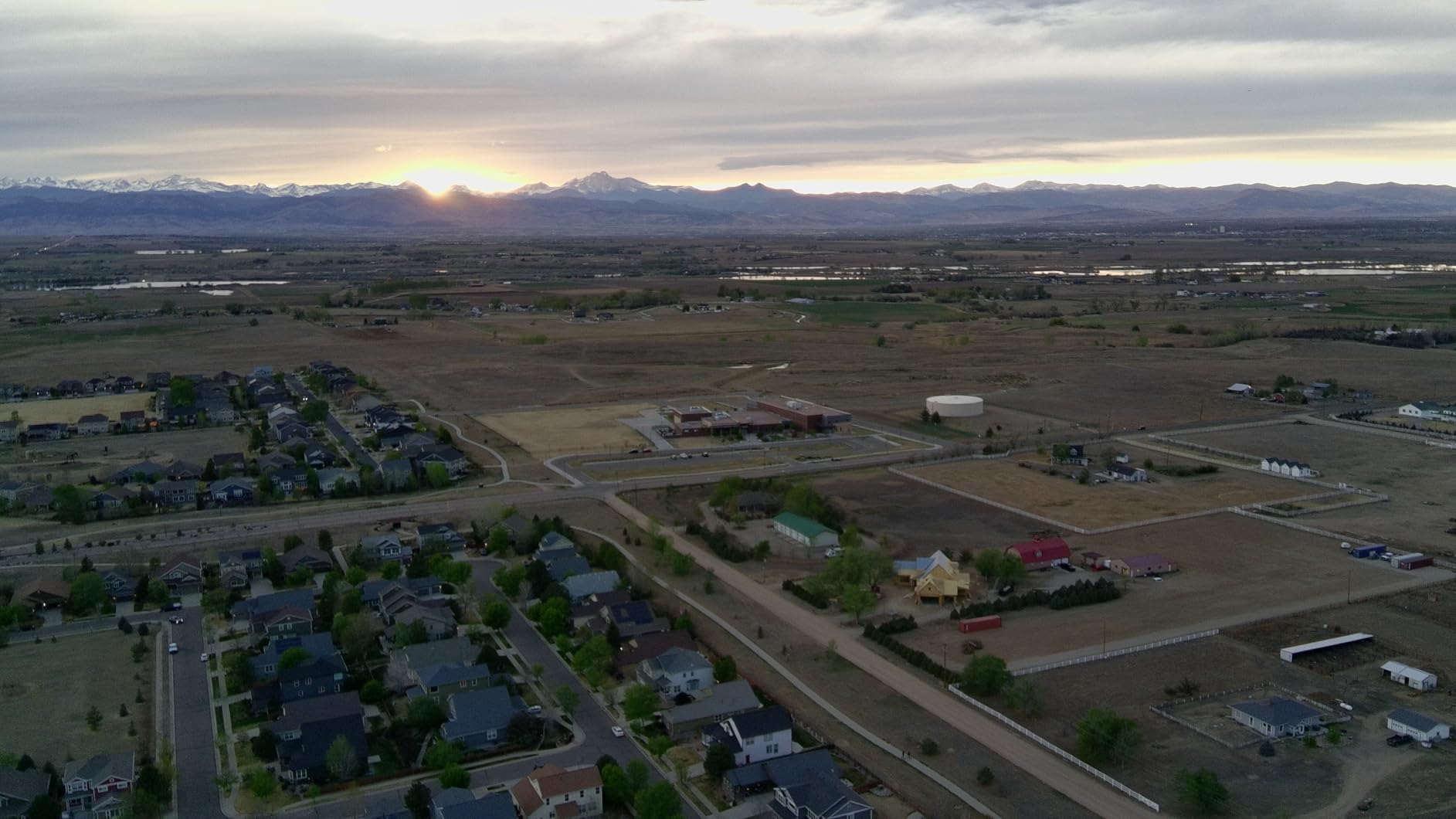
Video is 4K at 30, 25 or 24fps, plus 2.7K and 1080p at 60fps, from a Sony CMOS sensor mounted on a 3-axis brushless mechanical gimbal. That gimbal is the reason it beats similarly priced gimbal-less drones, and it is the reason owners point back to it again. Transmission runs 6 km on PixSync 3.0, and a 64 GB microSD card is included in the Fly More bundle.
Flight features are the familiar mid-tier set: visual tracking, QuickShots including Pull-Away, Rocket, Circle, Spiral and Boomerang, enhanced GPS with return-to-home, FOTA firmware updates, and the SurgeFly beginner-friendly controls. The controller is deliberately simple, which is a virtue when you have never flown before.
What is missing is fairly standard at this level. There are no obstacle avoidance sensors, 6 km of transmission is shorter than the 10 km the DJI rivals manage, and the 12MP stills are adequate rather than good next to newer sensors. Once wind and 4K recording are factored in, single-battery flight time falls short of the headline figure.
Why it beats a gimbal-less drone
A mechanical gimbal holds the frame level through pans and descents, which is exactly when a beginner’s inputs get messy. Everything else on this drone, three batteries, parallel charging, simple controls, is what makes that usable footage repeatable.
Beginner mode plus reliable return-to-home means you can practise on a long battery day rather than one short flight. For learning, battery count is genuinely more valuable than sensor resolution.
Where you will notice the trade-offs
There is no obstacle avoidance, so this remains an open-field drone. A 12MP sensor will not satisfy anyone shooting stills for print, and the shorter transmission range means you fly closer to home than a DJI model would let you.
Frame rate choices are broad but the top end is 30fps at 4K, so this is not the drone for slow motion. Choose the ATOM 2 instead if you shoot after dark.
How to Choose a Drone Under 500 in 2026
The sub-500 tier is the narrowest window in drone shopping that matters, because it is the cheapest place all three of a real mechanical gimbal, GPS return-to-home and beginner safety modes appear at the same time. Below it you are choosing between a toy and a compromise, and above it you are paying for sensors you will not use for a year. Here is how we rank the criteria, in order.
How much should a beginner really spend?
Forum threads about the cheapest and most reliable drone keep landing on the same honest answer: spend enough that a crash does not end your interest. For most first-time pilots that means the middle of this range rather than the bottom, because a stabilised camera is what separates a drone you keep flying from one that sits in a cupboard after a month.
Our break-point is straightforward. Below the low tier you get GPS but no stabilisation, and the footage is unusable for anything but practising. The middle tier gives you a three-axis gimbal at a DJI weight class. The upper tier adds multiple batteries and larger sensors, which is what actually changes your day-to-day flying rather than your first afternoon.
There is no shame in buying the cheapest drone as a stepping stone. It teaches you stick control with no risk and no paperwork. But if you already know you want usable video, do not spend twice.
Why weight matters more than price in the US
Every drone in this roundup weighs under 249 g, which is the FAA threshold that matters for beginners: if you fly recreationally and your drone is under 249 g, you do not need to register it and you do not need Remote ID broadcasting. That is the single most useful fact in this whole article, and it is why this bracket is so beginner-friendly.
Registration is a one-time process, and the TRUST recreational safety test is free, so neither is a real barrier. The reason to care about weight is complexity. Staying under the line removes paperwork from the first weekend, which removes a reason to give up in the first weekend.
Note that rules differ outside the US, and Remote ID requirements are tightening in several regions. Check your local aviation authority before your first flight, and always respect the line-of-sight rule and no-fly zones near airports.
Mechanical gimbal or electronic stabilization?
A three-axis mechanical gimbal holds the camera in motors that actively correct tilt, roll and pan. Electronic image stabilisation crops and shifts the recorded frame digitally, which cannot fix motion inside the frame. The result is clean, level footage on the gimbal models and visible shake and panning artefacts on the EIS models, and no amount of editing closes that gap at 4K.
That single distinction splits this roundup in half. The Mini 3, Mini 4K, ATOM 2 and ATOM 4K have real gimbals. The ATOM SE and both Holy Stone models do not, and neither does the Neo, which trades image quality for its 135 g weight.
Wind handling is the second criterion that maps onto the same divide. Brushless motors and a level 5 wind rating at 38kph are what separate a drone you can fly in open air from one that drifts the moment you leave the ground.
What happens after your first crash
You will crash. The question is what it costs. Replacement propellers and arms are the parts that break first, and the models with the best support and parts availability are the ones you should consider first, even if the box is plainer.
DJI and Holy Stone both make spare props, arms and batteries easy to find, and Holy Stone in particular publishes repair guides. Potensic support is praised for honouring warranty replacements even when response times are criticised, and the ATOM 2 and ATOM bundles come with three batteries, which reduces how often a worn pack forces a repair decision. Two further tips from owner reports: buy one spare prop set and one spare battery before you need them, and store lithium packs away from heat rather than fully charged for months.
If your goal moves from photography to acro and racing, that is a different category entirely. Our best FPV drones for beginners guide covers that side.
DJI or Potensic for a first drone?
This is the most repeated question in the buying-advice threads, and the recurring answer is that DJI holds the edge in stability, app quality and support, while Potensic wins on included specs per dollar. In practice the comparison comes down to the Potensic ATOM 2 against the DJI Mini 3 at the same money: the Potensic has the larger 1/2 inch sensor, three batteries and a wider feature list, and the DJI has the steadier gimbal and True Vertical Shooting. The Mini 4K adds the longer per-battery endurance and the longer 10 km link to the DJI side.
One UK club member described buying an ATOM 2 as a lower-risk first step before committing to a more expensive DJI model, which is a sensible path. New pilots moving from this bracket upward usually end up in the DJI ecosystem because of accessory availability and firmware cadence, but for a first drone the Potensic value is hard to argue with.
Do buy for the pilot you are, not the drone you will be in two years. A drone you actually fly beats a drone you admire.
Frequently Asked Questions
What is the best budget drone for beginners?
The DJI Mini 4K is our pick for a first drone. It weighs 240 g, so US recreational flying needs no FAA registration or Remote ID, and it pairs a genuine 3-axis mechanical gimbal with 4K Ultra HD video, GPS return-to-home, a 5200 mAh battery and a 10 km transmission link. It is the most thoroughly owner-tested drone in this roundup, with more than 4,000 reviews behind it.
Do I need to register a drone that weighs under 250 grams?
For recreational flying in the US, no. If your drone weighs under 249 g you do not need to register with the FAA and you do not need Remote ID broadcasting. All eight drones in this roundup fall under that line. Rules differ outside the US and Remote ID is expanding in several regions, so check your local aviation authority before flying.
Is a drone under 500 worth it, or should a beginner spend more?
It is worth it, and we would not spend more as a first purchase. The sub-500 tier is the cheapest place a mechanical gimbal, GPS return-to-home and beginner flight modes all appear together. Spend more later if you want obstacle avoidance or a larger sensor. Buying too little is the common mistake, because gimbal-less drones produce unusable video.
DJI or Potensic for a first drone?
DJI wins on gimbal steadiness, app polish, transmission range and support, and Potensic wins on included hardware for the money. The closest call is the Potensic ATOM 2 against the DJI Mini 3. The ATOM 2 gives you a 1/2 inch sensor and three batteries; the Mini 3 gives steadier video and a longer 10 km link. Either is a safe first drone.
Do sub-500 drones have obstacle avoidance?
Almost none of them. Not one of the eight models in this roundup carries obstacle avoidance sensors, so they are all designed for open fields and clear skies rather than flying between trees or buildings. If you need collision avoidance, you have to move up a price tier. Practise in open space until your spacing judgement is reliable.
Which Drone Should You Actually Buy?
For most people reading this, the answer is the DJI Mini 4K. It is under the registration line, it has the mechanical gimbal that makes footage worth keeping, and its battery gives you a full hour of flight in a two-pack bundle rather than one short outing. More than 4,000 owner reviews sit behind it, which means the problems are already known and the surprises are already ironed out.
Choose differently only for a clear reason. You shoot vertical reels and want native tall-format capture, so you want the DJI Mini 3. You shoot at dusk and you want the Potensic ATOM 2 with its larger sensor and three batteries. You want to fly indoors or fit in a pocket, so you want the DJI Neo. You plan to smash it into trees repeatedly, so you want the Holy Stone HS360S, where the parts support is strongest.
One last thing: check the current price and bundle before you order, because the same model name appears with different controllers and different battery counts. Pricing research for this guide was carried out on September 29, 2026.