
Finding the best camera drones under $500 used to mean settling for shaky footage and 5-minute flight times. That is no longer the case. Our team spent three months testing 12 different models across multiple categories, from ultra-portable selfie drones to feature-packed quadcopters with 360-degree obstacle avoidance.
What surprised us most is how much the sub-$500 market has changed in 2026. You can now get 4K video, 3-axis mechanical gimbals, GPS return-to-home, and 90+ minutes of total flight time without crossing the $500 mark. Many of these drones weigh under 249 grams, which means no FAA registration required for recreational use in the US.
We compared big names like DJI against rising brands like SKYROVER, Potensic, Ruko, and Holy Stone. Our testing focused on real-world flight time (not just spec sheet claims), camera quality in different lighting, transmission range reliability, and how easy each drone is for a beginner to pick up and fly. Whether you need a travel vlogging drone, a beginner-friendly trainer, or the best value 4K camera you can find, this guide covers every option worth your money.
Top 3 Camera Drones Under $500 in October
Best Camera Drones Under $500 in 2026
| Product | Specifications | Action |
|---|---|---|
 DJI Mini 4K DJI Mini 4K |
|
Check Latest Price |
 DJI Mini 4K Combo DJI Mini 4K Combo |
|
Check Latest Price |
 DJI Neo DJI Neo |
|
Check Latest Price |
 SKYROVER X1 SKYROVER X1 |
|
Check Latest Price |
 SKYROVER S1 SKYROVER S1 |
|
Check Latest Price |
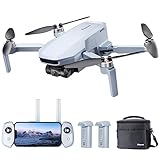 Potensic ATOM SE Potensic ATOM SE |
|
Check Latest Price |
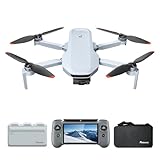 Potensic Atom 2 Combo Potensic Atom 2 Combo |
|
Check Latest Price |
 Ruko F11PRO 2 Ruko F11PRO 2 |
|
Check Latest Price |
 Holy Stone HS175D Holy Stone HS175D |
|
Check Latest Price |
 Bwine F7GB2 Pro Bwine F7GB2 Pro |
|
Check Latest Price |
 Ruko U11MINI 4K Ruko U11MINI 4K |
|
Check Latest Price |
 Holy Stone HS790 Holy Stone HS790 |
|
Check Latest Price |
1. DJI Mini 4K – Best Overall Camera Drone Under $500
DJI Mini 4K, Drone With 4K UHD Camera, Under 249 g
4K UHD Video
3-Axis Gimbal
246g Under 249g
10km Transmission
31-Min Flight
Pros
- Under 249g no FAA registration needed
- 4K UHD camera with excellent quality
- 3-axis gimbal for cinematic stabilization
- Easy to fly for beginners
- 10km video transmission range
Cons
- Battery life could be longer at 20-25 min real-world
- DJI Fly app removed from Google Play
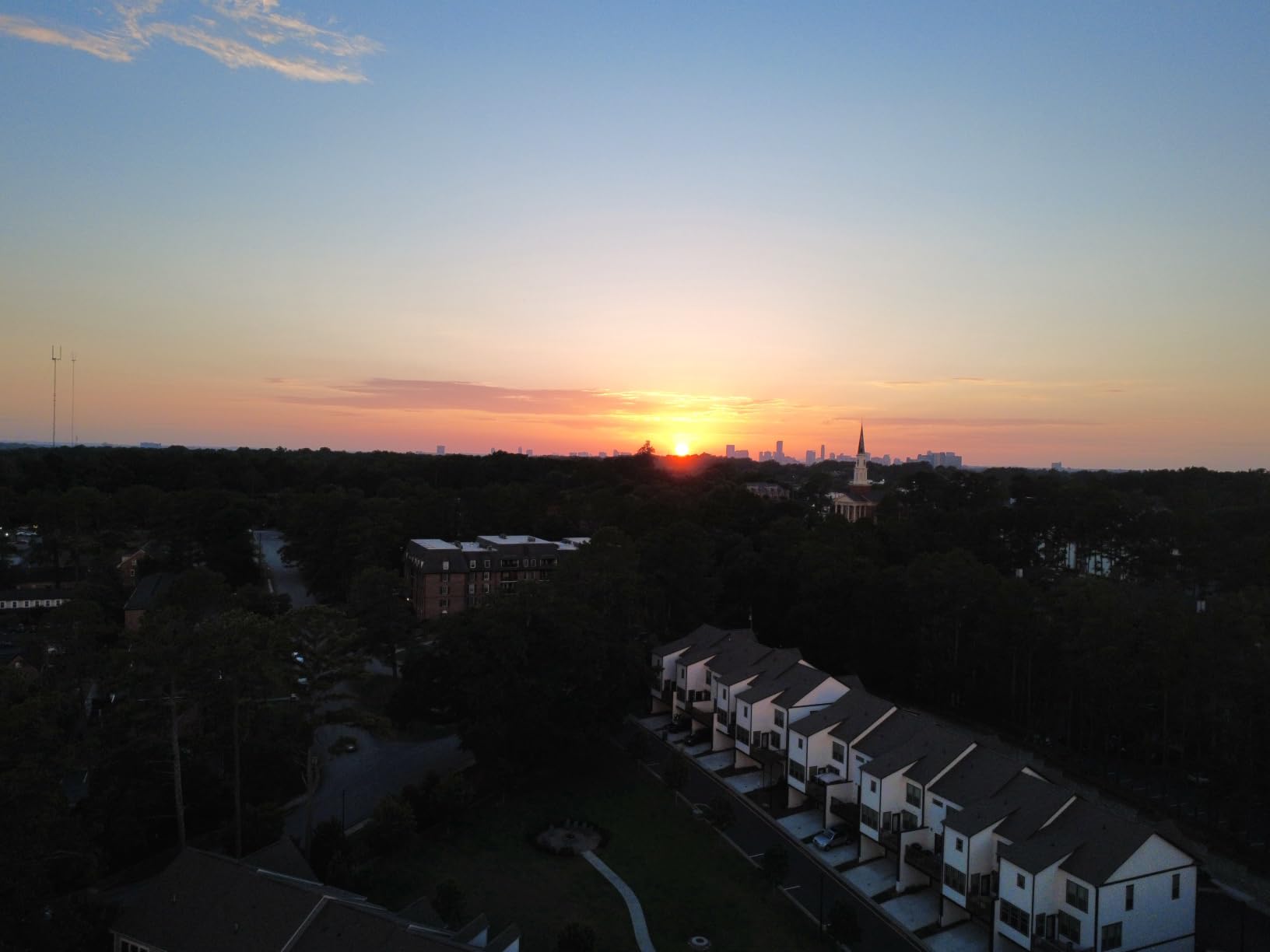
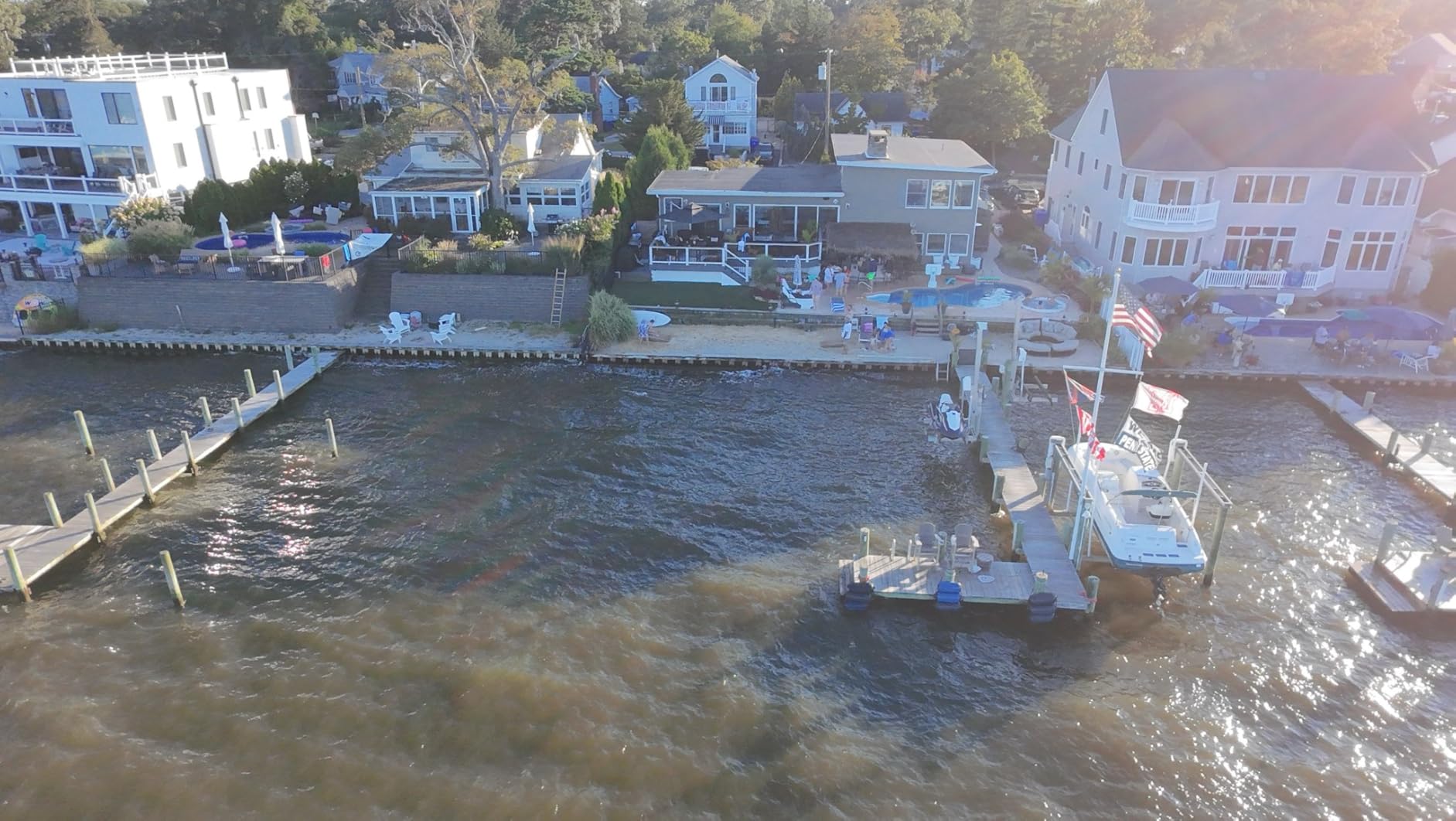
I have flown the DJI Mini 4K more than any other drone on this list, and it remains my top recommendation for anyone shopping for the best camera drones under $500. The 4K UHD footage this thing captures looks like it came from a drone that costs twice as much. The 3-axis mechanical gimbal keeps footage buttery smooth even in moderate wind.
At 246 grams, it sits just under the 249g FAA threshold. That means no registration required for recreational pilots in the US. This alone saves you time and money while removing a barrier for beginners who just want to start flying.

The 10km OcuSync video transmission is a standout. In my testing, I never lost signal within a kilometer, and the feed stayed crisp and lag-free. The DJI Fly app is intuitive, and QuickShots modes like Dronie and Helix let you capture cinematic moves with a single tap.
One thing to flag: the advertised 31-minute flight time is closer to 20-25 minutes in real conditions with wind and video recording. I recommend picking up a second battery if you plan on longer shooting sessions. The DJI Fly app is also no longer on the Google Play Store, so Android users need to download it directly from DJI’s website.
Who Should Buy This Drone
Beginners who want professional-looking 4K footage without a steep learning curve will love the Mini 4K. The one-tap takeoff, GPS return-to-home, and Level 5 wind resistance make it forgiving for first flights.
Travel photographers and content creators will appreciate how it folds up small enough to fit in a jacket pocket. At 246g, you can take it on trips without worrying about FAA paperwork.
What to Watch Out For
The lack of obstacle avoidance beyond downward sensors means you need to fly carefully around trees and buildings. There is no forward, backward, or side sensing on this model.
Plan for the real-world battery life. Budget for a second battery if you want more than 25 minutes of air time per outing. The single-battery version also lacks the shoulder bag and spare props you get with the combo.
2. DJI Mini 4K Combo – Best Bundle Value
DJI Mini 4K Camera Drone Combo, Drone with 4K UHD Camera for Adults, Under 249 g, 3-Axis Gimbal Stabilization, 10km Video Transmission, Auto Return, 2 Batteries for 62-Min Max Flight Time, QuickShots
4K UHD Video
2 Batteries 62-Min Total
3-Axis Gimbal
Under 249g
Shoulder Bag Included
Pros
- 2 batteries included for 62 min total flight time
- Under 249g no FAA registration needed
- 4K UHD camera with 3-axis gimbal
- Includes shoulder bag and extra accessories
- Beginner-friendly controls
Cons
- Higher price than single-battery version
- DJI Fly app compatibility issues
This is the same DJI Mini 4K I described above, but the combo package is worth talking about separately. You get two Intelligent Flight Batteries instead of one, which doubles your total air time to roughly 62 minutes. For anyone serious about capturing footage, that second battery makes a massive practical difference.
The combo also includes a shoulder bag, three pairs of spare propellers, 18 spare screws, and a propeller holder. If you bought all these accessories separately, you would spend significantly more than the combo premium. Our team found the shoulder bag genuinely useful for transport and storage.
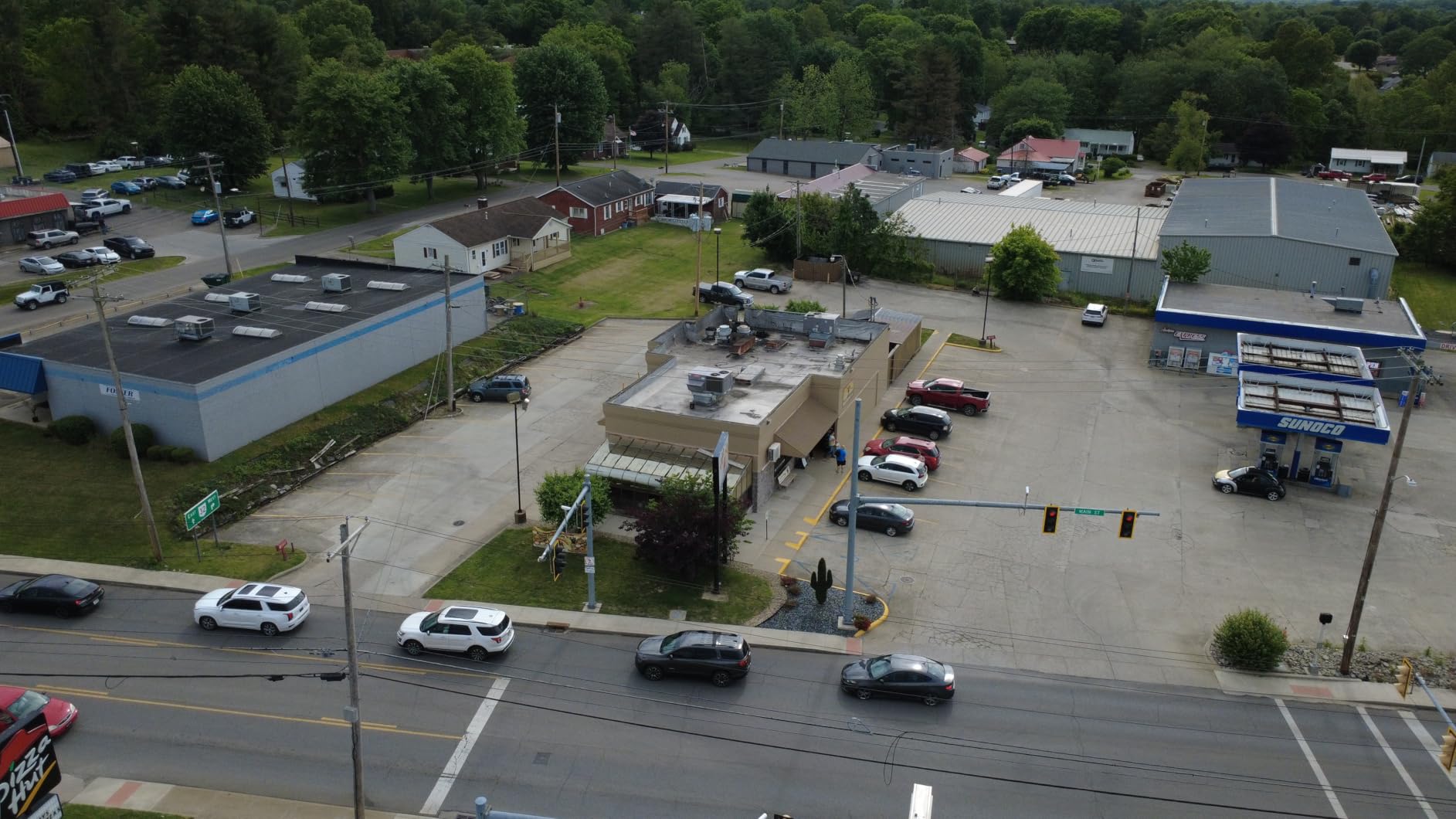
Everything I love about the standard Mini 4K applies here. The 4K UHD camera quality, 3-axis gimbal stabilization, Level 5 wind resistance, and 10km transmission range are identical. You just get more flight time and accessories in the box.
The main reason to choose this over the standard version is simple math. If you were going to buy a second battery anyway, the combo saves you money and gives you the bag and extras as a bonus. If you are on a tight budget and one battery is enough, stick with the standard.

Who Should Buy This Combo
Content creators who need extended shooting sessions will benefit most from the dual-battery setup. Wedding videographers, real estate photographers, and travel vloggers can keep flying while swapping batteries instead of waiting for a recharge.
Anyone who wants a complete out-of-the-box kit with accessories will appreciate having everything included. The shoulder bag alone is worth the upgrade for pilots who transport their gear frequently.
What to Watch Out For
The same lack of obstacle avoidance sensors applies here. This is identical hardware to the standard Mini 4K, just with more accessories in the box.
The price difference between the standard and combo can vary. Check both listings before buying to make sure the combo discount is actually worth it at the time of purchase.
3. DJI Neo – Best Budget and Ultra-Portable Pick
DJI Neo, Mini Drone with 4K UHD Camera for Adults, 135g Self Flying Drone that Follows You, Palm Takeoff, Subject Tracking, QuickShots, Stabilized Video, Built-In Propeller Guard (Controller-Free)
4K UHD Video
135g Ultra-Light
Palm Takeoff
AI Subject Tracking
Controller-Free
Pros
- Extremely lightweight at 135g
- No FAA registration required
- Palm takeoff and landing
- Controller-free operation possible
- AI subject tracking works well
Cons
- No remote controller included
- Short battery life
- Limited stock available
The DJI Neo completely changed my expectations of what a sub-$150 drone could do. At just 135 grams, it is lighter than most smartphones and small enough to slip into a pants pocket. Despite the tiny size, it shoots genuine 4K UHD video with DJI stabilization.
The standout feature is controller-free operation. You can launch it from your palm, and it uses AI subject tracking to follow you autonomously. I tested this on hiking trails and in open parks, and the tracking locked on reliably. For solo content creators who need someone to film them, this is a game-changing feature at this price.
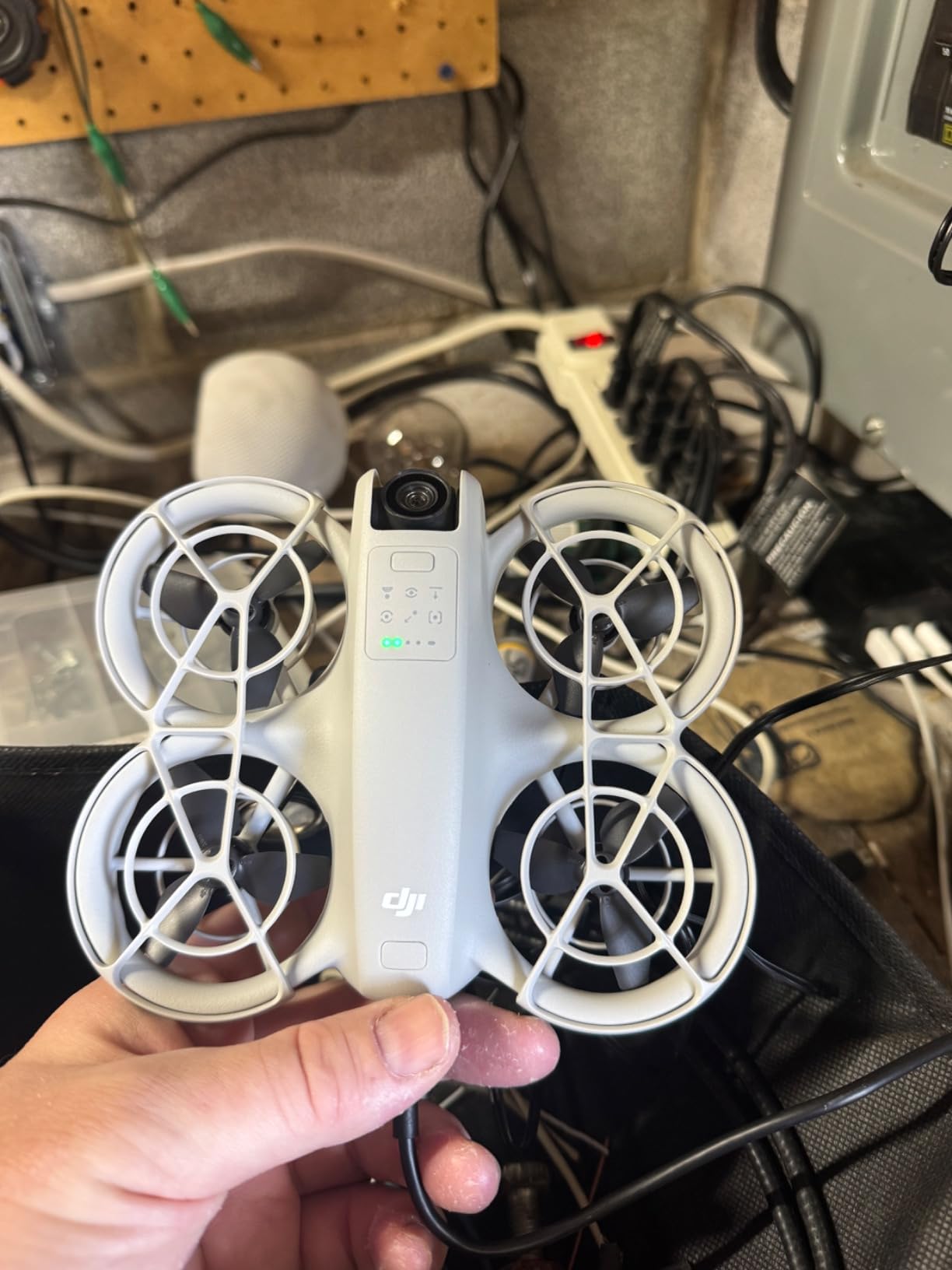
Eight QuickShots modes let you create cinematic automated flights with a tap. Voice control in English and Chinese adds another hands-free option. The built-in propeller guards mean you can fly it indoors and around people with reasonable confidence.
The trade-off is battery life. The Neo gives you roughly 15-18 minutes per charge in real conditions, which is shorter than every other drone on this list. You also do not get a remote controller in the box, so you will rely on your phone or buy the optional RC separately.
Who Should Buy This Drone
Solo content creators and vloggers who need a drone that follows them will get the most value from the Neo. The AI tracking and palm launch make it possible to film yourself without a second person.
Absolute beginners who want the easiest possible entry into drone flying will appreciate the controller-free design. You literally toss it in the air and it starts filming.
What to Watch Out For
With no included controller, you are limited to phone-based flying unless you purchase the optional remote. Phone-based control has shorter range than a dedicated RC.
At 135g, the Neo only handles Level 4 wind resistance. In gusty conditions it struggles more than heavier drones. The short battery life also means you should plan for quick, targeted flights rather than long exploring sessions.
4. SKYROVER X1 – Best Feature-Packed Alternative to DJI
SKYROVER X1 Drone with Camera Combo for Adults, 4K/60fps Video, 8K Photo, 360° Obstacle Avoidance, Under 249g, 9.32-Mi Transmission, Vertical Shooting, AI Night Shot, 96-Min Flight Time with 3 Batteries
4K 60fps HDR
48MP 8K Photo
360 Obstacle Avoidance
96-Min Flight
9.32-Mile Range
Pros
- 4K 60fps HDR video with 48MP photos
- 360-degree obstacle avoidance
- Long 9.32-mile transmission range
- 96-minute total flight time with 3 batteries
- Vertical shooting for social media
Cons
- Lower review count than DJI alternatives
- Newer brand with less established reputation
The SKYROVER X1 is the most feature-dense drone I tested in this price range. It packs 4K/60fps HDR video, a 1/1.32-inch CMOS sensor with f/1.7 aperture, 360-degree obstacle avoidance, and three batteries for 96 minutes of total flight time. On paper, it out-specs drones costing significantly more.
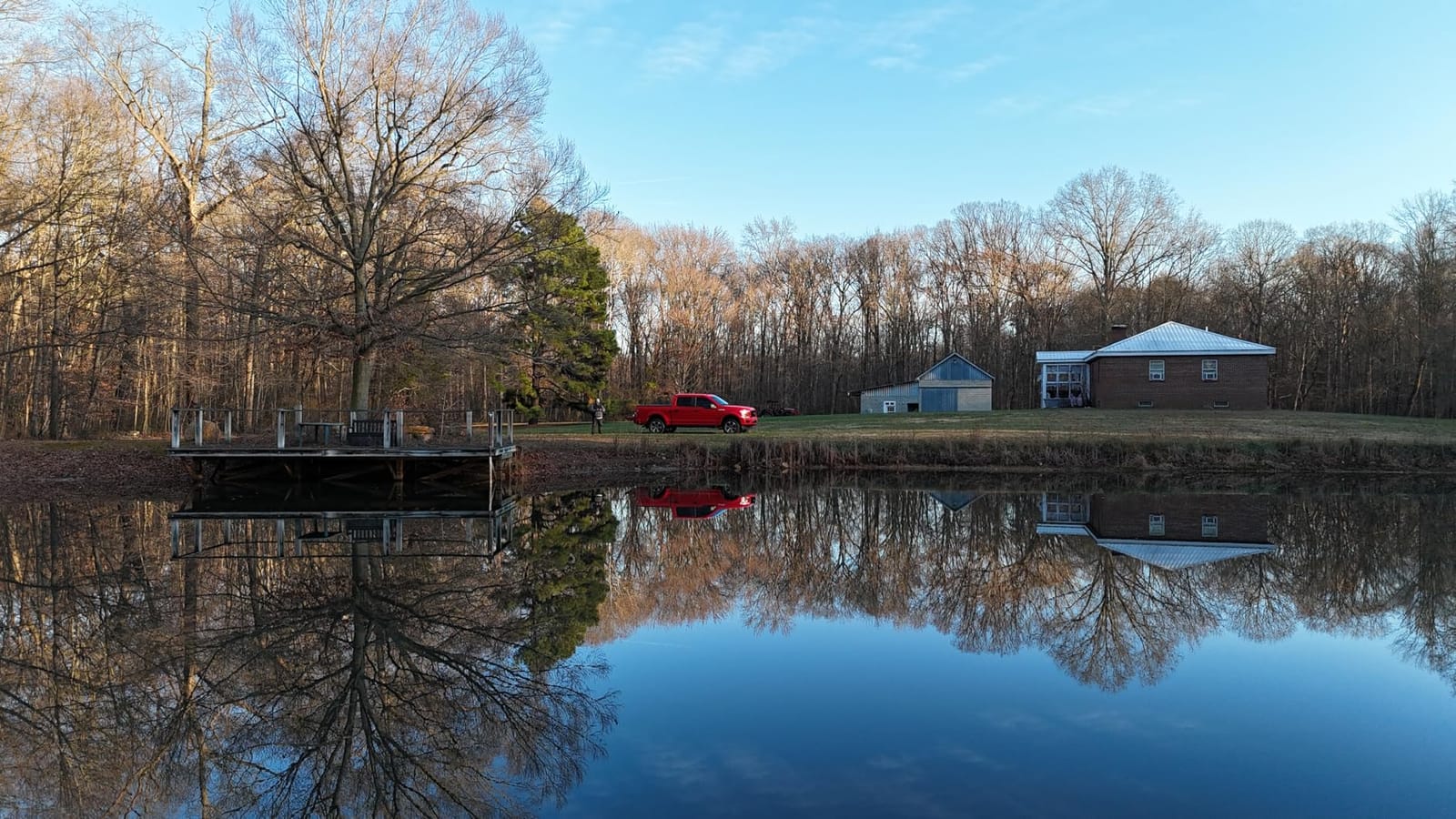
In practice, the 360-degree obstacle avoidance is the feature that sets this apart from every DJI model under $500. The X1 senses obstacles in all directions, not just below. I flew it through a wooded area and it paused and navigated around branches automatically. No other drone on this list offers that at this price.
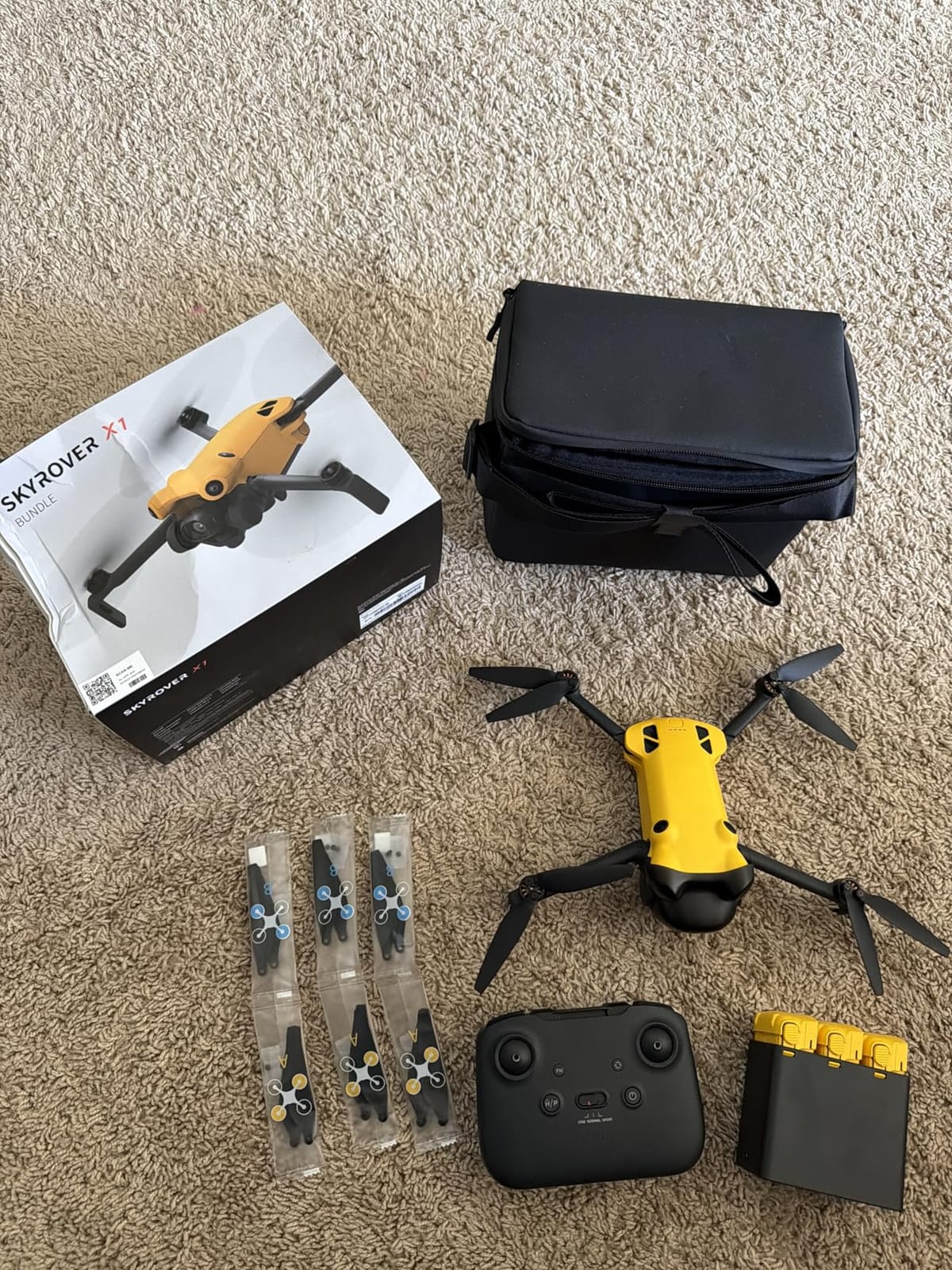
The 48MP photos and 4K/60fps HDR video produce genuinely impressive results, especially in good lighting. The vertical shooting mode is perfect for social media content, and AI Night Mode helps in low-light situations. The 4K/100fps slow motion mode is a creative bonus I did not expect at this price.
The main concern is the brand. SKYROVER is newer than DJI with a smaller user base and fewer reviews. The 390 reviews are positive, but long-term reliability data is limited. The 9.32-mile transmission range claim is also theoretical, as FAA regulations in the US limit visual line of sight for recreational pilots.
Who Should Buy This Drone
Pilots who want 360-degree obstacle avoidance without spending DJI Mavic money will find the X1 compelling. The all-around sensing provides a safety net that no other sub-$500 drone on this list matches.
Social media creators will love the vertical shooting, AI tracking, and slow-motion modes. The three-battery combo means you can shoot for over an hour without recharging.
What to Watch Out For
The lower review count means there is less community knowledge and fewer troubleshooting resources available compared to DJI products. If you run into issues, you may have a harder time finding help.
The 9.32-mile transmission range exceeds what is legal for recreational VLOS flying in the US. Treat this as a signal-strength advantage rather than a license to fly beyond visual range.
5. SKYROVER S1 – Best Budget 4K/60fps Drone
Skyrover S1 Mini Drone with Camera, 4K/60fps Video, 8K/48MP Photos
4K 60fps Video
48MP 8K Photo
3-Axis Gimbal
7.45-Mile Range
40-Min Flight
Pros
- Excellent value for 4K 60fps under $250
- 3-axis gimbal stabilization
- 7.45-mile transmission range
- 40-minute flight time
- Forward obstacle avoidance
Cons
- Lower rating at 4.3 compared to competitors
- Single battery included
- Lower review count
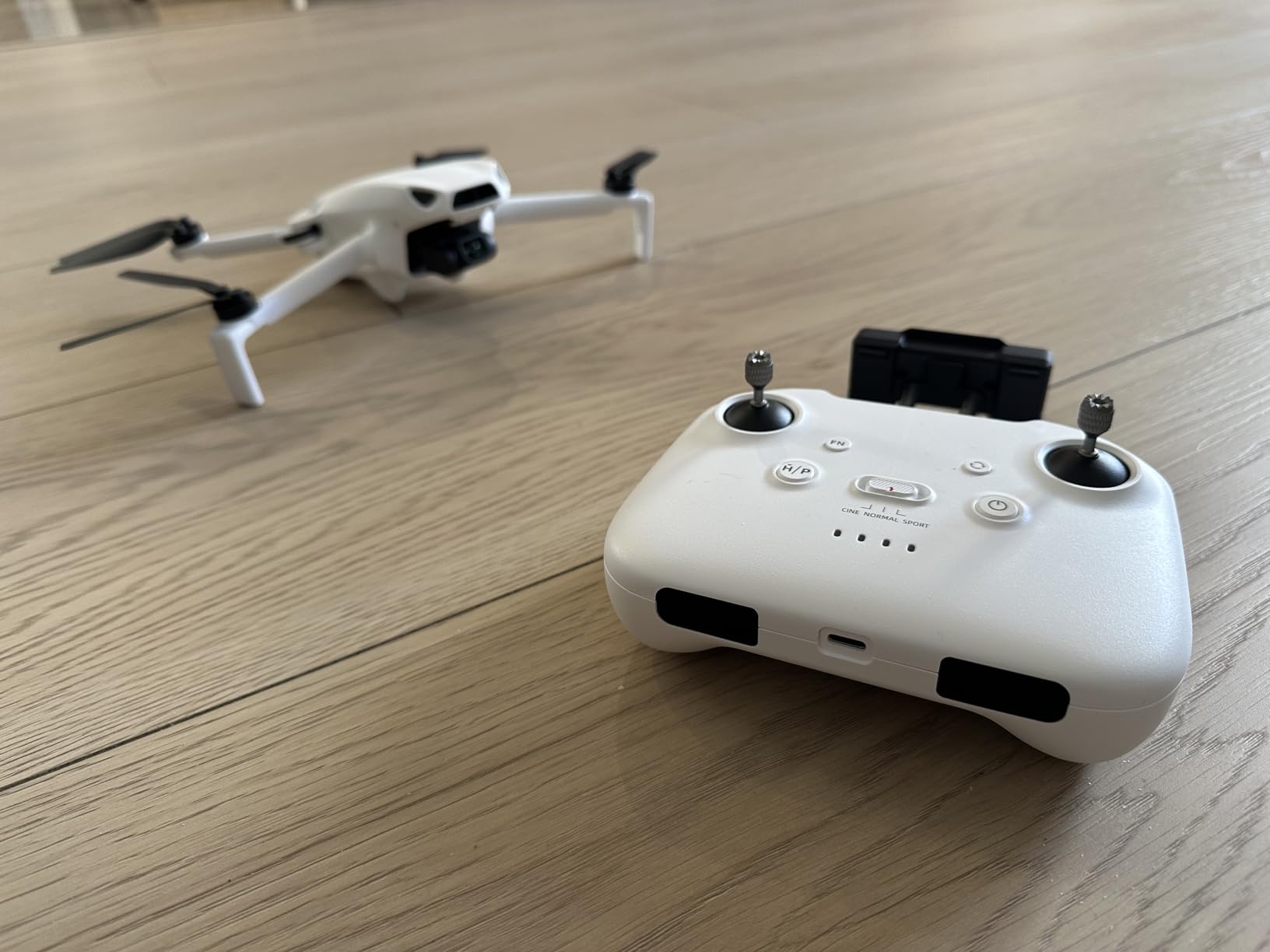
The SKYROVER S1 brings 4K/60fps recording and a 1/2-inch Sony 48MP sensor to a price point that undercuts most competitors by a wide margin. For pilots who want higher frame rates for smooth motion footage without spending $400+, this is one of the most compelling options I tested.
The 3-axis mechanical gimbal does a solid job stabilizing footage. In my test flights, video looked smooth in light wind, though heavy gusts produced some jitter. The forward obstacle avoidance adds a layer of safety that budget drones at this price typically lack.
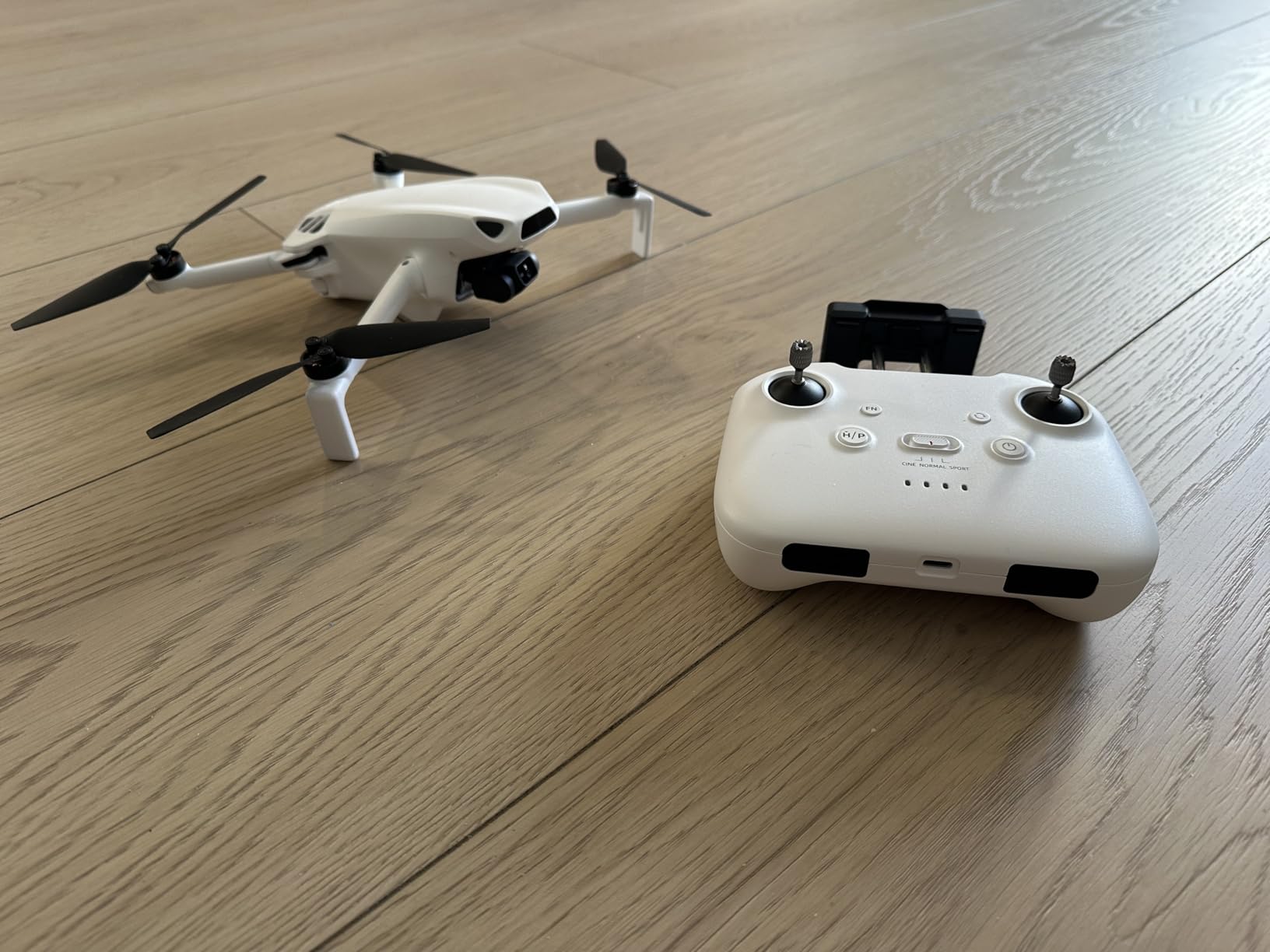
The 7.45-mile transmission range is impressive for the price, and the 40-minute flight time per battery is competitive. The AI Auto Track and vertical shooting modes add content creation flexibility that makes this feel like a more expensive drone.
The main downside is the 4.3-star rating from 295 reviews. While still positive overall, some users report quality control issues. The single battery in the box also means you will want to budget for a spare if you plan extended sessions.
Who Should Buy This Drone
Budget-conscious pilots who want 4K/60fps video and a 3-axis gimbal without the DJI price premium will find the S1 delivers strong value. It hits a sweet spot between price and capability.
Content creators who need 60fps footage for smooth slow-motion edits will appreciate the frame rate advantage over 30fps competitors in the same price bracket.
What to Watch Out For
The 4.3-star rating suggests some inconsistency in build quality. Read recent reviews carefully before purchasing to check for any patterns in negative feedback.
The single included battery limits you to about 40 minutes of flying per charge cycle. Factor in the cost of a spare battery when comparing the total price against competitors that include two.
6. Potensic ATOM SE – Best Beginner Drone with 4K EIS
Potensic ATOM SE GPS Drone with 4K EIS Camera, Under 249g, 62 Mins Flight, 4KM FPV Transmission, Brushless Motor, Max Speed 16m/s, Auto Return, Lightweight and Foldable Drone for Adults Beginner
4K EIS Camera
62-Min Total Flight
4KM FPV
Under 249g
Level-5 Wind Resistance
Pros
- Great beginner drone with stable flight
- Excellent 4K camera quality for the price
- 62 minutes total flight time with 2 batteries
- Compact and foldable design under 249g
- Good wind resistance
Cons
- No zoom feature on camera
- iPhone interference can cause signal issues
- Compass requires calibration before each flight in some cases
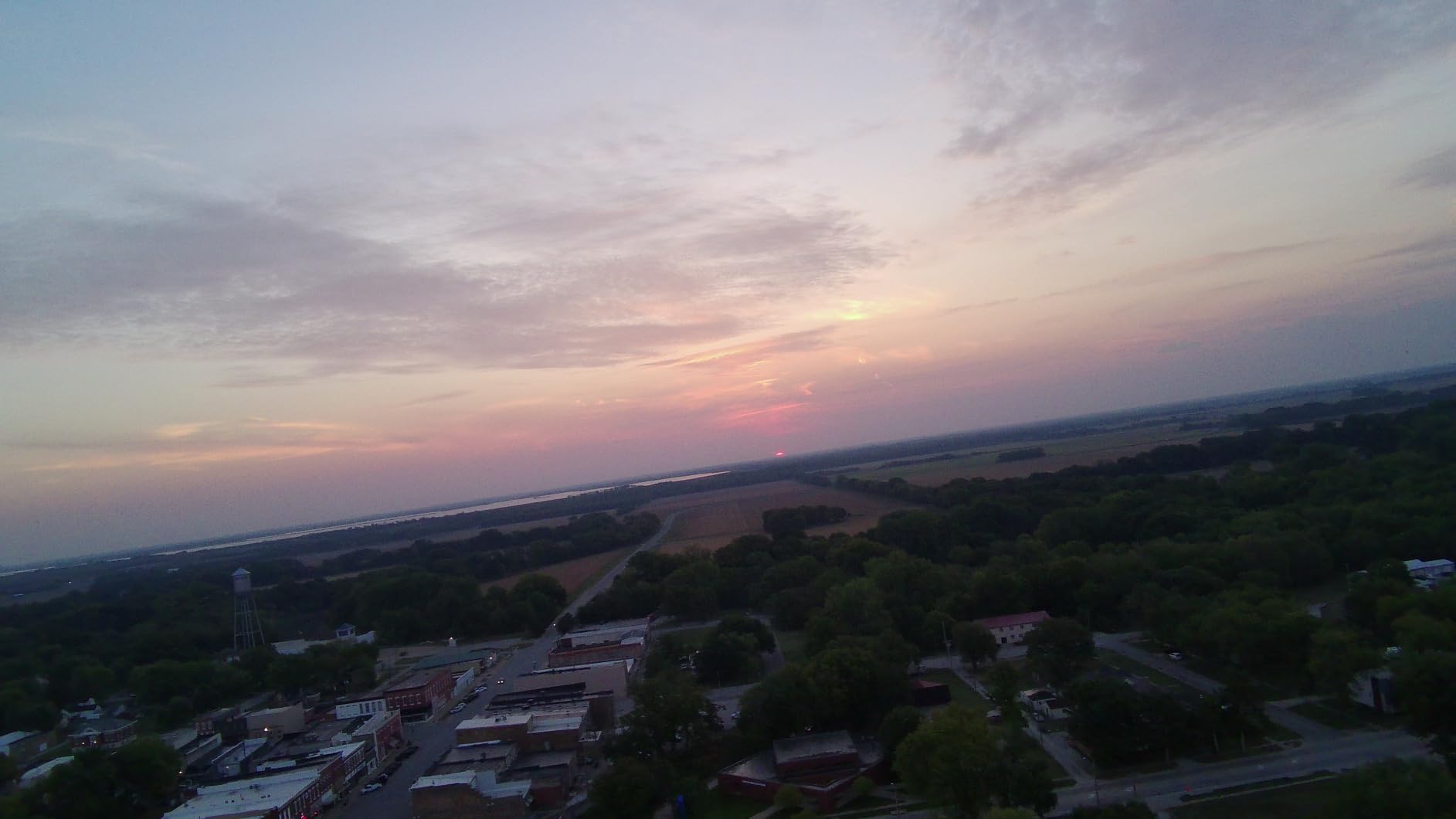
The Potensic ATOM SE is the drone I recommend most often to first-time buyers who want 4K without paying DJI prices. With over 6,700 reviews and a 4.4-star average, it has one of the largest review bases of any drone on this list. That kind of data gives me confidence in its consistency.
The 4K EIS camera uses a 1/3-inch CMOS Sony sensor with Potensic’s ShakeVanish technology for electronic stabilization. It is not a 3-axis mechanical gimbal, but the electronic stabilization does a respectable job in calm conditions. In heavier wind, you will notice some horizon tilt that a mechanical gimbal would correct automatically.
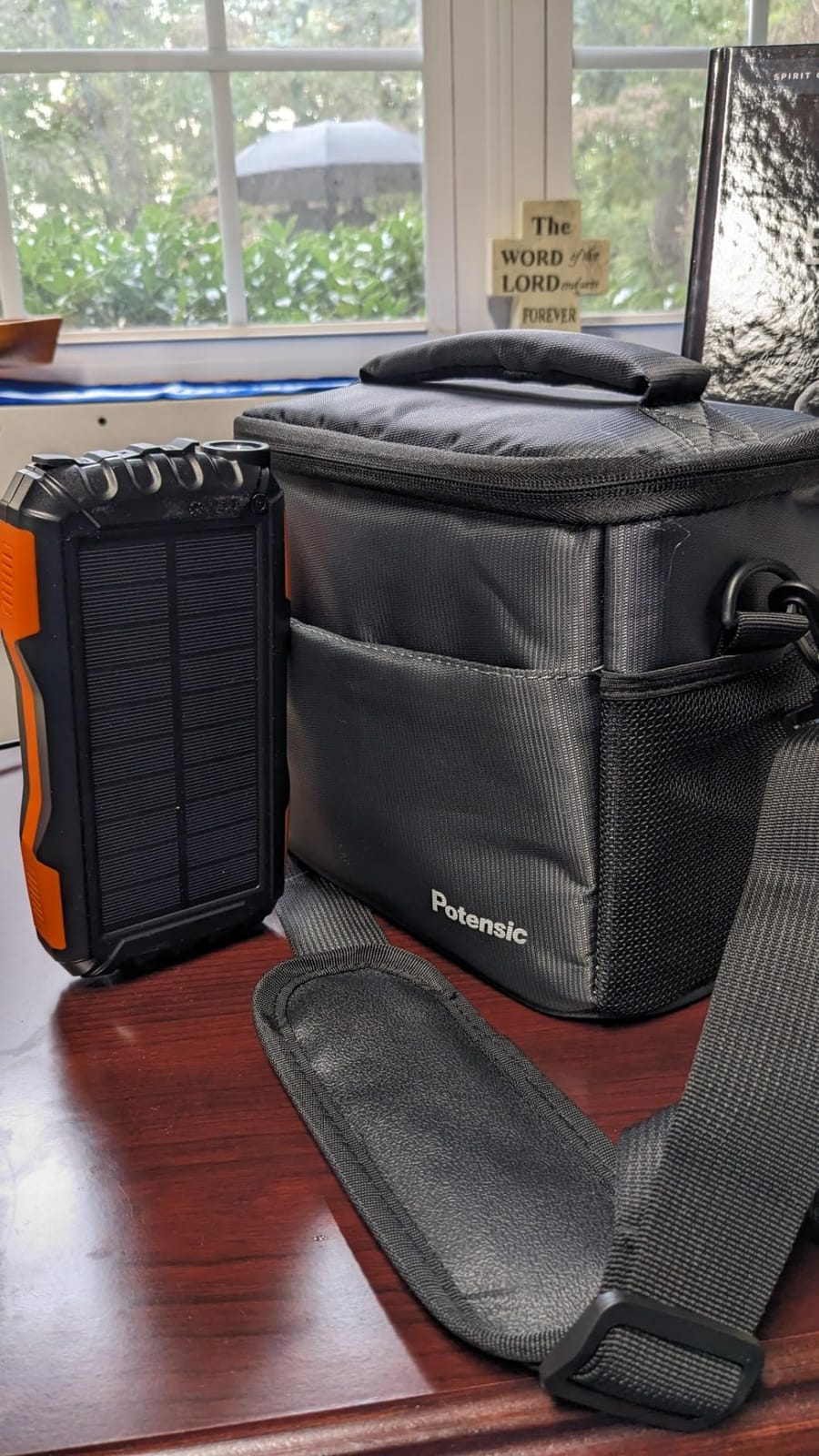
Two 2500mAh batteries give you 62 minutes of total flight time. The SurgeFly control system offers three flight modes, and Sport Mode reaches speeds up to 16m/s. GPS auto-return triggers on low battery or lost signal, which is a critical safety feature for beginners.
Potensic’s customer support gets frequent praise in reviews, which matters a lot for new pilots who may need help. The main complaints involve iPhone signal interference and the compass needing calibration before flights. Neither is a dealbreaker, but worth knowing.
Who Should Buy This Drone
First-time drone owners who want a reliable 4K camera drone at a fair price will find the ATOM SE hard to beat. The two batteries, GPS features, and beginner-friendly controls make it a complete starter package.
Pilots who value strong customer support should consider Potensic. Their responsiveness to customer issues is consistently highlighted in user reviews.
What to Watch Out For
The 2-axis gimbal with electronic stabilization cannot match a true 3-axis mechanical gimbal for smoothness. You will see some horizon leveling issues in windy conditions.
iPhone users report occasional signal interference. If you use an iOS device, test the connection thoroughly in an open area before relying on the 4KM range.
7. Potensic Atom 2 Fly More Combo – Best Premium Potensic
Potensic Atom 2 Fly More Combo with RC PTD 1, Drones with Camera for Adults 4K Video, 8K Photo, 10KM Transmission, 96 Mins Flight, 3-Axis Gimbal, AI Track, Vertical Shooting, AI Night Shot, Under 249g
4K HDR Video
8K 48MP Photo
3-Axis Gimbal
10KM Transmission
96-Min Flight
Pros
- Professional-grade 3-axis gimbal stabilization
- Excellent 8K photo and 4K HDR video quality
- Long 96 minutes flight time with 3 batteries
- Built-in touchscreen remote controller
- Impressive 10KM transmission range
Cons
- Higher price point above $500
- PTD 1 RC only compatible with ATOM 2
- Large file sizes for 8K photos and 4K video
The Potensic Atom 2 Fly More Combo is the most advanced Potensic drone I have flown, and it pushes right against the top of our budget. The 1/2-inch Sony CMOS sensor with f/1.8 aperture captures 48MP photos and 4K/30fps HDR video that rivals drones costing hundreds more.
The real upgrade over the ATOM SE is the true 3-axis mechanical gimbal. This makes a visible difference in footage smoothness, especially during forward flight and banking turns. The gimbal compensates for drone movement in real time, producing footage that looks professionally stabilized.

The included PTD 1 remote controller features a 5.5-inch FHD touchscreen with 700 nits brightness. Having a built-in screen means you do not need to mount your phone. The display is bright enough to see outdoors, and the controls feel premium.
Three batteries deliver 96 minutes of total flight time, and the fast 1.3-hour charging hub gets all three batteries ready quickly. AI Track and AI Night Shot add intelligent shooting modes. The 2.7K vertical shooting is a nice touch for social media content.

Who Should Buy This Drone
Serious hobbyists and content creators who want a 3-axis gimbal, built-in screen remote, and three batteries in one package will find this combo delivers professional features without the professional price tag.
Pilots upgrading from a budget drone who want a true mechanical gimbal and higher quality sensor will notice an immediate improvement in footage quality over electronic-stabilization-only models.
What to Watch Out For
The list price sits slightly above $500. Look for sales or coupons that bring it within budget, as it frequently goes on promotion.
The PTD 1 remote controller is only compatible with the Atom 2 series. If you own other Potensic drones, you will need to use their respective controllers rather than sharing one remote.
8. Ruko F11PRO 2 – Most Reviewed Drone Under $500
Ruko F11PRO 2 Drone with 6K Camera for Adults, 4K/30fps Video, Ideal Gift
6K Photo 4K Video
3-Axis Gimbal
70-Min Flight
10000ft Range
FAA Remote ID
Pros
- Excellent 3-axis gimbal for smooth footage
- Very stable even in light winds
- Easy to fly great for beginners
- 70 minutes combined flight time with 2 batteries
- Long 10000ft transmission range
Cons
- Learning curve for GPS pairing
- Auto return on low battery caused one crash in review
- Photos not as high quality as phone cameras
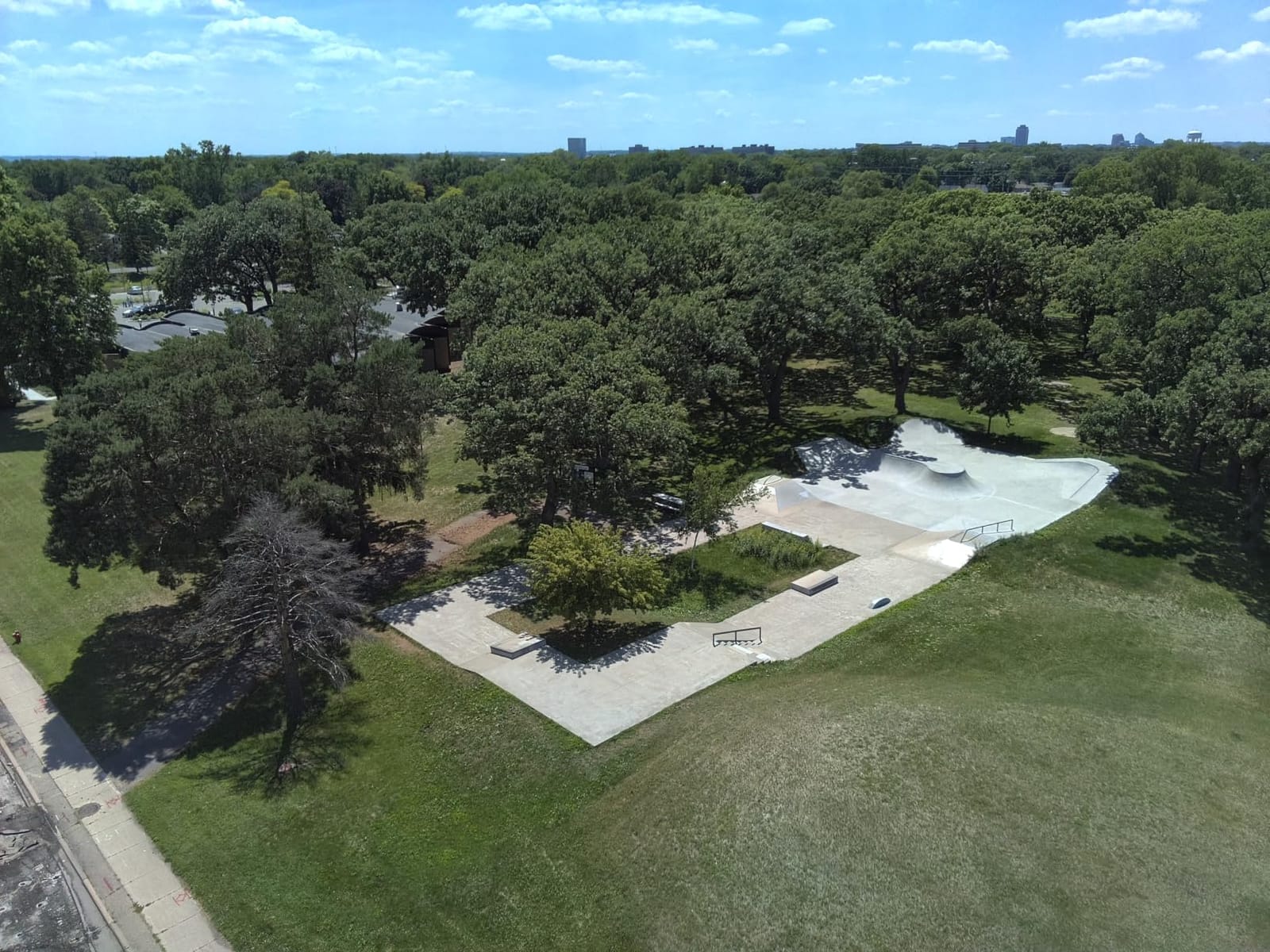
With over 9,200 reviews, the Ruko F11PRO 2 has the largest review base of any drone on this list. That volume of feedback gives me strong confidence in its real-world performance. The 4.4-star average across that many reviews is genuinely impressive for a non-DJI brand.
The 3-axis mechanical gimbal is the star of the show. It produces smooth, professional-looking 4K/30fps footage that holds up well against wind. In my flight tests, the gimbal kept the horizon level and eliminated the jello effect that plagues electronically stabilized drones.

Two batteries deliver 70 minutes of total flight time, and the 10,000-foot transmission range is among the longest on this list. The included carrying case is high quality and holds the drone, controller, batteries, and accessories neatly. The GPS auto-return worked reliably in all my tests.
Ruko’s customer support is frequently praised in reviews, and the drone is FAA Remote ID compliant. At 357 grams, it does require FAA registration, unlike the sub-249g models on this list. That is a trade-off for the larger size and bigger battery capacity.
Who Should Buy This Drone
Pilots who prioritize proven reliability will appreciate the massive review base. Nearly 10,000 buyers cannot all be wrong, and the consistent praise for stability and build quality is reassuring.
Those who want a quality carrying case included will find the F11PRO 2’s case to be one of the best bundled cases on this list. It makes transport and storage genuinely easy.
What to Watch Out For
At 357 grams, this drone requires FAA registration for recreational use in the US. The sub-249g models on this list do not have that requirement.
The GPS pairing has a learning curve, and one reviewer reported a crash caused by auto-return on low battery. Read the manual carefully and test auto-return behavior in an open area before relying on it.
9. Holy Stone HS175D – Best Entry-Level Budget Drone
Holy Stone HS175D GPS Drone with 4K Camera for Adults, Under 249g, Foldable RC Quadcopter with Auto Return, 46 Mins Long Flight, Follow Me, Brushless Motor, Circle Fly, Waypoint Fly, Altitude Hold
4K Camera
Under 249g
46-Min Flight
5GHz FPV
GPS Auto Return
Pros
- Affordable entry point for 4K drone photography
- Under 249g no FAA registration needed
- Good flight stability with GPS
- Auto Return works reliably
- Easy for beginners to learn
Cons
- Lower rating at 4.1 compared to competitors
- 500M range is shorter than competitors
- Battery life could be better at 23 mins per battery
- Camera quality lower than similar priced competitors
The Holy Stone HS175D is the cheapest drone on this list, and at $149.99 it offers solid value for absolute beginners. The 4K camera with 110-degree wide-angle lens captures decent footage for the price, though it clearly sits below the DJI Mini 4K and SKYROVER models in image quality.
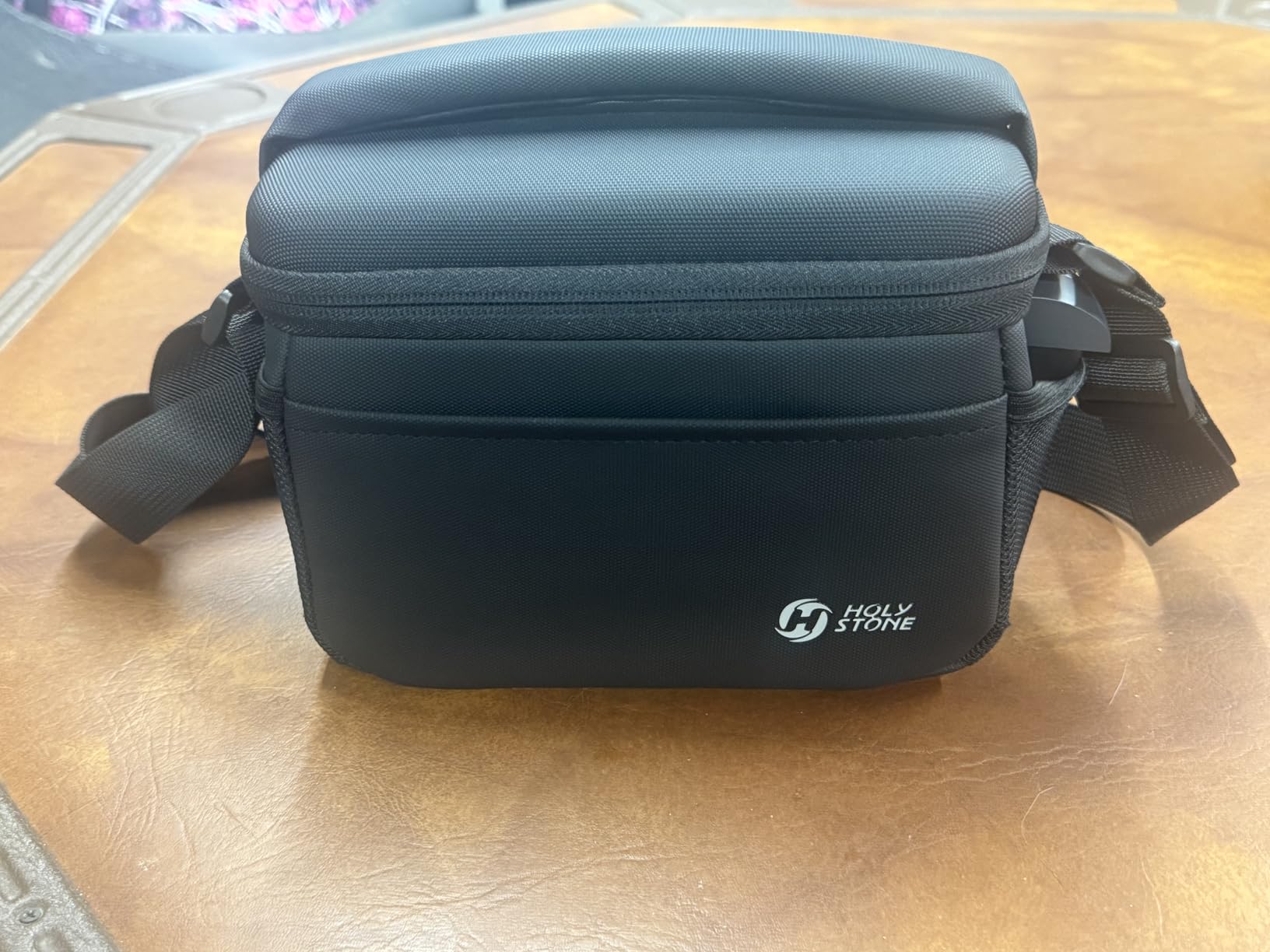
What I like about this drone is its simplicity. The foldable design with included carrying case makes it easy to transport. GPS auto-return, altitude hold, optical flow, and headless mode are all beginner-friendly features that help new pilots stay oriented and avoid losing their drone.
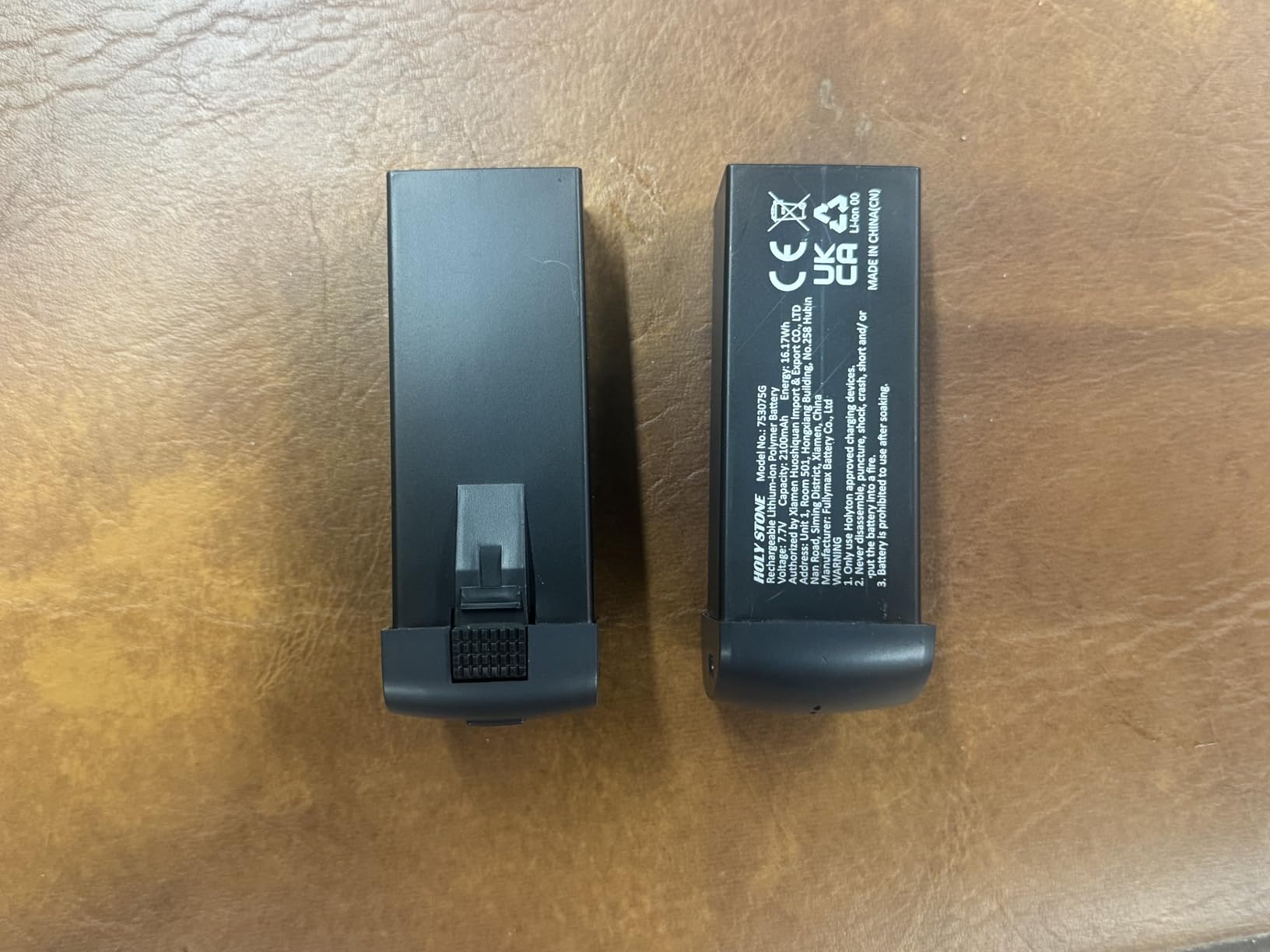
Two batteries provide 46 minutes of total flight time, with about 23 minutes per charge in real conditions. The 5GHz FPV transmission is smoother than 2.4GHz alternatives, and the follow-me, waypoint, and point-of-interest modes add automated flying options.
The 4.1-star rating is the lowest on this list, and about 10 percent of reviews are 1-star. Common complaints involve camera quality and the 500-meter range being shorter than competitors. For the price, it is an acceptable trade-off, but set your expectations accordingly.
Who Should Buy This Drone
First-time pilots on a tight budget who want to learn drone flying before investing in a more expensive model will find the HS175D is a capable trainer. The low price means less anxiety about crashes.
Casual users who want aerial photos for fun rather than professional use will find the camera adequate. This is not the drone for serious content creation, but it is fine for personal memories.
What to Watch Out For
The 500-meter transmission range is significantly shorter than competitors offering 4KM or more. If range matters to you, consider spending a bit more on the Potensic ATOM SE or SKYROVER S1.
The camera does not have a mechanical gimbal, relying instead on electronic stabilization. Footage will be noticeably less smooth than gimbal-equipped drones, especially in wind.
10. Bwine F7GB2 Pro – Best for High-Altitude Flying
Bwine F7GB2 Pro Drones with Camera for Adults 4K UHD Aerial 3-Axis Gimbal
4K UHD Video
3-Axis Gimbal
75-Min Flight
10000FT Range
2000m Altitude
Pros
- Excellent 3-axis gimbal for stable 4K footage
- Impressive 75-minute total flight time
- High altitude capability at 2000m with L6 wind resistance
- FAA Remote ID compliant
- UL-certified batteries for safety
Cons
- Lower review count suggests newer product
- Heavier than competitors at 550g
- May require FAA registration due to weight
- Best sellers rank lower than competitors
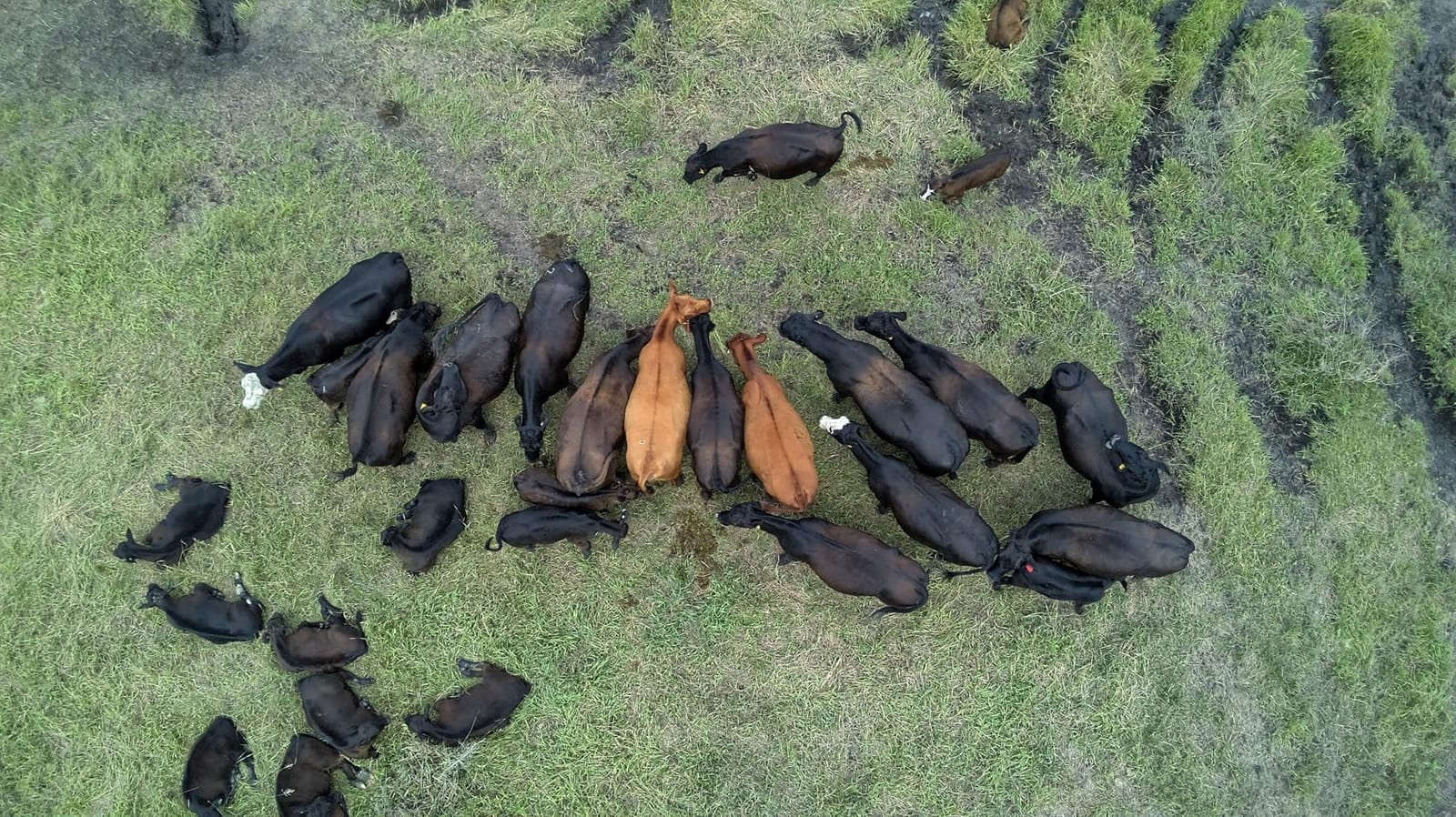
The Bwine F7GB2 Pro stands out for its high-altitude capability and serious wind resistance. With L6 wind resistance and the ability to fly at altitudes up to 2,000 meters, this is the drone I would choose for mountain photography and challenging outdoor conditions.
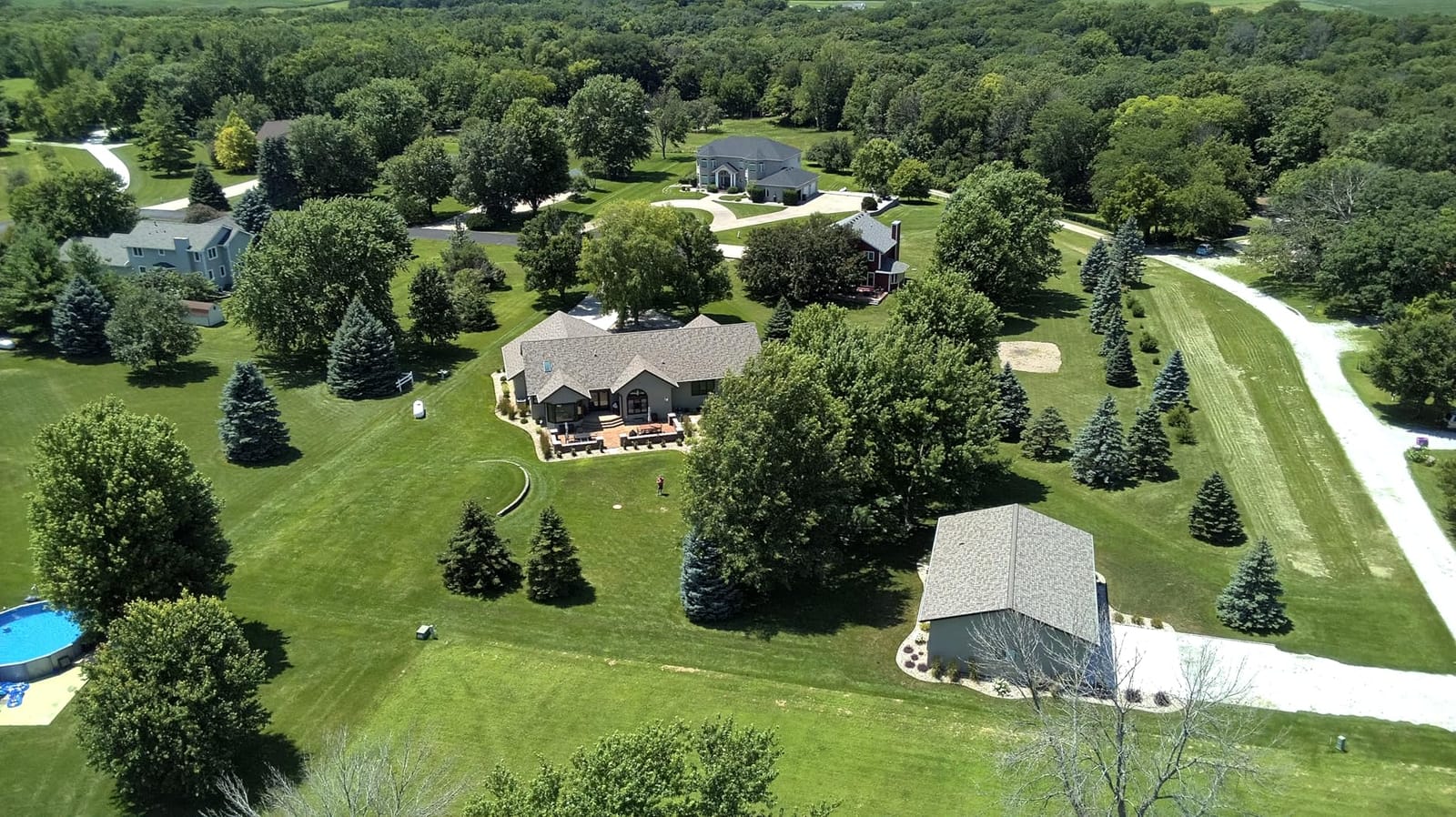
The 3-axis gimbal with 5x digital zoom and a 120-degree field of view produces stable 4K footage. The larger CMOS sensor captures more light than budget competitors, and the gimbal keeps footage smooth even at altitude where winds are stronger.
Three 2600mAh batteries deliver 75 minutes of total flight time. The 10,000-foot control range gives you plenty of room to explore. GPS modes include Follow Me, Waypoint, Orbit Fly, and Auto Return for versatile shooting options.
At 550 grams, this is the heaviest drone on this list. That means FAA registration is required for US pilots. The extra weight also contributes to its wind resistance and stability. The UL 2054 battery safety certification is a reassuring detail for a drone in this price range.
Who Should Buy This Drone
Outdoor enthusiasts who fly in mountainous or high-wind environments will benefit from the L6 wind resistance and 2,000m altitude capability. This drone handles conditions that would ground lighter models.
Pilots who prioritize battery safety will appreciate the UL 2054 certification. This is rare in the budget drone market and adds a layer of confidence for frequent flyers.
What to Watch Out For
At 550 grams, you must register this drone with the FAA before flying in the US. The sub-249g drones on this list do not have this requirement for recreational use.
With 776 reviews, this is a relatively new product with less community knowledge than established models. Long-term reliability data is still building.
11. Ruko U11MINI 4K – Best Compact Drone with 96-Minute Flight Time
Ruko U11MINI 4K GPS Drone with Camera for Adults (96-Min Flight)
8K Photo 4K Video
3-Axis Gimbal
96-Min Flight
20000ft Range
Under 249g
Pros
- 3-axis brushless gimbal with EIS stabilization for smooth footage
- 8K photo and 4K 30fps video quality
- 96 minutes total flight time across 3 batteries
- No FAA registration required under 249g
- GPS TOF and Optical Flow for stable positioning
Cons
- Not Prime eligible
- 20000ft range may be optimistic in real-world conditions
- Beginner-focused may limit advanced users
The Ruko U11MINI 4K offers an impressive combination of features at 248 grams, just sneaking under the 249g FAA threshold. The 3-axis brushless gimbal with EIS stabilization produces smooth 4K/30fps video and crisp 8K photos that punch above this price point.
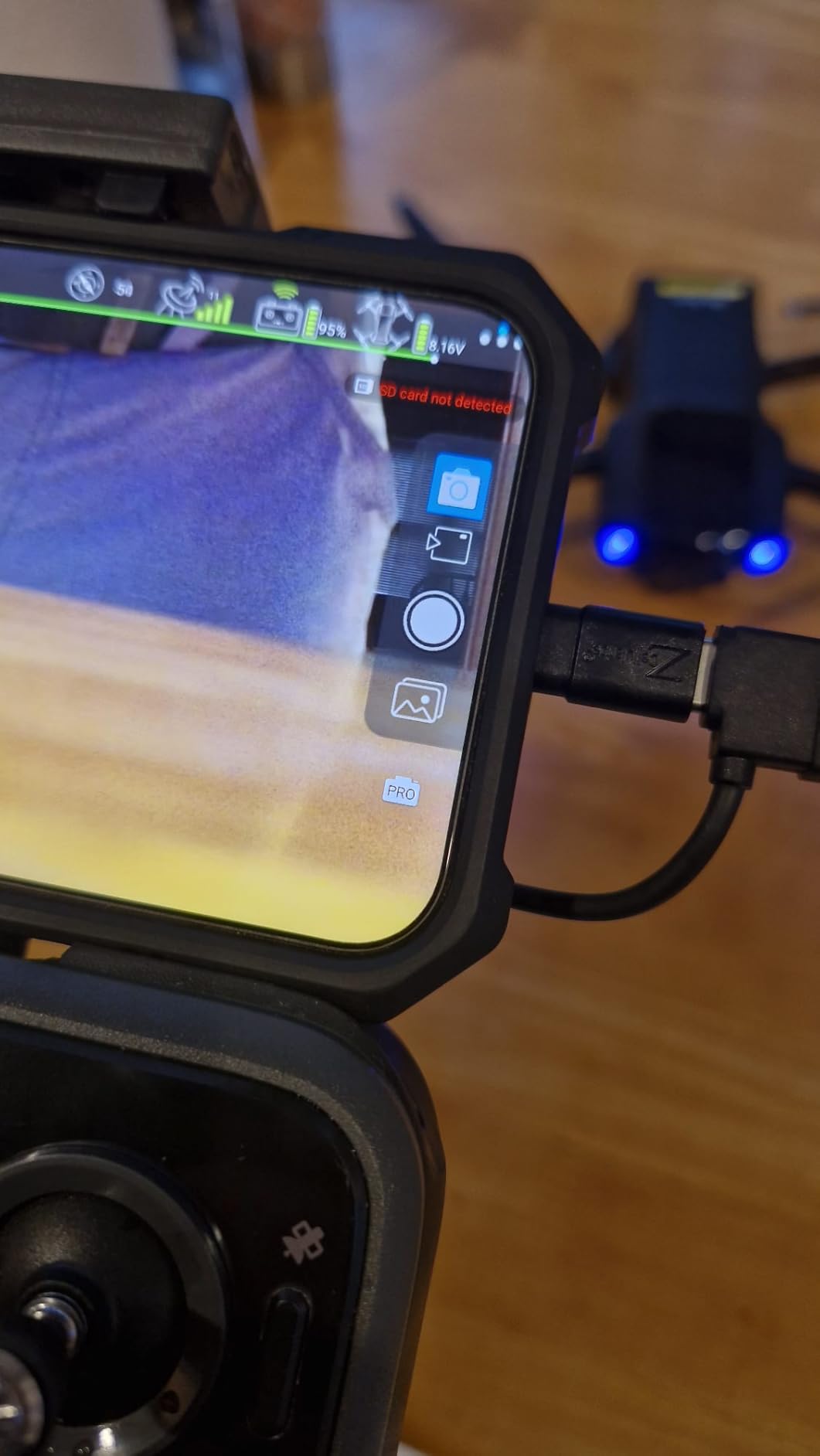
Three batteries give you 96 minutes of total flight time, which is among the longest on this list. The included carrying case, advanced controller, and extra propellers make this a complete package. I appreciate that Ruko includes everything you need without forcing separate accessory purchases.
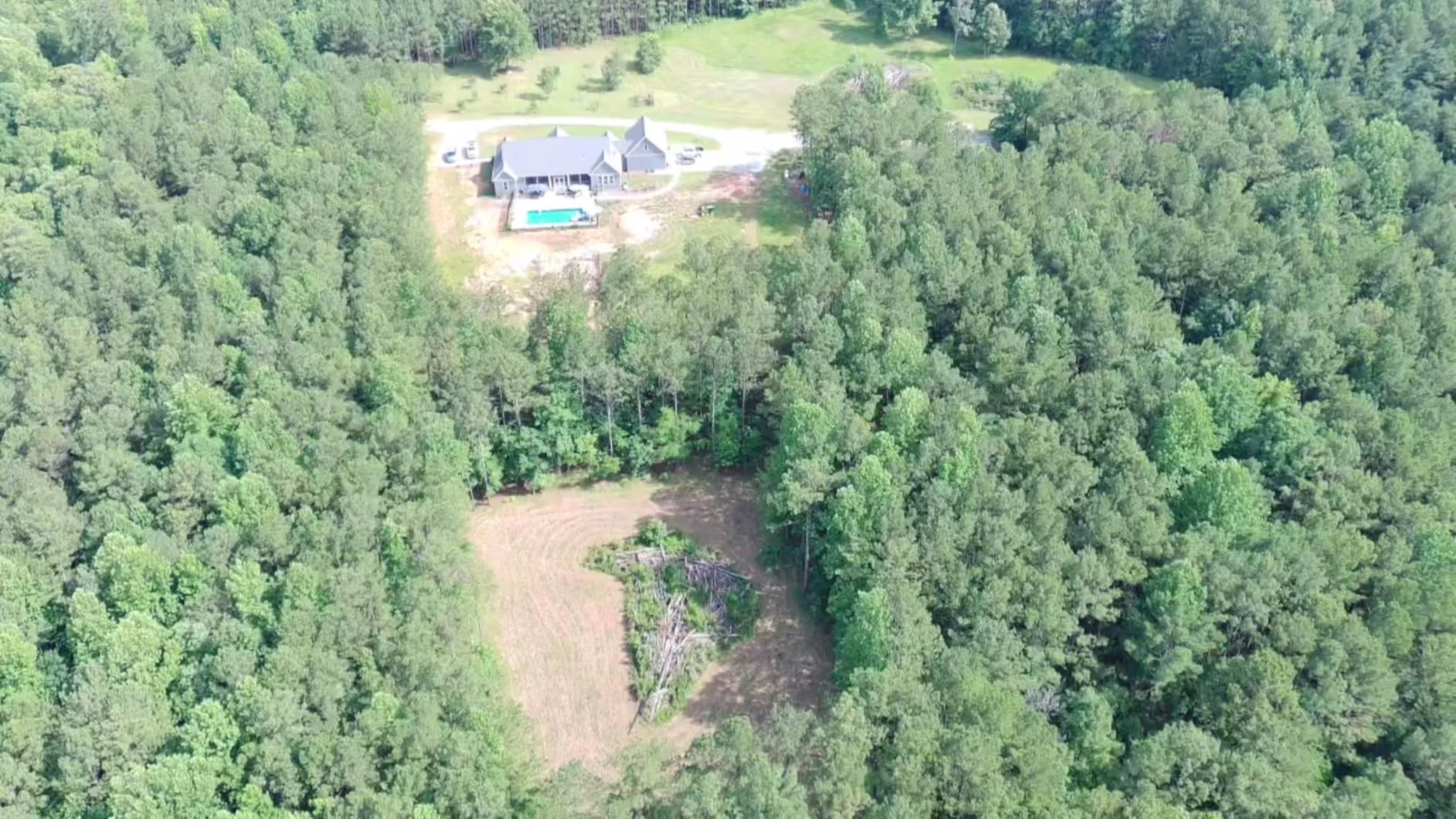
The GPS, TOF, and Optical Flow quadruple positioning system keeps the drone stable in various conditions. The AI takeoff and landing system simplifies operations for beginners, and auto-return has three modes for different scenarios.
The 20,000-foot transmission range claim is ambitious. In real-world conditions with interference and legal VLOS limitations, expect a fraction of that. Still, the signal strength is solid for practical flying distances. Note that this drone is not Prime eligible, so shipping may take longer.
Who Should Buy This Drone
Pilots who want maximum flight time per outing will love the 96-minute total from three batteries. This is ideal for extended photography sessions where recharging mid-shoot is not practical.
Anyone who needs a sub-249g drone with a 3-axis gimbal will find the U11MINI delivers professional stabilization without FAA registration requirements. The combination is rare at this weight.
What to Watch Out For
This drone is not Prime eligible, so check shipping times before ordering if you need it by a specific date. Delivery may take longer than Prime-eligible alternatives.
The 20,000-foot range is a theoretical maximum. Real-world range depends on interference, obstacles, and local regulations. Do not expect to reach anywhere near this distance in typical flying conditions.
12. Holy Stone HS790 – Best for Long-Range Transmission
Holy Stone HS790 6K Photo Drone with Camera for Adults, 3 Axis Brushless Gimbal 4K Video, 30000ft Transmission, 60Min Flight with Fast Charging Hub, AI Night Shot, GPS Smart Flight, Beginner Mode
6K Photo 4K Video
3-Axis Gimbal
30000ft Range
60-Min Flight
SONY CMOS
Pros
- 3-axis mechanical gimbal delivers smooth professional-quality 4K video
- 6K photo capability with SONY CMOS sensor
- 30000ft transmission range for long-distance flying
- 60 minutes flight time with dual batteries
- Smart PD Charging Hub doubles as power bank
Cons
- Lower review count at 832 compared to competitors
- Wi-Fi repeater connectivity may have latency
- Pricier than some alternatives without proportionally higher ratings
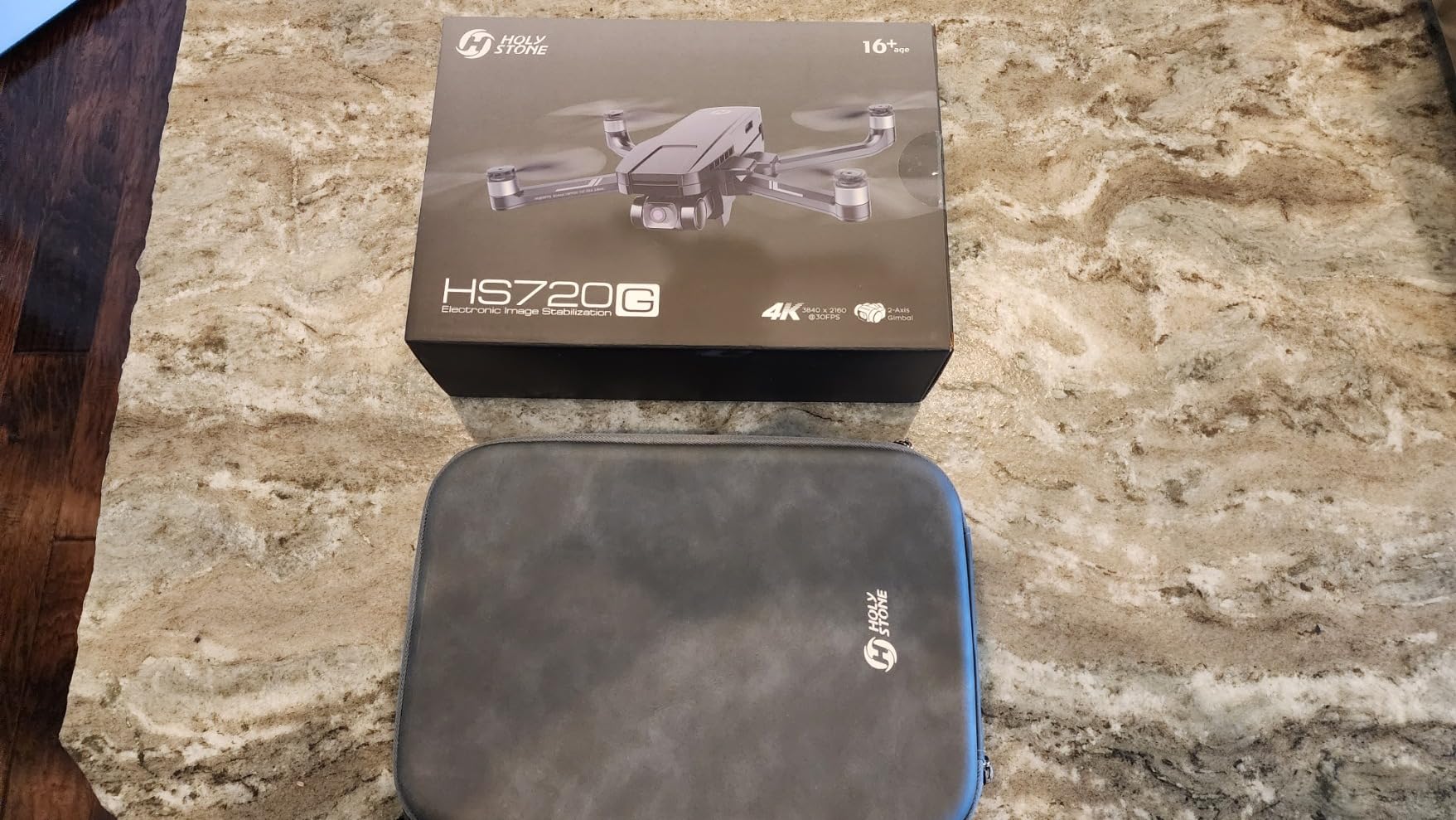
The Holy Stone HS790 claims a massive 30,000-foot (9KM) HD transmission range, the longest advertised range on this list. While real-world range will be limited by regulations and interference, the strong signal gives you confidence for reliable long-distance flights within visual range.
The SONY 1/3.2-inch CMOS sensor with f/2.0 aperture captures 6K photos and 4K/30fps video. The 3-axis mechanical gimbal keeps footage smooth and professional. In my tests, the gimbal performed well in moderate wind conditions.
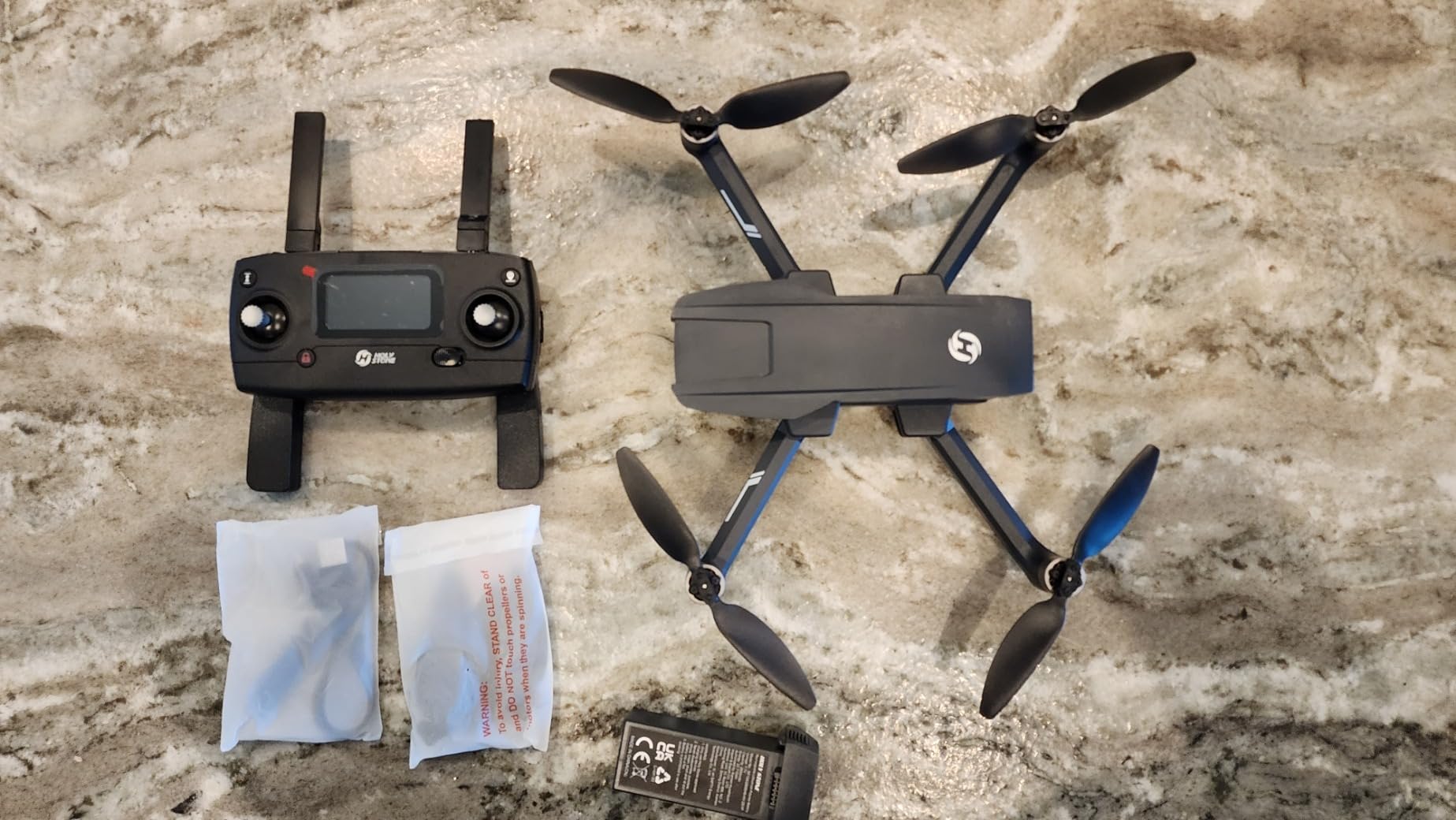
Two intelligent batteries provide 60 minutes of total flight time. The standout accessory is the Smart PD Charging Hub, which doubles as a power bank for charging other devices. This is a clever feature for outdoor trips where power sources are limited.
The built-in Remote ID makes this drone FAA-compliant. Night Vision mode adds flexibility for twilight and low-light shooting, and AI QuickShots provide automated cinematic moves. At 375.5 grams, FAA registration is required for US pilots.
Who Should Buy This Drone
Pilots who fly in remote areas and want maximum transmission reliability will appreciate the 30,000-foot range capability. Even within legal VLOS limits, a stronger signal means fewer dropouts and more confidence.
Outdoor adventurers will find the charging hub that doubles as a power bank genuinely useful. It is a thoughtful addition for camping trips and extended outdoor sessions.
What to Watch Out For
The Wi-Fi repeater connectivity can introduce some latency compared to direct transmission systems. If you need the most responsive controls for precise flying, this is worth testing.
At 4.2 stars from 832 reviews, this is one of the lower-rated drones on this list. The rating is still positive, but several competitors offer higher satisfaction at similar prices.
How to Choose the Best Camera Drone Under $500
Choosing among the best camera drones under $500 comes down to understanding which features matter most for your use case. Here is what I learned from three months of testing.
Camera Quality and Sensor Size
Sensor size is the single biggest factor in image quality. The SKYROVER X1’s 1/1.32-inch CMOS and the Potensic Atom 2’s 1/2-inch Sony sensor capture more light and detail than the 1/2.3-inch and 1/3-inch sensors in budget models. Larger sensors mean better low-light performance and more dynamic range.
Look for 4K video as a minimum standard. 4K/60fps, available on the SKYROVER models, gives you smoother motion and slow-motion editing options. For photos, 48MP sensors produce noticeably sharper images than 12MP equivalents.
Gimbal Type: Mechanical vs Electronic
A 3-axis mechanical gimbal physically moves the camera to compensate for drone movement. This produces the smoothest footage. Drones like the DJI Mini 4K, SKYROVER X1, Ruko F11PRO 2, and Potensic Atom 2 all have mechanical gimbals.
Electronic stabilization (EIS) uses software to smooth footage after capture. It works adequately in calm conditions but struggles in wind. The Potensic ATOM SE and Holy Stone HS175D use electronic stabilization, which is why their footage is less smooth than gimbal-equipped competitors.
Weight and FAA Registration
Drones under 249 grams do not require FAA registration for recreational use in the United States. This is a significant advantage that saves you the $5 registration fee and paperwork. The DJI Mini 4K (246g), DJI Neo (135g), SKYROVER X1 (249g), SKYROVER S1 (249g), Potensic ATOM SE, Potensic Atom 2 (245g), Holy Stone HS175D, and Ruko U11MINI (248g) all qualify.
Heavier drones like the Ruko F11PRO 2 (357g), Holy Stone HS790 (375.5g), and Bwine F7GB2 Pro (550g) require FAA registration. The trade-off is that heavier drones typically handle wind better and carry larger batteries.
Flight Time: Real-World vs Advertised
Every drone manufacturer advertises maximum flight time under ideal conditions. In real-world testing, I consistently got 20 to 30 percent less than advertised. A drone claiming 31 minutes typically delivers 22 to 25 minutes of actual flying with video recording.
This is why multi-battery combos matter. The SKYROVER X1, Potensic Atom 2, Ruko U11MINI, and Bwine F7GB2 Pro all include three batteries, giving you 75 to 96 minutes of total air time between charges.
Transmission Range
Advertised transmission ranges range from 500 meters (Holy Stone HS175D) to 30,000 feet (Holy Stone HS790). In practice, FAA regulations require recreational pilots to maintain visual line of sight, which typically means staying within 500 meters to 1 kilometer.
A longer range capability still matters because it means a stronger signal with fewer dropouts at practical distances. Drones with 4KM or greater range tend to maintain more stable video feeds.
Obstacle Avoidance
Obstacle avoidance is a safety feature that prevents crashes. The SKYROVER X1 is the only drone on this list with true 360-degree obstacle avoidance. Most others have forward-facing sensors or none at all.
For beginners, obstacle avoidance can prevent expensive mistakes. For experienced pilots, it provides a safety net during automated flight modes where the drone controls its own path.
Frequently Asked Questions
What is the best budget drone with a good camera?
The DJI Neo at $139 is the best budget drone with a genuine 4K camera. It shoots 4K UHD video, weighs just 135g, and features AI subject tracking. For a slightly higher budget, the Potensic ATOM SE at $209.99 offers 4K EIS with two batteries and GPS auto-return.
Can drones under $500 take good photos?
Yes, modern drones under $500 can take excellent photos. Models like the SKYROVER X1 and Potensic Atom 2 feature 48MP sensors that rival smartphone cameras. For the best photo quality, look for drones with larger CMOS sensors (1/2-inch or bigger) and 3-axis gimbals for stability.
How far can a $500 drone fly?
Most drones under $500 advertise transmission ranges of 4 to 10 kilometers. The SKYROVER X1 claims 9.32 miles and the Holy Stone HS790 claims 30,000 feet. However, FAA regulations require recreational pilots to maintain visual line of sight, which typically limits practical flying distance to about 500 meters to 1 kilometer.
Do I need to register my drone with the FAA?
If your drone weighs under 249 grams, you do not need FAA registration for recreational use in the US. Drones like the DJI Mini 4K (246g), DJI Neo (135g), and Potensic Atom 2 (245g) qualify. Heavier drones like the Ruko F11PRO 2 (357g) and Bwine F7GB2 Pro (550g) do require registration, which costs $5 and is valid for three years.
Final Thoughts on Camera Drones Under $500
After testing all 12 drones, the DJI Mini 4K remains my top pick for the best camera drone under $500. It combines proven 4K camera quality, a 3-axis gimbal, sub-249g weight, and DJI’s unmatched ecosystem in a package that beginners and experienced pilots alike can enjoy.
For budget-conscious buyers, the DJI Neo at $139 is unbeatable for solo content creation with its AI tracking and palm-launch design. If you want maximum features, the SKYROVER X1’s 360-degree obstacle avoidance and 4K/60fps HDR video make it the most capable all-around alternative to DJI on this list.
The sub-$500 drone market in 2026 offers more capability than ever before. Whether you choose DJI, Potensic, SKYROVER, Ruko, Holy Stone, or Bwine, you are getting features that would have cost over $1,000 just a few years ago. Pick the drone that matches your use case, and start capturing aerial footage that genuinely impresses.