
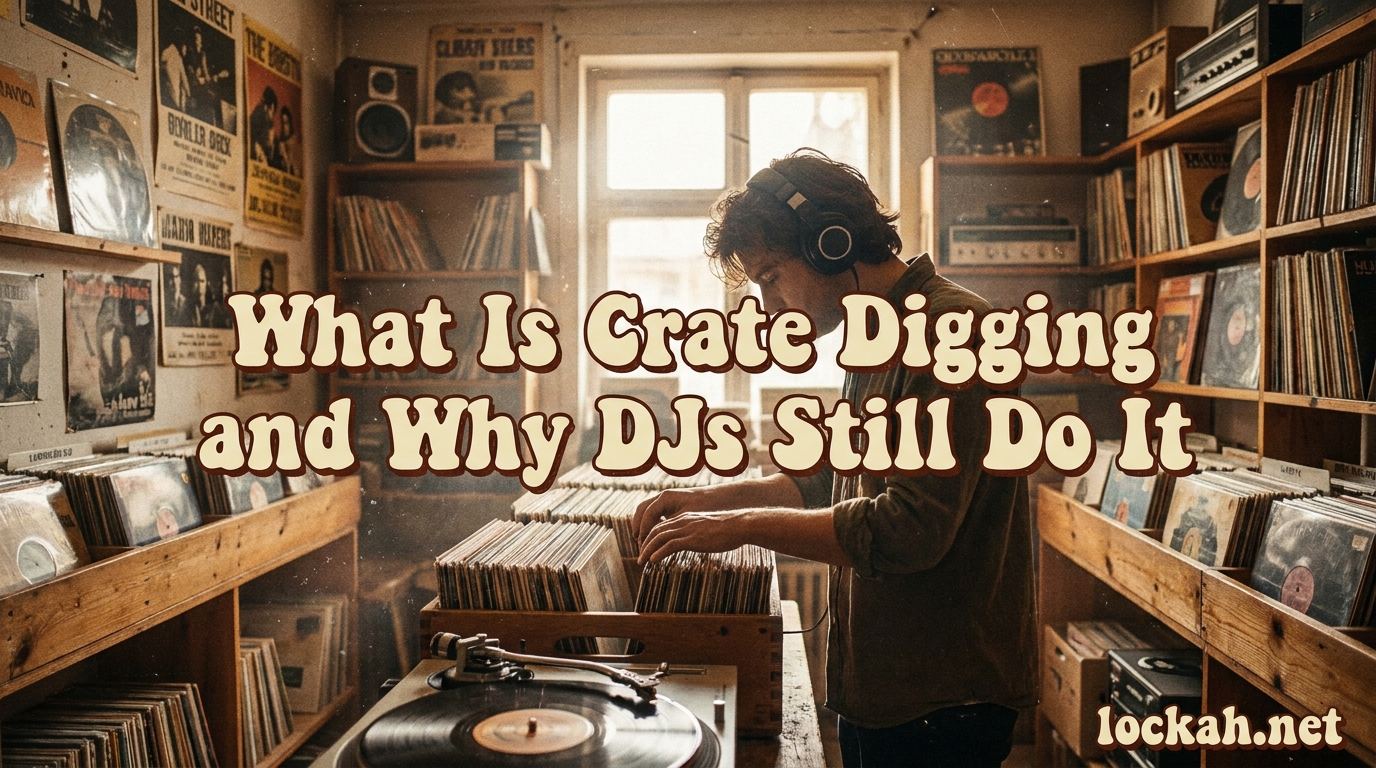
Crate digging is the practice of searching through crates of vinyl records or digital libraries to find rare, obscure, or overlooked music that can transform a DJ set from ordinary to unforgettable. DJs have been doing this for decades, and despite streaming algorithms that promise to do the discovery work for you, the art of digging remains essential to developing a unique sound that stands out on any dancefloor.
In this guide, I’ll explain what crate digging really means, where it started, and why the best DJs still spend hours hunting for hidden gems. Whether you are new to DJing or looking to refine your music discovery process, understanding this practice will change how you think about track selection and help you build a sonic identity that lasts.
Table of Contents
Where Crate Digging Started?
The roots of crate digging stretch back to the 1970s Northern Soul scene in the United Kingdom. DJs would travel across England, scouring second-hand shops, church halls, and obscure record stores in industrial towns to find rare American soul records that no one else had discovered. These records were often played once at all-nighter events and then became sought-after treasures.
The Northern Soul dancers and DJs created an entire culture around the exclusivity of their finds. A record that sold poorly in America might become a priceless commodity in the UK if it had the right beat and emotional quality. The physical act of flipping through crates, checking labels, and auditioning unknown pressings became part of the ritual.
Across the Atlantic, hip hop pioneers like Grandmaster Flash and DJ Kool Herc were developing their own digging culture in the Bronx during the same era. They searched for breakbeats in funk, soul, and even rock records that could be isolated, looped, and rapped over. This practice of finding the perfect drum break became foundational to hip hop production.
David Mancuso at The Loft in New York embodied the selector philosophy that would influence crate digging culture for generations. He treated every track as part of a larger narrative, finding music that worked together emotionally and spiritually rather than simply matching tempos or genres. His approach proved that curation could be as important as technical skill.
By the 1990s, producers like DJ Premier, Pete Rock, J Dilla, and DJ Shadow had elevated crate digging to an art form. Their signature sounds came from obscure samples that required serious dedication to unearth. DJ Shadow’s album Endtroducing, created entirely from samples found digging, established the connection between deep digging and distinctive artistic identity that still defines DJ culture today.
The tradition continued through the 2000s as digging moved partially online. Forums like Soulstrut and Waxidermy became digital gathering places where diggers shared discoveries, debated pressings, and traded tips about which shops held treasures. This community aspect remains central to the culture in 2026.
What Is Crate Digging in Music?
At its core, crate digging is intentional music discovery. It is the opposite of passive listening. Instead of accepting whatever an algorithm serves based on your past behavior, you actively search for something specific, something unknown, or something that resonates with your personal taste and creative vision.
The practice involves four key factors that separate true digging from casual browsing or playlist scrolling. Understanding these factors helps explain why the best DJs invest serious time in the hunt.
Discovery. You find music you did not know existed. This might be a B-side from a forgotten artist that outshines the single. It could be an import pressing with a different version or extended mix. It might be a white label promo that never saw commercial release. The thrill comes from the hunt itself, from the moment when a record you have never heard before becomes your new favorite.
Rarity. What you find is not easily accessible. Other DJs do not have it in their collections. Streaming services might not offer it due to licensing issues or obscurity. This rarity creates real value in your sets because listeners hear something they cannot find themselves. In an era where everyone has access to the same popular tracks, rarity becomes currency.
Context. Understanding where a track comes from, what era produced it, and how it relates to other music deepens your appreciation and your ability to use it effectively. A serious digger learns the history, the labels, the producers, the session musicians, and the scenes that created the sounds. This context informs how you program the track and what you play around it.
Storytelling. Every find has a story attached to it. Where you found it, why you bought it, what you plan to do with it, who introduced you to the artist. These narratives become part of how you present music to an audience and part of how you understand your own development as a DJ. The story behind the find often becomes as important as the track itself.
Physical digging means flipping through vinyl in dusty shops, feeling the weight of the record, examining the sleeve condition, and making decisions based on limited information. Digital digging means searching Bandcamp, Discogs, SoundCloud, and specialized forums with the same intentionality. Both approaches share the same mindset: you are curating deliberately, not consuming passively.
Why DJs Still Crate Dig in the Streaming Era?
Streaming puts millions of tracks at your fingertips. Algorithms promise to surface exactly what you want. Yet the top 100 lists on Beatport and Spotify feel increasingly generic, and working DJs report that audiences respond most enthusiastically to tracks they have never heard before. This is exactly why serious DJs still dig.
Here are the key reasons the practice remains essential in 2026:
Algorithms flatten taste. Spotify, Apple Music, and even Beatport recommend based on what is popular with listeners who resemble you. This creates echo chambers where everyone ends up hearing the same tracks, the same artists, the same safe choices. The algorithm optimizes for engagement, not discovery. Digging breaks you out of these loops by introducing genuine randomness and human judgment into the process.
Hidden gems create memorable moments. When you drop a track that nobody knows but everybody loves, you create a peak experience that defines your set. These discoveries become signature elements that audiences associate specifically with you. I have seen rooms transform when a digger plays something unexpected that fits the moment perfectly. Streaming cannot replicate that because by definition, algorithms surface what is already known.
Your collection reflects your identity. Two DJs using only streaming charts will sound interchangeable. Two DJs who dig develop distinct sonic personalities. The records you choose, the eras you gravitate toward, the connections you make between genres become your brand. In a crowded market where everyone has the same technology, taste becomes the differentiator.
Supporting the culture matters. Buying from independent labels, Bandcamp artists, and local record stores keeps the ecosystem alive. Streaming pays fractions of pennies per play. Direct support from diggers sustains the artists creating the music we love. Many underground scenes survive only because dedicated diggers continue to buy physical releases and support small labels.
The hunt teaches you. Spending three hours to find one perfect track teaches you more about music than skimming a hundred algorithmic suggestions. You develop ears for quality. You learn connections between genres. You understand what actually works on a dancefloor versus what sounds good in theory. This education happens naturally through the process of searching.
Library depth prevents stagnation. DJs who rely only on new releases constantly need fresh material. Diggers build libraries that provide options for years. A well-dug collection contains tracks that work in different contexts, for different crowds, at different times of night.
I have spoken with dozens of working DJs over the past few months, and one theme repeats constantly. The diggers are the ones with residencies, with loyal followings, with careers that span decades. The playlist DJs burn out when trends shift because they never developed their own voice. They were renting their taste instead of owning it.
Physical vs Digital Crate Digging (2026)
Both approaches have their place in modern DJ culture. Understanding when to use each method helps you build a stronger collection and become more efficient in your discovery process.
Physical digging offers experiences no screen can replicate. Walking into a record store puts you in direct contact with music history. You touch sleeves from scenes you never knew existed. You hold pressings that document entire movements. You meet other diggers who share tips, trade stories, and build community around the culture.
Physical digging also creates space for accidents that algorithms prevent. You might pull a record because the cover art caught your eye, find an unexpected genre blend because of how the shop organized their stock, or discover a local pressing that never made it to digital platforms. These serendipitous finds often become the most treasured parts of a collection.
The physical format imposes limits that actually help curation. You cannot carry ten thousand records home. You must be selective. Every purchase demands consideration of cost, weight, and shelf space. This constraint forces better decision-making than the infinite scroll of digital libraries where you might download hundreds of tracks you never actually audition.
Digital digging offers access and efficiency that physical cannot match. Discogs puts millions of releases at your fingertips with advanced search filters for genre, year, label, and price. Bandcamp connects you directly with artists releasing music today, often with exclusive tracks and early access. SoundCloud hosts white labels, promos, and DJ edits that never see commercial release.
YouTube, despite its algorithmic flaws, can lead you down unexpected paths if you follow the related videos with intention. One rare find leads to three more. The comment sections often contain tips from other diggers about similar artists or sample sources. Streaming previews on platforms like Beatport and Traxsource let you audition before committing.
Digital digging also solves the rarity problem differently. That impossible-to-find vinyl pressing that costs hundreds of dollars might be available as a high-quality digital rip for a reasonable price. Region-locked releases that never exported physically can now reach global audiences. Obscure labels from Japan, South Africa, Brazil, or Eastern Europe that remained local become accessible.
The hybrid approach works best for most DJs in 2026. Use digital platforms to research, preview, and discover. Buy physical copies of what matters most or what offers genuine rarity. Many successful DJs maintain digital libraries for flexibility while building vinyl collections for the most special finds. The format matters less than the intention behind the search.
Some tracks you want in multiple formats. The digital file travels to gigs. The vinyl sits at home as a reference and a piece of history. The approach depends on your working style, your storage space, and your relationship to physical media.
How Crate Digging Builds Your DJ Identity?
Anyone can download the Beatport Top 100. Only you can curate the specific combination of tracks that reflects your unique perspective on music and your understanding of what moves a room. This is the real power of crate digging.
When you dig regularly, you start to see patterns in what attracts you. Maybe you gravitate toward Italian library music from the 1970s with its cinematic quality. Perhaps you discover an affinity for dub versions of reggae tracks that provide space and atmosphere. You might find that minimal wave from the early 1980s fits perfectly with modern techno in your sets, creating a throughline that audiences recognize.
These patterns become your sound. Audiences start to recognize your sets not by your technique but by your selections. You become known as the DJ who plays that specific thing. That recognition builds loyalty. People come specifically to hear what you have found that week, not just to hear a competent mix of tracks they already know.
This positioning matters for your career. Resident advisors and bookers need to describe you to their audiences and to other promoters. Having a defined musical identity makes you memorable and bookable. The diggers who developed unique sounds are the ones who build lasting followings rather than chasing whatever genre is trending this month.
Becoming a selector rather than just a DJ means thinking like a curator. You are building an experience, not just playing songs. Every track choice communicates something about your taste, your knowledge, and your understanding of the moment. Digging gives you the raw material to communicate something personal rather than generic.
The forum insights I reviewed while researching this article revealed something important. DJs who struggle with direction often suffer from library paralysis, sitting on thousands of tracks but lacking a coherent vision. Diggers who define their sound through intentional discovery rarely face this problem. Their collections reflect choices made with purpose.
Tips for Starting Your Crate Digging Journey
If you are new to digging, the process can feel overwhelming. Record stores contain thousands of options. Digital platforms offer millions. Here are practical ways to start developing your discovery practice without getting lost.
Start with what you already love. Pick five tracks that define your ideal sound, the ones you wish you could find more of. Research the labels, producers, and artists connected to those records. Follow the threads through discographies and related releases. This targeted approach yields better results than random browsing.
Visit physical stores regularly. Even if you primarily play digital files, spending time in record shops connects you to the culture and history of the music. Talk to the staff. Ask what is selling to working DJs in your area. Flip through the cheap bins where forgotten treasures hide. Build relationships with shop owners who will hold things for you when your taste profile becomes known.
Master Discogs. Learn to use the advanced search filters for format, year, genre, and style. Set up wantlists for specific artists or labels so you get notifications when new copies appear. Check the marketplace daily for new listings at fair prices. Read the community reviews and comments for context about pressings, versions, and sound quality differences.
Follow the sample trails. When you hear a great sample in a hip hop, house, or electronic track, find the original source. WhoSampled is a useful starting point, but deeper digging often reveals multiple layers of sampling. This teaches music history while expanding your library with source material that already fits your taste.
Set time aside for intentional listening. The forum insights I reviewed revealed a common pain point: 80% of most DJ collections go unplayed because they never get properly auditioned and organized. Schedule dedicated sessions to listen through your finds, tag them with accurate metadata, analyze the BPM and key, and integrate the best into your performance library.
Accept the ratio. Experienced diggers expect to find maybe one or two usable tracks per hour of searching. Sometimes you leave a store empty-handed. This is normal and part of the filtering process that ensures quality over quantity. The time investment acts as a natural quality control.
Document your discoveries. Keep notes about where you found things, what you paid, and why you bought them. Photograph interesting sleeves. These records become part of your story as a DJ and help you remember the context that makes tracks meaningful. Years later, you will appreciate having this documentation.
Build a network. Connect with other diggers online and in person. Share finds. Trade duplicates. Attend record fairs. The community aspect of digging provides motivation and expands your access to knowledge. Many lifelong friendships in DJ culture started over a shared crate digging session.
Frequently Asked Questions
What is crate digging in music?
Crate digging is the practice of searching through physical crates of vinyl records or digital music libraries to find rare, obscure, or overlooked tracks. It involves intentional discovery rather than passive consumption, with DJs and producers hunting for unique music that helps them stand out and build a distinctive sound.
Are DJs actually doing anything when they turn knobs?
Yes, DJs are actively manipulating the music in real-time. When turning knobs, they are typically adjusting EQ to blend frequencies between tracks, applying effects like reverb or delay, or controlling filters to create build-ups and transitions. Experienced DJs make dozens of micro-adjustments throughout a set to maintain energy and create seamless mixes.
What is the rule of 32 in DJing?
The rule of 32 refers to mixing in phrases of 32 beats, which is the standard length for a musical phrase in most dance music genres. DJs use this rule to ensure their transitions happen at natural break points in the music, creating smooth mixes that maintain the groove and energy on the dancefloor.
Why don’t DJs scratch anymore?
Many DJs still scratch, particularly in hip hop and turntablism scenes. However, in mainstream electronic dance music, scratching has become less common because the focus shifted toward seamless mixing and track selection rather than technical turntablism. Digital DJing and controller-based setups also made traditional scratching less central to modern performance styles.
Conclusion
Crate digging remains one of the most valuable practices a DJ can develop in 2026. While streaming algorithms promise convenience and endless choice, they cannot replace the personal taste, historical knowledge, and unique perspective that come from intentional searching and careful curation.
Whether you dig through dusty vinyl crates in independent record stores or scroll through digital marketplaces at midnight, the mindset matters more than the format. Be curious about music history. Be patient in your searches. Follow the threads that connect artists, labels, and scenes across decades. Document your discoveries. And most importantly, let your finds shape a sound that is unmistakably yours.
The DJs who build lasting careers are not the ones who download the same charts as everyone else. They are the selectors who spent hours finding that one track that makes a room stop and listen. They are the diggers who can tell you the story behind every record they play. Start your digging practice today, and begin building the musical identity that will define your sets and sustain your career for years to come.