
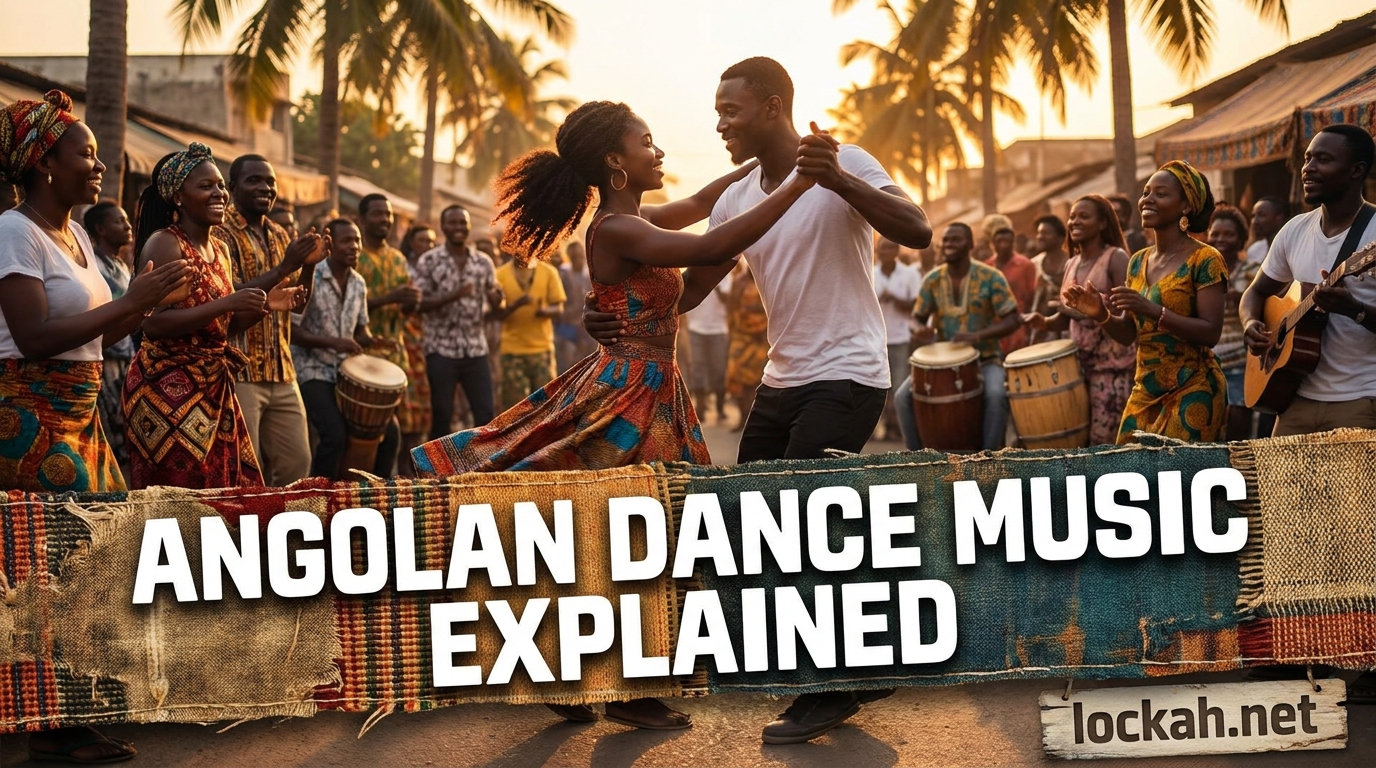
Kuduro is a high-energy electronic dance music and street dance culture that originated in Luanda, Angola during the late 1980s, characterized by fast-paced beats around 140 BPM, call-and-response vocals, and energetic movements performed in circular formations. Born from the resilience of youth living in the musseques (slums) during the Angolan Civil War, kuduro has evolved from a local street phenomenon to an internationally recognized genre that continues to captivate dance floors and festivals worldwide.
I first encountered kuduro during a music documentary marathon, and I was immediately struck by how this genre transforms hardship into pure joy. The way dancers move with such explosive energy while maintaining incredible precision fascinated me. What started as my casual curiosity turned into months of deep research, conversations with Angolan music historians, and countless hours studying performances from Luanda to Lisbon.
In this guide, I will explain everything you need to understand kuduro angolan dance music. We will explore its origins in war-torn Luanda, break down the musical elements that define the genre, examine the distinctive dance style, and trace its journey from African streets to global clubs. Whether you are a music producer seeking new rhythmic inspiration, a dancer looking for your next style to master, or simply curious about one of Africa’s most dynamic cultural exports, this guide will give you a complete foundation.
What Is Kuduro? The Basics of Angola’s Dance Music Revolution (2026)
Kuduro is both a genre of electronic dance music and a style of street dance that emerged from Angola’s capital city. The name itself comes from Angolan Portuguese slang, combining “cu” (ass) and “duro” (hard), literally translating to “hard ass” or interpreted as “hard times.” This dual meaning captures the essence of the genre: music and movement born from difficult circumstances but expressed with relentless energy and defiant joy.
The genre sits at the intersection of multiple influences. It draws from traditional Angolan rhythms like semba, incorporates elements of Caribbean zouk, and blends these with European electronic music styles including techno and house. What emerged is something distinctly Angolan yet globally appealing, a sound that has influenced producers from Lisbon to London to Los Angeles.
At its core, kuduro is designed for movement. The music demands a physical response. You cannot sit still when a proper kuduro track drops. The tempo races along at approximately 140 beats per minute, creating an urgent, driving energy that propels dancers into action. This is not background music. It is music that commands your full attention and participation.
Origins and History: How Kuduro Was Born in Luanda’s Musseques?
Kuduro emerged in the late 1980s in Luanda, specifically within the musseques, the informal settlements and slums that housed much of the city’s population during and after the Angolan Civil War. These densely populated neighborhoods became the incubator for a cultural movement that would eventually define Angolan popular music.
The commonly accepted origin story credits Tony Amado, a young producer and performer, with creating the first kuduro track in 1989. Legend holds that Amado was inspired by the 1989 Jean-Claude Van Damme film “Kickboxer,” specifically a scene where the protagonist performs energetic movements to electronic music. Amado reportedly tried to replicate this energy, combining it with local rhythms and creating something entirely new. Whether this origin story is entirely accurate or has been mythologized over time, Tony Amado remains widely recognized as the godfather of kuduro.
The timing of kuduro’s birth is significant. Angola was in the midst of a devastating civil war that would last from 1975 until 2002. The musseques were home to displaced populations, including many land mine victims and amputees. Rather than letting disability define them, many young Angolans incorporated their physical differences into their dancing, creating a unique movement vocabulary that became part of kuduro’s visual identity. This was not charity or inspiration porn. It was young people refusing to let their circumstances limit their joy.
The spread of kuduro throughout Angola was facilitated by candongueiros, the privately operated collective taxis that serve as the primary transportation in Luanda. Drivers would blast the latest kuduro tracks from their vehicles, turning the city into a mobile sound system. As these taxis traveled between neighborhoods, they carried the music with them, helping kuduro transcend its origins in specific musseques and become a national phenomenon.
By the mid-1990s, kuduro had evolved from a street-level curiosity to a dominant force in Angolan popular culture. Early pioneers like Sebem, Nitro 1000, and the group Os Lambas helped define the sound and visual style. The genre developed its own star system, with kuduristas (kuduro performers) becoming celebrities within Angola and eventually gaining recognition abroad.
What Are the Key Elements of Kuduro Music?
Kuduro music is built on a foundation of electronic production with distinctive rhythmic characteristics that set it apart from other dance music genres. Understanding these elements helps explain why the genre creates such a powerful physical response in listeners.
The tempo typically hovers around 140 beats per minute, though it can range from 130 to 150 BPM. This places it faster than house music but aligned with certain techno and hardcore subgenres. The four-to-the-floor beat provides a steady driving pulse, but the rhythmic complexity comes from the interaction between this foundation and syncopated elements derived from traditional Angolan music.
The rhythmic foundation of kuduro draws heavily from the tresillo pattern, a rhythmic figure common in African and Afro-Caribbean music. This creates a rolling, propulsive feel that distinguishes kuduro from straight European techno. The bass drum and snare work in conversation with each other, creating spaces for dancers to accent their movements.
Vocals in kuduro typically feature call-and-response patterns, chant-like delivery, and energetic hooks designed to be shouted back by crowds. The lyrics often address social realities, celebrate resilience, or simply hype up the dance floor. Portuguese is the primary language, though Kimbundu and other Angolan languages appear frequently, reflecting the genre’s deep local roots.
The production technology evolved significantly over kuduro’s history. First-generation kuduro was produced using basic drum machines and early sampling equipment. By the 2000s, software like Fruity Loops (now FL Studio) became the tool of choice, allowing producers to create complex arrangements with limited resources. This accessibility was crucial. A teenager in a musseque could download cracked software and start producing tracks that might reach national radio.
Kuduro Dance: Movements, Style, and Street Culture
If the music is kuduro’s heartbeat, the dance is its soul. Kuduro dancing is characterized by rapid footwork, upper body isolations, and explosive energy that matches the music’s intensity. The style has been described as a combination of breakdancing, African traditional dance, and pure improvisational expression.
The basic stance involves a slight bend in the knees, ready to explode into movement at any moment. Footwork patterns create intricate rhythms against the floor, while the upper body might remain relatively still or break into sudden waves and pops. The contrast between controlled and wild movements is part of what makes kuduro visually compelling.
Circle formations are central to kuduro dance culture. Dancers gather in a ring, with individuals or pairs taking turns entering the center to showcase their skills. This battle format encourages innovation and technical excellence. The circle is not just a performance space. It is a community gathering, a place where status is earned through skill and creativity.
The inclusive nature of kuduro dance deserves special mention. Because the genre developed in the musseques among populations affected by war, including many amputees and land mine victims, the dance style naturally incorporated movements accessible to people with various physical abilities. A dancer might use crutches as part of their routine, or perform entirely from a seated position with incredible upper body speed. This inclusivity remains a defining characteristic of kuduro culture.
For beginners wanting to try kuduro, start with the basic bounce. Stand with feet shoulder-width apart, knees slightly bent, and bounce in time with the beat. Once comfortable, add quick steps in place, lifting your feet just an inch off the ground in rapid succession. From there, introduce arm movements, perhaps starting with simple punches forward or waves across your body. The key is energy. Kuduro is not about perfect technique. It is about committing fully to the movement.
What Is the Cultural Significance of Kuduro?
Kuduro carries profound cultural and political significance that extends far beyond entertainment value. The genre emerged as a form of expression for youth who had experienced decades of war and sought to create something positive from their circumstances. In this context, dancing was not just recreation. It was an act of defiance, a declaration that life would continue despite the surrounding chaos.
The concept of “public happiness” is central to understanding kuduro’s cultural role. Anthropologists and cultural theorists have noted how kuduro transforms public spaces through collective joy. When a group of kuduristas occupies a street corner or market square, they are claiming that space for their community, if only temporarily. This is particularly significant in a city like Luanda where formal public spaces are limited and controlled.
Political expression runs through kuduro in complex ways. During the civil war and the authoritarian MPLA government that followed, direct political criticism was dangerous. Kuduro artists found ways to comment on social conditions through coded language and metaphor. The music became a vehicle for discussing realities that could not be openly addressed in other forums.
The international touring group Os Kuduristas, founded by choreographer Coréon Dú, exemplifies how kuduro functions as cultural diplomacy. By taking kuduro to stages worldwide, they have presented a different image of Angola than the war-torn stereotype familiar to many Western audiences. They show Angola as a place of creativity, resilience, and joy. This is soft power exercised through dance.
Gender dynamics in kuduro have evolved over time. Early kuduro was dominated by male performers, but artists like Titica have broken through as prominent female voices. Titica, who is transgender, has used her platform to advocate for LGBTQ+ rights in Angola, demonstrating how kuduro continues to serve as a space for social commentary and progressive expression.
Where Did Danza Kuduro Come From? Kuduro’s International Journey
The international breakthrough for kuduro came through a circuitous route that many casual listeners misunderstand. In 2010, Puerto Rican reggaeton artist Don Omar released “Danza Kuduro,” featuring Portuguese singer Lucenzo. The song became a massive global hit, introducing millions to the word “kuduro” and the associated dance style. However, “Danza Kuduro” is not actually kuduro music. It is reggaeton with Latin pop influences that borrowed the name and some visual elements from the Angolan genre.
This distinction matters because it highlights the difference between commercial appropriation and authentic cultural exchange. Real kuduro sounds quite different from “Danza Kuduro.” The tempo is faster, the rhythms are more complex, and the cultural context is entirely distinct. While “Danza Kuduro” brought attention to the name, it also created confusion about what the genre actually sounds like.
The authentic international spread of kuduro owes much to Buraka Som Sistema, a Portuguese electronic music group that blended kuduro with other global bass music styles. Formed in Lisbon in the early 2000s, they introduced kuduro to European club audiences and helped establish the genre within the global electronic music scene. Their work created bridges between the musseques of Luanda and the clubs of London, Berlin, and beyond.
Lisbon plays a crucial role in kuduro’s international story. Portugal’s colonial history and the large Angolan diaspora community in Lisbon created natural pathways for the genre to spread. Kuduro became part of the soundtrack to Lisbon’s nightlife, influencing local music scenes and eventually reaching tourists who carried the sound back to their home countries.
Kuduro vs Other Angolan Dance Genres: Semba, Kizomba, and Afro House
Understanding kuduro requires distinguishing it from other Angolan genres that share some DNA but serve different purposes and audiences.
Semba is often described as the root from which kuduro and other Angolan genres grew. Traditional semba features acoustic instrumentation, complex guitar work, and a slower tempo suited for partnered social dancing. It represents Angolan musical heritage in its most established form. Kuduro took some rhythmic elements from semba but accelerated them into electronic overdrive.
Kizomba emerged in the 1980s as a fusion of semba with Caribbean zouk influences. It is primarily a partnered dance style characterized by smooth, grounded movement and close connection between partners. Where kuduro is explosive and individualistic, kizomba is intimate and connected. Both genres can reach similar tempos, but their energy and social function differ completely.
Afro house represents another branch of Angolan electronic music, one that has perhaps eclipsed kuduro in global popularity in recent years. Artists like Black Coffee and Heavy K have taken Afro house to international stages. The distinction between progressive kuduro and Afro house can be blurry, with many tracks sitting on the border between genres. Generally, Afro house maintains a deeper, more hypnotic quality while kuduro emphasizes rhythmic complexity and vocal hooks.
Zouk béton, the harder-edged French Antillean genre, influenced early kuduro producers. The connection is audible in the synth sounds and certain rhythmic patterns. However, kuduro developed its own distinct identity through the incorporation of specifically Angolan elements and the particular energy of Luanda’s street culture.
How to Start Exploring Kuduro: Essential Songs and Artists
If this guide has sparked your interest in kuduro, here is where to begin your exploration. These recommendations come from my own journey into the genre, tested through hours of listening and many conversations with Angolan music enthusiasts.
Start with the classics. Os Lambas were among the first kuduro groups to achieve mainstream success in Angola. Their early tracks defined the sound that would dominate the 1990s and early 2000s. Look for “Comboio” and “Sobe” to understand the foundational kuduro style.
Nagrelha became one of the biggest stars in kuduro history, known for his charismatic performances and hit songs that dominated Angolan radio. His music represents the genre at its most accessible and commercially successful. Tracks like “Telefone” showcase the melodic hooks that made kuduro broadly appealing.
Titica represents the contemporary evolution of kuduro. As a transgender artist in a genre that has not always been welcoming to LGBTQ+ performers, she has broken barriers while creating undeniable music. Her work shows how kuduro continues to evolve and address new themes.
Coréon Dú deserves mention not only as a performer but as a cultural ambassador. Through his work with Os Kuduristas and his television productions, he has done more than perhaps anyone to bring authentic kuduro to international audiences. His choreography and conceptual work demonstrate how kuduro functions as high art, not just street culture.
For discovering more kuduro, YouTube remains the best resource. Search for “kuduro Angola” and you will find countless performance videos, music videos, and dance battles. Streaming platforms like Spotify and Apple Music have growing kuduro playlists, though they often mix in related genres. The key is to listen actively. Notice the rhythms, the vocal delivery, the energy. Let yourself move. Kuduro makes sense when you feel it physically.
Frequently Asked Questions About Kuduro
What are the key elements of kuduro music?
Kuduro music is characterized by a fast tempo around 140 BPM, a four-to-the-floor beat with tresillo rhythmic patterns, electronic instrumentation using drum machines and synthesizers, and call-and-response vocals. The genre blends traditional Angolan rhythms like semba with European electronic music influences.
What is Angola’s traditional dance known as?
While Angola has several traditional dances, semba is considered the root traditional dance from which modern genres like kuduro and kizomba evolved. Kuduro itself is a modern electronic dance music genre that emerged in the late 1980s, featuring energetic street dance performed in circular formations.
What is the cultural significance of kuduro?
Kuduro emerged during the Angolan Civil War as a form of resilience and expression for youth in the musseques (slums). It represents the transformation of hardship into joy, serves as a vehicle for political and social commentary, and creates ‘public happiness’ by claiming urban space through collective dance. The genre embodies Angola’s spirit of survival and celebration.
Where did the dance Danza Kuduro come from?
Danza Kuduro originated from a 2010 song by Puerto Rican artist Don Omar featuring Portuguese singer Lucenzo. Despite the name, it is actually reggaeton music, not authentic Angolan kuduro. The song brought global attention to the word ‘kuduro’ but created confusion about the genre’s actual sound, which is faster and more rhythmically complex than the pop hit.
What does kuduro mean?
Kuduro comes from Angolan Portuguese slang, combining ‘cu’ (ass) and ‘duro’ (hard), literally meaning ‘hard ass.’ It is also interpreted as ‘hard times,’ reflecting both the difficult circumstances from which the genre emerged and the energetic, defiant spirit of its creators.
How is kuduro different from kizomba?
Kuduro and kizomba are both Angolan dance genres but differ significantly. Kuduro is fast-paced (around 140 BPM), individualistic, and performed in street battle circles with explosive energy. Kizomba is slower, partnered, intimate, and danced in close embrace. Kuduro is electronic and uptempo; kizomba is romantic and grounded.
Who created kuduro?
Tony Amado is widely credited as the creator of kuduro in 1989 in Luanda, Angola. Legend says he was inspired by the film ‘Kickboxer’ and combined electronic music elements with traditional Angolan rhythms. While the exact origin may be mythologized, Amado remains recognized as the godfather of the genre.
What BPM is kuduro music?
Kuduro music typically runs at approximately 140 beats per minute, though it can range from 130 to 150 BPM. This fast tempo creates the urgent, driving energy that defines the genre and demands physical movement from listeners.
Conclusion: The Enduring Power of Kuduro
Kuduro angolan dance music represents something remarkable in the history of global music. Born from the specific circumstances of war-torn Luanda in the late 1980s, it has grown into an internationally recognized genre that continues to evolve and inspire. The story of kuduro is the story of young people refusing to let their circumstances define them, choosing instead to create something beautiful from hardship.
The genre matters because it demonstrates how music and dance can function as tools of resilience, community building, and political expression. When you watch a kuduro performance, you are not just seeing entertainment. You are witnessing a cultural tradition that transformed public space, created community in difficult circumstances, and gave voice to a generation of Angolan youth.
I encourage you to explore kuduro beyond this guide. Listen to tracks from Os Lambas and Titica. Watch videos of street performances in Luanda’s musseques. Try the basic bounce yourself. Feel that 140 BPM tempo driving through your body. Understanding kuduro is not just about learning facts. It is about experiencing a cultural force that has moved from the streets of Angola to dance floors worldwide. The hard ass spirit lives on.