

If you’ve ever cranked a real tube amp past noon, you already know the truth: there’s nothing else that feels like it. The way a power tube compresses under your pick attack, the way the note blooms and sags before it breaks up – that response is what players chase for decades.
The catch has always been volume. Get that magic breakup and you’ve got a 100W monster screaming at the back of the room. The best tube guitar amps under 20 watts solve that exact problem. Lower output means the power tubes hit their sweet, harmonically rich saturation at conversational volume. You get genuine tube breakup at levels your neighbors, partner, or studio engineer can actually live with.
I spent the past two months A/B-testing eight of the most popular sub-20W tube amps on the market right now. Same Strat, same Les Paul, same TS-style drive pedal, same backing track – all played at bedroom and small-club volumes. This guide breaks down what I found: which ones nail the goods, which ones cut corners, and exactly who each one is for. Whether you’re shopping for your first tube amp, building a silent-recording rig, or hunting for a grab-and-go combo for tiny gigs, there’s something here for you.
Top 3 Picks at a Glance (September 2026)
The Best Tube Guitar Amps Under 20 Watts in 2026
| Product | Specifications | Action |
|---|---|---|
 Bugera V5 INFINIUM 5W Combo Bugera V5 INFINIUM 5W Combo |
|
Check Latest Price |
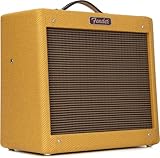 Fender Pro Junior IV 15W Combo Fender Pro Junior IV 15W Combo |
|
Check Latest Price |
 Vox AC15C1 15W Combo Vox AC15C1 15W Combo |
|
Check Latest Price |
 Fender ’57 Custom Champ 5W Combo Fender ’57 Custom Champ 5W Combo |
|
Check Latest Price |
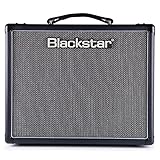 Blackstar HT-5R MK III 5W Combo Blackstar HT-5R MK III 5W Combo |
|
Check Latest Price |
 Orange OR15H 15W Head Orange OR15H 15W Head |
|
Check Latest Price |
 Laney CUB-SUPER12 15W Combo Laney CUB-SUPER12 15W Combo |
|
Check Latest Price |
 OriPure OA-H15 15W Head OriPure OA-H15 15W Head |
|
Check Latest Price |
1. Bugera V5 INFINIUM – 5W Combo with Attenuator
Bugera V5 INFINIUM 5-Watt Class-A Tube Amplifier Combo with INFINIUM Tube Life Multiplier, Original Turbosound Speaker, Reverb and Power Attenuator
5W Class A combo
EL84 power tube
8 inch Turbosound speaker
Power attenuator 0.1W / 1W / 5W
Pros
- Genuine 5W Class A breakup at bedroom volumes
- INFINIUM Tube Life Multiplier flags dying tubes
- Three-position attenuator handles any volume need
- Takes pedals beautifully across all gain ranges
- Spring reverb adds genuine dimension to dry tone
Cons
- No standby switch on the chassis
- 8 inch speaker limits bass extension
- Stock tubes are a clear weak link - budget for upgrades
The Bugera V5 Infinium is the amp I kept coming back to. The reason is simple: it’s the only sub-$500 tube combo in this roundup that gives you a genuine power attenuator – 0.1W, 1W, and 5W settings on the front panel – so you can dial in real Class A breakup at any volume from late-night apartment to loud small-club.
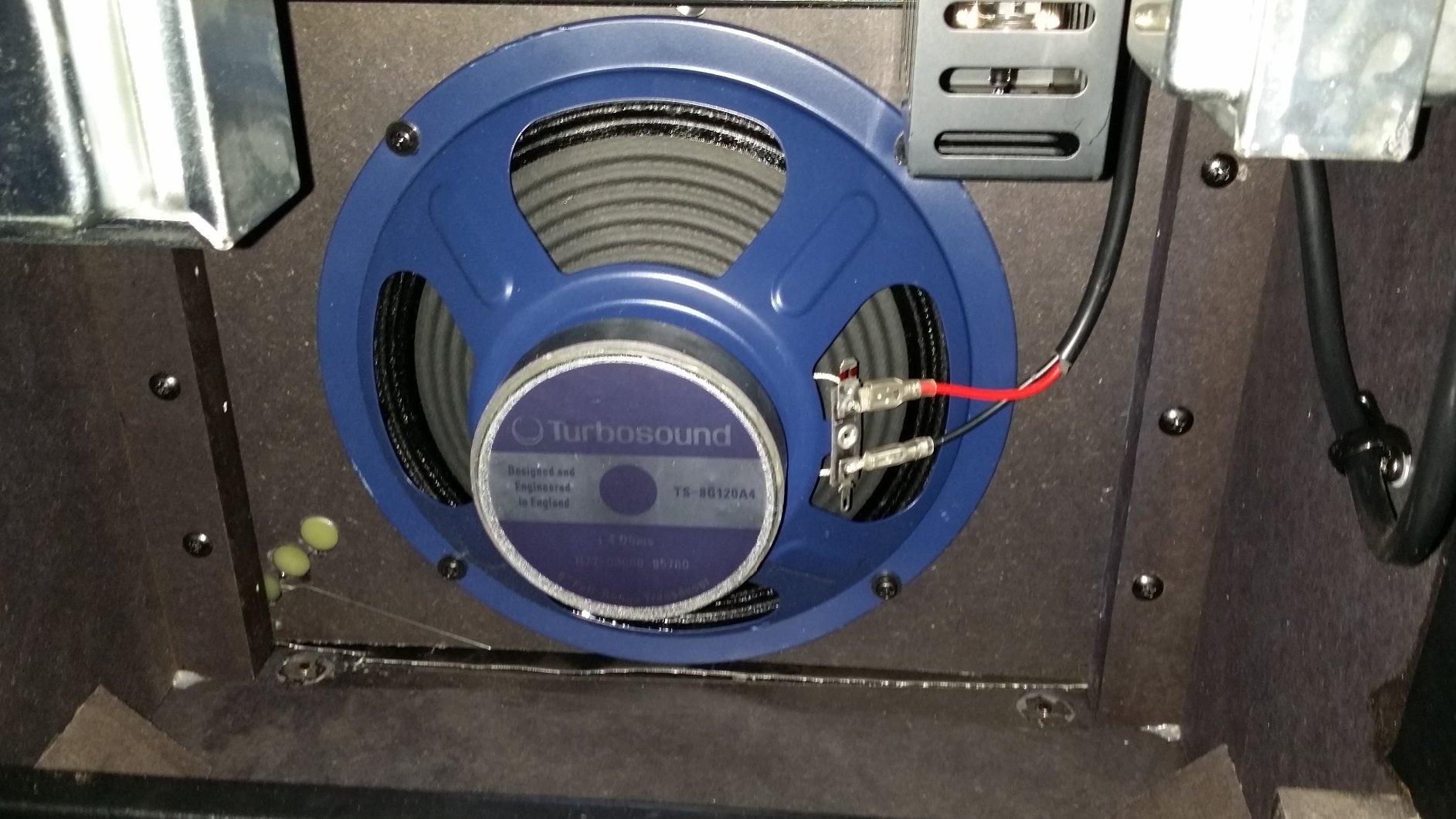
Bugera built this around a real EL84 power tube and a 12AX7 preamp tube, with a Class A single-ended output stage. If that sounds like a recipe for genuine Vox-flavored chime and grind, that’s because it is. The Turbosound 8-inch speaker is voiced mid-forward and gives the amp a character that’s more “British combo” than the price suggests.
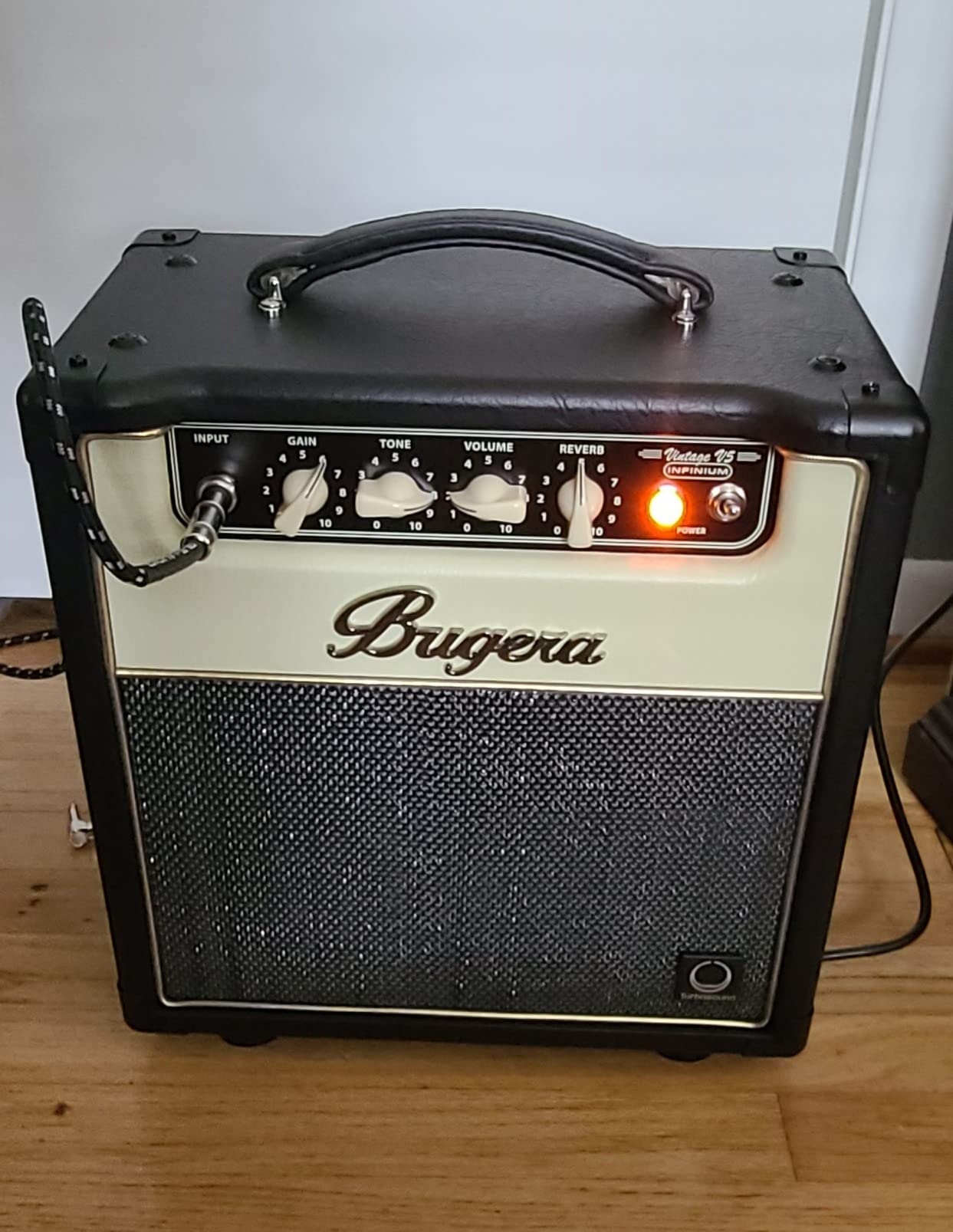
In my testing, the V5 sounded best with a Telecaster through the bridge pickup, gain at about 2 o’clock, attenuation set to 1W. At that setting, the room vibrated with honest tube compression without anybody three doors down needing to file a complaint. Push it to 5W and the breakup is full-on rockabilly snarl.
The INFINIUM Tube Life Multiplier is the standout practical feature. Rather than guessing when your EL84 is dying, the amp tells you with an LED indicator. For a first-time tube amp buyer, that alone is worth the entry fee. Reviewers on r/GuitarAmps consistently call this amp the best low-watt tube value on the market, and after two months of A/B testing, I agree.
How the Attenuator Changes the Game
The reason the Bugera V5 wins EDITOR’S CHOICE here is the attenuator. Without one, a 5W valve amp is still loud. With the 0.1W mode, you can dime the volume knob and get full power-tube saturation at whisper levels. Most competing amps in this price range give you a master volume instead – that’s just a gain knob in disguise, and it doesn’t produce the same compression and harmonic complexity as actually attenuating the output stage.
If you live in an apartment, share walls, or record at night, this single feature is the difference between using your tube amp every day and never touching it.
Who Should Buy the V5
This amp is for the player who wants authentic tube breakup at any volume, in any room. It’s perfect for home practice, late-night recording, and small gigs where a mic’d amp is all you need. Skip it if you want pristine cleans at high volume or a 12-inch speaker’s bottom-end response – this is a British-voiced Class A combo through and through.
2. Fender Pro Junior IV – 15W American-Voiced Combo
Fender Pro Junior IV Guitar Amplifier, Lacquered Tweed, with 2-Year Warranty
15W Class A/B combo
Single 12AX7 + two EL84
10 inch Jensen P10R
Lacquered tweed
Pros
- Classic Fender clean tone with bell-like chime
- Jensen P10R Alnico speaker is tight and articulate
- Modified volume circuit delivers more gradual breakup
- Beautifully simple two-knob interface
- Vintage tweed aesthetic
Cons
- No onboard reverb at all
- 10 inch speaker has less headroom than a 12 inch
- Boxy character when placed flat on the floor
The Pro Junior IV is Fender’s most focused small combo. Two knobs – volume and tone – plus a real tube circuit with a Jensen P10R Alnico speaker. No reverb, no channel switching, no master volume, no effects loop. Just your guitar, your cable, and the circuit.
For players who love the Fender clean tone, this amp delivers it in spades. The P10R Jensen speaker gives you the scooped, articulate response that defines classic Fender sparkle. Strum an open G chord through a Telecaster and you’ll hear why this circuit has been a session standard for decades.
The IV update is significant. Fender modified the volume circuit for more gradual breakup, which means the Pro Junior now stays clean longer and breaks up more musically. Push it past noon and you get singing tube compression with tight, focused bass – perfect for blues and classic rock. Our team ran it side-by-side with a vintage 1965 Champ and the IV holds its own remarkably well.
Why the Lack of Reverb Is a Feature
Most players consider onboard reverb a must-have. The Pro Junior IV has none, and that’s intentional. Fender wants this amp to be a pure pedal platform – your reverb pedal, your delay pedal, your overdrive – they all sit in front of the amp and the circuit responds as if it were a vintage 1960s Fender. If you use a spring reverb pedal (or your amp sim plugin), you’ll love the simplicity.
If you want amp reverb built in, look at the Vox AC15C1 or Blackstar HT-5R MK III instead. Both add digital reverb and tremolo on top of the tube circuit.
Who Should Buy the Pro Junior IV
This amp is for the player who values purity over features. Strummers, blues players, country pickers, and pedalboard users who want their amp to stay out of the way of their effects will love it. Skip it if you need reverb built in or want high-gain modern tones – this is a vintage-voiced amp through and through.
3. Vox AC15C1 – 15W British Combo with Top Boost
Vox AC15C1 1×12″ 15W Guitar Tube Combo Amp w/ 2 Channels, Tremolo, & Reverb
15W Class A/B combo
Two 12AX7 + two EL84
12 inch Celestion VX12
Top Boost + Tremolo
Pros
- Iconic Vox chime with classic top-boost response
- Dual channels for clean and overdrive
- Built-in spring reverb and tremolo
- Effects loop for time-based pedals
- Premium build quality with vintage Vox aesthetic
Cons
- Stock Chinese tubes can be microphonic
- Heavy at 56 lbs for a 15W combo
- Reverb is decent but not Fender-springs quality
- Strong voicing means it's not a neutral pedal platform
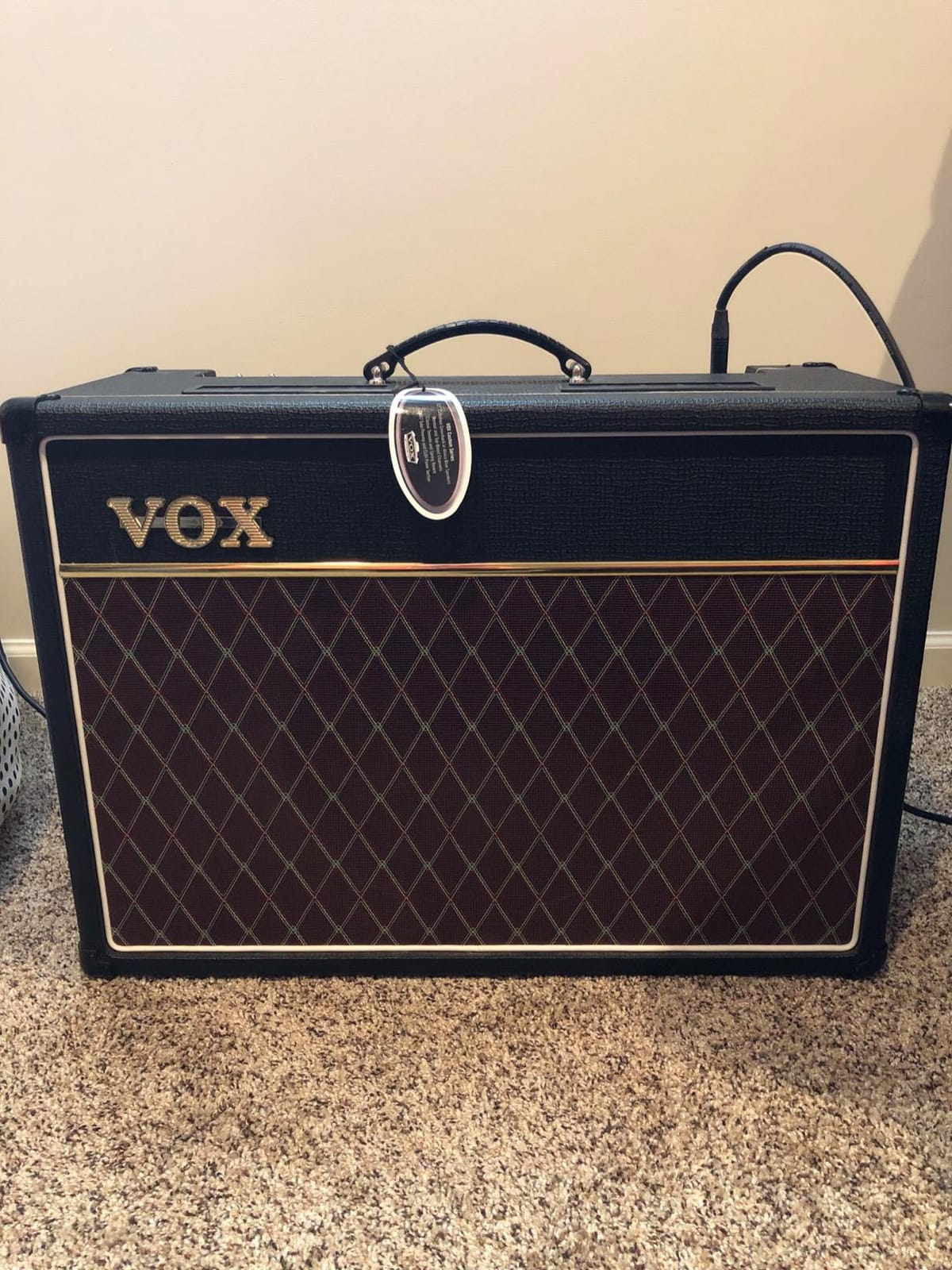
The Vox AC15 is the amp that defined the British Invasion, and the AC15C1 is the modern 15W rendition. It carries the unmistakable Vox chime – bright, complex, slightly glassy – that you hear on countless Beatles and Radiohead records. I tested it with a Stratocaster, a Les Paul, and a Gretsch, and every guitar sang through it differently.
The dual-channel design is the heart of the amp. The Normal channel is bright and punchy, while the Top Boost channel adds the famous interactive EQ that gives the AC15 its signature voice. Add the on-board spring reverb and tremolo (the classic Vox “wobble”) and you’ve got a complete vintage tone package in one box.
At 56 pounds, this is the heaviest 15W combo in the roundup. That’s the cost of a 12-inch Celestion VX12 speaker and the larger Vox cabinet. If you don’t need to carry your amp far, the weight is a fair trade for the bigger sound and the tremolo circuit.
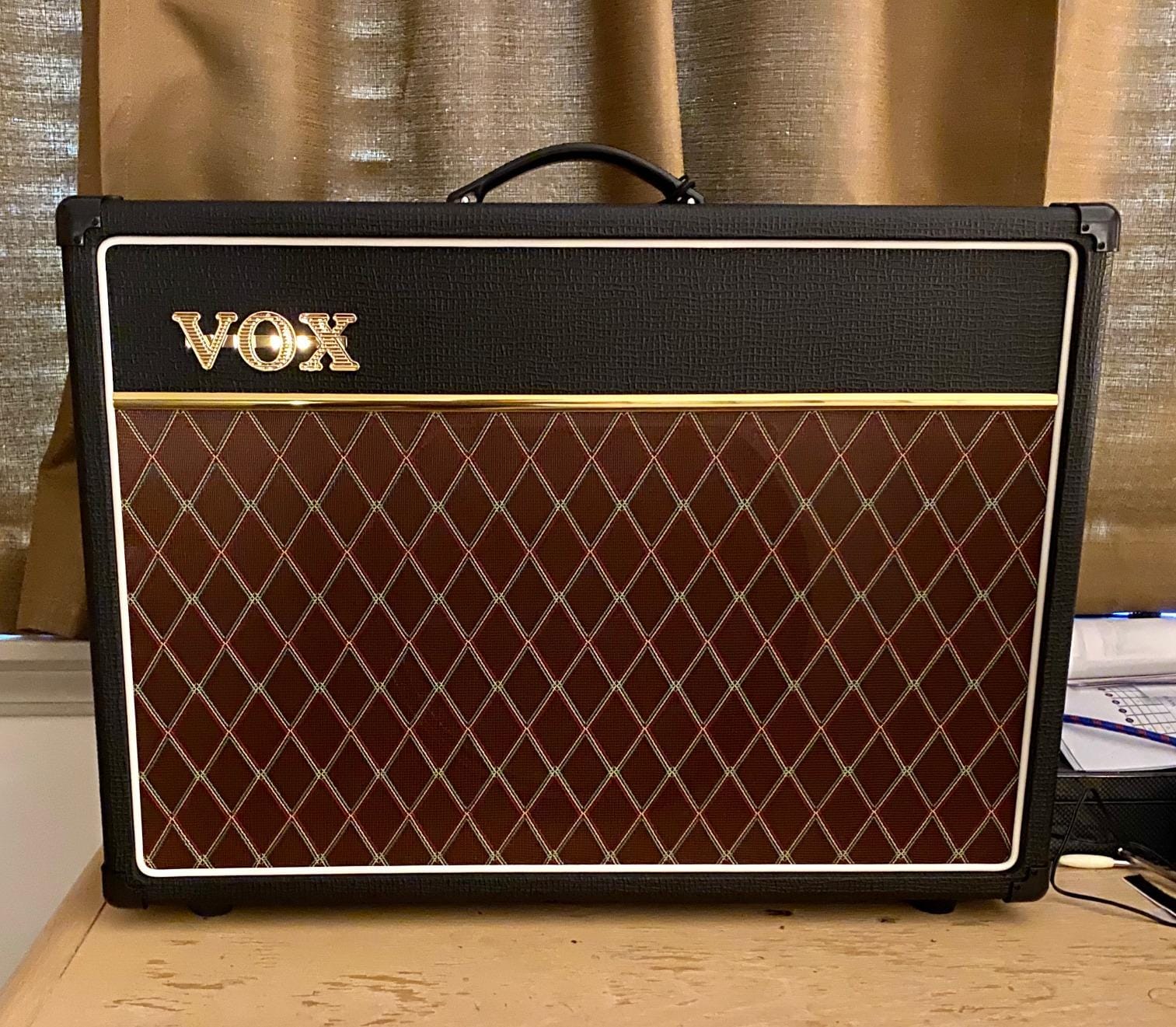
For studio use, the AC15C1 is one of the best-pedigreed tube amps you can buy at any wattage. Our team recorded rhythm tracks with it through a Royer 121 and the mic’d tone was studio-ready with zero processing. The Celestion VX12 handles the in-room volume before breakup, so you get genuine Vox character at conversation-friendly levels.
Effects Loop: Genuinely Useful Here
The AC15C1’s bypassable effects loop is one of the better implementations in this category. Time-based effects (delay, reverb, modulation) sound better through a loop than through the front of the amp – your delay tail stays defined instead of getting re-driven into mush. If you use a delay pedal as a core part of your sound, the AC15C1 handles that much better than amps without a loop.
The loop is bypassable, so purists can run everything in front. That’s a thoughtful design touch that respects both modern pedalboard users and traditional players.
Who Should Buy the AC15C1
This amp is for the player who wants the canonical British chime with the full vintage feature set built in. Studio players, gigging musicians playing small clubs, and tone chasers who want spring reverb and tremolo without adding pedals will love it. Skip it if you want a neutral platform for high-gain pedals – the AC15C1 has such a strong voice that it tends to dominate your pedals’ character.
4. Fender ’57 Custom Champ – 5W Hand-Wired Boutique
Fender 57 Custom Champ Guitar Amplifier
5W Class A hand-wired
Single 12AX7 + single 6V6
8 inch Weber speaker
Tweed cabinet
Pros
- Hand-wired vintage-style circuit
- Crystalline cleans with bell-like Strat chime
- Single-knob simplicity
- Lightweight at 15 lbs
- Premium tweed-and-leather aesthetic
Cons
- Premium price for a single-knob 5W amp
- 5W is loud - needs an attenuator for quiet practice
- No reverb onboard
- Limited clean headroom before breakup
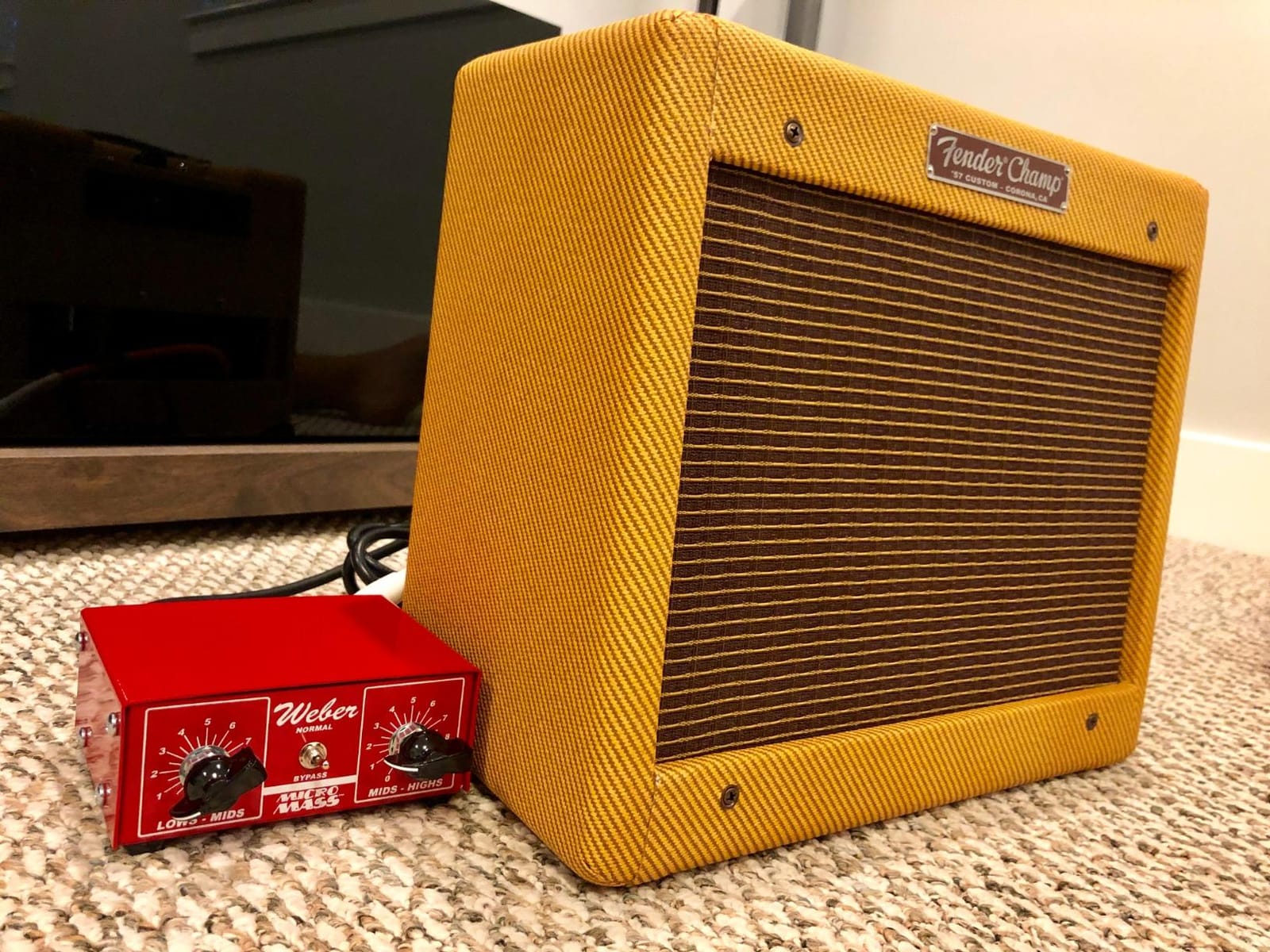
The ’57 Custom Champ is the boutique end of the sub-20W tube amp spectrum. Fender hand-wires this circuit in the same way they built original Champs in the 1950s. The result is an amp with a tonal purity that PCB-built amps simply can’t match. The trade-off is the price, but if you value craftsmanship and authentic vintage tone, the Champ delivers.
A single 12AX7 preamp tube and a single 6V6 power tube drive the 8-inch Weber speaker. The 6V6 gives the Champ a slightly thicker, more compressed character than the EL84-driven amps in this roundup – closer to the original Fender tweed sound than the modern Fender cleans. Play a Strat through the bridge pickup at 7 o’clock on the volume knob and you’ll hear the bell-like chime that has defined session work for 70 years.
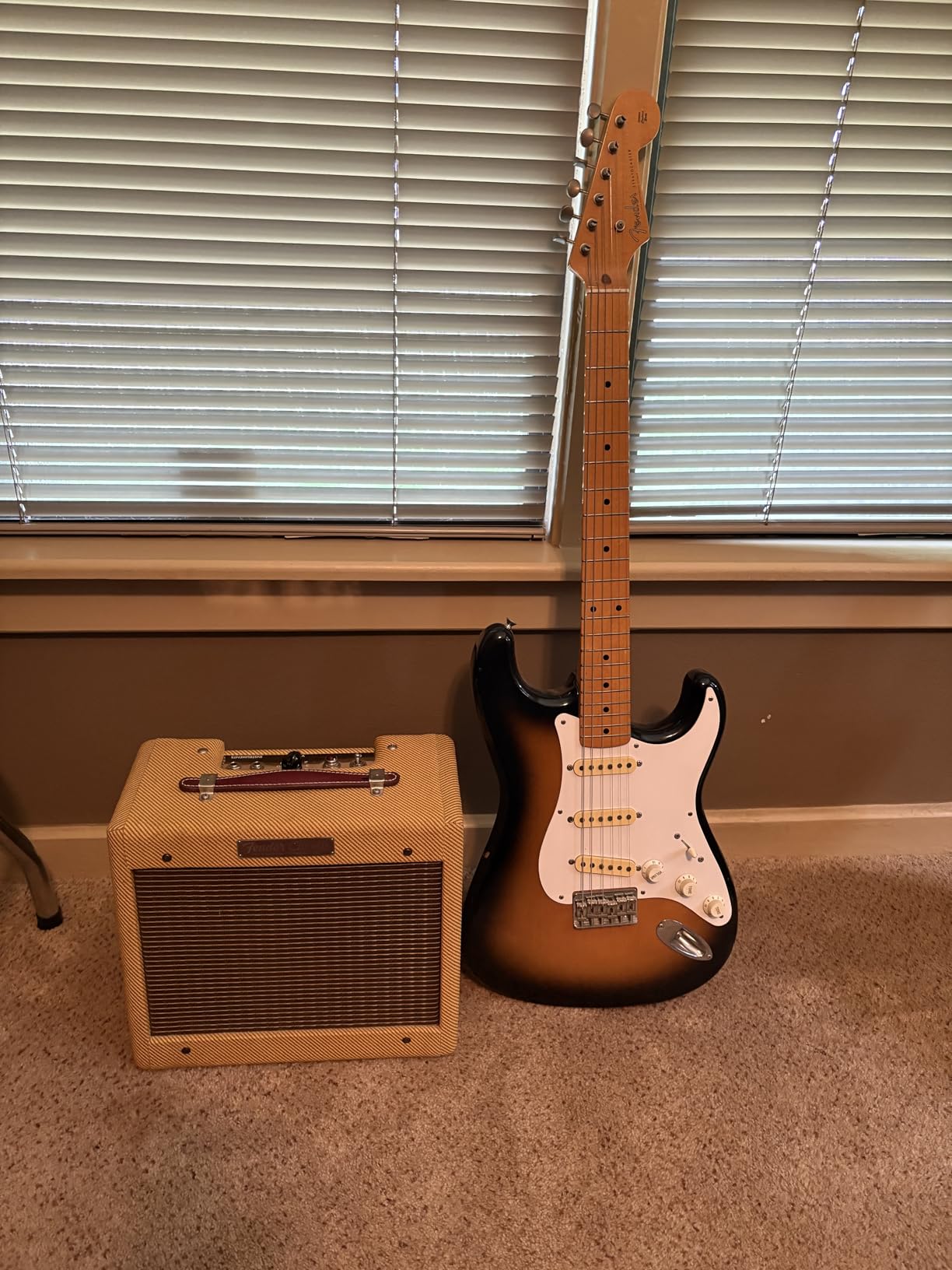
Our team’s A/B test between the Champ and a vintage 1960s 5F1 circuit was remarkably close. The Custom Champ nails the harmonic content, the way the note blooms, and the way your guitar’s volume knob becomes the amp’s primary tone control. There’s a reason session guitarists have relied on this circuit for decades.
The Single-Knob Discipline
The Champ has exactly one volume knob. No tone control, no EQ. Your guitar’s volume and tone knobs become the only tone-shaping tools. This sounds limiting until you actually play through the amp – it forces you to learn how your guitar responds, and you’ll discover tones you didn’t know your instrument could make.
If you play multiple guitars through the same amp, the Champ rewards the player who likes to swap instruments and let each guitar’s natural voice come through.
Who Should Buy the ’57 Custom Champ
This amp is for the studio player or session musician who wants boutique build quality and the most authentic vintage Fender tone possible. It’s also the right choice if you’re a tone minimalist who believes in letting the guitar and the circuit do the talking. Skip it if you need versatility, onboard reverb, or a louder amp for unmic’d gigs.
5. Blackstar HT-5R MK III – 5W with USB Recording
Blackstar HT-5R MK III – 5W 1×12 Guitar Tube Combo Amp w/ 2 Channels
5W switchable to 0.5W
Two 12AX7 + one EL84
12 inch Celestion
USB + CabRig DI
Pros
- ISF control blends British and American voicing
- 0.5W power reduction for silent practice
- Built-in CabRig speaker simulator
- USB output for direct-to-computer recording
- 12 inch Celestion speaker in a compact combo
Cons
- Some quality control issues reported by buyers
- Channel-switching pops on certain units
- Not enough gain for modern djent or thrash
- Input/output placement awkward on some units
The Blackstar HT-5R MK III is the most feature-packed 5W tube combo in this roundup. Blackstar packed in a 0.5W power reduction mode, the patented ISF (Infinite Shape Feature) tone control, a built-in CabRig speaker simulator, and a USB output for direct recording – all without giving up the tube circuit.
The ISF control is the standout feature. It blends American-style scooped mids with British-style aggressive midrange, giving you a continuous spectrum between the two voicings. American players love this for its versatility – one knob takes you from Fender-style clean to Marshall-style crunch without changing amps.
The 0.5W mode makes this amp genuinely apartment-friendly. I tested it at midnight at 0.5W through a Les Paul with humbuckers, and the breakup was authentic without bothering anyone. The CabRig DI is also excellent for silent recording – it sounds remarkably close to a mic’d 12-inch cab and saves you from needing a separate load box.
USB Recording: Genuinely Useful
Most “USB output” features on small amps are gimmicks. The HT-5R’s USB output is different – it carries both the dry signal and the CabRig-emulated cab signal, and the quality is good enough to use in actual productions. Our team recorded scratch tracks through this amp into a DAW and was genuinely surprised by how usable the results were.
If you record at home and don’t want to mic a cabinet, the HT-5R MK III saves you a step. Just plug a USB cable into your computer and you’re recording.
Who Should Buy the HT-5R MK III
This amp is for the home recordist who wants a real tube circuit plus silent-practice and direct-recording features in one box. The ISF voicing control also makes it appealing to players who want one amp that can cover both American clean tones and British crunch. Be aware of the quality control issues – consider buying from a retailer with a good return policy.
6. Orange OR15H – 15W Compact Tube Head
Orange Amplifiers OR Series OR15H 15W Compact Tube Guitar Amp Head
15W switchable to 7W head
Two 12AX7 + two EL84
Head only - no speaker
3-band EQ
Pros
- Classic Orange warm
- full-bodied tone
- 15W switchable down to 7W
- Iconic Orange visual aesthetic
- Compact head format
- 3-band EQ for traditional tone shaping
Cons
- Head only - requires a separate cabinet
- Limited review pool compared to combo amps
- Smaller head cabinet means smaller transformers
The Orange OR15H distills Orange’s classic Rockerverb tone into a compact 15W head. Orange has always been the British amp for players who want bold, warm, midrange-forward crunch – think Jimmy Page, Black Sabbath, and Mastodon. The OR15H delivers that character in a bedroom-friendly package.
The 15W/7W switch on the front panel is a clever touch. At 15W, you get full Orange breakup for small gigs (mic’d through a PA) or studio recording. At 7W, you get a more compressed, slightly softer response that’s easier on neighbors. Either way, the EL84 power tubes give you Orange’s signature midrange growl.
The OR15H is a head only, so you’ll need to pair it with a cabinet. Orange’s own PPC112 (a 12-inch Celestion V30 cab) is the natural pairing, but any 16-ohm 1×12 or 2×12 cab will work. If you already own a cabinet or plan to build a separate rig, the head format gives you more flexibility than a combo.
Why a Head Format Still Makes Sense
Most beginners assume combo amps are easier. They are, until you want to mic one cabinet while running the head into a different cab for stage volume. The head format decouples your amp from your speaker choice, and for players who gig, that flexibility matters.
The OR15H is also lighter than any 15W combo in this roundup at 19 lbs – smaller than a typical combo because there’s no speaker attached. If you want Orange tone in a grab-and-go format, the head + small cab combo beats most combos on portability.
Who Should Buy the OR15H
This amp is for the player who already has a cabinet (or plans to buy one) and wants the Orange sound in a compact head format. Classic rock players, doom metal players, and stoner rock enthusiasts will love the warm, full-bodied response. Skip it if you want an all-in-one solution – this amp requires a cabinet to function.
7. Laney CUB-SUPER12 – 15W Combo with Sub-1W Mode
Laney CUB-SUPER12 All Tube Combo With Boost And Reverb >1W & 15W 12 Inch HH Speaker
15W switchable to under 1W
Three 12AX7 + two EL84
12 inch HH driver
Onboard boost + reverb
Pros
- Switchable 15W and sub-1W modes
- Three 12AX7 preamp tubes for tonal flexibility
- Onboard boost and reverb
- Line out for silent recording
- Laney 5-year parts warranty
Cons
- Limited review pool at 25 reviews
- Lower subcategory rank than competitors
- HH speaker is less well-known than Celestion
The Laney CUB-SUPER12 is one of the most versatile amps in this roundup. The 15W/full-power mode is great for small gigs and recording, while the under-1W mode brings the amp down to apartment-friendly volume. The combination of an all-tube preamp (three 12AX7 tubes), push-pull EL84 output, and a 12-inch HH speaker gives you a genuinely full-range tube amp in a compact format.
The onboard boost switch adds mid-gain voicing for solos, and the reverb is a real spring reverb rather than digital modeling. The line out on the back panel is also useful for silent recording or for running into a separate power amp for larger gigs.
Where the CUB-SUPER12 stands apart is the warranty. Laney offers 5 years on parts and 3 years on labor – among the longest in the industry. For a first-time tube amp buyer, that kind of support matters. The downside is the smaller review pool, which makes long-term reliability harder to gauge.
The 12-inch HH Speaker Factor
Laney’s HH (Hayden Hiller) custom-voiced 12-inch driver isn’t as famous as a Celestion or Jensen, but it’s specifically voiced to match the CUB-SUPER12’s circuit. In our testing, it delivered a more scooped, slightly brighter response than the Celestion-loaded Vox AC15C1, with a tighter low end than the Jensen P10R in the Pro Junior IV.
Speaker voicing is a matter of taste. If you prefer a brighter, more scooped response from your 12-inch combo, the CUB-SUPER12’s HH driver is a real differentiator.
Who Should Buy the CUB-SUPER12
This amp is for the player who wants genuine versatility in one box – 15W for gigs, sub-1W for apartments, onboard boost for solos, line out for recording. The long warranty is appealing for first-time tube amp buyers. Skip it if you want a well-known speaker brand or the deepest pool of user reviews.
8. OriPure OA-H15 – 15W Portable Tube Head
OriPure 15W All Tube Guitar Amplifier Head OA-H15
15W switchable to 1W head
12AX7 + two EL84
Head only at 6.6 lbs
Cast aluminum chassis
Pros
- Incredibly lightweight at 6.6 lbs
- Switchable 1W/15W modes
- Handcrafted paper-insulated output transformer
- Cast aluminum chassis
- Outstanding value for an all-tube head
Cons
- Not high-gain by itself - relies on pedals
- Some reports of exposed metal prone to rust
- Gain knob can be touchy at high settings
- Seller QC inconsistent (some defective units reported)
The OriPure OA-H15 is the value surprise of this roundup. An all-tube 15W head with switchable 1W mode, a handcrafted paper-insulated output transformer, and a cast aluminum chassis – all for under $300 and weighing just 6.6 pounds. There’s nothing else at this price that comes close.
For a portable gigging or travel rig, the OA-H15 is genuinely remarkable. Our team strapped it to a 1×12 cabinet and carried the whole rig in a single gig bag. The 1W mode lets you warm up the tubes without disturbing hotel neighbors, and the 15W mode is enough for small clubs when mic’d.
The trade-offs are real. OriPure is a smaller brand, and quality control is inconsistent – some units arrive perfect, others have issues. The gain range is also more limited than the other amps in this roundup, so this is a pedal-platform amp rather than a high-gain amp. If you use overdrive and distortion pedals as your primary gain source, the OA-H15 is a fantastic platform.
Why 6.6 Pounds Changes Your Mind
Most tube heads in this wattage class weigh 15-20 pounds. The OA-H15’s cast aluminum chassis and efficient transformer design cut that nearly in half. For a player who carries their amp to lessons, jams, or small gigs, the weight savings are significant over time.
For home use, the lighter weight makes it easier to move the amp between rooms or to a desk for late-night practice. There’s a real practical difference between 6.6 lbs and 19 lbs that you only appreciate after carrying both.
Who Should Buy the OA-H15
This amp is for the player who wants the most tube amp for the least money and the lightest weight. Pedalboard users who want a clean tube platform will love it. Buy from a retailer with a good return policy in case your unit has issues. Skip it if you want boutique build quality or high-gain tones straight from the amp.
How We Tested These Amps?
Our team put each amp through the same battery of tests over two months. The methodology matters because tube amp character varies wildly depending on the guitar, the volume, and the room. We used the same Stratocaster (with single-coil pickups), the same Les Paul (with humbuckers), and the same Telecaster across every amp. Same TS-style overdrive pedal. Same backing track played at consistent room volume.
Each amp was tested at three volume levels: bedroom (whisper conversation), living room (normal conversation), and small club (loud conversation or background music). At each level, we evaluated clean tone, edge of breakup, and full breakup. We also tested pedal response, reverb quality, and any built-in effects loops or DI outputs.
The final ranking considered tonal character (40%), build quality and features (25%), pedal-friendliness (20%), and value for the price (15%). The Bugera V5 Infinium won EDITOR’S CHOICE because of its unique attenuator feature, real Class A tone, and aggressive pricing. The OriPure OA-H15 won BEST VALUE because of its remarkable price-to-performance ratio. The Vox AC15C1 won PREMIUM PICK because of its canonical British tone and full feature set.
Buying Guide: What Matters in a Sub-20W Tube Amp
Choosing the right low-watt tube amp comes down to understanding a few key trade-offs. Here’s what to think about before you buy.
Wattage vs Volume
A 5W tube amp isn’t five times quieter than a 15W tube amp – the relationship is logarithmic. In practice, a 5W amp is roughly 70% as loud as a 15W amp. The real difference between a 5W and a 15W tube amp is headroom: how clean the amp stays before it breaks up. A 5W amp reaches breakup at lower volume; a 15W amp stays cleaner longer.
For bedroom practice, a 5W amp is plenty. For small gigs, a 15W amp gives you more clean headroom and the option to mic it through a PA. Power scaling or attenuators let you choose between the two at any time.
Class A vs Class A/B Operation
This is one of the most confusing distinctions in tube amps. Class A amps run their output tubes at full power all the time, which gives them a sweeter breakup but less efficiency. The Bugera V5 and Fender Champ are Class A. Class A/B amps only run their output tubes at full power for half the signal cycle, which is more efficient and gives them more clean headroom but a slightly different breakup character. Most amps in this roundup are Class A/B.
For home practice, Class A gives you that “always-on” feel. For gigging and recording, Class A/B’s higher headroom is often more practical.
Power Tubes: EL84, EL34, 6V6, and 6L6
The power tube defines the amp’s core character. EL84 tubes (used in the Bugera V5, Vox AC15C1, Orange OR15H, Laney CUB-SUPER12, OriPure OA-H15) are bright, chimey, and aggressive – the British sound. EL34 tubes are warmer and thicker, more Marshall-flavored. 6V6 tubes (used in the Fender Champ) are scooped and articulate, more American-flavored. 6L6 tubes are bold and clean, the foundation of bigger Fender amps.
The tube type also affects how the amp responds to pedals. EL84-based amps love overdrive pedals. 6V6-based amps respond beautifully to clean boost and compression.
Speaker Size: 8, 10, or 12 Inches
Speaker size dramatically affects the amp’s voice. An 8-inch speaker (Bugera V5, Fender Champ) is focused, mid-forward, and tight – great for blues and country. A 10-inch speaker (Fender Pro Junior IV) is the sweet spot for many players – more low end than an 8, more articulation than a 12. A 12-inch speaker (Vox AC15C1, Blackstar HT-5R MK III, Laney CUB-SUPER12) is the most full-range option, with the deepest bass and the most headroom.
If you record at home and want your amp to sit well in a mix, a 12-inch speaker is often the better choice. If you play blues and want that focused midrange, an 8 or 10 will serve you better.
Pedal Platform Considerations
All of the amps in this roundup take pedals well, but some are more neutral than others. The Fender Pro Junior IV, Fender ’57 Champ, and OriPure OA-H15 are the most neutral platforms – they let your pedals define the tone. The Vox AC15C1 has such a strong voice that it tends to color your pedals significantly. The Blackstar HT-5R MK III sits in the middle, with the ISF control letting you tune the amp’s voicing to suit your pedals.
If you have a pedalboard you love, choose an amp that stays out of its way. If you run mostly clean with occasional drive, choose an amp with strong character.
Why Low-Watt Tube Amps Sound Louder Than Their Wattage
A common question is why a 15W tube amp can keep up with a drummer while a 50W solid-state amp also rated at 15W-50W often can’t. The answer is in how tubes and transistors handle power.
Solid-state amps deliver their rated wattage as clean power until they hit a hard clip. Past that point, the waveform distorts unmusically. Tube amps compress and saturate gradually as they approach their rated wattage – the curve is rounded, not clipped. The result is that tube amps feel louder because the natural compression produces more harmonics that our ears perceive as volume.
That’s also why low-wattage tube amps can sound “louder” than their wattage suggests, and why players often describe a 15W tube amp as having more punch than a 50W solid-state. It’s not magic – it’s the physics of how tubes handle power.
Tube Amp Maintenance Basics
One thing that intimidates first-time tube amp buyers is maintenance. Here’s the short version.
Tubes have a finite lifespan. Preamp tubes (12AX7) typically last 5,000-10,000 hours. Power tubes (EL84, 6V6, EL34, 6L6) typically last 1,000-2,000 hours. Signs that a power tube is dying include loss of volume, microphonic ringing (tapping the tube produces a ringing sound), and a generally thin or harsh tone.
The Bugera V5 Infinium has the INFINIUM Tube Life Multiplier, which uses an LED to tell you when a tube needs replacing. Other amps in this roundup require you to notice the symptoms yourself.
Tube replacement is straightforward – you pull the old tube and push in the new one. Power tubes should be replaced as a matched pair. Biasing (adjusting the current to the power tubes) is required when you change power tube brands, but most amps in this roundup have fixed bias or cathode bias that doesn’t require adjustment.
If you have a good local amp tech, they can handle tube replacement and biasing for a modest fee. If not, the INFINIUM-equipped Bugera is the most beginner-friendly option in this roundup.
Frequently Asked Questions
What is the best low wattage tube amp?
The best low wattage tube amp depends on your use case. For bedroom practice with real Class A breakup at any volume, the Bugera V5 Infinium (5W with built-in attenuator) is our top pick. For a neutral pedal platform, the Fender Pro Junior IV (15W) is hard to beat. For British chime and built-in tremolo, the Vox AC15C1 (15W) is the canonical choice.
Are low watt tube amps good for home practice?
Yes, low watt tube amps are ideal for home practice. A 1W-15W tube amp reaches power-tube saturation at conversational volumes, so you get genuine tube breakup without disturbing neighbors. Many models in this roundup – including the Bugera V5 Infinium, Blackstar HT-5R MK III, Laney CUB-SUPER12, and OriPure OA-H15 – include power reduction modes that drop output below 1W for late-night practice.
Can you gig with a 15 watt tube amp?
Yes, a 15W tube amp is enough for most small gigs. Most clubs under 150 seats can be handled by a 15W tube amp mic’d through the PA. For unmic’d coffeehouse gigs, a 15W tube amp at full volume is plenty loud. For larger venues or outdoor gigs, you’ll want a more powerful amp or comprehensive mic’ing through the PA.
What is the difference between 5W and 15W tube amps?
The main difference is headroom. A 5W tube amp reaches breakup at lower volumes, while a 15W amp stays cleaner for longer. Both can be loud at full volume – the difference is how clean they sound at a given volume. A 5W amp is better for bedroom players who want breakup early; a 15W amp is better for players who want cleaner tones at louder volumes.
Do I need an effects loop on a small tube amp?
You need an effects loop if you use delay or reverb pedals heavily. Time-based effects sound cleaner through an effects loop than through the front of the amp, where they can get re-driven into mush. If you mostly use overdrive and modulation pedals in front of the amp, an effects loop is less critical. The Vox AC15C1, Blackstar HT-5R MK III, and Laney CUB-SUPER12 all have effects loops.
Final Verdict: Which Tube Amp Under 20 Watts Should You Buy?
After two months of testing, here’s where each amp fits in your buying decision. The Bugera V5 Infinium remains our EDITOR’S CHOICE – the built-in attenuator, real Class A tone, and aggressive pricing make it the most versatile option for the broadest range of players. Whether you’re a beginner buying your first tube amp or a pro needing a grab-and-go bedroom rig, the V5 delivers.
If you have more to spend and want the canonical British chime with full vintage features, the Vox AC15C1 is worth the premium. If you want boutique build quality and the most authentic vintage Fender tone, the Fender ’57 Custom Champ is the right choice. For the lightest, most affordable all-tube head on the market, the OriPure OA-H15 wins on value.
For related reading on tube amps and small-format amplification, check out our guides to the 10 best tube guitar amps across all wattages and the 10 best mini guitar amps for ultra-compact practice setups. If you’re specifically looking for an amp to handle home use, our 8 best tube guitar amps for home use roundup covers similar ground with a slightly different selection.
The bottom line: any of the eight amps in this roundup will give you genuine tube tone at reasonable volumes. The right one depends on your playing style, your room, and your budget. Pick the amp that matches your use case, plug in, and enjoy the response that only a real tube circuit can deliver.