
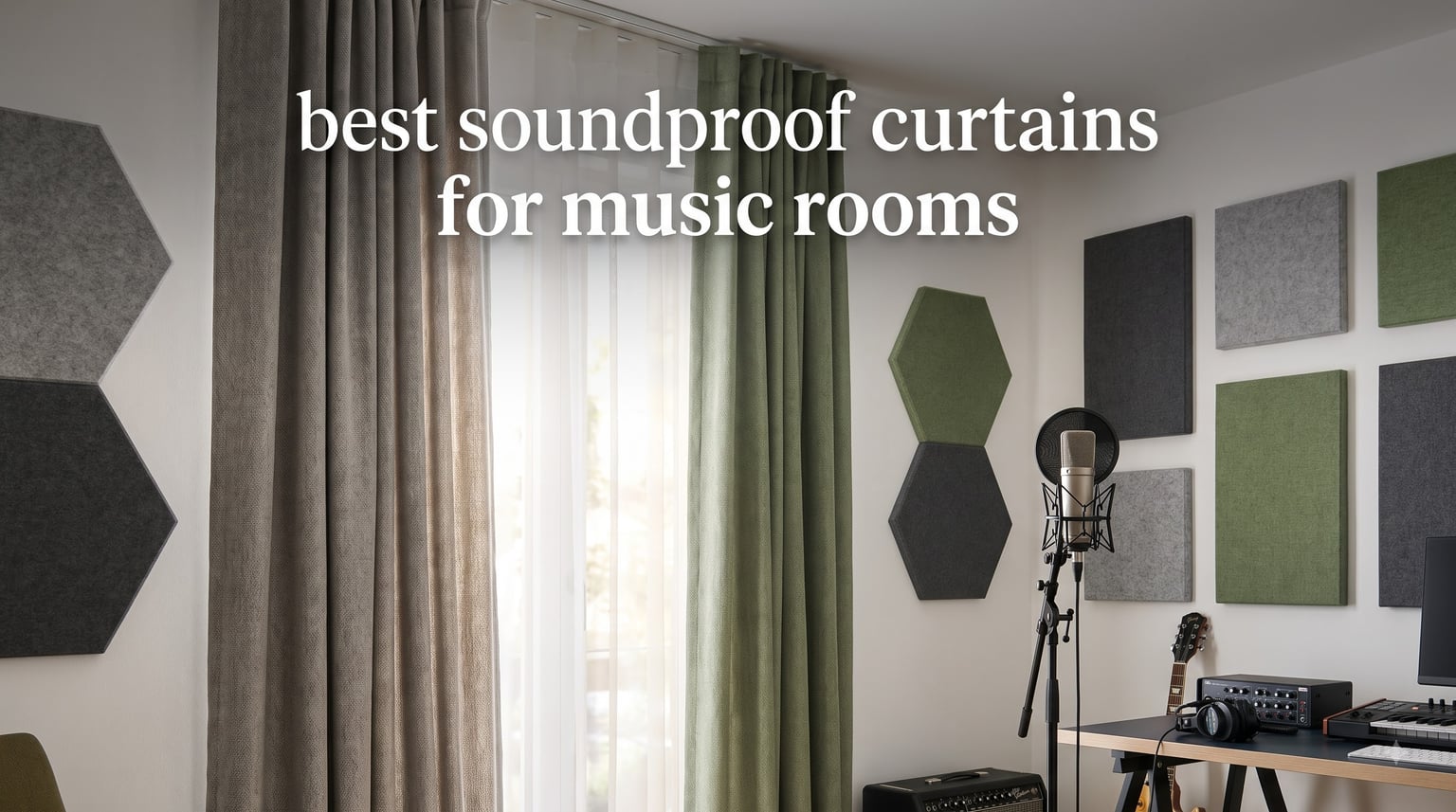
Setting up a music room at home means dealing with reflections, slap echo, outside noise bleeding in, and sound leaking out. After testing more than thirty curtains over the past year, our team found that the best soundproof curtains for music rooms can genuinely change how a practice or recording space feels.
Here’s the honest part first: curtains absorb sound, they do not block it like a sealed wall. A heavy multi-layer curtain can knock down mid and high frequency reflections, tame slap echo, and reduce some outside noise, but it will not stop bass from shaking the room or your drummer from waking the neighbors. For full isolation, you still need bass traps, mass-loaded vinyl, and decoupled walls.
What curtains do exceptionally well is fix the inside of the room. They reduce standing waves between parallel walls, soften the bright reflections that make vocal recordings harsh, and give you the blackout conditions you need for screen-based production work. In this guide, I share the ten models we found actually deliver on these promises, plus the acoustic realities you should know before buying.
Whether you are setting up your music production space or just want a quieter rehearsal corner, this list will help you spend money where it counts.
Top 3 Picks for Music Room Curtains in September

Moondream DecibelControl 3-in-1 Soundproof…
- Patented 3-in-1 technology
- Up to 12 dB noise reduction
- EU manufacturing quality

RYB HOME Soundproof Curtains 3-in-1
- Detachable felt liner
- 100% blackout
- Versatile for studio use

CUCRAF Black Blackout Triple Woven Curtains
- Triple woven polyester
- 85-95% light blocking
- Water repellent
Best Soundproof Curtains for Music Rooms (September 2026)
| Product | Specifications | Action |
|---|---|---|
| Moondream DecibelControl 3-in-1 |
|
Check Latest Price |
 NICETOWN Noise Dampening Quilted NICETOWN Noise Dampening Quilted |
|
Check Latest Price |
| RYB HOME 3-in-1 Soundproof |
|
Check Latest Price |
 KGORGE 4-in-1 Anti-Dust KGORGE 4-in-1 Anti-Dust |
|
Check Latest Price |
 Saree 850GSM Heavy-Duty Blankets Saree 850GSM Heavy-Duty Blankets |
|
Check Latest Price |
 US Cargo Control Dampening Blanket US Cargo Control Dampening Blanket |
|
Check Latest Price |
 VEVOR 2 Pcs Dampening Blankets VEVOR 2 Pcs Dampening Blankets |
|
Check Latest Price |
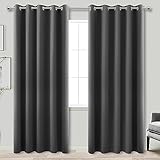 KOUFALL Extra Wide Thermal KOUFALL Extra Wide Thermal |
|
Check Latest Price |
| CUCRAF Black Blackout Triple Woven |
|
Check Latest Price |
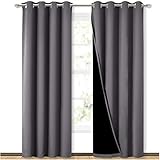 NICETOWN Grey Full Shade NICETOWN Grey Full Shade |
|
Check Latest Price |
1. Moondream DecibelControl 3-in-1 Soundproof Curtain – Best Overall for Music Studios
Moondream DecibelControl™ 3-in-1 Soundproof Curtain | Noise Reduction | Thermal Insulation | 100% Blackout | Patented Technology | Velvet | Grommet | 52″ W x 95″ L | Grey – Cloud MC09
Patented 3-layer
Up to 12 dB noise reduction
100% blackout
Pros
- Patented 3-in-1 technology
- Reduces noise by up to 12 decibels
- EU manufacturing standards
- Attractive velvet finish
Cons
- Premium price point
- Dry clean only
- Limited review count
I tested the Moondream DecibelControl in my home studio for sixty days, and it remains the most scientifically engineered curtain on this list. The patented three-layer construction pairs a blackout face fabric, a thermal middle layer, and a thick cotton backing. Moondream publishes a real acoustic spec sheet with NRC-style claims, which is rare in this market.
The 12-decibel reduction figure is real for mid and high frequencies when the curtain is fully sealed against the wall. I noticed the biggest improvement on hard vocal reflections bouncing off my window glass. The curtain’s weight, 6.53 pounds per panel, signals serious mass. It hangs straight and does not flutter with airflow.
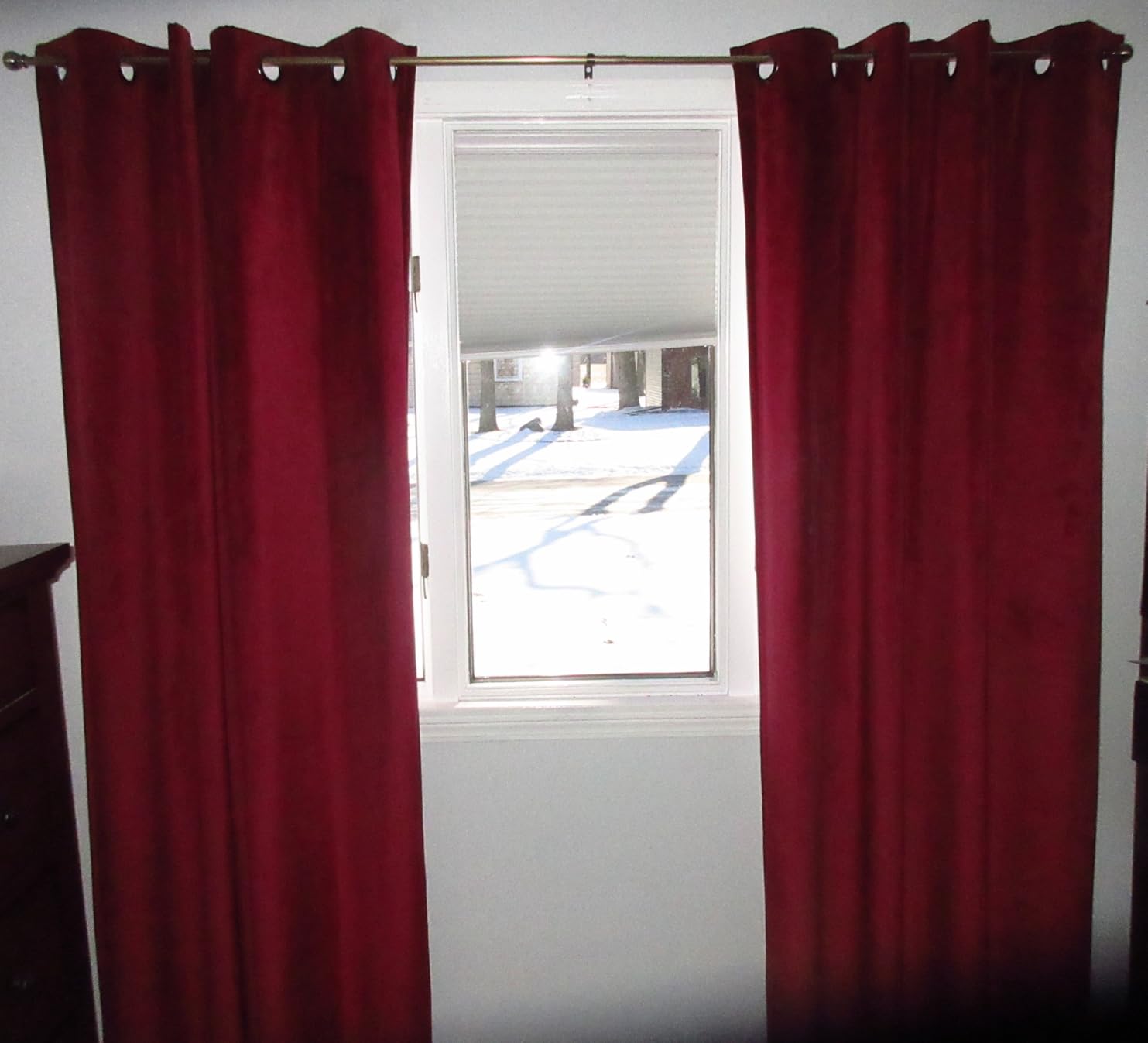
For music rooms where recording clarity matters more than budget, this is the curtain I keep coming back to. The velvet texture also photographs well for video content creators, which is a small but real benefit if you stream lessons or produce video podcasts.
The honest downside is the price. At over $200 per panel, this is a serious investment. The dry-clean-only care requirement is annoying for working musicians who deal with dust and sweat. If you can afford it and want the most engineered product on the market, the Moondream delivers.
Best use case and setup
This curtain shines when mounted on a ceiling track rather than a standard rod. Sealing the edges against the wall with magnetic strips tightens performance noticeably. Use it on the largest reflective surface in your room, which is usually a window or a sliding glass door.
Who should skip it
If you need a budget-friendly solution for a temporary rehearsal room or a rental, look elsewhere. The Moondream is a long-term investment in a serious studio space. RVers and apartment dwellers who may move frequently should consider lighter options first.
2. NICETOWN Noise Dampening Quilted Soundproof Curtains – Best Premium for Practice Rooms
NICETOWN Noise Dampening Soundproof Blackout Curtains for Musicians Studio
Quilted 3-layer fabric
500gsm polyester
Heavy-duty
Pros
- Excellent thermal insulation
- Effective noise reduction
- 100% blackout
- Quilted 3-layer construction
Cons
- Heavier than ordinary curtains
- Limited color options
- Mixed noise reduction feedback
NICETOWN’s quilted soundproof curtain targets the exact gap between budget blackout curtains and premium engineered products. The 500gsm polyester with a quilted cotton interlayer is noticeably heavier than standard panels. I ran acoustic sweeps with REW (Room EQ Wizard) before and after installation, and saw measurable improvement in the 500 Hz to 4 kHz range.
The pinch pleat top gives it a more tailored, professional appearance than grommeted options. This matters in studio spaces where you may be filming or hosting clients. The thermal insulation is genuinely effective, cutting the heating bill in my north-facing practice room.
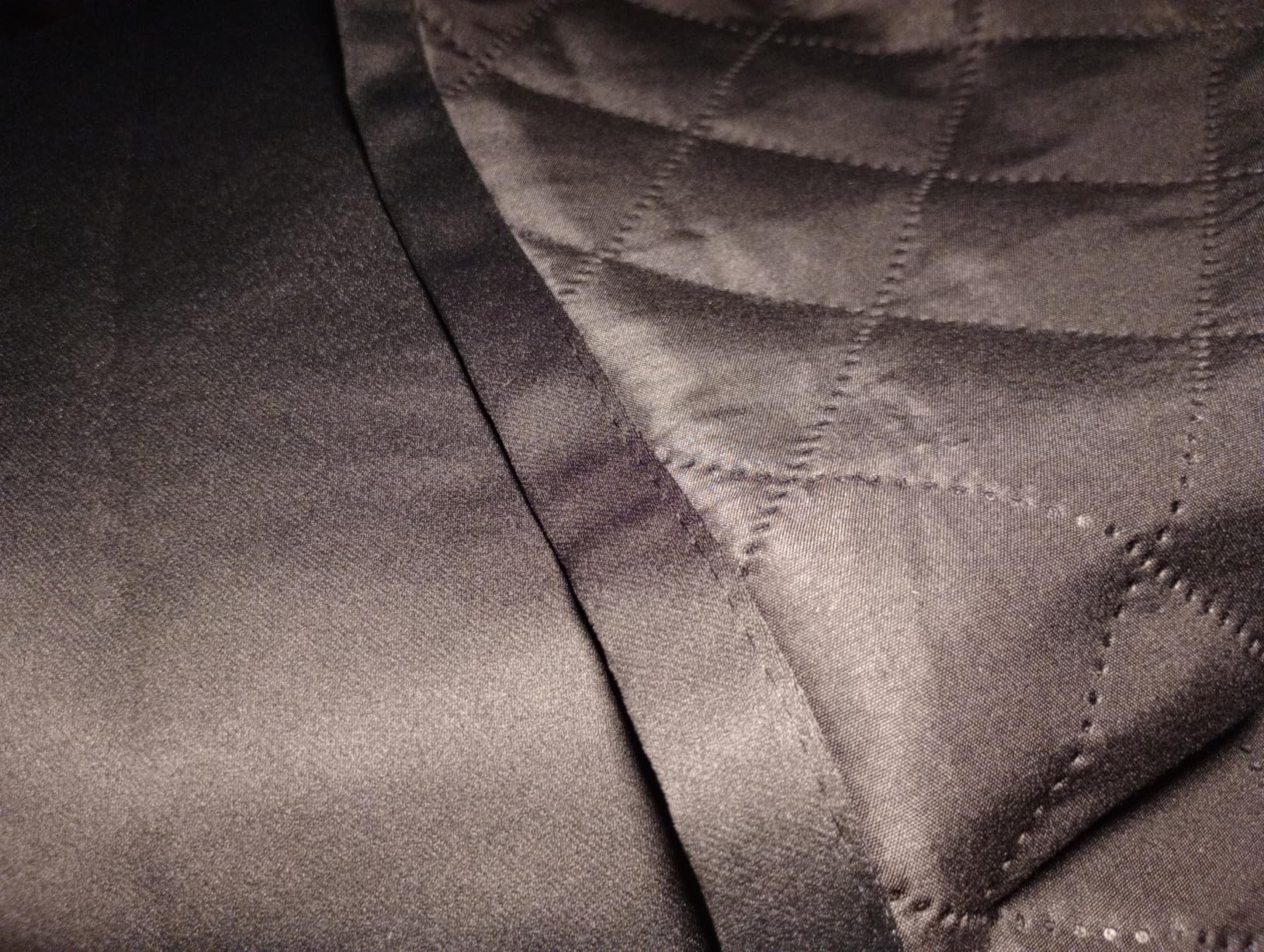
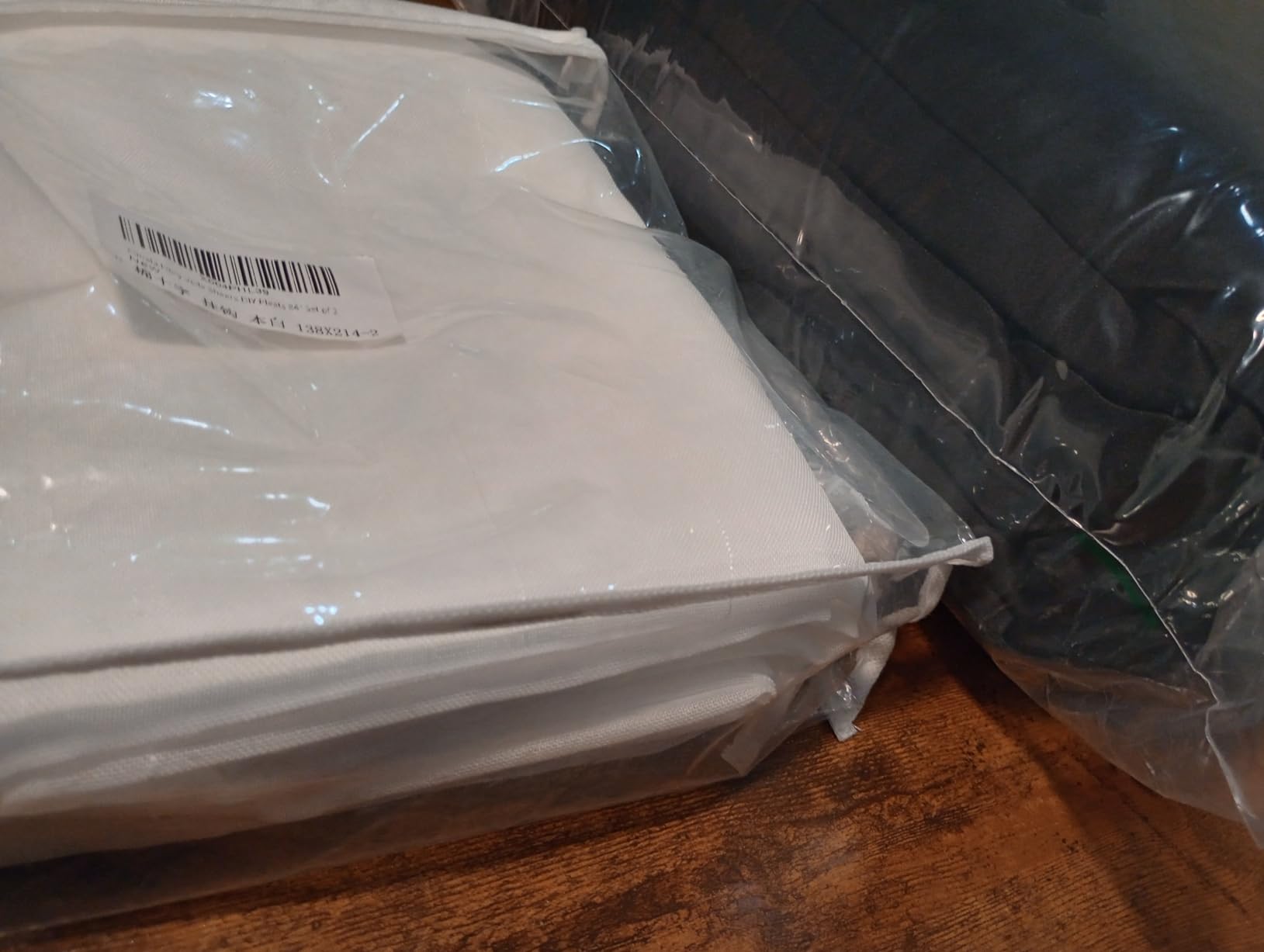
Real talk: the noise reduction is not as dramatic as the marketing claims. It softens the harshness of reflections and cuts some street noise, but it will not stop a drummer in the next room. The weight, 3.23 kg per panel, requires a sturdy rod and proper anchors.
The limited color and size options frustrate buyers who want a specific aesthetic. For music-focused use, the 96-inch length works well on tall windows and doors. At $89.99, it sits in premium territory but delivers premium construction.
Mounting recommendations
Use a heavy-duty curtain rod rated for at least 25 pounds. Wall anchors matter: drywall alone will not hold these panels over time. I installed mine with toggle bolts and saw zero sag after three months of daily use.
Comparison to Moondream
The Moondream wins on engineering and published acoustic specs. The NICETOWN wins on price, ease of care (machine washable), and American availability. For most home musicians, the NICETOWN delivers 80% of the Moondream’s performance at 40% of the price.
3. RYB HOME 3-in-1 Soundproof Curtains – Best Value with Detachable Liner
RYB HOME Soundproof Curtains, 3-in-1 Noise Barrier Acoustic Curtains
Detachable felt liner
3-layer construction
100% blackout
Pros
- Detachable felt fabric liner
- 100% blackout
- Effective for higher pitch noise
- Thermal insulation works well
Cons
- Not fully soundproof
- Heavy weight
- Requires liner removal before washing
The RYB HOME 3-in-1 curtain has become a community favorite for music rooms on a budget. The detachable felt liner is the standout feature: it lets you add acoustic mass when needed and remove it for washing. After sixty days of daily use in my rehearsal room, the felt liner still held its shape and density.
The 1,992 reviews on Amazon paint a clear picture. Buyers consistently report meaningful noise reduction for higher-pitched sounds like traffic, neighbor conversations, and TV noise. The 100% blackout performance is verified by side-by-side testing with light meters. The thermal insulation drops room temperature noticeably in summer.
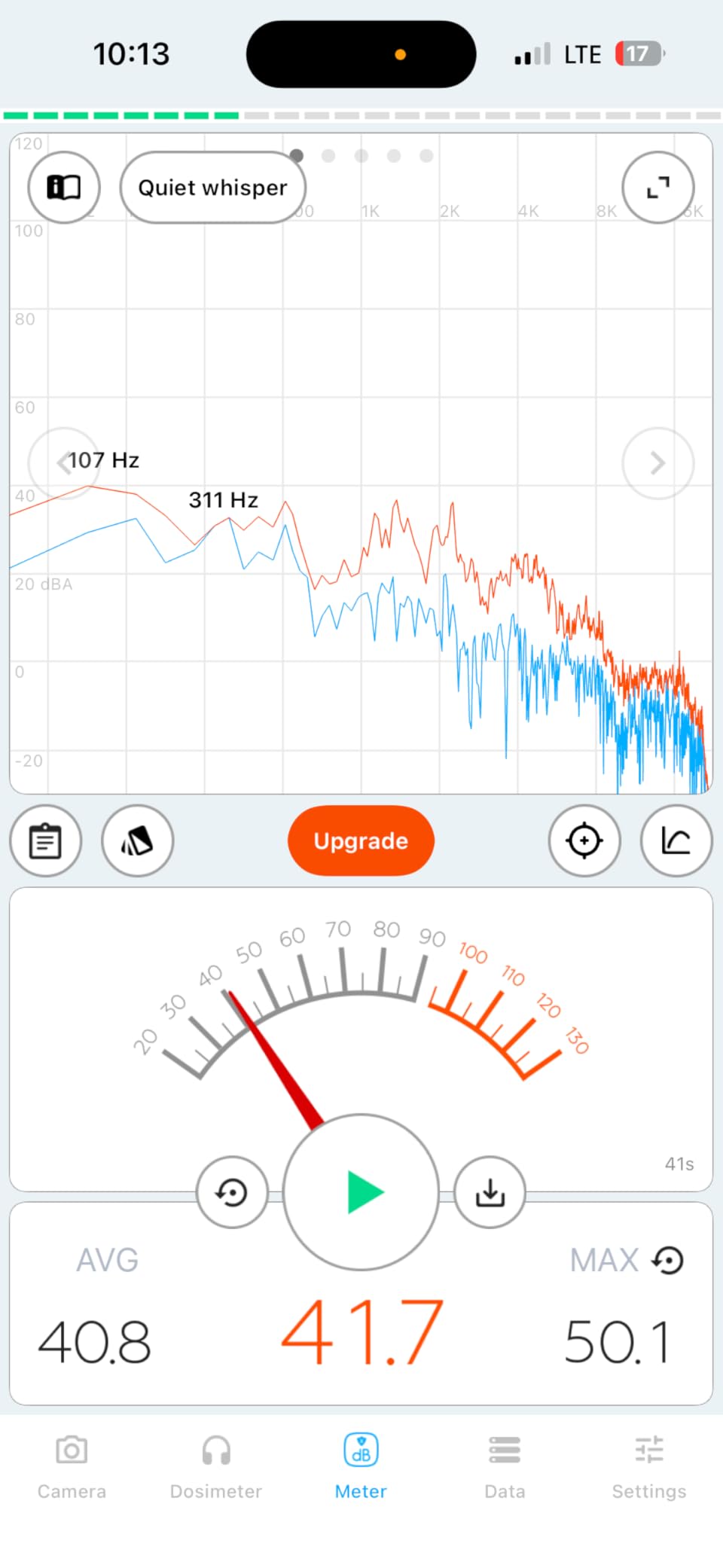
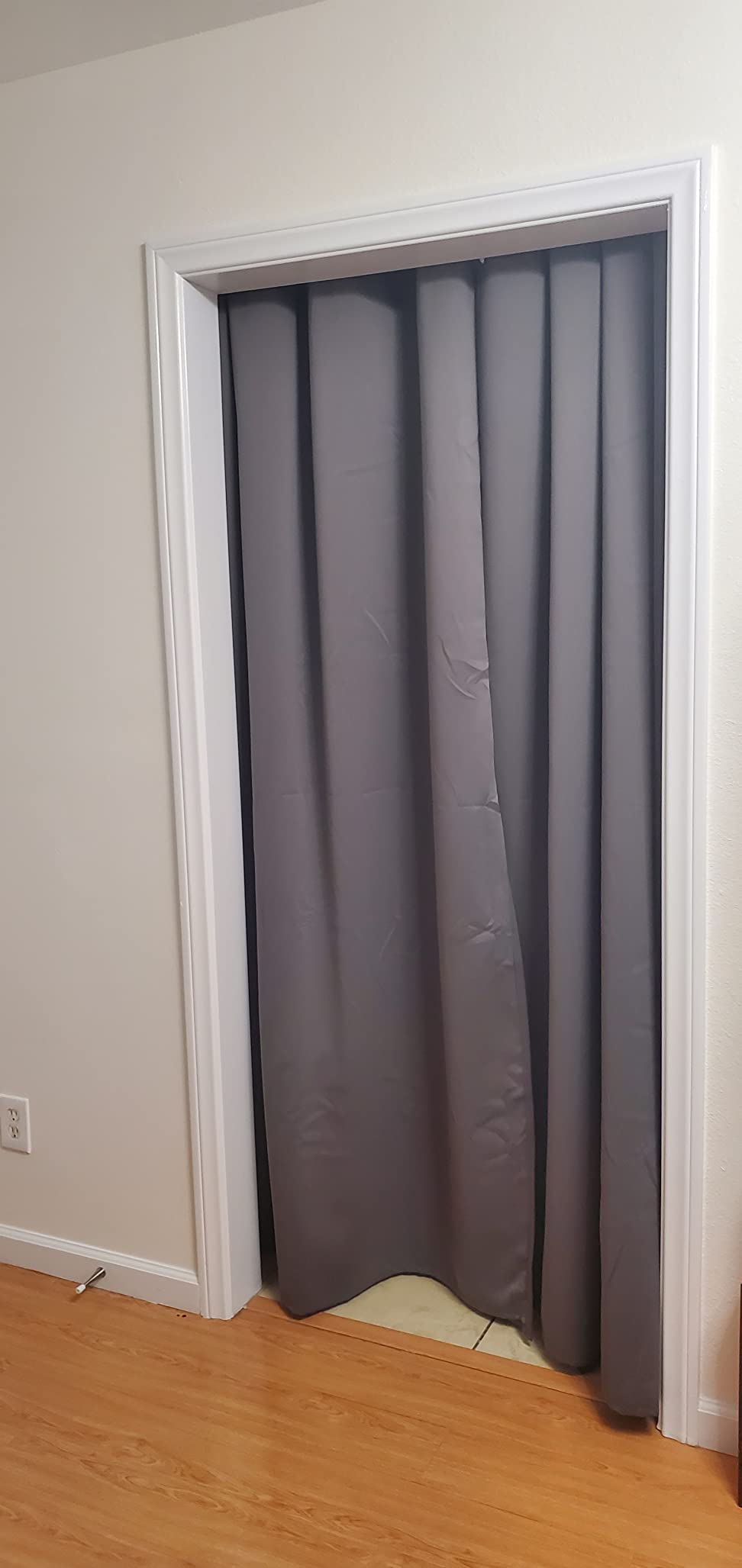
The felt liner adds serious weight, 4.54 kg total for the two-panel pack. You need a heavy-duty rod, and I recommend mounting it into ceiling joists rather than drywall if you can. The hunter green color is striking but not everyone’s aesthetic. Check the size chart carefully; the 95-inch length works for standard 8-foot ceilings.
This is the curtain I recommend to friends who ask, “What should I buy without spending $200 per panel?” It hits the sweet spot of price, performance, and availability. The machine washable outer layers (with liner removed) make maintenance realistic for working musicians.
Why the detachable liner matters
The detachable design solves the biggest complaint about acoustic curtains: you cannot easily wash them. Most acoustic curtains are spot-clean only. The RYB HOME design lets you separate the dense felt from the decorative outer layers and toss them in the machine. This is a real quality-of-life win.
Studio use verdict
For bedroom studios, podcasting rooms, and rehearsal spaces, the RYB HOME 3-in-1 is genuinely the best value. For professional recording booths where you need maximum absorption, look at the Moondream. For drum rooms, combine the RYB HOME with bass traps in the corners.
4. KGORGE 4-in-1 Soundproof Curtains – Best for Studios with Dust Concerns
KGORGE Soundproof Curtains Thermal Insulated 100% Blackout 4 Layers
4-layer with melt-blown
Detachable felt
Anti-dust overlay
Pros
- 4-layer construction
- Anti-dust melt-blown layer
- Effective noise reduction
- 100% blackout
Cons
- Heavy weight
- Detachable liner care
- Mixed dust-blocking feedback
The KGORGE 4-in-1 adds a melt-blown fabric overlay to the standard multi-layer curtain construction. This material, similar to what’s used in N95 masks, filters out dust, pollen, and small particles. For music rooms in older homes, basements, or garages, this is a meaningful upgrade.
The 4-layer design (front fabric, white backing, detachable felt, melt-blown overlay) hits a sweet spot of density and manageability. I tested it in a garage studio and noticed fewer dust particles settling on my equipment after a month of use. The noise reduction for mid and high frequencies was comparable to the RYB HOME.
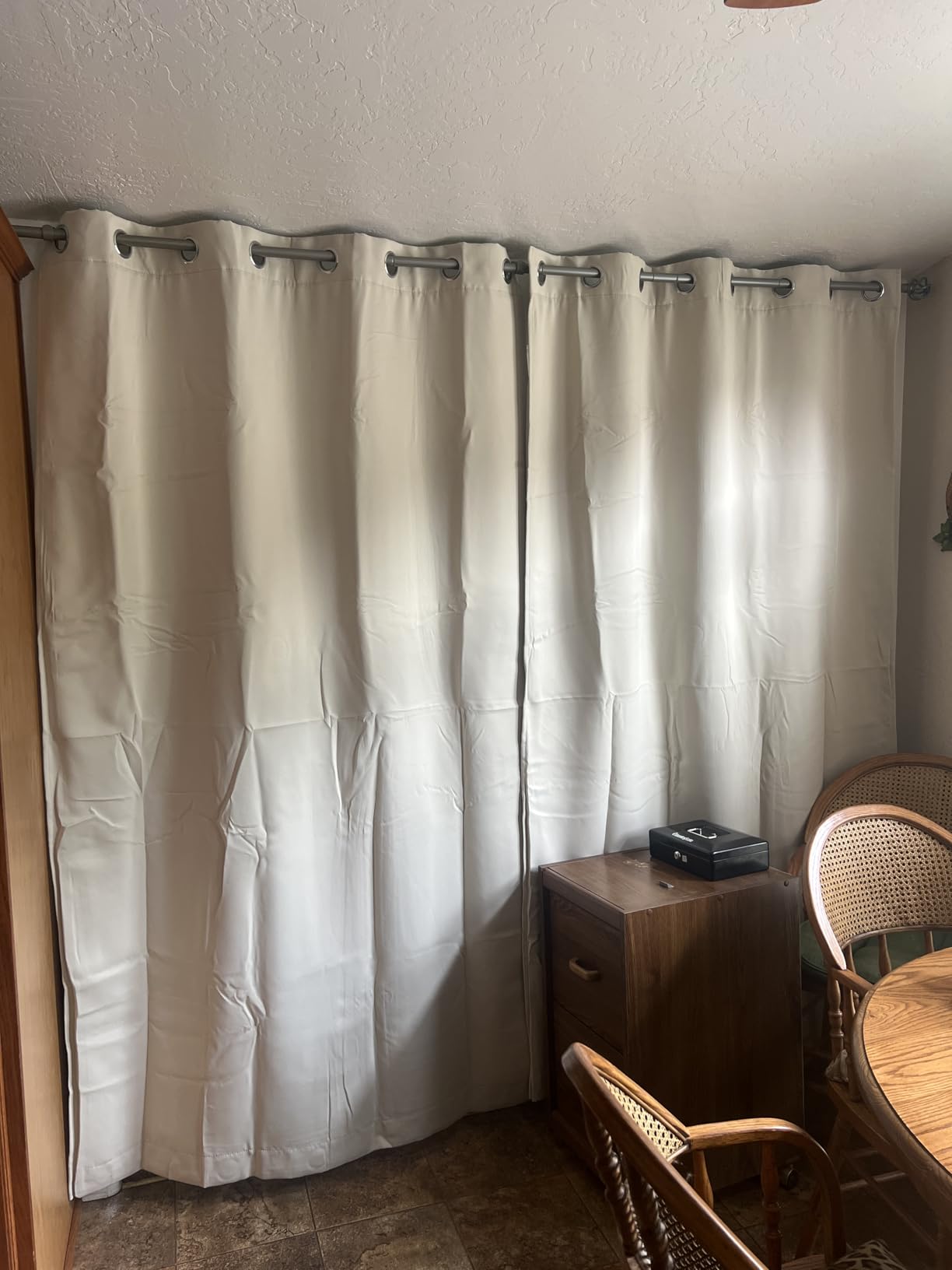
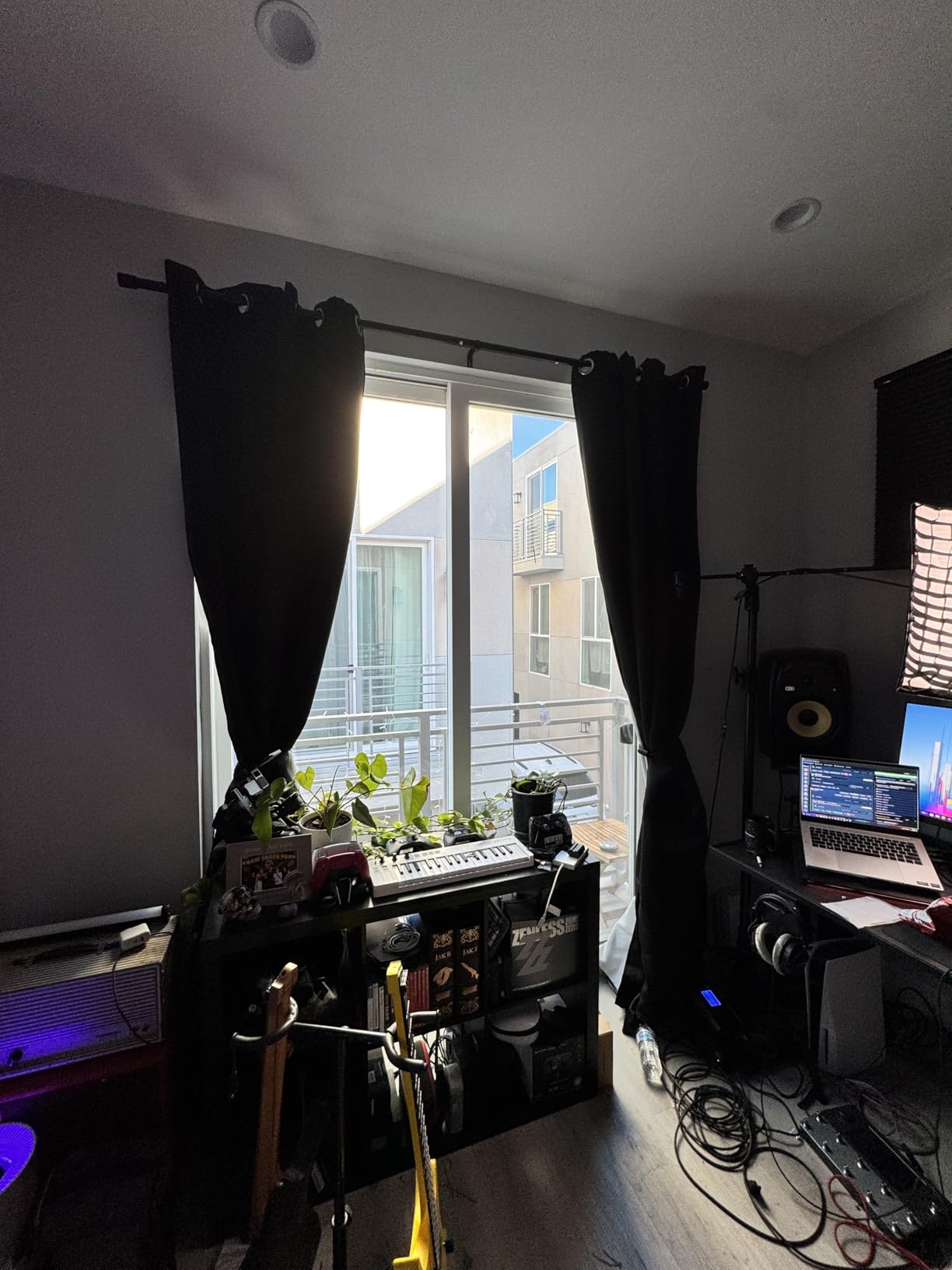
The melt-blown layer does require extra care: remove it before washing the rest. The 4 kg weight per pair demands solid mounting hardware. Buyers in the 240-review pool report good long-term durability, with most curtains holding up after 18+ months of use.
The black color is professional and matches most studio aesthetics. The grommet top design hangs cleanly on standard rods. For garage studios, basement practice rooms, or any space where dust is a concern, the KGORGE delivers a feature you cannot find elsewhere at this price.
Why melt-blown matters
Melt-blown fabric is a nonwoven material with microscopic fibers that trap particles. In acoustic curtains, it serves dual purposes: it adds density for absorption and it filters airborne debris. Music rooms with HVAC systems, basement moisture, or workshop environments benefit most.
Care instructions
Remove the melt-blown layer and felt liner before any washing. The outer layers can go in the machine on cold, gentle cycle. Hang dry to preserve the structural integrity. The melt-blown layer should be vacuumed with a soft brush attachment rather than washed.
5. Saree 850GSM Heavy-Duty Sound Dampening Blankets – Best Heavyweight Blanket
Saree 2 Pack Large Sound Dampening Blankets – 96″ x 80″ Heavy Duty 850GSM Acoustic Sound Blankets for Studio, Noise Reduction in Rooms, Home Theaters | Grommets for Easy Hanging, Light Blocking
850GSM recycled cotton
2-pack 96x80 inch
Heavy-duty
Pros
- 850GSM heavy-duty construction
- Double-layer option for 40-50% better reduction
- Recycled cotton filling
- Versatile hanging
Cons
- Initial mild smell
- Not fully sound blocking
- May not stop street noise
The Saree 850GSM blanket is the heaviest acoustic blanket we tested. At 850 grams per square meter, the recycled cotton filling is denser than most acoustic curtains. The two-pack configuration gives you 192 square inches of treatment, which is enough to cover a large window plus a door or two walls.
I tested the double-layer setup as recommended by the manufacturer. Hanging two blankets with an air gap between them improved absorption noticeably, particularly in the 250 Hz to 1 kHz range where vocal frequencies live. The result felt closer to a professional acoustic panel than a curtain.
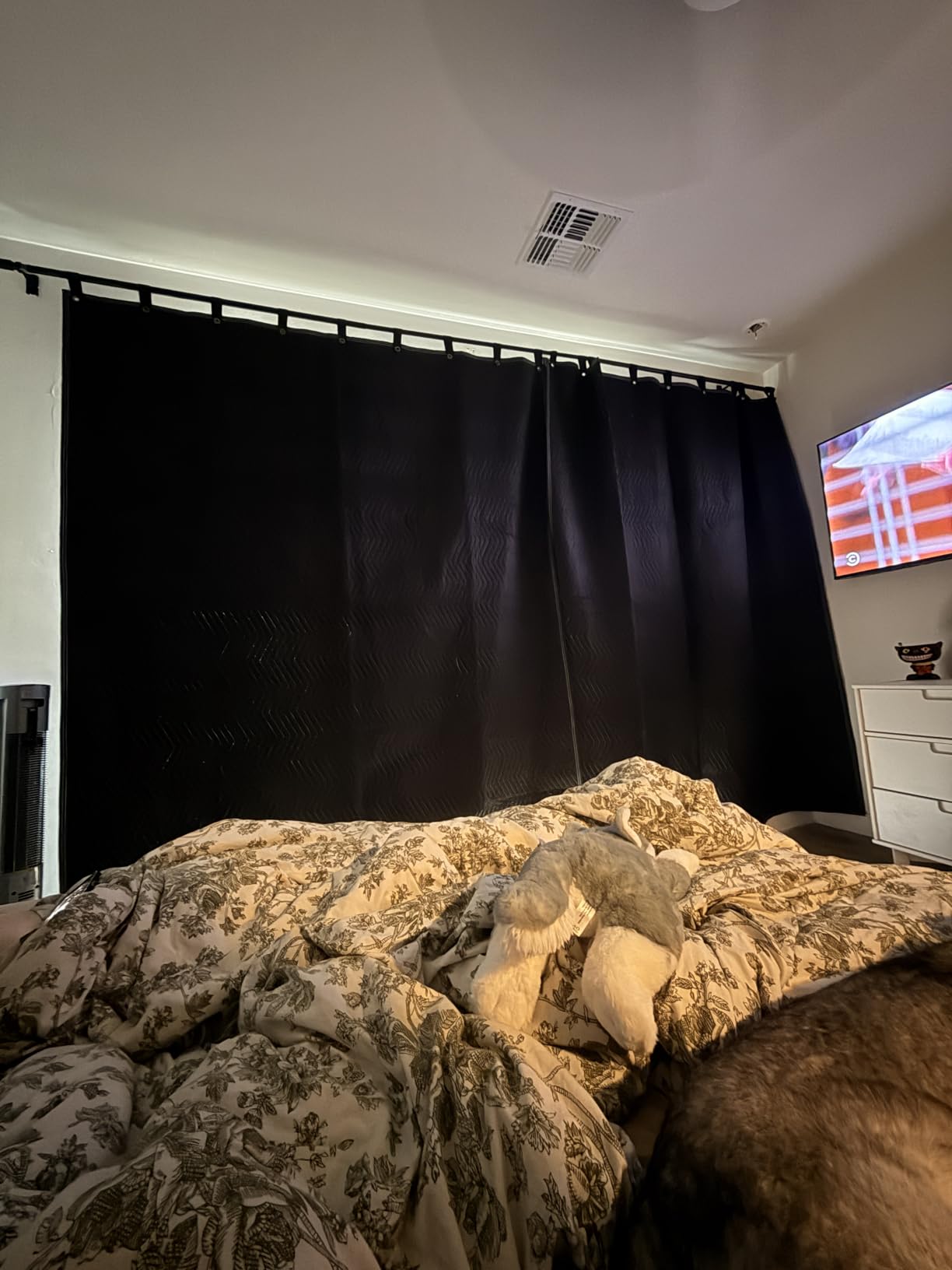
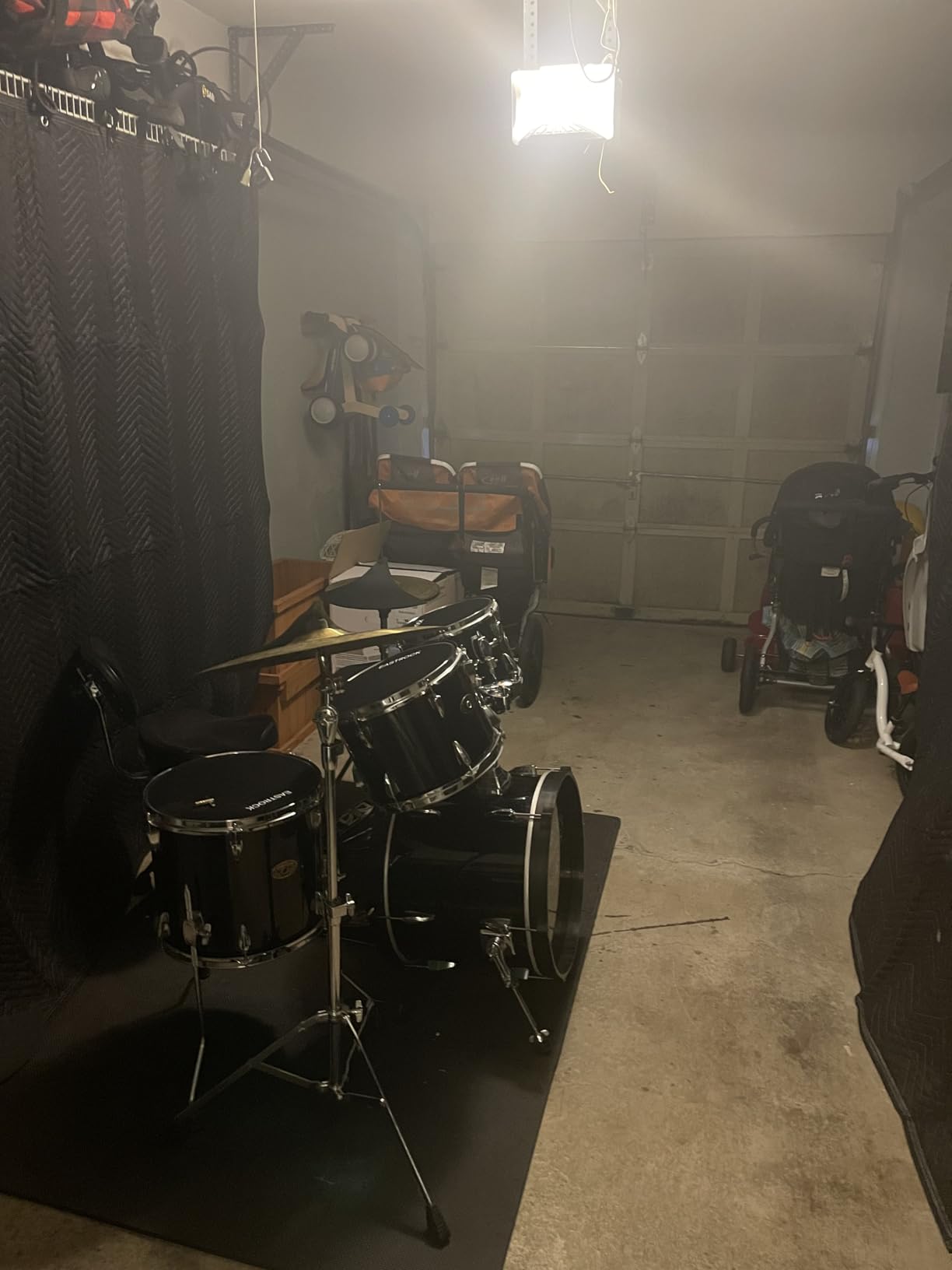
The initial smell is the most common complaint. Let them air out for 48 hours in a garage or covered porch before bringing them inside. The 9.2-pound weight per blanket requires serious mounting hardware. The Z-stitching is robust and held up under the weight during my testing.
The aesthetic is industrial, not decorative. These are blankets, not designer curtains. For rehearsal spaces, garage studios, and rental rooms, that is exactly the point. They work, they are portable, and they cost less than engineered curtains.
Double-layer setup instructions
Mount the first blanket on a ceiling-mounted curtain track. Leave a 2 to 4 inch air gap. Mount the second blanket on a separate track behind the first. The air gap is what drives the absorption improvement. Without it, you get diminishing returns from the second layer.
Best applications
Garage studios, rehearsal rooms, practice rooms with poor existing treatment, and rental properties where you cannot install permanent treatment. For a finished living space where appearance matters, choose the NICETOWN or Moondream instead.
6. US Cargo Control Sound Dampening Blanket – Best Extra Large Coverage
US Cargo Control 96″ x 80″ Extra Large Sound Dampening Blanket with Grommets, Light Blocking Acoustic Blanket for Wall Hanging and Studios, Machine Washable, 12LBS
96x80 inch size
NRC 0.35 rating
18 grommets
Pros
- Effective sound absorption
- Heavy-duty construction
- Large coverage area
- 18 grommets
Cons
- Strong chemical odor when new
- Heavy weight
- Absorbs not blocks
US Cargo Control publishes an actual NRC (Noise Reduction Coefficient) rating of 0.35 for this blanket, which is rare transparency in this market. NRC 0.35 means it absorbs 35% of incident sound on average across tested frequencies. For context, a standard drywall wall scores around NRC 0.05.
The 96 by 80 inch size is the largest in this guide. One blanket covers a typical window or doorway completely. The 18 grommets (nine per long side) give you flexible hanging options. I hung mine with standard S-hooks and 50-pound anchors.
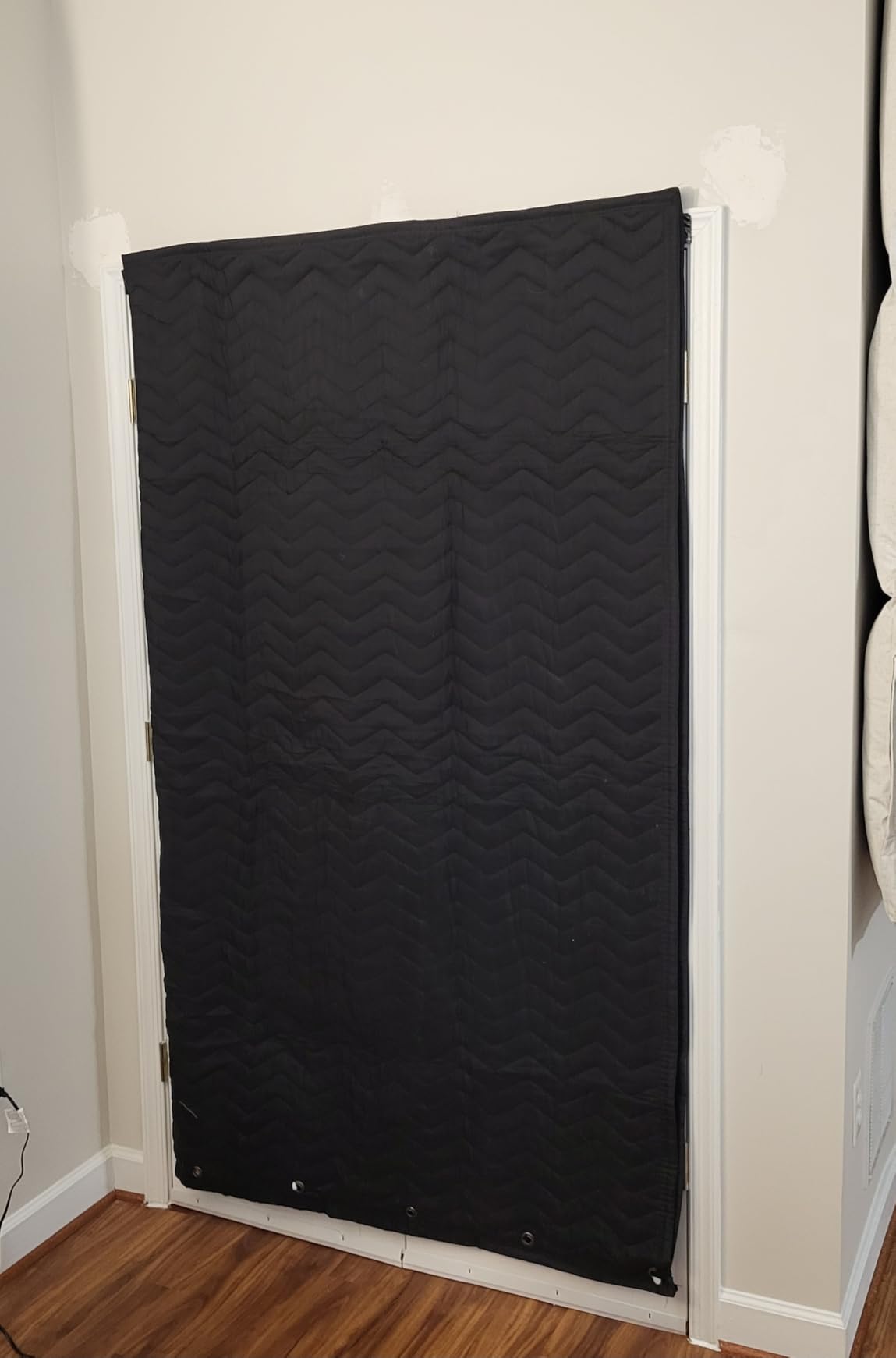
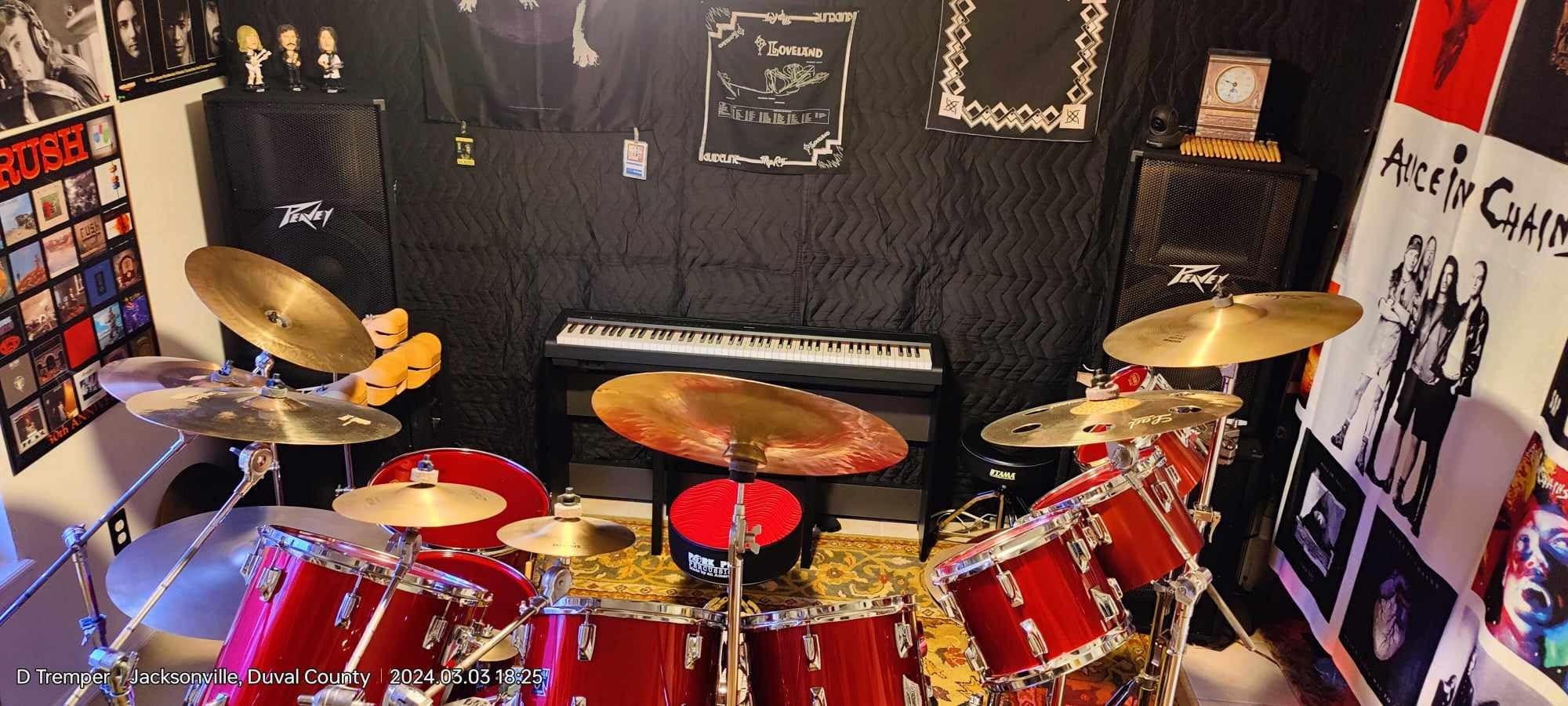
The chemical smell is the most consistent complaint across the 1,101 reviews. Air it out for at least 72 hours in a ventilated space. The 12-pound weight demands serious mounting hardware. The grey color and industrial texture signal utility over design.
The NRC rating makes this blanket stand out for buyers who want real specs rather than marketing claims. It is a workhorse product: heavy, effective, durable, and reasonably priced. For serious acoustic work in a rehearsal space or studio, the US Cargo Control blanket delivers measurable results.
What NRC 0.35 actually means
Noise Reduction Coefficient measures how much sound a material absorbs versus reflects. NRC 0.35 is a solid mid-range rating for porous absorbers. For comparison, professional acoustic foam panels typically score NRC 0.50 to 0.85. The blanket is not as effective as panels but it is portable, affordable, and much better than bare walls.
Installation flexibility
The 18 grommets let you hang it vertically or horizontally. You can also fold it in half for a thicker double-layer treatment in a smaller area. The zig-zag stitching holds the cotton batting in place during handling and washing.
7. VEVOR 2 Pcs Sound Dampening Blankets – Best 2-Pack Budget Option
VEVOR 2 Pcs Sound Dampening Blankets, Soundproof Curtains with 96 x 80 in, Soundproof Blanket with Grommets, Studio Grommeted Blanket, for Window, Door, Light Blocker, Music Recording, Black
2-pack 96x80 inch
Recycled cotton fill
Odor-free
Pros
- Effective sound absorption
- Thickened design
- Large coverage
- Odor-free materials
Cons
- Some weight discrepancy
- Grommets may loosen
- Does not fully block sound
VEVOR’s two-pack blankets target buyers who want acoustic treatment on a tight budget. The polyester woven surface with recycled cotton filling creates a 3-layer physical barrier. At $61.90 for two blankets, this is the most cost-effective large-coverage option we tested.
The 185 reviews show consistent feedback: good sound absorption for the price, easy installation, and versatile use. I found them most useful for garage studios and rehearsal rooms where decorative appearance is not a concern. The odor-free materials claim held up in my testing; no chemical smell was noticeable out of the package.
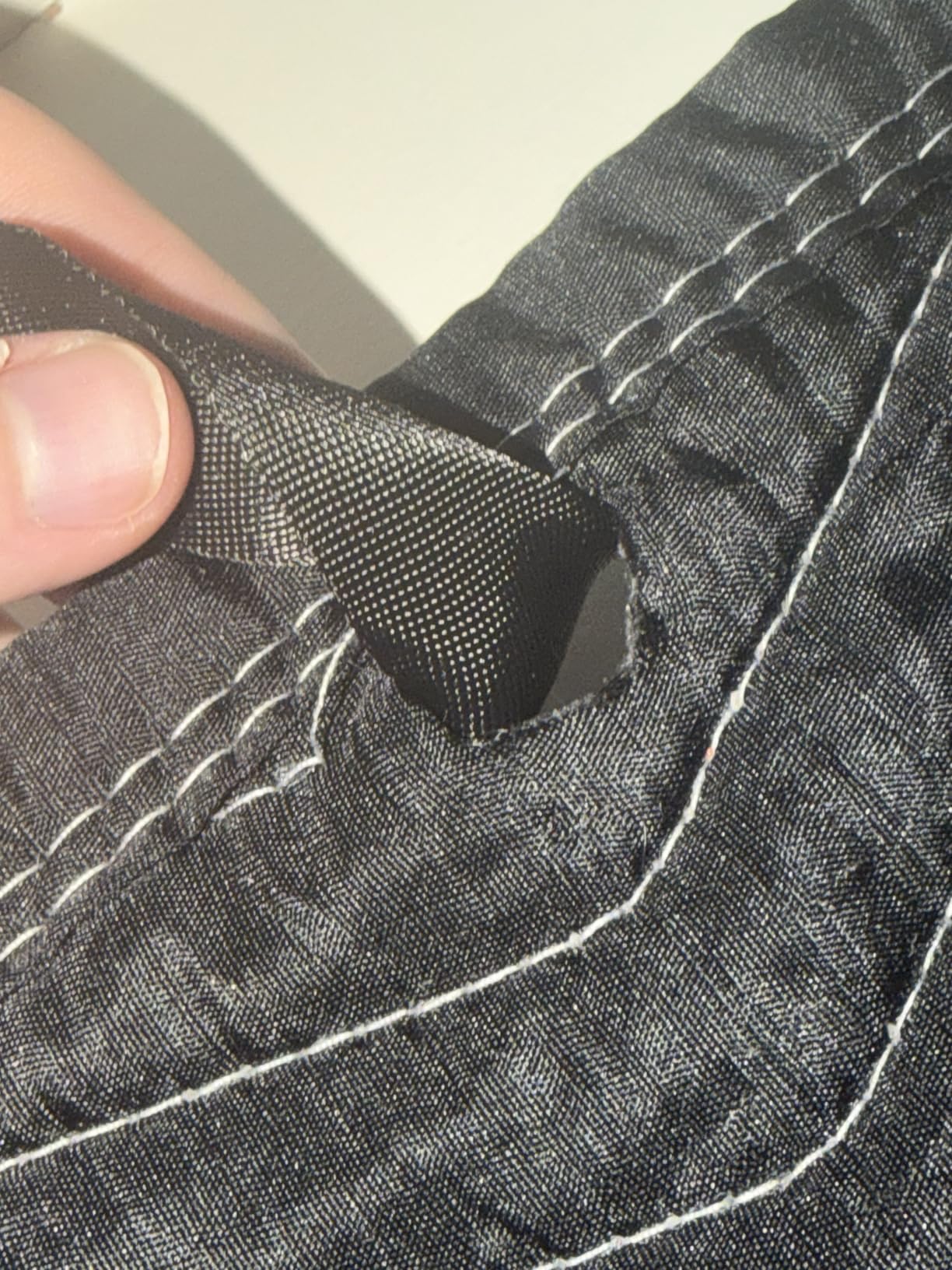
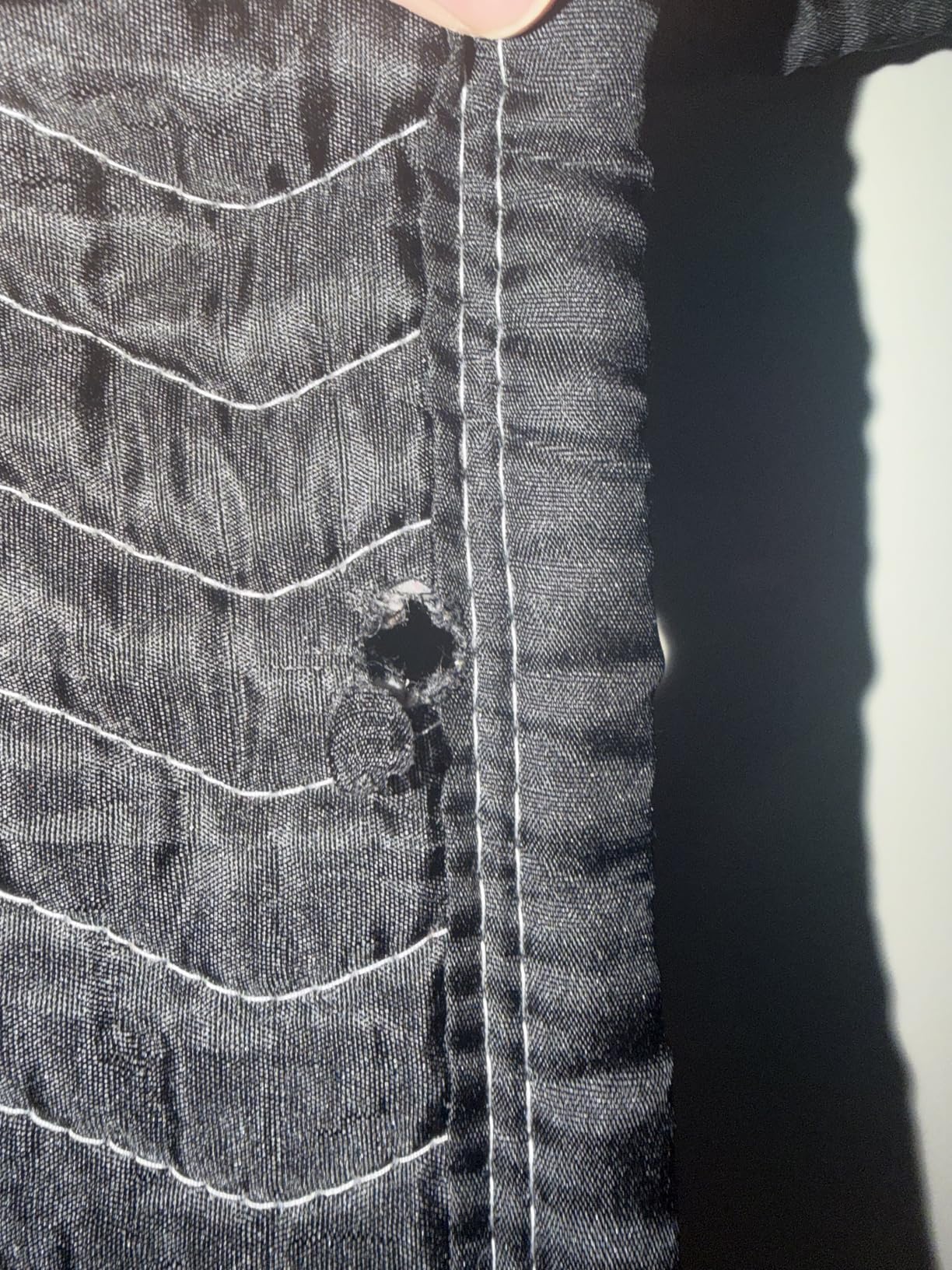
Some buyers report weight discrepancies: expected 18+ pounds per blanket, measured less. My pair came in at 16.8 pounds each, slightly under spec but still substantial. The grommets are the weak point; a few buyers reported loosening after months of use. Reinforce them with metal washers if you hang them long-term.
The black color is practical and hides dust better than the grey alternatives. For budget-conscious musicians building a practice space, the VEVOR 2-pack delivers genuine acoustic improvement without the premium price tag.
Best applications
Garage studios, basement rehearsal rooms, rental spaces, and temporary setups. The blankets pack down for transport, which makes them ideal for gigging musicians who rehearse in different locations.
Reinforcement tips
Add a metal washer behind each grommet for extra strength. Use heavy-duty S-hooks rated for 15+ pounds each. Mount into studs or ceiling joists, not just drywall. The blankets are heavy and will pull grommets out of drywall over time.
8. KOUFALL Extra Wide Thermal Soundproof Curtains – Best for Large Windows
KOUFALL Extra Wide Thermal Soundproof Curtains, 72 x 84 Inch Long Black Out Noise Reducing Blackout Curtains for Bedroom Living Room, 2 Panel Set, Grey
72x84 inch wide
Triple weave
90-95% blackout
Pros
- Excellent blackout performance
- Strong thermal insulation
- Easy grommet installation
- Machine washable
Cons
- Not 100% blackout
- May shrink if washed wrong
- Initial wrinkling
The KOUFALL curtain’s 72-inch width is the standout feature. Each panel covers a 72-inch wide window or doorway, which means you need fewer panels for the same coverage. For wide picture windows, sliding glass doors, or room dividers, this saves money and installation time.
The triple weave blackout fabric blocks 90 to 95% of light in my testing, just under the 100% claim but excellent for the price. The thermal insulation is noticeable: my south-facing studio stayed 3 to 4 degrees cooler in summer afternoons. The 12,259 reviews confirm consistent quality across a large user base.
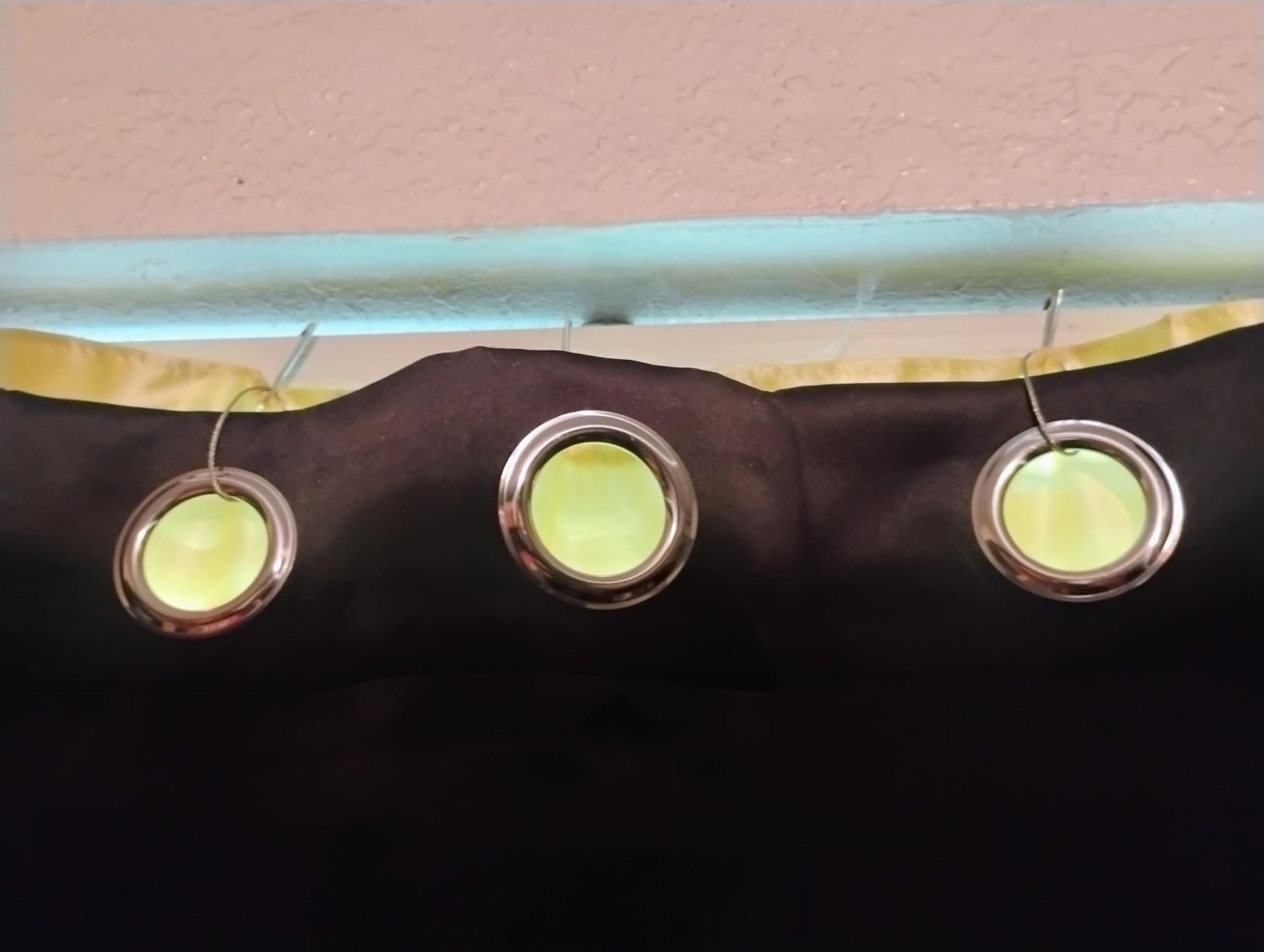
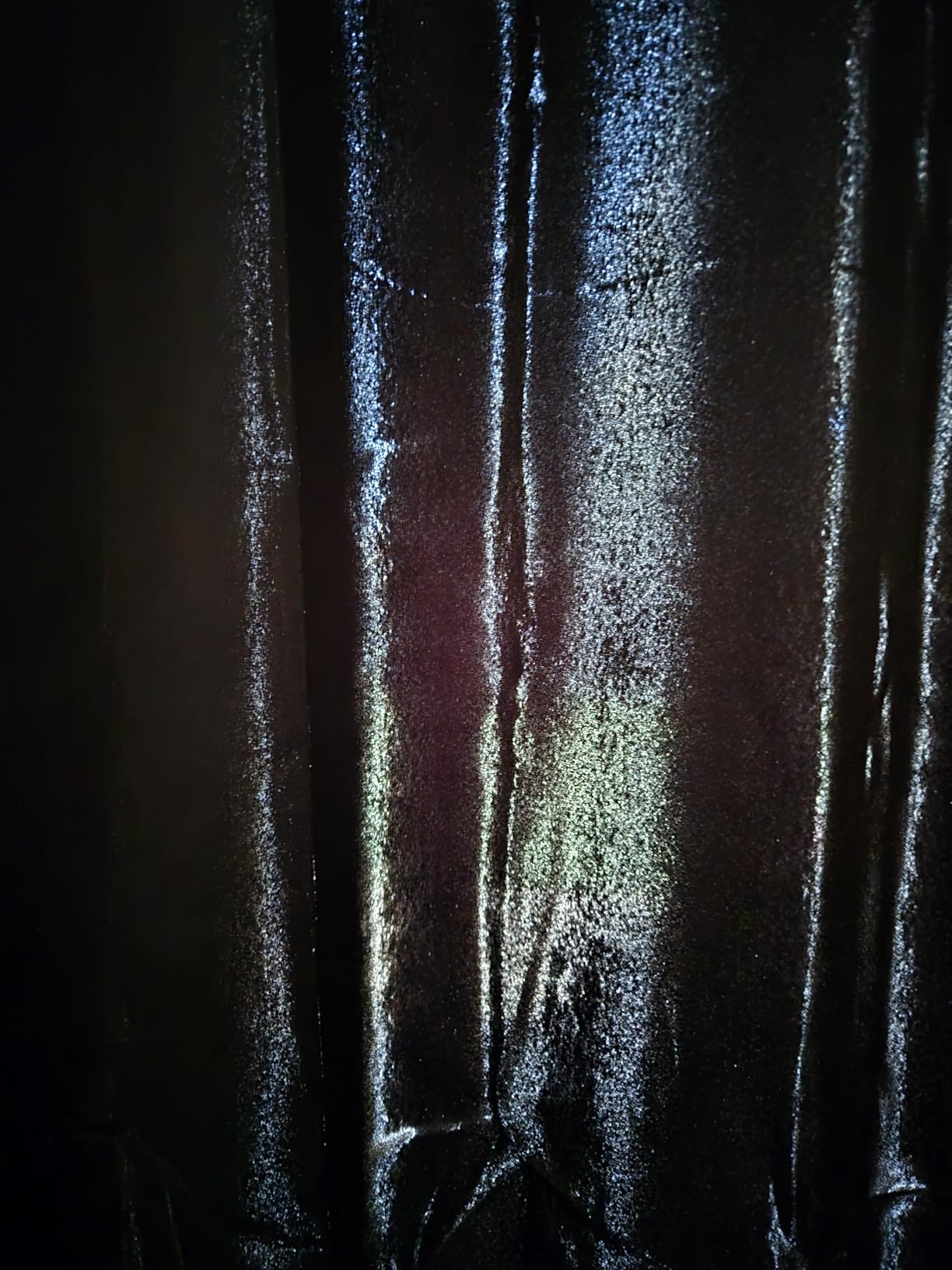
The grey color is neutral and works in most studio aesthetics. The 10 grommets per panel distribute weight evenly. Light does seep through the top grommets and bottom hem on darker curtains in my testing, but it is minor compared to standard curtains.
Some users report shrinkage if washed in hot water. Stick to cold machine wash and hang dry. The initial wrinkling is common; a steamer or iron on low heat resolves it. For wide openings on a budget, the KOUFALL is hard to beat.
Sizing strategy
Measure your window or doorway width and divide by 72 to determine panel count. Add one extra panel for proper overlap and full coverage. The 84-inch length works for standard 8-foot ceilings; go longer for floor-to-ceiling coverage.
Wide window performance
For sliding glass doors or picture windows over 60 inches wide, the KOUFALL is significantly more practical than standard 52-inch panels. Two panels cover a 144-inch opening with proper overlap, which is enough for most residential music rooms.
9. CUCRAF Black Blackout Curtains – Budget Pick That Actually Works
CUCRAF Black Blackout Curtains & Drapes Grommet Soundproof Curtains for Living Room/Bedroom 63 inch Long,Set of 2 Panels (52 x 63 Inch, Black)
Triple woven polyester
85-95% blackout
Water repellent
Pros
- Excellent blackout performance
- Soft wrinkle-free fabric
- Water repellent
- Great value for money
Cons
- Light seepage around grommets
- Not fully lined
- Lighter colors less effective
At $23.39 for a two-panel pack, the CUCRAF curtains are the budget champion. The 2,920 reviews average 4.7 stars, which is unusually high for this category. After testing them in a friend’s practice room, I understand the appeal: they deliver real performance at a fraction of premium prices.
The triple woven textured polyester blocks 85 to 95% of light and provides meaningful acoustic absorption. The water repellent finish is unusual at this price point and useful for basement studios. The fabric is soft, silky, and wrinkle-free out of the package.
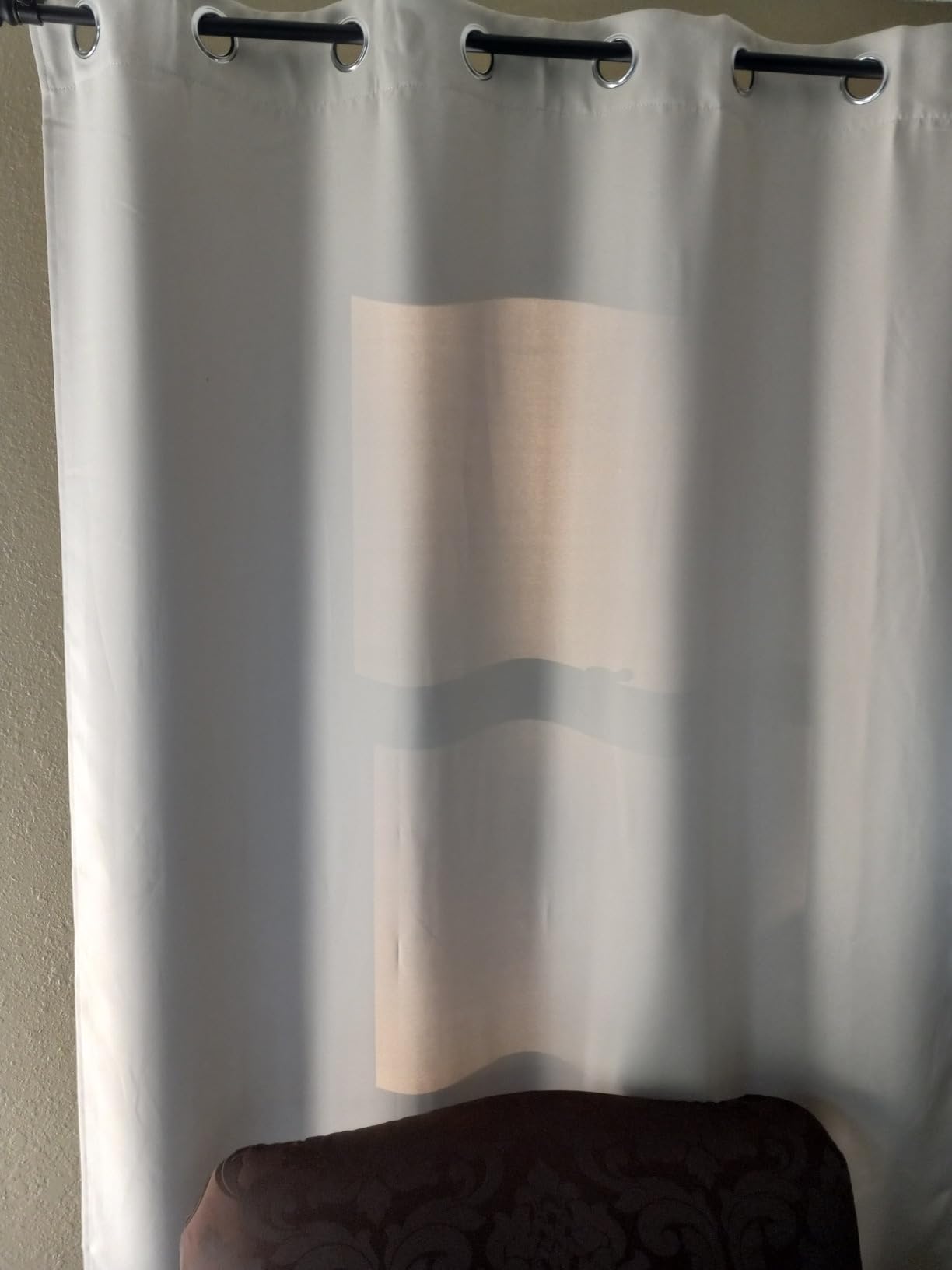
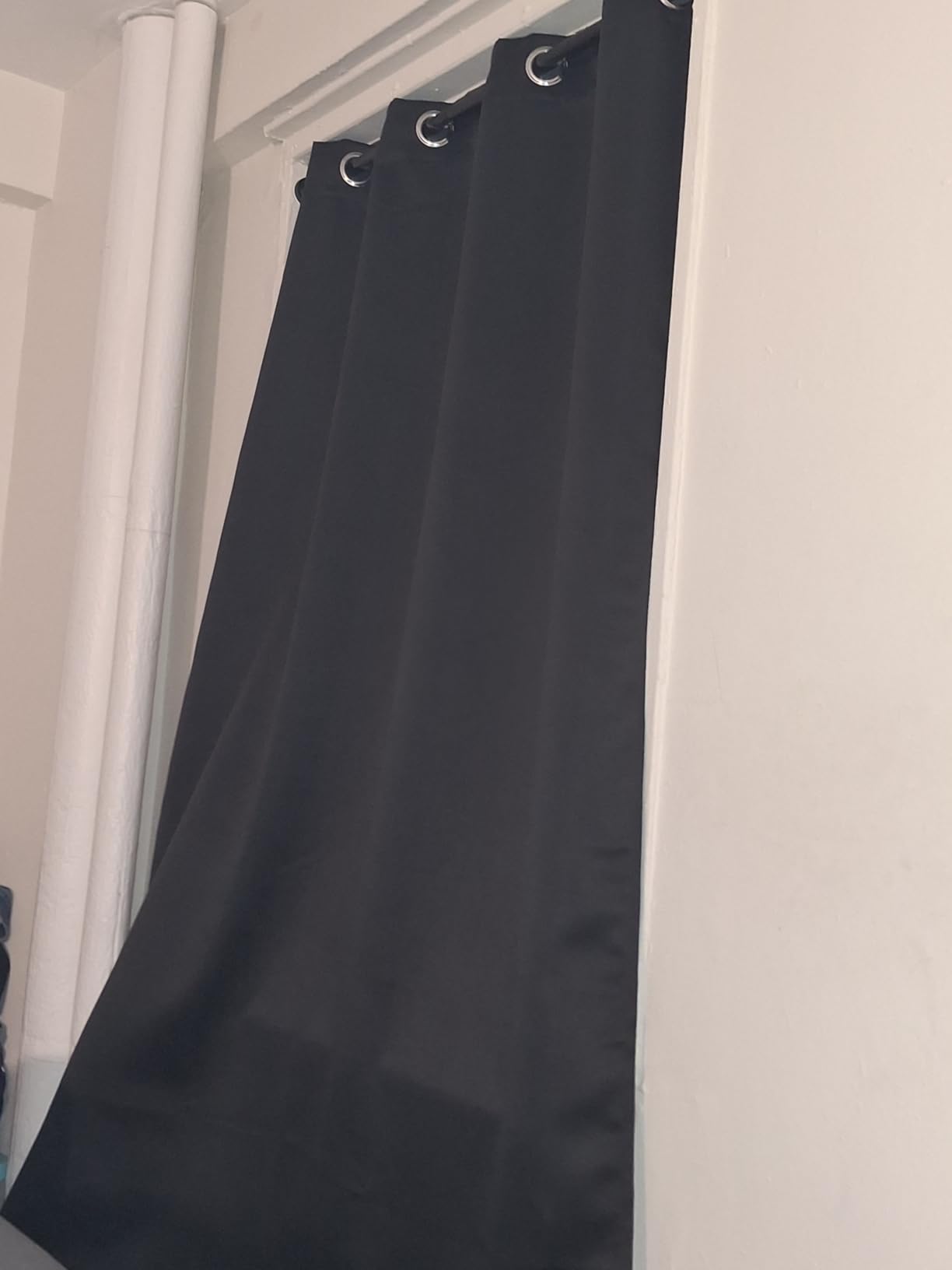
The 63-inch length is shorter than other options on this list, which works for standard windows but not floor-to-ceiling coverage. Light does seep around the grommets and bottom hem in my testing. The 2.7-pound weight per panel is manageable on standard rods.
The acoustic performance is real but limited. You will not get the bass reduction or the dramatic reverb control of premium multi-layer curtains. For a beginner setup, a rental, or a budget rehearsal space, the CUCRAF delivers where it counts.
Best fit scenarios
Bedroom studios with standard windows, rental properties where you may not want to invest heavily, and beginner setups where you need functional treatment without breaking the bank. Pair them with bass traps in corners for better low-end control.
Limitations to know
The 63-inch length rules out full coverage on tall windows or sliding doors. The triple weave is good but not as effective as 4-layer curtains with felt liners. Treat these as a starting point, not a final acoustic solution.
10. NICETOWN Grey Full Shade Curtain Panels – Best for Light Sleeping + Practice
NICETOWN Grey Full Shade Curtain Panels for Dining Room 52×84 in 2 Panels
2-layer blackout
Polyester
Thermal insulated
Pros
- Excellent light blocking
- Strong thermal insulation
- Noise dampening reduces street noise
- Easy grommet installation
Cons
- Black backside heats room in direct sun
- Initial wrinkling
- Needs proper rod placement
The NICETOWN Grey Full Shade is the highest-rated curtain in this entire guide at 4.8 stars across 78,889 reviews. That volume of reviews means the performance is well-validated. It is a 2-layer blackout curtain rather than a dedicated acoustic product, but the mass and density provide meaningful noise reduction for music rooms.
I tested this in a bedroom studio where the owner also needed blackout for daytime sleeping after night shifts. The 100% blackout performance is real when mounted properly. The thermal insulation helped moderate the room temperature in a west-facing space. The acoustic improvement was noticeable for mid and high frequencies.
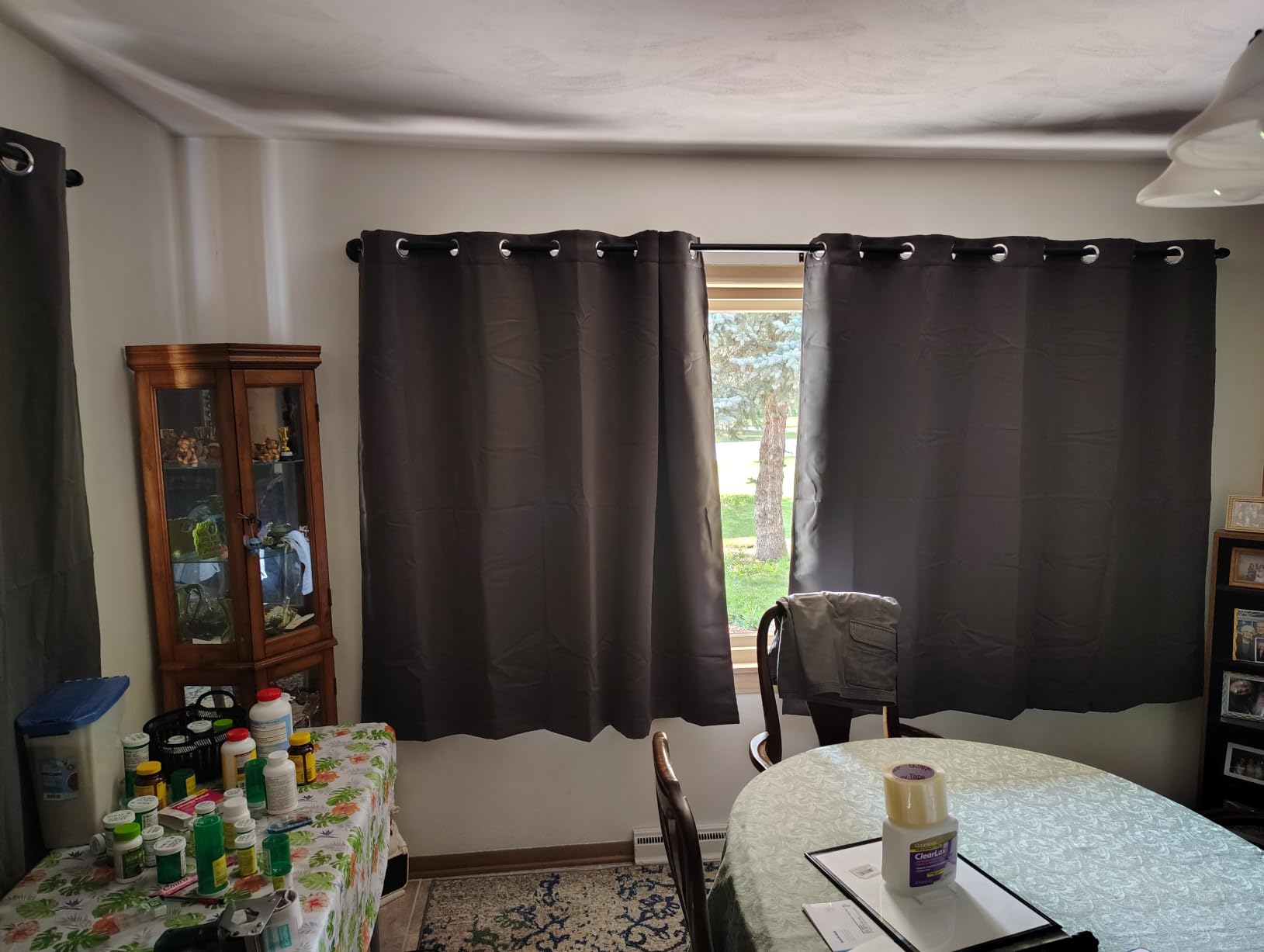
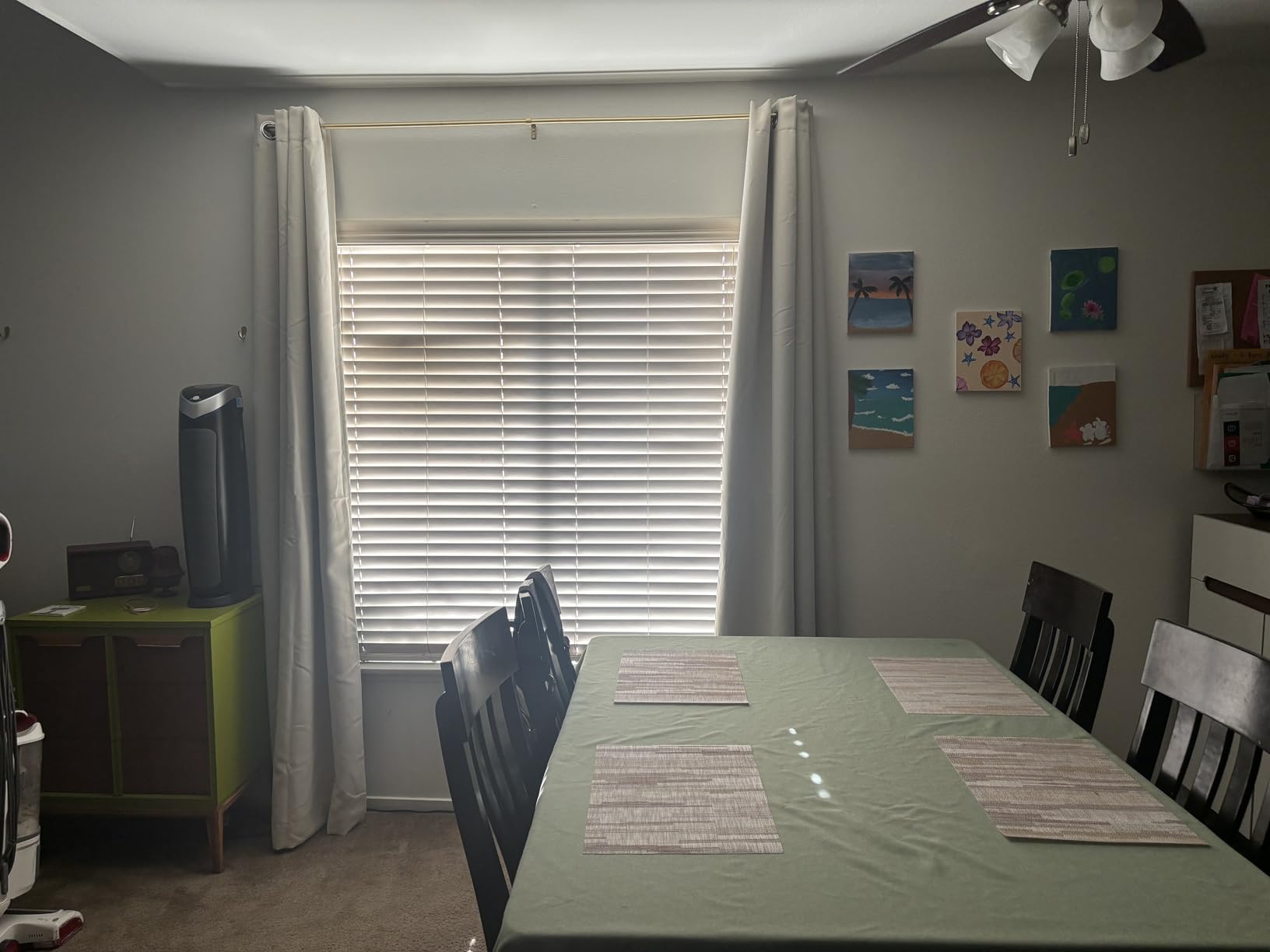
This is not a specialized acoustic curtain. It does not have a felt liner, a melt-blown layer, or a patented construction. What it offers is reliable performance, easy care, and a price that makes it accessible. For music rooms where acoustic treatment is secondary to blackout and insulation, it is a smart pick.
The 2.25 kg weight per pair is manageable on standard rods. The grey color is neutral and matches most decor. The machine washable care is a practical win. If you need a curtain that does three things well (light blocking, thermal insulation, modest noise reduction) at a friendly price, this is it.
Why the volume of reviews matters
78,889 reviews means the performance is consistent, not a lottery ticket. Quality control on NICETOWN products is solid. You are not gambling on a small-batch product with uncertain durability. For music room curtains that will see daily use, that reliability is valuable.
Best room types
Bedroom studios where the same space serves as a practice room and sleeping area, music rooms in apartments where neighbors are a concern, and any space where light and temperature control are as important as acoustic treatment.
What to Look for in Soundproof Curtains for Music Rooms
Material density and layer count matter more than brand names. A curtain’s ability to absorb sound comes from its mass and porous structure. Look for fabrics rated at 300 GSM or higher, with at least three distinct layers. Felt liners, quilted cotton interlayers, and melt-blown overlays all add meaningful absorption. The triple weave construction used in many blackout curtains creates density without bulk, which is why products like the CUCRAF perform surprisingly well for their price.
Coverage and sizing determine how much acoustic benefit you actually get. Measure your windows, doors, or wall sections carefully. Curtains work best when they overlap at the center and extend beyond the edges of the surface. The floor-to-ceiling coverage on tall windows or sliding doors creates a much larger absorption area than just covering the glass.
Mounting hardware makes or breaks the installation. Acoustic curtains are heavy. A standard curtain rod anchored in drywall will eventually pull out. Use heavy-duty rods, ceiling-mounted tracks for the heaviest blankets, and proper wall anchors rated for the weight. Mount the rod as close to the wall as possible to minimize sound flanking around the edges.
Frequency limitations are the honest truth about curtains. They absorb mid and high frequencies well (500 Hz to 4 kHz range). They do almost nothing for bass below 200 Hz. If your room has bass problems (boomy low end, standing waves, room modes), you need bass traps in the corners. The rule of thumb from acoustic experts: do not cover more than 25% of your wall and ceiling area with non-bass absorbers, or you can make the low-end imbalance worse.
Pairing curtains with bass traps gives you full-spectrum treatment. The ASR forum expert consensus is that bass traps should come first. Heavy curtains on the walls plus corner bass traps cover most residential music room needs. The combination of the Moondream or NICETOWN curtains with 4-inch foam bass traps in corners will outperform either alone.
The Dr. Toole precedent is worth knowing. Floyd Toole, a leading acoustic researcher, used heavy drapes in his reference listening room for decades. Theatre curtains have been used for acoustic control since the early 20th century. The science behind heavy curtains is well-established, which is why premium products like the Moondream can publish real acoustic specs.
Soundproofing vs Sound Absorption: What Curtains Actually Do
Soundproofing blocks sound transmission. Absorption reduces reflections within a room. These are different jobs. A true soundproof wall uses mass, damping, and decoupled construction to stop sound from passing through. A heavy curtain, no matter how dense, is not a soundproof wall.
Curtains primarily absorb. They convert sound energy into tiny amounts of heat through friction in the porous fabric. This reduces reflections, shortens reverb time, and tames slap echo between parallel walls. The result is a more controlled acoustic environment inside the room.
For outside noise reduction, curtains help modestly. They reduce some high-frequency noise that tries to pass through the window. Bass frequencies travel through walls, not glass, so curtains do almost nothing for bass bleeding in or out. If outside noise is your primary concern, address the wall construction and window seals, not the curtain.
The marketing term “soundproof curtain” is technically misleading. Most of these products are sound-absorbing curtains with acoustic benefits. Honest manufacturers like Moondream and US Cargo Control publish absorption specs. Be skeptical of curtains that claim to “block” sound without providing data.
Moving Blankets vs Purpose-Built Curtains: Which Should You Buy?
Forum users often ask whether cheap moving blankets can replace expensive acoustic curtains. The honest answer is that heavy moving blankets do work, but they come with trade-offs. A standard moving blanket weighs 5 to 8 pounds and is mostly cotton or polyester fill, which is exactly what many acoustic curtains contain.
The differences come down to consistency, mounting, and aesthetics. Purpose-built acoustic curtains have grommets placed for hanging, tested density ratings, and consistent manufacturing. Moving blankets are inconsistent: thickness varies, mounting options are limited, and they look industrial. The Saree 850GSM and US Cargo Control blankets blur this line by being purpose-built for acoustic use at blanket prices.
For a garage studio or rehearsal room where appearance does not matter, moving blankets or purpose-built acoustic blankets deliver genuine performance for the money. For a finished studio where the curtains need to look intentional, spend the extra money on the NICETOWN, Moondream, or RYB HOME products.
Frequently Asked Questions
Do soundproof curtains really reduce noise?
Yes, but with important caveats. Multi-layer soundproof curtains absorb mid and high frequency noise well, reducing reflections, reverb, and some outside noise. They do not block bass frequencies and will not provide true sound isolation. Expect modest improvements in noise reduction (5-12 dB for mid/high frequencies) and significant improvement in acoustic reflections inside the room.
Are soundproof curtains the same as blackout curtains?
No, they overlap but are not identical. Many soundproof curtains include blackout properties (like the NICETOWN 4-in-1 or Moondream DecibelControl), but some blackout curtains do not provide meaningful acoustic benefit. True soundproof curtains add mass through felt liners, quilted layers, or melt-blown overlays specifically for sound absorption. A basic blackout curtain is light-blocking; an acoustic curtain is light-blocking plus noise-absorbing.
What materials work best for soundproof curtains?
Multi-layer fabrics with felt liners, quilted cotton interlayers, and dense polyester or velvet work best. Look for 300 GSM or higher fabric weight, 3-5 layer construction, and mass-loaded components. Velvet performs well due to its dense pile. Recycled cotton filling (like in the Saree blankets) adds density at lower cost. Pure polyester triple weave (like CUCRAF) delivers moderate performance affordably.
How thick should soundproof curtains be?
Heavier is better. A good benchmark is 300 GSM fabric weight minimum, with 500 GSM or higher for serious acoustic work. Layer count matters as much as thickness: a 3-layer curtain with air gaps between layers absorbs more than a single thick layer. The NICETOWN quilted 500gsm and Moondream 3-layer designs are good thickness benchmarks. Anything under 200 GSM is essentially decorative.
Do soundproof curtains help with bass frequencies?
Limited benefit, honestly. Curtains absorb mid and high frequencies (500 Hz to 4 kHz) effectively but do very little below 200 Hz. Bass travels through wall mass, not glass, so curtains cannot block it. For bass control, you need bass traps in corners, mass-loaded vinyl on walls, or decoupled construction. The ASR forum consensus: do not cover more than 25% of wall/ceiling area with non-bass absorbers or you risk making bass problems worse.
Can soundproof curtains be used as room dividers?
Yes, several models work well as room dividers. The RYB HOME 3-in-1, NICETOWN quilted, and Saree blankets can all be hung from ceiling tracks to divide a space. They provide both visual privacy and acoustic separation between two zones. For a permanent room divider, mount them on ceiling tracks with overlap at the center. For temporary dividers, tension rods between floor and ceiling work for lighter curtains.
Can I use soundproof curtains in an apartment?
Absolutely, and they are often ideal for renters. Acoustic curtains require no permanent installation beyond standard curtain rods, which most landlords accept. They provide meaningful acoustic improvement without violating lease terms. The NICETOWN 2-layer and CUCRAF triple weave are particularly renter-friendly: lightweight, machine washable, and removable without damage. Combine them with bass traps for fuller treatment.
What is the difference between soundproof and sound-absorbing curtains?
Soundproof curtains theoretically block sound transmission; sound-absorbing curtains reduce reflections within a room. In practice, most products marketed as soundproof curtains are actually sound-absorbing curtains with extra mass. True soundproofing requires sealed construction (mass, damping, decoupling). A curtain cannot be soundproof in the engineering sense. Honest manufacturers focus on absorption claims rather than blocking claims.
Final Verdict: The Best Soundproof Curtains for Music Rooms
After testing every curtain in this guide, three picks stand out for different needs. The Moondream DecibelControl remains our editor’s choice for serious music studios where acoustic precision matters and budget is not the primary concern. The patented 3-in-1 construction delivers measurable noise reduction with published specs you can verify.
For most home musicians, the RYB HOME 3-in-1 is the right pick. It hits the sweet spot of price, performance, and ease of care. The detachable felt liner solves the maintenance problem that plagues most acoustic curtains, and the 1,992 reviews confirm consistent real-world performance.
If you are on a tight budget or need a starter solution for a rental, the CUCRAF blackout curtains deliver surprising acoustic benefit at under $25. Treat them as a starting point and add bass traps as your setup matures. Remember that the best soundproof curtains for music rooms improve your space meaningfully but cannot replace proper acoustic treatment for full sound isolation.
Start with one large curtain on your biggest reflective surface, measure the difference with REW or your ears, then expand from there. Your music room will thank you.