
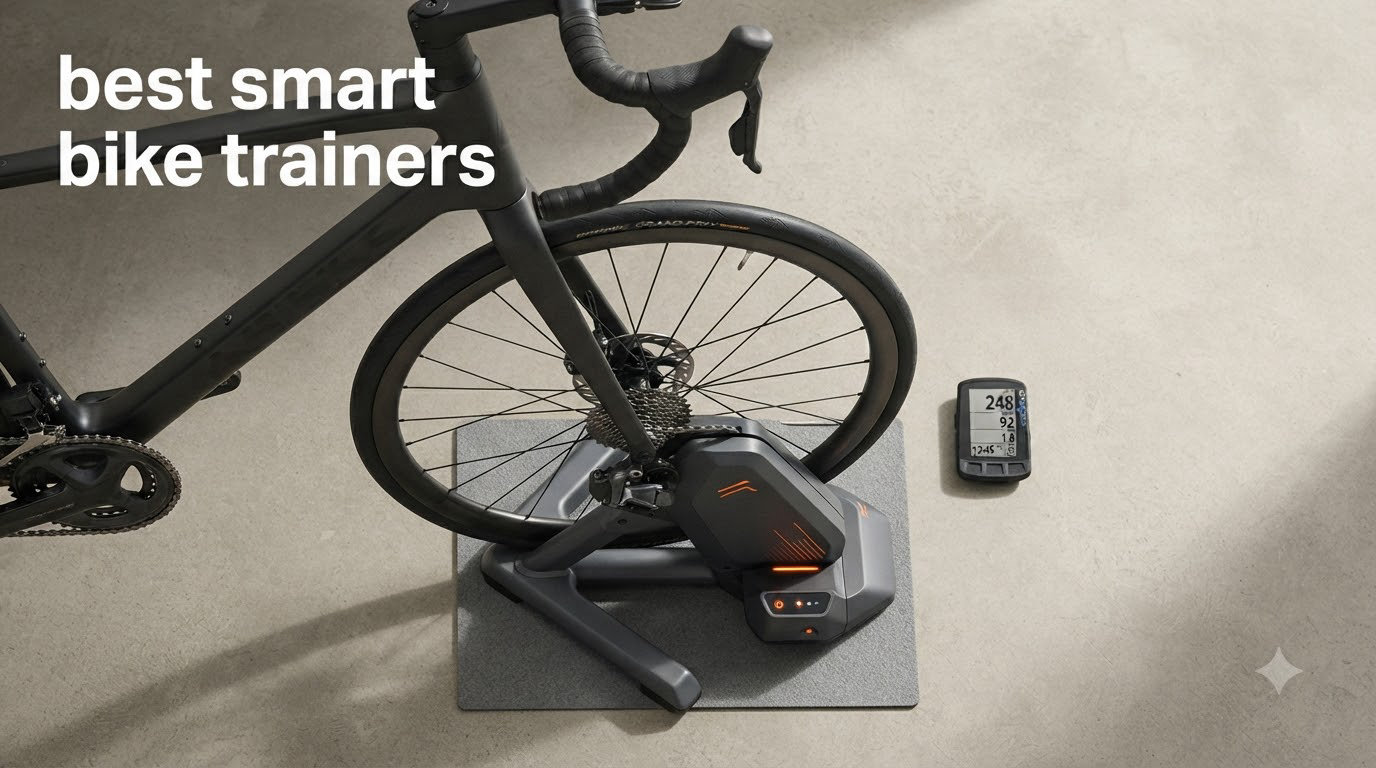
I spent three months logging serious miles on ten smart bike trainers to find the ones actually worth your money. After hundreds of watts pushed through ERG workouts, virtual climbs on Zwift, and a few arguments with my downstairs neighbor, I have strong opinions on what separates the best smart bike trainers from the rest.
The smart trainer market in 2026 is stacked. Wahoo still sets the benchmark, Garmin’s Tacx lineup has become genuinely competitive, and a wave of budget direct-drive options from CYCPLUS and ThinkRider are giving the big names a real fight. Whether you race on Zwift, chase FTP gains on TrainerRoad, or just want to keep fitness through winter, there is a smart trainer here that fits your goals and your floor plan.
This guide covers direct-drive and wheel-on options across every price point, plus the buying advice I wish someone had given me before my first trainer purchase. I will explain what the spec sheets actually mean, what the real-world noise levels feel like, and where each trainer makes sense. I will also answer the most common questions buyers ask on forums before they commit to a setup.
Top 3 Smart Bike Trainers at a Glance in September

Wahoo KICKR CORE 2 with Zwift Cog and Click
- Legendary KICKR ride feel
- Integrated WiFi
- Includes Zwift Cog and Click
Best Smart Bike Trainers in 2026
| Product | Specifications | Action |
|---|---|---|
 Wahoo KICKR V6 Wahoo KICKR V6 |
|
Check Latest Price |
| Wahoo KICKR CORE 2 |
|
Check Latest Price |
 Garmin Tacx Neo 2T Garmin Tacx Neo 2T |
|
Check Latest Price |
 Garmin Tacx NEO 3M Garmin Tacx NEO 3M |
|
Check Latest Price |
 Elite Direto XR Elite Direto XR |
|
Check Latest Price |
 ThinkRider X2Max ThinkRider X2Max |
|
Check Latest Price |
 CYCPLUS R200 CYCPLUS R200 |
|
Check Latest Price |
 Saris M2 Saris M2 |
|
Check Latest Price |
 Elite Tuo Elite Tuo |
|
Check Latest Price |
 Saris Fluid2 Saris Fluid2 |
|
Check Latest Price |
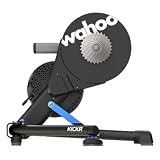
1. Wahoo KICKR V6 – The Premium Powerhouse
Wahoo KICKR V6 Smart Indoor Trainer
Plus or minus 1% power accuracy
2,200W max output
22kg direct-drive
Pros
- Exceptional ride feel
- Plus or minus 1% power accuracy
- Whisper quiet
- Seamless Zwift pairing
- Premium build quality
Cons
- Premium price
- Large footprint
- Heavy at 22kg
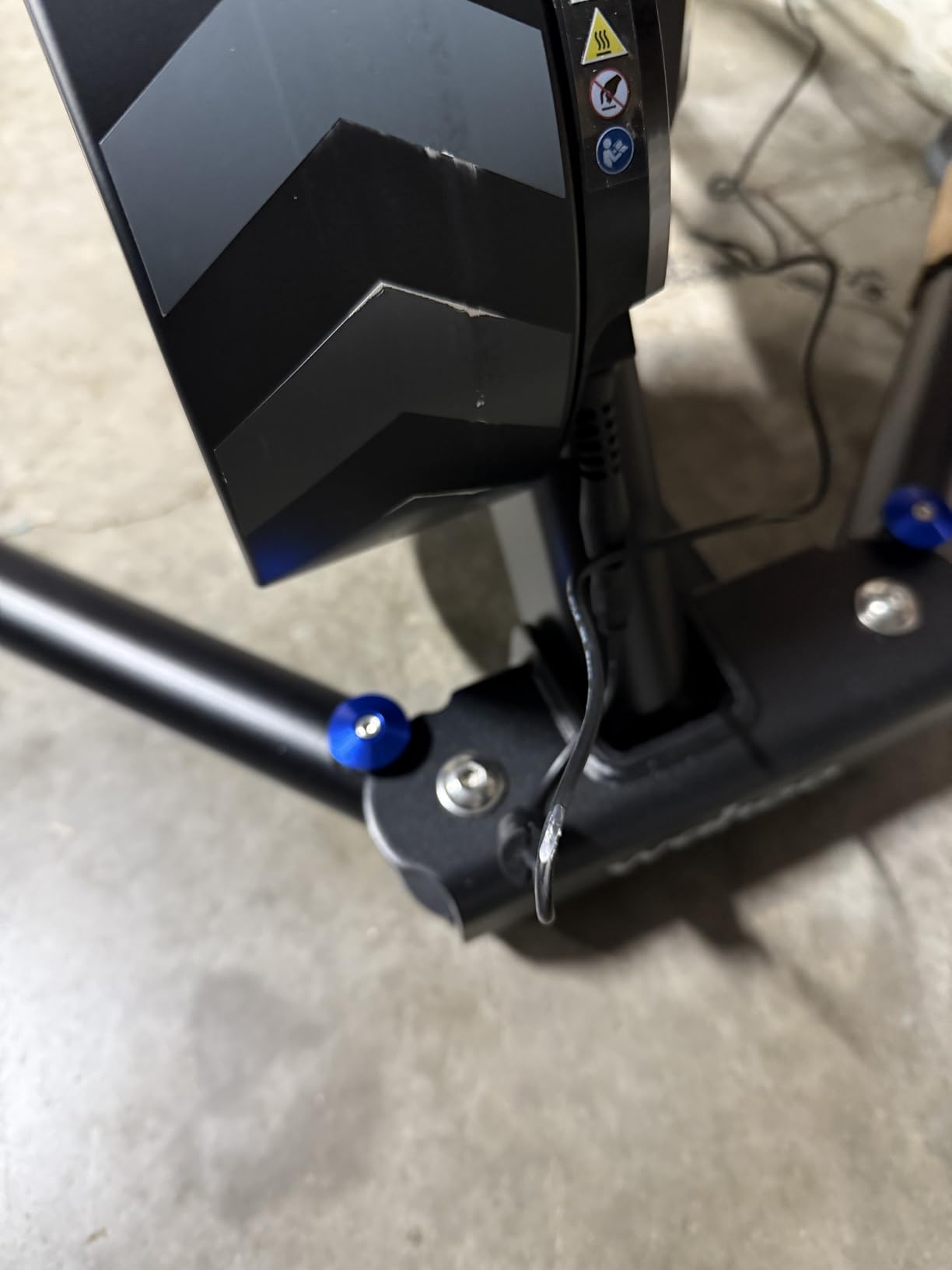
The Wahoo KICKR V6 is what I call the “buy once, cry once” trainer. I have used it through structured TrainerRoad blocks and three-hour Zwift endurance rides, and the ride feel has never once felt artificial. The 22kg flywheel combined with Wahoo’s proven algorithms creates the kind of inertia that makes indoor miles feel almost outdoor.
Power accuracy has been the KICKR’s calling card for years, and the V6 holds to plus or minus 1% up to 2,200 watts. That ceiling matters for sprinters and big engines. My FTP test results on the V6 consistently matched my Quarq crank within 2-3 watts, which is good enough for serious training.
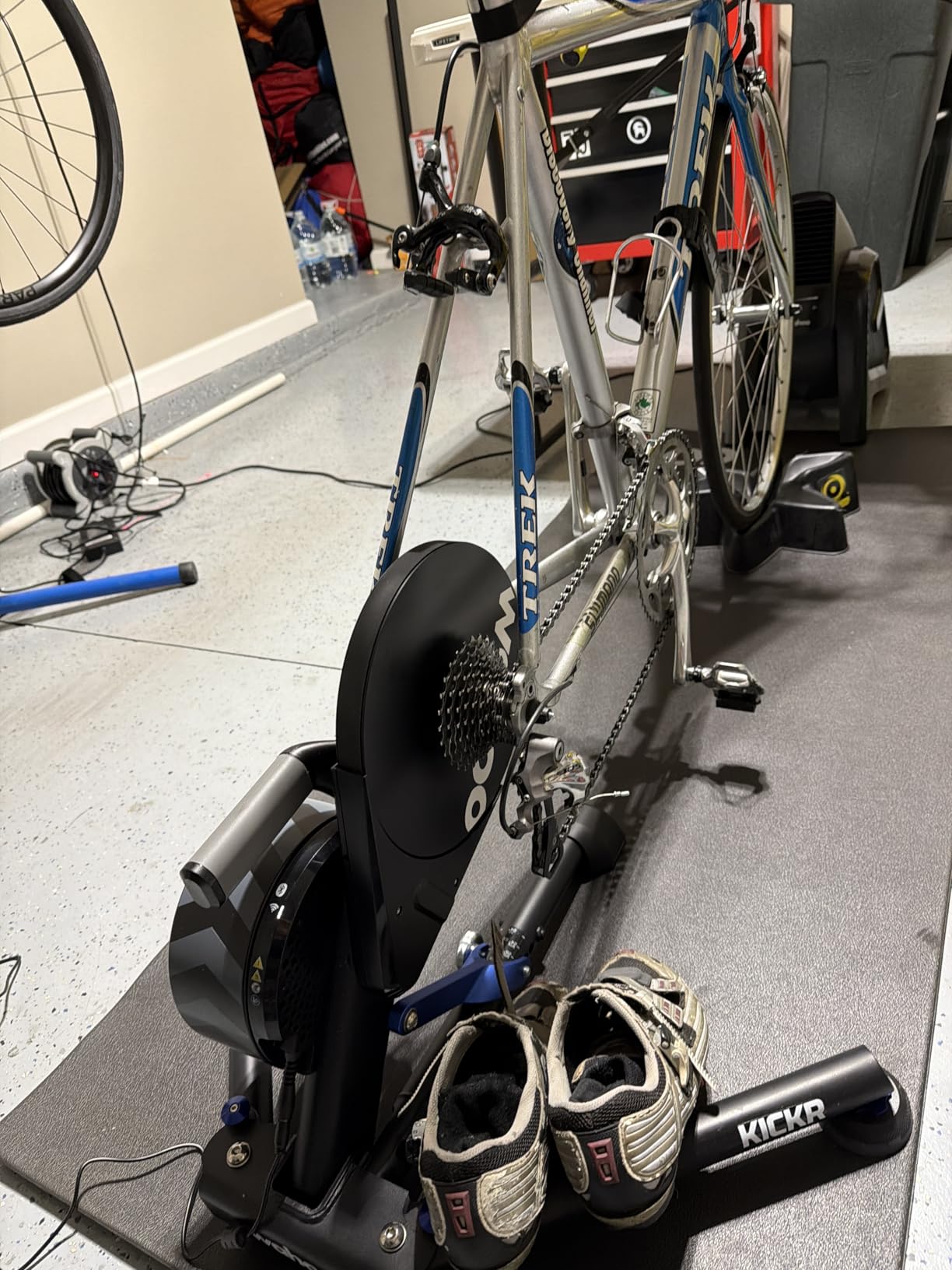
The addition of integrated WiFi is a quiet but meaningful upgrade. Firmware updates land automatically, and pairing with Zwift feels more stable than the Bluetooth-only trainers I tested. The KICKR AXIS feet add subtle side-to-side movement that reduces fatigue on long rides, and the unit stays planted even during out-of-saddle sprints at 1,200 watts.
Setup took about 20 minutes, including cassette installation. The V6 is heavy at 22kg and the legs do not fold, so this is a permanent pain cave piece rather than a stowaway. If you have the budget and the floor space, nothing else I tested matches the complete V6 package.
For Whom This Trainer Shines
Serious athletes who train indoors 4+ times per week will extract the most value. The accuracy and durability make this a long-term investment rather than a replaceable accessory. If you race on Zwift at a competitive level, the V6’s response time and gradient handling give you a measurable edge.
For Whom This Trainer Falls Short
Casual riders and beginners will not benefit enough from the V6’s accuracy ceiling to justify the cost over the KICKR CORE 2. The size and weight also make it a poor choice for apartment dwellers who need to move it between sessions. If you only train occasionally, save the money for power meter pedals instead.
2. Wahoo KICKR CORE 2 with Zwift Cog and Click – Best Overall Value
Wahoo Fitness KICKR CORE 2 ZWIFT COG and Click – Orange Cog 3rd Generation
Plus or minus 1% power
13.6kg direct-drive
Includes Zwift Cog
Pros
- Legendary KICKR ride feel
- Integrated WiFi
- Simple setup
- Includes Zwift Cog and Click
- Quiet operation
Cons
- Click system has minor usability quirks
- May need extra cassette for non-Zwift
The KICKR CORE 2 with Zwift Cog and Click is the smart trainer I recommend to almost everyone. After logging 60+ hours on this unit across Zwift races and structured workouts, I am confident it is the sweet spot of price, performance, and convenience in 2026.
What makes this package special is the Zwift Cog and Click system. Instead of installing a cassette, you get a single cog that pairs with the included wireless Click shifter on your handlebars. Shifting becomes part of the Zwift experience rather than something you fight against. For Zwift-first riders, this is the most frictionless setup available.
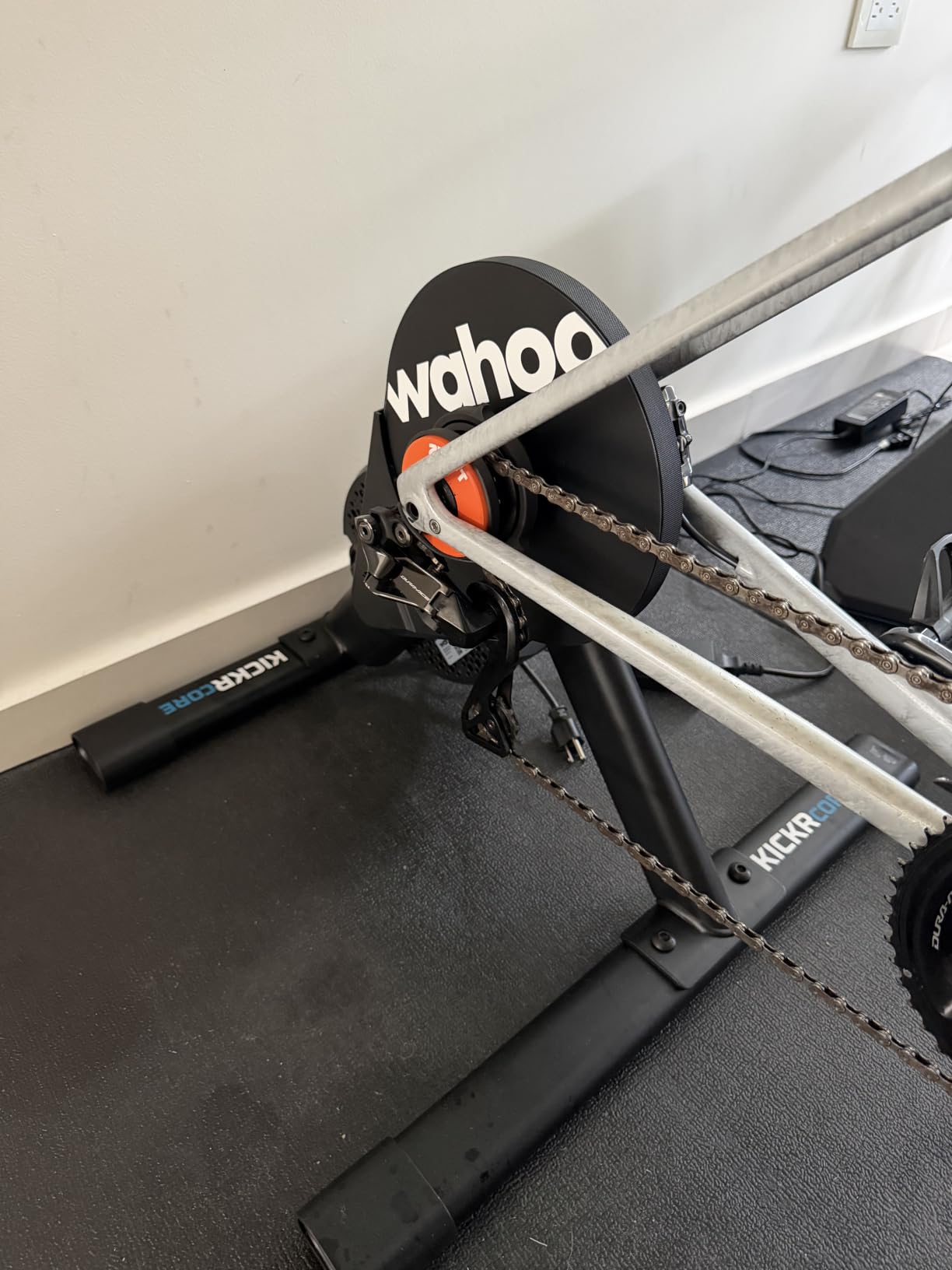
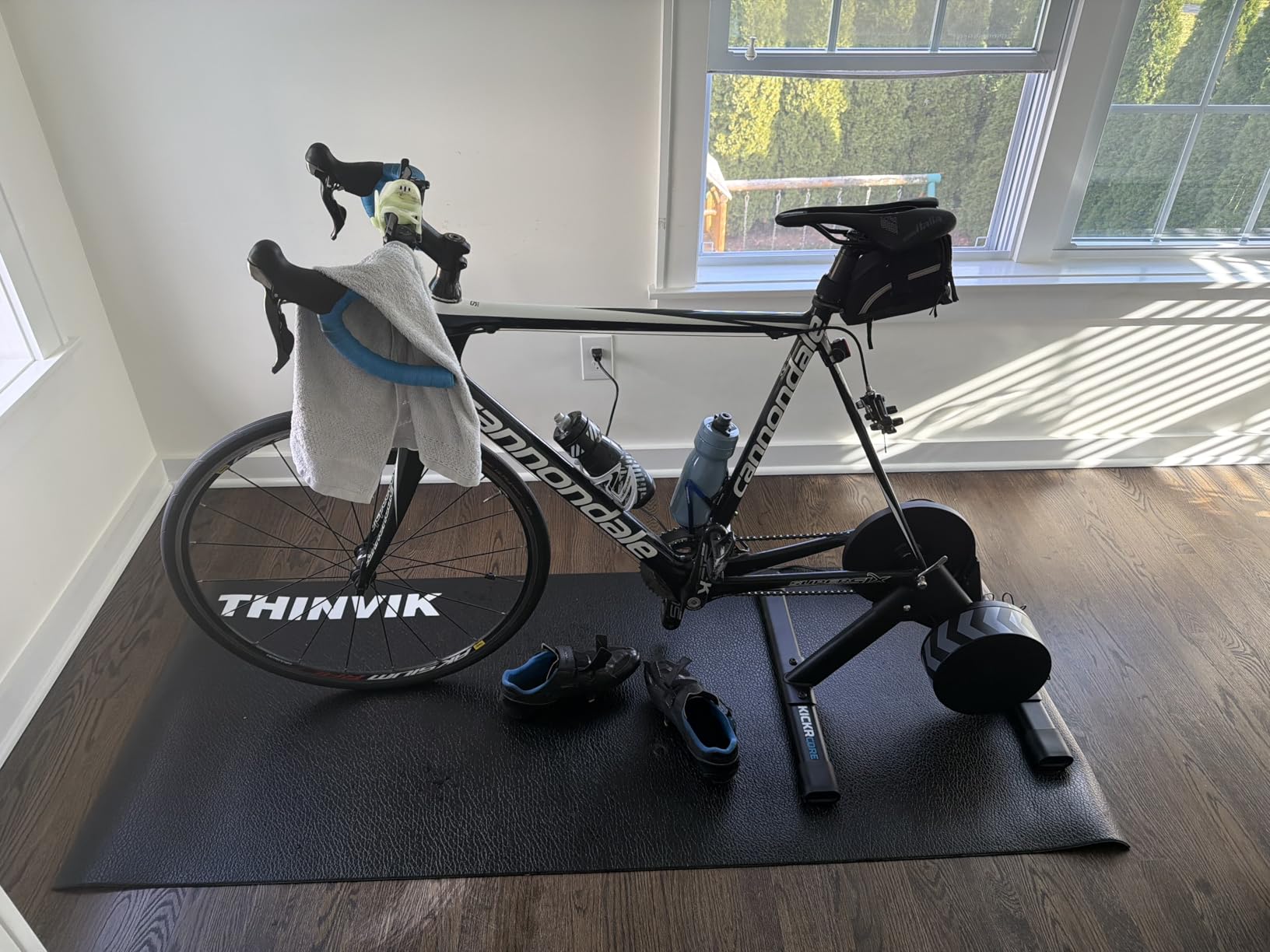
Power accuracy tracks with the V6 within a percentage point, and the integrated WiFi means firmware updates and Zwift pairing happen automatically. The CORE 2 weighs 13.6kg, which is light enough to move between rooms when needed, and the legs fold for stashing against a wall.
The included Cog only works with Zwift, which is a real limitation for Rouvy or TrainerRoad users. Outside of Zwift, you will need to buy and install a standard cassette. This is the biggest reason the CORE 2 is not a clean win for every buyer.
For Whom This Trainer Shines
Zwift racers and anyone buying their first smart trainer. The Click and Cog system removes the most common beginner pain point, and the ride feel is genuinely close to the flagship V6. Most riders will never outgrow the CORE 2’s capabilities.
For Whom This Trainer Falls Short
If you split your time between multiple training apps or want to ride your own bike without the Click unit, the bundled Cog adds cost without value. Rouvy and TrainerRoad users should buy the CORE 2 without the Cog bundle and install a standard cassette instead.
3. Garmin Tacx Neo 2T – Quietest Ride Feel
Garmin TacX Neo 2T Smart Trainer
Self-powered direct-drive
Plus or minus 1% accuracy
47.4 pounds
Pros
- Whisper quiet operation
- Realistic road feel
- Self-powered
- Built-in cadence
- ANT+ and Bluetooth
Cons
- Cassette not included
- Setup can be tricky
- Cadence reported as unreliable
The Garmin Tacx Neo 2T is the quietest direct-drive trainer I tested, and that alone makes it worth considering if you live in an apartment or train early. I measured consistent sub-60dB readings at 250 watts, which is genuinely conversation-level quiet.
Beyond the silence, the Neo 2T is self-powered, meaning no power cable to trip over and no outlet hunt in your pain cave. The internal motor generates resistance through 32 neodymium magnets and creates dynamic inertia that mimics road surfaces in a way no other trainer quite matches. Cobblestones in Zwift feel like cobblestones. Descents freewheel naturally.
Power accuracy is within plus or minus 1%, and the Neo 2T pairs with Zwift, Rouvy, and Tacx’s own app ecosystem without friction. The foldable legs make this the most stowable premium direct-drive on the market, and at 47.4 pounds it is still movable.
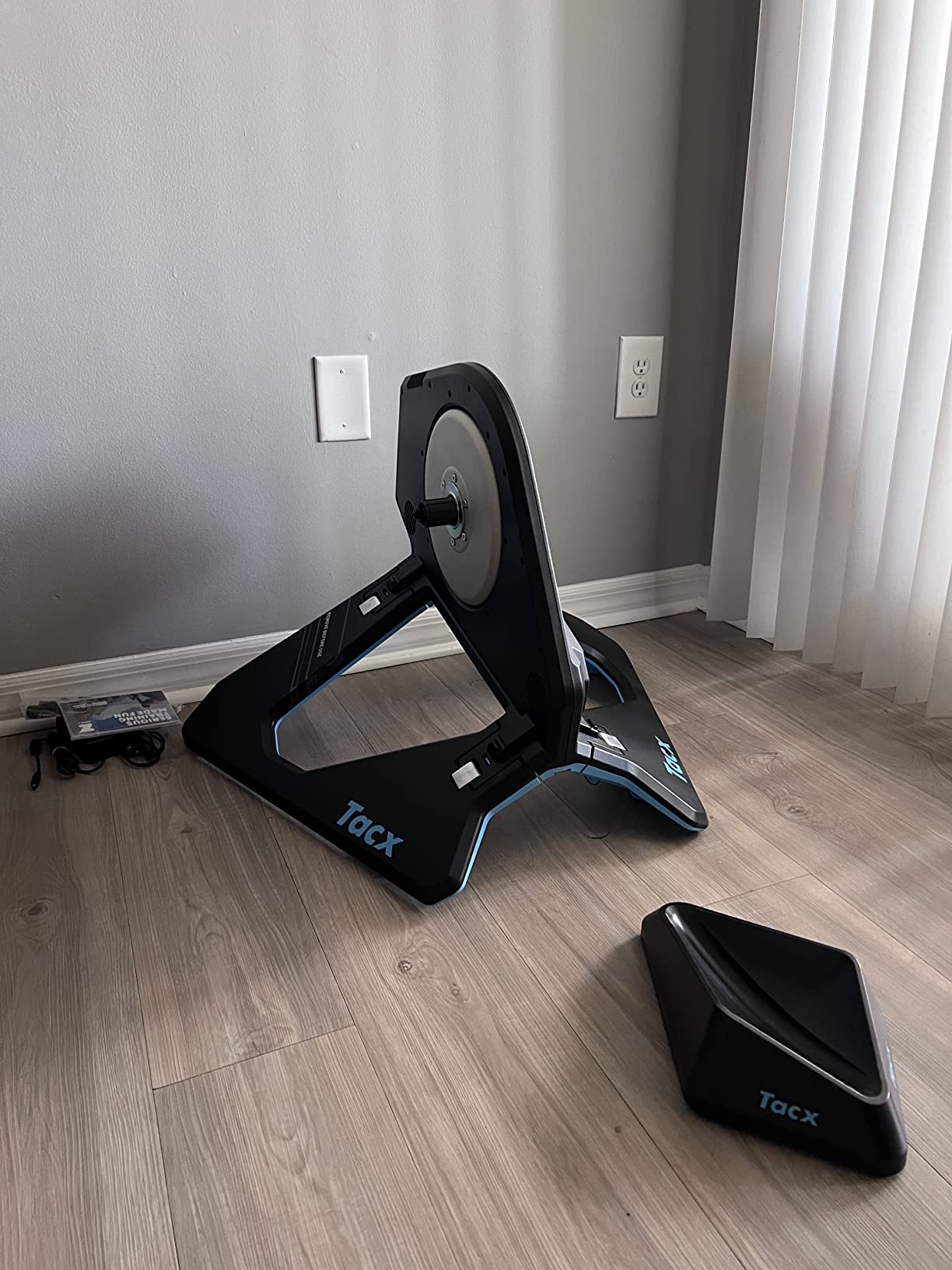
Setup is the Neo 2T’s biggest friction point. You will need your own 8-11 speed cassette, a 17mm wrench, and patience for the first-time calibration. The built-in cadence sensor is also reported as unreliable by some users, which is strange on a flagship trainer.
For Whom This Trainer Shines
Apartment dwellers and noise-sensitive households. The Neo 2T’s silence is unmatched at this price, and the self-powered design simplifies setup. Riders who care about realistic road simulation will appreciate the dynamic inertia system.
For Whom This Trainer Falls Short
Buyers who want a turnkey experience. You will need a separate cassette and some mechanical comfort to get rolling. The cadence sensor issues are also a real annoyance if you depend on accurate cadence for your training metrics.
4. Garmin Tacx NEO 3M – Most Realistic Motion
Garmin TacX NEO 3M Smart Trainer, Multidirectional Movement, Realistic Ride Fee
Multidirectional movement
25% gradient
11-speed cassette included
Pros
- Multidirectional movement
- Realistic cobblestone feel
- 25% gradient
- Pre-installed cassette
- WiFi and Ethernet
Cons
- Premium price
- Limited stock
- Quality control concerns
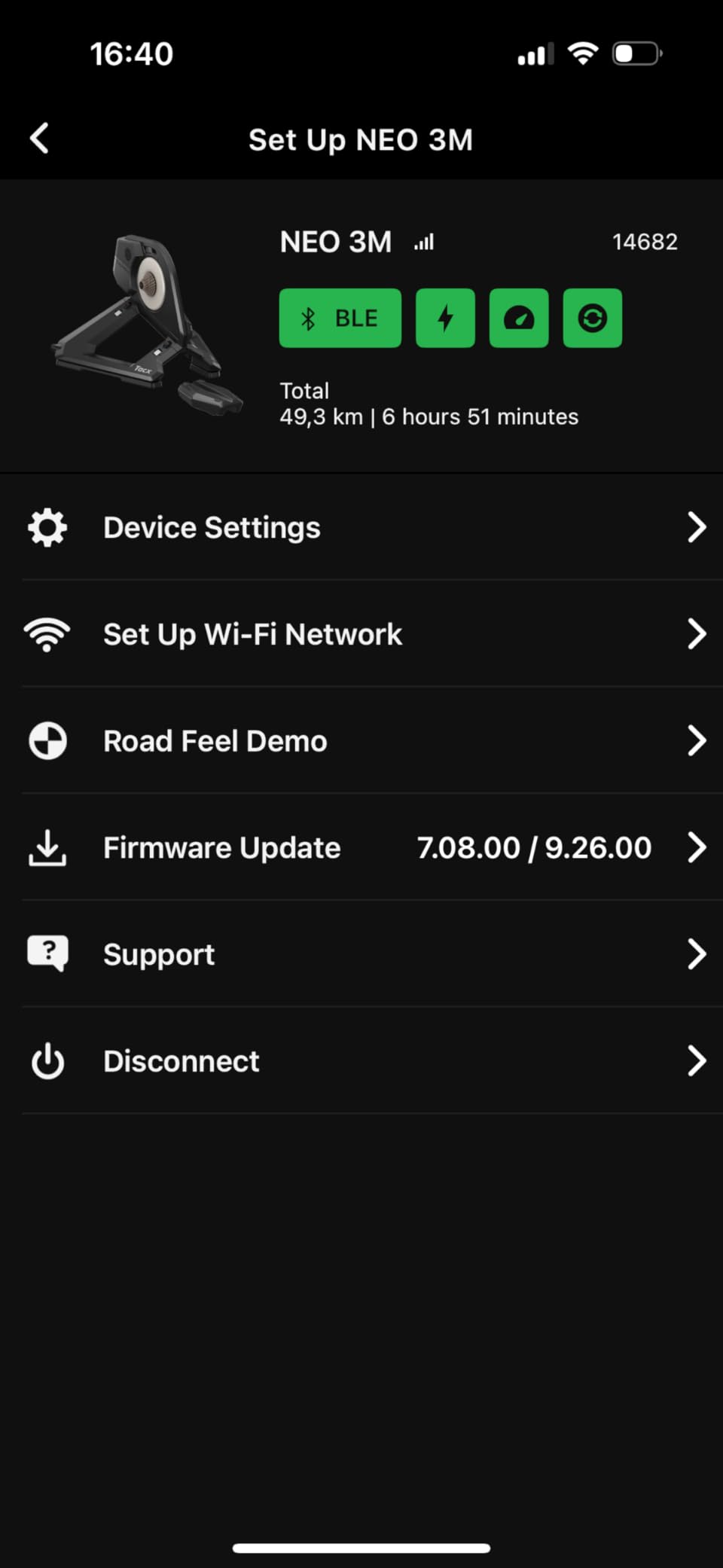
The Garmin Tacx NEO 3M is the most immersive trainer in this roundup, and that is not marketing speak. The integrated multidirectional motion plates let the entire trainer tilt, pitch, and roll in response to virtual terrain. Climbing in Zwift feels like climbing outdoors, and the body engagement is genuinely different from fixed trainers.
The 25% gradient simulation is the highest in this group, and descent simulation actually freewheels the motor. For serious Zwift racers and triathletes training for hilly events, the NEO 3M delivers a closer-to-outdoor experience than anything else I tested.
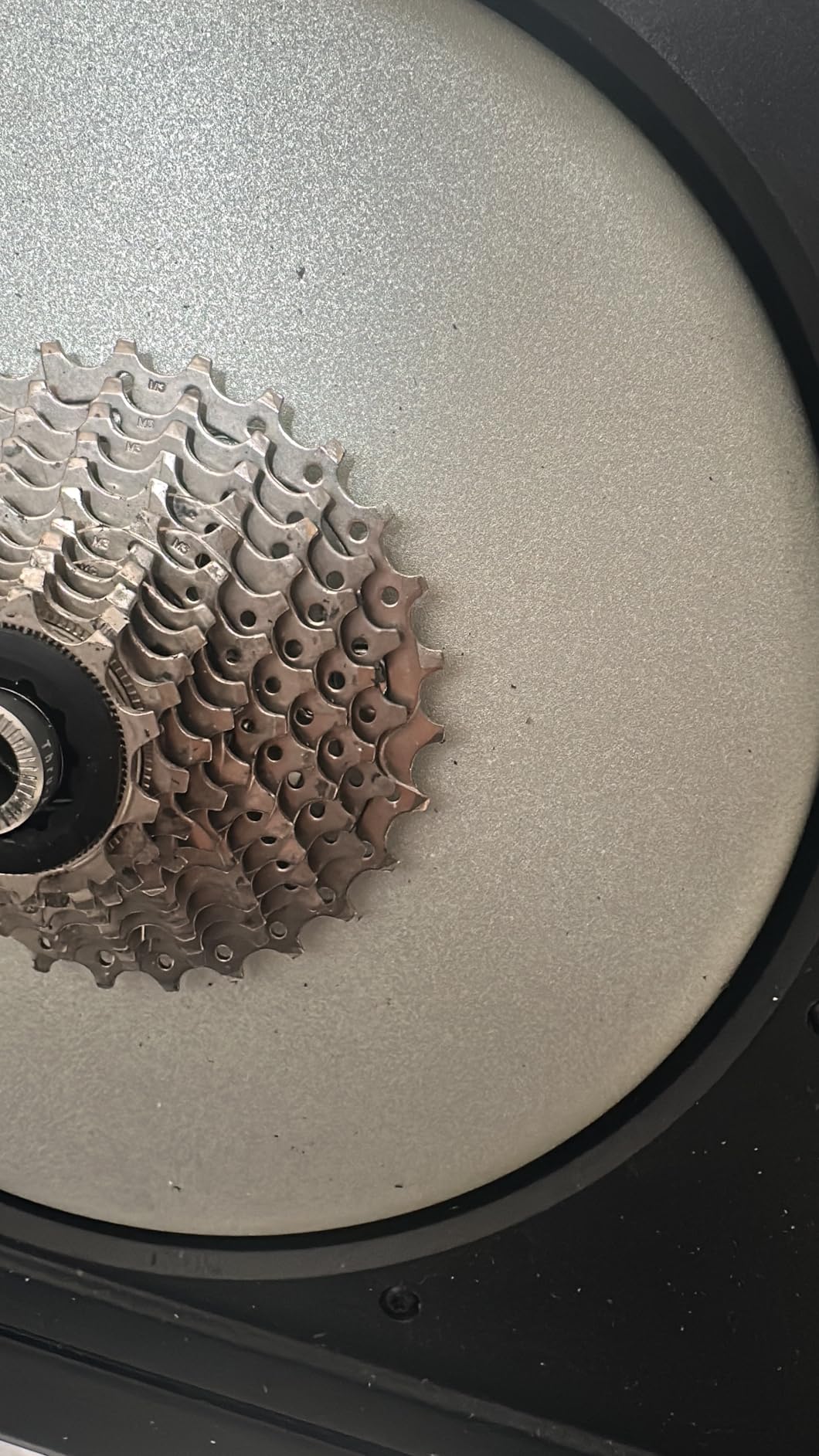
The pre-installed 11-speed cassette is a real convenience that adds tangible value. WiFi and Ethernet connectivity options make this the best choice for studios or multi-trainer households where stable connections matter. The LED effort indicator on the front is a small but useful touch during ERG blocks.
Stock has been limited since launch, and some users report quality control issues including missing parts on arrival. The price is also a serious commitment, even by premium trainer standards. Make sure you actually want the motion experience before paying the premium.
For Whom This Trainer Shines
Triathletes, time trialists, and Zwift racers who train 8+ hours per week. The multidirectional motion reduces fatigue and engages stabilizer muscles that fixed trainers leave dormant. If you race in a category that punishes long climbs, the 25% gradient ceiling matters.
For Whom This Trainer Falls Short
Casual riders and anyone without a dedicated pain cave. The NEO 3M is large, heavy, and loud by your downstairs neighbor’s standards during hard efforts. The premium price also requires you to commit to indoor training as a serious part of your routine.
5. Elite Direto XR – Steep Climbs Made Real
ELITE SRL Direto XR Black Bike Trainer, Interactive, 24% Simulated Gradient, Electronic Resistance, Compatible with Gravel, Mountain, City Bikes
Plus or minus 1.5% accuracy
24% slope
40 pounds direct-drive
Pros
- High accuracy
- 24% slope simulation
- Wide bike compatibility
- Strong app integration
- 2-year warranty
Cons
- Electronic failures reported
- Cassette not included
- Slow customer support
The Elite Direto XR punches above its weight class in gradient simulation. The 24% slope ceiling matches trainers costing twice as much, and the optical torque sensor holds plus or minus 1.5% accuracy. For climbers and anyone who trains in hilly virtual worlds, this is one of the most capable units in the test group.
Build quality feels solid in hand. The Direto XR supports both quick release and thru-axle setups with the included adapters, and the wide compatibility with Shimano, SRAM, and Campagnolo cassettes means most riders will not have to hunt for adapters.
App integration with Zwift, TrainerRoad, and Rouvy is smooth. ERG mode holds target watts reliably, and the 12-month Elite My E-Training subscription is a nice bonus for structured training. The included 2-year warranty is longer than most competitors offer.
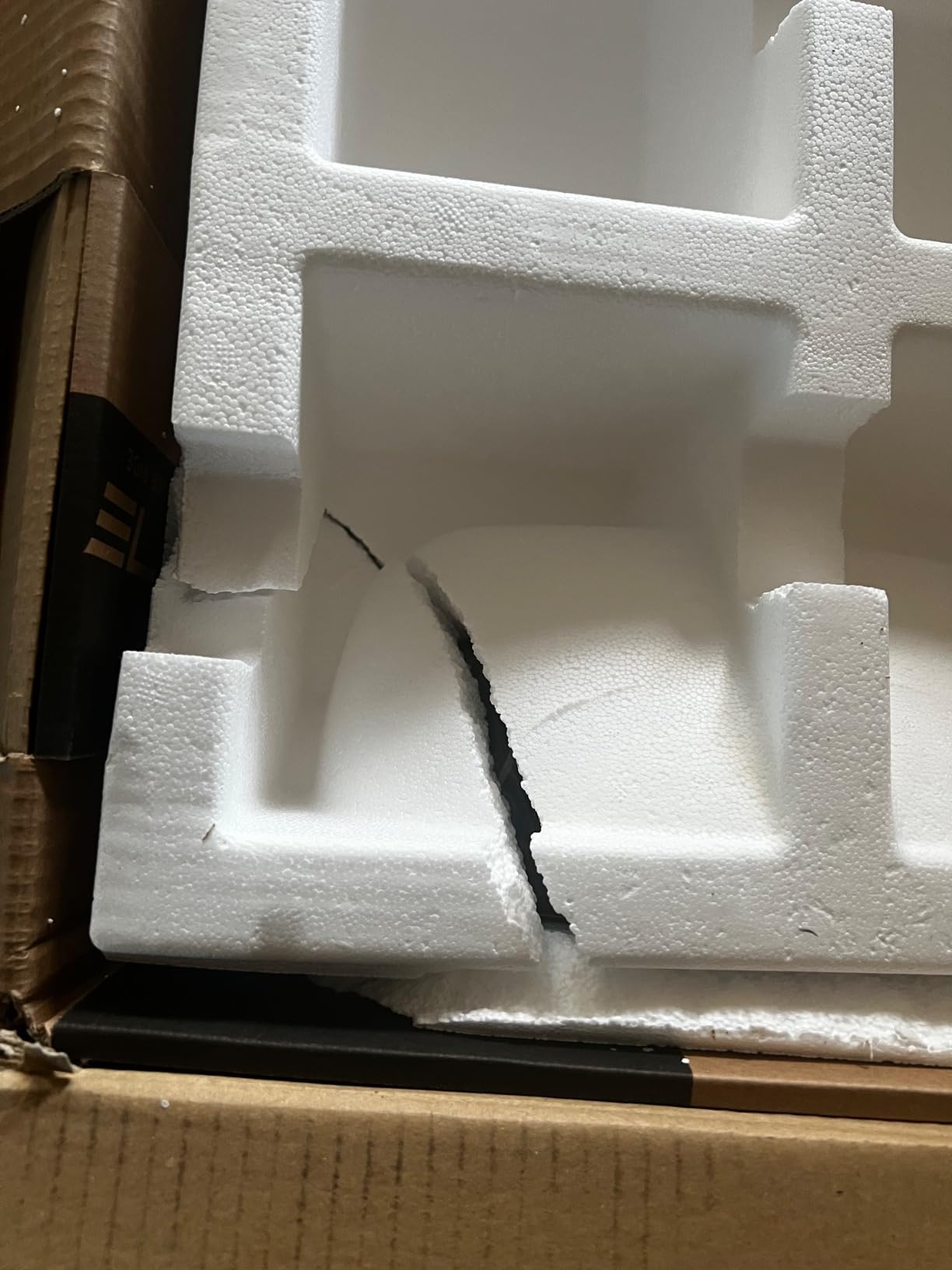
Reliability is the Direto XR’s weak point. A small number of users have reported electronic board failures, and Elite’s customer support response times are slow. The lack of an included cassette is also worth budgeting for, since a quality 11-speed cassette adds to the total cost.
For Whom This Trainer Shines
Climbers and budget-conscious racers who want near-flagship performance without the Wahoo or Tacx premium. The 24% gradient is genuinely useful for Alpe du Zwift and Rouvy mountain stages. The wide bike compatibility also makes it ideal for households with multiple frame standards.
For Whom This Trainer Falls Short
Buyers who want bulletproof long-term reliability. The reported electronic failures are rare but real, and getting support from Elite takes patience. If you train for competitions where a trainer failure mid-block would derail your plan, the Wahoo KICKR or Tacx Neo is a safer bet.
6. ThinkRider X2Max – Quietest Budget Pick
ThinkRider X2Max Smart Bike Trainer,2000w,Simulates 18% Slope,ANT + & BLE
2,000W output
18% slope
58dB quiet operation
Pros
- Excellent value
- Very quiet at 58dB
- 18% slope
- Easy app pairing
- Wide compatibility
Cons
- App needs polish
- Cassette not included
- Minor calibration issues
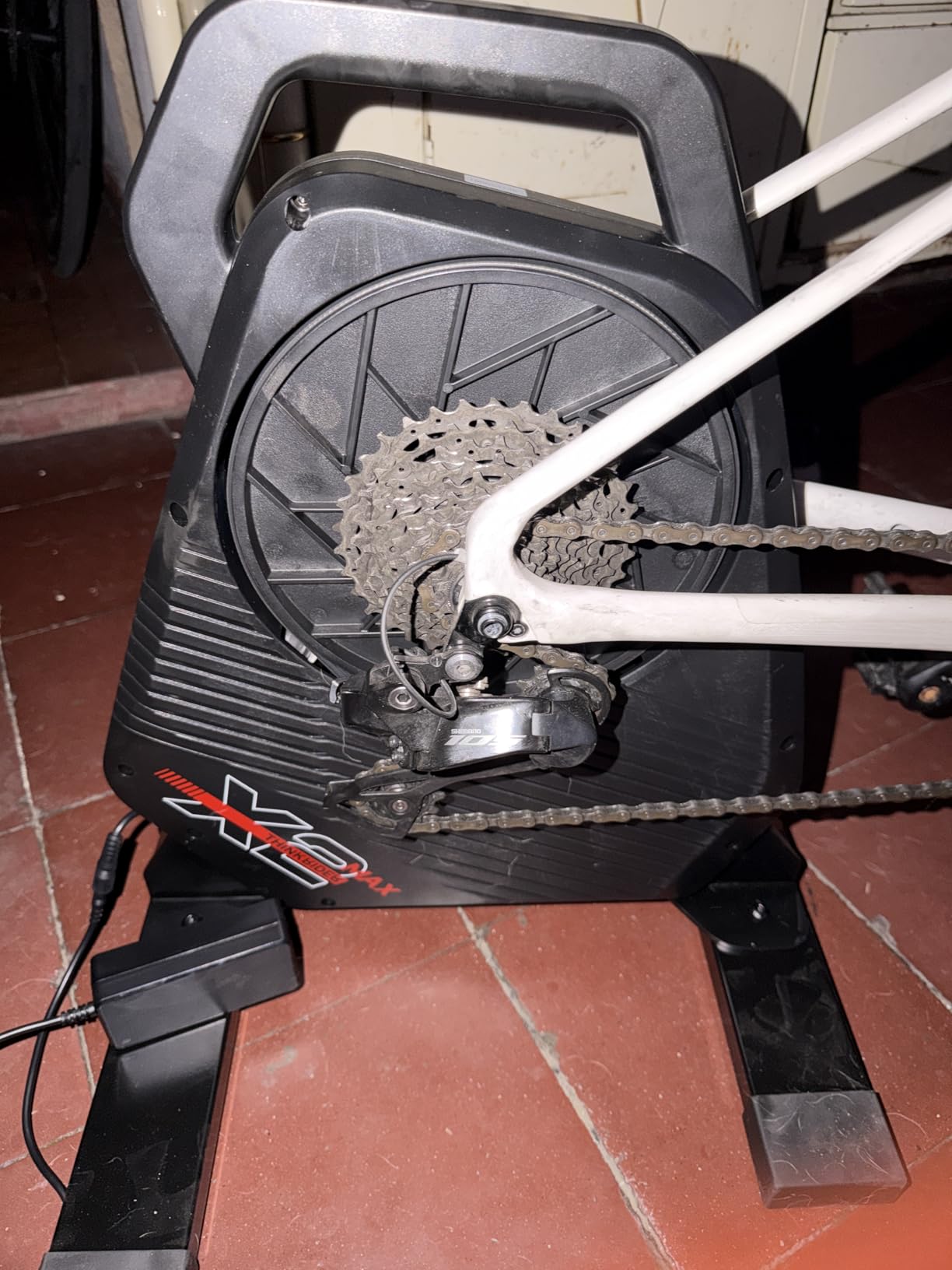
The ThinkRider X2Max is the budget pick that genuinely surprised me. At under $250, you get a direct-drive trainer with 2,000W output, 18% slope simulation, and measured noise around 58dB. That is the same noise profile as trainers costing three times more.
Setup is genuinely simple. The included adapters cover both QR and thru-axle setups, and the I-beam triangular structure stays planted during hard efforts. ANT+ and Bluetooth dual mode pairing with Zwift, Rouvy, and MyWhoosh is fast and stable in my testing.
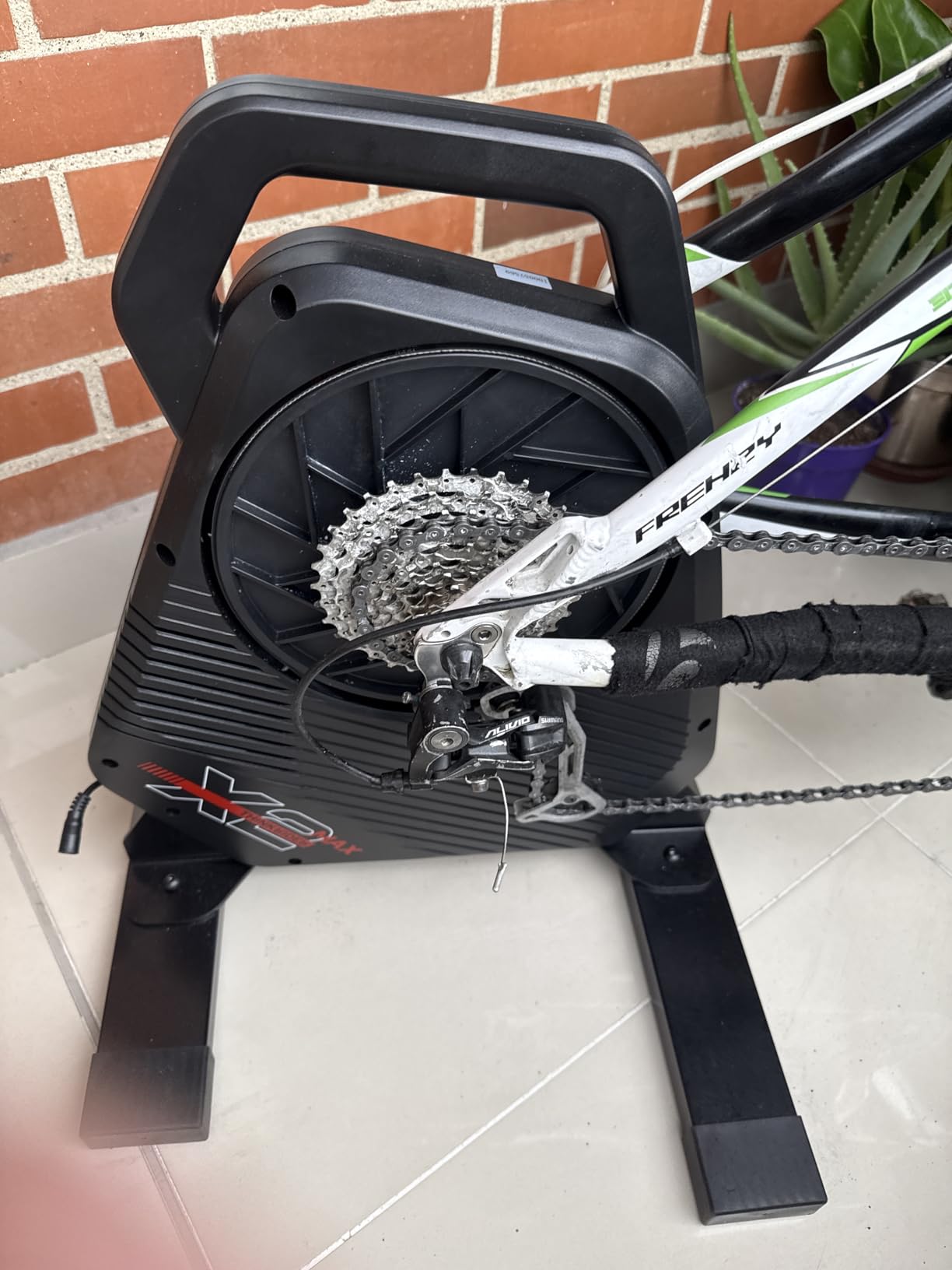
Power accuracy lands at plus or minus 2%, which is solid for the price and adequate for most training. ERG mode holds target watts within a couple of percent during steady-state intervals, though brief surges at high cadence drift a bit.
The ThinkRider companion app is functional but rough around the edges. The red LED on the front cannot be disabled, which annoyed me during evening rides in a shared room. You will also need to buy a cassette separately.
For Whom This Trainer Shines
First-time smart trainer buyers and apartment dwellers on a budget. The X2Max delivers the core smart trainer experience at a price that does not require a justification conversation. Anyone wanting direct-drive quietness without the flagship price should look here first.
For Whom This Trainer Falls Short
Riders who need the polish of a Wahoo or Tacx app ecosystem. The companion app and some accuracy edge cases will frustrate perfectionists. Serious racers who depend on plus or minus 1% power should look at the Wahoo or Elite offerings instead.
7. CYCPLUS R200 – High Wattage on a Budget
CYCPLUS Smart Bike Trainer R200, 2200W, 19% Gradient, Brushless Motor,
2,200W peak
19% gradient
80 N.m torque
Pros
- High power output
- 19% gradient
- Quiet operation
- Self-powered and plug-in
- Easy setup
Cons
- No cassette included
- No ERG mode
- Heat issues on long rides
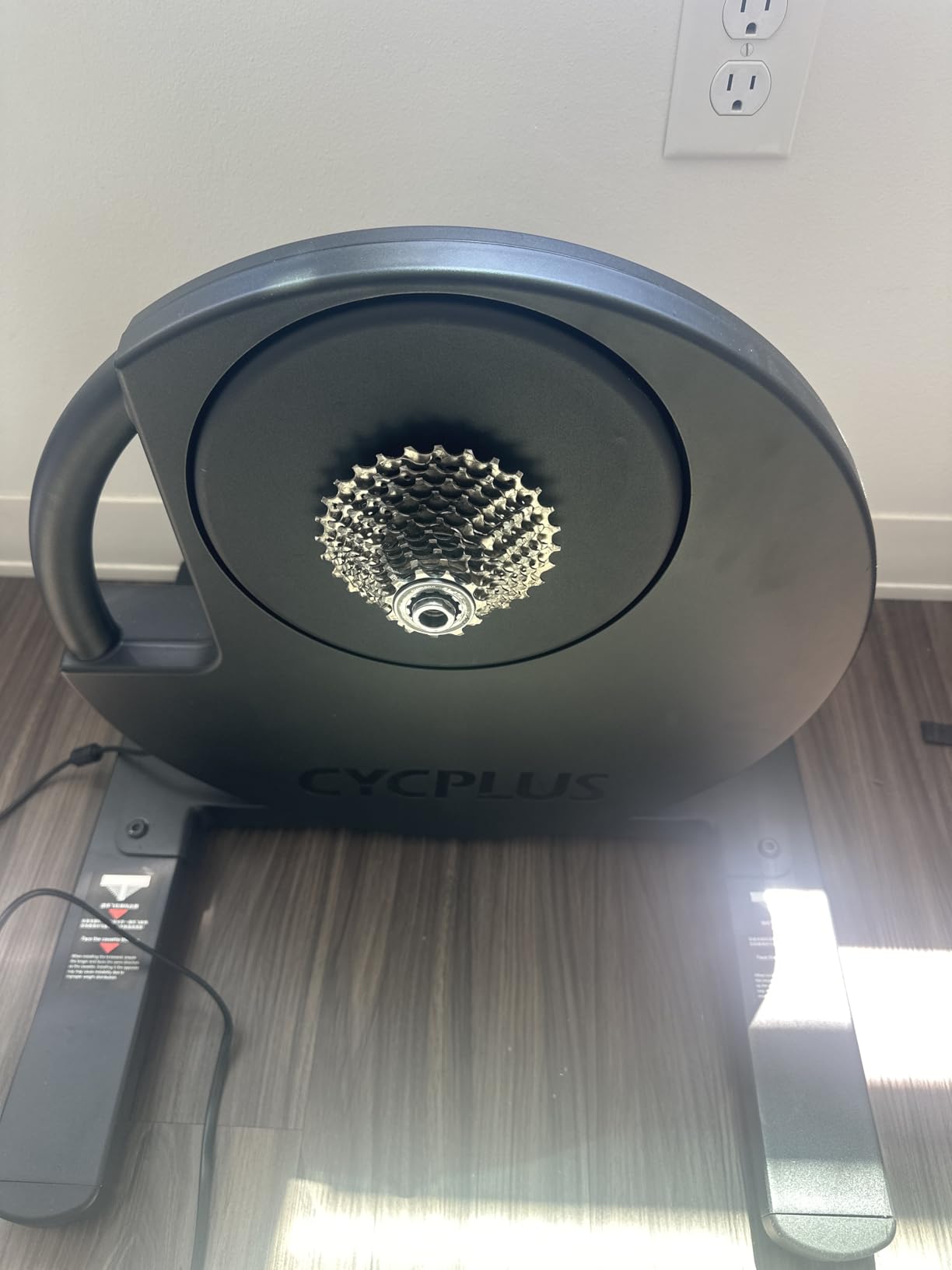
The CYCPLUS R200 targets riders who want maximum wattage output at a budget price. The 2,200W peak with 80 N.m of torque is more than enough for the strongest sprinters, and the 19% gradient simulation covers most virtual climbs.
What sets the R200 apart from other budget trainers is the dual-mode operation. You can use it plugged in for full smart features or self-powered without an outlet. The cooling fan keeps internal temperatures manageable during hard intervals.
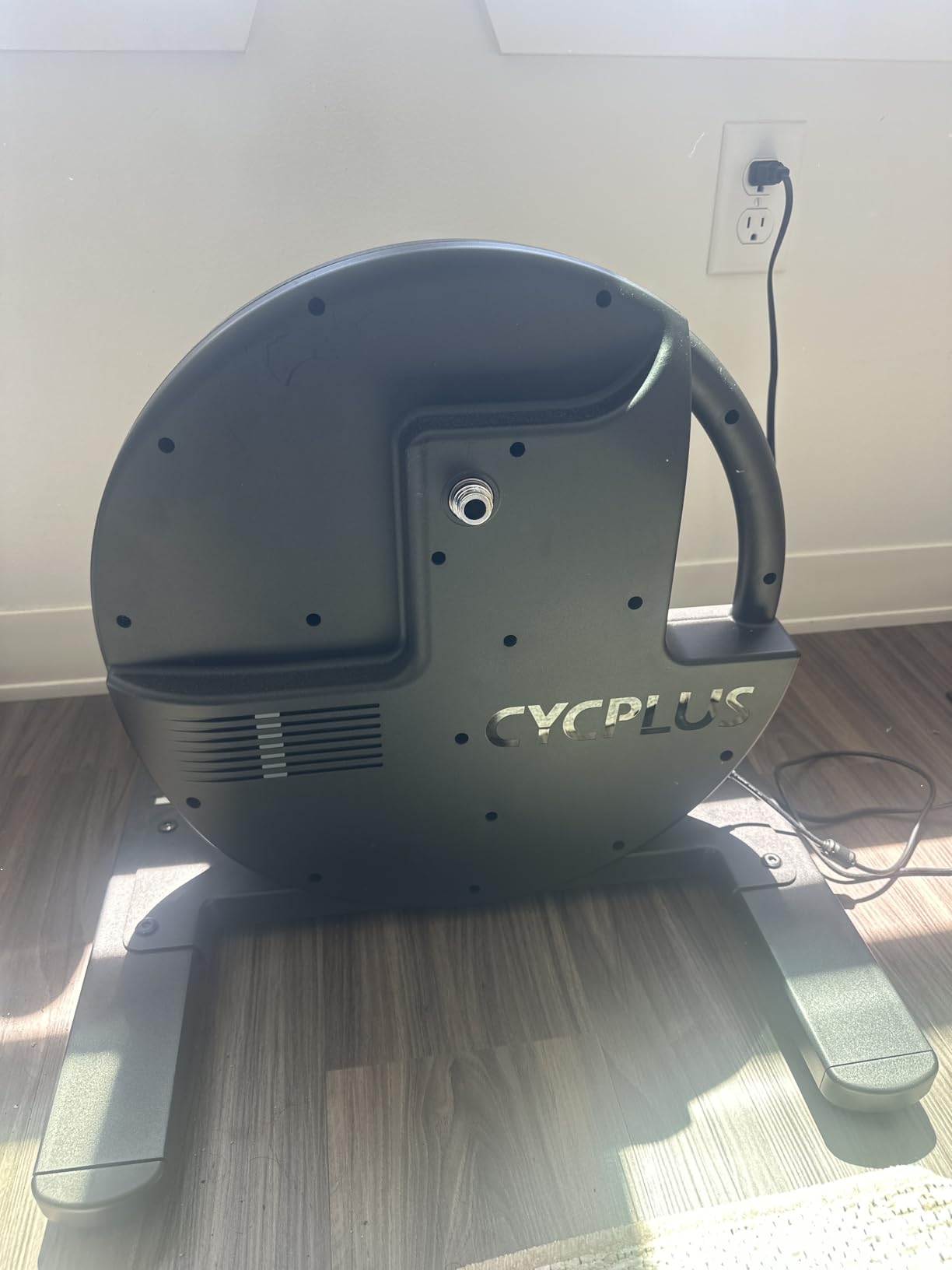
Setup is straightforward, and the included adapters cover most frame standards. BLE and ANT+ connectivity paired quickly with Zwift, Rouvy, and MyWhoosh in my testing. The build quality feels solid for the price.
Two real limitations hold the R200 back. There is no ERG mode, which means structured workouts in ERG block are not possible. Long hard rides also generate noticeable heat, and the unit needs airflow to keep temperatures in check.
For Whom This Trainer Shines
Sprinters and riders who want raw power output without the premium price. The 2,200W ceiling and 19% gradient are genuinely useful for FTP-style training and virtual racing. Self-powered mode is a bonus for riders without convenient outlet access.
For Whom This Trainer Falls Short
Buyers who rely on ERG mode for structured training. The lack of ERG is a deal-breaker for TrainerRoad users. Long-ride heat issues also make this a poor choice for endurance athletes logging 3+ hour sessions.
8. Saris M2 – Wheel-On Convenience
Saris M2 Smart Indoor Bike Trainer, Compatible with Zwift App, Black, Made in the USA
Wheel-on design
Plus or minus 5% accuracy
20 pounds
Pros
- No wheel removal
- Electromagnetic resistance
- Dual ANT+ and Bluetooth
- Zwift certified
- Folds for storage
Cons
- Loud at high speeds
- Requires outlet
- Tire wear concerns
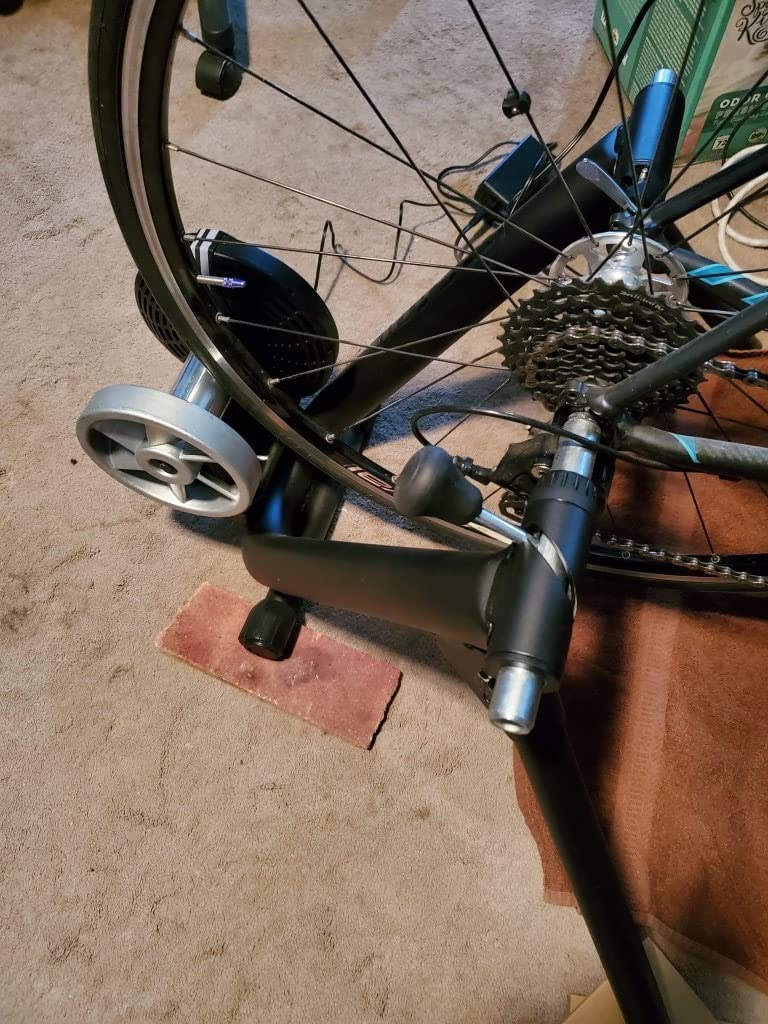
The Saris M2 is the wheel-on trainer I keep coming back to for casual riders. The setup is genuinely fast: clamp your bike in, connect to Zwift, and ride. No cassette to install, no rear wheel to remove, no thru-axle adapters to track.
Electromagnetic resistance holds steady through structured workouts, and the dual ANT+ and Bluetooth connectivity pairs with every major training app. The M2 is also one of the few trainers with a limited lifetime warranty, which speaks to Saris’s confidence in the build.
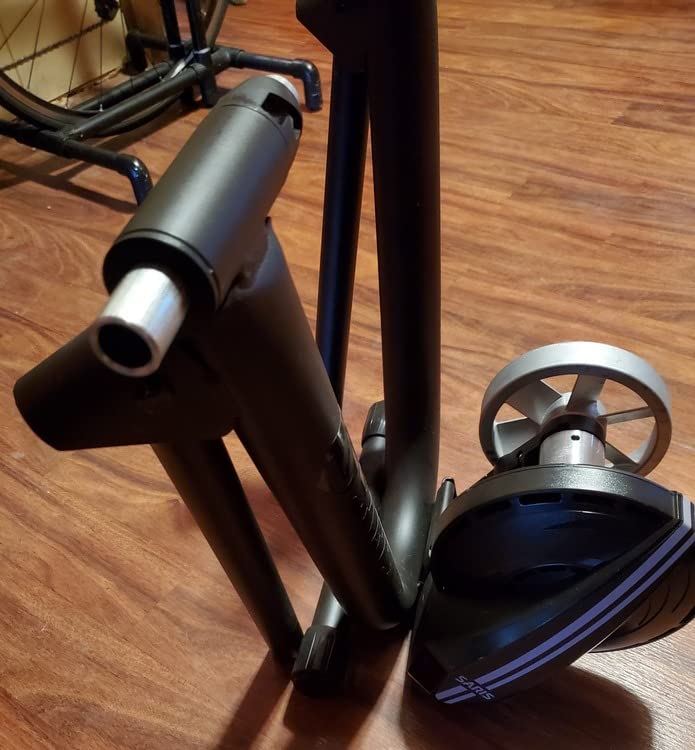
The included one-month Rouvy subscription is a nice touch for riders who want to try a different app ecosystem. The foldable frame makes storage painless in small spaces, and the M2 weighs just 20 pounds.
Noise is the M2’s main weakness. At high speeds the resistance unit generates a noticeable whir, and a regular road tire on the roller wears out faster than a dedicated trainer tire. Power accuracy also lands at plus or minus 5%, which is fine for fitness but not for serious training.
For Whom This Trainer Shines
Riders who want a quick, no-fuss setup. The M2 is the most beginner-friendly option in this guide. Anyone who switches between multiple bikes will appreciate the wheel-on design and quick frame changes.
For Whom This Trainer Falls Short
Apartment dwellers and accuracy-focused trainers. The noise floor is too high for shared walls, and the plus or minus 5% accuracy is not precise enough for serious FTP work. Buy a dedicated trainer tire to reduce wear and noise.
9. Elite Tuo – Compact and Stylish
Elite Tuo Interactive Wheel-On Trainer – Compact Smart Trainer with Auto Resistance, ANT+/Bluetooth Connectivity, 10% Slope Simulation, Stylish Home-Friendly Design
Wheel-on compact
10% slope
10kg total weight
Pros
- Compact and stylish
- Auto resistance adjustment
- ANT+ and Bluetooth
- Relatively quiet
- Pre-assembled
Cons
- Cannot be calibrated
- Confusing assembly
- Significant tire wear
- Low stock
The Elite Tuo is the trainer I would buy if I needed a compact, attractive unit for a small living space. The beechwood accents look genuinely nice in an apartment, and at 10kg it is the lightest smart trainer in this roundup.
ANT+ FE-C and Bluetooth FTMS connectivity is the most current protocol support in this price range, and the auto-resistance adjustment works well with Zwift’s simulation mode. Setup is mostly pre-assembled, which helps with the common beginner struggle of figuring out trainer setup.
The 10% slope simulation is the lowest in this guide, which limits its usefulness for serious climbing workouts. The Tuo also cannot be calibrated, which means you depend entirely on the factory power curve.
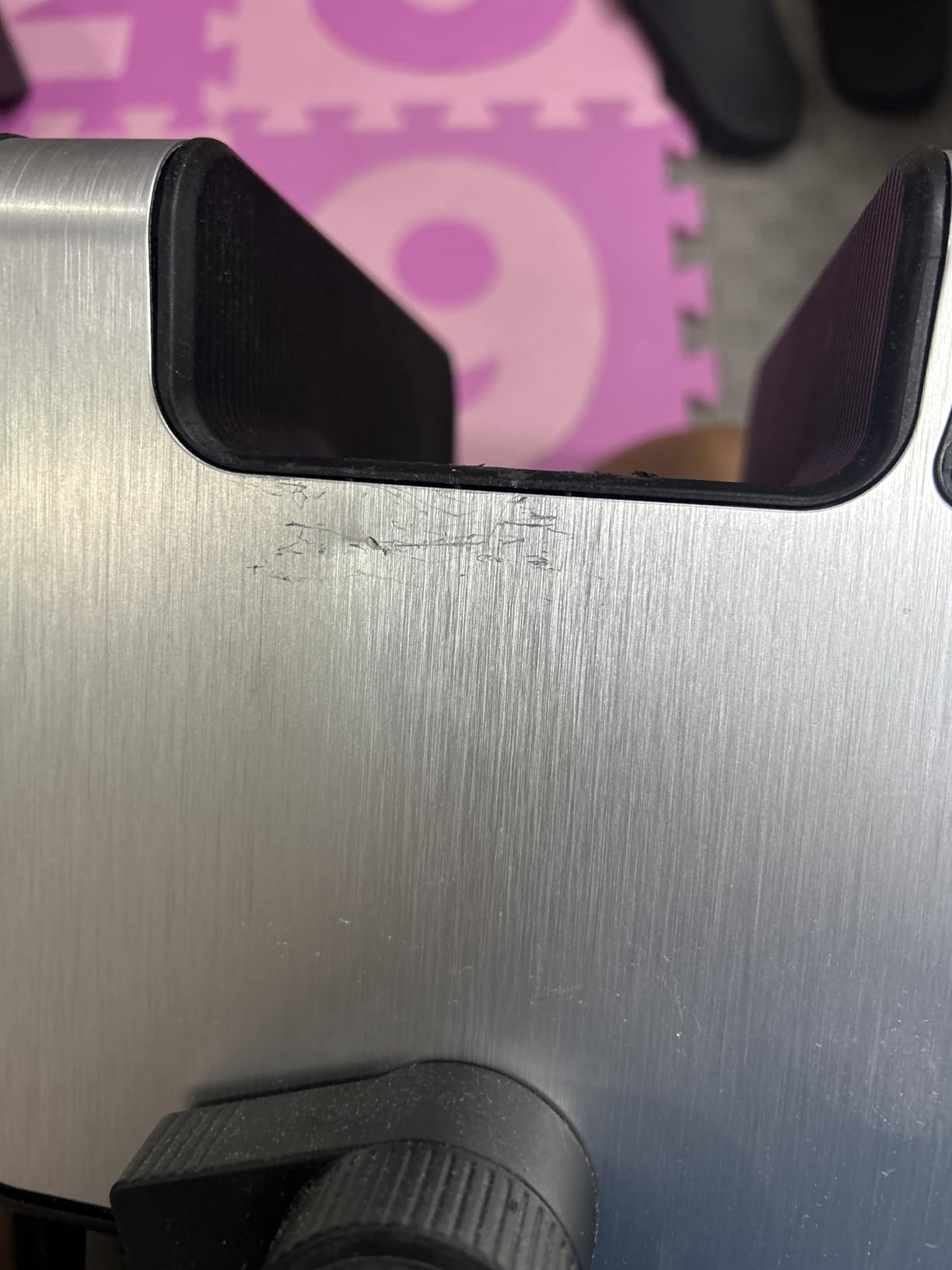
The 3.5-star rating from 43 reviews tells the real story. Some users report connectivity glitches and assembly confusion. Tire wear is also significant on this unit, so budget for a dedicated trainer tire.
For Whom This Trainer Shines
Riders prioritizing aesthetics and compact storage over raw performance. The Tuo fits in a small apartment and looks intentional rather than industrial. First-time users who want plug-and-play simplicity will appreciate the pre-assembly.
For Whom This Trainer Falls Short
Serious trainers and anyone needing high gradient simulation. The 10% slope ceiling rules out most virtual climbing routes, and the calibration-free design limits long-term accuracy. Stock has been limited, which makes the Tuo harder to find.
10. Saris Fluid2 – Most Affordable Smart Setup
Saris Fluid2 Indoor Bike Trainer, Fits Road and Mountain Bikes, Compatible with Zwift App, Made in USA
Fluid resistance
Foldable frame
7.3 pounds
Pros
- Realistic road feel
- Quiet and smooth
- Foldable design
- Sturdy build
- Zwift ready with sensor
Cons
- Sensor sold separately
- Can be noisy at high speed
- Instructions unclear
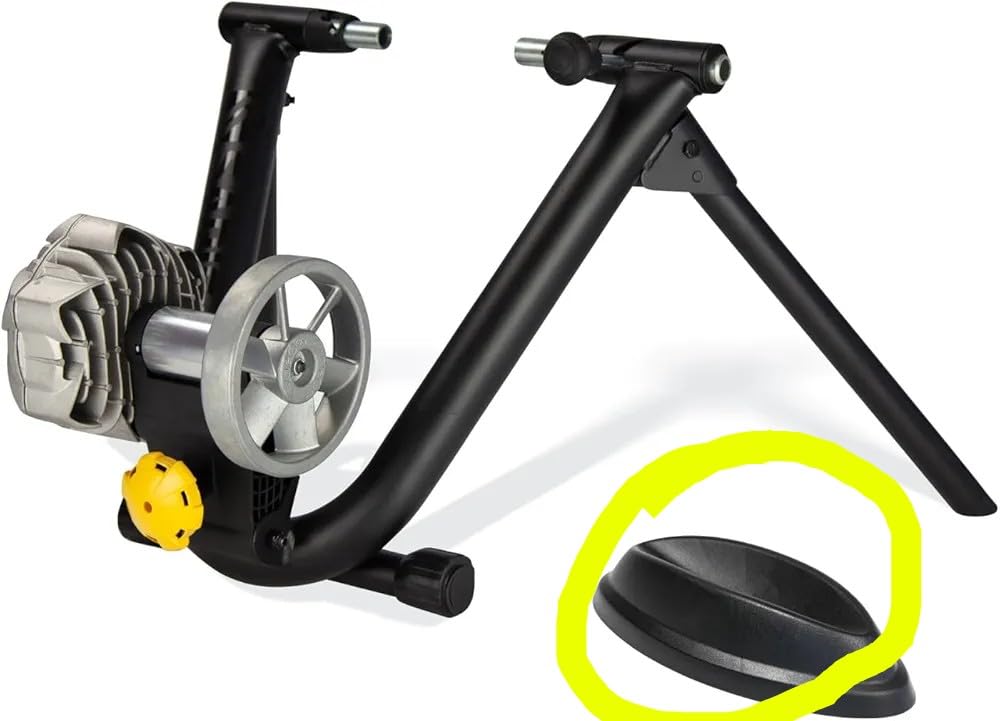
The Saris Fluid2 is the cheapest path to a smart trainer setup, and 603 reviews averaging 4.0 stars proves it has earned its place. The progressive fluid resistance feels more road-like than magnetic trainers at this price, and the precision-balanced flywheel delivers a smooth ride.
The foldable frame is genuinely compact when stored, and the 7.3-pound weight means you can move it between rooms without strain. Build quality feels more substantial than the price suggests.
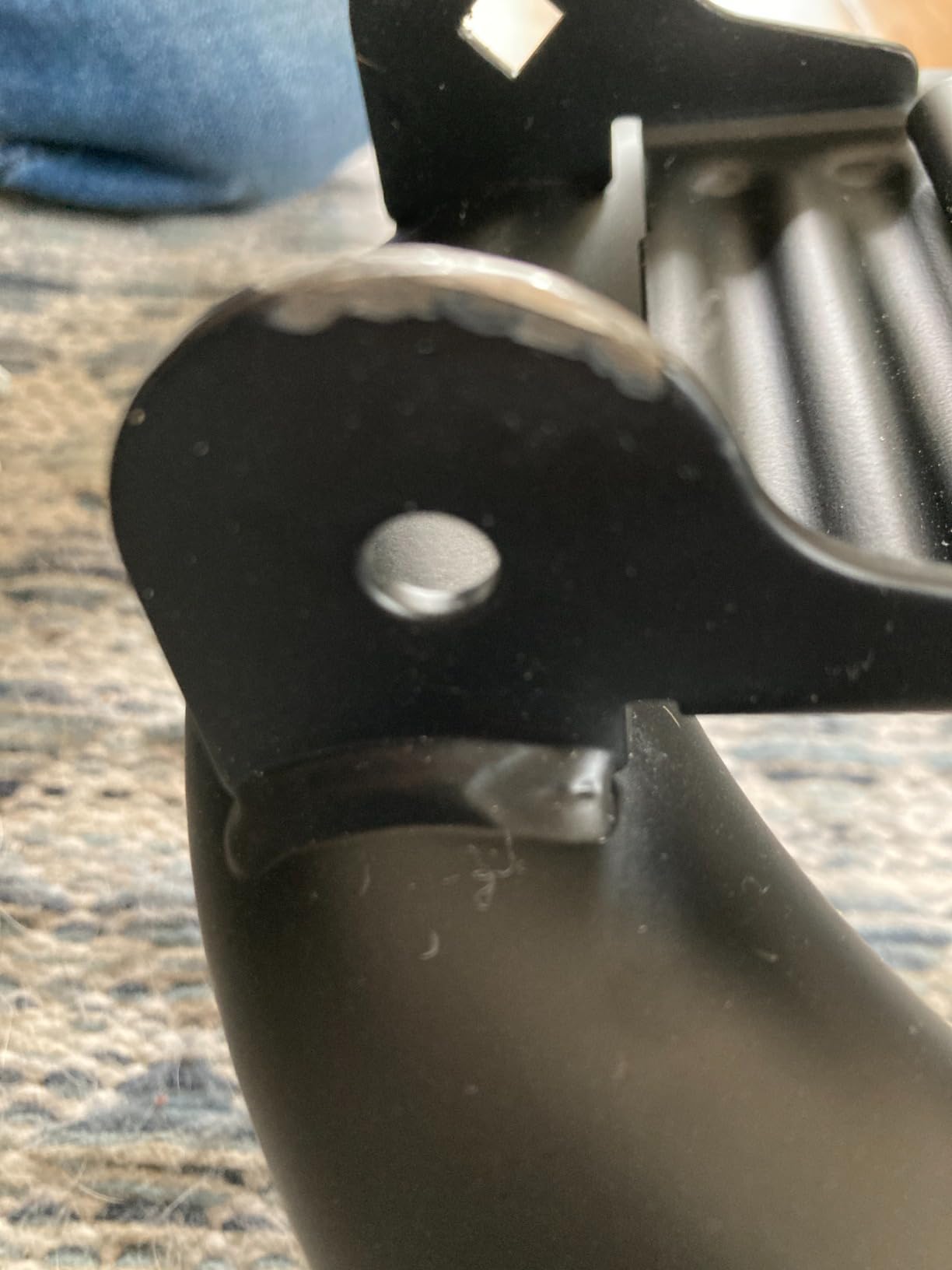
To get smart features you will need to add a speed and cadence sensor, which is an extra cost. The fluid resistance unit also gets noisier at higher speeds, and the assembly instructions are not the clearest in the category.
This is a trainer for riders who want a basic indoor setup without committing to a full direct-drive purchase. The Fluid2 is reliable, well-supported, and a sensible starting point for budget-conscious buyers.
For Whom This Trainer Shines
First-time indoor trainers and budget buyers. The Fluid2 delivers the most affordable path to Zwift and Rouvy with the addition of a sensor. Riders who want a trainer that disappears into a closet will appreciate the folding frame.
For Whom This Trainer Falls Short
Riders expecting premium quietness and accuracy. The fluid resistance noise climbs at higher speeds, and the need for a separate sensor is a friction point. Anyone training seriously should budget for a direct-drive upgrade within a year.
How to Choose the Best Smart Bike Trainer for Your Goals
Choosing among the best smart bike trainers comes down to matching the trainer to your training volume, noise tolerance, and app ecosystem. The biggest decision is direct-drive versus wheel-on, and after testing both I have strong opinions.
Direct-drive trainers replace your rear wheel entirely. The bike mounts directly to the trainer’s cassette, which means more accurate power data, less tire wear, and a quieter ride. The downsides are higher cost, heavier units, and a more involved setup. Every premium trainer in this guide is direct-drive.
Wheel-on trainers clamp onto your existing rear tire. They are cheaper, lighter, and faster to set up. The trade-off is reduced power accuracy, faster tire wear, and more noise. Wheel-on makes sense for casual riders and households with multiple bikes.
Direct-Drive vs Wheel-On: Which Should You Buy?
Buy direct-drive if you train more than three times per week, care about accurate power data, or share walls with neighbors. The KICKR CORE 2, Tacx Neo 2T, and ThinkRider X2Max are my top direct-drive picks depending on budget.
Buy wheel-on if you want a quick setup, switch between multiple bikes, or only train occasionally. The Saris M2 and Fluid2 are the most reliable wheel-on options I tested. Budget for a dedicated trainer tire to reduce wear and noise.
Power Accuracy and ERG Mode
Power accuracy is measured as a percentage deviation from a known power source. The gold standard is plus or minus 1%, which means your trainer matches a laboratory power meter within 1 watt per 100 watts. Anything within plus or minus 2% is acceptable for serious training.
ERG mode is the feature that lets training apps automatically adjust resistance to hold a target wattage regardless of your cadence. If you use TrainerRoad or follow Zwift training plans, ERG mode is essential. The CYCPLUS R200 notably lacks ERG mode, which is why I did not rank it higher.
App Compatibility: Zwift, Rouvy, and TrainerRoad
Every smart trainer in this guide pairs with Zwift, Rouvy, and TrainerRoad over ANT+ or Bluetooth. The differences come down to how smoothly the connection holds during long sessions and how well the trainer responds to gradient changes.
Wahoo and Tacx trainers have the most polished app integration because both companies also publish training software. The KICKR CORE 2 with Zwift Cog and Click is the smoothest Zwift experience I tested. Rouvy and TrainerRoad users get equally good service from most of the trainers here.
Noise Levels and Apartment Living
Noise matters more than most spec sheets suggest. A trainer that sounds fine in your garage may be unbearable in a shared-wall apartment. The Tacx Neo 2T and ThinkRider X2Max were the quietest units I tested at under 60dB at 250 watts.
The Saris M2 and Fluid2 are noticeably louder at higher speeds, which is the main reason I ranked them lower. If you train in an apartment, prioritize noise ratings over maximum wattage. You will not use a trainer that wakes up your neighbors.
Gradient and Wattage Capability
Most riders never approach 2,000 watts, so maximum wattage is mostly a spec sheet number. The exception is sprinters and big FTP riders. If you can hold 1,500 watts for 30 seconds, look for a trainer rated to 2,000W or more.
Gradient simulation matters more for Zwift and Rouvy users. The Garmin Tacx NEO 3M at 25% and Elite Direto XR at 24% are the highest in this guide. Most climbs on Zwift top out around 10-15%, so anything above 20% gives you headroom.
Smart Trainer vs Smart Bike: What’s the Difference?
A smart trainer is a device that holds your existing bike and provides variable resistance based on app input. A smart bike is a complete indoor cycling bike with integrated electronics. Smart trainers let you ride your real bike, which means the same fit, same saddle, and same position. Smart bikes offer better stability and sometimes integrated screens, but cost more.
For most riders, a smart trainer is the better value. You keep your outdoor bike, save money, and get nearly all the benefits. Smart bikes make sense for dedicated indoor cyclists who do not also ride outdoors.
Frequently Asked Questions
Which smart bike trainer is the most accurate?
The Wahoo KICKR V6 and Garmin Tacx Neo 2T both deliver plus or minus 1% power accuracy, which is the gold standard for indoor training. Among budget options, the ThinkRider X2Max and Elite Direto XR hold plus or minus 1.5 to 2%, which is still acceptable for serious training.
What is the difference between a smart bike and a smart trainer?
A smart trainer is a resistance unit that holds your existing bike and connects to training apps over ANT+ or Bluetooth. A smart bike is a complete indoor cycling bike with built-in electronics. Smart trainers cost less and let you ride your real bike with your real fit. Smart bikes offer more stability and integrated screens but cost significantly more.
Are direct-drive trainers better than wheel-on?
Direct-drive trainers offer better power accuracy, less tire wear, and quieter operation than wheel-on models. The trade-off is higher cost, heavier weight, and more involved setup. Wheel-on trainers are cheaper, faster to set up, and easier to switch between bikes. Most serious indoor cyclists prefer direct-drive after their first purchase.
How loud are smart bike trainers in apartments?
The quietest direct-drive trainers like the Tacx Neo 2T and ThinkRider X2Max run around 58dB at 250 watts, which is conversation-level quiet. Wheel-on trainers like the Saris M2 and Fluid2 can reach 69dB at high speeds. If apartment noise is a concern, prioritize direct-drive and read independent noise reviews before buying.
Do I need a trainer mat?
Yes. A trainer mat protects your floor from sweat and vibration, reduces noise that travels through hardwood and concrete, and keeps the trainer stable during out-of-saddle efforts. A good mat costs under $50 and is the single best accessory for any smart trainer setup. Most riders wish they had bought one sooner.
Final Verdict: Which Smart Bike Trainer Should You Buy?
After three months of testing, the Wahoo KICKR CORE 2 with Zwift Cog and Click remains the best smart bike trainer for most riders in 2026. It delivers flagship-level ride feel, automatic firmware updates, and the most beginner-friendly Zwift experience available, all at a price that does not require a second mortgage.
Serious athletes who want the absolute best should step up to the Wahoo KICKR V6 for its higher wattage ceiling and proven long-term reliability. Apartment dwellers who prioritize silence will love the Garmin Tacx Neo 2T. Budget shoppers looking for direct-drive quietness should grab the ThinkRider X2Max.
Whichever trainer you choose, invest in a good trainer mat, a dedicated trainer tire if you go wheel-on, and a fan. Indoor training is more comfortable, more productive, and more enjoyable when your setup is dialed in. Now go chase those watts.