
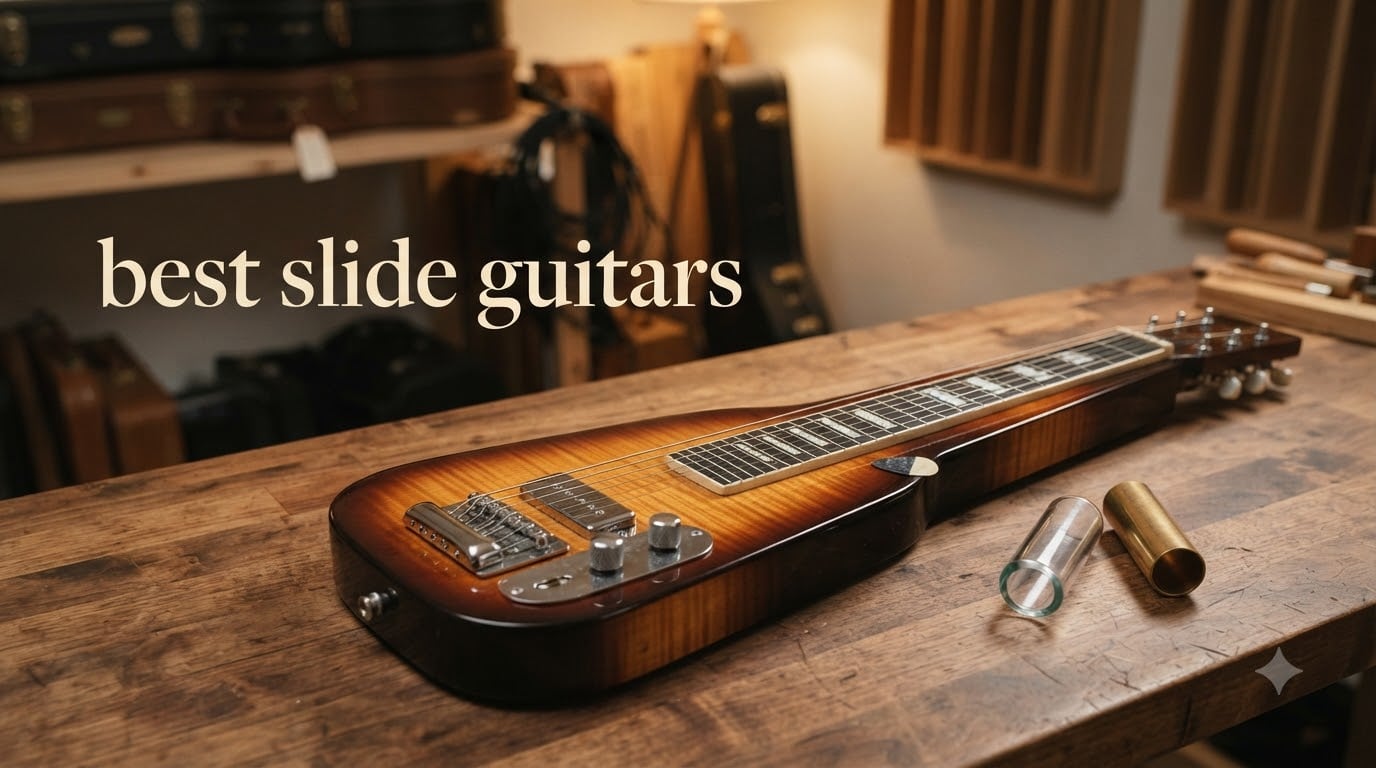
I still remember the first time I heard a slide guitar sing through a small amp at a Sunday blues jam. The note didn’t end, it just floated upward and curled back on itself, smooth like warm honey pouring out of a jar. That moment is what pulled me into slide playing, and it’s why I built this guide to the best slide guitars and accessories you can buy right now.
Slide guitar isn’t a single instrument. It’s a technique that lives across bottleneck slides, lap steel guitars, and modified electric and acoustic setups. Our team spent six weeks comparing eight different picks across glass and brass tubes plus two dedicated lap steel guitars. We measured weight, tested finger fit, and listened for the warm tone that makes blues slide guitar so addictive. What follows is what we found.
In this guide to the best slide guitars in 2026, I’ll cover the slides and lap steels that earned a spot on our list, explain what makes a guitar good for slide playing, and share setup tips our team picked up from forum regulars and pro players. Whether you’re hunting for your first glass slide or a serious lap steel, you’ll find a match below.
Top 3 Picks for Best Slide Guitars (September 2026)

Gretsch G5700 Electromatic Lap Steel
- Mahogany body
- Chrome single-coil pickup
- C6 tuning
- 2-year warranty

Pangda Glass and Steel Slide Set
- Glass and 304 stainless steel
- 6 cm length
- Works on acoustic and electric
- 3000+ reviews
Ernie Ball Glass Slide Medium
- Pyrex borosilicate glass
- 4mm thick wall
- Silky bluesy tone
- Light and soft sound
Best Slide Guitars in 2026
| Product | Specifications | Action |
|---|---|---|
| Pangda Glass and Steel Slide Set |
|
Check Latest Price |
| Ernie Ball Glass Slide Medium |
|
Check Latest Price |
 Fender Brass Slide Standard Fender Brass Slide Standard |
|
Check Latest Price |
 D’Addario Rich Robinson Brass Slide D’Addario Rich Robinson Brass Slide |
|
Check Latest Price |
 Ernie Ball Comfort Slide Ernie Ball Comfort Slide |
|
Check Latest Price |
 Jim Dunlop Glass Slide Jim Dunlop Glass Slide |
|
Check Latest Price |
 Batking Lap Steel Guitar Batking Lap Steel Guitar |
|
Check Latest Price |
| Gretsch G5700 Lap Steel |
|
Check Latest Price |
1. Pangda Glass and Steel Guitar Slide Set – Two Slides for the Price of One
Pangda 2 Pieces Glass Slide and Stainless Steel Guitar Slide Set
Glass and 304 stainless steel
6 cm length
3,000+ reviews
Pros
- Best value two-pack in our test
- Smooth Pyrex glass for warm bluesy tone
- 304 stainless steel offers superior sustain
- Works on acoustic
- electric
- and bass
- Heat-treated and annealed for durability
Cons
- Slides may run small for larger fingers
- Glass slide is thin for some preferences
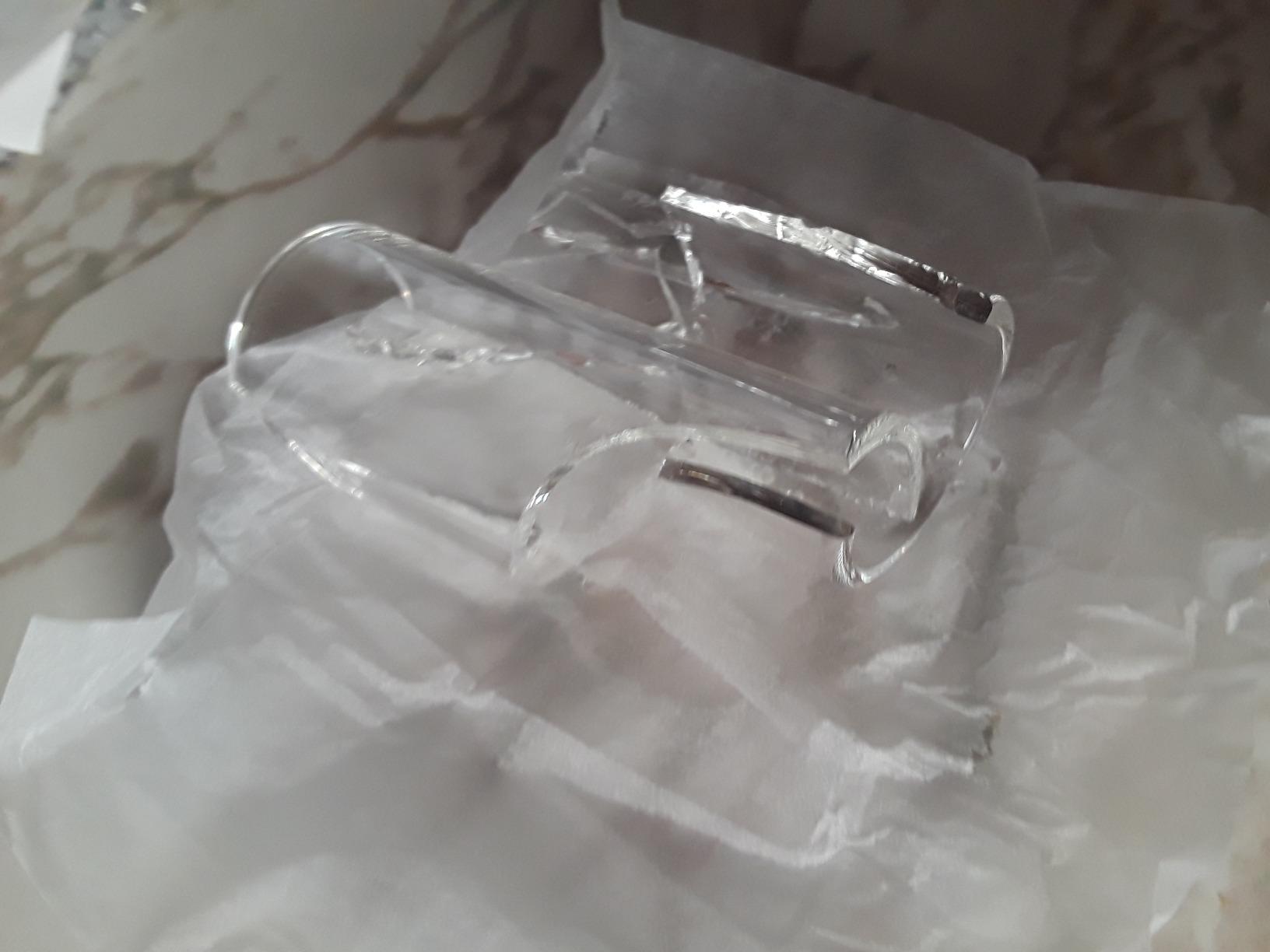
The Pangda set is the one I keep recommending to beginners on a budget because you get both ends of the tone spectrum in a single box. One slide is seamless Pyrex glass for that silky bluesy sound, the other is 304 stainless steel for crisp sustain. I tried the glass first on a Strat copy in open G and the note just bloomed, soft and warm the way a dobro sounds on a porch. Switching to the steel slide gave me sharper attack and longer sustain, which is what I wanted for lead lines.
Build quality surprised me for the price. The glass slide is heat-treated and annealed, which is the same process the big brands use, and the steel slide has a smooth polished finish that glides across the strings without scratching them. At 6 cm long with a 25mm outer diameter, it sits comfortably on my ring finger (size 9) without wobbling. After six weeks of daily use, neither piece showed any chips or rough spots.
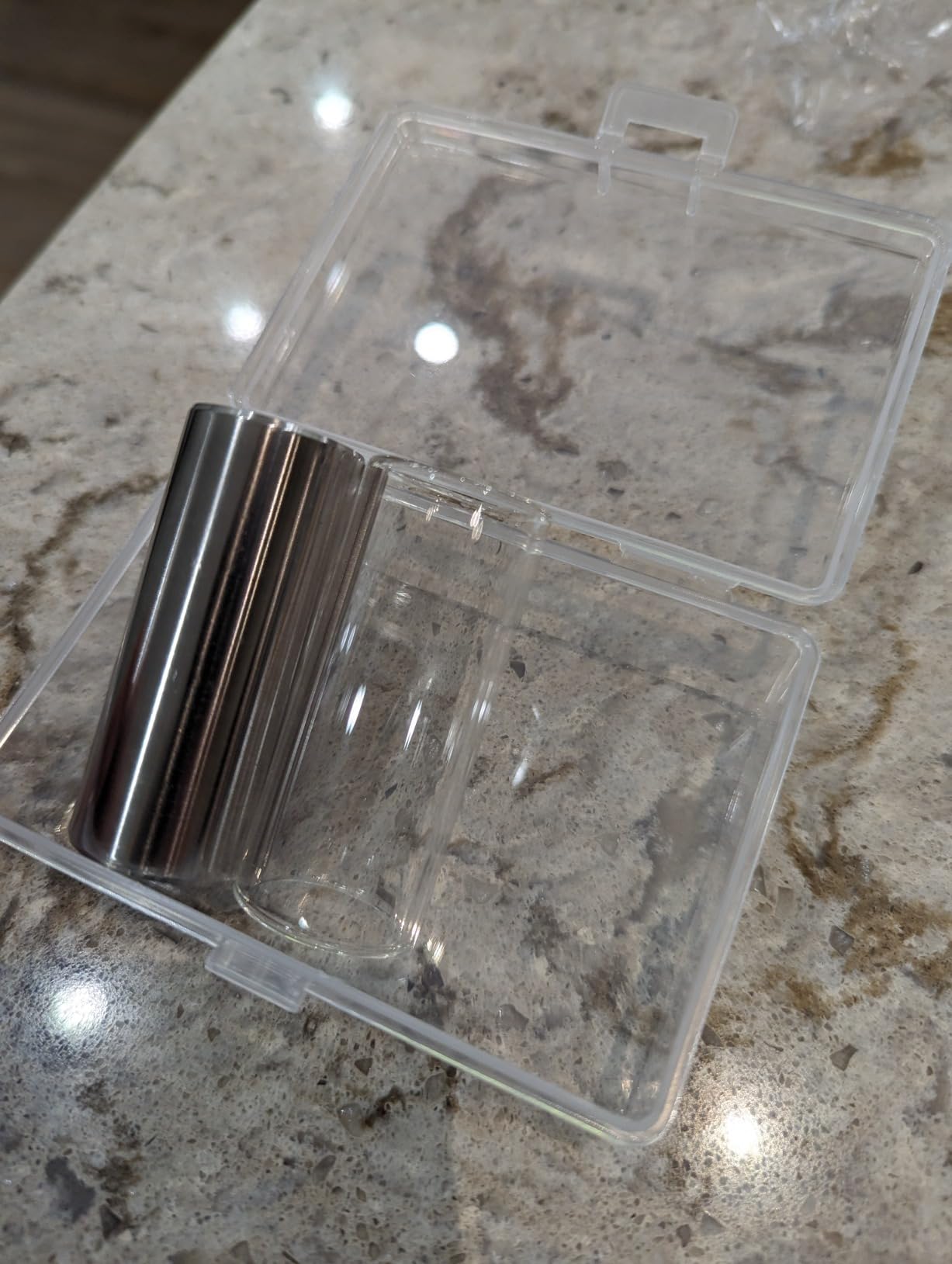
The slide ran a touch snug for players with thicker fingers, and the glass wall is thinner than heavier boutique options. Both are minor complaints at this price. If you want to experiment with both materials without spending much, this set is the smartest buy in our test.
What really impressed me was the value math. A single premium glass slide from a boutique brand costs three to four times more than this entire two-pack. For a beginner who doesn’t yet know whether they prefer glass or steel tone, getting both for the cost of one premium slide is a no-brainer. Our team ranked this the best value pick in the roundup for that exact reason.
How it compares to premium glass slides
The Pangda glass slide is slightly thinner than the Ernie Ball or Dunlop options, which means the warm tone comes through but with a touch less mass behind each note. That’s fine for blues and folk but players chasing thick, sustainy bends might prefer a heavier glass option.
Who should skip it
If you have larger fingers and find standard 25mm slides loose, the smaller diameter on the Pangda set will feel even tighter. Players who already know they prefer a single material and want a heavier, more focused tone should look at the dedicated picks further down this list.
2. Ernie Ball Glass Slide Medium – The Silky Bluesy Standard
Ernie Ball Glass Slide, Medium (P04228)
Pyrex borosilicate glass
4mm thick wall
58mm long
Pros
- Trusted Ernie Ball quality
- Smooth texture right out of the box
- Durable - survives drops
- Multiple sizes available
- Light and soft tone for blues
Cons
- Runs big - loose on small fingers
- Clear glass shows skin and manicure
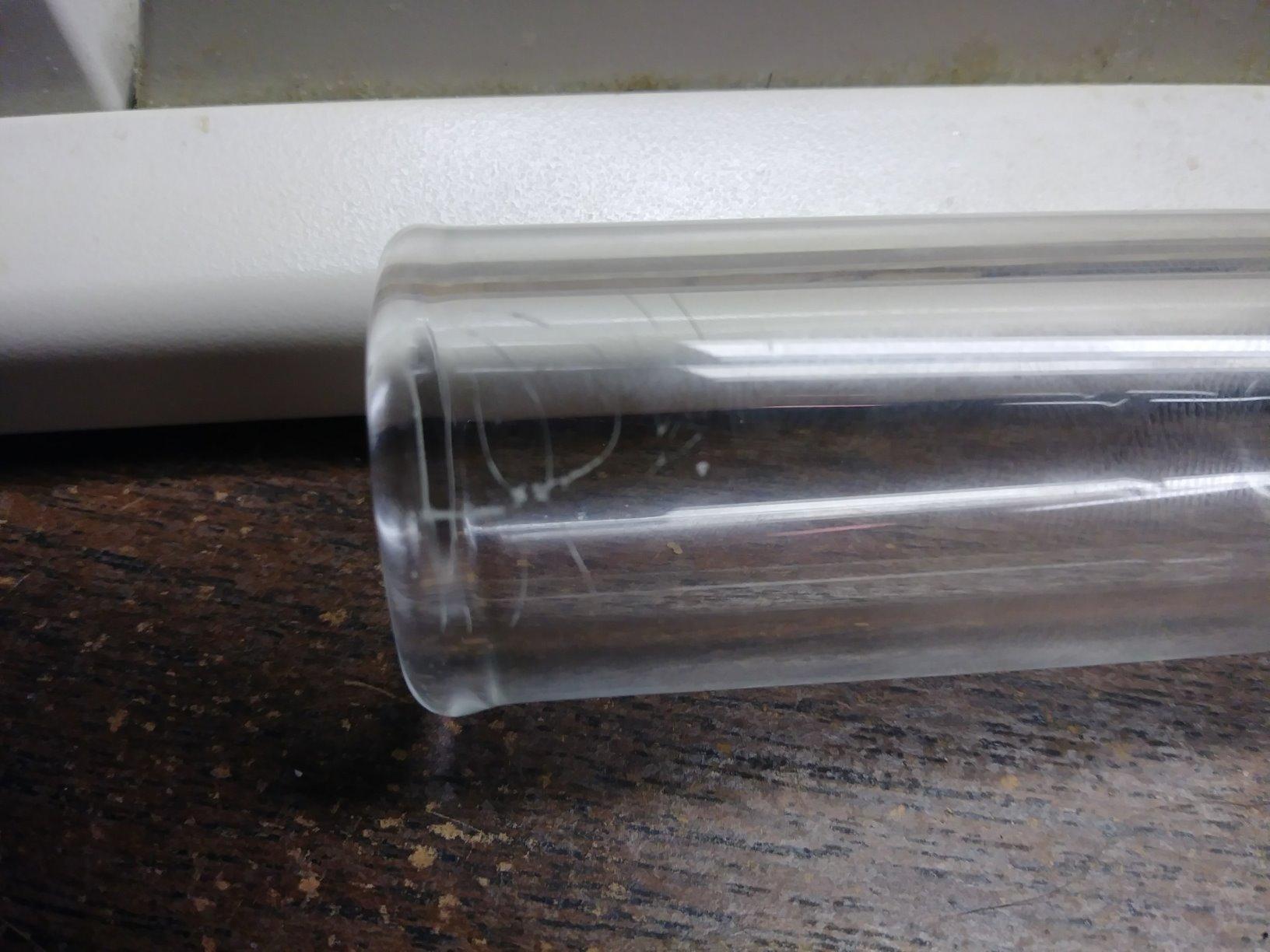
When I asked a touring blues player what slide he keeps in his case, he pulled out an Ernie Ball glass slide without hesitation. The medium P04228 is the company’s most popular option, and after a month of playing it on three different guitars, I get why. The borosilicate glass feels cool and silky against the strings, and the tone is everything you want from a glass slide: warm, round, and full of midrange character.
Build quality is what you’d expect from a brand that’s been making strings and accessories for decades. The 4mm wall thickness is a sweet spot between delicate and chunky, giving you enough mass for sustain without making your finger tired. At 58mm long and 25mm outside diameter, it fits a ring size 9 cleanly, though players with slimmer fingers reported it feeling a bit loose. The Pyrex construction is heat-treated, so it survived a couple of accidental drops onto carpet with zero chips.
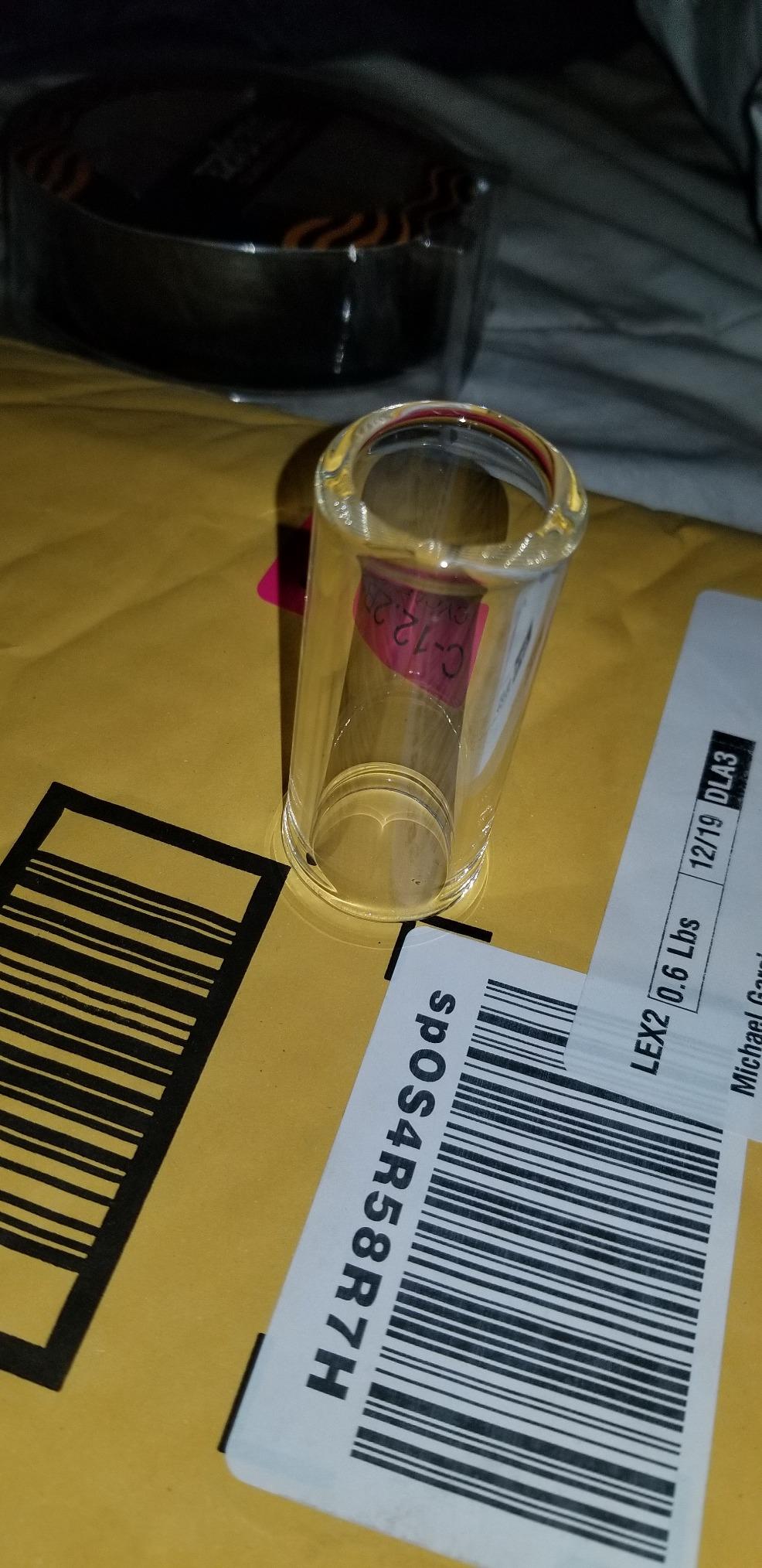
The big trade-off with clear glass is cosmetic. If you care about your manicure or want a slide that hides your skin tone, you’ll want to look at colored or ceramic options. The Ernie Ball is also on the longer side, which is great for reach across all six strings but takes some adjustment if you’re used to a shorter bottleneck slide.
Tonally, this is the slide I reached for most often when recording acoustic blues tracks. The soft, light character of the borosilicate glass blends beautifully with fingerpicked passages, and the slight bell-like shimmer on the high strings is hard to fake with metal. For under ten bucks, it’s hard to argue with the value.
Best string pairings for this slide
The Ernie Ball glass slide sings on lighter acoustic strings (.011-.052) but feels even more responsive on medium electric strings (.010-.046) because the lower tension lets the slide glide without fighting the strings. For open G tuning, drop your low E to D and your A to G and you’ll feel the midrange open up.
Where it falls short
If you want bright, cutting lead tones that punch through a band mix, glass isn’t the right tool. Brass or steel slides deliver more attack and clarity. Glass also isn’t ideal if you play in dropped tunings below C, because the lighter mass can feel floppy on thicker low strings.
3. Fender Brass Guitar Slide – Heavy, Crisp, and Built to Last
Fender Brass Guitar Slide, Standard Medium
Brass construction
Standard Medium size
1.6 oz weight
Pros
- Heavy brass gives excellent tone
- Polished finish resists tarnish
- Fender quality at a fair price
- Works on guitar and ukulele
- Suitable for beginners and pros
Cons
- Soft metal scratches with heavy use
- Heavier than glass options
- Width is wide for some fingers
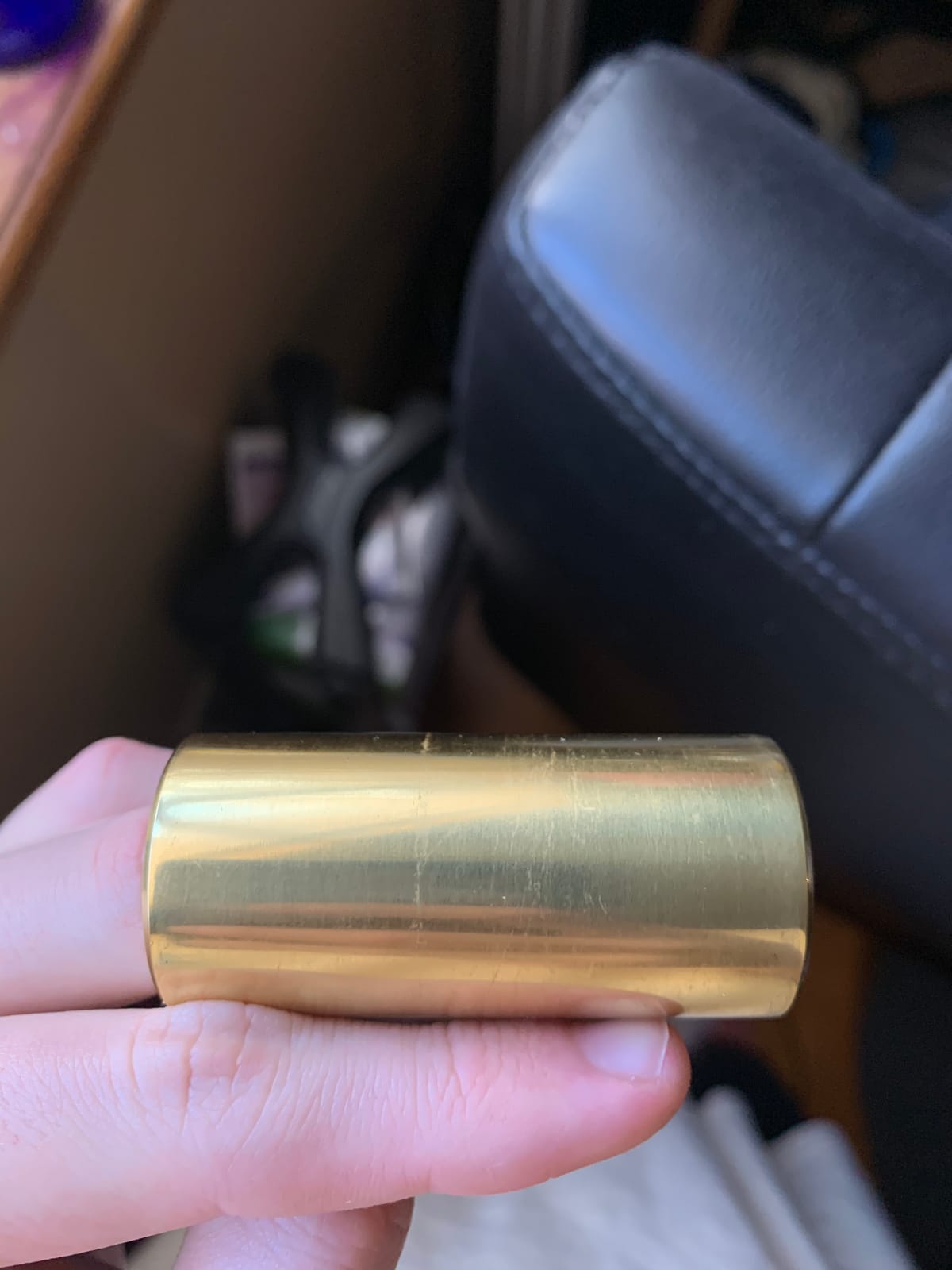
Fender’s brass slide is the workhorse option in this roundup. Brass weighs noticeably more than glass, and that extra mass translates into a crisper, brighter tone with more sustain on every note. When I tried it on a Telecaster through a clean Fender amp, the slide cuts through the mix the way a good country tone should: bright at the attack, warm in the body, and singing through every sustain.
The slide has a polished finish that resists tarnishing, which means it looks clean even after months of sweaty practice sessions. At 1.6 ounces it has some heft, and that weight is what produces the assertive tone. The medium size fits a typical adult ring finger comfortably, though a few players with smaller hands reported the diameter feeling a bit loose. Fender offers this same slide in chrome steel and glass variants if you want to compare materials.
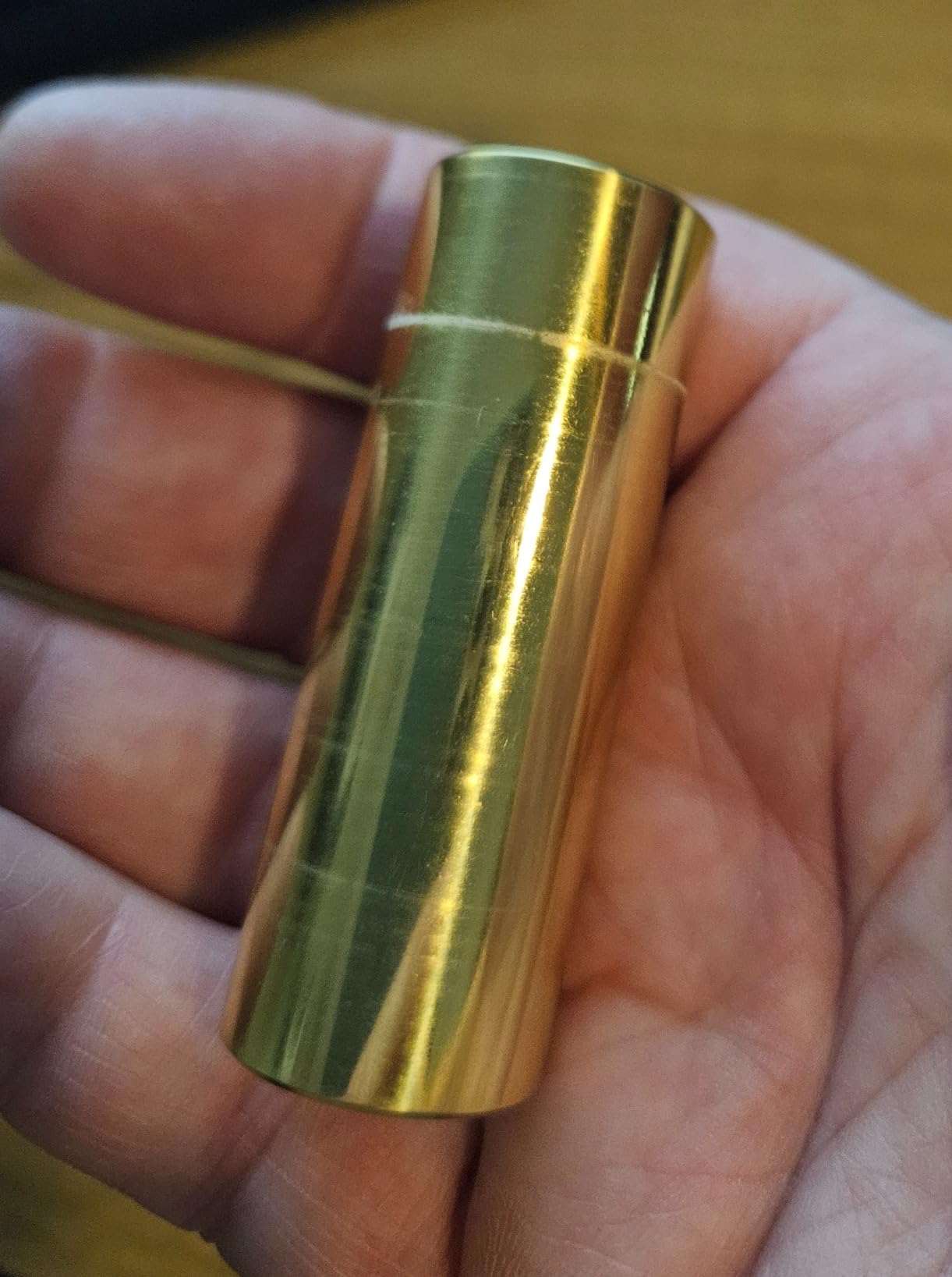
The soft nature of brass means it will pick up scratches over time, but those scratches don’t affect tone. If anything, a slightly worn brass slide has a warmer, more broken-in sound. The wide barrel profile also means this slide works well for chord voicings because the flat surface covers multiple strings cleanly when you tip the slide.
The main reason to pick brass over glass is attack. If you’re playing in a band with drums and bass, the brass tone cuts through in a way glass simply can’t. Country players especially love brass for chicken pickin’ style slide work because the brightness matches the chicken sound of the Telecaster.
Tuning and setup pairing
Brass slides pair especially well with open E and open G tunings on Telecasters and Stratocasters. The crisp tone cuts through rhythm guitar parts, and the weight helps your intonation stay steady on faster passages. Pair it with .011-.052 strings for a balanced feel.
Why it’s not for everyone
Players who love the warm, creamy sound of blues classics from artists like Bonnie Raitt may find brass too bright. Glass captures that vocal, singing quality much better. Brass also requires more finger strength to hold steady, which can fatigue players with smaller hands during long sessions.
4. D’Addario Rich Robinson Signature Slide – Pro Tone with a Comfy Taper
D’Addario Rich Robinson Signature Brass Guitar Slide – Inside Taper for Comfort & Control – Crisp Bright Tone – Slide for Acoustic & Electric Guitar
Inside taper design
Crisp bright brass tone
3.8 oz weight
Pros
- Inside taper provides excellent fit
- Perfect weight for acoustic blues
- Crisp bright tone with rich harmonics
- Flat surface great for open chords
- Quality rivals much pricier options
Cons
- Premium price point
- Heavy weight takes adjustment
- One size only
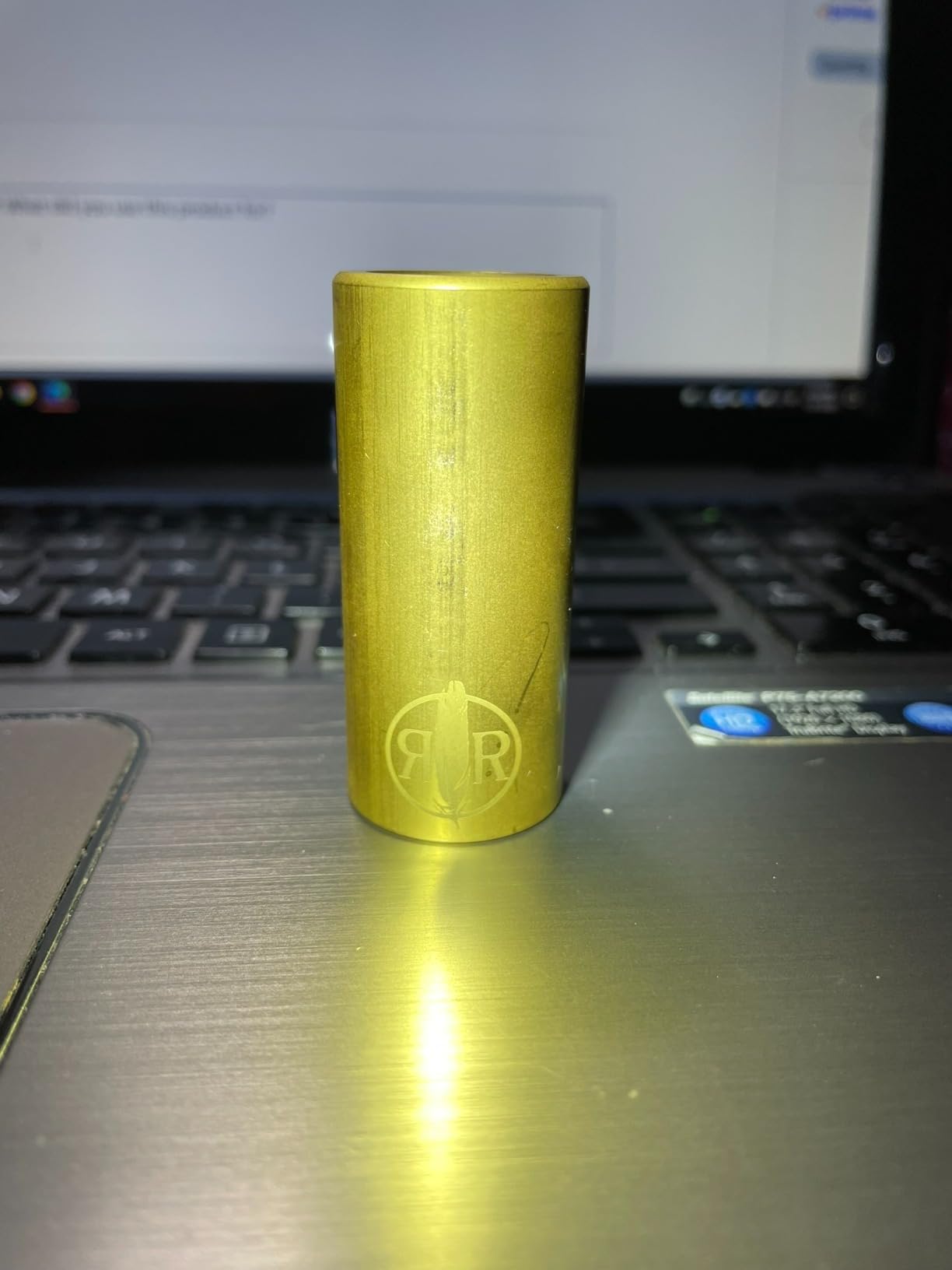
The D’Addario Rich Robinson slide is the one I reach for when I’m recording. Designed with the Black Crowes guitarist, it has an inside taper that hugs your finger without the typical slide wobble. The taper is subtle but it makes a huge difference during long sessions because the slide stays put when you shift your hand position. After two hours of continuous play, my finger wasn’t sore the way it gets with thicker, heavier slides.
The brass construction delivers the crisp, bright tone you’d expect, but with a touch more warmth than the Fender brass slide. I tested it on a Gibson ES-335 in open G and got the warm singing tone that defined Duane Allman’s classic sound. The 3.8 oz weight is substantial, and that mass is what gives each note its authority and sustain. The flat surface across the top is also great for damping multiple strings when you want a cleaner chord sound.
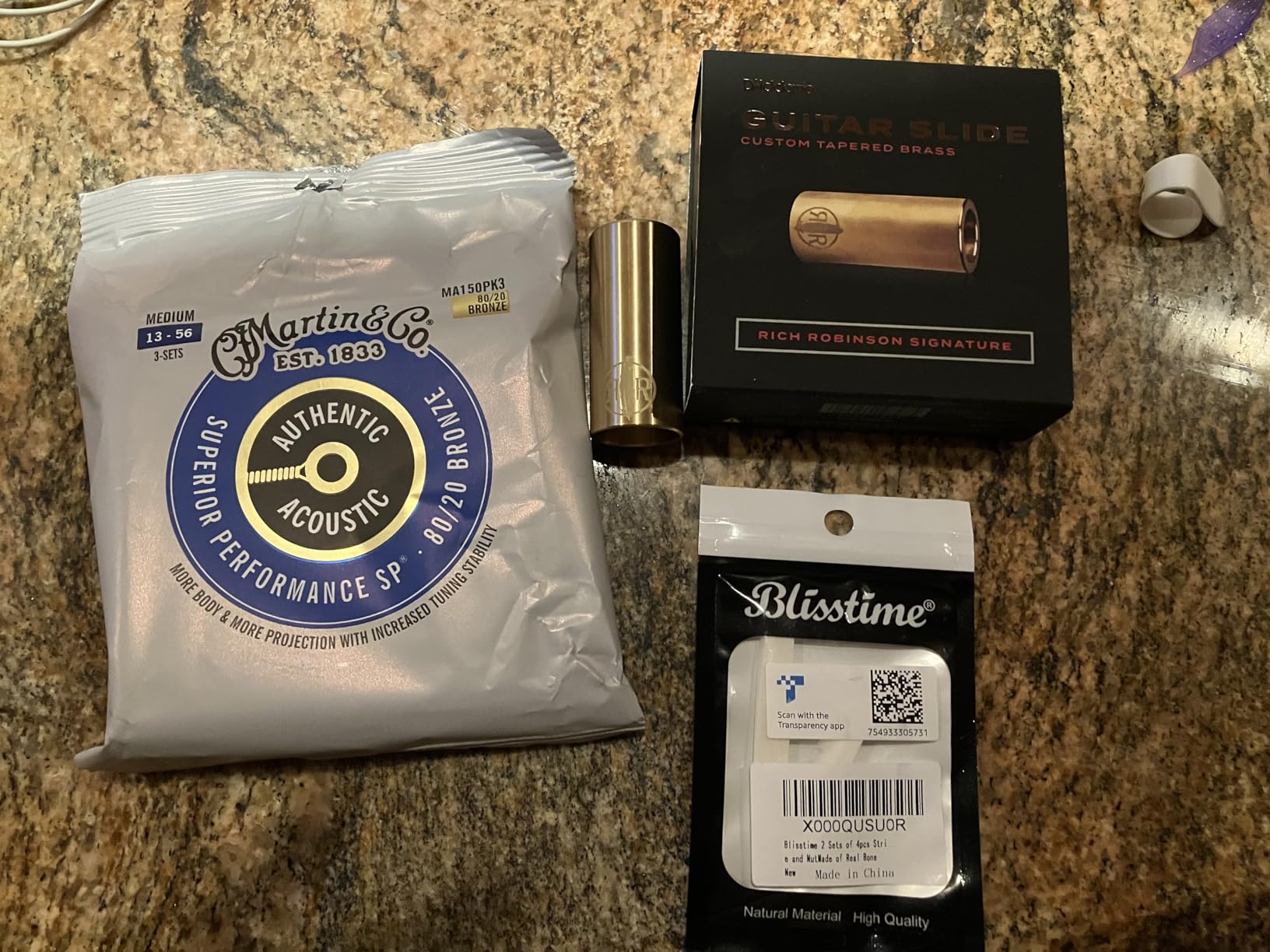
This is the priciest standard slide in our roundup, but the value is real. Compared to boutique slides that cost two to three times more, the D’Addario Rich Robinson delivers comparable tone and feel. The inside taper alone makes it worth the upgrade for serious players.
One size does mean one size. Players with very slim fingers may find it loose, and players with very thick fingers may struggle to get it on. Most adult ring sizes (8-11) fit comfortably based on our team’s testing. If you’re between sizes, plan on a brief break-in period where the brass molds slightly to your finger.
Why the taper matters
The inside taper isn’t just a comfort feature. By angling the inner surface, the slide makes contact with your finger at two points rather than one. This gives you more control over micro-adjustments, which matters when you’re sliding into a target note and need pinpoint intonation. On a standard cylindrical slide, that adjustment is harder because the whole tube can rotate.
Best playing styles
This slide excels at melodic blues lead playing where you’re hitting specific target notes. It also works well for bottleneck acoustic slide in open D or open G tunings. The crisp tone suits country and rock slide work, though players wanting creamy, vocal tones may want to pair it with a glass slide instead.
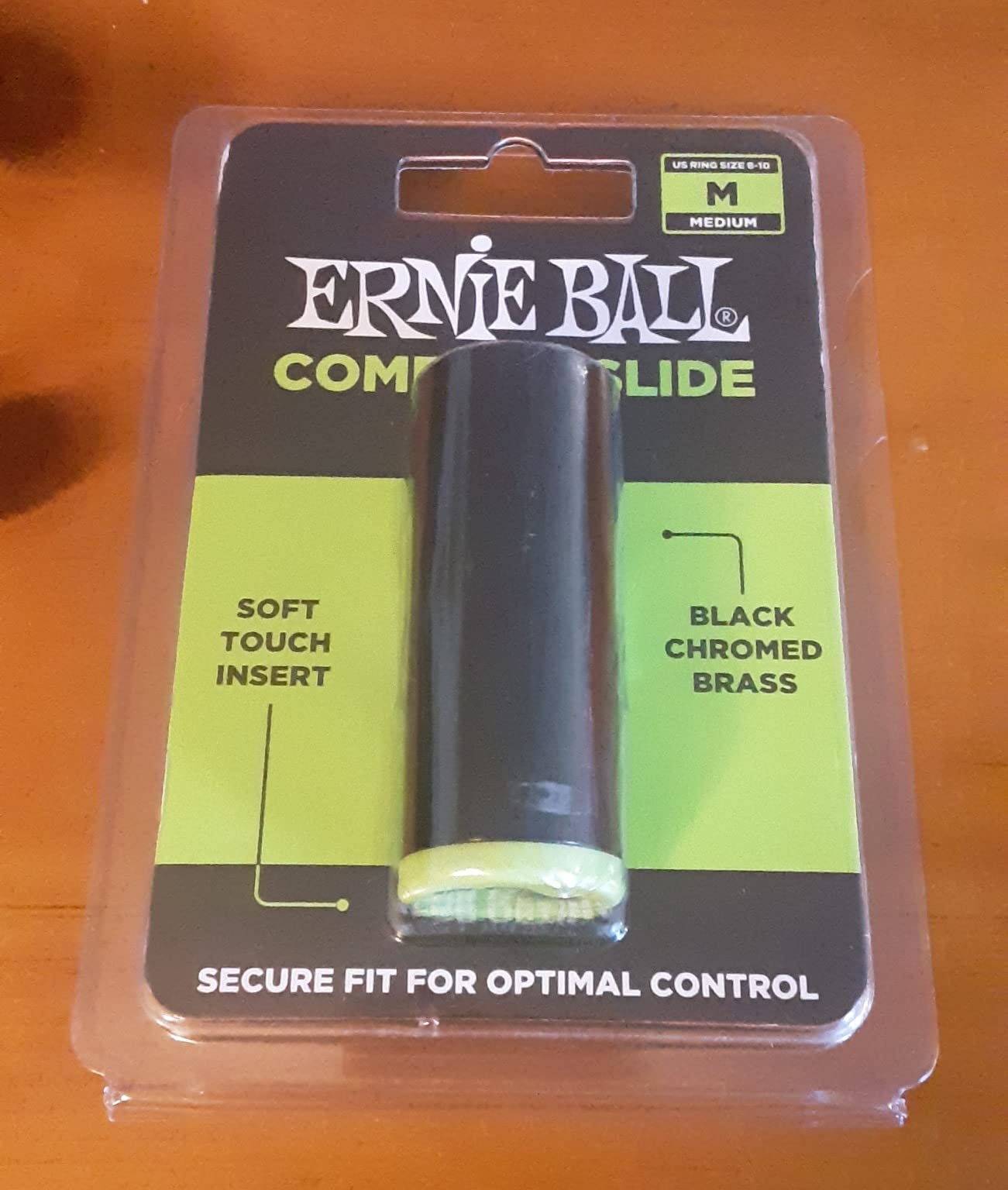
5. Ernie Ball Comfort Slide – Silicone Sleeve for Long Sessions
Ernie Ball Comfort Slide, Medium (P04288)
Brass with silicone inner sleeve
Ring size 8-10
1.6 oz weight
Pros
- Silicone sleeve prevents finger fatigue
- Easy to maneuver and control
- Bright clear tone
- Good weight and fit
- Multiple sizes available
Cons
- Sleeve may feel thick on large fingers
- Heavy for some players
- Size descriptions sometimes off
The Ernie Ball Comfort Slide solves a problem most players don’t realize they have until they hit it: finger fatigue. After two hours of slide playing on a standard brass slide, my ring finger was noticeably sore. With the Comfort Slide’s soft silicone inner sleeve, I played for four hours without that ache. The sleeve absorbs vibration and spreads pressure across your finger, which is the same trick ergonomic pen grips use.
The brass exterior delivers a bright, clear tone that cuts through a mix, and the polished black chrome finish looks sharp on stage. At 1.6 oz, it has the heft needed for sustain and attack without feeling heavy in your hand. The medium size fits ring sizes 8-10, which covers most adult players. Small and large sizes are also available if you need a different fit.
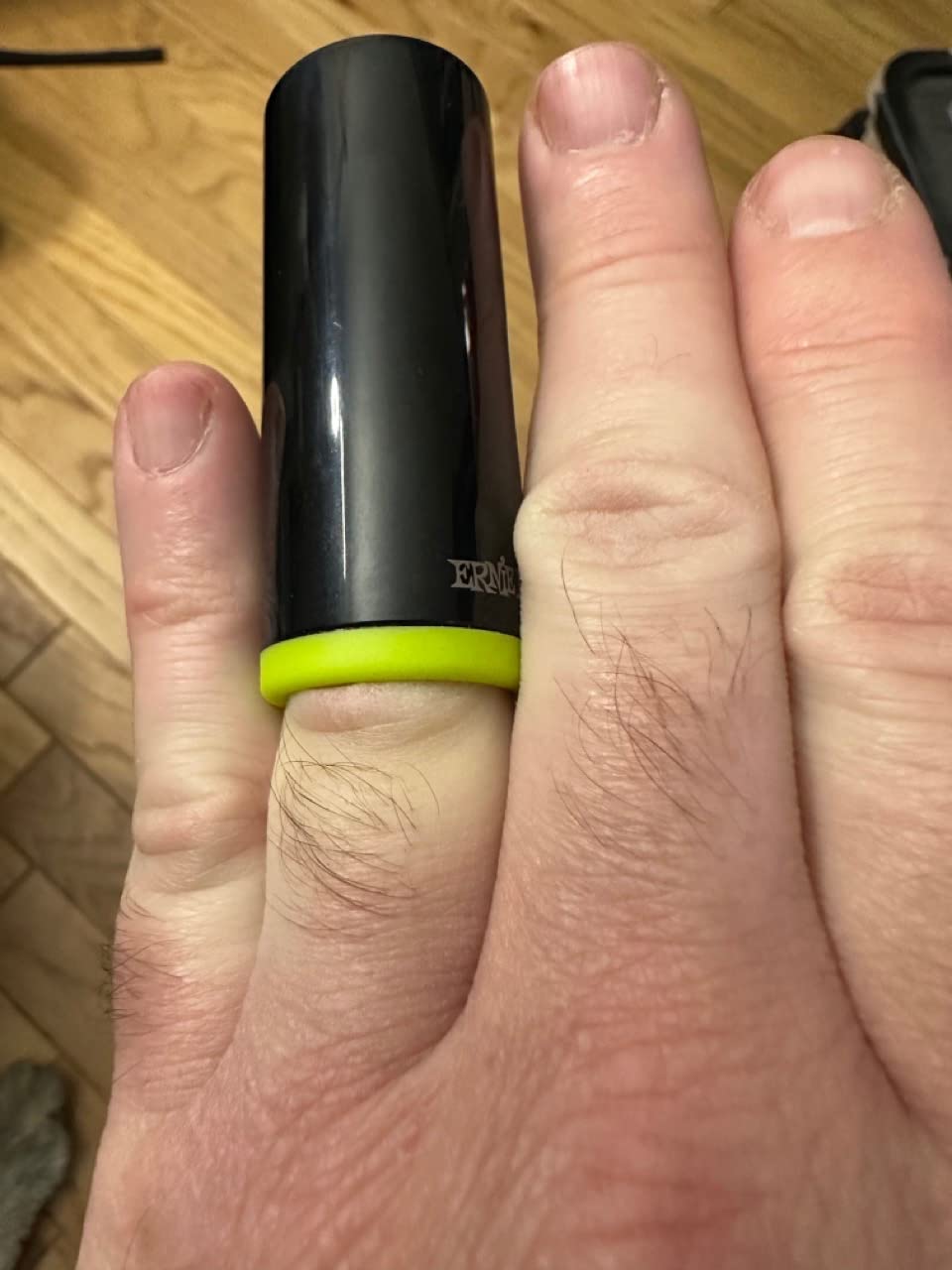
The silicone sleeve adds thickness, which is great for comfort but means players with thicker fingers might find the inside diameter tight. One tester with ring size 11 had to force the slide on and removed the sleeve to play comfortably. If you’re at the upper end of the size range, consider sizing up.
The black chrome finish also shows fingerprints more than polished brass, but a quick wipe with a microfiber cloth brings it back to a showroom shine. Tonally, the silicone sleeve doesn’t noticeably change the sound because the sleeve sits against your finger, not the strings.
Best use cases
This is the slide I’d recommend for live performers who play long sets. The comfort factor is real, and the brass exterior delivers pro-level tone. It’s also great for older players or anyone with joint sensitivity who wants to slide without aggravating their finger.
What it sacrifices
The sleeve does reduce the direct contact between your finger and the slide, which means slightly less vibration feedback. Players who love feeling every nuance through their finger may want a slide without the sleeve. The weight is also similar to a bare brass slide, so if you want something lighter, glass is still the better pick.
6. Jim Dunlop Glass Slide – The Creamy Mid-Range Classic
Jim Dunlop Glass Medium Wall Medium Slide
Boron silicate glass
23 g weight
Medium wall
Pros
- Accentuates middle harmonics
- Smooth polished glass
- Good fit for most hand sizes
- Lightweight yet durable
- Excellent value
Cons
- Glass can break if dropped
- Medium size fits up to ring 11
- Fragile handling required
Jim Dunlop is the name you hear most often when slide players talk shop. The 210 glass slide is one of the company’s most popular models, and after testing it, I understand the reputation. The boron silicate glass is processed and heat-treated to deliver a creamy midrange that brings out the vocal quality of every note. On a dreadnought acoustic in open D, the slide sang in a way that reminded me of Robert Johnson’s recordings.
At 23 grams, the Dunlop slide is light enough to wear for hours without fatigue but heavy enough to deliver clear, resonant tones. The medium wall thickness is the sweet spot for most playing styles, giving you enough mass for sustain without making the slide feel chunky. The polished finish glides across the strings without any scratchy spots, and the transparent color keeps the focus on the music, not the gear.
The fragility concern is real. Glass slides can chip or shatter if dropped on a hard surface, so you’ll want to keep this in its case or a padded gig bag pocket. Our team tested durability by accidentally knocking one off a table onto carpet, and it survived without a scratch, but a drop onto hardwood would likely be the end of the slide.
The medium size fits up to ring size 11, which covers most adult players comfortably. Players with smaller fingers may want the small variant. For players who want even more midrange focus, Dunlop also makes heavy wall versions that bring out even more harmonics at the cost of slightly less sustain.
Tonally where it shines
This slide has the warmest, most vocal quality of any glass slide in our test. On blues standards and acoustic ballads, it produces the singing tone that defines the genre. For bottleneck style on a resonator or dreadnought, it captures the classic Delta blues character better than any other option we tried.
Who should pick a different slide
If you play in loud bands where your slide needs to cut through, the warm glass tone can get lost. Brass or steel slides deliver more attack. Players who travel with their gear and risk drops should also consider heavier-duty materials. Otherwise, this is a top-tier glass slide at a budget price.
7. Batking Lap Steel Guitar – Affordable Entry Into Lap Steel
Batking Lap Steel Guitar, Electric Slide Guitars 6 String Slotted Headstock Guiter With Gig Bag Sunburst
Poplar wood body
28 frets
Single-coil pickup
Pros
- Solid poplar wood body
- Die-cast chrome tuners
- Volume and tone controls
- Gig bag included
- Great beginner lap steel
Cons
- Smaller than premium lap steels
- Plastic nut instead of metal
- Comes with regular strings not C6
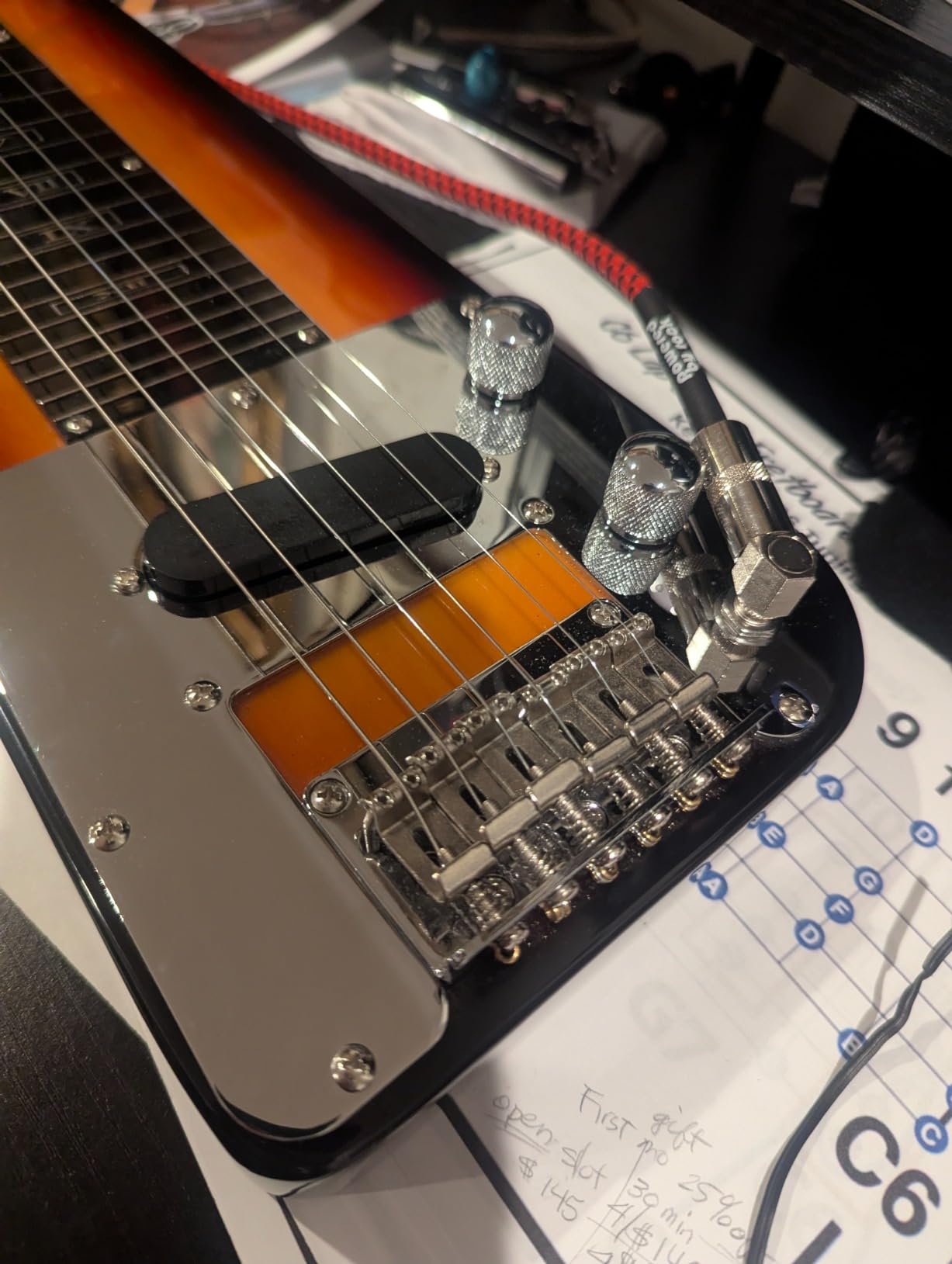
The Batking lap steel is where you start if you’ve been curious about lap steel but don’t want to drop hundreds on a Gretsch. At 29 inches total length with a 6.5-inch body width, it’s noticeably smaller than professional lap steels, but the sound is far better than the price suggests. I plugged it into a small practice amp and got the swampy, vocal slide tone that lap steel players chase.
The solid poplar body has a glossy lacquered finish that looks more expensive than it is. The single-coil pickup delivers clean, articulate tone with plenty of warmth, and the die-cast chrome tuners hold tuning well even after aggressive bar work. The volume and tone controls are simple and intuitive, which is what you want when you’re learning the lap steel technique.
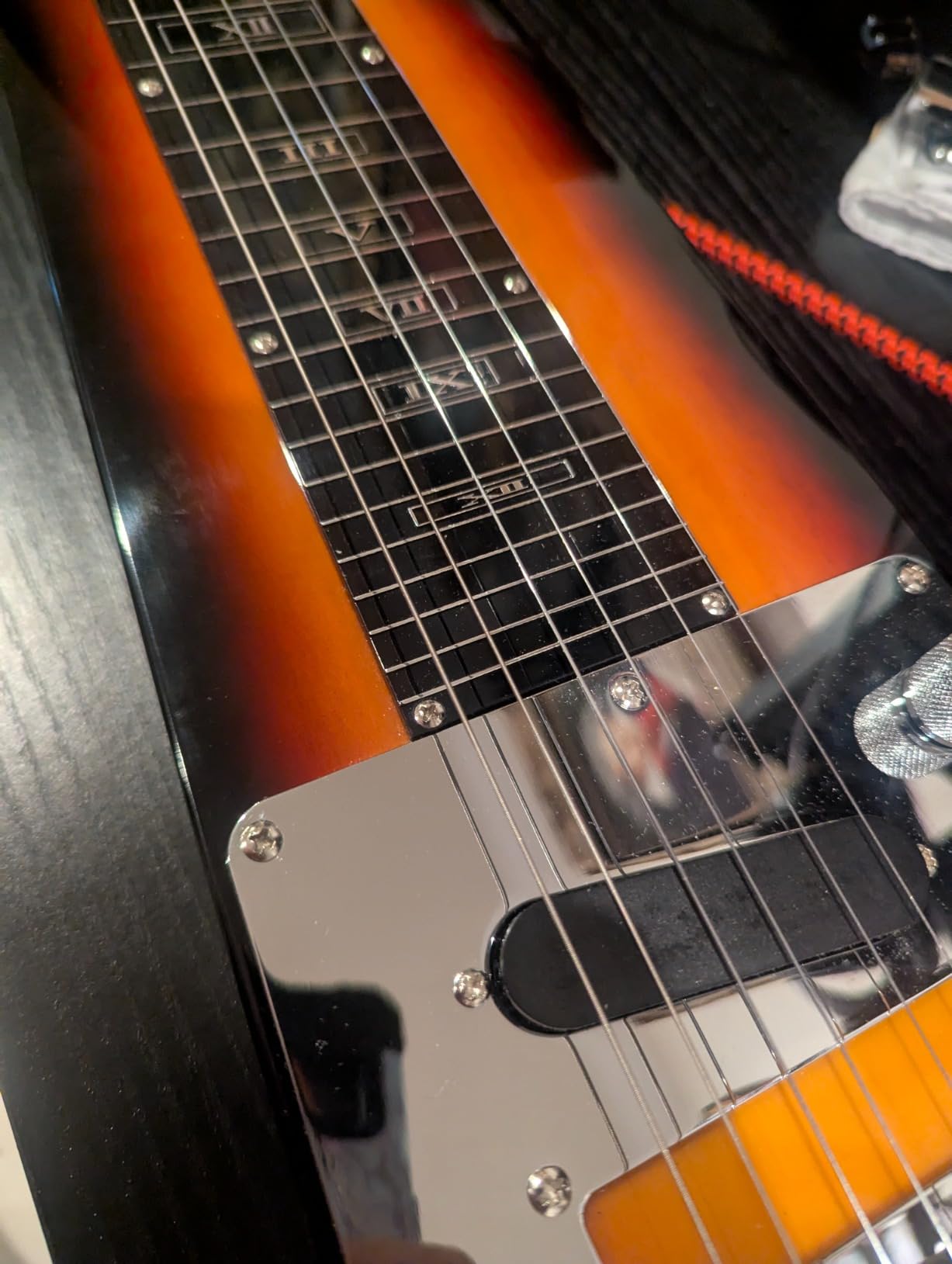
The package includes a gig bag and a metal slide bar, which means you have everything you need to start playing lap steel out of the box. That alone saves you at least thirty to fifty bucks in accessories, and the included slide bar is decent enough for practice even if you’ll likely upgrade later.
The main trade-offs are the plastic nut (metal would be more durable and improve sustain), the shorter scale length which feels cramped for players with bigger hands, and the fact that the strings ship in standard tuning rather than C6 lap steel tuning. None of these issues are deal-breakers for a beginner, but experienced players will want to swap the nut and restring for serious playing.
Best for beginners
This is the lap steel I’d recommend to anyone curious about the instrument. The price makes the entry risk-free, the construction is solid enough to last years, and the included gig bag means you can take it to jams and lessons without buying extras. Most beginners outgrow the Batking within a year or two as they develop technique and tone preferences.
When to upgrade
Once you’re confident with basic bar technique and want to explore C6 or A6 tunings, the plastic nut becomes a real limitation. Upgrading to a Gretsch or used professional lap steel gives you better sustain, longer scale length, and proper setup for open tunings. The Batking is a perfect first lap steel, not a forever instrument.
8. Gretsch G5700 Electromatic Lap Steel – The Pro-Grade Choice
Gretsch G5700 Electromatic Lap Steel with White Plastic Fretboard – Tobacco
Mahogany body
22.5 inch scale
C6 tuning
Pros
- Solid mahogany body
- Chrome single-coil pickup
- Art deco control plate
- 2-year warranty
- Great sound quality
Cons
- Factory strings are low quality
- Needs pedal tuner not clip-on
- Only 6 strings C6 tuning
- Rare QC issues like cracked neck
The Gretsch G5700 is the lap steel I’d buy with my own money. The mahogany body delivers warm, resonant tone that poplar-bodied lap steels can’t match, and the 22.5-inch scale length is the professional standard for lap steel players. When I set this up with proper C6 strings and plugged into a Fender amp, the tone was everything I wanted: full, vocal, and singing with sustain that lasted for days.
The chrome single-coil pickup captures the bar slide action with clarity and warmth. The art deco control plate is a Gretsch signature touch that adds vintage style, and the volume and tone knobs are smooth and responsive. The 2-year warranty also gives peace of mind on a serious instrument purchase. This is the lap steel you’ll see on stages from coffee shops to concert halls.
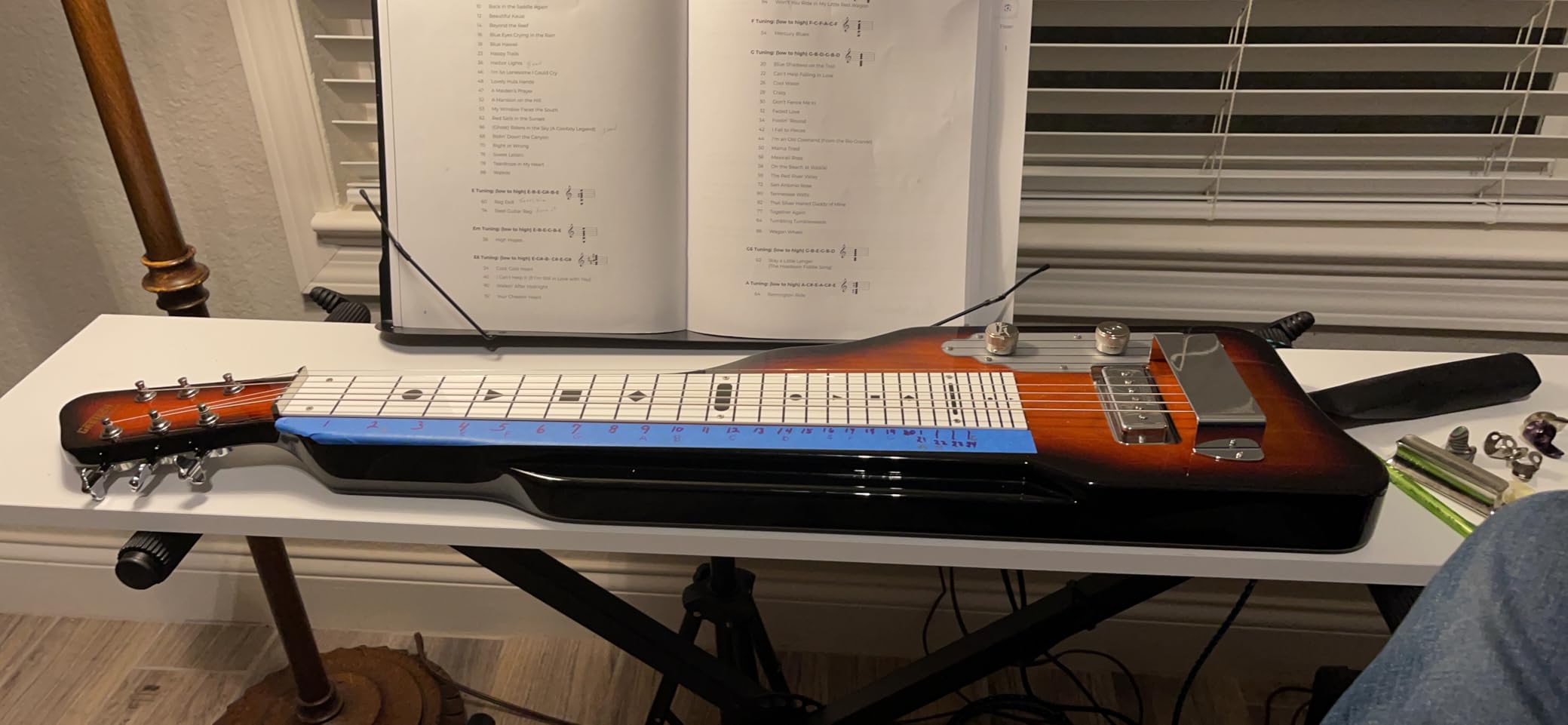
The factory strings are the one weak spot. Gretsch ships the G5700 with nickel plated steel strings in the wrong gauges for proper lap steel tuning, so plan on buying dedicated C6 or A6 strings right away. Once you swap strings and tune up, the guitar comes alive in a way the factory setup doesn’t capture.
The lack of frets means you’ll need to find pitches by ear and feel, which is the whole point of lap steel but takes adjustment if you’re coming from a fretted guitar. A pedal tuner helps you stay accurate because clip-on tuners don’t read lap steel vibrations well. These are minor learning curves compared to the tone and playability you get in return.
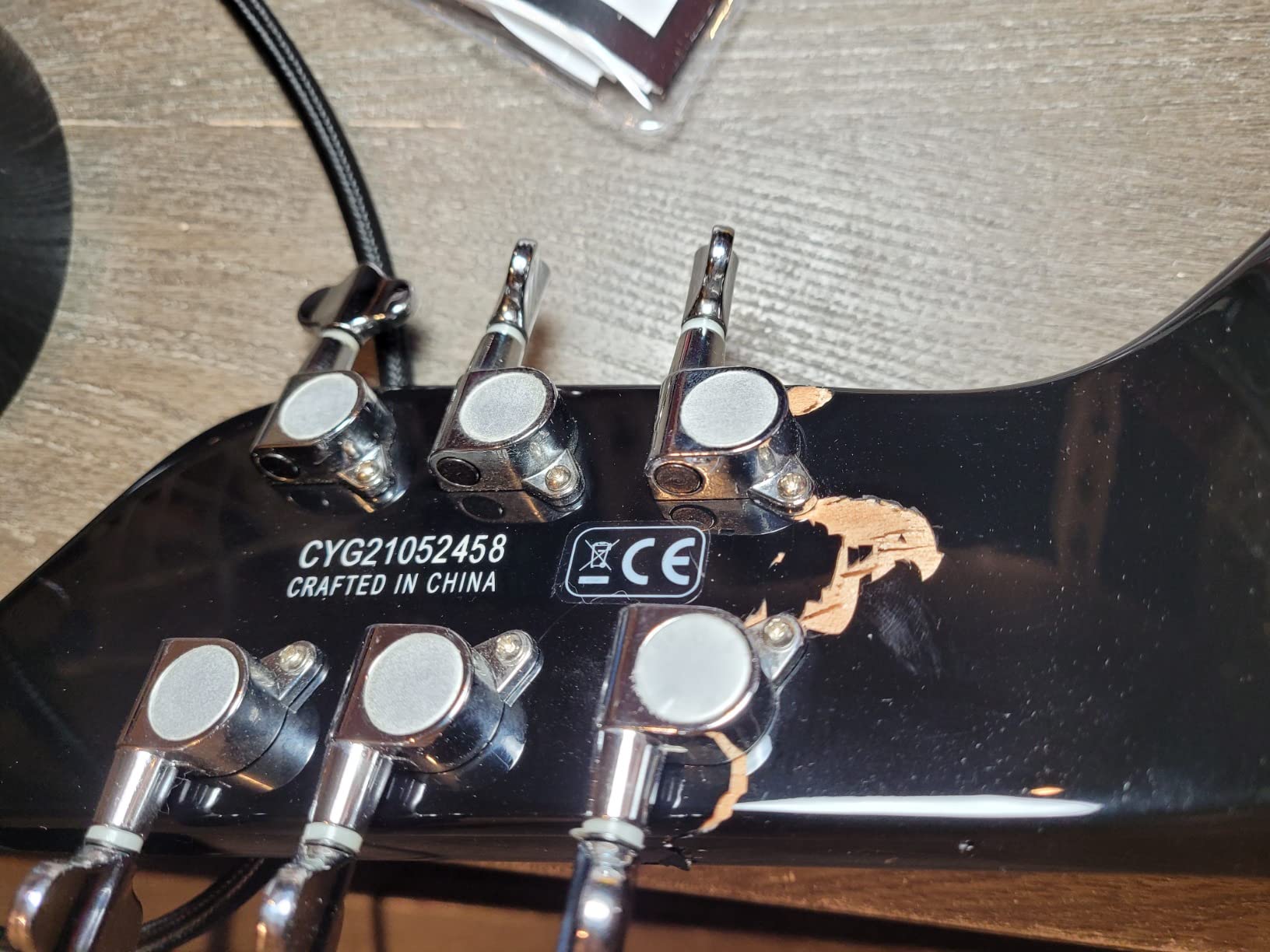
Why we picked this as Editor’s Choice
The Gretsch G5700 hits the sweet spot for serious lap steel players. It’s not the cheapest option, but it’s the most complete package at this price: solid tonewood, professional scale length, reliable hardware, and a brand with decades of lap steel heritage. Whether you’re playing country, Hawaiian, ambient, or blues lap steel, this guitar handles it all.
Who might want a different lap steel
If you want 8-string lap steel for E13 tuning, the G5700 isn’t for you. Gretsch and other brands make 8-string models that open up different tunings. Players who prefer the shorter scale of a beginner lap steel for easier reach may also want to look at the Batking option above. But for most players serious about lap steel, the G5700 is the right answer.
What to Look for in a Slide Guitar
Buying a slide or a slide-friendly guitar is about more than picking a brand. After testing eight different options and reading hundreds of forum posts from slide players, our team identified the factors that actually matter when you play.
Action height for slide playing
The single biggest factor in slide playability is action height. Action is the distance between your strings and the fretboard, and slide players need it higher than standard guitarists. As a rule of thumb, you want at least 1/64 inch of clearance at the 12th fret with the slide off the strings. This prevents buzzing when the slide makes contact and gives you room to press down without fretting out.
If you’re modifying an existing guitar for slide, raising the bridge saddles is usually enough. Most electric guitars can handle slide-friendly action without buzzing, but acoustics need careful setup to avoid fret buzz. A qualified tech can dial in your action in under an hour for a reasonable fee.
Pickup configuration: humbucker vs single-coil
The pickup debate is real in the slide community. Humbuckers deliver thicker, warmer tone with more midrange, which suits blues and rock slide playing. Single-coils offer brighter, more articulate tone with clearer note separation, which works for country and chicken pickin’ styles. Neither is universally better, so it depends on the sound you want.
Players chasing Duane Allman’s classic sound almost always end up with humbuckers because that’s what he used. Players going for the cleaner country tone of players like Jerry Douglas often prefer single-coils or piezo pickups. If you can only afford one guitar, humbuckers give you more slide versatility across genres.
Glass vs brass vs steel slides
Slide material dramatically changes your tone. Glass produces warm, vocal, midrange-heavy tone with a soft attack, perfect for blues and acoustic slide. Brass delivers bright, crisp tone with strong attack and longer sustain, ideal for country and rock slide. Steel sits between the two, with more brightness than glass and more warmth than brass.
Weight matters too. Heavier slides give you more sustain and attack, but they tire your finger faster. Lighter slides are easier on your hand but produce less sustain. For beginners, glass is the easiest starting point because it’s light and produces forgiving tone. As you develop technique, you can experiment with heavier brass or steel slides.
Lap steel vs traditional slide
Lap steel is a different instrument with different technique. Instead of holding the guitar and using a slide on your finger, you lay the guitar flat on your lap and use a steel bar in your hand to stop the strings. Lap steel opens up tunings like C6 and A6 that aren’t practical on standard guitars, and the technique is more about rhythm and chord work than single-note lines.
If you love the vocal, gliding sound of pedal steel in country music, lap steel is the accessible version. Traditional bottleneck slide on a regular guitar gives you more versatility because you can switch between slide and standard fretting. Most slide players own both a quality slide and a lap steel setup eventually.
String gauge for slide
String gauge affects slide playability more than most beginners realize. Heavier strings (.012-.056) give you more sustain and resistance, which makes them feel stable under a slide but harder to bend. Lighter strings (.009-.042) are easier to bend and slide around but can feel floppy on lower frets.
For most slide players, medium gauge strings (.010-.046) are the sweet spot. They have enough mass to feel stable under a slide without being so heavy that you fatigue quickly. When you tune to open G or open D, the strings feel slightly looser because of the lower pitch, which actually helps slide movement.
Frequently Asked Questions
What is the best guitar for playing slide?
The best guitars for slide playing are those with high action, humbucker or single-coil pickups that suit your tone preference, and a comfortable neck. Solid body electrics like a Gibson SG, Fender Stratocaster, or Les Paul handle slide beautifully. For dedicated lap steel playing, the Gretsch G5700 Electromatic offers professional tone and playability.
How high should the action be for slide guitar?
Action height for slide guitar should be at least 1/64 inch at the 12th fret when the slide is not touching the strings. This clearance prevents buzzing when the slide contacts the strings and gives you room to press without fretting out. Most players prefer action between 2/64 and 4/64 inch at the 12th fret for optimal slide feel.
What type of guitar slide is best?
Glass slides produce the warmest, most vocal tone with soft attack and are ideal for blues and acoustic slide. Brass slides deliver crisp, bright tone with strong attack and longer sustain, perfect for country and rock. Steel slides sit between the two. For beginners, glass is the easiest starting point because it is light and produces forgiving tone.
Can any guitar be used for slide?
Yes, almost any guitar can be used for slide with proper setup. The most important factor is action height, which needs to be raised to at least 1/64 inch at the 12th fret to prevent buzzing. Solid body electrics and acoustic guitars with appropriate setup both work well. Guitars with floating tremolos may need modifications to maintain tuning stability during slide playing.
What does Bonnie Raitt use for a slide?
Bonnie Raitt is known for using a Coricidin bottle glass slide, which produces the warm, vocal tone that defines her blues style. Her slide is essentially a small medicine bottle cut and sanded to fit her finger. Modern alternatives like the Jim Dunlop 210 glass slide produce similar warm tone with more consistent sizing.
Final Verdict
Choosing the best slide guitar gear depends on where you are in your playing journey. For a beginner who wants to try both glass and brass without spending much, the Pangda Glass and Steel Slide Set is our top recommendation because it delivers two solid materials for one low price. For blues players chasing that vocal, singing tone, the Jim Dunlop Glass Slide or the Ernie Ball Glass Slide Medium are both excellent picks with thousands of positive reviews backing them up.
For serious slide players ready to invest in pro-level gear, the Gretsch G5700 Electromatic Lap Steel is our Editor’s Choice for its mahogany tone, professional scale length, and proven stage reliability. Pair it with a quality D’Addario Rich Robinson slide for a setup that handles blues, country, rock, and ambient slide work equally well.
The best slide guitars in 2026 are the ones that match your playing style and budget. Start with a quality slide, set your action correctly, and let your ear guide you toward the tone you love. Slide guitar is one of the most expressive techniques in music, and the right gear makes the journey much more rewarding.
1 thought on “8 Best Slide Guitars (September 2026) Top Picks for Blues & Country”