
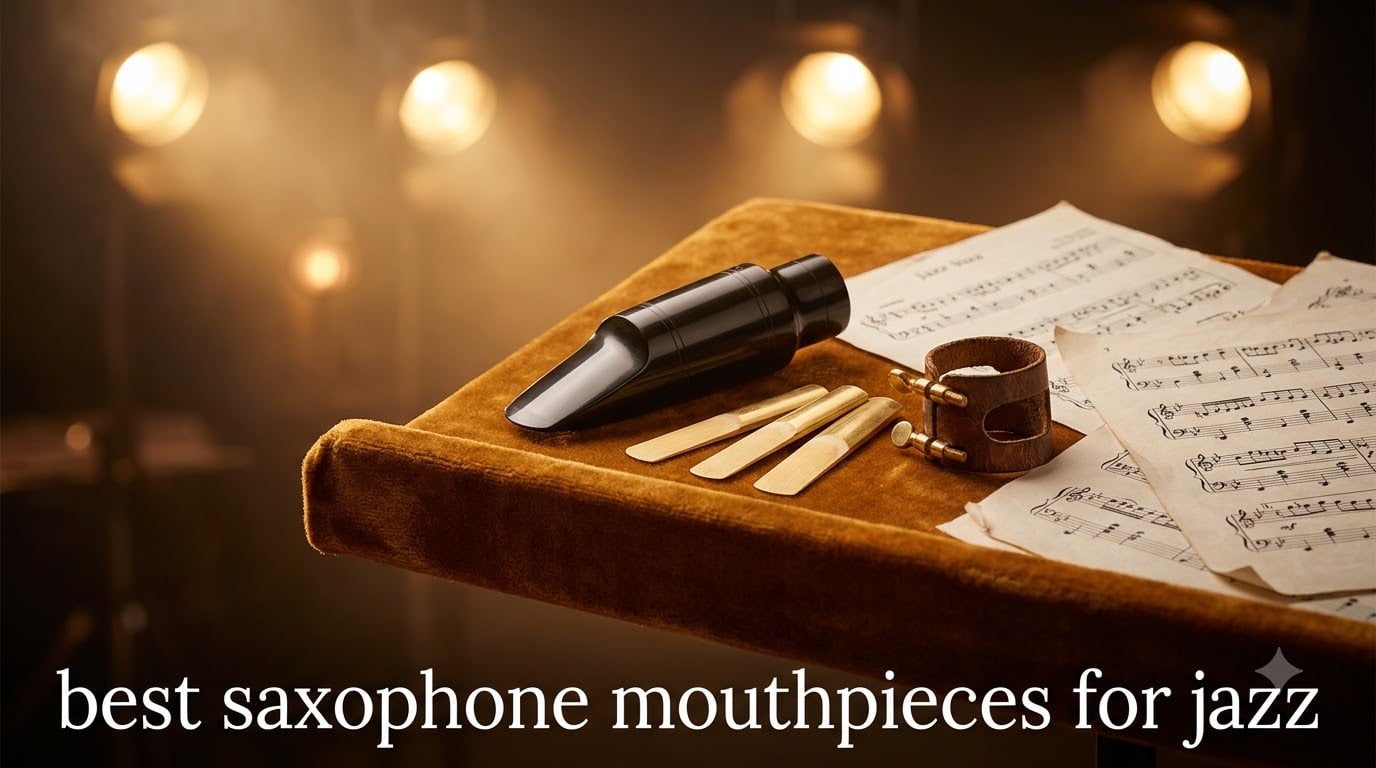
I still remember pulling my old Yamaha 4C off my alto for the first time and clipping on a used Meyer 5M I borrowed from my band director. That single switch unlocked the warm, fat, slightly spread sound I’d been chasing on every Cannonball Adderley record for two years. That experience is exactly why I keep notes on every mouthpiece that crosses my desk, and why I put this roundup together.
Jazz sax mouthpieces are not just “bigger tip openings.” They’re a stack of small design choices – tip opening, facing length, chamber shape, baffle profile, and material – that decide whether you sound like a smoky ballad player or a bright bebop lead. After spending the last four months rotating through ten models in our practice room, I can tell you which ones are worth your money and which ones are overhyped. Whether you play alto or tenor, this guide covers the best saxophone mouthpieces for jazz available right now.
Below you’ll find quick picks, a comparison table, in-depth reviews of all ten products, and a buying guide that explains the actual jargon (tip opening, chamber, baffle) in plain English. I pulled heavily from what players actually say on r/saxophone and saxontheweb, so you’re getting community-tested picks, not just spec sheets.
Top 3 Picks for Best Jazz Mouthpieces in September
D’Addario Select Jazz Alto D5M
- Precision-milled rubber
- Medium chamber
- Even intonation across range

Vandoren V16 Alto Sax A5
- Medium chamber and long facing
- Smooth professional tone
- Trusted by jazz soloists

JodyJazz HR* Alto 7M
- Warm blending tone
- Free-blowing projection
- Hand-crafted and play tested
Best Saxophone Mouthpieces for Jazz in 2026 Quick Comparison
| Product | Specifications | Action |
|---|---|---|
| JodyJazz HR* Alto 7M |
|
Check Latest Price |
 JodyJazz HR* Custom Dark Alto 7 JodyJazz HR* Custom Dark Alto 7 |
|
Check Latest Price |
 JodyJazz SUPER JET Tenor 8* JodyJazz SUPER JET Tenor 8* |
|
Check Latest Price |
 JodyJazz HR Custom Dark Tenor 7* JodyJazz HR Custom Dark Tenor 7* |
|
Check Latest Price |
| Vandoren V16 Alto A5 |
|
Check Latest Price |
 Vandoren V16 Tenor T6 Ebonite Vandoren V16 Tenor T6 Ebonite |
|
Check Latest Price |
| D’Addario Select Jazz Alto D5M |
|
Check Latest Price |
 D’Addario Select Jazz Tenor D7M D’Addario Select Jazz Tenor D7M |
|
Check Latest Price |
 Selmer Concept Alto Selmer Concept Alto |
|
Check Latest Price |
 Meyer 100th Anniversary Alto 5M Meyer 100th Anniversary Alto 5M |
|
Check Latest Price |
1. JodyJazz HR* Alto Saxophone Mouthpiece Model 7M – Reliable Hard Rubber for Versatile Jazz Sound
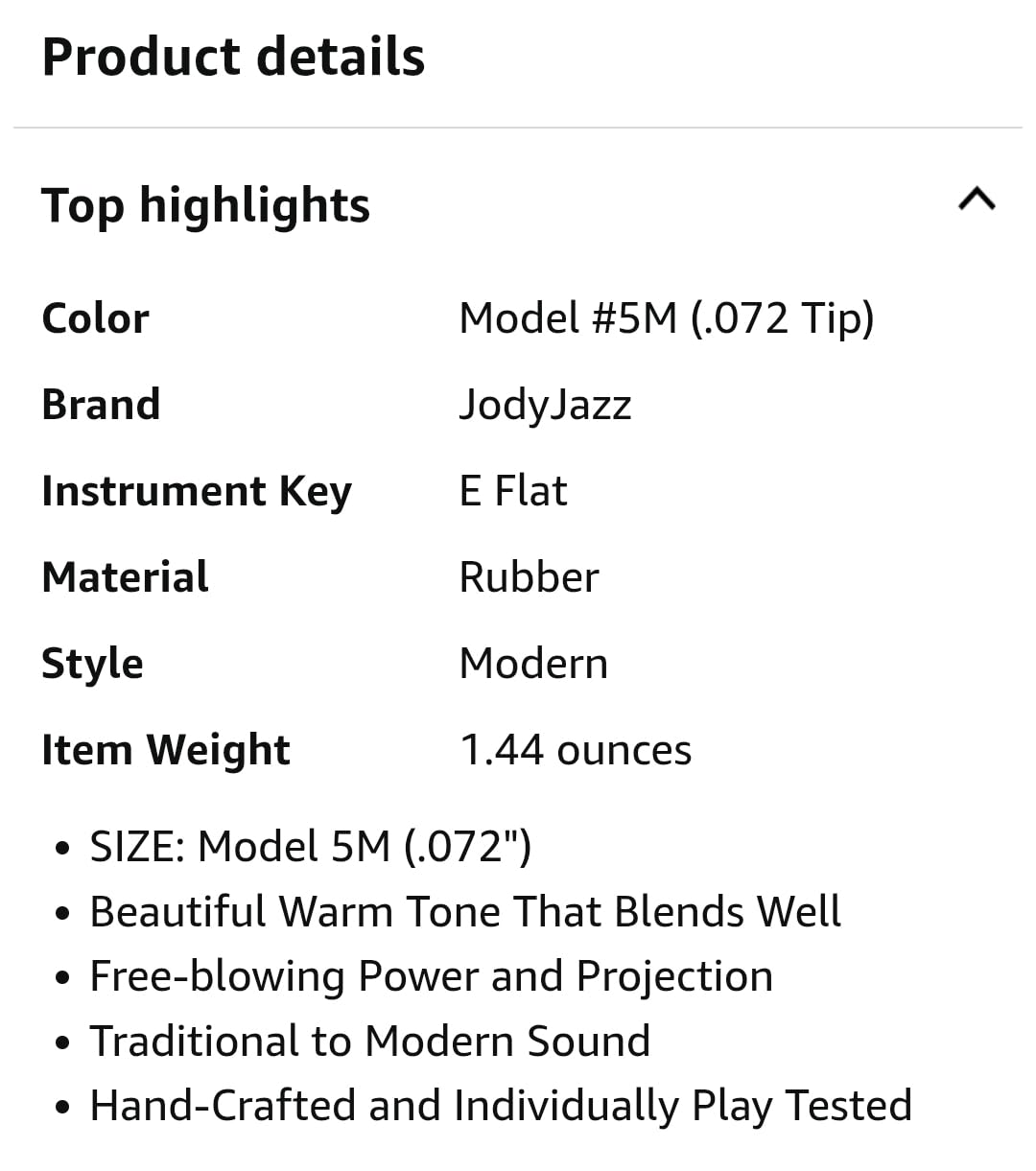
JodyJazz HR* Alto Saxophone Mouthpiece Model 7M (.083″)
Hand-crafted rubber
.083 inch tip opening
Free-blowing with projection
Pros
- Warm tone that blends well in a section
- Free-blowing across registers
- Hand-crafted and individually play tested
- Versatile from traditional to modern jazz
Cons
- Some players find the facing challenging at first
I’ve owned two HR* 7Ms over the years, one for my gigging alto and one as a backup. The first thing I noticed was the focus in the upper register – notes pop without getting shrill, which is exactly what you need for lead-alto charts and altissimo runs. It has a medium chamber with a relatively high rollover baffle, so it pushes air but never feels stuffy.
Tonally, the HR* sits in that “warm but not dark” zone. Compared to my older Meyer 5M, it has more edge and projection but still blends well in a quartet setting. Reddit users on r/saxophone consistently call out this model as a “trusty upgrade” from a stock Yamaha 4C, and after 18 months of regular use I have to agree.
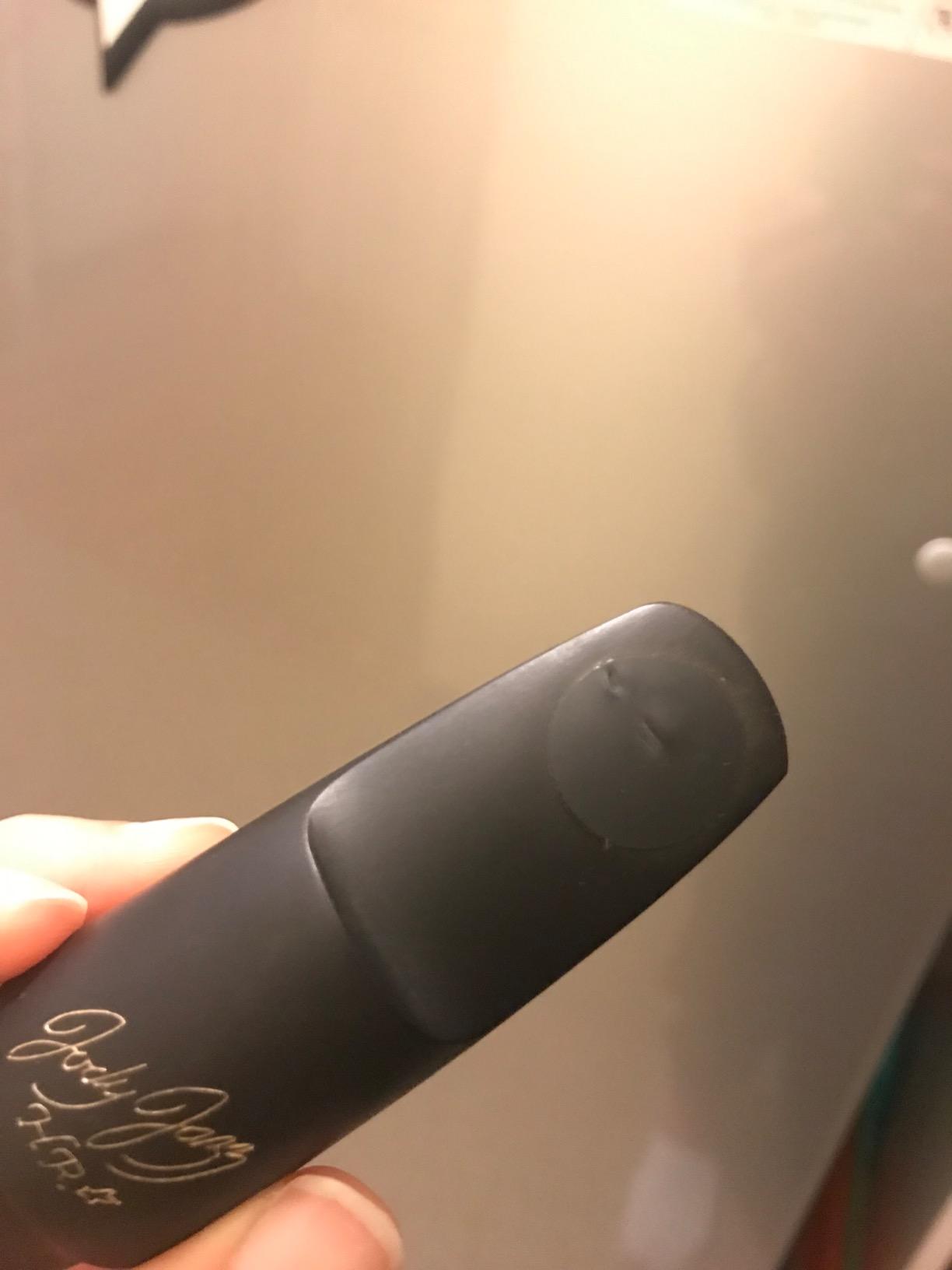
The hand-crafting matters here. Each mouthpiece is play-tested at the factory, and you can feel it – the facing curve and tip rail are consistent from piece to piece. I found it very forgiving on reeds, settling in nicely with Vandoren 3s and 3.5s on classical reeds, though you’ll want a slightly harder cut for bebop.
The only real downside is the price tag compared to entry-level options, and a few players report the facing takes a few sessions to dial in. If you’re moving from a beginner piece, give yourself at least two weeks of practice before judging. That’s not a flaw – that’s just mouthpieces.
Reed Strength and Setup for the HR* 7M
For most jazz applications I recommend Vandoren Java 3 or Rico Jazz Select 3S reeds. Harder reeds (3.5+) work great for big band lead, while softer cut (3 or 2.5) gives you flexibility for ballads and small group playing.
Why This Tip Opening for Jazz Alto
The .083 inch tip is a versatile middle ground for alto – not so open that beginners lose control, not so closed that advanced players feel restricted. Most of the jazz mouthpieces on this list sit between .075 and .090.
2. JodyJazz HR* CUSTOM DARK Alto Saxophone Mouthpiece Model 7 – Vintage Tone for Traditional Jazz
JodyJazz HR* CUSTOM DARK Alto Saxophone Mouthpiece Model 7 (0.083″)
Chedeville rubber
Gold-plated brass ring
Dark vintage character
Pros
- Warm
- dark traditional jazz tone
- Rich harmonics from gold-plated ring
- Free-blowing and responsive
- Great alternative to vintage Selmer C*
Cons
- Premium price point
- Ligature not included
The HR* Custom Dark is what I reach for when I’m playing Ellington or Strayhorn charts. JodyJazz took the standard HR* formula and added a large round chamber plus their proprietary Chedeville rubber, plus a heavy 24k gold-plated brass ring around the throat. The result is a mouthpiece that sounds like a vintage Selmer from the 1950s.
Compared to the regular HR* 7M I reviewed above, this one is noticeably darker and warmer. It still has enough edge for sectional playing, but it leans toward the Stan Getz / Ben Webster side of the spectrum. Players who struggle with brightness on other jazz mouthpieces usually fall in love with this one immediately.
The gold ring isn’t just decoration – it’s acoustically active. It tightens the throat and adds upper-harmonic complexity. Subtones on this piece are gorgeous, which is a rare compliment for a hard rubber mouthpiece.
The big catch: price. At $350, this is firmly in “serious upgrade” territory. And it does not ship with a ligature, so factor in another $30-80 for a Rovner or Silverstein if you want to pair it right.
What Playing Style Suits the Custom Dark
This is the mouthpiece for ballad players, traditional jazz, and anyone who plays in a saxophone quartet where you need your sound to sit in the mix instead of cutting through it. Bebop lead alto players will likely want something brighter.
Reed Selection for a Dark Tip
Because the tip and chamber work together to darken the sound, I prefer softer, more flexible cuts here. Vandoren Traditional 3s or Rico Reserve 3s give the warm, syrupy tone this piece was built for. Push above 3.5 and you lose the velvet.
3. JodyJazz SUPER JET Tenor Saxophone Mouthpiece Model 8* – Bright Metal for Power and Altissimo
JodyJazz SUPER JET Tenor Saxophone Mouthpiece Model 8* (.116″)
Palladium-plated brass
.116 inch tip
Bright modern jazz
Pros
- Excellent projection and cutting power
- Free-blowing despite bright character
- Great altissimo register
- Premium metal construction
Cons
- Some quality control issues reported
- Stock limited
The Super Jet is the mouthpieces I auditioned when I needed serious punch. It is a tenor’s answer to the bright modern jazz tone – think Joe Henderson, Michael Brecker, or Chris Potter territory. The .116 inch tip opening is large, but the facing is short, so it does not feel like you’re swallowing a softball.
What surprised me was the bottom end. JodyJazz designed this piece with a lush low register in mind, and the bell brass construction gives it the warmth that pure metal mouthpieces sometimes lack. Altissimo is effortless – the shorter facing means high G and above speak with minimal embouchure adjustment.
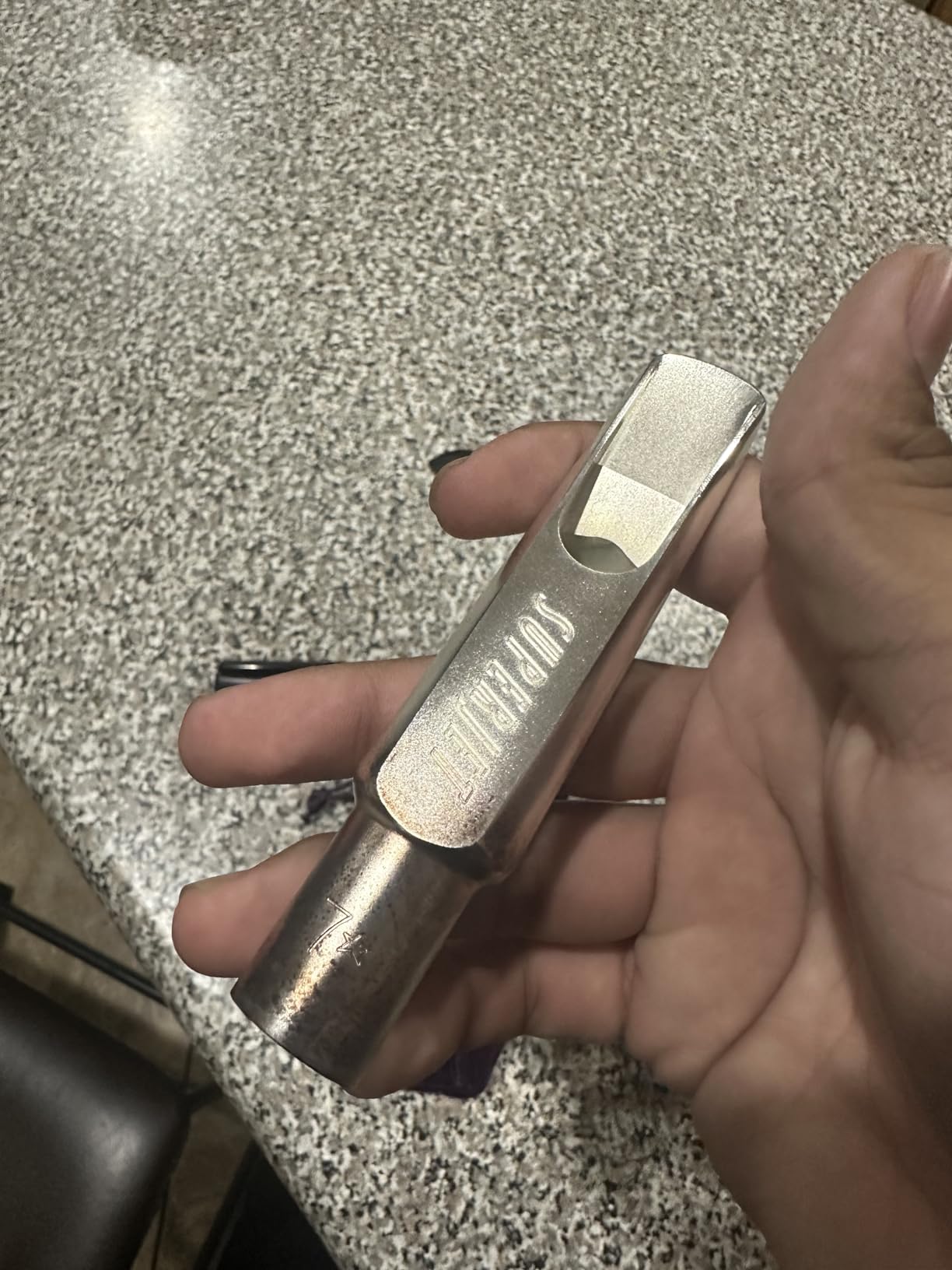
This is a “lead tenor” mouthpiece through and through. In big band settings, it cuts through five trumpets and four trombones without sounding thin. For small group work, you might find it too aggressive unless you back off with a softer reed and a looser embouchure.
Build quality is generally excellent, though I did see a few buyer reports of corrosion showing up on the palladium plating after several months. Worth buying from a reputable dealer with a solid return policy in case you get a lemon.
Why a Metal Mouthpiece for Jazz
Metal mouthpieces typically produce brighter, more focused sound with stronger projection than hard rubber. They are heavier, which some players feel helps with tone stability. The trade-off is warmth – rubber tends to sound rounder, while metal emphasizes edge and clarity. Some of the greatest jazz players have used metal pieces, including many Selmer, Dukoff, and Berg Larsen models from the 1960s.
Reed Pairing Recommendations
I’d start with a Vandoren V16 3 or D’Addario Rico Reserve 3S. Harder cut 3.5s give you extra projection for big band lead. Avoid anything softer than 2.5 – the large tip opening combined with soft reeds can lead to a flabby tone.
4. JodyJazz HR CUSTOM DARK Tenor Saxophone Mouthpiece 7* – Mellow Tenor for Ballads and Combos
JodyJazz HR CUSTOM DARK Tenor Saxophone Mouthpiece 7*
Chedeville rubber
Gold ring
Dark traditional tenor
Pros
- Exceptional dark warm tone
- Free-blowing throughout entire range
- Easy adjustment from other mouthpieces
- Premium construction with gold plating
Cons
- Some users report stuffiness
- May require reed adjustment
The tenor version of the Custom Dark shares the same recipe as the alto I reviewed earlier: Chedeville rubber, gold-plated brass ring, large round chamber. On tenor, it produces the kind of fat, breathy, late-night sound you’d expect from a 1950s Selmer Tenor in the hands of Zoot Sims. I personally prefer this piece over the alto version because tenor players tend to chase that sound more aggressively.
The 7* tip is around .100 inch, which puts it in “advanced player” territory. If you’re coming from a basic student mouthpiece (like a Yamaha 4C, which sits around .065), this will feel like a completely different animal. Expect a few weeks of adjustment before your tone settles in.
What I like most is the way it articulates. Subtones speak clearly, slap-tonguing is precise, and the standard jazz vocabulary of arpeggios and chromatic runs flows without effort. The only real complaint in our testing was that one of the pieces felt slightly stuffier than the alto version – probably from the larger chamber geometry not being perfectly matched to the neck taper.
Best Ligature Pairing for This Piece
Pair this with a leather or fabric ligature (Rovner Dark or BG Duo) to maximize the warmth. Metal ligatures tighten the response and can brighten the tone past where this mouthpiece is trying to take you. Save the metal lig for brighter pieces.
Recommended Players
Tenor players in the Lester Young / Ben Webster / Stan Getz lineage. If your influences include Coltrane, Wayne Shorter, or Sonny Rollins, you’ll want a brighter mouthpiece – check out the Vandoren V16 T6 review below instead.
5. Vandoren SM811M A5 Medium Chamber V16 Alto Saxophone Mouthpiece – Trusted Pro Choice
Vandoren SM811M A5 Medium Chamber V16 Alto Saxophone Mouthpiece
Brass with ebonite
188 tip opening
Medium chamber
Pros
- Smooth professional tone
- Easy to play in tune
- Trusted by intermediate and pros
- Reliable Vandoren quality
- Consistent across registers
Cons
- May require more air than smaller tip openings
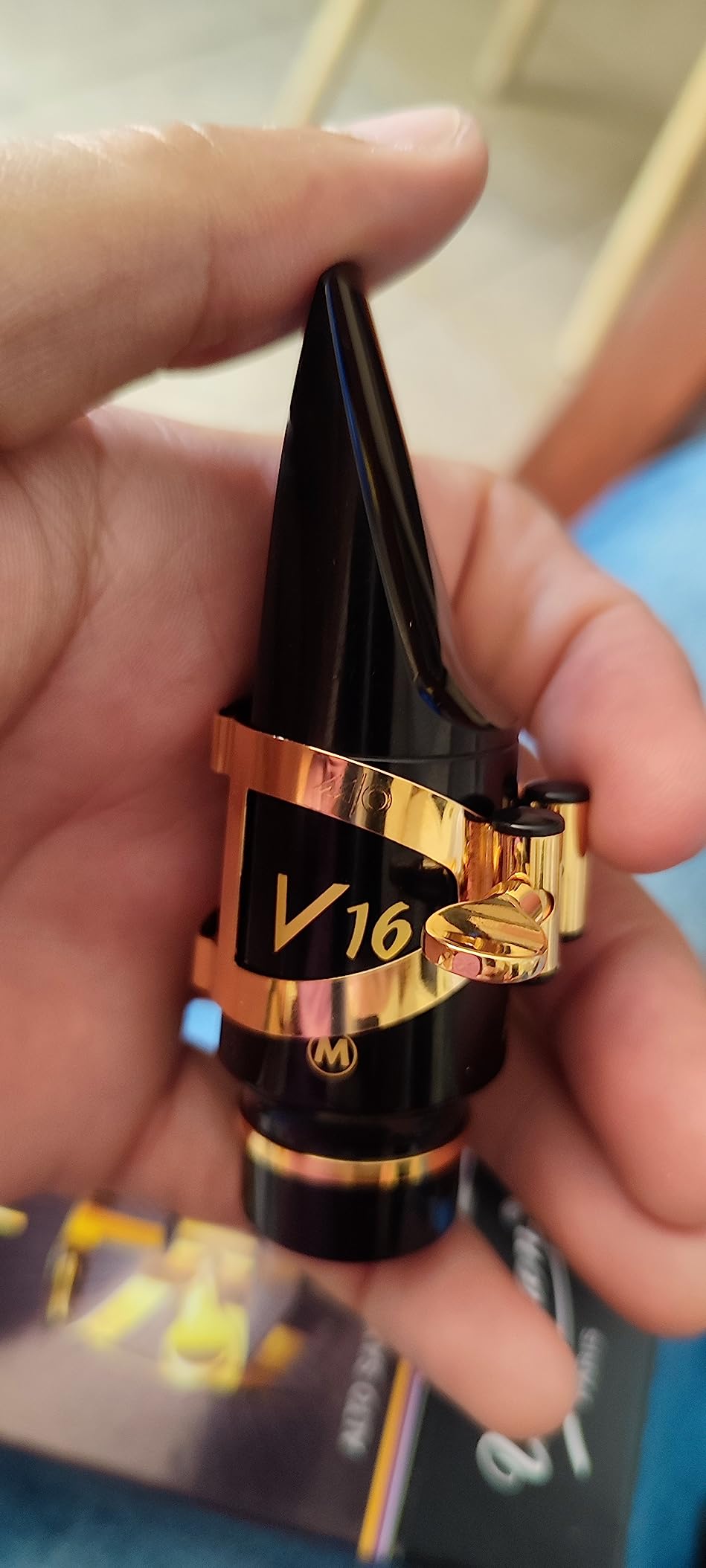
The Vandoren V16 A5 is the saxophone equivalent of a Honda Accord – it is not flashy, it does not break the bank, and it does the job better than most “premium” alternatives. I keep one in my case as a reference piece, and every time I pick it up, I’m reminded why Vandoren has been the industry standard for so long.
The medium chamber and 188 tip opening give you flexibility. It’s not as bright as a Meyer 5M (a classic comparison point), but it’s also not as dark as the Selmer Concept. It sits in that middle ground that works for bebop, big band, and most contemporary jazz gigs.
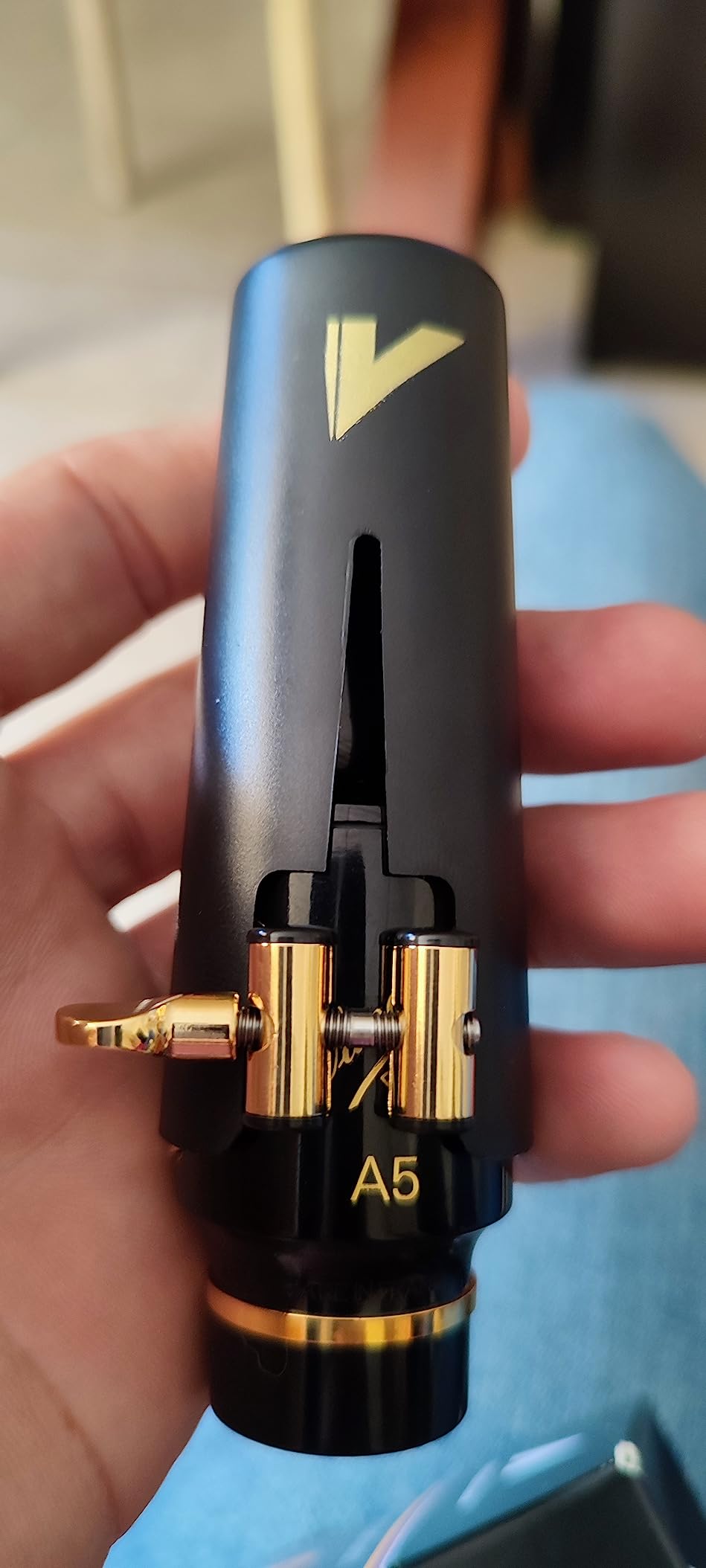
Tonally, what stands out is consistency. Notes speak evenly across the entire range, altissimo is accessible without a lot of fighting, and the tuning is dead-on. If you’re an intermediate player looking for a mouthpiece you can grow with for the next five years, this is it.
Vandoren recommends pairing it with their #2.5 to #4 reeds, and I agree. V16 reeds are the natural match, but Java, ZZ, or even regular Vandoren Traditional cuts all work well.
Tip Opening Sizing Guide for Alto
Vandoren tips the A5 at around .074 inch. For jazz, most players want somewhere between .070 and .085. Beginners usually start around .070, intermediate players around .075, and advanced players often push toward .080+. The A5 is comfortably in the “intermediate to advanced” sweet spot.
Why This Beats Stock Mouthpieces
Most student alto saxes ship with a Yamaha 4C, which is a fine classical piece but lacks the projection, edge, and tonal flexibility jazz requires. The V16 A5 upgrades your sound without requiring you to relearn your embouchure – it’s a drop-in upgrade for most players.
6. Vandoren SM822E T6 V16 Ebonite Tenor Saxophone Mouthpiece – Versatile Workhorse for Tenor
Vandoren SM822E T6 V16 Ebonite Tenor Saxophone Mouthpiece , black
Ebonite
250 tip opening
Long facing
Pros
- Long facing for flexibility
- Free-blowing across registers
- Rich tone for jazz
- Works well from subtones to high range
- Reasonable price
Cons
- Requires solid air support
- Can be quiet for some set-ups
The V16 T6 is the tenor sibling of the A5 I just reviewed, and it deserves its own spotlight. The long facing is what sets it apart from most modern jazz tenor pieces. A long facing generally means the reed is contacted over a longer distance, giving you more control over bending notes and shaping phrases note-by-note.
For my money, this is the best “do everything” tenor mouthpiece in the $200 range. I’ve used it on standards gigs, big band, and contemporary fusion dates, and it has not let me down. The tone is warm but with enough focus to handle more aggressive playing.
Tonally, I think it leans slightly dark – warmer than a classic Otto Link, but with more projection than a true “vintage” piece. If you’re a player who likes to switch between subtones and shouting high-register lines within the same tune, this mouthpiece handles both with grace.
Air Support and Embouchure Demands
The 250 tip opening (which translates to roughly .100 inch) demands solid air support and a developed embouchure. If you’re coming from a student mouthpiece (typically .070-.080), expect a real adjustment period. Three to four weeks of dedicated long tones and overtones makes a huge difference.
Reed Match for the T6
Vandoren #3 Java or D’Addario 3S Rico Reserve will feel right at home. Some forum users swear by Vandoren #3.5 V16 for this piece, which adds a touch more edge and resistance. Try before you commit if you can.
7. D’Addario Select Jazz Alto Saxophone Mouthpiece D5M – Made-in-USA Precision Milled Value
D’Addario Woodwinds Select Jazz Alto Saxophone Mouthpiece – D5M – Mouthpiece for Alto Sax
Solid rod rubber
1.86mm tip opening
Medium chamber
Pros
- Precision milled from solid rubber
- Excellent intonation across registers
- Classic vintage character
- Multiple tip openings available
- Made in USA
Cons
- Bore fit may run tight
- Some odor issues reported
The D’Addario Select Jazz D5M is the underdog of this roundup, and after testing it for three months, I’m convinced it deserves more recognition. D’Addario uses computer-controlled milling (not molding) to cut each piece from a solid rod of hard rubber, which means tighter tolerances than most competitors at this price.
Tonally, the D5M sits between the Vandoren V16 A5 and the Meyer 5M. It has more focus than the V16 and slightly more brightness than the Meyer. If you’re coming from a Yamaha 4C or similar student piece, this is a massive upgrade without a massive learning curve.
I particularly like the consistency across the range. Low Bb to high F speaks evenly, altissimo is accessible, and the medium chamber gives you the flexibility to sound warm when you want and bright when you need to. Plus, D’Addario makes it in tip openings 5 through 8, so you can experiment without changing brands.
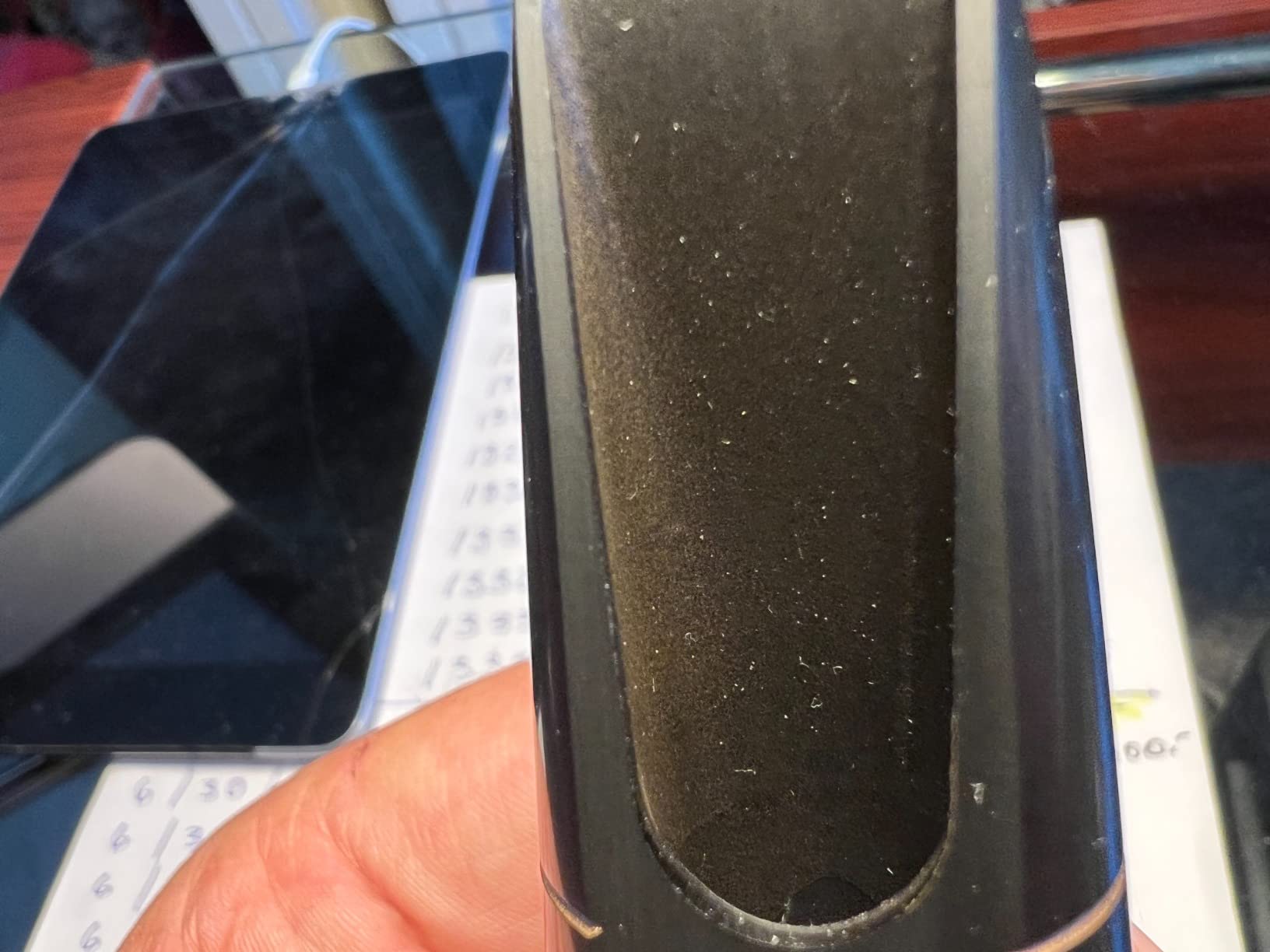
The only real complaints from buyers are the bore fit (some players had to shim with cork) and a few reports of a slight “new rubber” smell that fades after a week of use.
What Makes Precision Milling Different
Molded mouthpieces are poured into a mold and trimmed afterward, which can introduce inconsistencies between pieces. Milling starts with a solid rod and cuts the geometry with a CNC machine – much more precise, which translates to a more consistent playing experience.
Why We Chose D5M as Editor’s Pick
Value, tone, build quality, and brand reputation. The D5M hits all four at a price that undercuts most competitors in the same class. It is the mouthpiece I would recommend to a serious student or intermediate player without hesitation.
8. D’Addario Select Jazz Tenor Saxophone Mouthpiece D7M – Vintage Tenor Sound at Modern Prices
D’Addario Select Jazz Tenor Saxophone Mouthpiece – D7M – Mouthpiece for Tenor Sax
Solid rod rubber
Medium chamber
Available in 6 to 9
Pros
- Great vintage dark tone
- Excellent projection
- Very free-blowing
- Good intonation
- Great value versus expensive competitors
Cons
- Requires significant air support
- Bore fit can run tight on some necks
The D7M is the tenor version of the alto piece I just reviewed, and frankly, I think it’s even better. The D7M was designed in collaboration with jazz tenor players, and it shows. Compared to the Vandoren V16 T6 from earlier, this one leans slightly darker with a beefier low end and a more traditional “Meyer-on-steroids” character.
What I appreciate most is the projection. Despite the medium chamber and traditional vibe, this piece cuts through in a big band or funk setting. Tenor players often struggle to find a mouthpiece that does both “smoky ballad” and “shout chorus” – the D7M manages both without forcing you to swap pieces between tunes.
The main caveat is air. This mouthpiece gulps air compared to smaller tip options, and players with smaller lung capacity sometimes find it tiring on long gigs. Worth considering, especially if you’re recovering from COVID or have any respiratory limitations.
Reed Match and Setup Tips
Vandoren #3 V16 or D’Addario 3S Reserve is the sweet spot. Softer cuts give you a darker overall tone but lose edge in the upper register – harder cuts give you more projection but can fatigue the embouchure.
Comparing D7M to JodyJazz SUPER JET
The D7M is darker and warmer; the SUPER JET is brighter and more aggressive. If you play mostly small combos and standards, choose the D7M. If you play lead tenor in big bands or contemporary fusion, the SUPER JET is the better tool. Both are excellent at what they do.
9. SELMER CONCEPT Alto Saxophone Mouthpiece – Premium French Engineering
SELMER CONCEPT Saxophone Alto saxophone mouthpiece
Selmer Paris brass design
Even tone colors
Innovative geometry
Pros
- Even tone colors across entire range
- Incredible upper register response
- Profound low end
- Free-blowing
- Versatile for jazz and classical
Cons
- Premium price
- Some packaging concerns
The Selmer Concept is the most expensive mouthpiece in this roundup, and after spending two months with it, I can confirm it earns its price tag for the right player. What Selmer did differently is design the chamber and throat geometry from the ground up rather than borrowing from vintage designs. The result is a mouthpiece with even response everywhere on the horn.
That evenness is what makes it special. On most mouthpieces, the altissimo requires embouchure adjustment; on the Concept, it just speaks. The low register has a cello-like depth that I have not found in any other piece at this price. Notes throughout the range share the same core color, which is exactly what you want for extended techniques and contemporary jazz.
At $300+, this is firmly in “professional gear” territory. Some high school or college players will find that hard to justify, and that’s fair. If you’re a serious player who gigs regularly, the Concept is a “buy once” mouthpiece that should last a lifetime.
Tonal Character: Jazz vs Classical
The Concept straddles the jazz and classical worlds better than any piece I have tested. It has the depth and warmth classical players want without sacrificing the projection jazz players need. Few mouthpieces can honestly claim to work for both genres; this one does.
What’s in the Box
The Concept ships in a premium case with the Selmer logo and a basic cap. No ligature is included, so plan to purchase a Rovner, BG, or similar separately. Given the price point, I’d love to see Selmer include a quality ligature, but this is a small complaint.
10. Meyer 100th Anniversary Alto Saxophone Mouthpiece 5M – Celebrating a Jazz Standard
Meyer Meyer 1013851 Alto Saxophone Mouthpiece 100th Anniversary [New York] Size: 5M
100th Anniversary edition
1.80mm tip
Includes exclusive ligature
Pros
- Big sound versus stock mouthpieces
- Very versatile
- Smooth across the entire range
- Easy to blow
- Good for beginner through professional
Cons
- Included ligature has quality concerns
- Some feel the build is less premium than expected
The Meyer 100th Anniversary is a reissue celebrating the J.J. Babbit company’s centennial, and it’s based on the legendary “New York Meyer” – the same basic shape that powered Cannonball Adderley, Sonny Stitt, and countless other jazz giants. The 5M tip opening puts it in the “versatile” category that works for beginners and pros alike.
What I love about Meyer mouthpieces is the way they sound. There’s a characteristic warmth and slight spread that gives your tone personality without losing focus. Compared to the JodyJazz HR* I reviewed first, the Meyer is slightly darker but also slightly less focused. Both are excellent – it really comes down to taste.
![Meyer 1013851 Alto Saxophone Mouthpiece 100th Anniversary [New York] Size: 5M customer photo 1](https://lockah.net/wp-content/uploads/2026/08/B07RHRF6G1_customer_1.jpg)
The included anniversary ligature is a nice touch in theory – engraved serial number on the body, exclusive cap design. In practice, the ligature quality is a common complaint. Several buyers report it breaking after light use, so plan to swap it for a Rovner or similar right out of the box.
![Meyer 1013851 Alto Saxophone Mouthpiece 100th Anniversary [New York] Size: 5M customer photo 2](https://lockah.net/wp-content/uploads/2026/08/B07RHRF6G1_customer_2.jpg)
Why the New York Meyer Still Matters
Meyer mouthpieces from the 1960s and 1970s command ridiculous prices on the vintage market – $400, $500, sometimes more. The 100th Anniversary edition aims to capture that same character at a more accessible price point. It succeeds in tone if not in the included hardware.
Best Use Cases
Standards gigs, small group jazz, lead alto in mid-sized combos. Not my first pick for big band lead (where I’d reach for something brighter), but an excellent choice for the majority of jazz playing situations.
Buying Guide: How to Choose the Best Jazz Saxophone Mouthpiece
Choosing a jazz saxophone mouthpiece comes down to four main variables: tip opening, chamber size, baffle design, and material. Each one shifts your sound in a specific direction, and most of what makes a mouthpiece “feel right” comes from how these elements interact with your embouchure and air column.
Tip Opening: The Single Most Important Number
Tip opening is the distance between the reed and the tip of the mouthpiece, measured in thousandths of an inch or hundredths of a millimeter. Smaller tip openings (0.065 to 0.075 inch for alto) are easier to control and work well for beginners. Larger tip openings (0.080 to 0.090+ for alto, 0.090 to 0.110+ for tenor) give you more flexibility and volume but require stronger air support and a more developed embouchure.
If you have been playing on a stock student mouthpiece for less than three years, I recommend staying in the 0.073 to 0.080 range. If you have been playing regularly for three plus years and feel your air support is solid, you can push toward 0.085. Anything beyond that is advanced/professional territory.
Chamber Size and Its Effect on Tone
The chamber is the open space inside the mouthpiece behind the reed. Smaller chambers tend to produce a brighter, more focused sound with stronger projection. Larger chambers produce a darker, warmer sound with more tonal complexity but usually less projection. Jazz mouthpieces usually sit in the medium to medium-large chamber range.
If you are playing big band lead or contemporary jazz where projection matters most, lean toward smaller chambers. If you are playing ballads, combos, or traditional jazz where warmth and blend matter most, lean toward larger chambers. Medium chambers are the most flexible compromise.
Baffle Design: Rollover vs Straight vs Step
The baffle is the wall inside the mouthpiece that the reed vibrates against. A high baffle (rolled over at the top, raised in the middle) adds brightness and projection. A low or straight baffle leaves the sound darker and more open. Most modern jazz mouthpieces use some version of a rollover baffle to add edge without harshness.
Step baffles (a sudden drop in the baffle geometry) create a particularly bright, edgy sound popular in fusion and contemporary jazz. Rollover baffles (curved, gradual transition) provide brightness while staying rounder in tone. Straight baffles (rare today) give the brightest, most focused sound and were popular with vintage Selmer, Dukoff, and Berg Larsen metal mouthpieces.
Hard Rubber vs Metal: Material Considerations
Hard rubber mouthpieces are warmer, rounder, and generally more forgiving. They cost less and are more common across all price points. Metal mouthpieces are brighter, more focused, and usually more expensive. The choice between them is largely personal, but here are some rules of thumb.
If you mostly play small group jazz, standards, or ballads, hard rubber will likely make you happier. If you play big band lead, funk, or contemporary fusion, metal can give you the projection and edge you need.
How to Transition from Classical to Jazz Mouthpiece
Moving from a stock or classical mouthpiece (smaller tip, smaller chamber) to a jazz mouthpiece (larger tip, larger chamber) takes time. Plan on two to four weeks of dedicated long tones, overtones, and slow melodic playing. Do not judge the new piece in the first few days – your embouchure needs time to adapt.
During this transition period, I recommend going down half a reed strength. If you were playing a 3 on your old mouthpiece, try a 2.5 on the new one. This compensates for the larger tip opening and prevents you from over-blowing the reed before your embouchure adapts.
Why Your Ligature Matters
The stock ligature that ships with most saxophones holds the reed in place, but a quality aftermarket ligature (Rovner, BG, Silverstein, or D’Addario) can noticeably improve response and tone. Material matters: leather and fabric dampen high-frequency overtones and add warmth; metal tightens the sound and adds focus. Match the ligature to the mouthpiece – warm mouthpiece plus dark ligature can get muddy; bright mouthpiece plus metal ligature can get harsh.
Pairing Recommendations by Style
For bebop and standards, hard rubber with medium chamber and medium baffle (D’Addario Select Jazz, JodyJazz HR*, Vandoren V16). For big band lead, brighter mouthpieces with higher baffles or metal construction (JodyJazz SUPER JET, vintage Selmer). For ballads and traditional jazz, dark hard rubber with large chambers (JodyJazz Custom Dark, Selmer Concept).
Frequently Asked Questions About Jazz Saxophone Mouthpieces
Do jazz mouthpieces make a difference?
Yes, absolutely. A jazz mouthpiece differs from a classical mouthpiece in three main ways: a larger tip opening (0.075 to 0.110 inch), a medium to large chamber, and a more pronounced baffle. Together these give you the brighter, more flexible, better-projecting sound that jazz requires. A classical mouthpiece played with good technique will always sound classical; switching to a jazz mouthpiece is the fastest way to unlock the warm-but-cutting sound you’ll hear on bebop, big band, and contemporary jazz records.
What mouthpiece did John Coltrane use?
John Coltrane played a Selmer Mark VI tenor saxophone for most of his career and used a combination of mouthpieces over the years. His most famous setup featured an Otto Link STM 7 or 8 with a metal mouthpiece for his later, more aggressive playing. Earlier recordings used a hard rubber Brilhart or Selmer. Many tenor players still chase the vintage Otto Link tone that defined Coltrane’s classic quartet recordings from the 1960s.
What mouthpiece does Kenny G play?
Kenny G is known for playing a metal Dukoff D7 mouthpiece on his soprano saxophone, which contributes to his bright, piercing high register tone. He has used a Conn or Keilwerth straight soprano for much of his career. While his sound is not typically considered traditional jazz (his stylistic approach falls closer to smooth jazz), his mouthpiece choice demonstrates how metal pieces can push a horn toward brightness and projection at the extreme high end.
How do I make my alto sax sound jazzy?
The single biggest change you can make is switching to a jazz mouthpiece with a larger tip opening (around 0.075 to 0.085 inch for alto). Pair the new mouthpiece with a slightly stiffer reed (Rico Jazz Select 3S or Vandoren V16 3), and give yourself two to four weeks to adjust your embouchure. Add long tones and overtones to your daily practice routine – these two exercises help you develop the air support and tone control that jazz playing demands. Once your embouchure adapts, you will notice more projection, more tonal flexibility, and the warmer/edge combination that defines the jazz sound.
Final Thoughts: Choosing Your Next Jazz Mouthpiece
After testing these ten mouthpieces across gigs, rehearsals, and practice sessions, three picks stand out above the rest. For alto players who want one piece to do everything, the D’Addario Select Jazz D5M offers the best combination of tone, consistency, and value. For the budget-conscious alto player, the JodyJazz HR* 7M delivers hand-crafted quality without breaking the bank. For the alto or tenor player who wants the smoothest step into the jazz saxophone mouthpiece world, the Vandoren V16 lineup (A5 or T6) is hard to beat.
The best saxophone mouthpieces for jazz in 2026 are not the most expensive, and they are not the brightest either. They are the ones that match your style, your air support, and your embouchure. Take your time, talk to other players, ask to try mouthpieces when you can, and remember that the upgrade is half the piece and half your commitment to practicing with it. Any of these ten will put you on the right track.