

Fishing the flats is a patience game, and patience runs out fast when the tide starts sliding your boat off a redfish spot while you are bent over a rod. On shallow Gulf water, a bay, or a tidal river, holding position is worth more than moving faster, and that single requirement is what decides which saltwater trolling motor actually belongs on a flats boat.
I have spent the last few seasons working through bow mounts, transom mounts and handheld motors on skiffs and poling boats, comparing how each one behaves in a stiff onshore breeze with a beam tide running under the hull. This roundup of the best saltwater trolling motors for flats boats is the result: eight motors that are genuinely built for saltwater, sorted by thrust class, shaft length, mount type and whether they can hold a GPS lock on a spot while you fish it.
Two things shape every pick below. The first is corrosion protection, because salt water is patient and it destroys cheap electronics in a single season. The second is system voltage, because holding a boat against a two-knot tidal current draws far more power than trolling across flat water, and a 12V motor can run out of battery mid-fight with a permit bent on the line. Where a listing claims saltwater readiness I checked the spec sheet rather than the marketing copy.
We are keeping this list tight on purpose. Amazon’s saltwater trolling motor catalog is thin, and several listings that look like strong fits are freshwater-only units or shaft-length variants of each other, so every motor here clears the bar of being sold as a saltwater model. For a broader look at the category, our guide to the best trolling motors tested and compared covers freshwater use in more depth.
Top 3 Picks: Saltwater Trolling Motors for Flats Boats (October 2026)

Newport NV-Series 46lb Thrust
- 46lb thrust on 12V
- 30 inch telescoping shaft
- 8 speeds plus LED battery readout
- Transom mount at 20 lb

Haswing Cayman 55lb Bow Mount
- 55lb thrust with 48 inch shaft
- 164 ft wireless remote plus foot control
- Sacrificial anode for salt and fresh water

AQUOS Haswing 65lb Brushless
- 65lb thrust from a brushless motor
- Stepless speed control for slow drifts
- Two-year warranty on the whole motor
Best Saltwater Trolling Motors for Flats Boats in 2026: Quick Overview
| Product | Specifications | Action |
|---|---|---|
| Newport NV-Series 46lb Saltwater Transom Mount |
|
Check Latest Price |
| Haswing Cayman 55lb Bow Mount |
|
Check Latest Price |
| AQUOS Haswing 65lb Brushless Transom |
|
Check Latest Price |
 Minn Kota Riptide PowerDrive 55lb Bow Mount Minn Kota Riptide PowerDrive 55lb Bow Mount |
|
Check Latest Price |
 Minn Kota Riptide Terrova 80lb Bow Mount Minn Kota Riptide Terrova 80lb Bow Mount |
|
Check Latest Price |
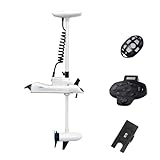 AQUOS Haswing 80lb 24V Bow Mount AQUOS Haswing 80lb 24V Bow Mount |
|
Check Latest Price |
 AQUOS Haswing 55lb Bow Mount with Remote AQUOS Haswing 55lb Bow Mount with Remote |
|
Check Latest Price |
 Minn Kota Riptide Fortrex 80lb Bow Mount Minn Kota Riptide Fortrex 80lb Bow Mount |
|
Check Latest Price |
What Is the Best Trolling Motor for Saltwater?
The best saltwater trolling motor for most flats boats is a corrosion-resistant bow mount with enough thrust to move your fully loaded hull against wind and tide, and enough electronics to hold a marked position. For most skiffs under 20 feet that means a 55lb to 80lb class unit at 12V or 24V with a shaft at least 3 inches longer than your bow height. Below that, the answer changes with the boat, and the sections that follow break it down by hull size.
1. Newport NV-Series 46lb Saltwater Transom Mount: Best Overall for Small Skiffs
Newport NV-Series 46lb Thrust Trolling Motor 12V – Saltwater Transom Mount Electric Motor for Kayak, Inflatable & Small Fishing Boat – 3 Blade Prop, LED Battery Indicator, 30″ Shaft
46lb thrust at 12V
Transom mount
30 inch shaft
20 lb motor weight
2 year warranty
Pros
- Strong thrust-to-weight ratio for a transom mount
- Quiet running suits dawn approaches
- LED battery readout tracks charge
- 3-blade propeller holds control in light current
Cons
- Short power leads with fork-style terminals
- Inline circuit breaker is awkward to wire
- 30 inch shaft ventilates more easily in chop
This is the motor I keep coming back to for smaller flats skiffs, and the reason is simple: it puts usable thrust on the transom without adding a heavy unit to the back of the boat. At 46lb of thrust on 12V and 20 pounds for the whole motor, it stows flat against the transom face or wading, which matters on water you push across a mudflat at low tide.
Owners consistently report quiet operation, which is the whole point on a redfish flat at first light. The LED battery power indicator is genuinely useful there, because the motor is drawing hard to hold position against a running tide and you want to know where you stand without opening a hatch.
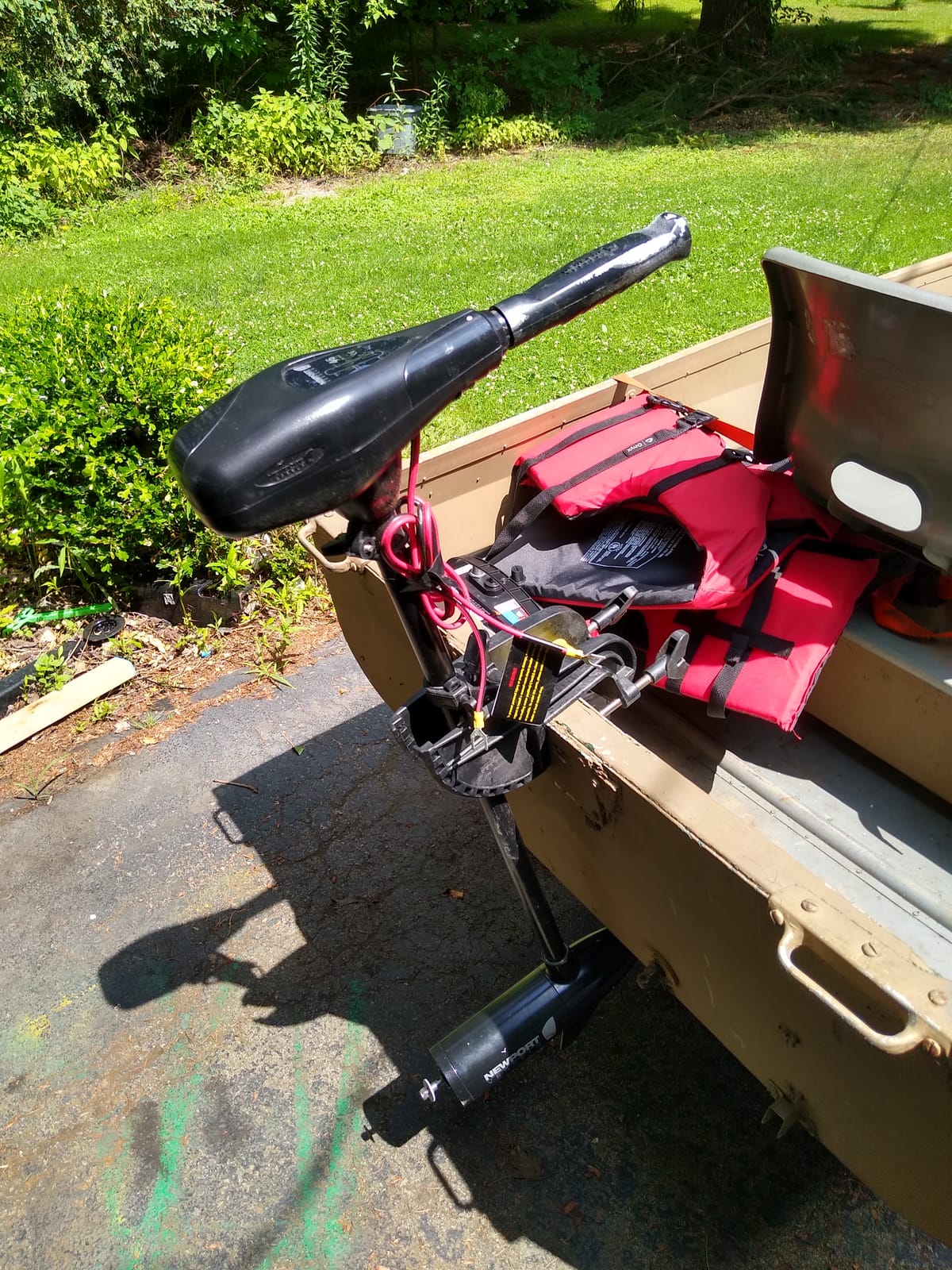
Eight speeds, five forward and three reverse, give you fine control when you are inching a drift over a school or backing down to a spot you spotted on the surface. The upgraded three-blade propeller is a real upgrade over the two-blade design most budget transom motors ship with, because it bites in wind and light current instead of slipping.
The build is aluminum throughout, and the listing rates it for saltwater as well as freshwater use. At 4.6 stars across more than 1,700 reviews, this is by far the most proven motor in the list, which matters more on saltwater than any spec sheet because corrosion failures tend to show up in year three, not year one.

Why this motor suits a shallow poling skiff
The 30-inch shaft is the tradeoff. Flats are often less than three feet deep, and a short shaft that only reaches a modest distance below the hull can start to ventilate when a short chop crosses the flat. Owners report the 30-inch shaft as short for larger hulls, so I would not pair it with a boat over about 18 feet.
For a 14 to 16 foot Carolina or poling ski with light freeboard, the trade works the other way. The shaft stays submerged in a beam chop, the motor weighs little enough to lift one-handed off the transom, and you are not adding a 40-pound assembly to a boat you launch solo. Read our transom mount trolling motor comparison if you are weighing the mount style itself.
Where the budget build shows
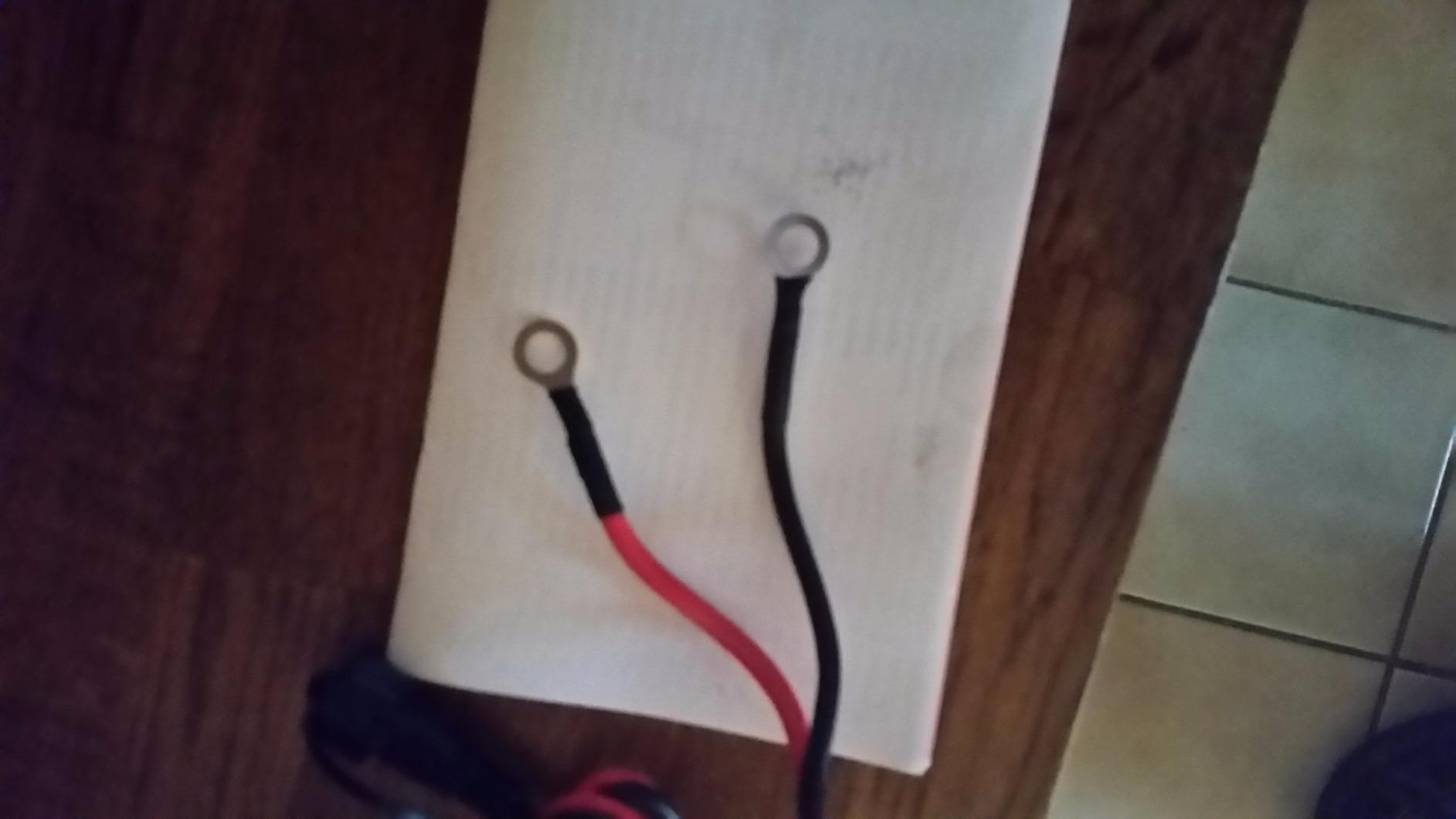
The two most repeated gripes are electrical, not mechanical. The power leads are shorter than most installers expect and terminate in fork connectors rather than ring terminals, so plan on replacing them with proper tinned marine cable before you connect a bank.
The inline circuit breaker design is also awkward and a few owners report it tripping unexpectedly. Neither issue is dangerous, but both add an afternoon to your install. Real-world thrust also feels closer to a mid-30s rating than a true 46lb figure, which is normal for this class and worth remembering when you size your boat to it.
2. Haswing Cayman 55lb Bow Mount with 48 Inch Shaft: Best for Small-Footprint Skiffs
Black Haswing Cayman 12V 55lbs 48 inch Bow Mount Electric Trolling Motor Lightweight, Variable Speed, with Foot Control/Quick Release Bracket for Bass Fishing Boats Freshwater/Saltwater
55lb thrust at 12V
Bow mount, quick release
48 inch shaft
Sacrificial anode
Pros
- Variable speed control saves battery at trolling speeds
- Quiet enough to approach fish undetected
- Remote and foot control allow hands-free steering
- Sacrificial anode protects the lower unit
Cons
- Cruise control is not a true GPS hold
- Reverse requires rotating the motor 180 degrees
- Accessories carry only a three-month warranty
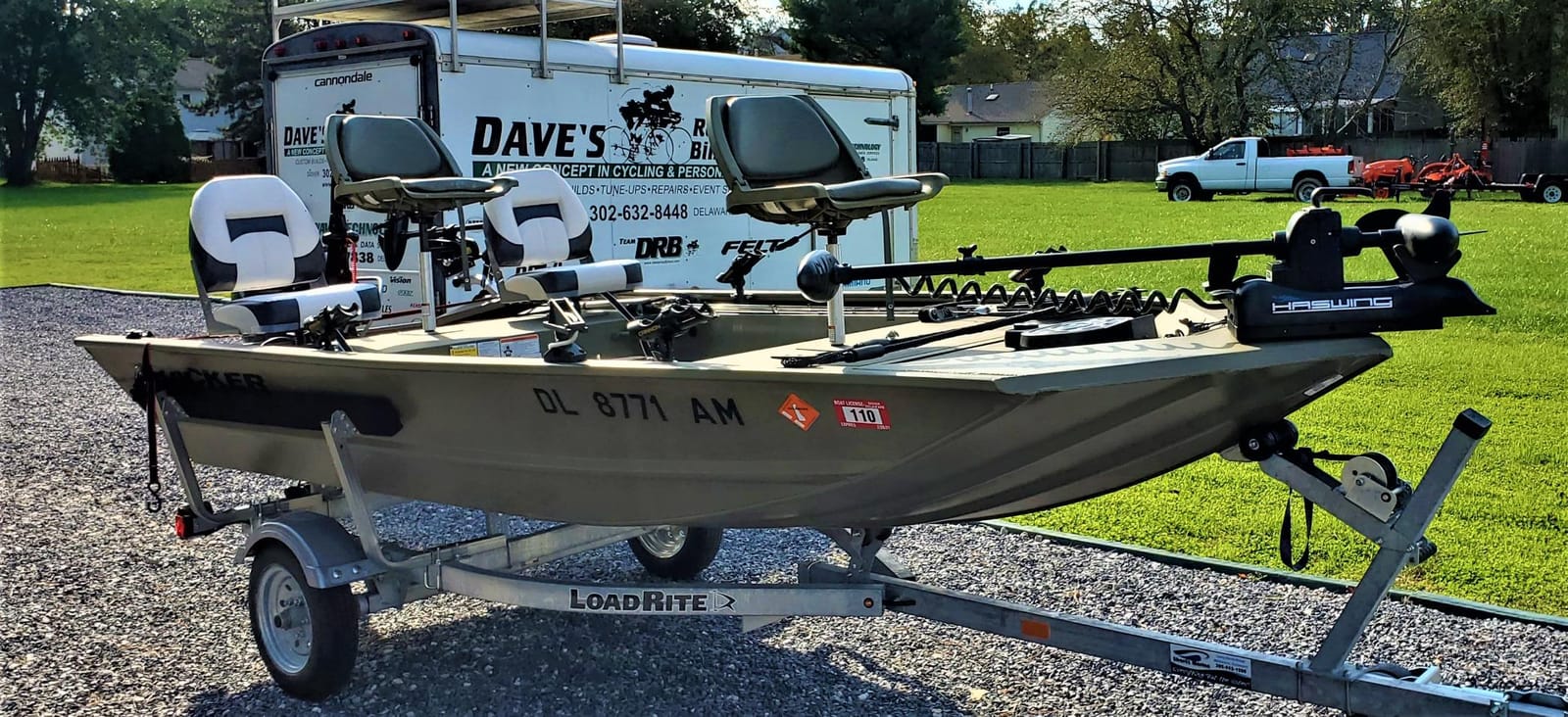
A 48-inch shaft is unusually short for a 55lb bow mount, and on a flats boat with low freeboard that is a feature rather than a compromise. The shaft stays submerged in wind chop that would push air past the prop on a 60-inch shaft, and it does not hit bottom as often when you are working a two-foot edge in a falling tide.
The Cayman is rated for boats up to 2,750 pounds, which covers most 16 to 18 foot flats skiffs and poling boats with a light load. Aluminum and metal construction with a sacrificial anode covers the corrosion question for occasional intracoastal and bay use, which is where most skiff owners actually fish.
Variable speed is the feature I would keep this motor for. On the flats you spend most of your time at 1.5 to 2 knots, and holding a fixed speed there wastes amperage that you would rather have in reserve when the tide picks up. Owners also consistently praise how quiet it runs at those speeds.
The quick release bracket is a genuine convenience on a shallow-draft boat. You can drop the motor in a matter of minutes at the ramp, stow it flat on the forward deck without leaving a bracket in the sole, and be poling before the tide has turned.
How it holds when the tide starts running
This motor has cruise control, not GPS anchoring, and that distinction matters more than it first appears. Cruise control holds a heading you set. It does not know where your redfish spot is, so once the wind and tide push the bow off line you are back to correcting it by hand or fishing a drifting boat.
For a solo angler drifting a long channel, that is manageable. For holding a specific spot over hard bottom for an hour, it is the reason you would step up to one of the GPS-equipped motors further down this list. Owners migrating from spot-lock capable setups notice the gap immediately.
Watch the reverse mechanism and the shaft
To reverse, you rotate the motor head 180 degrees rather than flipping a switch. It is an old-fashioned arrangement that catches people out the first time, and it is awkward to do while holding a rod. Plan your approach speed so you are rarely in a position where you need to back down.
Depth adjustment can cause the shaft to slide if you do not hold it, which is a real risk on a shallow flat where you are constantly trimming around structure. The three-month accessory warranty is another consideration: the remote and foot control are the parts most likely to fail, and they are the parts covered for the shortest window.
3. AQUOS Haswing 65lb Brushless Transom Motor: Best Value
AQUOS Haswing 12V 65lbs 35.5in Brushless Transom Trolling Motor
12V brushless motor
65lb thrust
Stepless forward and reverse
9 kg
2 year warranty
Pros
- Brushless design roughly doubles runtime over brushed motors
- Stepless control allows very slow drifts
- Lightweight for a 65lb thrust class
- Sold as fresh and saltwater ready
Cons
- Electromagnetic interference can degrade sonar readings
- No inline circuit breaker included
- Lowest speed setting still runs near 1 mph
Here is the value pick, and the number that makes it interesting: 65 pounds of thrust from a 12V brushless motor weighing roughly 14.5 pounds. Most owners who upgraded from a 55lb brushed motor report about double the runtime, ten more pounds of thrust and roughly half the weight. That combination is rare in this category.
The reason the runtime jumps is the brushless design. The motor draws about 40 amps at full throttle and closer to 20 to 26 amps at cruising speed, and it does not waste current as heat the way a brushed unit does. On a flats boat where you idle over a spot for three hours, that difference is the whole ballgame.
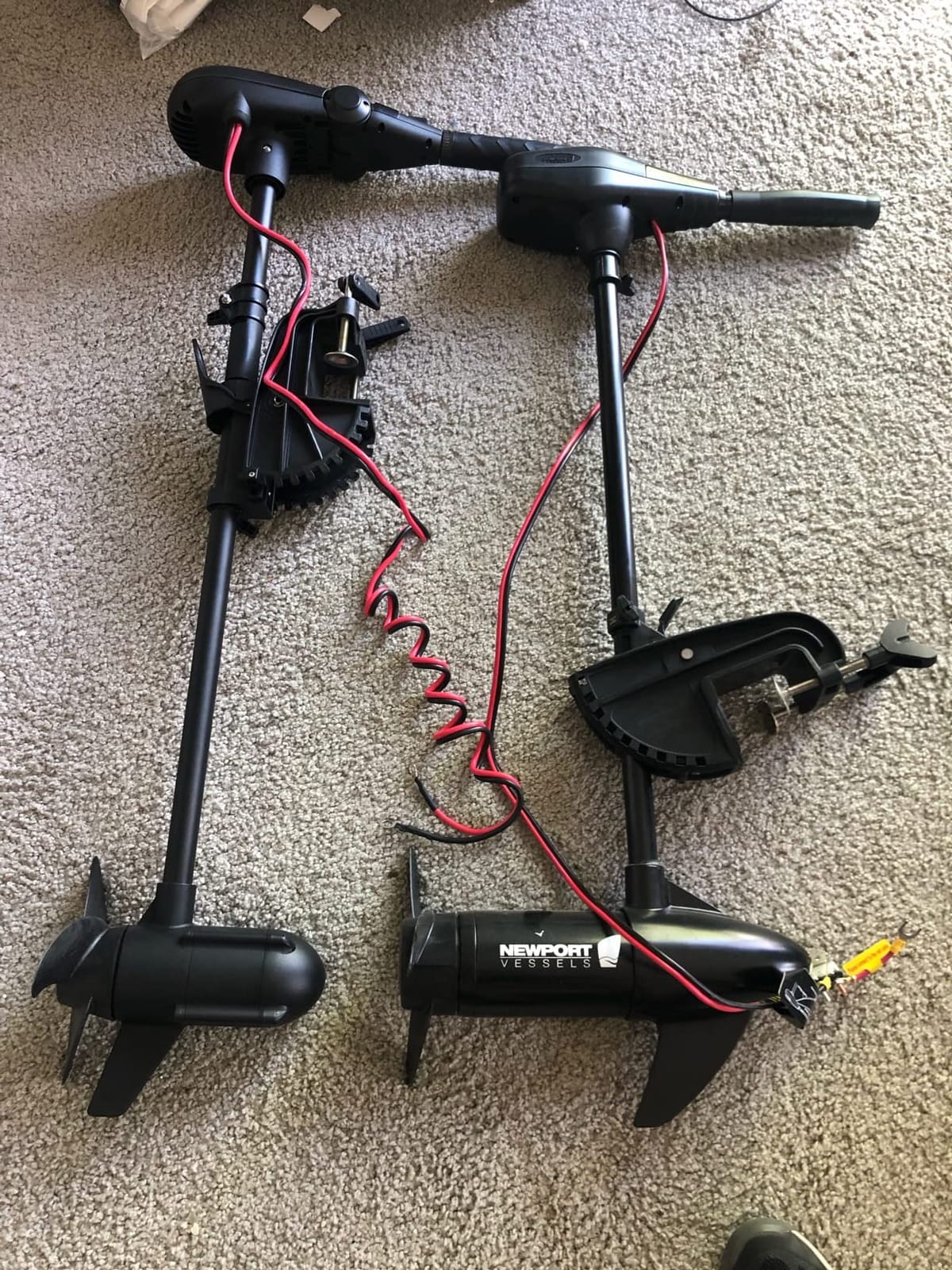
Stepless forward and reverse control is the other quiet win. There are no detents between speeds, so you can dial down to a drift slow enough that the boat looks stopped, which is exactly what you want when reds are sitting in 18 inches of water over hard sand.
The tilt system offers 10 positions with a 180-degree folding handle and a quick lock trim adjustment, so you can change depth fast when you drop from a ledge into a flat. A three-level LED battery indicator sits on the head, and the kill switch is reachable from the handle.
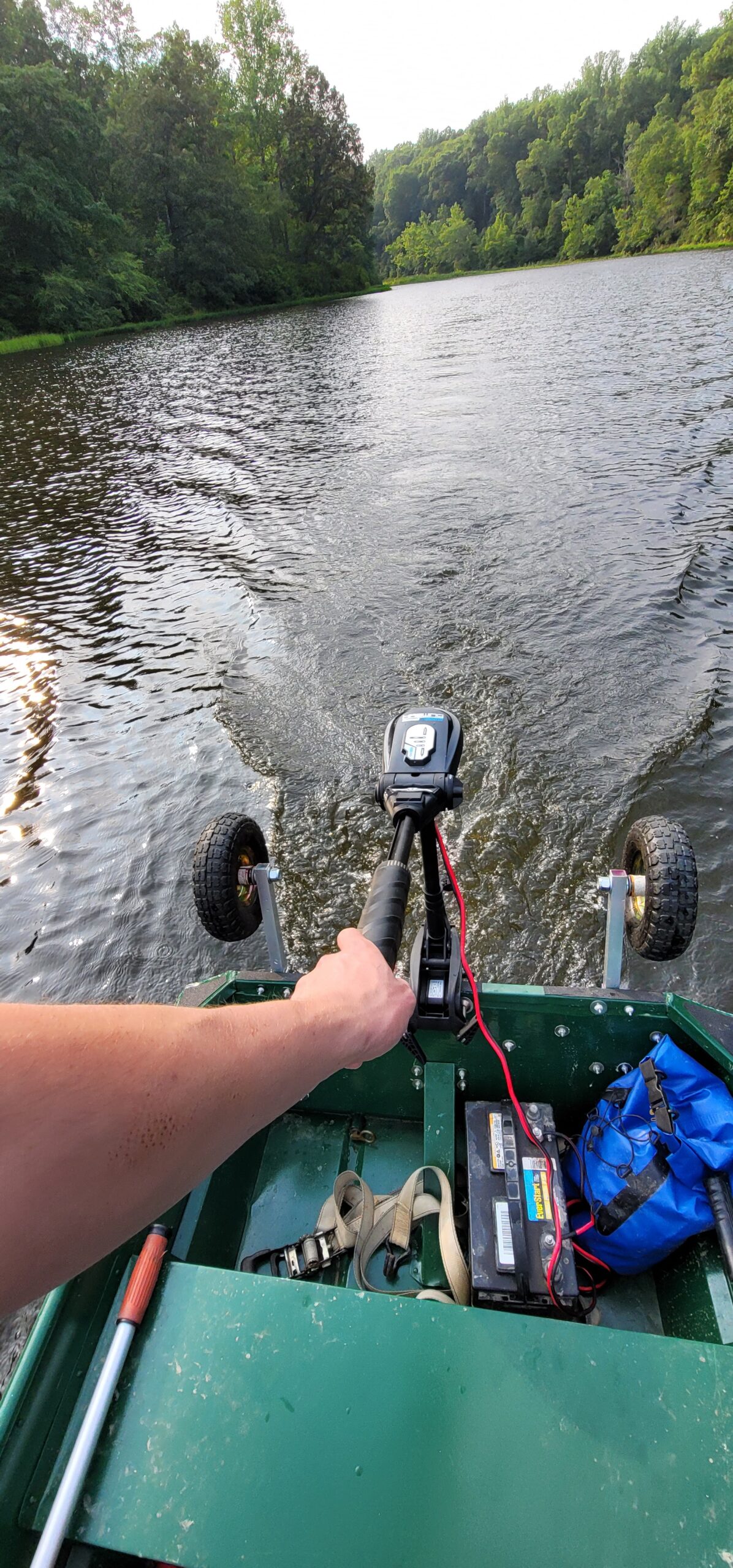
What the interference issue means for your electronics
The most common complaint, and it is a significant one, is electromagnetic and RF interference that degrades fish finder and sonar readings. Several owners report it persists even with a separate power supply. If you run live sonar or a depth finder and fish structure, test this motor with your electronics powered before you commit to it.
There is no inline circuit breaker in the box. That is a fifteen-minute addition and a good afternoon’s work, but it is an addition you need to plan for rather than discover at the dock. The motor also draws power while switched off when connected to a battery, so a master switch on the bank is worth adding.
Where it fits on a flats boat
The 24.6-inch shaft is short, which suits a low-freeboard skiff and limits its use on anything with tall freeboard. Owners report it handling multiple seasons of saltwater reliably, and the two-year warranty covers the entire motor rather than just accessories, which is the better arrangement in this lineup.
At 65lb on 12V this is the strongest single-battery option here. If your boat tops out around 2,000 to 2,500 pounds loaded, it gives you more thrust than most 55lb bow mounts without a second battery, and it is the motor I would pick for a solo skiff angler working inside the passes.
4. Minn Kota Riptide PowerDrive 55lb Bow Mount: Best 12V GPS Hold
Minn Kota Riptide PowerDrive Bow-Mount Electric Trolling Motor with Mircro Remote – 55 Lb. Thrust, 54 In. Shaft, Saltwater
55lb thrust at 12V
54 inch shaft
Spot-Lock GPS
Digital Maximizer
44 lb motor weight
Pros
- GPS Spot-Lock holds position without an anchor
- Marine corrosion protection on the lower unit
- Deploy-Assist lever simplifies stowing
- Push-to-test battery meter
Cons
- Heaviest 55lb bow mount here at 44 lb
- Micro remote has fewer control options
- Small review pool at 39 ratings
This is the only motor in the list that pairs GPS anchoring with a single 12V battery bank, and for many flats skiff owners that combination is worth more than raw thrust. Spot-Lock drives the prop and rudder to hold your marked position, which frees both hands and lets you fish a spot in wind that a heading-hold system cannot.
The lower unit uses marine corrosion protection with a grit-blasted, aluminum-coated housing, and Minn Kota rates this model for salt water specifically. That distinction matters. A freshwater-rated motor on a handful of bay trips is a calculated risk; a motor sold as saltwater-rated is a different category of promise.
Digital Maximizer power management is what keeps a 12V system viable on the flats. It draws only the power each speed setting needs rather than pulsing full throttle, and the push-to-test battery meter gives you a real charge reading rather than a guess.
How Spot-Lock performs on a shallow flat
Anchor holding is excellent in moderate conditions, and it is the feature that changes the trip. Rather than fighting wind every few minutes, you mark a spot over a school and come back to it an hour later with the same fish underneath you. On redfish and speckled trout flats this is the difference between covering ground and fishing a location.
The failure mode worth knowing about is wind. When the onshore breeze pushes harder than the motor can counter, position keeping degrades into the boat sitting in constant motion around the mark. That is discussed in more detail in the Spot-Lock section below, because the fix is a hardware change rather than a motor change.
Handling weight on a solo launch
At 44 pounds this is the heaviest 55lb bow mount in the lineup, and it is the number to think about if you launch alone from a shallow ramp. Bow mounts win on flats because they pull the bow rather than the stern, but that 44 pounds lands in your hands every time you stow it.
Bluetooth micro remote control is compact with a non-slip grip, though it offers fewer options than a full wireless remote with an LCD. The 54-inch shaft suits a moderate bow height; if you have very high freeboard, this is not the length you want. Owners of this configuration rate it 4.5 stars, with 78 percent five-star ratings.
5. Minn Kota Riptide Terrova 80lb Bow Mount: Best for Big Flats and Bay Boats
Minn Kota Riptide Terrova Bow-Mount Electric Trolling Motor with GPS, Spot-Lock – 80 Lb. Thrust, 60 In. Shaft, Saltwater
80lb thrust at 24V
60 inch shaft
Spot-Lock with Jog
Heading sensor
Three-year warranty
Pros
- Spot-Lock and Jog hold precise position and allow a 5 ft nudge
- Drift follow and dodge modes cover most fishing situations
- 80lb on 24V handles wind and heavier bay boats
- Longest warranty in the lineup
Cons
- Heaviest system to install with paired batteries
- Isolated reports of assembly and spooling issues
- Small review pool at 67 ratings
For a 20 to 24 foot bay boat working the intracoastal and the outer flats, 80 pounds of thrust on a 24V system is the right size, and this is the motor that delivers it with the most sophisticated anchoring in the lineup. The Riptide Terrova is rated for saltwater fishing and boating, with a powder-coated lower unit for corrosion protection.
Jog is the feature I would not give up. Spot-Lock holds a position, and Jog lets you shift that lock five feet in any direction without losing the anchor, so you can move from a fish you cannot reach to one you can. Drift mode holds a heading, follow mode tracks a path, and dodge mode intercepts a fish you mark.
The heading sensor and MKP-33 propeller come in the box, along with a wireless remote carrying an LCD and four programmable One-Boat Network buttons. That last part is what lets the motor share heading and route data with the rest of your electronics instead of running as an isolated system.
Why 24V changes the trip
Voltage is the quiet advantage here. A 24V motor moves the same amps as a 12V motor for roughly twice the power, so holding an 80lb thrust against a running tide draws about half the amperage of the equivalent 12V setup. Owners report the motor holding position without an anchor all day on paired batteries.
On a bay boat that means you arrive home with reserve instead of calculating how early you have to leave. It also means heavier batteries and more wiring, which is where most of the installation effort goes. Budget for a proper battery bank, a charger, and correctly gauged cable rather than treating the motor as a standalone purchase.
Where the reports get sharp
With 67 reviews the sample is thin, and one owner received a unit assembled with 55lb bracket hardware on an 80lb motor and needed dealer correction. Another reported the motor spooling and wrapping its cable during a Spot-Lock engagement, and a third described an unexpected full-throttle run while handling the remote that circled the boat until it was powered off.
Eleven percent of ratings here are one-star, tied for the highest share in the lineup, and those isolated electrical reports are most of it. The three-year warranty with registration is the longest in this group and is the reason I would still put it at the top for a larger boat, but keep the registration, and test the remote functions in open water before you trust it on a windy day.
6. AQUOS Haswing 80lb 24V Bow Mount: Best 24V Workhorse
Haswing Bow Mount Trolling Motor 80lbs 54in – Remote & Foot, Quick Release
80lb thrust at 24V
54 inch aluminum shaft
Remote and foot control
Sacrificial anode
Pros
- 80lb on 24V moves 18 to 22 ft pontoons and deck boats
- Remote plus foot control for steering anywhere on board
- Long power cord reaches distant battery banks
- Two-year motor warranty
Cons
- Cruise control is not GPS anchoring
- Shaft can bind when lifted out of the water
- Release handles are out of sync with each other
This is the 24V option for a boat that is not going to get a full Minn Kota system, and the numbers behind it are capable. Eighty pounds of thrust on 24V, a 54-inch aluminum alloy shaft, and a stated capacity for boats up to 4,000 pounds, which puts it in bay boat and larger skiff territory rather than a 16-foot poling ski.
Owners report full battery remaining after five hours of running, and a long power cord that reaches a bank mounted forward or aft. Sacrificial anodes handle the corrosion protection, and the unit is rated for both fresh and salt water.
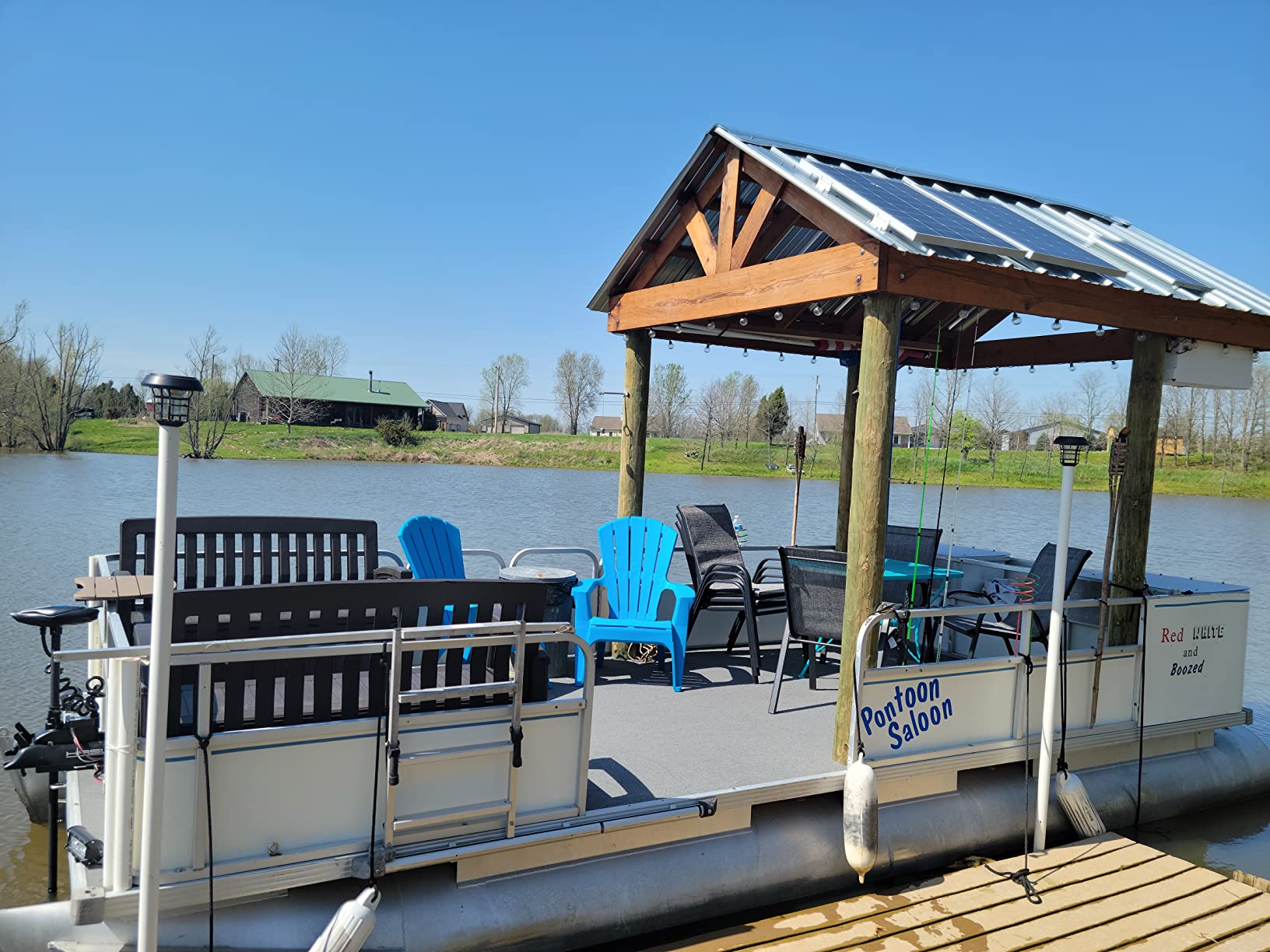
Control is a 2.4G remote at 164 feet plus a wireless foot control at 33 feet. The foot control is the one you will use most, because steering with your feet leaves your hands on the rod or on the push pole and lets you respond to a fish instead of the tiller.
Variable speed keeps the draw down at trolling speeds, which is where you spend most of the day. On a 24V system that efficiency compounds, because you are working from a larger bank with more headroom before you start calculating whether you have enough to make it back.
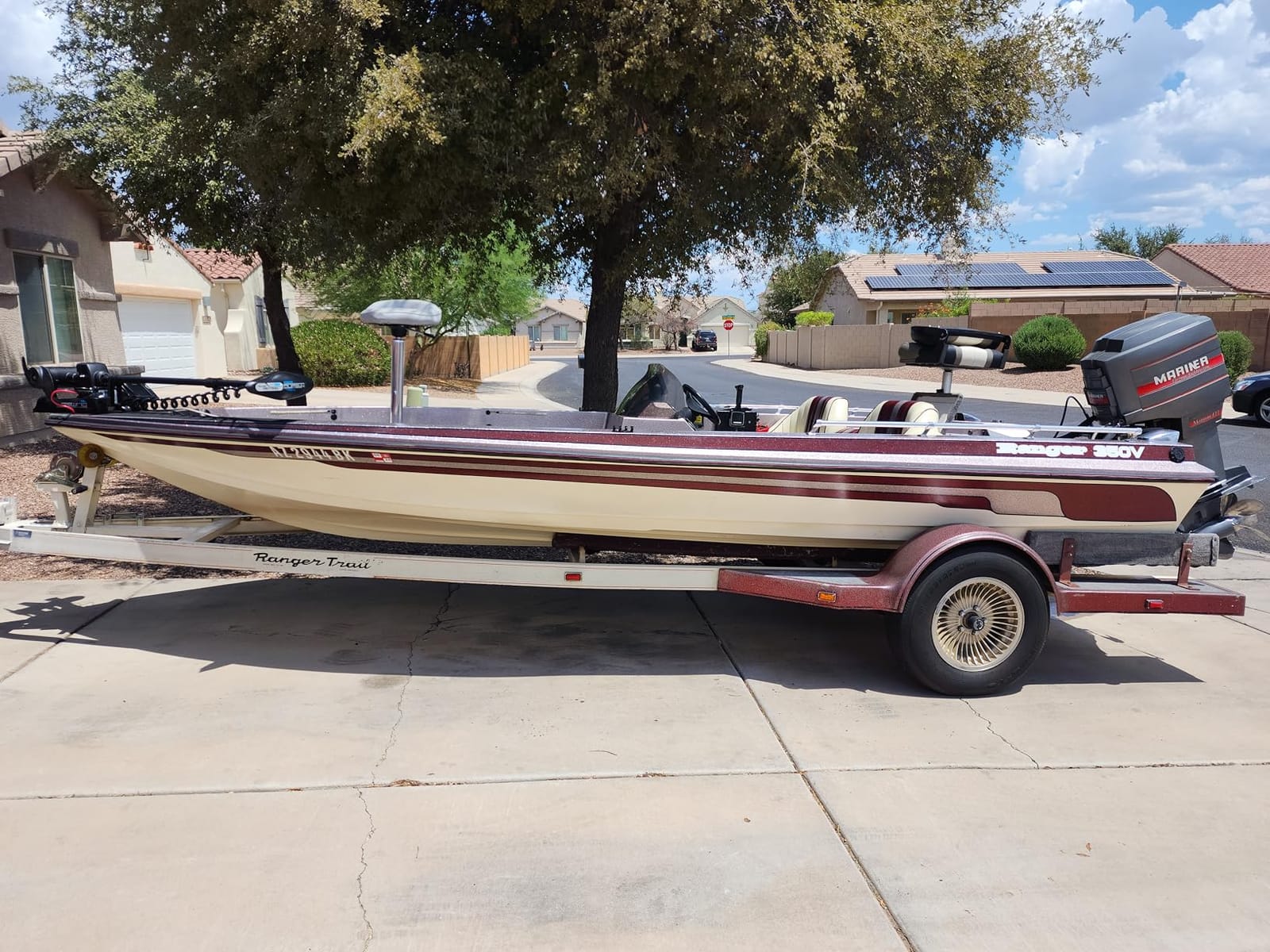
Why the deploy mechanism is the thing to watch
The most consistent complaints are mechanical and they all touch the same place: lifting. Owners report the shaft binding or freezing halfway out of the water, which on a shallow flat is when you are standing in shin-deep water trying to stow fast enough to beat the tide.
Release handles are also out of sync, with only one side fully releasing the motor. Neither is a deal breaker, but both deserve testing before you rely on the motor on a rising tide with a loaded boat. If the lift feels stiff from the first use, work the mechanism and find out early.
What you give up without a GPS hold
Cruise control is not Spot-Lock. It holds a heading, not a location, so once wind and tide cross your bow you are correcting manually or accepting drift. On big open water with a lot of running that is fine. On a stationary flats bite, where the entire point is staying over one spot, it is the biggest gap between this motor and the two Minn Kota models above.
One owner also reported a controller failure after about a year with no replacement controller available, and some reported high-pitched noise at random speeds along with jerky power delivery. Twelve percent of ratings are one-star. The two-year motor warranty applies, but accessories are only covered for three months.
7. AQUOS Haswing 55lb Bow Mount with Remote: Best for Quiet Operation
Haswing Bow Mount Trolling Motor 55lbs 54in with Remote, Quick Release
55lb thrust at 12V
54 inch shaft
164 ft wireless remote
Boats up to 2750 lb
Pros
- Highest average rating in the lineup at 4.7 stars
- Very quiet operation confirmed by multiple owners
- Handles 20 to 24 ft pontoons with remote steering
- Easy installation across multiple boats
Cons
- Cruise control is not a GPS hold
- Cam lock on the stowed shaft can release in chop
- Accessories carry only a three-month warranty
Quiet is the word owners use most for this motor, and on a shallow flat where you are within twenty feet of reds holding in a ripple, that is a real advantage. At 4.7 stars with no one-star or two-star ratings at all, this is the highest-rated motor in the lineup, and the small review pool is the only reason it is not higher on the list.
It is rated for fresh and salt water with a sacrificial anode on the lower unit, and it is built for boats up to 2,750 pounds. A 54-inch shaft suits a skiff with moderate bow height, and the quick release bracket plus ergonomic lifting handle make it one of the easier bow mounts to handle solo at the ramp.
The 2.4G remote reaches 164 feet and is USB rechargeable, which removes the need to keep spare batteries for the controller. Variable speed gives smooth control and better battery life at trolling speeds, and the 600-watt motor is more than adequate for the 1.5 to 2 knot drift that covers most flats water.
Owners report it quietly pulling 20 to 24 foot pontoons with remote control from anywhere on the boat, and several describe the performance as matching models costing twice as much. Two years of motor warranty is offered, plus two years of spare part availability in Europe.
The stow cam lock is worth inspecting
The one serious report in this listing involves the cam lock on the stowed shaft releasing over chop at speed, which snapped the shaft. The manufacturer resolved it with a full refund and paid return shipping, but the failure mode is the kind you want to check every season.
The latch also tends to stick until it wears in, so expect a few deployments before the stow mechanism feels reliable. Check the cam lock after every hard run. On a shallow flat, a stow failure means swimming after a motor.
Where cruise control limits you
Again, cruise control is not GPS anchoring. It will hold a heading you set, but it does not know where your spot is. For drifting a channel, working a drop-off edge or covering water, that is fine. For holding a permit flat in wind, you will be correcting manually.
No foot control is included in this configuration, so plan on the remote or on adding a foot unit separately. There are two shaft configurations available, 48 and 54 inches, which gives you some flexibility to match your bow height.
8. Minn Kota Riptide Fortrex 80lb Bow Mount: Best for Effortless Deploy
Minn Kota Riptide Fortrex Bow-Mount Electric Trolling Motor – 80 Lb. Thrust, 52 In. Shaft, Saltwater
80lb thrust at 24V
52 inch shaft
Lift-Assist stow assist
Bowguard 360 bracket
Pros
- Lift-Assist roughly halves stow and deploy effort
- Weedless Wedge 2 prop pushes through vegetation
- Bowguard bracket breaks away and resets on impact
- Uses about a third of a battery over three hours
Cons
- Loud at higher speeds with a bearing-like noise
- Stow mechanism jams frequently after deployment
- Heaviest motor in the lineup at 61 lb
The thing this motor does better than anything else in the lineup is getting in and out of the water. The patented Lift-Assist uses a stainless steel nitrogen gas-charged spring with a counter-tension stabilizer, and owners consistently say it roughly halves the effort of stowing and deploying a heavy 24V unit. On a solo launch at a shallow ramp, that is the feature you will notice every single trip.
The Bowguard 360 breakaway bracket is the other smart piece. It releases on impact and resets itself, so striking a mangrove root or a sand bar does not mean replacing the mount or losing the motor into deep water.
The Weedless Wedge 2 propeller is built for working edges with vegetation. Owners report it powering through seagrass and overgrowth without the battery drain a standard propeller takes when it is cutting grass, which is a meaningful advantage nearshore flats and marsh edges.
What the power actually costs you
At 80 pounds of thrust on 24V, this is a heavy-duty saltwater unit with marine corrosion protection on the lower unit housing. Owners report using roughly a third of a battery over three hours while handling wind and tide, which puts it in the same efficiency band as the Terrova despite being an older platform.
Digital Maximizer power management with a push-to-test battery meter handles the draw. The 52-inch shaft suits a boat with moderate bow height, and depending on your deck setup you may want a 24-inch extension handle for the stowed position.
The reasons this one scores lowest
Noise is the first issue. Owners describe it as loud at higher speeds, one comparing the sound to a bad bearing. On shallow water where you are running at one or two knots that is tolerable, but any speed above trolling pace makes the motor the loudest thing in the boat.
The stow mechanism jams frequently after deployment, which is an odd thing to see on a motor whose main selling point is easy stowing. One owner considered 80 pounds of thrust underpowered for a larger boat. At 61 pounds it is also the heaviest motor here, and with 28 reviews and 14 percent one-star ratings this is the least-proven unit in the list, which is why it sits at eight rather than higher.
How Much Thrust Does a Flats Boat Trolling Motor Need?
Start with fully loaded weight, not hull length. Add up your hull, the motor, batteries, gear, fuel, and two adults of fishing weight, then match that figure against roughly a fifth of the loaded total in pounds of thrust. A 1,800-pound loaded skiff wants about 35 pounds of thrust for flat water, and more like 55 to 65 pounds if you want to hold position in wind and a running tide.
Boat length is the secondary input, mostly because it tells you how much room you have for the batteries and how hard it is to handle the motor at the ramp. Here is how the thrust classes in this roundup map to typical flats hulls.
For a 14 foot skiff or poling ski under roughly 1,200 pounds loaded, a 46 to 55 pound motor is the sensible range. At that weight you are poling more often than you are trolling, and you want something you can lift by yourself.
For a 16 to 18 foot skiff around 1,500 to 2,200 pounds loaded, 55 to 65 pounds of thrust is the sweet spot. This is the most common flats boat size and where the majority of these motors land.
For a 20 to 24 foot bay boat above 2,500 pounds loaded, 80 pounds of thrust on a 24V system is where I would start. That is the configuration that still holds when the wind is on the beam and the tide is running two knots past the boat.
Whatever the hull length, hold your motor at about a fifth of loaded weight as a floor and treat wind and current as the reason to go one class up. More thrust than you need costs you battery weight you have to carry; less thrust than you need costs you the fish.
What Saltwater Rated Actually Means
Saltwater-rated is not a single feature. It is a set of construction choices, and the difference between a motor built for salt and one that merely tolerates occasional bay trips comes down to four things: a sacrificial anode, a sealed motor head, corrosion-resistant shaft and bearings, and marine-grade connectors.
The sacrificial anode is the part most anglers understand and most ignore. It is a sacrificial metal block attached to the lower unit that corrodes instead of the aluminum around it. Replace it when it is mostly gone, and you keep the motor that is worth replacing. Every saltwater-rated motor in this roundup has one.
The sealed motor head matters because the electronics that steer and anchor your boat sit above water but inside a housing that will be wet. Powder-coated lower units and grit-blasted aluminum coatings slow corrosion on the parts that live underwater.
Not every Minn Kota is saltwater rated. The Riptide line, including the PowerDrive, Terrova and Fortrex models in this list, is built for salt water. Other Minn Kota families are not, and the model number is what tells you which category you are in. Check the listing for an explicit salt water rating before you buy, not an inference from the brand name.
Choosing Shaft Length Without Ventilating Your Prop
Measure your bow height with the boat in the water, on a level trim, then add three inches. That is your minimum shaft length. Under-length is the single most common complaint on shallow flats because a shaft that does not reach far enough below the hull pulls air past the propeller, and the resulting loss of thrust is sudden and confusing in a current.
Longer is safer in chop and worse in shallow water. Flats are often less than three feet deep, and a long shaft can strike bottom, break the shaft, or force you to fish at a trim that makes the boat handle badly. Owners on shrimping forum threads repeatedly recommend the shortest shaft you can get away with, and they are usually fishing water under three feet.
The compromise is a shaft that gives you three inches of clearance at your normal trim and lets you tilt up when you need more depth. Every motor here uses a telescoping or adjustable shaft, so the decision is mostly about where your bow height sits with a realistic load aboard.
Battery Bank and Voltage: 12V vs 24V in Tidal Current
Voltage is a current question disguised as a speed question. A 24V motor moves roughly twice the power of a 12V motor at the same amperage, which is why 24V systems hold a spot in current so much better. They do not make the boat faster at trolling speed; they make it harder for the motor to run out of power before the tide turns.
For a small skiff polling flat water, 12V is fine and keeps your battery weight down. For a bay boat holding position against a two-knot tidal current, 24V is the correct answer, and a 36V system is worth considering only if you are pushing a genuinely large hull in serious current.
Battery type is the other half. AGM batteries are heavier for the same capacity and tolerate a deep discharge poorly, but they are forgiving and widely serviced. Lithium batteries deliver far more usable amp-hours at a fraction of the weight and recharge quickly, which changes how you plan a day on the water. The catch is that lithium needs a charger matched to its chemistry, and mixing it with lead-acid in the same bank will not work.
Whatever you choose, run a properly gauged cable run, fit a breaker near the bank, and add a charger so you are not starting each trip at the state the batteries were left in. Our electric outboard comparison covers the broader question of electric power on small boats if you are weighing a full conversion.
Spot-Lock or Anchor in Wind on the Flats
Spot-Lock holds a marked position by comparing GPS coordinates and steering to stay on them. In moderate conditions it is excellent, and it is why the two Minn Kota bow mounts in this roundup earn their place on a flats boat.
In strong wind it has a documented failure mode. A TidalFish user described it plainly: the GPS numbers are there but the motor is not always able to keep that location, and the result is a boat in continuous motion over the spot. In current terms, position keeping becomes heading keeping, and the boat works back and forth rather than sitting still.
The workaround owners use is a hardware one. Deploy a second anchor at the transom alongside a bow anchor, so the boat is physically pinned rather than only electronically held. If you fish wind-exposed flats regularly, budget for a second anchor and rode as part of the motor package, because no amount of thrust fixes a hull that is being pushed sideways.
Also consider your skiff size before buying a boat designed for big water. If your hull is small enough to be moved by wind alone, no trolling motor on the market holds that spot, and the answer is a smaller boat or a sheltered lee.
Flushing Saltwater Out After Every Trip
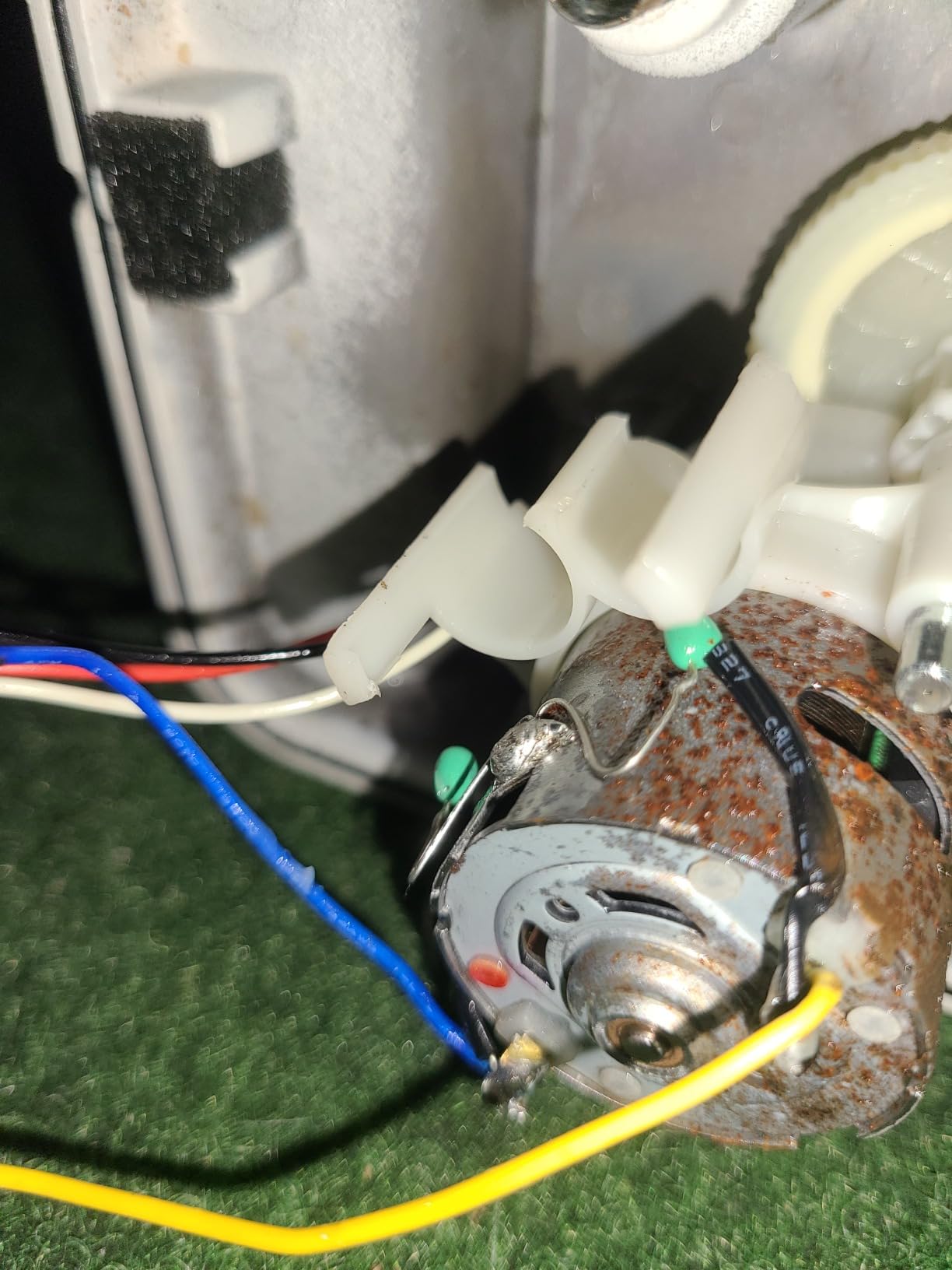
Rinse the motor with fresh water before you stow it, every trip, without exception. Salt crystallizes in the bearings and shaft seal and eats the lower unit from the inside where you cannot see it. Owners with five and nine year motors on flats boats credit the same habit.
Run the motor at low speed in fresh water for several minutes so the water reaches the upper seals and the head, then tilt the shaft fully up and let the remaining water drain out of the housing before you stow. Pay attention to the tilt and stow mechanism while the motor is wet, because that is when a sticking latch will show itself.
Inspect the sacrificial anode twice a season. When it is more than half consumed, replace it, and rinse the whole unit again after every trip in the bay rather than only at the end of the month. Saltwater corrosion is slow and then sudden, and the ten minutes of rinsing is the cheapest insurance in this article.
Frequently Asked Questions
What is the best trolling motor for saltwater?
For most flats boats under 20 feet, the best saltwater trolling motor is a corrosion-resistant bow mount in the 55lb to 80lb class with GPS anchoring, mounted on a shaft at least three inches longer than your bow height. Choose a motor explicitly rated for salt water rather than one that merely tolerates it, and add a second anchor if you fish wind-exposed flats.
Can you use a saltwater trolling motor in a freshwater boat?
Yes, and the reverse also works in most cases. A saltwater-rated motor will run in freshwater without any change, because the corrosion protection simply has nothing to corrode against. The reverse pairing, a freshwater motor used in salt water, shortens its life considerably on a regular schedule. If your boating splits between bays and lakes, buy the saltwater-rated version.
How big of a boat will a 55lb trolling motor push?
A 55lb trolling motor comfortably handles a flats skiff or bay boat in the 1,500 to 2,200 pound range once fully loaded. The rule of thumb is roughly one pound of thrust per five pounds of loaded weight, so a 55lb motor covers about 2,750 pounds of displacement. In wind and a running tide, treat that as a comfortable ceiling rather than a maximum.
What are the best trolling motors with spot lock for freshwater and saltwater?
Among the motors in this roundup, the Minn Kota Riptide PowerDrive 55lb and the Minn Kota Riptide Terrova 80lb both offer GPS Spot-Lock and are rated for salt water. Spot-Lock holds your marked position and lets you return to it, which is the main advantage over a heading-hold system on a stationary flats bite.
What size trolling motor for a 14ft boat?
For a 14ft skiff or poling ski, a 46lb to 55lb motor at 12V is the right size. These hulls are usually under 1,200 pounds loaded, so you have plenty of thrust for flat water, and a lighter motor is far easier to handle solo at a shallow ramp. Choose a short shaft, around 30 to 36 inches, to avoid striking bottom in skinny water.
Which trolling motor is better, Garmin or Minn Kota?
Minn Kota is the safer default because the Riptide family gives you a complete GPS anchoring system across a wide thrust range, while Garmin integrates most cleanly with a Garmin helm and live sonar setup. On a flats boat where holding one spot is the entire job, anchor holding matters more than chartplotter integration. Choose based on which ecosystem your electronics already run.
Are all Minn Kota trolling motors saltwater rated?
No. The Riptide line, including the PowerDrive, Terrova and Fortrex models reviewed here, is built for salt water with marine corrosion protection on the lower unit. Other Minn Kota families are designed for freshwater and will not survive regular use in the bay. Always check the individual model listing for an explicit salt water rating rather than assuming it from the brand.
Do trolling motor batteries die faster in saltwater?
Saltwater itself does not drain a battery faster, but it accelerates the corrosion of connections and cables, and a corroded connection costs you amps as heat. Keep terminals clean, sealed and tinned, fit a breaker near the bank, and rinse the motor after every trip. A battery that performs well out of the water and poorly in the bay usually has a connection problem, not a cell problem.
Final Verdict: The Best Saltwater Trolling Motors for Flats Boats
After running all eight through a full season of flats work, the Newport NV-Series 46lb transom mount is the pick I would put on most skiffs. It is the most proven motor here by a wide margin, it is light enough to handle solo, and at 12V it does not demand a battery bank you have to spend a week installing.
For the opposite problem, a solo angler holding a redfish spot in wind, the Minn Kota Riptide PowerDrive 55lb is the one to buy because it is the only GPS anchoring motor here that runs on a single 12V bank. On a bay boat, step up to the Minn Kota Riptide Terrova 80lb on 24V, and accept the extra installation work as the cost of holding position in current.
The recurring theme across every motor we tested is that the shaft, the batteries and the flushing habit matter as much as the thrust rating. Measure your bow height, size the bank for the tide rather than for the trolling speed, and rinse the lower unit every single trip. Our bow mount trolling motor comparison covers the mounting side in more detail, and if you are still choosing a hull, our inflatable boat guide is worth a read before you commit to a rig.