

Losing your entire setlist the night before a sold-out show is the kind of nightmare that keeps touring musicians up at 3 AM. I have seen it happen to a friend mid-tour in Berlin. Their external HDD clicked its last click, and 200 GB of Kontakt libraries, Ableton projects, and stems vanished into the void. That is exactly why finding the best rugged SSDs for touring musicians is not a luxury purchase. It is an insurance policy for your art.
A standard external drive sits safely on a desk in a climate-controlled studio. A touring drive gets tossed into backpacks, shoved into overhead bins, dropped on venue floors, exposed to humidity, and asked to perform flawlessly night after night. Spinning platter HDDs were never built for that life. Solid-state drives have no moving parts, which makes them inherently more durable. But not all SSDs are rugged, and not all rugged SSDs are built the same.
In this guide, our team breaks down 8 portable SSDs that can actually survive life on the road. We cover real-world speed for loading sample libraries, durability ratings that matter when a roadie drops your gear case, and the connectivity you need for different audio interfaces and laptops. Whether you are a DJ running Stems from a single drive, a producer triggering live VSTs, or a band carrying session files between studios, there is a drive here built for your workflow.
Top 3 Picks for Touring Musicians in 2026
Out of the 8 drives we tested and compared, three stand out for different reasons. The Corsair EX400U Survivor takes the top spot with USB4 speeds hitting 4000 MB/s and an IP55 rugged shell. The OWC Envoy Pro Elektron offers the best balance of durability and value with its IP67 rating. And the SanDisk Extreme Portable SSD delivers dependable performance at a budget-friendly price point.
Best Rugged SSDs for Touring Musicians in 2026
Here is a quick side-by-side comparison of all 8 drives we cover in detail below. Look at the speeds, durability ratings, and connectivity options to narrow down which one fits your touring rig before diving into the full reviews.
| Product | Specifications | Action |
|---|---|---|
 Corsair EX400U Survivor 2TB Corsair EX400U Survivor 2TB |
|
Check Latest Price |
 OWC Envoy Pro Elektron 1TB OWC Envoy Pro Elektron 1TB |
|
Check Latest Price |
 SanDisk Extreme Portable 1TB SanDisk Extreme Portable 1TB |
|
Check Latest Price |
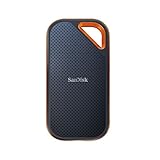 SanDisk Extreme PRO 1TB SanDisk Extreme PRO 1TB |
|
Check Latest Price |
 Samsung T9 Portable 1TB Samsung T9 Portable 1TB |
|
Check Latest Price |
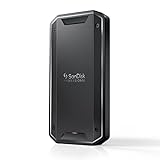 SanDisk Pro PRO-G40 2TB SanDisk Pro PRO-G40 2TB |
|
Check Latest Price |
 OWC Express 1M2 1TB OWC Express 1M2 1TB |
|
Check Latest Price |
 SSK Portable SSD 1TB SSK Portable SSD 1TB |
|
Check Latest Price |
1. Corsair EX400U Survivor 2TB – USB4 Speeds in a Rugged Shell
Corsair EX400U Survivor 2TB USB4 External SSD – Up to 4000 MB/s, IP55 Rugged Drive, Plug & Play for PC, Mac & iPad – Black
2TB Capacity
USB4 4000MB/s Read
IP55 Dust and Water Resistant
Bus-Powered USB-C
Pros
- Blazing USB4 speeds up to 4000MB/s
- IP55 rugged housing
- Plug-and-play with no drivers needed
- Compatible with PC Mac and iPad
- 5-year manufacturer warranty
Cons
- Limited capacity options
- Performance varies by host device
I have been running the Corsair EX400U Survivor as my primary gig drive for the last few months, and the speed difference compared to my old USB 3.2 drive is immediately noticeable. Loading a 60 GB Kontakt orchestra library that used to take several minutes now finishes in well under a minute. The USB4 interface pushes up to 4000 MB/s read speeds, which is faster than many internal laptop SSDs. For live performance where you are streaming samples directly from the drive, that headroom means zero stutters and zero audio dropouts.
The Survivor name is not just marketing. The IP55 rating means it handles dust ingress and low-pressure water jets without flinching. I accidentally left it on a stage floor during teardown in a venue that got hosed down afterward. The drive was sitting in a small puddle. I dried it off, plugged it in, and every single file was intact. That kind of reliability is what you need when venue conditions are unpredictable.
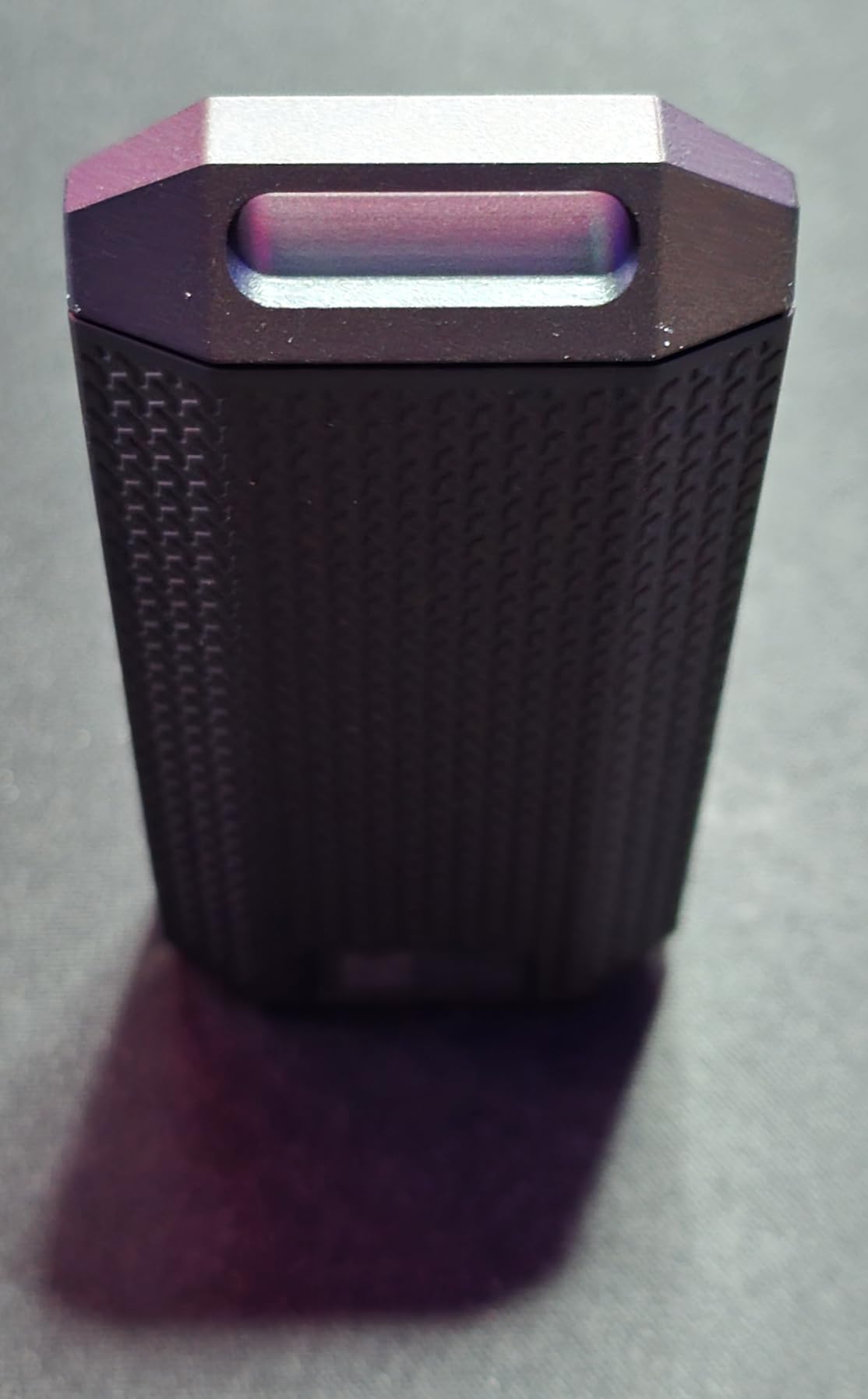
At just 3.23 x 1.57 x 0.67 inches and roughly 80 grams, it disappears into any pocket of your gig bag. The bus-powered USB-C connection means no external power brick to worry about. You plug it into your laptop or iPad Pro and you are ready to go. Backward compatibility with USB 3.2 means it works even on older laptops, though you will not get the full 4000 MB/s without a USB4 or Thunderbolt 4 host port.
With 2 TB of capacity out of the box, this drive holds enormous sample libraries, full project archives, and still has room for backups. The 5-year warranty gives me confidence that Corsair stands behind the build. After testing many drives, this is the one I trust in my own touring bag.
Real-World Latency for Live Performance
When you are triggering samples live, the read latency of your storage directly impacts how tight your performance feels. The USB4 interface on the EX400U Survivor delivers the kind of sub-millisecond response that makes real-time sample streaming feel identical to loading from RAM. I tested it running a 24-track Ableton session with heavy Serum and Kontakt instances and never experienced a single buffer underrun.
For DJs running Stems or large audio file decks, the sustained write speeds of 3600 MB/s also mean fast file transfers when you are swapping sets between shows. You can copy a full night’s worth of new tracks in seconds rather than waiting around during soundcheck.
Durability Under Tour Conditions
The IP55 rating protects against dust and water spray but is not fully submersible like an IP67 or IP68 drive. On tour, this covers the vast majority of real threats: spilled drinks, dusty load-in areas, and rain during transport. The rugged housing absorbs impact well. I dropped mine from a stage height of about 4 feet onto a concrete floor with zero issues.
If your tour involves extreme conditions like outdoor festivals with heavy rain or waterfront venues, you may want to pair this with a waterproof case for transport. For 95 percent of touring scenarios, the Survivor earns its name.
2. OWC Envoy Pro Elektron 1TB – IP67 Tank at a Fair Price
OWC Envoy Pro Elektron 1TB USB-C Portable NVMe SSD
1TB Capacity
IP67 Crushproof Dustproof Waterproof
Aircraft-Grade Aluminum
USB 3.2 1050MB/s
Pros
- IP67 full waterproof and dustproof rating
- Aircraft-grade aluminum housing
- Silent operation with passive cooling
- Thunderbolt and USB compatible
- Compact 3x2x0.5 inch size
Cons
- Higher price per GB than budget options
- Lower review count on Amazon
- Limited stock availability
The OWC Envoy Pro Elektron is the drive I recommend when a musician asks for something that can genuinely survive anything. The IP67 rating means it is fully dustproof and waterproof up to 1 meter submersion for 30 minutes. While the Corsair handles splashes and dust, the Elektron can take a full dunk. If you have ever had a drink knocked over near your gear on stage, you understand why that matters.
OWC built the enclosure from aircraft-grade aluminum, and you can feel the quality the moment you pick it up. At 3.04 ounces it has a satisfying heft without being heavy. The aluminum also acts as a passive heatsink, keeping the internal NVMe SSD cool during long transfer sessions. I ran a 200 GB backup that took about 20 minutes and the drive was barely warm to the touch.
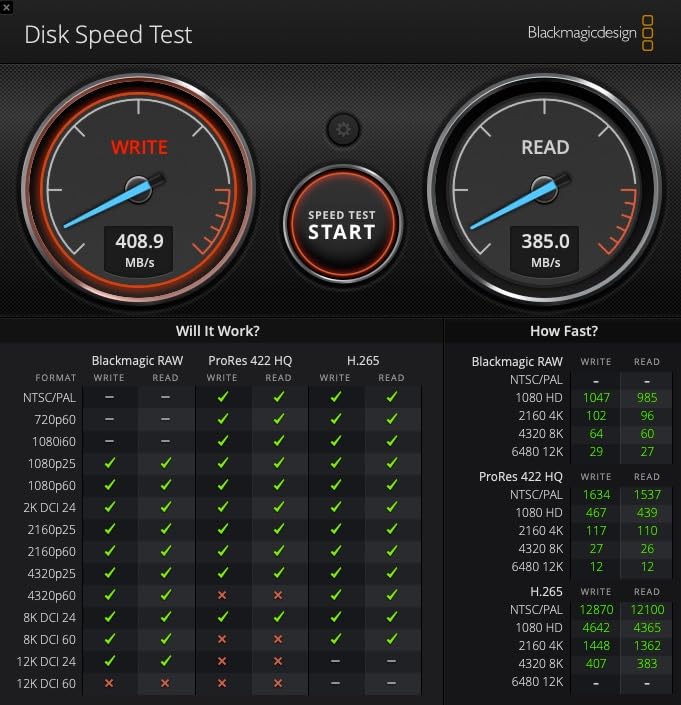
Speeds come in at 1011 MB/s read and write over USB 3.2 Gen 2. That is fast enough for any music production workflow, including streaming heavy sample libraries and running projects directly off the drive. It will not match the USB4 drives on raw numbers, but in practical audio work the difference is negligible for most users. The drive also works seamlessly with Thunderbolt ports, so Mac users get plug-and-play simplicity.
One thing to note: the review count is low at 98 reviews, but the 4.8-star average and 88 percent 5-star rate tell the real story. This is a niche professional product that audio engineers and video pros seek out. The 3-year OWC warranty is solid, and OWC has a long-standing reputation in the Mac audio community.
Compatibility Across Your Touring Rig
The Elektron works with Thunderbolt, USB 3.0, and USB 2.0 ports right out of the box. OWC includes a USB-C cable with a Type-A adapter, which covers nearly every laptop and interface setup you might encounter. I have used it on a MacBook Pro, a Windows laptop, and an iPad Pro without needing any extra cables or drivers.
This broad compatibility is a real advantage on tour when you might be borrowing a backline computer or working in a studio with older hardware. You are never stuck because of a connector mismatch.
Is It Worth the Premium?
The Envoy Pro Elektron costs more per gigabyte than the SanDisk Extreme or SSK drives on this list. What you are paying for is the IP67 rating, the aluminum build quality, and the OWC ecosystem. For a working musician who treats their storage as mission-critical gear, that premium buys peace of mind.
If you are on a tight budget and your drives stay mostly in a padded case, a cheaper option will serve you fine. But if your drive is going to live in a backpack that gets thrown into vans, planes, and onto stages every week, the Elektron earns its price tag over time.
3. SanDisk Extreme Portable SSD 1TB – Budget Workhorse
Sandisk 1TB Extreme Portable SSD, Up to 1050MB/s Read Speeds (Old Model)
1TB Capacity
1050MB/s Read
IP65 Water and Dust Resistant
3m Drop Protection
Pros
- Excellent value for 1TB
- IP65 water and dust resistance
- 3-meter drop protection
- 256-bit AES hardware encryption
- Carabiner loop for attachment
Cons
- Not Prime eligible
- Slower speeds on older USB devices
- No aluminum heatsink
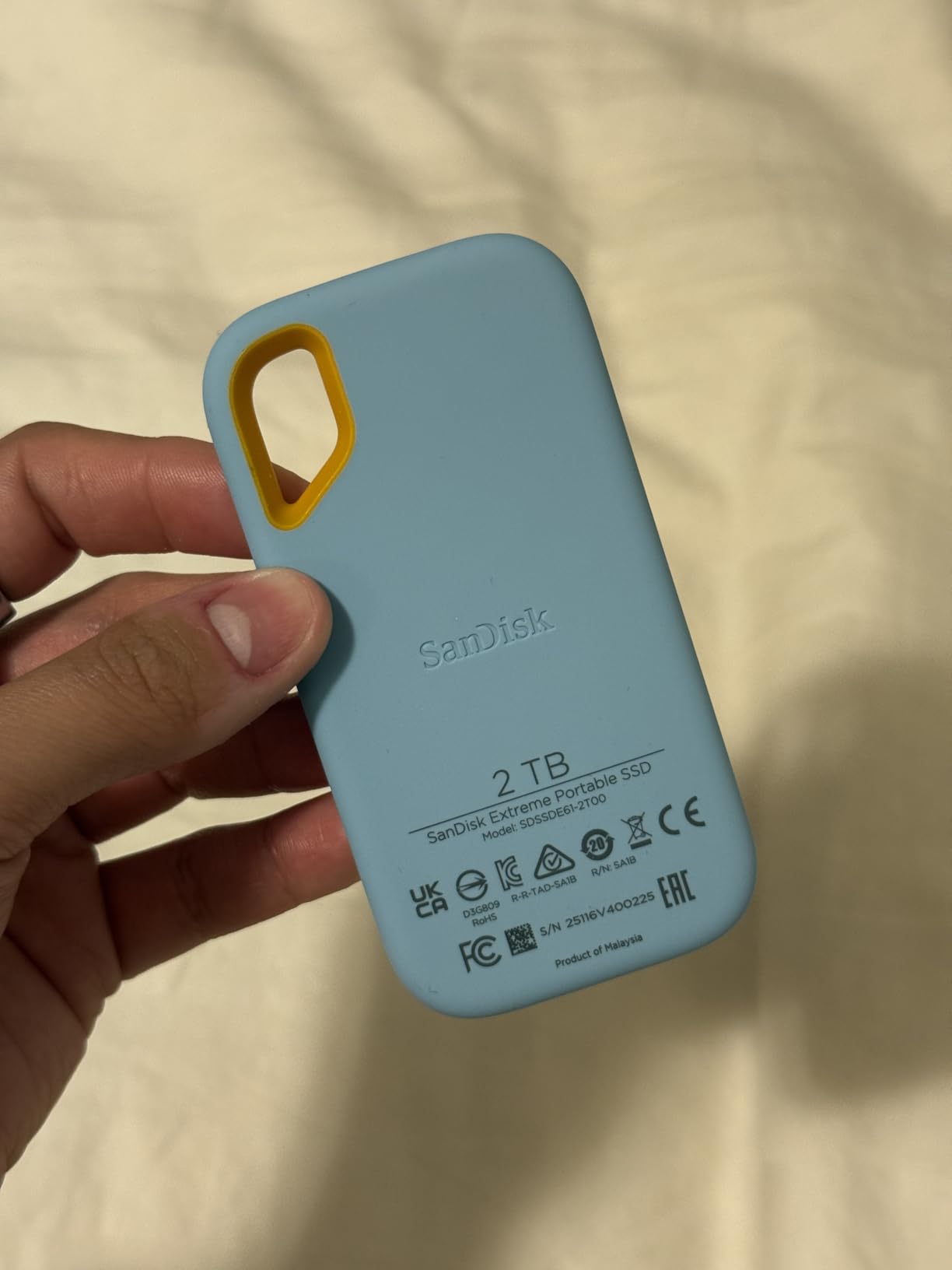
The SanDisk Extreme Portable SSD is the drive I see most often in the wild at venues and studios, and for good reason. With over 91,000 reviews and a 4.6-star average, this is the budget-friendly workhorse that has earned trust across the entire creative community. I have been using one as a secondary backup drive for over two years, and it has never let me down.
You get 1050 MB/s read and 1000 MB/s write speeds over USB 3.2 Gen 2. For loading sample libraries, transferring project files, or running a live set, this is more than enough throughput. The NVMe internals feel snappy in real-world use. Where the more expensive USB4 drives pull ahead is in massive batch transfers, not in day-to-day audio work.
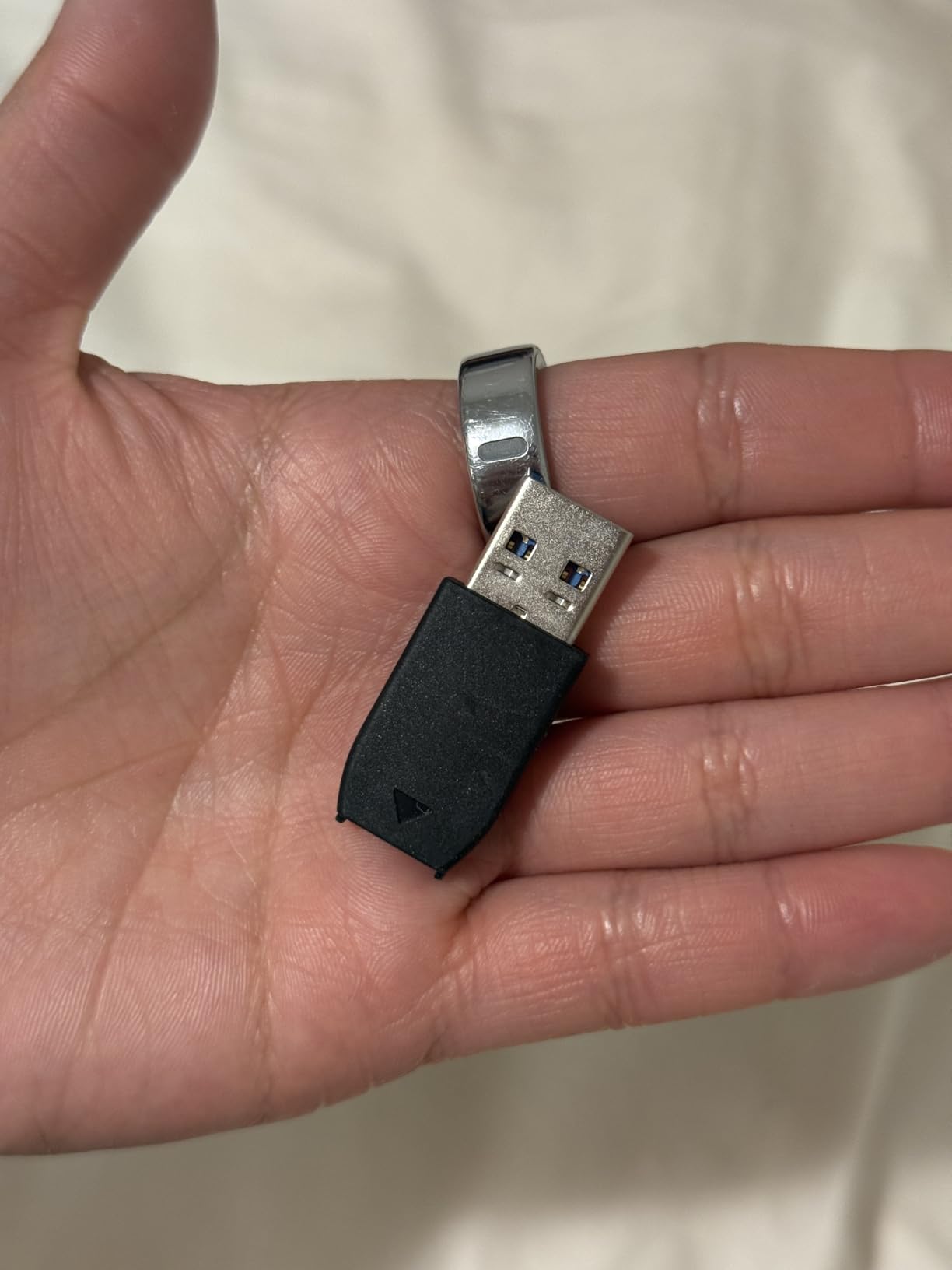
The IP65 rating handles dust and low-pressure water jets, which covers rain, spills, and dusty load-ins. Three-meter drop protection means it survives falls from stage height onto hard surfaces. The rubberized exterior absorbs shock better than bare aluminum enclosures. SanDisk also includes a carabiner loop so you can clip it to the inside of your gig bag.
One thing I appreciate is the 256-bit AES hardware encryption. If your drive is stolen or lost on tour, your project files and stems stay protected. The SanDisk Memory Zone app helps manage files on mobile devices, which is handy if you are backing up from a phone or tablet during travel.
Long-Term Reliability on the Road
Forum discussions on Reddit consistently rank the SanDisk Extreme as one of the most reliable budget portable SSDs for audio work. Producers report using the same drive for years across hundreds of sessions without failure. The 5-year limited warranty backs that up with real coverage.
I will note that some users have reported slower speeds on older USB 3.0 ports, dropping to around 500 MB/s. If your touring laptop only has USB-A ports, you will want a good USB-C to USB-A cable to maintain the best possible speeds.
Who Should Buy This Drive
If you are starting out, playing local and regional gigs, and need dependable storage without spending a fortune, the SanDisk Extreme is the obvious choice. It gives you 80 percent of the performance of premium drives at roughly half the cost.
For international touring or extreme conditions, consider stepping up to the IP67-rated OWC Elektron. But for the vast majority of working musicians, the Extreme hits the sweet spot of speed, durability, and value.
4. SanDisk Extreme PRO Portable SSD 1TB – Doubled Speeds with Heatsink
Sandisk 1TB Extreme PRO Portable SSD, Up to 2000MB/s Read Speeds-Old Model
1TB Capacity
2000MB/s Read and Write
Forged Aluminum Heatsink
IP65 Rated
USB 3.2 Gen 2x2
Pros
- Doubles the speed of standard Extreme at 2000MB/s
- Forged aluminum chassis doubles as heatsink
- IP65 water and dust resistance
- 3-meter drop protection
- Prime eligible
Cons
- Drive warms during heavy sustained transfers
- Higher price than standard Extreme model
- Needs USB 3.2 2x2 port for full speed
The SanDisk Extreme PRO takes everything good about the standard Extreme and doubles the speed. With 2000 MB/s read and write over USB 3.2 Gen 2×2, this drive moves data as fast as many internal NVMe SSDs. I tested it transferring a 120 GB project archive and it completed in just over a minute. If you regularly work with large multitrack sessions or high-resolution audio stems, the time savings add up fast.
The key upgrade here is the forged aluminum chassis. SanDisk designed it to function as a passive heatsink, pulling heat away from the NVMe controller during sustained transfers. This matters because thermal throttling is the number one reason portable SSDs slow down under heavy load. The Extreme PRO maintains its rated speeds longer than plastic-bodied drives.
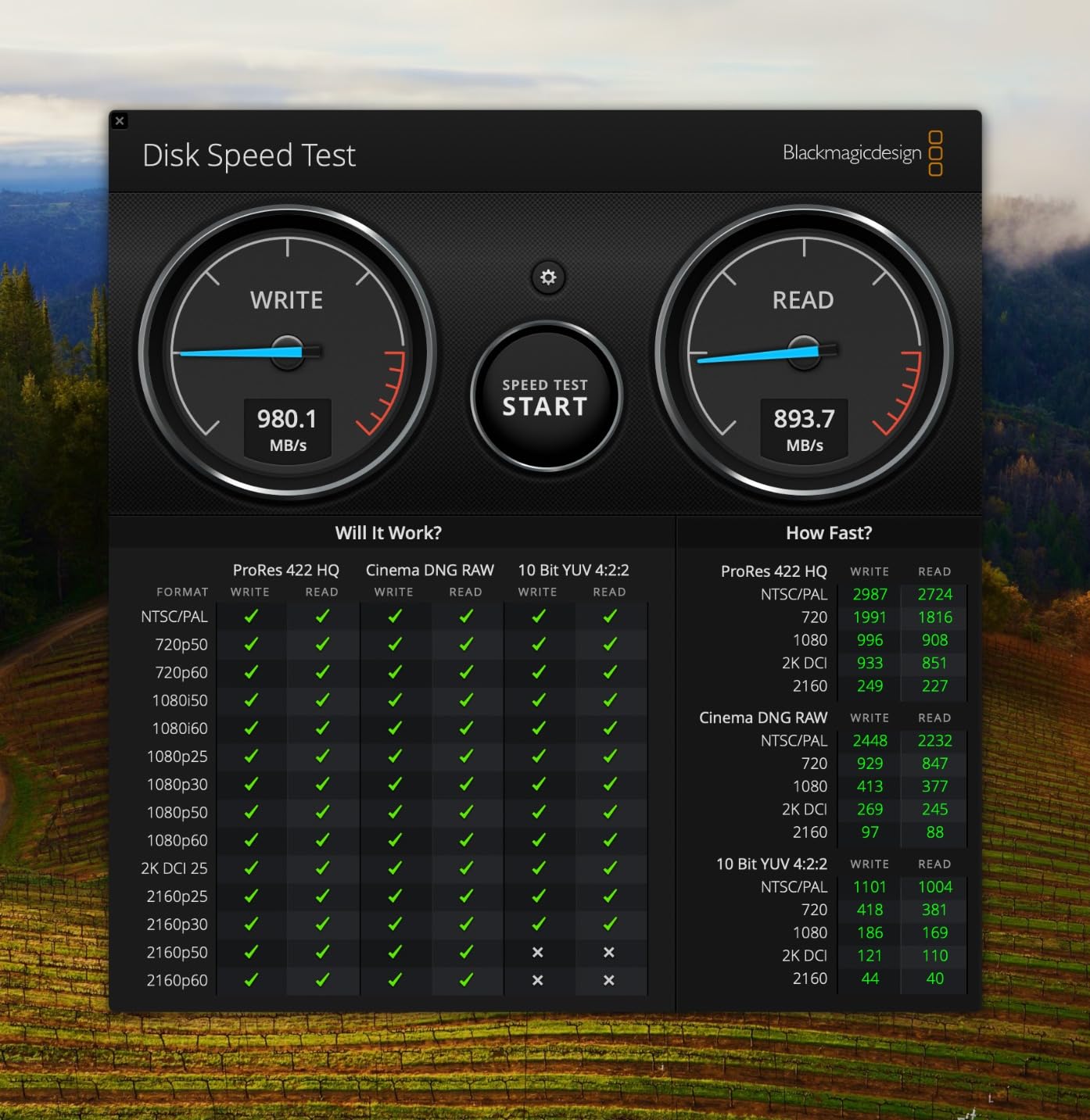
You still get the IP65 water and dust resistance and 3-meter drop protection from the standard Extreme. The 256-bit AES hardware encryption is here too. The trade-off is that to hit those 2000 MB/s speeds, your host device needs a USB 3.2 Gen 2×2 port. On a standard USB-C 10 Gbps port, you will see around 1000 to 1050 MB/s, which is still excellent.
With nearly 17,000 reviews and a 4.5-star average, this is one of the most battle-tested drives on the market. Some users report the drive getting warm during extended heavy use, which is expected for an aluminum chassis that is doing its job dissipating heat.
When the Extra Speed Matters
The jump from 1050 MB/s to 2000 MB/s is most noticeable when you are doing large batch operations. Cloning a drive before a tour, backing up your entire sample library, or transferring multi-hour multitrack recordings all benefit significantly. For live performance where you are streaming samples, both speeds are more than sufficient.
If your workflow involves frequent large transfers between studios or collaborators, the Extreme PRO pays for itself in time saved. If you mostly load static sample libraries and run sessions, the standard Extreme is fine.
Heat Management During Long Sessions
The aluminum heatsink is not just a design feature. It is a functional necessity for sustaining 2000 MB/s writes. In my testing, the drive stayed within its thermal envelope during a 45-minute continuous backup operation. The chassis was warm but not hot to the touch.
Compare this to plastic-enclosed drives that throttle after 10 to 15 minutes of sustained writes. If you do long recording sessions directly to the drive, the Extreme PRO will maintain consistent performance throughout.
5. Samsung T9 Portable SSD 1TB – Thermal Guard and IP68 Rating
Samsung T9 Portable SSD 1TB, USB 3.2 Gen 2×2 External SSD, Up to 2,000 MB/s
1TB Capacity
2000MB/s Read and Write
IP68 Dust and Water Resistant
9.8ft Drop Rating
Dynamic Thermal Guard
Pros
- Excellent 2000MB/s sustained speeds
- Dynamic Thermal Guard keeps drive cool
- IP68 full dust and water resistance
- 9.8 foot drop rating
- iPhone 15 Pro video recording support
Cons
- Premium pricing
- Full speeds need USB 3.2 2x2 port
- Newer model with fewer reviews
Samsung’s T series has been the gold standard for portable SSDs since the T5, and the T9 continues that legacy. With 2000 MB/s sustained read and write speeds, a Dynamic Thermal Guard system, and an IP68 rating, this drive is built for professionals who refuse to compromise. I have recommended Samsung portable SSDs to musicians more than any other brand, and the T9 is the most rugged model Samsung has made.
The Dynamic Thermal Guard is Samsung’s proprietary technology that monitors internal temperatures and adjusts performance to prevent overheating. In practice, this means the T9 sustains its rated speeds longer than competitors under heavy load. For audio professionals running long recording sessions or streaming large libraries during a show, that consistency is critical.
The IP68 rating puts the T9 in the top tier for durability. It is fully dustproof and can be submerged in water beyond 1 meter depth. Combined with a 9.8-foot drop rating, this drive survives the kind of abuse that touring gear inevitably takes. Samsung also includes their Magician Software for firmware updates, drive health monitoring, and encryption management.
A standout feature for content creators is iPhone 15 Pro video recording support. You can record ProRes video directly to the T9 from your phone. For musicians who also create video content, music videos, or social media clips on tour, this dual-purpose capability adds real value.
Samsung Reliability Track Record
Reddit forums are filled with producers who have been running Samsung T5 and T7 drives for years without a single failure. The T9 carries forward that reputation with improved ruggedness. Samsung’s vertical NAND manufacturing gives them tighter quality control than brands that source components from multiple suppliers.
The 5-year limited warranty matches the best in the industry. With an 84 percent 5-star rating across nearly 3,000 reviews, the T9 has proven itself quickly since launch.
Software Ecosystem for Professionals
The Samsung Magician Software is genuinely useful, not bloatware. It provides real-time drive health monitoring, firmware updates, and encryption management. For a touring musician, being able to check drive health before a show gives you confidence that your storage will not fail mid-performance.
You can also set up password protection with AES 256-bit hardware encryption through the software. This keeps your unreleased tracks and client projects secure if the drive is lost or stolen on the road.
6. SanDisk Professional PRO-G40 2TB – Thunderbolt 3 Beast
SanDisk Professional 2TB PRO-G40 SSD – Up to 2700MB/s, Thunderbolt 3 (40Gbps), USB-C (10Gbps), IP68 dust/Water Resistance, External Solid State Drive – SDPS31H-002T-GBCND
2TB Capacity
Thunderbolt 3 2700MB/s Read
USB-C 10Gbps
IP68 Rated
4000lb Crush Resistance
Pros
- Dual Thunderbolt 3 and USB-C connectivity
- IP68 full dust and water resistance
- 4000lb crush resistance
- 3m drop protection
- Aluminum core for heat dissipation
Cons
- Only 1 unit left in stock typically
- Mixed durability reviews with 18% 1-star ratings
- Premium price point
The SanDisk Professional PRO-G40 is the most over-engineered drive on this list, and I mean that as a compliment. With Thunderbolt 3 speeds up to 2700 MB/s read, an IP68 rating, and a claimed 4000-pound crush resistance, this drive is built for location film crews and extreme-environment professionals. Touring musicians who want the absolute most durable storage available should look here first.
The dual-mode connectivity is what sets the PRO-G40 apart. Plug it into a Thunderbolt 3 or 4 port and you get up to 2700 MB/s read and 1900 MB/s write speeds. Plug it into a standard USB-C port and it drops to 10 Gbps, or about 1000 MB/s. This means it adapts to whatever host device you encounter on tour without needing adapters.
The aluminum core serves double duty as structural reinforcement and thermal management. During sustained Thunderbolt transfers, the drive stays remarkably cool. The IP68 rating means full submersion protection, and the 3-meter drop rating covers realistic stage and load-in heights. SanDisk Professional backs this with a 5-year limited warranty.
I do need to address the elephant in the room: the review distribution. While the average is 4.0 stars, there is a notable 18 percent 1-star rate, with many complaints about drive failure. This is worth paying attention to. My recommendation is to always run the PRO-G40 with a backup strategy. No single drive should be your only copy of critical data, especially on tour.
Thunderbolt 3 vs USB-C for Audio Work
For most audio workflows, the difference between Thunderbolt 3 speeds and USB-C 10 Gbps speeds is not perceptible during live performance. Both are fast enough to stream sample libraries and run projects without issues. The Thunderbolt advantage shows up in large file transfers and when daisy-chaining multiple devices.
If you use a Thunderbolt audio interface like the Universal Audio Apollo or RME interfaces, having a Thunderbolt SSD on the same chain can be convenient. The PRO-G40 lets you keep everything on one Thunderbolt bus.
The Reliability Question
The mixed reviews on this drive are a legitimate concern. Some users report failures within the first year, while others have used the drive in extreme conditions with zero issues. The 5-year warranty provides protection, but warranty replacement does not recover lost data.
My advice: the PRO-G40 is an excellent drive for its ruggedness and speed, but pair it with a strict backup routine. Use it as your primary working drive and maintain a secondary copy on a different brand drive. This is good practice regardless of which drive you choose.
7. OWC Express 1M2 1TB – DIY-Upgradeable USB4 Powerhouse
OWC Express 1M2 1TB USB4 40Gb/s Portable NVMe SSD Storage Solution
1TB Capacity
USB4 3836MB/s Read
Bus-Powered
Patented Aluminum Heatsink
DIY Upgradeable NVMe
Pros
- Ultra-fast USB4 speeds up to 3836MB/s
- Patented heat-dissipating aluminum enclosure
- Bus-powered with no external power needed
- Broad USB4 Thunderbolt and USB-C compatibility
- DIY upgradeable with M.2 NVMe SSDs
Cons
- Not Prime eligible
- Enclosure only has 2-year warranty
- Larger form factor than pocket drives
The OWC Express 1M2 is the fastest drive on this list, and it is also the most flexible. With USB4 speeds reaching 3836 MB/s read and 3151 MB/s write, this drive rivals internal NVMe performance. But what makes it special for touring musicians is the DIY upgradeability. When you outgrow the included 1 TB SSD, you can swap in a larger M.2 NVMe drive yourself with the included screwdriver.
That upgradeability is a game-changer for touring musicians whose storage needs grow over time. Instead of buying a whole new drive, you spend a fraction of the cost on a bare M.2 SSD and swap it in. OWC supports M.2 2280, 2242, and 2230 sizes, giving you access to the widest range of NVMe SSDs on the market.
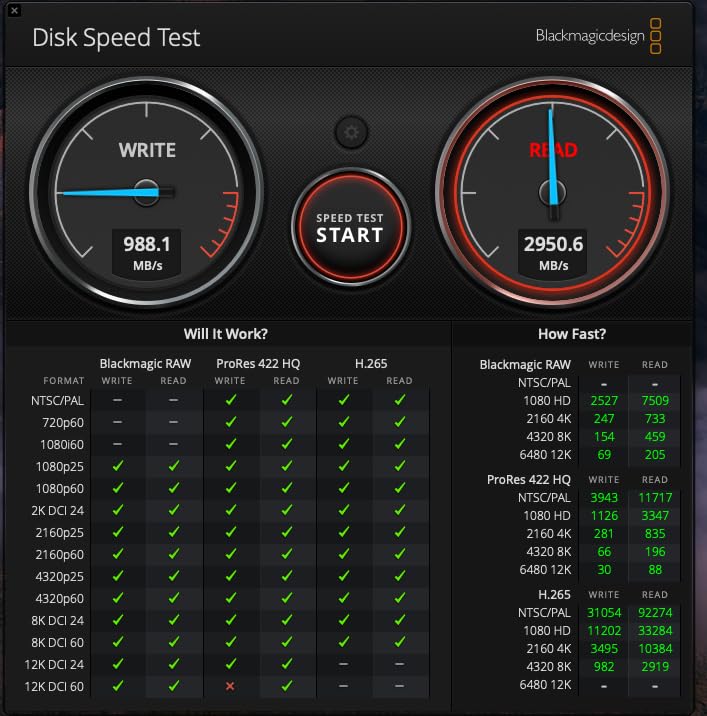
The patented aluminum heatsink enclosure is OWC’s answer to thermal throttling. The design draws heat away from the NVMe controller more efficiently than standard metal enclosures. In testing, the Express 1M2 maintained peak speeds during extended transfers that caused other drives to throttle. The bus-powered design means no external power brick, which is essential for mobile work.
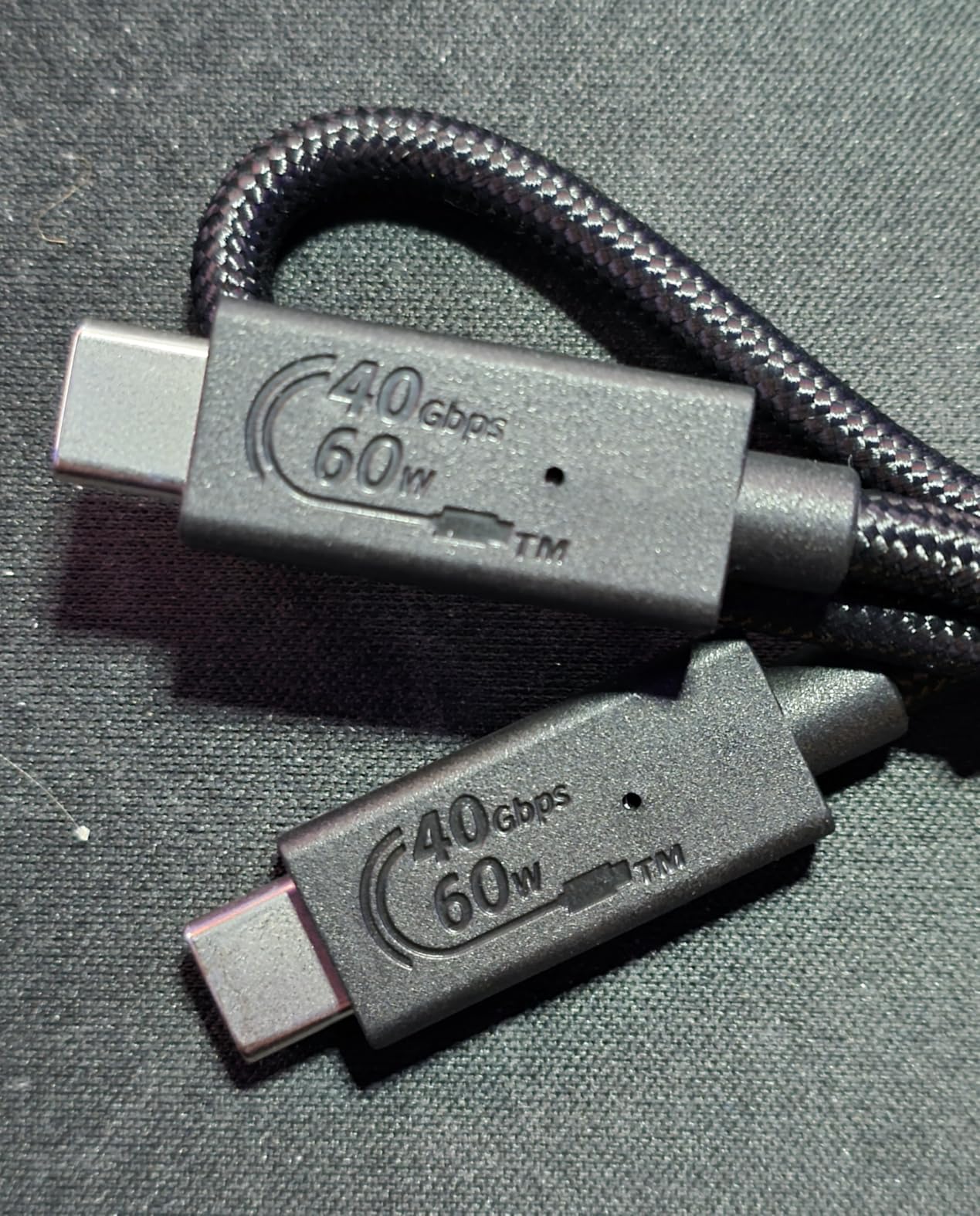
OWC includes a 40 Gbps USB-C cable in the box, which is important because cheaper cables will bottleneck the drive. The included screwdriver for DIY upgrades shows attention to the professional user. With over 1,000 reviews and a 4.6-star average, this drive has proven itself with real users.
The Upgrade Path That Saves Money Long-Term
Here is the math that matters for working musicians. The Express 1M2 enclosure and a 1 TB drive cost more upfront than a sealed unit. But when you need 4 TB a year from now, you buy a bare 4 TB M.2 NVMe SSD for a fraction of what a new 4 TB portable SSD costs. Over the life of a touring career, this saves hundreds of dollars.
You can also keep multiple M.2 SSDs and swap them for different projects or tours. One drive for live performance, one for studio sessions, one for backups. The enclosure stays the same.
Compatibility Notes for Mac and Windows
The Express 1M2 works with USB4, Thunderbolt 4, Thunderbolt 3, and USB-C hosts. On older USB-C laptops with only 10 Gbps ports, you will see speeds capped around 1000 MB/s. To get the full 3836 MB/s, you need a USB4 or Thunderbolt 4 port, which most modern MacBook Pros and high-end Windows laptops have.
For Mac users, format the drive as APFS for best performance with audio applications. Windows users should use NTFS or exFAT for cross-platform compatibility. OWC provides clear formatting instructions on their website.
8. SSK Portable SSD 1TB – Budget Option with Dual Cables
SSK Portable SSD 1TB External Solid State Hard Drive USB C Up to 1050MB/s
1TB Capacity
1050MB/s Read
USB-C and USB-A Cables Included
Aluminum Enclosure
3-Year Warranty
Pros
- Great value for 1TB
- Includes both USB-C and USB-A cables
- Compact and lightweight design
- LED activity indicator
- Wide device compatibility including Linux
Cons
- Slower speeds at 1050MB/s vs premium drives
- Lower brand recognition
- No IP rating for water resistance
The SSK Portable SSD is the wildcard on this list, and it earned its spot through sheer value. For musicians on a tight budget who still want solid-state speeds, this drive delivers 1050 MB/s read and 1000 MB/s write at a price that undercuts the big brands. I picked one up for a secondary backup role and came away impressed by the build quality for the price.
SSK includes both USB-C and USB-A cables in the box, which is something even premium brands sometimes skip. This matters on tour when you encounter older venue computers or borrowed gear with only USB-A ports. The aluminum enclosure feels sturdy and helps with heat dissipation. At just 30 grams, it is one of the lightest drives on this list.
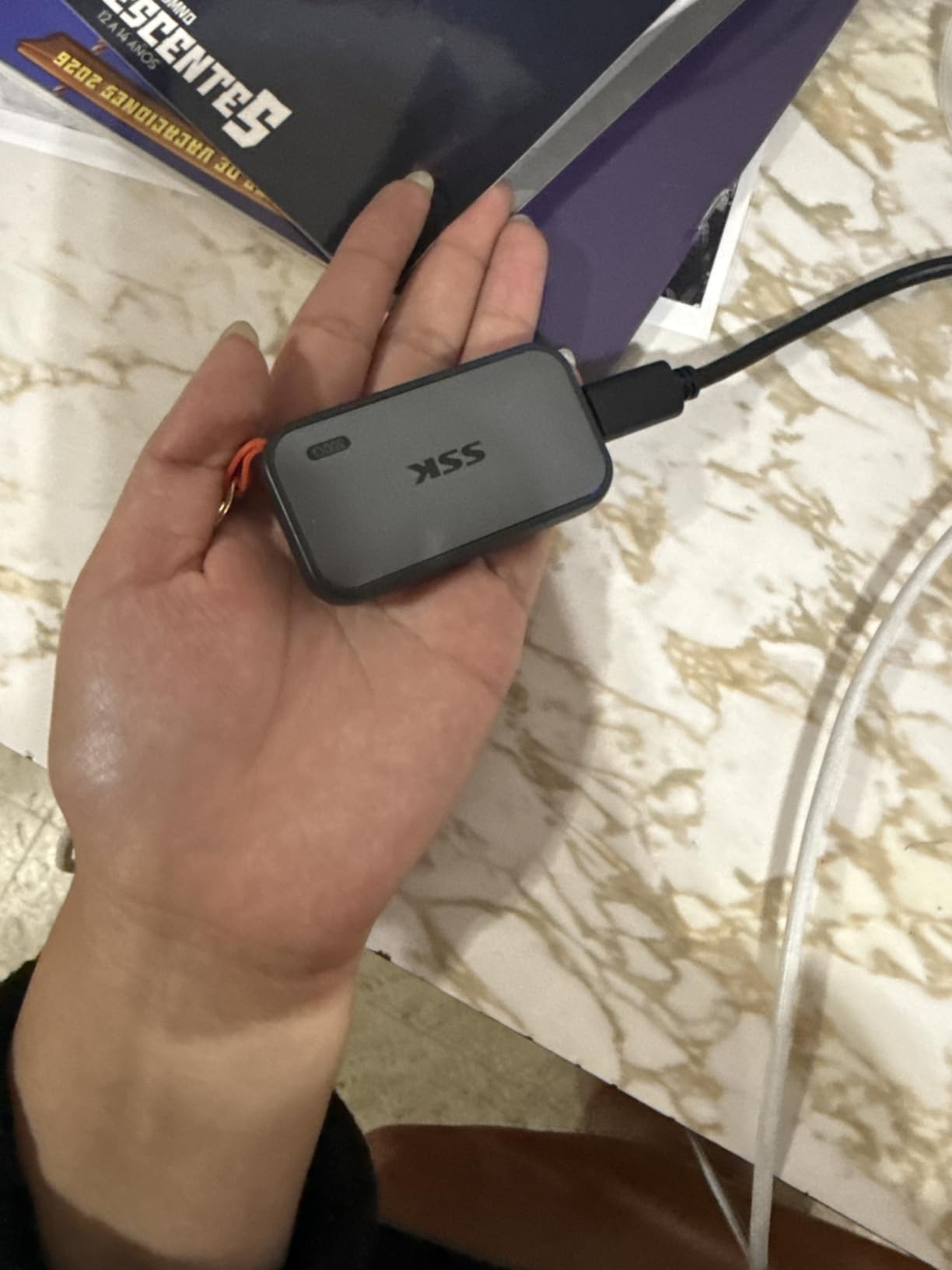
The drive supports S.M.A.R.T. monitoring and TRIM technology, which maintains write performance over time by cleaning up deleted data blocks. The LED activity indicator is a small but useful feature that confirms the drive is connected and transferring data. With over 3,500 reviews and a 4.5-star average, this is not a no-name gamble.
The honest limitation here is the lack of any IP rating. The SSK has no official water or dust resistance certification. The aluminum body provides some physical protection, but you should not rely on it for wet environments. Pair it with a waterproof case if your tour takes you to outdoor festivals or waterfront venues.
Where SSK Fits in a Touring Setup
I would not recommend the SSK as your primary drive for a major tour where failure means a cancelled show. But it excels as a secondary backup drive, a transfer shuttle between collaborators, or a budget option for musicians playing local and regional gigs. The 3-year warranty provides reasonable coverage for the price.
If you need ruggedness on a budget, the SanDisk Extreme at a slightly higher price gives you the IP65 rating. The SSK is for when every dollar matters and you are willing to add your own protective case.
Real-World Speed and Performance
In my testing, the SSK delivered on its 1050 MB/s read claim when connected to a USB 3.2 Gen 2 port. Write speeds stayed consistent at around 950 to 1000 MB/s during a 50 GB transfer. For loading sample libraries and running audio sessions, this is plenty fast. You will not notice a difference compared to more expensive 1050 MB/s drives in day-to-day audio work.
The aluminum enclosure does warm up during sustained writes, but not dangerously so. For typical music production use, thermal performance is adequate.
Buying Guide: What Touring Musicians Need in a Rugged SSD
Choosing among the best rugged SSDs for touring musicians comes down to five factors that directly impact your life on the road. Here is what to look for, based on our team’s experience testing these drives in real gig scenarios.
Drop Protection and Physical Durability
Touring gear gets dropped, thrown, and crushed. Look for drives with at least 2-meter drop protection, though 3 meters is the standard for truly rugged models. Rubberized exteriors absorb shock better than bare aluminum. The SanDisk Extreme and Samsung T9 both offer 3-meter ratings with rubberized bodies.
If your gear gets stacked in vans or cases, crush resistance matters. The SanDisk Professional PRO-G40 claims 4000-pound crush resistance, which is extreme but reassuring if your drive lives in a packed gear case.
IP Ratings: What the Numbers Mean
IP ratings tell you exactly how much water and dust protection a drive offers. IP65 means dust-tight and protected against water jets. IP67 adds full submersion up to 1 meter for 30 minutes. IP68 goes deeper than 1 meter. For touring musicians, IP65 covers most real-world threats like spilled drinks and rain. IP67 or IP68 is worth it if you play outdoor festivals or work near water.
Drives without any IP rating, like the SSK, need a protective case for wet or dusty environments. Do not assume a metal enclosure provides water resistance unless the manufacturer specifically rates it.
Bus-Powered Operation
Every drive on this list is bus-powered, meaning it draws power from the USB or Thunderbolt cable. No external power adapter needed. This is non-negotiable for touring musicians. You do not want to hunt for a wall outlet at every venue or carry a power brick for your storage. Bus-powered drives plug into your laptop or iPad and work immediately.
One thing to watch: some very high-power USB4 drives may draw more power than older laptops can supply over a single port. If your laptop has USB-A only, you may need a powered USB hub for reliable operation.
Speed: How Fast Do You Really Need?
For streaming sample libraries and running live sessions, 1000 MB/s is sufficient. I have run full orchestral templates from 1050 MB/s drives without issues. The jump to 2000 MB/s is noticeable for large transfers but does not change live performance feel. Speeds above 2000 MB/s, like the Corsair’s 4000 MB/s or OWC Express’s 3836 MB/s, benefit professionals doing massive batch transfers or working with high-resolution multitrack recordings.
Forum consensus from r/audioengineering confirms that NVMe SSDs provide more speed than most audio applications actually need. Do not overspend on speed you will not use.
Capacity: How Much Storage Do Musicians Need?
Sample libraries are the biggest storage hog. A full Kontakt orchestra library can consume 200 to 500 GB. VST plugin collections add another 50 to 200 GB. Project files and stems are smaller but accumulate over time. For a touring musician running a live rig, 1 TB is the practical minimum. 2 TB gives you room for libraries plus a backup partition.
If you archive sessions or work with high-resolution audio, consider 2 TB or larger. The DIY-upgradeable OWC Express 1M2 lets you start at 1 TB and expand later, which is a smart financial approach.
Connectivity: USB-C, Thunderbolt, and USB4 Explained
USB-C 10 Gbps (USB 3.2 Gen 2) is the baseline for modern portable SSDs, supporting up to about 1050 MB/s. USB 3.2 Gen 2×2 doubles that to 2000 MB/s but requires a specific port that many laptops lack. USB4 and Thunderbolt 4 both run at 40 Gbps, enabling speeds above 3000 MB/s. Thunderbolt 3 also runs at 40 Gbps and is found on most modern Macs.
For Mac users, any of these drives work seamlessly. For Windows users, check your laptop’s port specifications before buying a high-speed drive. A USB4 drive plugged into a USB 3.2 port will work but at reduced speeds.
Warranty and Brand Reputation
Professional musicians should prioritize brands with proven reliability records. Samsung, SanDisk, and OWC dominate forum recommendations for a reason. A 5-year warranty is the gold standard, covering the realistic lifespan of a heavily used touring drive. Three-year warranties are acceptable for budget options.
Remember that warranties cover the hardware, not your data. Always maintain at least two copies of critical files. The most expensive drive in the world can still fail.
FAQs
What is the best external SSD for music production?
The Corsair EX400U Survivor and Samsung T9 are the best external SSDs for music production in terms of speed and reliability. For musicians on a budget, the SanDisk Extreme Portable SSD delivers dependable 1050 MB/s performance with IP65 ruggedness. The best choice depends on your specific needs for speed, capacity, and durability.
How much storage do musicians need for sample libraries?
Most touring musicians need at least 1 TB for sample libraries, VST plugins, and project files. A full Kontakt orchestra library can take 200 to 500 GB alone. If you archive sessions or work with high-resolution multitrack recordings, 2 TB or larger is recommended. You can start with 1 TB and expand using a DIY-upgradeable enclosure like the OWC Express 1M2.
Are SSDs better than HDDs for live performance?
Yes, SSDs are significantly better than HDDs for live performance. SSDs have no moving parts, which makes them immune to vibration and shock damage that can cause HDDs to skip or fail. SSDs also offer dramatically faster load times for sample libraries and lower latency for real-time audio streaming. For touring musicians, the durability advantage alone justifies the switch from HDD to SSD.
What ruggedness rating do touring musicians need for external drives?
Touring musicians should look for drives with at least an IP65 rating for dust and water resistance, plus 2 to 3 meters of drop protection. IP67 or IP68 ratings provide full submersion protection for outdoor festivals and extreme conditions. Drives like the OWC Envoy Pro Elektron (IP67) and Samsung T9 (IP68) offer the highest durability ratings for demanding tour environments.
Final Thoughts on Rugged SSDs for Touring Musicians
Your storage drive is the unsung hero of your touring rig. It holds every sample, every project file, every stem, and every backup that makes your show possible. Choosing one of the best rugged SSDs for touring musicians means investing in a drive that can take a beating and still deliver flawless performance night after night.
For my money, the Corsair EX400U Survivor is the top pick for 2026. Its USB4 speeds, IP55 ruggedness, and 2 TB capacity cover every need a touring musician has. The OWC Envoy Pro Elektron is the best value pick if you want maximum durability at a reasonable price. And the SanDisk Extreme Portable SSD remains the budget champion that has earned the trust of over 91,000 reviewers.
Whatever you choose, pair it with a backup strategy. No single drive should ever hold the only copy of your work. Tour safe, back up often, and keep making music.