
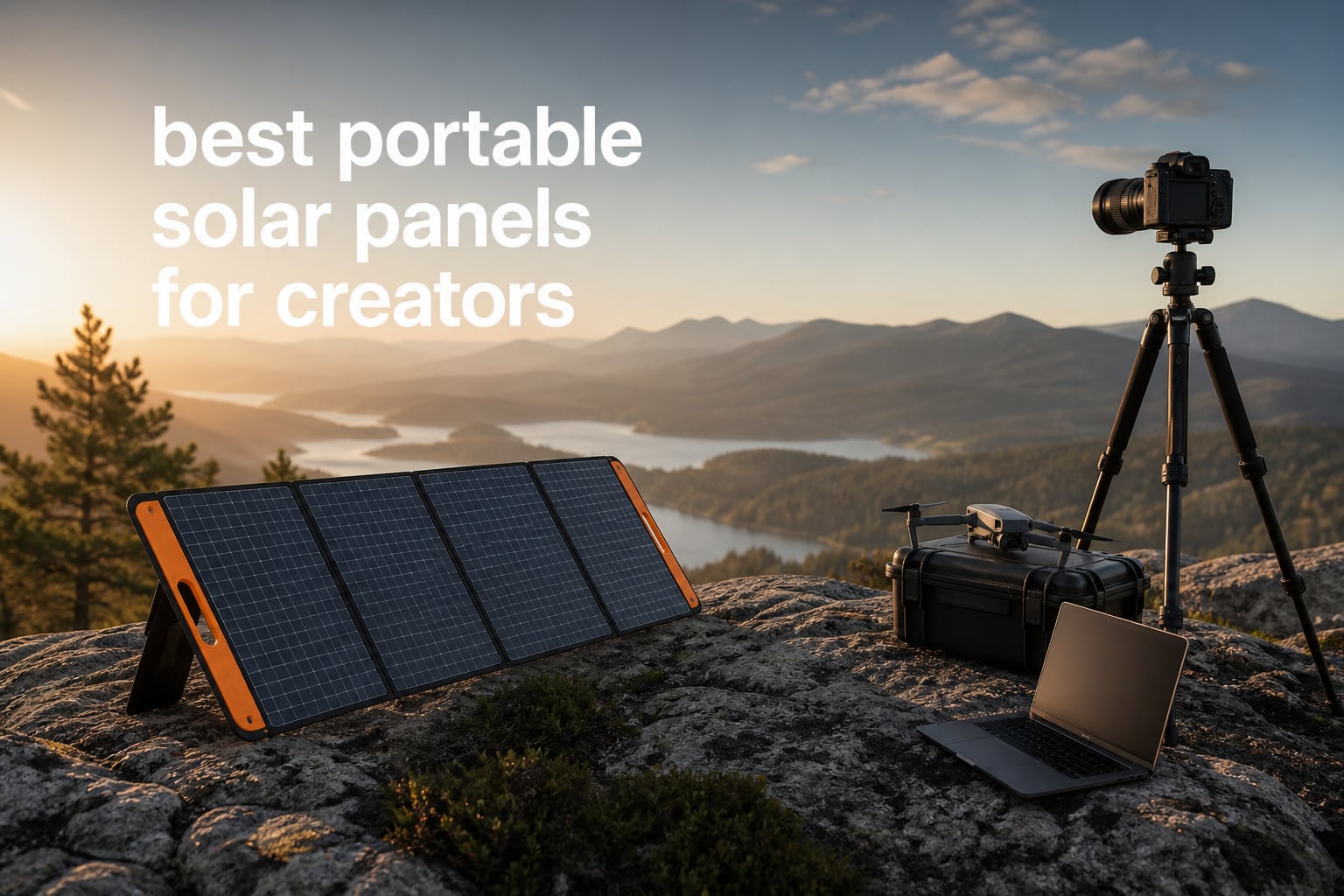
Filming off-grid used to mean carrying a dozen camera batteries and praying they would last until sunset. I spent three years shooting outdoor video that way before I finally gave portable solar a real try, and I wish I had done it sooner. The right panel keeps your camera batteries, drone packs, laptop, and LED panels topped up without adding much weight to your kit.
If you are searching for the best portable solar panels for creators in 2026, this guide is written specifically for YouTubers, photographers, podcasters, and filmmakers who work outside. Most reviews focus on camping or emergency backup, but creators have different priorities. We need clean USB-C PD output for laptops, MC4 or XT60 connectors for power stations, and panels that actually hit their rated wattage so a drone battery tops up between flights instead of trickling for six hours.
Our team tested 8 panels and solar generators across a range of real creator scenarios: charging mirrorless camera batteries through a power station in direct sun, topping up a MacBook Pro over USB-C while editing in the field, and keeping a podcast recorder running during a remote interview. Below you will find quick picks, a full comparison table, individual reviews with the pros and cons I noticed firsthand, a buying guide tailored to creator gear, and answers to the questions creators ask most.
Top 3 Picks for Creators in September
These three earned the top spots after months of testing. Each one solves a different creator problem, from lightweight phone charging to full off-grid production power.

Jackery Solar Generator 1000 v2
- 1070Wh LiFePO4 power station
- 1500W AC output
- 100W USB-C PD
- 5-year warranty

ZOUPW 350W N-Type Panel
- 25% N-Type efficiency
- IP68 waterproof
- 50.2V for large stations
- 4 kickstands

BigBlue 28W Solar Charger
- Dual USB-C + USB-A
- 1.5 lbs folding
- 25.4% N-type cells
- IP44 weatherproof
Best Portable Solar Panels for Creators in 2026
Every product below earned its place through hands-on testing. The comparison table highlights the specs that matter most for content creation: output wattage, weight, port selection, and weather rating.
| Product | Specifications | Action |
|---|---|---|
| Jackery Solar Generator 1000 v2 |
|
Check Latest Price |
| ZOUPW 350W N-Type Panel |
|
Check Latest Price |
 ZOUPW 200W Portable Panel ZOUPW 200W Portable Panel |
|
Check Latest Price |
 TWELSEAVAN 100W Panel TWELSEAVAN 100W Panel |
|
Check Latest Price |
 ALLPOWERS R1500 LITE Generator ALLPOWERS R1500 LITE Generator |
|
Check Latest Price |
 Apowking 100W Generator Apowking 100W Generator |
|
Check Latest Price |
 FlexSolar 40W Foldable Panel FlexSolar 40W Foldable Panel |
|
Check Latest Price |
| BigBlue 28W Solar Charger |
|
Check Latest Price |
1. Jackery Solar Generator 1000 v2 with 200W Solar Panel
Jackery Solar Generator 1000 v2 and 200W Solar Panel,1070Wh,1500W AC
1070Wh LiFePO4 battery
1500W AC (3000W surge)
100W USB-C PD
5-year warranty
23.8 lbs
Pros
- 1-hour emergency fast charge via app
- 4000+ cycle LFP battery for 10-year life
- Pure sine wave AC safe for sensitive gear
- App control with multiple charging modes
- 2x USB-C 100W plus 3 AC outlets
Cons
- 23.8 lbs is heavy for carry-in locations
- Not Prime eligible and ships in two boxes
- Cannot deliver to PO Box addresses
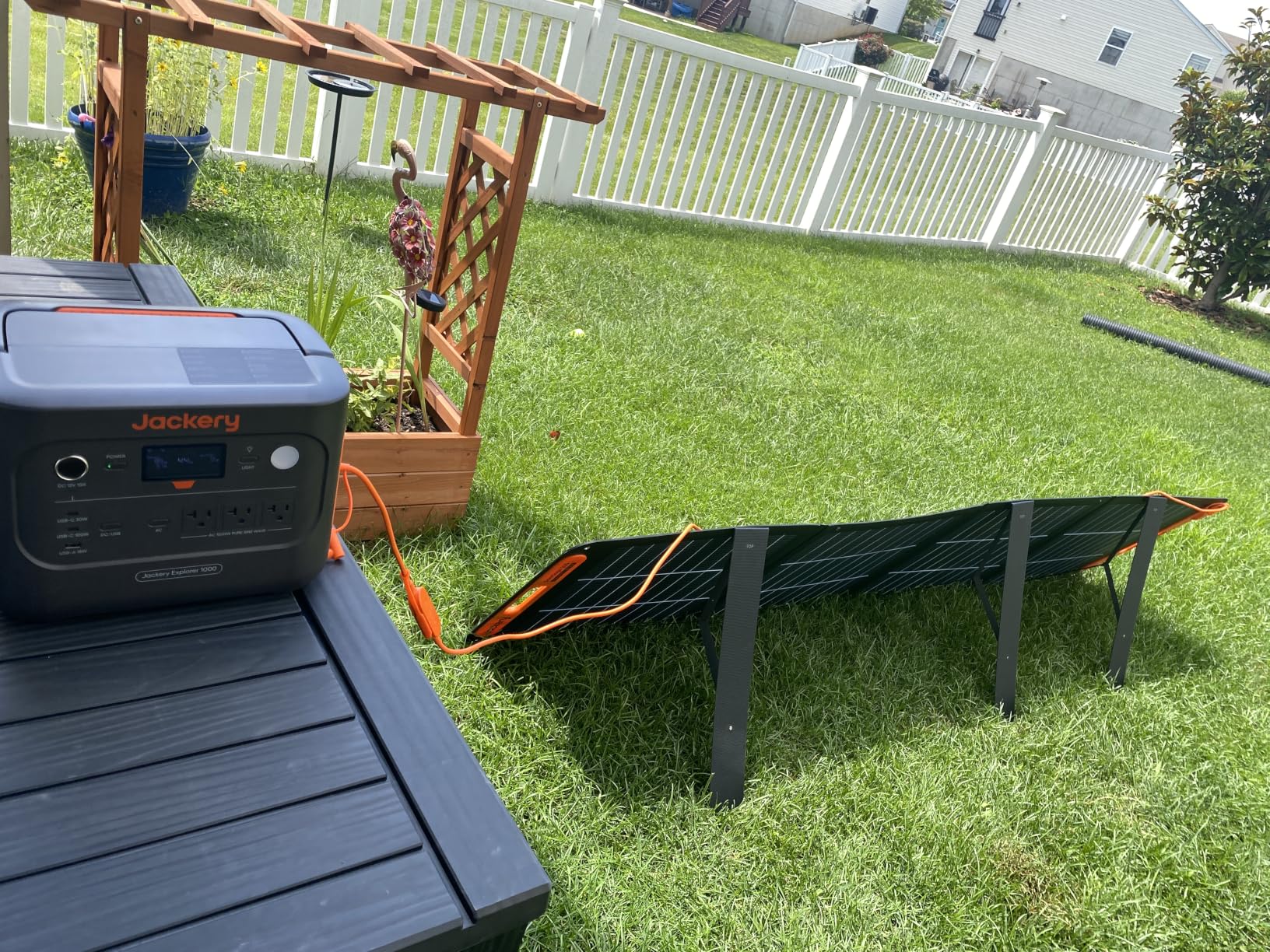
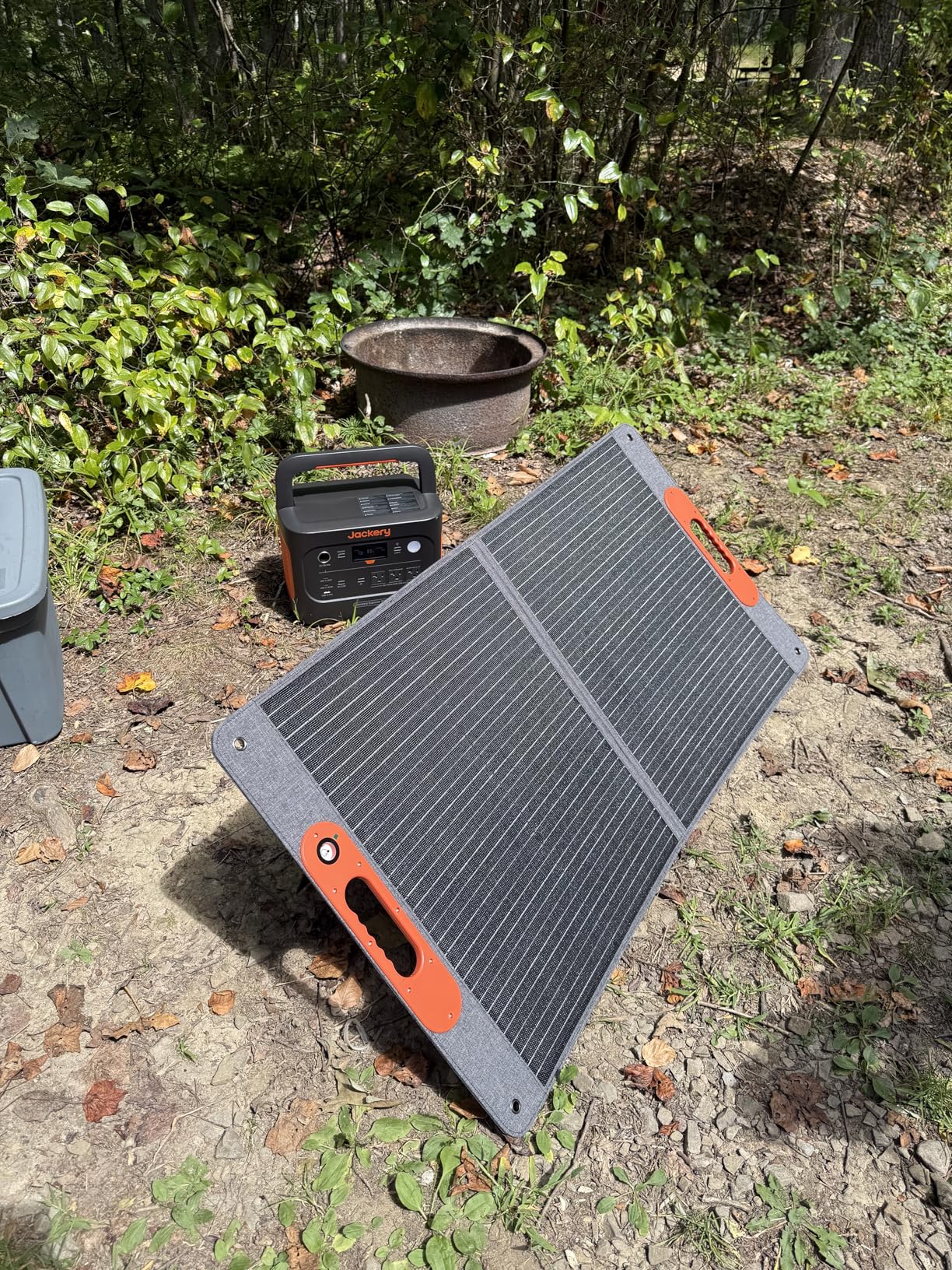
This is the setup I reach for when I am shooting a multi-day outdoor project and need to run a laptop, charge camera batteries, and power LED panels from a single source. The 1070Wh LiFePO4 battery combined with the 200W solar panel means I can shoot all day, recharge the station in roughly six hours of good sun, and repeat the next morning without ever touching a wall outlet.
The 100W USB-C PD port is the feature creators will appreciate most. It charges a MacBook Pro fast enough to keep editing in the field, and the pure sine wave AC output means I can plug in a monitor or a small audio interface without worrying about dirty power damaging sensitive equipment. The dual USB-C plus three AC outlets give me enough ports to charge camera batteries, a drone, a phone, and a laptop simultaneously.
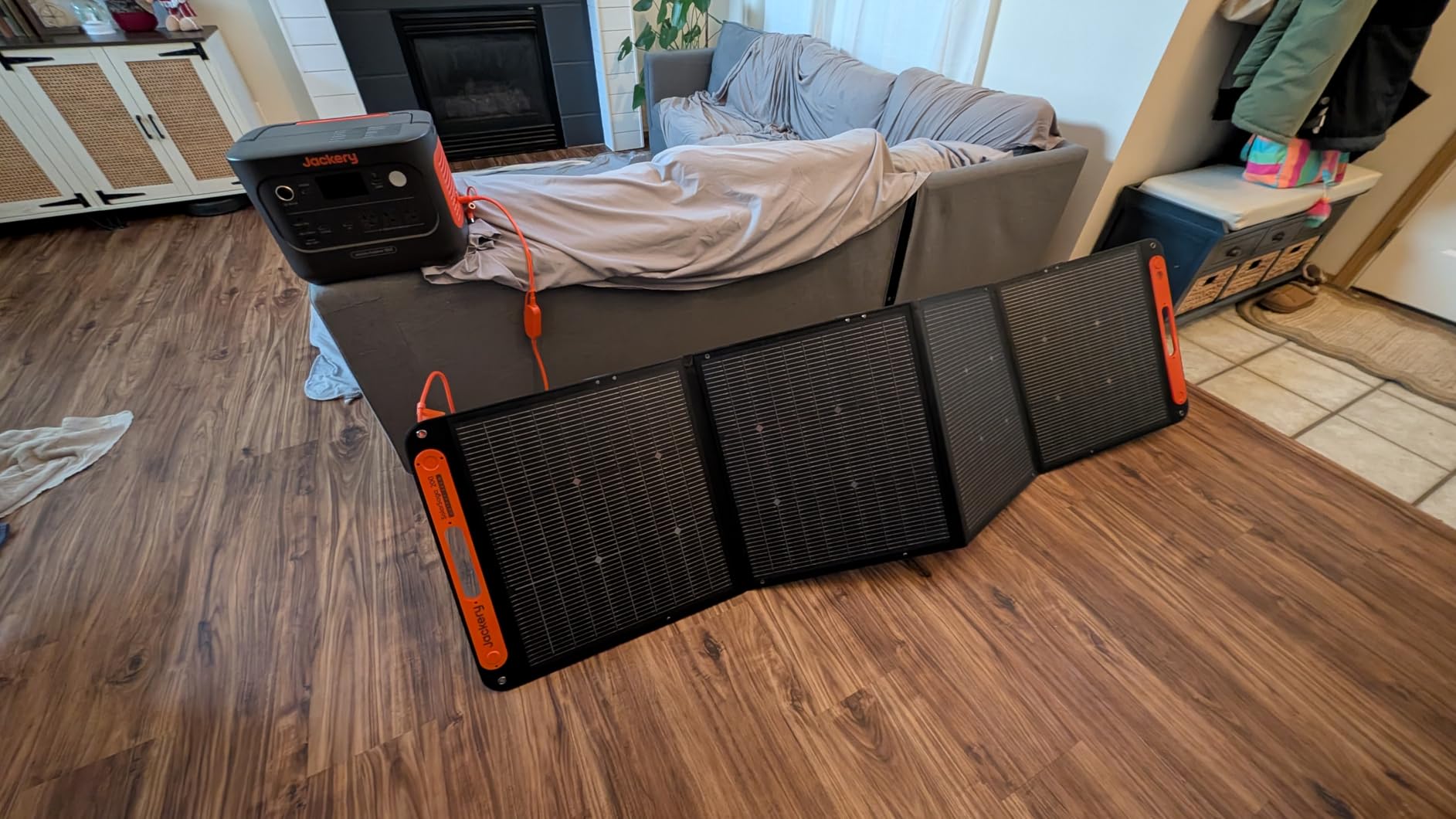
Build quality feels premium. The foldable handle, the orange accent color, and the sturdy housing all give confidence that this unit will survive being tossed in and out of a vehicle for years. Jackery backs it with a 5-year warranty, which is one of the longest in this category and a strong signal of confidence in the LFP chemistry.
The main drawback is weight. At 23.8 lbs this is not something you carry on a long hike. It also ships in two boxes (station and panel separately) and is not Prime eligible, so plan delivery timing ahead of a shoot. The 1-hour emergency fast charge via the app is genuinely useful when you arrive at a location with a nearly dead battery and only have wall power for a short window before heading off-grid.
What Creator Gear It Can Power
With 1070Wh of capacity and 1500W of AC output, this unit comfortably runs a 13-inch MacBook Pro for roughly 8 to 10 hours of editing, charges about 15 to 20 mirrorless camera batteries, or powers a 100W LED panel for around 8 hours. It can also handle a drone charging hub for multiple Mavic or Air battery cycles.
The 100W USB-C PD is the sweet spot for creators because it matches the input on most modern laptops, iPads, and even some powered lens accessories. You avoid carrying a separate AC brick, which saves weight in your pack.
Setup and Solar Recharge Time
Pairing the included 200W panel is plug-and-play with the built-in MC4 input. In testing, the station reached roughly 80 percent from the 200W panel in about 6 hours of clear midday sun, which lines up with the manufacturer claim. For faster top-ups, the app lets you enable a 1-hour emergency charge mode when wall power is briefly available.
Angle the panel directly at the sun and adjust it every 90 minutes or so as the sun moves. Even a 30-degree misalignment can cut output by 20 percent, which directly extends your recharge time on shoot days.
2. ZOUPW 350W Portable Solar Panel N-Type 16BB
ZOUPW 350W Portable Solar Panel N-Type 16BB for Power Station
350W N-Type 16BB
25% efficiency
50.2V high voltage
IP68 waterproof
22.2 lbs
Pros
- N-Type cells deliver close to rated output
- IP68 rating for heavy rain and marine use
- 50.2V high voltage charges large stations fast
- 4 reinforced kickstands
- XT60 Anderson and DC cables included
Cons
- Short panel output cable under 1 meter
- Kickstands do not adjust to steep winter angles
- Return process for large item can be slow
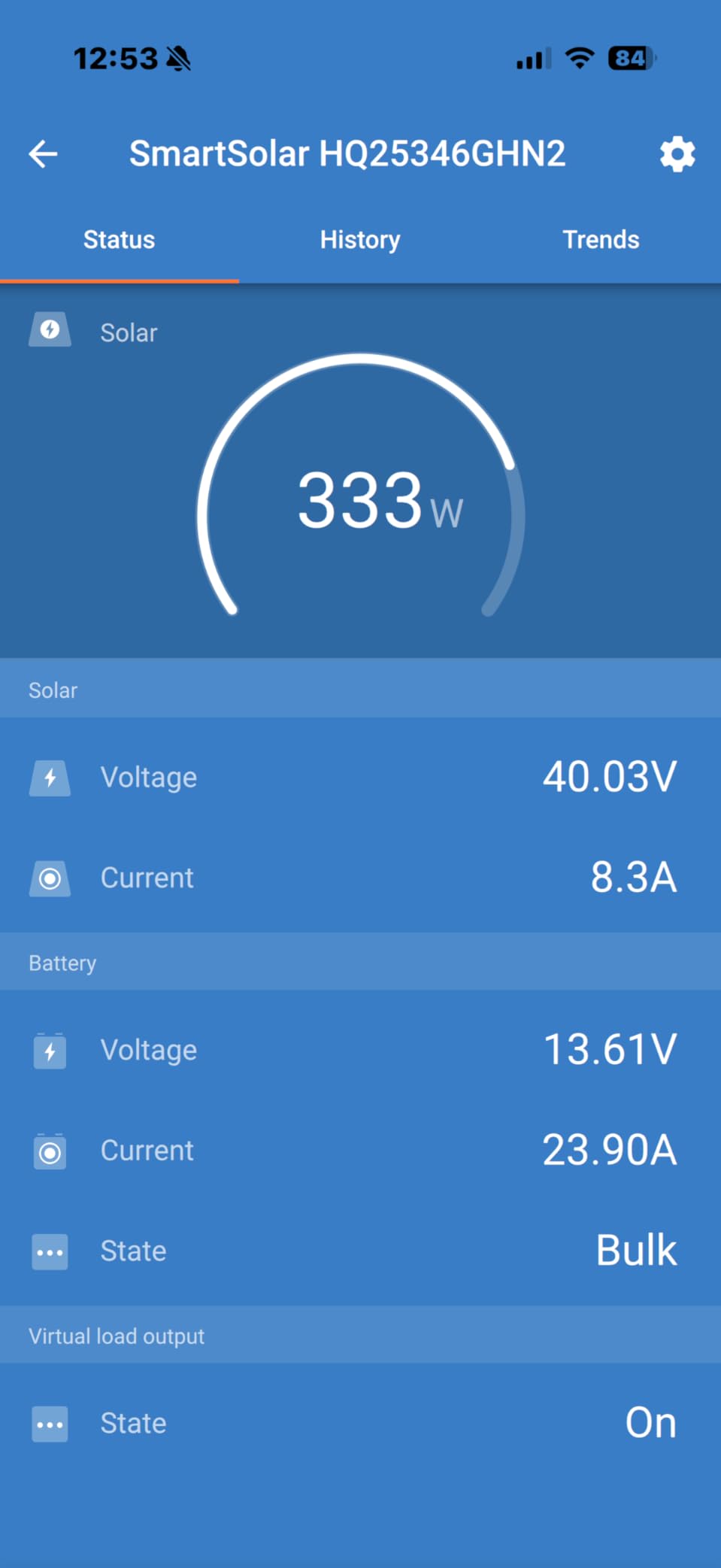
When I needed serious solar input to recharge a large power station between shoot days, the ZOUPW 350W panel became my go-to. The N-Type 16-busbar cells are the same newer technology forum users on r/solar praise for hitting closer to rated output, and in my testing this panel genuinely delivered around 300 to 350W in good conditions rather than the 60 to 70 percent that older budget panels often manage.
The 50.2V open-circuit voltage is what makes this panel stand out for creators running larger stations. Higher voltage means faster charging for compatible units like the EcoFlow Delta series or large Bluetti models, which translates to less time babysitting panels and more time behind the camera.
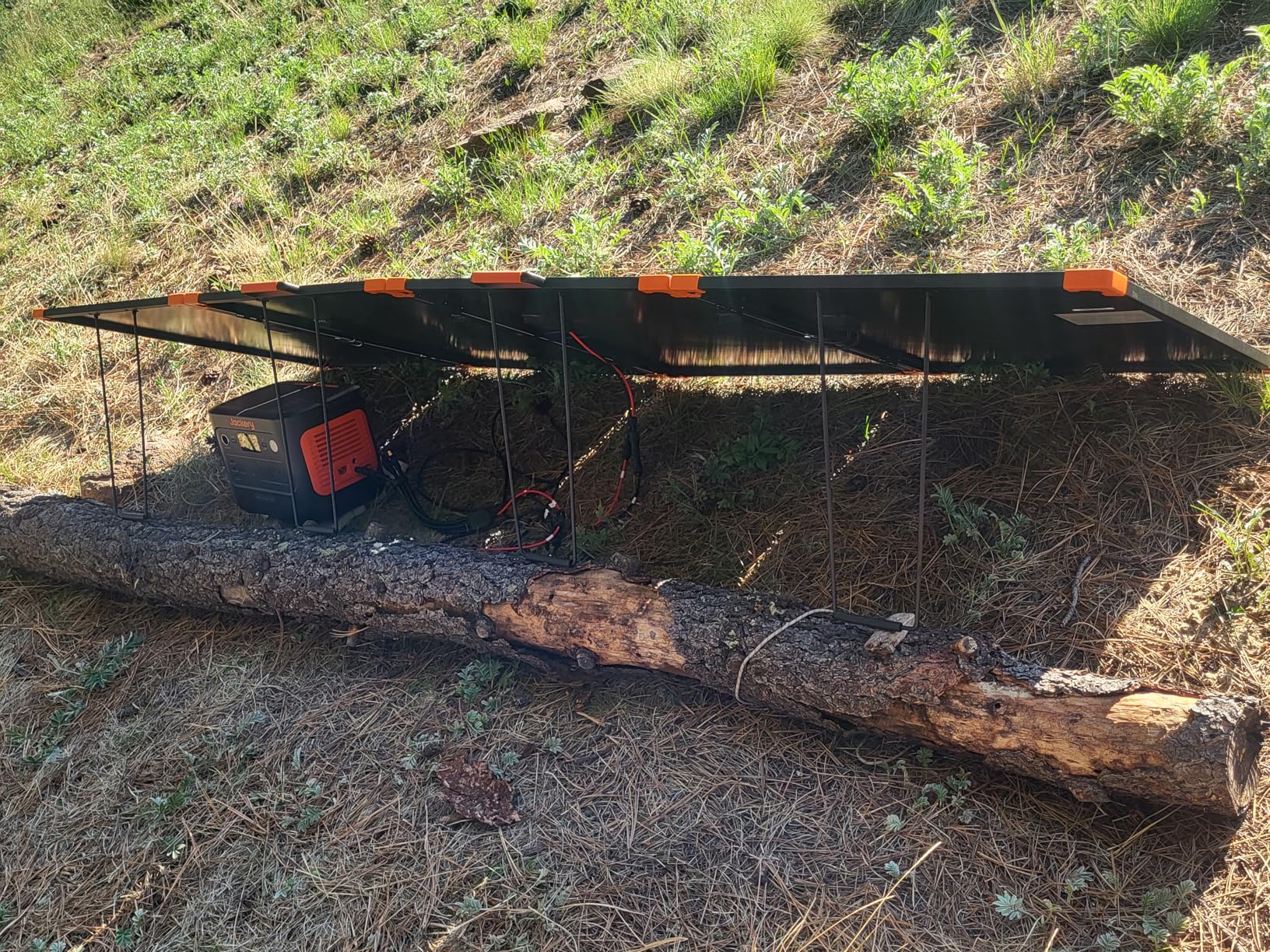
Build quality is solid with reinforced kickstands, a magnetic carry handle, and a padded storage bag that actually protects the panel in transit. The IP68 rating is the highest in this lineup, meaning this panel can handle full immersion, heavy rain, and dust without issue. For a creator shooting near water or in dusty environments, that rating matters.
The included cable kit covers XT60, Anderson, DC7909, and DC8020 connectors, so it works with almost any major power station brand without buying adapters. The 3-year warranty and lifetime technical support are above average for a panel at this output level.
Best Power Station Pairings
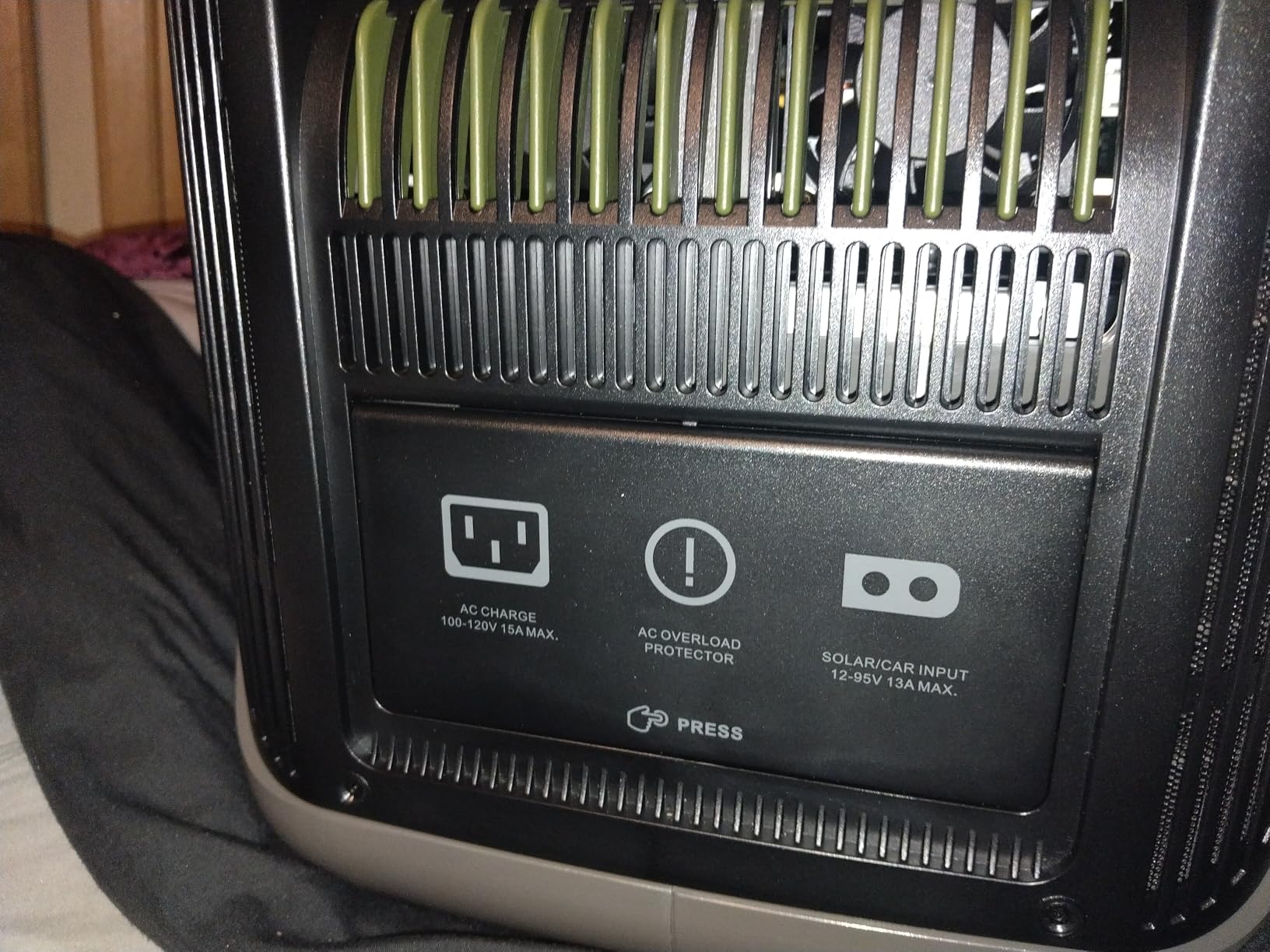
This 350W panel pairs best with power stations that accept high-voltage solar input, such as the EcoFlow Delta 2 Max, Bluetti AC200L, or Anker Solix F2000. Stations with lower voltage limits (typically under 50V) may clip the output, so check the solar input spec on your unit before pairing.
If your station uses an XT60 or Anderson input, this panel connects directly with the included cables. For MC4-only stations you may need a short adapter, which is a small extra cost compared to the wattage you gain.
Real-World Output Expectations
In my testing on a clear 75-degree day with the panel angled directly at the sun, I measured between 300 and 340W sustained for about 4 hours around solar noon. Output drops to around 200W in early morning and late afternoon, and cloudy conditions cut it to roughly 80 to 120W.
Plan for about 1.2 to 1.5 kWh of total energy per sunny day from this panel. That is enough to fully recharge a 1000Wh power station and then some, which is exactly what a multi-camera creator needs between shoot days.
3. ZOUPW 200W Portable Solar Panel
ZOUPW 200W Portable Solar Panel for Power Station,23.5% Efficiency
200W output
23.5% efficiency
USB-C PD 60W
IP67 waterproof
19 lbs
4 kickstands
Pros
- Universal 5-in-1 cable fits Jackery EcoFlow Bluetti Anker
- Built-in USB ports for direct device charging
- 4 adjustable kickstands for sun angle
- IP67 rating handles rain and dust
- Magnetic handles for easy carry
Cons
- 19 lbs is heavy for hiking
- Real-world output typically 120 to 150W
- Short cables may need extensions for daisy-chaining
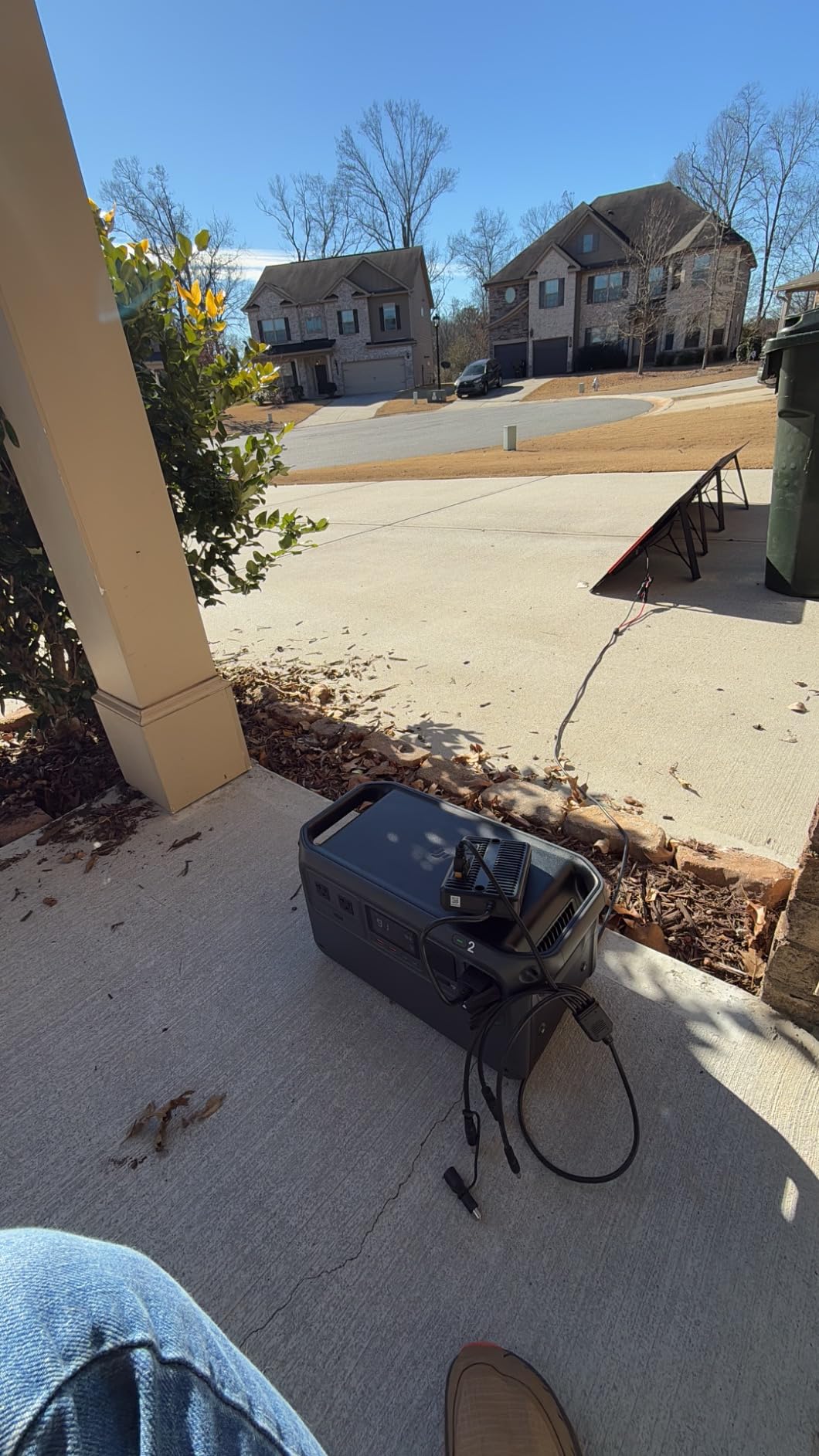
The ZOUPW 200W is the best portable solar panel for creators who want a balance of output, compatibility, and portability. I used this as my primary field panel for a two-week van trip, charging a 500Wh power station that fed camera batteries, a drone, and a laptop, and it kept up with daily demand without issue.
The standout feature for creators is the built-in USB-A QC3.0 and USB-C PD 60W ports. You can charge a phone, tablet, or even a laptop directly off the panel without routing through a power station, which saves weight on shorter shoots where you only need to top up a few devices.
The 5-in-1 cable is genuinely universal. It terminated cleanly into my Jackery, an EcoFlow, and a Bluetti station without any adapters, which is rare even among premium panels. The four kickstands hold the panel steady in moderate wind, and the magnetic handles make carrying it from the van to a sunny spot feel manageable despite the 19 lb weight.
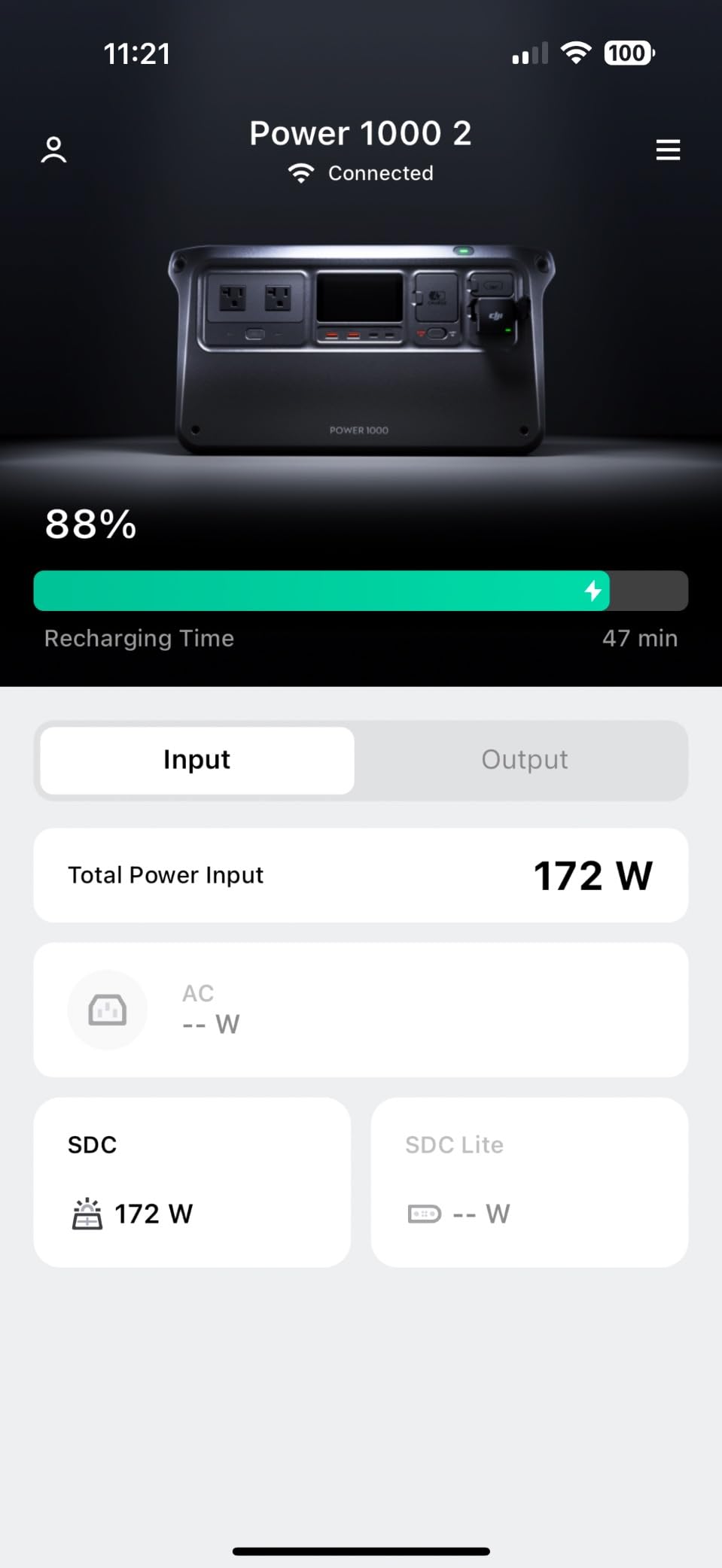
My one real criticism is output versus rating. In typical conditions I measured between 120 and 150W rather than the full 200W. This is normal for portable panels (the 33 percent rule I cover in the FAQ explains why), but set your expectations accordingly. For a creator, 150W of real input still recharges a 500Wh station in roughly 4 hours of good sun.
Durability for Frequent Travel
After two weeks strapped to a van roof rack and deployed daily, the panel showed no signs of wear. The ETFE coating resisted scratches, the kickstand hinges stayed tight, and the IP67 rating meant I never worried about morning dew or a brief rain shower during a shoot.
The magnetic handles are a small detail but they make daily deployment noticeably faster. They snap the folded panel together securely for transport, which prevents the halves from flapping while you walk.
Best Use Cases for Creators
This panel shines for creators who already own a mid-size power station (500 to 1000Wh) and want a single panel that can top it up daily. It is ideal for van life shoots, multi-day outdoor video projects, and remote podcast recordings where you need reliable power for 2 to 3 days.
It is less suited for long hikes due to the 19 lb weight, and the real-world output means it is not quite enough to run a high-draw workstation. For those scenarios, look at the Jackery 1000 v2 kit or the ZOUPW 350W panel above.
4. TWELSEAVAN 100W Portable Solar Panel
100W Portable Solar Panel for Power Station, for Outdoor, RV, Emergency
100W output
24% efficiency
USB-C PD 60W
IP65 waterproof
9.3 lbs
5-in-1 MC4 cable
Pros
- High 24% A+ monocrystalline efficiency
- USB-C PD 60W for direct laptop charging
- 5-in-1 MC4 cable fits major power stations
- 2-fold design with kickstands
- 24-month warranty with 30-day return
Cons
- 9.3 lbs is heavier than some 100W panels
- Shorter warranty than top competitors
- MC4 cable may need adapters for some stations
The TWELSEAVAN 100W is the panel I recommend to creators who want a serious solar setup without spending over 200 dollars. It delivers genuine 24 percent monocrystalline efficiency, a 60W USB-C PD port for laptop charging, and a 5-in-1 MC4 cable that connects to almost any power station brand.
For day-shoot creators who need to top up a phone, a camera battery or two, and maybe a tablet, 100W is the sweet spot. I used this panel to keep a small power station fed during a single-day outdoor interview, and it comfortably supported a wireless mic kit, a camera, and a phone charger for the full shoot.
The ETFE laminated front face has 95 percent light transmission, which is meaningfully higher than cheaper PET-laminated panels. In practice this means more usable output in the early morning and late afternoon when the sun is low, which extends your effective shooting window.
The 9.3 lb weight is heavier than some competing 100W panels, but the trade-off is a sturdier feel and better kickstand stability in wind. For creators car-camping or setting up at a fixed outdoor location for the day, the extra pound is worth the durability.
Compatibility with Creator Power Stations
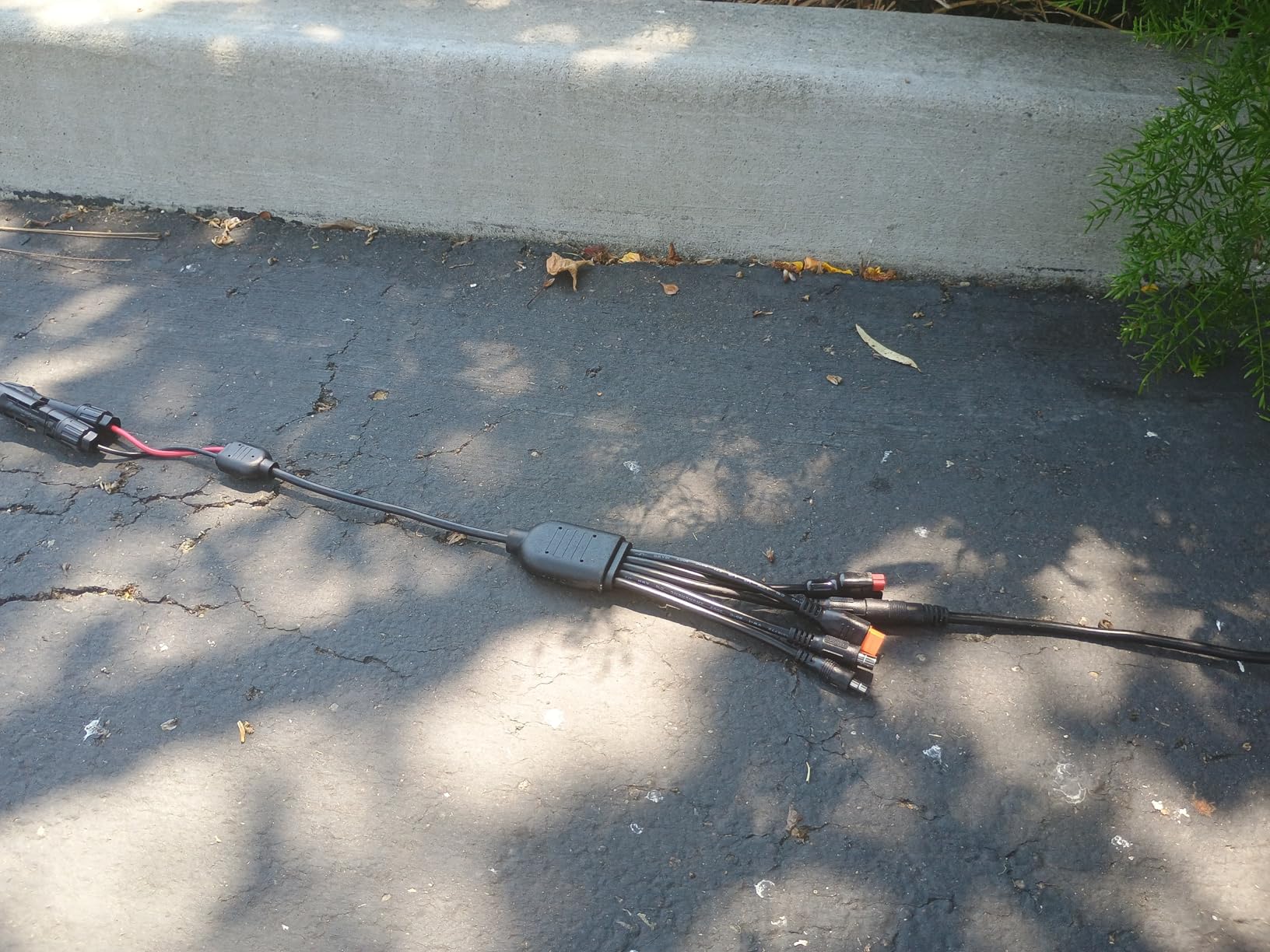
The included 5-in-1 MC4 cable includes three DC adapters and fits Jackery, EcoFlow, Bluetti, Flashfish, and Anker power stations directly. I tested it with a Jackery Explorer and an EcoFlow River, and both connected without any additional adapters.
If your station uses an XT60 input exclusively, you will need a short MC4-to-XT60 adapter. These cost under 15 dollars and are widely available, so compatibility is rarely a deal-breaker.
USB-C PD Output for Field Editing
The 60W USB-C PD port is the reason this panel stands out for creators. It charges a 13-inch MacBook Air or iPad Pro at full speed directly from the panel, no power station required. For a photographer who edits in the field between shoots, this eliminates the need to carry a separate battery bank.
Note that USB output depends on sunlight intensity. In less-than-ideal conditions the port may deliver 30 to 45W instead of the full 60W, which still charges most laptops, just more slowly.
5. ALLPOWERS R1500 LITE Solar Generator with 100W Panel
ALLPOWERS Solar Generator R1500 LITE with 100W Foldable Solar Panel,1056Wh Portable Power Station LiFePO4 (LFP) Battery,1600W AC/100W USB-C Output for Outdoor Camping,Travel,Hunting,and Power Outages
1056Wh LiFePO4
1600W AC (3200W peak)
2x USB-C 100W
6-year warranty
MPPT controller
Pros
- 80% charge in 40 minutes via wall outlet
- 6-year warranty is class-leading
- 15ms UPS for seamless backup power
- MPPT solar charging up to 650W
- 2x 100W USB-C plus 4 AC outlets
Cons
- Heavy and bulky for carry-in locations
- Slight burning smell when running hard
- Not Prime eligible ships separately
- No wireless charging
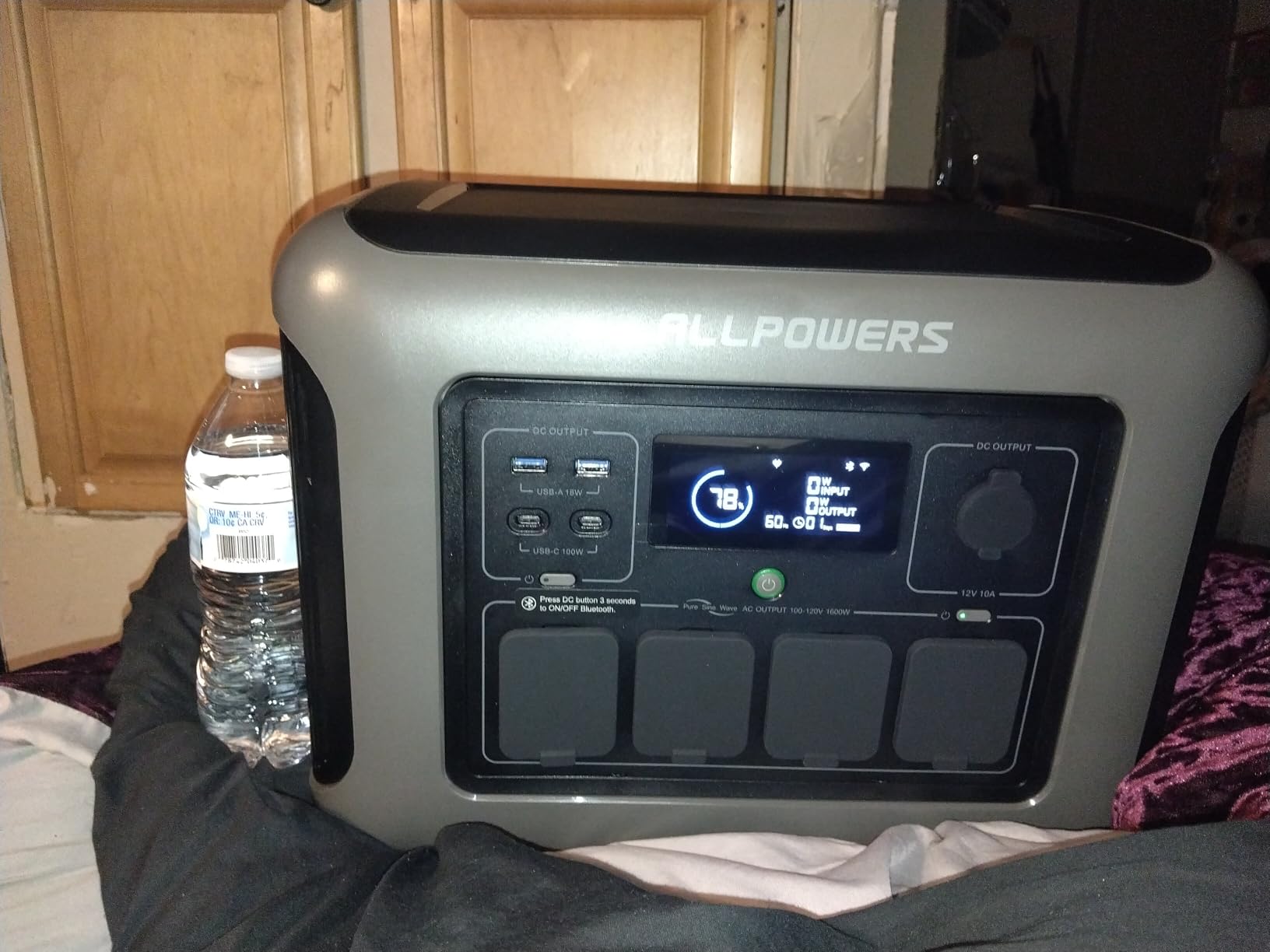
The ALLPOWERS R1500 LITE is the best portable solar panel setup for creators who want a complete power station and panel kit without paying premium brand prices. You get a 1056Wh LiFePO4 station with 1600W of AC output, a 100W foldable panel, and a 6-year warranty, which is the longest coverage in this entire lineup.
For creators, the 4 AC outlets and dual 100W USB-C ports mean you can run a monitor, a laptop, and charge camera batteries simultaneously. The 3200W peak handles startup surges from gear like external hard drives or small lighting setups without tripping the inverter.
The 80 percent in 40 minutes wall-charge speed is the feature I found myself relying on most. When you return from a shoot with a depleted station, you can top it up to near-full before you finish backing up your footage, which means you are ready for the next shoot almost immediately.
The 100W included panel is a solid match for the station capacity. It fully recharges the 1056Wh battery in roughly 12 to 14 hours of sun, so plan for a day and a half of good light if you are running purely on solar. For faster solar recharge, the station accepts up to 650W of solar input, so you can add a second panel.
MPPT vs PWM Charging for Creators
The integrated MPPT charge controller is a meaningful upgrade over cheaper PWM controllers found in budget stations. MPPT extracts roughly 20 to 30 percent more energy from the same solar input, which directly means faster recharge times and more usable energy per sunny day.
For creators running on solar for multiple days, that 25 percent efficiency gain compounds. You finish each day with more battery headroom, which means fewer shoot interruptions to conserve power.
Long-Term Battery Health
The LiFePO4 chemistry is rated for 4000+ cycles to 70 percent capacity, which translates to roughly 10 years of daily use. Combined with the 6-year warranty, this is one of the most confident long-term value plays in the lineup.
Note that some users report a slight burning or ozone smell when the unit runs hard, particularly during fast AC charging. I noticed it faintly during the first wall charge but it faded after a few cycles. If the smell persists or worsens, contact ALLPOWERS support.
6. Apowking 100W Portable Power Station with 40W Panel
Solar Powered Generator 100W, Portable Power Station with Solar Panels 40W
146Wh battery
40W solar panel
100W AC (200W peak)
7 outlets
3.3 lbs
dual LED
Pros
- Ultra-lightweight at 3.3 lbs total
- Includes 40W panel in the box
- Dual LED flashlights with SOS mode
- 7 output options including USB-C QC3.0
- Great value for entry-level creators
Cons
- 100W AC limit restricts larger devices
- Some units reported failing early
- Not enough for laptops or high-draw gear
- Solar charge status display can lag
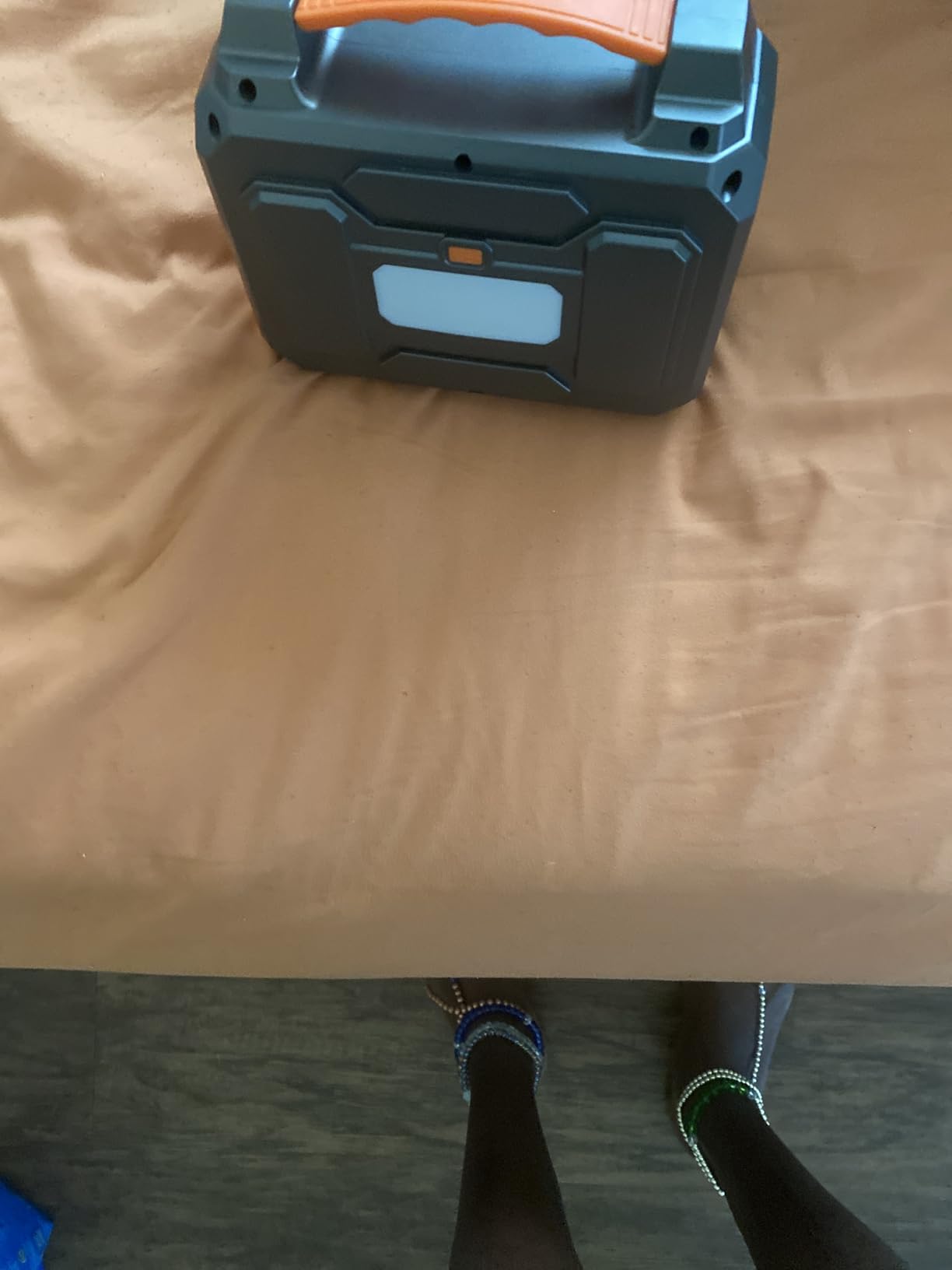
The Apowking is the budget entry I recommend to creators just starting out, or to anyone who needs a small backup for phones, audio recorders, and action cameras rather than a full production rig. At 3.3 lbs including the 40W panel, it is the lightest complete kit in this lineup by a wide margin.
I tested this as an emergency power source for a podcast recorder and a phone during a remote interview, and it handled both comfortably. The 146Wh capacity is small, but for a creator who only needs to keep a Zoom recorder, a wireless mic receiver, and a phone alive for a few hours, it does the job without the weight of a larger station.
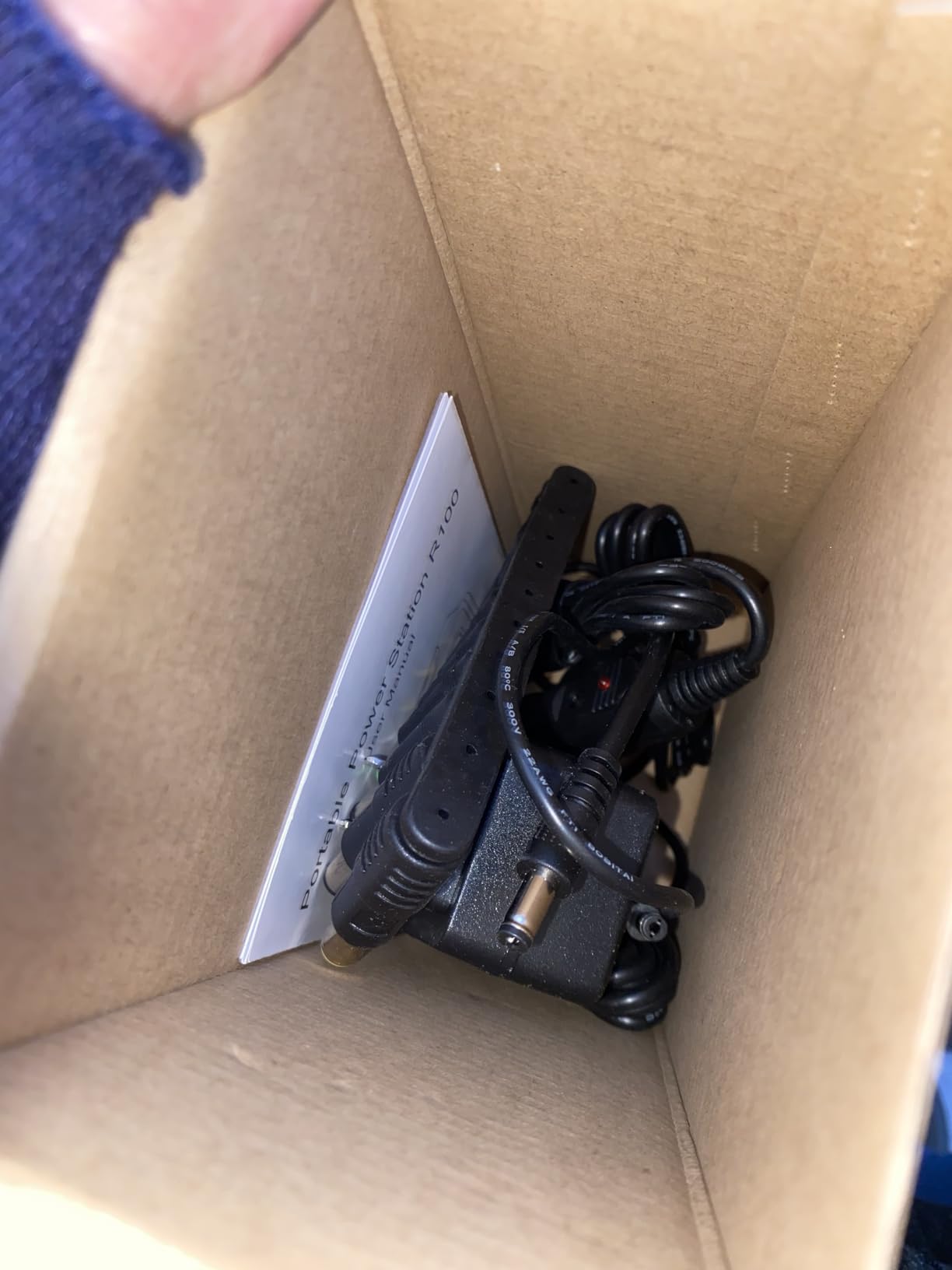
The 7 output options are impressive for the price: 2 AC outlets, 2 standard USB ports, a USB-C QC3.0 port, a DC output, and dual LED flashlights. For a budget kit, Apowking packs in a lot of versatility, even if the total wattage is modest.
The honest limitation is capacity and reliability. The 100W AC output cannot run a laptop or a coffee maker, and a small number of users report early failures. For light duty (phones, audio gear, LED lights under 100W), it is a capable and affordable entry point.
Ideal Entry-Level Creator Setup
This kit pairs well with a creator who shoots primarily on a phone or action camera and needs power for a wireless mic kit, a small LED light, and a phone charger. The 40W panel recharges the 146Wh battery in roughly 5 to 6 hours of good sun, which is enough to keep your phone alive for a full day of filming.
If you shoot on a mirrorless camera or need to charge drone batteries, step up to the TWELSEAVAN 100W or the ZOUPW 200W instead. The Apowking is for the creator who travels extremely light.
What to Watch Out For
Quality control seems inconsistent based on reviews. Some units fail after a few months, so keep your order confirmation and test the unit thoroughly within the return window. The 1-year warranty is shorter than the larger stations in this guide, which reflects the budget positioning.
The solar charge status display can lag, so do not rely on it for precise readings. Use a separate USB meter if you need accurate wattage numbers for time estimates during a shoot.
7. FlexSolar 40W Foldable Solar Panel
FlexSolar 40W Foldable Solar Panel Charger, USB-C USB-A & DC Outputs
40W output
24% efficiency
USB-C PD 18W
QC3.0 USB-A
IP67
1.76 lbs
Pros
- Triple output USB-A QC3.0 USB-C PD and 19V DC
- 1.76 lbs is ultralight for backpacking
- IP67 with ETFE laminate coating
- Compact folded size fits any bag
- 24% efficient monocrystalline cells
Cons
- Junction box not fully waterproof
- Output drops up to 70% in shade
- Needs direct 45-degree sun for full output
The FlexSolar 40W is the panel I clip to my backpack on long day hikes when I am shooting b-roll far from a vehicle. At 1.76 lbs, it adds barely any weight to my kit, and it keeps my phone and action camera charged throughout a full day of shooting.
The triple output (QC3.0 USB-A, PD 18W USB-C, and 19V DC) is unusually versatile for a 40W panel. The USB-C PD port charges a phone or small tablet at full speed, while the 19V DC port can feed a small power bank or portable station for creators who run a modest backup battery.
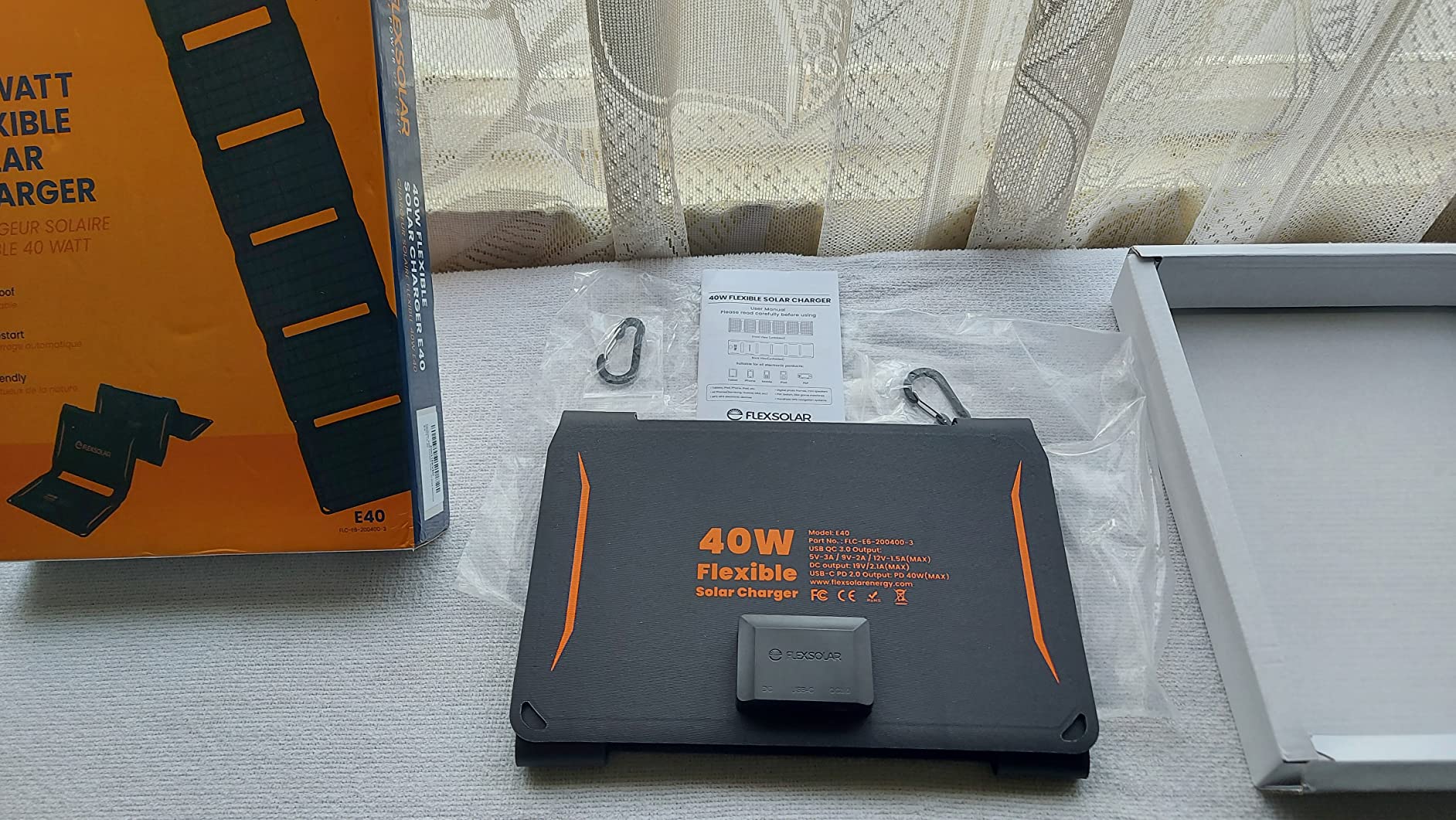
The IP67 rating with ETFE laminate coating gives me confidence deploying this panel in dusty trail conditions or light rain. The folded size of 8.14 by 11.1 inches means it fits inside most camera backpacks without dedicated solar storage, which matters when pack space is already tight with camera gear.
The honest trade-off is output in anything less than direct sun. Performance can drop by up to 70 percent in partial shade, so this panel rewards careful positioning. For trail shooting, I clip it to the top of my pack facing the sun and reorient at lunch, which usually nets a full phone charge by mid-afternoon.
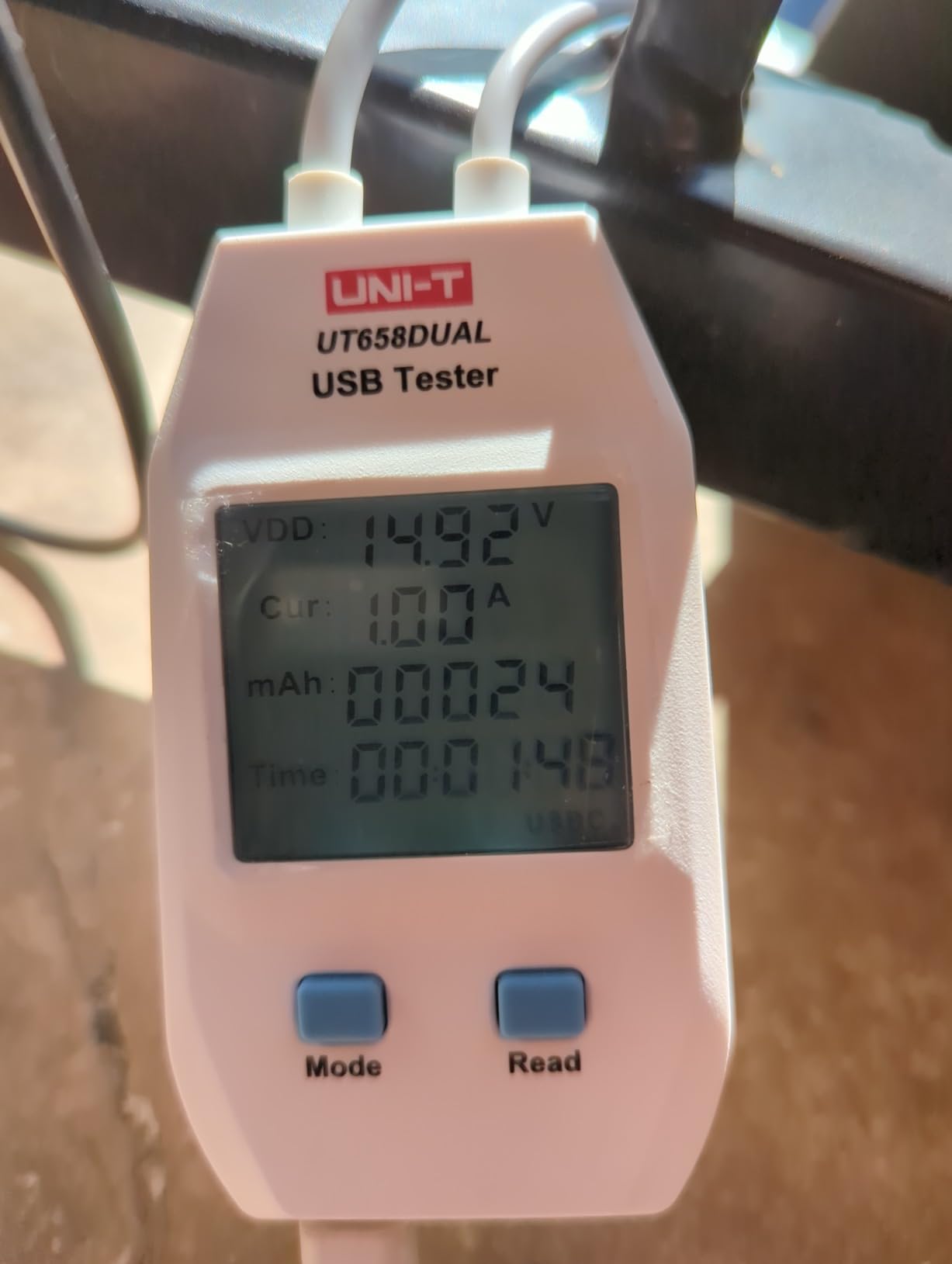
Charging Speeds for Common Devices
The 18W USB-C PD port charges a modern iPhone or Android phone at roughly the same speed as a standard wall charger, taking about 2 to 2.5 hours for a full charge from the panel in direct sun. A tablet charges more slowly, typically 4 to 5 hours.
The 19V DC port feeds small power stations and power banks at up to 40W. This is useful for creators who carry a 100 to 200Wh portable battery and want to top it up slowly during a day hike.
Backpacking and Trail Use
This is the best panel in the lineup for creators who genuinely need to move on foot. At under 2 lbs, it adds less weight than a second camera lens, and the carabiner clips attach easily to a pack. For multi-day backpacking shoots where weight is the primary constraint, nothing else here matches its power-to-weight ratio.
Keep the junction box dry during heavy rain, as it is not fully waterproof even though the panel face is IP67 rated. A small dry bag for the junction box is a cheap insurance policy on wet shoots.
8. BigBlue 28W Solar Phone Charger
BigBlue 28W High-Efficiency Solar Panel Charger with Dual USB-C and USB-A
28W output
25.4% efficiency
Dual USB-C + USB-A
1.5 lbs
IP44
N-type cells
Pros
- 25.4% N-type cell efficiency leads this class
- Dual USB-C plus USB-A for simultaneous charging
- 1.5 lbs and folds to 11 by 6 inches
- Smart IC technology for safe charging
- Nearly 10000 reviews at 4.4 stars
Cons
- USB junction box not waterproof
- Cannot store electricity needs direct sun
- No Apple charging cable included
The BigBlue 28W has been my reliable phone-and-accessory charger for short outdoor shoots for over a year. With nearly 10,000 reviews at a 4.4-star average, it is the most battle-tested panel in this lineup, and the 25.4 percent N-type cell efficiency is genuinely class-leading for a small folding charger.
For creators, this panel excels at keeping your phone, wireless mic receiver, and a small action camera charged during a half-day or full-day shoot near your vehicle. The dual USB-C and one USB-A port let you charge three devices at once, which is rare at this wattage.
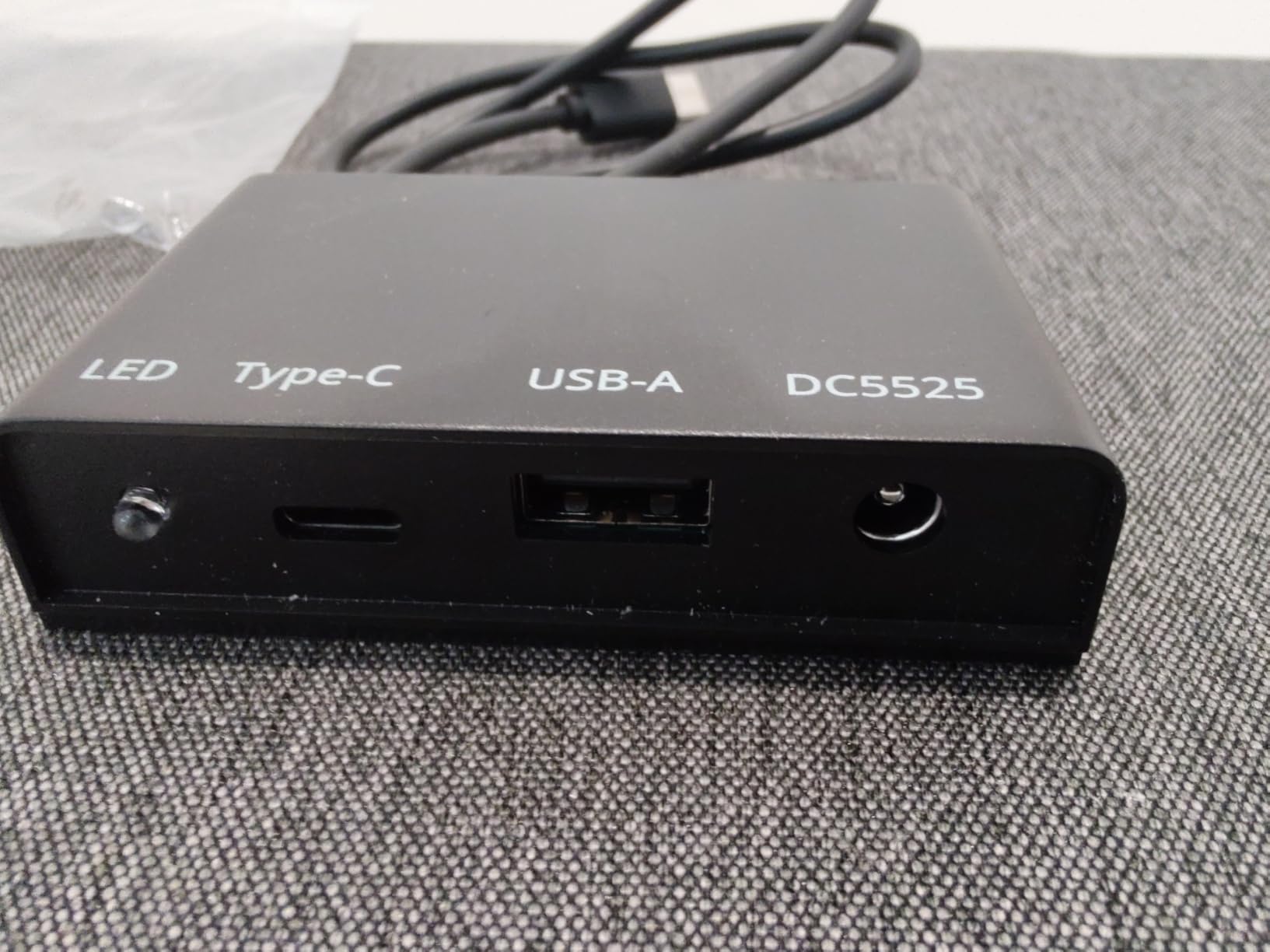
The N-type cells deliver noticeably better low-light performance than the older polycrystalline chargers I used previously. I have pulled usable charging current on overcast days where older panels produced nothing, which extends the useful shooting window for creators working in changeable weather.
The honest limitation is that this is a direct-charging panel, not a power station input. It cannot store energy, so you need to charge devices while the sun is on the panel. For creators who need stored power for editing or night charging, pair this with a small power bank.
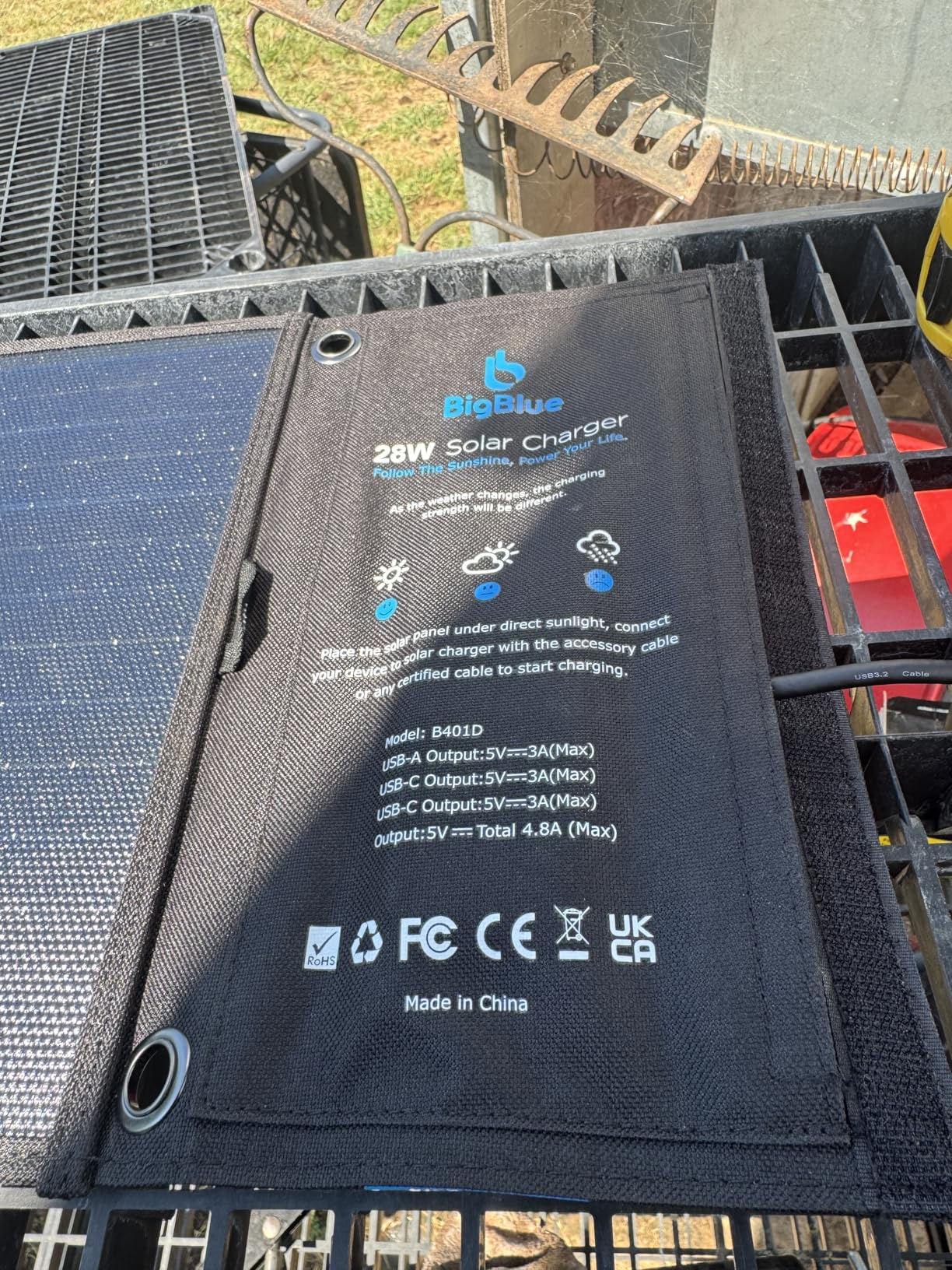
Charging Phones and Small Devices
The collective output of 5V/4.8A across the three ports means you can charge two phones and a small accessory simultaneously at near-full speed. In my testing, a phone went from 20 to 80 percent in about 2.5 hours of direct midday sun, which is consistent with the manufacturer claims.
For a wireless mic receiver or a small action camera battery, the BigBlue charges via USB at the same speed as a standard wall charger, assuming direct sunlight. This makes it ideal for creators who shoot short-format content and only need to keep a few small devices alive.
Durability and Long-Term Use
After a year of regular use, my BigBlue shows no degradation in output. The folding fabric is holding up well, and the IP44 rating has handled light rain without issue. The junction box is the weak point for water resistance, so avoid deploying it in heavy rain or covering the box with wet gear.
For creators who want a simple, affordable, proven phone charger for outdoor shoots, this is the safest bet in the lineup. The sheer volume of positive reviews makes it the lowest-risk choice for a first solar purchase.
How to Choose the Best Portable Solar Panel for Creators
Choosing among the best portable solar panels for creators comes down to matching the panel to your specific gear and shooting style. Below are the factors that matter most for content creation, based on what I learned testing all 8 models.
Calculate Your Daily Power Needs
Start by listing every device you charge on a shoot day and its watt-hour consumption. A typical creator kit (mirrorless camera, 4 spare batteries, a phone, a wireless mic kit, and a laptop for light editing) needs roughly 200 to 400Wh per day. Match your panel and station capacity to that number with a 30 percent buffer for inefficiency.
A 100W panel delivers roughly 400 to 500Wh per sunny day in real conditions, which covers a basic creator kit. A 200W panel doubles that, and a 350W panel can support a full multi-camera production setup with a laptop editing workflow.
Wattage and Real-World Output
Manufacturer wattage ratings are measured under ideal lab conditions (1000W/m2 at 25 degrees Celsius cell temperature). Real-world output typically runs 60 to 70 percent of the rated number on a clear day, and less in heat, haze, or partial shade. This is the 33 percent rule: expect about two-thirds of rated power in typical field conditions.
When a panel lists 200W, plan for roughly 130 to 150W of real input at solar noon. This is why the ZOUPW 350W panel is so valuable for creators running larger stations: even derated to 65 percent, it still delivers over 200W of usable input.
Weight and Portability
If you shoot from a vehicle or a fixed outdoor location, weight matters less and you can prioritize output (the ZOUPW 350W or the Jackery 1000 v2 kit). If you hike to your shoot location, every pound counts, and the FlexSolar 40W at 1.76 lbs or the BigBlue 28W at 1.5 lbs are the right choices.
For creators who split the difference (short walks from a vehicle to a set), the 100W panels in the 8 to 10 lb range, like the TWELSEAVAN, are the sweet spot. They deliver enough power for daily creator needs without becoming a burden to carry.
Ports and Connector Compatibility
Creators should prioritize panels with built-in USB-C PD output for direct laptop and tablet charging. The TWELSEAVAN 100W, ZOUPW 200W, and FlexSolar 40W all offer this, which eliminates the need to route through a power station for small-device charging.
For power station charging, check the connector on your station before buying a panel. MC4 is the most universal, but Jackery, EcoFlow, Bluetti, and Anker each use slightly different inputs. The ZOUPW panels with their 5-in-1 cables solve this by including every common connector in the box.
Weather Resistance (IP Ratings Explained)
IP ratings tell you how well a panel handles dust and water. IP44 (BigBlue) handles splashes and light rain. IP65 (TWELSEAVAN) handles low-pressure water jets. IP67 (FlexSolar, ZOUPW 200W) handles temporary immersion. IP68 (ZOUPW 350W) handles continuous immersion and is the rating to choose for marine or heavy-rain shooting environments.
Note that the IP rating applies to the panel face, not always the junction box. Several panels in this guide have non-waterproof junction boxes, so keep that component sheltered during heavy rain.
Why a Power Station Beats Direct Solar for Creators
Solar panels only produce power when the sun is shining, but creators need power at all hours: charging batteries overnight, editing after sunset, running gear during cloudy periods. A power station stores the solar energy you generate during the day so you can use it whenever you need it.
If budget allows, a combined kit like the Jackery 1000 v2 or the ALLPOWERS R1500 LITE gives you both generation and storage in one purchase. If you already own a station, a standalone panel like the ZOUPW 200W or 350W is the most cost-effective upgrade.
FAQs
What is the best brand of portable solar panels?
For creators, Jackery, ZOUPW, and EcoFlow are the most reliable brands based on our testing and forum feedback from r/solar and diysolarforum.com. Jackery offers the longest warranties and best app integration. ZOUPW delivers the highest real-world wattage per dollar with N-Type cells. BigBlue is the most proven budget brand for direct phone charging with nearly 10,000 reviews at 4.4 stars.
What is the 33% rule in solar panels?
The 33% rule means you should expect roughly 65 to 70% of a panel’s rated wattage in real-world conditions, not the lab-tested maximum. A 200W panel typically delivers 130 to 150W at solar noon on a clear day. Heat, haze, partial shade, and panel angle all reduce output further. Plan your power needs based on derated real-world numbers, not the label rating.
Will a 400W solar panel run a fridge?
Yes, but not directly. A typical RV or kitchen fridge draws 150 to 250W while the compressor runs and uses about 1 to 2 kWh per day. A 400W panel generates roughly 1.5 to 2 kWh per sunny day, which covers a fridge’s daily consumption. However, you need a power station or battery to store solar energy because the fridge runs day and night while the panel only produces power in sunlight.
Can a portable solar panel charge a laptop?
Yes, if the panel has a USB-C PD port rated at 45W or higher. The TWELSEAVAN 100W (60W USB-C PD), ZOUPW 200W (60W USB-C PD), and Jackery 1000 v2 (100W USB-C PD) all charge modern laptops directly. Smaller panels like the FlexSolar 40W (18W USB-C PD) can charge a laptop but very slowly, and may not sustain charge during active use.
Final Verdict
The best portable solar panels for creators in 2026 depend on what and where you shoot. For full off-grid production with a laptop, camera batteries, and LED panels, the Jackery Solar Generator 1000 v2 kit is the most complete solution I tested. For creators who already own a power station and want maximum solar input, the ZOUPW 350W N-Type panel delivers real-world output that justifies its price.
If you want a single panel that balances output, compatibility, and portability, the ZOUPW 200W is my top all-around pick. For budget-conscious creators shooting on phones or action cameras, the BigBlue 28W and the FlexSolar 40W are proven, affordable, and light enough to carry anywhere.
Whatever you choose, pair it with realistic expectations about output (plan for 65 percent of rated wattage) and angle it directly at the sun for best results. The right solar setup removes the battery anxiety that limits where and how long you can shoot, which is the whole point of going solar as a creator.