

Finding the best planar magnetic headphones under $1000 used to mean choosing between two or three serious options. That landscape has changed dramatically. In 2026, you can buy a planar magnetic headphone that outresolves gear that cost triple this budget just five years ago.
Planar magnetic drivers use a thin, flat diaphragm suspended between magnet arrays rather than a voice coil attached to a cone. The result is faster transient response, lower distortion across the frequency range, and tighter bass control than traditional dynamic drivers deliver. That is exactly why audiophiles, mixing engineers, and serious gamers keep gravitating toward this technology.
I have spent the past several months comparing eight of the most recommended planar magnetic headphones available under $1000, from the $109 HIFIMAN HE400SE all the way up to the $769 Arya Organic. I paired each one with a range of sources, listened across genres including electronic, jazz, classical, and rock, and tracked notes on comfort, build, and amplification needs. This guide walks through every model so you can pick the one that matches your setup and listening taste.
Table of Contents
Top 3 Picks for Best Planar Magnetic Headphones Under $1000
If you want to skip ahead, these three are my strongest recommendations across the entire price range. Each one earns its badge for a specific reason, and all three are widely praised on communities like r/HeadphoneAdvice and Head-Fi.

Best Planar Magnetic Headphones Under $1000 in 2026
The full comparison table below shows all eight models side by side. Use it to filter by impedance, frequency response, and key features before diving into the detailed reviews.
| Product | Specifications | Action |
|---|---|---|
 HIFIMAN HE400SE Stealth HIFIMAN HE400SE Stealth |
|
Check Latest Price |
 FiiO JT7 Planar FiiO JT7 Planar |
|
Check Latest Price |
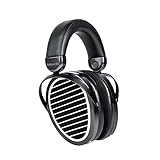 HIFIMAN Edition XS HIFIMAN Edition XS |
|
Check Latest Price |
 ASUS ROG Kithara ASUS ROG Kithara |
|
Check Latest Price |
 HIFIMAN Edition XV HIFIMAN Edition XV |
|
Check Latest Price |
 FiiO FT5 Open Planar FiiO FT5 Open Planar |
|
Check Latest Price |
| HIFIMAN Arya Stealth |
|
Check Latest Price |
 HIFIMAN Arya Organic HIFIMAN Arya Organic |
|
Check Latest Price |
1. HIFIMAN HE400SE Stealth Magnets – Best Budget Entry
HIFIMAN HE400SE Stealth Magnets Version Over-Ear Open-Back Full-Size Planar Magnetic Wired Headphones for Audiophiles/Studio, Great-Sounding, Stereo, High Sensitivity, Comfortable, Sliver
Stealth magnets
91 dB sensitivity
32 Ohms
390g
Pros
- Planar sound at entry price
- Acoustically transparent stealth magnets
- Drives from portable devices
- Comfortable for long sessions
Cons
- Plastic build feels less premium
- Benefits from an amplifier
- Open-back leaks sound
I keep coming back to the HE400SE when someone asks where to start with planar magnetics. At roughly $109, it is genuinely the cheapest credible way to hear what planar drivers do differently from dynamic cones. The stealth magnet design is the same acoustically transparent concept HIFIMAN uses on their flagship models, just scaled down to a budget chassis.
The 75% thinner diaphragm gives the HE400SE a surprising amount of speed and detail for the money. Female vocals on well-recorded jazz tracks sit cleanly forward without the smear you usually hear at this price. Bass is tight and well-controlled, though it does not dig as deep as the more expensive models in this list.
Where the HE400SE struggles is build perception. The plastic enclosure works fine functionally, but it lacks the reassuring weight of the Edition XS or Arya. Some users on r/HeadphoneAdvice mention headband wear over time, so treat it gently. The detachable cable is a real plus at this price point since cable failures are a common pain point.
Amplification is interesting here. The 91 dB sensitivity and 32 Ohm impedance mean the HE400SE will technically run off a phone or laptop. That said, I noticed a clear upgrade in dynamics and bass slam when I added a $150 desktop DAC/amp. If you have the budget, plan for at least a basic amp.
Who Should Buy the HE400SE
This is the obvious pick for a first-time planar buyer who wants to understand the sound signature without committing serious money. It is also a smart secondary pair for desk use when you want planar detail but do not want to risk your nicer headphones.
If you listen mostly to acoustic, vocal, and classical music at moderate volumes, the HE400SE delivers more than enough resolution. Electronic music fans may want more sub-bass extension than this driver provides.
Amplification and Pairing Tips
A budget dongle DAC like the Moondrop Dawn Pro or iBuddy DC04 Pro will wake this headphone up considerably. The difference between phone-out and even a $80 dongle is audible within the first minute.
If you want to go deeper, a Topping DX1 or Fiio K11 gives you a proper desktop chain that scales with any future headphone upgrade. Plan for $100-200 in source gear to get the full picture from this driver.
2. FiiO JT7 Planar – Best Foldable Planar Under $200
FiiO JT7 Over-Ear Planar Magnetic Headphones, 95x86mm Planar Driver, 3µm Ultra-Thin Diaphragm, Foldable Lightweight Design, Detachable 4.4mm/3.5mm Cable for Audiophiles (Champagne Gold)
95x86mm driver
318g foldable
92 dB
Balanced cable included
Pros
- Foldable for travel
- Includes balanced 4.4mm cable
- Versatile connectivity options
- Excellent build quality for the price
Cons
- Bass can bleed into mids
- Folding hinge is a wear point
- Treble sharpens at high volumes
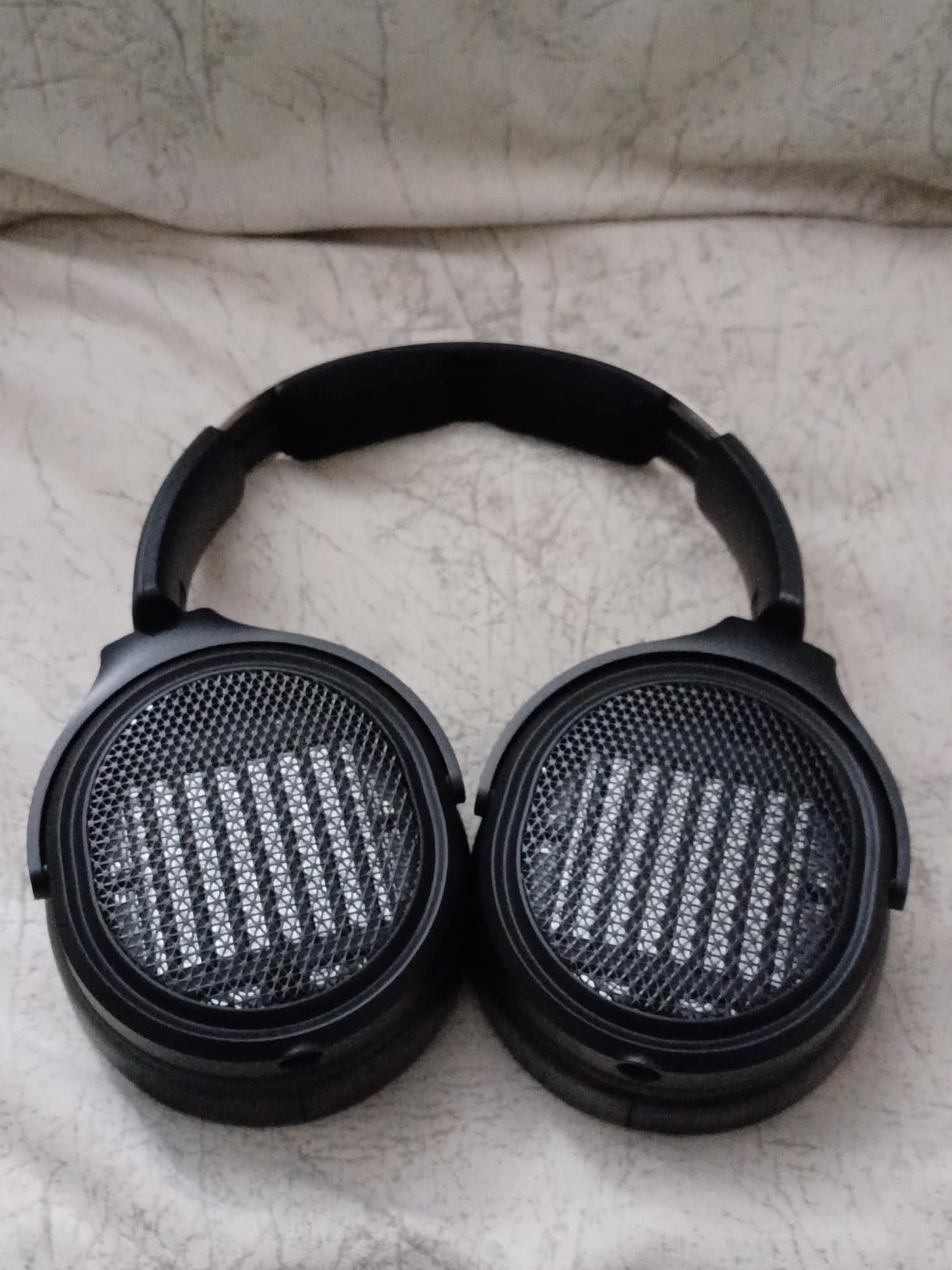
FiiO has been quietly building one of the most interesting budget audiophile lineups in the industry, and the JT7 is their entry into planar magnetic territory. The 95x86mm self-developed driver sits in a chassis that folds, weighs only 318 grams, and ships with both a 3.5mm single-ended and 4.4mm balanced cable in the box.
That accessory bundle alone is remarkable at this price. The 4.4mm balanced cable is something I normally expect on headphones two or three times more expensive. The dual-sided N52 neodymium magnet array gives the JT7 a punchy, engaging signature that leans slightly warm with a bass lift.
The F.E.S. (FiiO Elastic System) diaphragm support is the technical talking point, and in practice it translates to a driver that tracks complex electronic passages better than I expected at this price. Imaging on well-recorded binaural material was specific and layered, not just vaguely spacious.
My main criticism is the bass presentation. On bass-heavy electronic and modern pop, the upper bass bleeds slightly into the lower mids, adding thickness to male vocals. Treble is generally clean but sharpens noticeably at high volumes, so this is not the headphone for loud listening sessions.
Who Should Buy the JT7
The JT7 is the strongest pick in this list if portability matters. The foldable design, included case, and balanced cable make it ideal for commuters, students, and frequent travelers who want planar sound on the move.
If you primarily listen to electronic, hip-hop, or modern pop and want a fun, slightly warm signature, the JT7 fits well. Purists who want neutral tonal balance should look at the HIFIMAN models instead.
Cable and Source Matching
The included 4.4mm balanced cable unlocks real headroom if you have a balanced source like the Fiio BTR7, Q7, or Shanling H7. Even on a basic dongle, the 92 dB sensitivity means the JT7 plays loud without straining.
Just be aware that the folding hinge introduces a long-term wear point. The hinge mechanism felt solid in my testing, but I would treat it more carefully than a rigid design if you plan to fold it daily.
3. HIFIMAN Edition XS – Best Soundstage Under $300
HIFIMAN Edition XS Full-Size Over-Ear Open-Back Planar Magnetic Hi-Fi Headphones with Stealth Magnets Design, Adjustable Headband, Detachable Cable for Audiophiles, Home, Studio-Black
Stealth magnets
NEO supernano diaphragm
18 Ohms
8Hz-50kHz
Pros
- Wide natural soundstage
- Easy to drive at 18 Ohms
- Detailed imaging
- Memory foam headband
Cons
- Headband needs break-in
- Cable connector QC concerns
- Quality control variability
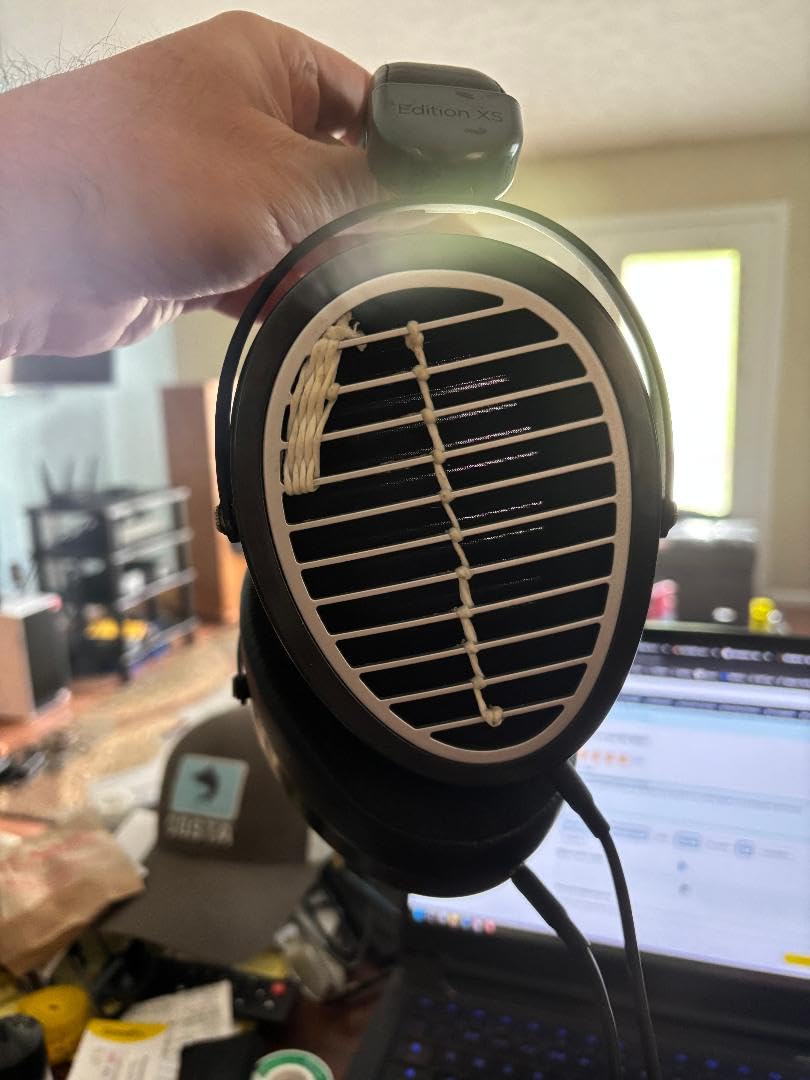
The Edition XS is the model I recommend more than any other when someone wants the best planar magnetic headphones under $1000 without spending over $300. The combination of stealth magnets and the NEO supernano diaphragm, which is 75% thinner than the previous generation, delivers a wide and natural soundstage that punches well above its price.
Imaging is where the Edition XS really shines for me. On orchestral recordings I could place individual sections with surprising precision, and on jazz combos the spacing between instruments felt coherent rather than diffuse. The 8Hz-50kHz frequency response spec looks impressive on paper, and the audible benefit is clean sub-bass extension and airy treble.
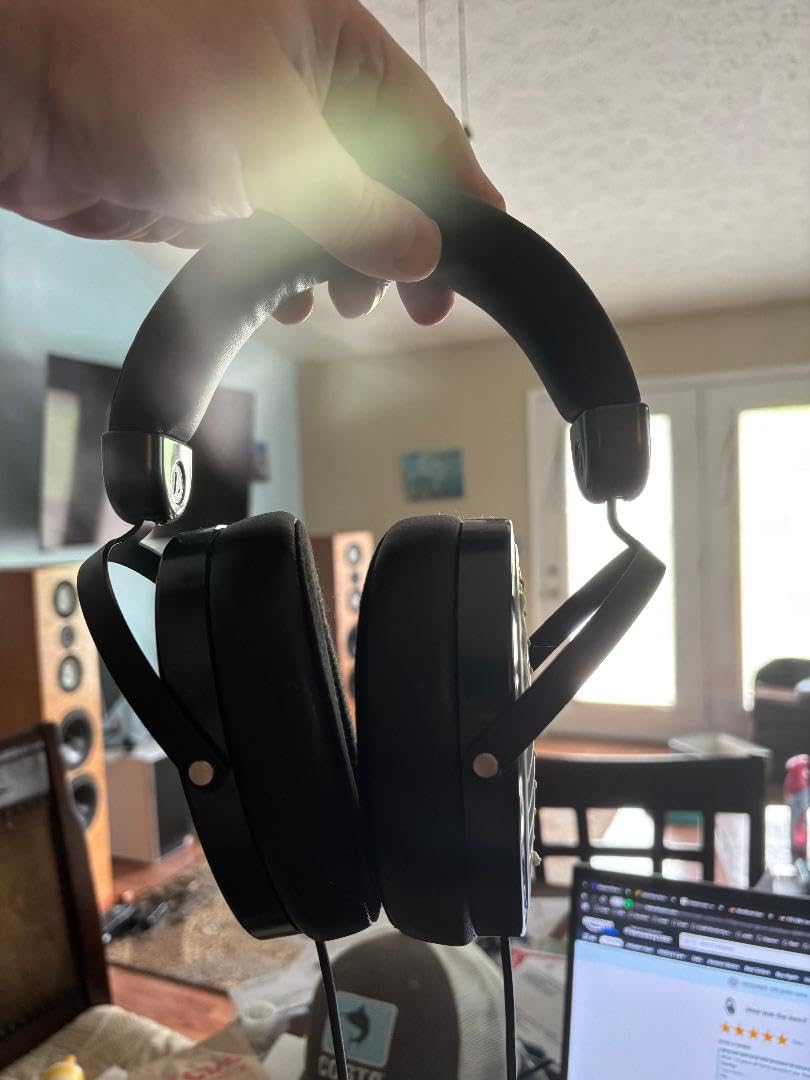
The 18 Ohm impedance makes this one of the easiest-driving planars in the lineup. I ran the Edition XS directly off a phone dongle DAC and got usable volume and dynamics, though a dedicated amp still expands the soundstage noticeably.
The known pain point here is quality control. The 7% one-star ratings on Amazon and recurring Head-Fi threads about cable connector failures are real. Some units need the connector reseated periodically, and the headband requires a break-in period before it stops clamping.
Who Should Buy the Edition XS
If you want a wide, immersive soundstage for gaming, movies, or orchestral music at a sub-$300 price, the Edition XS is my top recommendation. It is also an excellent choice if your source gear is limited since the 18 Ohm impedance is forgiving.
Buyers who value rock-solid build quality and warranty support may want to consider the ASUS ROG Kithara instead, since the gaming-focused tuning shares similar driver DNA with stronger fit and finish.
Scaling With Better Source Gear
The Edition XS responds well to source upgrades. On a Fiio K7 or Topping DX3 Pro+, the soundstage opens up further and transients tighten. You do not need flagship amplification, but $200-300 of source gear is the sweet spot.
For balanced drive, swap in a 4.4mm cable (HIFIMAN sells these separately or you can find third-party options). The balanced output on most mid-tier DAC/amps gives the Edition XS noticeably more headroom.
4. ASUS ROG Kithara – Best Planar for Gaming and Streaming
ASUS ROG Kithara Gaming/Audiophile Open-Back Wired Headphones with Mic – ROG-Tuned HIFIMAN Planar Magnetic Drivers, Adjustable Headband, Extra Ear Pads, Compatible with DACs, Amps, PC, Console, Mobile
ROG-tuned HIFIMAN drivers
4.4mm balanced
USB-C adapter
MEMS boom mic
Pros
- Audiophile-grade gaming sound
- Versatile multi-platform connectivity
- Comfortable with dual ear pads
- Build quality with metal frame
Cons
- Mic quality limited for streaming
- Higher price than gaming headsets
- Comfort varies with glasses
The ROG Kithara is the most unusual entry on this list because it pairs ASUS gaming hardware with ROG-tuned HIFIMAN planar magnetic drivers. The result is a headphone that genuinely competes with dedicated audiophile planars while including a boom microphone and gaming-focused connectivity options.
In competitive shooter sessions, the open-back planar soundstage gave me precise directional cues that closed-back gaming headsets cannot match. Footsteps in CS2 and Warzone were easy to localize, and the wider image helped me track multiple enemies without confusion.

The 4.4mm balanced, 3.5mm, 6.3mm, and USB-C connectivity options cover essentially every platform I tested. PC, PS5, Mac, iPad, and Switch all worked without adapters in my testing. The included USB-C adapter is especially useful for laptop and tablet use.
The trade-off is the microphone. The on-cable MEMS boom mic is serviceable for casual chat and party play, but it is not at the level of a dedicated streaming microphone. If you stream professionally, plan to use a separate XLR or USB mic for voice capture.

Who Should Buy the ROG Kithara
This is the obvious pick if gaming is your primary use case but you also want a headphone that holds up for serious music listening. It bridges two worlds that usually require separate purchases.
If you want a pure audiophile sound signature without gaming features, the HIFIMAN Edition XS or Edition XV will give you a more refined listening experience at similar or lower cost. The Kithara earns its premium for the gaming feature set.
Multi-Platform Setup Notes
For PS5, plug directly into the controller 3.5mm jack for game audio. On PC, the USB-C adapter handles both audio and mic on a single connection. The 4.4mm balanced output is mainly useful with audiophile DAC/amps.
One real-world note from forum users: comfort can vary if you wear glasses. The clamp force is moderate, but the ear pad pressure on temples is noticeable. The included second set of ear cushions helps, but glasses wearers should test before committing.
5. HIFIMAN Edition XV – Best Efficient Planar Under $500
HIFIMAN Edition XV Open-Back Over-Ear Full-Size Hi-Fi Headphones with Enhanced Magnet
Neo supernano Gen.2
12 Ohms
8Hz-50kHz
Rare-earth-free magnets
Pros
- Extremely easy to drive at 12 Ohms
- Neo supernano Gen.2 diaphragm
- Rare-earth-free magnet design
- Comfortable new headband
Cons
- Plastic enclosure feels less premium
- Open-back leaks sound
- Newer model with limited reviews
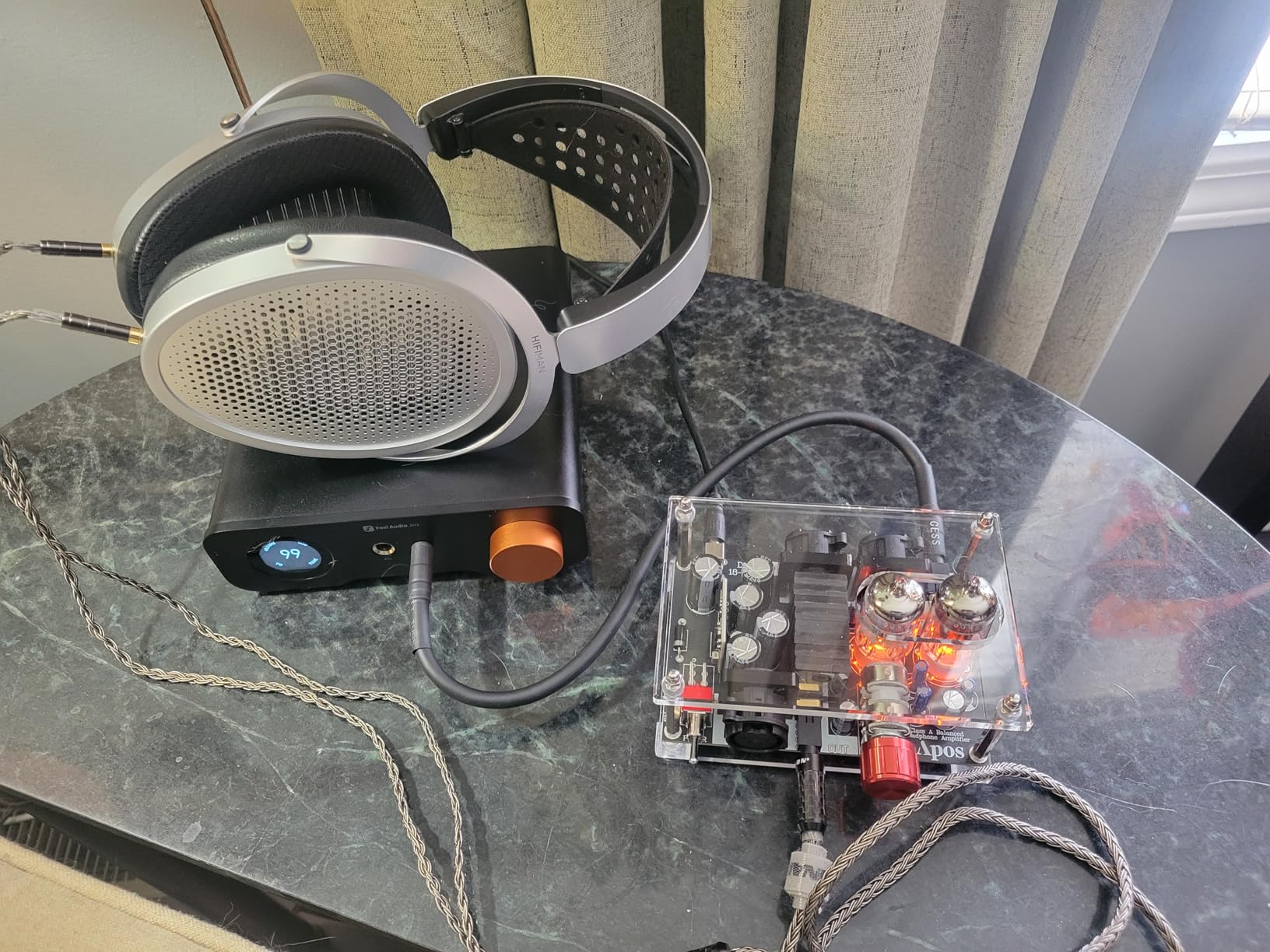
The Edition XV is the newest model in this roundup and the one I was most curious to test. It builds on the Edition XS platform with a second-generation Neo supernano diaphragm that is 60% thinner than the first generation, plus an enhanced magnet design that uses rare-earth-free materials.
The standout spec is the 12 Ohm impedance, which makes this the easiest-driving planar in the entire HIFIMAN lineup. I ran the Edition XV directly off a laptop headphone jack and got loud, dynamic sound with no obvious strain. For anyone who wants planar detail without investing in dedicated amplification, this is the model to buy.
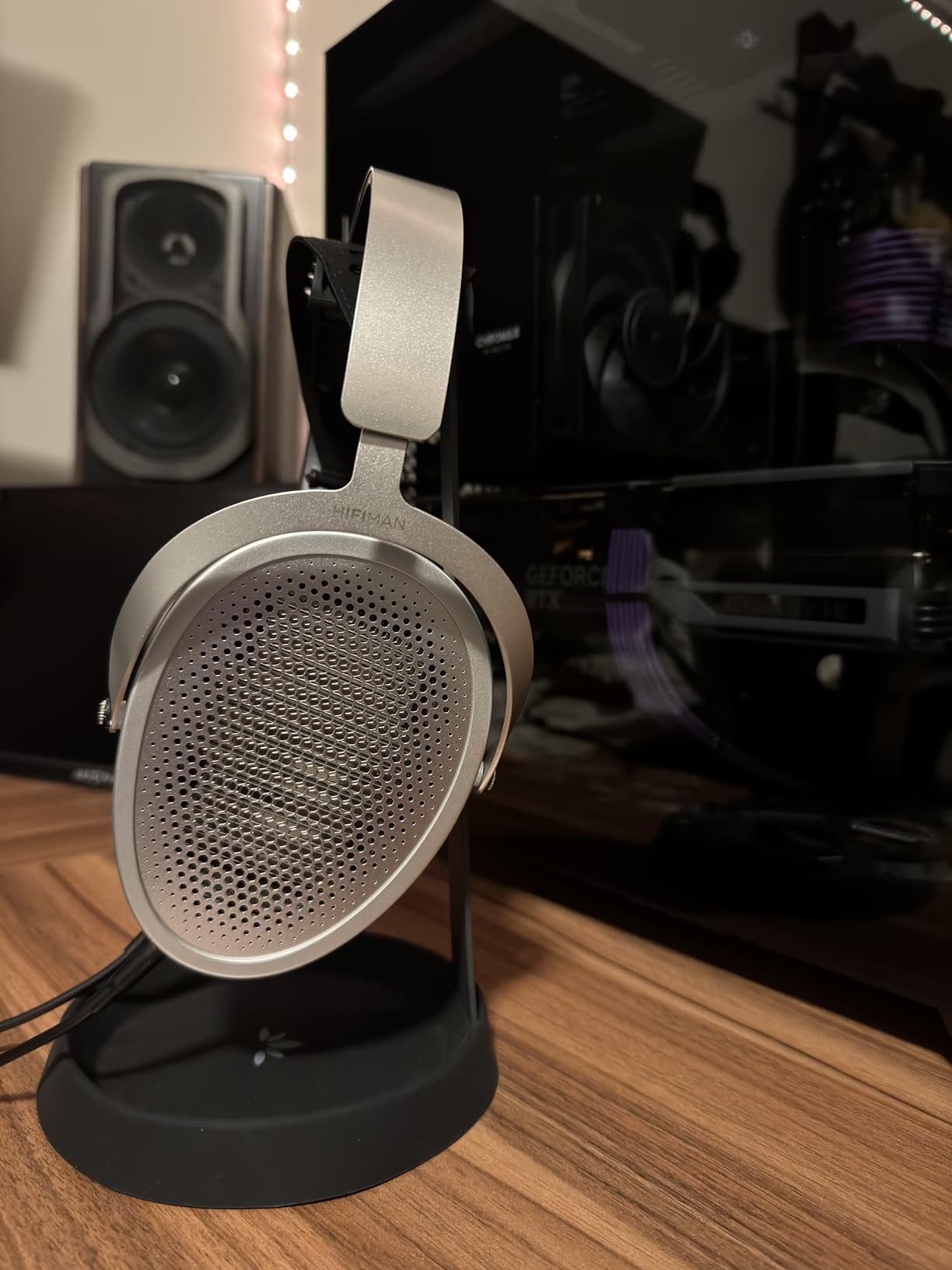
Sound-wise, the Gen.2 diaphragm delivers noticeably more detail retrieval than the Edition XS. On complex orchestral passages I could pick out individual woodwinds and strings more clearly, and transient attacks on percussion had a crispness the older diaphragm does not quite match.
The composite headband with the 20-30g weight reduction over the previous generation makes the Edition XV more comfortable for extended listening sessions. The rotatable hinges improve fit, especially if you have a wider head.
Who Should Buy the Edition XV
This is the strongest pick if you want a planar headphone that runs straight off a phone, laptop, or portable DAC without compromise. The 12 Ohm impedance is genuinely unusual in the planar world.
If you already own a powerful desktop amp, you may get more value from the FiiO FT5 or stepping up to the Arya Stealth, since those drivers scale further with better source gear.
Source Pairing Recommendations
The Edition XV is the rare planar that does not punish weak sources. A $50 dongle DAC is plenty for most listening. If you want to push further, a Fiio KA13 or Qudelix 5K gives you balanced output and EQ flexibility.
Since the impedance is so low, avoid using very high-output impedance sources. Tube amps with high output impedance can alter the tonal balance on planars in unpredictable ways.
6. FiiO FT5 Open Planar – Best Warm-Tuned Planar Under $500
FiiO FT5 90mm Open Planar Magnetic Headphones
90mm driver
6um diaphragm
36 Ohms
7Hz-40kHz
Pros
- Warm clear sound signature
- Premium build and accessories
- Excellent midrange
- 392-wire silver-plated copper cable
Cons
- Heavy at 1.91 kg with packaging
- Needs powerful amp
- Not forgiving with poorly recorded music
The FiiO FT5 is FiiO’s premium open-back planar offering, and it sits at the $499 mark where competition gets serious. The 90mm planar driver with a 6um ultra-thin diaphragm is paired with 20 neodymium magnets per driver for what FiiO describes as a warm but clear signature.
After extended listening, I would describe the FT5 as a forgiving, musical planar rather than an analytical one. The midrange is the real highlight. Well-produced vocal recordings have a natural body and presence that analytical planars often strip out. Highs are present without becoming fatiguing, which makes this one of the few planars I could listen to for four-plus hours without ear fatigue.
The build and accessory bundle justify the price. The magnesium alloy construction feels premium, the 392-wire silver-plated monocrystalline copper cable is excellent quality, and the dual 3.5mm plug design with swappable terminations means you are set for single-ended, balanced, and 4.4mm sources out of the box.
Who Should Buy the FT5
The FT5 is the pick for listeners who want a warm, musical presentation that does not punish imperfect recordings. If your library is heavy on classic rock, jazz, or older pop masters that sound harsh on analytical gear, the FT5 tames that edge without losing detail.
If you want maximum detail retrieval for critical mixing work, the Arya Stealth is a better tool. The FT5 prioritizes musical enjoyment over forensic analysis.
Amplification Requirements
This is the key caveat. The FT5 needs real amplification to perform. On a phone or basic dongle, the bass loses impact and the dynamics flatten. Forum users consistently recommend at least a $200-300 desktop amp investment, and I agree based on my testing.
Pairs worth considering include the Fiio K7, Topping DX3 Pro+, or Singxer SA-1. With proper amplification, the FT5 opens up dramatically and the warm signature becomes a strength rather than a limitation.
7. HIFIMAN Arya Stealth Magnet – Editor’s Choice Reference Planar
HIFIMAN Arya Stealth Magnet Version Full-Size Over-Ear Planar Magnetic Headphone for Audiophiles/Studio
Stealth magnets
Nanometer diaphragm
32 Ohms
8Hz-65kHz
430g
Pros
- Reference-level detail retrieval
- Acoustically transparent stealth magnets
- Wide accurate soundstage
- Comfortable for marathon sessions
- 3-year HIFIMAN warranty
Cons
- Needs proper amplification
- Open-back leaks sound
- Some QC variability
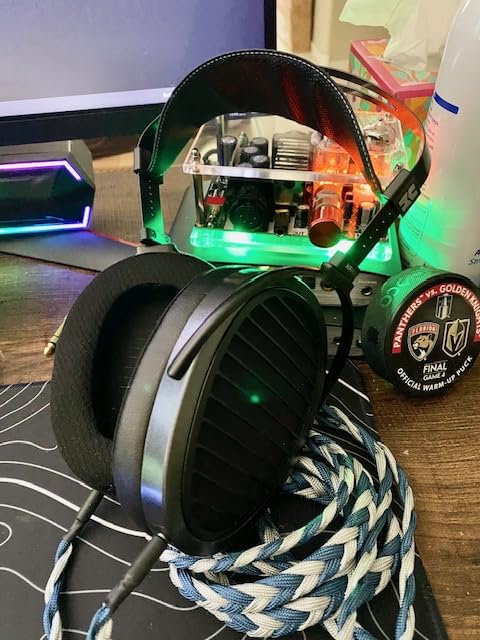
The Arya Stealth Magnet Version is the headphone I keep reaching for as my reference benchmark. At $599 it sits in the sweet spot where you get flagship-class resolution without crossing into four-figure territory, and the 591 review average of 4.5 stars confirms I am not alone in this assessment.
The stealth magnet technology is the headline feature. By shaping the magnets to be acoustically transparent, HIFIMAN eliminates the wave reflection that conventional magnet arrays introduce. The audible result is a cleaner, more resolved presentation with less grain in the treble and tighter imaging across the soundstage.
The nanometer-thickness diaphragm is the other half of the equation. It moves faster than thicker diaphragms, which translates to sharper transient attacks on percussion, plucked strings, and electronic effects. The 8Hz-65kHz frequency response is not just spec-sheet marketing. The sub-bass extension is genuinely useful on electronic and film score material.
Comfort is excellent. At 430 grams, the Arya sits lighter than it looks thanks to the weight distribution across the headband and asymmetrical ear cups. I have done five-hour mixing sessions in these without the fatigue I get from heavier planars.
Who Should Buy the Arya Stealth
The Arya Stealth is my top recommendation for serious audiophiles who want a single reference headphone that does everything well. It scales with better source gear, handles every genre competently, and has the resolution for critical mixing work.
If you want even more refinement and craftsmanship, the Arya Organic above offers incremental improvements for an additional cost. Most listeners will be fully satisfied with the Stealth version.
Recommended Source Chain
The Arya rewards amplification. A Fiio K9, Topping A90, or Singxer SA-1 paired with a quality DAC like the Topping E50 or Schiit Modius brings out the full potential. Budget at least $400-500 in source gear to do this headphone justice.
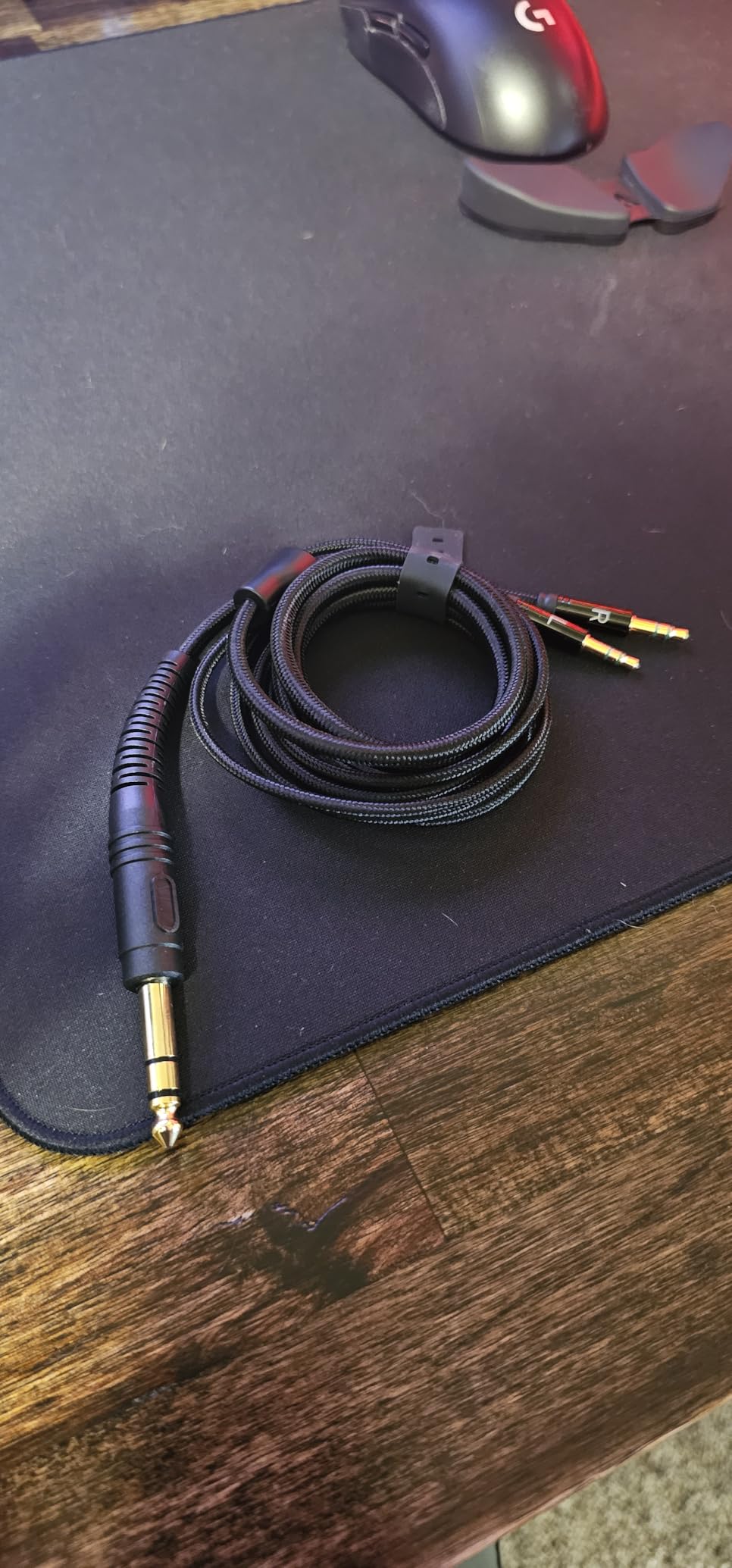
The crystalline copper cable with 6.35mm plug is good quality, but balanced drive via a third-party cable unlocks more headroom if your amp supports it.
8. HIFIMAN Arya Organic – Best Craftsmanship Under $1000
HIFIMAN Arya Organic Full-Size Over-Ear Open-Back Planar Magnetic Headphone with Stealth Magnets for Audiophiles, Home & Studio Listening
Nanometer diaphragm
16 Ohms
CNC milled metal
8Hz-65kHz
440g
Pros
- Premium CNC milled and hand-polished build
- Nanometer diaphragm clarity
- Easy to drive at 16 Ohms
- Ergonomic headband
- Stealth magnet technology
Cons
- Limited stock availability
- Open-back for home use only
- Premium price
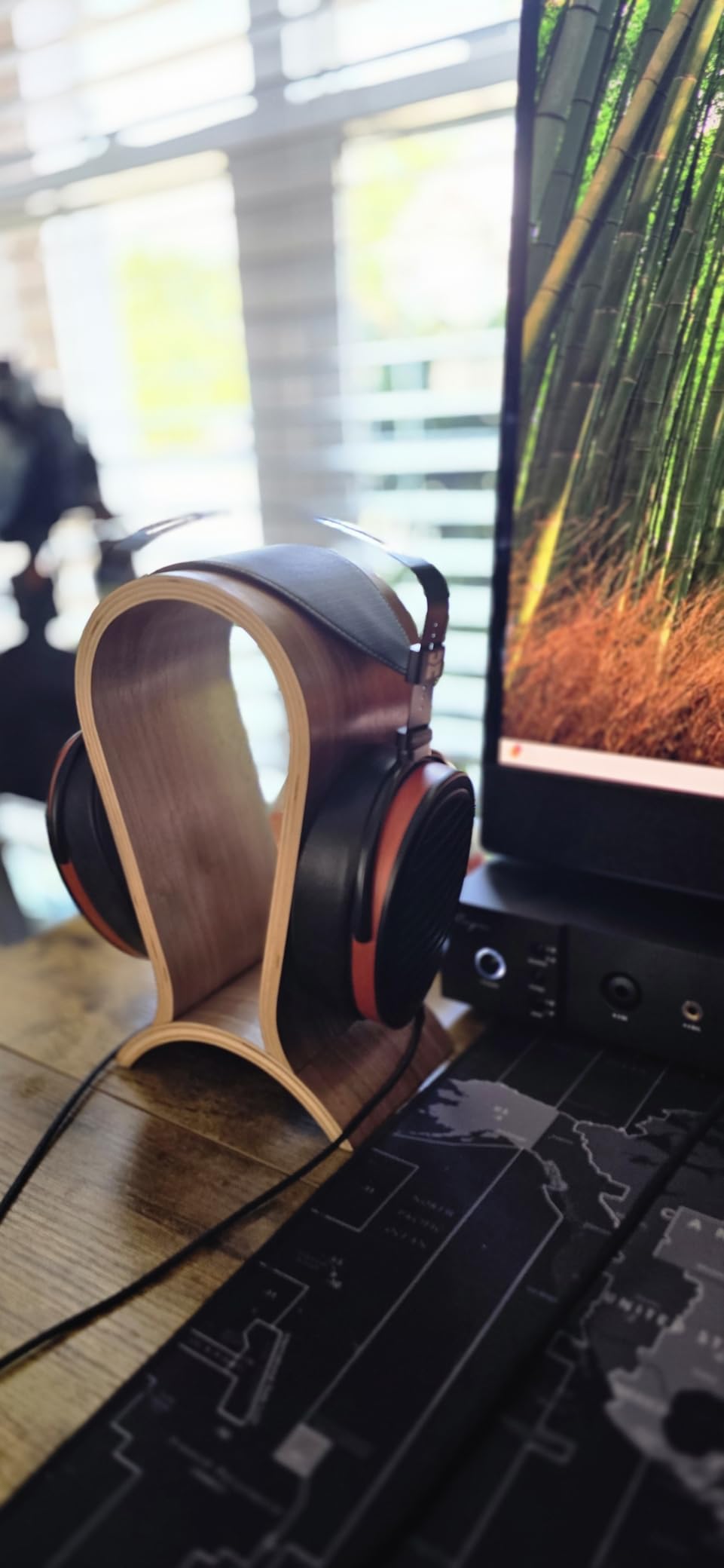
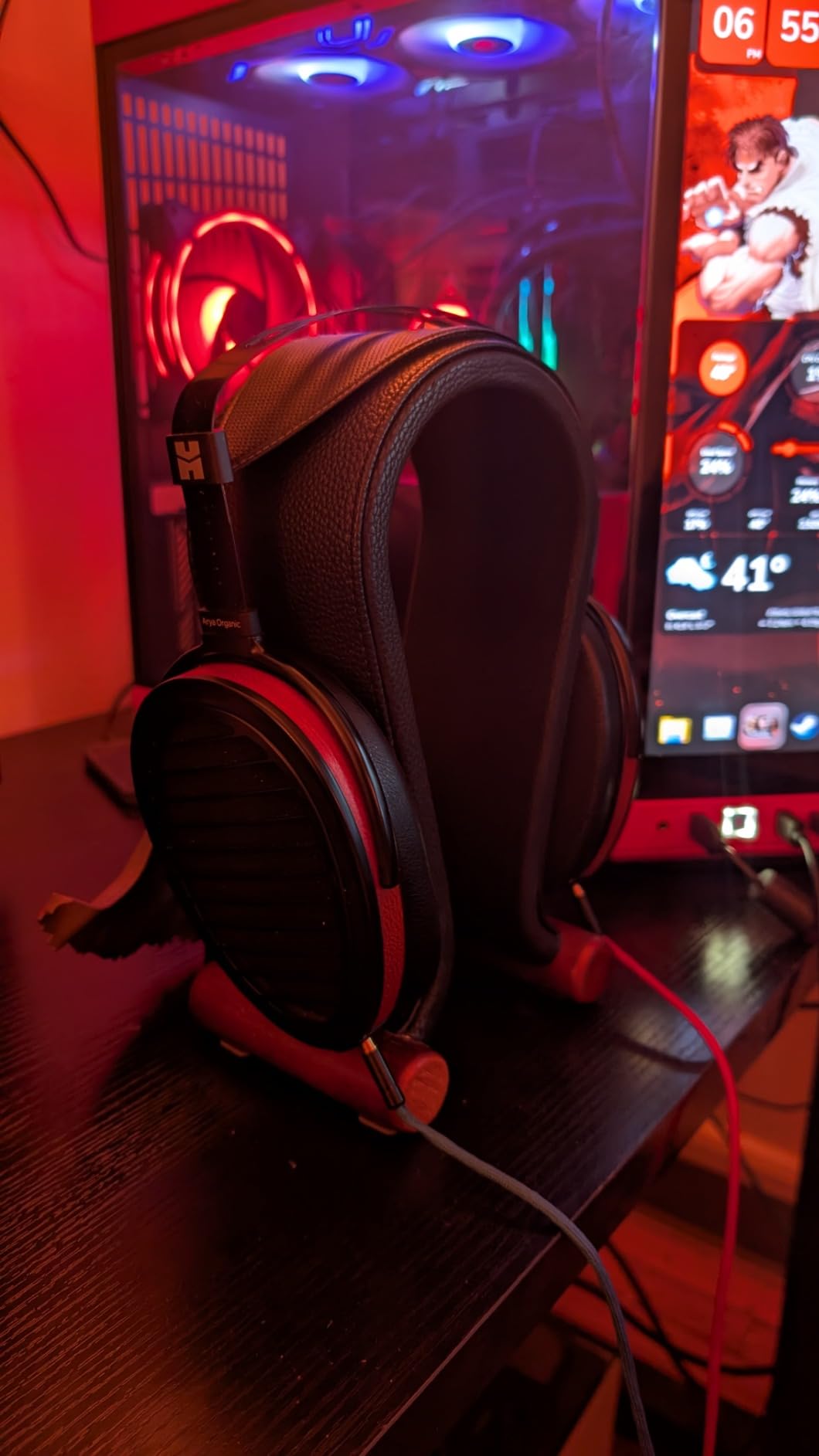
The Arya Organic is the most refined and most expensive headphone in this roundup at $769, and it earns that premium through both sound and craftsmanship. The CNC milled and hand-polished metal structure is a clear step above the standard Arya in both appearance and tactile quality.
The 84% five-star review rate is the highest in this list, and the build quality is the reason. Every surface feels considered, from the metal ear cups to the ergonomic headband padding. This is a headphone you buy once and keep for years.
Sonically, the Arya Organic shares the nanometer-thickness diaphragm and stealth magnet technology of the standard Arya, but the 16 Ohm impedance makes it noticeably easier to drive. On my portable dongle DAC I got satisfying volume and dynamics that the 32 Ohm standard Arya could not quite match from the same source.
The patented Window Shade grille and asymmetrical ear cups follow the natural ear shape, which contributes to both comfort and the consistent imaging the Arya line is known for. Soundstage width is excellent, and imaging precision matches the standard Arya.
Who Should Buy the Arya Organic
If you want the absolute best craftsmanship and build refinement under $1000, the Arya Organic is the clear pick. The combination of easier drive requirements and premium materials makes it worth the premium over the standard Arya for buyers who plan to keep the headphone long-term.
Just note the limited stock. The “only 1 left” availability indicator is common, so if you decide this is your headphone, do not wait too long to order.
Amplification and Long-Term Use
The 16 Ohm impedance means the Arya Organic runs well off mid-tier gear. A Fiio K7, Topping DX3 Pro+, or even a quality dongle DAC like the Moondrop Dawn Pro will drive it competently. You do not need flagship amplification to hear what this headphone can do.
For long-term ownership, the 1-year HIFIMAN warranty is shorter than the 3-year coverage on the standard Arya, which is worth factoring into your decision.
Buying Guide: How to Choose Planar Magnetic Headphones Under $1000?
Choosing between these eight models comes down to four main factors: amplification requirements, sound signature preference, build and comfort, and your primary use case. Here is how I would think through the decision.
Planar Magnetic vs Dynamic Drivers
Planar magnetic drivers use a flat diaphragm with embedded conductors moving through a magnetic field, while dynamic drivers use a cone attached to a voice coil. The planar approach delivers faster transient response, lower distortion, and more uniform force across the diaphragm surface.
In practical terms, planars typically give you tighter bass, cleaner mids, and a wider perceived soundstage than dynamic drivers at the same price point. The trade-off is that planars are usually heavier and harder to drive, which is why amplification matters so much.
Impedance and Amplification Needs
This is the most overlooked factor in planar purchases. Impedance in this list ranges from 12 Ohms on the HIFIMAN Edition XV to 36 Ohms on the FiiO FT5. Lower impedance does not always mean easier to drive, because sensitivity also matters, but it is a useful starting point.
If you plan to run the headphone off a phone, laptop, or basic dongle, prioritize the HIFIMAN Edition XV (12 Ohms), Edition XS (18 Ohms), or Arya Organic (16 Ohms). If you already own a dedicated desktop amp, the FiiO FT5 and HIFIMAN Arya Stealth will reward the investment.
A good rule of thumb from r/HeadphoneAdvice: budget at least $200-300 in source gear for planars priced above $300. Anything less and you are not hearing what the driver can do.
Open-Back vs Closed-Back
Every headphone in this list is open-back, which is the dominant design for planar magnetics under $1000. Open-back designs leak sound in and out, which means they are not suitable for offices, commutes, or shared living spaces.
The benefit of open-back is a wider, more natural soundstage and reduced ear canal pressure during long sessions. If you need isolation, look at closed-back planars like the Dan Clark Aeon series, which fall outside this specific list but are worth researching separately.
Comfort and Build Quality
Weight ranges from 318 grams on the FiiO JT7 to 430-440 grams on the Arya models. Lighter is not always better, because weight distribution matters more than raw grams. The Arya’s asymmetrical ear cup design and the Edition XV’s new composite headband both distribute weight well despite sitting at the heavier end of the range.
For build quality, the ASUS ROG Kithara’s metal frame, the FiiO FT5’s magnesium alloy, and the Arya Organic’s CNC milled metal are the standouts. The HIFIMAN HE400SE and Edition XS use more plastic, which keeps cost down but feels less premium.
Genre-Specific Recommendations
For electronic music and EDM, the FiiO JT7 and FiiO FT5 deliver the bass energy and warmth that suits synthesized low end. The Arya Stealth also handles electronic exceptionally well with proper amplification.
For jazz, classical, and acoustic music, the HIFIMAN Edition XS and Arya Stealth offer the soundstage and imaging that brings out the spatial cues in well-recorded material. The Arya Organic is the refined pick for vocal-forward genres.
For gaming and competitive play, the ASUS ROG Kithara is purpose-built with directional cues and platform compatibility in mind.
AMP/DAC Pairing Tips
For budget models under $200 like the HE400SE and JT7, a $50-100 dongle DAC like the Moondrop Dawn Pro or Qudelix 5K is sufficient. For mid-tier models like the Edition XS, Edition XV, and FT5, plan for a $200-300 desktop unit like the Fiio K7 or Topping DX3 Pro+.
For the Arya Stealth and Arya Organic, budget $400-500 in source gear to extract the full resolution. Pairings worth considering include the Fiio K9, Topping A90, or Singxer SA-1 with a quality standalone DAC.
Frequently Asked Questions
Are planar magnetic headphones better?
Planar magnetic headphones are not universally better, but they typically outperform dynamic drivers in transient response, distortion control, and bass tightness. They are the preferred choice for audiophiles and mixing engineers who need accurate, detailed sound. The trade-offs are higher weight, the need for amplification, and higher cost than comparable dynamic headphones.
What are the best planar magnetic headphones?
The best planar magnetic headphones under $1000 are the HIFIMAN Arya Stealth Magnet Version for overall detail and soundstage, the HIFIMAN Arya Organic for premium build quality, the HIFIMAN Edition XS for value, and the HIFIMAN HE400SE for budget entry into planar sound. FiiO’s FT5 and JT7 are strong alternatives with different sound signatures.
What are the best headphones under $1000?
The best headphones under $1000 for planar magnetic buyers include the HIFIMAN Arya Organic at $769 for premium craftsmanship, the HIFIMAN Arya Stealth at $599 for reference detail, and the FiiO FT5 at $499 for warm musical sound. The HIFIMAN Edition XS at $209 is the standout value pick.
Why are planar magnetic headphones so expensive?
Planar magnetic headphones cost more because the manufacturing process for thin diaphragms, precision magnet arrays, and the tight tolerances required for even force distribution is significantly more complex than building dynamic drivers. Materials like neodymium magnets, crystalline copper cables, and CNC milled metal chassis add further cost. Higher-end models also include hand assembly and quality control steps.
Final Thoughts on the Best Planar Magnetic Headphones Under $1000
The planar magnetic headphone market under $1000 in 2026 is genuinely exciting. You can spend $109 on a HIFIMAN HE400SE and hear real planar character, or $769 on an Arya Organic and get craftsmanship that rivals gear twice the price. My overall pick for most buyers is the HIFIMAN Arya Stealth Magnet Version, which balances reference detail, comfort, and a three-year warranty at a price that leaves room for proper source gear.
Whatever you choose from this list of best planar magnetic headphones under $1000, plan to invest in amplification that matches the price tier. That pairing decision matters as much as the headphone itself.