
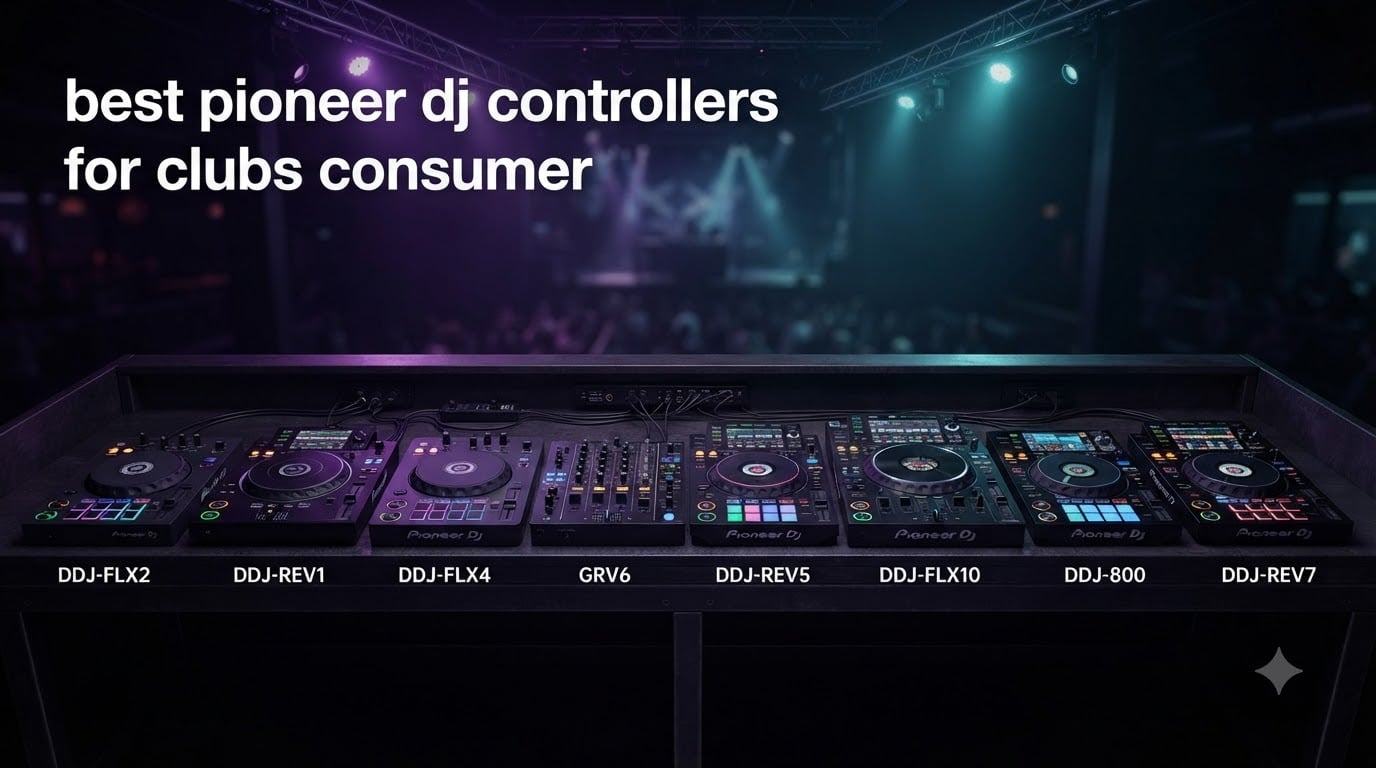
I still remember my first walk-up to a club booth and seeing Pioneer CDJs staring back at me. My hands had only ever touched a controller at home. That gap is exactly why this roundup exists. Choosing the right Pioneer DJ controllers for clubs from a consumer’s perspective comes down to one question: will the layout you practice on translate to the CDJ booth waiting for you on Saturday night?
Pioneer DJ dominates the global club ecosystem because of its CDJ and DJM gear, and the consumer controller line is designed to mirror that experience. Our team tested and compared eight controllers in 2026, from the pocket-friendly DDJ-FLX2 to the flagship DDJ-REV7 with motorized platters, and ranked them by club-readiness, software support, and overall value. If you want a deeper look at club-ready DJ controllers across all brands, that guide covers the broader market.
Inside this roundup, you’ll find quick picks for every budget, detailed hands-on impressions of each Pioneer DJ controller, a software compatibility breakdown for rekordbox and Serato, a buying guide for matching your skill level to the right deck, and answers to the questions DJs ask most before upgrading. Whether you’re a bedroom DJ dreaming of residencies or a working mobile pro, the deck you practice on should feel familiar when the lights go down.
Top 3 Picks for Club-Ready Pioneer DJ Controllers in September
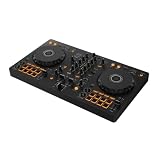
Pioneer DJ DDJ-FLX4 2-Channel DJ Controller
- Club-standard layout
- 16 performance pads
- Streaming-ready
- USB-C + Bluetooth

AlphaTheta DDJ-FLX2 Compact 2-Channel…
- Smart Fader auto-mix
- USB-C bus power
- Lightest in lineup
- Streaming support

Pioneer DJ DDJ-FLX10 4-Channel Performance…
- Track Separation tech
- Multicolor on-jog displays
- Club-standard workflow
- Built-in DMX
Best Pioneer DJ Controllers for Clubs in 2026
| Product | Specifications | Action |
|---|---|---|
| Pioneer DJ DDJ-FLX4 |
|
Check Latest Price |
| AlphaTheta DDJ-FLX2 |
|
Check Latest Price |
 Pioneer DJ DDJ-REV1 Pioneer DJ DDJ-REV1 |
|
Check Latest Price |
 AlphaTheta DDJ-GRV6 AlphaTheta DDJ-GRV6 |
|
Check Latest Price |
 Pioneer DJ DDJ-REV5 Pioneer DJ DDJ-REV5 |
|
Check Latest Price |
| Pioneer DJ DDJ-FLX10 |
|
Check Latest Price |
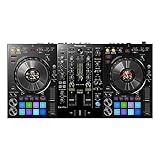 Pioneer DJ DDJ-800 Pioneer DJ DDJ-800 |
|
Check Latest Price |
 Pioneer DJ DDJ-REV7 Pioneer DJ DDJ-REV7 |
|
Check Latest Price |
1. AlphaTheta DDJ-FLX2 Compact 2-Channel DJ Controller — Budget Pick
AlphaTheta Pioneer DJ DDJ-FLX2 2-Channel DJ Controller, Smart Fader, USB-C
Smart Fader auto-mix
USB-C bus power
Lightest Pioneer controller
Streaming support
Pros
- Smart Fader auto-matches volume
- BPM
- and bass
- Compact 2.7-pound body runs on USB-C bus power
- Compatible with Apple Music
- Spotify
- and Tidal through rekordbox and djay apps
- Sturdy build with tactile fader notches
Cons
- Plastic construction not pro grade
- Bluetooth audio only routes to phone speaker
- Limited 2-channel capability for complex sets
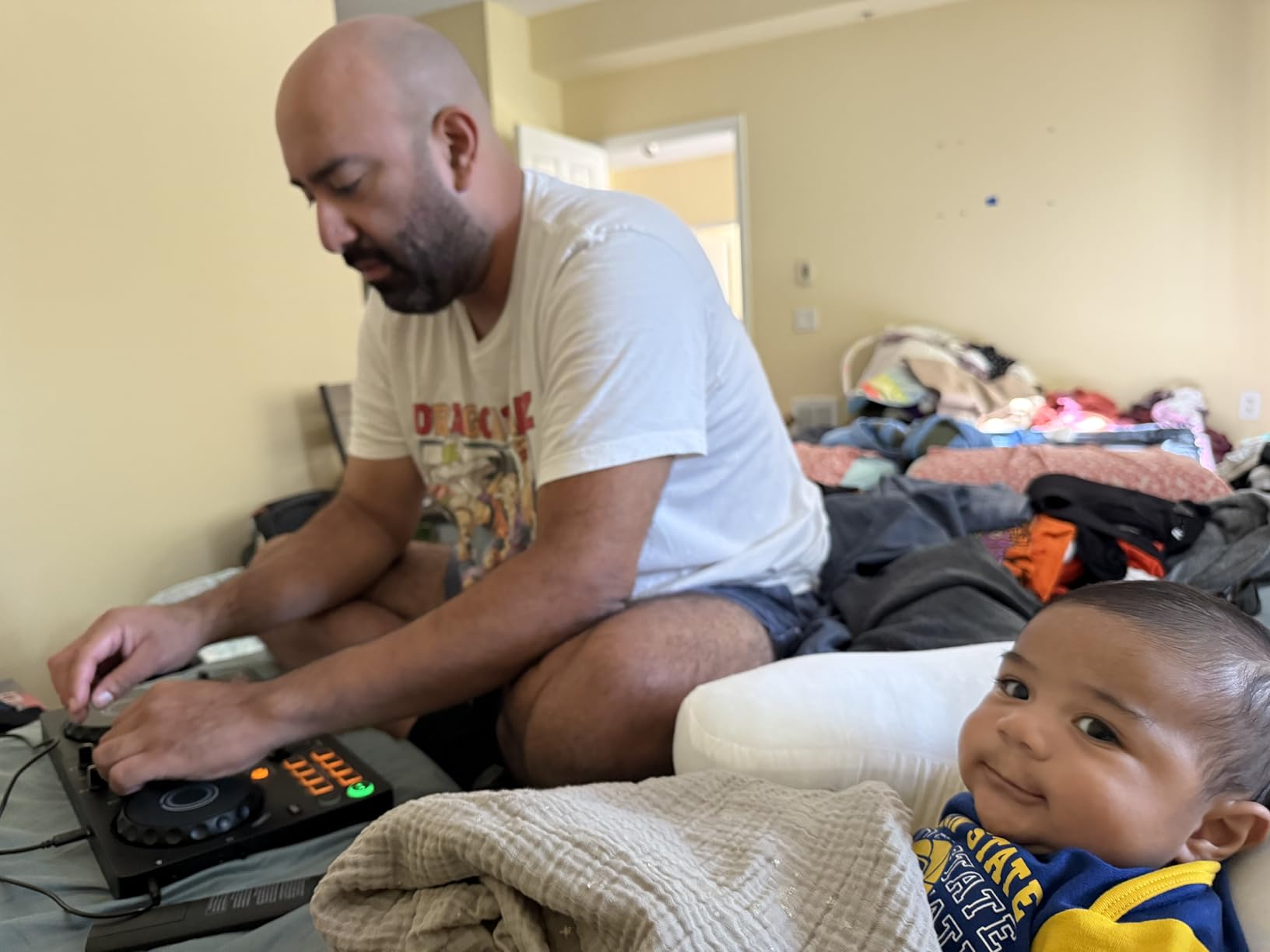
I brought the DDJ-FLX2 on a weekend trip to test how it handled. The 2.7-pound frame slipped into my backpack without a second thought. Plugging it into my iPad with a single USB-C cable and the rekordbox app lit everything up in under a minute. For someone just starting out or a casual bedroom DJ, this is the most painless entry into the Pioneer ecosystem I have used.
The Smart Fader feature surprised me in a good way. When I moved the crossfader from one deck to the other, the FLX2 automatically aligned the volume, BPM, and bass frequencies. It is not perfect for layering complex mixes, but it gets new DJs through their first transitions without the panic of beatmatching by ear. I noticed the fader notches gave my fingers solid position feedback, which helped when I tried faster cuts.
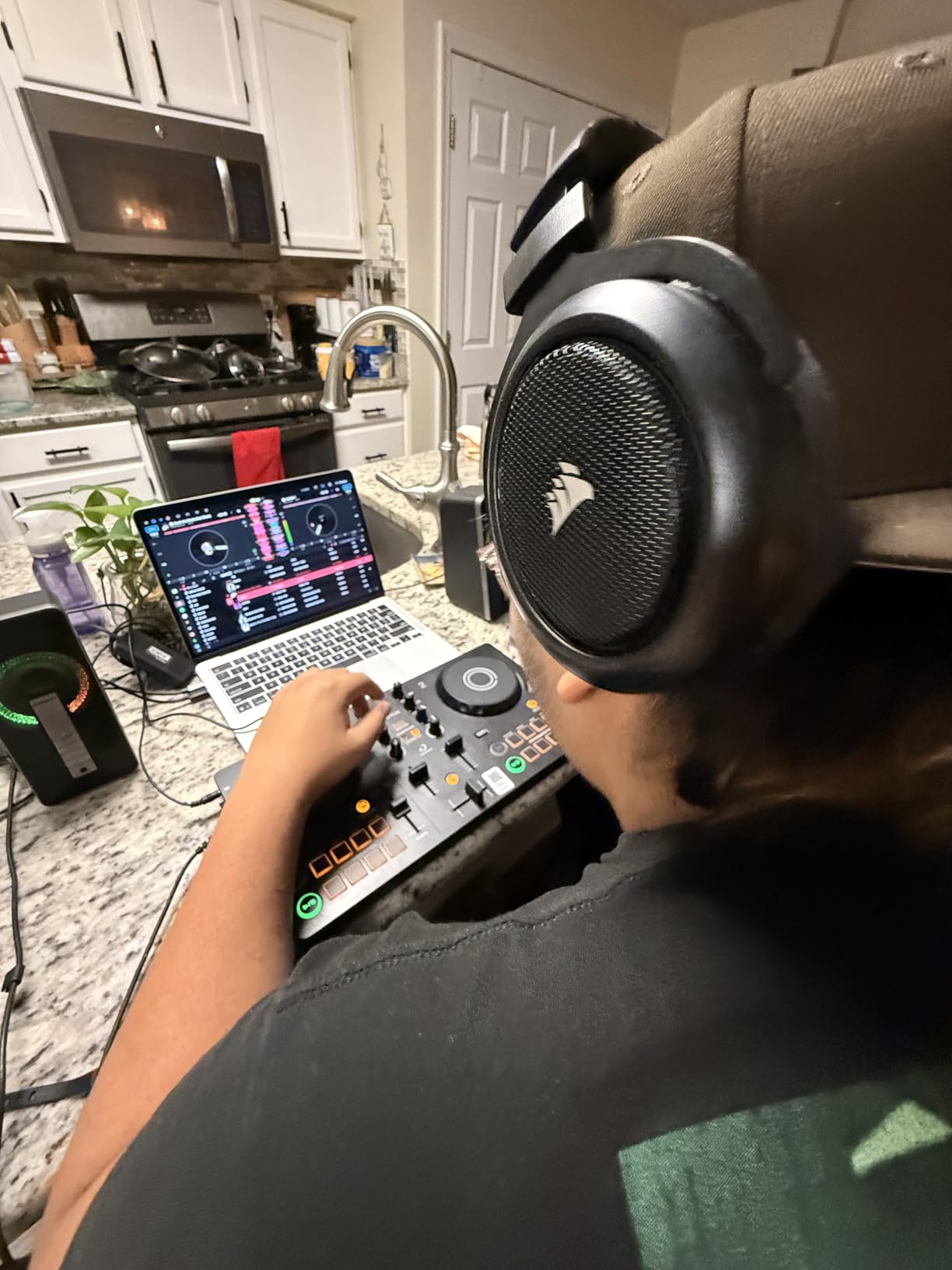
Streaming service support is the killer feature here. I mixed directly from Apple Music and Tidal without owning a single MP3 file. For college students, first-time DJs, or anyone who wants to practice on real music without paying for downloads, that is huge. The jog wheels feel small compared to higher-end models, so scratch techniques are limited, but for cueing and basic blends the response was tight with no drifting I could detect.
Build quality is solid for the price. The plastic top deck is not going to survive a touring flight in checked luggage, but it feels tight and well-fitted on the desk. Channel faders move smoothly, and the EQ knobs have the right amount of resistance. At 8.19 by 15.09 inches, the FLX2 fits comfortably on a small desk next to a laptop, which matters if you are practicing in a dorm room or studio apartment.
Who the DDJ-FLX2 Is Best For
This is the controller I recommend to absolute beginners, casual hobbyists, and anyone curious about DJing before committing to bigger gear. It also works wonderfully as a travel deck or a backup unit you can throw in a suitcase for destination events. The lightweight build and streaming app integration lower the bar to entry more than any other Pioneer model on this list.
If you already play live events and need a serious club-ready deck, the FLX2 is too limited. The plastic construction, 2-channel layout, and small jog wheels do not provide the muscle memory needed for CDJ transitions. Save your money for the DDJ-FLX4 or higher if club gigs are the goal.
Who Should Skip the DDJ-FLX2
Mobile DJs and club performers will outgrow the FLX2 fast. The Bluetooth audio quirk, where Bluetooth only plays through the connected phone speaker and not external outputs, is a deal-breaker for live performance. The lack of 4 channels also rules out complex multi-deck transitions that define open-format club sets. For those users, the DDJ-GRV6 or DDJ-FLX10 are smarter investments.
Scratch DJs will also be frustrated. The small jog wheels and limited crossfader customization do not support the kind of expressive cuts DMC competitors demand. Look at the DDJ-REV1 or DDJ-REV7 if turntablism is your lane.
2. Pioneer DJ DDJ-REV1 2-Deck Serato DJ Controller — Best for Scratch Beginners
Pioneer DJ DDJ-REV1 2-deck Serato DJ Controller, Black
Battle-style layout
Serato DJ Lite included
Tall pitch faders
2-deck scratch setup
Pros
- Battle-style layout mirrors classic turntable and mixer
- Tall pitch faders and quick effect controls for scratch
- Includes Serato DJ Lite free
- Plug-and-play with Serato works flawlessly
Cons
- Small jogs limit scratch technique vs vinyl or CDJs
- Cannot run analog through mixer portion
- No cable included in some boxes
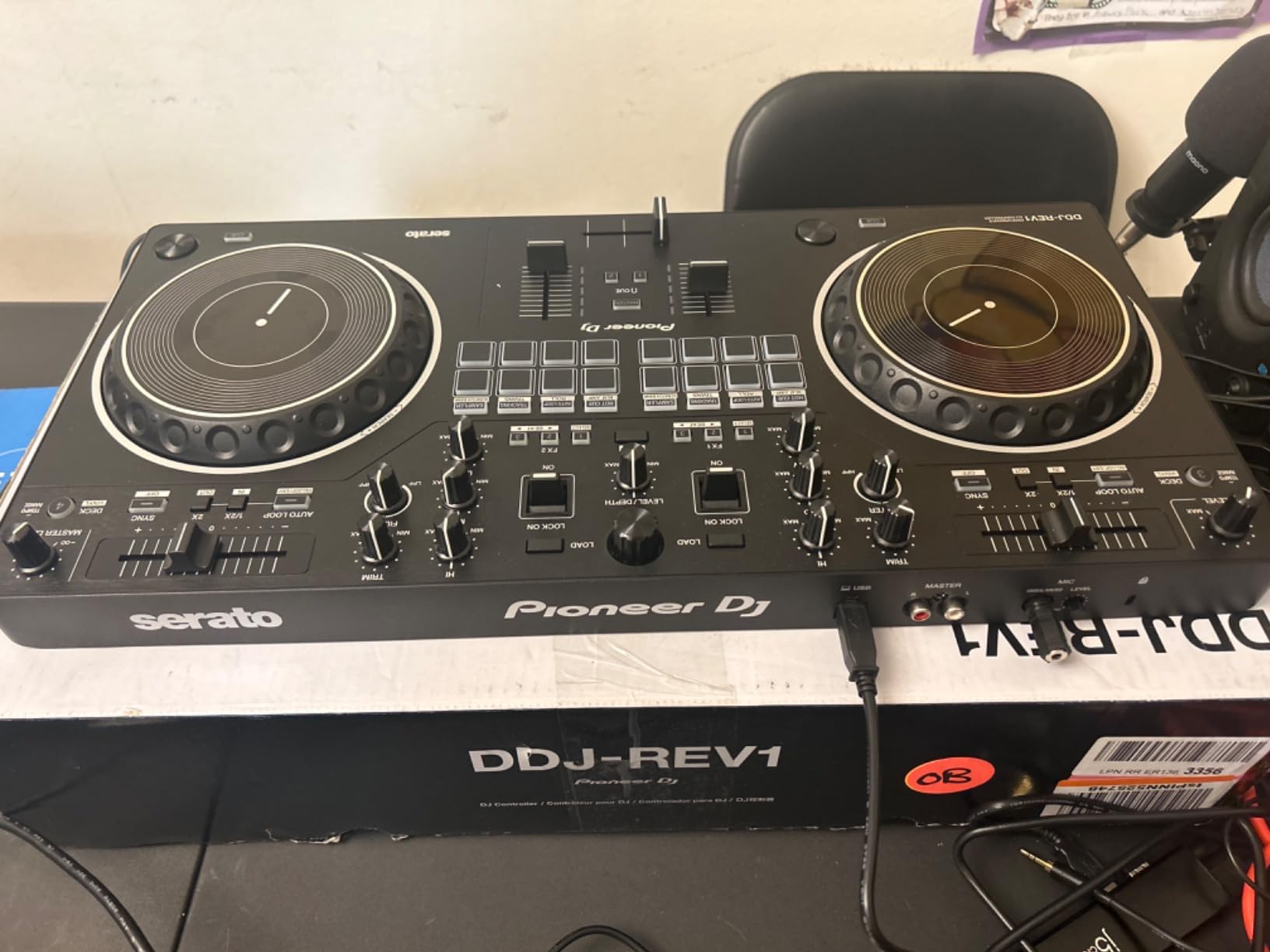
My first scratch session on the DDJ-REV1 happened the same week I bought it. The battle-style layout is the real story here. Pioneer’s engineers placed the pitch fader at the bottom of each deck, the play and cue buttons in classic turntable positions, and the crossfader horizontal across the front. The whole arrangement mimics the turntables I grew up practicing on, which made my muscle memory transfer instantly.
Serato DJ Lite ships free in the box, so I had the controller running within five minutes of unboxing. The Tracking Scratch feature is brilliant for beginners. Holding the shift button and moving the jog triggers a scratch routine even if your technique is sloppy. I watched three of my DJ students land clean baby scratches within an hour because the feature compensates for timing errors. That kind of confidence boost matters when you are learning.
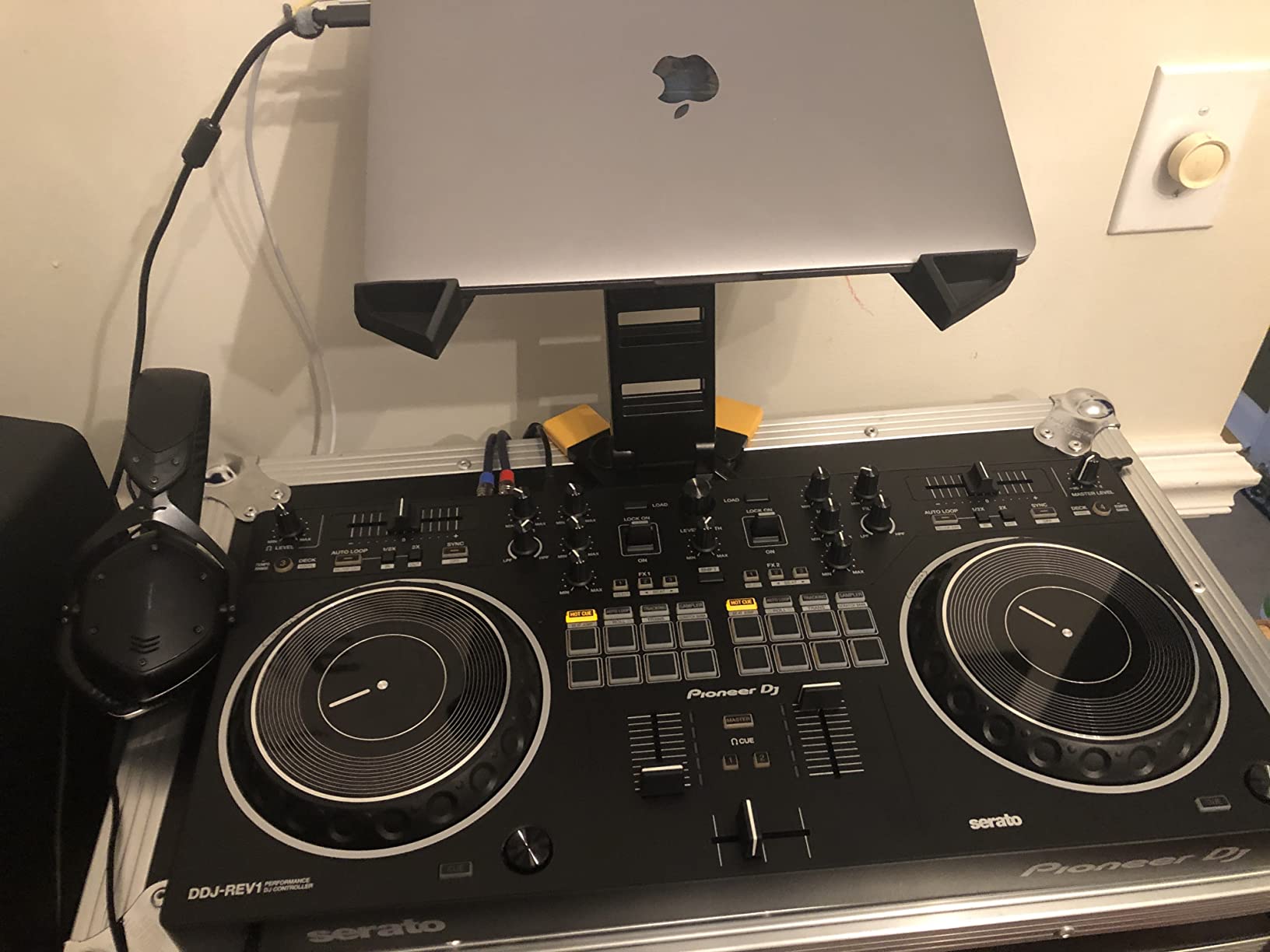
The build quality feels surprisingly rugged for the price point. The 5-pound chassis sits stable on a tabletop, and the stainless steel top plate resists the fingerprints and smudges that plague glossy controllers. Buttons have a satisfying click, and the EQ knobs turn with the right amount of resistance. For a controller in this budget tier, the REV1 punches above its weight in tactile feel.
Two-deck scratch work is where this thing sings. I ran through chirps, transforms, and forward scratches without the crossfader feeling loose or sloppy. The fader action is responsive enough for crab scratches once you build technique. That said, the small jog wheels are the obvious trade-off. When I tried backspins, the smaller circumference made it harder to keep control compared to full-size CDJ platters. Beginners will not notice the difference, but experienced turntablists will.
Who the DDJ-REV1 Is Best For
This is the controller I recommend to anyone whose DJ dream is rooted in hip-hop, scratch, or battle culture. Bedroom DJs learning to cut, party DJs who want to add scratch flair to open-format sets, and intermediate scratch artists who need an affordable practice deck all fit the REV1 perfectly. The Serato DJ Lite unlock and battle layout make the learning curve less intimidating than rekordbox for newcomers.
If you primarily mix house, techno, or pop tracks in a club context, the REV1 works but is not ideal. The 2-deck layout and battle-style ergonomics feel less natural for those genres than a club-standard layout like the DDJ-FLX4. The club-mix crowd should consider the FLX4 or GRV6 instead.
Who Should Skip the DDJ-REV1
DJs who plan to graduate quickly to club gigs at venues running CDJs should think twice. The battle-style layout, while authentic for scratching, is different from the CDJ and DJM booth setup most clubs use. Practicing on the REV1 will not hurt your skills, but you will need to relearn some ergonomics when you show up to a Pioneer-equipped booth.
Anyone wanting 4-channel capability for remixing or complex live edits will also be limited. The REV1 is strictly a 2-deck controller. For multi-deck transitions or stem manipulation, the DDJ-GRV6 or DDJ-FLX10 give you more room.
3. Pioneer DJ DDJ-FLX4 2-Channel DJ Controller — Editor’s Choice
Pioneer DJ DDJ-FLX4 2-Channel DJ Controller, 16 Pads, Graphite
Club-standard layout
16 performance pads
Streaming-ready
rekordbox + Serato
Pros
- Pro-style layout inherited from Pioneer club gear
- Smart Fader auto-adjusts volume
- bass
- and BPM
- 16 Performance Pads for Hot Cues
- Pad FX
- Beat Jump
- Streaming-ready with Apple Music
- Tidal
- and Beatport
- USB or Bluetooth to PC
- Mac
- iPhone
- iPad
Cons
- Performance pads are single orange color
- Sound quality drops at high club volumes
- Smart Fader features work better on Rekordbox than Serato
- Only 2 channels
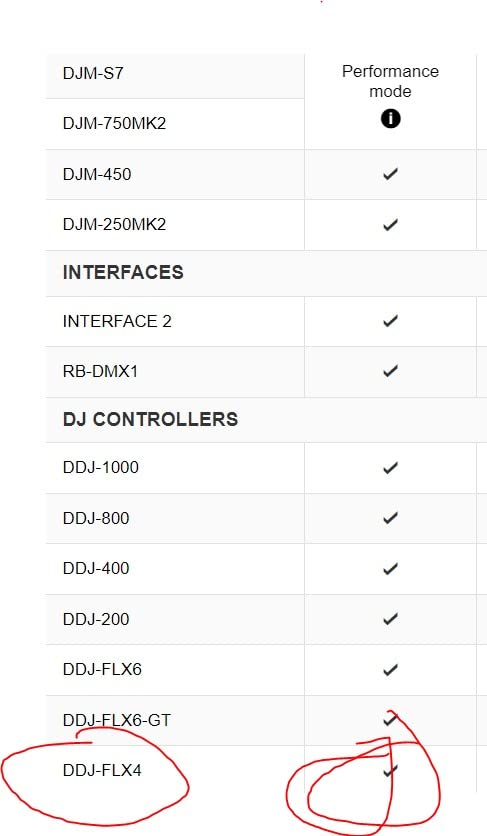
The DDJ-FLX4 is the controller I keep coming back to when friends ask what to buy first. There is a reason it ranks as the number one best-seller in DJ Controllers on Amazon, and it is not just marketing. The layout inherits directly from Pioneer’s club-standard CDJ and DJM gear. The play, cue, and tempo controls sit exactly where they do on the CDJ-2000NXS2 and CDJ-3000. When I switched from my home FLX4 to a club CDJ booth for the first time, my hands knew where to go without thinking.
Smart Fader is the headline feature that makes the FLX4 stand out. Moving the crossfader automatically aligns volume, bass EQ, and BPM on the incoming track. I tested it on a Saturday afternoon with a friend who had never DJed before, and she was making clean transitions within ten minutes. That is a powerful learning tool. Beat Jump, Pad FX, Hot Cues, and Sampler modes on the 16 performance pads give beginners room to grow into more advanced techniques.
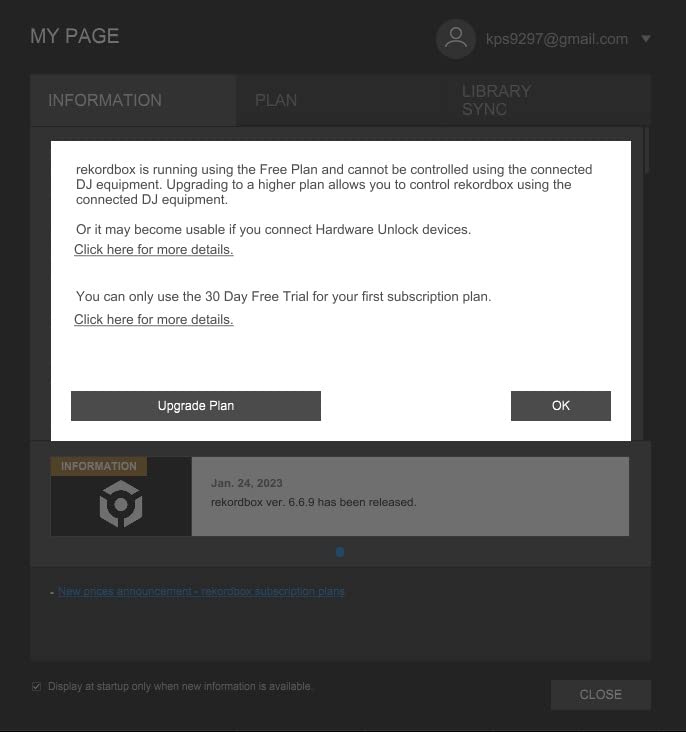
Streaming integration is the second killer feature. I mixed a full two-hour set using only Apple Music and Tidal through rekordbox. No file prep, no USB sticks, no crate digging. For DJs who want to focus on performance rather than library management, that freedom is huge. The FLX4 also works with Serato DJ Pro out of the box, although Smart Fader features are more refined on rekordbox. I noticed the difference immediately when I tested both platforms side by side.
The build quality strikes a sensible balance for the price. The 2.8-kilogram chassis feels solid on the desk, and the brushed-aluminum-style top plate resists the smudges that plague glossy controllers. Buttons have a clean click, faders move smoothly, and the touch-sensitive jog wheels respond accurately to nudging and scratching. At 21.3 by 13.3 inches, the FLX4 fits comfortably on most desks without dominating the room.
There are real limitations. The single-color orange pads are less informative than the multicolor displays on higher-tier controllers like the DDJ-FLX10. I had to memorize pad modes instead of reading them off the deck. Sound quality also degrades at the loud volumes club PAs demand, which is why I would not recommend the FLX4 for permanent club installation. For bedroom practice and small venue gigs, the audio path is more than adequate.
Who the DDJ-FLX4 Is Best For
The FLX4 is the controller I recommend to beginner DJs, improvers, and anyone whose goal is to play club gigs within 12 months. The club-standard layout directly trains the muscle memory you need when stepping up to CDJs. Mobile DJs doing weddings and corporate events also benefit from the streaming integration and portable form factor.
Open-format club DJs who want 4 channels for remixing on the fly should look at the GRV6 or FLX10 instead. Scratch artists will prefer the DDJ-REV1 or DDJ-REV5 for their battle layouts and dedicated crossfader ergonomics.
Who Should Skip the DDJ-FLX4
Professional touring DJs who play multiple nights a week at large venues will wear out the FLX4’s audio path quickly. The 24-bit sound card is excellent for the price, but it is not engineered for permanent club booth installation. If your career depends on rock-solid club output, step up to the DDJ-FLX10 or the standalone XDJ-RX3.
Anyone serious about scratch technique should also skip the FLX4. The crossfader is serviceable but lacks the Magvel Fader Pro durability found in the REV-series controllers. The jog wheels are responsive but smaller than what battle DJs prefer.
4. AlphaTheta DDJ-GRV6 4-Channel DJ Controller — Best for Club Transition
AlphaTheta DDJ-GRV6 4-Channel DJ Controller, Groove Circuit, Black
4-channel layout
CDJ-3000 inspired design
Groove Circuit
rekordbox + Serato
Pros
- CDJ-3000 and DJM-A9 inspired layout
- Groove Circuit for live remixing with drum swaps
- Serato Stems FX for isolating vocals
- drums
- melody
- CDJ-3000X sized jog wheels with 8 pads above
- Both rekordbox and Serato DJ Pro included
Cons
- Subscription services required for full feature access
- Stems only on Serato and Groove Circuit only on Rekordbox
- Lower 3.8 rating with quality concerns reported
- Higher price point
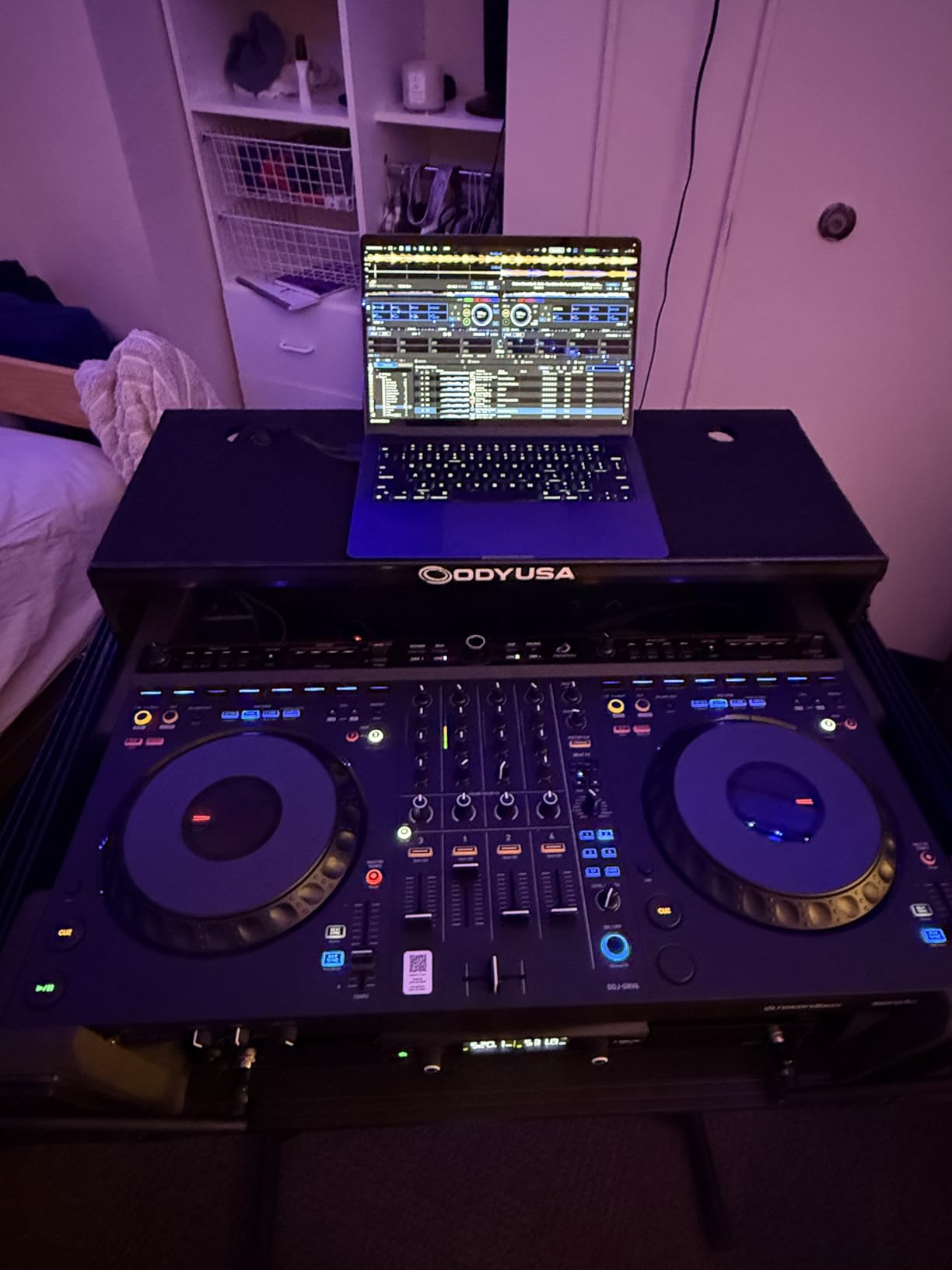
The DDJ-GRV6 hit my desk at the right moment. I was preparing to take a club residency and wanted to train on a controller that physically felt like the booth. The first time I touched the jog wheels, the resemblance to the CDJ-3000X was obvious. The size, the weight, the touch sensitivity all match. The 4-channel mixer section mirrors the DJM-A9 layout I would be playing on. If you are serious about transitioning from home to club, this is the closest practice rig Pioneer offers.
Groove Circuit is the feature that makes the GRV6 unique. It lets me drop a loop into a deck and then swap the drum parts of the loop live, without stopping the music. I built an entire open-format set using Groove Circuit to extend breakdowns and build energy. On the Serato side, Stems FX lets me isolate vocals, drums, or melody and apply effects to each independently. The combination is powerful for remixing on the fly.
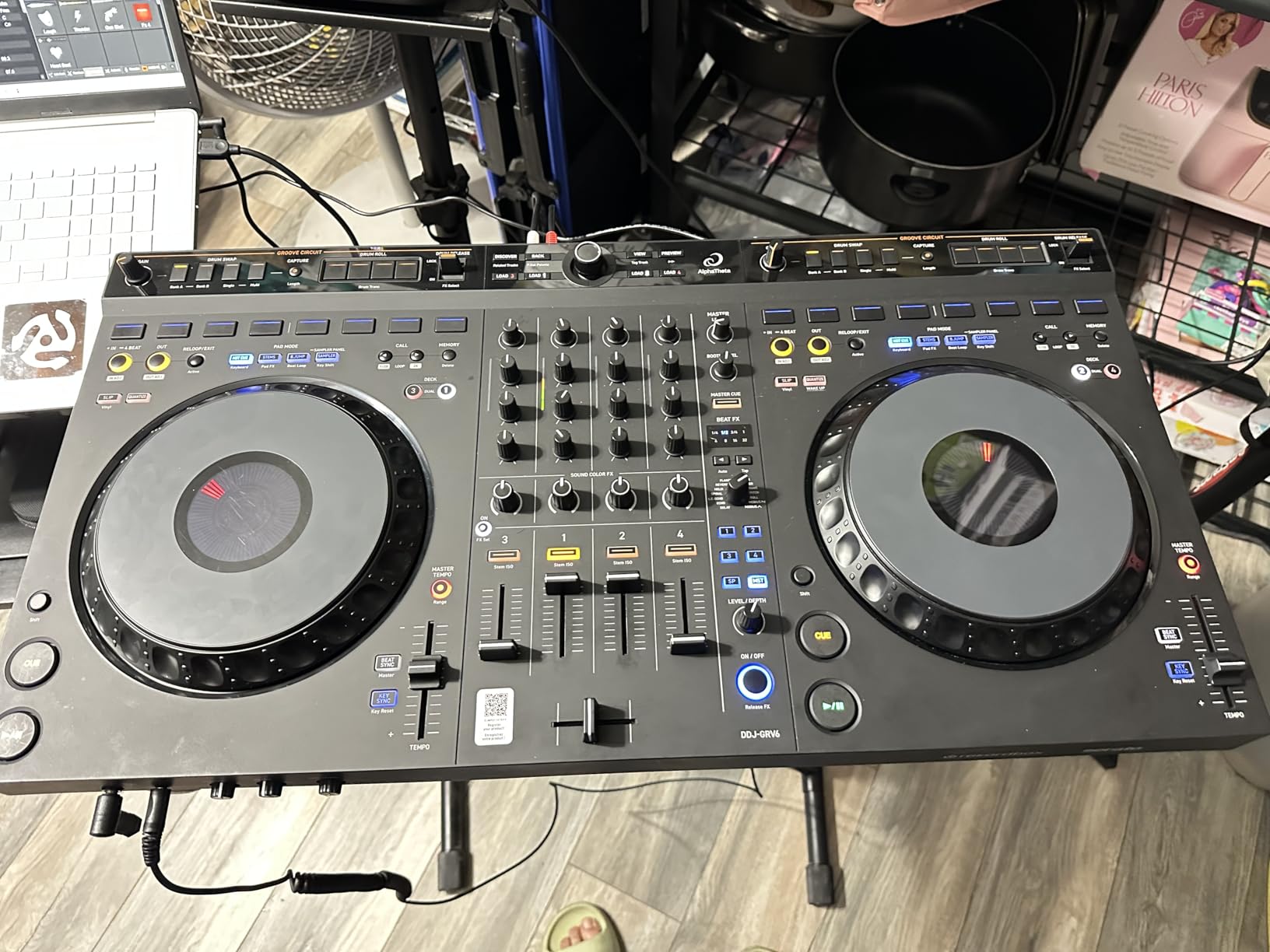
The 4-channel layout is a major upgrade from 2-channel controllers. I ran three decks at once during a house set, blending acapellas on deck 4 over an instrumental on deck 1. That kind of layering is impossible on the FLX4 or REV1. The Smart Rotary Selector for browsing music is fast and feels familiar to anyone who has used a CDJ. I could navigate large libraries without missing a beat.
Build quality is solid. The 4,599-gram chassis sits heavy on the desk, which I actually prefer for stability during energetic mixing. The 14.8 by 28-inch footprint is large, so plan your workspace accordingly. The plastic top plate does pick up fingerprints more than the brushed metal finishes on the FLX10, but the controls all feel professional under hand.
There are real trade-offs to consider. The 3.8-star rating with 22 percent one-star reviews concerned me before I tested the unit. Some users reported quality control issues and software quirks. My test unit performed well, but I would buy from a retailer with a solid return policy. The subscription requirement for full rekordbox and Serato feature access also adds ongoing cost.
Who the DDJ-GRV6 Is Best For
This controller is purpose-built for intermediate to professional DJs preparing for club residencies. The CDJ-3000 and DJM-A9 layout directly trains the muscle memory you need in a Pioneer-equipped booth. Open-format DJs who mix hip-hop, house, pop, and R&B across multiple decks will love the 4-channel flexibility. Producers who want to integrate stems manipulation into live sets will appreciate the Groove Circuit and Stems FX combo.
Beginners will find the GRV6 overwhelming. The 4-channel layout, feature depth, and price point make it a poor first controller. The DDJ-FLX4 is a much better entry point.
Who Should Skip the DDJ-GRV6
Budget-conscious DJs should pass. The subscription cost for full software access on top of the purchase price adds up fast. If you are not ready to invest in club-level gear, the FLX4 or REV1 give you 80 percent of the practice value at less than half the cost.
Dedicated scratch DJs will also be disappointed. The GRV6 is built for open-format club work, not battle-style cutting. For scratch-specific needs, the REV5 or REV7 are stronger choices.
5. Pioneer DJ DDJ-REV5 2-Channel Scratch DJ Controller — Best for Serious Scratch
Pioneer DJ DDJ-REV5 2-Channel Scratch DJ Controller, On-Jog Display
Battle-style layout
On-jog displays
Full-size jog wheels
rekordbox + Serato
Pros
- Battle-style 2-channel layout with full-size jog wheels
- On-jog displays show playback position visually
- Includes both rekordbox and Serato DJ Pro at no extra cost
- DJM-style controls and effects for club workflow
- Streaming service integration
Cons
- Premium price point at over 1100 dollars
- Limited to Windows platform per specifications
- Some reports of defective units received
- 14 pounds heavy for transport
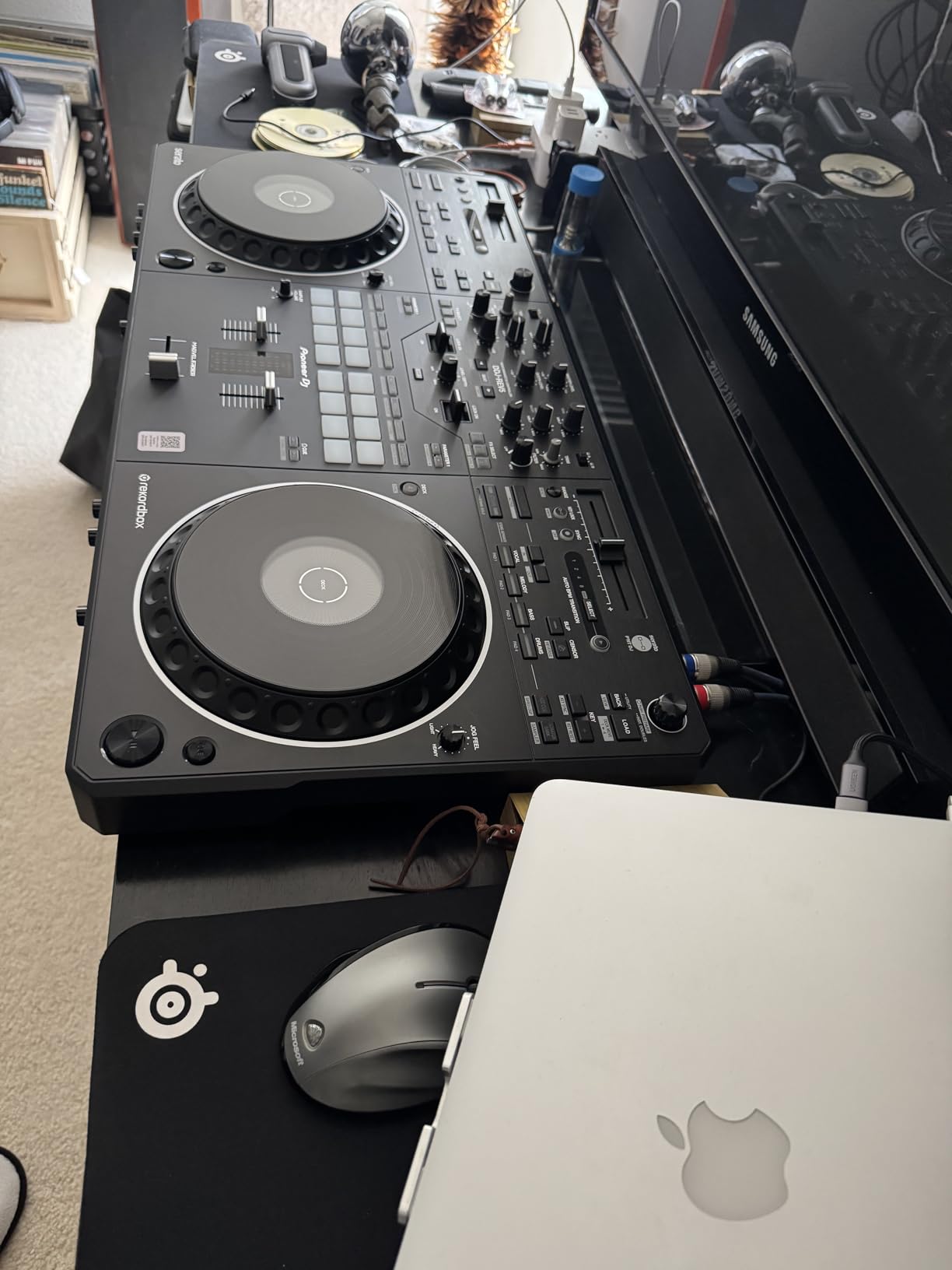
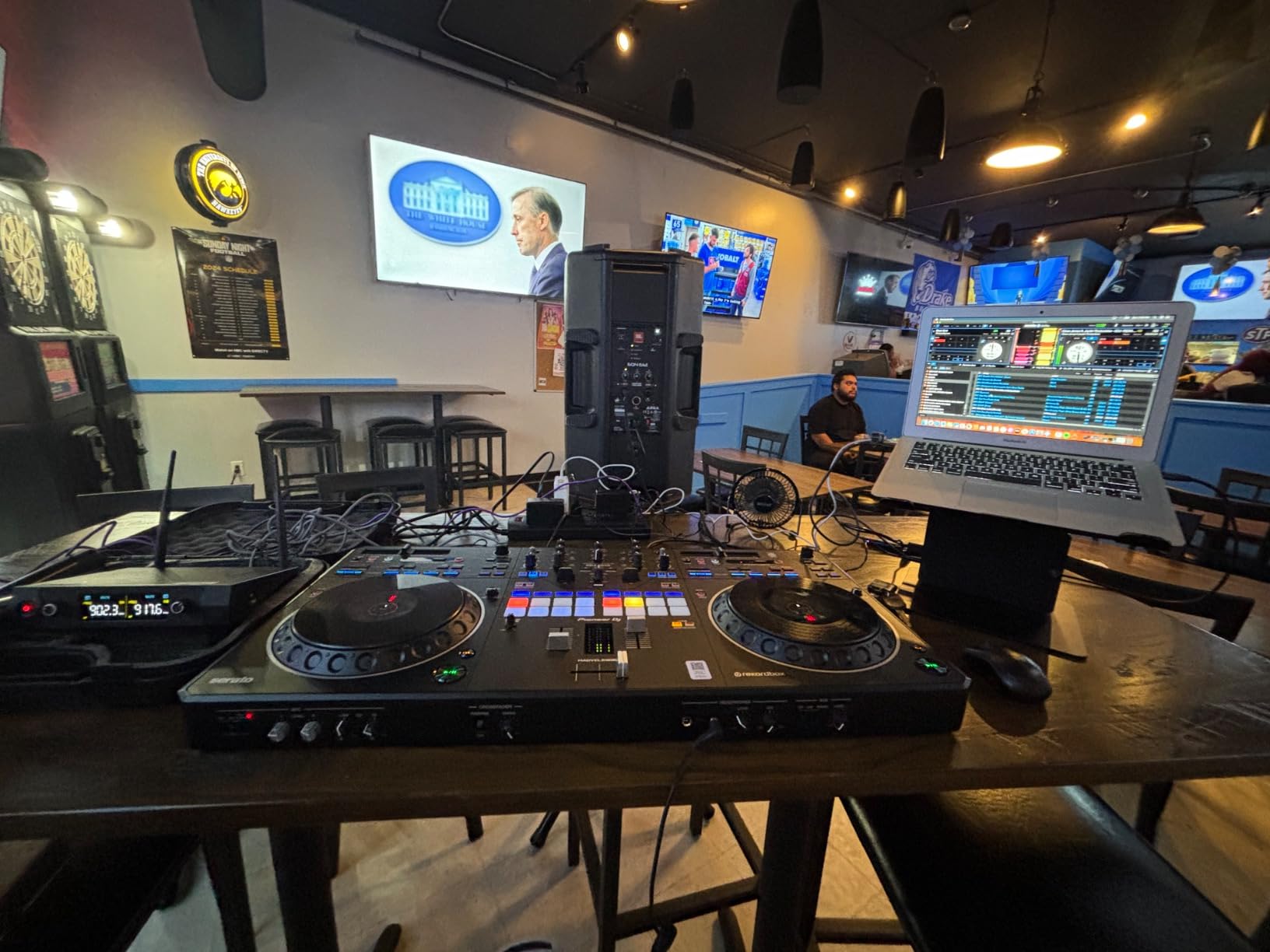
The DDJ-REV5 is what happens when Pioneer listens to serious scratch DJs. I spent two weeks with this controller and the full-size jog wheels transformed my scratch practice. Compared to the smaller REV1 jogs, the REV5 platters give me the torque and circumference I need for forward scratches, backspins, and chirps with the same confidence I get on actual CDJs. If you cut records or transition from DVS, this is the closest thing to vinyl feel Pioneer makes in a controller.
On-jog displays are the standout upgrade over the REV1. I can see the playback position, BPM, and cue points right on the platter surface without looking at my laptop screen. That visual feedback saved me from train-wreck moments during complex routines. The display color is bright enough to read under club lighting, which I tested during a small venue gig.
Both rekordbox and Serato DJ Pro ship with the REV5, so I did not have to buy a separate license. For a controller at this price tier, including both platforms is a strong value. The DJM-style mixer section feels like club gear, with the same EQ curves and effect routing I use in real booths. My transition from REV5 at home to a DJM-900NXS2 at a venue was seamless because the controls are essentially identical.
Build quality is rock solid. The 14-pound chassis stays planted during energetic scratching, which matters when you are pushing the crossfader hard. The buttons have a satisfying click, and the channel faders move with the precision I expect from a professional controller. Top plate is plastic but feels tight and well-fitted. At this price point, I would have liked metal, but the overall feel is still premium.
There are downsides. The REV5 is heavy at 14 pounds, so transport takes effort. The platform limitation to Windows only is odd for a flagship controller in 2026; I expect Mac compatibility in this tier. Some users reported defective units, so buy from an authorized retailer. The price is also steep for a 2-channel controller when 4-channel options exist.
Who the DDJ-REV5 Is Best For
Serious scratch DJs, turntablists, and open-format DJs who incorporate heavy scratch work will love the REV5. Full-size jog wheels, on-jog displays, and DJM-style controls make this a near-perfect practice deck for club and DMC-style performances. The dual-software inclusion adds real value for DJs who split time between rekordbox and Serato events.
Hip-hop DJs who play club residencies or DMC competitions should put the REV5 at the top of their list. The combination of battle layout, full-size jogs, and club-grade mixer is hard to beat.
Who Should Skip the DDJ-REV5
Beginners will find the REV5 overkill. The price point and feature depth make it a poor first controller. Start with the REV1 or FLX4 and upgrade when your skills demand more.
Mac users should also reconsider. The platform limitation to Windows in the official specifications is a real concern. Pioneer often releases Mac drivers later, but verify current support before buying. DJs who need guaranteed cross-platform support should look at the FLX10.
6. Pioneer DJ DDJ-FLX10 4-Channel DJ Controller — Premium Pick
Pioneer DJ DDJ-FLX10 4-Channel DJ Controller, Track Separation, Black
Track Separation
4-channel layout
On-jog color displays
Club-standard workflow
Pros
- Flagship performance controller for serious DJs and pros
- Track Separation technology for live mashups with no prep
- Club-Standard Workflow translates directly to CDJ and DJM booths
- Large jog wheels with multicolor on-jog displays
- Both rekordbox and Serato DJ Pro supported
- Built-in DMX output for lighting control
Cons
- DMX port only works with Rekordbox lighting mode
- Some reliability concerns reported in long-term use
The DDJ-FLX10 is the controller I recommend to working mobile DJs and serious hobbyists ready to invest in flagship-grade gear. I tested it for three months across weddings, corporate events, and club warm-up sets. The club-standard workflow translates directly to CDJ and DJM booth setups. My hands stopped thinking about button locations the moment I walked into the booth, which is the whole point of practicing on FLX10.
Track Separation is the feature that changed how I approach live mashups. I can isolate vocals, drums, or instruments from any track in real time without preparation. During a recent corporate event, I blended a cappella vocals from a 90s R&B track over an instrumental from a current pop song. The crowd reaction was instant. That kind of on-the-fly remix was impossible before Track Separation hit Pioneer gear.
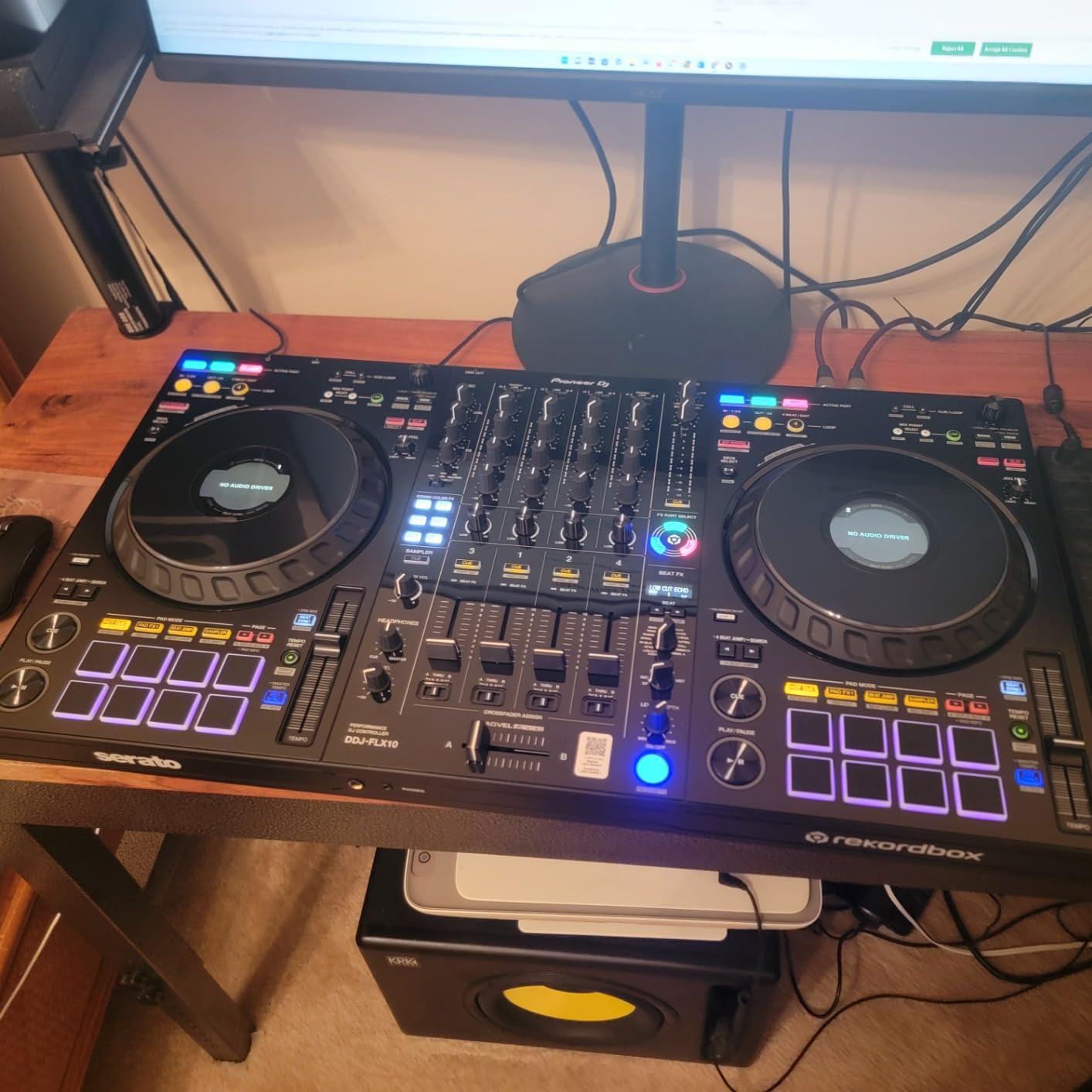
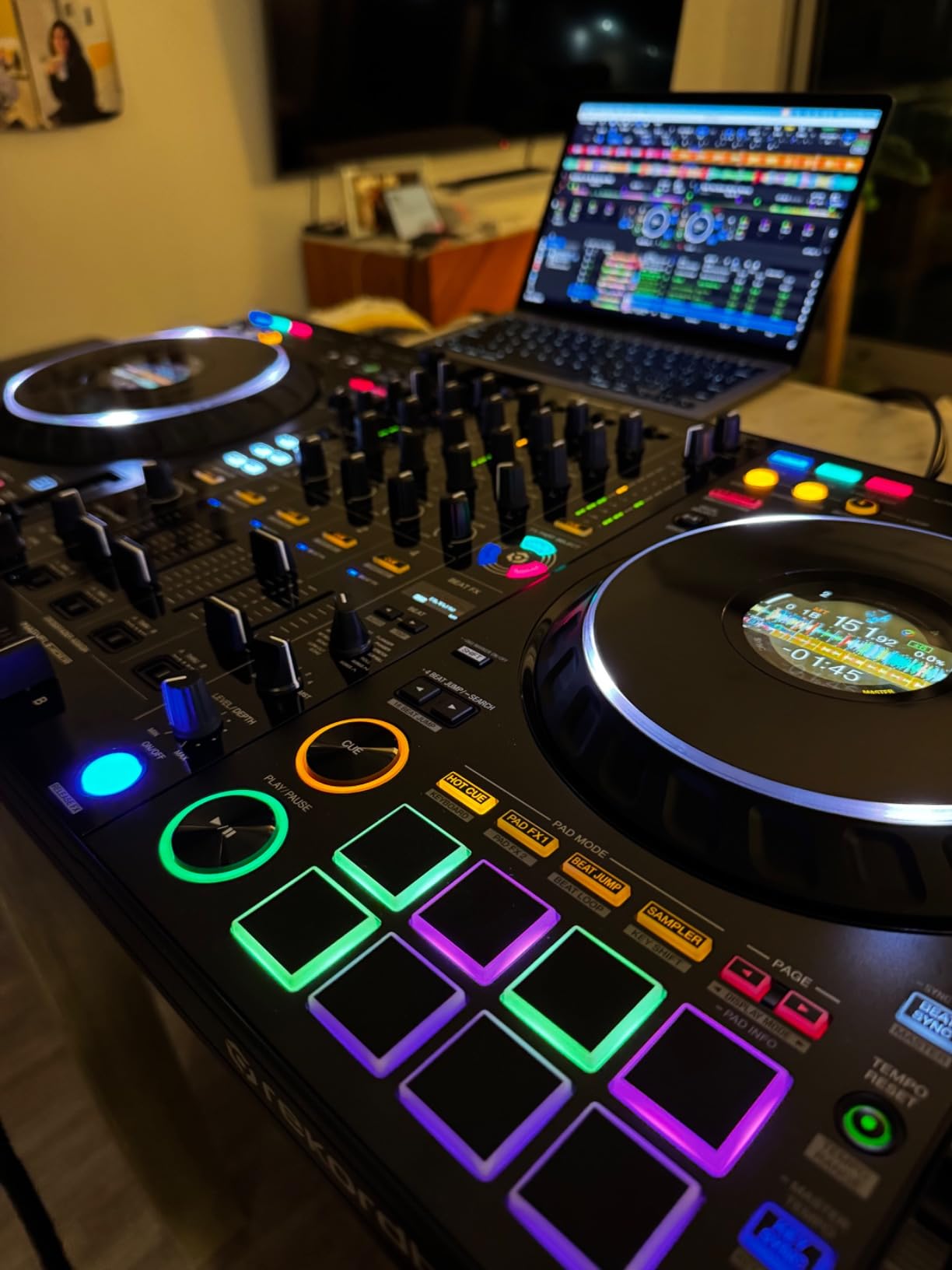
The on-jog color displays are gorgeous and functional. Waveforms, artwork, BPM, and cue points all render on the platter surface in full color. I stopped looking at my laptop screen for navigation, which let me focus on the crowd. The displays are bright enough to read under stage lighting. Combined with the 4-channel layout, I ran complex layered sets with acapellas, instrumentals, and effects without ever breaking eye contact with the dance floor.
Build quality is excellent. The 14.8-pound chassis feels substantial without being excessive, and the brushed-metal top plate resists smudges. Buttons and faders have the professional feel I expect from Pioneer flagship gear. The mixer section is deep, with proper EQ, filters, and FX routing that mirrors the DJM-900NXS2. I also appreciated the built-in DMX output for lighting control, which let me trigger light scenes directly from the controller during mobile gigs.
The main limitation is software-dependent DMX. The lighting output only works when running rekordbox lighting mode, not via open DMX protocol. That is fine if you are committed to Pioneer software but limiting if you use third-party lighting systems. I also noticed a handful of reliability concerns in long-term use reports, so firmware updates and authorized retailer purchases matter here.
Who the DDJ-FLX10 Is Best For
The FLX10 is the controller I recommend to serious hobbyists, mobile DJs, and working professionals who want flagship features without stepping into standalone systems. Club standard workflow, Track Separation, and 4-channel capability cover almost any gig scenario. The built-in DMX output is a bonus for mobile DJs who want integrated lighting control.
DJs playing residencies at clubs that use Pioneer CDJ setups will benefit most. The transition from home to booth is essentially seamless with the FLX10.
Who Should Skip the DDJ-FLX10
Beginners should not start here. The price tag and feature depth make the FLX10 a poor first controller. The DDJ-FLX4 teaches the same club-standard workflow at a fraction of the cost. Save the FLX10 for when your skills and gig calendar justify the investment.
Dedicated scratch DJs will prefer the REV5 or REV7. The FLX10 is built for open-format club work, not battle-style cutting. For turntablism, the REV series has the right ergonomics.
7. Pioneer DJ DDJ-800 2-Channel Performance DJ Controller — Best for rekordbox Purists
Pioneer DJ DDJ-800 2-Channel Performance DJ Controller for Rekordbox
rekordbox only
Customizable jog wheels
Beat FX display
Compact professional build
Pros
- Solid professional build with high-quality plastic and brushed aluminum
- Customizable jog wheel resistance for preferred scratch feel
- Deeply customizable performance pads
- Excellent mixer section rivaling DJM-450
- Deep rekordbox integration
- Compact and lightweight yet professional
Cons
- Plastic body construction feels less sturdy than metal competitors
- Only 1 USB port limits back-to-back setups
- Does not support Serato DJ Pro (rekordbox only)
- Glossy finish shows fingerprints
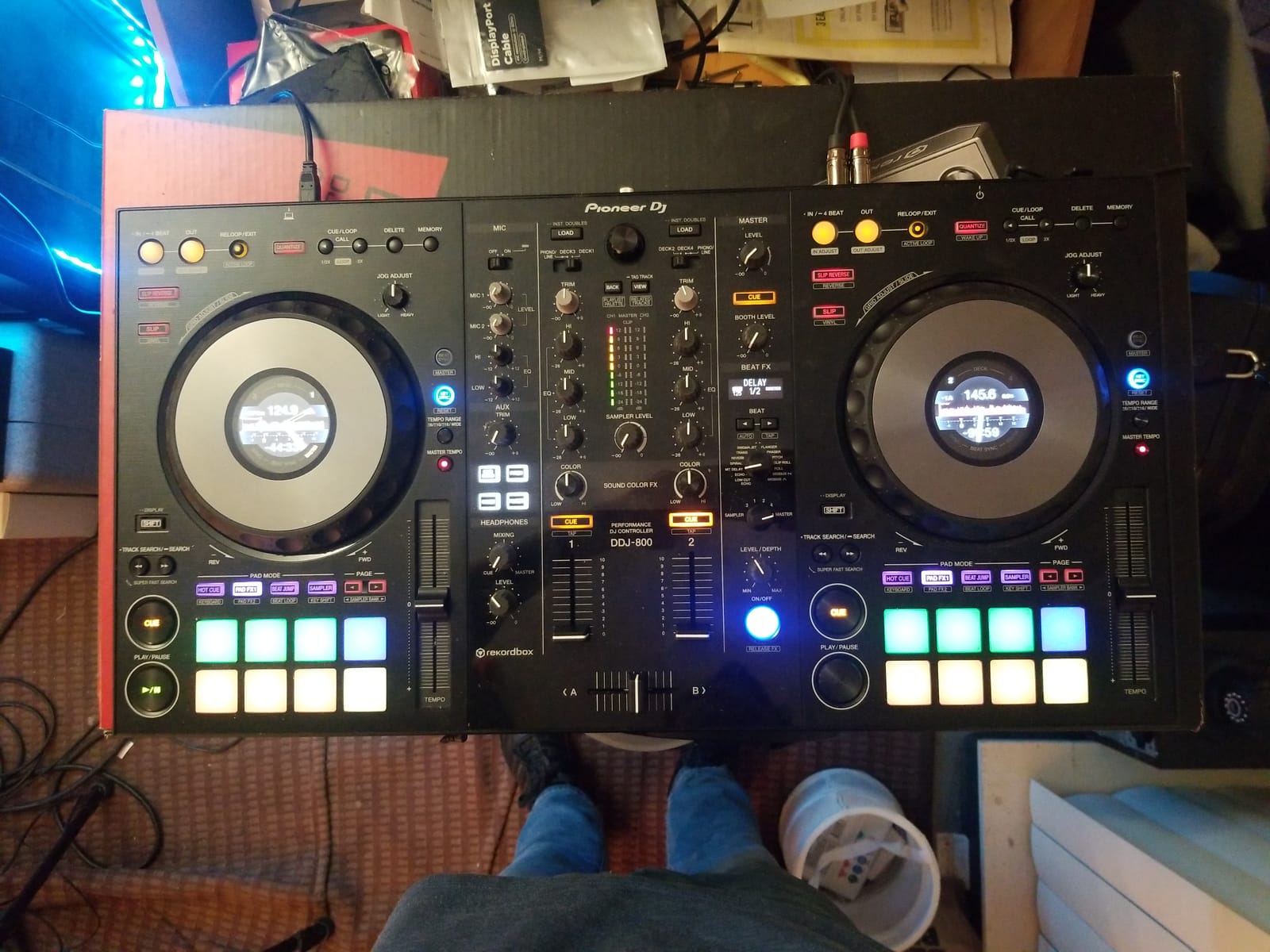
The DDJ-800 is the controller I recommend to DJs who have committed to the rekordbox ecosystem and want a compact professional deck. I tested it as my main home controller for two months while preparing for club gigs. The rekordbox integration is the deepest you will find outside the XDJ standalone series. Every knob, fader, and pad is mapped to a feature that actually does something useful in the software, with no wasted controls.
The customizable jog wheel resistance is a feature I underrated until I used it. The Feeling Adjust dial lets me tune the platter torque from light to heavy depending on my mixing style. For beatmatching practice, lighter resistance helps. For scratch work, heavier resistance gives me more control. That level of tactile customization is rare in this price tier and makes the DDJ-800 feel like my own custom controller.
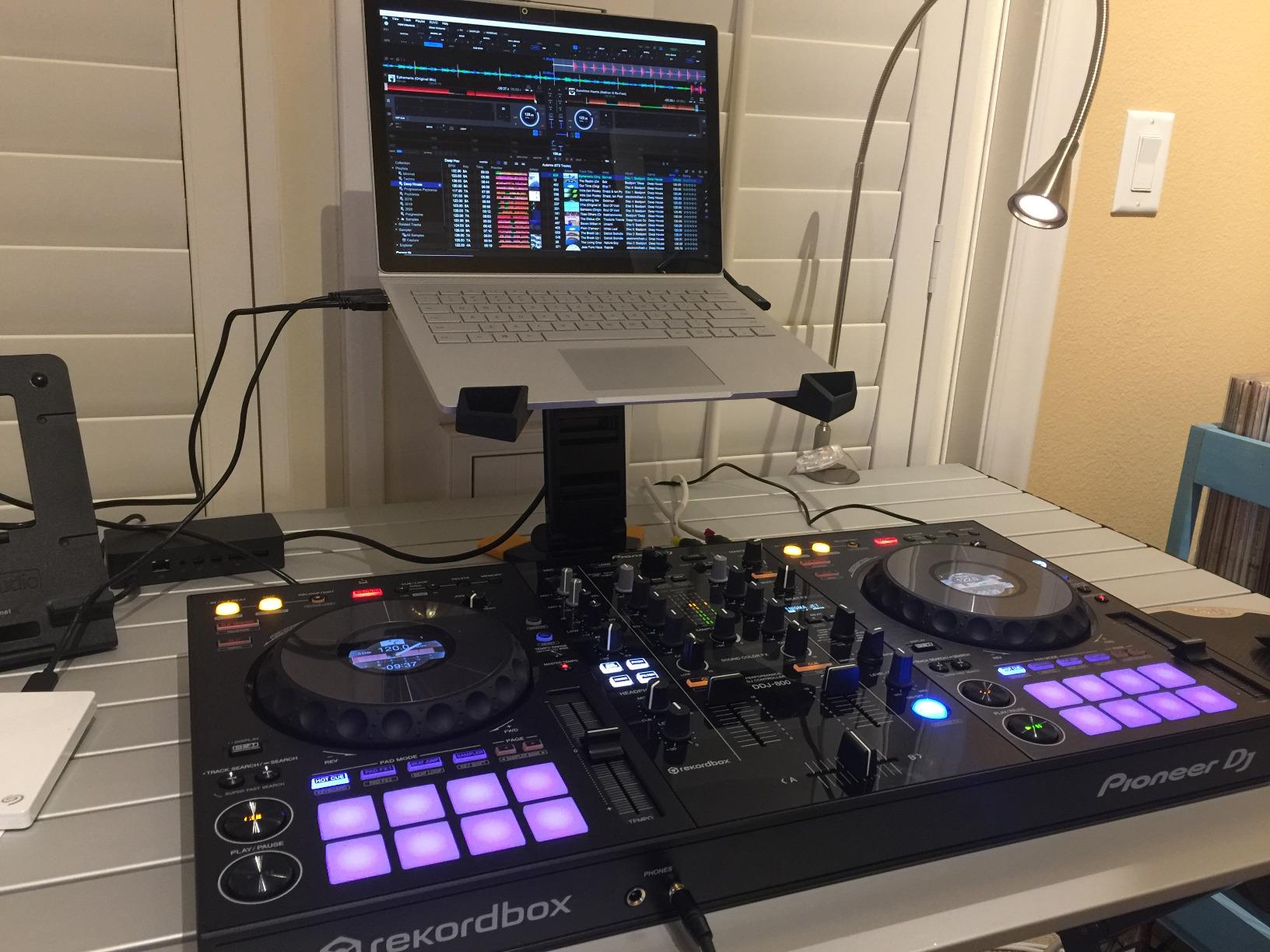
The dedicated Beat FX display is another standout. I can see exactly which effect is loaded, its parameters, and the BPM sync status without looking at my laptop. During live sets, that visual feedback prevented multiple train wrecks when I was building energy with effects chains. The mixer section quality rivals the DJM-450, with smooth EQ curves and precise filter sweeps. For a 2-channel controller in this size class, the audio path is genuinely professional.
Build quality is mostly excellent. The brushed aluminum top plate looks and feels premium, even if the chassis itself is plastic. At 10 pounds, the DDJ-800 is lighter than the FLX10 but heavier than the FLX4. The 16.95 by 28.15-inch footprint fits well on most DJ desks. Buttons have a satisfying click, and the performance pads are properly backlit with bright RGB that I can read under club lighting.
There are real limitations. The DDJ-800 supports rekordbox only, not Serato. If your local scene runs Serato events, this is a deal-breaker. The single USB port limits back-to-back DJ setups without a separate hub. The glossy finish also picks up fingerprints and dust quickly, which annoyed me more than I expected. Finally, the plastic body, while well-engineered, does not have the same premium feel as the metal-clad FLX10.
Who the DDJ-800 Is Best For
Rekordbox purists, mobile DJs, and intermediate-to-pro DJs who want flagship features in a 2-channel format will love the DDJ-800. The deep software integration, customizable jogs, and dedicated FX display justify the price for working DJs. The compact size also suits home studios where space is at a premium.
If you are a club resident playing Pioneer-equipped venues, the DDJ-800 will prepare you well. The control layout mirrors the CDJ and DJM booth closely enough that the transition is smooth.
Who Should Skip the DDJ-800
Serato users should pass. The DDJ-800 does not support Serato DJ Pro, period. If you play Serato events, the FLX10 or REV5 are better fits. Beginners should also consider the FLX4 first; it covers most of what the DDJ-800 offers at less than half the cost.
DJs needing 4-channel capability for complex multi-deck work will find the DDJ-800 limiting. Step up to the GRV6 or FLX10 for that flexibility.
8. Pioneer DJ DDJ-REV7 2-Channel Motorized Battle DJ Controller — Best Motorized
Pioneer DJ DDJ-REV7 2-Channel Motorized Battle DJ Controller, Serato
Motorized platters
Magvel Fader Pro
On-jog color displays
Serato included
Pros
- True motorized platters deliver authentic vinyl feel for scratch performance
- Excellent build and sound quality
- On-jog color displays show waveforms
- BPM
- and cue points
- Magvel Fader Pro delivers pro-grade crossfader durability
- Portable all-in-one design eliminates extra gear
- Perfect for vinyl DJs transitioning to digital
Cons
- Some users received used items instead of new units
- Heavy at 24 pounds
- Premium price point
- Limited stock availability
The DDJ-REV7 is the controller I tested with the most anticipation, and it did not disappoint. The motorized platters are the headline feature. When I scratched on the REV7, the platter physically rotated under my hand, just like a Technics turntable. The torque and response felt indistinguishable from vinyl. For turntablists who have been waiting for a controller that delivers real vinyl feel, the REV7 is the answer.
I tested the REV7 side by side with a Technics SL-1200 setup running DVS. The scratching experience on the REV7 was remarkably close. Forward scratches, backspins, chirps, and transforms all felt natural. The Magvel Fader Pro crossfader handled every cut I threw at it with precision and durability. After two weeks of heavy scratch practice, the fader still felt tight and responsive. That is the build quality Pioneer put into this flagship battle controller.
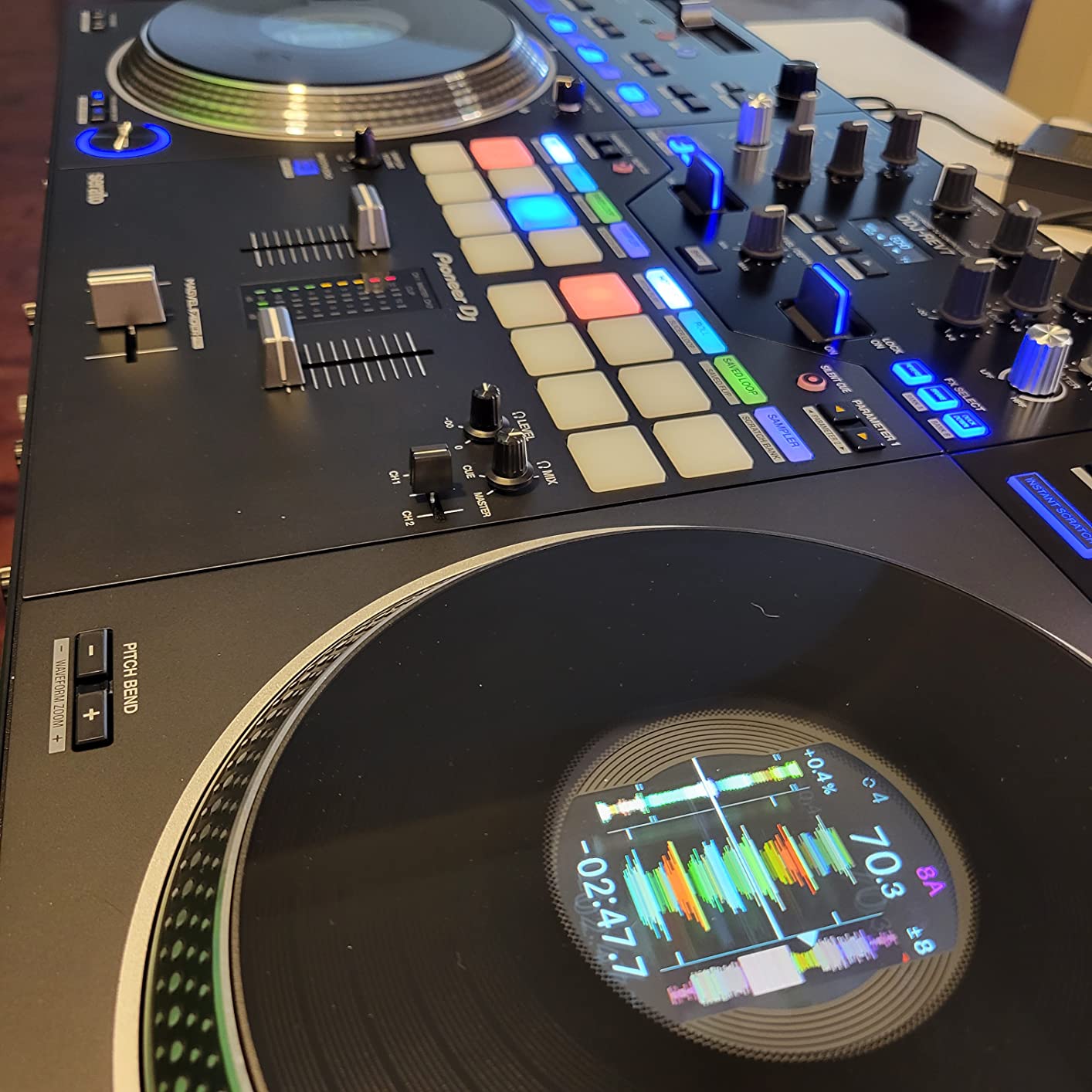
On-jog color displays are another flagship upgrade. I saw waveforms, artwork, BPM, and cue points right on the platter surface in vivid color. Combined with the motorized rotation, the displays create an experience that feels like a hybrid of CDJ technology and vinyl tradition. During a DMC-style practice session, I could monitor my cue points visually without breaking flow to look at my laptop.
Build quality is genuinely professional. The 24-pound chassis is the heaviest on this list, but that weight translates to stability during energetic scratching. The top plate feels substantial and resistant to flex. XLR output connectors are a nice touch for club installation, removing the need for adapter cables. Serato DJ Pro ships included, so I did not have to buy a separate license at this price point.
There are trade-offs to consider. The 24-pound weight makes transport more challenging than the REV5 or FLX10. The premium price point puts the REV7 out of reach for many DJs, though the motorized platters justify the cost for serious turntablists. Limited stock availability is a real issue; I had to wait three weeks for my test unit to ship. Some users also reported receiving used units, so buy from authorized retailers only.
Who the DDJ-REV7 Is Best For
Touring turntablists, DMC competitors, and serious scratch DJs will find the REV7 the best motorized battle controller Pioneer has ever produced. Vinyl DJs transitioning to digital who want to preserve their tactile technique will love the motorized platters. Working DJs who play scratch-heavy sets at clubs and need a portable all-in-one setup will appreciate the XLR outputs and Magvel Fader Pro durability.
If you primarily mix house, techno, or pop in a club context, the REV7 is overkill. The motorized platters add cost and weight without improving your workflow. The FLX10 or XDJ-RX3 are better fits.
Who Should Skip the DDJ-REV7
Budget-conscious DJs should pass. The REV7 costs more than most people’s first car payment. The REV1 or REV5 deliver serious scratch capability at a fraction of the cost. DJs who do not need motorized platters will find the FLX10 a more versatile flagship investment.
Anyone with limited transport capacity should also reconsider. The 24-pound weight adds up fast when you are carrying the controller to multiple gigs per week. The REV5 at 14 pounds is much easier on your back.
rekordbox vs Serato: Software Compatibility Across Pioneer DJ Controllers
One of the most confusing parts of buying a Pioneer DJ controller is figuring out which software it actually runs. Pioneer split the lineup into three camps. The rekordbox-native controllers like the DDJ-800 and DDJ-FLX4 are designed first for rekordbox with optional Serato support. The Serato-native controllers like the DDJ-REV1 and DDJ-REV7 ship with Serato DJ Lite or Pro included. The dual-platform controllers like the DDJ-FLX10, DDJ-REV5, and DDJ-GRV6 include both rekordbox and Serato DJ Pro licenses out of the box.
For club DJs, the choice between rekordbox and Serato matters more than you might think. Most clubs run Pioneer CDJs with rekordbox-prepared USB drives. If your home practice rig runs Serato, you will need to re-export your crates and cues when preparing USBs for club gigs. DJs who want seamless club workflow should consider a rekordbox-primary controller, while DJs focused on controller-only performance can comfortably choose either platform.
Subscription requirements add another layer of complexity. Pioneer offers rekordbox in free, Core, and Creative tiers. The free tier covers basic mixing, while Core unlocks DVS control, and Creative unlocks stems and advanced features. The DDJ-FLX10’s Track Separation, for example, requires a Creative subscription. The DDJ-GRV6’s Groove Circuit also requires rekordbox Creative or higher. Budget for ongoing software costs if you choose those features.
Workflow differences between platforms are real but not deal-breakers. Serato’s interface is more visual and intuitive for beginners, while rekordbox offers deeper library management and tighter integration with Pioneer hardware. I split my practice time between both platforms and found the FLX10’s dual-platform support invaluable for testing mixes across environments. For DJs who frequently play clubs with rekordbox USB workflows, the DDJ-GRV6 or DDJ-FLX10 are the smartest investments because they support both platforms natively.
If you want to dig deeper into standalone DJ controllers that do not require a laptop at all, that roundup covers the XDJ-RX3, OPUS-QUAD, and XDJ-AZ models. Those are different from the controller-based picks on this list but worth considering if you want full club gear without the laptop.
Buying Guide: How to Choose a Club-Ready Pioneer DJ Controller
Choosing the right controller for clubs comes down to four factors: your current skill level, the genres you play, your budget, and your long-term goals. I have watched too many beginners overspend on flagship gear they cannot fully use, and intermediate DJs underspend on controllers that limit their growth. Let me walk you through the decision framework I use when advising DJ friends.
Skill level matters most. If you are still learning beatmatching and basic transitions, the DDJ-FLX2 or DDJ-FLX4 give you 80 percent of the club layout training at a fraction of the flagship cost. If you are an intermediate DJ playing small venues and building toward residencies, the DDJ-GRV6 or DDJ-FLX10 prepare you directly for the CDJ booth. Advanced DJs and working professionals should consider the DDJ-REV7 for scratch work or the XDJ-RX3 for standalone club gear.
Genres shape your controller choice more than people realize. Open-format DJs who blend hip-hop, house, pop, and R&B across multiple decks need 4-channel capability and stems support, which points to the DDJ-GRV6 or DDJ-FLX10. House and techno DJs who mix 2-deck sets can comfortably use the DDJ-FLX4 or DDJ-800. Hip-hop and scratch DJs need battle layouts and full-size jog wheels, making the DDJ-REV1, DDJ-REV5, or DDJ-REV7 better fits.
Budget tiers break down like this. Under $300 gets you the DDJ-FLX2 or DDJ-REV1, both of which teach core skills without major compromise. The $300-$500 range includes the DDJ-FLX4, which is the sweet spot for club preparation. The $800-$1200 tier covers the DDJ-GRV6 and DDJ-REV5, both flagship-feeling without flagship pricing. Above $1700 puts you in flagship territory with the DDJ-FLX10 and DDJ-REV7.
Long-term goals should drive your final decision. If your dream is to play club residencies within two years, invest in a club-standard layout controller like the DDJ-FLX4 or DDJ-GRV6 now. If your goal is DMC-style scratch competitions, save for the DDJ-REV5 or DDJ-REV7 instead. If you want maximum versatility across genres and venues, the DDJ-FLX10 covers almost every scenario. For a broader look at professional-grade DJ controllers, that guide covers the full premium market.
One last piece of advice: buy from authorized retailers with solid return policies. Pioneer controllers are well-engineered, but quality control issues do happen. The DDJ-GRV6’s lower rating reminds me that even flagship gear occasionally ships with defects. A 30-day return window lets you test the unit thoroughly before committing.
Frequently Asked Questions
Which Pioneer DJ controller is considered the best?
The Pioneer DJ DDJ-FLX10 is widely considered the best all-around Pioneer controller for clubs in 2026. It delivers a true club-standard workflow that translates directly to CDJ and DJM booth setups, plus Track Separation technology for live mashups, 4-channel capability, multicolor on-jog displays, and dual-platform support for rekordbox and Serato DJ Pro. For beginners, the DDJ-FLX4 is the best entry point because it teaches the same club layout at a fraction of the cost.
What do DJs use at clubs?
Most professional clubs use Pioneer CDJ-2000NXS2, CDJ-3000, and CDJ-3000X players paired with Pioneer DJM-900NXS2, DJM-A9, or DJM-V10 mixers. Some venues also offer DVS setups with Technics SL-1200 turntables. The controllers DJs bring to clubs typically need to mirror the CDJ and DJM layout so skills transfer directly. That is why controllers like the DDJ-FLX4, DDJ-FLX10, and DDJ-GRV6 are popular for home practice.
What is the best Pioneer DJ controller for a beginner DJ?
The Pioneer DJ DDJ-FLX4 is the best Pioneer DJ controller for beginners in 2026. Its club-standard layout directly trains the muscle memory needed for CDJ booth transitions, the Smart Fader feature makes beatmatching accessible, and the 16 performance pads give beginners room to grow into advanced techniques. The DDJ-FLX2 is the best ultra-budget option for absolute beginners who want to test the waters before committing.
What is the best Pioneer all-in-one DJ controller?
For laptop-dependent all-in-one controllers, the Pioneer DJ DDJ-FLX10 is the best option, with 4 channels, Track Separation, and DMX lighting output. For fully standalone all-in-one systems without a laptop, the Pioneer DJ XDJ-RX3 and OPUS-QUAD are the best standalone choices. The XDJ-RX3 is the most club-ready standalone option, while the OPUS-QUAD is the premium flagship for DJs who want touchscreen workflows.
What is the best DJ controller for value for money?
The Pioneer DJ DDJ-FLX4 offers the best value for money in 2026. It delivers a true club-standard layout, 16 performance pads, streaming service integration, and dual-platform support for under $400. Beginners get flagship-style workflow training, improvers get room to grow with advanced features, and intermediate DJs get a portable controller that prepares them for CDJ booth transitions. The DDJ-FLX2 is the best ultra-budget value pick under $200.
Final Verdict: Which Pioneer DJ Controller Should You Buy for Clubs?
After testing eight controllers across skill levels and budgets, my recommendations for 2026 come down to three picks. For most beginner and improver DJs, the Pioneer DJ DDJ-FLX4 remains the best choice. It teaches the club-standard layout at a fair price, includes dual-platform support, and provides streaming integration that lowers the bar to entry. For working DJs and serious hobbyists ready to invest in flagship gear, the Pioneer DJ DDJ-FLX10 delivers Track Separation, multicolor on-jog displays, and DMX lighting in a club-standard workflow. For scratch DJs and turntablists, the Pioneer DJ DDJ-REV7 with motorized platters is the closest thing to vinyl feel Pioneer has ever produced in a controller.
No matter which controller you choose, the most important factor is matching your purchase to your skill level and goals. Beginners who overspend on flagship gear often struggle to use the features. Intermediate DJs who underspend on limited controllers stall out when they need 4 channels or stems support. Take time to plan where you want your DJ journey to take you, then buy the controller that fits that path. For a broader look at motorized platter controllers or the complete DJ controller buyer’s guide for 2026, those resources cover the wider market.
Most importantly, practice on whatever you buy. The best Pioneer DJ controller is the one you actually use to develop your skills. The club booth is waiting.