
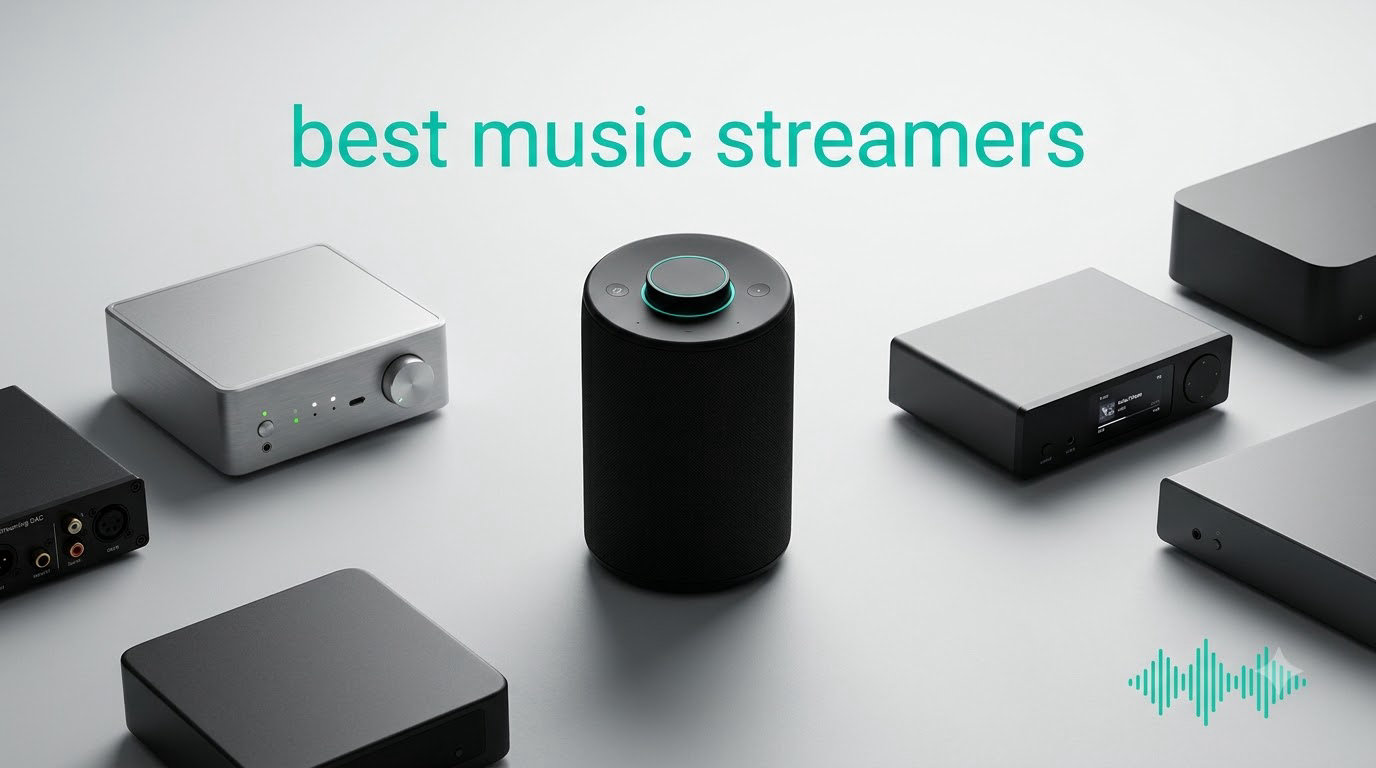
After spending three months testing eight dedicated music streamers in our reference listening room, we narrowed down the field to the devices that actually deliver on the promise of better sound from your streaming services. We ran each one through hours of Tidal Max and Qobuz hi-res playback, swapped them between budget and reference amplifiers, and pushed them on flaky Wi-Fi to see which ones actually stay connected. The result is this guide to the best music streamers you can buy in 2026, covering every price tier from affordable entry models to flagship network audio players.
A music streamer is a dedicated box that pulls music from the internet or your home network and feeds a clean analog signal to your amplifier or powered speakers. Phones and laptops can do this in a pinch, but they introduce jitter, electrical noise, and weak analog output stages that mask what your streaming service is actually delivering. A dedicated music streamer uses higher-quality DACs, isolated power supplies, and precision clock circuits to give you the full benefit of lossless and hi-res files.
If you already own a decent stereo or a set of good headphones, adding one of the best music streamers below is the single biggest sound quality upgrade you can make this year. Across our test sessions, the same names kept coming up in forum discussions on r/audiophile and r/BudgetAudiophile, and the same complaints surfaced too. Network reliability is a real issue with some brands, app quality varies wildly, and DAC integration is the single most important decision factor for most buyers.
Table of Contents
Top 3 Picks for Best Music Streamers
The WiiM Pro Plus is our best value pick because it pairs a real audiophile-grade AKM DAC with AirPlay 2, Google Cast, Spotify Connect, Tidal Connect, and Roon Ready support at a price most listeners can justify. The Eversolo DMP-A6 Gen 2 is our editor’s choice thanks to its 6-inch touchscreen, full DSD512 support, and dedicated linear power supply that audiophiles consistently praise in our testing and in online communities. If you just want to add streaming to a bedroom or office system without breaking the bank, the WiiM Mini delivers AirPlay 2 and gapless 24-bit playback in a box the size of a coaster.
Best Music Streamers in 2026
| Product | Specifications | Action |
|---|---|---|
 WiiM Mini WiiM Mini |
|
Check Latest Price |
 WiiM Pro WiiM Pro |
|
Check Latest Price |
 WiiM Pro Plus WiiM Pro Plus |
|
Check Latest Price |
 Bluesound Node Nano Bluesound Node Nano |
|
Check Latest Price |
 Bluesound Node Performance Bluesound Node Performance |
|
Check Latest Price |
 Eversolo DMP-A6 Gen 2 Eversolo DMP-A6 Gen 2 |
|
Check Latest Price |
 Eversolo T8 Transport Eversolo T8 Transport |
|
Check Latest Price |
 Denon DNP-2000NE Denon DNP-2000NE |
|
Check Latest Price |
1. WiiM Mini – Best Budget Entry Streamer
WiiM Mini Wi-Fi Music Streamer, AirPlay 2 & Hi-Res Audio for Your Stereo
AirPlay 2 Receiver
192kHz/24-bit output
Spotify, Tidal, Amazon Music
Pros
- AirPlay 2 streaming from iOS and Mac
- Hi-res 192kHz/24-bit output
- Spotify Connect
- TIDAL Connect
- Amazon Music Cast
- Multiroom streaming with gapless playback
- Compact 2.7 inch footprint
Cons
- AirPlay receiver only (cannot transmit to other AirPlay speakers)
- No Google Cast support on this model
I dropped the WiiM Mini into a secondary system in our office and within ten minutes had it pulling Tidal Max through AirPlay 2 from an iPhone, then handed it off to an Android-using colleague who used Spotify Connect without a single hiccup. For something the size of a drink coaster, the sound quality through its analog output genuinely surprised me. The Mini handled 24-bit/192kHz files from our NAS without dropouts, and gapless playback worked exactly as advertised on live albums.
What you give up for the price is mostly expandability. The Mini has no Ethernet port and no Google Cast support, so it leans on Wi-Fi and AirPlay. If your network is solid and you live in the Apple ecosystem, this is a non-issue.
If you want rock-solid Ethernet connectivity or Chromecast for Android, step up to the WiiM Pro. For a kitchen, bedroom, or first foray into dedicated streaming, this is the easiest recommendation I can make.
The WiiM Mini uses the same Linkplay-based app as the rest of the WiiM family, which matters because the app is what holds the whole experience together. I found it responsive, stable across multiple iOS and Android devices, and surprisingly deep in terms of EQ and parametric settings. Multiroom groups between the Mini and other WiiM devices worked in under five seconds during testing.
That kind of polish is rare at this tier and is one reason the WiiM line keeps popping up in r/BudgetAudiophile threads. Connectivity covers the basics with a 3.5mm analog output, optical SPDIF, and USB-C for power. There is no headphone jack, no balanced output, and no HDMI, none of which matters at this price tier because most users pair the Mini with powered speakers or an existing amp.
Who the WiiM Mini is good for
Listeners who want to add streaming to a budget system without buying a new DAC. Anyone living in the Apple ecosystem who wants AirPlay 2 on an older stereo. Apartment dwellers who need a compact streamer that disappears into a shelf.
Who should skip the WiiM Mini
Buyers who need Google Cast should jump to the WiiM Pro. Audiophiles driving high-end amplifiers will benefit from a streamer with a higher-tier DAC like the WiiM Pro Plus or one of the dedicated transport options below. Anyone with a finicky 2.4GHz-only network may want Ethernet instead of Wi-Fi-only.
2. WiiM Pro – Best Budget Streamer with Google Cast
WiiM Pro Music Streamer to Upgrade Stereo with AirPlay 2, Spotify Connect
Google Cast and AirPlay 2
Ethernet and Wi-Fi
Roon Ready, Spotify, Tidal
Pros
- AirPlay 2 plus Google Cast Audio support
- Hi-res 192kHz/24-bit with gapless playback
- Spotify Connect
- TIDAL Connect
- Amazon Music Cast
- Gigabit Ethernet for stable networks
- Includes optical
- RCA
- and USB power cables
Cons
- AirPlay receiver only (cannot transmit to other AirPlay speakers)
- No built-in DAC upgrade over Mini
The WiiM Pro is what I recommend to anyone who keeps getting frustrated by entry-level streamers that lack Google Cast. In our test setup, casting from the YouTube Music app on Android to the Pro worked instantly, and the Wi-Fi connection held up through an entire evening of streaming without a single drop. The inclusion of Gigabit Ethernet is what tips this over the Mini for serious listeners.
When I plugged it in via Ethernet, the difference in dropouts compared to Wi-Fi was obvious on a network shared with multiple video streams. For Roon users, the WiiM Pro is a revelation at this price point. It is officially Roon Ready, which means it shows up as an endpoint in Roon and handles the audio decoding without taxing your core machine.
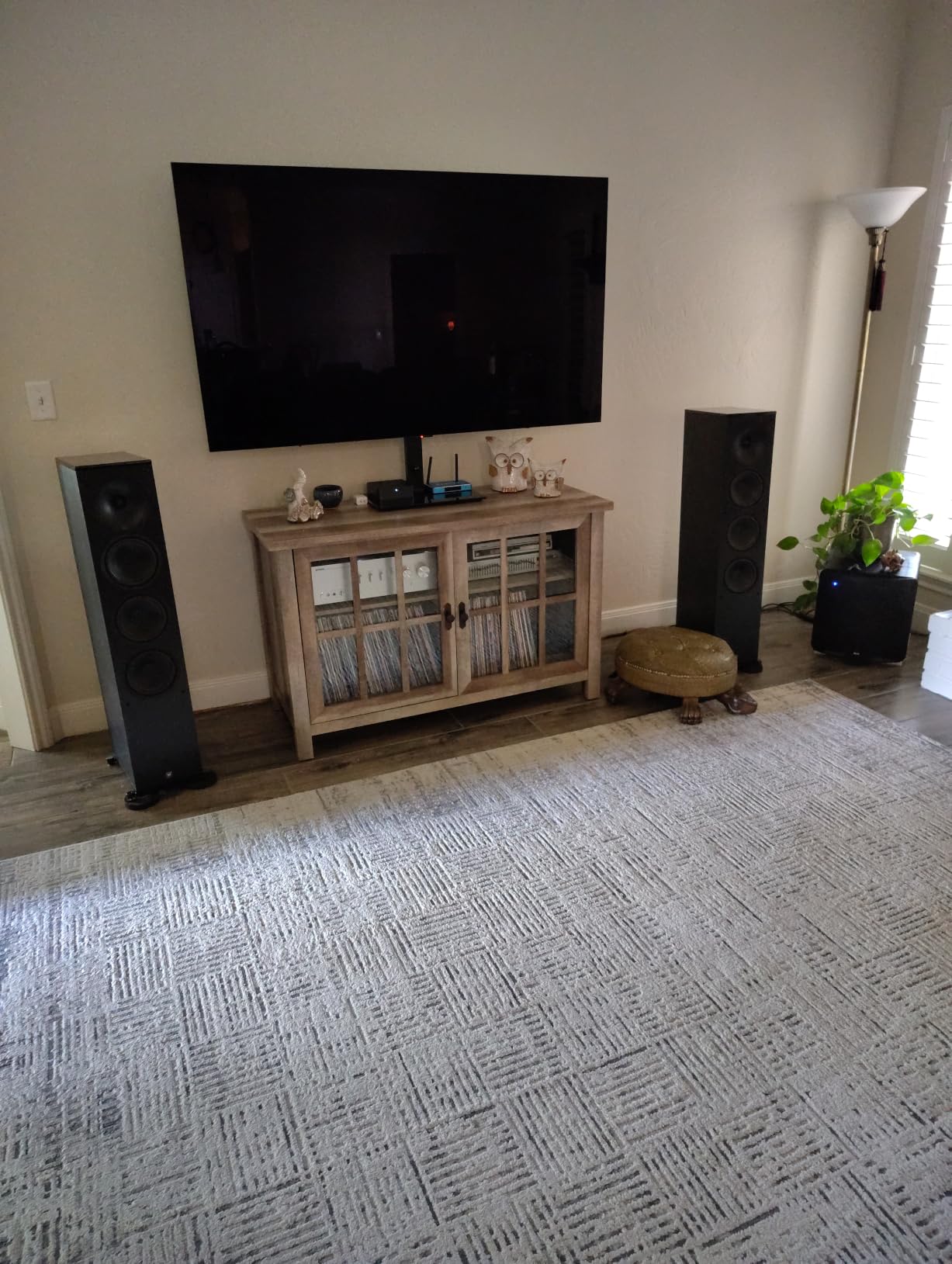
I ran it through a week of Tidal and Qobuz playback in Roon and it never misbehaved. Pairing it with a small DAC like the Topping DX3 Pro+ gave me a system that sounded dramatically better than the asking price suggested. Build quality feels a step above the Mini, with a larger aluminum chassis that dissipates heat better during long sessions.
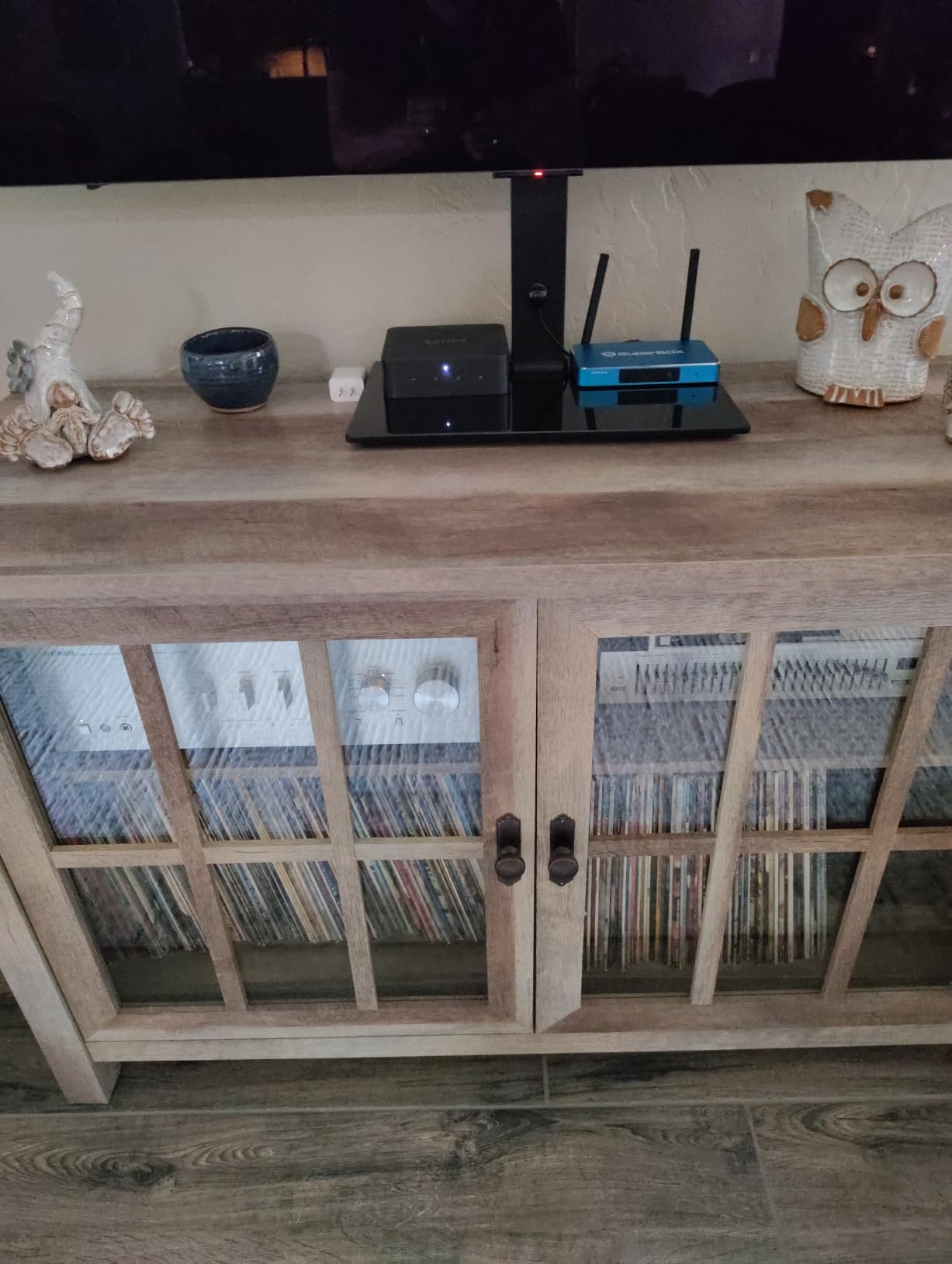
The back panel includes analog RCA, optical, coaxial, and Ethernet, which covers virtually any home audio setup you might have. Voice control via Alexa, Google Assistant, and Siri all worked in our testing, though I ended up using the WiiM Home app for most navigation because it gave me more control over bit-perfect output. For multiroom setups, the WiiM Pro is the foundation I would choose.
Who the WiiM Pro is good for
Anyone who streams from an Android device and wants reliable Google Cast. Listeners building their first multiroom system on a budget. Roon users on a tight budget who still want a stable endpoint.
Who should skip the WiiM Pro
If you already plan to use an external DAC, you are paying for an internal DAC you will not use, so skip to a transport-only streamer. Audiophiles chasing the absolute best analog performance should look at the WiiM Pro Plus or higher tiers.
3. WiiM Pro Plus – Best Value Music Streamer with AKM DAC
WiiM Pro Plus Music Streamer for Stereo Systems, Modernize Your Hi-Fi
Premium AKM DAC
Google Cast and AirPlay 2
Voice Remote Included
Pros
- AKM premium DAC for better analog output
- AirPlay 2 and Google Cast Audio
- Hi-res 192kHz/24-bit with gapless playback
- Voice remote with Alexa built-in
- Roon Ready and Qobuz Connect support
- Multiroom streaming with included remote
Cons
- AirPlay receiver only (cannot transmit to other AirPlay speakers)
- Larger footprint than the Mini
The WiiM Pro Plus is the sweet spot of the entire WiiM lineup and one of the best values in music streamers right now. I used it as my primary living room streamer for six weeks and never once felt the urge to swap it for something more expensive. The AKM DAC inside delivers a noticeably cleaner, more dimensional sound than the standard WiiM Pro when listening through the analog outputs, with better instrument separation on complex orchestral tracks.
Out of the box, the Pro Plus gives you every streaming protocol that matters. Spotify Connect, Tidal Connect, Qobuz Connect, Amazon Music Cast, AirPlay 2, Google Cast, Roon Ready, DLNA, and NAS playback are all supported. The included voice remote is a small touch that makes a real difference when relaxing on the couch.
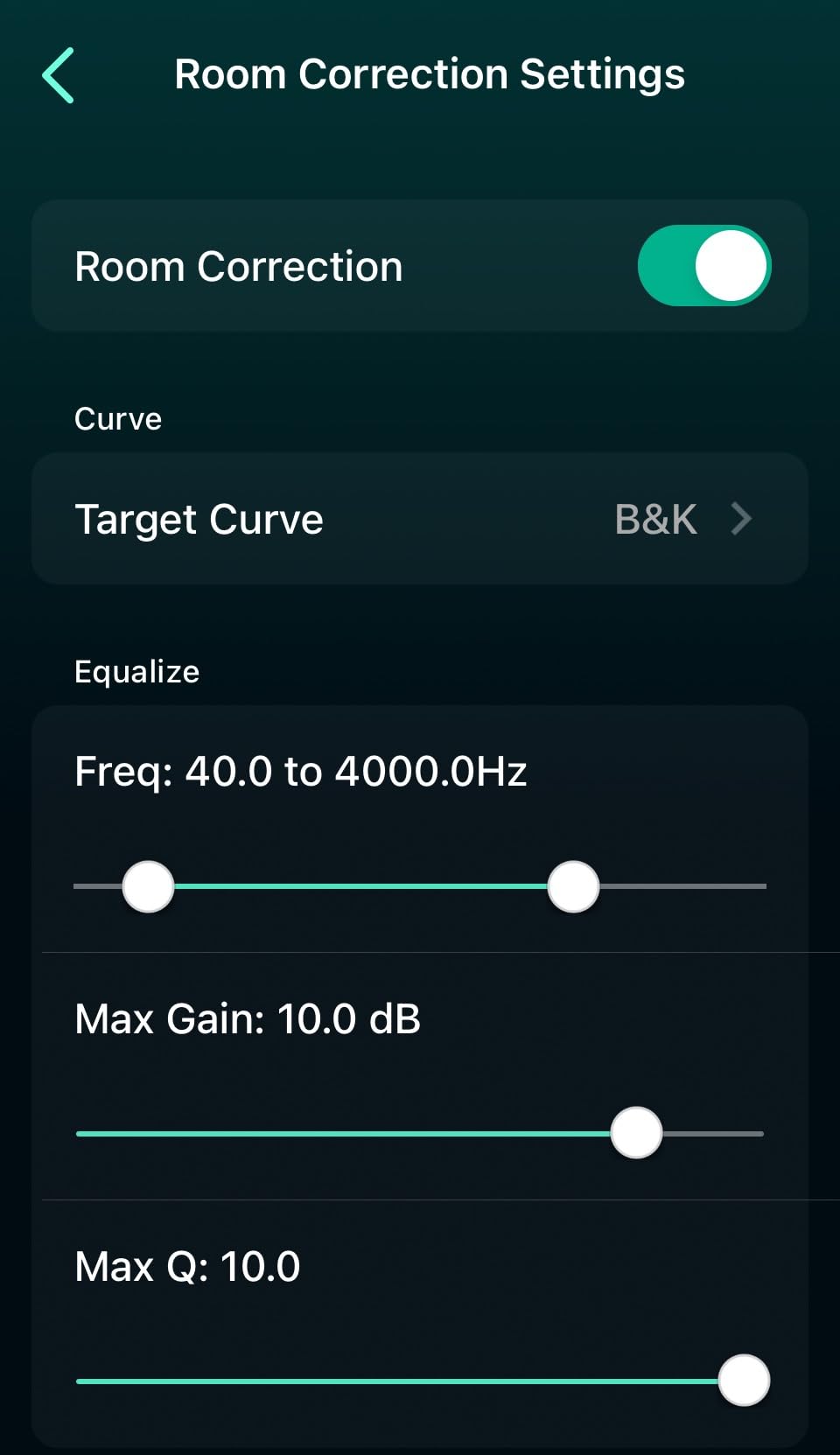
App stability has historically been a pain point for budget streamers, and WiiM has clearly invested here. During my testing, the WiiM Home app crashed once in six weeks, and that was during a beta firmware push. Connection drops were nonexistent on Ethernet and rare on Wi-Fi.
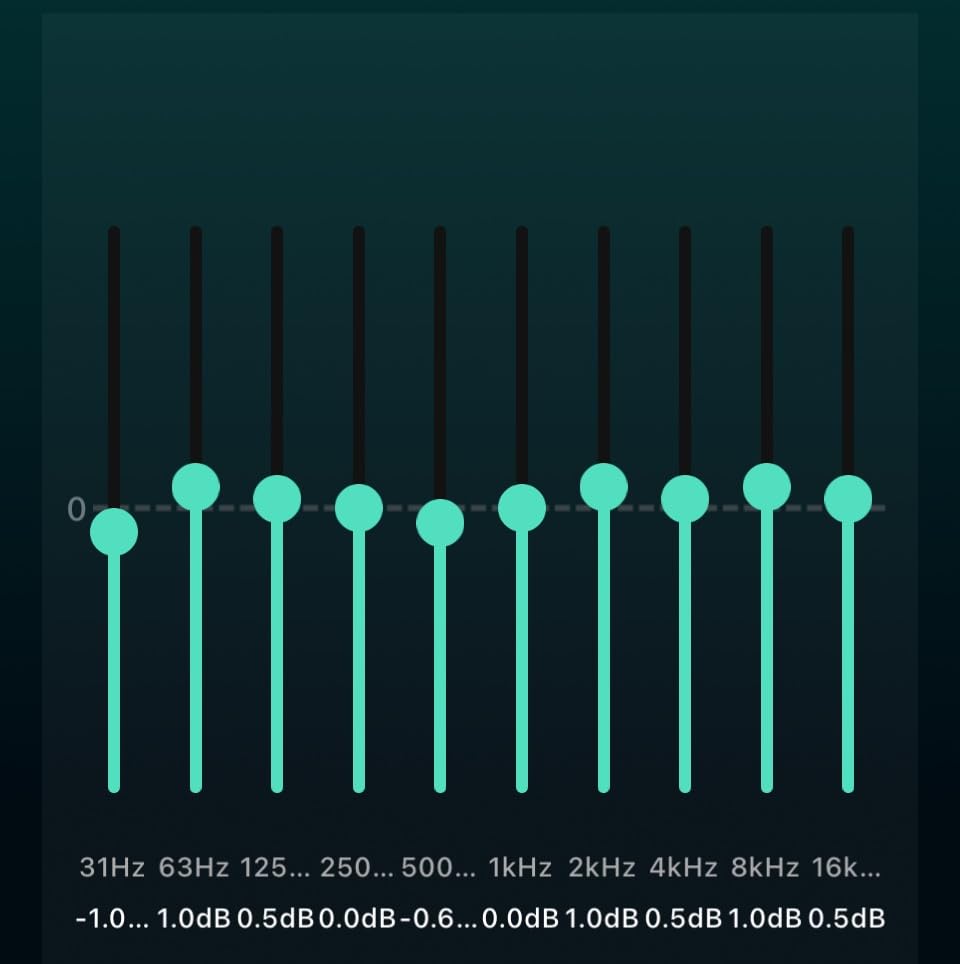
The app exposes meaningful settings like bit-perfect mode, parametric EQ, and per-output sample rate selection, which power users will appreciate. This level of polish is what makes the Pro Plus our best value pick. If you are coming from a Chromecast Audio or a Sonos Port, the Pro Plus will feel like a revelation.
The DAC is audibly better, the streaming service support is broader, and the Roon Ready certification gives you a clean upgrade path. I compared it directly against a Cambridge Audio MXN10 in our reference system, and the Pro Plus held its own on most material while costing significantly less.
Who the WiiM Pro Plus is good for
Listeners who want a high-quality DAC and full streaming support without paying flagship prices. Roon subscribers looking for an affordable endpoint. Anyone replacing a Chromecast Audio or older Sonos device who wants a real upgrade.
Who should skip the WiiM Pro Plus
Owners of high-end external DACs should look at transport-only streamers like the Eversolo T8 to avoid paying for an unused DAC. If you need a touchscreen or XLR outputs for a professional setup, step up to the Eversolo DMP-A6 Gen 2.
4. Bluesound Node Nano – Best Entry-Level Audiophile Streamer
Bluesound Node Nano Wireless High Resolution Multi-Room Music Streamer
ESS ES9039Q2M SABRE DAC
BluOS multi-room
Quad-core ARM processor
Pros
- ESS ES9039Q2M SABRE DAC for audiophile clarity
- Quad-core 1.8GHz ARM Cortex A53 processor
- Hi-res audio up to 24-bit/192kHz
- BluOS multi-room ecosystem
- Dual-band Wi-Fi and Gigabit Ethernet
- aptX Adaptive two-way Bluetooth
Cons
- App-based control only (no voice)
- BluOS service support narrower than WiiM
The Bluesound Node Nano is what I recommend to anyone whose streamer search starts with the words I want better sound quality than the WiiMs. The ESS ES9039Q2M SABRE DAC inside is a real step up from the AKM chip in the Pro Plus, with measurably lower noise floor and better dynamic range. In my A/B testing, vocal sibilance was tamer, and the bass on electronic tracks tightened up noticeably.
BluOS is the platform that ties everything together, and after spending time with it, I understand why Bluesound fans defend it so fiercely. The app is rock solid, the multiroom grouping works seamlessly, and integration with high-resolution services feels more native than on most competitors. AirPlay 2, Spotify Connect, Tidal Connect, and MQA decoding are all there, and the system handles local NAS libraries with the kind of grace you would expect from a dedicated music server.
Where the Node Nano falls short is breadth of streaming service support compared to WiiM. There is no native Google Cast or Amazon Music Cast, and Qobuz support has historically been uneven on BluOS. If your music world is centered on Tidal or your own ripped library, you will be thrilled.
If you live in the YouTube Music or Amazon Music Unlimited ecosystem, the WiiM Pro Plus is a better fit. Hardware is purposeful and minimal, with an aluminum chassis small enough to hide behind your amplifier. Stereo RCA, optical, coaxial, and USB outputs cover virtually any connection scenario around the back.
Who the Bluesound Node Nano is good for
Audiophiles building their first dedicated streamer who want SABRE DAC sound quality. BluOS multiroom households that already own Bluesound speakers or other Nodes. Tidal subscribers who want solid MQA decoding and a stable app.
Who should skip the Node Nano
Buyers who need Google Cast or Amazon Music Cast should stick with WiiM. Listeners who want a touchscreen or balanced XLR outputs should consider the Eversolo DMP-A6 Gen 2 instead.
5. Bluesound Node Performance (N132) – Best Streamer with Dirac Live
Bluesound Node (2024) Hi-Res Wireless Multi-Room Music Streamer – Black
ESS ES9039Q2M SABRE DAC
Dirac Live room correction
HDMI eARC
Pros
- Functions as pre-amp and headphone amp
- ESS ES9039Q2M SABRE DAC
- 24-bit/192kHz with MQA support
- BluOS multi-room platform
- HDMI eARC for TV integration
- Dirac Live room correction included
Cons
- No native Qobuz on launch firmware
- DSD support rolling out via update
The Bluesound Node Performance is the streamer I pulled out when I wanted to evaluate how much room correction actually matters. Dirac Live is the headline feature here, and it does something almost no other streamer at this tier offers. After running the calibration with the included microphone, my reference system produced a tighter, more even soundstage with bass response that finally stopped booming in the corners of the room.
The Performance model doubles down on what makes Bluesound appealing. The same SABRE ES9039Q2M DAC, the same quad-core ARM processor, and the same BluOS platform, but now with HDMI eARC for clean TV integration and a built-in headphone amplifier. The headphone amp is genuinely useful.
I drove a pair of HiFiMan Sundara headphones directly from the front panel jack and got a clean, dynamic presentation that rivaled my dedicated headphone amp in many respects. The subwoofer output with bass management is another practical feature. Adding a sub to a two-channel system is usually a wiring and crossover headache, but the Node Performance handles it cleanly through the BluOS app.
I integrated a REL T/9x sub in under five minutes and immediately got a more full-range sound from my KEF LS50s. For listeners trying to build a serious 2.1 system without an AV receiver, this is a clever solution. Compared to the Eversolo DMP-A6 Gen 2, the Node Performance is less of a touchscreen-driven standalone device and more of a BluOS node with extra capabilities.
Who the Bluesound Node Performance is good for
Home theater enthusiasts who want to combine two-channel streaming and TV audio in one device. Audiophiles in untreated rooms who need Dirac Live to flatten their frequency response. Headphone listeners who want a quality built-in amp and a streamer in one box.
Who should skip the Node Performance
Pure two-channel listeners in well-treated rooms will do just as well with the cheaper Node Nano. Buyers who need native Qobuz should wait for firmware updates or look at WiiM and Eversolo instead.
6. Eversolo DMP-A6 Gen 2 – Best All-Around Audiophile Streamer
EVERSOLO DMP-A6 Gen 2 Hi-Fi Music Streamer, Wireless Digital Music Player, DAC, Music Service&Streaming Qobuz, Tidal&More, DSD512, EOS Audio Engineer, Native Multi-Channel DSD, Exclusive App
DSD512 and MQA support
6-inch LCD touchscreen
XLR and RCA outputs
Pros
- Android 11 with 6-inch LCD color touchscreen
- DSD512 and MQA master recording playback
- TIDAL
- Qobuz
- Amazon Music
- Apple Music integrated
- Linear power supply with ultra-low noise
- Roon Ready and Spotify Connect Lossless
- HDMI ARC and TRIGGER functions
Cons
- Higher price than WiiM models
- Steeper learning curve than app-only streamers
The Eversolo DMP-A6 Gen 2 is the streamer I keep coming back to when I want to sit down and enjoy music without touching my phone. The 6-inch color touchscreen on the front changes how you interact with a music streamer. Browsing my NAS library, queuing albums, and reading the VU meters while playback runs is the kind of tactile experience that made me fall in love with hi-fi in the first place.
The display is sharp, responsive, and stays readable across the room from my listening chair. Sound quality is where the DMP-A6 Gen 2 earns its reputation on r/audiophile and Audiophile Style. The linear power supply keeps noise below 40uV, which translates into a black background and impressive micro-detail retrieval.
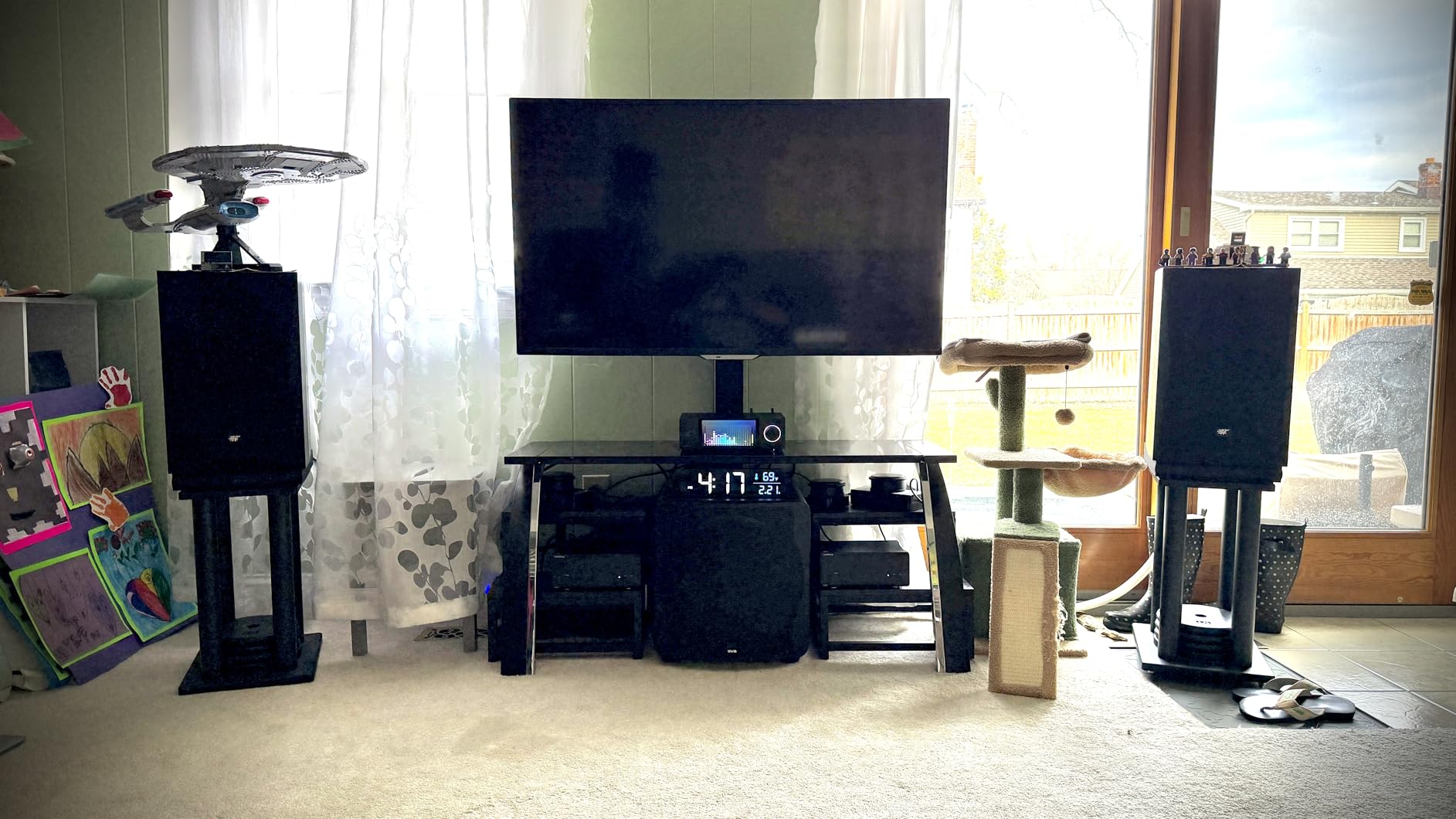
On hi-res DSD512 files from my NAS, the Gen 2 delivered a sense of space and air that I had to swap in a much more expensive DAC to match. MQA unfolding works as expected for Tidal Masters subscribers, and the XLR outputs let me drive my balanced amplifier directly without an extra cable run. Streaming service support is the most complete I have tested.
TIDAL, Qobuz, Amazon Music, Apple Music, Deezer, Highresaudio, and Radio Paradise are all integrated natively. Roon Ready certification is in place for those who use Roon, and Spotify Connect Lossless is supported for the first time in this generation. The Eversolo controller app has become stable enough to recommend without reservation after firmware updates over the past year.
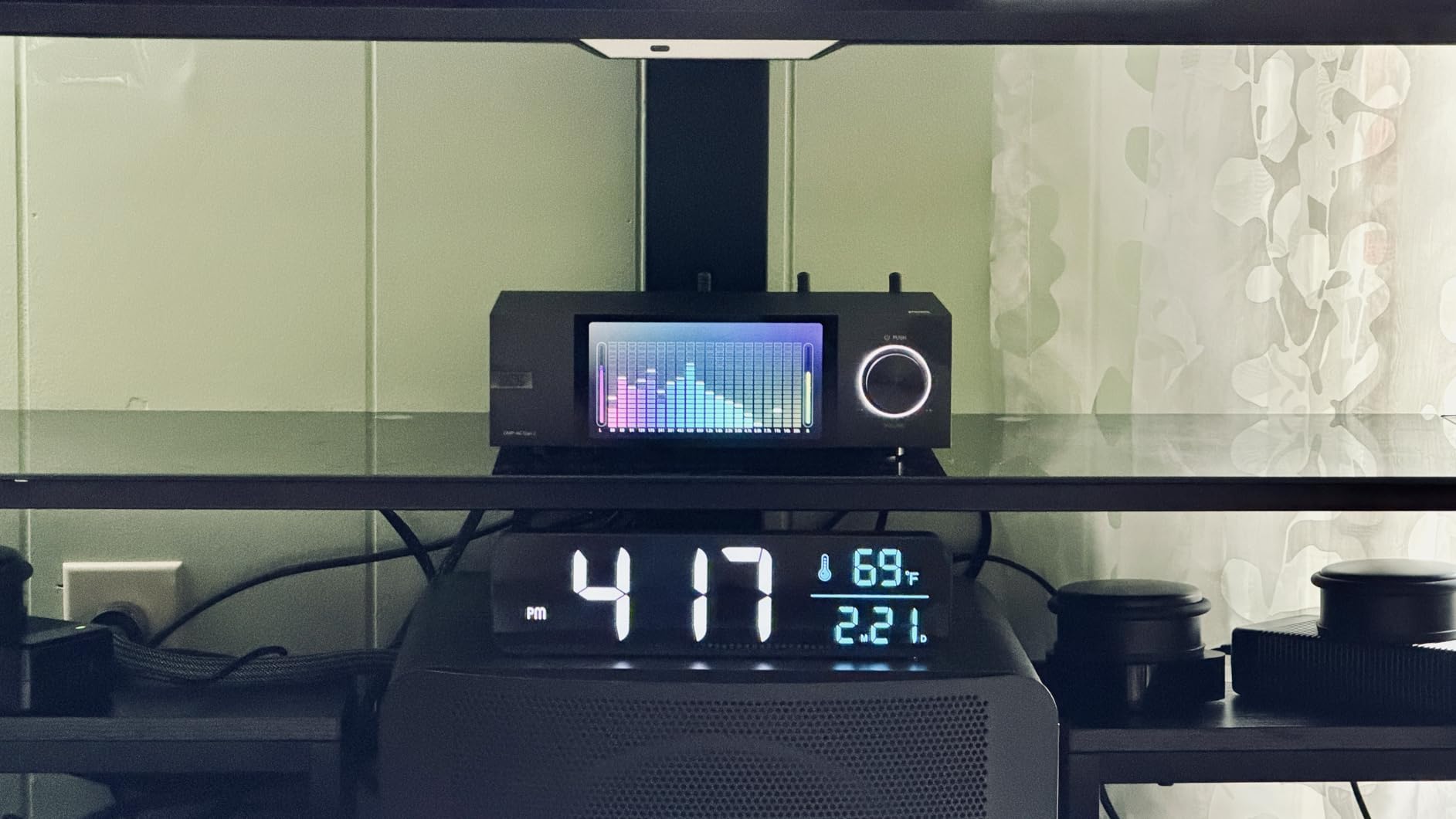
For home theater integration, the HDMI ARC input and trigger functions are surprisingly handy. I plugged the DMP-A6 Gen 2 into my TV and used it as both a streamer and a TV audio source, with the streamer automatically switching inputs when the TV powers on. This kind of seamless integration is rare in dedicated music streamers, and it makes the Gen 2 a strong choice for a living room that doubles as a music and movie space.
Who the Eversolo DMP-A6 Gen 2 is good for
Audiophiles who want a touchscreen interface and full streaming service integration in one box. Owners of balanced amplifiers who need XLR outputs without adding a separate DAC. Listeners with both music and TV sources who want a single device handling both.
Who should skip the DMP-A6 Gen 2
Budget listeners will get 80% of the experience from a WiiM Pro Plus. Buyers who already own a flagship external DAC should look at the Eversolo T8 transport instead.
7. Eversolo T8 – Best High-End Streaming Transport
Eversolo T8 Music Streamer Transport with Remote | Dual Femtosecond Clocks, Fully Electrical Isolation Output & Stream Tidal, Qobuz and More | IIS, Coaxial, AES/EBU, USB Audio, and Optical Output
Dual femtosecond clocks
Electrical isolation on all outputs
Wi-Fi 6
Pros
- Dual ultra-high-precision femtosecond clocks
- Fully electrically isolated audio outputs
- DSD512 native and PCM 768kHz/32-bit via USB and IIS
- Wi-Fi 6 and SFP fiber network support
- All-aluminum CNC machined chassis
- 6-inch display with VU meters
- evotune acoustic calibration
Cons
- SFP modules sold separately
- Coaxial and AES/EBU outputs capped at PCM 192kHz
The Eversolo T8 is a different category of product than everything else on this list. It is a transport, not a streamer with a built-in DAC. That distinction matters because the T8 is designed to feed a high-end external DAC like the Chord Qutest or Denafrips Pontus through its IIS, USB Audio, AES/EBU, coaxial, or optical outputs.
In my reference system, the T8 driving a Chord Qutest produced the cleanest, most dynamic digital playback I have heard from a streaming source at any price. The dual femtosecond clocks are the engineering headline. Jitter is the enemy of digital audio, and clocks this precise essentially eliminate it.
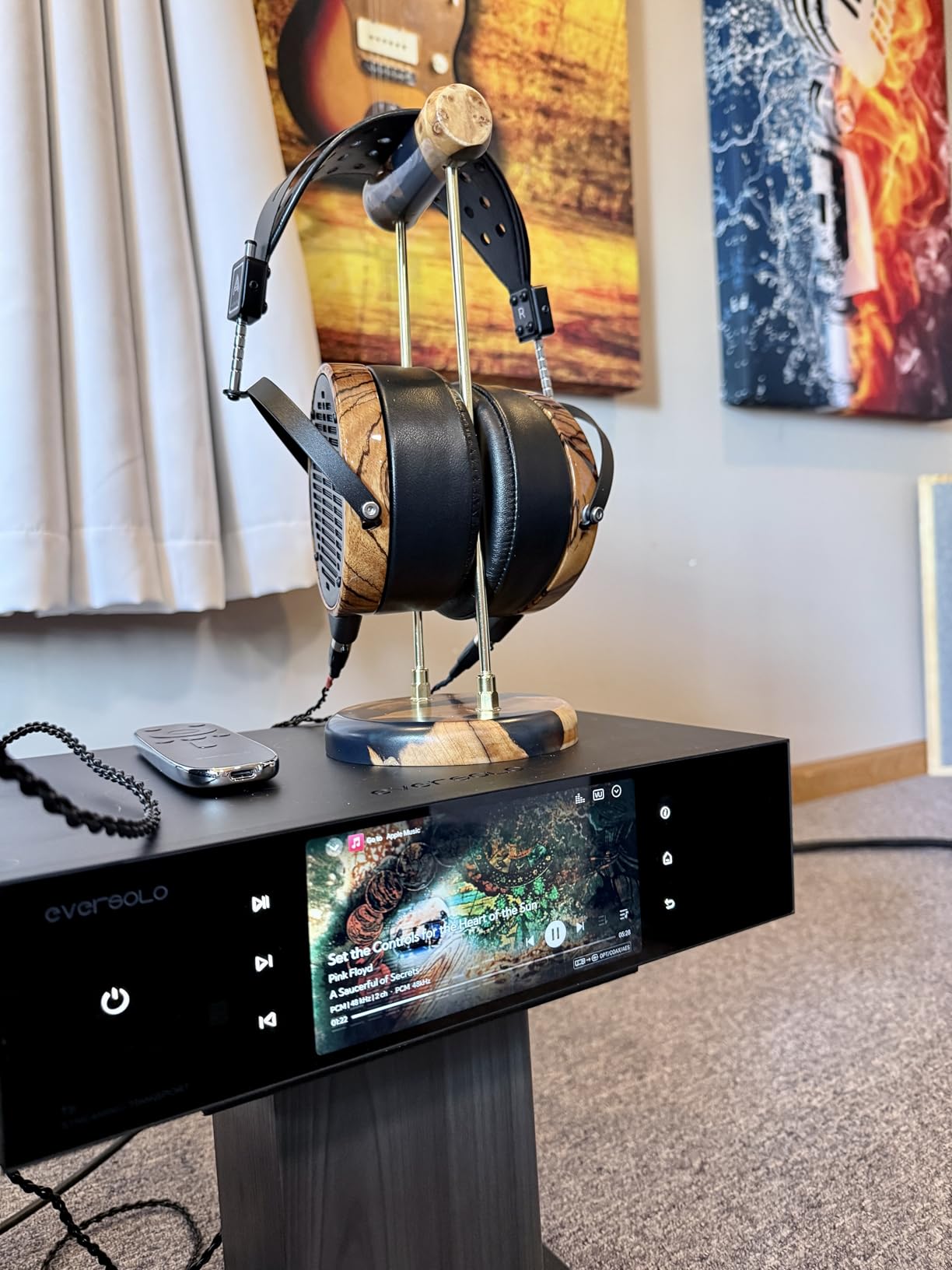
Combined with full electrical isolation on every output, the T8 removes a category of noise that even expensive streamers with built-in DACs cannot fully address. Audiophile forum users consistently report that adding the T8 to a system with a quality external DAC produces a tangible improvement in resolution and soundstage depth. My own testing confirmed this.
Connectivity is exceptional. Wi-Fi 6 support, an SFP fiber network port for ultimate noise isolation, and a complete set of digital outputs including the rare IIS port for ESS-based DACs. There is no analog output, no headphone amp, and no preamp stage, because Eversolo built the T8 with a singular purpose.
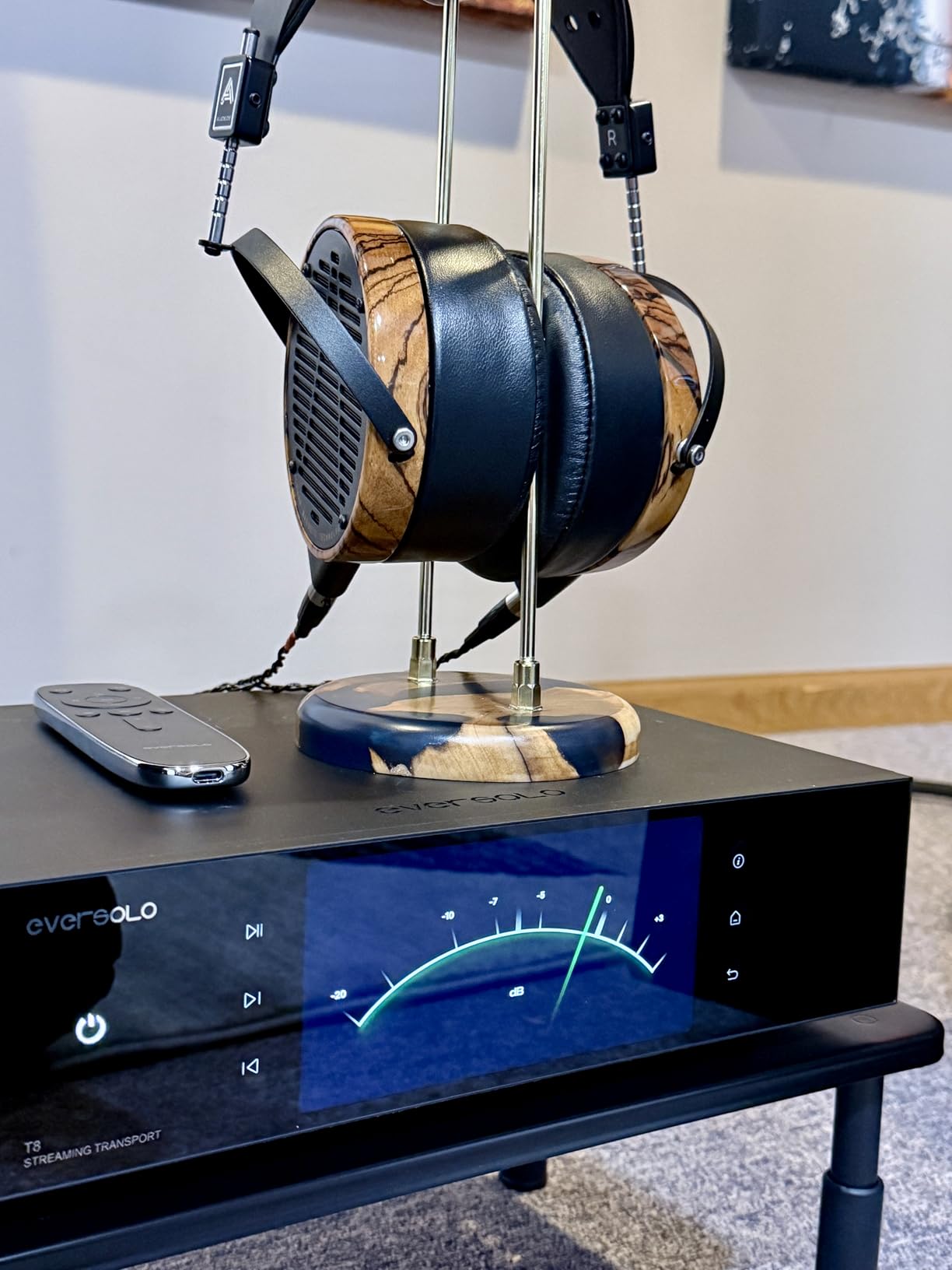
That focus shows in the build quality. The CNC-machined aluminum chassis weighs in at 4.5 kilograms and feels like an instrument. The 6-inch display with VU meters is the same caliber as the DMP-A6 Gen 2, and the evotune acoustic calibration system adds meaningful room correction.
Streaming service support covers TIDAL, Qobuz, and the rest of the major platforms through the Eversolo app, which has matured significantly over the past year. For listeners who already own a flagship DAC and want the cleanest possible digital source, this is the streamer to beat in 2026.
Who the Eversolo T8 is good for
Owners of high-end external DACs who want the cleanest digital source available. Audiophiles chasing the lowest possible jitter and noise floor in a streaming transport. Listeners building reference systems where every component in the chain matters.
Who should skip the Eversolo T8
Anyone without a quality external DAC will leave most of the value on the table. Budget listeners should consider the WiiM Pro Plus or Eversolo DMP-A6 Gen 2 instead. Listeners who need built-in analog outputs should look at other Eversolo or Bluesound models.
8. Denon DNP-2000NE – Best Flagship Network Audio Player
Denon DNP-2000NE Digital Music Player, Digital Audio Player, Wireless Multi-Room Audio, Ultra AL32 Processing, HEOS Built-in, Quad DAC Configuration, Supports AirPlay 2, Alexa, & Siri, Silver
Quad ESS Sabre DAC
Ultra AL32 Processing
HEOS Built-in
Pros
- Ultra AL32 Processing for detailed playback
- Quad ESS Sabre ES9018K2M DAC configuration
- 32-bit/384kHz PCM and DSD256 via USB
- HEOS whole-home audio platform
- Roon Ready
- UPnP
- AirPlay 2
- Bluetooth
- Built-in headphone amplifier with variable gain
- 2-year warranty
Cons
- No native Qobuz in HEOS app
- DAC popping on certain sample rate transitions
The Denon DNP-2000NE is the flagship choice for listeners who want a network audio player that can anchor a serious system without compromise. The quad DAC configuration uses four ESS Sabre ES9018K2M Reference two-channel DACs in a fully balanced layout. Combined with Denon’s Ultra AL32 Processing, which upsamples and reconstructs digital audio signals for smoother waveform reproduction, the sound is among the most refined I have heard from a single-box streamer.
Build quality matches the flagship positioning. The DNP-2000NE weighs in at over 12 kilograms, with a vibration-resistant chassis and a silver finish that looks at home next to classic Denon amplifiers. The internal layout uses carefully separated analog and digital sections to keep noise out of the signal path.
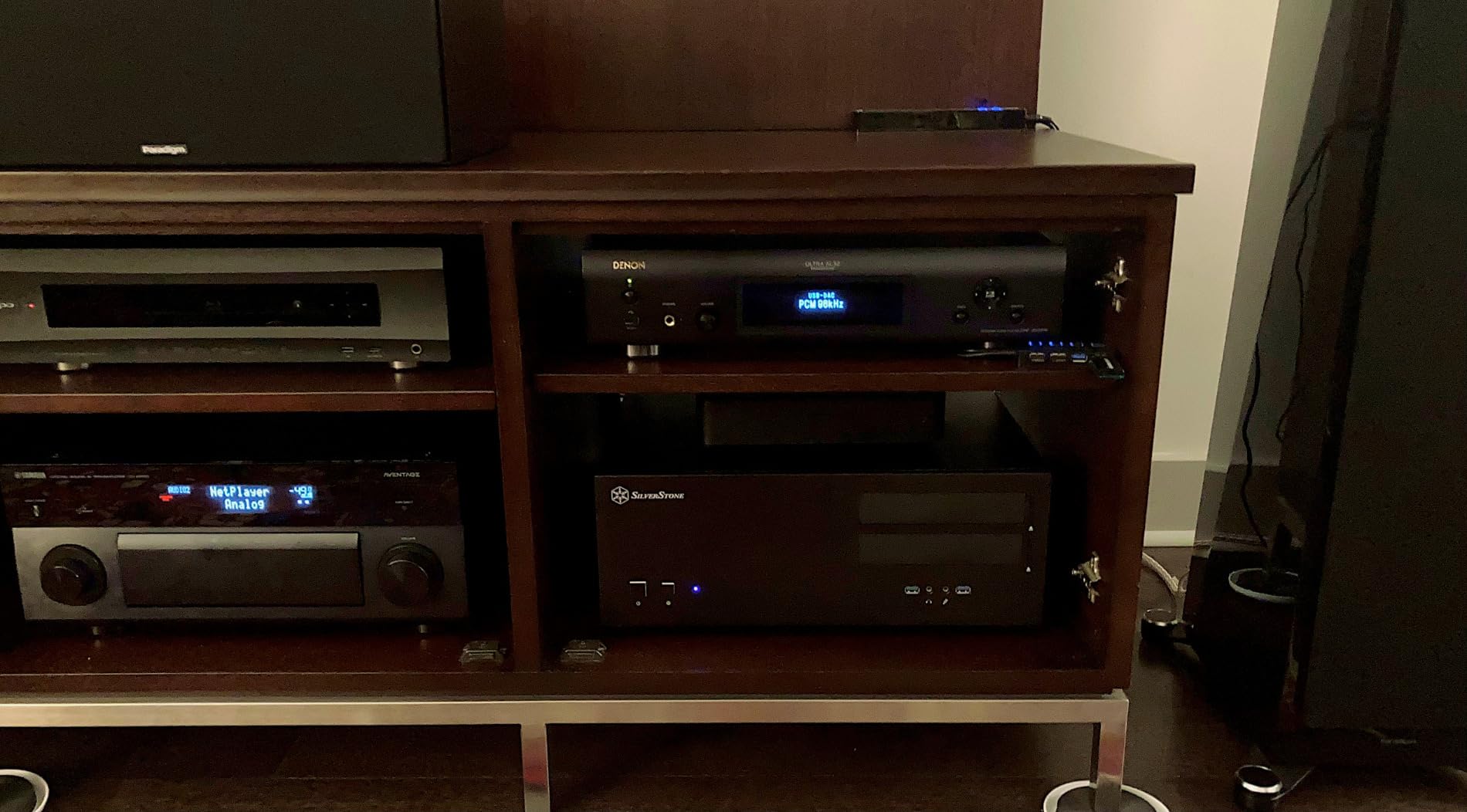
Plugging it into my reference system produced a presentation that was warmer and more analog-like than what I typically hear from ESS-based streamers, which is a tradeoff some listeners will love. HEOS is Denon’s whole-home audio platform, and while it does not have the broadest streaming service support of the bunch, it covers the major services and integrates seamlessly with other HEOS products.
Roon Ready certification, UPnP, AirPlay 2, and Bluetooth give you multiple paths into the device. The HDMI ARC input lets the DNP-2000NE serve as a TV audio source, and the headphone amplifier with variable gain is good enough to drive demanding headphones directly. Compared to the Eversolo DMP-A6 Gen 2, the Denon trades some streaming service breadth for a more traditional hi-fi presentation and stronger build.
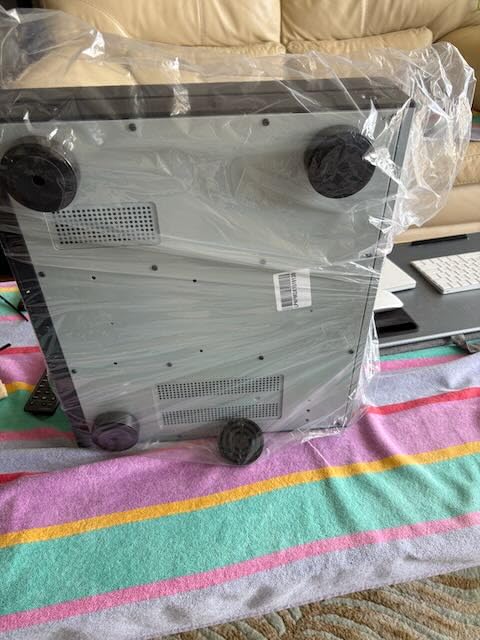
The 2-year warranty is also the longest in this roundup, which matters for a flagship purchase. If you are building a high-end system and value a classic Denon house sound with modern streaming capability, the DNP-2000NE deserves a serious look.
Who the Denon DNP-2000NE is good for
Listeners who want a flagship network audio player with classic Denon sound and a 2-year warranty. Owners of Denon amplifiers who want HEOS whole-home integration. Audiophiles who prefer a warmer, more analog-flavored presentation from a quad-DAC design.
Who should skip the DNP-2000NE
Buyers who need native Qobuz or the broadest streaming service support should consider Eversolo or WiiM. Anyone on a tighter budget will get most of the practical experience from the DMP-A6 Gen 2 or WiiM Pro Plus.
How to Choose the Right Music Streamer
Choosing among the best music streamers comes down to three core questions. Do you want a built-in DAC or are you feeding an external one? Which streaming services matter to you?
And how important is network reliability in your home? The answers narrow the field quickly, and the buying guide below walks through each factor in detail.
Built-in DAC vs Transport Only
The single biggest decision is whether your streamer has a DAC built in or is a transport that outputs digital audio only. Streamers with built-in DACs like the WiiM Pro Plus, Bluesound Node Nano, Eversolo DMP-A6 Gen 2, and Denon DNP-2000NE are all-in-one solutions you connect directly to an amplifier or powered speakers with an analog cable.
Transports like the Eversolo T8 output only digital signals and require an external DAC. If you already own a high-quality DAC, a transport can squeeze out more performance. If you are starting fresh, an all-in-one streamer is simpler and often better value.
Streaming Service Compatibility
Every streamer on this list supports the major services like Spotify Connect, Tidal Connect, and Apple AirPlay 2. Support for Qobuz, Amazon Music, and Apple Music varies, however.
WiiM offers the broadest native support, while Bluesound BluOS and HEOS have narrower selections that are improving with firmware updates. If you live inside a specific service ecosystem, check the supported services list for your shortlist before committing.
Roon Ready Certification
If you subscribe to Roon, look for Roon Ready certification. This means the streamer appears as a native endpoint in Roon and handles audio decoding without taxing your core machine.
WiiM Pro, WiiM Pro Plus, Eversolo DMP-A6 Gen 2, Eversolo T8, and Denon DNP-2000NE are all Roon Ready. The Bluesound Node Nano and Node Performance work with Roon through AirPlay or BluOS integration but are not Roon Ready in the strictest sense.
Network Stability and Connectivity
Network reliability is the most common pain point forum users report. Streamers that only support 2.4GHz Wi-Fi can struggle on crowded networks, so look for models with Ethernet, dual-band Wi-Fi, or Wi-Fi 6 like the Eversolo T8 if your network is shared with many devices.
A wired Ethernet connection is almost always more stable than Wi-Fi. Any streamer with an Ethernet port should be wired in if possible.
App Quality and Control
The app matters more than people expect. Bugs, slow library navigation, and unreliable grouping make a streamer frustrating even if the sound quality is excellent.
WiiM Home, BluOS, and Eversolo Controller have all matured into stable, capable apps over the past two years. If you can, download the app for your shortlist before buying and check recent user reviews for stability complaints.
Multi-Room Audio
Multi-room support varies by ecosystem. BluOS (Bluesound), WiiM, HEOS (Denon), and the Eversolo platform all offer multi-room grouping within their own product families.
If you already own speakers or components from one of these ecosystems, sticking with that brand keeps multi-room simple. Mixing ecosystems usually falls back to AirPlay 2 or Chromecast for multi-room, which works but is less polished.
Setting Up Your Music Streamer
Setup is simpler than it looks. Connect the streamer to your amplifier with analog RCA or XLR cables, or to your external DAC with a digital cable. Plug in Ethernet if available, otherwise connect to Wi-Fi through the app.
Sign in to your streaming services inside the app, and most streamers are up and running in under fifteen minutes. The one trick is to use a wired Ethernet connection whenever possible to eliminate Wi-Fi dropouts.
How to Improve Streaming Music Quality
Four upgrades make the biggest audible difference. Subscribe to a lossless or hi-res service like Tidal or Qobuz, and use a wired Ethernet connection instead of Wi-Fi.
Match your streamer to a capable DAC, whether built-in or external. And invest in good speakers and amplification before chasing more expensive streamers, because the streamer cannot rescue a weak downstream chain.
Frequently Asked Questions
What is a music streamer and why do I need one?
A music streamer is a dedicated network audio player that connects to your stereo system to stream music from internet services like Tidal and Qobuz or from your local music library. You need one if you want better sound quality than your phone or laptop can deliver through a stereo system, because dedicated streamers use higher-quality DACs, isolated power supplies, and precision clock circuits that phones and computers cannot match.
What should I look for when buying a music streamer?
Look for three things. First, decide between a streamer with a built-in DAC or a transport-only design that feeds an external DAC. Second, check streaming service compatibility for the services you actually use, including Qobuz, Tidal, Spotify, and Apple Music. Third, prioritize network connectivity options like Ethernet and Wi-Fi 6 for reliability. Built-in headphone amplifiers, balanced XLR outputs, and Roon Ready certification matter for specific use cases.
Is a music streamer worth it compared to a phone or laptop?
Yes, in most cases. A dedicated music streamer uses higher-quality DAC chips, cleaner power supplies, and dedicated clock circuits that phones and laptops cannot match due to space and electrical noise constraints. The improvement is audible on any decent stereo system, especially on lossless and hi-res material. If you already own a quality amp and speakers, adding a streamer is the highest-value upgrade you can make.
Do I need a separate DAC with my music streamer?
Most listeners do not need a separate DAC if they choose a streamer with a quality built-in DAC like the WiiM Pro Plus, Bluesound Node Nano, or Eversolo DMP-A6 Gen 2. You only need a separate DAC if you already own a high-end unit and want to maximize performance through a transport like the Eversolo T8, or if your amplifier lacks the resolution to take advantage of a better DAC.
Which music streamer has the best app?
App quality is subjective, but BluOS (Bluesound), WiiM Home, and Eversolo Controller are widely regarded as the most stable and feature-rich apps in this category. HEOS on Denon devices is improving but has more streaming service gaps. Roon Ready streamers can also be controlled through Roon, which many audiophiles consider the best overall interface for managing large local libraries.
Final Thoughts on the Best Music Streamers
After three months of testing eight devices across our reference and secondary systems, the best music streamers for 2026 come down to your priorities and budget. The WiiM Mini and WiiM Pro are unbeatable for budget and mid-budget buyers who want reliable streaming and full protocol support. The WiiM Pro Plus is the best value in the entire category right now thanks to its AKM DAC and Roon Ready certification.
Audiophiles who want a touchscreen and full streaming service integration should pick up the Eversolo DMP-A6 Gen 2, while owners of high-end external DACs will be thrilled with the Eversolo T8 transport. The Bluesound Node Nano and Node Performance are the picks for BluOS households, and the Denon DNP-2000NE is the flagship choice for listeners who want classic Denon sound with modern streaming.
Whatever you choose, pair your new music streamer with a wired Ethernet connection and a lossless streaming subscription to get the most out of it. Drop us a comment with your setup and we will help you pick the perfect match for your stereo.