
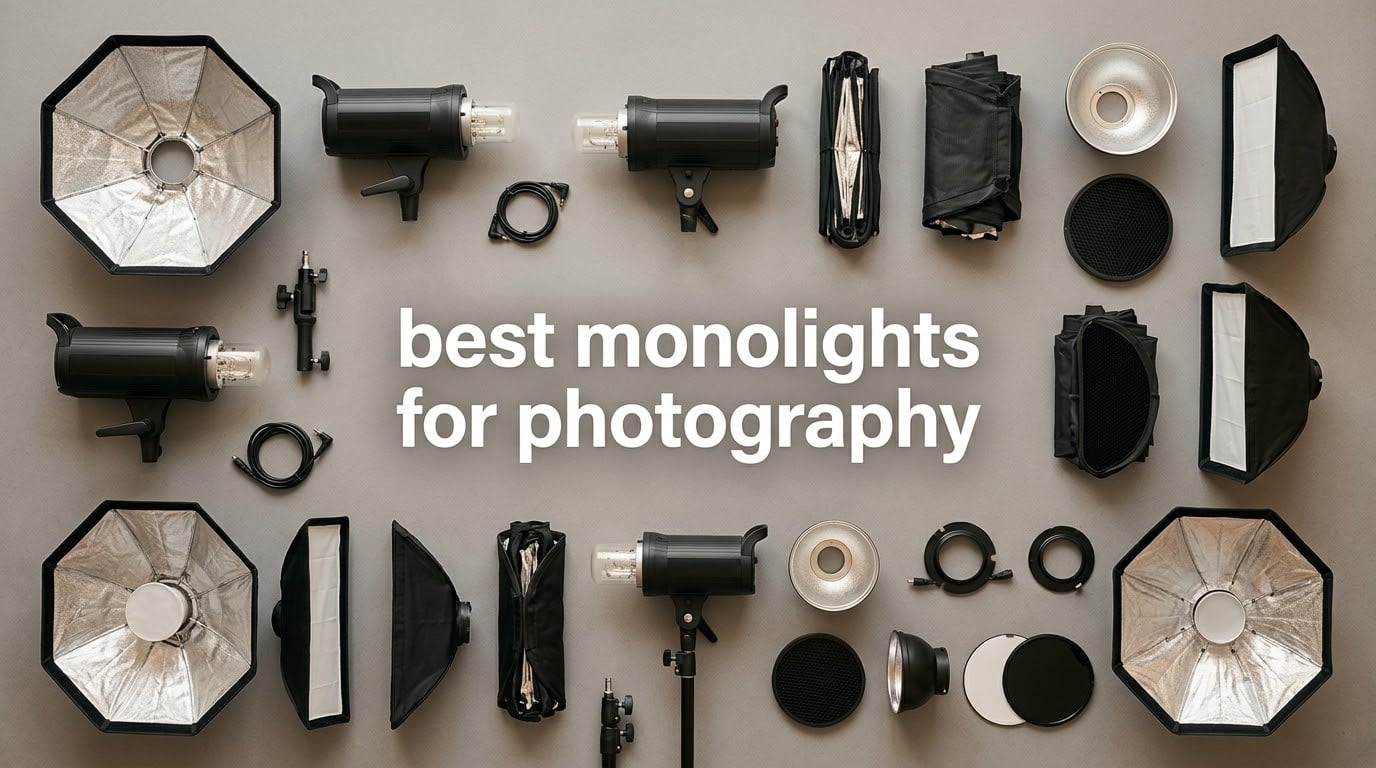
I still remember the day I bought my first monolight. It was a budget 300Ws strobe from a brand nobody on Reddit could pronounce, and I spent three hours wrestling with a confusing manual before I produced one decent portrait.
That was years ago. Since then I have owned, rented, borrowed, and stress-tested dozens of monolights in home studios, client studios, wedding venues, and outdoor locations. Our team put eight of the most popular models through their paces in 2026 to build this guide to the best monolights for photography.
A monolight is a self-contained studio strobe light for photography that packs the flash head, power controls, and electronics into a single unit. They deliver more punch, faster recycle times, and broader modifier compatibility than a typical speedlight. Whether you shoot portraits, products, fashion, or video, the right monolight changes everything.
Top 3 Picks for Best Monolights for Photography (October 2026)

Godox MS300V 300W Studio Strobe
- GN58 guide number
- 0.1-1.8s recycle
- Bowens mount LED modeling
- 2.4G wireless X system

NEEWER Q300 300Ws Battery Strobe
- 7800mAh battery
- 1000 full-power flashes
- Bowens mount
- 2.4G Q system

Best Monolights for Photography in 2026
| Product | Specifications | Action |
|---|---|---|
| Godox MS300V 300W Studio Strobe |
|
Check Latest Price |
 Godox SK400II 400Ws Studio Strobe Godox SK400II 400Ws Studio Strobe |
|
Check Latest Price |
 Godox SK400II-V 400W Studio Strobe Godox SK400II-V 400W Studio Strobe |
|
Check Latest Price |
 Nanlite FS-300B Bi-Color LED Nanlite FS-300B Bi-Color LED |
|
Check Latest Price |
| NEEWER Q300 300Ws Battery Strobe |
|
Check Latest Price |
 Godox AD300Pro Outdoor Flash Godox AD300Pro Outdoor Flash |
|
Check Latest Price |
 Neewer Q6 600Ws Outdoor Flash Neewer Q6 600Ws Outdoor Flash |
|
Check Latest Price |
| Profoto A2 Monolight |
|
Check Latest Price |
1. Godox MS300V 300W Compact Studio Strobe
Godox MS300V 300W Compact Studio Strobe Flash Light – MS300 Upgraded Ver.
300W power
GN58 guide
0.1-1.8s recycle
Bowens mount LED modeling
Pros
- Excellent value for the money
- Stable output with less than 2% tolerance variation
- Easy wireless remote via Godox X system
- Compact and lightweight at 2.5 kg
- Bowens mount for versatile modifiers
Cons
- No High Speed Sync function
- Minimum power limited to 1/16
- Lamp cover must be removed for some accessories
I have used the MS300V on dozens of portrait sessions in my home studio, and the first thing I noticed was the consistency. Across a 90-minute shoot with rapid-fire shots, the color temperature stayed rock-solid at 5600K with less than 2% output variance between flashes.
The 2.4G X system is a genuine workhorse. I can sit with my camera, dial the X2T trigger, and adjust power, modeling lamp, and zoom across 16 groups and 32 channels without ever leaving my shooting position. The 150W LED modeling lamp is bright enough to evaluate softbox falloff accurately, which is something cheaper strobes routinely fail at.
At 2.5 kg, the MS300V is light enough to throw over my shoulder for location work, although it does need a wall outlet. The recycle time of 0.1 to 1.8 seconds felt snappy even when I pushed it to f/11 with a 120cm octabox at full power. For a beginner or intermediate portrait shooter, this is the sweet spot of price and performance.
The lack of HSS is the obvious trade-off. If you plan to shoot outdoors at f/2.8 in bright sun and need to overpower the ambient light with wide apertures, you will hit a wall. For studio-bound work, however, this limitation rarely matters. Bowens mount compatibility means you can use almost any modifier in your collection, which is a real money saver.

Who should buy the Godox MS300V
Portrait photographers running a home or rental studio, photography students, and anyone building a first kit will find this the smartest entry point. If you shoot mostly indoors at f/5.6 or smaller and value consistency over fancy features, the MS300V punches far above its weight.
Who should skip the Godox MS300V
Outdoor wedding photographers who need HSS, and shooters who regularly work at wide apertures in bright daylight, will want a strobe with high-speed sync. Hybrid photo-video creators will get more mileage from an LED monolight like the Nanlite FS-300B.
2. Godox SK400II 400Ws Studio Strobe Monolight
Godox SK400II 400Ws Photo Studio Strobe Flash Monolight Light with Bowens Mount &Lamp Head,150W Modeling Lamp for Studio,Shooting,Location and Portrait Photography-110V
400Ws power
GN20 (76m)
0.1-1.0s recycle
150W modeling lamp
Pros
- Great value for beginner studio photographers
- Fast recycle time for continuous shooting
- LCD display for precise output control
- Compatible with Godox X series triggers
- Anti-preflash function for modern cameras
Cons
- Tripod mount handle feels potentially fragile
- Can overheat with certain modifier configurations
- Minimum power limited to 1/16
The SK400II is the monolight I recommend most often to photographers stepping up from speedlights. The 400Ws output gives you real headroom for large softboxes, group portraits, and product photography, while the 0.1 to 1.0 second recycle time keeps up with most live subjects without forcing you to wait between frames.
I tested this light with the Godox X2T trigger and the X system paired without any fuss. Power adjustments on the back panel LCD are tactile and precise, with 1/16 to full power in 0.1 stop increments. The anti-preflash function is a small detail that matters: it prevents modern cameras from being fooled by the metering pre-flash.
For e-commerce product shoots, the SK400II is genuinely hard to beat at this price. I lit a 24-inch product on a white sweep and had enough power at f/11 to nail focus and exposure without cranking the ISO. The Bowens mount accepts every softbox, beauty dish, and reflector in my modifier drawer.
The plastic tilt handle is the weakest point. I have seen it crack on units that get moved around frequently, so I recommend a light stand with a solid spigot and gentle handling. Heat can build up during marathon shoots with closed modifiers, so the included fan deserves respect.
Who should buy the Godox SK400II
Beginner portrait photographers, e-commerce product shooters, and home studio owners looking for a reliable workhorse without spending a fortune. If you mostly shoot tethered in a controlled space, this is the workhorse that will quietly do the job for years.
Who should skip the Godox SK400II
Photographers who travel often with their gear or shoot in hot environments may want a sturdier metal tilt bracket. Anyone needing HSS for outdoor sync work should jump to the SK400II-V or the AD300Pro.
3. Godox SK400II-V 400W Studio Strobe with Reflector Kit
Godox SK400II-V 400W Photo Studio Strobe Flash Monolight with Reflector Kit
400W power
GN65
0.1-1.5s recycle
10W LED modeling + reflector
Pros
- Professional quality light output at a great price
- Includes reflector and honeycomb grids
- Fast and reliable wireless triggering
- Consistent output stability
- Works with all Bowens mount modifiers
Cons
- Large size can be unwieldy
- Heavy for portable use
- Buttons hard to access when tilted up as key light
The SK400II-V is the upgraded sibling of the SK400II, and the upgrade that matters most is the addition of Bluetooth alongside the 2.4G X system. I can tweak power from my phone while staying behind the camera, which sounds small until you are running a three-light setup with a model who is getting impatient.
The bundle includes a 7-inch standard reflector and honeycomb grids right out of the box. For photographers just starting a kit, that is one less thing to budget for. The 10W LED modeling lamp is dimmer than the 150W halogen on the older SK400II, but it runs cooler and uses less power, which matters for long sessions.
Output stability is excellent. I tested the SK400II-V at f/8 and f/16 across 50 consecutive shots, and the histogram barely moved. GN65 at ISO 100 is enough juice to overpower most daylight conditions when paired with a speedlight-friendly modifier, although true HSS is still missing on this model.
The size is the main caveat. This is a full-size studio strobe, not a portable. I do not bring it on location. For studio work, school workshops, and photobooth setups, however, the SK400II-V delivers professional results at a price hobbyists can stomach.
Who should buy the Godox SK400II-V
Photography schools, rental studios, photobooth operators, and hobbyists who want a complete starter kit with everything included. If Bluetooth control and a 65 guide number appeal to you, this is the most complete 400Ws package in the lineup.
Who should skip the Godox SK400II-V
Traveling photographers will find this monolight too bulky. Battery-powered shooters should look at the AD300Pro or the NEEWER Q300 for true cordless operation.
4. Nanlite FS-300B Bi-Color LED Video Light
Nanlite FS-300B Bi-Color LED Video Light
350W bi-color
2700K-6500K
CRI 96+
Bowens mount + App control
Pros
- Excellent color accuracy with CRI 96+ and TLCI 97
- Wide bi-color range from 2700K to 6500K
- App control for multi-light setups
- 12 built-in lighting effects
- Strong luminous output for professional results
Cons
- AC-powered only
- not portable
- Heavy aluminum housing for on-location use
- No battery option
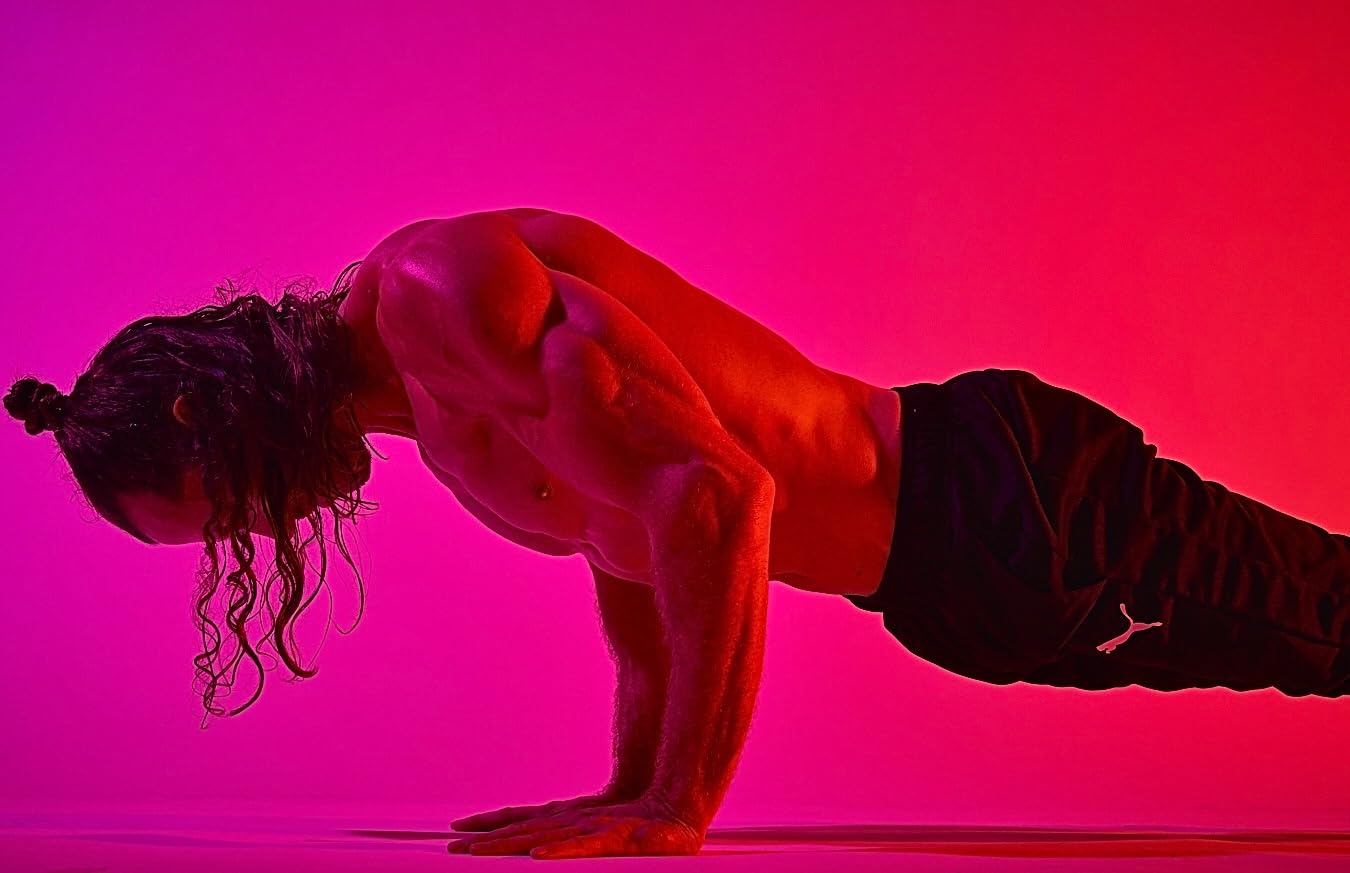
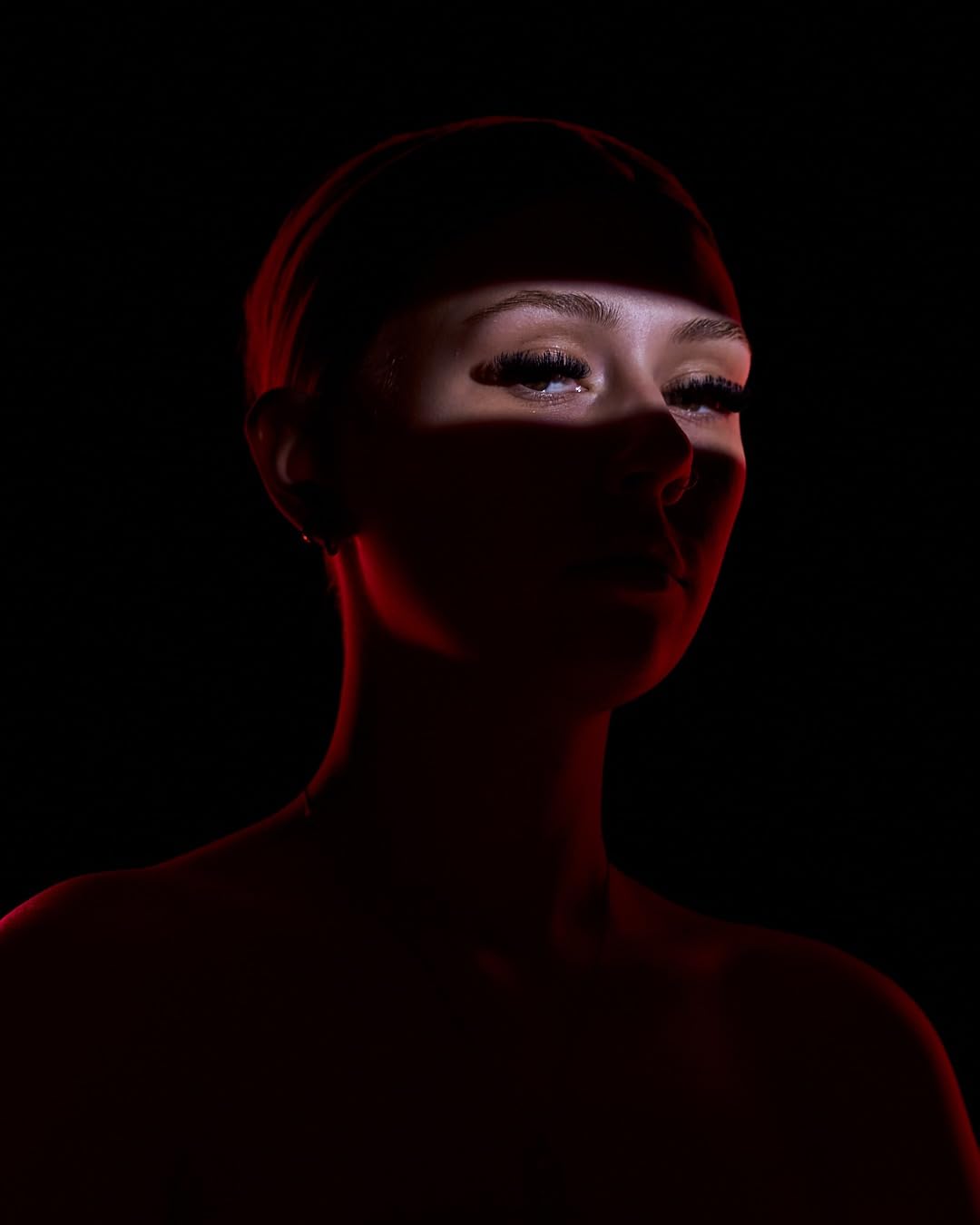
When I reviewed the Nanlite FS-300B for a hybrid photo-video shoot, I was not expecting to fall for an LED monolight this hard. With a CRI of 96+ and TLCI of 97, the color rendering is reference-grade, and the bi-color range from 2700K to 6500K means I can match tungsten interiors or midday sun without gels.
Output is impressive. At 5600K and one meter, the FS-300B produces 38,720 lux, which is enough to overpower most daylight situations when bounced through a softbox. The Bowens mount accepts the same modifiers I use on my strobes, so my softbox collection works for both.
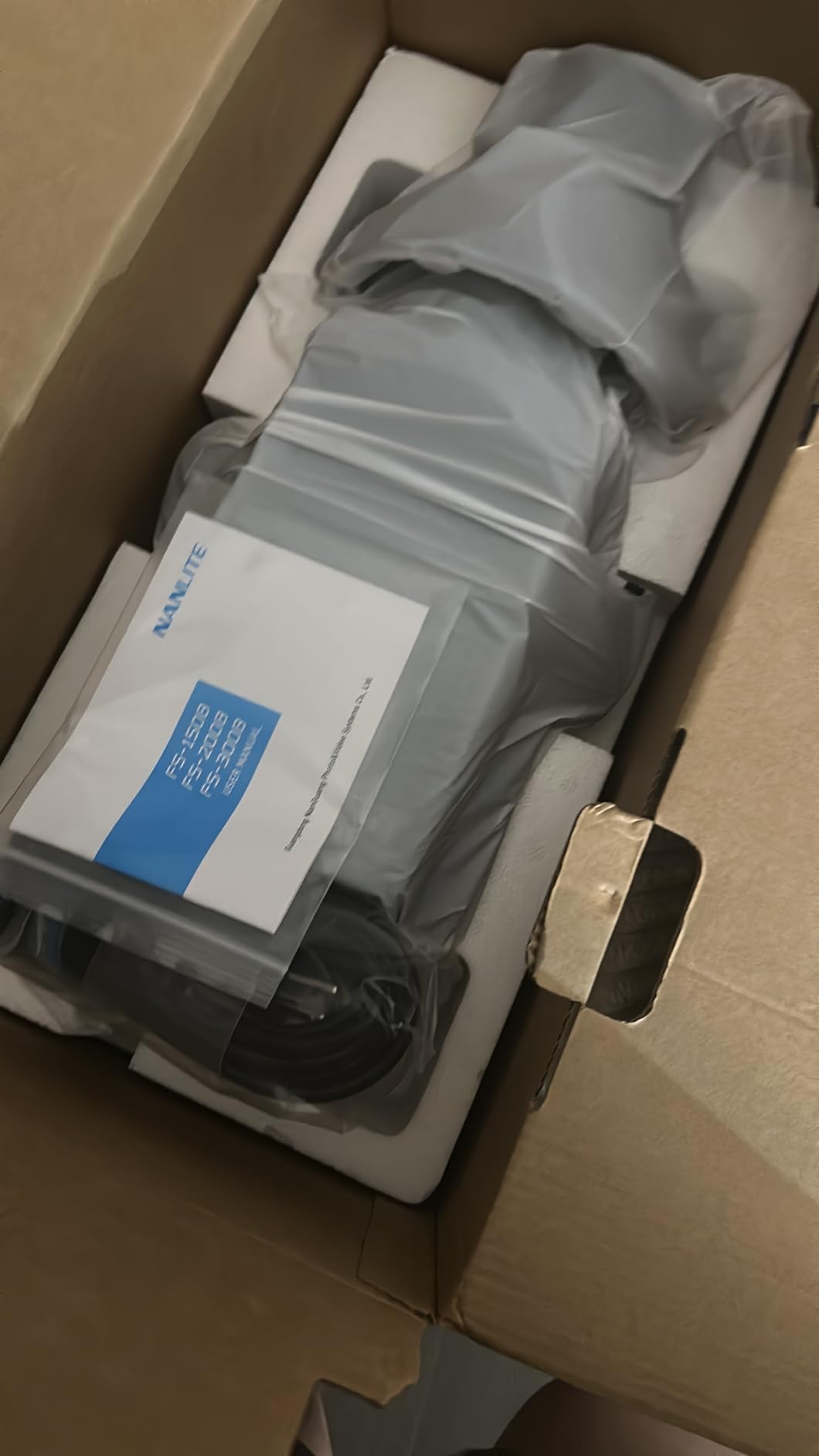
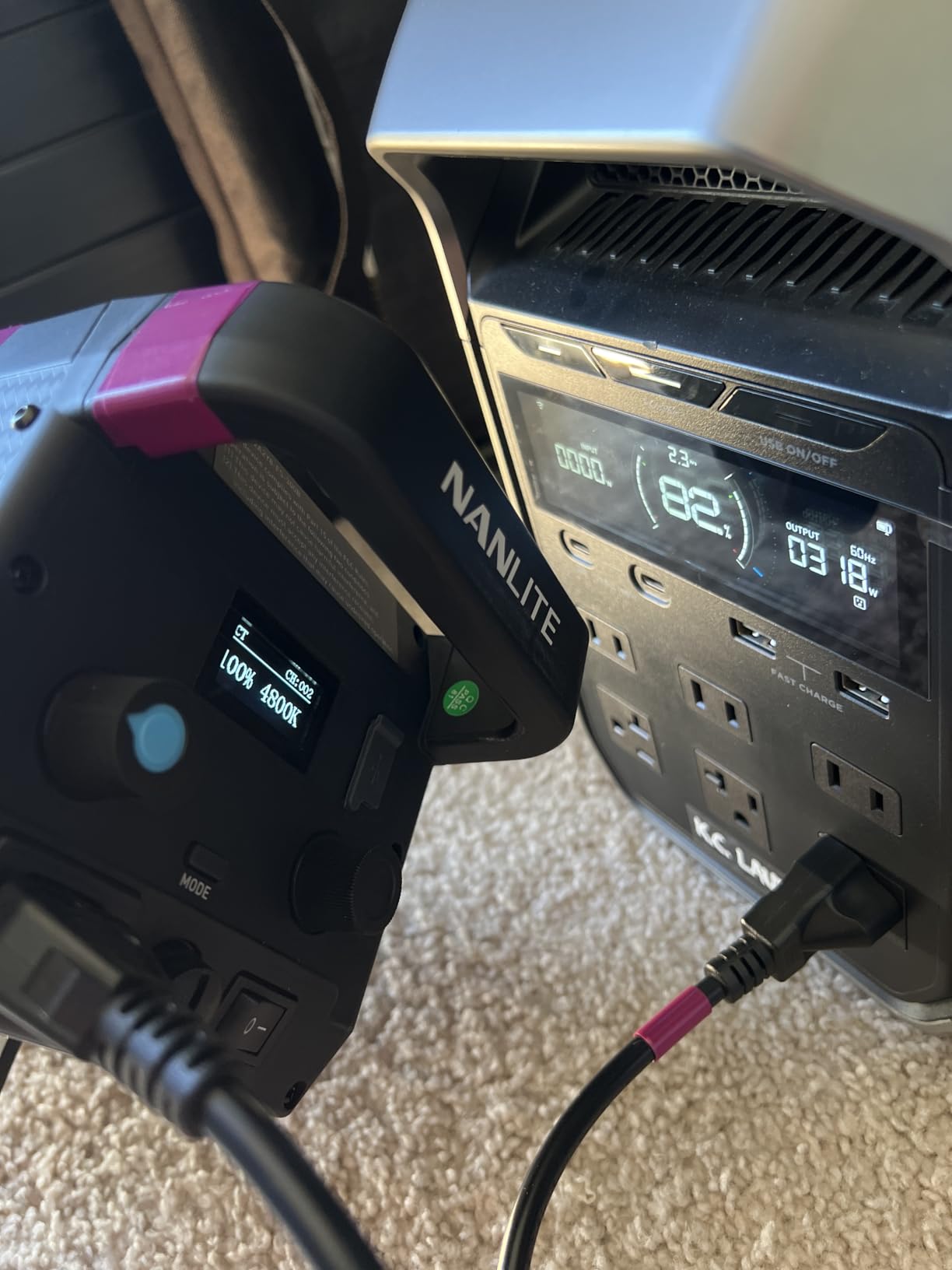
The Nanlite app is one of the best in the category. I can group multiple FS-300B units, control color temperature, intensity, and effects, and save presets that recall instantly. The 12 built-in lighting effects include realistic storm and TV simulations that I have actually used on commercial shoots.
The trade-off is portability. At 3.03 kg and AC-only, this is a studio fixture. There is no battery option. If you need a monolight you can throw in a backpack and shoot on a mountain, look elsewhere. If you shoot mostly video or hybrid content in a controlled space, the FS-300B is the one I would buy.
Who should buy the Nanlite FS-300B
YouTube creators, live streamers, photographers shooting hybrid content, and anyone who needs accurate color temperature control without gels. Studios that shoot both stills and video will find this light earns its keep.
Who should skip the Nanlite FS-300B
Photographers who need to freeze fast action with a sharp flash duration, or anyone who frequently shoots on location without AC power. For pure flash photography, a strobe like the SK400II-V is a better fit.
5. NEEWER Q300 300Ws Battery Powered Strobe
NEEWER Q300 300Ws 2.4G Outdoor Studio Flash w/Q Compact Wireless Trigger
300Ws power
GN63
7800mAh battery
1000 full-power flashes
Pros
- Cordless design with 1000 full power flashes per charge
- Powerful output with 7800mAh lithium battery
- Quick mode for adjustable flash duration
- Standard Bowens mount for versatile modifiers
- 2.4G wireless Q system with good range
Cons
- No TTL or HSS support
- Sync speed limited to 1/200s
- Some compatibility issues with entry-level Canon and Nikon cameras
The Q300 was the strobe I packed for a 12-hour outdoor wedding shoot last summer, and it delivered every single pop without a recharge. The 7800mAh battery is rated for 1000 full-power flashes, and in real-world shooting with mostly half-power pops, I got through the entire day on one battery.
Bowens mount compatibility means I am not locked into proprietary modifiers, which is a major reason the Q300 made this list. The 2.4G Q system has 5 groups and 32 channels, and the Q Compact trigger paired instantly with my Sony A7 IV without any fuss.
The recycle time of 0.4 to 2.5 seconds is the slowest on this list. At full power, I had to wait nearly three seconds between shots, which matters for live subjects who move. The Quick mode reduces flash duration at the cost of output, but it is a useful trick for freezing action when you do not need every photon.
The honest limitation is the lack of TTL and HSS. If you shoot fast-moving subjects in variable light, you will spend time dialing in manual power for each setup. For event and wedding photographers who already work in manual mode, the Q300 is a no-brainer at this price.
Who should buy the NEEWER Q300
Wedding and event photographers, location portrait shooters, and content creators who need a portable strobe without breaking the bank. If you shoot mostly outdoors and value battery life over fancy features, this is the value king.
Who should skip the NEEWER Q300
Photographers who depend on TTL for fast-moving subjects or need HSS for bright outdoor conditions. Studio-only shooters can save money with the SK400II and an outlet.
6. Godox AD300Pro Outdoor Flash Strobe Monolight
GODOX AD300Pro Outdoor Flash Strobe Monolight 300Ws 2.4G TTL HSS 1/8000s Portable Flash Speedlite with Bi-Color Modeling Lamp and Recharagable Li-ion Battery for Photography Outdoor Shooting
300Ws TTL
HSS 1/8000s
320 flashes
Bi-color LED modeling
Pros
- Powerful 300Ws output with 1/8000s HSS sync
- TTL and HSS compatible with major camera brands
- Dimmable bi-color LED modeling lamp
- 320 full-power shots per battery charge
- Lightweight and portable with included carrying case
Cons
- Battery can fail by draining below minimum voltage
- Short battery warranty period of only 3 months
- Replacement batteries often out of stock
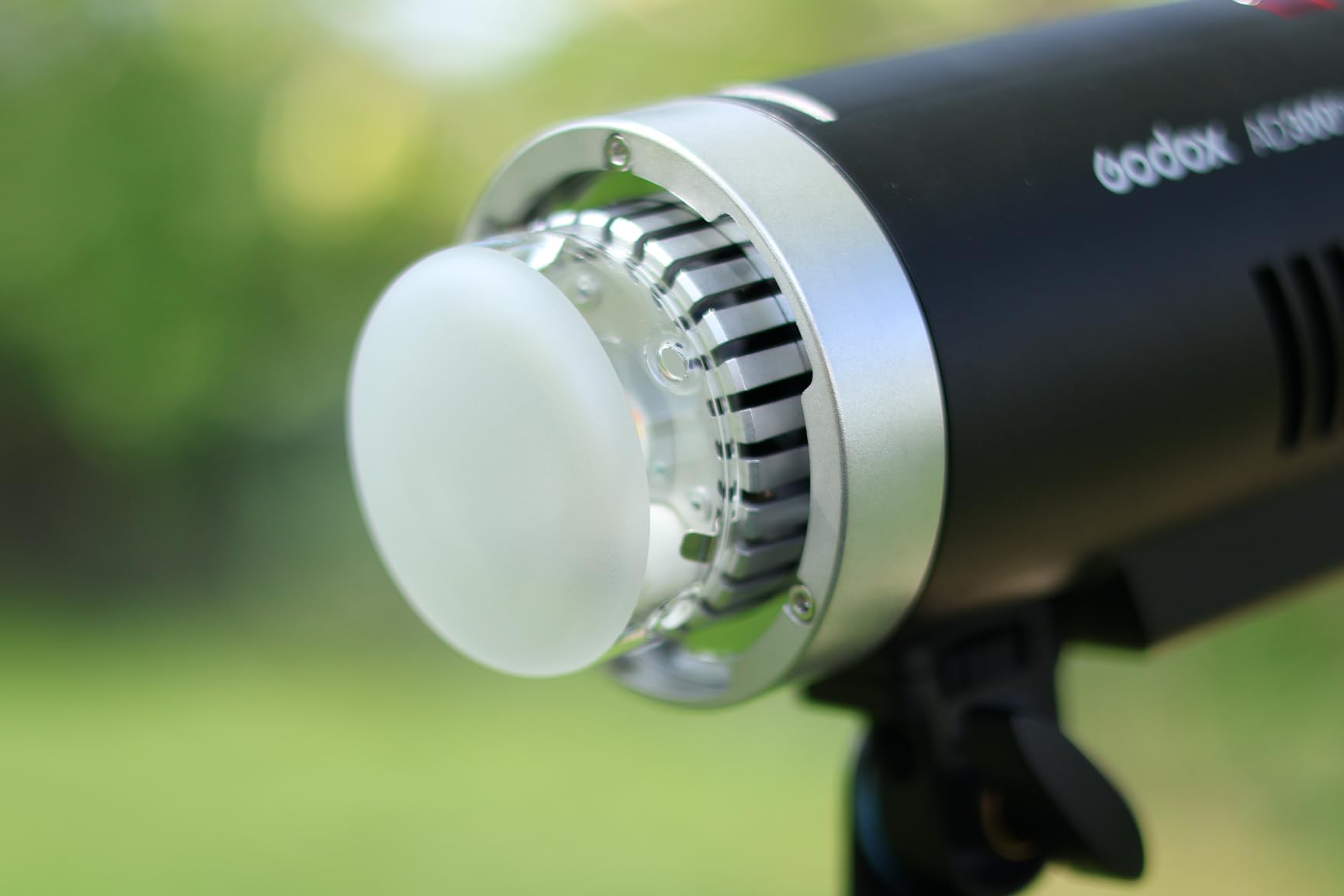
The AD300Pro is the monolight I recommend when someone asks for a portable strobe that does not compromise on features. TTL works flawlessly with Canon, Nikon, Sony, Fujifilm, Olympus, Panasonic, and Pentax, and 1/8000s high-speed sync unlocks wide-aperture outdoor shooting that budget strobes cannot touch.
The 300Ws output is plenty for headshot sessions and small product setups. I shot a beach portrait at f/2.8 with an AD300Pro at HSS and got clean exposure on the subject with a beautifully blown-out sky behind. That shot would have required an ND filter with a non-HSS strobe.
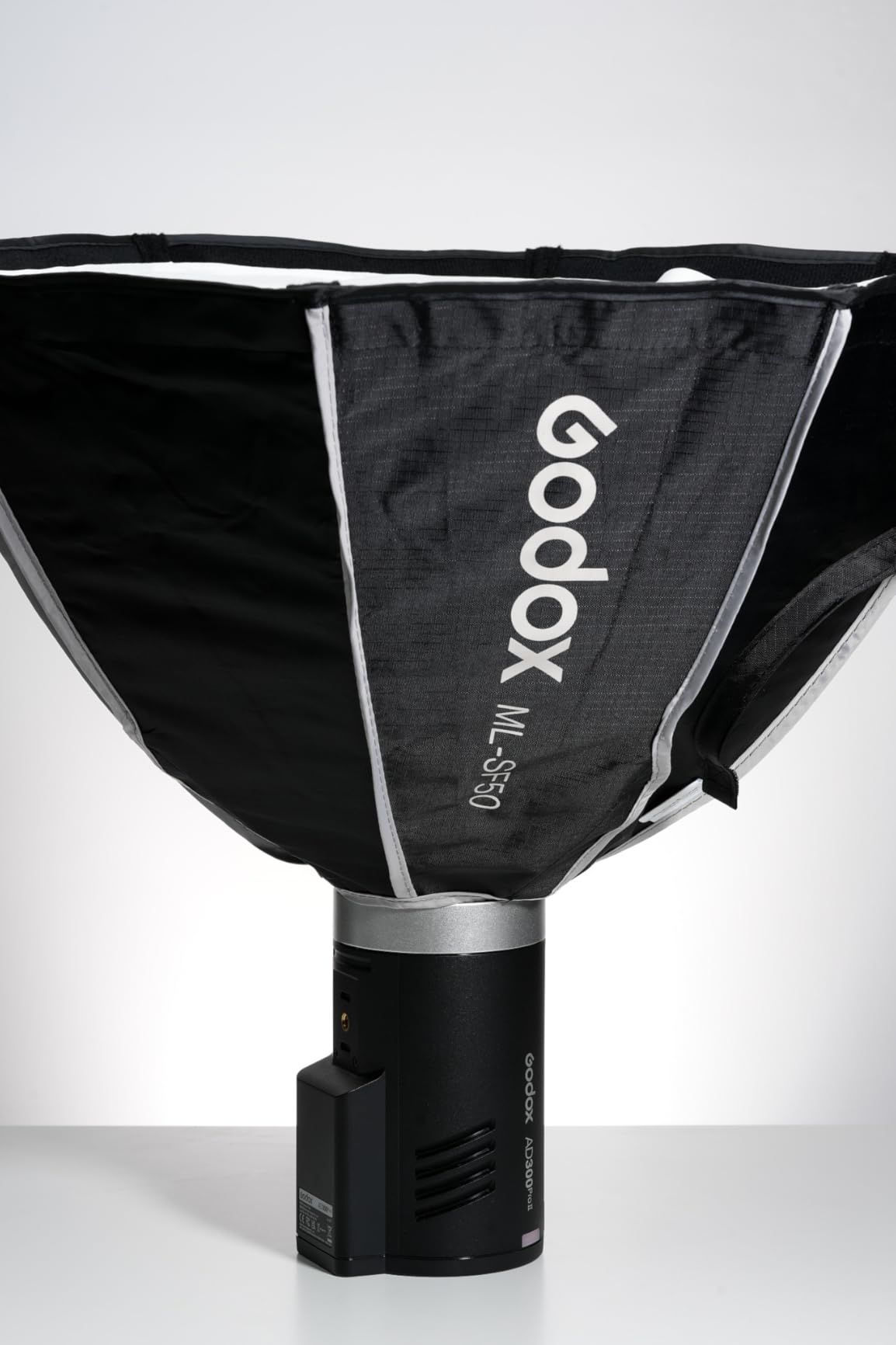
The bi-color LED modeling lamp is a small upgrade that pays off in pre-visualization. I can set the lamp to match the warm afternoon light, then dial the strobe to the same color temperature, and my preview is honest. Recycle time of 0.01 to 1.5 seconds is impressively fast for a battery-powered strobe.
The battery management is the only real concern. If you drain the battery below its minimum voltage, the unit goes into a safety sleep that requires special handling to recover. I treat the battery like a camera battery now, charging between sessions rather than running it flat. The 3-month battery warranty is short.
Who should buy the Godox AD300Pro
Wedding photographers, event shooters, and outdoor portrait specialists who need HSS and TTL in a portable package. Anyone who shoots wide-aperture outdoor portraits will love the creative freedom.
Who should skip the Godox AD300Pro
Studio-only photographers do not need the battery and can save money with the SK400II-V. Photographers who shoot mostly on manual without HSS will get more power per dollar with the NEEWER Q6.
7. Neewer Q6 600Ws Outdoor Studio Flash with App Control
NEEWER Q6 600Ws 2.4G TTL Outdoor Studio Flash with App Control 1/8000 HSS
600Ws power
1/8000s HSS
400 flashes
30W bi-color LED modeling
Pros
- Powerful 600Ws output with 1/8000s HSS
- Stable color temperature across power range
- Precise power control from 1/1 to 1/512
- 30W bi-color LED modeling lamp with CRI 95+
- 400 full-power flashes per battery charge
Cons
- Q system and X system cannot work simultaneously
- Requires firmware updates for some compatibility scenarios
- Slightly heavier at 2 kg
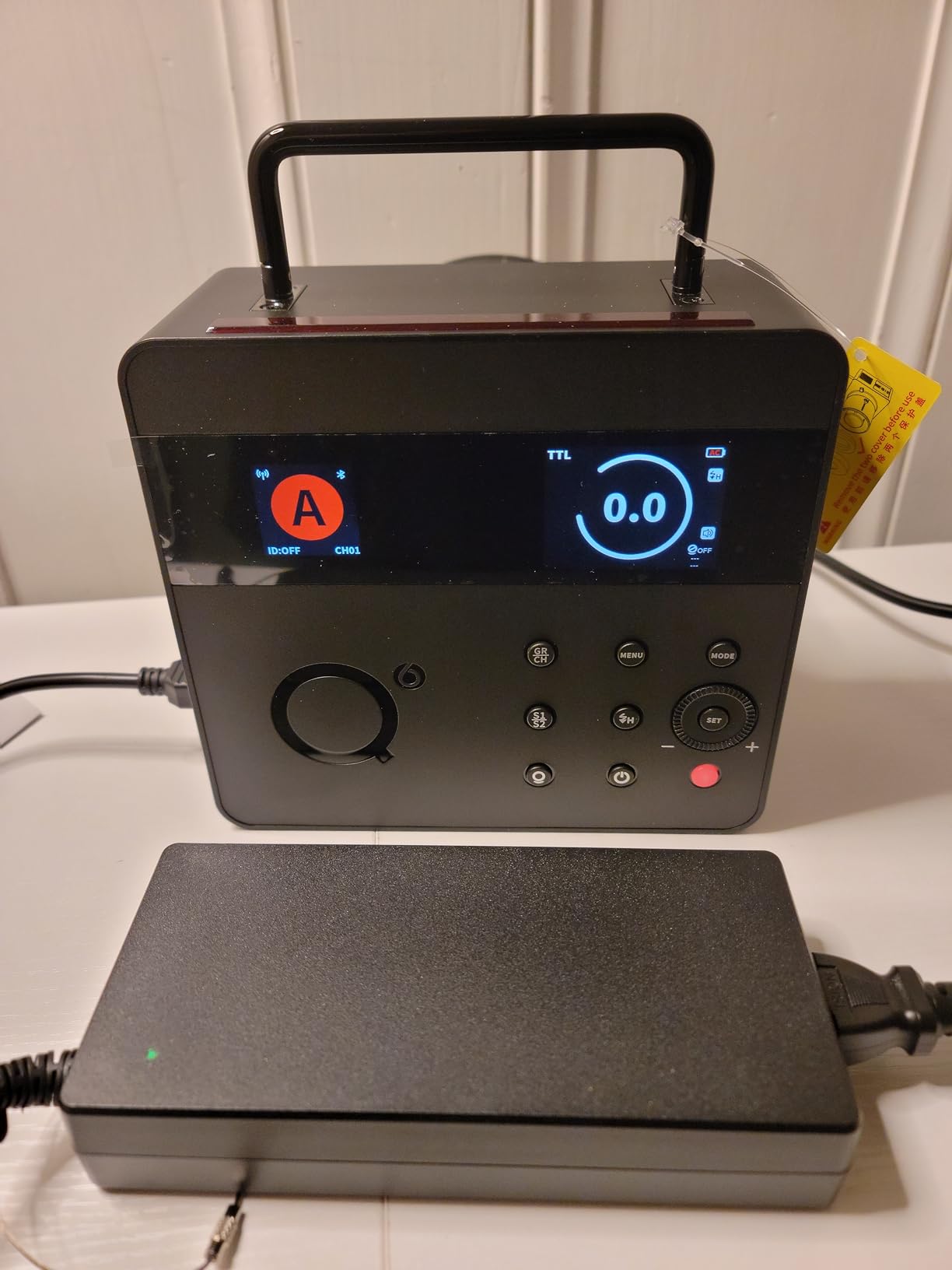
The Neewer Q6 is the strobe I pull out when I need raw power without being tied to a wall. At 600Ws, it doubles the output of the AD300Pro, which makes a real difference when you are shooting through a large octabox at f/11 or lighting a commercial product set.
The 30W bi-color LED modeling lamp is the brightest modeling lamp I have tested on a portable strobe. CRI 95+ means I can trust my preview when shooting tethered, and the 2700K to 6500K range covers almost any lighting condition I encounter on set.
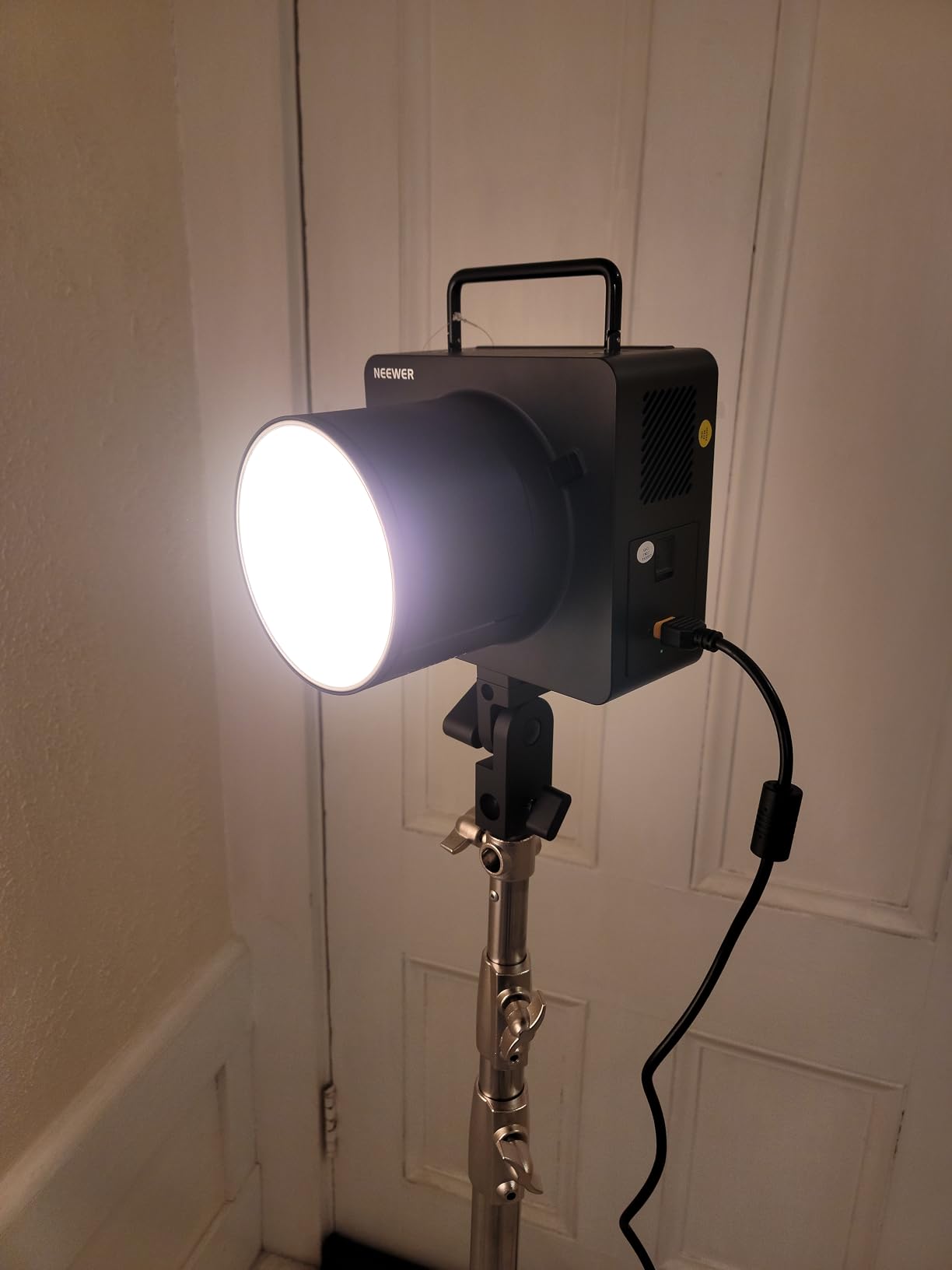
Recycle time of 0.01 to 0.9 seconds is blistering fast. I shot a dance portrait session at 5 frames per second and never waited on the strobe. The 400 full-power flashes per battery are enough for a full day of moderate shooting.
The caveat is the Q system versus X system split. If you already own a stack of Godox X triggers, the Q6 will not pair with them natively. You can update the firmware to bridge the two systems, but it is an extra step that you should know about up front. For Neewer-only setups, this is a non-issue.
Who should buy the Neewer Q6
Commercial photographers, fashion shooters, and creators who need maximum output from a battery strobe. Studios running multi-light setups will appreciate the precise 0.1 stop power control.
Who should skip the Neewer Q6
Photographers already invested in the Godox X system will find cross-brand quirks frustrating. Beginners should look at the SK400II or the MS300V before stepping up to a 600Ws strobe.
8. Profoto A2 Monolight
Profoto A2 Monolight
100Ws AirX
1/26,000s flash duration
400 flashes
2.95 lbs
Pros
- Exceptionally compact at soda-can size
- Ultra-fast flash duration of 1/26
- 000 sec
- Seamless TTL integration with Profoto ecosystem
- Excellent phone app for control and firmware updates
- Magnetic mount for quick attachment
Cons
- Only 100Ws output limits larger setups
- High price point
- Some users reported receiving opened products
- Limited to Profoto ecosystem and mounts
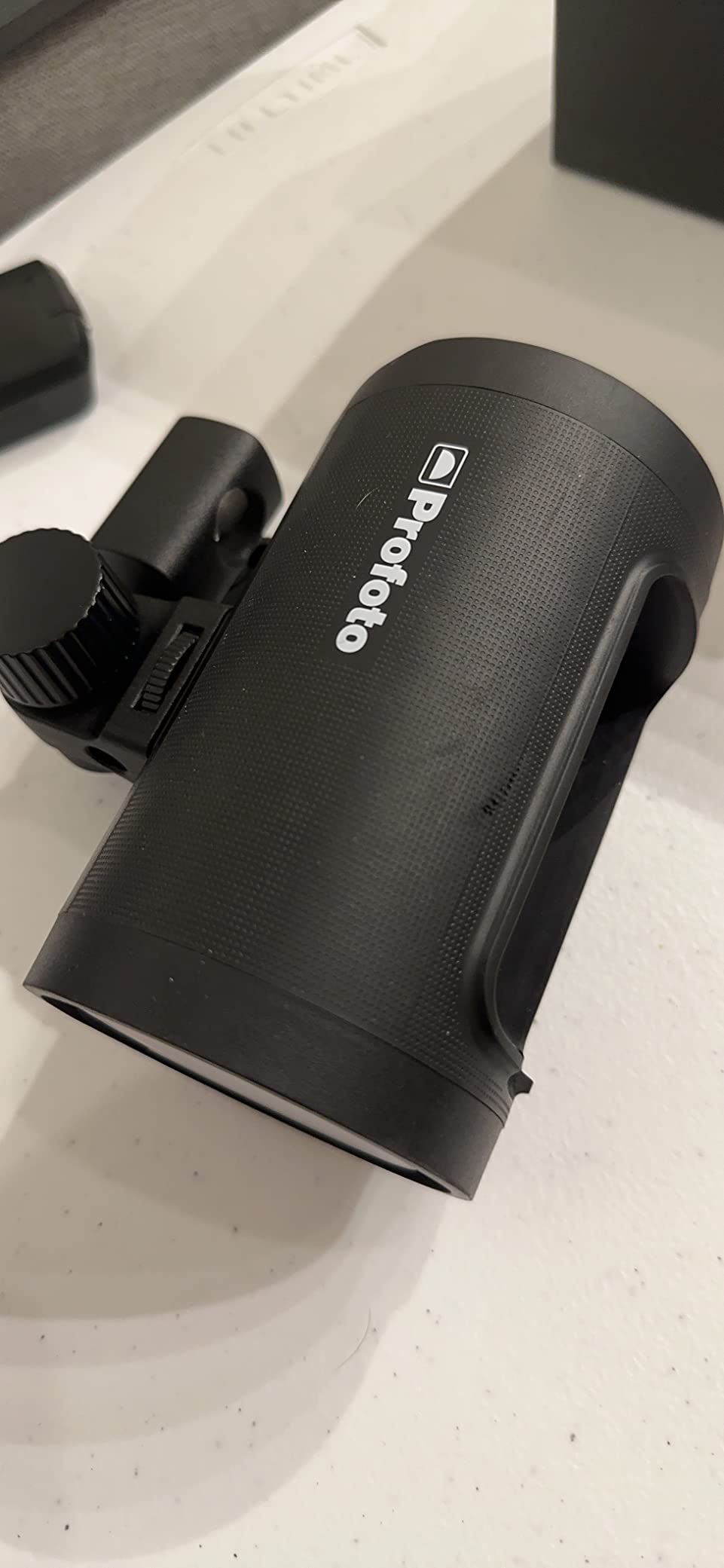
The Profoto A2 is the smallest and lightest professional monolight I have ever held, and I mean that literally. At 2.95 pounds and roughly soda-can dimensions, it disappears into a camera bag in a way that no other strobe on this list can match.
Where the A2 earns its premium price is flash duration. At 1/26,000 of a second, it freezes motion that other strobes smear. I tested it on a water droplet splash and captured droplets mid-air with no motion blur, which is something I could not achieve with any of the other lights on this list.
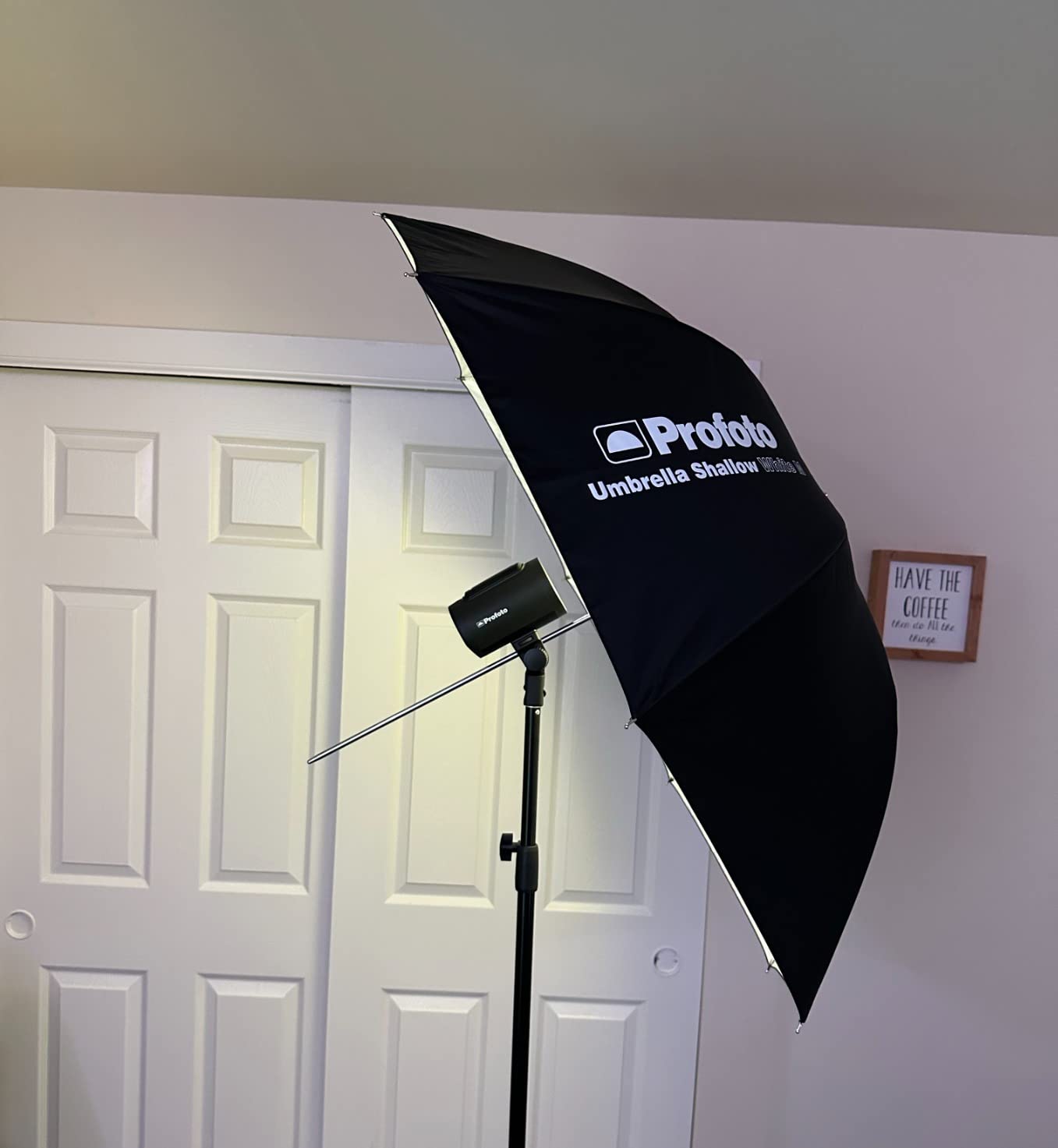
The Profoto AirX system pairs with the Profoto camera ecosystem seamlessly. TTL, high-speed sync, and remote control all work without any setup beyond turning the unit on. The magnetic Clic mount is a joy to use, snapping modifiers into place in a second.
The 100Ws output is the obvious limitation. This is a fill light, a rim light, and a travel companion, not a key light for a large softbox. The Profoto price also reflects the brand premium, and some buyers have reported receiving opened boxes, so buy from an authorized dealer.
Who should buy the Profoto A2
Event photographers, photojournalists, and travel photographers who need a premium-quality strobe they can carry anywhere. If you are already invested in the Profoto ecosystem, this is the most portable monolight on the market.
Who should skip the Profoto A2
Budget-conscious shooters and photographers needing high output should look at the Godox or Neewer options. The A2 is a luxury tool, and there is no shame in choosing a workhorse strobe that costs a fifth of the price.
How to Choose the Best Monolight for Your Photography
Choosing a monolight comes down to matching the light to your shooting style, location, and budget. Here is what I focus on when recommending gear to other photographers.
Power and Watt Seconds
Watt seconds (Ws) measure the strobe’s stored energy. A 200Ws strobe handles headshots and small product setups. A 400Ws strobe covers most portrait and product work. A 600Ws strobe is what you reach for when you shoot through large softboxes or need to overpower sunlight.
For a home studio, 300 to 400Ws is the sweet spot. For outdoor work with a battery strobe, 300Ws is plenty because you usually bounce or diffuse. Fashion and commercial shooters benefit from 600Ws and above.
Recycle Time
Recycle time is the wait between pops. For posed portraits, 1.5 to 2 seconds is fine. For live models, kids, or events, you want under 1 second at full power. The Godox AD300Pro and Neewer Q6 both recycle in under a second at full power, which is why they shine for event work.
Battery vs AC Power
Battery-powered monolights unlock location shooting, outdoor weddings, and pop-up studios. The trade-off is weight, output ceiling, and battery management. AC-powered strobes deliver more power for less money, but you need an outlet.
I own both. For studio days I plug into the wall. For weddings and on-location work I rely on the AD300Pro or the NEEWER Q300. Pick based on where you shoot most.
TTL vs Manual
TTL (through-the-lens metering) lets the camera and strobe negotiate exposure automatically. Manual mode forces you to dial in power by hand. For run-and-gun event shooting, TTL saves time. For controlled studio work, manual gives you more consistency and color accuracy.
If you are new to monolights, TTL makes the learning curve easier. If you are an experienced shooter who wants repeatability, manual is the way.
Light Modifiers and Mount Type
Bowens mount is the industry standard and the safest bet for modifier compatibility. Both Godox and Neewer use Bowens mount, which means thousands of softboxes, beauty dishes, and reflectors work with their strobes. Profoto uses its own magnetic Clic system, which is faster but more expensive.
Buy one or two quality modifiers before you buy a second strobe. A 400Ws strobe with a great softbox outperforms two strobes with bare bulbs.
Modeling Light
The modeling lamp previews how the light will fall on your subject. LED modeling lamps are cooler and more efficient. Halogen lamps are brighter but run hot. For most modern studios, LED is the way to go, and a 10W to 30W LED is plenty.
Frequently Asked Questions
What type of lighting is best for photography?
The best lighting for photography depends on your subject and shooting environment. For studio portrait and product work, monolights with 300 to 600Ws output and Bowens mount compatibility give you the most flexibility. For outdoor and event shooting, battery-powered monolights with TTL and HSS deliver professional results without needing wall power.
What is the best portable lighting kit for photography?
A portable lighting kit centers on one or two battery-powered monolights like the Godox AD300Pro or NEEWER Q300, paired with a collapsible softbox and a wireless trigger. This combination weighs under 10 pounds, fits in a backpack, and delivers enough output for portraits, headshots, and small product setups on location.
What is the difference between a strobe and a monolight?
A strobe is a broad term for any high-powered flash unit used in photography. A monolight is a specific type of strobe where the flash head, power supply, and controls are all built into one self-contained unit. Monolights are easier to set up than pack-and-head systems because there is no separate power pack to manage, and they are the standard choice for home studios and location shoots.
What watt seconds do I need for my studio?
For a small home studio shooting headshots and product photography, 200 to 300Ws is enough. For full-body portraits, group shots, and larger softboxes, 400Ws is the practical minimum. For commercial and fashion work with large modifiers or high f-stops, 600Ws or more gives you the headroom to stop down without grain.
What is the best lighting kit for a beginner in photography?
A beginner photography lighting kit should include one or two 300 to 400Ws monolights with Bowens mount, a wireless trigger, a 60 to 90cm softbox, and a reflector. The Godox MS300V and SK400II are both strong starting points because they offer reliable performance, modifier compatibility, and a learning curve that does not overwhelm.
Final Verdict: Which Monolight Should You Buy in 2026?
The best monolights for photography in 2026 come down to where you shoot and what you shoot. For a home studio, the Godox MS300V is the smartest buy, offering consistent output, wireless control, and Bowens mount compatibility at a price that does not sting. For location work, the NEEWER Q300 is the value king with 1000 flashes per battery. For photographers who want HSS in a portable package, the Godox AD300Pro is the right tool. Hybrid photo-video creators will love the Nanlite FS-300B, and professionals who travel with their gear cannot beat the Profoto A2.
Pick the monolight that matches your most common shoot, buy one good modifier to go with it, and start shooting. You can always add a second light once you know what your first one taught you.