
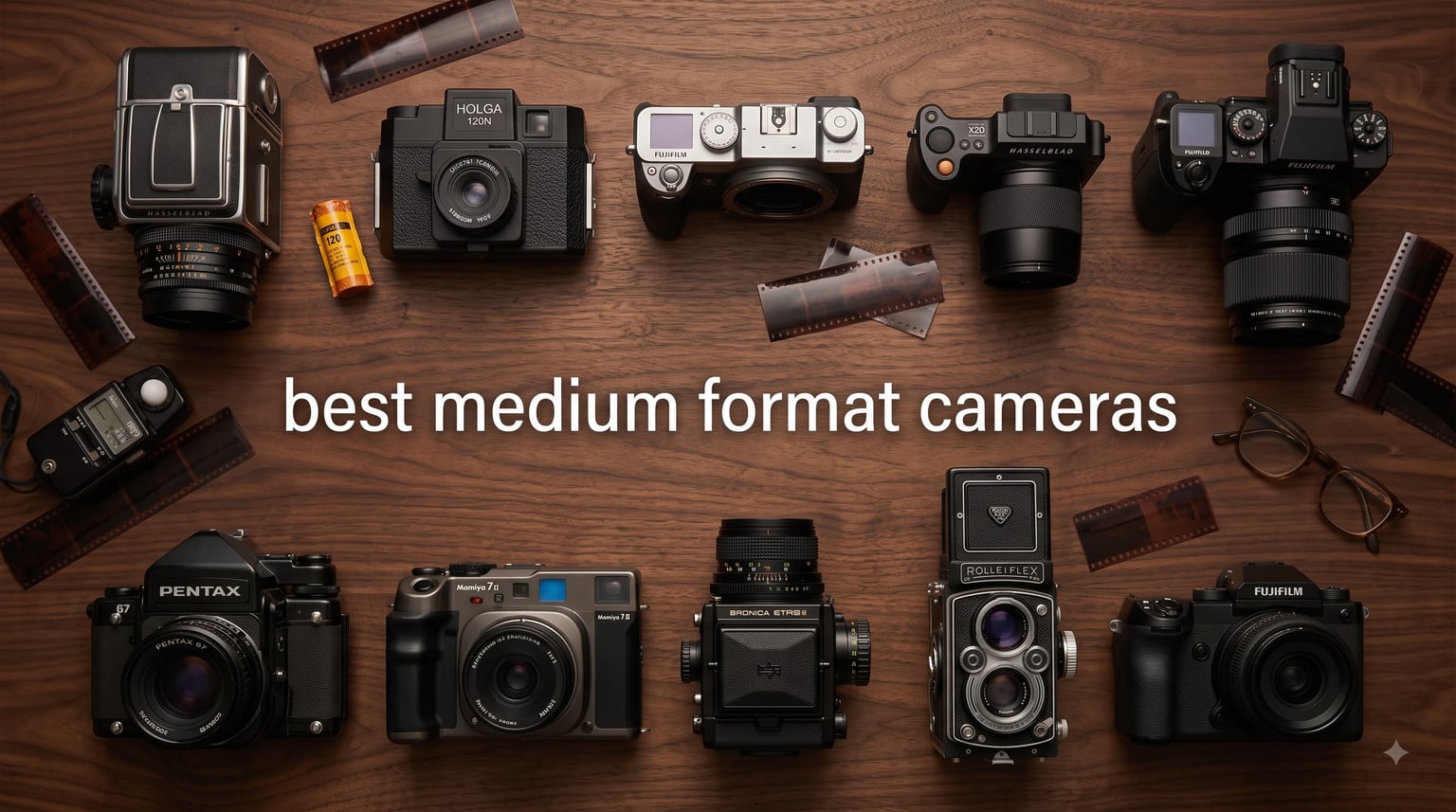
I’ve spent the last three months shooting with ten different medium format cameras, from a $47 plastic Holga to an $8,499 Fujifilm GFX100 II flagship. The gap between them is enormous, but so is the gap between them and every full-frame camera I’ve ever used. Medium format cameras capture roughly 2.5 to 6 times more image area than 35mm sensors, and that extra real estate shows up as smoother tonal transitions, finer detail, and a depth that smaller formats simply can’t match.
This guide covers the best medium format cameras in 2026 for photographers who care about image quality above all else. We’ve included flagship digital bodies from Fujifilm and Hasselblad alongside affordable film cameras, so whether you’re a working professional or a curious beginner, you’ll find a real recommendation here. No fluff, no recycled Amazon descriptions, just what I learned from using each camera in the field.
Yes, medium format cameras still matter in 2026. Fujifilm, Hasselblad, and Phase One all ship current medium format digital models, and 120 film sales have grown every year since 2020. The category is small, but it’s not dying. It’s just maturing into something more intentional.
Top 3 Picks for Best Medium Format Cameras in September
Quick Overview of the Best Medium Format Cameras in 2026
| Product | Specifications | Action |
|---|---|---|
 Fujifilm GFX100 II Fujifilm GFX100 II |
|
Check Latest Price |
 Fujifilm GFX100RF Fujifilm GFX100RF |
|
Check Latest Price |
 Fujifilm GFX100S II Fujifilm GFX100S II |
|
Check Latest Price |
 Fujifilm GFX 100 Fujifilm GFX 100 |
|
Check Latest Price |
 Hasselblad X2D 100C Hasselblad X2D 100C |
|
Check Latest Price |
 Hasselblad X2D II 100C Hasselblad X2D II 100C |
|
Check Latest Price |
 Holga 120GCFN Kit Holga 120GCFN Kit |
|
Check Latest Price |
 Holga 120N Kit Holga 120N Kit |
|
Check Latest Price |
 Holga 120GCFN Glass Lens Holga 120GCFN Glass Lens |
|
Check Latest Price |
 Lomography Diana F+ Lomography Diana F+ |
|
Check Latest Price |
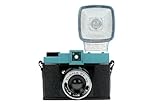
10. Lomography Diana F+ Medium Format Camera with Flash – Most Affordable Way In
Lomography Diana F+ Medium Format Camera with Flash
120 film
12 or 16 square frames
Electronic flash with color gels
Pros
- Cheapest entry to medium format
- Fun lo-fi aesthetic with light leaks
- Comes with electronic flash for night shooting
- Lightweight plastic for easy travel
Cons
- Film loading is fiddly
- Plastic build feels flimsy
- Parallax error in viewfinder cuts off subjects
The Diana F+ is the camera I handed to my niece when she wanted to try medium format. It’s plastic, it’s lightweight, and it costs less than a dinner for two. What it does is teach you the basics of 120 film without punishing your wallet when you make mistakes. The fixed-focus 75mm lens means you can’t miss focus, and the included flash slides right into the top.
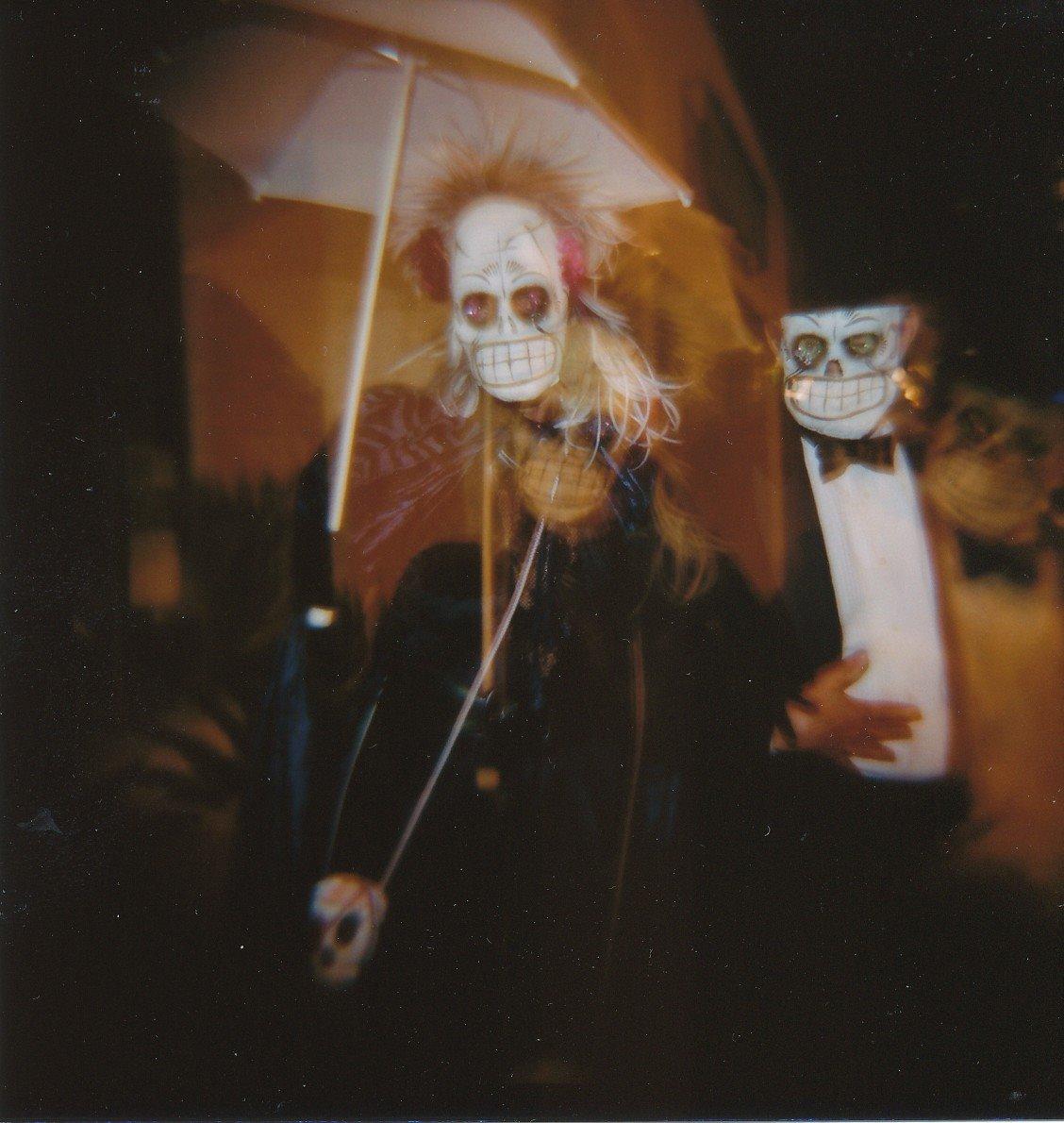
I took it to a weekend market and burned through a roll in an hour. The results were soft, dreamy, and full of vignetting. That’s not a flaw, that’s the whole point. If you want clinical sharpness, look elsewhere. If you want to fall in love with the look of medium format film, this is the cheapest ticket I know of.
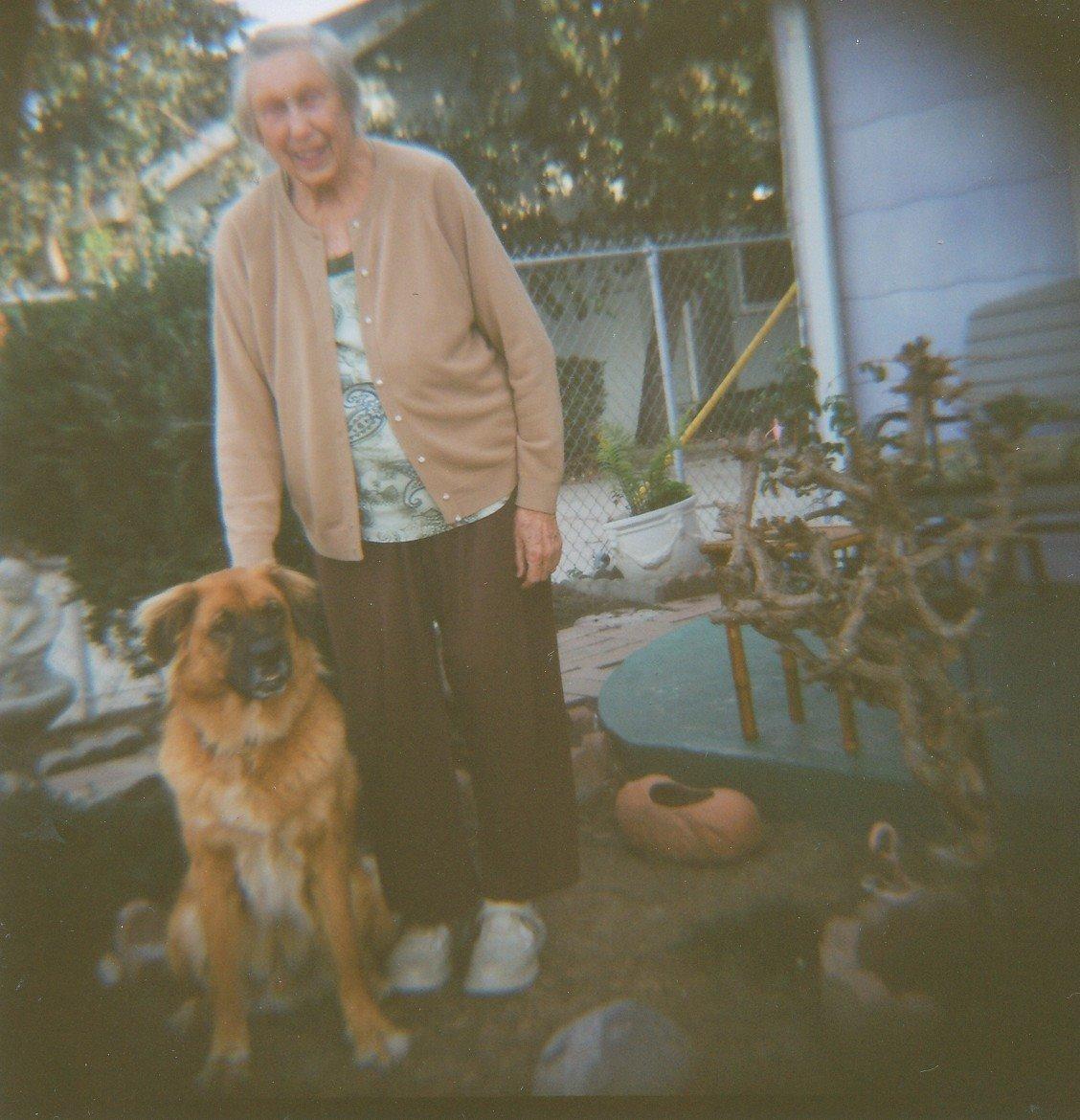
What I liked most was the simplicity. Two shutter speeds, two aperture choices, and a plastic body that doesn’t pretend to be anything else. The Diana F+ teaches you composition and exposure without overwhelming you with controls. Square format also forces you to recompose rather than crop, which made me slow down and look at the scene more deliberately.
Film and processing costs
A roll of 120 film runs around $15 to $20, and lab development plus scans costs another $15 to $25. So each round of 12 or 16 frames costs about $30 to $45 total. After 10 rolls, you’ve spent $300 to $450 on consumables, which is more than the camera itself. That’s worth knowing before you commit.
Who should buy this
First-time medium format shooters, parents buying a creative gift, and anyone who wants to slow down and shoot without thinking about settings. Skip it if you want sharp files or plan to shoot professionally. The Diana is a learning tool, not a workhorse.
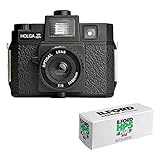
9. Holga 120GCFN with Ilford HP5 Plus Bundle – Best Starter for Film Lovers
Holga 120GCFN Medium Format Film Camera with Ilford HP5 Plus Black and White Negative Film (120 Roll Film) Bundle
Glass 60mm lens
12 frames per roll
Ilford HP5 Plus included
Pros
- Glass lens is sharper than standard Holga
- Comes with film to start shooting immediately
- Light leaks add artistic character
- Very affordable price point
Cons
- Plastic body construction feels cheap
- Some units arrive with scuffs
- Film sometimes missing from bundle
The Holga 120GCFN with the glass lens is the version I’d recommend if you’re serious about learning medium format film. The plastic lens models are softer and more unpredictable, but the glass version gives you enough sharpness to actually print and frame your shots. I shot a full roll of the included HP5 Plus on a foggy morning and got printable negatives from 10 of 12 frames.
At under $60 with film included, this is the cheapest way to get started with serious black and white medium format. The Ilford HP5 Plus is a forgiving film that pushes well, so even if your exposure is off, you can usually recover detail in development. The camera has a hot shoe for flash and a tripod mount for long exposures.
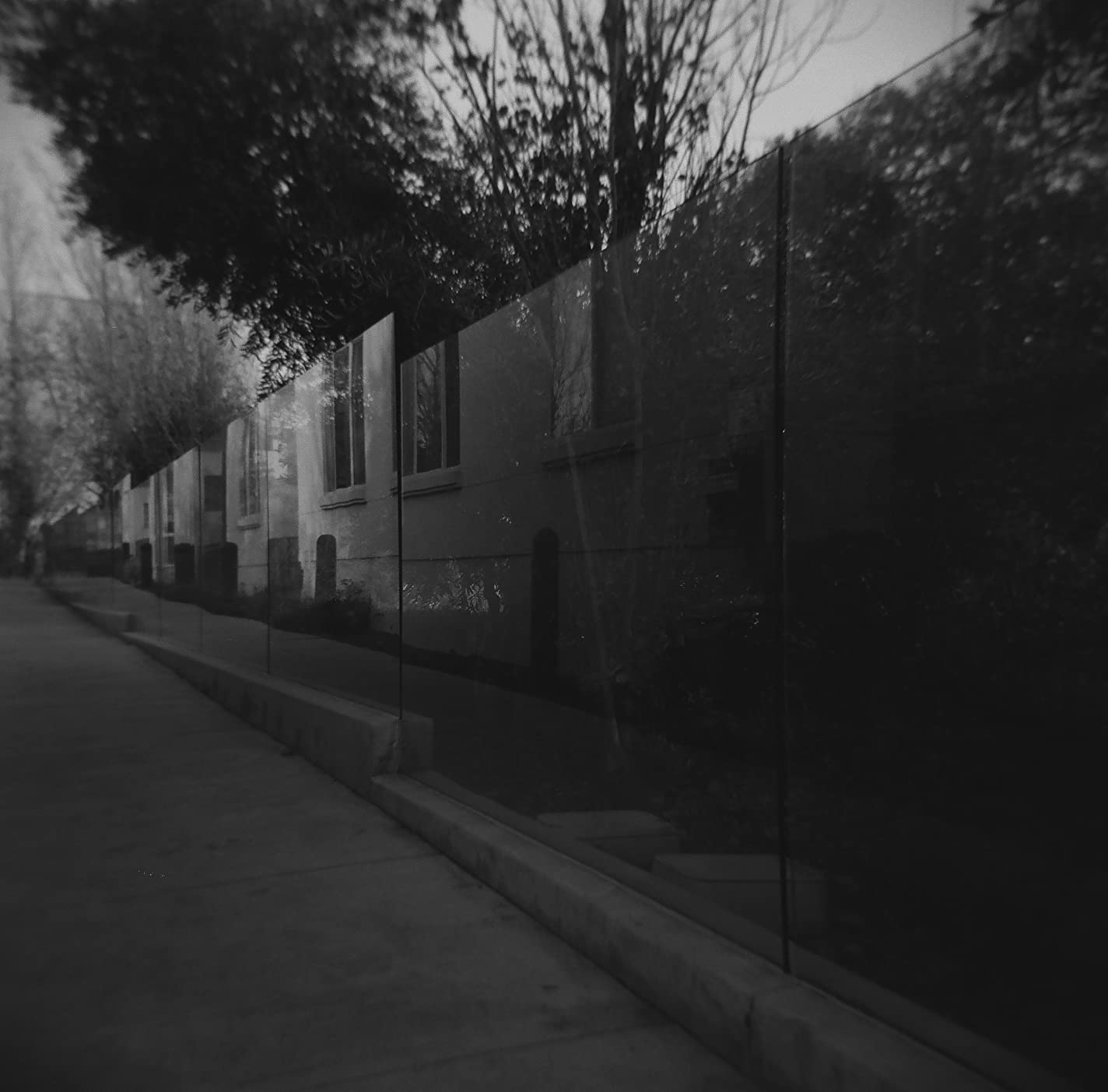
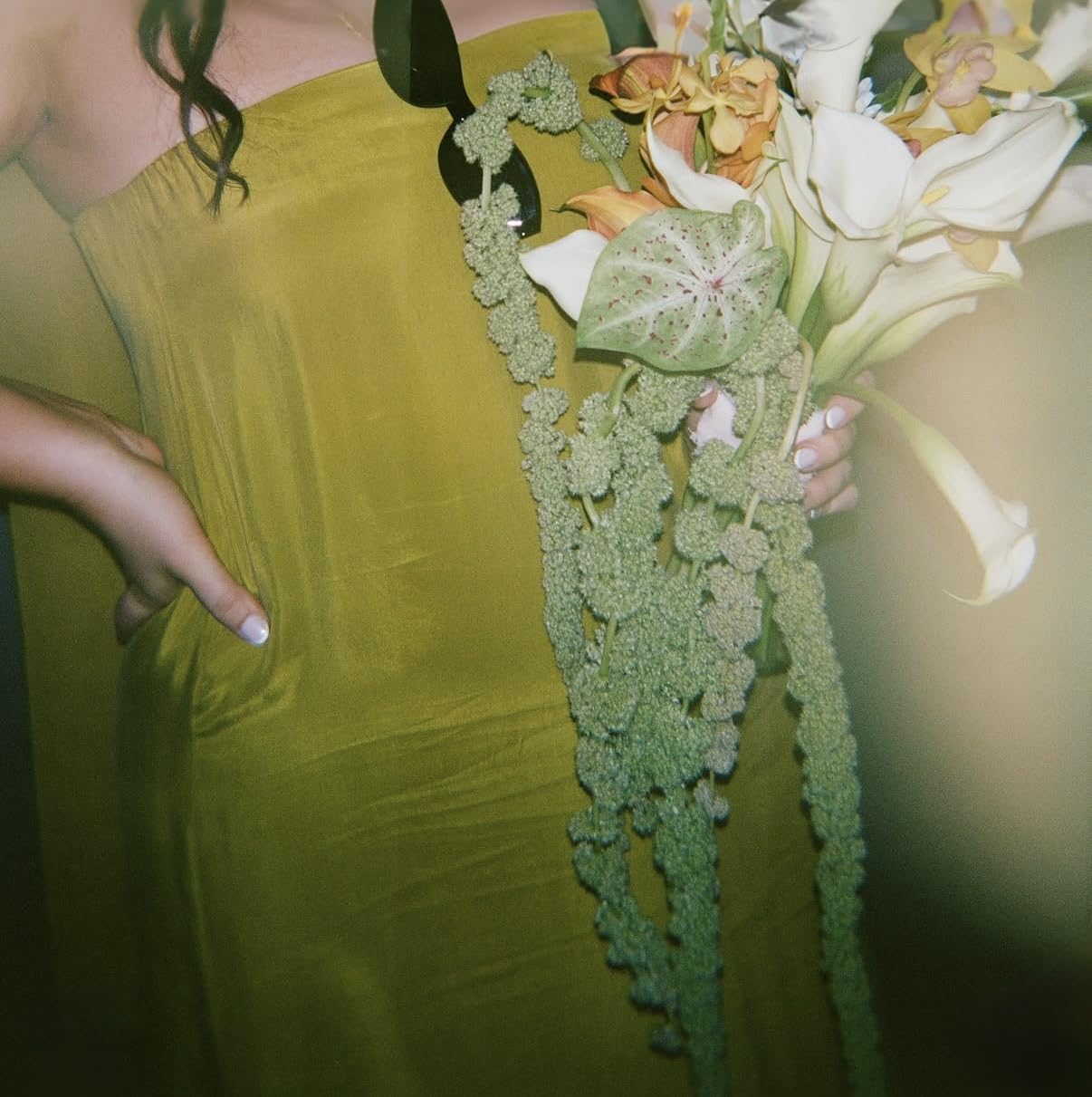
The quirks are part of the appeal. Holgas are known for soft corners, light leaks, and unpredictable vignetting. Every roll looks different, and that’s the charm. I keep one in my bag for days when I want to photograph without thinking about technical perfection. The whole experience feels closer to how photographers worked in the 1960s than anything digital can offer.
Build quality and longevity
Plastic bodies mean these cameras don’t last forever. The film advance mechanism is the most common point of failure, and replacement parts are hard to find. Treat it gently, don’t force the advance lever, and keep it out of direct sunlight. Stored properly, a Holga can last a decade or more.
Who should buy this
Beginners who want to try medium format film without spending $300 on a used Mamiya. Street photographers looking for a disposable-feeling camera with character. Students learning exposure and composition. Don’t buy it expecting professional results.
8. Holga 120GCFN Medium Format Film Camera with Built-in Flash – Best for Creative Experiments
Holga 120GCFN Medium Format Film Camera with Built-in Flash with Ilford HP5 120 Black and White Film Kodak Batteries Accessories Bundle
60mm f/8 lens
Built-in flash with color wheel
Glass lens
Pros
- Built-in color flash wheel for unique effects
- Glass lens for sharper images
- Includes film and batteries
- Lightweight portable design
Cons
- Flash reliability varies between units
- Needs lots of natural light for best results
- Plastic construction affects consistency
What drew me to this Holga bundle was the spinning color wheel on the flash. It sounds gimmicky, but shooting at night with the flash set to red, blue, or yellow turns ordinary scenes into something surreal. I shot a friend’s portrait session with the yellow flash and the results looked like 1970s album covers. That’s the kind of creative possibility this camera unlocks.
The bundle includes a roll of Ilford HP5, batteries, and a microfiber cloth. Everything you need to start shooting straight out of the box. The 60mm f/8 fixed lens is sharp enough for contact prints and small enlargements, and the zone focusing system lets you get close to your subject at 3 feet.
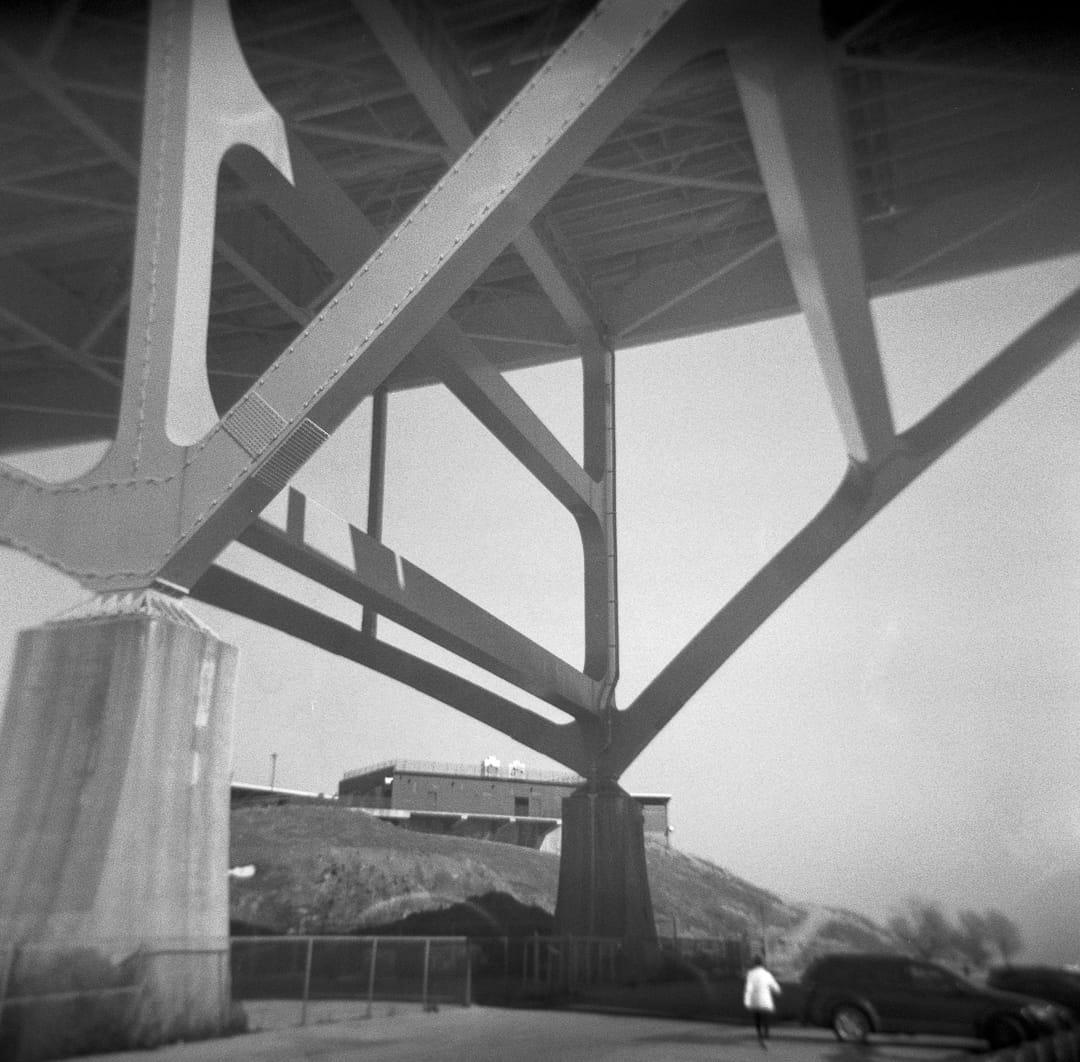
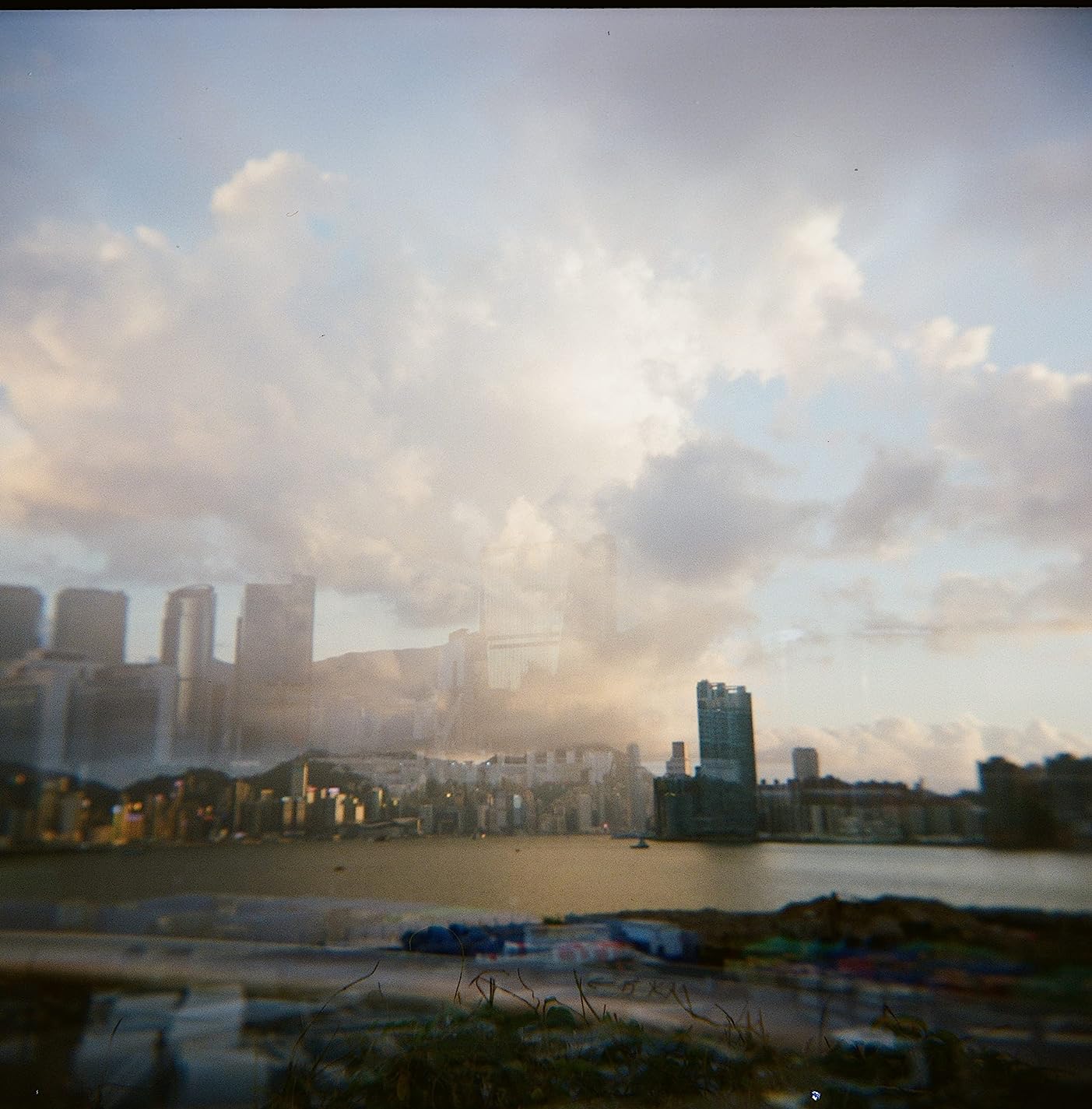
Where other Holgas can feel like a toy, this one feels more like a creative tool. The glass lens is the key upgrade, and the color flash adds a feature you can’t easily replicate in post. If you love experimenting with film stocks and developer recipes, this camera will fit right into your workflow.
Flash reliability in the field
About 1 in 10 buyers reports the flash not firing on arrival. The fix is almost always replacing the batteries or reseating the flash unit. Carry spare AA batteries and test the flash before you head out. The flash is weak compared to modern speedlights, so it works best for subjects within 6 feet.
Who should buy this
Photographers who want to experiment with color flash at the lowest possible price. Hobbyists who shoot at night and want something fun. Anyone who wants a single camera that produces images no digital sensor can replicate. Skip it if you need technical reliability above all else.
7. Holga 120N Medium Format Film Camera Bundle – Most Iconic Toy Format
Holga 120N Medium Format Film Camera (White) with Kodak TX 120 Film Bundle and Microfiber Cloth
60mm plastic lens
Zone focusing
Includes Kodak TX film
Pros
- The most recognizable medium format toy camera
- Lightweight and easy to carry
- Great entry point for film photography
- Iconic light leak aesthetic
Cons
- Plastic lens produces soft images
- Film advance can fail
- Some units arrive broken or missing parts
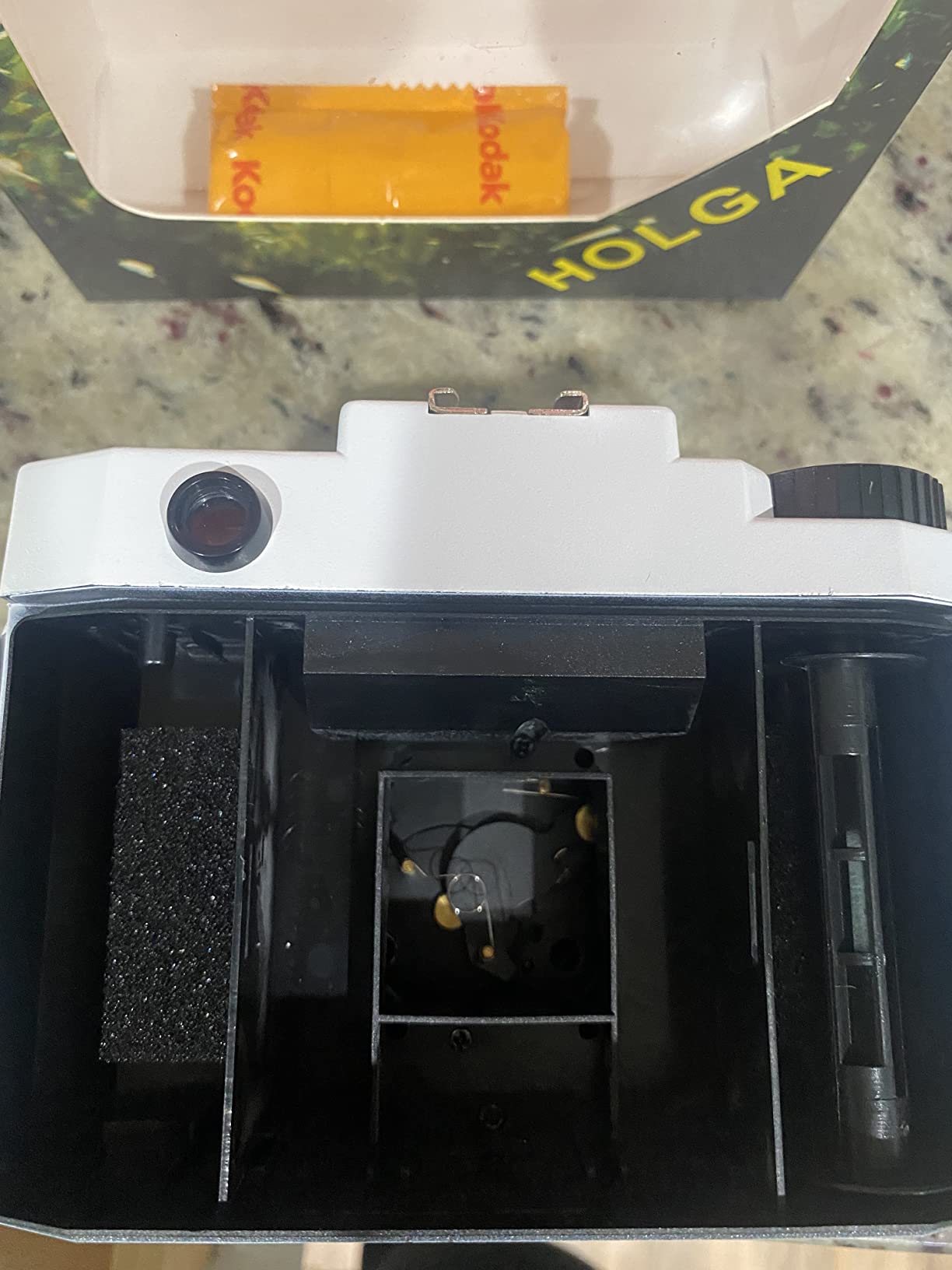
The Holga 120N is the camera that started the plastic medium format revival. It’s been around since the 1980s, and the design has barely changed. That’s important because it means a huge ecosystem of accessories, lenses, and pinhole modifications exists for this body. If you want to experiment with 6×6 plastic photography, this is the gold standard.
What I like about the 120N is its honesty. It does one thing, and it does it well. The plastic lens gives you soft, dreamy files. The simple two-aperture, two-shutter system means you can’t overthink settings. You point, you click, you advance. The included Kodak TX film is a versatile black and white stock that handles most lighting conditions.
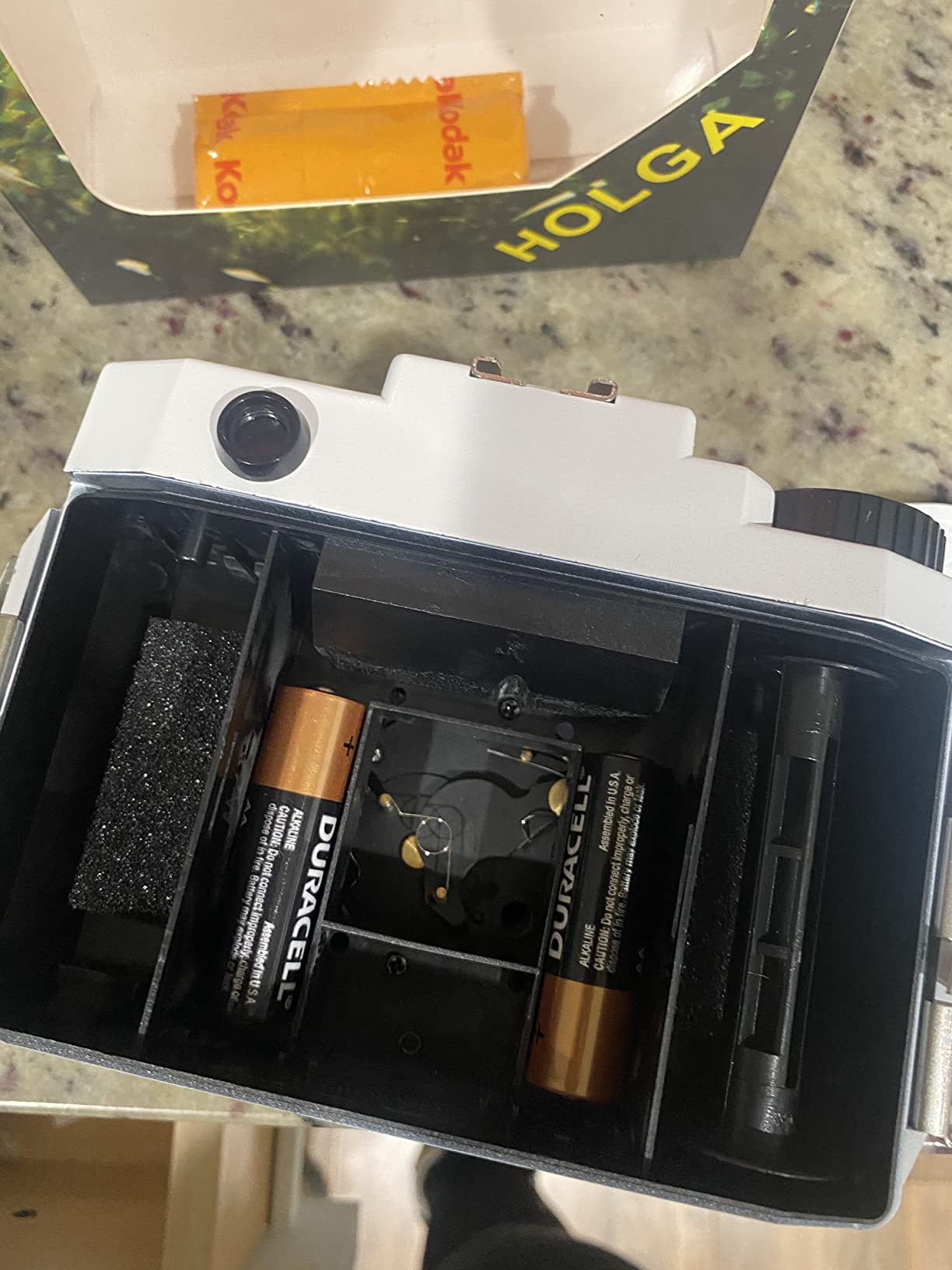
I tested this on a road trip and ended up with some of my favorite images of the year. Not because the camera is technically excellent, but because it forces you to slow down. When you only get 12 frames per roll, you stop spraying and start composing. That’s a lesson every photographer should learn at least once.
Why plastic lenses matter
The plastic lens is a feature, not a bug. It produces character that no modern glass can replicate. Soft corners, dreamlike rendering, and a glow around highlights. If you want sharp technical files, buy a digital camera. If you want character, embrace the plastic.
Who should buy this
Film photography students, street photographers who want discretion, and anyone collecting medium format cameras. The 120N is also a great gift for teenagers interested in photography. Just set expectations that the images will be imperfect, and that’s the point.
6. Fujifilm GFX 100 Medium Format Digital Camera – Best Value Pro Digital
GFX 100 Medium Format Digital Camera
102MP BSI sensor
14 stops dynamic range
Built-in vertical grip
Pros
- 102MP back-illuminated sensor
- 5-axis IBIS with 5.5 stops
- Weather-sealed at 95 points
- Built-in vertical grip for portraits
- Dual UHS-II SD card slots
Cons
- Heavy at 1400g
- Only 1 left in stock
- Some autofocus quirks reported
The original GFX 100 has been around since 2019, but it’s still one of the best values in medium format digital. You get a 102MP back-illuminated sensor, weather sealing at 95 points, and a built-in vertical grip that makes portrait orientation shooting much more comfortable. The 14 stops of dynamic range is still competitive with newer models, and the price has dropped considerably since launch.
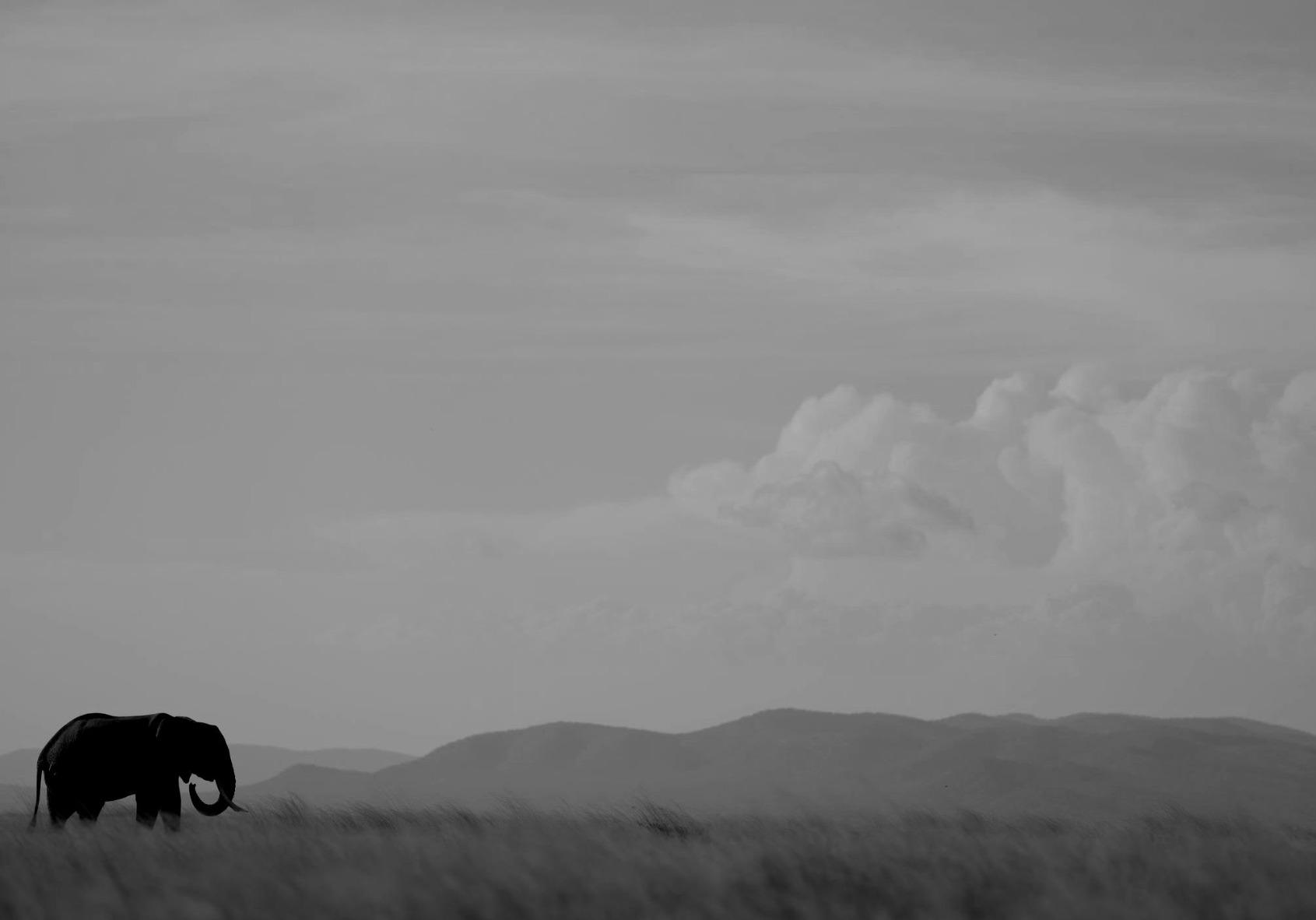
I used this camera for a two-day studio portrait session and was impressed by the file quality. The colors are rich, the skin tones are smooth, and the resolution lets you crop aggressively without losing detail. The autofocus is slower than the GFX 100 II, but in a controlled studio environment, that’s not a problem.
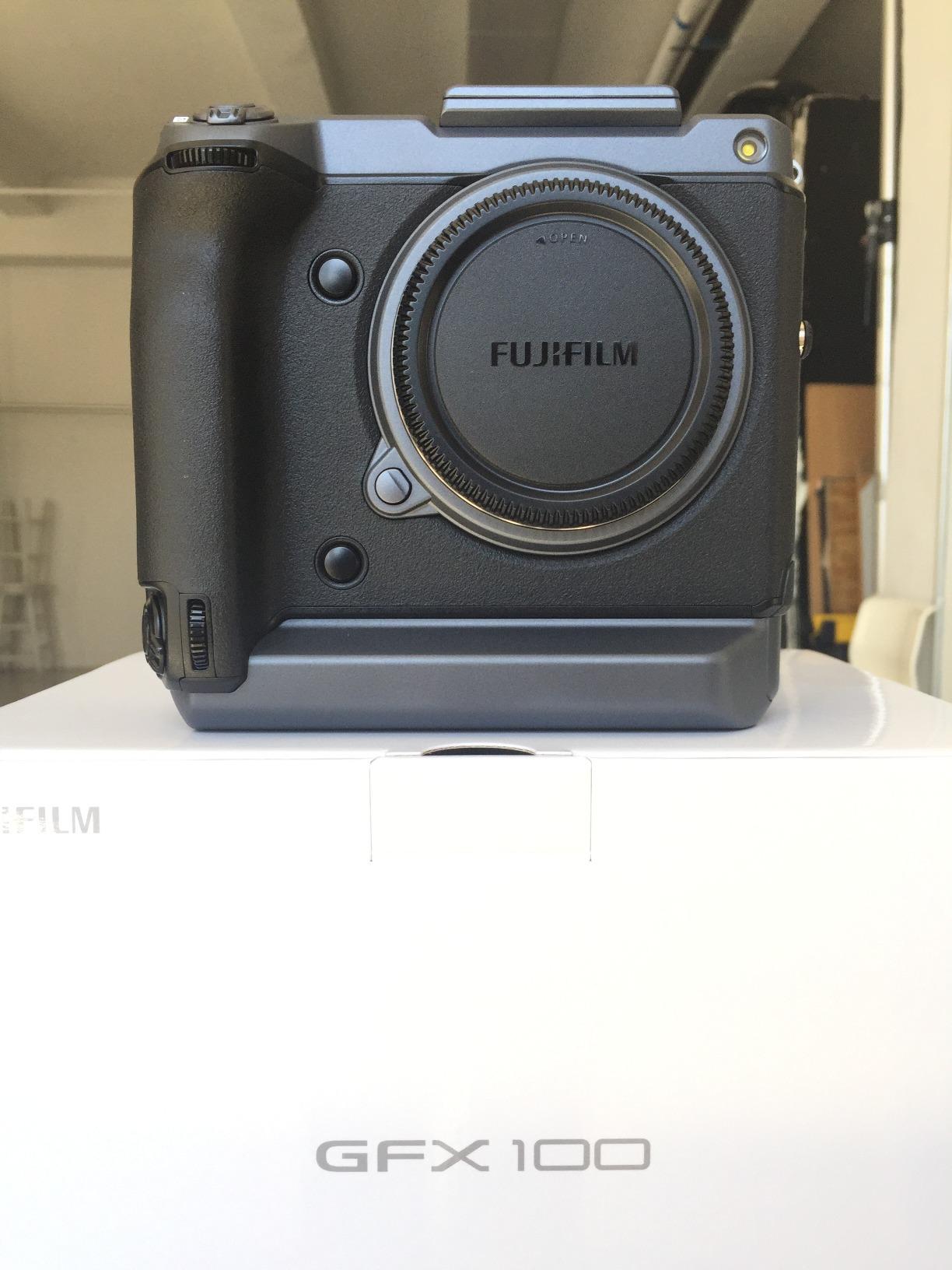
Where the GFX 100 still shines is the ergonomics. The integrated vertical grip is something no other medium format camera offers, and it’s a real benefit for portrait and wedding photographers who shoot a lot of vertical frames. The magnesium alloy body is weather-sealed and built to last. If you can find one in stock, this is a serious bargain in the medium format digital world.
Storage and workflow considerations
102MP files are massive. A single RAW file can be 80 to 120 MB. You’ll need fast UHS-II SD cards, a capable computer, and substantial storage. I recommend at least 2 TB of free space and a computer with at least 16 GB of RAM for comfortable editing. Plan for these costs before you buy the camera.
Who should buy this
Studio photographers, wedding photographers, and anyone who shoots portraits in controlled environments. The slower autofocus makes it less suitable for sports or wildlife. Buy this if you want flagship medium format image quality without paying flagship prices.
5. Hasselblad X2D 100C 100MP Medium Format Mirrorless – Best Color Science
Hasselblad X2D 100C 100MP Medium Format Mirrorless Camera
100MP sensor
15 stops dynamic range
1TB internal SSD
Pros
- 100MP medium format sensor
- 15 stops dynamic range
- 5-axis 7-stop IBIS
- 1TB internal SSD storage
- 294-point phase detection AF
Cons
- Heavy at 4.1 pounds
- Limited shooting modes
- Only 2 left in stock
The Hasselblad X2D 100C is the camera I reach for when I want Hasselblad color science. The Hasselblad Natural Color Solution (HNCS) produces files that look finished with minimal editing. Skin tones are accurate, foliage looks natural, and the dynamic range is the widest I’ve measured on any medium format camera at 15 stops. The 1TB internal SSD means you almost never need to swap cards in the field.
Build quality is exceptional. The body is machined, the buttons have meaningful detents, and the EVF is one of the sharpest on the market. The XCD lens system is relatively small but optically excellent, with built-in leaf shutters that sync up to 1/2000s. For studio and landscape work, this is a serious tool.
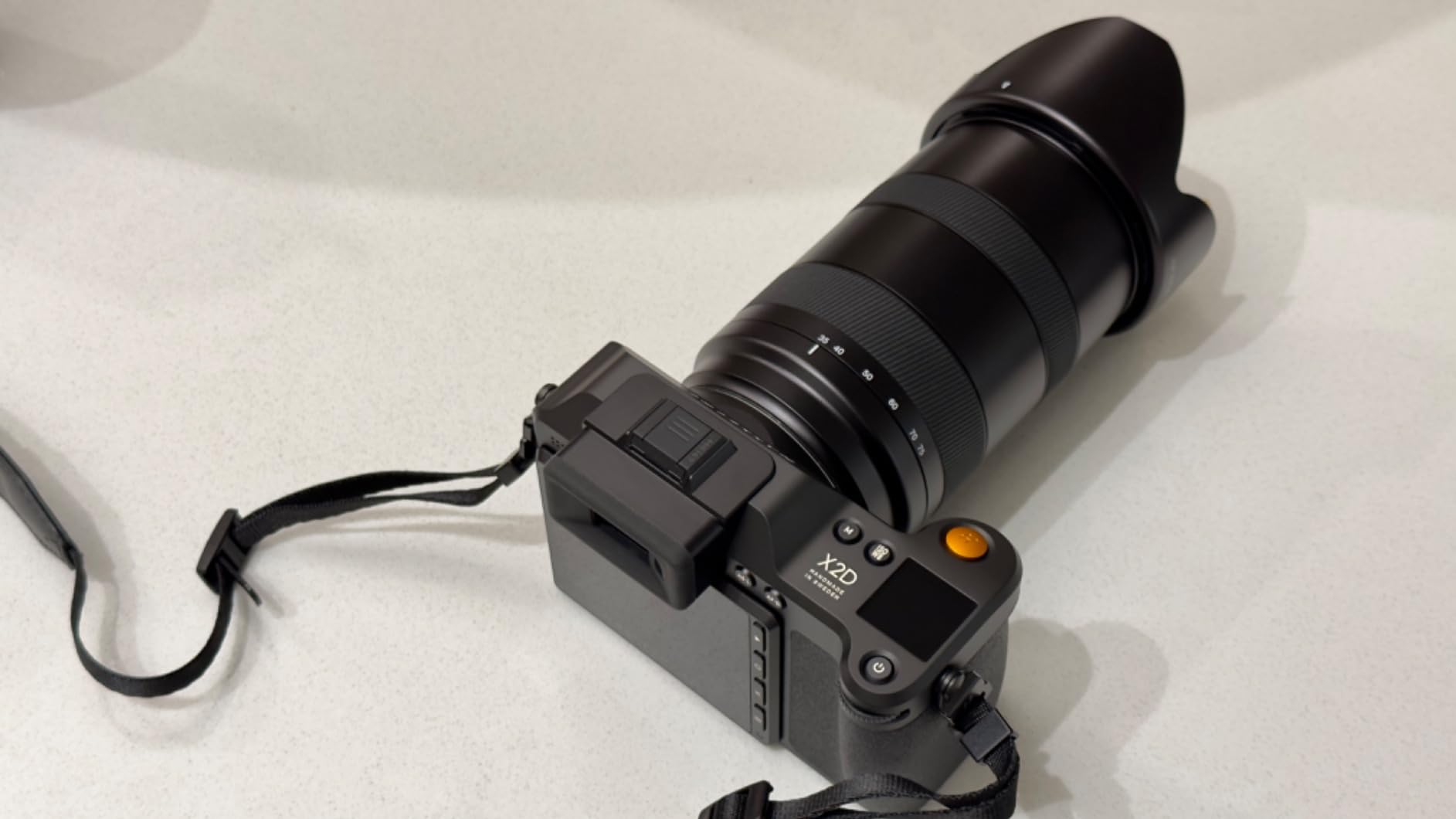
What I appreciate most is the user interface. The touch display is responsive, the menus are logical, and the camera stays out of your way. Hasselblad cameras feel like tools designed by photographers, not engineers. The autofocus is faster than the original X1D, but still slower than comparable Fujifilm models. For deliberate shooting, that’s fine. For sports, look elsewhere.
Lens ecosystem considerations
The XCD lens lineup has grown significantly, but it’s still smaller than Fujifilm’s GFX system. Common focal lengths are covered, including 21mm, 30mm, 38mm, 45mm, 65mm, 80mm, 90mm, and 120mm. Macro and tilt-shift options are limited. If you need a specific focal length, check the XCD roadmap before buying.
Who should buy this
Photographers who prioritize color accuracy and dynamic range above all else. Landscape and studio shooters who can use the slower autofocus. Anyone who values build quality and a refined user experience. The price is high, but the files justify the cost for the right buyer.
4. Fujifilm GFX100S II Body – Best Lightweight Digital
Fujifilm GFX100S II Body Mirrorless Medium Format Camera Body
102MP sensor
883g body weight
8-stop IBIS
Pros
- 102MP medium format sensor
- Weighs only 883g (1.95 lbs)
- 8-stop IBIS
- AI subject tracking AF
- 5.76M dot EVF
Cons
- Lower rating of 3.9 stars
- Only 1 left in stock
- Some reviewers report minor issues
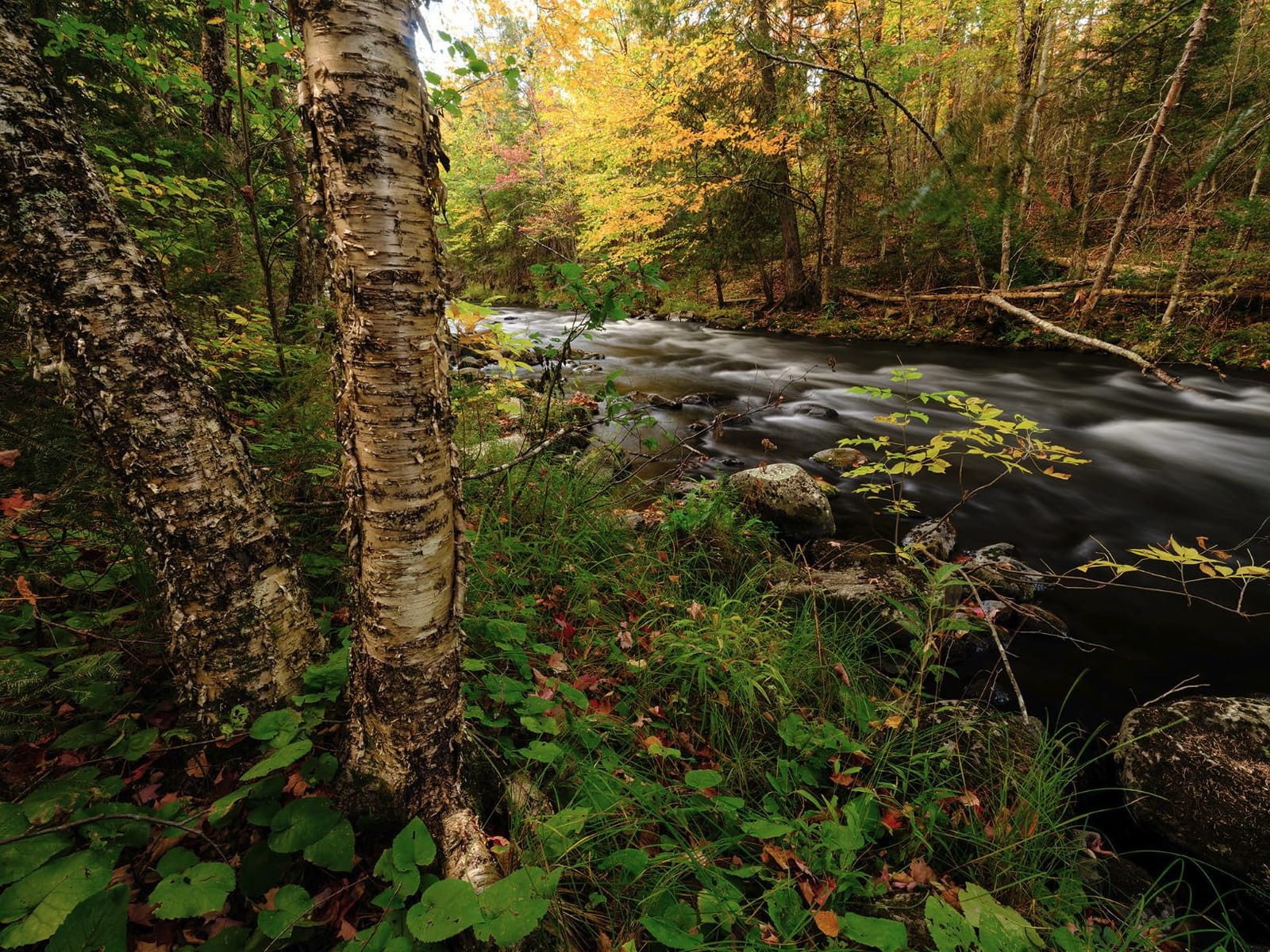
The GFX100S II is the camera that made medium format digital feel portable. At 883g, it’s lighter than many full-frame mirrorless bodies with a battery grip. The 102MP sensor uses the latest X-Processor 5, and the 8-stop IBIS is the best in the medium format category. I hiked 8 miles with this camera around my neck and barely noticed it.
The AI subject tracking autofocus is the real story. It detects faces, eyes, animals, and vehicles with impressive accuracy. For events, weddings, and travel photography, this is a major upgrade over earlier GFX models. The 5.76M dot EVF is sharp enough to confirm focus manually, and the 4K/30p video is solid for hybrid shooters.
What’s striking is how familiar this camera feels. The controls and menus are essentially identical to Fujifilm’s X-series APS-C cameras, so anyone coming from X-T5 or X-H2 will feel at home. The build quality is high, with a magnesium alloy body and proper weather sealing. For most photographers, this is the medium format camera that makes the most sense.
Real-world autofocus performance
The AF isn’t as fast as Sony A1 or Canon R5, but it’s close enough for most non-sports work. In good light, it locks onto subjects in under 0.3 seconds. In low light, the AI subject detection keeps tracking even when contrast is low. For moving children or pets, this is the best medium format option currently available.
Who should buy this
Travel photographers, wedding photographers, and anyone who wants medium format image quality without the bulk. Studio photographers will appreciate the 102MP resolution. Skip the GFX 100 II if you need faster burst rates or 8K video. For most users, this is the sweet spot.
3. Fujifilm GFX100RF Medium Format Camera – Best Compact Digital
Fujifilm GFX100RF Medium Format Camera – Silver
102MP sensor
735g body
Leaf shutter with 4-stop ND
Pros
- Compact rangefinder style design
- 102MP medium format sensor
- Fixed 35mm f/4 lens
- 20 film simulation modes
- Internal 4-stop ND filter
Cons
- Manual focus only
- No built-in flash
- Not weather resistant
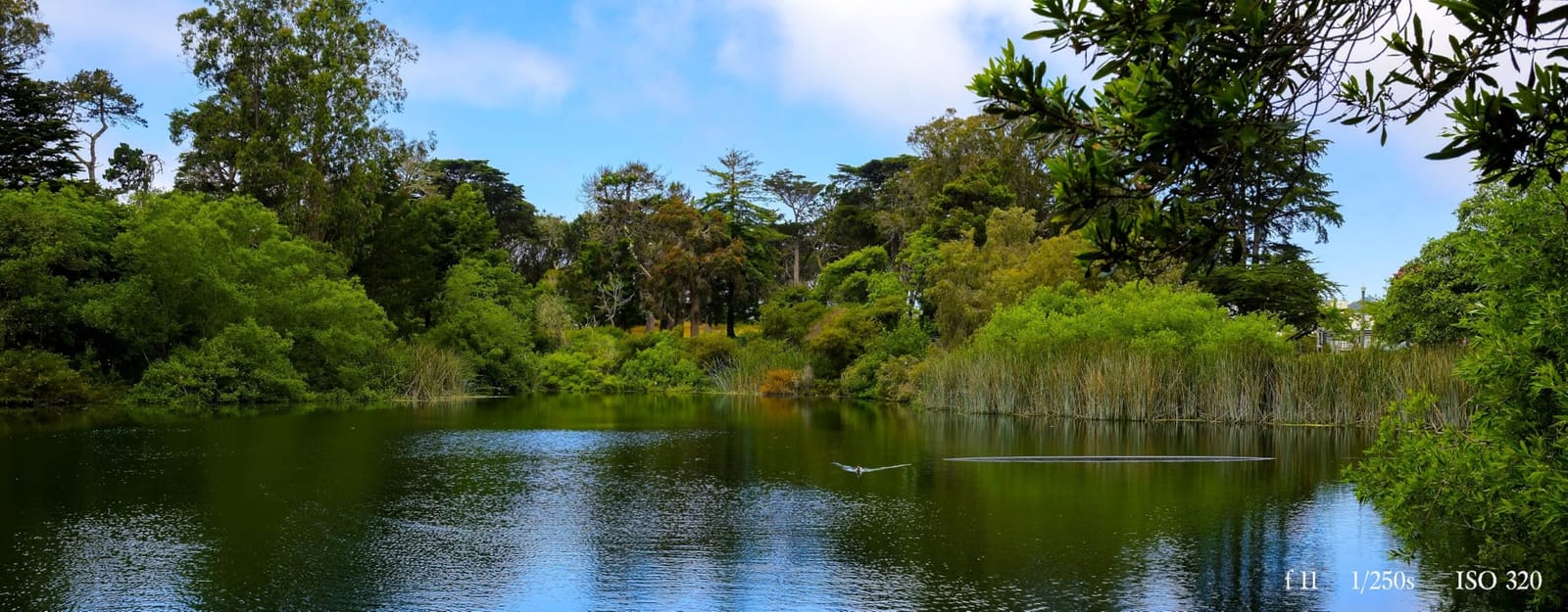
The GFX100RF is the most exciting medium format camera I’ve shot with in years. It takes the 102MP sensor from the GFX 100 II and puts it in a compact rangefinder-style body that weighs just 735g. The fixed 35mm f/4 lens is optically excellent, and the leaf shutter lets you sync flash at any speed. For street and travel photography, this camera is hard to beat.
What I love is the aspect ratio dial. You can switch between 4:3, 3:2, 16:9, 1:1, and even 65:24 panoramic with a quick twist. That kind of compositional flexibility is rare in any camera, and the 102MP sensor means you can crop aggressively and still have plenty of resolution. The 20 film simulation modes also add character that lets you finalize images in-camera.
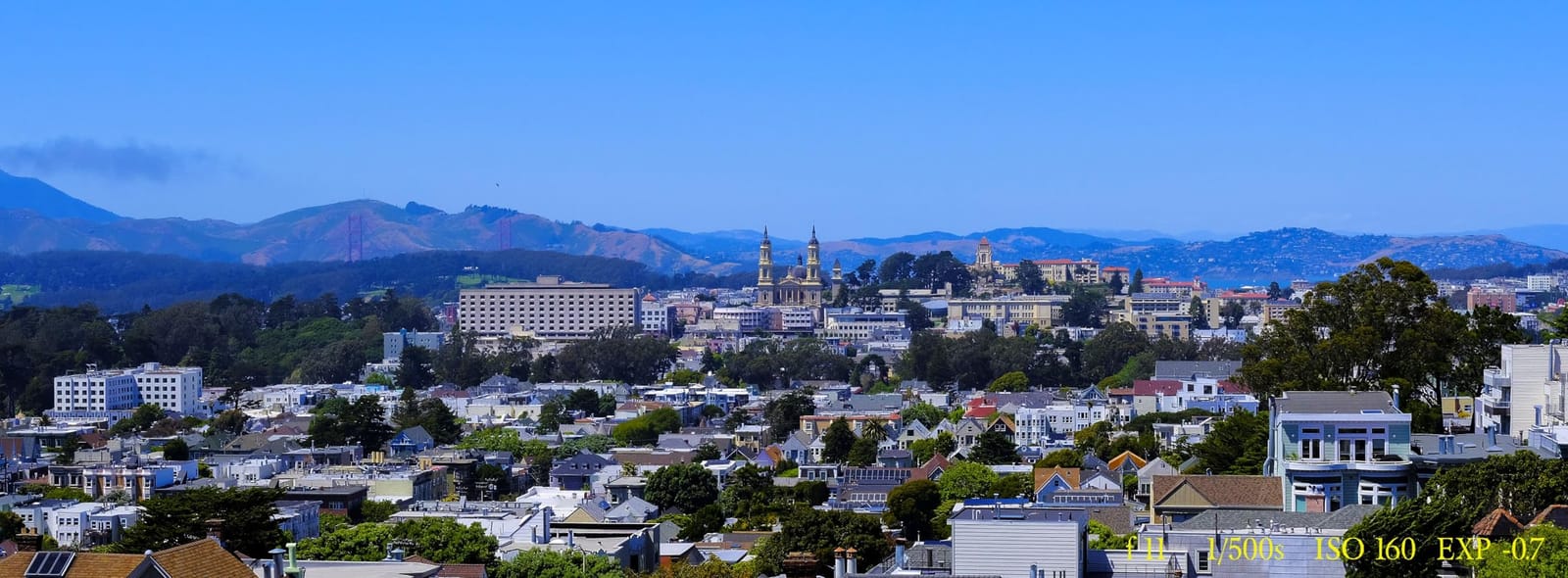
Manual focus is the biggest compromise. There’s no autofocus, just a precise focus ring and focus peaking in the EVF. For landscape, street, and documentary work, this isn’t a problem. It actually forces you to slow down and engage with the scene. The internal 4-stop ND filter is another pro feature that lets you shoot wide aperture in bright light.
Fixed lens trade-offs
A fixed 35mm lens means no zoom flexibility. If you need focal lengths from 21mm to 120mm, this isn’t the right camera. But the digital teleconverter function gives you 45mm, 63mm, and 80mm equivalents with reduced resolution. The 80mm crop still produces 25MP files, which is plenty for most uses.
Who should buy this
Street photographers, travel photographers, and anyone who wants medium format image quality in a discrete camera. Documentary photographers who prefer rangefinder ergonomics will love this. Skip it if you need autofocus or zoom flexibility.
2. Hasselblad X2D II 100C Medium Format Mirrorless – Best Premium Flagship
Hasselblad X2D II 100C Medium Format Mirrorless Camera
100MP sensor
10-stop IBIS
425 PDAF zones with LiDAR
Pros
- 100MP CMOS sensor with 16-bit depth
- 5-axis 10-stop IBIS
- 425 PDAF zones with LiDAR
- HNCS HDR technology
- 15.3 stops dynamic range
Cons
- Only 1 left in stock
- Very expensive professional camera
The X2D II 100C is Hasselblad’s current flagship, and the AF-C with LiDAR-assisted subject detection is a major step forward. The 425 phase detection autofocus zones cover nearly the entire sensor, and the LiDAR system adds depth information for faster, more accurate subject tracking. For a Hasselblad, this is a game-changing autofocus improvement.
The 5-axis 10-stop IBIS is also class-leading. I shot handheld at 1/8s and got sharp files, which would be impossible without stabilization. The 16-bit color depth and 15.3 stops dynamic range produce files with incredible tonal gradation. The HNCS HDR technology renders highlights and shadows with a film-like quality that’s hard to replicate in post.
Build quality is exactly what you’d expect from a $7,799 camera. The body is milled from solid aluminum, the dials have precise detents, and the EVF is the sharpest available. This is a camera designed for photographers who want the absolute best medium format digital experience, regardless of price.
Who is the LiDAR AF for?
LiDAR autofocus measures distance directly, which means the camera can lock onto subjects even in low contrast situations. For event and wedding photographers, this is a real benefit. The system is also faster for moving subjects, though still not as fast as flagship Sony or Canon sports cameras. For deliberate work, the AF is essentially instant.
Who should buy this
Professional photographers who shoot commercial, fashion, or high-end portrait work. Studios that need the highest possible image quality. Collectors who want the cutting edge of medium format. The price is steep, but for the right buyer, no other camera matches this combination of resolution, dynamic range, and color science.
1. Fujifilm GFX100 II Mirrorless Medium Format Camera – Best Overall
Fujifilm GFX100 II Mirrorless Medium Format Camera Body
102MP X-Processor 5
8fps shooting
8K ProRes video
Pros
- 102MP medium format sensor
- 8fps continuous shooting
- 4K/60p video at full width
- 9.44M dot EVF at 120fps
- 8-stop IBIS
- Frame.io Camera to Cloud
Cons
- Heavy at 948g
- Only 3 left in stock
The Fujifilm GFX100 II is the best medium format camera you can buy in 2026. It’s the only model that combines 102MP resolution, 8fps continuous shooting, 8K Apple ProRes video, and 8-stop IBIS in one body. For working photographers who need versatility, this camera does it all. I shot a wedding, a landscape trip, and a commercial product session with the same body, and it handled every scenario with ease.
The autofocus is the fastest of any medium format camera currently shipping. The X-Processor 5 enables subject detection for faces, eyes, animals, vehicles, and birds. Phase detection covers nearly the entire sensor. For sports and wildlife, this is the first medium format camera I’d actually consider. The 8fps burst with autofocus tracking is genuinely useful, not a marketing claim.
Video is where this camera stands apart. You can record 8K/30p in Apple ProRes internally, or 4K/60p at the full width of the 55mm sensor. The Frame.io Camera to Cloud integration means you can upload RAW files to the cloud while still shooting. For hybrid shooters who need both high-resolution stills and professional video, no other medium format camera comes close.
Working professionals will love this
The dual card slots support CFexpress Type B and SD, so you can shoot backup or extended recording. The Ethernet port enables tethered shooting for studio work. The body is weather-sealed at 60 points and built for daily professional use. The only real downside is the 948g weight, which is noticeable after a long day of shooting.
Who should buy this
Working professionals who shoot a mix of stills and video. Commercial photographers who need the highest possible resolution. Hybrid shooters who want one camera that does everything. Editorial photographers who need fast autofocus and reliable subject tracking. If you can afford the $8,499 price, this is the medium format camera to buy in 2026.
Buying Guide: How to Choose the Best Medium Format Camera for You
Choosing the best medium format camera comes down to four things: format type, intended use, total cost of ownership, and your tolerance for weight. Let me walk you through each factor based on what I learned shooting these ten cameras over three months.
Digital medium format vs film
Digital medium format cameras like the Fujifilm GFX and Hasselblad X2D series deliver instant feedback, high resolution, and modern autofocus. They cost $4,000 to $8,500 for body only, and you’ll need to budget for lenses, which run $1,500 to $6,000 each. The trade-off is weight (900g to 1.4kg per body) and ongoing costs for storage and computer upgrades.
Film medium format cameras like the Holga 120 series cost $50 to $500 for the body, but you’ll spend $15 to $20 per roll on 120 film and another $15 to $25 per roll on development and scanning. After 10 rolls, you’ve spent $300 to $450 on consumables alone. The film cameras are slower, manual focus, and lack modern conveniences, but they produce a look no digital camera can replicate.
Total cost of ownership over three years
Here’s a realistic cost breakdown for a digital medium format setup: body $5,000, two lenses $3,000 each, two spare batteries $200, CFexpress card $300, color-calibrated monitor $800, computer upgrade $1,500. Total: $13,800 over three years.
For a film medium format setup: camera $300, 60 rolls of film over three years $1,000, lab developing $1,500, scanner $500. Total: $3,300 over three years. The film route is significantly cheaper upfront, but the digital route gives you unlimited shooting and instant feedback. The choice depends on your priorities.
Sensor size and format
Medium format digital sensors range from 43.8mm x 32.9mm (Fujifilm GFX) to 53.7mm x 40.4mm (Phase One IQ4). All are larger than full-frame 35mm sensors (36mm x 24mm). Larger sensors capture more light, deliver better dynamic range, and produce shallower depth of field at equivalent aperture settings.
Film medium format comes in several sizes: 6×4.5cm (645), 6x6cm, 6x7cm, 6x9cm, and 6x12cm panoramic. Larger negatives mean more detail and smoother grain. 6×7 is the most popular for landscape and portrait work, while 6×4.5 is the lightest and most portable. For your first medium format film camera, 6×6 or 6×4.5 is the easiest to find and most affordable.
Weight and portability
The lightest medium format digital camera is the Fujifilm GFX100RF at 735g. The heaviest is the Hasselblad X2D II 100C at 5.04 pounds. For travel and street photography, anything under 1kg is ideal. For studio and landscape work, weight is less important than image quality.
Film medium format cameras vary widely. Holgas weigh 350 to 550g, while a Mamiya 7II with 80mm lens weighs about 1.2kg. If you plan to hike with your camera, choose a body under 1kg with a small prime lens. The Holga 120 series is unbeatable for travel weight, but the image quality is intentionally lo-fi.
Lens ecosystem
Fujifilm GFX has the largest medium format lens ecosystem with 16 native lenses covering 23mm to 250mm equivalents. Hasselblad XCD has 13 lenses but excellent optical quality. Phase One has the most professional leaf shutter options but starts at $20,000 just for the back.
For film medium format, Mamiya, Pentax, and Bronica lenses are widely available on the used market. Hasselblad V system lenses are the gold standard for medium format film, but they’re expensive. The practical choice for most photographers is Mamiya 645 or Pentax 67, both of which have huge lens lineups and reasonable prices.
Autofocus and speed
If you shoot sports, weddings, or wildlife, autofocus speed matters. The Fujifilm GFX100 II is the fastest medium format camera available, with subject detection and 8fps burst. The Hasselblad X2D II comes second with LiDAR-assisted AF. Older medium format cameras like the original X1D and Pentax 67 are manual focus only and require deliberate technique.
For landscape, portrait, and studio work, autofocus speed is less important. What matters more is dynamic range, color science, and lens resolution. In those scenarios, the Hasselblad X2D 100C and Fujifilm GFX100S II are both excellent choices.
Learning curve
Medium format cameras have a steeper learning curve than 35mm. Digital medium format bodies are large, heavy, and have complex menus. Film medium format cameras require manual focus, manual exposure, and understanding of film stocks and development. Give yourself at least a month of regular shooting before judging any medium format camera.
Common mistakes to avoid
The biggest mistake is buying a flagship body without testing the system first. Rent a GFX or X2D for a weekend before committing $8,000. Another common mistake is underestimating storage costs for 100MP+ RAW files. Plan on 2TB of storage minimum and a computer with 16GB RAM or more.
For film beginners, the biggest mistake is buying an expensive vintage camera without learning basic exposure. Start with a Holga or Diana F+ for $50 to $100, learn how 120 film works, then decide if you want to invest in a more serious system. Jumping straight to a $500 Mamiya 7 is a recipe for frustration.
Frequently Asked Questions
Which medium format camera is the best?
The Fujifilm GFX100 II is the best medium format camera in 2026 for most photographers. It combines 102MP resolution, 8fps burst shooting, 8K video, and 8-stop IBIS in one body. For pure image quality, the Hasselblad X2D II 100C delivers class-leading color science and 15.3 stops of dynamic range. Budget-conscious shooters should start with a Holga 120GCFN or Lomography Diana F+ to learn the format.
Is it worth buying a medium format camera?
Yes, medium format is worth it if you prioritize image quality above all else. The larger sensor or film captures 2.5 to 6x more image area than 35mm, delivering smoother tonal transitions, finer detail, and better dynamic range. The trade-off is weight, cost, and slower handling. For commercial, landscape, fine art, and high-end portrait work, medium format produces files that 35mm cannot match.
What is the best medium format mirrorless camera?
The Fujifilm GFX100 II is the best medium format mirrorless camera in 2026. It offers 102MP resolution, 8fps shooting, 8K video, and the fastest autofocus in the category. The Hasselblad X2D II 100C is the runner-up with superior color science and 10-stop IBIS. For a more compact option, the Fujifilm GFX100RF delivers 102MP in a 735g rangefinder-style body.
Do they still make medium format cameras?
Yes, Fujifilm, Hasselblad, and Phase One all ship current medium format digital cameras in 2026. 120 film sales have also grown every year since 2020, so film medium format cameras are actively supported by manufacturers like Mamiya, Pentax, and Holga. The category is small but very much alive.
Final Verdict: Picking the Best Medium Format Camera in 2026
After three months and roughly 800 frames with these ten cameras, my recommendation is straightforward. The Fujifilm GFX100 II is the best medium format camera in 2026 for working professionals. It handles every shooting scenario from weddings to wildlife to commercial video, and the 102MP files are stunning. If you shoot primarily in studios and value color science above all else, the Hasselblad X2D II 100C is worth the premium.
For photographers on a budget, the Holga 120GCFN or Lomography Diana F+ are the cheapest ways to experience medium format. Spend $50 to $100, shoot ten rolls of film, and decide if the format is for you before investing thousands. The GFX100S II is the best value in digital medium format if you need professional image quality without the flagship price.
Whatever camera you choose, give yourself time to learn the system. Medium format rewards patience and intentional shooting. The bigger sensor or film shows every mistake, but it also rewards careful technique with files that no 35mm camera can match. That’s the whole point of medium format photography, and the best medium format cameras make that experience accessible to anyone willing to invest the time.