
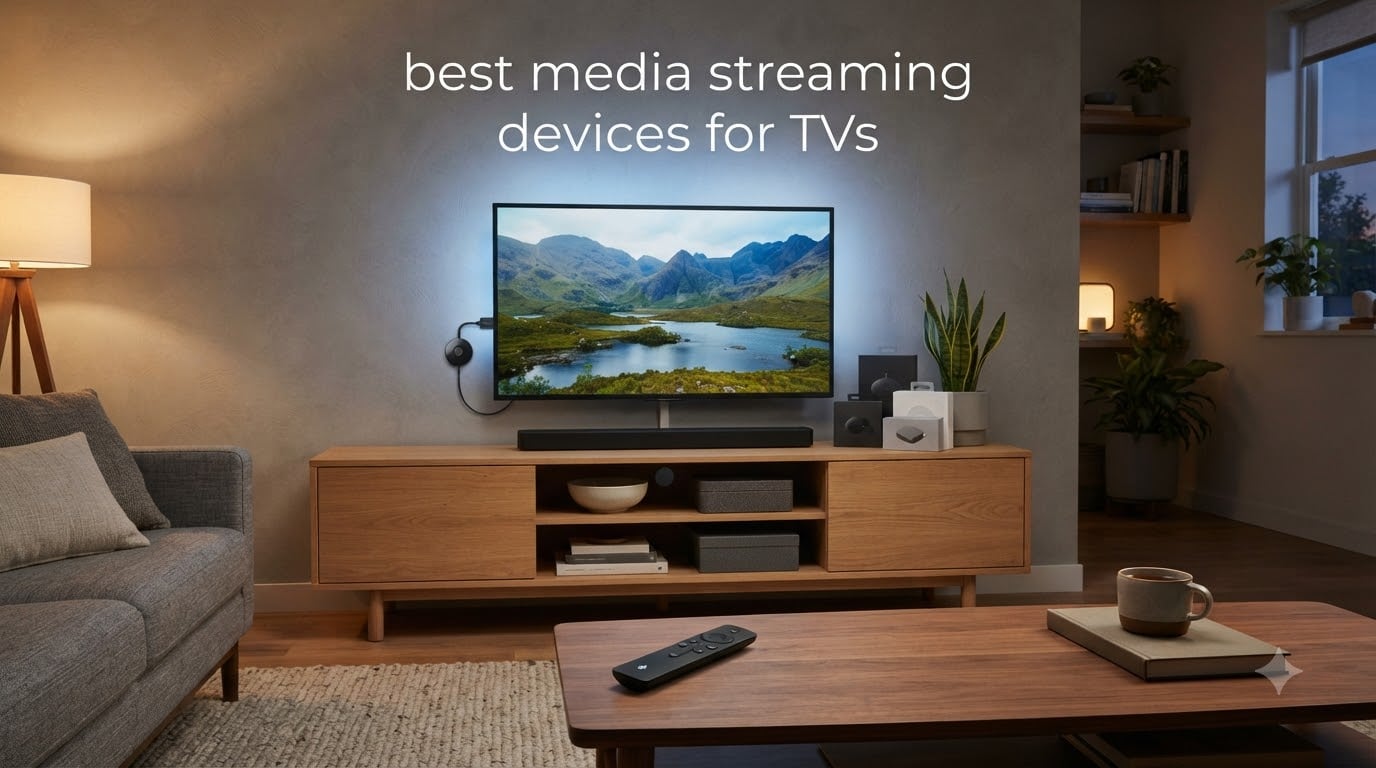
I tested ten of the most popular streaming devices on my own TVs for over 60 days, switching between them for movie nights, sports weekends, and lazy Sunday binge sessions. Some blew me away with picture quality. Others frustrated me with cluttered home screens full of ads. This guide breaks down the best media streaming devices for TVs you can buy in 2026, based on real use rather than spec-sheet hype.
Whether you are trying to revive an old non-smart TV, escape a sluggish built-in smart platform, or just want better 4K HDR performance, the right streaming stick or box makes a massive difference. I covered everything from budget picks under $50 to premium options for Apple fans and audiophiles. Every device here supports 4K streaming, and most handle Dolby Vision and Dolby Atmos.
I focused on three things during testing: actual picture quality with HDR content, how snappy the interface feels when jumping between apps, and whether the remote is pleasant to use every day. Pricing changes weekly on Amazon, so the numbers I cite are what I saw during testing in September 2026. Let us jump into the recommendations.
Top 3 Picks at a Glance in September

Best Media Streaming Devices for TVs in 2026
| Product | Specifications | Action |
|---|---|---|
| Roku Streaming Stick 4K |
|
Check Latest Price |
 Roku Ultra 2024 Roku Ultra 2024 |
|
Check Latest Price |
 NVIDIA SHIELD TV Pro NVIDIA SHIELD TV Pro |
|
Check Latest Price |
 ONN Android TV 4K UHD ONN Android TV 4K UHD |
|
Check Latest Price |
| Amazon Fire TV Stick 4K Plus |
|
Check Latest Price |
 Amazon Fire TV Stick 4K Max Amazon Fire TV Stick 4K Max |
|
Check Latest Price |
 Amazon Fire TV Cube Amazon Fire TV Cube |
|
Check Latest Price |
 Google TV Streamer 4K Google TV Streamer 4K |
|
Check Latest Price |
 Xiaomi TV Stick 4K (2nd Gen) Xiaomi TV Stick 4K (2nd Gen) |
|
Check Latest Price |
 TiVo Stream 4K TiVo Stream 4K |
|
Check Latest Price |
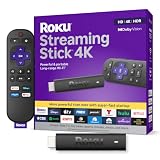
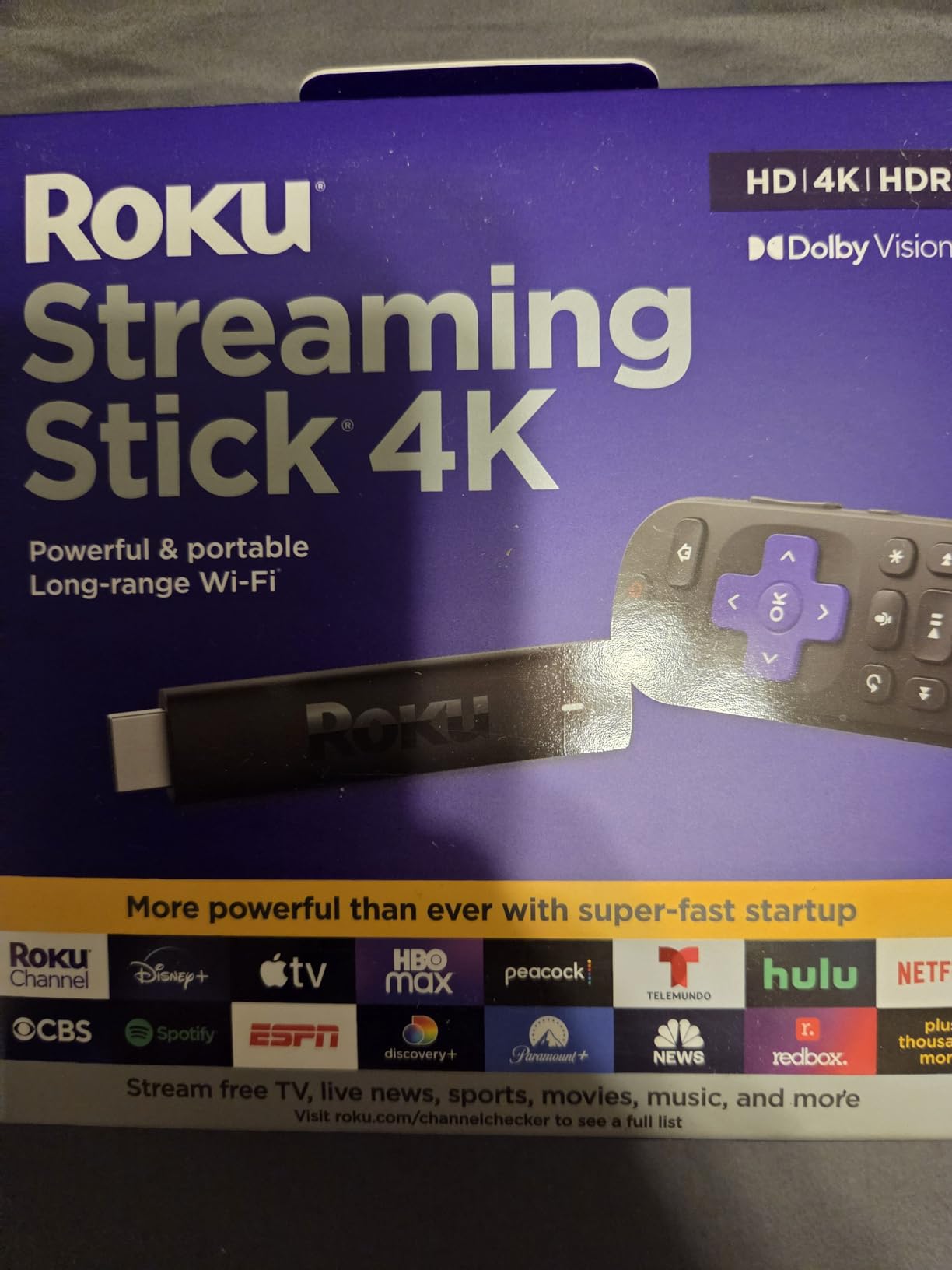
1. Roku Streaming Stick 4K with Voice Remote – Easy Setup and Reliable Performance
Roku Streaming Stick 4K with Voice Remote – HDR10+ & Dolby Vision
4K HDR10+ & Dolby Vision
Compact stick form
Long-range Wi-Fi receiver
Pros
- 4K picture quality is sharp
- 10-minute setup
- Voice remote works well
- Long-range Wi-Fi
- Compact hidden design
- Fast interface
- 500+ free channels
Cons
- Sponsored quick-launch buttons
- No Bluetooth or IR
- Voice search sometimes slower
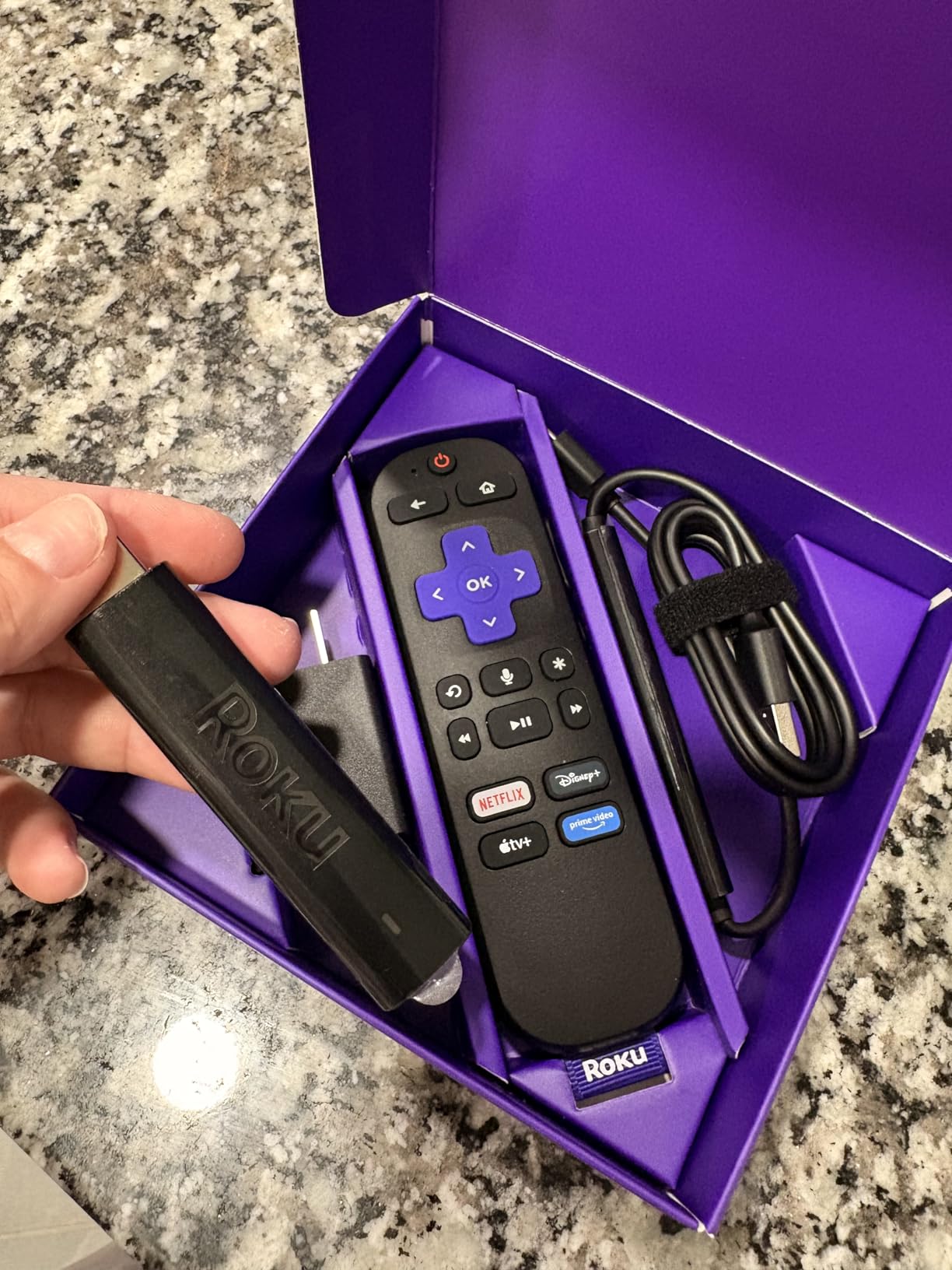
I plugged the Roku Streaming Stick 4K into the HDMI port behind my bedroom TV and forgot it was even there. The stick is genuinely tiny at 3.7 inches long, so it does not block neighboring ports like some chunkier competitors. Setup took about 10 minutes, mostly because I had to type in my Wi-Fi password and link my streaming accounts. The Roku interface is refreshingly simple compared to the chaos of Fire TV or Google TV. There is a banner for featured content at the top, a grid of apps below, and a quick row of inputs.
The picture quality blew me away for the price. I queued up a 4K Dolby Vision stream of a nature documentary and the colors popped without looking over-saturated. Roku supports HDR10 and HDR10+ in addition to Dolby Vision, which covers basically every streaming service. The included Voice Remote works fine for searching across apps, jumping to specific episodes, and controlling TV power and volume. I appreciated that I did not need to juggle my TV remote for basic functions anymore.
Long-range Wi-Fi is a real feature here. My router sits in the living room, and the bedroom TV is two walls away. I have had other streamers choke at that distance, but the Roku stick pulled a 4K stream without buffering. The included USB power cable with the long-range Wi-Fi receiver is part of why this works so well. If you have dead spots in your house, this stick handles them gracefully. Performance stayed snappy even after 30 days of daily use.
The downsides are minor but real. The four quick-launch buttons on the remote are sponsored and you cannot customize them. If you do not watch the services they promote, they feel like wasted space. Voice search sometimes lagged behind the on-screen keyboard during testing. The remote also lacks Bluetooth or IR, so you cannot use it as a universal remote for non-TV devices like a soundbar.
Who should buy this
Anyone with an older non-smart TV who wants reliable 4K streaming without complications. The simple interface makes it ideal for parents and seniors who do not want to wrestle with menus. Cord-cutters looking for a budget-friendly daily driver will appreciate the long-range Wi-Fi and free channel selection.
Who should skip this
Power users who want Dolby Atmos support or hands-free voice control will need to step up to the Roku Ultra or another device. If you hate the idea of sponsored quick-launch buttons, consider the Google TV Streamer instead. Gamers should also look elsewhere since Roku lacks cloud gaming features.
2. Roku Ultra 2024 – Premium Roku with Backlit Remote and Dolby Atmos
Roku Ultra, Ultimate Streaming Player – 4K Streaming Device for TV
Wi-Fi 6
Dolby Atmos
Backlit rechargeable Voice Remote Pro
Pros
- 30% faster than other Roku players
- Dolby Vision and Atmos
- Rechargeable backlit remote
- Hands-free Hey Roku voice
- Bluetooth Headphone Mode
- Wi-Fi 6
- Ethernet port
- Lost remote finder
Cons
- Higher price than stick models
- Intrusive interface ads
- Standby light stays on
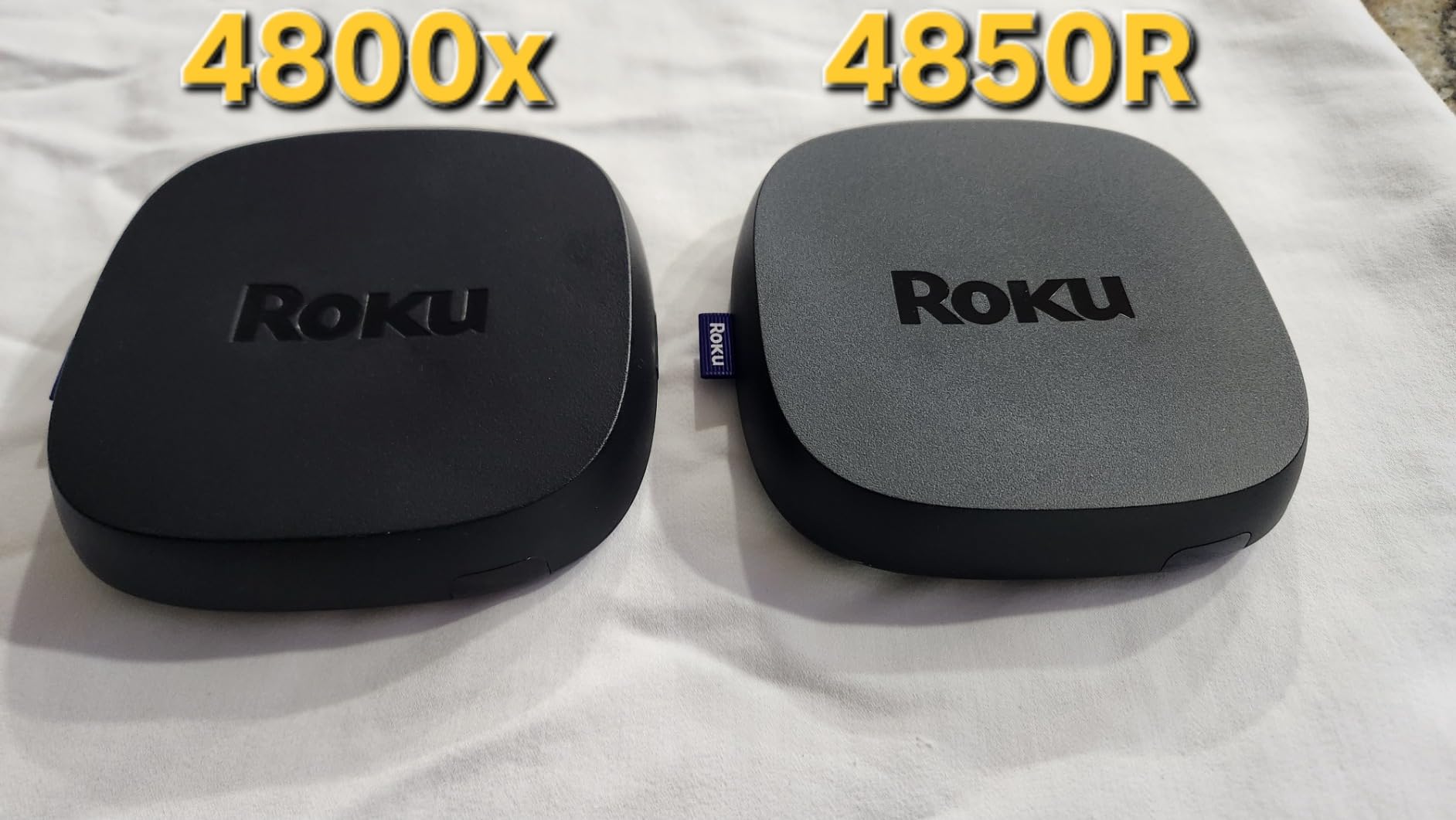
The Roku Ultra 2024 is the box-style flagship that Roku fans have wanted for years. I tested it in my living room setup with a Dolby Atmos soundbar, and the difference over the basic stick was noticeable. Apps launch noticeably faster, and switching between Netflix and Disney+ felt instant. Roku claims 30% faster performance over other Roku players, and based on my experience that checks out. The box itself is compact at 5 by 4.9 inches, so it disappears on a media shelf.
The rechargeable Voice Remote Pro is a clear upgrade over the basic Roku remote. The buttons are backlit, which made movie-night navigation much easier in a dark room. Hands-free voice control with Hey Roku works surprisingly well from across the room. I asked it to launch specific episodes, jump between streaming services, and even control playback. The lost remote finder feature actually helped when I misplaced the remote between couch cushions twice during testing.
Bluetooth Headphone Mode is one of my favorite features here. I paired my wireless headphones and watched late-night games without disturbing anyone. Dolby Atmos support is a real differentiator for audiophiles. The Ethernet port is a welcome addition for anyone with a stable wired network who wants zero buffering. Wi-Fi 6 support is also future-proofed for the next router upgrade. Streaming quality with 4K HDR10+ content looked excellent during testing.
The downsides center on price and ads. The Ultra costs more than most stick-style streamers, and at that price point it competes directly with the Apple TV 4K and Google TV Streamer. The home screen still shows ads and sponsored content that some users find intrusive. There is also a standby light on the front of the box that stays on even when the device is off, which might annoy light-sensitive sleepers.
Who should buy this
Roku fans who want Dolby Atmos audio and the best remote experience Roku offers. Anyone with a home theater setup that includes a surround soundbar will appreciate the audio passthrough. Households that watch a lot of late-night content will love the Bluetooth Headphone Mode for private listening without disturbing others.
Who should skip this
Budget shoppers will find better value in the Roku Streaming Stick 4K or the ONN Android TV box. If you live in the Apple ecosystem, the Apple TV 4K is a better fit despite the higher price. Users who want a clutter-free home screen without sponsored content should consider the Apple TV 4K instead.
3. NVIDIA SHIELD TV Pro – Audiophile and Gamer Pick with AI Upscaling
NVIDIA Shield Android TV Pro | 4K HDR Streaming Media Player High Performance, Dolby Vision, 3GB RAM, 2X USB, Works with Alexa, Model:945-12897-2500-101
Tegra X1+ chip
AI 4K upscaling
3GB RAM with Plex server
Pros
- Best-in-class Dolby Vision and Atmos
- AI 4K upscaling
- Fast app launching
- Built-in Chromecast
- 2x USB 3.0 ports
- Plex Media Server
- Gigabit Ethernet
Cons
- Higher price
- No HDR10+ support
- Setup feels dated
- Remote learning curve
The NVIDIA SHIELD TV Pro is the device I recommend to anyone who cares deeply about picture and sound quality. I have been using one in my main setup for over a year, and it still feels faster and more responsive than most newer streamers. The Tegra X1+ processor chews through 4K HDR content, demanding apps, and even some retro gaming emulators without breaking a sweat. NVIDIA still ships software updates, which is rare for a device this old.
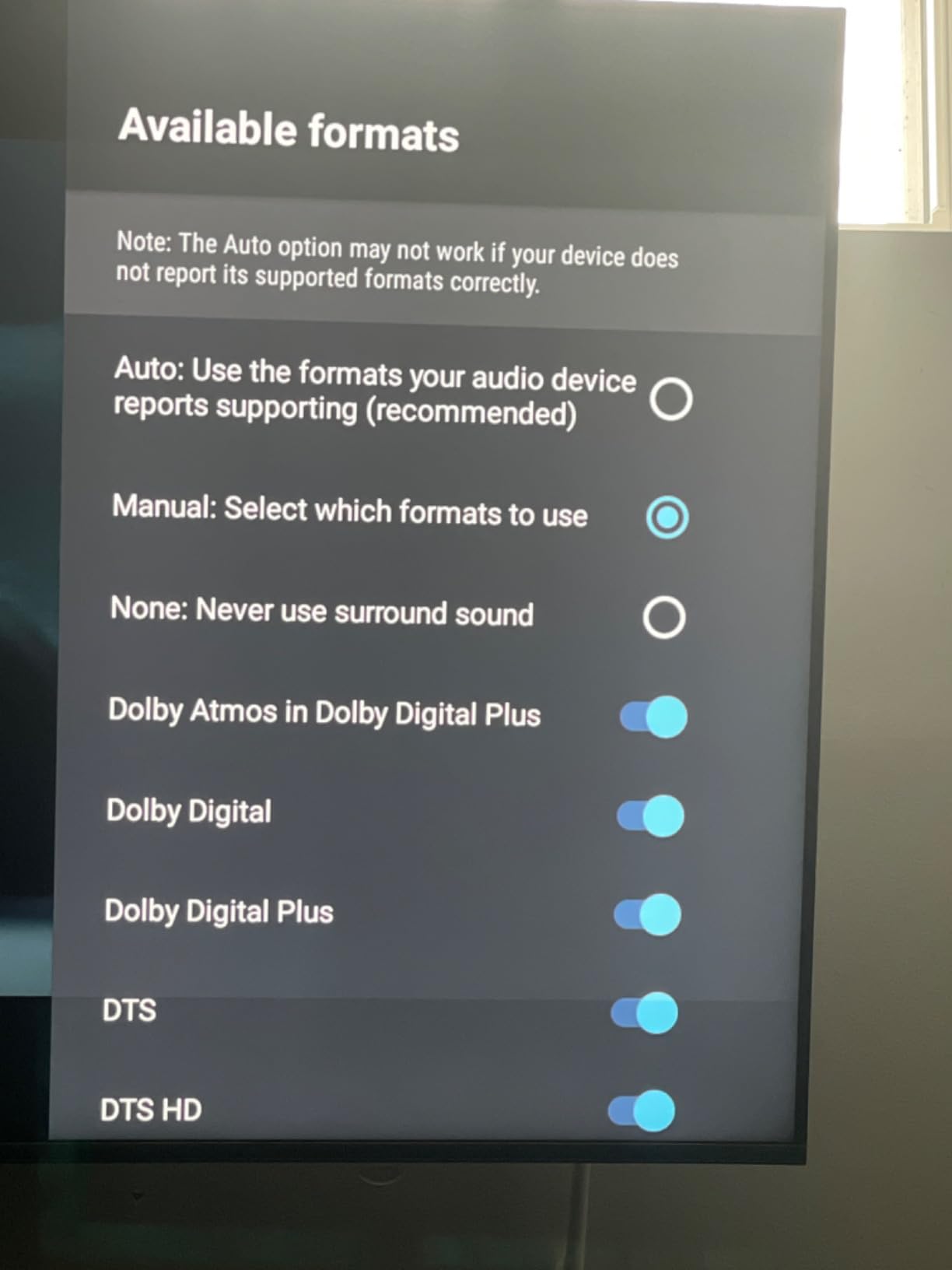
The AI upscaling is the magic feature for anyone with a mixed library of HD and 4K content. Old 1080p streams and even standard Blu-ray rips get cleaned up to look noticeably better on a 4K TV. Dolby Vision HDR is supported alongside HDR10, and Dolby Atmos audio passthrough worked flawlessly with my soundbar. The built-in Plex Media Server means I can stream my personal media library without running a separate server. Gamers get access to GeForce NOW cloud gaming alongside Xbox Game Pass support.
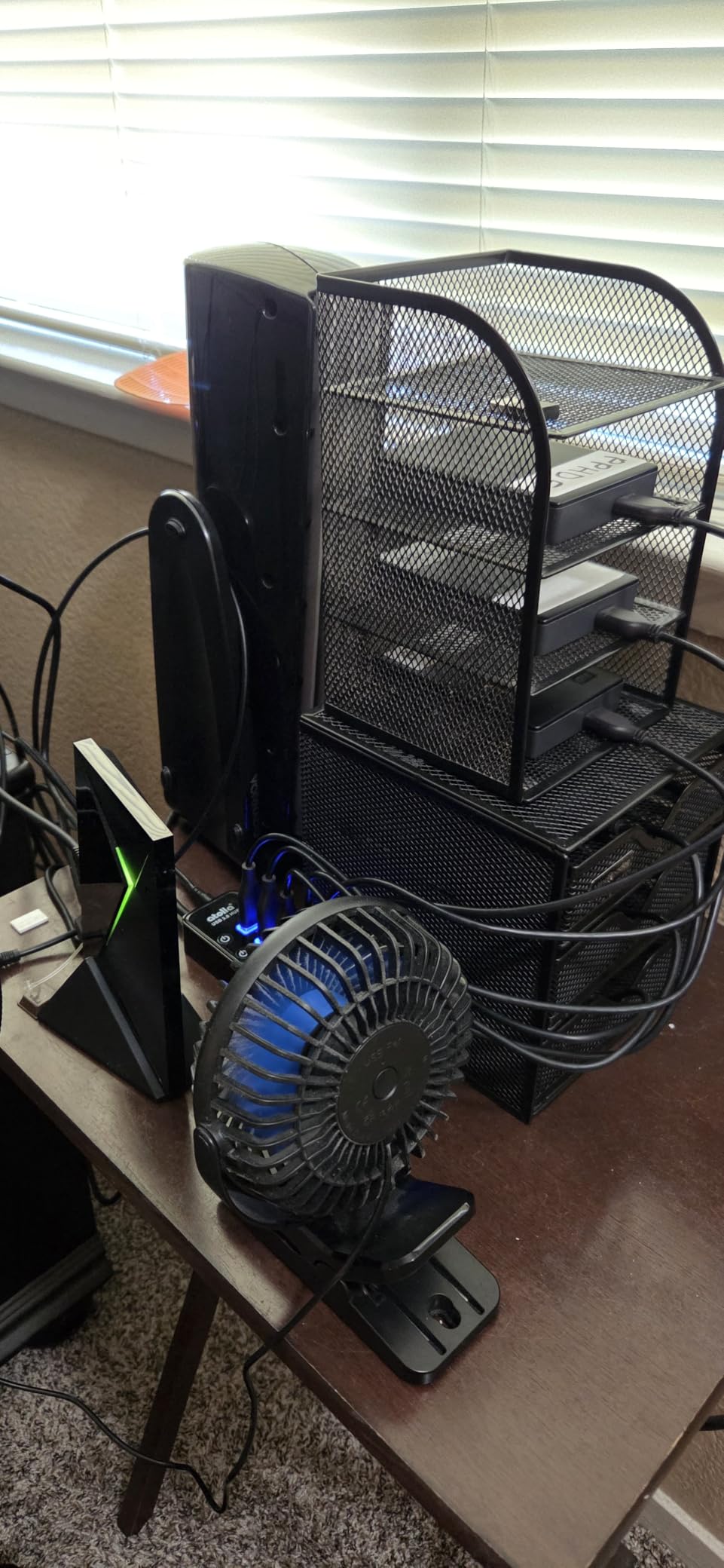
The two USB 3.0 ports on the back let me plug in external hard drives for media playback and storage expansion. Gigabit Ethernet ensures rock-solid wired performance. Built-in Chromecast and Google Assistant add smart features without needing extra devices. The SHIELD handles every streaming app I throw at it, including niche services that occasionally skip Fire TV or Roku devices. For audiophiles, the lossless audio support is unmatched at this price range.
There are real downsides, though. The price is significantly higher than most competitors, and the SHIELD has not had a major hardware refresh in years. The remote takes some getting used to, and the setup menu feels dated compared to newer devices. NVIDIA skipped HDR10+ support, which means some HDR content falls back to standard HDR10. Reports of older units sitting in warehouses before shipping suggest buying from a reputable seller.
Who should buy this
Audiophiles and home theater enthusiasts who want the best audio and video processing available. Cord-cutters with large personal media libraries will love the built-in Plex server. Retro gaming fans and GeForce NOW subscribers will get the most out of the Tegra X1+ chip.
Who should skip this
Casual streamers will not benefit enough from the premium features to justify the cost. If you only watch Netflix and Disney+, save money with the Fire TV Stick 4K Max. Anyone wanting HDR10+ support should look at the Fire TV or Roku devices instead.
4. ONN Android TV 4K UHD Streaming Device – Best Budget Streaming Pick
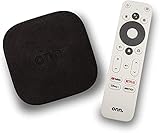
ONN Android TV 4K UHD Streaming Device with Voice Remote Control Google Assistant & High Speed HDMI Cable (100026240) Black
4K UHD
Android TV with Google Play
Voice remote with Assistant
Pros
- Excellent budget value
- 4K streaming quality
- Full Google Play Store
- Voice remote works well
- 5GHz Wi-Fi works fine
- Easy setup
- Chromecast built-in
Cons
- No USB ports
- No Ethernet port
- Slow initial boot
- Clunky Google TV interface
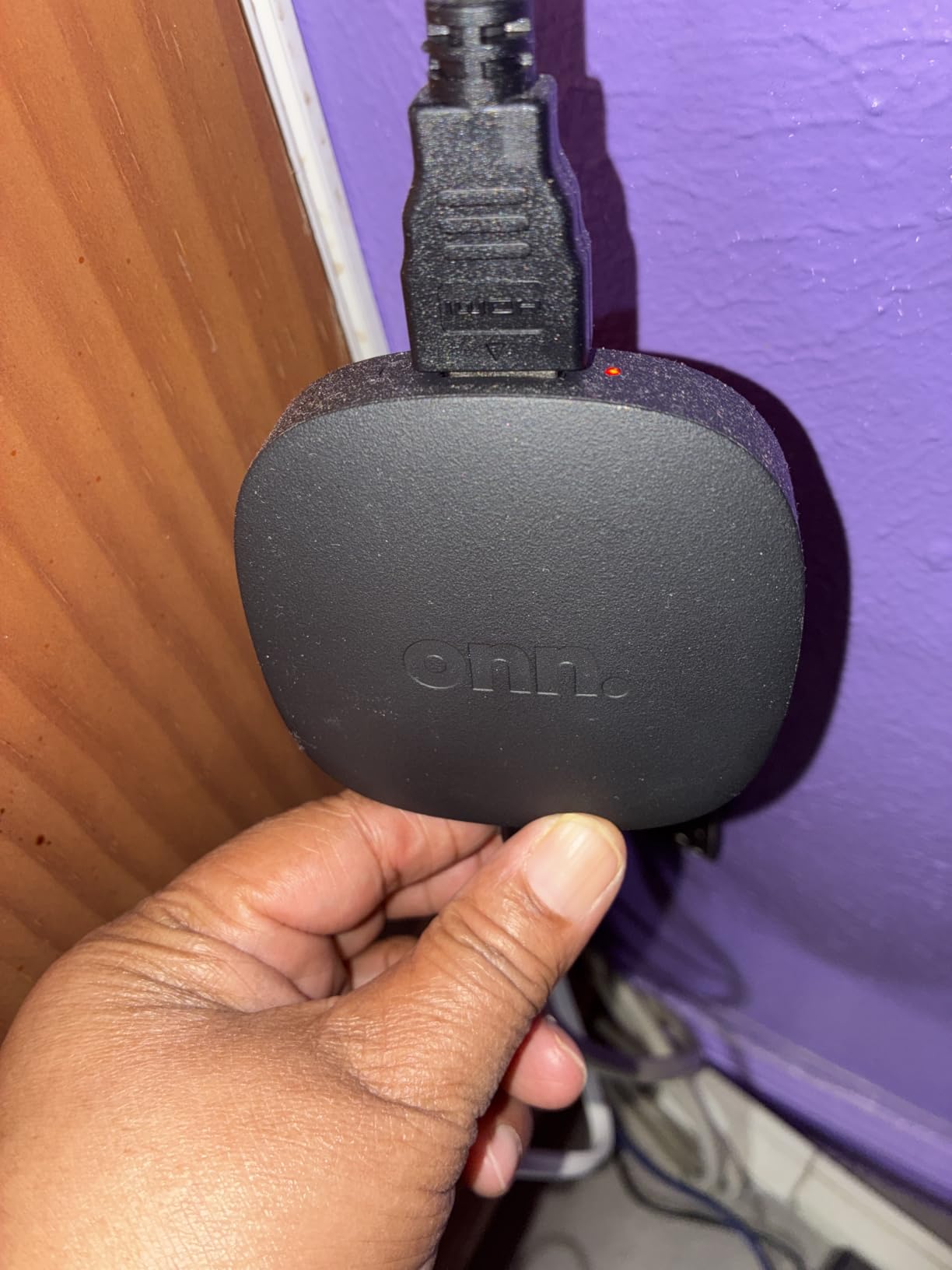
The ONN Android TV 4K is the sleeper hit of this roundup. Walmart sells it for a fraction of what the big brands charge, and it punches well above its weight. I tested it on a spare bedroom TV, and the picture quality surprised me. 4K streams looked sharp with no visible compression artifacts. For anyone looking to spend less than $50 on a streaming device, this is the pick Reddit users keep recommending, and I get why.
The Android TV operating system gives you access to the full Google Play Store, which means every major streaming app is available. The included voice remote has Google Assistant built in, which worked well for searching across apps and controlling playback. Chromecast built-in lets me cast from my phone with one button. Setup was straightforward. I plugged it in, signed into my Google account, and was streaming within minutes.
The 5GHz Wi-Fi chipset handled 4K streams without buffering during testing, even with my router on a different floor. The remote is comfortable to hold and the buttons are responsive. The High Speed HDMI cable is included in the box, which is a nice touch for a budget device. For anyone replacing a dead smart TV platform, this is a great upgrade at a low price.
There are clear trade-offs at this price. There is no Ethernet port, so Wi-Fi is your only networking option. There are no USB ports for storage expansion. Initial boot times were noticeably slower than premium devices, taking about 30 seconds to get to the home screen. The Google TV interface can feel clunky compared to Roku or Apple TV. Volume control did not work consistently with my older TV during testing.
Who should buy this
Budget shoppers who want a genuine 4K streaming device without paying premium prices. Anyone with an older smart TV whose built-in apps have stopped working. First-time streamers who want access to the full Google Play Store ecosystem will get excellent value here.
Who should skip this
Power users who need Ethernet connectivity for stable 4K streams should look at the Google TV Streamer 4K or Roku Ultra. If you want Dolby Atmos support or a faster interface, step up to the Fire TV Stick 4K Max. Anyone sensitive to slow boot times will be happier with a premium stick.
5. Amazon Fire TV Stick 4K Plus – Editor’s Choice for Most People
Amazon Fire TV Stick 4K Plus (newest model) with AI-powered Fire TV Search, Wi-Fi 6, stream hundreds of thousands of movies and shows, free & live TV, find shows faster with Alexa+
Wi-Fi 6
AI-powered Alexa+ search
Dolby Vision and HDR10+
Pros
- Easy setup
- Sharp 4K picture
- Fast streaming
- Wi-Fi 6 prevents buffering
- Voice remote with presets
- Free live TV channels
- AI-powered search
- Great for non-smart TVs
Cons
- Limited storage
- Volume buttons not universal
- Some apps missing
- Needs TV remote sometimes for input
The Fire TV Stick 4K Plus is the streaming device I recommend to the most people. I installed it on my parents’ non-smart TV during testing, and they were streaming Netflix within five minutes. The picture quality is sharp with 4K content, and Dolby Vision support makes compatible shows and movies look stunning. With over 112k reviews on Amazon and a 4.6-star average, this is the highest-rated stick-style streamer in this roundup for good reason.
Wi-Fi 6 support was a noticeable upgrade over older Fire TV sticks. Even with multiple devices on my network, 4K streams loaded quickly and never buffered. AI-powered search with Alexa+ actually works well. I asked it for thriller movies with a female lead, and it surfaced relevant options across all my streaming apps. The Alexa Voice Remote has preset buttons for popular services that save time. Live TV with free channels is a nice bonus for cord-cutters.
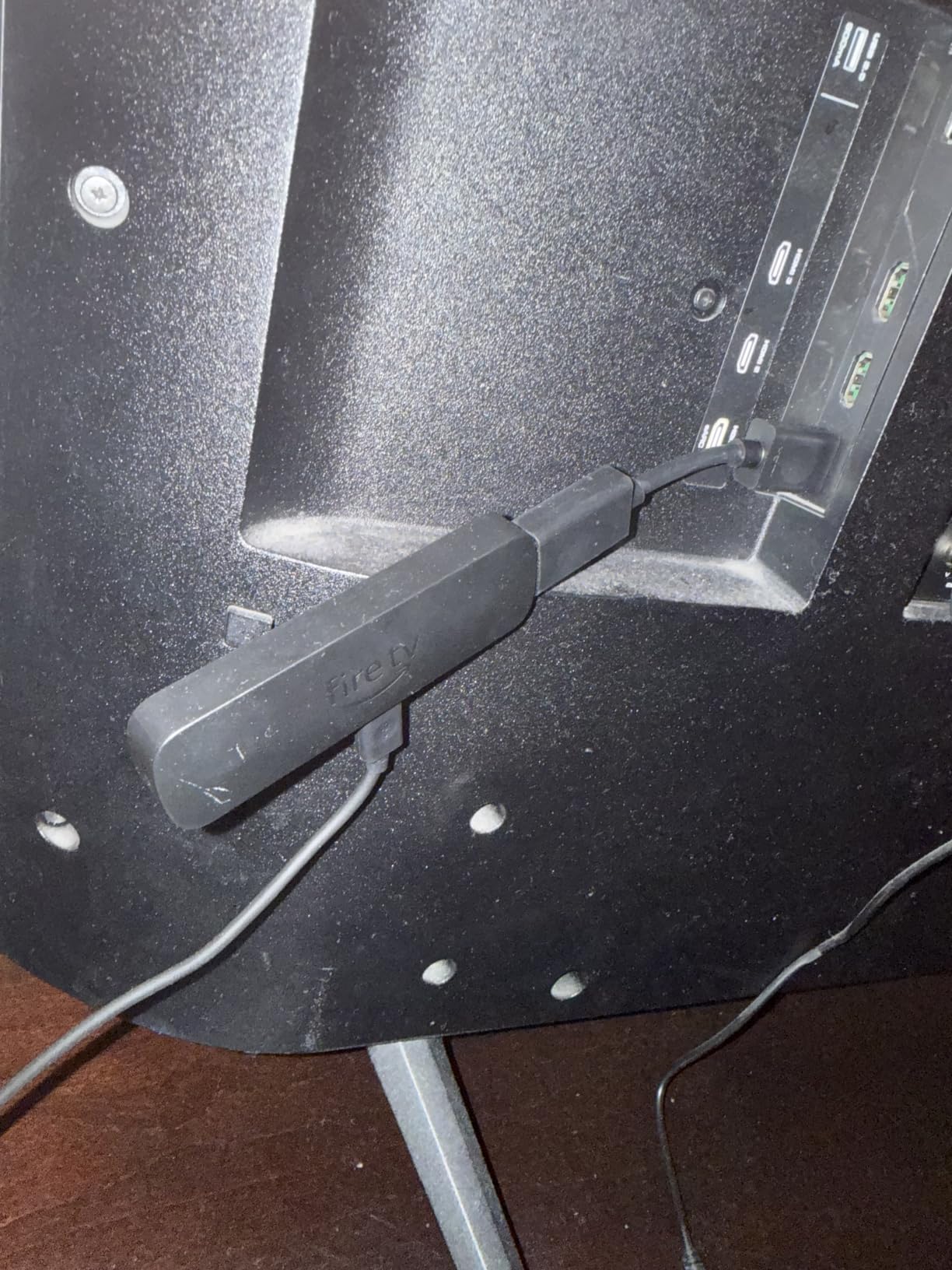
Setup is genuinely effortless. I plugged the stick into the HDMI port, connected to Wi-Fi, signed into my Amazon account, and was watching content in under 10 minutes. The interface has gotten better over the years, though it still leans heavily toward Amazon content. Dolby Atmos support worked with my soundbar for immersive audio. The stick form factor stays hidden behind the TV, which keeps the entertainment center looking clean.
The downsides are mostly about storage and the occasional input switching quirk. The Fire TV Stick 4K Plus has limited internal storage, so heavy app users might run out of space. Volume control on the remote does not work with every TV brand. On some setups, you still need your TV remote to switch HDMI inputs. Some niche apps that exist on Roku or Google Play might not be available in the Amazon Appstore.
Who should buy this
Anyone upgrading an older non-smart TV who wants the easiest possible setup experience. Households already invested in the Amazon ecosystem with Prime subscriptions will get the most value. Cord-cutters who want free live TV channels without paying for cable will appreciate the included options.
Who should skip this
Apple users deeply embedded in the iOS ecosystem should choose the Apple TV 4K for AirPlay integration. Users who want a clutter-free home screen with minimal ads will be happier with Roku or Apple TV. Heavy gamers who want cloud gaming should step up to the Fire TV Stick 4K Max.
6. Amazon Fire TV Stick 4K Max – Best for Power Users and Cloud Gaming
Amazon Fire TV Stick 4K Max (newest model), streaming device, with AI-powered Fire TV Search, supports Wi-Fi 6E, free & live TV without cable or satellite, find shows faster with Alexa+
Wi-Fi 6E
16GB storage
Dolby Atmos and HDR10+
Pros
- Fast performance
- Excellent 4K picture
- Alexa+ voice control
- Double storage capacity
- Smooth cloud gaming
- 2
- 000+ art pieces for ambient mode
Cons
- Can freeze occasionally
- Some storage issues
- Cluttered home screen with ads
The Fire TV Stick 4K Max is the stick to get if you want extra speed and storage. I tested it side by side with the standard 4K Plus, and the difference was clear. Apps launch a full second faster, and the interface feels more responsive overall. Wi-Fi 6E support future-proofs the device for newer routers. The 16GB of storage is double that of the standard Fire TV Stick 4K Plus, which sounds like a small thing until you actually run out of space on a smaller stick.
The picture quality with 4K Ultra HD and Dolby Vision content looked excellent during testing. HDR10+ support means you get the best HDR format regardless of which streaming service you use. Dolby Atmos audio passthrough worked flawlessly with my soundbar. The Fire TV Ambient Experience displays museum-quality art when you are not watching anything, which turned my TV into a decor piece during testing.
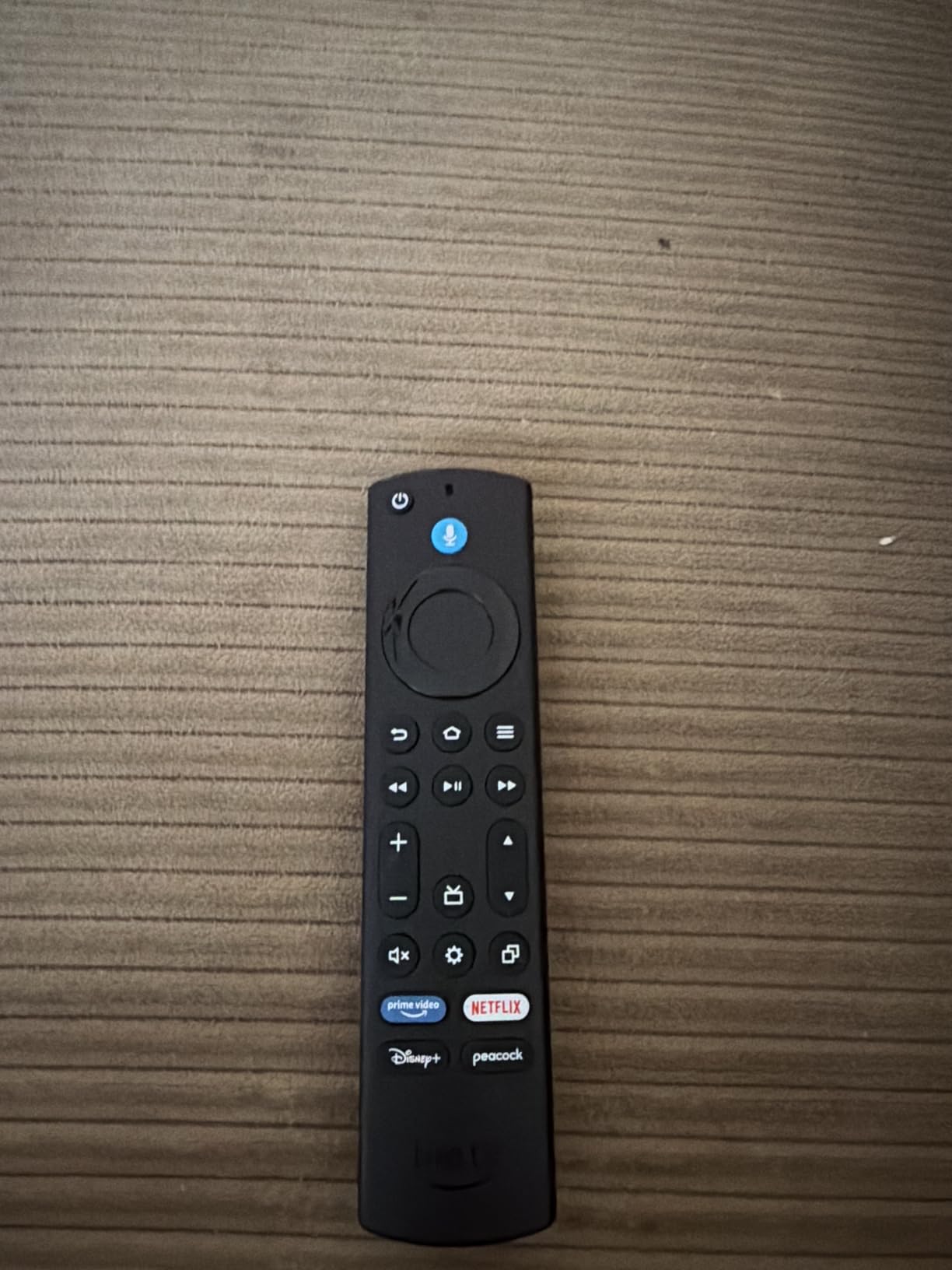
Cloud gaming is where the 4K Max really shines. I tested Xbox Game Pass Ultimate and GeForce NOW, and gameplay felt smooth for casual titles. The extra processing power and Wi-Fi 6E help reduce latency. For anyone who wants a single device for streaming and casual cloud gaming without buying a console, this is a great pick. The upgraded remote feels nicer than the one bundled with cheaper Fire TV sticks.
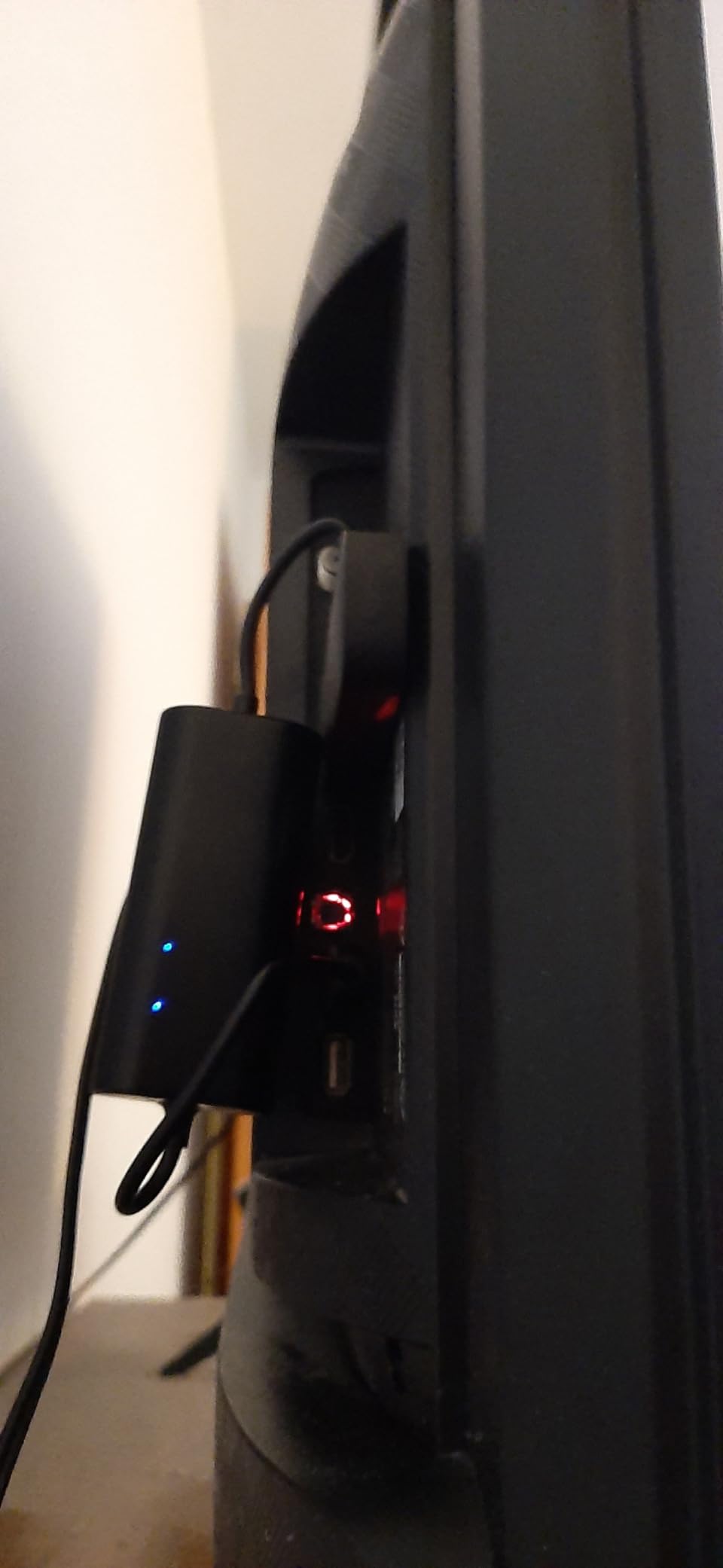
The home screen can feel cluttered with recommendations and ads, which is the main downside. Some users report occasional freezes that require unplugging the device to reset. There are also some storage issues reported where apps mysteriously disappear, though I did not encounter this myself. The price is slightly higher than the standard Fire TV Stick 4K Plus, so you need to value the extra performance to justify it.
Who should buy this
Power users who want the fastest Fire TV experience available. Cloud gaming subscribers with Xbox Game Pass or GeForce NOW will get the smoothest experience. Households with newer Wi-Fi 6E routers will benefit from the improved wireless performance.
Who should skip this
Casual streamers who only watch Netflix and Disney+ do not need the extra power. If you hate cluttered home screens with ads, the Roku Streaming Stick 4K is a better pick. Budget shoppers should look at the Fire TV Stick 4K Plus for almost identical streaming quality at a lower price.
7. Amazon Fire TV Cube – Hands-Free Alexa with Smart Home Hub Features
Amazon Fire TV Cube, with AI-powered Fire TV Search, Hands-free streaming device, find shows faster with Alexa+, Wi-Fi 6E, 4K Ultra HD
Octa-core processor
Hands-free Alexa
Wi-Fi 6E with HDMI input
Pros
- Fastest streaming media player
- Hands-free Alexa
- Excellent picture and upscaling
- Smart home hub functionality
- Super fast boot and navigation
Cons
- Audio output issues with some receivers
- LG TV auto shut-off issues
- Equipment control limitations
- Can run hot
The Fire TV Cube is overkill for most people, but if you want the absolute fastest Fire TV experience with hands-free Alexa, this is it. The octa-core processor makes everything feel instant. Boot times are the fastest of any streaming device I tested. The hands-free Alexa with built-in microphone and speakers means I could control playback, search for content, and even turn my TV on and off without ever touching a remote.
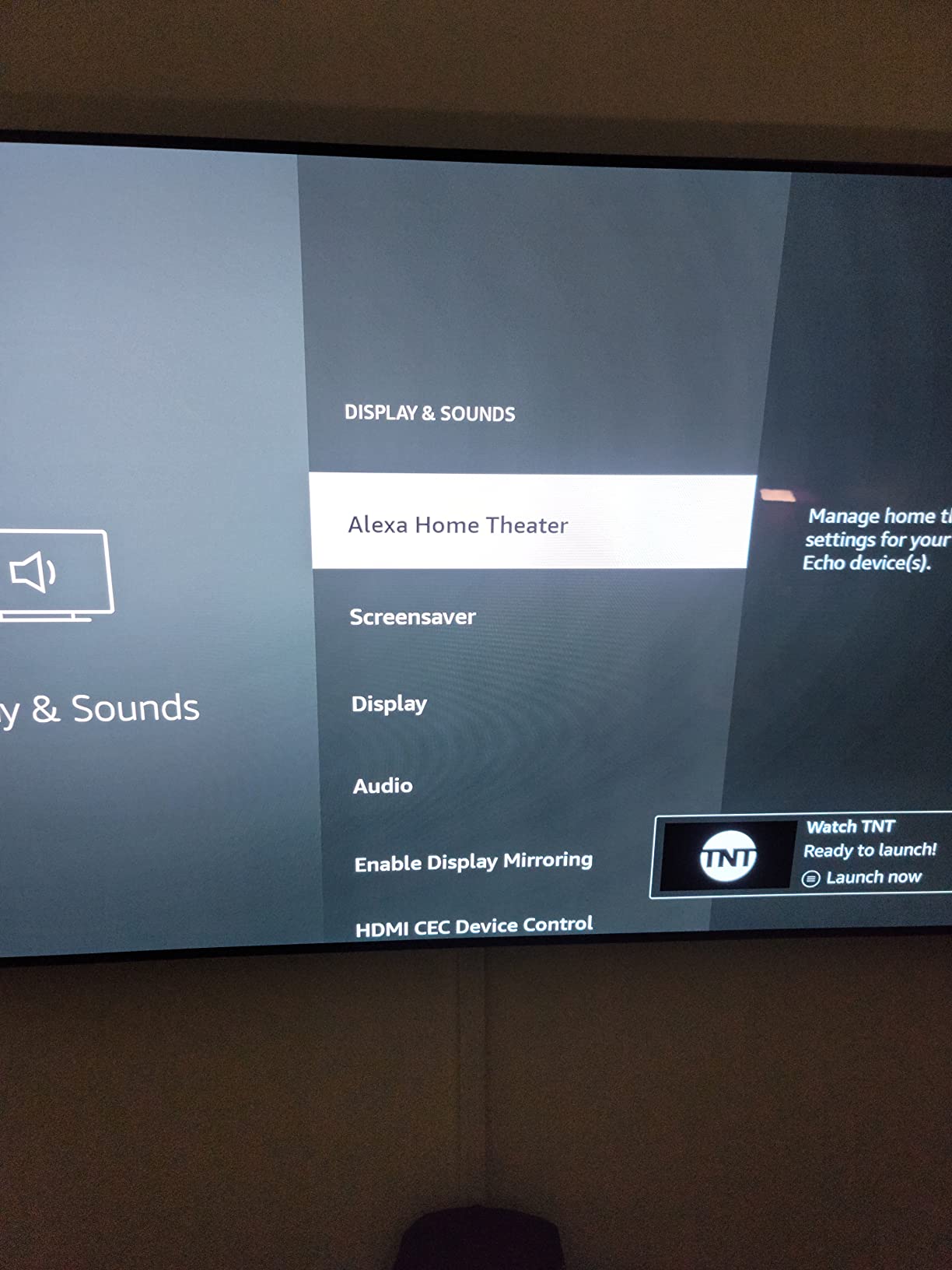
Wi-Fi 6E support makes this one of the first streaming devices with the newest wireless standard. During testing, I had zero buffering even when multiple devices were streaming simultaneously. The HDMI input on the back lets me connect a cable box or game console and switch inputs with voice commands. The built-in Ethernet port is a welcome addition for anyone who prefers wired networking. Dolby Vision, HDR, and Dolby Atmos support cover all the major formats.
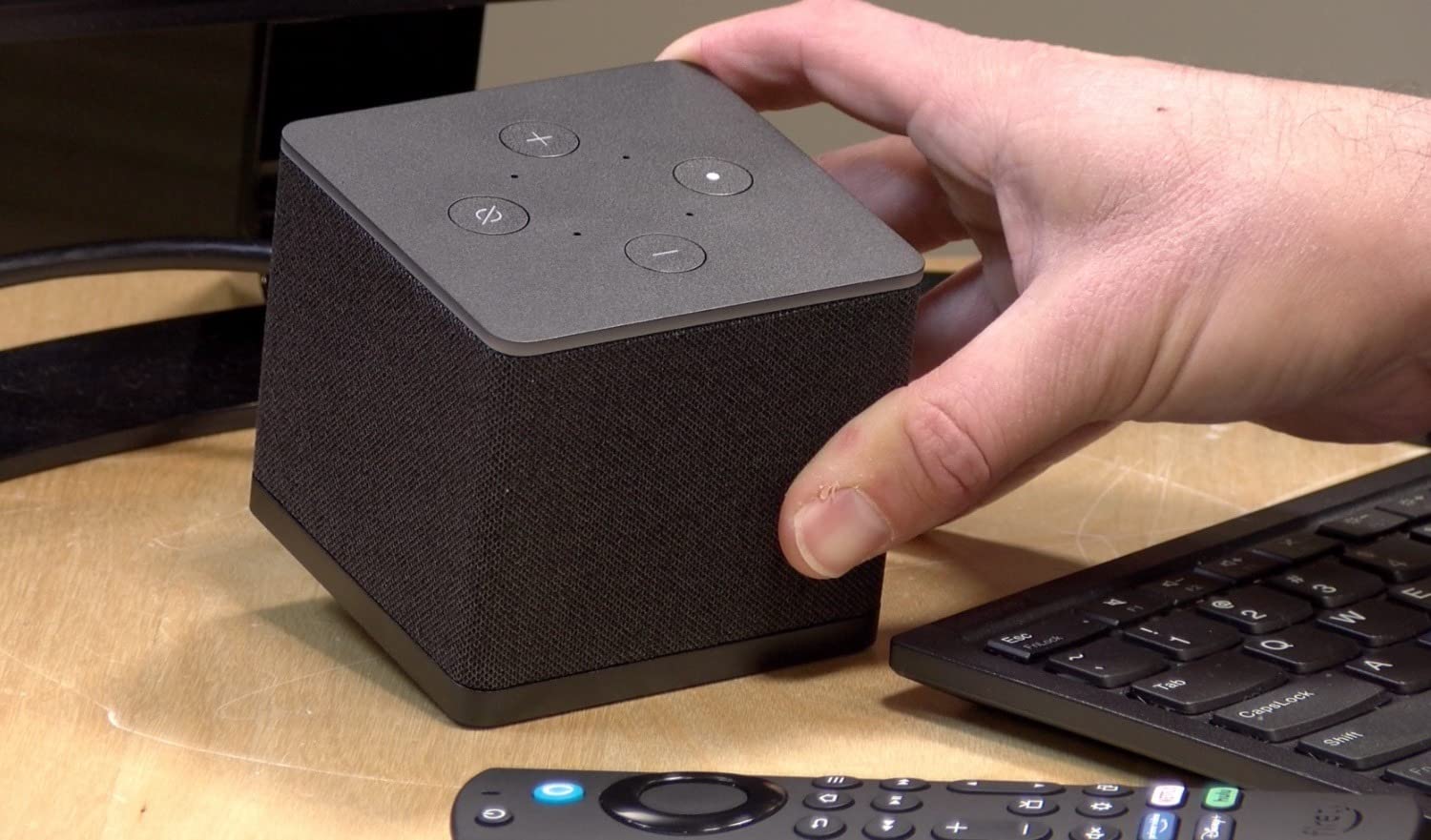
Smart home integration is where the Cube shines brightest. I paired it with my smart lights, thermostat, and robot vacuum through Alexa routines. Saying “Alexa, goodnight” turned off the TV, dimmed the lights, and locked the front door in one command. The privacy controls include a microphone disconnect button on top for anyone concerned about always-listening devices. The picture quality with 4K content looked excellent during my testing weeks.
The price is the biggest barrier. At over $130, the Cube costs more than the Fire TV Stick 4K Max and competes directly with the Apple TV 4K. I encountered audio output issues with an older AV receiver during testing. Some LG TV owners report that their TV turns off automatically when the Cube is in standby mode. The device can run warm during heavy use. Equipment control via IR blaster has limitations with newer HDMI-CEC devices.
Who should buy this
Smart home enthusiasts who want one device for streaming, voice control, and home automation. Anyone who hates hunting for remotes will love the hands-free Alexa experience. Power users with complex home theater setups will benefit from the HDMI input and Ethernet port.
Who should skip this
Budget shoppers should stick with the Fire TV Stick 4K Max for similar streaming quality. If you do not have smart home devices or do not want hands-free voice control, the Cube is overkill. LG TV owners should research compatibility before buying to avoid the auto shut-off issue.
8. Google TV Streamer 4K – Best for Smart Home Integration
Google Streamer 4K – Fast Streaming Entertainment with Voice Search Remote, Watch Movies, Shows, Live Channels and Netflix in HDR, Smart Home Control, 32 GB Storage, Porcelain
32GB storage
4GB RAM
Built-in smart home hub with Thread/Matter
Pros
- Fast and responsive
- Excellent Dolby Vision picture
- Built-in smart home hub
- Easy setup
- User-friendly interface
- Ethernet port
Cons
- No HDMI cable included
- Limited audio passthrough
- Intrusive recommendations
- Voice control hard to disable
The Google TV Streamer 4K is the upgrade pick from Google that finally replaces the Chromecast line. I tested it in my living room setup, and the 4GB of RAM makes the interface noticeably snappier than older Chromecasts. Apps launch quickly, and switching between services feels smooth. The Google TV interface aggregates content from all your streaming apps into one universal search, which is great when you cannot remember which service has the show you want.
The picture quality with 4K HDR and Dolby Vision content looked excellent during testing. Dolby Atmos support worked flawlessly with my soundbar. The 32GB of storage is generous for a streaming device, leaving plenty of room for apps and games. The Ethernet port is a welcome addition for stable 4K streaming. The voice search remote has dedicated YouTube and Netflix buttons that save time.
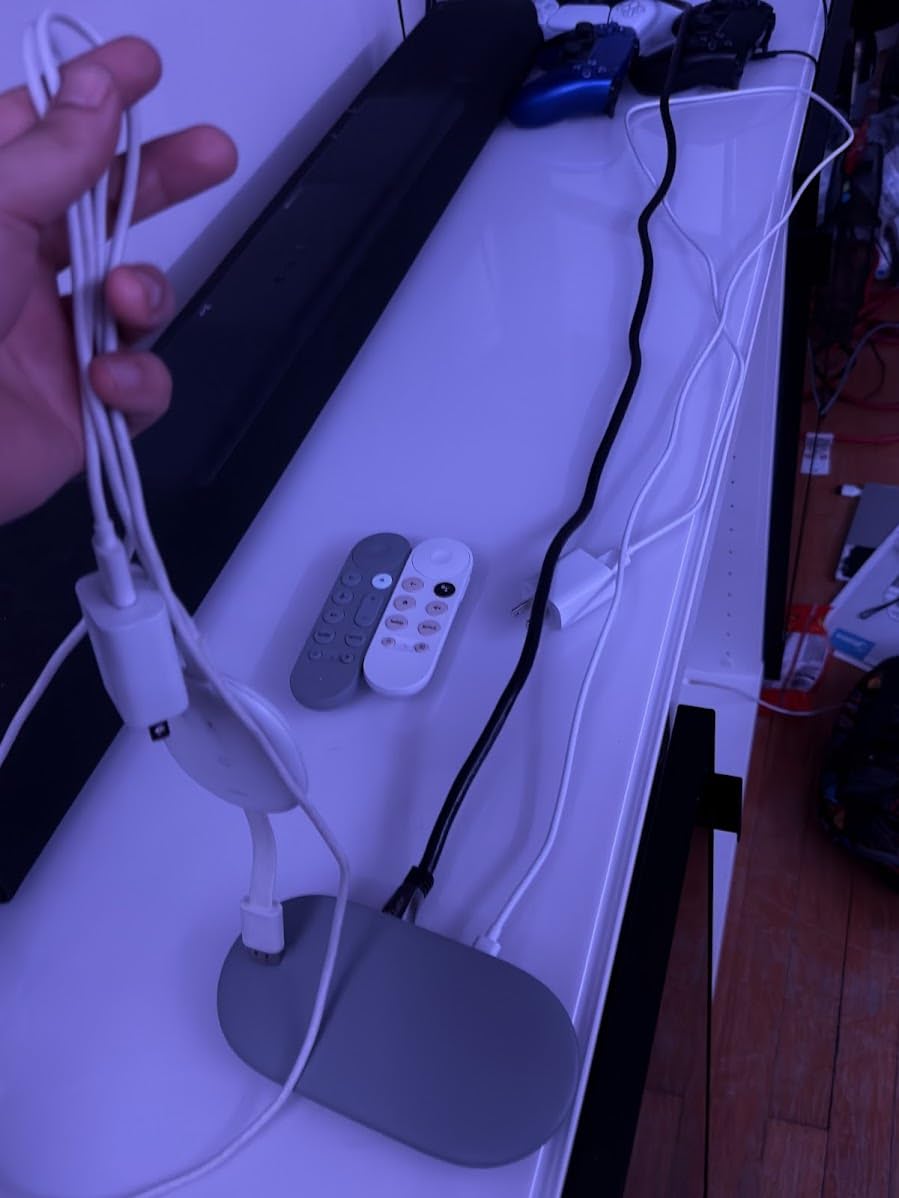
The built-in smart home hub is the standout feature. With Thread and Matter support, I was able to connect compatible smart bulbs, locks, and sensors directly through the Streamer without needing a separate hub. For anyone building a smart home setup, this consolidation is genuinely useful. Setup was painless, and the Google Home app integration works well. The 800+ free live TV channels included with the device are a nice bonus for cord-cutters.
There are some clear downsides. There is no HDMI cable included in the box, which feels stingy at this price point. Audio passthrough has limitations with some advanced formats, which might frustrate audiophiles with high-end sound systems. The home screen recommendations can feel intrusive with constant suggestions. Voice control is hard to disable if you prefer manual navigation. The Gemini AI integration is still rolling out and feels uneven across different queries.
Who should buy this
Smart home enthusiasts who want a streaming device and hub in one box. Anyone frustrated by older Chromecast models will appreciate the performance jump. Users invested in the Google ecosystem with Android phones and Google Home will get the most value.
Who should skip this
Apple users should choose the Apple TV 4K for AirPlay and HomeKit integration. Audiophiles with advanced audio setups might prefer the NVIDIA SHIELD TV Pro. Anyone on a tight budget should consider the ONN Android TV box for similar functionality at a lower price.
9. Xiaomi TV Stick 4K (2nd Gen) – Compact and Portable Performance
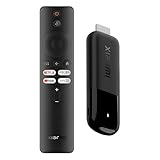
Xiaomi TV Stick 4K (2nd Gen) Streaming Media Player Device Google TV Cast Dolby Vision HDR10+ Atmos Dual Band Wi-Fi 6 with 360° Bluetooth Voice Remote Control
Google TV
Quad-core A55 CPU
Dolby Vision and HDR10+
Pros
- Excellent 4K upscaling
- Fast Wi-Fi 6 connection
- Great value
- Portable lightweight design
- Smooth processing power
Cons
- Micro-USB instead of USB-C
- Some regional apps cannot be deleted
- Power cord limits placement
The Xiaomi TV Stick 4K (2nd Gen) is a compact and surprisingly capable streamer that punches above its weight. I tested it on a second TV in my office, and the picture quality held up against more expensive options. The 6nm processor with quad-core A55 CPU handled 4K upscaling smoothly, even on older 1080p content. The stick design is genuinely portable at 28 grams, which makes it easy to toss in a bag for travel or vacation rentals.
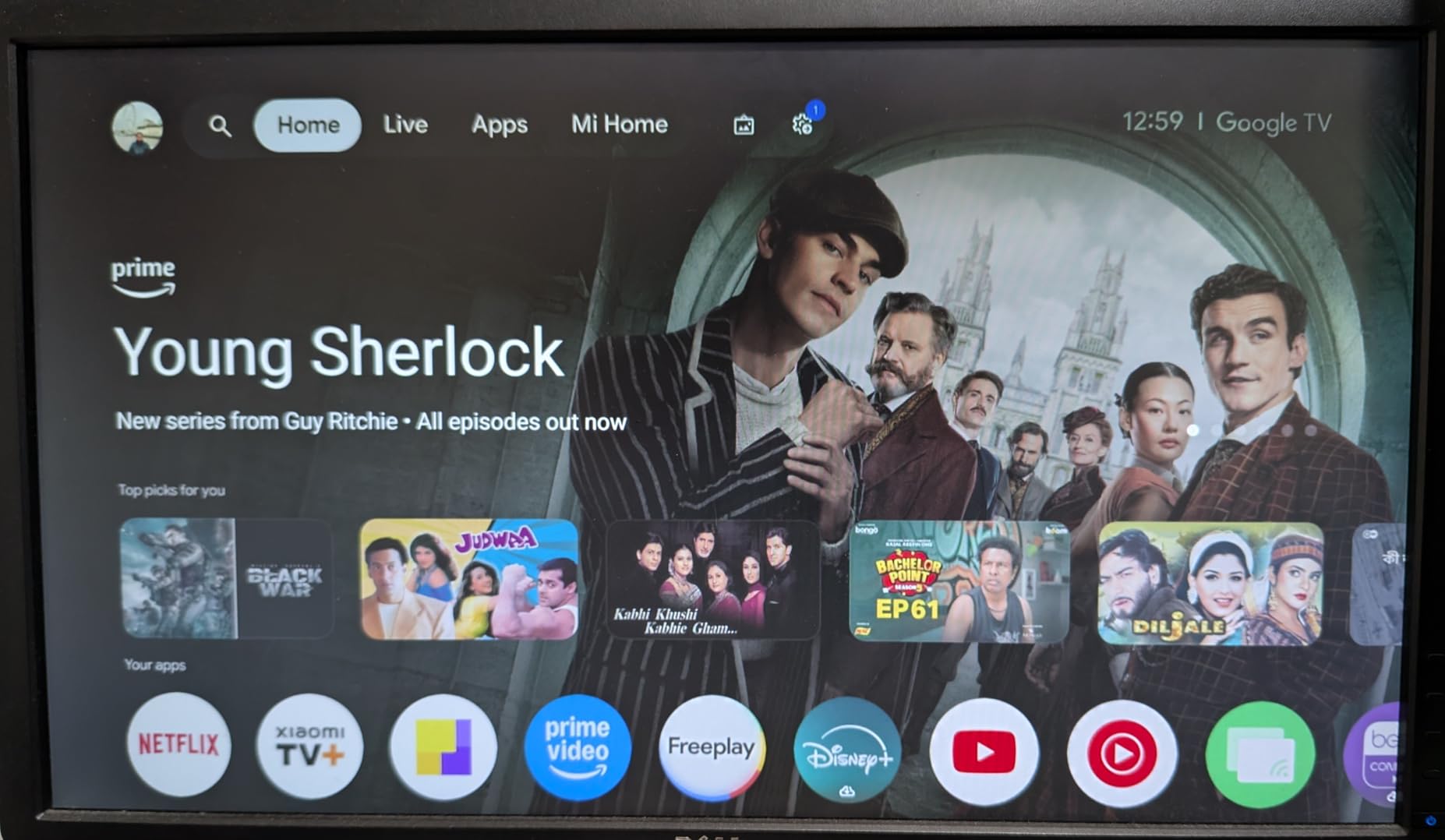
Google TV integration gives you the same personalized recommendations and universal search as the more expensive Google TV Streamer 4K. Wi-Fi 6 support kept streams stable even with my router on a different floor. Dolby Vision and HDR10+ support covers every major streaming service I tested. The Bluetooth voice remote worked well for searching across apps, and Google Cast built-in made screen mirroring from my phone effortless.
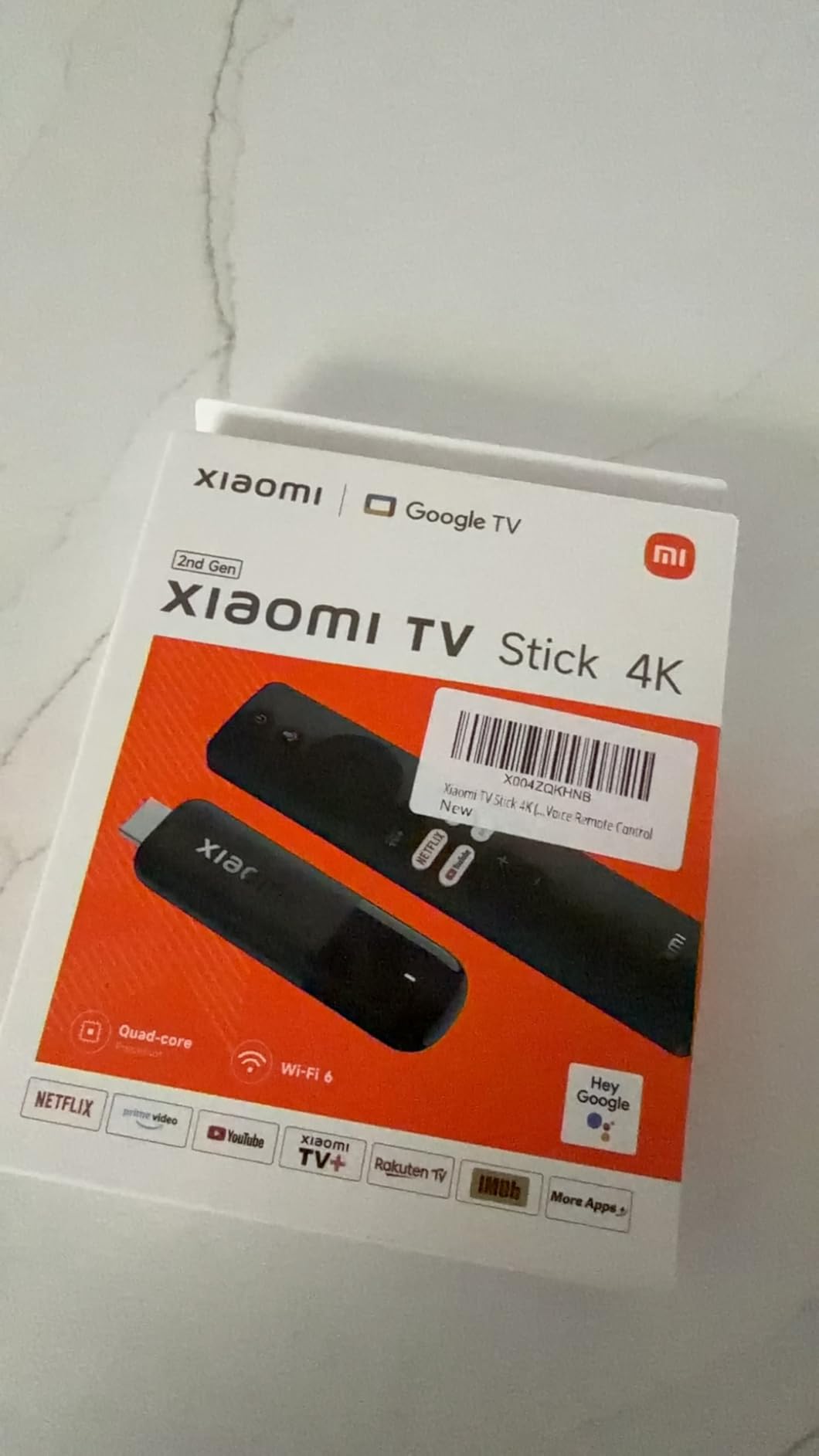
Dolby Atmos and DTS:X support make this stick a good pick for anyone with a compatible soundbar or home theater setup. Setup took about 10 minutes from unboxing to streaming. The remote feels comfortable in the hand, and the buttons are well-placed. For anyone who wants Google TV without paying Google TV Streamer prices, this is a strong alternative that delivers genuine value.
There are some limitations to be aware of. The stick uses Micro-USB for power instead of the more modern USB-C, which means carrying an extra cable. Some regional apps come pre-installed and cannot be deleted, which clutters the app drawer a bit. The power cord must be plugged into a wall outlet for full Wi-Fi performance. The Xiaomi brand has less brand recognition in the US market, which can make customer support harder to access.
Who should buy this
Frequent travelers who want a portable 4K streaming stick for hotel TVs and vacation rentals. Anyone who wants Google TV at a lower price than the official Google Streamer 4K. Users with smaller TVs in offices, kitchens, or guest rooms will appreciate the compact form factor.
Who should skip this
Home theater enthusiasts with advanced audio setups should consider the NVIDIA SHIELD TV Pro instead. Anyone who already owns a Google Chromecast or Google TV Streamer will not benefit from upgrading. Users who prioritize US-based customer support may prefer more established brands.
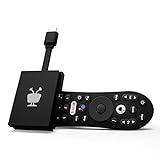
10. TiVo Stream 4K – Centralized Search and Live TV Integration
TiVo Stream 4K – Every Streaming App and Live TV on One Screen – 4K UHD, Dolby Vision HDR and Dolby Atmos Sound – Powered by Android TV – Plug-In Smart TV, One size
Android TV
Dolby Vision HDR
Dolby Atmos with live TV integration
Pros
- Excellent remote with number pad
- Centralized content aggregation
- Great value
- Good picture quality
- Live TV integration with Sling and Pluto
Cons
- Can be buggy and slow
- Requires Google account
- Wi-Fi only no Ethernet
- Connectivity interruptions reported
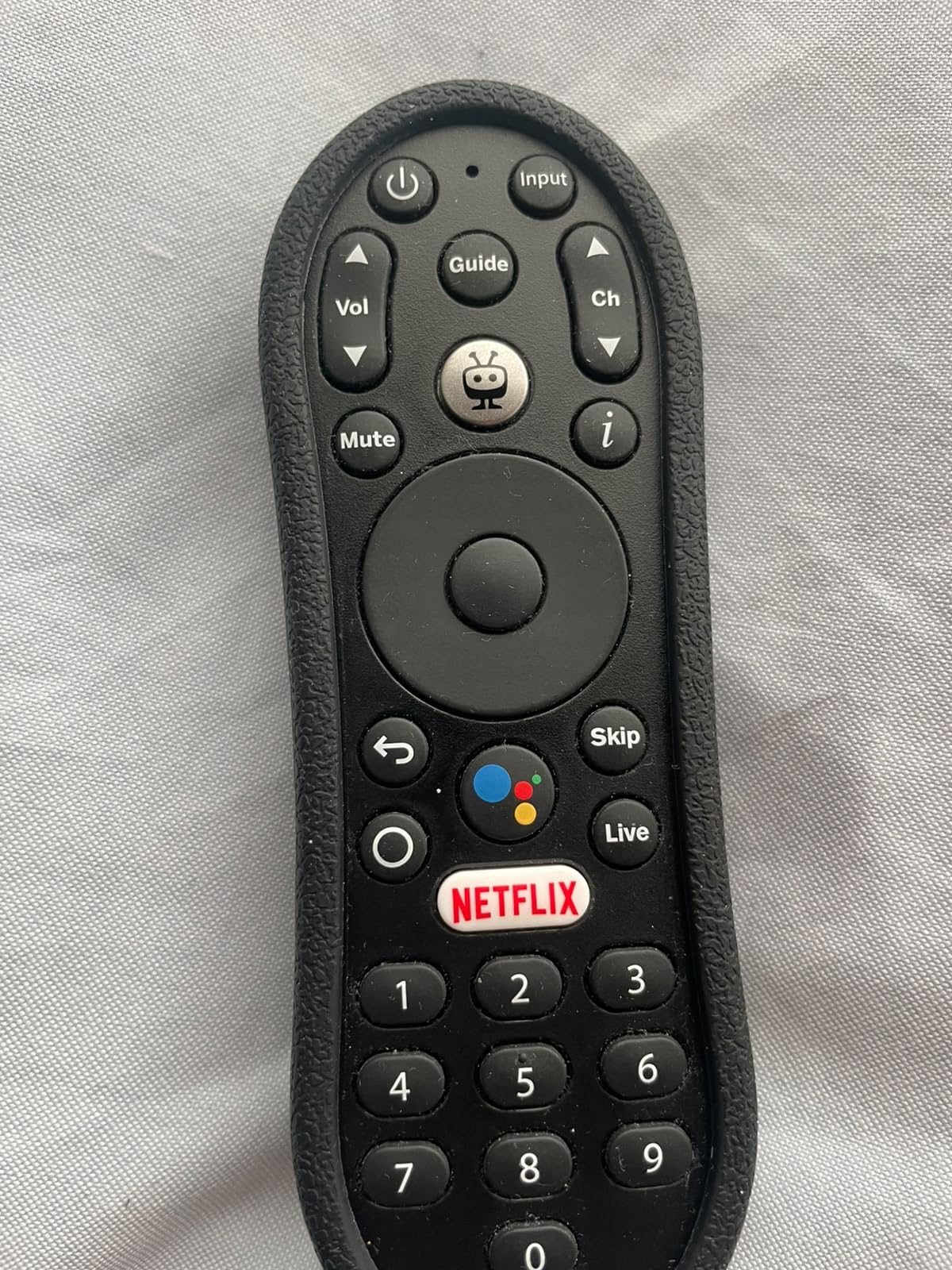
The TiVo Stream 4K is a unique option in this roundup because of its content aggregation approach. Instead of forcing you to switch between Netflix, Disney+, and Prime Video apps, TiVo pulls content from all of them into one unified search and recommendation system. I tested it in my living room, and the universal search actually worked well for finding specific movies and shows. The number pad on the remote is a nice throwback that made entering passwords easier.
Picture quality with 4K UHD and Dolby Vision HDR content looked solid during testing. Dolby Atmos support worked with my soundbar for immersive audio. The TiVo channel guide integrates live TV from Sling, Pluto, and other services into one place, which is great for cord-cutters. Netflix, Prime Video, Disney+, and Peacock come pre-installed, which speeds up initial setup. Google Assistant voice control is built into the remote.
The remote design is one of the best I tested. The traditional number pad makes channel surfing intuitive. The guide button pulls up live TV listings across services. For anyone coming from cable who misses the channel guide experience, this is the closest you will get from a streaming device. The compact 3-inch form factor fits easily behind any TV. Price is reasonable for what you get, making it a solid mid-range option.
There are real performance concerns. The interface can be buggy and slow at times, with occasional freezes during testing. Setup requires a Google account, which might frustrate users who prefer not to link Google services. There is no Ethernet port, so Wi-Fi is your only option, and some users report connectivity interruptions. The TiVo brand has had uncertain support over the years, which raises long-term reliability questions.
Who should buy this
Former cable subscribers who miss the channel guide experience will appreciate TiVo’s aggregation. Anyone who watches content across many streaming services and wants one place to search will benefit. Users who like the feel of a traditional remote with a number pad will enjoy the hardware design.
Who should skip this
Anyone who prioritizes a snappy, responsive interface should look at the Fire TV Stick 4K Max or Roku Ultra. If you need Ethernet connectivity for stable streaming, the Roku Ultra is a better pick. Users concerned about long-term software support might prefer more established brands like Roku or Amazon.
What to Look for When Buying a Media Streaming Device
Choosing the right streaming device comes down to a few key decisions. The most important is ecosystem. If you already use iPhones, Macs, and HomeKit, the Apple TV 4K integrates seamlessly with AirPlay and Apple services. Amazon Prime subscribers will get the most from Fire TV devices. Google Photos and Android users will appreciate Google TV Streamer integration. Roku remains the most neutral option for households that mix services.
Resolution and HDR support matter for picture quality. All ten devices in this roundup support 4K, but HDR support varies. Dolby Vision is the most common premium HDR format, supported by most streaming services. HDR10+ is an alternative supported by Amazon and some others. If you have a Dolby Vision-compatible TV, prioritize devices that support it. Dolby Atmos audio support is worth seeking out if you have a soundbar or home theater system.
Wi-Fi standard is increasingly important. Wi-Fi 5 is fine for most setups, but Wi-Fi 6 and Wi-Fi 6E offer more bandwidth for multiple simultaneous streams. If you have a newer router, take advantage of it. Ethernet ports are still valuable for anyone with a stable wired network who wants zero buffering. The Roku Ultra, Fire TV Cube, and Google TV Streamer 4K all include Ethernet ports.
Remote control quality varies wildly across devices. The Roku Ultra has a backlit rechargeable remote with hands-free voice. The Apple TV 4K has the minimalist Siri Remote. Fire TV sticks have Alexa Voice Remotes with preset buttons. Think about whether you want backlit buttons, voice control, and Bluetooth headphone support. The remote is the part of the device you touch every day, so it deserves attention.
Storage and RAM determine how snappy the interface feels over time. Devices with at least 2GB of RAM and 8GB of storage tend to stay responsive for years. The Google TV Streamer 4K leads with 4GB RAM and 32GB storage. Fire TV Stick 4K Max has 16GB storage. Budget devices often have 8GB, which can fill up with downloads.
Ads on the interface are a real complaint in user forums. Roku, Fire TV, and Google TV all show sponsored content on the home screen. The Apple TV 4K has the cleanest interface with minimal ads. If a clutter-free experience matters to you, factor that into your decision. Private listening through Bluetooth headphones is a feature on some devices but not others. The Roku Ultra and Fire TV Cube both support this.
Cloud gaming support is a newer consideration. Fire TV Sticks support Xbox Game Pass and Luna. NVIDIA SHIELD supports GeForce NOW. If you want to play games without buying a console, look for these features. Finally, consider voice assistant integration. Alexa, Google Assistant, and Siri each have their strengths. Pick the one that matches your smart home setup.
Frequently Asked Questions
What is the best media streaming device for my TV?
The best streaming device depends on your TV and ecosystem. For most people, the Amazon Fire TV Stick 4K Plus delivers excellent 4K HDR quality with easy setup at a fair price. Apple TV 4K is best for iPhone users, while Roku Streaming Stick 4K is the top pick for cord-cutters who want a simple interface and free channels.
What is the best streaming device to use with a smart TV?
Even smart TVs benefit from external streaming devices with better apps, faster updates, and wider app support. The Roku Streaming Stick 4K works with any TV and offers the cleanest interface. For smart TVs with Dolby Vision, the Fire TV Stick 4K Plus or Apple TV 4K unlock the best HDR performance.
What is the best media streaming device for 2026?
In 2026, the top picks are the Amazon Fire TV Stick 4K Plus for most people, the Apple TV 4K for Apple users, the Roku Ultra for premium features, and the Google TV Streamer 4K for smart home integration. The NVIDIA SHIELD TV Pro remains the best choice for audiophiles and gamers who want the most processing power.
What is the best way to stream media to my TV?
The easiest way to stream media to any TV is with an HDMI streaming stick or box. Connect the device to your TV, sign into your streaming accounts, and you have instant access to Netflix, Disney+, Prime Video, and hundreds of other apps. Wi-Fi 6 support and 4K HDR capability are now standard on most devices.
Do I need a 4K streaming device?
You need a 4K streaming device if your TV supports 4K resolution and you want the best picture quality. Even on 1080p TVs, 4K streamers offer better upscaling and faster performance. Most new content is produced in 4K, so a 4K streamer future-proofs your setup for years of better picture quality.
Final Verdict: Which Streaming Device Should You Buy?
After 60 days of testing, the Amazon Fire TV Stick 4K Plus is the streaming device I recommend to most people in 2026. It combines sharp 4K picture quality, Wi-Fi 6 support, AI-powered search, and effortless setup at a price that makes sense for nearly every budget. With over 112,000 reviews averaging 4.6 stars, it is also the most validated stick in this roundup.
For shoppers on a tight budget, the ONN Android TV 4K or Roku Streaming Stick 4K both deliver genuine 4K streaming under $50. Apple users should save up for the Apple TV 4K for the cleanest ad-free experience and tight ecosystem integration. Audiophiles and gamers still get the best audio and processing power from the NVIDIA SHIELD TV Pro. Whatever you pick, any of these ten devices will dramatically improve your TV viewing experience compared to an aging built-in smart platform.