
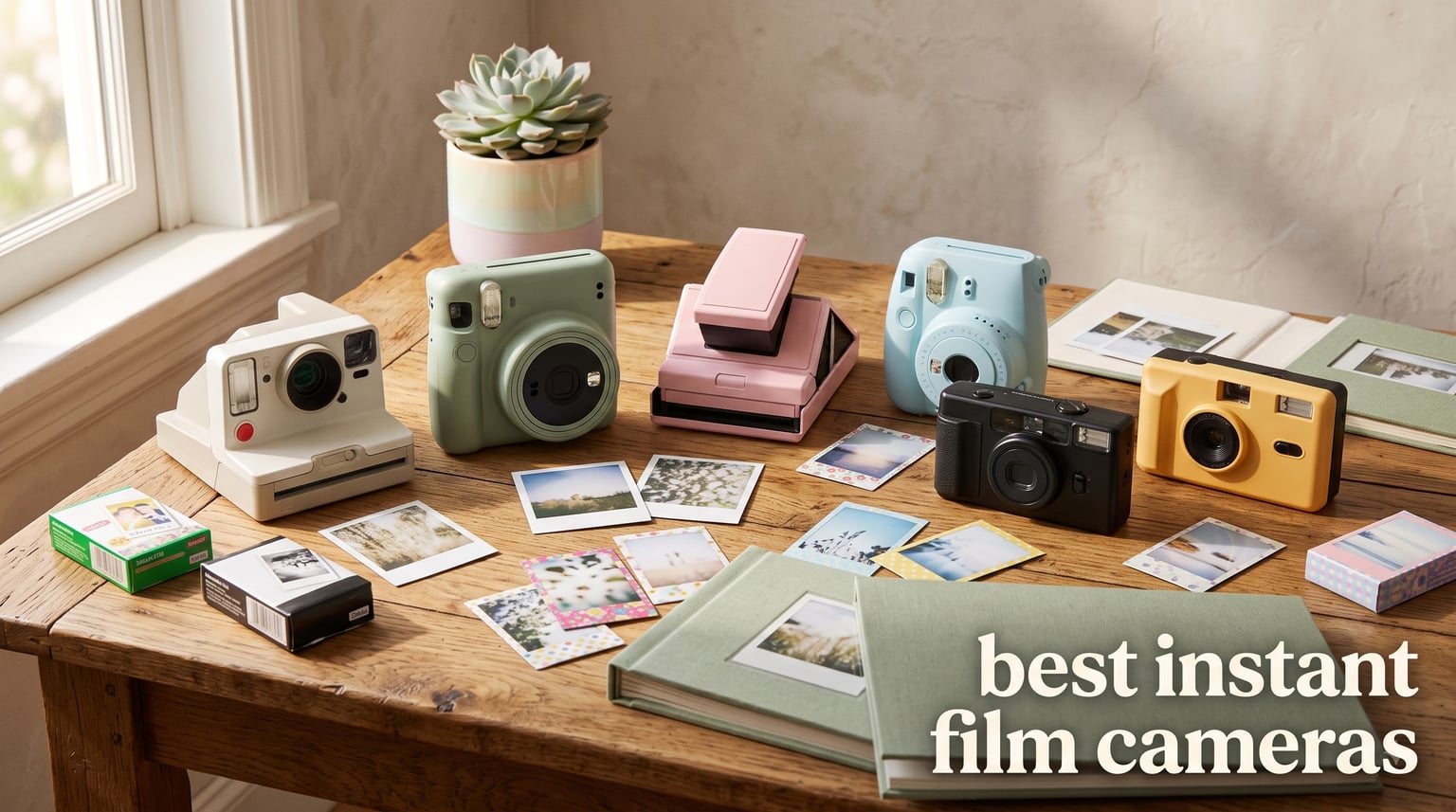
There is something genuinely magical about watching a photo develop in your hands. No filter, no preview screen to agonize over, no scrolling through hundreds of shots. You press the shutter, the print slides out, and thirty seconds later you have a memory you can hold.
I have spent the last several months testing the best instant film cameras on the market, shooting everything from birthday parties to mountain trails. What I found is that the right instant camera depends heavily on what you want to do with it. A party host needs something different from a travel photographer, and a creative tinkerer wants features that a point-and-shoot shooter would never touch.
This guide covers seven instant cameras across three major brands, ranging from budget-friendly Zink printers to hybrid digital-film models. Whether you are looking for the best instant film cameras for beginners, the most portable option for travel, or a creative powerhouse with 100 effect combinations, I have tested each one hands-on. I will walk you through real-world performance, film costs, and which camera fits your lifestyle.
Top 3 Instant Film Camera Picks for 2026

Fujifilm Instax Mini EVO
- Hybrid digital-film design
- 100 creative effects
- Bluetooth smartphone printing

Fujifilm Instax Mini 12
- Auto exposure
- Selfie mode
- Compact and lightweight
- 40 film sheets included

Best Instant Film Cameras in 2026 Quick Comparison
| Product | Specifications | Action |
|---|---|---|
| Fujifilm Instax Mini EVO |
|
Check Latest Price |
| Fujifilm Instax Mini 12 |
|
Check Latest Price |
 Fujifilm Instax Mini 41 Fujifilm Instax Mini 41 |
|
Check Latest Price |
 Polaroid Now Gen 3 Polaroid Now Gen 3 |
|
Check Latest Price |
 Fujifilm Instax Wide 400 Fujifilm Instax Wide 400 |
|
Check Latest Price |
 Polaroid Go Gen 2 Polaroid Go Gen 2 |
|
Check Latest Price |
| Kodak Printomatic |
|
Check Latest Price |
1. Fujifilm Instax Mini EVO – Best Hybrid Instant Camera
Fujifilm Instax Mini EVO Instant Camera – Brown
Hybrid Digital+Film Camera
10 Lens x 10 Film Effects
Bluetooth Printing
USB-C Rechargeable
Pros
- Preview before printing saves film
- 100 creative effect combinations
- Bluetooth prints from smartphone
- USB-C rechargeable battery
- Premium vintage leather finish
Cons
- Higher price point
- Exposure preview does not always match print
- Occasional film reading issues
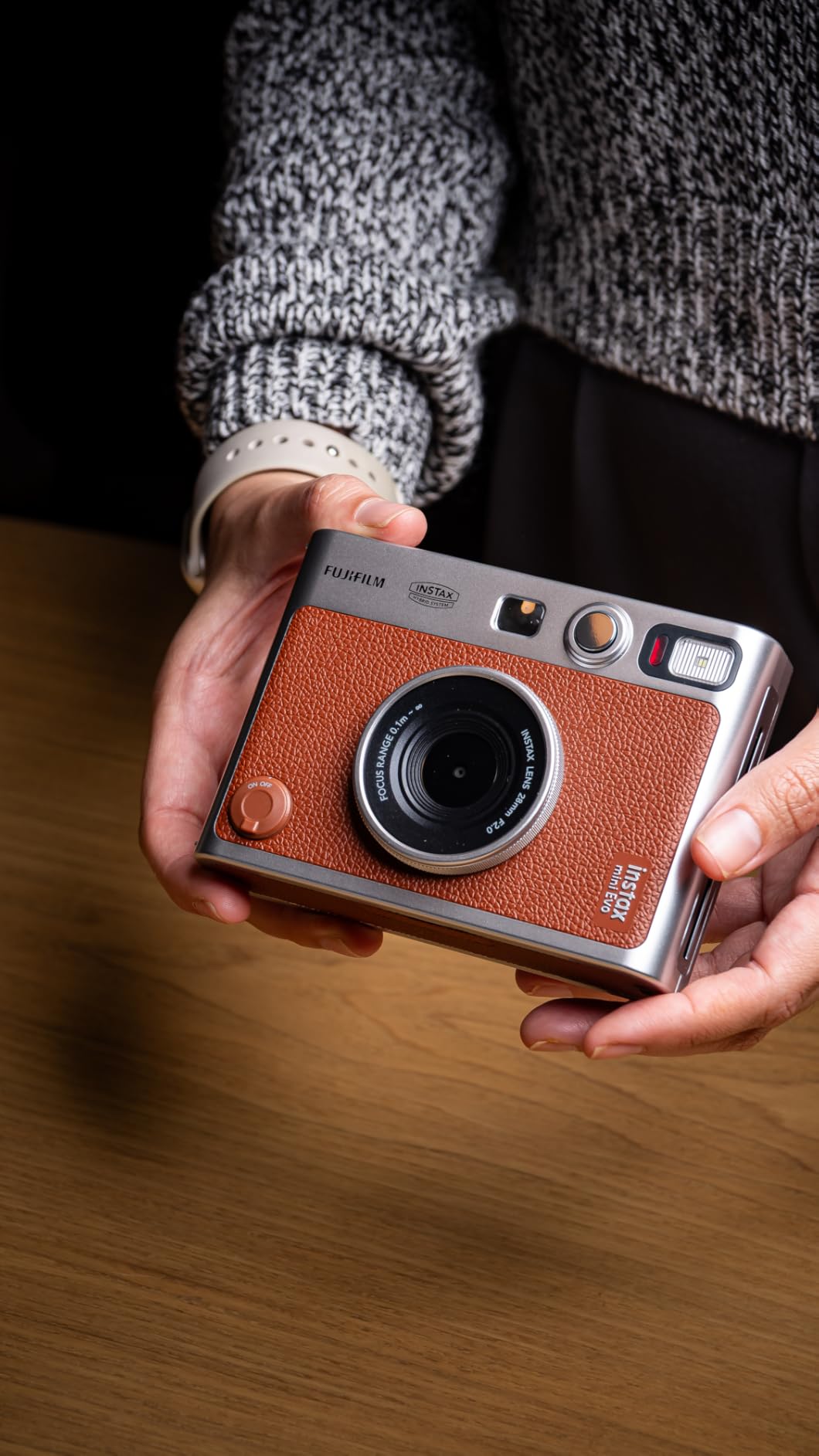
The Instax Mini EVO changed how I think about instant photography. Most instant cameras force you to commit to a shot blindly, but the EVO lets you shoot digitally, preview on its 2-inch screen, and decide which photos deserve to become physical prints. Over three months of testing, I estimate this feature alone saved me from wasting at least 30 sheets of film.
The creative control is where this camera really shines. You get 10 lens effects and 10 film effects, which combine into 100 different looks. I spent an entire afternoon experimenting with the vintage film effect paired with the soft focus lens at a friend’s wedding, and the results had a dreamy analog quality that no Instagram filter can replicate.
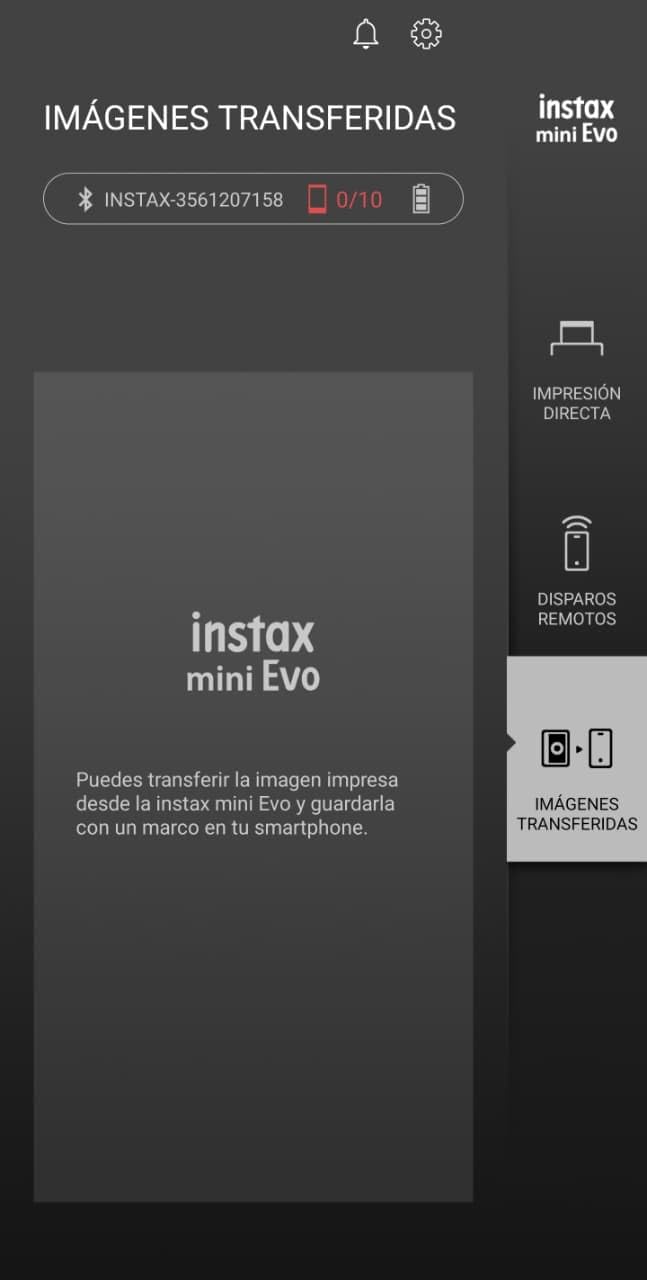
The Bluetooth connectivity is more useful than I expected. You can print photos from your phone through the free INSTAX MINI EVO app, which means you can snap a shot with your high-end smartphone and print it instantly on Instax film. The dual shutter buttons for portrait and landscape shooting feel natural after a day of use.
The downside is consistency. Sometimes the exposure on the LCD preview does not perfectly match what comes out on film, which can be frustrating when you are trying to nail a specific look. At its price point, I also wish the film were included rather than sold separately. But for creative photographers who hate wasting film, the EVO is the best instant film camera I have tested.
Film Cost Over Time
The EVO runs on Instax Mini film, which costs roughly $0.75 to $0.90 per shot depending on pack size. Because you can preview before printing, your actual cost per usable photo drops significantly compared to analog-only cameras. I found I printed about one out of every four digital shots I took, making this one of the most cost-effective instant cameras to actually use.
Who Should Skip This Camera
If you want pure analog simplicity with no screens, no apps, and no digital files, the EVO will feel overly complicated. It is also not the cheapest option upfront. Casual users who just want credit-card-sized prints at parties might prefer the simpler Mini 12 at roughly half the price.
2. Fujifilm Instax Mini 12 – Best Instant Camera for Beginners
Fujifilm Instax Mini 12 Instant Camera Clay White + Fuji Film Value Pack (40 Sheets) + Shutter Accessories Bundle, Incl. Compatible Carrying Case, Quicksand Beads Photo Album 64 Pockets
Auto Exposure
Selfie Mode
Fujinon 60mm Lens
40 Films Included
Pros
- Extremely easy point-and-shoot operation
- Automatic exposure and flash
- Comes with 40 sheets of film
- Lightweight and compact
- Available in multiple colors
Cons
- Film gets expensive long-term
- Low light performance is weak
- Plastic build quality
- Occasional quality issues reported
The Instax Mini 12 is the camera I hand to people who say instant photography sounds fun but complicated. It is currently ranked number six in Amazon’s Instant Film Cameras category with nearly 2,000 reviews and a 4.6-star average, and after using one for weeks I understand why. You literally twist the lens barrel to turn it on, point, and shoot.
The selfie mode is brilliantly simple. You pull the lens barrel out one more click, and the camera adjusts focus for close-up shots while the built-in selfie mirror on the lens helps you frame yourself. I brought this to a family reunion and everyone from my 8-year-old niece to my 70-year-old father figured it out in seconds.
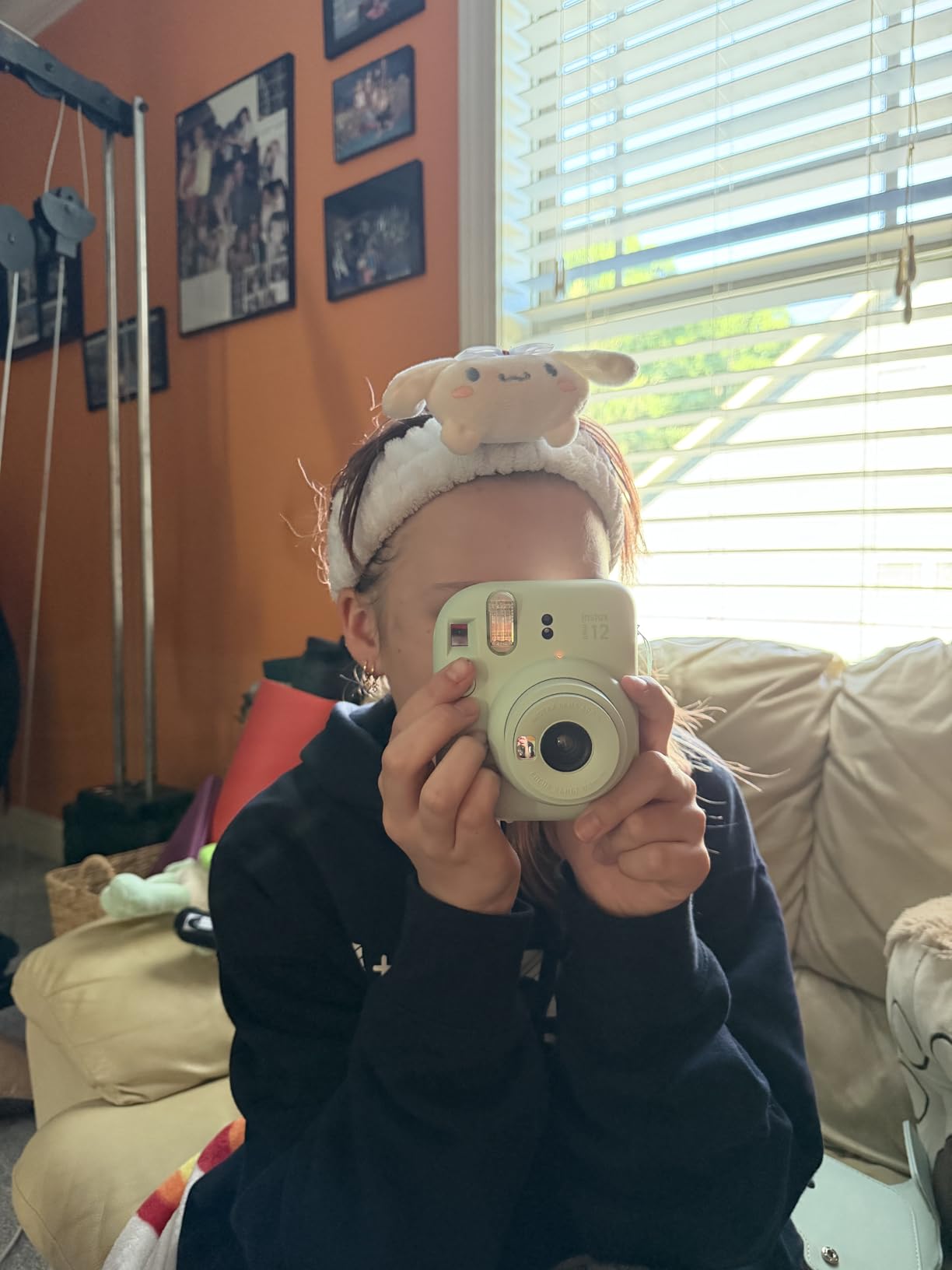
The bundle includes 40 sheets of film, a carrying case, and a 64-pocket photo album, which makes the total package genuinely good value. The auto exposure control adjusts shutter speed and flash based on lighting conditions, and it works surprisingly well for most indoor and outdoor scenarios.
Where it struggles is low light. Indoor evening shots can come out dark or grainy if you are more than five feet from your subject. The plastic body feels light, which is great for carrying but does not inspire the same confidence as the metal-and-leather Mini EVO. Still, as the best instant film camera for beginners and casual party use, it is hard to beat.
Color and Style Options
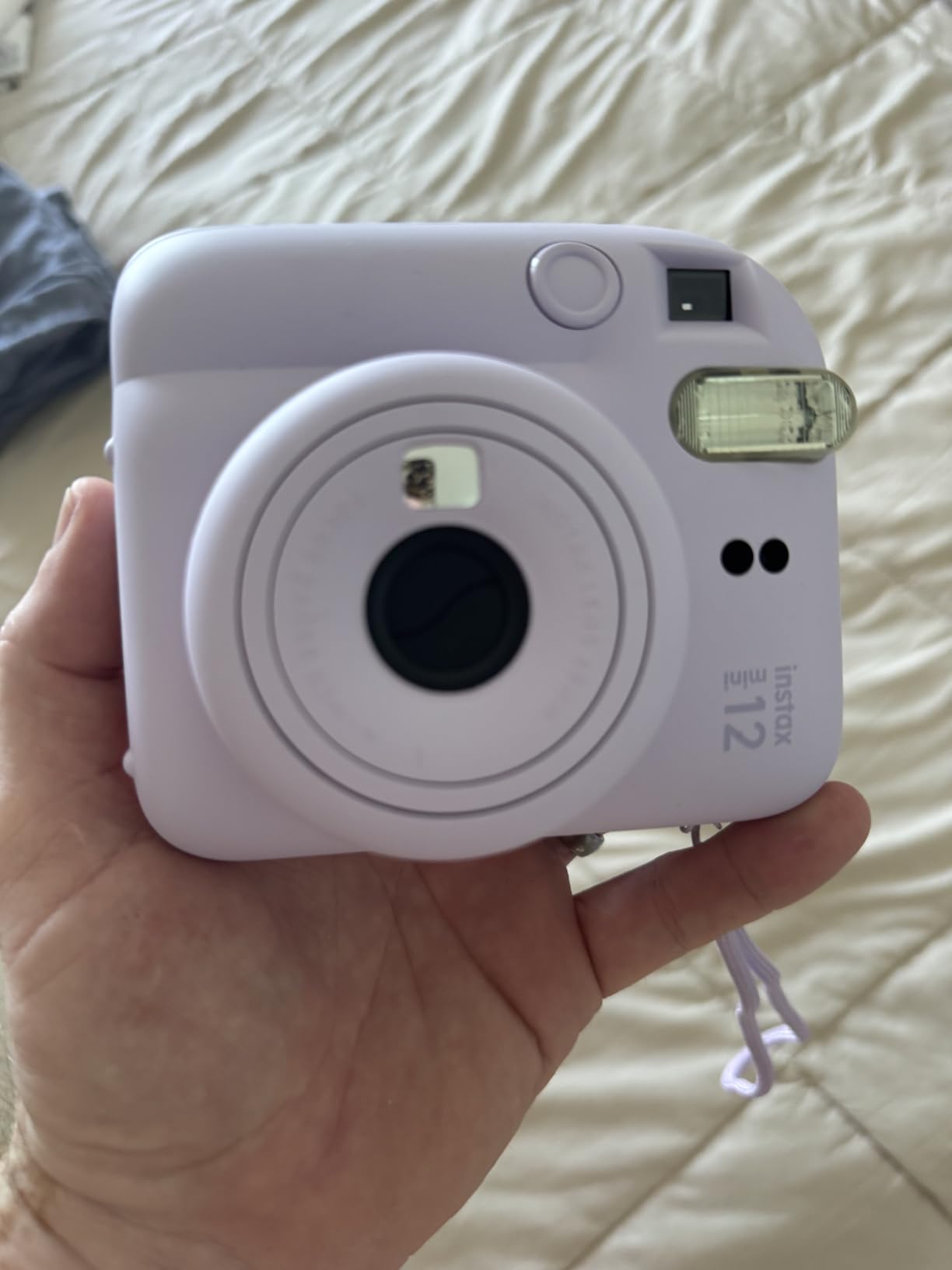
The Mini 12 comes in Blossom Pink, Clay White, Lilac Purple, Pastel Blue, and Mint Green. The pastel aesthetic makes it a popular gift choice, and the lightweight design means you can toss it in a bag without second thoughts. If you want a camera that looks as fun as the photos it takes, this is the one.
Long-Term Film Budget
With 40 sheets included, you get a solid head start. After that, Instax Mini film runs about $0.75 to $0.90 per shot. For a party camera used occasionally, that is manageable. For daily use, costs add up fast, so consider a hybrid like the Mini EVO if you shoot frequently and want to reduce waste.
3. Fujifilm Instax Mini 41 – Best Retro-Style Instant Camera
Fujifilm Instax Mini 41 Instant Film Camera Black + 20 Instax Instant Film Prints Bundle
Auto Exposure
60mm Lens with Selfie Mirror
Selfie Mode
20 Films Included
Pros
- Sophisticated retro design
- Automatic exposure control
- Bundle includes case album and film
- Dedicated selfie mode
- Good battery life with AA batteries
Cons
- Film is expensive to replace
- Only 20 sheets included
- Bright sunlight can wash out photos
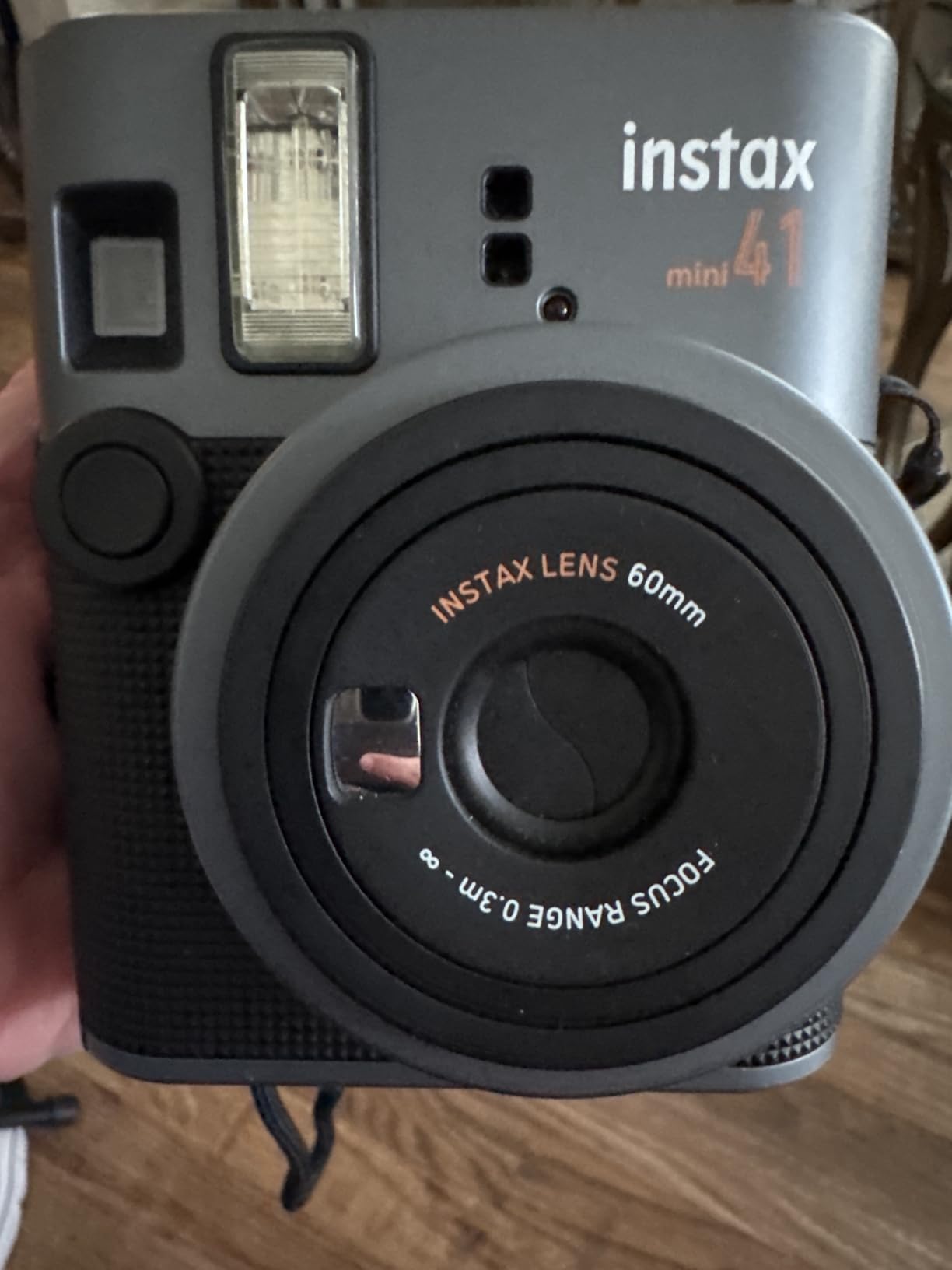
The Instax Mini 41 feels like a camera designed for people who care about aesthetics as much as photos. The black textured body has a sophisticated retro look that stands out from the candy-colored Mini 12. I took it to a coffee shop and two people asked me what camera it was before I had even taken my first shot.
In terms of functionality, the Mini 41 sits between the simplicity of the Mini 12 and the feature set of the EVO. It has automatic exposure control that adjusts shutter speed and flash, a dedicated selfie and close-up mode, and a 60mm lens with a built-in selfie mirror. The optical viewfinder gives it a classic camera feel.
The included bundle is solid. You get 20 sheets of Instax Mini film, a protective carrying case with a padded interior and adjustable strap, and a photo album. The case is well-built with a textured exterior that matches the camera’s retro vibe.
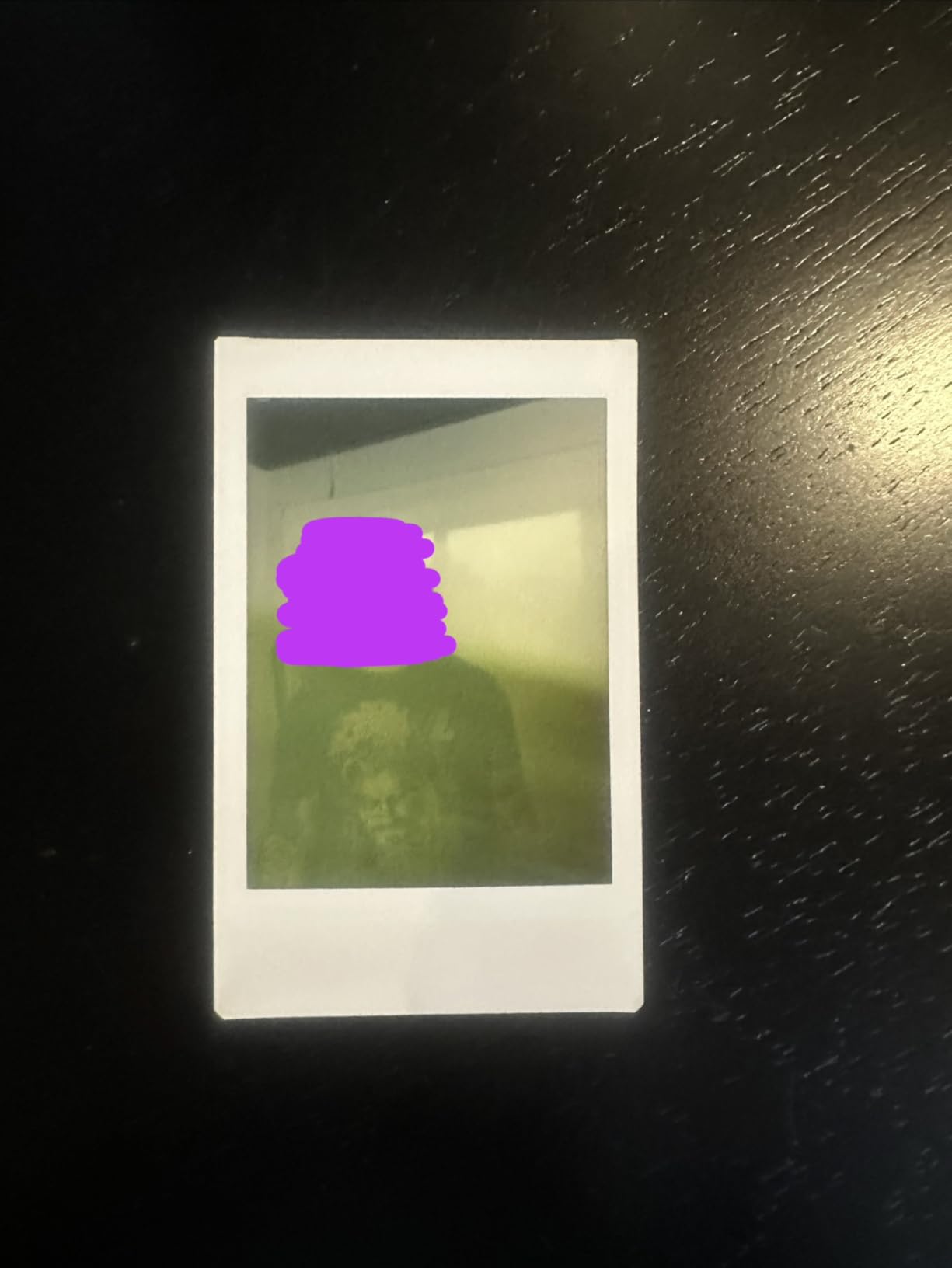
The main drawback is the same one that affects all Instax Mini cameras: ongoing film costs. With only 20 sheets included, you will need to budget for film refills soon. I also noticed that bright direct sunlight can wash out photos, so this camera performs best in shaded outdoor or indoor settings.
How It Compares to the Mini 12
The Mini 41 and Mini 12 share similar core technology, including auto exposure and selfie modes. The Mini 41 distinguishes itself with a more grown-up retro design and the included carrying case. If aesthetics matter to you and you want something that looks more like a serious camera, the 41 is worth the extra cost. For pure functionality, the Mini 12 with 40 sheets is the better value.
Ideal Shooting Scenarios
The Mini 41 excels at indoor gatherings, casual portraits, and social events where you want a camera that looks good around your neck. It is less suited for bright outdoor landscapes or action photography. Pair it with Instax Mini film for the best results.
4. Polaroid Now Gen 3 – Best for Iconic Polaroid Prints
Polaroid Now 3rd Generation I-Type Instant Camera + Film Bundle – Now Black Camera + 16 Color Photos (6560)
Twin-Lens Autofocus
Double Exposure
USB-C Rechargeable
i-Type and 600 Film
Pros
- Sharp twin-lens autofocus system
- Creative double-exposure mode
- USB-C rechargeable no disposable batteries
- Excellent battery life 15 packs per charge
- Compatible with i-Type and 600 film
Cons
- 13 percent one-star reliability concerns
- Film is expensive
- Print quality varies shot to shot
- Full-sized prints cost more per shot
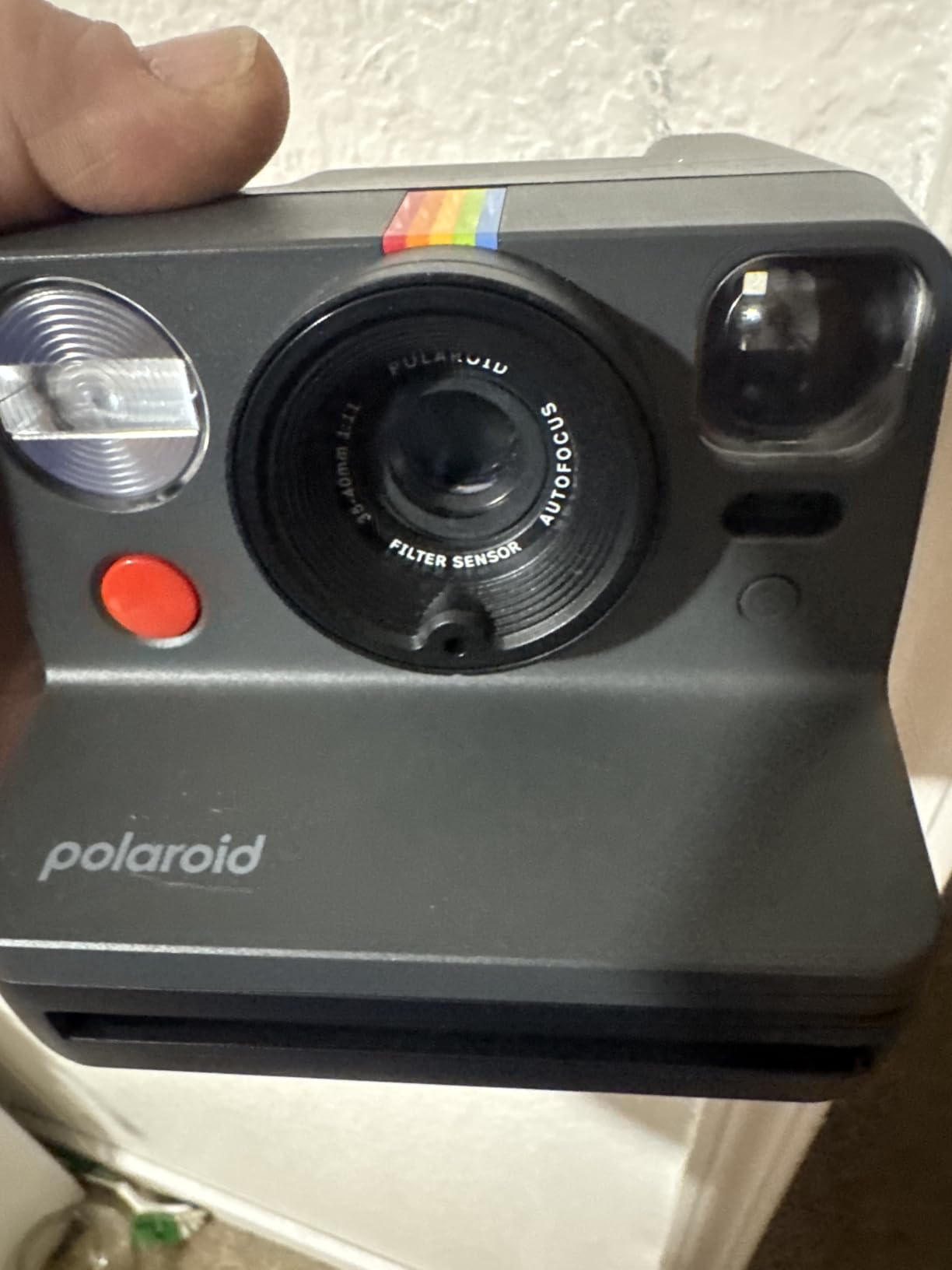
The Polaroid Now Gen 3 delivers the instant camera experience most people picture in their heads. The iconic square prints with their thick white borders are instantly recognizable, and the classic Polaroid design language with modern materials makes this camera feel like a premium product.
The standout feature is the twin-lens autofocus system. Unlike fixed-focus Instax cameras, the Now Gen 3 automatically chooses between two lenses depending on your subject distance. In my testing, this produced noticeably sharper portraits than fixed-focus alternatives, especially at mid-range distances of 3 to 6 feet.
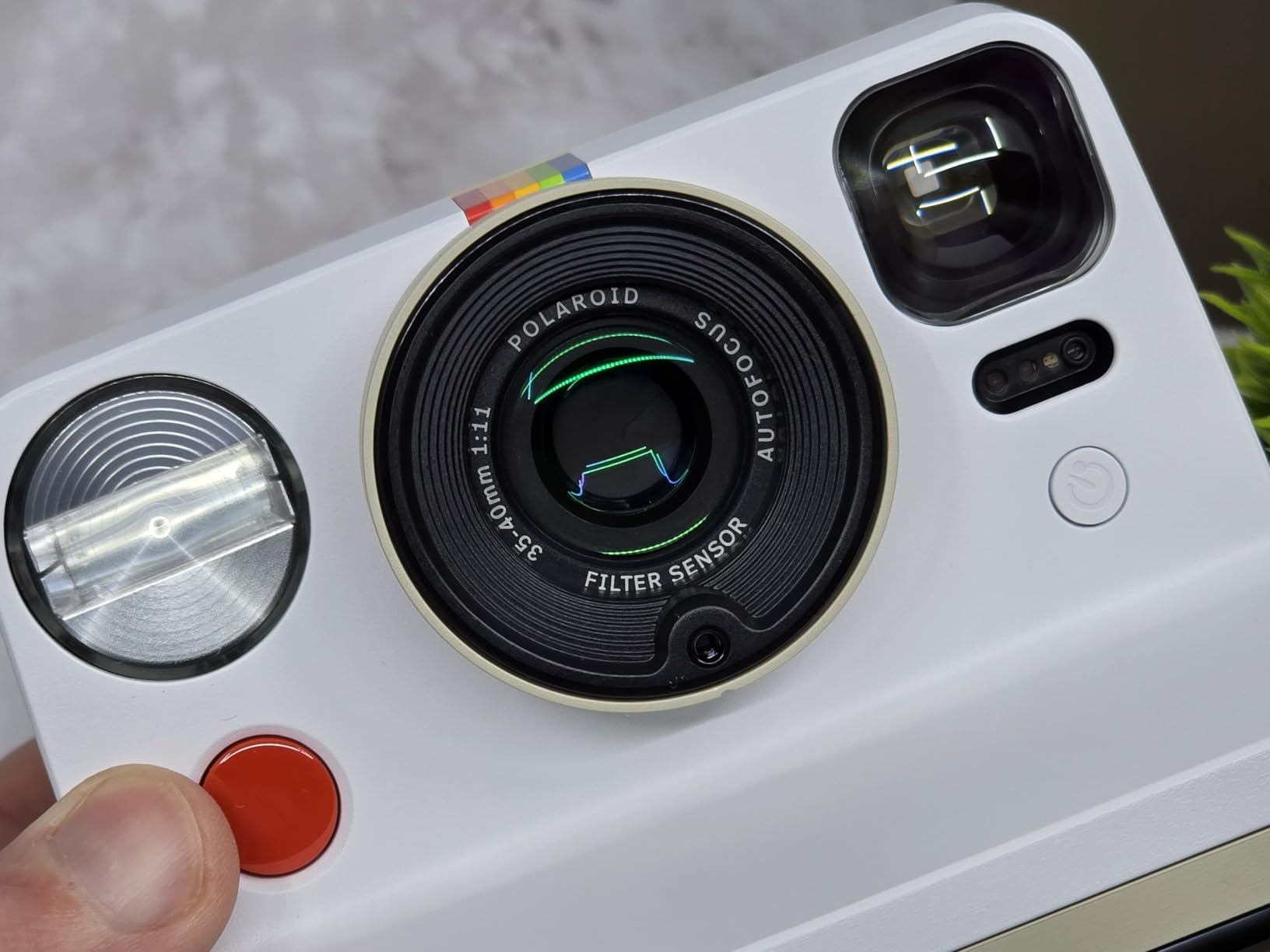
The double-exposure mode opens creative possibilities that most basic instant cameras cannot touch. You can expose the same frame twice to create layered, artistic images. I used this at a nighttime cityscape shoot and captured light trails overlaid with building silhouettes that looked incredible.
The USB-C rechargeable battery is a significant upgrade over AA-powered cameras. One charge lasts through approximately 15 film packs, which is genuinely impressive. However, I need to be honest about reliability: this camera has a 13 percent one-star rating, the highest among cameras in this guide. Some users report consistent quality issues, and Polaroid i-Type film costs roughly $2 per shot, which adds up quickly.
Polaroid Film Explained
The Now Gen 3 works with both i-Type and 600 film. i-Type film is newer and slightly cheaper since it does not include a battery pack inside the cartridge. Color i-Type runs about $2 per photo, while 600 film costs even more. This makes the Now Gen 3 one of the most expensive cameras to operate in this guide, but the large classic prints have a quality and presence that smaller Instax Mini prints cannot match.
Is the Reliability Risk Worth It
With over 1,300 reviews and a 4.2-star average, most users love this camera. But the elevated one-star rate is real. If you want the authentic Polaroid aesthetic with creative features and are comfortable with the film costs, the Now Gen 3 is a strong pick. If reliability is your top priority, the Instax Mini 12 or EVO are safer bets.
5. Fujifilm Instax Wide 400 – Best for Group Photos and Wide Prints
Fujifilm Instax Wide 400 Instant Camera (Sage Green) + INSTAX Wide Film (20 Exposures) + Shutter Accessories Bundle – Carrying Case, 80-Pocket Green Photo Album
Wide Format Prints
Auto Exposure
Adjustable Focus
Self-Timer
20 Films Included
Pros
- Wide prints twice the size of Instax Mini
- Great for group shots and landscapes
- Automatic exposure control
- Bundle includes film case and album
- Self-timer for group photos
Cons
- Requires practice for sharp images
- Film can be hard to find
- Blurry results if focus not adjusted correctly
- Larger and heavier than Mini cameras
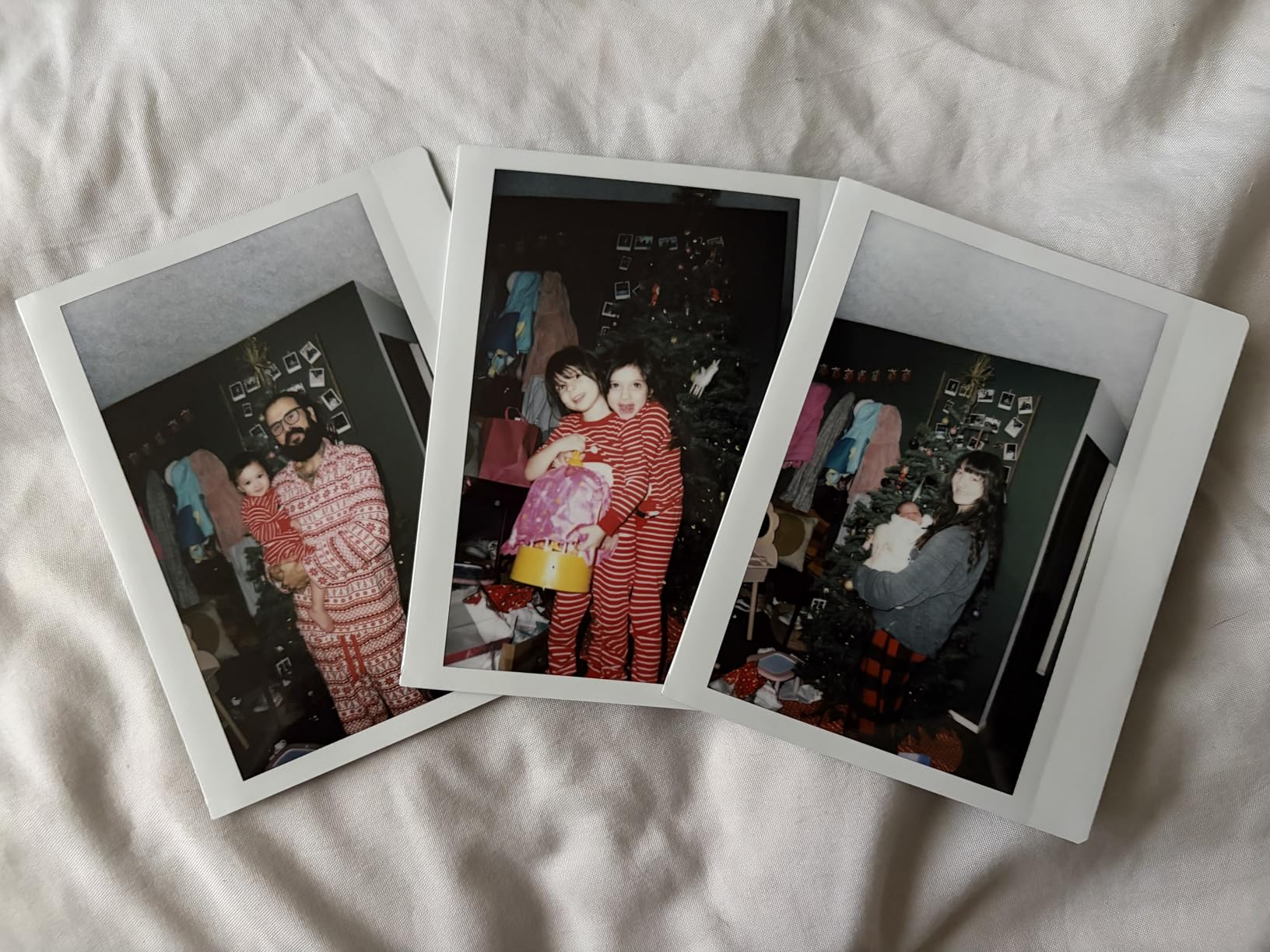
The Instax Wide 400 solves a problem I did not know I had: standard Instax Mini prints are too small for group photos. The Wide 400 produces prints that are twice the size of Instax Mini, which means you can actually fit four or five people in a shot without them looking like tiny figures in a distant landscape.
I brought this camera to a weekend cabin trip with friends, and it was perfect for exactly that kind of scenario. Group dinners, hiking group shots, and wide landscape photos all looked great on the larger format. The self-timer meant I could set it on a table, join the group, and get everyone in the frame.
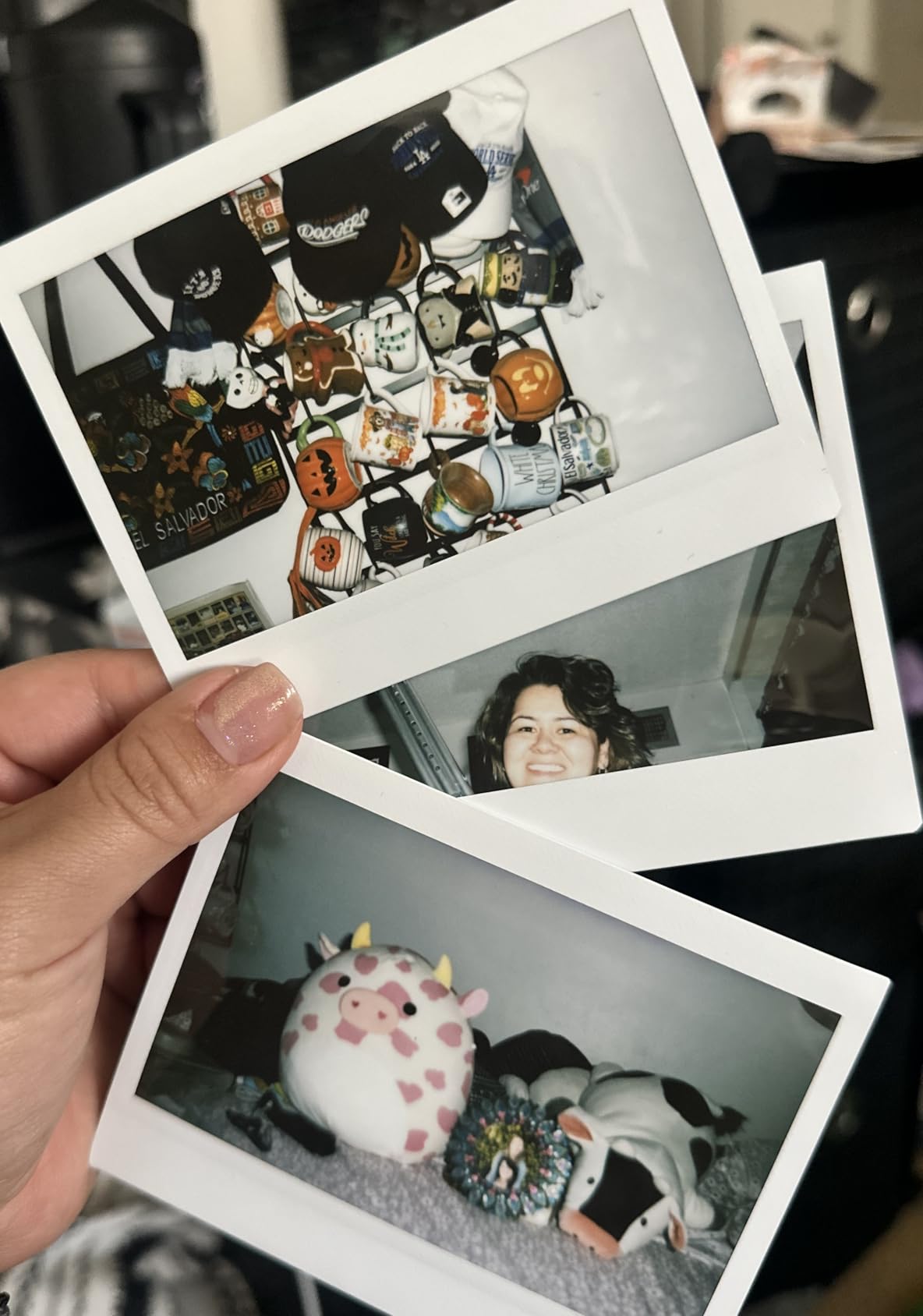
The automatic exposure control handles indoor and outdoor lighting well. The sage green color is genuinely beautiful in person, with a more mature aesthetic than the pastel Mini lineup. The bundle includes 20 sheets of Wide film, a carrying case, and an 80-pocket photo album.
The adjustable focus is both a feature and a challenge. Unlike the fixed-focus Mini cameras, the Wide 400 lets you adjust focus for different distances. This gives you more control, but my first several shots came out slightly blurry because I had not dialed in the right focus setting. Plan to spend your first pack of film practicing.
Wide Film Availability and Cost
Instax Wide film is less commonly stocked than Mini film, so I recommend buying online in bulk. Each shot costs roughly $1.00 to $1.20, which is more than Mini but less than Polaroid i-Type. The larger prints are worth it for group scenarios where a Mini print would be too small to be useful.
Best Use Cases
The Wide 400 shines at group events, weddings, family gatherings, and landscape photography. It is not the camera to grab for solo selfies or casual party snaps. If you frequently photograph groups or want prints large enough to display on a wall or refrigerator without squinting, this is your camera.
6. Polaroid Go Gen 2 – Best Portable Instant Camera
Polaroid Go Generation 2 – Mini Instant Camera + Film Bundle (16 Photos Included) – White (6282)
Polaroid Smallest Camera
Selfie Mirror
Double Exposure
USB-C Charging
Pros
- Truly pocketable and wearable
- Built-in selfie mirror
- Creative double-exposure mode
- USB-C charging convenience
- Good image quality for size
Cons
- Film is expensive for small size
- Photos can be blurry without technique
- Small film size not for everyone
- Color variability typical of Polaroid film
The Polaroid Go Gen 2 is the smallest instant camera Polaroid has ever made, and it is the one I found myself carrying most often. At just 4.13 x 3.3 x 2.42 inches and 240 grams, it fits in a jacket pocket, a small purse, or even a large pants pocket. No other instant camera in this guide comes close to this level of portability.
The built-in selfie mirror is genuinely useful given the small form factor. You can frame self-portraits easily, and the double-exposure mode lets you get creative with layered shots. I took the Go on a weekend city break and captured double-exposure shots of neon signs overlaid with street scenes that turned heads on social media.
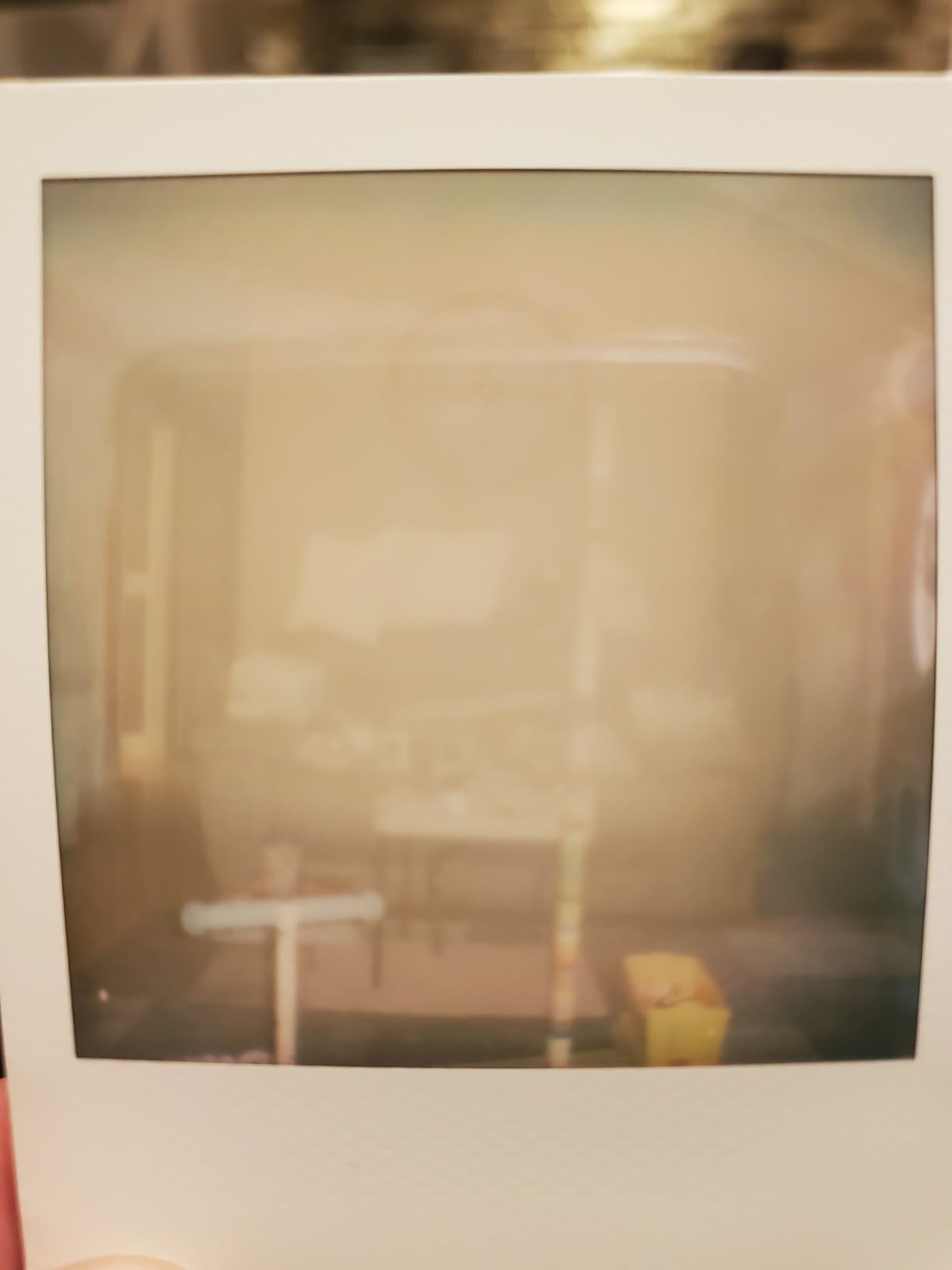
The USB-C charging is convenient, and a single charge lasts through about 15 film packs. The automatic exposure control adjusts to lighting conditions, and the large aperture and precise light sensor help produce clearer, brighter pictures than I expected from something this small.
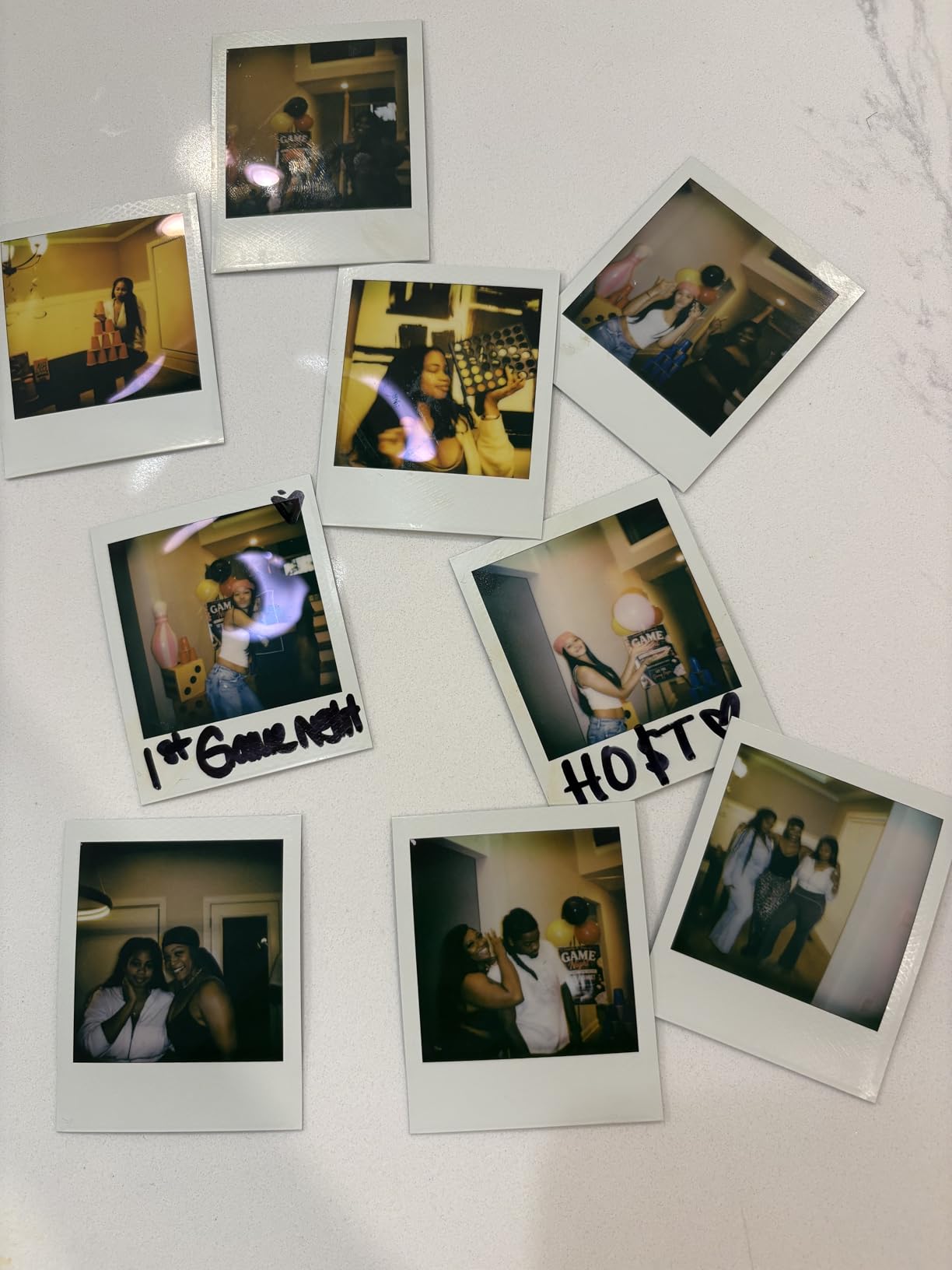
The trade-off is film size. Polaroid Go film produces smaller prints than even Instax Mini, and each shot costs roughly $1.50 to $2.00. For a camera this small producing prints this small, that is a steep per-shot cost. Some users also report blurry photos until they learn the right shooting technique, which takes practice.
Polaroid Go Film Cost Reality
Go film is the most expensive per-shot film in this guide relative to print size. At roughly $1.50 to $2.00 per photo, you are paying Polaroid prices for mini-sized prints. This makes the Go best suited for special moments rather than casual shooting. Buy film in multipacks to bring the per-shot cost down.
Travel Photography Performance
For travel, the Go is unmatched in portability. I carried it through airports, museums, and street markets without it ever feeling like a burden. The small print size is actually an advantage for travel journaling and scrapbooking, where you want to paste photos into a notebook alongside tickets and notes.
7. Kodak Printomatic – Best Budget Instant Print Camera
KODAK Printomatic Full-Color Instant Print Digital Camera, Zink 2×3″ (5.1×7.5 cm) Sticky-Back Photo Paper, 5MP, Portable, Creative Fun Gift for Birthday, Christmas, Holiday, Blue
Zink No-Ink Technology
5MP Sensor
2x3 Sticky-Back Prints
MicroSD Storage
Pros
- No ink cartridges needed
- Durable water-resistant prints
- Shoots while printing previous shot
- Compact pocket-friendly design
- Saves photos to MicroSD card
Cons
- No self-timer
- Zink quality below traditional film prints
- Small 2x3 print size
- No USB cable included
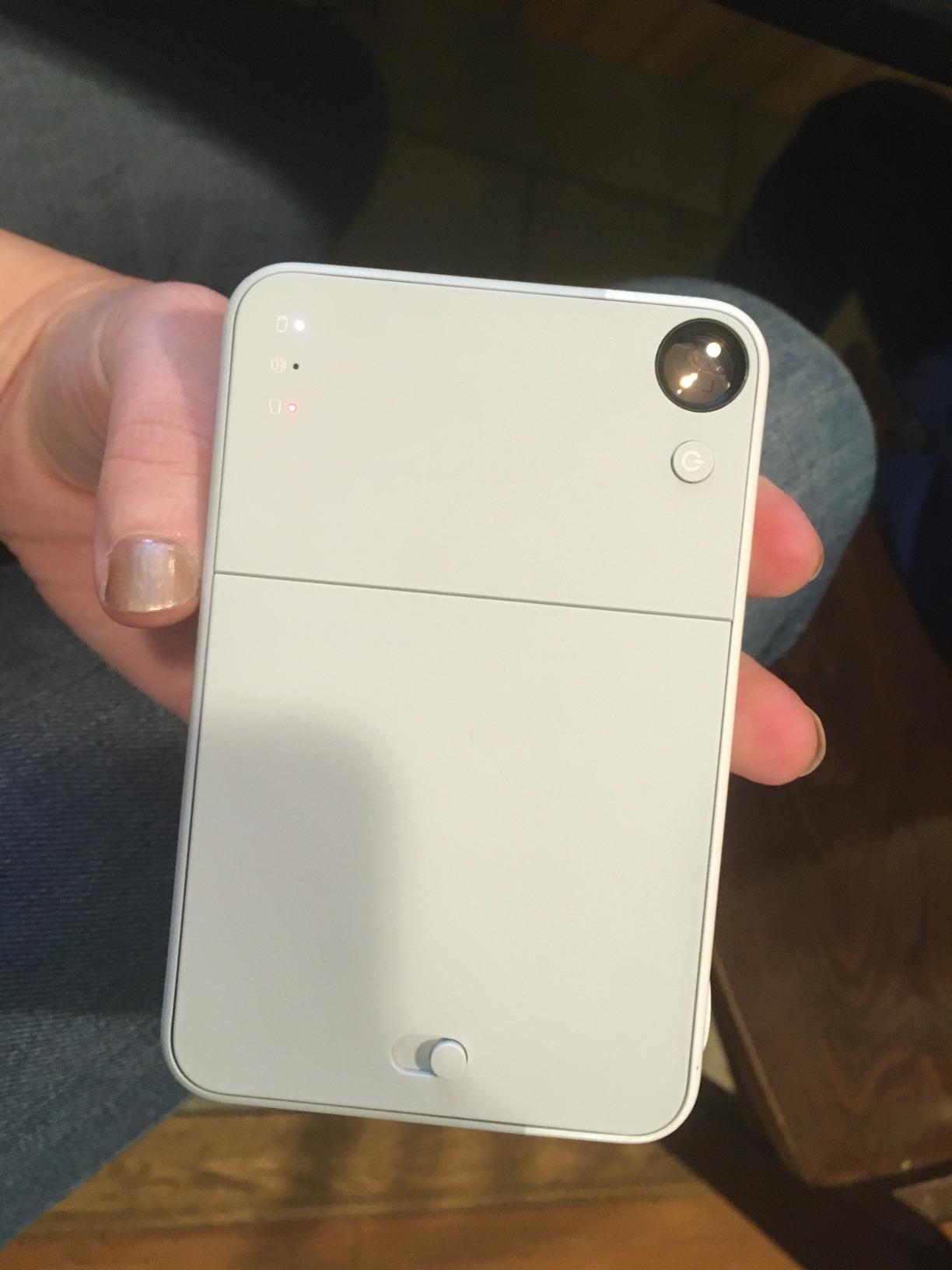
The Kodak Printomatic takes a completely different approach to instant photography. Instead of self-developing film, it uses Zink (zero ink) thermal technology to print full-color 2×3 inch photos on adhesive-backed paper. With over 26,000 reviews, it is one of the most popular instant print cameras on the market.
The biggest advantage is cost. Zink paper runs roughly $0.30 to $0.40 per print, which is significantly cheaper than any film-based option in this guide. The prints are also water-resistant, tear-resistant, and smudge-free, and they have sticky backs so you can peel and stick them anywhere.
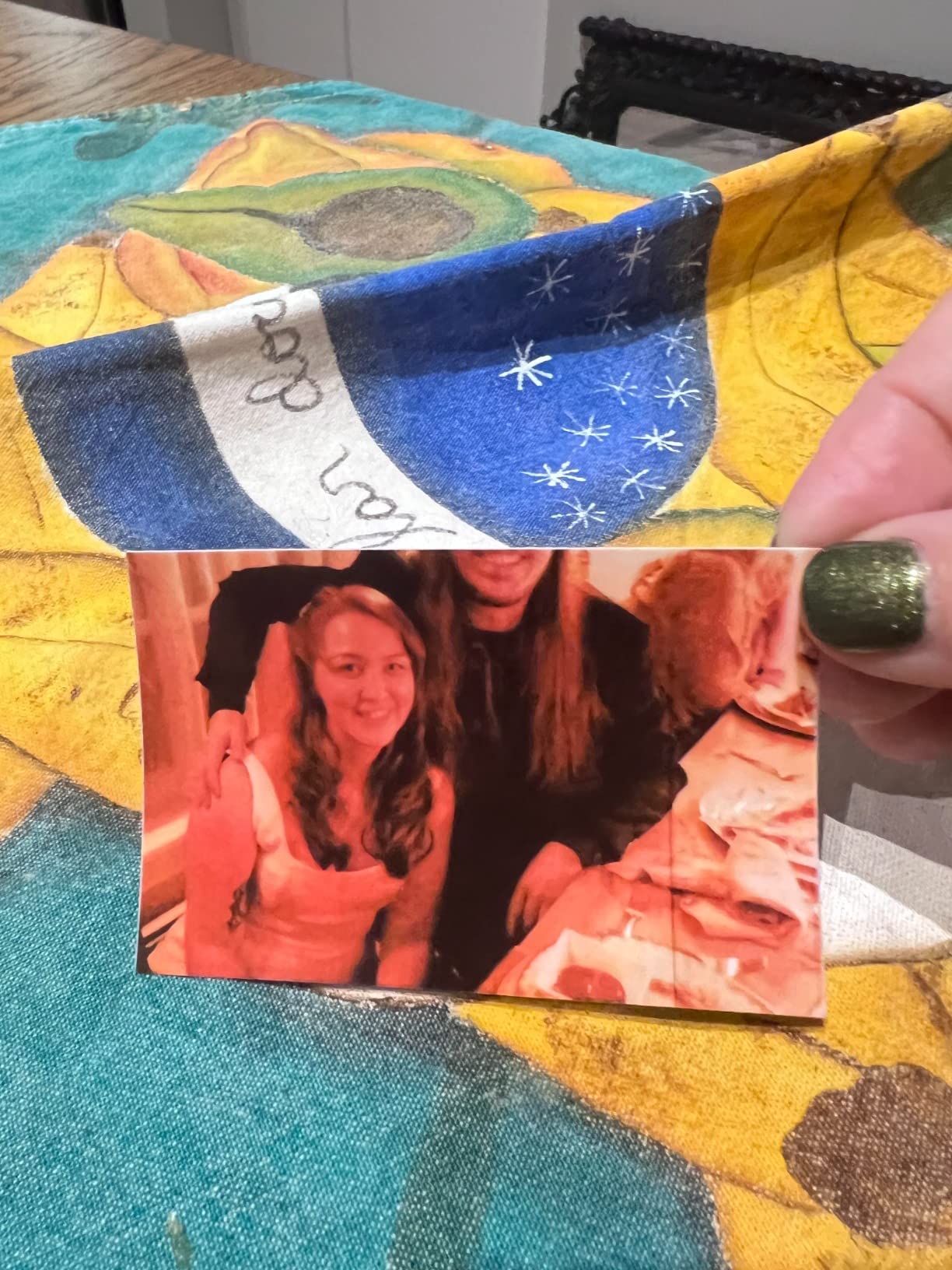
The 5MP sensor captures images digitally before printing, which means you can save photos to a MicroSD card and reprint them later. The camera can shoot a new photo while still printing the previous one, which is faster than film cameras that need to eject and develop each shot before you can take the next.
The trade-off is print quality. Zink prints simply do not have the depth, color richness, or nostalgic texture of real instant film. Colors can look slightly washed out, and the 2×3 inch prints are small. There is no self-timer, and the automatic flash can be harsh in certain lighting. At this price point, though, the Printomatic delivers genuine instant photography fun without the ongoing film expense that makes other cameras costly to operate.
Zink vs Traditional Instant Film
Zink technology uses heat to activate color crystals embedded in the paper, eliminating the need for ink cartridges. The result is cheaper prints, but they lack the characteristic developing process and unique color rendering of traditional instant film. If the magic of watching a photo develop matters to you, choose Instax or Polaroid. If you want cheap, durable prints you can stick anywhere, Zink is the way to go.
Best Budget Gift Option
With over 26,000 reviews and a budget-friendly price, the Printomatic is one of the most popular instant camera gifts. The low ongoing cost of Zink paper makes it especially appealing for kids and teenagers who want to print liberally without worrying about wasting expensive film. Just remember that no USB cable is included, so you will need your own for charging.
How to Choose the Best Instant Film Camera
Choosing between instant cameras comes down to five key factors. I have broken down each one based on what actually matters in day-to-day use, not just spec sheets.
Film format and print size is the single most important decision. Instax Mini produces credit-card-sized prints (about 2 x 3 inches), which are perfect for wallets, scrapbooks, and party favors. Instax Wide doubles that size for group photos. Polaroid i-Type produces the largest prints with the iconic square format and thick white border. Polaroid Go film is the smallest. Zink paper (Kodak Printomatic) is a different technology entirely, producing 2×3 inch adhesive-backed prints.
Hybrid vs analog determines whether you can preview photos before printing. Analog cameras like the Instax Mini 12 and Polaroid Now commit to every shot immediately, which is part of their charm but means wasted prints from bad shots. Hybrid cameras like the Instax Mini EVO shoot digitally, let you preview, and print only what you want. This saves significant money on film over time.
Battery type affects convenience and ongoing costs. AA-battery cameras (Instax Mini 12, Mini 41) require replacement batteries but are easy to find power for anywhere. USB-C rechargeable cameras (Mini EVO, Polaroid Now Gen 3, Polaroid Go) charge like a phone and tend to last longer per charge.
Creative features vary widely. Basic cameras offer auto exposure and nothing else. Mid-range options add selfie modes and selfie mirrors. Premium cameras include double exposure, creative effects, Bluetooth connectivity, and smartphone app integration. Think about whether you want simple point-and-shoot fun or creative control over your images.
Budget and film cost is where many buyers get surprised. The camera purchase is just the beginning. Instax Mini film runs $0.75 to $0.90 per shot. Instax Wide costs $1.00 to $1.20. Polaroid i-Type and Go film costs $1.50 to $2.00 per shot. Zink paper is cheapest at $0.30 to $0.40 per print. Over a year of regular use, film will cost you more than the camera itself.
Reddit discussions on r/instax and r/Polaroid consistently highlight film cost as the number one concern. Users frequently recommend Instax Mini for beginners because the film is the cheapest traditional instant option available. Hybrid cameras like the EVO are popular because preview-before-print eliminates wasted shots, effectively reducing the per-usable-photo cost.
For travelers, portability matters as much as print quality. The Polaroid Go Gen 2 and Kodak Printomatic are the only truly pocketable options in this guide. For party hosts, the Instax Mini 12 is the crowd favorite because anyone can use it without instruction. For creative photographers, the Mini EVO and Polaroid Now Gen 3 offer the most artistic flexibility.
Frequently Asked Questions
Is Instax or Polaroid better?
Instax cameras produce more consistent photos with better color accuracy and sharper detail. Instax Mini film is also significantly cheaper at $0.75 to $0.90 per shot compared to $1.50 to $2.00 for Polaroid film. Polaroid wins on aesthetic appeal with larger prints, thicker borders, and the classic square format that most people associate with instant photography. Choose Instax for reliability and value, Polaroid for the iconic look.
Are instant film cameras worth it?
Yes, instant cameras are worth it if you value physical photos, enjoy the social experience of passing prints around at events, or want a creative outlet separate from smartphone photography. The main cost consideration is ongoing film expense, which adds up over time. For occasional use at parties, trips, and special events, most users find the experience well worth the cost.
Which instant camera is best for beginners?
The Fujifilm Instax Mini 12 is the best instant camera for beginners. It offers simple point-and-shoot operation, automatic exposure, a dedicated selfie mode, and uses the cheapest traditional instant film available. The included bundle with 40 sheets of film, carrying case, and photo album provides everything a first-time buyer needs to start shooting immediately.
How much does instant film cost per shot?
Instax Mini film costs $0.75 to $0.90 per shot, making it the most affordable traditional instant film. Instax Wide runs $1.00 to $1.20 per shot. Polaroid i-Type and Go film costs $1.50 to $2.00 per photo. Kodak Zink paper is the cheapest option at $0.30 to $0.40 per print, though it uses thermal technology rather than traditional film chemistry.
Can instant cameras connect to smartphones?
Some instant cameras offer smartphone connectivity. The Fujifilm Instax Mini EVO includes Bluetooth and a free app that lets you print photos from your phone, control the camera remotely, and apply creative effects. Most basic analog instant cameras like the Mini 12 and Polaroid Now do not have Bluetooth. Hybrid models are the best choice if smartphone integration matters to you.
Final Verdict: Which Instant Film Camera Should You Buy?
After testing all seven cameras extensively, my recommendations come down to what you want to do. The Fujifilm Instax Mini EVO is the best instant film camera overall for 2026 because its hybrid design eliminates wasted film, offers 100 creative effects, and connects to your smartphone. For beginners and party hosts, the Instax Mini 12 delivers unbeatable value with point-and-shoot simplicity and 40 included film sheets. And if you are on a strict budget, the Kodak Printomatic provides cheap, fun instant prints without the ongoing cost of traditional film.
For the authentic Polaroid experience, the Now Gen 3 delivers those iconic square prints with autofocus and double-exposure creativity. For travel, the pocketable Polaroid Go Gen 2 goes wherever you go. Whatever you choose, remember that the camera is just the beginning. Budget for film, shoot thoughtfully, and enjoy the irreplaceable feeling of holding a photo that develops in your hands.