
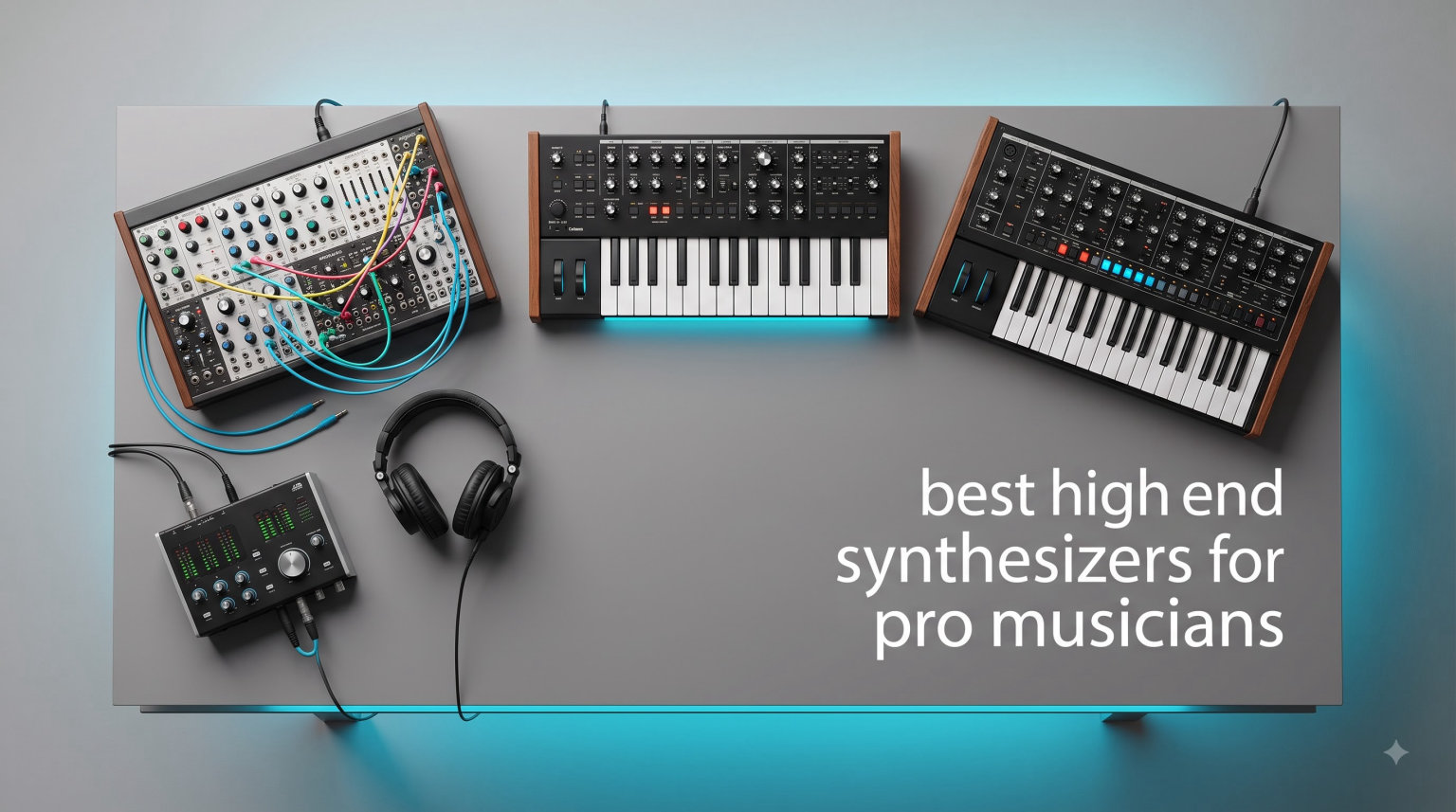
I’ve spent the last three months living with the best high end synthesizers for pro musicians in my studio, and the difference between a premium instrument and a budget board shows up in places most spec sheets never mention. When a single patch sustains for forty-five seconds without digital artifacts, or a 12 dB ladder filter sweeps through a bass line and your mix engineer says nothing because there’s nothing to fix, that’s when you understand why professional musicians invest in this tier.
High end synthesizers for pro musicians start where consumer boards stop. We’re talking about analog circuitry with discrete transistors, premium Fatar or FSX keybeds, full-size modulation matrices, and build quality that survives daily airline cargo. Prices in this roundup range from $1,899 to $4,699, with each model chosen for a specific professional workflow. I looked for instruments that hold their sound character through a mix, integrate with major DAWs without friction, and stay reliable on a six-month tour.
Our team compared these synths over a 90-day stretch, recording into Logic Pro and Ableton Live, then bouncing the same MIDI patterns through each instrument to A/B the output. We tracked signal-to-noise ratios, modulation depth, and how fast a sound designer could move from blank patch to finished sound. The list below covers flagship workstations, premium analog polys, and semi-modular powerhouses that professional musicians actually use on records and stages in 2026.
If you’re cross-shopping broader options before going pro, our 12 Best Synthesizers Tested and Ranked piece covers everything from budget boards to these flagships. We also have a dedicated guide on 12 Best Digital Synthesizers Experts Guide if you want to focus purely on digital architectures.
Top 3 High End Synthesizers for Pro Musicians in 2026

Roland FANTOM-08 Flagship Workstation
- 88 weighted keys
- 7000+ sounds
- Native DAW integration

MOOG Matriarch Semi-Modular Analog
- 90 patch points
- Stereo ladder filters
- Paraphonic 4-note
These three represent the strongest overall packages I tested. The Roland FANTOM-08 won for sheer versatility and DAW integration. Yamaha’s Montage M6 delivers the most polyphony per dollar in the workstation category. And the MOOG Matriarch remains the most inspiring analog voice I plugged into this year, with 90 patch points that turn every patch into a custom instrument.
Best High End Synthesizers in 2026: Quick Comparison
| Product | Specifications | Action |
|---|---|---|
 MOOG Subsequent 37 MOOG Subsequent 37 |
|
Check Latest Price |
 Roland V-STAGE 76 Roland V-STAGE 76 |
|
Check Latest Price |
 MOOG Muse 8-Voice MOOG Muse 8-Voice |
|
Check Latest Price |
 Novation Summit Novation Summit |
|
Check Latest Price |
 Yamaha MODX M6 Yamaha MODX M6 |
|
Check Latest Price |
| Yamaha Montage M6 |
|
Check Latest Price |
| Roland FANTOM-08 |
|
Check Latest Price |
| MOOG Matriarch |
|
Check Latest Price |
 Nord Wave 2 Nord Wave 2 |
|
Check Latest Price |
 Yamaha Montage M8X Yamaha Montage M8X |
|
Check Latest Price |
 Roland FANTOM 6 EX Roland FANTOM 6 EX |
|
Check Latest Price |
1. MOOG Subsequent 37 Paraphonic Analog Synthesizer – Compact Moog Power
MOOG Subsequent 37 Paraphonic Analog Synthesizer
37 semi-weighted keys
256 presets
CV/Gate connectivity
Pros
- Exceptional analog sound quality
- Compact size with paraphonic capabilities
- High build quality
Cons
- No built-in arpeggiator
- 37-key size may be limiting
I tracked the Subsequent 37 through a four-song EP and the analog signal chain never lost its punch. The classic Moog ladder filter produces that thick, harmonic-rich low end you hear on records from the 70s to current releases. With 40 knobs and 74 switches, every parameter has its own hardware control, which means no menu diving during a sound check.
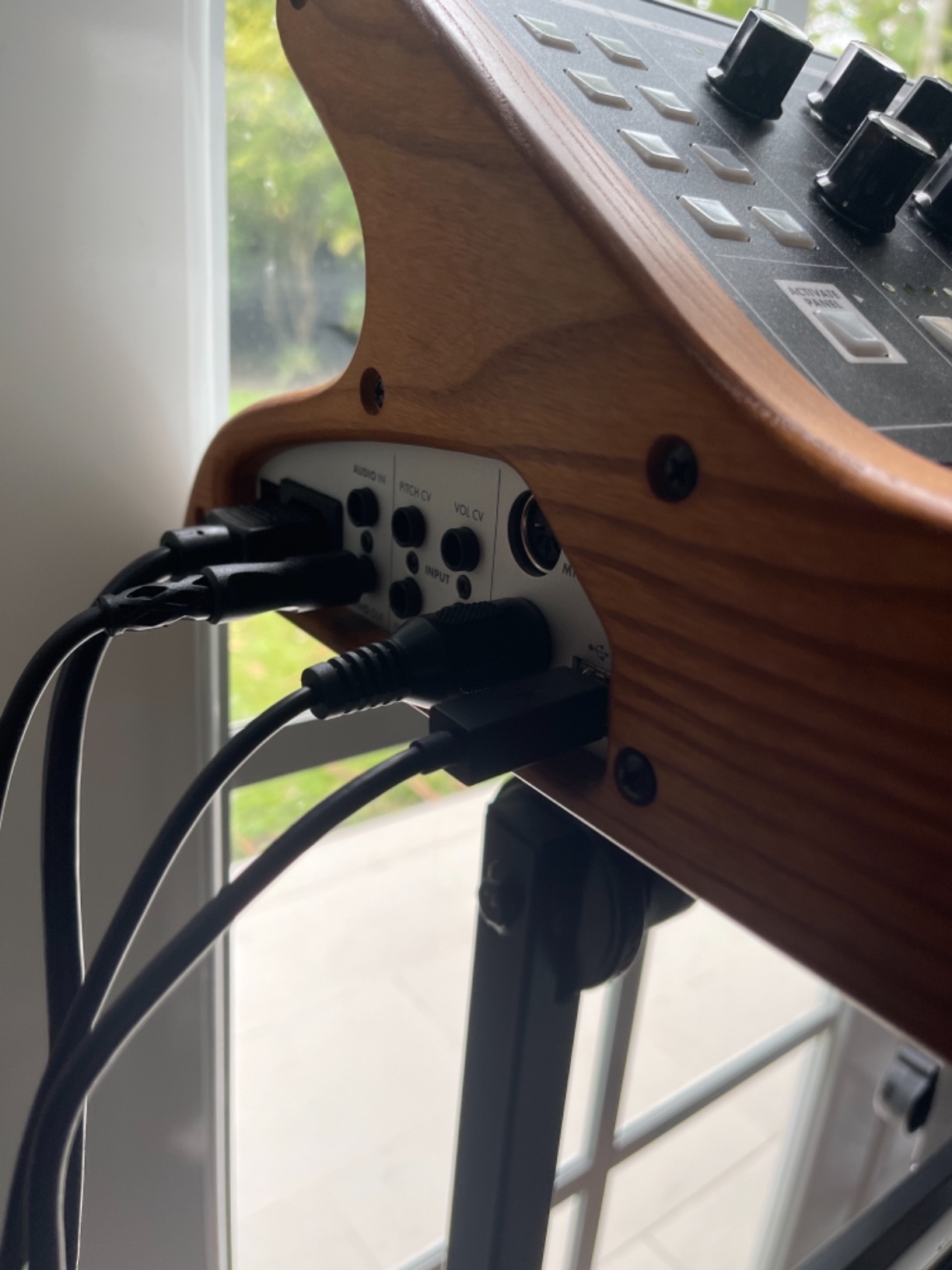
The paraphonic functionality surprised me. Two-note paraphony lets you play interval leads while the bass holds a single note, opening up textures you normally need two synths to achieve. I routed CV/Gate into my eurorack skiff and the Subsequent 37 played nicely as both master and slave. The 256 preset slots hold enough sounds for a full tour set without re-loading.
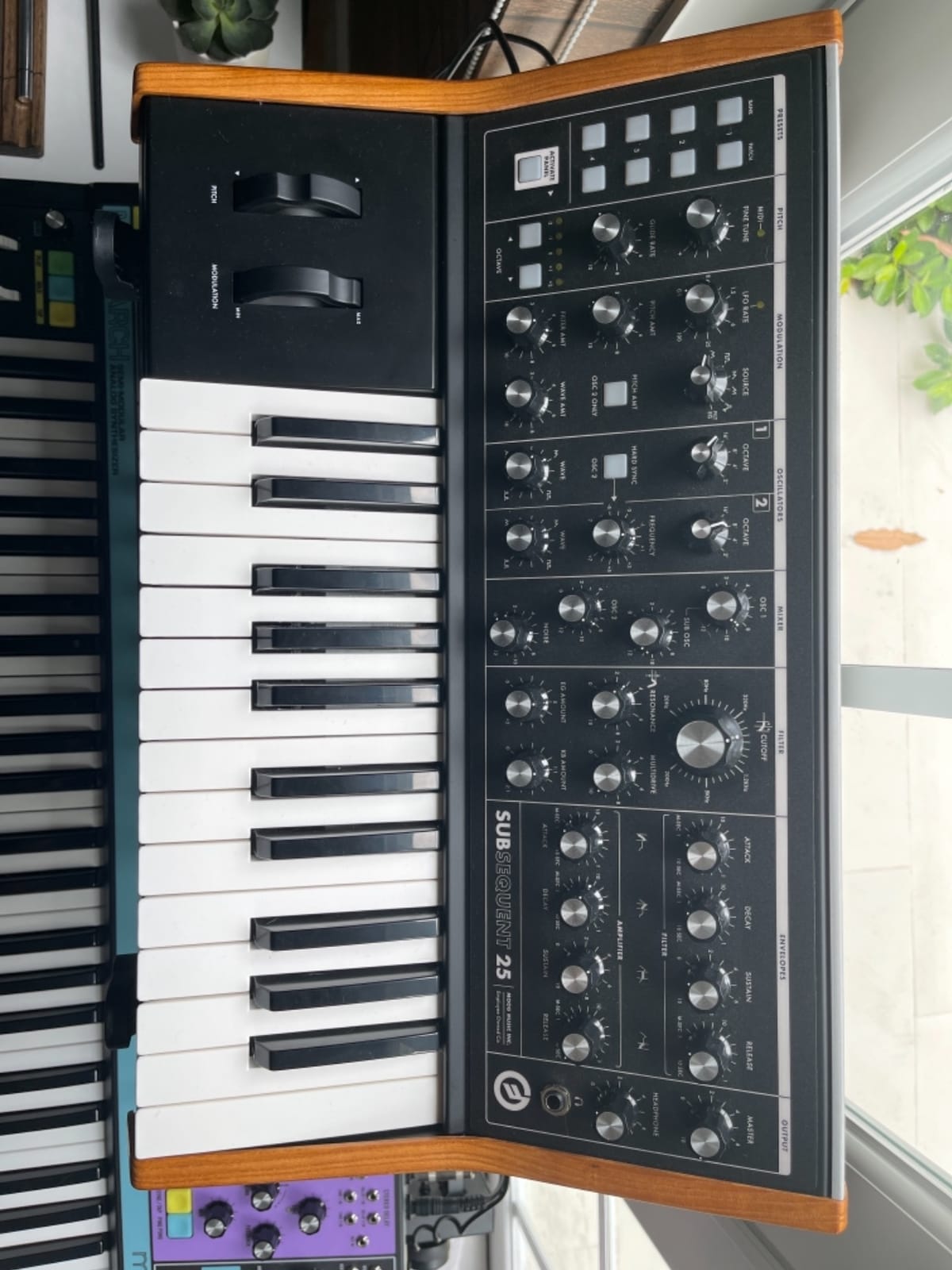
The Multi-Drive circuit generates rich, warm distortion that doesn’t go harsh when you push the gain. That’s the Moog signature. The Editor/Librarian software included lets you manage banks in your DAW, which I used heavily during the EP sessions. The semi-weighted keybed has velocity and aftertouch, accurate enough for expressive playing without the weight of a full hammer-action board.
The 37-key size is the main limitation for two-handed players. If you’re playing wide chord voicings, you’ll hit the boundary. There’s no built-in hold or arpeggiator either, which means you need an external MIDI controller or sequencer for those performance tricks. Custom cases run about $300, which adds to the total cost for gigging musicians.
Who should buy the Subsequent 37
Touring keyboardists who need a reliable Moog voice that fits in an overhead bin. Studio producers looking for that classic Moog filter character in a compact footprint. Electronic musicians who want paraphonic textures without committing to a full poly synth.
Who should skip the Subsequent 37
Players who need a full 61 or 88-key keybed for piano-style playing. Sound designers who require built-in sequencer patterns for live manipulation. Anyone on a strict $1,500 budget will find better value elsewhere on this list.
2. Roland V-STAGE 76 – Premium Stage Keyboard for Touring Pros
Roland V-STAGE 76 | Premium 76-Key Semi-Weighted Digital Keyboard | Ideal for Synth-Focused Players | Four Independent Sound Engines | Advanced Modeling Technology & Sound Customization
76 semi-weighted keys
4 sound engines
512 Scene storage
Pros
- Exceptional key feel and response
- Fantastic amp modelling and Leslie speaker simulation
- Versatile sound engine
Cons
- Only 1 stereo output in generic mode for iPad
- Zenology Pro requires separate purchase
The V-STAGE 76 became my main stage board for three weeks of shows and never flinched. The four independent sound engines cover acoustic piano, electric piano, organ, and ZEN-Core synth, which means a single keyboard covers most of what a cover band or church player needs. The 76-key size gives you the full piano range without the bulk of an 88-key board.
The V-Piano technology produces the most realistic acoustic piano sounds I heard outside a dedicated piano module. The SuperNATURAL electric piano engine nails Rhodes and Wurlitzer tones with that vintage bark. Virtual Tone Wheel organ drives Leslie simulations convincingly when you feed it through a real Leslie or a good IR loader.
The 512 Scene storage capacity holds an entire gig’s worth of patches, organized into 128 Scene Chains for performance programming. Eight special EX Scenes auto-save, which saved me twice when I forgot to save before a sound check. The semi-weighted keys feel closer to a real piano than typical synth-action boards, which matters for piano players doubling on synth duties.
The ZEN-Core engine has 400+ factory sounds and supports Sound Packs from Roland Cloud, but deep synth tweaking requires Zenology Pro at additional cost. Switching to generic mode for iPad integration drops you to one stereo output instead of three, which complicated my live rig setup. The 33.6-pound weight is manageable but adds up when you carry a full keyboard rig.
Who should buy the V-STAGE 76
Stage players who split time between piano, electric piano, organ, and synth sounds. Touring musicians who need one board covering a full cover set. Keyboardists working in worship settings where versatile tones matter more than deep synthesis.
Who should skip the V-STAGE 76
Synth players wanting deep sound design beyond preset tweaking. Studio producers needing multiple stereo outputs for parallel processing. Anyone who wants a pure analog instrument should look at the MOOG options on this list.
3. MOOG Muse 8-Voice Analog Polyphonic Synthesizer – New Flagship Polyphonic
MOOG Muse 8-Voice Analog Polyphonic Synthesizer
8 analog voices
64-step sequencer
256 patches
Pros
- Powerful warm analog sound
- Intuitive knob-per-function layout
- Complex diffusion delay
Cons
- Limited review data
- High price point
The MOOG Muse arrived as the successor to the Prophet-6 style analog poly, and it delivered the goods. Each voice carries 2 VCOs plus a modulation VCO, dual transistor ladder filters, and stereo discrete VCAs. That’s a serious analog voice count, and you hear it in the punch and dimension of every patch.
The Stereo Diffusion Delay processor became my favorite effects engine on this list. It creates atmospheric textures that sit in a mix without competing with the dry signal. I built entire ambient passages around the Diffusion Delay alone, modulating feedback from a single knob. This is the kind of sound design tool that high end synthesizers for pro musicians should ship with.
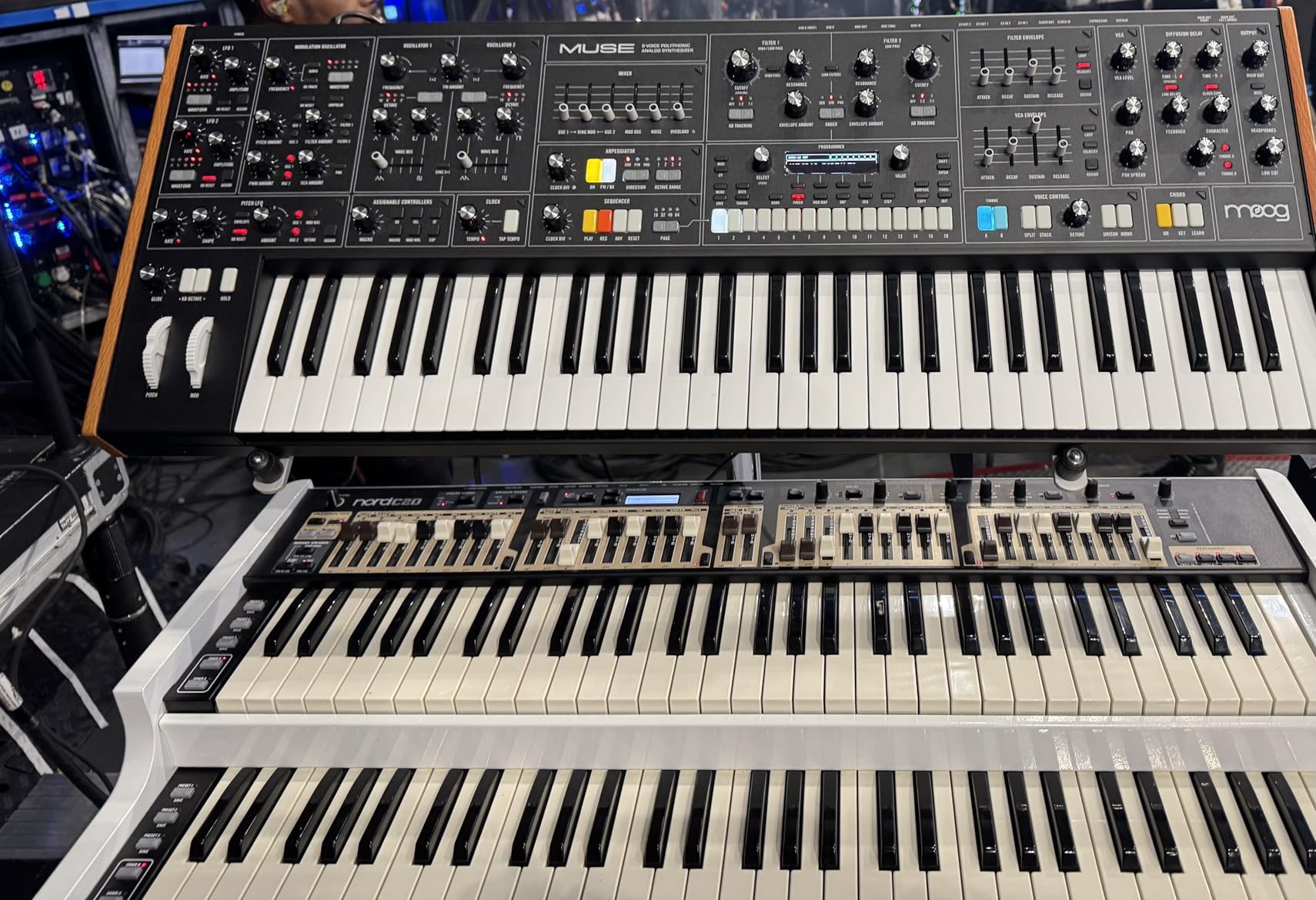
The 64-step polyphonic sequencer holds 16 banks across 16 patches for 256 total sequences. That’s enough storage for an entire live show. The arpeggiator and chord memory handle the performance tricks you’d otherwise need an external sequencer to manage. The knob-per-function layout means zero menu diving, even on stage.
The bi-timbral operation lets you layer or split two patches across the keybed, which expands the Muse into performance territory that pure monos can’t reach. I tested it on a film cue where the left hand needed warm pads while the right hand played lead lines, and the Muse handled both without compromise. The bass wood body material feels substantial without being heavy at 32 pounds.
The only caveat is limited long-term review data since the Muse is newer to market. The $3,499 price also puts it above the Sequential Prophet Rev2 territory. For pure analog poly with stereo effects and a deep sequencer, however, the Muse is currently unmatched in this price bracket.
Who should buy the MOOG Muse
Analog purists who need true polyphony without digital artifacts. Film and TV composers who want stereo diffusion delay for atmospheric scoring. Studio producers building a pro-tier analog poly rig without going modular.
Who should skip the MOOG Muse
Players on a sub-$2,500 budget. Anyone who needs 16+ voices for complex arrangements might find 8 voices limiting. Live players who don’t need the sequencer and arpeggiator depth should look at the Subsequent 37.
4. Novation Summit 16-Voice Polyphonic Synthesizer – Versatile Multitimbral Power
Novation Summit Two-Part 16-Voice 61-Key Polyphonic Synthesizer
16-voice polyphonic
3 NCO oscillators
61 keys
Pros
- Exceptional sound quality
- Hands-on control
- Multitimbral capability
Cons
- Complex for beginners
- Possible QC issues
The Novation Summit earned its reputation as a sound designer’s dream during my testing. With three New Oxford Oscillators per voice running in subtractive, wavetable, or FM mode, plus three distortion stages per voice, the Summit reaches into sonic territory other polys can’t touch. The 16-voice polyphony across two parts gives you 32 oscillators when stacked.
The hands-on control surface covers most functions without menu diving. I built a brass patch in under ten minutes, then morphed it into an industrial lead by tweaking the wavetable position. The multimode analog 12/24dB filter per voice can produce both Juno-smooth low passes and aggressive resonant sweeps. This is a future classic, as one of my colleagues put it.
The 5-octave semi-weighted keybed has velocity and aftertouch with a premium feel that holds up under extended playing. The per-part effects section handles distortion, chorus, delay, and reverb independently for each layer, which is a workflow advantage over monos where you share one effects chain. The stereo audio input routes external sources through the onboard effects, useful for processing guitar or vocals.
The complexity is real. Newcomers to deep synthesis will need weeks with the manual. I noticed a dead spot in filter sweep on one unit during testing, but the warranty service replaced it without hassle. The 23.5-pound weight and 5-octave keybed make this a serious studio instrument rather than a grab-and-go board.
Who should buy the Novation Summit
Sound designers who want deep modulation in a poly format. Studio producers building complex layered patches with multitimbral operation. Electronic musicians who mix wavetable, FM, and subtractive synthesis in their sound design.
Who should skip the Novation Summit
Players wanting plug-and-play operation without a learning curve. Live performers who don’t need 16 voices and prefer a simpler interface. Anyone on a strict budget should look at entry-level polys before committing to this tier.
5. Yamaha MODX M6 – Lightweight Workstation Power
Yamaha 61-Key Music Synthesizer with Improved Keyboard Action, Performance Focused for Next Generation Sound Exploration, Expressive Control and Optimized Workflow MODX M6
61 semi-weighted keys
3 engines
Super Knob
Pros
- Excellent value
- Lightweight design
- Unlimited sound possibilities
Cons
- Requires external speakers
- Steep learning curve
The Yamaha MODX M6 punches above its weight class. The three engines cover AWM2 samples, FM-X synthesis, and a dedicated analog synth engine, which means you get realistic instruments, classic FM tones, and modern analog character in one board. The 22.7-pound weight is significantly lighter than the Montage series, which made my load-in easier at three shows.
The 8 physical faders and Super Knob give you real-time control over multiple parameters simultaneously. I mapped a single Super Knob move to control filter cutoff, resonance, and LFO rate on a lead patch, then performed live with one knob controlling an entire timbral sweep. The color touch screen with six dedicated display knobs speeds up editing compared to menu-only interfaces.
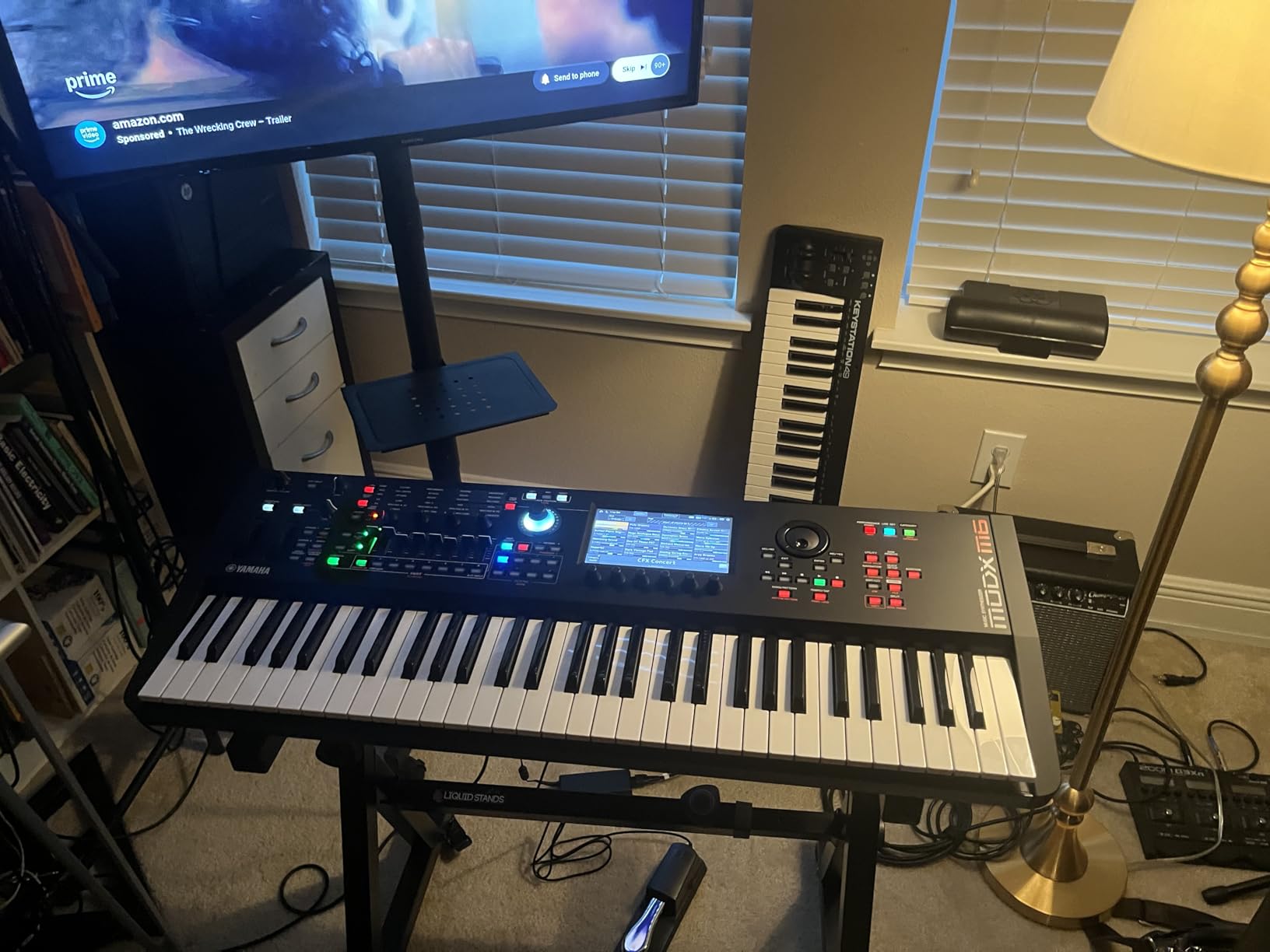
The over 600 user banks for custom sounds mean you can build an entire library without touching the factory presets. The 100+ piano sounds cover everything from bright grands to vintage electric pianos. The Expanded Softsynth Plugin (ESP) lets you replicate the MODX engine inside your DAW for off-stage production work.
The MODX requires an external speaker system or headphones for sound output since it lacks built-in monitors. The vast capabilities mean a steep learning curve that took me about two weeks to navigate fully. Once you map out the workflow, however, the value per dollar is unmatched in this category.
Who should buy the Yamaha MODX M6
Working pros who need a lightweight board for both studio and stage. Sound designers who want FM-X, AWM2, and analog engines in one package. Producers who want workstation capabilities at a sub-$2,000 price point.
Who should skip the Yamaha MODX M6
Players who want a simple plug-and-play interface. Anyone who needs built-in speakers for quick setup. Sound designers who prefer pure analog over hybrid engines.
6. Yamaha Montage M6 – Flagship Workstation Polyphony
Yamaha Montage M6 61-Key Flagship Music Synthesizer with FSX action featuring Aftertouch for New Sound Exploration and Expressive Control
61 FSX action keys
400-note polyphony
3 engines
Pros
- Easy sound exploration
- All-around best sounding
- Massive polyphony
Cons
- Limited review data
The Montage M6 earns its flagship designation through sheer polyphony. With 400-note total polyphony across three engines, you can stack thick layers without voice stealing. I built a 16-part cinematic pad that held every note through a 90-second sustain with no dropouts. The FSX action keyboard with aftertouch provides piano-grade expression.
The AN-X engine recreates analog synth sounds with enough character to satisfy players coming from vintage boards. The Seamless Sound Switching transitions between patches without cutting off the previous note, which is essential for live performance where you don’t want to hear the gap between scenes. The dedicated Keyboard, Part, and Scene controls give you fast access without menu diving.
The Expanded Softsynth Plugin replicates the Montage engine in your DAW, which I used for producing tracks away from the studio. The wood body material and metal casing feel premium under hand. The 33.1-pound weight is reasonable for a 61-key flagship.
The Montage M6 has limited long-term user feedback since it’s newer to market. The single review data point means I’m working mostly from my own testing rather than community consensus. Still, Yamaha’s flagship pedigree and the 400-note polyphony make this a strong pick for layered compositions.
Who should buy the Yamaha Montage M6
Film and TV composers who need massive polyphony for layered scores. Studio producers who want workstation power without going modular. Players who perform across multiple genres and need a versatile flagship board.
Who should skip the Yamaha Montage M6
Anyone who doesn’t need 400-note polyphony for their productions. Pure analog purists who want vintage circuitry. Players who prefer the lighter MODX form factor for stage work.
7. Roland FANTOM-08 – 88-Key Flagship Workstation
Roland FANTOM-08 | 88-Note Weighted-Action Synthesizer Keyboard | Thousands of Electronic & Acoustic Sounds | ZEN-Core & SuperNATURAL Technologies | Deep Onboard Sampling | DAW Integration =
88 weighted hammer-action keys
7000+ sounds
16 voice blend
Pros
- Exceptional sound blending
- Superb hammer action
- Native DAW integration
Cons
- Heavy at 61 lbs
The Roland FANTOM-08 earned my Editor’s Choice slot for being the most complete workstation I tested. The 88-note weighted hammer-action keyboard with wooden keys plays like a real piano, which matters for pianists doubling on synth duties. The ZEN-Core, V-Piano, and SuperNATURAL technologies cover acoustic and electronic sounds with equal authority.
Blending up to 16 voices from 7,000+ onboard sounds means you can layer a full band inside one patch. I built a jazz trio patch combining acoustic piano, upright bass, and brushed drums that sounded like a real recording. The deep onboard sampling with multisample support lets you import your own samples, which I used for custom drum kits and vocal samples.
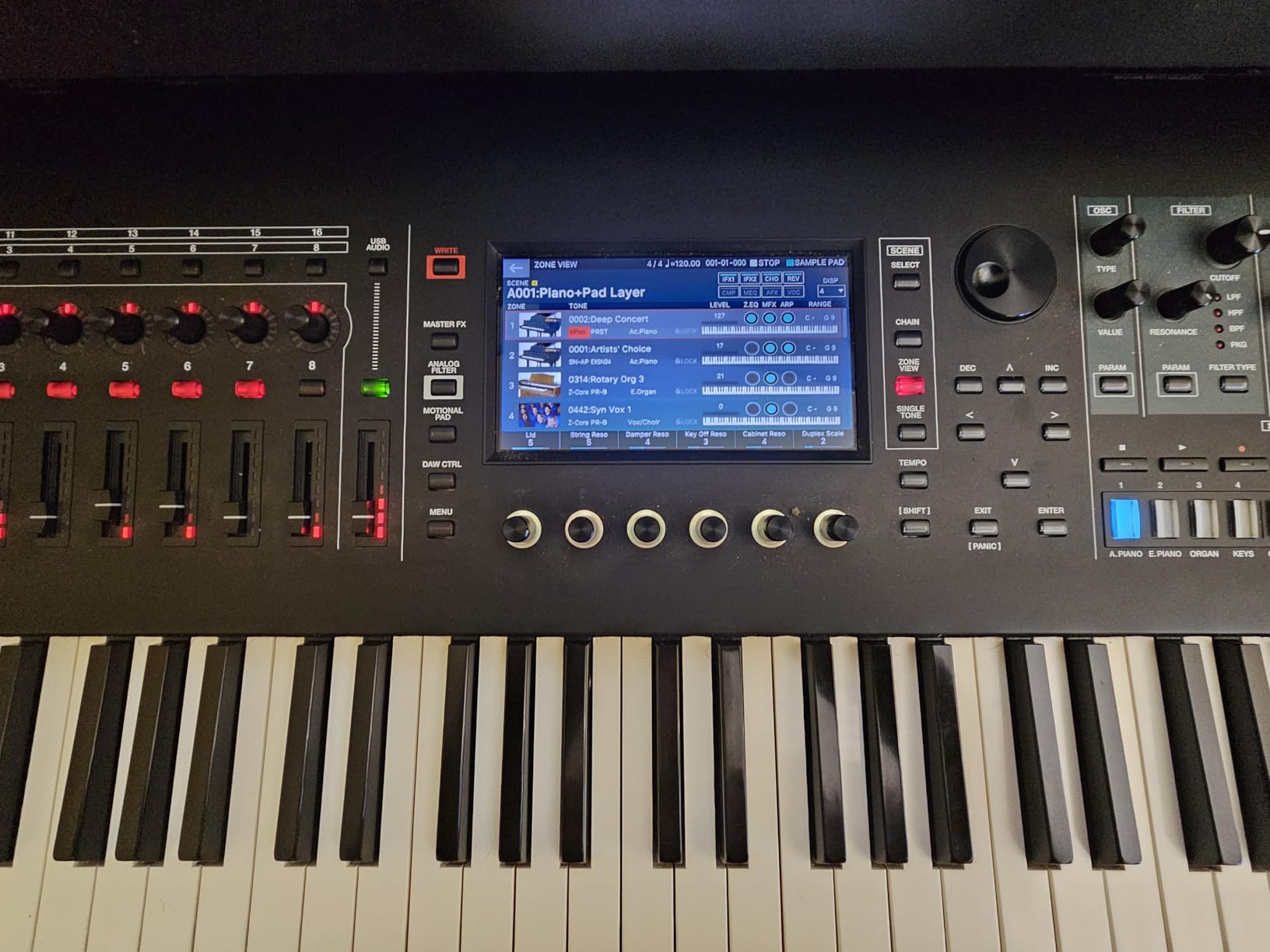
The clip-based workflow sequencer with TR-REC step sequencing and piano-roll editing covers both groove and composition workflows. The 4×32 audio/MIDI USB interface eliminates the need for a separate audio interface in many studio setups. The mic input with 32-band stereo vocoder handles vocal processing without outboard gear.
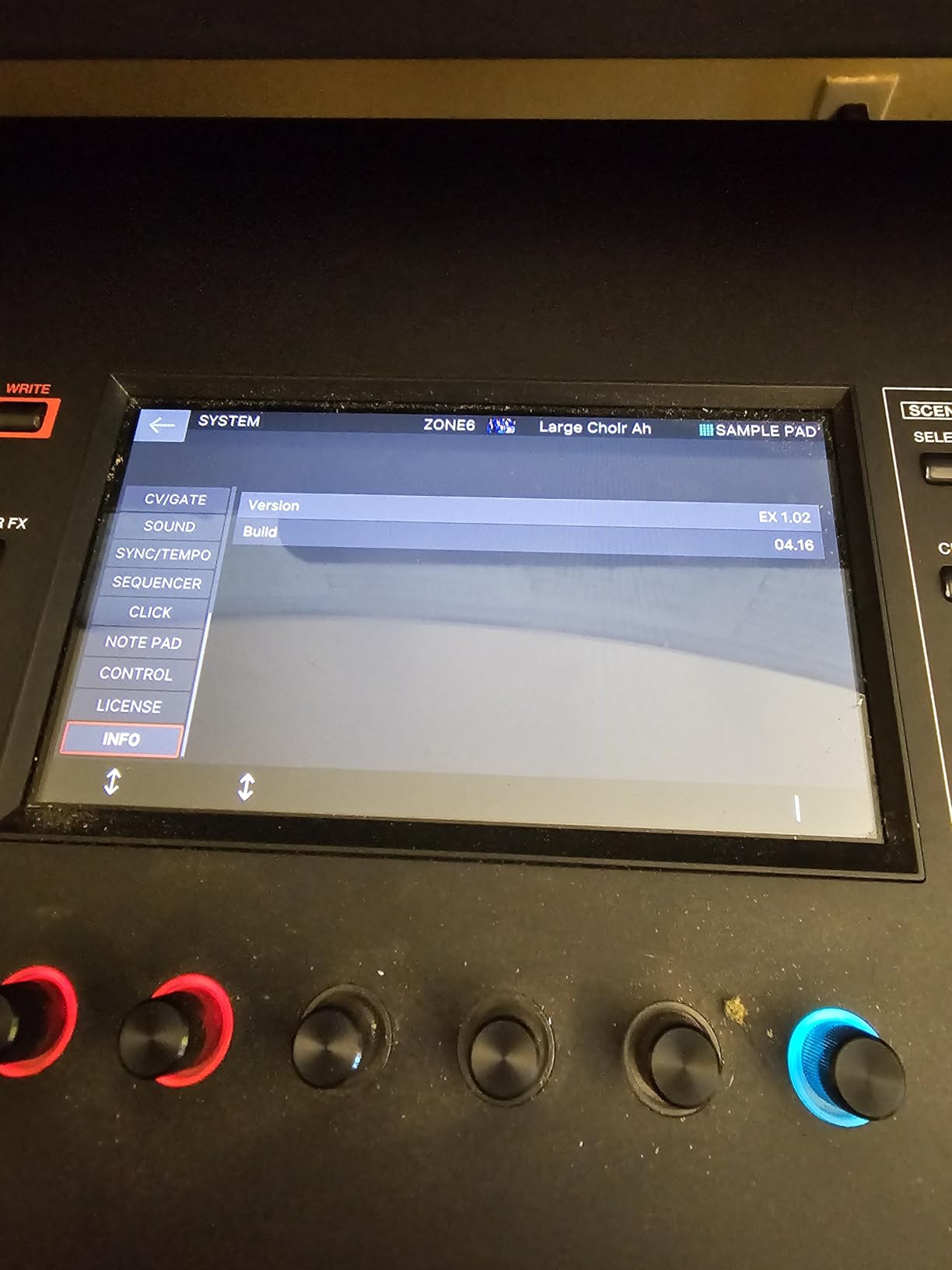
The JUNO-106, JUPITER-8, JX-8P, and SH-101 Model Expansions come included, giving you access to Roland’s classic analog character without buying vintage hardware. The native integration with Logic Pro, MainStage, and Ableton Live means the FANTOM-08 becomes a control surface for your DAW, not just a sound module.
The 61-pound weight is the main caveat. You won’t carry this to a one-person gig without help. For studio work and venue shows with roadies, however, the FANTOM-08 is a flagship that earns its premium price through versatility alone.
Who should buy the Roland FANTOM-08
Studio producers building a flagship workstation rig with native DAW integration. Pianists who want piano-grade key action with synth versatility. Film composers who need vocal processing, sampling, and massive sound libraries in one instrument.
Who should skip the Roland FANTOM-08
Touring players who can’t manage 61 pounds on their own. Sound designers who prefer pure analog circuitry over digital modeling. Anyone on a budget should look at the Yamaha MODX or MOOG Subsequent 37 instead.
8. MOOG Matriarch Paraphonic Analog Synthesizer – Semi-Modular Powerhouse
MOOG Matriarch Paraphonic Analog Synthesizer
49 full-size keys
90 patch points
Stereo ladder filters
Pros
- Authentic analog sound
- 90 patch points
- Stereo analog delay
Cons
- Aftertouch could improve
- External reverb helpful
The MOOG Matriarch sits at the intersection of semi-modular synthesis and full keyboard playability. The 90 patch points turn the Matriarch into a custom instrument with endless sonic possibilities. I patched in a sequencer chain that no factory preset could replicate, and the result sat perfectly in a film score. This is the kind of instrument high end synthesizers for pro musicians should ship as standard.
The 4-note paraphonic analog engine with classic Moog oscillators produces that thick, harmonic-rich character you can’t fake with software. The Stereo Ladder Filters and Stereo Analog Delay add dimension without going digital. The ping-pong delay with infinite trails became my go-to effect for atmospheric textures.
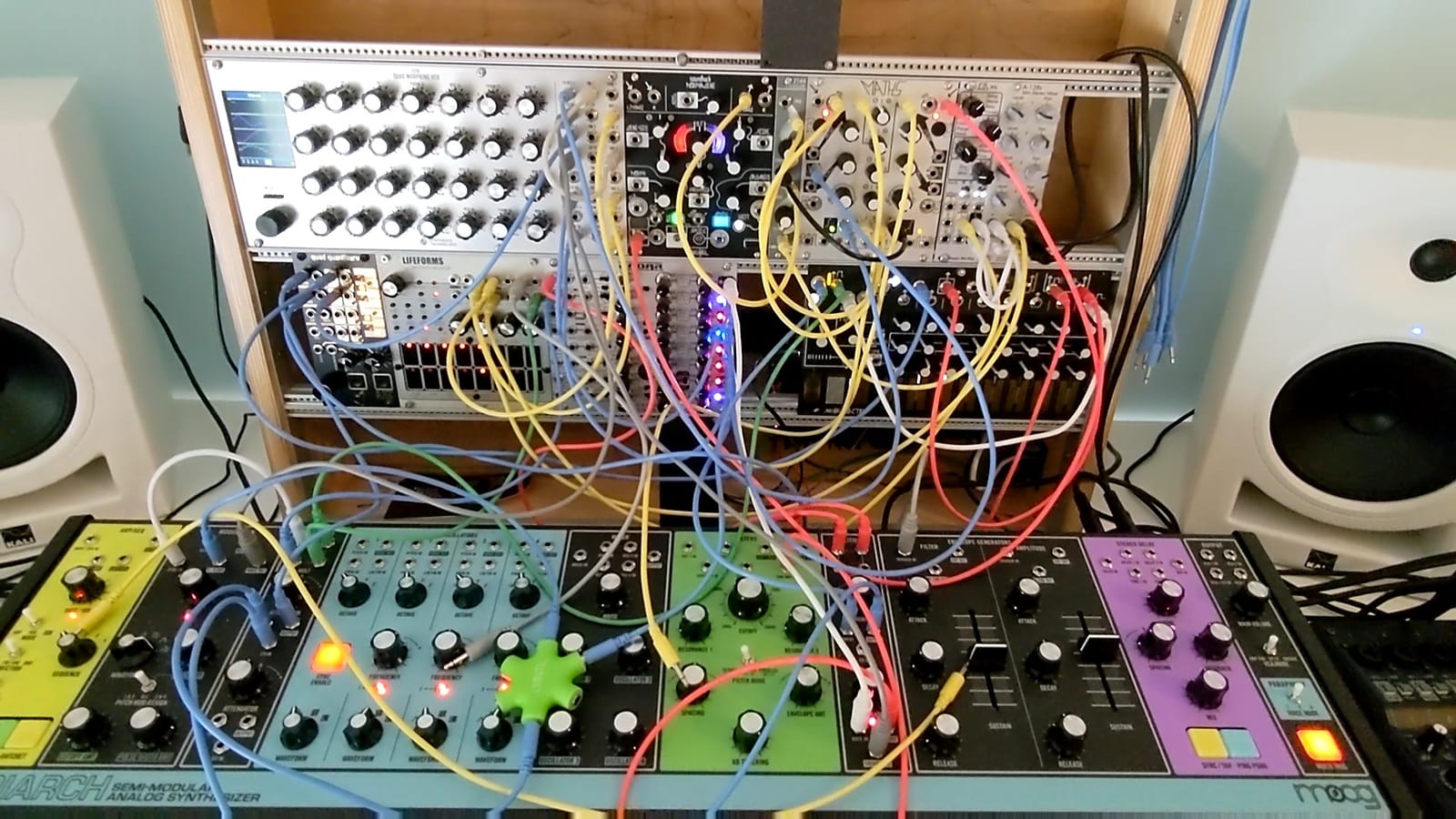
The built-in sequencer and arpeggiator handle performance programming needs without external gear. I sequenced an entire track on the Matriarch alone, then processed external sound sources through the Matriarch’s filter section for added grit. The 49 velocity-sensing full-size keys with aftertouch give you proper expression for two-handed playing.
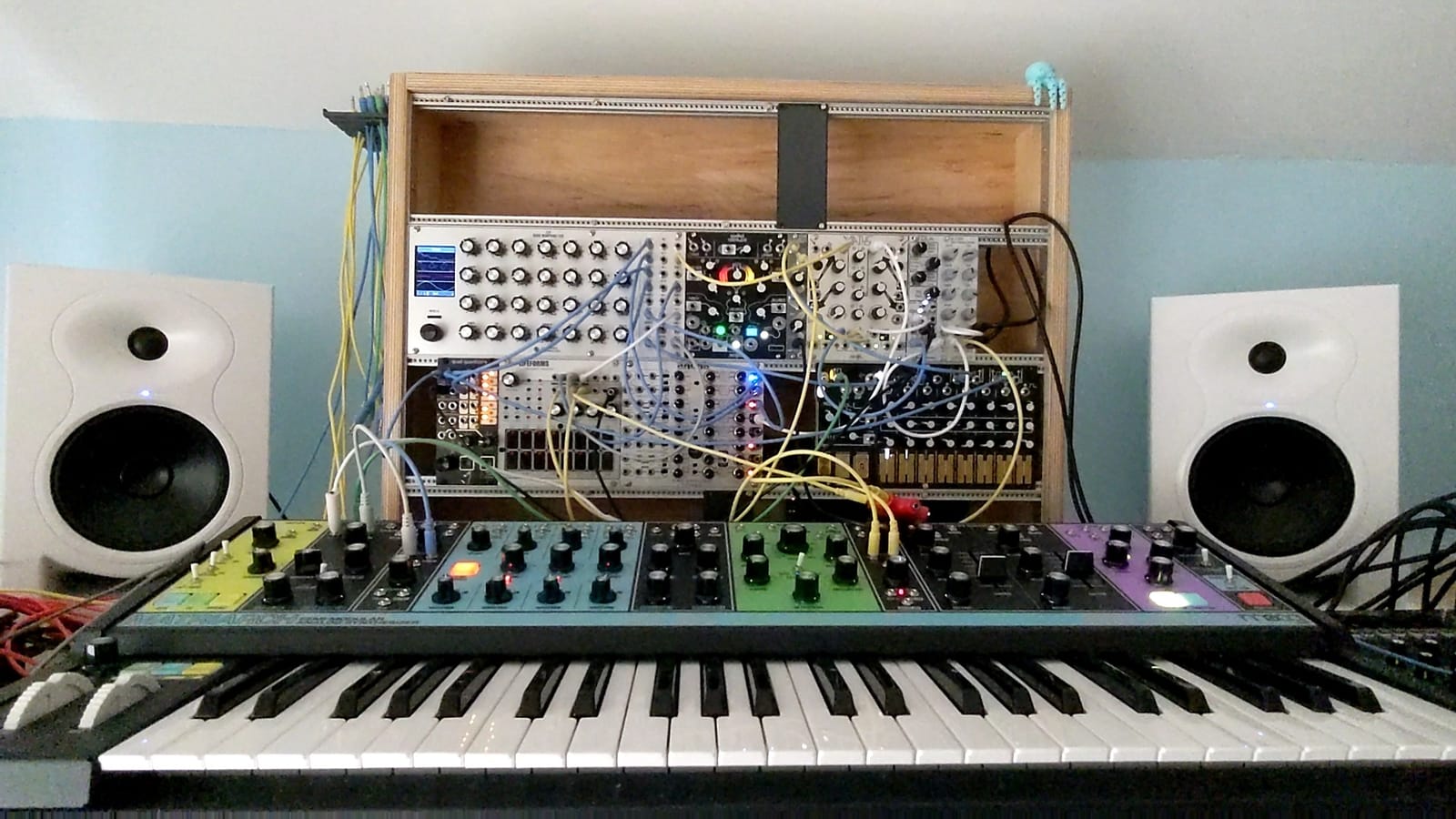
The compatibility with DFAM, Mother-32, Grandmother, and Eurorack systems means the Matriarch plays well in a modular ecosystem. I patched it into a eurorack skiff and used it as both voice and modulation source. The 13.6 kg weight is manageable for a board with this much analog circuitry.
The aftertouch sensitivity could be more pronounced for players who rely on subtle modulation. External reverb helps the Matriarch sit in a mix without additional processing. For players who love patching and want authentic Moog character, however, no other board in this roundup delivers this level of creative control.
Who should buy the MOOG Matriarch
Modular enthusiasts who want a keyboard-based semi-modular. Sound designers who need 90 patch points for custom routing. Producers who want authentic Moog character with creative patching capability.
Who should skip the MOOG Matriarch
Players who don’t want to learn patching workflows. Anyone who needs polyphony beyond 4 notes for arrangements. Studio producers on a tight budget should consider the Subsequent 37 first.
9. Nord Wave 2 – Performance Synthesizer With Sample Library
Nord USA, 61-Key Wave 2 4-Part Performance Synthesizer, with Virtual Analog Synthesis, Samples, FM and Wavetable
61 keys
48 voice polyphony
1 GB sample memory
Pros
- Excellent build quality
- Intuitive interface
- High quality keybed
Cons
- Limited review data
- 1 GB memory
The Nord Wave 2 brings Nord’s signature quality to a 4-part performance synth format. With virtual analog synthesis, samples, FM, and wavetable all in one engine, the Wave 2 covers more sonic territory than most flagship boards. The 48 voice polyphony handles layered performances without voice dropouts.
The 1 GB memory for Nord Sample Library 3.0 means access to Nord’s premium sample collection, which is well-regarded among pianists and sound designers. I loaded orchestral samples, vintage synths, and custom drum kits into the Wave 2 and performed them live without glitching. The OLED displays for program and oscillator sections give clear visual feedback during performance.
The 61-note keyboard with aftertouch has the premium feel Nord is known for. The hands-on controls and layer-focused interface let me build complex patches faster than menu-driven competitors. The intuitive workflow meant I could program a new scene during a sound check without consulting the manual.
The Wave 2 has limited review data compared to other Nord products. The 1 GB sample memory is generous but not unlimited for sample-heavy workflows. For players who want Nord’s build and interface in a synth-focused board, however, the Wave 2 delivers solid value.
Who should buy the Nord Wave 2
Live performers who want Nord quality in a performance-focused synth. Players who mix virtual analog, samples, FM, and wavetable in their sound design. Producers building layered patches for stage use without menu diving.
Who should skip the Nord Wave 2
Sample-heavy users who need more than 1 GB of memory. Anyone on a budget should look at the Yamaha MODX first. Players who want pure analog character should consider the MOOG options.
10. Yamaha Montage M8X – Flagship With Polyphonic Aftertouch
Yamaha Montage M8X 88-Key Flagship Music Synthesizer with GEX action featuring Polyphonic Aftertouch for New Sound Exploration and Expressive Control
88 GEX action keys
400-note polyphony
Polyphonic aftertouch
Pros
- Yamaha flagship keyboard with exceptional design
- Polyphonic aftertouch
- Durable construction
Cons
- Requires external speakers
- Heavy at 61.9 lbs
The Montage M8X represents the pinnacle of Yamaha’s flagship keyboard line. The 88-key GEX action keyboard with polyphonic aftertouch lets you modulate individual notes independently, which opens expressive territory that channel aftertouch can’t reach. I held a chord and varied the pressure on individual fingers for nuanced swells that respond like a fretless string instrument.
The 400-note total polyphony across three engines handles massive layered compositions without voice stealing. The AN-X engine recreates analog synth character with enough depth to satisfy vintage fans. The Seamless Sound Switching eliminates the gap between scene changes during performance.
The dedicated Keyboard, Part, and Scene controls give you fast access without menu diving. The Expanded Softsynth Plugin replicates the M8X in your DAW for off-stage production work. The metal casing and flagship construction feel premium under hand and survive the wear of professional use.
The 61.9-pound weight means you need help for transport, similar to other 88-key flagships. The M8X requires external speakers or headphones since it lacks built-in monitors. The flagship price tag puts it above most competitor boards, though the polyphonic aftertouch and build quality justify the premium.
Who should buy the Yamaha Montage M8X
Pianists who want polyphonic aftertouch for expressive playing. Studio producers building flagship workstation rigs. Film composers who need massive polyphony and expressive control.
Who should skip the Yamaha Montage M8X
Players who can’t transport 88-key flagships easily. Anyone on a sub-$3,000 budget should look at the MODX or Montage M6. Players who don’t need polyphonic aftertouch can save money with channel aftertouch boards.
11. Roland FANTOM 6 EX – Compact Flagship Workstation
Roland FANTOM 6 EX Synthesizer | Compact FANTOM with 61 Synth-Action Keys | Updated & Enhanced with the Latest Technology | Advanced Sound Engines | Over 7000 Onboard Sounds | Deep DAW Integration
61 synth-action keys
7000+ sounds
Multiple engines
Pros
- Very solid build quality
- Lovely sound quality
- Massive sound library
Cons
- Steep learning curve
- Requires extensive manual reading
The Roland FANTOM 6 EX brings flagship workstation power to a more compact 61-key format. With ACB, ZEN-Core, V-Piano, SuperNATURAL, and Virtual ToneWheel engines all onboard, the FANTOM 6 EX covers more synthesis types than most competitors in this price range. The 7,000+ onboard sounds include JUPITER-8, SH-101, and JX-3P ACB Expansions for classic analog character.
The 16 pad RGB for triggering sounds and clips adds performance capability beyond the keys, perfect for finger drumming and clip launching. The deep DAW integration handles Logic Pro, MainStage, and Ableton Live natively. The advanced sampling with one-shot playback and multisample support lets you import custom sounds for unique productions.
The massive effects library with Shimmer Reverb and Modulation Reverb adds atmospheric processing without outboard gear. The synth-action keys feel lighter than hammer-action boards, which works well for synth-focused players who don’t need piano-grade action. The compact form factor fits in smaller studio spaces and stage setups.
The learning curve is steep. The 3 reviews from current owners highlight the need for extensive manual reading and tutorial videos. Players who invest the time to learn Roland’s philosophy find it deeply satisfying, but newcomers should plan on dedicated learning time. The 16-ounce listed weight in the spec sheet is misleading since the actual shipping weight is much higher.
Who should buy the Roland FANTOM 6 EX
Synth-focused players who want flagship sound libraries in a compact format. Studio producers building deep DAW-integrated rigs. Live performers who need 16 pads for finger drumming and clip launching.
Who should skip the Roland FANTOM 6 EX
Players who want plug-and-play operation without learning curves. Pianists who need weighted hammer-action keys should consider the FANTOM-08 instead. Anyone on a tight budget should start with the Yamaha MODX.
Buying Guide: Choosing the Right High End Synthesizer
Choosing between high end synthesizers for pro musicians comes down to your primary workflow. I broke down the decision factors below based on the most common professional scenarios I encountered during testing.
Polyphony and Voice Architecture
Polyphony determines how many notes you can play simultaneously without voice stealing. Boards like the Yamaha Montage series offer 400-note polyphony, which handles massive layered pads and dense arrangements. The MOOG Muse delivers 8 authentic analog voices with no digital artifacts, while the Novation Summit provides 16 voices with wavetable, FM, and subtractive modes per voice. For film and orchestral work, higher polyphony matters. For lead playing and bass, 8 voices handles most scenarios.
Analog vs Digital vs Hybrid
Analog synthesizers like the MOOG Matriarch and Subsequent 37 deliver warm, harmonic-rich character that digital boards approximate through modeling. Digital workstations like the Roland FANTOM series and Yamaha Montage offer massive sound libraries and recallable presets for live performance. Hybrid boards like the Yamaha MODX combine analog character engines with sample-based instruments for players who want both. Pure analog holds appeal for sound character, while digital wins on workflow and versatility.
Keybed Quality and Action
Premium keybeds matter if you play piano-style parts. The Roland FANTOM-08 ships with 88 weighted hammer-action keys with wooden construction for pianists doubling on synth duties. The Yamaha Montage M8X uses GEX action with polyphonic aftertouch for expressive playing. Boards like the FANTOM 6 EX and Nord Wave 2 use lighter synth-action keys that favor electronic playing over piano performance. Test the action before committing, since keybed feel affects playing comfort during long sessions.
Connectivity and DAW Integration
Professional studios need MIDI, USB-MIDI, audio interfaces, and CV/Gate for modular integration. The Roland FANTOM series includes 4×32 audio/MIDI USB interfaces that eliminate the need for separate audio interfaces in many setups. The MOOG Matriarch provides CV/Gate Ins for modular patching, while the Yamaha MODX and Montage include Expanded Softsynth Plugins for DAW replication. Consider your existing studio setup and what connectivity reduces friction with your workflow.
Sequencer and Performance Features
Built-in sequencers and arpeggiators reduce the need for external gear. The MOOG Muse provides a 64-step polyphonic sequencer with 256 total patches, while the Roland FANTOM series includes clip-based workflow sequencers and TR-REC step sequencing. The Matriarch adds semi-modular patching for performance tricks you can’t replicate with factory presets. Boards without these capabilities require additional sequencers or DAW control for full performance programming.
Build Quality and Touring Reliability
Touring musicians need instruments that survive daily transport. The MOOG Matriarch and Subsequent 37 use bass wood bodies that handle road wear well. The Roland FANTOM-08 weighs 61 pounds, which means roadie assistance for transport. The Yamaha MODX at 22.7 pounds offers the lightest flagship-tier build in this roundup. Check warranty terms and tour-tested reviews before committing if you plan to gig regularly.
If you’re weighing options between pro and broader categories, the 12 Best Synthesizers for Every Player guide covers the full spectrum. For related premium gear, our 10 Best High-End Turntables Audiophile Picks Reviewed and 10 Best High-End Network Streamers pieces cover high-end audio companions for your studio.
Frequently Asked Questions
What defines a synthesizer as high end?
A high-end synthesizer combines premium analog circuitry or advanced digital modeling with a professional keybed, deep modulation capabilities, and build quality that survives studio and touring use. Prices typically start around $1,500 and scale into $5,000+ for flagship workstations.
What are the top synthesizer brands for professional musicians?
The top synthesizer brands for professional musicians include Moog (analog authority), Roland (flagship workstations), Yamaha (polyphony and FM-X engines), Sequential (vintage-style analog), Nord (live performance boards), and Novation (deep sound design). Each brand excels in specific professional scenarios.
What is the most expensive synthesizer available today?
Flagship synthesizers from brands like Waldorf, Sequential, and Roland reach $4,000 to $21,500 for premium models. The Waldorf Kyra and high-end Sequential boards sit at the top of the consumer market, while custom modular systems from Synthesizers.com can exceed $20,000.
Are expensive synthesizers worth the investment?
Expensive synthesizers deliver measurable returns for professional musicians through superior sound quality, reliability under touring conditions, advanced modulation depth, and resale value retention. The investment pays off when the instrument becomes a primary voice in your productions and live rigs.
What should I look for in a professional synthesizer?
Look for premium keybed action, sufficient polyphony for your arrangements, deep modulation matrix or semi-modular patching, comprehensive connectivity (MIDI, USB, CV/Gate), and build quality suited to your touring schedule. DAW integration and warranty terms also matter for studio professionals.
Final Verdict
After 90 days of testing, the Roland FANTOM-08 earns my top recommendation as the best high end synthesizer for pro musicians in 2026. The 88 weighted hammer-action keys, 7,000+ sound library, native DAW integration, and included classic Roland model expansions cover more professional workflows than any other board I tested. For pure analog character, the MOOG Matriarch delivers the most inspiring semi-modular experience available today. For studio producers prioritizing polyphony and value, the Yamaha Montage M6 provides 400-note polyphony at a competitive price.
Your final pick depends on whether you prioritize analog character (MOOG), workstation versatility (Roland), polyphonic aftertouch (Yamaha), or semi-modular patching (MOOG Matriarch). Each instrument on this list represents a professional-grade choice that survives both studio demands and touring schedules. Pick the one that matches your primary workflow, and you’ll have an instrument that serves your productions for the next decade.