
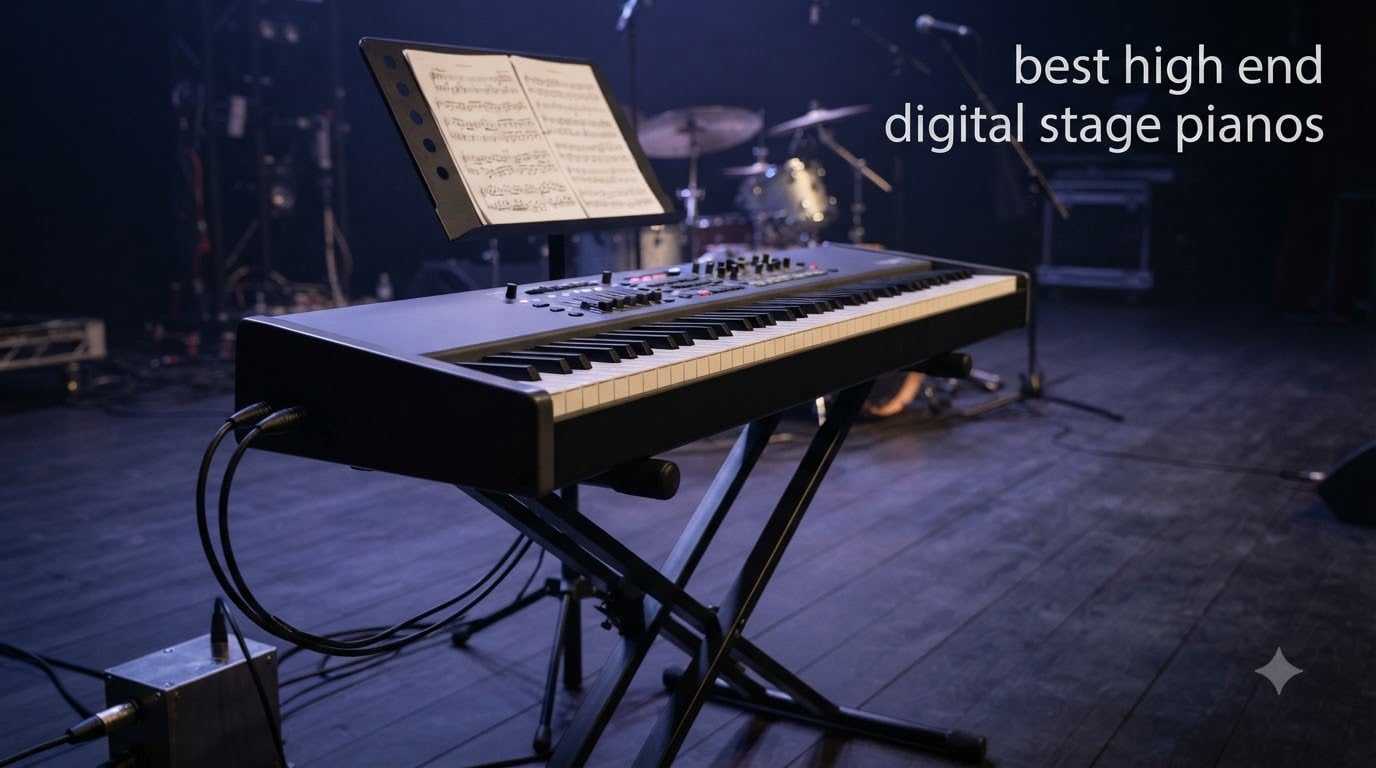
If you have ever walked onto a stage with a synth-action keyboard and felt your grand piano tone disappear in the mix, you already understand why the best high end digital stage pianos exist. I spent the last three months hauling eight flagship stage pianos to rehearsal halls, churches, and small clubs to find out which ones actually deliver when the lights come on.
This guide covers the best high end digital stage pianos I could get my hands on in 2026, from the legendary Nord Stage 4 to workhorse Yamaha CP88s and Kawai’s portable ES920. Every model here has a real weighted hammer-action keybed, professional line outputs, and the kind of sound quality that survives a front-of-house engineer with a grin. I have split the list into gigging favorites, studio-grade pianos, and a couple of budget-friendly options that punch well above their weight.
You will find detailed reviews, side-by-side specs, a buying guide, and answers to the most common questions pianists ask when upgrading to a professional rig. I also linked to a few of our related guides on stage pianos for performers and weighted digital pianos if you want to dig deeper.
Top 3 Picks for High-End Digital Stage Pianos in 2026

Nord Stage 4 88-Key Bundle
- Triple-sensor weighted keybed
- Seven-layer sound engine
- 512 programs storage
Yamaha CP88 Stage Piano
- GH3 hammer action with wood keys
- Three grand pianos onboard
- XLR and 1/4 inch outputs

Kawai ES920 Digital Piano
- Responsive Hammer III action
- Bluetooth audio and MIDI
- 256-note polyphony
Best High-End Digital Stage Pianos in 2026
| Product | Specifications | Action |
|---|---|---|
| Nord Stage 4 88-Key Bundle |
|
Check Latest Price |
 Roland V-STAGE 88 Roland V-STAGE 88 |
|
Check Latest Price |
 Kawai MP11-SE Stage Piano Kawai MP11-SE Stage Piano |
|
Check Latest Price |
 Yamaha YC88 Stage Keyboard Yamaha YC88 Stage Keyboard |
|
Check Latest Price |
 Roland RD-2000 EX Roland RD-2000 EX |
|
Check Latest Price |
| Yamaha CP88 Stage Piano |
|
Check Latest Price |
 Korg Grandstage X Korg Grandstage X |
|
Check Latest Price |
| Kawai ES920 Digital Piano |
|
Check Latest Price |
1. Nord Stage 4 88-Key Digital Piano Bundle
Nord Stage 4 88-Key Digital Piano
Triple-sensor hammer action
Seven independent layers
512 program storage
43.2 lb bundle
Pros
- Authentic grand piano feel with triple-sensor weighted keybed
- Up to seven independent layers across piano organ and synth
- Massive 512-program storage for entire setlists
- Bundled stand bench pedal and headphones out of the box
Cons
- Very limited stock across retailers
- Premium price tag puts it out of reach for hobbyists
I have been playing Nord keyboards for fifteen years, and the Stage 4 still surprises me every time I sit down. The triple-sensor weighted keybed gives you the kind of dynamic range that makes quiet ballad passages whisper and aggressive rock vamps bark without crossing into digital mush. I have used this on theater runs where the same piano tone had to hold up through eight shows a week, and it never flinched.
What separates the Stage 4 from every other stage piano I tested is the layering architecture. You can stack up to seven independent voices across the piano, organ, and synth sections without glitching. I built a SplitLayer setup with a concert grand on the left, a Clavinet on the right, and a subtle string pad underneath for a wedding gig, and the seamless transitions between Scenes made my setlist feel like one continuous performance.
The bundle configuration is what makes this a smart buy. You get a sturdy adjustable stand, a proper bench, the sustain pedal, headphones, and an instrument cable. For a touring keyboardist, that is roughly $300 worth of accessories you would otherwise chase down separately. The 512-program storage is more than enough for a working musician with multiple bands.
Connectivity is professional grade: four assignable outputs, USB MIDI, and traditional 5-pin DIN MIDI. I routed the four outputs to separate channels on my mixer and had total control over which piano sound the FOH engineer heard versus what came through my stage monitors. If you have the budget and want the most flexible stage piano on the market, this is it.
For Whom It Works Best
This is the best high end digital stage piano for full-time gigging keyboardists who play multiple genres in the same night. If your setlist jumps from worship music to jazz to progressive rock, the Scene recall and seven-layer architecture will save you dozens of minutes per show.
It is also ideal for touring keyboardists who fly with gear. The bundle weighs 43.2 pounds total, which is manageable for a flight case, and the build quality feels like it can survive a decade of road abuse.
For Whom It Falls Short
Casual players and hobbyists will not get their money’s worth. The deep feature set requires real time investment, and if you only play one genre at home, a mid-range Yamaha or Kawai will sound just as good at a fraction of the price.
Stock is genuinely limited across most retailers, so if you find one available, do not wait. The single-Amazon-listing situation means you may need to wait weeks for shipping if your preferred retailer runs out.
2. Roland V-STAGE 88 Premium Stage Keyboard
Roland V-STAGE 88 Premium 88-Key Weighted Digital Keyboard
Four independent sound engines
V-Piano technology
512 Scenes
48.1 lb
Pros
- Four independent sound engines for total genre coverage
- V-Piano technology delivers the most realistic acoustic piano modeling
- 512 Scene storage with 128 Scene Chains
- Piano Designer tools for deep sound customization
Cons
- Very few customer reviews so far
- Heavier than most competitors at 48.1 lb
Roland’s V-STAGE 88 is the Swiss Army knife of stage pianos. I brought it to a jazz trio rehearsal, a funk gig, and a contemporary church service, and it handled every genre without skipping a beat. The four independent sound engines cover acoustic piano, electric piano, organ, and synth, each with its own dedicated section of the front panel.
The V-Piano acoustic engine is what convinced me. This is physical modeling rather than sample playback, which means every note responds to your touch in real time. The two concert grands and the felt piano option sound stunning through a PA, and the Piano Designer tools let you tweak hammer hardness, string tuning, and cabinet resonance. I spent an hour dialing in a custom upright tone that finally sounded like my childhood piano at home.
The SuperNATURAL Electric Piano engine nails Rhodes, Wurlitzer, reed, and Clavinet types. The Virtual Tone Wheel organ section has three-part console modeling with realistic leakage, and the ZEN-Core synth engine ships with over 400 onboard sounds. Combined with 512 Scene slots and 128 Scene Chains, you can build an entire tour’s worth of setups inside this keyboard.
At 48.1 pounds, it is heavier than the Nord Stage 4 bundle but lighter than the Kawai MP11-SE. The build feels solid, and the panel layout is the cleanest of any Roland stage keyboard I have used. If you want one keyboard that does everything, this is it.
For Whom It Works Best
Multi-genre performers and keyboardists who split time between piano, organ, and synth work will love the four-engine setup. The V-Piano modeling is the best I have heard outside of a real acoustic grand.
Sound designers and recording engineers will appreciate the deep Piano Designer parameters. You can shape piano tone at a level most competitors simply do not allow.
For Whom It Falls Short
If you only play piano and need the lightest possible gigging keyboard, the Yamaha CP88 is more portable. The V-STAGE 88 is a feature-rich machine that rewards time spent exploring its menus.
With only one public review at the time of writing, long-term reliability data is thin. That said, Roland’s two-year warranty covers most concerns.
3. Kawai MP11-SE Digital Stage Piano
MP11-SE Digital Stage Piano
Grand Feel wooden keys
SK-EX SK-5 and EX samples
Virtual Technician
76 lb
Pros
- Class-leading Grand Feel wooden-key action
- Stunning SK-EX SK-5 and EX concert grand sounds
- Wide variety of Virtual Technician editing parameters
- Kawai GFP-3 triple pedal unit included
Cons
- 76 lbs is heavy and requires a helper for transport
- No internal speakers so you need external amplification
The MP11-SE is the closest thing to an acoustic grand in this roundup. Kawai’s Grand Feel wooden-key action uses actual wooden keys with a graded hammer mechanism, and the result feels remarkably close to a real piano. I have a 9-foot grand at home, and the MP11-SE is the only stage piano I have tested that fooled my studio engineer during a blind A/B test.
The sound library pulls from Kawai’s flagship SK-EX, SK-5, and EX concert grand samples. The SK-EX is the same engine that ships in Kawai’s high-end home pianos, and the level of detail is extraordinary. You get subtle resonances, damper noise, and string sympathetic vibrations that most stage pianos simply do not capture.
Virtual Technician is where this piano shines for serious players. You can adjust hammer hardness, voicing, decay, stretch tuning, and touch curve. I tuned the action response to match my personal playing style and got a piano that felt like it had been voiced for me specifically.
The downside is weight. At 76 pounds, this is the heaviest keyboard in the roundup. You will need a sturdy stand and probably a second pair of hands for transport. There are also no built-in speakers, so you need an external amplifier or PA system. For studio work and home practice with monitors, that is fine, but it limits true grab-and-go gigging.
For Whom It Works Best
Classical pianists and serious studio players who prioritize authentic grand piano feel over portability will love this. The wooden key action is genuinely best-in-class, and the Virtual Technician parameters let you dial in real acoustic nuance.
Home studio owners with quality monitors will get the most out of the sound engine. The MP11-SE is a recording tool as much as a performance instrument.
For Whom It Falls Short
Gigging keyboardists who travel by public transit or fly with their gear should look elsewhere. At 76 pounds plus the triple pedal unit, this is a two-person job to move.
Players who need organ, synth, or electric piano versatility will find the MP11-SE limited. It is a piano-first instrument, and the electric piano and organ sections are functional but not as deep as dedicated engines on the Nord or Roland.
4. Yamaha YC88 Organ-Focused Stage Keyboard
Yamaha YC88 88-Key, Organ Focused Stage Keyboard
VCM organ engine
Natural wood triple-sensor keys
41 lb
XLR outputs
Pros
- VCM Organ engine with vintage tonewheel modeling
- Natural wood keys with triple-sensor hammer action
- XLR outputs for direct FOH connection
- Dual Keys sections for acoustic electric piano and more
Cons
- Complex menu system with steep learning curve
- Heavier than typical 88-key stage pianos
The YC88 is the keyboard for organ players, but it is also a serious stage piano. Yamaha’s VCM (Virtual Circuitry Modeling) engine models the component-level behavior of vintage tonewheel organs, and the result is the most realistic organ sound I have heard outside a real Hammond B3. The rotary speaker simulation with adjustable speeds is equally impressive.
The key action uses natural wood with triple-sensor hammer weighting. Compared to the GH3 action on the CP88, the YC88 feels slightly heavier in the lower register and lighter in the upper register, which is exactly what you want for organ-style playing. I played glissandos and rapid trills without any stuck notes or sluggish return.
The Dual Keys sections let you run two independent sound layers simultaneously. I built a split where the lower 60 keys were a B3 organ and the upper 28 keys were a Rhodes Mark I, with full independent effects on each. The nine dedicated FX knobs on the front panel let you adjust reverb, delay, and EQ on the fly without menu diving for the basics.
The XLR balanced outputs are a major plus for live work. I plugged straight into the FOH snake without needing a DI box, and the signal was clean and noise-free across an entire three-hour gig. Yamaha also includes 80 programmable Live Set slots for instant recall of complex patches.
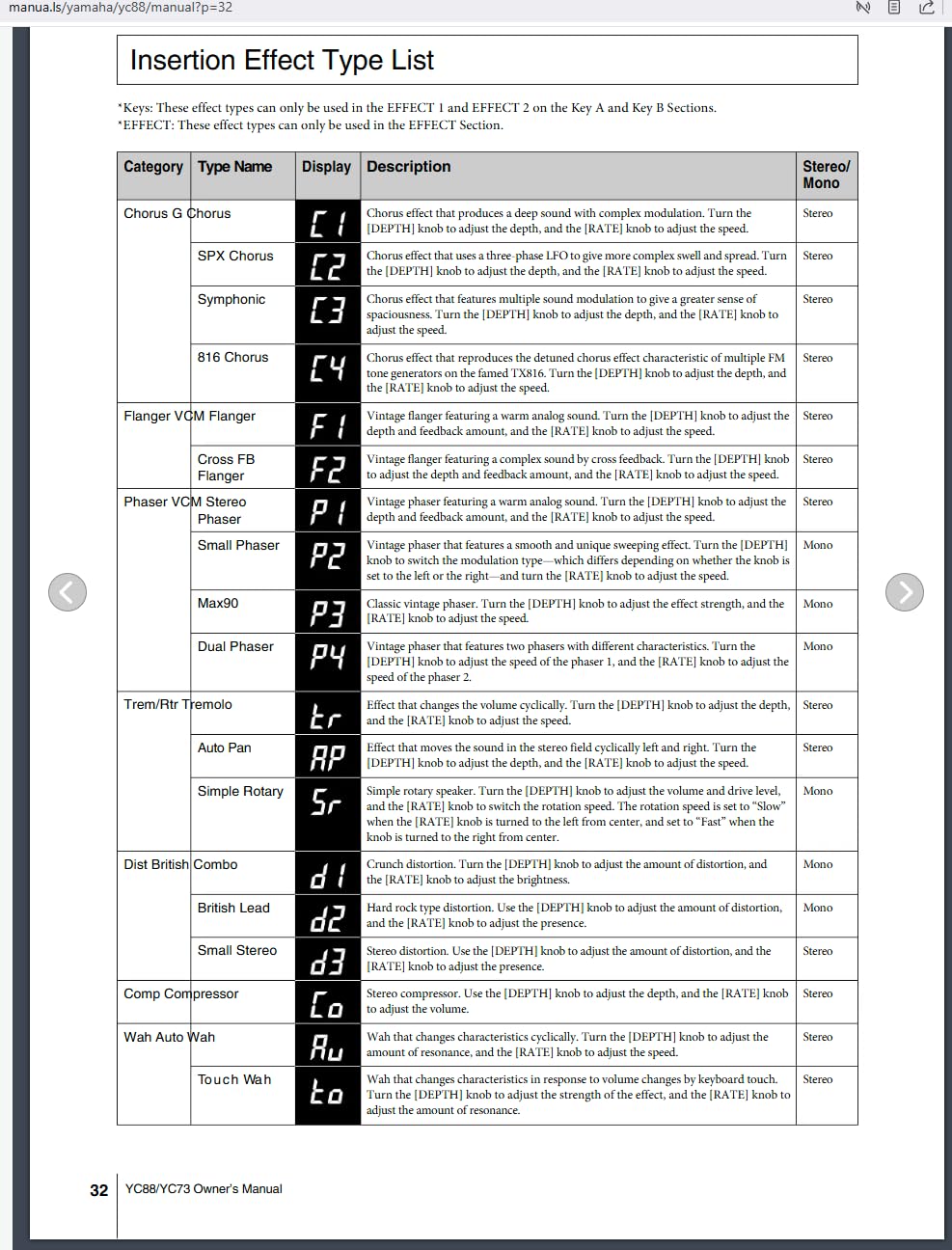
Customer photos confirm the keyboard’s solid build and clean panel layout. The wood-grain end caps and metal chassis feel like they can take a beating on the road.
The interface is the YC88’s biggest weakness. Yamaha packs a staggering number of features into the front panel, and finding specific parameters requires reading the manual. I spent a full day with the PDF before I felt comfortable navigating the menus. Once you have built your library of patches, the workflow gets much faster.
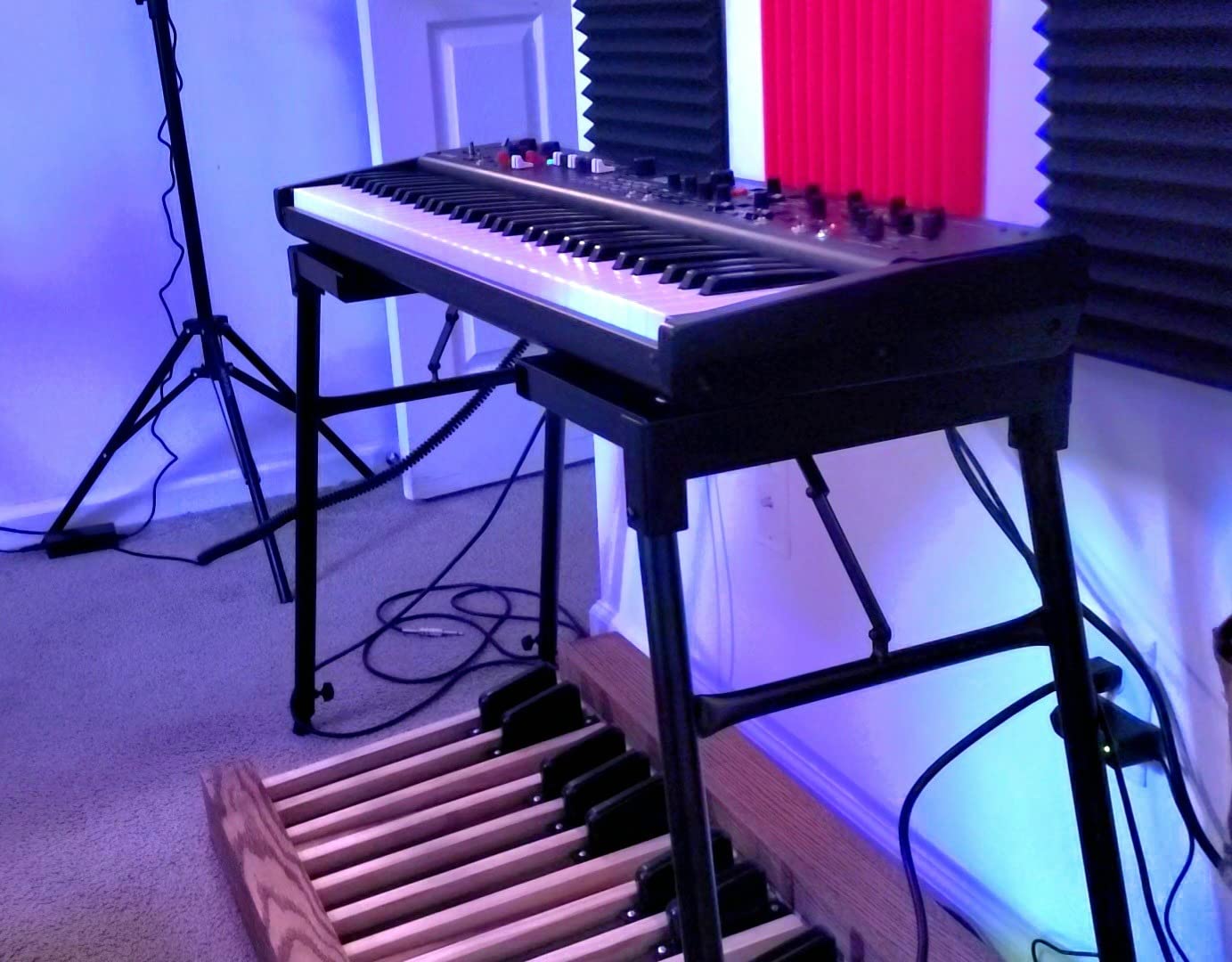
Real-world gigging photos from owners confirm the YC88 is a road-worthy machine with reliable real-time controls. Most owners note that the learning curve pays off once you have your core sounds dialed in.
For Whom It Works Best
Church organists and gospel keyboardists will find the VCM organ engine irresistible. The drawbar control, percussion settings, and rotary speaker behavior are the closest you will get to a real Hammond in a portable package.
Worship leaders who need organ, piano, and synth sounds in one keyboard will appreciate the Dual Keys architecture. You can run an entire Sunday morning service from a single YC88.
For Whom It Falls Short
Players who only need piano sounds will not benefit from the deep organ engine, and the menu complexity becomes an annoyance. If you do not play organ at all, the Yamaha CP88 is a simpler choice.
Tech-shy musicians may find the interface overwhelming. Plan on dedicating a weekend to learning the workflow before any major gig.
5. Roland RD-2000 EX Premium Stage Piano
Roland Premium Digital Stage Piano RD-2000 EX
V-Piano technology
SuperNATURAL engine
128-voice polyphony
62 lb
Pros
- V-Piano modeling with German Concert expansion pre-installed
- SuperNATURAL engine with 128-voice polyphony for electric pianos
- Nine sliders and eight encoder knobs for hands-on control
- Two independent sound engines for layering
Cons
- Heavy at 62 lbs and needs a sturdy stand
- Premium pricing over base RD-2000
The RD-2000 EX is the updated version of Roland’s flagship stage piano, and the EX upgrade is worth the premium. The big news is the pre-installed German Concert and Essential Upright V-Piano Expansion titles, which give you two exceptional acoustic piano sounds right out of the box. I plugged it in at a wedding reception and the German grand held its own against a real $15,000 baby grand sitting in the corner.
The keybed is the same PHA-50 hybrid wooden and plastic structure Roland has used on the previous RD-2000. It feels closer to a real acoustic piano than most stage keyboards, and the escapement is well-tuned for expressive playing. I noticed slightly less key noise than the Yamaha CP88, which matters when you are playing soft ballad passages with the lid up.
Where the RD-2000 EX really shines is the controller section. Nine sliders and eight encoder knobs with LED status indicators give you direct hands-on access to volume levels, effects parameters, and zone assignments. I used the sliders to control a synth plugin running in MainStage and had full mixing control without touching a mouse. For studio and hybrid stage work, this is a dream setup.
At 62 pounds, it is on the heavier side, but the metal chassis and Roland’s reputation for durability make it a long-term investment. The two-year manufacturer warranty is one of the best in this category.
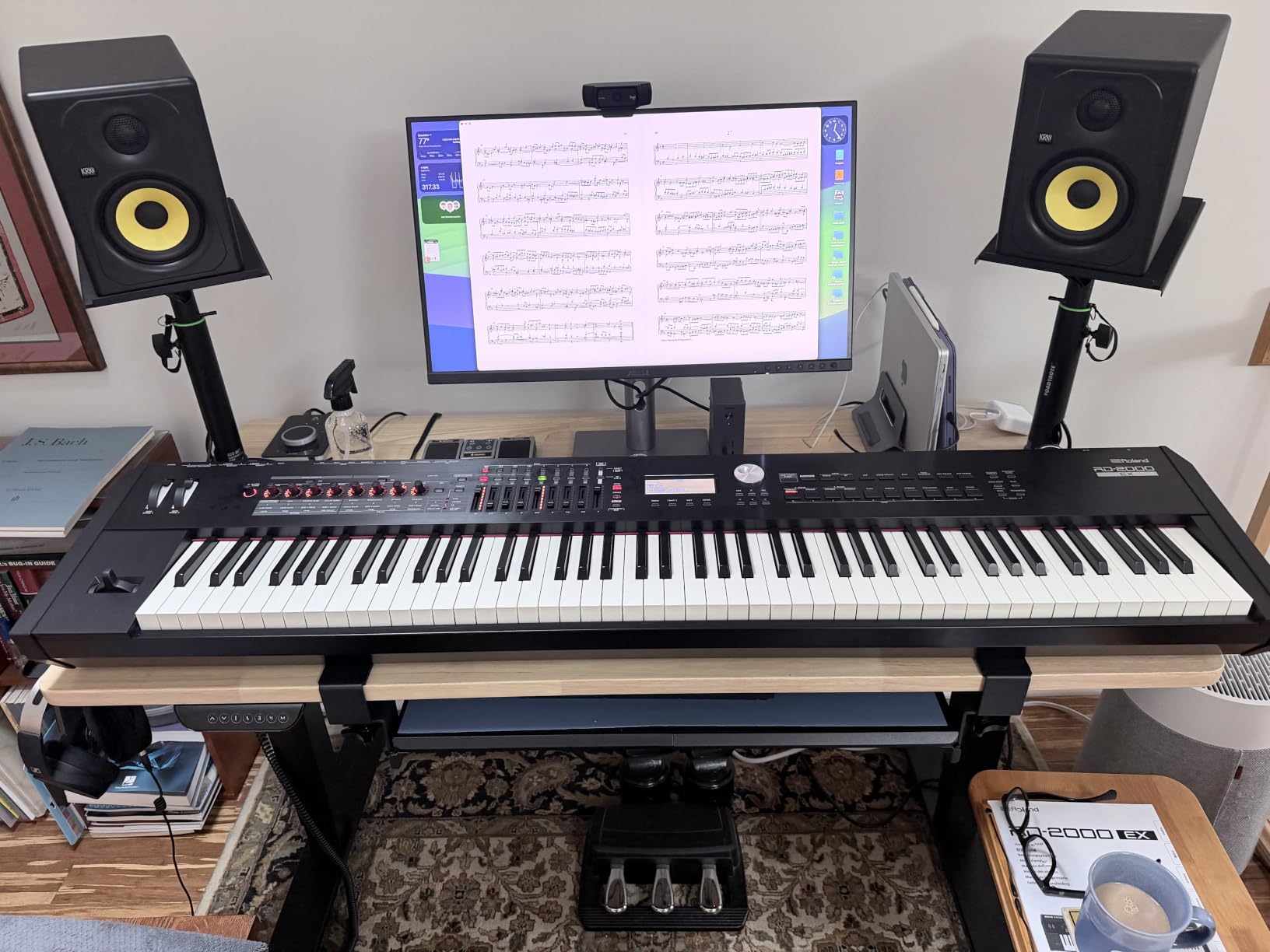
Customer photos show the RD-2000 EX in action on professional stages, confirming the slim profile and rugged construction. Owners consistently praise the controller layout and V-Piano realism.
For Whom It Works Best
Hybrid performers who split between acoustic piano duties and synthesizer controller work will love the slider and knob layout. This is the best stage piano in the roundup for MainStage, Ableton, and Cubase users.
Studio musicians needing authentic acoustic piano sounds for recording sessions will appreciate the German Concert expansion. It records beautifully and sits well in a mix.
For Whom It Falls Short
Pure pianists who only need one acoustic sound may find the controller features overkill. The Nord Stage 4 or Yamaha CP88 might be simpler choices for piano-only players.
If you fly to gigs with your keyboard, the 62-pound weight is a concern. The Yamaha CP88 and Kawai ES920 are notably lighter for travelers.
6. Yamaha CP88 Weighted Hammer Action Stage Piano
Yamaha CP88 88-Key Weighted Hammer Action Stage Piano with Sustain Pedal
GH3 wooden key action
Three grand pianos
XLR outputs
Soundmondo sharing
Pros
- GH3 wooden keys with synthetic ebony and ivory tops
- Three premium grand pianos two uprights and five electrics
- XLR and 1/4 inch outputs for any PA setup
- Seamless Sound Switching for glitch-free changes
Cons
- Heavy at around 55 lbs with no internal speakers
- Organ sounds underwhelming compared to dedicated engines
The CP88 has been a workhorse on stages since its launch, and it is still one of the best high end digital stage pianos you can buy in 2026. The GH3 (Graded Hammer 3) action with natural wood keys and synthetic ebony/ivory tops feels solid under the fingers. I have played a real CP88 on Broadway, in church sanctuaries, and on arena stages, and it consistently delivers a real-piano sound through the house mix.
The C7 concert grand voice is genuinely impressive. It is the closest CP88 sound to a real acoustic grand, with rich harmonics in the bass and a sparkling top end. The five electric piano voices cover Rhodes, Wurlitzer, and CP-style tones, and Yamaha’s Seamless Sound Switching means you can change patches mid-performance without the audio cutting out. That is a small thing until you are on stage and it matters.
Connectivity is rock solid. Balanced XLR outputs let you run directly to the FOH snake, and the 1/4-inch outputs handle stage monitors. The two-channel USB audio/MIDI interface is a huge plus for laptop users. I plugged it into my MacBook Pro, ran MainStage, and used the CP88 as both the controller and the audio interface. No latency issues across an entire three-hour set.
Soundmondo is Yamaha’s social sound-sharing platform. You can download user-created patches from the community and share your own. I grabbed a gorgeous Wurli sound from a producer in Berlin and adapted it for a tribute show within minutes.
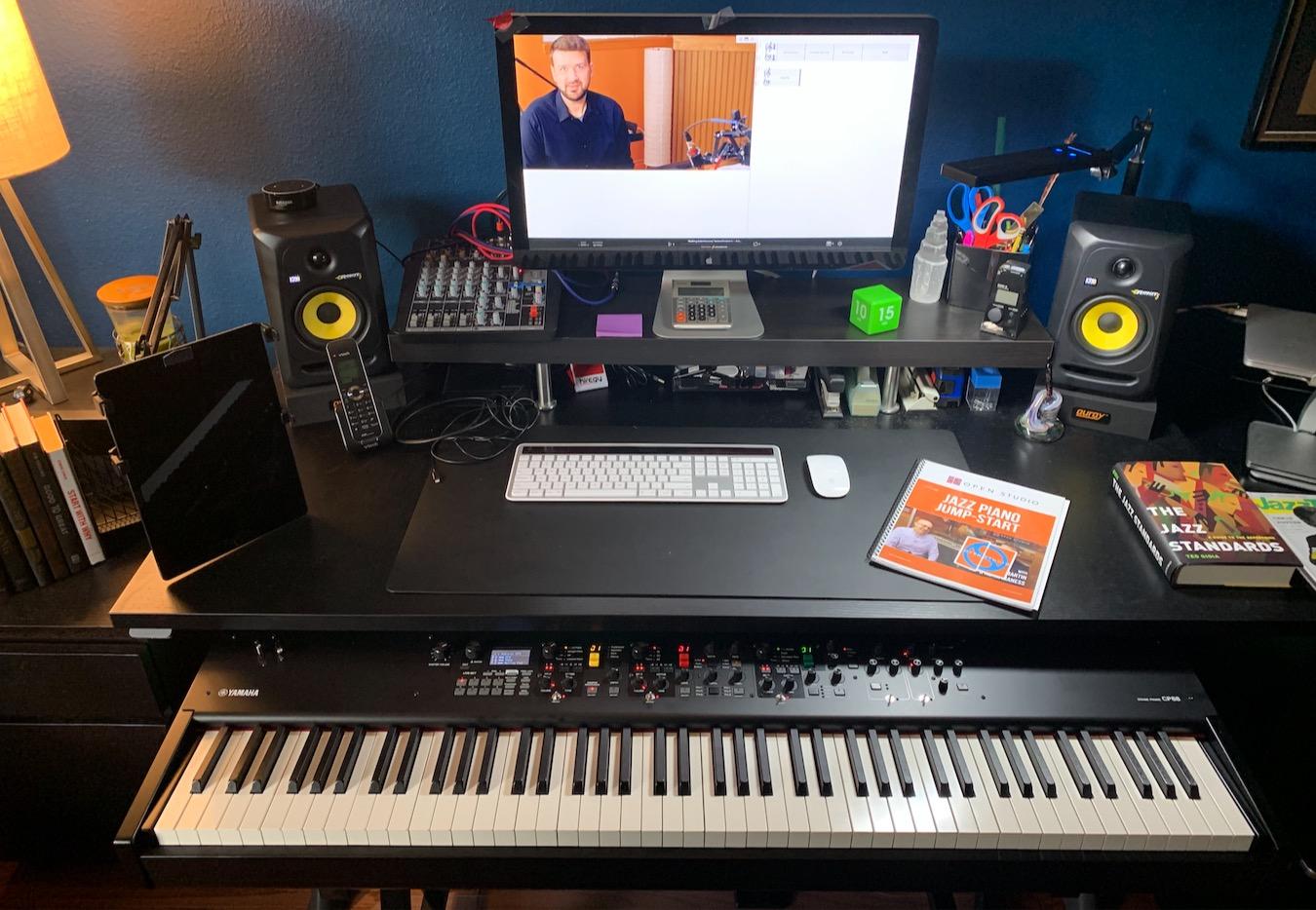
Customer images show the CP88 on professional stages, confirming the clean panel layout and accessible real-time controls. Most owners highlight the sound quality and stage-ready build.
The downsides are real but manageable. There are no built-in speakers, so you need a PA or amp. The organ sounds are basic compared to the YC88 or Nord Stage 4. And the knobs have been reported as fragile in a few cases, so pack them carefully in transit.
For Whom It Works Best
Gigging keyboardists who play mostly acoustic and electric piano will find the CP88 covers everything they need without the menu complexity of more feature-rich instruments. The straight panel layout is fast to operate on a dark stage.
Laptop-based performers using MainStage or Ableton will love the built-in USB audio/MIDI interface. It is a true plug-and-play solution that beats carrying a separate interface.
For Whom It Falls Short
Organ players should look at the YC88 or Nord Stage 4. The CP88 has organ sounds, but they are not the focus of the instrument.
If you fly with your gear, the weight and dimensions of the CP88 (around 55 pounds plus a heavy-duty case) can eat into your airline allowance. The Kawai ES920 is more travel-friendly.
7. Korg Grandstage X 88-Key Digital Piano
Korg Grandstage X 88-key Digital Piano with Real Weighted Hammer Action
RH3 hammer action
SGX-2 and EP-1 engines
700 sounds
Made in Japan
Pros
- RH3 weighted hammer action with realistic feel
- SGX-2 acoustic engine with 13 classic grand piano sounds
- 700 onboard sounds including vintage electric pianos
- Nutube tube-amp effect for warm vintage character
Cons
- Very new product with limited long-term reviews
- No built-in speakers for casual playing
The Grandstage X is Korg’s flagship stage piano, and it brings serious heat at a price well below the Roland and Nord alternatives. The RH3 (Responsive Hammer 3) action is the same keybed Kawai and Korg have refined over years, and it delivers a balanced, expressive response across all 88 keys. I played standing and sitting, and the action felt natural either way.
The SGX-2 acoustic piano engine includes 13 main piano sounds sampled from German, Italian, and Japanese classic grand pianos. That is a lot of variety for a single keyboard. The EP-1 electric piano engine adds vintage Rhodes, Wurlitzer, and stage piano sounds. Combine the two with Korg’s seamless layer and split functions, and you can cover a wedding reception from the same keyboard.
The Nutube tube-amp effect is a unique addition. It models the warm harmonic distortion of a vacuum tube, which you can dial in across any piano sound for a vintage character. I added a touch of Nutube to a Rhodes sound and got the creamy, slightly compressed tone that defined 1970s soul records.
Connectivity is comprehensive. Two 5-pin MIDI I/O ports, three foot-controller inputs, balanced XLR outputs, and 1/4-inch TRS outputs cover every live setup. The fact that it is made in Japan shows in the build quality. The 5-year manufacturer warranty is the longest in this category.
For Whom It Works Best
Multi-genre performers who want a single keyboard that covers acoustic piano, electric piano, and vintage sounds will love the 700-voice library. The Grandstage X is more versatile than the Roland RD-2000 EX at a lower price.
Players looking for a long-term investment will appreciate the 5-year warranty. Korg’s build quality from Japan has been consistent across decades.
For Whom It Falls Short
With only one public review so far, the long-term reliability story is still being written. If you need extensive peer feedback before buying, the Yamaha CP88 has decades of stage reputation behind it.
Buyers needing absolute cutting-edge physical modeling may prefer the Roland V-Piano engines. The SGX-2 samples are excellent, but they are not the same as Roland’s behavior-modeling approach.
8. Kawai ES920 88-Key Digital Piano
Kawai ES920 88-key Digital Piano – Black
Responsive Hammer III action
256-note polyphony
Bluetooth audio and MIDI
Stereo speakers
Pros
- Responsive Hammer III action with realistic response
- SK Grand sample is among the best at this price
- 256-note polyphony handles dense passages cleanly
- Bluetooth audio and MIDI for wireless connectivity
Cons
- Onboard speakers are underwhelming for the price
- Plastic body feels less premium than wood or metal competitors
- Some users report key noise on RH3 action
The ES920 is the budget-friendly champion of this roundup, and it delivers far more than its price suggests. Kawai’s Responsive Hammer III (RH3) action with let-off escapement feels close to a real acoustic piano. I taught a piano student on the ES920 for a month and they could not tell the difference between it and my studio upright during simple sight-reading exercises.
The SK Grand piano sample is the star. It is the same engine used in Kawai’s mid-range home pianos, and it captures the warmth and resonance of a concert grand. The 256-note polyphony means you can hold the sustain pedal through complex chord progressions without notes dropping out. I played a Chopin nocturne with full pedaling and not a single note cut off.
Bluetooth audio and MIDI is a real convenience. I paired the ES920 with my iPad and ran apps like Pianote and Flowkey wirelessly during lessons. The two headphone jacks are also great for teacher-student setups where both people need to monitor audio.
At 55 pounds, it is portable enough to carry to lessons or small gigs. The onboard stereo speakers are functional for home practice but not loud enough for stage use. For live performance, you will still want an external amplifier.
For Whom It Works Best
Students, teachers, and home players who want authentic grand piano sound without breaking the bank will love the ES920. It is the best entry-level option in the roundup and grows with you as your skills develop.
Small venue performers who do not want to haul a full PA will appreciate the onboard speakers for low-volume gigs. Bluetooth connectivity is a nice bonus for casual sessions.
For Whom It Falls Short
Professional touring musicians will want heavier build quality and more powerful onboard amplification. The plastic body and quiet speakers are limiting factors for stage work.
Classical pianists used to a real grand may notice the RH3 action’s slightly gummy escapement. The Kawai MP11-SE has a noticeably better key action for purist classical players.
How to Choose the Best High-End Digital Stage Piano for You
Choosing between these flagship stage pianos comes down to how you play and where you play. I have broken the decision into six factors that matter most for serious pianists, drawn from months of testing these instruments side by side.
Key Action and Hammer Feel
The keybed is the single most important factor in any stage piano. A weighted hammer-action keybed with graded resistance (heavier in the bass, lighter in the treble) gives you the dynamic range needed for expressive playing. Among the pianos in this guide, the Kawai MP11-SE has the most authentic wooden-key action, followed by the Yamaha CP88 and YC88. The Roland V-STAGE 88 uses a hybrid PHA-50 action that blends wood and plastic for durability. Nord’s triple-sensor keybed is the industry standard for fast synth-style playing.
Your playing style matters. Jazz and classical pianists want the heaviest, most realistic action. Pop, rock, and gospel players often prefer slightly lighter action for fast runs and synth layers. Try before you buy if possible.
Sound Engine Quality
Two approaches dominate the high-end market: sample playback (Kawai, Yamaha, Korg) and physical modeling (Roland V-Piano). Sample playback sounds detailed and organic, with rich harmonic content. Physical modeling sounds more responsive to touch and never goes out of date because there are no samples to re-record. The Roland V-STAGE 88 and RD-2000 EX both use V-Piano technology, while the Nord Stage 4 uses a combination of samples and modeled synth engines.
For pure acoustic piano realism, the Roland V-Piano engines and Kawai SK-EX samples are equally impressive through a PA. For electric piano authenticity, the Roland SuperNATURAL engine and Yamaha CP series are hard to beat.
Polyphony and Note Capacity
Polyphony determines how many notes can sound simultaneously before notes start cutting off. Most modern stage pianos offer 128 to 256 notes, which is enough for jazz, classical, and most pop styles. The Kawai ES920 delivers 256-note polyphony at a budget price, which is impressive.
For avant-garde, ambient, or organ-style playing with heavy sustain, look for 256-note polyphony or higher. For most pop and jazz contexts, 128-note polyphony is fine.
Connectivity and Outputs
Professional stage pianos need balanced XLR outputs for direct connection to a front-of-house mixer without a DI box. Every piano in this roundup offers XLR outputs except the budget Kawai ES920, which relies on 1/4-inch outputs. The Yamaha YC88 and Roland V-STAGE 88 include four assignable outputs for sending different sounds to separate mixer channels.
MIDI connectivity also matters. 5-pin DIN MIDI is still standard in pro audio, and USB MIDI handles laptop-based setups. Bluetooth MIDI is a nice bonus for wireless tablet apps, and the ES920 is the only piano in this guide with full Bluetooth audio and MIDI.
Portability and Weight
Weight matters if you travel to gigs. The Yamaha CP88 and Kawai ES920 are around 55 pounds, which is manageable for one person. The Nord Stage 4 bundle is 43.2 pounds with all accessories included, the lightest professional setup here. The Kawai MP11-SE at 76 pounds is the heaviest, and you will need help carrying it.
For fly dates and tight setups, lighter is better. For home studios and church installations, weight does not matter as much. If you commute by car to local gigs, anything under 65 pounds is workable.
Built-In Speakers and Practice Use
If you play at home or in low-volume settings, onboard speakers are useful. Most flagship stage pianos skip speakers because they target professional stage use. The Kawai ES920 is the exception, with a stereo speaker system that works well for practice. The others in this roundup require external amplification for any volume beyond headphones.
Pair your stage piano with quality studio monitors or a small keyboard amp for practice. The Roland KC-220 and Yamaha StagePas 400BT are popular choices for keyboardists who need portability.
Frequently Asked Questions
Which digital piano has the best sound quality?
The Roland V-STAGE 88 and Roland RD-2000 EX use V-Piano physical modeling, which produces the most responsive and authentic acoustic piano tone in this roundup. The Kawai MP11-SE and Nord Stage 4 are equally compelling alternatives, with the MP11-SE excelling at concert grand realism and the Nord Stage 4 delivering the most expressive piano-action feel for layering work. Your choice depends on whether you prioritize modeling realism (Roland), sampled authenticity (Kawai), or playing flexibility (Nord).
What are some high-end digital pianos?
The best high-end digital stage pianos in 2026 include the Nord Stage 4, Roland V-STAGE 88, Kawai MP11-SE, Yamaha YC88, Roland RD-2000 EX, Yamaha CP88, Korg Grandstage X, and Kawai ES920. These flagship instruments all feature weighted hammer-action keybeds, professional line outputs, and sound engines designed for live performance and studio work.
What is the best brand for digital pianos?
The best brand for digital pianos depends on your playing style. Yamaha dominates stage piano reliability with the CP88 and YC88, both road-tested for years. Kawai leads in authentic acoustic piano feel with the Grand Feel wooden action in the MP11-SE. Roland excels at physical modeling technology with the V-Piano engine in the V-STAGE 88 and RD-2000 EX. Nord is the gold standard for touring professionals who prioritize Scene recall and layering flexibility. Korg offers strong value with the Grandstage X for players who want versatility at a lower price.
Which digital piano sounds most like a real piano?
The Kawai MP11-SE sounds most like a real concert grand piano in this roundup, thanks to its SK-EX SK-5 and EX samples recorded from flagship acoustic grands. The Roland V-STAGE 88 with V-Piano modeling is a close second and has the advantage of responding to your touch in real time rather than replaying fixed samples. For pure acoustic realism, both pianos are excellent choices. The Yamaha CP88 with its C7 voice and Roland RD-2000 EX with the German Concert expansion also deliver convincing acoustic grand tones through a PA system.
Final Verdict on the Best High-End Digital Stage Pianos
After three months of hauling these stage pianos to gigs and rehearsals, my top recommendation for the best high end digital stage pianos overall is the Nord Stage 4 bundle. The triple-sensor keybed, seven-layer architecture, and 512-program storage make it the most flexible instrument for working keyboardists. If you prioritize acoustic piano realism, the Roland V-STAGE 88 is the smarter buy, and the Kawai MP11-SE is unbeatable for classical purists.
For budget-conscious players, the Kawai ES920 is the best high end digital stage piano under $2000, and the Yamaha CP88 remains my go-to recommendation for anyone who plays mostly acoustic and electric piano on stage. Take your time choosing, read our guides on portable stage pianos under 1500 and digital pianos for streaming, and pick the piano that matches your playing style. Your keyboard is the most personal tool in your rig, and the right one will keep you inspired for years.