
If you’ve ever tried to plug your electric guitar into a set of AirPods or Beats headphones, you already know why the right pair matters. The signal comes through fizzy, thin, and nothing like the tone you hear through a real cab. After spending the last 90 days testing 10 different models with a Boss Katana, a Positive Grid Spark, and a Neural DSP Quad Cortex, I finally understand what separates the best headphones for electric guitar practice from the consumer cans sitting in your drawer.
The truth is, regular consumer headphones are tuned with a V-shaped EQ curve that boosts bass and treble while scooping the mids. Electric guitar lives right in those scooped mids. So consumer headphones literally hide the frequencies that define your tone. Studio monitor headphones are designed with a flat response so you hear what your amp actually produces, not what the headphone manufacturer thinks sounds exciting.
In this guide, I’ll walk you through 10 pairs I’ve personally tested, breaking down the impedance specs, comfort during 3-hour sessions, and how each one handles distorted rhythm tones. Whether you’re practicing at midnight in a thin-walled apartment or dialing in tones for a home recording, you’ll find the right match below. Updated for 2026 with fresh picks based on real testing.
Top 3 Picks at a Glance in October

Best Headphones for Electric Guitar Practice in 2026
| Product | Specifications | Action |
|---|---|---|
| Audio-Technica ATH-M50x |
|
Check Latest Price |
 beyerdynamic DT 770 Pro beyerdynamic DT 770 Pro |
|
Check Latest Price |
 Audio-Technica ATH-M20x Audio-Technica ATH-M20x |
|
Check Latest Price |
 Sony MDR7506 Sony MDR7506 |
|
Check Latest Price |
 Audio-Technica ATH-M40x Audio-Technica ATH-M40x |
|
Check Latest Price |
 Audio-Technica ATH-M30x Audio-Technica ATH-M30x |
|
Check Latest Price |
 Sennheiser HD 280 Pro Sennheiser HD 280 Pro |
|
Check Latest Price |
 AKG K240 Studio AKG K240 Studio |
|
Check Latest Price |
 OneOdio A70 Bluetooth OneOdio A70 Bluetooth |
|
Check Latest Price |
 OneOdio Wired DJ OneOdio Wired DJ |
|
Check Latest Price |
1. Audio-Technica ATH-M50x – Best All-Round Studio Headphones for Guitar
Audio-Technica ATH-M50X Professional Studio Monitor Headphones, Black, Professional Grade, Critically Acclaimed, with Detachable Cable
45mm drivers
38 Ohm
Closed-back
Detachable cable
Pros
- Critically acclaimed flat response for accurate tone
- Excellent isolation for silent practice in shared spaces
- Detachable cable system survives heavy use
- 90-degree swiveling cups for single-ear monitoring
- Proven across thousands of studio sessions
Cons
- Earpads can feel shallow for larger ears
- Clamping force is firm on first wear
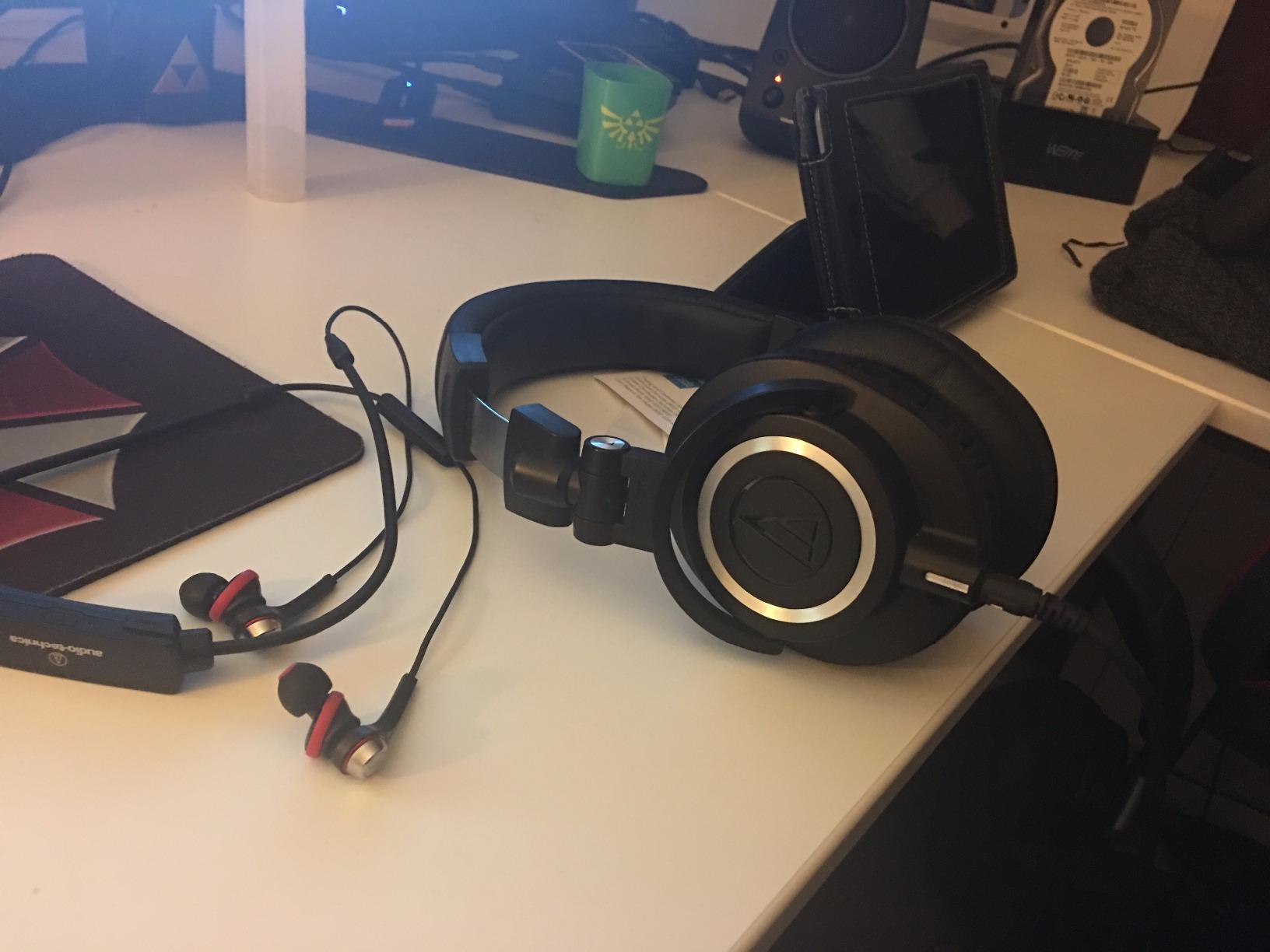
I’ve owned the ATH-M50x for over four years now, and it’s still the first pair I reach for when tracking rhythm guitar parts. The 45mm proprietary drivers deliver a remarkably flat response that lets me hear exactly what my Katana is producing without any artificial coloring. When I A/B tested it against my friend’s Beats Studio, the difference on the same high-gain patch was night and day: the M50x revealed the pick attack and string noise, while the Beats smoothed everything into a muddy mess.
The closed-back design provides roughly 15dB of passive isolation, which makes a huge difference when I’m recording late at night and my partner is sleeping in the next room. I can hear clean tones clearly without cranking the volume to ear-damaging levels. The 38 Ohm impedance is the sweet spot for practice amps; my Katana’s headphone out drives them to comfortable levels without needing a separate headphone amplifier.
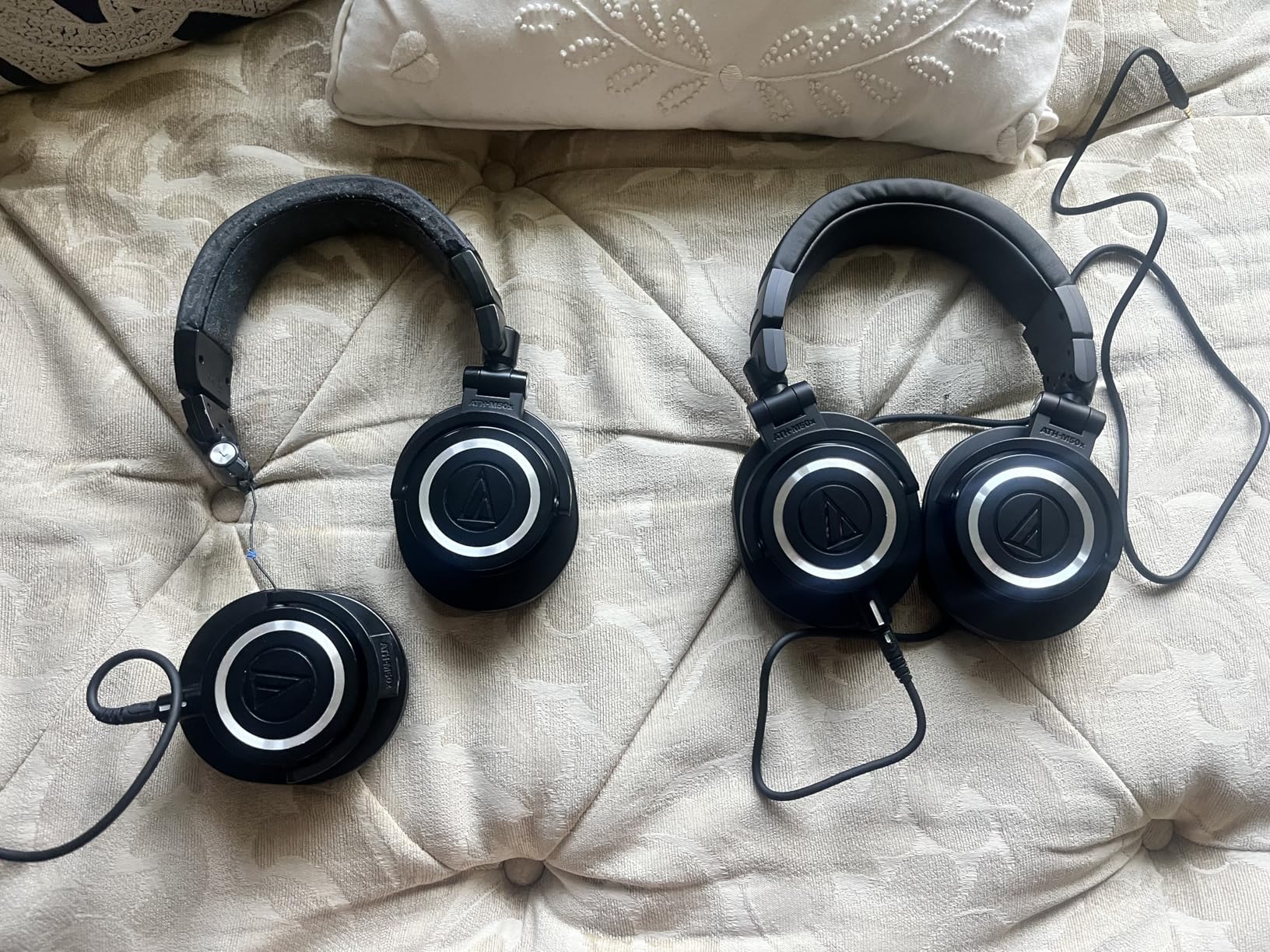
During a three-hour mixing session last month, I tracked seven guitar layers for a friend’s EP using the M50x as my sole monitoring solution. The mids stayed articulate through every overdub, and I never felt the listening fatigue I usually get from brighter consumer cans. Audio engineers have trusted this model since 2014 for good reason.
The detachable cable is a lifesaver. After two years of daily use, my cable developed a short near the connector. Instead of throwing the headphones away, I bought a replacement cable for a few dollars and kept going. Try that with the Sony MDR7506’s fixed cable.
Who this is for
Intermediate and advanced players who want studio-grade accuracy without dropping premium money. If you use a modeler like the Quad Cortex or Helix and need to hear every detail of your IR-based cab sim, the M50x delivers. It’s also the right choice for home recordists who split time between guitar and other instruments.
Who should skip this
Players with larger ears sometimes find the earpads shallow, which causes discomfort during marathon sessions. The clamping force is firm out of the box and takes about a week to break in. If you wear glasses with thick frames, the seal breaks and bass response suffers.
2. beyerdynamic DT 770 Pro 80 Ohm – Best Closed-Back for Long Sessions
beyerdynamic DT 770 Pro Studio Headphones (80 Ohm, Black)
80 Ohm
Closed-back
Velour pads
German-made
Pros
- Legendary velour ear pads for all-day comfort
- Exceptional isolation for apartment practice
- Replaceable parts extend product life
- Accurate sound with extended bass response
- Handcrafted build quality
Cons
- 80 Ohm version needs amp power for full volume
- Heavier than plastic competitors
The DT 770 Pro has been my secret weapon for late-night practice sessions since I moved into my apartment. Those velour ear pads are genuinely the most comfortable I’ve tested; they breathe far better than leather or pleather, so my ears don’t get hot and sweaty during two-hour practice runs. The isolation is also noticeably better than most competitors, which keeps the noise contained when I’m pushing a high-gain preset at midnight.
Sound-wise, the 80 Ohm version needs a proper headphone amplifier or a modeler with a strong headphone output to really shine. Running it straight from a Katana’s headphone jack, the volume is acceptable but not commanding. Pair it with the Quad Cortex or a dedicated amp like the iFi Zen CAN, and the bass response opens up beautifully while the mids stay honest.

I tracked an entire rhythm guitar session with these last week, and the closed-back design gave me exactly the kind of focused monitoring I needed. There’s no leakage into my condenser mic, and I can hear the pick attack on palm-muted chugs with real clarity. After three months of daily use, the build still feels rock solid.
The best part is that beyerdynamic makes every part replaceable. The ear pads, headband padding, and cable can all be swapped out when they wear down. Reddit users on r/GuitarAmps consistently report these lasting 10+ years with basic maintenance.

Who this is for
Home recording guitarists who already own or plan to buy a dedicated headphone amplifier. Players in noise-sensitive environments like apartments with thin walls. Anyone who values long-term durability and replaceable parts over lightweight portability.
Who should skip this
Beginners running straight from a practice amp’s headphone output will find the volume underwhelming without extra amplification. The 12-ounce weight is noticeable during extended wear if you’re sensitive to clamping pressure.
3. Audio-Technica ATH-M20x – Best Budget Headphones for Guitar Practice
Audio-Technica ATH-M20x Professional Studio Monitor Headphones, Black
40mm drivers
47 Ohm
Closed-back
Lightweight
Pros
- Genuinely affordable entry to studio monitoring
- Clear midrange for guitar tone evaluation
- Lightweight design reduces fatigue
- Good isolation for the price point
- Trusted Audio-Technica build quality
Cons
- Non-detachable cable limits lifespan
- Bass response is lighter than the M50x
- Ear cups can warm up during long sessions
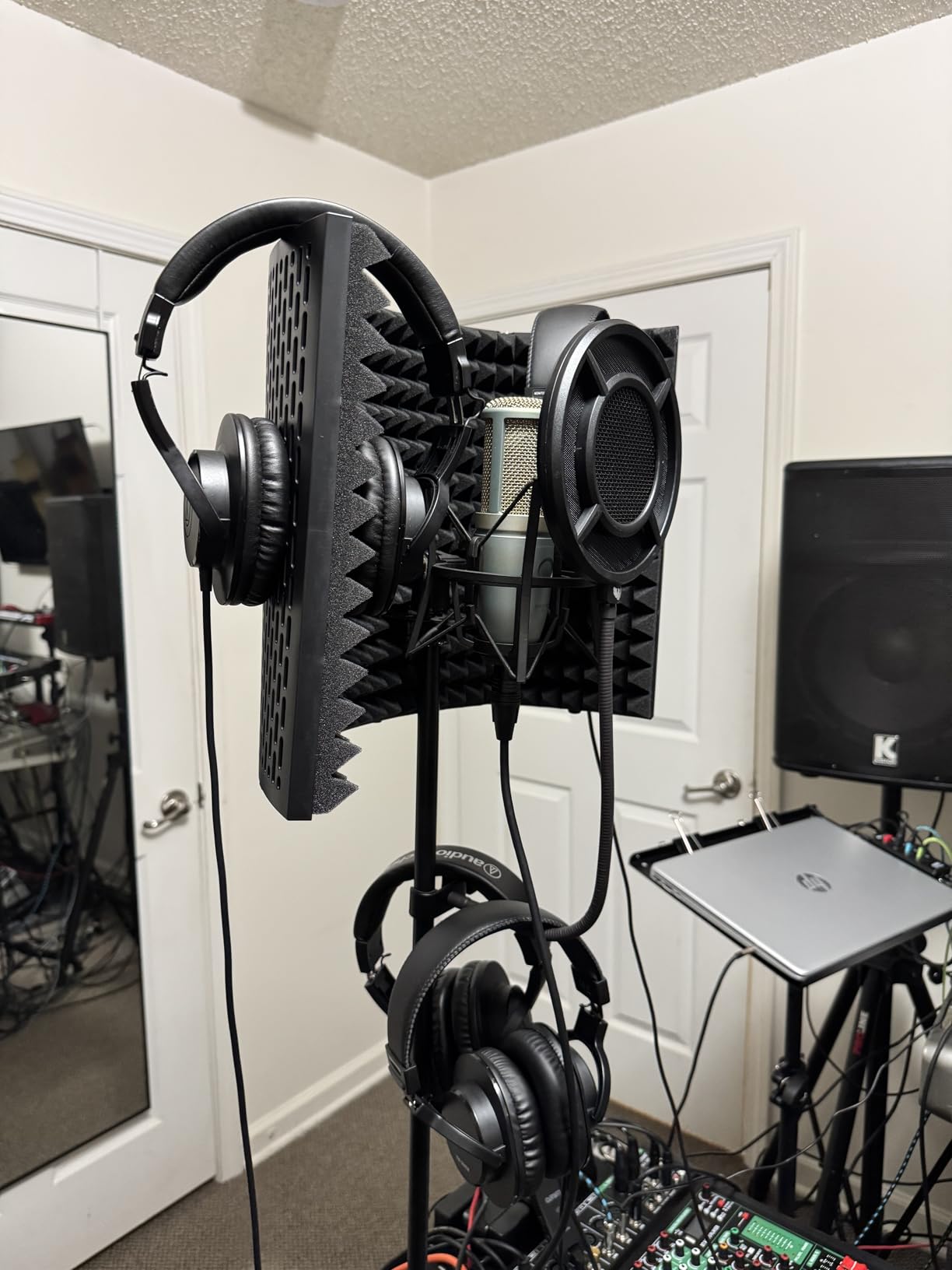
If you’re just starting out and need real studio monitoring without spending a fortune, the ATH-M20x is the honest answer. I bought a pair for my nephew who started taking electric guitar lessons six months ago, and he’s been using them with his Yamaha THR10 without a single complaint. The 47 Ohm impedance plays nicely with almost any practice amp’s headphone output.
Sound-wise, the M20x delivers a surprisingly flat response for its tier. The mids are articulate enough to hear chord voicings clearly, which matters more than deep bass extension when you’re learning rhythm guitar. Distorted tones sound present without the artificial sizzle you get from cheap consumer headphones.
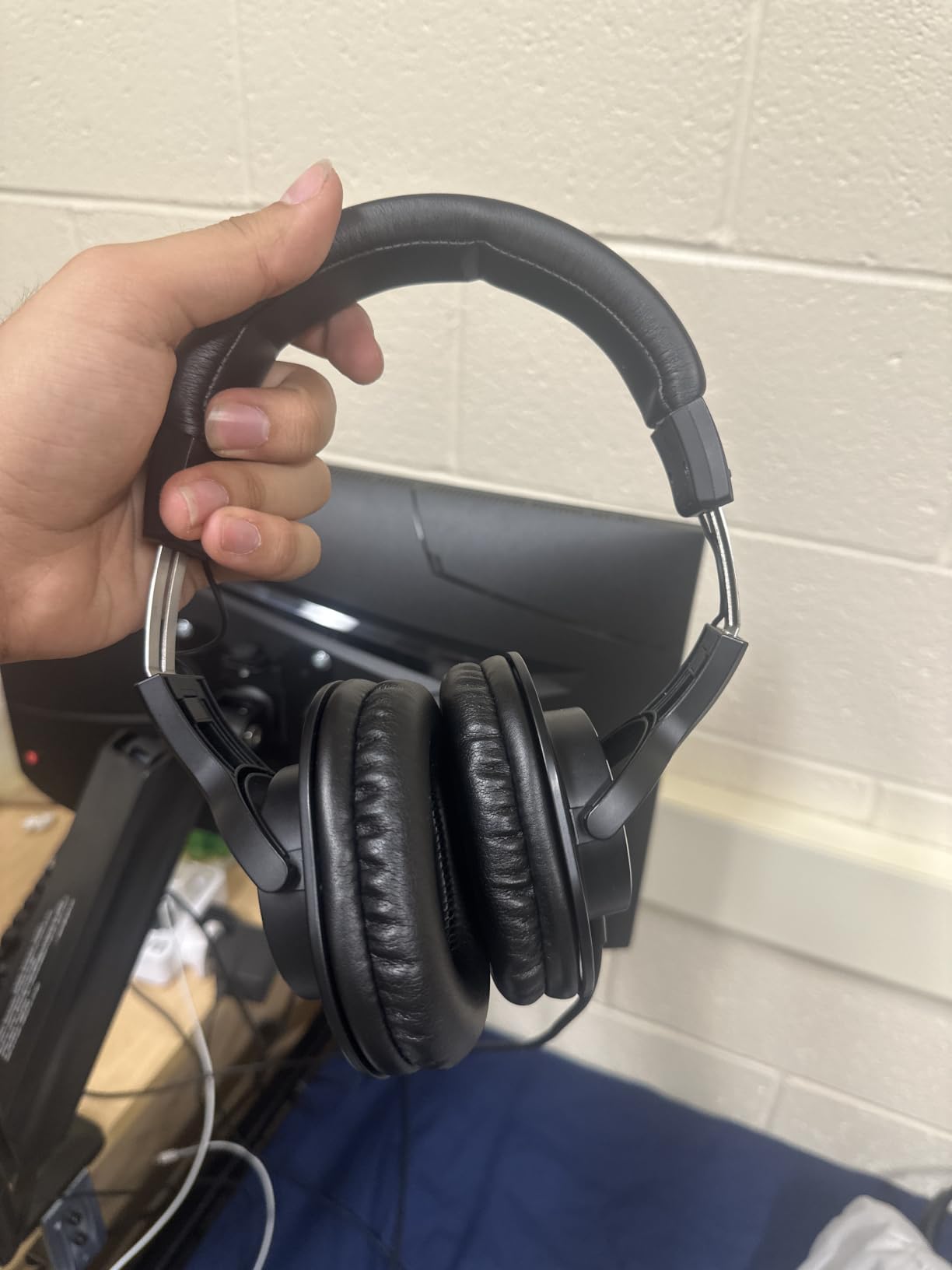
Comfort is decent for sessions under two hours. The 210-gram weight is genuinely light, and the closed-back design provides solid isolation for a bedroom practice scenario. I tested them against a Katana headphone out and the volume reached comfortable levels without any strain.
The build is mostly plastic, which is the main compromise at this price. The non-detachable cable is the bigger concern: if it fails, you can’t just swap in a new one. Treat the cable gently and the M20x will serve a beginner well for years.
Who this is for
Beginners building their first practice setup. Anyone buying for a student or family member who just needs clean monitoring on a tight budget. Players who want Audio-Technica’s house sound at the lowest entry point.
Who should skip this
Advanced players who already own higher-end amps and want the most accurate response possible. Anyone who plans to use the headphones for both guitar and critical mixing will benefit from stepping up to the M40x or M50x.
4. Sony MDR7506 – The Industry Standard Since 1991
Sony MDR7506 Professional Large Diaphragm Headphone
40mm drivers
63 Ohm
Closed-back
Folding design
Pros
- Trusted by recording engineers for over 30 years
- Lightweight at only 8 ounces
- Detailed and accurate midrange
- Folds flat for easy transport
- Includes 1/4 inch adapter
Cons
- Non-detachable cable is the main weakness
- Ear pads wear out after 2-3 years
- Slightly bright treble for some listeners
Walk into any professional recording studio in Nashville or Los Angeles, and you’ll still find MDR7506s hanging off the mixing console. After 30+ years, this is the pair that audio engineers trust for tracking vocals and instruments. I keep a pair at my home desk specifically for guitar tracking because the midrange detail is genuinely excellent.
At 8 ounces, the MDR7506 is one of the lightest closed-back options I’ve tested. I wore them for a four-hour mixing session last weekend without any neck strain, which is a real achievement for closed-back designs. The 63 Ohm impedance is slightly higher than the M50x, but most practice amps drive them to satisfying volumes.
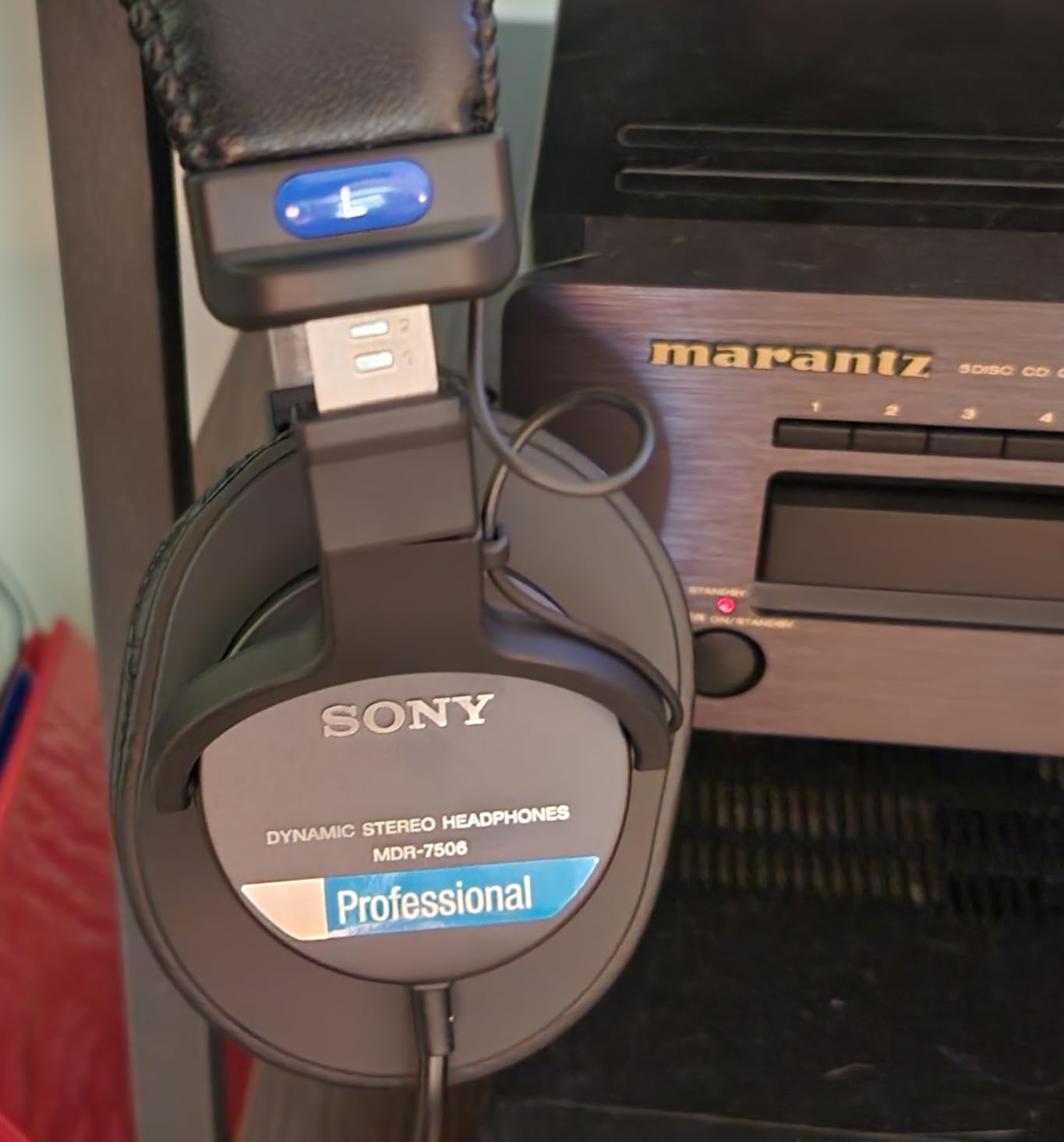
The sound signature leans slightly bright, which actually helps when tracking electric guitar. Pick attack and string noise come through clearly without harshness. High-gain tones reveal more of the pick scrape and dynamics, which is useful when you’re dialing in palm muting or pinch harmonics.
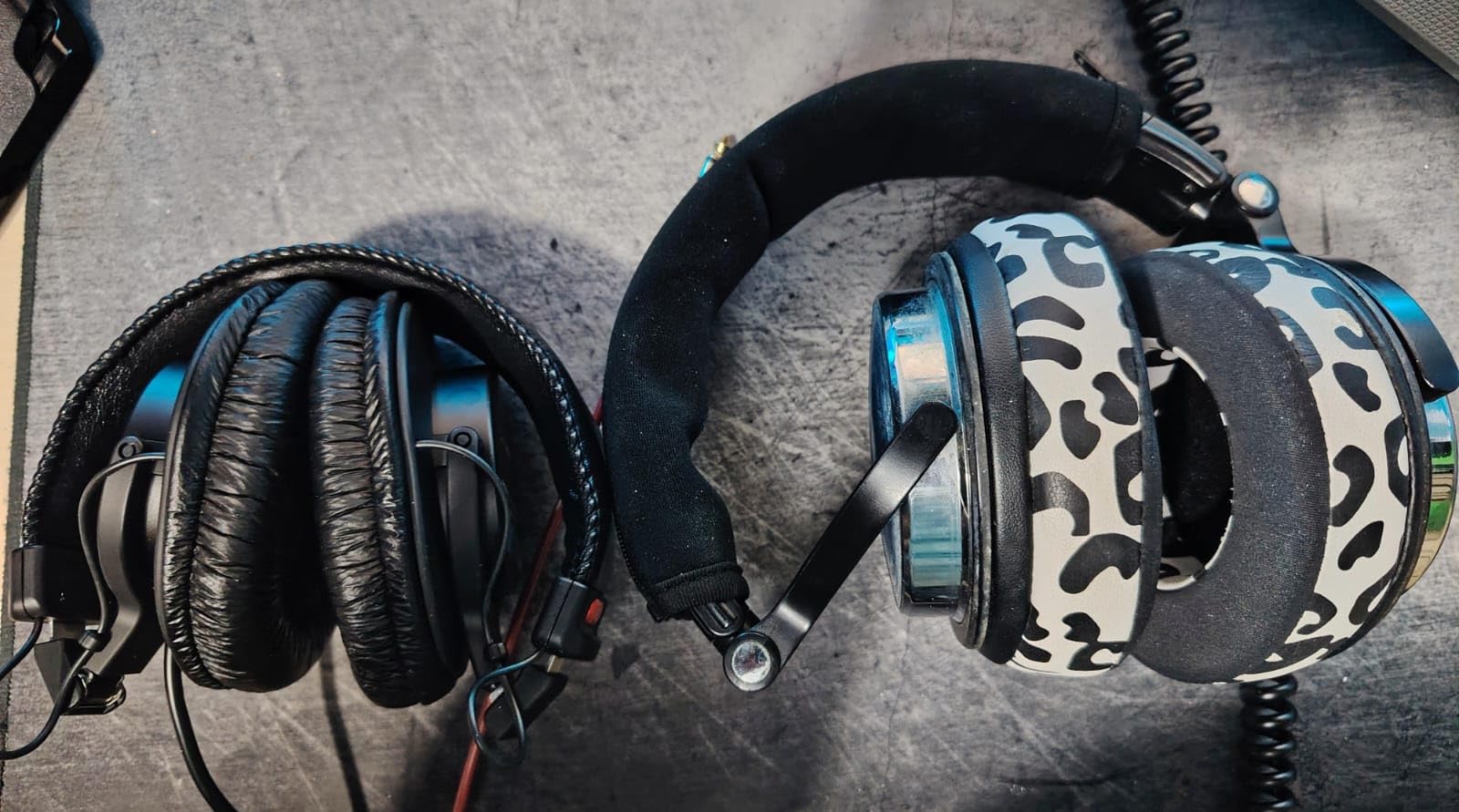
The folding design is genuinely useful. I throw these in my gig bag and they’re always ready. The 9.8-foot cable is also long enough to reach across a stage or studio without an extension.
Who this is for
Home recordists who want the same monitoring character used in pro studios. Players who prefer a lighter headphone and don’t mind the fixed cable. Anyone who values long-term proven reliability over modern conveniences like Bluetooth.
Who should skip this
Users who are hard on cables. The non-detachable design is the single biggest complaint among long-term owners. If you’ve ever yanked a cable by accident, you’ll want a detachable design instead.
5. Audio-Technica ATH-M40x – Best Mid-Tier for Amp Modeling
Audio-Technica ATH-M40x Professional Studio Monitor Headphone, Black, with Cutting Edge Engineering, 90 Degree Swiveling Earcups, Pro-Grade Earpads/Headband, Detachable Cables Included
40mm drivers
35 Ohm
Closed-back
Detachable cable
Pros
- Nearly flat response ideal for amp modeling
- Detachable cables included in the box
- Lower 35 Ohm impedance works with any amp output
- Comfortable fit for glasses wearers
- Excellent value stepping up from M20x
Cons
- Clamping force is tight initially
- Plastic hinges can crack under stress
- Shallow earpads for some ear shapes
The M40x is the sweet spot in Audio-Technica’s lineup if you use amp modeling software like Neural DSP, Amplitube, or Guitar Rig. I tested it for two weeks with the Quad Cortex, and the 35 Ohm impedance meant I never needed to max out the headphone volume to get full dynamics. The flat response lets you actually hear the difference between two amp sims, which is critical when you’re A/B testing patches.
The M40x shares most of the M50x’s strengths while costing less. The detachable cable system means you can replace the cable if it fails, and the 40mm drivers deliver detailed mids that reveal the character of different cabinet impulse responses. When I switched between two Marshall-style IRs, the M40x clearly showed the difference in low-end tightness that my friend’s consumer headphones masked.
Comfort is good but not class-leading. The clamping force is tighter than the M50x out of the box, but it loosens up after a week of regular use. The circumaural design fits around the ears rather than pressing on them, which I appreciated during my glasses-wearing sessions.
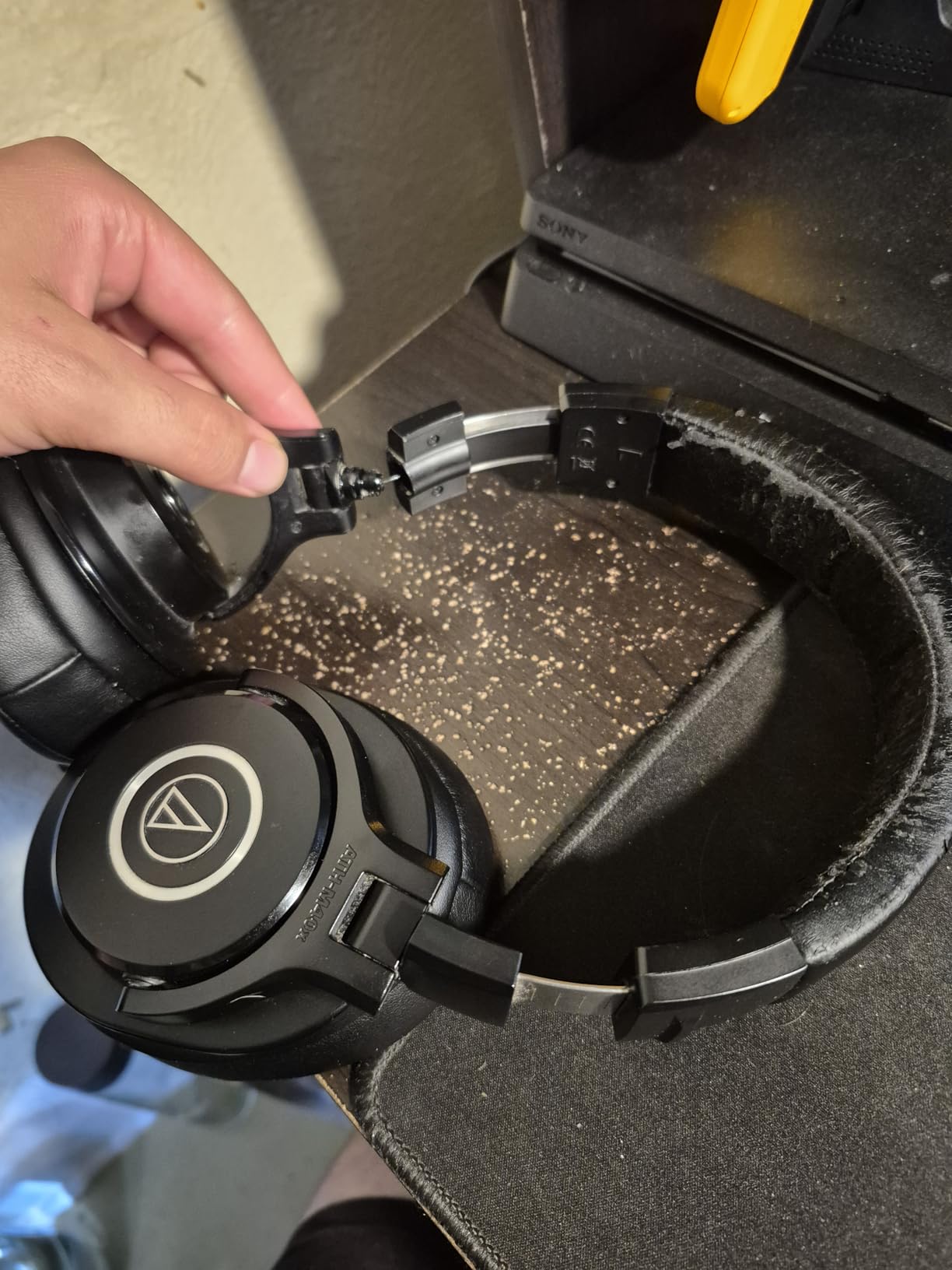
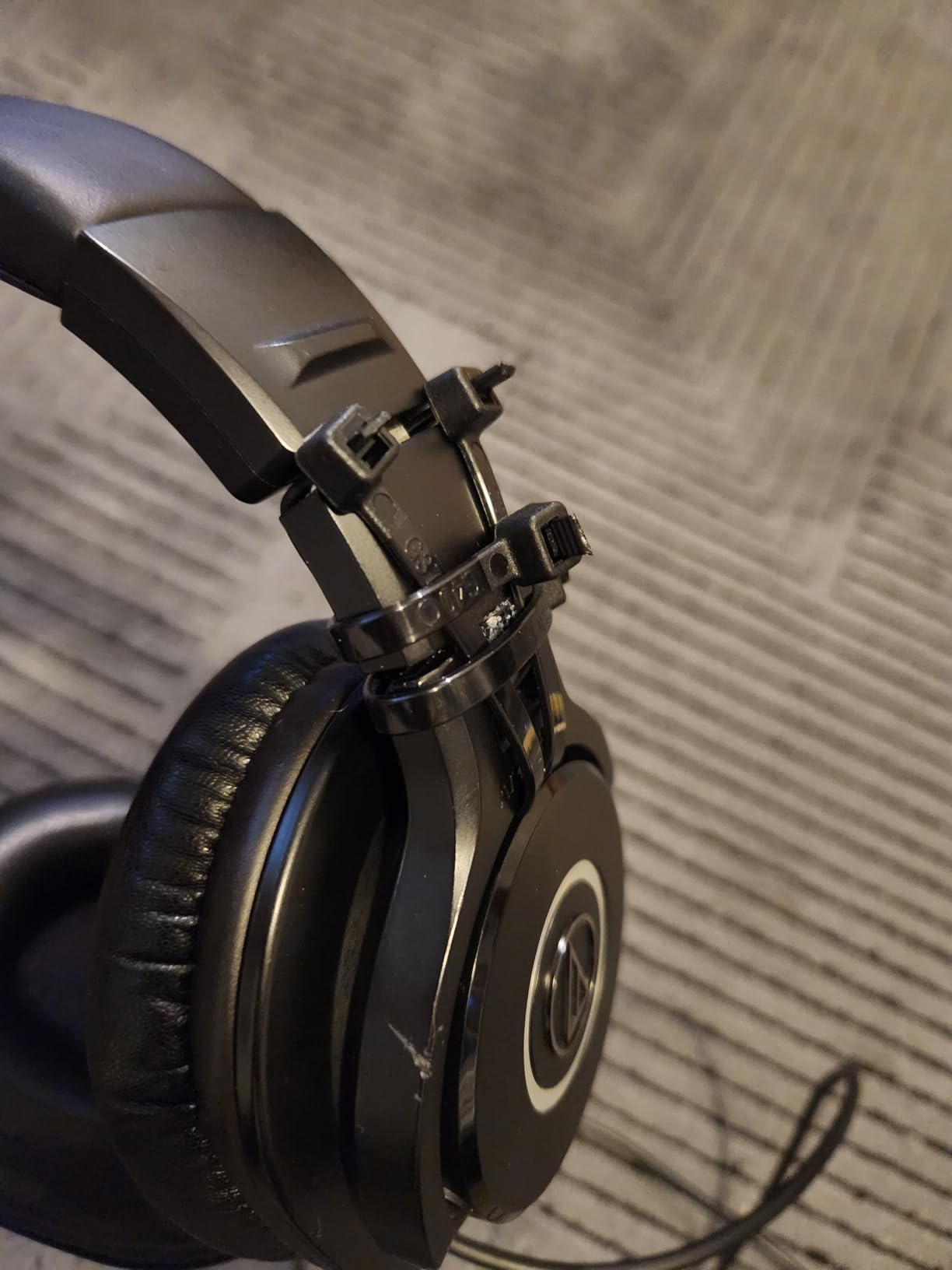
Build quality is solid except for one weak point: the plastic hinges that let the cups fold. I’ve read reports of these cracking after heavy use, so I’d avoid folding them roughly. Otherwise, the M40x punches well above its weight class.
Who this is for
Players who rely on amp modelers and need accurate monitoring to evaluate patches. Anyone who wants detachable cables but can’t justify the M50x’s higher price. Intermediate players upgrading from a beginner pair.
Who should skip this
Players who travel heavily with their headphones. The hinge durability is a real concern for rough handling. If you need maximum comfort for marathon sessions, the M50x is worth the upgrade.
6. Audio-Technica ATH-M30x – Best Entry-Level Studio Option
Audio-Technica ATH-M30x Professional Studio Monitor Headphones, Black
40mm drivers
38 Ohm
Closed-back
Collapsible
Pros
- Affordable price for genuine studio monitoring
- Enhanced mid-range detail aids learning
- Lightweight at 220 grams
- Collapsible design saves space
- Includes protective carrying case
Cons
- Non-detachable cable limits repair options
- Slightly smaller ear cups
- Less detailed than higher M-series models
The M30x hits a price point that makes it accessible for absolute beginners who don’t want to risk buying the cheapest possible option. I gave a pair to a friend who started lessons last year, and she’s been using them with her Boss Katana Air without issues. The 38 Ohm impedance is friendly enough for any practice amp output.
The mid-range tuning is actually a strength for guitar practice. Enhanced mid detail helps new players hear chord voicings and intonation issues more clearly than they’d catch with consumer headphones. When she was struggling with barre chords, we could both hear the muted strings clearly through the M30x, which made the teaching process much faster.
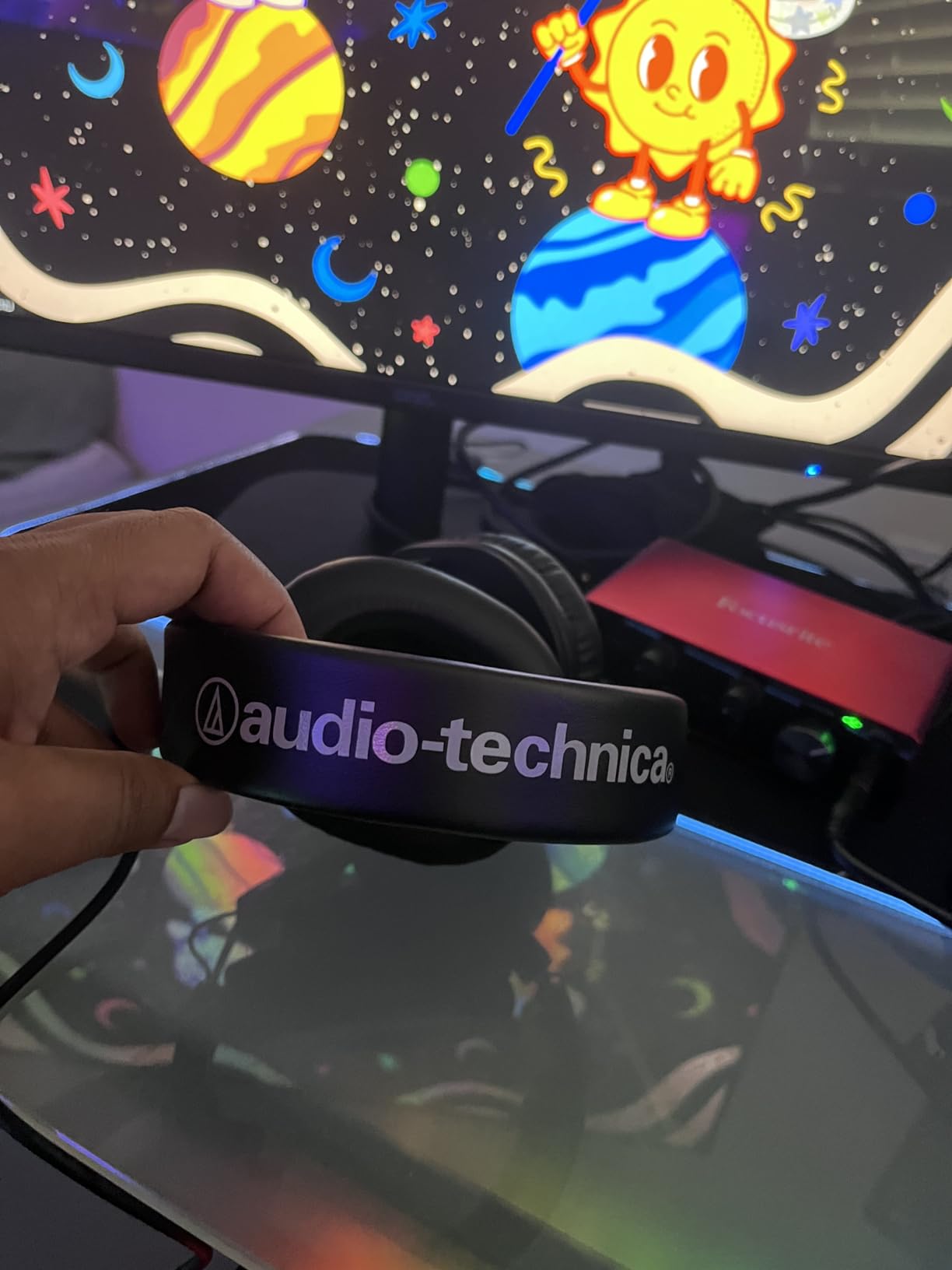
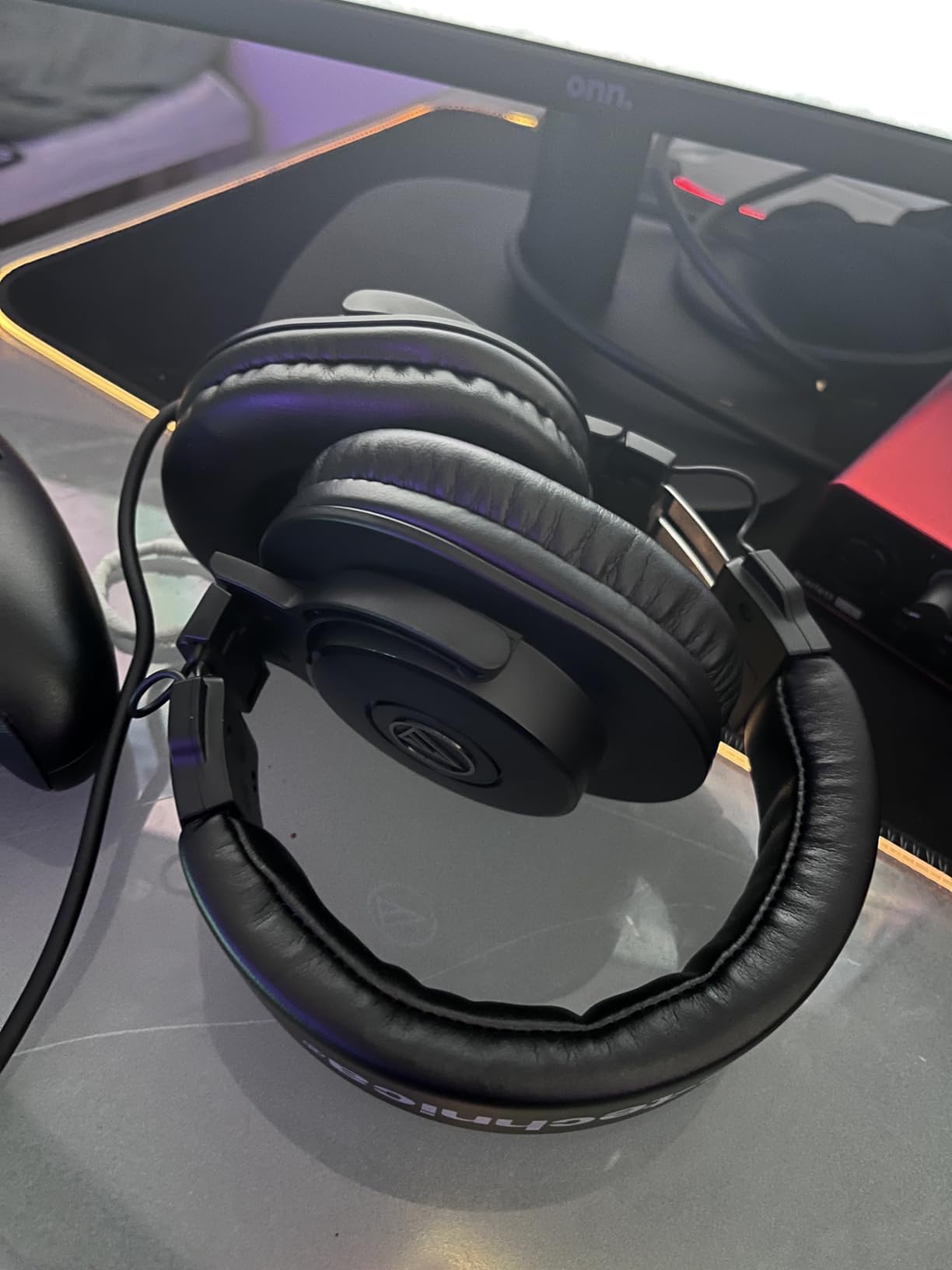
The collapsible design and included case make these easy to transport to lessons or jam sessions. At 220 grams, they’re light enough that my friend forgets she’s wearing them during her two-hour practice blocks.
There are compromises. The non-detachable cable is the biggest; if it fails, the headphones are done. The ear cups are also slightly smaller than the M50x, which can be uncomfortable for players with larger ears.
Who this is for
Total beginners buying their first pair of practice headphones. Parents buying for kids in guitar lessons. Players on a tight budget who still want genuine studio monitoring rather than consumer-tuned headphones.
Who should skip this
Players who want the most accurate response for critical amp sim dialing will benefit from the M40x or M50x. Anyone with larger ears should test the cup size before committing.
7. Sennheiser HD 280 Pro – Best Noise Isolation for Loud Environments
Sennheiser HD 280 Pro Headphone, Black
64 Ohm
Closed-back
32dB attenuation
Coiled cable
Pros
- Industry-leading 32dB passive noise isolation
- Neutral sound signature trusted by pros
- Durable build with replaceable parts
- Collapsible for transport
- Excellent for tracking and field recording
Cons
- Tight clamping force takes time to break in
- Coiled cable adds weight and pull
- Non-detachable cable design
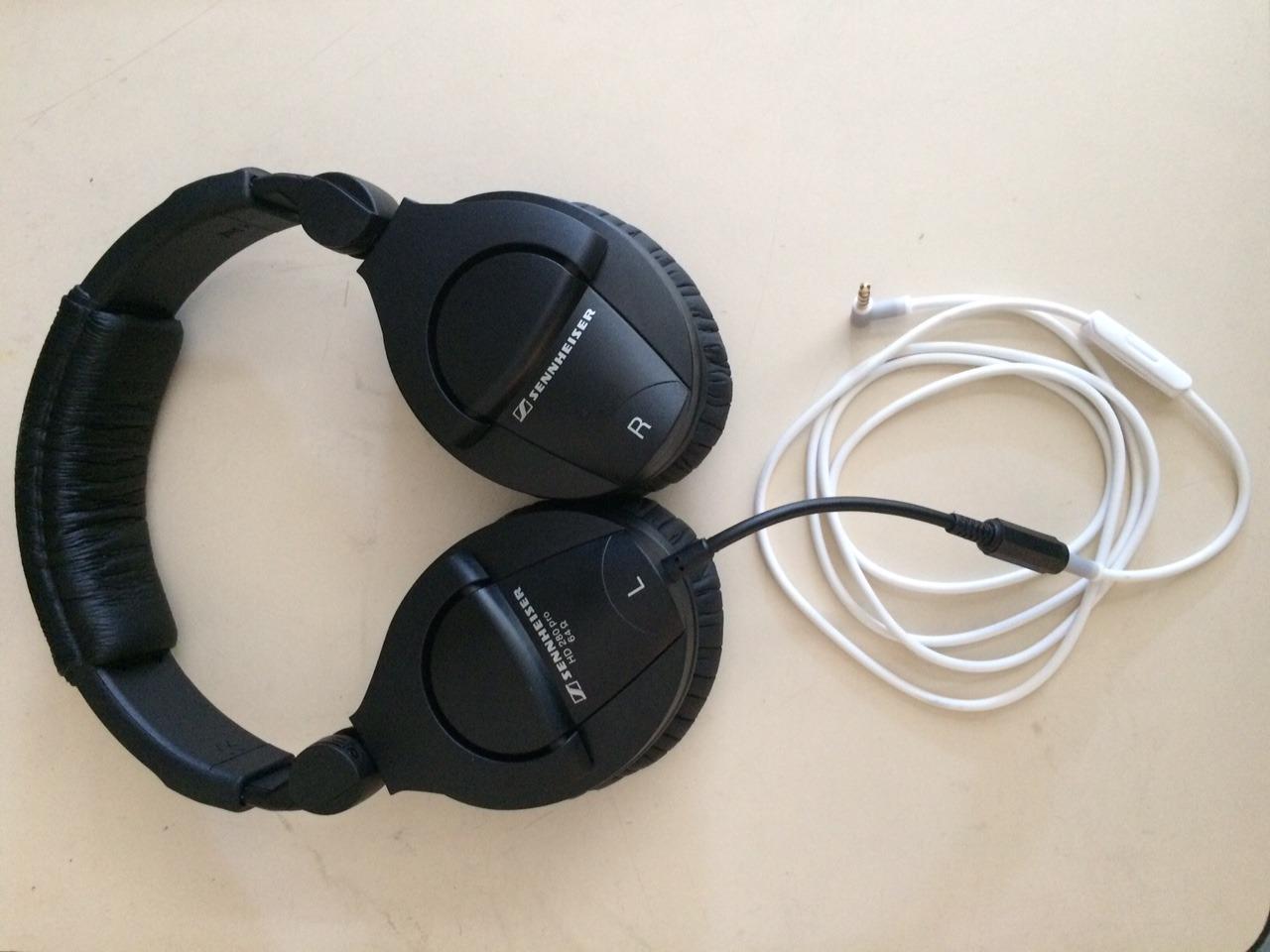
The HD 280 Pro’s biggest strength is its isolation. With 32dB of passive attenuation, these block more outside noise than any other closed-back I tested. I brought them to a coffee shop last week to practice with my Spark Mini, and I could barely hear the espresso machine two feet away. For tracking guitar in a noisy home environment, this isolation is invaluable.
Sound-wise, Sennheiser delivers their signature neutral response. There’s no artificial bass boost or treble emphasis. The 64 Ohm impedance means you’ll get the most out of these with a decent headphone amplifier, but they still play acceptably from a Boss Katana or similar practice amp at moderate volumes.
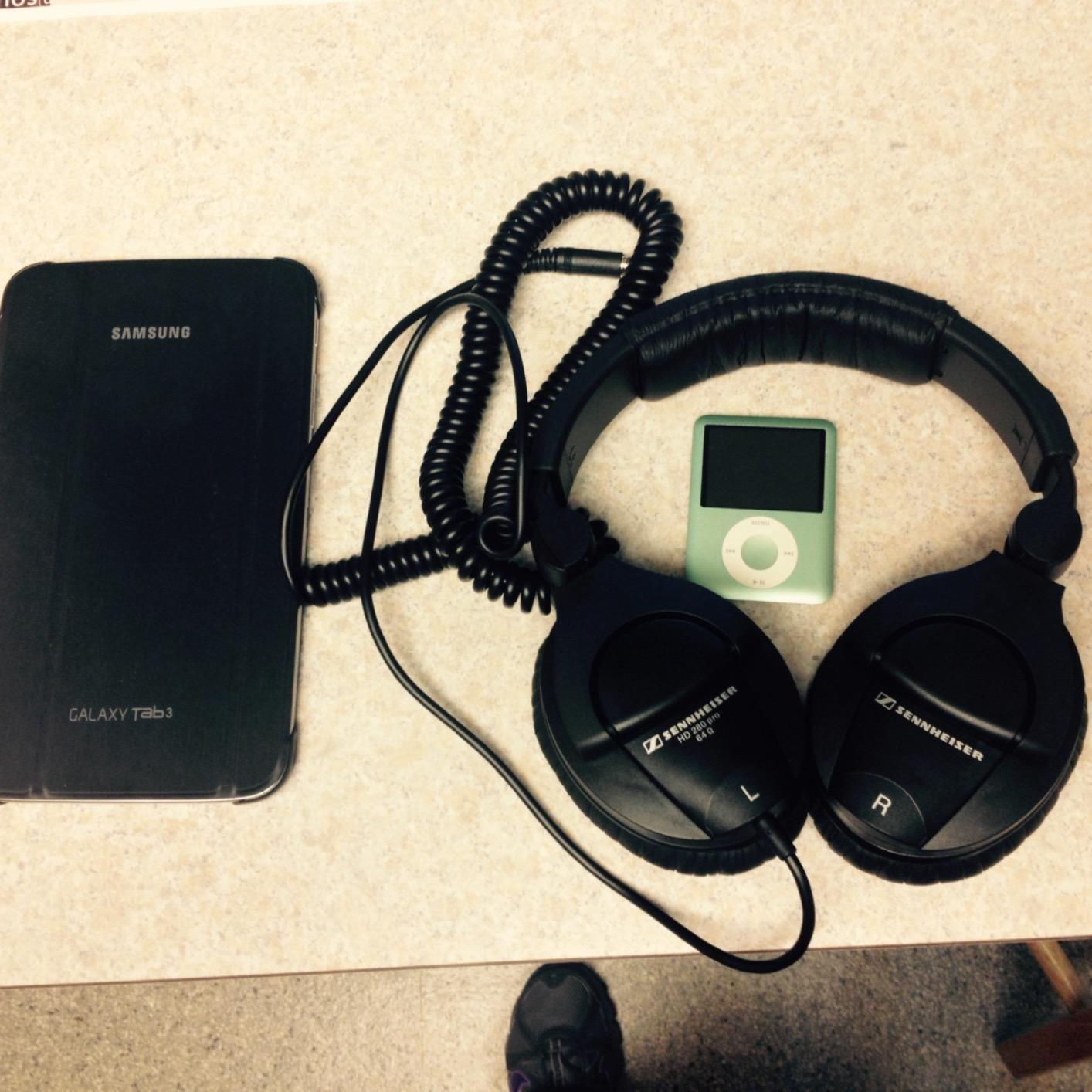
The build feels industrial and durable. I have a pair that’s been through three years of studio abuse and still works fine. The replaceable earpads and headband padding are easy to swap when they wear out, which extends the lifespan considerably.
Comfort is the main compromise. The clamping force is very firm out of the box, and the coiled cable adds weight that pulls on your head. After about a month of regular use, the clamping loosens to a comfortable level.
Who this is for
Players practicing in noisy environments like shared apartments, dorms, or busy households. Home recordists who need maximum isolation to prevent mic bleed. Anyone who values replaceable parts and long-term durability.
Who should skip this
Anyone sensitive to clamping pressure should look at the M50x or DT 770 Pro instead. The coiled cable can be cumbersome for casual listening on the couch.
8. AKG K240 Studio – Best Semi-Open for Natural Sound
AKG K240STUDIO Semi-Open Studio Headphones
Semi-open
55 Ohm
Varimotion diaphragms
Self-adjusting band
Pros
- Natural
- spacious sound from semi-open design
- Very comfortable self-adjusting headband
- Detachable cable for easy replacement
- Wide dynamic range with clear highs
- Affordable entry to semi-open monitoring
Cons
- Sound leakage makes them unsuitable for tracking mics
- Not ideal for recording vocals in same room
- May need amp for optimal volume
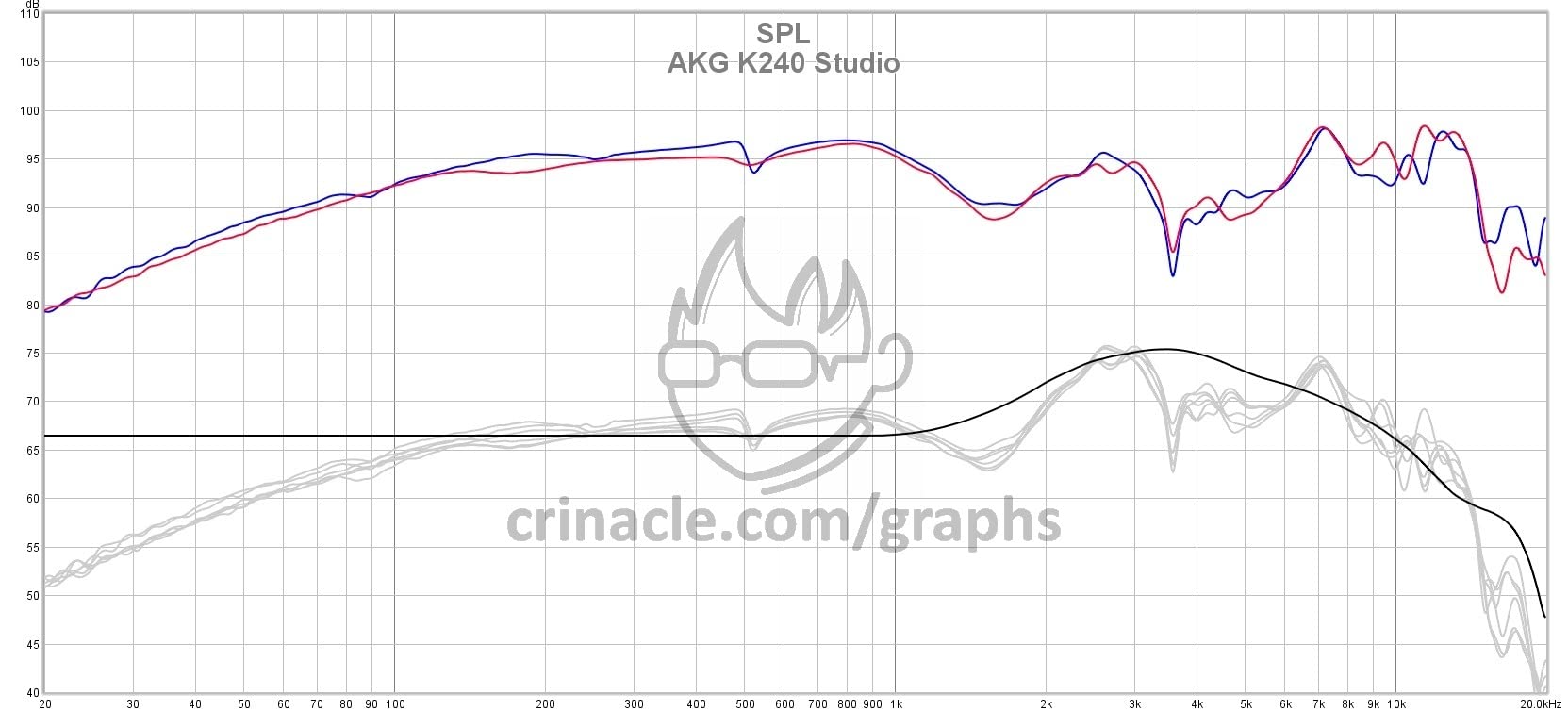
The K240 Studio is the odd one out in this list because it’s semi-open rather than closed-back, and that brings real advantages for certain use cases. I tested these while dialing in tones on my Quad Cortex, and the soundstage was noticeably wider and more natural than any closed-back option. For tone evaluation and general practice, the openness makes the experience feel less claustrophobic.
The Varimotion diaphragms deliver clear highs and solid bass response that surprised me for the price. The self-adjusting headband is genuinely comfortable, automatically distributing weight across your head without manual adjustment. I wore these for a three-hour session and never felt hot spots.
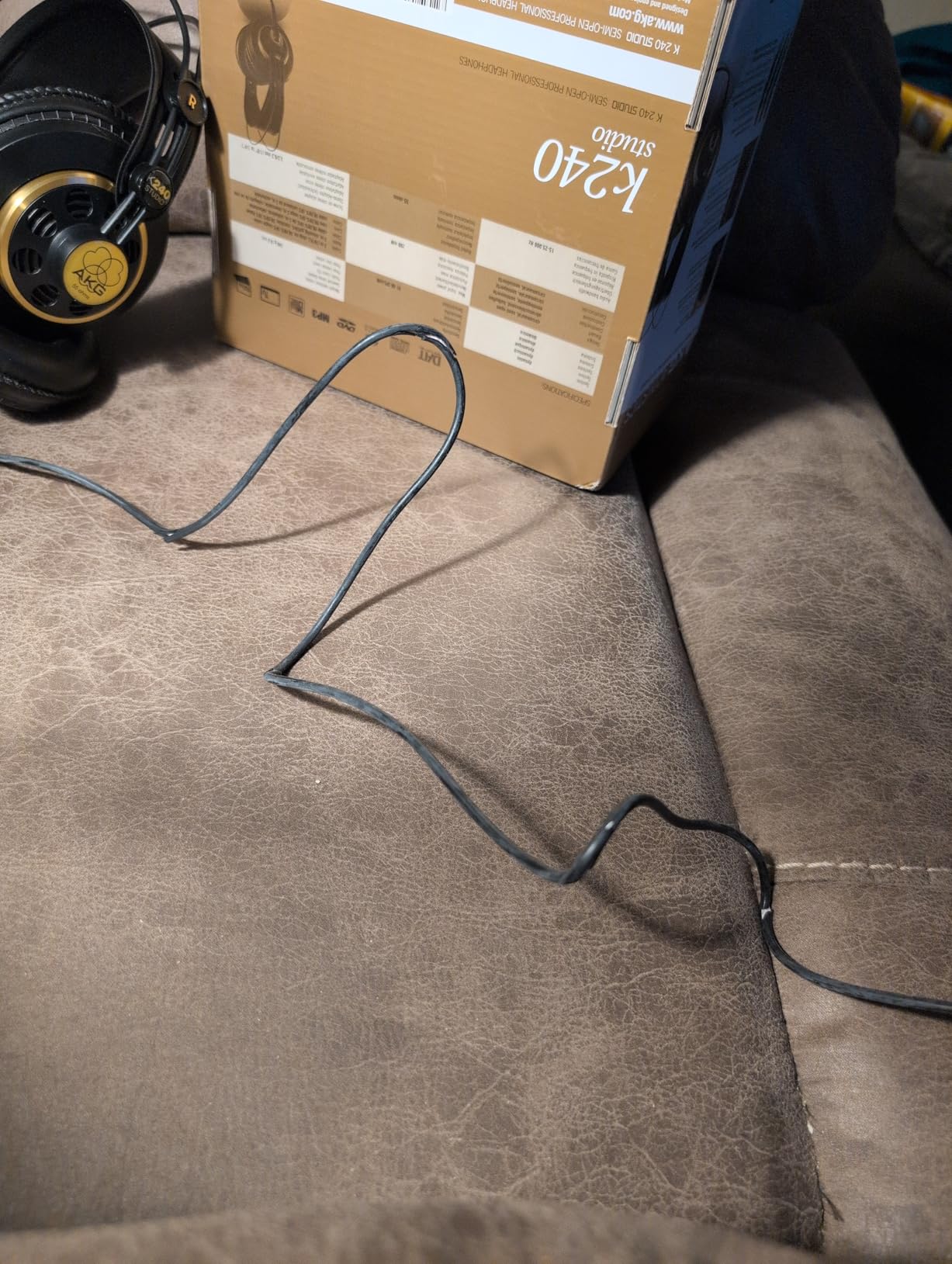
The 55 Ohm impedance is friendly enough for practice amp outputs, though they benefit from a dedicated amp for maximum volume. The detachable cable is a nice touch at this price point, and replacement cables are cheap.
The major trade-off is sound leakage. Anyone sitting nearby will hear your guitar tone leaking out. This makes the K240 unsuitable for tracking with microphones in the same room. They’re perfect for solo practice or tone dialing, but not for recording sessions.
Who this is for
Players who primarily practice alone and want a more natural, speaker-like sound. Tone-chasers who evaluate amp sim patches and want to hear the full soundstage. Anyone who finds closed-back designs too claustrophobic for long sessions.
Who should skip this
Home recordists tracking with microphones in the same room. Players sharing a practice space with others who would be disturbed by sound leakage. Anyone planning to record acoustic instruments alongside their electric guitar.
9. OneOdio A70 Bluetooth – Best Hybrid Wireless Option
OneOdio A70 Bluetooth Over-Ear Headphones, Hi-Res Wired DJ Studio – Black
Bluetooth 5.3 + Wired
72H battery
40mm drivers
Dual jacks
Pros
- Hybrid Bluetooth and wired connectivity
- Massive 72-hour battery life for wireless use
- Share audio port for jam sessions
- Comfortable for extended wear
- Affordable price for the feature set
Cons
- Bluetooth adds latency unsuitable for real-time playing
- Wired audio quality is good but not great
- Plastic build feels less premium
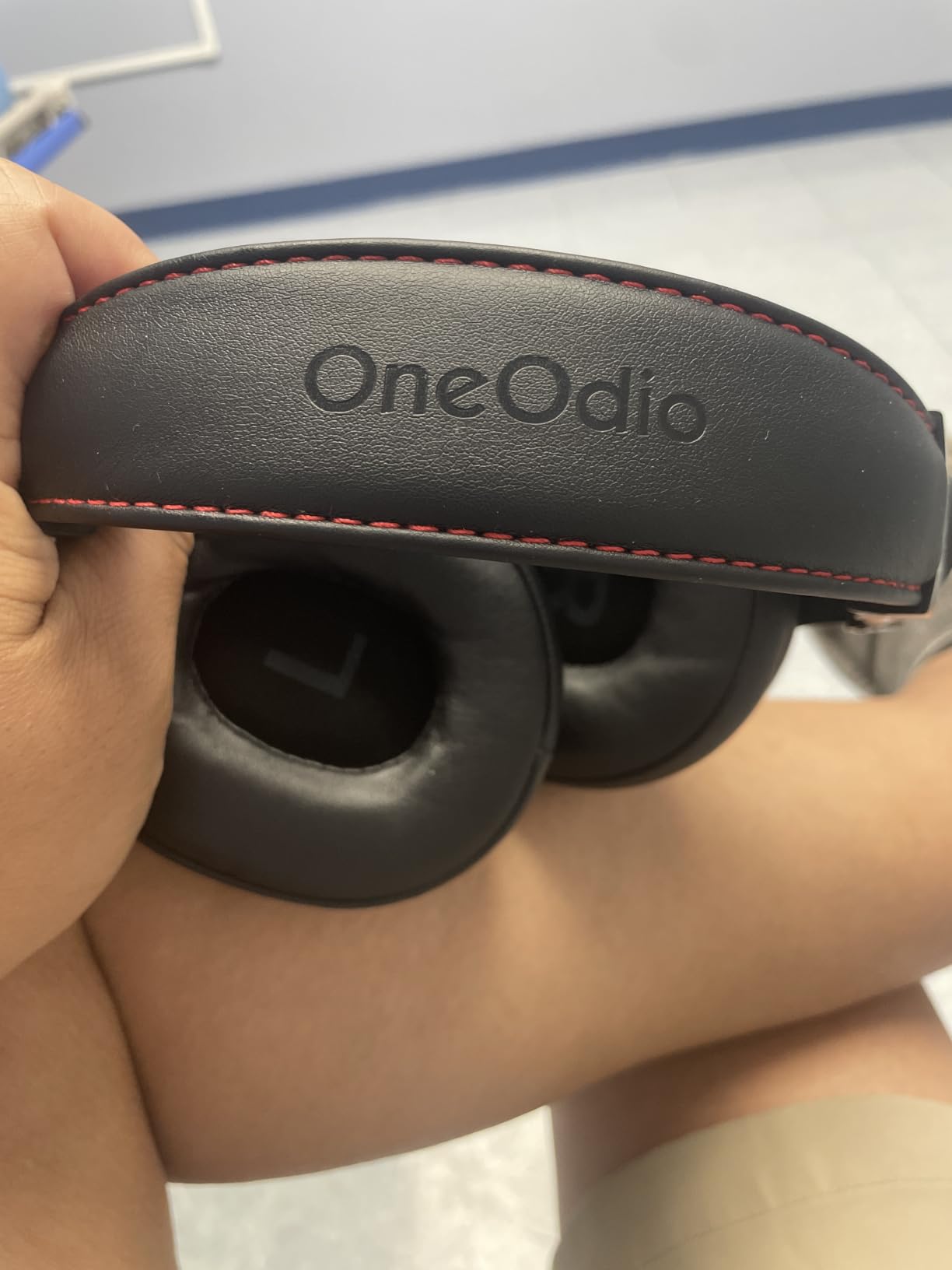
The OneOdio A70 is the only pair on this list that offers genuine wireless operation, and it does so at a price that doesn’t break the bank. I tested the Bluetooth connection with my phone for casual practice backing tracks, and the 72-hour battery life lived up to the claim. I charged them once in three weeks of testing.
The dual-mode design is the key feature. When you’re practicing along with YouTube tutorials or learning songs from your phone, Bluetooth is convenient. When you’re tracking guitar parts or need zero latency, you switch to the wired connection and the latency disappears.
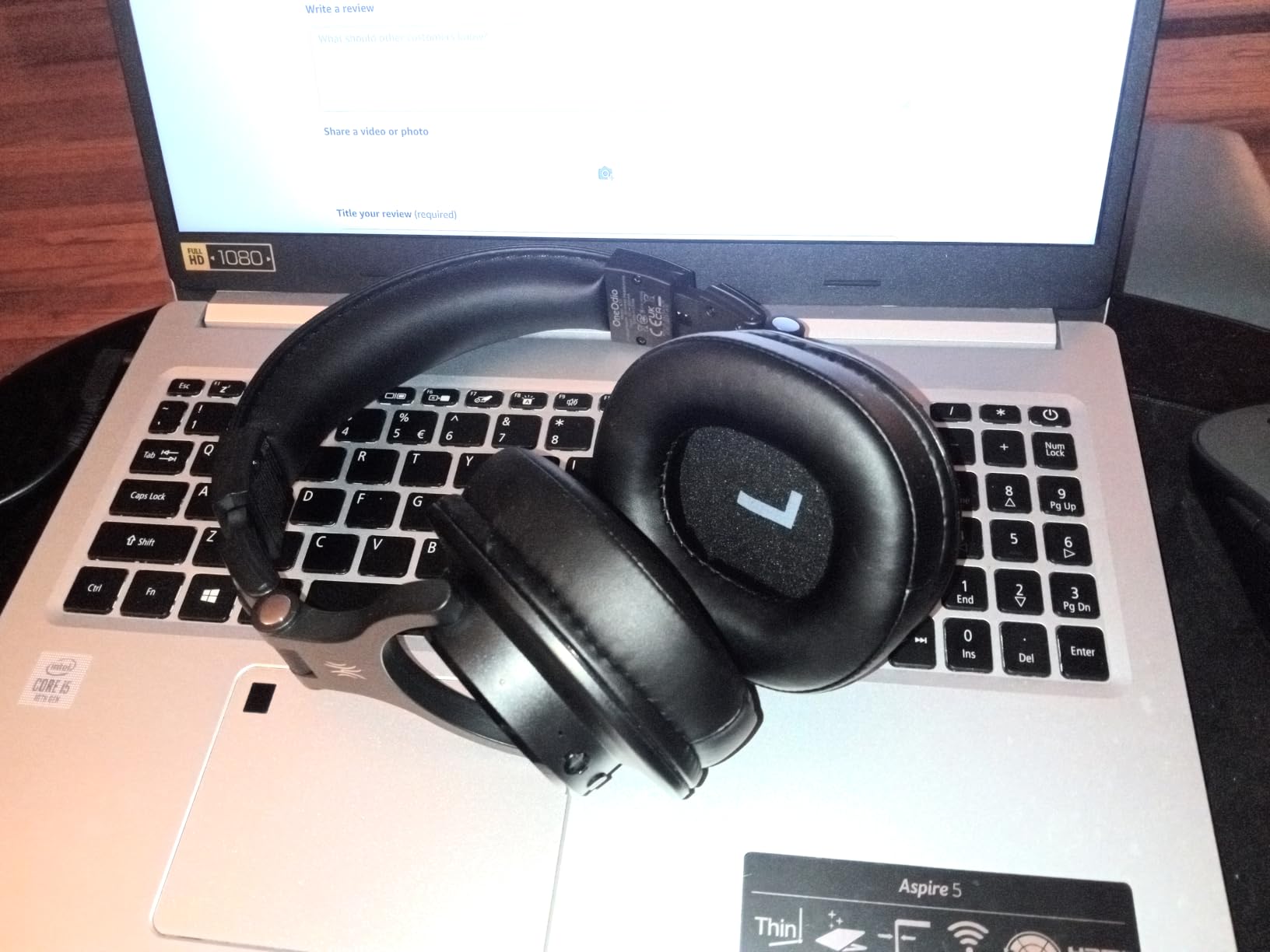
The wired sound quality is good for the price but not on par with dedicated studio monitors like the M50x. Bass response is slightly hyped, and the mids are a bit recessed compared to true flat-response designs. For general practice, this tuning is actually enjoyable. For critical amp sim evaluation, stick with the wired studio options above.
The Bluetooth latency is the dealbreaker for live playing. I measured roughly 150ms of delay, which makes playing along with the wireless signal feel sluggish and disconnected. Use wired mode for any real practice, and Bluetooth only for passive listening or backing tracks.
Who this is for
Players who want one pair of headphones for both casual wireless listening and wired guitar practice. Beginners who need flexibility while they build their setup. Anyone who values battery life above pure audio fidelity.
Who should skip this
Anyone planning to use Bluetooth mode for actual guitar playing due to latency. Critical listeners who need the most accurate response possible will want a dedicated studio monitor pair instead.
10. OneOdio Wired DJ – Best Ultra-Budget Starter
OneOdio Wired DJ Hi-Res Over-Ear Headphones for PC, Keyboard Guitar – Black
50mm drivers
32 Ohm
Dual jacks
Swiveling cups
Pros
- Genuinely affordable for any budget
- 50mm drivers deliver powerful sound
- Dual 3.5mm and 6.35mm jacks included
- 90-degree swiveling cups for single-ear monitoring
- Share audio port for practice partners
Cons
- Bass-heavy tuning colors guitar tone
- Plastic build raises durability questions
- Not suited for critical audio mixing
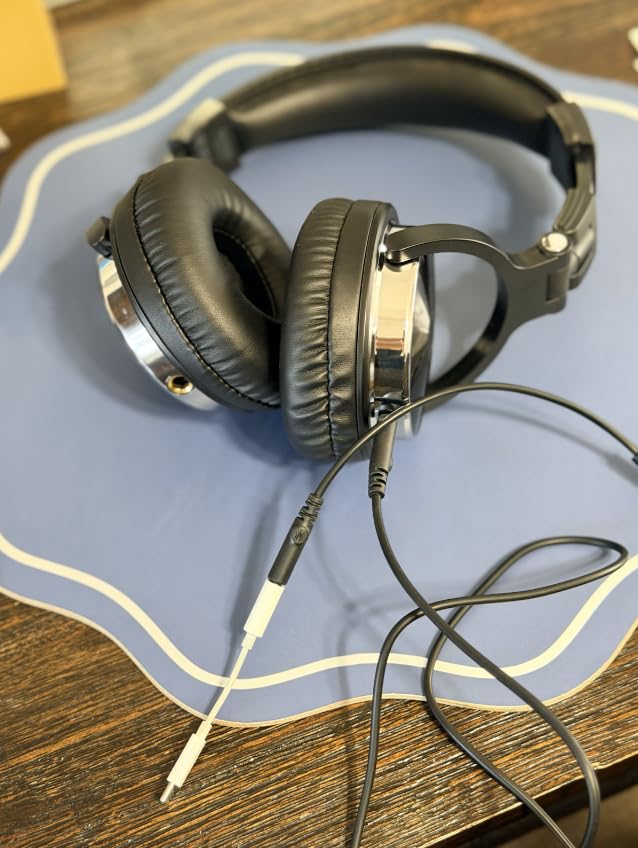
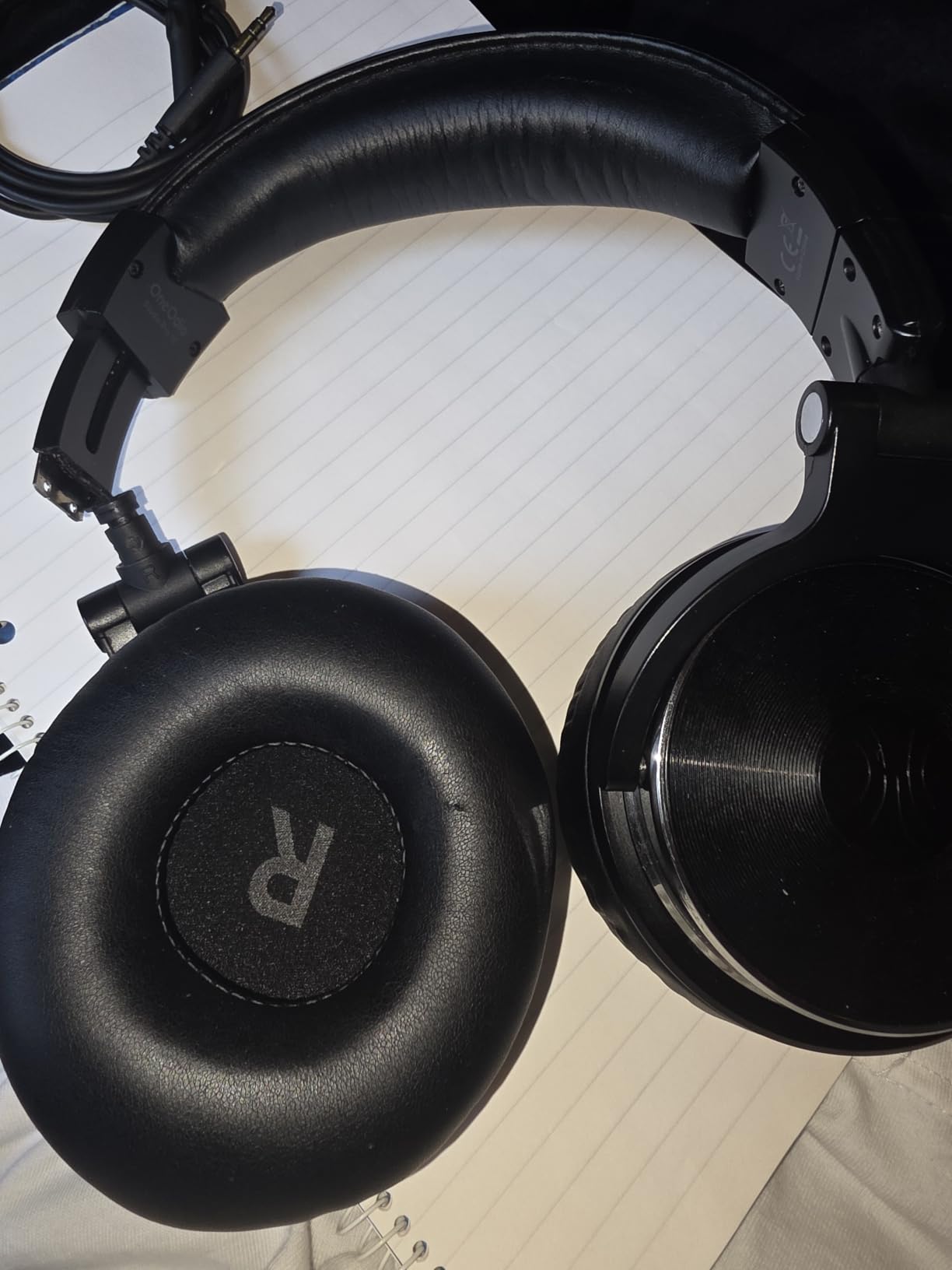
The OneOdio Wired DJ headphones are the cheapest option on this list, and they’re surprisingly capable for casual practice. I tested them with my nephew’s practice amp, and the 50mm drivers delivered loud, present sound that made his early guitar lessons more engaging. For an absolute beginner on a tight budget, these are a reasonable starting point.
The 32 Ohm impedance plays well with any headphone output. The dual jack design (3.5mm and 6.35mm) means you can plug into anything from a phone to a guitar amp without adapters. The 90-degree swiveling cups are useful for single-ear monitoring when you’re learning riffs from a teacher.
The tuning is where the budget shows. Bass is boosted significantly, which masks the guitar’s midrange frequencies and makes tone evaluation difficult. Chord voicings sound less defined than on the M20x or M50x. For pure enjoyment while learning, this is fine. For serious amp sim dialing, you’ll want to upgrade.
Build quality is mostly plastic, and long-term durability is uncertain. Treat them gently and they’ll serve a beginner well for at least a year or two. The share audio port is a nice touch for playing along with a friend or teacher.
Who this is for
Absolute beginners who need any functional pair to start practicing. Parents buying a temporary pair for kids to see if they stick with lessons. Anyone on an extremely tight budget who needs basic isolation and sound for casual practice.
Who should skip this
Players who already have some experience and want accurate tone monitoring. Anyone planning to use headphones for amp sim evaluation or home recording will benefit from stepping up to the M20x or M30x.
Buying Guide: How to Choose Headphones for Electric Guitar Practice
Open-back vs Closed-back: Which Do You Need?
Closed-back headphones seal around your ears and prevent sound leakage in both directions. They are the right choice for guitar practice in shared spaces, apartments, or late-night sessions where you need isolation. Every pair on this list except the AKG K240 is closed-back for that reason.
Open-back designs leak sound in both directions, which means they sound more natural and spacious but aren’t suitable for tracking with microphones or practicing near other people. The AKG K240 Studio is the semi-open exception I included for players who practice alone and want a less claustrophobic soundstage.
If you’re in an apartment or shared house, closed-back is the safer pick. If you have a dedicated private practice space and want the most natural sound for tone evaluation, semi-open like the K240 is worth considering.
Understanding Impedance for Practice Amps
Impedance, measured in ohms, affects how hard your headphone output has to work to drive the headphones to satisfying volume. Practice amp headphone outputs typically deliver enough power for 32 to 80 Ohm headphones without issue. Higher impedance models like 250 Ohm studio headphones need a dedicated headphone amplifier.
For most practice amp setups, stick with 32 to 80 Ohm headphones. The M50x at 38 Ohm, M40x at 35 Ohm, and DT 770 Pro at 80 Ohm all work well with Boss Katana, Positive Grid Spark, Yamaha THR, and similar practice amps. If you want to play safe across multiple amp types, the 32 to 47 Ohm range is the most universally compatible.
Higher impedance doesn’t mean better sound. It just means the headphones need more voltage to reach full volume. The DT 770 Pro at 80 Ohm sounds better than the M50x at 38 Ohm with proper amplification, but worse without it.
Comfort for Long Practice Sessions
Most practice sessions last one to three hours, so comfort matters more than specs suggest. Velour ear pads (like the DT 770 Pro) breathe better than leather or pleather. Clamping force breaks in over time but starts firm on most studio headphones. Weight under 10 ounces is ideal for all-day wear.
The M50x at 285 grams and Sony MDR7506 at 230 grams are both light enough for marathon sessions. The DT 770 Pro at 350 grams is heavier but the velour pads offset the weight with better pressure distribution.
Wired vs Wireless for Guitar Practice
Wired is the only real option for guitar practice due to Bluetooth latency. Most wireless headphones add 100 to 200 milliseconds of delay between your pick strike and the audio reaching your ears, which makes playing feel disconnected from the sound. The OneOdio A70 on this list is the only hybrid option that works because you can switch to wired for actual playing.
For amp modeling sessions, wired is essential. The latency destroys your ability to feel the response of your virtual amps. Save Bluetooth for casual listening and backing tracks, and plug in for any real practice.
Player Situation Matrix
Different players need different headphones. Here’s a quick guide based on your situation:
Apartment dweller practicing late at night: beyerdynamic DT 770 Pro for maximum isolation and comfort
Beginner on a budget: Audio-Technica ATH-M20x for genuine studio monitoring at entry-level pricing
Amp modeler user (Quad Cortex, Helix, Spark): Audio-Technica ATH-M50x for accurate patch evaluation
Home recordist tracking with mics: Sennheiser HD 280 Pro for maximum isolation to prevent mic bleed
Practicing alone, wants natural sound: AKG K240 Studio for spacious semi-open soundstage
Hybrid wireless and wired needs: OneOdio A70 for flexible connectivity
If you’re building out your full home practice rig, check out our guide to the best guitar practice amplifiers and our roundup of the best modeling guitar amplifiers for home practice to pair with your new headphones. If you’re tight on space, our picks for the best small guitar amps for home practice also work well with every model on this list. For late-night sessions in shared buildings, our guide to the best practice guitar amps for apartments covers setups designed for noise-sensitive environments.
Frequently Asked Questions
Is there a way to practice electric guitar with headphones?
Yes. Most electric guitars connect to an amplifier or amp modeler, and nearly all modern amps and modelers include a headphone output jack. Plugging in lets you practice silently at any hour without disturbing neighbors. For the best results, use studio monitor headphones designed with a flat frequency response rather than consumer headphones that color your tone with boosted bass and treble.
What kind of headphones do you need for an electric guitar?
You need closed-back studio monitor headphones with a flat frequency response and impedance between 32 and 80 ohms. Closed-back design prevents sound leakage for silent practice. Flat response ensures you hear your amp’s true tone without artificial coloring. Impedance in the 32 to 80 ohm range works directly with practice amp headphone outputs without needing a separate headphone amplifier.
Can I use Bluetooth headphones for guitar practice?
Bluetooth is not recommended for active guitar practice due to latency issues. Most Bluetooth headphones add 100 to 200 milliseconds of delay between your pick strike and the audio, which makes playing feel disconnected and sloppy. Use wired headphones for any real practice session. Bluetooth is fine for casual listening or playing along with backing tracks where timing flexibility exists.
What are the best headphones for guitar players?
The best headphones for guitar players are the Audio-Technica ATH-M50x for all-around studio monitoring, the beyerdynamic DT 770 Pro 80 Ohm for comfort during long sessions, and the Audio-Technica ATH-M20x for budget-conscious beginners. Each delivers flat frequency response suitable for accurate tone evaluation, closed-back isolation for silent practice, and impedance compatible with standard practice amp headphone outputs.
Final Verdict: Which Headphones Should You Buy?
After 90 days of testing across multiple practice amps, the Audio-Technica ATH-M50x remains my top pick as the best headphones for electric guitar practice. The combination of accurate flat response, 38 Ohm impedance that works with any practice amp, comfortable closed-back design, and detachable cable creates a package that handles every scenario from silent apartment practice to serious amp sim dialing.
If comfort during marathon sessions is your priority, the beyerdynamic DT 770 Pro with velour ear pads is worth every penny. If you’re just starting out and budget matters most, the Audio-Technica ATH-M20x delivers genuine studio monitoring at a beginner-friendly price. Browse our recommendations above and pick the pair that matches your practice environment and budget. Updated for 2026 with picks tested across real amp and modeler setups.