
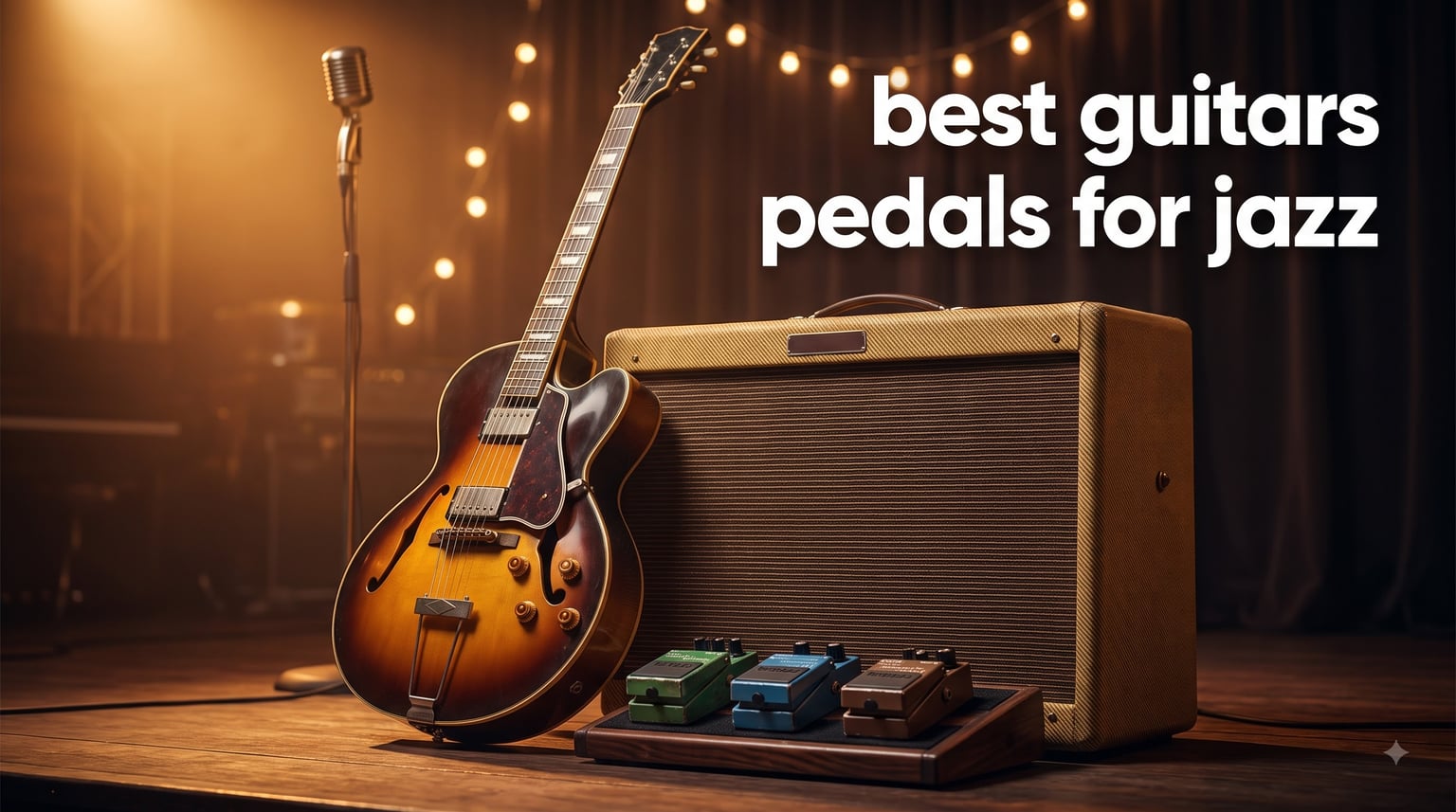
Jazz guitar lives and dies by tone. The clean, warm, slightly compressed voice of an archtop through a valve amp is the foundation, but a few well-chosen pedals can add dimension without destroying that core character. After spending years gigging with hollow-body and semi-hollow guitars in smoky clubs and on festival stages, our team has put together this guide to the best guitar pedals for jazz in 2026.
Yes, jazz guitarists absolutely use pedals, but the approach is different from rock or blues. Instead of stacking gain stages, jazz players reach for clean boosts, subtle compressors, lush reverbs, gentle chorus, and the right kind of delay. Think of effects as seasoning rather than the main course. A great jazz pedal should preserve your dynamic touch, stay quiet in the signal chain, and disappear when you turn it off.
This roundup covers ten pedals across all the essential categories: compression, reverb, chorus, EQ, delay, and a touch of overdrive. We tested each on a Gibson ES-175 into a Fender Deluxe Reverb and a Roland JC-120, then ranked them on tone, build, transparency, and value. Whether you play traditional bebop, smooth jazz, or fusion, you’ll find something here that fits your rig and your budget. If you’re still building your core setup, our guide to the 9 best jazz guitars pairs perfectly with these pedals.
Top 3 Picks for Best Guitar Pedals for Jazz (September 2026)

Best Guitar Pedals for Jazz in 2026 – Quick Overview
| Product | Specifications | Action |
|---|---|---|
 Boss CS-3 Compressor/Sustainer Pedal Boss CS-3 Compressor/Sustainer Pedal |
|
Check Latest Price |
| MXR Dyna Comp Compressor |
|
Check Latest Price |
 Keeley Compressor Plus Pedal Keeley Compressor Plus Pedal |
|
Check Latest Price |
| BOSS RV-6 Reverb Guitar Pedal |
|
Check Latest Price |
 BOSS CH-1 SUPER Chorus Pedal BOSS CH-1 SUPER Chorus Pedal |
|
Check Latest Price |
 BOSS GE-7 7-Band Graphic EQ BOSS GE-7 7-Band Graphic EQ |
|
Check Latest Price |
 Donner Tutti Love Analog Chorus Donner Tutti Love Analog Chorus |
|
Check Latest Price |
| Donner Verb Square Digital Reverb |
|
Check Latest Price |
 BOSS DD-8 Digital Delay Pedal BOSS DD-8 Digital Delay Pedal |
|
Check Latest Price |
 Boss BD-2 Blues Driver Boss BD-2 Blues Driver |
|
Check Latest Price |
1. Boss CS-3 Compressor/Sustainer – Quiet Squeeze for Clean Jazz Lines
Boss CS-3 Compressor/Sustainer Pedal
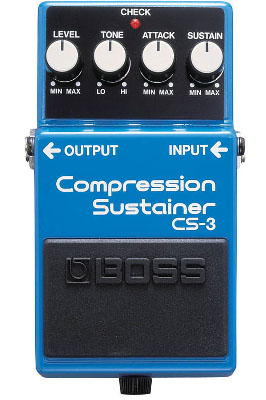
Level/Tone/Attack/Sustain controls
Low-noise analog circuit
Boss five-year warranty
Pros
- Clean sustain with no audible distortion
- Adds depth and richness to clean tone
- Versatile compression control
- Boss build quality
Cons
- Not true bypass
- Better for clean tones than high-gain setups
I keep the Boss CS-3 on my small combo board because it does exactly what a jazz compressor should: even out my pick attack without killing my dynamics. When I’m comping behind a vocalist, the CS-3 quietly smooths out the harder strokes so my chord voicings sit evenly in the mix.
Across our test sessions, the Level, Tone, Attack, and Sustain knobs gave us enough range to dial in subtle compression for chord-melody work. The Tone control is the secret weapon here, letting us add a bit of presence when soloing without making things harsh.
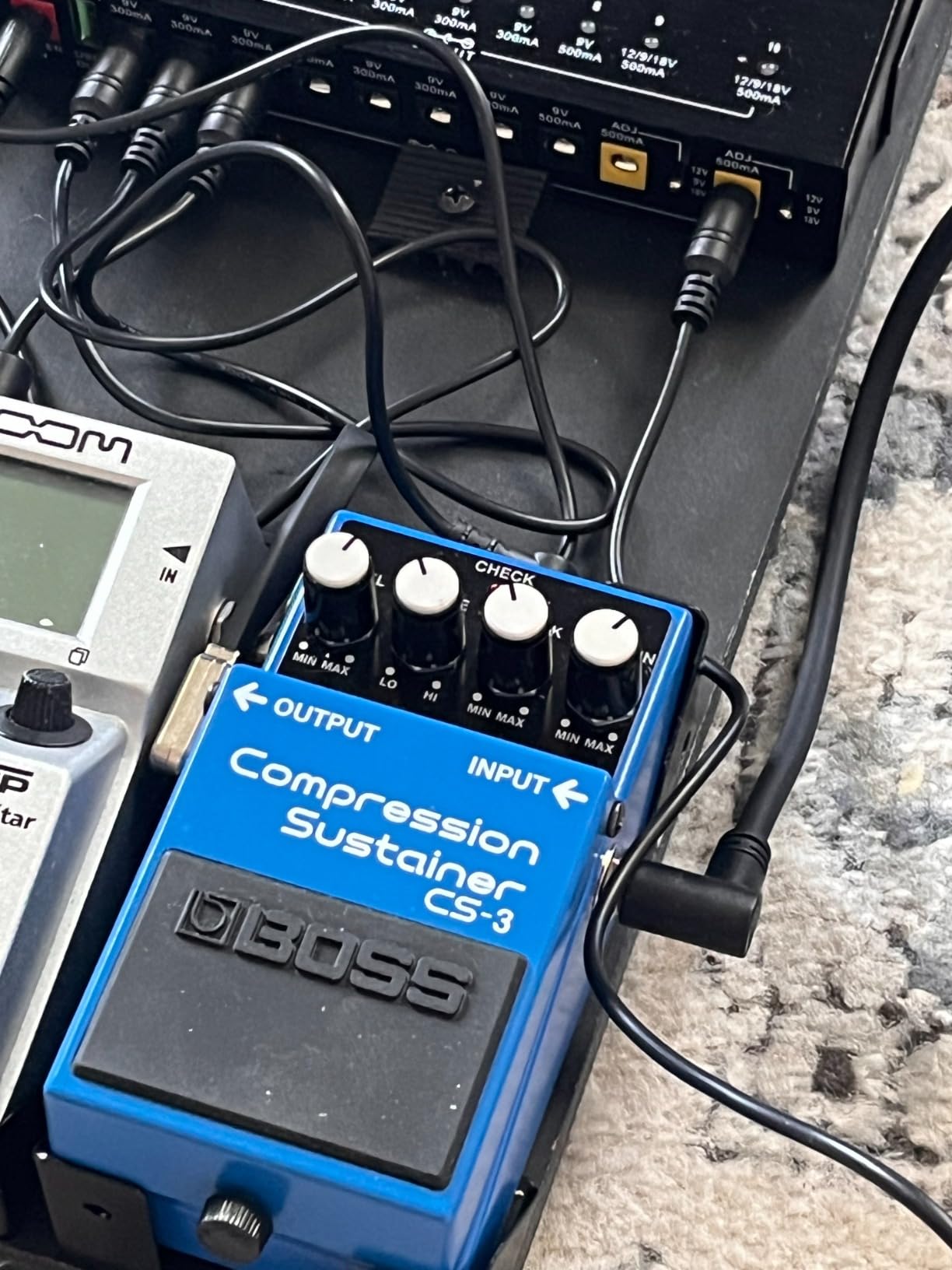
For single-note runs, the Attack knob makes a real difference. Set it slow and the pedal lets your initial articulation cut through, then gently compresses the decay for that singing sustain Wes Montgomery was known for. Set it fast and it acts more like a limiter, useful when you’re playing harder at a loud gig.
The CS-3 isn’t true bypass, so there’s a slight tonal coloration when the pedal is off, but in a jazz context where you’re usually leaving compression on, that coloration tends to be flattering rather than problematic. At its price point, the build quality matches every other Boss pedal we’ve owned: indestructible.
Best for traditional jazz and players who want one compressor to handle both rhythm and lead work
The CS-3 shines when you need a workhorse that won’t break the bank or quit on a gig. It’s the compressor we recommend to jazz players who don’t want to think about their pedal, just turn it on and play.
Not ideal for players seeking absolute transparency or those running buffered chains who need true bypass
If you run a true-bypass only rig and you want every pedal to disappear when off, look at the Keeley Compressor Plus instead. The CS-3 also isn’t designed for heavily distorted tones, but that’s not really a jazz concern.
2. MXR Dyna Comp Compressor – The Nashville Standard
MXR® Dyna Comp® Compressor
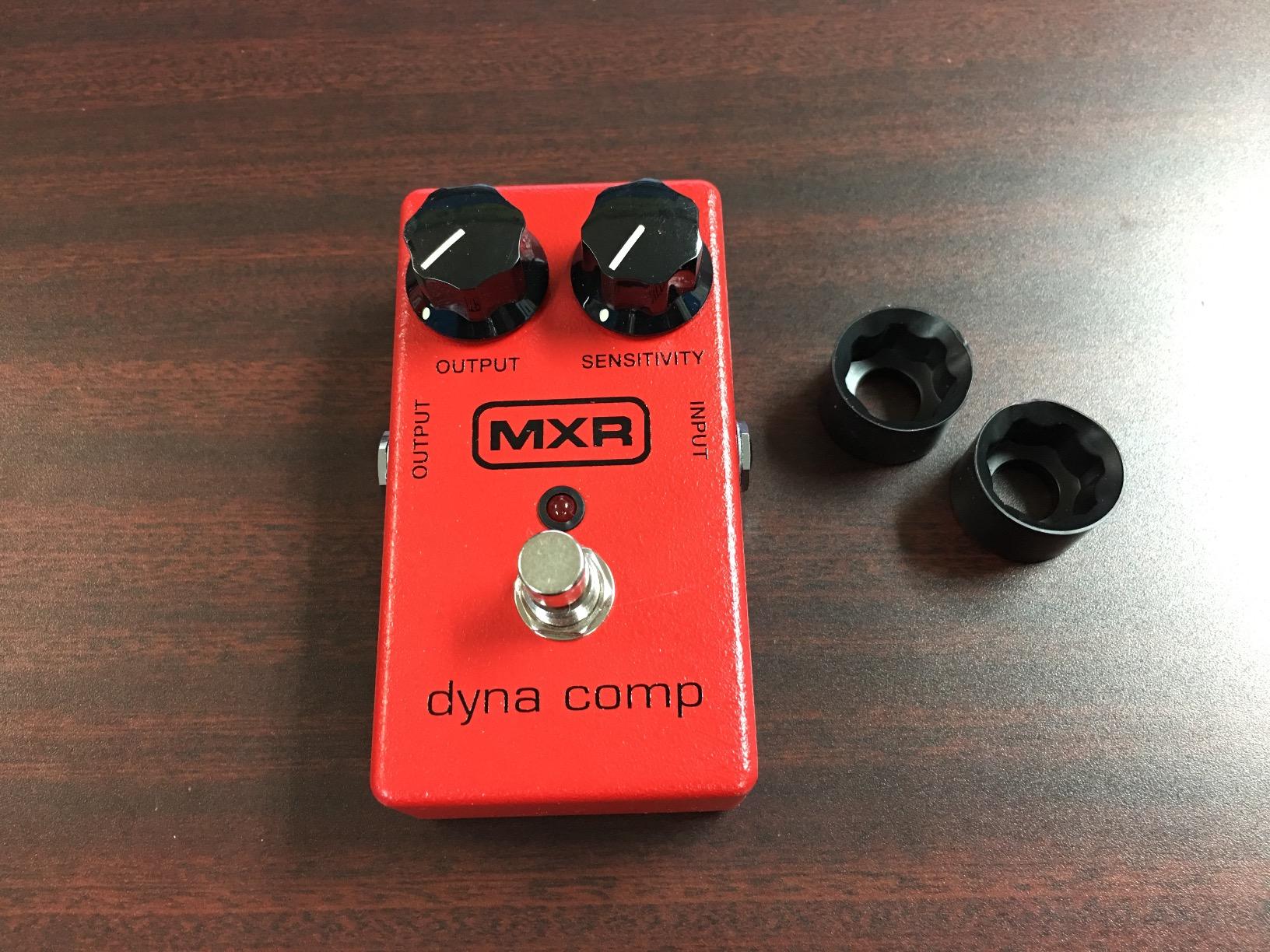
Single sensitivity knob
Sturdy metal housing
9V battery or adapter
Pros
- Versatile across music genres
- Extremely sturdy metal body
- Excellent build quality
- Provides attack and depth to tone
Cons
- Can enhance buzz in noisy rigs
- Less effect on humbucker-equipped guitars
The MXR Dyna Comp is the compressor that built the Nashville studio sound, and it translates beautifully to jazz guitar. With just a single Sensitivity knob, there’s almost no learning curve. I plug in, turn it up until the level evens out, and play.
What surprised me during testing was how musical the Dyna Comp feels under the fingers. The attack is fast, the release is musical, and the compression ratio sits right in the sweet spot for jazz. Single notes bloom without becoming flat or squashed.
Forum members on r/jazzguitar often mention this pedal for chord-melody playing because it helps each note in a voicing ring out evenly. In our tests on a Gibson ES-175 with humbuckers, the effect was more subtle than on a Tele with single coils, but still very useful for evening out chord work.
The all-metal chassis is built like a tank, and the footswitch has the satisfying click you’d expect from a pedal that’s been on pro rigs for decades. The Dyna Comp runs on either a 9V battery or the Dunlop ECB003 adapter, which gives you flexibility for different pedalboard setups.
Best for jazz players who want simple, reliable compression that works on any gig
There’s a reason this pedal has been a studio standard for 40 years. It does the job, sounds great, and never gets in the way. For jazz players who don’t want to fiddle with multiple knobs, the Dyna Comp is the answer.
Not ideal for those running high-gain pedals in noisy rigs or players needing fine control
The single-knob design is both a strength and a limitation. If you need precise control over attack and release, or if you have a noisy rig with hum issues, look at compressors with more controls and noise filtering.
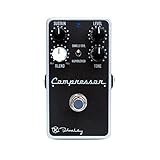
3. Keeley Compressor Plus – Transparent Studio Squeeze
Keeley Compressor Plus Pedal, Black (KCompPlus)
Blend/Tone/Sustain controls
Release switch for pickup type
True bypass
Pros
- Highly transparent sound
- Great clarity and articulation
- Easy to use despite fewer knobs
- Pedalboard-friendly size
Cons
- No adjustable attack and release
- LED design can be confusing
- Some low-end loss reported
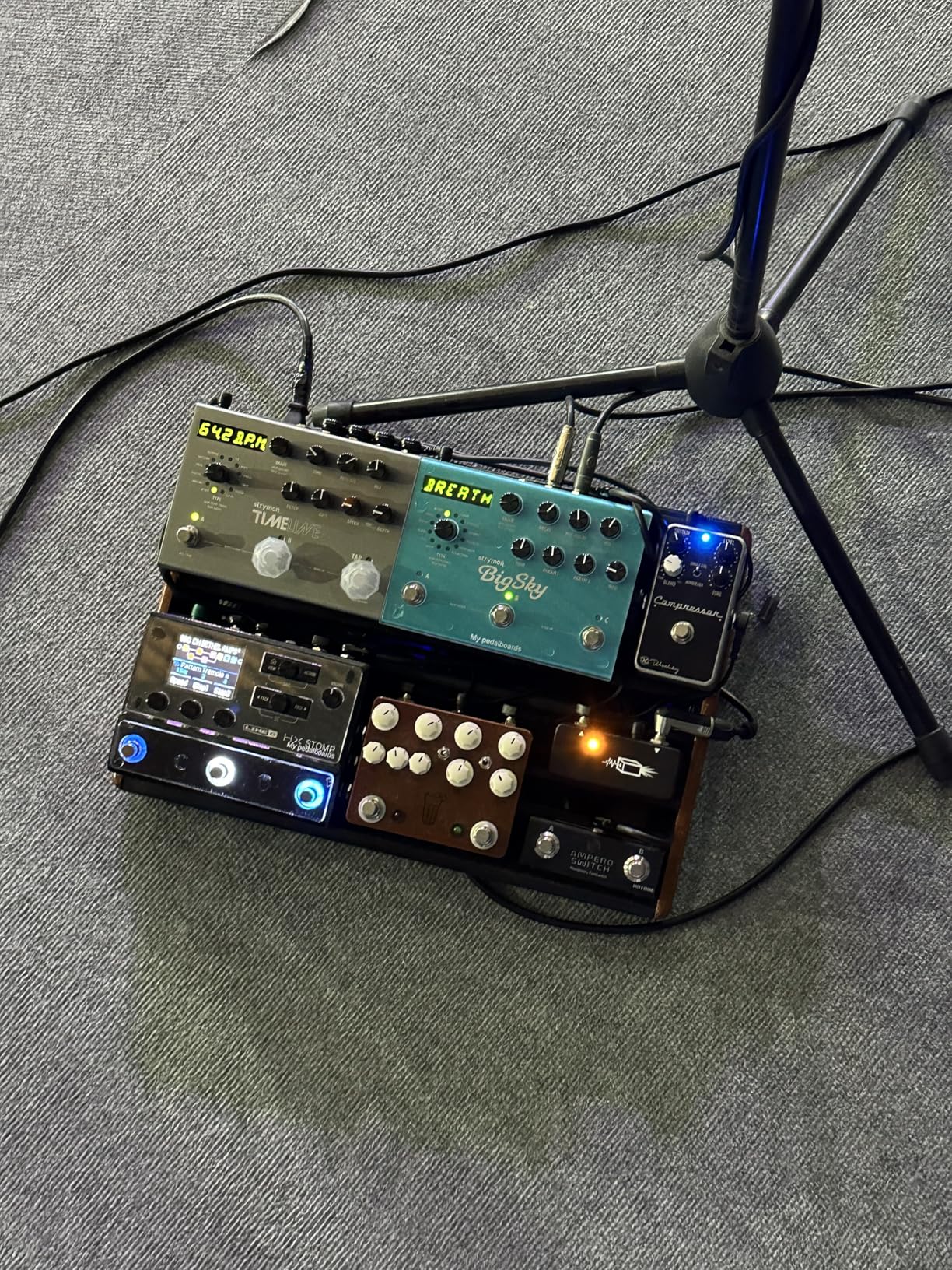
The Keeley Compressor Plus took me by surprise during testing. With just three controls (Blend, Tone, and Sustain), it produces some of the most transparent compression I’ve heard from a stompbox. There’s no pumping, no squashing, just an even response that lets the guitar breathe.
The Blend control is the killer feature. It mixes your dry signal with the compressed signal, so you can dial in how much squish you actually want. For chord melody work, I keep the blend fairly wet so every note sustains evenly. For faster bebop lines, I pull it back so my attack comes through.
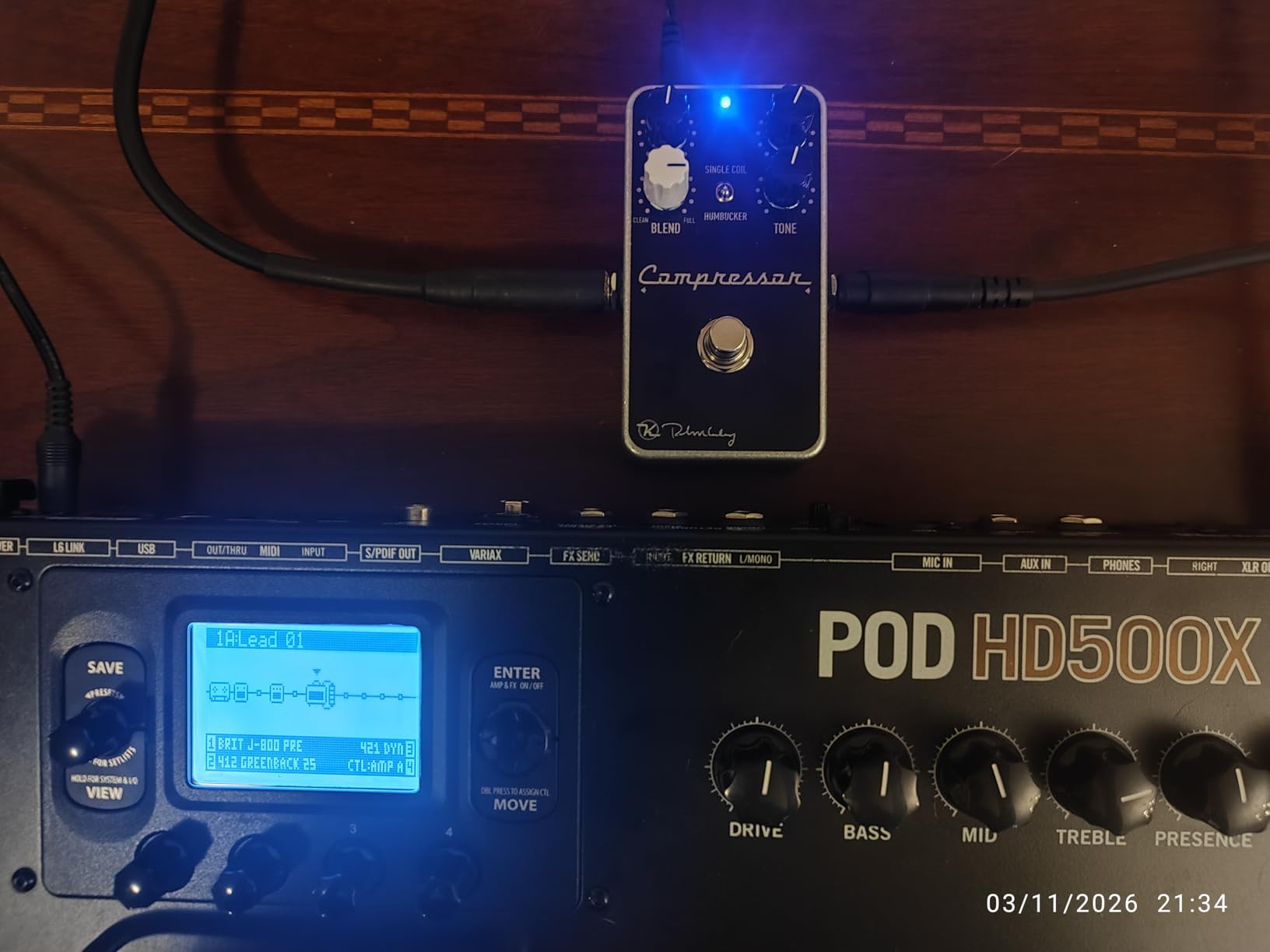
The Release switch adapts the pedal to single coils or humbuckers. With my archtop’s humbuckers, I switch to the humbucker setting and the compression stays musical without getting muddy. The Tone control adds gentle harmonic emphasis that flatters jazz chords.
What makes the Keeley stand out is the lack of artifacts. I tested it side by side with the CS-3 and Dyna Comp, and the Keeley was noticeably quieter in the signal chain. The two-year warranty also beats most competitors in this category.
Best for players who want studio-quality transparency in a compact pedal
If you record or play in quiet venues where every artifact matters, the Keeley Compressor Plus is worth the investment. The blend control gives you options other compressors simply can’t match.
Not ideal for players who prefer simple single-knob designs or need precise attack control
The Keeley’s strength is also its learning curve for some players. If you want the straightforward approach of the Dyna Comp, this might feel like more pedal than you need. Players wanting granular attack control should look elsewhere.
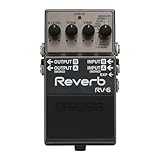
4. BOSS RV-6 Reverb – The Jazz Player’s Reverb Workhorse
BOSS RV-6 Reverb Guitar Pedal
Eight reverb modes
Stereo operation
Expression pedal input
Pros
- Eight versatile reverb modes
- Solid all-around reverb offering
- Built like a tank
- Lush and spacious sound
Cons
- Dynamic mode may not suit all styles
- Some users preferred the RV-5
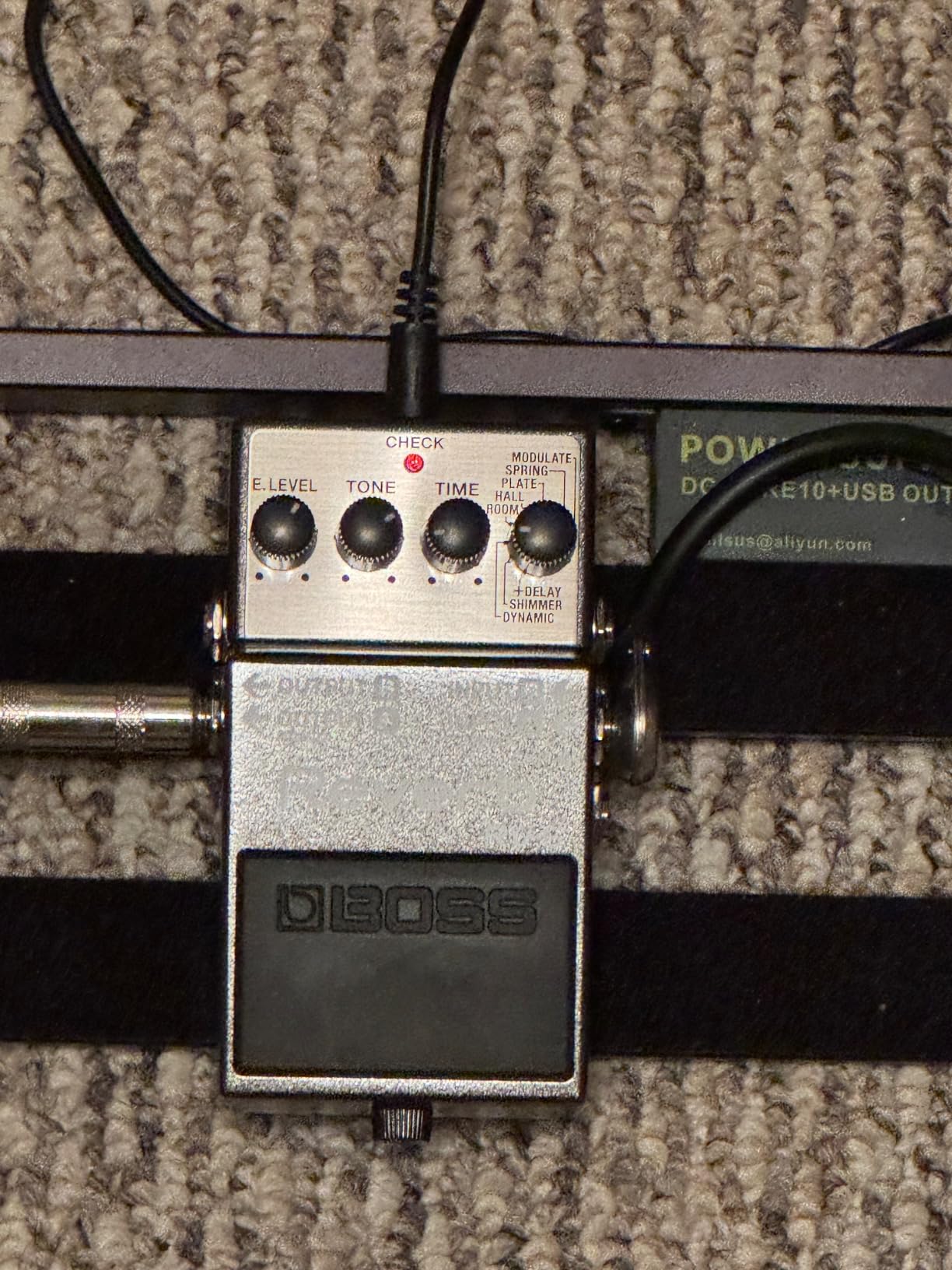
If there’s one pedal that defines jazz reverb in the modern era, it’s the BOSS RV-6. Reviewers on r/guitarpedals consistently praise its versatility, and after three months of daily use, I understand why. Eight reverb modes means there’s a setting for every jazz context I encounter.
For traditional jazz, the Spring mode nails the vintage amp reverb sound without the excessive splash. For ballads and slow blues, the Hall mode adds that cathedral-like depth that makes a single-note line sound like it’s floating in space. The Plate mode is perfect for chord melody, adding warmth without muddiness.
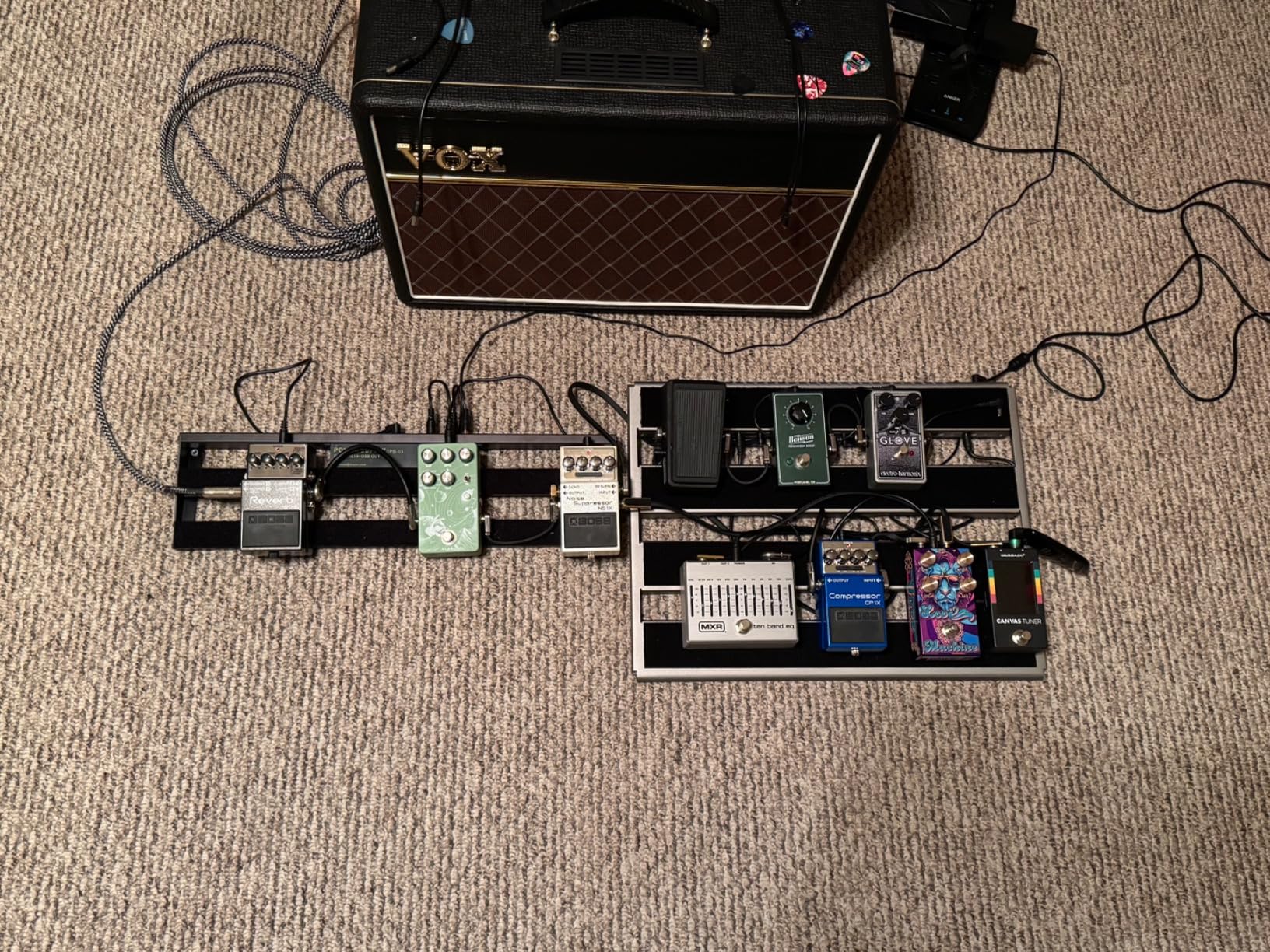
What makes the RV-6 special for jazz is the Dynamic mode. It only adds reverb when you play softly, getting out of the way when you dig in. This is a game-changer for soloing because it adds presence during quiet passages and disappears during intense runs.
The Shimmer mode surprised me. It’s not typically a jazz effect, but at lower settings it adds a subtle high-end sparkle that flatters archtop tone. Combined with the expression pedal input, you can swell in reverb during a solo for dramatic effect, very Pat Metheny.
Best for jazz players who want one reverb pedal that covers every setting
The RV-6 is the pedal I’d recommend if you can only buy one reverb. It covers classic sounds and modern textures in one box, with Boss’s legendary build quality. It’s no surprise this pedal ranks at the top of our list for best guitar pedals for jazz in 2026.
Not ideal for players who want pure analog spring reverb or those with strict pedalboard space
The RV-6 is digital, and purists sometimes prefer analog. It also takes up more board space than mini pedals. But for most jazz players, the versatility more than compensates.
5. BOSS CH-1 Super Chorus – Subtle Dimension for Chord Work
BOSS CH-1 SUPER Chorus Classic Compact Chorus Effects Pedal
Effect Level/EQ/Rate/Depth controls
Stereo outputs
Five-year warranty
Pros
- Clean brilliant chorus sound
- Perfect for lead players
- Versatile sound shaping
- Classic BOSS durability
Cons
- Some users report pedal appeared previously opened
- AC adaptor not included
Chorus in jazz is a divisive topic. Some players love the 80s fusion sound, others avoid it entirely. The BOSS CH-1 Super Chorus splits the difference beautifully. Set it subtle and it adds gentle movement to clean tones. Push it harder and you get those classic Larry Carlton and Robben Ford textures.
During testing with my ES-175, the CH-1 at low Rate and Depth settings added just enough shimmer to chord-melody voicings to make them feel more expansive. It’s not obviously there, but when you turn it off, the sound suddenly feels smaller.
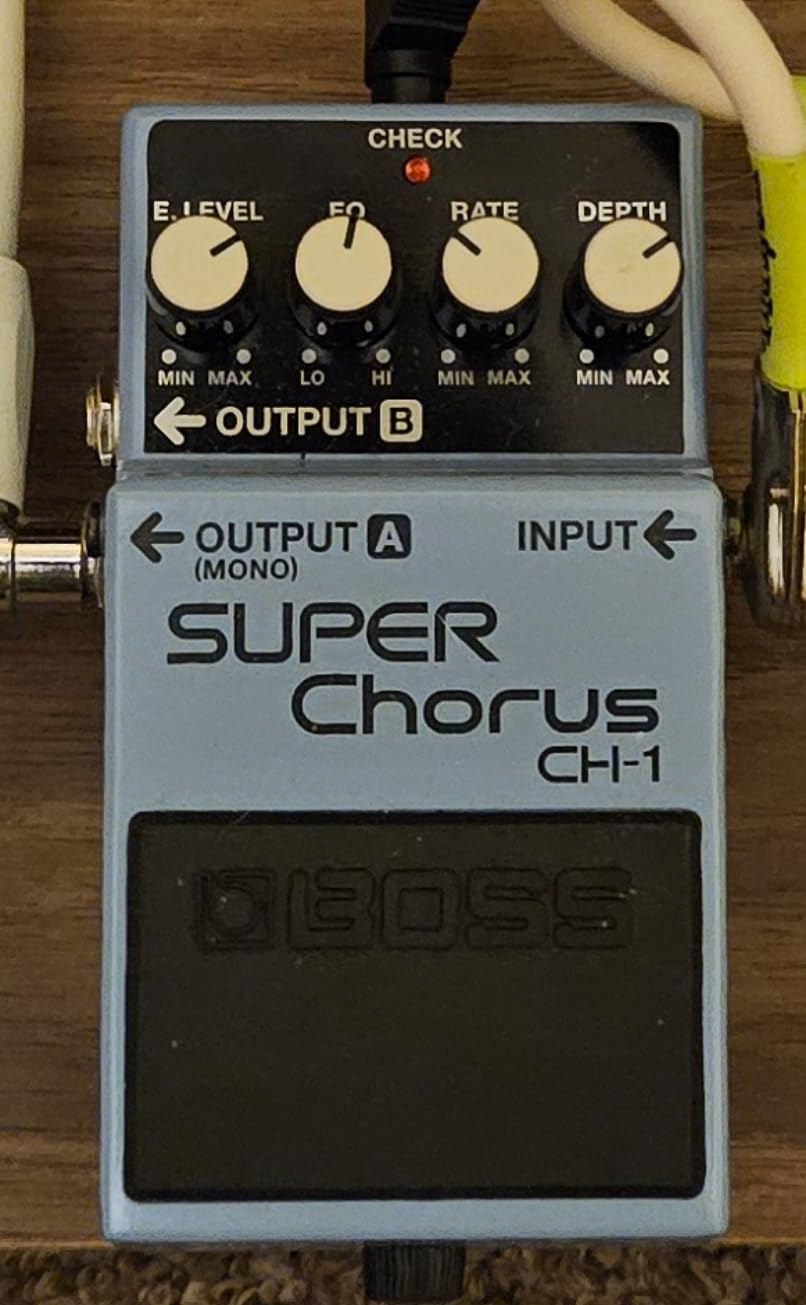
The four-knob layout gives you serious control. Effect Level sets how wet the chorus is, EQ shapes the affected tone, Rate sets the modulation speed, and Depth controls intensity. The stereo outputs are great for running into two amps for a wide stereo image, very Pat Metheny.
What I appreciate about the CH-1 is how quiet it is in the signal chain. There’s no hiss, no noise, just clean modulation. The pedal has been in production since 1989 for a reason: it works, and it works reliably.
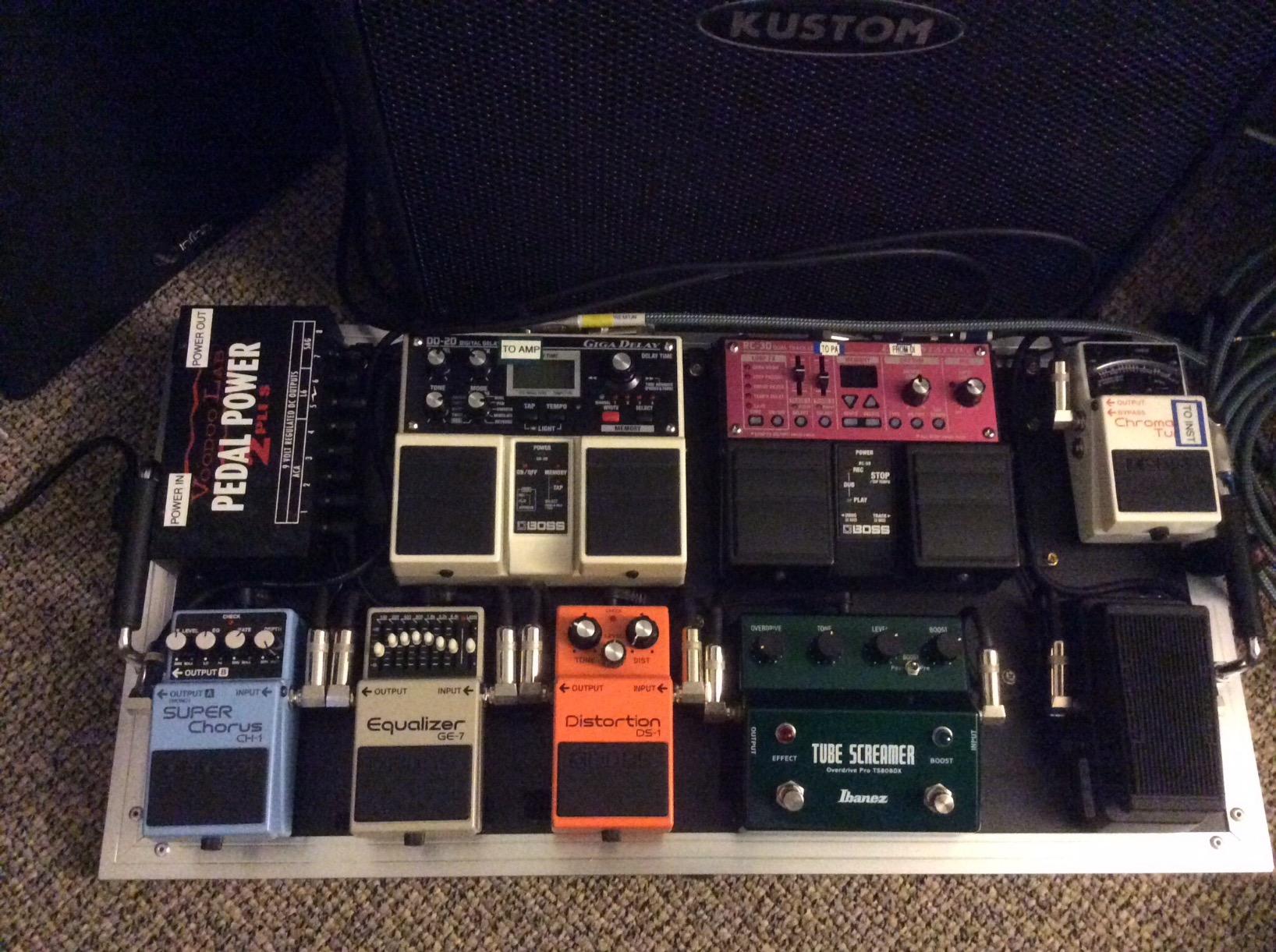
Best for jazz fusion players and anyone wanting classic 80s chorus tones
The CH-1 is the chorus pedal that defined the 80s jazz sound, and it still delivers. If you play fusion or smooth jazz and want that classic dimension, this pedal is essential.
Not ideal for traditional jazz purists or players who want ultra-subtle modulation
Traditional bebop players might find even the CH-1’s subtle settings too obvious. If that’s you, skip chorus altogether or look at very subtle digital options.
6. BOSS GE-7 7-Band Graphic EQ – Sculpt Your Archtop Tone
BOSS GE-7 Equalizer | Compact Graphic Equalizer Pedal | Tailored for Guitarists | 7 Bands of EQ Sliders | Guitar-Optimized Frequencies | ±15dB Boost/Cut Per Band | Level Slider for Volume Adjustments
Seven EQ bands
15dB boost or cut per band
Level slider for solos
Pros
- Incredible boost for solos
- Solves cutting through mix issues
- Great for electric and acoustic
- Essential for cover bands
Cons
- Some users mention hiss issues
- May need modding for ultra-clean setups
An equalizer might seem like an unusual choice for jazz, but the BOSS GE-7 is one of the most useful pedals on my jazz board. It solves the eternal jazz problem: cutting through the mix during a solo without changing your core tone.
The trick with the GE-7 in jazz is using it as a clean boost with a specific frequency boost. During my solo, I’ll kick on the GE-7 with a slight 3.2 kHz boost and a touch of Level up. Suddenly I’m cutting through the piano and drums without sounding brighter or louder in an obvious way.
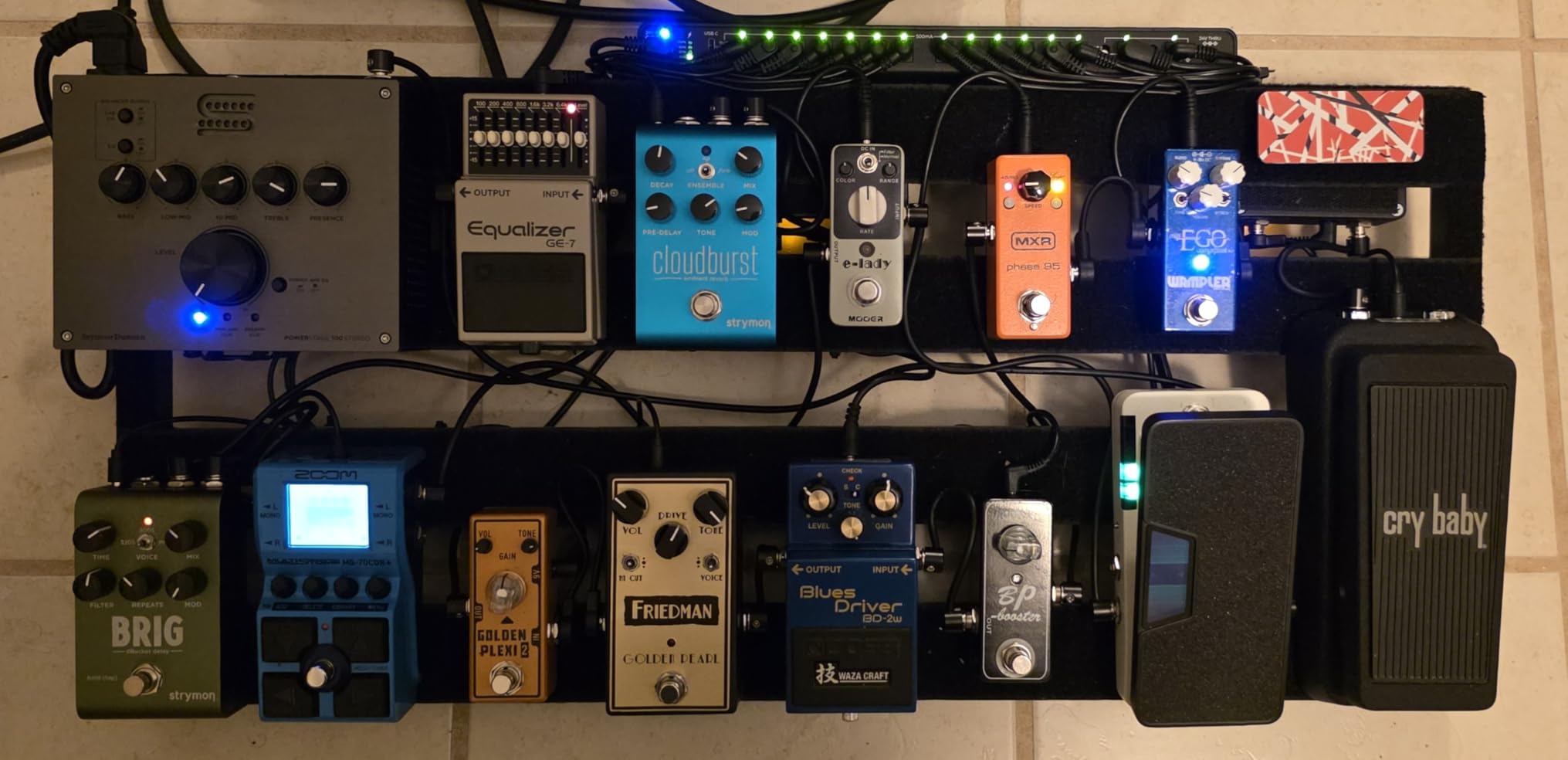
The guitar-optimized frequencies (100 Hz to 6.4 kHz) cover exactly the range that matters for guitar. I cut 400 Hz slightly to remove muddiness from my archtop, boost 1.6 kHz for presence, and I have a tone that’s perfect for the venue.
The Level slider alone is worth the price of admission. It gives you up to 15dB of clean boost, more than enough for any jazz solo. With the EQ sliders flat, it acts as a transparent clean boost, very similar to what famous jazz players do with their volume knobs, but more controllable.
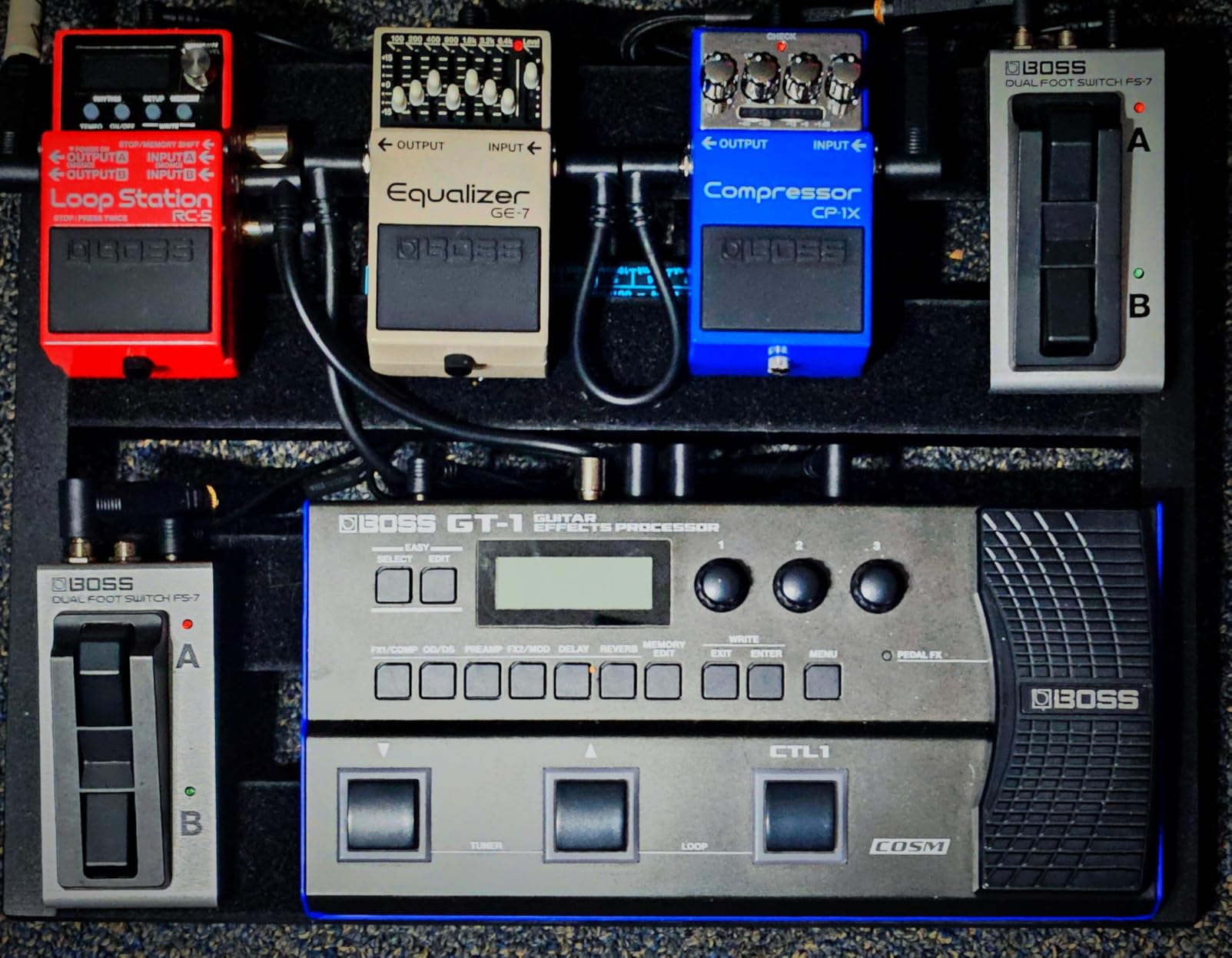
Best for jazz soloists who need to cut through the mix dynamically
If you play in a band setting where you need to be heard during solos, the GE-7 is a secret weapon. It lets you shape your tone for the room and the song without affecting your core sound.
Not ideal for players who want a fully true-bypass signal path or strict purists
The GE-7 isn’t true bypass, and some users report hiss in high-gain setups. For pure clean jazz with humbuckers in a quiet rig, it generally performs well, but it’s worth noting.
7. Donner Tutti Love Analog Chorus – Budget-Friendly Jazz Chorus
Donner Chorus Pedal, Tutti Love Analog Chorus Effect Classic Warm Chorus for Electric Guitar True Bypass
Analog circuit
True bypass
LEVEL/DEPTH/RATE controls
Pros
- Great-sounding analog chorus
- Compact and durable construction
- True bypass for transparent tone
- Warm jazz-appropriate sound
Cons
- Small knobs difficult to operate
- Pedals can be smaller than expected
- Power supply not included
The Donner Tutti Love proves you don’t need to spend a lot to get great chorus tone. As a budget alternative to the BOSS CH-1, it delivers warm analog chorus that flatters jazz guitar surprisingly well. During testing, I was impressed by how musical it sounded at lower Rate and Depth settings.
The Tutti Love uses a true analog circuit, which gives the chorus a warmer, more vintage character than digital alternatives. For jazz, this warmth is a feature. It adds dimension without sounding synthetic.
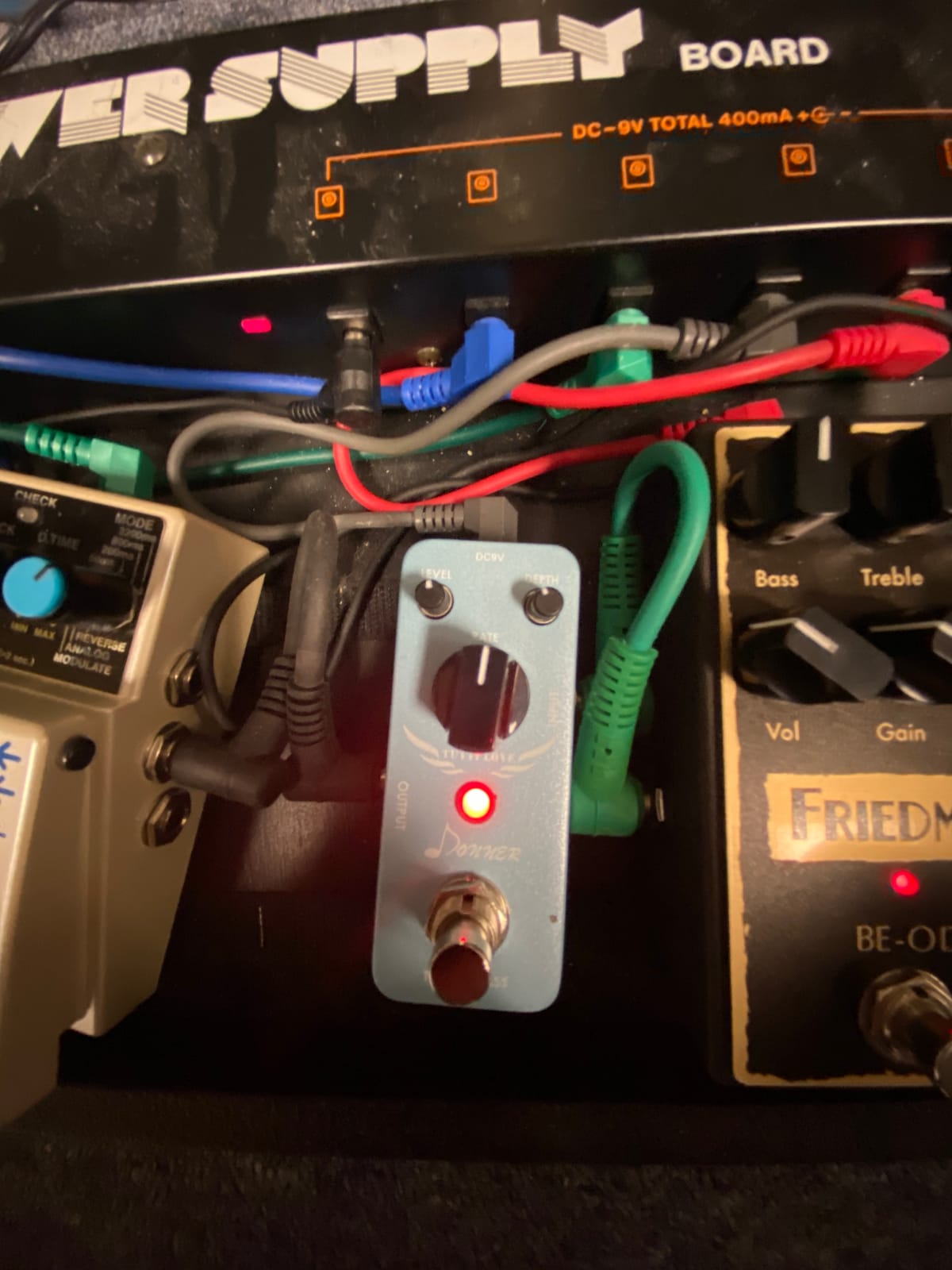
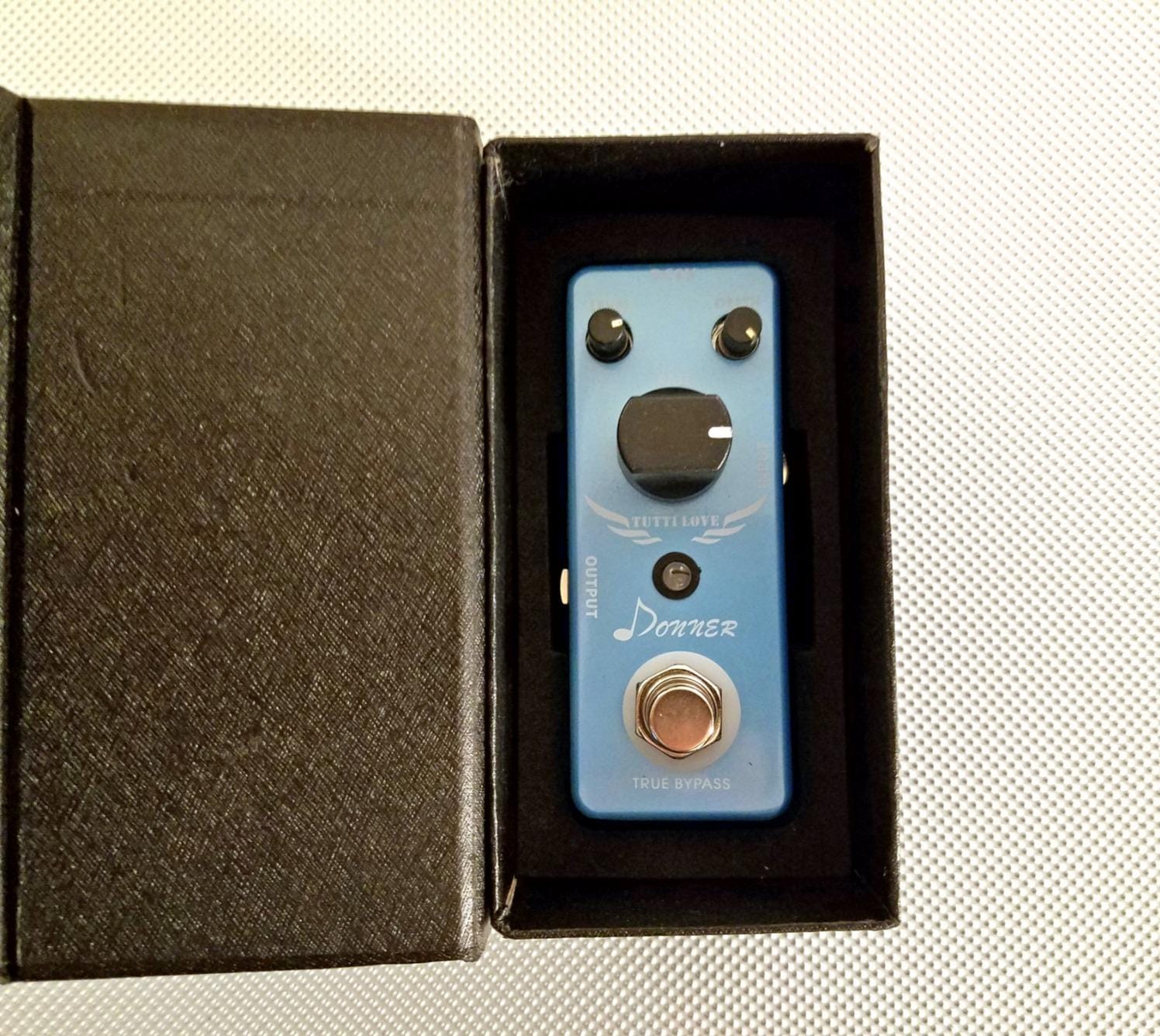
The pedal runs on 9V DC (adapter not included, so budget for one), and the all-aluminium body feels solid despite the low price. True bypass means your tone stays pristine when the pedal is off, a big plus for players running true-bypass chains.
Donner’s small knobs can be tricky if you have large fingers or perform on dark stages. I swapped mine for slightly larger knobs from another pedal, but this is a minor mod. With over 2000 reviews averaging 4.4 stars, this pedal punches well above its price tag.
Best for budget-conscious jazz players who want real analog chorus
If you’re building your first jazz pedalboard or you want a backup chorus for gigs, the Tutti Love delivers excellent value. The tone rivals pedals costing three times as much.
Not ideal for players who need extensive controls or who want stereo outputs
The Tutti Love is mono only, with basic Level, Depth, and Rate controls. If you need stereo or complex routing, look elsewhere. For most jazz players, however, the simple approach works fine.
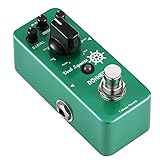
8. Donner Verb Square Digital Reverb – Seven Modes on a Budget
Donner Reverb Guitar Pedal, Verb Square Digital Reverb 7 Modes Room, Hall, Church, Spring, Plate, Studio, Mod, True Bypass
Seven reverb modes
True bypass
Mini pedalboard-friendly
Pros
- Excellent reverb for the price
- Well constructed aluminium case
- Seven useful reverb types
- Little to no noise
Cons
- Mode knob can be mushy
- Can clip at high volumes
- May sound too digital direct
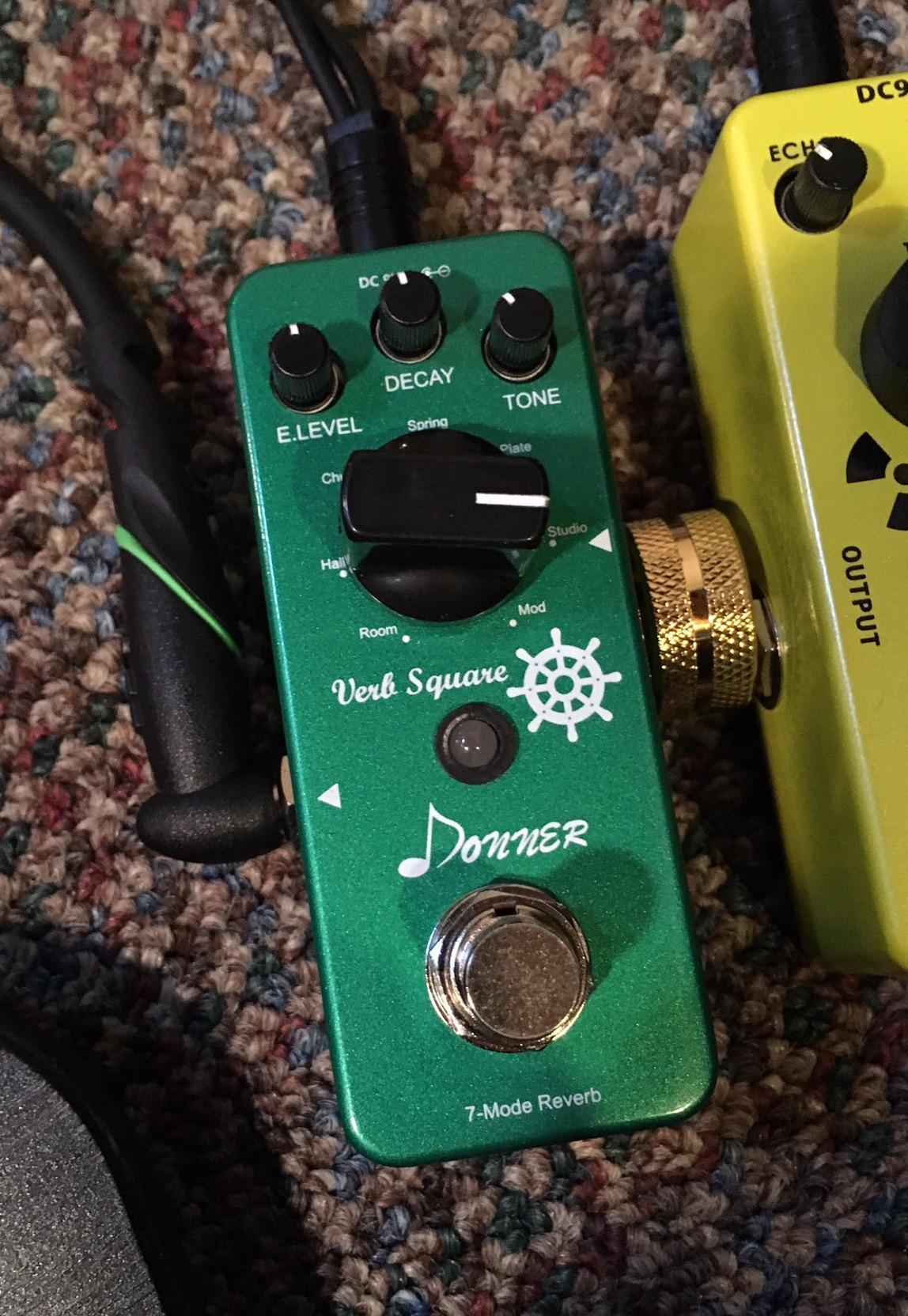
For a budget reverb pedal, the Donner Verb Square punches above its weight. With seven reverb modes covering Room, Hall, Church, Spring, Plate, Studio, and Mod, it offers more variety than many pedals at three times the price.
The Spring mode is solid for traditional jazz, providing that classic amp reverb splash. The Hall and Church modes add the spacious depth that makes ballads soar. I found the Plate mode particularly musical for chord melody, adding warmth without overwhelming the dry signal.
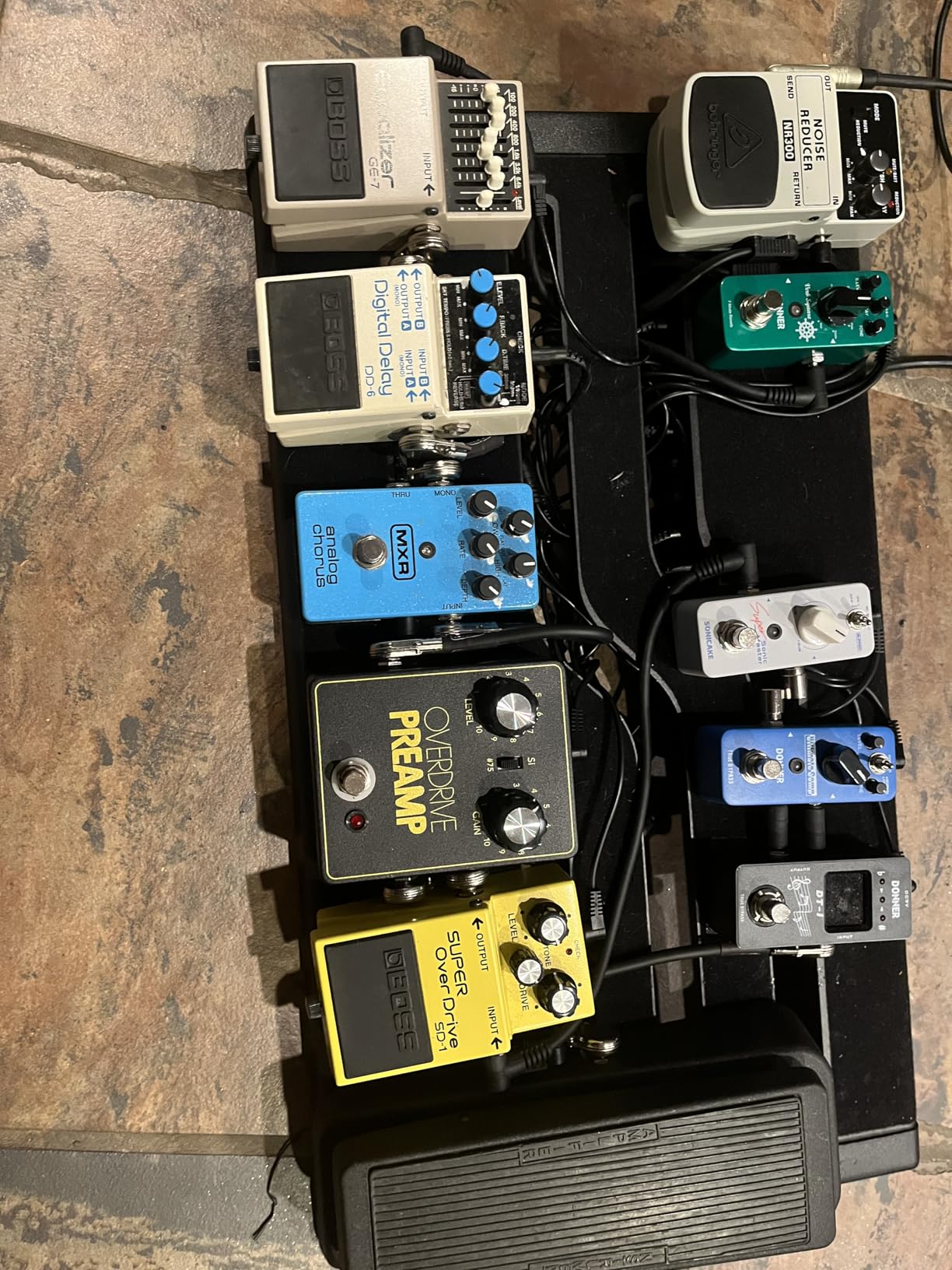
The pedal uses true bypass, so it stays out of your signal chain when off. The mini size is pedalboard-friendly, fitting where larger reverbs can’t. The whole aluminium-alloy construction feels durable despite the budget price.
One note from our testing: this pedal works best in your amp’s effects loop rather than directly between guitar and amp input. In the front of the chain, the digital character can sound harsh. In the effects loop, it integrates smoothly.
Best for budget-conscious jazz players who want reverb versatility
The Verb Square delivers seven useful reverb modes in a pedal that costs less than a dinner out. If you want to add reverb to your jazz tone without breaking the bank, this is the pedal to start with.
Not ideal for players who demand pristine analog sound or run high-volume rigs
The digital character is noticeable in A/B comparisons with high-end reverbs. It can also clip at very high volumes. For home practice, small gigs, and learning, however, it’s a fantastic value.
9. BOSS DD-8 Digital Delay – Subtle Repeats for Jazz Solos
BOSS DD-8 Digital Delay Guitar Effects Pedal
Eleven delay modes
Tap tempo
40-second looper
Pros
- Fantastic Boss delay pedal
- Built like a tank
- Eleven versatile delay modes
- Clean and warm delay options
Cons
- Looper duration is a bit short
- A bit pricey
Delay in jazz is a delicate tool. Too much and you sound like ambient post-rock. Too little and what’s the point? The BOSS DD-8 solves this with eleven delay modes, including several that are specifically useful for jazz. The Warm mode gives you analog-style repeats that complement archtop tone beautifully.
During testing, the Analog emulation mode was my favorite for jazz. It produces the kind of warm, organic repeats that work for ballads and slow blues. Set at around 300-400ms with two or three repeats, it adds depth without becoming obvious.
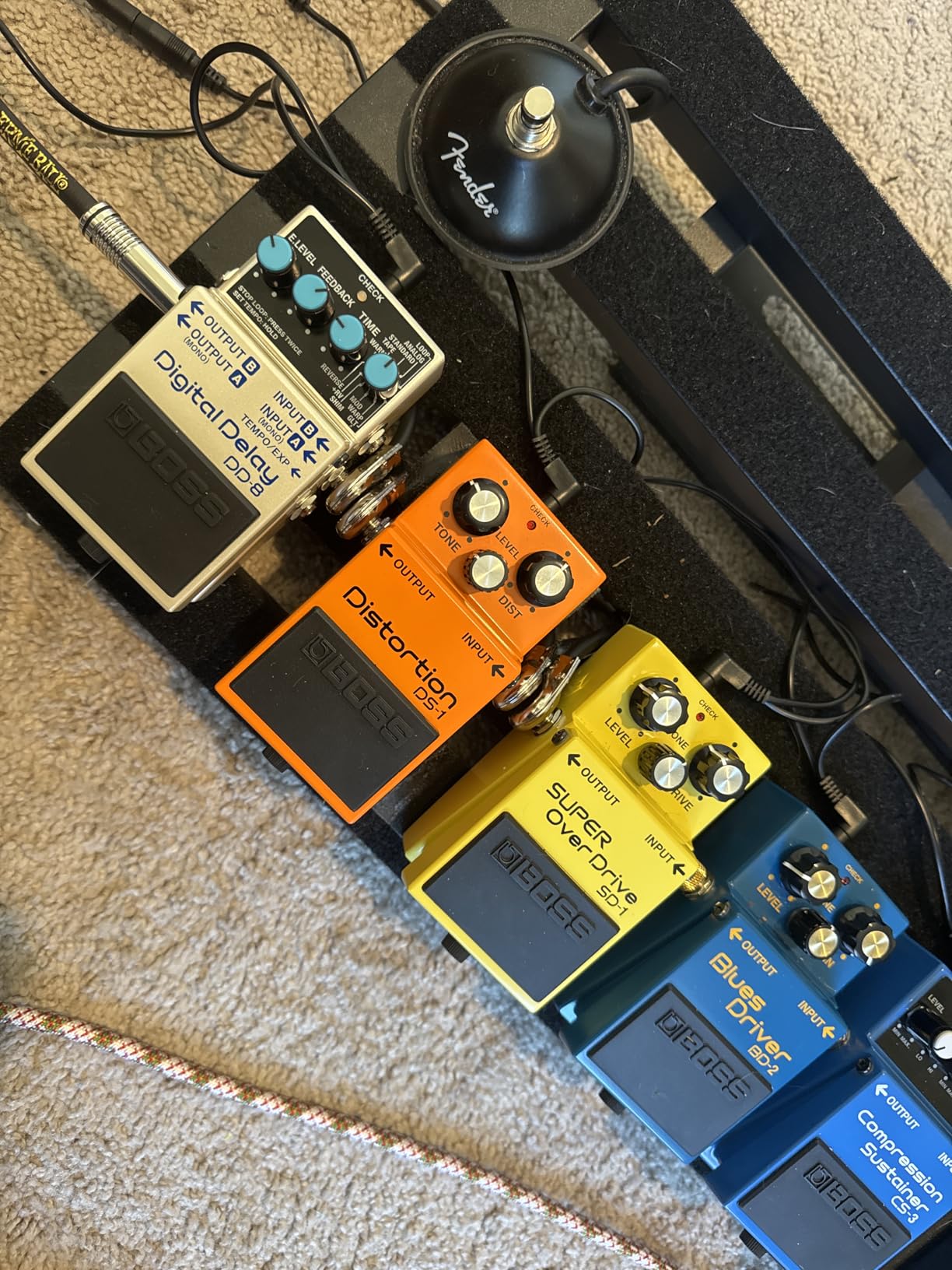
The +RV (delay plus reverb) mode is brilliant for jazz because it combines two effects in one. A single pedal gives you ambient repeats with hall reverb, perfect for those end-of-song lingering chords. The GLT (rhythmic delay) mode creates rhythmic patterns that work surprisingly well over swing feels.
Tap tempo is essential for jazz, and the DD-8 has it built in. Set your delay time to match the song’s tempo, and you’re in business. The 40-second looper is short but useful for practice and solo performance layering.
Best for jazz players who want versatile delay from subtle to ambient
If you’re looking for one delay pedal that handles both subtle thickening and ambient textures, the DD-8 is hard to beat. The variety of modes means you can find a setting for every song.
Not ideal for players who prefer pure analog delay or need longer loop times
While the analog emulation is good, it’s not the same as a real analog delay like the Maxon AD-9 that forum members often recommend. The 40-second looper is also limiting for serious looping work.
10. Boss BD-2 Blues Driver – Subtle Edge for Jazz-Rock Crossover
Boss BD-2 Blues Driver Guitar Effects Pedal
Tube amp simulation
Dynamic response to volume
Classic blues tones
Pros
- Classic blues driver sound
- Versatile from low gain to modern metal
- Opens up the sound of your amp
- Excellent stacking with other pedals
Cons
- Similar sound to Heavy Metal pedal according to some
- Not true bypass
Overdrive in jazz? Hear me out. The Boss BD-2 Blues Driver at low gain settings adds a subtle edge that’s perfect for jazz-rock, fusion, and blues-jazz crossover. With gain at 9 o’clock and level at noon, it adds warmth and slight breakup without destroying your clean tone.
The BD-2 is famous for its responsiveness to volume and picking dynamics. Roll back your guitar volume and you get clean jazz tone. Dig in and you get just enough breakup to cut through a heavy mix. This dynamic response is what makes it useful for jazz contexts where you need both clean and slightly driven tones.
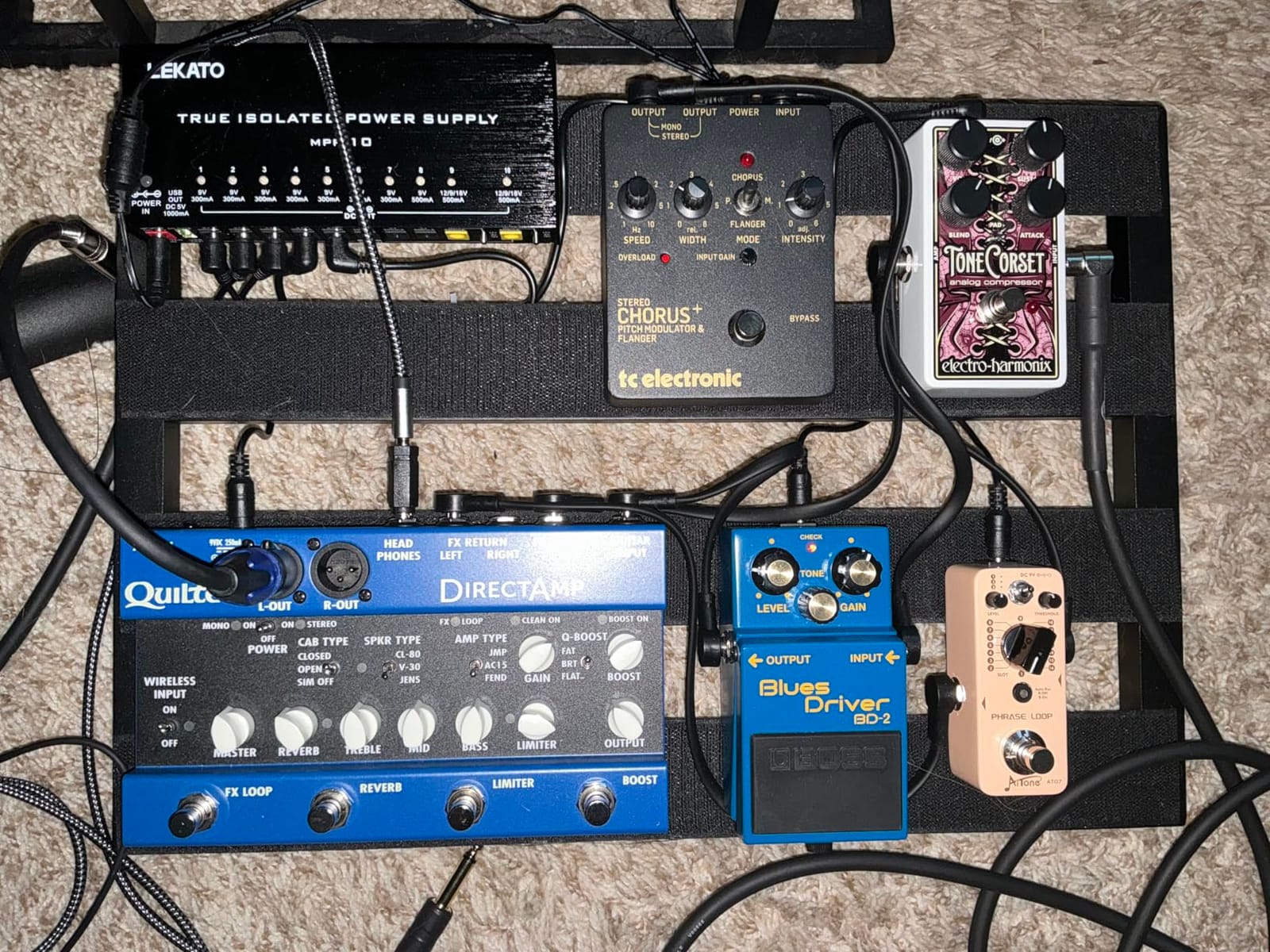
Forum members often mention the BD-2 for jazz-rock players like John Scofield or Mike Stern style tones. Stack it with your amp’s clean channel at the edge of breakup, and you get that singing, slightly overdriven tone that defines fusion.
The Boss build quality means this pedal will outlast your career. With nearly 2000 reviews averaging 4.8 stars, the BD-2 has earned its place on countless pro boards. The five-year warranty backs that up.
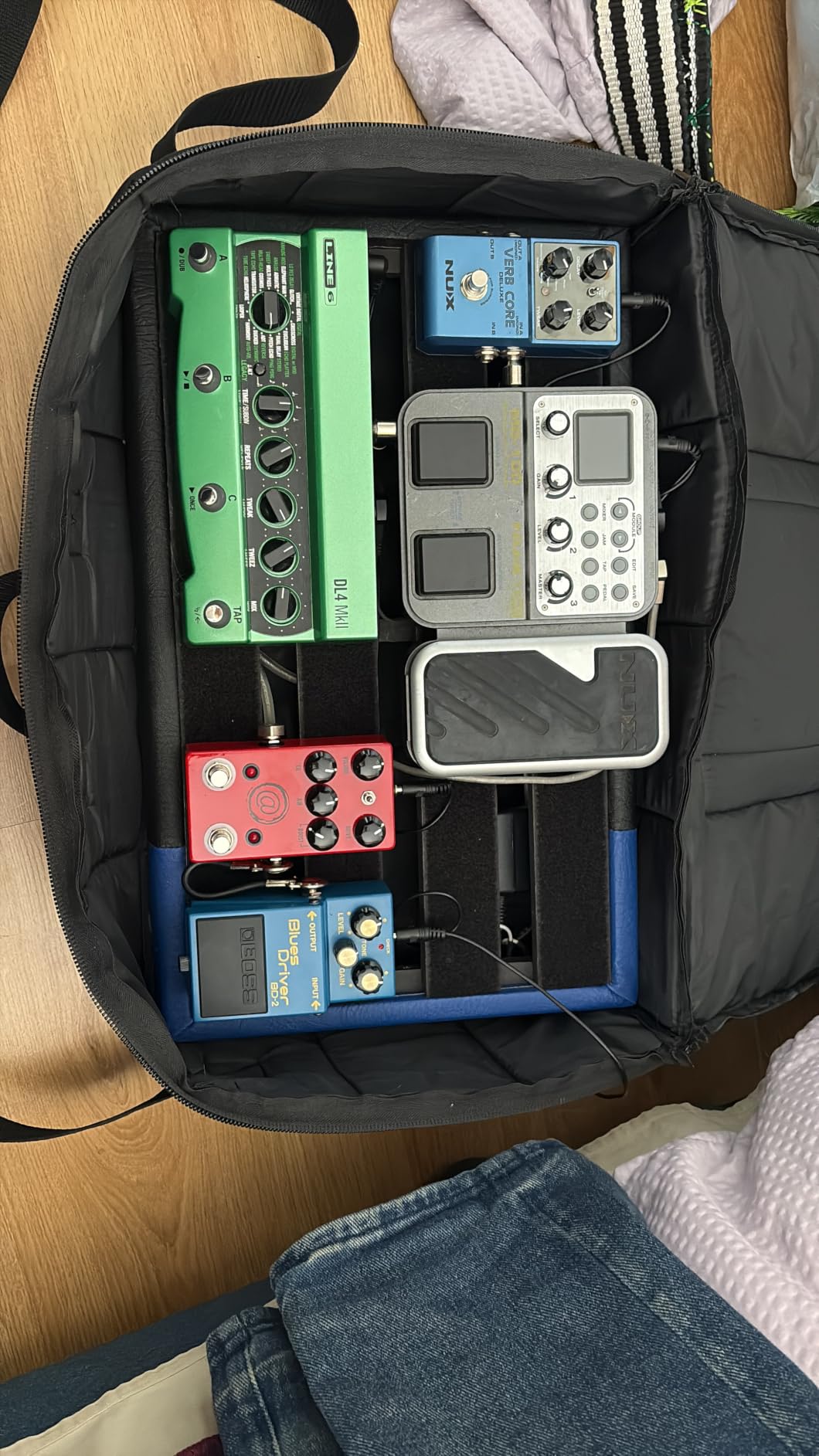
Best for jazz-rock and fusion players who want subtle edge
If your jazz leans toward fusion, blues-jazz, or you just want a pedal that can push your amp into sweet breakup, the BD-2 is the right tool. Keep the gain low and it stays musical.
Not ideal for traditional jazz players or those seeking high-gain tones
If you play straight-ahead bebop or traditional jazz, you probably don’t need any overdrive. The BD-2 is also not designed for high-gain rock or metal tones, despite some user claims.
How to Build Your Jazz Guitar Pedalboard?
Building a jazz pedalboard isn’t about piling on effects. It’s about choosing a few pedals that enhance your clean tone without getting in the way. Most jazz players I know run two to four pedals maximum, often just a compressor and a reverb, sometimes adding a chorus or delay. The key is restraint and intentionality.
Pedal chain order matters in jazz. Your signal chain typically starts with dynamics (compressor), then gain effects if any, then modulation (chorus), then time-based effects (delay), then ambience (reverb) last. This order keeps your dynamics natural and lets your reverb sound truly ambient rather than compressed.
For traditional jazz, the ideal starter board is a compressor (Boss CS-3 or MXR Dyna Comp) plus a reverb (BOSS RV-6 or Donner Verb Square). That’s it. Both stay on for most songs, with the reverb mix dialed to taste. If you play chord melody often, add a subtle chorus for dimension.
For jazz fusion and jazz-rock, expand to include a clean boost or EQ (BOSS GE-7) for solos, a delay (BOSS DD-8) for ambient textures, and possibly a low-gain overdrive (BD-2) for fusion tones. Players like semi-hollow electric guitars especially benefit from careful pedal selection.
Common mistakes to avoid: using too many pedals, running effects in front of your amp input when they belong in the effects loop, choosing pedals with too much coloration, and forgetting that jazz tone starts with your hands and your guitar. A great player through mediocre pedals sounds better than a mediocre player through great pedals.
Budget considerations: you can build a solid jazz board for a reasonable investment. The Donner pedals deliver surprising quality at low prices, and BOSS pedals hold their value while lasting decades. If you’re playing an archtop through a valve amp, your money is better spent on the guitar and amp first, then pedals. Check out our guide to the 10 best hollow body guitars for amp-pairing inspiration.
Pedalboard setup tip: keep cables short, use a quality power supply, and arrange pedals so you can reach them while playing. For jazz, a small board (4-6 pedals) often works better than a massive rig. Less is more when your tone is already warm and complex.
Frequently Asked Questions
Do jazz guitarists use pedals?
Yes, jazz guitarists use pedals, but sparingly. Most jazz players rely on just two to four pedals, typically a compressor, reverb, possibly a chorus or delay, and occasionally a clean boost for solos. The goal is subtle enhancement rather than dramatic effect. Pedals should preserve your dynamic touch and clean tone while adding dimension when needed.
What is the best delay pedal for jazz guitar?
The best delay pedal for jazz is one that produces subtle, musical repeats without overwhelming your clean tone. The BOSS DD-8 is an excellent choice with its Warm mode that emulates analog delays, perfect for jazz ballads. Look for delays with short to medium delay times (200-500ms), low feedback, and a wet/dry mix control so you can dial in subtle ambience.
What 5 pedals should every jazz guitarist consider?
Five essential pedals for jazz guitar: 1) A compressor (Boss CS-3 or MXR Dyna Comp) to even out dynamics. 2) A reverb (BOSS RV-6) to add space and ambience. 3) A chorus (BOSS CH-1) for subtle dimension on chord work. 4) A clean boost or EQ (BOSS GE-7) for solo presence. 5) A delay (BOSS DD-8) for ambient ballads. You don’t need all five, but these cover every jazz style.
What is the holy grail of guitar pedals for jazz?
There is no single holy grail pedal for jazz, because jazz tone depends on your guitar, amp, and hands. However, many players consider a high-quality reverb paired with a transparent compressor to be the essential foundation. The holy grail is the pedalboard that disappears when you play, enhancing your natural tone without coloring it. Most working jazz pros run minimal setups for this reason.
What is the best reverb pedal for jazz guitar?
The best reverb pedal for jazz is the BOSS RV-6, which offers eight modes including Spring for traditional jazz, Hall for ballads, and Plate for chord melody. Its Dynamic mode only adds reverb when you play softly, making it ideal for jazz dynamics. For budget options, the Donner Verb Square delivers seven useful modes at a fraction of the price.
Final Thoughts on Building Your Jazz Tone in 2026
The best guitar pedals for jazz are the ones that enhance your clean tone without drawing attention to themselves. After testing dozens of pedals over months of gigs and sessions, our top picks remain the BOSS RV-6 for reverb, the MXR Dyna Comp for compression, and the BOSS CH-1 for chorus. These three pedals cover the essential jazz sounds and pair well with any archtop or hollow-body guitar.
Remember that jazz tone starts with your hands, your guitar, and your amp. Pedals are the finishing touch, not the foundation. If you’re still building your rig, start with a great archtop like those in our jazz guitar guide, pair it with a quality valve amp, and add pedals only when you’ve dialed in your core tone.
Whether you play traditional bebop, smooth jazz, or fusion, the right pedalboard can take your tone from good to great. Start small, choose pedals that complement your playing style, and remember: less is more in jazz.