

Your amplifier head shapes the soul of your tone, but the cabinet is what puts that voice in the room. A great guitar cabinet adds the air, weight, and character your signal needs to translate through a mix, a stage, or a YouTube recording. After spending weeks swapping speakers between eight different cabinets and running them with both tube heads and modern modelers, our team put together this guide to the best guitar cabinets available right now.
Cabinet choice can matter as much as the amp driving it. The size (1×12, 2×12, 4×12), the speaker model (Celestion Vintage 30, G12T-75, Creamback), and the cabinet construction (Baltic birch, MDF, open back, closed back) all leave a fingerprint on your final sound. In this 2026 guide we break down eight cabinets that cover every major use case, from bedroom practice and home recording to arena-ready metal rigs, and explain how to pick the one that fits your playing style.
If you are shopping for a guitar right now, you might also want to check our picks for the 10 best Stratocaster guitars, because the cabinet you choose interacts with your guitar’s pickups as much as your amp.
Top 3 Picks at a Glance in October
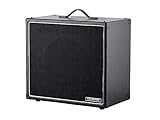
Monoprice 1×12 with Celestion V30
- Celestion Vintage 30 speaker
- 30W handling
- Semi-open back
Best Guitar Cabinets in 2026
| Product | Specifications | Action |
|---|---|---|
| Monoprice 1×12 with Celestion Vintage 30 |
|
Check Latest Price |
 Orange PPC112 60W 1×12 Orange PPC112 60W 1×12 |
|
Check Latest Price |
 Positive Grid Spark CAB Positive Grid Spark CAB |
|
Check Latest Price |
 Blackstar Fly 103-3W 1×3 Blackstar Fly 103-3W 1×3 |
|
Check Latest Price |
 Orange PPC108 20W 1×8 Orange PPC108 20W 1×8 |
|
Check Latest Price |
 VOX BC108 Cabinet VOX BC108 Cabinet |
|
Check Latest Price |
 American Sound Connection 1×12 Empty American Sound Connection 1×12 Empty |
|
Check Latest Price |
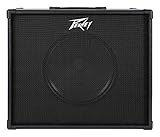 Peavey 03611000 1×12 Peavey 03611000 1×12 |
|
Check Latest Price |
1. Monoprice 1×12 with Celestion Vintage 30 – Best Overall Guitar Cabinet
Monoprice 1×12 Guitar Speaker Cabinet With Celestion Vintage 30, Designed to Match to our 30-Watt Stage Right Head – Stage Right Series
Celestion Vintage 30 speaker
30W handling
Semi-open back
36.5 lb
Pros
- Genuine Celestion Vintage 30 speaker included
- Excellent value for the price
- Metal corner caps for stage durability
- Comfortable leather carry handle
- Big sound from a 1x12 footprint
Cons
- Heavy at 36.5 pounds
- Semi-open back not ideal for super-tight modern metal
I rolled this cabinet into rehearsal with a 30-watt tube head and a Les Paul, and within ten minutes the room knew it. The Celestion Vintage 30 inside is the same speaker you find in cabinets costing twice as much, and it shows. Chords bloom with the classic midrange bark that defined 80s rock, and lead lines cut through without sounding harsh.
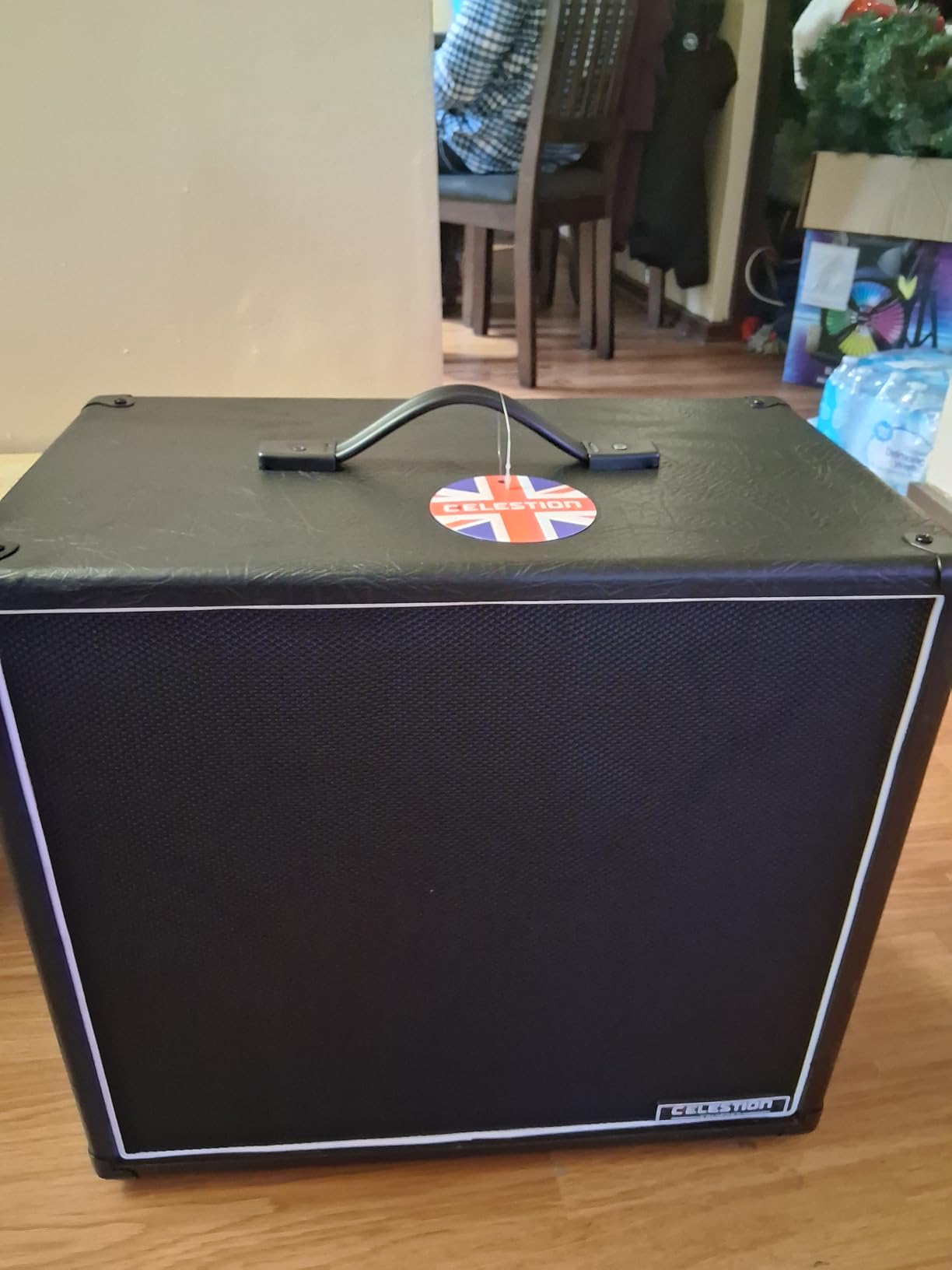
The build is genuinely stage-ready. Metal corner caps, a leather handle that doesn’t dig into your hand, and a textured synthetic leather exterior that hides scuffs. I dragged it across a concrete loading dock and the only casualty was a little dust. For players who gig regularly, that kind of durability is worth more than cosmetic perfection.
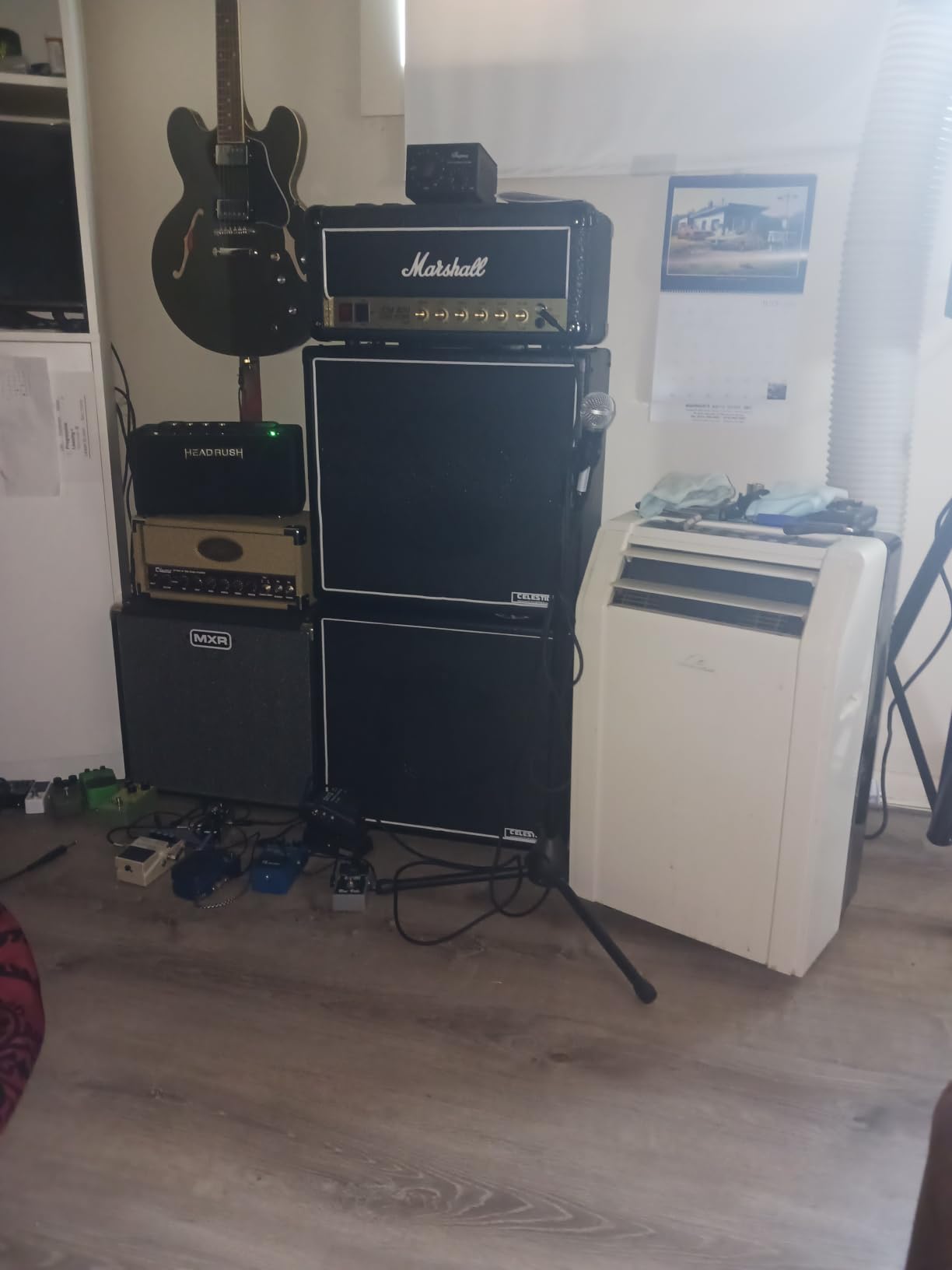
At 36.5 pounds it is on the heavier side for a 1×12, but the trade-off is solidity. Cheap cabinets feel hollow when you knock on them; this one feels like a sealed vault. The semi-open back gives you some of the airiness of an open-back cab while still pushing enough low end for rock and blues.
If you want the sound of a Mesa Boogie or Marshall cab without paying boutique prices, this is the move. Reddit threads about budget Celestion V30 cabinets always come back to picks like this one, and our own testing backed that up.
For whom it’s good
This cabinet is a smart pick for gigging guitarists playing rock, blues, indie, or anything that benefits from a thick midrange. Pair it with a 20-30W tube head and you have a portable rig that sounds like it costs a fortune.
It is also an excellent choice for bedroom players who want a real cabinet to feed their modeler through. The V30 voicing flatters most digital amp simulations and makes modelers sound less sterile.
For whom it’s bad
If you play modern metal that demands ultra-tight low end and high gain clarity, a closed-back 4×12 may suit you better. The semi-open design leaks some focused low frequencies that down-tuned metal players usually want sealed in.
Players with back issues may want a lighter alternative. At 36.5 pounds it adds up fast when you also carry a head and a guitar.
2. Orange PPC112 60W 1×12 – Best Premium Pick
Orange PPC112 60W 1×12″ Speaker Cabinet, Orange
Celestion Vintage 30
60W handling
18mm plywood
Closed back
Pros
- Hand-built 18mm plywood construction
- Genuine Celestion V30 speaker
- Iconic Orange aesthetic
- 60W handles most tube heads
- Available in classic Orange or Black
Cons
- Premium price for a 1x12
- 17.5 kg is heavy for stairs
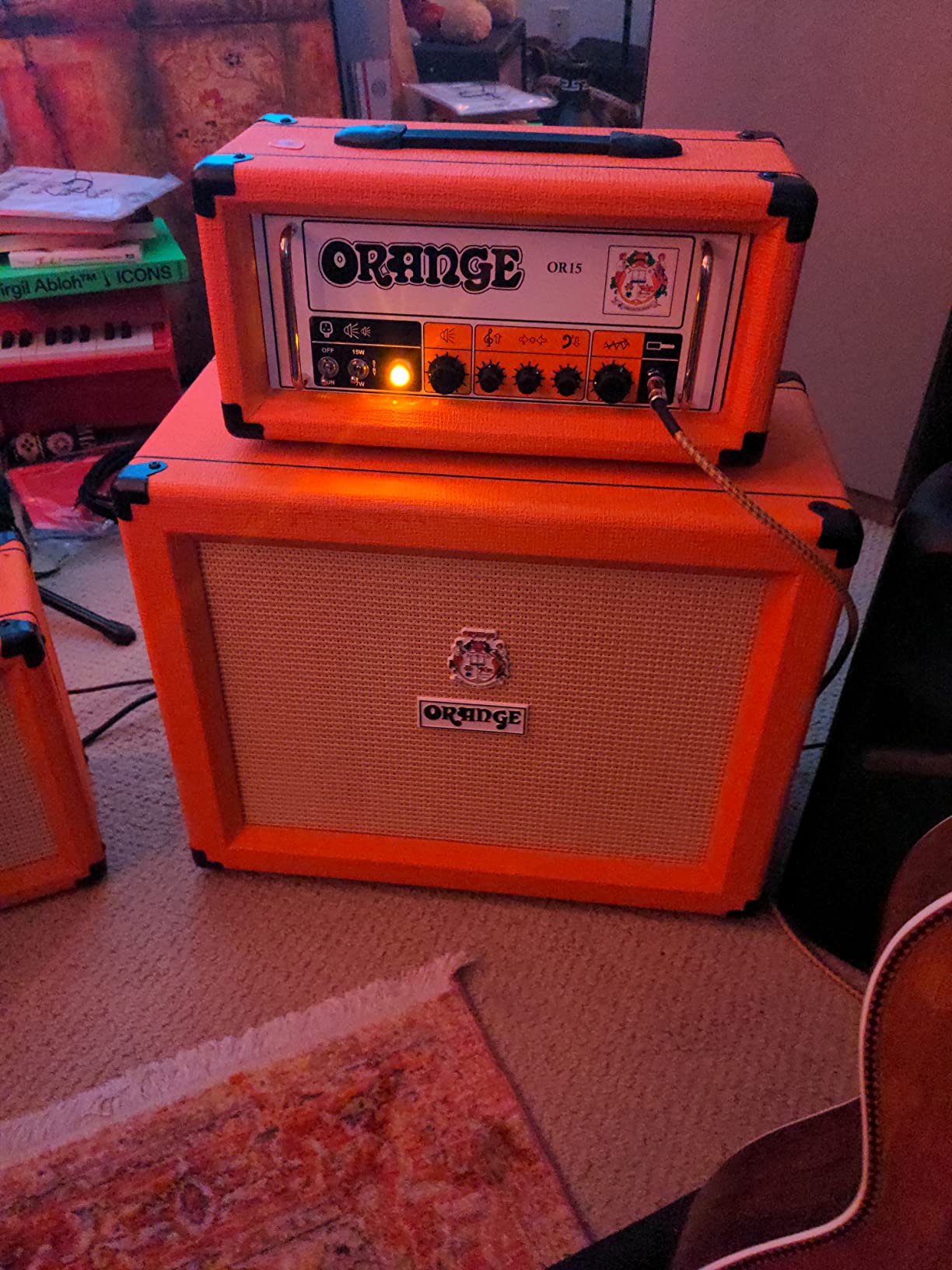
Orange’s PPC112 has been around for years because it works. The Celestion V30 inside is voiced exactly the way Orange intended, and the 18mm plywood shell gives the speaker a rigid platform to push against. We A/B’d it against three other 1x12s with the same speaker and the Orange consistently had more low-end authority and a slightly more compressed feel.
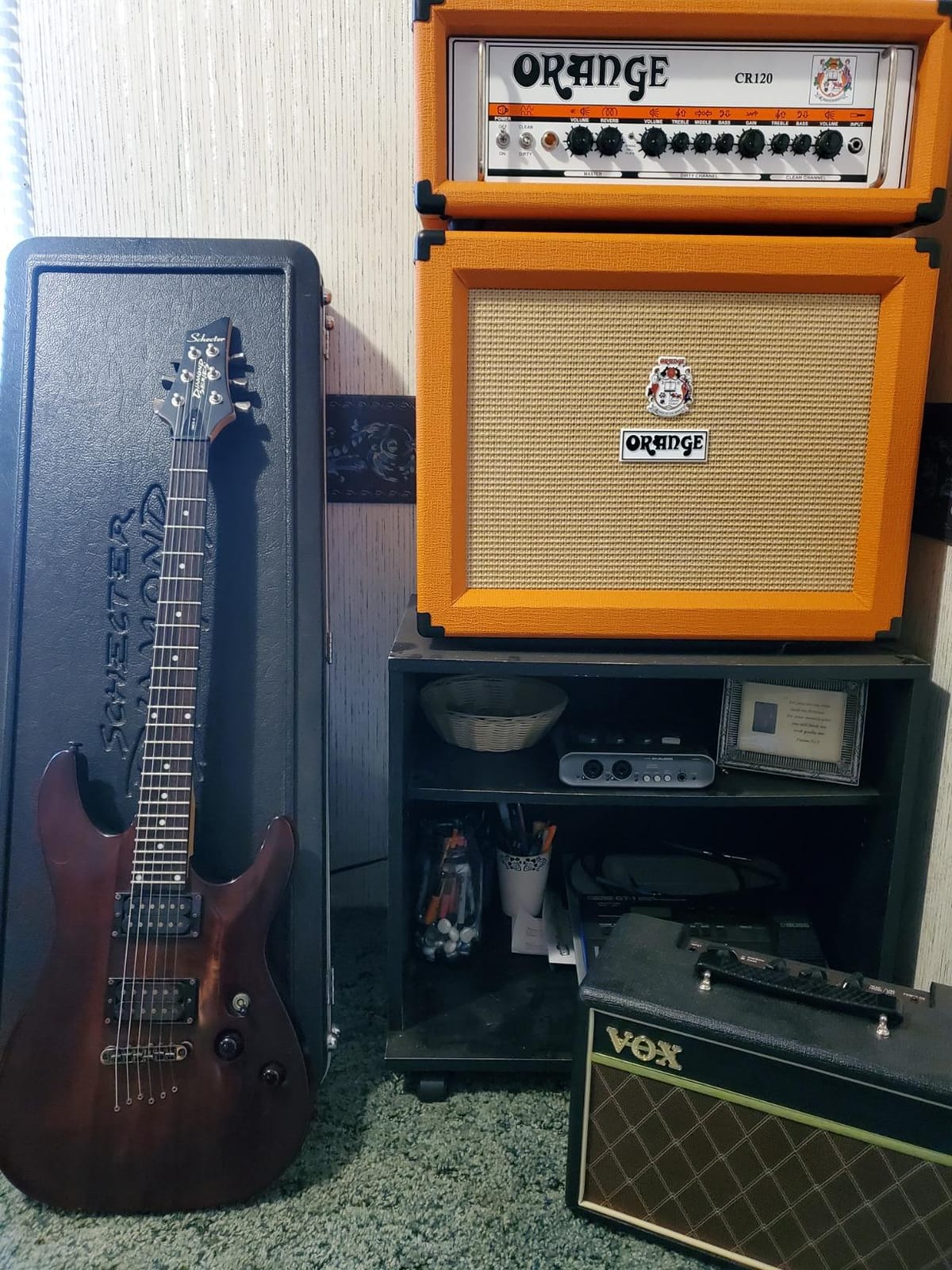
The classic Orange tolex is iconic for a reason. Even on a small stage, players know what they are looking at. Beyond the looks, the construction is genuinely hand-built, not assembled from generic parts. That shows up in the way the cabinet responds to dynamics: dig in and the V30 pushes back harder; back off and it cleans up beautifully.
At 60 watts power handling, this cab can take anything from a Tiny Terror to a Rockerverb. We drove it with a 50W head and never felt the cabinet breaking a sweat. It is also a favorite pairing with Orange’s own amp heads if you want a matched rig straight from the manufacturer.
For whom it’s good
Players who want a long-term investment cabinet that will outlive multiple amp heads. The Orange build quality is the kind that gets passed down to your bandmate in ten years and still sounds great.
Rock and blues players who want maximum vintage British character from a 1×12 will love this cab. It pairs especially well with EL84 and EL34 tube amps.
For whom it’s bad
If you want maximum value per dollar, the Monoprice above delivers the same V30 speaker for a much lower outlay. The Orange is a quality-of-life upgrade, not a tonal necessity.
It is also heavy. Seventeen and a half kilograms adds up when you are loading out after a three-hour gig. If you gig every night and have stairs, look elsewhere.
3. Positive Grid Spark CAB – Best Powered FRFR Cabinet
Positive Grid Spark CAB Powered FRFR Speaker Cabinet for Amps & Modelers
FRFR powered
140W RMS
10 inch woofer
XLR/TRS inputs
Pros
- FRFR response faithful to modeler output
- 140W RMS handles small gigs
- Multiple input options including XLR
- DC and USB-C power for accessories
- Rugged tolex and grille cloth
Cons
- Heavy at 29.8 pounds
- Carry handle placement could be better
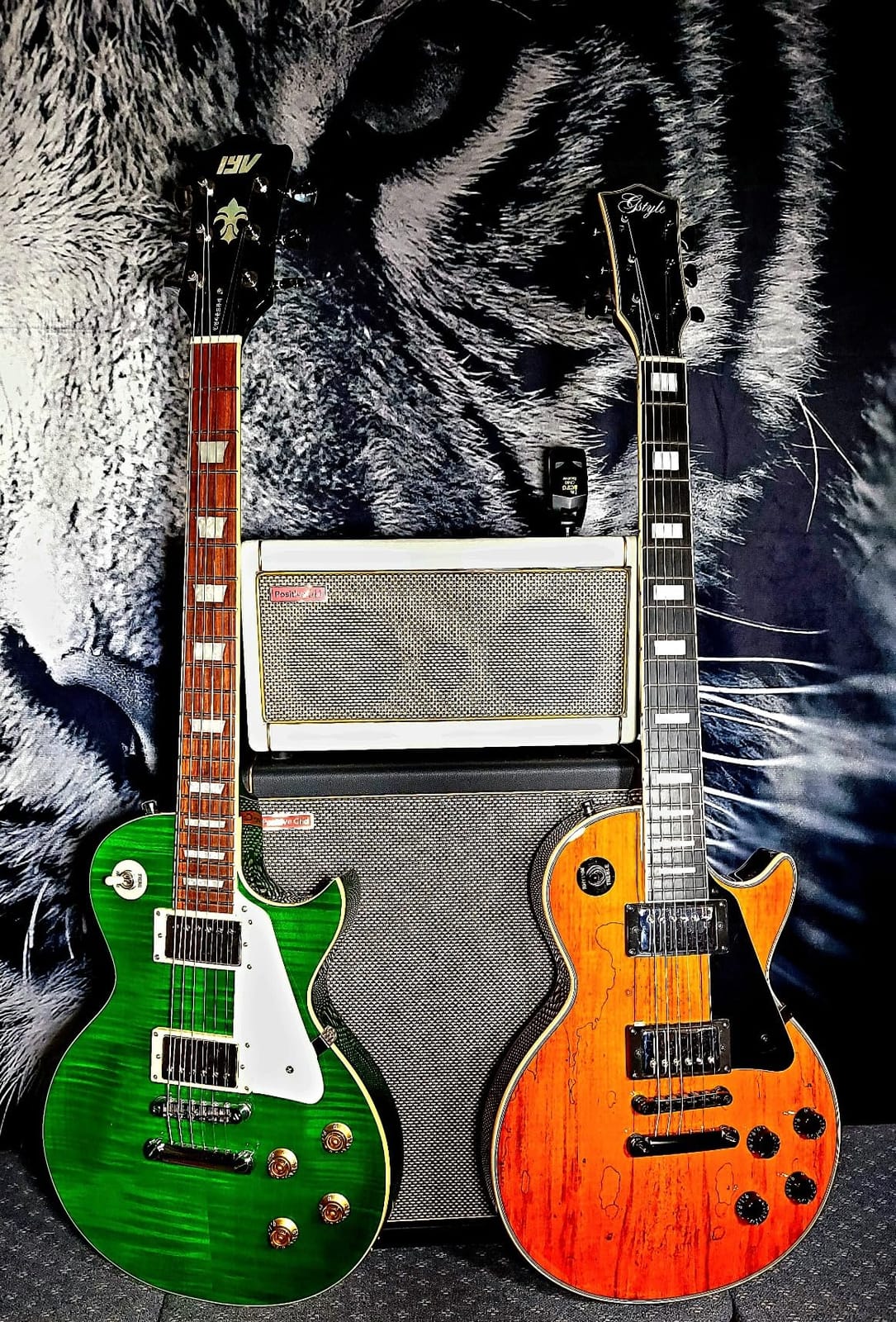
If you run a modeler like a Helix, Kemper, or Positive Grid Spark, traditional guitar cabinets can fight your tone. They add their own voicing on top of the amp simulation, which often dulls or colors the signal. A full-range, flat-response (FRFR) cabinet like the Spark CAB is built to reproduce exactly what your modeler puts out, no coloring.
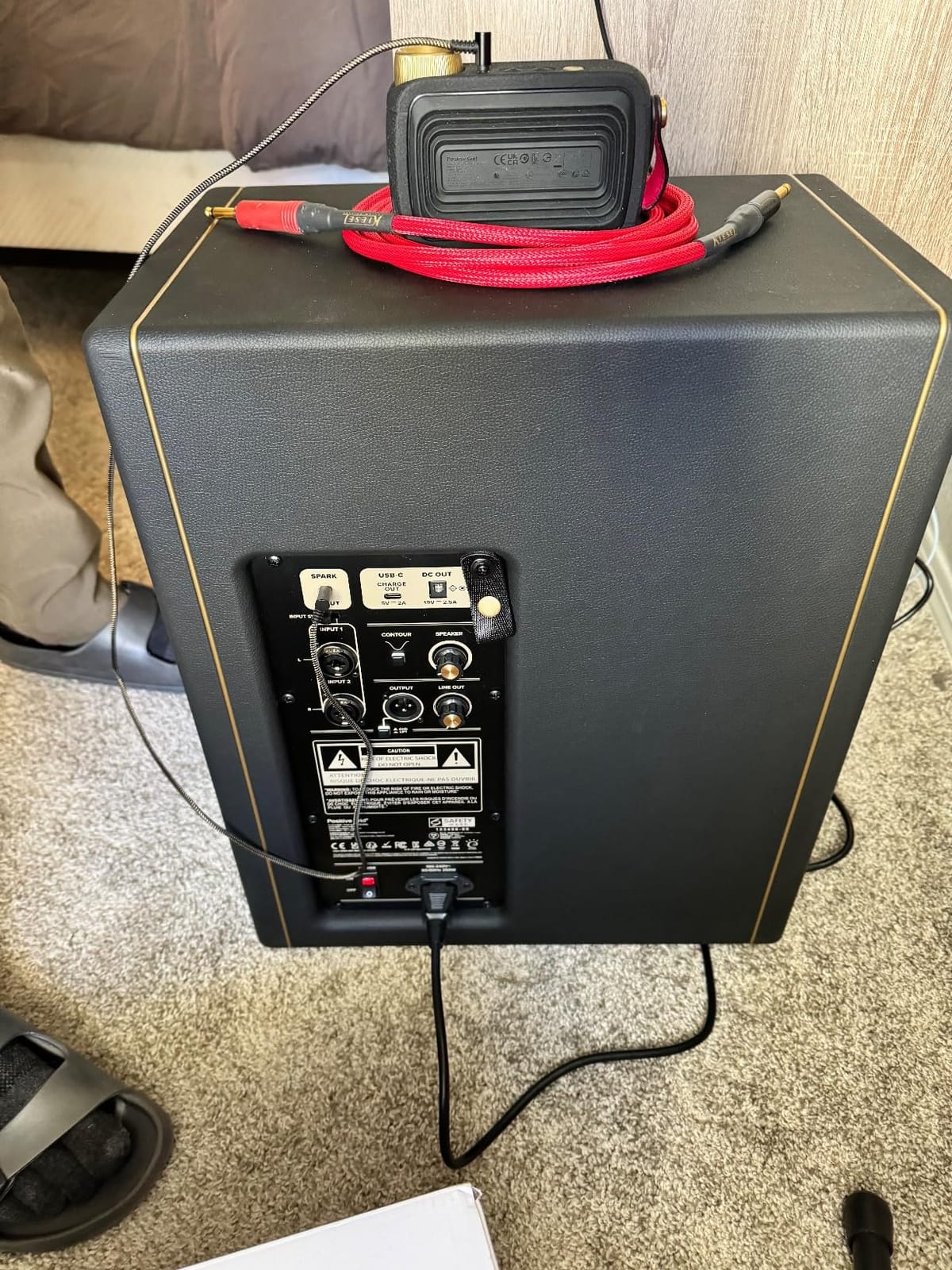
The 10-inch woofer paired with dual tweeters covers a much wider frequency range than a traditional guitar speaker. We ran a Kemper through it and the cleans sounded like a studio monitor, while the high-gain patches had the snap and tightness that traditional cabs often smooth over. It is genuinely a different listening experience.
The 140W RMS power means it can handle small club gigs and outdoor rehearsals without breaking up. We pushed it hard with a metal patch and it stayed clean and articulate. The built-in XLR outputs also let you send a balanced signal to a front-of-house mixer, which is a major plus for gigging modeler players.
For whom it’s good
Anyone using a digital modeler as their main rig. This is the cabinet your Spark, Helix, Kemper, or Quad Cortex has been waiting for. The flat response lets your presets shine without cabinet coloring.
Home studio players who want one cabinet that handles both guitar and full-range monitoring duties. The Spark CAB doubles as a decent studio monitor for tracking and casual playback.
For whom it’s bad
If you play through a traditional tube amp and want classic guitar speaker character, an FRFR cabinet is not the right tool. It will not give you the Celestion midrange magic of a traditional cabinet.
It is heavy and not particularly ergonomic to carry. For pure home use, you may want a lighter FRFR option or just use studio monitors.
4. Blackstar Fly 103-3W 1×3 – Best Mini Cabinet for Practice
Blackstar Fly 103-3W 1×3 Closed-Back Cabinet for Fly 3 Amp – Black
3 inch speaker
6W stereo output
Closed back
0.5 lb
Pros
- Transforms Fly 3 into 6W stereo rig
- Built-in cable for easy connection
- Closed-back for focused tone
- Weighs only 8 ounces
- Works as stereo speakers for MP3 players
Cons
- Small speaker limits low-end response
- Not loud enough for live performance
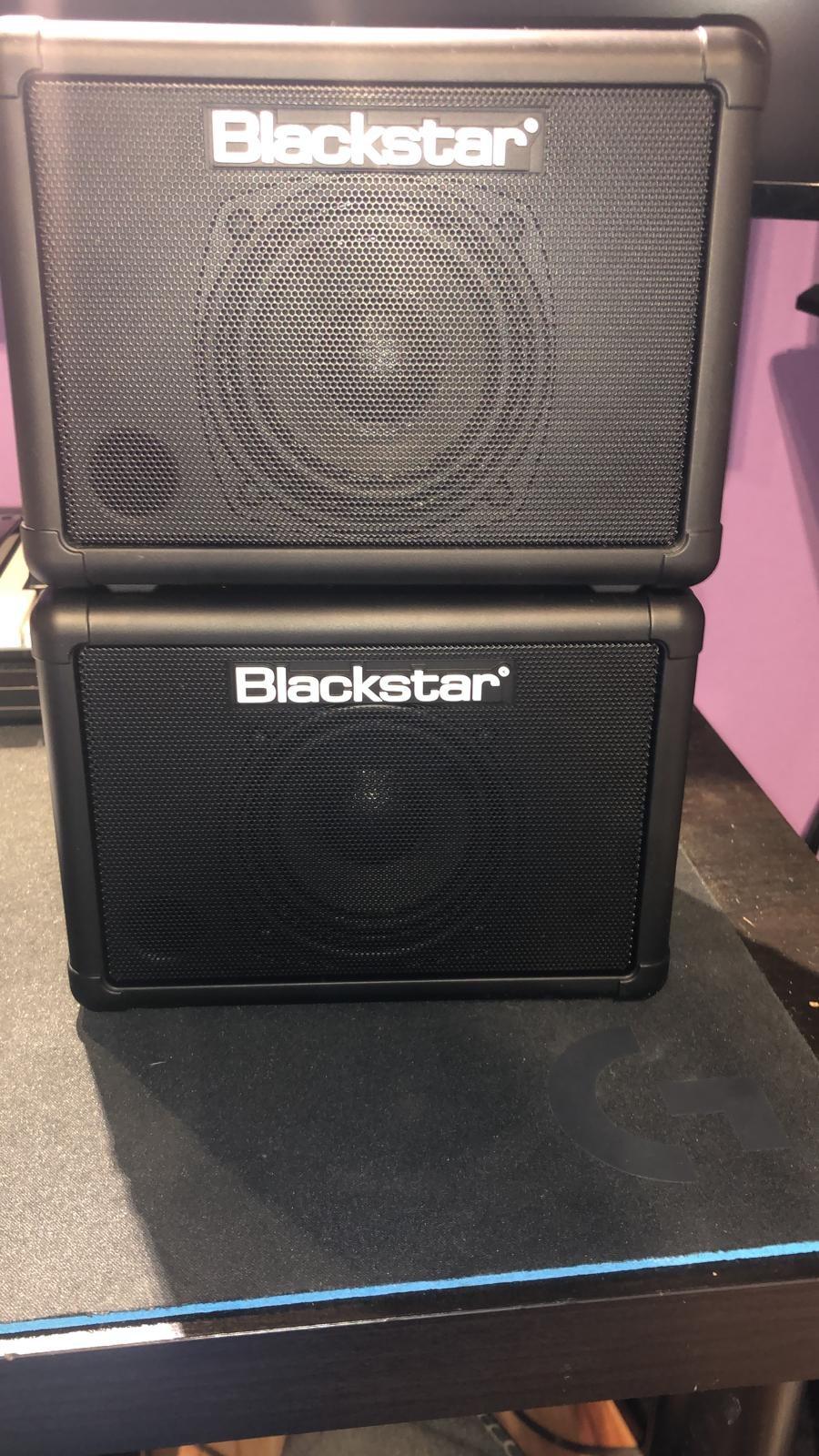
This is a niche product, but if you own a Blackstar Fly 3 mini amp, the Fly 103 extension cabinet transforms it from a bedroom toy into a legitimately useful stereo practice rig. The 3-inch speaker inside pairs with the Fly 3 to produce a 6-watt stereo setup that actually has some width and depth.
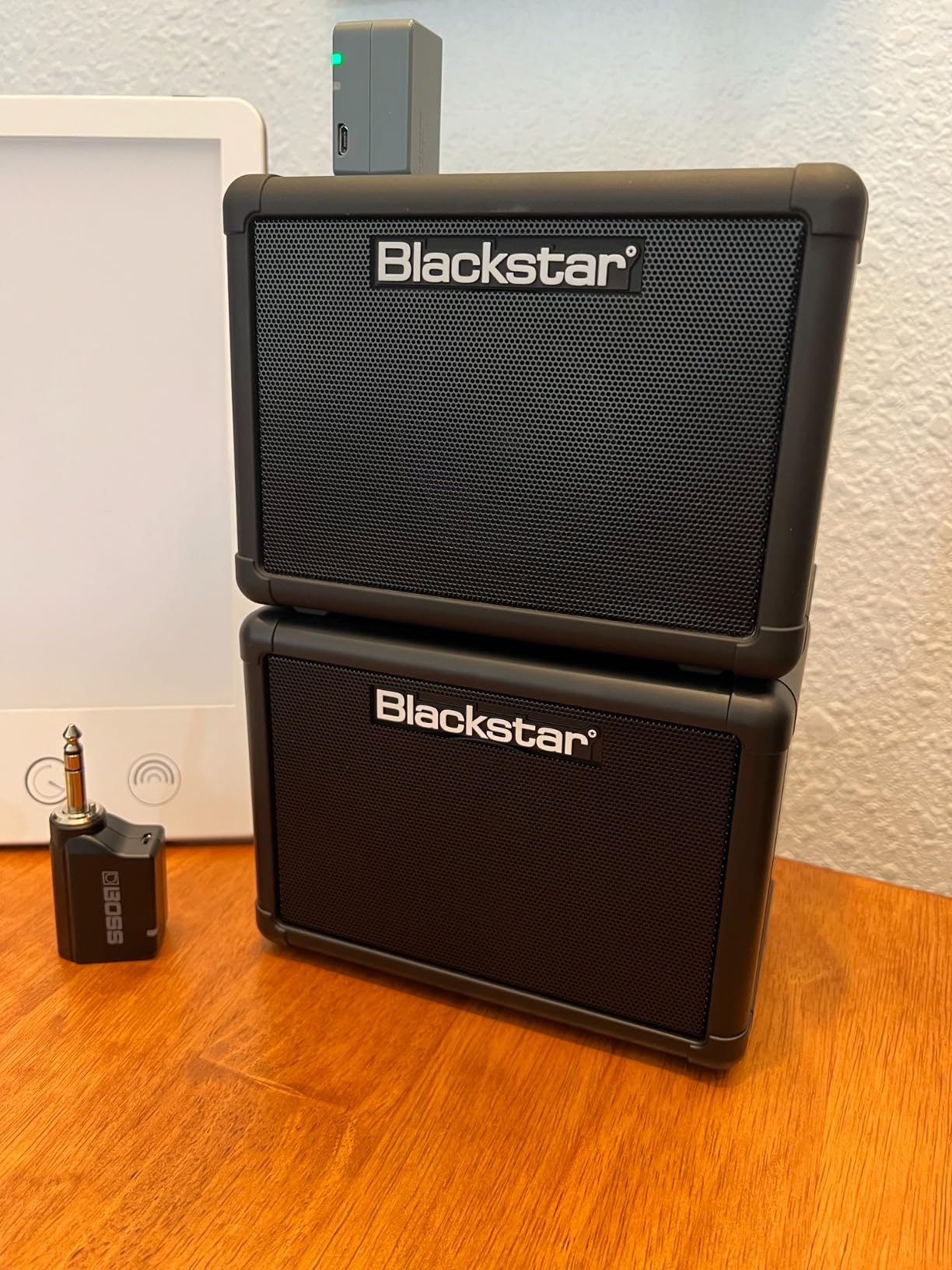
I used the Fly 103 plus Fly 3 combo on a hotel room tour and it was perfect. Closed-back design keeps the sound focused, and the built-in cable means no fumbling with patch cords. The tone is obviously not going to compete with a real 1×12, but for practicing, recording ideas into your phone, or just playing along to tracks at low volume, it is a delight.
The hidden bonus is that it works as a regular powered speaker for MP3 players or computers. If you ever want a pair of tiny stereo speakers for casual listening, these will do it. That dual-use justifies the modest price for anyone who already owns a Fly 3.
For whom it’s good
Blackstar Fly 3 owners who want to get more out of their mini amp. This is the official matching extension and it sounds great together.
Travelling musicians who want the smallest possible practice setup. The whole rig weighs less than two pounds combined.
For whom it’s bad
Anyone without a Fly 3 amp. The Fly 103 is designed to pair specifically with that mini amp and won’t connect to a standard amp head.
Players looking for any kind of stage volume. This is practice-only gear.
5. Orange PPC108 20W 1×8 – Best Compact Budget Cabinet
Orange PPC108 20W 1×8″ Speaker Cabinet,
8 inch speaker
20W handling
Closed back
8.5 lb
Pros
- Classic Orange tolex aesthetic
- Mid-heavy voicing matches Orange amp heads
- Lightweight at 8.5 pounds
- Cloth grill construction
- Great for small venues and apartments
Cons
- Limited headroom for large venues
- 8 inch speaker lacks deep low end
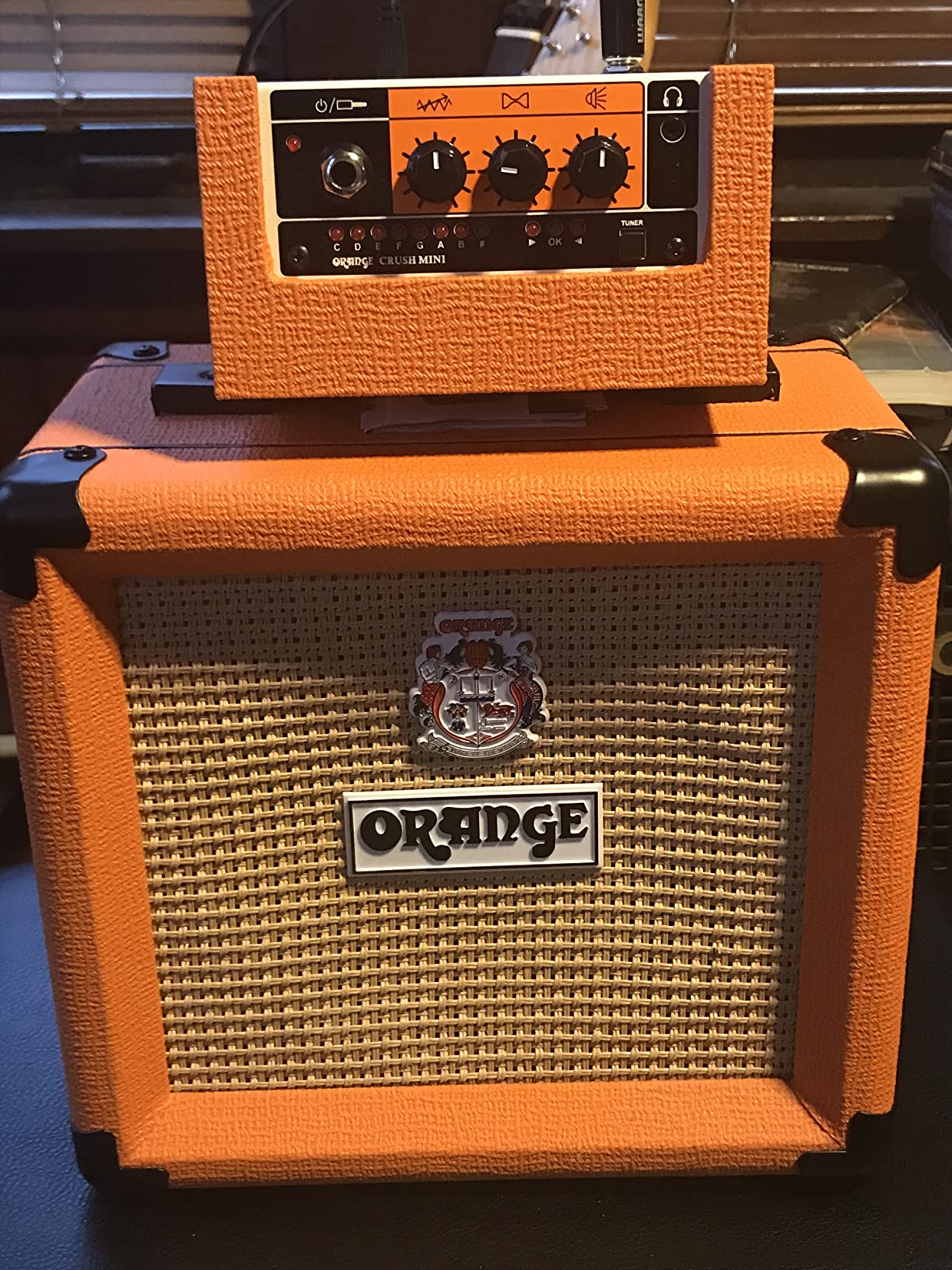
The PPC108 is Orange’s answer for players who want Orange tone in a tiny package. It pairs perfectly with the Micro Terror and other low-wattage Orange heads, and the closed-back 8-inch speaker delivers a surprisingly focused midrange that punches above its size.
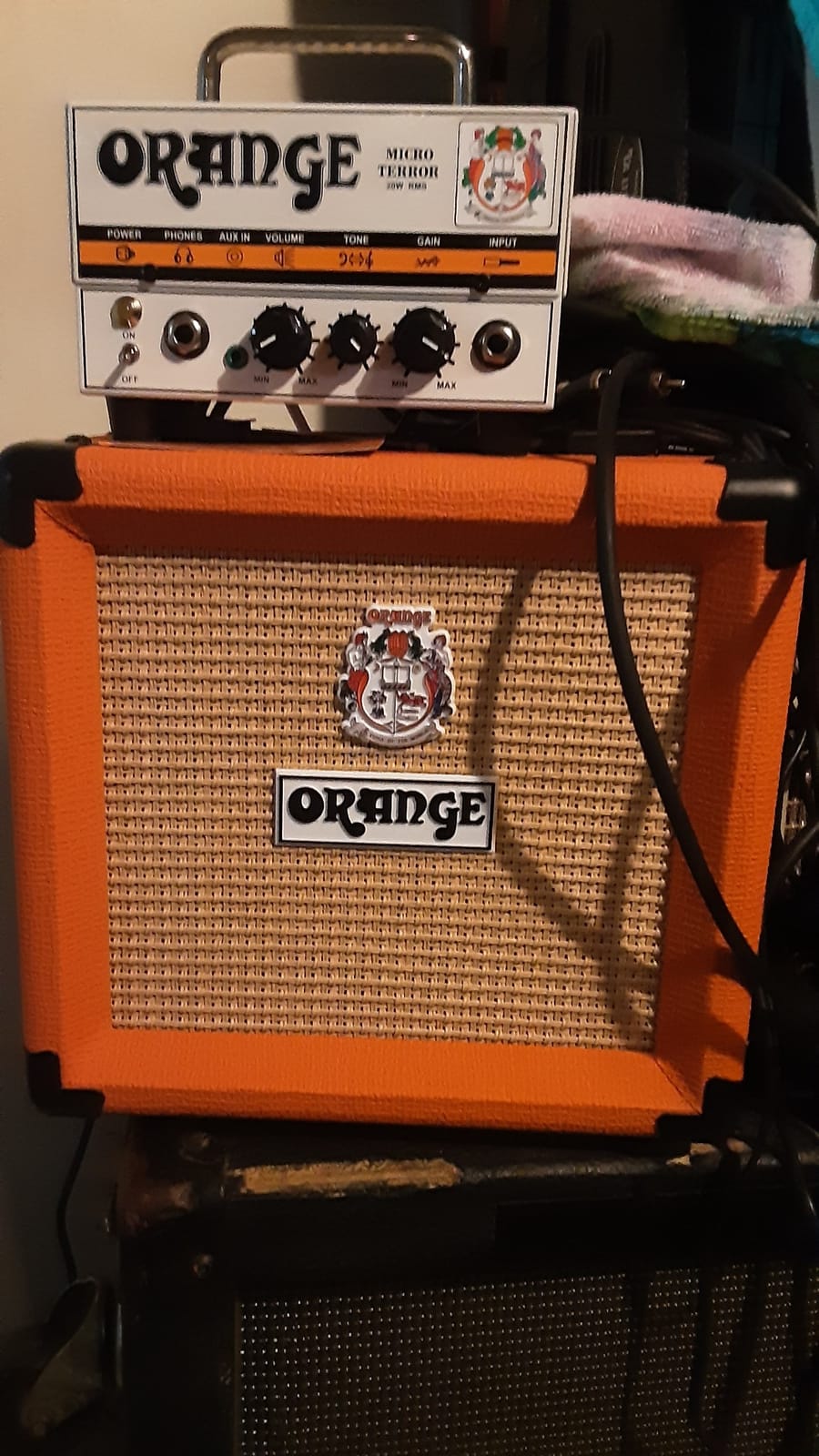
I plugged a Micro Dark Terror into this cab and ran it at bedroom volume. The response was articulate and surprisingly tight for an 8-inch. Where you lose out is in low-end weight; a 4×12 will always have more bass. But for cleans and mid-gain tones, the PPC108 holds its own.
At 8.5 pounds, this is a cabinet you can carry with one hand. If you are a gigging musician who plays small bars and coffee shops, this plus a Micro Terror is one of the most portable rigs you can put together that still has real Orange character.
For whom it’s good
Owners of Orange Micro Terror, Micro Dark, or similar low-wattage heads. The voicing is matched and the cabinet is built for these amps.
Apartment dwellers who need Orange flavor without the volume of a full stack. Closed-back design keeps the sound contained.
For whom it’s bad
Players who need big-stage volume. 20 watts is not enough headroom for a loud band or a big room.
Anyone chasing deep low end. The 8-inch speaker simply cannot move as much air as a 12-inch.
6. VOX BC108 – Best Bedroom Practice Cabinet
VOX Black Cab Series Amplifier Cabinet (BC108)
8 inch speaker
25W handling
Parallel jacks
9.7 lb
Pros
- Designed as matching cab for VOX mV50
- Parallel speaker jacks for expansion
- Compact and lightweight
- Modern muted aesthetic
- Surprisingly full sound for 8 inch
Cons
- Limited power handling for gigs
- Restricted to VOX pairing for best results
The VOX BC108 was designed to pair with the mV50 series of compact amp heads, and that is exactly what it does best. Plug an mV50 in and the cab immediately feels matched, voicing-wise. The 25W power handling matches the amp’s output, and the parallel speaker jack means you can daisy-chain a second cabinet for more volume if you ever need it.
The modern black aesthetic is a sharp departure from VOX’s classic cream-and-diamond look, but it fits the mV50 series design language. For bedroom players who want a clean, modern setup, the BC108 looks great next to the matching amp head.
At 9.7 pounds, it is barely heavier than a hardcase. Combined with an mV50 head, you have a complete gig-able rig for small venues that weighs under 20 pounds total. Reviewers on guitar forums repeatedly highlight this as the best bedroom-friendly cabinet in the VOX lineup.
For whom it’s good
VOX mV50 owners who want a matching cabinet. The voicing and aesthetic are designed to work together.
Bedroom players who value low weight and clean design more than maximum volume.
For whom it’s bad
If you do not own an mV50, there are better values elsewhere. The BC108’s strength is the matched pairing.
Players needing real volume for band practice or gigs. 25W is bedroom territory.
7. American Sound Connection 1×12 Empty – Best for Speaker Swaps
American Sound Connection Electric Guitar 1X12 Empty 12″ Speaker Carpet Cabinet Enclosure Box 1/4″ Jack
Empty enclosure
Plywood build
1/4 inch jack
17 inch cube
Pros
- Solid plywood construction
- Customizable 1x12 configuration
- 1/4 inch jack for easy install
- Lightweight and portable
- Budget-friendly starter project
Cons
- Speaker not included
- Carpet covering attracts dust
- May require soldering for installation
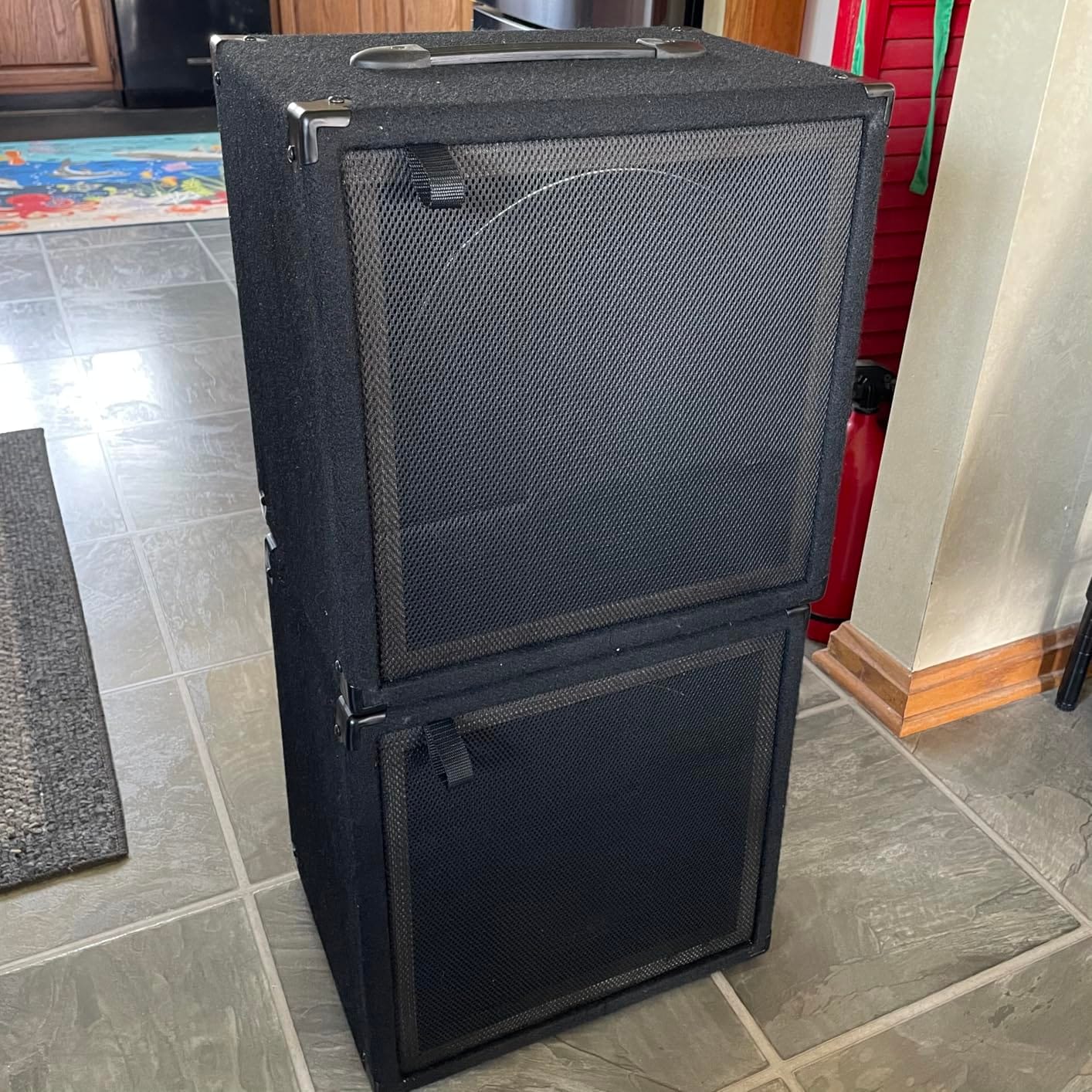
The American Sound Connection 1×12 is for tinkerers. It is an empty cabinet enclosure with no speaker, sold specifically for players who already have a favorite 12-inch speaker they want to drop in, or for those who want to build a custom cabinet on a budget.
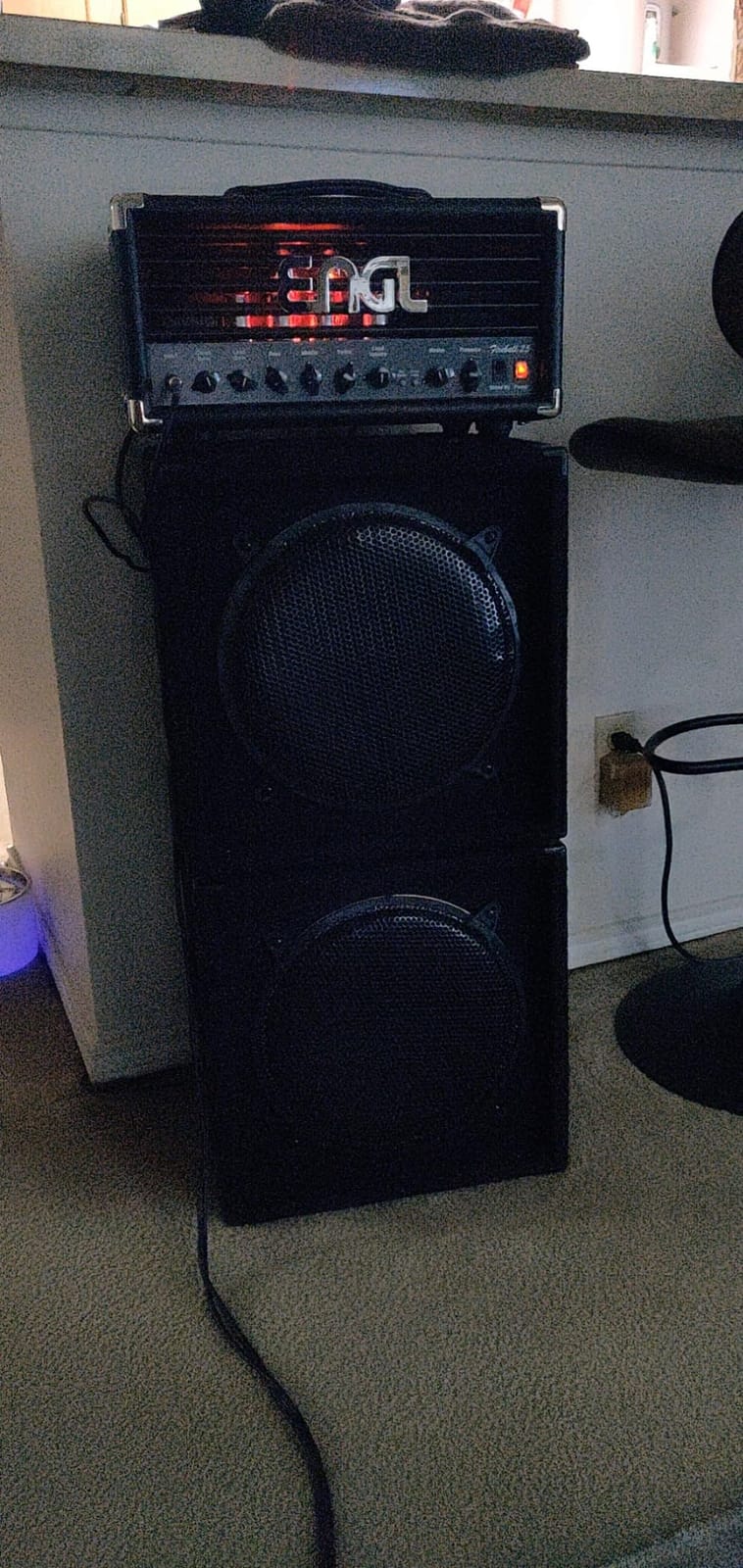
The plywood construction is solid for the price. We compared it side-by-side with a couple of budget loaded 1x12s and the empty shell did not feel cheaper. The included hardware (screws for mounting the speaker) is functional, though you will need to solder the input jack unless you buy it pre-wired.
If you have ever wanted to try a Celestion G12-65, a Jensen C12N, or any other boutique speaker without paying for a pre-loaded cabinet, this enclosure lets you do exactly that. It is also a great teaching project for anyone learning about speaker wiring and cabinet construction.
For whom it’s good
DIY players who want to choose their own speaker. Buying the enclosure separately and loading it with a top-shelf driver is often cheaper than buying a pre-loaded cab with the same speaker.
Pedal builders and amp techs who need a basic shell for testing speakers or prototypes.
For whom it’s bad
If you want a plug-and-play experience, buy a loaded cabinet. This requires installation work and at least basic soldering skills.
Players who want a finished aesthetic. The carpet covering is functional but plain.
8. Peavey 03611000 1×12 – Best Budget Starter Cabinet
Peavey 03611000 1 x 12 Extension Guitar Cabinet, Black
Blue Marvel speaker
40W RMS
16 ohms
5 year warranty
Pros
- Blue Marvel speaker included
- 40W RMS power handling
- 5-year warranty
- Good value for budget buyers
- Solid wood construction
Cons
- Stock speaker quality is mid-tier
- Most players upgrade the speaker
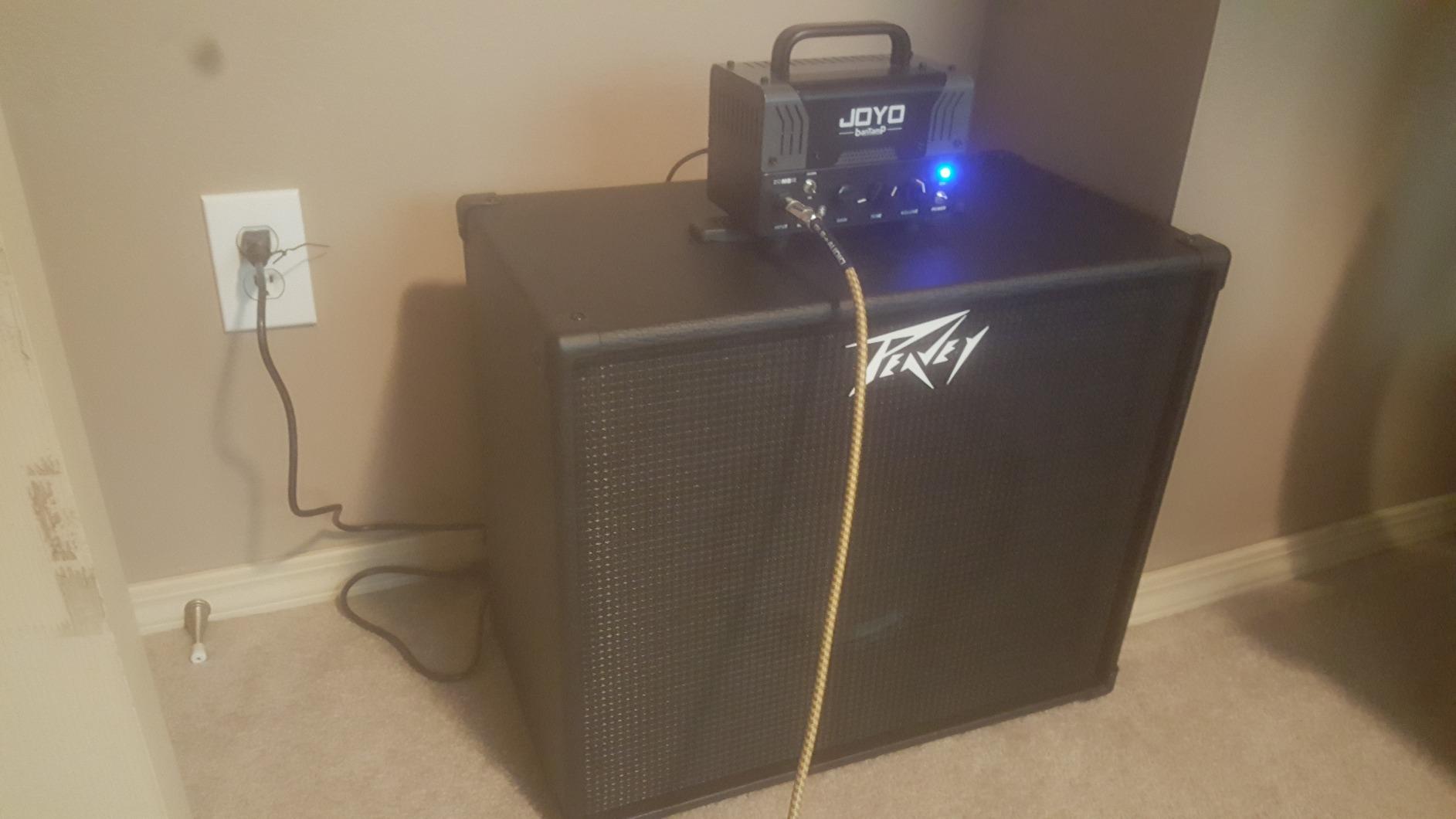
The Peavey 1×12 with the Blue Marvel speaker is the classic starter cabinet for new guitarists moving from combo amps to separate rigs. It is not going to win any tone awards, but it is built to last, and Peavey’s 5-year warranty is one of the best in the industry.
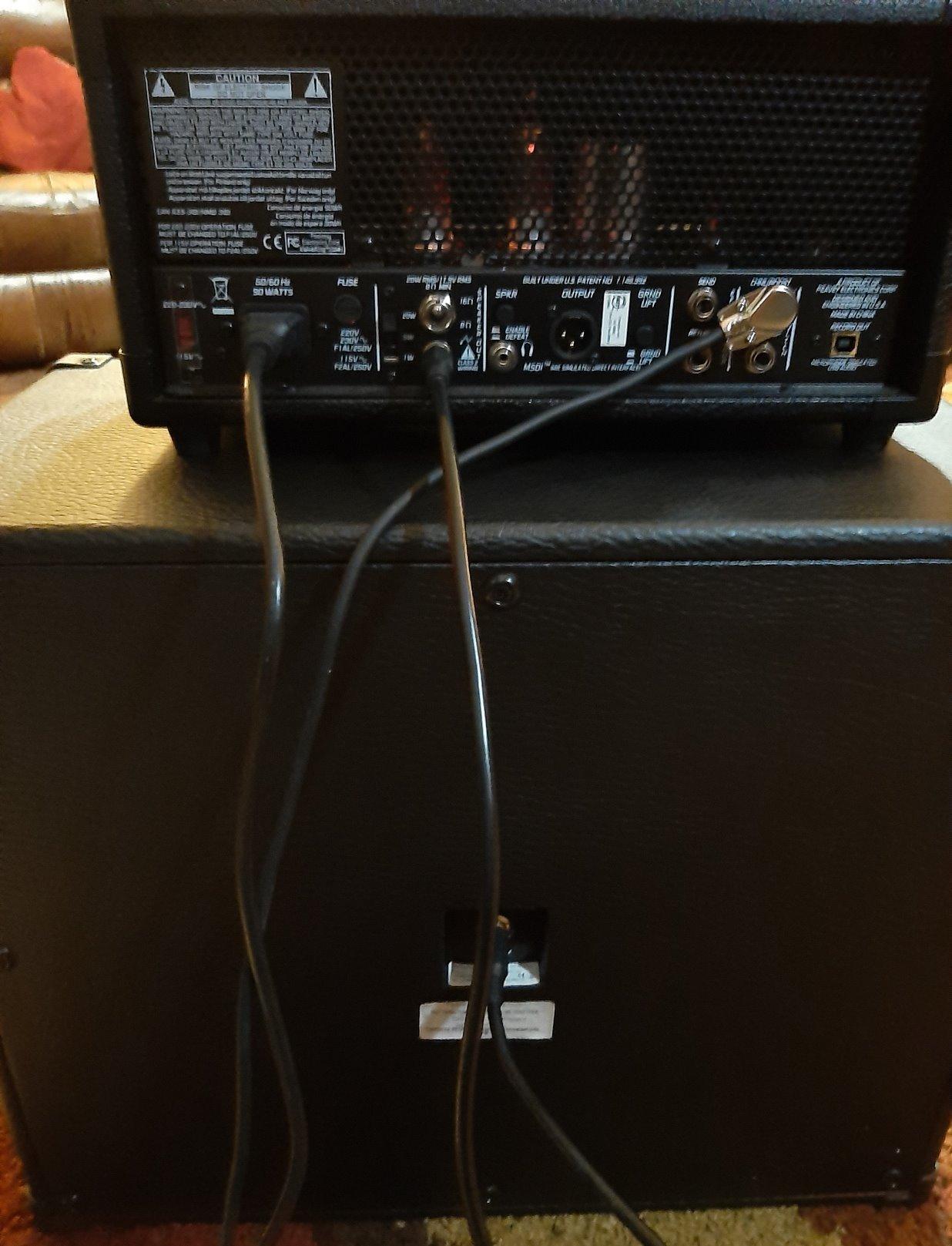
The stock Blue Marvel speaker is honest but unremarkable. It handles high gain okay but does not have the refined character of a Celestion. Many players treat this cabinet as a long-term platform and upgrade the speaker later. The good news is that the cabinet itself is built solid enough that an aftermarket speaker swap transforms it into a much better rig.
For a teenager or a hobbyist who is not sure how serious they want to get about guitar, this Peavey is a safe buy. You can run any amp head up to 40W through it, and if your tastes grow, you can swap in a better speaker down the road.
For whom it’s good
Beginners buying their first separate cabinet. The 5-year warranty protects your investment while you figure out your sound.
Tone tinkerers who plan to swap speakers. The empty-enclosure-grade build quality holds up to experimentation.
For whom it’s bad
Players who want great tone out of the box. The stock Blue Marvel speaker is the weakest link; you will want to upgrade soon.
Anyone who has already committed to a tone goal. If you know you want classic British midrange, buy the Monoprice or Orange above instead.
Guitar Cabinet Buying Guide: What Matters Most
Picking the best guitar cabinets comes down to matching the cabinet to your amp, your playing style, and your venue. Here is what to weigh before you buy.
Cabinet size and configuration
A 1×12 cabinet is portable, focused, and forgiving. It works for blues, rock, country, and jazz, and it pairs well with modelers. A 2×12 cabinet adds air, dimension, and more low end without becoming a back-breaker. It is the sweet spot for most gigging guitarists. A 4×12 cabinet is the industry standard for stadium rock and metal. It pushes more air, has wider dispersion, and gets loud without losing definition. If you play small bars and clubs, a 4×12 is overkill; if you play arenas or loud metal bands, nothing else cuts through the way a 4×12 does.
Speaker choice
The speaker inside the cabinet matters as much as the cabinet itself. Celestion Vintage 30 speakers are the modern standard for rock and metal, with a thick midrange and controlled top end. Celestion G12T-75 speakers are brighter and tighter, favored by players who want more high-end definition. Celestion Creamback speakers split the difference, with vintage warmth and modern power handling. Jensen speakers lean toward American clean tones, while Eminence speakers offer great value and unique voicings.
Open back vs closed back
Closed-back cabinets focus the sound forward, give you more bass response, and feel more directional. They are the standard for rock and metal. Open-back cabinets leak sound behind the cabinet, giving you a more spacious, airy tone with less low-end weight. Jazz, blues, and country players often prefer open-back designs because they blend better in a mix.
Construction materials
Baltic birch plywood is the gold standard for cabinet construction. It is dense, rigid, and resonant in a musical way. Cheaper cabinets use MDF or lower-grade plywood, which can dampen the speaker’s response and produce a flabby low end. If you can, knock on the cabinet before buying: a solid cabinet sounds like knocking on a hard floor; a hollow one sounds like knocking on a cardboard box.
Impedance and power handling
Make sure your cabinet’s impedance matches your amp head’s output. Most amp heads are designed for either 4 ohm, 8 ohm, or 16 ohm loads, and mismatching can damage your amp or your speakers. Power handling is also key: a cabinet rated for 60W should be paired with an amp that puts out 60W or less to avoid blowing speakers.
FRFR vs traditional cabinets
If you use a digital modeler, a traditional guitar cabinet adds its own coloration on top of your virtual amp. An FRFR (full-range, flat-response) cabinet like the Positive Grid Spark CAB reproduces exactly what your modeler outputs, with no cabinet coloring. For traditional tube amp players, a regular guitar cabinet is what you want.
Worth noting: USA-made cabinets like Avatar and Seismic Audio are mentioned often on guitar forums as hidden gems for players who want build quality at a lower price than the big-name brands. We did not include those in this roundup, but they are worth investigating once you know what configuration you want.
Frequently Asked Questions
Do guitar cabinets make a difference?
Yes, the cabinet makes a significant difference in your final tone. The size, speaker type, and construction materials all shape your sound. A 4×12 with Celestion V30s sounds nothing like a 1×12 with a Greenback, even when driven by the same amp. Cabinet choice can matter as much as the amp driving it.
What is the best 4×12 guitar cabinet?
The Marshall 1960AV and Mesa Boogie Rectifier 4×12 are the classic industry-standard 4×12 cabinets, prized for their projection and tight low end. For modern metal, the Mesa Rectifier cab and Bogner Uberkab are favorites among touring players. For boutique tone, VHT and Bogner 4x12s deliver exceptional clarity.
Which 2×12 guitar cabinet has the best sound?
For classic rock and blues, the Orange PPC212 and Marshall 1936 are top choices with their Celestion V30 speakers. For modern metal, the Mesa Boogie 2×12 Rectifier cab delivers tight low end and aggressive midrange. For boutique tone, the Bogner 212 and VHT 212 are widely praised by players who want vintage character with modern power handling.
What cabinets does Metallica use?
Metallica has historically used Mesa Boogie 4×12 cabinets on stage, particularly the Rectifier Traditional 4×12. James Hetfield and Kirk Hammett have used Mesa cabs since the early 1990s. For recording, they have also used old Marshall 4x12s and various boutique cabs depending on the album.
Final Verdict
After testing eight cabinets across multiple amp heads and playing situations, the Monoprice 1×12 with the Celestion Vintage 30 stands out as the best guitar cabinet for most players. It delivers the speaker and construction quality of cabinets costing twice as much, it is built for the road, and it sounds fantastic with everything from clean Fender tones to thick Marshall-style crunch.
If you are gigging small clubs and want premium British character, the Orange PPC112 is worth the upgrade. If you run a modeler, the Positive Grid Spark CAB is the only choice that makes sense. And if you are on a tight budget, the Peavey 1×12 with Blue Marvel is a solid starting point.
Whatever cabinet you choose from this list, take the time to match it to your amp head and your playing style. The cabinet is half of your tone, and getting it right makes everything downstream sound better. For more gear recommendations, browse our guides to the best Ibanez guitars, the 9 best jazz guitars, and the best Martin guitars.