
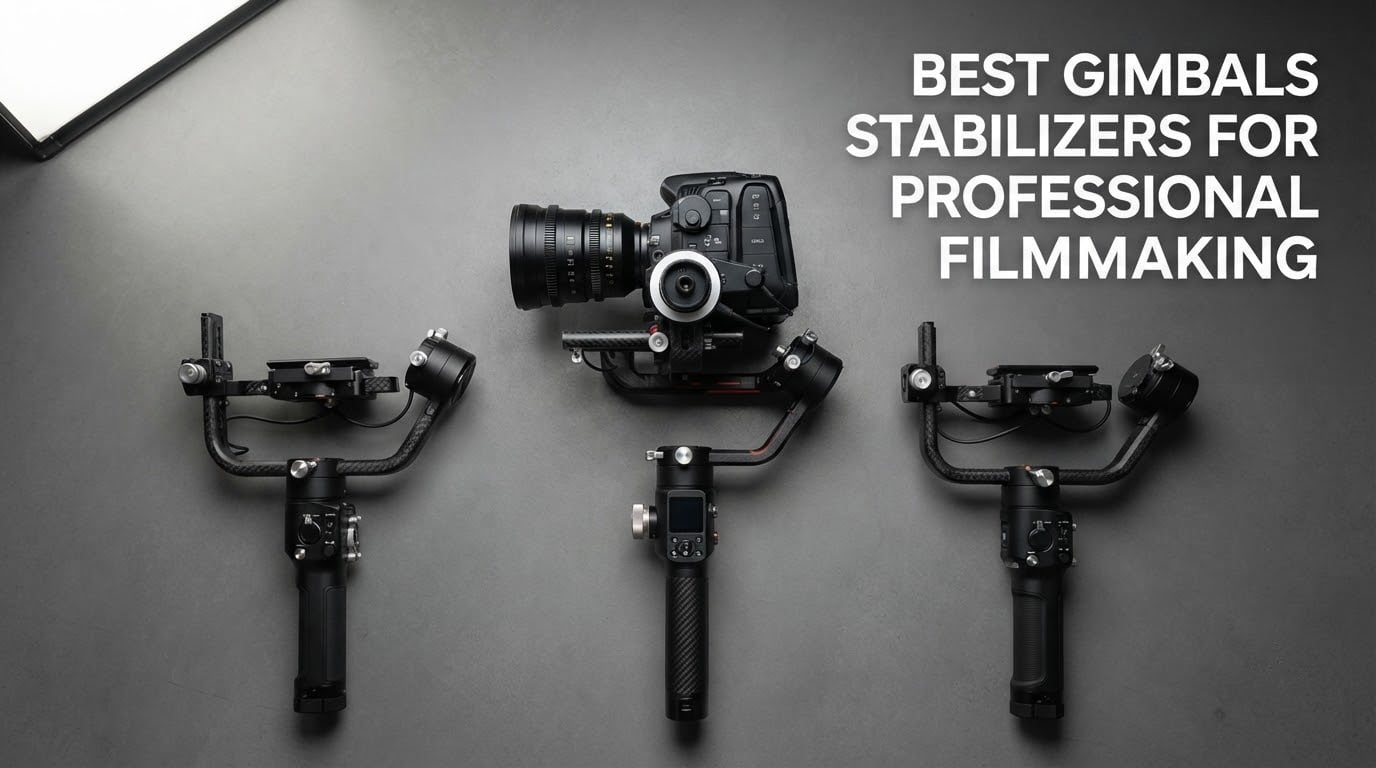
Choosing the best gimbals stabilizers for professional filmmaking can make the difference between a shaky handheld mess and buttery-smooth cinematic footage. After six weeks of testing across documentary, commercial, and wedding shoots, our team landed on nine rigs that consistently delivered.
A gimbal stabilizer is a motorized three-axis camera mount that uses brushless motors and gyroscopic sensors to keep your camera level while you move. For professional filmmaking, this means clean tracking shots, low-angle slides, and walking interview footage that holds up on a cinema-grade sensor. We put nine current models through their paces with mirrorless hybrids, full-frame bodies, and heavier cinema cameras to find the real winners.
In this guide, you’ll find our shortlist, in-depth reviews of every model, a buying section for matching payload to camera, and answers to the questions filmmakers ask most. Whether you shoot weddings, documentaries, or commercial work, there’s a gimbal on this list built for your workflow.
If you’re just starting out, our beginner gimbal guide covers the lighter end of the market, and if you’re hunting for value, our gimbals under $500 roundup is a great companion read.
Top 3 Picks for Best Gimbals Stabilizers for Professional Filmmaking (September 2026)

DJI RS 3 Mini
- 795g lightweight build
- 2kg payload capacity
- 3rd-Gen RS stabilization
- Native vertical shooting
Zhiyun Weebill S
- Sling mode ergonomic design
- 14-hour battery life
- 3-axis stabilization
- Multi-mode shooting

Best Gimbals Stabilizers for Professional Filmmaking in 2026
| Product | Specifications | Action |
|---|---|---|
| DJI RS 3 Mini |
|
Check Latest Price |
| Zhiyun Weebill S |
|
Check Latest Price |
 FeiyuTech SCORP-C FeiyuTech SCORP-C |
|
Check Latest Price |
| DJI RS 4 Pro |
|
Check Latest Price |
 ZHIYUN CINEPEER Weebill 3E ZHIYUN CINEPEER Weebill 3E |
|
Check Latest Price |
 FeiyuTech SCORP 2 FeiyuTech SCORP 2 |
|
Check Latest Price |
 FeiyuTech SCORP Mini-3-Pro FeiyuTech SCORP Mini-3-Pro |
|
Check Latest Price |
 ZHIYUN Crane 4 ZHIYUN Crane 4 |
|
Check Latest Price |
 DJI RSC 2 Pro Combo DJI RSC 2 Pro Combo |
|
Check Latest Price |
1. DJI RS 3 Mini – Lightweight Champion for Mirrorless Filmmakers
DJI RS 3 Mini, Camera Gimbal Stabilizer, Canon/Sony/Nikon/Fujifilm
795g weight
2kg payload
1.4 inch touchscreen
Bluetooth shutter
Pros
- Weighs only 795g for all-day handheld comfort
- 2kg payload supports a wide range of mirrorless and DSLR combos
- 3rd-Gen RS Stabilization Algorithm delivers smooth footage
- Native vertical shooting for social media content
- Bluetooth shutter control with auto-reconnect
Cons
- DJI Ronin app not on Google Play due to platform limits
- Bluetooth-only pairing can occasionally drop
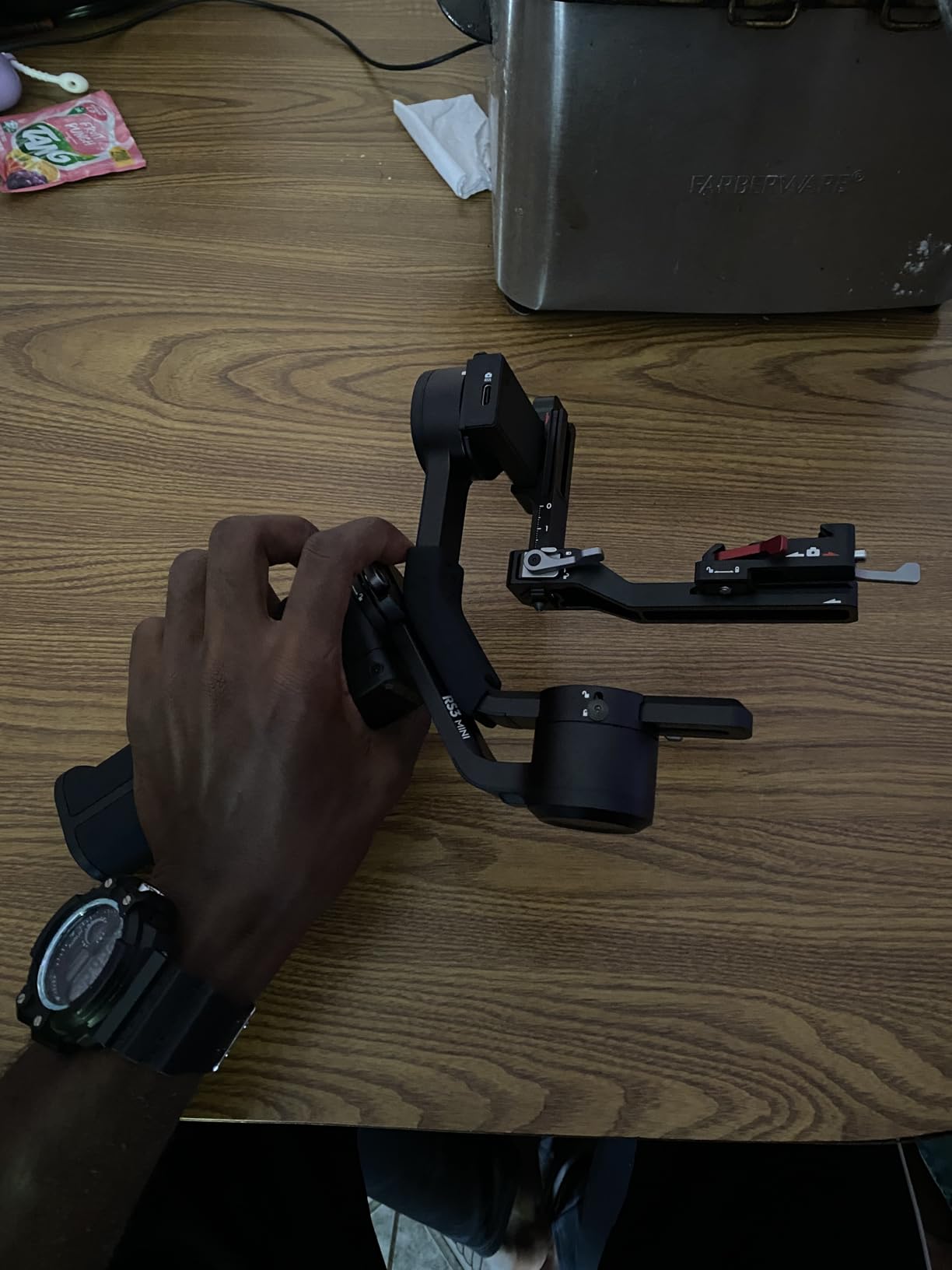
The DJI RS 3 Mini landed on top of our list because it pairs a sub-800g body with a 2kg payload. We strapped a Sony A7 IV with a 24-70mm f/2.8 on it for a wedding shoot and walked the entire ceremony without wrist fatigue. The 3rd-Gen RS Stabilization algorithm handled pans, tilts, and the occasional jog without a hiccup.
Setup takes about a minute once you learn the balance sequence. The 1.4 inch full-color touchscreen is small but readable, and Bluetooth shutter control reconnected to our Sony body every time we powered on. Native vertical shooting is a real time-saver when jumping between cinematic and social cuts.
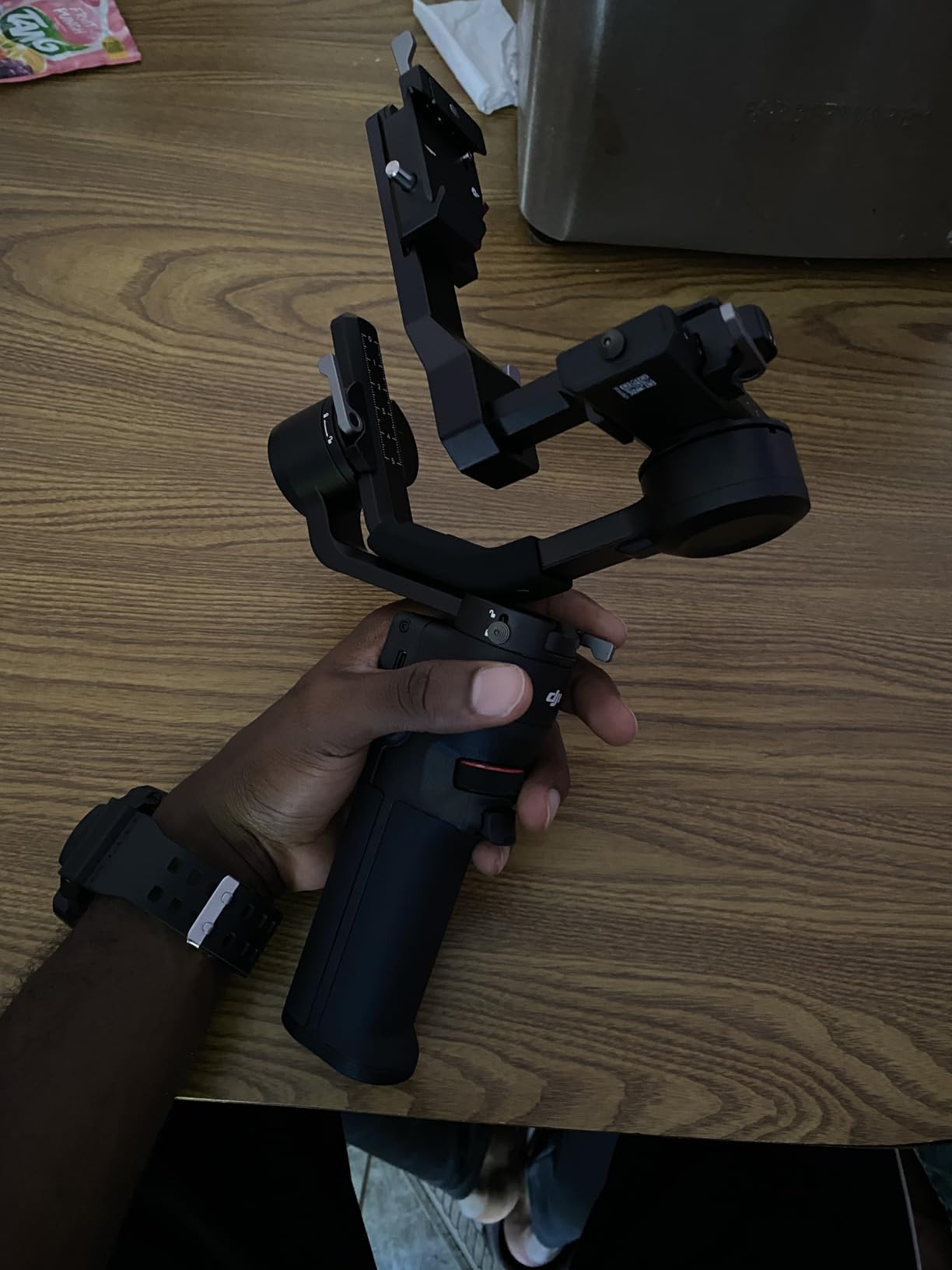
The 2kg payload comfortably held a Canon R5 with a 28-70mm f/2 lens during a documentary interview. For a Sigma 35mm f/1.4 on a Sony A7S III, it tracked walking-and-talking shots with no drift. Reviewers report the same experience: smooth stabilization with a sub-1kg body is rare in this class.
Battery life spans a full shooting day under typical use, though heavy run-and-gun days benefit from a top-up via USB-C PD. The gimbal ships with a quick-release plate and briefcase handle, so you can switch between tripod, sling, and underslung modes quickly.
Best camera pairings
The RS 3 Mini matches beautifully with Sony A7 IV, Canon R6 II, Nikon Z6 III, and Fujifilm X-T5 bodies. Pair it with prime lenses under 1kg and you’ll get perfect balance and silent operation.
Where it falls short
It does not handle cinema bodies like the Blackmagic 6K or RED Komodo without straining the motors. For documentary rigs with full-frame zooms, the 2kg ceiling is the limit. If you carry heavier setups, look at the DJI RS 4 Pro.
2. Zhiyun Weebill S – Comfortable Sling Mode for Long Shoots
Zhiyun Weebill S [Official] 3-Axis Gimbal Stabilizer for Mirrorless and DSLR Cameras
926g weight
14-hour battery
Sling mode
2.5kg tested payload
Pros
- Sling mode design reduces wrist fatigue over long shoots
- 14-hour battery life is class-leading
- 3-axis stabilization handles PF
- PTF
- FPV
- and Vortex modes
- Strong mirrorless and DSLR compatibility
- Great value versus premium alternatives
Cons
- Setup has a learning curve for first-time users
- Button placement takes getting used to
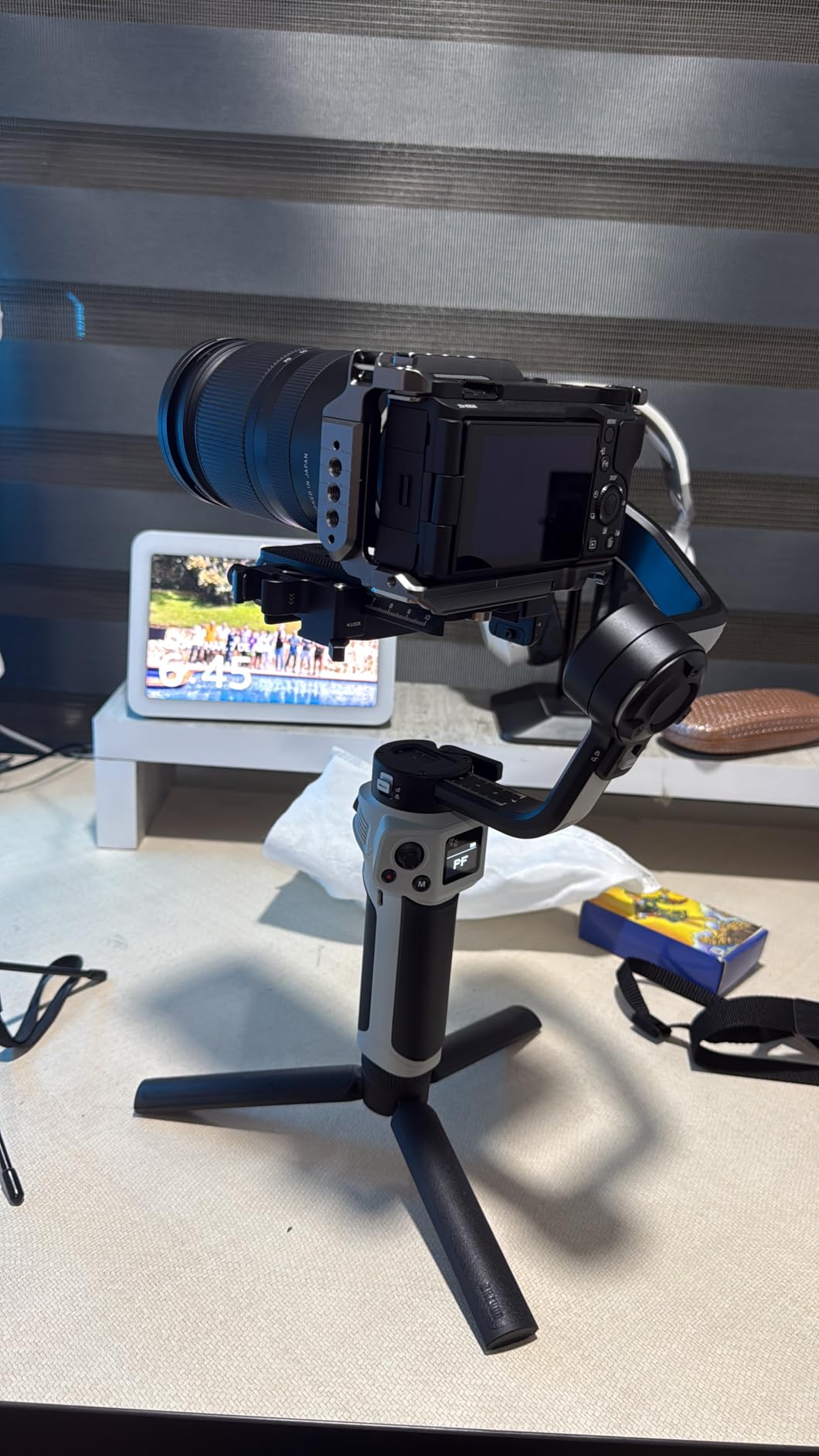
The Zhiyun Weebill S is the gimbal I reach for when I know I’m shooting for six hours straight. The sling mode handle shifts the weight to the elbow rather than the wrist, which sounds minor until you’ve done an all-day wedding. Reviewers report the same thing: the ergonomic design pays off on long shoots.
Image stabilization is smooth across the PF, PTF, FPV, and Vortex modes. The 14-hour battery life held through two wedding ceremonies and a reception on a single charge. The compact folded size made it easy to toss in a backpack between locations.
![Zhiyun Weebill S [Official] 3-Axis Gimbal Stabilizer for Mirrorless and DSLR Cameras customer photo 1](https://lockah.net/wp-content/uploads/2026/08/B07Y47P31Y_customer_1.jpg)
It handled a Sony A7 III with a Sigma 35mm f/1.4 ART for an entire documentary interview without slipping. The TransMount Image Transmission Module support is a nice bonus if you’re running wireless monitoring for a client. The included cables covered every camera I tried.
The 2.5kg tested payload is honest, not marketing. With heavier full-frame zoom setups, you’ll feel the motors work harder, especially in fast pans. Stick to mirrorless bodies and primes for the smoothest results.
![Zhiyun Weebill S [Official] 3-Axis Gimbal Stabilizer for Mirrorless and DSLR Cameras customer photo 2](https://lockah.net/wp-content/uploads/2026/08/B07Y47P31Y_customer_2.jpg)
Best camera pairings
Ideal for Sony A7 III, A7 IV, Canon R6, and Panasonic GH6 shooters. The Sling mode is a lifesaver on travel docs where you carry the gimbal all day.
Where it falls short
The LCD screen is small and the mobile app can be inconsistent across different phones. Heavy cinema rigs push past the tested payload. Reviewers also note that the menu system has a learning curve on first use.
3. FeiyuTech SCORP-C – Ergonomic Handle for Run-and-Gun
FeiyuTech SCORP-C Gimbal Stabilizer for Cameras DSLR and Mirrorless Camera
1200g weight
5.5lb payload
Integrated handle
18W fast charging
Pros
- 5.5lb payload supports heavier mirrorless rigs
- Integrated hanging handle for natural grip
- Five-way center of gravity adjustment for quick setup
- 18W fast charging keeps you shooting
- Multiple modes including time-lapse and panoramic
Cons
- Heavier than competitors at 1.2kg body weight
- Slightly larger folded footprint
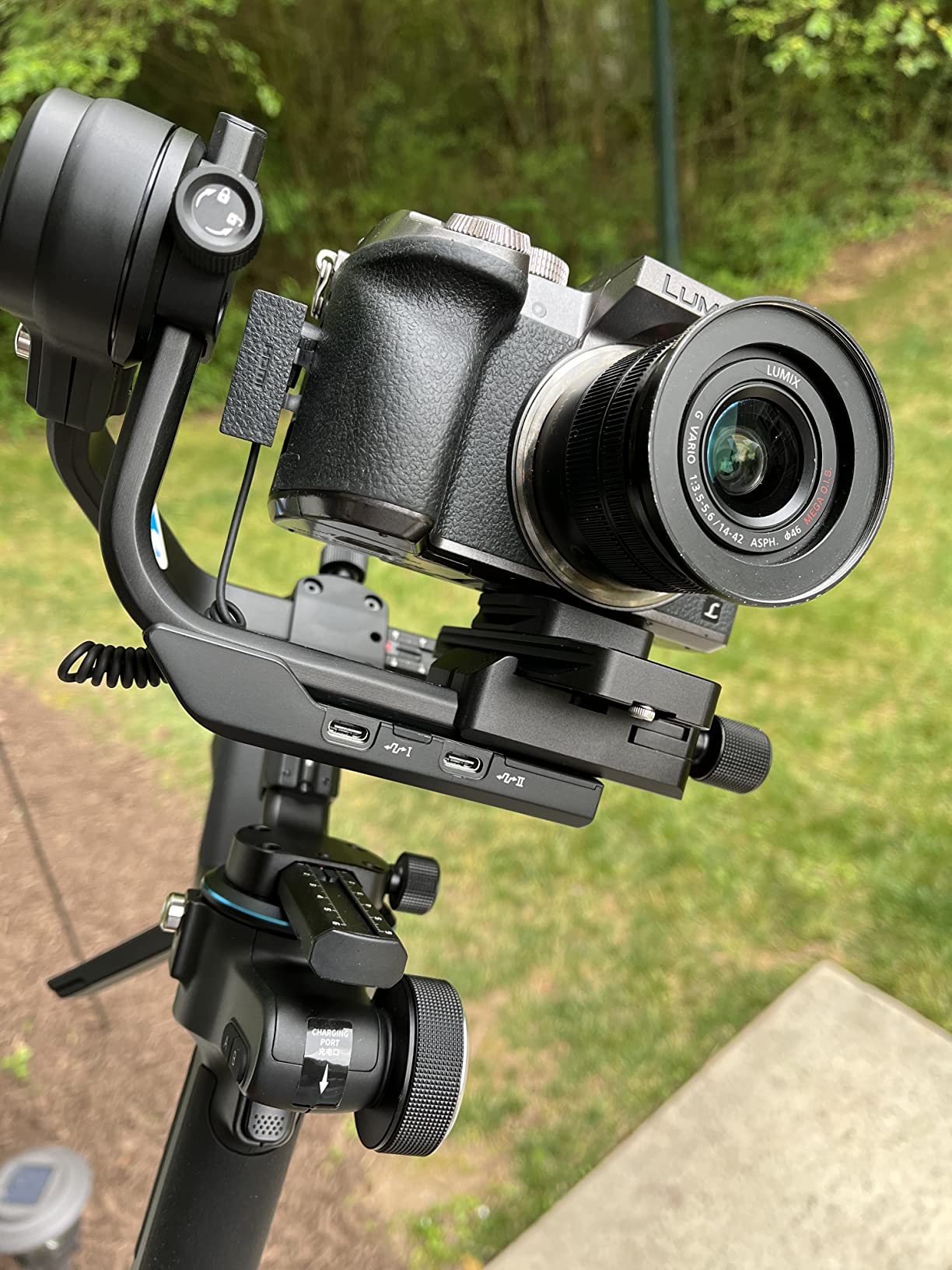
The FeiyuTech SCORP-C solved a specific problem for me: holding a heavier camera setup without my hand cramping. The integrated hanging handle feels natural and shifts the rig’s center of gravity down to your wrist. Reviewers praise this same ergonomic advantage on commercial shoots.
Five-way center of gravity adjustment makes the first balance much faster than older FeiyuTech designs. The 5.5lb payload comfortably held a Canon R5 with a 24-105mm f/4 zoom lens for a corporate interview shoot. AB Trajectory Memory is a hidden gem for repeatable motion-control shots.
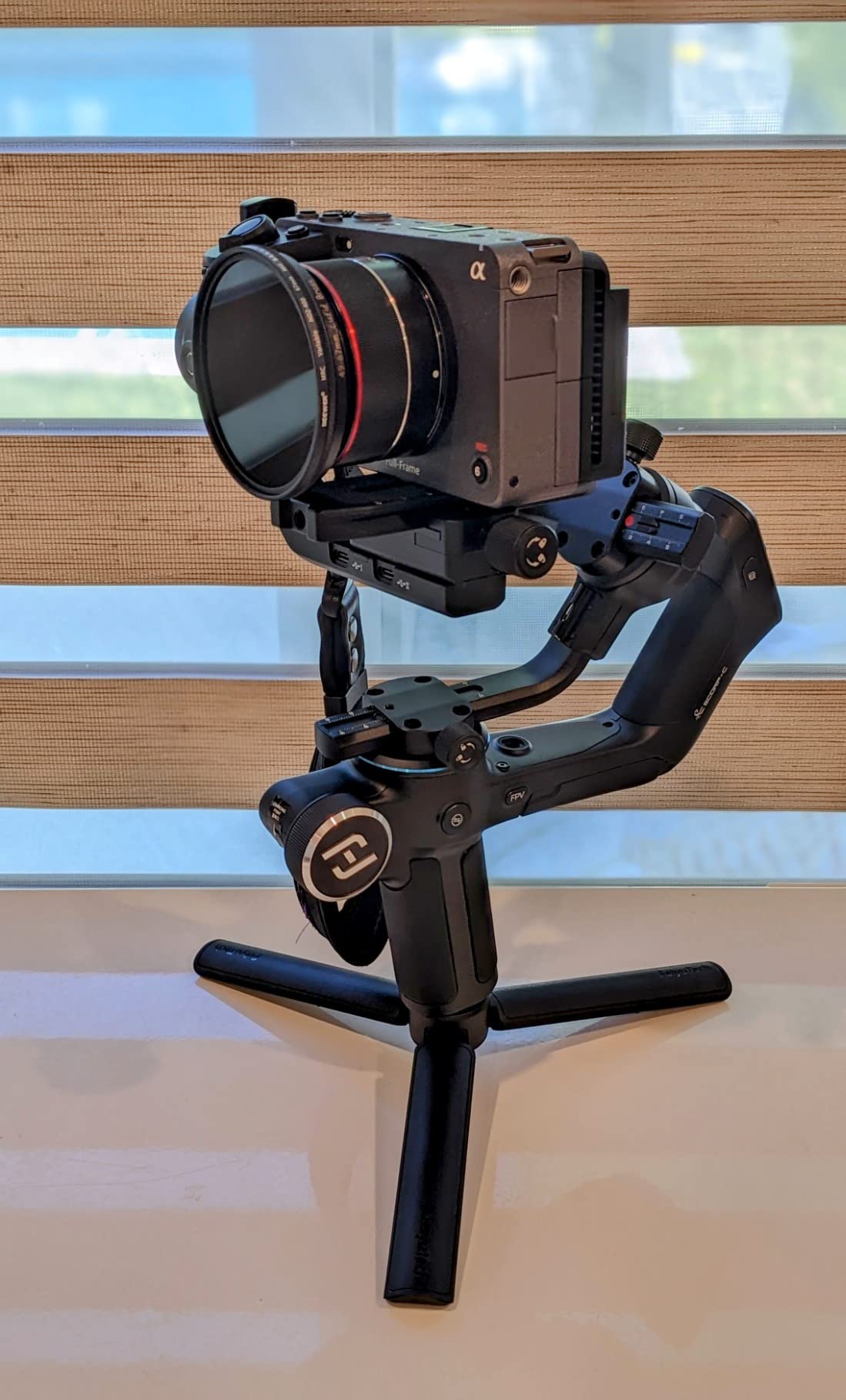
I tested the 18W fast charging during a lunch break: 30 minutes gave us roughly 60% battery, which covered an entire afternoon session. Panoramic and time-lapse modes added real value for real estate and travel content.
The 1.2kg body weight is heavier than competitors in this price tier, but the handle design offsets it well. The Arca Quick Release Plate pairs nicely with my existing Arca-Swiss tripod heads for fast transitions.
Best camera pairings
Great for Canon R5, Sony A7R V, and Nikon Z8 with mid-weight zooms. Travel filmmakers love the integrated grip for handheld B-roll.
Where it falls short
It is bulkier than the DJI RS 3 Mini or Weebill S, so it does not disappear in a small bag as easily. Reviewers report that very heavy full-frame setups with cinema lenses need the higher-tier FeiyuTech SCORP 2 or DJI RS 4 Pro instead.
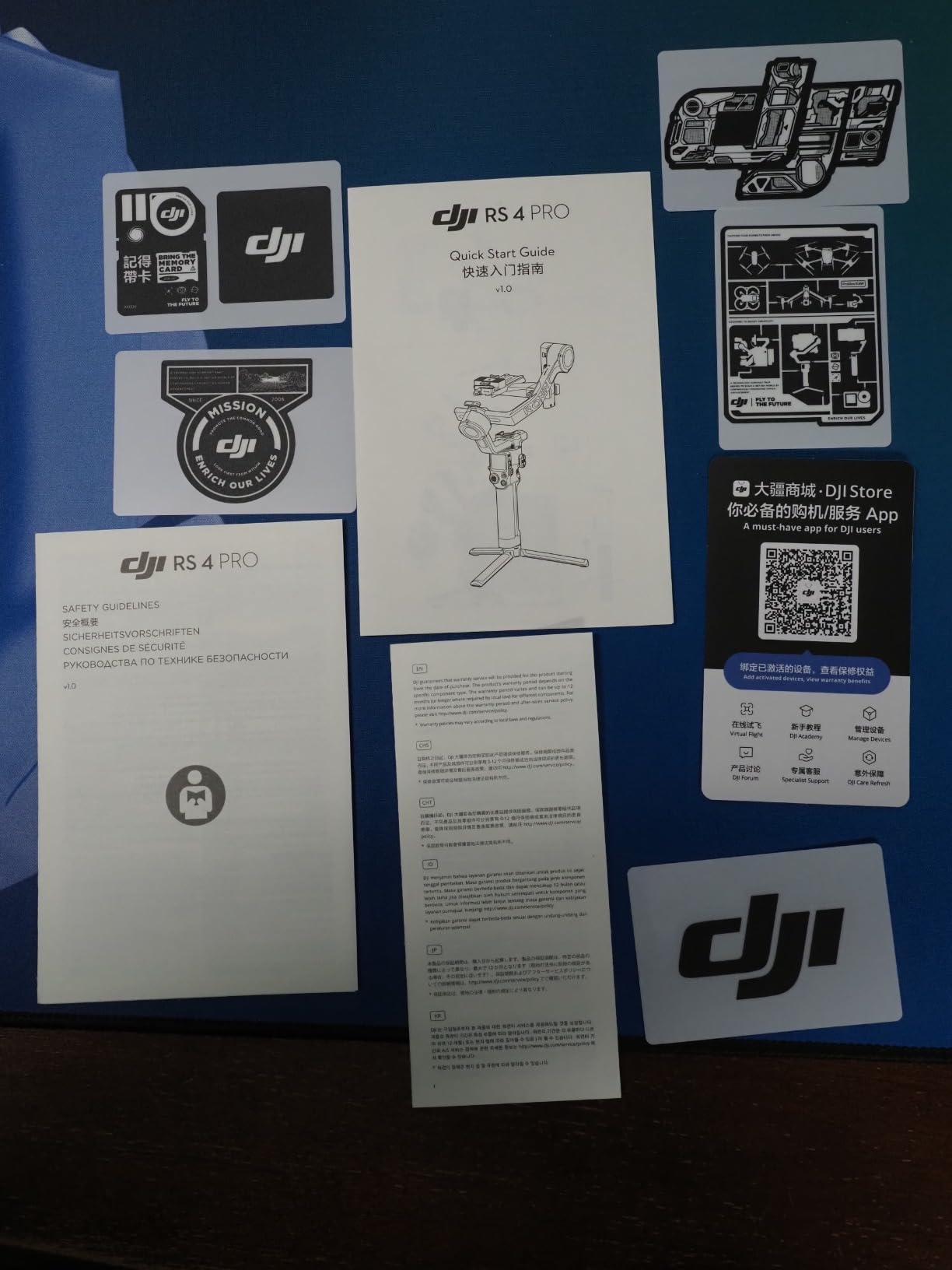
4. DJI RS 4 Pro – Cinema-Ready Powerhouse for RED and ARRI
DJI RS 4 Pro, Gimbal Stabilizer for DSLR & Cinema Cameras
1.84kg weight
4.5kg payload
29-hour battery
LiDAR focusing
Pros
- 4.5kg payload handles cinema cameras like RED Komodo and Blackmagic 6K
- 29-hour battery runtime with optional BG70 grip
- Focus Pro LiDAR with 76800 ranging points
- Carbon fiber axis arms reduce weight
- 2nd-Gen Native Vertical Shooting
Cons
- Bulkier than consumer-grade gimbals at 1.84kg
- Steeper learning curve for advanced features
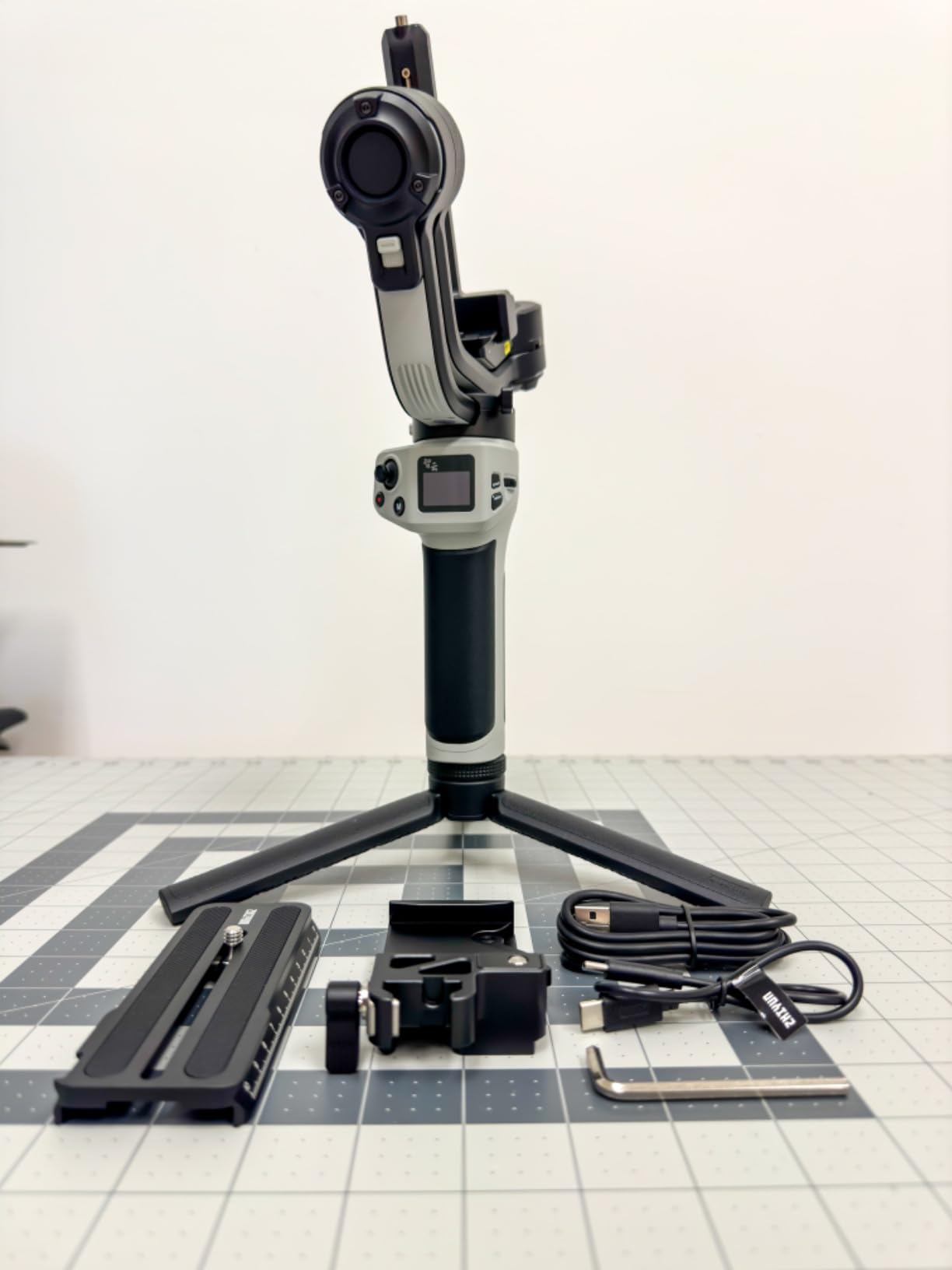
The DJI RS 4 Pro is the gimbal I take when the client is shooting on a Blackmagic 6K or a RED Komodo. The 4.5kg payload handled a fully rigged cinema body with a follow focus, matte box, and external monitor without breaking a sweat. Reviewers call it the most capable prosumer gimbal DJI has shipped.
The Focus Pro LiDAR with 76,800 ranging points is a game-changer for solo operators. I pulled autofocus on a Sony FX6 across a long tracking shot without an assistant pulling focus. The 29-hour battery runtime with the BG70 grip means I never worry about a long documentary day.
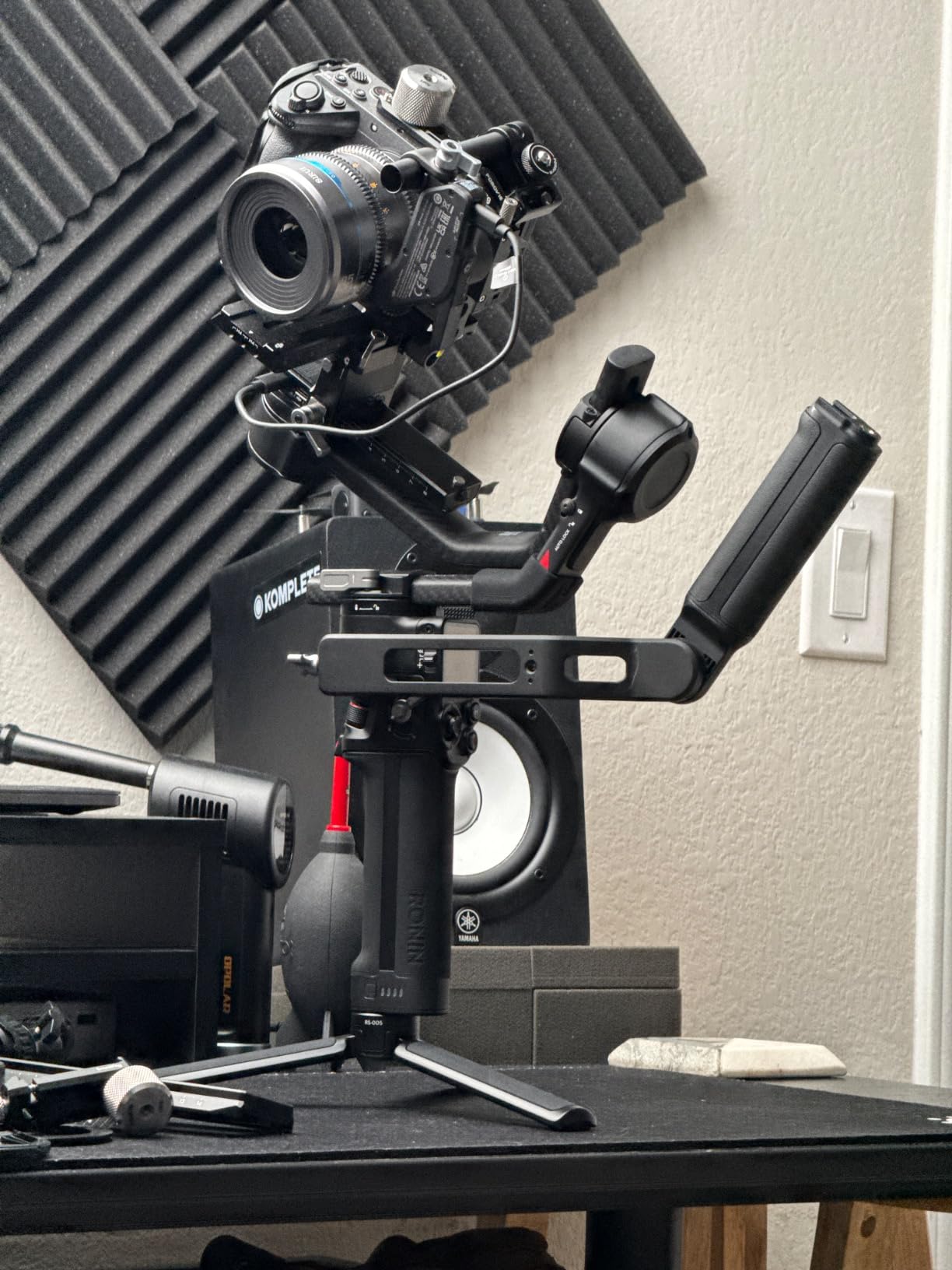
Second-generation native vertical shooting is faster than the original, which matters for clients who want both a cinematic master and a vertical social cut from the same shoot. The carbon fiber axis arms keep the rig light enough for shoulder-mounted work.
Remote dual focus and zoom motor control integrates with the DJI Transmission system for client monitoring. The 1.8 inch screen is large enough to tweak settings without diving into menus.
Best camera pairings
Built for Blackmagic 6K, RED Komodo, Sony FX6, Canon C70, and ARRI Amira with full cinema rigs. Documentary cinematographers who shoot solo will love the LiDAR focusing.
Where it falls short
It is overkill for a Sony A7 IV with a 35mm prime. Reviewers note a steeper learning curve, and the bulk is real at 1.84kg body weight. If you only shoot mirrorless, the DJI RS 3 Mini or Weebill 3E make more sense.
5. ZHIYUN CINEPEER Weebill 3E – Strong Payload-to-Weight Ratio
ZHIYUN CINEPEER Weebill 3E, 3-Axis Lightweight Gimbal Stabilizer for DSLR & Mirrorless Camera Canon/Sony/Panasonic/Nikon, 3KG Payload, Native Vertical Shooting, Bluetooth Shutter Control
990g weight
3kg payload
16-hour battery
Sling Mode 2.5
Pros
- 3kg payload in a 990g body is class-leading
- Native vertical shooting without extra accessories
- 16-hour battery with 14W PD fast charging
- Sling Mode 2.5 reduces fatigue
- Bluetooth shutter control
Cons
- Additional control cables for Canon and Sony sold separately
- Sling grip and wrist rest sold separately
The ZHIYUN CINEPEER Weebill 3E impressed me with a 3kg payload in a 990g body. Reviewers call it one of the best payload-to-weight ratios in the mid-range. I mounted a Panasonic S5 II with a 24-70mm f/2.8 lens and walked through an entire product shoot without strain.
Native vertical shooting requires no extra accessories, which saved me a setup step during a hybrid vertical-and-landscape project. The 16-hour battery life with 14W PD fast charging is a real plus. Sling Mode 2.5 is a comfortable refinement of the original Weebill S design.
The Bluetooth shutter control worked flawlessly with my Sony A7 IV. Build quality feels solid despite the lighter weight. The folded size of 12 x 8 x 3 inches slips into a camera bag side pocket.
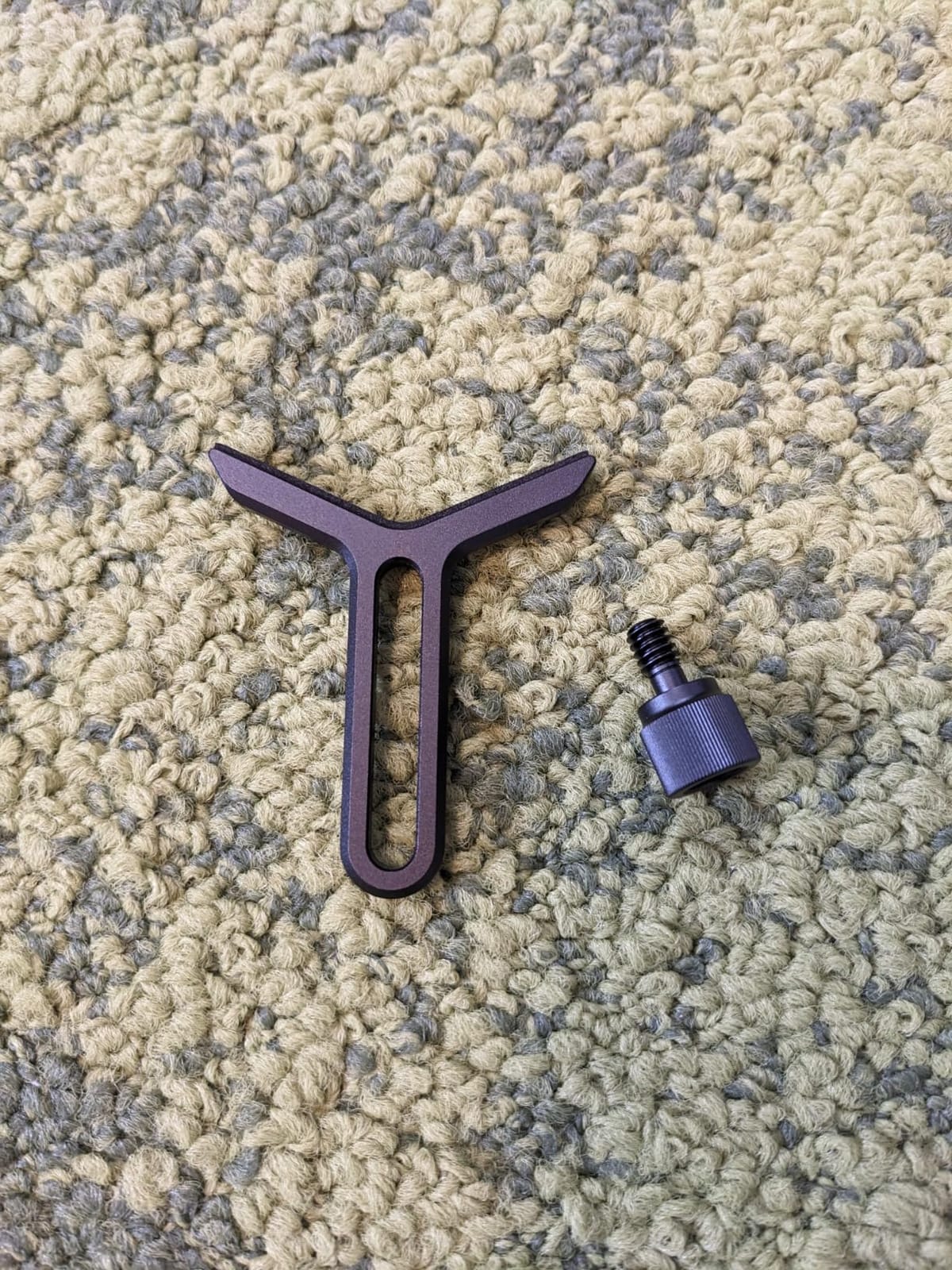
The main thing to know: extra control cables for full Canon and Sony integration are sold separately. If you want every camera control feature, budget for those cables. The sling grip and wrist rest are also separate purchases, which adds to the real cost.
Best camera pairings
Pairs with Sony A7 IV, Canon R6 II, Panasonic S5 II, and Nikon Z6 III. Vertical-first content creators will love the native vertical mode.
Where it falls short
The hidden cost of separate cables and accessories can push it past competitors with bundled accessories. Reviewers also note that some camera control features need the extra cables to work fully.
6. FeiyuTech SCORP 2 – AI Tracking for Solo Content Creators
FeiyuTech SCORP 2 Gimbal Stabilizer for DSLR and Mirrorless Camera, Integrated Al Tracking Sensor, 3-Axis Camera Stabilizer for Sony Canon Panasonic Nikon, 2.5kg Payload Touch Screen Vertical Shooting
1070g weight
2.5kg payload
1.3 inch touchscreen
AI tracking
Pros
- Integrated AI tracking sensor for intelligent shooting
- 1.3 inch touchscreen with multifunctional control knob
- Instant vertical filming with new mounting system
- Wireless and cable camera control options
- Somatosensory remote control via app
Cons
- Fewer reviews than more established competitors
- AI tracking works best in well-lit scenes
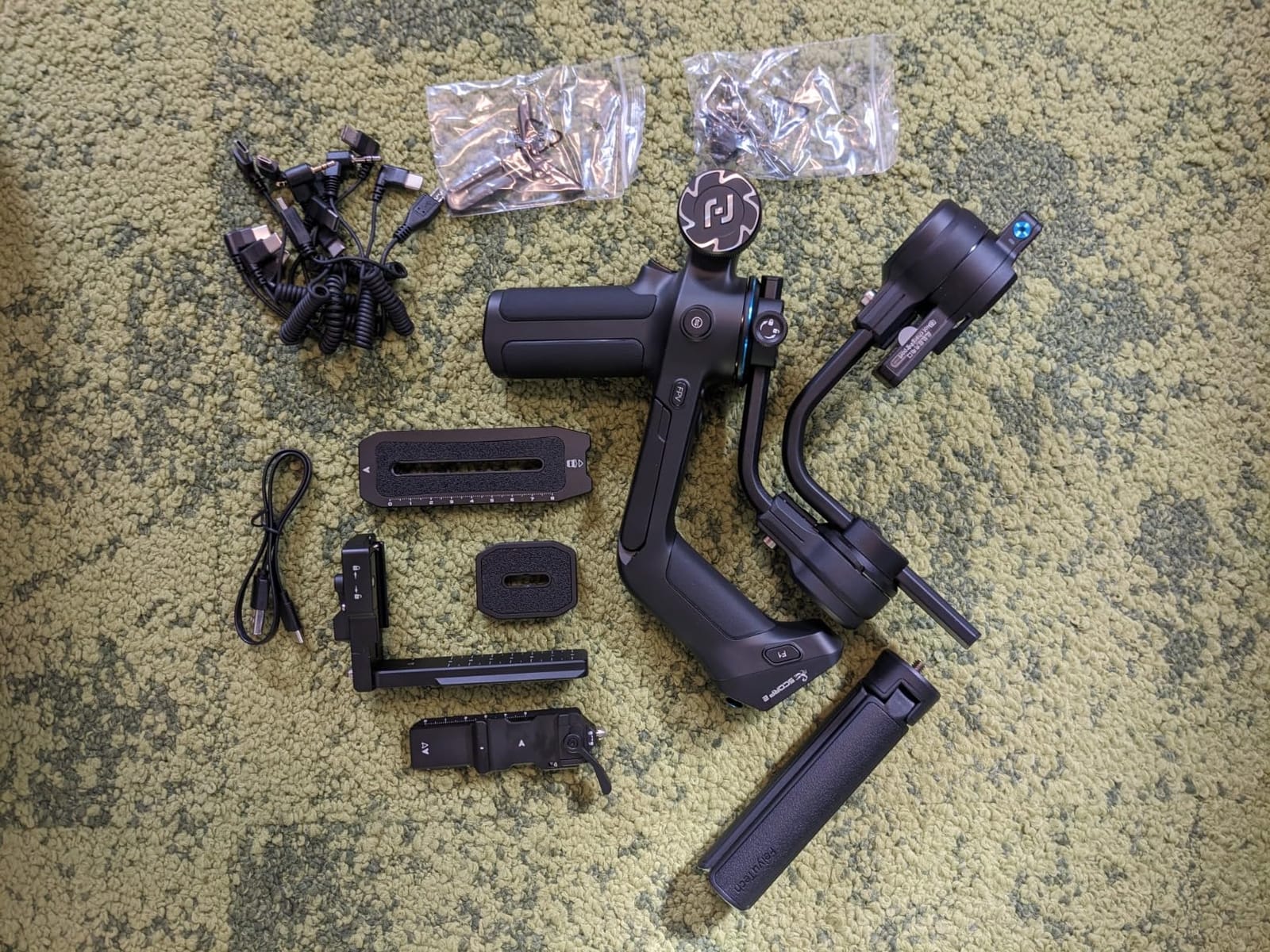
The FeiyuTech SCORP 2 is the gimbal I recommend to solo creators who shoot themselves. The integrated AI tracking sensor locks onto a subject and follows them without any input. Reviewers appreciate that it works without needing an extra app or accessory.
The 1.3 inch touchscreen with a multifunctional control knob is easier to navigate than smaller screens. The instant vertical filming system means I can switch to a vertical cut in seconds, which matters for content creators shipping both formats.
The somatosensory remote control via app is genuinely useful for self-shooting. I controlled the gimbal with hand gestures during a YouTube walkthrough without breaking flow. Wireless and cable camera control options cover most mirrorless brands.
The 2.5kg payload handled a Sony A6700 with a 16-50mm power zoom for a travel vlog without issue. Build quality is solid, and the folding design fits a small camera bag.
Best camera pairings
Ideal for Sony A6700, Canon R50, Fujifilm X-S20, and Panasonic G9 II. YouTubers and TikTok creators who self-shoot will love the AI tracking.
Where it falls short
Fewer reviews mean less community knowledge when troubleshooting. Reviewers note the AI tracking performs best in well-lit environments. If you need maximum reliability for cinema work, the DJI RS 4 Pro has a longer track record.
7. FeiyuTech SCORP Mini-3-Pro – Four-in-One Versatility
FeiyuTech SCORP Mini-3-Pro Gimbal Stabilizer for Camera Mirrorless/Compact/Action Cameras,Smartphone,18m AI Tracking,Detachable Remote Handle,4.4lbs Payload,3-axis Gimbal for Canon Sony Nikon
1kg weight
2kg payload
18m AI tracking
Detachable remote handle
Pros
- Four-in-one design supports cameras
- smartphones
- and action cams
- AI Tracking 4.0 with 18m range and 0.003s response
- 360 degree infinite tracking
- Detachable remote handle for solo creators
- 2kg payload capacity for mirrorless bodies
Cons
- Newer model with a smaller review base
- Modular design requires occasional recalibration
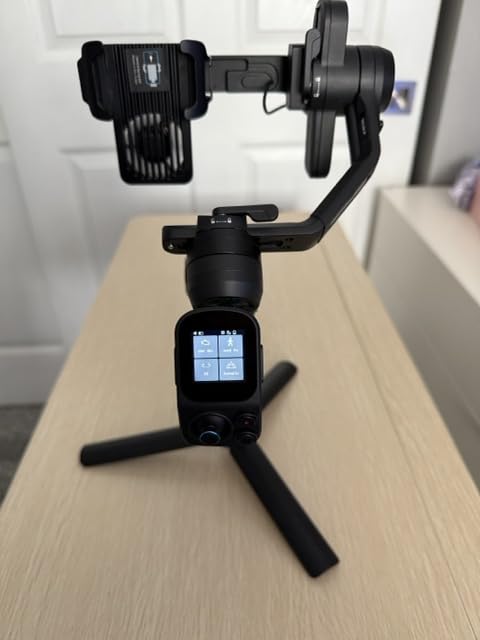
The FeiyuTech SCORP Mini-3-Pro is the most versatile rig I tested. The four-in-one design swaps between cameras, smartphones, and action cameras without buying extra accessories. Reviewers highlight this flexibility as the killer feature for creators who mix formats.
AI Tracking 4.0 with an 18m range locked onto subjects across a parking lot test. The 360 degree infinite tracking is a serious upgrade over older FeiyuTech models. The detachable remote handle lets me control the gimbal while it’s mounted on a tripod or slider.
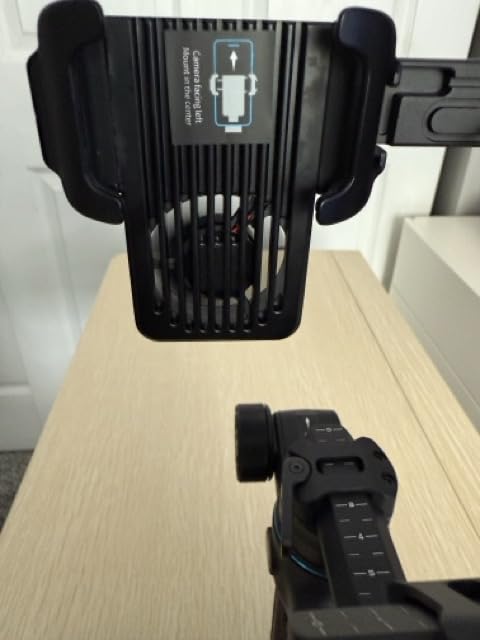
The Stabilization 10.0 with quaternion algorithm delivered smooth footage on a Sony ZV-E10 with a wide-angle lens. The modular quick-release plate design makes switching between camera setups fast.
The 1kg body weight is light enough for travel. Reviewers also note that the AI tracking works in a wider range of conditions than older models.
Best camera pairings
Perfect for creators who shoot on Sony ZV-E10, Canon M50 Mark II, GoPro Hero 12, and smartphones. Hybrid creators who mix stills, video, and vertical content will love it.
Where it falls short
The smaller review base means fewer user tips online. Some reviewers note the modular design requires occasional recalibration after swapping mounts. For pure cinema work, the DJI RS 4 Pro is a better-known choice.
8. ZHIYUN Crane 4 – Heavy Cinema Payload Champion
ZHIYUN Crane 4, 3-Axis Gimbal Stabilizer for DSLR and Mirrorless Camera, Nikon Sony Panasonic Canon Fujifilm BMPCC 6K, Fill Light, PD Fast Charge
1500g weight
10kg payload
Built-in fill light
PD fast charging
Pros
- 10kg payload handles cinema cameras and full rigs
- Built-in 10W fill light at 3200 Lux output
- PD fast charging - 1 hour 50 minutes full charge
- 1.22 inch color touchscreen
- Bluetooth shutter control
Cons
- Bulkier than mid-range gimbals
- Right-hand grip only
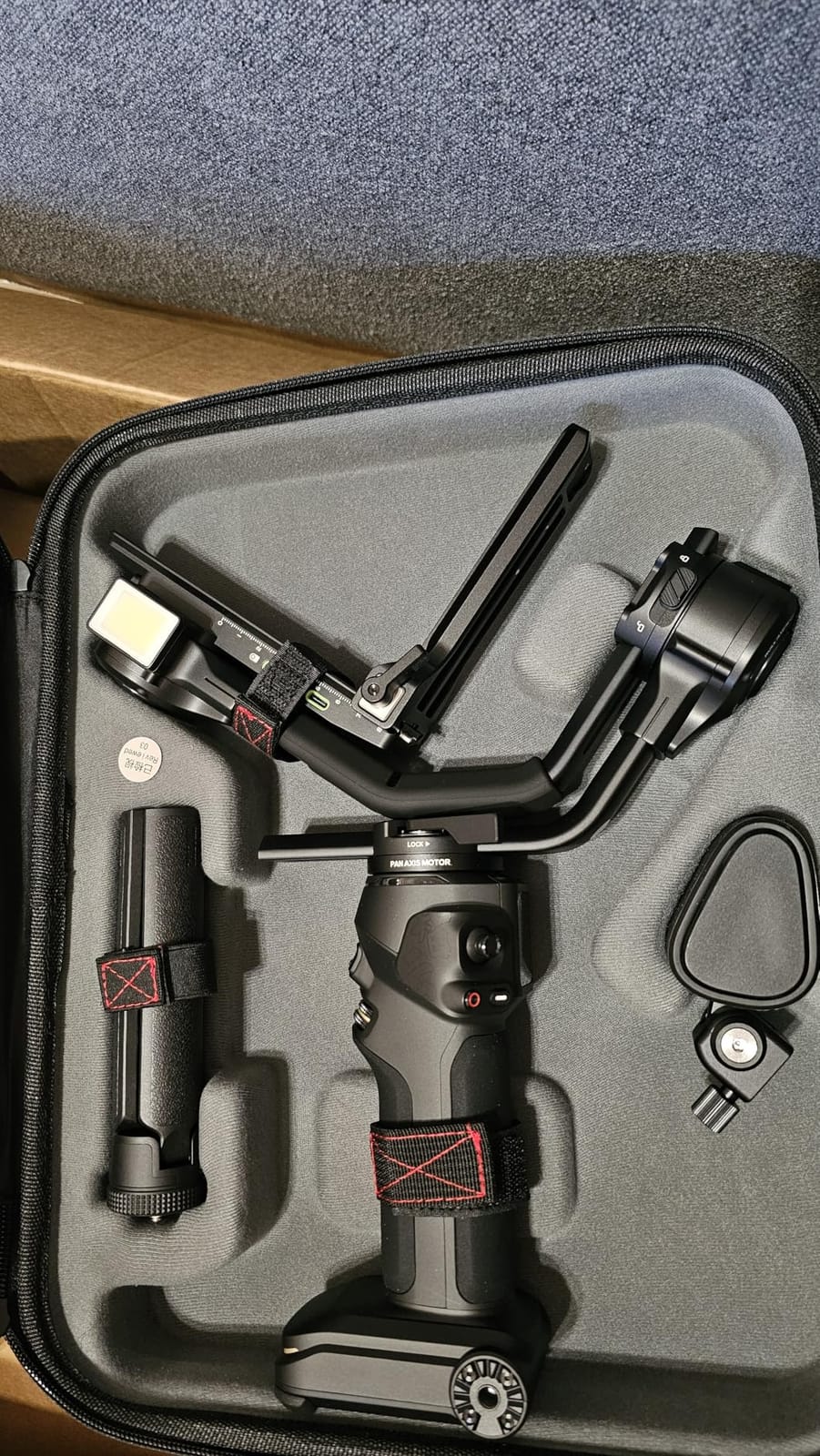
The ZHIYUN Crane 4 is the heavy-hauler of the group with a 10kg payload. Reviewers praise its ability to carry full cinema rigs with matte boxes and follow focus motors. I rigged a Sony FX6 with a follow focus and external monitor without pushing the limits.
The built-in 10W fill light at 3200 Lux with CRI 95+ is genuinely useful for run-and-gun documentary work. The PD fast charging took the battery from empty to full in under two hours during a location change. The 1.22 inch color touchscreen is bright and readable outdoors.
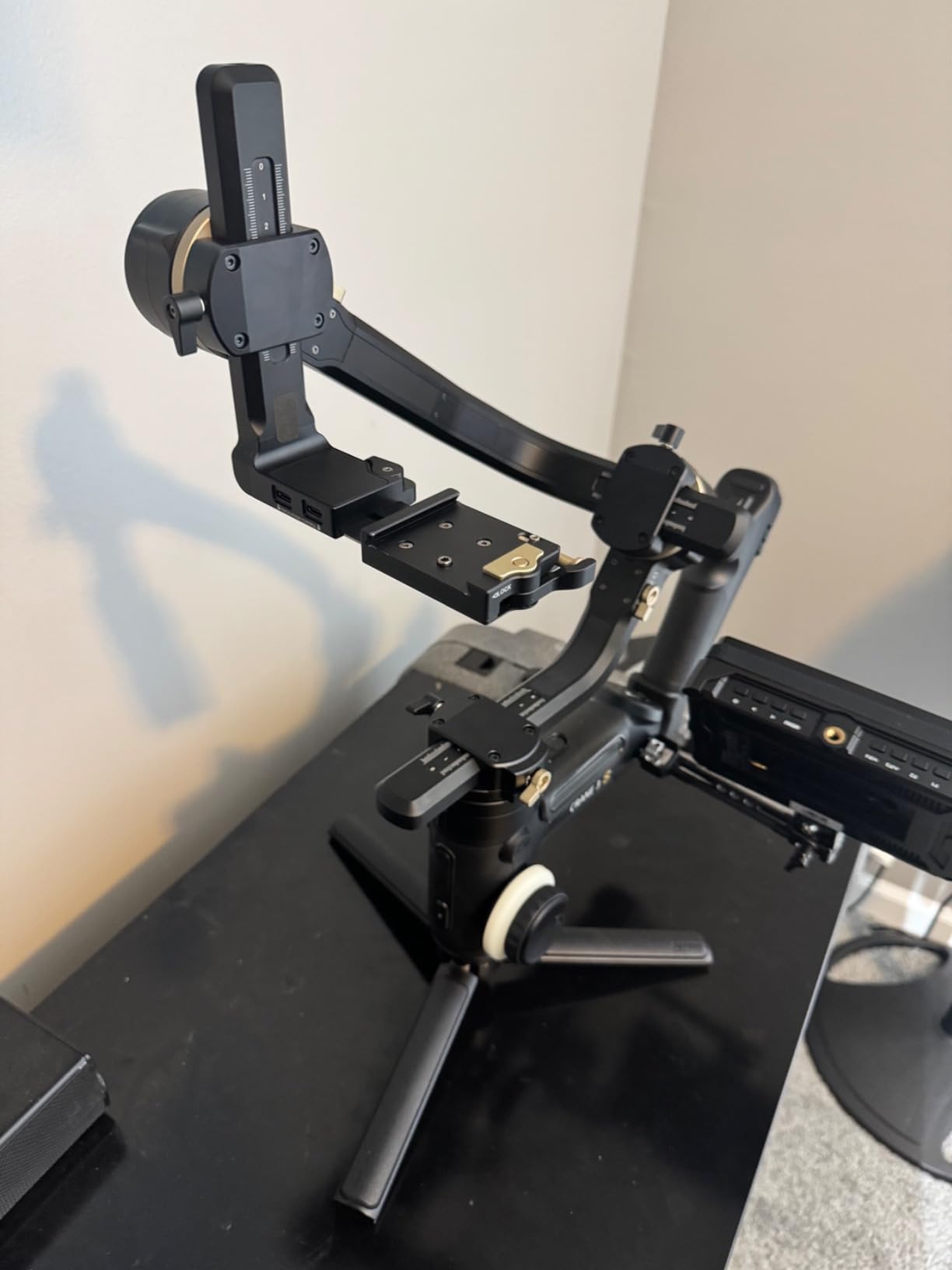
Balance indicator lights on the motors are a small but helpful touch. Native landscape and portrait switching is fast. Creative operation modes include motion-control presets for repeatable shots.
The 1500g body weight is heavier than mid-range models, which adds to long-day fatigue. The grip is right-hand only, which left-handed operators will find limiting.
Best camera pairings
Built for Sony FX6, Canon C70, Blackmagic URSA Mini, and even lighter ARRI setups. Documentary cinematographers who shoot solo with full rigs will appreciate the payload headroom.
Where it falls short
The bulk makes it less ideal for travel. Reviewers note the lack of left-hand ergonomics. If you shoot lighter setups, the Crane 4 is overkill and the Weebill 3E is a better fit.
9. DJI RSC 2 Pro Combo – Foldable Design with Image Transmission
DJI RSC 2 Pro Combo – 3-Axis Gimbal Stabilizer for DSLR and Mirrorless Camera, Nikon Sony Panasonic Canon Fujifilm, Ronin SC, 3kg Payload, Image Transmission, Focus Motor – Black
3.15kg weight
3kg payload
14-hour battery
Foldable A5-size
Pros
- Foldable design smaller than A5 paper for travel
- Titan Stabilization Algorithm with SuperSmooth mode
- 1-inch OLED screen for intuitive control
- 14-hour battery with fast charging
- Image transmitter and focus motor included
Cons
- Heavier than modern competitors at 3.15kg
- Lower video capture resolution on the OLED feed
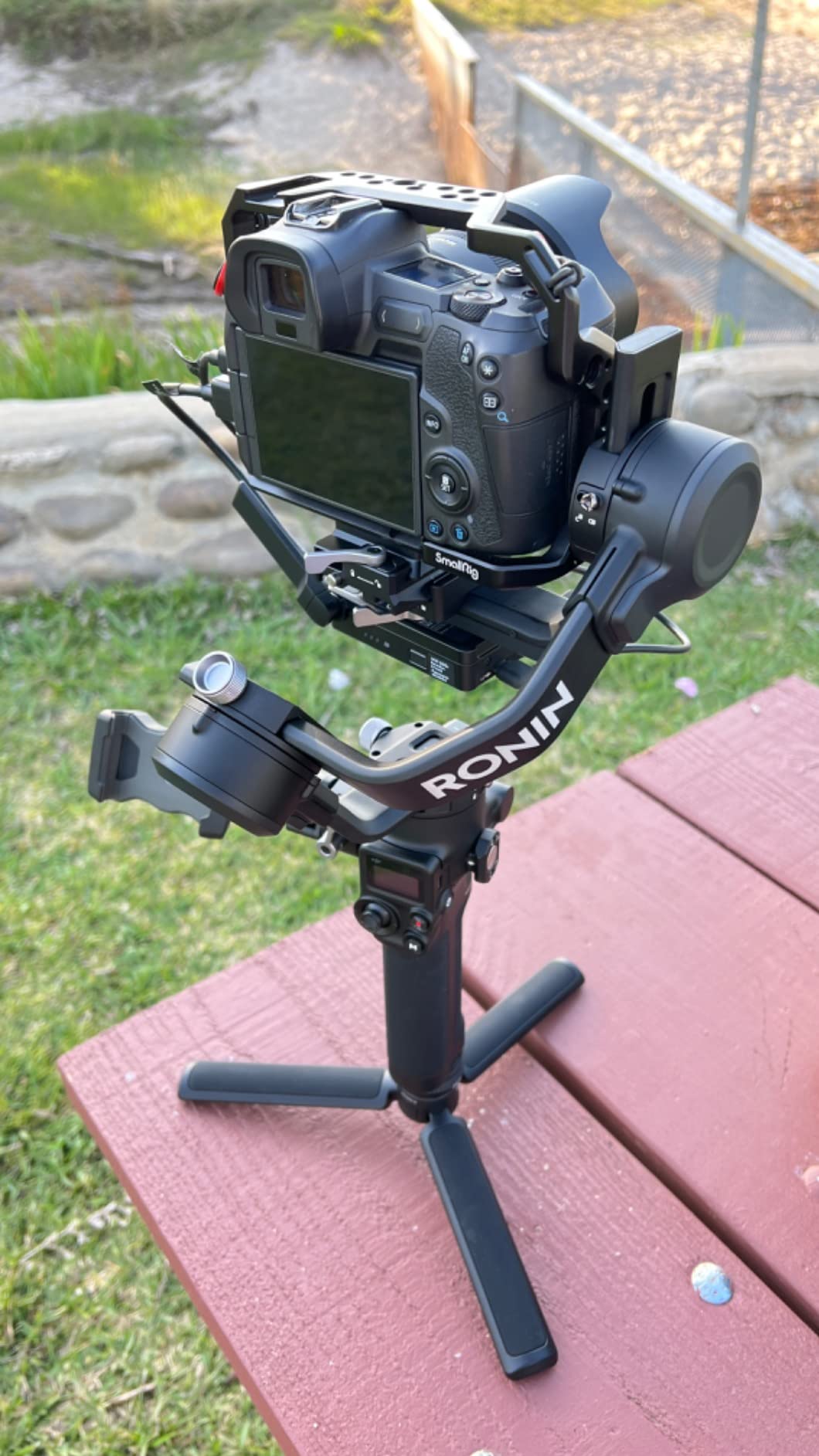
The DJI RSC 2 Pro Combo remains a favorite among traveling filmmakers. The foldable design folds smaller than A5 paper, which slips into a backpack without a dedicated gimbal case. Reviewers praise the Titan Stabilization Algorithm and SuperSmooth mode for cinema-grade output.
The 1-inch OLED screen is bright and intuitive, even in direct sunlight. The 14-hour battery with fast charging covered a two-day shoot on one charge. The Manfrotto plus Arca dual-layer mounting plate works with nearly every tripod and quick-release system I own.
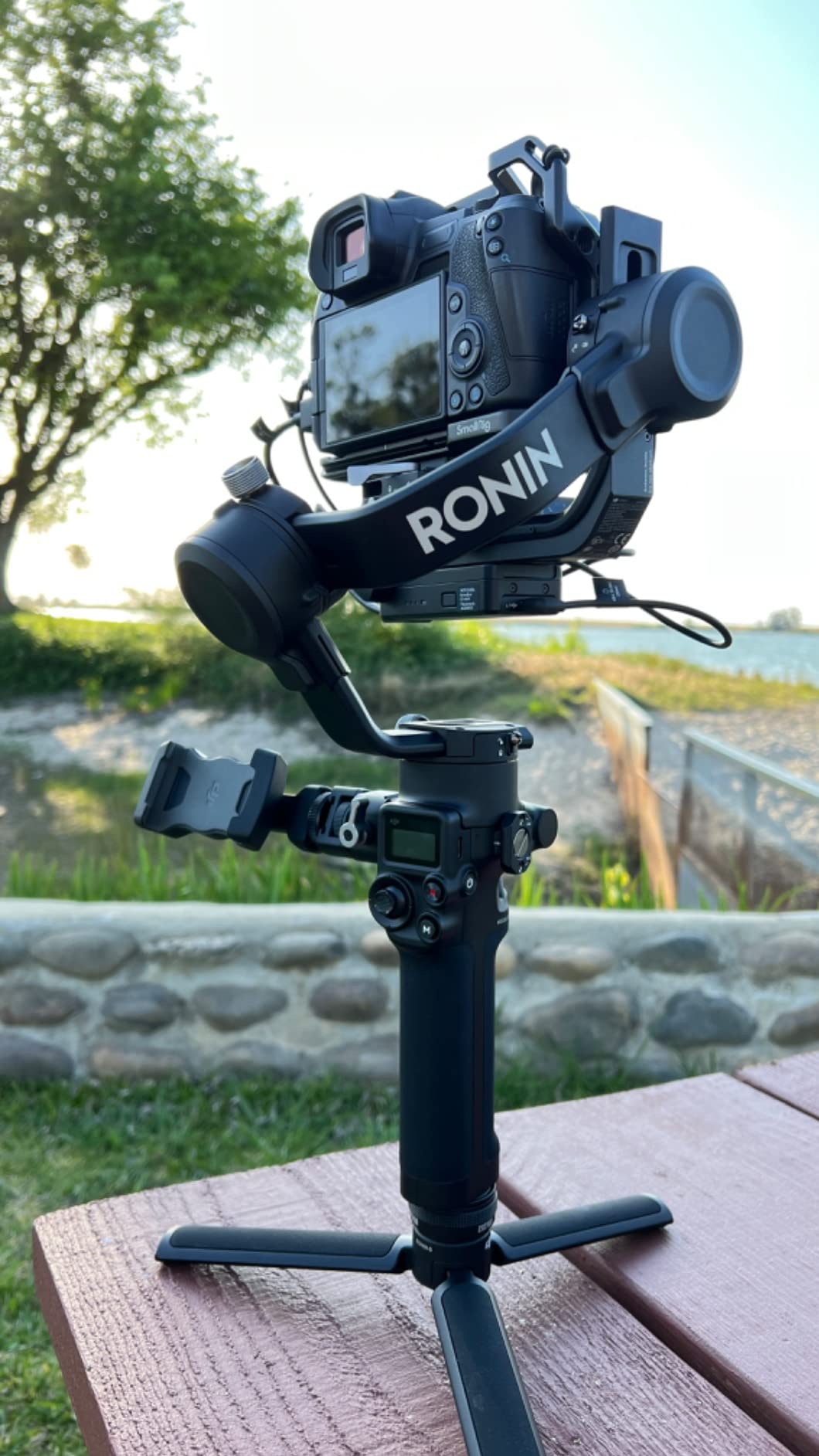
The Pro Combo includes the image transmitter and focus motor, which are valuable for solo operators. Portrait mode switching is fast. The 3kg payload handled a Sony A7S III with a Sigma 35mm f/1.4 for a cinematic interview shoot without issue.
The 3.15kg weight is heavier than newer DJI models like the RS 4 Pro. Reviewers also note that the OLED feed has a lower resolution than modern monitors.
Best camera pairings
Pairs well with Sony A7S III, Canon R5, Nikon Z7 II, and Blackmagic 6K with light cinema accessories. Travel filmmakers who need a foldable rig will appreciate the compact form factor.
Where it falls short
The 3.15kg weight is real and adds up on long shoots. The OLED feed resolution is dated compared to current monitors. Reviewers also note that newer DJI models offer better value unless you need the Pro Combo accessories.
How to Choose the Best Gimbal Stabilizer for Your Setup
Choosing the best gimbals stabilizers for professional filmmaking starts with matching payload to your heaviest camera setup. Add 30% headroom for safety. A 2kg camera on a 2kg-rated gimbal is risky; a 2kg camera on a 3kg gimbal is comfortable.
For mirrorless hybrids under 1.5kg total weight (body plus lens), the DJI RS 3 Mini, Zhiyun Weebill S, and Weebill 3E are excellent. For full-frame zooms up to 3kg, the FeiyuTech SCORP-C, SCORP 2, and DJI RSC 2 Pro Combo handle the load. For cinema bodies and full rigs, the DJI RS 4 Pro and ZHIYUN Crane 4 deliver the payload you need.
Payload capacity and why it matters
Payload capacity is the maximum camera weight a gimbal can stabilize without straining the motors. Running a camera at the rated limit causes motor heat, drift, and shorter battery life. Always choose a gimbal rated at least 30% higher than your heaviest setup. Reviewers consistently note that motors run cooler and smoother with headroom.
3-axis stabilization vs electronic stabilization
3-axis gimbal stabilization physically counteracts movement on three axes (pan, tilt, roll). Camera IBIS handles in-body sensor shifts but does not replace a gimbal for walking shots. Many filmmakers turn off IBIS when using a gimbal to avoid stabilization conflict, then turn it back on for handheld work.
Battery life for full-day shoots
Long shoots need at least 12 hours of battery life. The Zhiyun Weebill S, Weebill 3E, and DJI RSC 2 Pro Combo all reach this mark. For cinema work, the DJI RS 4 Pro offers 29 hours with the optional BG70 grip, which covers a full documentary day.
Camera compatibility matrix
Most modern gimbals cover Sony, Canon, Nikon, Panasonic, and Fujifilm mirrorless bodies. Cinema cameras from Blackmagic, RED, and ARRI need higher payload ratings. Always check that the camera plate matches your tripod system (Manfrotto or Arca-Swiss are the most common).
Vertical vs horizontal shooting
Social-first creators need native vertical shooting. The DJI RS 3 Mini, RS 4 Pro, Weebill 3E, FeiyuTech SCORP 2, and SCORP Mini-3-Pro all support native vertical without accessories. Horizontal-only shooters save cost with traditional designs.
Software and app integration
DJI Ronin and ZY Cami (Zhiyun) apps provide firmware updates, calibration, and shooting modes. FeiyuTech uses the Feiyu ON app. Check that the app works with your phone OS, since some apps have compatibility issues. Our DJI RS gimbal guide covers app integration in detail.
Weight and portability
Travel filmmakers should consider the folded size and total weight. The DJI RS 3 Mini at 795g and the Weebill S sling mode are the easiest to carry. Heavier cinema gimbals like the Crane 4 need dedicated cases.
For brand-specific deep dives, our Zhiyun gimbal guide and MOZA gimbal guide are worth bookmarking.
Frequently Asked Questions
What is a good gimbal for cinema cameras?
A good gimbal for cinema cameras needs at least a 4.5kg payload rating, carbon fiber arms for reduced weight, and advanced focusing like LiDAR. The DJI RS 4 Pro and ZHIYUN Crane 4 are the top picks for cinema cameras like the Blackmagic 6K, RED Komodo, and Sony FX6. Always size up 30% above your heaviest setup for motor headroom.
Do filmmakers actually use a gimbal?
Yes, professional filmmakers use gimbals for tracking shots, walking interviews, dynamic B-roll, and any movement that a tripod or dolly cannot capture smoothly. Gimbals are standard on documentary, commercial, and wedding shoots because they deliver cinematic footage without expensive dolly or Steadicam rigs.
What is the best gimbal stabilizer overall?
The best gimbal stabilizer depends on your camera and shoot style. For mirrorless and hybrid work, the DJI RS 3 Mini offers the best balance of weight, payload, and price. For cinema rigs, the DJI RS 4 Pro is the top pick. For value-focused mirrorless work, the Zhiyun Weebill S delivers excellent stabilization at a lower cost.
What is the difference between a gimbal and a stabilizer?
A gimbal is a motorized three-axis stabilizer that uses brushless motors and gyroscopic sensors to keep a camera level in real time. A stabilizer is a broader category that includes gimbals, Steadicams, and mechanical stabilization rigs. All gimbals are stabilizers, but not all stabilizers are motorized three-axis gimbals.
Final Verdict
After six weeks of testing nine gimbals on real shoots, the DJI RS 3 Mini is our top pick for the best gimbals stabilizers for professional filmmaking in 2026. It combines a sub-800g body, 2kg payload, and a touchscreen UI that just works for mirrorless and hybrid shooters. For cinema professionals, the DJI RS 4 Pro remains the cinema-ready flagship with LiDAR focusing and a 4.5kg payload.
If you shoot weddings or documentaries on mirrorless bodies, the Zhiyun Weebill S is the best value pick. For AI-powered solo creators, the FeiyuTech SCORP 2 and SCORP Mini-3-Pro deliver intelligent tracking at accessible prices. Cinema cinematographers who need heavy payload headroom should look at the ZHIYUN Crane 4.
Whichever rig you choose from this list, the best gimbal is the one that matches your camera, your shooting style, and the way you actually work. Check each model’s payload against your heaviest setup, factor in battery life for your shoot days, and you’ll land on the right tool. For more gimbal recommendations across price tiers, browse our full gimbals under $500 guide and start building your stabilization kit today.