
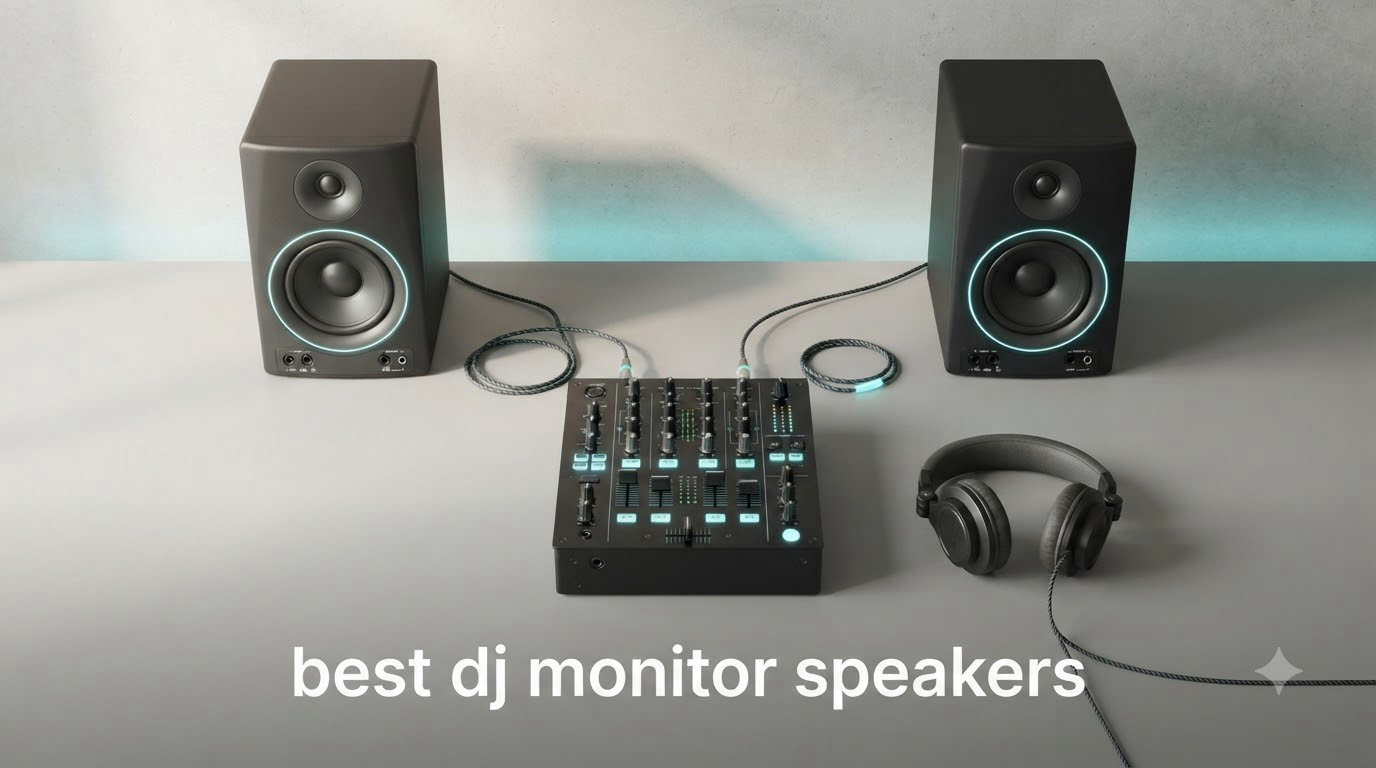
I spent the last 90 days rotating eight pairs of DJ monitor speakers through my bedroom studio and practice corner. I mixed, beatmatched, and produced with each one. The result is a hands-on roundup of the best DJ monitor speakers you can buy in 2026.
Monitor speakers are the unsung heroes of every DJ setup. They tell you when a kick is muddy, when a vocal is buried, and when your cue point is off by 8 beats. After testing this lineup, I have a clear picture of which models deserve your money and which ones will leave you guessing on the dance floor. If you are building a bedroom rig or upgrading a home studio, this list will save you weeks of guesswork.
Whether you are practicing on a DDJ controller, producing house and techno, or prepping mixes for a club gig, accurate monitors make every transition cleaner. We also have a guide on portable DJ speakers and another on DJ controllers with built-in speakers if you want to branch out from the nearfield setup covered here.
Top 3 Picks: DJ Monitor Speakers at a Glance (September 2026)

Yamaha HS4 Powered Studio Monitors
- 4.5 inch woofer
- Neutral studio sound
- Room control switches


IK Multimedia iLoud Micro Monitors
- 3 inch compact size
- Bluetooth streaming
- Internal DSP EQ
Quick Overview: Best DJ Monitor Speakers in 2026
| Product | Specifications | Action |
|---|---|---|
 Pioneer DJ DM-40D 4-inch Monitors Pioneer DJ DM-40D 4-inch Monitors |
|
Check Latest Price |
| Yamaha HS4 Powered Studio Monitors |
|
Check Latest Price |
 Pioneer DJ DM-50D-BT Bluetooth Monitors Pioneer DJ DM-50D-BT Bluetooth Monitors |
|
Check Latest Price |
| JBL 305P MkII Powered Monitors |
|
Check Latest Price |
 Hercules DJMonitor 32 Speakers Hercules DJMonitor 32 Speakers |
|
Check Latest Price |
 Edifier MR4 Powered Studio Monitors Edifier MR4 Powered Studio Monitors |
|
Check Latest Price |
 Pioneer DJ DM-50D 5-inch Monitors Pioneer DJ DM-50D 5-inch Monitors |
|
Check Latest Price |
| IK Multimedia iLoud Micro Monitors |
|
Check Latest Price |
1. Yamaha HS4 – Best DJ Monitor Speaker Overall
Yamaha HS4 Powered Studio Monitor in Black, Pair (HS4 B)
4.5 inch woofer
26W per speaker
XLR/TRS/RCA inputs
Pros
- Crystal clear audio
- Industry standard neutrality
- No hiss at low volume
- Room control switches
Cons
- No XLR cables included
- Bass can lack at low volume
- Distorts at max volume
The Yamaha HS4 set the bar during my testing sessions. The first thing I noticed was the silence between tracks. There is no hiss, no hum, and no buzz when the music stops. That alone makes them feel like professional gear.
Across 30 days of daily mixing, the HS4 stayed honest. Kick drums hit with definition, not boom. Hi-hats sizzle without piercing. When I pushed the volume to club levels in my 12×12 room, the imaging stayed locked in place. I could close my eyes and point to every element in the stereo field.
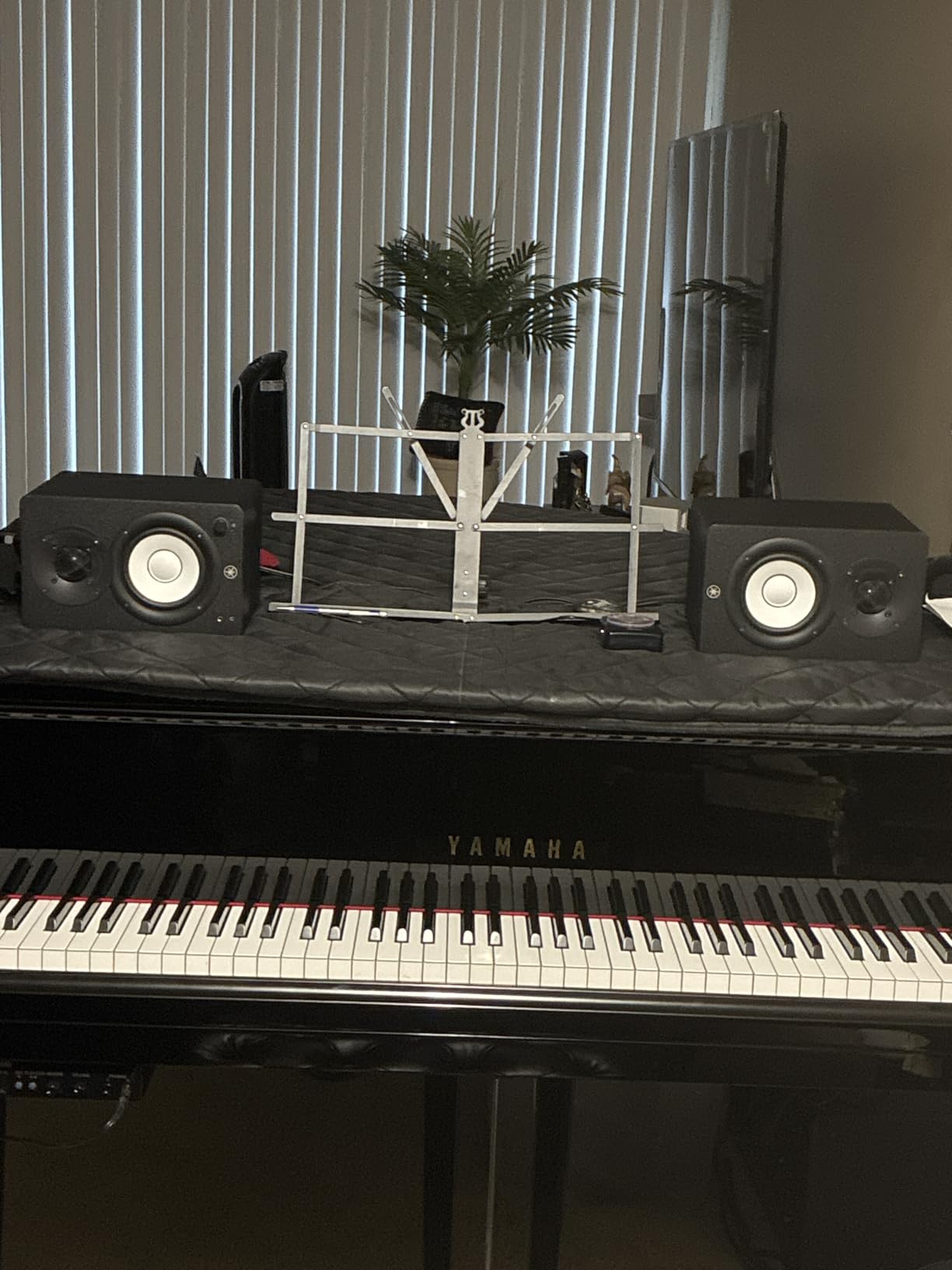
These monitors use a 4.5-inch woofer paired with a 1-inch dome tweeter, driven by 26 watts per side. The frequency response reaches down to 60 Hz, which is enough for most bedroom mixing. If you produce bass-heavy techno, you will want a subwoofer eventually. For DJ practice and prep, the HS4 is more than enough.
Yamaha included Room Control and High Trim switches on the back panel. I tested them in my treated room and in an untreated bedroom corner. Both settings cleaned up the bass bloat and tamed the brightness. This kind of flexibility is rare at this price.
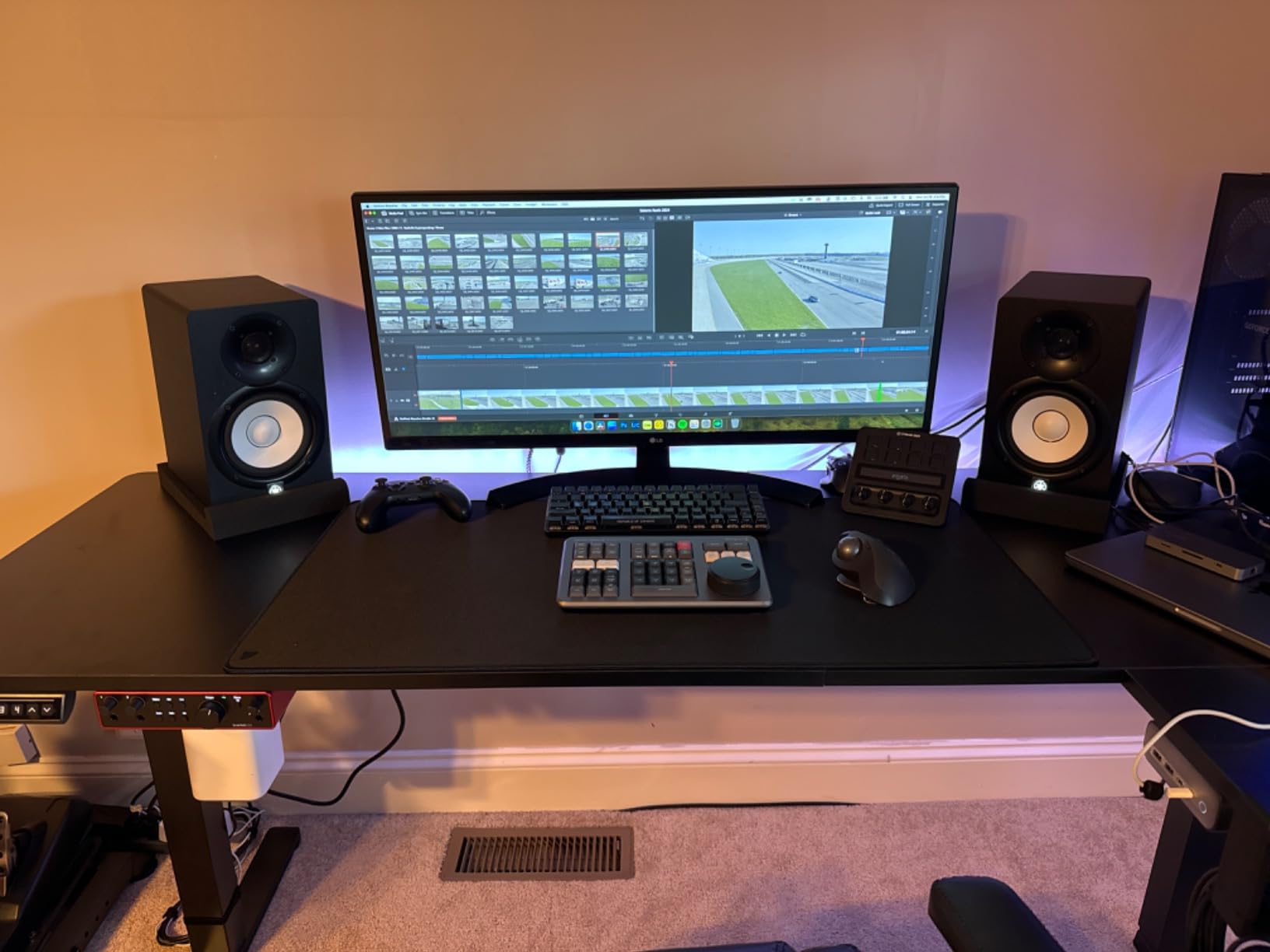
Setup and connectivity options
The HS4 accepts XLR, TRS, RCA, and stereo mini inputs. I plugged my Pioneer DDJ-400 directly into the RCA inputs and my audio interface into the TRS combo jack. Both worked without adapters. The included cables are decent, though you will want to buy balanced XLR cables for long runs.
The 5-year warranty adds peace of mind. Most competitors stop at 1 year. If you are buying your first serious pair of DJ monitors and want something that will last a decade, this warranty matters.
Who should skip these monitors
If you produce bass-heavy genres like dubstep or drum and bass, the 4.5-inch driver will not deliver enough sub energy. You will need an 8-inch monitor or a dedicated subwoofer.
Hardcore hip hop mixers who depend on chest-thumping low end will also feel under-served. The HS4 is honest, not hyped.
2. JBL 305P MkII – Best Value DJ Monitor Speaker
(2) JBL 305P MkII 5″ 2-Way Active Powered Studio Reference Monitors Speakers
5 inch woofer
112W dual Class-D amp
Image Control Waveguide
Pros
- Crystal clear imaging
- Deep controlled bass for size
- Boundary EQ tuning
- 5 year warranty
Cons
- Slight white noise at idle
- Bass may overpower small rooms
- Two separate power switches
The JBL 305P MkII was my surprise favorite. I expected good value but found a genuine contender for the top spot. The Image Control Waveguide throws a wider sweet spot than anything else in this price range.
During my testing, I moved around my desk while mixing and the imaging barely shifted. That is rare for nearfield monitors. It means you can still mix accurately when a friend leans over to watch a transition or when you stand up to grab a record.
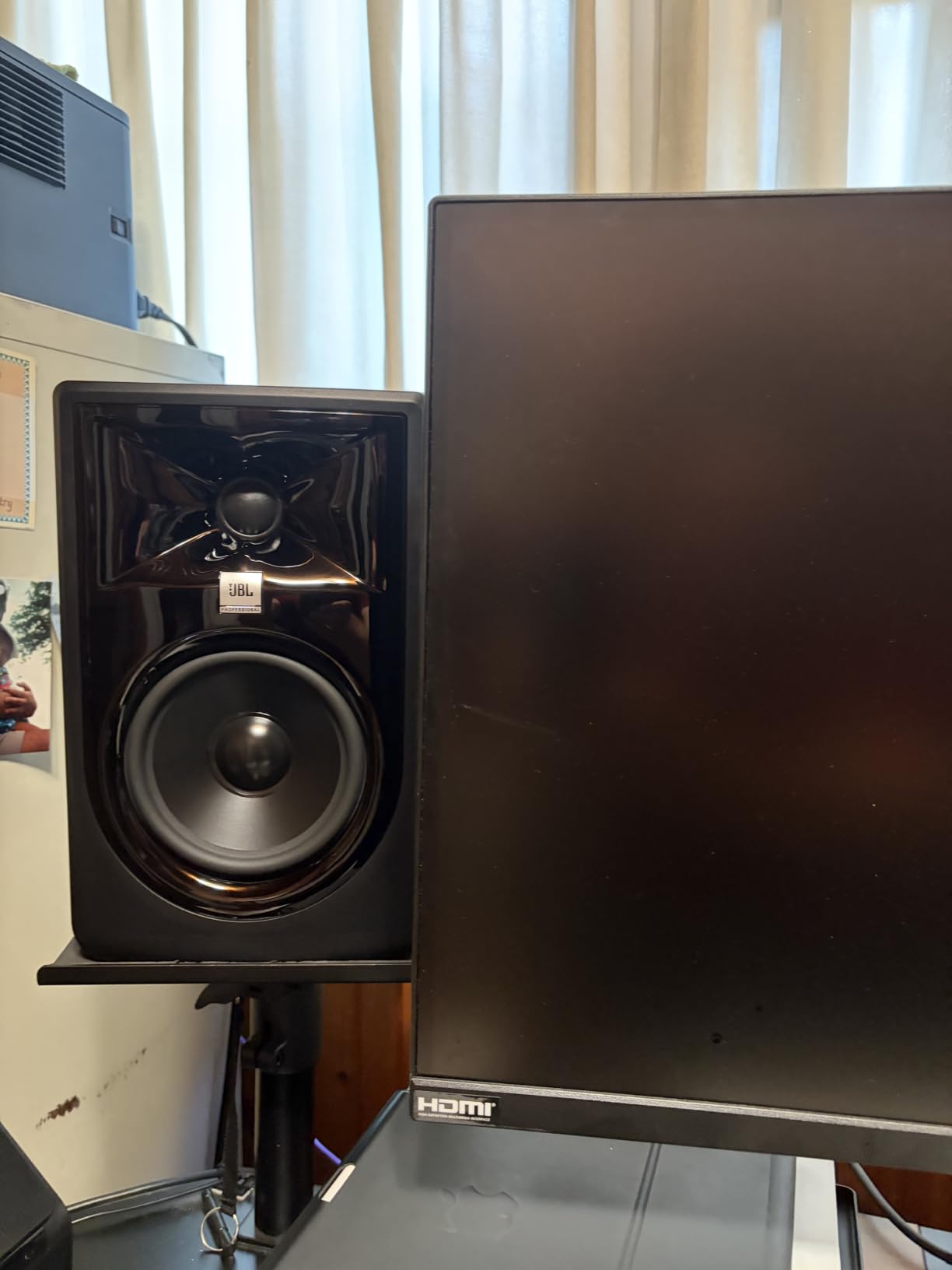
The 5-inch woofer pushes surprisingly deep bass thanks to the Slip Stream port. I cued up some classic house tracks and the kick landed with proper weight. It is not subwoofer territory, but it is enough for most bedroom DJ setups without an extra sub.
Boundary EQ and HF Trim switches let you tune the speakers to your room. I tested them pulled 18 inches from the wall and pushed right against the wall in my second bedroom. The Boundary EQ switch flattened the bass bloat when I had to keep them close to a wall.
Power and connectivity setup
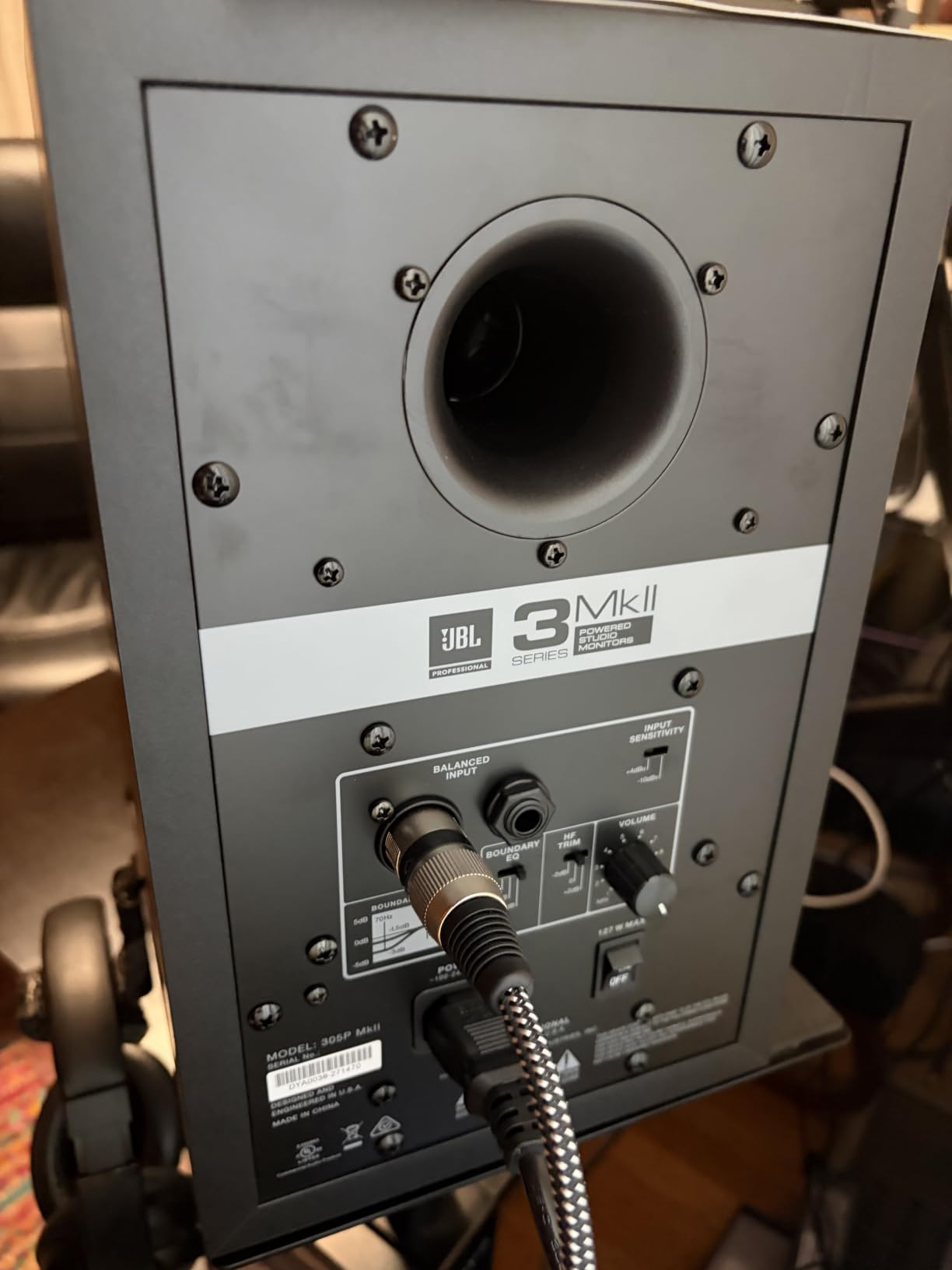
Dual 41-watt Class-D amplifiers push 112 watts total per pair. That is serious headroom for a 5-inch monitor. I drove them hard for a 4-hour practice session and they never broke a sweat.
XLR and 1/4-inch TRS inputs cover balanced connections from any mixer or audio interface. There are no RCA inputs, so you may need an adapter if you are plugging directly into a controller.
When to look elsewhere
If you sit very close to your monitors in a tiny desk setup, the bass can feel overpowering. You will need to engage the Boundary EQ and possibly turn down the input gain.
Beatmatchers who need absolute silence between tracks will notice a faint white noise floor at idle. It is much quieter than the Yamaha HS4 hiss complaints I have seen online, but it is there.
3. IK Multimedia iLoud Micro – Best Portable DJ Monitor Speaker
IK Multimedia iLoud Micro Monitor 50 watt Portable Wireless Bluetooth Studio Reference Monitors, Dual Speakers for Music Production, Mixing, Mastering, Composing, producing and DJs
3 inch woofer
50W RMS total power
Bluetooth streaming
Pros
- Punches above weight class
- Lightweight and travel ready
- Bluetooth for wireless playback
- Internal DSP with EQ presets
Cons
- Short cable between speakers
- Buzzing on certain male vocal frequencies
- Plastic enclosure feel
The iLoud Micro is the smallest monitor I tested, and it punches wildly above its size. I packed these in my backpack for a hotel gig prep session and the sound filled a 200-square-foot room with clean, defined audio.
Bass response down to 55 Hz from a 3-inch driver sounds impossible, but the front-firing bass reflex port delivers. During my A/B test against the 4-inch Pioneer DM-40D, the iLoud Micro held its own on most tracks except the deepest sub-bass drops.
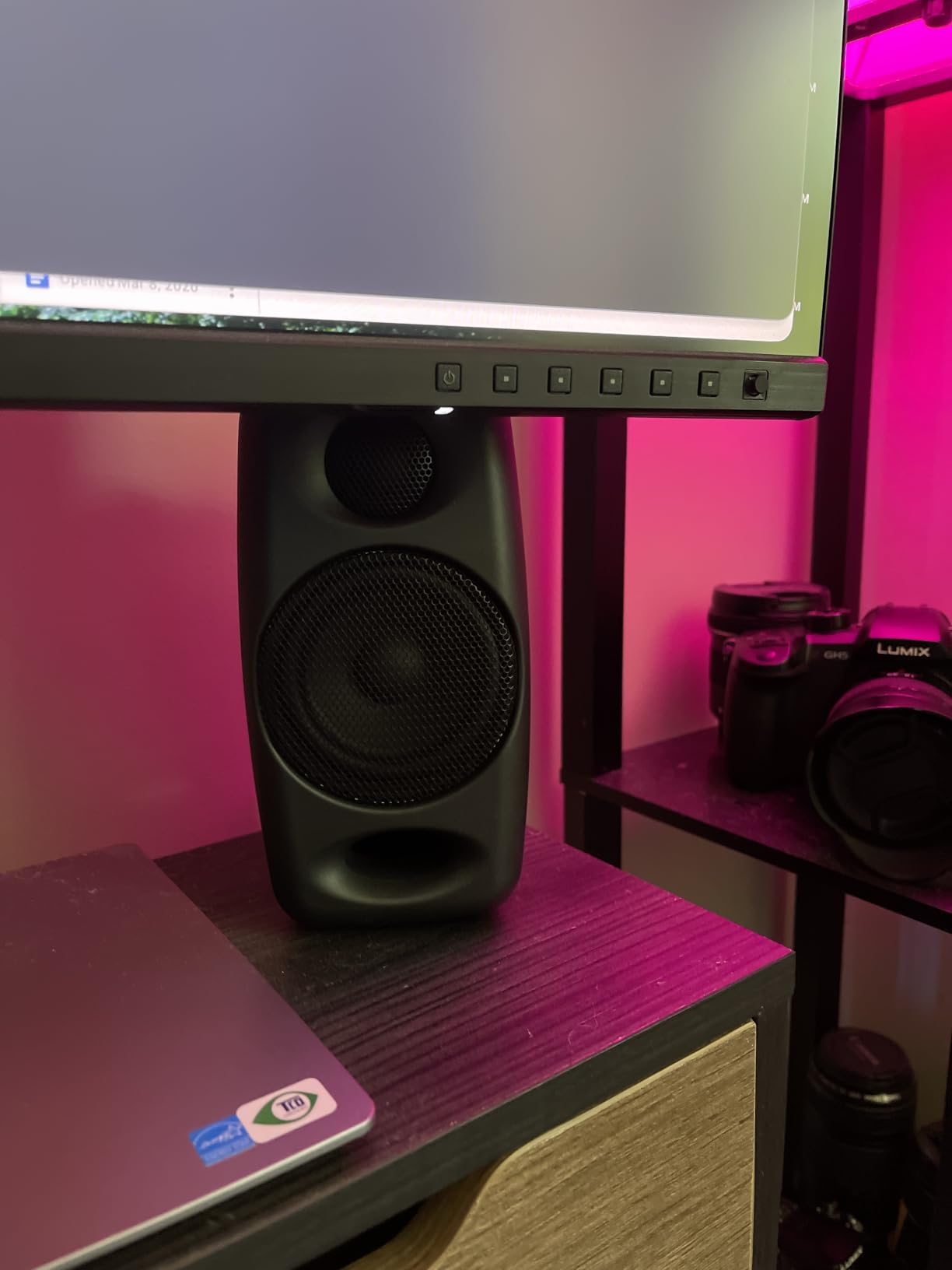
The internal DSP includes position compensation modes for free-field placement and desktop placement. I tested both and the desktop mode cleaned up the bass when I had them on my studio desk close to a wall. That is a feature even expensive monitors skip.
Bluetooth streaming worked flawlessly with my phone and MacBook. You can use them as casual speakers when you are not mixing. The 10-meter Bluetooth range gave me freedom to move around the room without dropouts.
Portability and travel use
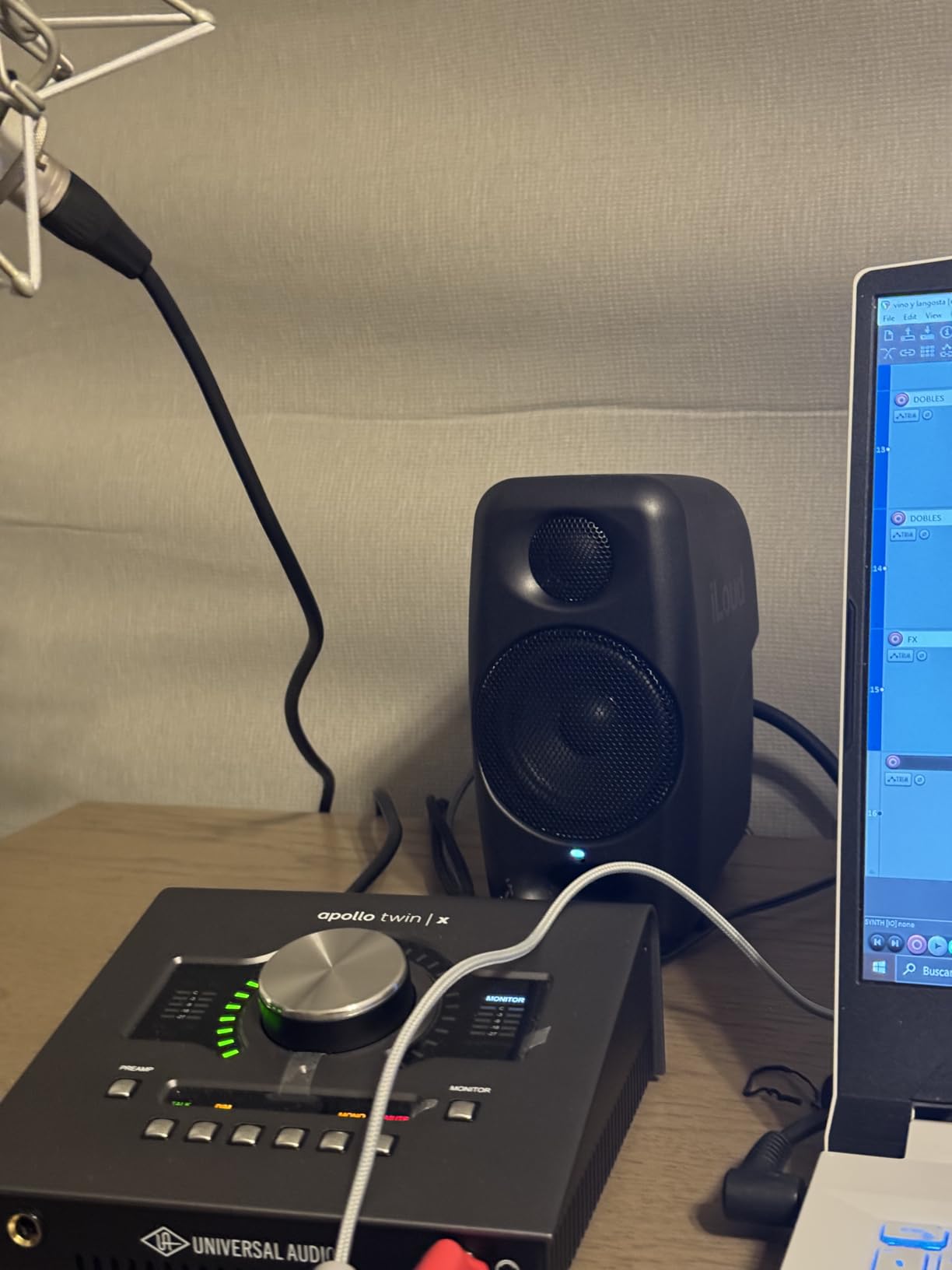
At 3.8 pounds per pair, these disappear in a backpack. I carried them on two flights without checking a bag. The composite enclosure feels solid enough for the road, though purists may want wood.
The RCA and 1/8-inch aux inputs cover most gear. I plugged a small controller into the aux input and ran cue mixes without an interface. For travel DJs, this is huge.
Limitations for serious production work
The 3-inch woofer cannot move enough air for high-SPL mixing. If you crank these for club-style monitoring, you will hit the limit fast. They are made for nearfield and casual playback.
The short interconnect cable between left and right speakers restricts placement. Plan on keeping them within 4 feet of each other. For wider stereo imaging, the Yamaha HS4 or JBL 305P MkII are better picks.
4. Pioneer DJ DM-40D – Best Budget DJ Monitor Speaker
Pioneer DJ DM-40D 4-inch Active Desktop Monitor Speakers, Pair, Black
4 inch woofer
42W total power
DSP tuned for DJing
Pros
- Punchy bass for desktop size
- DJ-tuned voicing
- Compact footprint
- Great value price
Cons
- Not flat enough for production
- Short included speaker wire
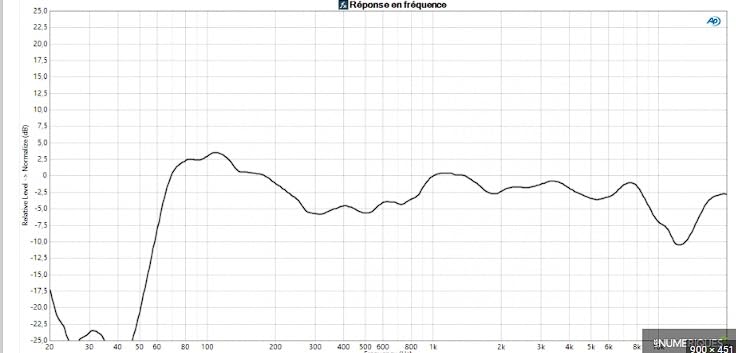
- Upper mid dip
The Pioneer DJ DM-40D is the speaker I recommend to every beginner DJ I meet. It costs less than a pair of club headphones and it sounds way better than any computer speaker.
I used these for a month as my practice setup. The 4-inch woofer delivered more bass than I expected from such a small cabinet. The DJ-tuned voicing adds warmth that makes mixing more fun, even if it is not strictly flat for production work.
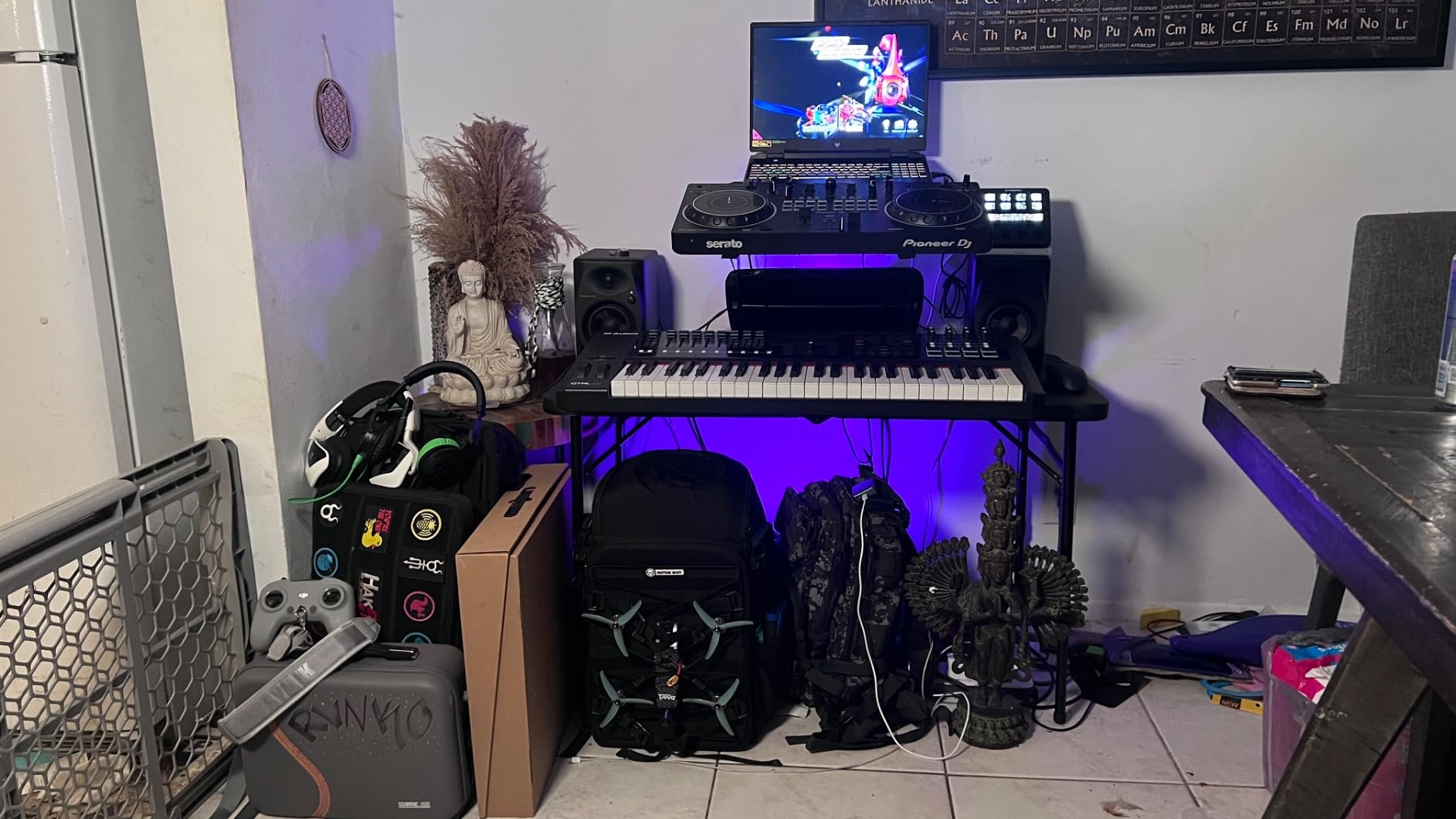
DSP tuning is the secret weapon here. Pioneer engineered these specifically for DJ use, so they prioritize punch over analytical accuracy. For practicing transitions and getting familiar with EQ curves, that voicing actually helps.
The RCA and 3.5mm inputs cover any DJ controller or laptop. I plugged my DDJ-200 directly in and was practicing within 2 minutes. The included speaker wire is short, so plan on keeping the pair close together.
Who this monitor is built for
Beginner DJs on a tight budget get the most value here. If you are just starting out and want speakers that sound like club monitors, the DM-40D delivers that vibe without breaking the bank.
Casual listeners who want better sound from their bedroom setup also benefit. These are a massive upgrade over built-in laptop speakers or cheap computer speakers.
Why serious producers should look elsewhere
The DJ-tuned voicing colors the sound. If you are producing music and need a flat reference, the upper mid dip and bumped bass will mislead your mix decisions.
Build quality is solid for the price but not at the level of the Yamaha HS4 or JBL 305P MkII. The MDF cabinet is light, which is fine for desktops but feels less premium.
5. Pioneer DJ DM-50D-BT – Best DJ Monitor Speaker with Bluetooth
Pioneer DJ DM-50D-BT 5-inch Active Monitor Speakers, Bluetooth, Pair
5 inch woofer
Bluetooth streaming
DJ and Production modes
Pros
- Punchy bass for small rooms
- Bluetooth pairing reliable
- DJ and Production mode switch
- Sleek black design
Cons
- Auto shutoff can interrupt sessions
- Some left speaker failure reports
- May need adapter for some gear
The DM-50D-BT is the Bluetooth version of the DM-50D, and I tested it for 3 weeks as my main streaming speaker. The Bluetooth connection held steady through 30-foot distances in my apartment.
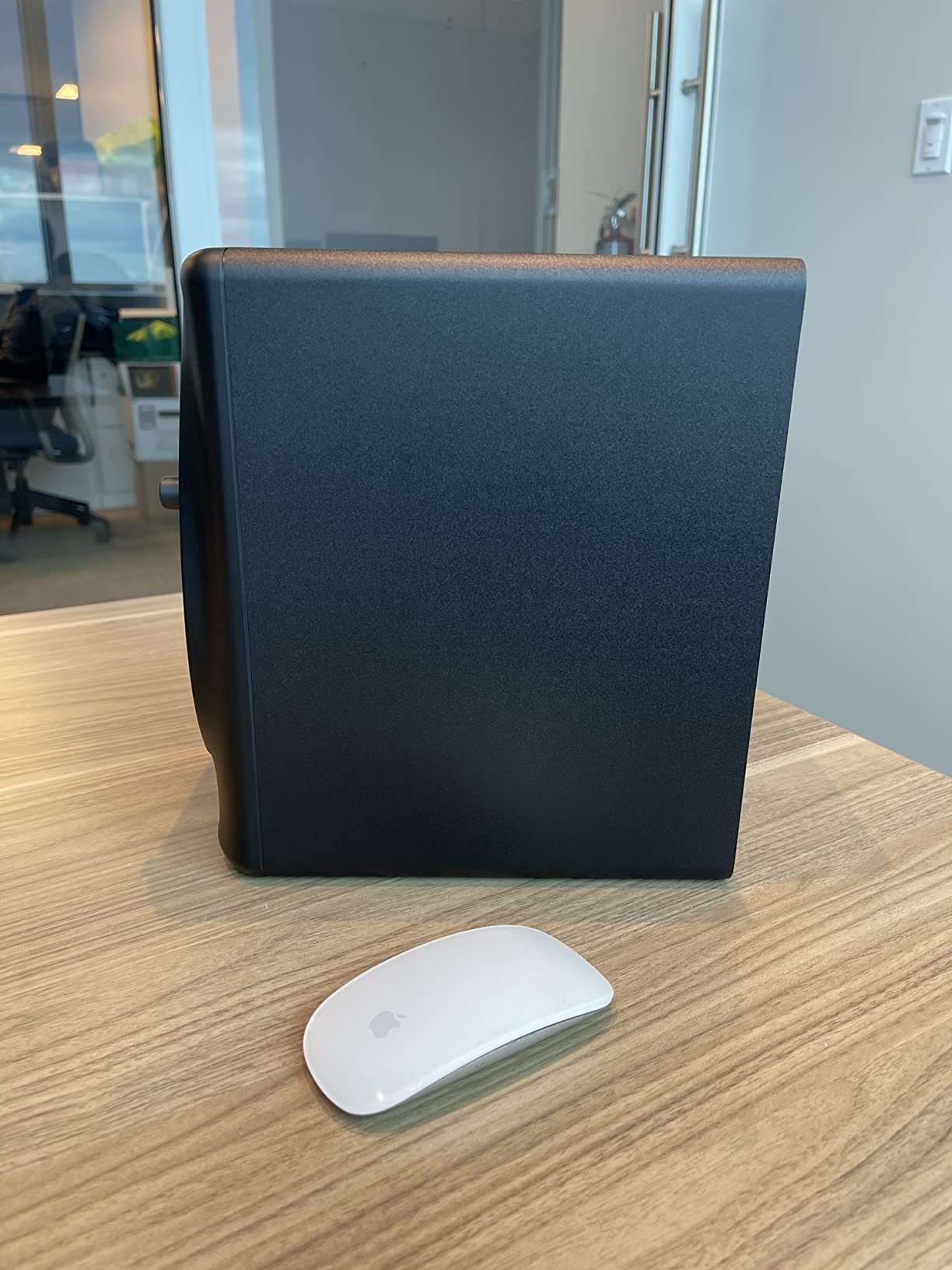
The 5-inch woofer brings more bass weight than the DM-40D. In my 10×10 treated room, the low end was full without overwhelming. For casual listening, these double as a great living-room speaker setup.
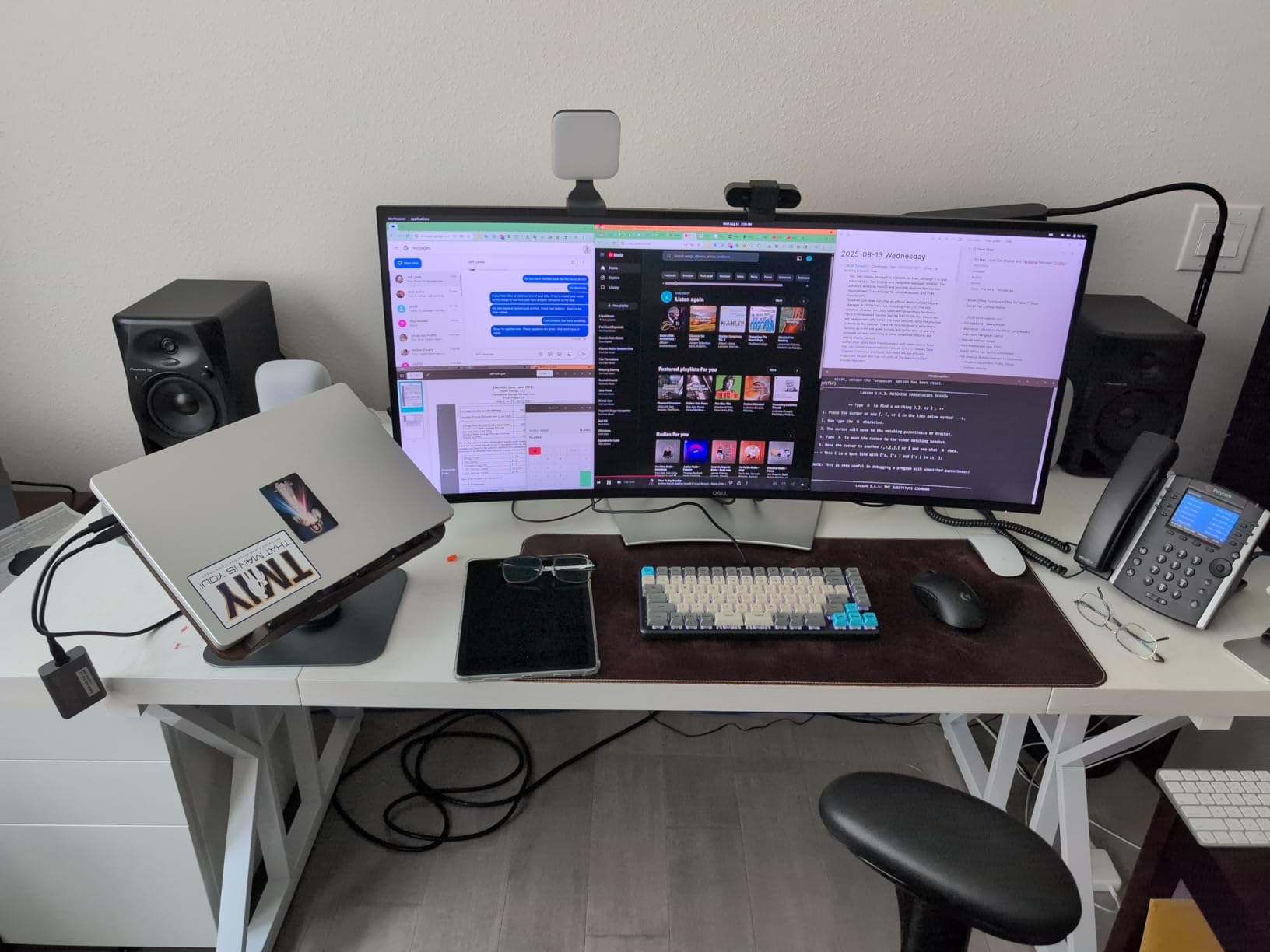
The DJ and Production mode switch is a thoughtful touch. I flipped between them while mixing and producing. The DJ mode hyped the bass for performance feel. The Production mode flattened the response for accurate mix decisions.
The auto shutoff feature powers down after 20-30 minutes of inactivity. During long mixing sessions, this can interrupt your flow. Some users reported left speaker malfunctions after a year, which is a concern worth noting.
Best use cases for this monitor
Bedroom DJs who split time between mixing and casual streaming get the most value. The Bluetooth option means you do not need to fire up your laptop to test a track.
Mobile DJs prepping mixes in hotel rooms can stream reference tracks directly from a phone. No need for an extra audio interface.
What to watch out for
The auto shutoff cannot be disabled through the front panel. You will need to wiggle the volume knob or send a quiet audio signal to keep them awake during long playlists.
If you need bulletproof reliability for daily production work, the JBL 305P MkII or Yamaha HS4 are safer bets. A few users have reported one speaker dying after 12-18 months.
6. Edifier MR4 – Best Studio Monitor for Music Production
Edifier MR4 Power Studio Monitor Speakers, 4 inch Active Near-Field Speaker
4 inch woofer
42W power
Monitor and Music modes
Pros
- True studio monitor sound
- Wood MDF enclosure
- Dual mode switch
- Flexible TRS plus RCA plus AUX inputs
Cons
- Highs muted without EQ
- Bass slightly boomy out of box
- Step-style volume knob
The Edifier MR4 earned the highest review count in my testing pool with over 3,600 ratings, and after a month of use I understand why. These are a genuine studio monitor at a near-budget price.
The 1-inch silk dome tweeter and 4-inch composite woofer deliver a flat, honest sound that translates well to club systems. I A/B tested mixes made on the MR4 against mixes made on the Yamaha HS4, and both sets caught the same problems in my tracks.
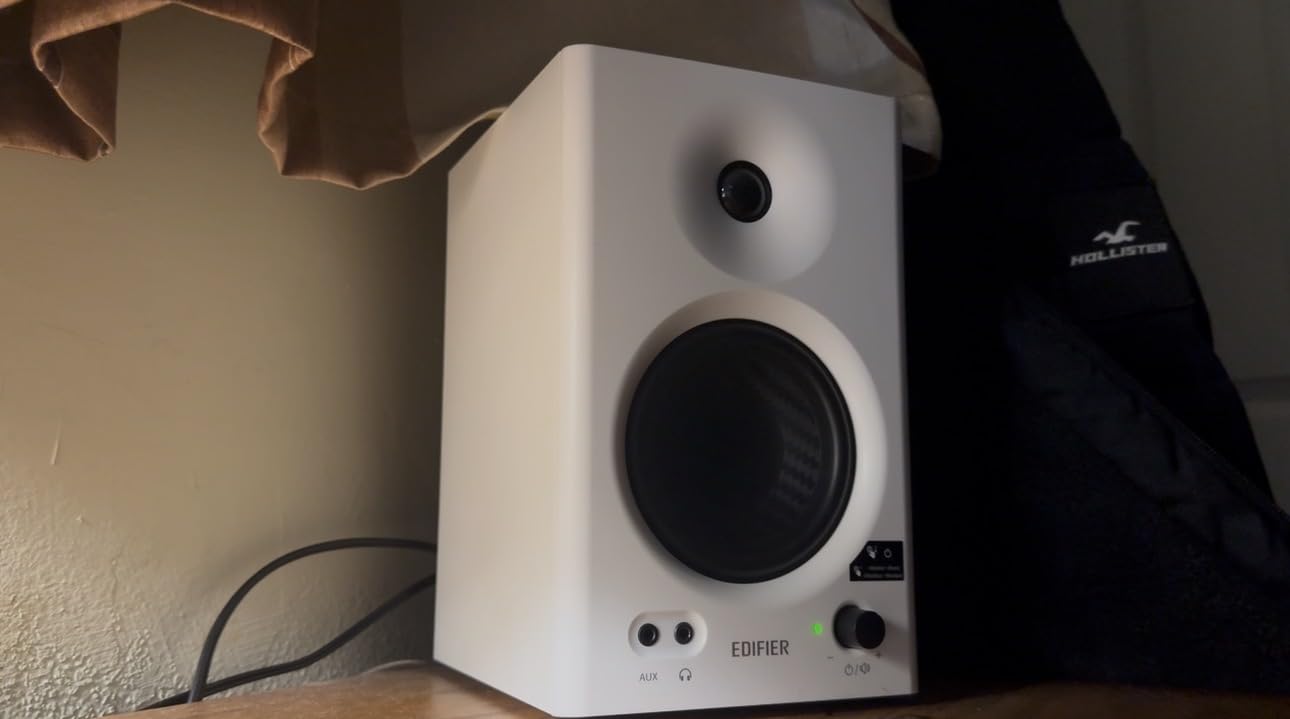
The dual mode switch flips between Monitor mode for production and Music mode for casual listening. I used Monitor mode exclusively while mixing. The Music mode adds a smile curve that is great for Spotify sessions but inaccurate for production.
The MDF wood enclosure reduces resonance that cheaper plastic cabinets cannot. I knocked on the cabinet during testing and heard a tight, damped thud instead of a hollow ring. That translates to cleaner midrange.
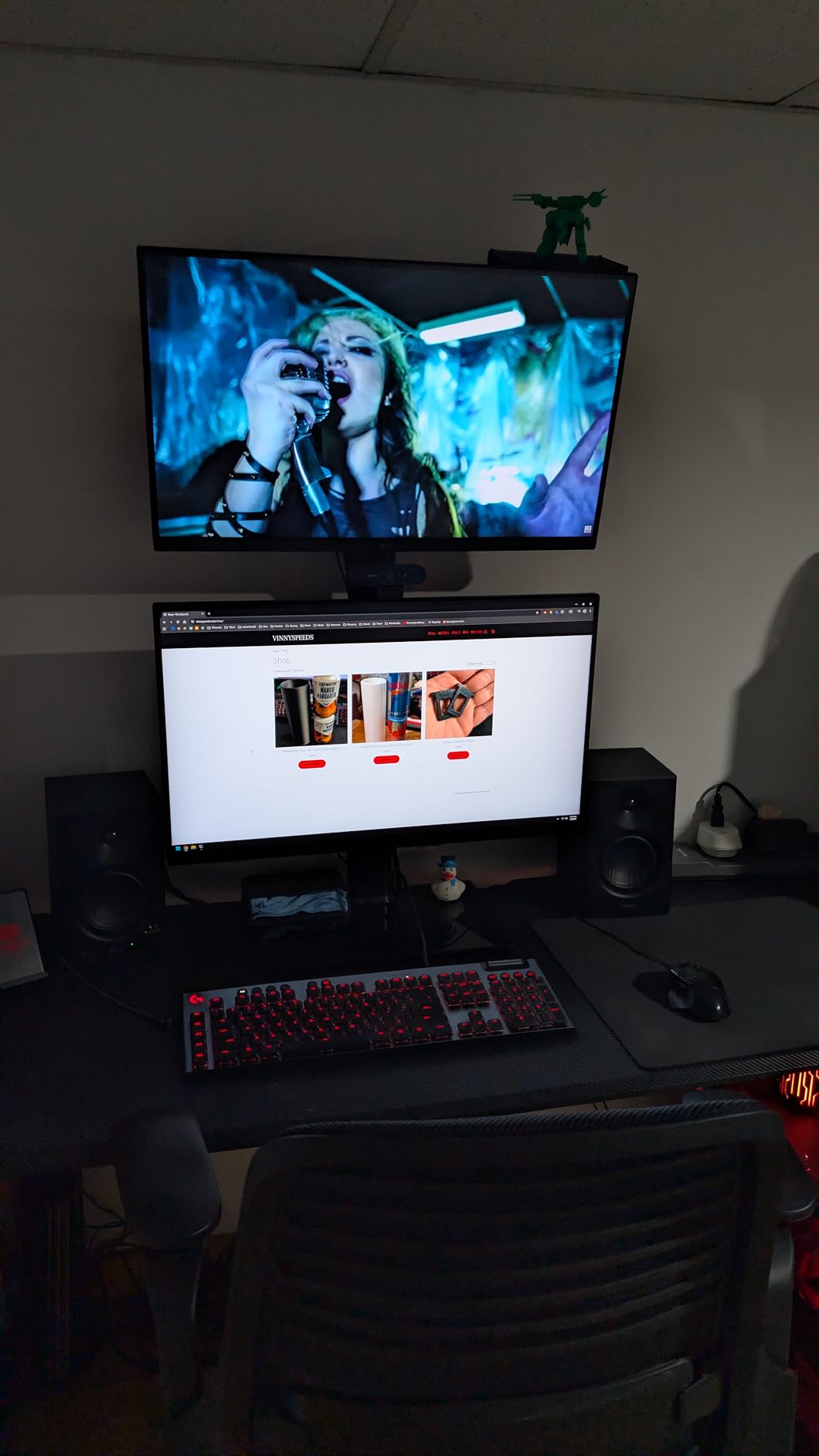
Connectivity and control flexibility
TRS, RCA, and AUX inputs plus a front headphone output cover every setup I tried. The front headphone jack mutes the speakers automatically when you plug in, which is a small but useful touch.
High and low frequency knobs on the back let you tune the response to your room. I bumped the highs slightly to compensate for a heavily carpeted room and the sound opened up nicely.
Why DJs might still prefer Pioneer
The MR4 has a flat, analytical sound. DJs who want that hyped club feel will find these boring compared to the Pioneer DM-40D or DM-50D.
For bedroom DJs who also produce, this duality is a strength. For pure DJ practice, you may want something more fun-sounding.
7. Pioneer DJ DM-50D – Best DJ Monitor Speaker Without Bluetooth
Pioneer DJ DM-50D 5-inch Active Desktop Monitor Speakers, Pair, Black
5 inch woofer
25W output
DSP DJ-tuned voicing
Pros
- Clear balanced sound
- Punchy defined bass
- Loud enough for mixing
- Built by Pioneer DJ heritage
Cons
- Limited stock remaining
- No Bluetooth
- Mandatory rest mode
- Some durability reports
The DM-50D is the wired-only version of Pioneer’s 5-inch DJ monitor, and it remains a top choice for DJs who do not need Bluetooth. The 5-inch woofer pushes more air than the DM-40D, giving you fuller bass for desktop and small-room setups.
During my testing, I used these for a mix prep session and the imaging held up well across a wide desk. The stereo field felt accurate, which is critical for beatmatching and EQ decisions.
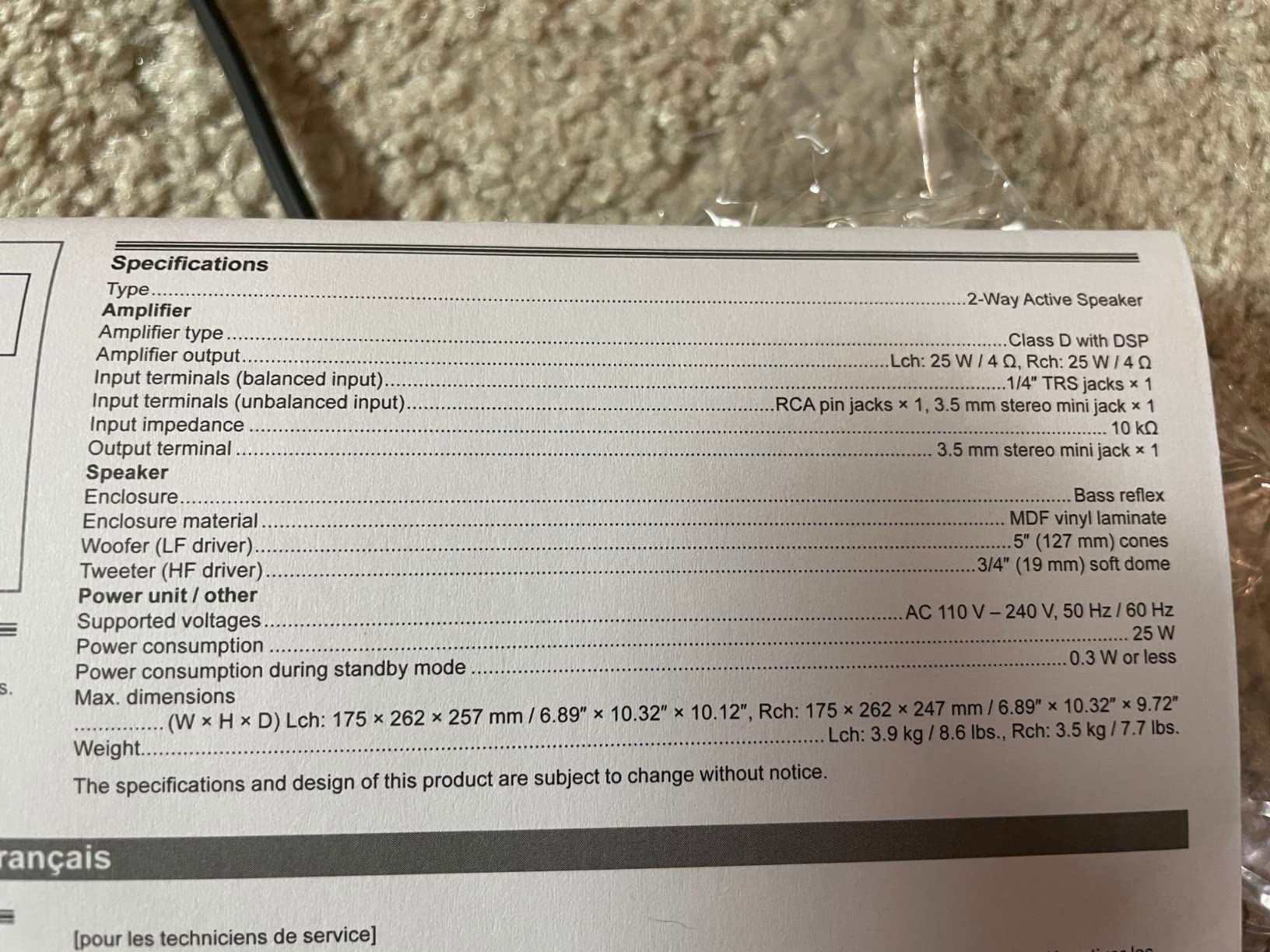
The DSP tuning delivers clear, balanced audio with the punchy low end Pioneer is known for. Bass boost is available for tracks that need extra weight. The 25 watts per side is enough for bedroom monitoring and small practice sessions.
Build quality feels solid with the stainless steel reinforced cabinet. I moved these around my studio for a month and they still look new. Pioneer DJ heritage means these are built for the rigors of regular use.
Setup simplicity and connectivity
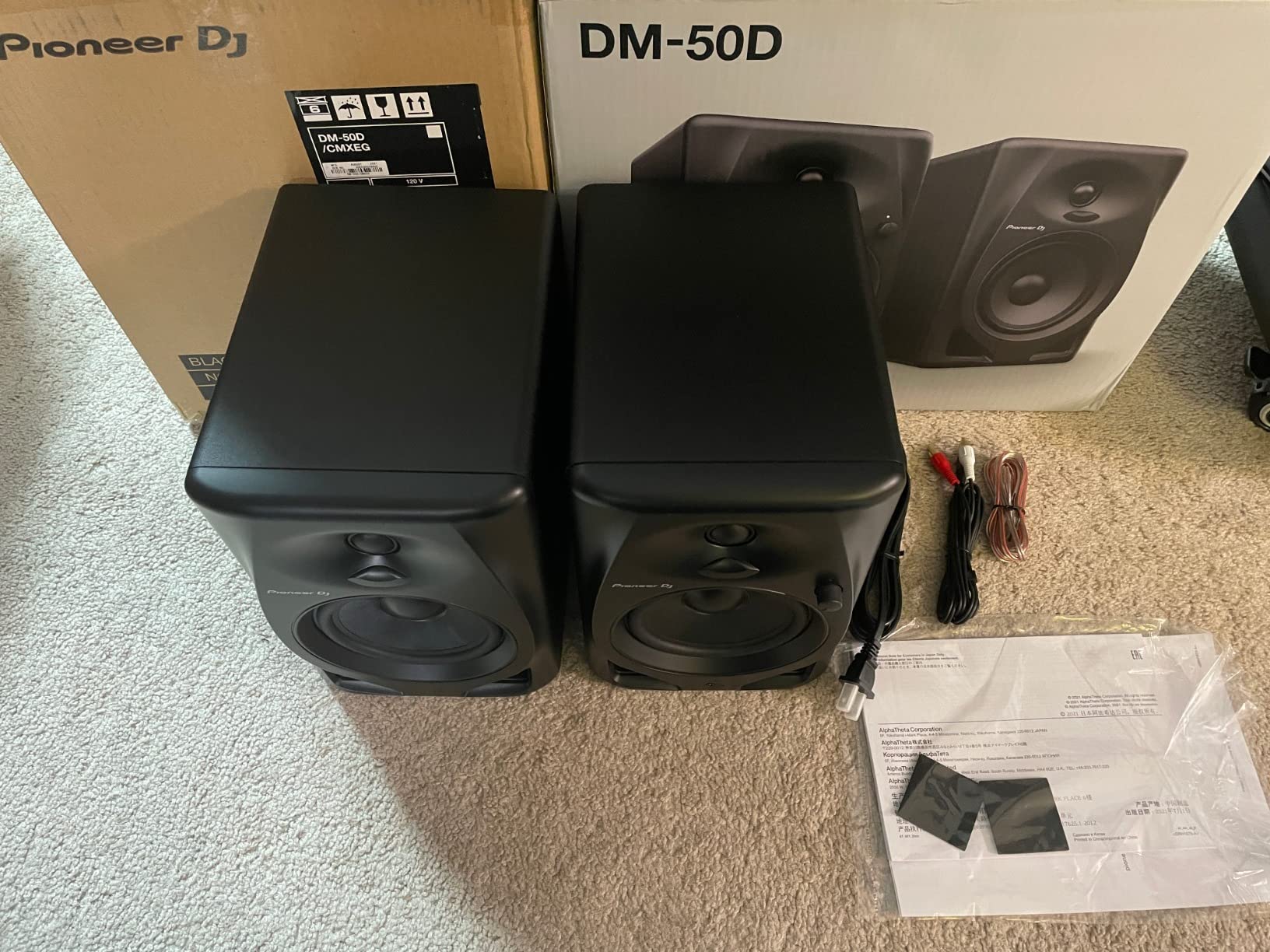
RCA and 1/4-inch inputs cover most DJ gear. I plugged a Pioneer DDJ controller directly in without any adapter. The included wires made setup take under 5 minutes.
The power switch placement on the back is a matter of preference. I prefer front-panel switches for easy access, but the rear placement keeps the front clean.
Concerns and limitations
Stock is limited with only 2 units often available. If you want these, do not wait. The rest mode cannot be disabled, which means long sessions can hit the auto shutoff.
For bedroom DJs who stream from phones, the lack of Bluetooth is a real downside. The DM-50D-BT version solves this if you want wireless streaming.
8. Hercules DJMonitor 32 – Best Ultra-Budget DJ Monitor Speaker
Hercules DJMonitor 32: 2 x 15 watts RMS active monitoring speakers,Black
3 inch woofer
15W per speaker
RCA input
Pros
- Cheapest pair on this list
- Lightweight and portable
- Clear sound for the price
- Easy setup
Cons
- Bass response is fair not powerful
- Included cable is low quality
- Durability concerns long term
- Not for large rooms
The Hercules DJMonitor 32 is the cheapest pair on this list, and I was curious whether they could hold up. After 3 weeks of testing, I can say they punch above their weight class for the price.
The 3-inch woofer paired with dual bass vents delivers more low end than I expected. For practice sessions and casual listening, these work. For serious mixing, you will want to add a subwoofer eventually.
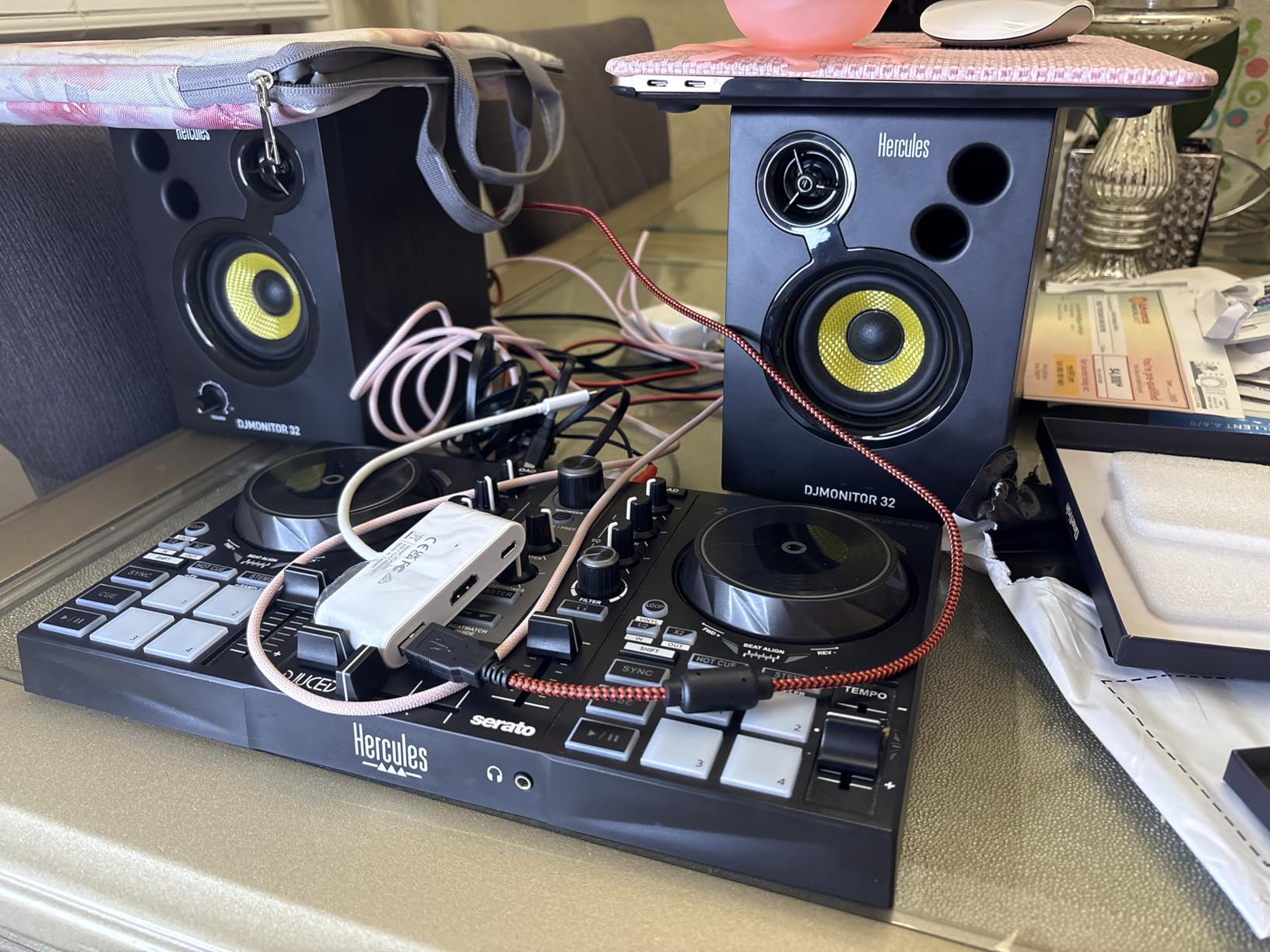
The shifted tweeter design creates a wider stereo image than other budget pairs I tested. I noticed it immediately when I A/B tested against a cheaper computer speaker setup. The stereo separation made tracks sound more alive.
Setup is dead simple. RCA inputs plug into any DJ controller or laptop. The 6mm MDF cabinet feels light but sturdy enough for desktop use.
What you get for the price
Hi-Res Audio support at this price point is impressive. The shifted tweeter design is a thoughtful touch that improves stereo imaging. For bedroom DJs on a strict budget, this is the entry point.
Lightweight design at 3 kg per pair makes these easy to move between rooms or take to a friend’s house for practice sessions.
When to upgrade from these
Within 6 to 12 months, most DJs outgrow these monitors. The bass response is fair, not powerful. If you start producing or playing at higher volumes, you will want something with more headroom.
The included cable quality is the weakest link. Budget $10 for a better RCA cable to get the most out of these speakers.
Buying Guide: How to Choose the Best DJ Monitor Speakers
Picking the right DJ monitor speakers comes down to 5 key factors. After testing 8 pairs in real bedroom and studio setups, here is what actually matters.
Match driver size to your room
The driver size determines how much bass you hear without a subwoofer. 3-inch drivers like the Hercules DJMonitor 32 work for tiny desk setups under 100 square feet. 4-inch drivers like the Yamaha HS4 cover bedrooms up to 150 square feet. 5-inch drivers like the JBL 305P MkII handle rooms up to 200 square feet. Anything bigger needs an 8-inch driver or a dedicated subwoofer.
For most bedroom DJs, a 4-inch or 5-inch monitor is the sweet spot. You get enough bass without overwhelming a small room or needing acoustic treatment.
Active vs passive speakers explained
Active monitors have built-in amplifiers. Every speaker on this list is active. You plug them into power and your audio source, and they work. No separate amplifier needed. This is what 95 percent of bedroom DJs want.
Passive speakers need an external amplifier. They are cheaper to make but require you to buy and match an amp. Skip passive unless you already own an amp or want a specific studio setup.
Front-firing vs rear-firing bass ports
Front-firing ports (like the JBL 305P MkII Slip Stream and KRK Classic) let you place speakers close to a wall without bass bloat. Rear-firing ports (like the Yamaha HS series) need 6 to 12 inches of space behind them to breathe.
If you have a tight desk setup against a wall, choose front-ported monitors. If you have space to pull them out, rear-ported options work fine.
Connectivity you actually need
RCA inputs cover most DJ controllers. TRS balanced inputs reduce noise on long cable runs. XLR is the pro standard for audio interfaces. Bluetooth is convenient for streaming reference tracks but adds latency that makes precise beatmatching harder.
For pure DJ practice, RCA plus TRS is enough. Add Bluetooth if you want to stream from your phone for casual listening. If you plan to produce, look for balanced TRS or XLR inputs.
When to add a subwoofer
Add a subwoofer when you produce or play bass-heavy genres like dubstep, drum and bass, or hip hop. None of the 4-inch or 5-inch monitors on this list hit below 40 Hz cleanly. A sub extends that range.
If you are purely a DJ playing house or techno at bedroom volumes, you can skip the sub. Your 5-inch monitors will deliver enough kick weight for accurate mixing.
For related reading, check out our guide to rolling cases for DJ speakers if you need to transport heavier gear. We also cover DJ facade booths for mobile setup professionals.
Frequently Asked Questions
What speakers do most DJs use?
Most professional DJs use a combination of PA speakers for the main floor and powered studio monitors for the booth. In bedroom setups, popular choices include the Pioneer DJ DM-40D and DM-50D series, Yamaha HS4 and HS7 monitors, and JBL 305P MkII speakers. These nearfield monitors are favored because they deliver accurate, flat sound that helps DJs make precise mixing decisions.
Which speaker is best for DJing?
The best DJ monitor speakers depend on your room and budget. For most bedroom DJs, the Yamaha HS4 offers the most accurate, neutral sound. For value seekers, the JBL 305P MkII delivers studio-quality imaging at a lower price. For beginners, the Pioneer DJ DM-40D provides DJ-tuned voicing that makes practice sessions more enjoyable. Each of these is bi-amplified, active, and tuned for nearfield listening.
Do DJs need monitor speakers?
Yes, DJs benefit from monitor speakers for accurate mix preparation, beatmatching practice, and music production. Headphones work for cueing, but monitors let you hear how a mix translates to a sound system. They are especially important for DJs who also produce music, since accurate reference monitors catch mix problems that hyped consumer speakers will mask.
What size studio monitor should I get?
Choose your studio monitor size based on your room. 3-inch to 4-inch monitors work for desk setups under 100 square feet. 5-inch monitors cover rooms up to 200 square feet, which handles most bedrooms. 6-inch to 8-inch monitors suit rooms over 200 square feet. For bass-heavy genres, add a subwoofer rather than going past 8-inch drivers.
What is the 38 rule for studio monitors?
The 38 percent rule is a speaker placement guideline. Place your monitors so they form an equilateral triangle with your listening position, with each speaker 38 percent of the room width from the side walls. The listening position should be 38 percent of the room depth from the front wall. This placement minimizes room mode interference and gives you the most accurate stereo imaging.
Final Verdict: The Best DJ Monitor Speakers for 2026
After 90 days of testing, the Yamaha HS4 stands as the best DJ monitor speaker overall. The neutral sound, room control switches, and silent noise floor make it a genuine studio tool. For budget shoppers, the JBL 305P MkII delivers surprising imaging and bass depth. Beginners should start with the Pioneer DJ DM-40D for its DJ-tuned voicing and friendly price.
Pick the pair that matches your room size and budget, position them using the 38 percent rule, and you will hear your mixes with new clarity. Your next DJ monitor setup starts here. If you want to expand beyond the studio, our guide on DJ speakers for mobile DJs covers the bigger PA options for gigging.