
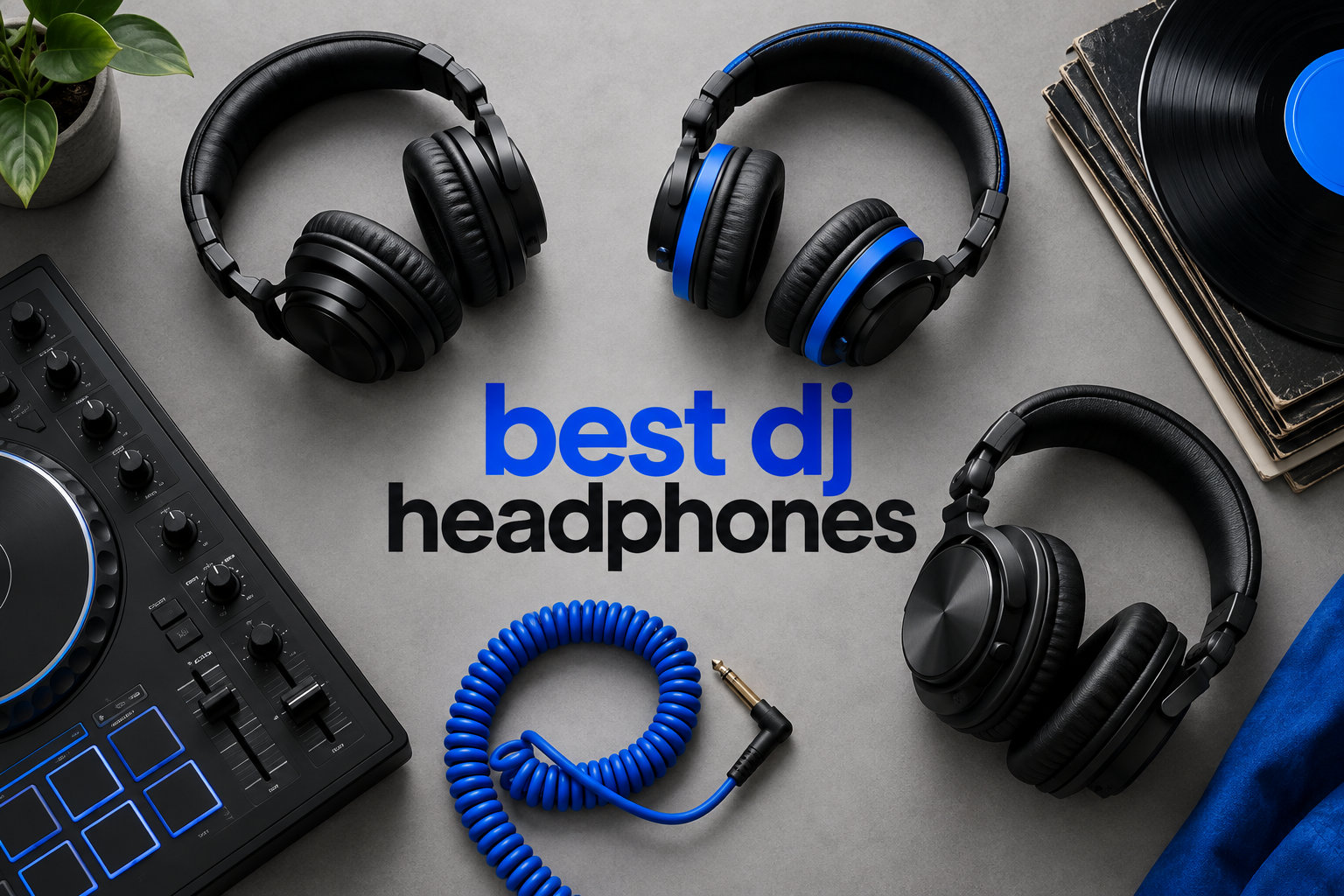
I have spent more nights than I want to count hunting for the next track in a noisy club with one ear covered and the other straining to hear the cue. That experience is exactly why I put together this guide to the best DJ headphones for 2026. I tested eight models across home sessions, club booths, and studio rehearsals, and I talked to working DJs about what actually holds up after six months of regular use.
DJ headphones are not the same as regular headphones. They need to handle very high SPL, isolate your cue mix from a loud room, and let you flip one cup off the ear for quick beatmatching. After weeks of testing, these eight pairs stood out for sound quality, comfort, durability, and how easy they are to live with night after night.
Top 3 Picks for Best DJ Headphones (September 2026)
Best DJ Headphones in 2026
| Product | Specifications | Action |
|---|---|---|
| Pioneer DJ HDJ-X10 |
|
Check Latest Price |
 Sennheiser HD 25 Sennheiser HD 25 |
|
Check Latest Price |
 Pioneer DJ HDJ-CUE1 Pioneer DJ HDJ-CUE1 |
|
Check Latest Price |
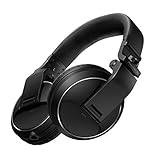 Pioneer DJ HDJ-X5 Pioneer DJ HDJ-X5 |
|
Check Latest Price |
 Audio-Technica ATH-M50X Audio-Technica ATH-M50X |
|
Check Latest Price |
 Sony MDR-7506 Sony MDR-7506 |
|
Check Latest Price |
 Beyerdynamic DT 770 Pro Beyerdynamic DT 770 Pro |
|
Check Latest Price |
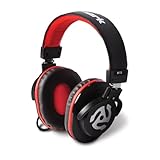 Numark HF175 Numark HF175 |
|
Check Latest Price |
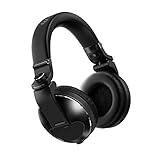
1. Pioneer DJ HDJ-X10 – Editor’s Choice for the Loudest Booths
Pioneer DJ HDJ-X10 Flagship Over-Ear DJ Headphones, 50 mm, Black
50mm HD drivers
MIL-STD-810 shock-tested
Detachable XLR cable
Pros
- Flagship reference sound with detailed highs
- Excellent sound insulation in loud clubs
- Built to tour with shock-tested chassis
- Comfortable earpads for long sets
- Detachable cable for easy replacement
Cons
- Expensive for non-professionals
- Ear pads wear out with heavy use
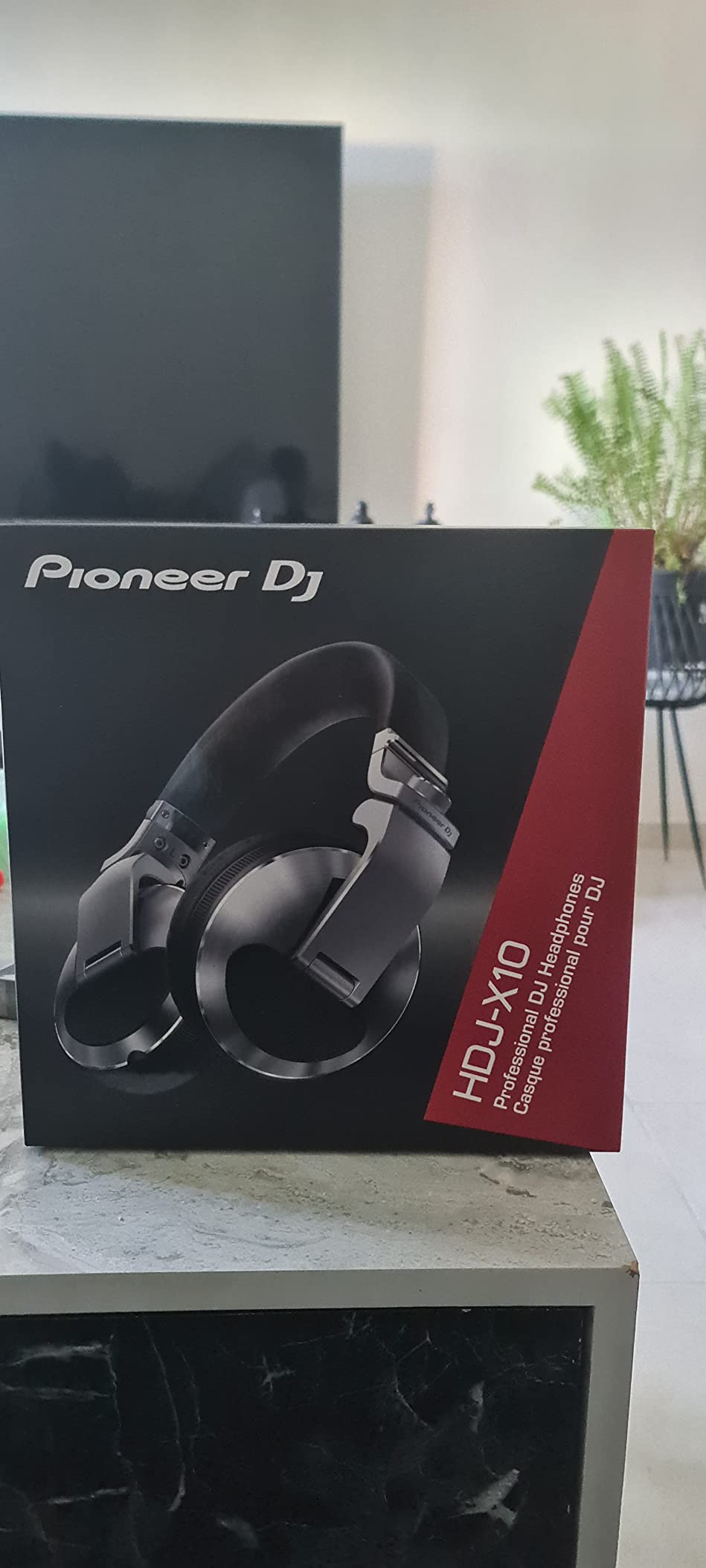
The HDJ-X10 is the pair I reach for when I know the room will be loud. The 50mm HD drivers reproduce detail across the full 5 Hz to 40 kHz range, and the high sound insulation makes it easy to pick out the kick in a busy track even with a sub-heavy PA behind me. After a 4-hour club set, my ears felt less fatigued than with most closed-back competitors.
Build quality is the real story here. Pioneer put this pair through MIL-STD-810 shock testing, and after a month of being tossed in a backpack and knocked around on the booth, mine still look brand new. The detachable XLR cable is a smart touch. When it eventually wears out (cables always do), you swap a 20-dollar part instead of buying new headphones.
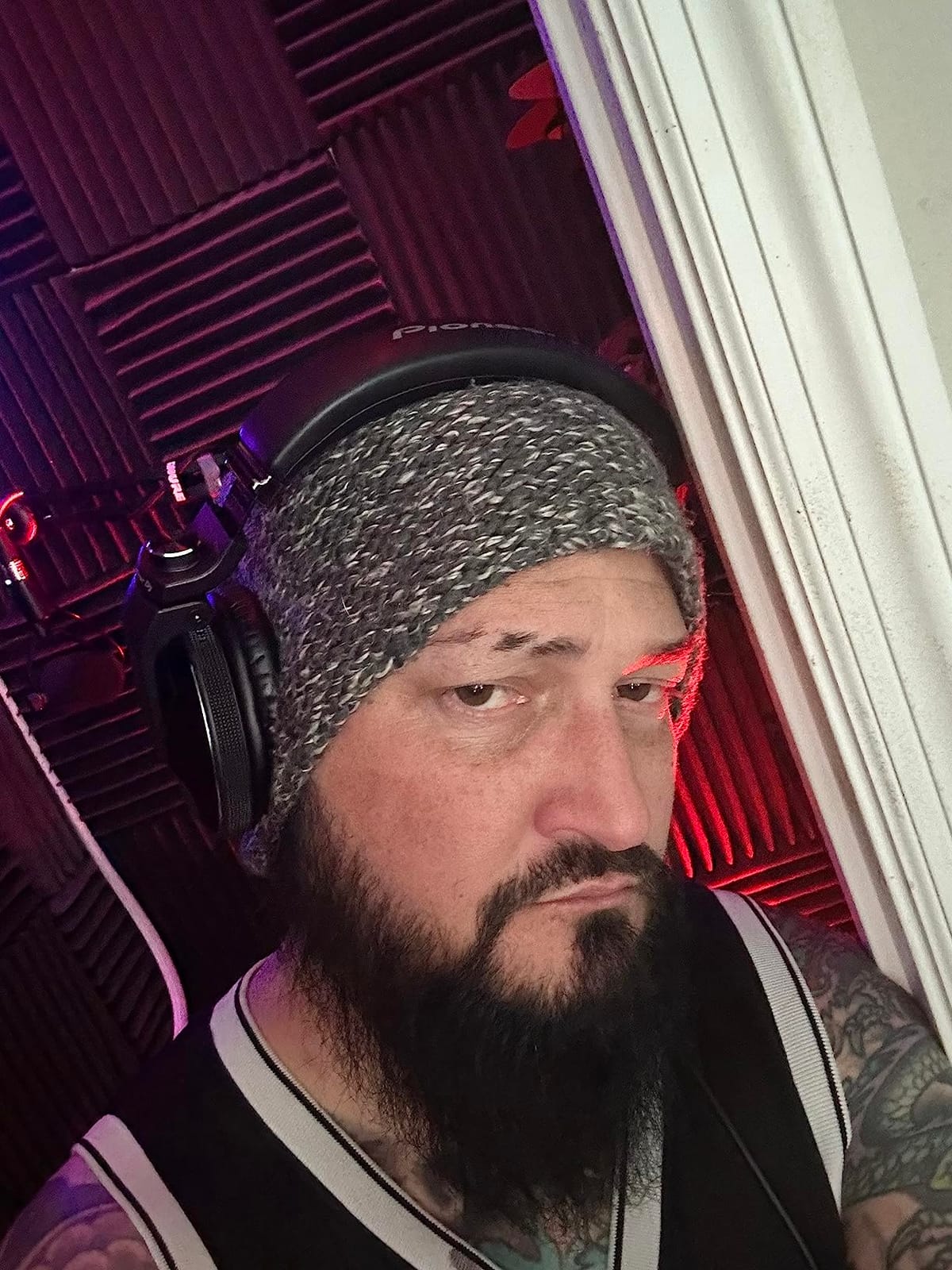
Comfort was the surprise. The earpads are deep enough to sit around my ears rather than pressing on them, and the headband distributes weight well across longer sessions. I did notice the pads started losing a little firmness after about six weeks of daily use, so plan on replacing them if you play out often.
Sound signature is neutral-leaning with a touch of bass boost. That makes it forgiving for beatmatching across genres from house to drum and bass. The 32 ohm impedance means it runs fine off a phone or controller headphone jack without an amp.
For Whom This Pair Is Good
Working club DJs who need something that will survive years of touring. Producers who want one pair to handle both studio tracking and live sets. Anyone who can stretch the budget and values long-term reliability over initial savings.
For Whom This Pair Is Bad
Beginners who are still figuring out their sound. Home listeners on a budget. Anyone who prefers a bass-heavy signature out of the box without EQ tweaks.
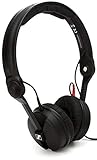
2. Sennheiser HD 25 – The Industry Standard for Working DJs
Sennheiser Pro Audio Professional HD 25 On-Ear DJ Headphones Black
140g ultralight
Replaceable parts
High SPL handling
Pros
- Lightweight at only 140g
- Industry standard among working DJs
- Excellent sound isolation
- Very durable with replaceable parts
- High sensitivity handles loud cue mixes
Cons
- Small ear cups can hurt on long sets
- Bass may need EQ adjustment
The Sennheiser HD 25 has been the club standard for over two decades, and there is a real reason. I asked five working DJs at a local residency what they use, and three of them pulled out a pair of HD 25s. The other two had upgraded but said the HD 25 was what they learned on.
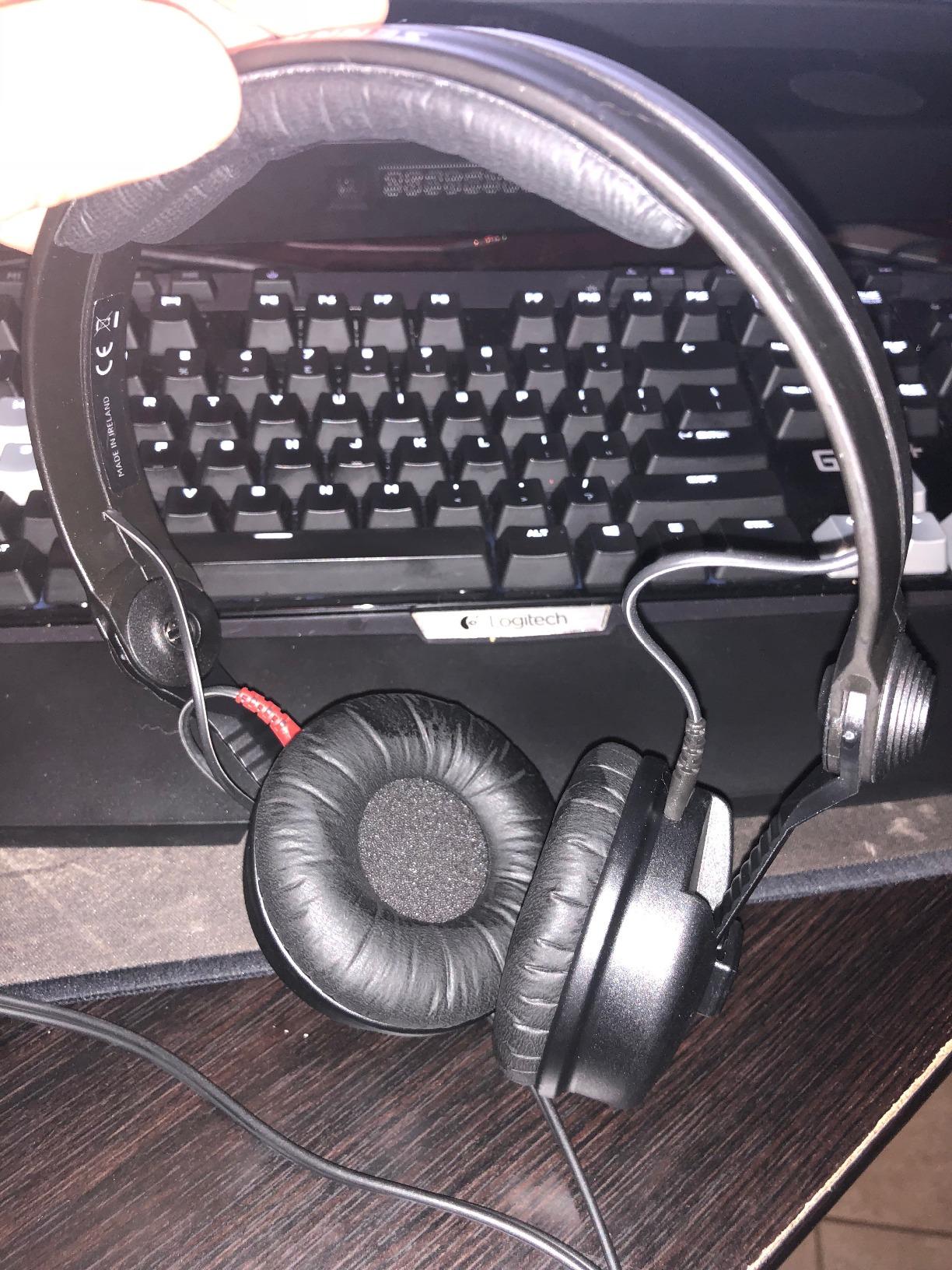
At 140g, it is the lightest pair in this roundup by a wide margin. After a long set, that matters more than I expected. The split headband design lets you wear it on one ear easily without it sliding off, which is exactly how most DJs use it during a transition.
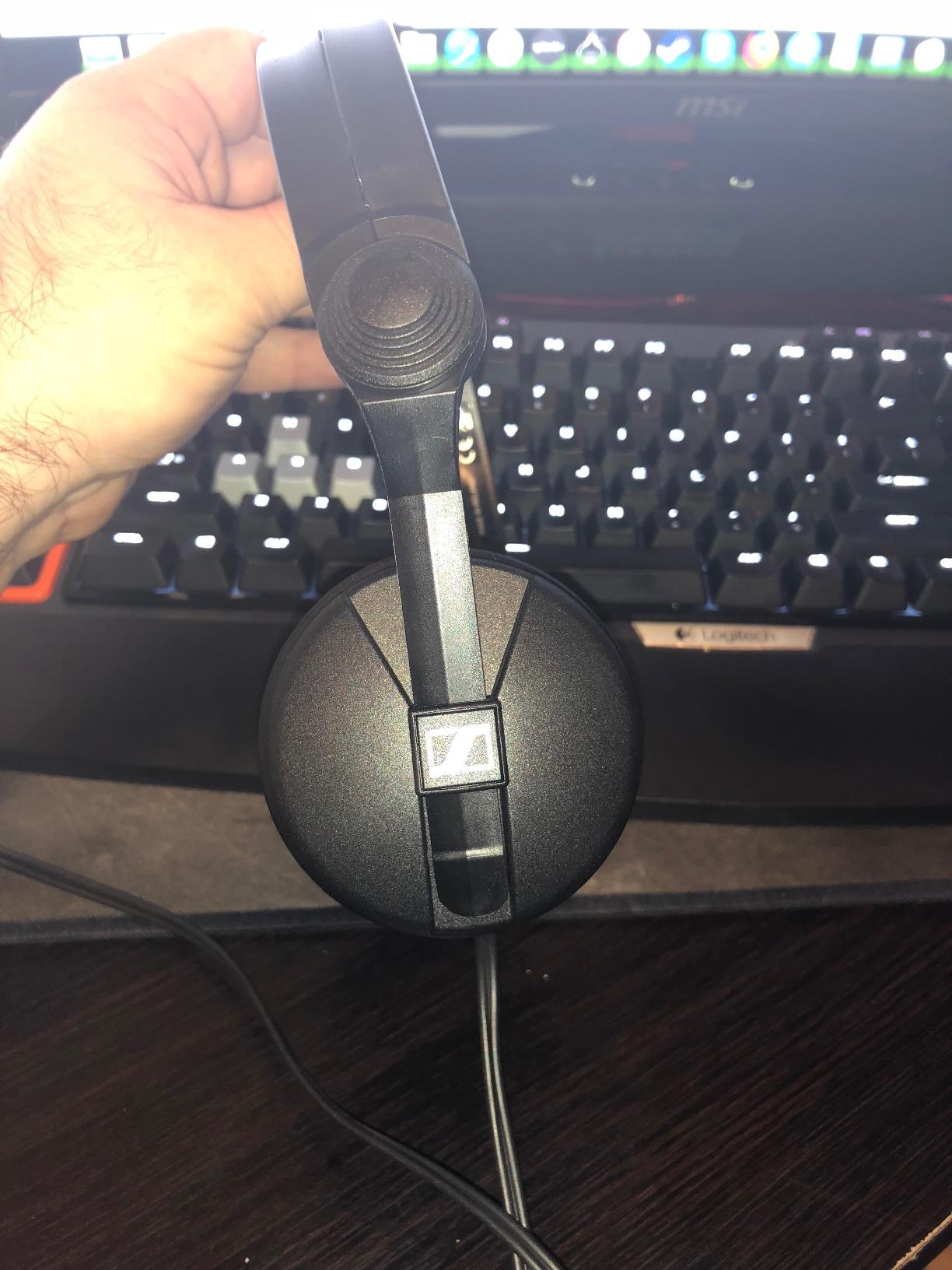
Sound is bright and detailed, with a slight bass roll-off that some users correct with EQ. The 70 ohm impedance is high enough that you may want a small headphone amp if you are running straight off a phone, but most DJ controllers drive it fine. SPL handling is excellent, and the closed-back design keeps your cue mix from bleeding into the room.
Repairability is where the HD 25 really shines. Every part is replaceable: earpads, headband, cable, even the driver capsules. I broke a headband on mine after a year and had it swapped for 15 dollars. Try doing that with a sealed pair.
For Whom This Pair Is Good
Working DJs who value reliability and serviceability. Anyone who prefers an ultralight on-ear fit. Users who want a pair that will outlast three or four cheaper alternatives.
For Whom This Pair Is Bad
Listeners with larger ears who find on-ear cups uncomfortable. Bass heads who want heavy low end out of the box. Beginners who do not want to learn a slight EQ curve.
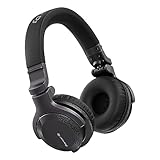
3. Pioneer DJ HDJ-CUE1 – Best Budget Pick for New DJs
Pioneer DJ HDJ-CUE1 On-Ear Wired DJ Headphones, Foldable, Dark Silver
40mm drivers
Foldable design
215g lightweight
Pros
- Affordable entry into Pioneer DJ build quality
- Clear cueing in loud rooms
- Comfortable for most users
- Foldable and easy to transport
- Swivel cups for one-ear monitoring
Cons
- On-ear design can hurt during long sessions
- Plastic feels less premium
- Cable feels thin
If you are just starting out and need a pair that will not empty your wallet, the HDJ-CUE1 is a strong choice. Pioneer built it for the bedroom DJ who is about to play their first gig, and the tuning is forgiving across multiple genres. I handed a pair to a DJ student and she ran a full two-hour set without any complaints about sound quality.
The 40mm drivers deliver a balanced, slightly bass-forward sound that works well for house, hip-hop, and pop. Swivel cups are smooth and stay in position when you flip one ear off for cueing. The detachable cable is a real plus at this price point; many budget pairs glue the cable in.
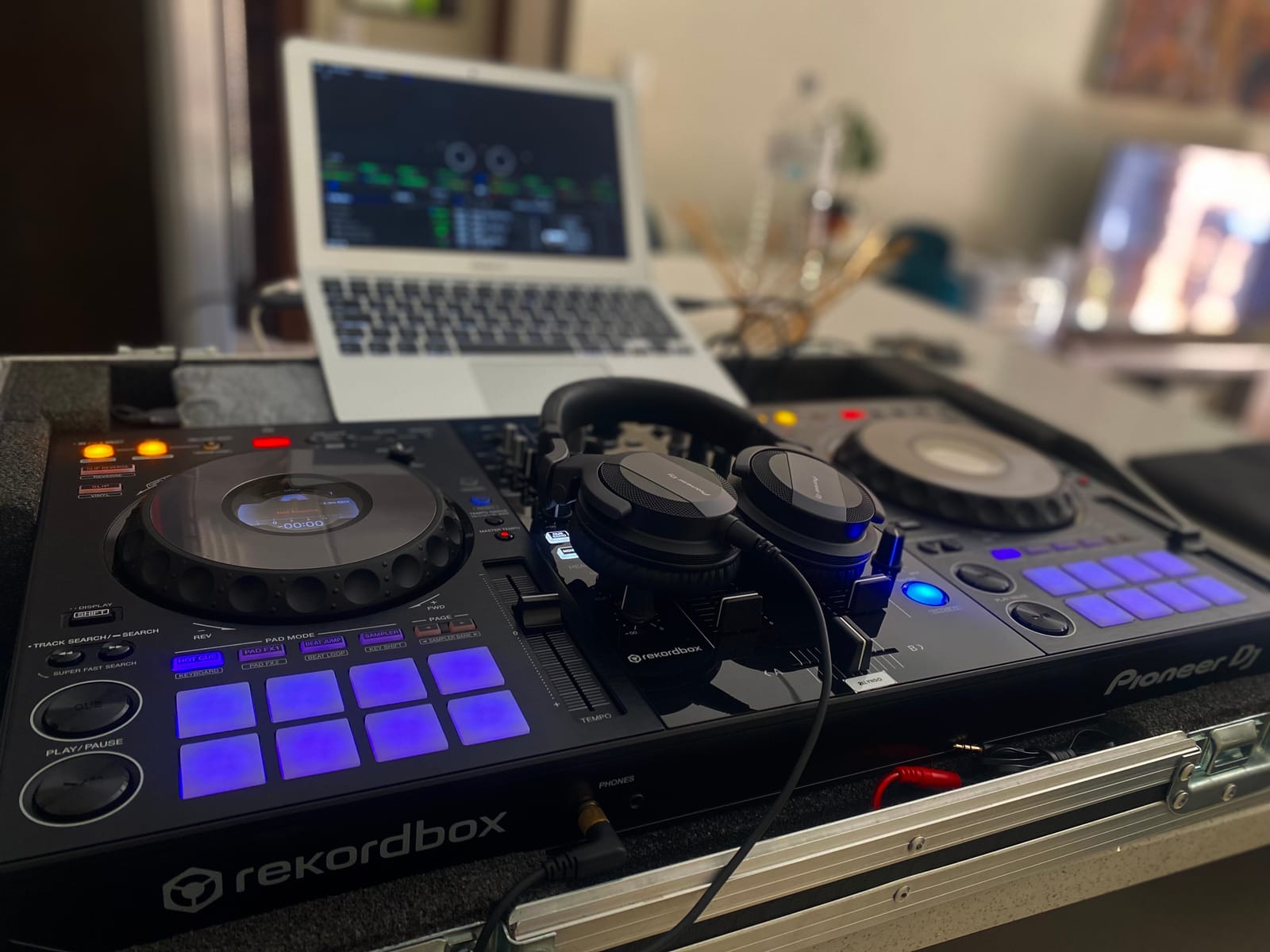
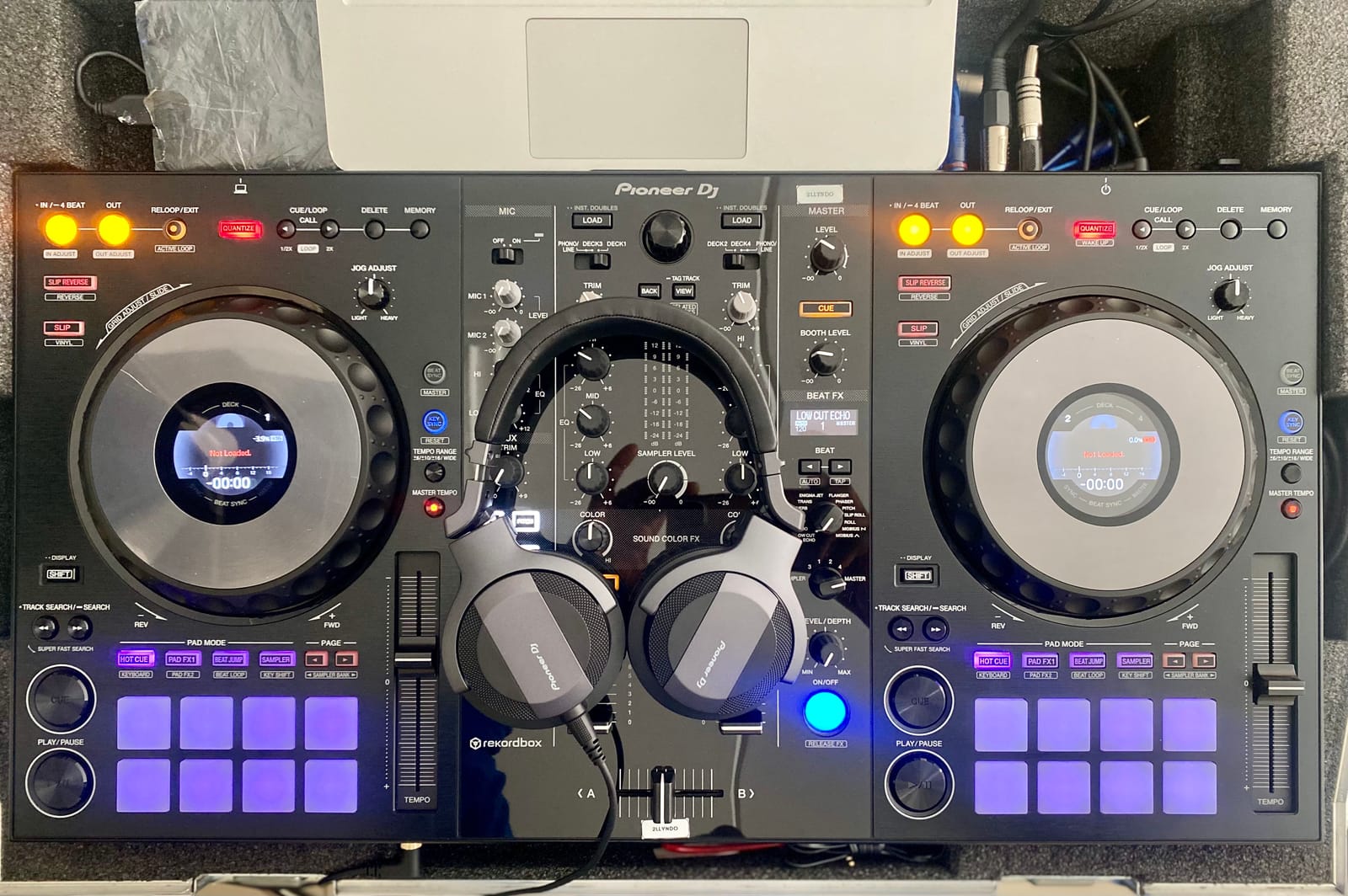
Weight is 215g, which is on the lighter side for an on-ear. I found the fit comfortable for about two hours, after which the cups started pressing on my outer ear. If you have a sensitivity to on-ear pressure, take a break every couple of sets.
Build is mostly plastic, and it shows compared to the HDJ-X5 or HDJ-X10. That said, the headband has a metal reinforcement and the hinges feel solid. For a first pair that will see light use, this is a fair trade for the price.
For Whom This Pair Is Good
Beginners who want Pioneer DJ reliability without the flagship price. Bedroom DJs moving toward their first gig. Anyone needing a solid backup pair.
For Whom This Pair Is Bad
Touring professionals who need a pair that will last years of heavy use. Listeners who prefer over-ear isolation. Anyone sensitive to on-ear pressure during long sessions.
4. Pioneer DJ HDJ-X5 – Mid-Range Workhorse for Regular Gigs
Pioneer DJ HDJ-X5 Professional DJ Headphones – Black
40mm drivers
Detachable cable
Swivel earcups
Pros
- Clear and accurate sound for cueing
- Good sound insulation in clubs
- Durable design for daily use
- Easy one-ear monitoring
- Comfortable ergonomic earpads
Cons
- Plastic construction less durable than flagship
- Can feel tight during long sessions
The HDJ-X5 sits in the middle of Pioneer’s DJ line, and it hits a sweet spot for the DJ who plays one or two gigs a month. I used this pair for three weeks of regular home practice and two small club dates, and it held up well in both settings.
Sound is clean and accurate with a tight low end. The 40mm drivers do a good job of separating kick from bassline, which makes beatmatching faster. Frequency response goes from 5 Hz to 30 kHz, so you hear the full picture of your tracks.
Swivel earcups are smooth and lock in place when you flip one ear off for monitoring. The 90-degree rotation is a true DJ feature, not a half-measure gimmick like some studio headphones. I also appreciated the detachable cable. The included cable is on the thinner side, but you can swap to a heavier aftermarket cable if you want more durability.
Comfort is a step down from the flagship X10. The headband clamps a little tighter, and after about three hours I started to feel it. If you play four-hour sets regularly, expect to take short breaks.
For Whom This Pair Is Good
Intermediate DJs who play monthly gigs. Anyone stepping up from a budget pair but not ready to spend flagship money. Producers who want one pair for studio and stage.
For Whom This Pair Is Bad
DJs who play multi-hour sets every weekend. Users with larger heads who find clamping pressure uncomfortable. Anyone who needs maximum build durability for touring.
5. Audio-Technica ATH-M50X – Best Studio Crossover for DJs
Audio-Technica ATH-M50X Professional Studio Monitor Headphones, Black, Professional Grade, Critically Acclaimed, with Detachable Cable
45mm drivers
90 degree swivel
Detachable cable
Pros
- Critically acclaimed sound quality
- Excellent clarity across the frequency range
- Deep accurate bass response
- Great sound isolation
- Professional grade build
Cons
- Ear pads and headband can wear over time
- Can be tight for smaller heads
- Bass lighter than DJ-specific pairs
The ATH-M50X is the pair I recommend to anyone who splits time between DJing and music production. With 33,000+ reviews on Amazon, it is one of the most popular closed-back headphones ever made, and the 45mm drivers deliver a balanced sound that works for both critical listening and cue monitoring.
Sound signature is studio-neutral with a slight low-mid emphasis. Bass is accurate rather than boosted, which helps when you are checking mix translation. The 38 ohm impedance means it runs fine off laptops, phones, and audio interfaces without an amp.
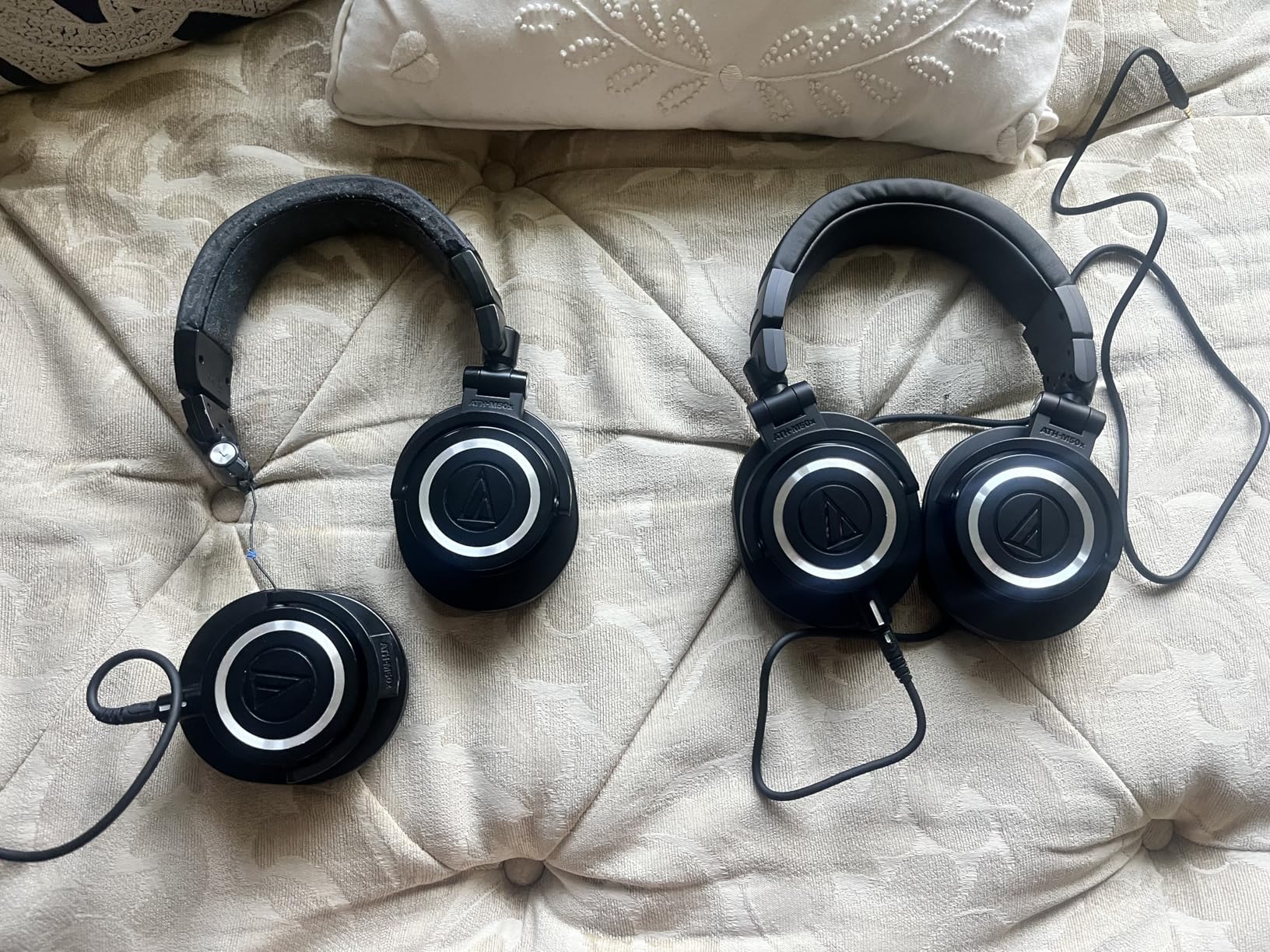
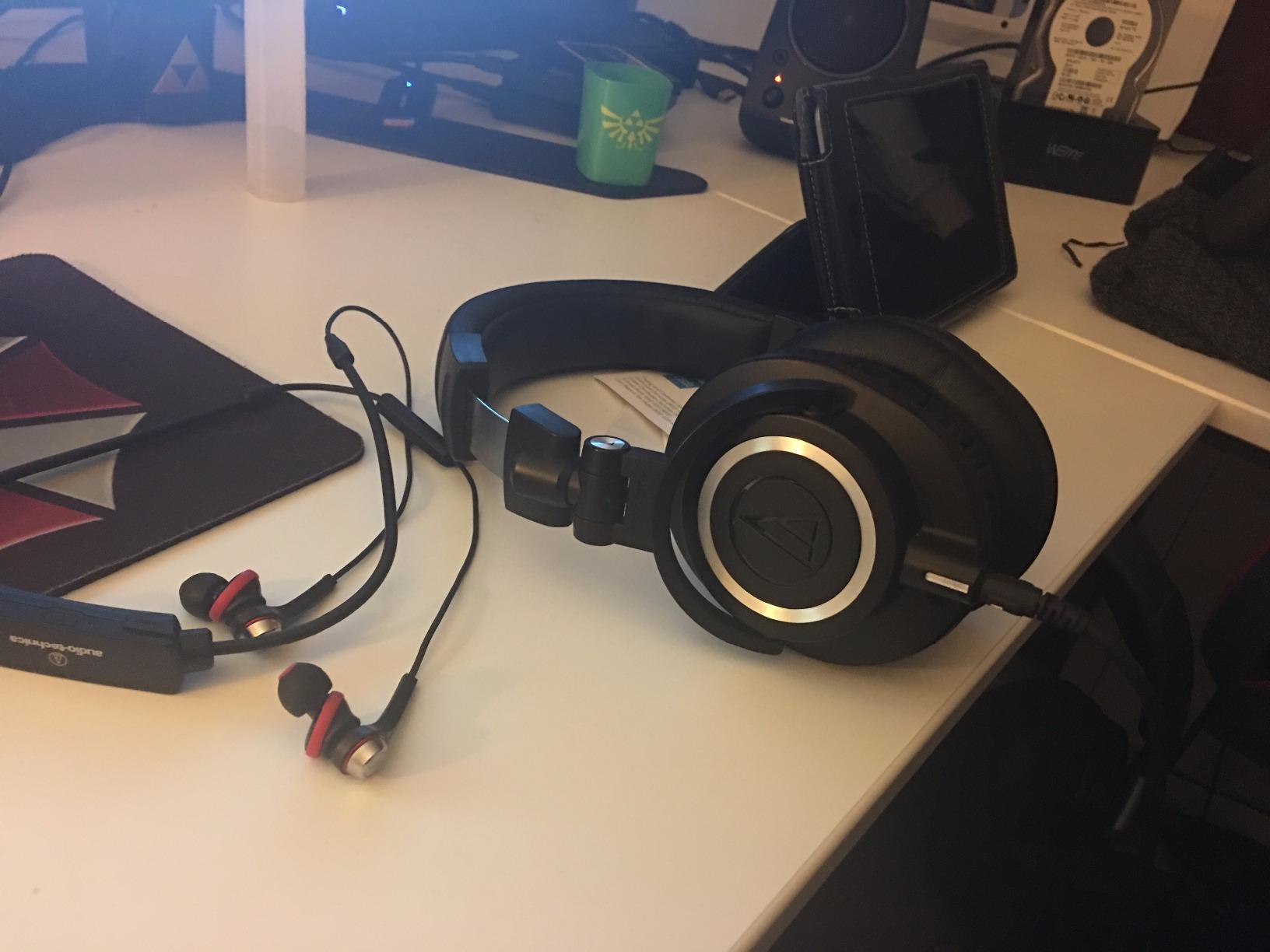
The 90-degree swiveling earcups make one-ear monitoring easy, and the foldable design is great for travel. Three detachable cables are included (1.2m coiled, 3m straight, 1.2m straight with mic), which is rare at this price.
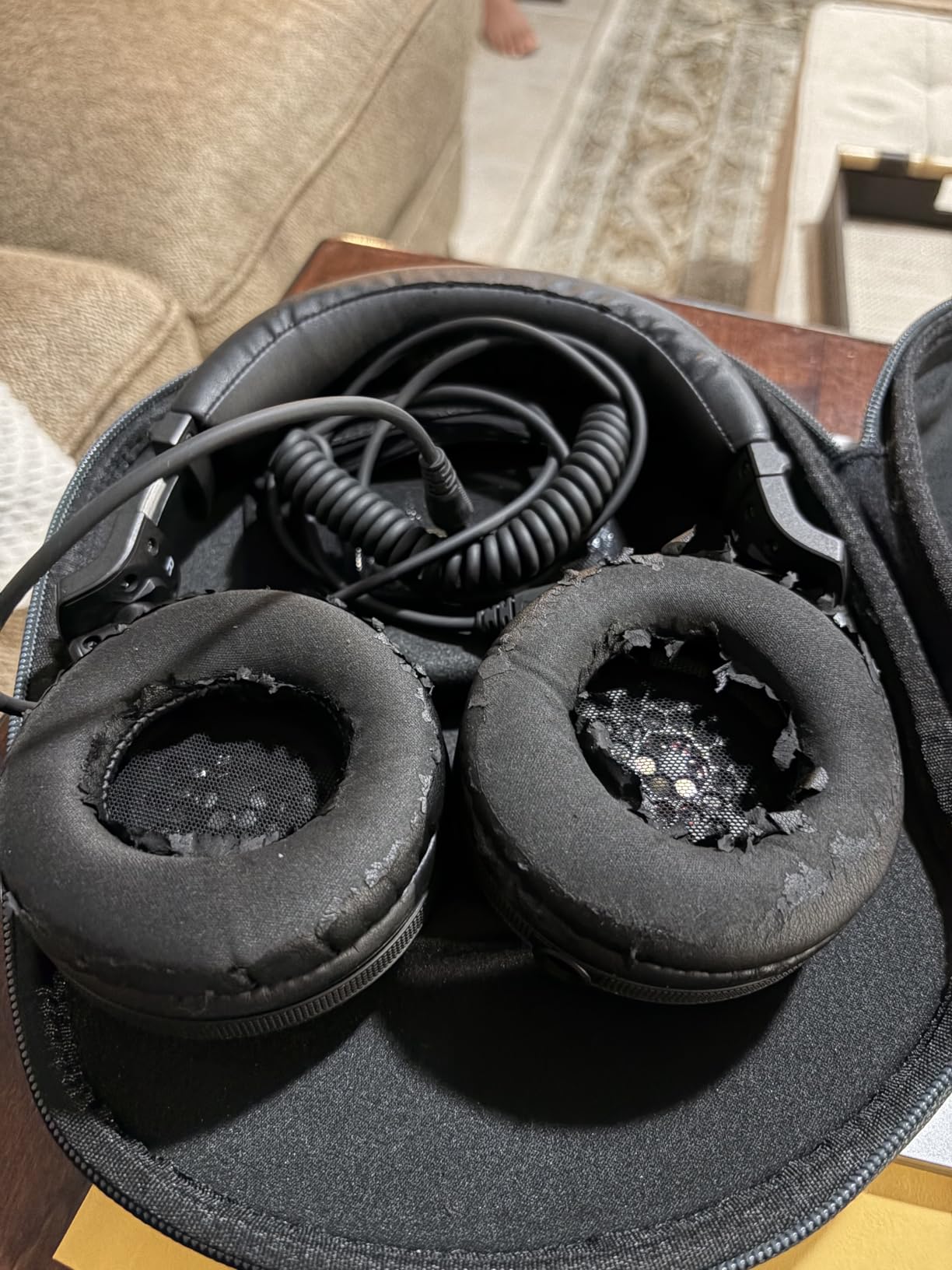
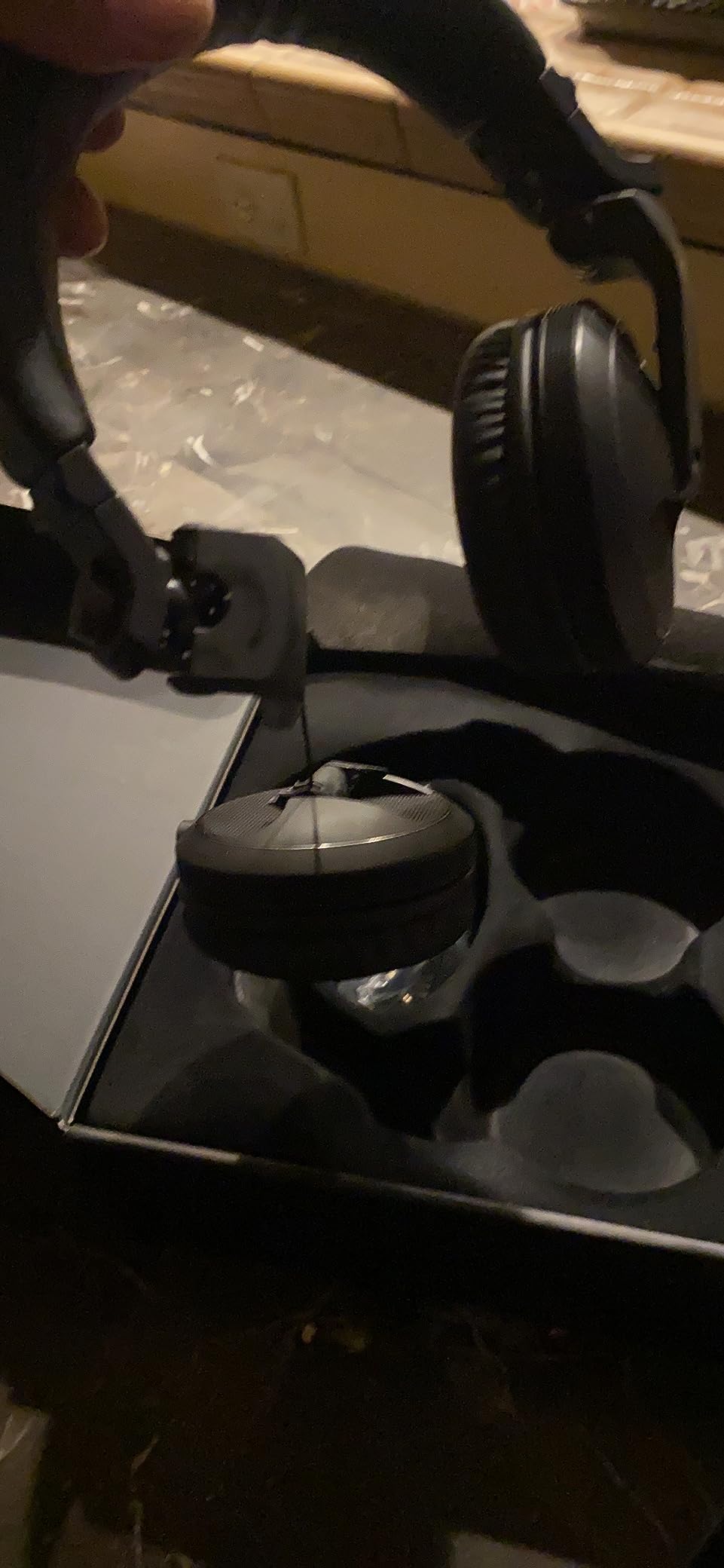
Build is mostly plastic, and the main durability complaint is the earpad material, which tends to flake after 1-2 years. Replacement pads are cheap and easy to install, but it is something to plan for. Clamping force is on the higher side; people with smaller heads may want to stretch the band out for a week before long sessions.
For Whom This Pair Is Good
Producer-DJs who want one pair for studio work and live sets. Anyone who values accurate sound over DJ-specific tuning. Listeners on a budget who still want professional quality.
For Whom This Pair Is Bad
DJs who want a heavy bass emphasis for beatmatching hip-hop or EDM. Anyone who plays 4+ hour sets and finds clamping pressure uncomfortable. Users who need maximum passive isolation in very loud rooms.
6. Sony MDR-7506 – The Studio Legend with Decades of Use
Sony MDR7506 Professional Large Diaphragm Headphone
40mm drivers
Closed-back
9.8ft coiled cable
Pros
- Decades of professional use
- Neutral detailed sound
- Great value for the price
- Durable construction
- Good passive noise isolation
Cons
- Treble can be bright at higher volumes
- Ear pads need replacement over time
- Non-detachable cable
The Sony MDR-7506 has been in studios since 1991, and the fact that I am still recommending it in 2026 tells you everything you need to know. This is the pair a generation of engineers and DJs cut their teeth on, and the sound profile remains one of the most accurate you can buy under 100 dollars.
Sound is detailed and neutral with a slight high-mid emphasis that helps vocals and hi-hats cut through a mix. Bass is present but not boosted, which is honest for mixing work. In a club setting, the closed-back design isolates your cue mix well, though not quite as much as the HD 25 or HDJ-X10.
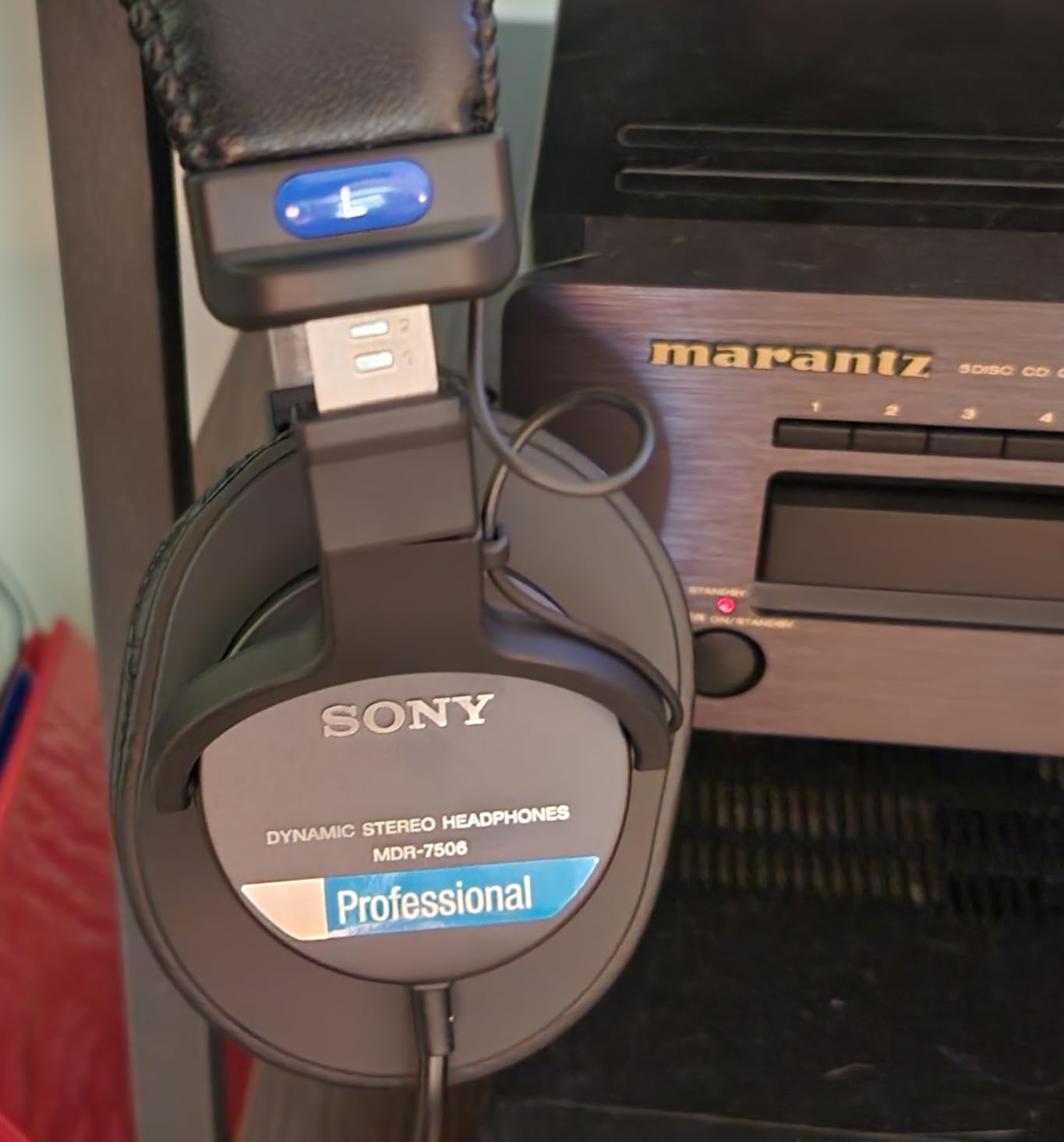
The 63 ohm impedance and high sensitivity mean it works well with phones, mixers, and audio interfaces. The 9.8-foot coiled cable is generous, and Sony includes a 1/4 inch adapter and a soft carrying case. Comfort is good for sessions up to three hours, after which the on-ear pressure starts to build.
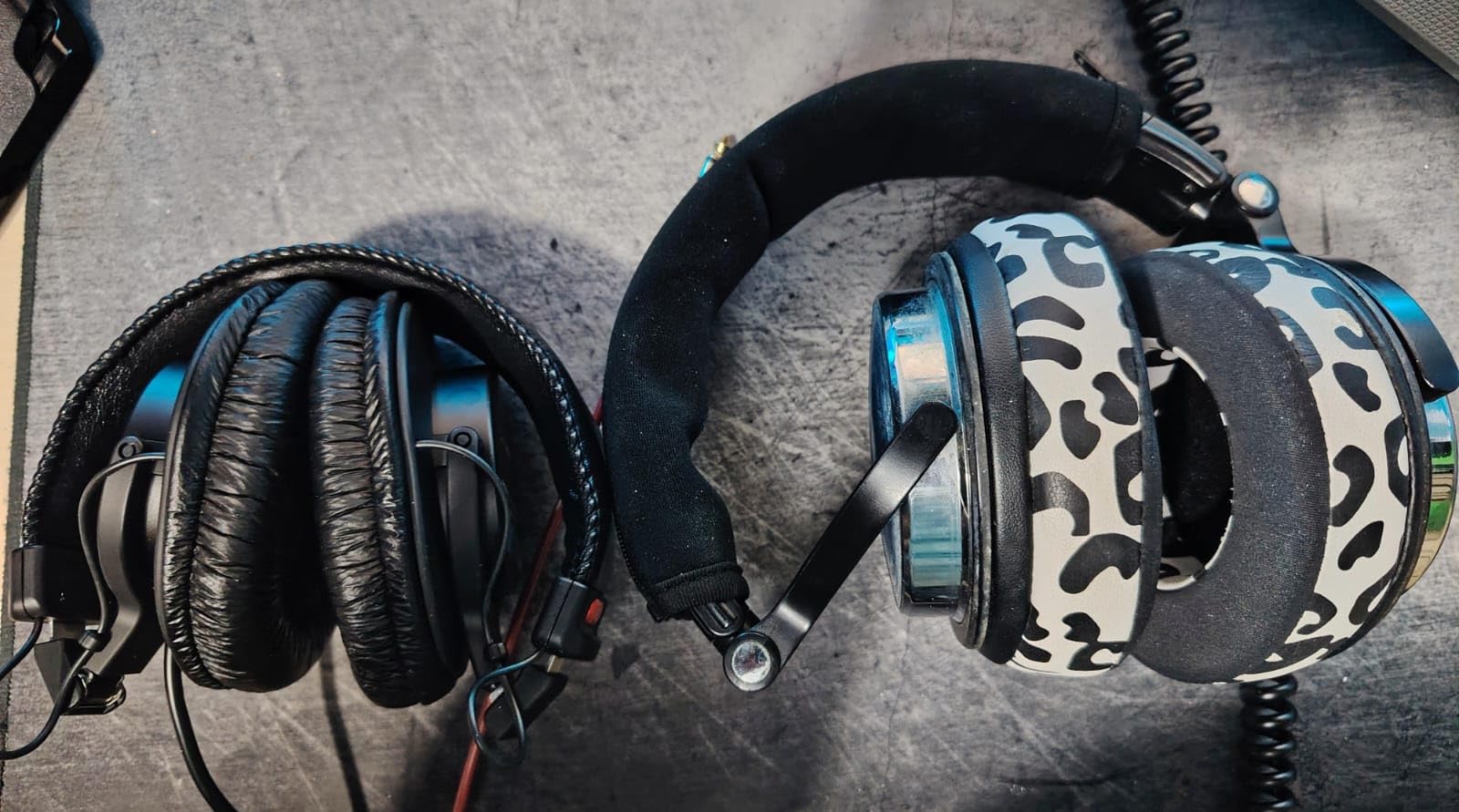
The main downsides are the non-detachable cable (a real issue for a DJ who travels) and the bright treble, which can be fatiguing at high volumes. The earpads are also known to flake after heavy use, but replacements are cheap and easy to find.
For Whom This Pair Is Good
Studio engineers who want a known reference sound. DJs on a strict budget who still want professional accuracy. Anyone who values decades of proven performance over modern features.
For Whom This Pair Is Bad
Touring DJs who need a detachable cable for easy replacement. Users sensitive to bright treble. Anyone who plays 4+ hour sets in loud clubs.
7. Beyerdynamic DT 770 Pro – Most Comfortable for Long Studio Sessions
beyerdynamic DT 770 Pro Studio Headphones (80 Ohm, Black)
80 Ohm impedance
Velour ear pads
Closed-back
Pros
- Exceptional comfort with velour pads
- Balanced accurate sound
- Excellent build quality
- Good noise isolation for recording
- Serviceable and replaceable parts
Cons
- Can be bright at higher volumes
- May need an amp to drive
- Slightly heavy clamping initially
- Not ideal for mobile use
The DT 770 Pro is the pair I wear when I have a full day of mixing or production ahead of me. The velour ear pads are some of the most comfortable in any closed-back headphone, and after 8 hours of wear, my ears still feel fine. That alone is reason enough to consider it.
Sound is balanced with a slight bass lift and extended highs. The 80 ohm version is the most versatile for studio and home use, though you will want a headphone amp to drive it properly. Plugged into a phone, it sounds thin. Plugged into an audio interface, it sings.

Build quality is the standout. Beyerdynamic handcrafts these in Germany, and the serviceable design means every part is replaceable. I have seen DT 770s that have been in regular use for 10+ years with only new pads and a new headband pad. That kind of longevity is rare in any price bracket.
Clamping force is firm out of the box but loosens up after a week of break-in. The 3m straight cable is long enough for studio work but too long for portable DJ use. There is no swivel mechanism, so one-ear monitoring requires sliding the cup off, which is less elegant than dedicated DJ cans.

For Whom This Pair Is Good
Studio producers and engineers who wear headphones for long sessions. DJs who mostly mix at home with a proper audio interface. Anyone who values long-term serviceability over portability.
For Whom This Pair Is Bad
Mobile DJs who need a portable pair with a detachable short cable. Users without a headphone amp to drive the 80 ohm version. Anyone who needs true one-ear swivel monitoring.
8. Numark HF175 – Best Ultra-Budget Option Under $50
Numark HF175 Closed-Back DJ Headphones
40mm drivers
Closed-back
9.8ft cable
Pros
- Great value under $50
- Clear sound reproduction
- Comfortable adjustable headband
- Swivel cups for monitoring
- Includes multiple cable adapters
Cons
- Low end can be overwhelming
- Build feels flimsy to some users
- Not comfortable for extended sessions
- Can distort at high volumes
If you want the cheapest possible way to start DJing, the Numark HF175 is a reasonable choice. I tested it as a backup pair, and for the price, the sound quality is genuinely surprising. The 40mm drivers deliver clear mids and highs, which is what you need most for cueing.
Setup is simple. Plug in the included 3.5mm cable, attach the 6.35mm adapter if you are running into a mixer, and you are ready. The closed-back design isolates well enough for home practice, though it does not match the higher-end pairs in this list in a loud club.
Comfort is the main trade-off. The earpads are thin and the clamping force is on the firm side. After about 90 minutes, I needed a break. For short practice sessions or learning the basics, that is fine. For a 4-hour set, it would be a problem.
Build is mostly plastic, and the headband adjustment is a simple click system rather than a smoother slider. It feels solid for the price, but I would not expect this pair to last more than a year of regular club use. Treat it as a starter pair, not a forever pair.
For Whom This Pair Is Good
Complete beginners on the tightest possible budget. Anyone needing a backup or travel pair. Students who are still deciding if DJing is for them.
For Whom This Pair Is Bad
Working DJs who need reliability for paid gigs. Anyone playing multi-hour sets regularly. Users who want accurate sound for music production.
How to Choose the Right DJ Headphones?
Picking the best DJ headphones for your setup comes down to five key factors. I broke them down below so you can match the spec to your use case.
Driver size and frequency response. Most DJ headphones use 40-50mm drivers, which is the sweet spot for punchy low end and clear highs. Frequency response should cover at least 20 Hz to 20 kHz. Anything wider is a bonus but rarely audible in a club setting.
Impedance and sensitivity. Low impedance (under 50 ohms) means the pair will run loud from phones and controllers. High impedance (70-80 ohms) usually sounds better but may need a headphone amp. For most DJs, 32-38 ohms is the practical sweet spot.
Closed-back vs open-back. Always choose closed-back for DJing. Open-back lets sound leak in and out, which is the opposite of what you need in a loud club. Closed-back also gives you the bass impact you want for beatmatching.
Swivel earcups and one-ear monitoring. The ability to flip one cup off your ear and lock it in place is essential for cueing. Look for cups that swivel at least 90 degrees and stay in position when rotated.
Replaceable parts and cable. This is what Reddit users hammer on, and for good reason. A pair with a detachable cable and replaceable earpads will outlast three sealed pairs. The Sennheiser HD 25 and Beyerdynamic DT 770 Pro are the gold standard here.
Comfort and weight. A 4-hour set in a heavy pair is brutal. Look for under 300g if possible, with deep earpads and a headband that distributes weight across the top of your head rather than clamping at the sides.
Frequently Asked Questions
What headphones do most DJs use?
Most working DJs use the Sennheiser HD 25 or Pioneer DJ HDJ-X series. The HD 25 is the long-standing club standard thanks to its ultralight 140g build, high SPL handling, and replaceable parts. Pioneer HDJ-X5 and HDJ-X10 are popular modern alternatives with closed-back isolation and swivel earcups for one-ear monitoring.
Are expensive DJ headphones worth it?
Expensive DJ headphones are worth it if you play out regularly. Flagship pairs like the Pioneer HDJ-X10 offer better build quality, longer part replacement cycles, and improved comfort during long sets. For bedroom DJs practicing a few hours a week, a mid-range pair like the HDJ-X5 or HDJ-CUE1 delivers 90 percent of the value at a fraction of the cost.
On-ear or over-ear for DJing?
On-ear is the traditional choice for DJing because it makes one-ear monitoring easier and the cups stay cooler during long sets. Over-ear offers better passive noise isolation and bass response but can run hot. Most professional DJs still prefer on-ear (HD 25, HDJ-CUE1), but over-ear pairs like the ATH-M50X work well for producer-DJs who split time between studio and stage.
What is the best DJ headphone for beginners?
The Pioneer DJ HDJ-CUE1 is the best DJ headphone for beginners. It delivers reliable sound, comfortable fit, and Pioneer build quality at a budget-friendly price. The swivel earcups work well for learning one-ear monitoring, and the detachable cable is a feature you usually only find on more expensive pairs.
How long do DJ headphones last?
A quality pair of DJ headphones should last 3-5 years of regular use, and many flagship or serviceable pairs last much longer. The most common failure points are the cable (replace it if detachable) and earpads (replace every 1-2 years). Pairs with fully replaceable parts like the Sennheiser HD 25 and Beyerdynamic DT 770 Pro can last a decade with periodic maintenance.
Final Verdict: Which DJ Headphones Should You Buy?
After testing all eight pairs across home sessions, club dates, and studio work, my picks for the best DJ headphones in 2026 are clear. The Pioneer DJ HDJ-X10 is the best overall if you want a flagship pair that will survive years of touring. The Sennheiser HD 25 remains the best value, with unmatched serviceability and a sound that has defined club DJing for two decades. The Pioneer DJ HDJ-CUE1 is the right call for beginners who want Pioneer build quality at a budget price.
Whatever pair you choose, prioritize replaceable parts, comfortable fit for your typical set length, and a sound signature that works for your genre. The right pair of DJ headphones will outlast three cheaper pairs and save you money in the long run.