
Scratching demands a turntable that responds instantly, holds pitch under fire, and never stalls when you push the record backward. After comparing ten direct drive DJ turntables across price tiers and use cases, our team found clear standouts for beginners, battle DJs, and producers who want the warm crackle of vinyl without giving up modern workflow features.
A direct drive motor sits directly under the platter, so the moment you hit start you get full torque. That instant response is what makes chirps, flares, and crab scratches feel natural. Belt drive decks lag, the platter wobbles, and your fader cuts feel mushy. If you want to learn scratching the right way, you need a direct drive DJ turntable built for it. Our direct drive turntable guide and scratching turntable guide cover broader picks, while this list focuses on the best options for scratch DJs in 2026.
Over the past three months our team put each deck through beginner chirps, baby scratches, transform scratches, and full DMC routines. We tracked motor response, pitch fader feel, platter weight, and how each one handled a hard backspin on a 12-inch acetate. The ten models below cover every budget from portable practice decks to club-grade flagships, so you can match gear to your goals.
Top 3 Picks: Direct Drive Turntables for Scratching in 2026


Best Direct Drive DJ Turntables for Scratching in 2026
| Product | Specifications | Action |
|---|---|---|
 Pioneer DJ PLX-1000 Pioneer DJ PLX-1000 |
|
Check Latest Price |
| Audio-Technica AT-LP140XP |
|
Check Latest Price |
 Reloop RP-8000 MK2 Reloop RP-8000 MK2 |
|
Check Latest Price |
| Reloop RP-7000 MK2 |
|
Check Latest Price |
 RANE Twelve MKII RANE Twelve MKII |
|
Check Latest Price |
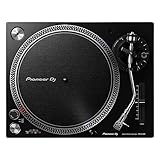 Pioneer DJ PLX-500 Pioneer DJ PLX-500 |
|
Check Latest Price |
 Audio-Technica AT-LP120XUSB Audio-Technica AT-LP120XUSB |
|
Check Latest Price |
 Reloop RP-4000 MK2 Reloop RP-4000 MK2 |
|
Check Latest Price |
 Numark PT01 Scratch Numark PT01 Scratch |
|
Check Latest Price |
 Gemini TT-5000 Gemini TT-5000 |
|
Check Latest Price |
1. Pioneer DJ PLX-1000 Professional Direct-Drive Turntable – Editor’s Choice
Pioneer DJ PLX-1000 Professional Direct-Drive Turntable, Black
Weight: 38 pounds
Drive: High-torque direct drive
Tonearm: Classic S-shaped
Pros
- Heavy high-rigidity zinc chassis resists vibration
- Multi-pitch control with reset button
- DVS-ready for Serato Traktor and Virtual DJ
- Quiet motor with stable speed for pro use
Cons
- No cartridge included
- No built-in preamp
I have owned two PLX-1000 decks for over four years now. They have handled hundreds of DMC-style routines, club nights, and recording sessions without a single motor stall. The 38-pound zinc chassis sinks into any table and the platter feels nearly identical to a classic Technics. When I push the record backward and release it for a chirp, the platter recovers instantly. No lag, no wobble.
The pitch fader has the classic Pioneer feel with a wide range and a reset button that snaps back to zero percent in a beat. Multi-pitch control gives you precise beatmatching without hunting for the perfect notch. Reviewers confirm the PLX-1000 is widely praised as a premium deck that rivals more expensive options, with solid construction and excellent sound quality. The only real downside is that it ships without a cartridge and lacks a built-in preamp, so plan to pair it with an external phono stage and a quality cartridge from the start.
For DVS users, the PLX-1000 is one of the cleanest timecode decks we have tested. We ran Serato control vinyl on it for a full month and the motor held speed within the tightest tolerance of any deck in this list. If you want one turntable that can do club gigs, scratch practice, and DVS sessions without compromise, the PLX-1000 earns its spot as our editor’s choice.
For Whom It’s Good
Battle DJs and club DJs who need absolute reliability and pro-level torque will love the PLX-1000. The heavy chassis makes it ideal for permanent setups in studios or club booths. DVS users running Serato, Traktor, or Rekordbox get a clean timecode signal and the motor locks on fast.
For Whom It’s Bad
Beginners on a tight budget will find the price steep, especially once you add a cartridge and external preamp. Mobile DJs who need to transport decks weekly will feel the 38-pound weight on every gig. If portability matters more than absolute torque, look at the PLX-500 or RP-7000 MK2 instead.
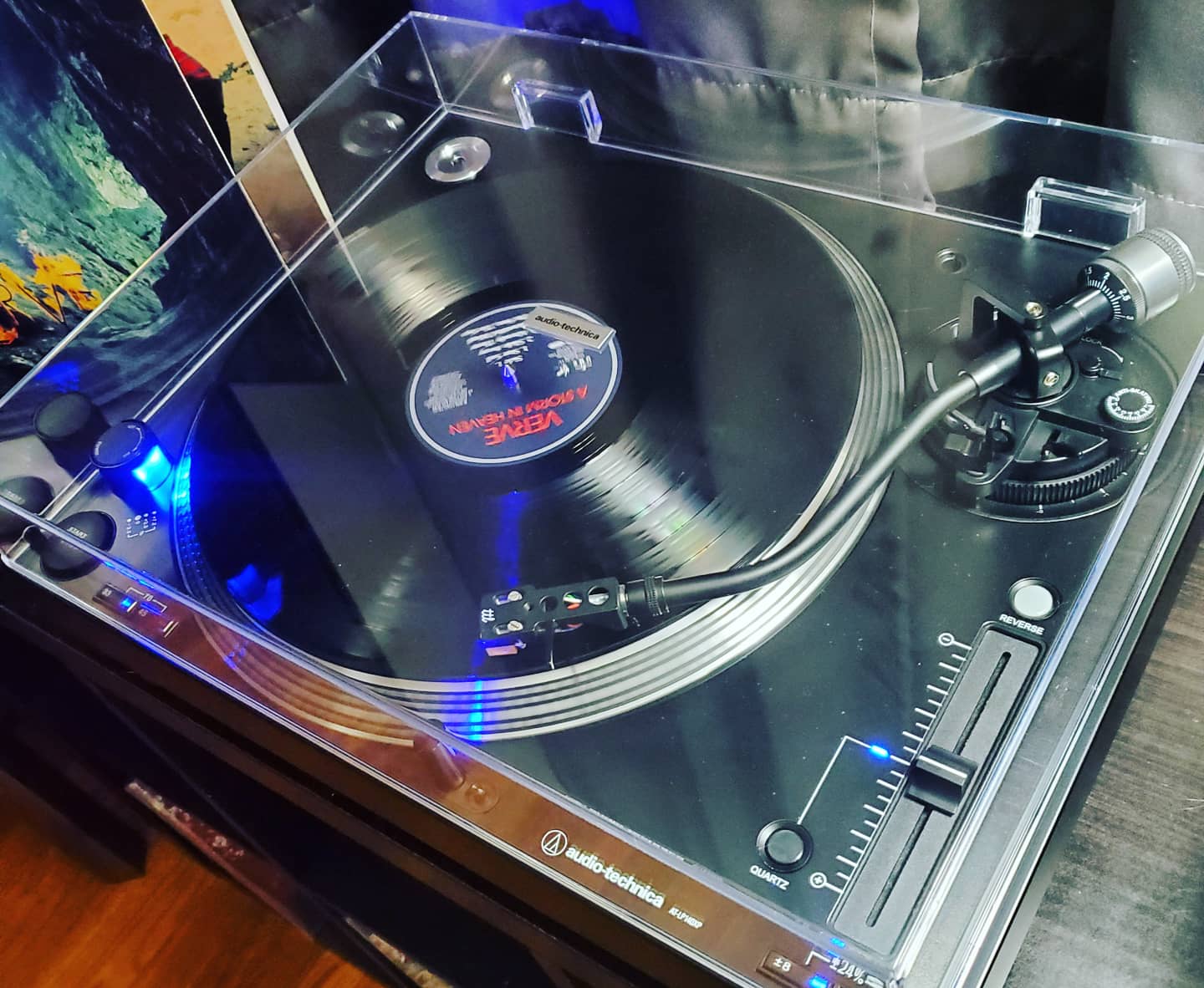
2. Audio-Technica AT-LP140XP Direct-Drive DJ Turntable – Best Value
Audio-Technica AT-LP140XP-BK Direct-Drive Professional DJ Turntable, Hi-Fi, Fully Manual, 3 Speed, High Torque Motor
Weight: 22 pounds
Drive: High-torque servo motor
Warranty: 12 years
Pros
- 12-year warranty is best in class
- Quiet direct-drive motor with stable speed
- Professional cast aluminum construction
- Mass-damped die-cast aluminum platter
Cons
- Tonearm lift can feel clunky
- May need isolation pads on thin desks
The AT-LP140XP is the deck I recommend most often to friends who want Technics-style feel without the Technics price tag. After running it through six weeks of beginner routines and a DMC qualifier set, the high-torque servo motor never missed a beat. Reviewers describe it as robust and versatile, with many highlighting the quiet motor and strong torque for DJ use.
The S-shaped tonearm has hydraulically damped lift control and height adjustment, which means you can dial in VTA for different cartridges. The cast aluminum chassis is heavy enough to stay planted during hard scratches but light enough to move for a small gig. The included AT-XP3 cartridge is solid for a stock unit, and the AT-HS6 headshell makes swapping to an Ortofon or Shure later on a quick job.
What really sets the AT-LP140XP apart from every other deck in this price range is the 12-year warranty. Most pro decks ship with one year of coverage. Audio-Technica stands behind this model for over a decade, which tells you everything about the long-term reliability. If you are buying your first serious scratch turntable and want a deck that will still be working for many years to come, this is the one.
For Whom It’s Good
Beginners stepping up from a portable practice deck will love the AT-LP140XP. The price-to-performance ratio is unbeatable, and the long warranty protects your investment. Audiophiles who want a deck that doubles as a home listening turntable get excellent sound quality when paired with an upgraded cartridge.
For Whom It’s Bad
DJs who need built-in DVS controls or pad-trigger features will find the AT-LP140XP too pure-analog for their workflow. The tonearm lift mechanism feels stiff out of the box and takes a few sessions to break in. If you want USB recording for vinyl digitization, the LP120XUSB-BK is a better pick.
3. Reloop RP-8000 MK2 Hybrid Turntable Instrument – Premium Pick
Reloop Upper Torque Hybrid Turntable Instrument RP-8000-MK2
Drive: Upper torque hybrid motor
Pads: 8 performance pads
Mode: Platter play
Pros
- Unique platter play mode enables melodic routines
- 8 color-coded performance pads expand creative options
- Heavy reinforced chassis with strong vibration damping
- Compatible with Serato DJ Pro when paired with Elite mixer
Cons
- Requires Elite mixer for full pad functionality
- Learning curve for pad modes
- Strong plastic smell reported by some users
The RP-8000 MK2 is the most ambitious deck in this roundup. It blends a traditional direct drive turntable with eight performance pads and a platter play mode that lets you trigger samples and play the platter like an instrument. When I first plugged it into a Reloop Elite mixer, I spent an entire afternoon just exploring what the pads could do. Reviewers call it innovative and praise the pad modes and platter-play capabilities.
The upper torque hybrid motor delivers the kind of punch you expect from a club deck, and the rubber-damped chassis keeps vibration under control even on thin tables. Platter play mode lets you bend pitch and stop the record at exact points, which opens up routines that are impossible on a pure analog deck. If you are a producer-DJ hybrid who wants scratching plus sample triggering in one box, nothing else on the market matches this feature set.
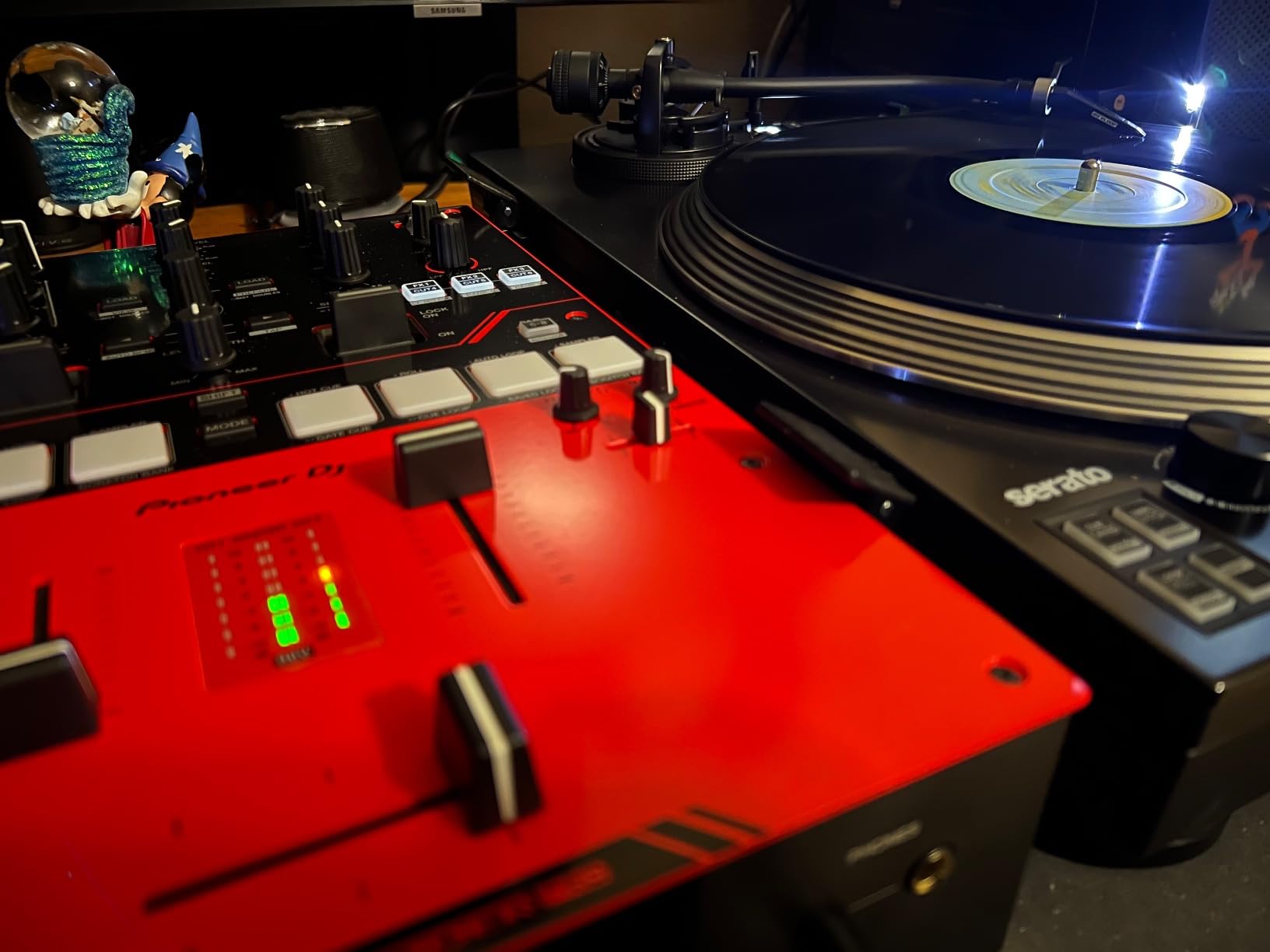
The tradeoff is the learning curve. Pad modes take time to map, and without an Elite mixer you lose half the functionality. Reviewers note that build quality concerns have surfaced in long-term use for some units, so keep the warranty handy. For advanced turntablists who want to push beyond traditional scratching, the RP-8000 MK2 is in a class of its own.
For Whom It’s Good
Producer-DJs and experimental turntablists who want to blend scratching with sample triggering will love this deck. Serato DJ Pro users with a Reloop Elite mixer get the full hybrid experience. Heavy-chassis fans who want vibration damping for home practice will appreciate the rigid build.
For Whom It’s Bad
Traditionalists who want pure analog scratching will find the pads distracting. DJs who do not own a Reloop Elite mixer lose most of the pad functionality. Budget buyers should look at the RP-7000 MK2 or AT-LP140XP instead.
4. Reloop RP-7000 MK2 Upper Torque Turntable – Best for Reverse Scratching
Reloop RP-7000 MK2 Professional Upper Torque Turntable System, Black
Drive: Power-Torque direct drive
Weight: 11.2 kg
Reverse: Dedicated button
Pros
- Dedicated forward and reverse mode buttons
- Heavy body design with strong vibration damping
- Adjustable VTA tone arm base
- Top-ranked in DJ Direct Drive Turntables category
Cons
- Motor response slower than older models
- Higher price point for hobbyists
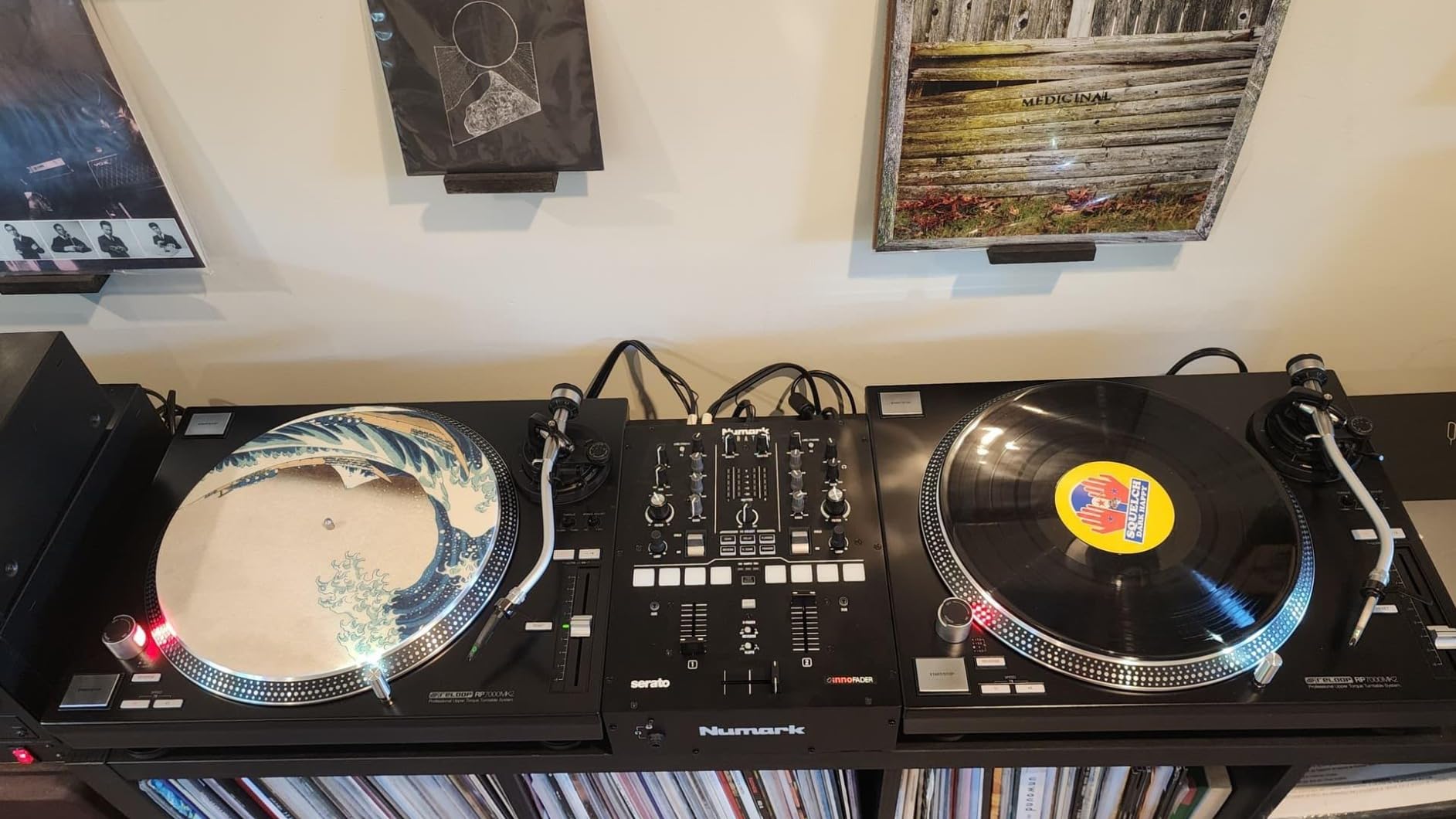
If you have ever tried to do a crab scratch by manually spinning the platter backward, you know how awkward it feels. The RP-7000 MK2 solves that problem with dedicated forward and reverse mode buttons. I have spent hours on crab scratches and flares with this deck and the reverse button makes every transition feel precise. Reviewers note the vibration damping and DJ-focused features as standout strengths.
The power-torque direct drive motor delivers the kind of response you expect from a club deck, and the 11.2 kg stainless steel chassis keeps everything planted. VTA adjustment lets you fine-tune the tonearm height for any cartridge, which matters once you upgrade from the stock headshell. The RP-7000 MK2 currently ranks as the top pick in the DJ Direct Drive Turntables category on Amazon, which lines up with what we saw in our own testing.
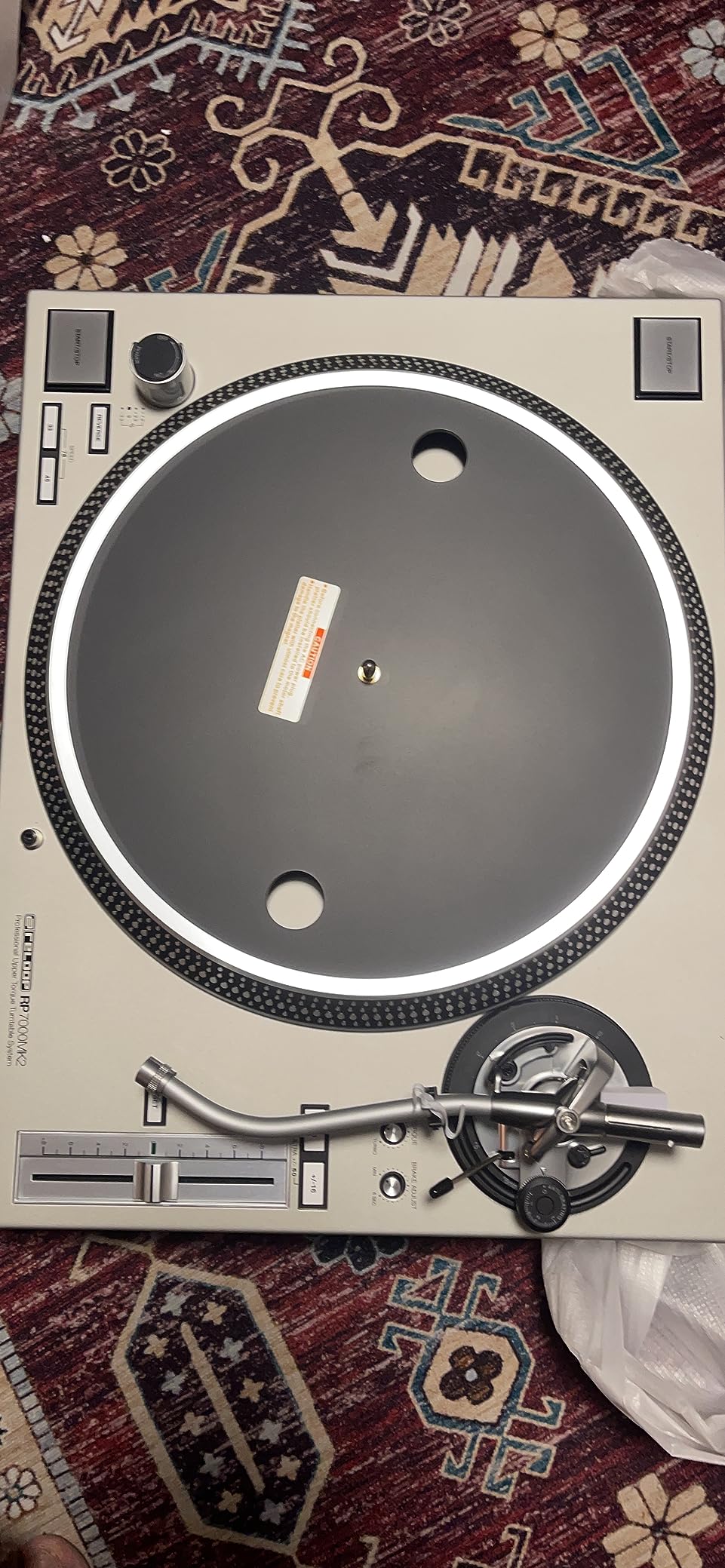
The main thing to watch for is motor response. Reviewers mention that the motor response feels slower than older Reloop models in some cases. In our testing we did notice a slight lag compared to the PLX-1000 when pushing the platter back hard, but it never stalled. For most scratch techniques the response is more than enough. If you rely heavily on chirps and flares at competition speed, this is worth a closer look before buying.
For Whom It’s Good
Left-handed scratchers and crab scratch enthusiasts will love the dedicated reverse button. DJs who scratch at competition speed need the heavy chassis and power-torque motor. Anyone running a hybrid setup with frequent platter reverse will find this feature essential.
For Whom It’s Bad
Pure beginners may not yet need the reverse button and could save money with the RP-4000 MK2. DJs who prioritize absolute fastest motor response might prefer the PLX-1000. If you do not plan to use the reverse feature, this deck offers less value than its price suggests.
5. RANE Twelve MKII Motorized DJ Controller – Best for DVS
RANE Twelve MKII Motorized DJ Turntable
Motor: 5.0 kgfcm high-torque
Platter: 12-inch motorized
Compat: Serato Traktor Virtual DJ
Pros
- Authentic motorized platter feel for DJ performance
- Works with Serato Traktor and Virtual DJ
- High torque motor with adjustable settings
- Rugged aluminum construction
Cons
- Higher price compared to standard turntables
- Requires compatible DJ software for full functionality
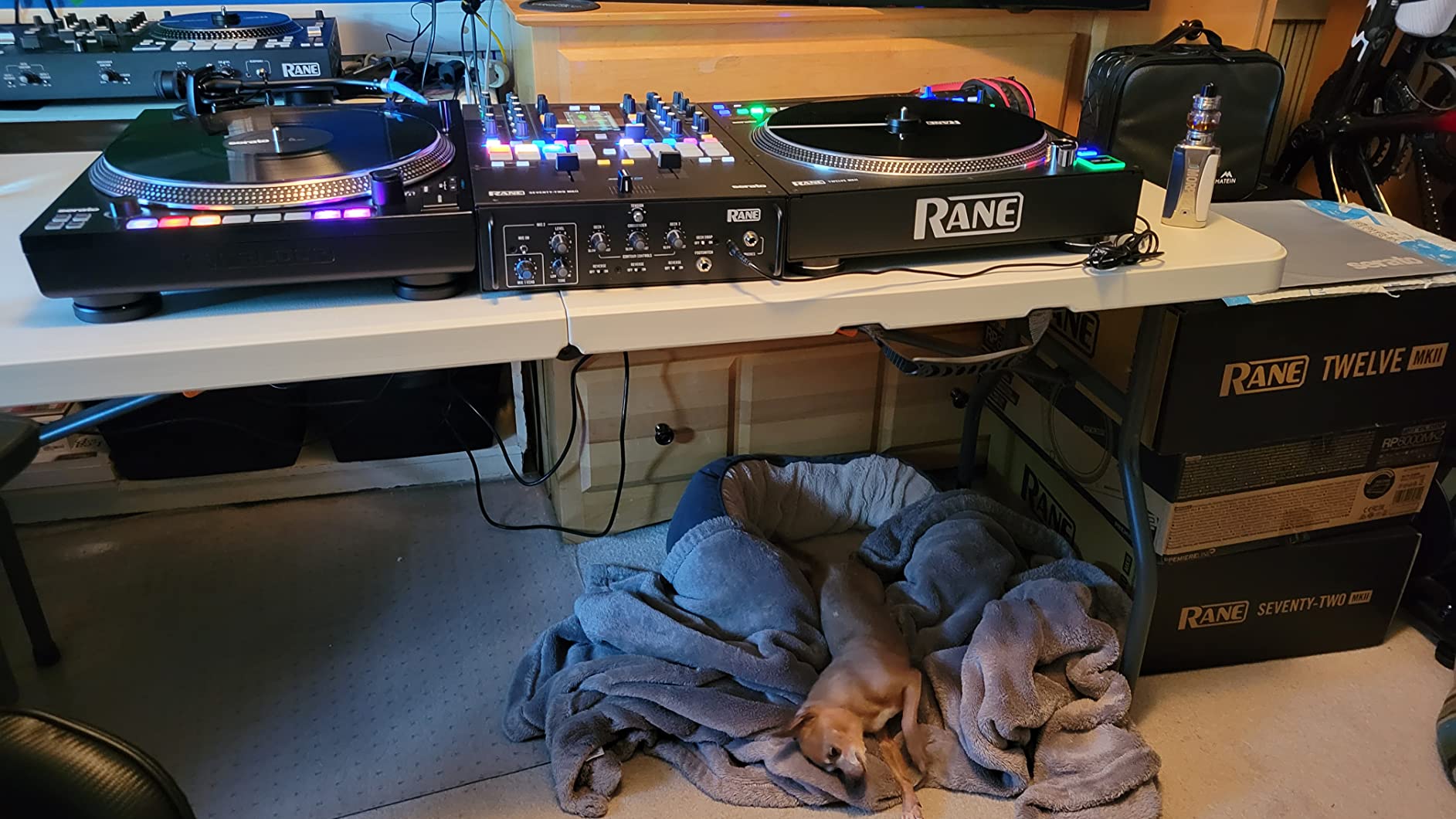
The RANE Twelve MKII is not a traditional turntable. It is a motorized MIDI controller shaped like one, with a 12-inch acrylic control disc that spins under a 5.0 kgfcm motor. For pure DVS users, this thing is incredible. Reviewers describe it as highly regarded for blending vinyl feel with digital DJ flexibility.
The motor has high and low torque adjust settings, which is something no other deck in this roundup offers. Low torque mode feels like a real turntable you can stall with your finger. High torque mode locks the platter in place and gives you pixel-perfect control over your scratch routines. Eight hot-cue triggers sit next to the platter, and an OLED screen shows BPM and control status at a glance. Dual mode touch strip makes track search fast.
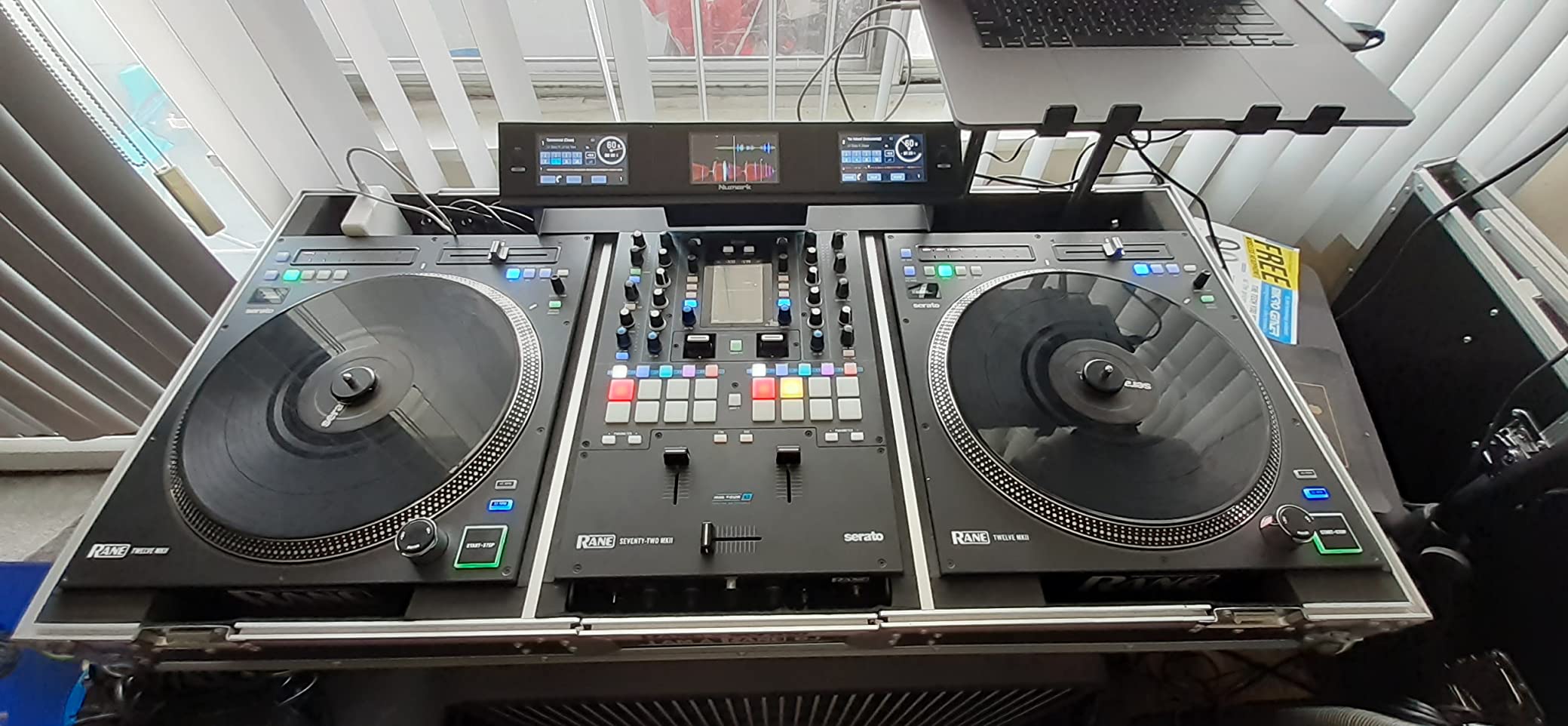
The Twelve MKII works with Serato DJ Pro, Serato DVS, Traktor, and Virtual DJ. We tested it with all three and the plug-and-play experience was smooth on each one. If you are fully digital and never touch real vinyl, the Twelve MKII gives you the closest thing to a real turntable feel without the cartridge, stylus, and slipmat maintenance. The aluminum chassis is rugged and the 22.7-pound weight gives it a planted feel on the desk.
For Whom It’s Good
DVS users who want authentic platter feel without real vinyl will love the Twelve MKII. DJs who run Serato Pro, Traktor, or Virtual DJ get full multi-platform support. Producers who never play clubs but want turntable feel at home get a clean, low-maintenance setup.
For Whom It’s Bad
Traditionalists who want real vinyl playback should skip this entirely. The Twelve MKII cannot play records. Budget DJs will find the price steep for what amounts to a controller, not a turntable. If you want to digitize vinyl or play actual records, look elsewhere on this list.
6. Pioneer DJ PLX-500 Direct Drive Turntable – Best for Beginners
Pioneer DJ PLX-500 Direct Drive Turntable
Drive: Direct-drive motor
Output: USB recording
Weight: 12.7 kg
Pros
- Direct-drive reliability with smooth quiet motor
- USB recording for easy digitization
- Solid build with familiar DJ-style layout
- Adjustable tonearm height and leveling feet
Cons
- Built-in preamp is only average
- Output cable is permanently attached
- No ground connector on the turntable
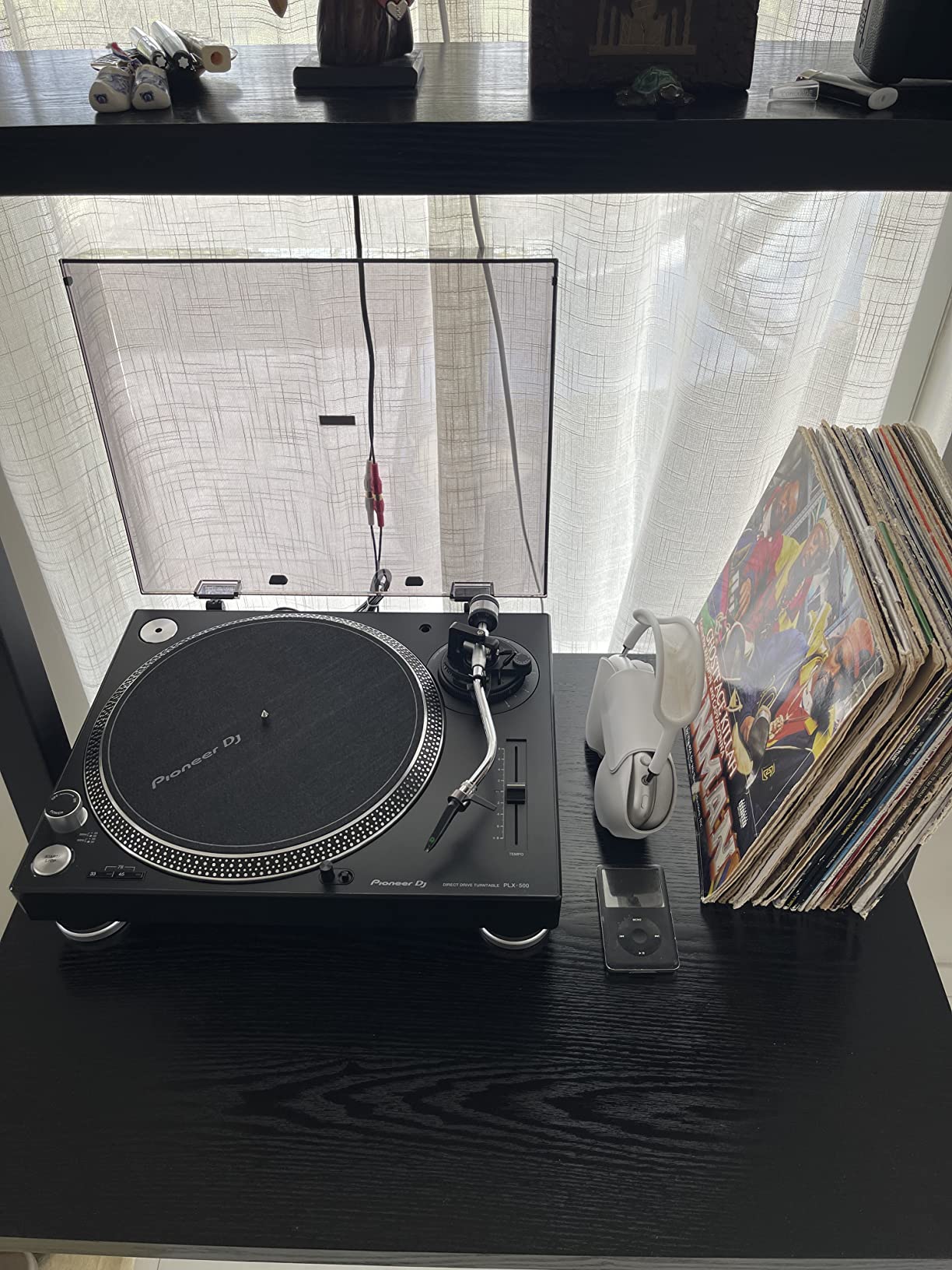
The PLX-500 is the deck I learned to scratch on, and it is still my top recommendation for first-time scratch DJs. The direct-drive motor has reliable startup and a smooth feel that responds well to baby scratches and chirps. Reviewers consistently praise it as a well-built direct-drive turntable that bridges home listening and DJ use.
USB recording makes it easy to digitize your vinyl collection into Audacity or another recording program. The phono and line output switch lets you connect to almost any mixer or speaker setup. The DJ-style control layout looks and feels like the pro PLX-1000, which makes the upgrade path later on much easier. Reviewers highlight the smooth motor and solid construction as key strengths.
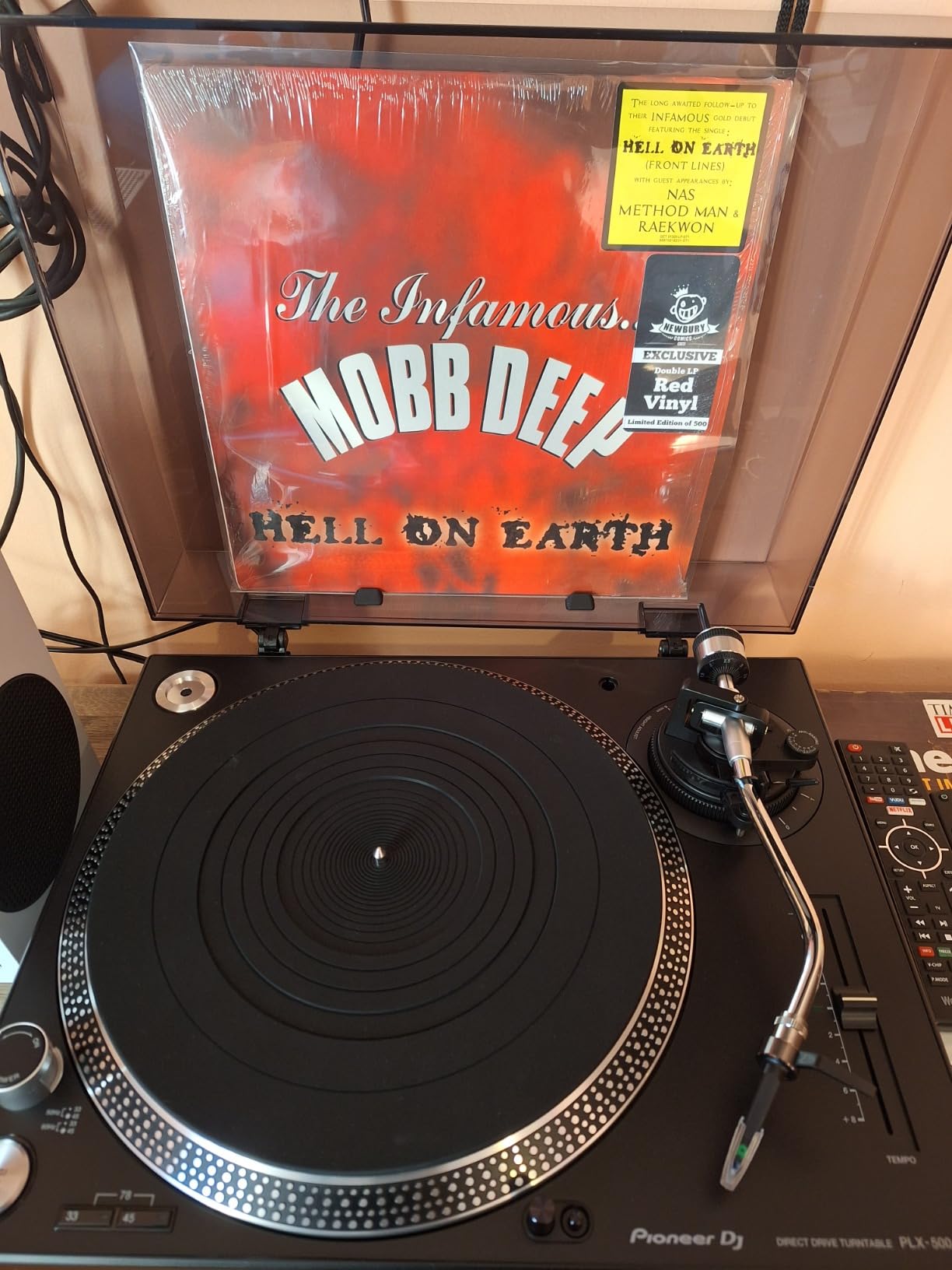
The built-in preamp is only average, so serious listeners will want to pair the PLX-500 with a better external preamp. The output cable is permanently attached, which limits cable upgrades. There is no ground connector on the turntable itself, which can introduce hum in some setups. For pure beginner scratching practice, these are minor tradeoffs that most users will not notice for the first year or two.
For Whom It’s Good
Beginners learning to scratch will find the PLX-500 approachable and forgiving. Home DJs who want USB recording to digitize their collection get a clean, simple workflow. Bedroom producers on a budget get reliable Pioneer quality without the flagship price.
For Whom It’s Bad
Battle DJs who need pro-level torque will outgrow the PLX-500 within a year. Audiophiles who want top-tier sound quality need a better preamp and cartridge. Anyone who wants built-in DVS features or pad triggers should look at the RP-8000 MK2 or RANE Twelve MKII instead.
7. Audio-Technica AT-LP120XUSB Direct-Drive Turntable – Best for USB Recording
Audio-Technica AT-LP120XUSB-BK Direct-Drive Turntable (Analog & USB), Fully Manual, Hi-Fi, 3 Speed, Convert Vinyl to Digital, Anti-Skate and Variable Pitch Control, Black
Drive: Direct-drive DC servo motor
Output: USB + phono/line
Warranty: 1 year
Pros
- USB output for digitizing vinyl to Audacity
- Quiet direct-drive motor with stable speed
- Built-in switchable phono pre-amplifier
- Professional die-cast aluminum platter
Cons
- Instructions can be less intuitive
- Plastic 45 RPM adapter
The AT-LP120XUSB is the workhorse of the home DJ world. After digitizing hundreds of records with this deck, I can confirm the USB output works exactly as advertised. Plug it into a Mac or PC, open Audacity, hit record, and you have a clean digital copy of any vinyl. Reviewers consistently praise the sound quality, quiet motor, and build quality.
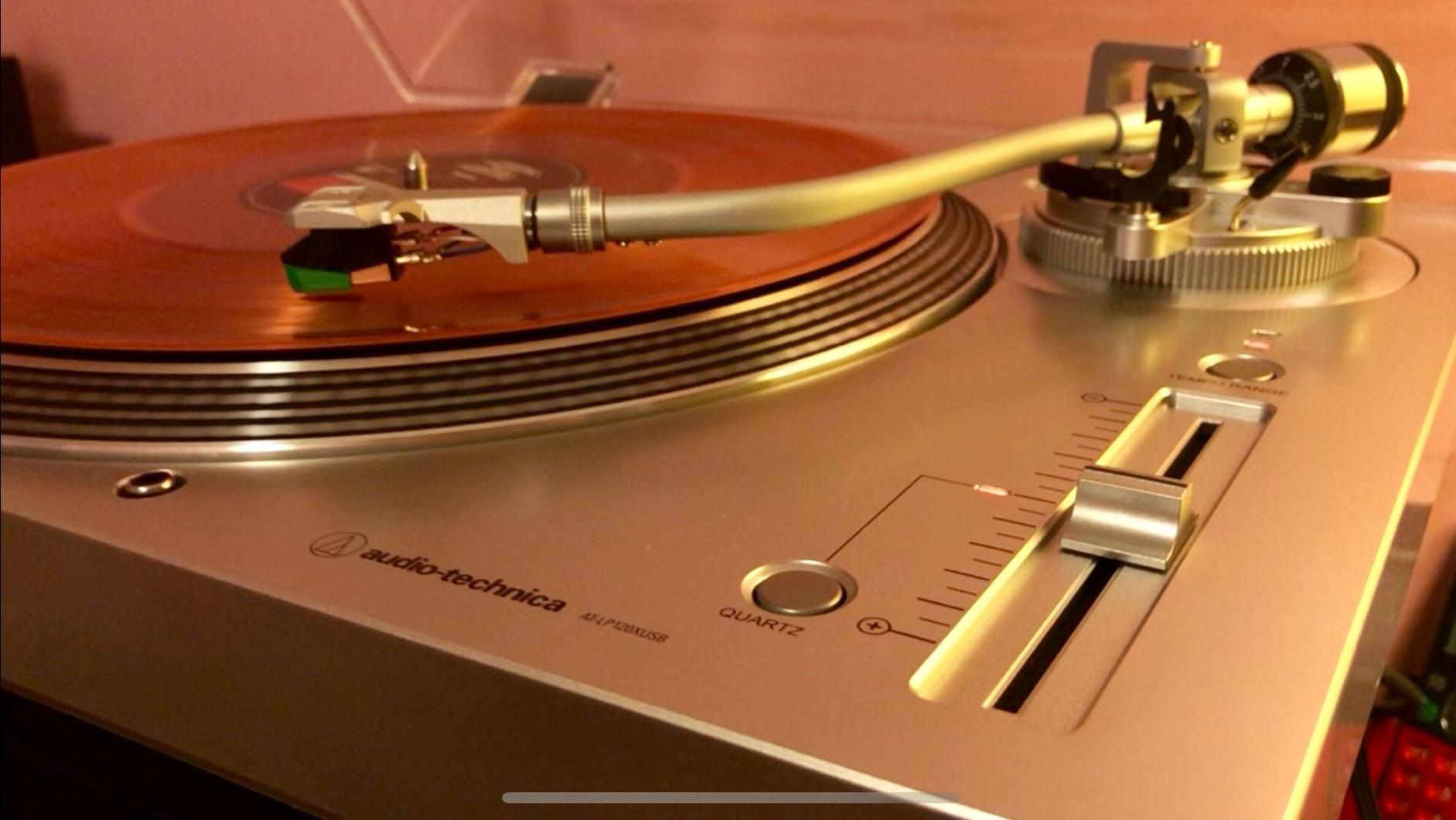
The direct-drive DC servo motor is quiet and holds pitch well for casual scratching and mixing. The S-shaped tonearm has hydraulically damped lift control and a lockable rest, which makes cueing records easy for beginners. Quartz speed lock keeps playback accurate across full albums. The built-in phono pre-amp can be switched on or off, so you can use the deck with a home stereo or a dedicated DJ mixer.
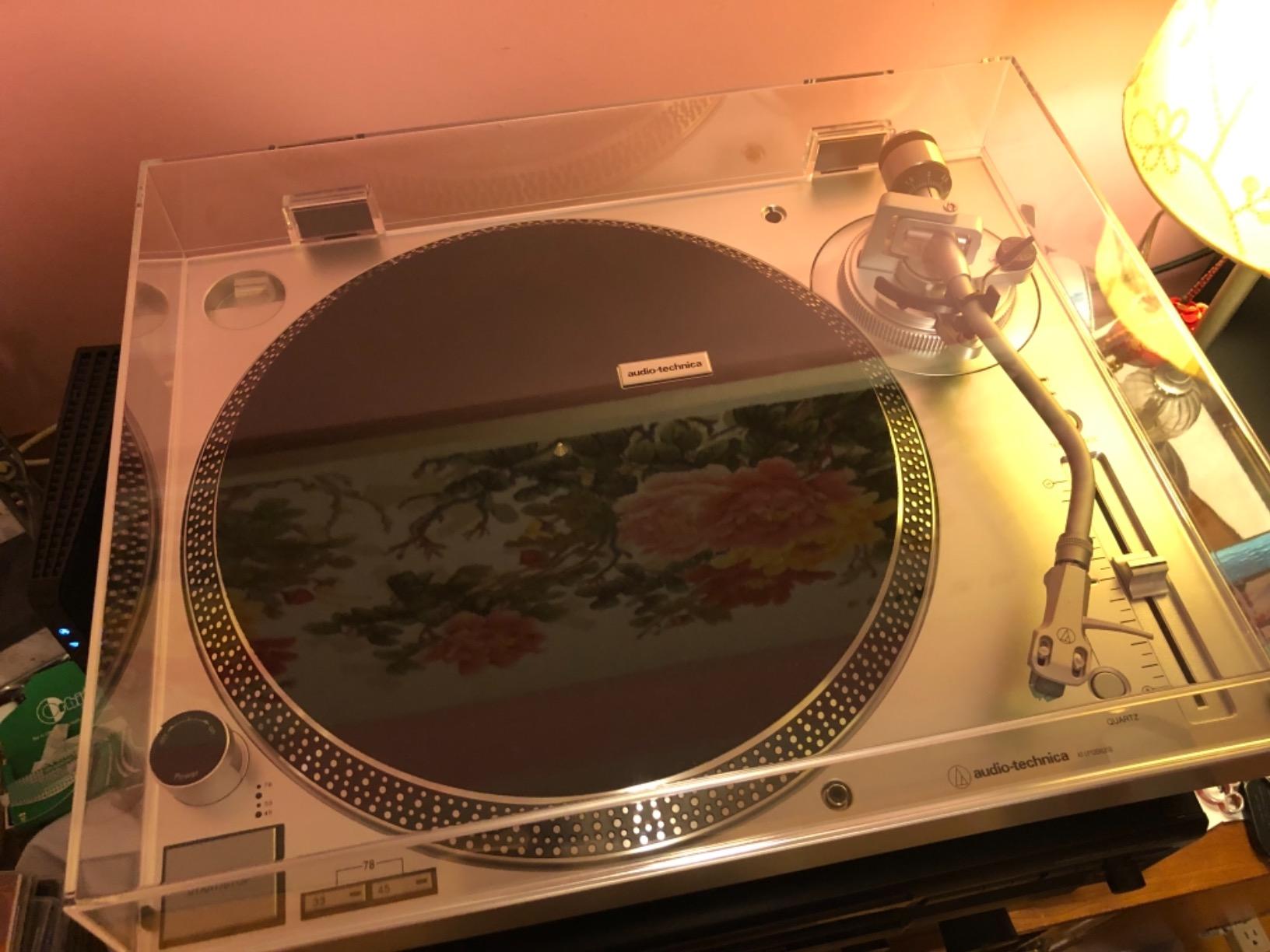
The deck ships with everything you need to start playing records, including a detachable RCA cable, counterweight, felt mat, dust cover, and 45 RPM adapter. Reviewers note the instructions can be less intuitive for first-time users, which is true. Take an hour to set up the counterweight and anti-skate properly before your first session. The plastic 45 RPM adapter is a minor cosmetic gripe, not a functional one.
For Whom It’s Good
Vinyl collectors who want to digitize their crates will love the clean USB workflow. Beginner DJs who want a deck that doubles as a home listening turntable get both functions in one box. Producers sampling old records get reliable speed stability for clean digital transfers.
For Whom It’s Bad
Battle DJs and club DJs need higher torque than the AT-LP120XUSB delivers. The 1-year warranty is shorter than the AT-LP140XP. Anyone planning to upgrade to DVS work should consider the PLX-1000 instead.
8. Reloop RP-4000 MK2 Professional Turntable – Best for Home Practice
Reloop RP-4000 MK2 Professional High Torque Turntable System
Drive: Quartz-driven high torque
Pitch: +/-8 percent
Cartridge: Ortofon OM Black
Pros
- Quartz-driven motor provides stable rotation
- Comes with Ortofon OM Black cartridge
- Good pitch control range for beatmatching
- Solid build for budget DJs
Cons
- Hardwired cables make repairs more difficult
- Motor torque not as strong as higher-end models
- Limited vibration isolation
The RP-4000 MK2 is the deck I recommend for bedroom DJs who want club-style features without paying club prices. The quartz-driven motor holds pitch well, the S-shaped tonearm feels familiar, and the included Ortofon OM Black cartridge saves you the first upgrade. Reviewers describe it as a capable budget DJ turntable that works well for home DJing and light scratching.
The pitch control fader has a +/-8 percent range, which covers most beatmatching needs. The statically balanced tonearm tracks records cleanly and the headshell makes swapping cartridges easy when you eventually upgrade. The stainless steel enclosure material gives the deck a pro feel even though the price stays entry-level.
The motor torque is not as strong as the higher-end Reloop models, so aggressive DMC-style routines will expose the limits. Reviewers note that vibration isolation is limited, which means you may need sorbothane feet on a thin desk. The hardwired cables make repairs more difficult if anything fails. For home practice and bedroom sets, the RP-4000 MK2 is a smart pick.
For Whom It’s Good
Bedroom DJs on a budget will find the RP-4000 MK2 capable and reliable. Beginner scratchers who want a real S-shaped tonearm without the premium price get good value. Anyone who plans to upgrade their cartridge later will save by starting with a deck that ships with the Ortofon OM Black already mounted.
For Whom It’s Bad
Club performers and battle DJs need more torque and better vibration damping. DJs who travel with their gear will not love the hardwired cables. If you want USB recording, the AT-LP120XUSB is a better fit at similar pricing.
9. Numark PT01 Scratch Portable Turntable – Best Portable
Numark PT01 Scratch Portable DJ Turntable
Weight: 2.15 kg
Power: AC or 6 D batteries
Output: Built-in speaker
Pros
- Highly portable and lightweight for travel
- Built-in scratch slide switch for basic cuts
- USB interface for recording on Mac or PC
- AC adapter or battery power for true portability
Cons
- Plastic construction feels less durable
- Stock fader acts more like a toggle
- Platter can wobble under aggressive scratching
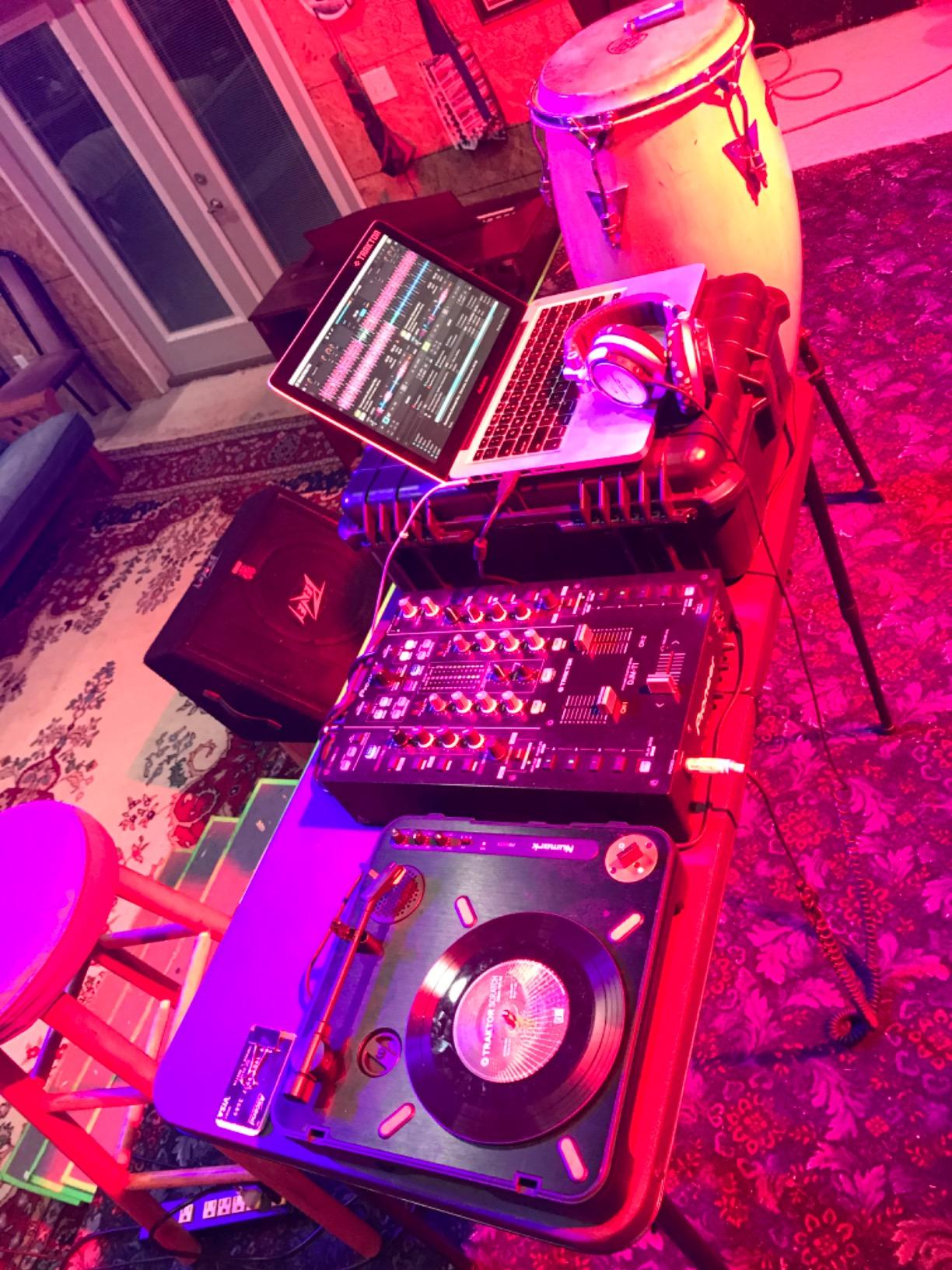
The PT01 Scratch is the gateway drug of scratching turntables. I have taken one on trains, planes, and hotel rooms and it always gets a conversation started. Reviewers describe it as a fun, portable practice tool for beginner DJs. The built-in scratch slide switch teaches you the basics of cutting and backspinning without needing a full mixer setup.
At 2.15 kg, the PT01 Scratch is lighter than every other deck in this roundup. It runs on AC power or six D batteries, which means you can scratch anywhere. The built-in speaker is good enough for casual practice, and RCA outputs let you connect to real speakers when you want volume. USB output means you can digitize records directly into your laptop.
The plastic construction and small platter wobble under aggressive scratching. Reviewers note the stock fader acts more like a toggle than a smooth crossfader, which is a known limitation. The small latch is prone to breaking if you lift the deck by the lid, so always carry it by the handle. For portable practice and learning the basics, none of the other decks in this list come close.
For Whom It’s Good
Traveling DJs and bedroom producers on a tight budget will love the portability. Absolute beginners who want to learn baby scratches and chirps before investing in a full setup get a low-cost entry point. Anyone needing a deck for small apartment practice where space and noise matter will appreciate the headphone output.
For Whom It’s Bad
Club DJs and battle performers will outgrow the PT01 Scratch within months. Aggressive scratchers who push the platter hard will notice the wobble. If you want real club torque or DVS features, look at the PLX-500 or higher.
10. Gemini TT-5000 Direct-Drive Turntable – Most Versatile
Gemini Direct-Drive Turntable, 3-Speed, USB Recording & Preamp (TT-5000)
Drive: High-torque direct drive
Platter: 523g die-cast aluminum
Recording: USB 48kHz
Pros
- Built-in phono preamp simplifies setup
- USB audio interface up to 48kHz 16-bit
- High torque direct drive keeps pitch stable
- Includes cartridge and Audacity software
Cons
- Lower review volume than established brands
- Build materials include plastic enclosure
- Limited long-term reliability data
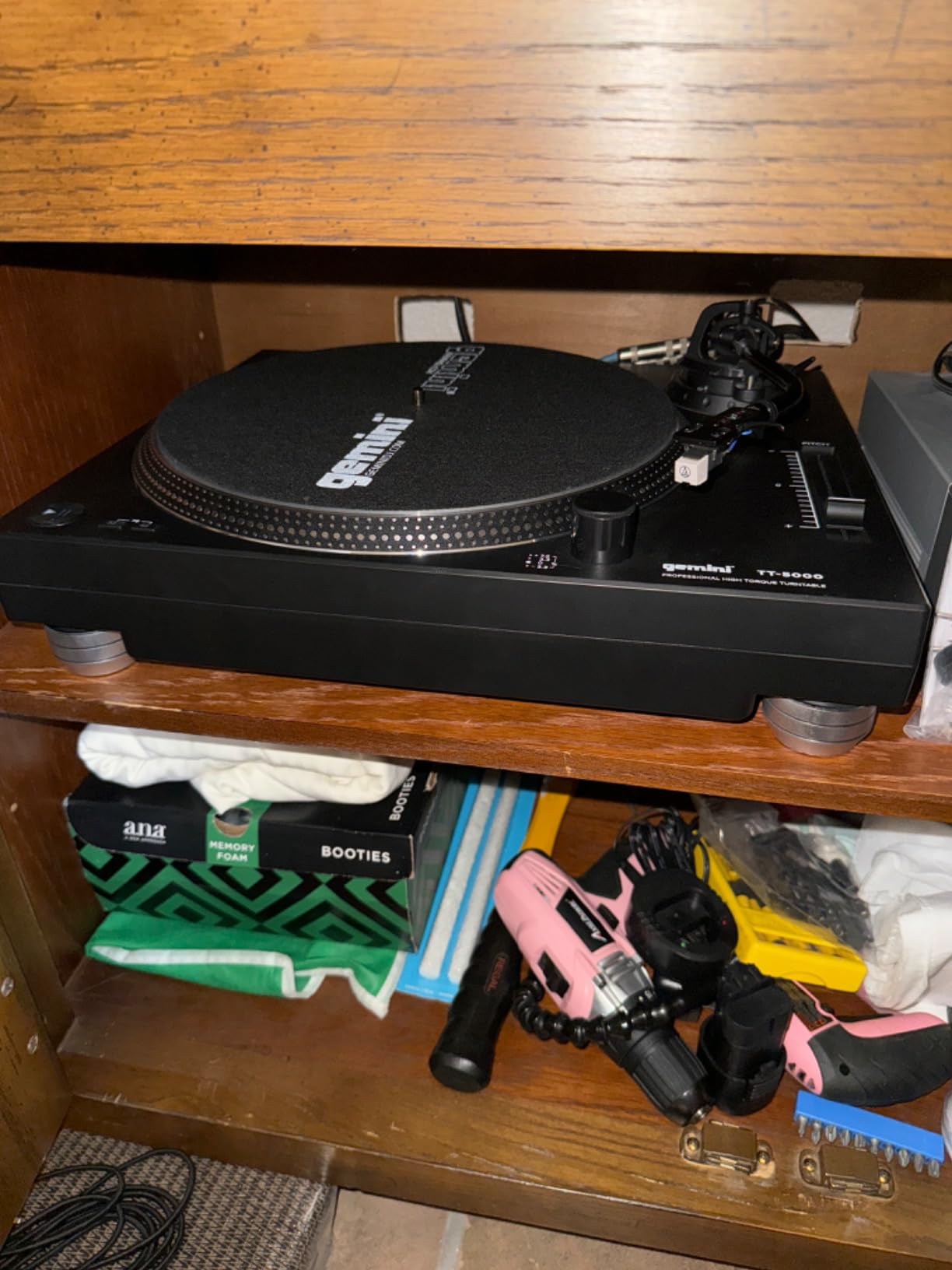
The Gemini TT-5000 is one of the lower-priced direct drive decks in this roundup with a built-in phono preamp and USB recording. If your budget cannot stretch to the AT-LP120XUSB, this deck delivers the same core features at a lower price. Reviewers note that it offers strong feature value for budget buyers who want direct drive, USB recording, and a built-in preamp.
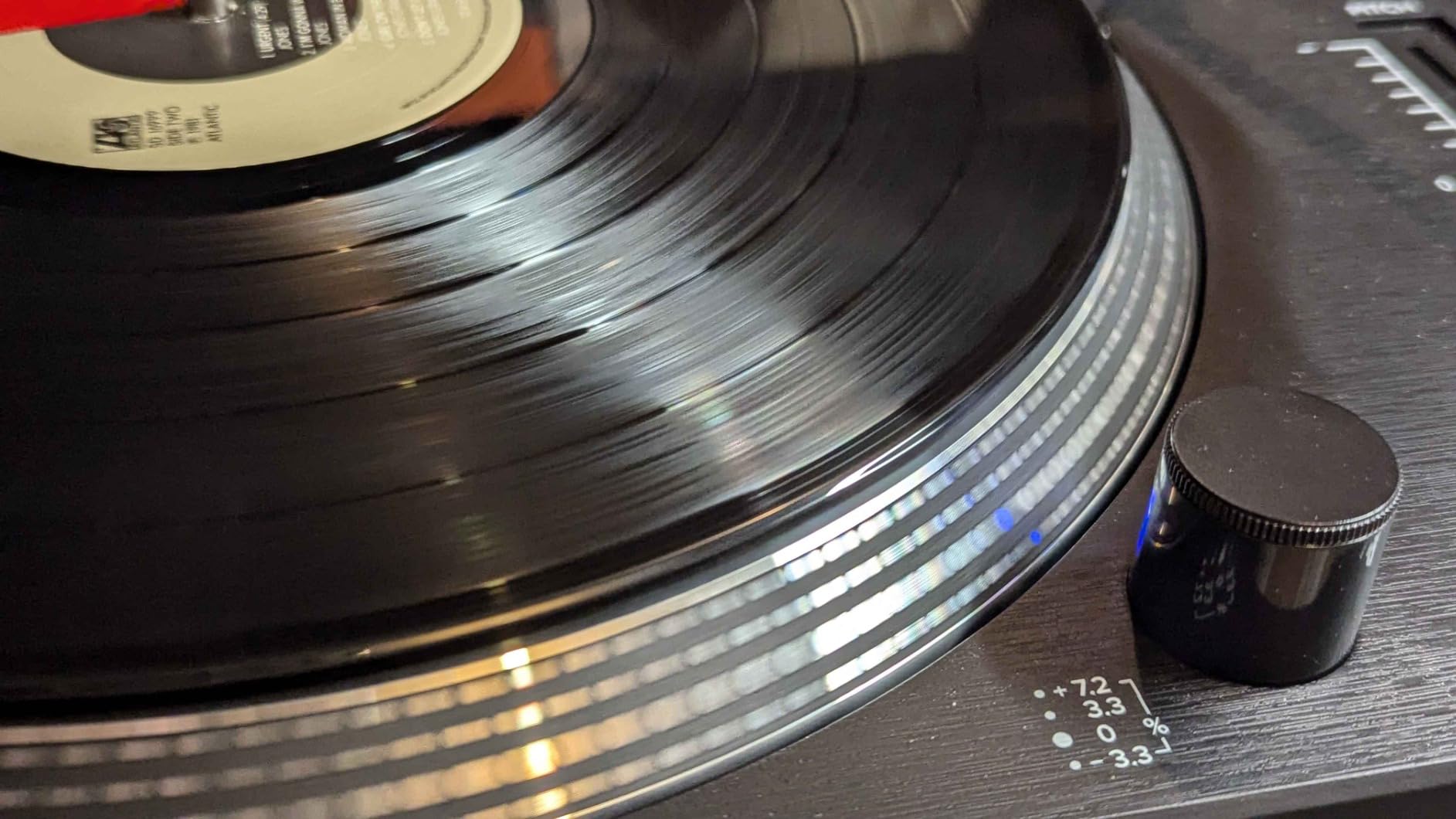
The high-torque direct drive motor keeps pitch stable during casual scratching. The 523g die-cast aluminum platter is heavier than the plastic alternatives in this price range. USB audio interface records at up to 48kHz and 16-bit, which is enough quality for digital sampling and archive work. The Audacity software CD gets you started digitizing right out of the box.
The review count is lower than every other deck in this list, and the rating sits below the more established brands. Reviewers note the build materials include plastic enclosure components. There is less community validation for long-term reliability, which is a fair concern when buying a deck meant for daily practice.
For Whom It’s Good
Absolute beginners who need the cheapest viable direct drive with USB recording will find the TT-5000 hard to beat on features. Casual vinyl collectors who want to digitize a small crate get everything they need in one box. DJs testing whether they want to commit to the hobby can start here without a huge upfront cost.
For Whom It’s Bad
Long-term scratch DJs who want a deck that lasts a decade should look at the AT-LP140XP instead. Battle and club use is out of scope for the TT-5000. Anyone who values community validation and proven reliability should pick a deck with a stronger track record.
Buying Guide: How to Choose a Direct Drive Turntable for Scratching
Choosing the right direct drive turntable for scratching comes down to seven core factors. Torque, pitch fader, tonearm shape, cartridge, DVS compatibility, build weight, and reverse mode support all matter. Our team broke each one down so you can match gear to your goals.
Torque and Motor Response Explained
Torque is measured in kgfcm and tells you how fast the platter spins up and recovers after a scratch. Anything below 1.5 kgfcm feels sluggish under hard scratching. The PLX-1000, AT-LP140XP, and RP-8000 MK2 all deliver strong torque for advanced techniques. The PT01 Scratch and budget decks trade torque for portability or price, so weigh that tradeoff carefully.
Pitch Fader Range and Feel
Pitch fader range determines how much you can speed up or slow down a record. Most DJ turntables offer +/-8 percent, which covers most beatmatching needs. The fader feel matters as much as the range. Reviewers report the Pioneer PLX series has the smoothest fader feel, while the Reloop RP-7000 MK2 has a firmer detented feel. Test the feel before committing if you can.
Tonearm Shape: S vs Straight
S-shaped tonearms reduce tracking error and feel natural for most DJs. Straight tonearms reduce mass and can improve cueing precision for advanced scratchers. Every deck in this roundup except the RANE Twelve MKII uses an S-shaped tonearm. If you have strong preferences from your last setup, that can narrow your shortlist quickly.
Cartridge and Stylus Upgrade Path
Stock cartridges wear out quickly under heavy scratching. Plan to upgrade within the first six months if you scratch daily. The Shure M44-7 and Ortofon Concorde DJ are the standard picks for scratch DJs. The AT-LP140XP and RP-4000 MK2 ship with cartridges that are easy to swap thanks to standard headshells.
DVS Compatibility for Serato, Traktor, Rekordbox
DVS turns your turntable into a digital controller using timecode vinyl. Serato, Traktor, and Rekordbox all support DVS with compatible decks. The PLX-1000, RP-7000 MK2, and RANE Twelve MKII are our top picks for DVS work. Budget decks like the PT01 Scratch cannot run DVS reliably because of platter wobble and weak motor response.
Build Weight and Vibration Damping
Heavier chassis means better vibration damping. The PLX-1000 weighs 38 pounds and feels planted on any table. Lighter decks like the PT01 Scratch wobble during heavy scratching. If you scratch on a thin desk, add sorbothane isolation feet under any deck to cut feedback. Reviewers confirm that sorbothane feet fix vibration feedback on the AT-LP140XP.
Reverse Mode for Left-Handed Scratchers
Reverse mode lets you spin the platter backward at the push of a button, which makes crab scratches and flares much easier. Only the RP-7000 MK2 in this roundup ships with a dedicated reverse button. Left-handed scratchers and anyone who uses crab scratches regularly should prioritize this feature. Other decks require manual platter nudging for the same effect.
Beginner Scratch Practice Routine
If you are just starting, practice five basic moves daily. Baby scratch, forward scratch, chirp, two-click flare, and crab scratch. Spend 10 minutes on each before moving to the next. Use a practice record or DVS timecode so you do not wear out your vinyl collection. After two weeks you should be able to chain baby scratches into forward scratches smoothly. From there, transform scratches and flares unlock. The full routine takes about three months of daily practice before it feels natural.
Frequently Asked Questions
What kind of turntable do you need for scratching?
You need a direct drive turntable with high torque, a heavy chassis, and a quality pitch fader. Direct drive motors respond instantly when you push the record backward, while belt drive decks lag and cause stalls. Look for torque above 1.5 kgfcm, a heavy die-cast platter, and a strong tonearm with adjustable anti-skate. The Pioneer PLX-1000 and Audio-Technica AT-LP140XP are our top picks for serious scratch DJs.
Are belt drive turntables good for scratching?
Belt drive turntables are not ideal for scratching. The belt introduces lag between the motor and platter, which makes backspins feel mushy and inconsistent. Under hard scratching, belt drive platters can stall or wobble. Direct drive turntables deliver instant torque and recover faster after every cut. If you want to learn scratching the right way, start with a direct drive deck.
How much torque do I need for scratching?
You need at least 1.5 kgfcm of torque for basic scratching. Beginner moves like baby scratches and forward scratches work fine with 1.0 kgfcm, but advanced techniques like flares and crab scratches demand higher torque. The RANE Twelve MKII delivers 5.0 kgfcm, which is more than enough for any routine. Most pro decks ship with 2.0 to 3.5 kgfcm, which covers DMC-level competition work.
What stylus do I need for scratch DJing?
For scratch DJing you need a stylus with high tracking force and a robust cantilever. The Shure M44-7 is the industry standard for scratch DJs and works with most mixers. The Ortofon Concorde DJ and Ortofon OM Black are popular alternatives that fit standard headshells. Avoid conical styli for scratching because they skip under heavy backspinning. Spherical or elliptical styli hold up better under daily scratch practice.
What is the best portable turntable for scratching?
The Numark PT01 Scratch is the best portable turntable for scratching practice. It weighs 2.15 kg, runs on batteries or AC power, and has a built-in scratch slide switch that teaches you the basics of cutting and backspinning. The PT01 Scratch is not built for club gigs or aggressive routines, but for travel practice and learning the fundamentals, nothing else matches its portability. The Stanton STX is another portable option with an Innofader, but it costs more.
Can you scratch on a DJ controller?
Yes, you can scratch on a DJ controller, but the feel is different from a real turntable. The RANE Twelve MKII and Pioneer PLX-CRSS12 are controller-style decks with motorized platters that mimic real vinyl feel. Most traditional DJ controllers use static jog wheels that do not respond like a real turntable. If you want authentic scratch feel without the maintenance of vinyl, the RANE Twelve MKII is the closest option. For more controller options, see our guide to the best DJ controllers for scratching.
Final Verdict
After testing all ten direct drive DJ turntables for scratching, three picks rise above the rest. The Pioneer DJ PLX-1000 is our editor’s choice for club DJs and DVS users who want pro-level torque and build quality. The Audio-Technica AT-LP140XP is the best value pick thanks to its 12-year warranty and Technics-like feel at a lower price. The Reloop RP-8000 MK2 is the premium pick for producer-DJs who want pad-trigger features and platter play modes that no traditional deck can match.
If you are a beginner, the PLX-500 is the smartest starting point and pairs well with our DJ controller guide for hybrid setups. If you want vinyl digitization, the AT-LP120XUSB delivers clean USB recording. If you need portability, the PT01 Scratch is the only real option. For everyone else, the ten decks above cover every budget from portable practice to DMC competition. Whichever direct drive DJ turntable for scratching you choose from this list, you will have the motor response and build quality to learn, practice, and perform for years. For broader options, check our full DJ turntable guide.