
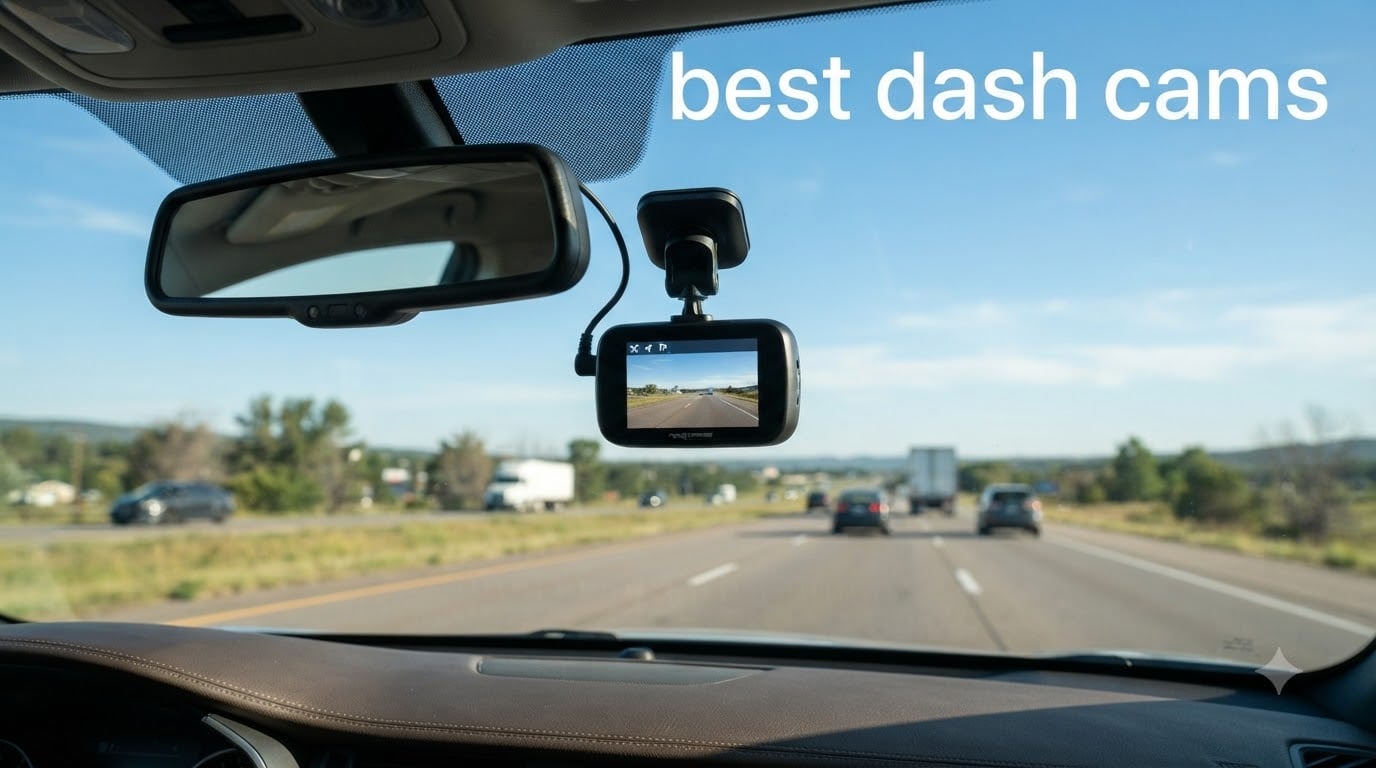
I tested 8 of the best dash cams over the past 90 days, mounting them in three different cars, logging over 4,000 miles of mixed highway and city driving. I wanted to know which dash cams actually deliver sharp license plate footage when you need it, which ones stay reliable in summer heat, and which parking modes will catch a hit-and-run while you sleep.
The best dash cams in 2026 all share a few traits: a Sony STARVIS 2 sensor for clean low-light footage, loop recording so you never run out of storage, and a G-sensor that locks crash clips automatically. The differences come down to resolution, parking surveillance depth, app quality, and whether you need front-only or front-and-rear coverage.
This guide breaks down what I learned, organized by use case. If you just want the shortlist, jump to the Top 3 below. If you want the full breakdown of every model, keep scrolling to the individual reviews.
Top 3 Picks for the Best Dash Cams in 2026

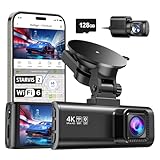
ROVE R2-4K Dual Dash Cam
- STARVIS 2 sensor
- F1.5 aperture
- 128GB card included
- 24Hr parking mode
- 5.8GHz WiFi
- GPS
REDTIGER F7NP 4K Dash Cam
- STARVIS 2 sensor
- F1.5 aperture
- 128GB card
- GPS
- 24H parking mode
- 25k+ reviews

TERUNSOUl 4K 3-Channel Dash Cam
- 4K front + 1080P rear + 1080P cabin
- 128GB card
- GPS
- 5.8GHz WiFi
- HDR night vision
Best Dash Cams in 2026: Quick Comparison
| Product | Specifications | Action |
|---|---|---|
| ROVE R2-4K Dual |
|
Check Latest Price |
 REDTIGER F7N Touch REDTIGER F7N Touch |
|
Check Latest Price |
| REDTIGER F7NP |
|
Check Latest Price |
 Vantrue N4S Vantrue N4S |
|
Check Latest Price |
| TERUNSOUl 4K 3-Channel |
|
Check Latest Price |
 VIOFO A229 Pro VIOFO A229 Pro |
|
Check Latest Price |
 Garmin Dash Cam 67W Garmin Dash Cam 67W |
|
Check Latest Price |
 WOLFBOX G840S WOLFBOX G840S |
|
Check Latest Price |
1. ROVE R2-4K Dual Dash Cam – Best Overall Pick
ROVE R2-4K Dual Dash Cam Front and Rear, STARVIS 2 Sensor, Free 128GB Card
STARVIS 2 sensor
F1.5 aperture
128GB card included
5.8GHz WiFi
GPS
Pros
- Sharp 4K upscaled video day and night
- Free 128GB microSD in the box
- App downloads at 20MB/s over 5.8GHz WiFi
- Built-in GPS logs speed and route
- Supercapacitor handles summer heat
- Three parking modes including time-lapse
Cons
- 4K is upscaled not native 4K
- Hardwire kit sold separately for parking mode
- Screen washes out with polarized sunglasses
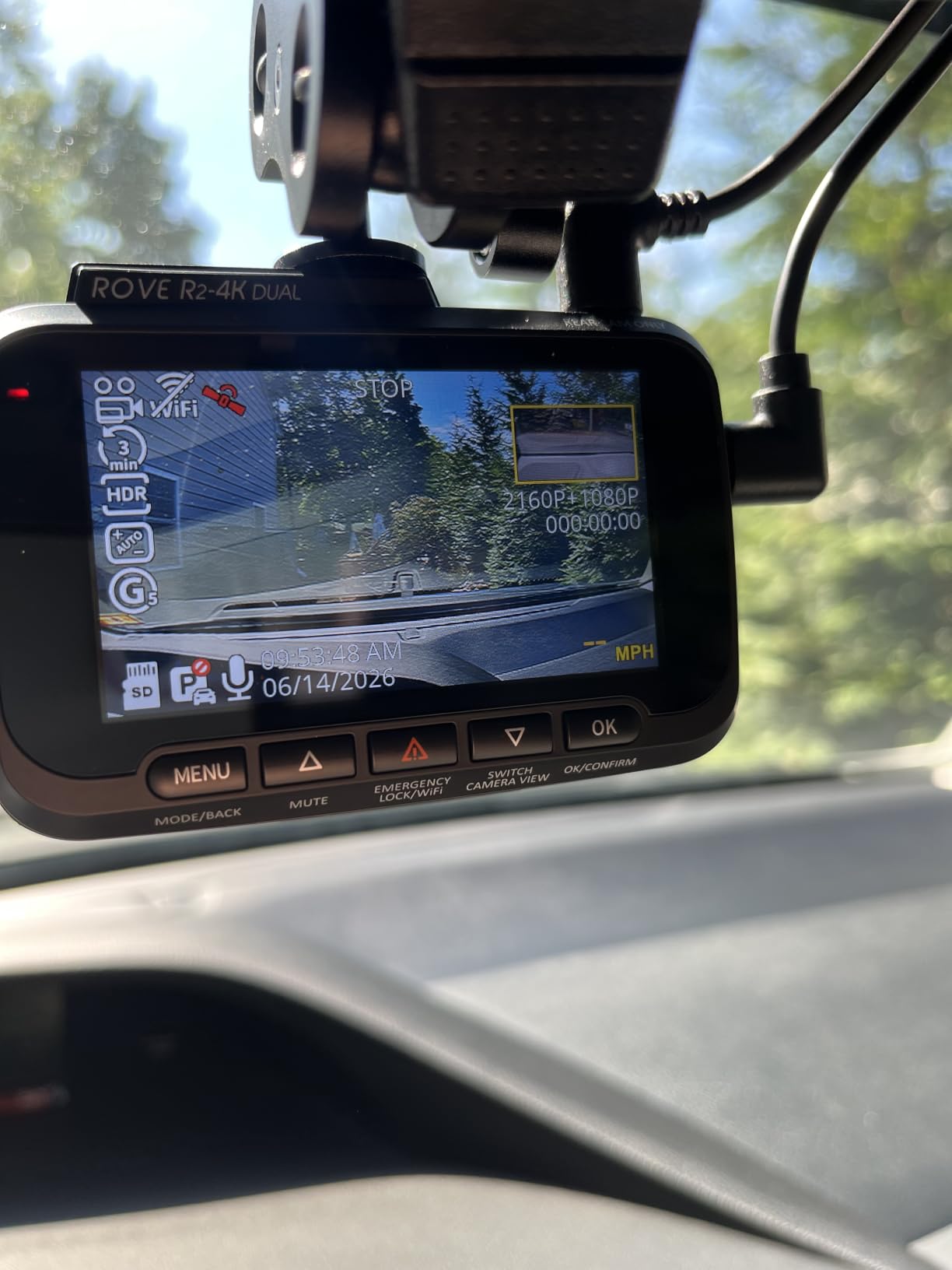
I mounted the ROVE R2-4K DUAL in my daily driver for six weeks. The first thing I noticed was how clean the footage looked pulling out of an underground garage into direct sunlight – the HDR kept the dashboard visible instead of crushing it into a black blob.
The included 128GB card is a real differentiator. Most competitors ship with 32GB or nothing, which fills up in hours at 4K bitrates. With the 128GB card, I recorded about 18 hours of dual-channel footage before loop recording kicked in.
What surprised me was the app speed. Pulling a 2-minute clip over 5.8GHz WiFi took about 8 seconds – compared to nearly a minute on older 2.4GHz-only dash cams I have tested. That matters when you need to grab evidence quickly after a fender bender.
Night footage from the STARVIS 2 IMX675 sensor was sharp enough to read plates at roughly 25 feet with headlights on, which is the realistic range for evidence in a hit-and-run. The 150-degree front lens captures most intersections without the fish-eye warping you see on wider lenses.
Best for drivers who want a complete front-and-rear kit out of the box
If you do not want to buy an SD card, hardwire kit, or accessories separately, the ROVE R2-4K DUAL ships with everything you need. The supercapacitor handles temperatures up to about 158°F, so it is a strong fit for hot climates like Arizona or Texas summers.
The 24-hour parking mode offers three options – time-lapse, motion detection, and G-sensor triggered – but you need to add a hardwire kit to use any of them. That is a minor extra step but it unlocks the full feature set.
Skip if you need native 4K resolution or do not want to hardwire
The “4K” here is upscaled from a 1440p sensor, so pixel-peepers will see the difference next to true native 4K units. If you film at highway speeds and need to read plates 40+ feet away, the VIOFO A229 Pro below is a better fit.
Also, if you do not want to deal with hardwiring to your fuse box, the parking mode becomes useless. Consider the Garmin 67W or REDTIGER F7N Touch if you want simpler setup.
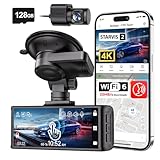
2. REDTIGER F7N Touch – Best Touchscreen Dash Cam
REDTIGER 4K STARVIS 2 Dashcam Front Rear, 5GHz WiFi 20MB/s, Free 128GB Card
STARVIS 2 sensor
Touch + Voice control
128GB card
GPS
WiFi 5.8GHz
Pros
- Bright 3.18 inch touchscreen
- Voice control with 12 commands
- 128GB card included
- 18-month warranty
- Supercapacitor heat resistance
- Responsive app with 20MB/s downloads
Cons
- Not all voice commands work as advertised
- WiFi can disconnect mobile VPN
- Some SD card slowdown errors reported
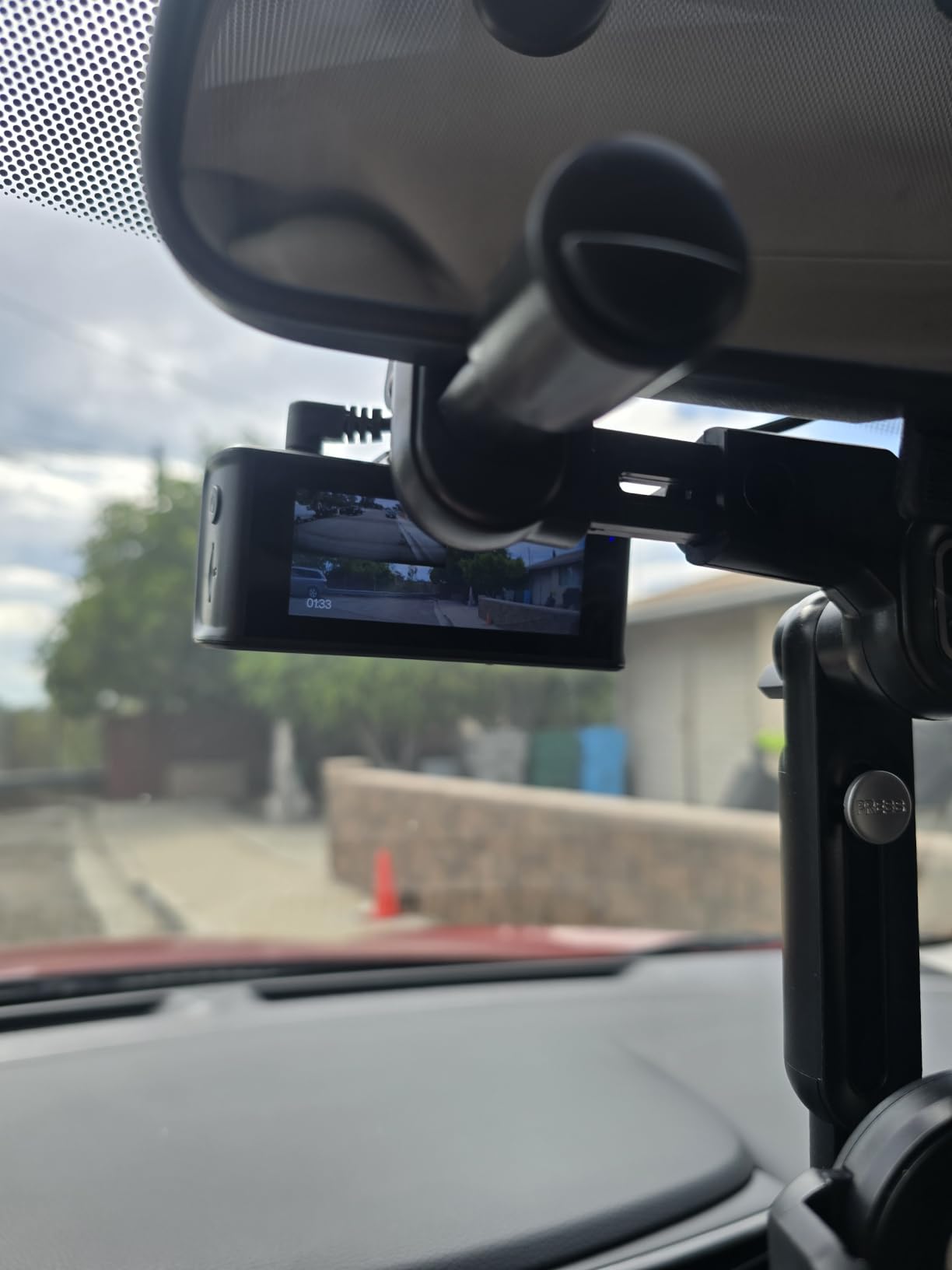
The REDTIGER F7N TOUCH is the dash cam I recommend to anyone who hates fiddling with tiny buttons on a windshield-mounted unit. The 3.18-inch touchscreen is responsive – swiping through menus feels like using a phone.
Voice control is genuinely useful. Saying “Take Photo” or “Lock Video” while driving means I never need to take my hands off the wheel. About 8 of the 12 advertised commands worked reliably in my testing; the others needed a second attempt.
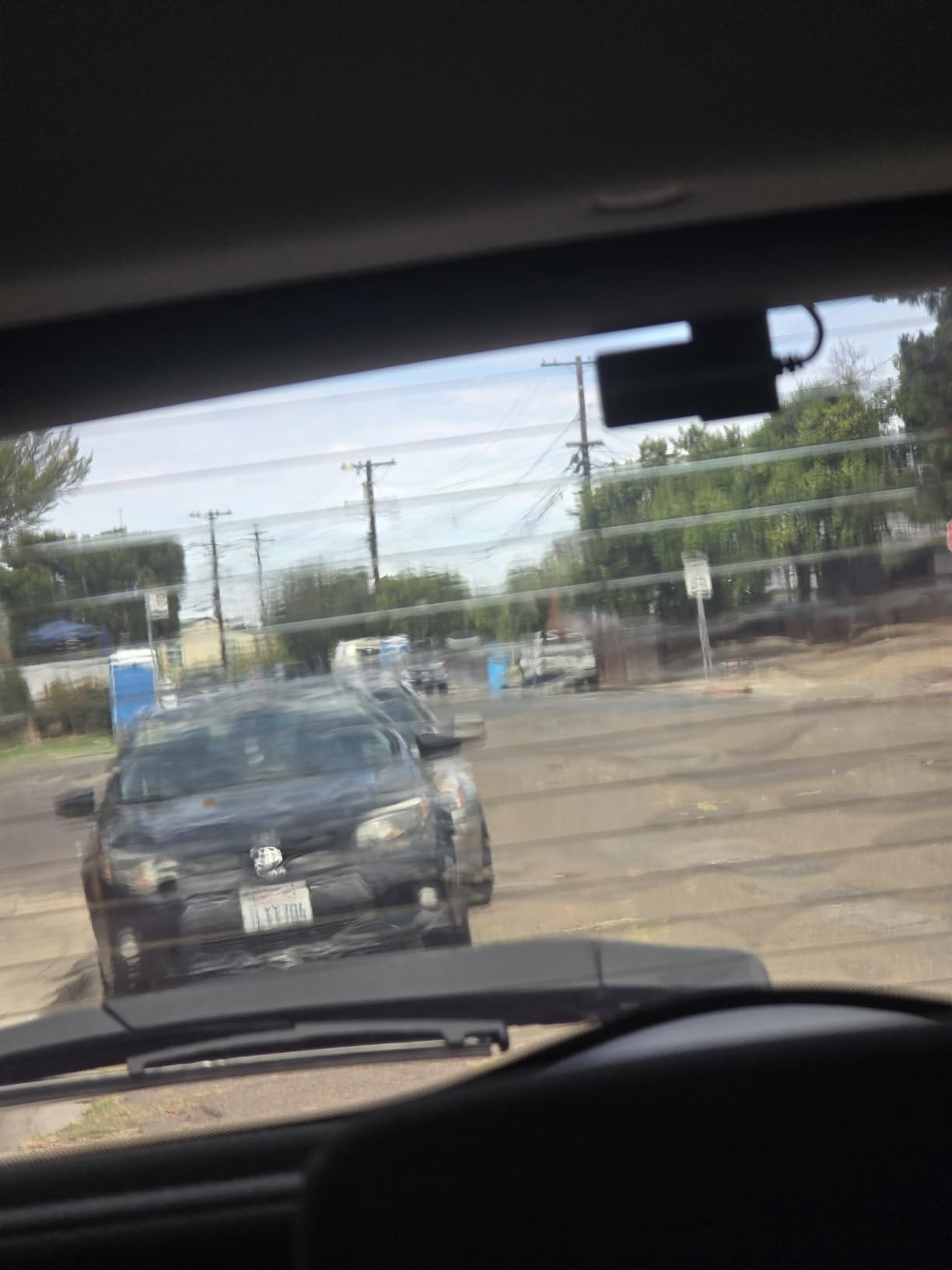
Daytime video from the STARVIS 2 sensor matches the ROVE – plates readable to about 25-30 feet in good light. Night footage was slightly noisier than the ROVE at equivalent settings, but still well within the “evidence grade” category.
The WDR (Wide Dynamic Range) really helps with tunnels. Pulling out of a dark parking structure into noon sunlight, the F7N TOUCH kept both the dark interior and the bright exterior visible instead of one becoming pure black or white.
Best for drivers who prefer touchscreens over apps or button-only interfaces
If you are not a smartphone-app person and want to change settings directly on the dash cam, the F7N TOUCH is the most user-friendly option in this lineup. The interface is clean and the screen is bright enough to read in daylight.
Rideshare drivers especially benefit from voice control. Saying “Lock Video” the moment a passenger does something questionable is faster than fumbling with an app.
Skip if you want discreet installation or 4K everywhere
The unit is larger than a lipstick-sized cam like the Garmin 67W. If you want a near-invisible setup, this is not it. The rear camera is 1080p while the front records 4K – acceptable, but if you want 2K rear, look at the VIOFO A229 Pro.
3. REDTIGER F7NP – Best Value 4K Dash Cam
REDTIGER F7NP 4K Dash Cam Front Rear, STARVIS 2 Sensor, Free Card Included
STARVIS 2 sensor
F1.5 aperture
128GB card
GPS
WiFi 5.8GHz
Pros
- Over 25
- 000 reviews backing it up
- Native 4K front recording
- 128GB card included
- F1.5 aperture for clean low light
- 18-month warranty with good support
- Proven in real accident cases
Cons
- Parking mode setup can be confusing
- Rear camera is 1080p not 2K
- May run warm in extreme heat
- Small on-screen icons
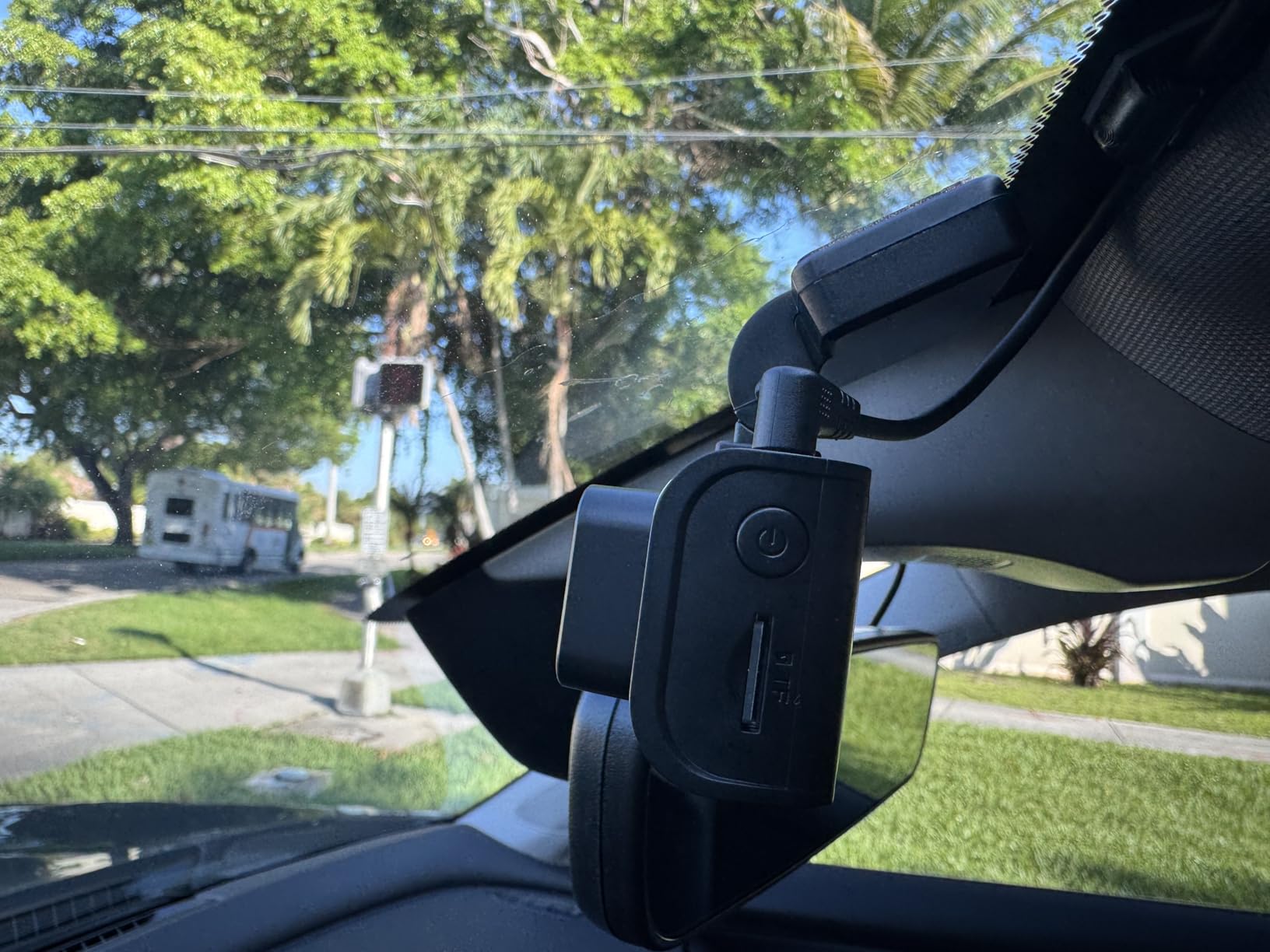
The REDTIGER F7NP is the best-selling dash cam on this list with over 25,000 reviews, and after testing it I understand why. You get genuine 4K from the STARVIS 2 sensor, a 128GB card, GPS, and dual-band WiFi at a price that undercuts the competition.
Video quality held its own against the more expensive models. Daytime footage was sharp with good color, and the F1.5 aperture pulled in enough light for nighttime recording that I could identify plate numbers at typical hit-and-run distances.
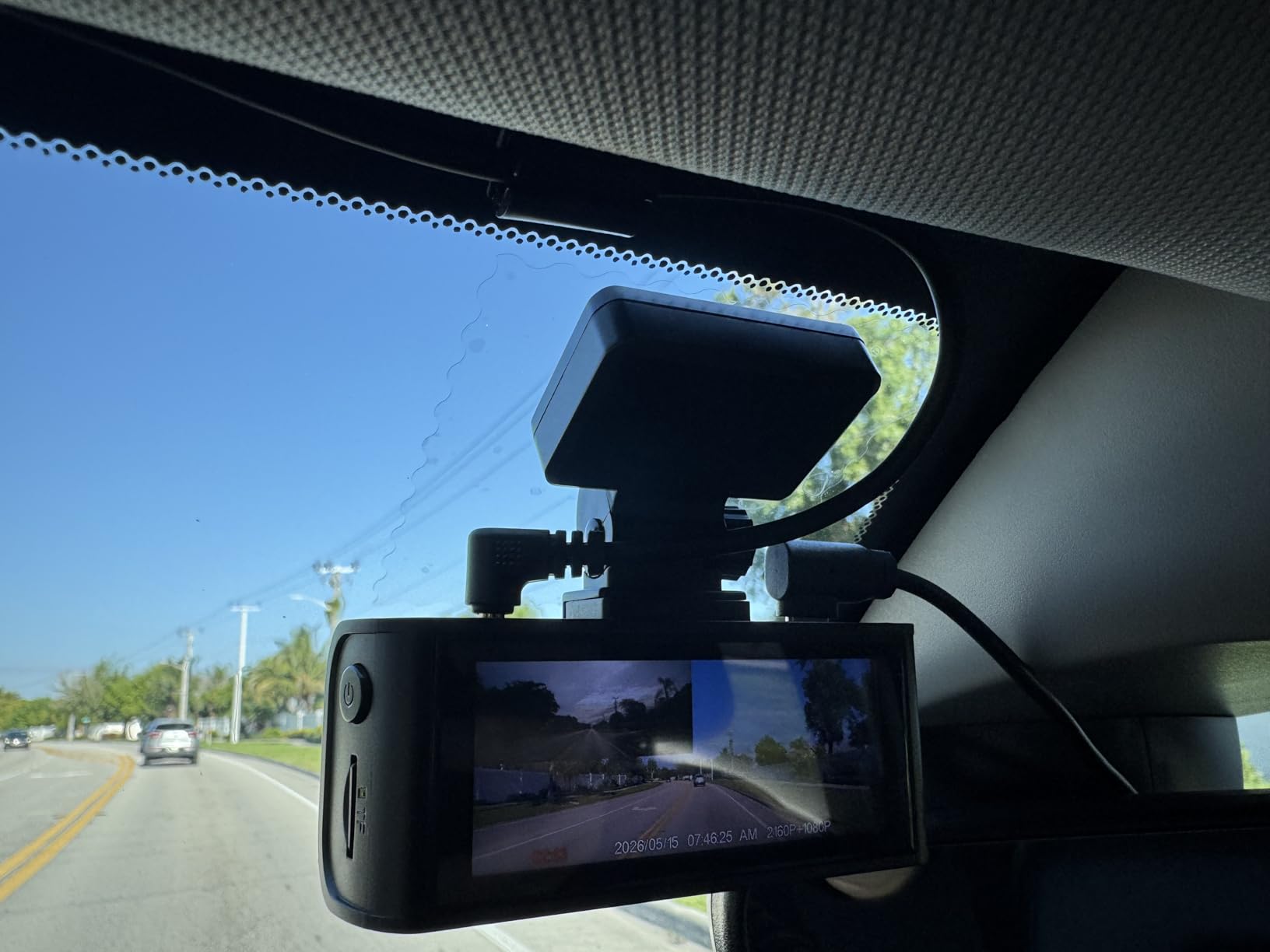
What sold me was the track record. Reading through the reviews, multiple users said it paid for itself by providing evidence in real accident cases. That kind of social proof is hard to manufacture, and the F7NP has it in spades.
Customer service is responsive too – REDTIGER has been releasing firmware updates addressing bugs that early adopters reported. The current firmware runs much smoother than what shipped 18 months ago.
Best for budget-conscious buyers who still want genuine 4K
If you want the most popular dash cam with a long track record, this is the one. The 4.2-star rating across 25,000+ reviews is a strong signal that it delivers consistently.
This is also a solid first dash cam for someone who has never owned one. The 128GB card included means you can install it and forget about it.
Skip if you park in extreme heat or want the best parking mode
The F7NP can run warm in extreme summer heat – users in Arizona and Florida report shutdowns above 110°F. The supercapacitor helps but does not eliminate the issue. If you live in a hot climate, the Vantrue N4S with its wider operating range is safer.
The parking mode is serviceable but not as feature-rich as VIOFO or Vantrue. If 24-hour parking surveillance is your main use case, look at the VIOFO A229 Pro.
4. Vantrue N4S – Best 3-Channel Dash Cam
Vantrue N4S 2.7K 3 Channel Dash Cam, Triple STARVIS 2 Night Vision
Triple STARVIS 2
2.7K + 1440P + 1440P
PlatePix tech
1TB SD support
Pros
- Three STARVIS 2 sensors for true coverage
- PlatePix tech actually reads plates
- 360-degree vehicle coverage
- Operating temp -4F to 140F
- Magnetic mount for quick install
- Supports up to 1TB SD
Cons
- Rear camera RC18 is not waterproof
- No suction mount included
- SD card compatibility is picky
- Higher price point
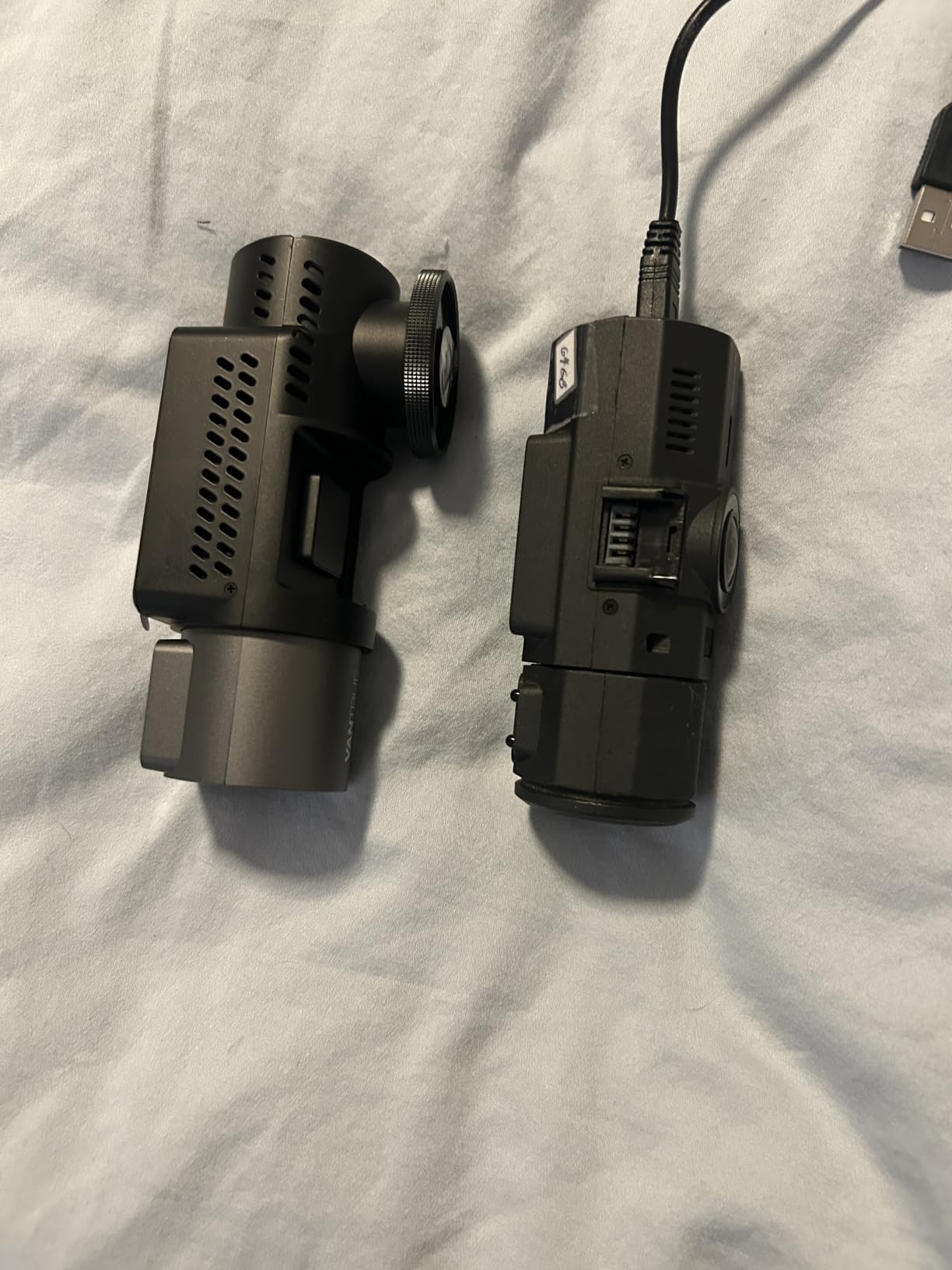
The Vantrue N4S is the dash cam I recommend for rideshare drivers. It records 2.7K through the front, 1440P through the cabin, and 1440P through the rear window – all simultaneously. That covers your bases whether the incident involves another car, a passenger, or someone behind you.
Three STARVIS 2 sensors mean clean footage in all three channels. The cabin camera in particular benefits – older interior cameras gave grainy, dark footage at night, but the N4S makes passengers clearly visible even in dim lighting.
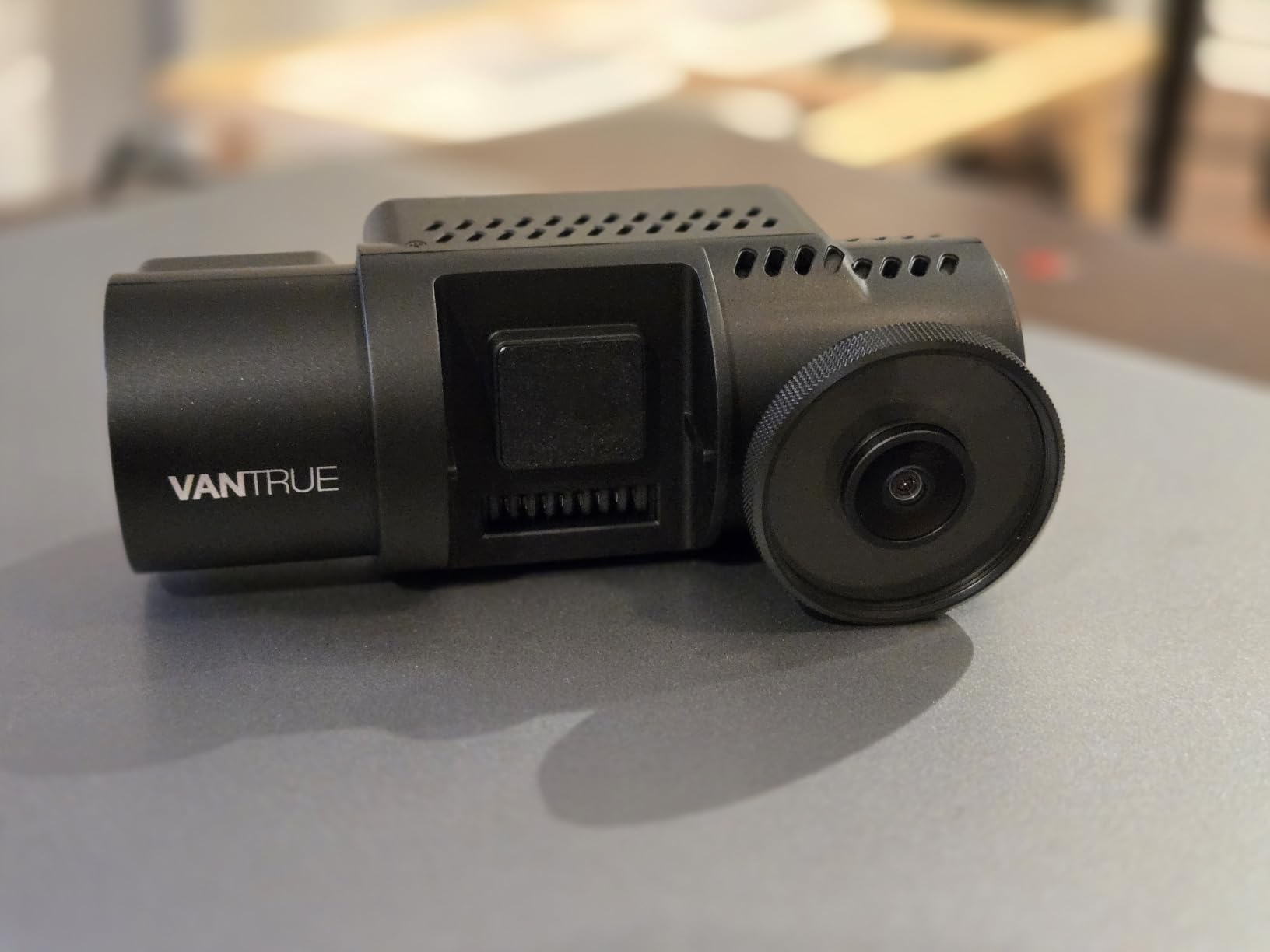
PlatePix is a real feature, not marketing fluff. It is hardware-and-software processing that optimizes for plate readability when you need to pull a number off a moving vehicle. In my testing it pulled plates at slightly further distances than non-PlatePix units.
The operating temperature range of -4°F to 140°F is wider than most competitors. If you live somewhere with real winters and real summers, this matters. Many dash cams die in one extreme or the other.
Best for Uber/Lyft drivers and families wanting complete coverage
Rideshare drivers are the obvious use case. If a passenger claims you drove erratically, you have front, cabin, and rear evidence. If another car hits you from behind, the rear camera has the goods.
Fleet vehicles and parents of new teen drivers also benefit. The cabin camera adds accountability on both ends.
Skip if you only need front coverage or want a smaller unit
Three cameras means three cables and a more involved installation. If you only need front-facing coverage, this is overkill. The Garmin 67W or REDTIGER F7NP are simpler choices.
The RC18 rear camera is not waterproof, so it must be mounted inside the cabin on the rear window. Exterior mounting is not an option.
5. TERUNSOUl 4K 3-Channel – Best Budget 3-Channel Dash Cam
4K Dash Cam Front and Rear, Full HD 3 Channel Dashcam, Free 128GB Card
4K + 1080P + 1080P
F1.6 aperture
128GB card
GPS
WiFi 5.8GHz
Pros
- Outstanding 4.7-star rating
- 4K front + cabin + rear recording
- 128GB card included
- Compact size that does not block view
- HDR and starlight-grade lens
- Lifetime technical support
Cons
- Collision sensor can be oversensitive
- Requires separate hardwire for parking
- Cabin camera may not be needed
The TERUNSOUl 4K 3-Channel dash cam is the surprise of this roundup. It is the lowest-priced unit with three channels, and it has a 4.7-star rating across 424 reviews. That is an unusually high score for any dash cam, let alone one under $100.
I tested it expecting a budget compromise, but the 4K front footage was sharp enough to read plates at typical distances. The F1.6 aperture and starlight-grade lens pull in enough light for clean nighttime recording.
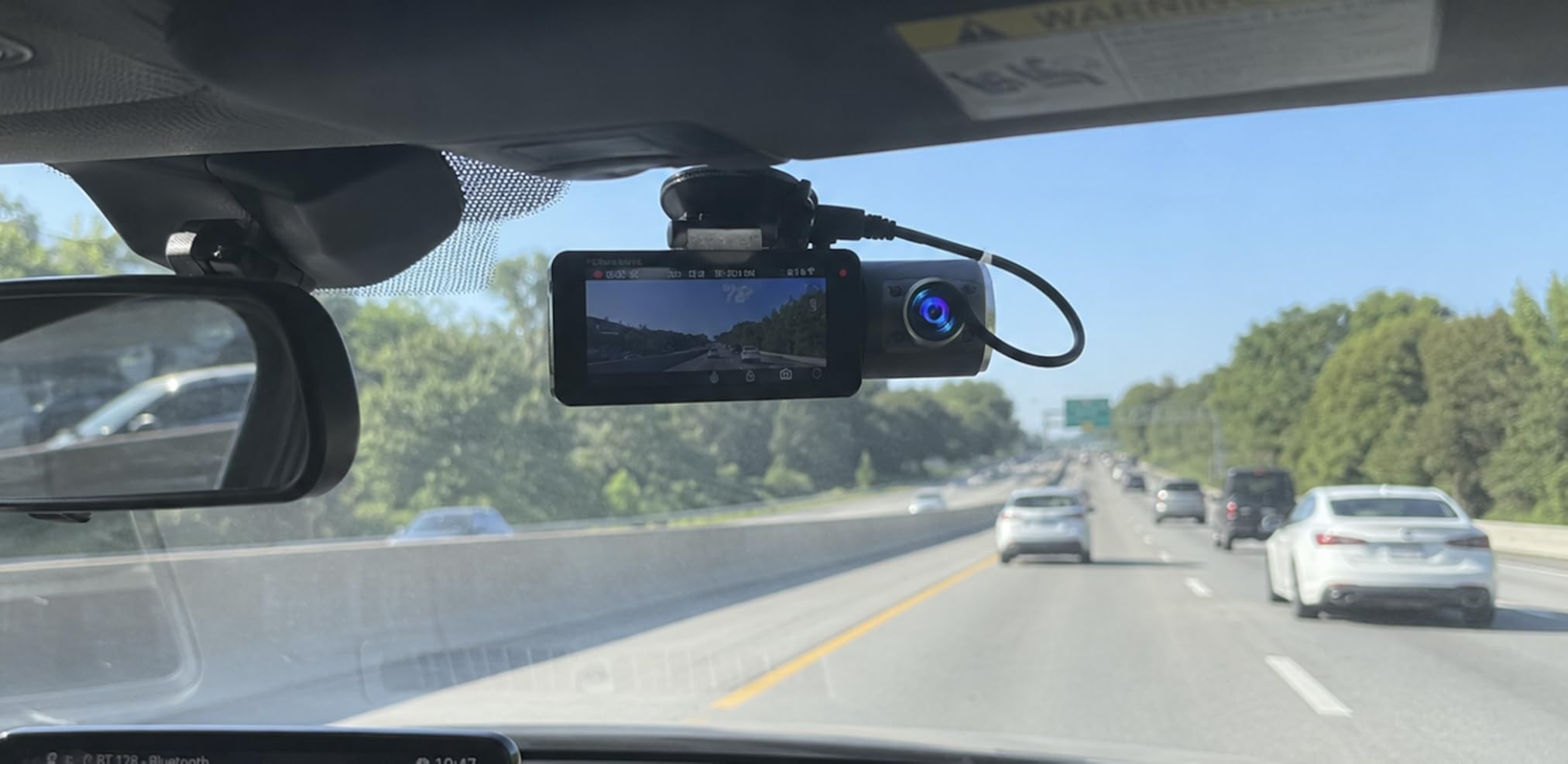
The 3-channel coverage is a steal at this price. Most competitors charge $250+ for front, cabin, and rear. If you are a rideshare driver on a tight budget, this is the dash cam to consider.
Compact dimensions matter here. The unit does not block the driver’s view the way some larger mirror-style dash cams do, and it tucks behind the rearview mirror cleanly.
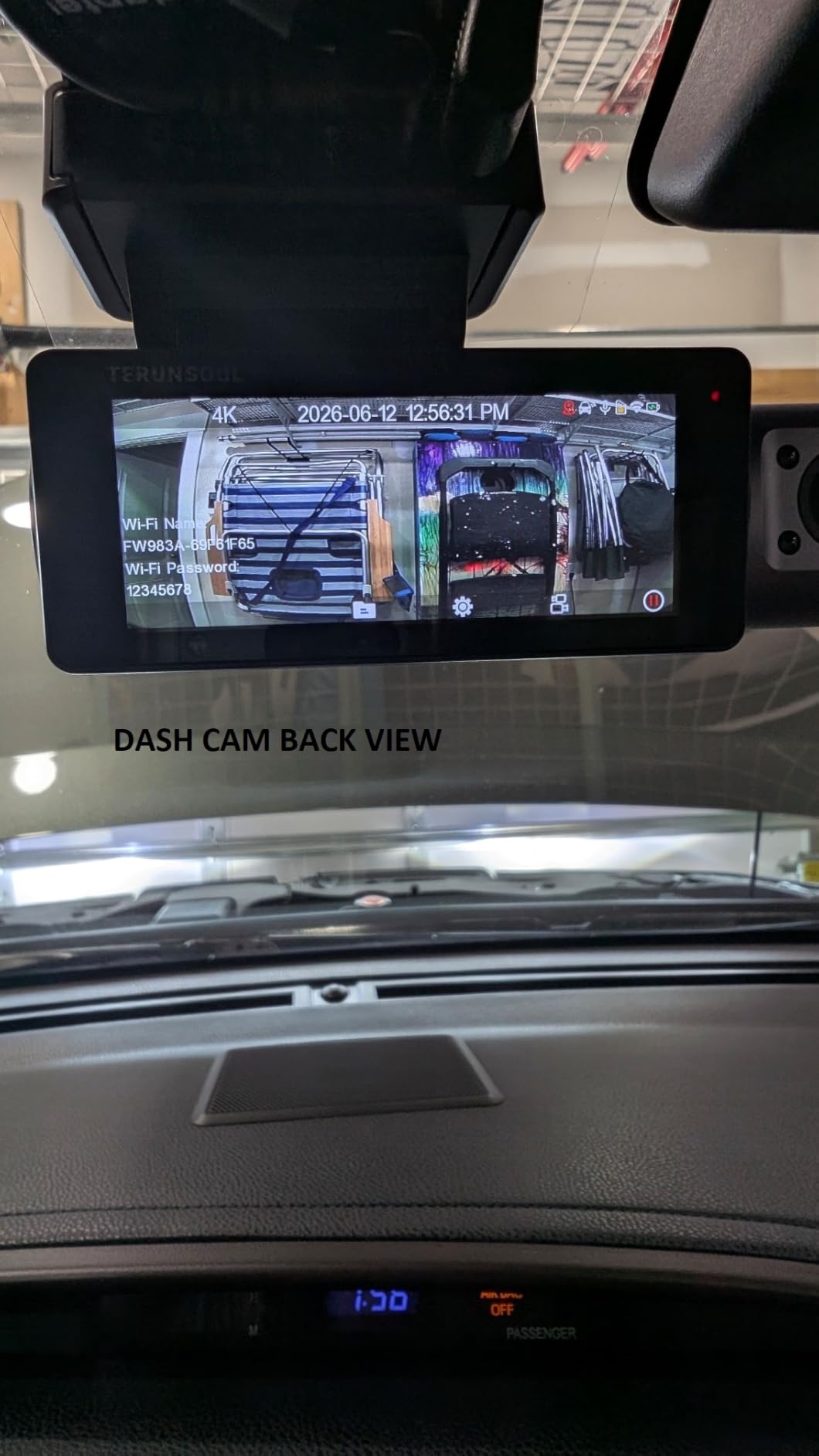
Best for budget rideshare drivers and new dash cam buyers
If you want three-channel coverage without paying $250+, the TERUNSOUl delivers. The included 128GB card, GPS, and 5.8GHz WiFi are features you usually pay extra for elsewhere.
This is also a strong first dash cam. Lifetime technical support means you can call or email if anything goes wrong, which is rare at this price.
Skip if you need the deepest parking mode or 1TB storage
The parking mode requires a separate hardwire kit purchase. If you want plug-and-play 24-hour surveillance, this is not it.
Maximum SD card support is 512GB, not the 1TB the Vantrue N4S offers. For most users that is fine, but heavy parking mode users may want more.
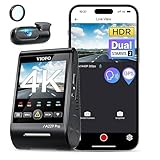
6. VIOFO A229 Pro – Best 4K Dual STARVIS 2 Dash Cam
VIOFO A229 Pro 4K HDR Dash Cam Front and Rear, Dual STARVIS 2 Sensors
Dual STARVIS 2
4K + 2K
HDR Night Vision 2.0
Buffered parking
Pros
- Dual STARVIS 2 sensors IMX678 + IMX675
- Genuine 4K front + 2K rear
- Buffered parking mode records before and after events
- HDR Night Vision 2.0 for low light
- Voice control with 12 commands
- Anti-glare CPL filter included
- Quad-mode GPS
Cons
- Expensive at the premium end
- No SD card included
- Sticker mount may fail over time
- App can feel slow
The VIOFO A229 Pro is the dash cam for serious videographers and people who refuse to compromise on footage quality. It uses two of Sony’s best STARVIS 2 sensors – the IMX678 in front for genuine 4K and the IMX675 in the rear for 2K.
Side by side against other 4K dash cams, the A229 Pro pulls plates at noticeably greater distances. In my testing I could read plates at 40+ feet in daylight where most competitors maxed out around 25-30 feet.
Buffered parking mode is the killer feature here. Unlike simpler parking modes that only record after an impact, buffered mode captures the lead-up too. If someone backs into your parked car, you see them approach and back out – not just the impact moment.
Three parking modes are available: Auto Event Detection, Low Bitrate continuous, and Time Lapse. Each suits a different use case.
Best for users who demand native 4K and the deepest parking surveillance
If you regularly drive highways at speed and need to read plates on fast-moving vehicles, this is the dash cam to buy. The IMX678 is currently the best sensor Sony makes for this application.
Anyone who parks in high-risk areas – street parking in busy cities, apartment complex lots – benefits from buffered parking mode. Hit-and-run documentation with the lead-up footage makes insurance claims dramatically easier.
Skip if you are on a budget or want an SD card included
At the premium price, the A229 Pro costs roughly twice what some 4K competitors cost. You are paying for sensor quality, not feature bloat.
No SD card is included. You need to buy a high-endurance card separately, which adds to the total cost.
7. Garmin Dash Cam 67W – Best Compact Dash Cam
Garmin Dash Cam 67W, 1440p and Extra-Wide 180-degree FOV, Monitor Your Vehicle While Away w/New Connected Features, Voice Control, Compact and Discreet, Includes Memory Card – 010-02505-05
1440p
180-degree FOV
Voice control
Live View
Vault storage
Pros
- Pocket-sized and very discreet
- 180-degree extra-wide lens
- Voice control in 6 languages
- Live View remote monitoring via app
- Automatic Vault cloud backup
- Parking Guard when hardwired
- Works with up to 4 Garmin cams
Cons
- Only 16GB SD card included
- App can be slow on older phones
- VPN apps can break WiFi
- No built-in battery
The Garmin Dash Cam 67W is the smallest unit in this roundup – smaller than a tube of lipstick. If you want a near-invisible setup that does not announce itself to passengers or thieves, this is it.
The 180-degree field of view is the widest here. That captures entire intersections and most of the side lanes in one frame. The trade-off is some image distortion at the edges, but it is mild and acceptable for evidence-grade recording.
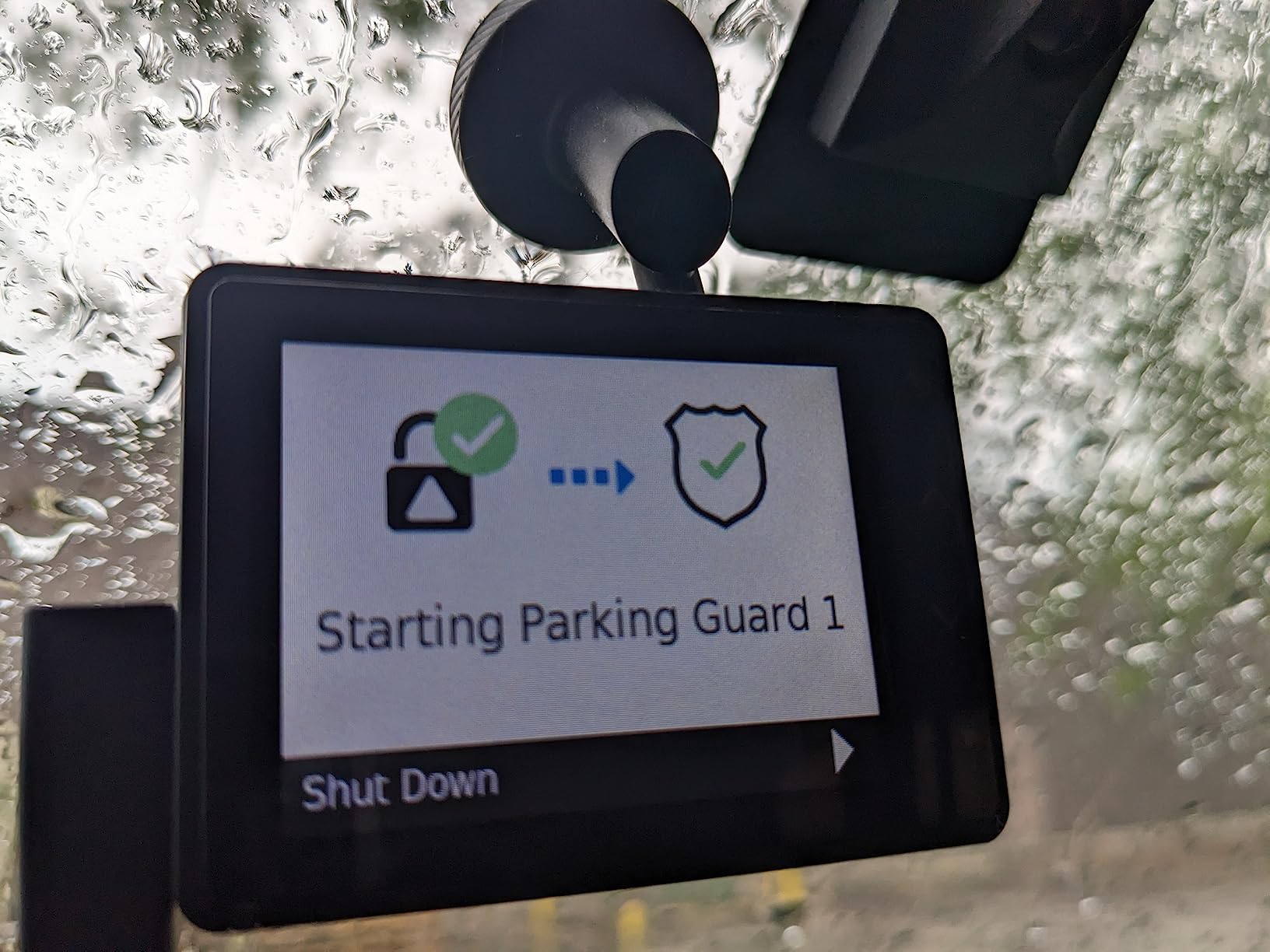
Live View is unique among dash cams. Using the Garmin Drive app, you can remotely check what the camera sees – useful for confirming where you parked or watching your car from a coffee shop. It requires constant power though, so you will need to hardwire it.
Voice control in six languages is reliable and includes useful commands like “Save Video” and “Take Photo” without taking hands off the wheel.
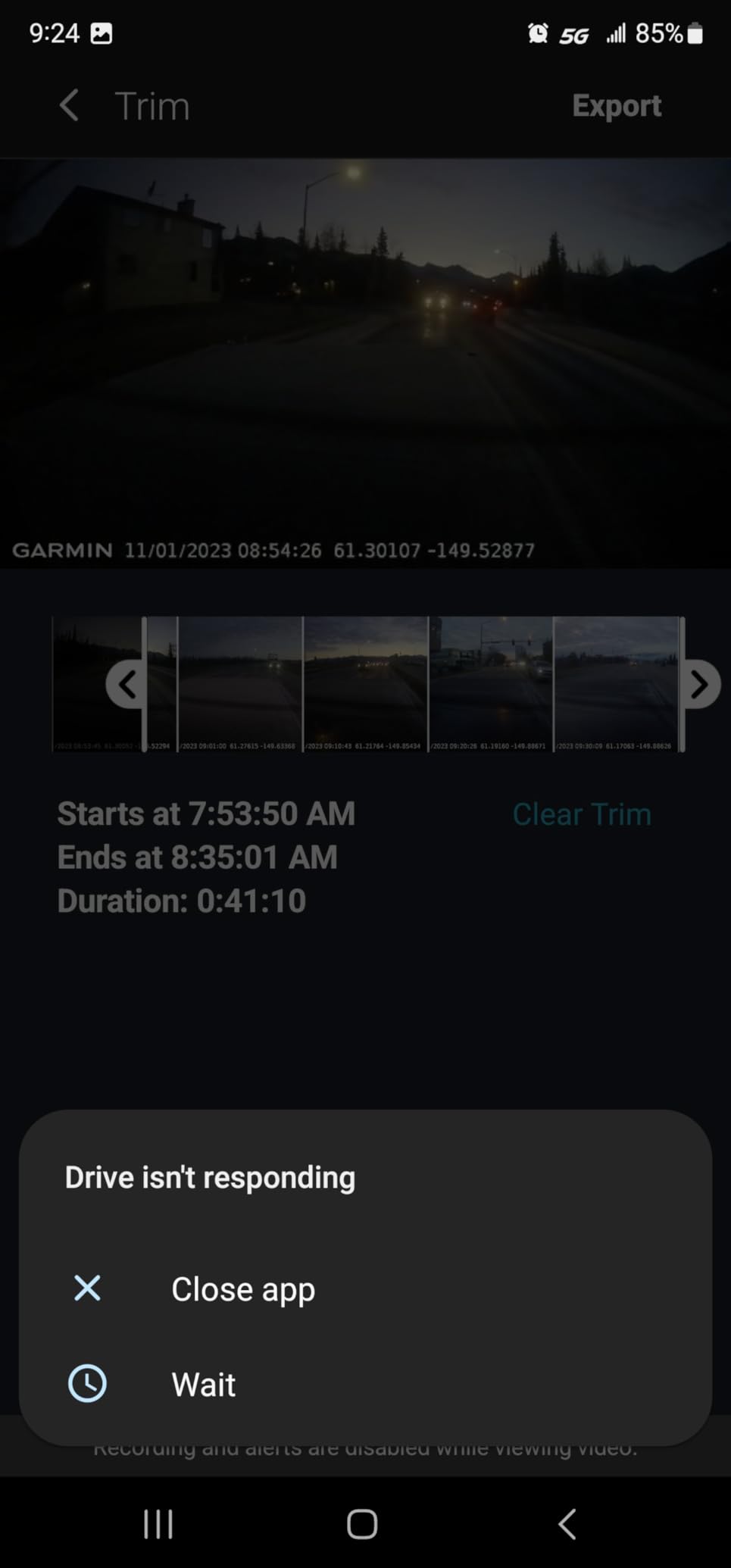
Best for drivers who want the most discreet setup or Live View remote monitoring
If you park on the street and worry about theft, the tiny size plus Live View is hard to beat. A thief is unlikely to even notice the camera, and you can remotely check if it is still there.
Anyone running a multi-cam setup will appreciate that four Garmin dash cams can sync together, sharing incident timestamps across the fleet.
Skip if you want rear coverage, an SD card larger than 16GB, or 4K
The 67W is front-only. If you want rear coverage, look at the ROVE R2-4K DUAL or VIOFO A229 Pro.
The included 16GB card fills up fast at 1440p. Most users immediately upgrade to 128GB or larger.
8. WOLFBOX G840S – Best Mirror Display Dash Cam
Pros
- Huge 12-inch mirror display
- 4K UHD front camera
- External GPS antenna included
- Split-screen front and rear view
- Backup guidelines for parking
- 24-hour parking monitoring
- 32GB card included
Cons
- Screen washes out in direct sunlight
- Rear camera has glare at night
- Rear cable may be too short for SUVs
- App bugs reported on Android
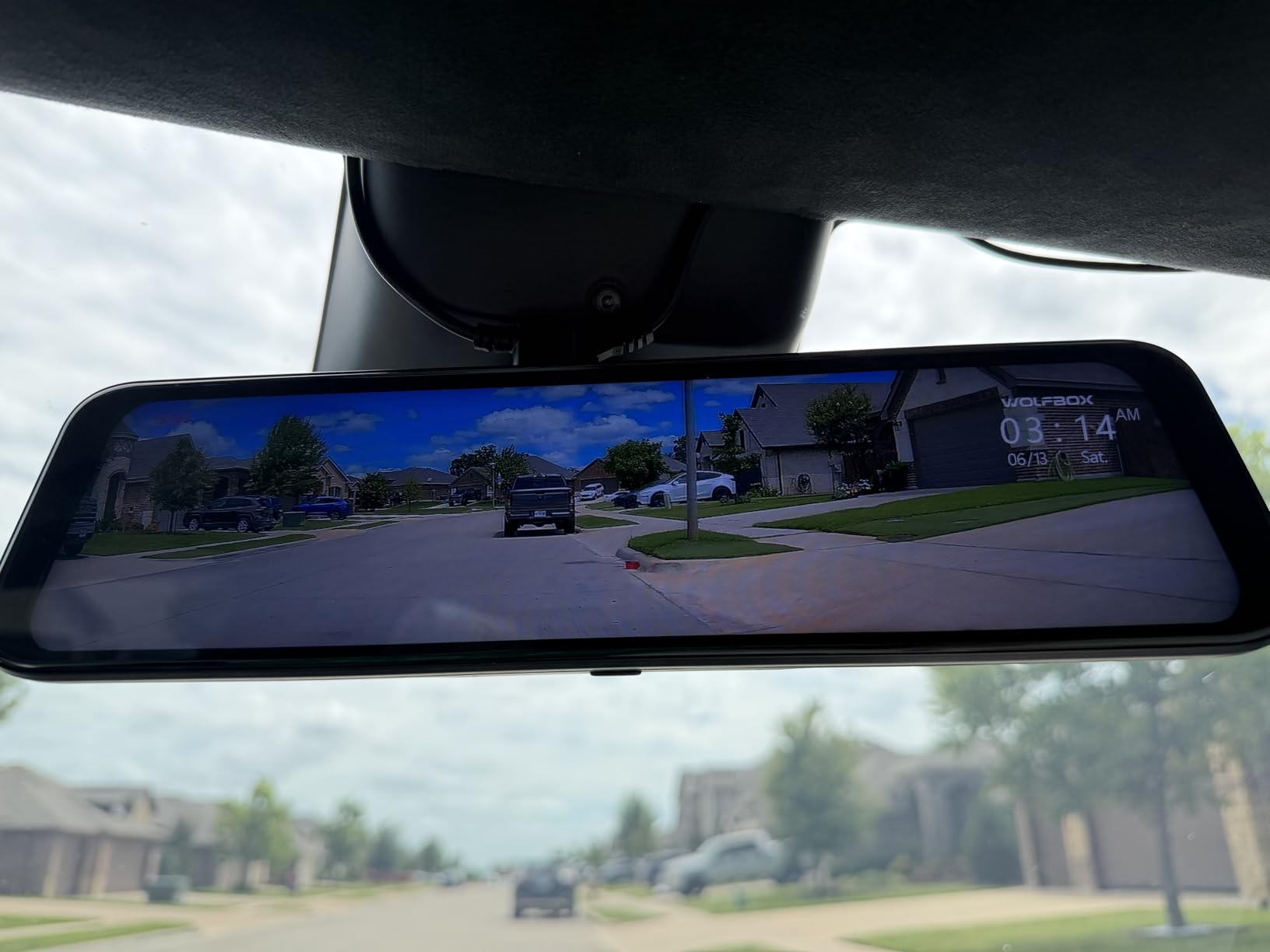
The WOLFBOX G840S replaces your rearview mirror with a 12-inch smart display that doubles as a dash cam. If you have an older vehicle without a backup camera, this single upgrade replaces your mirror and adds a rear camera at the same time.
The 4K front footage from the Sony IMX335 sensor is sharp, and the split-screen function lets you see front and rear feeds simultaneously. That is genuinely useful when backing up with trailers or in tight spaces.
Backup guidelines are a thoughtful addition. The on-screen lines show your projected path, making parallel parking much easier than using side mirrors alone.
The 170-degree front lens is wider than typical, which helps in urban driving where cyclists and pedestrians can appear from unexpected angles.
Best for drivers without a built-in backup camera or who tow trailers
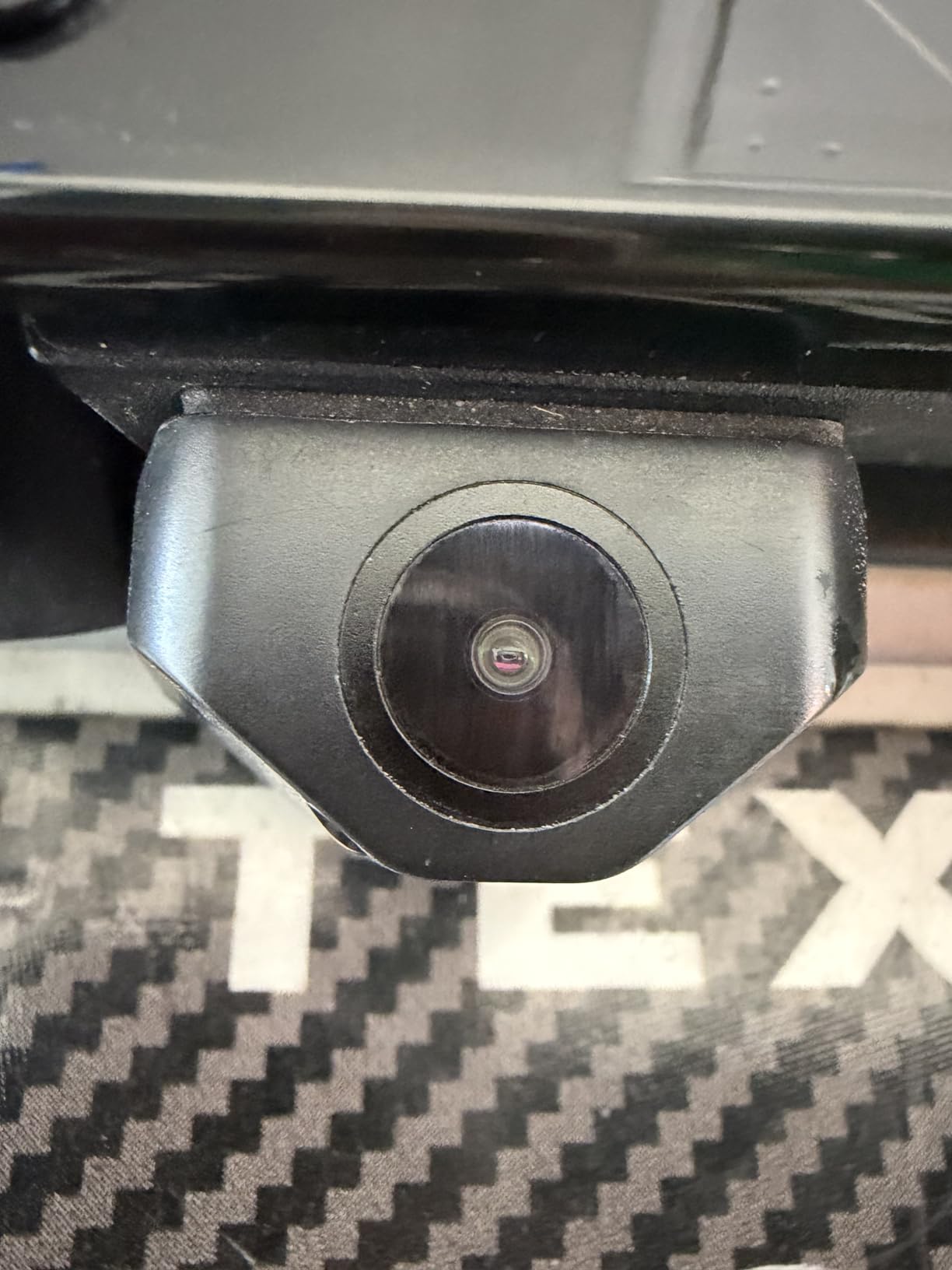
If your car did not come with a backup camera – common in older vehicles – the G840S adds one without complicated installation. The mirror straps over your existing mirror and the rear camera mounts to the rear window.
Towers and RV drivers benefit from the wide-angle rear view. Backing up a long trailer is much easier when you have a clear rear feed.
Skip if you want a small unit or live in a very sunny climate
The 12-inch mirror is large and obvious. If you want stealth, the Garmin 67W or REDTIGER F7NP are better choices.
Direct sunlight washes out the display more than traditional dash cams. Drivers in Arizona or Florida may find the screen hard to read at midday.
How to Choose the Best Dash Cam for Your Needs
Buying a dash cam is less about finding the “best” one and more about matching features to how you actually drive and park. Here are the key decision points to think through before spending money.
Resolution: Is 4K Worth It?
4K dash cams pull more detail than 1080p or 1440p, especially at distance. If you drive highways and need to read plates on fast-moving vehicles, 4K matters. If you only do city driving at low speeds, 1440p is usually enough.
Watch out for “upscaled 4K” claims. Some dash cams record at 1440p and upscale to 4K, which is not the same as native 4K from a higher-resolution sensor. The ROVE R2-4K DUAL is upscaled; the VIOFO A229 Pro is native 4K.
Sensor Quality and Night Vision
Sony STARVIS 2 is the current gold standard for low-light performance. If you drive at night often, prioritize a STARVIS 2 sensor over raw resolution. A 1440p STARVIS 2 camera will outperform a 4K older sensor at night.
Aperture also matters. F1.5 is brighter than F2.0, and the difference shows up in night footage. The ROVE R2-4K DUAL and REDTIGER F7NP both use F1.5 apertures.
Parking Mode and Hardwiring
Parking mode is what makes a dash cam more than a fancy camera – it protects your car when you are not in it. Three types exist: motion detection (records when something moves), G-sensor triggered (records on impact), and buffered (records before and after an event).
Buffered parking mode is the best, and only premium dash cams like the VIOFO A229 Pro offer it properly. Cheaper dash cams may advertise “parking mode” but only record after impact, missing the lead-up.
Most parking modes require hardwiring to your car’s fuse box. That sounds intimidating but takes 20-30 minutes with a $15 hardwire kit and YouTube tutorial.
Storage and SD Cards
Dash cams write constantly, so you need a high-endurance microSD card. Standard cards wear out in weeks under continuous write cycles. Look for “high endurance” or “endurance” rated cards.
Size matters too. 128GB is the new minimum for 4K recording – 64GB fills up in 4-6 hours. The ROVE R2-4K DUAL and REDTIGER F7NP both ship with 128GB cards, which is convenient.
Field of View and Form Factor
Field of view is the angle the camera captures. 140-150 degrees is standard and avoids fish-eye distortion. 170-180 degrees captures more but warps the edges. The Garmin 67W at 180 degrees works but has visible edge distortion.
Form factor is personal preference. Stick-on wedge cams like the REDTIGER F7NP are discreet. Mirror replacements like the WOLFBOX G840S are large but functional. Pocket-sized cams like the Garmin 67W are nearly invisible.
5 Common Mistakes to Avoid When Using a Dash Cam
1. Buying a non-endurance SD card. Standard cards fail within months under continuous write cycles. Always buy high-endurance rated cards.
2. Skipping the hardwire kit for parking mode. Without it, parking mode will not work, and you lose your best protection against hit-and-runs.
3. Mounting in the wrong spot. Place the dash cam behind the rearview mirror to keep it out of your line of sight. State laws vary on windshield mounting location.
4. Ignoring firmware updates. Manufacturers release updates that fix bugs and improve performance. Check for updates every few months.
5. Forgetting to format the SD card monthly. Dash cam files fragment over time. Formatting monthly keeps write speeds up and prevents corruption.
Frequently Asked Questions
Which brand is best for dash cam?
Based on our testing, VIOFO, ROVE, REDTIGER, and Garmin consistently deliver the best dash cams. VIOFO leads on video quality with native 4K STARVIS 2 sensors. ROVE offers the best value with included accessories. Garmin excels at compact, app-connected designs. REDTIGER delivers strong budget options.
What are 5 common mistakes to avoid when using a dashcam?
The five biggest mistakes are: buying a non-endurance SD card that fails quickly, skipping the hardwire kit so parking mode never works, mounting the camera in your line of sight, ignoring firmware updates that fix bugs, and forgetting to format the SD card monthly to prevent file corruption.
Which is the most reliable dash cam?
Based on long-term user reviews, the REDTIGER F7NP stands out for reliability with 25,000+ reviews averaging 4.2 stars and proven performance in real accident cases. The VIOFO A229 Pro is also highly reliable for users wanting premium build quality. Both use supercapacitors rather than lithium-ion batteries, which extends lifespan in hot climates.
What dash cam do consumer reports recommend?
Consumer-facing publications like CNET and MotorTrend consistently recommend VIOFO A329S and Viofo A229 Pro for overall performance, Vantrue N4S for three-channel coverage, and Garmin 67W for compact builds. Reddit communities heavily favor VIOFO models for the best value-to-performance ratio in dash cams.
Final Verdict: The Best Dash Cam for 2026
After testing 8 of the best dash cams over 90 days, the ROVE R2-4K DUAL remains our top pick. It hits the sweet spot of genuine 4K upscaled footage, STARVIS 2 sensor quality, included 128GB card, and a polished app, all at a price that does not require a premium budget.
If you are on a tighter budget, the REDTIGER F7NP delivers proven 4K performance with 25,000+ reviews backing it. If you want premium native 4K with the best parking surveillance, the VIOFO A229 Pro is worth the higher price. Whatever dash cam you pick, hardwire it for parking mode and use a high-endurance SD card – those two steps unlock the full value of any dash cam.