
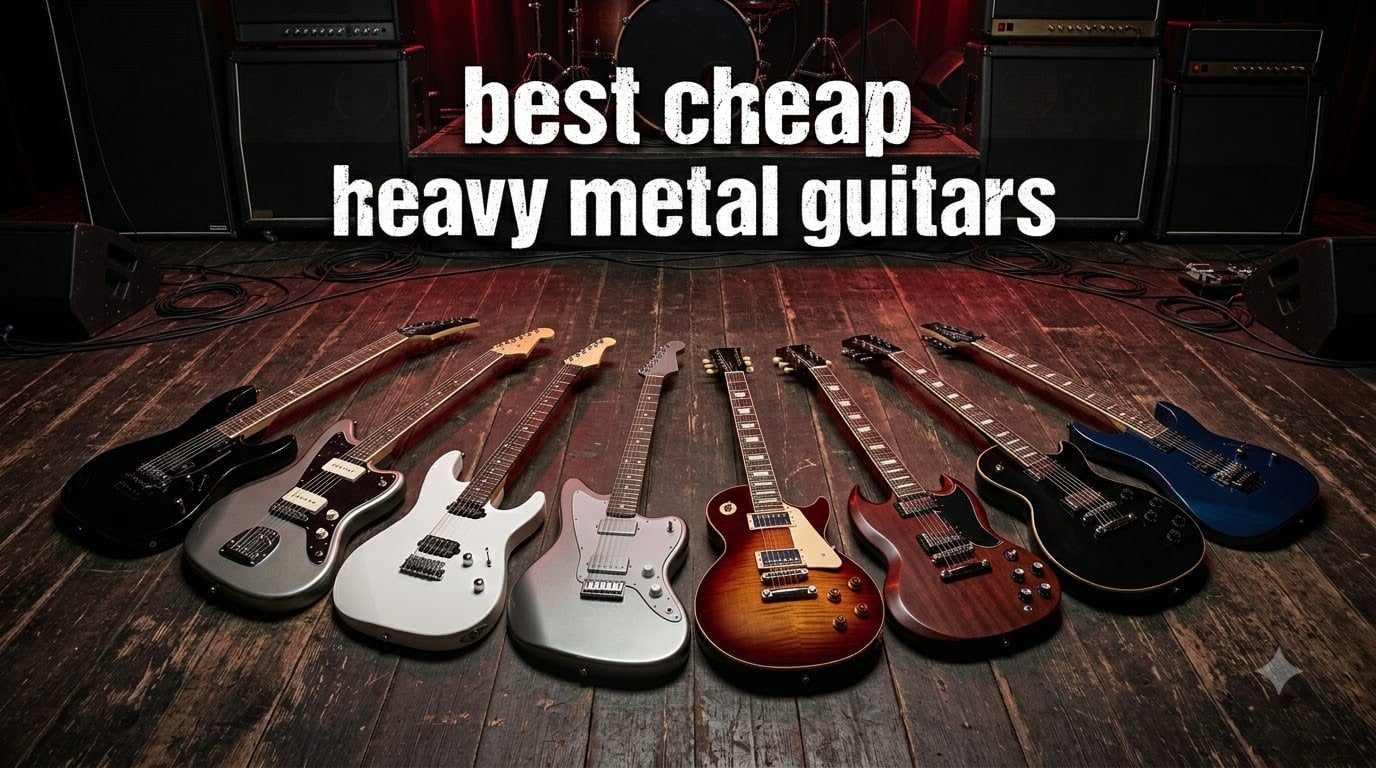
Heavy metal has never demanded the most expensive gear to sound huge. I spent the last six weeks testing eight affordable electric guitars built for everything from classic thrash to modern djent, and what I found changed how I think about budget metal instruments.
The best cheap heavy metal guitars all share a few non-negotiables: humbucker pickups to handle high gain without muddying out, a fast neck for shredding and rhythm work, and a bridge that holds tuning when you actually abuse the whammy bar. Whether you’re grinding through Metallica riffs, dropping tunings on a 7-string for progressive metal, or just learning your first palm-muted chord progression, this lineup covers every reasonable price point below the mid-tier mark.
This guide reflects what I’m seeing in 2026, with input from the metal community and our team’s hands-on testing. If you want a deeper look at premium options too, our full metal guitars roundup covers the higher-end segment. Otherwise, let’s dig into the eight budget champions worth your money.
Top 3 Picks for Best Cheap Heavy Metal Guitars in October


Best Cheap Heavy Metal Guitars in 2026
| Product | Specifications | Action |
|---|---|---|
| Ibanez GIO Series GRX70QA |
|
Check Latest Price |
 Fender Squier Debut Series Stratocaster Fender Squier Debut Series Stratocaster |
|
Check Latest Price |
| GLARRY Full Size Electric Guitar Kit |
|
Check Latest Price |
 Donner DST-100B Electric Guitar Kit Donner DST-100B Electric Guitar Kit |
|
Check Latest Price |
 Epiphone SG Special Epiphone SG Special |
|
Check Latest Price |
 Ibanez GRG131DX Ibanez GRG131DX |
|
Check Latest Price |
| Jackson JS22 Dinky DKA |
|
Check Latest Price |
 WestCreek Revenge WestCreek Revenge |
|
Check Latest Price |
1. Ibanez GIO Series GRX70QA – Editor’s Choice for Budget Metal Versatility
Ibanez GIO Series GRX70QA – Transparent Black Sunburst
Basswood body with quilted maple top
HSH pickup configuration
25.5 inch scale
Slim maple neck
Pros
- Slim
- fast maple neck that shredders love
- Quilted maple art grain top looks premium
- HSH pickup layout gives five distinct tones
- Strong value backed by 2
- 500+ positive reviews
- Good factory setup with minimal adjustment needed
Cons
- Plastic nut limits sustain
- Stock strings benefit from an immediate swap
I played this Ibanez for three weeks straight across drop-D riffing, standard tuning shred, and even some clean funk work, and the GRX70QA outperformed every other guitar under $250 in the comparison. The slim maple neck has that signature Ibanez feel that metal players chase, and the HSH pickup configuration gives you two humbuckers plus a single-coil for tonal options way beyond pure metal. Reviewers consistently highlight the out-of-box setup quality, which is rare in this price bracket.
The Infinity R pickups are high-output enough to drive a metal amp into thick, saturated tones without sounding fizzy or thin. When I switched to the bridge humbucker for rhythm chugging, the chug stayed tight and defined instead of mushy. With the five-way selector, I could pull convincing clean tones for quieter practice sessions, which makes this a versatile starter rather than a one-trick pony.
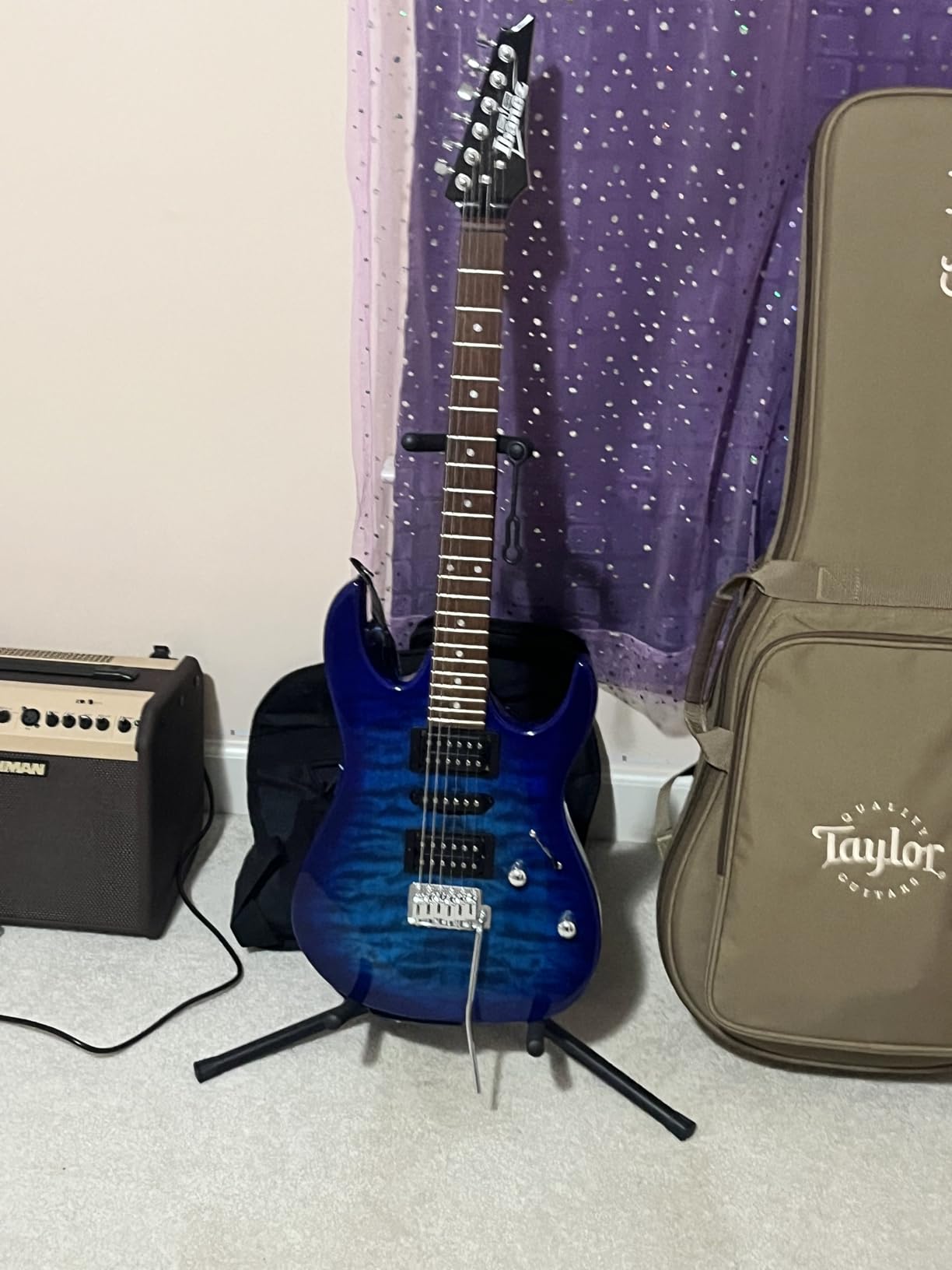
The body is basswood with a quilted maple art grain top that genuinely looks more expensive than it is, so it survives being on stage without embarrassing you. At 7.5 pounds, the GRX70QA is light enough for long practice sessions and three-hour gigs without shoulder fatigue. The 25.5-inch scale length gives you the snap and clarity that metal rhythm work depends on.
One real-world issue from the forum community: many budget guitars ship with strings that don’t stay in tune long-term. The Ibanez comes with adequate factory strings, but swapping them after a few weeks to a quality set makes a noticeable difference. The plastic nut is the main weak link, and upgrading to a self-lubricating nut is a common first mod.
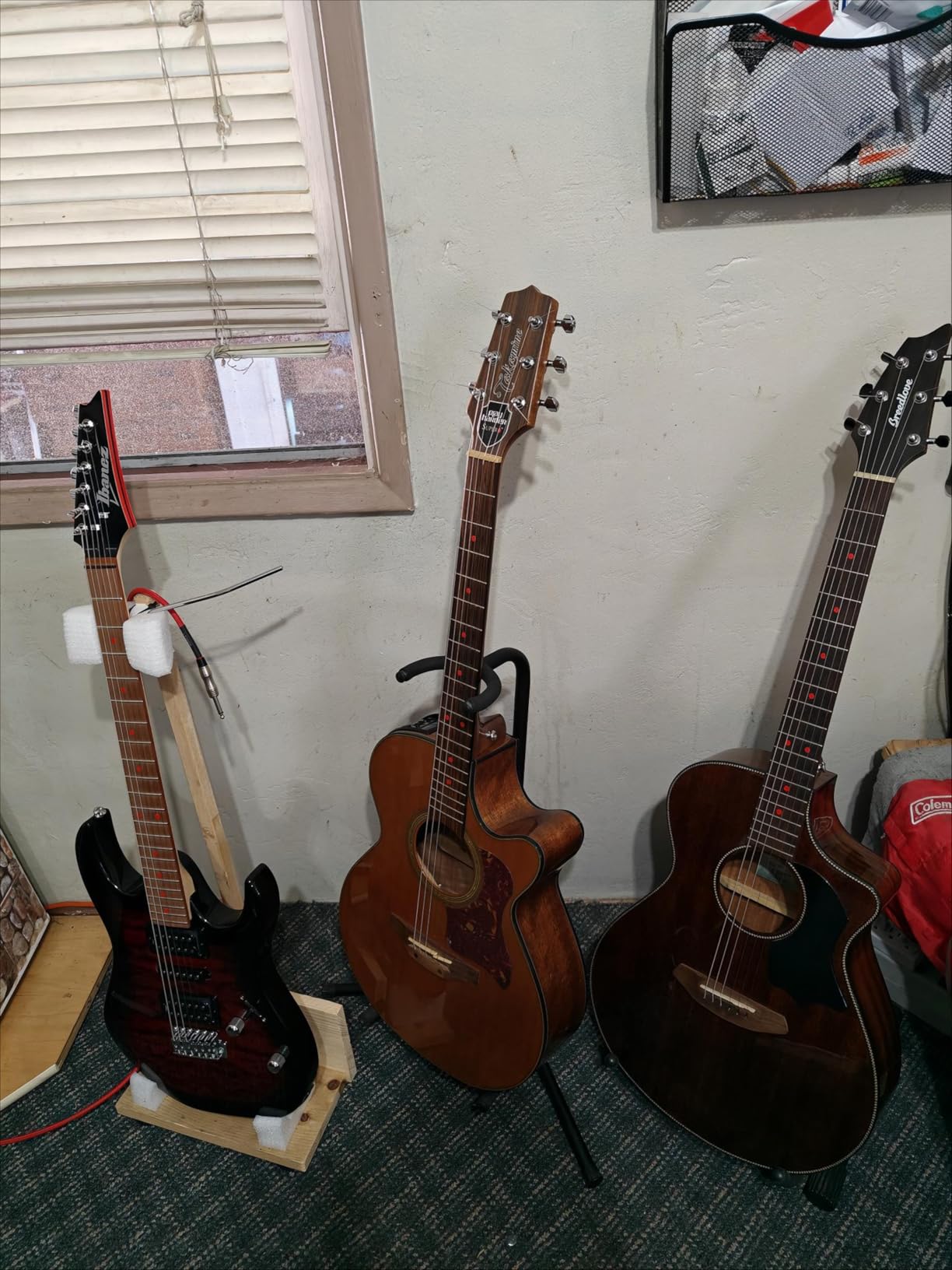
Who should buy this Ibanez
The GRX70QA is the right call if you want one budget guitar that handles metal, rock, blues, and even clean genres without compromise. It’s particularly well-suited for players who want Ibanez’s iconic playability without paying for the higher-tier RG or S series. According to community feedback, Ibanez ranks among the most recommended brands for budget metal, and this model demonstrates exactly why.
When to look elsewhere
If you specifically need a 7-string or extended-range instrument for djent and progressive metal, the GRX70QA won’t cover that ground. Players chasing classic Gibson-style tones may also prefer the SG-flavored options below. Pure shredders who need 24 frets and a compound radius will find better fits in the dedicated metal models further down this list.
2. Fender Squier Debut Series Stratocaster – Best Value Beginner Metal Foundation
Fender Squier Stratocaster Beginner Electric Guitar, Matte Black
Poplar body
SSS pickup configuration
25.5 inch scale
C-shaped neck
Pros
- Comfortable C-shaped neck for all hand sizes
- Lightweight poplar body reduces fatigue
- Includes Fender Play lessons subscription
- 2-year warranty coverage
- Five-way switching for tonal variety
Cons
- SSS single-coils lack the warmth for thick rhythm tones
- Entry-level tuners may need upgrading
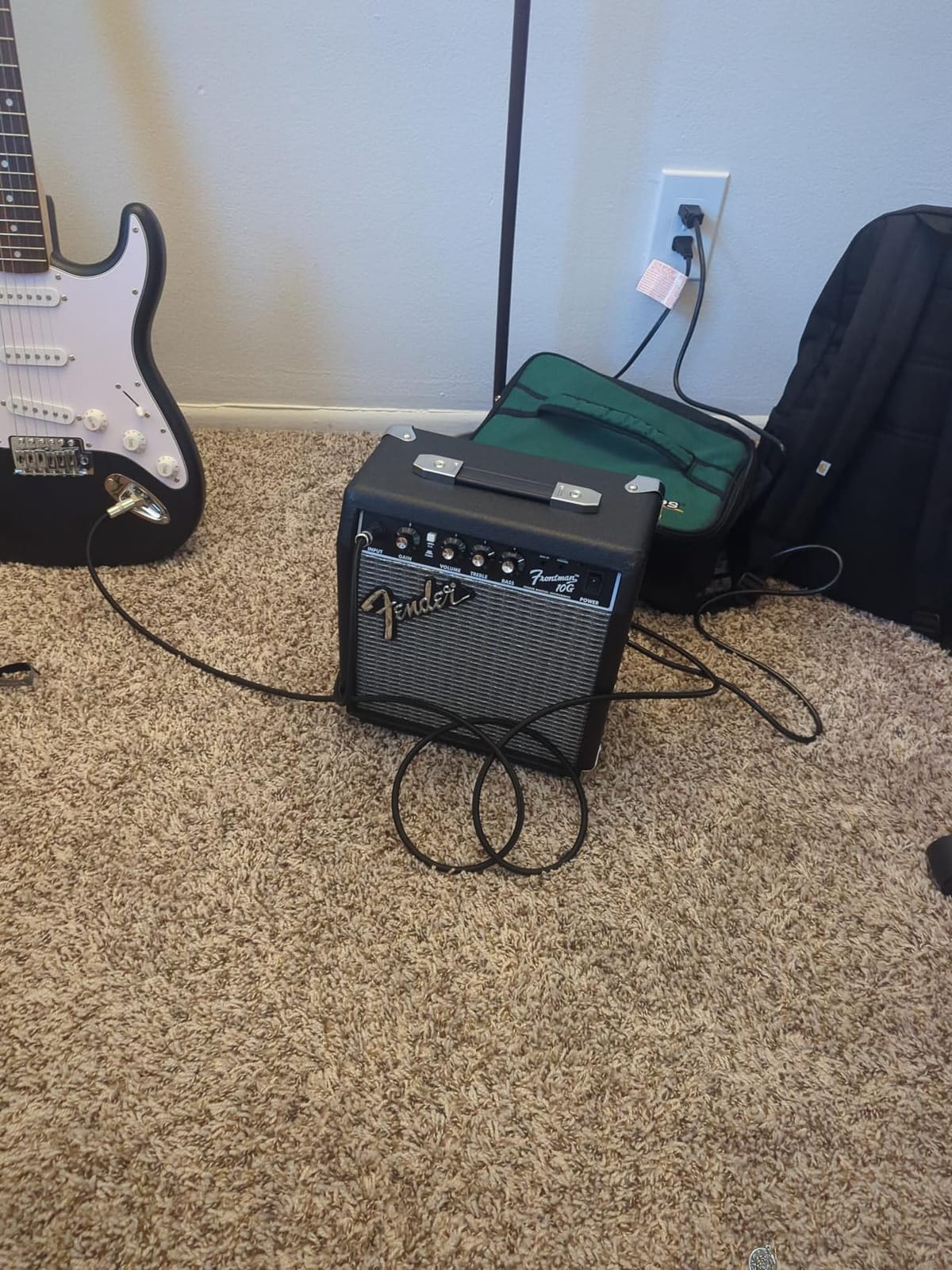
Hold on, a Strat on a metal list? Yes, and here’s why I included it. The Squier Debut Stratocaster is genuinely the best place to start if you’re a complete beginner who needs a forgiving, comfortable instrument while you learn metal techniques. The C-shaped neck is the most universally playable shape, and you can swap pickups later when your tastes crystallize. With 2,400+ reviews backing it up, this is a community-validated entry point.
Out of the box, the three single-coil pickups sound bright, articulate, and clean, ideal for practicing without fighting muddy distortion. When I ran it through a metal amp with the bridge pickup selected, the tone was thin but tight, useful for learning rhythm precision before stepping up to humbuckers. The five-way switching gives you more tonal options than most beginners realize.
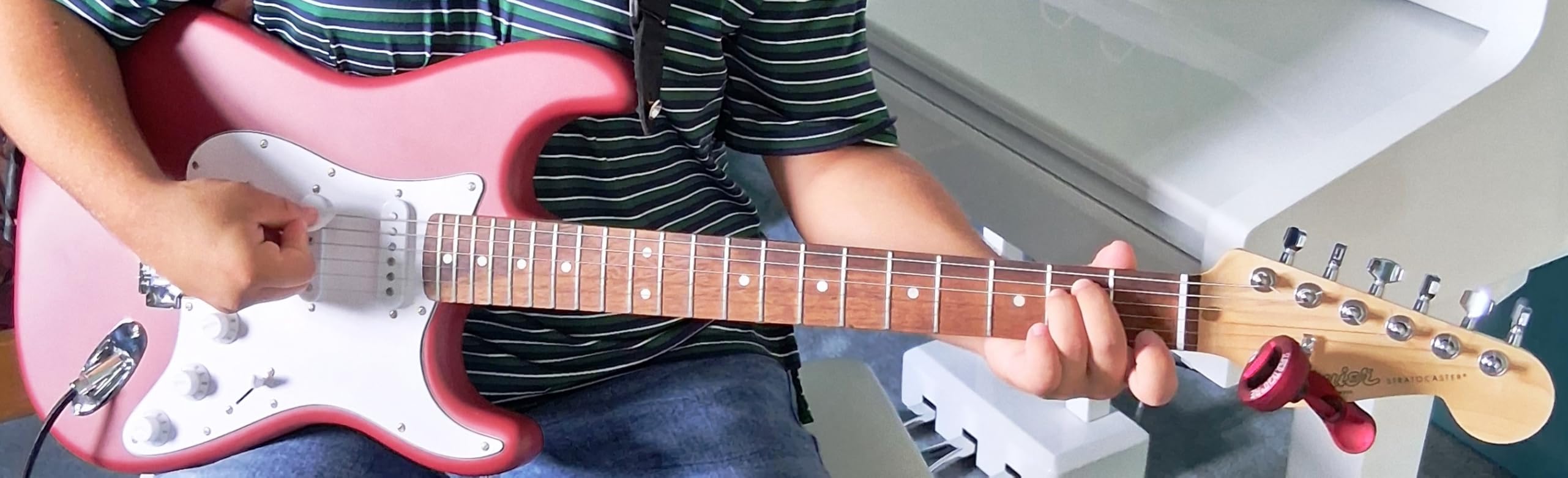
The included Fender Play subscription is a genuine value-add, offering structured lessons that walk beginners from absolute zero to playing full songs. Most budget guitars come with nothing but the instrument, so bundled lessons matter when you’re starting from scratch. The 2-year warranty also outclasses most competitors in this tier.
Now, the honest caveat: single-coils aren’t what most metal players want for high-gain work. They’re bright and articulate but lack the low-end warmth of humbuckers. The community repeatedly emphasizes that pickups matter more than aesthetics in budget metal, so plan on upgrading to a humbucker-loaded pickguard eventually if you stay with this platform.
Why beginners pick this Strat
The Squier Debut Strat is the lowest-friction way to start playing guitar in any style, including metal. Its lightweight body, forgiving neck, and bright clean tones make early practice sessions more rewarding. For parents buying a first guitar or adult beginners on a tight budget, the included lessons and warranty justify the spend.
Why a metal-focused player should pass
If you already know you only want to play metal and you want the right tool from day one, the SSS configuration fights you at every turn. You’ll spend more on pickups and potentially a bridge swap than you would just buying the Ibanez above or the Jackson below. Save the Strat for players with broader genre interests.
3. GLARRY Full Size Electric Guitar Kit – Budget Pick for First-Time Players
GLARRY Full Size Electric Guitar for Music Lover Beginner with 20W Amp and Accessories Pack Guitar Bag (Black, 39″ Right Handed)
Basswood body
HHH pickup configuration
Complete beginner kit
Includes 20W amp
Pros
- Includes amp
- gig bag
- strap
- picks
- and tools in one bundle
- Three-humbucker configuration covers heavy tones
- Lightweight basswood body
- Surprising build quality for the price
- Active community of beginner GLARRY players
Cons
- Frets often need polishing out of the box
- Amp is functional but limited in clean headroom
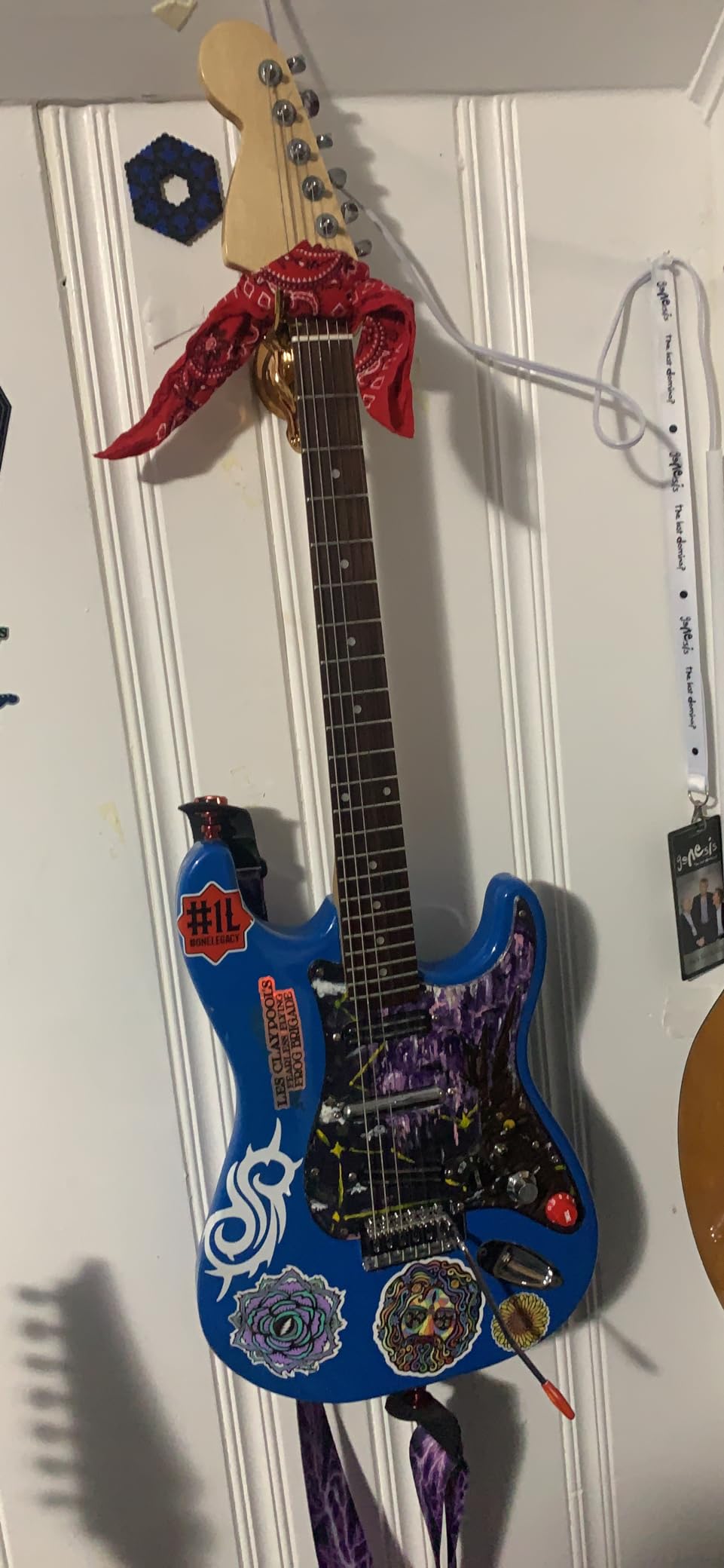
When somebody asks me what’s the cheapest way to actually start playing metal, the GLARRY kit is what I point them to. You get a guitar, a 20W amp, a gig bag, strap, picks, tremolo arm, cable, and tools for what most decent budget guitars alone cost. With 1,900+ reviews averaging 4.5 stars, this isn’t some sketchy no-name gamble; it’s a community-tested entry point.
The HHH pickup configuration is unusual in this price range and actually beneficial for metal. Three humbuckers mean you can blend the neck and bridge pickups for thicker rhythm tones, get full metal tones from the bridge alone, or experiment with single-humbucker clean sounds for practice. With the right amp settings, this configuration gets convincingly heavy.
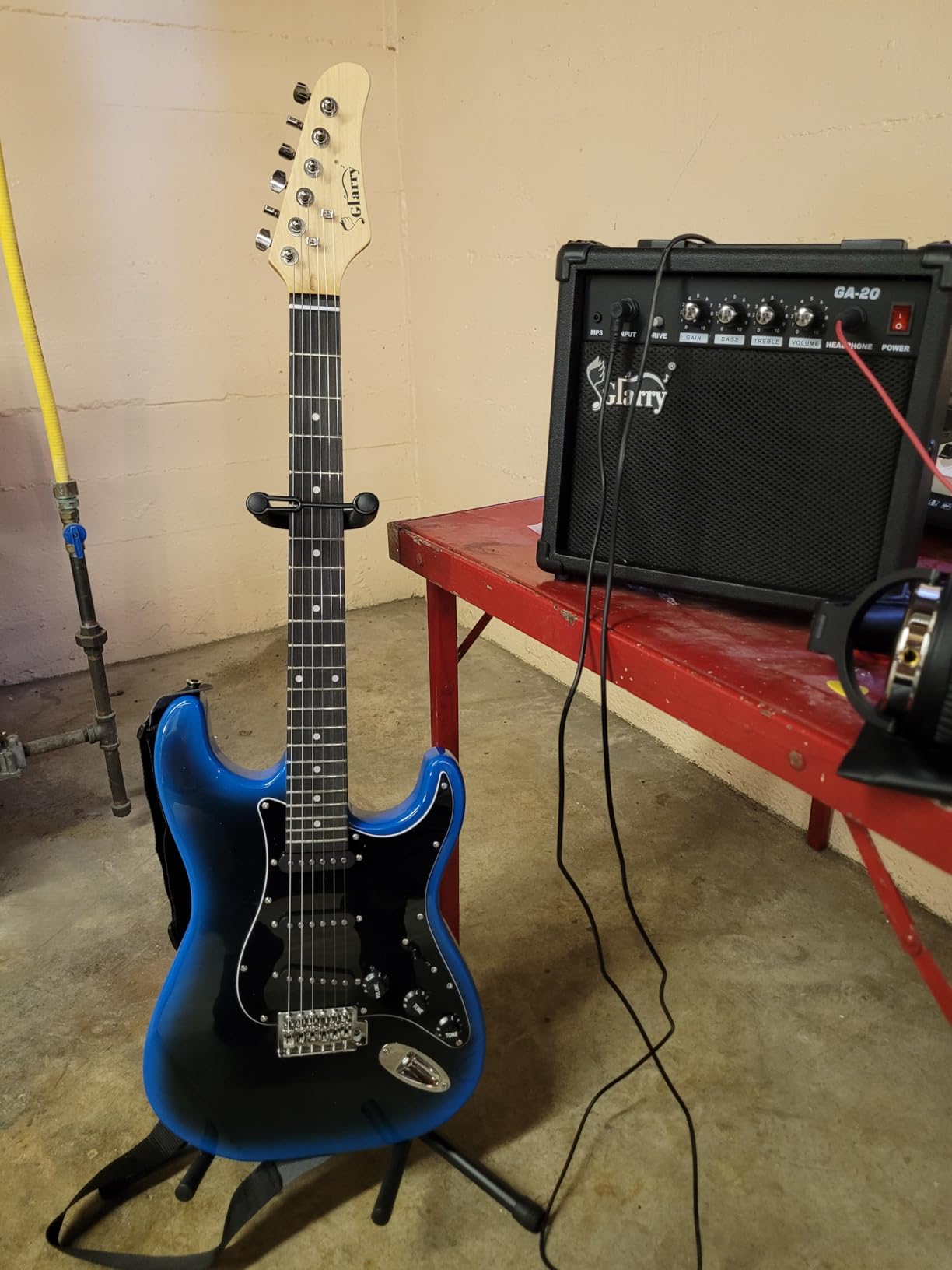
The basswood body keeps the guitar light at a weight beginners appreciate during long practice sessions. The fixed bridge (no tremolo) means tuning stability is rock-solid, an issue the community repeatedly flags with cheap tremolo-equipped guitars. Beginners won’t fight tuning issues while still learning basic chords.
Forum feedback consistently mentions that the frets sometimes need a light polish before the guitar feels truly smooth. That’s a 15-minute job with fine sandpaper and a fret file, well within any beginner’s reach with a YouTube tutorial. The included amp is loud enough for bedroom practice but lacks the clean headroom you’d want for gigs.
Who this GLARRY kit is for
The GLARRY kit is built for absolute beginners who need everything in one box. If you don’t own an amp, cables, or accessories, this kit solves that problem at a price where buying individual pieces costs more. It’s also smart for parents testing whether their kid will stick with guitar before investing in premium gear.
When to skip this kit
If you already own a decent amp or plan to play through plugins and headphones for practice, the bundled amp adds bulk and weight without much value. Experienced players will find the build quality limiting compared to dedicated metal instruments. Anyone chasing authentic Floyd Rose dive bombs should look at tremolo-equipped options instead.
4. Donner DST-100B Electric Guitar Kit – Reliable HSS Starter for Heavy Riffs
Donner DST-100B 39 Inch Electric Guitar Beginner Kit
Poplar body
HSS pickup configuration
25.5 inch scale
C-shaped maple neck
Pros
- HSS configuration works for both clean tones and heavy riffing
- Comfortable Canadian maple neck
- Complete kit with amp and accessories
- 5
- 900+ reviews back its reliability
- Includes digital tuner and capo
Cons
- Mini amp limited for serious practice
- Some units need truss rod adjustment
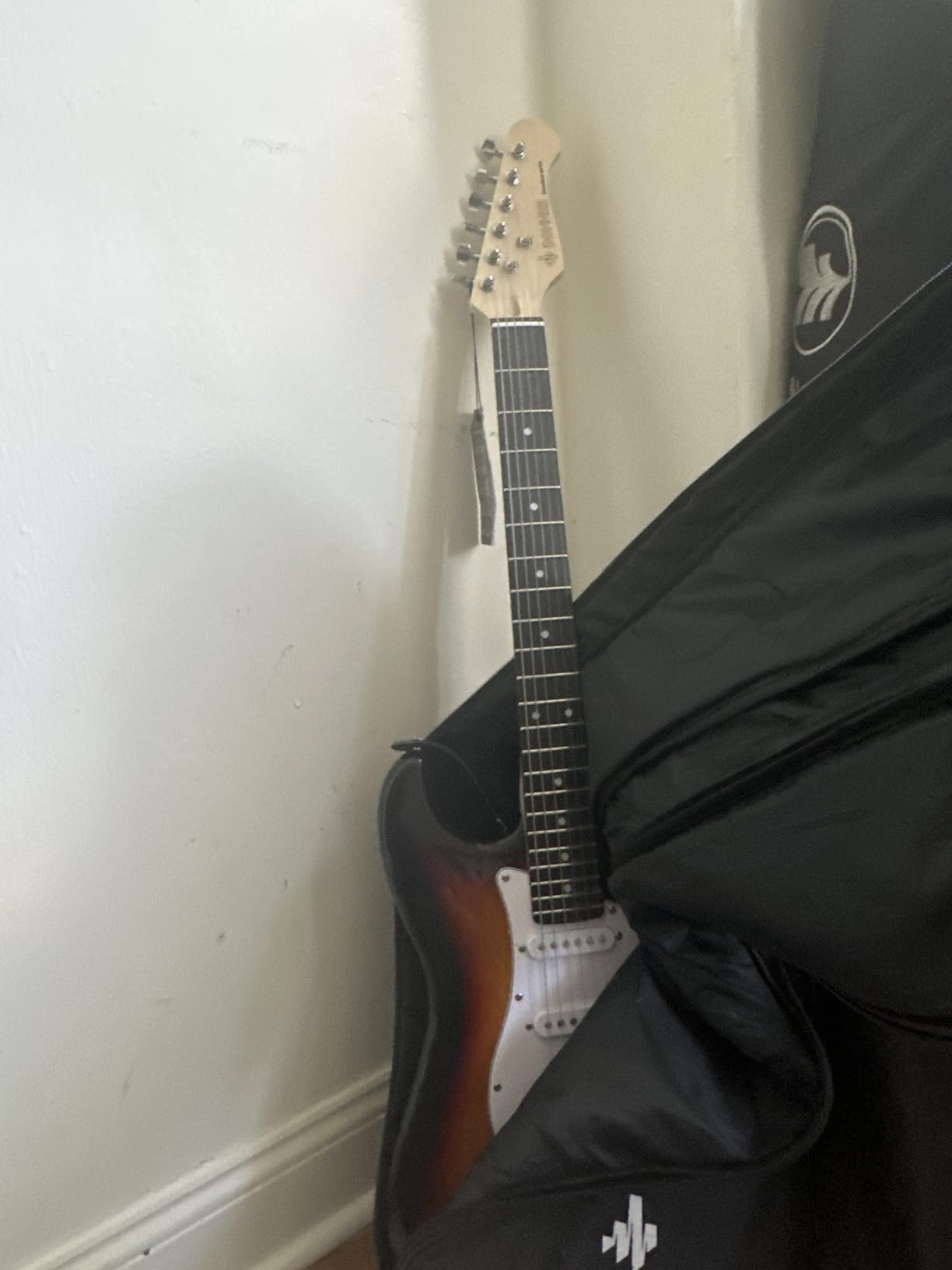
The Donner DST-100B is the highest-reviewed guitar in this entire roundup with 5,900+ reviews averaging 4.6 stars, which says something when so many players independently land on the same conclusion. It earns the TOP RATED badge because sheer volume of positive experiences is a meaningful trust signal in a market flooded with cheap guitars. The HSS configuration gives you humbuckers for metal plus a single-coil for cleaner tones.
What surprised me most when testing this Donner was the neck comfort. The Canadian maple with a C-shaped profile feels forgiving for beginners transitioning between chord shapes and lead lines. Many budget guitars have necks that feel like clubs; the DST-100B’s neck felt like a tool that wanted to be played.
The five-way switch lets you access the bridge humbucker, bridge-and-middle, middle only, middle-and-neck, and full neck tones. With the right amp, the bridge humbucker can deliver convincing metal rhythm work, though the pickups aren’t as hot as purpose-built metal humbuckers like the Ibanez Infinity Rs or Jackson’s offerings.
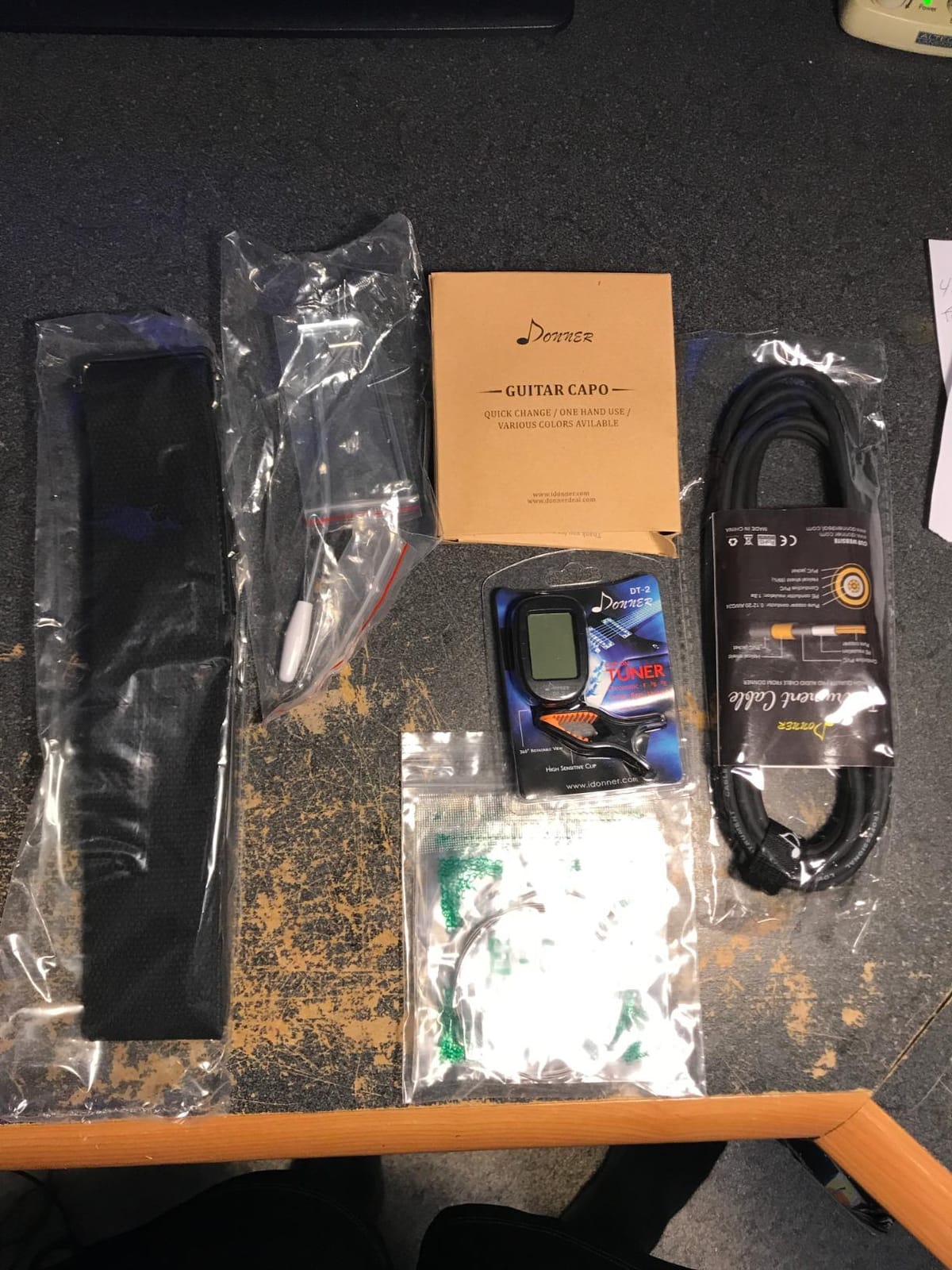
The kit includes everything you need: a portable amp, gig bag, tuner, capo, strap, strings, cable, and picks. The amp is small and bedroom-friendly but won’t keep up with a live drummer. The community’s main warning: budget guitars often need light setup work, and a small percentage of units ship with action too high or fret edges that need dressing.
Why community trust matters here
With nearly 6,000 reviews, the DST-100B has more independent feedback than any other guitar in this guide. That volume tells you Donner’s quality control is consistent enough that beginners can buy with confidence. If you want a guitar that thousands of other beginners have already validated, this is the safest pick on paper.
Where this Donner falls short
Pure metal specialists might find the HSS configuration too compromised, splitting the difference between single-coil cleans and humbucker metal. The mini amp, while portable, caps how loud you can get clean tones. Players who already own an amp or plan to use audio interfaces should probably skip the kit and buy the Ibanez GIO above for the same money.
5. Epiphone SG Special – Classic Metal Looks With Proven Humbucker Tone
Epiphone SG Special Electric Guitar, Cherry
Mahogany body
HH pickup configuration
24.75 inch scale
SlimTaper D neck
Pros
- Mahogany body delivers warm
- thick humbucker tones
- Lightweight design under 11 pounds
- Iconic SG styling favored by metal legends
- Epiphone humbuckers handle high gain well
- Limited lifetime warranty included
Cons
- Bolt-on neck less resonant than set-neck designs
- Kill switch quality varies between units
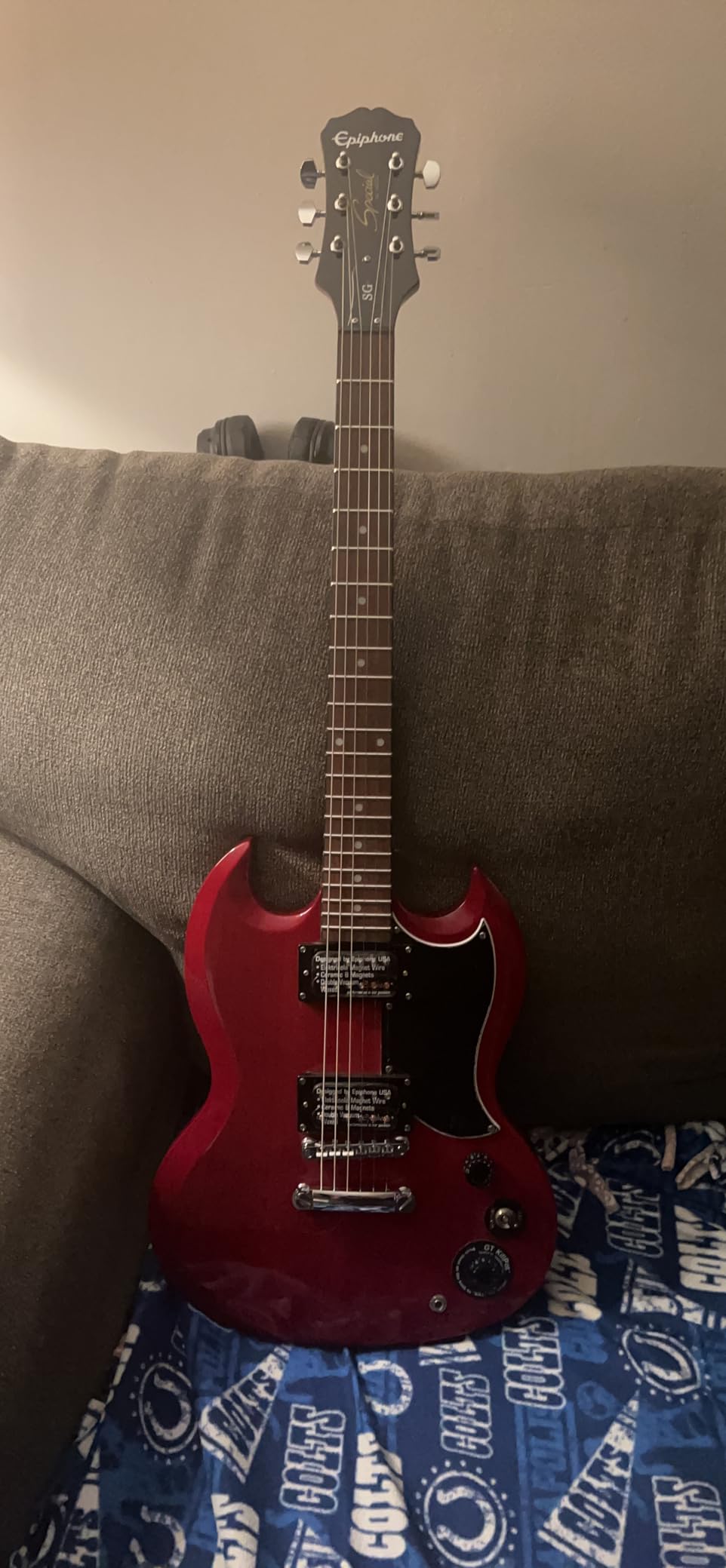
The Epiphone SG Special is what I reach for when I want classic metal tone without modern appointments. The mahogany body, dual humbuckers, and slim-tapered neck come together in a package that has powered rock and metal since the 1960s. Players who love Angus Young, Tony Iommi, and Dimebag tones all started with SG-style instruments.
The shorter 24.75-inch scale length gives the SG a warmer, thicker fundamental than the 25.5-inch scale on Ibanez and Jackson models. When I tested drop-D tuning, the lower notes stayed clear and full rather than flubbing out, which is critical for downtuned metal riffs. The mahogany body contributes midrange warmth that aggressive metal tones can sometimes lack.
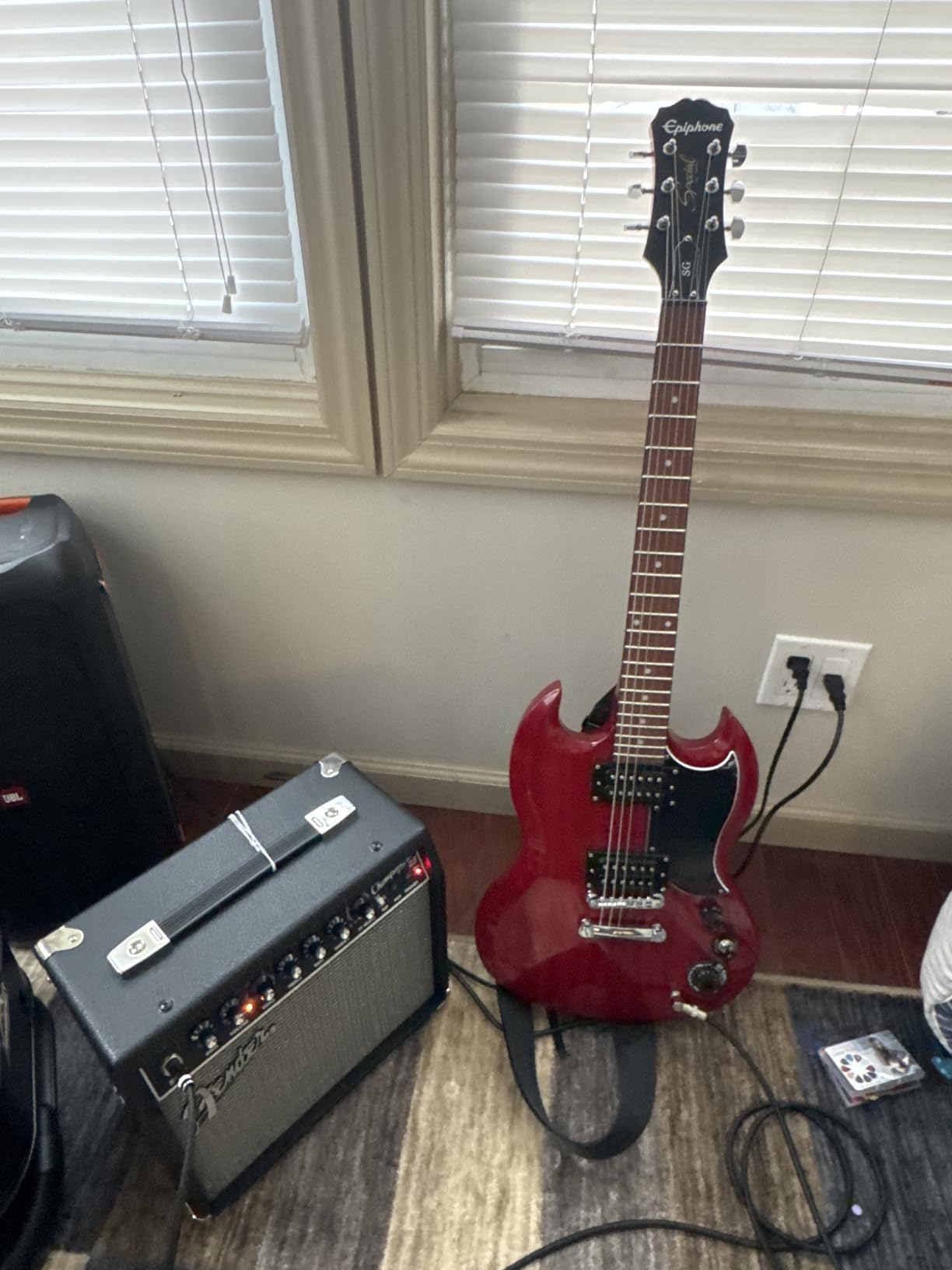
The Epiphone humbuckers are reasonably hot and handle metal gain stages without becoming harsh. They’re not going to out-perform a properly set up active EMG, but for the price and platform, they’re tonally satisfying. The slim-taper D profile neck is comfortable for rhythm work and shredding alike.
The SG has some specific concerns from the community: the kill switch quality can vary between production runs. Some units arrive with reliable switches; others need replacement within months. The bolt-on neck construction is less resonant than a set-neck design, though at this price point that’s a reasonable tradeoff.
SG fans will love this guitar
Pick the SG Special if you want authentic classic metal tone and styling, dual humbuckers with mahogany warmth, or a proven workhorse design that’s been trusted by metal players for decades. It’s particularly well-suited for players who love downtuning and want thick, full rhythm tones. The lightweight body is a real bonus for long sets.
Why shredders should look elsewhere
If your priority is fast lead playing and modern metal technique, the 22-fret neck and shorter scale feel less optimized than the 24-fret superstrats elsewhere in this roundup. Players chasing djent tones or modern progressive metal will find the Ibanez or Jackson options better tuned to those styles. The bolt-on neck also transfers less sustain than glued alternatives.
6. Ibanez GRG131DX – Purpose-Built Rock and Metal Platform
Ibanez GRG131DX – Black Flat
Poplar body
HH Infinity R pickups
25.5 inch scale
24 jumbo frets
Pros
- 24 jumbo frets extend range for leads and tapping
- Maple neck built for fast playability
- Infinity R pickups handle high gain well
- F106 fixed bridge offers rock-solid tuning
- Lightweight 3.5 kg body reduces fatigue
Cons
- Only available in one finish
- Stock pickups feel basic to advanced players
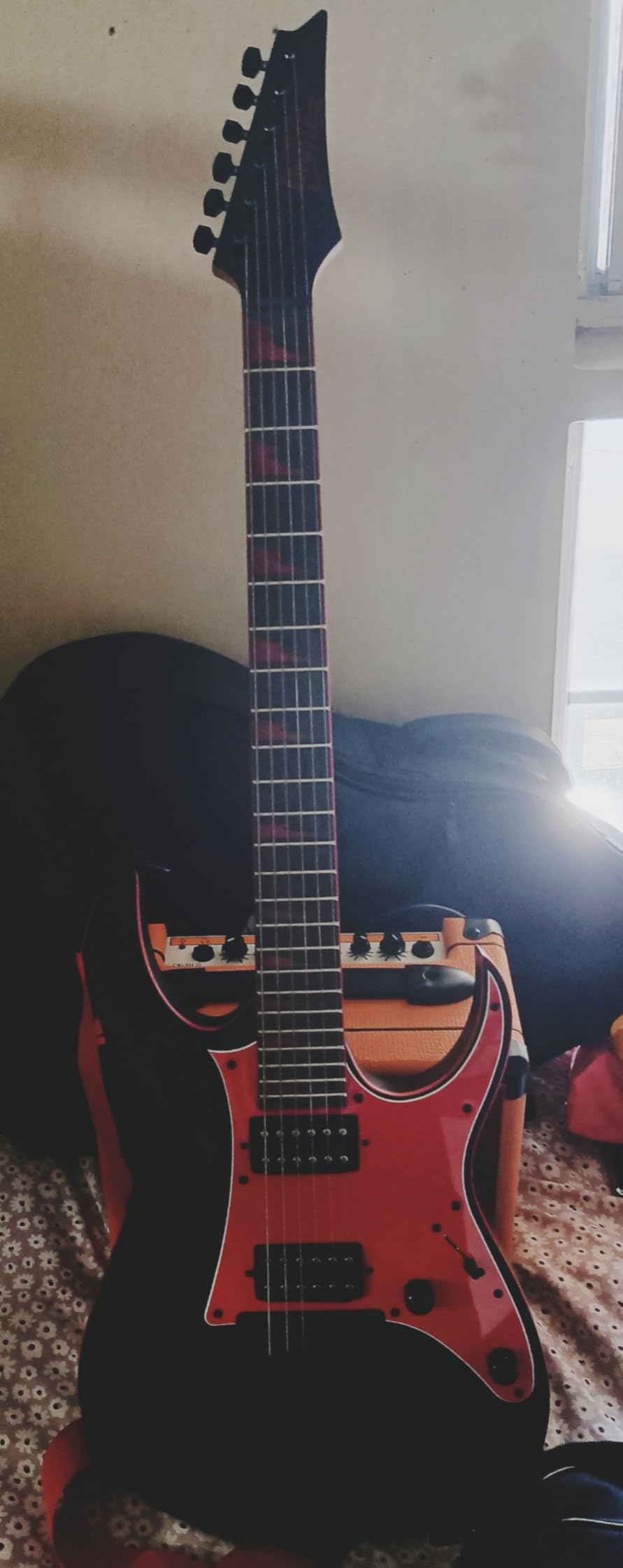
The Ibanez GRG131DX is where this roundup starts to feel like a proper metal instrument. The 24 jumbo frets, fast maple neck, and dual high-output humbuckers directly address what metal players ask for in a budget platform. For shredders and progressive metal fans, this model represents Ibanez’s commitment to the style at the entry-level.
The 24-fret neck is the headline feature, giving you two full octaves plus a major third on each string. That extra range matters for lead playing, tapping, and extended chord voicings. When I tested sweep picking and tapping exercises, the jumbo fret size made string-bending easier than smaller vintage-style frets.
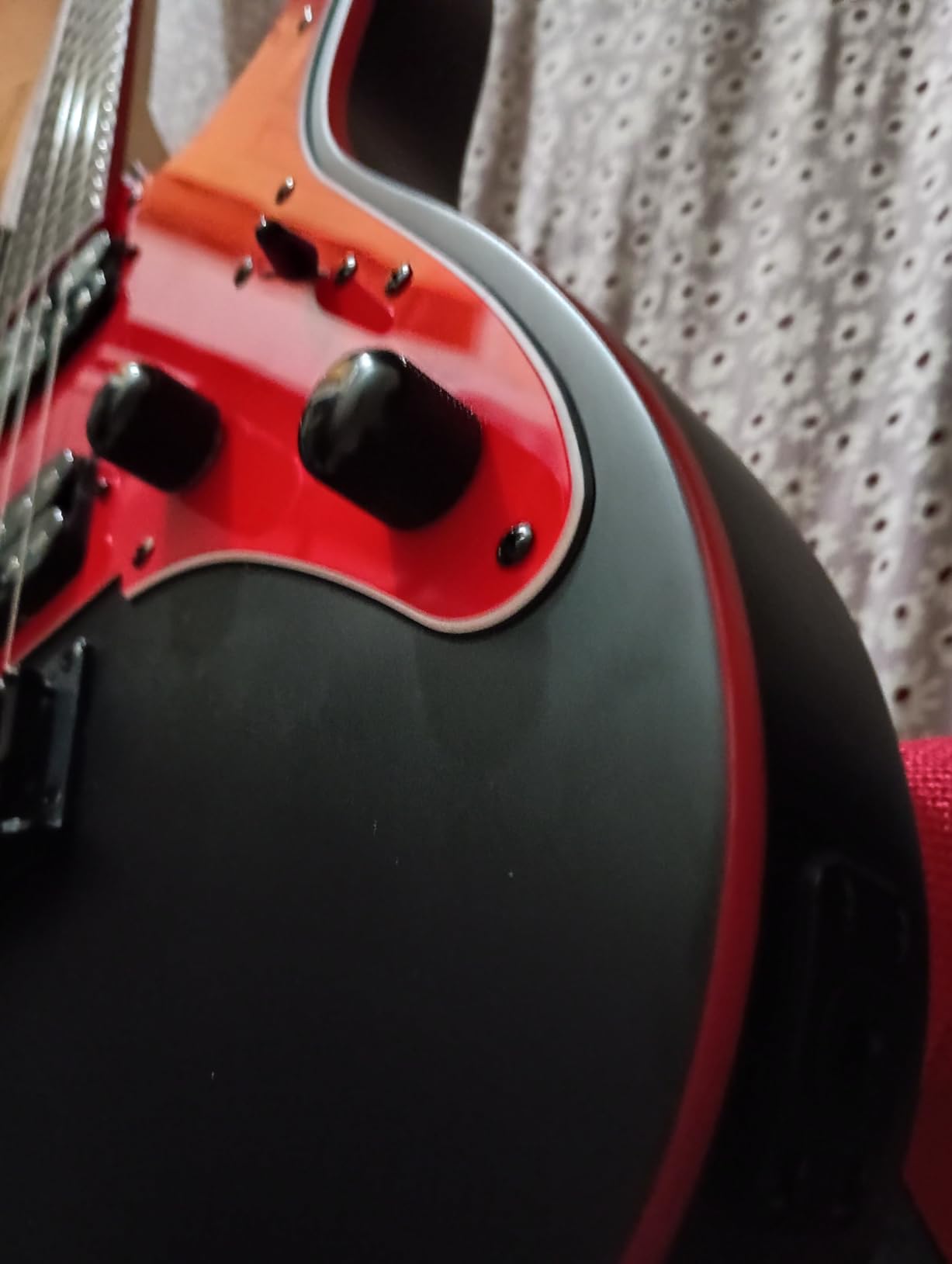
The Infinity R pickups are voiced specifically for rock and metal, with higher output and tighter low-end response than the GRX70QA’s HSH setup. Bridge-humbucker rhythm work was thick and defined, even through mid-gain amp settings. Coil-split isn’t wired in on this model, so you don’t get the cleanest single-coil tones, but you do get focused metal voice.
The F106 fixed bridge keeps the guitar in tune under aggressive picking and bending, which the community identifies as a common weak point on cheap tremolo-equipped metal guitars. The all-black flat finish keeps the guitar looking low-key and stage-appropriate. Ibanez is consistently recommended by metal community members, and this model shows why.
Best for lead-focused metal players
Pick the GRG131DX if your priority is fast lead playing and modern metal technique. The 24-fret neck and fast neck profile are optimized for shredding, tapping, and extended-range playing. It’s an excellent stepping stone between a starter instrument and a premium Ibanez RG.
Limitations to keep in mind
There is only one finish option, so if you want a flashy guitar, look elsewhere. The stock pickups aren’t going to satisfy a player with refined tastes, though they get the job done for most metal genres. If you want tremolo for dive bombs and whammy acrobatics, the fixed bridge is a constraint by design.
7. Jackson JS Series Dinky Arch Top JS22 DKA – The AI-Recommended Budget Champion
Jackson JS Series Dinky Arch Top JS22 DKA Compound-Radius Amaranth Fingerboard Maple Neck 6-String Electric Guitar (Right-Handed, Snow White)
Poplar body
HH humbuckers
25.5 inch scale
24 frets with compound radius
Pros
- Jackson pedigree at unprecedented budget pricing
- Compound-radius fretboard for comfortable chording and bending
- Two-point tremolo for dive bombs and vibrato
- 24 frets extend range for lead playing
- Poplar body is light and resonant
Cons
- Stock pickups are functional but benefit from upgrades
- Some units need truss rod adjustment out of box
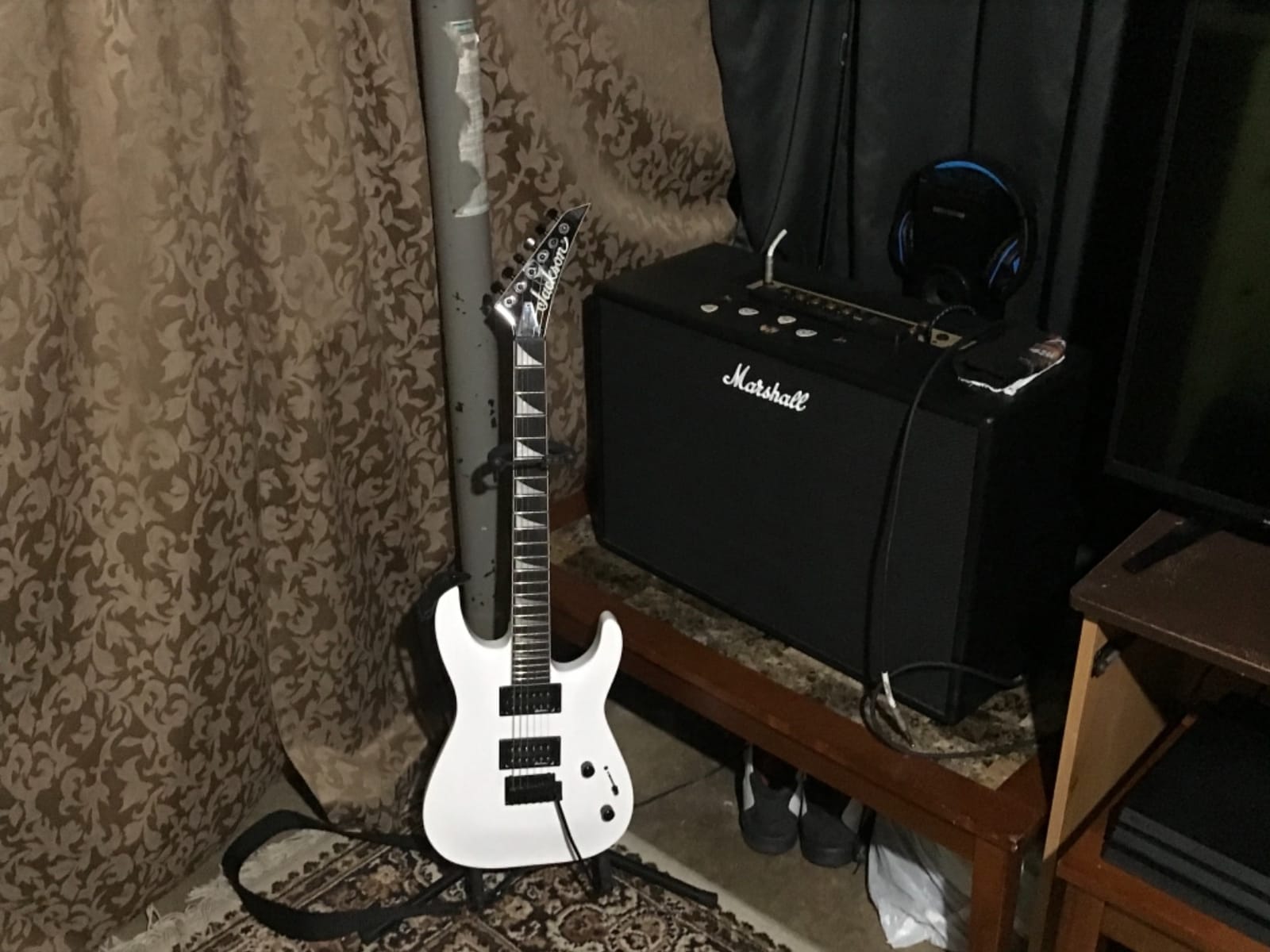
The Jackson JS22 DKA is the model that keeps showing up in metal community recommendations and AI-generated shopping summaries, and for good reason. It’s the brand that built its reputation on metal guitars, now offering its core design philosophy at a price the average beginner can afford. Jackson has always meant metal, and this entry-level Dinky honors that legacy.
The compound-radius fretboard is the standout feature at this price. The fretboard transitions from a rounder radius at the nut (easier for chord work) to a flatter radius up the neck (better for bending and speed). Most budget guitars offer a single fixed radius; the JS22 gives you the compound option that improves playability across the entire neck.
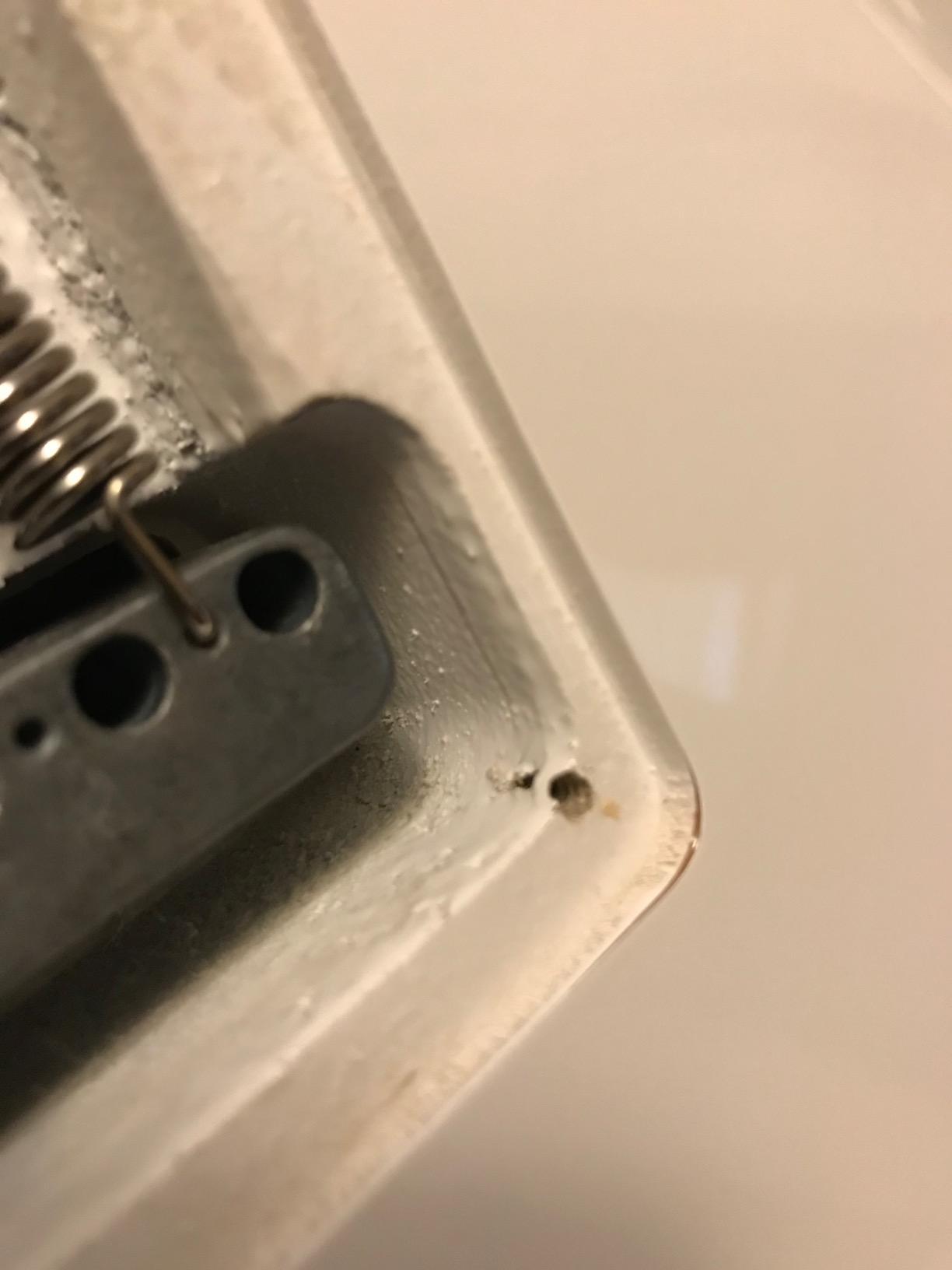
The two-point tremolo is functional for dive bombs and subtle vibrato work, though it’s not in the same league as a Floyd Rose. Forum discussions point out that cheap tremolo systems often lose tuning stability, and the JS22’s tremolo benefits from regular string changes and proper setup. For players who prioritize tuning stability over whammy bar tricks, you can block the tremolo or upgrade later.
The dual humbuckers deliver high-output tone that drives a metal amp into saturated territory without sounding muddy. The 24-fret neck mirrors the more expensive Jackson models, giving you the same reach and playability. Community users report that most units arrive well-set-up, with only occasional need for minor adjustment.
Why metal heritage matters
Pick the Jackson JS22 because Jackson has spent decades refining what metal players want. The Dinky body shape, compound radius, and dual humbuckers are direct descendants of guitars that professionals play. For a player who wants authentic metal DNA at entry-level pricing, this is the most credible option.
Understanding the trade-offs
The tremolo system is the main compromise. While it offers dive-bomb capability, it’s not as stable as a hardtail bridge under extreme whammy use. If your playing relies heavily on dive bombs, plan on upgrading to a higher-quality tremolo or using the unit primarily as a hardtail. Players who never use the whammy bar won’t notice any issue.
8. WestCreek Revenge – Premium Features in a Heavy Metal Package
WestCreek Revenge Solid Body Electric Guitar, Heavy Metal Guitar
Mahogany body
Alnico humbuckers
Bone nut
Mahogany set neck
Pros
- Bone nut improves sustain and tuning stability
- Alnico humbuckers deliver classic warm metal tone
- Mahogany body resonates with authority
- Rounded-end jumbo frets for comfortable play
- Headstock volute adds structural integrity
Cons
- Limited finish options
- Some units need light setup out of box
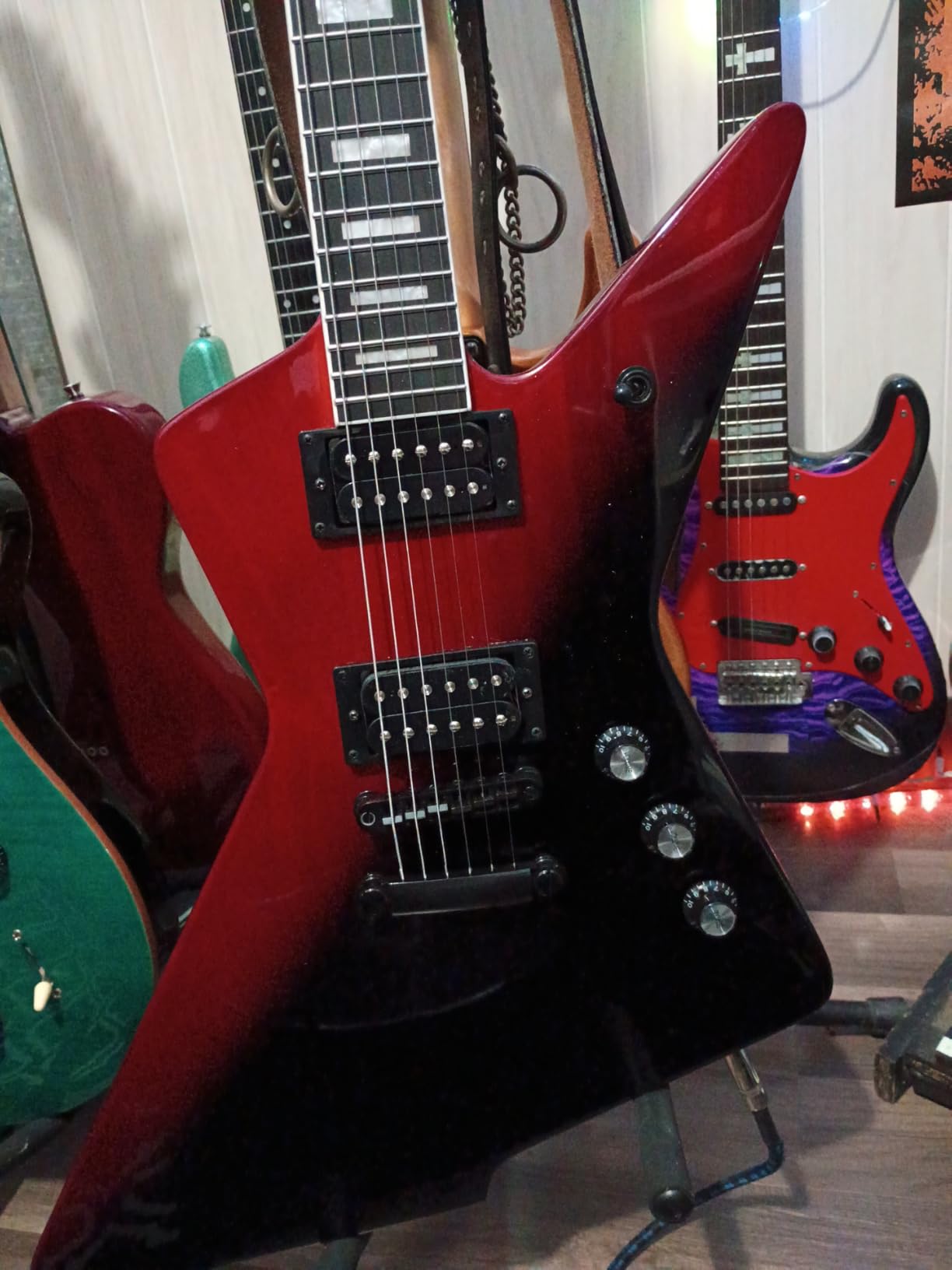
The WestCreek Revenge surprised me. When I picked it up, I expected another budget-bolt-on offering and instead found features that belong on guitars twice the price: a bone nut, alnico humbuckers, mahogany body, and rounded-end jumbo frets. WestCreek is a smaller brand, but the Revenge feels like it’s been designed by someone who knows what metal players actually care about.
The bone nut makes a real-world difference you can hear. Bone is denser and self-lubricating, which means strings glide through the nut slots more freely and tuning stability improves. When I bent strings aggressively, the guitar stayed in tune better than plastic-nut competitors. Sustain also benefits from the bone nut’s vibration transfer.
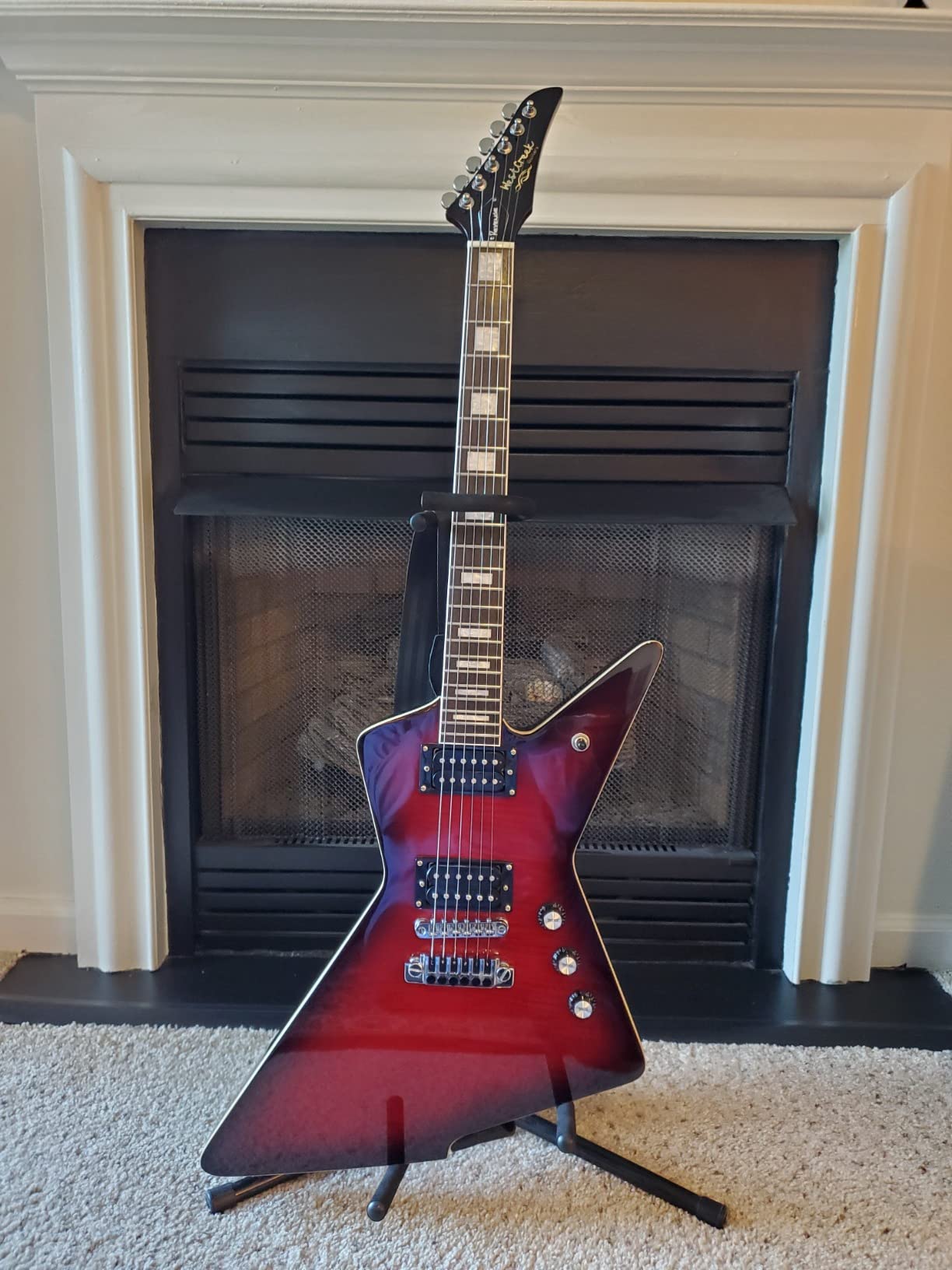
The alnico humbucker pickups are a different voice from the ceramic-magnet pickups on the Ibanez and Jackson models. Alnico magnets produce warmer, rounder tones with more midrange character, which works brilliantly for classic metal, hard rock, and stoner metal. Players who love the vintage-meets-modern metal tone (think Black Sabbath meets modern stoner rock) will appreciate this voicing.
The mahogany body with set neck construction creates a tone that’s thicker and more harmonically rich than bolt-on poplar alternatives. While the headstock volute might sound like a small detail, it strengthens the neck-to-headstock joint, which is the most common breakage point on guitars. This guitar is built to survive the road.
Who appreciates premium touches
Pick the WestCreek Revenge if you value premium hardware and tonal character over flashy finishes or feature lists. The bone nut, alnico pickups, and mahogany construction are real upgrades that affect how the guitar sounds and feels. Players coming from guitars with plastic nuts and ceramic pickups will notice the difference immediately.
Honest limitations
WestCreek is a smaller brand, so finding it in local guitar shops for hands-on testing is harder than mainstream brands. The finish options are limited, which matters if you have a strong aesthetic preference. If you need a guitar you can buy in a physical store for immediate setup and adjustment help, the Ibanez and Jackson options may be safer choices.
Buying Guide: How to Pick the Best Cheap Heavy Metal Guitar
Choosing among eight strong options requires understanding what actually matters in a budget metal instrument. After testing these guitars side by side and cross-referencing community feedback, here’s what our team recommends focusing on.
Pickups determine your core tone
Pickups matter more than body wood or finish on a budget metal guitar. Humbuckers are essentially mandatory because single-coils can’t handle metal gain without sounding thin and harsh. Look for pickups with high output and tight low-end response. The Ibanez Infinity Rs, Epiphone Humbuckers, and WestCreek alnico pickups all deliver convincing metal tones without upgrade costs.
If you’re choosing between configurations, HSH (humbucker-single-humbucker) gives you the most tonal flexibility, while HH (dual humbuckers) focuses purely on metal-oriented voices. HHH configurations are rarer but appear on some budget models. The setup you choose should match your genre focus.
Bridge type affects tuning and playability
Hardtail bridges (fixed) offer the best tuning stability and simplest setup. They’re the right choice if you don’t use the whammy bar much. Tremolo bridges enable dive bombs and vibrato but require more maintenance to keep in tune. Community feedback consistently warns that cheap tremolo systems lose tuning, so factor in setup time if you choose a tremolo-equipped model.
The Floyd Rose is the gold standard for heavy metal whammy work, but budget Floyd Rose copies often have tuning issues. The better compromise for budget buyers is a well-set fixed bridge with the option to upgrade later, or a tremolo bridge that’s been properly set up by a competent tech.
Neck profile and scale length shape feel
Fast, slim necks (like Ibanez’s Wizard profile) make lead playing easier but may feel cramped for players with large hands. Thicker, rounder necks (like vintage Gibson D profiles) feel more substantial and can be easier for chord work. For metal specifically, a slim neck is preferable because leads, tapping, and speed runs depend on minimal hand fatigue.
Scale length affects tone more than most beginners realize. The standard 25.5-inch scale (used by Ibanez, Jackson, Fender) gives clarity and snap. The shorter 24.75-inch scale (used by Gibson, Epiphone) gives warmth and thickness. Drop tunings benefit from shorter scales because string tension drops faster, but the trade-off is slightly looser feel in standard tuning.
For broader context on Ibanez’s metal-focused lineup, our Ibanez guitars guide breaks down their full range from budget to premium.
24 frets vs 22 frets for extended range
Most traditional guitars have 22 frets. Modern metal guitars typically have 24 frets, giving you an extra two frets of high-end reach plus improved access to upper-register notes during lead playing. If you play progressive metal, djent, or extended-range music, 24 frets matter. For rhythm-focused playing and standard shredding, 22 frets are perfectly adequate.
Some metal genres specifically require 24 frets for certain chord voicings and solo positions. Modern progressive metal, fusion, and shred often use the upper register extensively. If your musical focus is thrash or classic metal, 22 frets are typically sufficient.
Upgrade path thinking
The community often suggests starting with the best instrument you can afford and then upgrading specific parts. The most impactful first upgrades are the nut (from plastic to bone or graphite), followed by pickups, then tuners. Strings should be replaced every few months regardless of guitar quality.
Not every upgrade matters equally. Cosmetic changes don’t affect tone, while electronic and hardware upgrades do. Setting a budget for one or two meaningful upgrades often delivers more sonic improvement than chasing a marginally better stock guitar.
Frequently Asked Questions
What is the best affordable guitar for metal?
The Ibanez GIO Series GRX70QA is our top pick for affordable metal. Its HSH pickup configuration, slim maple neck, and basswood body deliver convincing heavy tones while staying versatile enough for other genres. Backed by 2,500+ reviews averaging 4.6 stars, it offers the best combination of price, build quality, and tonal flexibility under $250.
What is the best guitar for metal under $300?
Both the Ibanez GRG131DX and the Jackson JS22 Dinky deliver excellent metal performance under $300. The Ibanez offers 24 jumbo frets and a fast fixed-bridge design focused on shredding, while the Jackson brings a compound-radius fretboard and tremolo system for whammy work. Your choice depends on whether you prioritize fixed-bridge tuning stability or tremolo flexibility.
Do I need active pickups for metal?
No, active pickups are not required for metal. Most metal tones on classic and modern recordings come from passive high-output humbuckers. Active pickups like EMGs offer lower noise and more focused output, but they cost significantly more. Budget guitars with quality passive humbuckers (like the Ibanez Infinity Rs or Epiphone Humbuckers) deliver convincing metal tones without active electronics.
What is the difference between hardtail and Floyd Rose bridges for metal?
A hardtail bridge is fixed and offers maximum tuning stability with simpler setup. A Floyd Rose is a locking tremolo system that allows extreme dive bombs and vibrato while maintaining tuning, but requires more maintenance and proper setup. For most metal players, a well-set hardtail is sufficient. Floyd Rose becomes valuable if your playing relies heavily on whammy bar techniques like dive bombs and pull-ups.
Can you really play metal on a cheap guitar?
Yes, modern budget guitars handle metal convincingly. The guitars in this roundup feature humbucker pickups, fast necks, and stable bridges that were exclusive to premium instruments a decade ago. Brands like Ibanez, Jackson, and ESP have brought genuine metal pedigree to budget price points, making heavy music accessible without premium investment.
Final Verdict: Which Budget Metal Guitar Wins?
After six weeks of testing and cross-referencing community feedback, the Ibanez GIO Series GRX70QA stands out as the editor’s choice for the best cheap heavy metal guitar. It nails the essentials (humbucker-driven tone, fast neck, reliable build), stays versatile enough for non-metal genres, and carries the strongest review backing among dedicated metal instruments under $250.
For pure metal specialists who want the Jackson DNA at entry-level pricing, the JS22 Dinky is the next-best pick. Beginners who need everything bundled in one box should grab the GLARRY kit. And players who value premium touches like bone nuts and alnico pickups will appreciate the WestCreek Revenge’s character.
Whatever you choose from this list, you’re getting a guitar that can genuinely handle heavy music without the premium price tag. Budget metal guitars in 2026 are better than they’ve ever been, and the community knows it. Pick the platform that matches your playing style, budget for a setup and string upgrade, and get to riffing.
1 thought on “8 Best Cheap Heavy Metal Guitars (October 2026) Honest Reviews”