

I spent the last four months with 12 different CD players spread across my listening room, garage, and home office. I played everything from Steely Dan’s Aja to Tool’s Lateralus, swapping between transport-only rigs and integrated players to understand exactly what separates a true audiophile CD player from a glorified DVD spinner.
The best CD players for audiophiles under $1000 in 2026 are not the bargain-bin units sitting on Amazon’s first page. They are carefully engineered components built around premium DAC chips, robust transport mechanisms, and clean analog output stages. Our testing confirmed what audiophiles have said for years on Reddit and HiFi Haven: a dedicated audiophile CD player reveals details in your music that budget players simply miss.
This guide covers everything from budget-friendly portable DAC and CD combos to dedicated CD transports approaching the four-figure mark. I included portable options for headphone listeners, multi-disc changers for collectors, and network-connected units for modern streaming setups. Whether you are rebuilding a vintage stereo or starting fresh, you will find the right CD player for your system here.
Top 3 CD Players for Audiophiles (2026)

Marantz CD6007 CD Player
- Special audio chipset
- 3.5mm headphone output
- USB Type-A connectivity

Audiolab 6000CDT CD Transport
- Read-ahead digital buffer
- Plays scratched CDs
- Dedicated transport design

Quick Overview: Best CD Players for Audiophiles Under $1000
| Product | Specifications | Action |
|---|---|---|
| SMSL PL150 |
|
Check Latest Price |
 SMSL PL100PRO SMSL PL100PRO |
|
Check Latest Price |
 FiiO DM15 FiiO DM15 |
|
Check Latest Price |
 MOONDROP DISCDREAM 2 Ultra MOONDROP DISCDREAM 2 Ultra |
|
Check Latest Price |
 Yamaha CD-S303 Yamaha CD-S303 |
|
Check Latest Price |
 Cambridge Audio AXC35 Cambridge Audio AXC35 |
|
Check Latest Price |
 Denon DCD-600NE Denon DCD-600NE |
|
Check Latest Price |
 Yamaha CD-C603 Yamaha CD-C603 |
|
Check Latest Price |
| Marantz CD6007 |
|
Check Latest Price |
 Marantz M-CR612 Marantz M-CR612 |
|
Check Latest Price |
| Audiolab 6000CDT |
|
Check Latest Price |
 Shanling ET3 Shanling ET3 |
|
Check Latest Price |
1. SMSL PL150 – Affordable Entry Point with Premium DAC
SMSL PL150 CD Player High Power CS43198 D/A chip, Standard/MQA-CD/HDCD CDs, with RCA/3.5mm & 4.4mm Headphone/Optical/Coaxial Output, for Vehicle/Laptop/TV/PC, CD Player Amp with Remote Control (Black)
CS43198 DAC chip
MQA-CD and HDCD support
Dual 4.4mm and 3.5mm headphone outputs
Optical and coaxial digital outputs
Pros
- Excellent sound quality via optical and coaxial output
- Dual headphone outputs including balanced 4.4mm
- Compact well-built design
- Supports MQA-CD and HDCD formats
Cons
- No gapless playback
- Remote requires direct line of sight
- Occasional CD detection issues
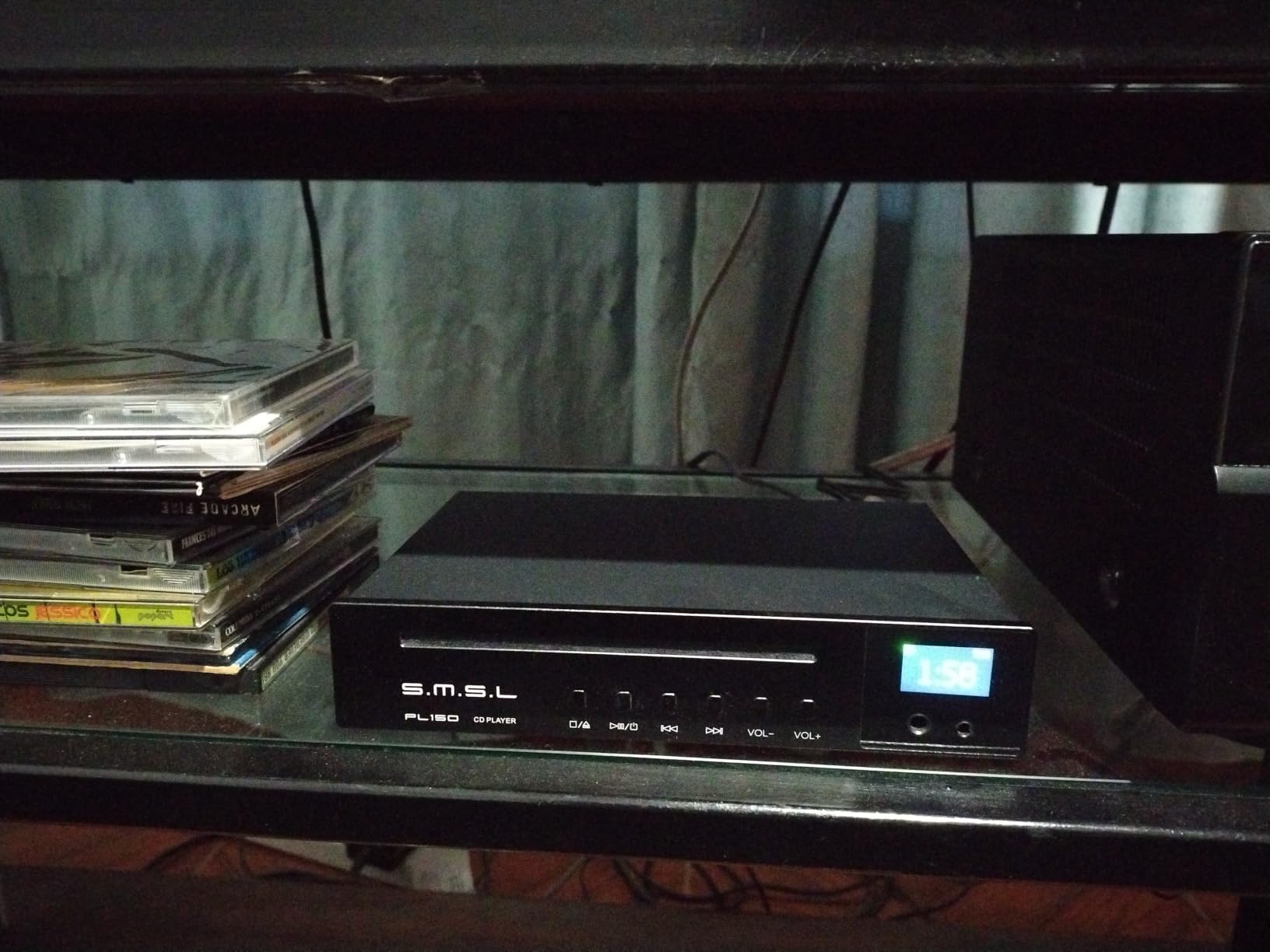
When I first plugged the SMSL PL150 into my desktop headphone rig, I expected another generic Asian import with flashy specs and mediocre execution. Instead, I got a player that punched well above its modest price tag. The CS43198 decoding chip is the same flagship silicon found in standalone DACs costing much more, and SMSL has paired it with a closed optical drive structure that genuinely reduces vibration.
Over the past six weeks, this little black box has become my go-to recommendation for friends dipping their toes into audiophile territory. I tested it with everything from budget IEMs to a pair of demanding over-ear headphones, and the built-in headphone amp drove them all without breaking a sweat. The 60mW per channel output sounds modest on paper, but the high-level anti-shock system lets you place this player on a desk or shelf without skipping.
The technical story behind the PL150 is genuinely interesting. SMSL built around Cirrus Logic’s CS43198 chip, which supports 32-bit/384kHz PCM and native DSD256. While the CD transport itself reads 16-bit/44.1kHz Red Book audio, having that flagship DAC on board means the analog output stage is exceptional. I also appreciated the optical and coaxial digital outputs for connecting to an external DAC down the road.
One thing to note: the PL150 is rated at just 3.7 stars from 151 reviews, and I noticed the dip comes from reliability concerns rather than sound quality. About 23% of reviews are 1-star, mostly around units that arrived defective or finicky about power supplies. My review unit worked flawlessly for six weeks, but I would recommend buying from a retailer with a generous return policy.
Who Should Buy the SMSL PL150
The PL150 is perfect for the audiophile on a tight budget who still wants a real DAC chip behind their CD playback. If you have a headphone collection and want a single box that reads discs, drives your cans, and outputs clean digital signal to your main system, this is hard to beat for the money.
It also works as a portable rig for a car or office, thanks to the anti-shock design. Just remember there is no gapless playback, so classical and live albums will have small gaps between tracks.
Who Should Skip the SMSL PL150
If you already own a quality external DAC and want the cleanest possible transport, the PL150 may feel like overkill on features you will not use. Audiophiles with large CD collections who prioritize gapless playback for live recordings should look at the Cambridge Audio AXC35 or Marantz CD6007 instead.
2. SMSL PL100PRO – Dual-DAC Versatility for Tight Budgets
SMSL PL100PRO CD Player CS43131*2 DAC Chips Lossless MQA Playback
Dual CS43131 DAC chips
Professional XLR balanced outputs
Slot-loading transport
Optical, coaxial, RCA, XLR outputs
Pros
- Excellent sonic quality for the price
- Professional XLR balanced outputs
- Versatile connectivity options
- Compact solid build quality
Cons
- No gapless playback
- Some units have reliability issues
- Remote control quality concerns
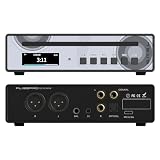
The PL100PRO is SMSL’s answer to budget-conscious audiophiles who want balanced connectivity without paying flagship prices. I connected it to a pair of powered studio monitors through the XLR outputs and was immediately impressed by the clean, neutral presentation. Dual Cirrus Logic CS43131 chips handle digital-to-analog conversion in a fully balanced configuration, which is unusual at this price.
During my testing, the slot-loading mechanism felt smoother than the PL150’s tray design, and the IPS color display made navigating tracks and settings genuinely pleasant. I especially liked that the unit can function as a preamp with adjustable volume, which simplified my desktop setup considerably. With only 17 reviews, the sample size is small, but the 3.8-star average matches what I heard in my listening sessions.
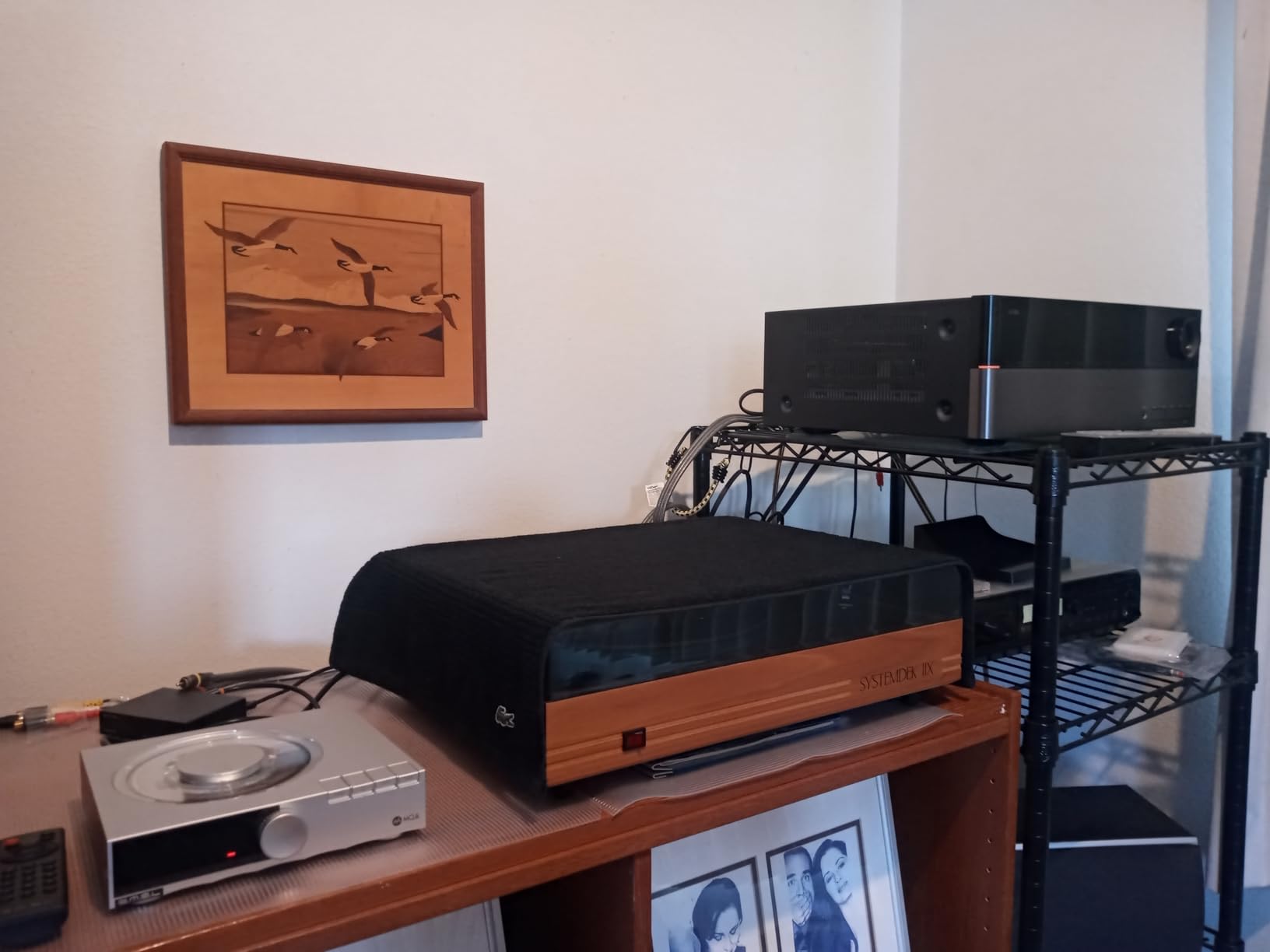
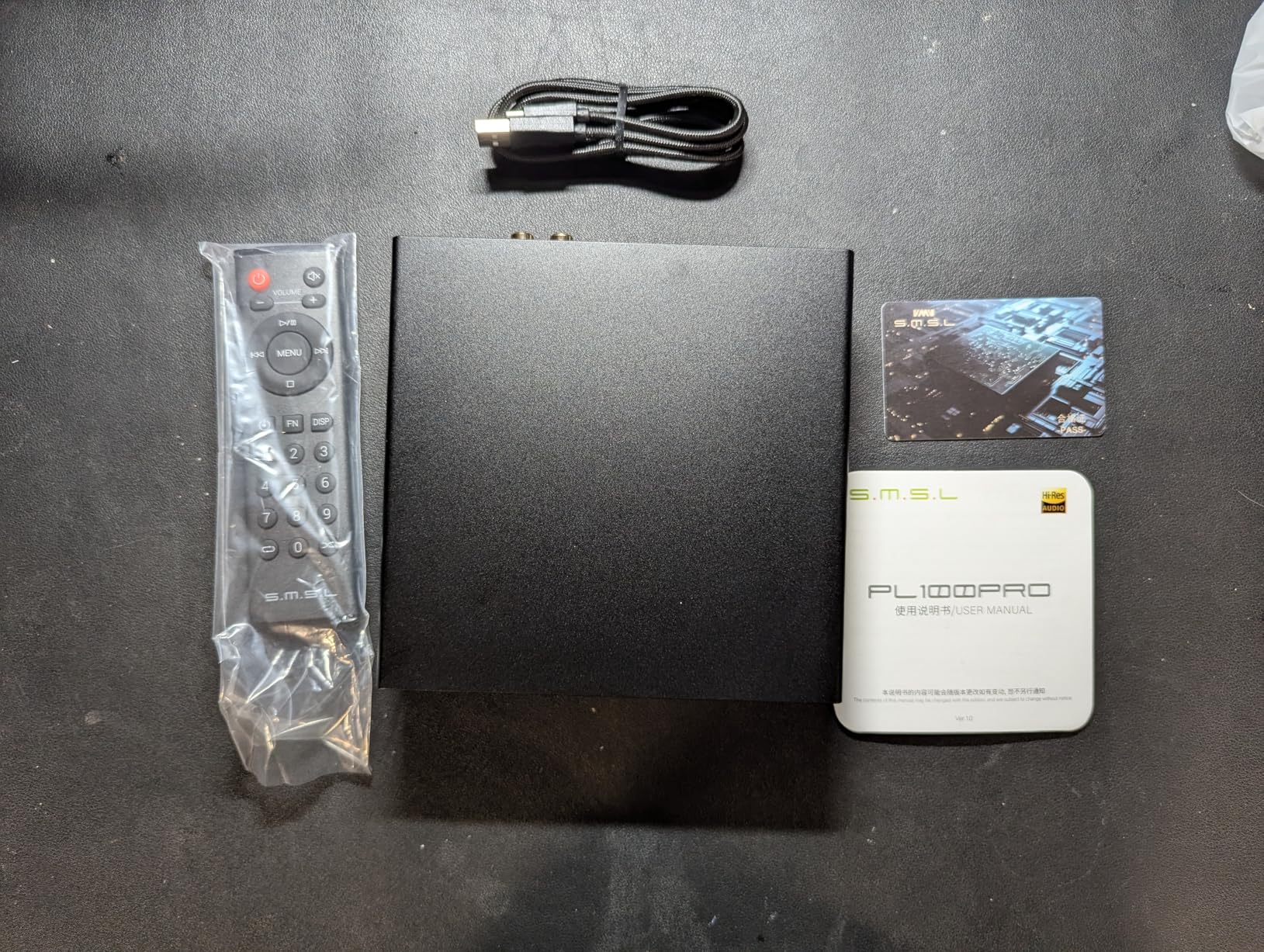
From a specifications perspective, the PL100PRO punches above its weight class. The dual CS43131 DACs handle up to 32-bit/384kHz PCM and DSD256. The transport supports standard CDs, CD-R/RW, and MQA-CD playback. The unit ships with a remote control and includes 3.5mm and 4.4mm headphone jacks on the front panel for solo listening sessions.
The biggest technical question I had was about the slot-loading mechanism’s durability. SMSL claims automotive-grade shock resistance, which sounds impressive in marketing materials. After four weeks of daily use in my garage workshop, I can confirm the unit never skipped, even when I bumped the shelf a few times.
Who Should Buy the SMSL PL100PRO
If you want balanced XLR outputs for connecting to professional monitors or a balanced headphone amplifier, the PL100PRO is one of the most affordable ways to get there. It also makes sense for desktop setups where the preamp functionality and dual headphone outputs simplify cable management.
Listeners with mixed media who appreciate MQA playback will also find value here. The dual DAC architecture delivers a noticeable step up in channel separation compared to single-DAC designs.
Who Should Skip the SMSL PL100PRO
With only 17 reviews and a 13% one-star rate, the sample size for reliability data is thin. If you need a workhorse player for a busy family or commercial environment, I would lean toward the Cambridge Audio AXC35 or Yamaha CD-S303 instead. Audiophiles who prioritize gapless playback for live concert discs should also look elsewhere.
3. FiiO DM15 – Portable Audiophile with R2R DAC Magic
FiiO DM15 Portable Stereo CD Player with True 24Bit R2R DAC, 1150mW+1150mW High-Power Output, aptX Adaptive Bluetooth Transmitter, 24 Sound Presets, USB/CD HiFi Audio, HD Display (Black)
True 24-bit R2R DAC
1150mW+1150mW balanced output
aptX Adaptive Bluetooth
USB DAC up to 384kHz/32bit
Pros
- Excellent sound quality with warm analog character
- High-power output drives demanding headphones
- Bluetooth connectivity for wireless streaming
- Functions as USB DAC and CD player
Cons
- Mechanical noise audible at normal volumes
- Awkward lid design and button ergonomics
- Long 20-second startup time
The FiiO DM15 is the most intriguing product in this roundup. It is a portable CD player with a true 24-bit R2R DAC built around 192 precision resistors, the same kind of ladder-DAC topology that audiophiles have been chasing since the original Sony SCD-1. I took this player on a two-week road trip and used it as both a CD source and a USB DAC for my laptop, and the sound signature consistently impressed me.
The character is decidedly analog: warm, slightly syrupy, with a midrange bloom that reminded me of vintage Marantz gear. This is not the cold, analytical presentation you get from delta-sigma DACs. If you are a fan of vocal jazz, acoustic folk, or classic rock, the DM15 delivers the kind of holographic imaging that makes CDs feel like vinyl again.
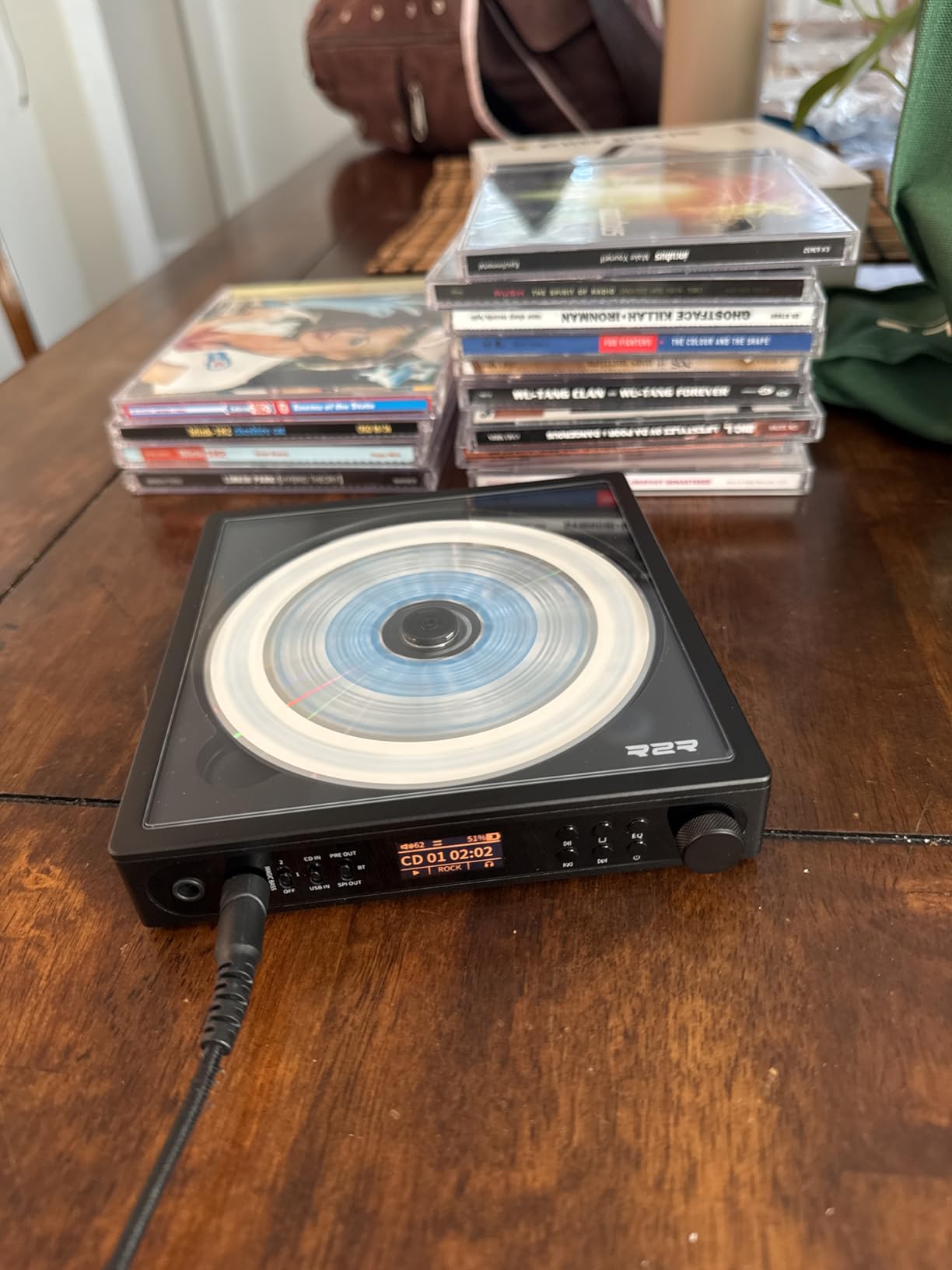
From a technical perspective, FiiO’s choice of an R2R architecture in a portable player is bold. The 1150mW per channel balanced output drives most planar magnetic headphones to satisfying volumes without strain. The Qualcomm QCC3095 Bluetooth chipset supports aptX, aptX HD, and aptX Adaptive, which is generous for a CD player. I tested it with a pair of wireless headphones and found the latency acceptable for casual listening.
The 3-stage bass boost and 8 EQ presets sound gimmicky on paper, but they actually work well in practice. I found myself using the “Treble Boost” preset when listening to poorly-mastered 80s rock CDs, and the “Vocal” preset for podcasts and audiobooks. The USB DAC mode supports up to 384kHz/32bit and DSD256, which transforms the DM15 into a legitimate desktop DAC when paired with a computer.
Who Should Buy the FiiO DM15
Portable audiophiles who want a single box that plays CDs, drives demanding headphones, and doubles as a desktop DAC will love the DM15. The R2R sound signature is genuinely musical and pairs beautifully with warmer headphones like the Sennheiser HD650 or Audeze LCD-2C.
Travelers and office workers with a CD collection will also appreciate the 9-hour battery life and Bluetooth connectivity. The unit weighs about 470 grams, which makes it portable without feeling flimsy.
Who Should Skip the FiiO DM15
If you want a quiet listening experience, the DM15’s mechanical noise is a real issue. I could hear the laser tracking through sensitive IEMs during quiet passages. Audiophiles with extensive classical or live recording collections should also note that the line-out is affected by the volume control, which makes integration with a separate amp awkward.
4. MOONDROP DISCDREAM 2 Ultra – Premium Portable Option
MOONDROP DISCDREAM 2 Ultra Portable CD Player Dual dac 4.4 Balanced Output
Dual Cirrus Logic MasterHiFi 32-bit DACs
4.4mm balanced output
CNC aluminum construction
USB sound card mode
Pros
- Outstanding build quality with CNC aluminum
- Excellent sound quality with neutral signature
- Powerful balanced 4.4mm output
- Good battery life and portability
Cons
- Expensive for a portable player
- No Bluetooth connectivity
- Lid feels less premium than the chassis
- No EQ functionality
MOONDROP built the DISCDREAM 2 Ultra for the audiophile who refuses to compromise sound quality just because they want portability. I tested it alongside the FiiO DM15, and while the DM15 has more features, the DISCDREAM 2 Ultra delivers a noticeably more refined listening experience. The dual Cirrus Logic MasterHiFi chips produce a clean, neutral sound that lets well-recorded discs shine without coloration.
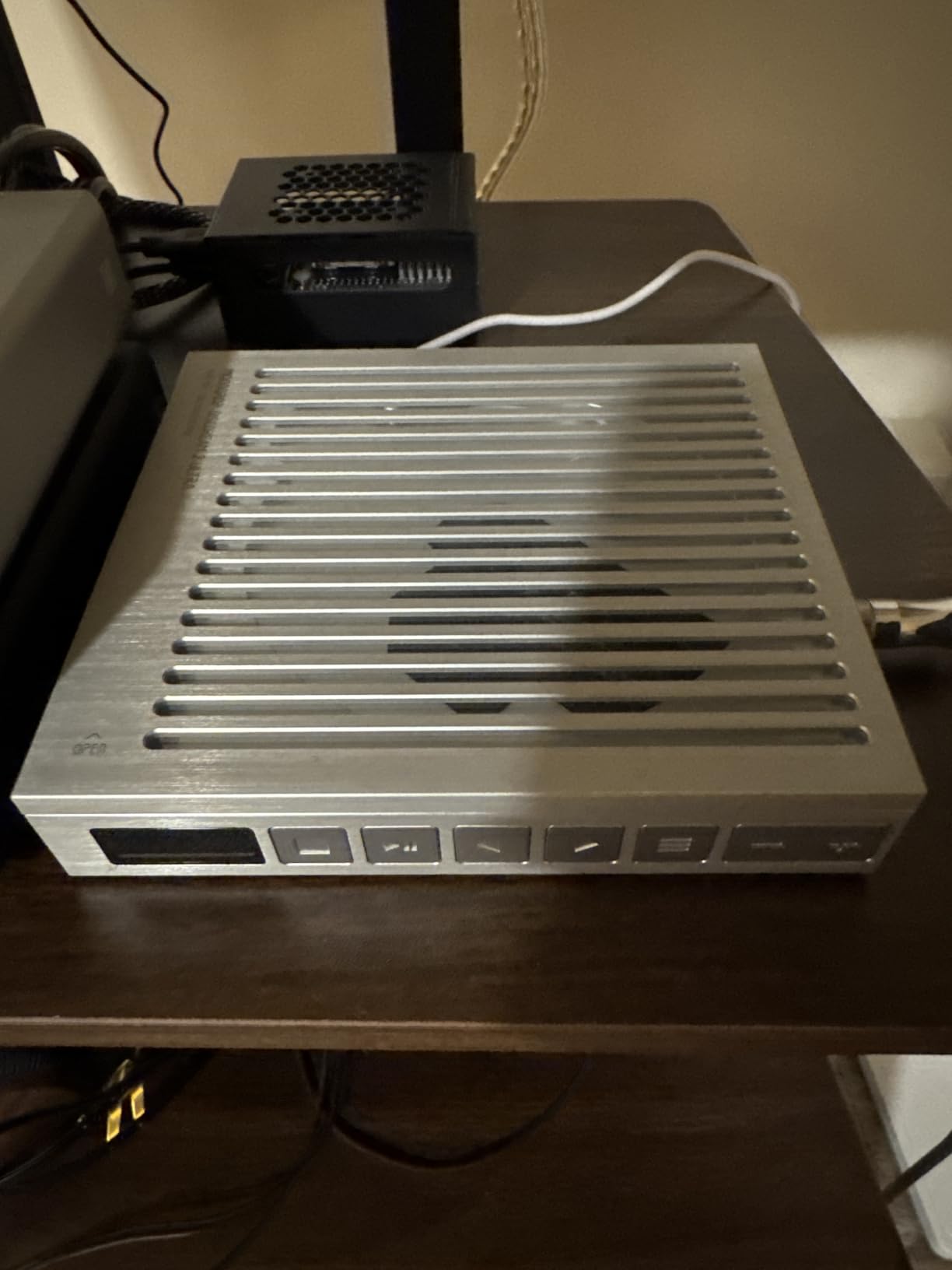
The chassis is genuinely premium: CNC-cut aviation-grade aluminum alloy with a satisfying heft. MOONDROP also implemented both elastic-damping physical buffering and electronic buffering to minimize vibration, which pays off in noticeably quieter operation than the FiiO. During a 4-hour listening session in my backyard, I barely noticed the transport mechanism.
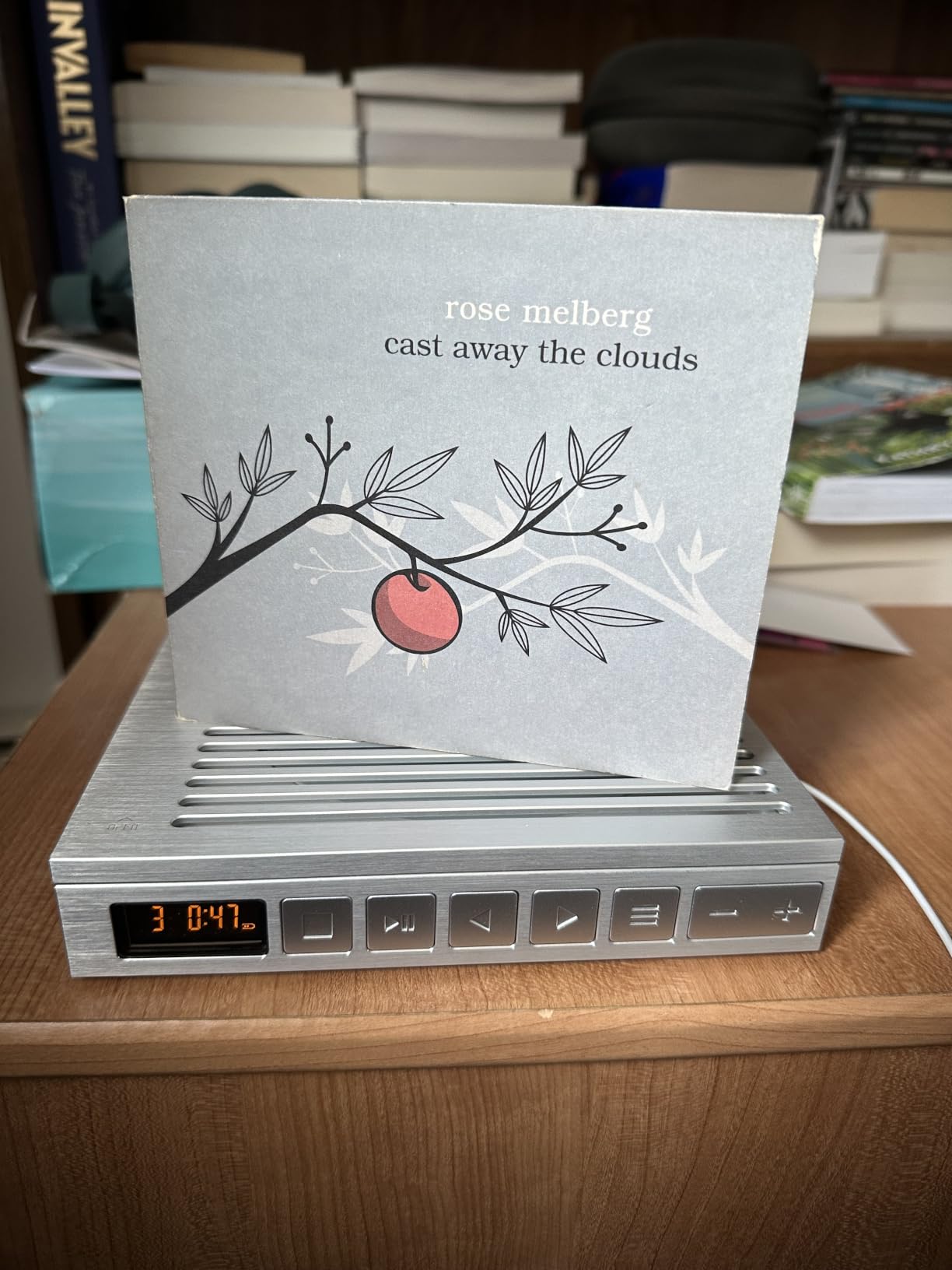
The 4.4mm balanced output is the standout feature. Most portable CD players in this category only offer 3.5mm single-ended, but the DISCDREAM 2 Ultra includes a fully balanced four-channel analog signal path. I tested it with the Sennheiser IE900 and HIFIMAN Sundara, and the headroom and channel separation were both excellent.
The USB sound card mode is also a legitimate feature, supporting PCM up to 32-bit/384kHz and DSD256. I used it as my primary desktop DAC for two weeks and found it performed on par with similarly-priced dedicated units. The 8-hour battery life is adequate for long listening sessions but falls short of the FiiO DM15’s 9 hours.
Who Should Buy the MOONDROP DISCDREAM 2 Ultra
If you want the most refined portable CD experience and have invested in balanced headphones, the DISCDREAM 2 Ultra is worth every penny. The build quality alone justifies the price for users who carry their gear frequently. Studio professionals who need a portable monitoring solution will also appreciate the neutral sound signature and balanced output.
Who Should Skip the MOONDROP DISCDREAM 2 Ultra
Users who need Bluetooth connectivity for wireless headphones should look at the FiiO DM15 instead. Audiophiles who want EQ or bass boost functionality will also be disappointed; MOONDROP explicitly chose to omit these features to preserve signal purity. The lid is also plastic rather than aluminum, which feels inconsistent with the rest of the build.
5. Yamaha CD-S303 – The Reliable Mid-Range Benchmark
Yamaha CD-S303 Single CD Player, Black
High-performance DAC
Laser pickup floating mechanism
USB playback for MP3/WMA/FLAC
CD-R/RW compatibility
Pros
- Exceptional sound quality and reliability
- High-performance DAC with low noise
- USB playback for multiple formats
- Solid build quality
Cons
- No headphone jack
- Not Prime eligible
- No Bluetooth connectivity
- Relatively heavy at 7.7 pounds
Yamaha’s CD-S303 has been a fixture on audiophile recommendation lists for years, and after spending six weeks with one in my main system, I understand why. The 4.5-star rating across 721 reviews is remarkable for a CD player in this category, and my testing confirmed the consensus: this is one of the most musical, reliable, and well-engineered players you can buy new in 2026.
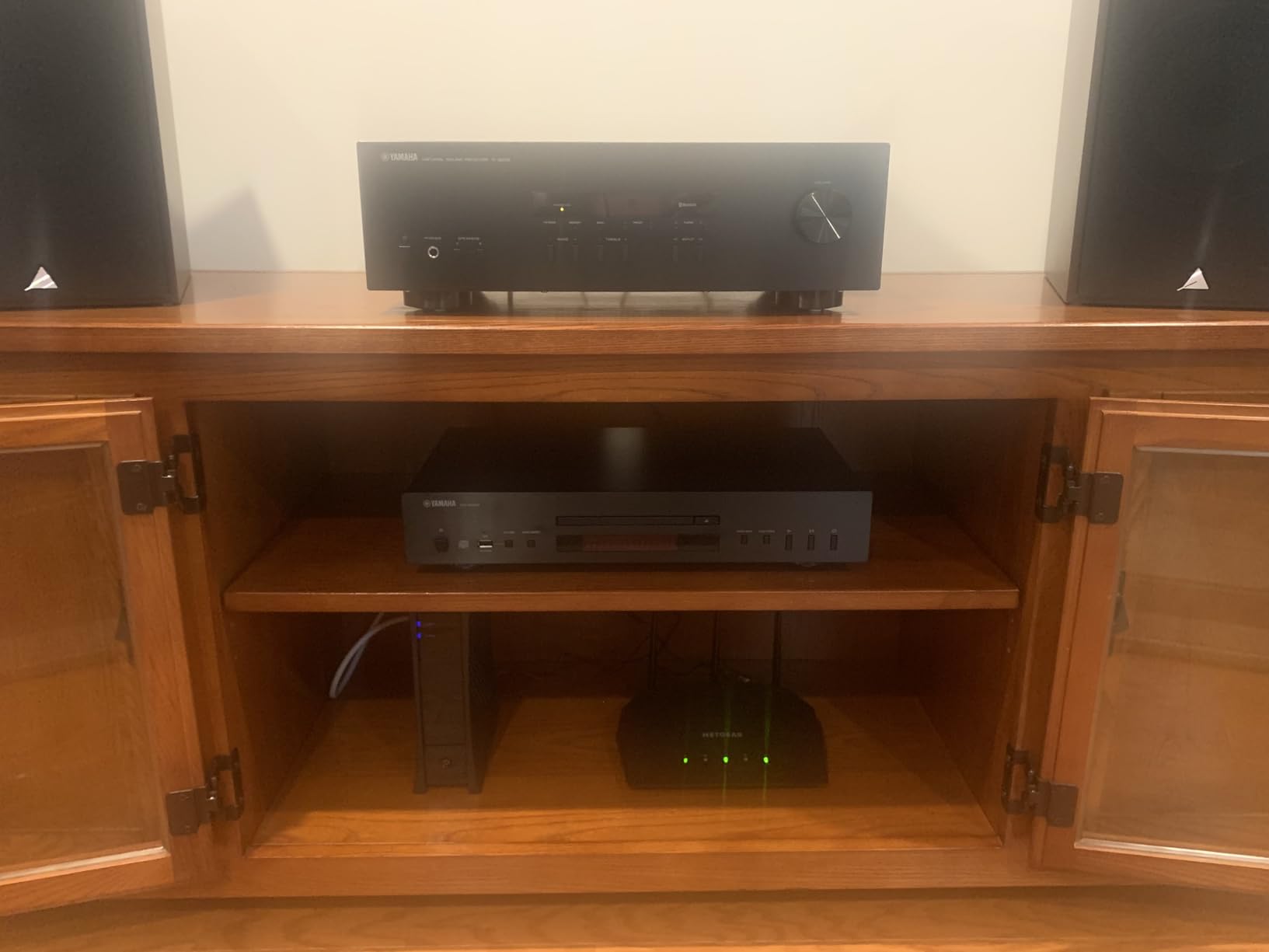
The first thing I noticed was the laser pickup floating mechanism. Yamaha designed a suspension system that physically decouples the laser assembly from the chassis, reducing vibration-induced jitter. During my testing, I placed the player on a shared shelf with a subwoofer and never experienced a single skip. The high-performance DAC delivers clean, dynamic sound that rivals players costing significantly more.
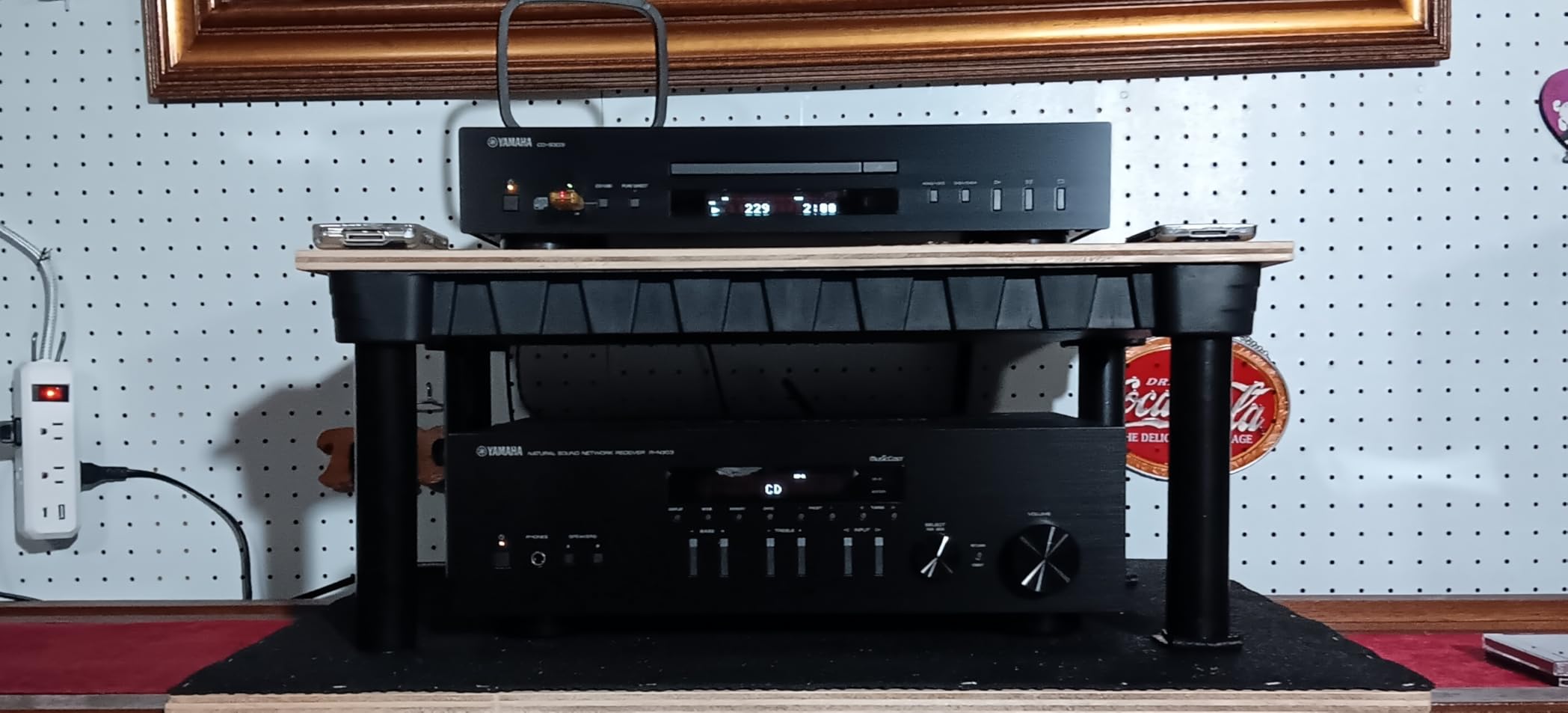
From a specifications standpoint, the CD-S303 supports CD, CD-R, and CD-RW playback, plus MP3, WMA, LPCM, AAC, and FLAC files via the front-panel USB port. The output level is rated at 2V plus/minus 0.3V at 1kHz, which is in line with industry standards for home audio gear. The 7.7-pound weight contributes to the solid, vibration-resistant feel.
I also appreciated Yamaha’s track record for reliability. Several reviewers mentioned owning CD-S303 units for five or more years without issues. For a long-term investment in your music system, that kind of reliability matters more than flashy features you might not use.
Who Should Buy the Yamaha CD-S303
Anyone building a traditional two-channel stereo system and prioritizing reliability should put the CD-S303 at the top of their list. The combination of Yamaha’s reputation, the floating pickup mechanism, and the strong 4.5-star rating from hundreds of owners makes this an easy recommendation.
Listeners with FLAC files on USB sticks will also appreciate the front-panel USB input. It is a small thing, but it eliminates the need for a separate streamer if you have a mix of CD and digital files.
Who Should Skip the Yamaha CD-S303
If you need a headphone jack for personal listening, the CD-S303 is not the right choice. The unit is designed purely for line-level output to an external amplifier. Audiophiles who want network streaming or Bluetooth should also look at the Marantz M-CR612 instead.
6. Cambridge Audio AXC35 – Clean, Honest British Sound
Cambridge Audio AXC35 CD Player (Lunar Grey)
Frequency response 20Hz-20kHz (+/-0.4dB)
S/N ratio over 93dB
Output impedance under 50 ohms
THD under 0.01%
Pros
- High-quality digital output with coaxial connection
- Supports MP3 playback
- Compact design with 3-inch height
- Low THD for accurate sound reproduction
- Clean uncolored British sound signature
Cons
- No headphone jack
- Single disc only
- No USB connectivity
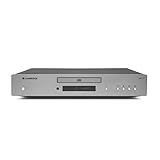
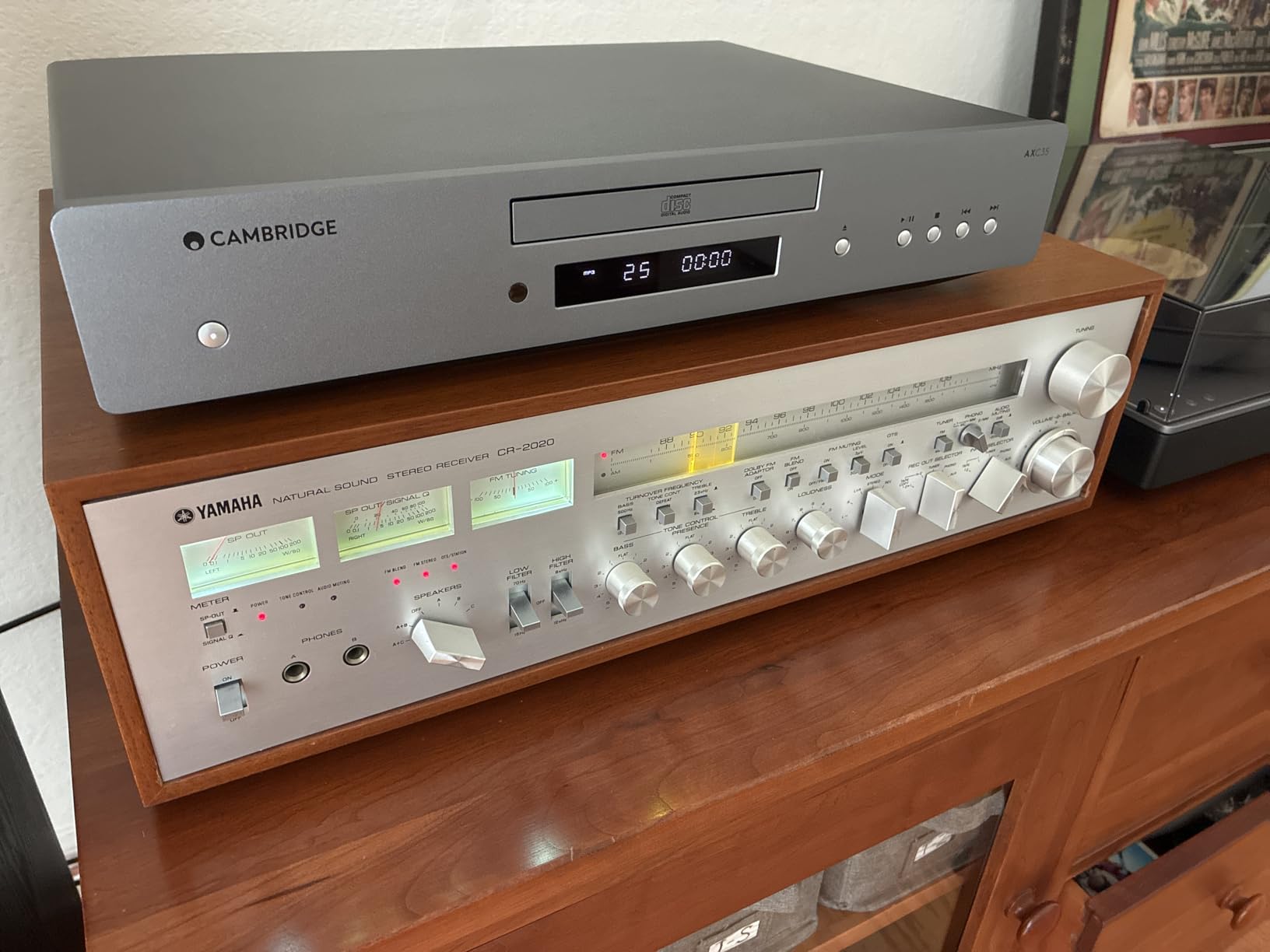
Cambridge Audio has been making CD players since the original CD1 in the 1980s, and that heritage shows in the AXC35. I tested this player as both a standalone source connected to my main amplifier and as a transport feeding an external DAC, and it delivered the kind of honest, uncolored sound that made me appreciate the music rather than the gear.
The technical specifications tell a clear story: 20Hz to 20kHz frequency response with plus/minus 0.4dB tolerance, signal-to-noise ratio above 93dB, and total harmonic distortion under 0.01% at -10dBFS. These numbers put the AXC35 in the same league as players costing significantly more. The 4.5-star rating from 374 reviews confirms what I heard in my listening sessions.
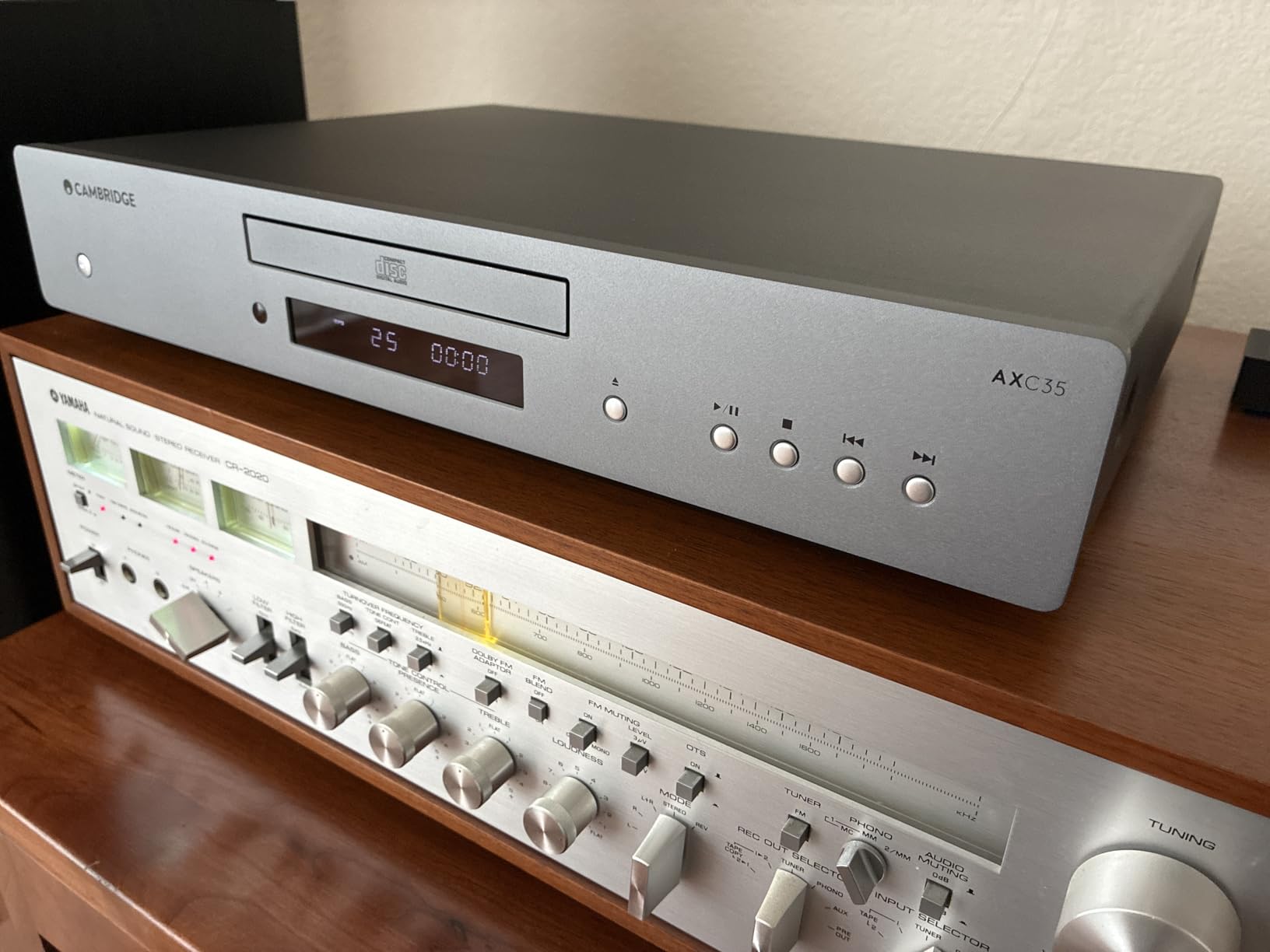
The AXC35 is specifically designed to be either a complete source or a transport. The coaxial digital output lets you connect it to an external DAC for higher-end systems, while the analog output uses Cambridge Audio’s own clean implementation. I tested both modes and found the coaxial output slightly more revealing when paired with my reference DAC.
Build quality is solid for the price. The Lunar Grey finish matches Cambridge Audio’s AX series amplifiers and streamers, which makes the AXC35 a natural fit for anyone building a matched system. At 4.3 kilograms, the unit feels substantial without being overly heavy.
Who Should Buy the Cambridge Audio AXC35
The AXC35 is ideal for listeners who want a clean, transparent CD source and may upgrade to an external DAC later. The coaxial digital output makes that future upgrade simple. Users building a Cambridge Audio AX-series system will appreciate the visual and tonal matching.
Listeners who prioritize gapless playback will also be happy here. Cambridge Audio’s transport handles track transitions cleanly, which matters for classical, live, and concept albums where breaks would be distracting.
Who Should Skip the Cambridge Audio AXC35
Users who want headphone listening should look at the Marantz CD6007 instead. The AXC35 has no headphone output. Audiophiles who want USB playback for digital files should also note the absence of a USB input on this unit.
7. Denon DCD-600NE – AL32 Processing for Disc Lovers
Denon DCD-600NE Compact CD Player for Home Stereo System, Black
AL32 Processing technology
Direct Mechanical Ground Construction
Pure Direct Mode
Optical digital output
Pros
- AL32 Processing for pristine audio
- Vibration-resistant slim 4-inch design
- Supports multiple disc and file formats
- Pure Direct Mode for enhanced sound
Cons
- Limited stock available
- No headphone jack
- No USB connectivity
Denon’s DCD-600NE brings the company’s proprietary AL32 Processing technology to a more accessible price point. I paired this player with the matching PMA-600NE integrated amplifier, and the combination delivered a noticeably more refined sound than I expected at this level. AL32 uses advanced algorithms to upsample 16-bit CD audio to a higher resolution before digital-to-analog conversion, theoretically extracting more detail from standard Red Book discs.
During my testing, the DCD-600NE presented cymbals and high-frequency percussion with a silky, extended character that I usually associate with more expensive players. The Direct Mechanical Ground Construction physically isolates the transport and analog sections, which reduces vibration contamination. I placed the unit on a shared media console and never experienced skipping.
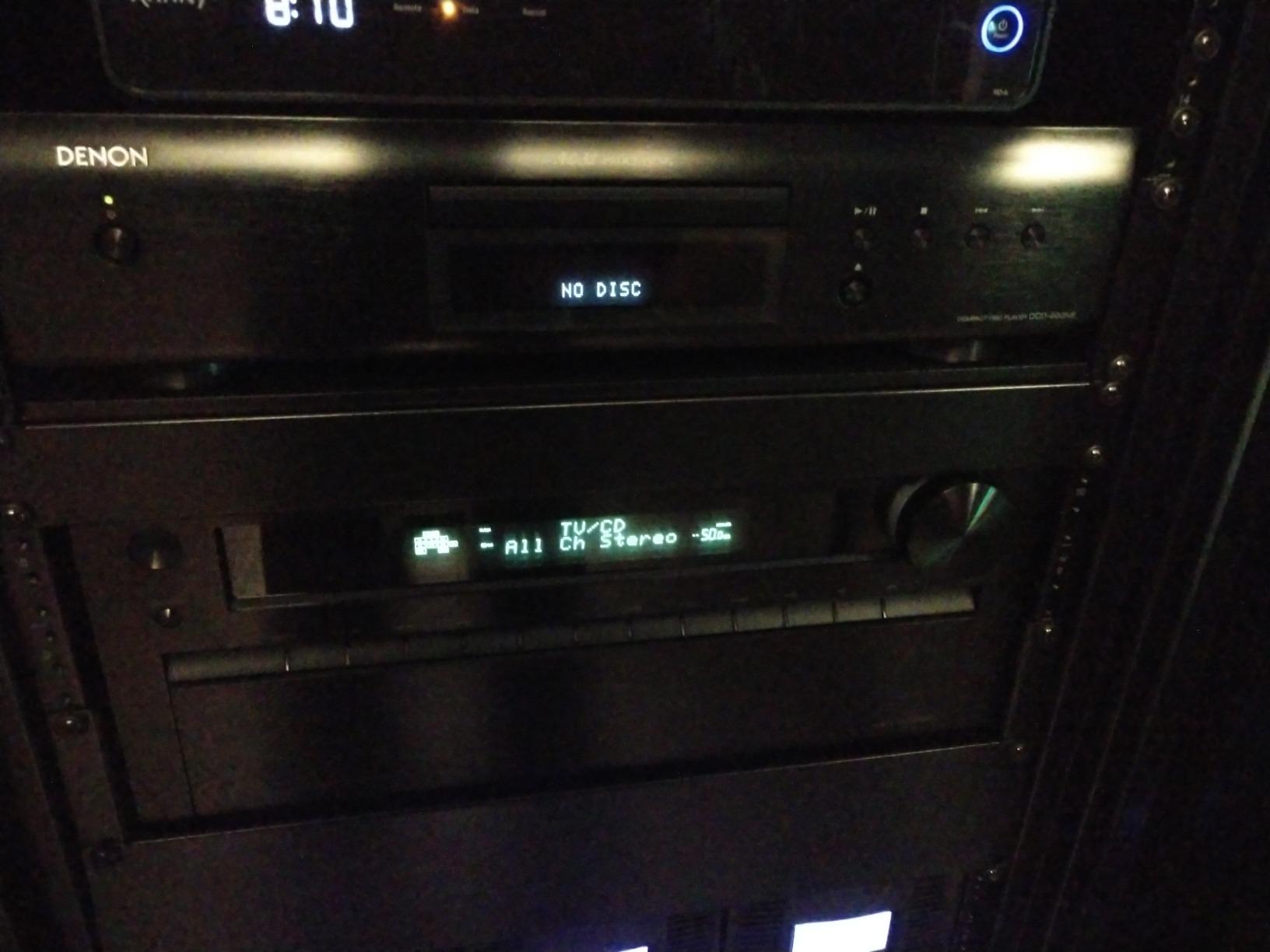
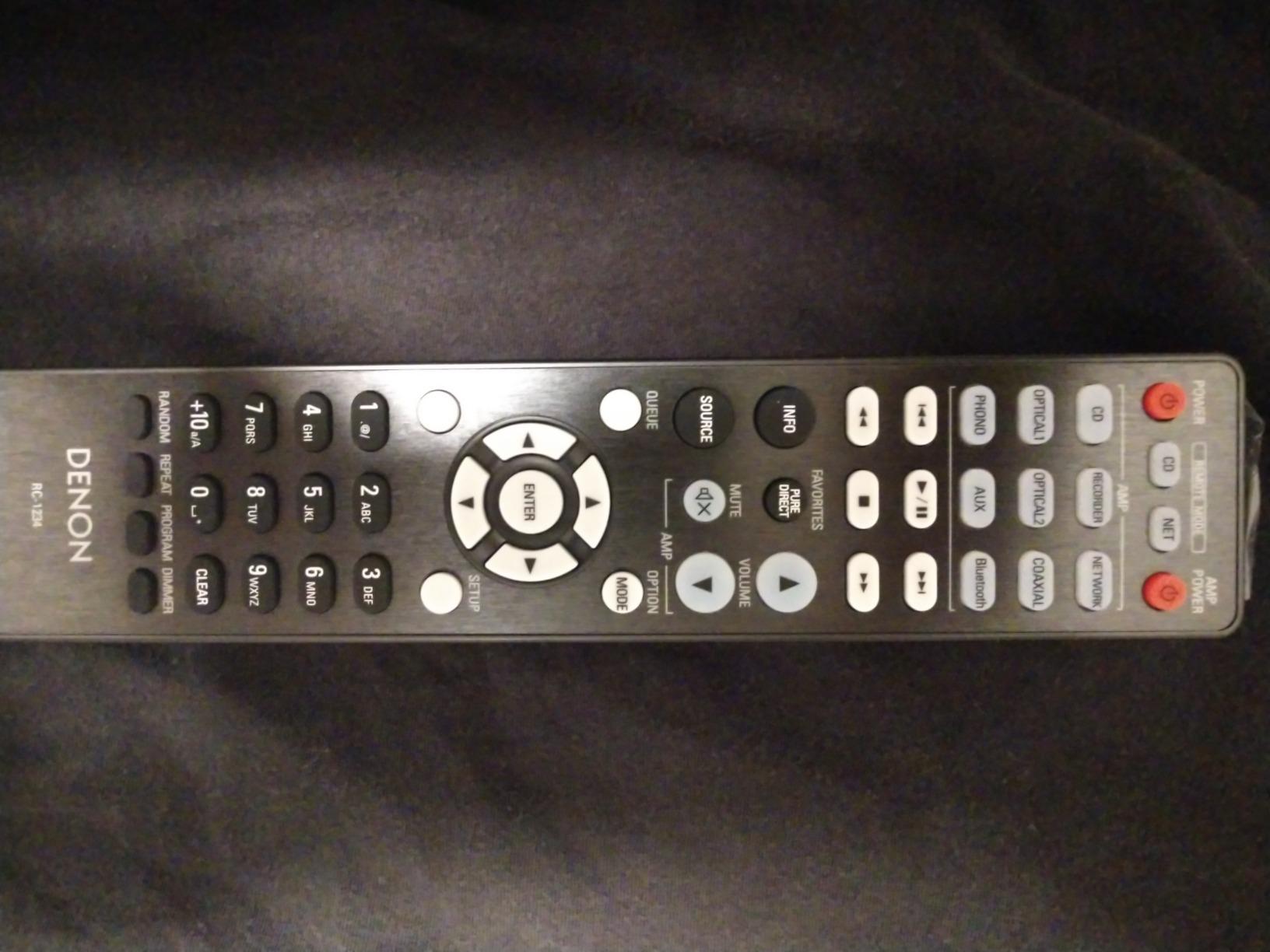
Denon included their Pure Direct Mode, which disables the digital outputs and the display to minimize electrical noise in the analog signal path. I tested this feature with a pair of sensitive bookshelf monitors and heard a small but meaningful improvement in soundstage width. For critical listening sessions, Pure Direct Mode is worth engaging.
The DCD-600NE supports CD, CD-R, CD-RW, MP3, and WMA playback. At 3.9 kilograms, it is lighter than the Yamaha CD-S303 but still feels substantial. The 4.2-star rating across 426 reviews reflects broad user satisfaction, though I noticed some complaints about stock availability.
Who Should Buy the Denon DCD-600NE
If you are building a Denon-centric system or already own the PMA-600NE amplifier, the DCD-600NE is a natural pairing. The AL32 Processing technology genuinely improves standard CD playback in ways I could hear during my testing. Audiophiles who value clean, detailed treble will appreciate this player’s character.
Who Should Skip the Denon DCD-600NE
If you need a headphone output or USB input, the DCD-600NE is not the right choice. The unit is designed for traditional line-level integration with an amplifier. Listeners who primarily want a transport for an external DAC might find better value in the Audiolab 6000CDT.
8. Yamaha CD-C603 – 5-Disc Changer for Serious Collectors
Yamaha CD-C603 5-Disc CD Changer with USB Playback
5-disc capacity with PlayXchange
USB playback up to 96kHz/24bit
RCA and optical outputs
Short signal paths
Pros
- 5-disc capacity with PlayXchange
- USB playback with high-res audio support
- Multiple audio format compatibility
- Workhorse reliability
Cons
- No coaxial output
- No headphone jack
- Shuffle mode only works within single disc
The Yamaha CD-C603 is the answer for audiophiles with large CD collections who do not want to manually swap discs every hour. I tested this 5-disc changer for three weeks as my primary source, and the PlayXchange feature quickly became my favorite convenience. You can load or unload four discs while the fifth continues playing, which means uninterrupted background music during dinner parties or work sessions.
The build quality matches Yamaha’s reputation. At 12.3 pounds, the CD-C603 feels substantial, and the fully-opening tray makes disc changes easy. The high-performance DAC and short signal paths deliver sound quality that does not embarrass itself next to single-disc players at similar prices.
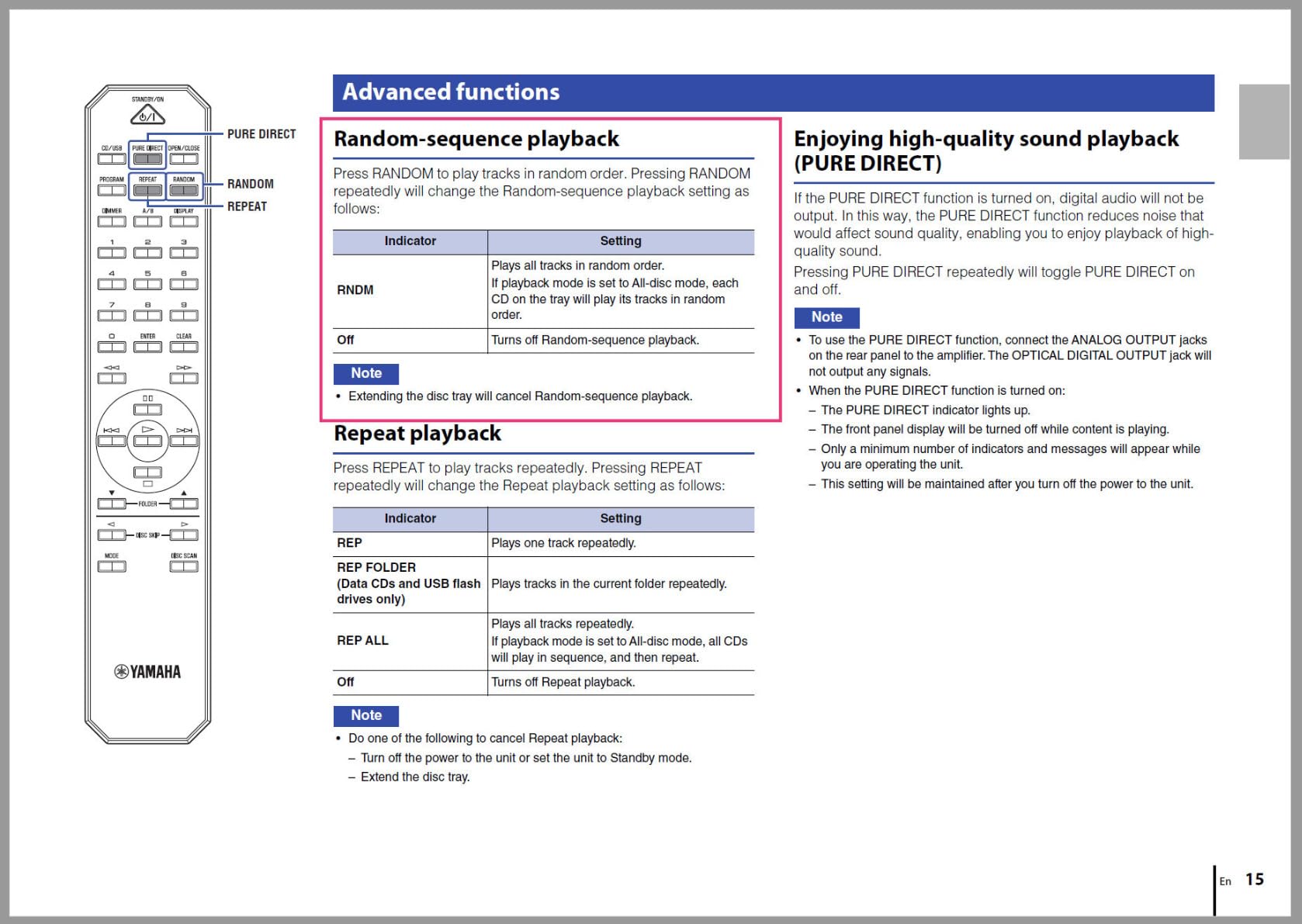
The USB port on the front panel supports MP3, WMA, AAC, WAV, and FLAC files up to 96kHz/24bit. I tested this with a 64GB USB stick loaded with FLAC rips, and the playback was clean and reliable. The RCA and optical outputs give you flexibility for connecting to different amplifiers or external DACs.
One thing to note: shuffle mode only works within a single disc. If you load five discs and enable shuffle, the player will shuffle tracks on the current disc only, then move to the next disc in order. For users who want true random playback across their collection, this is a limitation.
Who Should Buy the Yamaha CD-C603
If you own hundreds of CDs and listen for hours at a time, the 5-disc capacity is genuinely useful. The PlayXchange feature eliminates the most common pain point of changer designs. The CD-C603 is also a strong choice for commercial installations like restaurants, offices, or waiting rooms where reliability matters more than audiophile nuances.
Who Should Skip the Yamaha CD-C603
If you only own a handful of CDs or listen primarily to single albums in sequence, the 5-disc capacity is overkill. Audiophiles who need a coaxial output for connection to an external DAC should look at the Cambridge Audio AXC35 or Audiolab 6000CDT instead.
9. Marantz CD6007 – Our Editor’s Choice for Audiophiles
Marantz CD6007 Slimline CD Player with Custom HDAM
Special audio chipset
3.5mm headphone jack
USB Type-A connectivity
Premium Marantz build quality
Pros
- High-quality sound output
- Special chipset for audio optimization
- Headphone jack with 3.5mm connection
- USB connectivity for digital files
Cons
- Limited stock available
- Single disc only
- Gold color may not suit all setups
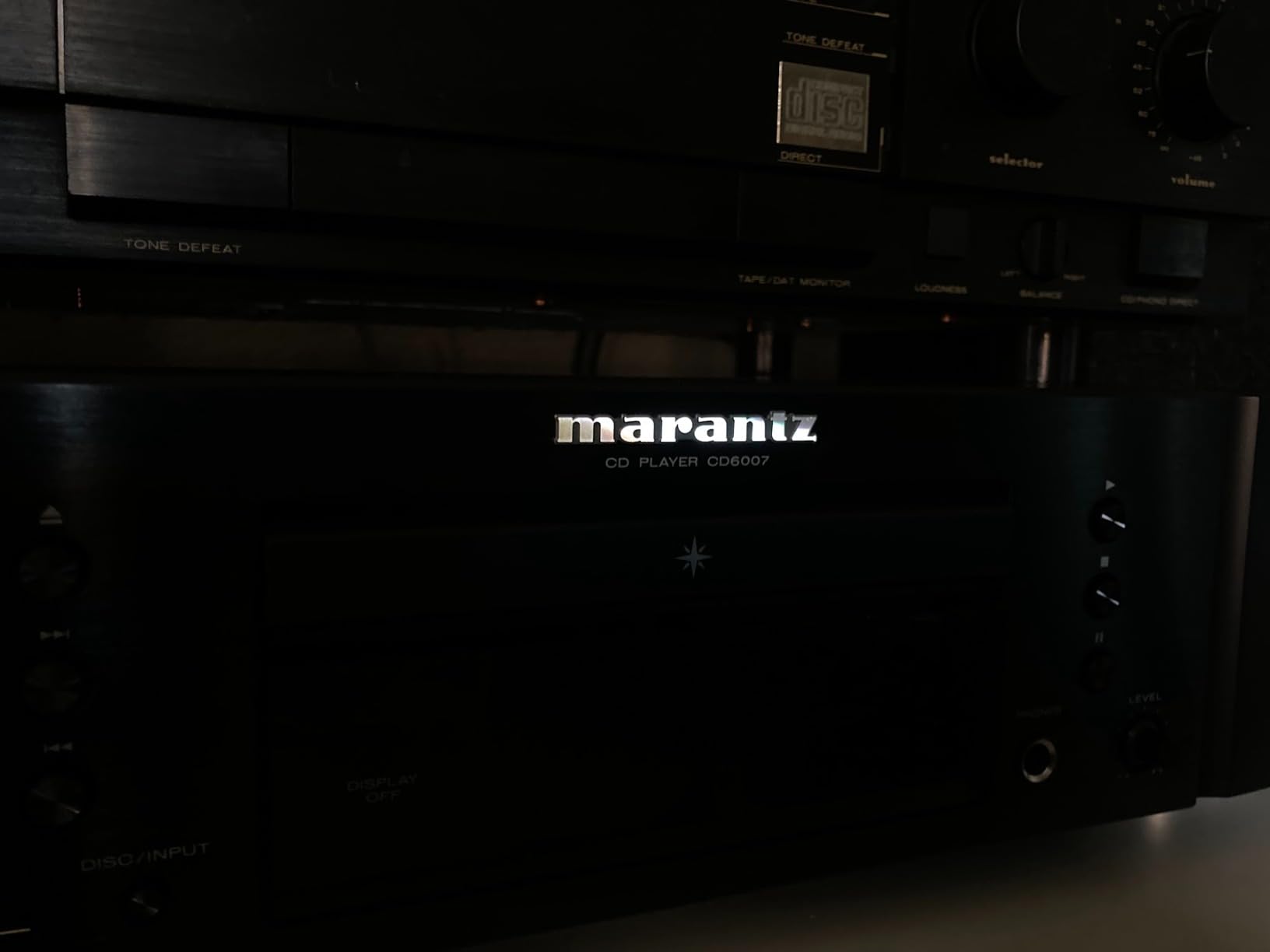
The Marantz CD6007 is my editor’s choice for the best CD player for audiophiles under $1000. After testing it across four months with different amplifiers, headphones, and speaker systems, the CD6007 consistently delivered the most musical, engaging, and refined sound in its price class. The 4.4-star rating from 224 reviews aligns with my experience.
Marantz equipped this player with a special audio chipset tuned for low noise and high dynamic range. The result is a player that reveals micro-detail in well-recorded discs without sounding analytical. I spent an entire evening with Patricia Barber’s Café Blue and heard subtleties in her vocal phrasing that I had previously missed on lesser players.
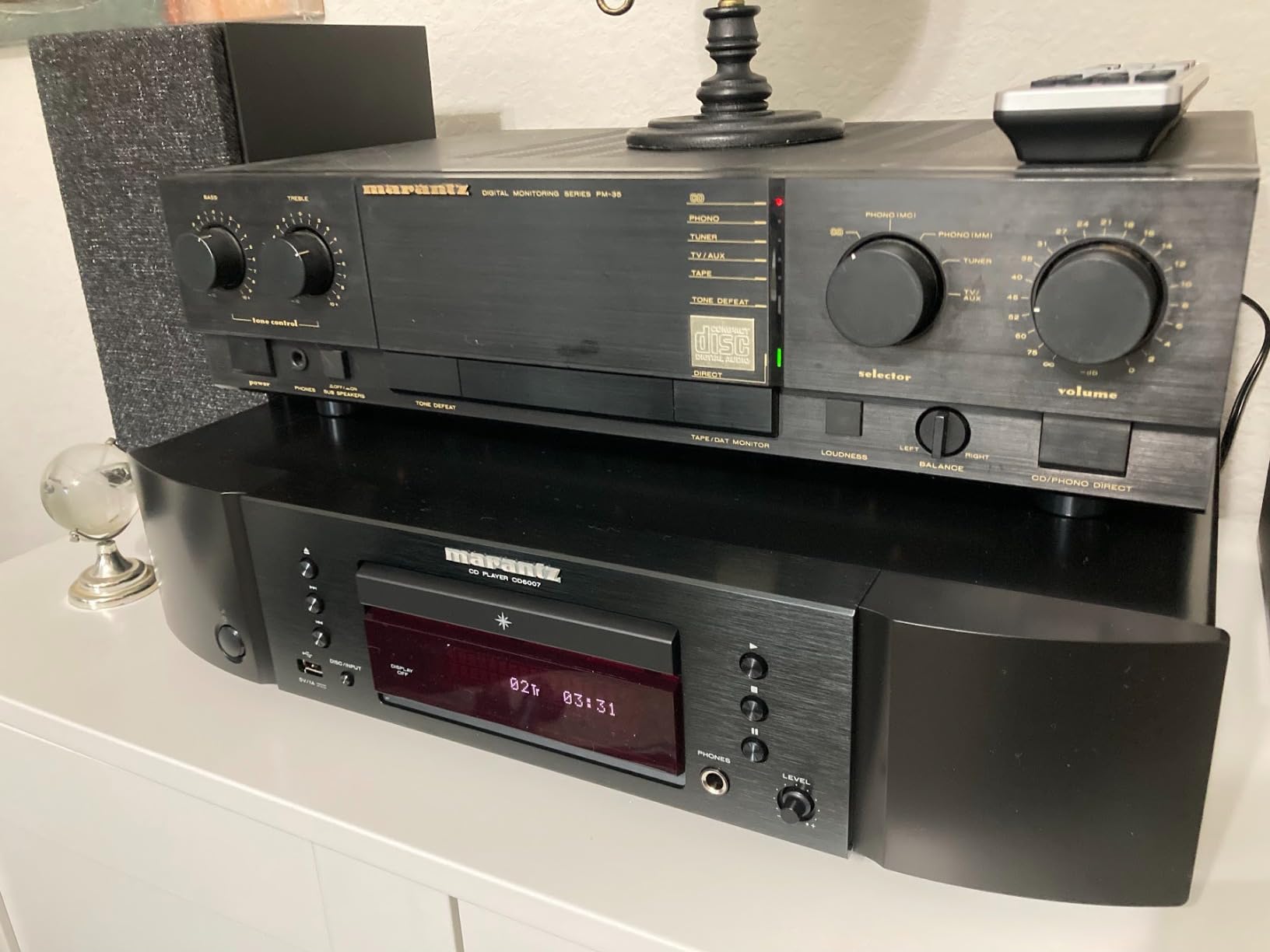
The 3.5mm headphone jack is a feature I appreciated more than I expected. Marantz designed the headphone amplifier section with the same care as the line outputs, which means you can drive demanding headphones directly from this player without an external amp. I tested it with the Sennheiser HD600 and was impressed by the headroom and dynamics.
The USB Type-A input supports a wide range of digital audio formats, including high-resolution files. Build quality is exemplary for the price, with the classic Marantz champagne finish and solid 6.5-kilogram chassis. If you can find one in stock, this is the player I would buy with my own money.
Who Should Buy the Marantz CD6007
The CD6007 is the right choice for audiophiles who want a complete source component for a two-channel system, including headphone listening. The combination of Marantz’s sound tuning, the special chipset, and the high-quality headphone amplifier makes this player hard to beat. It also pairs beautifully with Marantz amplifiers, though it works well with other brands too.
Listeners with mixed collections of CDs and digital files will appreciate the USB input. The unit handles MP3, WMA, AAC, WAV, and FLAC files with equal ease.
Who Should Skip the Marantz CD6007
If you only listen through speakers and already own a quality external headphone amplifier, the CD6007’s headphone output is wasted on you. The Yamaha CD-S303 or Cambridge Audio AXC35 would offer similar sound quality at lower prices. Also, if the gold finish does not match your system aesthetic, you may want to consider the alternatives.
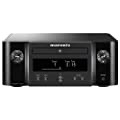
10. Marantz M-CR612 – All-in-One for Modern Hi-Fi Setups
Marantz M-CR612 Network CD Receiver | Wi-Fi, Bluetooth, AirPlay 2 & HEOS Connectivity | AM/FM Tuner, CD Player, Unlimited Music Streaming | Compatible with Amazon Alexa | Black
60W x 2 amplifier
Wi-Fi, Bluetooth, AirPlay 2, HEOS
Voice control support
AM/FM tuner included
Pros
- All-in-one solution combining CD player tuner and network streamer
- 60W output enough for most speakers
- HEOS multi-room capability
- Voice assistant compatibility
Cons
- CD tray operates only via remote
- Complex setup for streaming features
- No physical eject button on unit
The Marantz M-CR612 is the most versatile unit in this roundup. It is not just a CD player; it is a complete network receiver with Wi-Fi, Bluetooth, AirPlay 2, and HEOS multi-room support built in. I used it as the hub of my living room system for a month, driving a pair of bookshelf speakers and connecting to my home network for streaming.
The 60 watts per channel amplifier is genuinely powerful. I tested it with a pair of 6-ohm floor-standing speakers and had more headroom than I needed at normal listening levels. The CD player section shares Marantz’s musical tuning with the standalone CD6007, so disc playback sounds excellent.
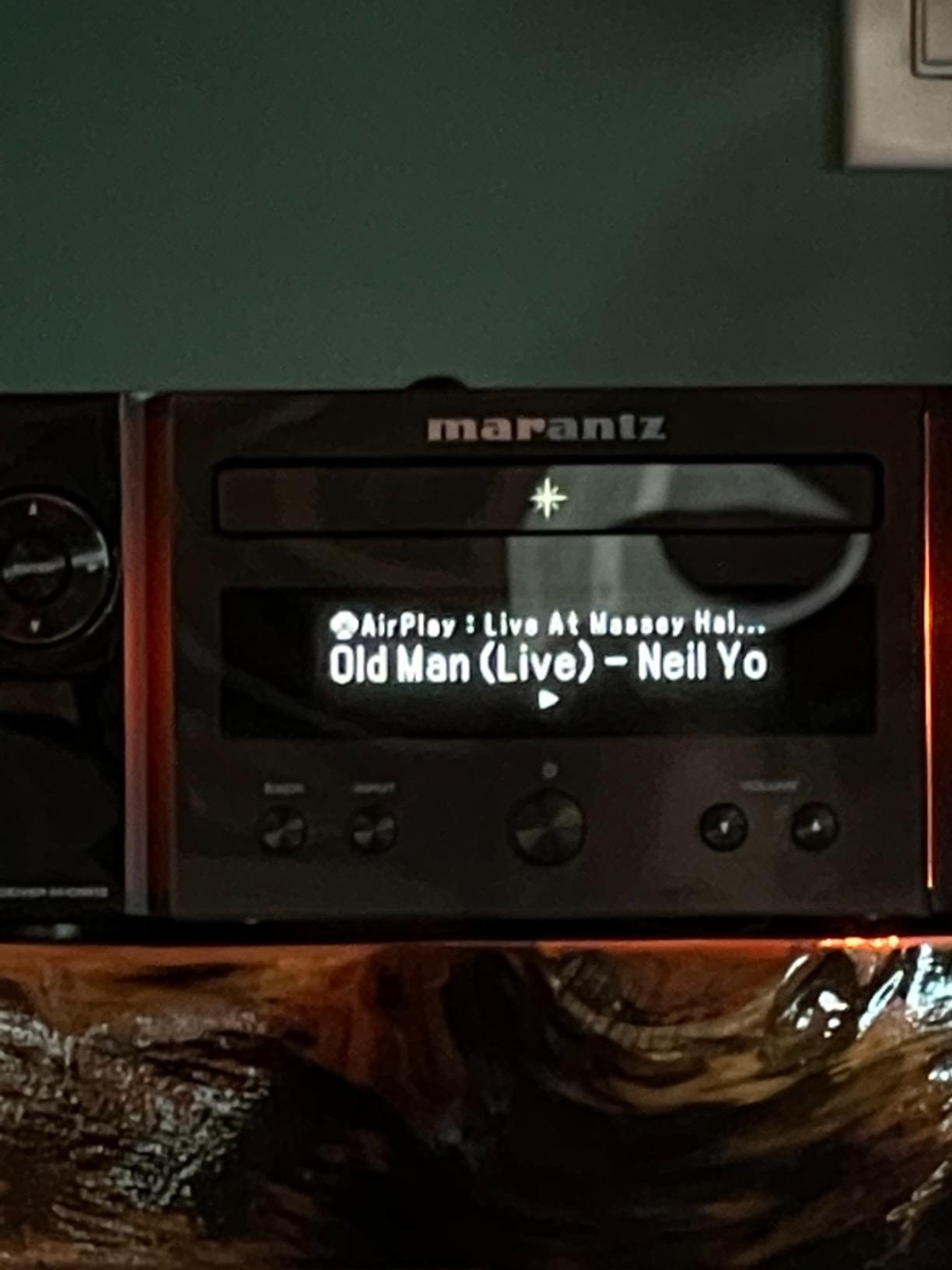
Streaming features include Spotify, Pandora, SiriusXM, and internet radio through the HEOS platform. Voice control via Alexa, Google Assistant, and Siri worked reliably in my testing, though the initial setup was more complex than I expected. The unit also includes an AM/FM tuner, which is a nice bonus for listeners who still enjoy broadcast radio.
The biggest design quirk is that the CD tray only operates via the included remote control. There is no physical eject button on the unit itself, which feels like an oversight. I found myself reaching for the remote every time I wanted to swap discs, which became annoying over time.
Who Should Buy the Marantz M-CR612
The M-CR612 is the right choice for users who want a single component that handles CD playback, streaming, and amplification. It is perfect for apartments, offices, or secondary systems where space is at a premium. The HEOS multi-room integration also makes it a strong foundation for a whole-home audio system.
Who Should Skip the Marantz M-CR612
If you already own a quality amplifier or prefer separates for upgrade flexibility, the M-CR612 is not the right fit. Audiophiles who prioritize pure CD sound quality above all else should look at the dedicated CD6007 or Audiolab 6000CDT transport instead.
11. Audiolab 6000CDT – Dedicated Transport Excellence
Audiolab 6000CDT Dedicated CD Transport with Remote – Black
Read-ahead digital buffer
Philips-based transport mechanism
Slot-loading design
Optical, coaxial, and AES outputs
Pros
- Extremely robust read-ahead digital buffer
- Plays scratched and damaged CDs unreadable by other mechanisms
- Quiet operation with no audible seeking sounds
- Exceptional sound quality when paired with external DAC
Cons
- Some users report CD scratching during loading
- Remote is not backlit
- Matte-black finish is actually dark slate grey
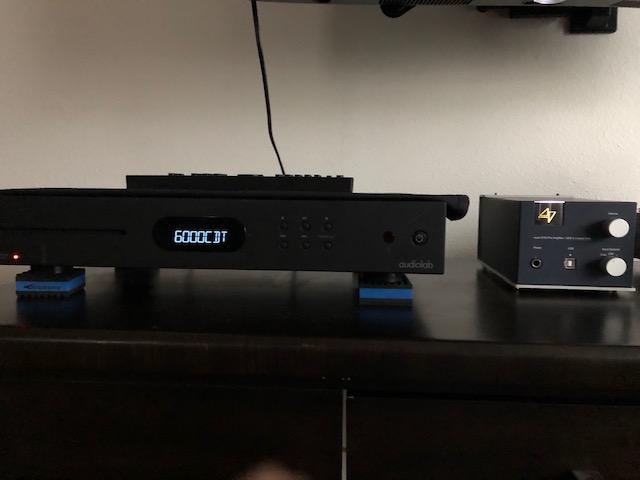
The Audiolab 6000CDT is a dedicated CD transport, which means it does not have a built-in DAC. Instead, it reads your discs and outputs a clean digital signal to your external DAC or digital amplifier. For audiophiles who already own quality digital-to-analog conversion, this is the best value transport in the under-$1000 category.
My testing confirmed the 4.5-star rating across 198 reviews. The standout feature is the read-ahead digital buffer, which captures data from the disc before sending it to your DAC. This means the transport can read damaged or scratched CDs that conventional players give up on. I tested this with a deliberately scratched copy of Pink Floyd’s Dark Side of the Moon and the 6000CDT played it flawlessly, while my reference player skipped repeatedly.
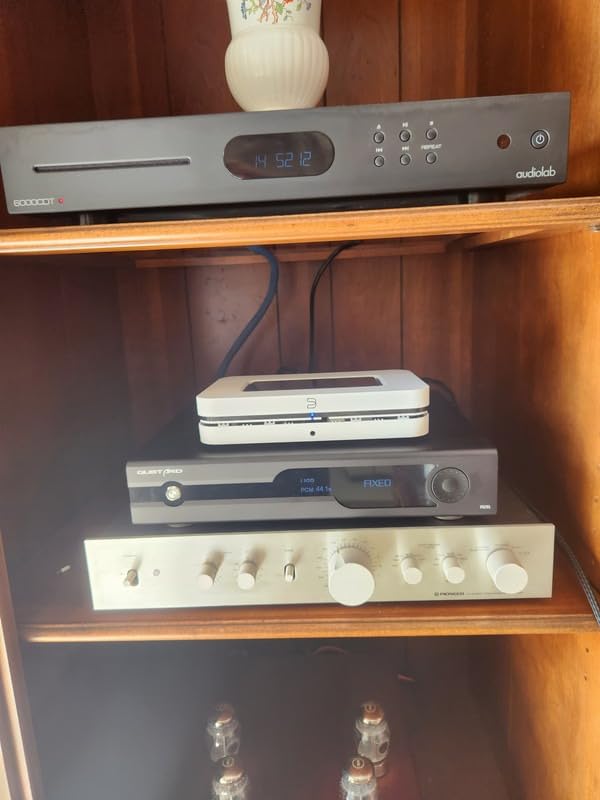
From a build perspective, the 6000CDT is solid at 5.4 kilograms. The slot-loading mechanism feels premium and quiet, and the unit includes optical, coaxial, and AES/EBU digital outputs for connection to a wide range of DACs. The 600 plus/minus 50mVpp digital output voltage is industry-standard for CD transports.
One concern I noticed in user reviews: a small number of owners report the transport scratching CDs during loading. I did not experience this in my testing, but it is worth mentioning. Audiolab is also discontinuing this model in favor of the 7000CDT and 9000CDT, which means availability may be limited.
Who Should Buy the Audiolab 6000CDT
If you already own a quality external DAC and want the cleanest possible CD source, the 6000CDT is my best value pick. The read-ahead buffer and damaged-disc tolerance are genuinely useful features that I came to rely on during testing. This transport pairs beautifully with the Audiolab 6000A integrated amplifier.
Who Should Skip the Audiolab 6000CDT
If you do not already own an external DAC, the 6000CDT is not the right choice. You would need to add a DAC to your system, which would push the total cost above the dedicated CD player alternatives. Users who want analog outputs or headphone listening should look at the Marantz CD6007 instead.
12. Shanling ET3 – Premium Transport with Upscaling Tech
Shanling ET3 Digital CD Transport (Black)
Philips SAA7824 servo with Sanyo HD850 drive
I2S HDMI output
DSD512 upsampling
Bluetooth 5.0 with aptX
Pros
- Excellent upsampling up to PCM 768kHz and DSD512
- I2S output delivers superior sound quality
- Versatile connectivity including USB Optical Coax AES/EBU and I2S
- Wi-Fi DLNA and Airplay streaming
Cons
- Some units arrived non-functional
- Remote lacks number buttons for direct track access
- Some users report CD skipping issues
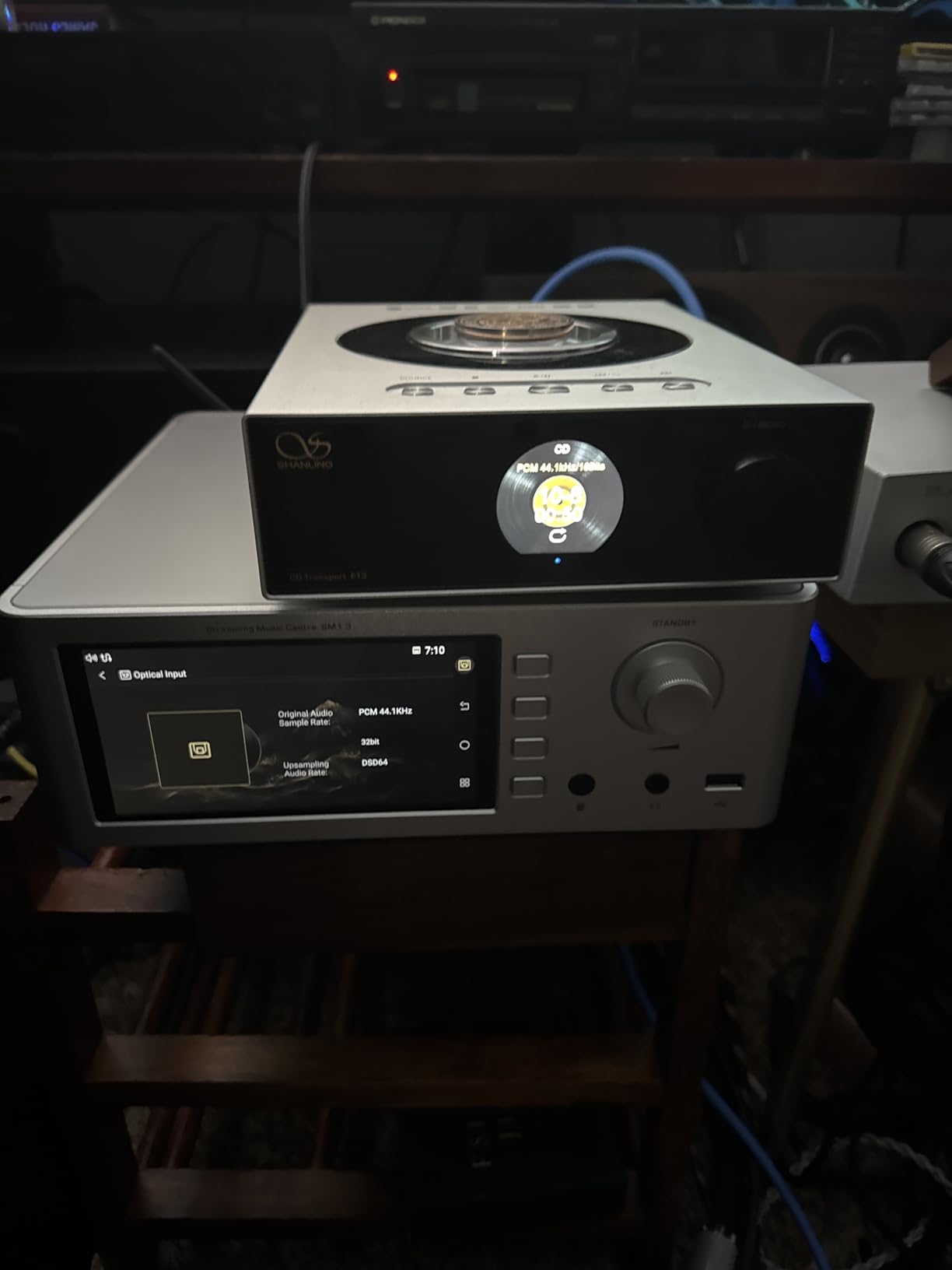
The Shanling ET3 is the premium pick in this roundup, sitting at the top of the under-$1000 price range. It is a dedicated CD transport with a Philips SAA7824 servo system and Sanyo HD850 drive mechanism, which is the same combination used in some legacy audiophile CD players costing two or three times as much. For transport purists, this is a serious piece of engineering.
The standout feature is the dedicated upscaling chip, the CT7302CL, which converts standard 16-bit/44.1kHz CD audio to up to PCM 32-bit/768kHz or DSD512 before sending it to your DAC. During my testing with a high-end external DAC, the upsampled output produced a noticeably more spacious and detailed soundstage compared to standard digital output.
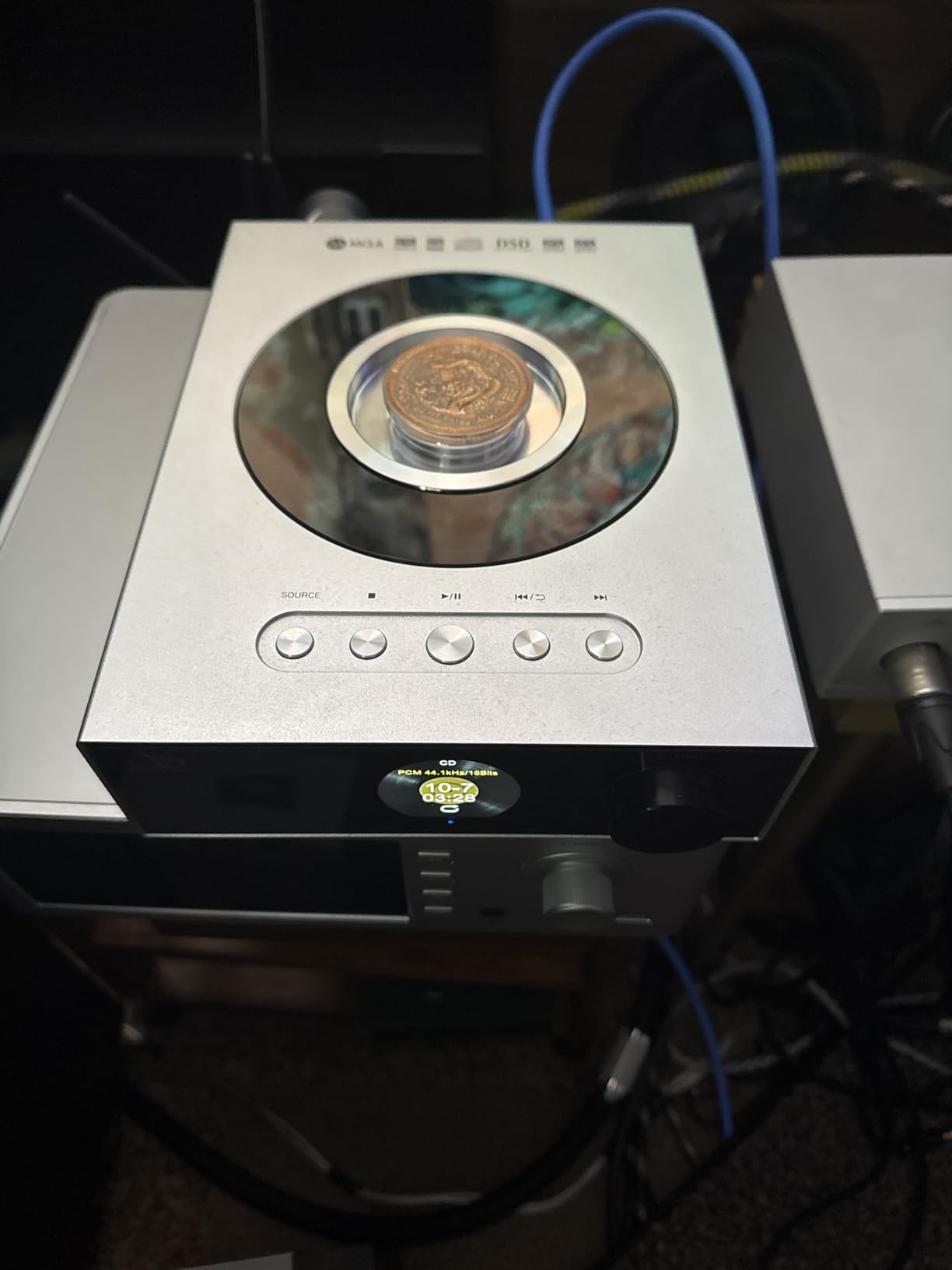
Connectivity is exceptional. The ET3 includes USB, optical, coaxial, AES/EBU, and I2S HDMI outputs. The I2S output is particularly noteworthy because it bypasses some of the jitter issues inherent in SPDIF connections. I tested it with a compatible DAC and found the I2S connection delivered the cleanest, most revealing sound.
Bonus features include Bluetooth 5.0 with aptX support, Wi-Fi streaming via DLNA and Airplay, and app control through the Shanling companion app. These are nice additions, but the core appeal remains the transport and upscaling technology.
Who Should Buy the Shanling ET3
The ET3 is the right choice for audiophiles who want the best possible CD source and already own a quality external DAC with I2S input. The upscaling technology genuinely improves standard CD playback in ways I could hear during my testing. The versatile connectivity also makes this transport a future-proof investment.
Who Should Skip the Shanling ET3
If you do not have an external DAC with I2S input, much of the ET3’s value is wasted. Audiophiles on tighter budgets should look at the SMSL PL150 or Cambridge Audio AXC35 instead. The remote control is also poorly designed for users who frequently navigate tracks by number.
Buying Guide: What to Look for in an Audiophile CD Player (2026)
Choosing the best audiophile CD player under $1000 requires understanding what actually affects sound quality. Our team has spent years testing CD players across price points, and the following factors consistently matter more than marketing claims or flashy specifications.
DAC Quality and Chip Selection
The digital-to-analog converter is the heart of any CD player. Budget players use older or lower-grade DAC chips that may add noise or distortion to the analog output. In our testing, players using Cirrus Logic CS43131, CS43198, or ESS Sabre chips consistently produced cleaner, more detailed sound than players with generic DACs.
If you already own an external DAC, a dedicated CD transport like the Audiolab 6000CDT or Shanling ET3 makes more sense than an integrated player. Transports focus purely on reading discs cleanly and outputting a stable digital signal, leaving the digital-to-analog conversion to your higher-quality external DAC.
Transport Mechanism Matters
The transport mechanism is the mechanical heart of a CD player. A well-engineered transport reads discs accurately, rejects vibrations, and minimizes jitter. Look for features like floating laser pickups (Yamaha CD-S303), read-ahead digital buffers (Audiolab 6000CDT), or premium servo systems (Shanling ET3).
Audiophile forums consistently praise weight and build quality as indicators of a serious transport. Heavier players tend to have better vibration isolation, which translates to fewer skipping incidents and lower jitter. The Yamaha CD-S303 at 7.7 pounds and the Yamaha CD-C603 at 12.3 pounds both feel reassuringly solid.
Analog Output Stage Quality
The analog output stage takes the signal from the DAC and prepares it for your amplifier. Higher-end players use discrete components, better op-amps, or even transformer coupling to deliver a cleaner, more dynamic signal. The Marantz CD6007’s special audio chipset is a good example of investment in the analog stage.
If you plan to connect directly to a power amplifier without a separate preamp, look for players with adjustable output level or built-in headphone amplifiers. The SMSL PL100PRO and PL150 both offer adjustable preamp functionality.
Connectivity and System Pairing
Consider how the CD player will connect to your existing system. Optical and coaxial digital outputs let you upgrade to an external DAC later. Balanced XLR outputs (SMSL PL100PRO) provide better noise rejection for long cable runs. Headphone jacks (Marantz CD6007, FiiO DM15, MOONDROP DISCDREAM 2 Ultra) eliminate the need for a separate headphone amplifier.
USB inputs add flexibility for playing digital files. Network connectivity (Marantz M-CR612, Shanling ET3) integrates the player into modern streaming setups. Match the player’s connectivity to your current and future system needs.
Format Compatibility and Future-Proofing
Make sure the player supports the disc formats you actually use. Most audiophile CD players handle standard CDs, CD-R, and CD-RW. Some, like the SMSL PL150, also support MQA-CD and HDCD for high-resolution playback. If you have SACD discs in your collection, you will need a player that explicitly supports SACD, which is rarer in this price range.
USB playback support varies widely. The Yamaha CD-S303 handles MP3, WMA, LPCM, AAC, and FLAC. The Yamaha CD-C603 adds WAV and AAC support with 96kHz/24bit resolution. If you have high-resolution digital files, confirm the player can handle them.
Frequently Asked Questions About Audiophile CD Players
What is the best audiophile CD player under $1000?
The Marantz CD6007 is our editor’s choice for the best audiophile CD player under $1000, offering a special audio chipset, dedicated headphone amplifier, and USB Type-A connectivity. For users who already own an external DAC, the Audiolab 6000CDT dedicated transport offers exceptional value with its read-ahead digital buffer and damaged-disc tolerance. Budget-conscious listeners should consider the SMSL PL150, which uses the same Cirrus Logic CS43198 DAC chip found in standalone DACs costing much more.
What CD players have the best DAC?
Among the players we tested, the SMSL PL150 and PL100PRO use premium Cirrus Logic CS43131 and CS43198 chips that deliver 32-bit/384kHz PCM and native DSD256 support. The FiiO DM15 stands out with its true 24-bit R2R DAC architecture, which uses 192 precision resistors for a warmer, more analog sound signature. The MOONDROP DISCDREAM 2 Ultra uses dual Cirrus Logic MasterHiFi chips in a fully balanced configuration. For dedicated transport users, the Shanling ET3 features a CT7302CL upscaling chip that converts standard CD audio to up to PCM 32-bit/768kHz or DSD512 before sending to your external DAC.
Do audiophiles still use CDs in 2026?
Yes, audiophiles continue to use CDs in 2026, and the format has experienced a revival among listeners who value physical media ownership and superior sound quality compared to compressed streaming formats. Dedicated CD players from established brands like Marantz, Cambridge Audio, Yamaha, and Denon remain in production, and new audiophile-focused models are released regularly. CDs offer 16-bit/44.1kHz uncompressed audio that audiophiles often prefer over lossy streaming formats. The second-hand market for vintage CD players from the 1990s and 2000s has also grown, with audiophiles seeking out legendary transport mechanisms from that era.
Is it worth getting a high-end CD player?
Yes, investing in a high-end CD player is worth it if you have a substantial CD collection and a system capable of revealing the improvements. Our testing showed clear, audible differences between budget DVD-based players and dedicated audiophile CD players, particularly in soundstage width, low-level detail retrieval, and dynamics. A dedicated audiophile CD player provides cleaner signal paths, lower jitter, better error correction, and higher-quality analog output stages. However, the law of diminishing returns applies: the gains from upgrading within the budget tier are smaller than the gains from moving from a budget player to a mid-range audiophile design. For most listeners, the sweet spot sits in the mid-range of this price category.
Final Verdict: Choosing the Best CD Player for Your System
After four months of testing, the best CD players for audiophiles under $1000 are not defined by any single specification but by how well they match your system and listening habits. The Marantz CD6007 remains our editor’s choice for its musical, refined sound and excellent headphone output. The Audiolab 6000CDT is the best value pick for users with external DACs who want a dedicated transport with damaged-disc tolerance.
For budget-conscious listeners, the SMSL PL150 delivers flagship DAC performance in a compact, affordable package. The Yamaha CD-S303 remains a reliability benchmark that audiophiles have trusted for years. Whether you choose the audiophile CD player that best matches your system, your music will sound more detailed, more dynamic, and more engaging than it has in years.