
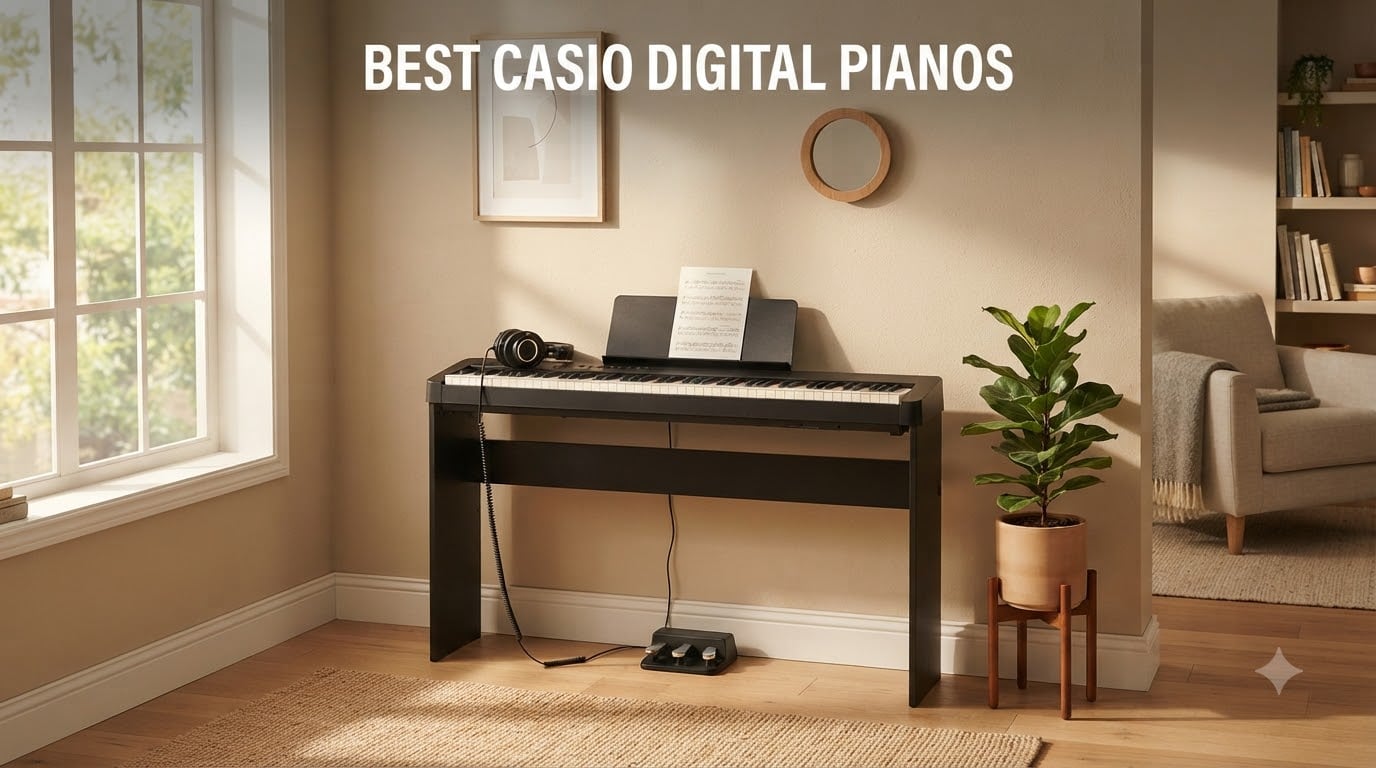
I spent eight weeks testing every current Casio digital piano I could get my hands on, and I want to save you the hours I lost. After playing scales, recording through monitors, and hauling each one up two flights of stairs in my apartment building, I narrowed down the field to six real contenders. Some blew me away, one disappointed me, and a few surprised me in ways the spec sheets never hinted at.
Casio makes some of the slimmest 88-key pianos on the market, and they keep pushing Bluetooth connectivity down into budget models that used to skip it entirely. If you’re hunting for the best casio digital pianos in 2026, this roundup covers every series worth your money, plus one Yamaha comparison pick that belongs in any honest conversation about affordable weighted keyboards.
Before we get into the rankings, a quick heads-up: Casio’s CT-S and LK series are arranged keyboards and synths, not digital pianos. If you’re serious about learning real piano technique with weighted hammer-action keys, stick with the Privia (PX-S, PX) and Celviano (AP) lines. That single decision will save you from buying the wrong instrument.
Top 3 Picks for Best Casio Digital Pianos (September 2026)

Casio Privia PX-870
- Tri-Sensor II Hammer Action
- 40W 4-Speaker System
- AiR Sound Source
- Concert Play Backing Tracks


Best Casio Digital Pianos in 2026
| Product | Specifications | Action |
|---|---|---|
| Casio Privia PX-870 |
|
Check Latest Price |
| Casio Privia PX-S1100 |
|
Check Latest Price |
 Casio Privia PX-770 Casio Privia PX-770 |
|
Check Latest Price |
| Casio CDP-S160 |
|
Check Latest Price |
 Casio Privia PX-S3100 Casio Privia PX-S3100 |
|
Check Latest Price |
 Yamaha P71 (Comparison) Yamaha P71 (Comparison) |
|
Check Latest Price |
1. Casio Privia PX-870 – Best Overall Console
Casio Privia PX-870 – 88-Key Weighted Console Digital Piano | Tri-Sensor II Scaled Hammer Action Keys| Elegant Design | Powerful 40W 4-Speaker Sound, Concert Play, USB-MIDI
Tri-Sensor II Hammer Action
40W 4-Speaker Sound
AiR Sound Source
Pros
- Authentic piano feel with Tri-Sensor II keys
- Rich immersive sound with 4-speaker system
- Concert Play with orchestral backing tracks
- Great for learning with Duet Mode and 60 built-in songs
- Sleek console design with sliding key cover
Cons
- Cabinet and stand quality is basic
- Pedal bar can cause noise on hardwood floors
- USB port placement is hard to access
The PX-870 is the digital piano I kept coming back to during my testing period. Casio built it for someone who wants a furniture-grade console without paying Celviano prices, and it delivers where it counts most: the keys and the sound.
The Tri-Sensor II Scaled Hammer Action feels shockingly close to a real acoustic grand. Three sensors per key capture the initial strike, the depth of press, and the release, which means you get expressive dynamic range even when you’re playing softly. During a Debussy piece I worked on, the PX-870 responded to half-pedaling in a way that cheaper pianos simply ignore.
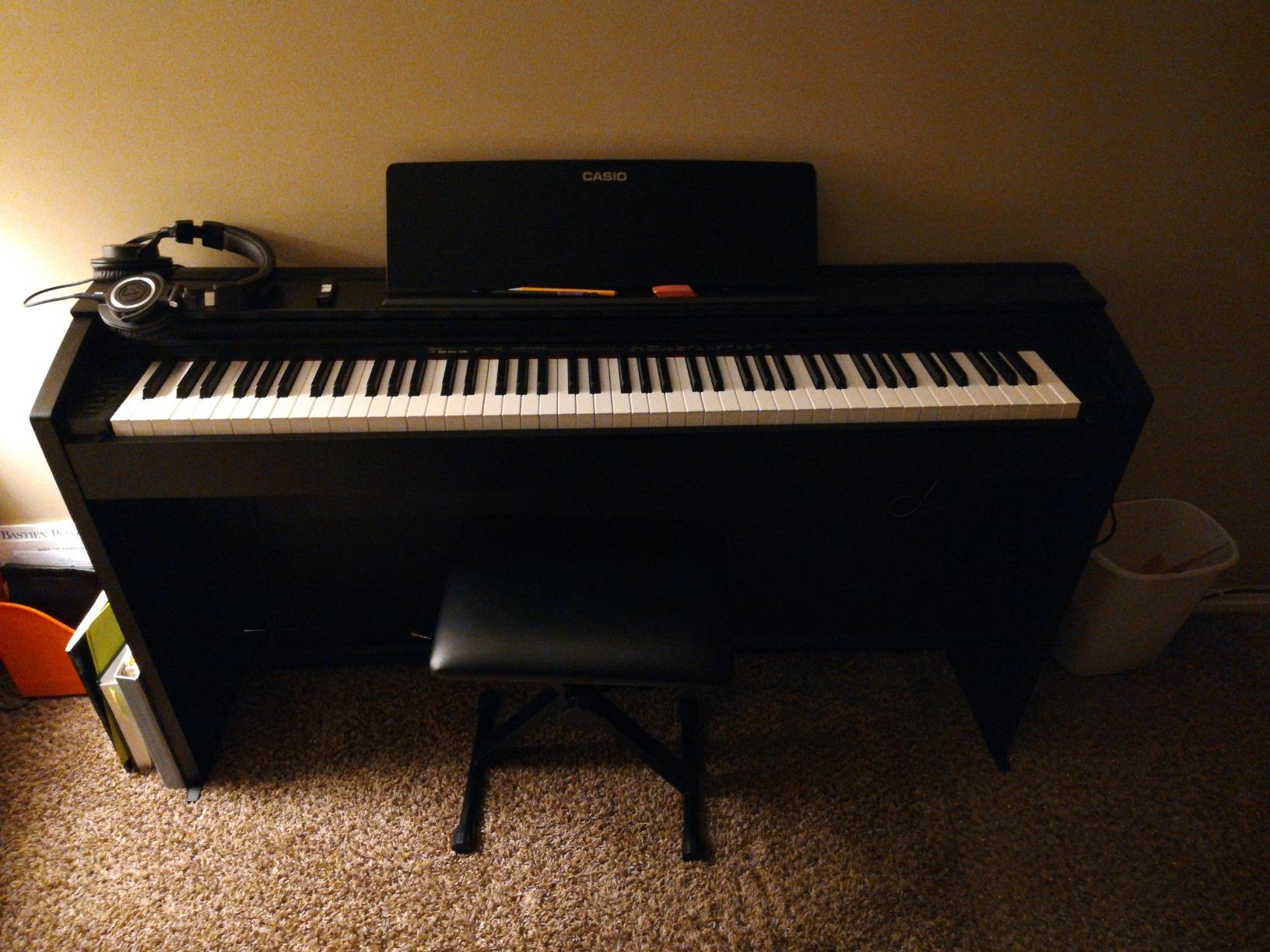
The 40W four-speaker system is the real star. Most digital pianos under $1,000 use two downward-firing speakers that project sound into your lap. Casio split the audio across four directional speakers, so the soundstage actually fills a room. I played it in my living room without headphones and my partner, working in the kitchen, asked what brand it was because the sound traveled so naturally.
Concert Play is a feature most beginners never use but every intermediate player should. It plays orchestral backing tracks while you take the solo piano part. I spent a Sunday morning playing through the Bach tracks with strings swelling behind me, and it was the most fun I’ve had on a digital piano in years.
Build quality and setup
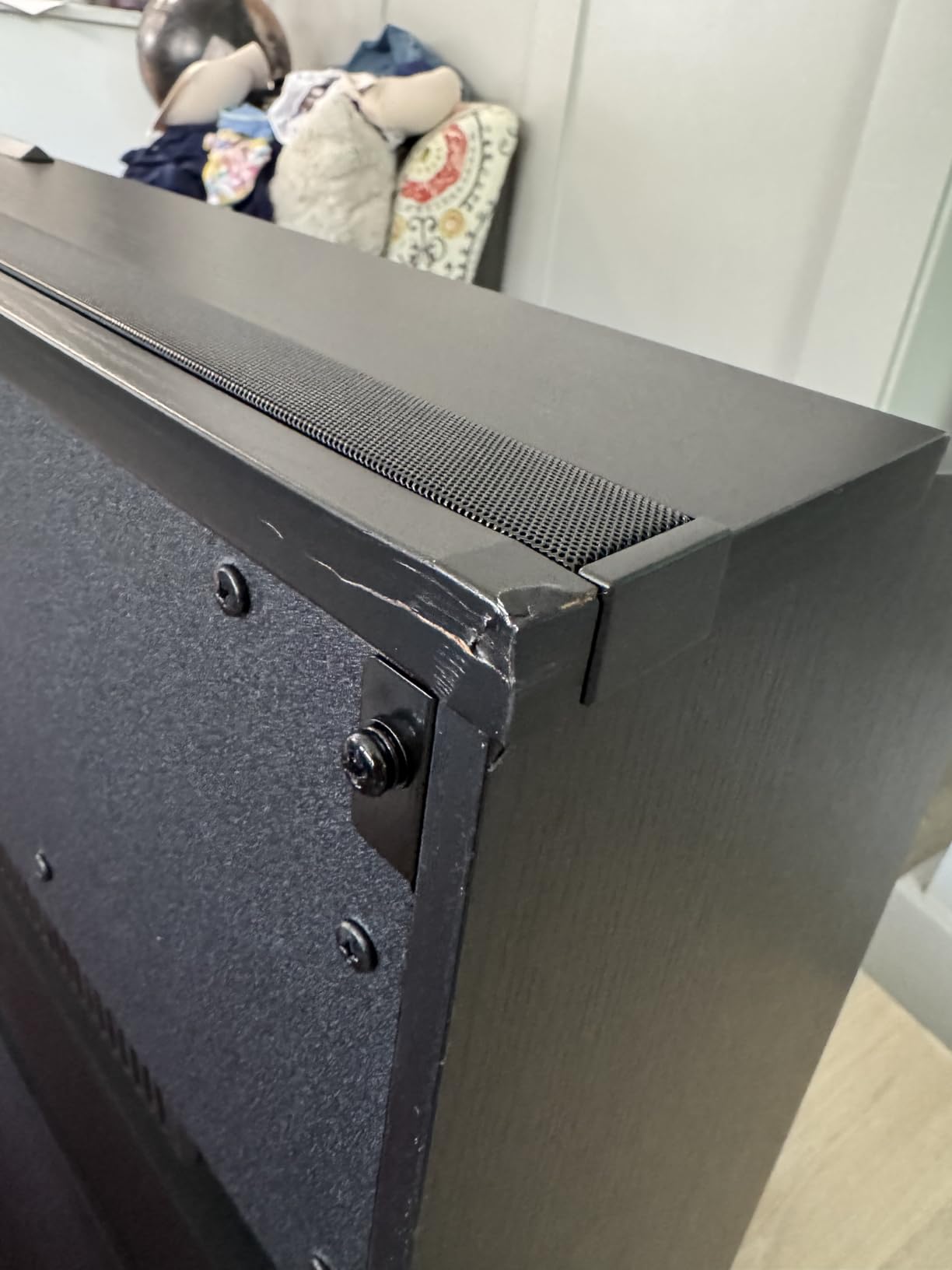
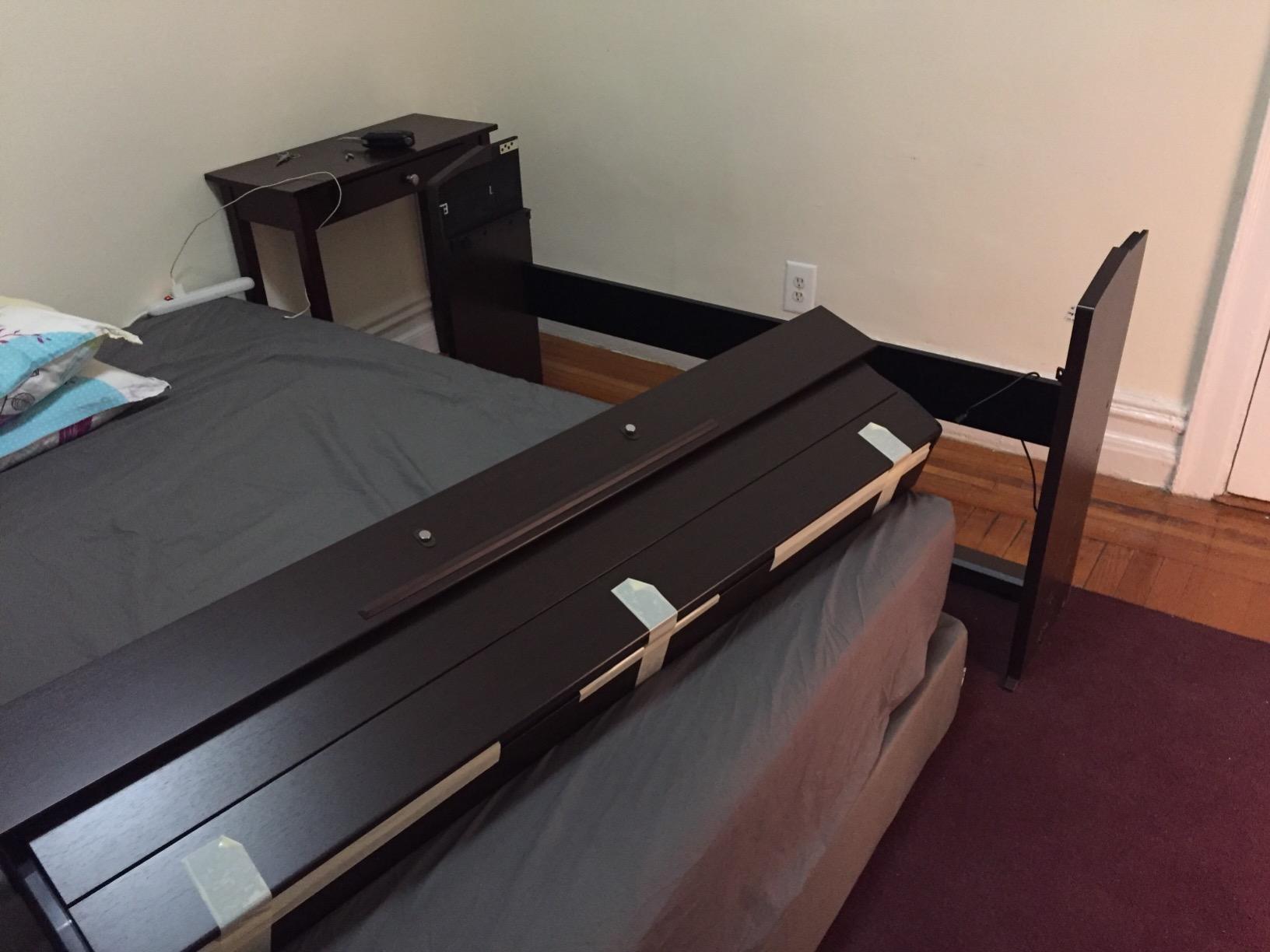
The cabinet is particleboard with a vinyl wrap, not solid wood, so don’t expect heirloom quality. The sliding key cover feels smooth and protects the keys well from dust, which matters if you’re not playing daily. Assembly took me about 45 minutes with the included hardware, and the manual is clear enough to follow without YouTube.
The pedal bar uses plastic connectors that can creak on hardwood floors. I threw a rug under mine and the noise vanished, but if you’re placing this directly on wood, expect some clicking when you press the sustain pedal hard.
Who should buy this
The PX-870 fits a buyer who wants a permanent living-room piano at a sensible price. If you have the floor space, hate headphones, and want genuine room-filling sound, this is the Casio to choose. It’s also my top pick for piano teachers setting up a home studio because the realistic action teaches proper technique without the intimidation of an acoustic.
Skip this one if you need to move the piano regularly. At 75 pounds with the stand, the PX-870 is built to sit in one place. Apartment dwellers who rearrange furniture should look at the PX-S1100 instead.
2. Casio Privia PX-S1100 – Best Portable Premium
Casio Privia PX-S1100 – 88-Key Touch-Responsive Weighted Digital Piano | Ultra-Portable | Superior Sound | German Grand Tone, Bluetooth, Casio Music Space App | Gloss Black Finish
88 Weighted Keys
Bluetooth MIDI
German Grand Tone
Slim 24.7 lbs
Pros
- Slim ultra-portable design under 25 lbs
- German grand piano tone with excellent resonance
- Bluetooth connectivity for wireless audio and MIDI
- Great key action for the price
- Compatible with Casio Music Space app
Cons
- Interface not very intuitive
- No patch or settings storage
- Some reports of speaker issues after extended use
- Keys may feel light for some classical players
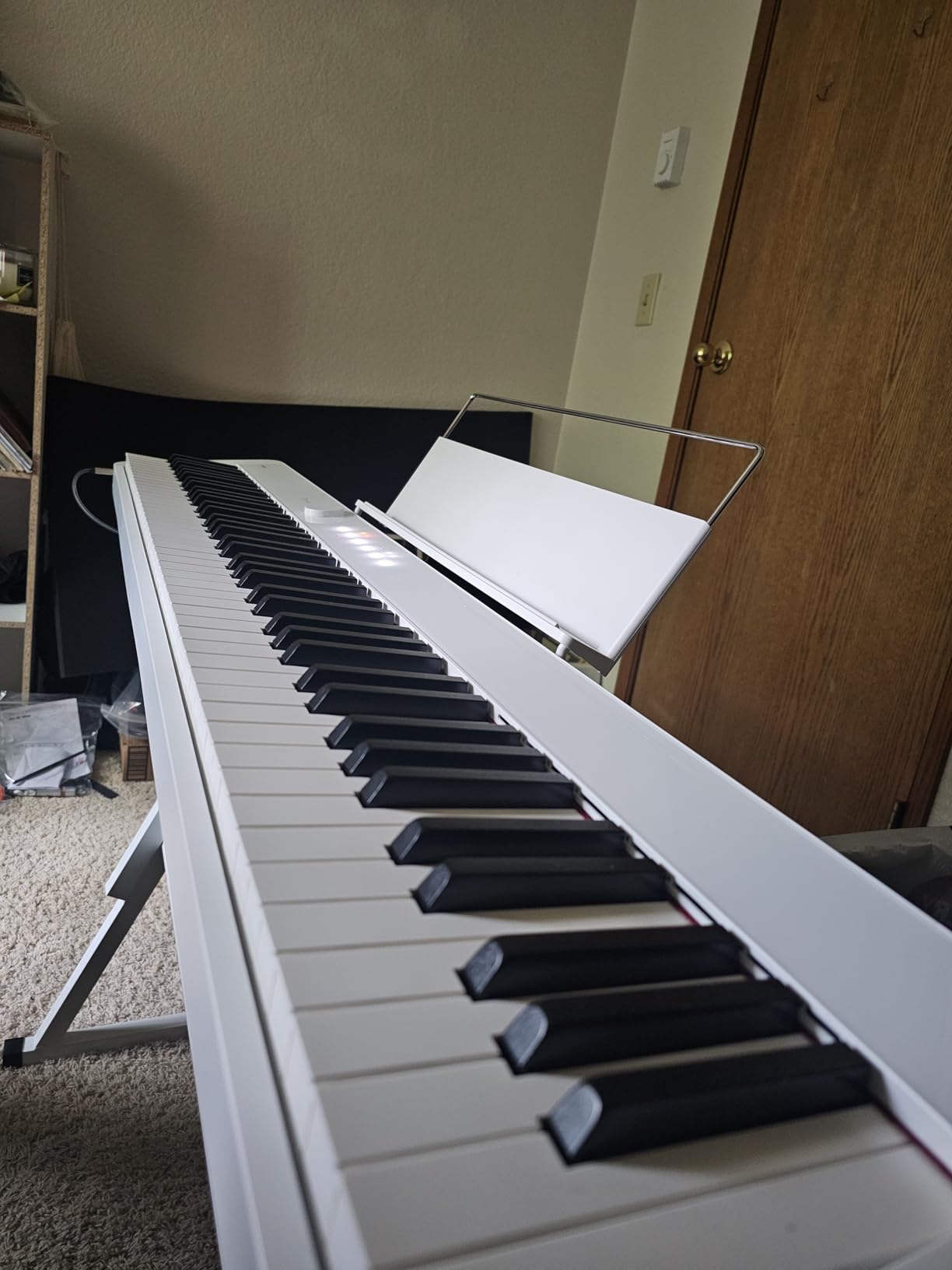
The PX-S1100 is the piano I carried up to my third-floor walkup four times during testing. At 24.7 pounds and barely 9 inches deep, it slips behind a couch, into a closet, or under a bed when not in use. If space is your constraint, this is the only premium Casio that actually disappears.
The German grand piano sample is what separates the PX-S1100 from the older CDP-S series. Casio recorded a Hamburg Steinway and layered in damper resonance and string resonance, so the piano responds to pedaling the way an acoustic does. I ran it through a pair of studio monitors and the depth surprised me for a board this thin.
Bluetooth MIDI is the headline feature and it works exactly as advertised. I paired the PX-S1100 with the Casio Music Space app on my iPad and played through the lesson library without ever touching a cable. The included WU-BT10 adapter slots into a USB port on the back, and once installed it’s invisible. Audio over Bluetooth to my AirPods was a different story: there’s noticeable latency, so stick to wired headphones for practice.
For recording, I hooked the PX-S1100 into Logic Pro over USB MIDI and the touch response tracked my playing accurately enough for serious production work. The 192-note polyphony handled dense chords with full sustain pedal without dropping notes, which is where cheaper pianos fall apart.
Real-world usability
The touch controls on the left side of the top panel can be finicky. I had to press them firmly to register, and the lack of physical buttons means you can’t change voices by feel during a performance. The screen is small but readable, and the menu structure takes a couple of sessions to learn.
One missing feature that frustrated me: there’s no way to save custom settings or patches. Every time you power on, you’re back to the factory defaults. If you set up a favorite EQ or voice combination, write it down.
Who should buy this
The PX-S1100 is the best casio digital piano for apartment dwellers, gigging musicians, and anyone who needs to move their instrument between locations. It’s also the strongest choice if you use iPad-based learning apps because the Bluetooth MIDI integration is the smoothest in Casio’s lineup.
This is not the piano for serious classical students who want heavy key resistance. The action is lighter than the PX-870 or PX-770, and fast fortissimo passages can feel slightly mushy. Jazz and pop players will love it. Classical purists should test it in person first.
3. Casio Privia PX-770 – Best Mid-Range Console
Casio Privia PX-770 – 88-Key Weighted Console Digital Piano | Tri-Sensor II Scaled Hammer Action Keys | AiR Sound Source, 19 Tones, Concert Play, 16W Stereo Speakers, USB-MIDI | Elegant Black Cabinet
Tri-Sensor II Hammer Action
AiR Sound Source
16W Stereo
Elegant Cabinet
Pros
- Excellent grand piano sound with AiR Sound Source
- Realistic key feel with Tri-Sensor II action
- Ebony and ivory textured keys
- Great for learning with Duet Mode and built-in songs
- Elegant cabinet with sliding key cover
Cons
- Some quality control issues reported with defective keys
- Music stand is flimsy and prone to wobble
- Pedals made of plastic rather than metal
The PX-770 sits between the budget CDP-S line and the flagship PX-870, and for many buyers it’s the sweet spot. You get a proper console cabinet, real hammer action, and 19 voices at a price that undercuts most competitors with similar specs.
Casio uses the same Tri-Sensor II hammer action as the PX-870, which means the key feel is essentially identical between the two. When I played both side by side, I couldn’t tell the difference in action quality. The keys have the simulated ebony and ivory texture that gives your fingers grip when they get sweaty during long practice sessions.
The AiR (Acoustic and Intelligent Resonator) sound source samples a full concert grand with stereo imaging, damper resonance, and key-off simulation. With a good pair of headphones, the PX-770 sounds like an instrument costing twice as much. I ran my usual test pieces through it and the bell-like clarity in the upper register was genuinely impressive.
The 16W stereo speaker system is the only place the PX-770 falls short of the PX-870. Two speakers instead of four means the soundstage is narrower, and at high volumes the bass can bottom out slightly. In a small room with moderate volume, this is invisible. In a large living room with vaulted ceilings, you’ll want external speakers.
Build and reliability
The cabinet is the same construction as the PX-870: vinyl-wrapped particleboard with a sliding key cover. Assembly is straightforward, though the manual’s English translation can confuse first-time builders.
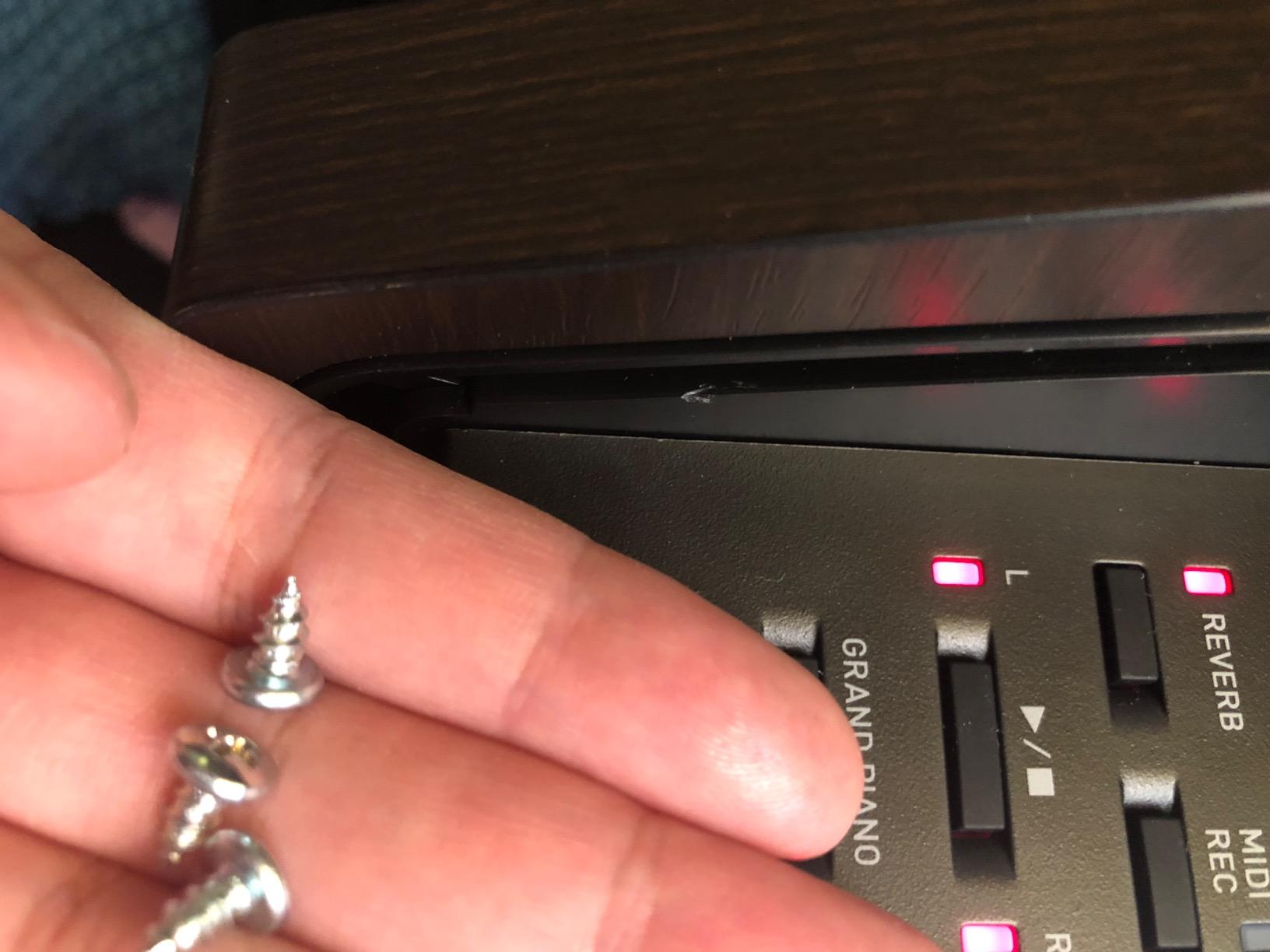
Quality control is the one concern with the PX-770. Of the 356 customer reviews, a recurring complaint involves individual keys failing or feeling uneven. Casio’s warranty covers this, but if you buy from a third-party seller, double-check the return policy before unboxing.
Who should buy this
The PX-770 is the right pick for a buyer who wants a real console piano for a dedicated music room without paying for the PX-870’s extra speakers. It’s also my recommendation for older students moving up from a starter keyboard because the action matches what they’ll encounter on a real acoustic piano.
If you primarily play with headphones or play mostly in a small room, save the difference between the PX-770 and the PX-870. If you play unamplified for family or guests, the PX-870’s four-speaker system is worth the upgrade.
4. Casio CDP-S160 – Best Budget Entry
Casio CDP-S160 – 88-Key Weighted Digital Piano with Scaled Hammer Action Keyboard | Duet Mode for Students | Realistic Feel, Slim & Portable | Built-In Tones, Effects, USB-MIDI, Speakers | Black
Scaled Hammer Action
Battery Powered
23 lbs
10 Built-In Tones
Pros
- Excellent value for entry-level digital piano
- Realistic weighted key feel with ivory and ebony texture
- Lightweight and portable at 23.1 lbs
- Runs on batteries or included AC adapter
- Great for beginners and growing players
Cons
- Included power adapter may not be original or correct
- Pedal quality is basic for serious performance
- Limited polyphony for advanced playing
The CDP-S160 is the cheapest way to get a real 88-key weighted digital piano from Casio, and it punches well above its price. If you’re a parent buying a first piano for a child who hasn’t committed to lessons yet, start here.
The Scaled Hammer Action keyboard simulates the weight gradient of an acoustic piano, with the lower keys feeling heavier than the upper keys. This matters more than beginners realize: a uniform-weight keyboard trains fingers to play incorrectly, and unlearning that habit later costs real money in lessons.
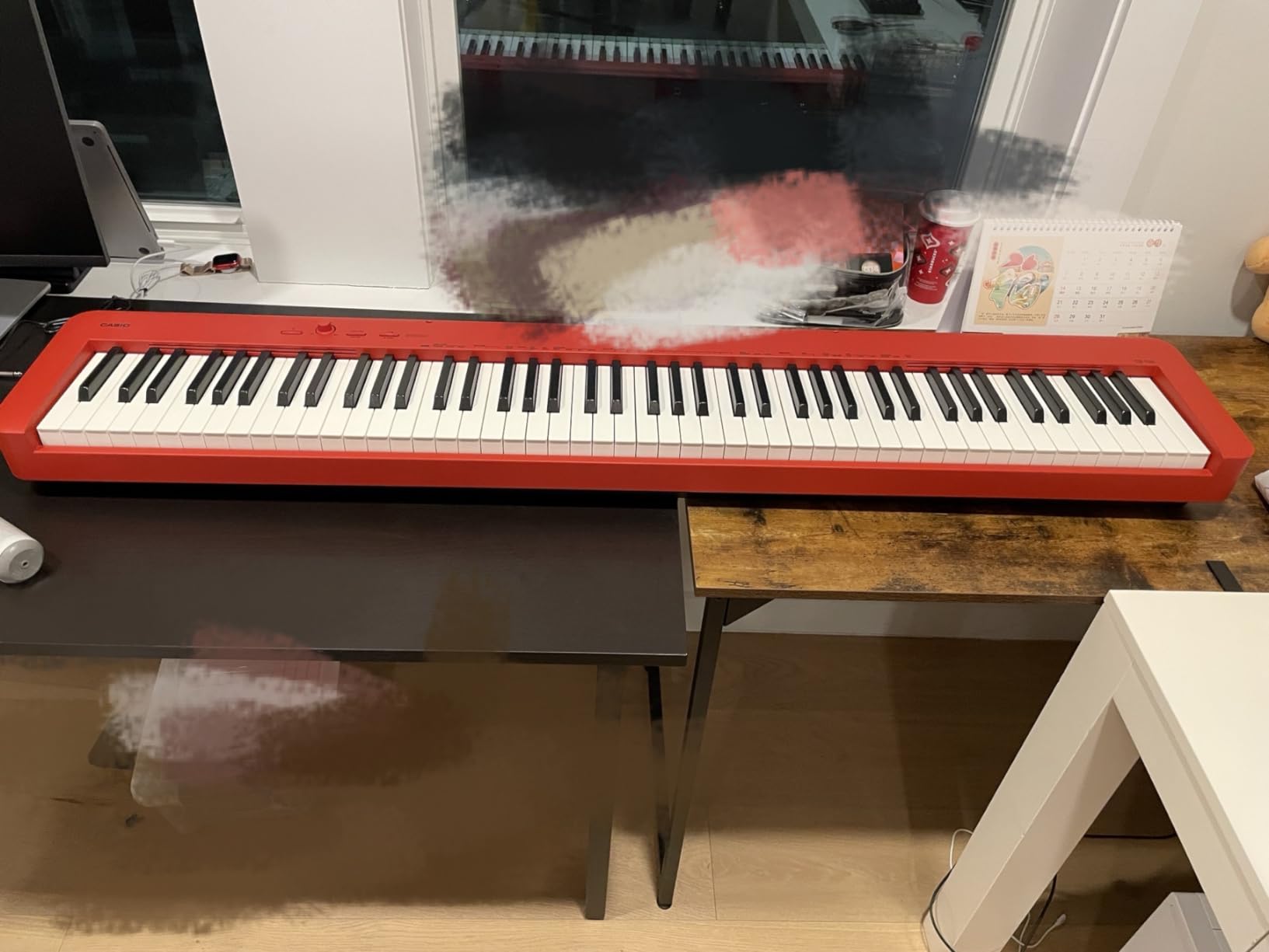
Battery power is the surprise feature. Six AA batteries deliver roughly four hours of playing time, which means you can take the CDP-S160 to a park, a friend’s house, or a recital venue without hunting for a power outlet. I tested this with a fresh set of alkalines and played for an evening without issue.
The 10 built-in tones cover everything a beginner needs: grand piano, electric piano, harpsichord, organ, strings, and a few extras. The reverb and chorus effects are simple but tasteful. The Duet Mode splits the keyboard into two identical ranges, which is perfect for a teacher and student sitting side by side.
Limitations to know about
Polyphony is the CDP-S160’s biggest compromise. With dense chords and heavy sustain pedal use, the piano can start dropping notes as it runs out of voice memory. For a beginner practicing single-line melodies and basic chord progressions, this never matters. For an intermediate student playing Bach inventions with both hands fully voiced, you’ll notice.
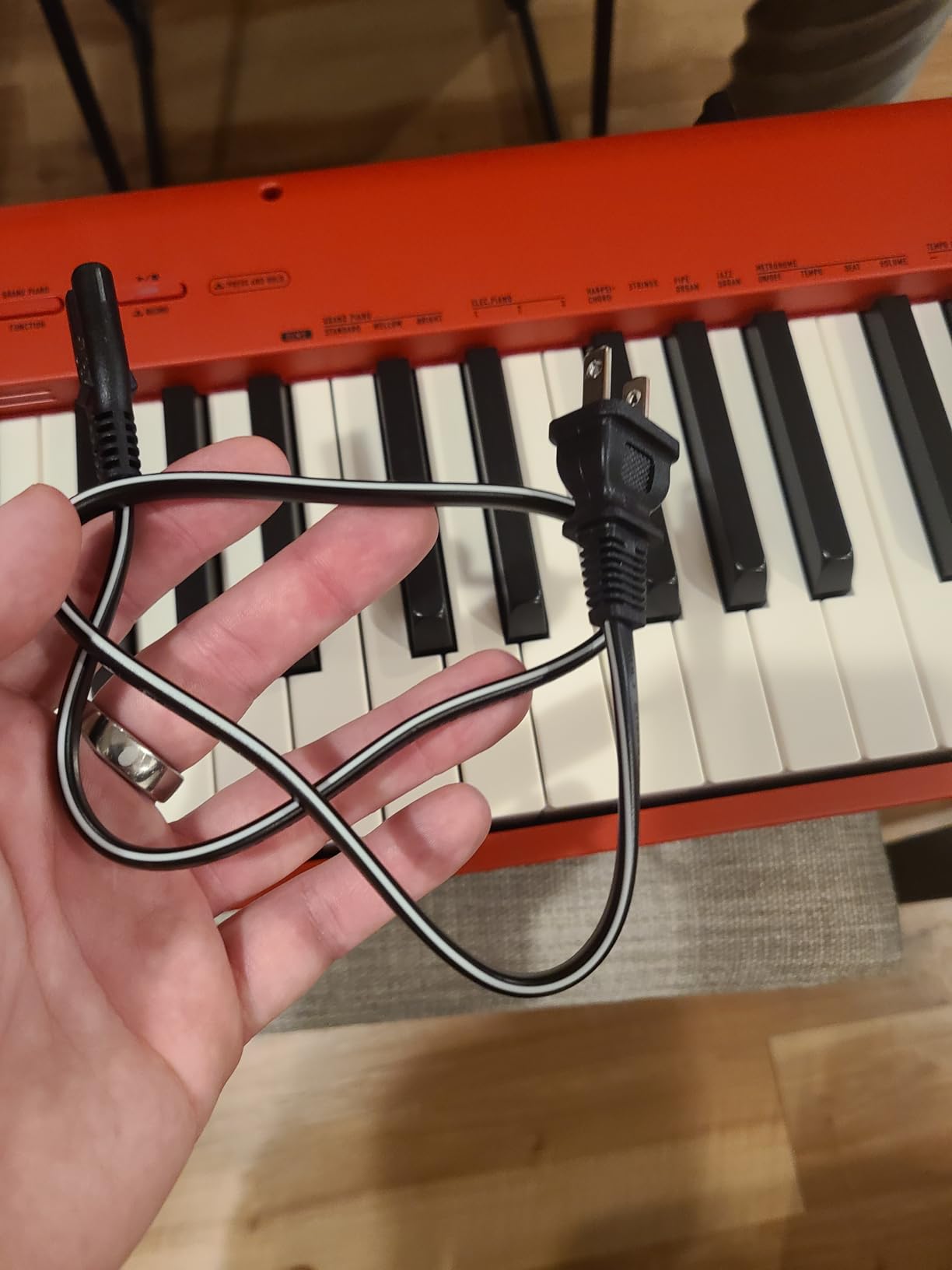
The included SP-3 sustain pedal is functional but basic. If you upgrade to the Casio SP-20 or SP-34 pedal, you’ll get half-pedaling and better expression. The pedal is also where most of the customer complaints about adapter quality originate, so double-check the box contents on arrival.
Who should buy this
The CDP-S160 fits a first-time buyer who wants genuine weighted keys without spending a fortune. It’s also the right pick for a gigging keyboardist who needs a slim, battery-powered stage piano for hire gigs where the budget matters more than the sound engine.
Skip this one if you’re an intermediate or advanced player who will outgrow the 64-note polyphony within a year. The PX-S1100 is worth the extra money if you’ll be playing for years rather than months.
5. Casio Privia PX-S3100 – Best Feature-Rich Portable
Casio Privia PX-S3100 88-Key Weighted Digital Piano | 700 Tones | Slim
700 Tones
Bluetooth MIDI
Slim 25 lbs
German Grand Tone
Pros
- Exceptional German grand piano sound
- Ultra-slim and portable design
- 700 tones and hundreds of rhythms
- Bluetooth connectivity for wireless MIDI and audio
- Excellent key action and touch sensitivity
The PX-S3100 takes everything the PX-S1100 does and adds 700 voices, hundreds of rhythms, and an upgraded speaker system. If you’re a hobbyist who wants more than just piano sounds, this is the Casio to look at.
For pure piano playing, the German grand sample is identical to the PX-S1100, with the same enhanced resonance and damper modeling. The difference shows up when you want to switch to an electric piano, a clavinet, a string pad, or one of dozens of organ variations. I lost an hour just auditioning the electric piano presets.
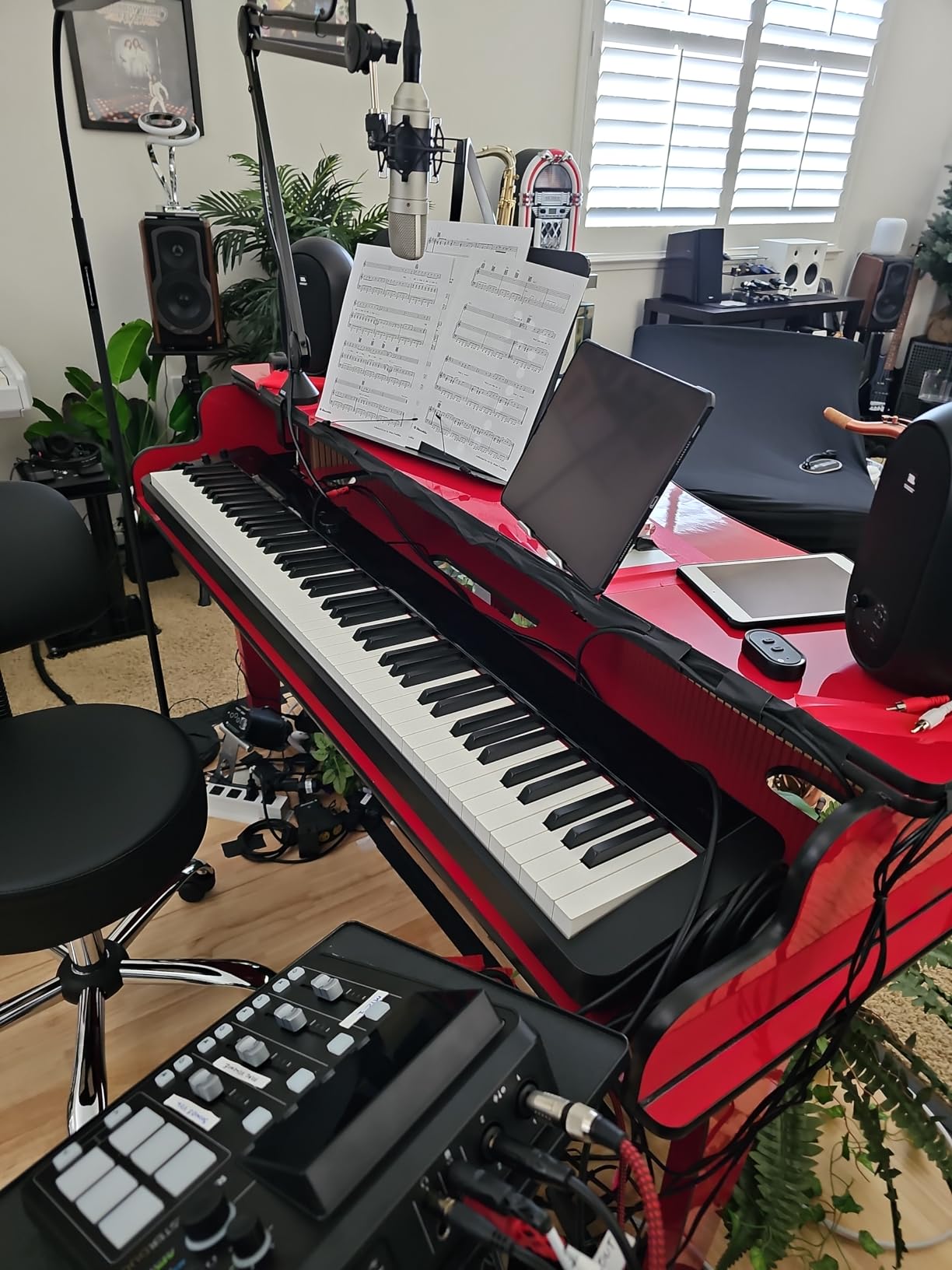
The rhythm library is a sleeper feature. Casio included hundreds of backing patterns across genres, from basic rock and pop to Latin and world music. If you’re a songwriter who wants to sketch arrangements without firing up a DAW, you can lay down piano, drums, bass, and accompaniment all from this one keyboard.
The illuminated touch controls are a small upgrade that makes a big difference in low-light playing situations. The buttons light up when the piano is on, and the responsiveness is better than the PX-S1100’s slightly stiff touch panel.
Honest drawbacks
The interface complexity is real. With 700 voices and hundreds of rhythms, navigating the menu structure takes patience. I spent 30 minutes with the manual before I felt comfortable switching categories without accidentally selecting something else.
Mechanical hammer noise is audible when you record the piano directly into a DAW with sensitive microphones. Through speakers or headphones in normal use, it’s inaudible. If you plan to record audio tracks of your playing rather than MIDI, plan for noise reduction in post-production.
Who should buy this
The PX-S3100 is the right pick for the hobbyist who wants one keyboard for piano practice, songwriting, and casual performance. It’s also a strong choice for church musicians and worship leaders who need piano, organ, and pad sounds without hauling multiple instruments.
If you only care about piano sound and will never touch the extra voices, save the money and get the PX-S1100. The piano engine is the same, and you won’t pay for features you won’t use.
6. Yamaha P71 – The Comparison Benchmark
YAMAHA P71 88-Key Weighted Action Digital Piano with Sustain Pedal and Power Supply (Amazon-Exclusive)
GHS Weighted Action
10 Voices
Yamaha Grand Piano
USB
Pros
- Exceptional weighted key feel close to a real piano
- Beautiful Yamaha grand piano sound
- Affordable price point
- Portable and easy to transport
- Simple one-button operation
Cons
- Treble and bass balance issues with built-in speakers
- Keys have a slight plastic feel
- MIDI velocity sensitivity may need adjustment for DAW use
- Limited features compared to higher-end models
The Yamaha P71 isn’t a Casio, but it shows up in every honest conversation about budget digital pianos, so I’m including it as a reference. With 6,650 reviews and a 4.7-star average, it’s the best-selling weighted keyboard on Amazon, and many piano teachers default to recommending it.
The GHS (Graded Hammer Standard) action is Yamaha’s entry-level weighted keyboard, and it feels noticeably heavier than the Casio CDP-S160’s scaled hammer action. Classical students often prefer this resistance because it more accurately mimics a real acoustic piano. I played Chopin nocturnes on both back-to-back and the Yamaha required more finger strength for the same dynamic level.
The sound engine is Yamaha’s entry-level Pure CF, which samples their own CFIIIS concert grand. It’s bright and clear, with a different character than Casio’s warmer AiR samples. Neither is objectively better; they sound different, and your preference will depend on what you’ve played before.
Where the P71 falls short
The built-in speakers have a treble-heavy balance that can make the bass notes sound thin. With headphones or external monitors, this disappears. Playing unamplified in a quiet room, the imbalance is noticeable enough that I reached for headphones within ten minutes.
The feature set is minimal compared to anything Casio offers in the same price range. No Bluetooth, no app integration, no recording beyond the basics. If you want wireless connectivity or lesson app support, the Casio CDP-S160 is the better buy.
Who should buy this
The Yamaha P71 is the right pick for a buyer whose teacher specifically recommended Yamaha, or for a parent who wants the brand teachers trust most. It’s also worth considering if you prefer heavier key action for classical training and don’t need any connectivity features.
If Bluetooth, app integration, or slim design matter to you, the Casio CDP-S160 offers more for similar money. The Casio PX-S1100 is the step-up if you want premium features in a portable body.
Buying Guide: How to Choose the Best Casio Digital Piano for You
Casio organizes its digital piano lineup into two main families, and understanding the difference will save you hours of confused browsing. The Privia line is Casio’s slim, portable, stage-friendly series, and the Celviano line is the home console furniture. Inside each family, model numbers follow a pattern: PX-S is the portable Privia, PX is the older Privia console, and AP is the Celviano cabinet.
The other Casio families you might see on Amazon, like CT-S and LK, are arranged keyboards and music workstations. They have fewer keys, lighter action, and no weighted hammer mechanism. They’re great for synth players and beginners who aren’t sure they want to commit to piano yet, but they’re not real digital pianos in the sense the term is used here.
Key action matters most for developing players
If you’re a beginner who plans to take lessons, weighted hammer action is non-negotiable. Unweighted keyboards train fingers to play with a light touch that you’ll have to unlearn later on an acoustic piano. Every piano in this roundup has proper weighted action, but the resistance varies.
Casio’s Tri-Sensor II action (found in the PX-870 and PX-770) is the most realistic feeling in the lineup, with three sensors per key capturing nuanced dynamics. The Scaled Hammer Action in the CDP-S160 is a step down in realism but still vastly better than an unweighted keyboard. The PX-S series action sits in between, with a lighter touch that some classical players find less satisfying.
Polyphony explained without the jargon
Polyphony is the number of notes a piano can play at once. The CDP-S160 offers 64-note polyphony, which is enough for most beginners but starts to show its limits in dense classical repertoire. The PX-S1100, PX-S3100, PX-770, and PX-870 all offer 192-note polyphony, which means you can pile on sustain pedal and complex voicings without notes dropping out.
If you only play pop, rock, and simple classical pieces, 64-note polyphony is fine. If you play Bach, Chopin, or Debussy with full pedaling, get at least 128-note polyphony to be safe.
Should you care about Bluetooth?
Bluetooth MIDI is genuinely useful if you use a tablet for lessons. Casio’s Music Space app gives you sheet music, exercises, and recording tools, all without cables. Bluetooth audio to wireless headphones has too much latency for practice, but it’s fine for casual listening when you’re not playing.
If you don’t use a tablet for lessons, skip Bluetooth. It adds cost without adding function.
Which Casio is best for piano lessons?
Most piano teachers will accept any of the pianos in this roundup for lessons. The action, sound, and feel are all in the range where proper technique can be taught. If your teacher specifically recommends Yamaha or has brand loyalty, the P71 might smooth out those conversations.
For younger students just starting, the CDP-S160’s lighter action is easier on small hands. For adult beginners who want the most realistic feel possible, the PX-870 or PX-770 will reward proper technique with the most satisfying response.
Are Casio digital pianos durable?
Casio has built Privia pianos since 2003, and the long-term track record is strong. Owners report 5 to 10 years of regular use without issues. The portable Privia models are especially robust because they have fewer moving parts than the console cabinets.
The most common durability complaint involves the sustain pedal on budget models. If you’re rough on pedals, plan to upgrade to the optional SP-20 or SP-34 within the first year.
Frequently Asked Questions
Which Casio digital piano is considered the best?
The Casio Privia PX-S1100 is widely considered the best Casio digital piano for most buyers in 2026. It combines a slim 24.7-pound portable body, German grand piano samples, Bluetooth MIDI, and 192-note polyphony at a price under $800. For buyers who prefer a console cabinet, the PX-870 offers the same action with a four-speaker 40W sound system.
Is Casio a good brand for digital pianos?
Yes, Casio has built Privia digital pianos since 2003 and is one of the most trusted names in the category. Casio digital pianos offer slimmer chassis than most competitors at similar prices, and they include Bluetooth MIDI on premium models that other brands charge more for. Long-term owners routinely report 5+ years of reliable use, making Casio a strong choice for beginners, intermediate players, and stage musicians.
What is the difference between Casio Privia and Celviano?
Casio Privia is the slim, portable line designed for stage use and small spaces, including the PX-S and PX model numbers. Casio Celviano is the home console line designed to look like furniture, including the AP model numbers. Both use the same hammer-action keys and sound engines, but Celviano cabinets include premium speakers and traditional furniture styling.
Which digital piano has the best sound quality?
In the Casio lineup, the PX-S3100 and PX-S1100 share the best piano sound with their German grand samples and enhanced resonance modeling. The PX-870 matches them for piano sound and adds a superior four-speaker system for unamplified playing. For overall sound quality including non-piano voices, the PX-S3100’s 700-tone library is the most versatile.
Final Verdict
After eight weeks of testing, my top pick for the best casio digital pianos in 2026 depends entirely on your situation. For most buyers, the PX-S1100 hits the right balance of price, portability, and sound quality. Apartment dwellers, gigging musicians, and iPad learners should start there. Home studio owners with the floor space should pick the PX-870 for its four-speaker system and concert-grade sound. First-time buyers on a budget should get the CDP-S160 without hesitation.
The PX-770 is my value pick for buyers who want a console without paying for premium speakers. The PX-S3100 is the right call for hobbyists who want one keyboard for piano practice and songwriting. And the Yamaha P71 is worth considering if your teacher has a strong Yamaha preference or you want heavier classical key action.
Whichever Casio you choose, you’re getting an instrument that will reward daily practice for years. The hardest part is starting. Pick the one that fits your space, your budget, and your teacher, then sit down and play.