

The short answer: the Nikon D850 is the best camera for sports photography for most people in 2026. It pairs a 153-point autofocus system lifted from Nikon’s flagship pro body with 9 fps continuous shooting, a weather-sealed magnesium shell and a 45.7MP full-frame sensor that holds up when you crop into a distant runner.
Professional sports photographers overwhelmingly shoot full-frame flagships like the Canon EOS R3, Nikon Z9 or Sony Alpha 1 II with a 400mm-plus telephoto zoom. That is the honest answer to what the working pros use, but it is the wrong answer for a club photographer or a parent on the bleachers. The right pick is the fastest body you can afford that pairs with a decent telephoto lens.
Sports is the only genre where a missed moment is gone forever. You cannot re-shoot a goal-line scramble, and you cannot ask a twelve-year-old to do it again. That single fact inverts the usual camera-buying priorities: frame rate, autofocus tracking and buffer depth matter more than megapixel count, and image quality ranks fourth.
We spent this roundup weighing twelve bodies on exactly those criteria. Every pick below is matched to a real shooting situation, and every number comes from the manufacturers’ own published specifications and the review record, not from a marketing sheet. If you also need glass, start with our zoom lenses for sports photography guide, because the lens is where most of the budget shock happens.
Top 3 Picks: Sports Cameras in 2026
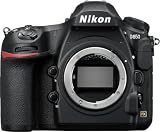
Nikon D850
- 45.7MP BSI full-frame sensor
- 153-point AF system
- 9 fps burst
- Weather-sealed body


Canon EOS R5
- 45MP stacked sensor
- 12 fps mechanical / 20 fps electronic
- 1053 AF points
- 8K RAW video
All 12 Best Cameras for Sports Photography in 2026
The table below is the fast version of this guide. Burst rates are the manufacturer’s headline figure, and for the stacked-sensor bodies the electronic figure is listed alongside the mechanical one. Sensor size drives reach: an APS-C body crops 1.5x from the same lens, so a 300mm frames like a 450mm.
| Product | Specifications | Action |
|---|---|---|
| Nikon D850 |
|
Check Latest Price |
| Sony Alpha 7 IV |
|
Check Latest Price |
| Canon EOS R5 |
|
Check Latest Price |
 Nikon D7500 with 18-140mm VR Nikon D7500 with 18-140mm VR |
|
Check Latest Price |
 Canon EOS R6 Mark II Canon EOS R6 Mark II |
|
Check Latest Price |
 Canon EOS R7 Canon EOS R7 |
|
Check Latest Price |
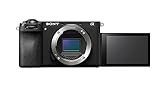 Sony Alpha a6700 Sony Alpha a6700 |
|
Check Latest Price |
 Nikon Z6 III Nikon Z6 III |
|
Check Latest Price |
 Sony Alpha a6000 with 16-50mm Sony Alpha a6000 with 16-50mm |
|
Check Latest Price |
 Nikon D500 Nikon D500 |
|
Check Latest Price |
 Canon EOS R10 with 18-150mm Canon EOS R10 with 18-150mm |
|
Check Latest Price |
 OM System OM-D E-M10 Mark IV OM System OM-D E-M10 Mark IV |
|
Check Latest Price |
1. Nikon D850 – The confident all-rounder for a serious sports shooter
Nikon D850 FX-Format Digital SLR Camera Body
45.7MP full-frame
153-point AF
9 fps
Weather-sealed
Pros
- 153-point AF system shared with the D5
- Fast and accurate in low light
- 45.7MP gives you room to crop
- Deep grip and solid weatherproofing
- Fast XQD card handling keeps up with 9 fps
Cons
- Video autofocus is weak next to mirrorless rivals
- Heaviest body in this roundup
- Very large RAW files
I keep coming back to the D850 because it is the body in this group with the most owner reviews behind it, and almost none of those reviews complain about autofocus. Nikon’s 153-point Multi-CAM 20K system is the same one that earned the D5 its reputation on the professional circuit, and it drives 9 fps with full autofocus and autoexposure tracking.

For sports specifically, resolution is the quiet advantage. A 45.7MP back-illuminated sensor with no optical low-pass filter means a sideline shot of a quarterback can be cropped hard and still print or publish at size. Reviewers upgrading from D7000, D810 or D750 bodies describe exactly this step up in focus speed, white balance accuracy and high ISO cleanliness.
The D850 is a DSLR, so there is no blackout, no overheating conversation, and an optical viewfinder that never runs flat. For a photographer who shoots a full double-header in falling rain, that reliability is worth more than the mirrorless extras.

Will the D850’s autofocus keep up with a fast runner?
Yes, and this is the specific reason we made it the pick. The Multi-CAM 20K module is fast and accurate even in low light, and Nikon’s 3D tracking logic in live view is good enough to hold a moving athlete. Where it shows its age is video: reviewers report that video autofocus is weak compared with competitors and that manual focus is often needed. If your sports work is mostly highlight reels rather than stills, look at the Canon R6 Mark II instead.
Is the D850 too heavy for a full sideline day?
At two pounds it is the heaviest body in this roundup, and heavy bodies add up over a nine-game season. Reviewers also note shorter battery life when using live view or the touchscreen, and a single XQD slot plus an SD slot rather than two of the same type. If you are on a budget and weight matters more than resolution, the 1.3-pound R6 Mark II is a more comfortable all-day camera.
2. Sony Alpha 7 IV – A full-frame body for shooters who want stills and 4K video
Sony Alpha 7 IV Full-frame Mirrorless Interchangeable Lens Camera
33MP full-frame
Real-time eye AF
10 fps
4K 60p 10-bit
Pros
- Class-leading real-time eye and face AF
- 33MP detail with strong dynamic range
- 4K 60p 10-bit 4:2:2 full pixel readout
- 7K oversampled 4K 30p
- Articulating touchscreen and dual card slots
Cons
- Dense menu system with a steep learning curve
- Runs warm during very long 4K 10-bit takes
- Battery life shorter than comparable DSLRs
The Alpha 7 IV is the pick if you shoot your child’s Saturday games and also want usable 4K from the same body. Real-time eye and face autofocus locks on and tracks reliably, which is precisely the behaviour sports demands, and 10 fps is more than most casual action sequences will ever show.
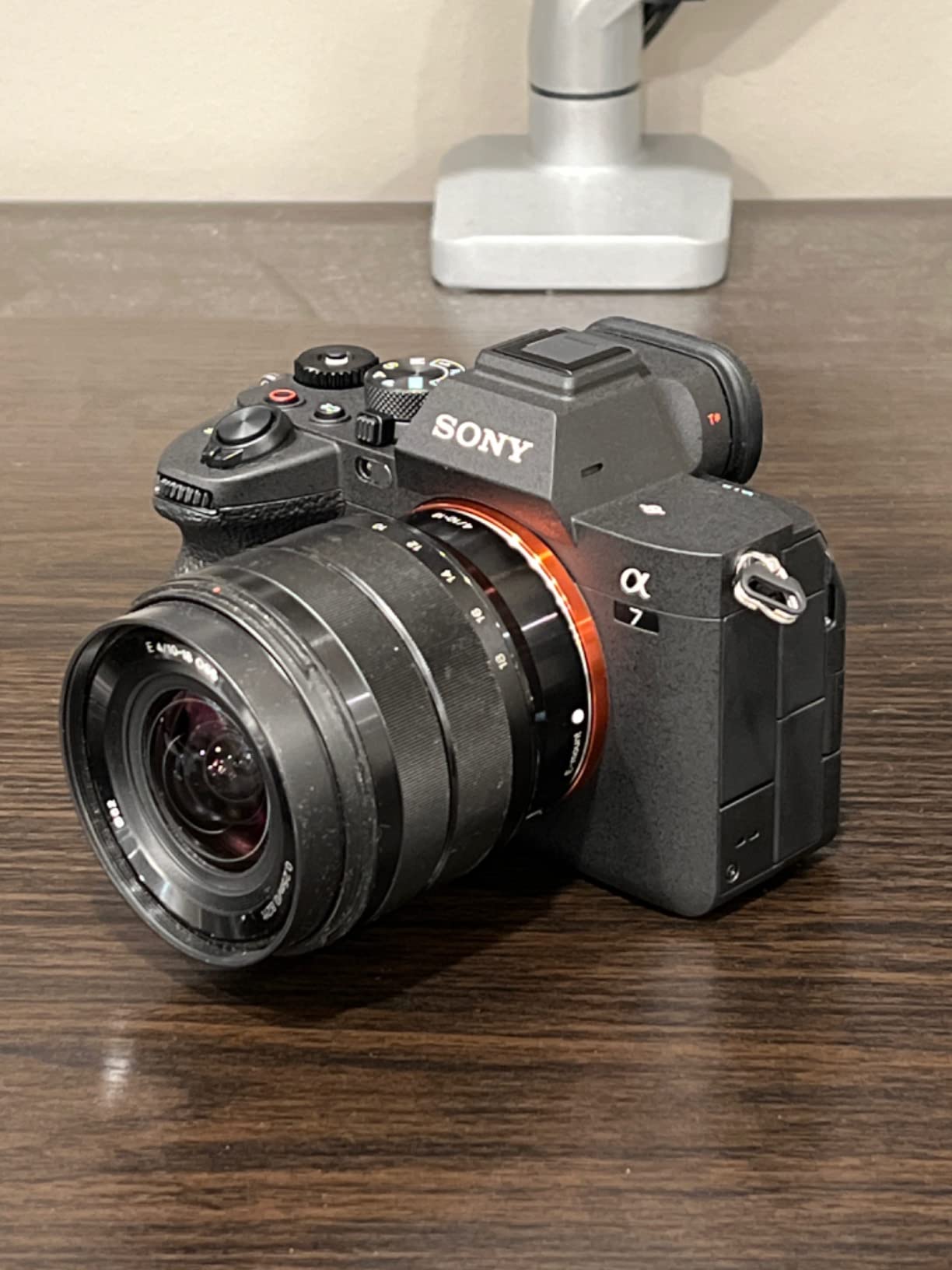
Video is where it separates from the DSLR entries. It records 4K at 60p in 10-bit 4:2:2 with full pixel readout in all recording formats, plus 7K oversampled 4K at 30p with no pixel binning. Reviewers moving from Canon DSLRs, Nikon bodies or earlier Alpha cameras describe it as a confident hybrid-shooting upgrade.

Does the a7 IV overheat during long games?
It can run warm during very long continuous 4K 10-bit 2:2:2 recording sessions, and reviewers flag shorter battery life as the other compromise. For a 90-minute soccer match where you are mostly shooting stills, neither is a real problem. If you intend to record entire halves in 4K, the Canon R6 Mark II is rated for up to 6 hours of continuous Full HD recording without overheating.
Is a full-frame mirrorless body the right call for a beginner?
It is a safe one, because the 33MP sensor has enough headroom to crop and the eye AF means a beginner can get sharp action frames while still learning manual settings. The friction is the menu system, which reviewers repeatedly describe as complex and unlike any other brand. Budget an afternoon with it before your first game, and pair it with one of our recommended sports zooms rather than the kit lens.
3. Canon EOS R5 – The premium pick when 20 fps changes the outcome
Canon EOS R5 Mirrorless Camera (Body Only), Full-Frame Hybrid Camera, 8K Video, 45 Megapixel CMOS Sensor, DIGIC X Image Processor, Up to 12 FPS, RF Mount, Black
45MP stacked sensor
12 fps / 20 fps
1053 AF points
8K RAW
Pros
- 45MP stacked back-illuminated sensor with excellent high ISO
- Extremely fast subject detection for wildlife and eyes
- 20 fps electronic burst plus RAW burst modes
- 5-axis IS makes adapted EF lenses handholdable
- Dual card slots
Cons
- 8K recording can overheat and shut down
- Buffer fills quickly in electronic burst
- Battery life weaker than the DSLRs it replaces
Of the twelve bodies here, only the R5 and the R6 Mark II use a stacked sensor that reads out fast enough to support a genuinely high electronic burst rate. The R5 fires 12 fps mechanically and up to 20 fps on the electronic shutter, and that difference is what separates a usable race sequence from a handful of lucky frames.
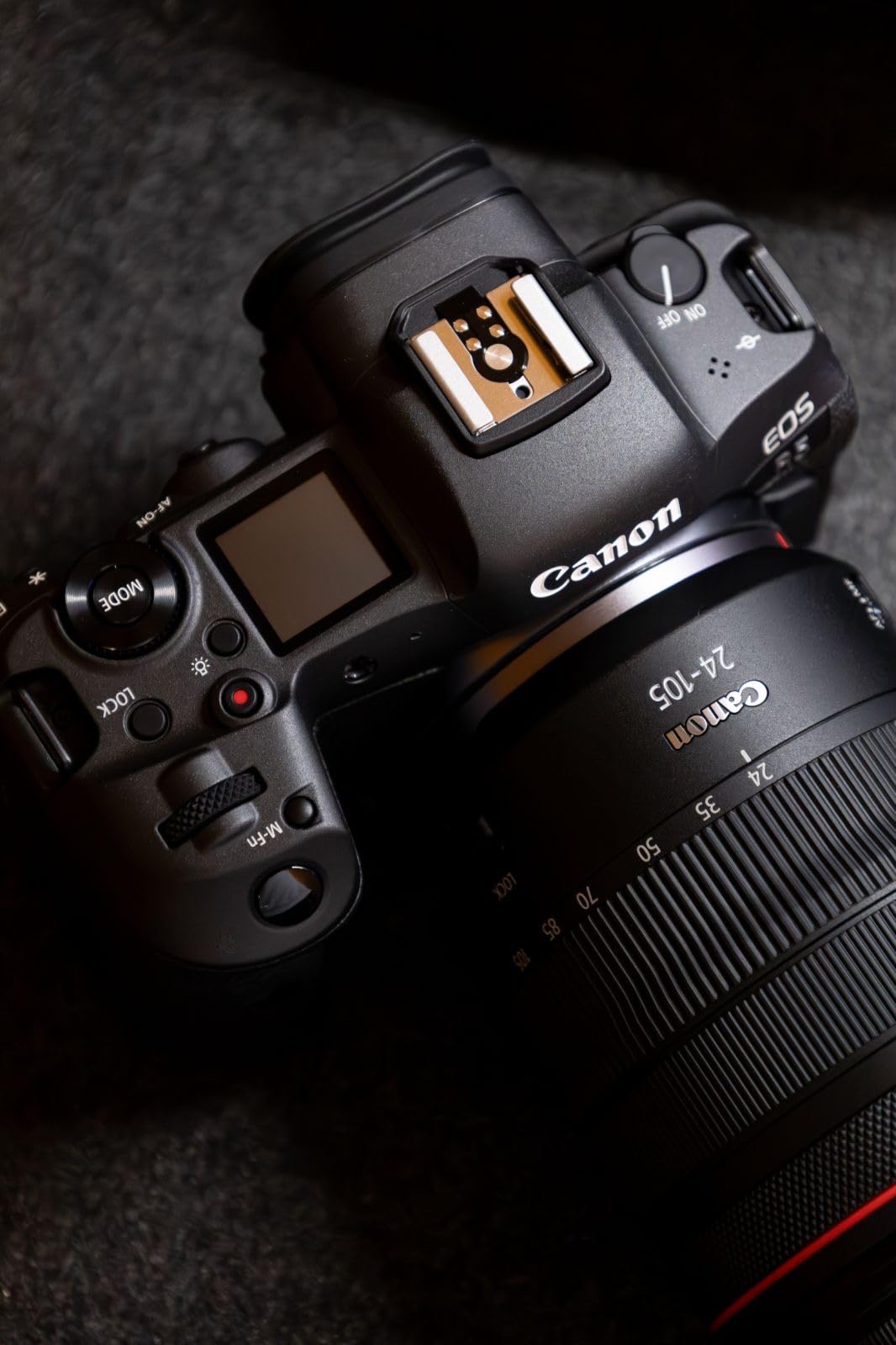
Autofocus is the headline. Dual Pixel CMOS AF with 1053 points covers roughly 100% of the frame, and subject tracking for people, animals and vehicles runs on deep learning. Eye Control AF, where you select the focus point simply by looking at it, is a genuine sideline advantage when a runner crosses your frame at speed.
Users upgrading from the Canon 5D Mark IV or 7D II consistently call it a transformative step up in autofocus coverage, resolution, stabilization and video. Canon colour science is praised without reservation for both stills and video.

How much buffer does the R5 really have?
Reviewers report the buffer fills quickly in electronic shutter burst mode, which is the trade-off for those headline frame rates. Shoot RAW burst in short controlled bursts rather than holding the shutter down for an entire sequence, and pair the body with a fast card. Note too that its dual slots take CFexpress Type B and SD, so media planning matters for a full season.
Is the R5 worth the extra money over the R6 Mark II?
Choose the R5 when you need resolution to crop a distant subject, or when 8K RAW and 4K up to 120fps internal recording are part of the brief. Choose the R6 Mark II when you need the 40 fps electronic burst and a cleaner high ISO ceiling instead. The R5’s 8K recording can also overheat and shut down during extended sessions, which the R6 II is explicitly designed to avoid.
4. Nikon D7500 with 18-140mm VR – The high school sideline workhorse
Nikon D7500 20.9MP DSLR Camera with AF-S DX NIKKOR 18-140mm f/3.5-5.6G ED VR Lens, Black
20.9MP APS-C
51-point AF
8 fps
18-140mm VR included
Pros
- D500-class image quality and metering
- Bundled 18-140mm VR covers wide to telephoto
- 51-point AF with group area
- Long DSLR battery life
- Weather-resistant with built-in flash
Cons
- More high ISO noise than full-frame
- A single card slot
- No in-body stabilization
The D7500 kit earns the highest average rating of any body in this roundup, and the reason is simple: it arrives with a lens. The bundled AF-S DX NIKKOR 18-140mm f/3.5-5.6G ED VR covers wide to telephoto in one compact optic, so a parent buying a single package can frame a kickoff and then a goal from the same seat without swapping anything.
For tracking, the 51-point AF system with 15 cross-type sensors and group area AF paired with 8 fps continuous shooting is the combination that made this camera a club-level favourite. Photographers shooting high school football report the focus locking on the quarterback quickly, and the optical 0.94x viewfinder means you can see the action without lag.
Nikon’s 1.5x crop works in your favour here. That 18-140mm frames roughly like a 27-210mm, and when you add a DX 50-250mm later you get 375mm of full-frame equivalent reach for less money than a full-frame telephoto.

How noisy are APS-C files at a night game under floodlights?
Noisier than a full-frame body, plainly. Reviewers name APS-C high ISO noise as the main recurring limitation, and it is the reason we would not pick this over the R6 Mark II for a floodlit stadium. Under floodlights or a decent gym setup, though, the D500-class image quality and metering handle the light well and the files stay smaller than a 45MP full-frame frame.
Is a 51-point AF system old-fashioned for action?
It is older technology, and reviewers call it dated compared with modern mirrorless autofocus. In practice it still works because group area AF covers a chunk of the frame at once, which suits a quarterback and a receiver in the same zone. The bigger practical limit is a single card slot and no in-body stabilization, so stabilization depends entirely on lens VR.
5. Canon EOS R6 Mark II – The 40 fps choice for low light and long video
Canon EOS R6 Mark II Mirrorless Camera (Body Only), Full-Frame Camera, 24.2 Megapixel CMOS Sensor, Photo and Video Capabilities, Black
24.2MP full-frame
40 fps electronic
Broad subject detection
120 fps EVF
Pros
- 40 fps electronic shutter burst
- Subject detection covers horses trains and aircraft
- Advanced head face and eye detection with full-body tracking
- 6K oversampled uncropped 4K up to 60 fps
- Up to 6 hours of continuous Full HD recording
Cons
- 24.2MP limits heavy cropping
- Single card slot for a pro body
- No built-in flash
When the game is played in a gym with bad light, the R6 Mark II is the body we would carry. The 24.2MP full-frame sensor is clean at high ISO by design, because Canon chose speed and low-light performance over resolution, and it can fire 40 fps on the electronic shutter at 20MP.

The subject detection is unusually broad. Beyond people, small animals, cars and motorcycles, it detects horses, trains and aircraft, and it can pick the subject type automatically. For a sideline photographer that mostly means a very reliable person-detection mode, and the head, face and eye detection with full-body tracking will hold a player turning away from camera.
The viewfinder is worth mentioning on its own: a 0.5-inch OLED with 3.69 million dots refreshing at 120 fps, rated to 1/8000th second. In a floodlit gym that is the difference between seeing your subject dark and seeing them clearly.

Is 24.2MP enough if I want to crop a distant athlete?
It is the trade Canon made on purpose. Reviewers note the resolution is lower than higher-resolution full-frame bodies and limits heavy cropping. In practice, a 24MP file gives you about a 2x crop with files still large enough to publish, which covers a stadium seat in a full stadium. If you routinely shoot golf or race cars from a fixed distance where the R5’s extra pixels matter, the R5 is the better tool.
What does the single card slot mean in the real world?
You lose simultaneous backup while shooting video, which is the main omission against higher-tier pro bodies. If that matters, mirrorless rivals here use dual slots. Over seven or eight hours of continuous Full HD recording without overheating, nothing in this list lasts longer.
6. Canon EOS R7 – The reach specialist in a compact body
Canon EOS R7 Mirrorless Camera (Body Only)
32.5MP APS-C
651 AF zones
15 fps / 30 fps
RAW burst pre-shooting
Pros
- 32.5MP APS-C sensor with telephoto reach
- 651 AF zones covering roughly 100% of the frame
- RAW burst with 0.5s pre-shooting
- 5-axis in-body stabilization with auto-level
- Light 1.1 pound body
Cons
- Recording limited to over 30 minutes per clip
- APS-C high ISO trails full-frame bodies
- Not sealed to the same degree as higher-tier bodies
The R7 is built around one idea: put a 1.5x crop behind a high-resolution sensor so a modest telephoto reaches much further. At 32.5MP, a 300mm lens gives you the framing of roughly 450mm on a full-frame body, and the extra pixels let you crop further still without files becoming useless.

Its second idea is pre-shooting. Alongside 15 fps mechanical and 30 fps electronic, RAW Burst Mode records for half a second before you press the shutter, which is effectively a cheat code for a decisive moment you reacted to slightly late. Dual Pixel CMOS AF with up to 651 zones covers approximately 100% width and height.
At 1.1 pounds it is one of the lightest bodies here, and the 5-axis in-body stabilization with auto-level technology makes handheld long-lens frames far more viable than they would be otherwise.
How much extra reach does the APS-C crop really give me?
A 1.5x crop, so a 200mm frames like a 300mm and a 300mm frames like a 450mm on a full-frame body. The side effects are real: high ISO performance trails full-frame, so a night game is harder, and you cannot drop below full-frame equivalent aperture without going up in ISO. It is one of the most direct routes to genuine sports reach in this list, alongside the OM System body.
Is the R7 sealed well enough for winter sport events?
Not quite to the level of the higher-tier Canon bodies, and reviewers raise that specifically. The R7 is fine in drizzle and cold hands, but if you shoot snow or motorsport in sustained rain, the R5 or R6 Mark II are the bodies built for it. The 30-minute-plus recording cap per clip is also a limit for long events.
7. Sony Alpha a6700 – The small APS-C body with a real AI brain
Sony Alpha a6700 APS-C Mirrorless Camera Body 26MP 4K Black
26MP APS-C
AI processor
11 fps
4K 120p
Pros
- Dedicated AI processor with real-time recognition
- 759-point AF with eye and face detection
- 4K 60p 6K oversampled 10-bit with no crop
- 4K 120p high frame rate
- Compact 14.5 ounce body
Cons
- Can overheat during extended 4K 60p recording
- No dual card slots
- High ISO trails larger full-frame bodies
At 14.5 ounces the a6700 disappears in a bag, and the dedicated AI processing unit with real-time recognition is what makes its tracking feel newer than its price suggests. Owners moving from older Sony systems or from a full-frame body describe it as a capable workhorse rather than a compromise.

For video it records 4K at 60p as 6K oversampled 4:2:2 10-bit with no crop, in Long GOP or All Intra formats, and it does 4K at 120p for slow motion. The 26MP Exmor R APS-C sensor is back-illuminated and delivers good dynamic range for a crop body.
One practical note for sports shooters: there is no dual card slot here, so a card failure during a tournament means the day is gone. Everything else about the ergonomics, the articulating screen and the customisation options suits a photographer who wants to carry one body to practice and to the match.

Does the a6700 run out of buffer during a long burst?
The 11 fps rate is modest next to the Canon bodies here, and Sony’s small buffer is a known limitation on this generation. It is plenty for football and soccer sequences where you are choosing between frames, and tight for cricket or motorsport where a single moment unfolds across a long sequence. Shoot short bursts rather than holding the shutter down.
Is APS-C high ISO good enough for floodlit night events?
It is usable but not where this body wins. Reviewers are clear that high ISO and low-light performance trail larger full-frame bodies. In-body stabilization is also modest, so very smooth handheld video still needs a gimbal. If night events are your regular calendar, the R6 Mark II is the better pick.
8. Nikon Z6 III – The body for shooting video at a sports event
Nikon Z6 III, Black | Full-Frame Mirrorless Stills/Video Camera with 6K/60p Internal RAW Recording | USA Model
24.5MP full-frame
4000-nit EVF
ISO 100-64000
6K 60p N-RAW
Pros
- 6K 60p internal N-RAW recording
- Exceptionally bright 4000-nit viewfinder
- AF detection down to -10EV
- ISO 100-64000 extended to 204800 equivalent
- Sensor-shift stabilization
Cons
- Complex menu system with many AF modes
- Awkward dial and button placement
- No charger included
The Z6 III is here for the parent who films a whole match and still wants usable stills. It records 6K at 60p internal N-RAW with oversampled 4K UHD and 4K at 120p, plus Full HD at 240p for slow motion, and it can record line-in audio during the Hi-Res Zoom.
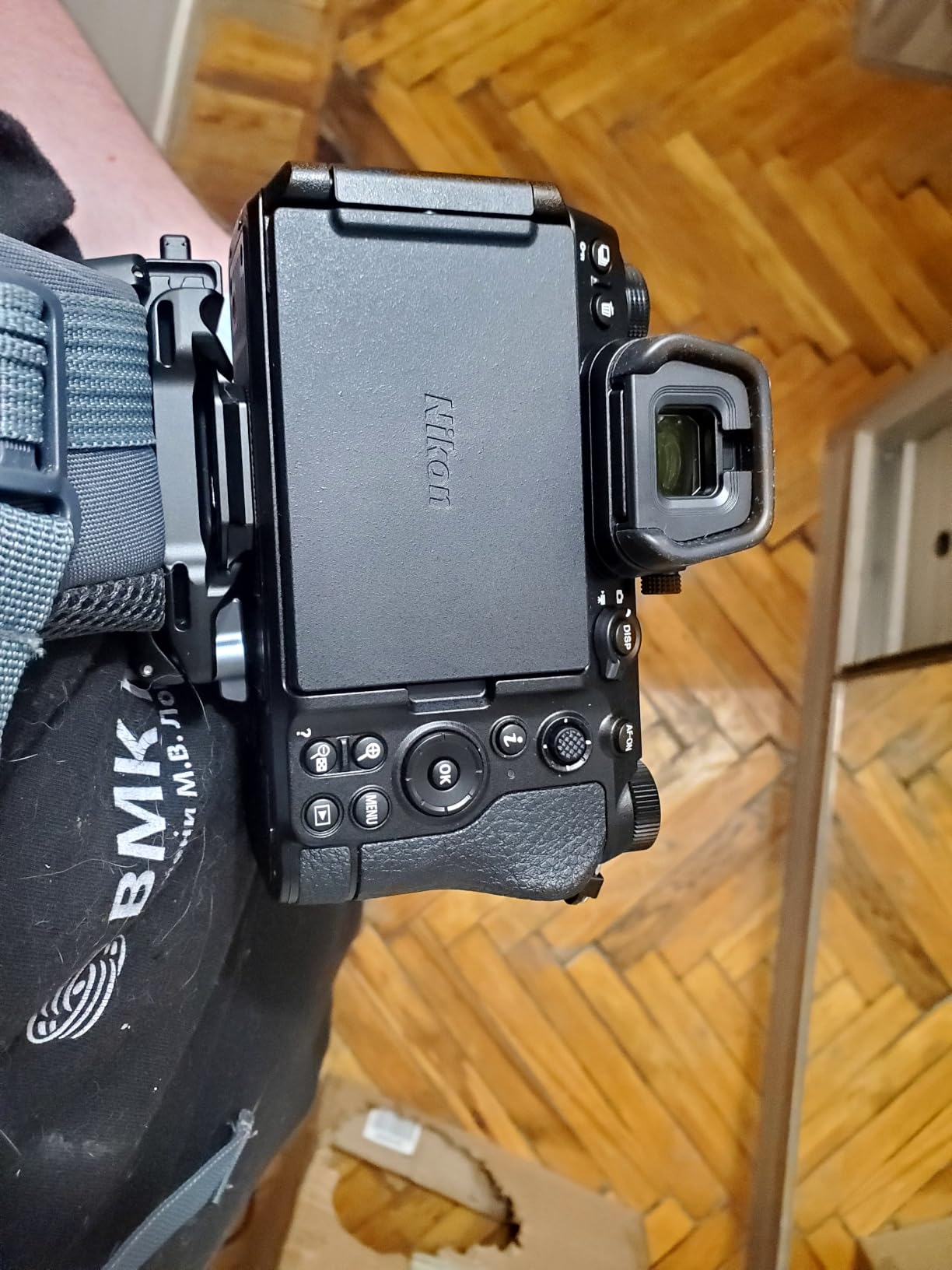
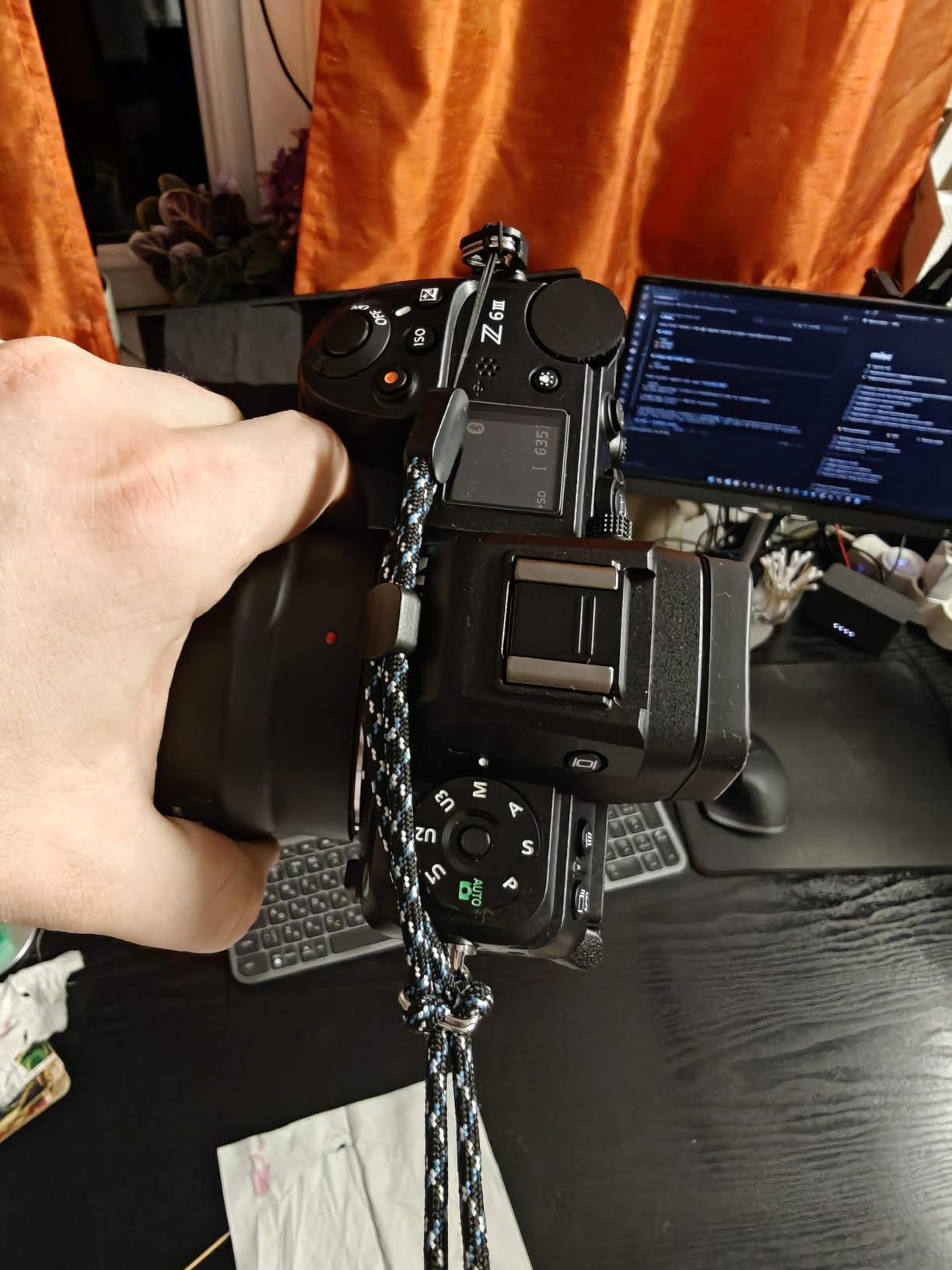
The viewfinder is the sports-specific story. A maximum brightness of 4000 nits with a 120 fps refresh rate means you can actually see a shadowed athlete against a bright sky, which is a real problem at an outdoor evening match. Autofocus detection reaches down to -10EV with deep learning multi-subject recognition, reported as roughly 20% faster than the Z6 II.
Owners largely praise image and video quality, low light performance, speed and the viewfinder, calling it a strong value. The recurring criticisms are the menu system, the button ergonomics, and the fact that no charger is included.
Is the Z6 III’s autofocus on par with the Canon and Sony flagships here?
It is competitive but not class-leading. The -10EV detection rating and multi-subject recognition are excellent, though the Canon R5’s 1053-point coverage with Eye Control AF and the Sony’s real-time eye AF are more proven in the field. It also has the smallest review base of the full-frame bodies here at 210, so there is less long-term evidence.
What should I know before buying this body?
Expect a learning curve. Reviewers call the menu system complex and unintuitive, with many autofocus modes and settings, and they single out the front dial placement inside the grip as awkward. Owners also report that the battery arrives uncharged and no charger is in the box, so budget for one.
9. Sony Alpha a6000 with 16-50mm – The Most Versatile for a first sports season
Sony Alpha a6000 Mirrorless Digital Camera with 16-50 mm Lens 24.3MP (Silver)
24.3MP APS-C
11 fps burst
Hybrid AF
12.16 ounces
Pros
- 11 fps burst and reliable hybrid autofocus
- 24.3MP APS-C sensor is clean and sharp
- Very light at 12.16 ounces
- Electronic viewfinder and tilting LCD
- Huge range of affordable E-mount lenses
Cons
- Bundled 16-50mm lens produces soft results
- Weak battery life
- No touchscreen and no in-body stabilization
- Menus are complex and documentation is poor
The a6000 is the cheapest way into sports photography with a body that will not hold you back, and at 11 fps it outruns plenty of newer cameras. Hybrid autofocus with 179-point focal-plane phase detection and 25 contrast-detect points tracks a moving subject competently for the money.
Long-term owners consistently praise image quality, speed, low light performance and portability at this price. The 24.3MP APS-C sensor handles high ISO better than you might expect, and the 12.16-ounce body is genuinely easy to carry for a whole season of weekend games.
The honest caveat is the bundled 16-50mm f/3.5-5.6 OSS. Reviewers say it produces soft results, especially at higher ISO, and at 50mm it is nowhere near sports reach. Treat this body as the platform and budget for a telephoto immediately.
Is the a6000’s autofocus good enough for youth sports?
For youth soccer and a parent’s first season, yes. It is not good enough for a paid shoot where a missed focus point matters, and there is no modern subject-recognition tracking to fall back on. Set a single focus zone, keep it near where the play will be, and shoot short bursts rather than trying to track across the frame.
What are the real compromises at this price?
Weak battery life is the one that bites first, because a single battery may not last a full shooting day. After that come the soft kit lens, no touchscreen, no in-body stabilization and complex menus with poor documentation. The maximum shutter speed of 1/4000 seconds is ample for sports. If your light is indoor, remember a 50mm prime costs little more and is far sharper.
10. Nikon D500 – The budget DSLR with a professional tracking brain
Nikon D500 DX-Format Digital SLR (Body Only), Base
20.9MP DX sensor
153-point AF
10 fps for up to 200 frames
Deep buffer
Pros
- 10 fps shooting for up to 200 frames
- 153-point AF with 99 phase-detect points and 3D tracking
- Large 1.0x optical viewfinder
- Native ISO 51200
- 4K UHD video and built-in Wi-Fi
Cons
- Body only with no lens included
- 1.9 pounds is heavy for the class
- Dated menus and video features versus newer bodies
- High native ISO ceiling of 51200
The D500 is the DSLR in this roundup that behaves like a professional body rather than a hobbyist one, and Nikon shooters still describe it as the recommendation they make every day of the week for sports and wildlife. The reason is the combination of a 153-point AF system with 99 phase-detection points and 3D tracking, and a buffer that swallows up to 200 frames at 10 fps.

That buffer depth is the part most buyers underestimate. A budget body fills its RAW buffer in under a second, so a goal-line scramble is already over when the shutter stops. The D500 keeps going, which is why photographers covering local leagues and tournaments gravitate to it.
Nikon’s DX 1.5x crop again does the reach maths for you. A 200-500mm on this body frames like a 300-750mm, which is genuinely long sports reach without the price of a full-frame super-telephoto.

Is a used D500 a smart entry point for sports?
Often, yes, provided you buy glass separately and accept the age of the controls. Reviewers note the body-only configuration with no lens included, and 1.9 pounds makes it the second-heaviest camera here. Check the shutter count and test the AF module in continuous mode before you commit.
How does the D500 hold up against modern mirrorless for video?
It records 4K UHD at 30 fps and nothing beyond that, and reviewers describe the menu system and video features as dated next to newer bodies. The stills side has not aged: 3D tracking, a large bright viewfinder at 1.0x magnification and a 2539k dot tilting touchscreen are still first-rate for action. If video is a priority, read the Z6 III section above.
11. Canon EOS R10 with 18-150mm – the easy first mirrorless body
Canon EOS R10 RF-S18-150mm F3.5-6.3 is STM Lens Kit, Mirrorless Vlogging Camera, 24.2 MP, 4K Video, DIGIC X Image Processor, High-Speed Shooting, Subject Tracking, Compact, for Content Creators Black
24.2MP APS-C
15 fps / 23 fps
651 AF zones
18-150mm included
Pros
- 15 fps mechanical and 23 fps electronic shooting
- Subject detection for people animals and vehicles
- Bundled RF-S 18-150mm IS STM covers wide to telephoto
- Compact body with a comfortable grip
- RAW burst pre-shooting
Cons
- Single card slot limits backup options
- No in-body stabilization
- Kit lens is slow at the telephoto end
- Modest battery for sustained video
The R10 kit solves the same problem as the D7500 kit, in mirrorless clothing. It ships with the Canon RF-S 18-150mm f/3.5-6.3 IS STM, which covers wide to telephoto, and Dual Pixel CMOS AF II with up to 651 zones detecting down to EV -4 with people, animal and vehicle recognition.

It is genuinely fast: 15 fps mechanical, 23 fps electronic, plus RAW burst pre-shooting. Buyers highlight its speed, reliable subject detection and compact body for both stills and 4K content creation, and video runs to 4K at 60p with Full HD at 120p for slow motion.
Our wildlife-focused readers will find the reach useful on the same 1.5x crop logic described in the mirrorless cameras for wildlife guide, and the digital zoom is a last resort rather than a substitute for faster glass.
One honest note for anyone weighing the two Canon APS-C bodies here: the R7 is built for reach and cropping, the R10 for a complete kit out of the box. If you already own telephoto glass, the R7 is the smarter buy.

Is the bundled 18-150mm good enough for sports?
It is a travel lens that happens to reach 150mm, and reviewers specifically flag that it is slow at the telephoto end, which limits low light performance. At f/6.3 you are asking the camera to raise ISO in a floodlit gym. Treat it as a way to start shooting, not as the long-term answer.
What do I lose versus the Canon R7?
The R7 has 32.5MP against the R10’s 24.2MP, real 5-axis in-body stabilization against the R10’s digital stabilization, and dual UHS-II card slots against a single slot. The R10’s advantages are the included lens, USB in-camera charging, and a lower entry point. Neither body has a built-in flash, which matters indoors.
12. OM System OM-D E-M10 Mark IV – The most sideline-portable camera here
OM SYSTEM Olympus E-M10 Mark IV Black Micro Four Thirds System Camera 20MP Sensor 5-Axis Image Stabilization 4K Video Wi-Fi
20MP Micro Four Thirds
5-axis IS
8.7 fps
13.44 ounces
Pros
- 5-axis in-body stabilization with 4.5 stops of compensation
- Very light and compact body
- 121-point contrast-detection AF with subject detection
- Bright 1.23x electronic viewfinder
- Flip-down screen with a dedicated selfie mode
Cons
- Smaller sensor limits low light performance
- Body only with no lens included
- Contrast-detection AF is slower for tracking
- Smaller lens selection than full-frame mounts
The E-M10 Mark IV is the Micro Four Thirds entry in this roundup, and its argument is physical. At 13.44 ounces with in-body stabilization worth up to 4.5 shutter speed steps of compensation, it is the body you can actually hold up for an entire match without your arms complaining.

Stabilization matters more here than the spec sheet suggests. The 2x crop means a 300mm lens gives you roughly 600mm of full-frame equivalent reach, and in-body stabilization is what makes that framing handheld rather than unusable. Owners give it high marks for compact size, class-leading in-body stabilization, the tilting screen and the art filter options.
It also records 4K DCI 2160p and has a bright 1.23x viewfinder, which is larger than several full-frame bodies here.

How slow is contrast-detection autofocus with a moving athlete?
Slower than the phase-detection systems in every other body on this list, and that is the honest limit. It manages 8.7 fps continuous shooting with 121-point contrast-detection AF and subject detection, which suits predictable subjects and daylight more than a sprinter crossing a shadowed pitch. If the action is genuinely fast, buy this for the handling and plan to learn pre-focusing.
What do I lose with the smaller sensor?
Low light and shallow depth of field, the two things full-frame bodies here do better. Reviewers name the smaller sensor’s low light performance as the main limitation, along with a smaller lens selection than larger formats. The trade is reach per dollar, and for many sideline positions that is the right way round.
Buying Guide: The Specs That Actually Decide a Sports Frame
Seven numbers matter when you are choosing among these twelve. Everything else on a spec sheet, from megapixel count to selfie modes, is secondary to whether you can get a sharp frame of a moving athlete in poor light.
Shutter speed: 1/1000s is the floor, 1/2000s is the target
Most field sports need 1/1000s or faster to freeze a running player. Tennis, swimming, BMX, motocross and anything on wheels at speed want 1/2000s. Panning is the exception that proves the rule: if you follow the subject through the viewfinder, 1/60s to 1/250s produces a sharp subject against a streaked background, and several cameras here have stabilizers rated well beyond one stop to help you hold it.
Burst rate: 8 fps is fine, 20 fps changes the game
Eight frames per second is enough for football and soccer, where you are choosing between near-identical options. Above about 15 fps you start capturing a phase change within a single movement, a jump, or a swing. Note that the marketing number often is not the stills number: the R5’s headline is 20 fps electronic, its mechanical rate is 12 fps, and the R6 Mark II drops to 20MP for its 40 fps electronic mode.
Buffer depth: the number nobody prints on the box
Frame rate without buffer depth is a trap. Fill a small RAW buffer and the camera locks up mid-scramble, and the sequence you needed is over. The Nikon D500 is the outlier here, rated for 10 fps for up to 200 frames, which is why it still appears in club and tournament photography despite its age. A fast memory card is the cheapest way to widen the buffer on any other body.
Autofocus tracking: behaviour matters more than point count
A camera with 1053 AF points means little if the subject detection cannot identify a person. What you want is a camera that recognises a human, keeps them pinned as they change direction, and does not drift to the background between frames. Canon, Sony and Nikon all do this well today; contrast-detection bodies lag behind. Look for a body-level or back-button focus control so you can commit the tracking to a button.
Sensor size and the crop factor arithmetic
Crop factor is the most misunderstood spec in this category. An APS-C sensor has a 1.5x crop, so a 300mm lens frames like 450mm on a full-frame body. Micro Four Thirds has a 2x crop, so 300mm behaves like 600mm. The cost of that reach is light sensitivity and depth of field, and the benefit is that you get sports framing without paying for a super-telephoto.
Telephoto reach: where you actually stand
70-200mm covers futsal, athletics, motorsport and close sideline work. 100-400mm and its equivalents cover football, rugby and most school and club sports from a touchline. 200-500mm and above is where golf, race cars and open-field wildlife start. Everything beyond 300mm also needs a fast shutter and often a tripod or monopod to keep the viewfinder steady.
Low light and the ISO ceiling
Indoor gyms and floodlit night events are where full-frame earns its keep. Look for a high native ISO ceiling and a sensor that stays clean there, which in practice points you toward the full-frame bodies in this list. APS-C bodies work but push noise into the shadows, and the Micro Four Thirds body here is the most affected of all.
DSLR vs Mirrorless for Sports in 2026
Mirrorless wins for every new purchase in 2026. Modern mirrorless bodies have no viewfinder blackout during continuous shooting, recognise people and animals without being told, and record usable 4K. Every DSLR on this list wins on battery endurance, on the optical viewfinder, and on price when bought secondhand.
The gap has closed at the bottom in an unexpected way. The D7500 and the D500 still track a quarterback effectively, and their long battery life means you can shoot a rain-soaked fixture without packing spares. But the moment you need subject recognition, blackout-free bursts, silent shooting during a tennis serve, or video at all above 4K 30fps, mirrorless is ahead.
One nuance worth keeping: the electronic shutter on some bodies distorts fast-moving subjects and fast panning, because the sensor reads out over time. The R5 and R6 Mark II use stacked sensors that largely solve this. Older DSLRs have no electronic shutter at all, so the question never arises there.
Matching the Body to a Telephoto Lens and the Real System Cost
The most common regret we see in buying discussions is budgeting for a body and then discovering the telephoto is the expensive half. A kit body that ships with an 18-140mm or 18-150mm solves this cleanly, which is a large part of why the D7500 and R10 kits rank so well on value.
Mount compatibility is the trap. Canon RF, Nikon Z, Sony E and Micro Four Thirds lenses do not cross over, and a body chosen purely on price can lock you into a system where the reach you need is far costlier than on a rival mount. Check the telephoto lineup for your sport before you finalise the body.
Our sports zoom lens guide works through the focal length bands, and the pairing logic is simple: 70-200mm for indoor and close work, 100-400mm for touchline field sports, 200-500mm and beyond for open field and race tracks.
Budget for two batteries minimum. Most bodies here use proprietary packs, and a full tournament or a long day in cold weather will drain one faster than you expect.
Which Tier Should You Buy In?
Four tiers, one body each, based on what actually limits you rather than on spec sheets.
Entry tier. The Sony a6000 is the cheapest body in this roundup that still shoots at 11 fps with hybrid autofocus. The OM System E-M10 Mark IV sits below it, but its 8.7 fps and contrast-detection autofocus make it a weaker first sports body. Either way, budget for a telephoto early, since the a6000 has no crop advantage over full frame.
Mid tier. The Canon R10 with its bundled 18-150mm, or the Nikon D7500 with its 18-140mm, are the two kits that let a beginner photograph an entire season with one purchase. Both give you modern subject-tracking autofocus and 1.5x crop reach, and both stay light enough to carry all day.
Advanced tier. The Canon R6 Mark II for low-light and long video, the Sony Alpha 7 IV for a balanced hybrid, or the Canon EOS R7 if reach and cropping matter most. This is the band where a full-frame sensor stops being optional for floodlit stadiums.
Professional tier. The Canon EOS R5 with its stacked 45MP sensor, 1053 AF points and 20 fps electronic burst, and the Nikon Z6 III if video is central to the work. Below this you are choosing an APS-C body with excellent glass, which plenty of working sports photographers do every season.
Starting Settings Cheat Sheet for Real Sports
Set these once, then adjust only when the light changes.
Shutter speed. 1/1000s for football, soccer, rugby and field events. 1/2000s for tennis, swimming, BMX and motorsport. 1/500s if you are panning a car or a cyclist and the lens has stabilization.
Aperture. f/2.8 to f/4 outdoors in daylight, and as wide as the lens allows indoors. A slow variable-aperture kit zoom forces high ISO in a gym, so a fast constant f/2.8 telephoto pays for itself the first time you shoot under lights.
ISO. Set Auto ISO with a ceiling of around 6400 outdoors and 12800 to 25600 for a floodlit night game, and let the camera choose. If you are shooting RAW and the files look noisy, the answer is a faster lens rather than a lower ceiling.
Autofocus. Continuous AF with subject detection set to people, and the tracking assigned to a button you can find without looking. The R7 and R10 among these also offer RAW burst pre-shooting, which records before you press the shutter, and it is worth switching on for tennis and gymnastics.
Burst. 8 fps for field sports, 15 fps or above for fast individual action, and always in short bursts rather than one long hold. A long hold on a small buffer is how photographers lose the only frame that mattered.
For sideline positions where the light is behind you and the action is backlit, a simple reflector or diffuser can be worth more than a lens upgrade. We have a guide to reflectors for photography if you want one for indoor gyms.
Buying a Used Sports Camera: What to Inspect
Used bodies are the sensible entry into this hobby, and secondhand is where the D500 and D7500 are most attractive. Check these seven things before you hand over money.
Shutter count. Ask for the activation count on the body or in the menu. A low figure indicates light use. A high count is not automatically disqualifying for a weather-sealed pro body, but it explains why the shutter might sound tired.
AF accuracy in both directions. Put the camera in continuous AF, find a moving subject and let it track across the frame. If it drifts to the background, the AF module is worn and the price should drop accordingly.
Buffer test with your own card. Shoot a long RAW burst and time how long it takes to recover. A body that locks up after a second cannot cover a scramble, and this is the single most useful test you can run in a shop.
Mechanism noise and smoothness. Listen for grinding or hesitation from the shutter or mirror mechanism. On DSLRs, check that the mirror returns promptly after each frame.
Weather seal condition. Look at the door seals and the rubber around the card slot and battery compartment. Cracks or lifting rubber mean the body has been out in weather, and the internal corrosion risk is real.
Battery and grip health. Proprietary packs age badly. Buy a fresh battery, and if the body has a battery grip test that the contacts are clean and the grip powers the camera reliably.
Price against the used market. A used higher-tier body plus a budget telephoto regularly beats a new entry-level body with no glass. That is the same budget-shock point that comes up in every buying discussion we have read, and it is worth doing the arithmetic before you commit.
Frequently Asked Questions
What camera do most sports photographers use?
Professional and agency sports shooters overwhelmingly use full-frame flagships such as the Canon EOS R3, Nikon Z9 and Sony Alpha 1 II, paired with 400mm-plus telephoto zooms. Amateurs should not chase that tier. Buy the fastest, most affordable body that pairs with a good telephoto lens, which is why the Nikon D850 tops this list.
What is the best inexpensive camera for sports photography?
Of the two lower-cost bodies here, the Sony Alpha a6000 is the one that shoots at 11 fps with hybrid autofocus. The catch is its bundled 16-50mm lens, which is soft, so budget for a 50mm prime or a telephoto instead. A used D500 or D7500 plus a budget telephoto often beats a new entry body with no glass.
What is the best used camera for sports photography?
The Nikon D500 and D7500 are the two we would look for, because their 153-point and 51-point AF systems hold on moving subjects and the D500’s buffer handles 10 fps for up to 200 frames. Check the shutter count, test AF tracking on a moving subject, and run a RAW buffer test with your own card before buying.
Is Canon or Nikon better for sports photography?
Both brands have class-leading autofocus tracking, so decide on lenses rather than bodies. Canon RF offers long native reach options such as the 100-400mm, while Nikon Z has a mature DX line and bodies many photographers find more comfortable at a long event. Check the telephoto lineup for your sport before committing to either system.
Which camera in this list has the highest burst rate?
The Canon EOS R6 Mark II has the highest headline rate at 40 fps on the electronic shutter, though it drops to 20MP in that mode. The Canon EOS R5 reaches 20 fps electronic and 12 fps mechanical, and the R7 reaches 30 fps electronic with 15 fps mechanical. Remember that the buffer, not the frame rate, decides how long you can hold the shutter down.
What is the best shutter speed for taking sports photos?
1/1000s is the minimum for most field sports, and 1/2000s is the right target for fast action such as tennis, swimming, BMX and motorsport. Panning is the exception: follow the subject through the viewfinder and 1/60s to 1/250s keeps the subject sharp while the background streaks.
Is mirrorless better for sports photography?
Yes for every new purchase. Mirrorless bodies have no viewfinder blackout during continuous shooting, recognise people and animals automatically, and shoot usable 4K video. A capable recent DSLR such as the Nikon D500 or D7500 remains viable and often costs less, particularly secondhand, with better battery life and a viewfinder that never runs flat.
Do I need full frame or APS-C for sports?
APS-C gives you 1.5x the reach of the same lens on a full-frame body, so a 300mm frames like 450mm, which is the cheapest route to sports framing. Full frame wins at night, in a floodlit gym, and for shallow depth of field. If your calendar is mostly outdoor daytime fixtures, APS-C is hard to argue with.
The Best Cameras for Sports Photography in 2026
The Nikon D850 is the best camera for sports photography in 2026 for the widest range of shooters. It pairs a flagship-derived 153-point autofocus system with the largest review history of any body we tested, and its 45.7MP sensor means a distant athlete can be cropped and still published.
Buy the Canon EOS R6 Mark II if your fixtures are indoors or at night, or if you want to film them as well as shoot them. Buy the Canon EOS R5 if you need 20 fps, deep cropping and 1053 AF points with Eye Control AF. Buy the Sony Alpha 7 IV if you want one body for stills and 4K 60p video without spending flagship money.
Shooting a whole season on one purchase? The Nikon D7500 or Canon R10 kits arrive with a lens that reaches far enough to matter. Shooting on a tight budget? The Sony Alpha a6000 shoots 11 fps and weighs almost nothing, and you can add glass later.
Whichever body you choose, the lens is what turns it into a sports camera. Start at 1/1000s, set Auto ISO with a ceiling, and let the autofocus do the work. Use the price buttons below to check each body.