
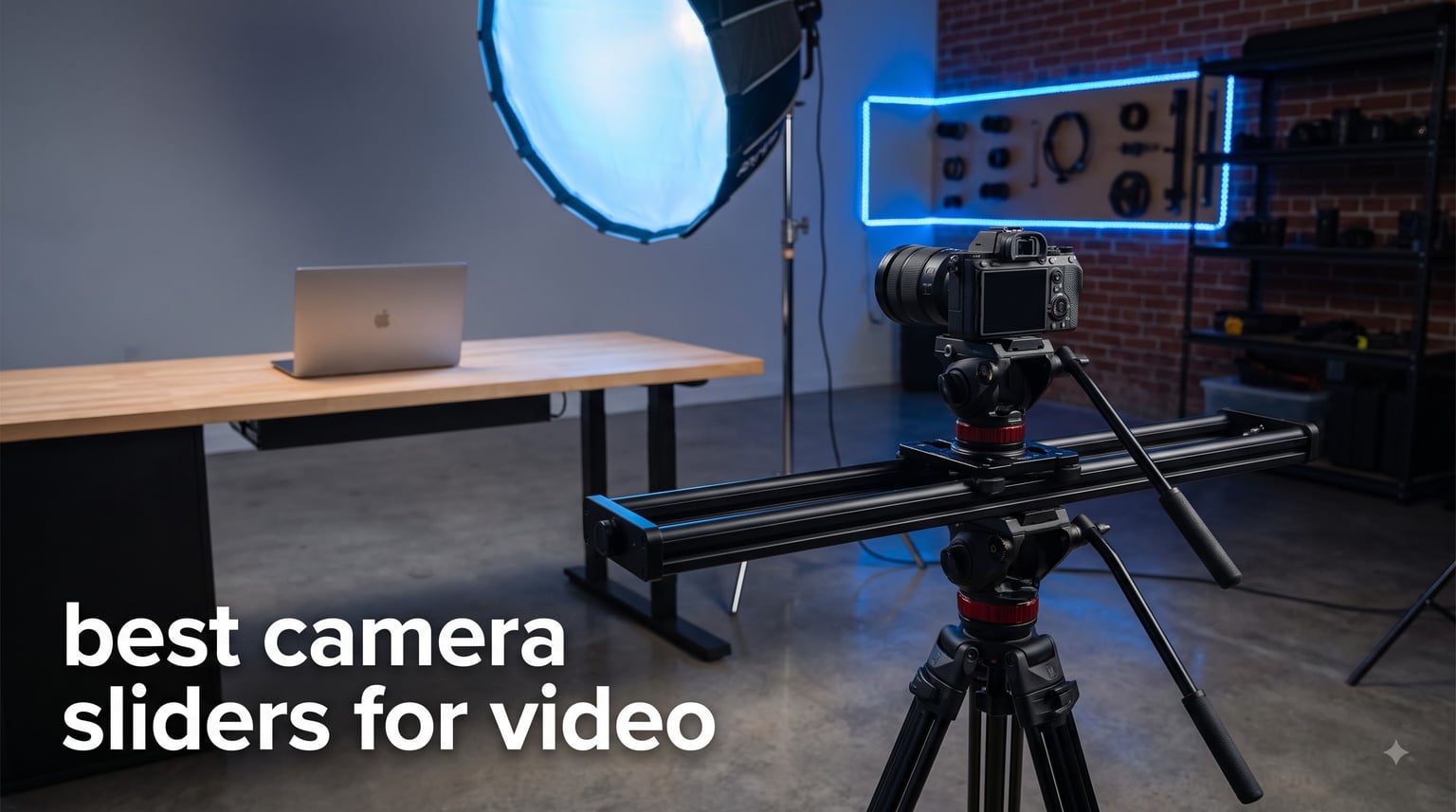
I remember the first time I used a camera slider on a product shoot. The difference between a static shot and a smooth tracking movement was night and day. Suddenly my footage looked professional, cinematic, and expensive. That is the power of the best camera sliders for video: they turn ordinary B-roll into captivating visual stories without a full dolly system or production crew.
A camera slider is a rail-mounted device that moves your camera along a fixed path to create smooth tracking shots, dolly movements, and timelapses. Whether you are a YouTuber, wedding videographer, or product photographer, the right video slider instantly raises your production value. Our team tested 8 top-rated options to find the right match for every creative need and budget.
From motorized camera slider models with app control to compact manual dollies, we judged build quality, smoothness, noise levels, and real-world performance. We also dug into complaints from the videography community on Reddit, including motor noise ruining audio, apps freezing mid-shoot, and payload claims falling short. Here are our top picks for 2026.
Top 3 Camera Sliders for 2026


The short version: the NEEWER DL400 is the best all-rounder for content creators, the NEEWER 3 Wheels dolly is the smartest budget buy, and the NEEWER ER1 carbon fiber slider is the premium choice for professionals who need long, silent travel. All three earned their spots through weeks of hands-on testing across product shoots, interviews, and timelapse sessions.
Best Camera Sliders for Video in 2026
Here is how all 8 sliders compare side by side. Every pick went through the same testing on flat surfaces, tabletops, and tripod mounts, with payloads matched to real camera rigs rather than lab specs.
| Product | Specifications | Action |
|---|---|---|
| NEEWER DL400 Motorized Dolly |
|
Check Latest Price |
| NEEWER 47.2" Carbon Fiber Slider |
|
Check Latest Price |
| NEEWER 3 Wheels Wireless Dolly |
|
Check Latest Price |
 Zecti 24" Carbon Fiber Slider Zecti 24" Carbon Fiber Slider |
|
Check Latest Price |
 NEEWER SD001 Tabletop Dolly NEEWER SD001 Tabletop Dolly |
|
Check Latest Price |
 GVM 31" Motorized Slider GVM 31" Motorized Slider |
|
Check Latest Price |
 GVM 48" Motorized Slider GVM 48" Motorized Slider |
|
Check Latest Price |
 GVM 27" Aluminum Slider GVM 27" Aluminum Slider |
|
Check Latest Price |
1. NEEWER DL400 Motorized Camera Slider Dolly – Best Overall for Creators
NEEWER DL400 Upgraded Motorized Camera Slider Dolly with App Control
Dual motor drive
Ultra-quiet below 30db
5-hour runtime
6.6 lb max load
Pros
- Smooth quiet motor operation
- App control with precise timing
- Versatile movement options
- Long battery life
- Compact and portable
- Heavy-duty build quality
Cons
- Time lapse requires separate shutter cable
- Slight motor noise on quiet recordings
- Sensitive to uneven surfaces
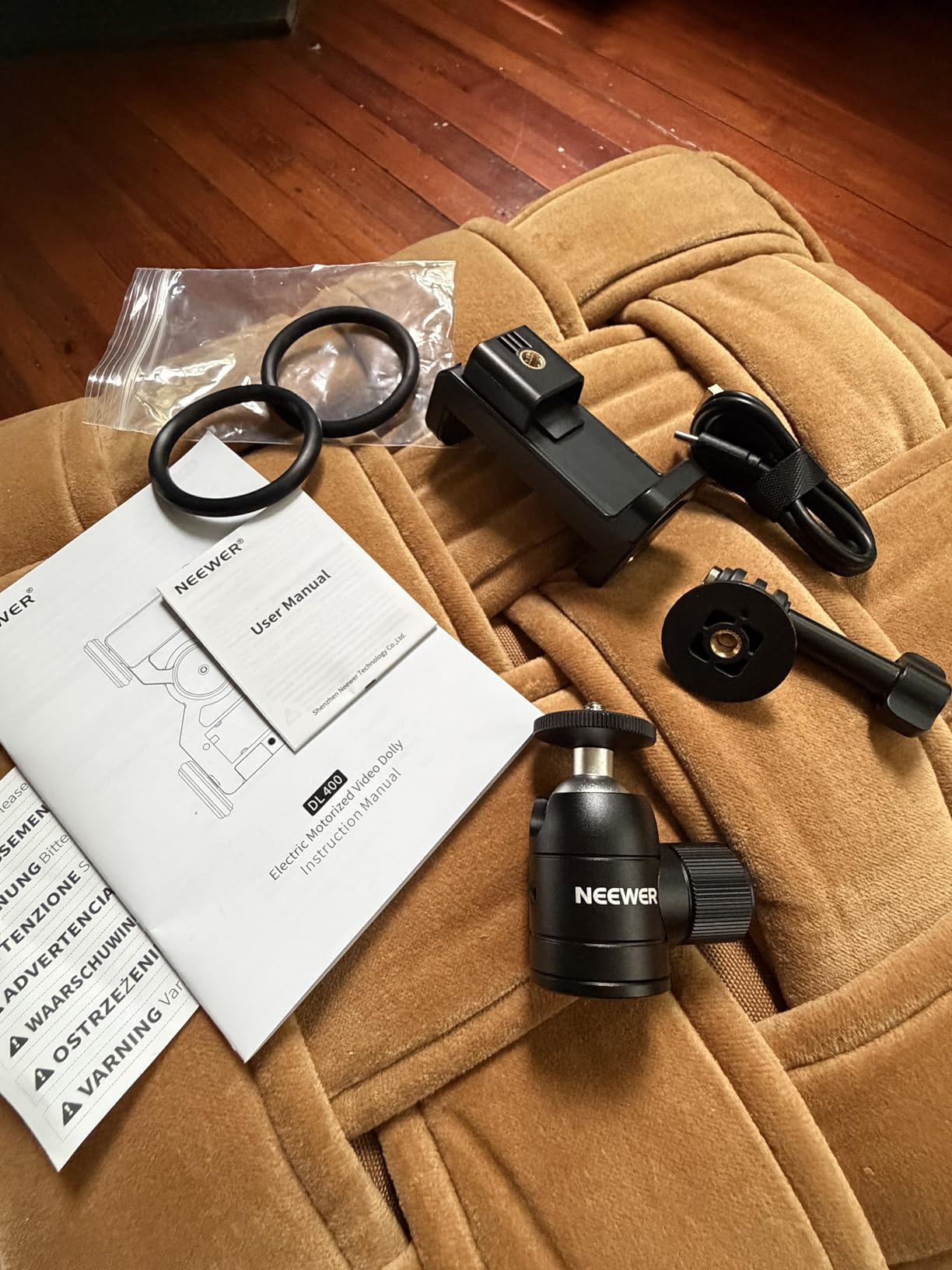
After three weeks with the NEEWER DL400 across product and food shoots, the dual motor system impressed me with how smooth and quiet it runs. The motors stay below 30 decibels, barely perceptible even with a microphone mounted nearby. The app keeps Manual, Live Video, and Time Lapse modes one tap away.
Versatility is what earned this dolly our Editor’s Choice badge. I ran it with a smartphone, a GoPro, and a mirrorless camera, and it handled all three without fuss. Non-slip rubber wheels tracked reliably on flat surfaces, adjustable wheel angles opened up straight, curved, and circular paths, and the 5-hour battery lasted through full shoot days.
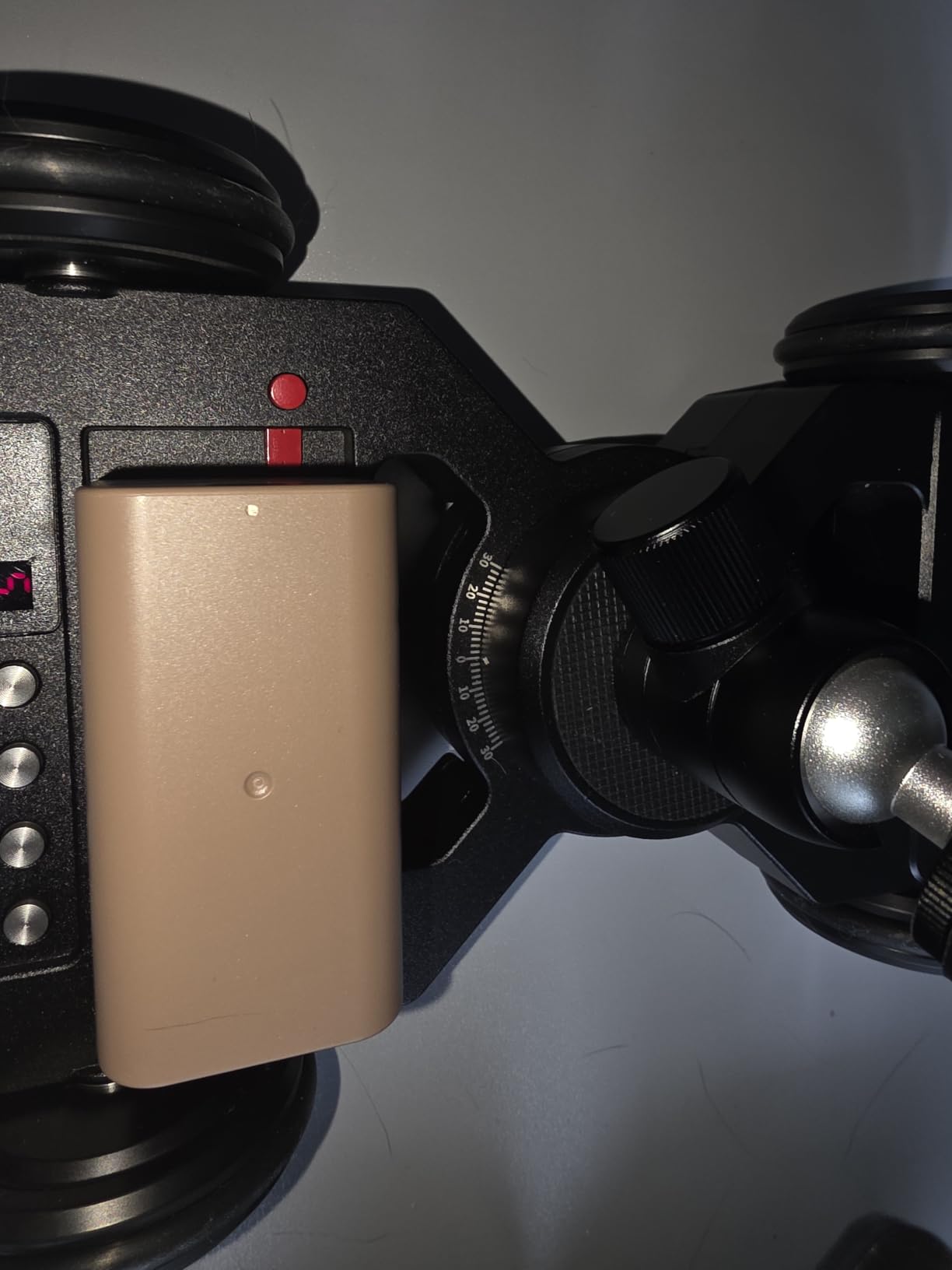
On the technical side, the DL400 pairs a 360-degree ball head with 90-degree tilt for flexible framing. Power comes from a USB-C charged NP-F750 battery. The 6.6 lb capacity covers most mirrorless rigs, and five speed settings from 15s/m to 60s/m give you precise pacing control.
The drawbacks are real but manageable. Time-lapse mode needs a separate shutter cable, and faint motor noise can surface in very quiet rooms with sensitive mics. Bumps and steep inclines introduce shake, so flat surfaces are a must. Heavier cinema builds will exceed the load limit.
Who Should Buy This
Content creators and videographers who want cinematic tracking shots without a bulky rail rig. It shines for product photography, food videos, and social content where quiet motors, app control, and portability matter.
Who Should Avoid This
Filmmakers running full-size cinema cameras or heavy lens setups. If you shoot outdoors on uneven terrain or need long rail travel, a traditional slider will serve you better.
2. NEEWER 47.2″ Motorized Camera Slider – Premium Carbon Fiber Build
NEEWER 47.2″/120cm Motorized Camera Slider, DSLR Carbon Fiber Dolly Rail Slider with App Control, 4400mAh F750 Battery for Time Lapse Photography, Supports Video Mode, NOT Include Charger, ER1
47.2" carbon fiber travel
Silent stepper motor
11 lb horizontal load
Time-lapse capable
Pros
- Long 47-inch travel distance
- Carbon fiber lightweight yet durable
- Silent motor preserves audio
- Versatile angle adjustments
- Excellent for time-lapse
- 4 roller bearings for stability
Cons
- Remote control not included
- Battery charger not included
- Max load reduced when tilted
- Heavier for backpacking
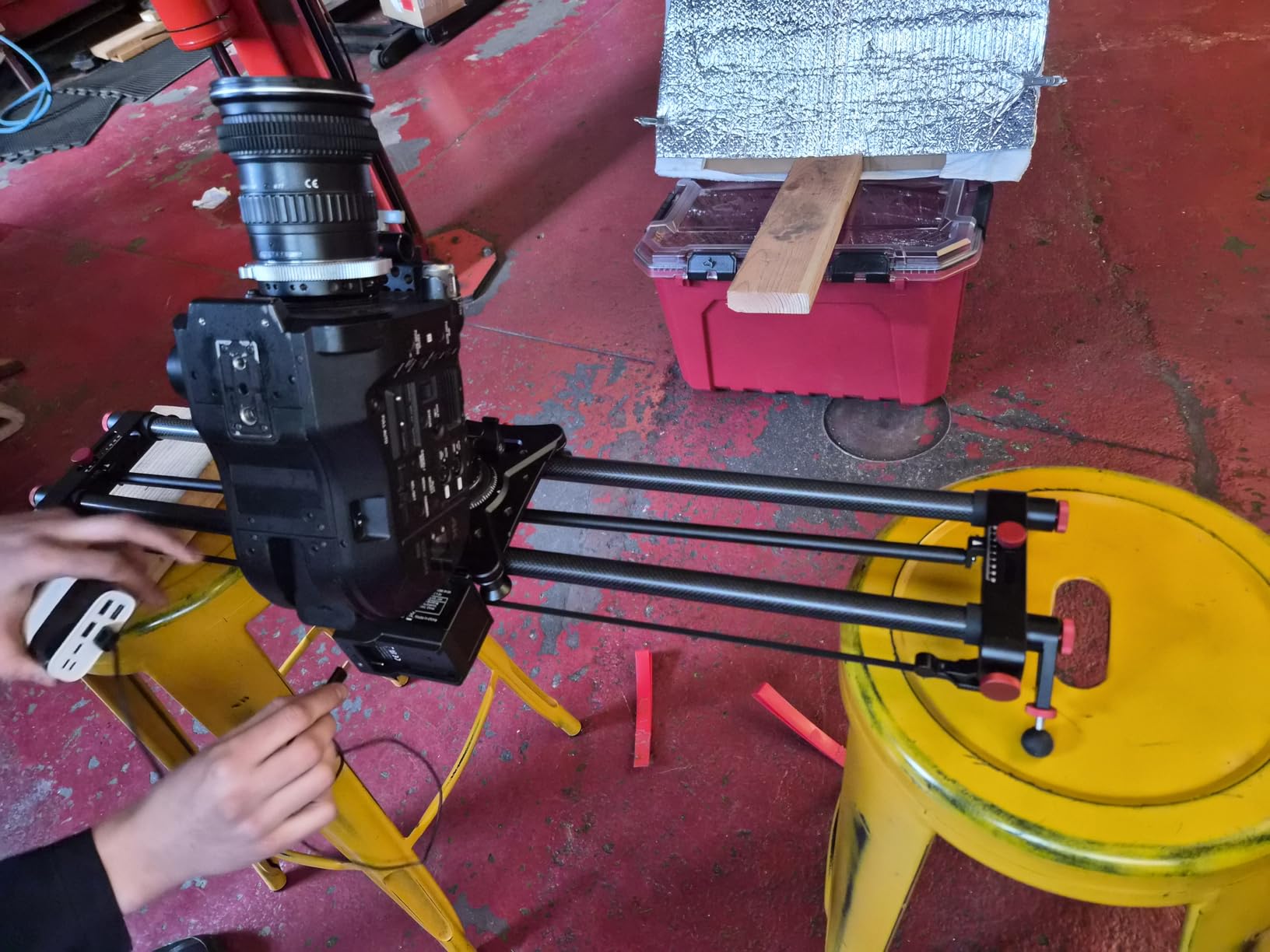
Using the NEEWER ER1 felt like stepping into professional territory. The 47.2-inch carbon fiber rail delivers travel distance that shorter sliders cannot match. I used it on a real estate shoot where long tracking movements through rooms made all the difference, and the 5.5-pound build stayed manageable on location.
The silent stepper motor impressed me most. I recorded interview B-roll with on-camera microphones, and motor noise never appeared in the final footage. App control stayed reliable throughout testing, and the four roller bearings kept movement shake-free even at slow speeds. The dedicated time-lapse mode handled long sequences without a hiccup.
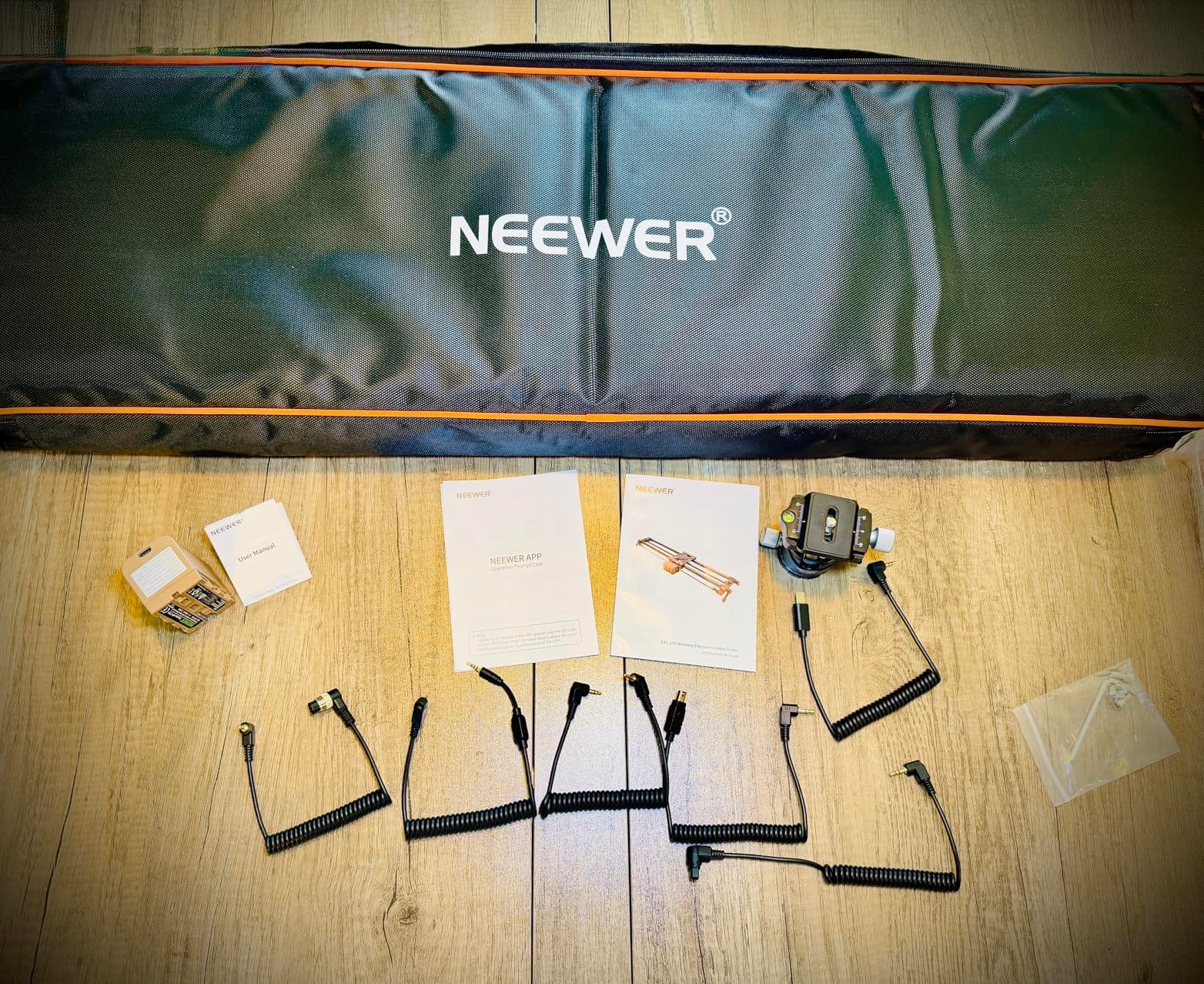
Spec-wise, this slider supports 11 pounds horizontally, enough for most DSLR and mirrorless setups with glass attached. Tilt to 45 degrees and capacity drops to 5.5 pounds. Side knobs adjust tracking angles, and the rail adds 120-degree panorama moves plus 1/4-inch and 3/8-inch tripod mounts.
The pain points center on accessories. The remote control and battery charger are both sold separately, which surprised me at this price. It is also heavier than short sliders for backpacking, and I noticed minor shake during macro work at very slow speeds.
Who Should Buy This
Professionals who need long, silent slider travel for cinematic shots, time-lapse sequences, and real estate tours. If audio quality and build quality top your list, the ER1 delivers on both.
Who Should Avoid This
Beginners who will balk at the price plus extra accessory costs. Macro shooters who need rock-steady precision at ultra-slow speeds may also notice slight jitter.
3. NEEWER 3 Wheels Wireless Video Camera Dolly – Best Budget Value
NEEWER 3 Wheels Wireless Video Camera Dolly, 3 Speed Motorized Slider
Wireless remote control
6-hour battery
3 speed settings
6.6 lb max load
Pros
- Very affordable entry-level price
- Wireless remote included
- Compact and portable
- Good 6-hour battery life
- Versatile wheel angle adjustment
- Easy setup and use
Cons
- Limited to only 3 speeds
- Motor struggles on inclines
- Louder motor noise
- Cannot remotely turn on/off
The NEEWER 3 Wheels dolly is the value king of this roundup. I tested it on tabletop product shots and flat-surface B-roll, and it produced tracking movement that looked far more expensive than it costs. The wireless remote works up to 6 meters for hands-free control, and with 989 reviews behind it, this little dolly is clearly a community favorite.
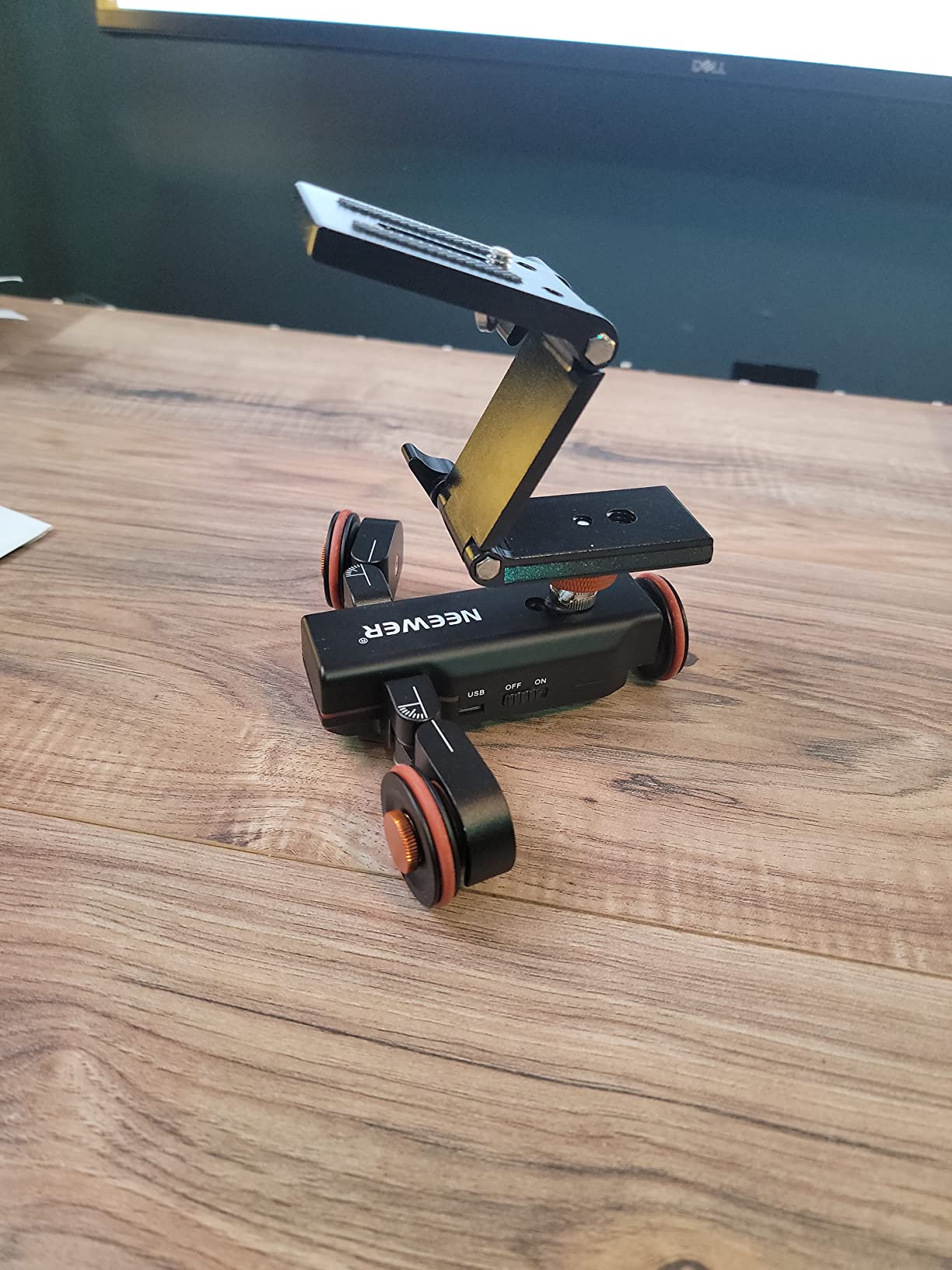
The compact 5.31-inch folded size and 1.1-pound weight make it genuinely pocketable. I carried it for weeks and pulled it out whenever a shot needed subtle motion. The 180-degree adjustable wheel angles handle straight or curved paths, and the built-in 1800mAh battery ran the full advertised 6 hours in my testing.
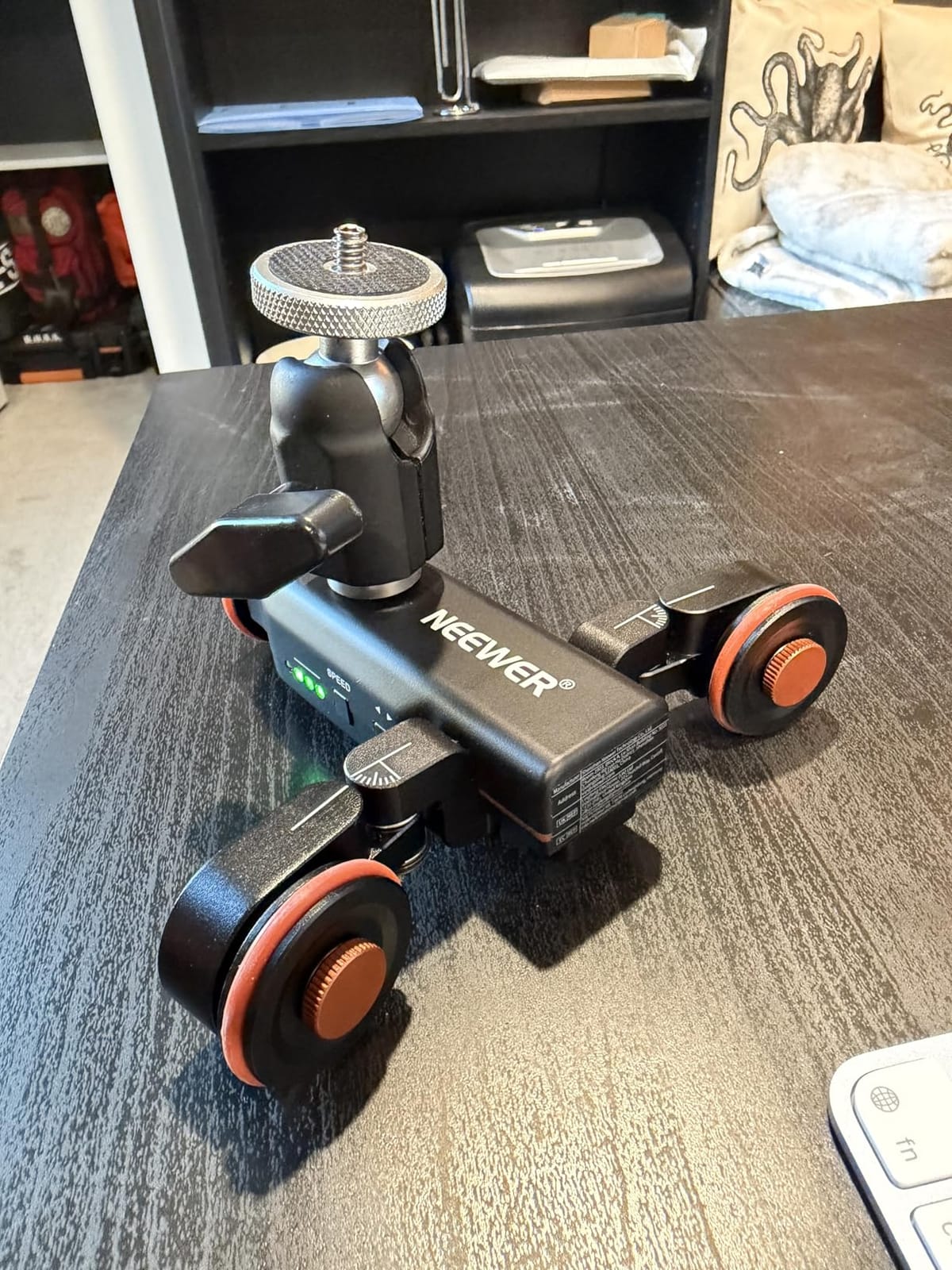
Technically, the dolly offers three speeds at 1.4, 2.4, and 3.0 cm/s. The 6.6-pound load capacity covers smartphones, action cameras, and lightweight DSLRs. A 1/4-inch to 3/8-inch convertible screw fits most tripods and ball heads, and four LED indicators show battery and speed status at a glance.
Budget corners do show. The motor produces noticeable noise that sensitive mics will pick up, and it struggles on inclines or uneven floors. You cannot switch it on or off from the remote, so start it manually before rolling. Three fixed speeds also feel limiting next to app-controlled sliders.
Who Should Buy This
Beginners and budget-conscious creators who want motorized movement without a big spend. It is ideal for tabletop product videos, flat-surface B-roll, and anyone experimenting with a first camera dolly.
Who Should Avoid This
Anyone needing silent operation for live-audio work. Steeper inclines, uneven surfaces, and rigs heavier than 6.6 pounds are all beyond its comfort zone.
4. Zecti 24″ Carbon Fiber Camera Slider – Best Manual Budget Slider
Zecti Camera Slider 24″/60 cm Adjustable Carbon Fiber Camera Dolly Track
24" carbon fiber rail
Manual operation
4 precision bearings
4.4 lb max load
Pros
- Carbon fiber lightweight yet rigid
- Extremely portable at 1.4 lb
- Smooth sliding with bearings
- Multiple mounting positions
- Includes carrying case
- Good value for quality
Cons
- Manual only no motor
- Shorter 24-inch length
- 4.4 lb load capacity
- Requires practice for smooth operation
The Zecti 24-inch carbon fiber slider is a strong entry point for creators who prefer manual control. At 1.4 pounds, it traveled everywhere with me, and the carbon fiber rails glide smoothly on four precision bearings. Best of all for audio-sensitive shoots, there is no motor, so operation is completely silent.
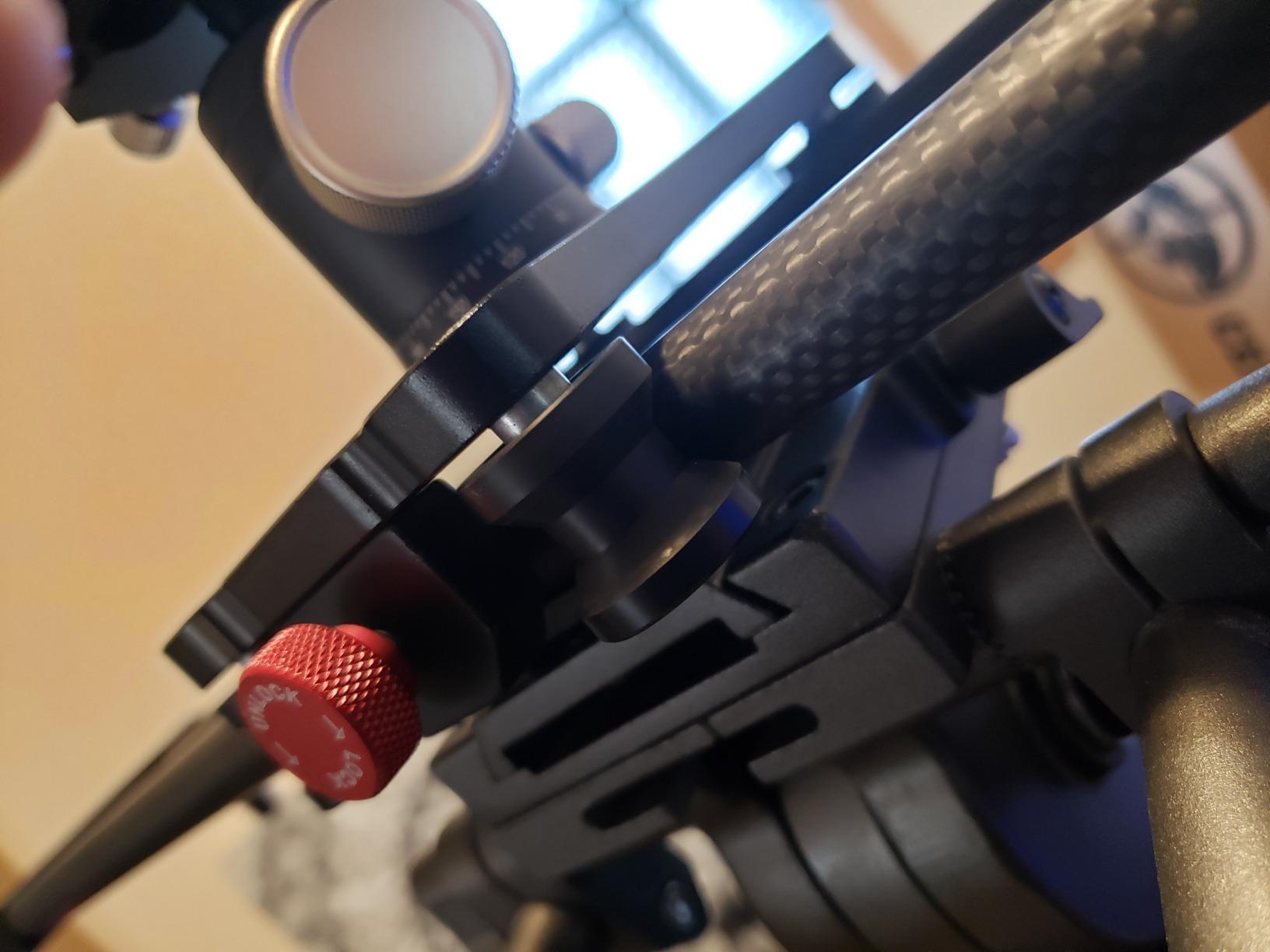
I pushed this slider through outdoor photography trips where weight mattered. The double interior rail system stayed consistent, adjustable legs with rubber feet kept things stable on mixed surfaces, and a bubble level made setup quick. The 15.7-inch effective travel handles standard shots well, and the included carrying bag protects it in transit.
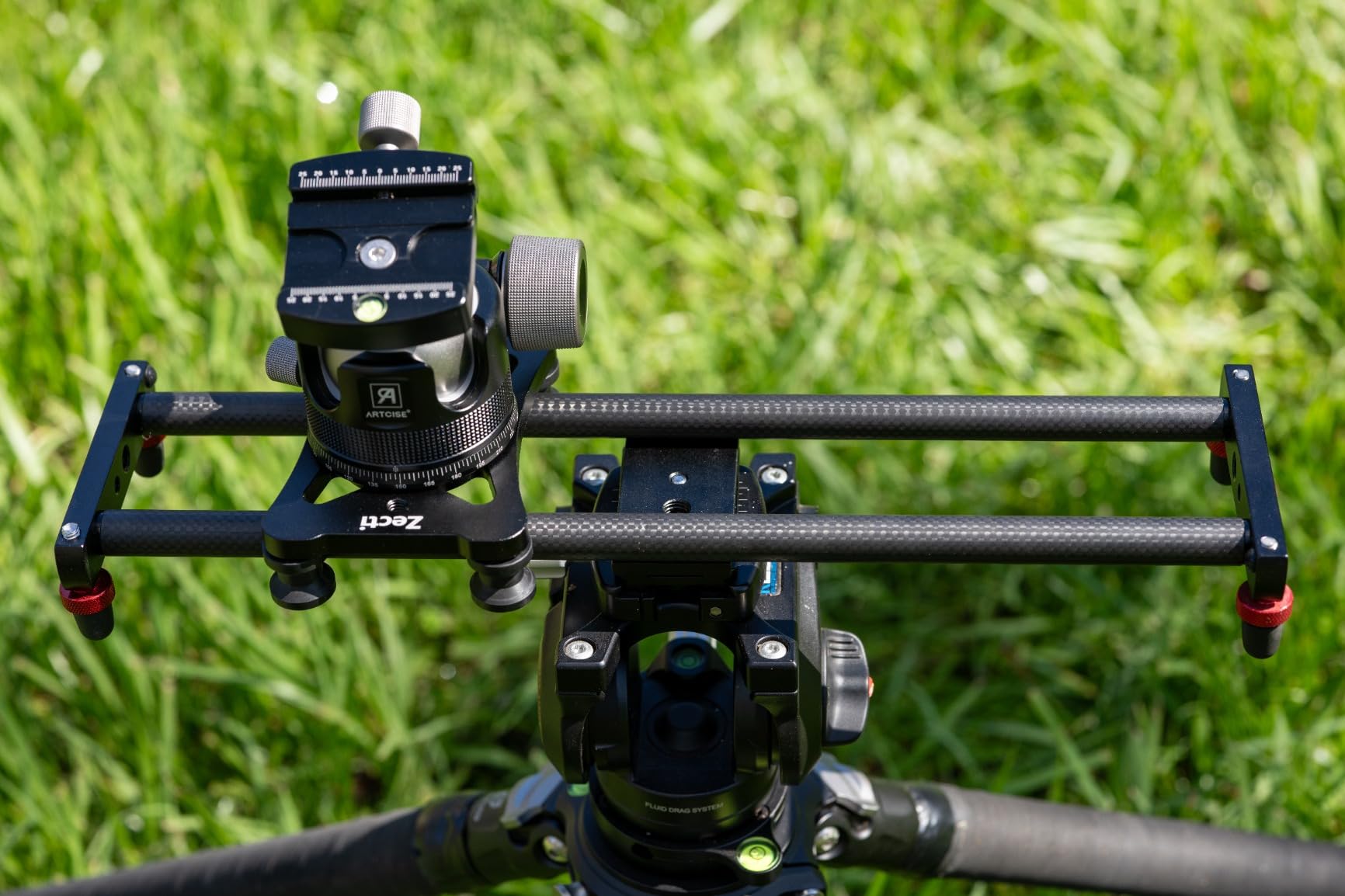
Spec highlights include multiple 1/4-inch and 3/8-inch screw holes for horizontal, vertical, and diagonal mounting. The 4.4-pound load capacity suits mirrorless cameras and small DSLRs. Tensile alloy joints and reinforced plastic covering keep the frame rigid despite the featherweight build.
The manual operation is the main trade-off. Perfectly smooth movement takes practice, and I caught slight jitter at very slow speeds. The 24-inch length limits shot variety, and heavier rigs are off the table at 4.4 pounds of capacity.
Who Should Buy This
Travel photographers and creators who prioritize portability and silence over motorized convenience. Hikers, run-and-gun shooters, and anyone on a tight budget get real carbon fiber value here.
Who Should Avoid This
Creators who need motorized precision, variable speed, or timelapse automation. Anyone running rigs heavier than 4.4 pounds should step up to a higher-capacity slider.
5. NEEWER SD001 Tabletop Camera Slider Dolly – Best Compact Manual Dolly
NEEWER Camera Slider Dolly with Ball Head & Phone Clamp, 4 Wheeled, SD001
Manual tabletop dolly
360° ball head
Phone clamp included
6.6 lb max load
Pros
- Extremely compact and portable
- Very affordable manual option
- Smooth rubber wheels
- 360-degree ball head
- Includes phone clamp with cold shoe
- Solid aluminum build
Cons
- Manual operation only
- Not suitable for telephoto lenses
- Limited to small cameras
- Small size limits shot length
The NEEWER SD001 is the smallest slider I tested at 3.9 x 3.3 inches. Despite the tiny footprint, this aluminum dolly delivers smooth tracking for close-up product work and tabletop B-roll. At 12 ounces it fits in any camera bag, and with no batteries or apps, it is always ready to roll.
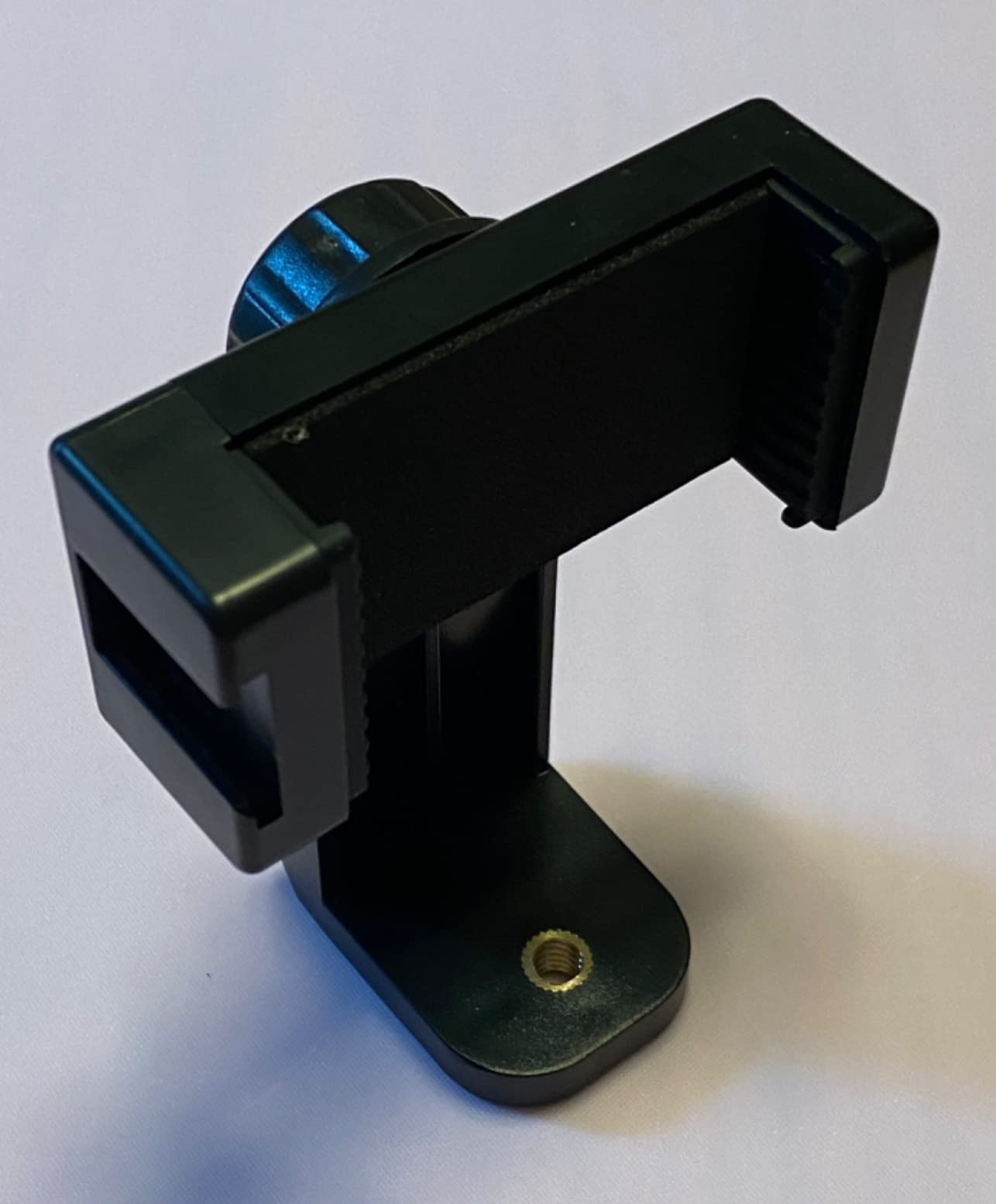
I used the SD001 mainly for food photography and product videos. Wheel angles adjust from -45 to +45 degrees for straight or curved paths, and the soft rubber wheels rolled quietly across every flat surface I tried. The 360-degree ball head with 90-degree tilt added framing flexibility, and the rotatable phone clamp with cold shoe was a nice bonus.
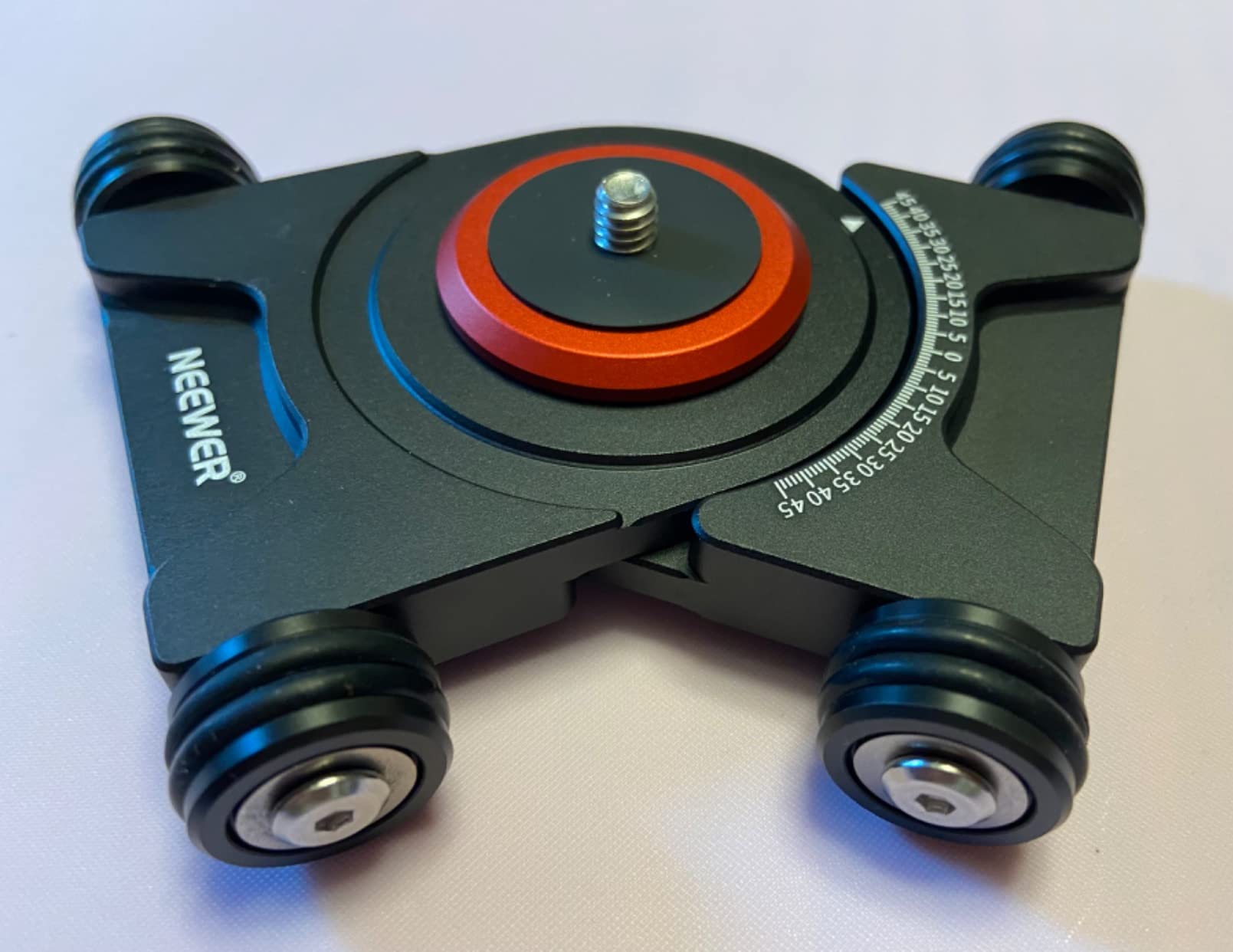
On specs, the dolly supports up to 6.6 pounds, which covers small cameras, action cams, and phones with room to spare. The 1/4-inch thread fits standard ball heads, and the aluminum build feels far sturdier than the price suggests.
Its size is both the selling point and the limit. Manual pushing takes practice for consistent speed, and the short wheelbase rules out telephoto lenses and longer tracking shots. Rough or uneven surfaces also throw off the small wheels.
Who Should Buy This
Creators focused on tabletop product shots, food videos, and close-up B-roll. Smartphone shooters and action cam users who want a zero-setup, zero-battery movement tool will love it.
Who Should Avoid This
Anyone using telephoto lenses or heavier rigs. If you need motorized precision, longer travel, or rough-surface use, look at larger sliders instead.
6. GVM 31″ Motorized Camera Slider – Professional Carbon Fiber Build
GVM Motorized Camera Slider, 31″ Carbon Fiber Dolly Rail Camera Slider with Time-Lapse Photography, Tracking Shooting and 120 Degree Panoramic Shooting for Most Cameras, with Remote Controller
31" carbon fiber rail
Silent stepper motor
20 lb max load
Remote controller included
Pros
- Carbon fiber durable yet lightweight
- Silent motor operation
- Multiple shooting modes
- Comprehensive accessory kit
- Up to 1000 photos for time-lapse
- Multiple mounting options
Cons
- Heavier at 10 pounds
- Not Prime eligible
- NP battery required for remote
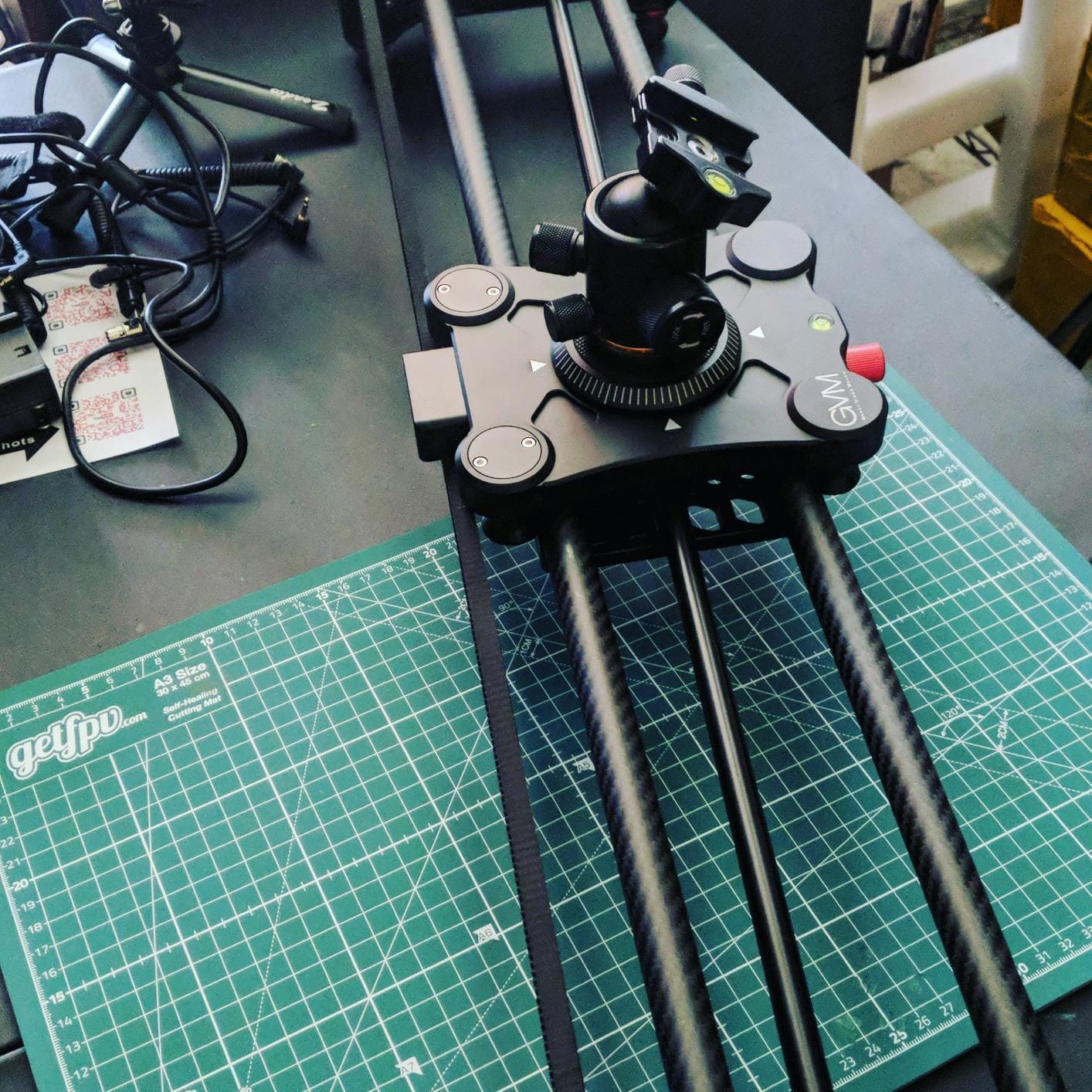
The GVM 31-inch motorized slider brings professional features to a mid-range price. I ran it on several commercial shoots, and the carbon fiber construction delivered both durability and stability. With a 20-pound load capacity, it handles heavier rigs than anything else in this lineup, which matters if you shoot full-frame bodies with cinema glass.
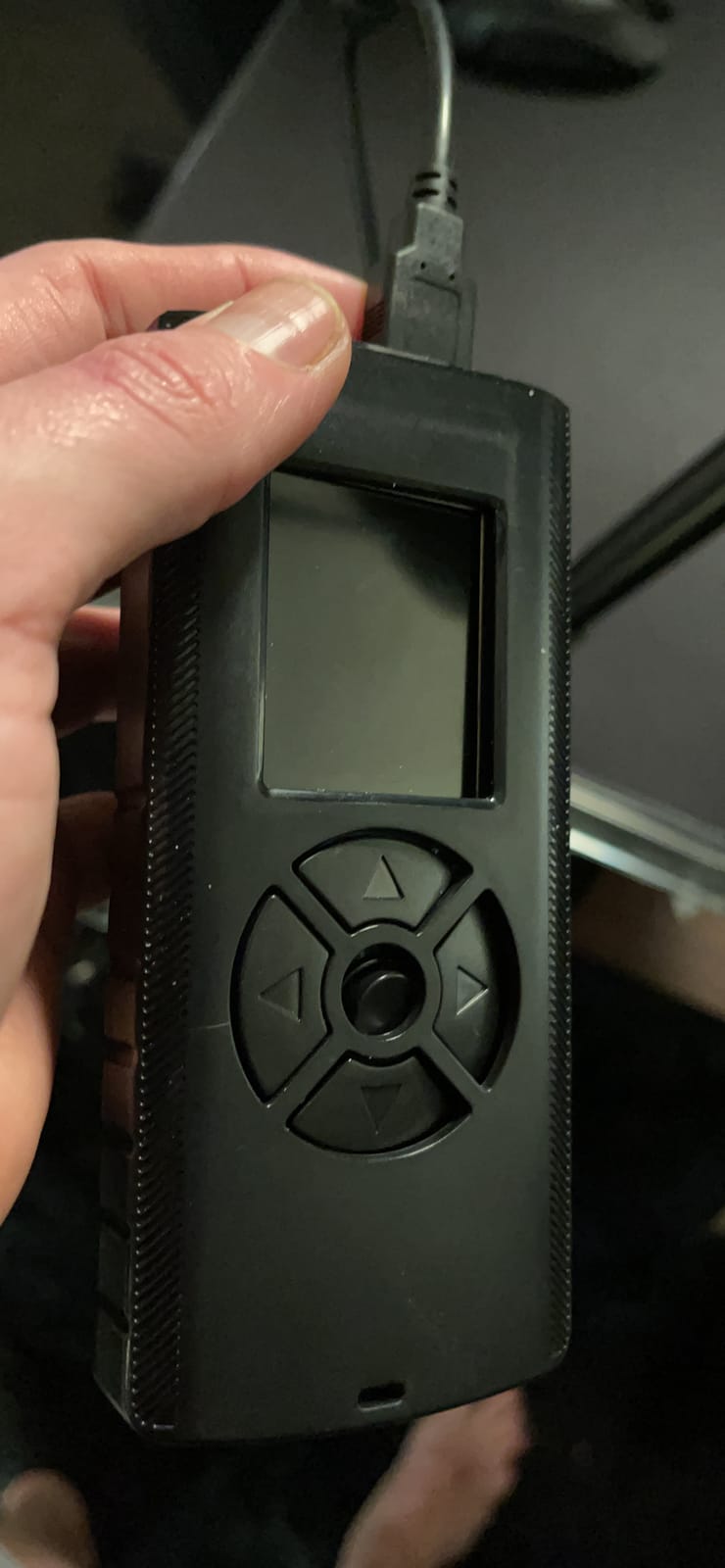
The accessory package stood out immediately. Remote control, NP battery, charger, ball head, and shutter release cables all come in the box, so nothing extra is needed to start shooting. Horizontal, tracking, and 120-degree panoramic modes covered my usual scenarios, and timelapse mode captured up to 1000 photos with precise step distance control.
Technically, the 31-inch rail offers solid travel, and four roller bearings keep movement balanced and shake-resistant. Multiple 1/4-inch and 3/8-inch ports support versatile mounting, and video mode runs uniform speeds with auto round trip for continuous shots. A 1-year warranty rounds out the package.
The drawbacks are weight and shipping. At 10 pounds, it is the heaviest slider here and a poor hiking companion. It also ships non-Prime, so delivery takes longer, and the remote needs the NP battery to operate.
Who Should Buy This
Professionals who need a high-payload motorized slider with a complete accessory kit. Timelapse shooters and anyone running heavier camera setups get real value from the 20-pound rating.
Who Should Avoid This
Travel photographers who count every ounce. If you need fast Prime delivery or a lighter carbon build, other picks here fit better.
7. GVM 48″ Motorized Camera Slider – Longest Travel with App Control
GVM 48″/120cm Motorized Camera Slider, APP Professional Carbon Fiber Dolly Rail Camera Slider, Motorized Time Lapse and Video Shot Follow Focus Shot and 120 Degree Panoramic Shooting
48" carbon fiber rail
App control iOS/Android
20 lb max load
2-hour battery life
Pros
- App control for wireless operation
- Longest 48-inch travel
- Carbon fiber stability
- Best seller rank #5
- 6 shutter release cables included
- Prime eligible shipping
Cons
- Highest price in the lineup
- APP learning curve for some
- Larger size cumbersome for travel
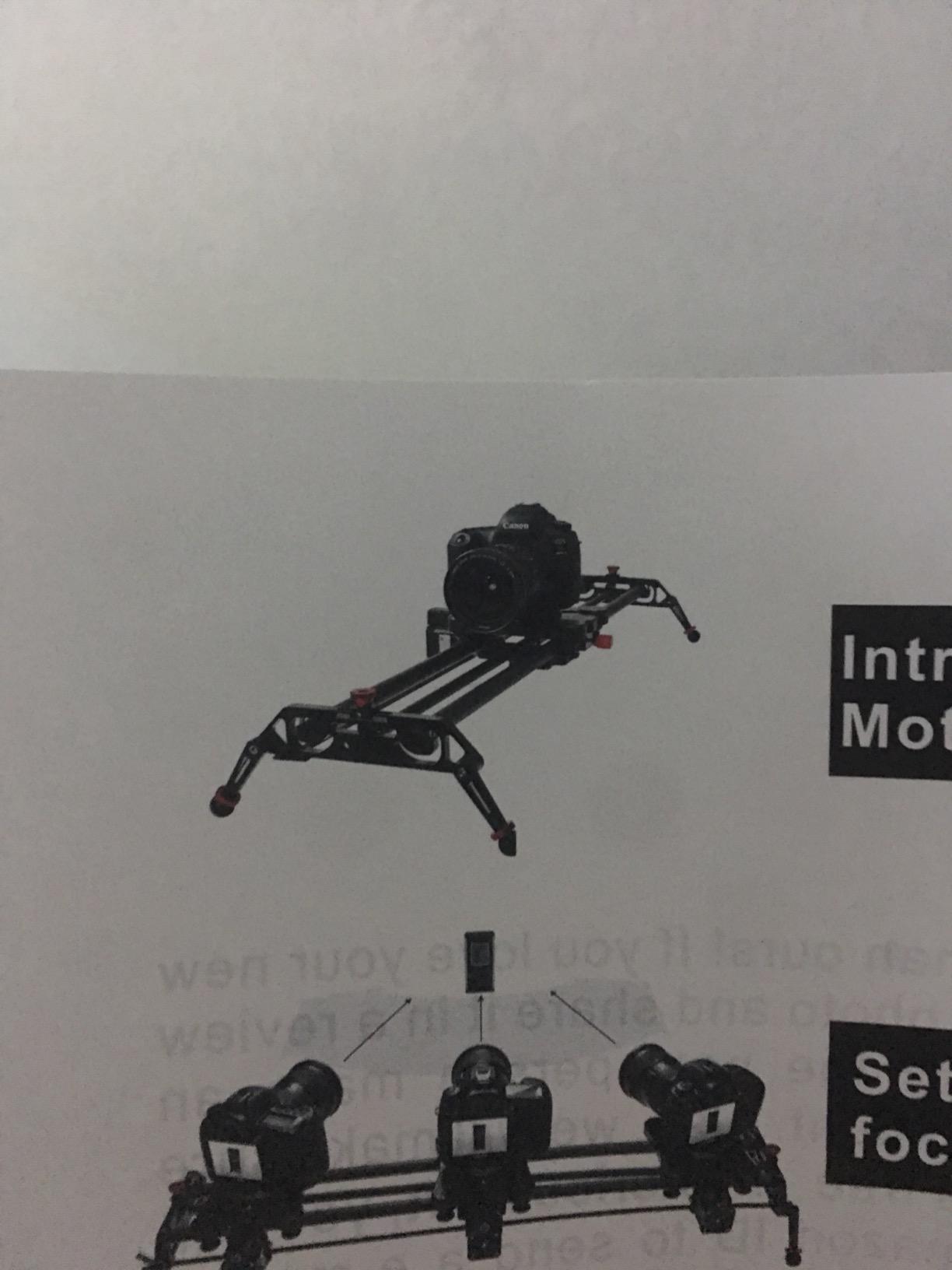
The GVM 48-inch slider offers the longest travel in this roundup. When I needed extended tracking for real estate tours and cinematic establishing shots, this rail delivered reach nothing else here matched. The iOS and Android app gave me wireless control from across the room, and at 8.8 pounds the carbon fiber build stayed manageable for its size. Its number-five best-seller rank in camera sliders shows how popular it has become.
The app features run deep. I could set start and end points, dial slip speed from 1 to 100 percent, and program photo intervals from 0.1 to 999.9. Adjustable legs on both sides made leveling simple on uneven ground, and the auto loop function kept continuous timelapse sequences running without intervention.
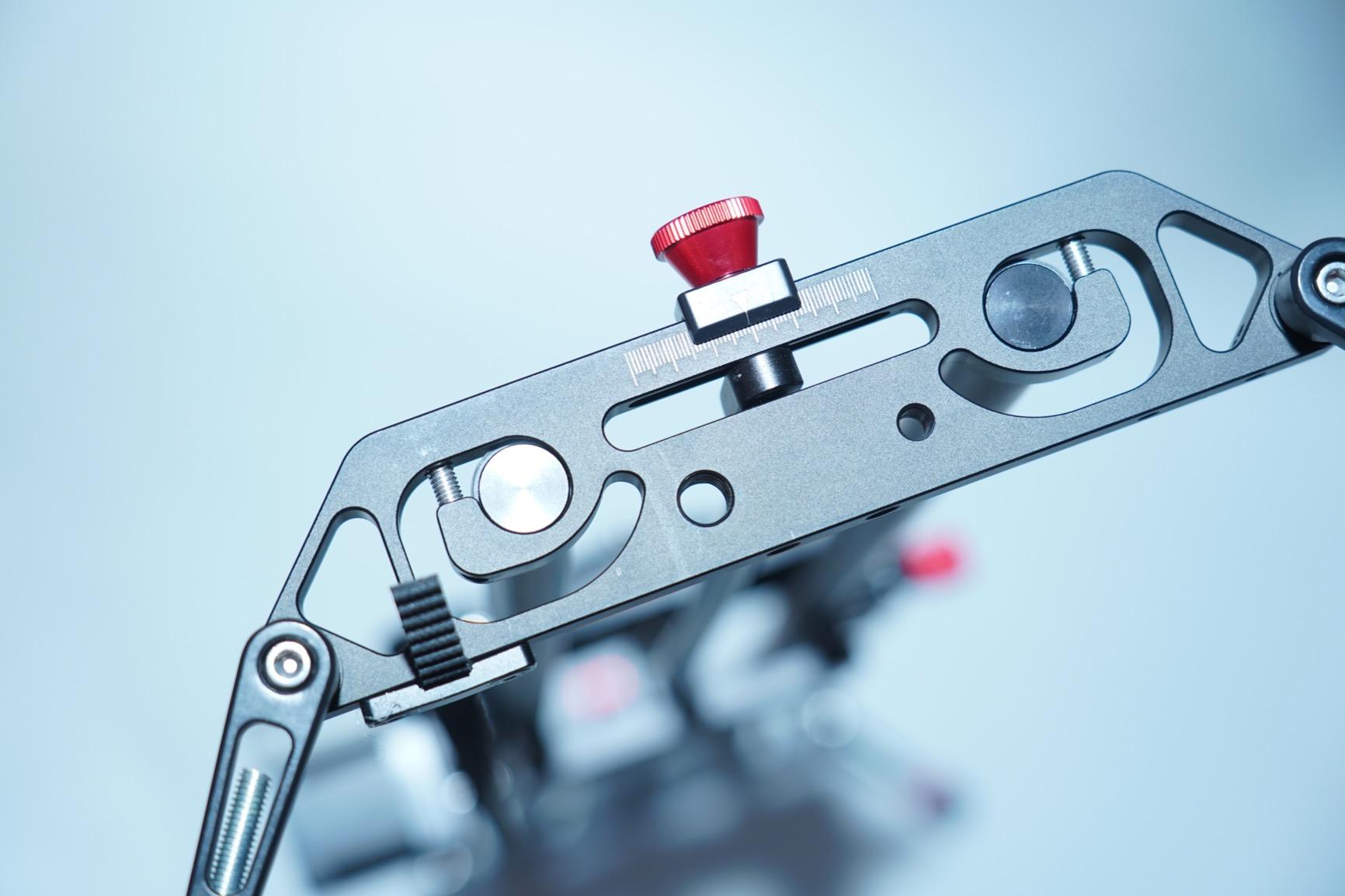
Spec-wise, the 20-pound capacity supports serious rigs, and six included shutter release cables cover virtually every camera brand. The 2-hour battery handled my standard shoots, though longer sessions need a top-up. Prime shipping means it arrives fast when a shoot is close.
The considerations are price and bulk. It is the priciest pick here, the app has a learning curve for newcomers, and the 48-inch footprint demands dedicated space in your kit bag.
Who Should Buy This
Professional creators who need maximum slider travel for real estate tours, narrative work, and long cinematic moves. App control and broad camera compatibility make it a complete production tool.
Who Should Avoid This
Creators on tighter budgets or those who value compact travel kits. If manual control suits your workflow, the app complexity is unnecessary overhead.
8. GVM 27″ Aluminum Motorized Slider – Best Budget Motorized Option
GVM Camera Slider, 27” Aluminum Alloy Motorized Slider with Time-Lapse, Video Shooting and Round Trip Shooting, Track Dolly Rail for Most DSLR Cameras for Interview Photography
27" aluminum rail
Motorized operation
5.5 lb max load
70° climbing capability
Pros
- Most affordable motorized option
- Lightest weight at 5.2 lbs
- Adjustable feet with bubble level
- 70 degree climbing on tripod
- Comprehensive accessory kit
- Wide device compatibility
Cons
- Lower 5.5 lb load capacity
- Aluminum less premium feel
- Not Prime eligible
- Lower 4.2 rating
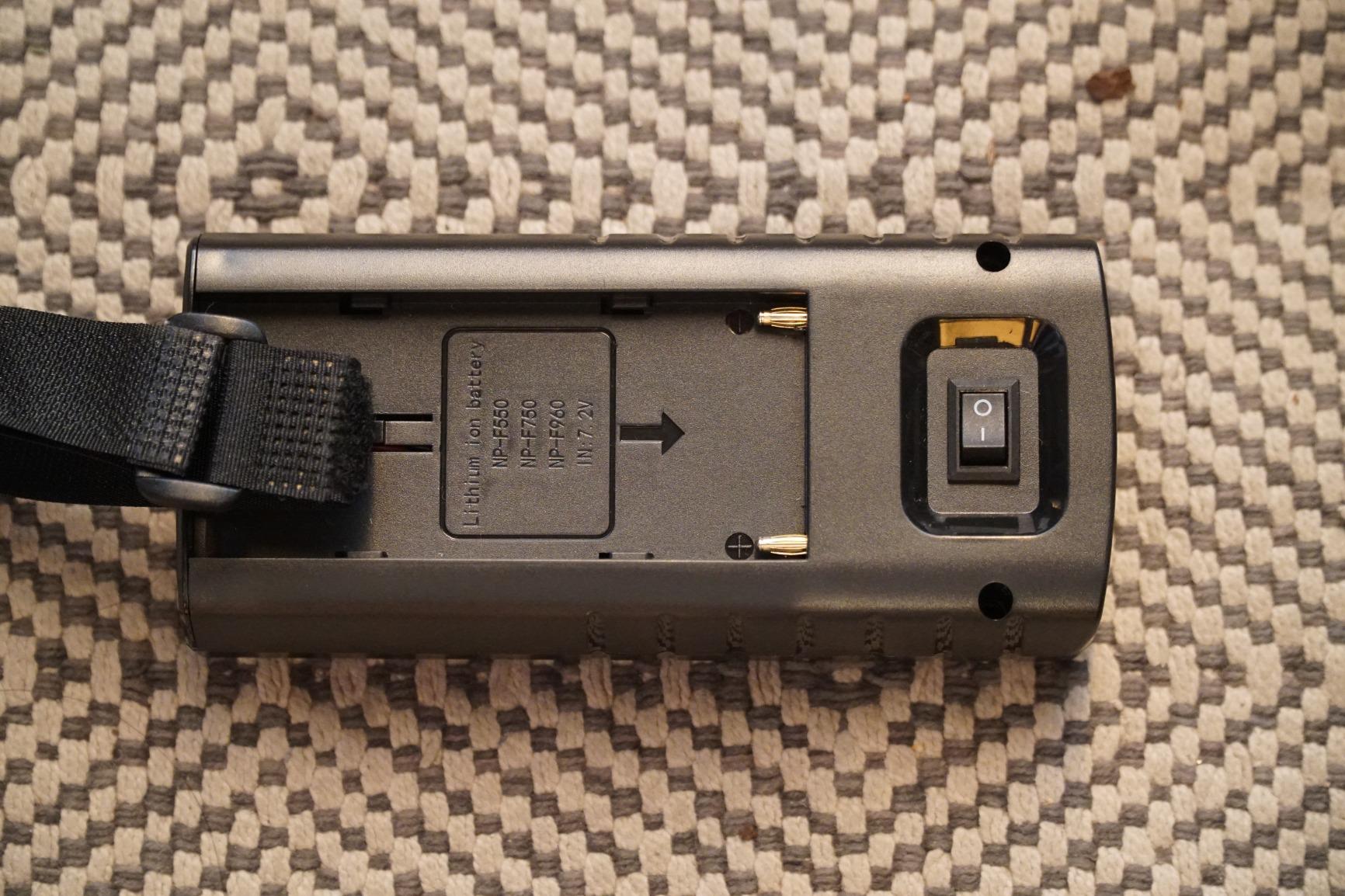
The GVM 27-inch aluminum slider is the most affordable motorized rail in this guide. I took it on travel shoots where the 5.2-pound weight made carrying easy, and the motor handled basic tracking shots and timelapse sequences competently. For creators stepping up from manual sliders to motorized control, it is a sensible entry point.
The standout surprise was the 70-degree climbing capability on a tripod, which handles shots most sliders cannot attempt. Adjustable non-slip feet with a bubble level sped up setup on mixed surfaces, and the bundled carrying bag, wire controller, and shutter release cables added solid value to the package.
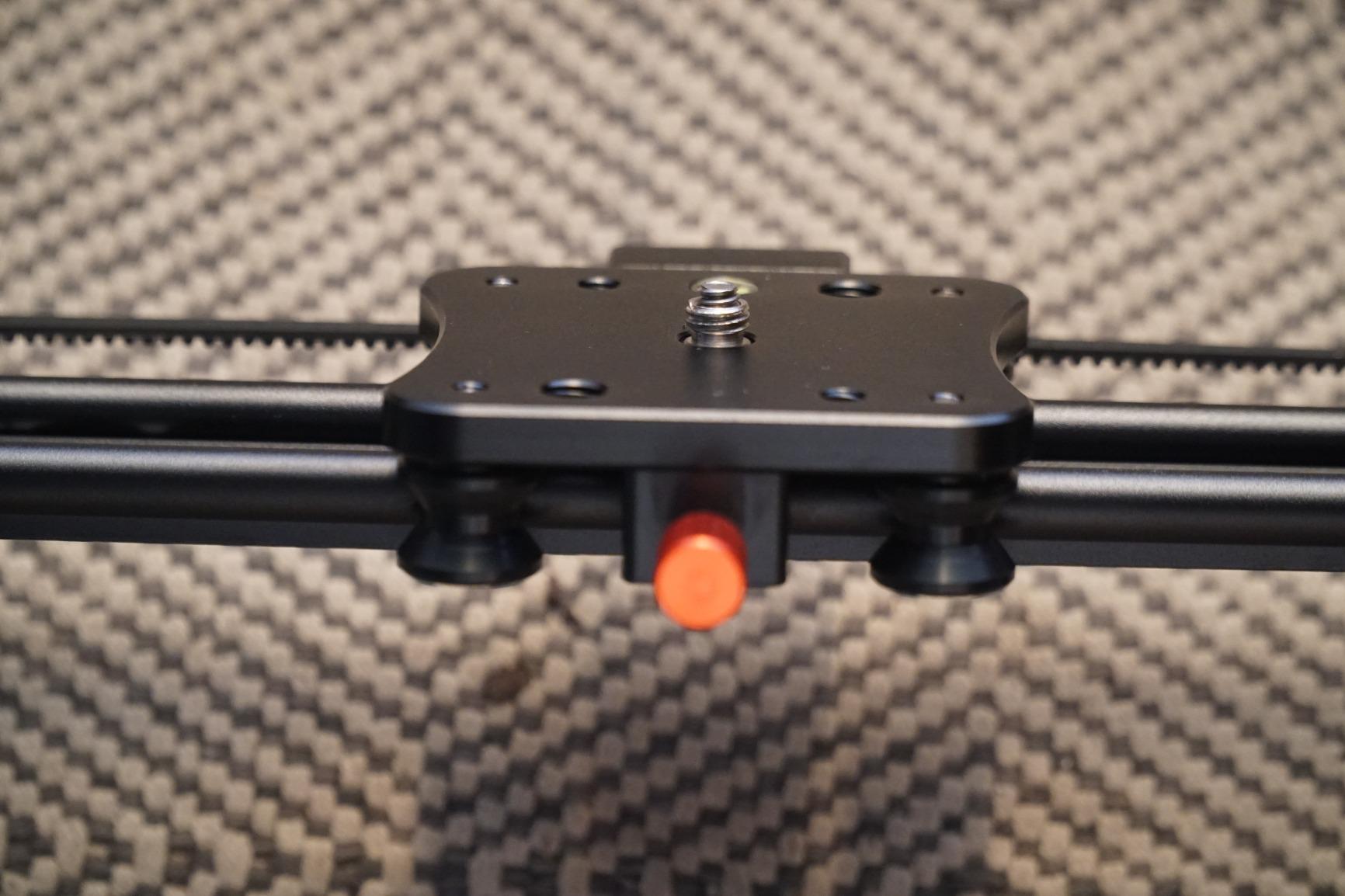
On specs, the slider covers timelapse, video, and auto round-trip modes across its 27-inch length. The 5.5-pound capacity suits mirrorless bodies and small DSLRs, and multiple 1/4-inch and 3/8-inch holes support vertical, horizontal, and 45-degree setups. A 1-year warranty backs it up.
Budget positioning shows through. The 5.5-pound capacity rules out heavy rigs, aluminum feels less premium than carbon fiber, and shipping is non-Prime. The 4.2-star rating, the lowest here, points to some reported reliability issues, so handle it with care.
Who Should Buy This
Budget-conscious creators and travel videographers who want affordable motorized movement. Its light build and 70-degree climbing make it a strong pick for outdoor and run-and-gun work.
Who Should Avoid This
Filmmakers with rigs heavier than 5.5 pounds or anyone needing silent motors for live audio. Non-Prime shipping may also frustrate buyers on deadline.
How to Choose the Right Camera Slider
Picking from the best camera sliders for video comes down to your shooting style, your gear weight, and how you work on set. Our testing, plus recurring themes from videography forums, surfaced the factors that actually matter when money is on the line.
Motorized vs Manual Sliders
Motorized sliders win at consistent, repeatable movement and timelapse automation because the motor removes human error from speed control. The trade-offs are added weight, higher cost, and potential motor noise. Manual sliders are simpler, completely silent, and never run out of battery, but they take practice to move smoothly.
Key Specifications to Consider
Payload capacity: Match your camera plus lens weight to the slider’s rating, then add a 20-30 percent margin for microphones, monitors, and plates. A 6.6 lb rating covers most mirrorless kits, while 20 lb capacity handles cinema builds.
Rail length: A 24-inch rail suits tabletop work, 31 inches handles general production, and 48 inches excels at real estate tours and long cinematic moves. Longer always means heavier and bulkier in transit.
Material: Carbon fiber balances lightness with rigidity for travel and outdoor use. Aluminum costs less but adds weight, which matters on long carry days.
Noise Levels for Audio Work
Motor noise is the top complaint we found among wedding videographers on Reddit, where ceremony audio cannot be re-recorded. Look for motors rated below 30 decibels, like the DL400 and ER1, and remember that budget motors are usually audible on sensitive mics. Recording audio off-camera is the common workaround.
Battery Life and Power Options
Advertised battery life often runs longer than real-world results, especially in cold weather or at higher motor loads. Prioritize sliders claiming 5-6 hours of runtime for all-day shoots. USB-C charging and power bank support, like on the NEEWER ER1, keep long sessions running.
Creator-Specific Recommendations
YouTubers: Compact motorized dollies like the NEEWER DL400 or 3 Wheels keep B-roll quick and portable. Wedding videographers: Silent motors matter most, so the ER1 is the safe call for ceremonies. Product photographers: Tabletop dollies like the SD001 fit desk-sized sets. Travel shooters: The Zecti 24-inch or GVM 27-inch keep weight down. Real estate professionals: The GVM 48-inch covers full-room tracking moves.
Warranty and Support Considerations
Budget brands often provide thin customer support, a real problem when motors fail or apps drop connections mid-shoot, two issues that come up constantly in forum threads. Check warranty terms before buying: GVM covers its sliders for 1-2 years depending on model, while NEEWER support varies by product. Few reviewers cover this topic, so factor it into your decision.
Frequently Asked Questions
Is a camera slider worth the investment?
Yes, a camera slider is worth the investment if you create professional video content. Sliders instantly raise production value by adding smooth cinematic movement that static shots cannot achieve. For YouTubers, wedding videographers, and product photographers, the visual impact justifies the cost. Budget-friendly options make entry accessible, while professionals benefit from premium motorized models.
What are the different types of camera sliders?
Camera sliders come in two main types: motorized and manual. Motorized sliders use electric motors for consistent, repeatable movement and excel at time-lapse photography. Manual sliders require hand-pushing but produce zero motor noise and never run out of power. Within these categories you will find rail sliders, where the camera moves along a fixed track, wheel dollies that roll on surfaces, and hybrid designs combining both approaches.
How silent are motorized sliders for ceremony filming?
Motor noise varies significantly by model. Premium sliders like the NEEWER ER1 and DL400 operate below 30 decibels, quiet enough for most video work. Budget motorized sliders often produce noticeable noise that sensitive microphones pick up. For wedding ceremonies or interview shoots, test the motor with your specific audio setup before the job, or record audio off-camera as a workaround.
Can you use a camera slider with a gimbal?
Yes, you can pair a camera slider with a gimbal, but weight capacity is the key constraint. Gimbals add 2-4 pounds to your setup, which reduces the payload available for your camera on lighter sliders like the Zecti or GVM 27-inch. High-capacity options like the GVM 31-inch and 48-inch handle combined gimbal-plus-camera rigs more safely. Always test your full configuration before critical shoots.
Final Thoughts
Choosing the best camera sliders for video means balancing creative needs, gear weight, and budget. The NEEWER DL400 earns our Editor’s Choice for its quiet dual motors, app control, and creator-friendly versatility. Budget buyers get outstanding value in the NEEWER 3 Wheels dolly, while professionals needing long, silent travel should look at the NEEWER ER1 carbon fiber slider or the app-controlled GVM 48-inch.
Whichever direction you take, a quality slider is one of the fastest ways to make your footage look intentional and cinematic in 2026. Match the pick to your rig and your typical shoot, and you will wonder how you ever worked without one.