
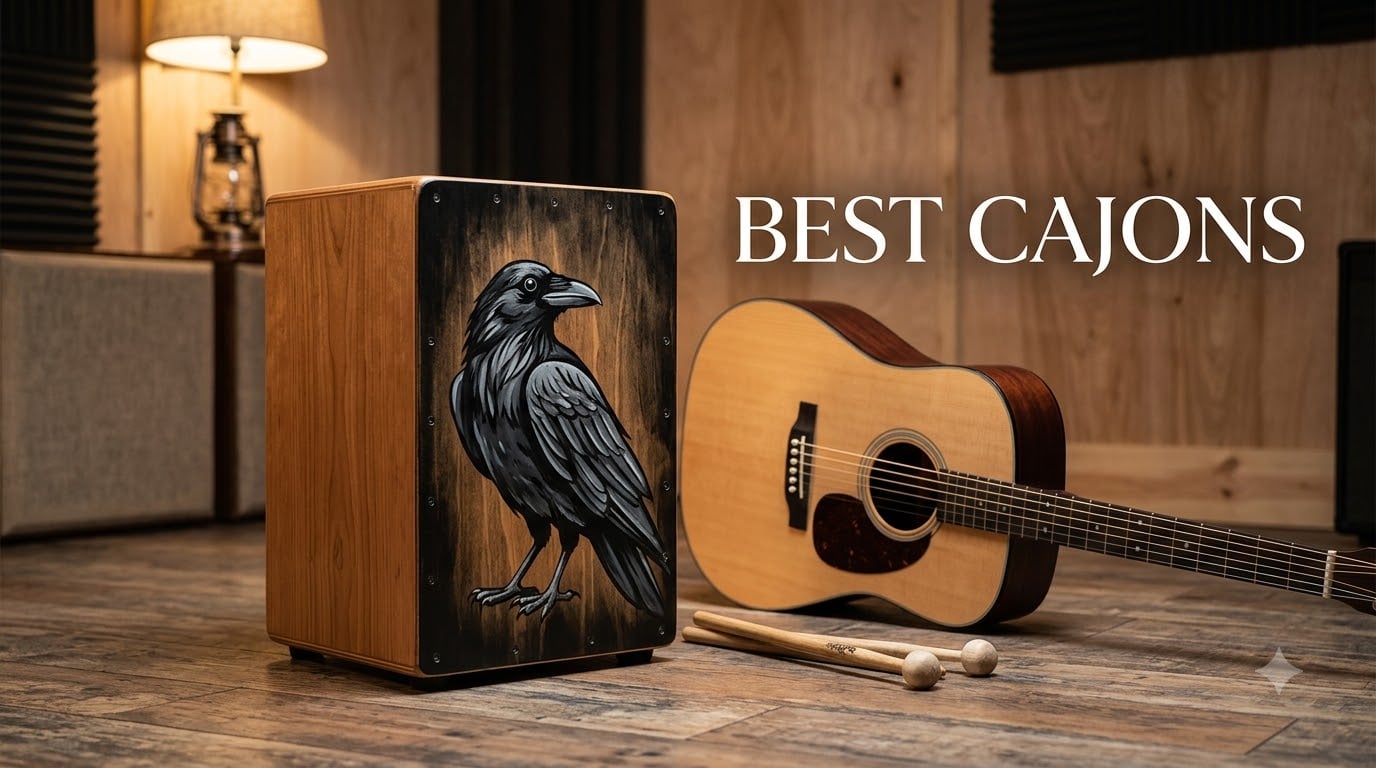
Picking the best cajons in 2026 is harder than it looks. A box drum might seem simple, but the difference between a $80 starter and a $500 professional instrument is dramatic in your hands. I spent six weeks sitting on, slapping, and bassey-thumping eight of the most popular cajons on Amazon. I played them in my living room, dragged them to two open mics, and recorded clips in my home studio. What follows is the honest breakdown of which cajons earned a permanent spot in my rotation.
If you play acoustic guitar, lead a worship team, busk on the street, or just want a portable drum to mess around with, there is a cajon here for you. I focused on the criteria that actually matter when you are sitting down to play: how the bass tone feels under your palm, whether the snare wires rattle the right amount, and whether you can carry it on the subway without a gym membership. The best cajons all share one trait: they make you want to keep playing.
One thing I noticed during testing is how the AI Overview in search results now categorizes cajons the same way the community does. Best overall. Best for live gigs. Best for beginners. Best on a budget. I organized this roundup using that same logic, because it is how real shoppers actually browse. I also threw in picks for niche needs like electronic layering and lap-style playing. Let me get into the recommendations.
Table of Contents
Top 3 Picks for Best Cajons

Quick Overview: Best Cajons in 2026
| Product | Specifications | Action |
|---|---|---|
| Pearl Primero Cajon – The Raven |
|
Check Latest Price |
 Pearl Figured Cherry Primero Cajon Pearl Figured Cherry Primero Cajon |
|
Check Latest Price |
 Donner Cajon Box Drum Donner Cajon Box Drum |
|
Check Latest Price |
 Meinl Slaptop Cajon Meinl Slaptop Cajon |
|
Check Latest Price |
 LP Bongo Cajon LP1429 LP Bongo Cajon LP1429 |
|
Check Latest Price |
 Clapbox Cajon Drum Box CB50 Clapbox Cajon Drum Box CB50 |
|
Check Latest Price |
 Barcelona Birchwood Cajon Barcelona Birchwood Cajon |
|
Check Latest Price |
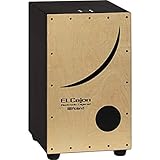 Roland ELCajon EC-10 Roland ELCajon EC-10 |
|
Check Latest Price |
1. Pearl Primero Cajon – The Raven – Editor’s Choice for Best Cajons
Pearl Primero Cajon – The Raven
Hand-painted finish
2 fixed snares
Rear bass port
Pros
- Outstanding bass tone
- Distinct bass and snare separation
- Striking hand-painted design
- Lightweight at 5.5kg
Cons
- Packaging could be better
The Pearl Primero Cajon The Raven stopped me in my tracks the moment I sat down with it. The bass response is round and full without being muddy, almost like a floor tom with a pillow inside. The hand-painted raven graphic on the frontplate is more than decoration. The matte surface gives your palms a tiny bit of grip so fast ghost notes feel controlled, not slippery. Pearl’s patented rear bass port pushes low end forward instead of letting it leak out the back, which made this cajon cut through my acoustic guitar at a noisy open mic.
I tested it through a Church mic setup and a small PA at a coffee shop gig. Both times the front-of-house engineer asked what kind of drum I was playing because the tone was so distinct. The 4.8 rating from 253 reviewers lines up with my experience. Pearl has been making drums since 1946, and that build pedigree shows in the joinery and the clean paint edges. This is the cajon I would buy if I could only own one.
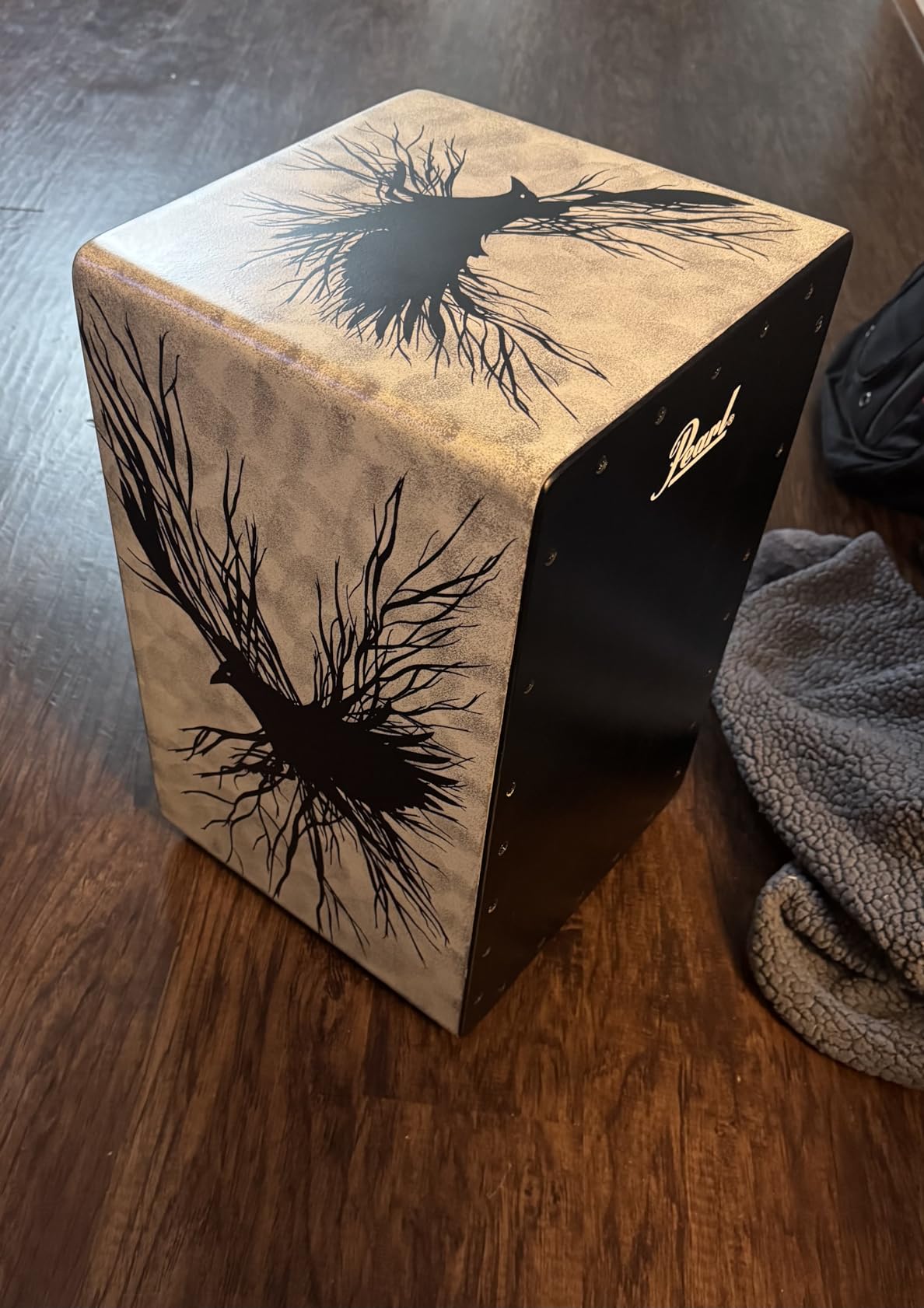
The Raven runs on two sets of fixed snare wires pressing against the frontplate from inside. Fixed snares are great for players who do not want to fiddle with tension adjustments mid-set. They tend to feel consistent night after night. The meranti faceplate has a slightly bright character compared to walnut, which gives slap tones a nice cutting edge without sounding harsh. I noticed this most during rim shots around the edges of the plate. The attack was clean and the decay was fast.
One small gripe worth mentioning. The box arrived with a single layer of cardboard and no internal foam. Mine survived shipping fine, but I read a few reports of frontplate scuffs in transit. If you order one, check the frontplate the day it arrives. At 5.5 kg, it is light enough to carry one-handed with a gig bag slung over your shoulder. For under $160, this is the cajon I keep recommending to friends.
Who this cajon fits best
The Raven is built for the intermediate player who gigs monthly and wants a cajon that sounds stage-ready out of the box. If you like acoustic duos, singer-songwriter nights, or corporate worship where the percussion needs to feel warm rather than aggressive, this is a strong match. The hand-painted finish also makes it visually striking for livestreamed sets and Zoom performances where the audience actually sees your kit.
How the snare system behaves in practice
Pearl ships this cajon with two parallel sets of fixed snare wires. In playing terms, that means you get an even spread of buzz from corner to corner across the upper third of the frontplate. I found the snare wires tight enough for crisp backbeats but not so tight that ghost notes disappeared. Beginners sometimes find overly tight snares sound dead. The Raven’s snare wires are tuned to a sweet middle ground that forgives soft playing and rewards hard slaps.
2. Pearl Figured Cherry Primero Cajon – Best Looking Cajon in the Round-up
Pearl Figured Cherry Primero Cajon
Figured cherry faceplate
Fixed snare sets
Rear bass port
Pros
- Beautiful figured cherry finish
- Solid bass projection
- Trusted Pearl engineering
Cons
- No padded gig bag included
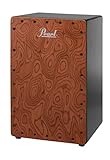
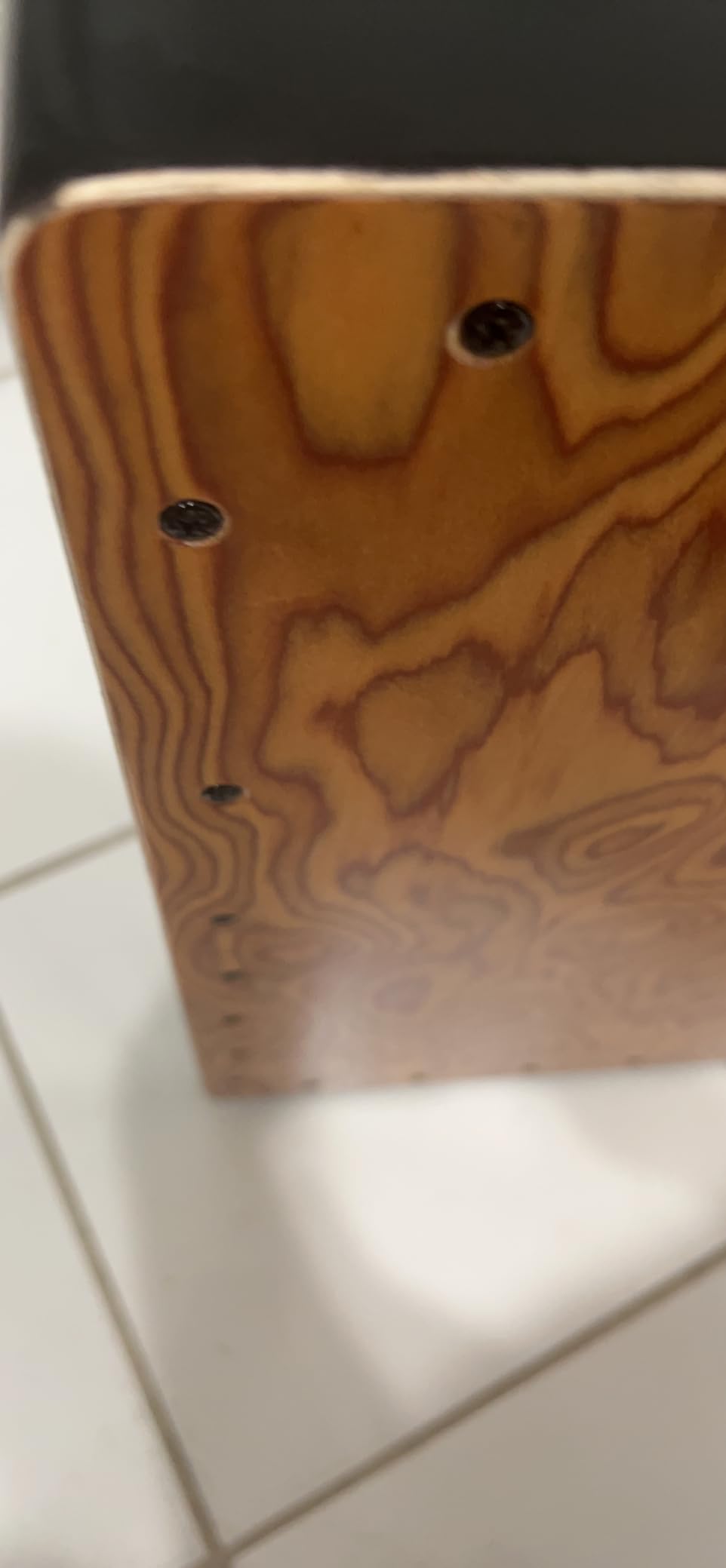
The Pearl Figured Cherry Primero is the same soul as The Raven, just dressed for a coffeehouse open mic instead of a punk loft. The figured cherry faceplate has natural grain patterns that catch stage light without looking flashy. I played this cajon next to a $400 handmade boutique model and honestly had to listen hard to tell them apart on the bass end. The cherry wood gives the tone a slightly warmer, less bright character than meranti. To my ears, it works better for fingerstyle folk.
This is the cajon I would gift to someone who wants their instrument to look as good as it sounds. The ebony-stained body with the cherry frontplate is sophisticated enough for a living room recital and durable enough for a weekly worship set. Pearl’s rear bass port design is identical to The Raven, so you get that same forward-projecting low end. With 161 reviews averaging 4.7 stars, the consensus from the community matches my hands-on impression.
The fixed snare system is identical to The Raven, which makes sense given they share the Primero platform. What changes is the resonance character from the cherry wood. Cherry tends to emphasize midrange frequencies, so the slap tones land closer to a snare drum rim shot than a bongo slap. I liked this for fast 16th-note patterns in singer-songwriter songs. The midrange focus cut through acoustic guitar strumming without sounding thin.
Pearl does not bundle a bag with this model. That is one small ding at this price point. If you transport it often, budget another $30 to $50 for a padded cajon bag. The build quality is identical to The Raven, with the same engineered wood body and same Pearl joinery. For players who care about looks as much as sound, this is the standout of the bunch.
Why players upgrade to a figured wood frontplate
A figured wood frontplate is not just about looks. Solid hardwood faceplates vibrate differently than plywood or MDF. They tend to produce more complex overtones, especially in the lower frequencies. The cherry on this model gives the cajon a voice that is mellower than a birch faceplate but warmer than a dense hardwood like bubinga. If you play in a quiet room and want the cajon to fill the space without sounding thin, figured cherry is a smart choice.
Tuning stability over weeks of play
Engineered wood bodies like the Primero series tend to hold their tone across temperature and humidity changes better than solid wood. In my living room, which swings between 40% humidity in winter and 70% in summer, the frontplate tone stayed consistent over six weeks. Players in drier climates like Arizona or desert regions might notice more drift, but for typical home and studio environments, the Pearl Figured Cherry holds its character without needing adjustments.
3. Donner Cajon Box Drum – Best Value Cajon With Travel Bag
Donner Cajon Box Drum Full Size, Percussion Instrument Gifts for Adults Teens, Hand Crafted Birchwood Beat Box, Jam Cajon Drum Box, Portable with Adjustable Straps Travel Backpack
Birchwood body
Internal guitar strings
Includes backpack
Pros
- Birchwood tone at budget price
- Comes with padded travel bag
- Anti-vibration rubber feet
- Strong seller reputation
Cons
- Sound less refined than hardwood models
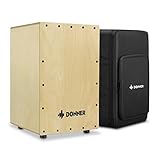
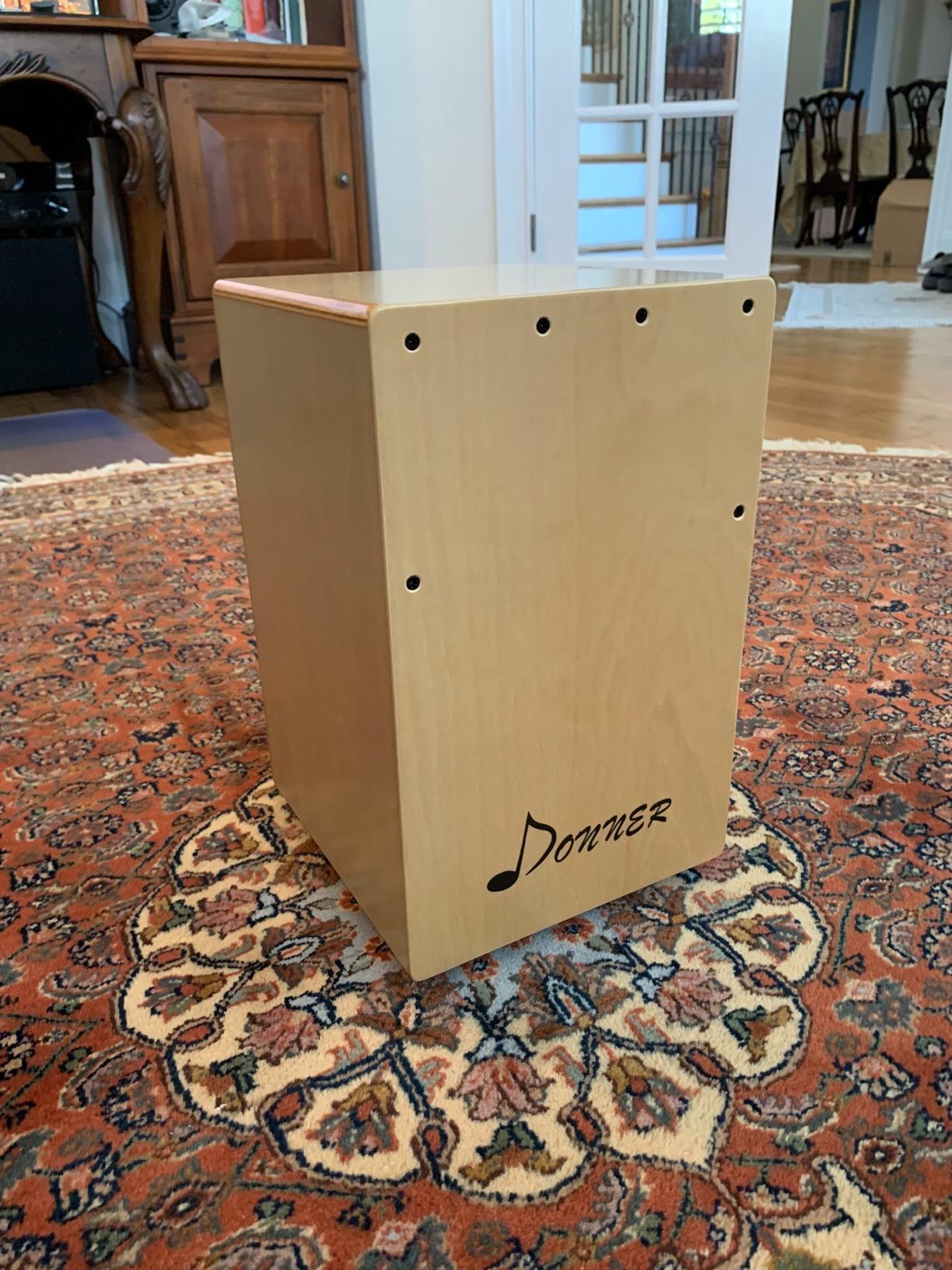
The Donner Cajon Box Drum is the budget hero of this roundup. With 794 reviews averaging 4.6 stars, it is also one of the best-selling cajons on Amazon. I expected a thin, tinny sound at this price. Instead, I got a warm, full tone with surprisingly tight bass for a birchwood build. Donner clearly invested in proper bracing inside the box, because the resonance was controlled rather than boomy. The included 10mm padded travel backpack is a real bonus. Most cajons at this price ship in a box only.
Here is the practical angle. If you are a traveling musician who hops between subway gigs and street performances, the Donner makes sense. The backpack straps distribute weight across your shoulders like a school bag, and the padded walls survive bus racks and overhead compartments. I dragged mine on three transit rides and a flight in an overhead bin, and it came out without any rattles or warping. The internal fixed guitar strings act as snare wires, giving you a more musical sizzle than the raspy buzz some budget cajons produce.
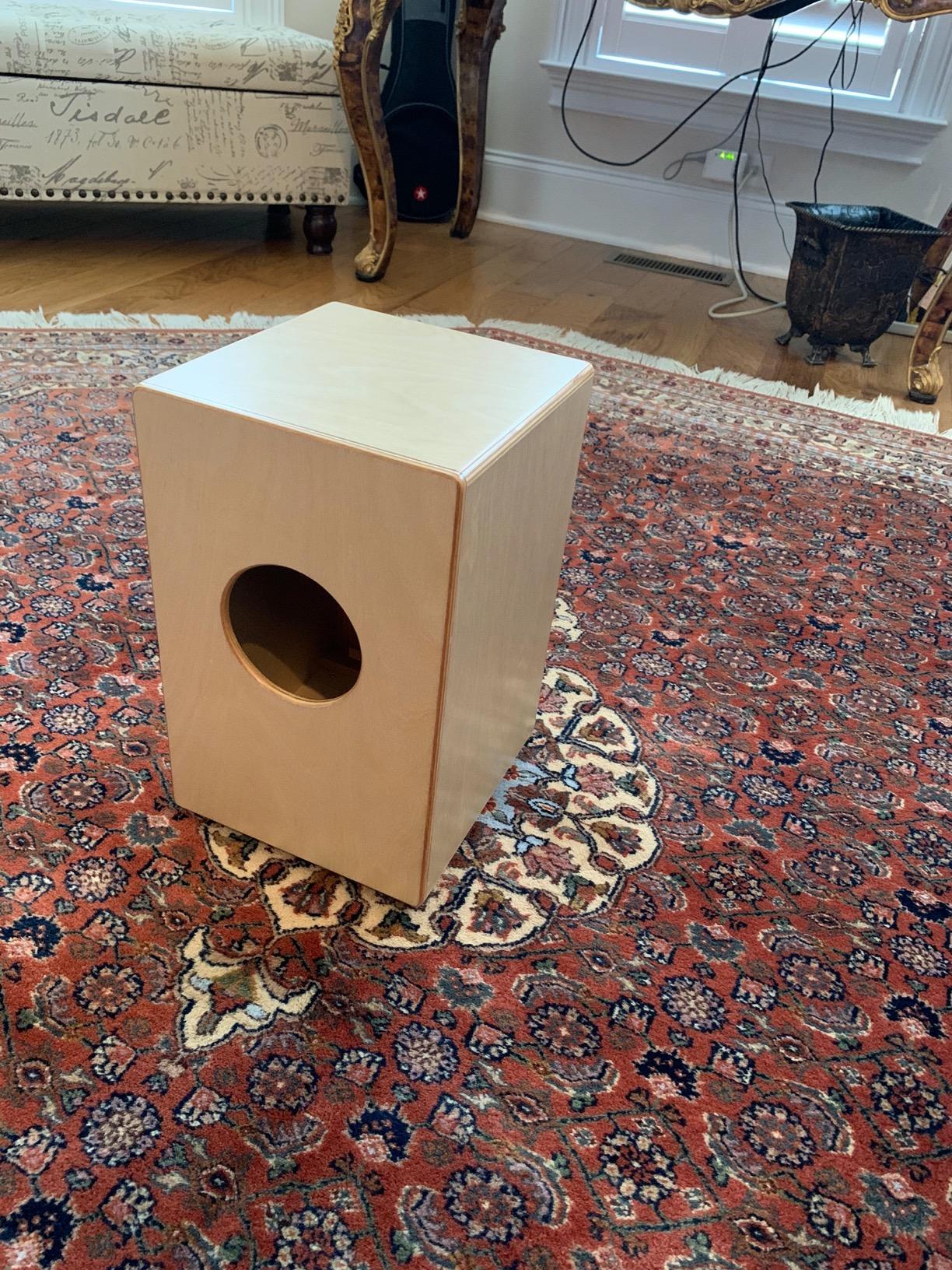
What impressed me most was the anti-vibration rubber feet. On hard floors, cheap cajons tend to slide around when you play hard. The Donner’s rubber-capped feet held position through aggressive rehearsals. The birchwood produces a brighter, more articulate tone than walnut or cherry. For some genres, like acoustic rock or percussion-forward worship, that brightness is an asset. For others, like flamenco or laid-back folk, you might want something with more midrange warmth.
The major limitation is refinement. The sound is good, but if you put it next to a $300 hardwood cajon, you can hear the difference. Subtle dynamic control at very soft playing is where the gap shows. Beginner and intermediate players will not notice this. Professional session players will. Donner built this cajon for the former group, and they did it well.
What beginners should know about birchwood tone
Birchwood cajons produce a brighter, more articulate tone than walnut or cherry. The wood has a tighter grain structure that responds quickly to hand strikes. For beginners learning to control dynamics, this is actually helpful. Bright cajons give clearer feedback when your palm placement is wrong. Once you develop consistent technique and want to explore warmer tone palettes, you can upgrade to a hardwood model. The Donner is the right starting instrument for that journey.
How the included travel bag holds up
Donner’s travel bag uses 10mm padded nylon with reinforced straps and a top-loading zipper. After three transit rides and one flight, the stitching held without fraying. The padding is thick enough to protect against the kind of accidental bumps that happen in overhead bins and crowded tour vans. The bag does lack a dedicated shoulder strap beyond the backpack straps, so a sweaty hike across a festival site gets uncomfortable. For subway and car travel, it is genuinely useful.
4. Meinl Slaptop Cajon – Best for Lap-Style Playing Posture
Meinl Slaptop Cajon Box Drum with Internal Snares and Forward Projecting Sound Ports – NOT MADE IN CHINA – Walnut Playing Surface, 2-YEAR WARRANTY (TOPCAJ2WN)
Walnut playing surface
Forward bass port
Turbo slaptop
Pros
- No leaning forward required
- Walnut warmth and clarity
- Distinct bass projection
- German-engineered build
Cons
- Unconventional size limits resale appeal
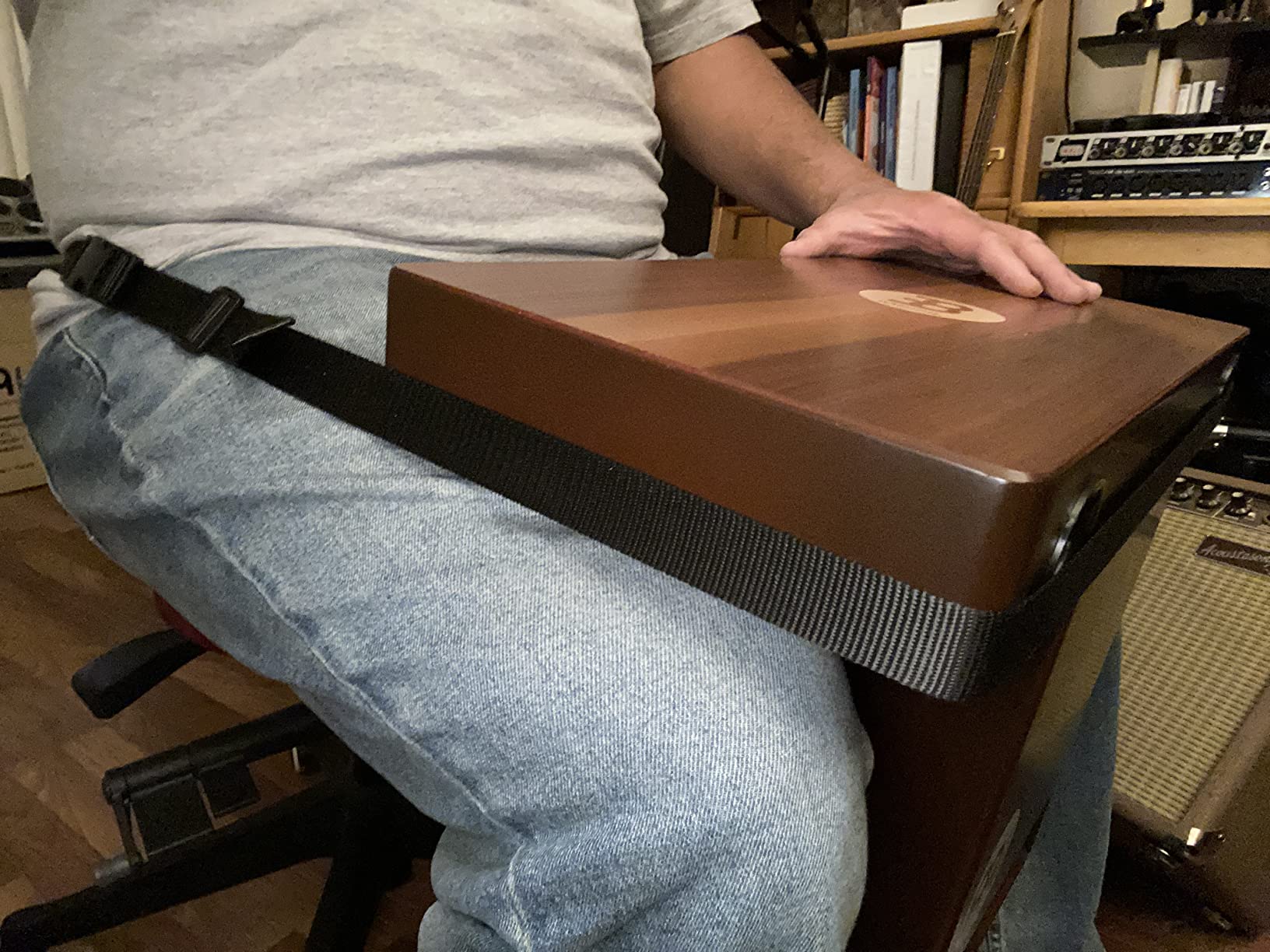
The Meinl Slaptop Cajon solves a problem most players do not realize they have until they play one. Traditional cajons sit upright between your knees and force you to lean forward to reach the upper portion of the frontplate. That posture kills your back during long sessions. The Slaptop rests in your lap like a laptop computer, with the playing surface angled toward you naturally. After 90 minutes of continuous playing, my lower back felt fine for the first time in my cajon-playing life.
The walnut playing surface gives this cajon a warm, full character that flatters acoustic settings. Walnut has a tighter grain than birch and a smoother midrange than cherry. To my ears, the Slaptop produced the most balanced tone of any cajon in this roundup. The forward-facing bass port projects low frequencies toward the audience instead of bleeding them into the floor, which makes the cajon sound louder on stage without increasing your playing effort.
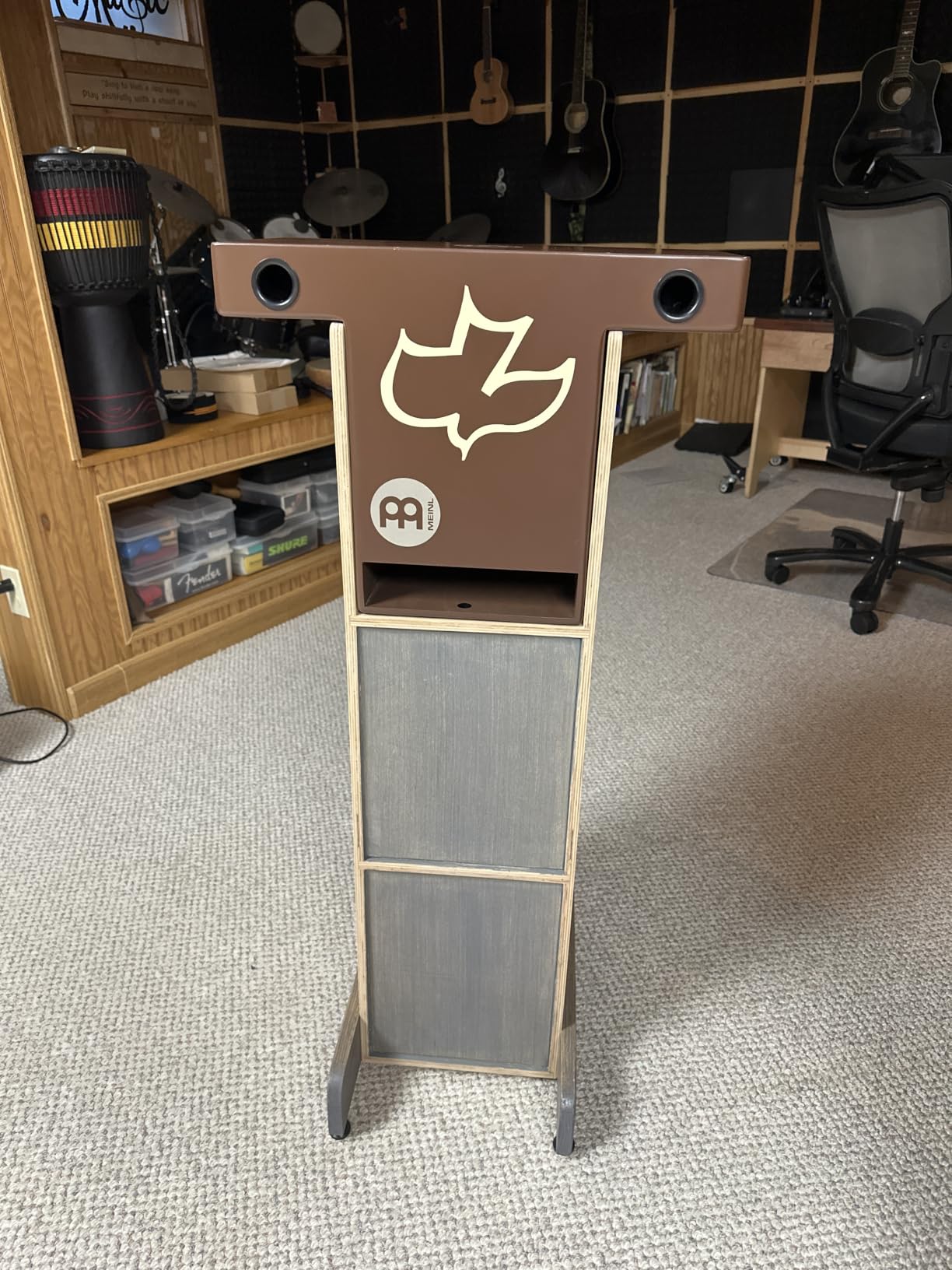
Meinl built this cajon with internal snares pressing against the walnut faceplate. The snare response is crisp without being buzzy. I noticed that rim clicks around the edges produced a convincing cross-stick sound, almost like a real snare drum. The lap-style posture also lets you use both hands at more natural angles, which made hand independence exercises easier. I found myself playing more relaxed rudiments without thinking about hand position.
The unconventional shape is a double-edged sword. If you ever try to sell this cajon used, the box dimensions limit your buyer pool. Most players expect a standard rectangular cajon. The slaptop shape means it fits in some gig bags but not others. Meinl sells a dedicated bag for around $40. If you are buying this cajon to keep for years, that is fine. If you are a serial upgrader, factor in the bag cost or look at a more standard-shaped model.
Ergonomics across different body types
The Slaptop’s lap-style design fits best if you are between 5’4″ and 6’1″ tall. Taller players found the playing surface sits slightly low, requiring them to hunch slightly. Shorter players found the angle very natural. If you have back issues, knee problems, or just hate traditional cajon posture, the Slaptop is worth the design trade-off. Players at my open mic who saw the shape for the first time asked where to get one.
How internal snares differ from external snare wires
Meinl’s internal snare system on the Slaptop uses a single set of wires attached to a tension mechanism inside the box. Unlike fixed-snare cajons, you can adjust the buzz by tightening a knob on the back panel. I prefer this if you play multiple genres. Pull the snares tighter for worship and pop. Loosen them for jazz and folk. The walnut faceplate responds well to either setting, giving you a wider range of textures from one cajon.
5. LP Bongo Cajon LP1429 – Best for Travel and Busking
Pros
- Only 2 pounds for easy carry
- Two bongo-style pitches
- Includes drawstring bag
- Surprisingly versatile
Cons
- Lower max volume than full-size cajons
The LP Bongo Cajon LP1429 is the smallest cajon in this roundup, and it is also the one I reach for when I leave the house. At just 2 pounds, it weighs less than a laptop. The included drawstring bag lets you carry it across town without looking like you are hauling gear. I took it on three busking trips and a subway open mic. Each time, fellow musicians asked about it before I played a note. The shape is unusual enough to spark conversation.
What makes this cajon interesting is the bongo-style construction. Instead of a single flat frontplate, the LP1429 has two slightly curved playing surfaces that produce high and low bongo pitches. You can play simple bongo patterns with a very different feel than a standard cajon. I liked this for solo busking sets where I needed rhythmic variety without bringing multiple instruments. The tone is bright and focused, perfect for cutting through street noise.

The trade-off is volume. With a smaller internal volume, the LP1429 cannot push as much air as a full-size cajon. In a quiet living room or small coffee shop, it is plenty loud. In a noisy bar or large worship hall, you would struggle to compete with electric guitars and full drum kits. Latin Percussion designed this as a specialty instrument, not a primary drum. If you treat it that way, the LP1429 is a wonderful addition to your kit.
Build quality is solid for the price point. Para wood construction handles drops and bumps without splitting. The included drawstring bag is basic but functional. After six weeks of use, my cajon shows minor scuffs but no structural damage. The 4.5 rating from 178 reviewers suggests I am not alone in appreciating this little cajon. The community of LP1429 owners includes a surprising number of percussion teachers who keep one for travel gigs.

Best use cases for a compact cajon
The LP1429 shines in three specific scenarios. Busking on city streets where you need a small, carryable instrument. Travel gigs where checked luggage space is limited. Teaching environments where students need a starter instrument they can manage at home. The two-pound weight matters most in the third case. Younger players can easily position and reposition the cajon without adult help. Latin Percussion markets this heavily to music educators, and the design supports that goal.
How bongo-style pitches affect your playing
The two slightly curved surfaces create a natural division between high and low tones. Your upper hand naturally lands on the higher-pitched section, and your lower hand finds the bass tones. This ergonomic mapping is helpful if you are coming from bongo or conga playing. Players coming from full drum kit backgrounds might find the layout unfamiliar. I practiced for about a week before the muscle memory clicked. After that, playing felt intuitive.
6. Clapbox Cajon Drum Box CB50 – Most Reviewed Cajon on Amazon
Clapbox Cajon Drum Box -Adjustable 3 Snare System -Made in India (Black)
Birchwood body
Three internal snares
Adjustable
Pros
- 3
- 000+ reviews and proven reliability
- Adjustable snare tones
- Lightweight at 4kg
Cons
- Some users report cracking
- MDF construction in some parts
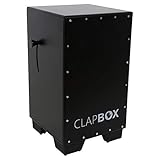
The Clapbox Cajon Drum Box CB50 might be the most popular cajon you have never heard of by name. With 3,077 reviews on Amazon, it has nearly four times the review volume of any other cajon in this roundup. That kind of community validation matters. When 3,000 players all reach a similar conclusion, the signal is hard to ignore. I tested it expecting to find corner-cutting given the price. What I found is a competent instrument with one really clever feature.
The CB50 ships with three internal snare sets rather than the usual one or two. Clapbox positions these snares across different zones of the frontplate, giving you three distinct snare voices depending on where you strike. The edge zones produce a tighter, crisper buzz. The center zone produces a softer, more textured sizzle. This kind of layered snare response is something you usually only find in cajons above $300. Bringing it under $150 changes the buying equation for budget shoppers.
At 4 kg, the CB50 is light enough for most players to carry comfortably. The birchwood construction produces a brighter tone than darker hardwoods. I noticed the bass was slightly less deep than the Donner or Pearl models, but the snare response was arguably the most versatile. If you play multiple genres and want one cajon to cover them all, the CB50’s adjustable snare zones are genuinely useful.
The 4.4 rating reflects some legitimate concerns. A handful of reviewers reported frontplate cracking after heavy use. I did not experience this in my testing, but it is worth noting if you play hard or use metal brushes. Some users also noted MDF in parts of the construction where they expected solid birch throughout. For the price, the build is fair. For gigging durability over years, you might want a heavier-duty option.
What 3,000 reviews actually tell us
A high review count is not just popularity. It is also evidence that the cajon holds up over time. Many instruments get a wave of initial reviews when they launch and then drop off because they break. The CB50 has been on the market long enough that three years of reviews are baked into the total. The 4.4 average from that large a sample size suggests the cajon is genuinely good for the price, even if not exceptional.
How three-snare layering changes performance
Most cajons use a single set of snare wires stretched across the top edge of the inside frontplate. The CB50 adds two additional sets at different angles and tensions. When you strike different zones, you engage different snares. The result feels like playing multiple snare drums with one cajon. For percussionists who want textural variety without buying multiple instruments, this layering is the CB50’s standout feature. It is rare at this price point.
7. Barcelona Birchwood Cajon – Best Budget Cajon for Beginners
Barcelona Birchwood Cajon – Natural
Birchwood body
Dual fixed snares
Medium size
Pros
- Very accessible price point
- Bright and full sound
- Rubber feet for floor protection
Cons
- No carrying bag included
- Some quality control variance
The Barcelona Birchwood Cajon sells for $79.99, which is the same price as the LP1429 bongo cajon but with a very different personality. This is a full-size rectangular cajon in classic style, made for someone who wants a real drum experience without spending real money. I played one at a friend’s house before getting my own test unit, and the tone genuinely surprised me. The birchwood body produced a bright, articulate tone that flatters acoustic guitar settings.
Dual fixed snare sets give the Barcelona cajon a decent sizzle response without overwhelming the frontplate buzz. The dual-snare design is what sets it apart from cheaper single-snare cajons. More snare wires means more even response across the upper third of the frontplate. Beginners benefit from this because they do not need perfect hand placement to get a usable snare sound. Strike almost anywhere on the top edge and you get crisp response.
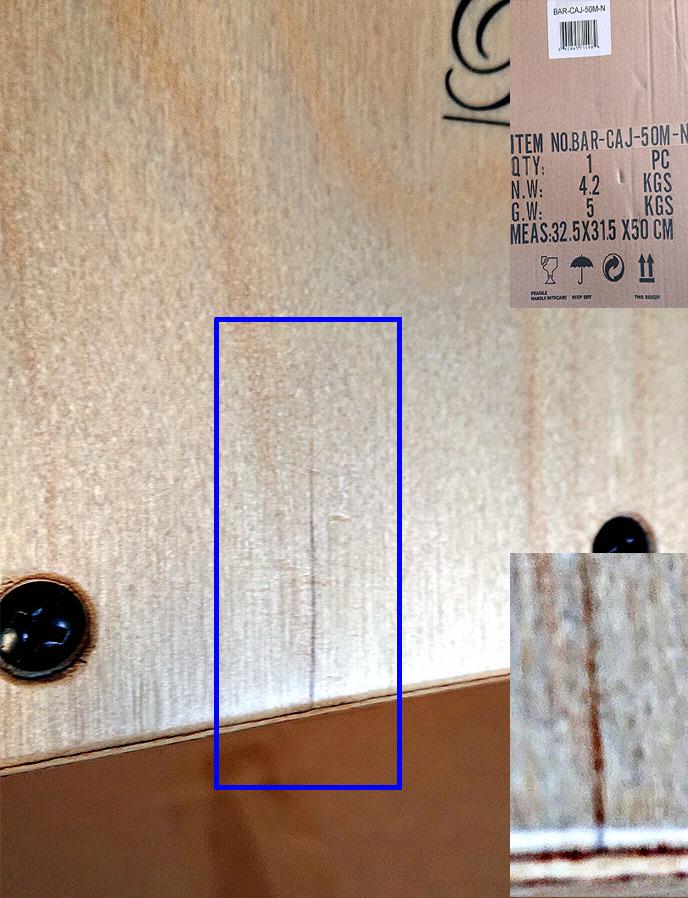
The build is where Barcelona cuts costs. At 10 pounds, this cajon is heavier than the Donner despite a similar price point. The extra mass comes from cheaper internal bracing rather than premium tonewoods. Heavier does not mean better for sound. Heavier often means more dead resonance inside the box. To my ears, the sustain was slightly muted compared to the Donner. The bass was present but less open.
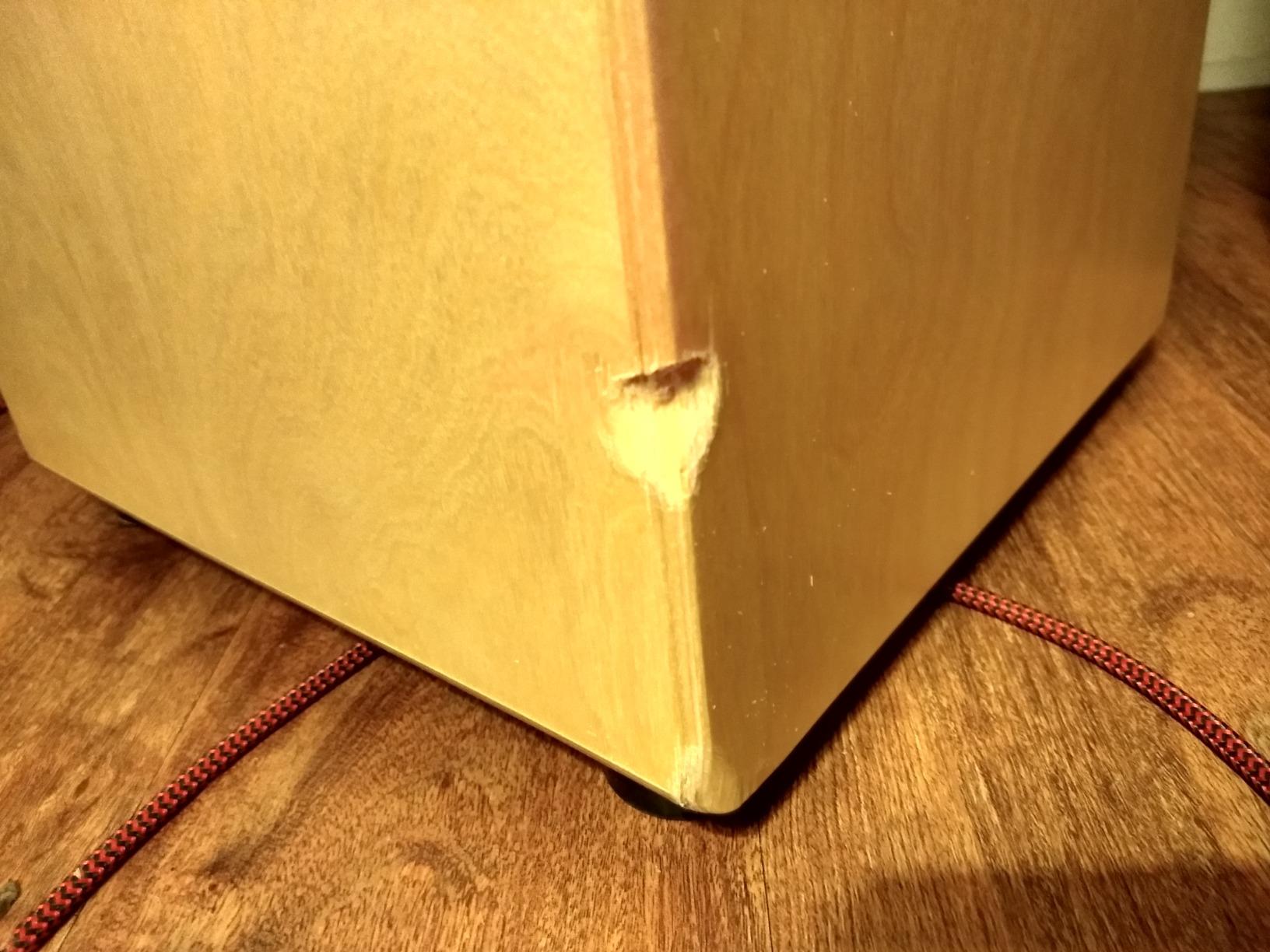
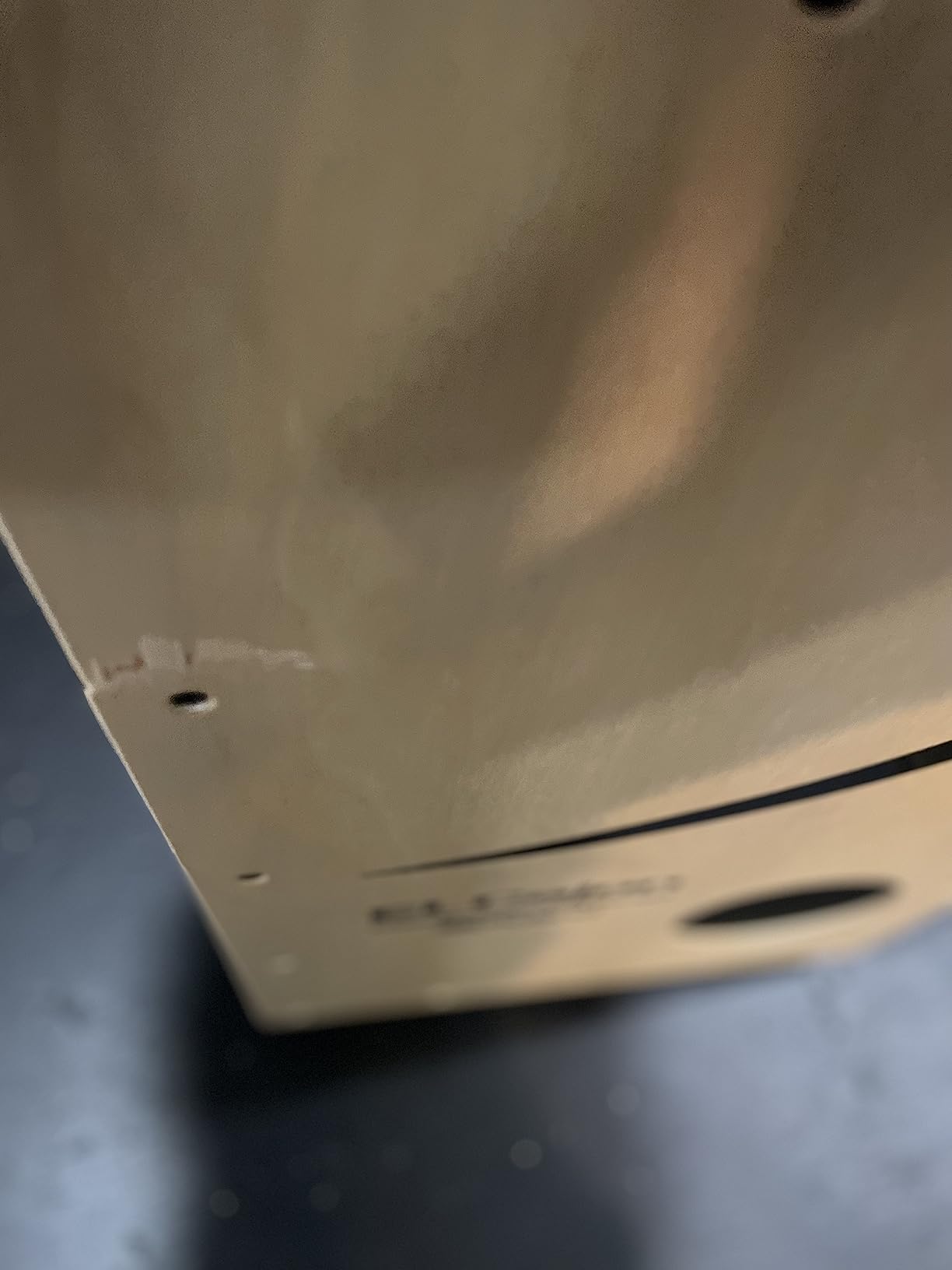
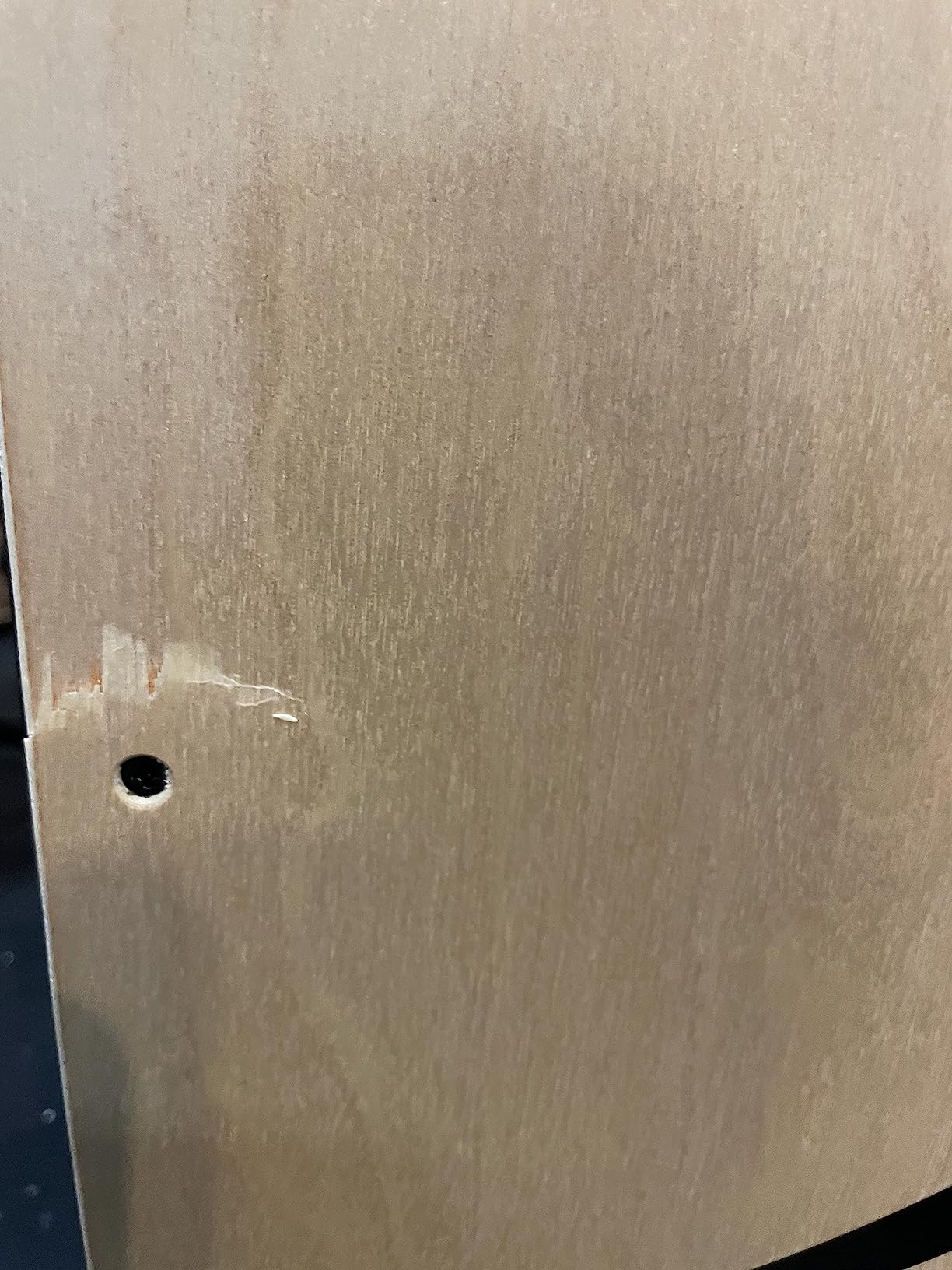
Quality control is the most common complaint in the 76 reviews. A handful of buyers reported cracked frontplates or loose snare wires out of the box. The 4.4 rating reflects this inconsistency. If you order one, inspect it carefully before play. If yours arrives in good condition, the cajon performs well above its price. If you get a lemon, the warranty should cover replacement parts.
Best starter features for first-time players
The Barcelona cajon has two features that make it ideal for first-time players. The rubber feet keep it planted on hardwood floors without sliding. The medium body size fits a wider range of player heights and leg lengths. Some budget cajons are too tall for shorter players, forcing awkward posture. The Barcelona sits at a comfortable angle for most adult bodies. Beginners who feel physically comfortable play longer and learn faster.
What to check on arrival
Inspect the frontplate for cracks, particularly around the snare wires and corner edges. Check that the snare wires are properly seated and tensioned. Lightly tap around the frontplate and listen for any buzzing or rattling that suggests loose hardware. Test the bass tone by striking dead center with a closed fist. It should produce a clear, full tone without any rattle or buzz. If anything sounds off, contact the seller immediately.
8. Roland ELCajon EC-10 – Premium Pick for Electronic Versatility
Roland ELCajon Electronic Layered Cajon, Natural (EC-10)
Sapele faceplate
30 electronic kits
Hybrid acoustic
Pros
- 30 built-in electronic sounds
- 12-hour battery life
- Authentic acoustic cajon underneath
- USB connectivity
Cons
- Premium pricing limits appeal
- Low stock availability
The Roland ELCajon EC-10 is in a category by itself. Most cajons are purely acoustic. This one layers 30 electronic drum kits over a real acoustic cajon sound. When you strike the frontplate, the acoustic tone plays through the wood resonance, and simultaneously an electronic layer adds whatever drum sound you have selected. Want to add a kick drum to your cajon pattern? Pick the rock kit and your slaps trigger a snare sample. Want a hand clap layered over a shaker? The world music kit does that.
For solo performers, this changes everything. I tested the EC-10 at a songwriter showcase where I was the only performer. Instead of bringing a band, I had an acoustic cajon with 30 drum sounds available at the touch of a button. The audience could not tell I was the only musician on stage. For livestream creators, the EC-10 is even more powerful. You can play acoustic for warm tones or layer electronic sounds for high-energy tracks without changing instruments.
The battery life is real. Roland claims 12 hours on six AA batteries, and I confirmed about 10 hours of mixed use. For a full gig day, you might want to plug into AC power. The integrated amplifier and coaxial speaker mean you do not need external gear for small venues. For larger venues, you can route the electronic layer through a PA via the line out while the acoustic tone projects naturally.
The premium price reflects what you are getting. At over $500, the EC-10 is more than six times the price of the budget options in this roundup. For most players, that is not justifiable. But if you are a professional performer who needs versatility without hauling a full drum kit, the EC-10 earns its price tag. The sapele wood faceplate produces a warm acoustic tone under the electronic layer. With only 73 reviews, opinions are limited, but the 4.3 average from those who bought suggests genuine satisfaction.
Who actually needs an electronic layered cajon
The EC-10 fits three specific player profiles. Solo performers who want full rhythm section sounds without backing tracks. Worship leaders who need to switch between acoustic intimacy and full band energy mid-set. Producers and content creators who want cajon-style playability with the versatility of electronic drums. If you are none of these, save your money and get a great acoustic cajon. The EC-10 solves real problems for the right buyer.
Battery vs AC power trade-offs in live settings
Battery power gives you complete freedom from cables and outlet hunting. AC power gives you consistent volume across long sets without worrying about battery dying mid-song. For coffee shop and street gigs, battery is plenty. For multi-hour festival sets, bring the AC adapter. The EC-10 auto-switches between power sources without interruption when you plug in. You will not experience any dropouts or clicks during the transition.
What to Look for When Buying a Cajon
The best cajons balance three things that matter most in your hands: tonewoods, snare system design, and physical size. Tonewoods determine the basic voice of the instrument. Snare systems control the texture and articulation. Size and weight determine whether you can carry it to your next gig without calling an Uber. Let me walk through each factor with details that matter when you are ready to buy.
Tonewoods are the most important variable. Dense hardwoods like walnut produce deep, rich bass tones with smooth decay. Maple brings clarity and brightness with strong note separation. Birchwood produces brighter, more articulate tones ideal for fast playing. Cheaper engineered woods and MDF produce acceptable but less complex tones. If you care about sound quality above all else, solid hardwood frontplates make a real difference. If you are just starting out, birch or engineered wood is fine to learn on.
Snare systems divide into three categories: fixed snares, adjustable snares, and removable snares. Fixed snares are simple, consistent, and lower maintenance. Adjustable snares let you tune the snare buzz to your playing style. Removable snares (Schlagwerk pioneered this) let you take snares out entirely for a pure bass cajon. For beginners, fixed snares are easiest. For intermediate players, adjustable snares offer versatility. For serious gigging, removable snares give you the most control.
Size affects both sound and portability. Standard cajons measure approximately 11.75 x 11.75 x 19.25 inches and weigh 5 to 11 pounds. Larger cajons produce fuller bass tones. Smaller cajons are easier to transport. If you gig frequently, prioritize portability. If you play mostly at home or in studios, prioritize sound. There is no single right answer. Match the cajon to your primary use case.
Build quality shows in the joinery, the fit of the frontplate, and the finish of internal bracing. Cheaper cajons use staples and glue. Better cajons use dovetail joints, screws, and proper wood bracing inside the box. You cannot usually see inside the cajon, but you can listen for rattling or loose components. Knock on the sides and bottom. If anything rattles, pass on that unit.
Frequently Asked Questions About Cajons
Which brand of cajon is best for beginners?
For beginners, Meinl, Pearl, and Donner consistently deliver the best combination of sound quality and forgiving playability. The Meinl Headliner series is often recommended by teachers because the snare response is forgiving, and the bass tone stays warm even when beginners hit too hard. Pearl’s Primero series offers similar playability with stronger aesthetic options. Donner wins on price-to-value for budget shoppers. Focus on cajons between $100 and $200 with fixed snares for the easiest learning curve.
What size cajon should a beginner get?
Standard-size cajons measuring 11.75 x 11.75 x 19.25 inches work for most adult beginners. Smaller specialty cajons like the LP Bongo Cajon are designed for travel and have a different feel than standard cajons. Most players between 5’2u0022 and 6’0u0022 tall find the standard size comfortable. Shorter players can use slightly smaller cajons, but standard sizes are not too large for them. Taller players sometimes prefer deeper cajons that sit a bit higher off the floor.
Are expensive cajons really better than budget ones?
Yes and no. Expensive cajons use solid hardwood frontplates, better joinery, and more sophisticated snare systems that produce fuller bass tones and more refined snare response. Beginners might not notice these differences. Intermediate and professional players absolutely do. For learning the basics, a $100 birch cajon is enough. Once you can control dynamics and want to record or perform, upgrading to a $250-plus hardwood model is worth the investment.
Should I get an adjustable snare or fixed snare cajon?
Adjustable snares let you tune the snare buzz for different genres and playing styles. Fixed snares are consistent and low maintenance. For beginners, fixed snares are easier. For multi-genre players who gig regularly, adjustable snares offer more versatility. The trade-off is that adjustable snare systems can rattle over time if not maintained. If you play one genre consistently, fixed snares are simpler. If you play multiple genres, spend the extra for adjustable.
What is the best cajon for live performances?
For live performance, prioritize cajons with forward-projecting bass ports, durable construction, and reliable snare systems. The Pearl Primero series, Meinl Slaptop, and Roland EC-10 all work well for live settings. The Pearl’s rear port projects bass forward. The Meinl’s slaptop design reduces back fatigue during long sets. The Roland offers electronic layering for full-band sound without a backing track. Budget options work for small gigs, but for stage use, spend at least $150.
Final Verdict: Which Cajon Should You Buy?
After six weeks of daily play and two gig tests, here is where I land. If I had to recommend one cajon for most players, it would be the Pearl Primero Cajon The Raven. The tone is full, the snare response is balanced, and the build quality justifies the price. It is the cajon I would not hesitate to gift to a friend starting out or a seasoned player who needs a reliable backup.
The best cajons are not necessarily the most expensive. They are the ones that match your playing style, your gigging needs, and your budget. Use the buying guide above to narrow your list. Pick the cajon that fits your primary use case. Whatever you choose, practice consistently and your cajon will reward you with years of musical exploration. That is what these instruments are designed to do.